As it’s Easter break we decide to depart at 10:30 am to arrive at LeShuttle terminal early. We’re booked on the 2:20 pm train so don’t need to be there until 1:20 pm for check-in, but we have a flexible ticket so may be able to board an earlier train.
I put the terminal co-ordinates into the car GPS, selecting ‘avoid toll roads’ only for it to tell me that the route we are to take, via the M25, that the tolls are unavoidable.
Thank goodness Lynn does the same with her MapsMe offline maps and informs me that we can, in fact, get there toll free, following the A20/M20 to the 11A exit from the M20 straight to LeShuttle check-in booths where we arrive at 11:45 am.
Boarding Le Shuttle again at Folkestone, UK.
Unlike the last 2 times we’ve used LeShuttle we don’t get to drive straight onto the train, thanks to the crowds. Rather we park and wait in the terminal over a coffee for 55 minutes until we get the call at 12:45 pm to proceed through both passport controls and drive onto the train.
Promptly the train departs at 1:15 pm and we arrive at Calais some 35 minutes later.
Driving to Dunkirk.
In Dunkirk, our apartment is a block back from the beach, east of Malo-Les-Bains.
We follow our usual drill: unpack then drive to our nearest supermarket (Leclerc) for provisions. As today is Wednesday and Friday is Good Friday when all the shops and presumably restaurants will be closed, we plan to eat in tonight and Friday night. We drive to Luxembourg on Easter Saturday.
Fortunately, we find some English-speaking movies on YouTube and watch the hilarious 1976 ‘The Cheap Detective’ starring Peter Falk (of Columbo fame) and this movie’s send-up of ‘Casablanca’ and ‘The Maltese Falcon’.
28 March, 2024
One thing we do love about France is the use of window shutters for blocking out light and noise. When we wake we discover we’ve slept for 11.5 hours!
Although it’s raining lightly and quite windy, we still venture outdoors to view the famous beach.
Dirty water and dark clouds.
In May and June of 1940, Dunkirk was the scene of a major turning point in history. During the Second World War, the famous Operation Dynamo succeeded in evacuating more than 338,000 soldiers to England, in only nine days.
View west along the beach at Dunkirk.
The relative calm of the “Phoney War” period that followed the 1939 declaration of war between Britain and Germany suddenly ended on 10th May 1940, when Germany launched an attack on Holland, Belgium and Luxembourg. In the space of just a few days, the German army had pushed through and the allies were retreating towards the North.
View east along the beach.
Fearing that its troops would be trapped, and judging the battle to be lost, Britain decided to evacuate the troops retreating on Dunkirk by sea. Admiral Ramsay led the evacuation, which the British called ‘Operation Dynamo’.
Peck-uliar sculpture of an octopus with 1 tentacle ending in a bird’s head eating a fish!
England sent over everything and anything that could float: warships, commercial vessels, fishing boats, sailing boats, barges and “little ships” that had never before been more than a few miles off the coast. Under continual aerial attack, more than 330,000 allied soldiers, including 120,000 French and a few thousand Belgian soldiers were evacuated through Dunkirk, and about a third of the soldiers left from the beaches. 40,000 soldiers were left behind and taken prisoner. Most of them belonged to the divisions in charge of slowing down Germany’s advance, a crucial element in the operation’s success.
Digue de Mer houses.
Today there is a road that runs parallel to the beach, Digue de Mer (sea wall), upon which there is a variety of buildings – both ‘new’ high-rise and the more traditional houses, often with cafes, bars or restaurants on the ground floor.
And the usual beach-side sights: a building for emergency services …
Art deco ‘secours’ centre.
… and colourful beach huts. Thank heavens that Australia has maintained that the sea and river fronts are common property and nobody can “own” or build on the shores or rent out space on ugly sun beds, etc.
Assembling the bathing boxes on the beach.
Surprisingly, given the war, most of the houses in the side streets still retain their French-ness, the rest are ‘modern’ brick monstrosities.
French-style houses in Dunkirk with balconies and mouldings.
We return to our apartment which is a 3-story building amongst 2-story dwellings that have that rural village cottages look. Unlike its rustic exterior, the apartment has been renovated inside creating quite a spacious apartment with an outdoor terrace.
Holiday apartment on Rue de Gembloux.
Given our coastal location, we’re going to forego the usual ‘moules’ and try the local sushi house for dinner this evening instead.
29 March, 2024
As we have about a 3.75-hour drive to cover the 396 km to our next destination in Luxembourg we depart at 10:05 am in 10 Deg. C and rain. We should arrive around 1:50 pm.
Our route will take us past Bruges, Ghent, around Brussels and Luxembourg to the Mercure Kikuoka Golf & Spa about 25 minutes’ drive SE from Luxembourg City – essentially we will drive the length of both Belgium and Luxembourg finishing 10 minutes’ drive from the German border at Remich.
12 minutes after departing we cross the border into Belgium. Soon after I get an error message on the dashboard console: “Air con has been stopped due to engine high temperature.” WTF??
The usual inclement weather in Belgium.
It’s then I notice that the Engine Temperature gauge is not registering at all. It’s still at its starting point, not half way around where it should be after driving the car for half an hour. Terrific! Why couldn’t this have happened while we were in the UK in an English-speaking country with RAC breakdown service and not on Easter Saturday!
Fortunately, a service station is up ahead so we pull in so that I can check under the hood. Nothing seems amiss – no hoses blown, no leaking coolant, even the engine isn’t that hot to touch. Logic tells me that it’s the console gauge that has had a brain fart so I decide it’s safe to continue, even though the error message persists.
Discussing the issue we decide to pull into the next lay-by – where it turns out there are a couple of police cars with flashing blue lights. It seems that they have intercepted a lorry with a load of African illegal immigrants in the back. Away from the fracas I retrieve the OBD2 (On-Board Diagnostics computer) gizmo from the boot, the one that I bought when I had the issue with the faulty radiator sensor back in October 2022. I put it through its paces, turn on the ignition, the engine temperature gauge springs into life and the error message disappears. Thank goodness for that! Probably a faulty cheap Chinese computer chip in the car or is it the fact that the poor car has had to endure the constant wet weather in the UK and Europe.
A good outcome for us but not so the gaggle of Africans that a bevy of police are interrogating plus the police officer who is photographing the contents of the back of a lorry in the lay-by. Time to hit the road or we might be next!
Then the usual traffic jams on Belgian freeways.
Now that that drama is over we have to contend with the usual Belgian roadworks and interminable tail backs and traffic jams, especially on the northern E19 RO ring road around Brussels. Since we left Dunkirk it’s been unbelievable the amount of traffic on the roads on an Easter Saturday.
More than one Belgian traffic jam.
We finally break free of that madness when we hit the E411 on the other side of Brussels and drive the length of Belgium.
Nary a car on the E411 to Luxembourg.
At the 90 km mark on the E411, near Lavaux-Sainte-Anne, is apparently the largest sculpture in the world. A monumental work by French internationally-renown artist, Bernar Venet, the steel, “L’Arc Majeur” weighs 200 tonnes, measures 60 meters high and was installed in 2019. It was in response to then French President, Mitterand, asking that works of art be installed along highways – presumably French highways, that is, not Belgian ones??
Art work or a bloody big Piston ring?
But, 34 years later, to celebrate the 200th anniversary of John Cockerill arriving at Seraing, the Cockerill CMI Welding Expertise Center in Seraing produced it, a showcase of Walloon Region know-how in the field of construction.
Instead of daffodils planted along footpaths, the local villages have planted tulips. The nearer we get to Scheierhaff, where the Golf Resort is located, the more remote, rural, picturesque and serene becomes the landscape.
Countryside leading to the hotel.
We finally stagger into reception at 3:05 pm – a 75-minute delay – and quickly unpack so we can unwind with a glass of red and an excellent meal in the hotel restaurant after our “3 countries, 3 traffic jams, 3 pee stops and a check engine warning sign” day.
View of the main entrance to the Mercure.
Our desire for an early night is scuppered by having to turn the clock forward an hour for tomorrow’s commencement of Central European Summer Time.
31 March, 2024
Happy Easter! Although the weather forecast for our entire 5-day stay in Luxembourg is for rain we wake to a bright, sunny day.
Let me out before they eat me!
After breakfast we decide to enjoy the sunshine with a walk in the Luxembourg bush.
From road to boggy trail.
The trail turns out to be too boggy to be enjoyable so we walk around the golf resort instead.
View over the back 9.
The path around the back of the hotel looks over the back 9 as well as the restaurant, bar and wellness areas of the hotel.
View of the accommodation, restaurant, bar and wellness areas.
A lazy day in watching golfers progress around the course with a meal in the hotel bistro tonight.
1 April, 2024
Happy April Fool’s Day! Even though it’s raining we’re going to drive the 18 minutes into Luxembourg city for a quick squizz at the Old Town. In the past we have both been to Luxembourg for work but the banks’ offices were in the new town. So, we park in the Knuedler car park which is under the Place Guillaume II in the Old Town and surface by his statue.
Since the middle of the 13th century, this square, named after William II, King of the Netherlands and Grand Duke of Luxembourg, has accommodated the church and the monastery of the order of Saint Francis. In common parlance the square is also called Knuedler – derived from the Luxembourgish word “Knued” denoting the knot in the belt of the Franciscan friars.
Guillaume II statue in Place Guillaume II with Notre-Dame Cathedral spires (L).
In 1797 the French seized the monastery with all its grounds and disposed of it part by part. In the following centuries the whole cluster of edifices was pulled down and the square redesigned. Today, the William Square hosts not only the Town Hall and the Luxembourg City Tourist Office, but also plenty of markets, open air concerts and feasts [Luxembourg ma ville].
Town Hall.
A short walk from the square, along Rue de la Reine we come to the Grand Ducal Palace which has only 1 guard standing on duty.
Grand Ducal Palace.
From here we walk along Rue de la Boucherie, past a host of small marquee tents that are part of a street market, alongside Saint-Michel’s Church and onto the Bock Casemates, also the N1 road.
View from the Casemates over the River Aizette, Church of Saint-Jean & Plateau du Rham.
The Bock (Luxembourgish: Bockfiels) is a promontory in the north-eastern corner of Luxembourg City’s old historical district.
Pont de Stierchen straddling the River Alzette.
Offering a natural fortification, its rocky cliffs tower above the River Alzette, which surrounds it on three sides.
View back to the Old Town from the Pont du Chateau on top of the Casements.
It was here that Count Siegfried built his Castle of Lucilinburhuc in 963, providing a basis for the development of the town that became Luxembourg.
Walkway from the casements to the river.
Over the centuries, the Bock and the surrounding defenses were reinforced, attacked, and rebuilt time and time again as the armies of the Burgundians, Habsburgs, Spaniards, Prussians, and French vied for victory over one of Europe’s most strategic strongholds, the Fortress of Luxembourg.
View upstream from Pont de Stierchen with casement galleries on the right.
Warring did not stop until the Treaty of London was signed in 1867, calling for the demolition of the fortifications. Ruins of the old castle and the vast underground system of passages and galleries known as the casemates continue to be a major tourist attraction.
On account of these impressive fortifications, Luxembourg was even given the epithet of the “Gibraltar of the North”. In 1994, the casements were inscribed on the UNESCO World Heritage List.
View from pedestrian bridge towards Pont de Stierchen & Eglise Saint-Michel.
After crossing over the pedestrian bridge we walk upstream along the river bank where we come across a bright purple sculpture of a mermaid.
Melusina.
According to legend, Melusina was the wife of Sigfried, 1st count of Luxembourg, living in his castle on the rocky Bock promontory. On their marriage, Melusina required her husband never to see her during a particular day and night of the week.
House foundations forming part of the Alzette River bank.
One fine day, unable to resist his curiosity, Sigfried spied her in her bath through the keyhole of her room’s door and discovered her fish’s tail. Melusina, noting that her husband was watching her, then vanished forever into the torrents of the Alzette river.
Entrance to Restaurant L’Hetre Beim Musee on Rue du St Esprit.
Walking up some switchback roads we arrive outside the Notre-Dame Cathedral.
Interior of Notre=Dame Cathedral.
Where Lynn is a little taken aback by a prominent sign in the cathedral’s vestibule warning against pickpockets!
Is nothing sacred??
In all we spend about 1.5 hours wandering about the Old Town. After refueling (at Eu1.63/litre cheaper than France and Belgium) we drive back to the Resort where, over the course of the afternoon, the course is inundated with periods of alternating torrential rain and sunshine.
2 April, 2024
As today is supposed to be the least wet day of our stay, we plan to drive 51 km north to Chateau de Vianden, also close to the German border. But first, what makes Luxembourg, Luxembourg?
The Grand Duchy of Luxembourg is a small landlocked country in Western Europe bordered by Belgium, Germany and France. It is a representative democracy headed by a constitutional monarch, Grand Duke Henri, making it the world’s only remaining sovereign grand duchy.
Its capital, Luxembourg, is 1 of 4 institutional seats of the EU (together with Brussels, Frankfurt, and Strasbourg) and the seat of several EU institutions, notably the Court of Justice of the European Union. It is also a founding member of the EU, OECD, the UN, NATO, and Benelux. While Luxembourgish is the only national language of the Grand Duchy and its people, French is the only language for legislation, and all three – Luxembourgish, French and German – are used for country’s administrative matters.
With an area of 2,586 square kilometers (998 sq mi), Luxembourg is Europe’s 7th-smallest country. In 2023, it had a population of 660,809, which makes it 1 of the least-populated countries in Europe, albeit with the highest population growth rate with foreigners accounting for nearly half the population.
Back to Castle Vianden – “one of the 21 most beautiful castles in the world” (CNN).
Viandan Castle – view from Grand-Rue.
Vianden Castle was constructed between the 11th and 14th centuries on the foundations of a Roman ‘castellum’.
Castle view from Montee du Chateau.
It is one of the largest and most beautiful feudal residences of the romanesque and gothic periods in Europe.
Inner wall view from the castle bailey.
Until the beginning of the 15th century it was the seat of the influential counts of Vianden who could boast their close connections to the Royal Family of France and the German imperial court.
View of Viandan Dam/’reverse graffiti’ artwork on River Our from castle entrance.
Henry I of Vianden (1220-1250) is known as ‘the Sun Count’ for it is during his tenure that the holdings, lifestyle and influence of the House of Vianden reached its zenith.
Arms Hall.
His ancestors were influential in the Ardennes, Eifel and Luxembourg regions for hundreds of years.
Arms Hall – complicated locking mechanism for chest.
His wife, Margarete of Courtenay, was of the French Royal Family, daughter of the Latin Emperor of Constantinople, sister-in-law to the King of Hungary and cousin to King Philip-Augustus.
Upper Chapel – used by nobility.
Margarete’s ancestors, included the Crusaders from the Houses of Flanders and Hainault, Henry’s and Margarete’s son, Frederic had served in the Fifth Crusade.
View of houses within old castle wall.
In 1417, the dominion passed by inheritance to the House of Nassau, which, in 1530 collected the principality of Orange as well.
Loggia-style gallery.
From then on, the castle was no longer the official residence of the counts.
View of Vianden township.
The rich architecture the House of Nassau inherited can still be seen today, as no further modifications were made.
Banqueting Hall.
The main construction parts of the castle which are preserved today, in particular the chapel and the small and large palaces, originate from the end of the 12th and the first half of the 13th century.
Bedroom.
The ‘Quartier de Juliers’ on the western side of the large palace (no longer existing today), originates from the beginning of the 14th century. The House of Nassau was only constructed at the beginning of the 17th century.
Vic. Abens Hall – event space with tapestries.
In 1820, under the reign of King William I of Holland, the castle was sold piece by piece, and as a result, it fell into a state of ruin.
Grand Kitchen.
It was a pile of rubble until the family of the Grand Duke of Luxembourg transferred it to State ownership in 1977.
Wooden wheel over deep well off Grand Kitchen.
Since restored to its former glory, the castle now ranks as a monument of not only regional, but European importance [castle-vianden.lu].
Dining Hall off Grand Kitchen.
Several halls are dedicated to those responsible for the castle’s restoration, in particular: Charles Arendt and Jemmy Koltz.
Knights’ Hall – stained glass coats of arms.
Jean Charles Wenzeslas Arendt (1825-1910) was state architect for Luxembourg and author of over 130 publications, mainly on architectural and art historical topics. He carried out extensive restorations of historical buildings, including the ruins of the Vianden Castle.
Presentation in the Information Centre.
Jean-Pierre (“Jemmy”) Koltz (1909-1989) was a Luxembourgish engineer, technician and historian. His main research topic and his passion was the building history of the Luxembourg fortress. He was also president of the Syndicat d’Initiative of the City of Luxembourg and of the Commission des sites et monuments nationaux where he was involved the restoration of various castles, especially the reconstruction of Vianden Castle.
Vianden Town.
Below the castle is the picturesque, medieval walled town of Vianden. Within its walls is the Gothic Trinitarian Church which has a 13th-century cloister and the Victor Hugo Literary Museum is in a house that hosted the writer in 1871 during his political exile from France.
View of Vianden Town from N17.
In total we spend 3 hours wandering through the castle and enjoy the hour’s drive in sunshine back to the hotel.
Stark contrast to the rain-drenched countryside we saw 3 days ago.
Tonight we drive 10 minutes to a small, family restaurant in the town of Remich on the banks of the Moselle River. The food is pretty good but the meal is so large that we could have shared it.
Post-dinner walk along the flooded Moselle River.
3 April, 2024
It has rained hard all day but we have no plans to be outside. Lynn has a massage booked this afternoon and I plan to spend that time in the indoor heated pool and jacuzzi.
We are heading to Heidelberg tomorrow but since it is only a few hours’ drive we plan to check out at noon and do our packing in the morning.
4 April, 2024
After breakfast this morning we have a WhatApp video call with my grandson for his 3rd birthday. As you would expect he is more interested in spending time playing with his birthday presents than talking to his grandfather. Still, we have an interesting call with Vanessa to catch up on their lives and get to see the ‘new’ addition to their family, Zara.
At 11:00 am we check out of the hotel and load up the car in the heavy rain and head across the Moselle River into Germany.
Crossing the Moselle River at Remich.
It rains heavily all the way to Heidelberg and, as usual, we encounter a heavy traffic jam near Mannheim where the freeway comes to a complete standstill. We manage to find a detour on smaller back roads direct to a supermarket just south of Heidelberg where we do our usual grocery shopping before checking in to our Aparthotel for the next 4 nights.
We have a suite at the Staycity Aparthotel just out of the centre of Heidelberg. The suite is modern and very comfortable.
View from our apartment in Heidelberg.
Tomorrow we are heading in to the old town for a walking tour but this afternoon we are just relaxing and doing our laundry in the hotel laundromat.
After 4 blissful days in the village of La Napoule we retrace our journey along the A8/E80 to just before Avignon where we take a right onto the A7. We need to check out at noon but can’t check into our next accommodation until 5:00pm. With the trip only taking 3 hours, we have some time to kill. Therefore, our first destination is the village of Mirmande which is 32 km south of Valence.
Leaving the rugged beauty of the Cote d’Azur.
It’s a lovely sunny day and 8 Deg. C. when we depart the hotel at 11:03am. Would you believe, within half an hour of driving, we come across not one, but two, accidents on the opposite carriage way – the first with 2 fire units in attendance. Not surprising as it is a Sunday and given the risks that we’ve seen French drivers take such as cutting in front of you to change lanes and other haphazard forms of driving. There are some dreadful and dangerous driving examples and probably the worst that we have seen so far in Europe.
It seems that French drivers don’t know how to use their cruise control. The speed limit on the freeways is 130 kph but we are in no hurry so I set our cruise control to 116 kph and stay in the slow lane other than when passing trucks who are limited to 90 kph.
On many occasions a French driver would slowly pass us doing about 120 kph then move back into our lane with about 1 car length between us. They would then slow to about 110 kph and I would have to pas them again. One woman passed us three times doing the same thing. I eventually decided to speed up and put some distance between her and us and thankfully we didn’t see her again. Perhaps it is a women driver thing that they can’t work out how to use the cruise controls as every one of the drivers that did this to us was a woman driver. It helps driving on the RHS as I get to see the French drivers up close and personal when we pass them on the freeways.
What??! 2 accidents within 30 minutes? Must be a Sunday!
2 hours into our journey we see the first road sign to Valence.
Road sign to Valence.
An hour later, after we take a rural road, we arrive at the idyllic hillside village of Mirmande, a French commune located in the Drôme department in the Auvergne-Rhône-Alpes region of France.
The hillside village of Mirmande surrounded by orchards.
“One of the most beautiful villages in France”, in Drome. Hidden behind the ramparts, intertwined in a labyrinth of alleys, the houses of Mirmande have preserved their beautiful stone facades and their old doors.
The walled town is not anywhere near as beautiful as our favourite medieval town of Spello in Umbria, Italy but still quite pleasant.
Restaurant Margot, Mirmande.
We park outside the village and walk to its base. Shortly we come across Restaurant Margot which seems to be open so we pop in for a hot chocolate each.
After the wonderful, friendly service we received from the staff at the Pullman, the owner’s taciturn ‘welcome’ is disappointing.
Interior, Restaurant Margot, Mirmande.
However, the restaurant is beautifully appointed, from its curved vaulted ceiling to its chandelier, framed colourful posters advertising past art exhibitions and a wall featuring framed butterflies which turns out to be wall paper.
View over Saint Pierre church from Rue du Rempart, Mirmande.
Our goal is to walk to the top of the town where the medieval Eglise Sainte-Foy is located which we achieve in about 15 minutes, wending our way upwards along steep medieval cobblestone-paved laneways between stone walls and cottages and passing several galleries and artisanal workshops.
Eglise Sainte-Foy, Mirmande.
From a feudal point of view, Mirmande was a land (or lordship) first owned by the Adhémar, with the first part of the village built by the Adhémar de Monteil family in the 12th century. From the 14th century it passed to the bishops of Valencia who gave its inhabitants a charter of freedoms in 1469.
Nuclear power station in the distance.
In 1835 the village hosted 5 annual fairs, had a few tile factories and 5 silk-working factories.
NW view from the church.
After the disappearance, at the end of the 19th century, of silkworm breeding which supported nearly 3,000 people and which supplied the silk industry in Lyons 135 km north, it was fruit production which ensured Mirmande its development and reputation.
Typical stone & tiled cottage in the village.
During WWII, the Resistance was established in 1942. From April 1944, Mirmande was home to a marquis. According to Pierre de Saint-Prix, he notably contributed to hiding opponents and refractors to the STO, with the support of many notables of the village (including the mayor dismissed by the Vichy authorities, Charles Caillet).
Narrow alleyways with supporting wall arches.
Then based in Mirmande, the painter Marcelle Rivier actively participated in this movement as a liaison agent. Following the failed arrest of Pierre de Saint-Prix by the Gestapo, the latter took refuge in the woods, upstream from the Caillet farm.The Mirmande marquis participated in receiving airdrops and in certain sabotage and skirmishes.
One of several ancient, wooden doors.
After the village’s decline in the 20th century, 2 men contributed to the resurrection of this village: the cubist painter André Lhote, attracting numerous artists and organizing large-scale exhibitions, and the famous volcanologist Haroun Tazieff who was its mayor for 10 years from 1979-1989.
Light blue window shutters a common feature of the village.
After we leave the village it is our intention to call into a Leclerc hypermarket for supplies. But, as it’s Sunday no supermarkets are open, not even Carrefours Expresses.
We arrive at the accommodation at 4:30pm and after much faffing about involving my parking while Lynn accesses the apartment building, gets into the apartment via a keybox code to get a parking card and returns we finally park the car in a nearby parking garage and lug our luggage up a very narrow, winding staircase to the 1st floor apartment.
It’s a very small, basic apartment more suited to student accommodation but it will suffice for the 4 days that we are here. Fortunately there are a couple of fast food shops along the street so, while a load of laundry is being washed, we go to the pizza shop directly across the road for some take away.
After fiddling with the TV’s settings we settle down to watching a couple of movies then hit the sack.
22 January, 2024
Today’s temperature is due to be 9 Deg. C. and raining so after some cereal for breakfast we drive to the Leclerc hypermarket we were planning on visiting yesterday.
Here I buy a new pair of jeans for the grand total of Eur8.95! My others, which I’d purchased before our trip to the USA in 2019, have been wearing very thin so time to avert a disastrous wardrobe malfunction!
Supplies purchased, and while Lynn does my ironing, I head out to case the ‘hood in search of restaurants that might be open tonight (most shut on Mondays) and a quick look at the old town for places to visit over the next day or so.
Ironing done, Lynn then works on updating the blog while another load of laundry is being washed. As only restaurants in the old town might be open tonight we opt for a simple meal in followed by a couple more TV movies.
23 January, 2024
After a long lie in we wake to a sunny day with a promised top of 14 Deg. C. Clothing repairs completed, we walk the 10 minutes into town with our first stop the Hotel de Ville in Place de la Liberte.
Located in the heart of the Rhone corridor, Valence is often referred to as “the gateway to the South ”. Founded in 121 BC by the Romans, it quickly acquired importance thanks to its position at the crossroads of Roman roads and achieved the status of a Roman colony. Over the centuries, the city grew. The period from the Middle Ages to the 19th century is well represented in the city center.
The town hall is located in the heart of downtown Valence, in the pedestrian streets. The building was inaugurated in 1894 by Jean-François Malizard, then mayor at the time. Its architecture is particular, since it has a belfry, a secular bell tower symbolizing the independence of the city from the Catholic Church, a classical facade and a roof of tiles of different colors. City halls under the Third Republic were designed to exalt republican values.
The Hotel de Ville.
One of the streets off Place de la Liberte is Rue Dauphine which has some traditional apartment buildings and a street art mural.
Rue Dauphine.
The area we are in now is all purely pedestrian lane ways. We walk several blocks and notice this stand-alone archway that frames the craggy Ardeche hills on the opposite side of the Rhone River.
The gate is firmly locked and the park looks like it has been abandoned. Apparently it has been closed since 2018 due to subsidence and cracks in basement vaults explained by the history of the site. Before becoming a public park in 1982, the place had homes, an abbey, a prefecture and a bombing in 1944. The outcome of an independent survey was due in 2022, but still the park remains closed.
Parc Saint-Ruf & the portal of the Saint-Ruf abbey.
From here we wander around the corner to Place de Saint Jean which is the location of a covered market and Eglise Saint-Jean-Baptiste de Valence, a Catholic church located in the old town. It is perched at the highest point of the city, a sign of its antiquity, and would be one of the very first places of Christian worship here. Documents evoke the course of different councils within it, notably those of 374 ( 1st Council of Valencia ) and 855. It is traditionally held that the original part of the church was built during the High Middle Ages .
A farmers’ market operates here on Tuesday mornings. In fact, Valence is very well catered for by markets, having one every day except Sunday in the various places around town.
Place de Saint Jean.
Although the bell tower is ancient, the interior of the rebuilt church is non-descript except for the unusual, curved wooden seating behind the altar.
Interior Eglise Saint-Jean-Baptiste.
Several blocks away to the SW is Place des Clercs, a public square with restaurants, bars and shops and adjoining it is the apse of Saint-Apollinaire Cathedral, the oldest monument in the city.
From the 5th century when the episcopal district was created Place des Clercs began to gain importance. Businesses were set up, markets took place and justice was done.
Place des Clercs & Cathedrale Saint-Apollinaire.
Bishop Gontard (1063-1099) initiated the construction of this building in the historic district of Old Valence. It was consecrated in 1095 under the triple name of Saints Cyprian, Cornelius and Apollinaire by Pope Urban II who went to the Council of Clermont to preach the first crusade.
Destroyed during the Wars of Religion, the cathedral was rebuilt in the 17th century and its bell tower was replaced in the 19th century. It has an ambulatory, allowing the passage of pilgrims and confirming its role as a stopover church on the way to Santiago de Compostela. It was burned twice, in 1562 and 1567, by the Huguenots and rebuilt from 1604 in the initial Romanesque style. The entire building, although almost entirely rebuilt in the 17th century, retains all the characteristics of the first Romanesque cathedral.
In 1799, Pope Pius VI was exiled and sent to France. He is in his eighties, he is very weak and his journey stops in Valencia, where he dies on 29 August. First buried in Valencia, his body was brought back to Rome, but the Valentinois demanded his heart and his entrails, which were returned and are still preserved in the cathedral. The visit of the Pope and his Swiss Guards encouraged a pastry chef to create a character-shaped shortbread cookie, the Swiss, which is still a specialty of Valencia.
Cathedrale Saint-Apollinaire under renovation.
Further South is Esplanade Pic, bordered by the Champs du Mars, where the Kiosk de Peynet, created by architect Poitoux in 1890, is located.
Mon Valence sign in Esplanade Pic.
Also in Esplanade Pic is a statute of General Jean Etienne Championnet who was born in Valence in 1768 and died in Antibes in 1800, a major general of the French Revolution. The statue is homage from his home town.
General Jean Etienne Championnet.
In 1942, while passing through Valence, Raymond Peynet, drew for the first time, his two lovers. He says “Sitting on a bench, I drew the Valence kiosk which was in front of me, with a little violinist who played alone on the platform and a little woman who listened to him and waited for him. We also saw all the musicians who, with their instruments in their cases, were leaving the Valence kiosk in the park. In the caption the little musician said: “You can leave alone, I will finish on my own”. Raymond Peynet will name this drawing: “The Unfinished Symphony”. Max Favalelli, editor-in-chief of the magazine Ric et Rac, renamed it “Les Amoureux de Peynet”.
Kiosk de Peynet.
The Peynet Lovers couple enjoyed immediate success and quickly became part of the heritage of popular imagery. Since then, Le Kiosque des Amoureux de Peynet, as it is called, has become a historic monument.
From the Esplanade is a view of Parc Jouvet below, the Rhone River and the Ardeche hills beyond.
Parc Jouvet.
We retrace our steps to Place des Clercs to sit in the sun for a while with a cuppa, then we return to the apartment.
Time to enjoy the sunshine.
Tonight, for dinner, we plan to take advantage of the take away shops in our street – Mexican tonight, methinks.
24 January, 2024
18 Deg. C. is the forecast today so we plan to visit the remaining sights listed for Valence this morning.
First stop is the Chapelle des Cordeliers on Rue Andre Lacroix, a former Catholic place of worship, now disused. The most attractive part of this simple church is the facade. The monumental baroque portal has retained its original carpentry.
Cordeliers was the nickname given to the Friars Minor of the Observance or to the Conventual Friars Minor established in France. The name of these monks would have been attributed to them mainly because of the rope which encircled their robes, and proposed by John I of Beauffort during the Seventh Crusade.
The Cordeliers settled in Valence in the 12th century. Their convent is built to the north of the city. Ruined twice during the Wars of Religion, it was rebuilt not far from its original location in the 17th century. The chapel, consecrated in 1696, is the only vestige. During the Revolution, it was successively transformed into a fodder store, an ammunition store, a meeting room, then after 1945 it housed the Departmental Archives. Currently it houses the headquarters of the Drôme Heritage Conservatory.
Chapelle des Cordeliers.
In the same street is the 13th century Draper’s House, the oldest house in Valence, built from stone and tucked away in the Saint-Jean district. Its architecture indicates that it was likely to have been a wool merchant’s house. The facade’s rendering, the quality of the material used (large mollasse blocks, ornamentation, alternating archstones) shows how wealthy the owners must have been.
Draper’s House, Rue Andre Lacroix.
Several blocks SW is Place de la Pierre. In the 15th century, the inhabitants of Valence obtained from the Dauphin Louis, the future King Louis XI, the concession of two annual fairs and a market which were confirmed by François I in 1538.
A traditional market place in the old town, Place de la Pierre owes its name to an imposing stone hollowed out with three holes used as wheat measures. The bottom of the holes was slightly inclined in order to lead the grain towards another opening through which it flowed. This stone disappeared in the 19th century.
Place de la Pierre.
The western part of this square has seen a succession of different buildings, including a small church dedicated to Saint Martin during the Middle Ages, destroyed at the beginning of the 16th century. A market hall was established on the site of the church. It remained in operation until the end of the 19th century, then converted into a Labor Exchange (Bourse du Travail) at the beginning of the 20th century. Since the trade unions stopped using the building in the 1980s the site occasionally hosts exhibitions and is generally used for cultural purposes.
Bourse du Travail.
A block further South is Le Pendentif, a Renaissance-style funerary monument built in memory of Canon Mistral. Erected in 1548 in the cloister of the Saint-Apollinaire cathedral, this is a triumphal arch, renowned for the perfection of its vault (a pendant vault, hence its name). The monument, which was to serve as a chapel on the ground floor and a tomb in the basement, was once more sumptuous, decorated with stained glass windows, glass roofs and wrought iron fences. The upper surface of the vault was topped with a copper cap. But the Wars of Religion ransacked the building and pillaged its treasures.
Put on sale in 1796, the pendant was bought by Antoine Gallet, a liqueur maker who converted it into a pubic house, to the great dismay of Jules Ollivier, historian and magistrate from Valentin, who tried to restore its dignity. In 1832 it was sold at auction and fortunately bought by the City of Valence and the Pendant was one of the first monuments classified in France in 1840, barely three years after the creation of the Historical Monuments Commission.
Le Pendentif.
One of the laneways off Place des Clercs is Grand Rue where La Maison des Tetes is located. Antoine de Dorne, a law professor at the university and the consul of the town, was the first known owner of this urban residence, built him around 1530, when he returned from travelling in Italy.
A jewel of architecture from the beginning of the 16th century, this former private mansion, marking the transition from the flamboyant Gothic style to the Renaissance style, owes its name to the numerous heads which adorn its facade. Sculptures symbolize the winds, Fortune, Time, or even theology, law or medicine while the corridor is decorated with busts of Roman emperors.
The residence was purchased in 1794 by the widow of Pierre Aurel whose son, a friend of the young Bonaparte then stationed in Valence, would later be recruited as the army’s head printer in Egypt. Today, the building belongs to Valence town council and it how houses the Interpretation Centre for Architecture and Heritage.
Maison des Tetes.
We return to Place des Clercs which is adjacent to the apse of the Cathedrale Saint-Apollinaire.
Stone commemorating the execution of Louis Mandrin on this spot.
The square was once the site of public executions in the city, the most famous of which was that of smuggler Louis Mandrin in 1755.
Site of the execution stone in Place des Clercs.
The sunshine entices us to sit at one of the cafes that border the Place. It specialises in desserts so Lynn decides to order a traditional crepe with lemon juice and sugar. Imagine her surprise when she discovers her crepe has been sprinkled with lemon juice – and salt!
Lemon juice & salt with your crepe??
Time to wander back to the apartment which we do via the Fontaine Monumentale with its view of Boulevard Maurice Clerc.
Fontaine Monumentale.
What’s for dinner? Take away, of course, from the ‘Chicken’s Run’ shop on our street.
Tomorrow we plan to leave at 11:00am for a 4-hour drive north to Dijon where we’ll be for 5 days.
25 January, 2024
Normally the drive from Valence to Dijon on the A7/E15 toll road would take 2 hours 50 minutes for the 315 km trip, whereas the toll-free route would take 4 hours 55 minutes. Yesterday, Google Maps had forewarned us that the toll route would instead be 4 hours, thanks to the motorway north being closed in a couple of places.
Kilometres of tailback of semitrailers north of Valence.
What it didn’t forewarn us was as to why it would take so much longer. It’s thanks to the Bloody Idiot French! There’s obviously absolutely nothing going on between their ears when it comes to managing road closures and diversions!
We leave the apartment at 10:30 am, expecting to arrive 4 hours later at 14:30 pm. 15 minutes later we come to the entrance to the motorway which is closed and are diverted onto the N7 which inexplicably comes to a standstill for over half an hour.
View of the Rhone River while sitting in the truck stop that is the N7.
As we slowly stop and start we believe it’s due to the D86C bridge over the Rhone that ends in a small roundabout at the junction with the N7 at Saint-Vallier that is the cause, only to find miles up the road that an electrician has parked his van on the side of the N7 to do some work but it’s slightly blocking the road which means that the lorries have difficulty passing each other in the opposite directions. The electrician’s stupidity or typical French “don’t give a sh*t about anyone else” attitude has caused at least a 15 km traffic jam in both directions. Mind you, closing the only major freeway from Marseilles to Lyon without police traffic management in the small towns and roundabouts on the N7 doesn’t help.
Trucks queued into the distance near Saint-Rambert-d’Albon airport.
We finally get back onto the A7/E15 at 12:30 pm at Chanavas with the motorway taking us through Lyon which, incidentally, has grown enormously since Lynn last visited here about 20 years ago. But this only lasts 45 minutes as just on the other side of Lyon the motorway is closed once again for no apparent reason.
Why close a major freeway in both directions? Surely there are better solutions. Again the French “don’t give a sh*t about consequences” or “didn’t think that through” causes major economic consequences for thousands. Must be related to the same French guys who tested nuclear blasts in the Pacific in the ’70s. It doesn’t affect them so who cares.
Musee des Confluences (Rhone & Saone Rivers) beside the M7, Lyon.
This time we are left to our own devices as there is just the 1 ‘Diversion’ sign that leads us into a labyrinth of narrow, suburban streets. 18-wheeler semitrailers struggle even to get around the corners. What moron thought that it is OK to divert a major freeway through small suburban streets? Again we sit in the “truck stop” for half an hour while we creep onto the D306 where a series of traffic lights block the traffic with no police traffic management in place. What a total f*** up. Eventually we merge with the A7 once again. Our new ETA is 3:30 pm.
Road sign to Dijon.
I vow to never go to France again after our upcoming trip is completed. France has become a third-world country with third-world management thinking. The food is rubbish and way over priced. Have all the French chefs moved abroad?
4 blocks from our hotel with a street view of Eglise Notre-Dame.
Thank goodness, we have no more issues once we are back on the motorway, arriving at the underground parking station adjacent to the hotel on Place Grangierin Dijon at 3:30 pm – 5 bloody hours later!
“Drinking a canon is saving a winemaker.” Hmmm.
By the time we check in and unpack we are knackered after such a long and frustrating day, but a glass of red and the bold, quirky artwork that is characteristic of the hotel revive our spirits, somewhat.
View east from our 5th floor balcony to the Eglise Notre-Dame at sunset.
Fortunately the hotel has both a restaurant and a brasserie so we choose the cheaper brasserie for dinner. A nice change to take-a-ways but probably lower quality at a higher price.
View west from our balcony.
9:00 pm – lights out – literally and figuratively! Little did we realise that today still hadn’t finished with us …
26 January, 2024
By the time we surface Australia Day is almost over. It’s due to rain in Dijon today so we plan to have a day in to catch up while enjoying the view of Dijon’s rooftops, and thousands of chimney pots, from our room.
By 1:00 pm, although overcast, it still hasn’t rained so we decide to pop out to see what’s nearby. Typical of all the French towns and cities that we have visited on this trip the pavements are covered in dog poop. Despite doggy doo plastic bags provided by the towns and signs telling owners to pick up their dog crap, none of the dog owners bother. Filthy French!
The obvious place to start checking out the town is the imposing Eglise Notre-Dame at the end of our street. A masterpiece of Burgundian 13th century architecture the Notre-Dame has a remarkable facade decorated with fine arcatures and rows of false gargoyles. On top of one of the front towers is a clock known as Jacquemart.
Eglise Notre-Dame.
Adjacent to the Church is the Palais des Ducs et Etats de Bourgogne (Palace of the Dukes and States of Burgundy). In the square in front of the palace is a statue of Philippe Le Bon (Philip the Good).
From its height of 46 m, the Philippe le Bon tower offers a panorama of Dijon and its surroundings. The Tower, originally called the Terrace Tower (Tour de la Terrasse), dominates the entire Palace of the Dukes and the Estates of Burgundy whose designer was Lyon architect, Jean Poncelet. Built between 1450 and 1460 for Philippe the Good at the same time as the ducal dwelling, it recalls the prestigious medieval past of Dijon under the reign of the great dukes.
Dukes of Burgundy Palace, statue of Phillipe Le Bon & his Tower.
Walking through the Palace we come to Place de la Liberation and the Town Hall. The semi-circular square was designed in 1685, by the Versailles architect, Jules Hardouin-Mansart, to receive the equestrian statue of King Louis XIV but the statue didn’t arrive in Dijon until 1725 due to transport difficulties at the time. However, it ended up being melted down to make canons for the revolutionaries in 1792.
Place de Liberation looking towards Eglise Saint-Michel.
The classic reconstruction of the Palais des Ducs began in the 17th century according to Jules Hardouin-Mansart. It was finished during the course of the 19th century.
Town Hall with Le Bon Tower in the background.
The whole building now houses the Town Hall and the Musee des Beaux Arts (Fine Arts Museum).
Museum of Fine Arts.
Next door is the Theatre Municipal, built on the site of Sainte Chapelle. Work of Jacques Cellerier, it was built in neo-classical style which was fashionable at the beginning of the 19th century.
Municipal Theatre.
In the next block, on Rue Vaillant is the Church of Saint Michael. The first phase of construction was of gothic influence whereas the the facade was inspired by the Italian Renaissance.
La Nef (The Nave) is located in the former abbey church of Saint-Etienne and is now occupied by a cultural centre, local library and the Musee Rude which has moulds of works by the Dijon sculptor Francois Rude.
Eglise Saint-Michel with La Nef in the foreground.
Dotted throughout the Old Town are half-timbered houses …
Old houses on Place des Ducs.
… now used as restaurant venues.
Au Moulin a Vent restaurant on Place Francois Rude.
Place Francois Rude is also known as Place du Bareuzal due to the statue of the grape harvester placed above the fountain in the centre of the square. After having spent a long time treading grapes, the wine growers came out with “red stockings” (bas roses).
Place Francois Rude with the wine grower fountain.
On Rue de la Liberte is the Moutarde Maille house, creators of flavours since 1747 – master mustard makers also offering vinegars, oils and pickles. Famous for Dijon Mustard.
Moutarde Maille – since 1747.
At the end of Rue de la Liberte is Porte Guillaume, a 18th century triumphal arch named after Guillaume de Volpiano, the 11th century reformer of the Saint-Benigne Benedictine abbey. The arch was inserted into the town’s ramparts but at the end of the 18th century when the ramparts were demolished, the arch became stand alone.
Porte Guillaume.
Around the corner on Rue de la Poste is the Post Office building which faces Place Grangier.
Hotel des Postes.
Henri Grangier Square occupies the site of the Dijon Castle built by Louis XI in 1478. The King of France had this fortified site built to protect the city militarily and impose its power after the death of Charles the Téeraire. For the Dijonedes, the castle became the symbol of the resumption of control of Burgundy by royalty after more than a hundred years of independence. It was demolished during 1887-1897.
Le Computeur du Temps.
Also on Grangier Square is a 2020 sculpture entitled Le Computeur du Temps (The Time Counter) by visual artiste Gloria Friedmann. The 4 m high work is “an allegory which represents our planet on which sits a man with a clock in front of his face”. Riveting.
As it’s now mizzling we return to the hotel. We will venture out again this evening to find a restaurant around Les Halles, the covered market.
In the meantime, I go back to the car to get some fruit out of the ASDA cold bag we have in the footwell behind the passenger seat, only to find that the cold bag has disappeared. I check with Lynn that we hadn’t taken the bag upstairs to our room, given that we don’t have a fridge. She is as perplexed as I am. Her response is: “(1) We put it in the boot with the other bags. (2) When we took some items out of it yesterday then you asked me if we needed to take anything out of the boot I got distracted, we locked the car and walked away, with the bag still sitting on the ground out of sight behind the car and someone has picked it up. (3) The car has been broken into with a scanner key and someone has taken it, like what happened in Boston.” After we check the bags in the boot and determine that nothing has been taken, I conclude that option (2) is the most likely and that Lynn is losing it.
Around midnight I decide to go and check on the car which is on Level -6, the lowest level in the parking station. Who should I see but a 20-ish year old, skinny black dude in a black track suit and grey beanie walking along the row of cars checking if any of the doors are unlocked. He legs it. It’s then that I realise that in addition to the missing cold bag my prescription sun glasses are no longer in the glove box, my heavy duty black leather snow gloves and the 2x hi-vis vests that were tucked into the passenger seat pocket are also missing. What is it about my prescription sunnies and leather gloves?? Also taken during the car break-in when we were in Boston!
I take it up with the guys on Level 1 who are supposed to be managing the parking garage. It turns out that they hadn’t locked the garage when they went home whereby people can only get after-hours access by scanning their parking ticket – i.e. they have a legitimate reason to enter the secured garage.
27 January, 2024
Straight after breakfast we go to the head office of the parking garage company which is a couple of blocks away in order to view the CCTV footage of Thursday evening, the 25th. We are told we have to report it to the police in order for them to request and view the footage. Typical French bureaucracy. They can’t just do it the easy way.
15 minutes’ walk later we enter the police station at Place Suquet. I want to report this, not because the missing items are particularly valuable nor was the car damaged, but if it isn’t reported these petty thieves won’t ever be deterred.
Fortunately for us both the cop on reception and his colleague who interviews us and submits the report speak English so about 50 minutes later we are walking out the door again having been seen promptly and courteously, even sharing a few jokes with the interviewer. He says they will review the tapes tonight and will email me, but I’m not going to hold my breath. They probably have no intention of checking out the video but just want us to think that they are doing something.
Police Nationale on Place Suquet.
Right, time go get on with what we had actually planned to do today. Like Zielona Gora in Poland with its trail of Bacchus sculptures, Dijon has a trail of brass owl markers on the footpaths which take you around the old town to discover various historical sights. In addition to the Owl Trail there are also the Zola, Rousseau and Moses Loops which link into the Owl Trail.
Bric-a-brac market stalls line the street.
But first, we see that there are Saturday morning markets set up in the nearby streets so we check these out.
Les Halles covered market.
These market stalls lead to Les Halles covered market which was closed yesterday afternoon. Today, it is surrounded on all sides by market stalls, such as the flower stall with large bunches of mimosa.
The only brasserie in the market.
Inside it is vibrant with all the stalls trading giving the place a buzz. So far, every Les Halles market hall we’ve visited in France, only a few of the stalls have been open which tends to suck the energy out of these spaces.
Now, onto the starting point of the Owl Trail, Jardin Darcy. This was the town’s first public garden created in 1880 designed around the reservoir built 40 years earlier by the engineer Henry Darcy to bring water to the town. This garden is guarded by the “White Bear”, a tribute to the famous animal sculptor, Francois Pompon.
White Bear by Francois Pompon – being harassed by an idiot.
From here we walk past Porte Guillaume, which we visited yesterday, to just passed the Hotel des Postes with its academic architecture. Here is a surprising Art Nouveau building with pagoda roofs, quite different in style despite the fact that it was designed by the same architect, Louis Perreau, who designed the Hotel des Postes.
Art Nouveau building (Centre) & Hotel des Postes (L) – both by Perreau.
The next spot on the Trail is Les Halles so we cut to the next site, Place Francois Rude which is named after a famous Dijon sculptor who was born near here and who sculpted “La Marseillaise” the famous bas relief on the Arch de Triomphe in Paris.
Also here is a contemporary piece by artist Gloria Friedmann – a sculpture of a tree with a human face.
Gloria Friedmann sculpture.
No. 40 Rue des Forges is Hotel Aubriot. Its cellars in the 13th century were used to store the monetary reserves. Guillaume Aubriot was in charge of these exchange vaults with his house built above.
Hotel Aubriot.
Next door at No. 38 is Maison Maillard, erected for Jean Maillard, Dijon’s mayor in 1560 which has a remarkable Renaissance facade.
Maison Maillard.
Next is the Eglise Notre-Dame. As mentioned yesterday, on top of one of the front towers is a clock, “Jacquemart”, a war spoil of Philip The Bold. Originally, the clock was made before 1382 in Kortrijk, Belgium. Philip the Bold, who had sacked the city, brought back the clock as a trophy and in recognition of their help in the Flanders war. “The most beautiful work that could be found here or beyond the sea”, as the medieval chronicler Jean Froissart described it, was mounted in the months that followed on a tower of the Notre-Dame church.
Eglise Notre-Dame & its clock.
The clock is almost too difficult to read from the street. Just stolen for the sake of stealing. They could have mounted it in a better location.
Too small to see the clock. Not sure why they bothered.
On a building around the corner of the church is a sculpture of an owl which, over the centuries, has become a good luck charm for passers by who have defaced it by rubbing it.
The Owl on the Owl Trail and a symbol of Dijon.
Also on Rue de la Chouette (Owl Street) is Maison Milliere. Built in 1483 by the merchant Guillaume Milliere it has retained its typical Medieval appearance – street stall on the ground floor and family dwelling on the 1st floor. The facade has kept its wooden-beamed walls and enameled bricks.
Maison Milliere.
Up the street is L’hotel de Vogue, the best example of a 17th century town house between courtyard and garden. It was built for parliamentary president Etienne Bouhier and passed by marriage to the ‘de Vogue’ family in 1782.
L’hotel de Vogue.
Fun fact: Maison Milliere and the courtyard of L’hotel de Vogue were used as decor for the 1990 movie “Cyrano de Bergerac” with Gerard Depardieu.
L’hotel de Vogue courtyard.
At the corner of the street is Rue Verrerie (Glassware Street) where the antiques dealers’ quarter begins. In the past, this street was known by other names often connected to the activities carried out in it: Pig Market Street, Sargis Street (textile), Shearers’ Street. Typical of the Middle Ages it has well-aligned houses with corbelled, wooden-beamed walls and arcades.
Rue Verrerie.
This brings us to Place du Theatre which we visited yesterday. This time we enter La Nef (The Nave) located in the former abbey church of St-Etienne at the Musee Rude which has casts of the monumental works by Dijon sculptor Francois Rude (1784-1855).
Dominating the space is the cast of “The Departure of the Volunteers of 1792” , commonly called “La Marseillaise”, which was commissioned by the State in 1938 fearing that the Arc de Triomphe de l’Etoile in Paris would be destroyed during the war.
La Marseillaise casting.
Most of the museums in Dijon have free entry so today we also visit the Museum of Fine Arts (Musee des Beaux Arts).
Entrance staircase to the Musee des Beaux Arts.
The collections range from Antiquity to the Middle Ages in Europe and in Burgundy featuring the tombs of the Dukes of Burgundy. Then from the 17th century to modern times.
Crown used at the funeral of Phillippe le Hardi (Phillippe the Bold) in 1404.
The tombs of John the Fearless (1371-1419) and his wife Margaret of Bavaria (1363- 1423). Behind, the tomb of Philip the Bold (1342-1404), are in the Guard Room of the Palace of the Dukes of Burgundy. The tombs consist of painted alabaster effigies with lions and angels, and below, figures of mourners. The Guardroom, a large ceremonial and banquet hall, was built 1450-55 by Philip the Good (1396-1467) in flamboyant Gothic style.
Detail of a Duke of Burgundy, John the Fearless, tomb in the Guard Room.
The tombs were originally from the Chartreuse de Champmol, a Carthusian monastery which was sacked during the French Revolution and the tombs moved to Dijon cathedral in 1827. The effigies are 19th century reconstructions, the originals being destroyed in the French Revolution.
The 4 Dukes of Burgundy.
In all, there are 1500 works presented over 4200 sqm of exhibit space. These works cover more than 2000 years of art history combining paintings, sculptures, art objects and furniture.
The Eternal Father (God) Blessing the World, Reni, 1630-40 – looks nothing like Charlton Heston!
Outside, in the courtyard, is the Tour de Bar. Designed according to the model of a medieval dungeon, the Tour was built from 1365 by Philip the Bold. It is the most ancient part of the Palais des Ducs.
At this point my back is starting to ache so we terminate the Owl Trail for today and will do the remaining 5 of 22 sites tomorrow.
La Tour de Bar.
After an afternoon nap, Lynn is very hungry by 4:00 pm so by 5:00 pm she can’t wait for the French restaurants to open at 7:00 pm so we head around the corner to Burger King for an early dinner.
Unfortunately, they are so slow it takes nearly an hour to receive our meal and to make matters worse it’s cold. Lynn takes it back to the counter and asks them to redo a hot meal. This is the most pathetic attempt at fast food that we have ever experienced. Ahh, the French… bad expensive food, non-existent service, thieves and dog poop everywhere. It really is a third-world country – or perhaps it is just inhabited by third-world people these days.
28 January, 2024
Fog! Freezing fog as it turns out with a top of 6 Deg. C. today.
Our view west all fogged out.
This does not deter us from reconnecting with the Owl Trail at the Palais de Justice (Law Court) which was designed for the old Burgundy Parliament in the 16th century.
Palais de Justice.
Attached to this building is Hotel Legouz de Gerland with its elegant facade on Rue Vauban and its courtyard.
Courtyard of Hotel Legouz de Gerland.
At this point we join the Zola Loop at Place Jean Mace. From here we walk to Place des Cordeliers. Dijon architect Pierre Le Muet (1591-1669) is credited with building the Hotel Gauthier which has a dormer window bearing the date 1642. Its facade with bossed windows is typical of its time.
Hotel Gauthier, Place des Cordeliers.
On Rue Sainte-Anne we come across the former convent church (17th century Carmelite Convent). Its facade is typical of the religious architecture of the Counter-Reform period.
Former Carmelite Convent church.
Towards the end of Rue Sainte-Anne is the former church of the Bernardine Monastery which is now the Sacred Art Museum.
Dome of the Museum of Sacred Art.
Next door the other buildings and cloister are part of the Museum of Burgundian Life. We decided to check it out since it is warm inside and entry is free. Typical of the French… it is just after noon and they close the Museum for two hours from 12:30 so it will be a dash around to see things. My kind of visit actually. Unlike Lynn who likes to read every detail and mull over every exhibit I just want a quick glance at some of the more interesting exhibits. A 20 minute visit is more than enough.
Museum of Burgundian Life – entrance & cloister.
This museum presents a collection of items showing the daily life in Dijon and rural Burgundy from the 18th to 20th centuries.
The show must go on!
Recreations of 11 shops that used to line the streets of Dijon (pharmacy, hat shop, grocery, butcher’s, furrier, clockmaker, biscuit shop, toy shop …) are presented.
Hospice.
Next is Place Emile Zola named after the French novelist, journalist, playwright, and an important contributor to the development of theatrical naturalism.
On this square, which at the time was called Place du Morimont, public executions took place until the turn of the 19th century.
Place Emile Zola.
From here we walk to Place Boussuet, named after the bishop of Meaux and writer Jacques-Bénigne Bossuet (1627-1704), whose birthplace is located nearby. His sculpture stands in front of the Saint-Jean Church on the Place where Bossuet was baptized.
Across the road from the church at No. 15 is the ‘Roofless House’. Legend has it that a pie-maker made delicious pates but one day a child’s finger was discovered in one. The pie-maker was put to death and the roof of his house destroyed…
Hotel Catin de Richemont & the ‘Roofless House’.
Next door at No. 13 is the Hotel, a beautifully-restored 15th century house.
Here we end the Zola Loop and rejoin the Owl Trail continuing on to Saint-Philibert Church. The porch of this ancient church in the parish of wine-growers served as a place for the election of the town’s mayors until the French Revolution at which point it became a storage room for salt. The church was reconstructed during the height of Romanesque Burgundian Art in the middle of the 12th century. The porch is now a sleeping place for the homeless.
Saint-Philibert Church & porch.
Not part of the Trail, but on the corner of the street is a house with a bench upon which are 2 wreaths A plaque on the wall indicates that Maxime Guillot, pioneer of the Resistance, was seriously injured on this spot on 29 January 1944 by the Gestapo.
Wreaths laid by the Association of Maxime Guillot & the Mayor.
The last stop on the Trail is Saint-Benigne Cathedral. From the time of the ancient abbey rebuilt from the year 1000 by Guillaume de Volpiano, the church features a crypt of Romanesque Burgundian Art. Here the relics of Saint-Benigne, the 1st apostle of Burgundy, are to be found.
Cathedrale Saint-Benigne.
Attached to the cathedral is the former abbey which now houses the Musee Archeologique (Archaeological Museum) on the Square des Benedictins.
Musee Archeologique & the Square des Benedictins.
It is now just after 1:00 pm and it is bloody cold and still foggy. We decide we need to find a cafe for a hot chocolate to warm up. As this is a third-world country nearly all shops are closed on a Sunday. We find a bistro open near our hotel but, as it’s lunch time, it’s only serving food. However, they serve food all day so we make a booking for a 5:00 pm dinner (surely they can’t be as slow as Burger King!).
As we pass by the Galeries Lafayette next door to our hotel we discover they have a cafe on the 1st floor. The hot chocolate is very good and while we sip our warming drinks I notice the store has a 60% off sale. I find a very nice pure cotton shirt reduced from Eu65 to Eu25.99. A real bargain for this country!
A proper dinner at a reasonable time.
L’edito Restaurant & Cafe turns out to be a real find. Good service, varied menu, great food and beer at a reasonable time and price and they can also be found in Reims, Chalons-en-Champagne and Dunkerque. That’s dinner sorted at those 3 upcoming destinations!
29 January, 2024
Back to a sunny day with a top of 13 Deg. C., or 7 degrees warmer than yesterday.
Today we will walk the Rousseau Loop which starts near the Hotel de Vogue. At 7-9 Rue Auguste Comte is a timber-framed house from the early 16th century. At the corner of the house is a small street called Rue Pouffler. In the Middle Ages, where the car park is now, used to be a market specialising in salted meat and lard.
16th century house at the corner of Rue Pouffler & former market.
About half way down Rue Jean-Jacques Rousseau is the bell tower of the former Church of St Nicholas.
Bell Tower of former Church of St Nicholas.
Nearby is Rue Vannerie which has a number of mansions and gardens. One of them is No. 39, Hotel Chartraire de Montigny which has a superb rocaille door (one of the more prominent aspects of the Rococo style of architecture and decoration that developed in France during the reign of King Louis XV (1715–74) featuring scrolls and curves).
Hotel Chartraire de Montigny.
At No. 66 is a Renaissance sentry box at the Hotel Le Compasseur mansion.
Renaissance sentry box.
Back onto Rue Jean-Jacques Rousseau we come to Placette Garibaldi. This small square is a tribute to the man who helped Dijon defend itself during the 1870 war. The trompe l’oeil wall is the work of Dominique Maraval (1986) and the bust of Garibaldi by Macorati (1961).
Placette Garibaldi.
A market selling cheese, vegetables and lard took place in the Middle Ages at the “corner of five streets”. On the original site, at No. 79, a low-relief depicting a bull lying down still adorns the building’s facade.
No 79.
At the corner of Rue Jean-Jacques and Rue Chaudronnerie is another 16th century house, this one was owned by the Ramaille family.
16th century Ramaille family home.
No. 28 Rue Chaudronnerie, the Maison des Cariatides (House of the Caryatids) was built for the Pouffier family in the late 16th century. The decorative facade is typical of the Burgundy Renaissance style. Life-size statues called caryatids surround a cauldron, a symbol of the owners’ trade (cauldron merchants). This is the end of the Rousseau Loop.
Maison des Cariatides.
En route to the hotel Lynn calls into the Notre-Dame Church to find that she has the place entirely to herself. I have seen more than enough Churches in Europe to last a lifetime so she can really have the place to herself.
Inside Notre-Dame Dijon.
For dinner this evening we are booked into the hotel’s Brasserie once again to take advantage of our 2 free drinks!
Tomorrow we drive NNW to Epernay for a total of 8 days in the Champagne region. Bonne sante!
30 January, 2024
Taking the toll roads will take us around 2 hours 40 minutes to drive the 285 km to Epernay. We are going to leave at 11:00 am as we need to call into Ikea to buy 2 more hi-vis vests and get fuel at the Leclerc petrol station next door which will have us arrive on time for our 2:00 pm check-in.
Just as well we leave at 10:30 am as we find that the information from the cop that we could buy the vests at Ikea is wrong (Leclerc has them) and a young woman in front of us in the pay-at-the-pump queue faffed for ages – doing the same thing over and over – trying to get the pump to work and then to get a receipt from the machine.
Getting close to Epernay.
So, at 11:30 am we finally get onto the motorway. It’s sunny and 9 Deg. C. Compared to our trip from Valance the motorway is relatively quiet with the occasional semi-trailer.
Murals on water towers, rather than silos.
Thankfully our motorway route has us skirting Troyes and some distance from Paris as French farmers are blockading major roads into Paris at a 30 km radius. Hopefully that won’t be blockading Calais when we are due to arrive there on 7 February and due to depart on LeShuttle 3 days later.
Not a vine in sight!
We take the D3 off the A26 and a road sign tells us we are now in the Champagne region. Only trouble is, there is not a vine in sight! And we don’t get to see any until about 100 m from where the D3 becomes the Avenue de Champagne in Epenay where elegant wine houses form an impressive guard of honour on both sides of the avenue into the town.
At the apartment we collect the keys and I haul our suitcases up 3 flights of narrow stairs. Our apartment is under the eaves with solid, exposed wooden timbers supporting the roof.
Next we drive about 4 km away to a Leclerc hypermarket for provisions. Needless to say they have an extensive collection of bottles of champagne in their wine section.
As we have found in most French supermarkets, the locals just love their fromages. These 2 rows of chiller cabinets are chockers with cheese.
Say “cheese”!
When we return to the apartment we find bottles of champagne chilled in the fridge which we can purchase, plus a small wine fridge also full of wine. We promptly open a bottle, an Andre Dormay 2016 champagne from Cauroy-Les-Hermonville. Now, that’s how you should run a rental apartment!
31 January, 2024
Bliss! A lie in and when we crawl out of bed we discover it’s a sunny day. This prompts us to walk up the block to check out today’s morning market in the Halle Saint Thibauld. As usual, only a handful of stalls are open offering fruit and veg and one fish stall.
As we venture further up the street we come across a Monoprix store where we need to purchase some batteries and an optometrists (there are several in the same street) where I buy a pair of clip-on, polarised sun glasses, to temporarily replace those that were stolen. Lynn reckons I look like a mad scientist in them, when I flip them up!
Portal de l’Eglise Saint-Martin.
The Saint-Martin Portal was built in 1540 and is attributed to the Reims sculptor, Pierre Jacques. In Renaissance style, the portal is one of the oldest monuments in Epernay. Classified as a historic monument in 1908, the portal was preserved after the demolition of the church and was reinstalled in the square located near Place Hugues-Plomb. Decorating the portal are stone garlands between which all kinds of animals play, including salamanders, an architectural detail which links this portal to the time of Francis I.
Several blocks away is the Eglise Notre-Dame. Built on the site of the Ursuline convent during 1897-1915 it has been restored several times due to the effects of bombing and presents different architectural styles. The church is characterized by a medieval transitional style: the exterior is inspired by Romanesque and the interior by early Gothic.
Eglise Notre-Dame.
It houses large Cavaillé-Coll organs offered by Paul Chandon de Briailles in 1869. They come from the old Saint-Martin church. Its listed bell dates from the end of the 14th century.
Notre-Dame’s interior.
We continue to Place de la Republique, a large roundabout from which 6 roads radiate, one of which is the Avenue de Champagne.
The Avenue de Champagne (formerly the Avenue de Commerce) extends for nearly 1 km lined on both sides by magnificent private dwellings constructed over many centuries by the Champagne Houses. Some were originally built as a Head Office, others as the private home of the proprietor. All of them reflect an architectural style that celebrates the brand in particular and Champagne in general. The Avenue is now a (UNESCO) World Heritage site, listed under the heading Champagne hillsides, Houses and Cellars.
Where the big Champagne Houses can be found.
Here on the Place we find a number of daggy, old-style restaurants, bistros and wine salons.
La Fine Bulle – The Fine Bubble wine salon.
For example, La Fine Bulle, a tasting room entirely dedicated to champagne. From the outside, would you have guessed that the boutique highlights the vintages of 25 winegrowers and those of prestigious houses? And every month, a new House offers 2 of its vintages for tasting plus a tasting of 5 champagnes from partner winegrowers? Nor us!
Later in the afternoon we head out to investigate the Avenue de Champagne. At the Place de la Republique is a large orb which we discover is actually a balloon that flies aloft but tethered to the ground – just not today. Apparently the attraction accommodates up to 29 passengers and offers, at 150 meters in the air, a 360º panoramic view of the Montagne de Reims, the Marne Valley, the western slopes and the Côte des Blancs.
Ballon captif.
The Avenue de Champagne is also said to have been called the Faubourg de la Folie (“crazy suburb”) — a name that still suits it well, conjuring up the grandeur of the buildings that line it on both sides.
The late 17th century marked the construction of magnificent cellars, which by the end of the 18th century made this avenue the address of choice for pioneering Epernay Champagne producers. The arrival of the railway then brought a boom in business that fostered a taste for architecture on a monumental scale. The avenue became home to grandiose properties of every style that were constantly rebuilt as successive wars and fires took their toll. Famous residents of the avenue include such great names in Champagne as Moët & Chandon, Perrier-Jouët, Boizel, de Venoge, Vranken, Pol Roger, Mercier and G.H. Martel
At the beginning of the Avenue is the Hotel Particulier Auban-Moet. This stately home was commissioned around 1858 under the direction of architect Victor Lenoir, who also designed the Gare Montparnasse in Paris. In 1920 it became the Town Hall of Epernay.
Auban-Moët Hôtel Particulier
Across the road on a corner block is the huge, “modern” headquarters of Moet & Chandon. In July 1918, the building was badly damaged by a bomb and its subsequent fire. Reconstruction ran from 1928 to 1934, under the direction of the then House Director Jean-Rémy Chandon-Moët, to plans drawn up by architects Henri Picart and Bruno de Maigret.
The facade consists almost entirely of windows, providing maximum light to the offices and workshops. The surrounding masonry is meanwhile composed of sand-coloured bricks that are quite untypical of the region and probably deliberately chosen to convey the image of the wine itself. The architects opted for what was then a relatively modern building material: concrete.
Moet & Chandon’s Headquarters.
The construction of the “Commerce” building, in particular, could not have been achieved without load-bearing concrete columns — essential to overcome the instability of a site hollowed out by cellars below the surface. The building is exceptionally tall, standing some 80 metres high and positioned like a sentry at the entrance to the Avenue de Champagne — a concrete expression of confidence in the future of the Avenue’s residents and their namesake Champagne wine.
Since the 1800s, the original headquarters building of Moët & Chandon Champagne next door has conserved its aesthetic value.
The Champagne man himself – Dom Perignon.
Several doors along the Avenue is the “Musée du vin de Champagne et d’Archéologie régionale”, previously the Chateau Perrier. In 1811 cork-manufacturer Pierre-Nicolas Perrier married Adèle Jouët and founded what was to become the celebrated House of Perrier-Jouët. In 1854 they commissioned the building of this Louis Treize style chateau. It originally served as the Perrier private family home and stands today as a magnificent example of Late Romantic Era French architecture.
In WWII the chateau served as Army Headquarters, first for the British Army (1940), then for the Germans (1942-1944) then for the Americans in 1945. It was then converted into the Epernay Municipal Library and Museum, making an important contribution to the magnificent built heritage of the “Champagne Avenue”.
Since 1950 the chateau has also housed the regional museum of prehistory and archaeology, based on a major donation of artworks and archaeological artifacts to the town of Epernay in 1893. Some 40 years later eminent French archaeologist, Abbé Pierre Favret, was appointed as the director and curator of the collection — one of the most important archaeological exhibitions in France comprising some 80,000 regional artifacts (dating from the Paleolithic to the Early Middle Period) together with (since 1960) 4,000 artifacts and documents relating to the history of Champagne wine.
Chateau Perrier – Museum of Champagne Wine & Regional Archaeology.
Nearby is the Boizel Champagne House launched in 1834 by 2 pastry chefs which has since operated as a family concern and by both husband and wife, now in its 6th generation. During its history the House has always been innovative – shipping its wines to London in 1851; launched the first brut champagnes in 1872; shipping wines to Australia in 1923; creating the first Blanc de Blancs in 1929; 2008 introducing the first ‘Zero Dosage’ cuvee and in 2018 opened its Atelier 1834 tasting room on site.
Boizel Champagne House.
Tonight we are walking back into the town square to have dinner at Sacre Bistro that is recommended by our hosts and has a good rating on Google. Perhaps it is the quiet winter time and maybe they have a temporary chef working in the Bistro because the food is inedible.
We order Chicken Supreme but there is nothing supreme about it. At A$46 a plate it is part chicken breast and part wing with a swirl of mashed potato. By now we are getting used to overpriced food in France but the chicken piece is tough, microwaved and under-cooked rubbish. Even the serrated knifes we have been provided with (a clue, perhaps?) can’t cut it – literally and figuratively!
I send mine back and Lynn struggles through about half of hers until she encounters pink, under-cooked meat. Even the wine is a tiny (125ml) glass of undrinkable Chenin at A$12. Have all the good French Chefs gone skiing for the winter or moved to better countries??
1 February, 2024
After the rain stopped this afternoon we went to an underground cave in town for a champagne tasting – a flight of 6 degustations for Eur15 – normally you only get 2 for Eur16.
They were: 1. a chardonnay (Chapuy, Brut Reserve Grand Cru Blanc de Blancs) – our rating 1; 2. a meunier (Sendron Destouches Cuvee de Reserve Brut) – our rating 3; a pinot noir (Baron Dauvergne Grand Cru) – our rating 2; 4. a traditional blending of 3 grapes (Collet Brut) – our rating 4; 5. a blended rose (J Perard Pere et Fils Grand Cru Brut Rose) – our rating 5, and 6. a rose de saignee/maceration rose (Leriche Tournant Brut) – our rating 6. We leave with a bottle of No. 1 for Eu35.
A flight of 6 degustations each.
At 7:30 pm we rock up to Chateau Perrier (the Museum) on Avenue de Champagne to see the competitors in this year’s 26th Monte-Carlo Historic Car Rally that is driving through Epernay tonight with an expected 90 classic cars. The rally is from 31 January to 7 February and is organised by the Automobile Club de Monaco.
No. 23 – Audi Quattro – German team.
Leaving Reims at around 7:00 pm tonight, the competitors will head for Langres, passing through three compulsory checkpoints: Epernay, Vitry-le-François and Bar-sur-Aube.
No. 86 – Lancier – Italian team.
The first team is due to arrive at around 7.45 pm in Epernay for the first checkpoint. These collector vehicles, exclusively models that took part in a Monte-Carlo Rally between 1911 and 1982, will then make their way along the famous Sparnac artery driving towards the next 2 checkpoints.
No. 91 – Renault Elf – French team.
In all, 248 competitors, starting from Reims, but also from Bad Hombourg (Germany), Glasgow (Scotland) and Milan (Italy), are expected in Monaco for the real start of the big race, on Saturday 3 February. The cars will then travel the small roads of SE France for six days.
2 February, 2024
Savouring our last long lie-in for a couple of days we have a late breakfast and catch up with a few things. After our below-par restaurant experience a couple of nights ago we’ve decided to dine in with a charcuterie board, a freshly-baked baguette and an artisnal flan for dessert.
Check-out tomorrow is an early 10:00 am and as it will only take us 30 minutes to drive north to Reims through the Parc Naturel Regional de la Montagne de Reims, we’ll take a circuitous route visiting a number of Champagne villages along the way.
3 February, 2024
Pity it’s an overcast, cold, rainy day as we won’t be able to see the usual views of the Champagne region. Naturally, our first stop is at the abbey where Dom Pierre Perignon is buried in the village of Hautevillers, 7 km away.
Appointed procurator of Abbaye d’Hautvillers in 1668, Dom Pierre Perignon spent 47 years overseeing the abbey’s worldly affairs until his death on 24 September 1715. He acted as manger, builder, legal specialist, merchant and, above all, winegrower and maker.
Eglise Saint-Sindulphe.
Abbaye d’Hautvillers’ reputation flourished under this stewardship as he pursued his proclaimed mission: “to make the best wine in the world”. He was a visionary who developed revolutionary grape-growing and winemaking techniques that helped earn Champagne wines their reputation for unique nobelesse and refinement.
His wine was served in Versailles and praised by the Sun King, Louise XIV. In the 19th century his renown spread worldwide and he was celebrated as “the spiritual father of champagne and Hautvillers as “the birthplace of champagne”.
Perignon tomb (L) in the choir of Saint-Sindulphe Church.
Hautevillers is also famous for its 140 traditional wrought iron signs. There’s even a map that plots a circuit to view them.
Wrought iron sign in Rue de L’Abbaye.
Driving down the hill towards Ay we come across a field of vines which, by the tombstone by the roadside, indicates that the grapes from these vines are grown for Moet & Chandon.
Moet & Chandon vines near Hautvillers.
The village of Ay-Champagne is the location of the House of Bollinger. Athanase de Villermont inherited a vast estate from his family on the outskirts of Ay. He unerstood the potential of Champagne wines but as an aristocrat he was forbidden from undertaking any commerical activity.
Then he met Joseph “Jacques” Bollinger who specialised in selling Champagne wines and Paul Renaudin, a born-and-bred Champenois. On 6 February 1829 the company Renaudin-Bollinger & Cie was founded with Joseph in charge of sales and Paul overseeing the cellar. Anthanase had founded a Champagne house that would transcend centuries.
Maison Bollinger.
From Ay we drive to Avenay Val-d’Or, Mareuil-sur-Ay, Cuis, Oger, and on our way to Vertus we drive past vineyards owned by Veuve Clicquot near Le Mesnil-sur-Oger.
Veuve Clicquot vineyards near Le Mesnil-sur-Oger.
Barbe Nicole Clicquot Ponsardin was born in 1777, the daughter of a textile manufacturer in Reims, Champagne. Widowed at the age of 27, she took control of her own destiny and became one of the first modern entrepreneurs. In an era when women were excluded from the business world, she dared to assume the head of the company founded by her father-in-law in 1772, a role she undertook with passion and determination. True to this heritage, the House is proud of its motto: “Only one quality, the finest.”
Her creativity and drive for innovation led to many firsts in Champagne: the first known vintage champagne; the invention of the riddling table; the first known blended rosé champagne. Three inventions that revolutionised champagne making and were widely adopted by producers, becoming the basis of modern champagne production.
Madame Clicquot made her name into a brand of excellence and her formidable contributions earned her the nickname of “la grande dame of Champagne”.
Eglise Saint-Martin, Chavot-Courcourt.
Vertus is our furtherest stop south where we turn NW and drive to the ridge-top Eglise Saint-Martin at Chavot-Courcourt with views down to the Marne River valley.
Modern Route du Champagne Route sign.
From Chavot we drive across the Marne River to Vandieres …
Older Route du Champagne sign in Vandieres.
… where we find the Chateau de Vandieres, a private chateau owned by the Desrousseaux family. It was built in the 16th century, remodeled in the 18th and completely restored after damage from the 1914-1918 war.
Acquired in 1816 by the gentleman glassmaker, Joseph-Auguste Desrousseaux (1783-1838) was the castle, its buildings, courtyard, and garden. It was then inherited by Edward in 1836 then passed to his son Auguste in 1861. The castle park was created in the 19th century by the famous landscape architect Jacques Lalos.
Chateau de Vandieres.
Driving through woodlands on our way to Vandieres we had come across a couple of triangular road signs with an exclamation mark and the word, “Chasse” – Hunt!
De rigueur shooting accessories – hi-vis vest, gun and parapluie!
Sure enough, driving to Cuchery we pass by a hunting party. One guy in a hat with, in addition to his gun, a big, black umbrella (un parapluie), and the rest of the party further down the road with their hounds.
“I vote we go that way!”
From Cuchery we continue eastwards past the villages of Fleury-la-Riviere on the D324 and Mailly-Champagne on the D26.
View from vineyards at Fleury-la-Riviere.
On the approach to Verzenay we pass its windmill. This pivot-type windmill was built in 1818 by the Tinot-Vincent couple on Mont-Bœuf to grind cereals (wheat, barley and rye). It stopped operating in 1903.
It served as an observation post during the war of 1914-1918 . On 27 September 1917, Raymond Poincaré, President of the Republic, and the allied leader Victor-Emmanuel III, King of Italy, went there to observe enemy lines. It regained its role as an observatory in 1944 for the American army.
In 1923 it became the property of the Heidsieck Estate and underwent restoration in 1949. In 1972, the Mumm Champagne house acquired it and has since maintained it and opened it, for private receptions, to its guests who can enjoy an exceptional panorama of the champagne vineyards.
Le moulin de Verzenay.
Our penultimate destination today is the Lighthouse at Vezenay – miles from the ocean – but overlooks a sea of vineyards. To publicize his brand of champagne created in 1909, Joseph Goulet decided to do a publicity stunt. He decides to build a lighthouse on a hillock, in the middle of the Champagne vineyards. In the evening, the lantern begins to rotate and lights up the hills of Verzenay until it is visible from Reims. It is one of the first buildings in the region made of reinforced concrete.
During WWII, the lighthouse was used as an observation post. After the war, only the reinforced concrete tower resisted the shots. For many years it was abandoned until it was bought by the town of Verzenay from a champagne house in 1987.
Today, the lighthouse offers several services to visitors. After climbing the 101 steps, the belvedere offers a 360° view of the vineyards; the ecomuseum offers a guided tour on the history of champagne, and the tasting area offers prestigious vintages from winegrowers in the Montagne de Reims.
Le Phare de Vezenay.
At 3:00 pm we arrive at the Mercure on Boulevard Paul Doumer overlooking the Canal de l’Aisne a la Marne and the Stade Auguste-Delaune which we discover will host a spirited match between Reims and Toulouse tomorrow afternoon.
Stade Auguste-Delaune on the canal.
The hotel is a block away from Rue Libergier which leads to Reims Cathedral.
Since it has been a long day we decide to eat in the hotel restaurant tonight. I am now absolutly convinced that there are no good French Chefs left in France. I had a steak that was supposed to be succulent and covered in a sauce. The meat was so tough that even a very sharp steak knife couldn’t cut it. I had no chance of chewing it (and I tried). I managed to eat about 25% of the meat but gave up before I broke my teeth on it. I have eaten more tender boiled lollies in my life. What a joke. It is almost impossible to make steak this tough no matter how bad you are as a chef. I am seriously done with French food!
4 February, 2024
Another freezing, overcast day greets us with a top of 11 Deg. C. At 10:15 am we walk a couple of blocks to the Vesle tram stop where we buy 2x Eu1.80 daily tickets and jump on an A tram towards Neufchatel, alighting at the Schniter tram stop.
The A tram to Neufchatel.
This tram stop is near to the Monument aux Morts de Reims, the meeting point for our 2-hour GuruWalk of Reims Town and Cathedral.
The monument is located above the Place de la République created on the site of the ramparts of the medieval city. The war memorial was designed by the architect Henri Royer in collaboration with the Reims sculptor, Paul Lefebvre. It was erected in 1930 in memory of the town’s children killed during WWI (1914-18).
Monument aux Morts de Reims.
Across the road is the Halles du Boulingrin where flea, book, arts and crafts and festive markets are held and it’s also used as an exhibition space.
Halles du Boulingrin.
While we have been in France we have seen numerous red and white Historic Monument plaques about the place. The red design is based on the maze that used to be in the Reims Cathedral, then adopted France-wide as the logo for historic monuments. Apparently numerous cathedrals in France had labyrinths embedded in their floors but have mostly been removed. Chartres Cathedral is the only undisturbed medieval labyrinth left in a cathedral nave in the world.
Historic Monument plaque logo based on Reims Cathedral maze (former).
On Rue de Mars is a gorgeous pastry shop, “Aux Merveilleux de Fred”, which highlights traditional specialities including Merveilleux, a delight from Flanders. A flagship product revisited by Frédéric Vaucamps, this dessert is distinguished by its light meringue. Initially in chocolate, it’s now available in a multitude of flavors and sizes, the individual-sized ones seen in the bottom LH corner of the photo.
Aux Merveilleux de Fred shop.
Further along the street is a building with interesting architectural features. The Mumm expedition cellar, known as Le Cellier, is a former place where champagne was made, currently a cultural center in Reims.
It was built in 1898 under the direction of Reims architect Ernest Kalas for the champagne company Jules Mumm. The facade is made up of two very distinct parts: a practical part in red brick pierced with a large circular forged door evoking the shape of thunderbolts; the decorative upper part presents in five scenes the stages of champagne manufacturing – an example of an advertising facade.
In 1905 the cellars passed into the Mumm GH fold; they were then the property of Veuve-Cliquot champagnes, then Jacquart before becoming the property of the city in 2010. After the bombing of the town hall in March 1917, the Reims municipal council sat in the cellar.
Le Cellier.
Across the way is the Hotel de Ville. Previously housing a museum, the city archives, a savings bank, a library, the city police, a tribunal and the chamber of commerce, it now only houses municipal services.
Nicolas Lespagnol, the city inhabitants’ lieutenant, laid the foundation stone on 18 June 1627 and the new building was constructed to a design by the architect Jean Bonhomme. The council began meeting there from 1628 onwards. The façade was completed in 1636 and the building as a whole completed with the corner tower in 1823.
Construction resumed in 1863 and completed in 1880. It was burned down on 3 March 1917 during WWI and rebuilt post-warin 1924. The architects Roger-Henri Expert and Paul Bouchette contributed, along with the sculptor Paul Berton, born in Reims. President Gaston Doumergue reopened the building on 10 June 1928.
Hotel de Ville.
Past the Hotel de Ville, th Rue de Mars becomes the Rue du Tambour (Drum Street). Located in the heart of the commercial district, Rue de Tambour was one of the busiest in the old town. Here is located the oldest bourgeois house in Reims, known as the Hôtel des Comtes de Champagne because it served as residence to Thibaud IV (1201-1253) and more generally to the Counts of Champagne when they came to Reims for the coronation of the kings of France.
The residence dates from the Middle Ages. It belonged to Nicolas Razulet, viscount of Saulx-Saint-Rémi in 1703, but apart from this it was a residence of the city’s bourgeois. This residence was also a “hotellerie” under the name of Le Coq Royal. Before WWI, when it was partially destroyed, the ground floor was occupied by shops. After the war the Taittinger Champagne House bought and restored it under the direction of the Ministry of Fine Arts then occupied it. The house is currently owned by the Taittinger champagne company and is used at cultural events.
Hôtel des Comtes de Champagne.
Rue du Tambour becomes Rue Colbert which ends in the Place Royale (Royal Square). A bronze statue of King Louis XV stands in its center, commissioned by the city from the sculptor Jean-Baptiste Pigalle and inaugurated on 26 August 1765, depicting “the sovereign in Roman garb, with laurels on his head and one hand extended ‘to take the people under his protection'”.
Place Royale & statue of King Louis XV.
From here we walk around the back of the Cathedral past Jardin Henri Deneux to the Carnegie Library of Reims (Bibliothèque Carnegie de Reims), a public library built with money donated by businessman and philanthropist Andrew Carnegie to the city of Reims after WWI. Reims was one of three “front-line” cities to be given a Carnegie library, the other two being Leuven and Belgrade (Belgrade University Library).
Founded in 1910 by philanthropist Andrew Carnegie, the Carnegie Endowment for International Peace decided after WWI to provide a library to the cities particularly battered by bombings. The Carnegie Endowment offered the city of Reims a sum of US$200 000 (more of 3 million francs at the time) to build the new library.
Built in the 1920s of Art Deco designby French architect Max Sainsaulieu (1870–1953), it combined the mission of heritage conservation and of a reading public library. Until 2003, the Carnegie Library was the main library of Reims.
Bibliothèque Carnegie de Reims.
Finally we walk around to the front of the stunning Notre-Dame de Reims also known as Reims Cathedral. The Catholic cathedral was dedicated to the Virgin Mary and was the traditional location for the coronation of the kings of France. Reims Cathedral is considered to be one of the most important pieces of Gothic architecture. It became a UNESCO World Heritage Site in 1991.
Interestingly, according to the cathedral’s original drawings there were supposed to have been 2 spires topping the 2 front towers and one in the centre over the space where the altar is located.
In front of the balayaged exterior of Reims Cathedral.
The cathedral church is thought to have been founded by the bishop Nicasius in the early 5th century. Clovis was baptized a Christian here by Saint Remigius (Saint Remi), the bishop of Reims, about a century later. He was the first Frankish king to receive this sacrament. The stone’s location marking this spot in relation to the size of the church at the time shows that Clovis was baptised outside the church, a requirement before he would be allowed into the church according to Christian law.
The Clovis Baptism stone.
Construction of the present Reims Cathedral began in the 13th century and concluded in the 14th. A prominent example of High Gothic architecture, it was built to replace an earlier church destroyed by fire in 1210. Although little damaged during the French Revolution, the present cathedral saw extensive restoration in the 19th century. Severely damaged during WWI and II, the church was again restored in the 20th century.
Detail of statues outside the front doors.
At the beginning of the 10th century, an ancient crypt underneath the original church was rediscovered. Under the archbishop Heriveus, the crypt (which had been the initial centre of the previous churches above it) was cleared, renovated, and then rededicated to the sainted bishop Remigius. The cathedral altar is still in the same place, directly over the crypt, where it has been for 15 centuries.
Cathedral altar directly over the crypt, for 15 centuries.
During the Hundred Years’ War’s Reims campaign the city was under siege by the English from 1359 to 1360, but the siege failed. In 1380, Reims Cathedral was the location of Charles VI’s coronation and eight years later Charles called a council at Reims in 1388 to take personal rule from the control of his uncles. After Henry V of England defeated Charles VI’s army at the Battle of Agincourt, Reims along with most of northern France fell to the English. The English held Reims and the cathedral until 1429, when it was captured by Joan of Arc, allowing the dauphin Charles to be crowned king on 17 July 1429. Following the death of Francis I, Henry II was crowned King of France on 25 July 1547 in Reims Cathedral.
Rose window within the Cathedral.
With the restoration of the French monarchy after the downfall of Napoleon, the practice of royal coronations at Reims resumed, but only briefly. The last king of France to be crowned there was Charles X in 1825. His reign was deeply unpopular. He was overthrown in the Revolution of 1830 and replaced by a Constitutional monarch, Louis Philippe I, who was sworn in at the Parliament in Paris rather than crowned in Reims.
Joan of Arc.
The coronation of Charles VII in 1429 marked the reversal of the course of the Hundred Years’ War, due in large part to the actions of Joan of Arc. She is memorialized at Reims Cathedral with two statues: an equestrian statue outside the church and another within.
Reims tram with Champagne flute-shaped front.
On our way to Place Drouet d’Erion we cross the tram lines on Rue de Vesle. Our guide tells us that there was a competition for the design of the new trams and one suggestion was for the front of the trains to look like a Champagne flute – the winner!
Eglise Saint-Jacques.
We pass by Eglise Saint-Jacques. In 1190 the erection of the new church of Saint-Jacques-le-Majeur began. The roof was finished in 1270. An enlargement was made in 1548 in the choir and the side chapels. The Gothic tower was destroyed by a storm in 1711, and the new bell tower has a Louis XIV-style lantern.
Fontaine Sube in the distance in the middle of Place Drouet d’Erion.
Our tour ends at the Fontaine Sube. From here we walk up Rue de l’Etape to the Cryptoportique (today a sunken theatre space) at Place du Forum and visit the Musee Hotel le Vergeur’s garden.
The private mansion is named after Nicolas Le Vergeur, a wealthy 16th century landower who created the Renaissance part of the building consisting of the facade to a courtyard with a gallery on the upper floors. The constuction work that had stared in the 13th century with the Gothic room continued through to the 17th century. After WWI the whole bulding was restored and restructed by Hugues Krafft, founder of the Societe des Amis du Vieux Reims to which he bequeathed the mansion house and his collections for the creation of a museum.
Musee Hotel Le Vergeur garden.
Tonight, as most restaurants are shut on a Sunday evening or the kitchen doesn’t open until 7:00 pm, we fall back on our old stalwart – the Asian restaurant – in this case a Vietnamese restaurant (Saigon Ca phe) opposite the Fontaine Sube. Does not disappoint!
Walking back to the hotel we cross Rue Libergier where we have an illuminted view of the cathedral.
An illuminated Reims Cathedral.
5 February, 2024
While our room is being cleaned we walk up the road a couple of blocks to the AirBnB accommodation we’ve booked in May, which is in the block right in front of the Cathedral on Rue Libergier, to check out the parking.
in 2005 I travelled around the Champagne region with friends Luc and Ilse (now living in Antwerp) and I recall visiting a Chamagne House in Oger where we bought copious quantities of its Grand Cru Brut – Champagne Jean Milan. When Luc and Ilse lived in Australia Luc used to import itsince he liked it so much.
Champagne Jean Milan at Oger, France.
So today will be a deja vu day when I drive Lynn to Oger, 40 km South, for a tasting which I’ve booked for 2:00 pm. After tasting 6 different champages we settle on 2: the Extra Brut Grand Cru, and the Grand Reserve Grand Cru which has been kept in oak barrels – what a difference in taste. And I now have their Sydney distributor’s address!
Another wrought iron sign, this time in Oger.
Late this afternoon we walk 15 minutes back to Place Drouet d’Erlon, where we were last night, to L’edito Restaurant, the restaurant group we found in Dijon which has a continuous dining service from 7:00 am to 11:00 pm and a varied menu of good food at a reasonable price.
6 February, 2024
Not only is today Lynn’s sister’s birthday, but also their departed father’s. Eric would have been 99 today.
It’s supposed to be raining all day today so we had planned a day in. As bits of blue sky emerge after breakfast we walk up to the Library which overlooks the Cathedral. Our walking guide suggested we go to the top floor to get a good photo of the Cathedral but, of course, the Library doesn’t open until 1:00 pm today. This is our third attempt to visit the library. The French go out of their way to make things difficult. I would hate to be a French student needing library access. We’ll leave it until we return in May.
Nothing beats a warm sake on a cold, winter’s night.
However, we venture down Rue Chanzy and discover more restaurants, one of which is the Japanese restaurant, Genki, which we returned to this evening. Here we have an excellent, reasonably-priced tonkatsu meal each plus a sake and a Sapporo beer, a beer I haven’t had the opportunity to enjoy since our visit to Sapporo, Hokkaido in 2017.
A tonkatsu meal each, surorunded by students.
Around midday tomorrow we’ll depart for Calais via the toll roads. We should arrive around 3:00 pm, but as we can’t check in until 5:00, we’ll leave our luggage and park the car and head around the corner to the local laundromat.
7 February, 2024
I open the blackout curtains to find that we have a large puddle on the windowsill – on the inside of the room. I know we had sustained heavy rain overnight, but this is ridiculous!
After checking out at noon I walk around the back of the hotel to where the car is parked while Lynn moves our luggage down to the hotel entrance, under cover. Would you believe some freaking idiot Frenchperson has reverse parked next to our car but has managed to park crookedly so that his/her front bumper is protruding into the driveway as well as only being 0.01mm from my back bumper!
This involves me having to repeatedly parallel reverse/forward until I have moved the car to the right of his/hers so that I can finally reverse out of the parking spot. Then, instead of simply reversing down the ramp so I can drive around to the side of the hotel to the entrance, I have to drive further up the car park then do multiple point turns (there’s a truck in the way) to accomplish the same thing.
Finally, we have packed the car and drive away but not very far until the road we are supposed to take is – CLOSED! Of course it bloody is! At least this time we have a complete set of Diversion signs to follow. When we rejoin the road we see that only 1 block of road has been closed, and not a workman in sight. Must be lunchtime.
On the A26 to Calais.
It takes us 2 hours 45 minutes to drive the 273km on the toll road in poor visibility due to the incessant rain the entire way. It was 11 Deg. C when we left Reims. It is 6 Deg. C when we arrive at Calais.
We park right outside the BnB which is just located behind the Grand Theatre de Calais. Laurent, our host, greets us, helps us put our luggage in the house then jumps in the car to direct us to our secure parking. This involves driving around the block, driving through a very narrow rolladoor entrance into a courtyard, then reverse parking into a very narrow garage – at least not as narrow as the one in Toulouse. A 2-minute walk later we are back at the BnB.
Grand Theatre de Calais.
Here we collect our bag of laundry and walk 3 minutes to the local laundromat on Rue des Fontinettes. An hour later the laundry is washed, dried, folded and packed and we return to the BnB around 4:45pm – close enough to our check-in time of 5:00 pm.
Room view overlooking the Grand Theatre de Calais & Le Beffroi de l’Hotel de Ville de Calais in the distance.
Nathalie, Laurent’s wife, is home to check us in and show us the room which is on the 3rd floor under the eaves. Back in the day this would have been the maid’s room accessed by a very steep and narrow set of stairs.
“Tom Souville” is the name of our chambre – the name of one of the Corsaires de Calais (1777-1839) – and hence has a nautical theme. Our hosts purchased the house just before COVID. During COVID they employed a woodwork teacher at the local school (as there were no students in attendance) to custom-make the wooden window shutters, table, oar headboard and overhead light.
Tom Souville Chambre.
As soon as Nathalie recommends a local pub to us which has a continuous meal service we are out the door and walk the 5 minutes to “Au Calice” for fish and chips and pork mignon which has a huge serving of delicious, cooked vegetables included in the price of the meal – at last!
BnB (centre left) – our room at the very top.
A nice quiet room with blackout shutters and a big comfy bed – a great sleep guaranteed.
8 February, 2024
100% chance of rain is forecast today and it is 100% accurate. After a quiet breakfast we rug up and walk across the square to the Theatre bus stop where the No. 1 bus will take us around a 20-minute ride to the Outlet Centre at Coquelles. All buses in Calais are free – parfait!
Well, it should have been around 20 minutes, but for some unknown reason our young bus driver stops the bus just short of our destination – something about a blocked road?? Even though no other vehicles have stopped and all drive onwards. So we all get off and we walk the 5 minutes to the Outlet Centre. Here there is an Asic store where Lynn buys a new pair of trainers for Eur114. She needs a size larger than usual in order to fit her orthotics.
Prior to arriving at Asics, Lynn took a photo of the shopping centre to show just how empty it was of shoppers. A short time later when we are in the Galerie Layfayette store she is confronted by 2 security guards dressed in red who indicate to her, in French, that she is not to take photos and to delete those that she had. Nowhere is there a sign that says no photos. Bizarre!
A hot Lindt chocolate in front of the Lindt store – sshh, don’t tell anyone we took a photo!
Mission accomplished we make our way to the Outlet bus stop and 5 minutes later we are on the No. 1 bus and alight at the Theatre bus stop.
At 2:30 pm the rain has finally stopped so we walk a short distance to a watchmaker. The rubberised strap of Lynn’s watch broke last night so we try to purchase a new one. The French, being French, didn’t have a strap narrow enough but instead of finding a slightly wider one and filing it down to fit like our guy in Brisbane did, they just give up (surrendered, as they do). Looks like it will have to wait until we get to Wales.
Since we are out we decide to continue down the street to visit Le Beffroi and l’Hotel de Ville de Calais.
Calais street art.
Following the merger of the cities of Calais and Saint-Pierre-Les-Calais, the former Hôtel de Ville de Calais became a museum. The town hall of Saint-Pierre was used for a time for the Greater Calais agglomeration, but it quickly proved to be too small and the construction of a new building was decided.
Le Beffroi & l’Hotel de Ville de Calais.
Of the 95 projects proposed, architect Louis Debrouwer’s was selected and was a pioneer by using reinforced concrete. The architecture combines the Flemish and Renaissance styles.
Top of grand staircase with its stained glass window.
The town hall contains magnificent stained-glass windows depicting the liberation of the city by the Duke of Guise in 1558 as well as a canvas by Jeanne Thil representing the dedication of the Burghers of Calais and the busts of Henri de Guise and Richelieu.
Town Council Room.
Its construction began in 1911. The building was inaugurated in 1925 and saw the marriage of Captain Charles de Gaulle and Yvonne Vendroux. It was listed as an Historic Monument in 2003.
In 1885 the City of Calais placed an official order with the sculptor Auguste Rodin for a work about the dedication of the 6 burghers of Calais (Eustache de St Pierre, Jacques and Pierre de Wissant, Jean de Fiennes, Andrieus d’Andres and Jean d’Aire), heroes, during the siege of the city in 1347.
The Burghers of Calais – by Rodin.
It was inaugurated in 1895 and installed in front of the Richelieu park. The monument was moved several times in the city and since the end of WWII placed in front of the current town hall. This bronze is the first in a series of 12, scattered around the world. Only the first four were executed during Rodin’s lifetime.
As we exit the Town Hall we walk into freezing cold rain blown by a freezing cold wind. Back at the BnB I update the blog while Lynn does my ironing. Later this afternoon we are returning to Au Calice for some more delicious pub grub.
9 February, 2024
Sunshine! Now, that’s a change. And just as well as we plan on visiting the ‘old town’ and port this morning.
The bus stop for the city centre shuttle is in front of the Coeur de Vie mall, around the corner from the Theatre and our B&B. We must have just missed one as we stand on the footpath in the freezing cold wind for about 20 minutes before one comes along.
Balad’in – city centre shuttle.
Unlike the regular bus routes, the shuttle’s route is up Rue Royale then turns onto Boulevard des Allies. Here we alight and walk to the Phare de Calais – the lighthouse.
Those who scale the 271 steps to the top of the brick-built tower and its black lantern room are rewarded with a 360° panoramic view of Calais, its hinterland, the port facilities, the Strait of Dover and, in clear weather, the White Cliffs of Dover.
Phare de Calais.
It has an unusual situation as it is located in the town, among residential streets and opposite a church. It’s also built on a mound, a reminder that one of the bastion’s of the old city walls once stood there. A busy port for centuries, Calais has always figured in maritime signalling documents. The top of the watchtower had served as a landmark for sailors before the current lighthouse entered service in 1848.
Eglise Notre-Dame de Calais & La Citerne Royale.
Several blocks away is the Notre-Dame de Calais church, unlike any other church in France. Tudor style, it is the only religious building built in the English perpendicular style and its bell tower is in the center of the building.
In 1214, Adrien de Wissant built a church dedicated to Notre-Dame and established a parish in 1224. After the capture of Calais in 1347, Edward lll attached Notre-Dame to the archbishopric of Canterbury. The city having been emptied of its inhabitants, the English called on Flemish workers, then allies, to build the upper parts of the nave, the choir and the bell tower. In 1921 the young Captain Charles de Gaulle and the Calais native Yvonne Vendroux were married in the church.
To one side of the church is La Citerne Royale – the Royal Cistern. In 1691 Louis XIV ordered the construction of this reservoir which could hold 1,800 cu. m of rainwater from the church’s roof for use of the garrison and the population during drought. It was in use up to the middle of the 19th century, now preserved as an historic building.
Tour du Guet.
Close by, on Place d’Armes, is the Tour du Guet which was possibly part of the defence system created by Philippe Hurepel (1224). From the 1st floor of this tower Jean de Vienne, governor of Calais announced to the surviors of the 1346-47 siege the conditions for surrunder of the town set by Edwrd III, King of England.
In 1580 an earthquake shook the tower which was split down the middle and one half totally destroyed. In 1696 an English cannon ball opened a large breach in its wall. In 1940 German bombs and shells fell around it, likewise allied bombing during 1940-44, especially in 1944 to assist the Canadian ground forces to liberate the town. During its existence it was used as a military pigeon loft, a military optical telegraphic system and a lighthouse. Its bell was cast in 1770.
Statue of Charles & Yvonne de Gaulle on Place d’Armes.
From here we walk towards the coast. On our right is the lighthouse which is separated from the sea by the Courgain Maritime quarter, the city’s maritime heart. Outside Calais’ old city walls for several centuries, the quarter developed a rebellious and united spirit. A domain of sea-farers, it spawned generations of fishermen, lifeboatmen and even pirates, among them Tom Souville, nicknamed “Captain Tom” by the English sailors. The quarter is the venue for events such as the Herring Festival, the Blessing of the Sea and water jousting. The daily fish market is run by local artisan fishermen and is a regular and very popular meeting place for the locals.
Crossing over the Canal des Pierrettes we pass by the statue of Tom Souville.
Statue of Tom Souville.
On the opposite side of the road is Fort Risban. First mentioned in 1346 when Edward III of England’s troops, finding Calais’ defences impenetrable, decided to erect a small fort to prevent any supplies from reaching the town by sea. Under the English occupation the wooden tower was replaced by a stone structure, the New Tower, renamed Lancaster Tower after 1400. Altered many times by Vauban in the 17th century and the Corps of Engineers in the 19th, this sea fortress was dismantled in 1908 but refortified during WWII.
Fort Risban.
Unexpectedly, standing in front of one section of the fort’s wall is a bronze bust of Gilbert Brazy by sculptor Wagener. Master air-mechanic, Brazy was lost in the Arctic in 1928 with the Norwegian explorer Roald Amundsen and the crew of the seaplane “Latham 47” who were searching for General Nobile’s expedition to the North Pole. We saw reference to this when we visited the Roald Amundsen section of the Polar Museum in Tromso, Norway last year. The survivors were saved by a Danish icebreaker but the mystery of the loss of “Latham 47” has never been solved.
Gilbert Brazy.
Walking further towards the beach we walk past the large, glass structure that houses the Calais Dragon, a colossal construction made of steel and carved wood – the most imposing and technical construction imagined by François Delaroziere. Highly expressive, it spits fire, smoke and water. It can lie down, stand up, run up to 4 km/hour and flap its thick canvas wings. Its opal-colored wooden skin covers an area of 600 sq. m. 48 passengers can climb up to its back by means of a staircase built into its tail and embark on a 45-minute ride along the Calais beach front.
Today it appears it’s in hibernation, surrounded by cherry pickers carrying out maintenance. In fact, it appears that St George visited recently – its head has been severed!
Jetee de Calais.
From here we walk to where the Calais Beach meets the jetty, then walk out along the narrow jetty to a small lighthouse at its end.
La Plage Calais.
The beach extends for several kilometers to Cap Blanc-Nez, passing through the neighboring beaches of Blériot-Plage and Sangatte. Today, it looks like the beach will need to undergo a fair amount of maintenance and grooming to make it usable by summer bathers.
Throughout France we have seen these signs and bags for dog walkers directing them to pick up after their pooches otherwise incur a Eu135 fine. Obviously there doesn’t seem to be an army of poop inspectors on the prowl given the amount of poop we see on sidewalks.
Poop poster.
At the end of the jetty we can see parts of the Port of Calais where several ferries are docked.
Calais Port 2015 was the first maritime project under the European Union priority infrastructure plan.
Lighthouse at the end of the Calais Jetty.
Conceived in 2003 in response to a twofold challenge: to be capable of berthing the next generation of ferries and ro-ro (roll on roll off) ships, and cope with the increase in traffic forecast on the 2020/2025 horizon by installing state-of-the-art port facilities on land reclaimed from the sea.
This project enabled the doubling of the port’s capacity by the construction of a new dock leading to the sea. Calais Port 2015 entered into service on 31 October 2021.
Irish Ferries vessel hoving into view.
As we were walking to the end of the jetty we saw several small, white dots in procession on the Channel. By the time we get to the end of the jetty one of those dots materialises into a rather large ferry.
Given the wind today, I’m glad we’re taking the LeShuttle train tomorrow rather than having to deal with a ferry crossing.
Irish Ferries – “Isle of Inishmore”.
Clouds are gathering so we walk back to the BnB from the beach. Along the way we see another example of Calais street art.
More Calais street art.
En route Lynn calls into the Coeur de Vie shopping mall and books a hair cut for this afternoon.
Tonight we will experience “table d’hote” at the BnB which is where you sit down with the hosts to dine. Laurent conducts cooking classes so we will be treated to his cooking this evening. On the menu is local charcuterie for starters, chicken fillet with mustard and sauteed carrots for mains and chocolate hearts for dessert – starting at 7:00 pm, of course.
In anticipation of a proper dinner.
The food is excellent and probably the best French food we have had in France this trip.
Tomorrow we board the 11:20 am LeShuttle at Coquelles to Folkestone arriving at 10:55 am – real-time time travel! We’re due to have lunch with Alex at Anvil Green then drive 160 km to Wokingham to stay with Lynn’s friends, Barbaran and Stuart, for several days en route to Wales. We last saw Barbaran and Stuart in Villaricos, Spain in November 2022 when we visited them at their shed on the Med reno, fondly known as ‘Wonky Walls’.
Today Lynn has booked us on a 2.5 hour GuruWalk of the Nice Old Town and Castle Hill. We are due to meet at 11:00am at the Fontaine du Soleil in Place Massena.
Fountaine de Soleil in Place Massena.
On the dot of 11:00 our guide, Sergio, turns up and our small group of 5 introduce ourselves. One of the 3 women is an Australian lawyer, originally from Townsville, who worked in Sydney with FIFA but is now on a belated gap year working in Paris. In order to get the most out of her 2 days off, she travelled on the overnight train from Paris.
We enter the Vieille Ville and walk along Rue Saint Francois de Paule to the Nice Opera Theatre. In the distance we can see Castle Hill.
The Opéra de Nice is the principal opera venue in Nice offering operas, ballets and classical music concerts and also houses the Ballet Nice Méditerrannée and the Nice Philharmonic Orchestra.
Rue Saint Francois de Paule in the Old Town.
A wooden theatre in 1776 it reopened in 1790 under the name “Théâtre Royal”. In 1826, the city of Nice had it demolished, rebuilt and inaugurated in 1828. In 1856, a great ball was organized in the honour of King Victor Emmanuel II.
In 1860, Napoleon III was invited to attend an evening at the Théâtre Royal. For this special occasion, Johann Strauss led the orchestra. The same year, the theatre became the “Théâtre Impérial”. In 1864, Napoleon III returned, accompanied by Tsar Alexander II of Russia. In 1868, Louis II, Duke of Bavaria attended a performance of Cendrillon. The Théâtre Royal was renamed “Théâtre Municipal” in 1870.
1881 saw the theatre reduced to ashes. The city of Nice immediately decided to rebuild another theatre on the same site. It was designed by architect François Aune with the apparent approval of Charles Garnier, the architect of the Paris Opera. In 1885, the Théâtre Municipal re-opened with Verdi’s Aida. Over the following years it hosted the French stage premieres of operas such as A Life for the Tsar and Eugene Onegin. In 1902, it was named Opéra de Nice and is today referred to as Opéra Nice Côte d’Azur.
Opera Nice Cote d’Azure.
Further along the street in Cours Saleya we come across this morning’s Sunday flower market.
The Flower Market.
The market stalls stretch the length of Cours Saleya and into the adjoining Place Pierre Gautier. We have 10 minutes to look around the market on our own and need to return to the guide in Place Pierre Gautier, which we do a couple of minutes early.
Flower market looking west.
While we are chatting to Sergio an almighty ‘BANG’ is heard which sets off all the dogs in the area and flocks of pigeons take to the sky, not to mention making Lynn jump a foot in the air, as she does whenever she hears an unexpected loud noise. A daily, noon gun (cannon). How quaint.
Flower market looking east.
Also in Place Pierre Gautier is the former palace of the King of Savoy, who used to own this part of France back in the day. Today it is the Palais de la Prefecture.
Palais de la Prefecture.
From here we walk around the corner until we arrive at the Cathedrale Sainte-Reparate de Nice. Reparata was, according to tradition, a 3rd-century virgin, who was martyred for her Christian faith in her hometown of Caesarea, Roman Province of Palestine, and later canonised by the Catholic Church.
At age 15 she was arrested for her faith and tortured during the persecution of Roman emperor Decius (r. 249–251). Her persecutors tried to burn her alive, but she was saved by a shower of rain. She was then compelled to drink boiling pitch. When she again refused to apostatize, she was decapitated. Her legend states that immediately upon dying a dove appeared to symbolize the departure of her spirit to Heaven.
View of the Cascades on Castle Hill.
Later elaborations of her legend state that her body was laid in a boat and blown by the breath of angels to the bay presently named the “Baie des Anges” in Nice.
Cathedrale Sainte-Reparate de Nice.
The original cathedral on the site, called St Mary of the Castle, was consecrated in 1049. In 1060, relics belonging to Saint Reparata (for whom the current cathedral is named) arrived in Nice. By 1075, a chapel dedicated to St Reparata was constructed at the foot of the castle.6.
What is the Saint holding in her hand?
During the first half of the 16th century, the seat of the bishops of Nice from Cimiez Cathedral, which sits on the hill of the castle overlooking the city, was gradually transferred to the church of St Reparata in 1590. After an official ceremony presided over by the bishop Luigi Pallavicini, and in the presence of Charles Emmanuel I, Duke of Savoy, the church was recognized as a chiesa-cattedrale.
Sainte-Reparate holding a feather.
In 1649, judging the building to be too small, Bishop Didier Palletis commissioned the architect Jean-André Guibert to produce a structure more in keeping with the importance of the city. The construction of a new cathedral (the current main building) took place between 1650 and 1865. In 1699, the new cathedral was officially consecrated. The prominent bell tower was built next to it between 1731 and 1757.
Inside the Cathedral.
A block NE away we arrive on a cross street with Rue de la Loge where we see a plaque that translates as: “Cannonball fired by the Turkish fleet in 1543 siege of Nice where Catherine Segurana, the heroine of Nice, distinguished herself.” Apparently she was washing clothes when we saw the Turks coming so she picked up her laundry beating stick (like a club), killed the flag bearer with it, destroyed the flag then all the soldiers dispersed.
Turkish cannon ball or an errant midday cannon ball?
Around the corner is the Palais Lascaris museum, a 17th-century aristocratic building. Currently, it is a musical instrument museum housing a collection of over 500 instruments, which makes it France’s second most important collection after the Musée de la Musique de la Philharmonie in Paris.
Entrance foyer to Palais Lascaris.
A No. 28 Rue Droite we come across Chez Theresa that is renown for its traditional street food, Socca, chick peas sprinkled with pepper, baked in a large pan and looks a bit like a tortilla espagnola. There’s a very long queue in the street waiting to be served take-away from a small window.
Socca – Nice street food.
Walking towards the Med we pass by a shop which features small objects – butterflies, fish, balloons – encased in transparent blocks which captures Lynn’s attention.
Pretty, colourful things.
Soon we are standing at the steps to the Castel Beach for a group photo, then we 3 Australians accompany Sergio to Castle Hill via the lift.
Steps to Castel Beach.
A short walk up a broad path brings us to the Belvedere.
Belvedere du Chateau.
This platform gives a commanding view of the sea, the bay …
View from the Belvedere of the town.
… the town, the hills and, to the rear …
Distant view of snow-capped Alpes-Maritimes.
… the snow-covered alps.
Top of the Cascades.
Directly below the Belvedere is the top of the Cascades with the semi-circular balustrade path around the base of the falls below.
After Sergio heads off we order a couple of drinks and sit in the sun at one of the tables for a couple of hours to enjoy the view of the Alps.
Walking back along the Promenade the foot traffic has increased substantially. Along the way are a couple of buskers. This guy is a very good saxophonist.
Live music on a sunny Sunday arvo.
We head back into the Old Town for dinner tonight at yet another Italian.
Our hotel at night.
At least the French seem to do a reasonable Italian, unlike their French cuisine!
15 January, 2024
Sunshine, again! And a promised 17 Deg. C. today. After a quick breakfast we head for the Promenade once again to walk most of its length to the Monday morning markets, this time an extensive flea market has replaced the flower stalls.
The flea market in Nice.
The usual suspects are on sale – antiques, retro and junk. Clothing, carpets, drapery, nappery, embroidery, jewellery, fur coats, silverware, crockery (Limoges), cutlery, glassware, paintings, vases, posters, bric-a-brac, cameras, fur coats, trinkets, baubles, gewgaws, Royal mugs, curios, sunglasses, handbags (Louis Vuitton), scarves (Hermes), shoes, vinyl, mirrors, picture frames, medals, wooden boxes, religious icons. Did I mention fur coats?
Harry & Megan on the liquidation table.
Exiting the market we walk past the Castel Beach steps from yesterday to a flat area at the tip of the headland and find the “I Love Nice” sign. Would you believe there are some people actually swimming in the bay? And even sunbathing, but it’s only 13 Deg. C.!
Like perhaps… Love is a bit OTT.
Close by is the lift to Castle Hill which we take but this time we turn right to see the view of the Quartier du Port where there is a tall ship docked.
Nice Port.
Next we take a lower path to the one we took yesterday and arrive at the curved balustraded path at the base of the Cascades.
The Cascades.
With a little breeze it would be very easy to get very wet at the base of the cascades.
Trying to stay dry.
Time to head home, again along the Promenade, where we stop at the beachside cafe/restaurant, ‘Bocca Mar’, for a beer and a spritz while sitting in the sun and watching small waves crash onto the pebble beach only a couple of metres away.
Soaking up the alcohol and sunshine.
The sun is very warming as the temperature rises to a balmy 13 Deg C. We need all the vitamin D that we can get this winter.
The beer is not good but at least it is cold.
Back at the hotel, after I’ve loaded the photos Lynn catches up 3 days of blog and I sort out some credit card issues with CommBank that turn out to be issues with our Firefox browser.
At 7:00 pm we walk the 2 minutes to a nearby Corsican Pizzeria – why not – and call it a night around 10:30pm.
16 January, 2024
Sunshine, again, and a promised 15 Deg. C. today with rain overnight and tomorrow.
Soaking up the warm sunlight.
Yesterday we promised ourselves we would return to Bocca Mar for a coffee by the sea this morning before we walk into the Old Town.
Lucy in the Sky with Diamonds.
Looks like everyone is a Lounge Lizard, sitting in the sun, soaking up the rays. There are a number of seating areas along the Promenade, facing the sea, that are filled with like-minded people. What’s the collective noun for sunbathers? A bask of sunbathers; a glow; a lounge; a ray, or a fritter of sunbathers??
Basking Brigade – at ease.
On the opposite side of the Promenade is the back of the Nice Opera House and in front of that a small Statue of Liberty – at 1.30m tall on a 2m high plinth – a replica of the original by Auguste Bartholdi and the last one to be held by the Coubertin foundry, it was bought by the city of Nice in 2011. It was inaugurated in 2014 to commemorate the centenary of the First World War in keeping with the history of the Quai des Etats Unis (USA Quay), which itself was renamed in 1917 to mark America’s entry into the war.
In the words of Chrisitan Estrosi, the Mayor of Nice at the time, “we wanted it to be modest in order not to rival New York!”
Nice’s Lady of Liberty.
In front of the Nice Opera House is Henri Auer’s – a confiserie since 1820. Then, a young Swiss confectioner, Henri Auer, attracted by the abundance of Mediterranean fruit production, came to the Côte d’Azur and settled in Nice where his business prospered.
In 1890, his son Henri-Chrétien took over the establishment and made his candied fruits famous throughout the world. In 1931, Henri-Joseph and his son Jean-Jacques took over the business adding a patisserie and chocolatier. Today, Thierry Auer represents the fifth generation of confectioners.
Opulent Florentine interior of Maison Auer, Confectioners.
Apparently, back in the day, Opera patrons would visit this boutique during performance intervals.
We stroll back to the hotel where we need to pack and work out our trip tomorrow. It’s only about an hour’s drive to Cannes from Nice so we might take a detour up the coast to Monte-Carlo in Monaco then back down the coast to Cannes.
At 6.30pm we stroll around the corner to a restaurant we found last night. Then the owner was most welcoming when we made enquiries about the menu and opening times and he is just as welcoming tonight. After we are seated Fata, the Algerian owner of Restaurant La Vague in Rue Dalpozzo, serves us with kir royales and a delicious black olive tapenade and crostinis, compliments of the house.
Great food for a change in France.
The menu is uncomplicated and is what is ‘says on the tin’. I order lamb chops and Lynn grilled salmon both served with fresh vegetables. My dish is accompanied by a glass of very pleasant house red. The crusty bread is fresh, the meals are perfectly cooked, particularly the vegetables. Why can’t all restaurants do this? We even like his taste in music – a soothing Blues sound track.
17 January, 2024
As it’s only an hour’s drive to our next accommodation in Cannes, we decide to take a quick drive to Monaco so I can add it to my list of countries visited. Lynn had already visited Monaco in 1985 and again in 2009 for work.
It’s a miserable, raining, grey day and 13 Deg. C.
The Big Giant Head – leaving Nice & heading towards that cloud bank.
Apparently you get gorgeous views of the coastline and the Med from the village of Eze (supposedly one of the most beautiful villages in France if we could see it) which is about 12 minutes’ drive up the hill from Nice. Not today. Thanks to the rain we are soon immersed in thick mist.
Thick mist in the hills near Eze.
As soon as we descend the mist clears but it is still a grey day. Shortly after we see a road sign to Monaco.
Entering Monaco.
I have to say that Monte Carlo is a real disappointment. Nothing but ugly 70s high-rise apartment buildings and a multitude of high-rise cranes constructing more high-rise buildings, with only the odd classical French apartment building in sight.
Welcome to Monte Carlo – home of the super rich.
The plan is to drive to the Casino for a photo but as we drive around the back of it, the road leading to nearby parking is- closed – so we drive on by and head back out of town past the Port Hercule marina.
Opposite direction to the F1 track direction.
We retrace our route back to Nice then onto Antibes. Originally we had booked the beautiful Art Deco 1932 Hotel and Spa Cap d’Antibes – MGallery for this next stay to celebrate our anniversary but they decided to close the hotel for the week we had booked which is why we are now driving along Golfe Juan to Cannes then to the Pullman Mandelieu-La Napoule Royal Casino which is the other side of Cannes.
Antibes, itself, looks quite pretty with a large square and views of the sea, marinas, fortifications and the Chateau Grimaldi.
On the road to Antibes.
Like Monte Carlo, Cannes seems to be another old, seedy, overcrowded town. It’s a bit difficult to see the old town as just beyond the Hotel Carlton the Boulevard de la Croisette is – closed! We are trying to drive to see the venue where the Cannes Film Festival is hosted each year but give up and drive to our destination.
Hotel Carlton, Boulevard de la Croisette, Cannes.
Taking the diversion we rejoin the Croisette at the Old Port and drive past, would you believe, Plage Waikiki!
Sign to Mandelieu-La Napoule near Cannes Old Port.
The D6098, the Boulevard du Midi, skirts the Golfe de la Napoule which delivers us to the Pullman after we cross the bridge over the Siagne River.
Pullman Mandelieu-La Napoule Royal Casino.
After such a grey, and frustrating, day our welcome at the hotel is a ray of sunshine.
View from our room balcony.
The staff had noted our 50th anniversary and give us a room upgrade, welcome drinks and a gift of local produce.
Hotel welcome gifts.
Too tired to check out the local area for restaurants tonight we opt for the hotel’s and have an early night, falling asleep to the sound of small waves breaking on the small, sandy beach below.
18 January, 2024
Today’s top promises to be 18 Deg. C. (turns out it gets to 20!).
Sunrise at 8:01 am.
While having a late breakfast we are greeted by the hotel’s Customer Relations Manager, Marie, who also welcomes us to the hotel. She mentions that a local flower is currently in bloom should we wish to view it in the countryside.
Colourful sculptures dot the hotel’s reception area.
Turns out that the flower, local to this area only, is mimosa or, as we know it, wattle. Must admit that the name of the cocktail is more suited to Mimosa than Wattle!
Sun, surf and snow.
Such a contrast to yesterday and previous weeks where we have been swaddled in at least 4 layers under a waterproof jacket as we wander about outdoors. Just a long-sleeved t-shirt today, even with the brisk wind we encounter when we walk past the point.
Pullman from the sea wall.
Rather than walk along the road to La Napoule we take the path along the sea wall and by its port.
Port la Napoule.
Lots of expensive boats in the marina and, surprisingly, quite a few restaurants are open so we pop into one and book a table for dinner this evening.
Walkway around the castle.
A dominating feature of the town is Chateau de la Napoule. Built in the 14th century by the counts of Villeneuve on the seaside road, the castle and its gardens were listed as historic monuments in 1947. Who would have thought that a rich American’s fantasy hid such an amazing history.
Originally a castrum (old Roman fort), in 1284, the abbey of Lérins exchanged its share of the land and church on this site to a local lord, Raymond de Fayence, who belonged to the Villeneuve-Tourettes family. This family will own the lordship of La Napoule until the 17th century.
The village of La Napoule served as a retreat for land and sea pirates which is why Antoine de Villeneuve-Tourettes brought inhabitants from the Oneille valley, in 1459, to form a town.
Seaside fortifications to repel pirate attacks in the 1500s.
In 1501, Louis XII confirmed to Honoré de Villeneuve-Tourettes, married to Blanche Grimaldi of Monaco, the possession of the lordship of La Napoule. It was in 1521 that the existence of a port in La Napoule was first mentioned. In 1530 , the corsair Kheir-ed-Din, known as Barberousse, attacked and sacked La Napoule. Repeatedly throughout history the castle and the village of La Napoule succumb to attack, the plague and demolition, only to rise again.
Dodging a dousing by errant waves.
In 1918, two Americans, Henry Clews (1876-1937) and Elsie Whelen, known as Marie Clews (1880-1959), settled in the remains of the medieval residence that they acquired to rebuild it. Henry Clews was the son of a New York banker and had inherited a large fortune enabling the couple to restore the buildings and create others adding their personal touch as Henry was a sculptor and his wife an architect.
They resided in their castle between 1919 and 1930 and were both the owners and designers of their castle and garden where they designed a neo-medieval work without any archaeological research. In 1930 the lower courtyard was transformed into an Anglo-Provençal garden with a monumental entrance gate. The northwest wing remained as it was in 1880. In 1943, the castle was incorporated into the Südwall marine battery network built by the German army.
Ancient castle to fairy tale creation.
Founded in 1951 by Marie Clews, the La Napoule Henry Clews Memorial Art Association has made the castle a place of international cultural exchange including the organization of conferences, exhibitions, concerts and shows to which is added an artist residency program.
Street entrance to the Chateau Clews.
Nearby are some elegant residences. Unfortunately, their original ocean views now obscured by more modern constructions.
Elegant residences.
Tonight we are booked in at La Brocherie Restaurant overlooking the harbour. The restaurant logo is a shark so that should have been a bit of a hint to us.
Tonight’s restaurant – note the shark logo?
Before trying to make out what is on the menu we are shown a basket of today’s catch of the day. Little did we know that we were actually the catch of the day.
The fish are very fresh but we go for the smallest option of a shared John Dory at 1.5kg whole and uncooked which will be oven baked.
The catch of the day.
The fish arrives cooked and filleted in a very watery sauce. It tastes more like steamed fish and a bit flavourless but the meal is not bad and comes with some freshly steamed vegetables, some whitebait and mashed potatoes.
It is not as good as our meal in Nice at La Vague but certainly fresh and edible. The bill however for one piece of fish and vegies comes to an eye watering A$263.00. That’s what happens when you dine with the sharks. Lynn only had a glass of tap water and I had a small glass of white wine.
It will be back to the Pullman Hotel for dinner tonight.
19 January, 2024
Today is the 50th anniversary of our meeting way back in 1974 at the Coffs Harbour Ex-Serviceman’s Club.
Champagne for our 50th.
The plan is to laze around the hotel, have dinner in the hotel’s restaurant tonight and to crack a bottle of celebratory bubbles – which is exactly what we do.
20 January, 2024
Although it’s only 10 Deg. C. it’s warm in the sun.
Soaking up the morning sun.
After such a lazy day yesterday we take a walk back into the village of La Napoule via the sea wall.
Snow on the Alps but warm enough for some.
Wandering along the other side of the road we come to a railway underpass.
The Orient Express artwork.
Alongside the underpass is some detailed street art that shows the Orient Express stopping at this train station in a bygone era.
Detail – showing poster for the Mandelieu-La Napoule Le Mimosa Fete.
As well, the underpass has been cleverly painted also to look like the inside of the Nautilus, Captain Nemo’s underwater ship, as portrayed in the 1954 movie “20,000 Leagues under the Sea” (based on the 1870’s novel by Frenchman, Jules Verne) and starring Kirk Douglas, James Mason and Peter Lorre.
Railway subway art work.
We get back to the hotel in time for Lynn’s massage then, after catching up on some chores, we head back out into the night to find a restaurant for dinner.
Tomorrow we start our journey back to the UK via Valance (South of Lyon), Dijon, the Champagne region then Calais before we take Le Shuttle back across the channel.
Once again we opt for toll-free roads to our next destination as it’s only 30 minutes’ difference to drive the 274 kms. We depart in 12 Deg. C. sunshine at 11:10am and call into a car wash 10 minutes later. We’re back on the road 20 minutes later and are due to arrive in Zaragoza around 14:40pm – 3 hours later.
G1-2130 – narrow road winding through the hills.
It isn’t until we arrive at the slip road just outside of San Sebastian to get onto the A15, the direct route to Zaragoza, that we see it is closed, with no alternative routing provided. So we continue driving down the N1 until the GPS finally kicks in with an alternative route – the GI-2130.
This road takes us from Tolosa through hillside villages such as Ibarra and Berrobi. With the amount of traffic coming the other way, including trucks and buses where we are sandwiched between them and road-side houses to squeeze past, that section of the A15 must still be closed. About half an hour later we rejoin the A15.
Bypassing Pamplona.
Opting to use toll-free roads actually lets us use some sections of toll roads, whereby we get off and get on them to avoid the toll booths. Often the roads we drive on parallel the AP/toll roads. The best of both worlds.
Endless windfarms in Spain.
The landscape between Pamploma and Zaragoza is quite dire with some sections devoted to large solar farms and wind turbines. Quite the blot on the landscape.
So it’s with a sigh of relief that we approach Zaragoza which rises out of the desolate plain like a concrete oasis and arrive at our hotel, the NH Collections Gran Hotel which is just outside of the old town/former Roman walled town.
Arriving at the Gran Hotel, Zaragoza.
I park the car in an underground car park nearby while Lynn checks us in then we unpack.
Christmas lights above Paseo de la Independencia, Zaragoza.
By the time we’ve caught our breath it’s starting to get dark so we walk a couple of blocks to the wide Paseo de la Independencia where there are Christmas lights strung across the boulevard, down to the Plaza de Espana and return.
17 December, 2023
Up bright and early as we need to be at Caesar Augustus’s statue at 10:00am, a 15-minute walk away near the Ebro River, to join a 2-hour walking tour of the old town.
View down Calle de Alfonso I towards the Basilica.
We are drawn by the view of the Basilica so we walk to Plaza de Nuestra Senora del Pilar (Plaza of Our Lady of the Pillar) where the Basilica reveals itself in its majestic entirety. And the Plaza is also the location of this year’s Christmas market!
Basilica de Nuestra Senora del Pilar.
Around the corner Caesar’s statue and partial Roman walls where we meet up with Edu and 5 other like-minded individuals.
The Caesar Augustus statue donated by Mussolini.
The Iberian town that preceded Roman colonisation was called Salduie/Salduba and was populated by a tribe of ancient Iberians, the Sedetani. The Romans and Greeks called the ancient city Caesaraugusta from which derived the Arabic name Saraqusṭa (used during the Al-Andalus period), the medieval Çaragoça, and the modern Zaragoza.
The Roman Wall remains with the leaning tower of the Church of St John of the Bread in the background.
Augustus founded the city as Caesaraugusta between 25 BC and 11 BC as a colony. As a Roman city, it had all the typical public buildings: forum, baths, theatre, and was an important economic centre. Many Roman ruins can still be seen in Zaragoza today.
Church of St Elizabeth of Portugal – secular church featuring Zaragoza’s coat of arms.
In the 5th century AD the town was captured peacefully by the Goths. During the 8th century the Iberian peninsula was conquered by the Moors.
Sculpture marking the location of a previous tall clock tower.
In 1018, with the collapse of the Caliphate of Córdoba, Zaragoza became an independent Taifa of Zaragoza, initially controlled by the Tujibid family. The taifa greatly prospered culturally and politically in the late 11th century but fell to the Almoravids in 1110. In December 1118, Alfonso I of Aragon conquered the city from the Almoravids and made it the capital of the Kingdom of Aragon.
Ruins of the Roman Amphitheater.
Bubonic plague decimated the town in 1564, reportedly killing one-third of its population (10,000 of 25-30,000).
16th century former stately home & palace.
During the 1701–1714 War of Spanish Succession Philip V became the victor and consolidated his rule over the kingdom of Aragon. In 1766 a food riot and subsequent repression left about 300 wounded, 200 detainees and 8 deaths, followed by 17 public executions, and an indeterminate number of killings at the dungeons of the Aljafería.
Zaragoza suffered two famous sieges during the Peninsular War against the Napoleonic army: a first from June to August 1808; and a second from December 1808 to February 1809, surrendering only after some 50,000 defenders had died. During the Spanish Civil War the city played a key role for the Francoist faction as ammunition manufacturer. Being on the ‘winning’ side, the city suffered little damage during that war.
The Basque nationalist organisation ETA carried out the Zaragoza barracks bombing in 1987 which killed 11 people, including a number of children, leading to 250,000 people taking part in demonstrations in the city.
By now we have made our way through the alleyways of the old town to the Plaza de la Seo (the See) near the river.
11th century partially preserved wall of previous mosque at side of the Cathedral.
The Catedral del Salvador is a Catholic church built over the main mosque (partially preserved in the 11th-century north wall of the Parroquieta), with Romanesque apses from the 12th century.
Cathedral entrance, Baroque tower & Museum of Tapestries.
Inside, there is the imposing hall church from the 15th to 16th centuries, and its Baroque tower. Next door, to the right, is its Museum of Tapestries.
Basilica entrance.
The Basilica del Pilar is dedicated to the Blessed Virgin Mary under the title of Our Lady of the Pillar, praised as “Mother of the Hispanic Peoples” by Pope John Paul II. It is reputed to be the first church dedicated to Mary in history. Baroque-style architecture, the present building was mainly built between 1681 and 1872.
Virgin Mary Chapel, the actual Our Lady of the Pillar is in RHS niche.
The history of this basilica is attributed to an apparition of the Virgin to Saint James the Great, the apostle believed to have brought Christianity to Spain. This is the only reported apparition of Mary to have occurred before her believed Assumption.
The Christmas Market stalls.
In the plaza outside the Basilica are 2 sets of Christmas Market stalls selling a variety of handcrafts and jewellery but mostly fare such as nuts, crepes, churros, cheeses, meats, etc.
Toboggan slide at the Christmas Market.
At the cathedral end of the plaza a toboggan slide has been set up with kids dragging over-sized inner tubes to the top for a short bumpy ride to the bottom.
We exit the Christmas Market and walk towards the cathedral once again where we find an antiques market in progress.
Antiques market at the church.
Crossing the road we can see the Puente de Piedra (Stone Bridge), the oldest bridge in Zaragoza that crosses the Ebro. Its origins date back to the founding of Caesaraugusta. In the 1st century there is evidence of a bridge which gave access to one of the main entrance gates to the city.
Puente de Piedra with Arrabal District apartment blocks on far bank.
The bridge today is from the 15th century, built between 1401-1440. At the end of the 18th century, the Parapet of San Lázaro was built to protect the left bank from floods. In 1813, after the Siege of Zaragoza, Napoleonic troops blew up the archway closest to the Arrabal when they were fleeing, leaving the city cut off and preventing the Aragonese troops from pursuing them.
Basilica from the Puente de Piedra on bank of Ebro River.
Back to the Christmas Market we sample some churros and chocolate dip.
Time to sample some Spanish fare.
One thing we remember about Spain is its lottery, specifically kiosks or holes-in-the-wall where people queue to buy their tickets. Now, there are also mobile kiosks, this one playing Christmas music and the sound of a ringing bell associated with Santa Claus as it meanders around the market!
Mobile lottery ticket kiosk.
All the churches that Lynn has visited recently now feature Nativity Scenes, but not like Zaragoza’s. Here they’ve built a little hamlet in the middle of the Plaza del Pilar so that you can meander through a ‘Bethlehem’ to view the nativity. For a fee, of course!
Real-time, interactive Nativity Scene.
Cheek by jowl with the desert scene is an arctic one – the mandatory ice skating rink.
Even an ice skating rink.
Remembering the amazing Christmas lights in Nerja last year we venture out this evening to see what Zaragoza has to offer.
Angel at the Christmas Tree.
Besides the overhead banners along the length of Paseo de la Independencia, there is also a small Christmas tree at the edge of the Plaza de Pilar along with an illuminated merry-go-round …
Zaragoza lights.
… and a ZGZ illumination. Not a patch, really, on Nerja!
18 December, 2023
11:25am and it’s 0 Deg. C. in Paseo de la Independencia. Electric trams glide quietly up and down this street and it’s nice to see that there are no overhead lines to mar the street scape.
Plaza Espana with electric tram in background.
Opposite the trams, 2 horse power.
Non-electric crowd control.
Our destination this morning is the Aljaferia Palace, a 25-minute walk from the hotel. It was a recreational residence of the Muslim kings and reflects the splendor achieved by the Taifa kingdom at its highest political and cultural peak. It has been a fortified enclosure, Aragonese royal residence, headquarters and prison of the Inquisition, palace of the Catholic Monarchs, barracks and, since 1987, the brand new headquarters of the Cortes of Aragon.
Ten centuries later, that palace of joy dreamed of by the Muslim monarch Al-Muqtadir continues to be, along with the Alhambra of Granada and the Mosque of Córdoba, one of the artistic jewels of the Muslim presence in southern Europe. In 1931 the building was declared a National Monument of Historical and Artistic Interest but it wasn’t until 2001 when UNESCO declared the Mudejar art of Aragon a World Heritage Site.
At the reconstructed Aljaferia Palace with square Troubadour Tower.
The oldest building in the Aljafería is the so-called “Tower of the Troubadour”, a defensive tower, which received this name from the romantic drama by Antonio García Gutiérrez, The Troubadour, from 1836. This drama was turned into a libretto for Giuseppe Verdi’s opera Il trovatore, from 1853.
Porticoes.
On the ground floor the Islamic palace houses residential quarters in its central area based on a rectangular open air courtyard with a pool with porticoes and a series of arches with some rooms originally intended for ceremonial and private use.
On the higher floors there are various ceilings decorated plainly and elaborately. The most elaborate of these is the ceiling of the Throne Room, with a frieze in Gothic calligraphy that reads:
Throne Room ceiling.
“Ferdinand, king of Spain, Sicily, Corsica and the Balearic Islands, the best of princes, prudent, brave, pious, constant, just, happy, and Isabel, queen, superior to all women for her piety and greatness of spirit, distinguished husbands Very victorious with the help of Christ, after liberating Andalusia from the Moors, expelling the ancient and fierce enemy, they ordered the construction of this work in the year of Salvation 1492.”
The tour of the building ends back at the beginning, the Patio of Santa Isabel. This open and landscaped space unifies the entire Taifal palace. Its name comes from the birth in Aljafería of the Infanta Isabel of Aragón, who was queen of Portugal in 1282. Not bad for a euro each entry fee.
The Patio of Santa Isabel.
On our way back to the hotel we make a slight detour to the Plaza de Toros de Zaragoza. The Zaragoza Bullring, also known as “La Misericordia” (not The Misery, but The Mercy!) is the second oldest first-class bullfighting arena in Spain. The arena is 48 meters in diameter. It was the first bullring in Spain to have a cover. Of a Neomudejar style built in 1764, it has a capacity for 10,070 spectators.
Plaza de Toros de Zaragosa.
After a brief interval back at the hotel we venture out again at 3:00pm in order to have a late lunch – tapas. Now, I normally try to avoid tapas as, with the exception of exceptional tapas we had in Granada, everything else has been bland and mega expensive for what it is. But, in order to avoid an 8:30pm start to dinner, I’ll give it a go.
We venture down ‘El Tubo’, a labyrinth of alleyways in the old town which host a multitude of tavernas, restaurants, bars and tapas bars.
El Tubo area.
These alleyways were crowded on Sunday when we came through here on our way back to the hotel so we pick the quaint “Taverna El Triana” which we recalled was very busy, inside and out.
Today there is only one other couple in the joint. We select the daily suggestion which is “4 tapas a elegir + 2 vermuts caseros (4 tapas of our choice + 2 homemade vermouths) for the princely sum of Euro9.90. Done! In fact, they are so good that we order another round of 4 different tapas and 2 more vermouths and are out the door before 4:00pm.
Tapas and home-made vermouth.
Lynn now has 4 hours to ghostwrite this blog for the past 3 days before her half-hour reflexology massage at 8:00pm. Unfortunately, contrary to the photos on the brochure, it is to be held in our room, rather than in a wellness centre room, so it’s all a bit crowded when the masseuse arrives with a massage table and a small trolley of various unctions!
19 December, 2023
Another crisp, sunny day and while I choose to stay indoors to catch up and to finalise arrangements for our next destination, Lynn opts to visit the Catedral del Salvador.
Catedral del Salvador ceiling.
The main access to the Cathedral is on the western side, where a classicist baroque façade was built in the second half of the 18th century that replaced the Mudejar portal from the 14th century, which is located and visible behind the current façade.
Similar to the Cordoba Cathedral which was also built inside a former mosque, the interior is spacious with high, vaulted ceilings. Along the 4 walls are chapels dedicated to various saints. Each chapel has a distinct style, from simple to OTT baroque. Interestingly, some of these have Islamic floor and wall tiles then the upper walls and altar pieces in their own individual styles of the period or, in the case of one chapel, Islamic floor and Dutch wall tiles.
Boxed into the centre space is the choir with wooden paneling and seats, the outside of which are tiny chapels.
Chapel dedicated to St James.
Next door is the Chapterhouse Tapestry Museum which is accessed through the Cathedral. The museum is home to a major collection of tapestries belonging to the Cathedral Chapter, which experts consider to be the most important of its kind in the world.
Entrance to the 1st of 3 rooms housing 11 tapestries.
It comprises 63 Flemish tapestries and 6 pieces of heraldic embroidery. They are of very high quality, many dating from medieval times in the Gothic style, while others are Renaissance and Baroque. There are currently 11 of these tapestries on show to the public, as well as other items of precious metalwork, religious ornaments and reliquary busts.
15th century tapestries.
Ranging in size from small wall hangings to large room-sized pieces they are astonishing, especially given the century that they were made. The detail, compositions, proportions, the colours, the draping and richness of robes, facial expressions, the transparency of veils and opaqueness of water – all conveyed by just fine wool and silk.
Tonight we’ve booked a table at the hotel restaurant – for an 8.30pm start, of course! Talk about ‘waiting for evening’! As we’ve foregone housekeeping services we can reward ourselves with 3 free alcoholic beverages.
We find out that the hotel restaurant is the same place we tried to eat at on the first night. It is more a bar than a restaurant and the food is dreadful. We order a plate of chicken wings and a baked potato which turns out to be 6 tiny half wings and a tiny potato. They try to charge us Eu14 (A$24) for the chicken wings and Eu7 (A$ 12) for the tiny potato. After we complain they reduce the price to Eu14 for the food and an extra glass of wine. For Eu14 you can buy two KFC meals just around the corner. This will be reflected in the hotel review. Don’t you worry about that!
Tomorrow we drive 196 km to Montblanc, Catalonia which will take us about 2 hours. There we’ll be ensconced for 9 days over Christmas.
20 December, 2023
The hotel’s customer relations manager checks us out this morning but she makes the mistake of asking how our stay was at the hotel. After quite a long description of our experience with the hotel restaurant she may have regretted asking us. Overall, however, (other than the restaurant) the hotel was pretty good and probably the best breakfast so far for this European section of our trip.
The weather has cleared from a foggy morning to a bright clear day. However the wind is increasing so it feels quite chilly as we walk to the car park to collect the car.
Heading out of town we refuel the car and by now the wind is absolutely howling and whipping up a dust storm. We have a full tail wind on our drive to Montblanc and our fuel consumption is the best I have ever seen from the Insignia.
In fact, the arid landscape reminds us of a Spaghetti Western as a very large tumble weed bounces past as I’m filling the tank.
En route, a sight that reminds us of Hungary are the number of stork nests perched on electricity pylons. One actually has 5 nests on it over 3 levels – high-rise apartment living for storks.
High-rise apartment living for storks.
When we went to check the time taken via toll rods versus toll free, it was the same time. We discover that although there is an AP (toll) road there aren’t any tolls on the roads between Zaragoza and Montblanc.
Take your pick – both roads end up the same places.
50 minutes’ drive from Zaragoza we pass the marker for the ‘meridiano de Greenwich’.
Zero Degrees Longitude.
To mark the location the Spanish have spent unnecessary Euros on a non-functional marker bridge. Art for art sake, money for God’s sake.
What is the point of this? Art for Art sake?
The landscape here on the E90/AP2 is arid – no wonder the Spaniards felt at home when they occupied Mexico.
Dust storm in front.
At first it looks like a lorry has driven through a patch of dirt on the road but, as we progress, the dust cloud expands until it becomes a white out.
When we started out at 11:45am it was 13 Deg. C. Now at 1:00pm it has dropped to 4 Deg. C.
Dusty fog in the mountain deserts.
We come out the other side of the dust storm as we near the small, medieval, walled town of Montblanc (pronounced munt blank) in the Catalonia region in the province of Tarragona, Spain. Population of 7,027 – now 7,029 for the next 9 days.
Nearly at Montblanc.
The small, 3-storied traditional apartment block we’re staying in is on a street outside of, and parallel to, the town wall. The Portal de Sant Antoni, across the road from our apartment, is at the northern end of Carrer Major, the main street through the old town.
Town sign across the road.
3 locks later we are in the 2nd floor, renovated 4-bedroom apartment which we’ll be calling home over Christmas.
Spacious apartment with view of the stone medieval town wall.
First task is to put on a load of washing while we drive the short distance to the local Mercadona supermarket for supplies for 3 days, then we’ll do another shop on Saturday for Christmas Day which is on Monday.
That done we unpack and Lynn makes sure she hangs our travelling Christmas decorations – knitted Christmas booties that Susie and Paul gave to us when they joined us in Rome just after Christmas in 2014.
Christmas stockings hung above the TV.
These booties have gone with us every trip since and also take pride of place at Christmas when we are home in Brisbane.
21 December, 2023
Today we’ll wander around the lanes and old streets within the town walls, one of the best preserved medieval centres in Catalonia, to view the 13th and 14th century buildings and Romanesque and Gothic monuments. It promises to be sunny with a max. of 14 Deg. C. but a biting wind makes us rug up.
Clear morning looking west from our balcony & overlooking Portal de Sant Antoni.
The area around Montblanc has been inhabited for thousands of years, since Palaeolithic times.
Casa Desclergue.
Iberian villages existed on Santa Bàrbara hill from the 4th to the 1st century BC which co-existed with the early Roman settlers (2nd century BC-2nd century AD).
The Town Hall on Placa Major.
After the Moors’ invasion in 711 AD, much of the area became dominated by a patchwork of Islamic fiefdoms.
Official measurements – 1752.
The Islamic invasion initiated a long period of very successful agricultural and commercial development. This was responsible for the birth of many towns and villages in the region which still retain their Islamic names.
Fuente Mayor – major water source.
The 10th and 11th centuries seem to have been a period of relatively peaceful co-existence in which Muslims, Christians and Jews lived in the region of Montblanc.
Xmas decorations in Placa Major.
This productive period continued until an allegiance of forces, strongly supported by the Roman Catholic Church, initiated an era of expulsions, which forced Muslims and Jews to leave the Iberian peninsula.
The city was noted as an important trading centre during the middle ages and reached its highest point with the creation of the Duchy of Montblanc in 1387. This success is reflected in the wealth of monuments in the town.
In the 14th century, Montblanc enjoyed its time in the sun: it was the seventh largest city in Catalonia thanks to its political and economic weight. Proof of this was the holding of the Corts Generals the Spanish parliament
The medieval area also has a large number of Gothic civil constructions, such as the Royal Palace (14th century), the Castlà Palace (15th century), the Alenyà House (Gothic), the Desclegue House (16th century), and the Josa House (medieval).
Spanish building decoration.
Significant churches in Montblanc include the Gothic church of Santa Maria with its ornate facade, the Archpriest Church of Santa María la Major (Gothic, 14th-16th centuries), with a Baroque front (17th century); the Sant Miquel Church, with a Romanesque façade (13th century) and Gothic body (14th century); and the Sant Marçal Church, also Gothic (14th century).
Santa Maria la Major.
This church is situated in the highest part of Montblanc, at the same place where the ancient Romanesque church stood. Because of the increase in population it was decided to build a new one in the 14th century. The work was made in sections and due to the black death it had to be left unfinished. The large Gothic façade was destroyed during the Reapers’ War. The one in place now is in a Baroque style (17th century).
Santa Maria la Major interior.
Given the Gothic exterior, the interior is surprisingly lofty and simple with a small number of chapels and colourful stained glass windows and an unusual Baroque organ.
The remains of the original Castle.
Behind the Santa Maria Church is the Santa Barbara hill. The town was placed around this hillock in the 12th century, when the king Alfonso I (in 1163) ordered Pere Berenguer de Vilafranca to move the town here.
View North of Montblanc from the ruins.
The name of Montblanc has its origin in the lack of vegetation that this hill had. A castle, next to a small church, and a rudimentary city wall triangular in shape were built.
View NW from the ruins.
From here we exit the old town and walk around the outside walls down to Portal de Sant Antoni.
Heading back to the town walls.
Here we enter and walk around the inside of the walls to Portal de Bove.
View of Carrer Major from Portal de Sant Antoni.
Nearby is one of numerous water fountains that are dotted throughout the old town.
We continue around the inside of the walls trying to find the entrance where we can scale the walls. We don’t find one that is unlocked and instead come to the Portal de Sant Jordi.
1 of 10 marked water fountains around the old town which warrant their own photographic essay.
Now, you’ve heard the story about St George slaying the dragon, but it never says exactly where this happened. Well, apparently he did that deed right here in front of this Portal. There is a plaque marking the site of his legendary victory and Montblanc has a festival every April filled with dragons and fire to celebrate the victory of St George. I don’t understand why they celebrate the extinction of the dragons’ species.
Portal de Sant Jordi & plaque.
Cutting back into town we arrive at Palacio Real. During the 13th and 14th centuries, the main buildings and palaces of the town were built. One of them was the Palau Reial (Royal Palace) which at the end of the medieval period passed to the Llordat family.
Palacio Real.
Walking back down Carrer Major we come across a number of beautifully decorated shops including jewellery, clothing, bakery and patisserie shops.
This patisserie is called Rafael Andreu which features a wooden exterior decoration, the beautiful presentation of its windows during this festive season and, especially, its stellar products on offer.
Rafael Andreu patisserie – festive fare in the window.
Heading to our Portal de Sant Antoni, the medieval heart of town is on display with its stone arches.
Carrer de la Plebania partly preserves its original appearance, with two pointed arches that join the facades. This street, located within what was the first core of the town, is named after the building built next to the apse of Sta. Maria between 1549 and 1552. The arches were originally used to support a construction that joined the now separate buildings.
Carrer de la Plebania.
Outside of the town’s medieval walls there are an old stone bridge of Roman origin (Puente Viejo), the Gothic buildings of the Sant Francesc Church (13th century) and the Santa Magdalena Hospital (14th-16th centuries) – for another day.
22 December, 2023
Would you believe a top of 17 Deg. C. today with sunshine and a slight wind. First up we have a Skype call with Patrick and Margaret (Donaghadee, Northern Ireland) then we take 10 minutes to walk to the Mercadona for supplies in case it is busy tomorrow with its 3:00pm closure. It definitely feels warmer – no hats or gloves needed today.
Plus we call into the bakery on Carrer Major to see whether they bake special biscuits, cakes or breads for Christmas, like the Sardinians do for Easter. It seems that the Italian specialty, panettone, is Spain’s No. 1 seller for Navidad.
Fresh cakes and bread at the Bakery.
23 December, 2023
Another sunny day so after breakfast we visit the bakery for a coffee then walk out of town to see the Puente Viejo, the old stone bridge and adjacent Santa Magdalena Hospital.
Back to the bakery for coffee.
It’s a good thing that the bakery makes good pastries because their coffee is blah. Still, it’s a beautiful day out this morning and the wind has eased slightly. 10 Deg. C. seems quite warm so we must be acclimatising.
Carrer Major through the portal down to the bridge.
It’s only a short walk back to the portal then down a narrow, cobbled lane to the old stone bridge over the Francoli River.
Crossing the Puente Viejo.
It is more like a small creek than a river but I guess it was much larger when this town was built or when it floods. Though it has a Roman origin, what we see today is from the 12th century.
Puente Viejo.
On the town side of the bridge is the Old Hospital of Santa Magdalena, a Gothic structure built in the 15th and 16th centuries in the municipality of Montblanc (Conca de Barberà). There is also an earlier church from the 14th century.
Old Hospital of Santa Magdalena, cloister visible through the door & church.
It is structured around a central cloister, in the lower part of which there is a cistern and the original pavement.
Santa Magdalena Hospital cloister.
Also outside the town walls, to the west of the bridge and on top of La Serra hill, is the Santuario de la Sierra, a church and former convent of Poor Clare sisters. In the 15th century, it was the second sanctuary with the most pilgrims in Catalonia, after the monastery of Montserrat. The Poor Clares convent was the sixth oldest in Catalonia. The Virgin of the Sierra is venerated inside.
Santuario de la Sierra.
The temple that can currently be seen is in the Gothic style, very simple, with side chapels such as those of Santa Lucía or Santa Clara. Next to the main altar is the Green Cross from the 12th century. Romanesque, made of green jasper, with a small image of the Virgin Mary embedded in the central part. Next to it there is a chapel, a link between the church and the convent of the Poor Clare sisters, guardians of the image of the Virgin.
Santuario de la Sierra, – main altar.
To the side of the church is a view of the surrounding hills and an unexpected sight – a metal windmill – usually an iconic symbol associated with rural Australia.
The original wind turbine.
Cutting back into town, its numerous alleyways are only a car-width wide. Or more accurately the width of a horse drawn cart.
Narrow alleyways.
Located near the apse of the church of Santa Maria, the Casal dels Josa belonged to the Vilafranca family. It is believed that at first it should have been part of the royal desks, an adjoining building that would have occupied part of the old moat. When it passed into the hands of the Josa family in the 18th century, it underwent many modifications. It is currently home to the Regional Museum of the Conca de Barberà.
Casal dels Josa.
Several blocks away, off the Carrer Major, is Sant Miquel Church, the Palacio del Castla and the town’s Christmas tree.
The Church has a Romanesque façade with a Gothic-style interior. It was built during a period in which the town was growing and when the Romanesque church of Santa Maria was too small to take in all the Montblanc inhabitants. It was seat of the General Court of Catalonia in 1307 and 1370, and also during the interregnum period gathered the Parliament of Catalonia. During the 19th century the church suffered several lootings which decimated its structure and lead to the loss of the altarpieces that it had. In the course of the Spanish Civil War it was used as a store.
The Palacio del Castla was built during the 15th century. This large building has rounded corners for defensive reasons, with a porticoed interior patio, a garden and an orchard that reached the wall where a private portal was opened. Built after the Catalan Civil War, it was the headquarters of the castlà or castilian, military representative of the King. During the Carlist wars, the lower part of the building was converted into a prison, which left the structure of the building badly damaged.
Found it! The town’s elusive Christmas tree.
Walking along the Carrer Major to its other, southern, exit brings us to the Iglesia de Sant Francesc. It was built outside the town walls in the ??th century and it had the church, the cloister and the Franciscan monks section. It was a cultural centre of a great importance where philosophy lessons were taught and where important people were lodged.
During the 19th century with secularisation the building lost its importance and was totally abandoned. It was at this time that the cloister and the other sections were demolished. It only remained the church which, after suffering several lootings, it lost its religious character and became, among other things, a wine and liquor factory.
Iglesia de Sant Francasc & water fountain.
Inside, the church has only one nave with a crossing arch and six radial pointed arches. There is also a Baroque chapel from the 18th century attached to it. In the 20th century the building was renovated and converted into a cultural centre.
Iglesia de Sant Francesc interior.
Half way back to the apartment we call into the Calle (Carrer) dels Jueus. Formerly the call (Jewish quarter) had three access portals, a synagogue, a cemetery located outside the walls and different businesses. Currently there is only one street that reminds us of the name where a small medieval arch is preserved.
The Call was made up of about 60 families who made their lives within the Jewish quarter and were self-sufficient. The Jews of Montblanc depended on the collection from Barcelona and dressed in their own clothing. The kings granted numerous privileges in exchange for contributions to the royal coffers, due to their commercial activity. Throughout the three centuries of its existence, the Jewish quarter suffered various looting by Montblanquins who, like all of Catalonia, did not accept the Jews, not expressly for religious reasons but for material reasons. At the end of the 15th century, and as a consequence of the inquisitorial processes, the Jews fled, a large part of them going to Menorca.
Calle (Carrer) dels Jueus.
Around the corner from the apartment, outside the town walls, is the Agrobotiga located in the former Cellar of the Cooperativa de Viticultors de Montblanc, the Sindicat de Vinyaters, founded in 1918 and dissolved in 2012. The Cellar was built in 1919 and is the work of the modernist architect Cèsar Martinell.
Inside the agrobotiga is a variety of products from the region, such as all the wines from the different cellars of the Conca de Barberà Denomination of Origin and other products from different Cooperatives in the Catalan territory.
Agrobotiga.
Tonight we are booked for dinner at the El Moli del Mallol restaurant at the end of our street. The afternoon we arrived in town their car park was packed. Their website said they were open Christmas Day for lunch but when we make inquiries it turns out the restaurant will be closed – of course! So, we’ll give it a whirl tonight instead at the usual earliest booking time of 8:30pm.
We are the first guests to arrive promptly at 8.30pm and, as it turns out, the only guests by the time we leave at 9:30pm. How unusual! Unexpectedly, while we wait for our orders we are offered a chilled glass of vermouth blanco each – which is on the sweet side – along with some delicious olives.
My “roast lamb” turns out to be grilled lamb cutlets (bonus!) with roasted vegetables. Lynn’s “pork meat and vegetable stew” turns out to be a small casserole dish of hot water with some noodles, half a piece of carrot ring, a tip of a small potato, some onion, a small piece of shredded pork and lots of slices of blood sausage floating in it. So much for the veg part of the stew!
After dinner, Lynn decides to walk into town to check out the Christmas lights. Unfortunately our cameras don’t do justice to the colour of the lights that are strung across the Carrer Major which look like pieces of red, green, gold and silver-coloured jewellery.
Christmas lights in Placa Major.
But she is able to capture the lights in Placa Major and the Christmas tree.
Illuminated Christmas tree.
24 December, 2023
Speaking of that photographic essay of the town’s individual water fountains – that is today’s plan to capture them all. Armed with a town map we head out the door and tour the town in an anti-clockwise direction. The number of fountains dotted around the town, in particular inside the town walls, shows just how important these were/are to the townsfolk in sieges and peacetime.
No. 1 is the Fuente del Arrabal which is outside the wall and which we can see from our apartment. We’ve tried to recreate the old photo that is in our apartment with the fountain as it is today.
Fuente del Arrabal then and now.
No. 2 is also outside the walls on the Passeig de l’Arquebisbe Joan Marti Alanis which leads to the Santuario de la Sierra.
Fountain near Santuario de la Sierra.
No. 3 is just inside the walls near Pla de Baix – but this one isn’t marked on the town map.
‘Modern’, & graffitied, fountain near Pla de Baix.
No. 4 is a more ancient-looking one (14th century?) in front of the Church-Hospital of Sant Marcal, complete with horse trough.
Fountain in front of the 14th century Church-Hospital of Sant Marcal.
No. 5 is the Fuente Mayor which featured in the blog for 21 December.
Fuente Mayor – major water source.
No. 6 is outside the Rosa dels Vents restaurant on the corner of Carrer Sant Isidre and Carrer Poblet i Teixido.
Fountain outside the Rosa dels Vents restaurant.
No. 7 is in front of the Sant Francesc Church which is featured in yesterday’s blog.
Iglesia de Sant Francasc & water fountain.
No. 8 is called ‘Als Jueus’ on the corner of Carrer Trinquet and Carrer de les Corts adjacent to La Violetta restaurant.
Als Jueus fountain.
We are about to move onto the next fountain when we hear some Christmas jazz playing. Lynn suggests we sit in the sun with a glass of dry vermouth each in the restaurant’s courtyard. So we do.
La Voiletta restaurant courtyard.
The other couple sitting in the sun turn out to be the restaurant’s owners so we strike up a conversation with them. They are so friendly that we book a table for pizza for Wednesday evening.
Vermouth is now our go-to alcoholic beverage!
No. 9 is around the corner. It’s the Font de la Fruita featured in the blog on 21 December which kicked off this photographic essay.
Font de la Fruita.
No. 10 is also nearby in Placa Santa Tecla.
Fountain in Placa Santa Tecla.
Finally, No. 11 is on Carrer del Joc de la Pilota.
Fountain on Carrer del Joc de la Pilota.
This brings us out at the tower past our own tower so it’s just a short walk home.
25 December, 2023
Feliz Navidad! Today is due to be cloudy and 14 Deg. C.
Unlike our Ozzie Christmas lunches of Prosecco, chilled seafood and Christmas pud, today it’s Cava, roast chicken and panettone for Christmas pud – followed later by a Silent Night. Perfect!
Spanish version of Christmas pud.
26 December, 2023
A day of doing very little. We take a post-breakfast walk around town and as expected almost everything is closed today. However, there are a number of tourists also walking the streets of the old town. Tourists and no shops open? How very non-commercial of the Spanish.
We do, however, complete the first draft of the last stage of our travels which includes Estonia, Latvia and Lithuania which is very tentative and subject to what happens in Russia over the next couple of months. I also investigate various travel options for our return to Oz.
27 December, 2023
Yet another sunny day in Montblanc. But not so sunny in the shower this morning – bloody freezing water! What is it with the Spanish and domestic hot water systems!?! Thankfully, after quite a few WhatsApp messages with the owner, the system is back up and running.
Today we are booking accommodation for our next sojourn into Europe after travelling through Wales.
Tonight, after Lynn has her hair cut, we are off to La Violetta for Spanish pizza – which turns out to be surprisingly good.
28 December, 2023
After a frustrating day yesterday doing accommodation bookings for our next European drive in April and May we soldiered on to do more today. It seems that more and more accommodation places are coming on the market with owners that have less and less knowledge and experience in both knowing what to offer guests and what to show in their online presentations. Most don’t have a F***king clue. They just get in the way of the process so it takes us longer to sort out the mess and make the bookings. I can see that previous AirBnB owners are moving to Booking.com but have learnt nothing. There is officially a lot of rubbish accommodation out there and price is not an indicator.
Tonight we are eating in to clean up what’s left in the fridge after 9 days here in Montblanc. It has been a restful stay and although the medieval town is no Spello it certainly has some friendly locals, good food and good cheap wines.
Tomorrow we will be up a little earlier than our usual sleep ins to be on the road by 10:00 am so that we can drive the 5.5 hours to Carcassonne via Andorra. Originally we were going to bypass Andorra as we expected the ski country to be under snow by this time of year but the average day time temperatures have been mid-teens with 5 to 8 Deg C minima at night. Thank you global warming!

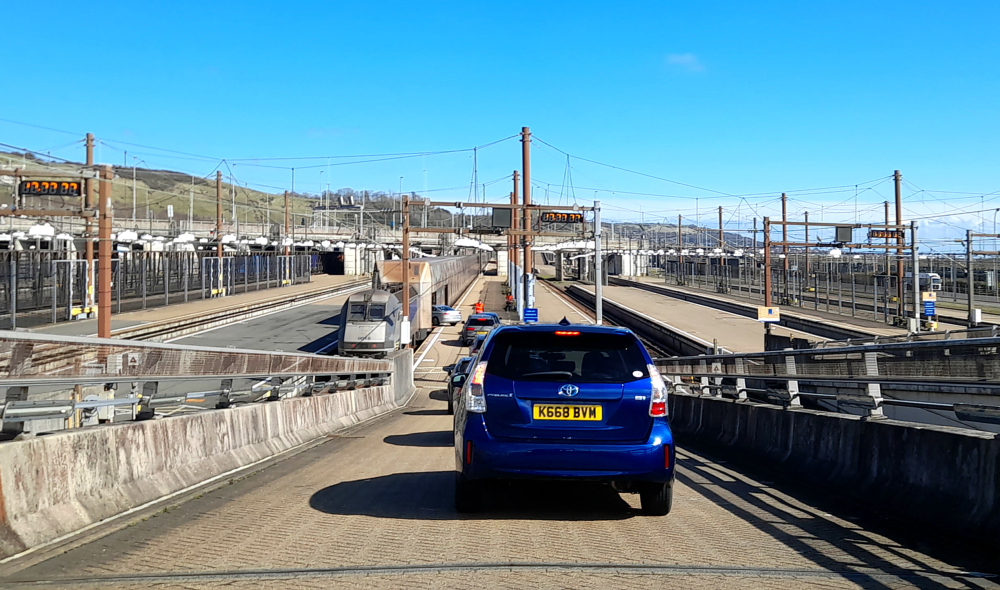
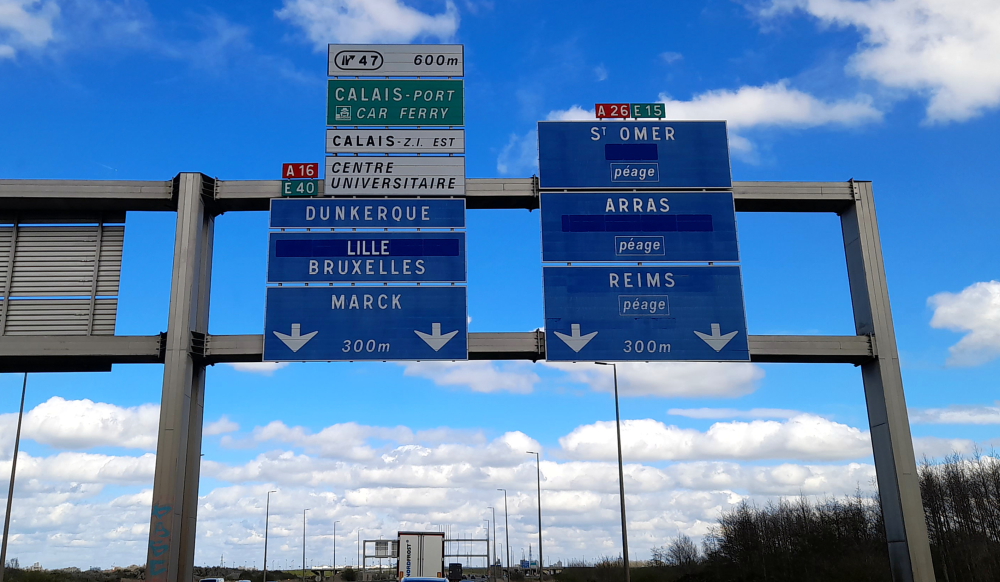
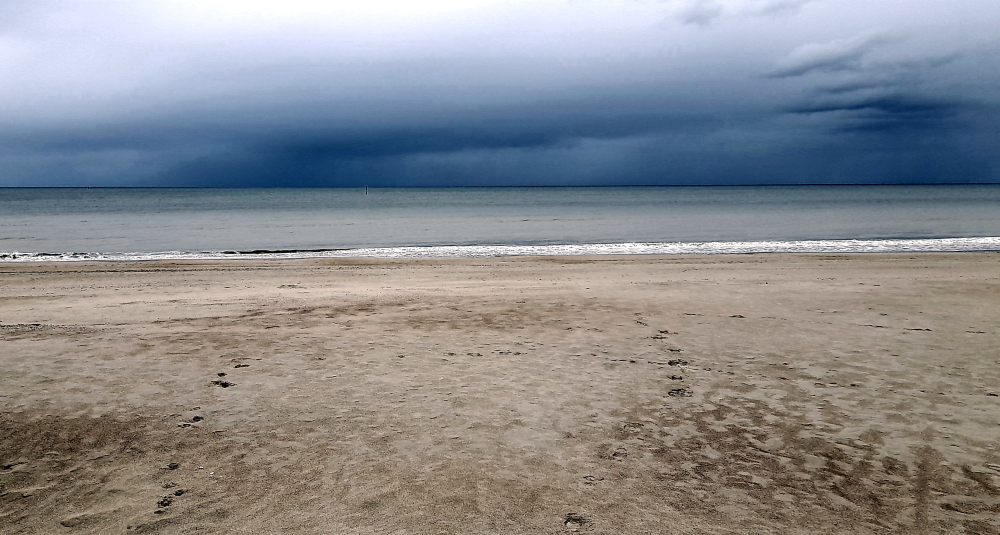
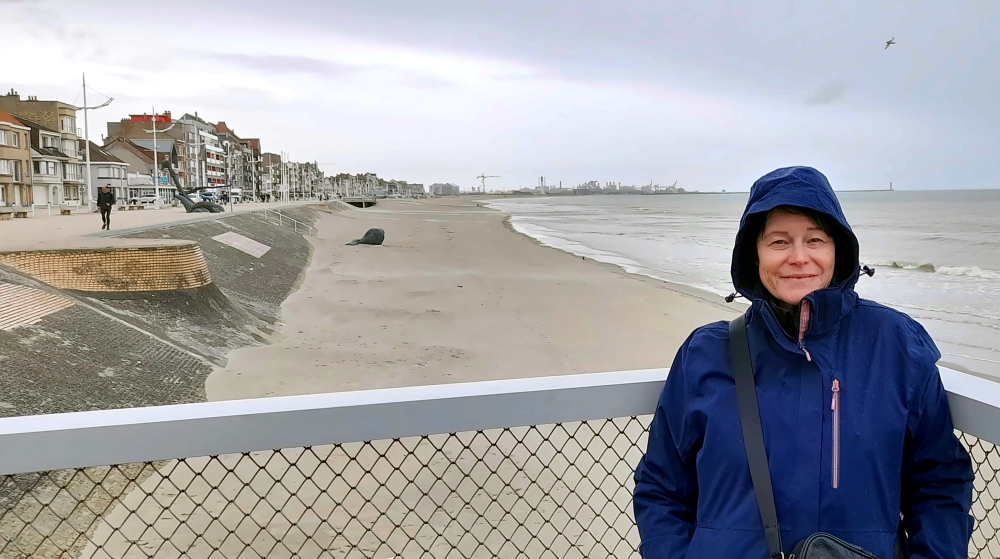
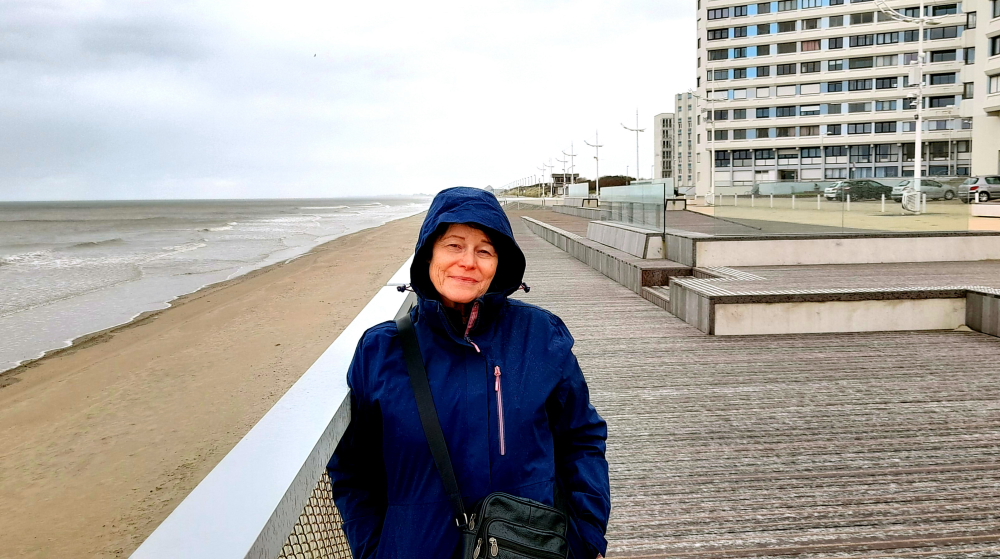
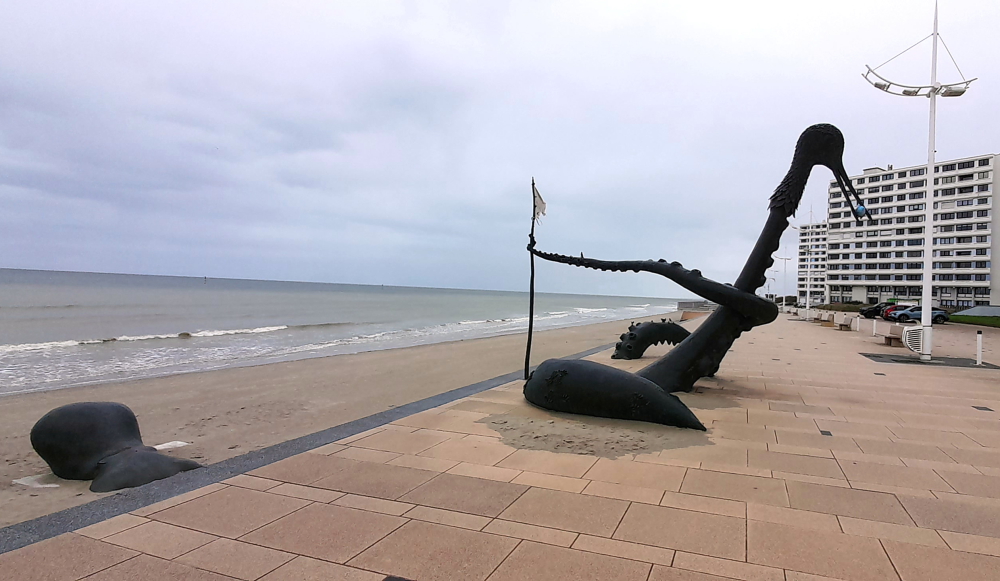
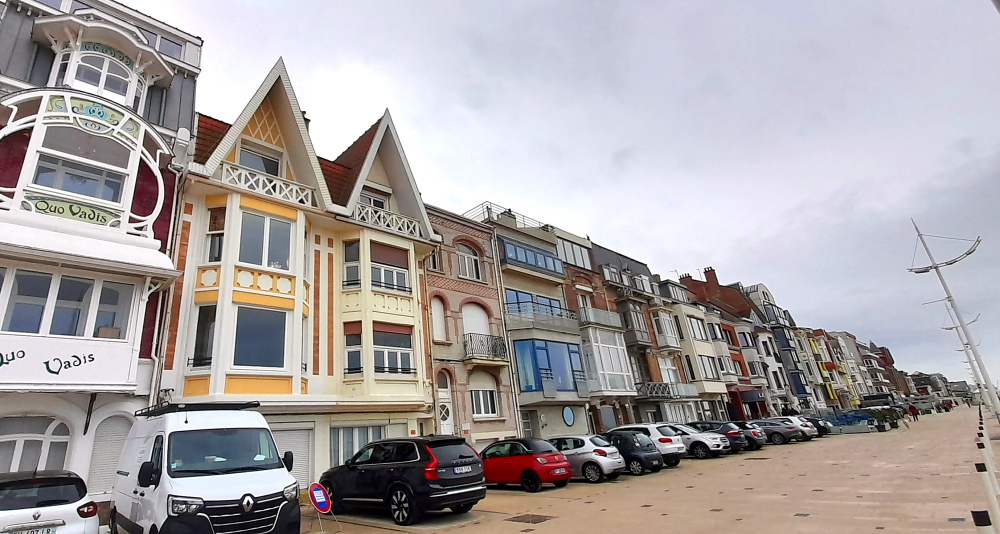
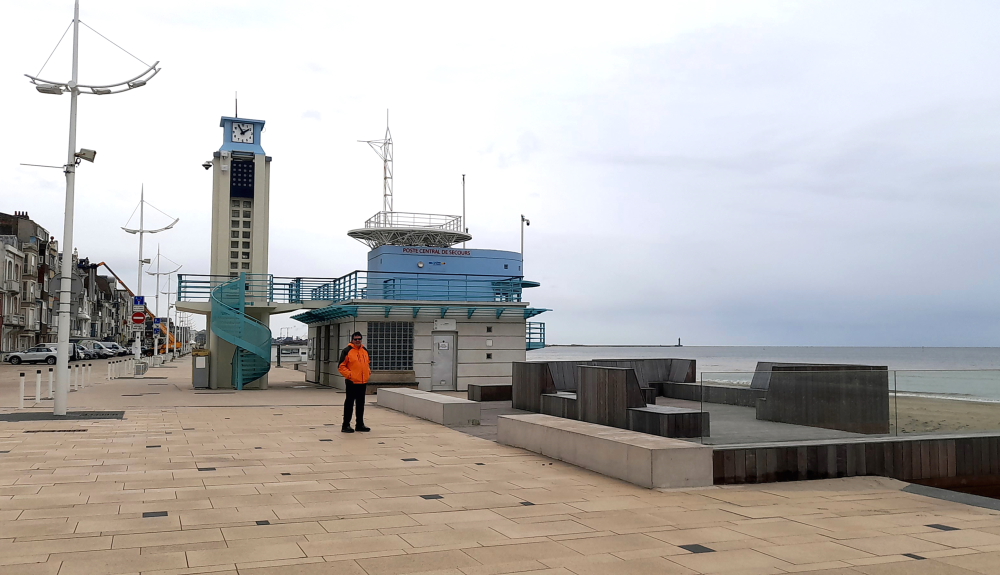
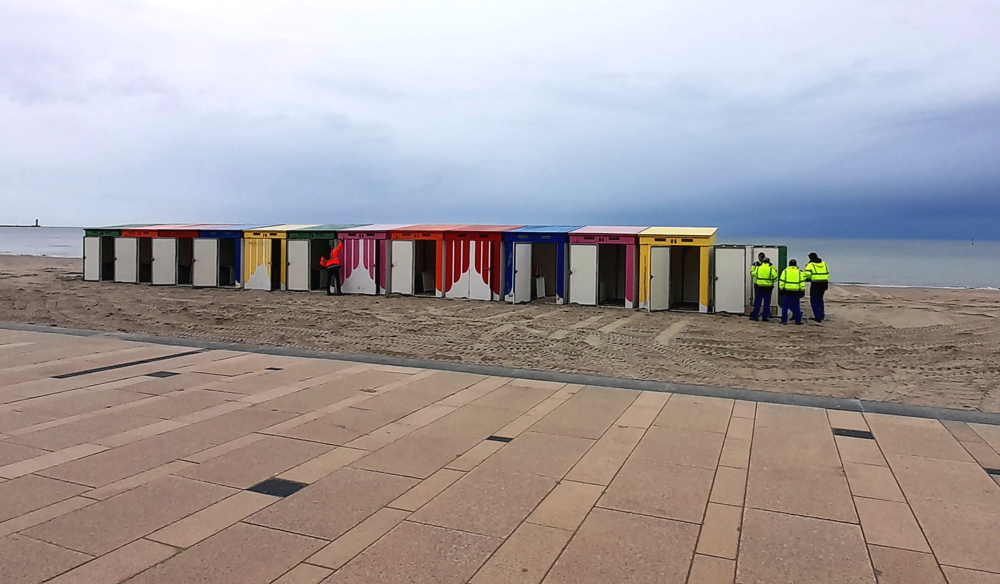
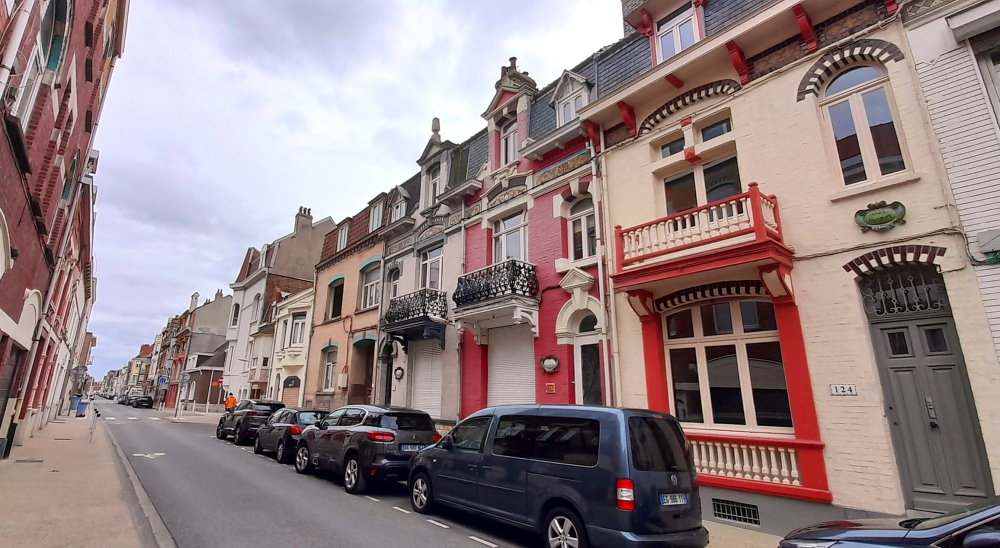
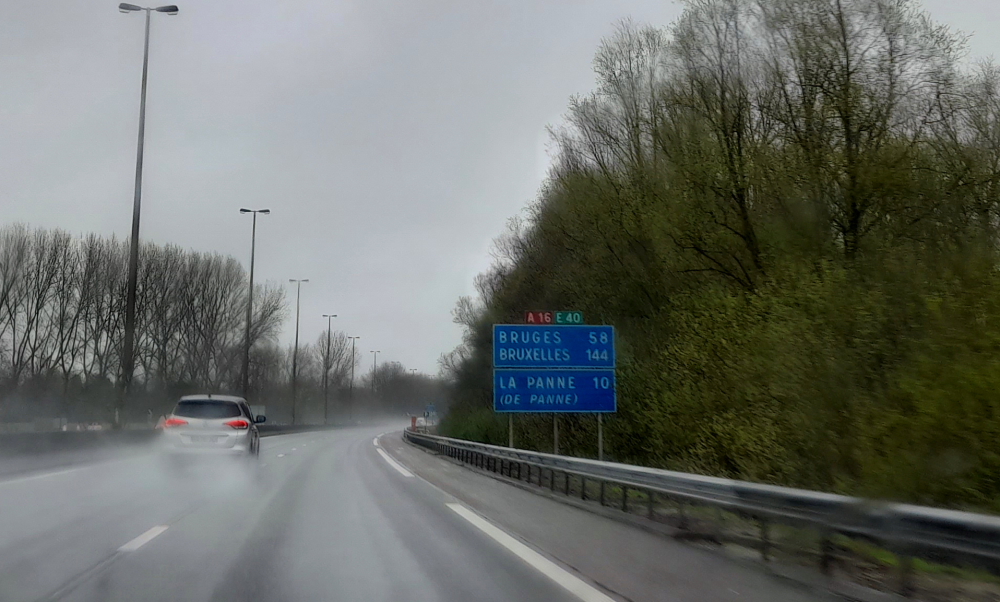
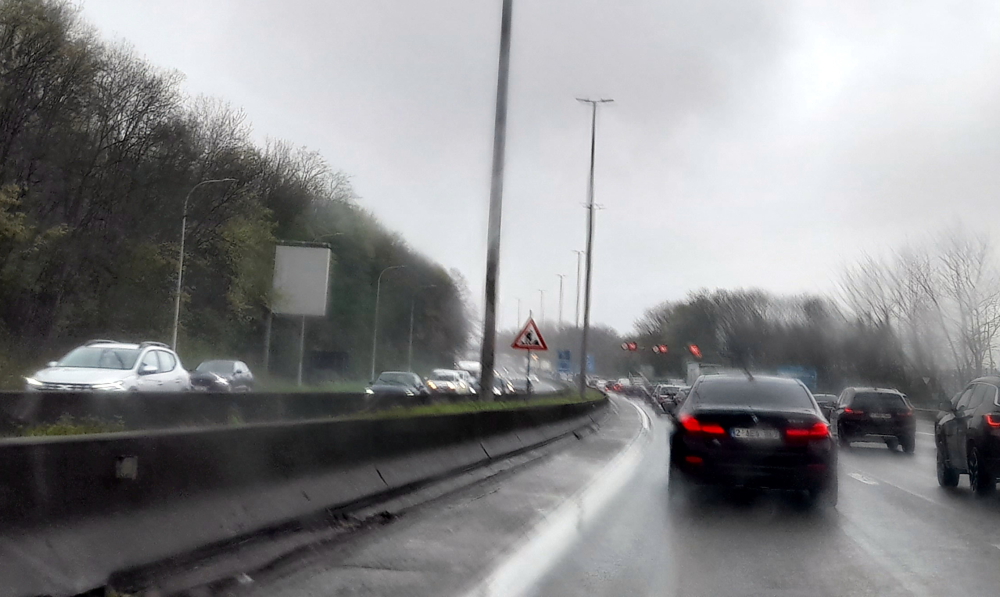
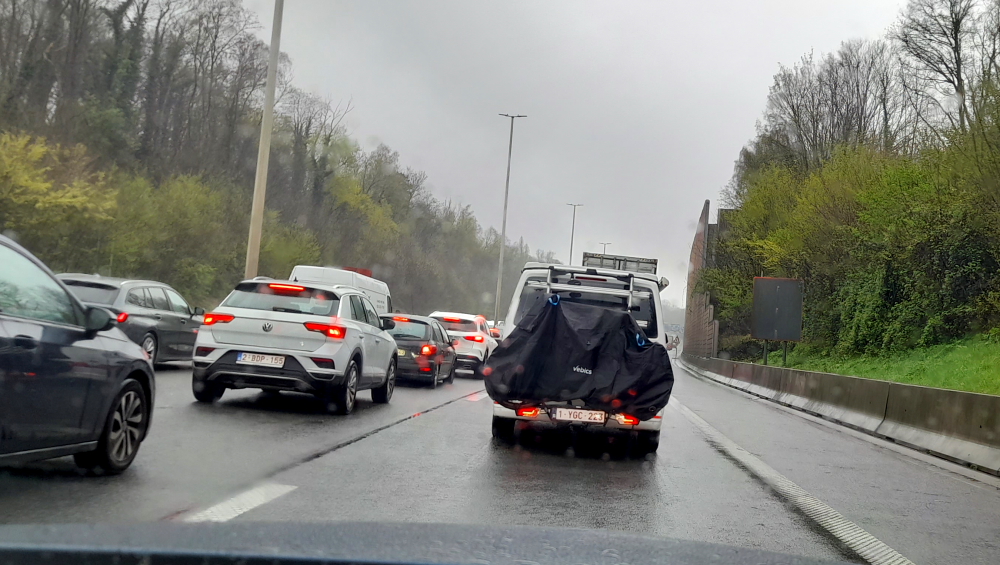
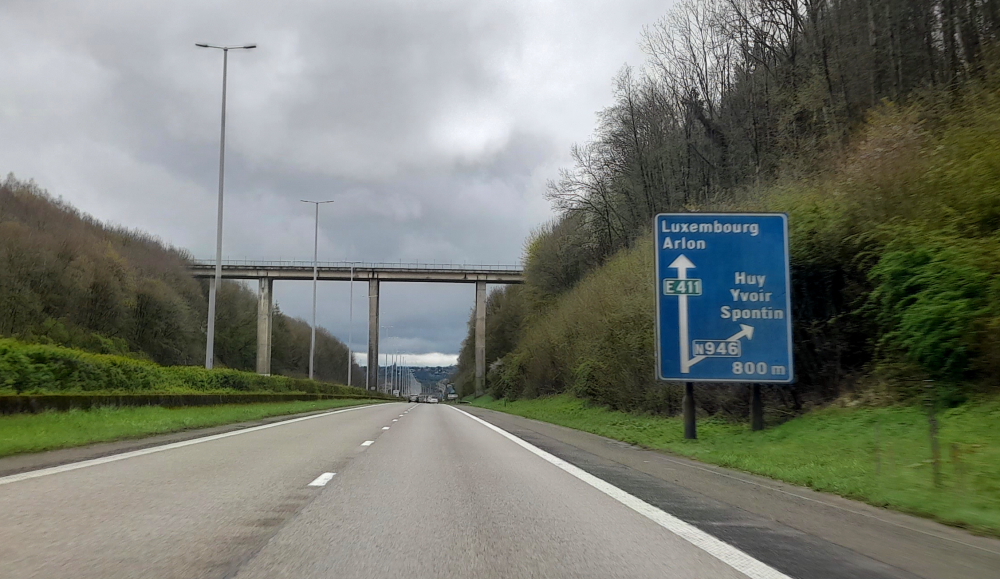
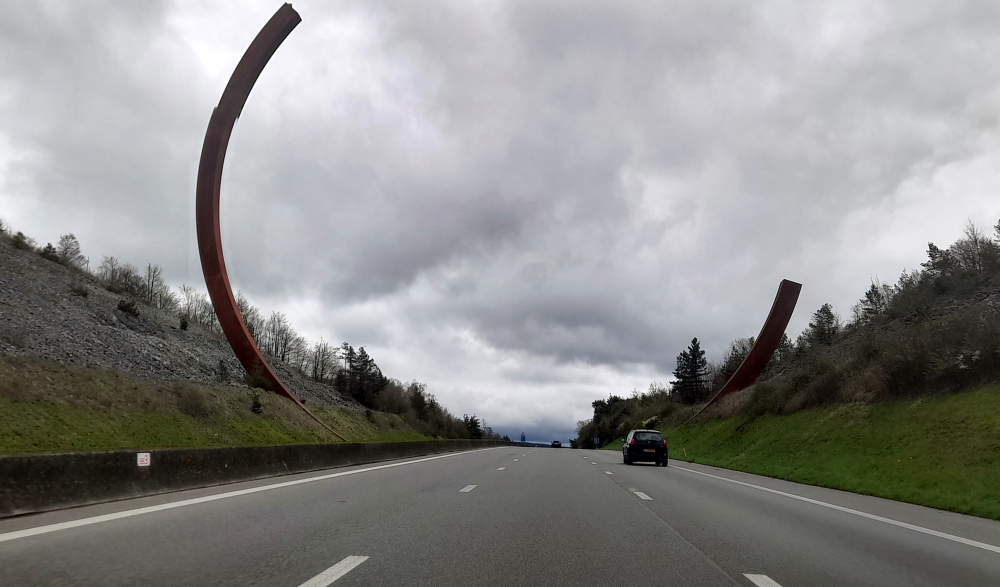
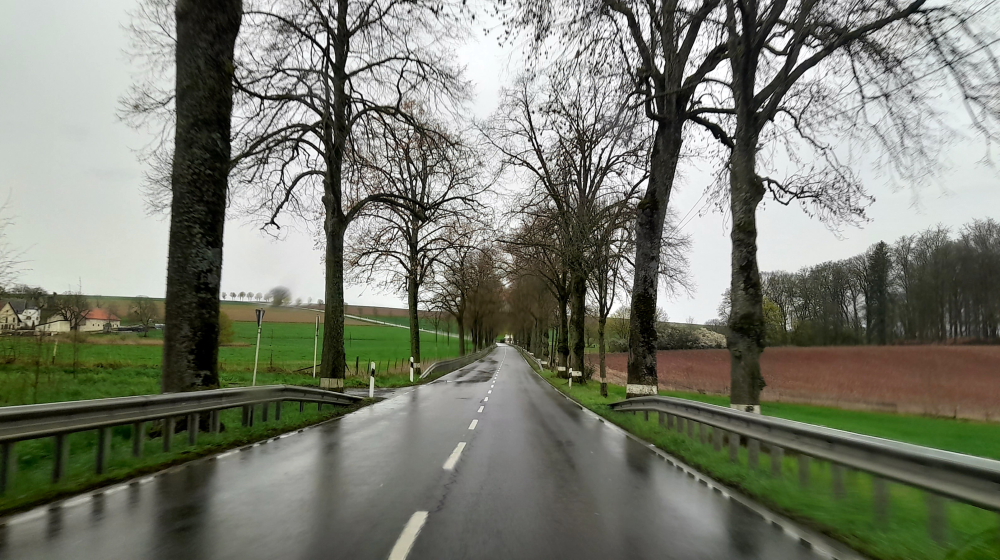
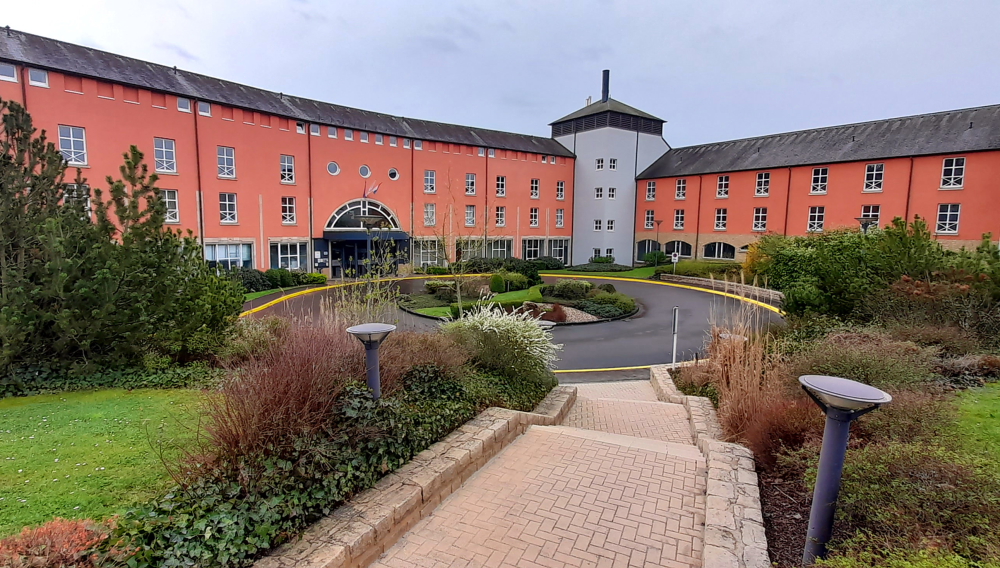
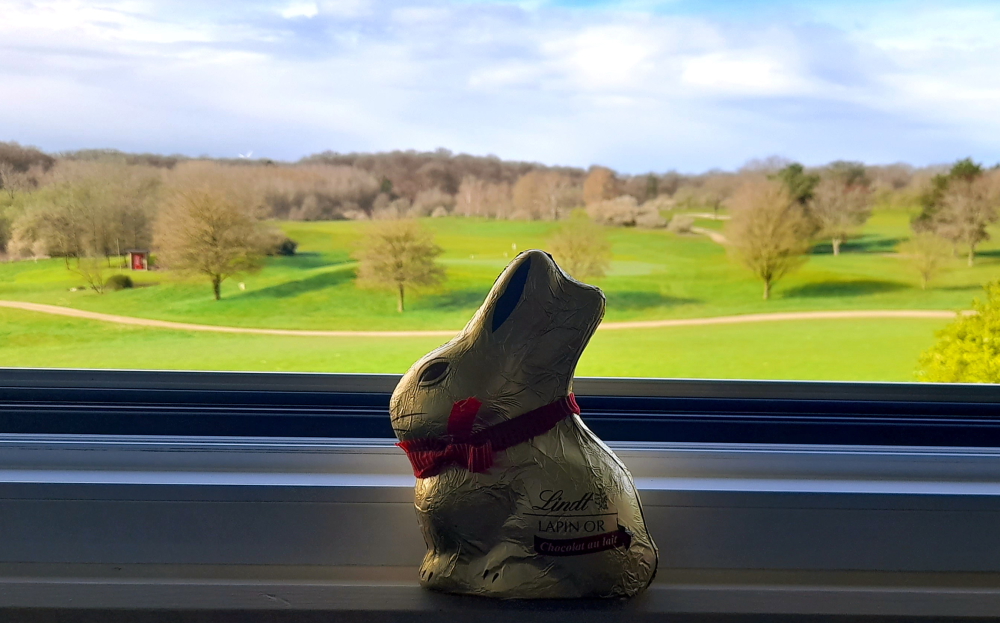
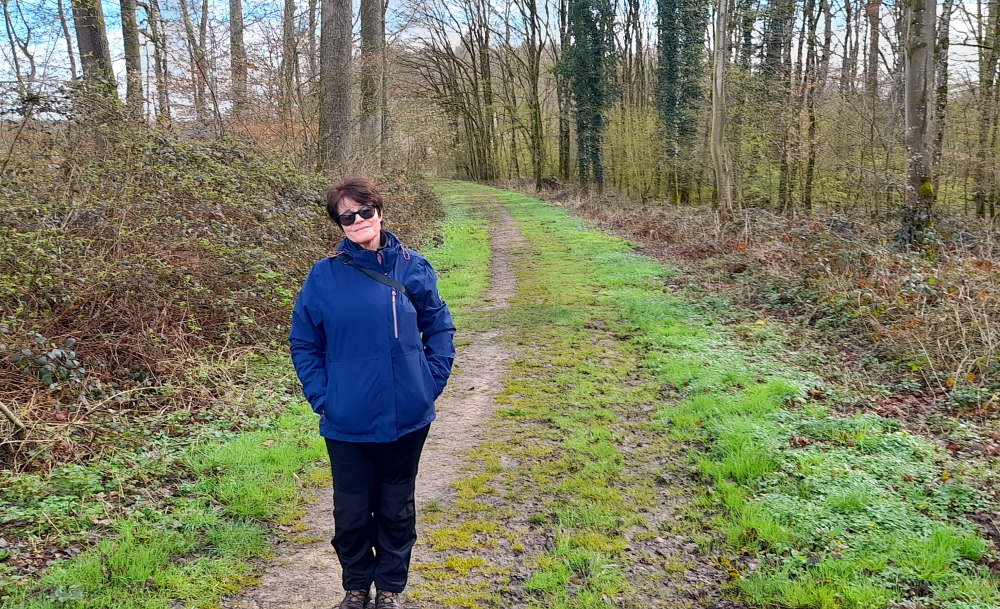
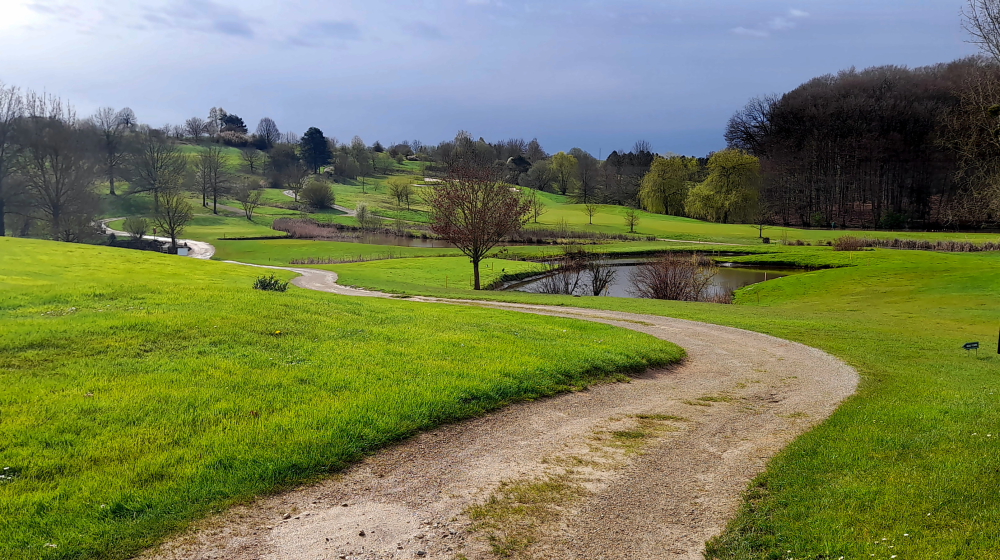
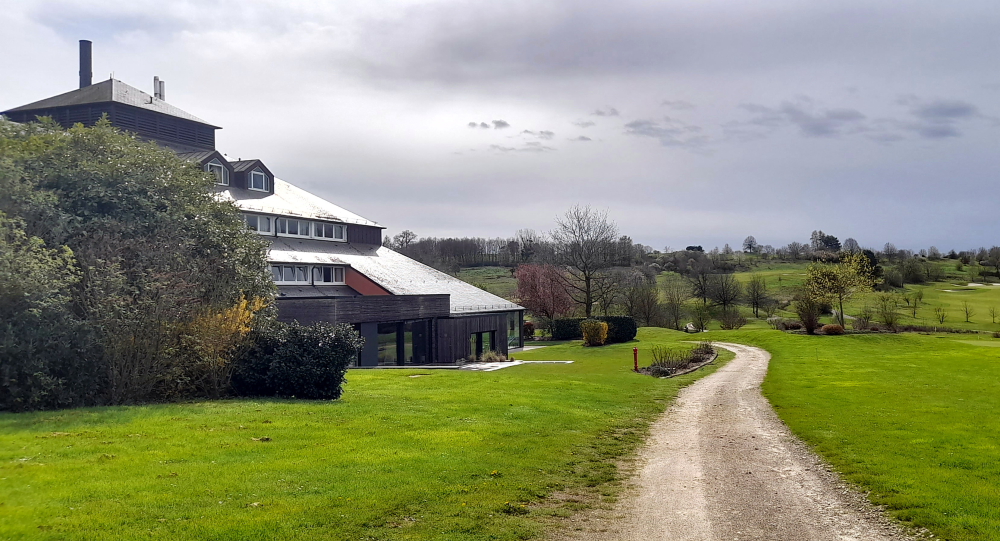
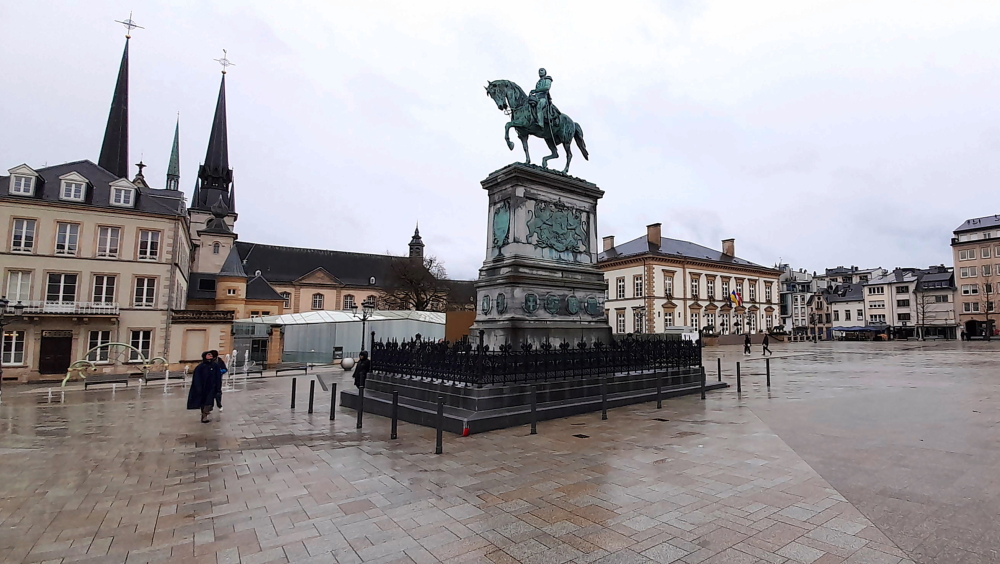
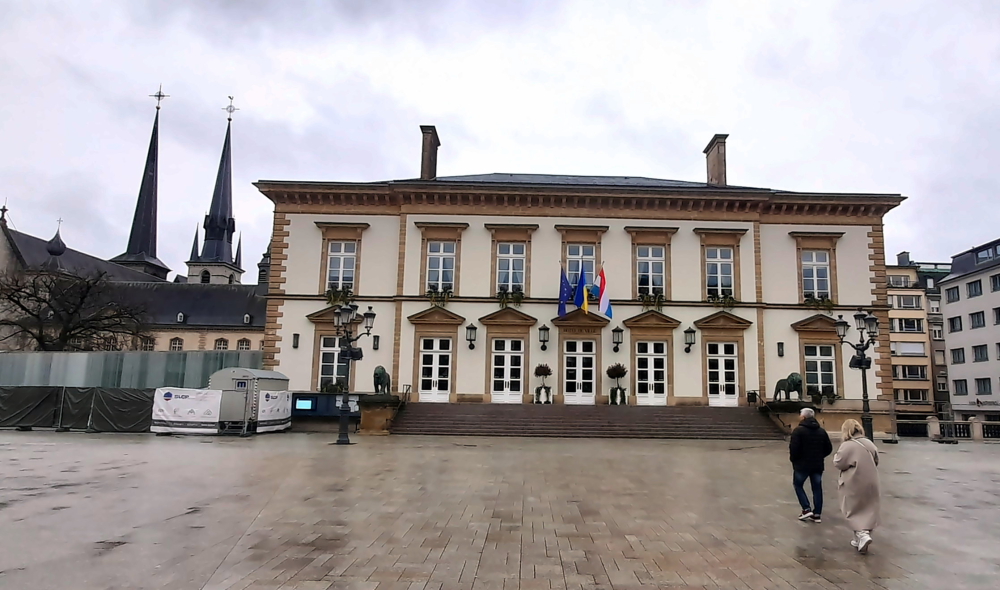
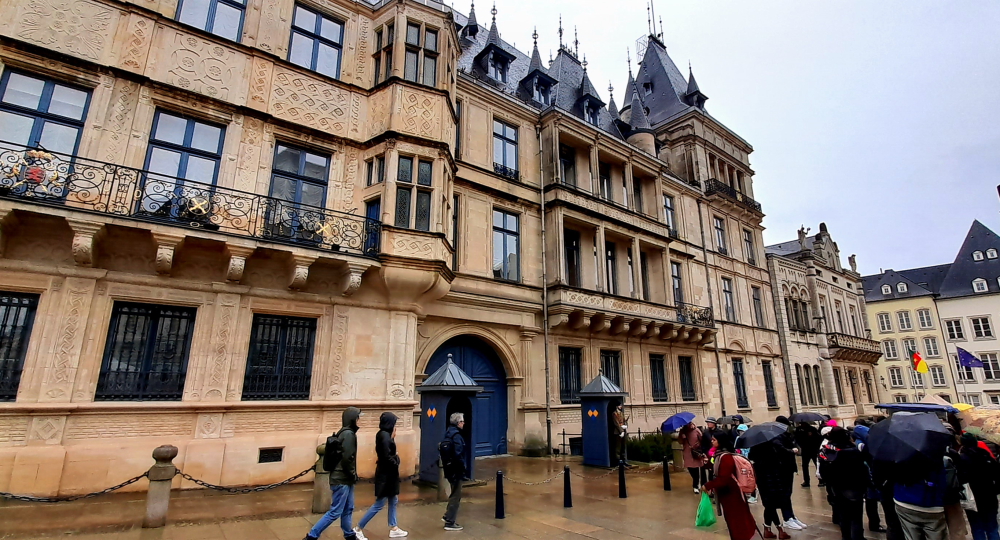
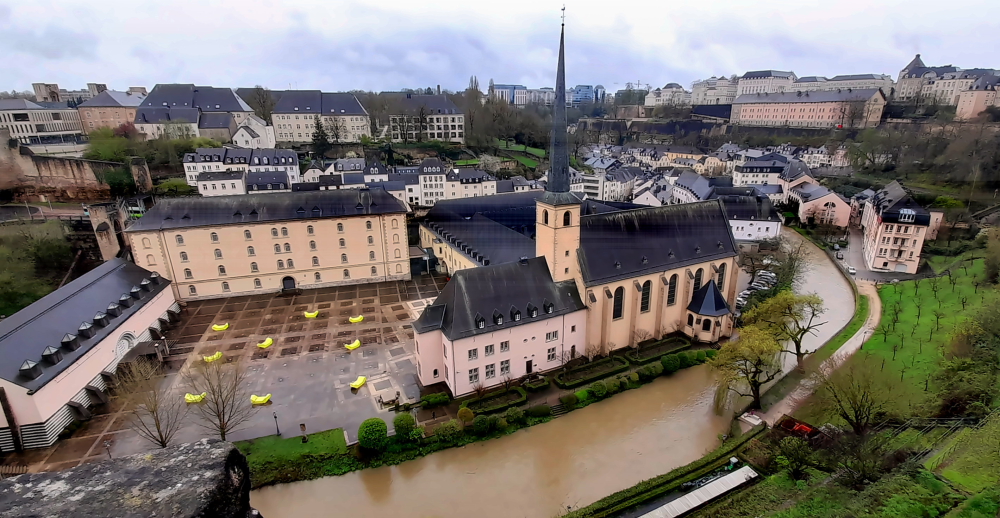
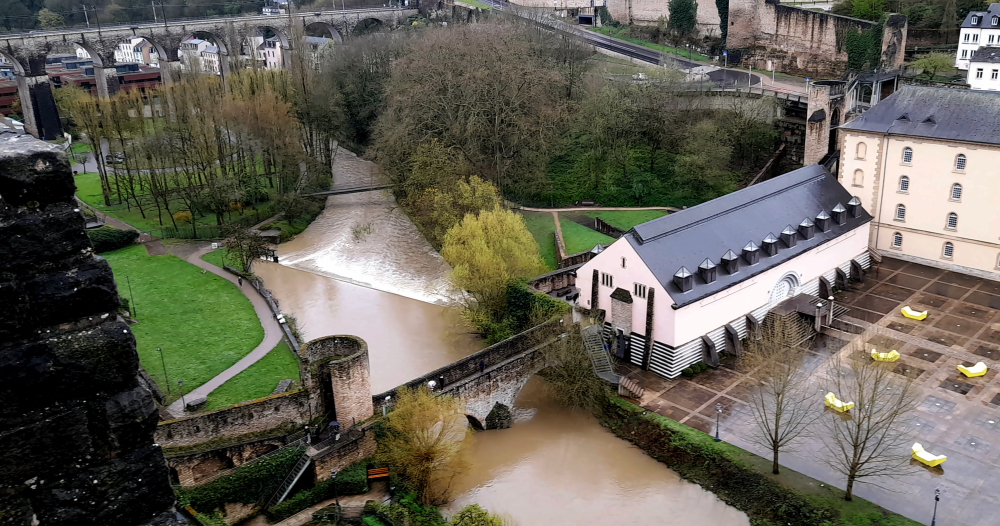
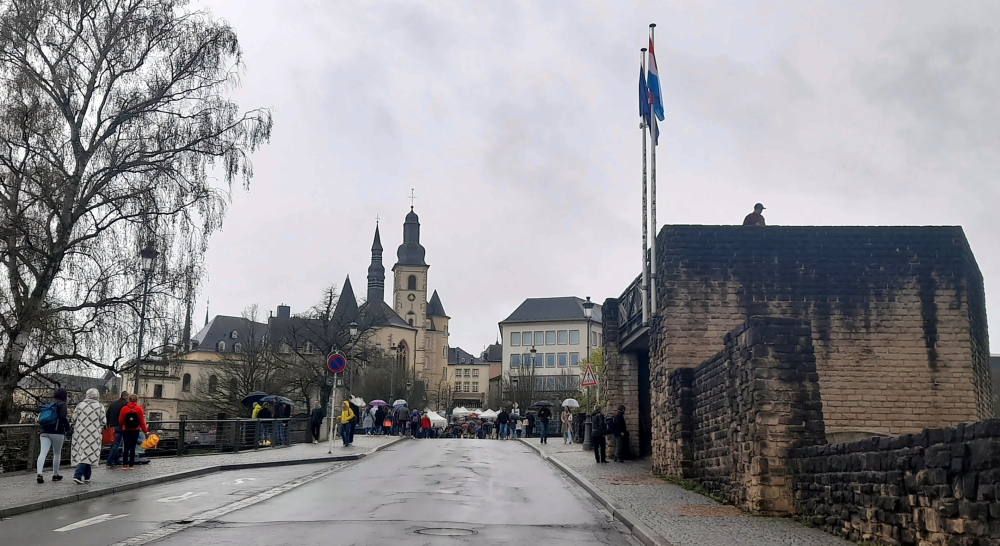
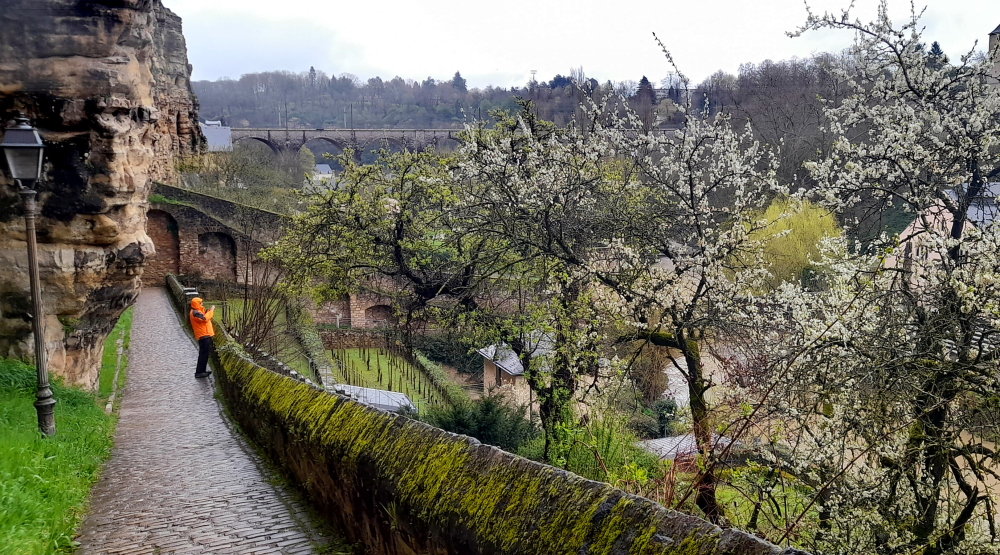
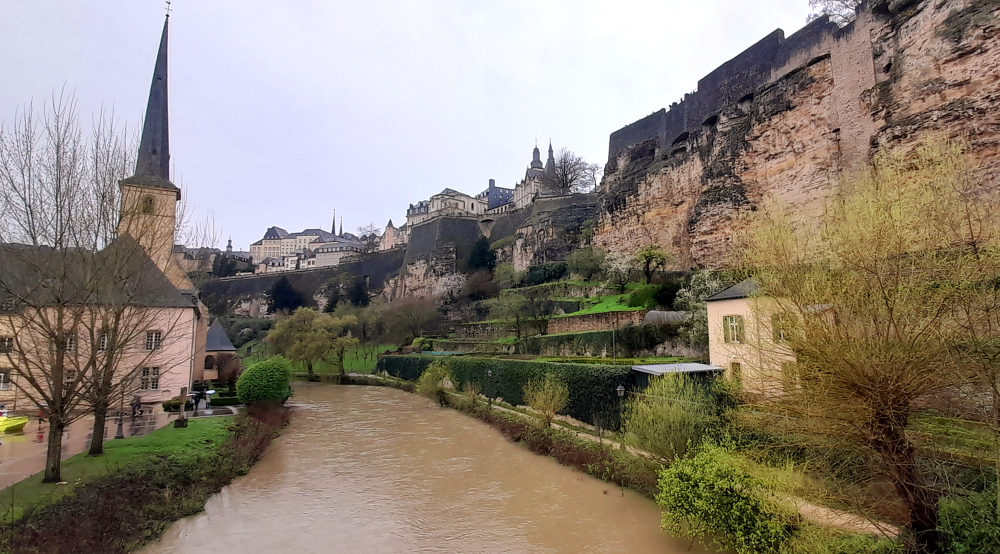
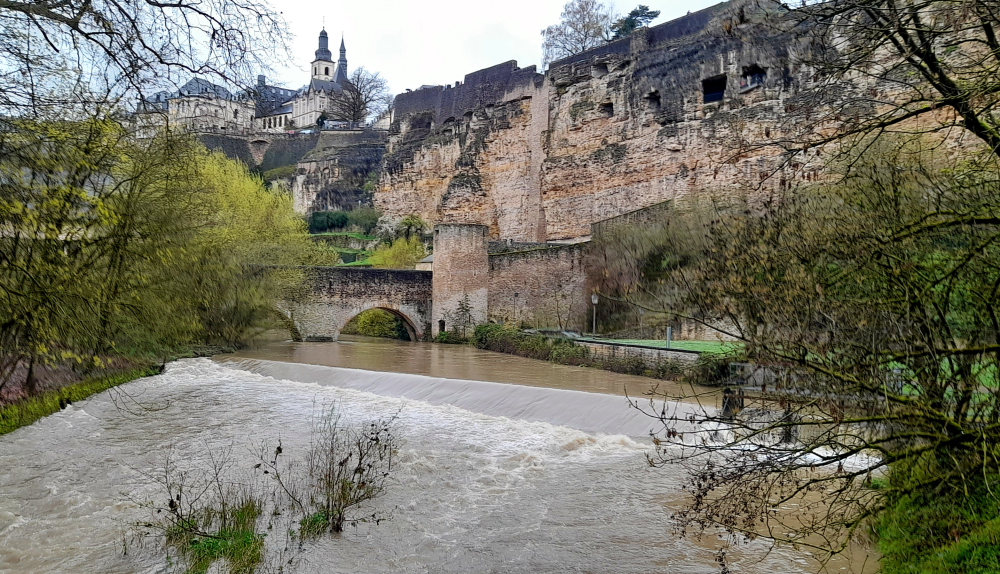
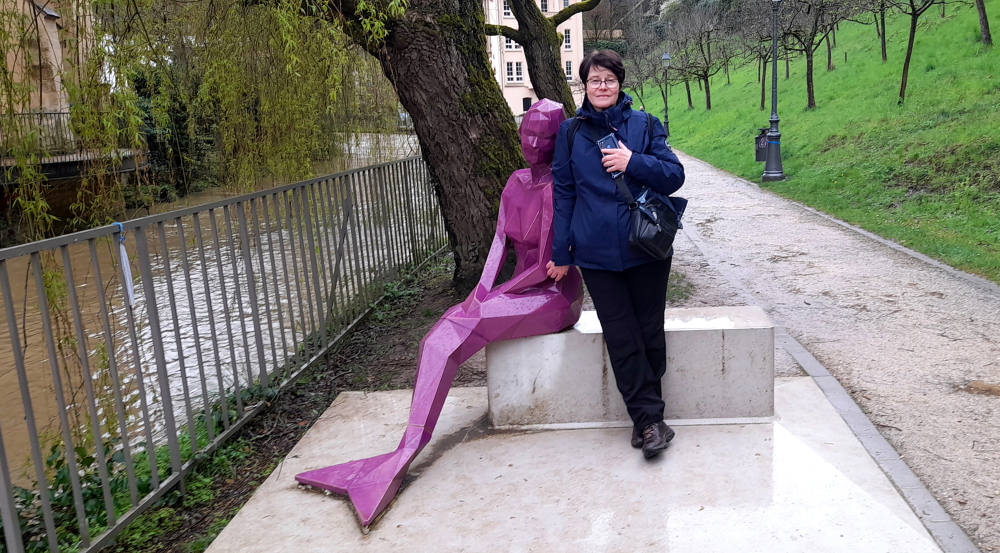
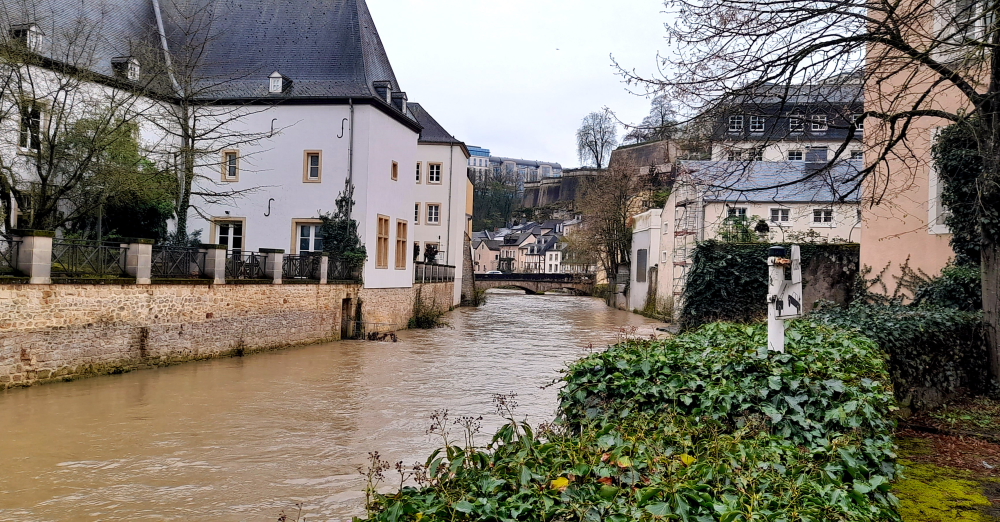
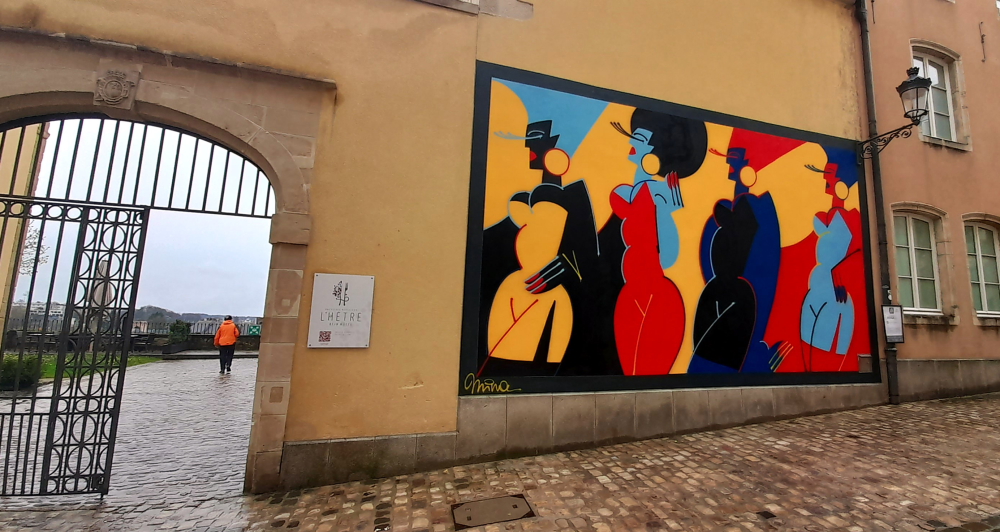
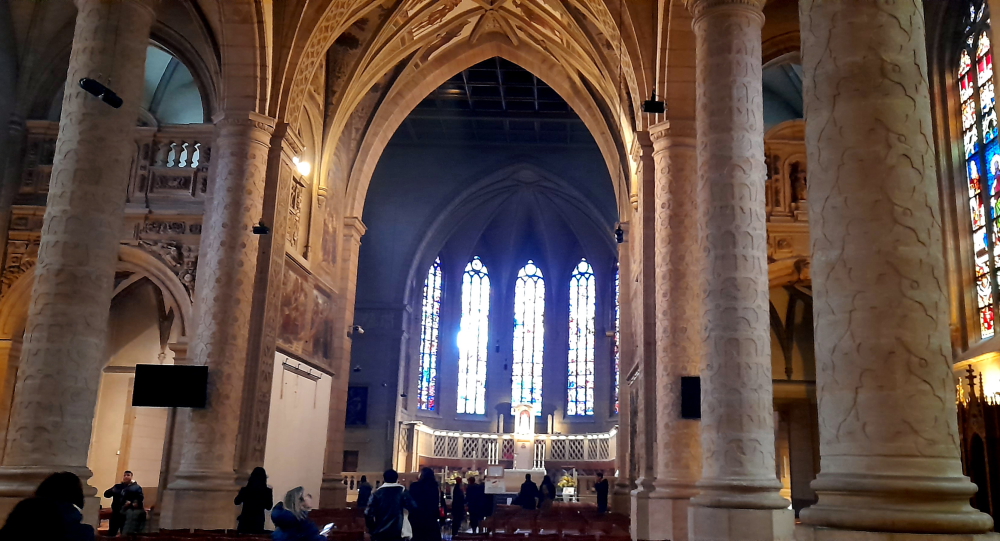
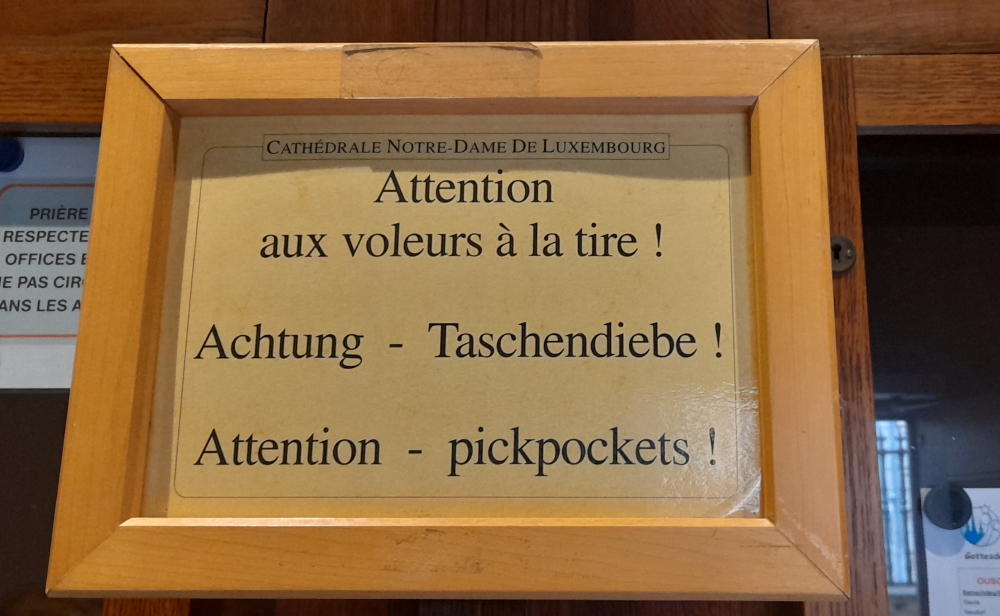
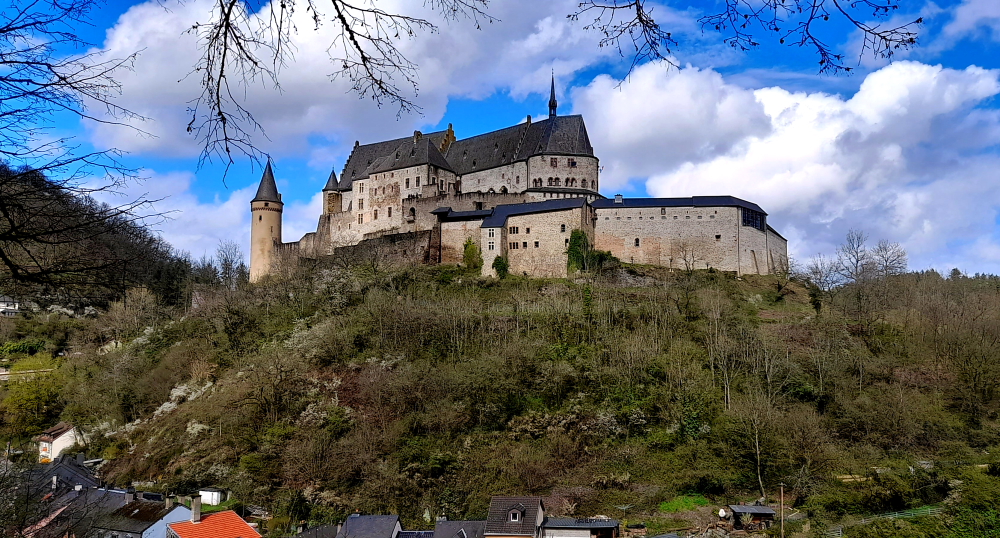
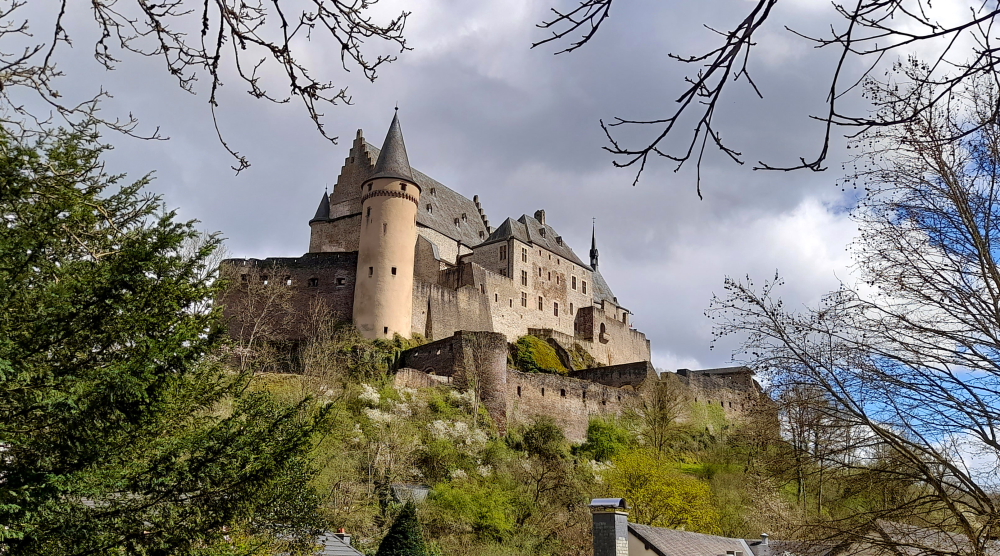
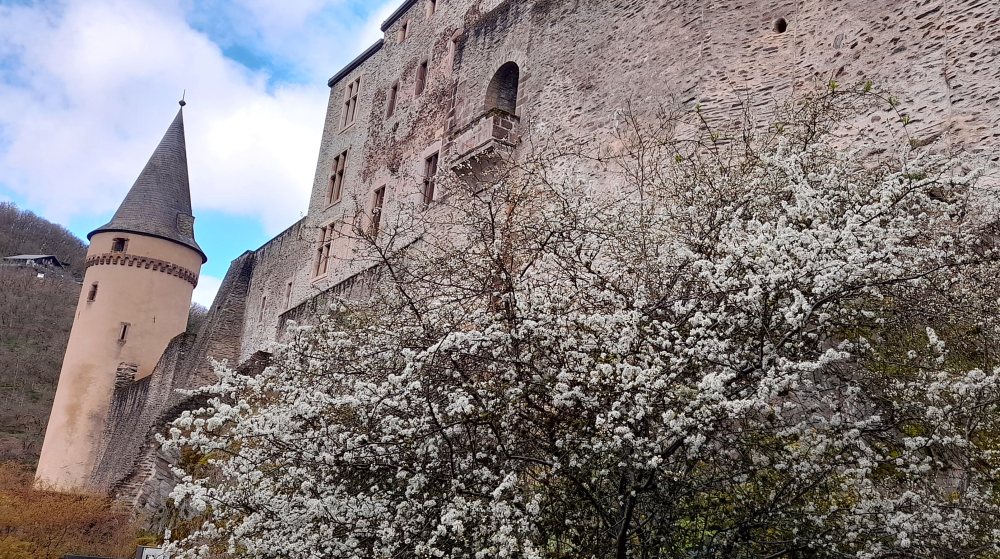
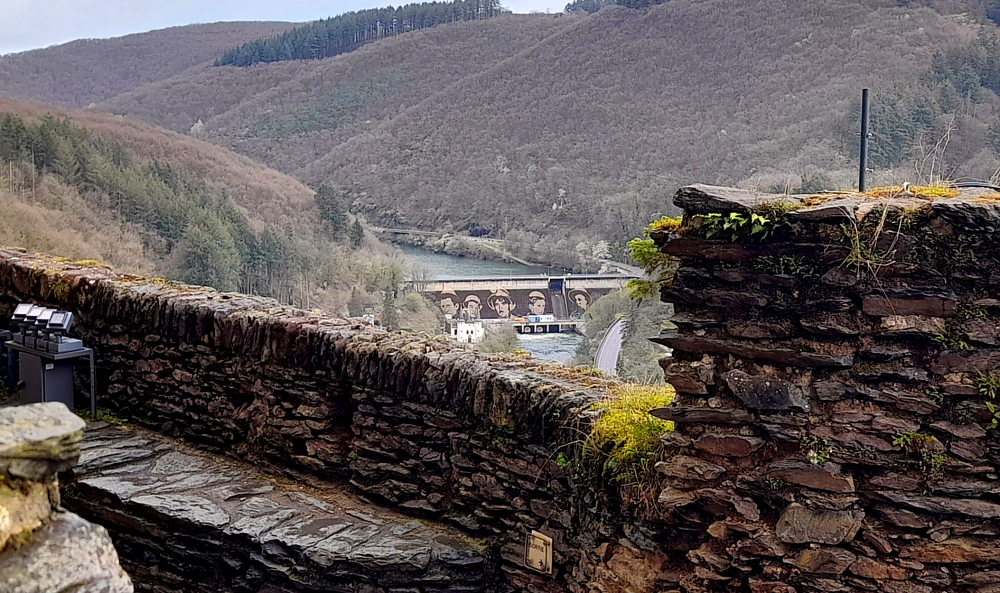
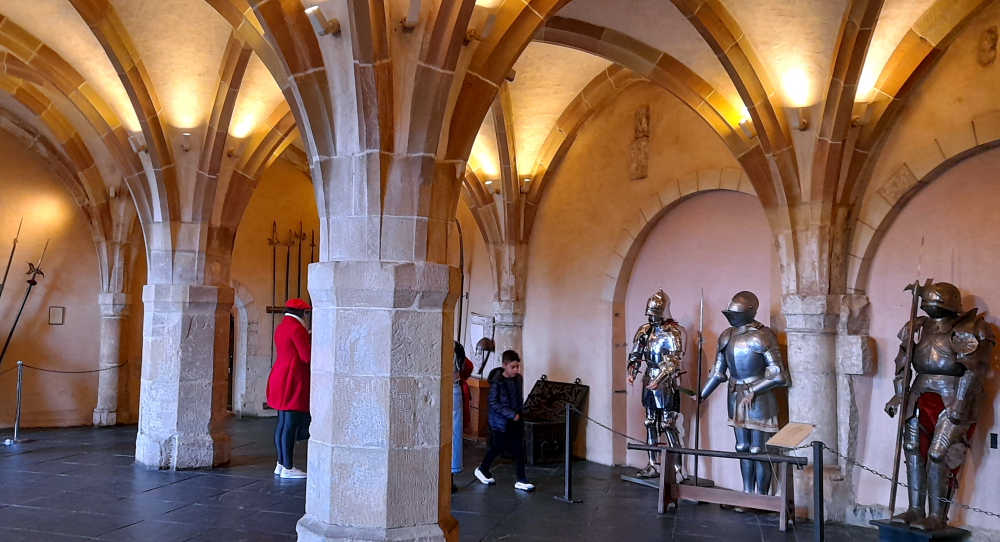
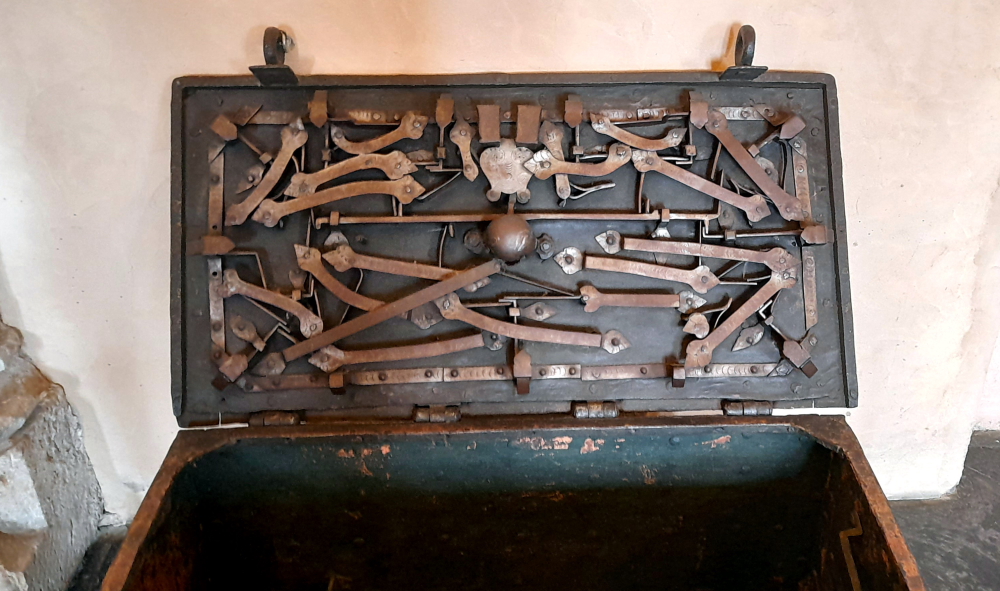
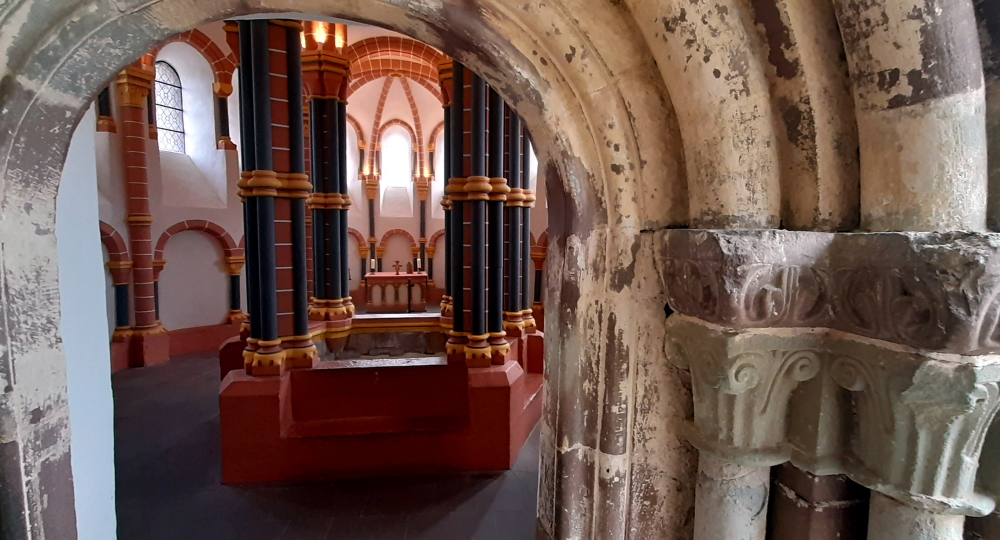
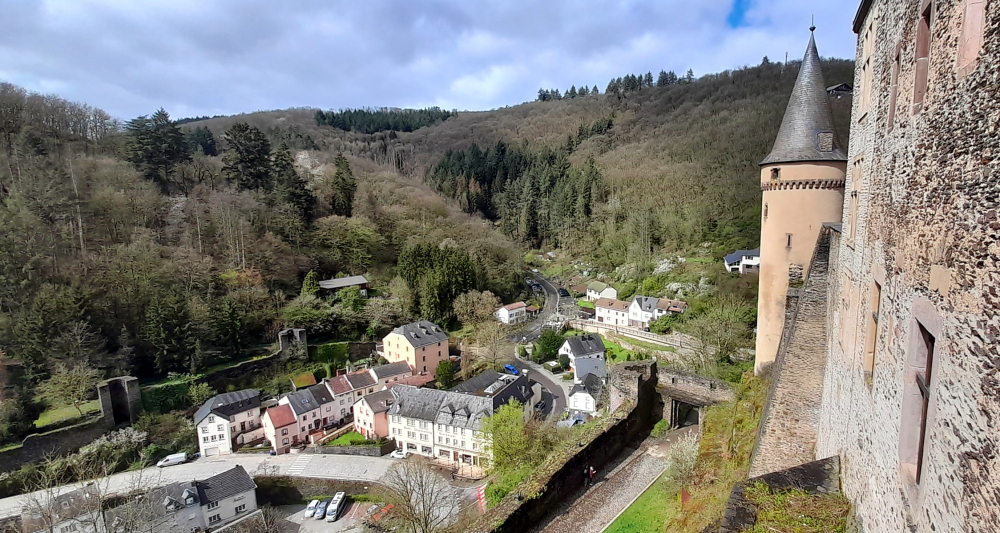
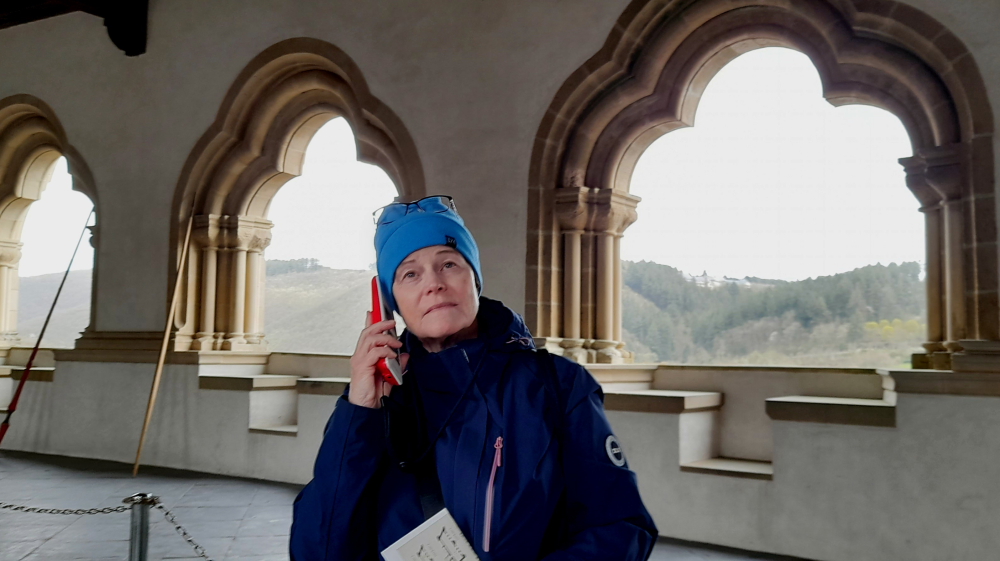
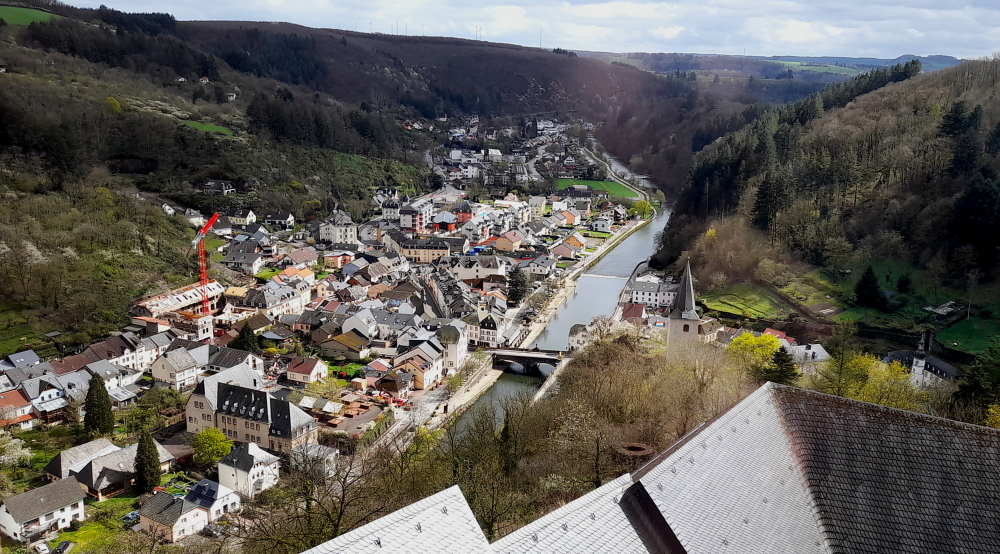
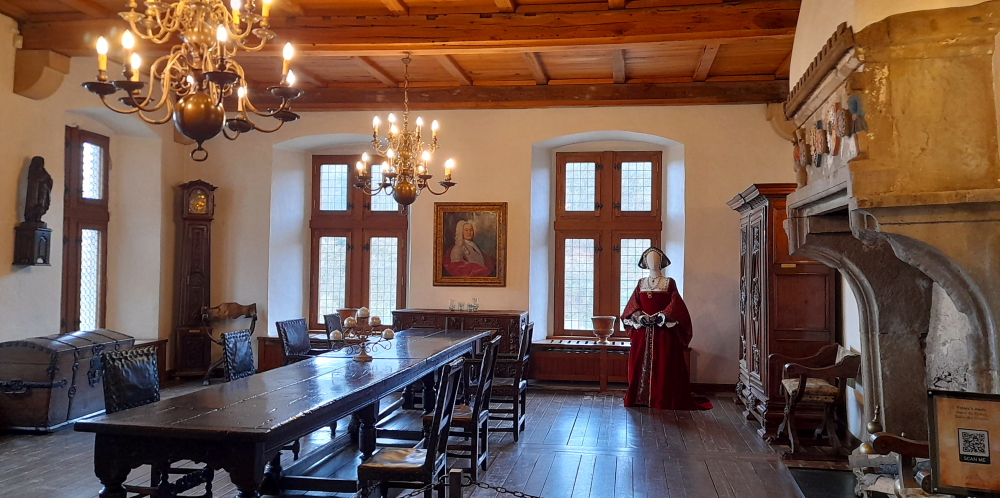
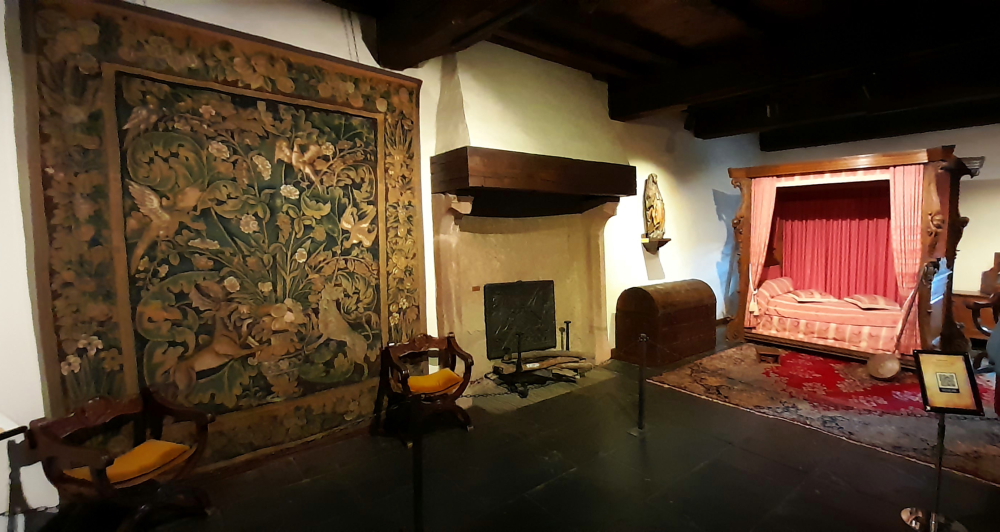
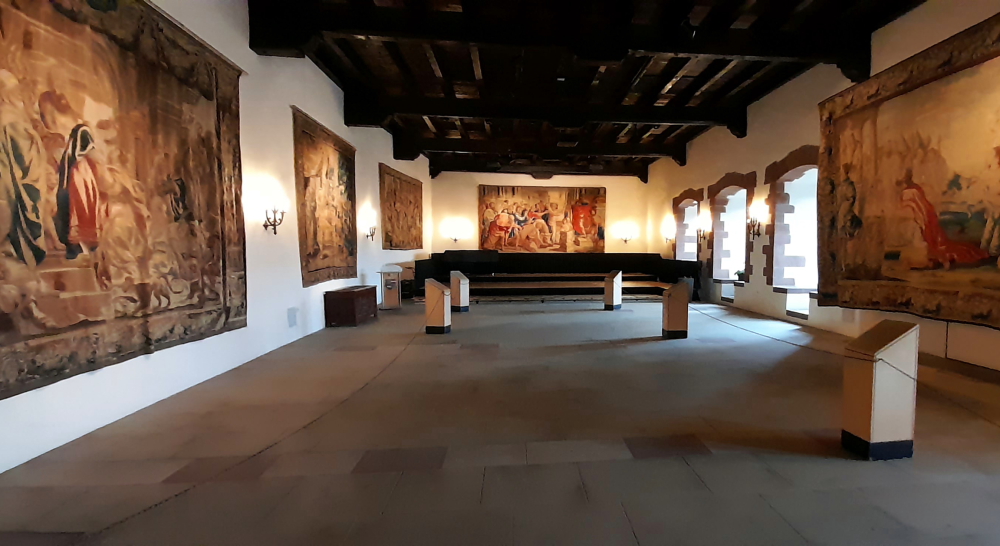
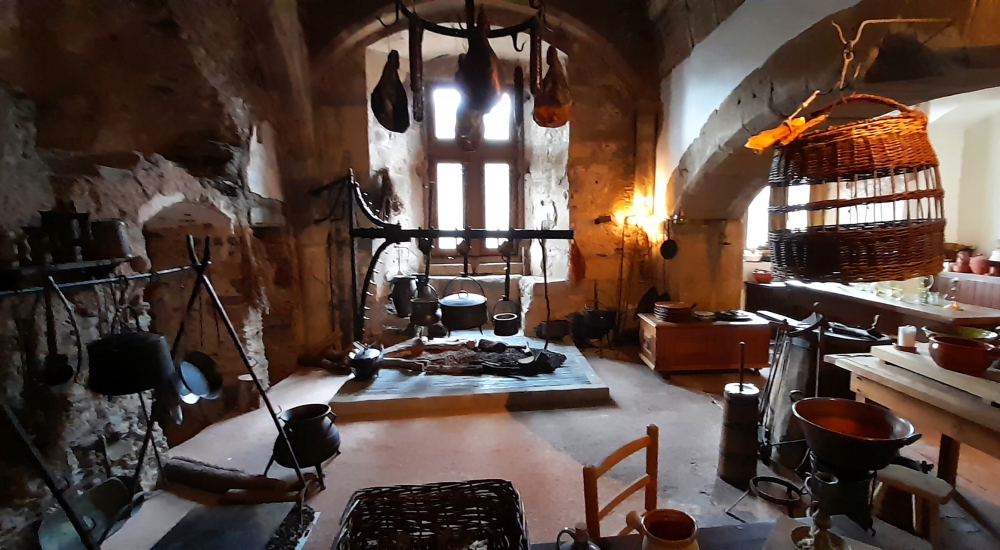
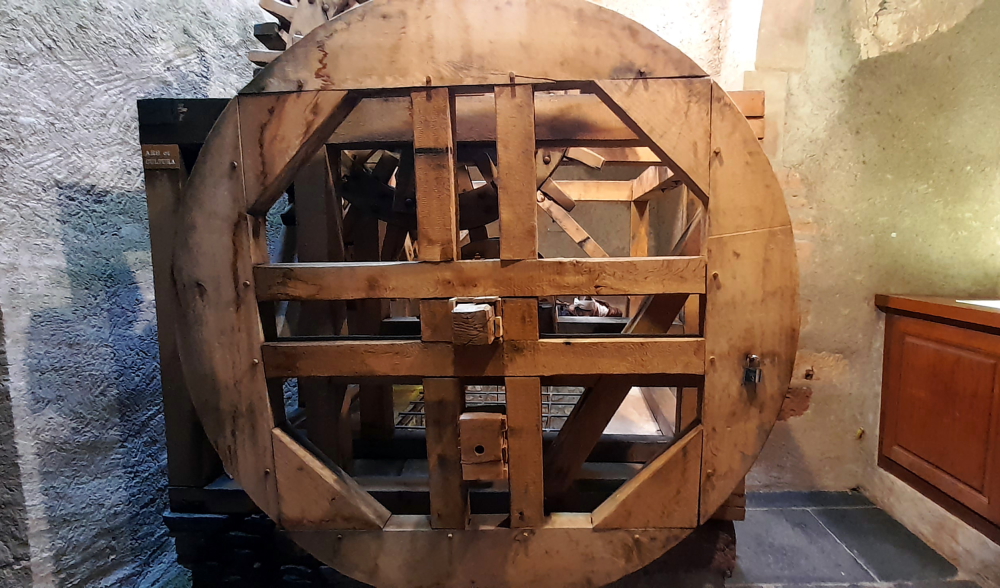
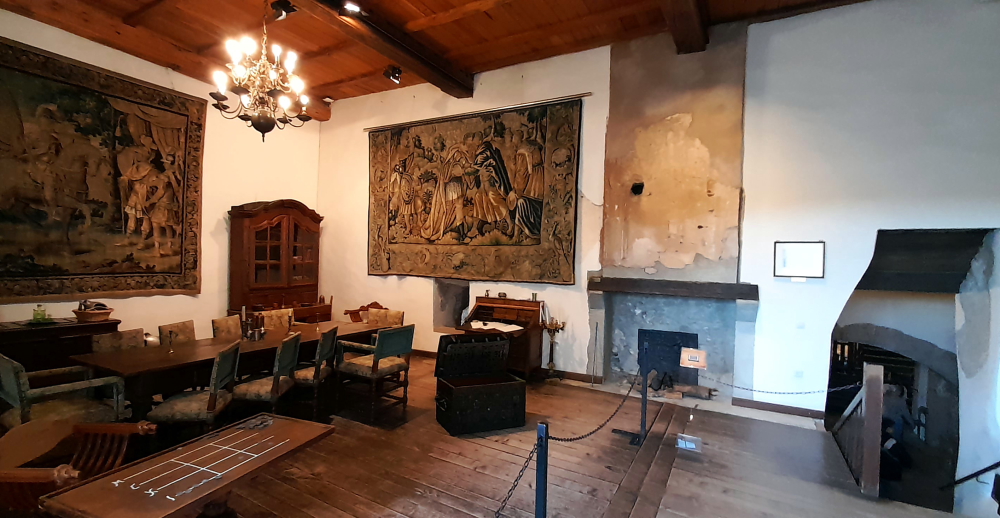
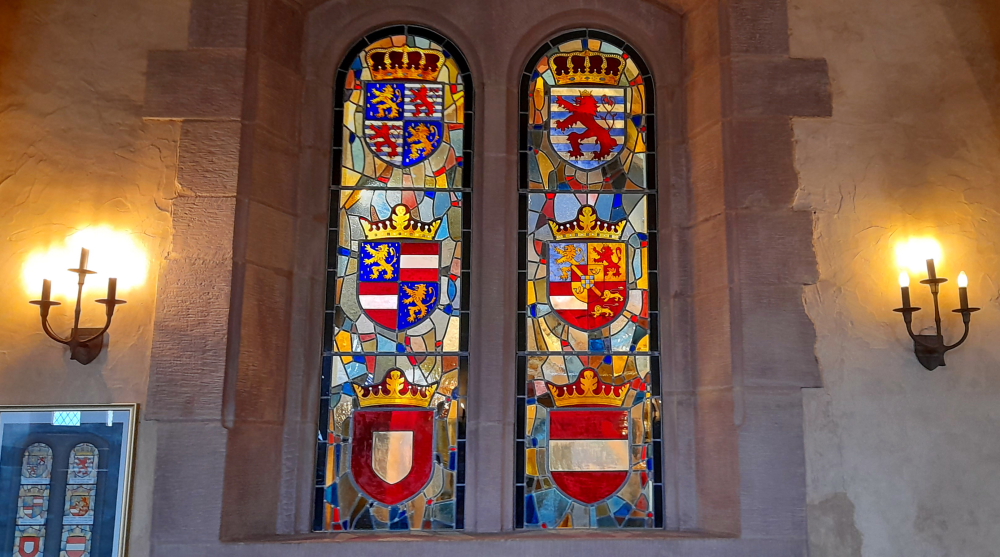
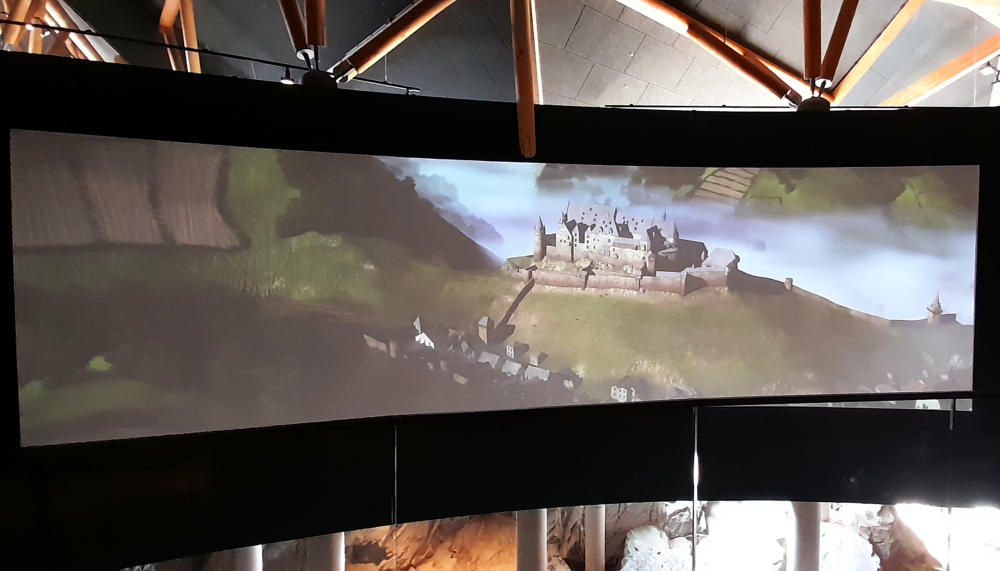
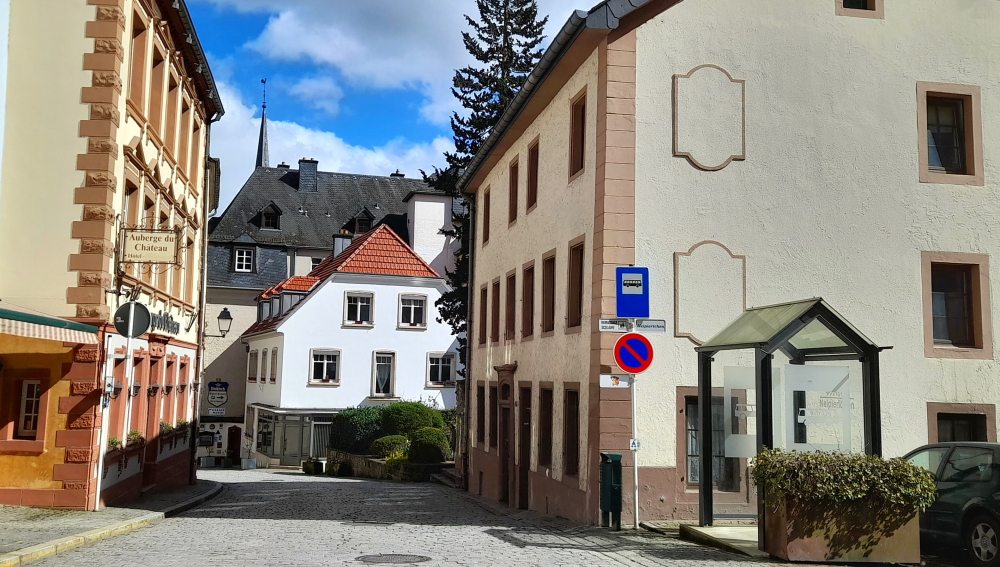
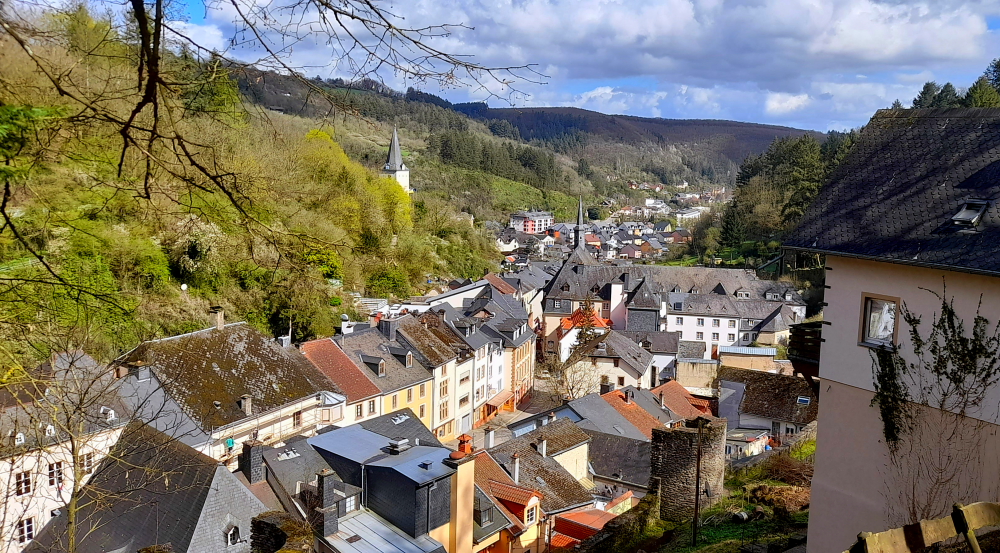
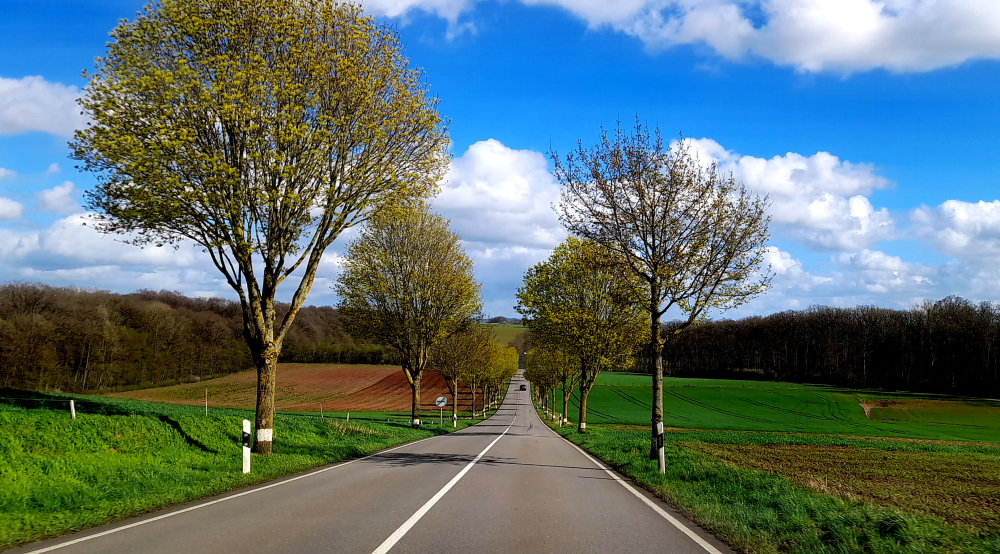
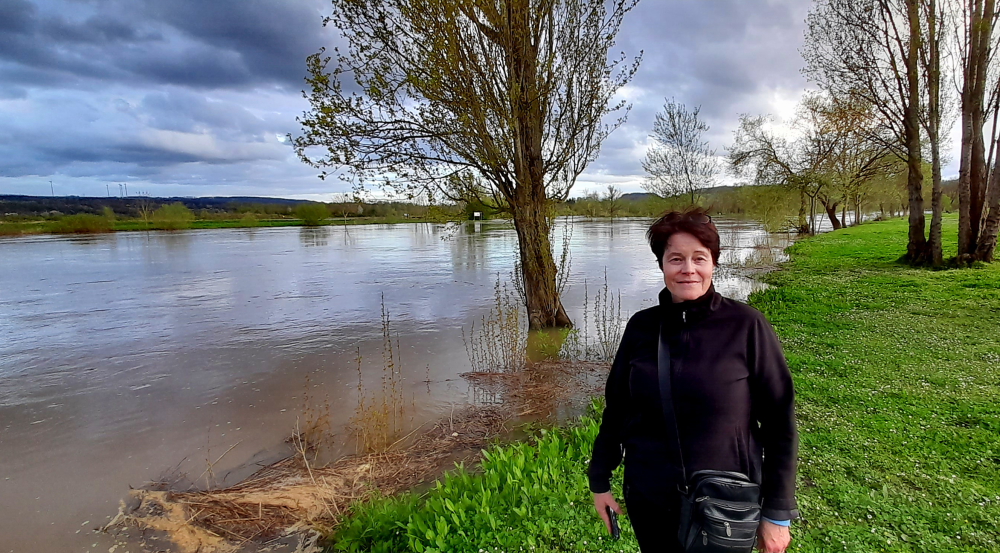
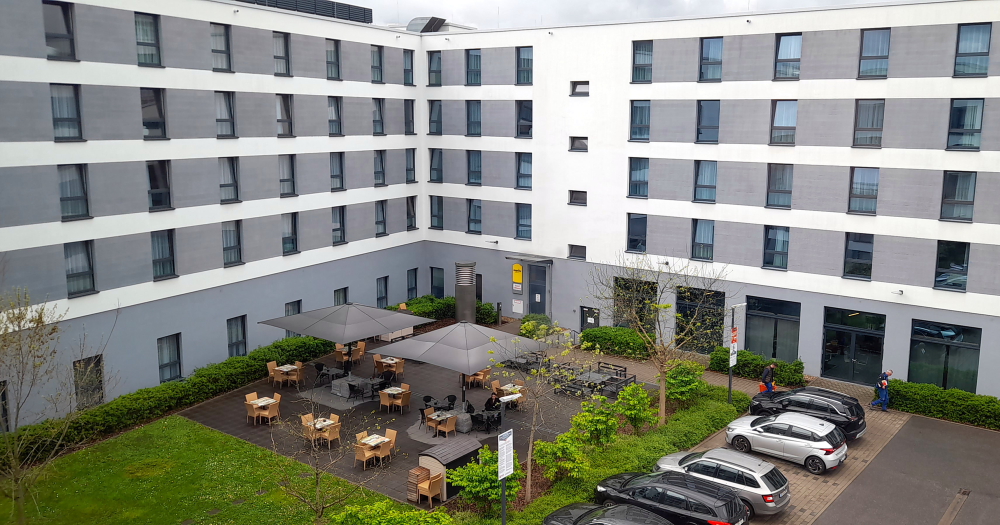
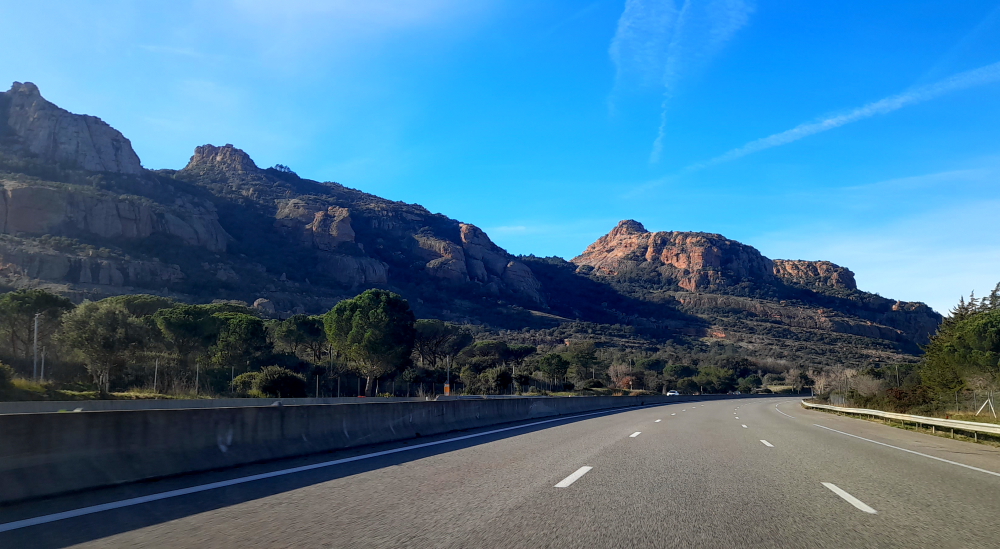
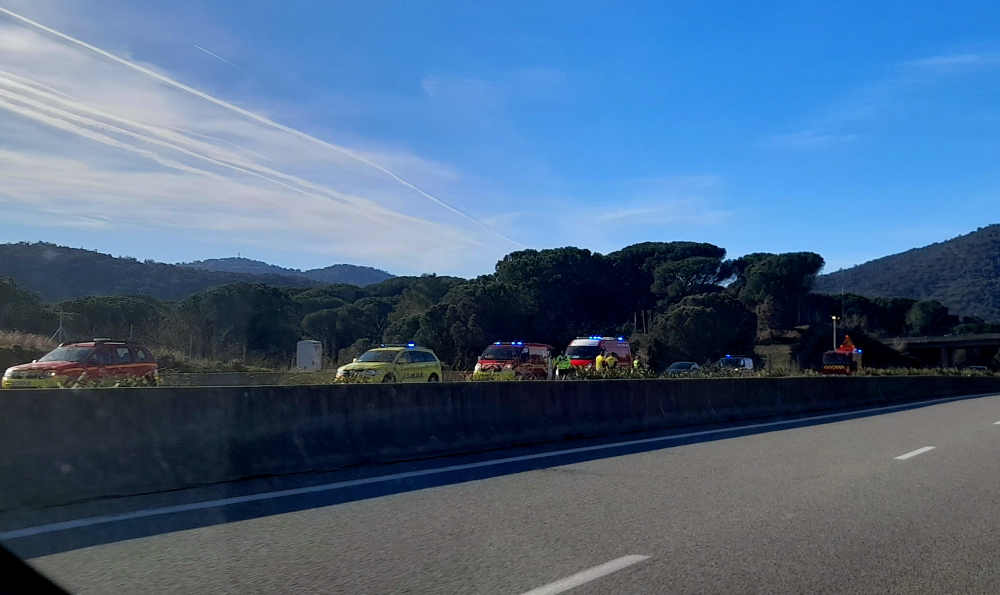
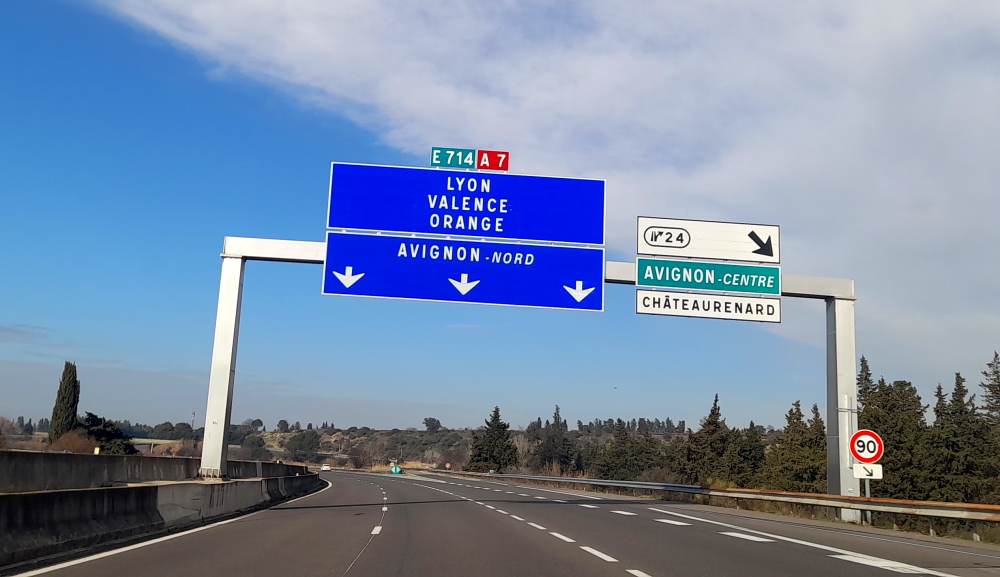
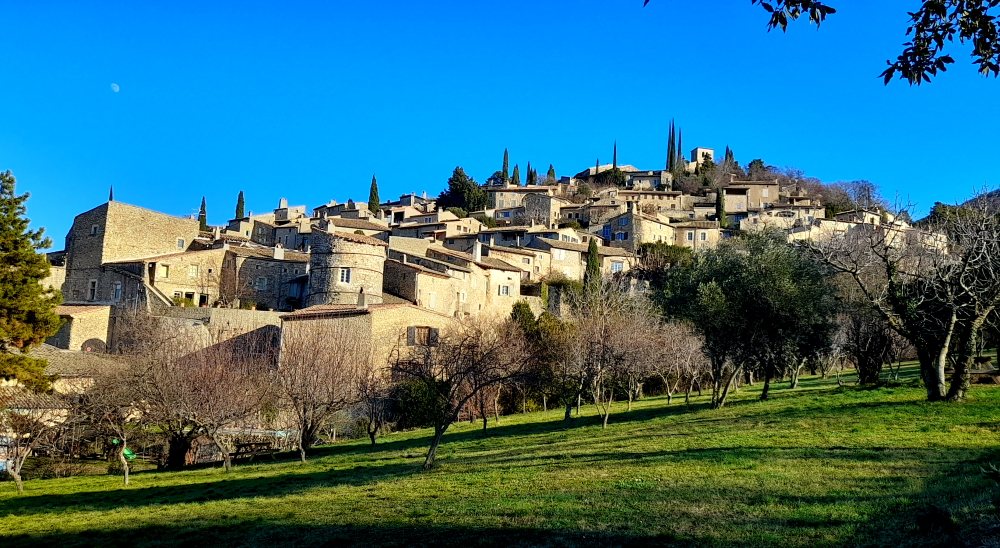
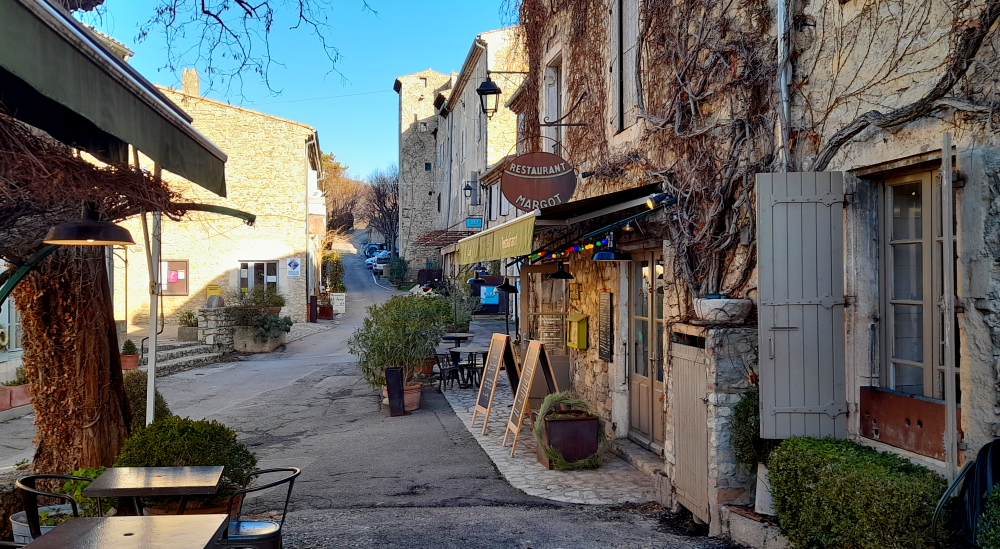
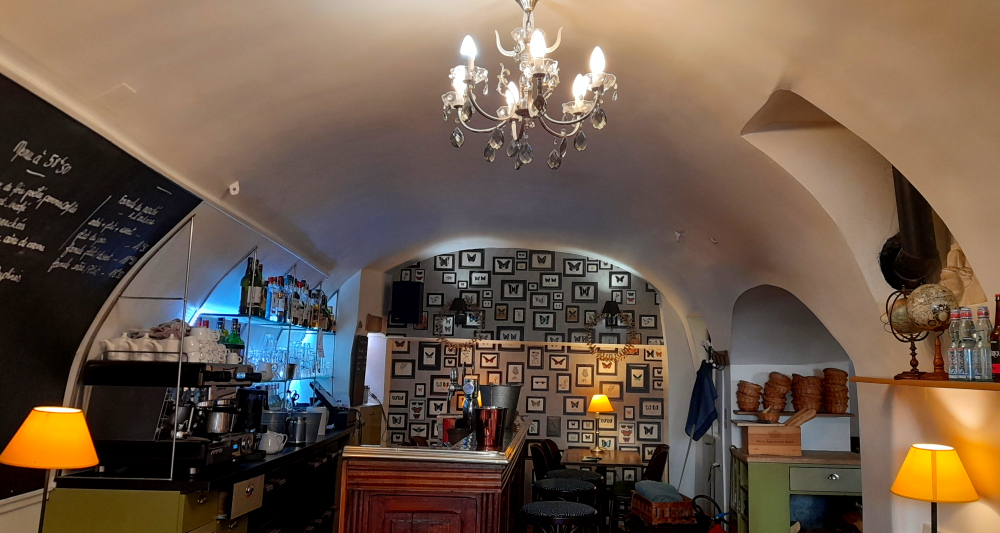
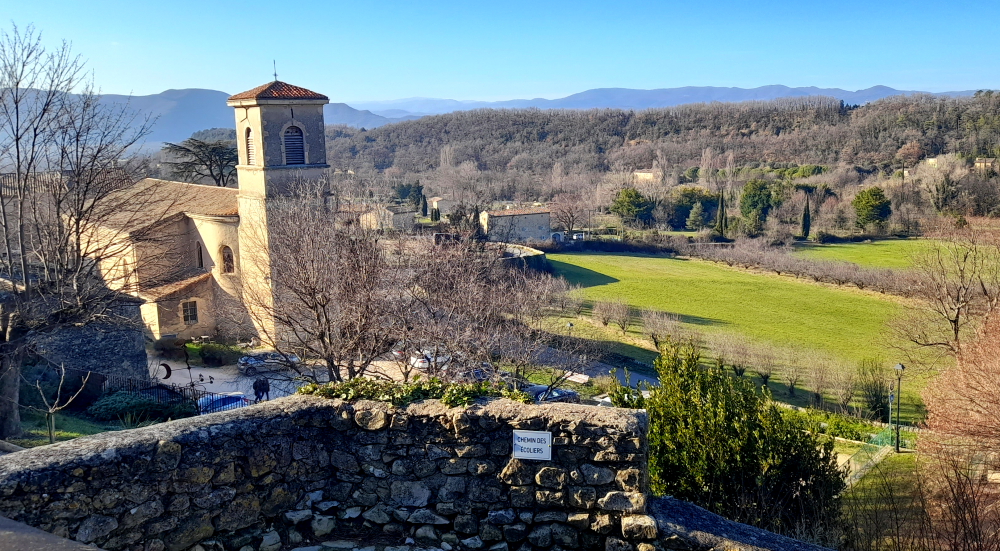
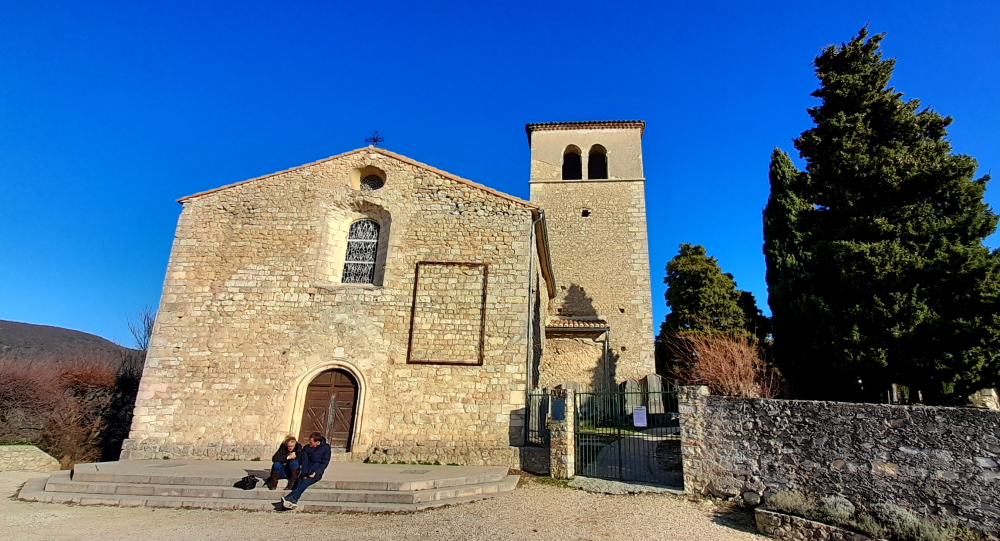
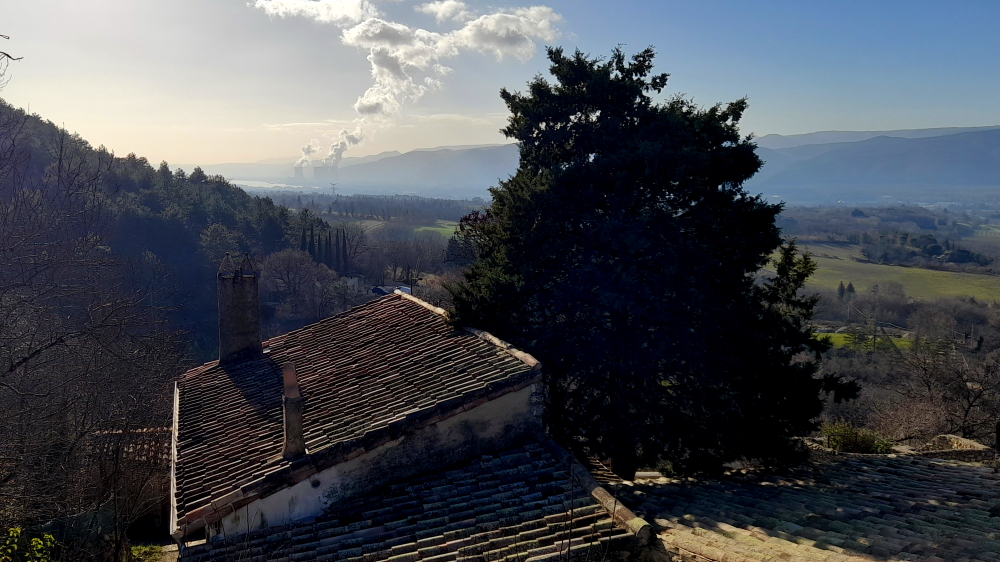
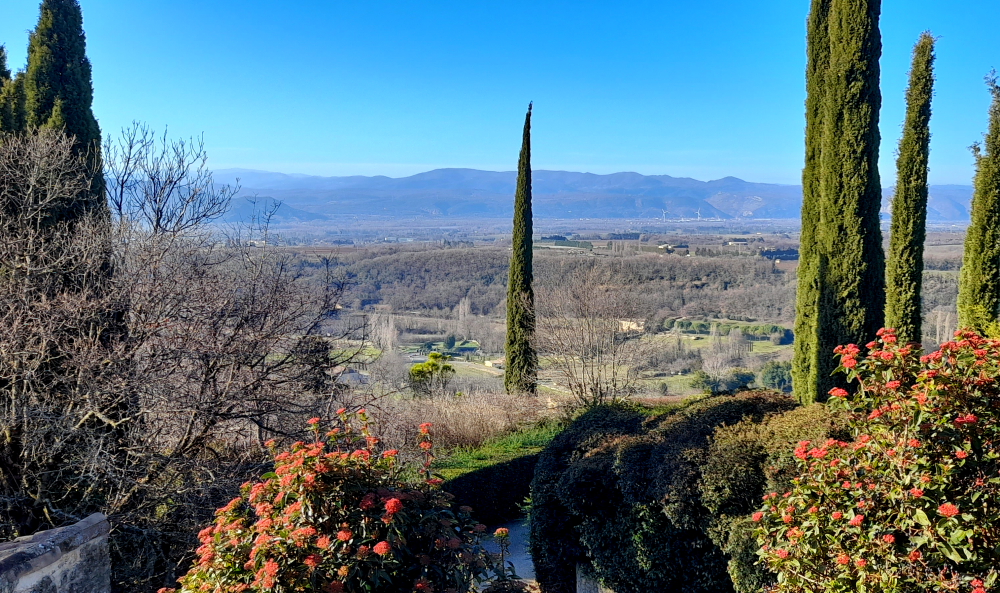
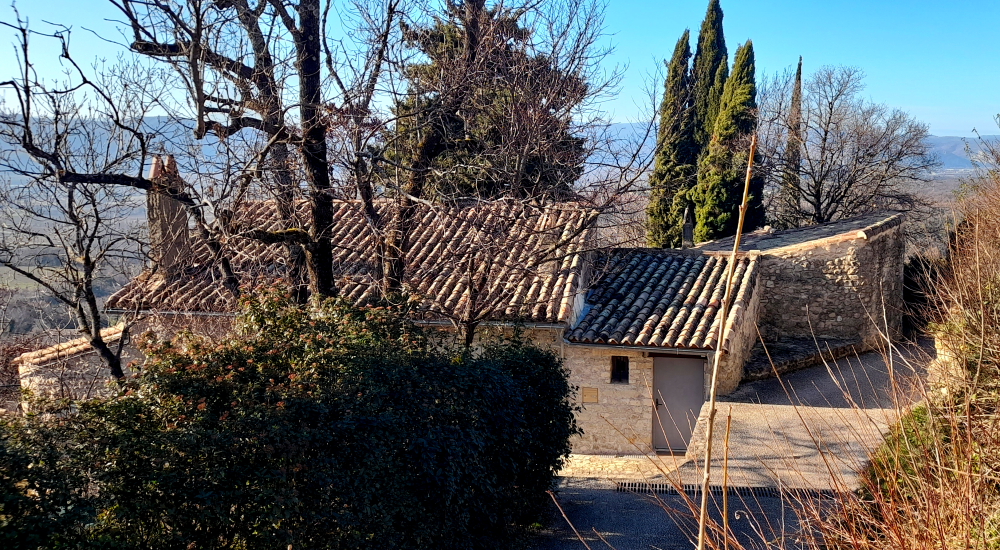
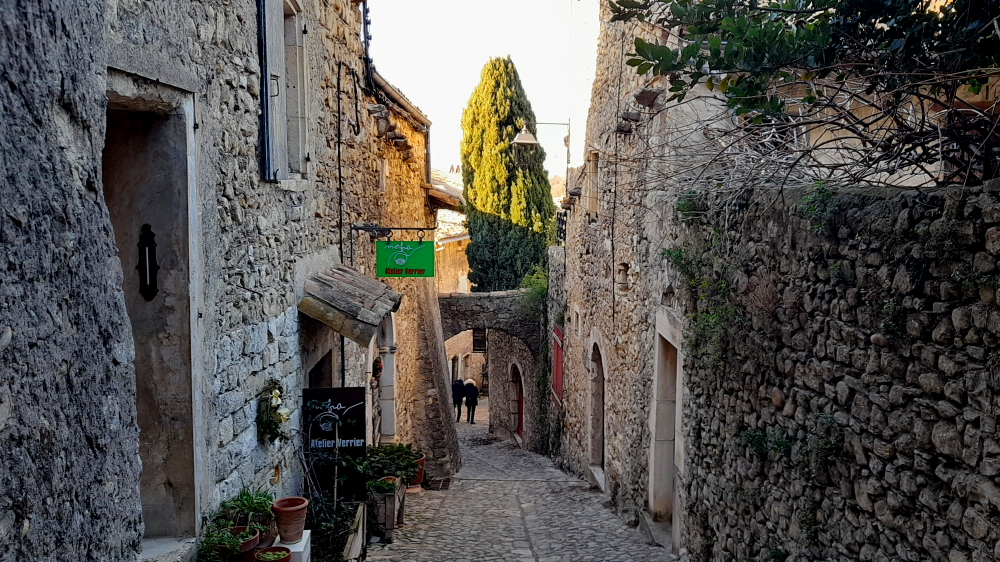
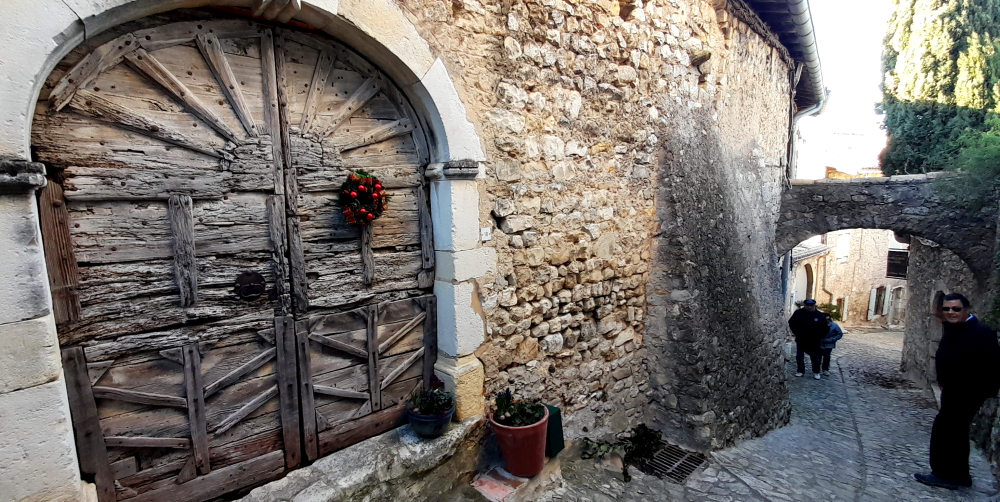
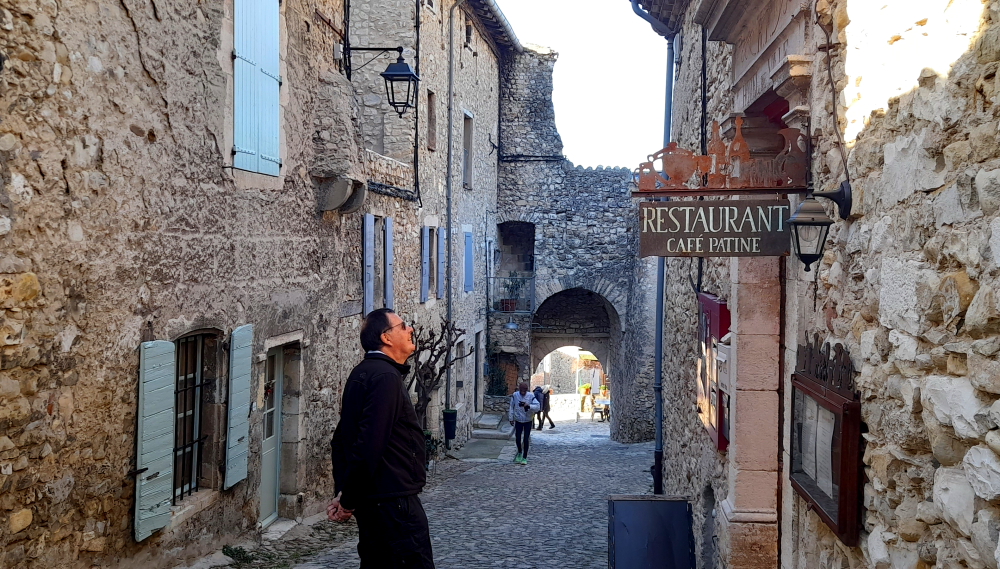
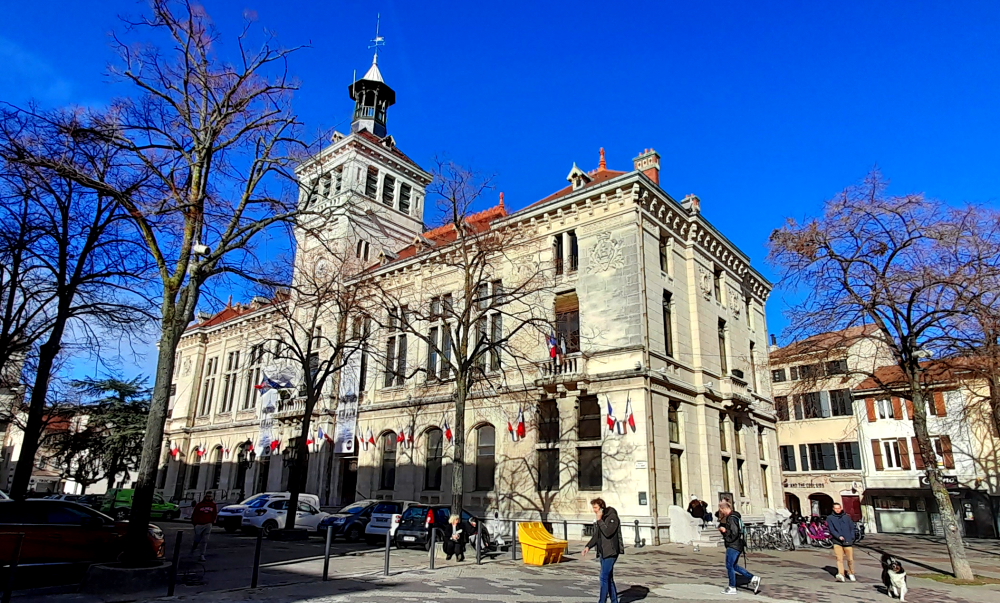
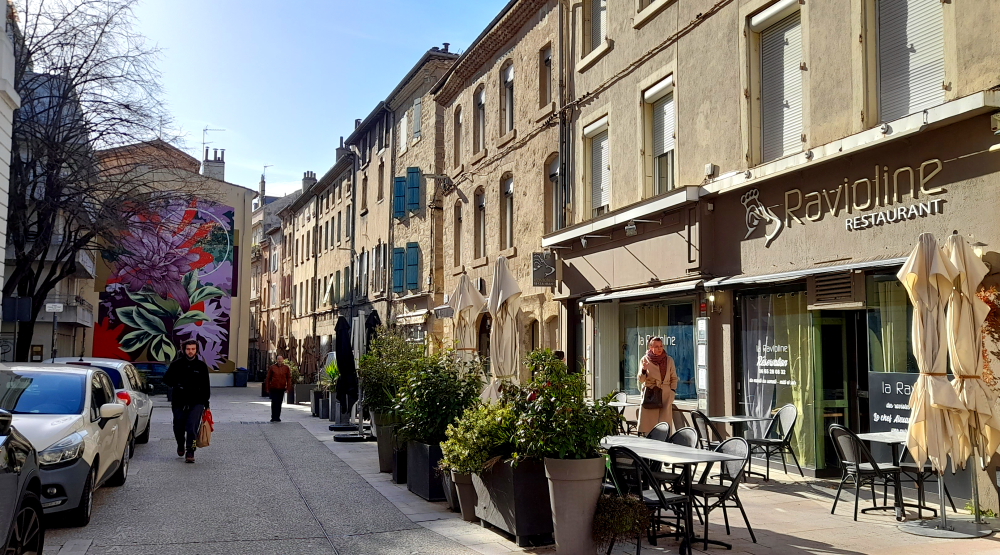
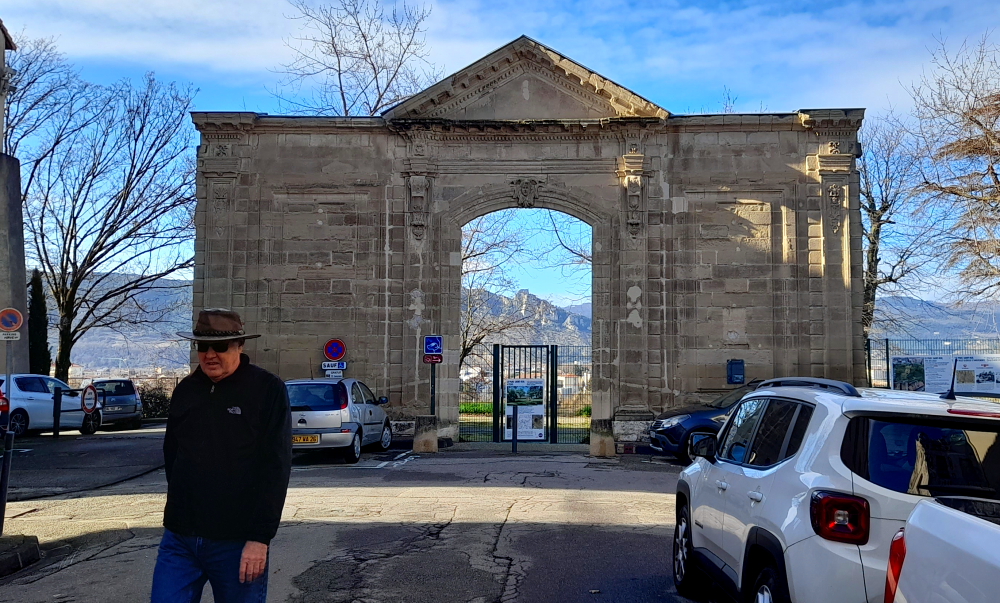
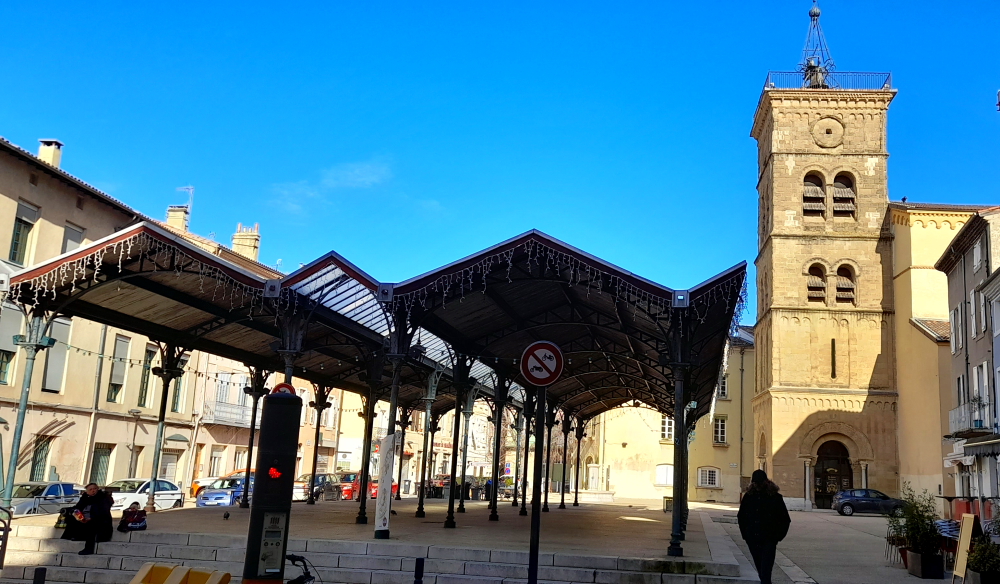
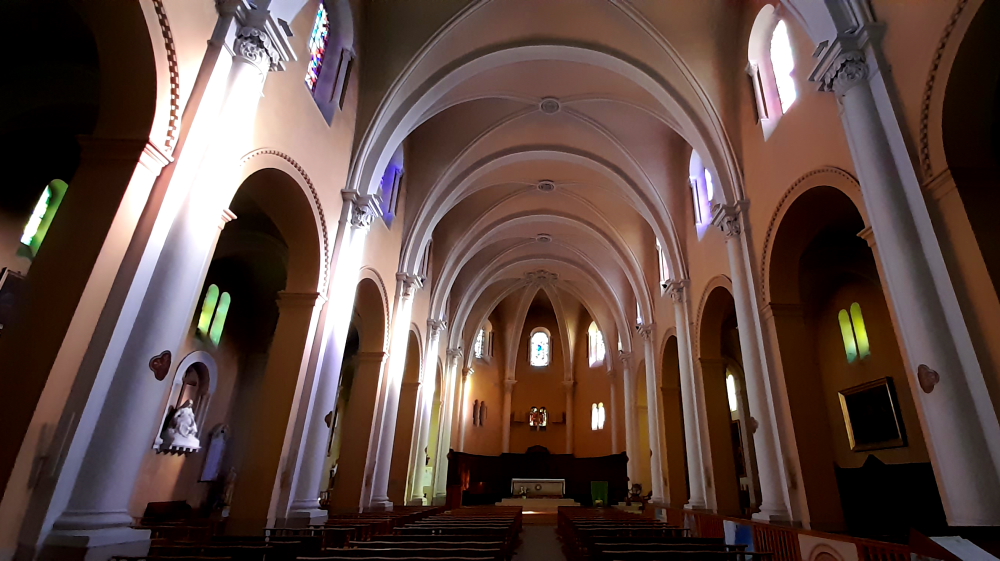
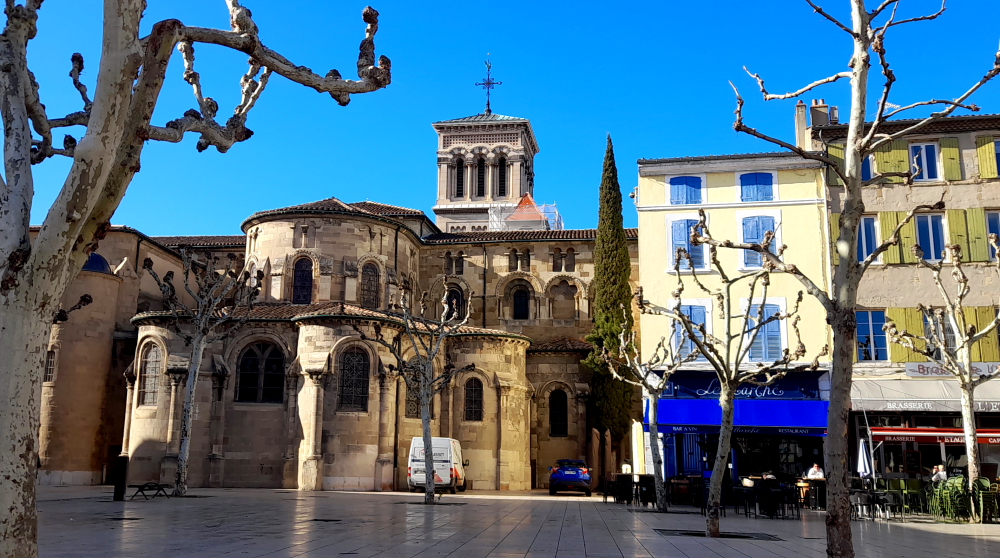
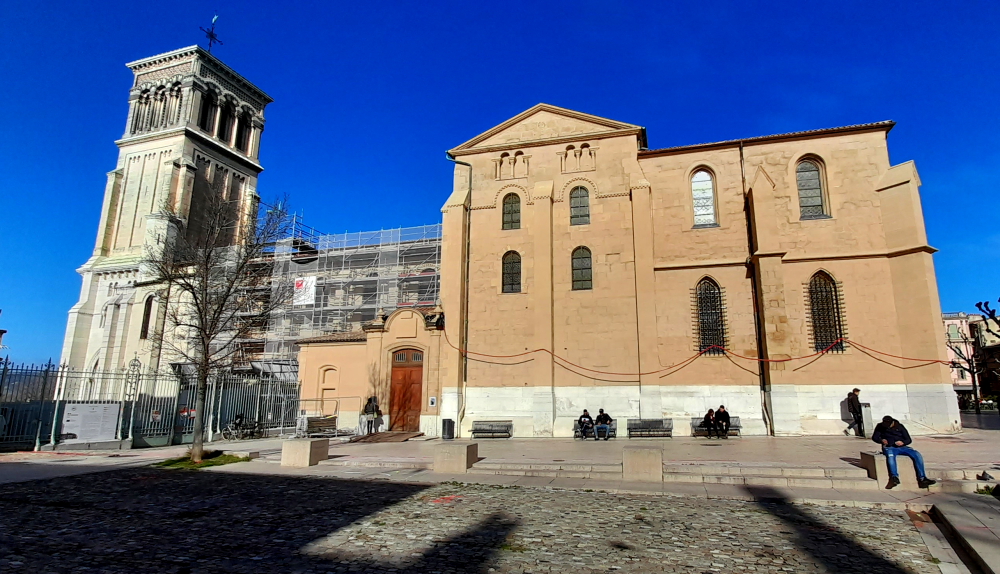
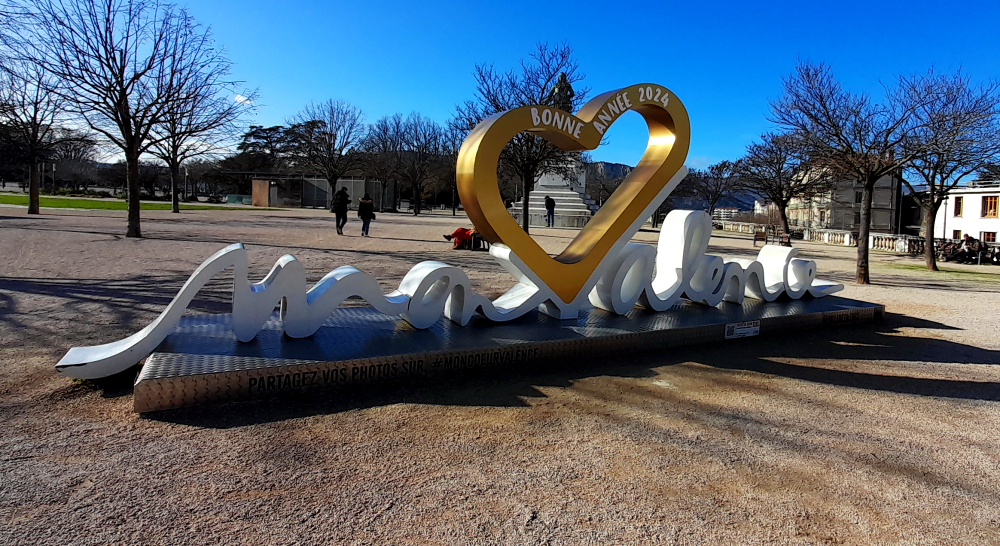
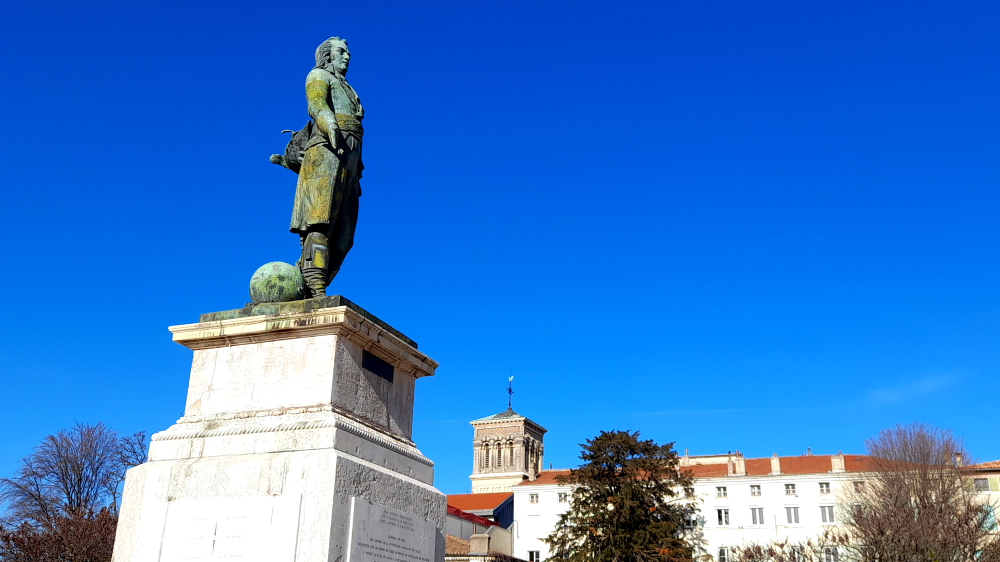
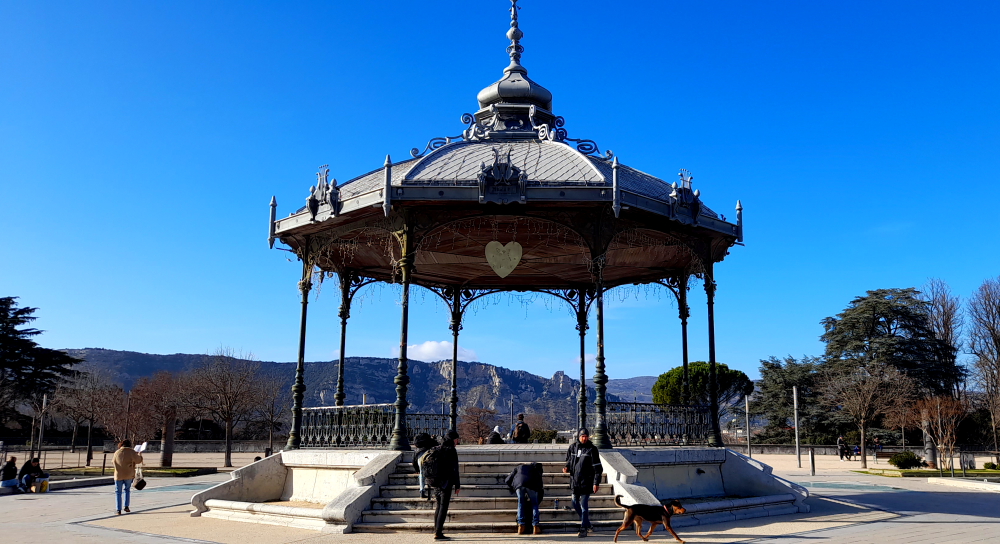
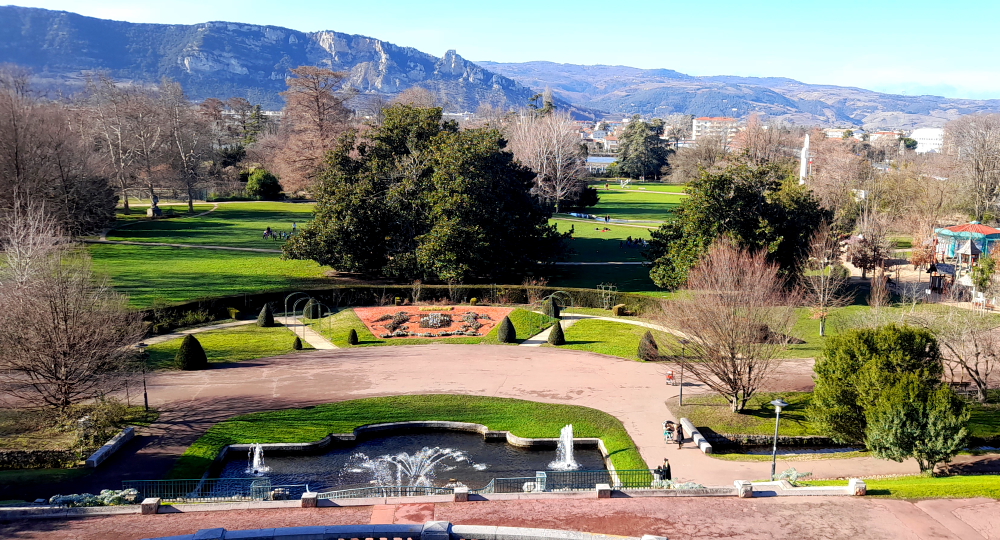
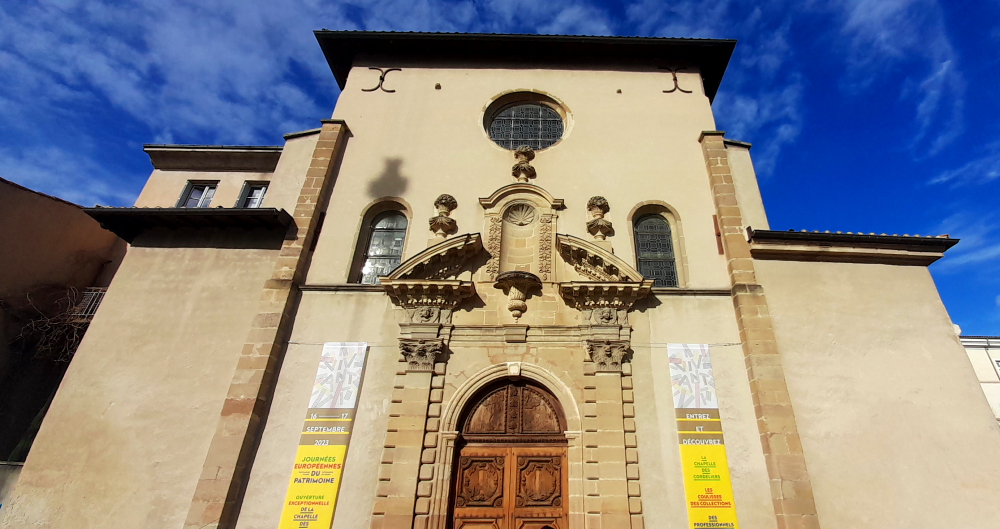
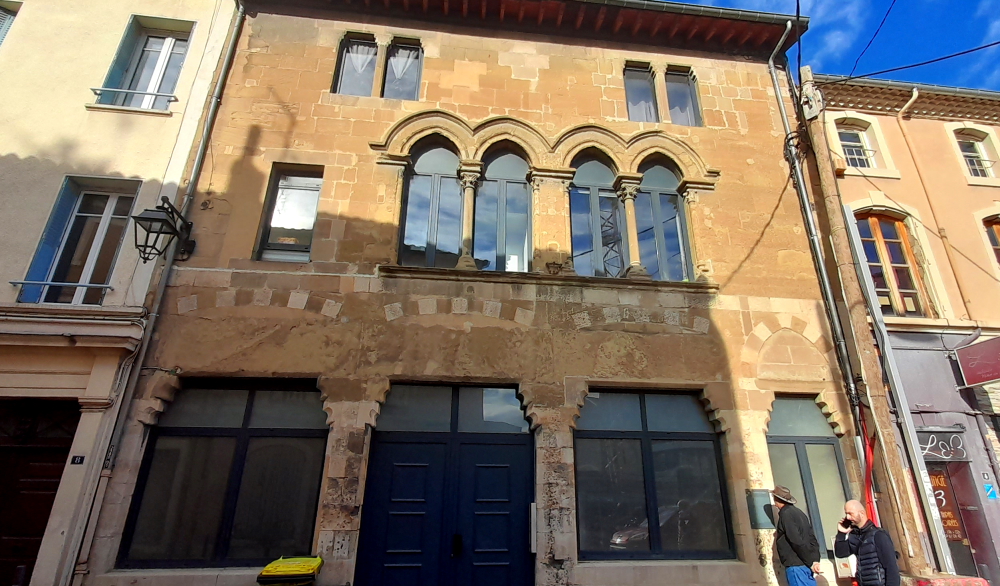
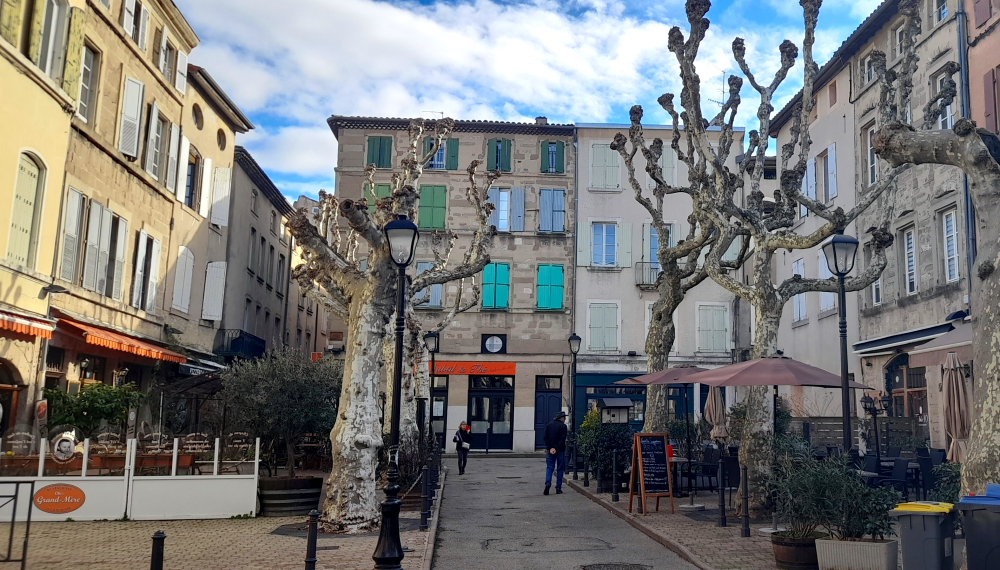
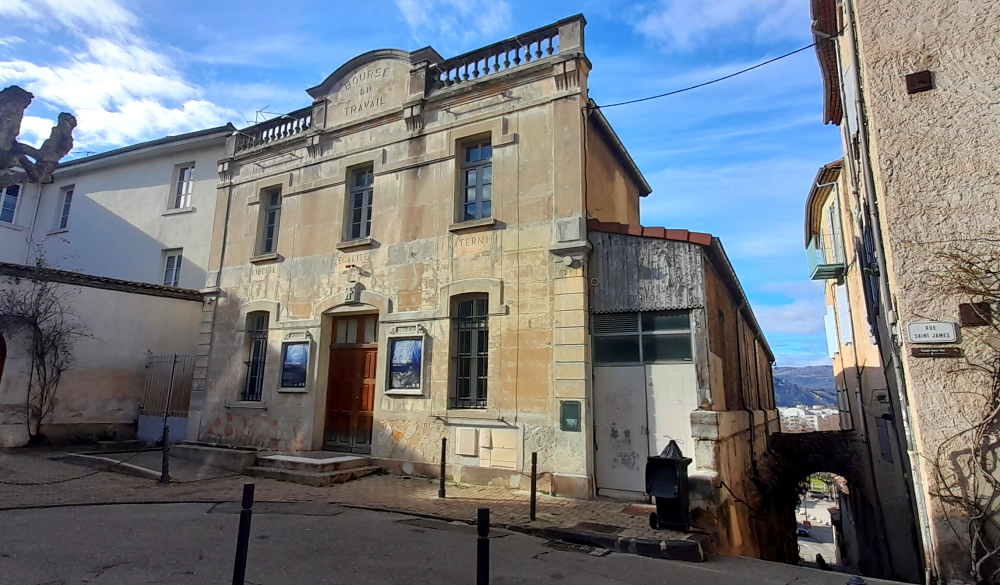
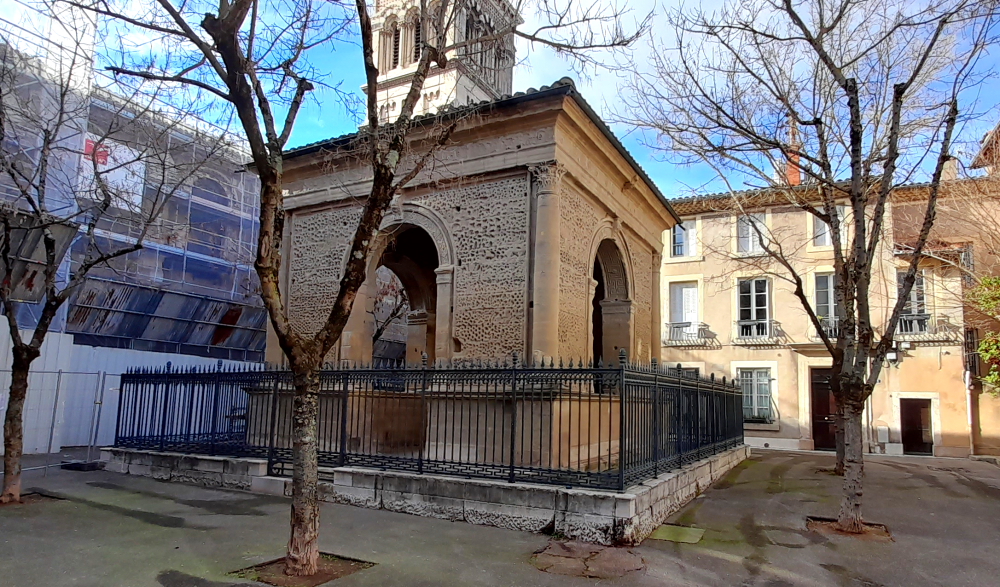
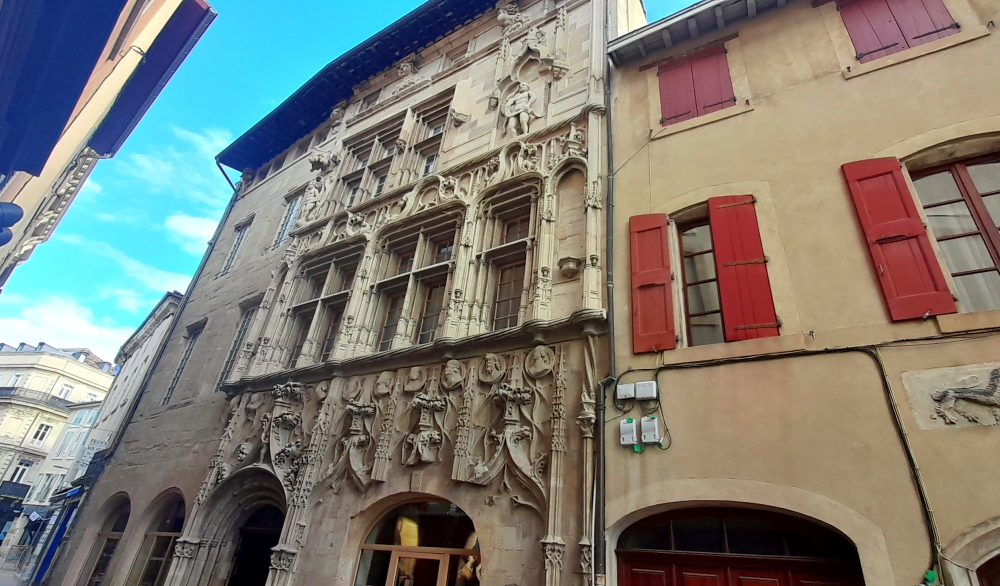
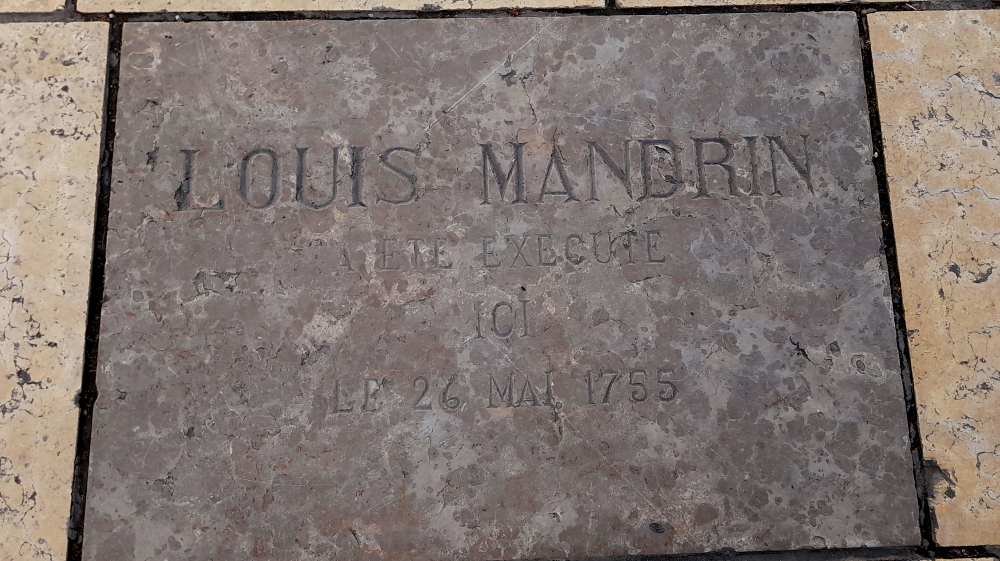
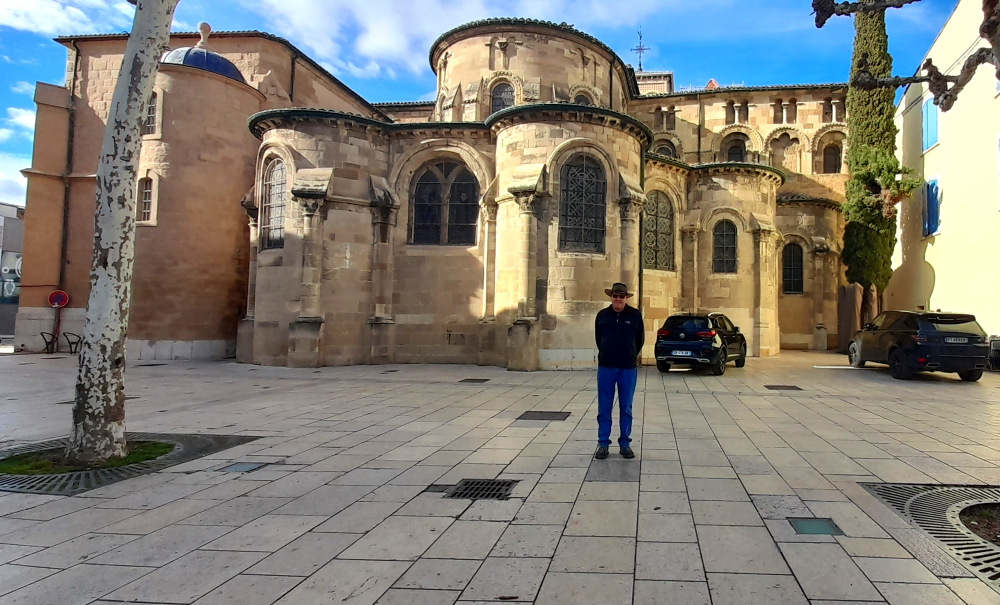
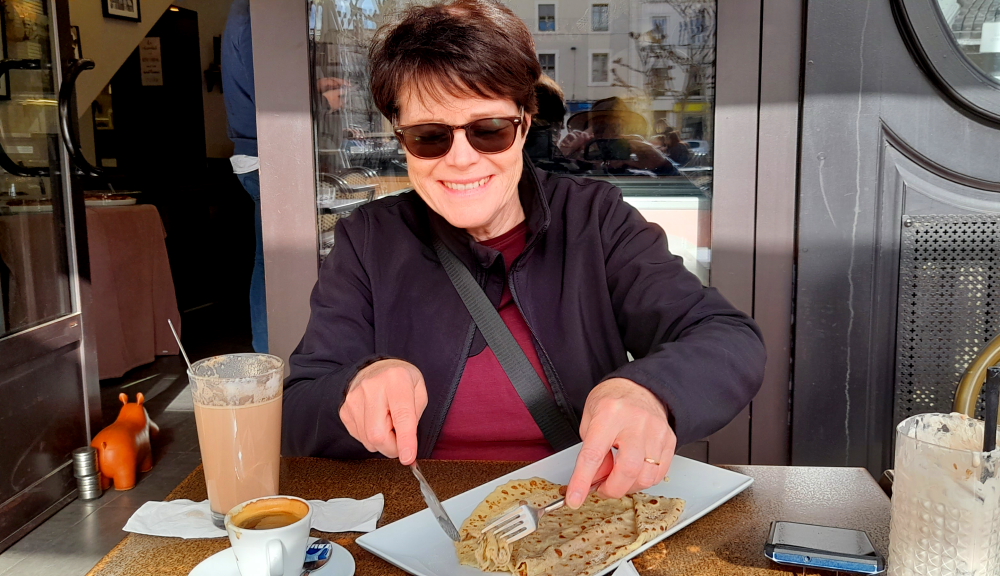
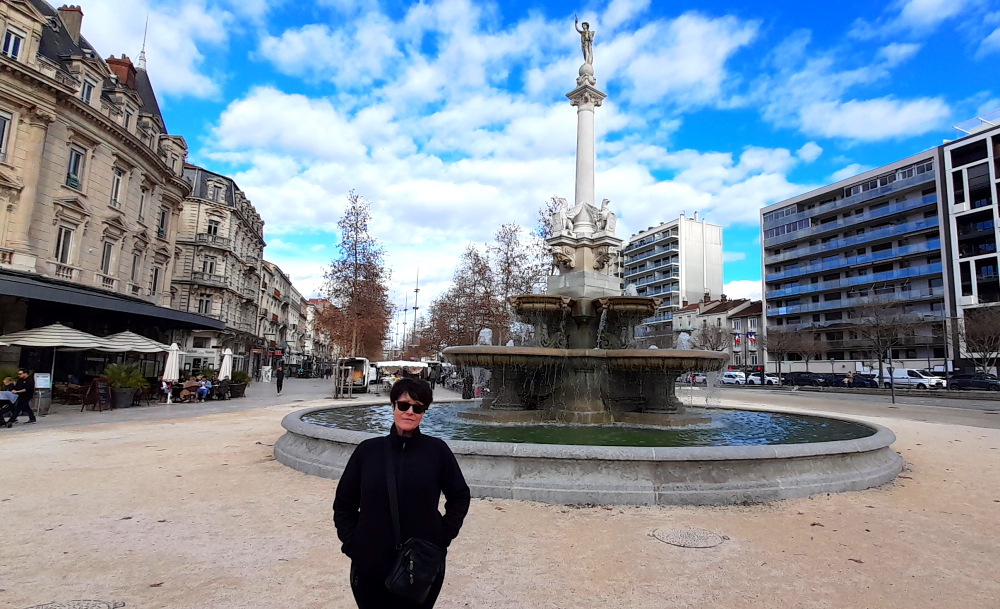
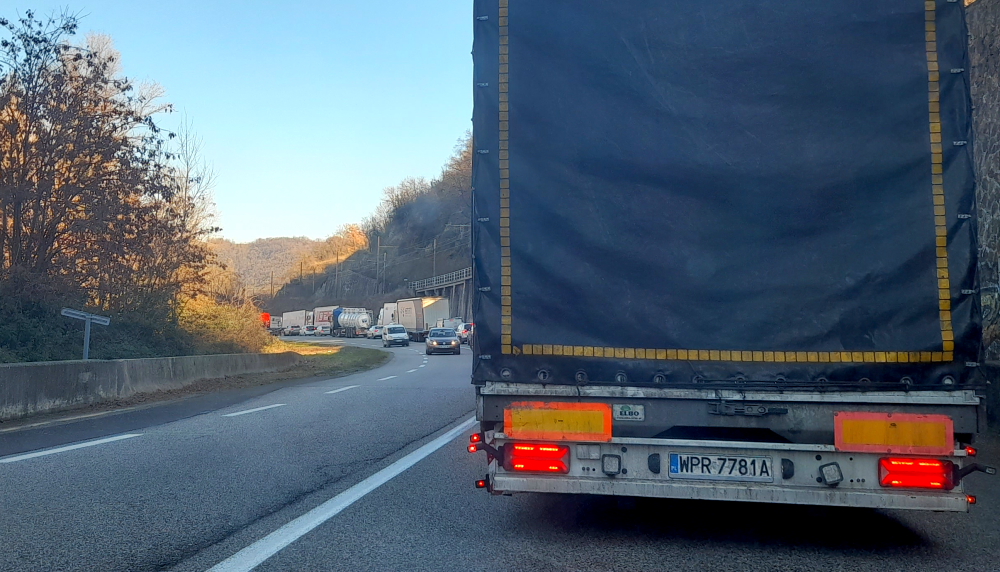
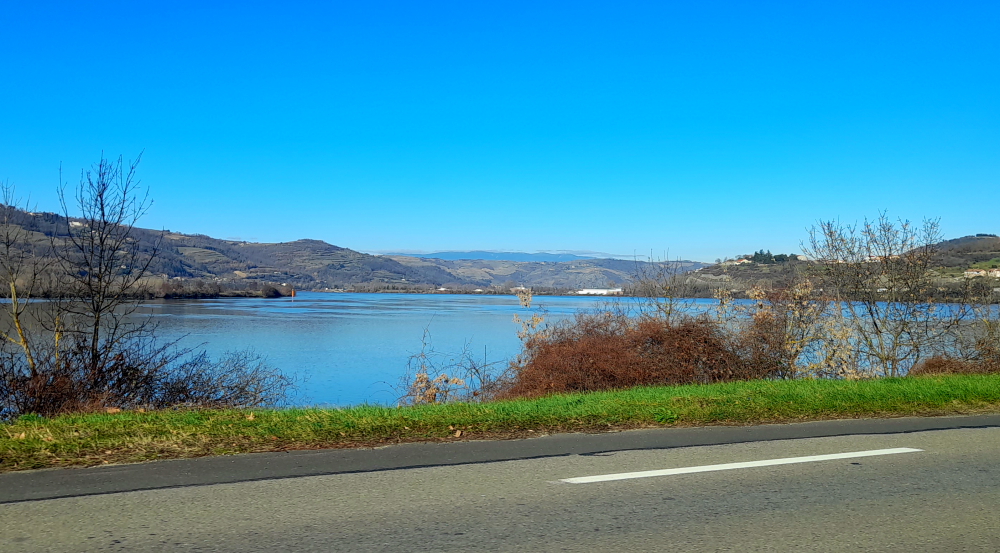

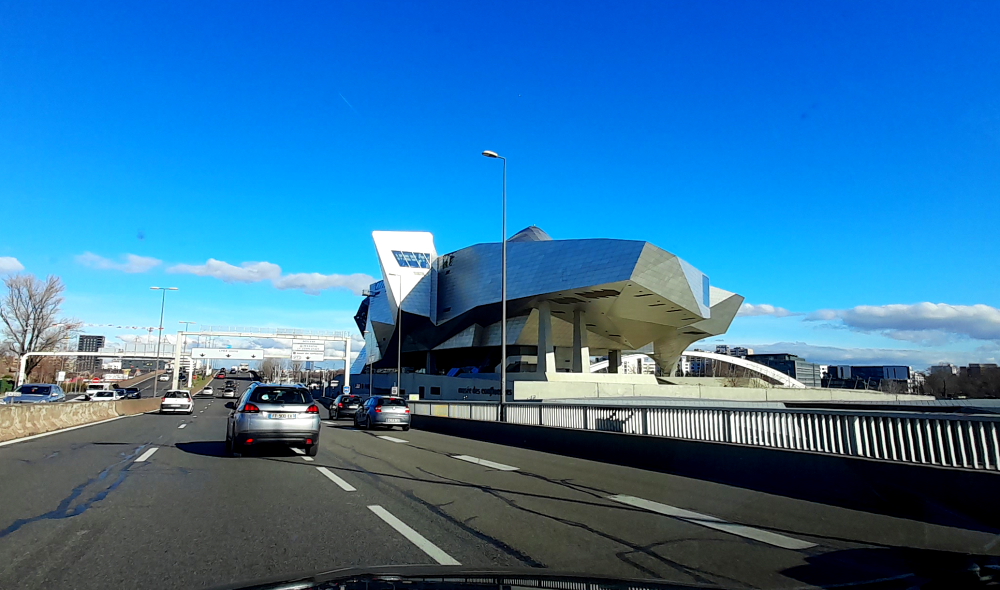
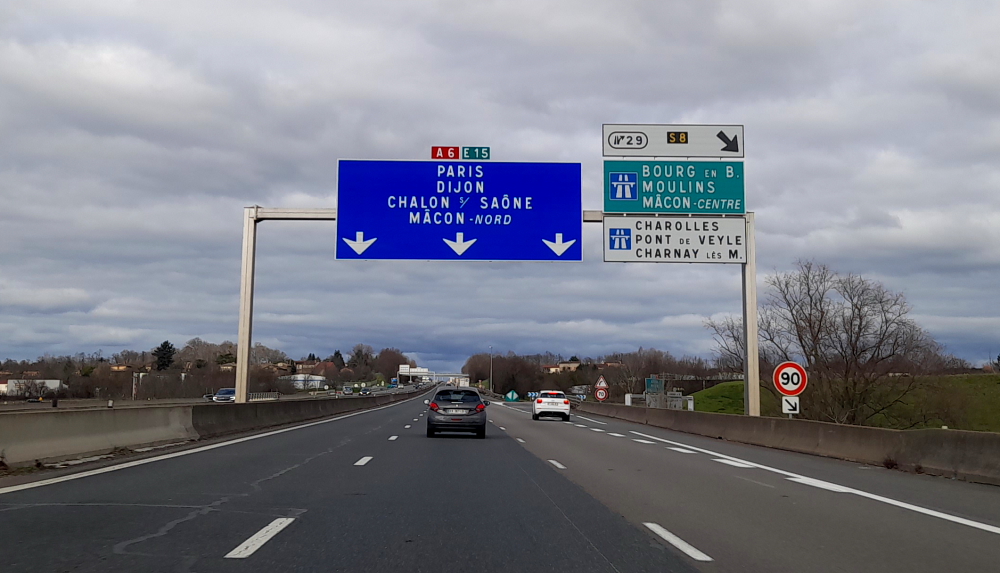
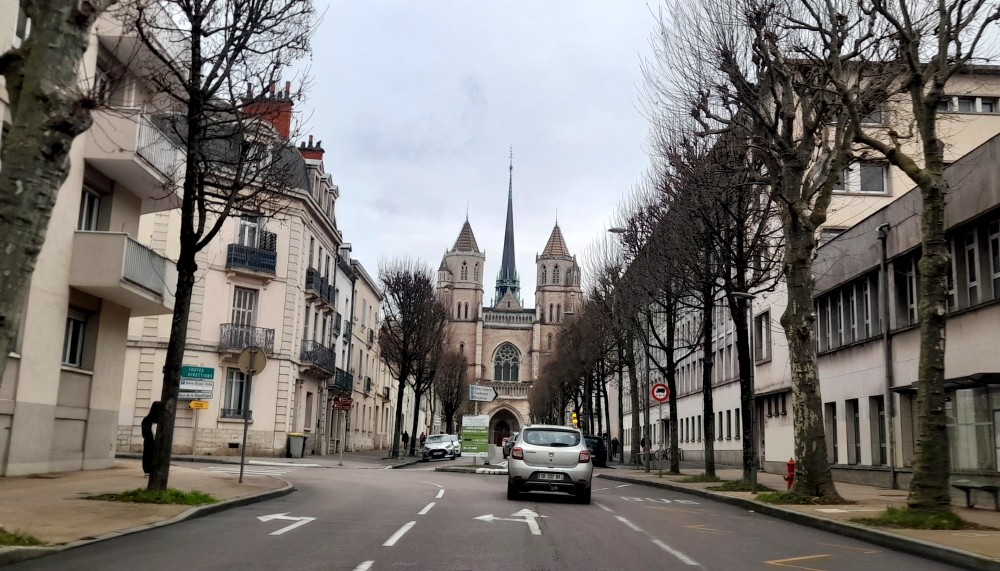
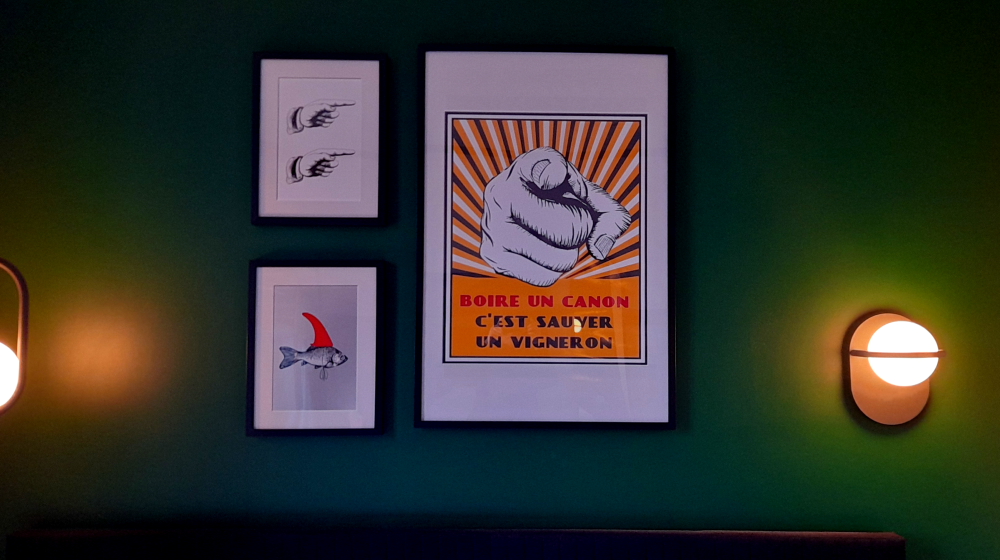
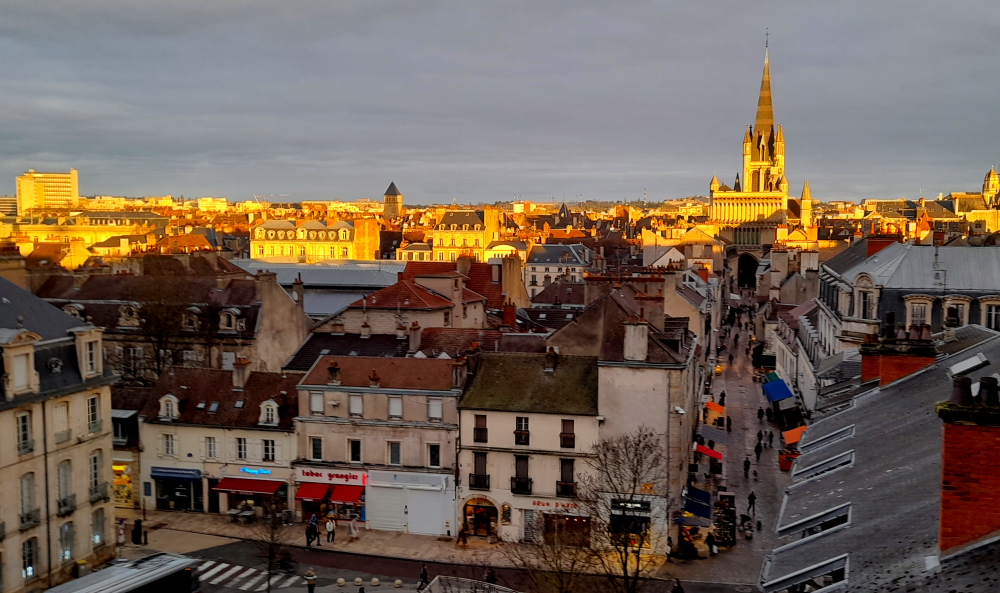
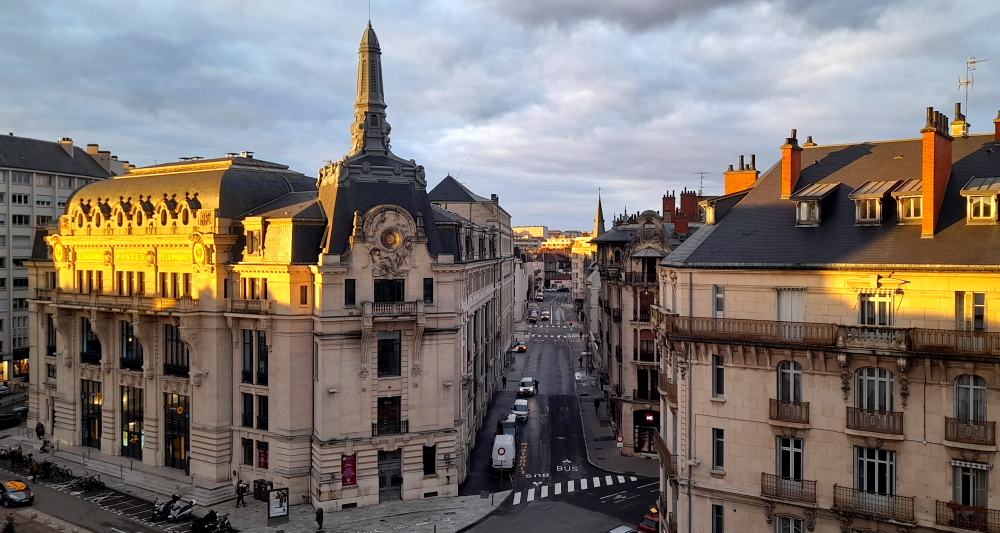
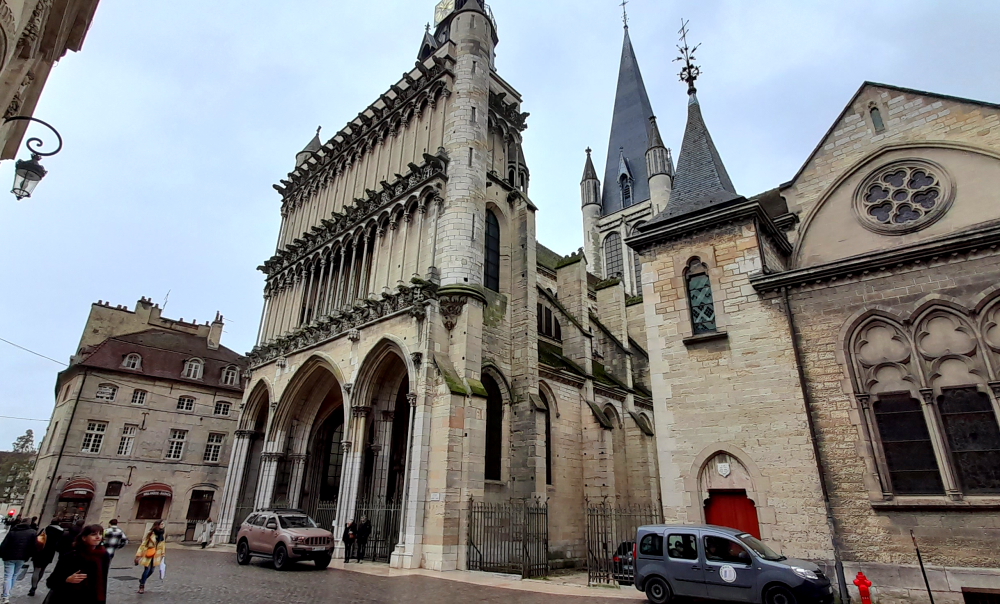
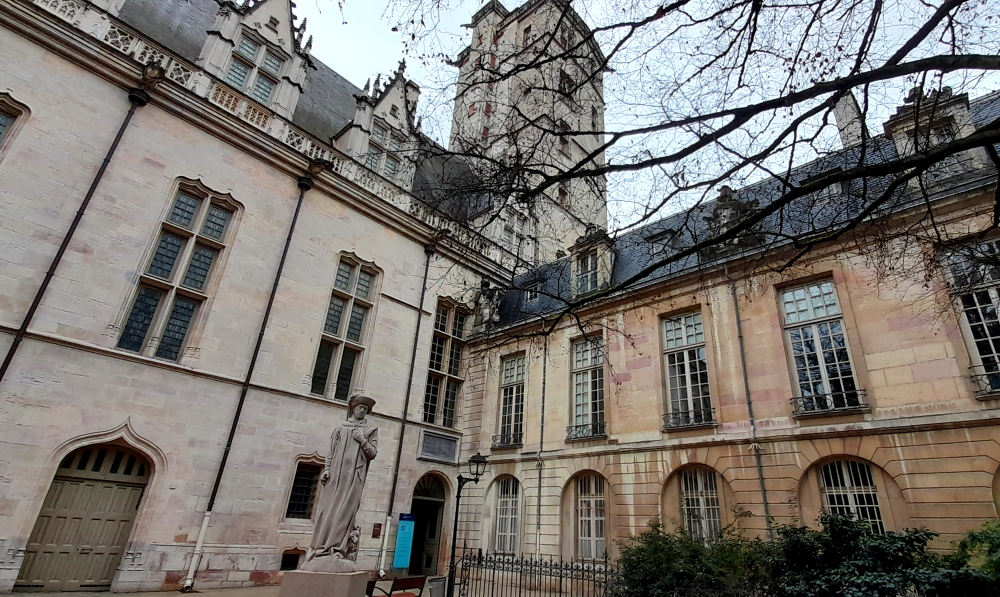
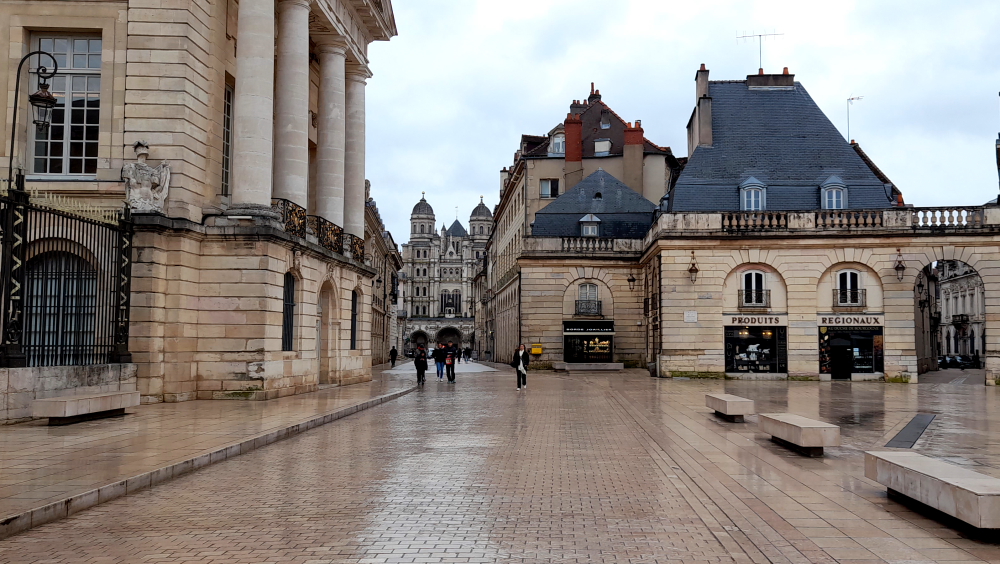
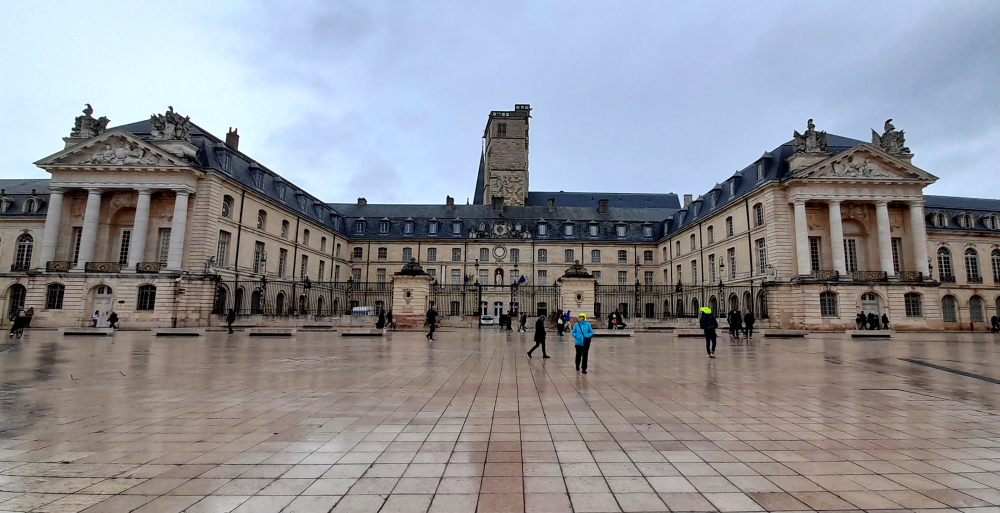
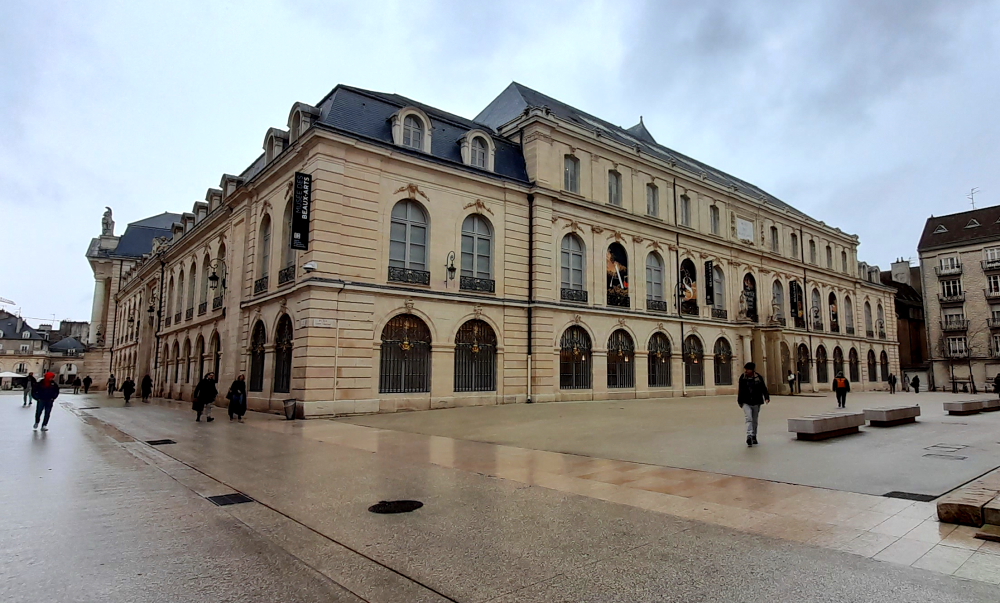
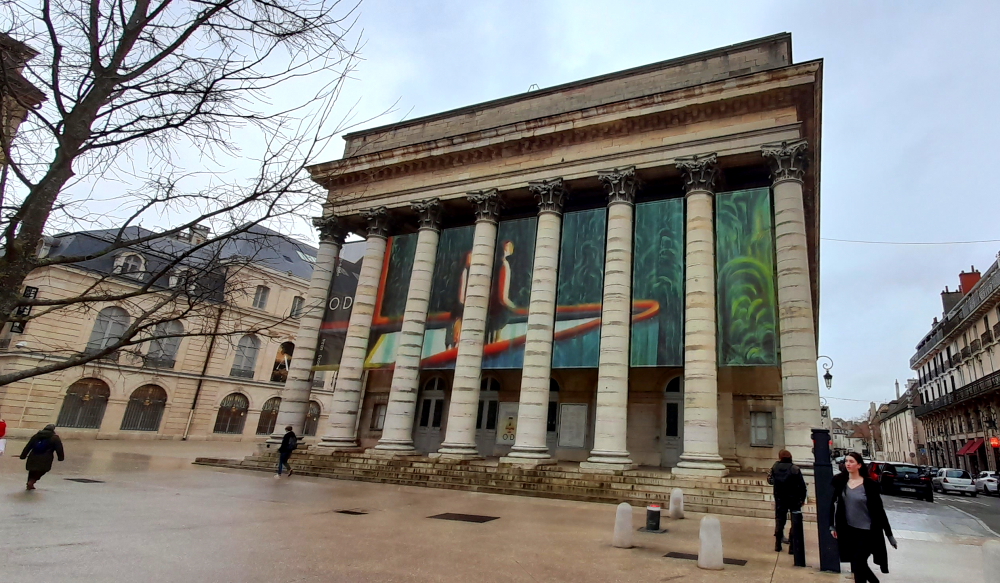
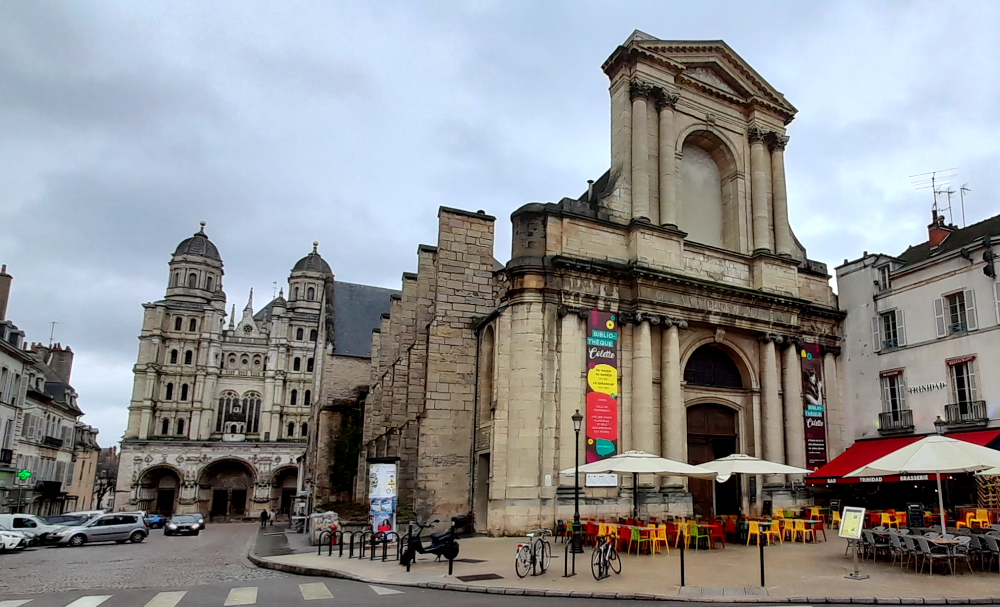
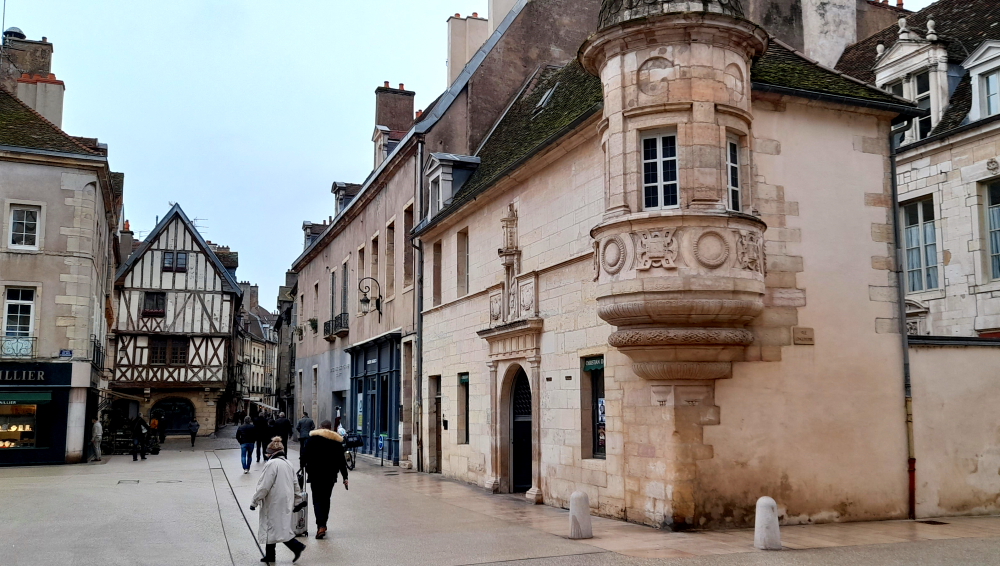
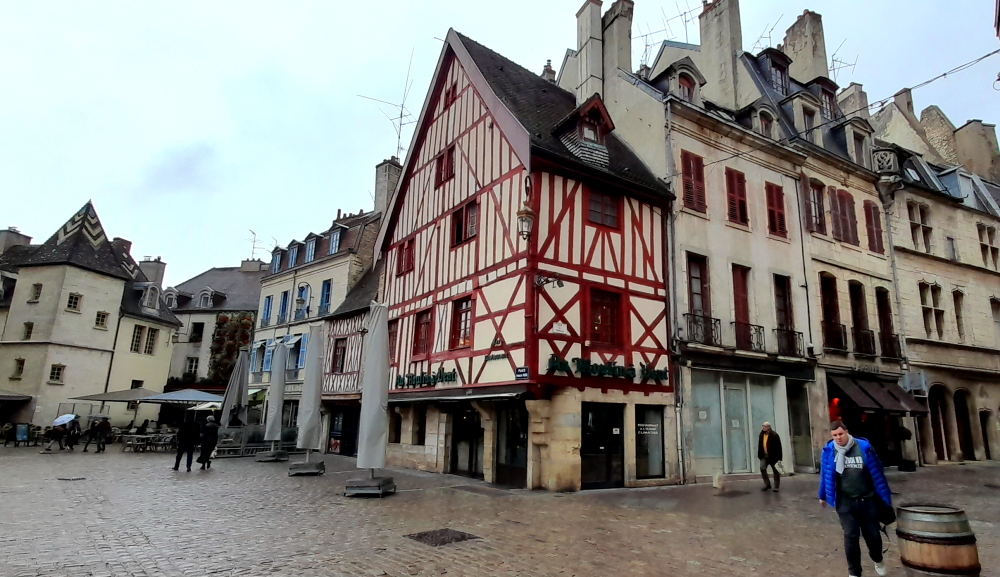
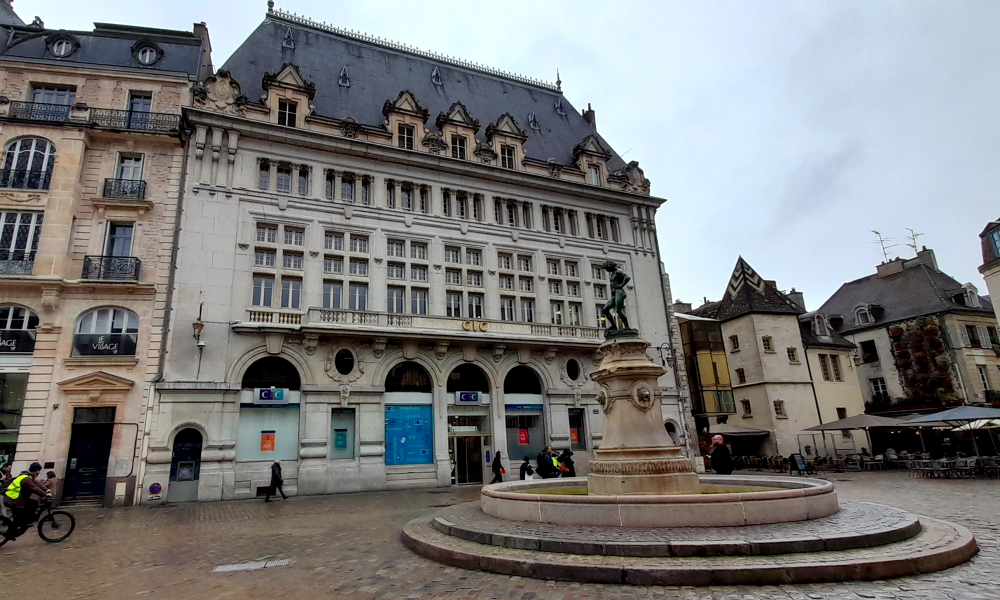
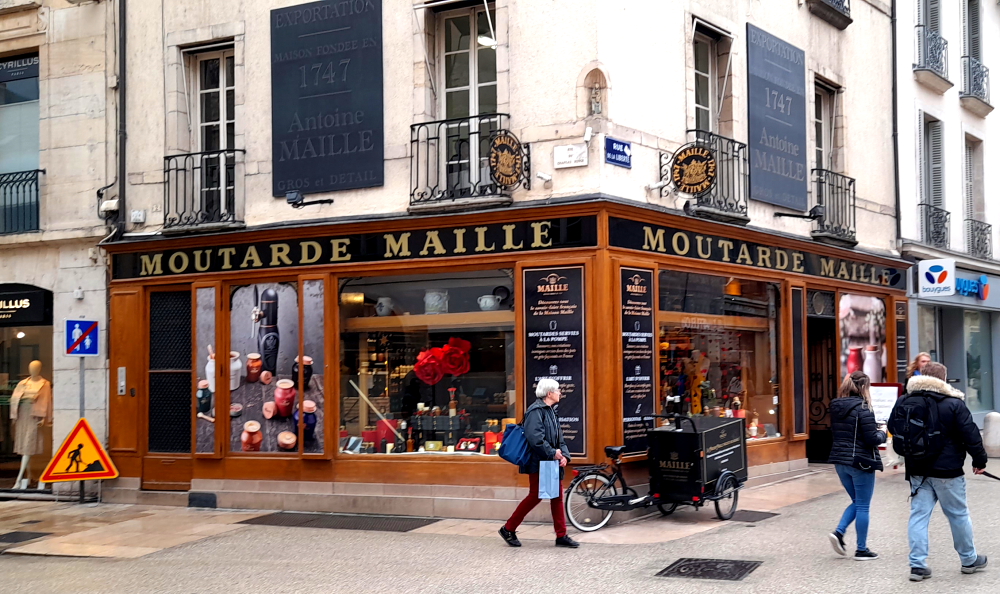
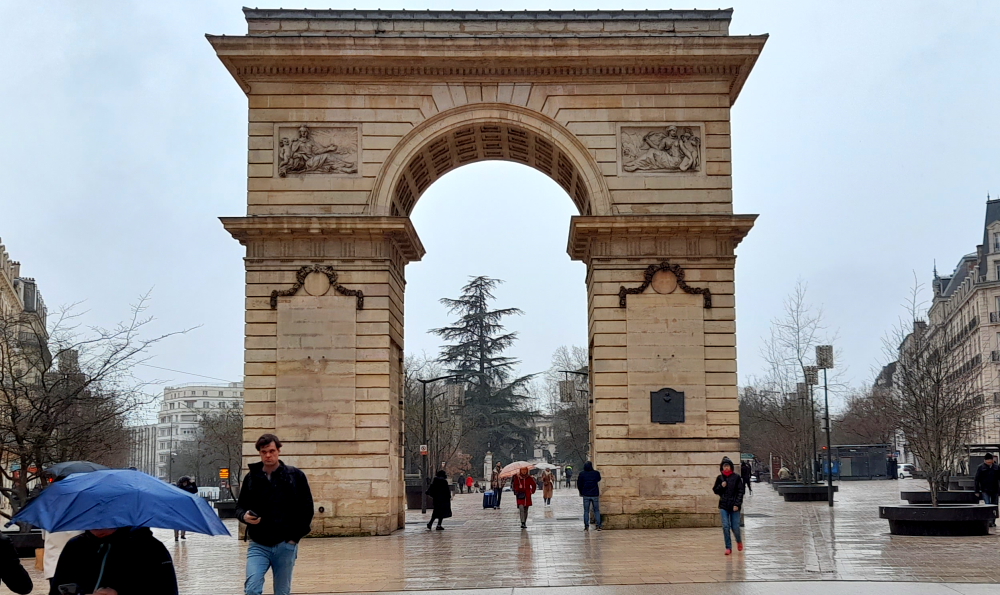
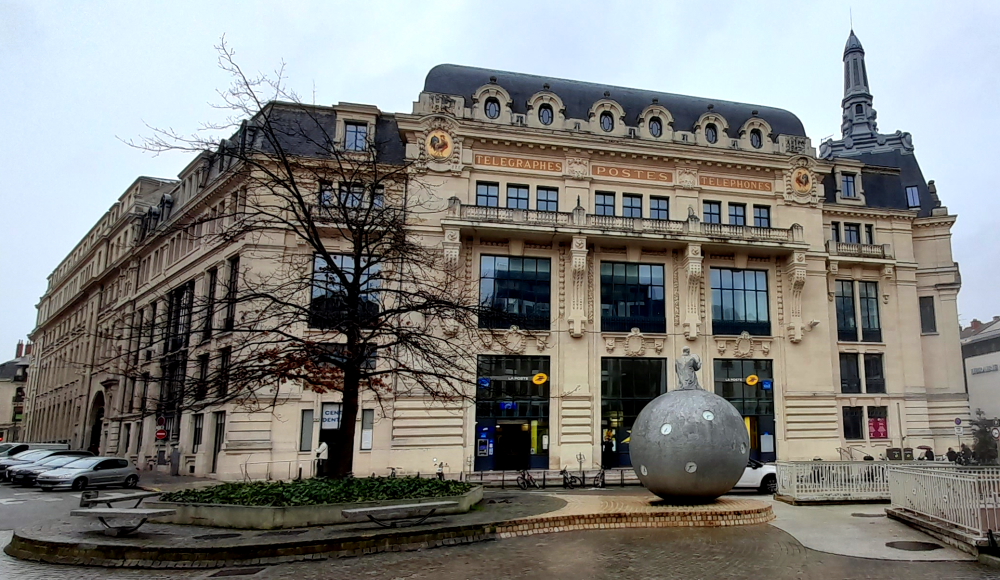
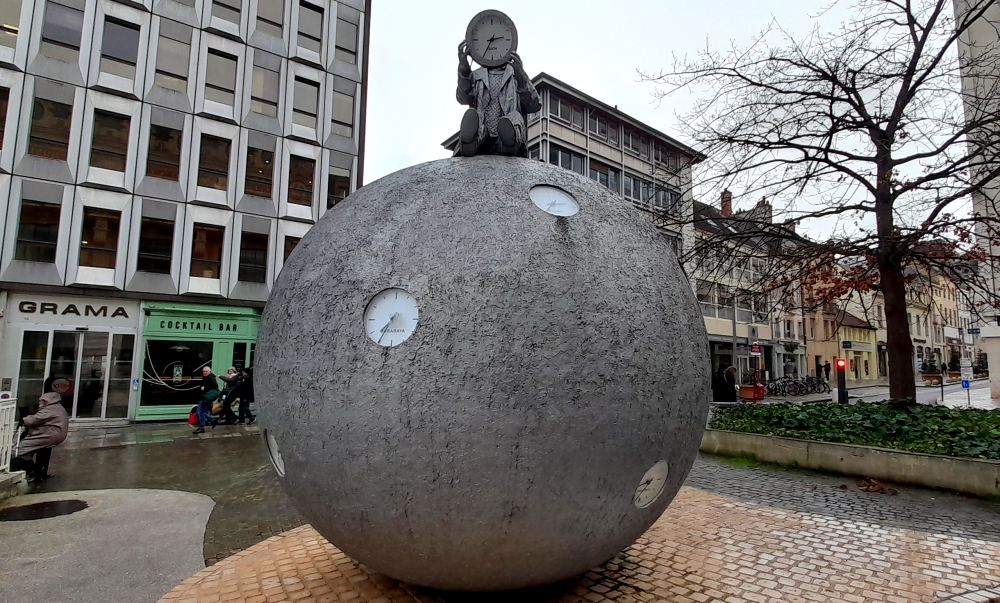
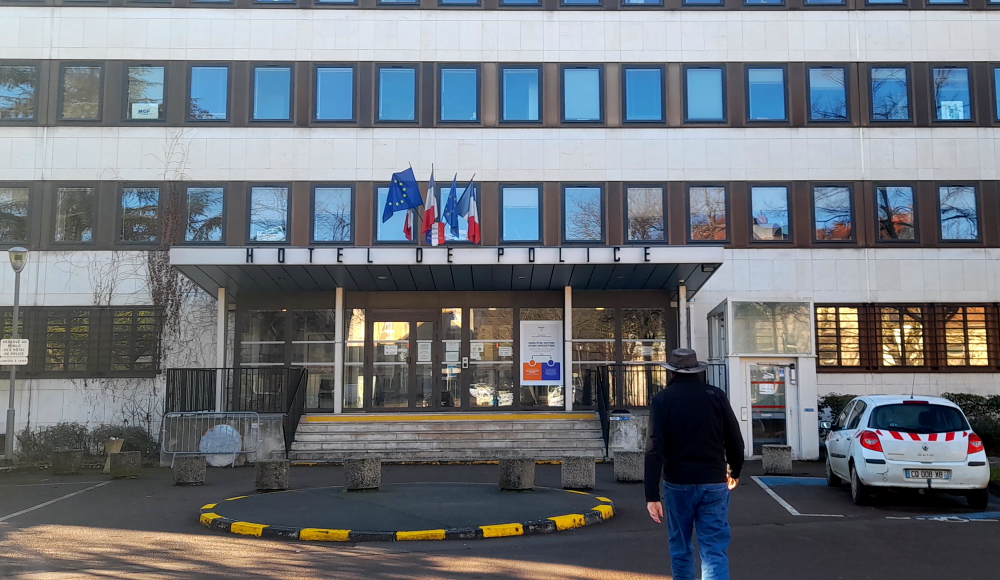
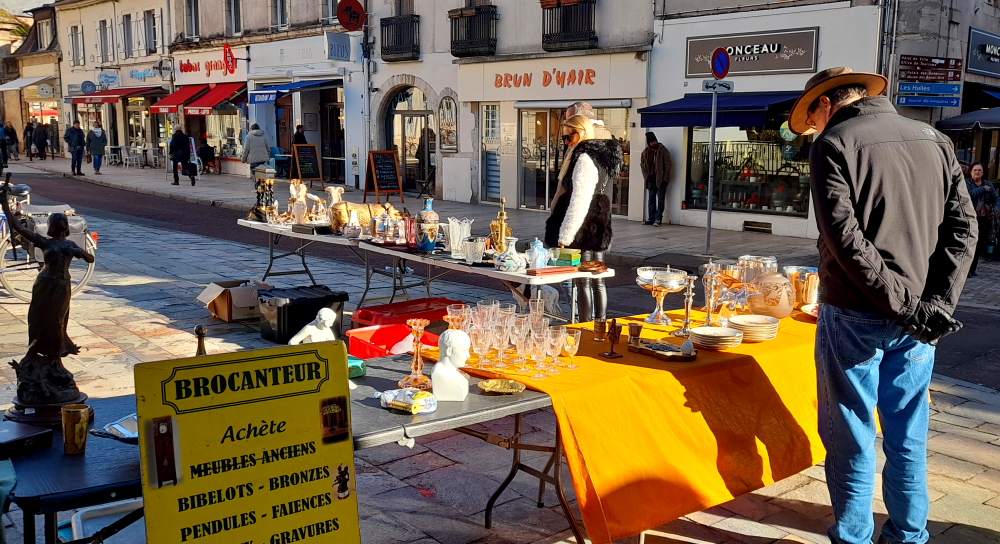
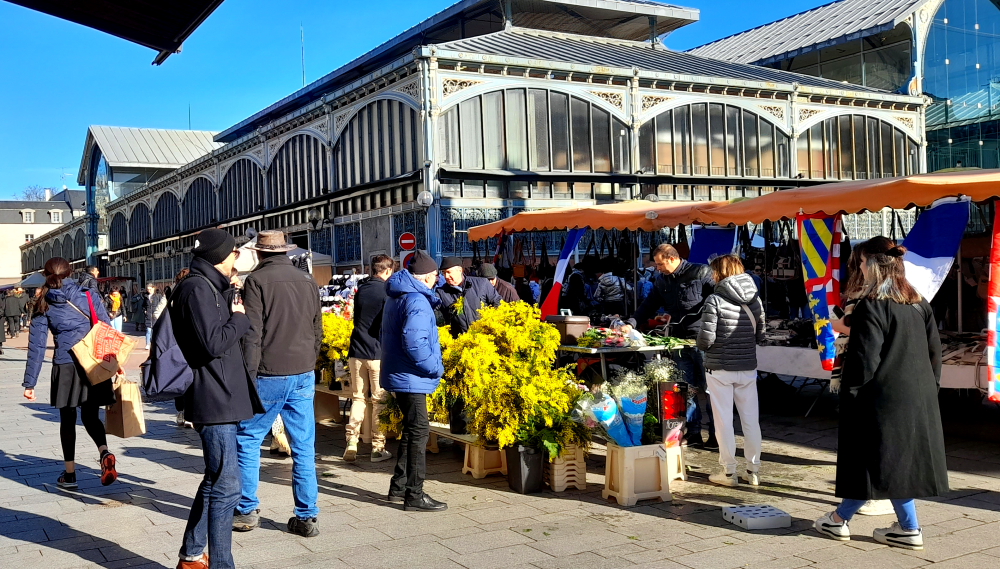
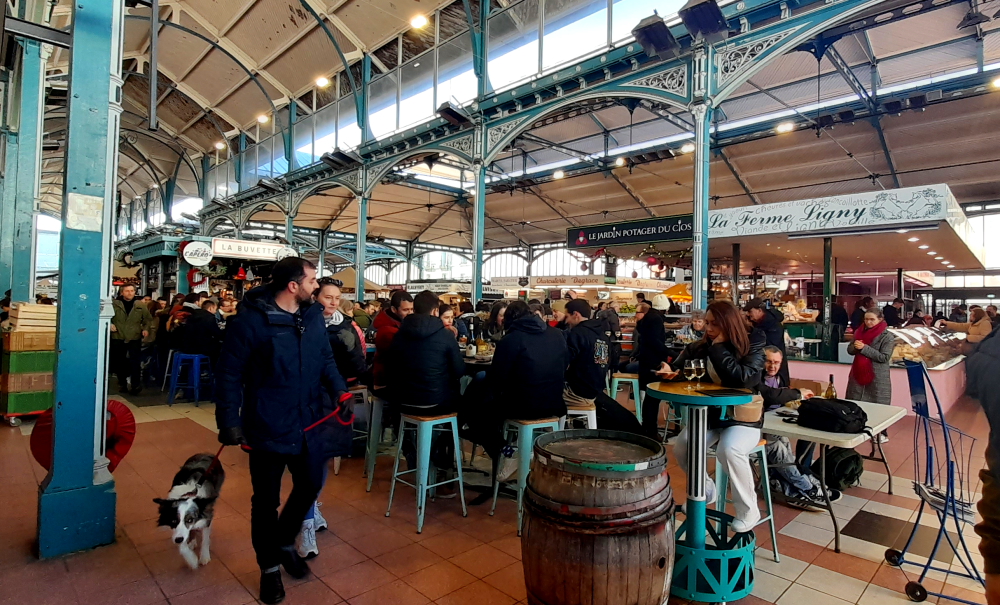
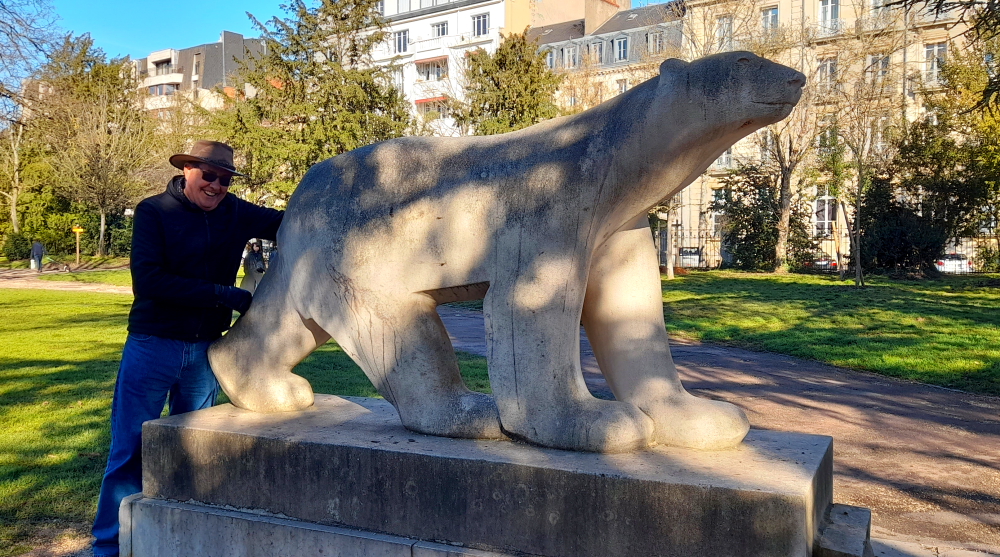
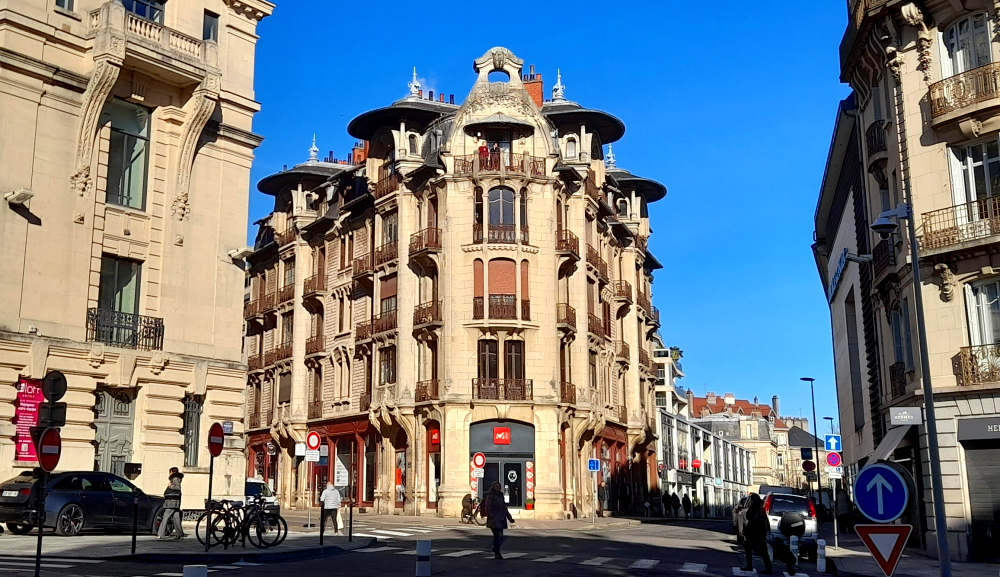
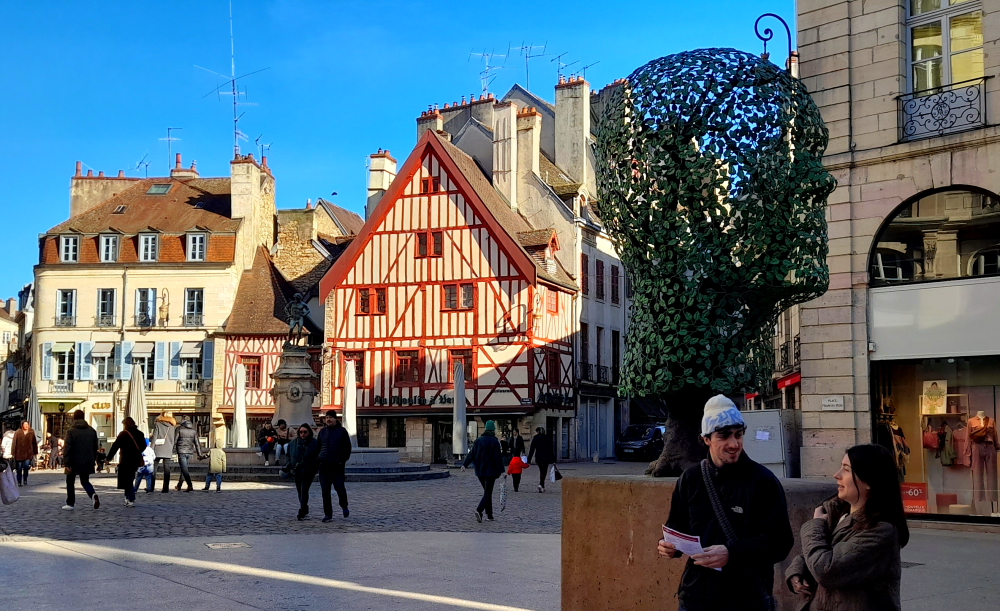
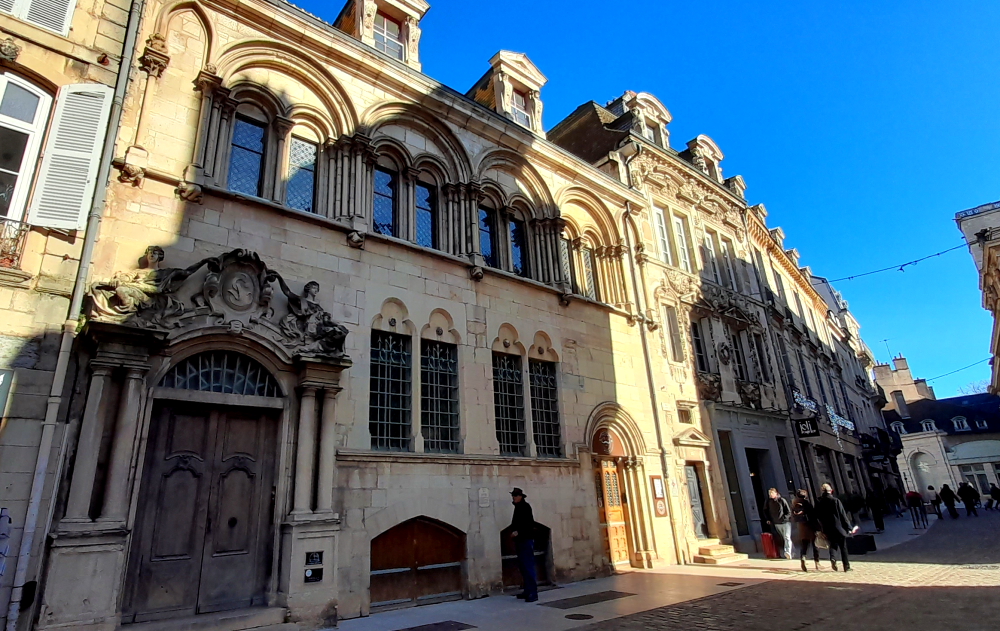
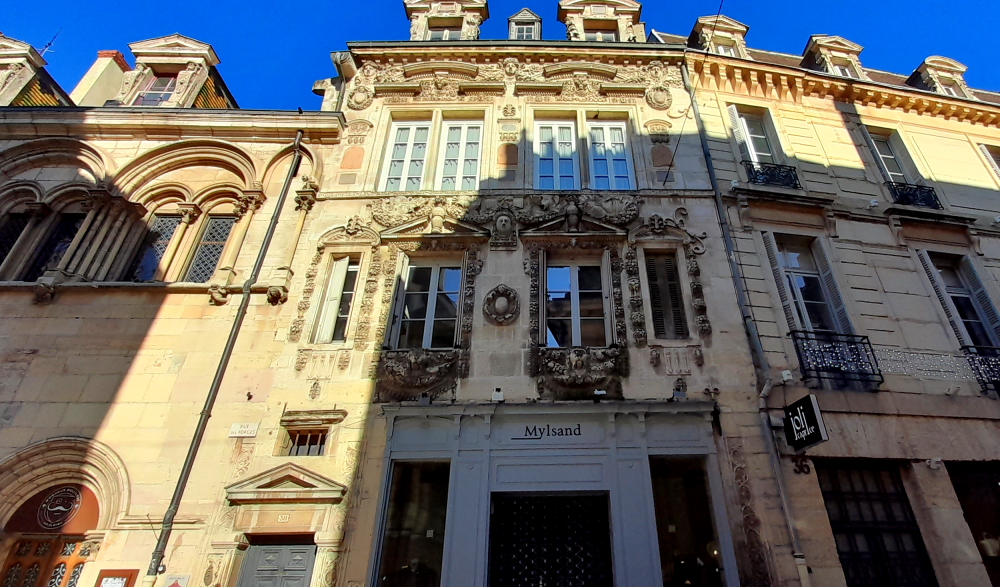
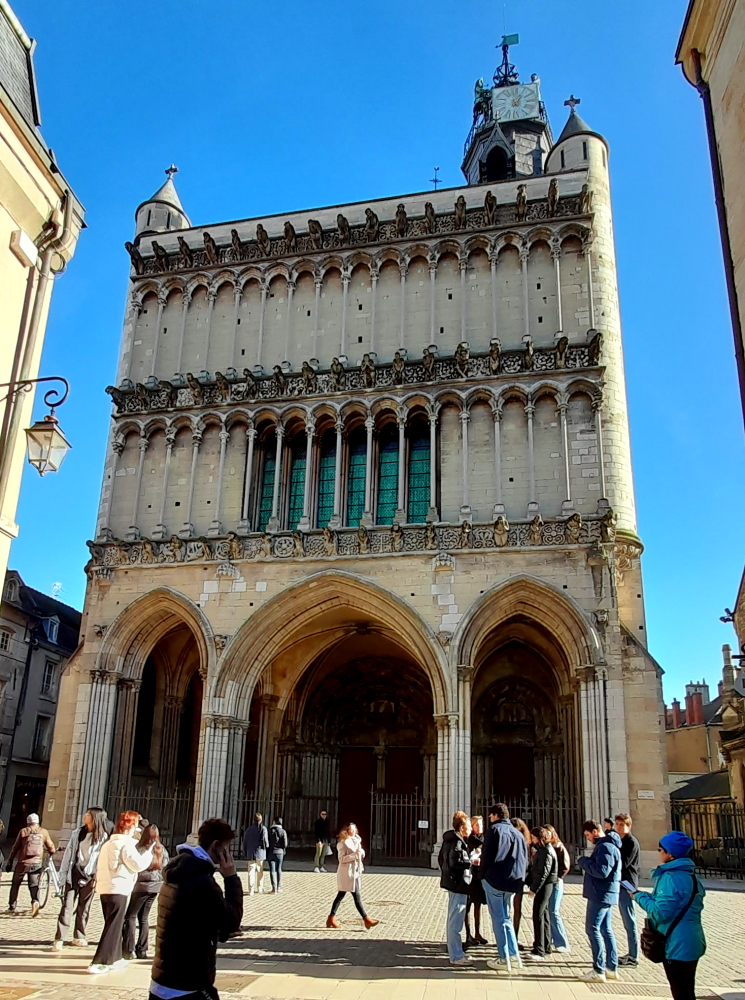
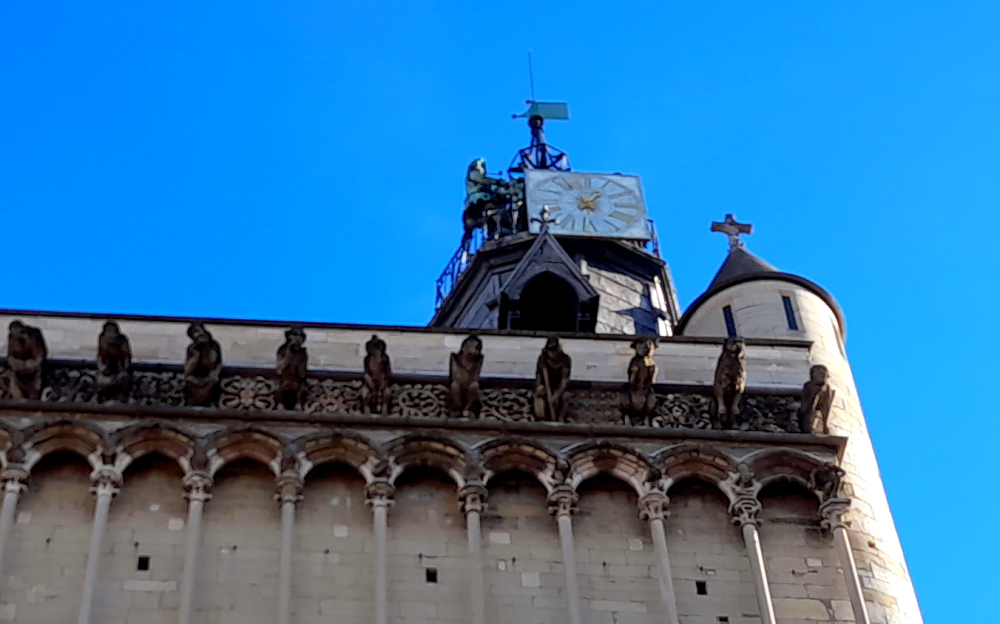
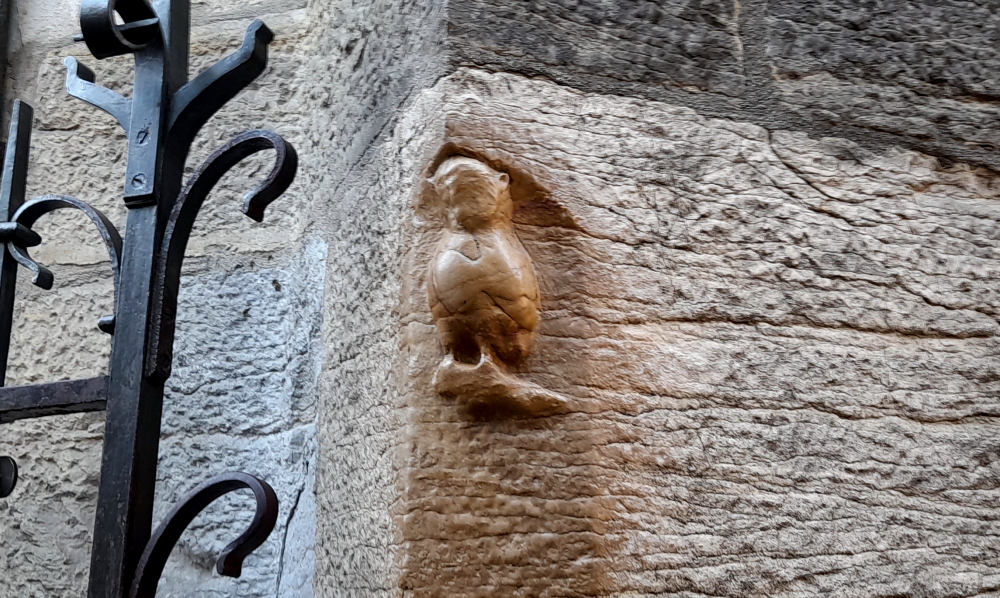
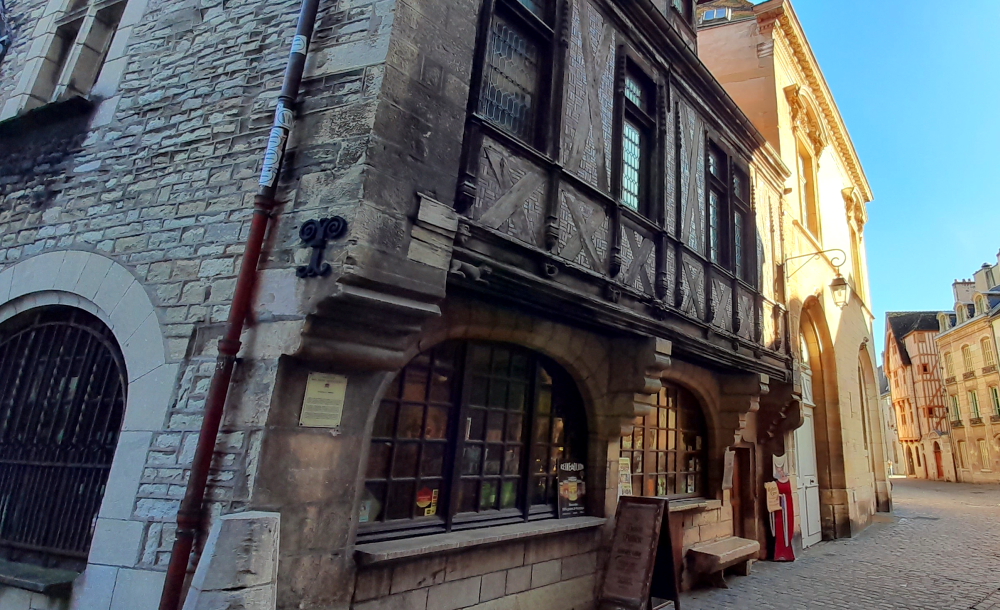
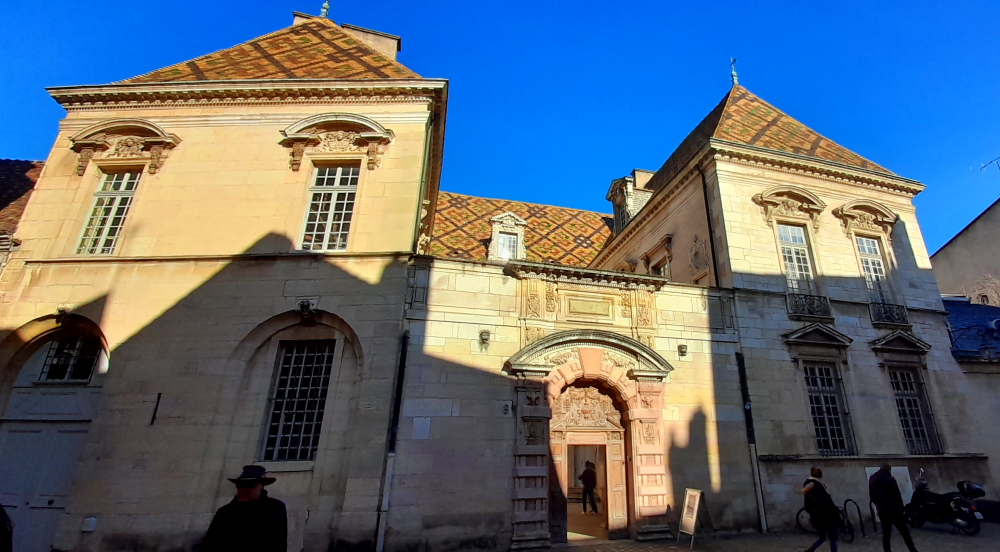
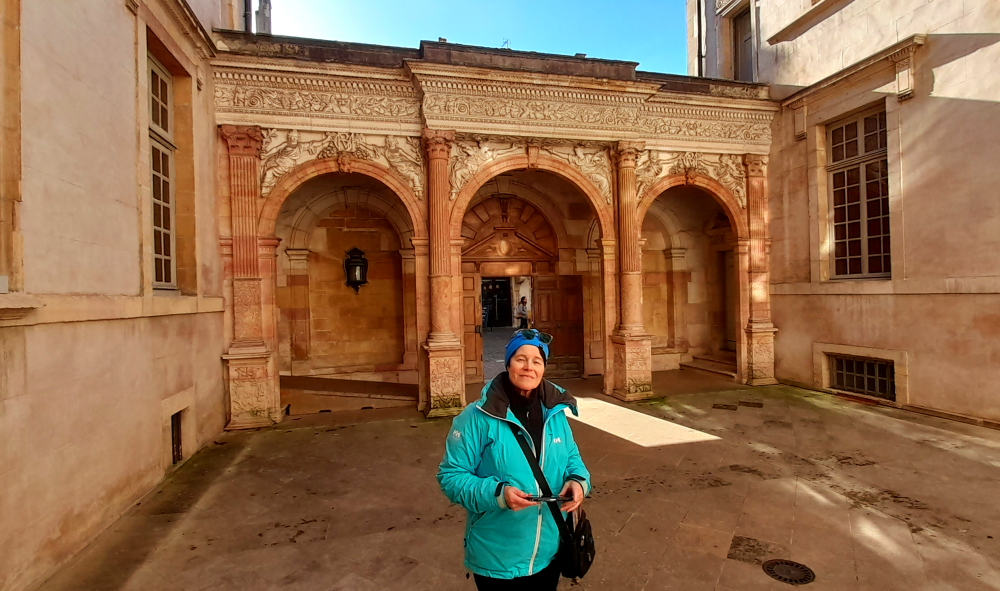
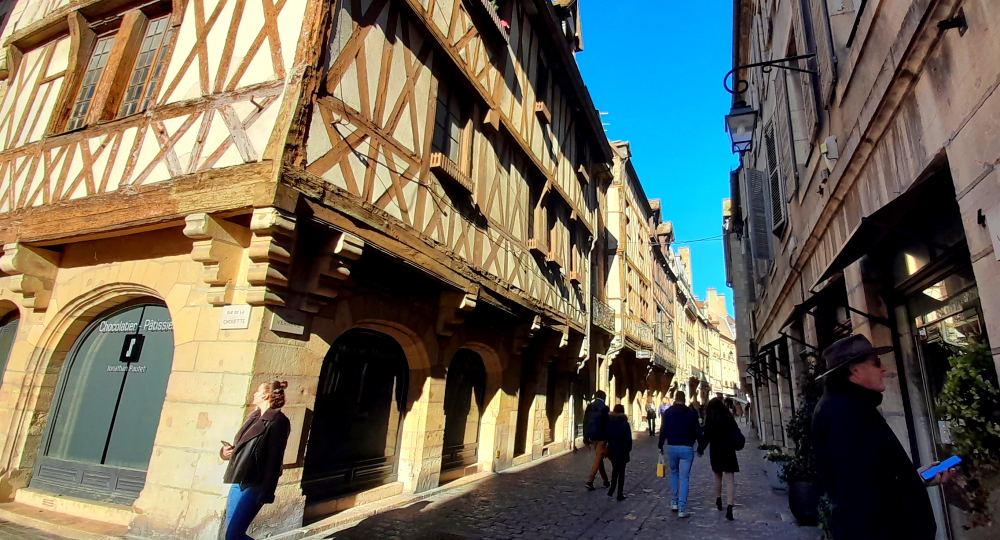
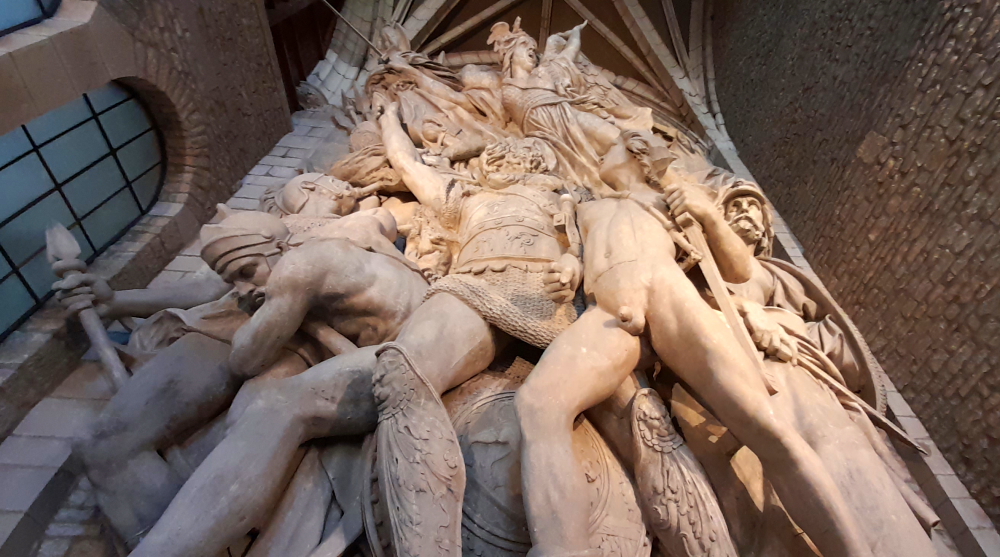
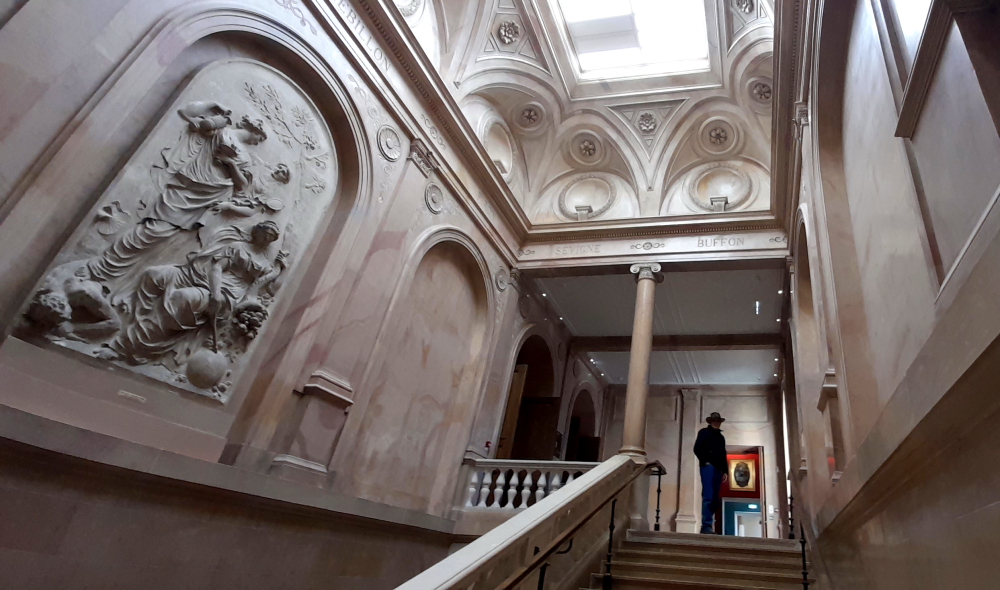
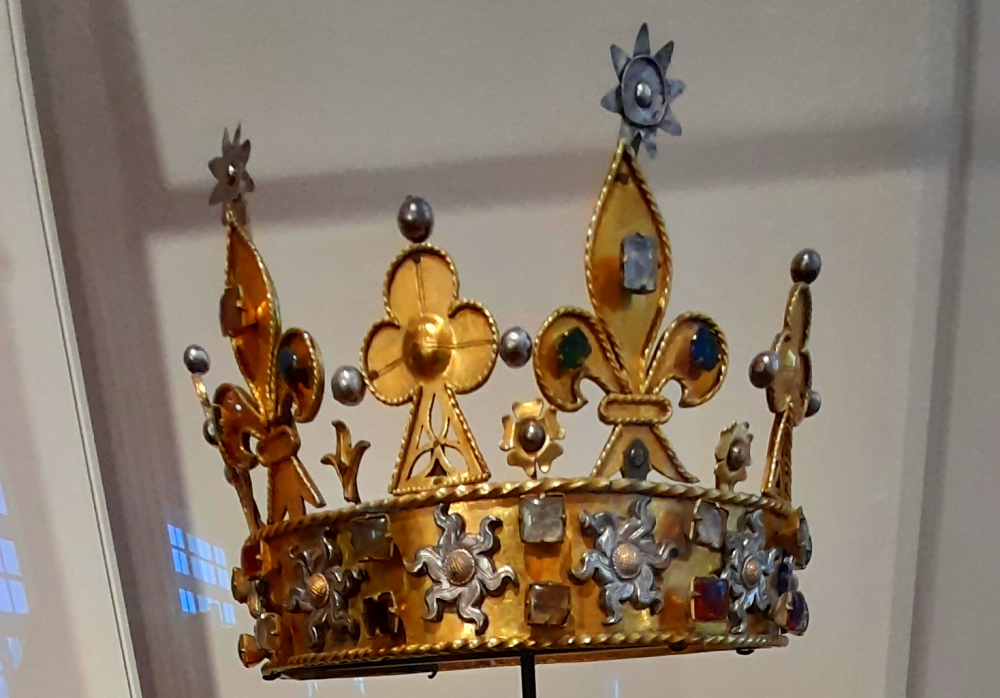
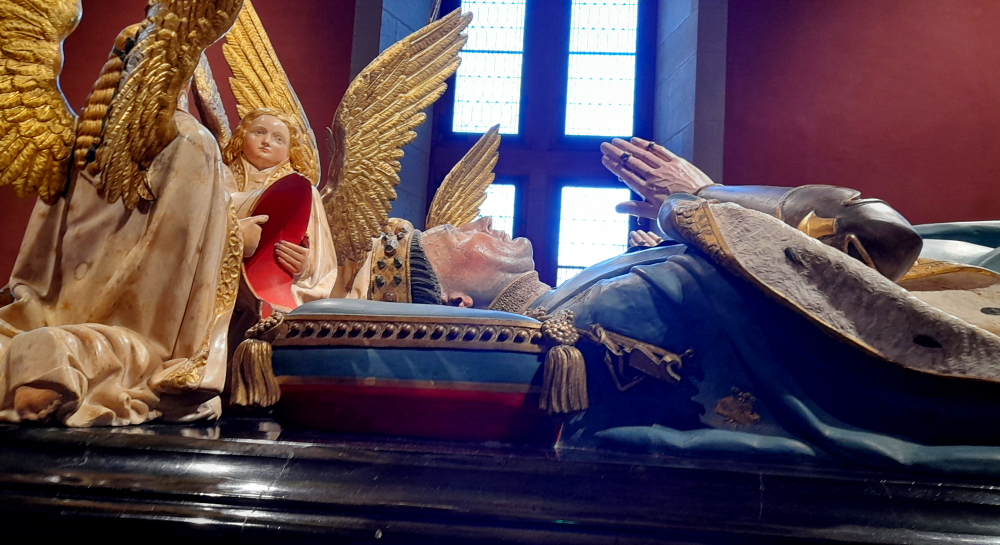
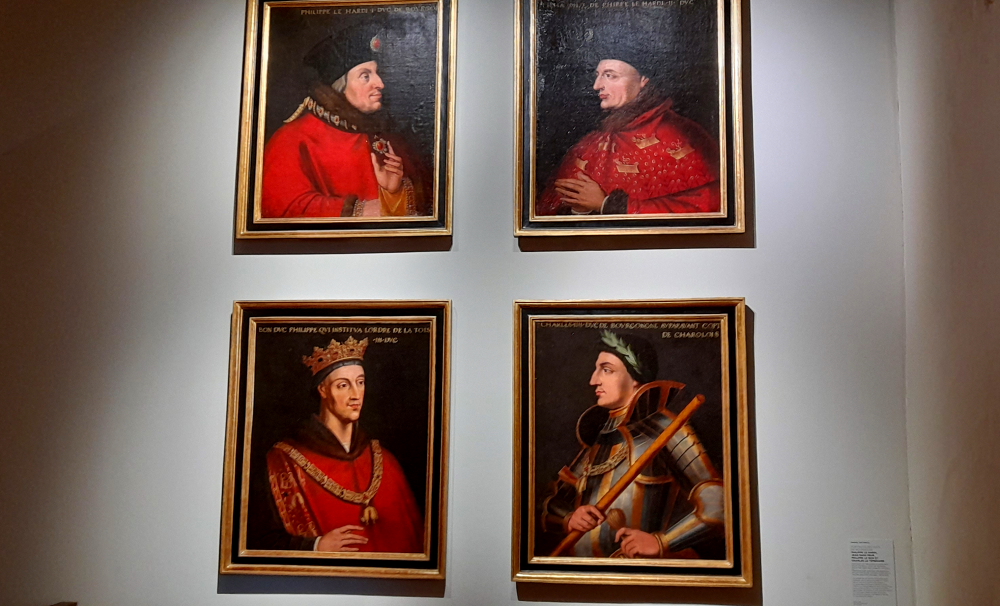
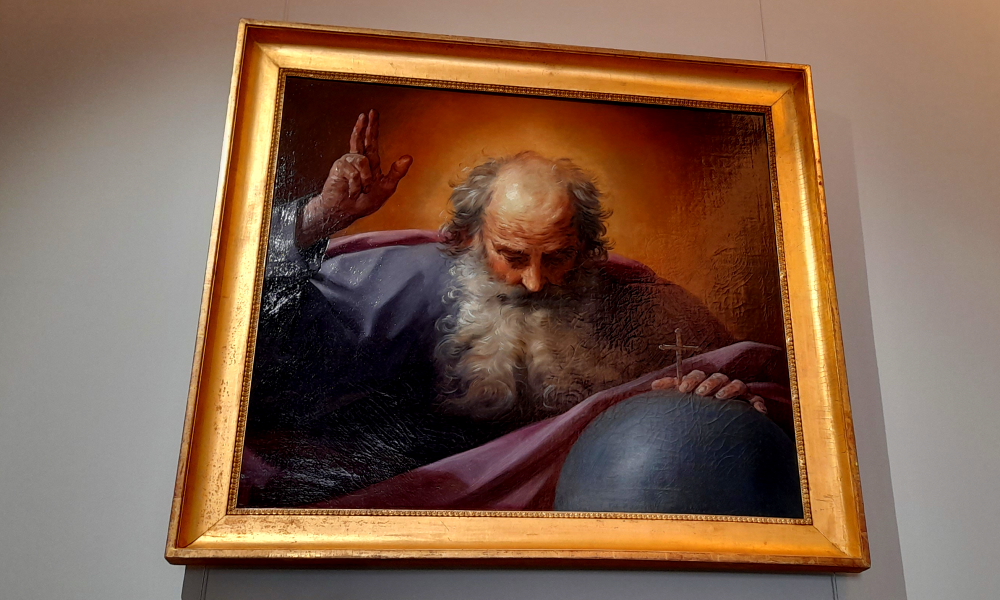
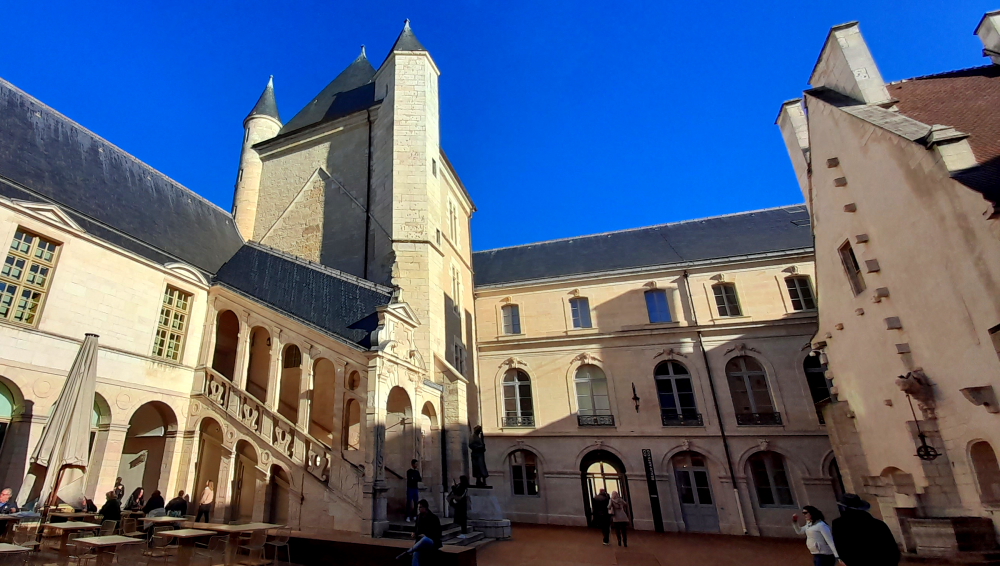
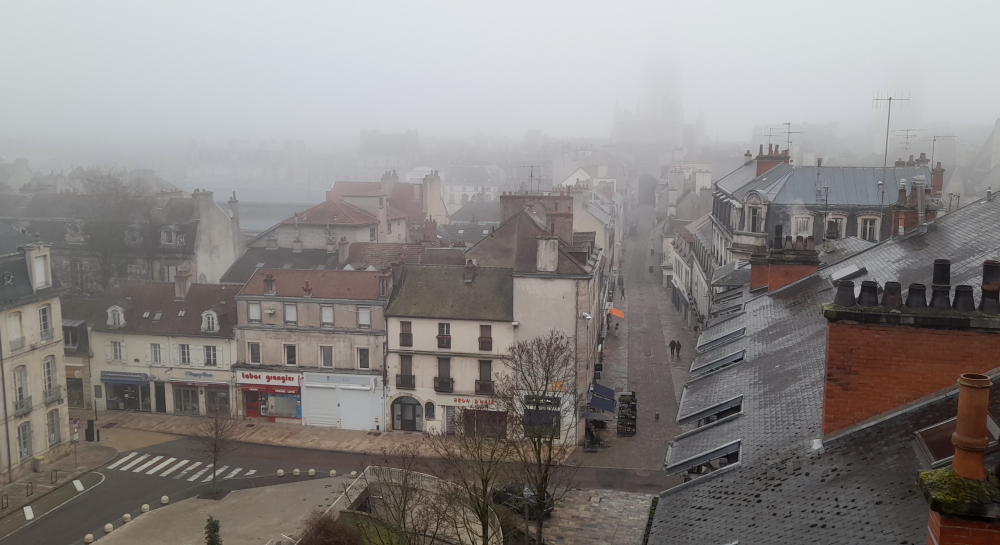
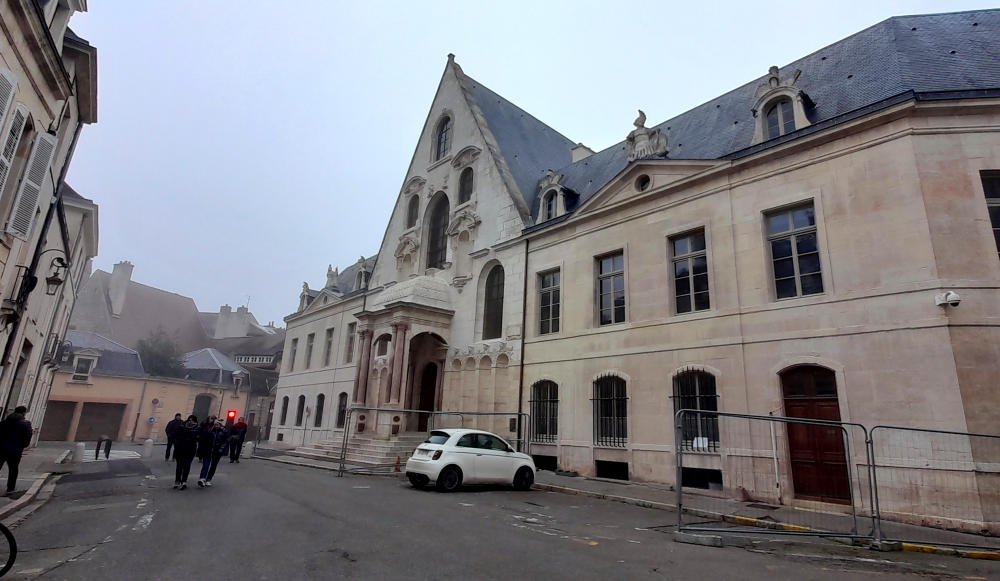
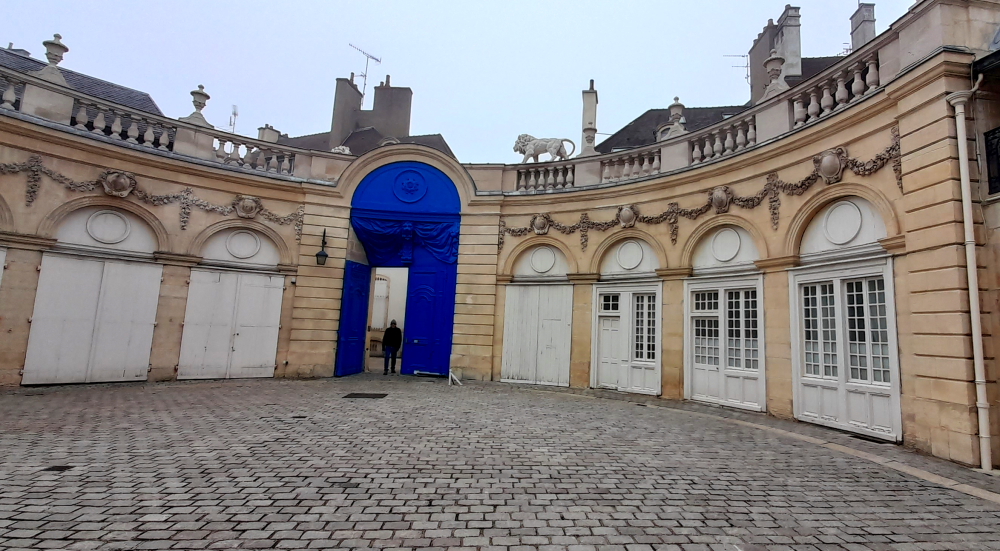
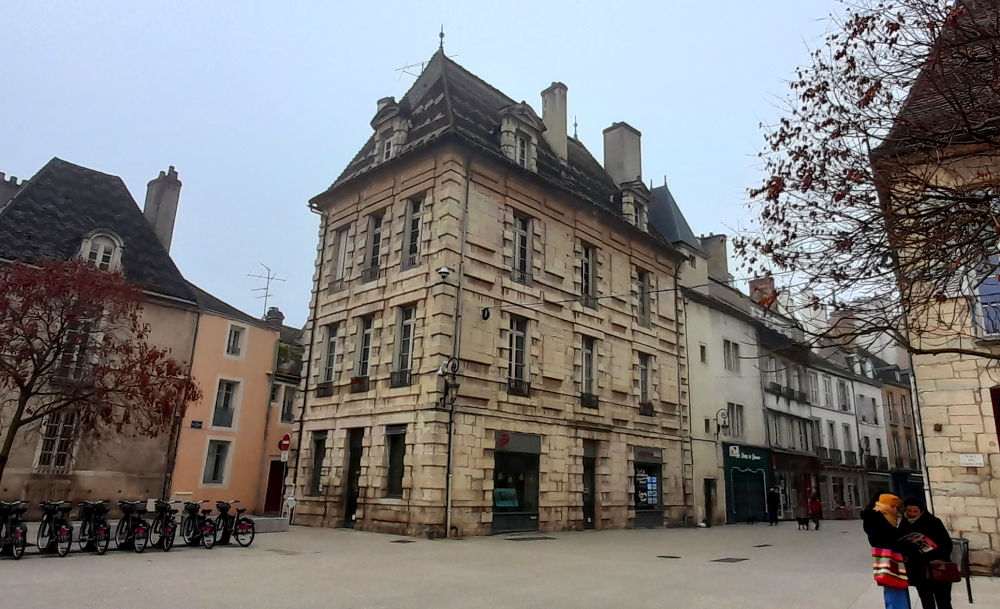
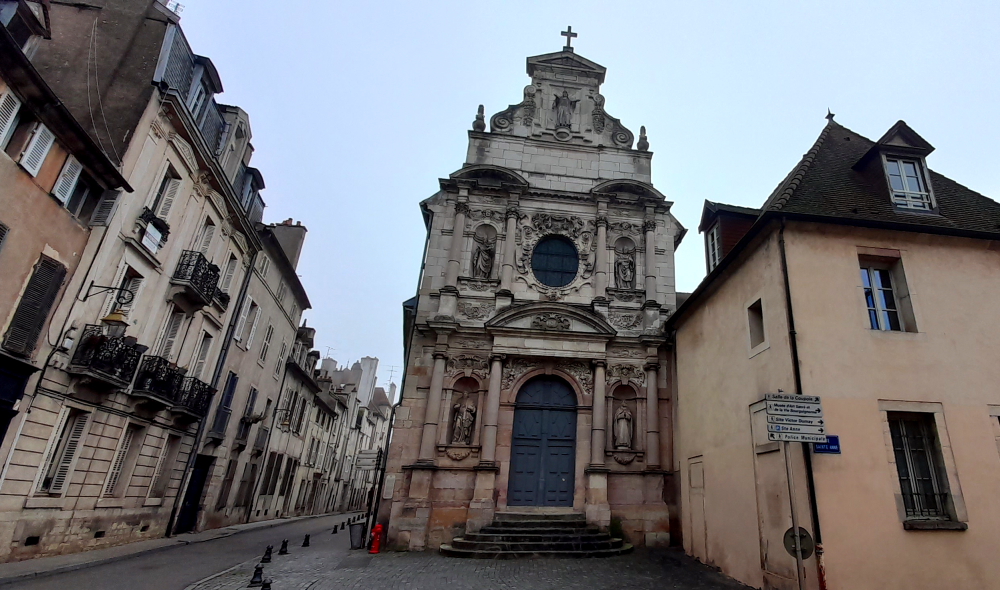
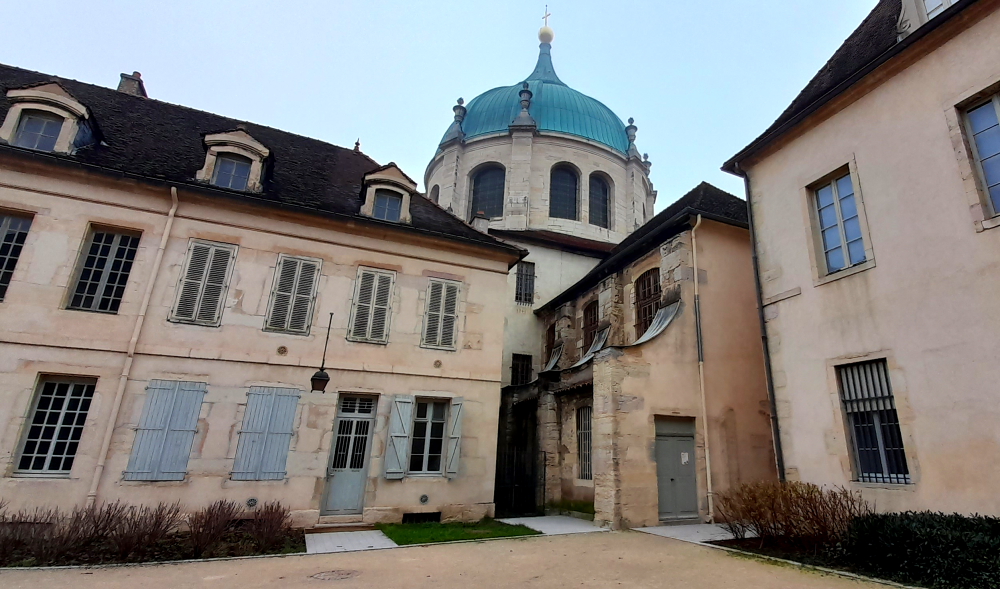
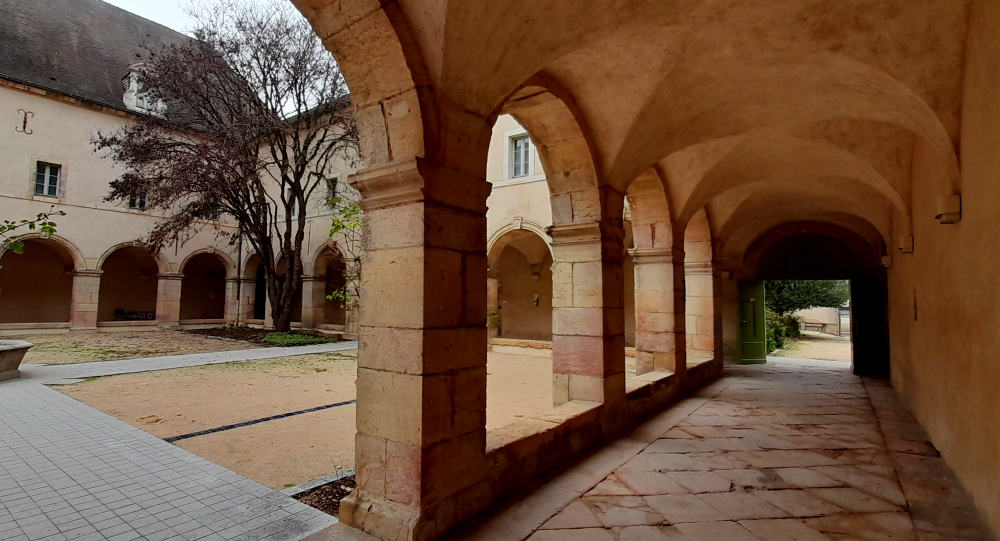
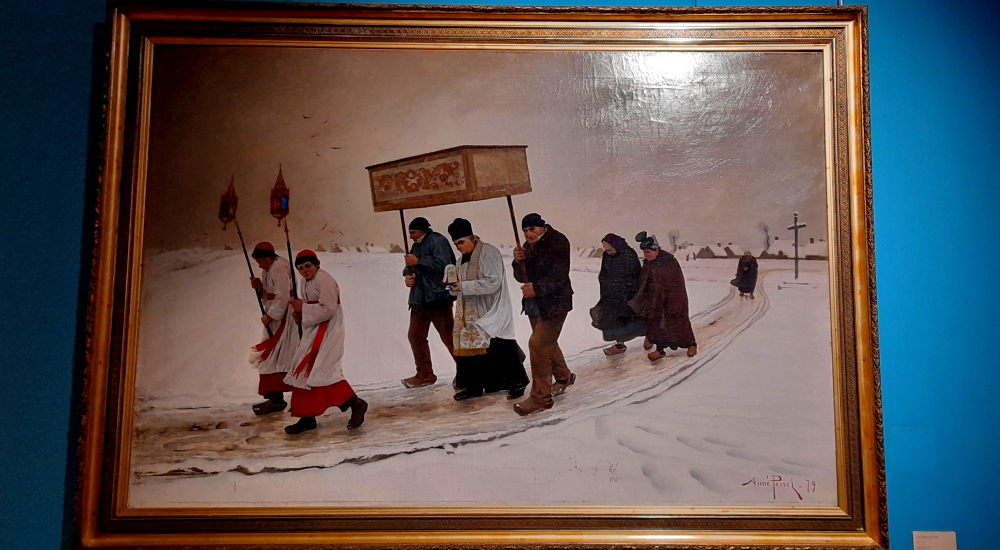
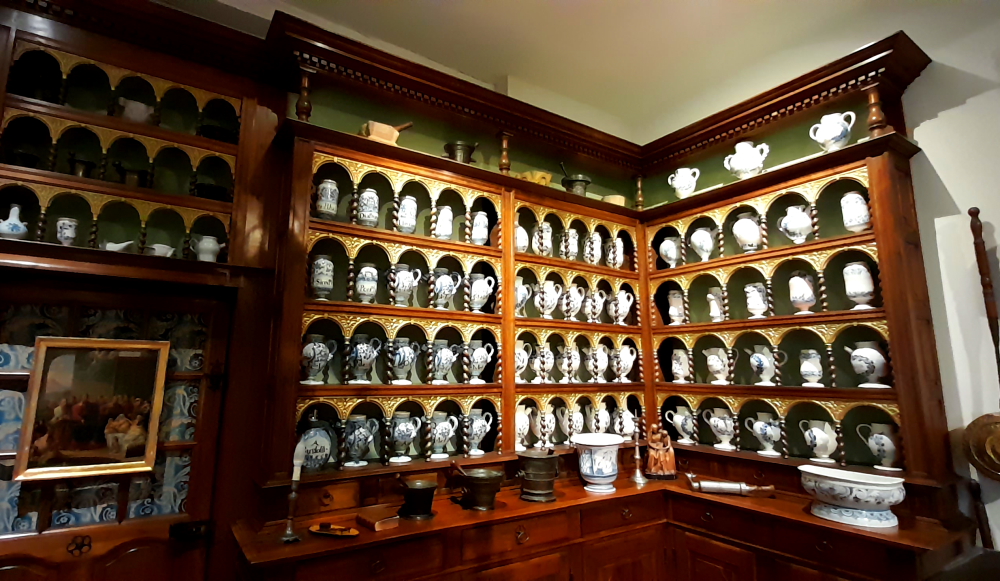
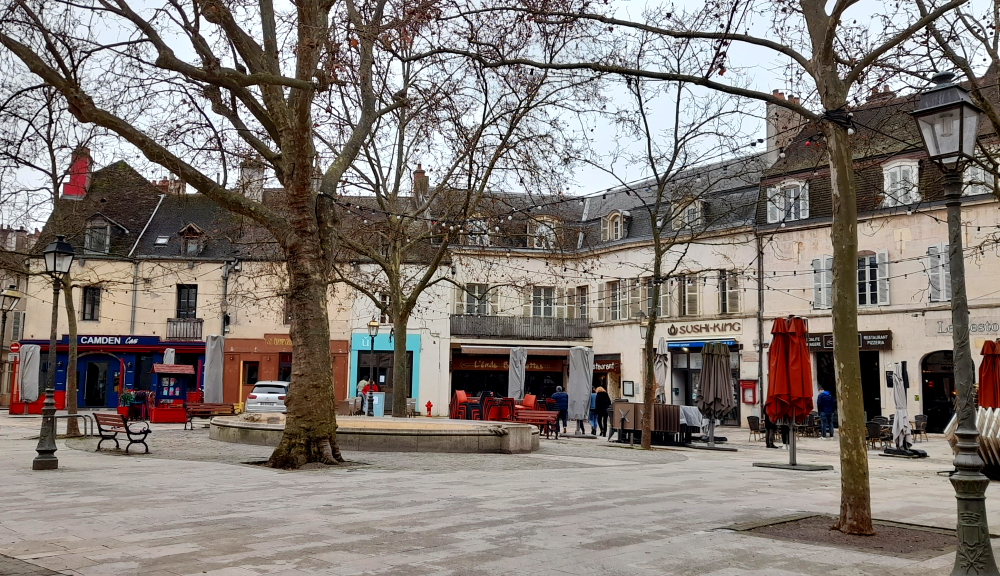
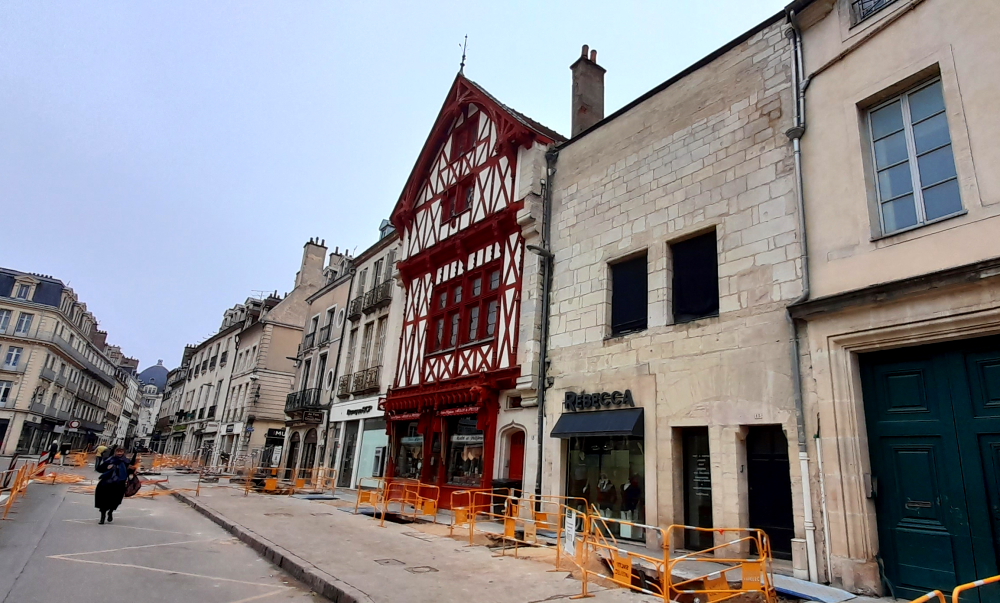
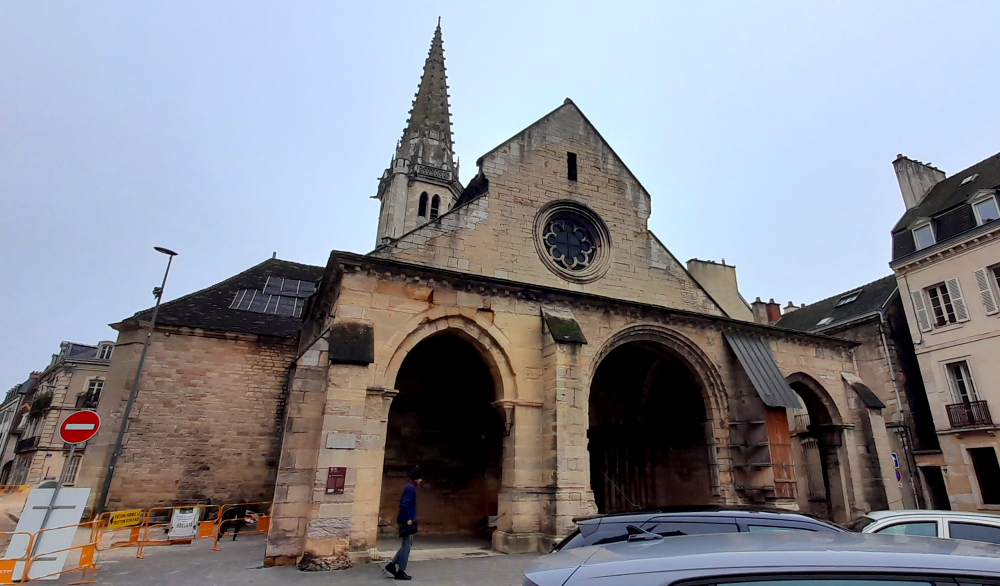
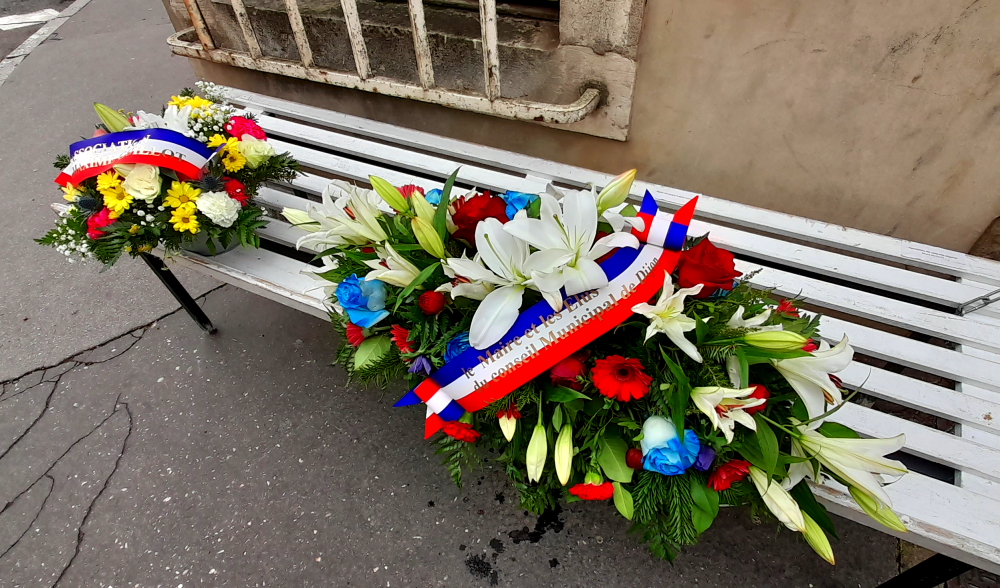
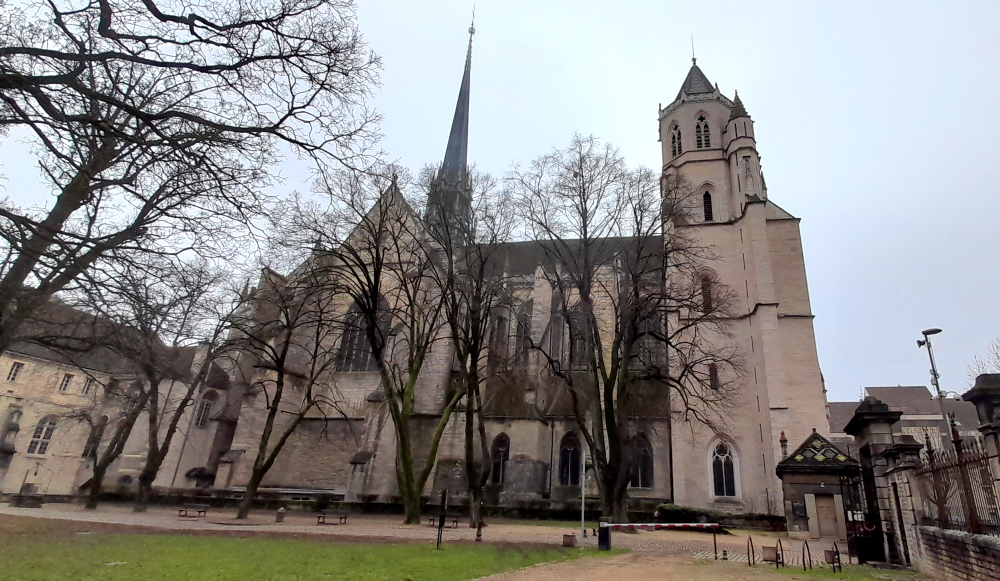
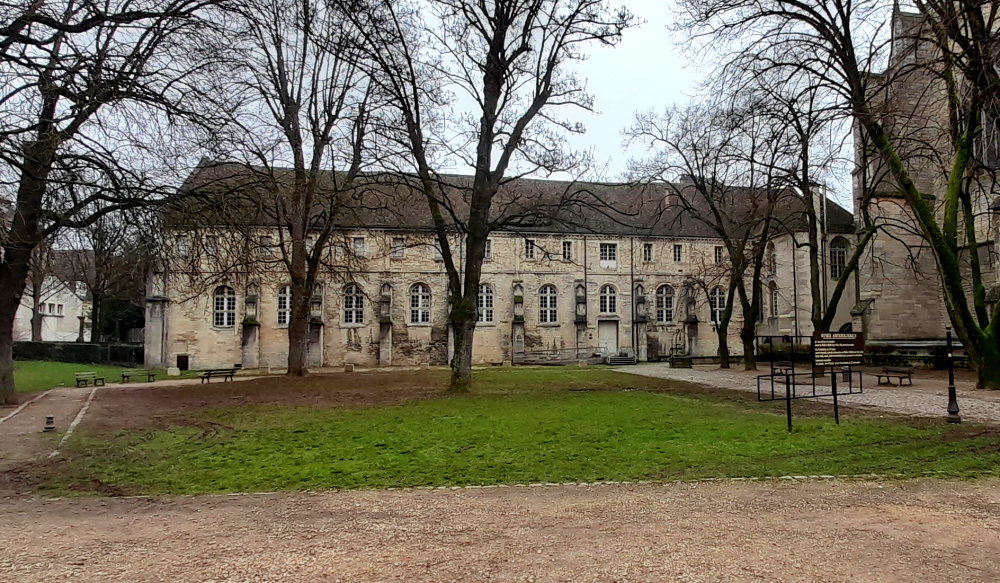
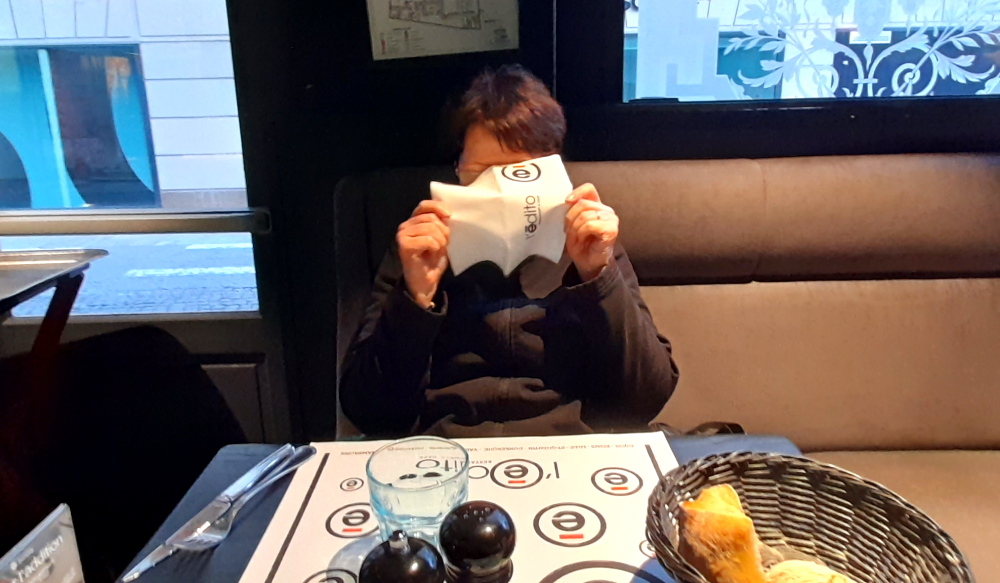
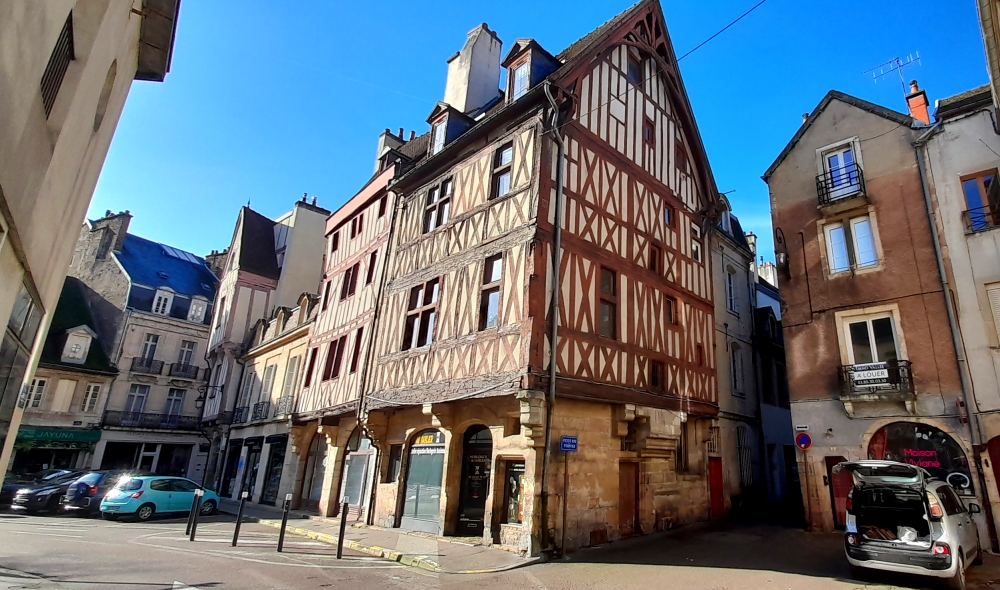
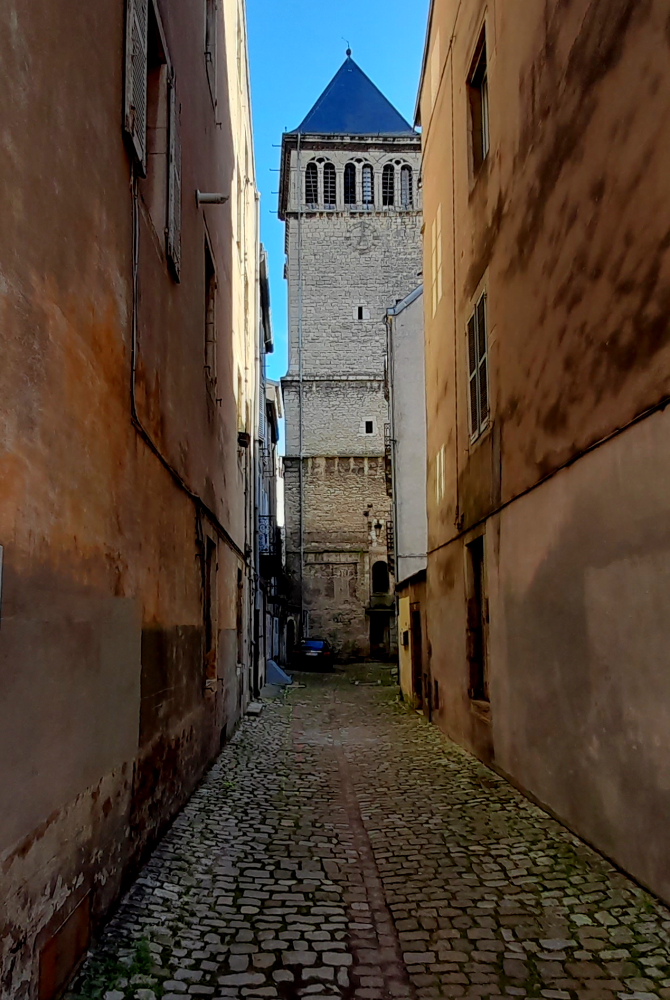
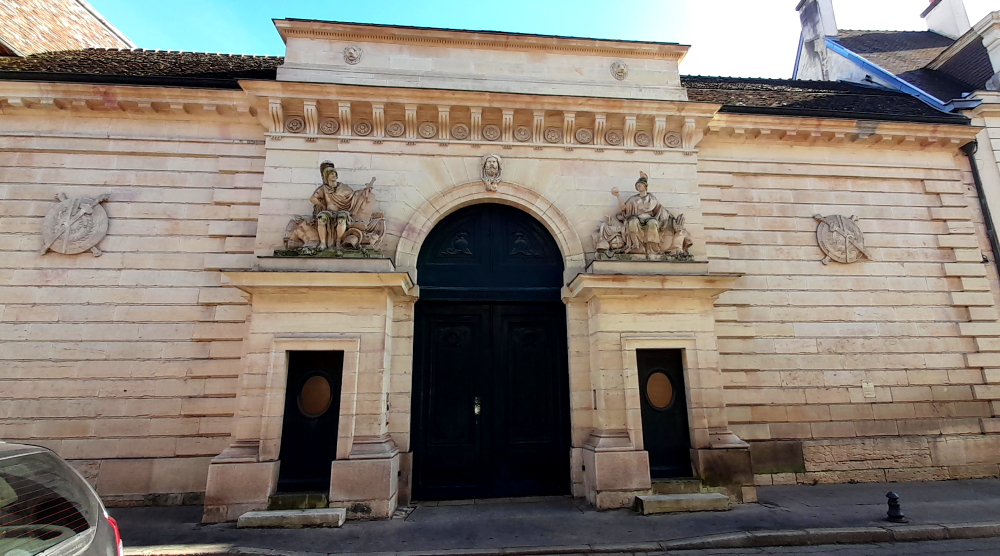
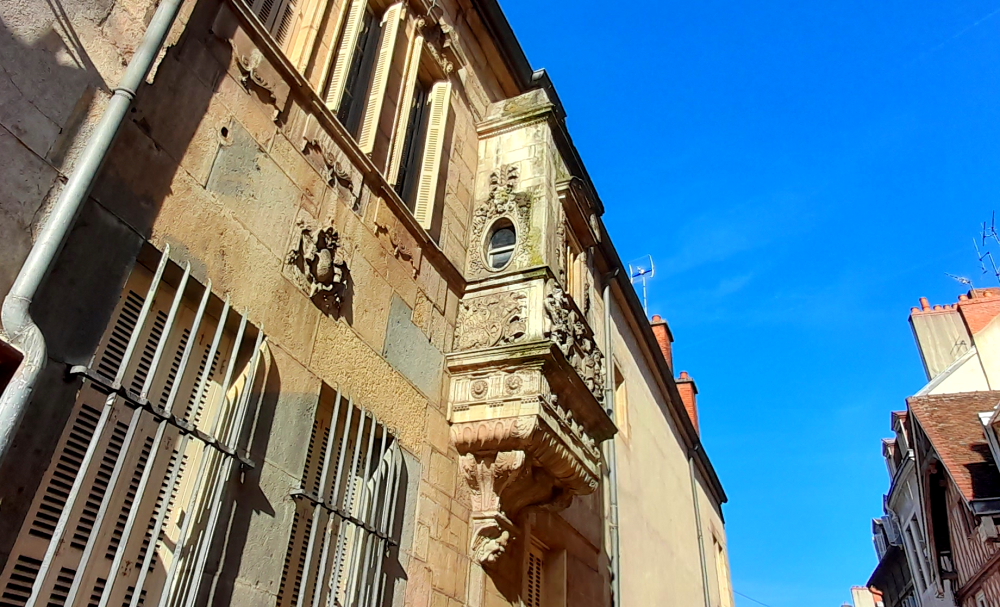
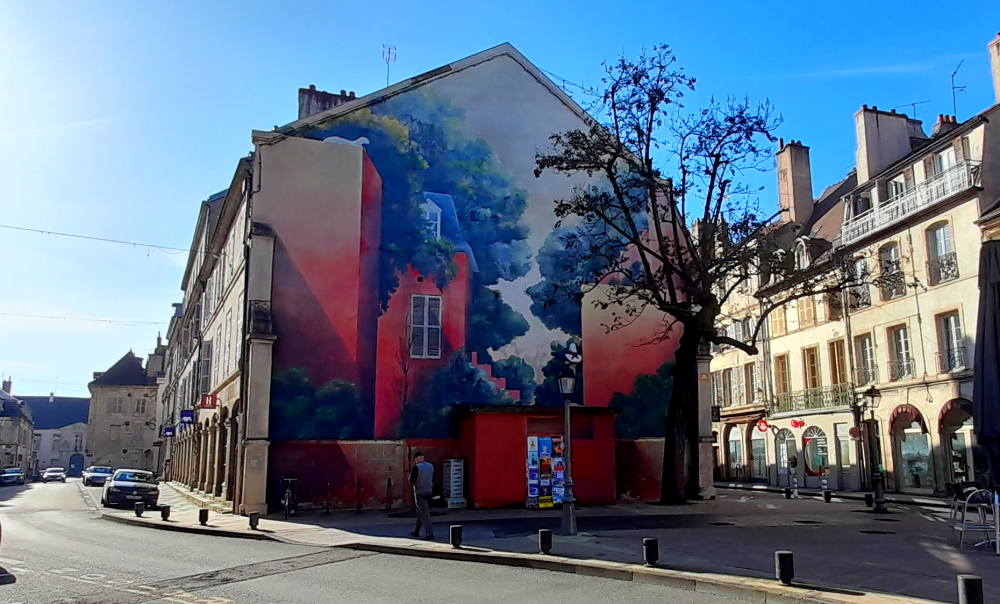
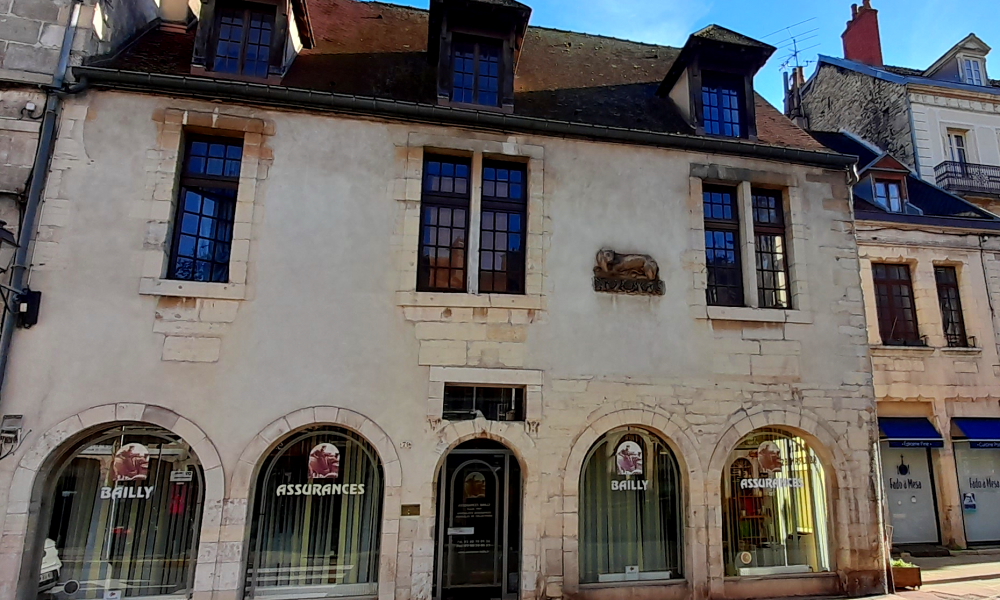
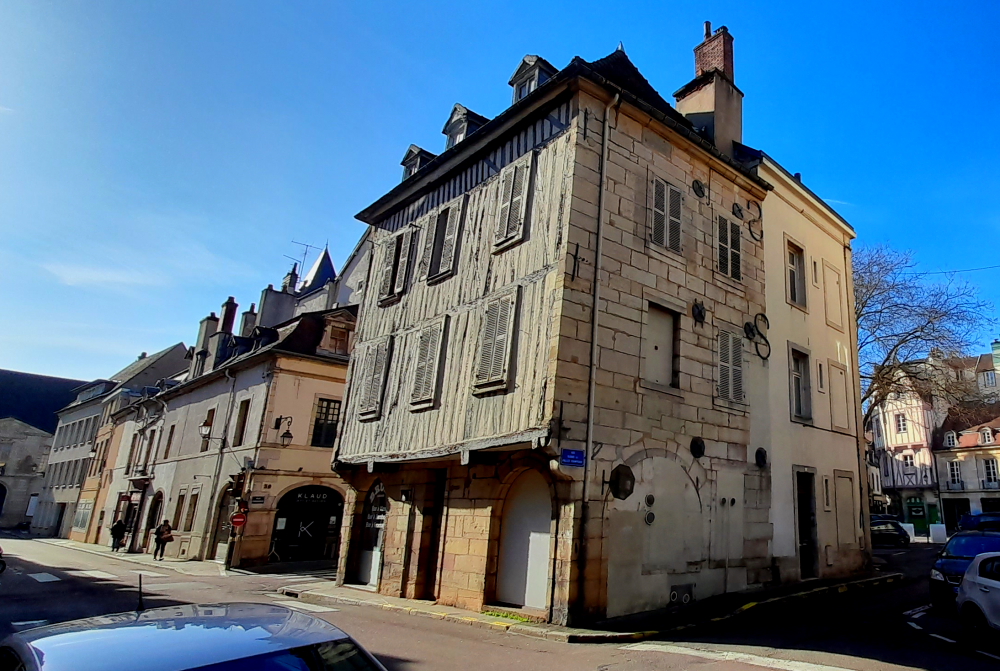
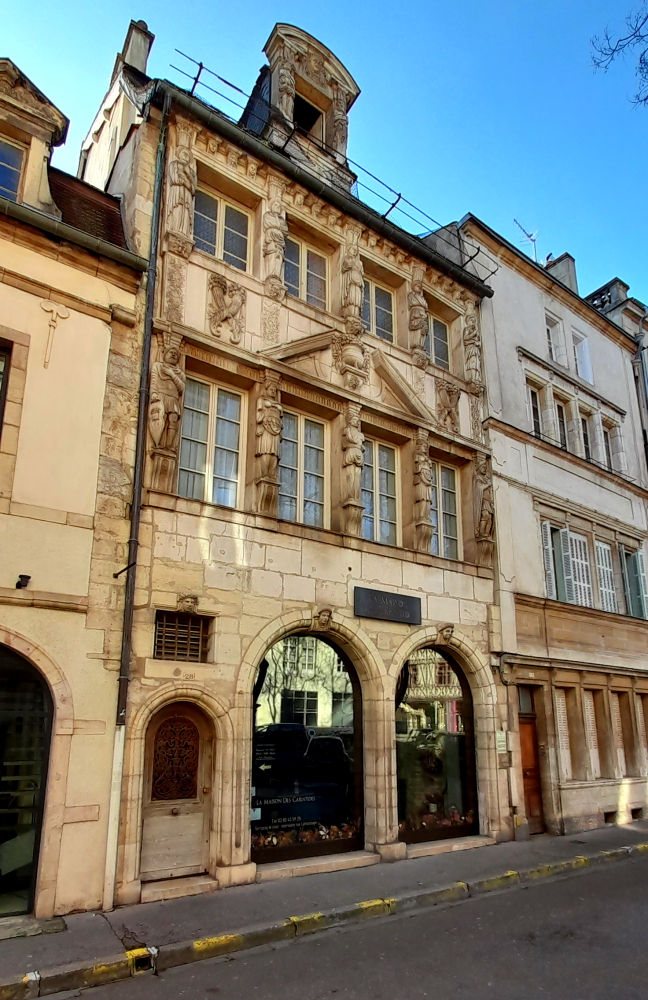
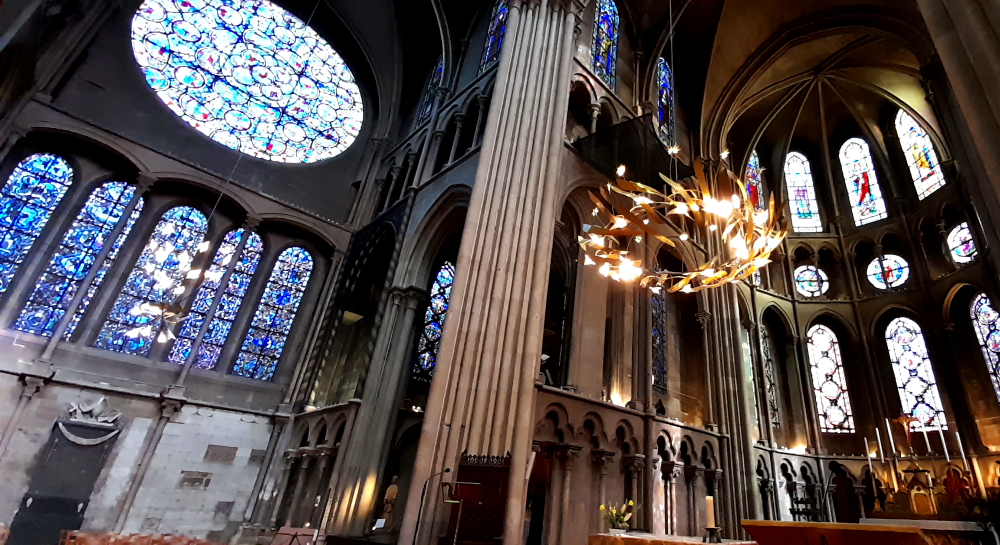
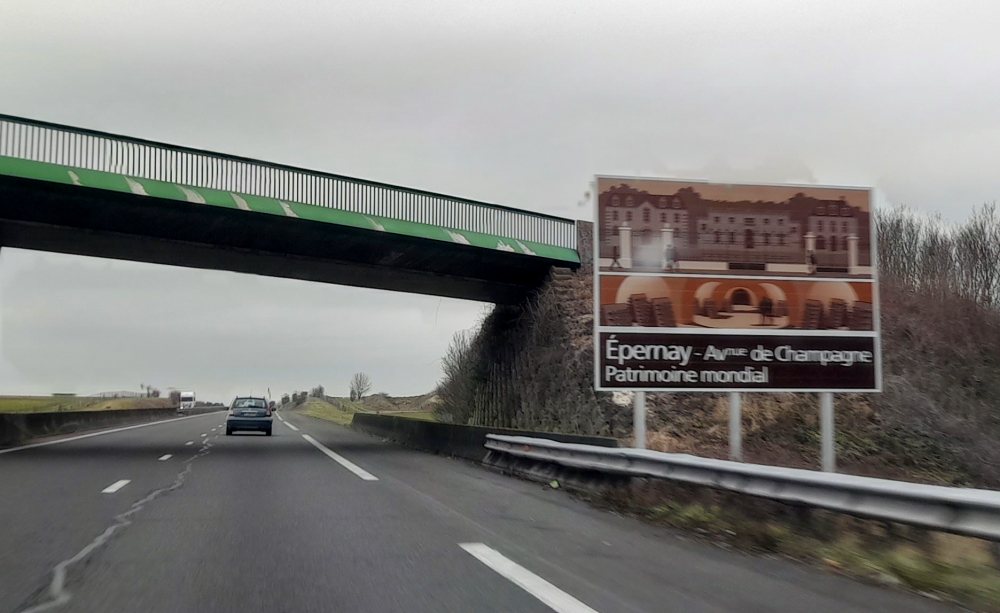
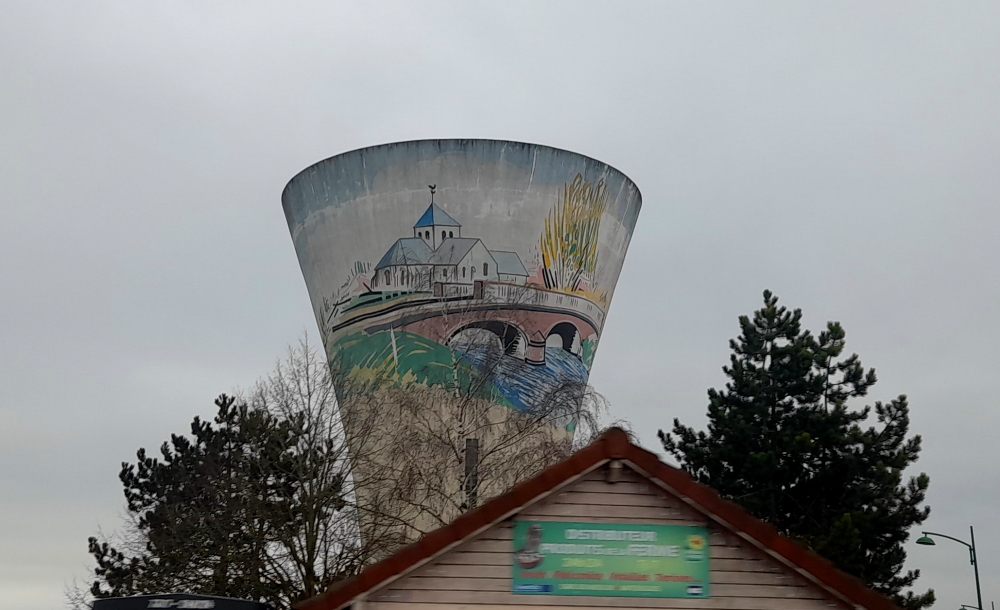
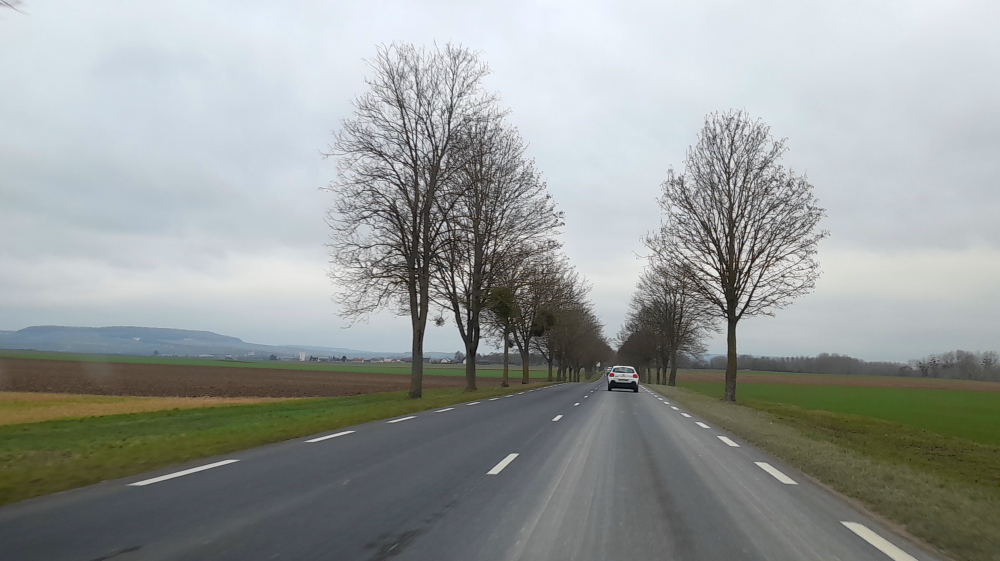
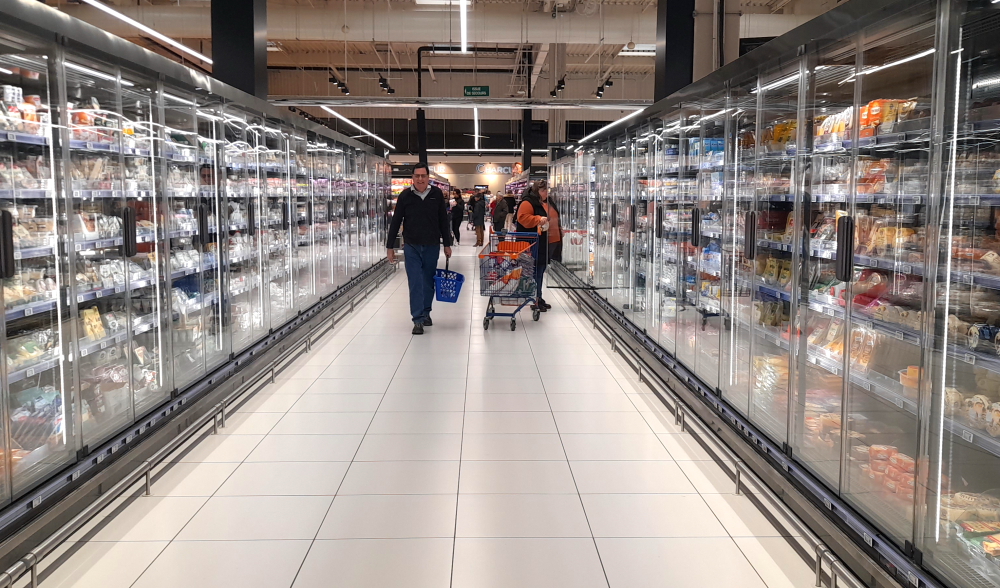
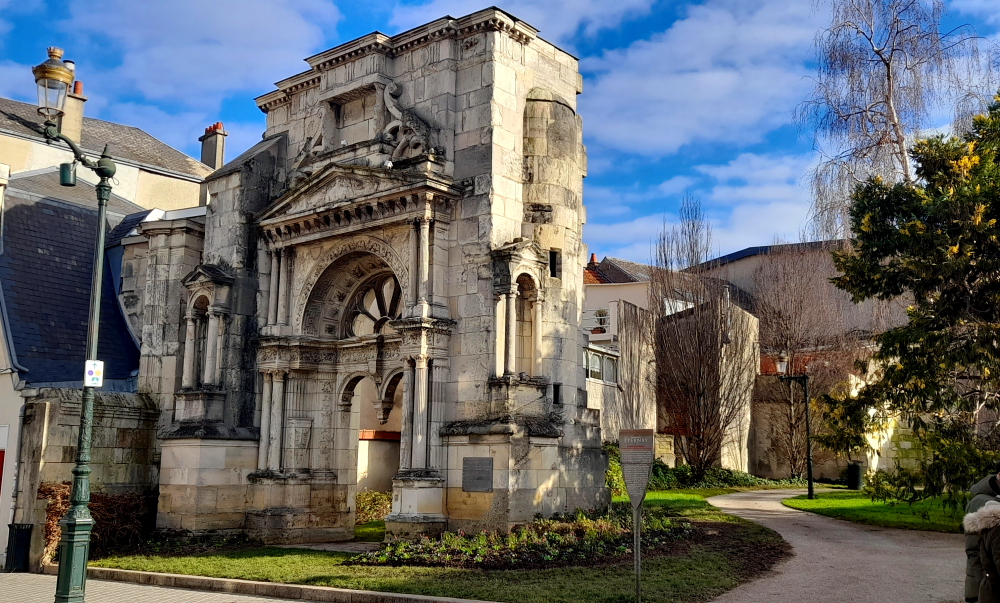
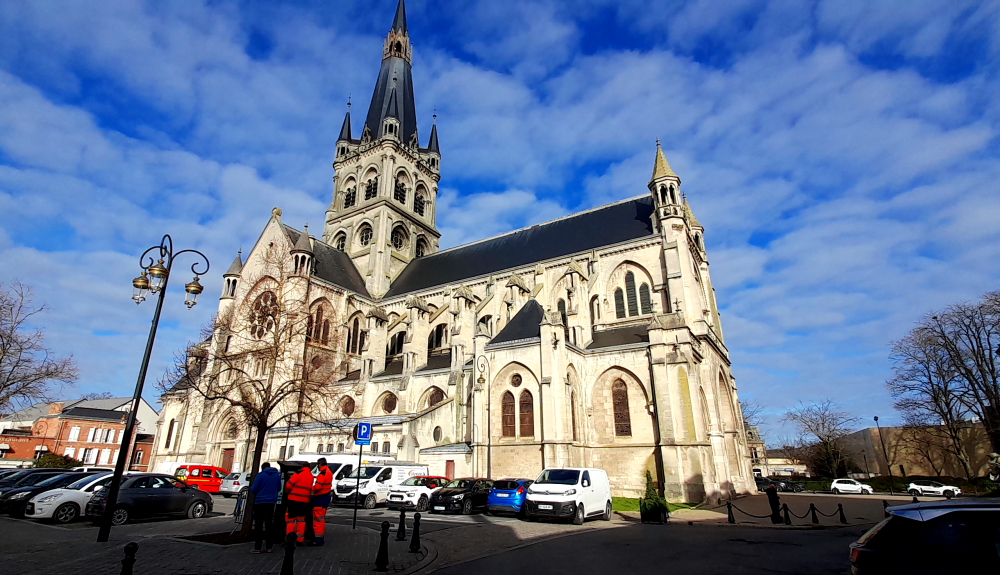
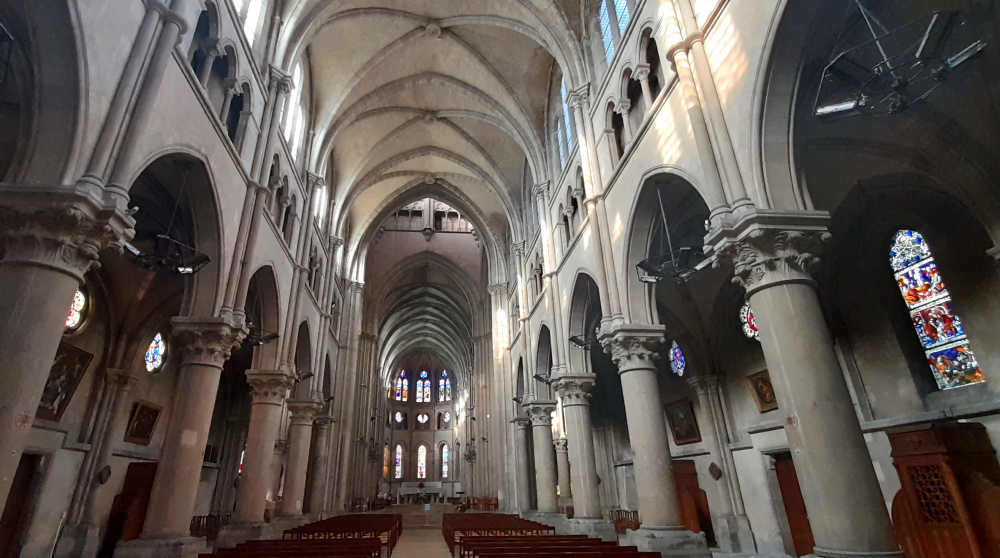
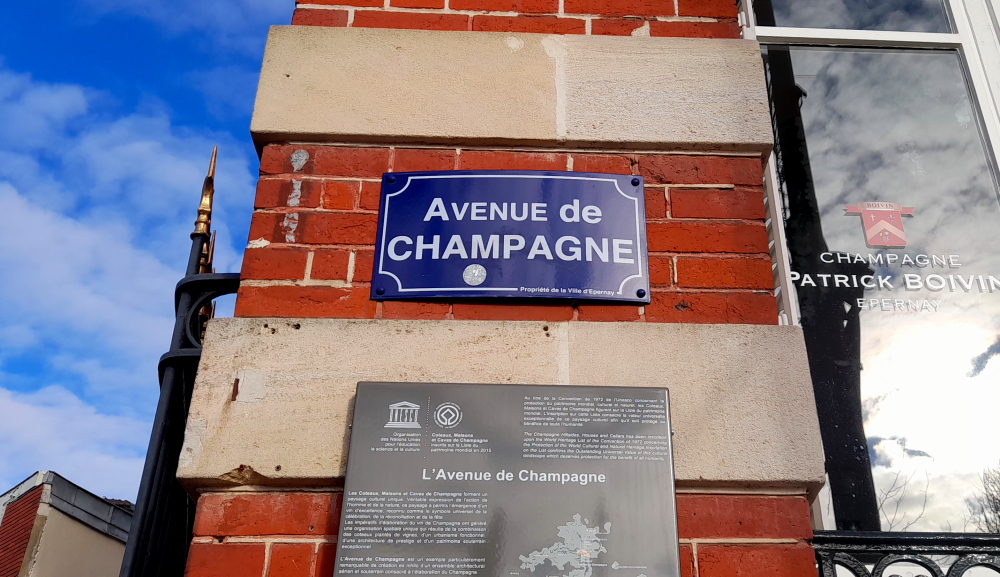
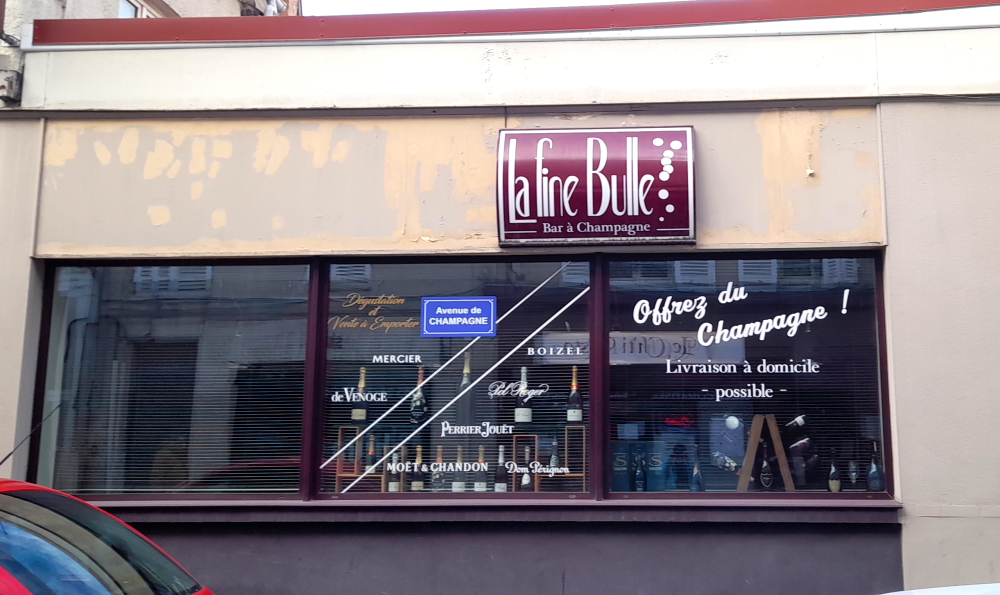
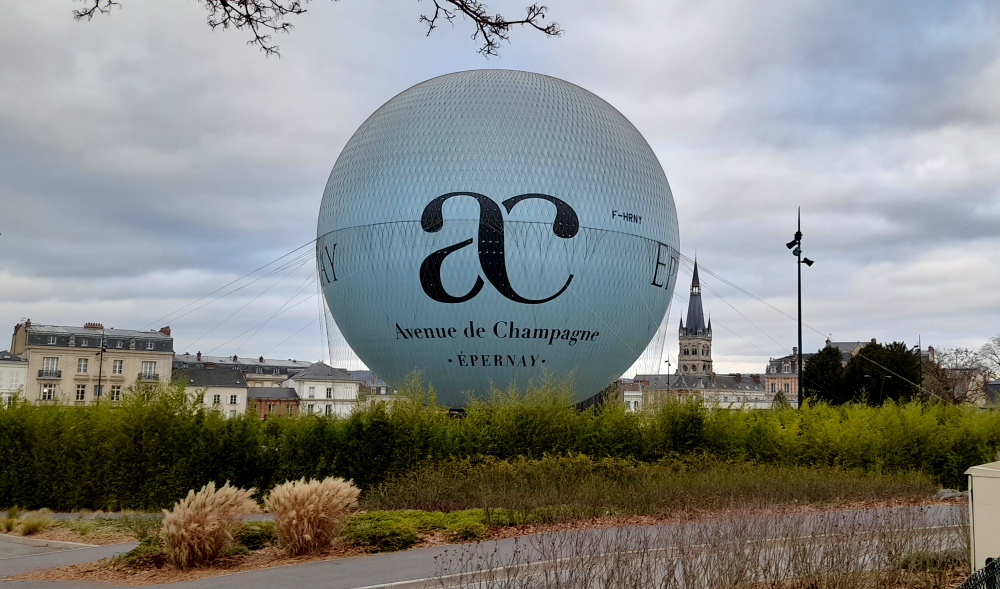
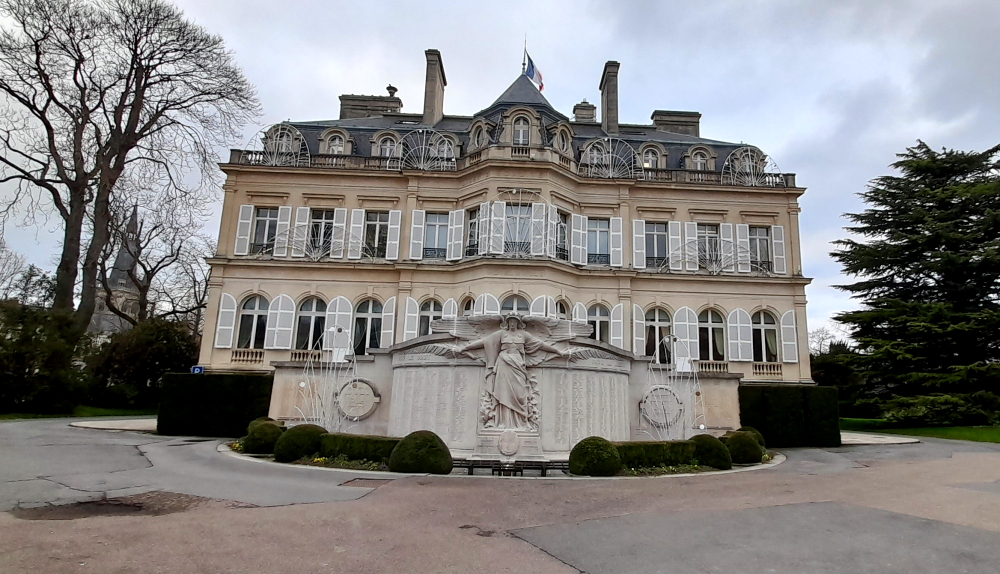
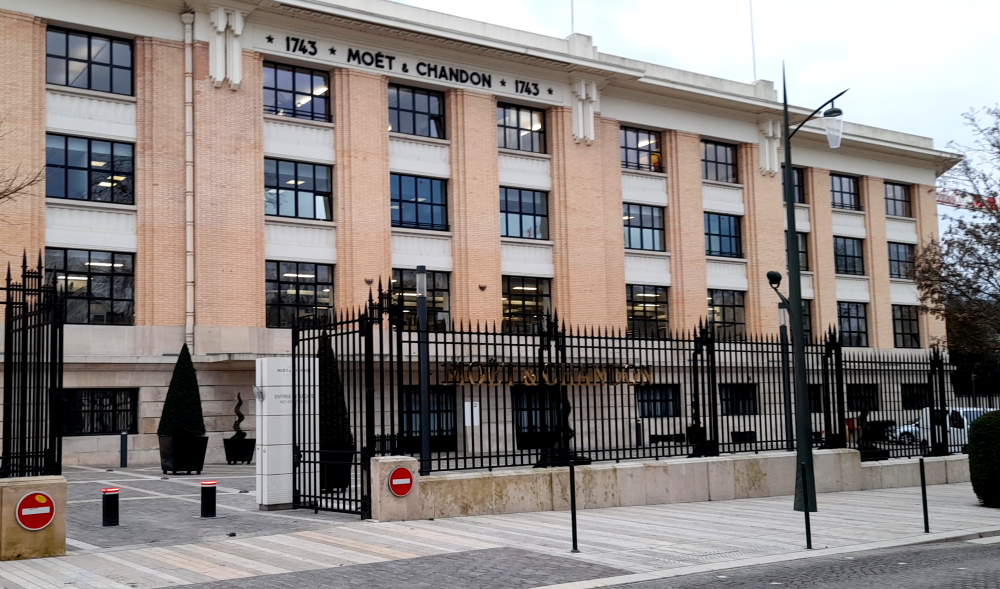
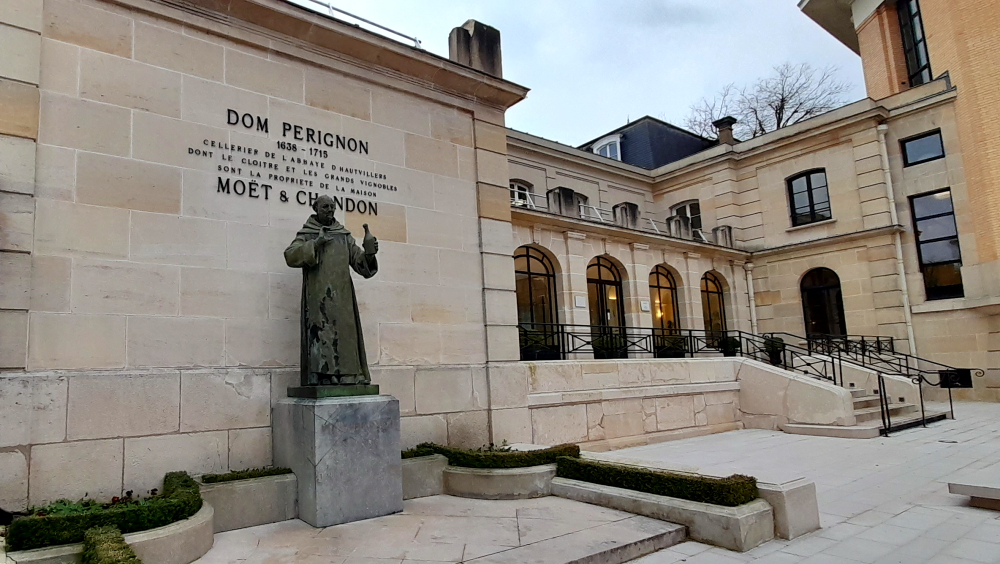
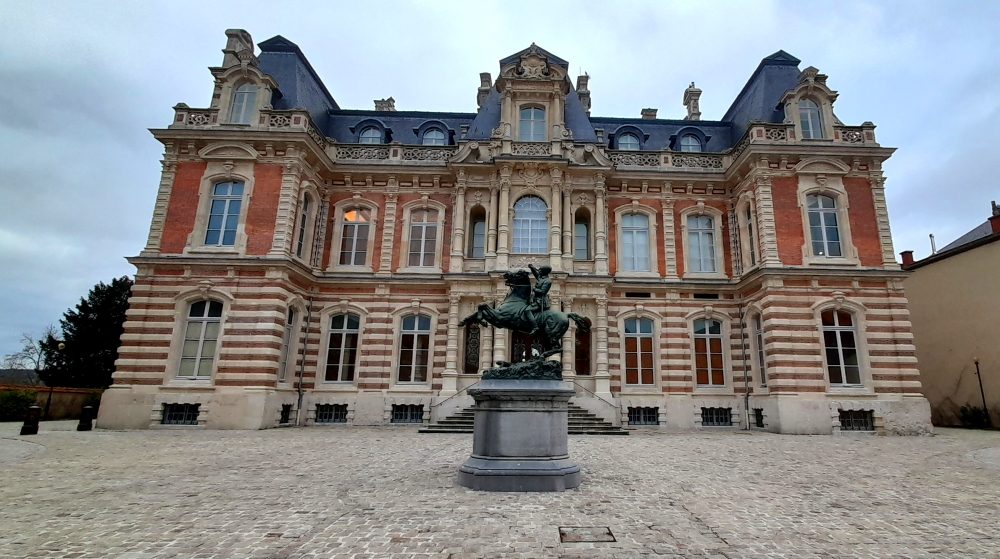
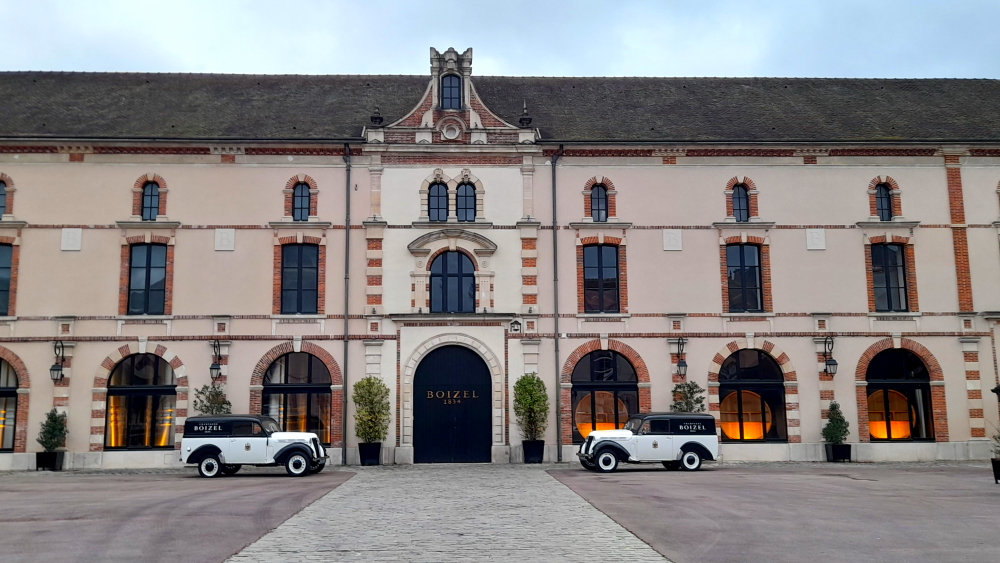
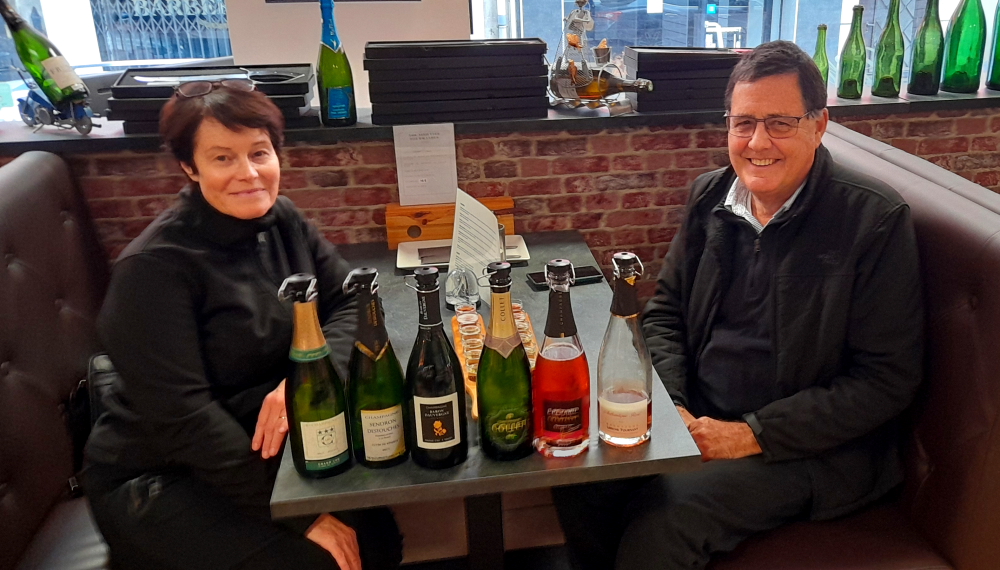
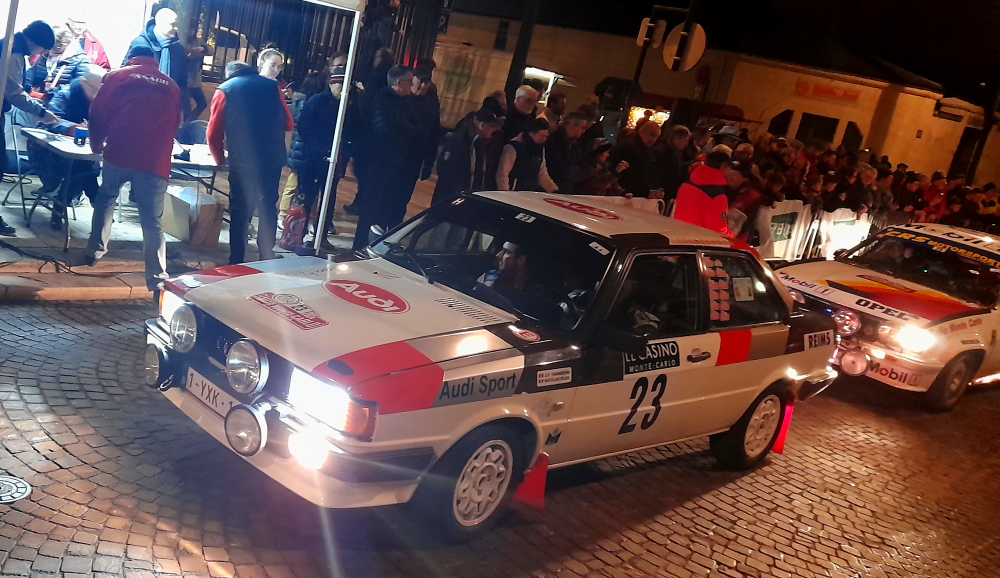
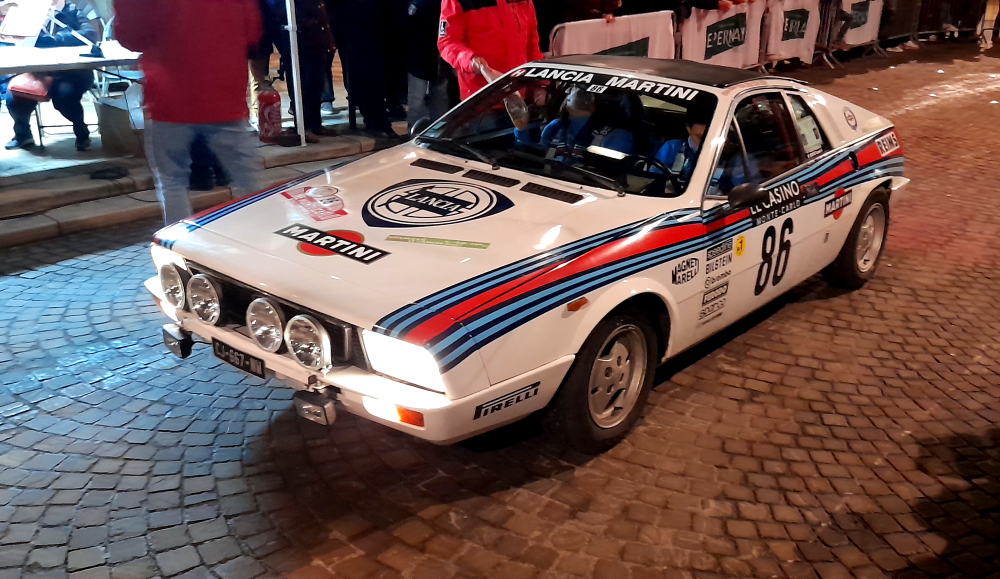
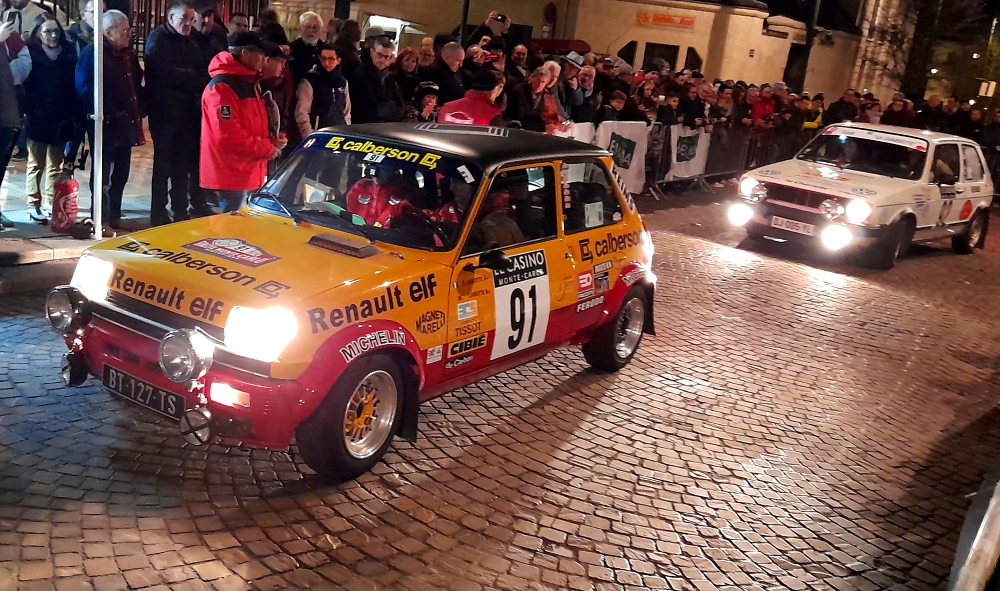
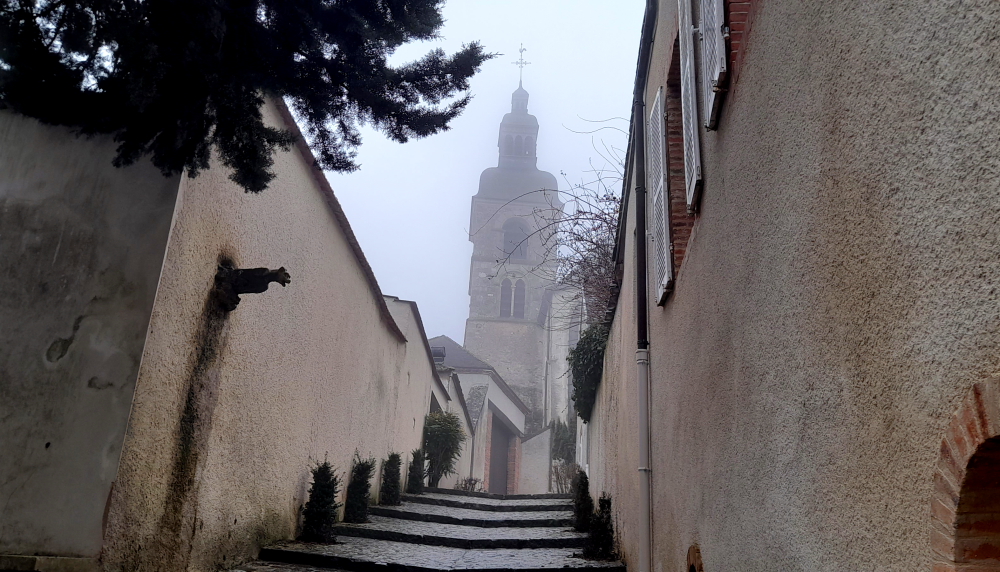
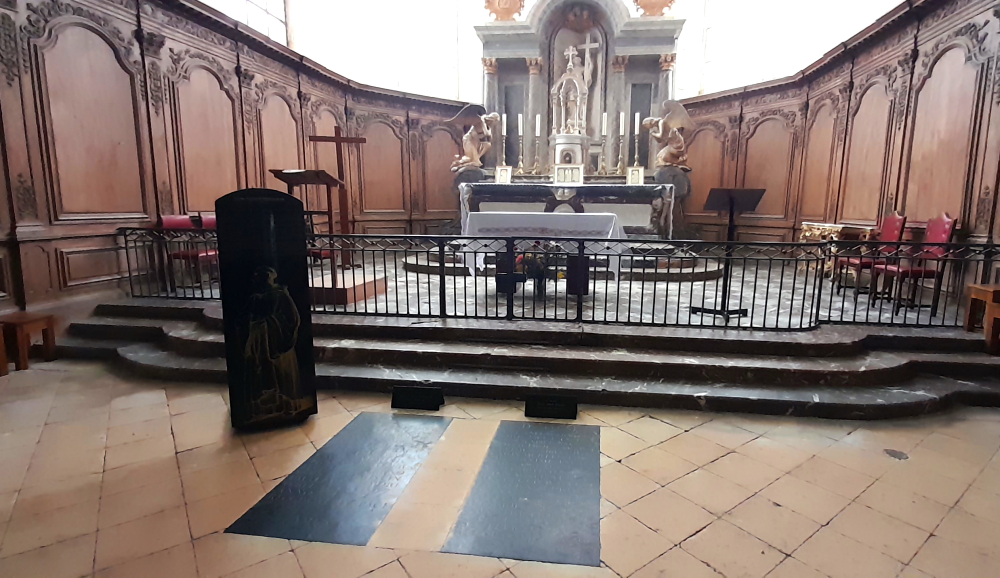
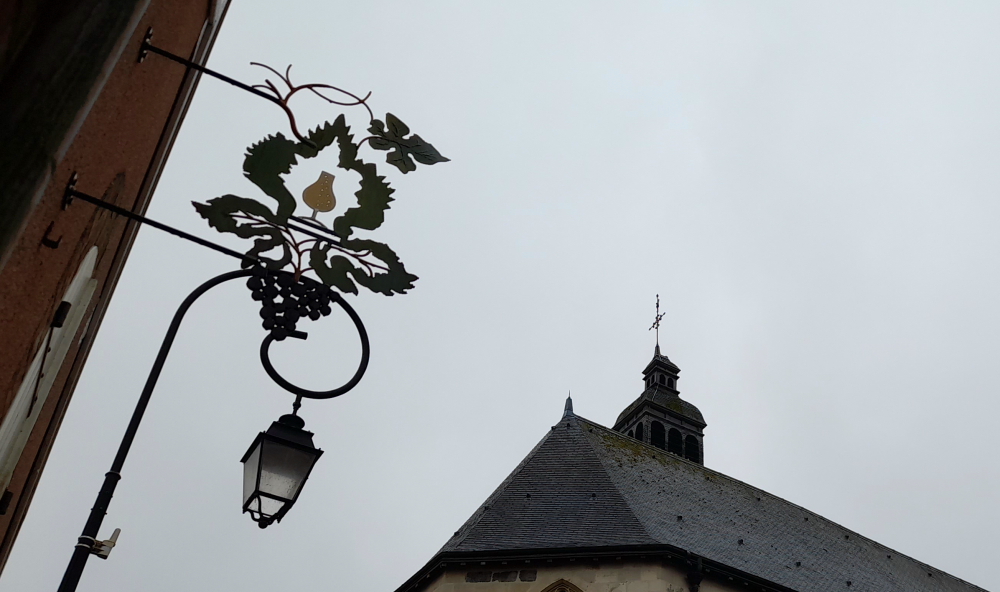
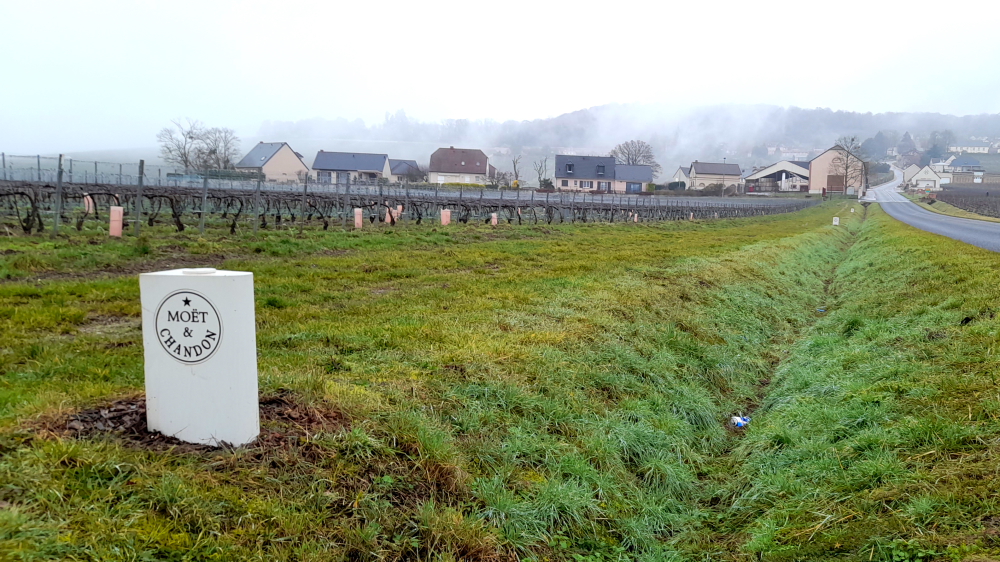
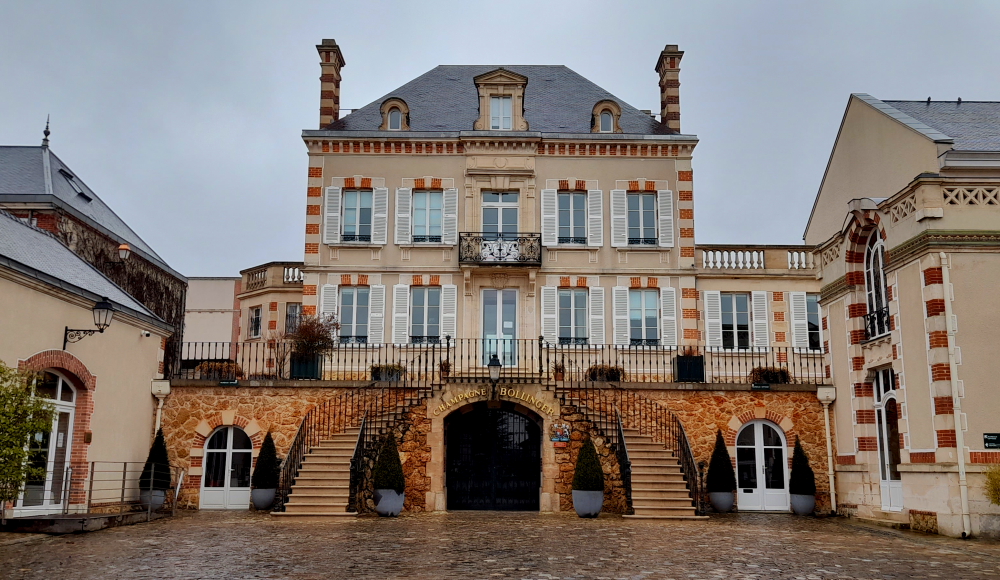
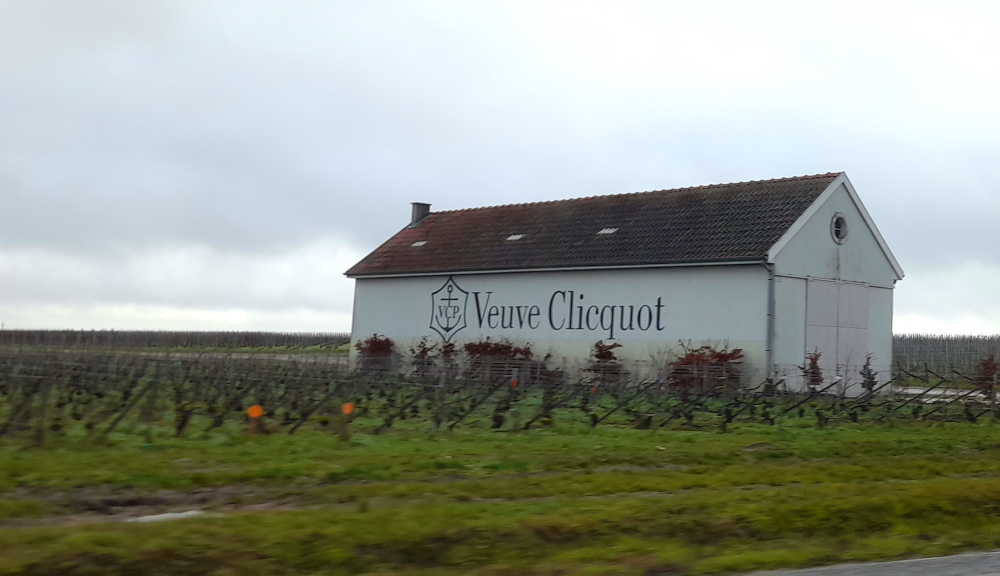
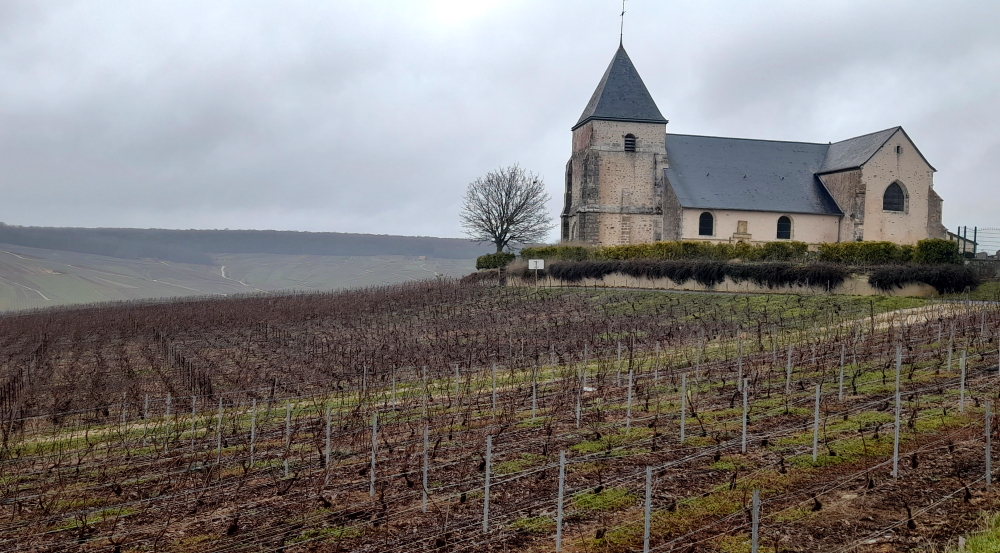
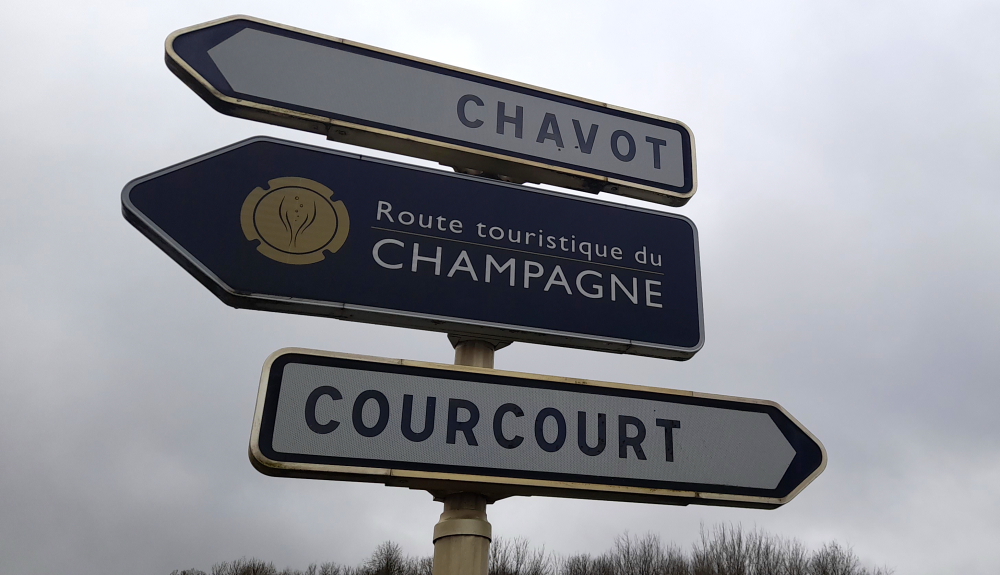
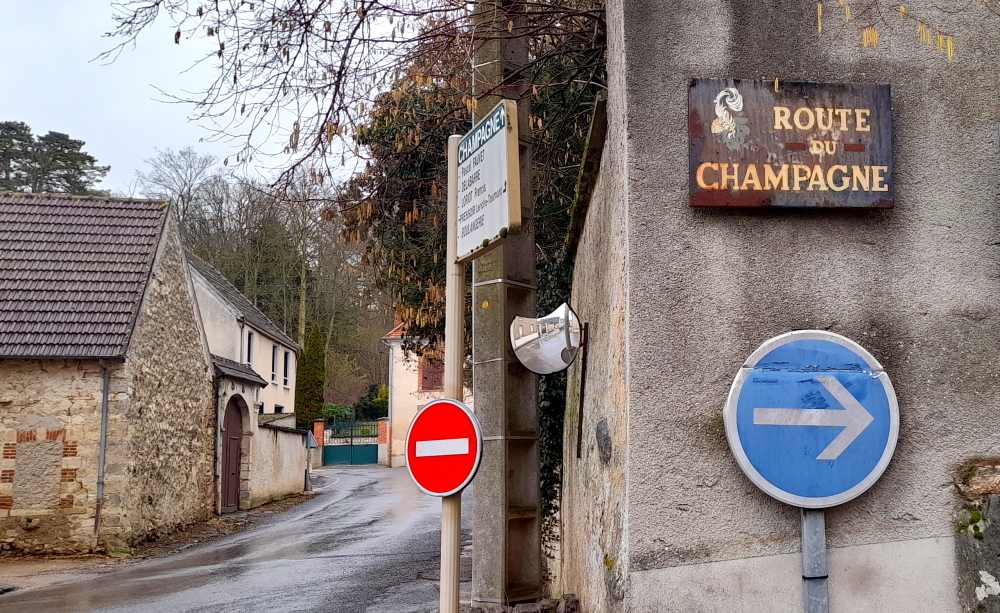
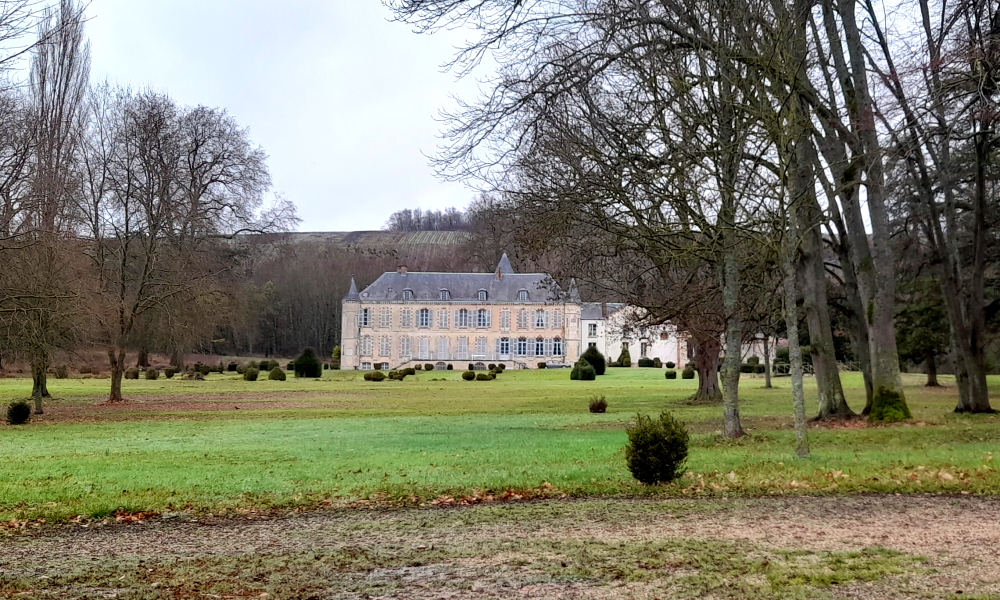
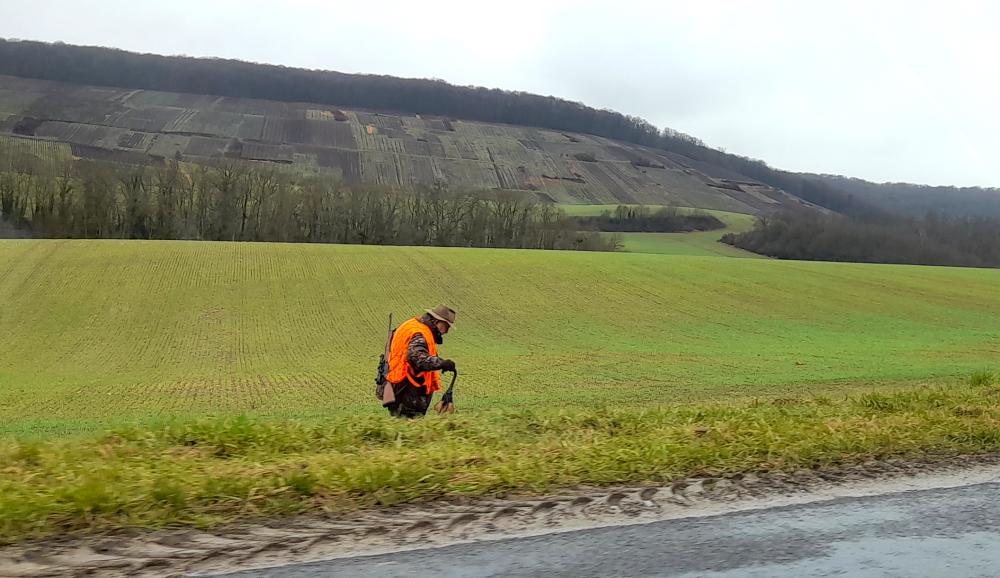
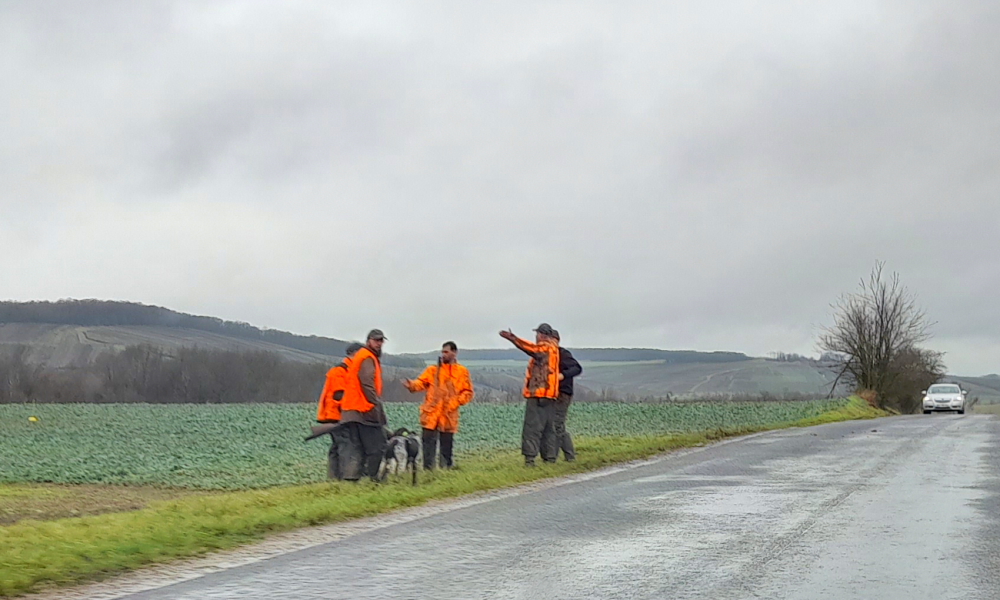
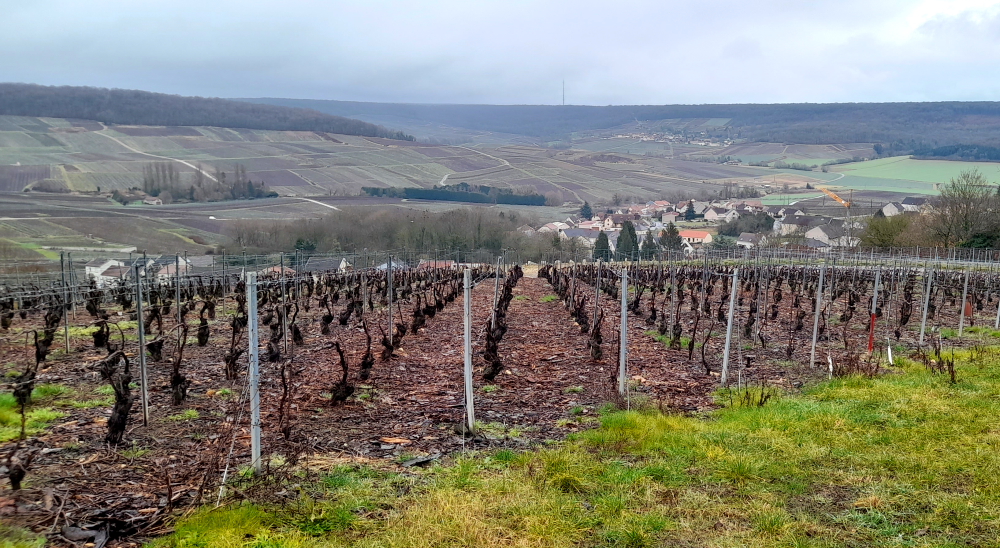
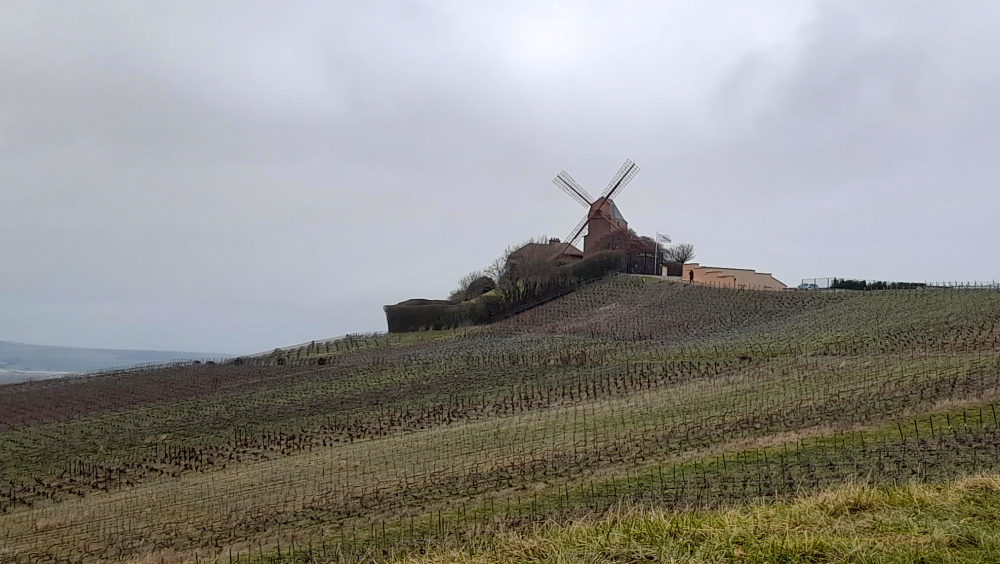
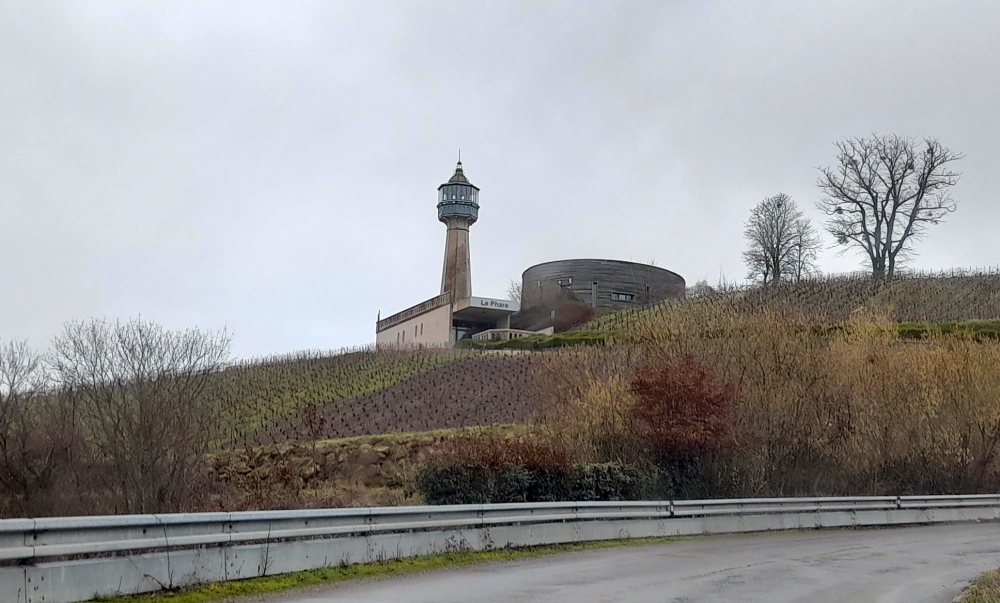
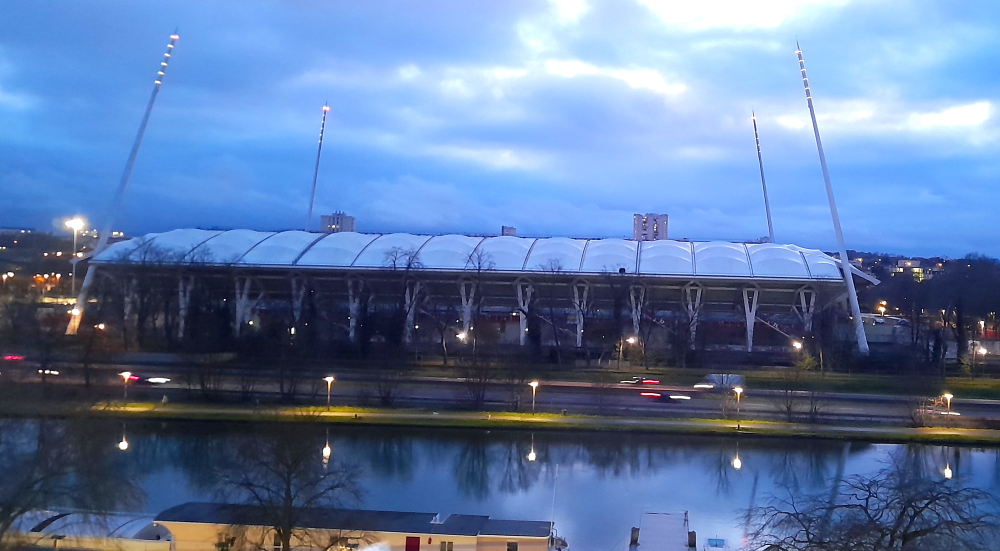
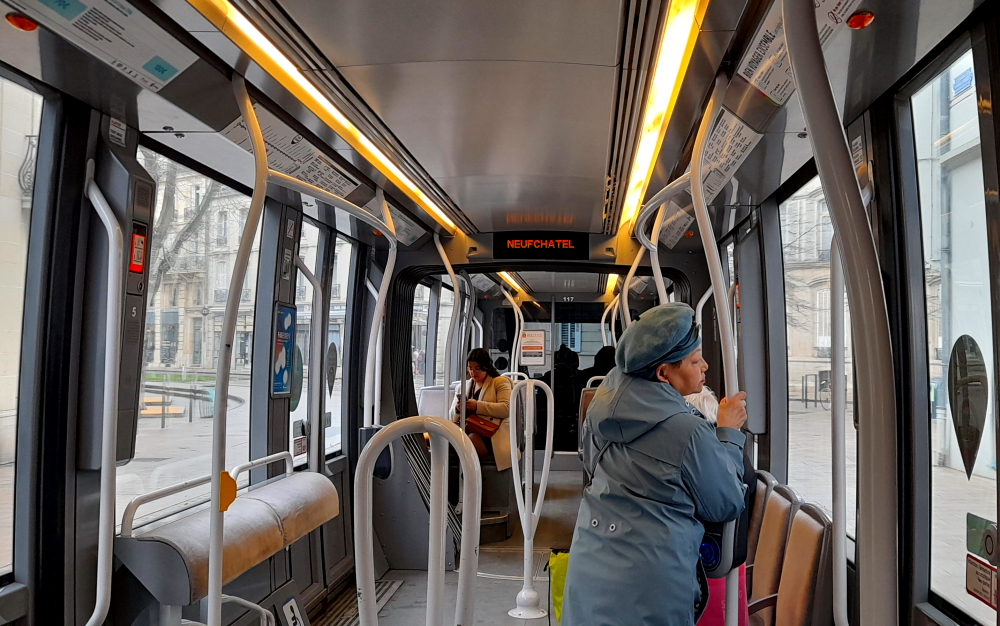
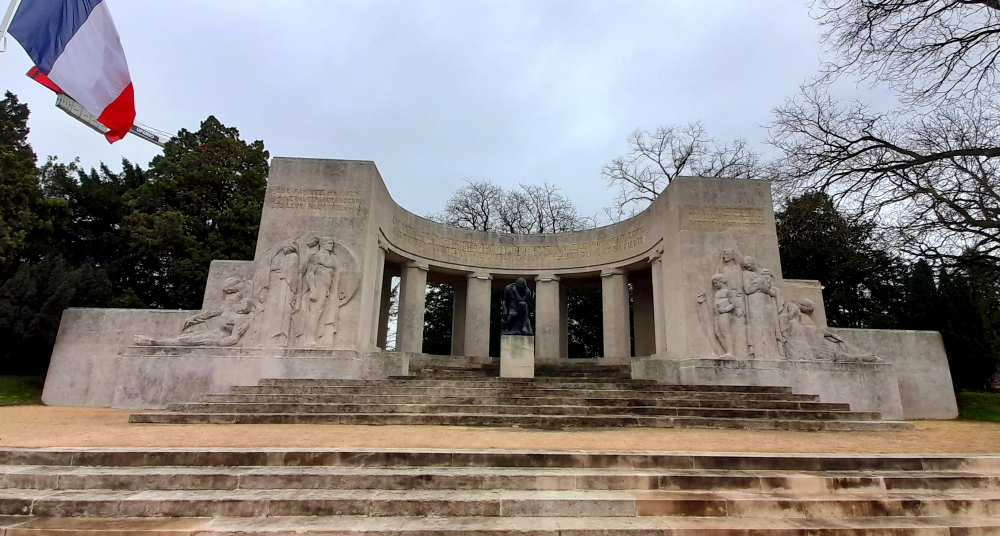
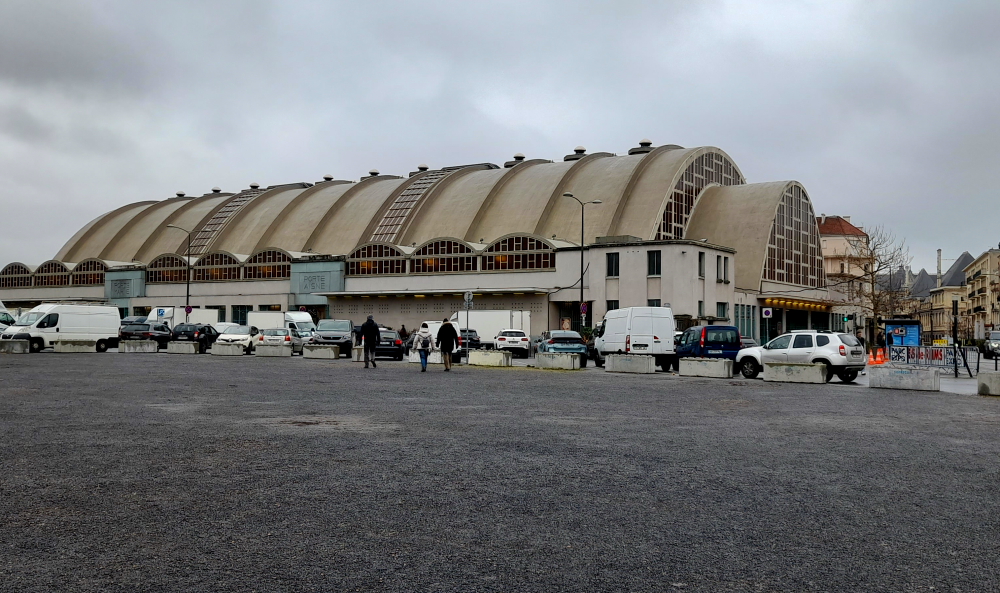
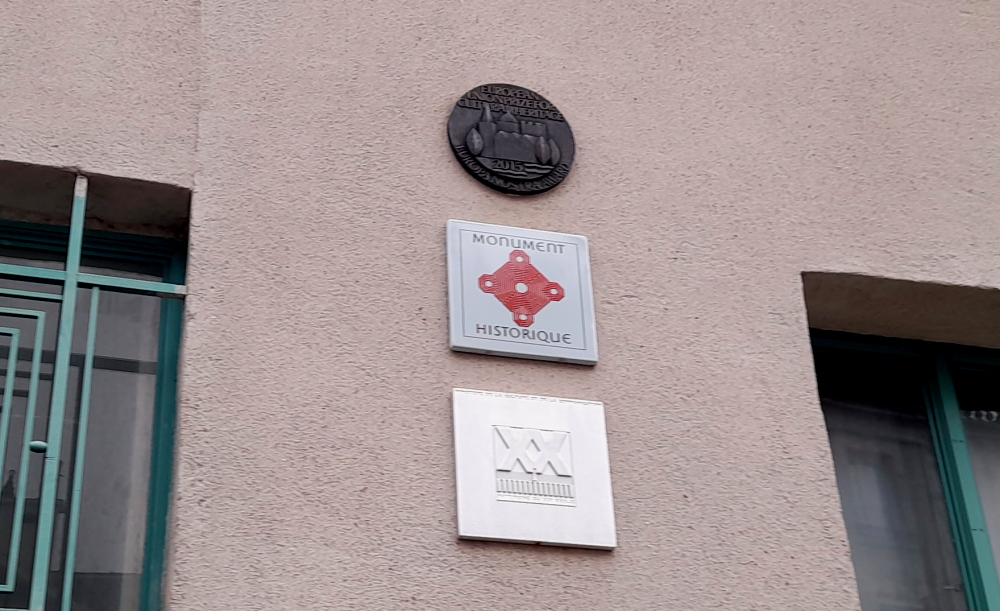
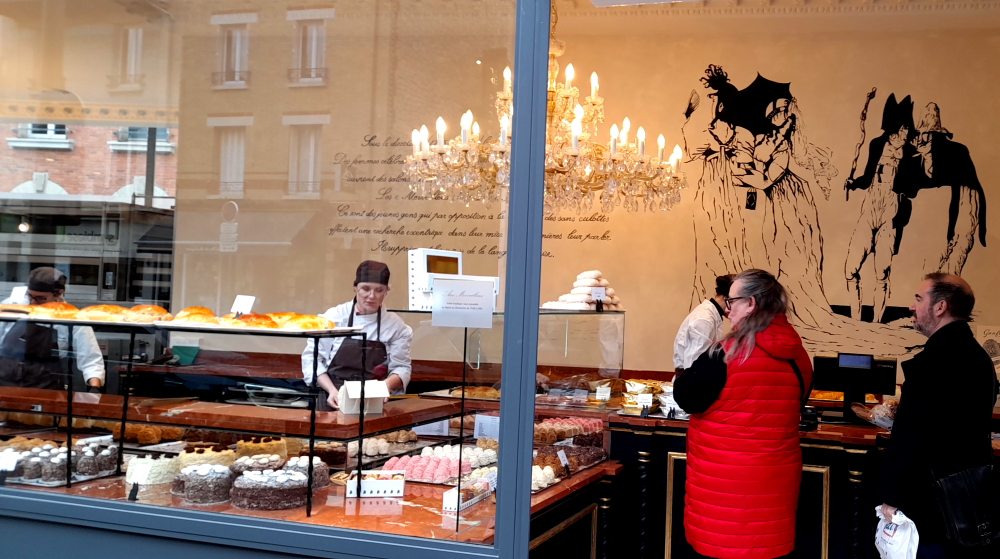
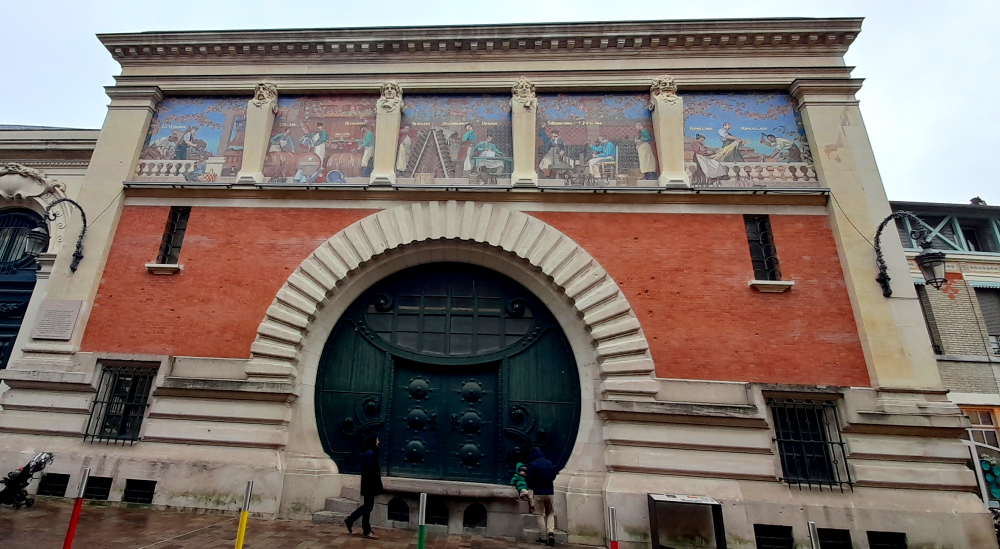
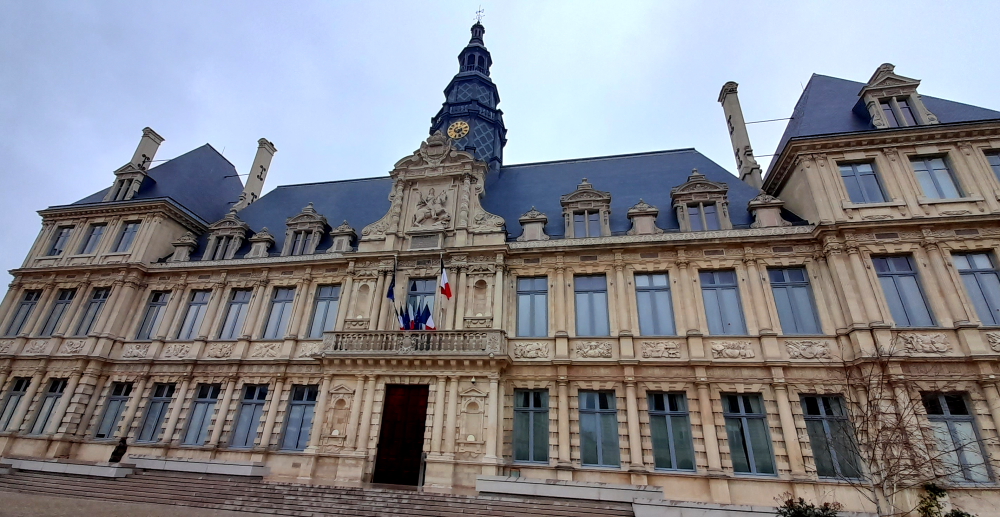
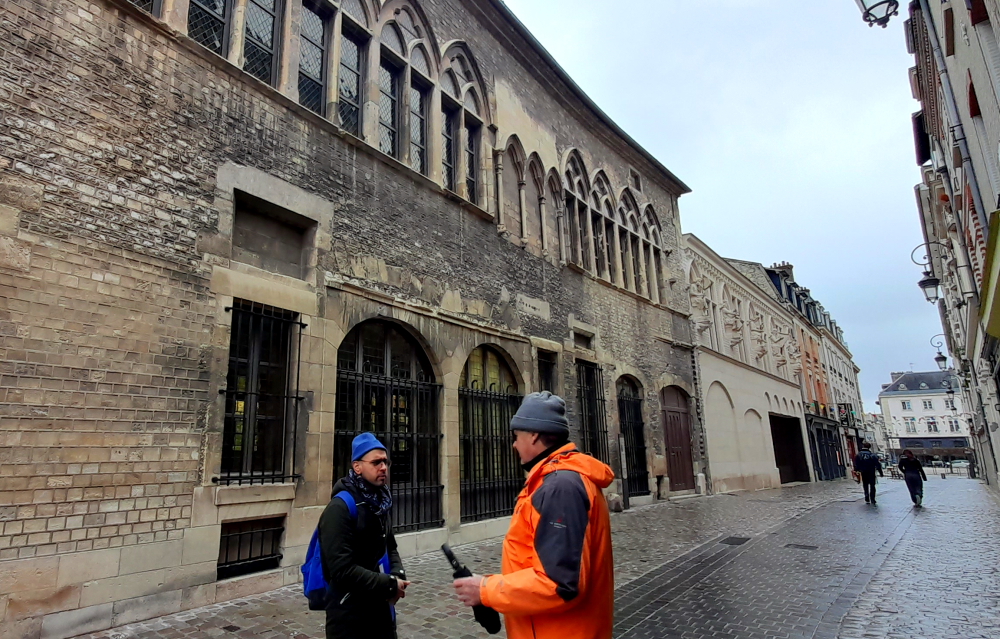
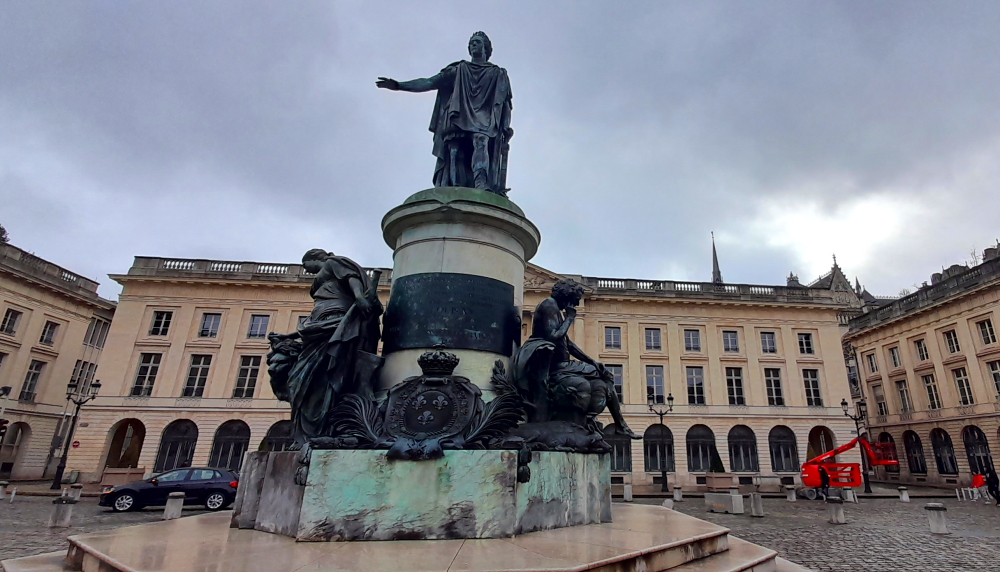
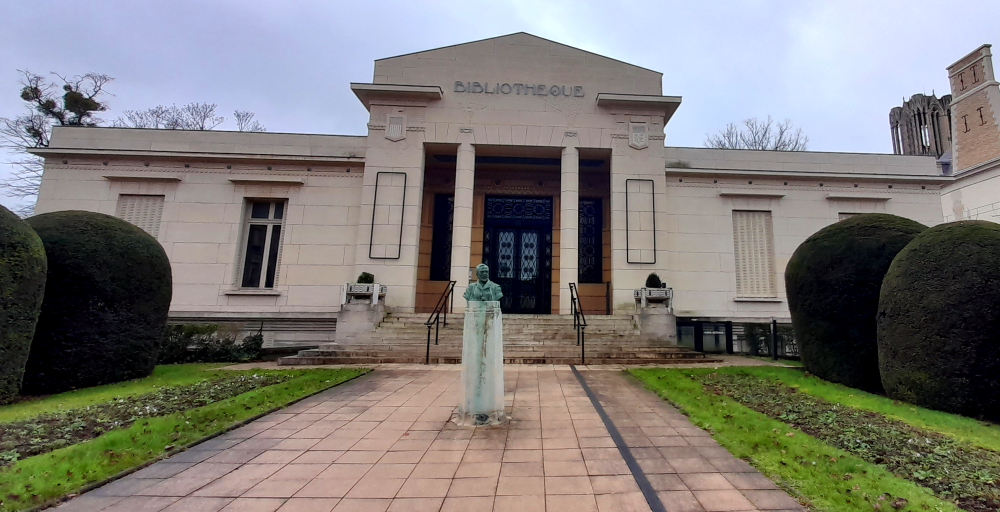
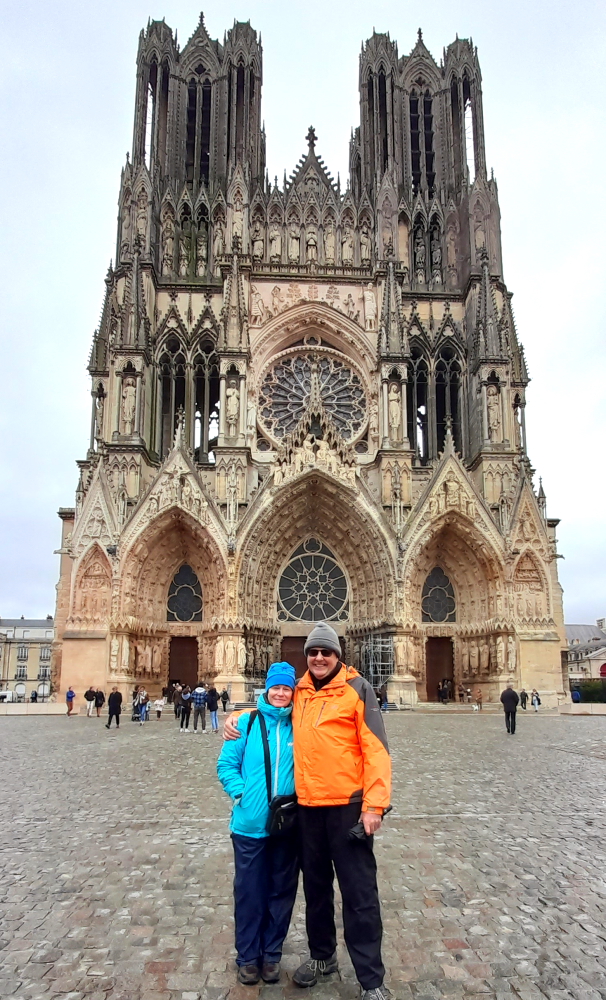
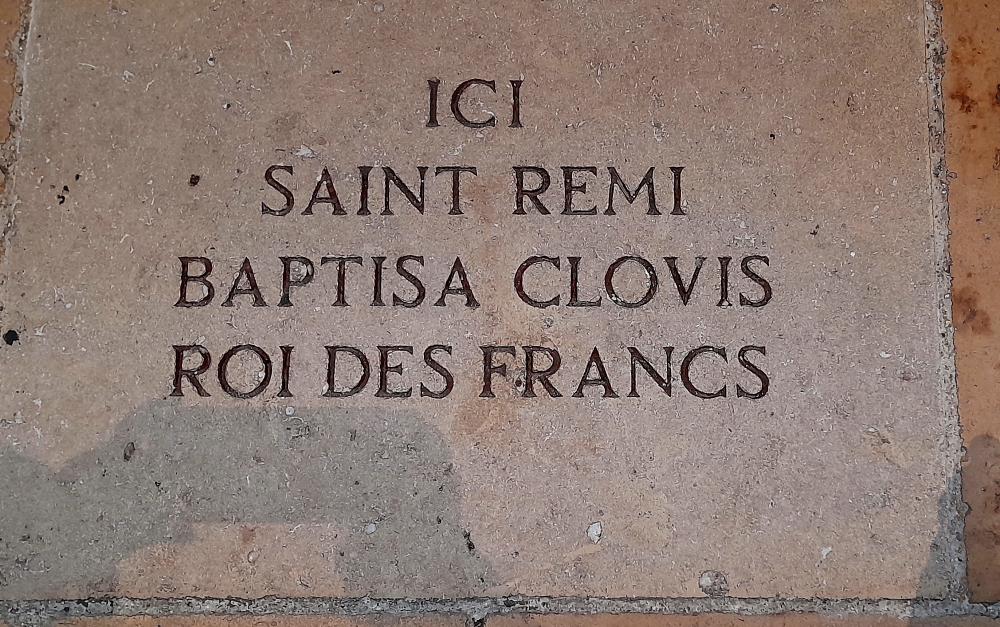
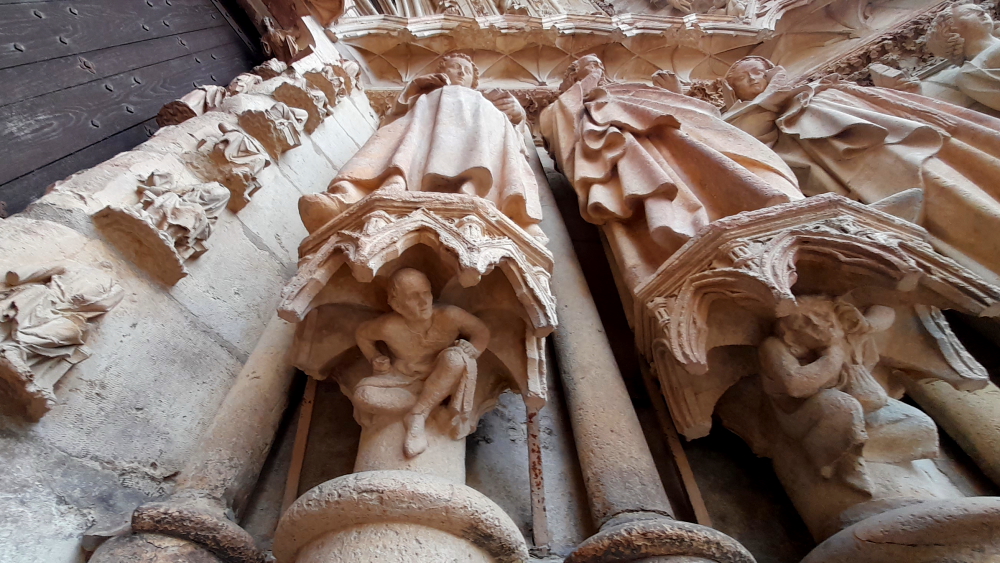
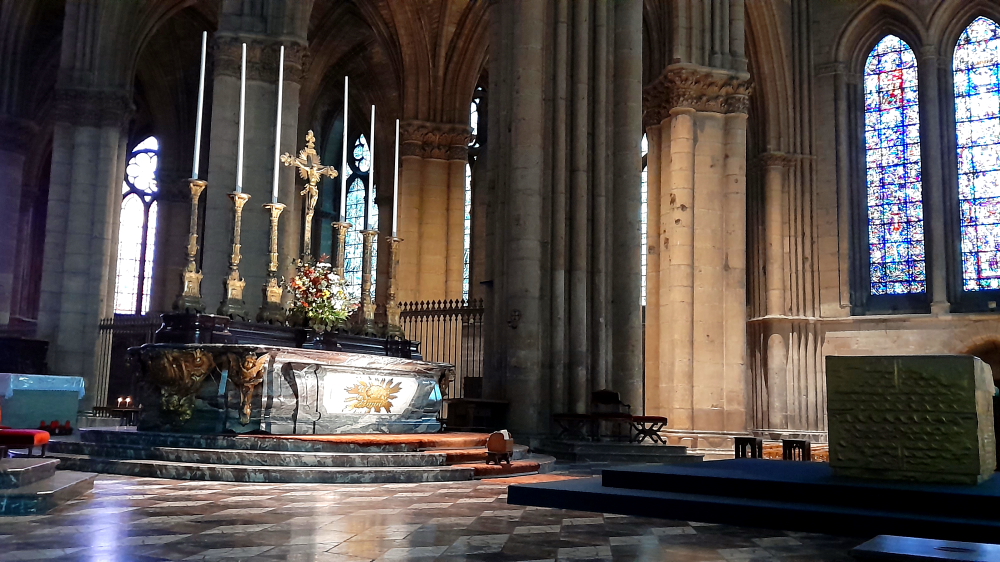
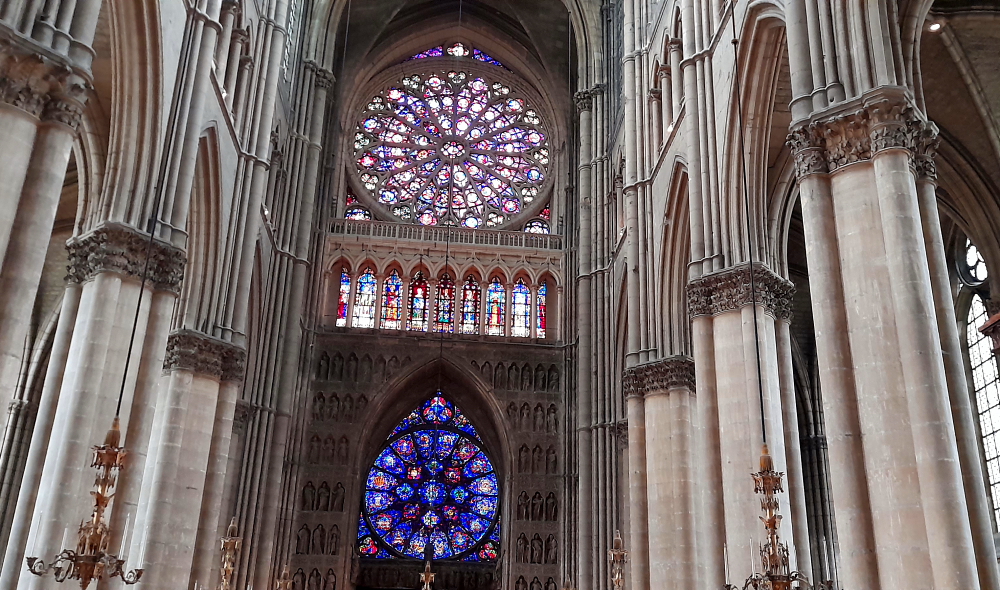
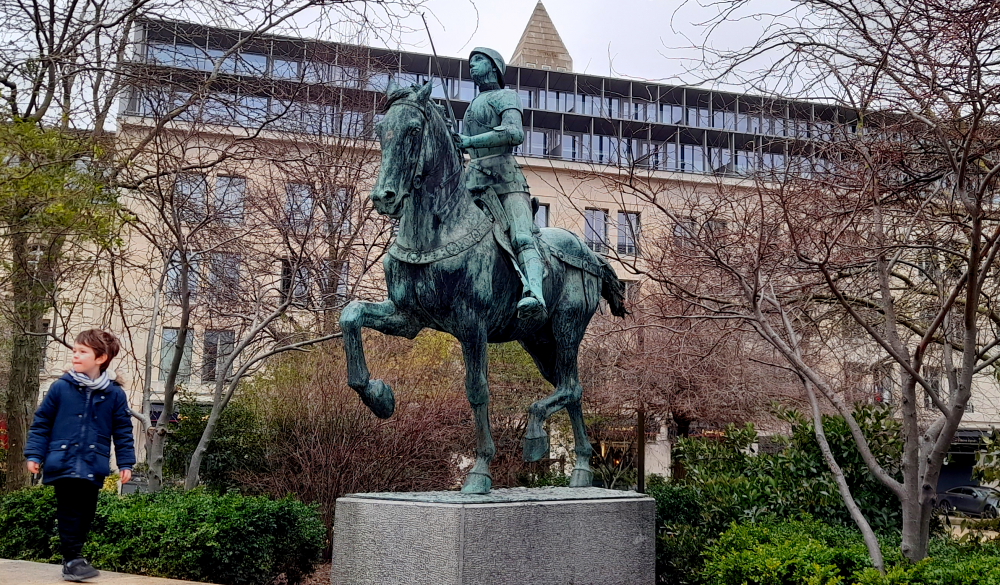
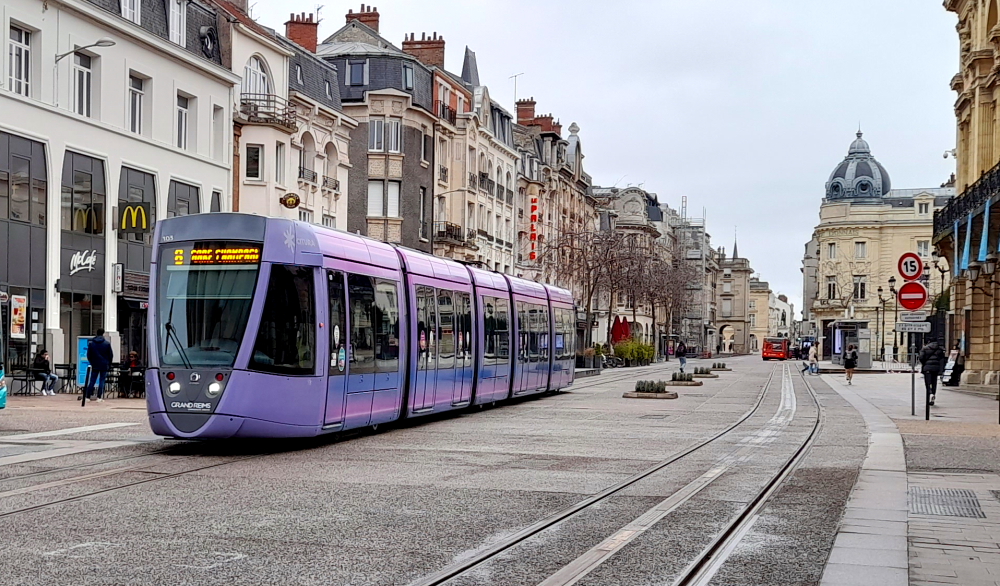
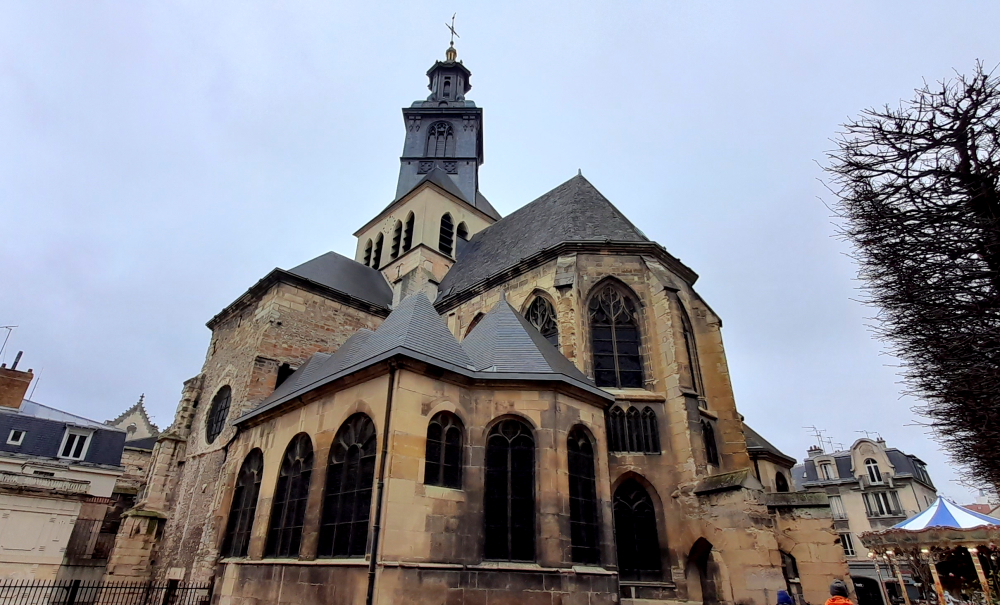
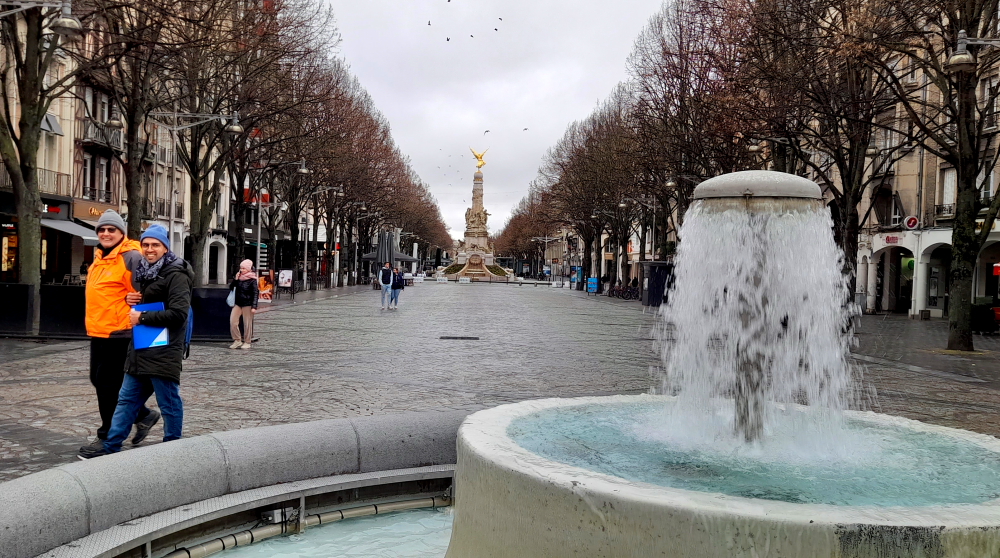
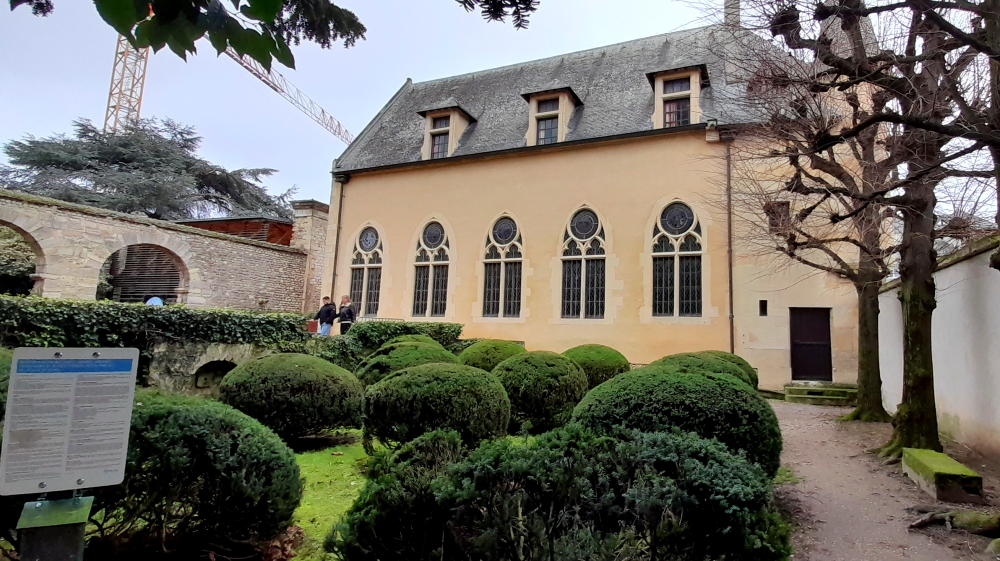
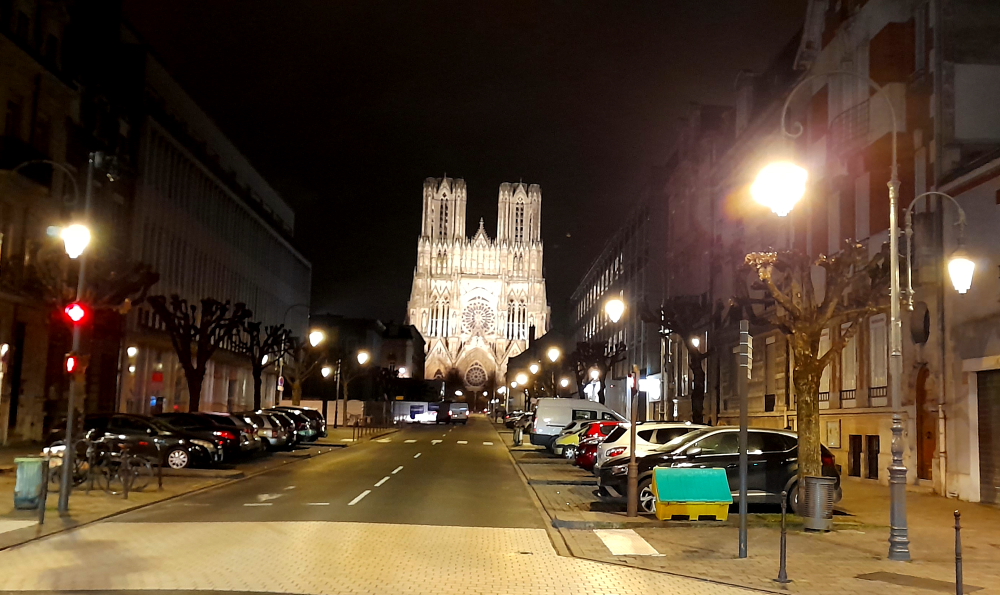
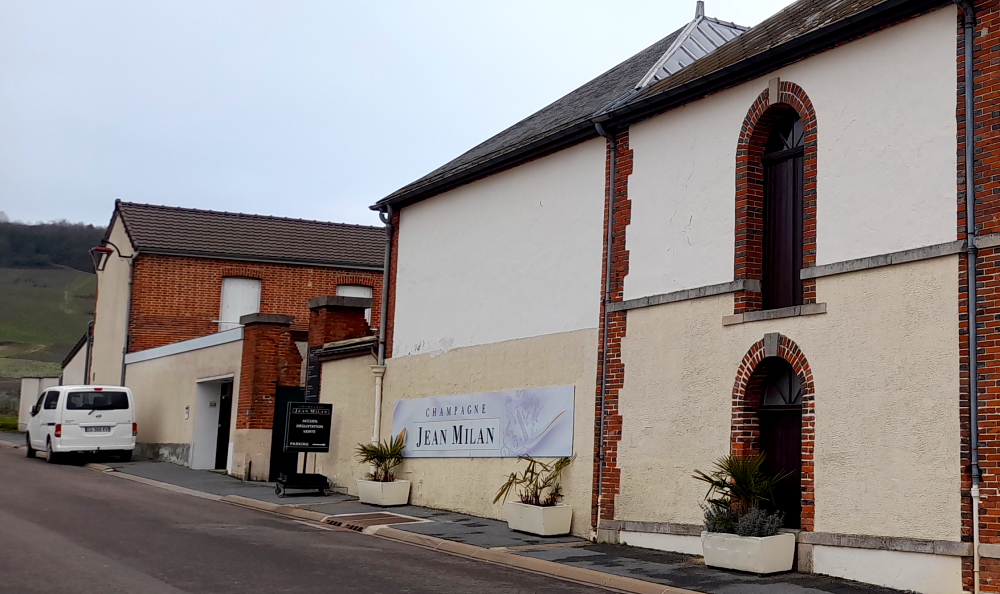
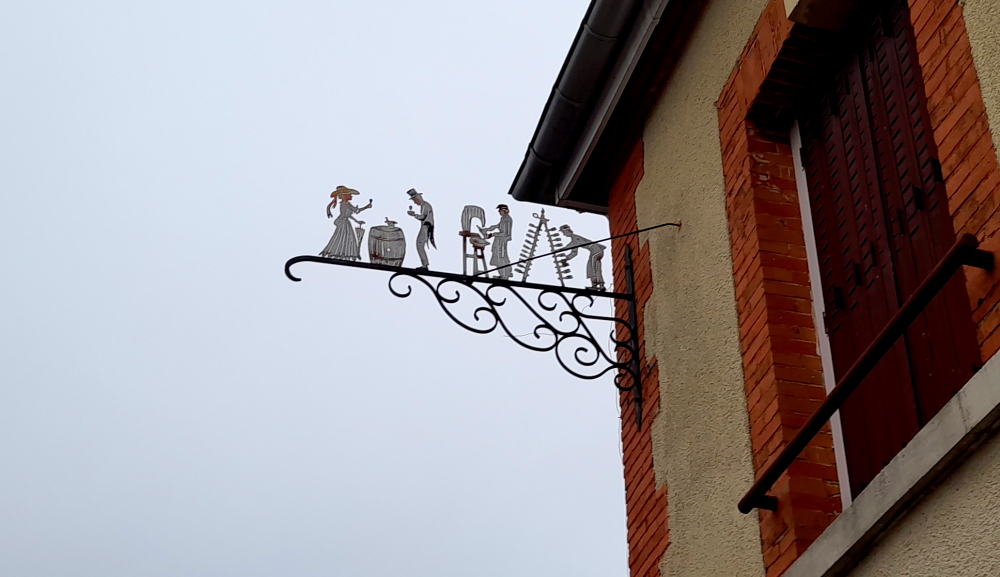
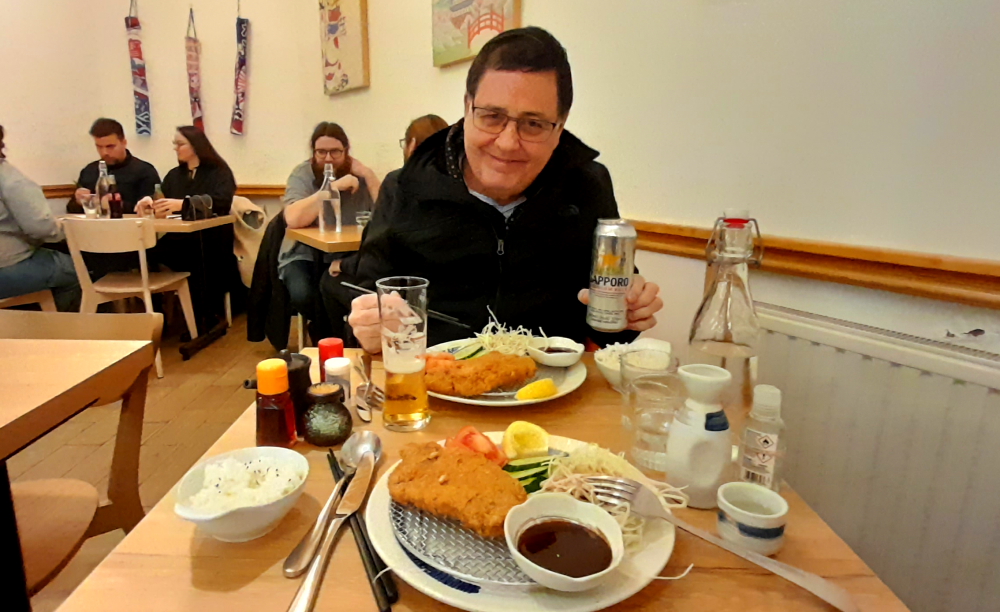
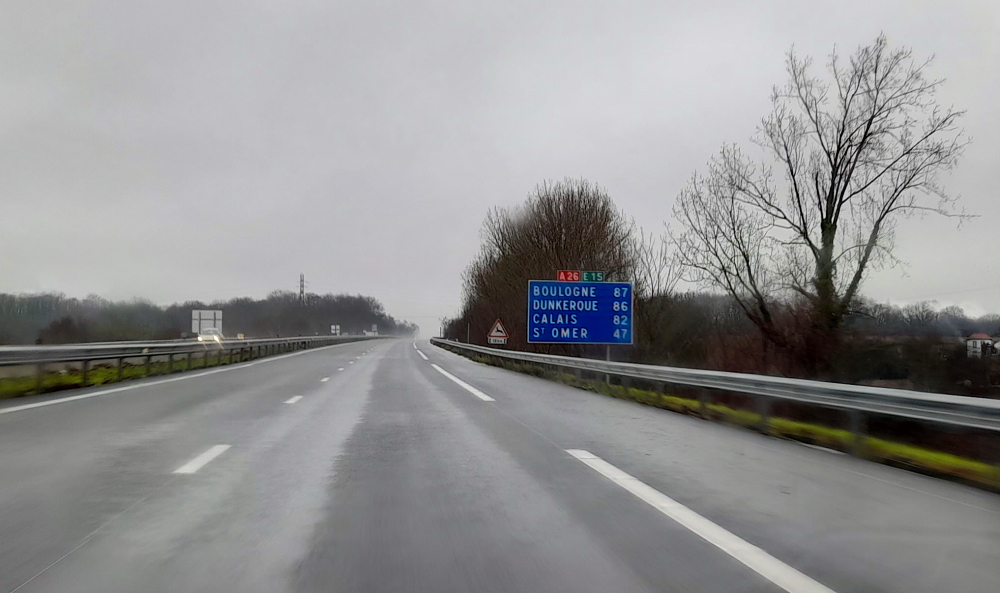
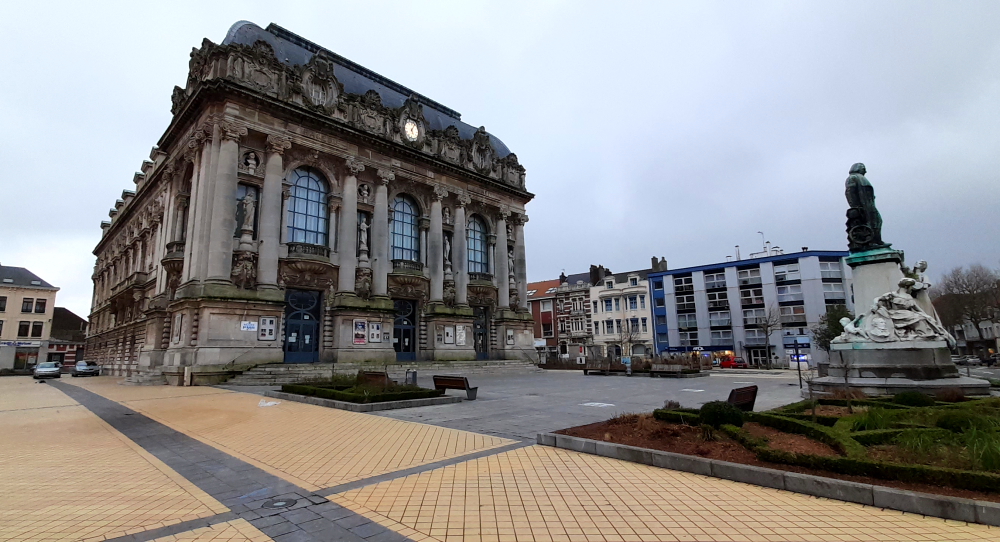
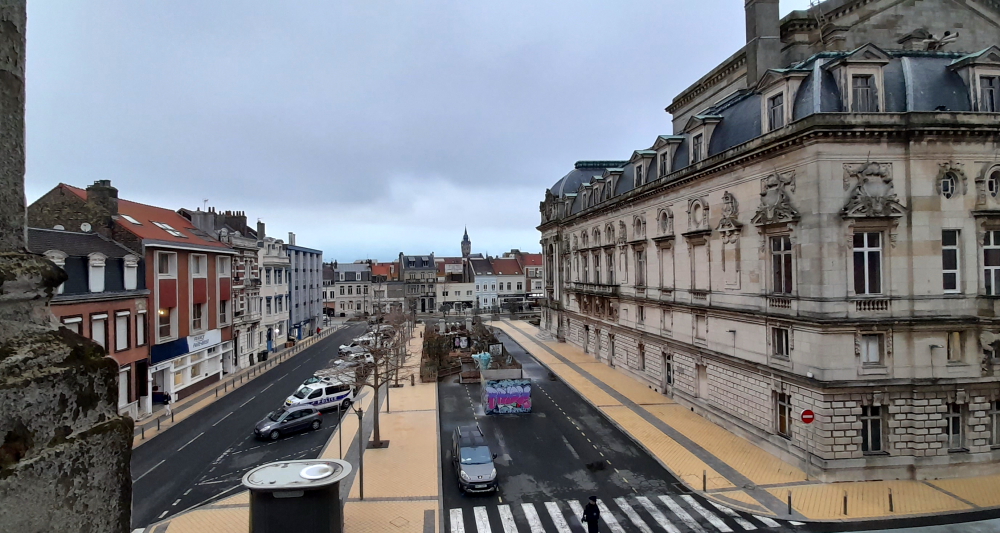
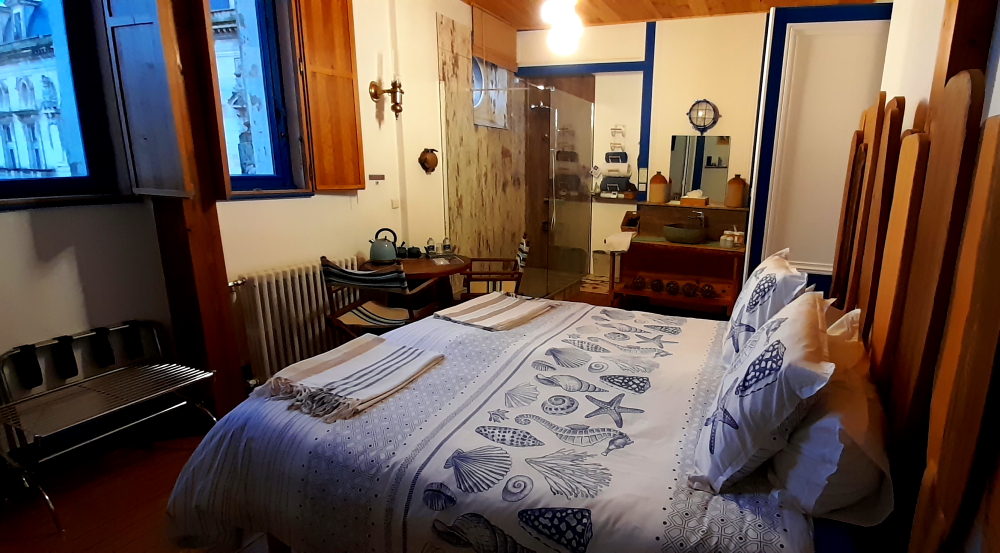
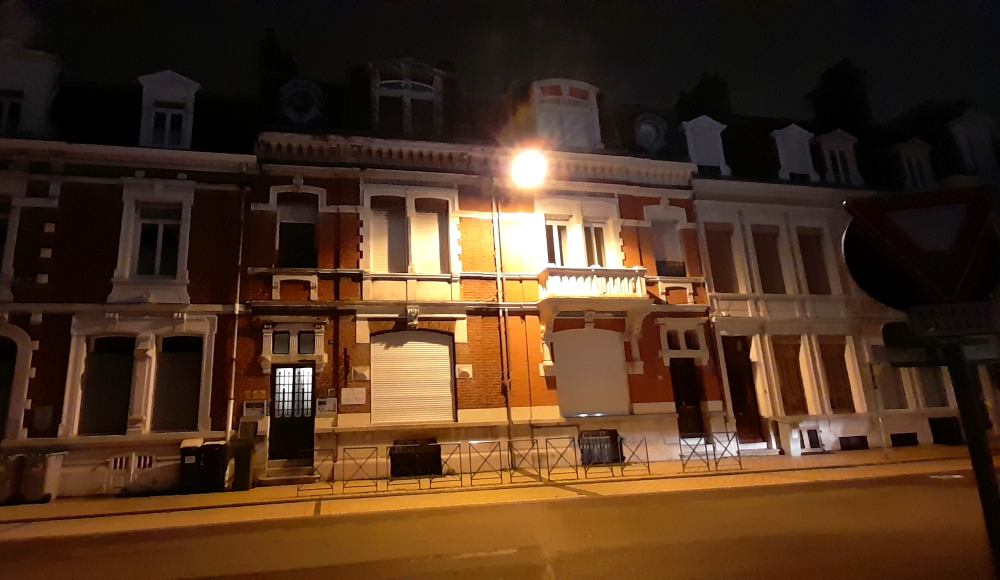
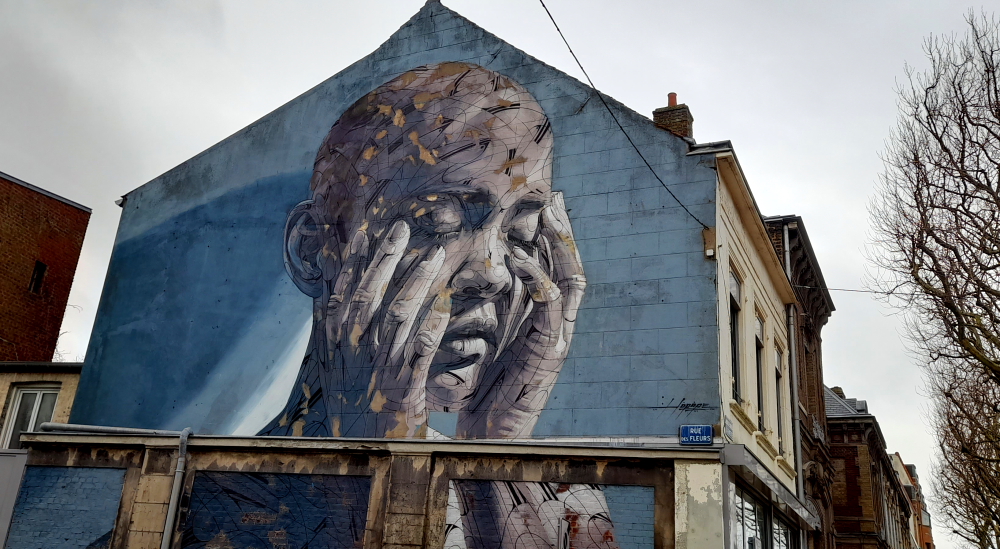
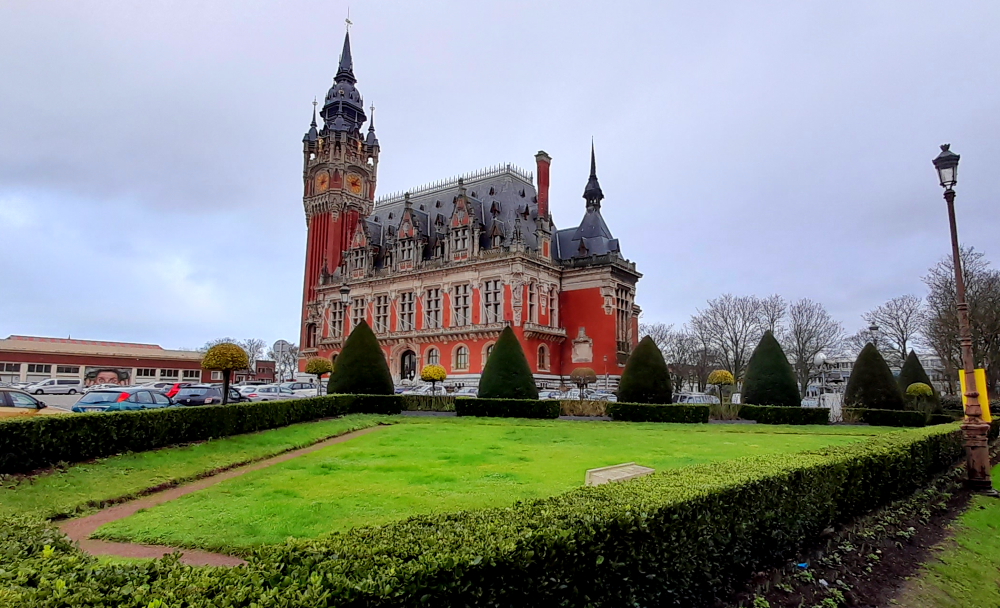
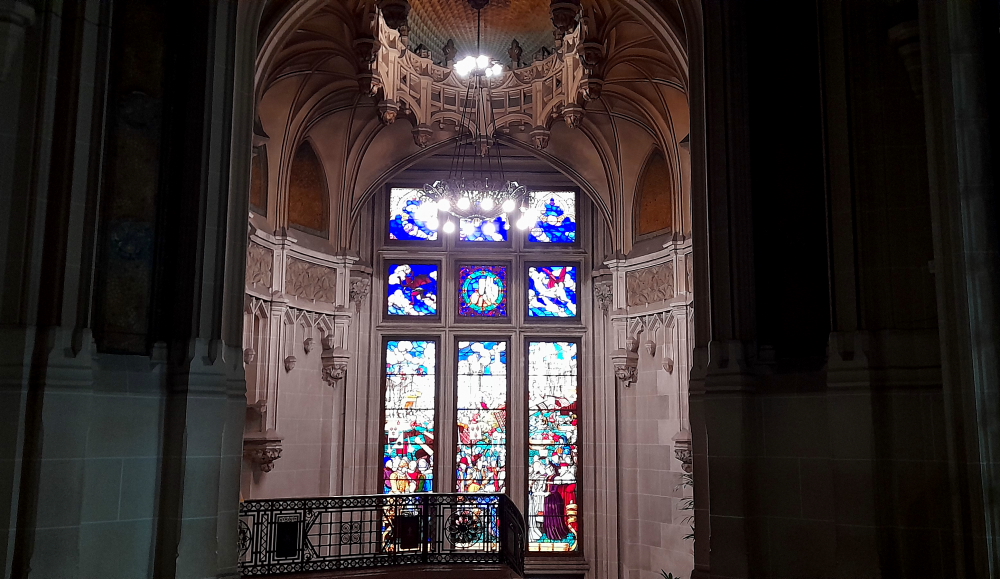
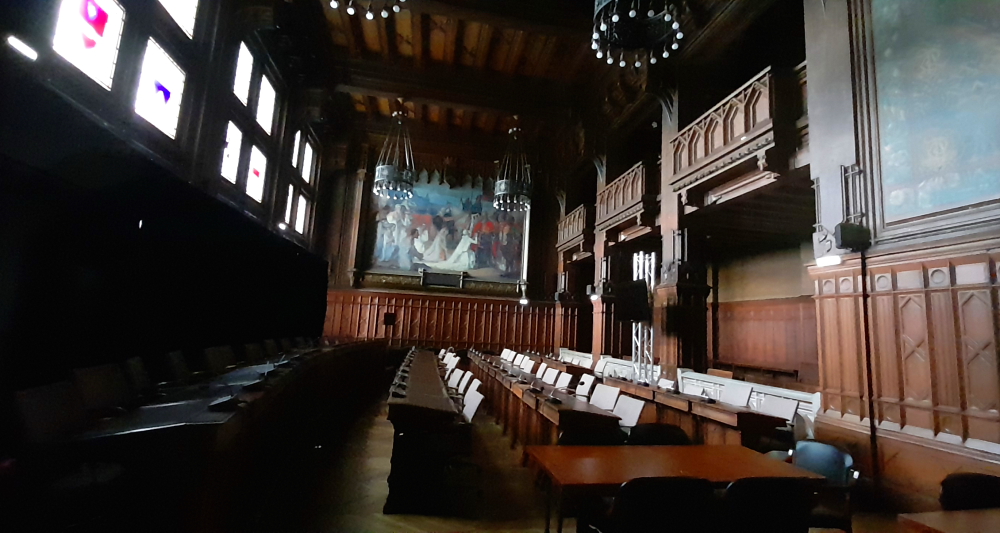
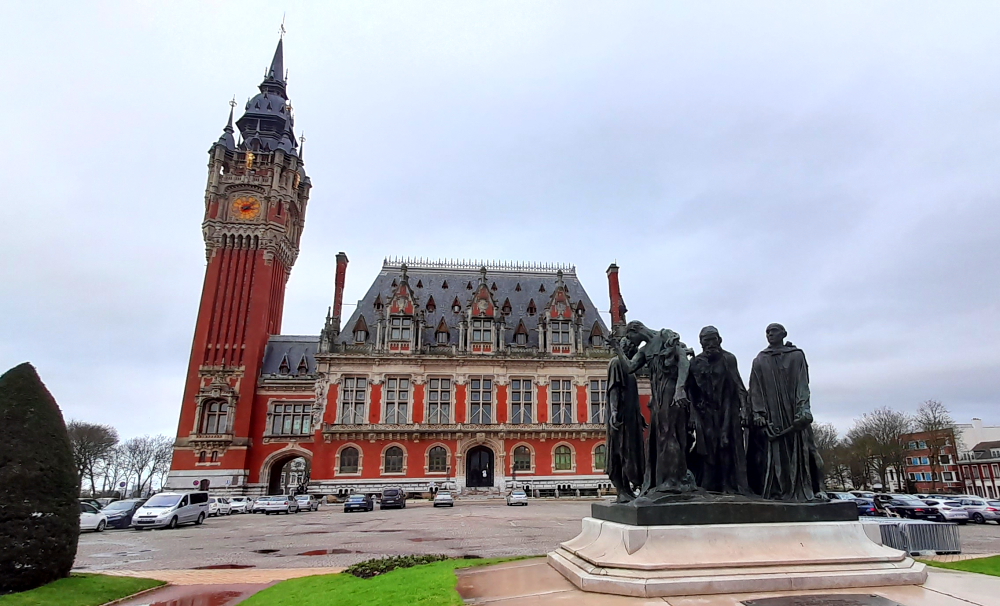
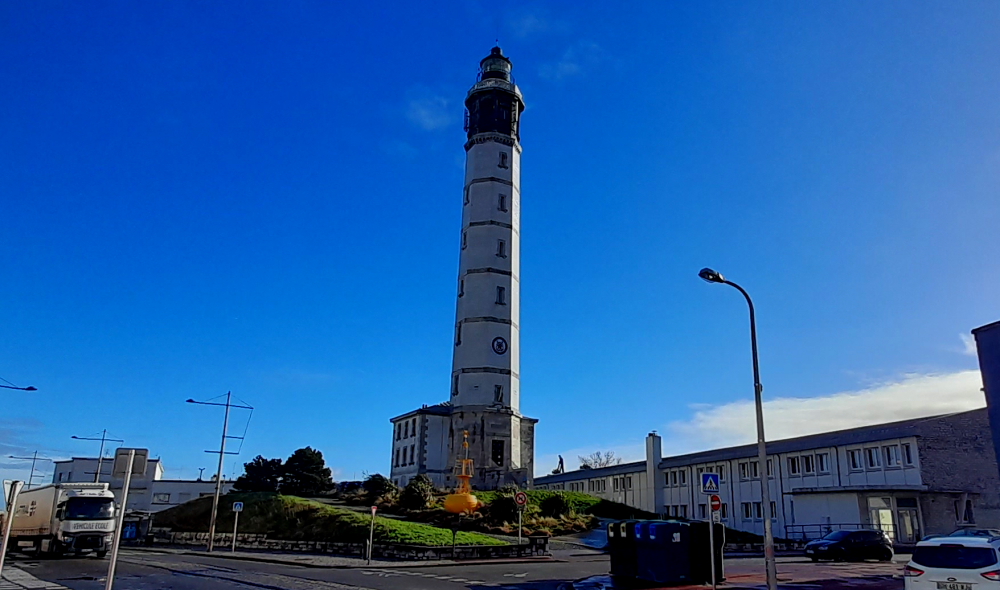
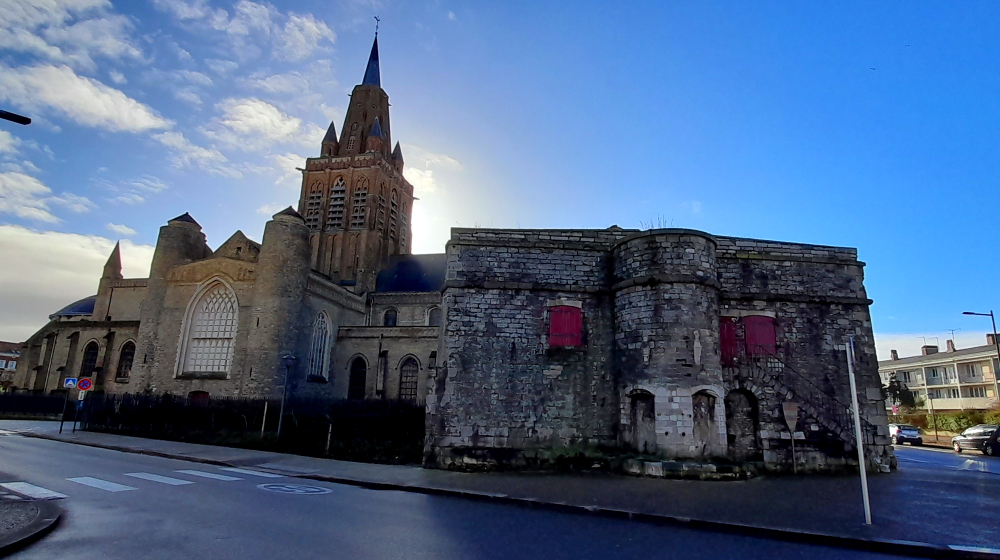
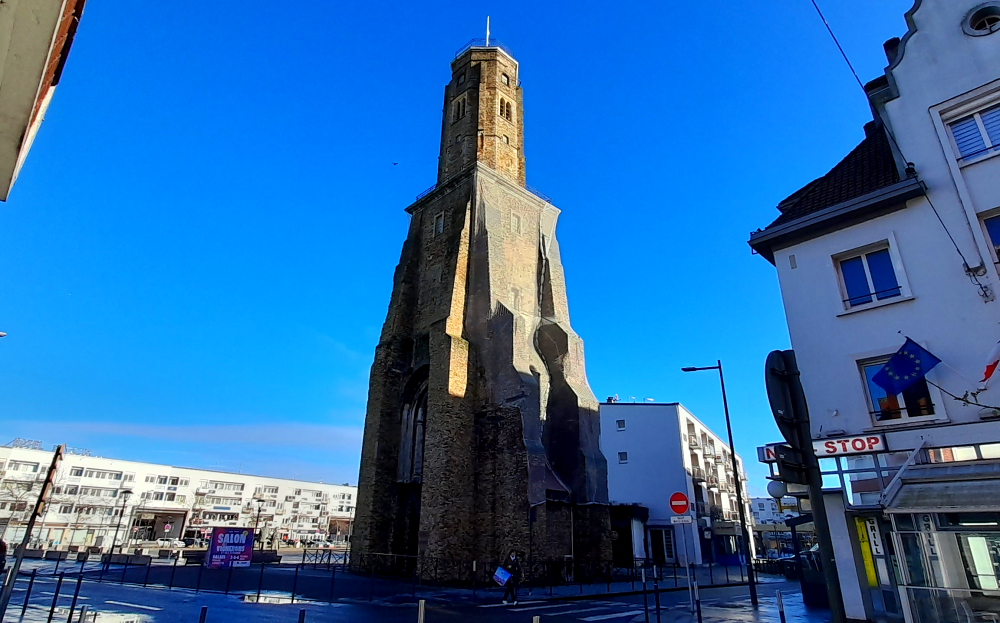
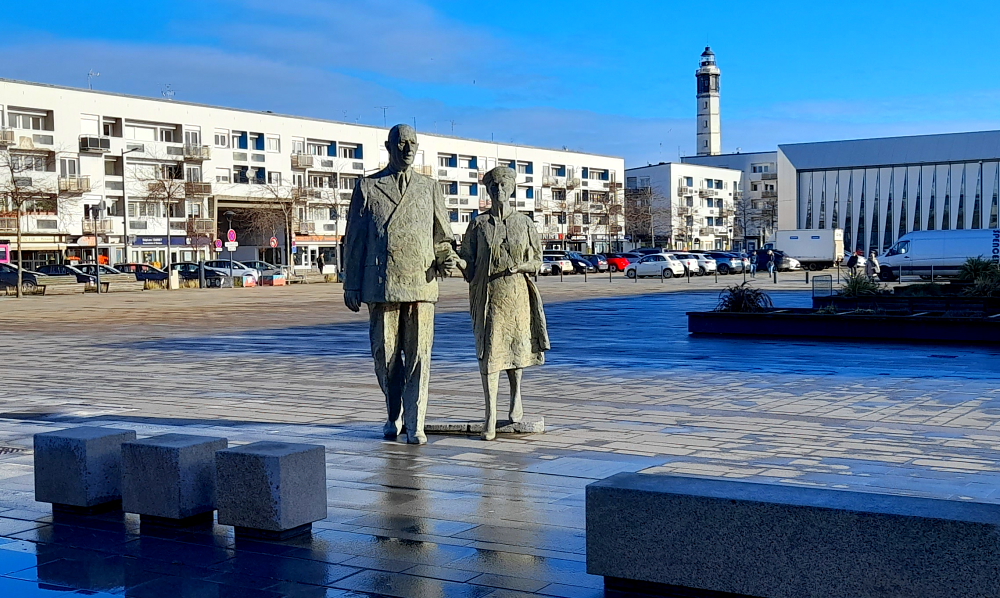
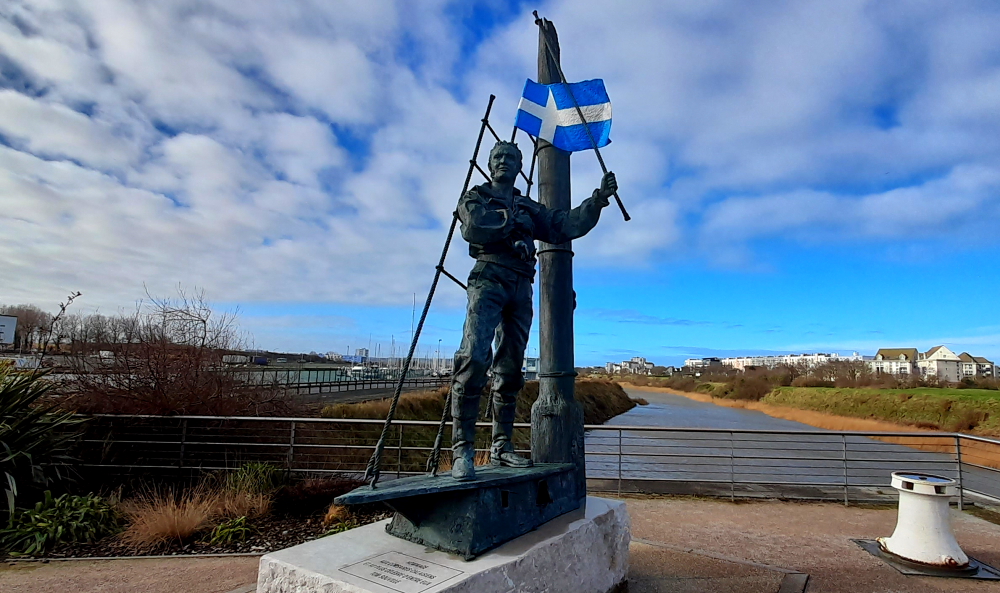
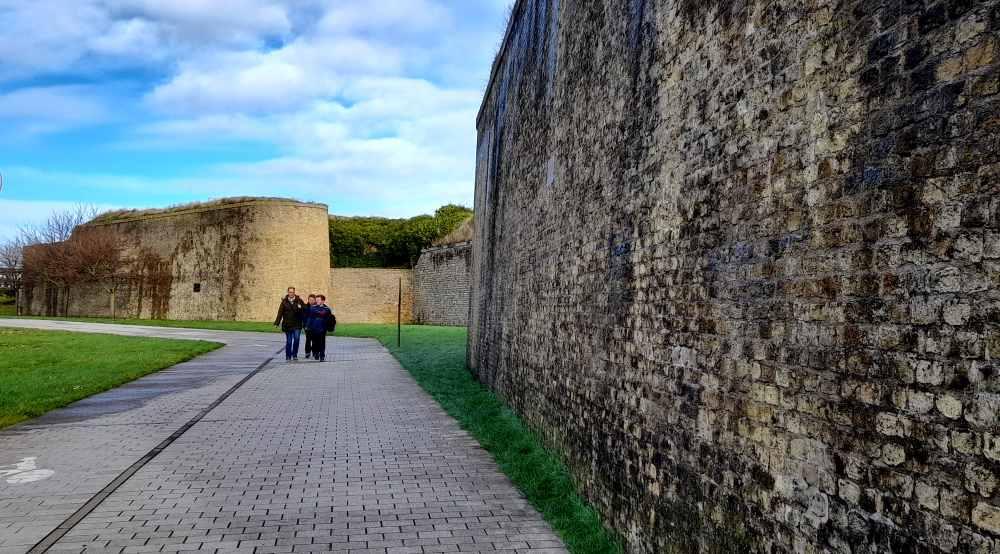
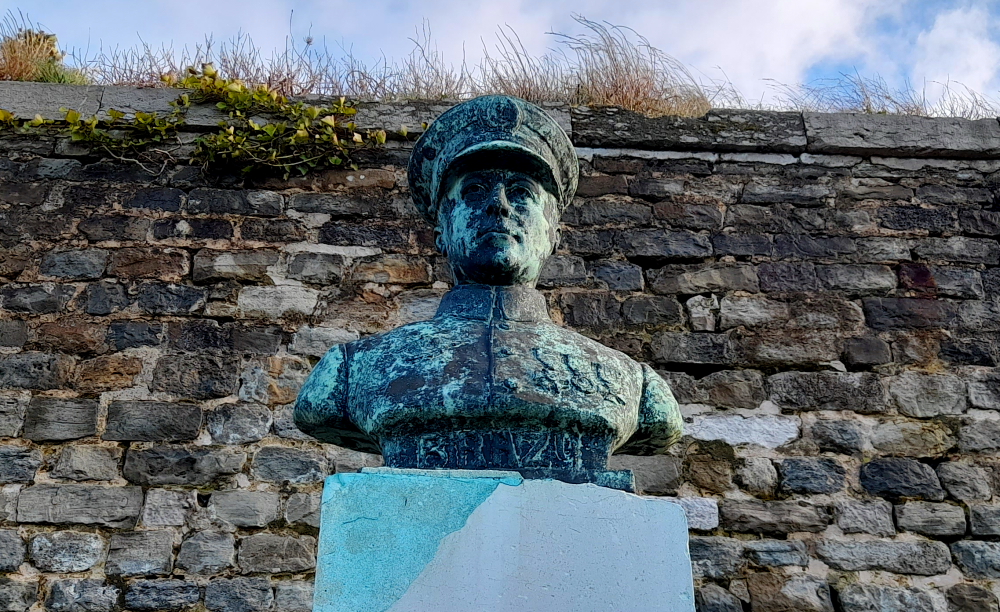
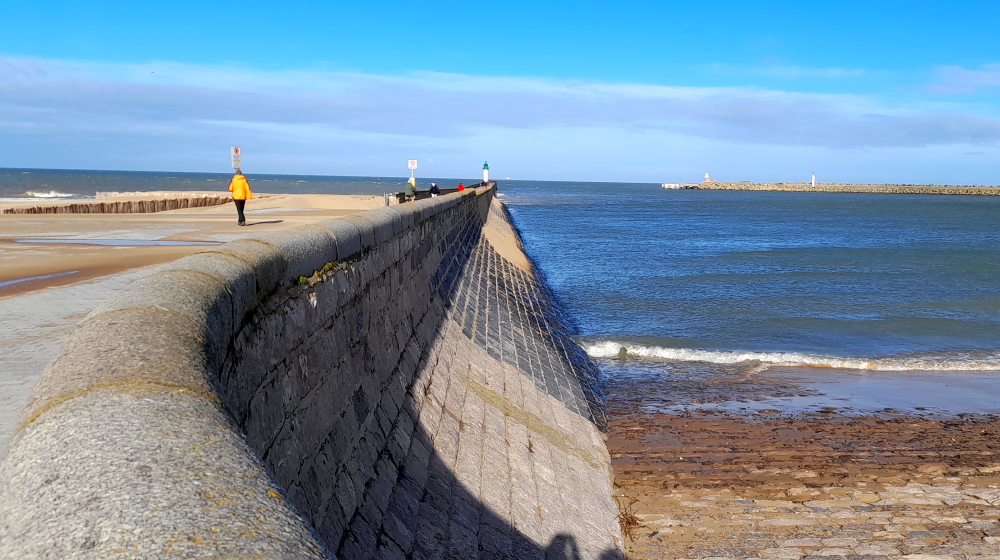
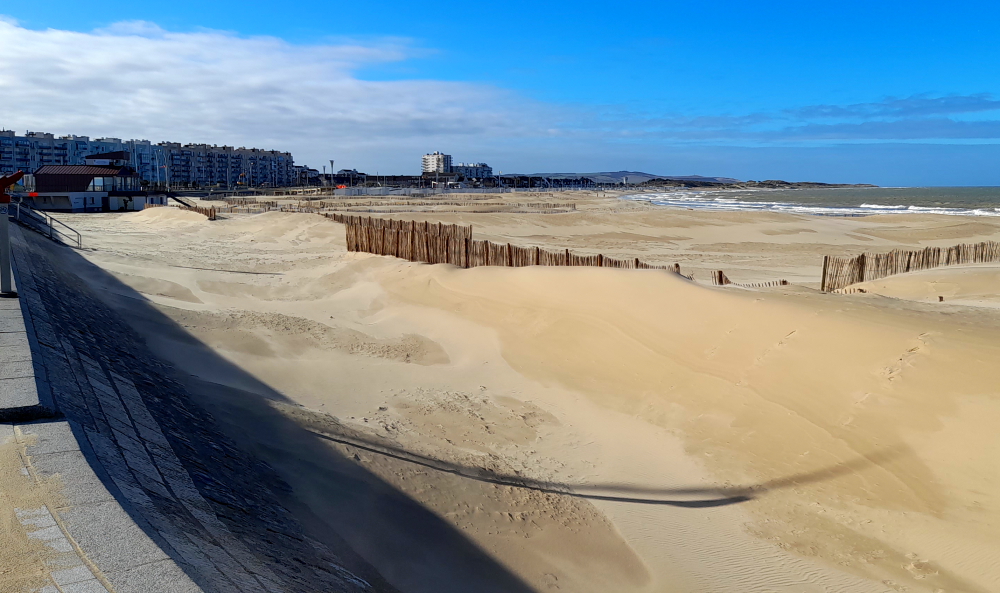
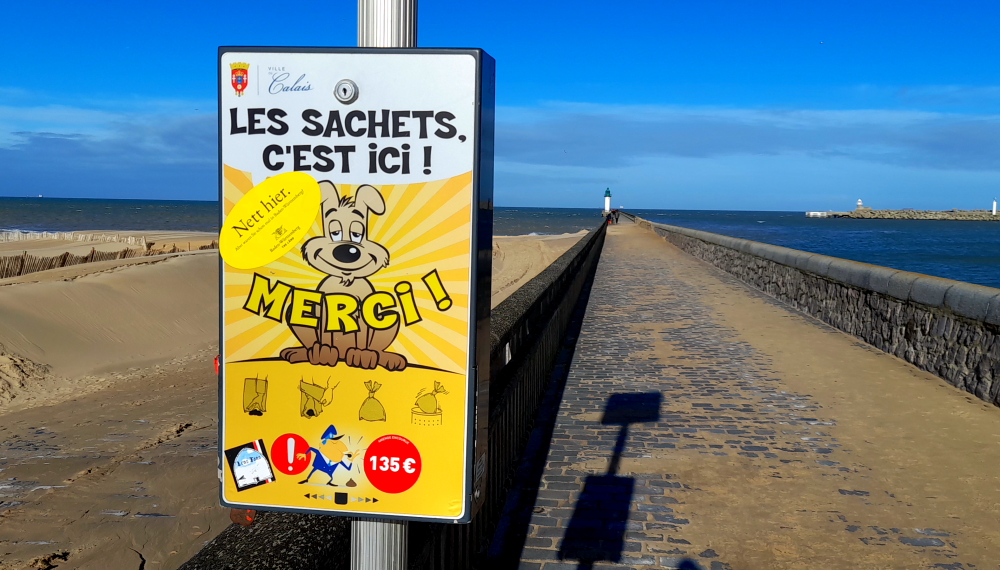
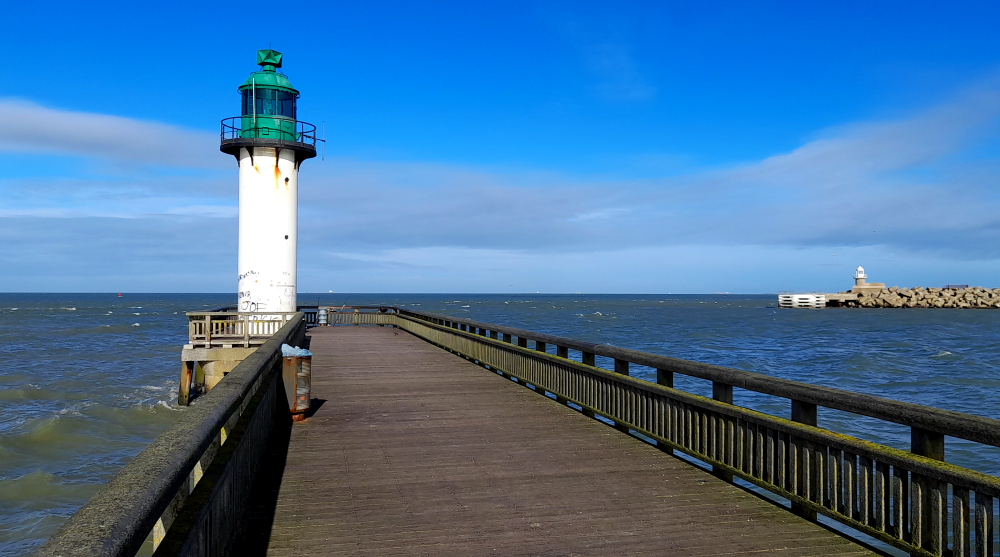
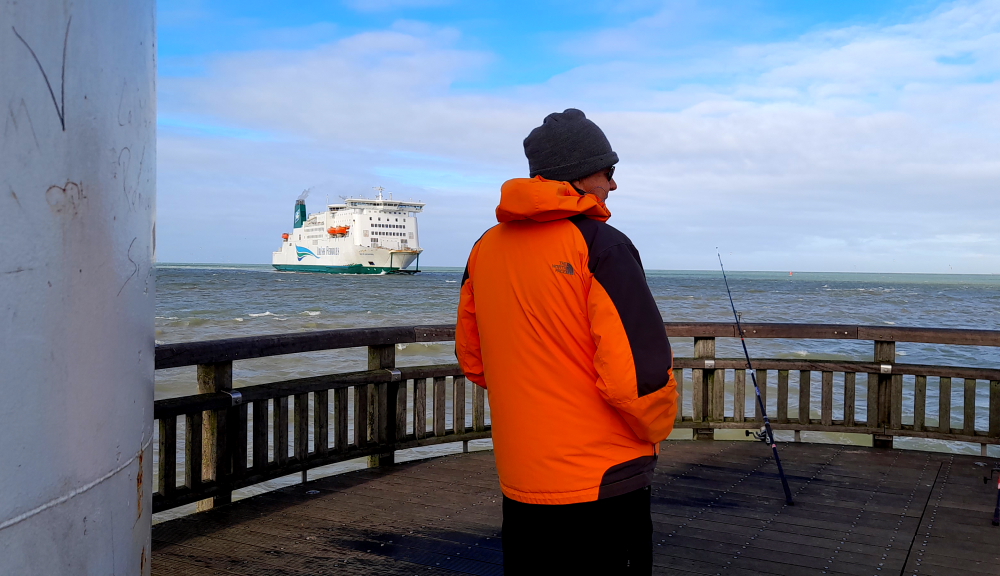
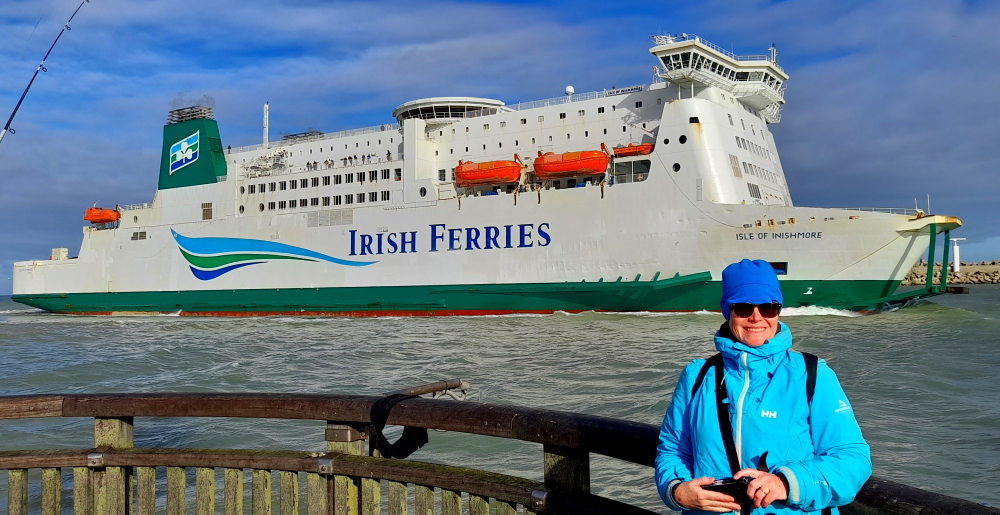
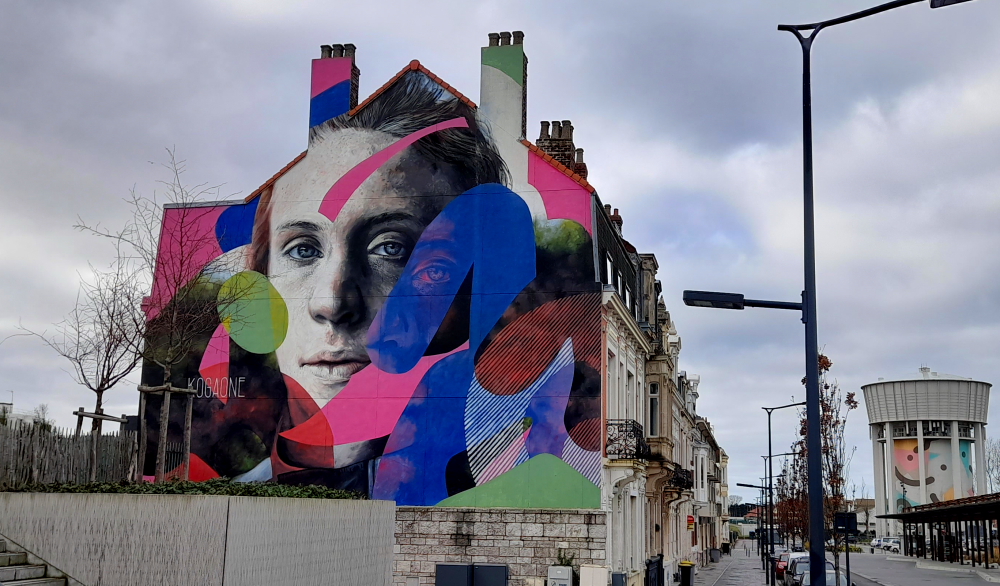
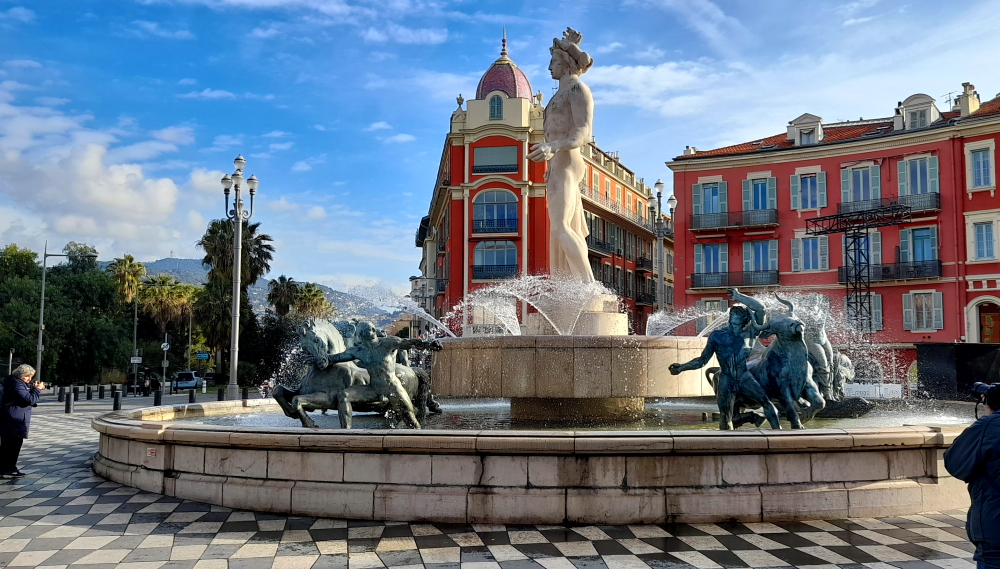
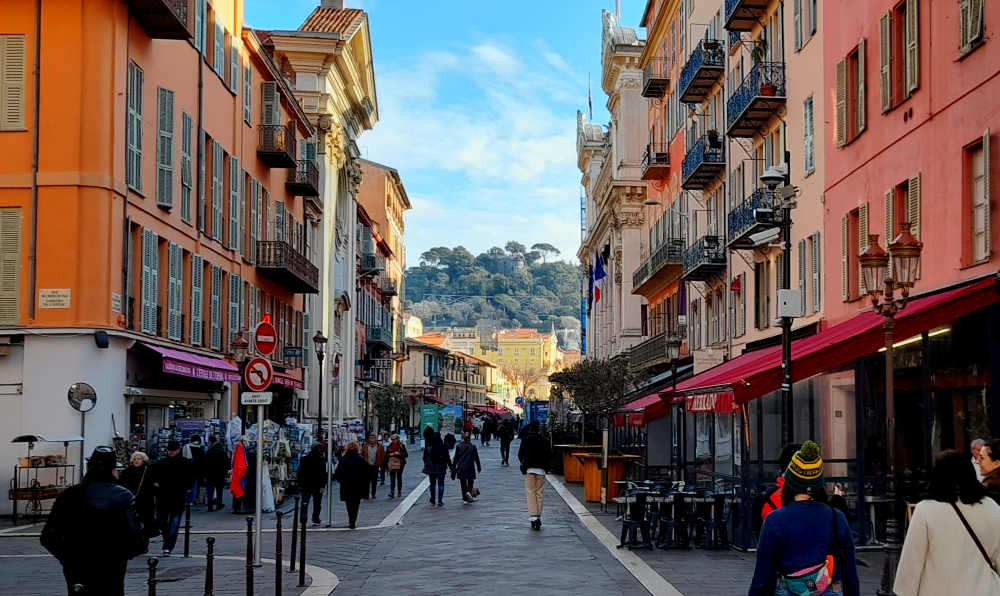
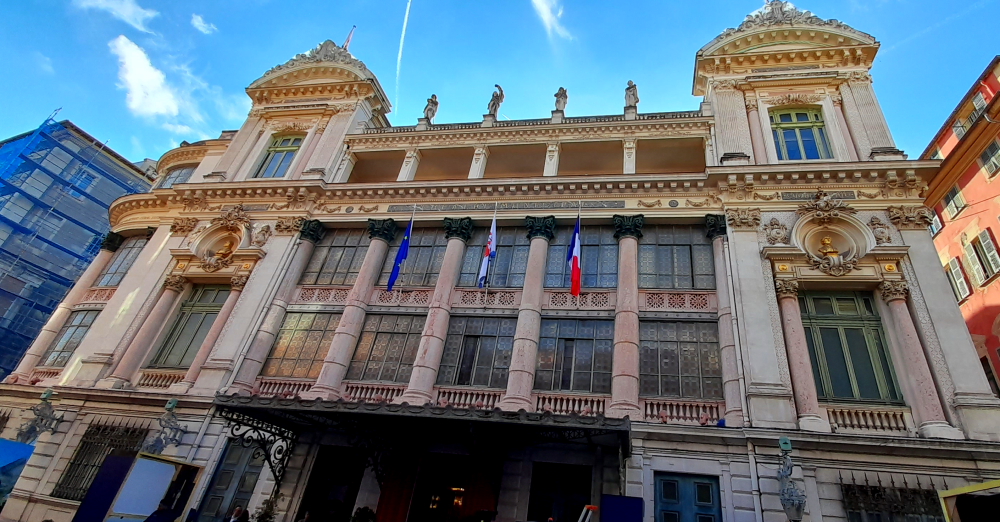
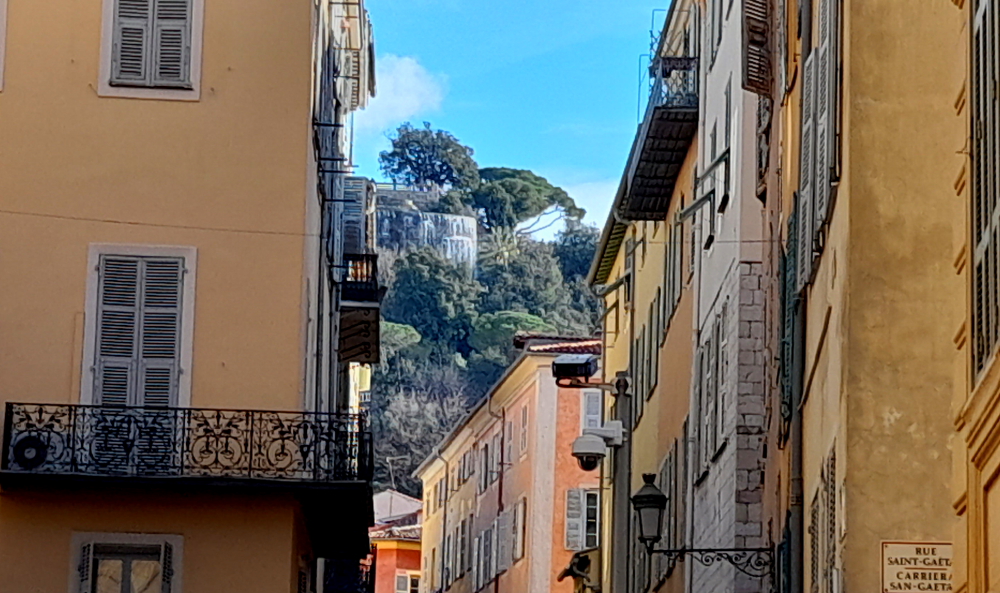
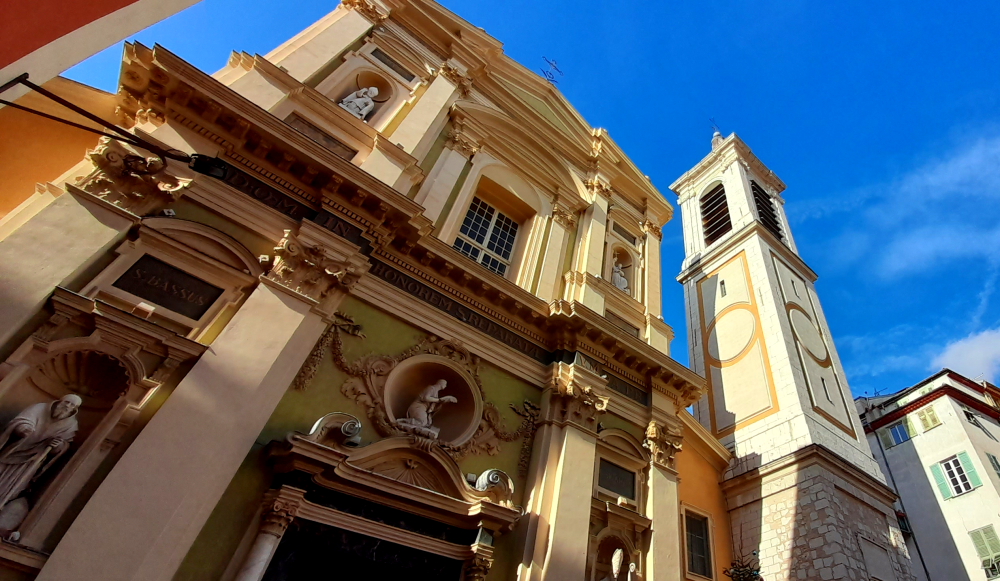
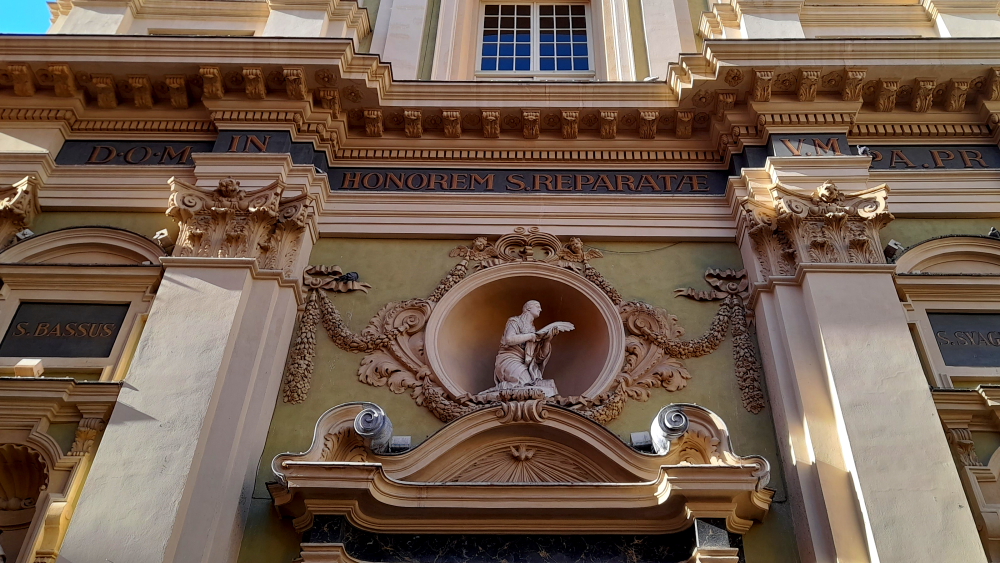
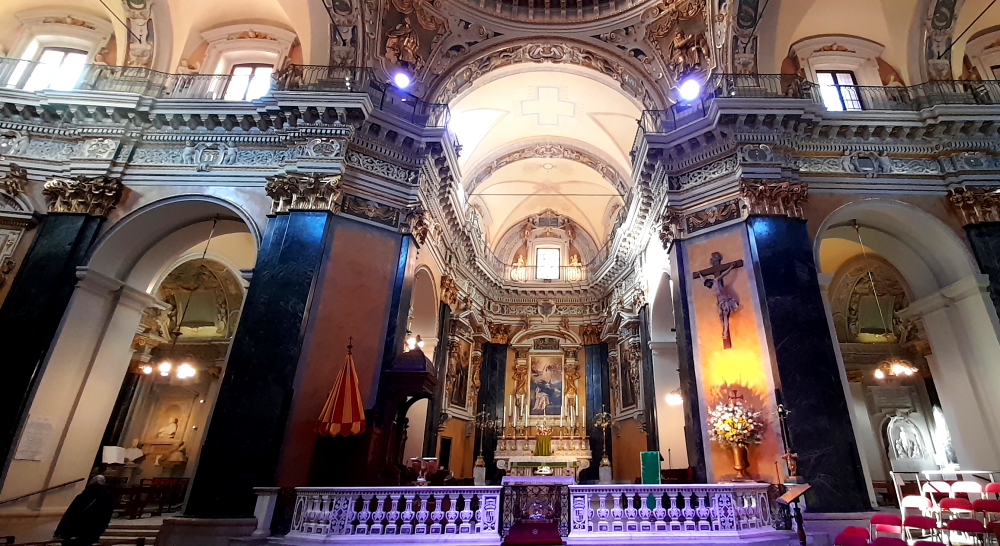
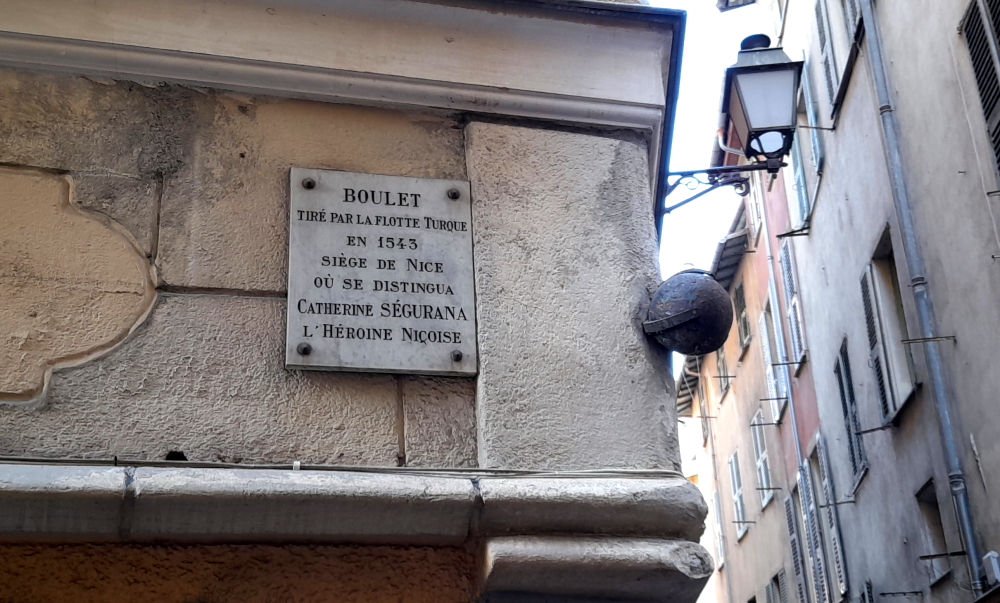
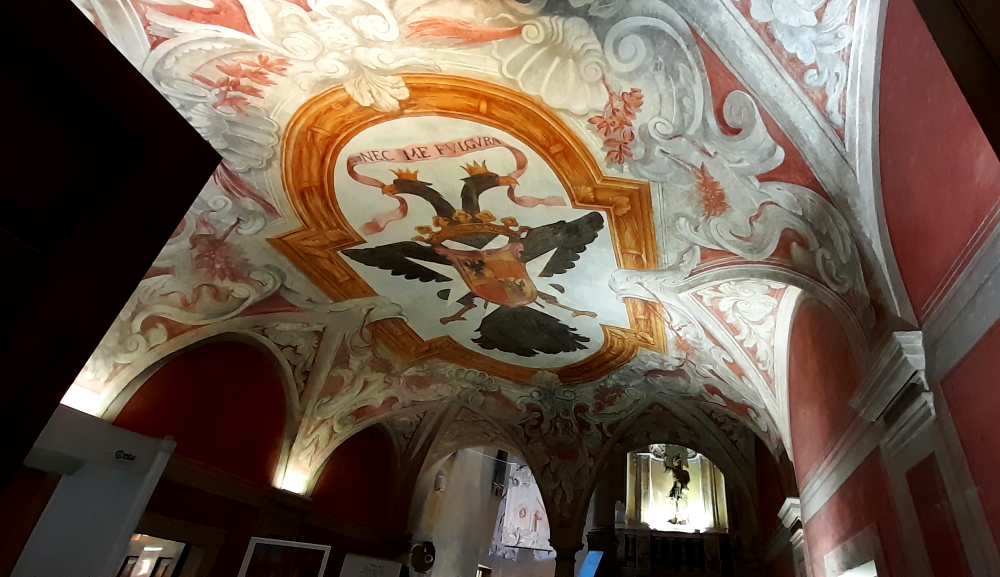
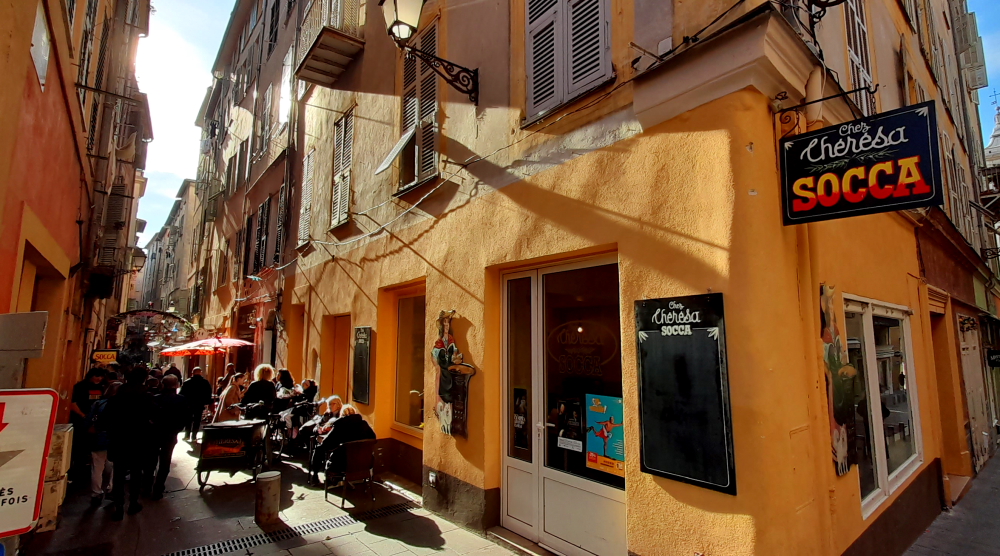
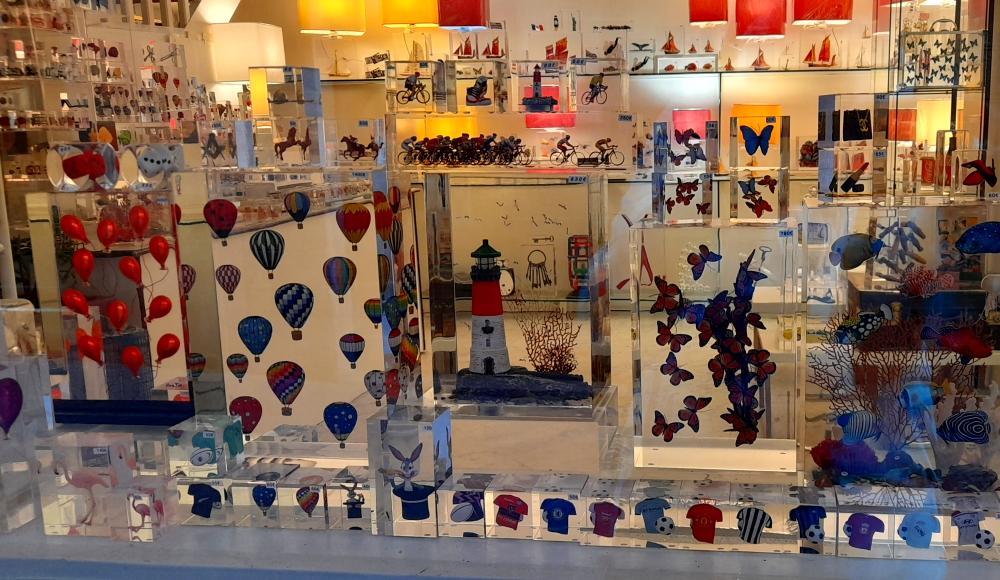
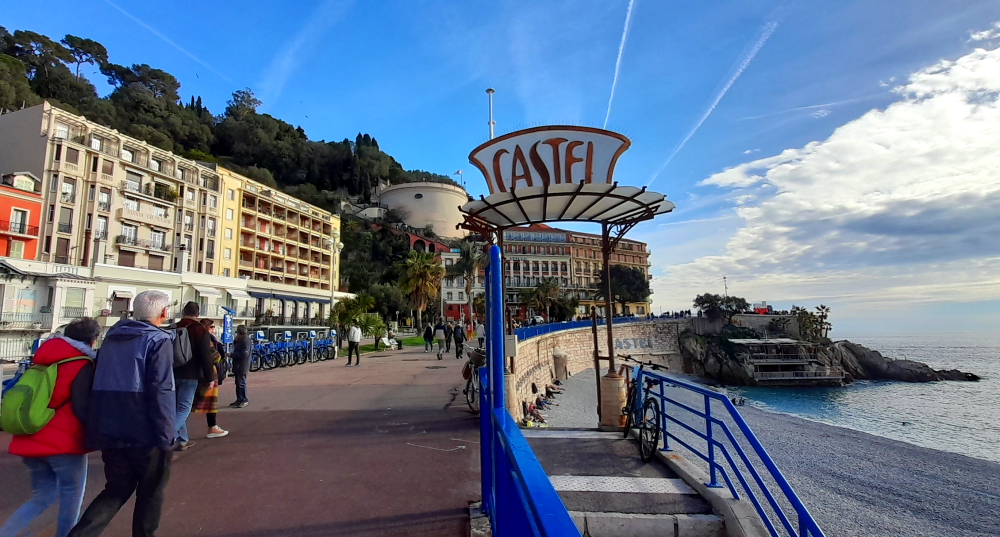
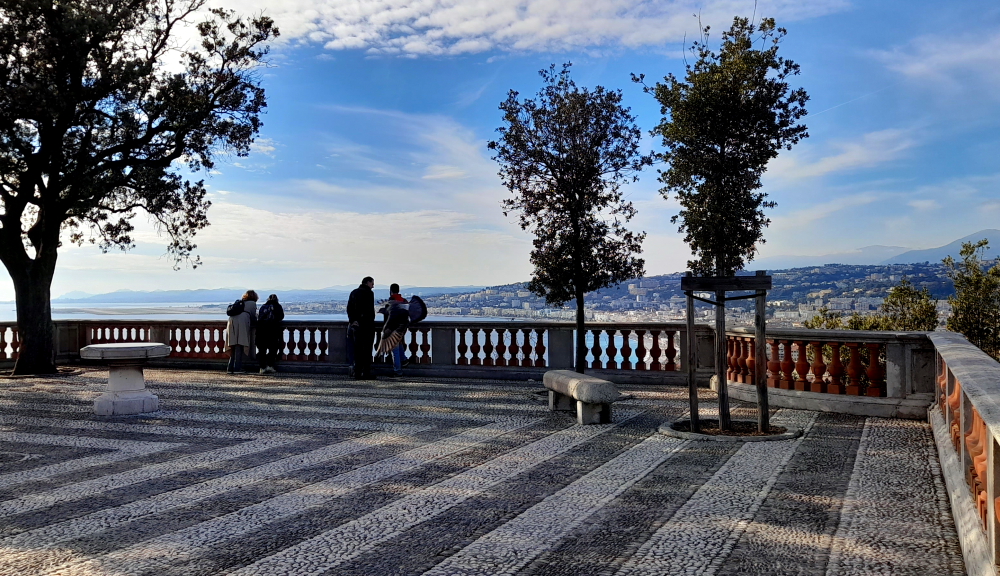
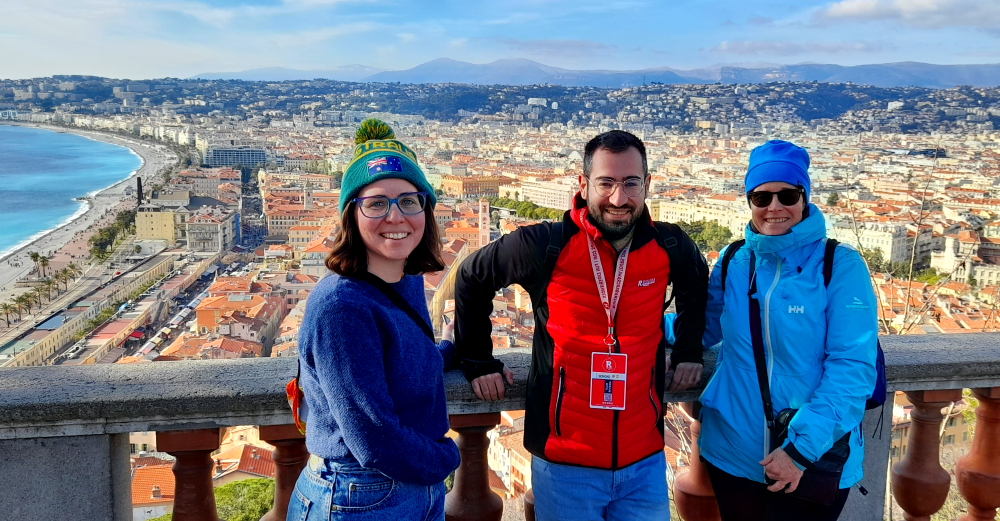
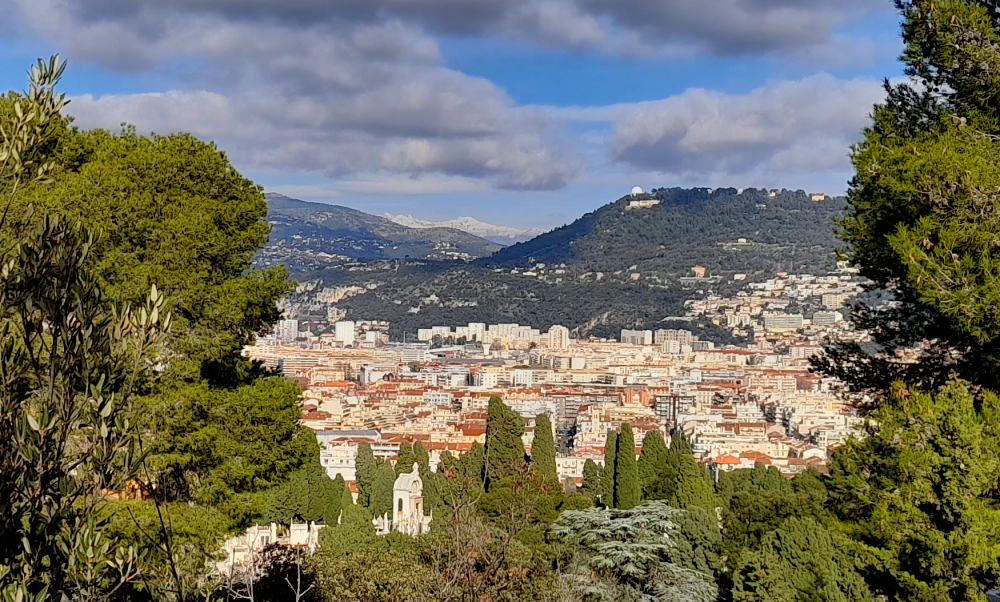
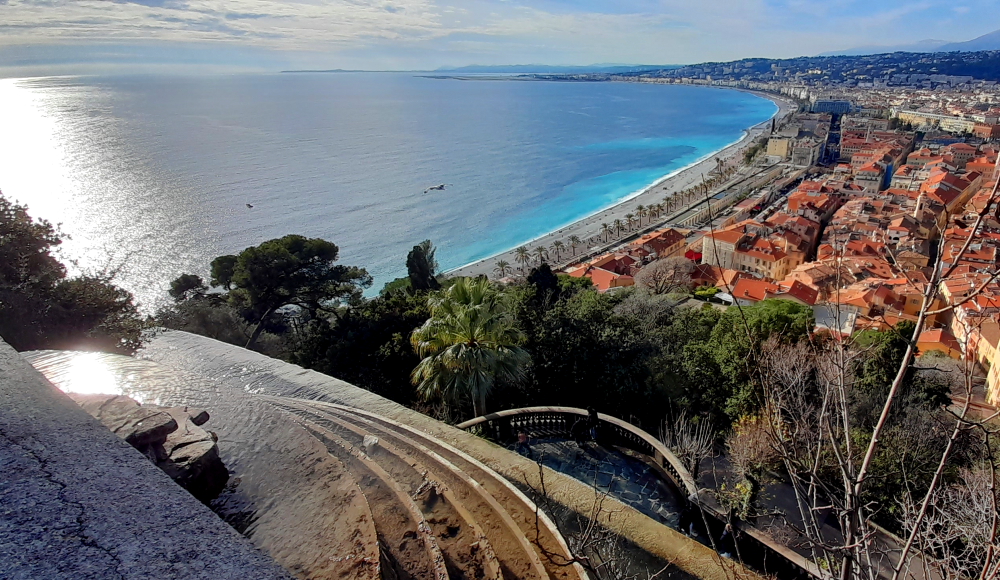
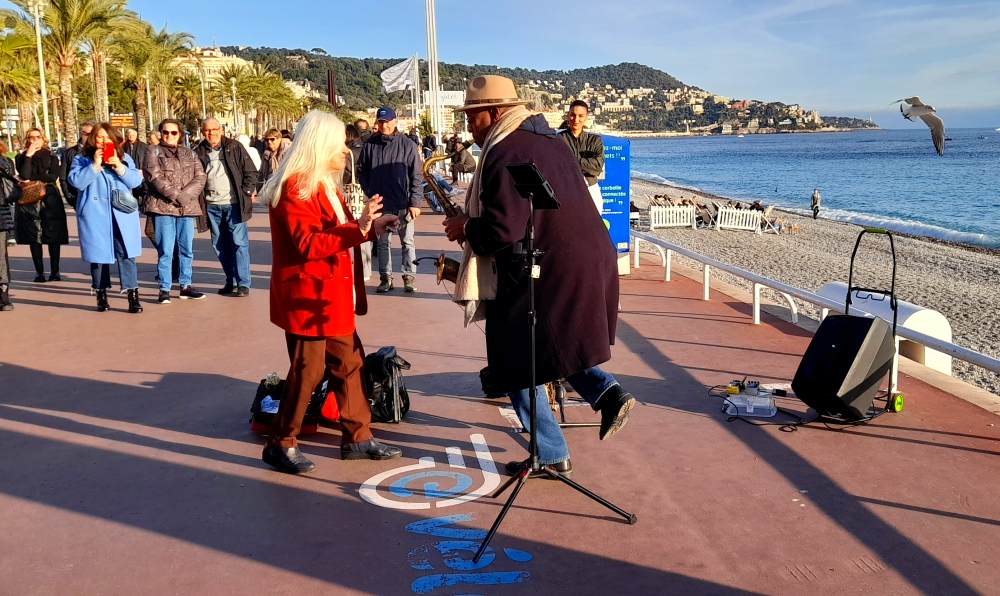
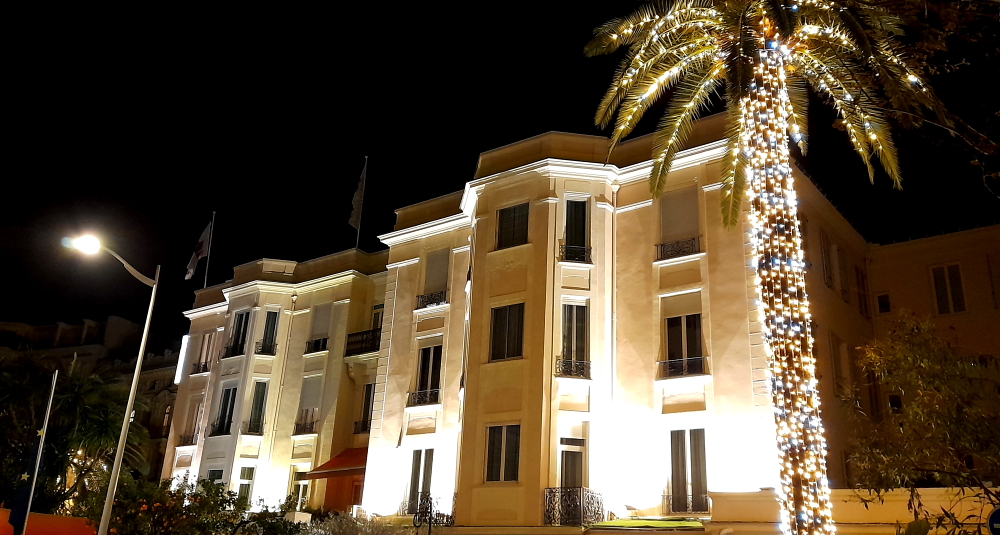
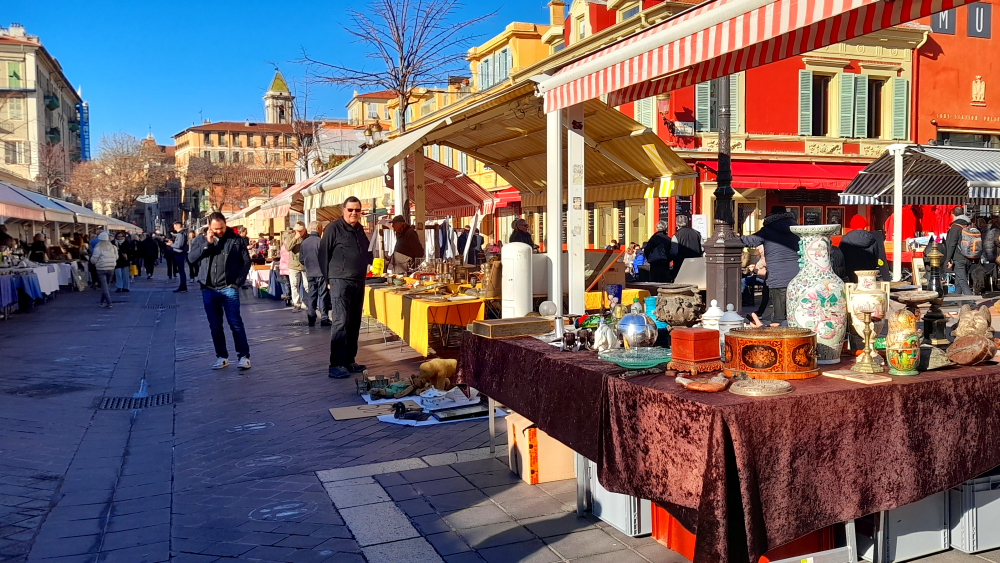
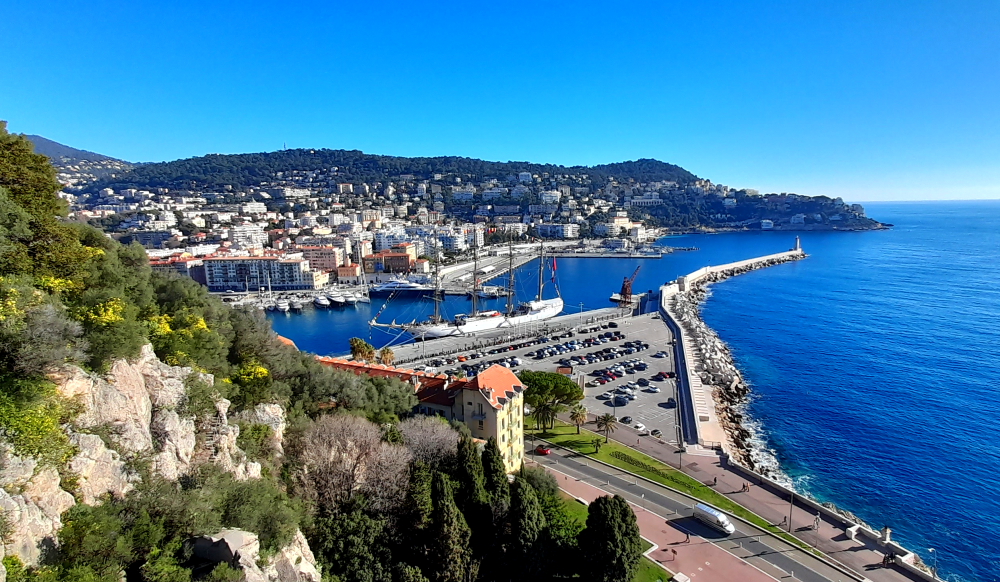
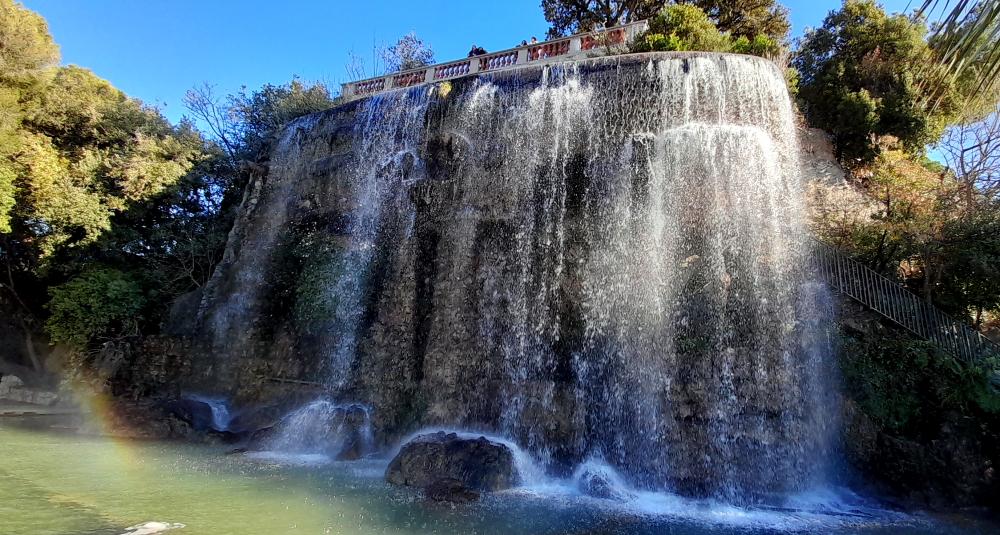
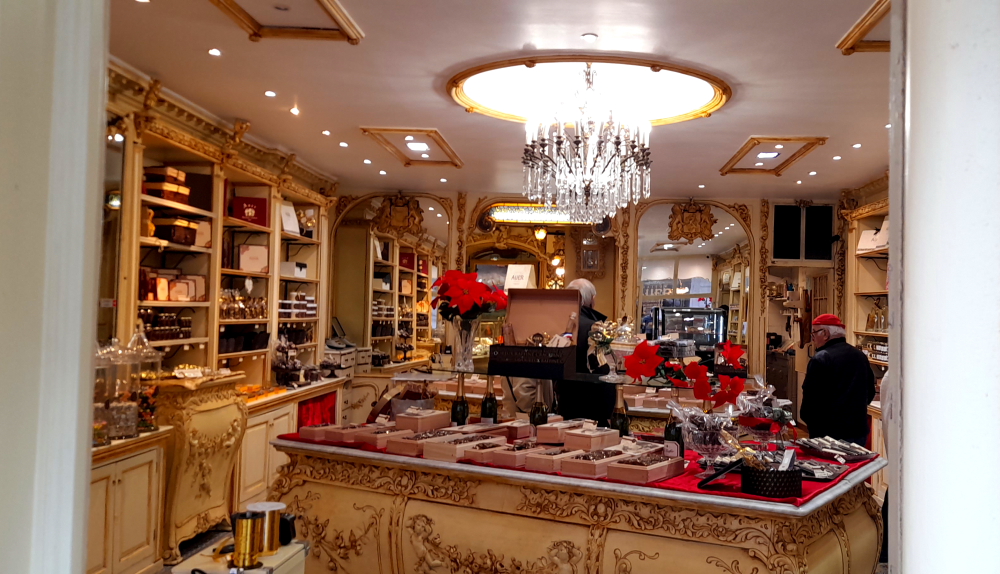
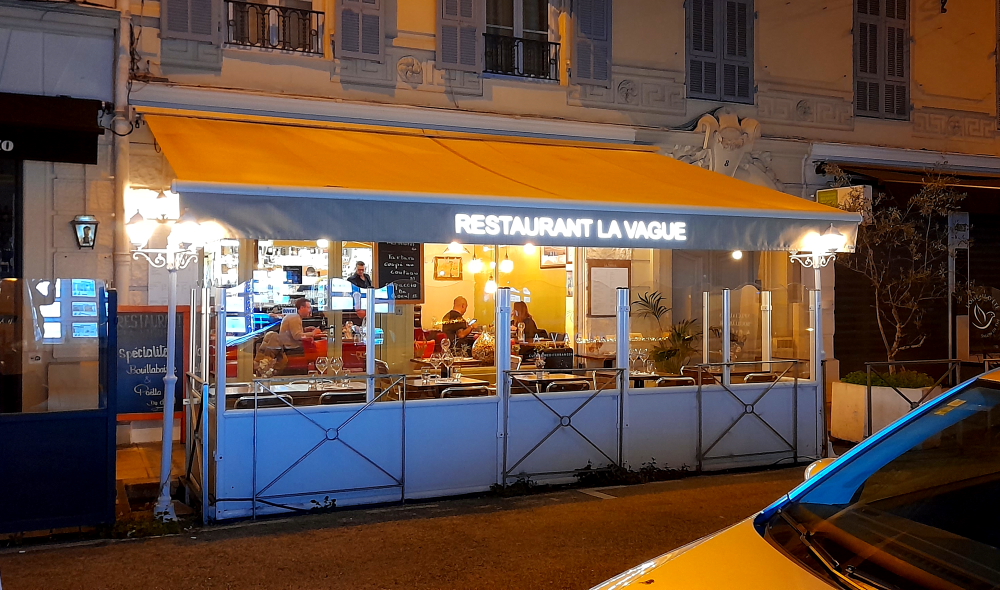
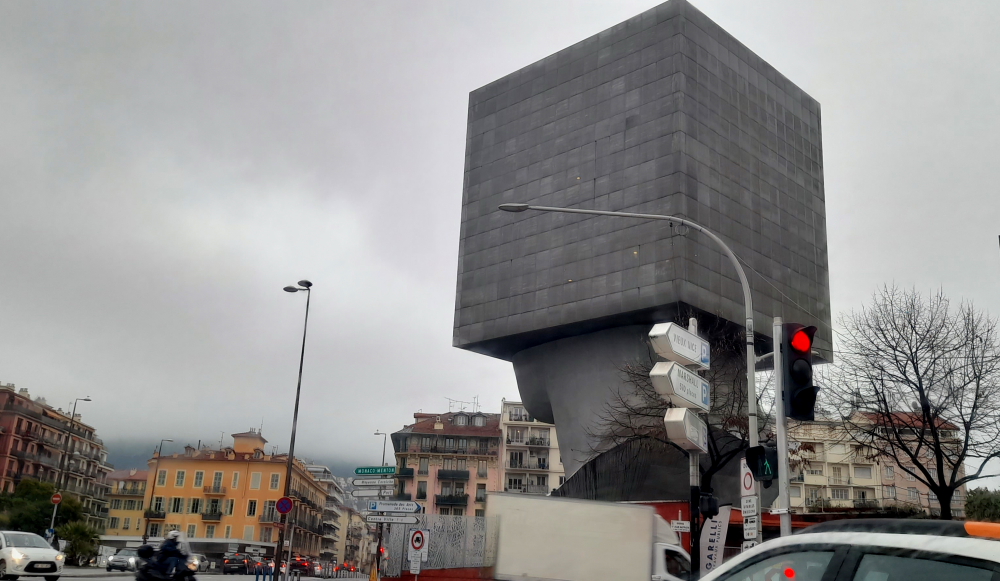
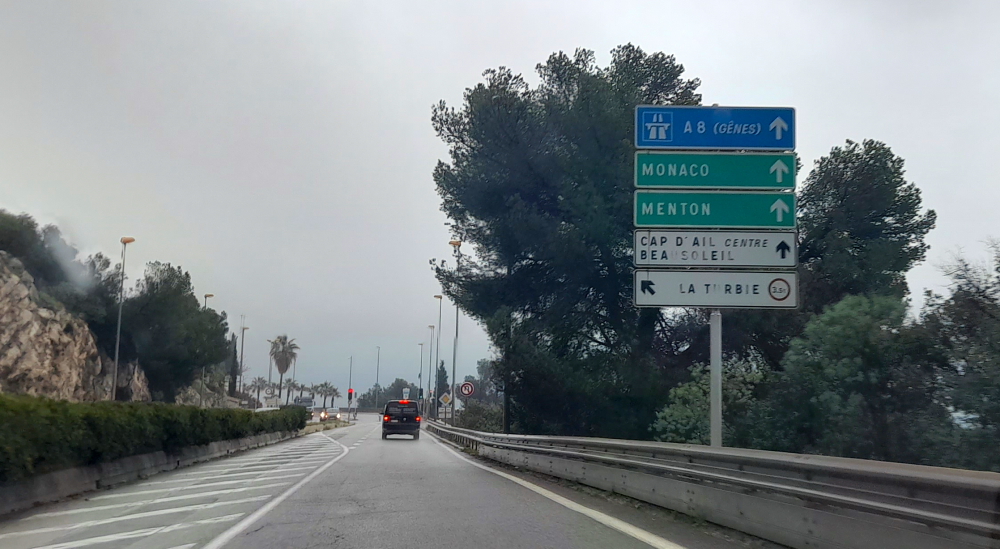
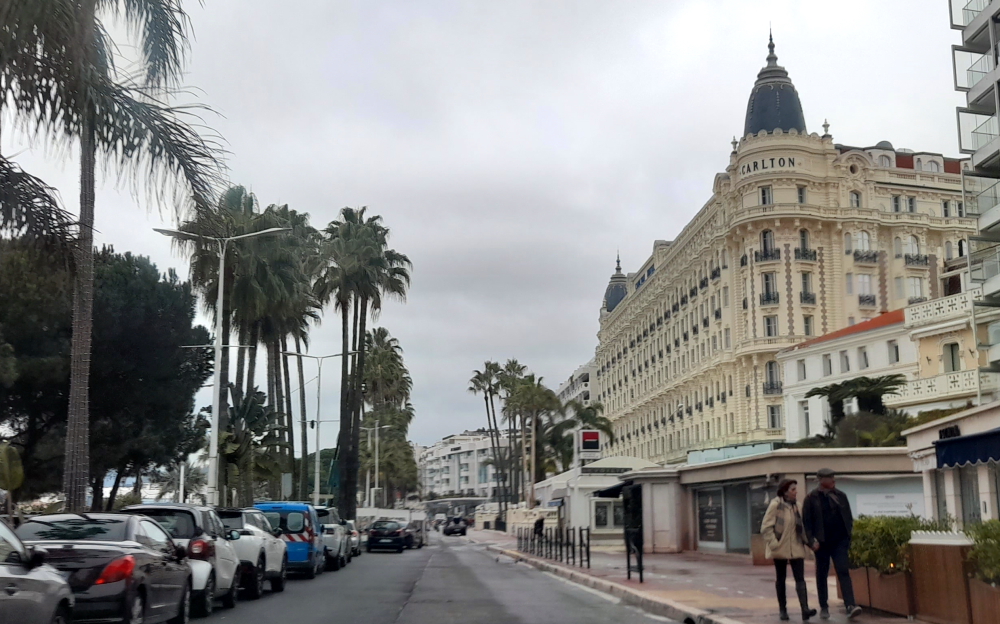
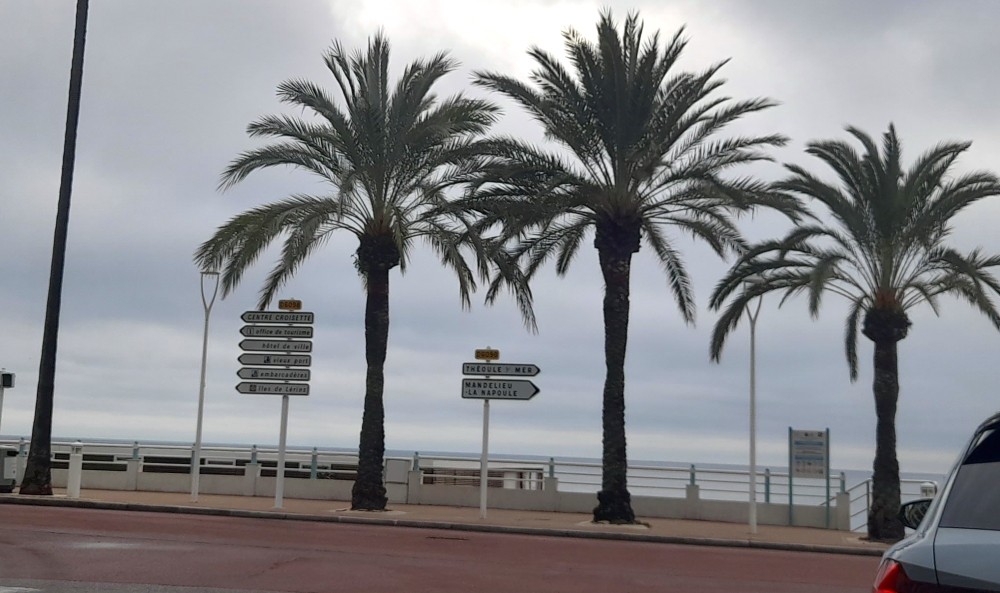
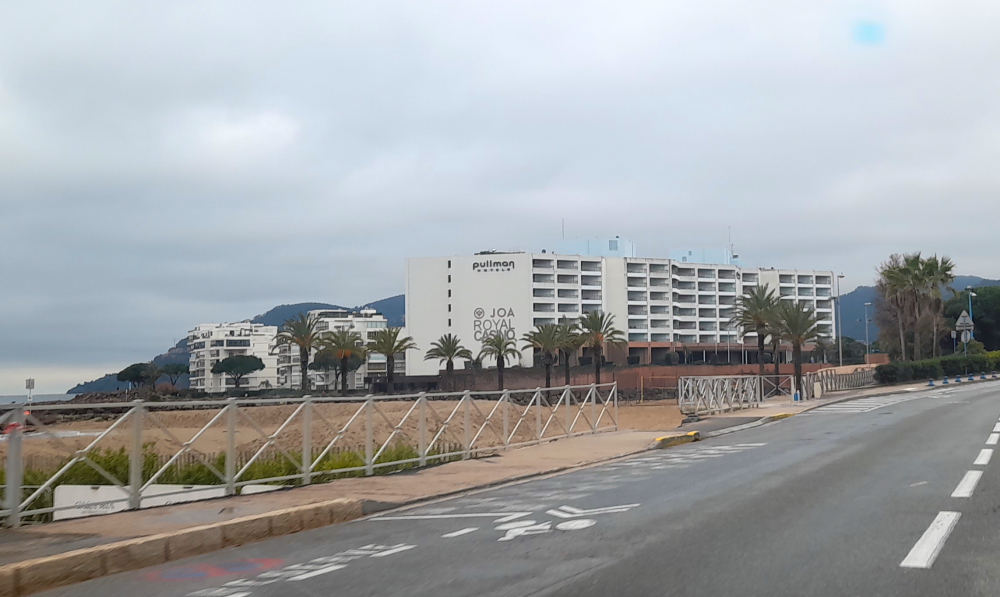
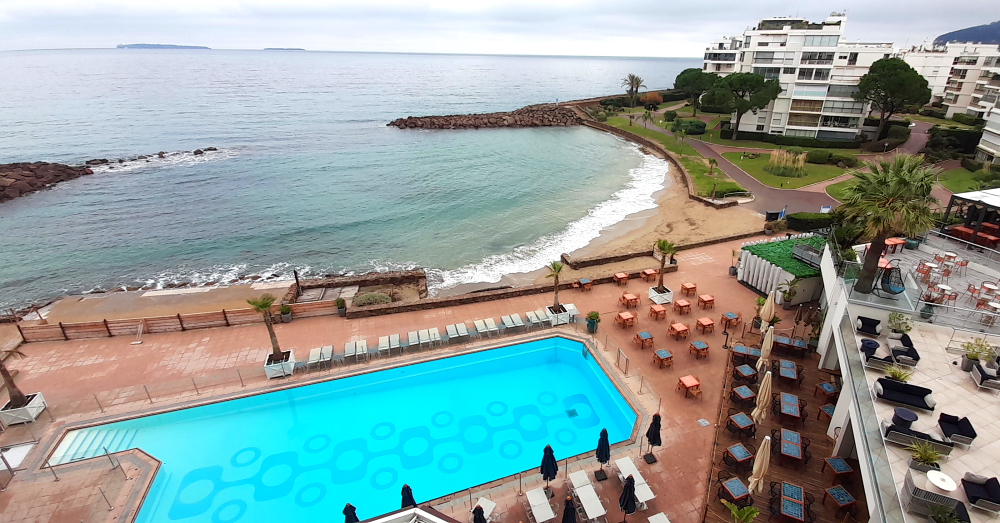
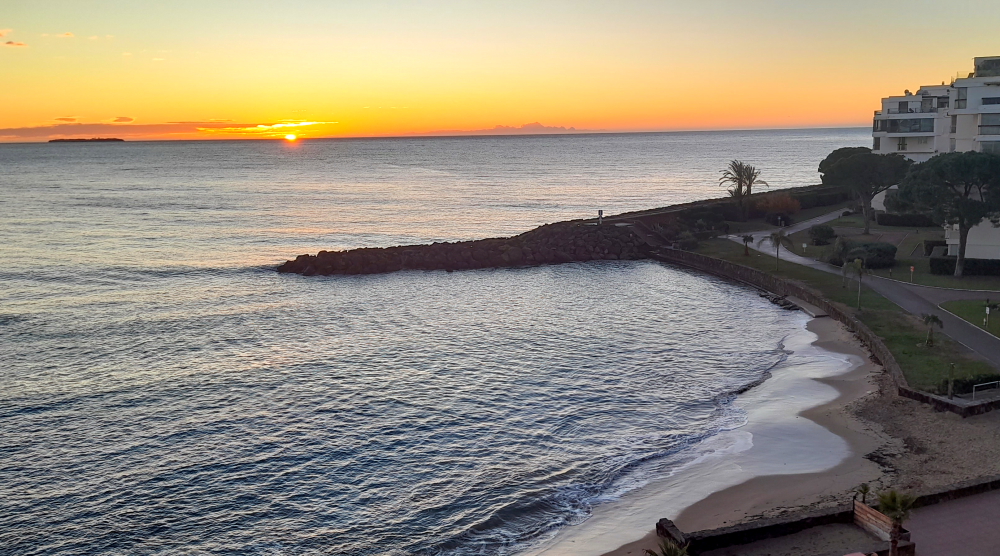
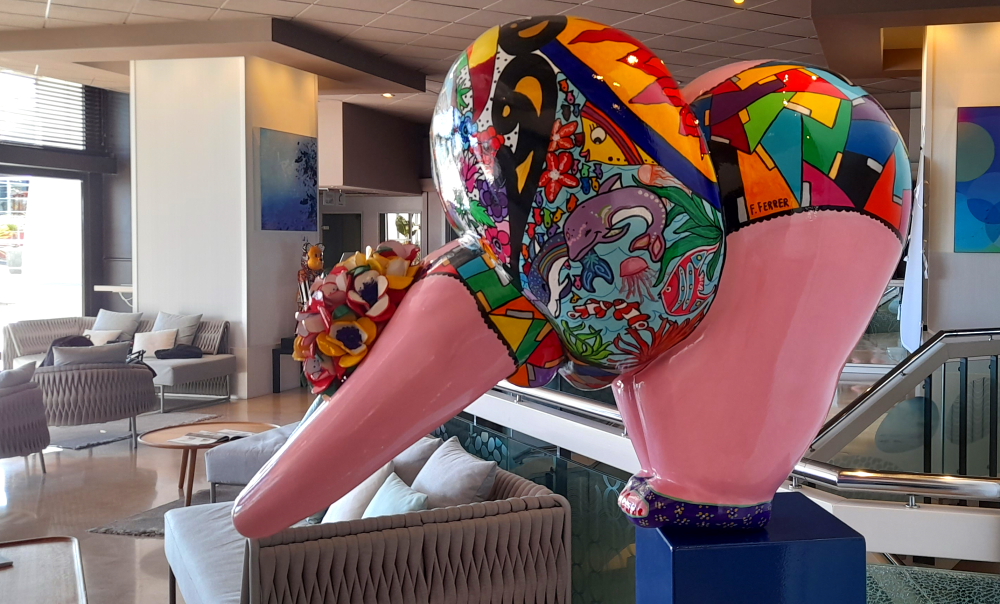
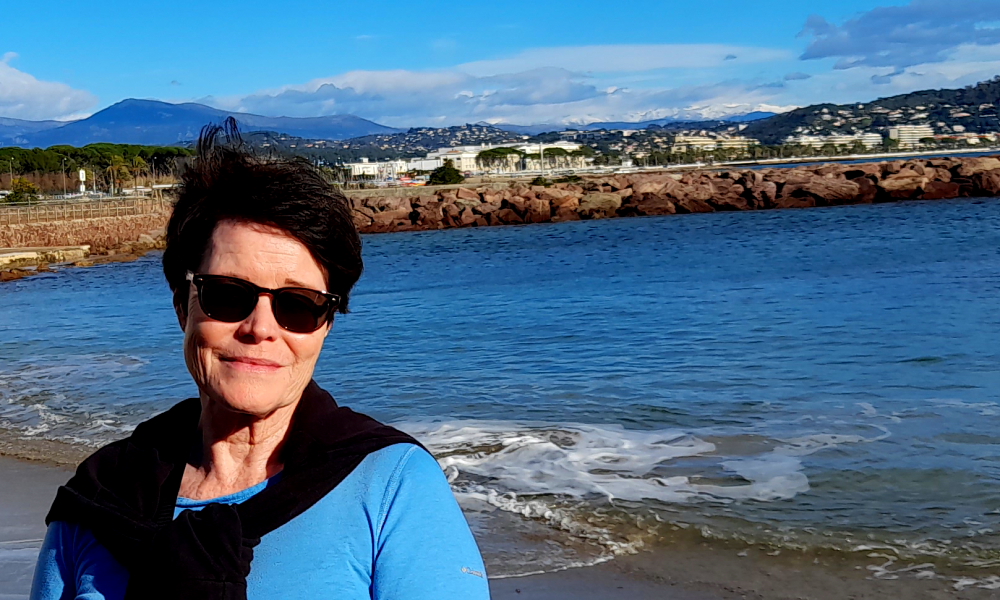
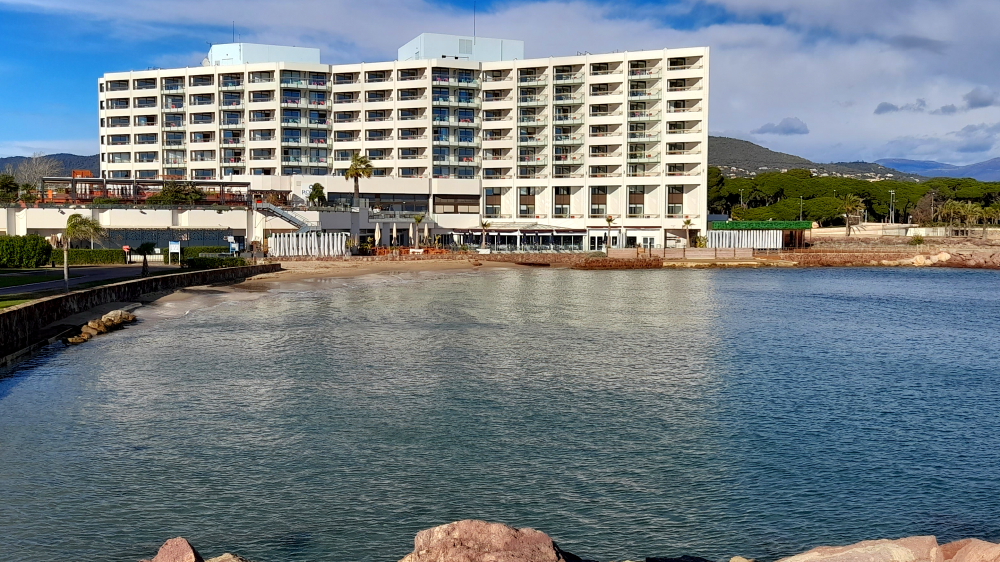
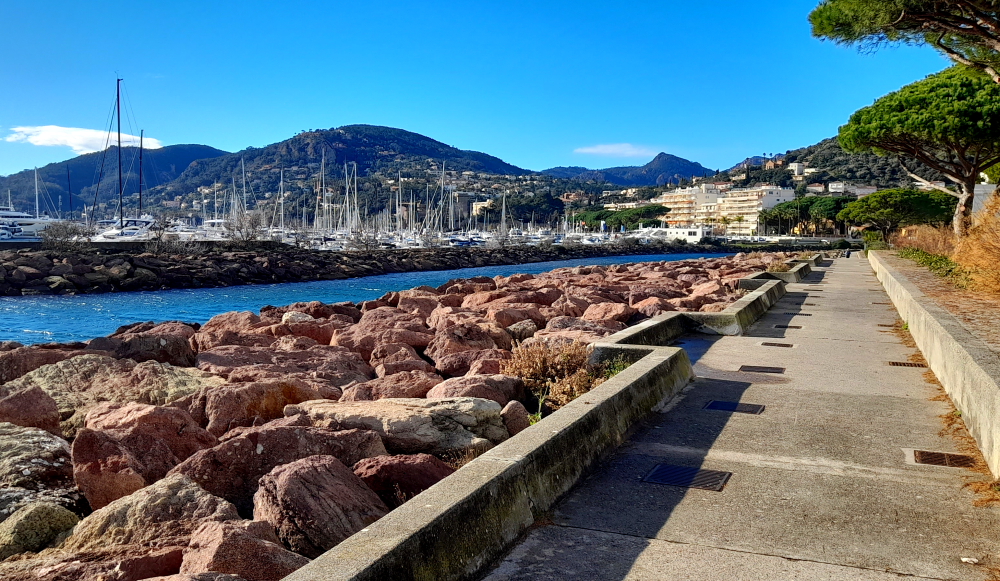
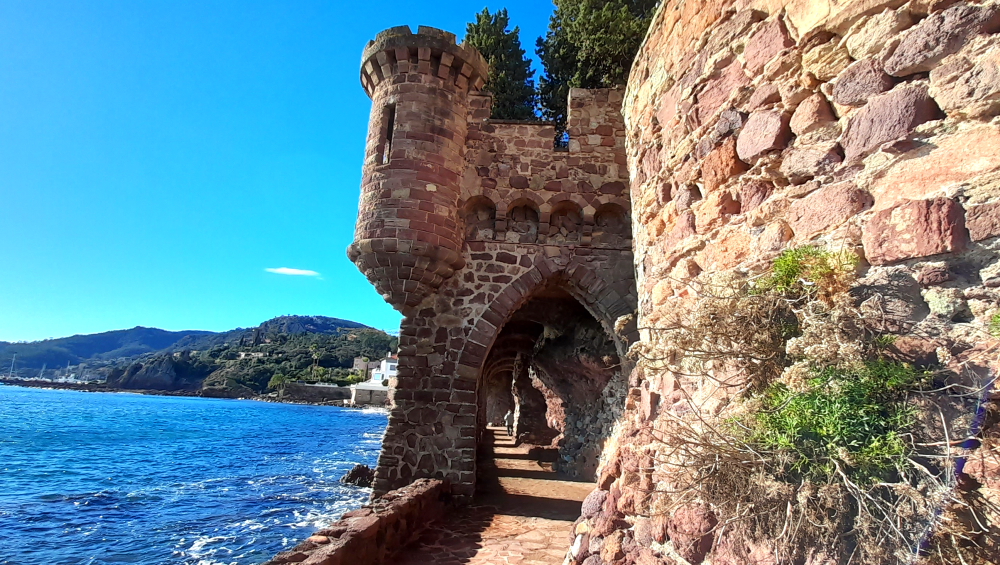
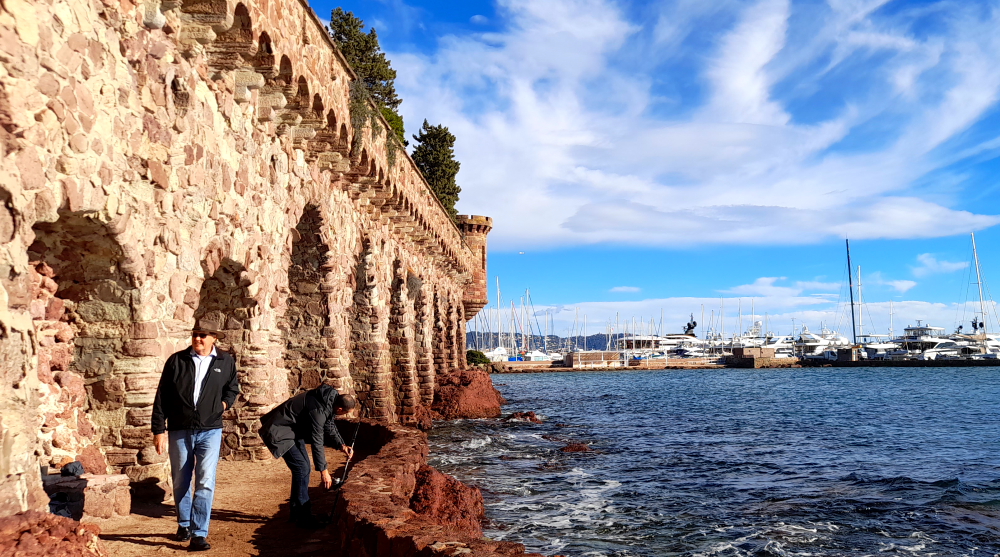
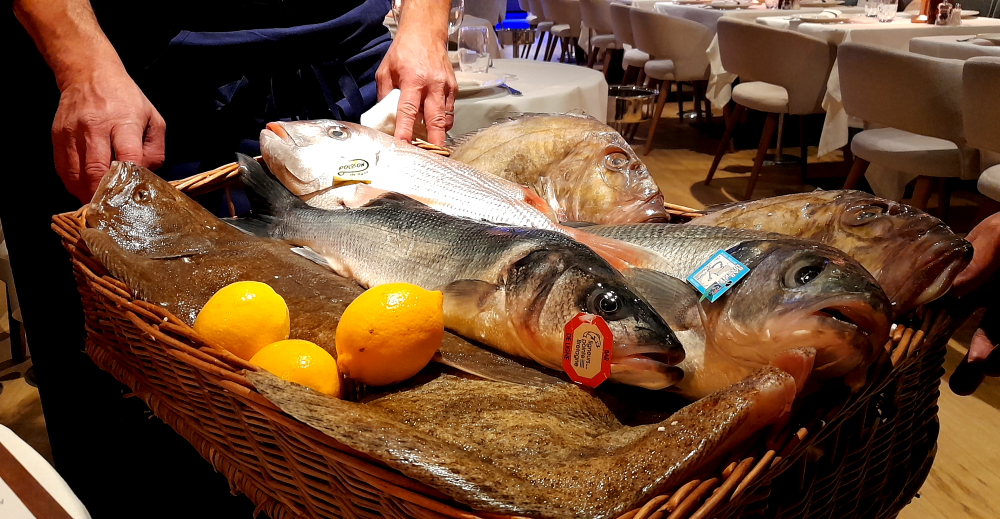
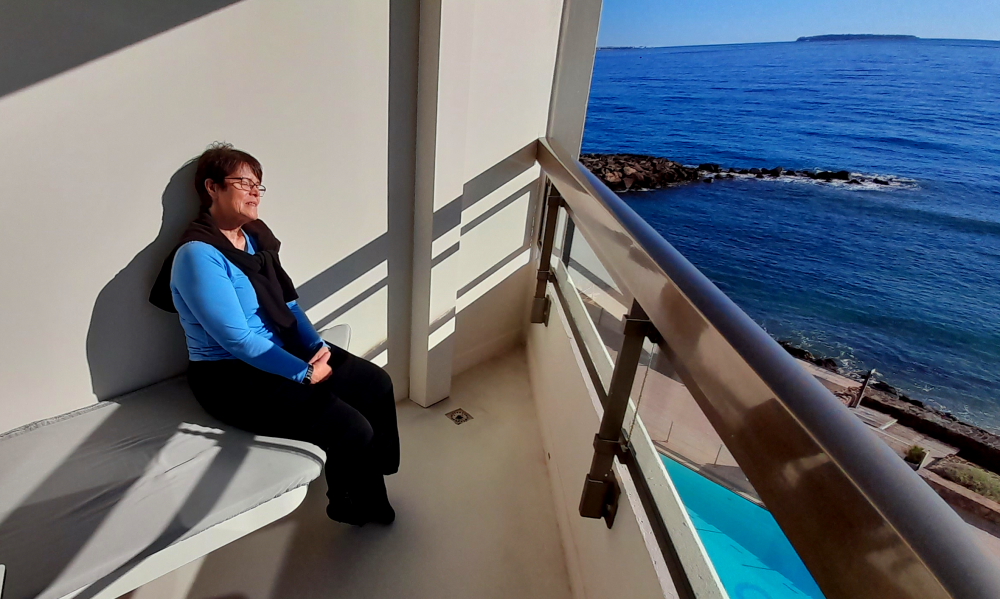
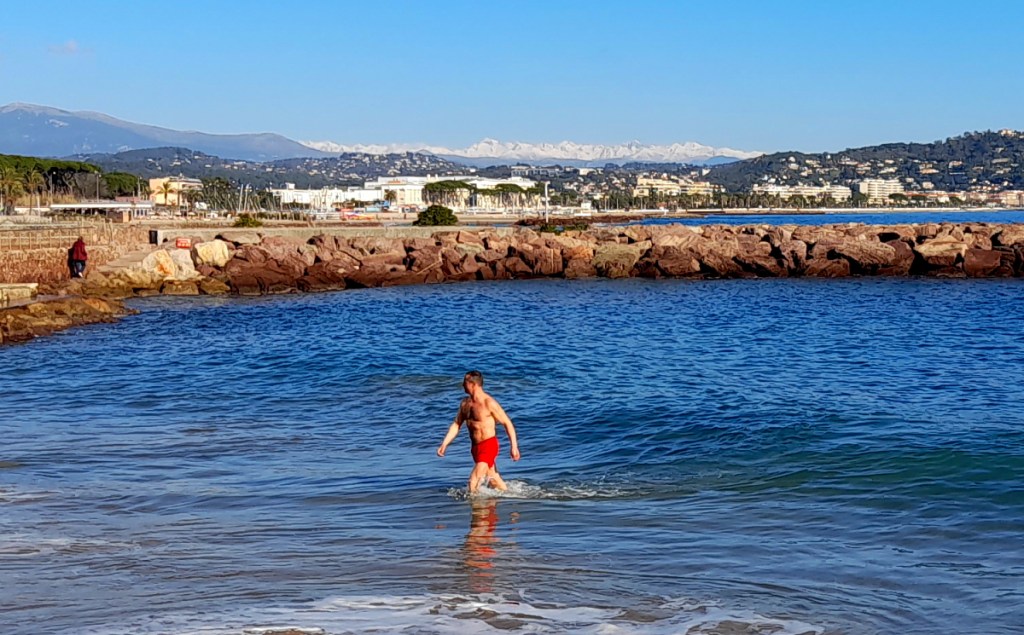
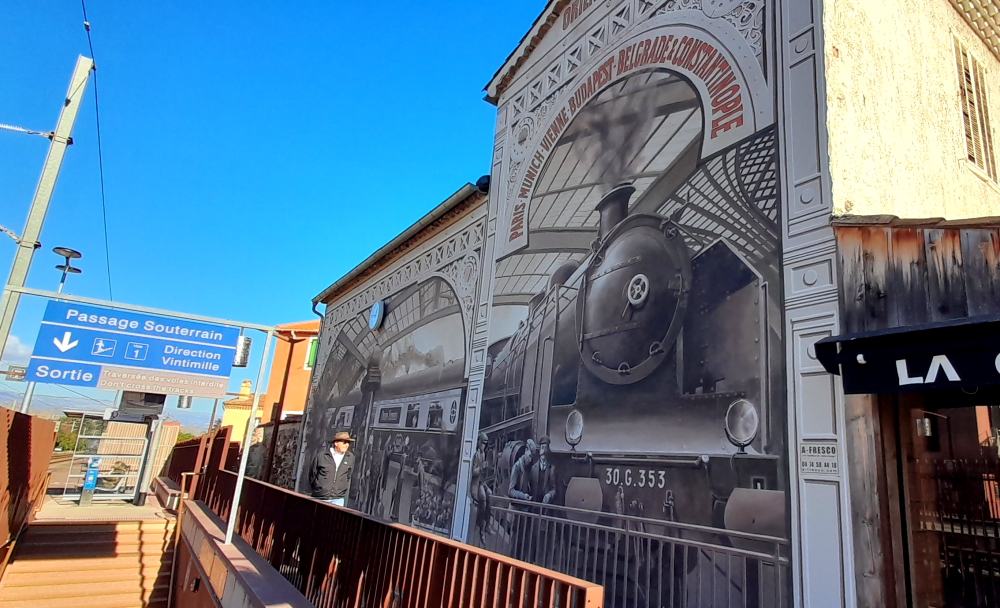
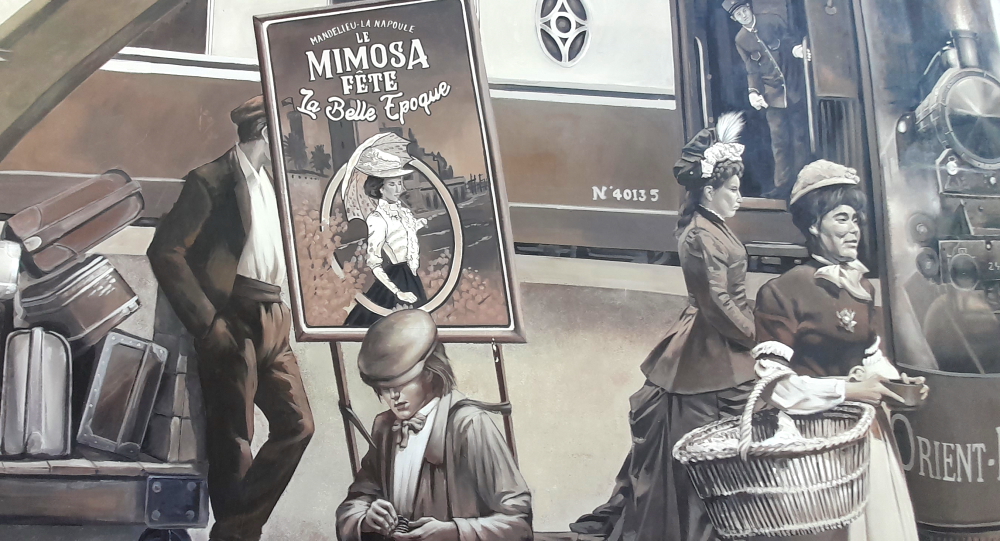
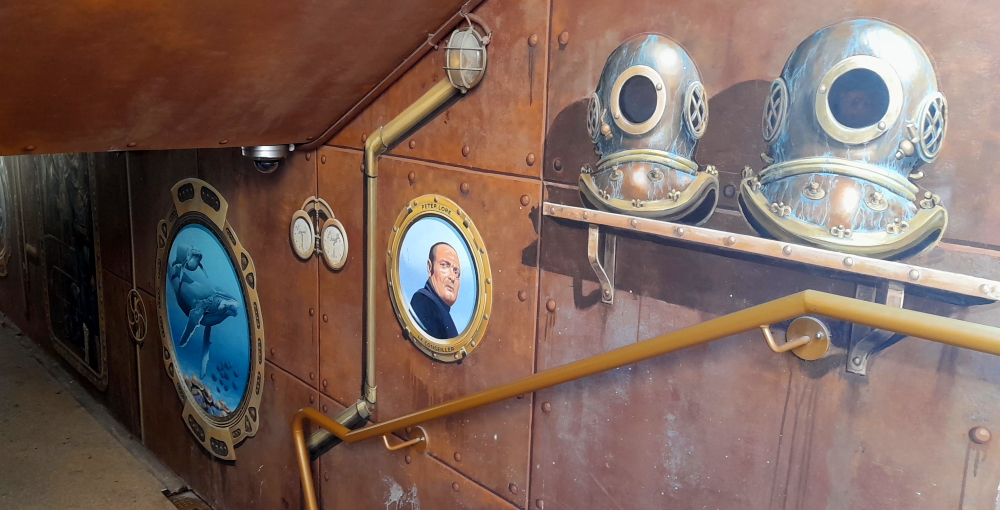
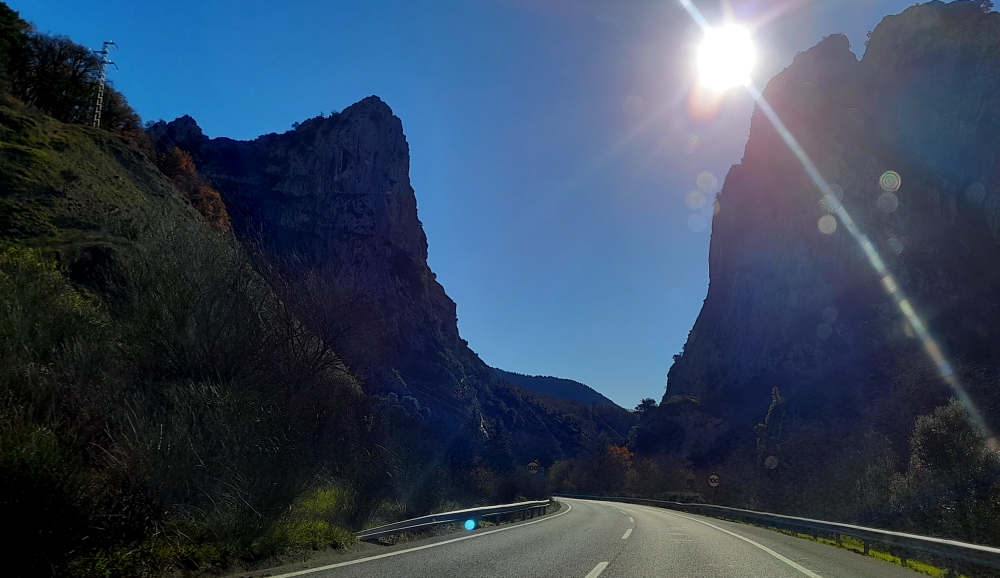
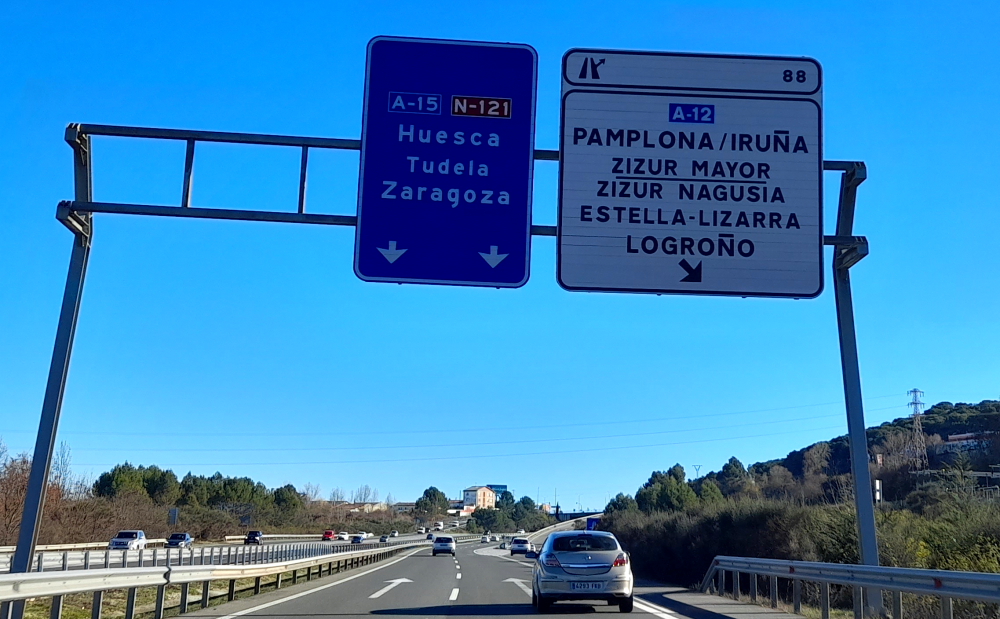
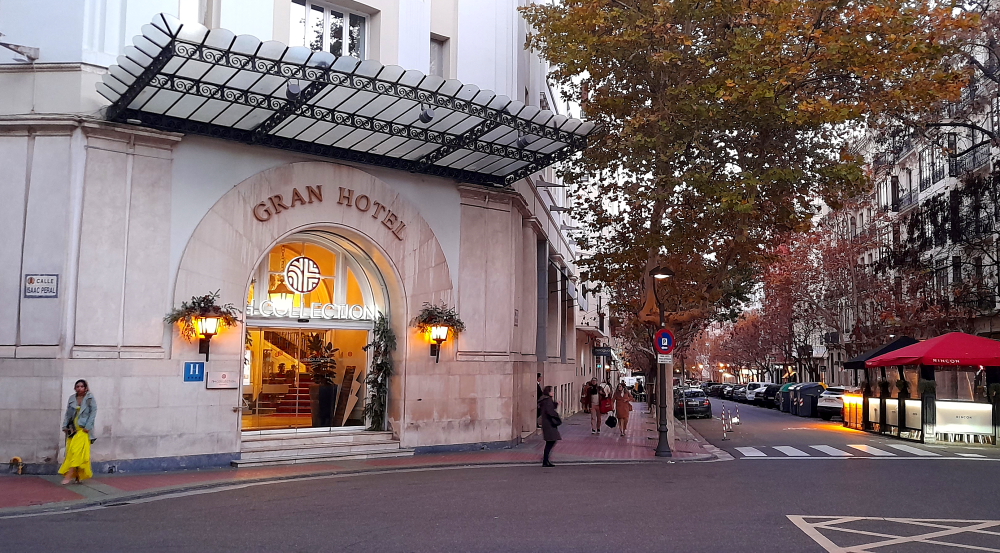
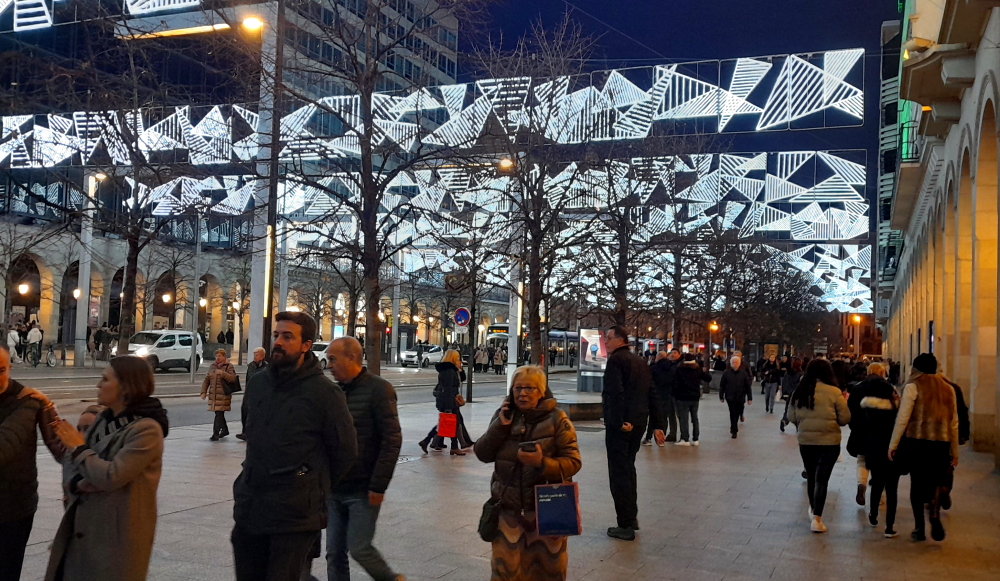
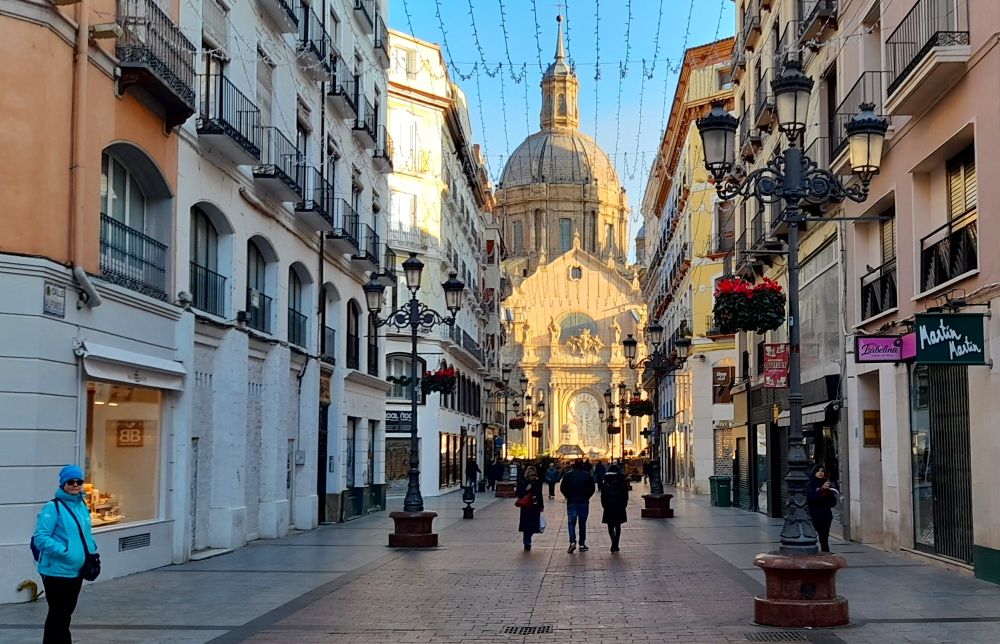
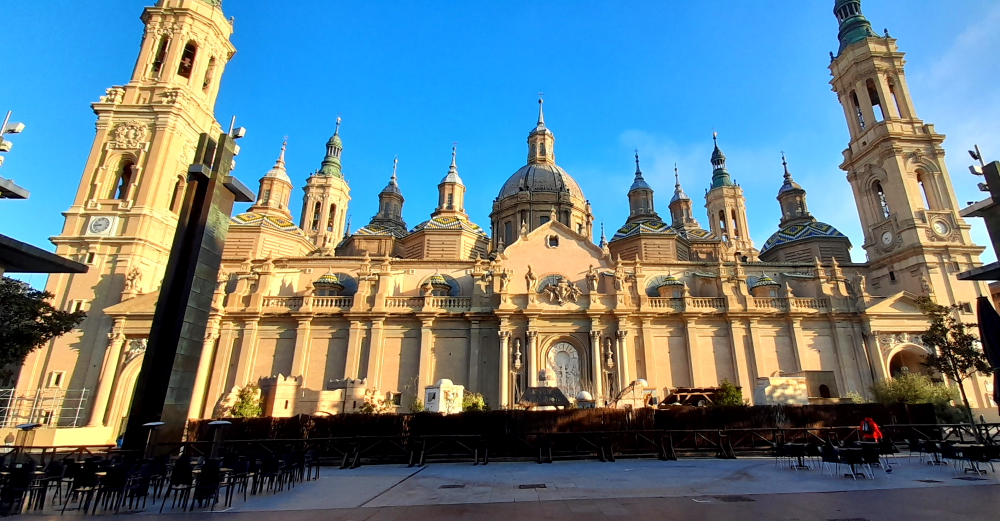
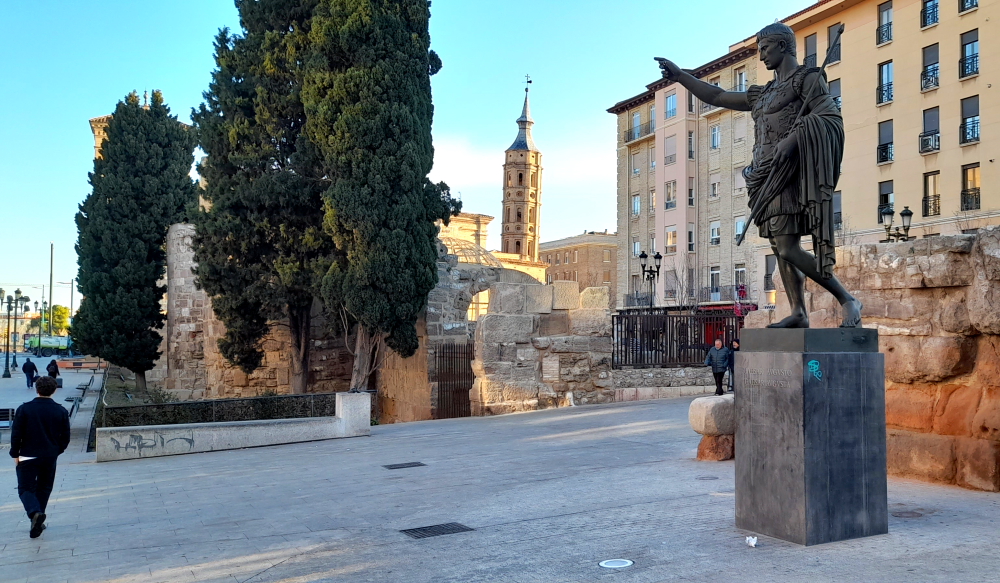
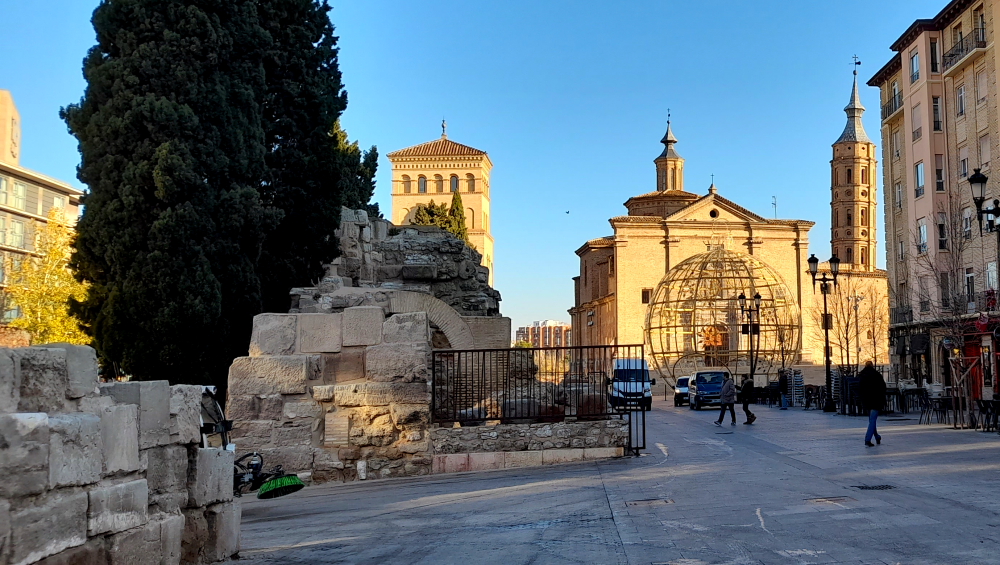
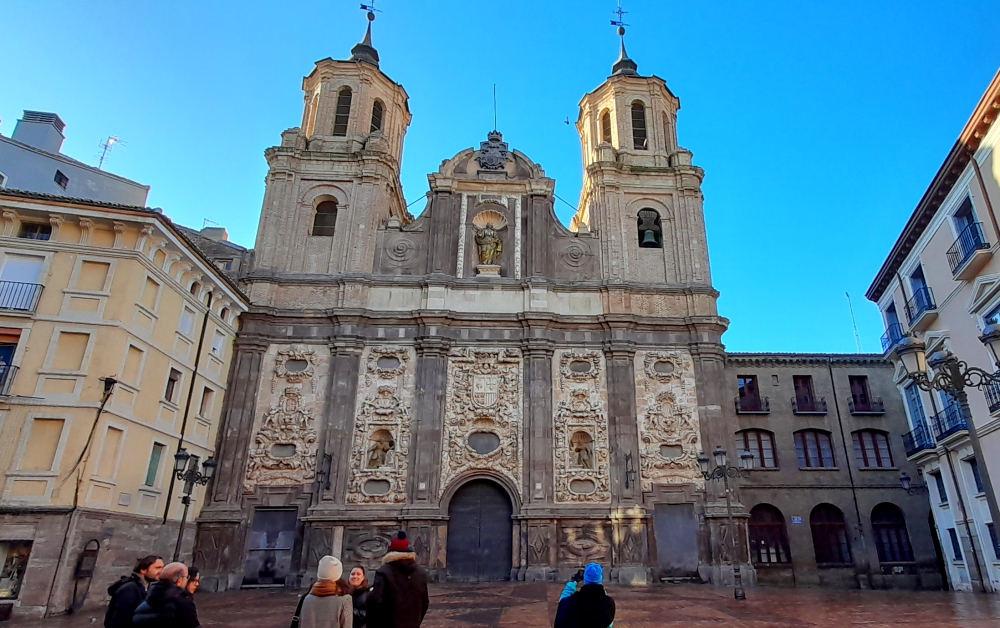
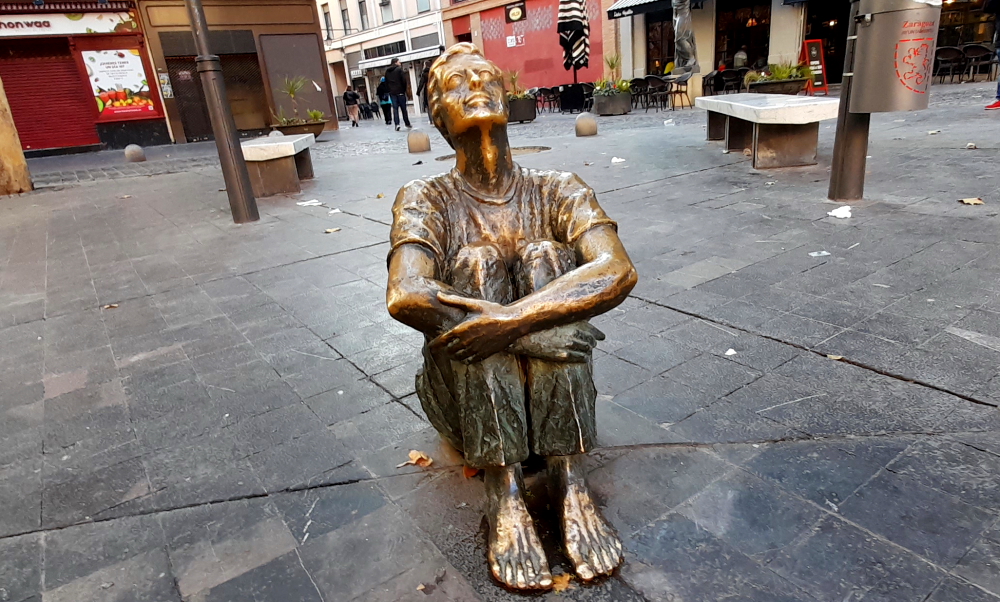
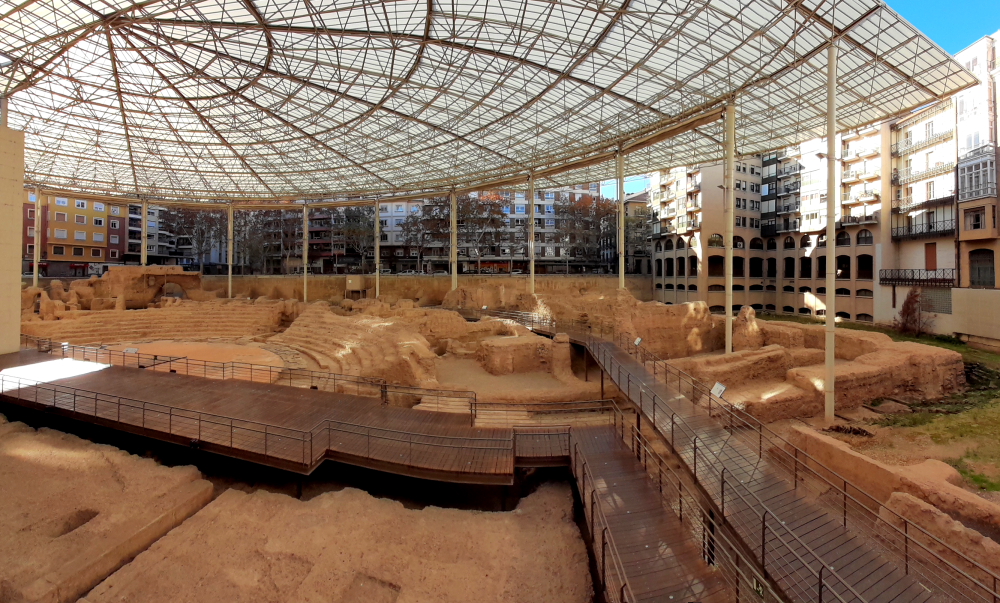
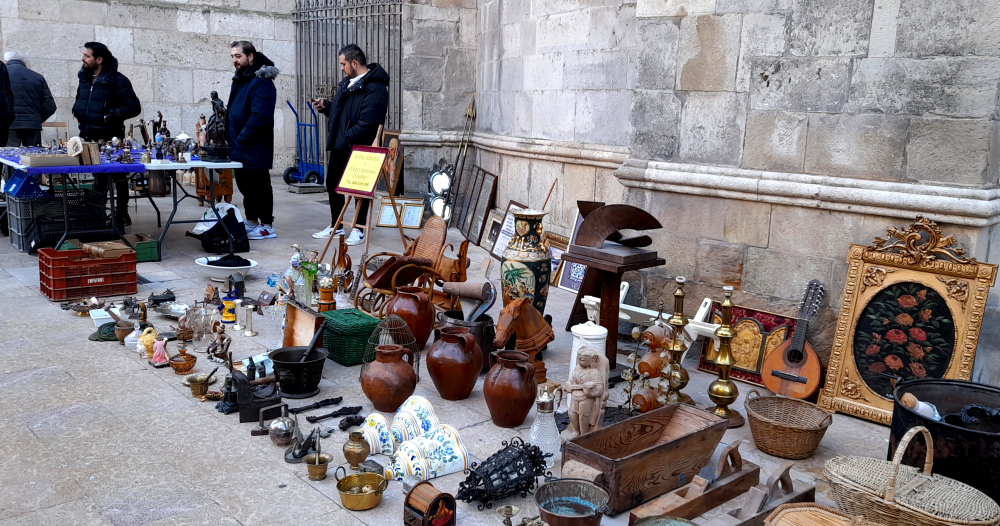
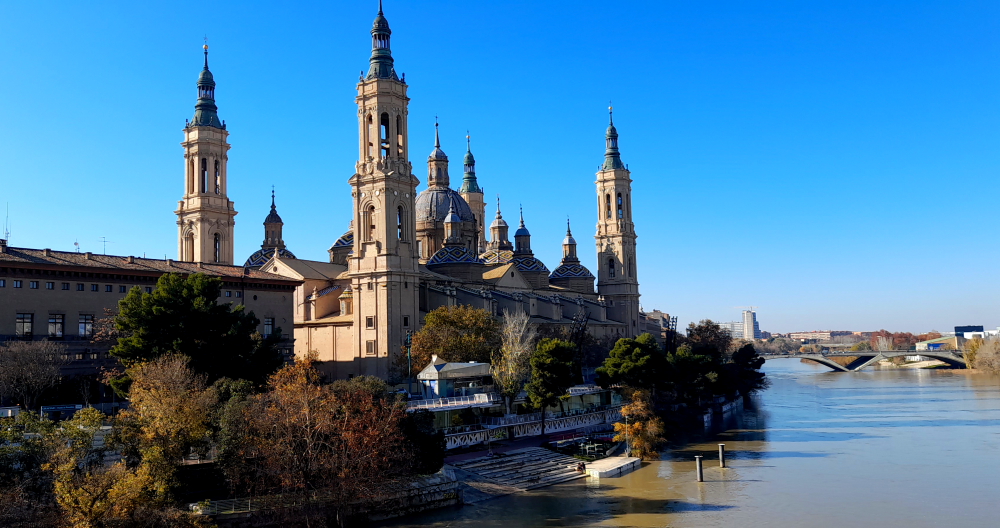
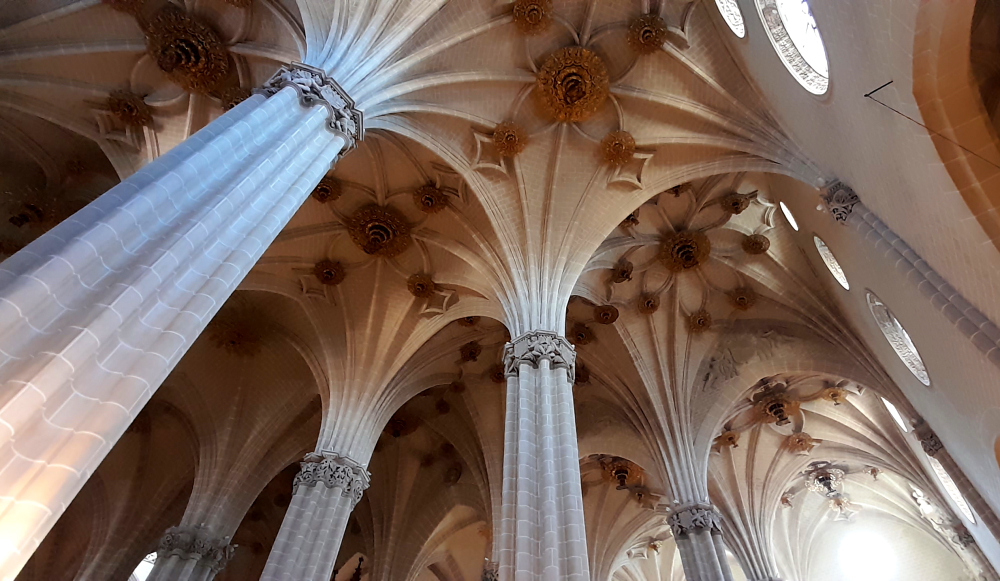
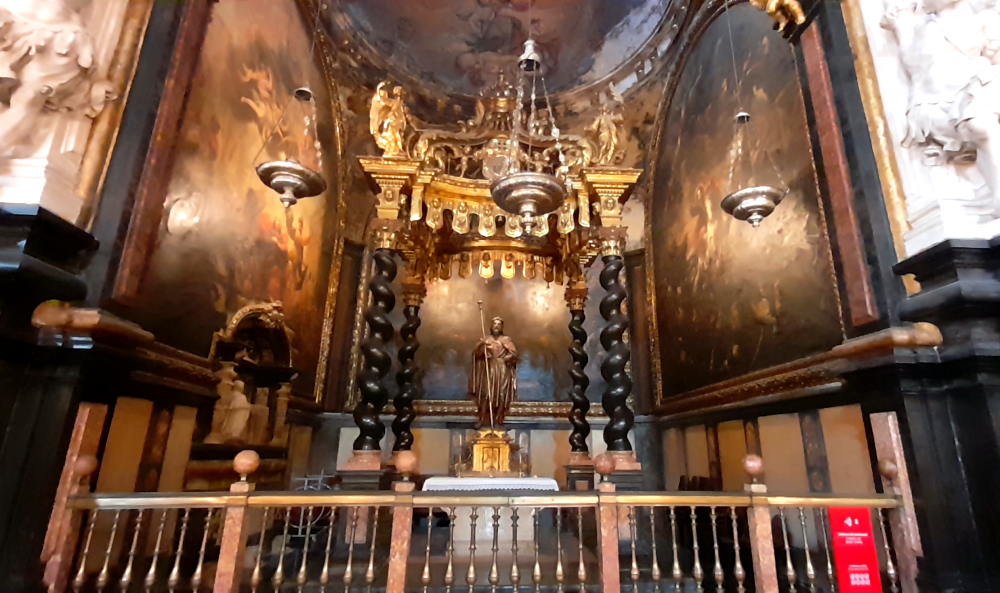
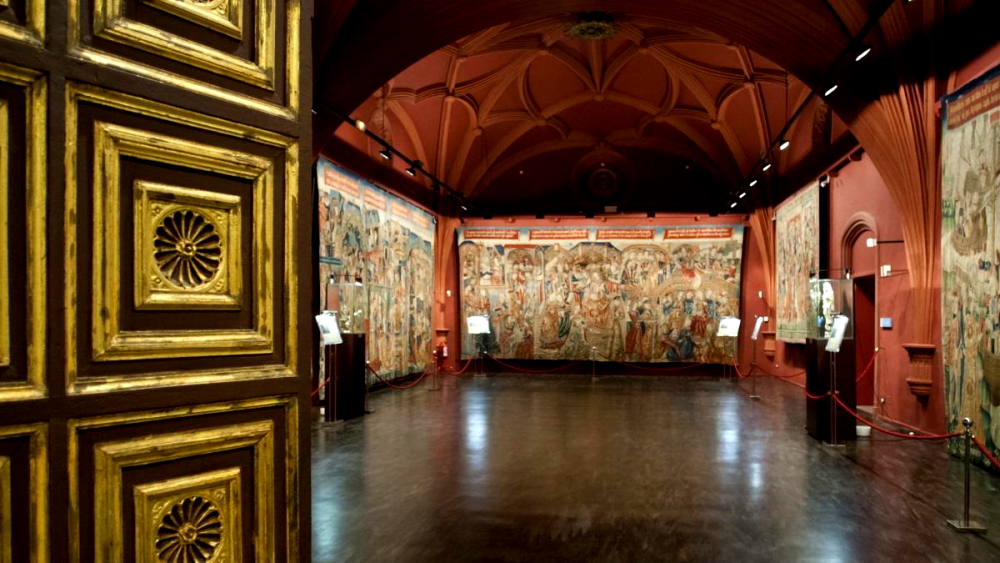
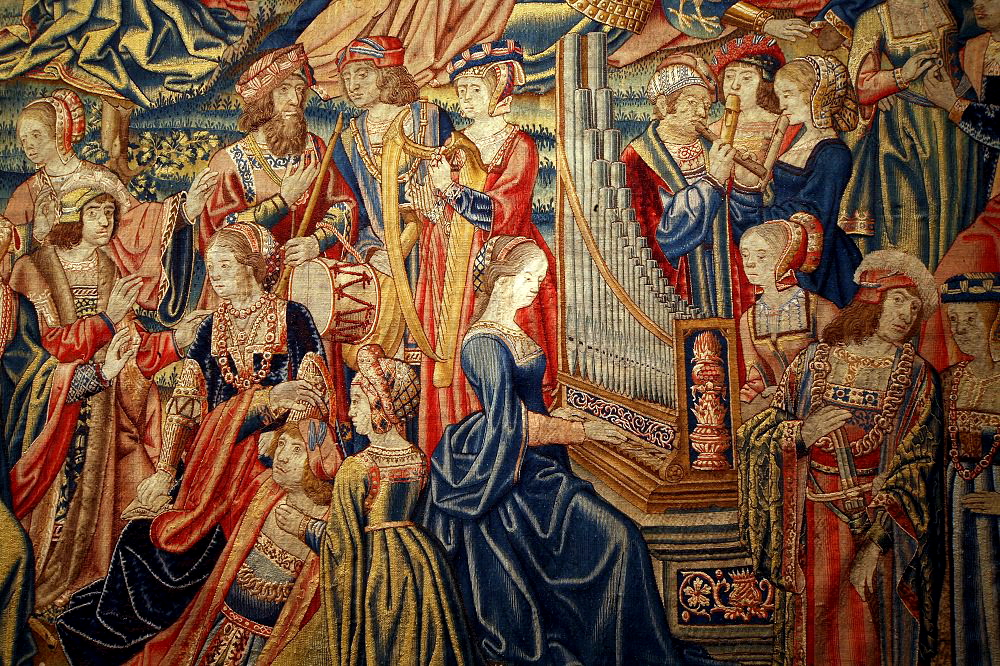
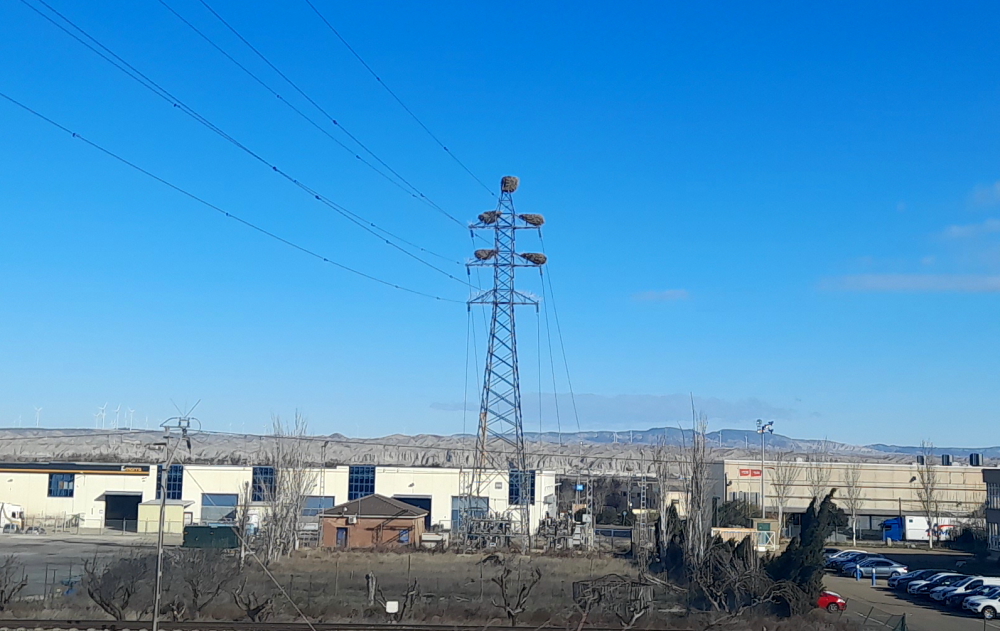
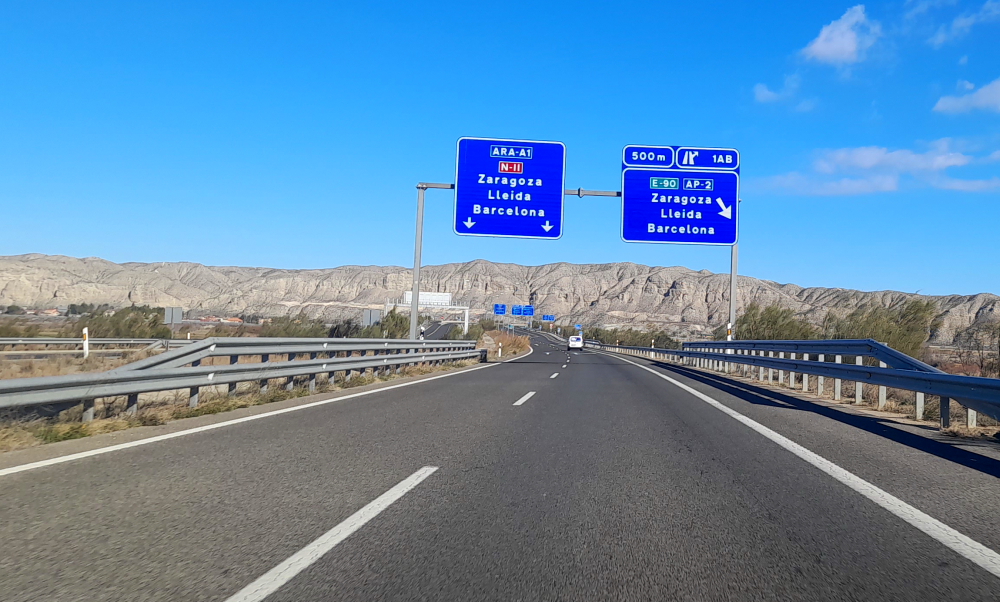
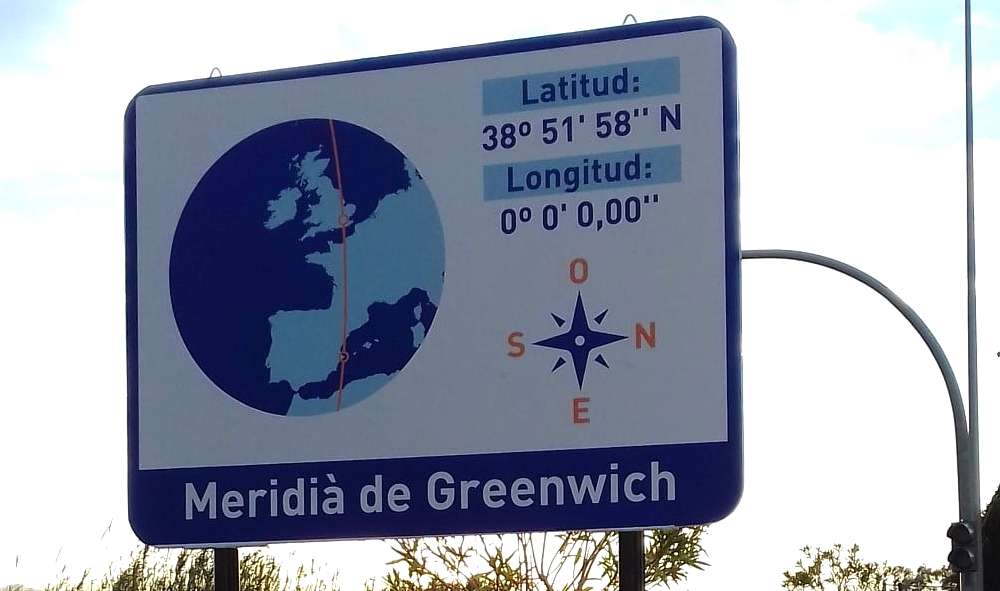
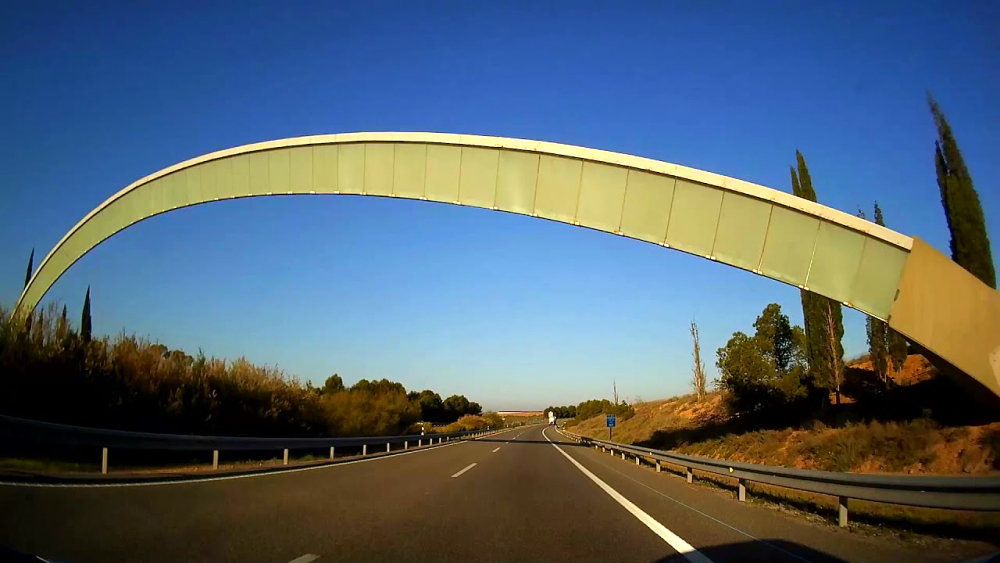
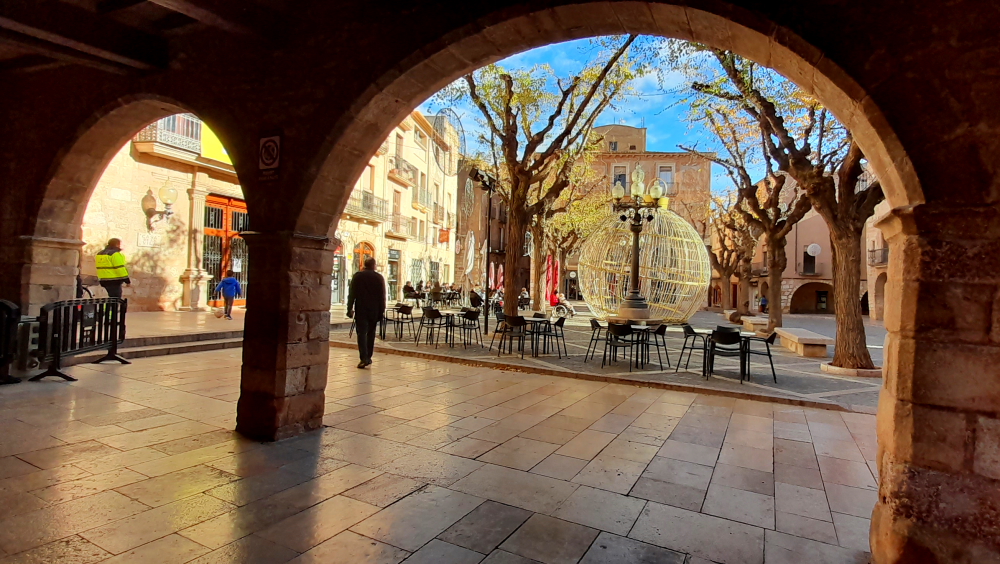
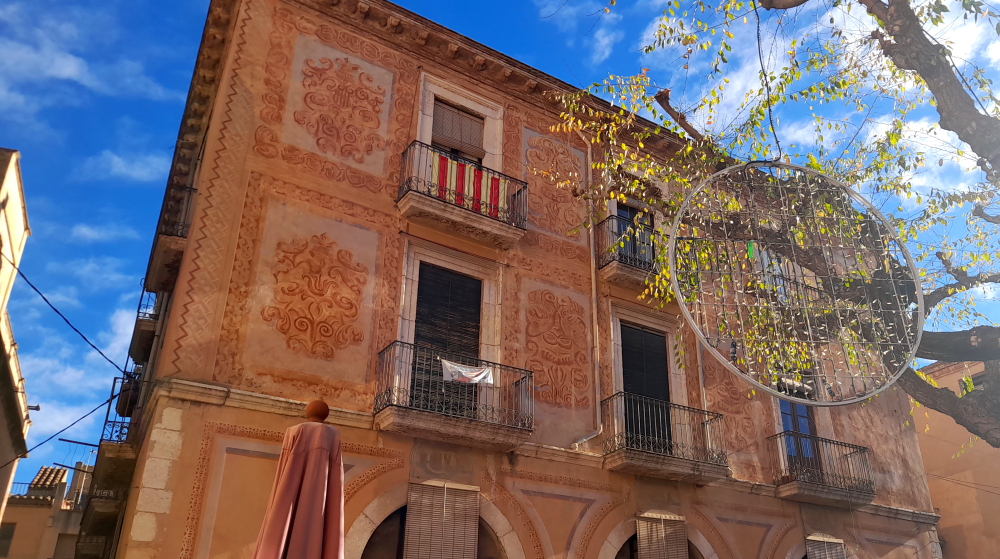
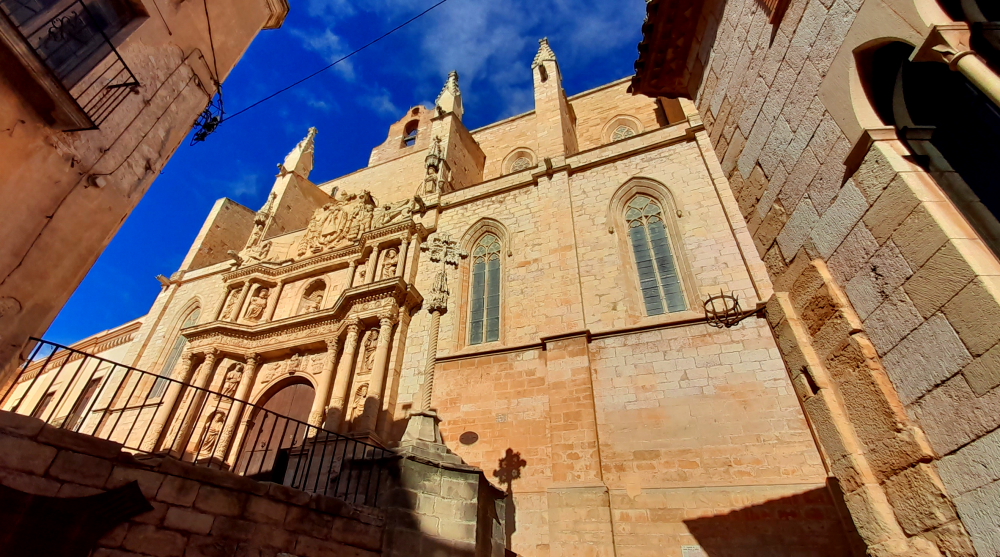
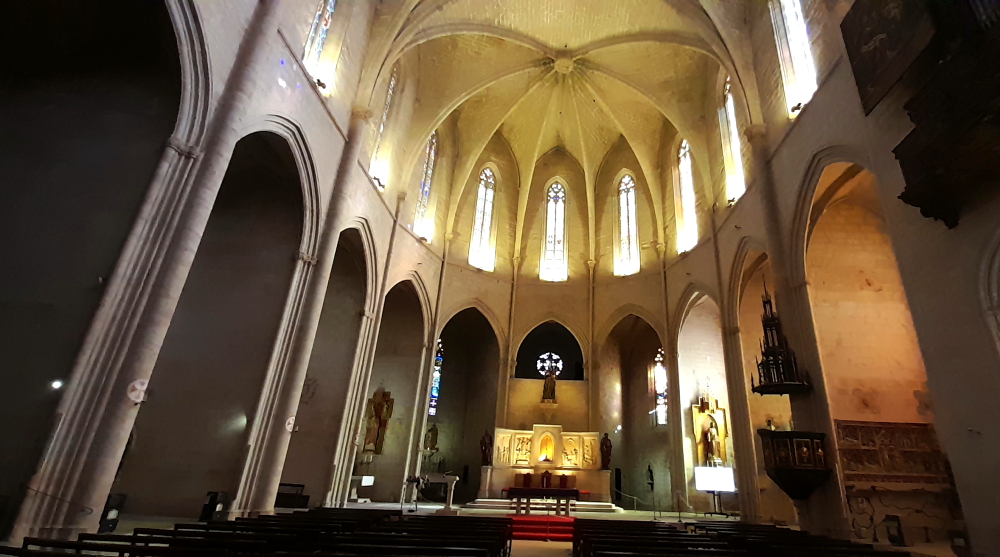
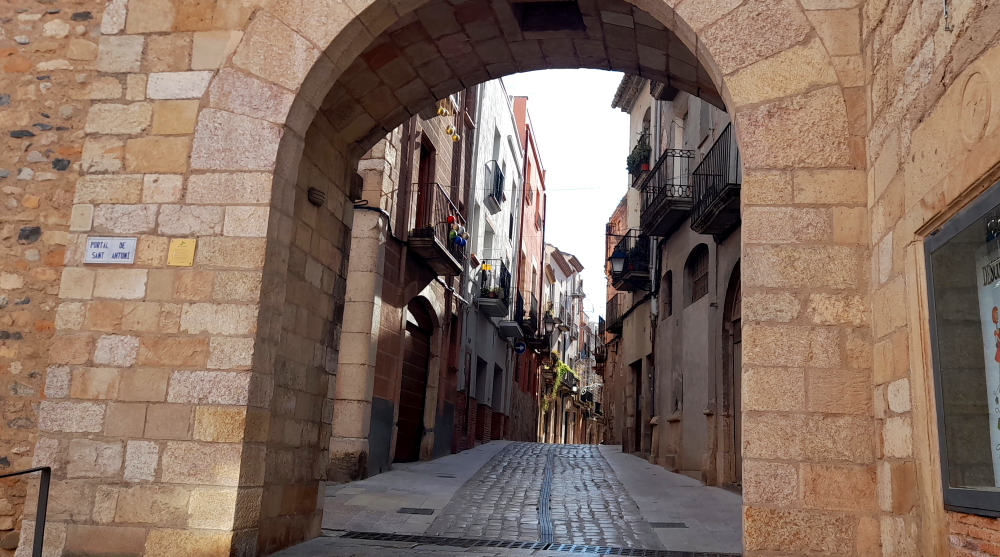
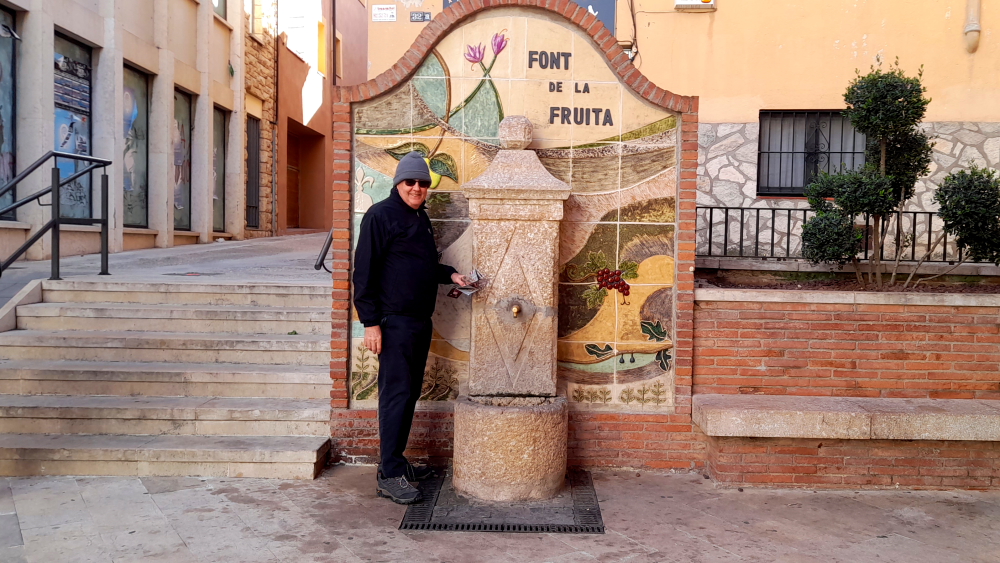
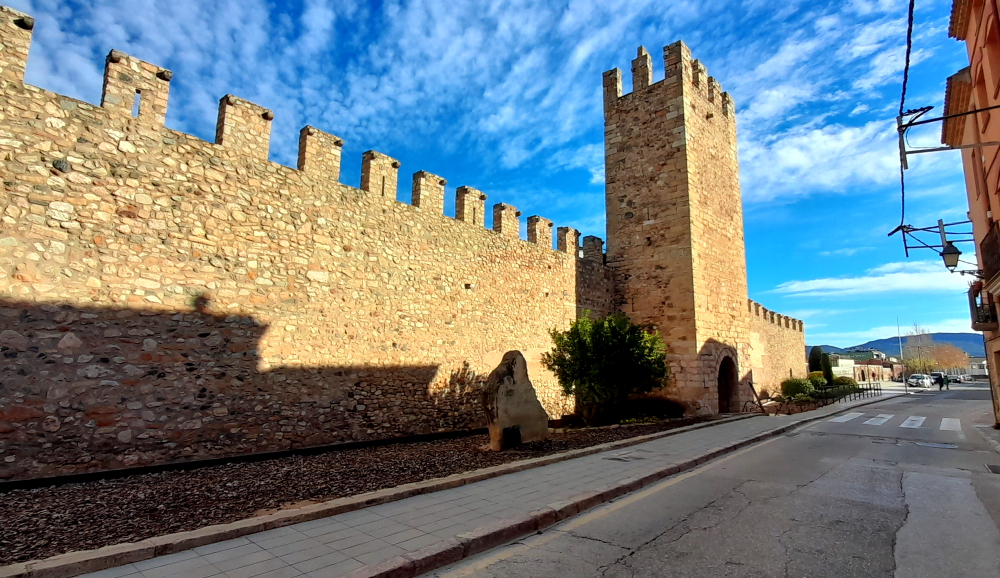
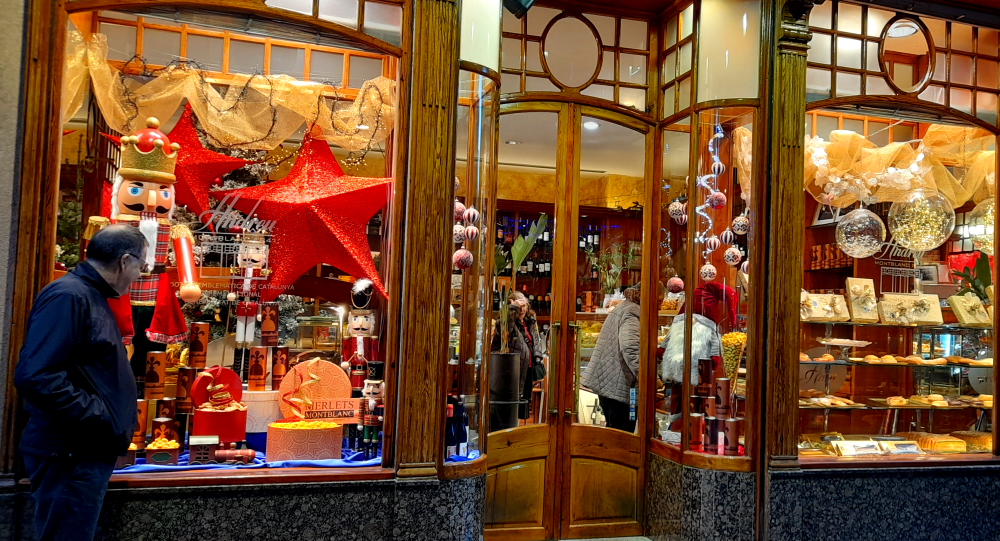
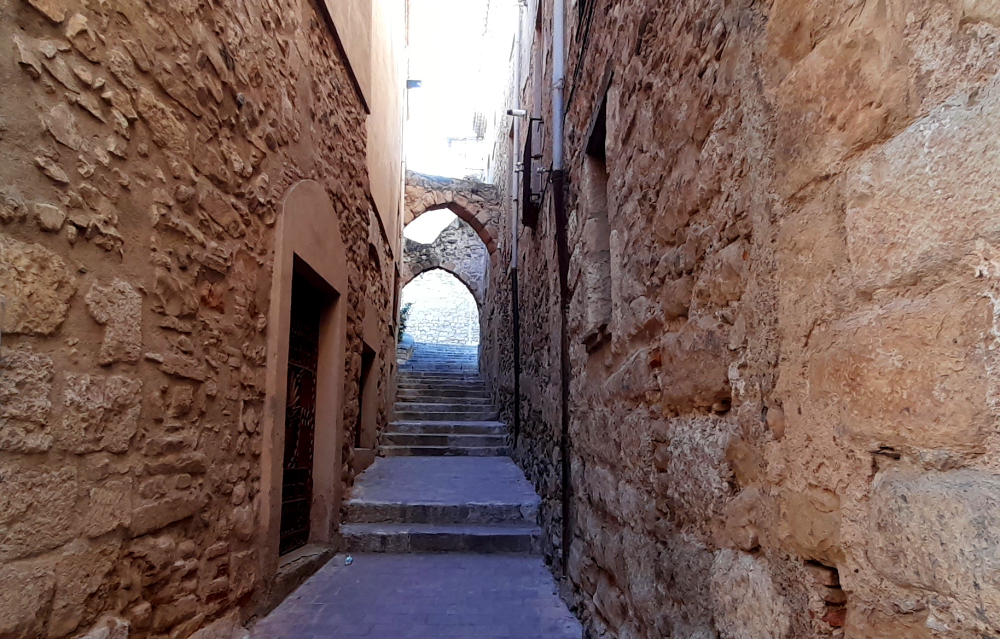
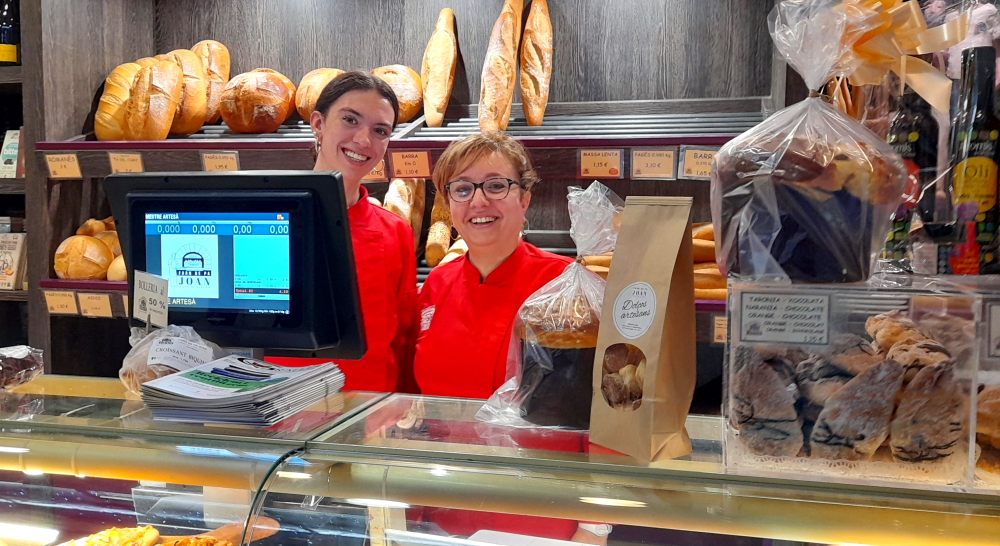
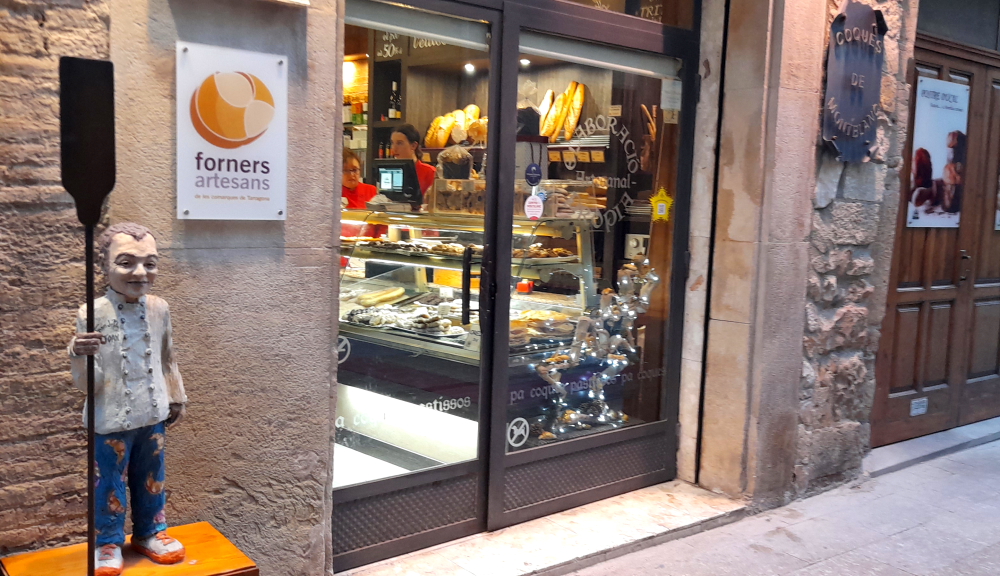
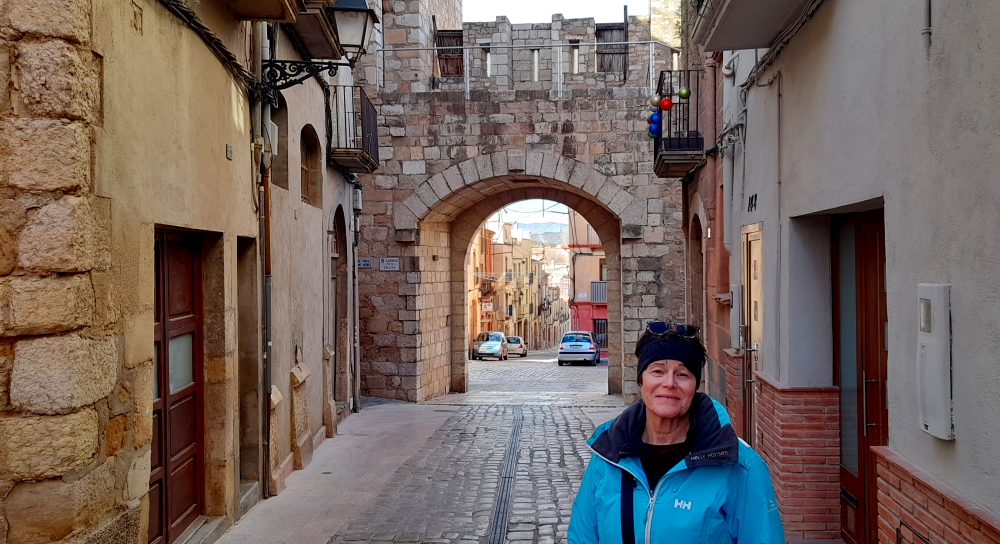
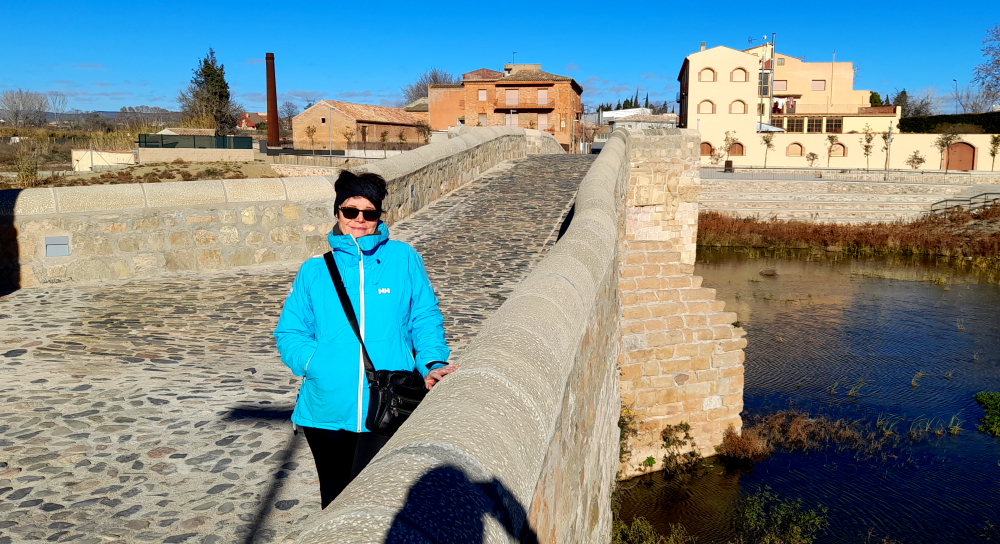
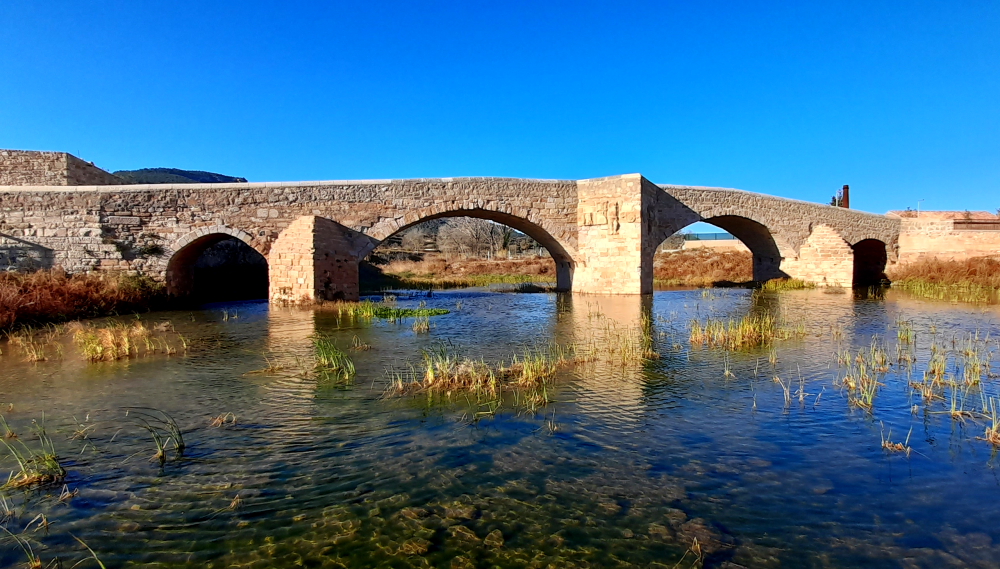
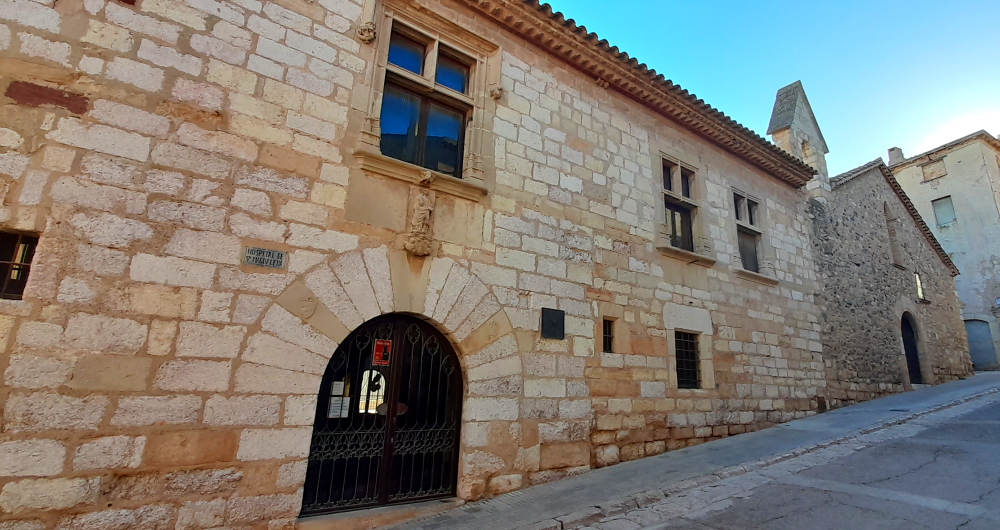
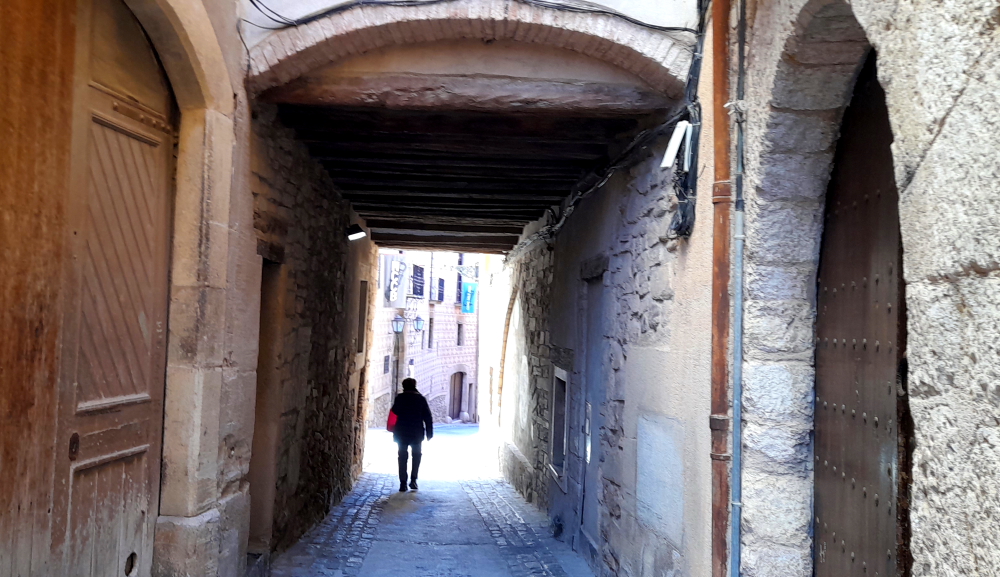
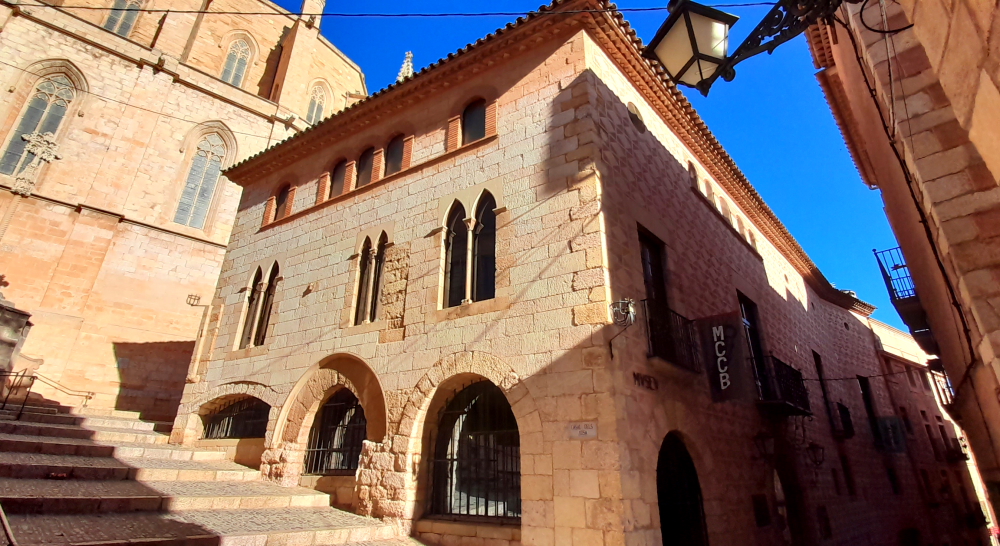
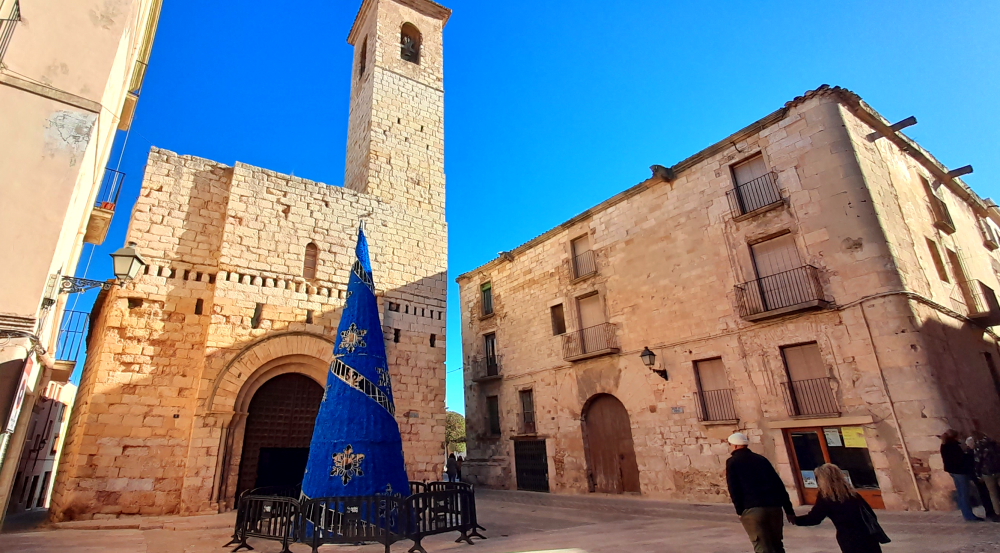
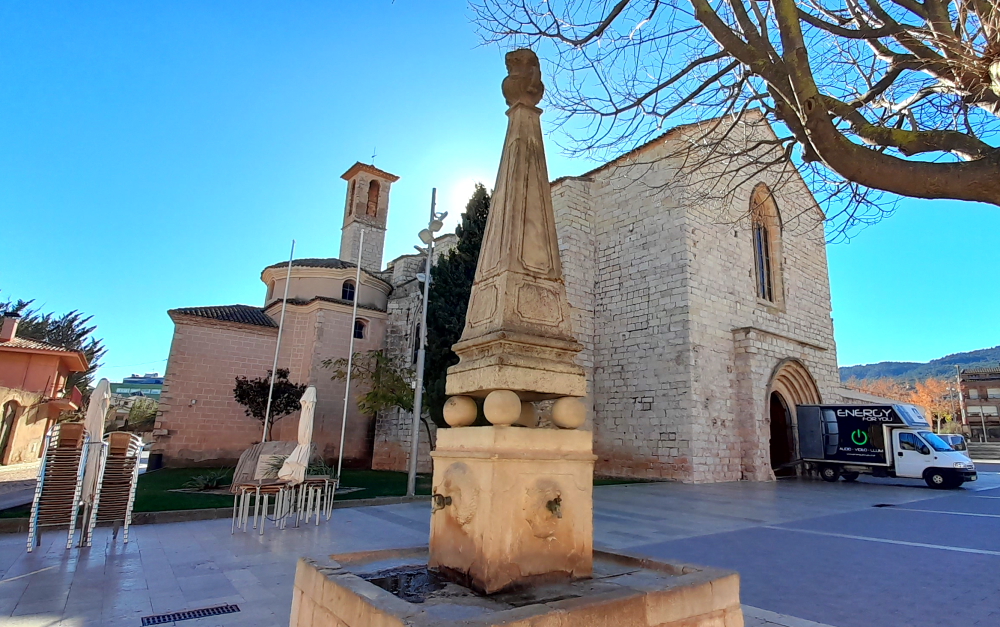
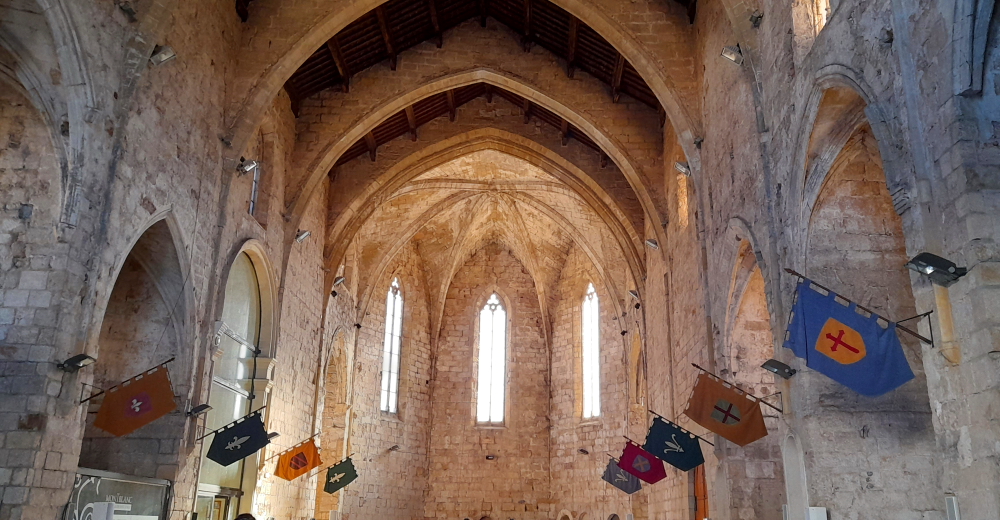
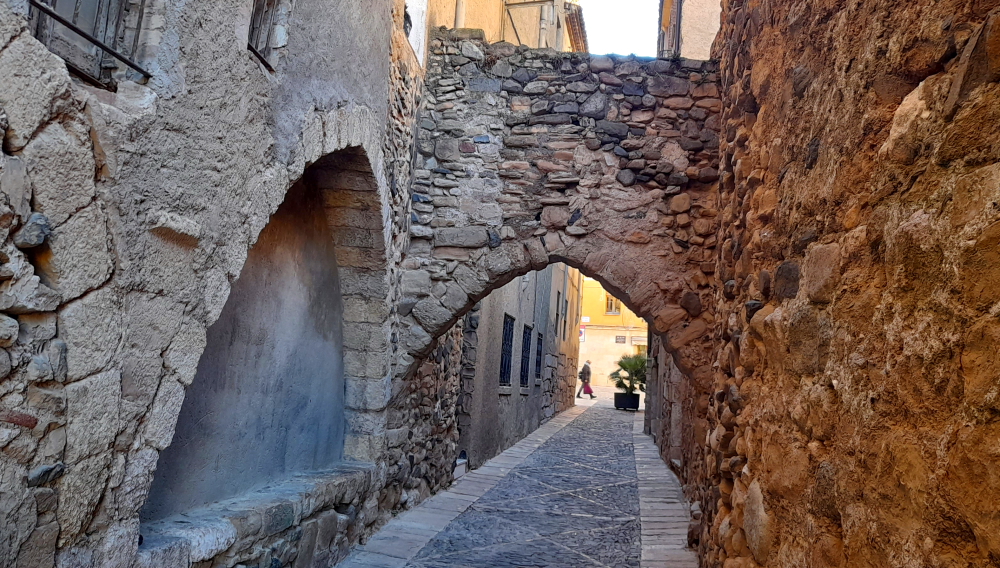
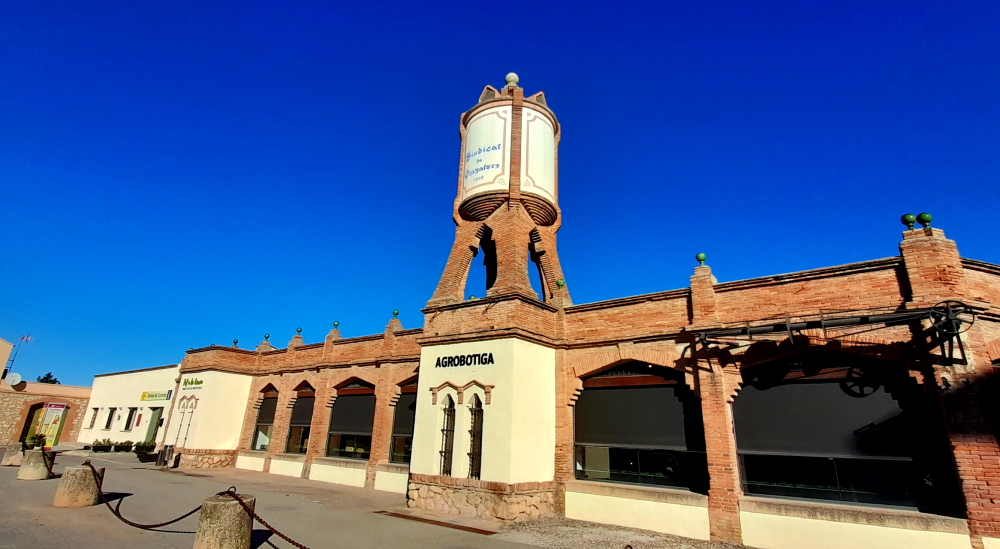
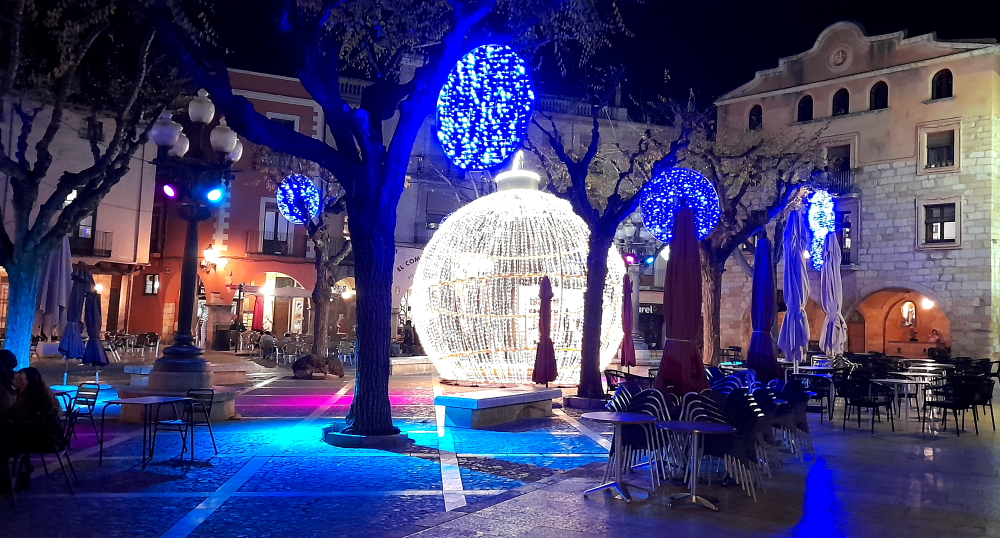
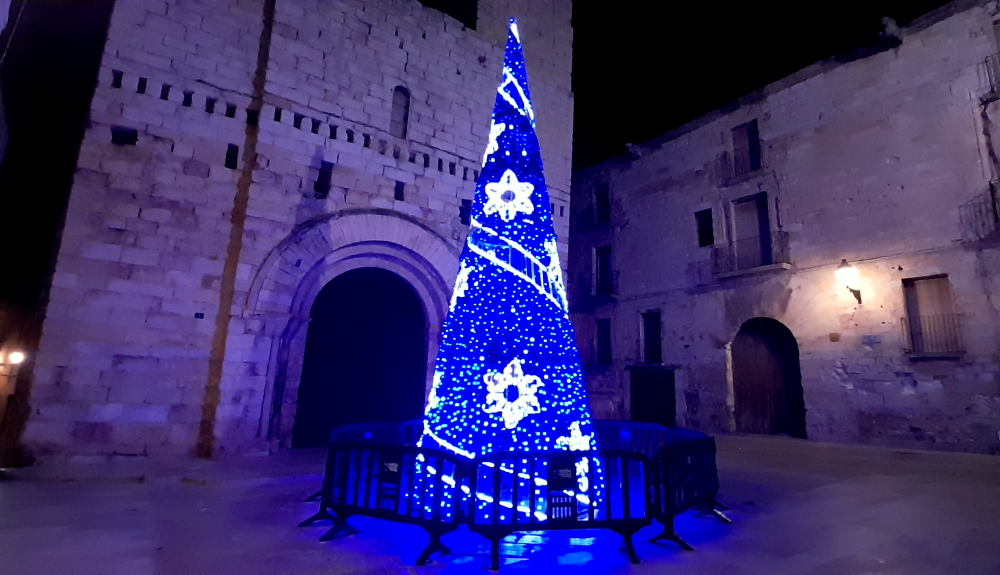
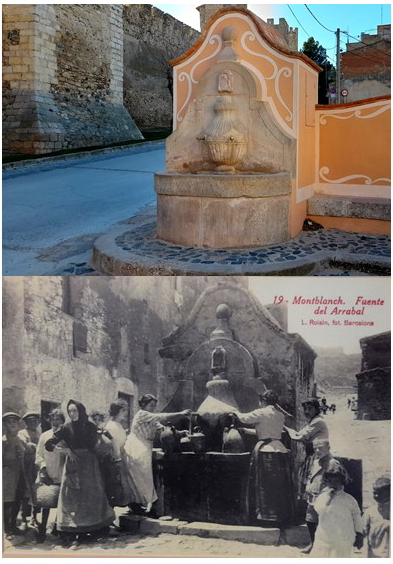
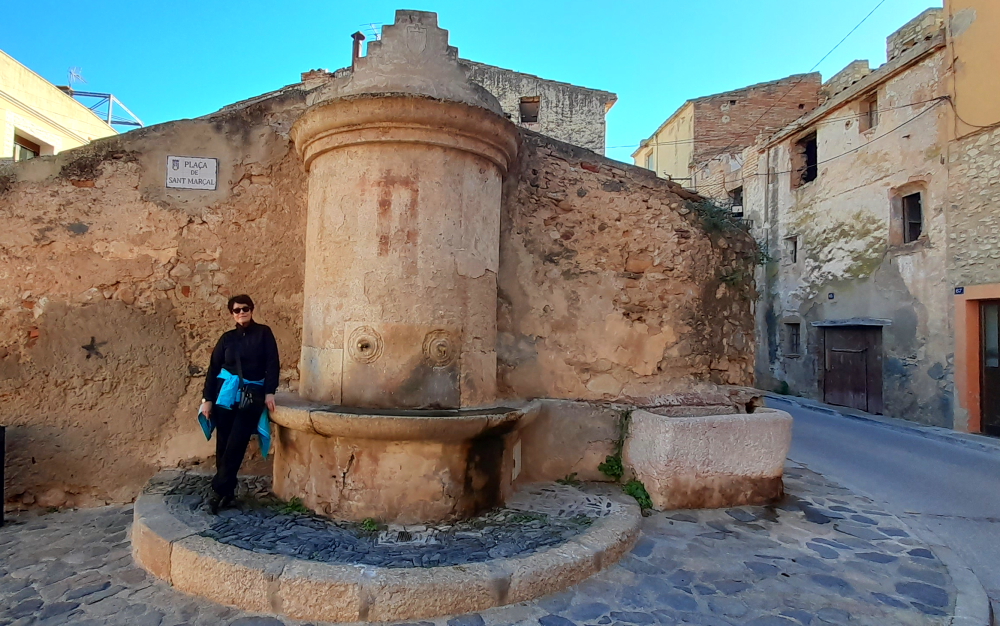
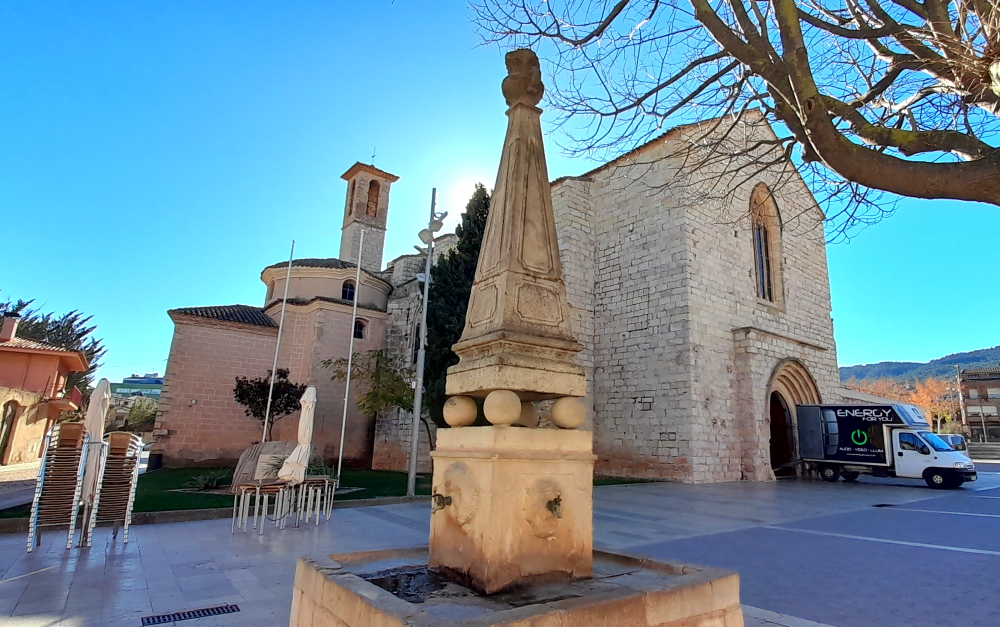
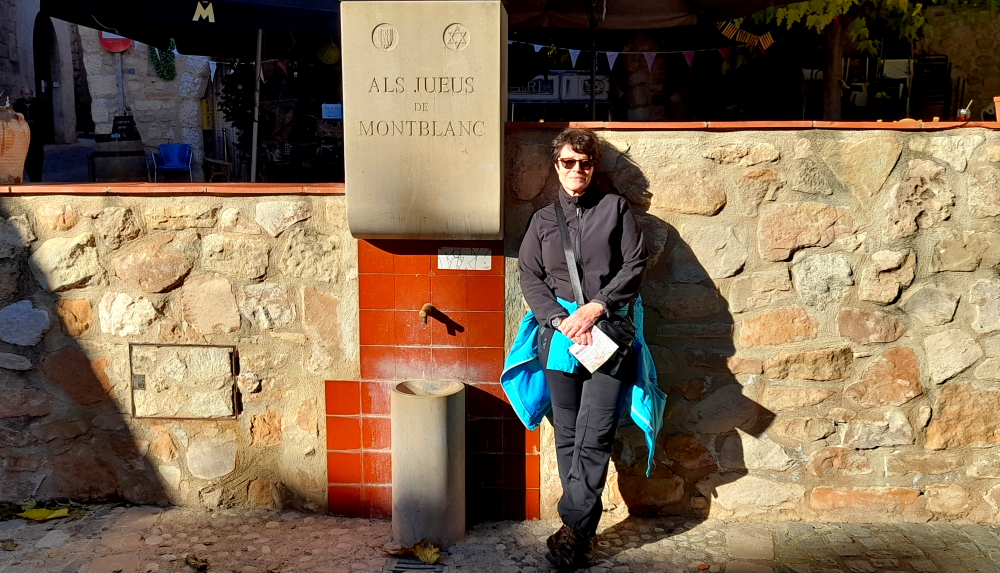
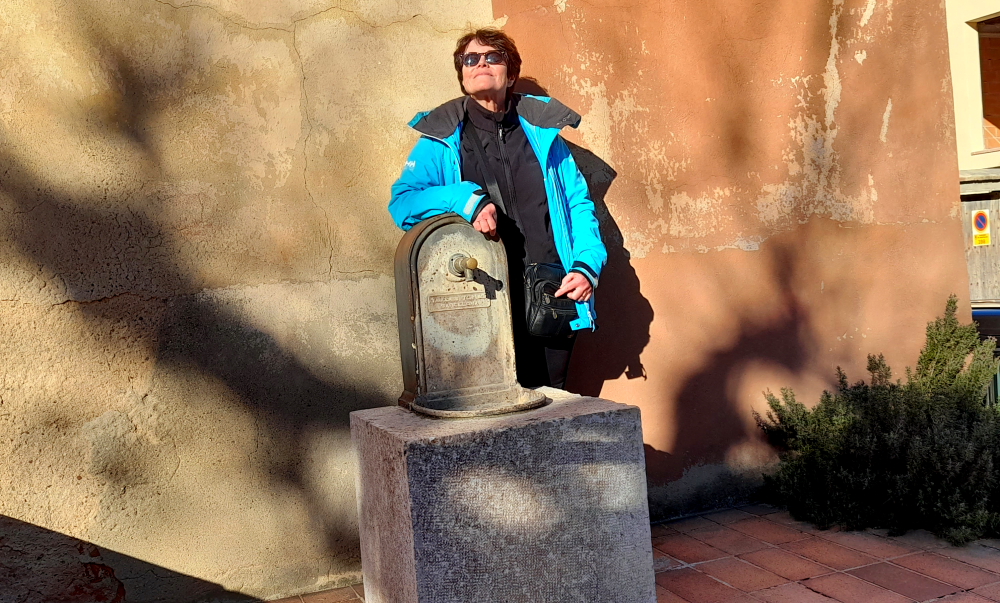
 THE CONTINUING TRAVELS OF YOGI & BOO BOO