16 June, 2023
Today our trip to Rovaniemi, Finland, is 437 kms away. We depart at 10:20 am and should arrive around 5:00 pm thanks to an hour’s time difference.
Although it’s 10 Deg. C when we leave, it’s due to be around 21 Deg. C when we arrive so I’ve cracked out the shorts and polo shirt for the trip. Ahhh, nothing like fresh air around one’s knees and ankles.
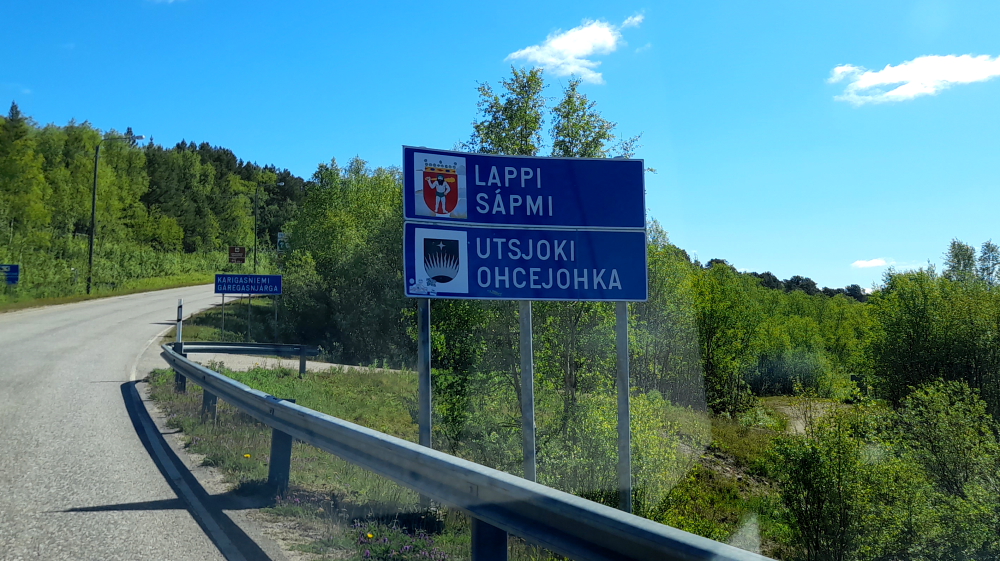
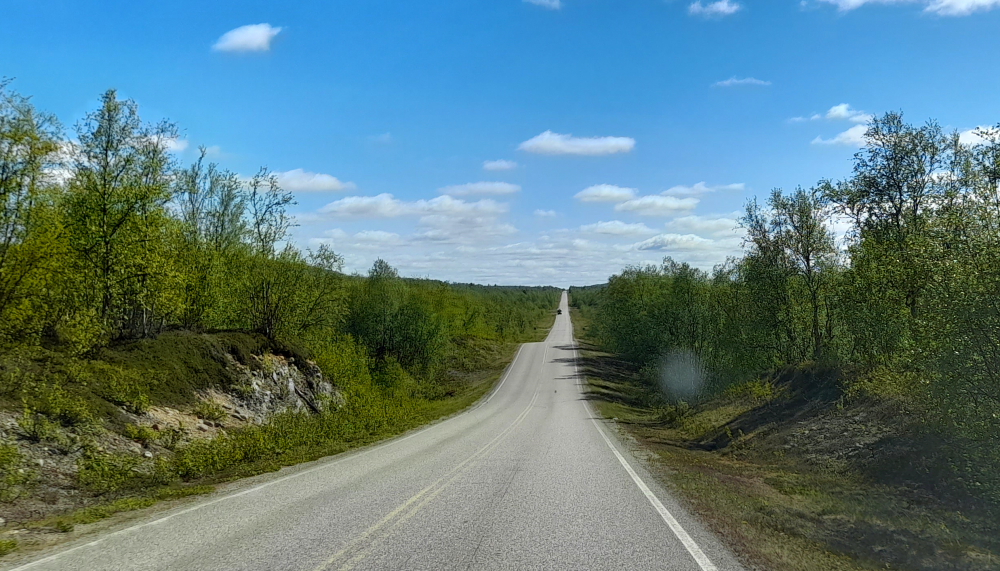
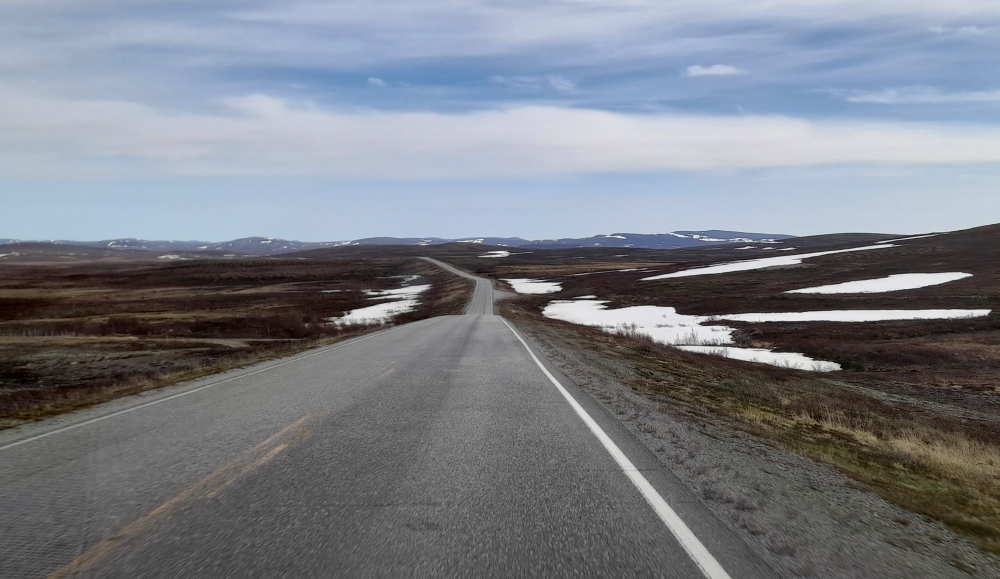
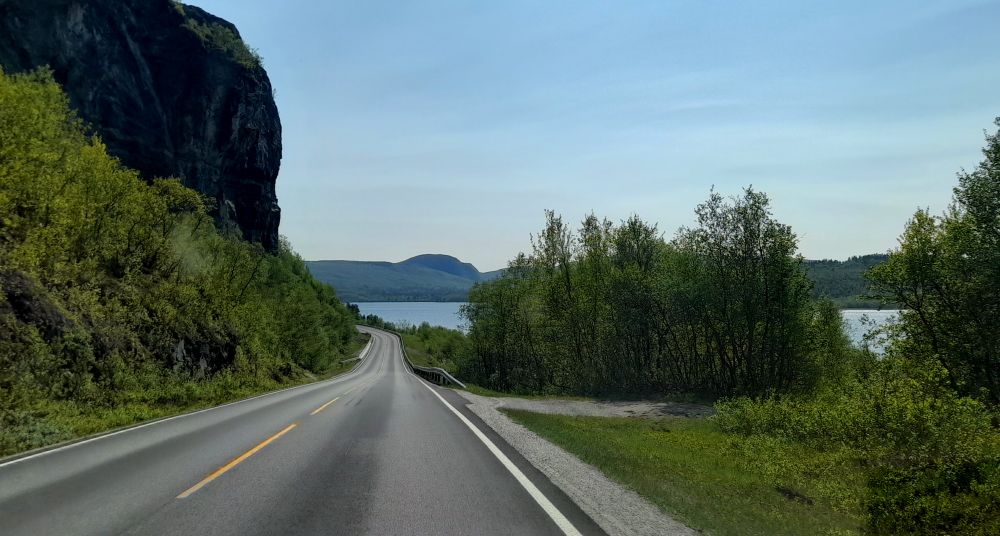
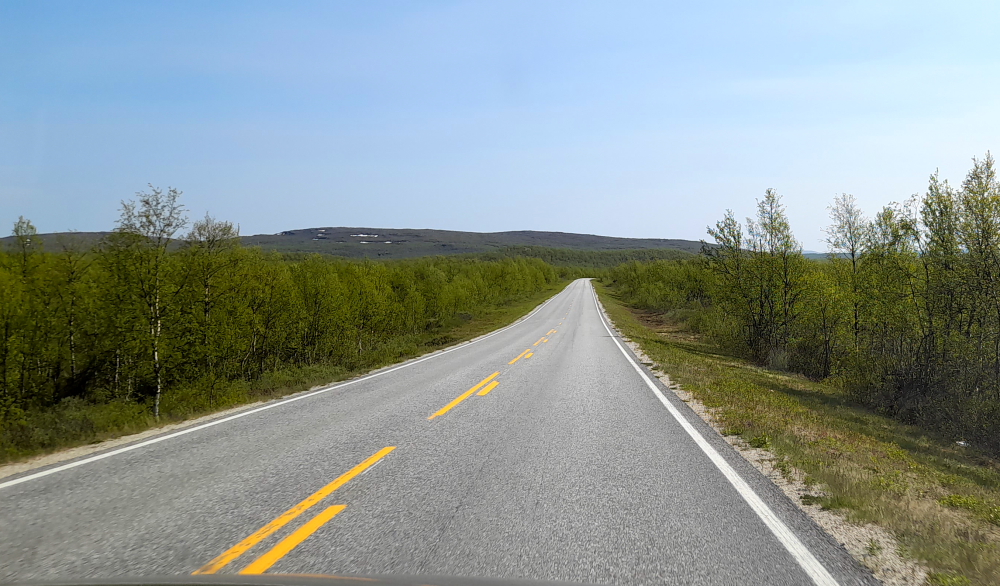
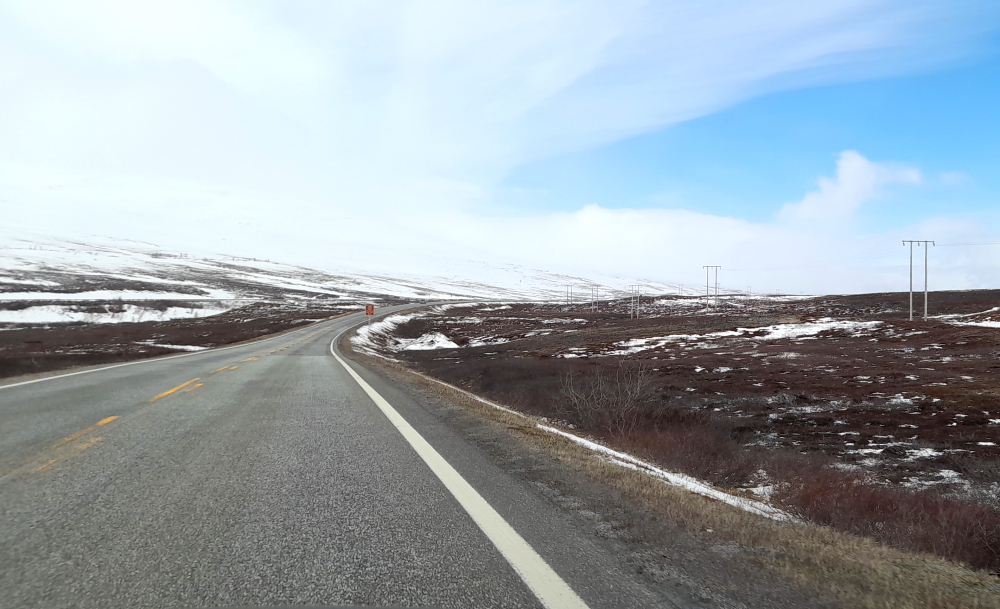
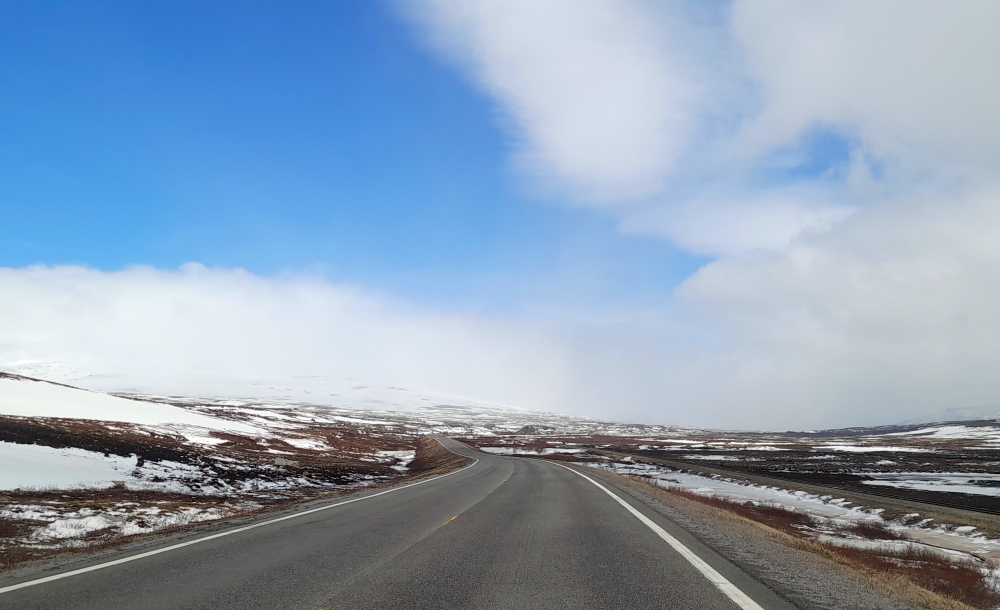
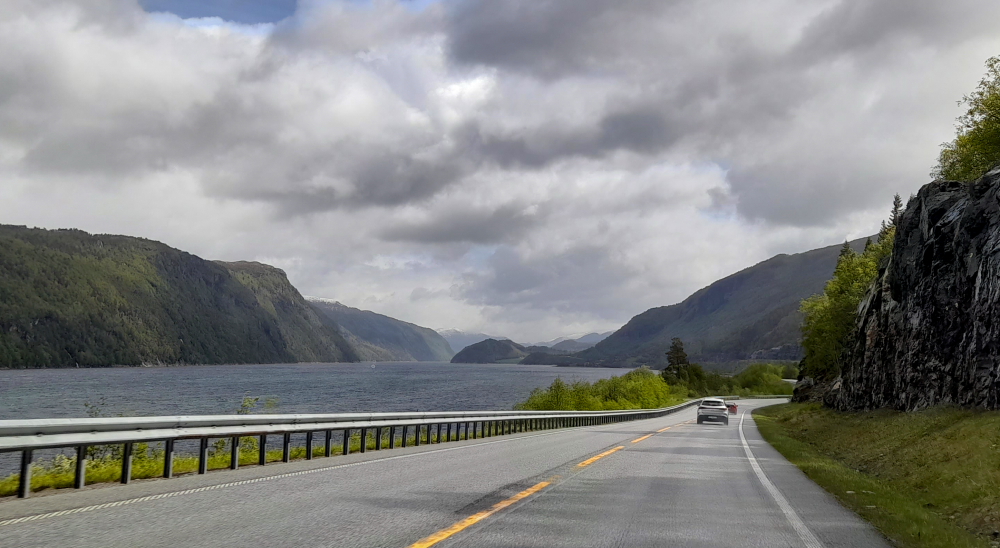
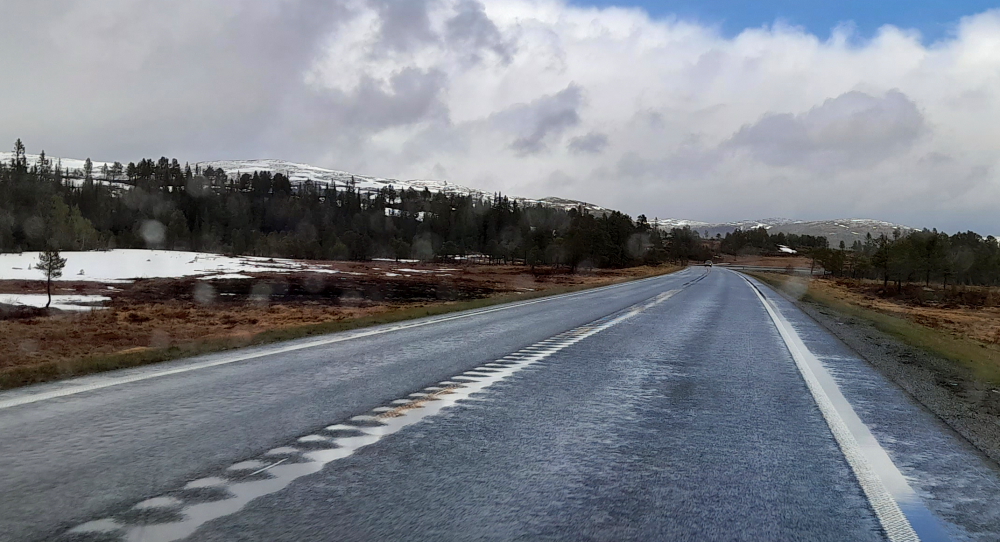
15 minutes after leaving the hotel we cross over the Karasjohka RIver and into Finland. Immediately we notice the difference. We really feel like we are in the back blocks of Finland – it’s all scrub as far as the eye can see, hardly any traffic on the 92 and no houses.
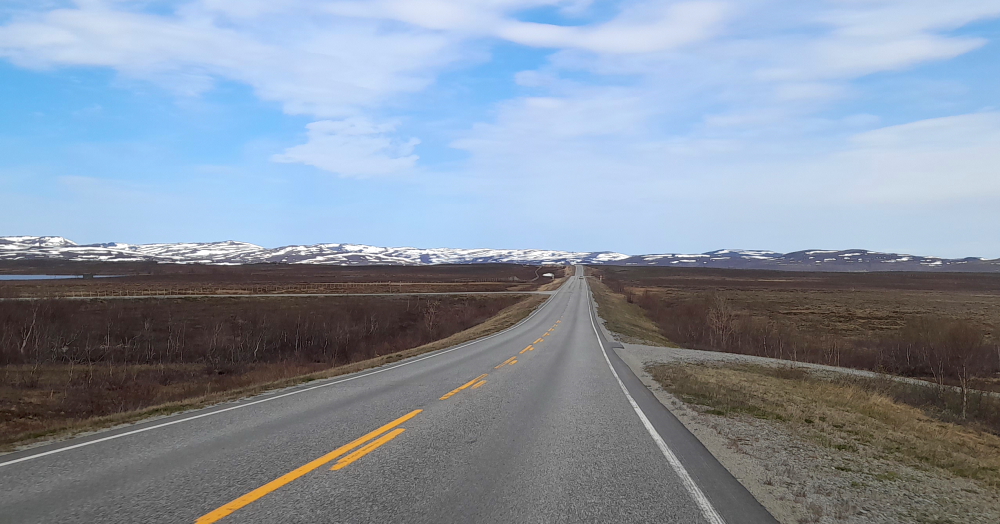
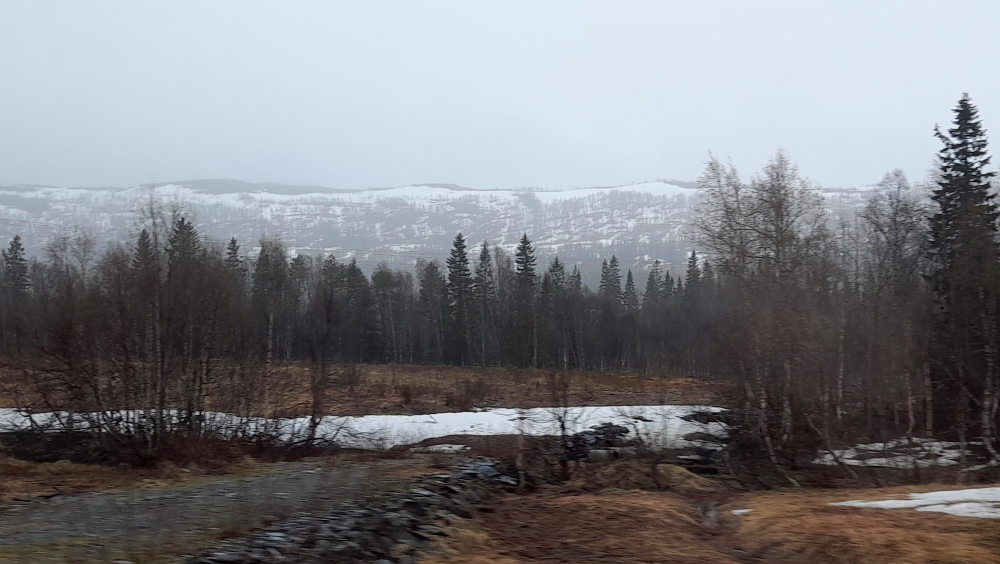
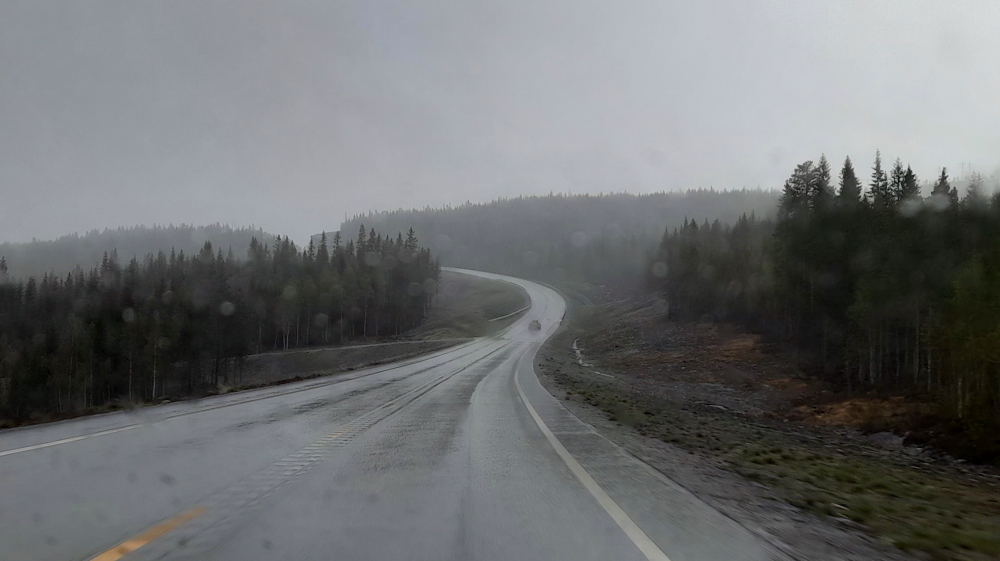
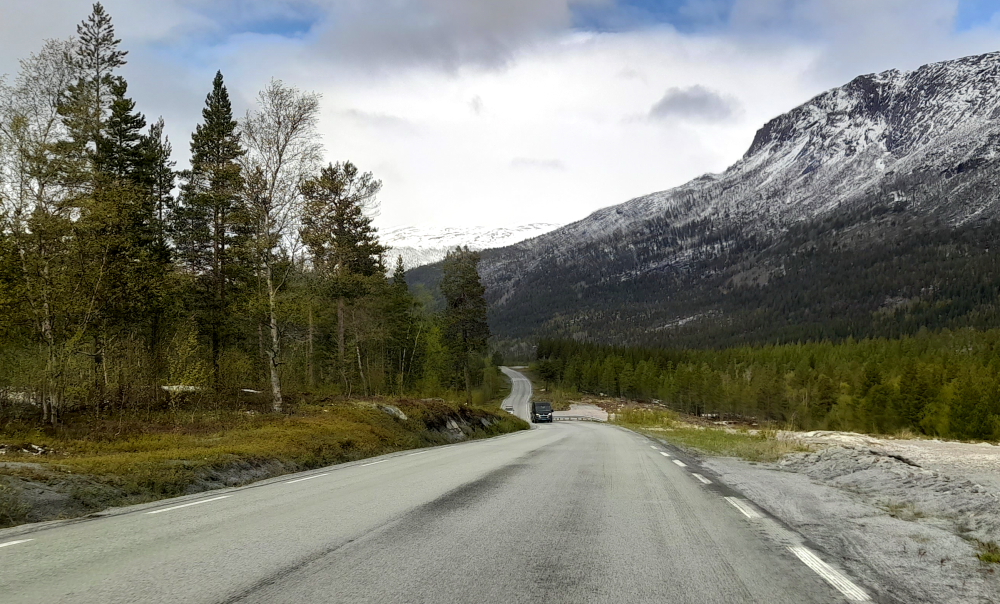
As we progress down the road the landscape changes to forests of conifers and lakes. Often we can’t see the lakes for the trees.
At 12:10 pm the speedo registers 5,555.5 kms – that we’ve put on the car since we hired it.
An hour later we turn right onto the 4.
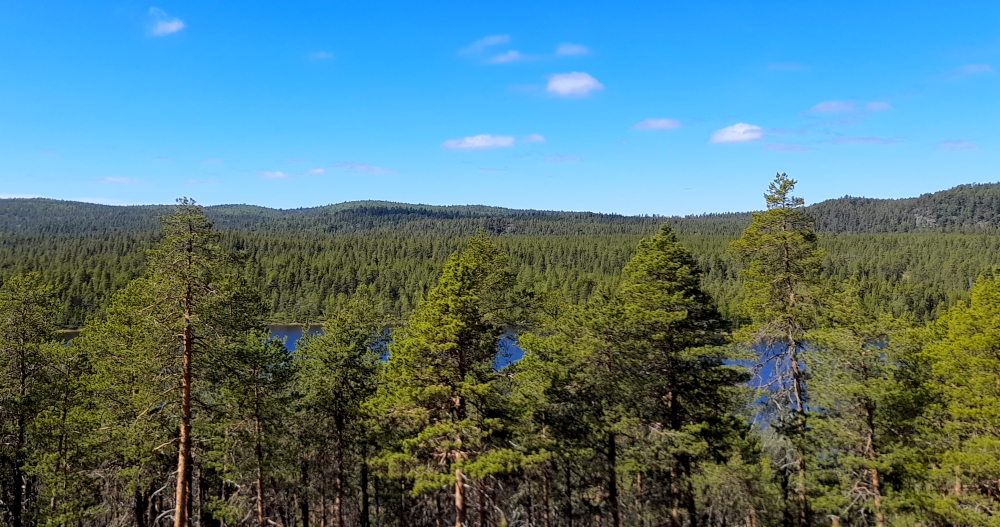
The landscape reminds us of driving across the top of some US states near the Canadian border where the road makes its way through masses of small lakes, sandy soil, boggy land and there are only trees on either side of the road for miles.
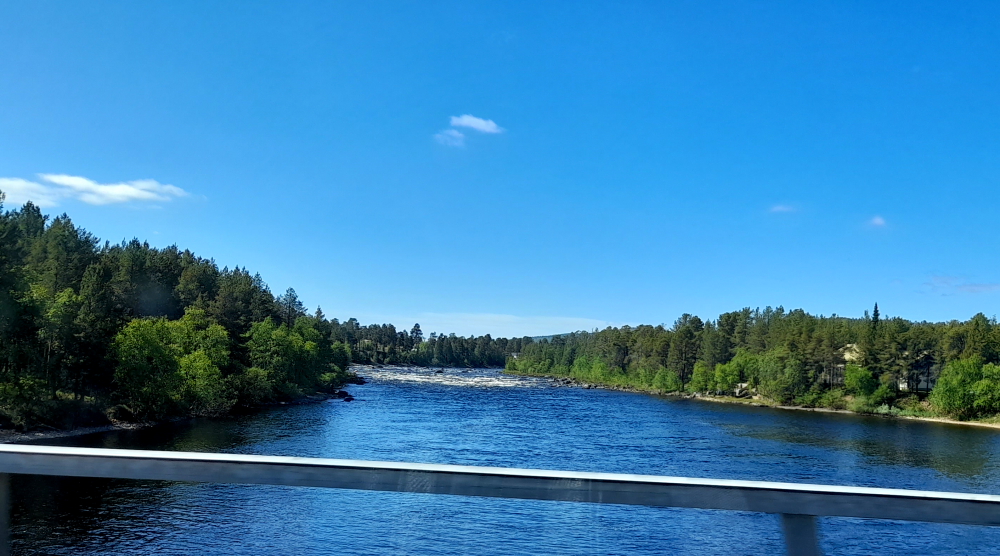
The section of the 4 between Inari and Ivalo is very picturesque with glimpses of sections of Lake Inari, which is massive.
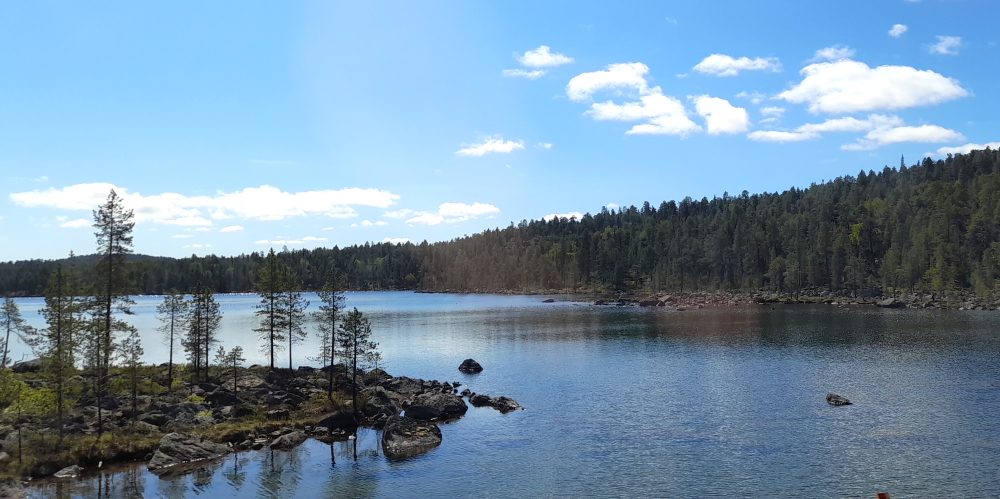
The lake water is crystal clear but near freezing point. Not a sole in sight even thinking about going for a summer dip.
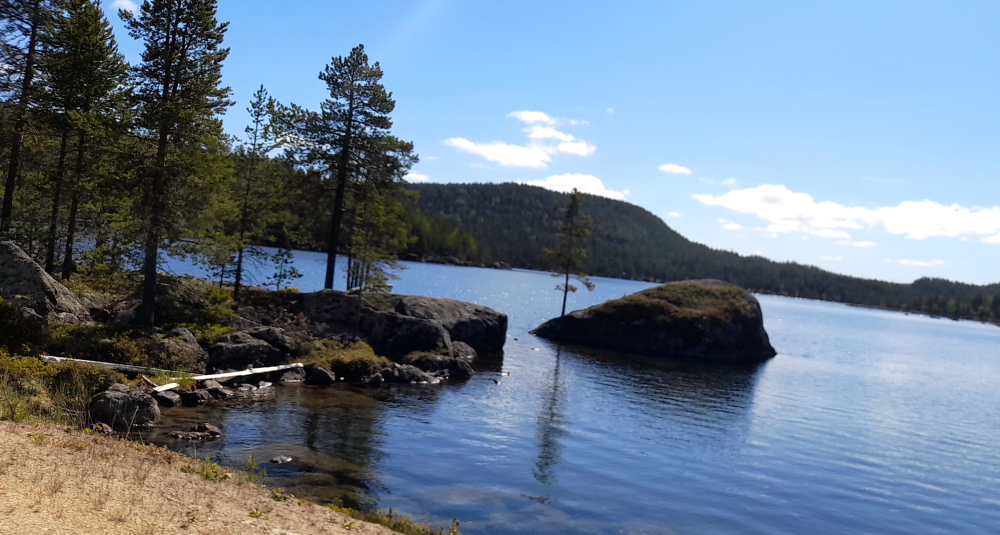
At the roundabout at the entry to Ivalo we’re met with an interesting road sign – Murmansk! Taking the 91 only 295 kms or 4.25 hours away. We need to get used to the fact that Finland’s eastern border abutts Russia.
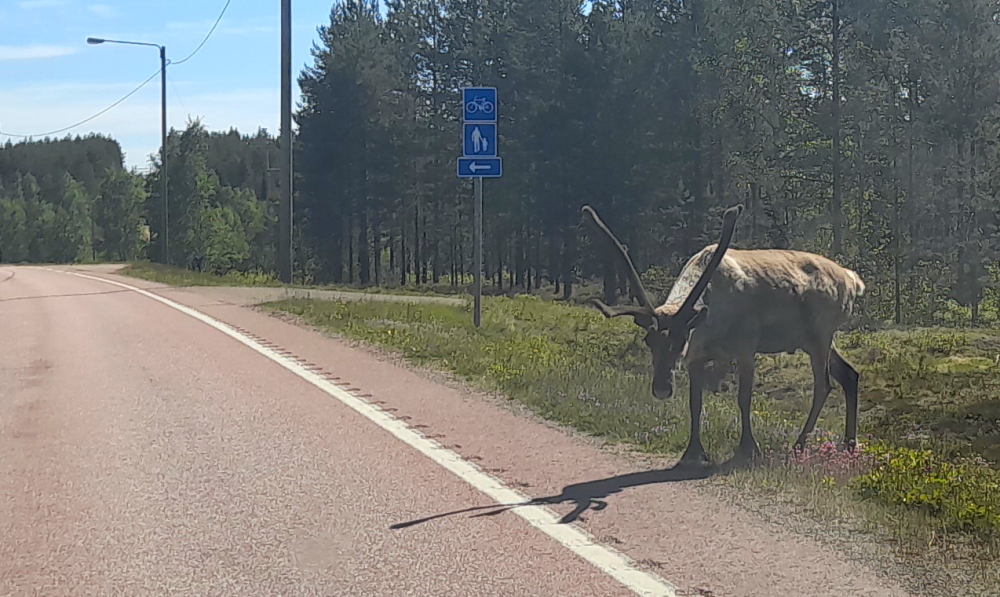
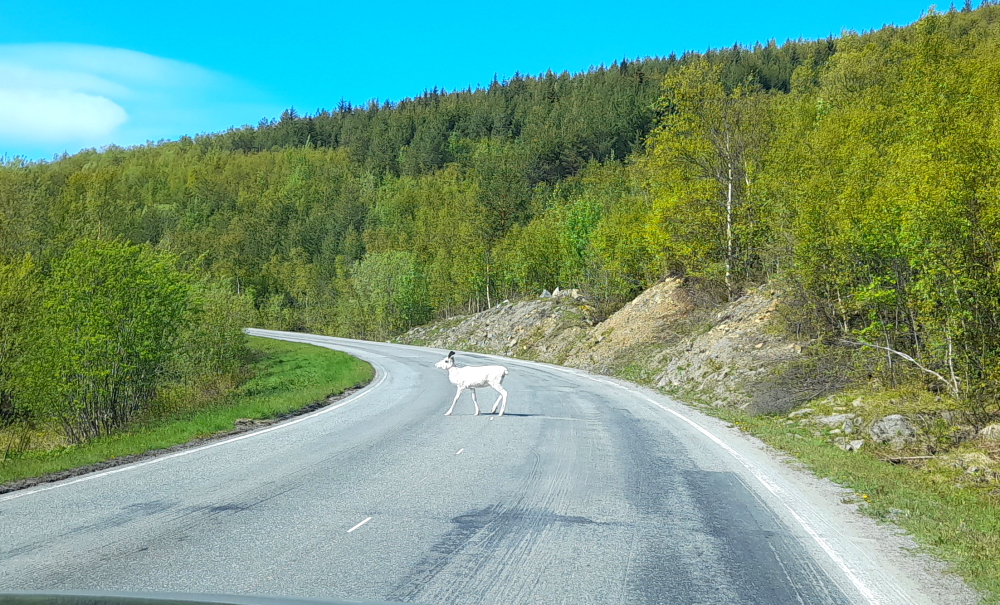
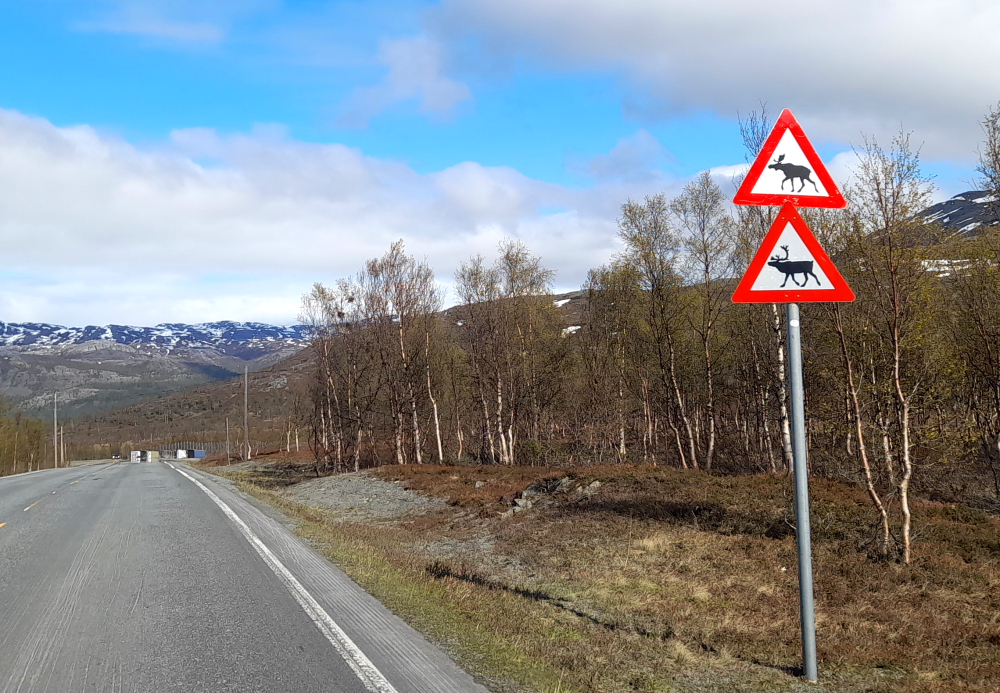
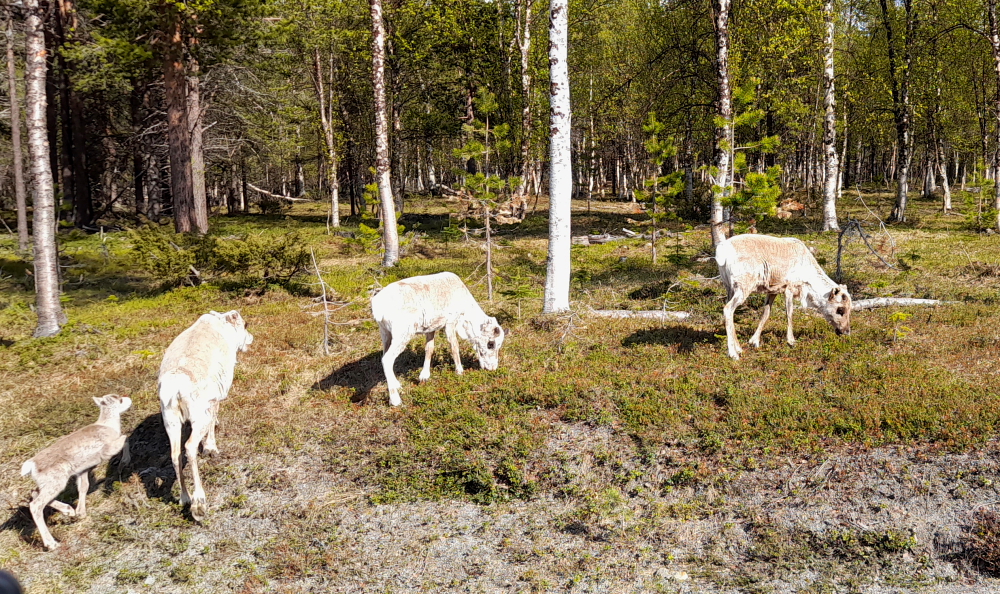
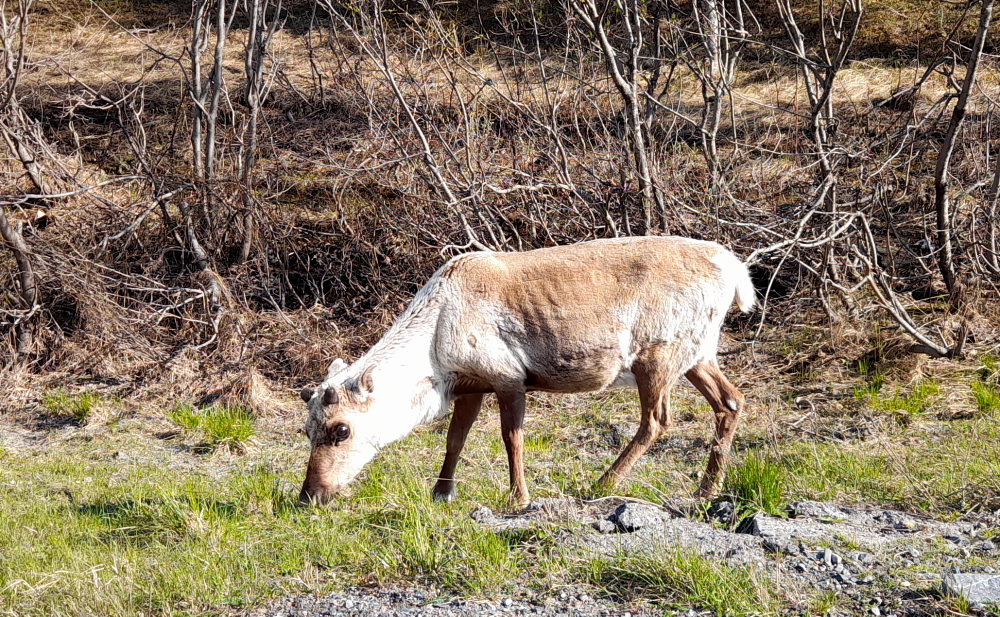
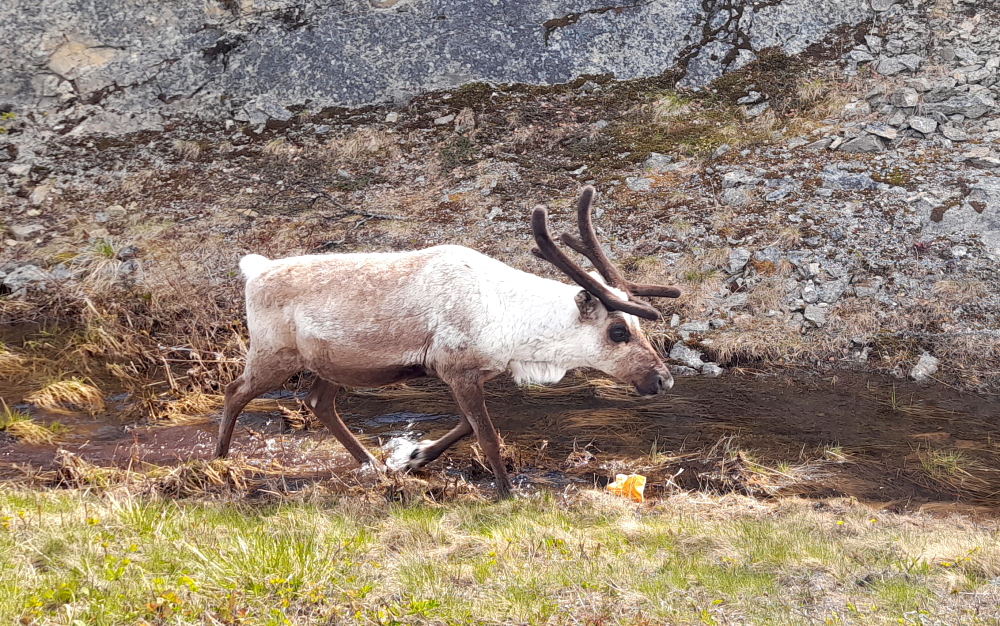
Just after we go over the roundabout, lo and behold we see an urban reindeer which has decided it will just stand in the middle of the road with his back to oncoming traffic. I flash our headlights at an oncoming truck and he slows down. Just as the reindeer moves off the road another dashes out of the trees right in from of the truck. If the truck was still going at speed he would have been reindeer stew tonight.
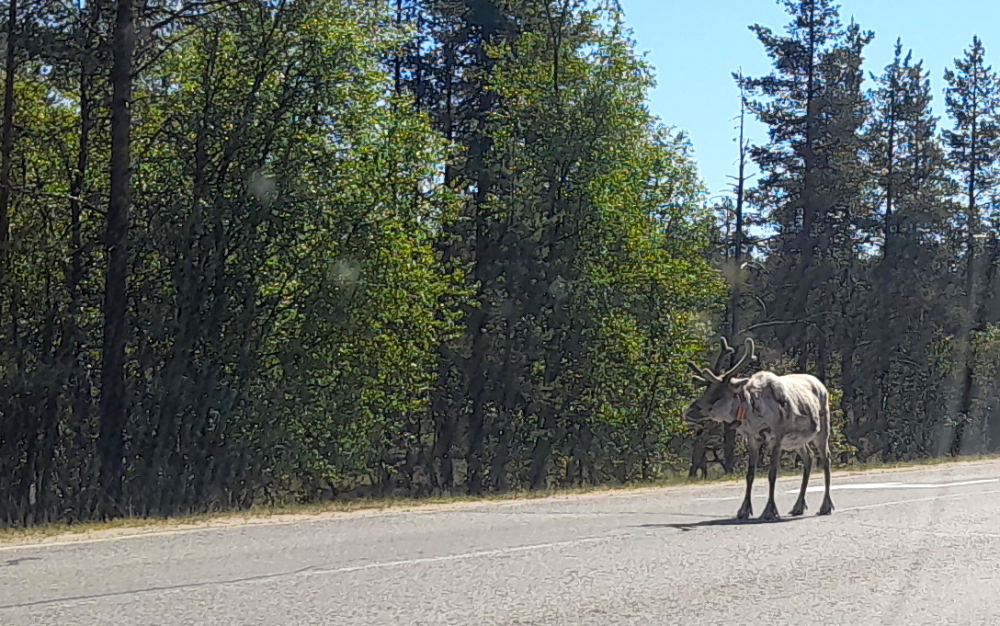
Half an hour later, another reindeer wants to go play in the road! This guy looks a little more experienced with traffic and waits until the traffic stops before crossing.
Why did the reindeer cross the road. Because he wanted to piss drivers off.
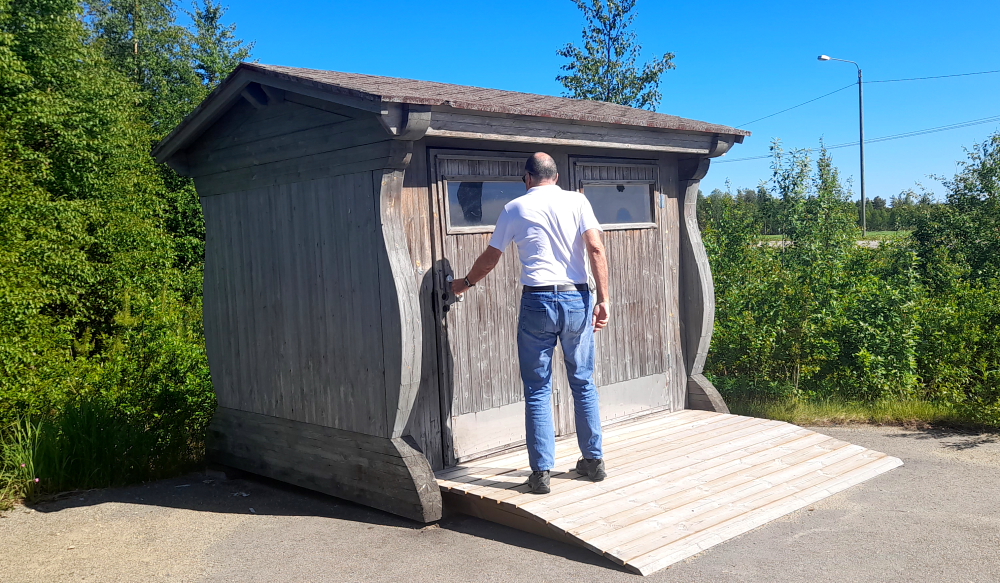
It’s about time for a pit stop. Hopefully, the loo that is marked on the map is actually there. Last time we were confronted with a layby, bush and mozzies! Lynn decides this one warrants a photo as it is so nicely carved and has windows in the door! Unfortunately, it is one of the crappiest crappers we’ve had to use in a long time. Apparently Finish drivers don’t need to pee.
As we get closer to Rovaniemi, more and more houses and small holdings appear, mostly not as neat as their Norwegian counterparts.
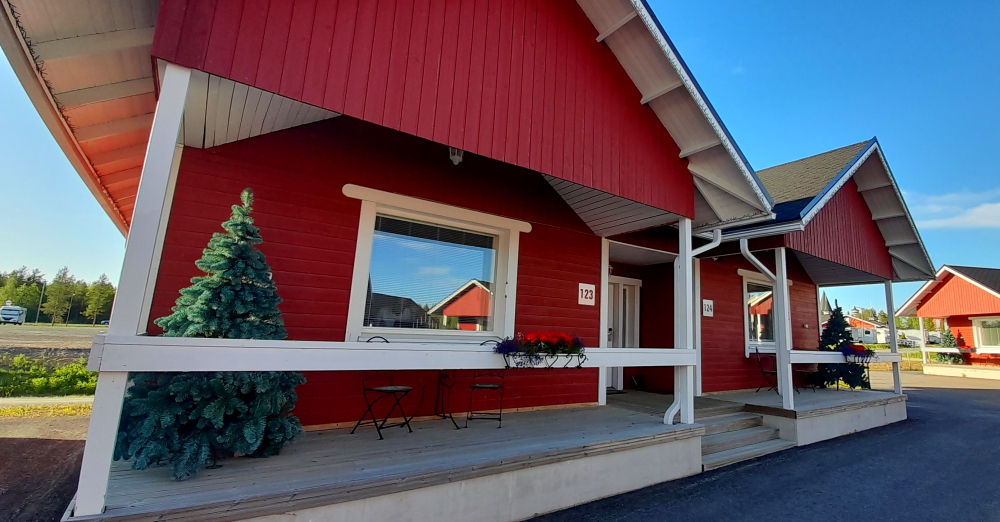
By the time we get to our accommodation at the Santa Claus Holiday Village (had to stay here for the grandkids!) we can hardly see through the windscreen, thanks to the clouds of bugs we’ve been driving through all day.
As soon as we check in we take a quick tour around the village. Two of the most important buildings are Christmas House where Santa can be met every day between 9:00 am and 6:00 pm and the Santa Claus Main Post Office, same opening times.
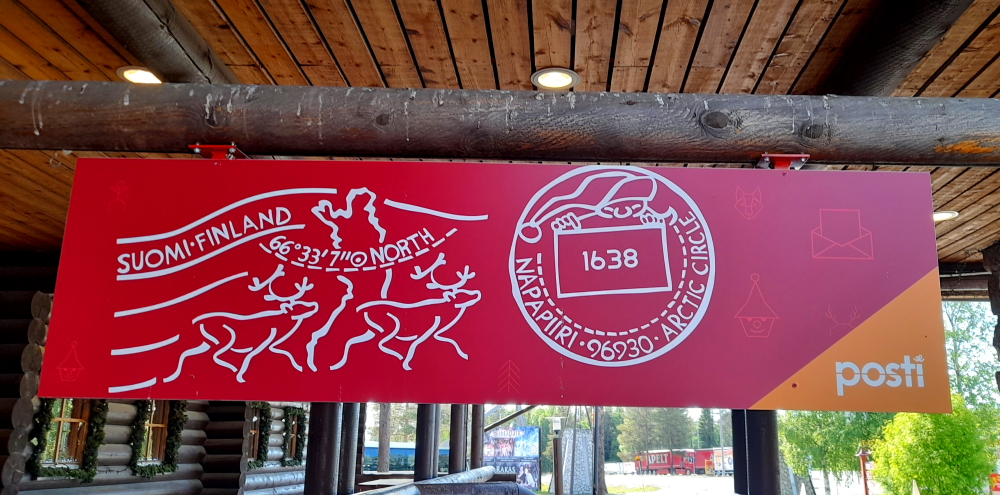
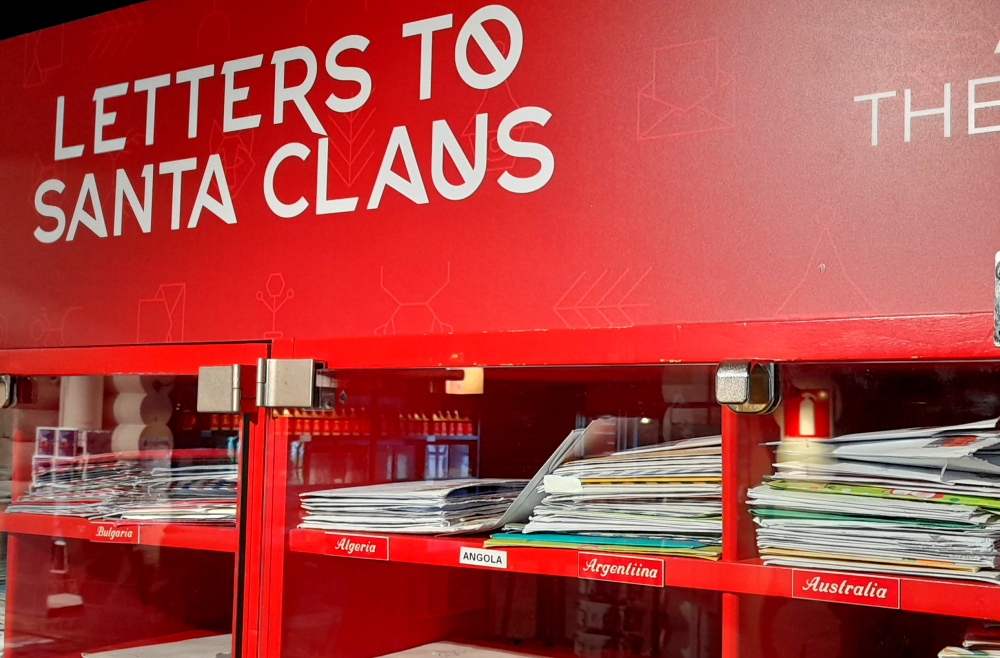
We are checking out what postal services Santa and his elves offer when we come across a large set of pigeon holes divided by country names and labelled “Letters to Santa Claus”.
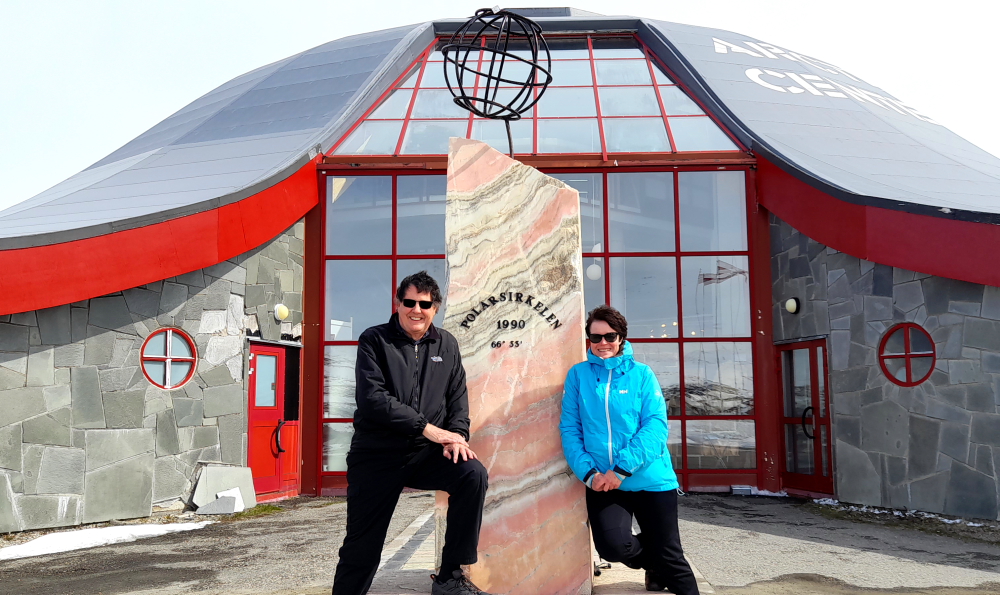
Just outside the post office is Central Square which has lots of signage as to where the Arctic Circle bisects the Square.
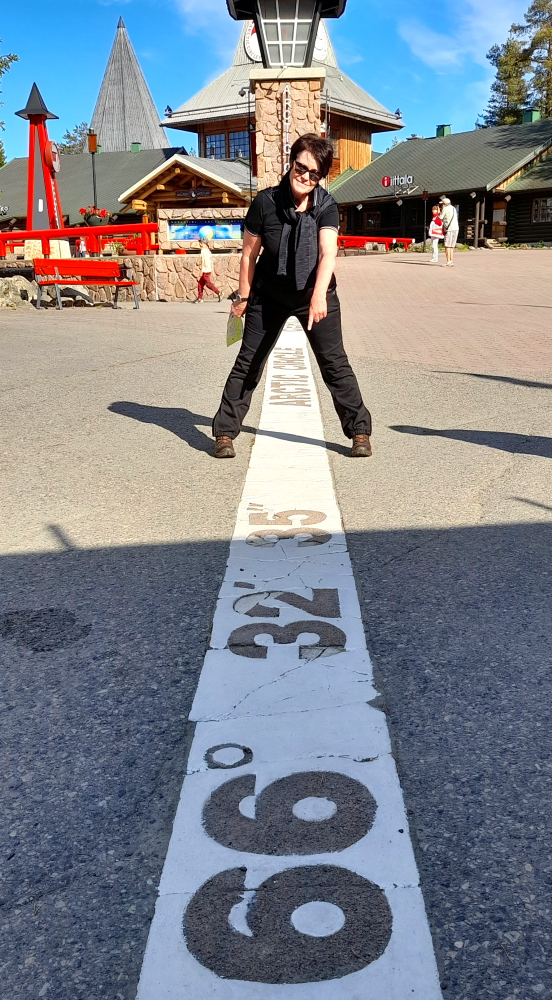
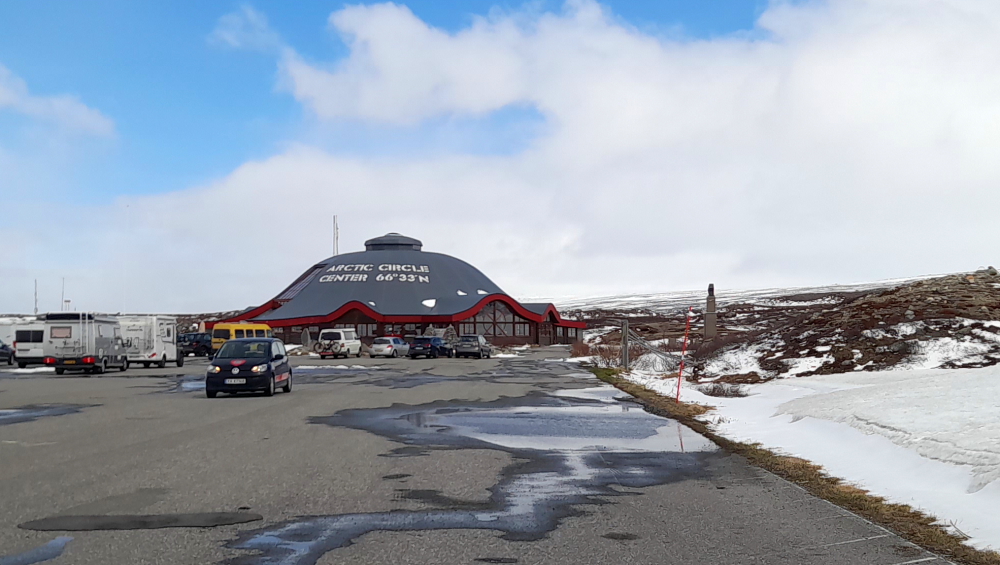
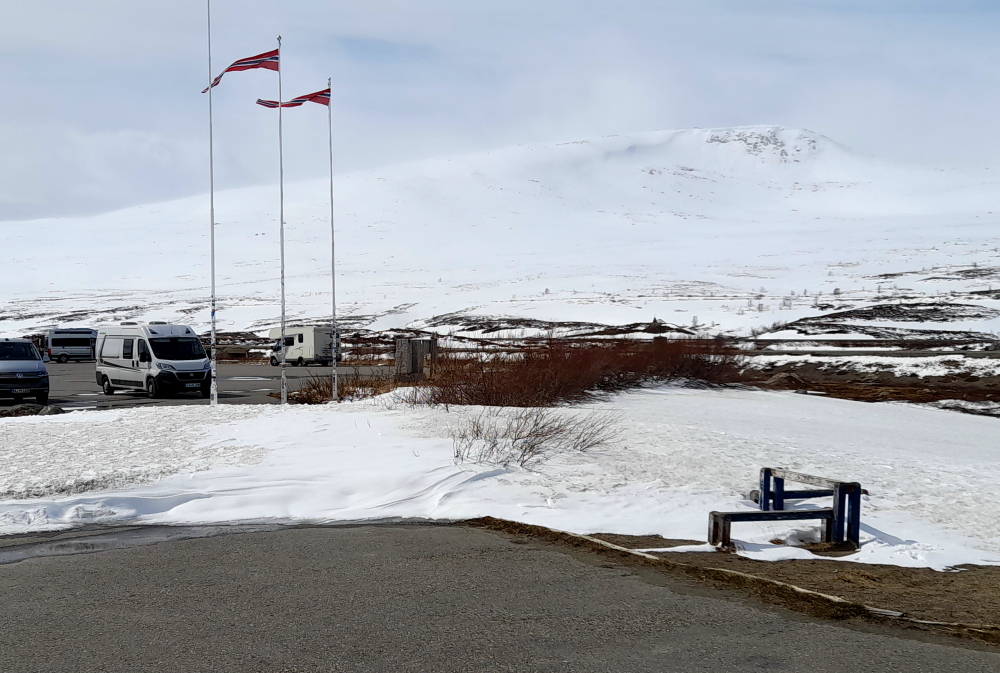
On the way north when we crossed the Arctic Circle in Norway it was high in the mountains and freezing cold. This time, on our way south through the plains of Finland, it is a warm 24 Deg C.
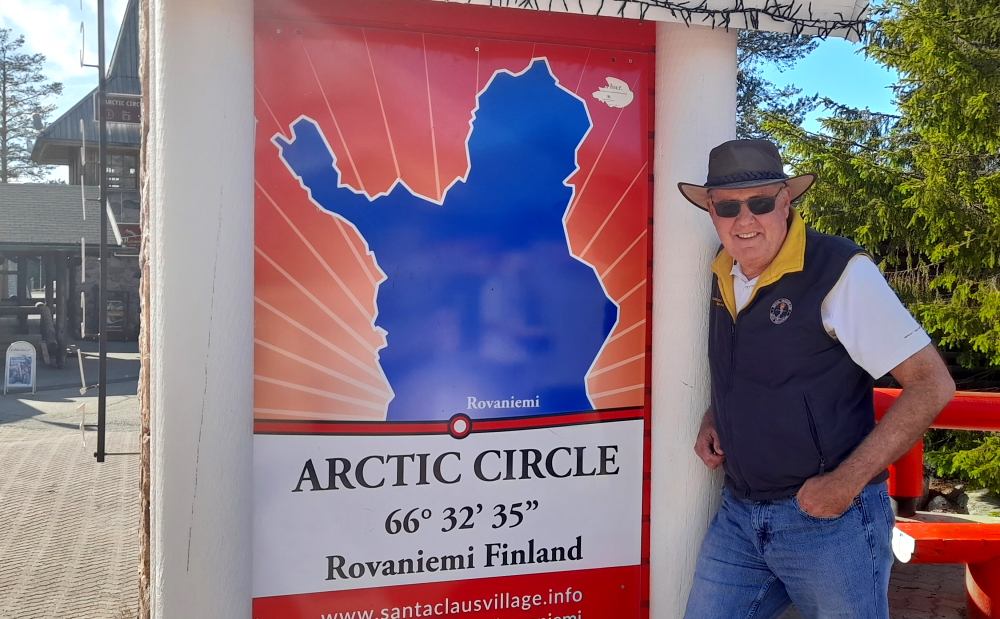
So far we have experience the Scandinavian summer in single digits Deg. C. Today at 4:45 pm and it is 24 Deg. C at the Arctic Circle – UNBELIEVABLE! Finally some summer weather.
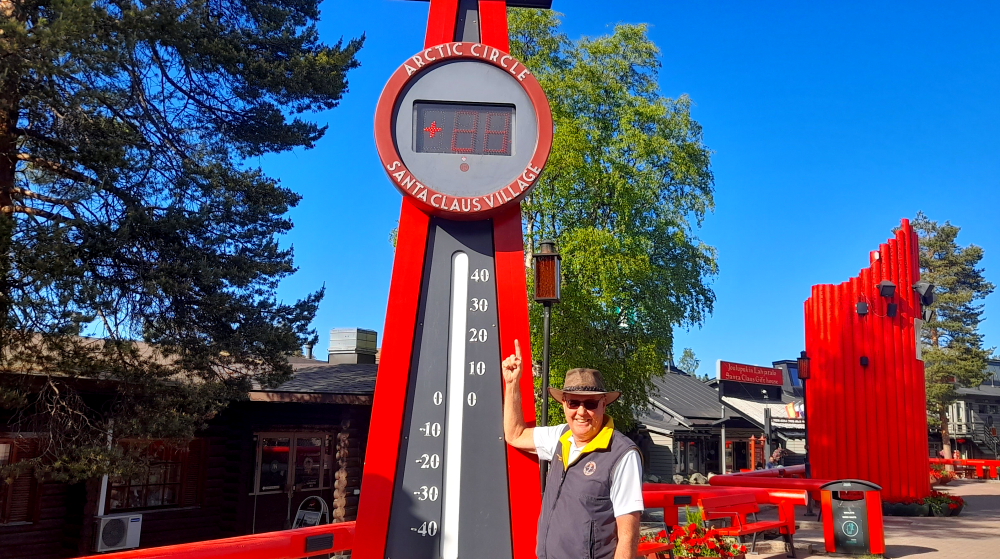
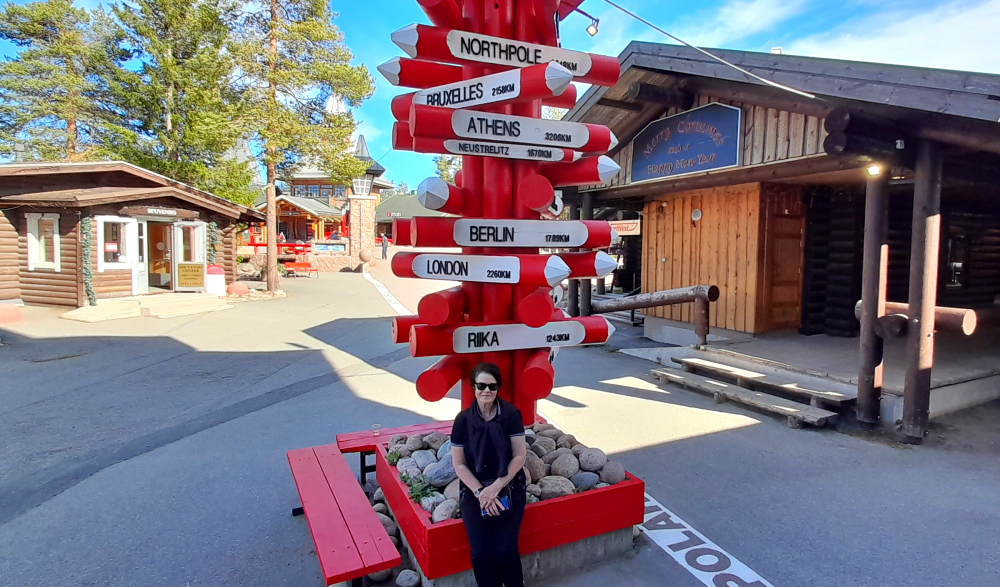
Of course, there is the mandatory sign post to various places around the globe. They should have a sign pointing down to Australia.
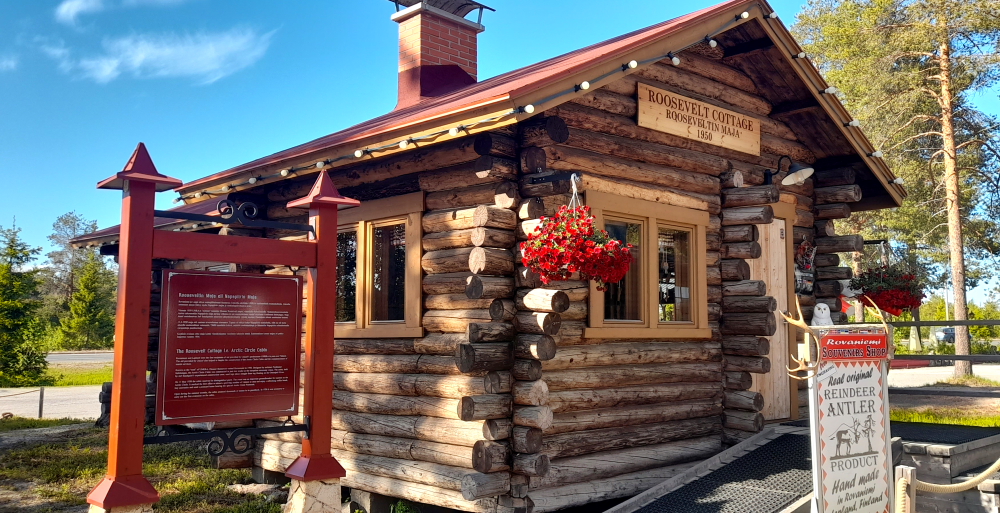
Curiously, there is a small wooden hut nearby called the “Roosevelt Cottage”. Rovaniemi and Lapland were the first recipients of aid provided by Unicef’s predecessor UNRRA in post-War Finland. Known as the “soul” of UNRRA, Eleanor Roosevelt visited Rovaniemi on 11 May 1950. The cabin was constructed in just 2 weeks as the reception ceremony venue. The event was an important ground breaker for tourism on the Arctic Circle. It marked the first effort to attract a growing number of visitors to stop and enjoy a coffee break, buy souvenirs and send a postcard home bearing the special Arctic Circle Postmark.
As this is our last stop above the Arctic Circle we thought we’d better document the “Midnight Sun” at midnight.
This 24 hour daylight thing is starting to get a bit tiresome. Oh, for a dark night to get some proper sleep. So far we haven’t had a single hotel room with proper black out curtains.
17 June, 2023
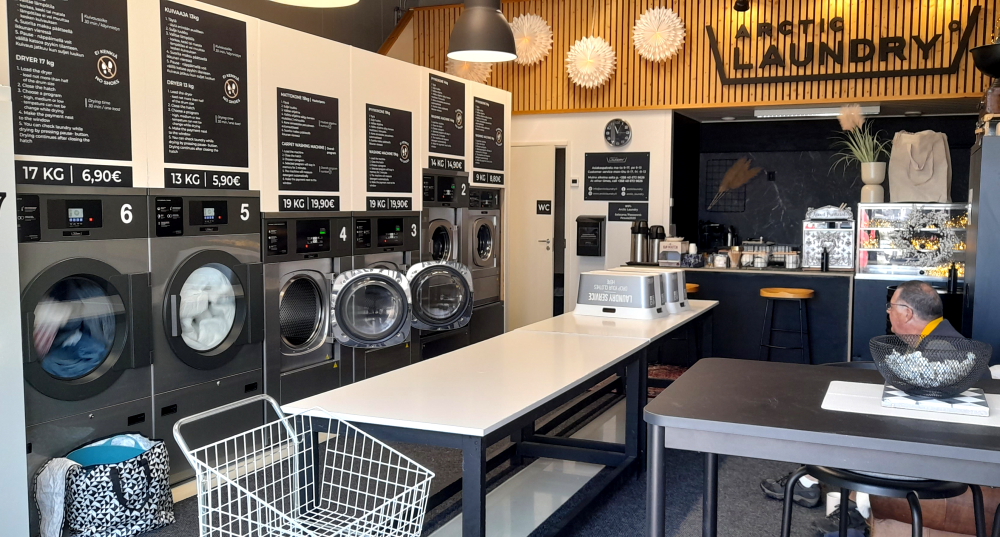
Must be laundry time again so we head into town to one highly recommended on the Internet. Tucked away down the side of a home wares building we finally see its sign. What a joy compared to our experience in Denmark! It’s open, it’s clean, the machines work, there are easy instructions in English, we can ‘tap & pay’ with a debit card and we even get free coffee and WiFi and a loo thrown in plus parking outside the door for free.
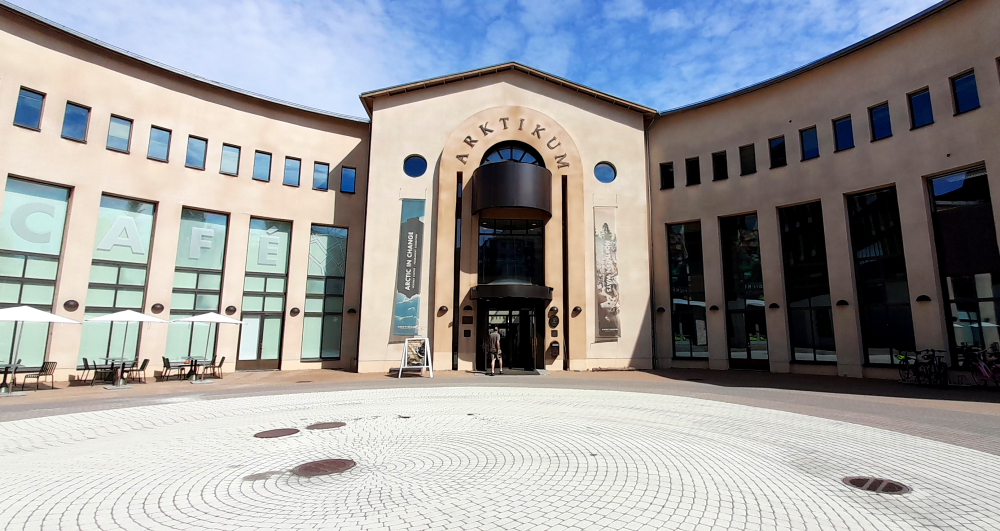
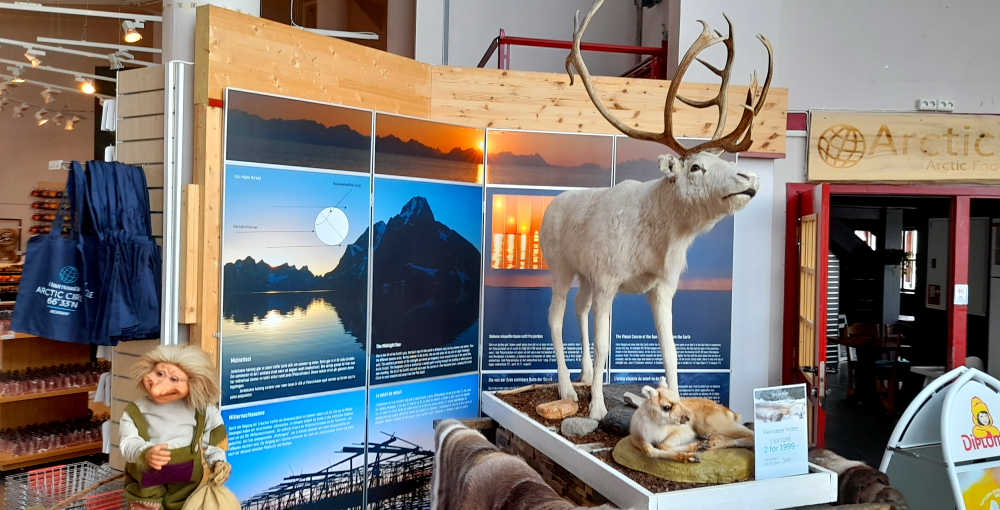
An hour later we drive to “Arktikum” which is an interactive science centre and museum in town. Two separate exhibitions operate at Arktikum – the Arctic Centre and the Provincial Museum of Lapland which examine culture, history, and modern life in the Arctic. Arktikum opened to the public on 6 December 1992, the 75th anniversary of Finland’s independence. The crescent-shaped new annex was completed in autumn 1997.
The floors are made from Perttaus granite – the hardest type available in Finland – and from lime-washed Lappish pine. The chairs are made from birch and reindeer hide.
The most visible part of the museum, its glass corridor, is 172 metres long and it is dissected by the 30-metre wide Kittilä highway. The tube serves as the “Gateway to the North”, as the entrance foyer is at the southern end and guests head north when coming in.
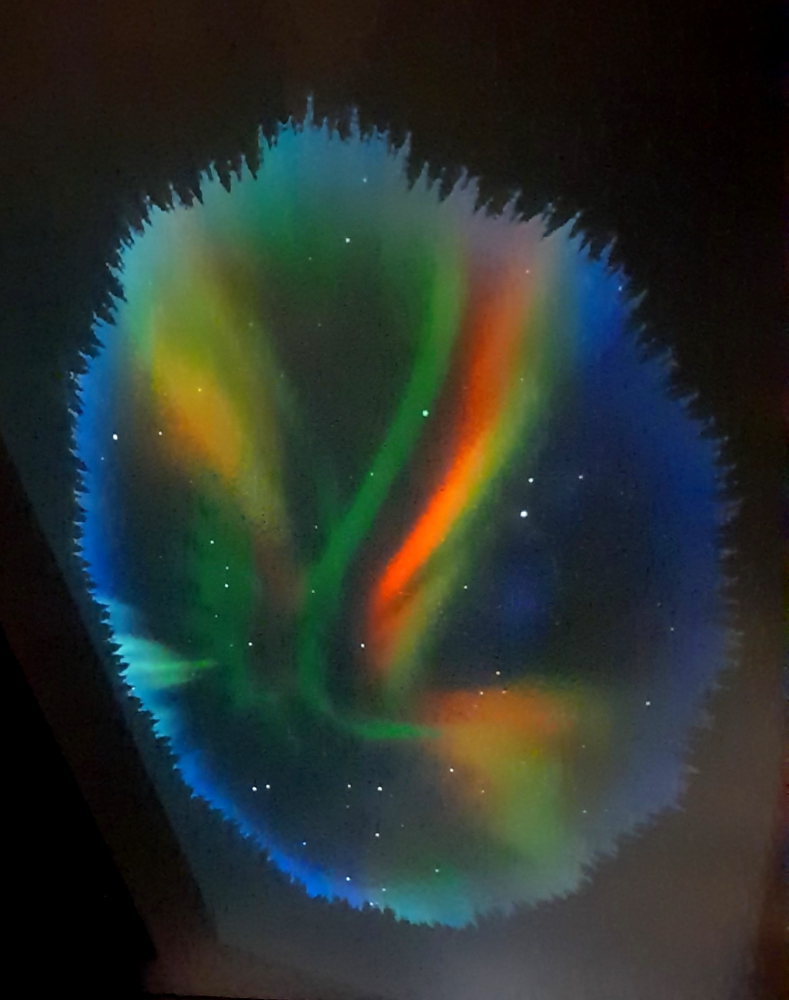
One of the exhibits is devoted to the Aurora Borealis, known as the Northern Lights. The ceiling projection viewed while lying prone.
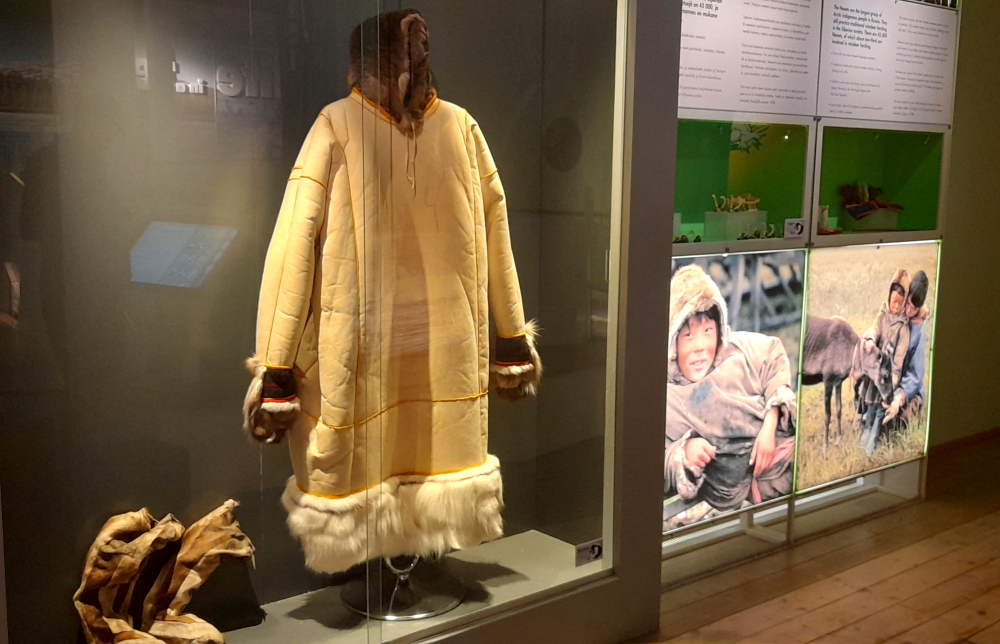
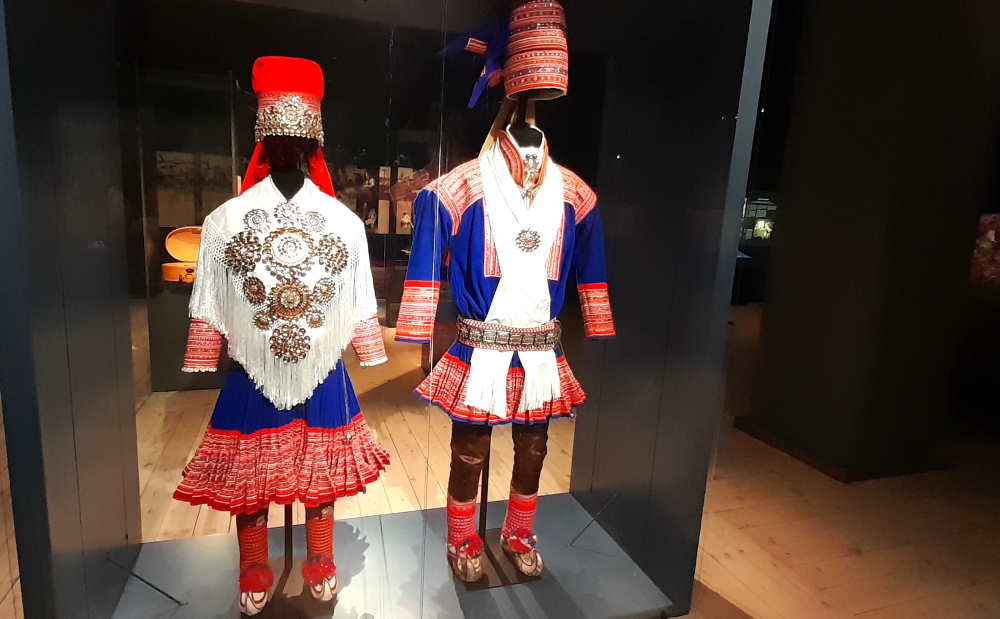
Another to the indiginous tribes that call the Arctic home.
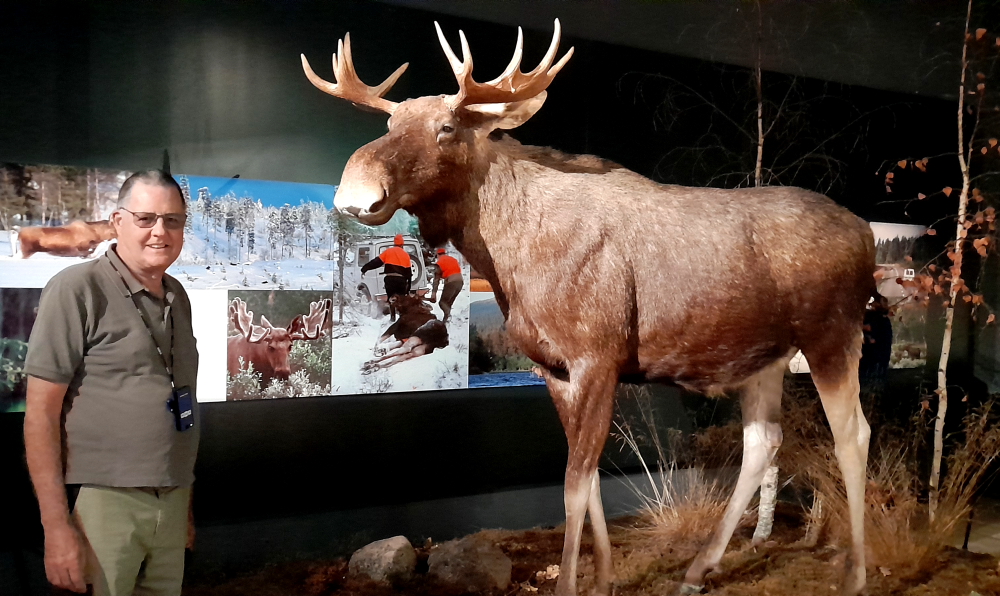
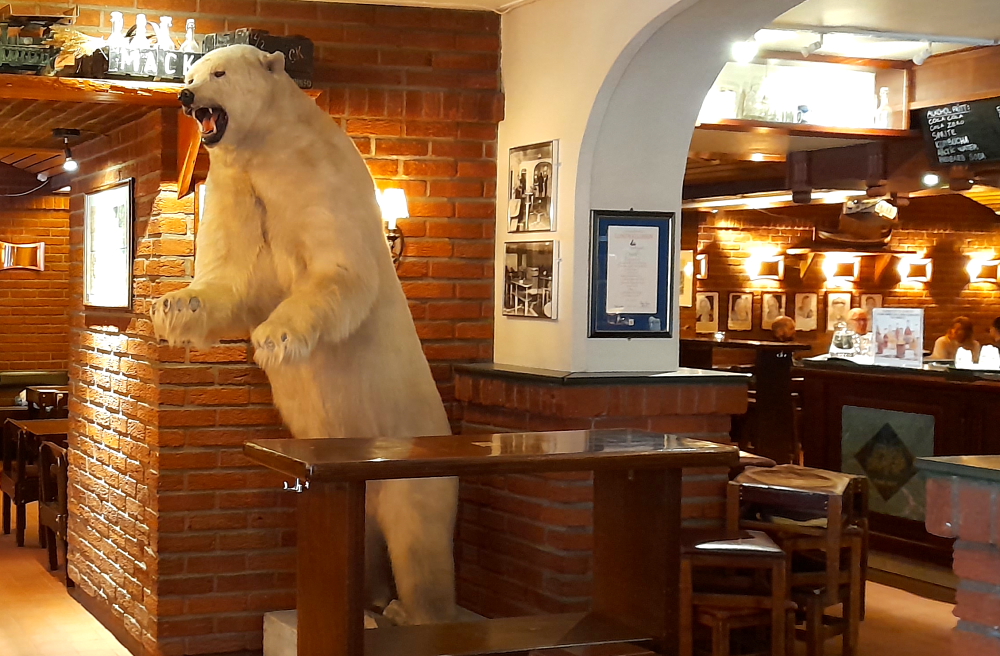
Wildlife feature, too, including stuffed specimens of birds, otter, fox, wolf, bears and an elk.
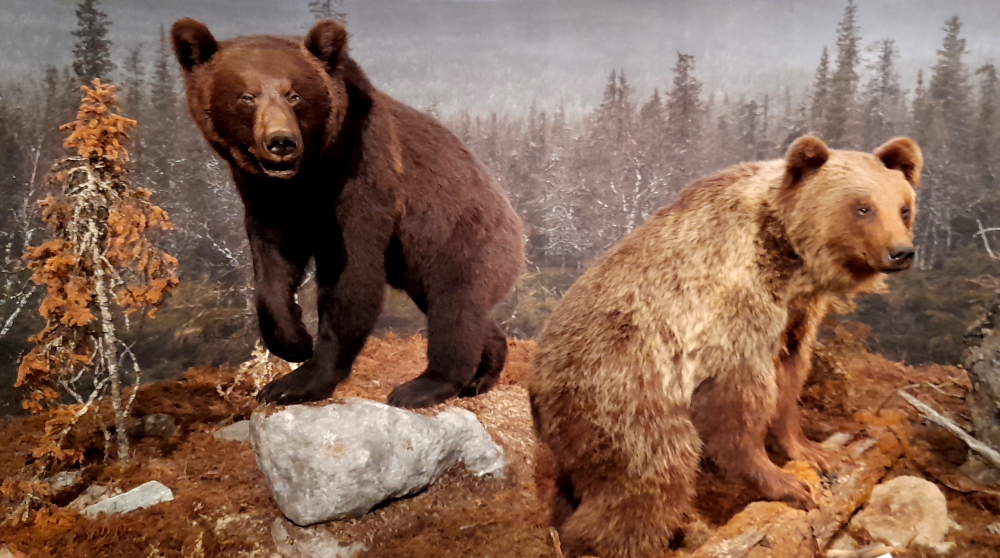
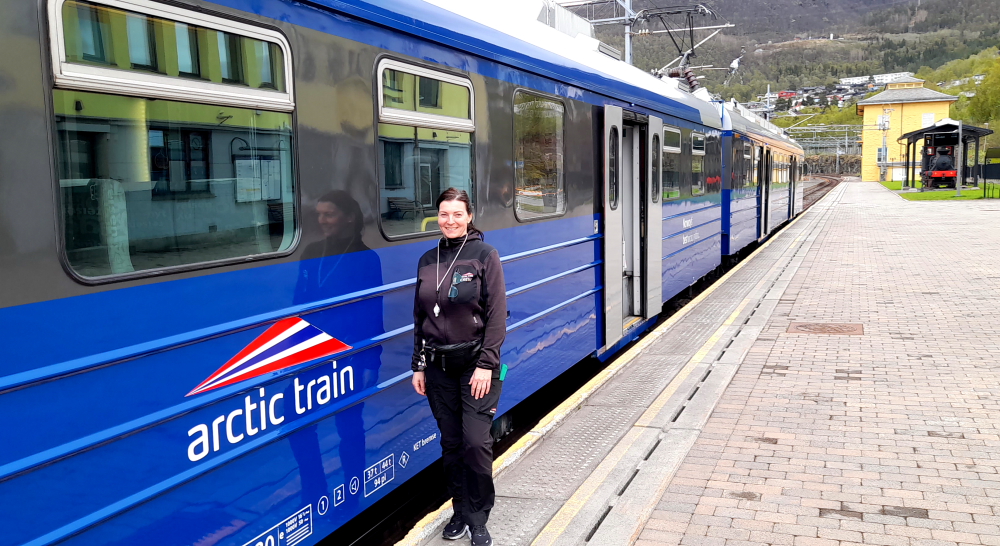
This time the moose is stuffed unlike the moose that we saw from the Arctic Train in Narvik that we thought was stuffed because it didn’t move a muscle as the train passed it by very closely.
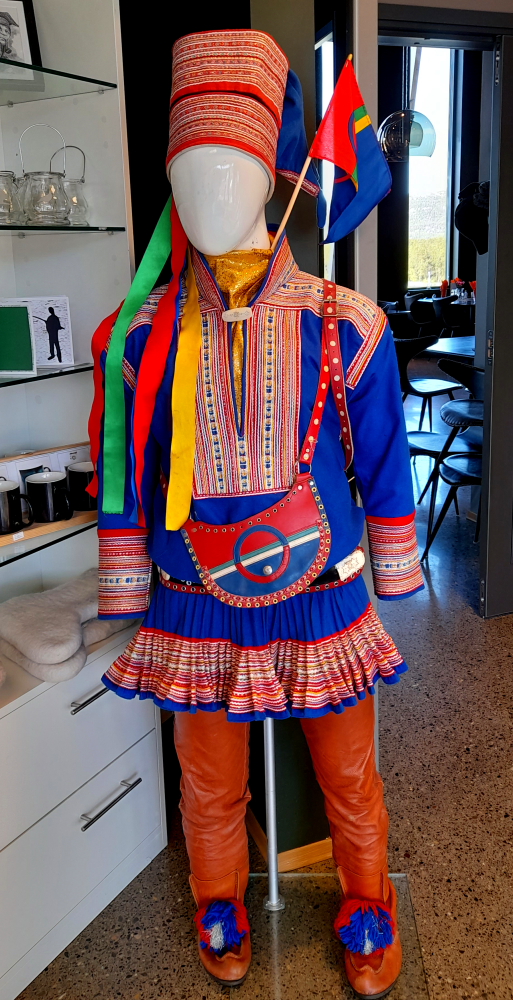
And a section specifically devoted to the Sami.
After an hour or so we drive home for a couple of hours before returning to the town centre to dine at “Yuca”, a tacqueria, to be greeted by an old friend – Bundaberg Ginger Beer! And the margarita wasn’t half bad either.
Driving around the town of Rovaniemi we were surprised how big the town is. This has to be the biggest town that we have seen since Oslo in Norway. As it turns out, Rovaniemi is the second-largest city of Northern Finland after Oulu, and, together with the capital city Helsinki, it is one of Finland’s most significant tourist cities in terms of foreign tourism. Almost totally destroyed during World War II, today it’s a modern city known for being the “official” home town of Santa Claus, and for viewing the Northern Lights.
Rovaniemi is a unilingual Finnish-speaking municipality and, uncommonly for larger Finnish towns, it is also known by its Finnish name and spelling in the Swedish language.
18 June, 2023
It is a beautiful sunny day today with an expected top temperature of 25 Deg C. Polo shirt and shorts weather today. After breakfast we plan to head to the post office in Santa’s Village to organize letters to the grandkids from Santa at Christmas.
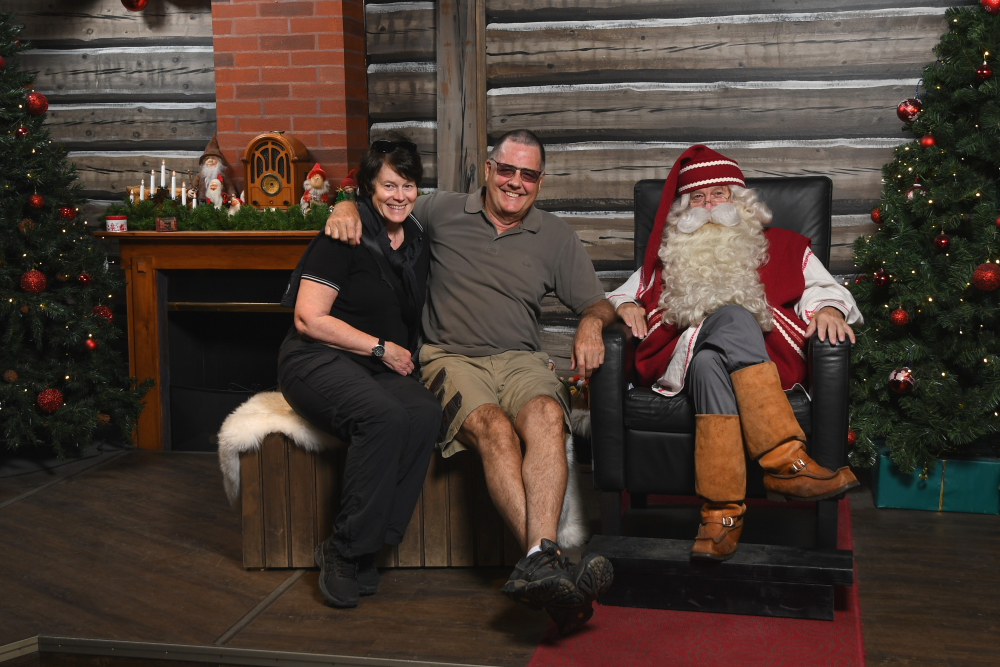
While we are there we stop in to see Santa and he insists that we get a photo with him which I also send off to the kids.
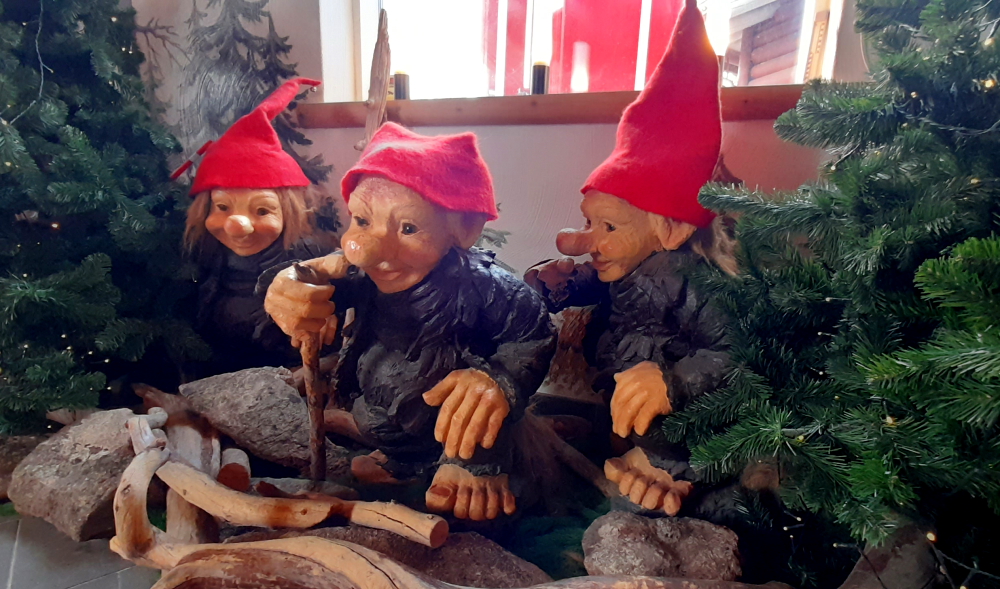
Time to say goodbye to all the elves…
19 June, 2023
Next stop is Kajaani some 345 kms SE away. We should arrive around 4.25 hours later at 2.30 pm.
Firstly, we drive across the road from the Village to a Shell servo to fill the tank – well, a 50-litre limit at EU 2.01/litre and yet again, no bucket and brush for Lynn to scrub the bug-splattered windscreen.
Considering the clouds of bugs we’ve been driving through since we entered Finland, you’d think a bucket and brush would be a constant at servos, as they are in Norway.
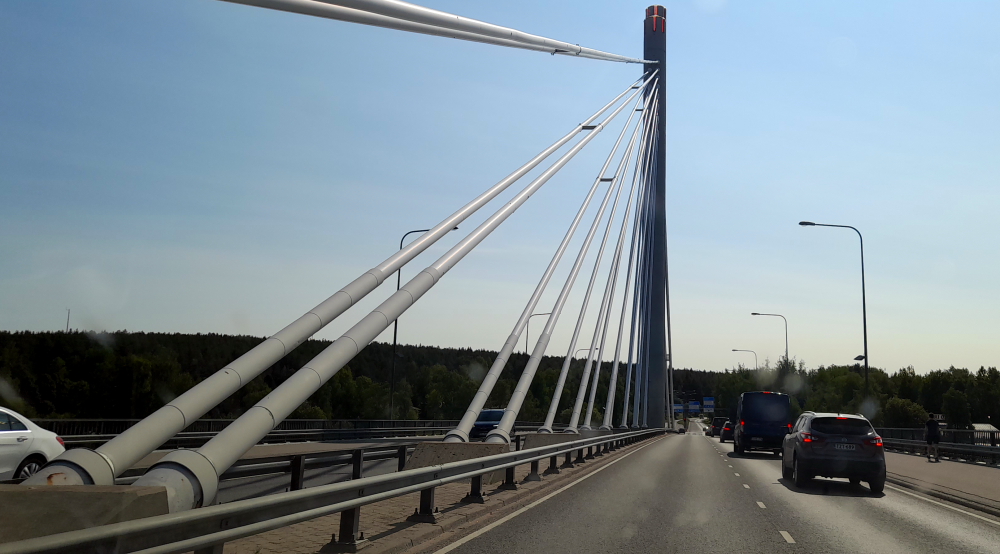
We take the 4 into town then the 78 as we cross the appropriately-named Lumberjack’s Candle Bridge over the Kemijoki River, part of the lake on which Rovaniemi is located.
En route, Lynn was considering stopping at the Ranua Zoo/Wildlife Park about an hour away. It opened in 1983 and is the northernmost zoo in Finland. The zoo’s animals consist of approximately 50 wild animal species and 150 individuals, including top predators such as lynx, brown bears and wolves but also foxes, European moose, deers, birds and Finland’s only polar bear. However, as it is summer, and it is hot, and the animals reside in a large, mozzie-filled, forest-setting she’s not sure that we will get to see a lot of the animals, so we give it a miss. https://ranuaresort.com/en/wildlife-park/animals/
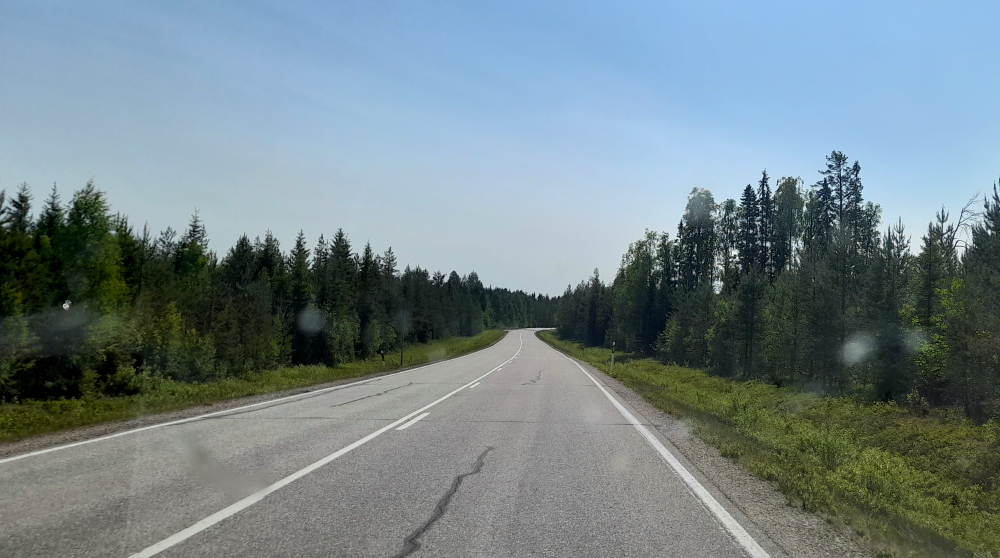
It’s official – Finns don’t pee! After a couple of hours’ driving through the same groundhog-day landscape, it’s time for a pit stop. Unlike Norway, which has regular road-side, WC-signed lay-bys, Finland has nada. We decide to stop at a Shell servo which has a cafe attached, only to find that it isn’t a Shell and the ‘cafe’ looks like the back entrance to a mechanic’s workshop. Fortunately, we return to a cafe that we passed driving into town which seems to be a community centre. Problem solved.
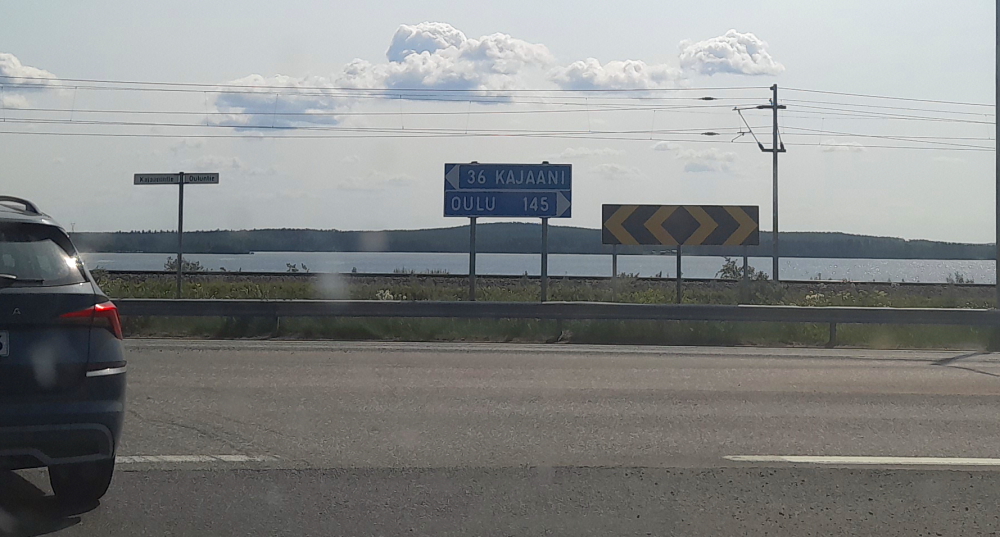
Around 2:00 pm we arrive at the T-junction of the 78 with the 22 at Paltamo – 36kms to Kajaani to the left or 145kms to Oulu to the right. It will be another 10 days before we are due to arrive in Oulu. We head towards Russia – but turn southwards shortly after back on to the 78.
We arrive at our hotel on the banks of Lake Nuasjarvi just after 2:00 pm in 25 Deg. C heat. The hotel looks like a Russian hotel from the 70s. Our room is hot and there is no air conditioning. With very little darkness Lynn decides that it will be too hot to sleep in this room so she goes to reception to get a fan.
She is informed that there are no fans available but we are offered an upgraded room on the shaded side of the hotel. It is a family room and seems to be a bit cooler.
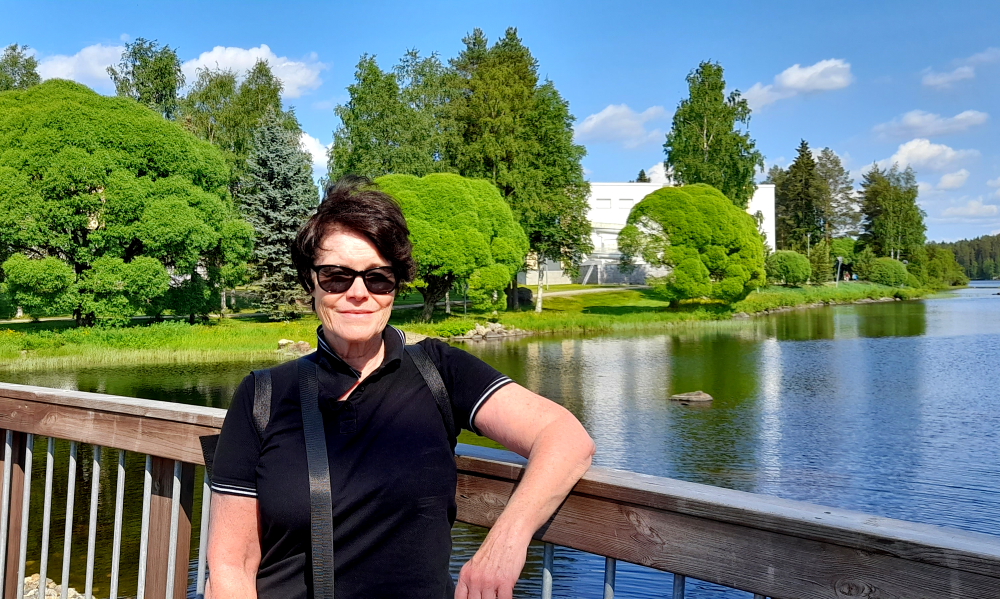
While we check in Lynn picks up a town map and notices several walking paths through an adjacent forest and around the lake so we choose one which will take us to several ‘must see’ locations in Kajaani.
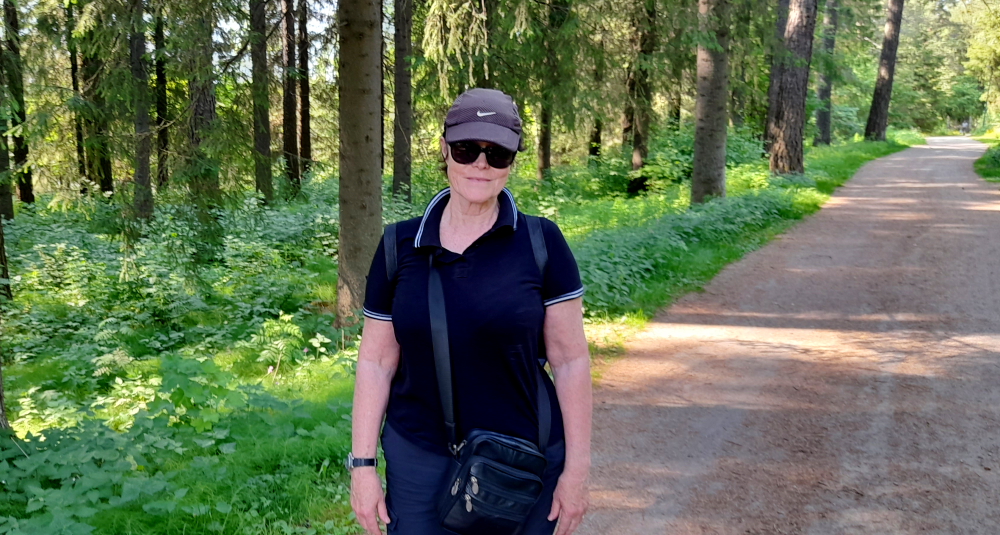
After walking over one of the numerous bridges we arrive in town and immediately head for an ice cream vendor on Raatihuoneentori square – our first ice cream treat for the season.
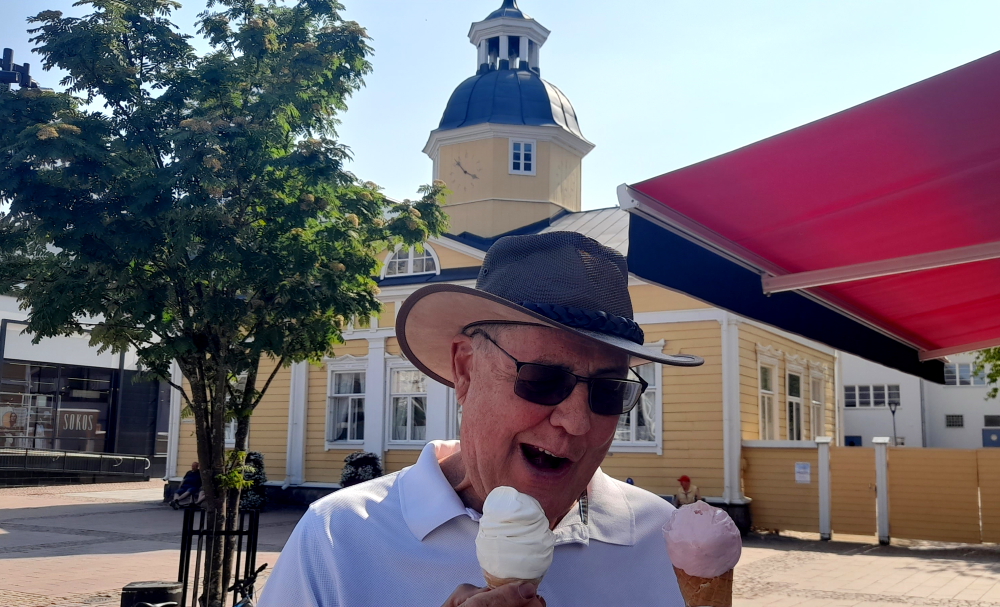
The town centre is much like our hotel, outdated and in need of demolition and a modernised rebuild.
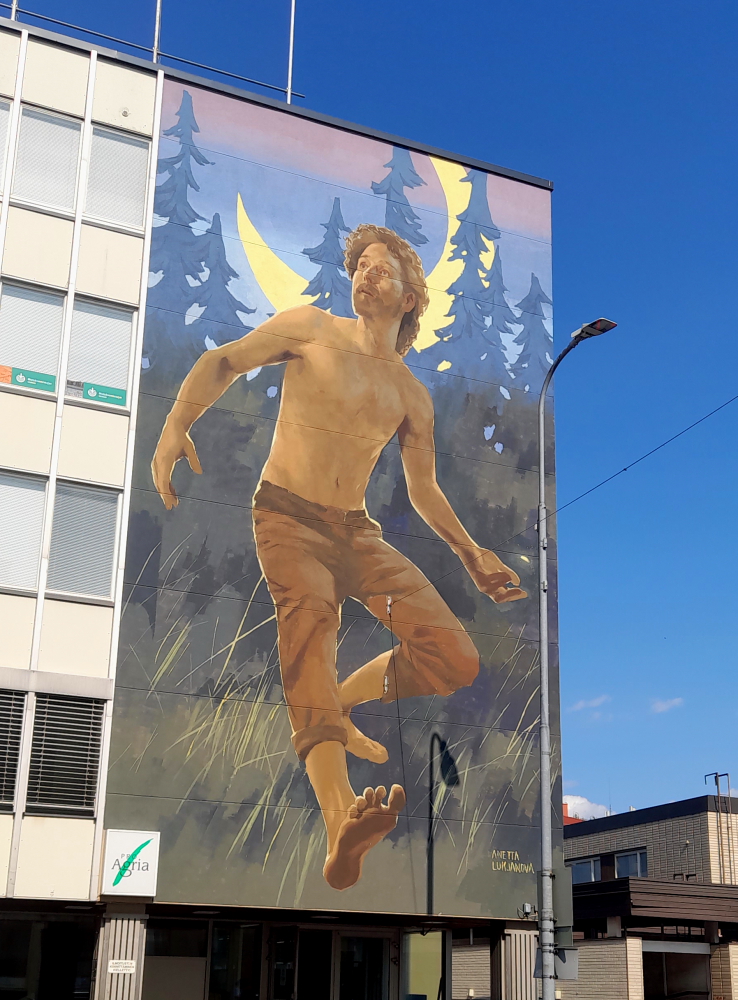
Nearby, some street art catches Lynn’s eye. Compared to the simple stencil art that adorned the walking trail underpass, this panel is rather sophisticated but we can’t find any reference to it on the Internet.
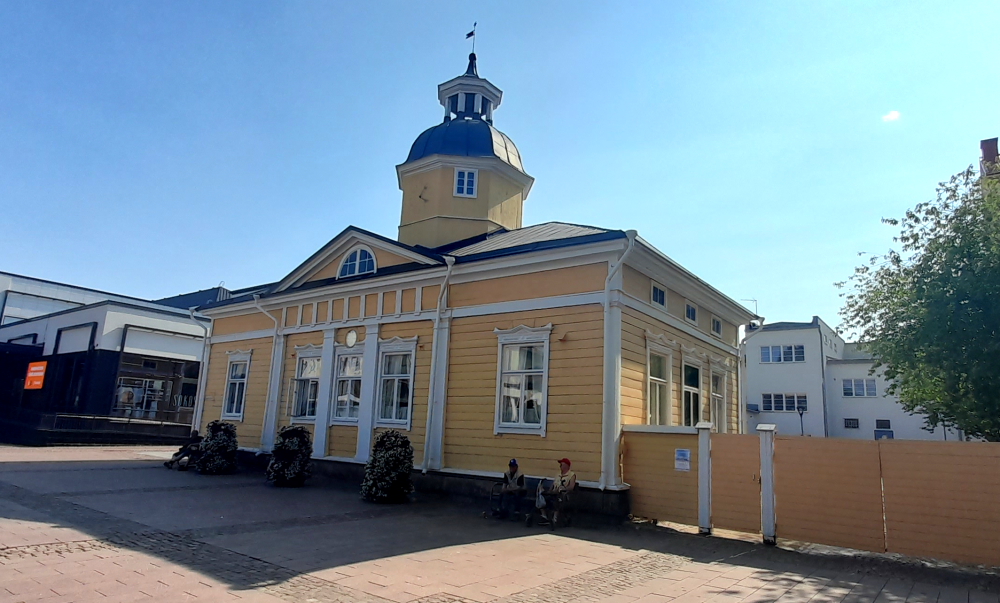
Back on Raatihuoneentori square, the town hall designed by C.L. Engel was completed in 1831 and is the most important and oldest building in the Kajaani city centre. Here the town council used the hall as its meeting place until the early 1950s. Many a celebration also took place in the town hall in the 1800s – after all, there were no other suitable facilities in the region. The building looks nearly the same as back then.
The Raatihuoneentori square located in front of the town hall was previously the centre of business in Kajaani and the place for organising two major markets each year.
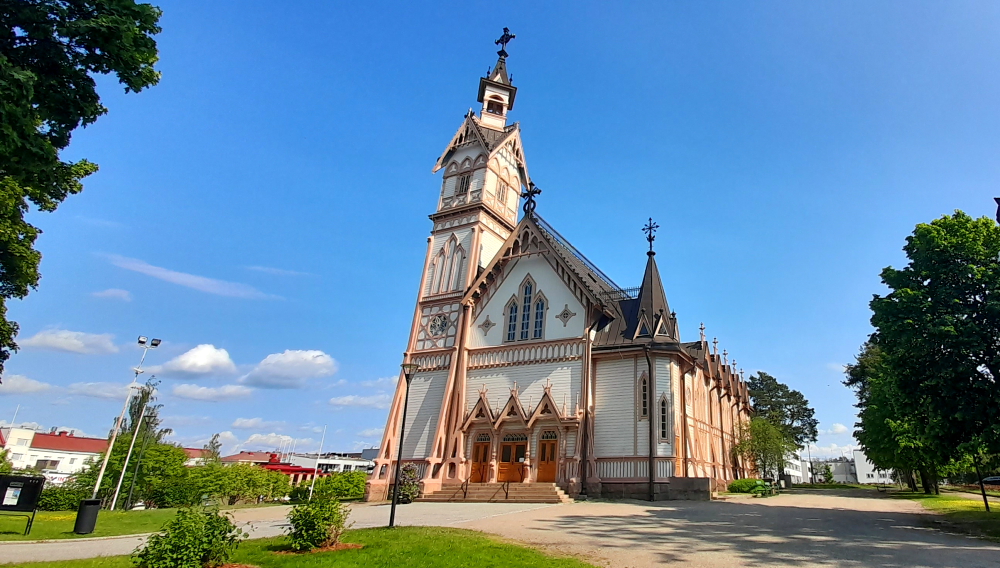
From here we can see a tall spire in the next block – the Kajaanin Kirkko.
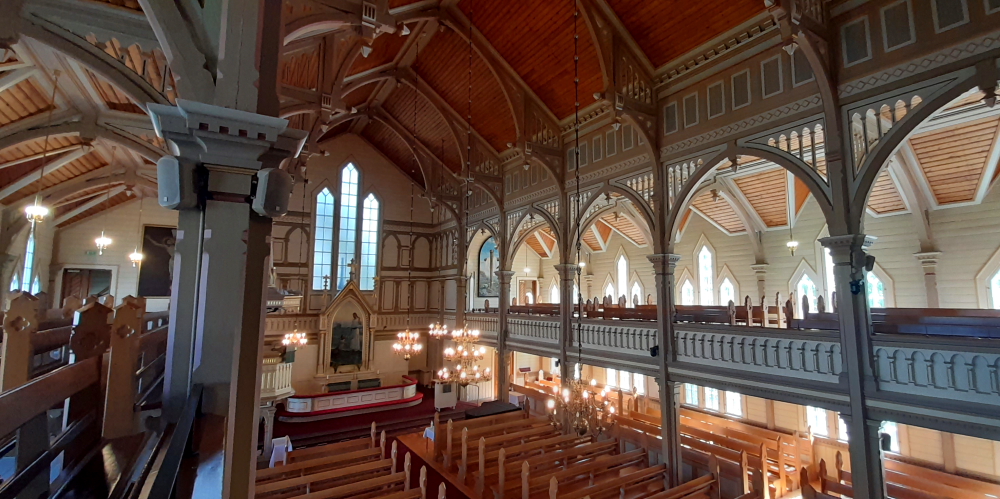
The current church was completed in 1896. It was designed by architect Jacob Ahrenberg. The building represents the most decorative neo-Gothic style of late 19th century Finland. Placing the church tower to the side of the central axis is of German origin. The slender tower with its open parts refers to the Italian Renaissance and Baroque style.
The altarpiece “Savior and Peter on water” was painted by the artist Toivo Tuhkanen from Kajaani in 1925.
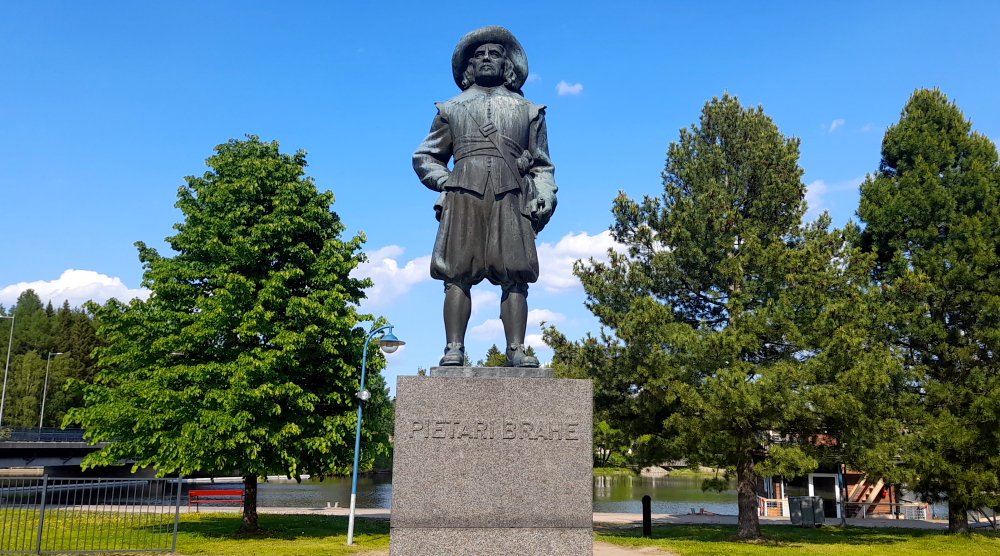
Walking back to the hotel we pass by another landmark – the statue of Per Brahe the Younger, the Swedish Governor-General of Finland. Kajaani was one of the cities founded in 1651 by Per Brahe. At that time, the Kainuu region—as wood country—was an important producer of tar derived from pine, and the tar trade was its major industry.
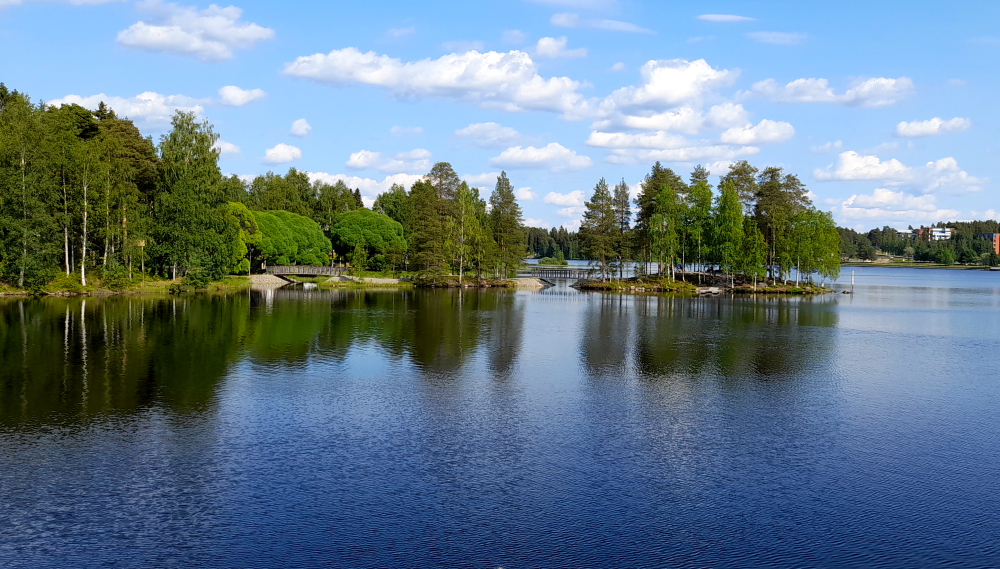
Kajaani, historically known as Cajanaburg (Swedish: Kajana) is the most populous town and the capital of the Kainuu Region of Finland. It is located southeast of Lake Oulu (Oulujärvi), which drains into the Gulf of Bothnia through the Oulu River (Oulujoki).
Per usual, we have dinner in the hotel restaurant tonight. Once again we are asked if we are paying the bill separately or together. You obviously go Dutch in Finland!
20 June, 2023
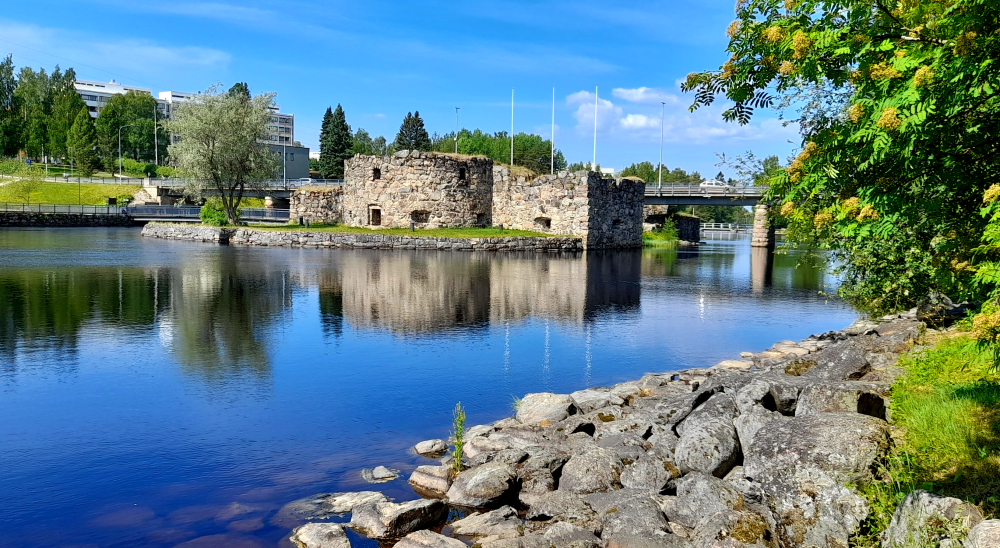
Another sunny day has been promised, although with possible rain this afternoon, so we take another walk after breakfast. We walk further along the lakeside trail past the Kajaani Castle Ruins to the nearby tar canal.
Tar was used as a water repellent coating for boats, ships, and roofs and it was also a panacea in Finland. The Finns have a saying “if sauna, vodka and tar won’t help, the disease is fatal”.
In the 19th century Kainuu was the single most important tar producing region in Europe, thanks to her enormous forests and the natural transportation route along the Oulujoki water system. However, the rapids of the river Kajaaninjoki were a real obstacle for tar transportation because the boats had to be taken ashore and pulled past the rapids.
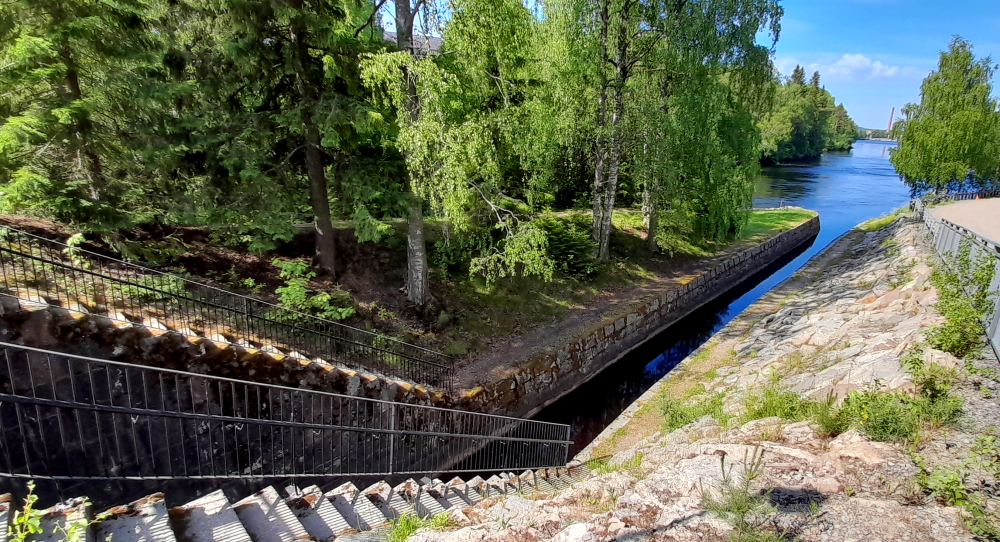
The first attempt to solve this problem was to build, in 1820, boat chutes by the river but these proved insufficient. In 1825 the Emperor of Russia, Alexander I, gave permission to build canals in the rapids of River Kajaaninjoki. The construction begun in 1836 and the canals were completed 11 years later. Both were designed for the long tar boats and they were heavily used until the early 20th century.
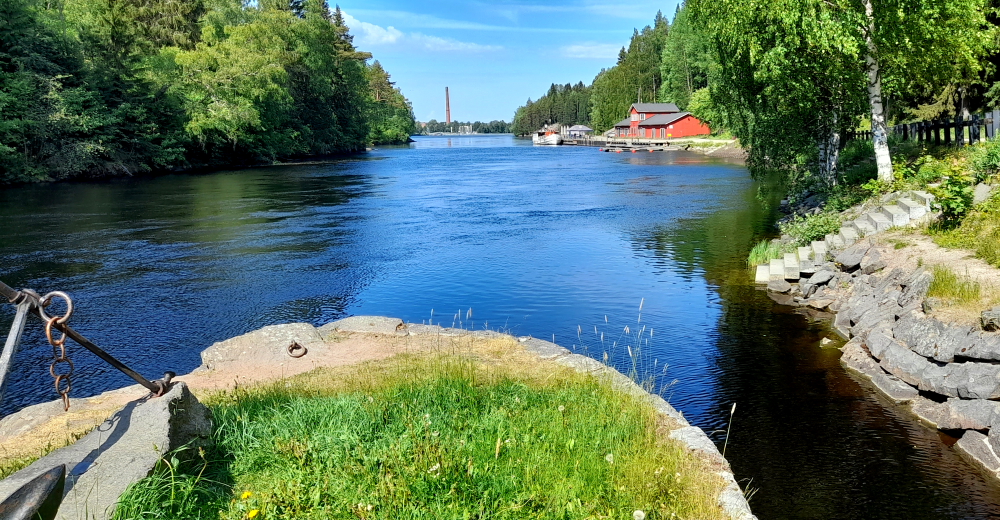
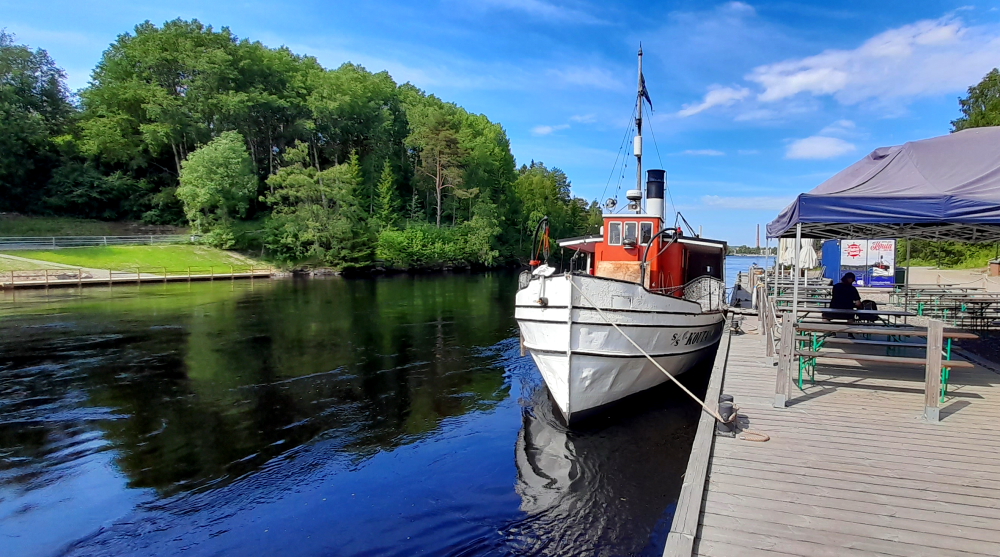
Up to 24,000 barrels of tar were shipped through the canals per year until 1915 when, in that year, the decline of tar transportation and the deteriorating condition of the canals finally caused their closure.
We retrace our steps as far as the Kajaani Castle Ruins which we access from the other side of the river next to the main bridge
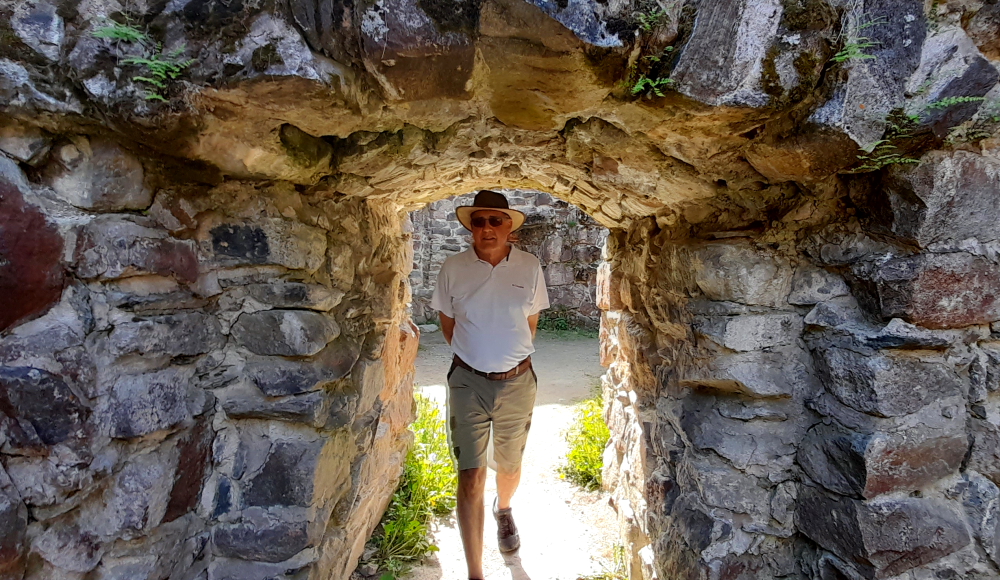
The Kajaani Castle was built in 1604-1619 to stabilise the Lake Oulujärvi region and to supervise the vital waterway River Kajaaninjoki. The city of Kajaani describes the destruction of the castle as follows:
“The Russian beat the Finnish army in the battle during the Great Northern War in 1714, a period also known as the Great Wrath. The Russians destroyed parts of Kainuu Region in order to invade Kajaani, too. The Chief of the castle heard about their plan, however, and warded off the first attack. In December 1715 Commander Tshekin arrived with his cavalry of 4,000 men. The Russians laid siege to 50 rangers and approximately 70 women and children in the castle for about 5 weeks. Finally (24 February 1716) the residents had to surrender as they had lost men to battle. The people in the castle were imprisoned and taken to Siberia. The castle was vacated and blown up. Only the stone ruin of the castle remained but even that was gradually destroyed as the locals picked up rocks for the foundation of their houses.”
No change there, then! These days, history repeating itself.
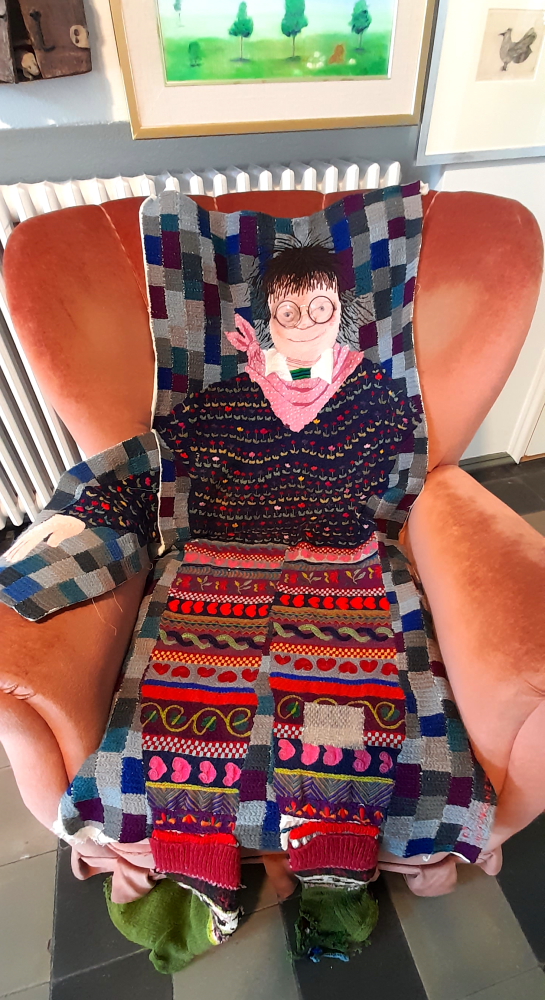
Finally we call into the Kajaani Art Museum. There have been many art museums in Denmark, Sweden and Norway that we could have visited, but this is our first. Mainly because I’m not interested, considering them a total waste of space, but also because this is the only one with free entry. Exiting the building, I’m still of the same view plus, I’ll never get that 15 minutes of my life back again!
We head back to the hotel to start work on our hotel bookings for the winter months and specifically for Christmas when we will be in Spain and southern France. It is slow going and we don’t make much progress with Booking.com. It seems that they have made some significant changes to Booking.com and now it is all but worthless. Sometimes progress is a step backwards. Hey, guys… if it ain’t broke, don’t fix it!
21 June, 2023
To everyone else in the world, today is mid-summer aka the summer solstice, the longest day of the year. However, the Scandinavians this year have chosen Friday, 23 June to be mid-summer eve and therefore Saturday, 24 June, mid-summer’s day. Go figure. Plus they celebrate mid-summer’s eve with a national holiday. You would too, if you lived in a world of darkness most of the year.
We depart Kajaani at 9.45 am for our 448 kms, 5 hour 40 minute drive to Lappeenranta – it’s 24 Deg. C.
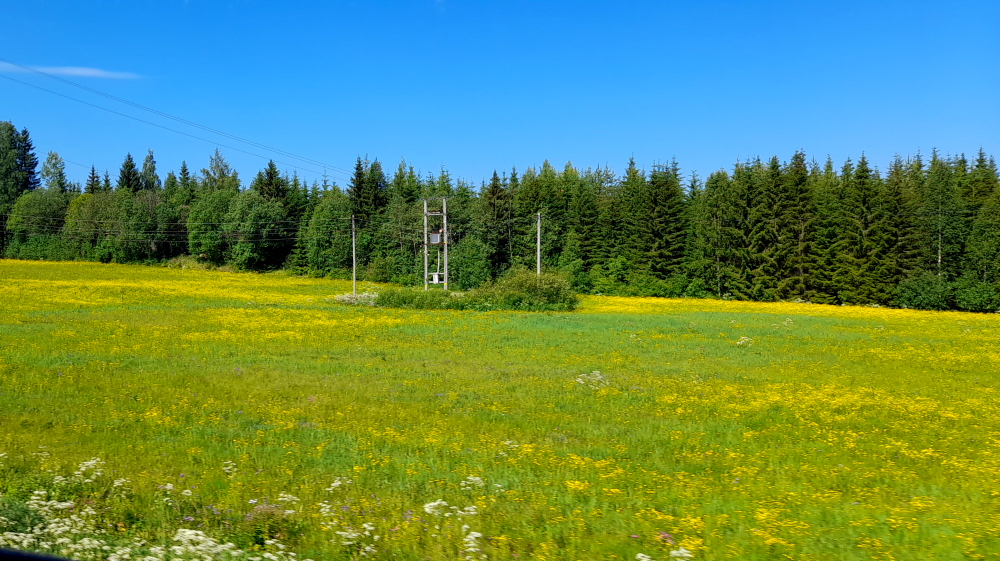
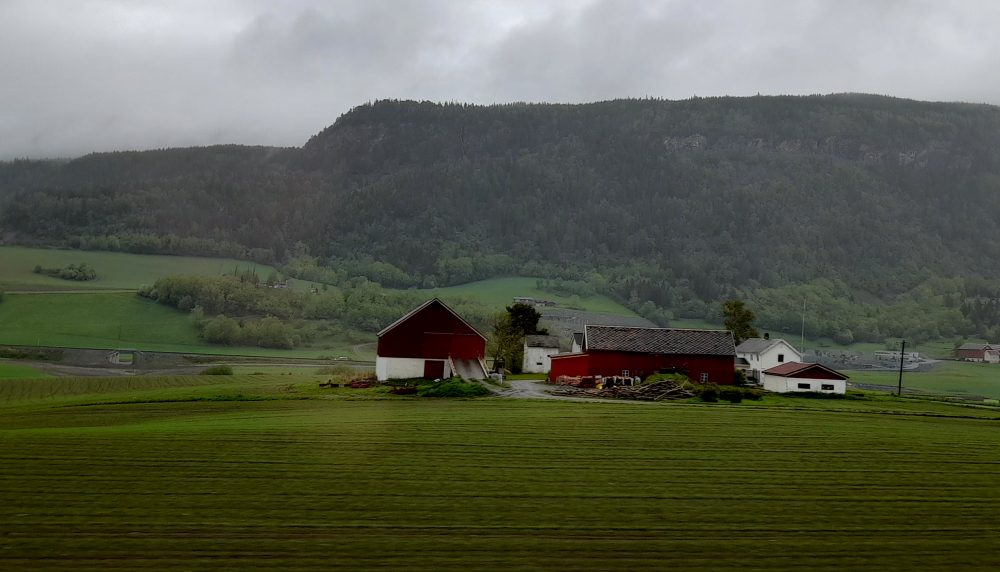
The landscape starts to change from endless forests of conifer and silver birch to sections of mown fields having been carved out of said forests and more houses and farms.
Every time we drive past a service station we try to see if they have buckets and brushes next to the bowsers, but to no avail. We decide to try a new service station, one attached to an ABC supermarket and lo and behold, Lynn spies a guy pulled off to the side who is using a bucket and brush on his windscreen. Apparently these items are secreted away in a cabinet on forecourts labelled “vesi/ilma” (water/air) where the buckets/brushes are kept along with the air hose and a watering can. Mystery solved!
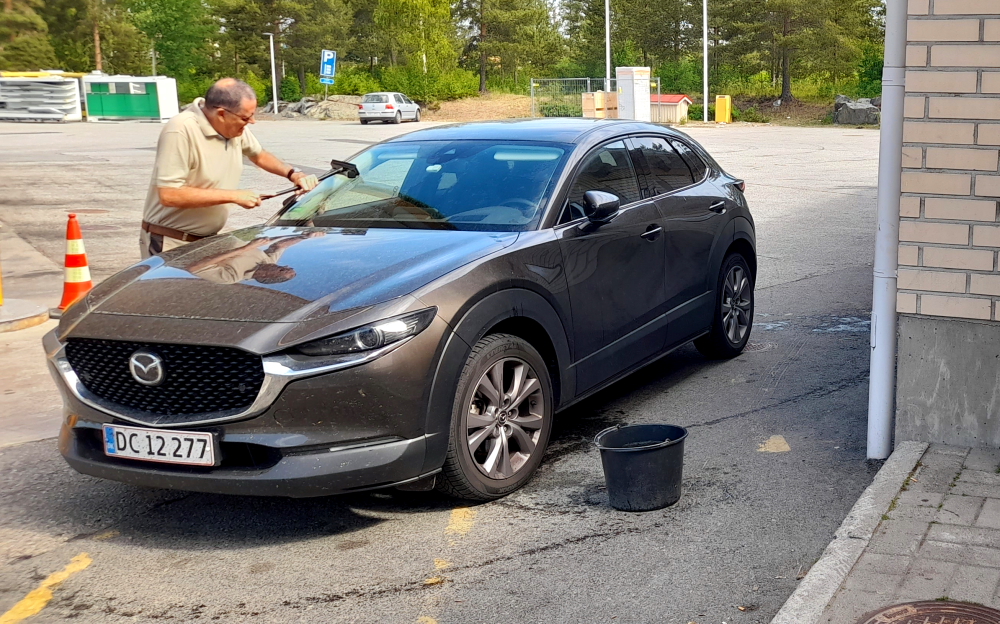
As the windscreen is so thick with splattered bugs and Lynn is too short to have any leverage with the brush, I get to do the deed.
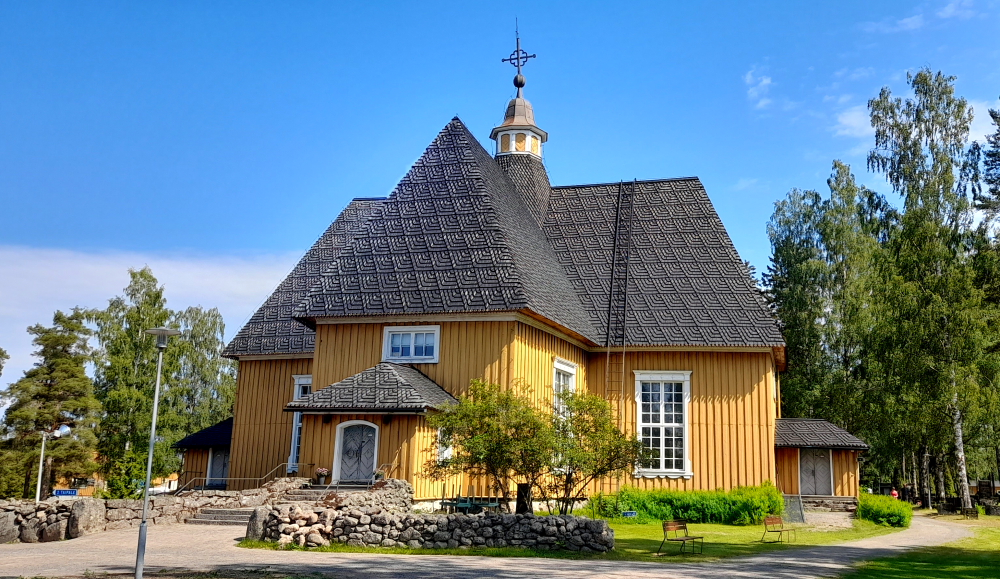
En route to Lappeenrata we take a slight detour to the village of Lemi to see its church. Construction of the first church was started in 1668, but it was destroyed by arson in 1670. The next one was completed in 1688 and used for one hundred years. The present one was built in 1786 by the local church builder Juhana Salonen.
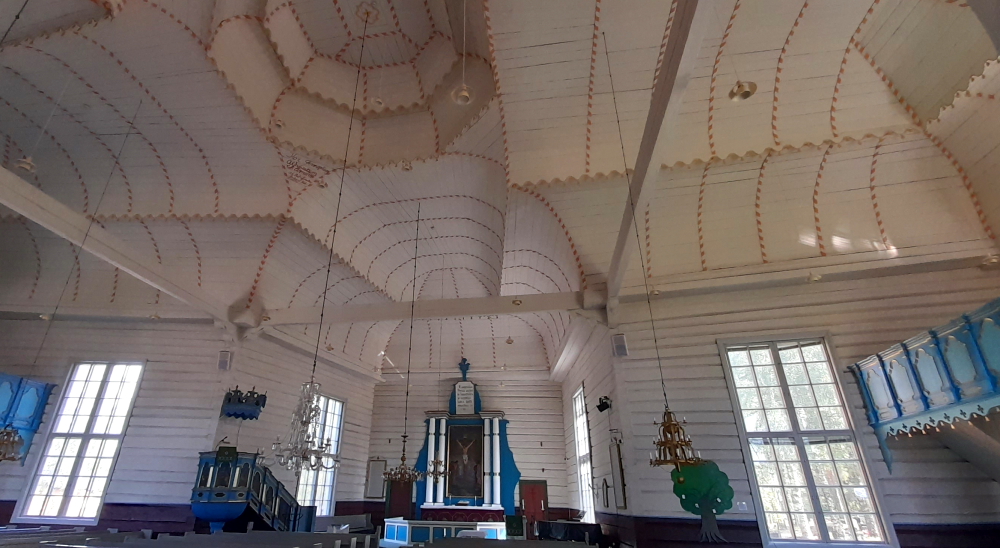
Although it has been renovated over the years, it hasn’t altered in appearance. The altarpiece was made by local artist Antti Muukka in 1925. The church also possesses a crystal candle crown from St. Petersburg, which was generously donated. The wooden cruciform-shaped church is one of the most valuable wooden churches in the Europe.
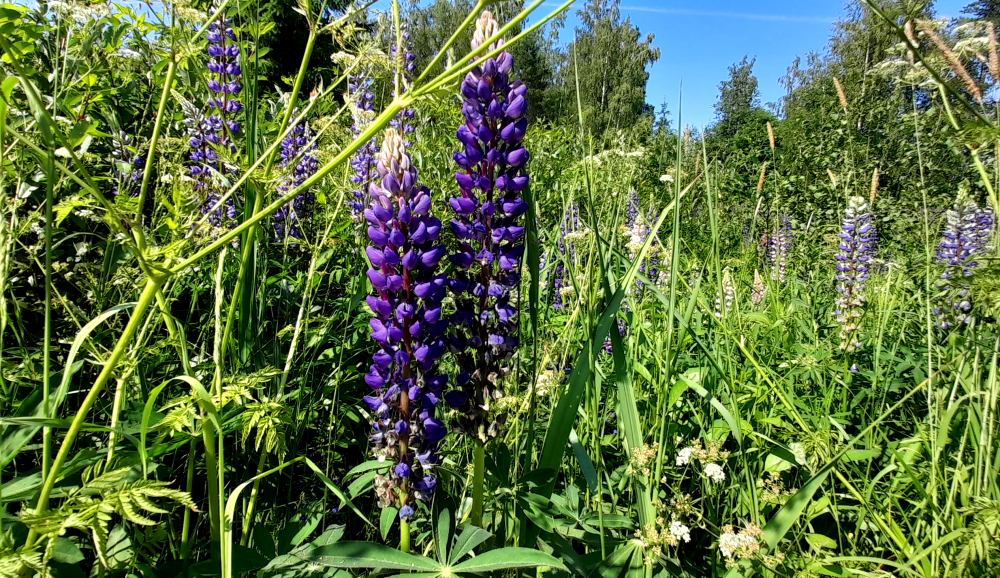
Something else that is different about today’s landscape is the proliferation of blue, purple and pink lupines along the roadsides, together with other wildflowers and flowering weeds with white, yellow and purple blossoms.
It’s around 4:15 pm when we arrive in 26 Deg. C heat at the Hotelli Rakuuna, and are greeted by army tanks at the entrance to the old military base.
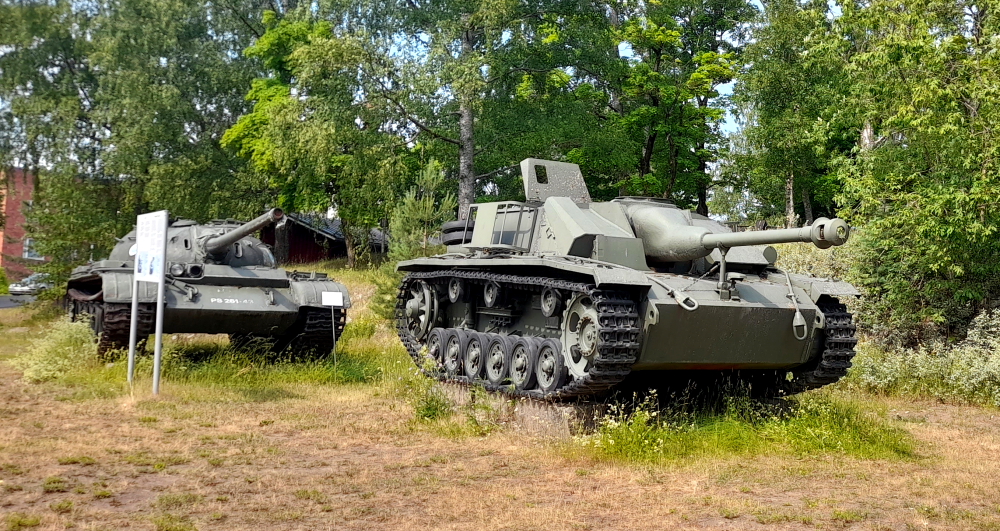
With a history dating back to the 1890s, the past comes alive as officers’ and servicemen’s lodgings, old garrison buildings, hospital, artillery halls, stables and root cellars have been repurposed – such as the hotel and residences..
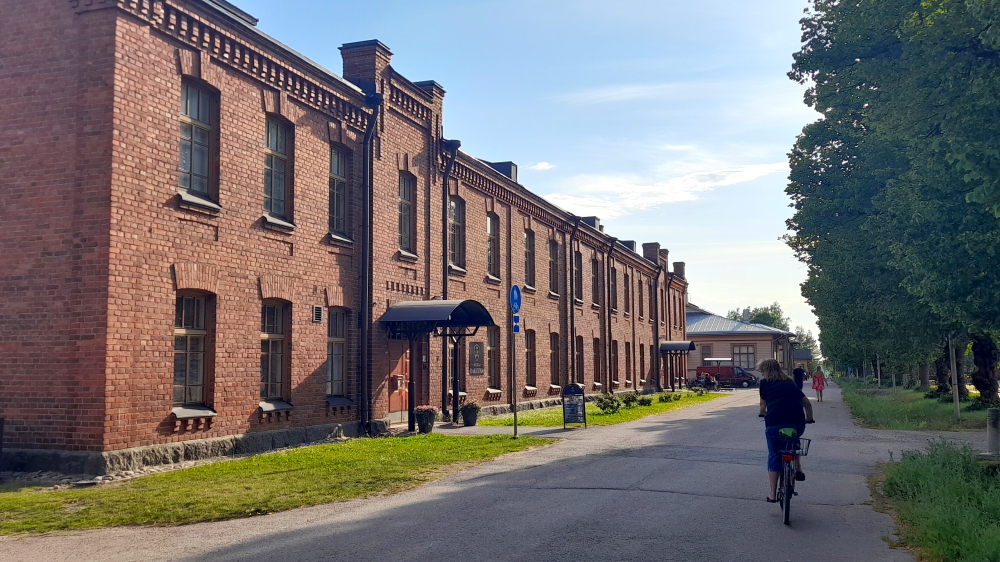
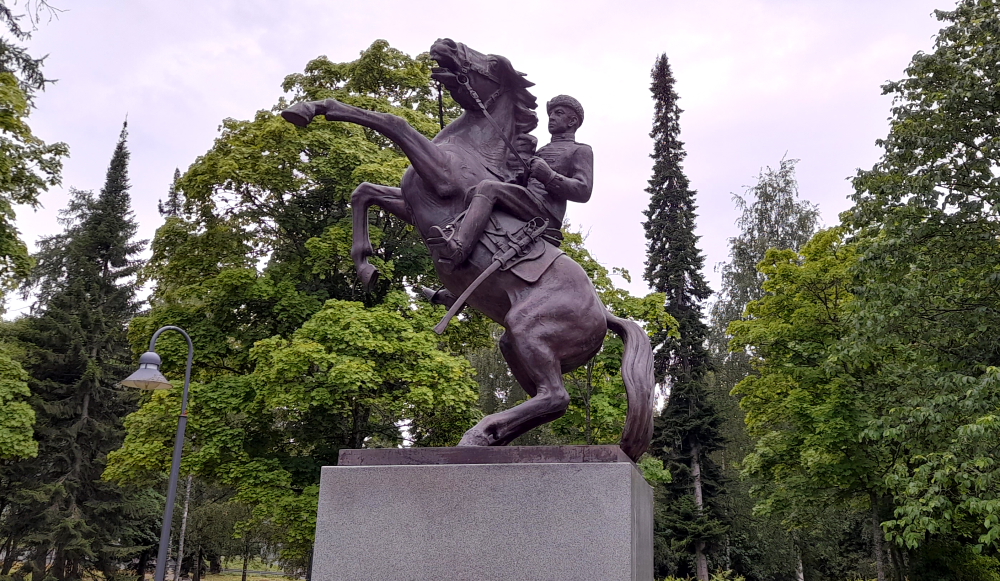
The cavalry unit Suomen Rakuunrykmentti (Finnish Dragoon Regiment) was formed in Lappeenranta by decree of the emperor on April 17, 1889. and the first red brick barracks were built on this hill in 1889-1894. At most, the garrison was 1,600 men and 1,500 horses strong.
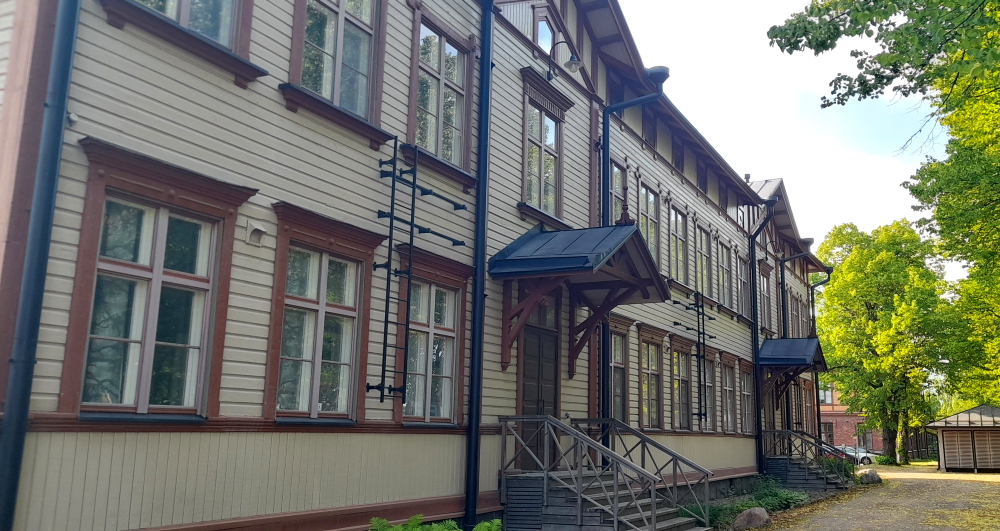
The dragoons’ glamorous reputation dates back to 17th and 18th centuries when Finns fought in the Swedish cavalry. In the Thirty Years’ War they were known as “Hakkapelite” and their battle cry “Hakkaa päälle!” was widely feared.
Cavalry training was very demanding and dangerous. After the men were taught the correct riding position and how to use a sabre, they moved on to advanced riding skills. The days ran on a tight schedule but the dragoons were also a common sight on the city streets. The dragoons could be boyish, proud and even reckless but they had a very strong sense of honour.
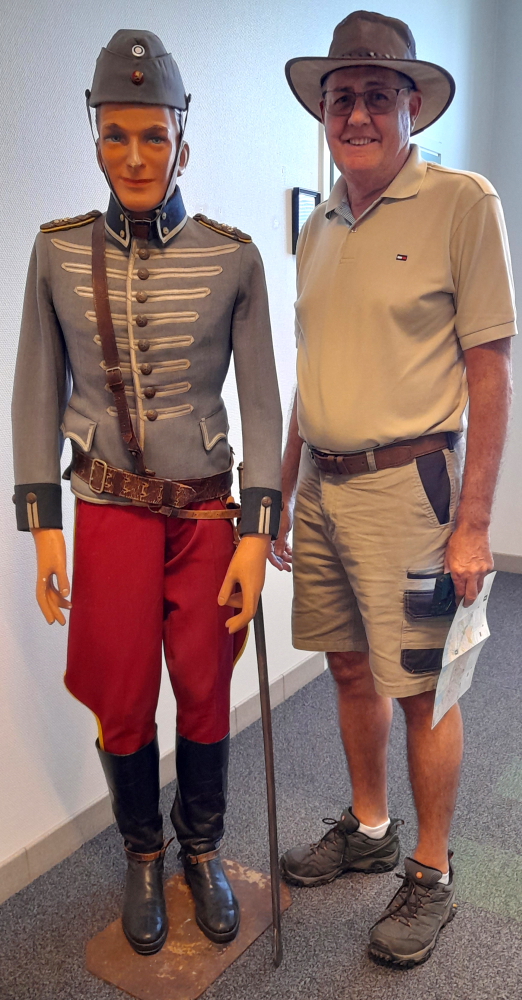
The last cavalry battles were fought in the First World War. In the Second World War horses were used, for example, as draught animals for artillery. The last of the cavalry regiments was disbanded in 1947. The unit continued in Lappeenranta until 1989 and the tradition was continued by the Dragoon Troop of the Army Academy until 2016. Today, the tradition lives on in the Dragoon Band and the traditional cavalrymen that patrol the city streets every July.
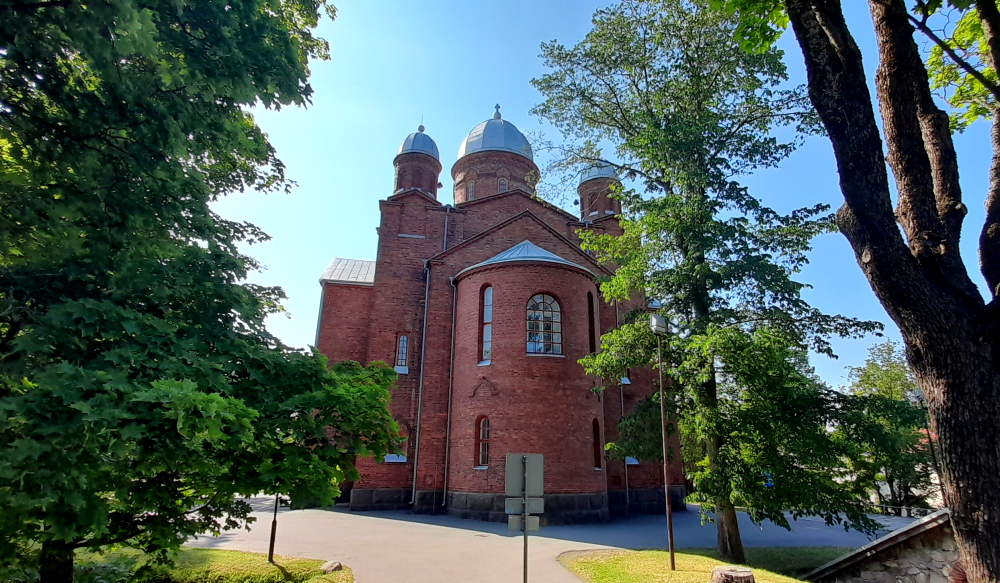
Nearby, the Lappeenranta Church was inaugurated on 12 August, 1924. The Church was initially built as a garrison church for the Orthodox Church.
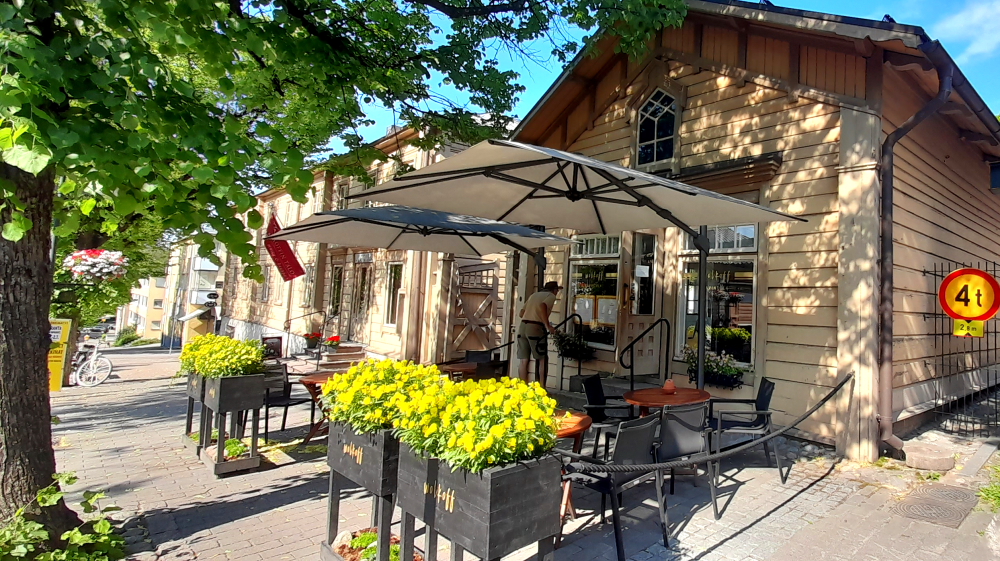
After we check in and unpack we head out to explore the town as it is only about a 15-minute walk from the hotel. Jani, the receptionist, recommended several restaurants to us. One is the Wolkoff located on Kauppakatu – a pedestrian street.
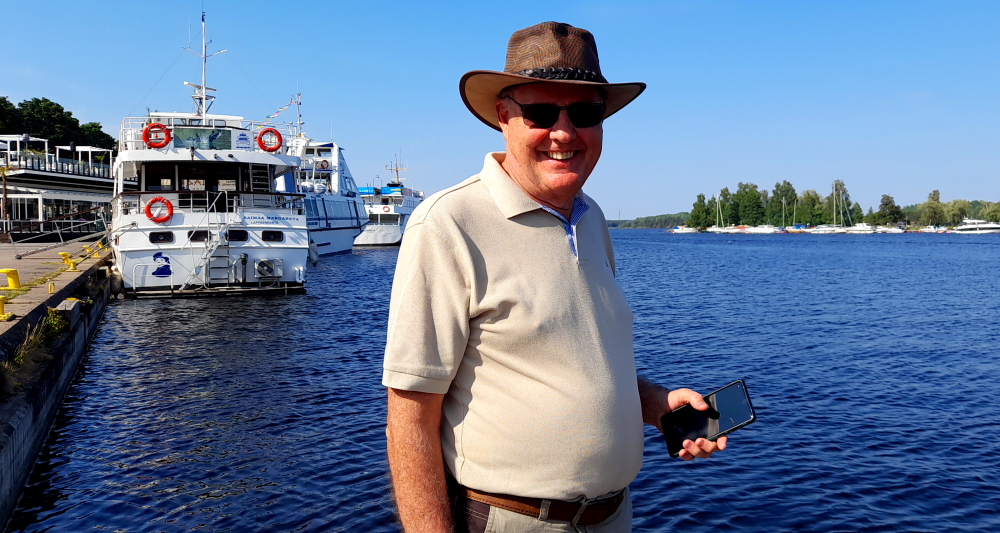
Next, we check out the harbour, a couple of blocks away on Lake Saimaa. The city is located in the area between the southern bank of the Saimaa watershed and the Russian border which is about 20 kms SE away.
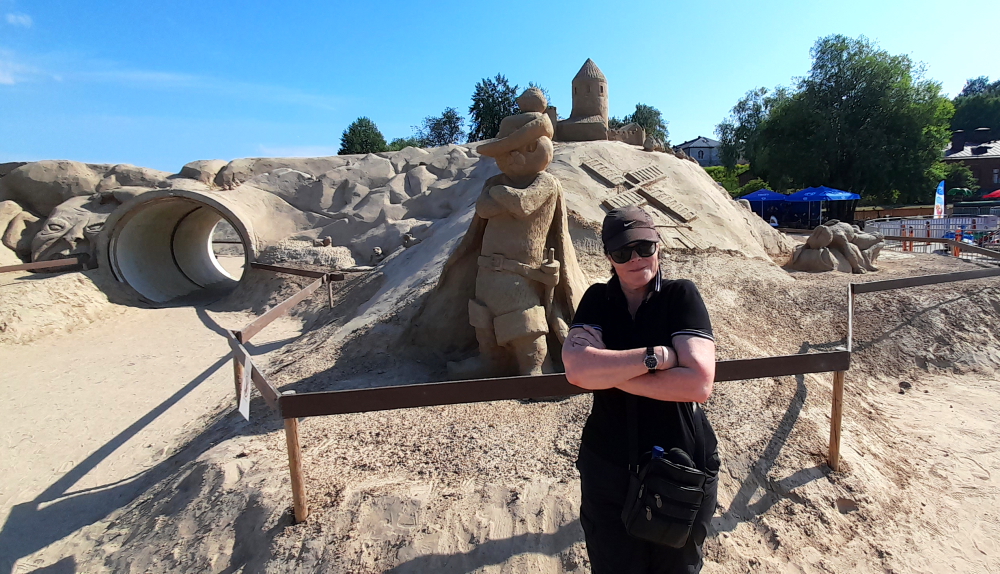
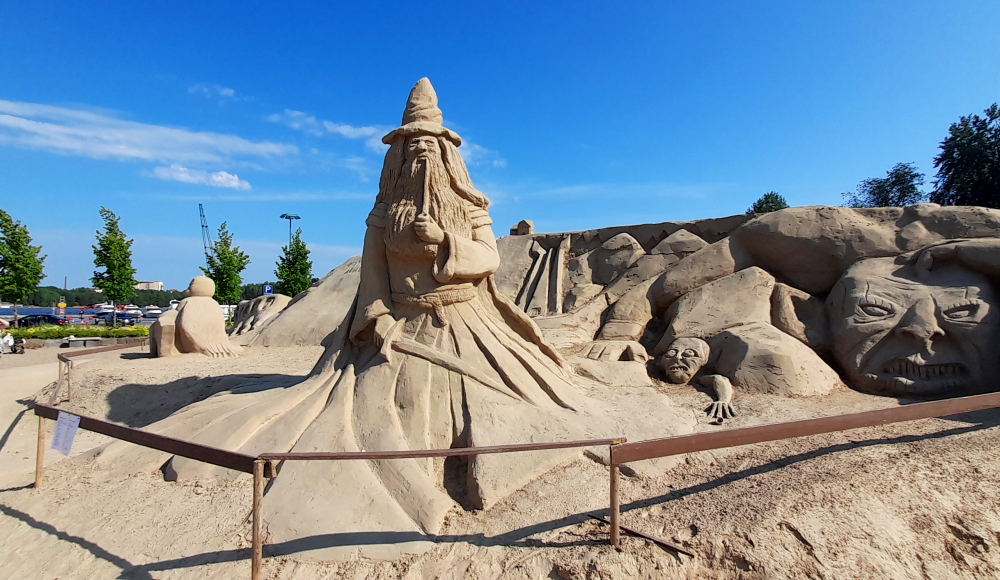
Summer activities are in full swing with “Tivoli” a fun fair between the hilly promontory and the lake and the 20th annual giant sandcastle/ sand carvings made from 3 million kilos of sand at the promontory’s tip, the end of Linnoitusniemi Cape. This year the theme is “fairy tales”.
Another recommended restaurant is the Prinsessa Armada, a moored boat at the harbourside where we end up for dinner.
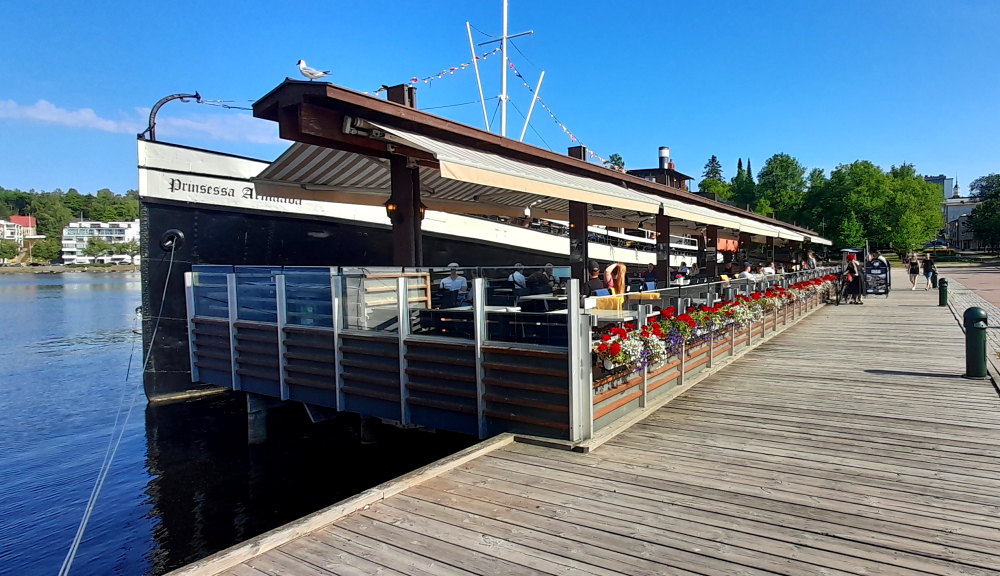
22 June, 2023
The plan today is to visit all the sites in and around Lappeenranta then crack on with some more winter accommodation bookings.
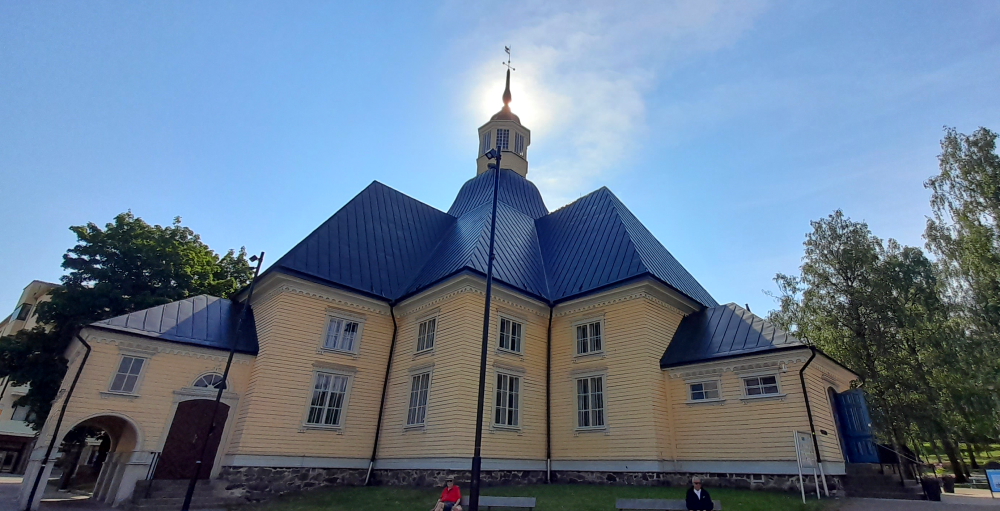
St. Mary’s Church of Lappee is a wooden Evangelical Lutheran church in the center of town. The construction began in 1792 and the church was consecrated partially unfinished in 1794. The adjacent bell tower was built half a century later in 1856.
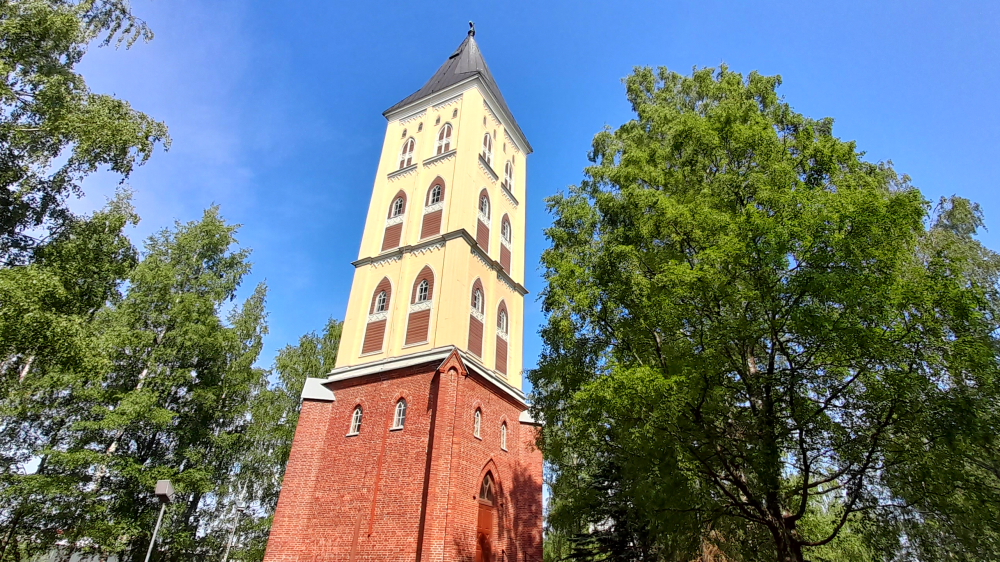
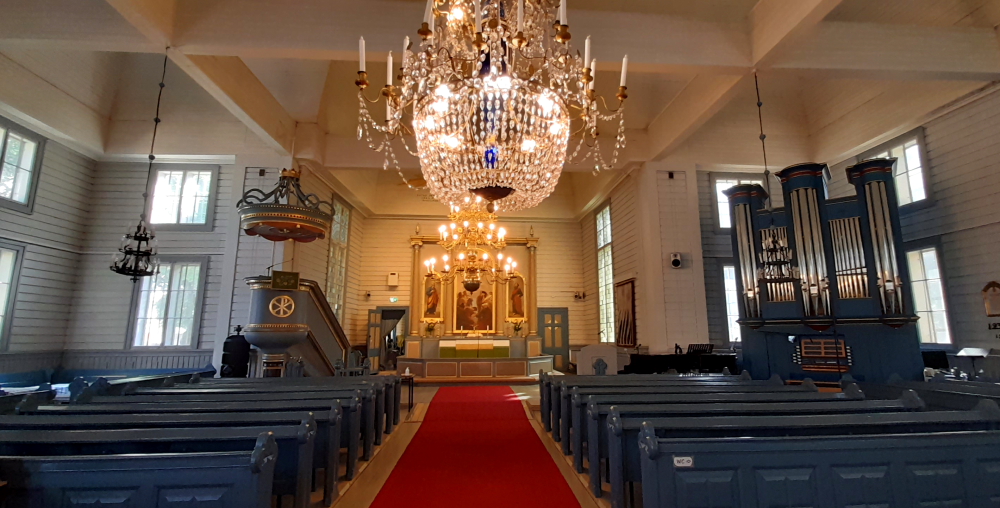
The church was built by Juhana Salonen, a church builder from Savitaipale, and has a capacity of 840 people. Architecturally it is a double cross church and the only surviving such church from the 18th century in Finland.
The altarpiece was painted by Alexandra Frosterus-Saltin in 1887 and depicts the Ascension of Jesus.
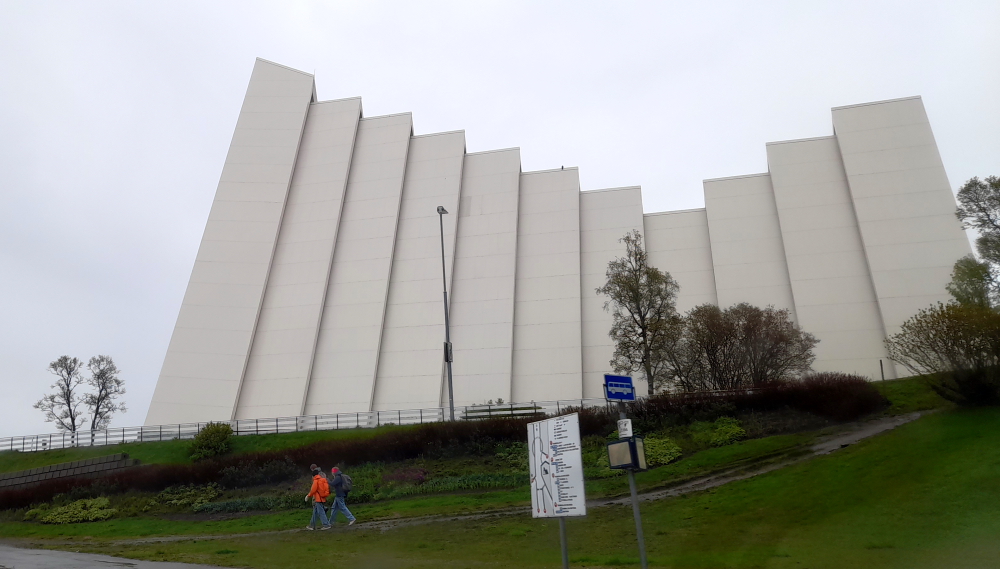
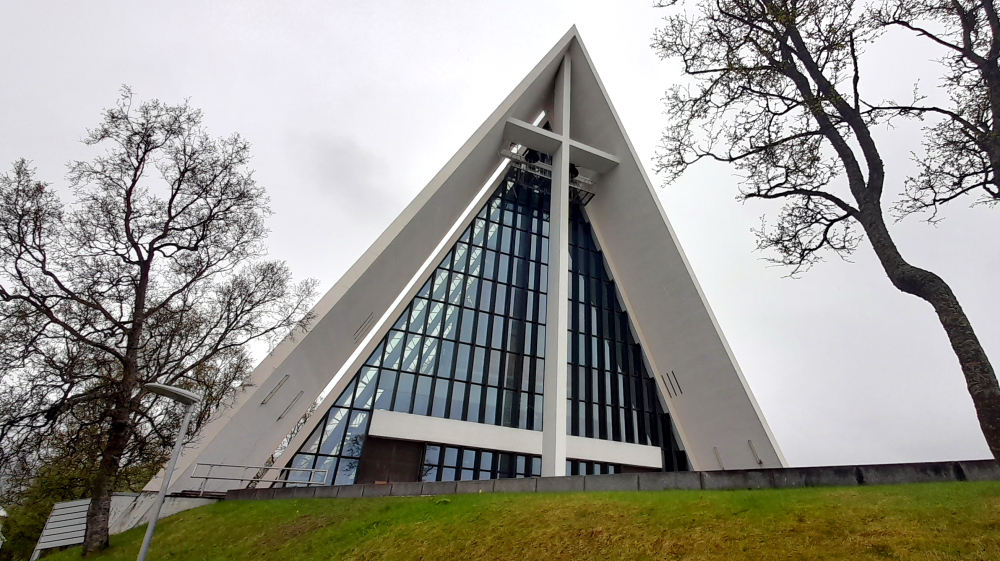
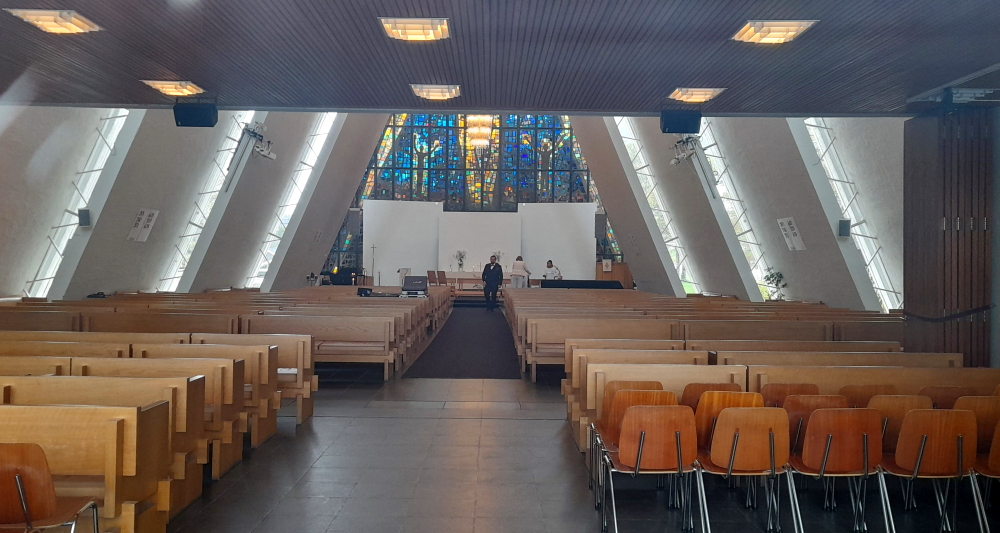
In complete contrast is the modern church built in the nearby Lauritsala township. The Lauritsala Church, known as the “Heavenly Light” was designed by architects Toivo Korhonen and Jaakko Laapotti. The church was completed in 1969, and is in the shape of an equilateral triangle. The concrete roof of the church was constructed using a slipform casting method and it features a large glass roof. The wall behind the altar has vertical windows, to the top of the church. This means that “heavenly light” can enter the church both through the end wall and the skylights.
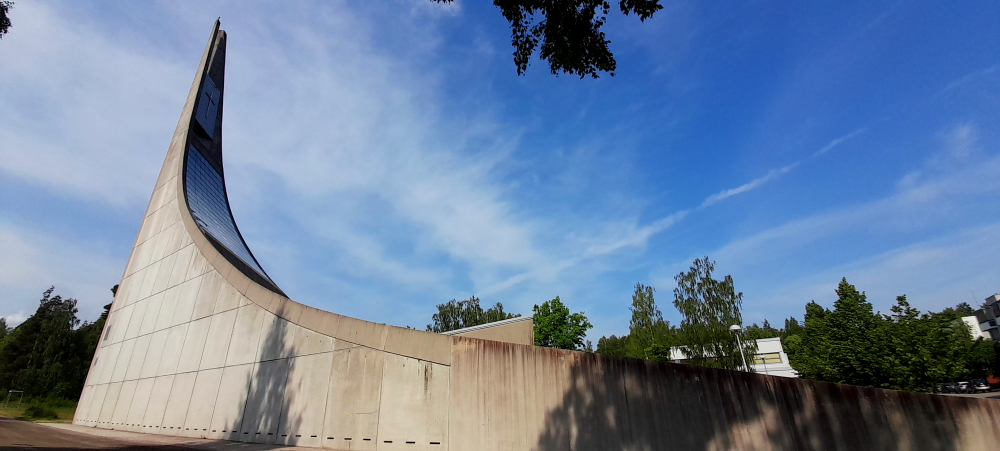
Time to visit the Russian border so we take the 13 ostensibly to visit the church at Nuijamaa. St Petersburg is only 192 kms from Lappeenranta, about a 2 hour 45 minute drive away. This will probably be the closest we will ever get to St Petersburg in our lifetime.
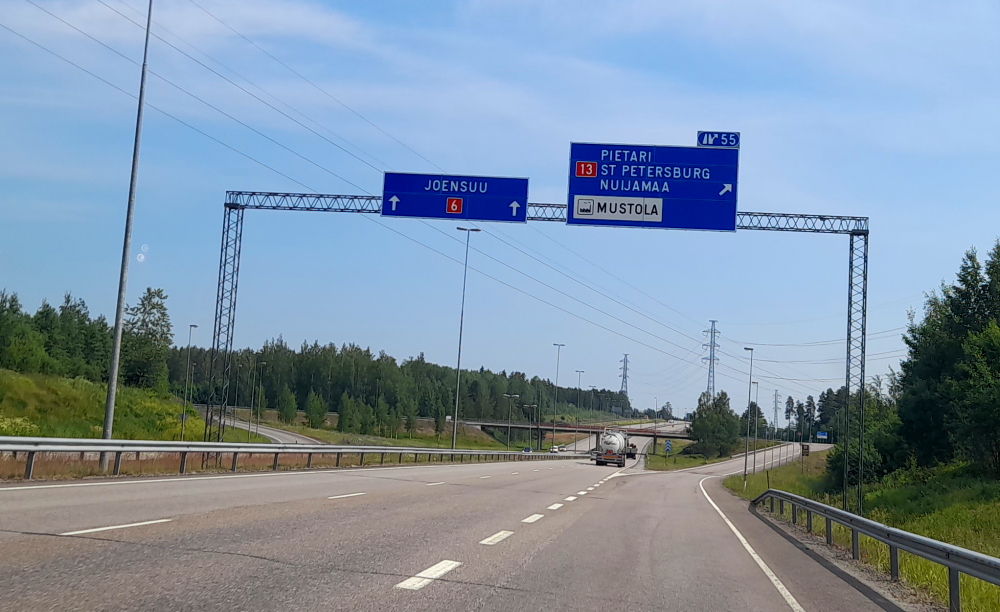
Just before the border barrier the road to Nuijamma turns left.
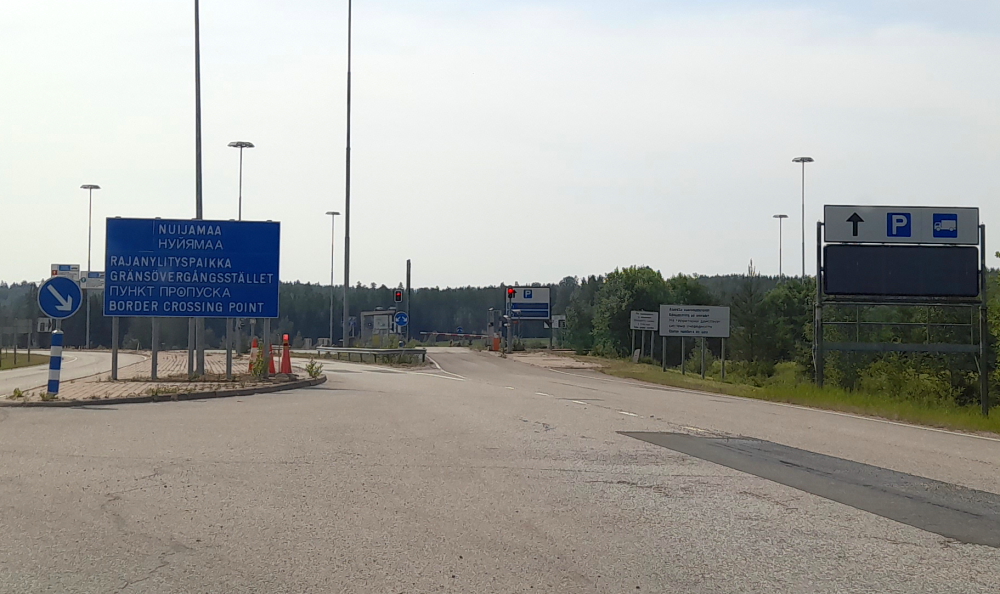
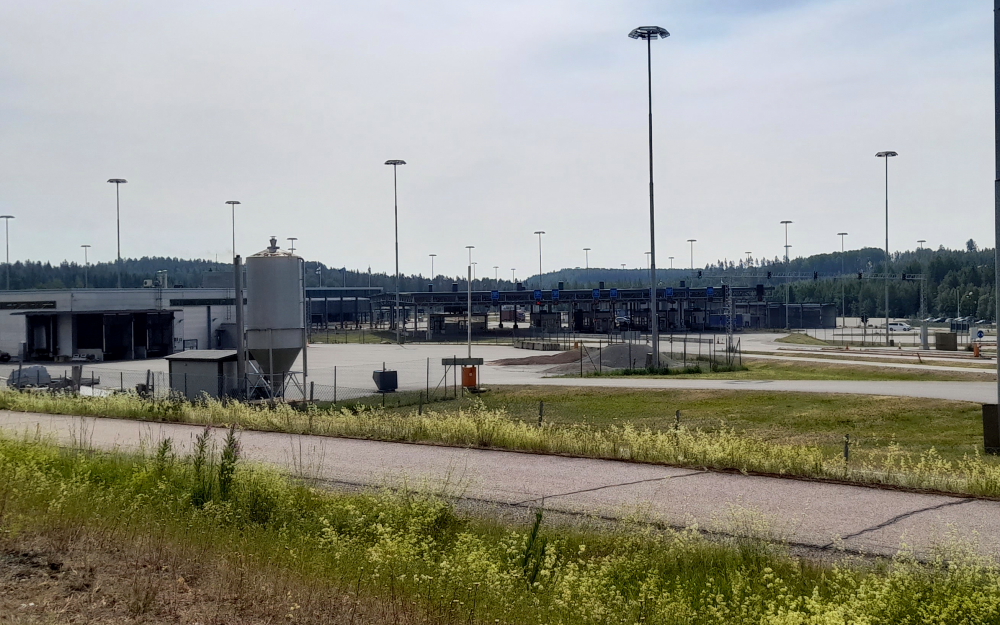
The border checkpoint is quite large with at least 10 lanes, all with a large red X illuminated above each and not a single vehicle in any laneway.
The first church in Nuijamaa was completed in 1887, when the area still belonged to the rural parish of Vyborg (Russia). This church burnt down in June 1941. The new Evangelical Lutheran church was the first church built in the post-war reconstruction period. Of national romantic wooden design by the husband and wife architect team of Tarja Salmio-Toiviainen and Esko Toiviainen, the new church was consecrated in December 1948, with the belfry being finished a year later.
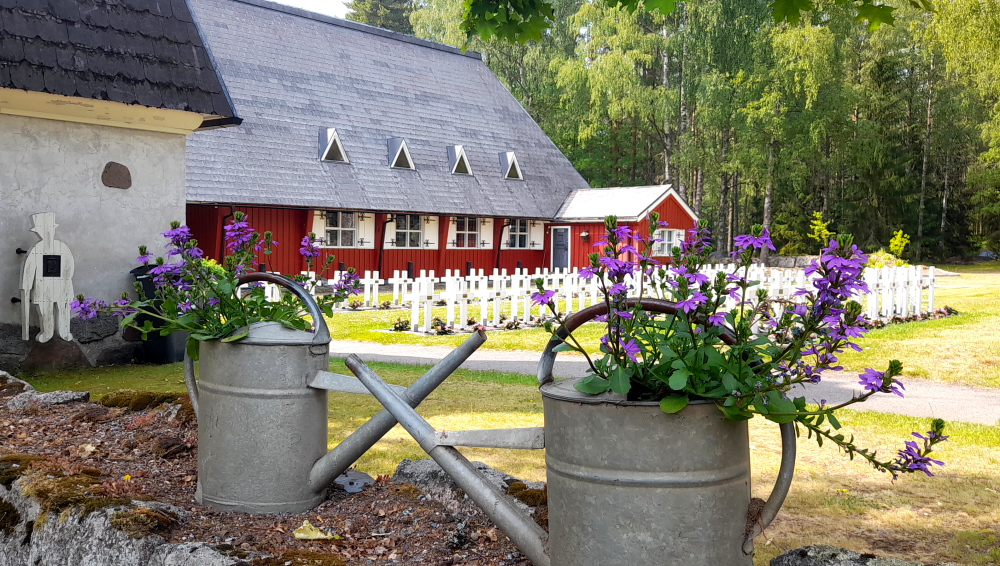
Prominent white, wooden crosses mark the graves of those who died during WWII.
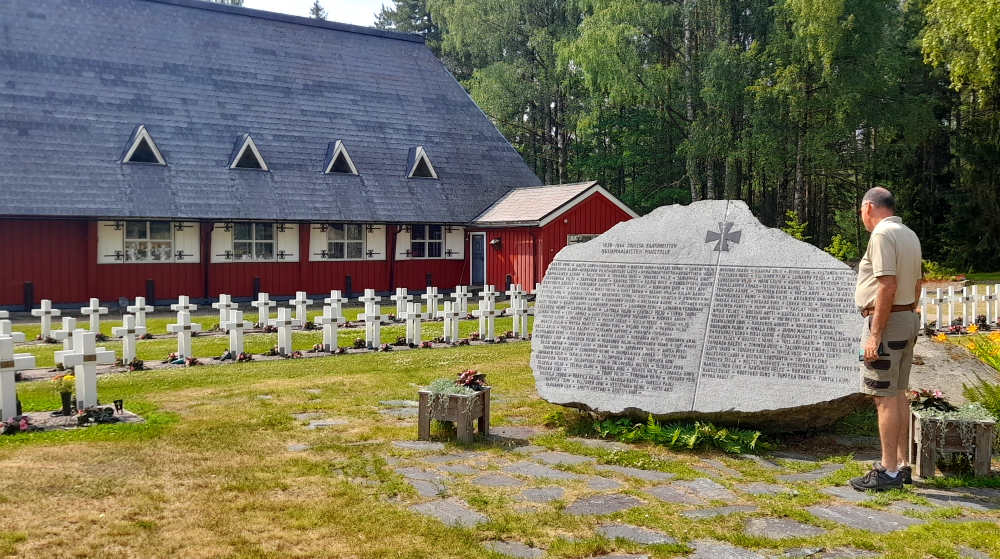
It is so quiet and peaceful at the Church with the fragrance of summer flowers and birdsong. Difficult to believe that the church is only a couple of hundred yards from the Finnish-Russian border.
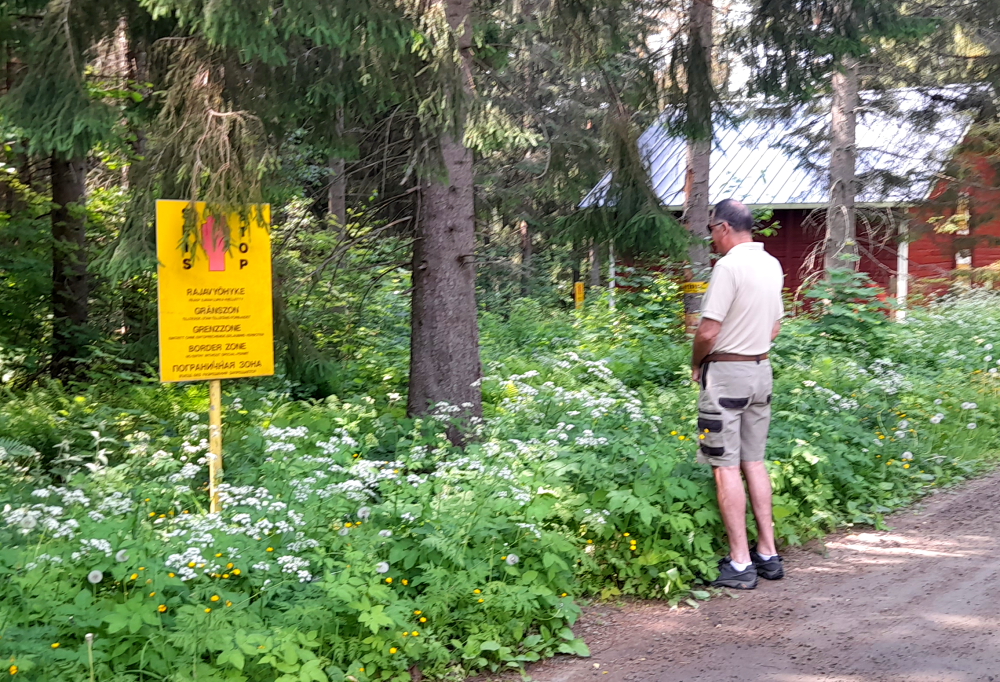
In fact, the road that runs along the church boundary has forest on the other side with large signs saying “Stop! Border zone”.
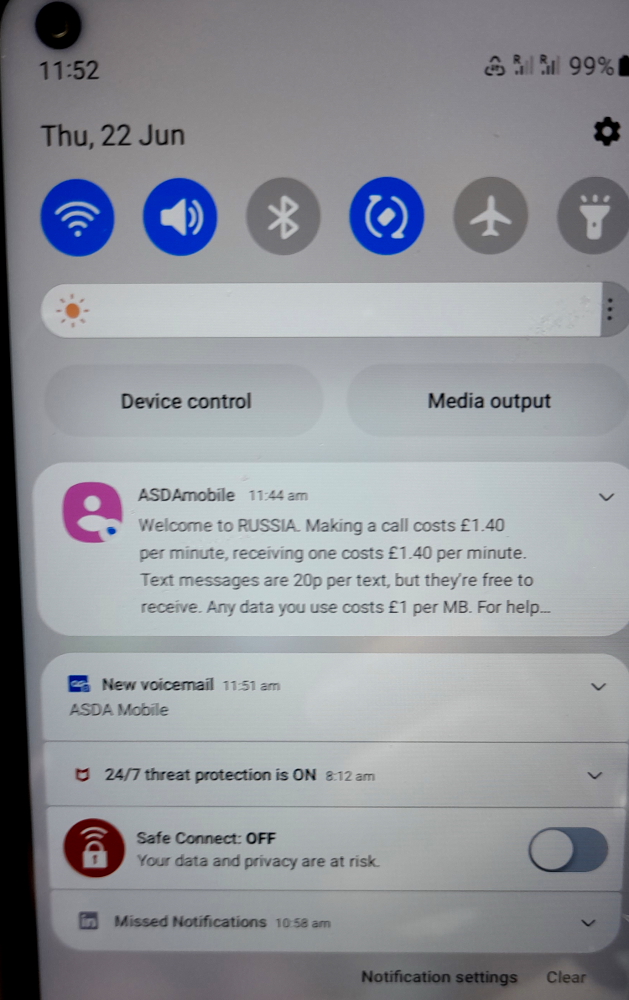
Regardless of what ASDA Mobile thinks, we DID NOT enter Russia!
Close-by to the church is the Saimaan Canal which initially empties into the Nuijamaa Lake.
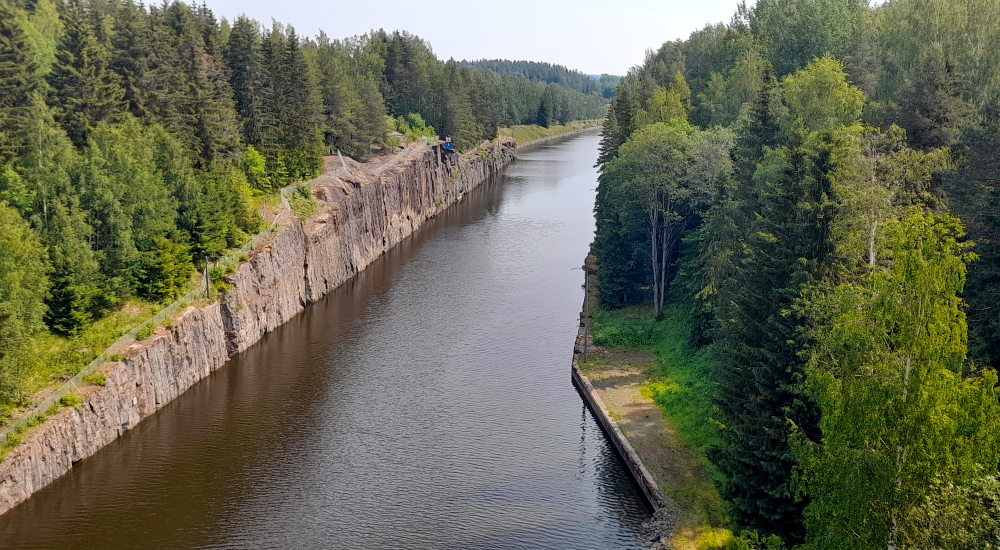
We drive back towards Lappeenranta but call in at the Saimaa Canal Museum which is located near the start of the Canal which is 3 km N at the Saimaa Lake.
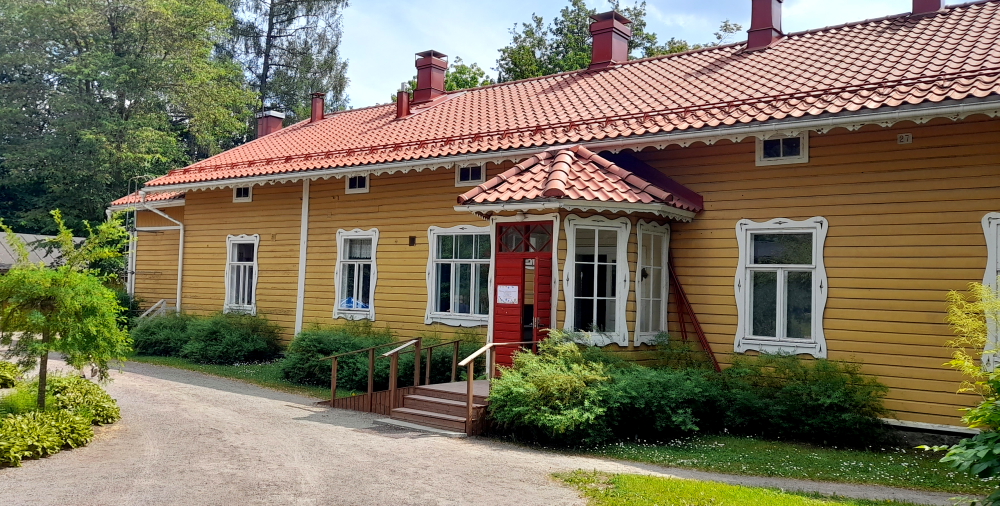
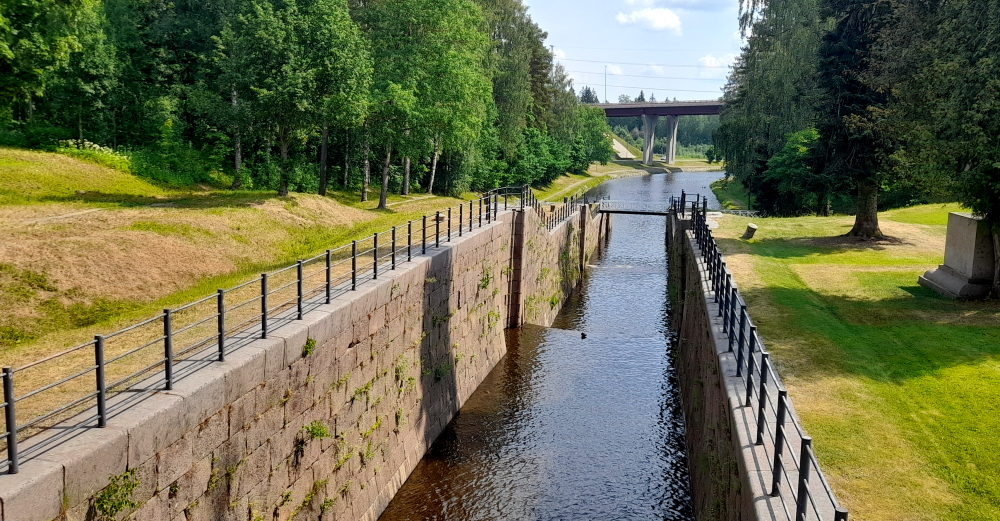
There is quite a nice parkland that borders the waterways – both the old and new canals and their locks.
The Saimaa Canal runs from Lake Saimaa to the Gulf of Finland and is the most historically important canal in Finland. The Canal opened in 1856 and significantly influenced the overall industrialisation of Eastern Finland. The Canal is 43 km long and has eight locks, controlled from the remote control centres at Mälkiä and Brusnitchnoe, whereas the old ‘imperial’ canal had 28. In 1968, the canal was inaugurated in its present-day form. Nearly half of the Canal runs through a land area leased from Russia.
While we spend the afternoon booking accommodation for Christmas and New Year in Spain and SW France, it starts to rain and, thankfully, settles the dust.
After dinner we take advantage of the mid-summer sun and visit the fortress and the site of the original town on the Linnoitus promontory. The establishment of the city of Lappeenranta was proposed in 1649. The city’s area at the founding stage was 1.1 km², comprising mostly the ridge that protrudes into the Saimaa in the area of the current Fortress and the town had a few hundred inhabitants. In the Battle of Lappeenranta of the War of the Hats, on August 23, 1741, Russian troops captured the city from Swedish rule.
The town was part of the Russian Empire during 1743-1811. In 1812, Lappeenranta was joined to the autonomous Grand Duchy of Finland, like the rest of Old Finland . At the same time, the city changed from a border fortress to an inland city.
After the Russian Revolution, a Red Guard regiment was founded in the town in 1917. In late April, 1918 the Reds carried out massacres. The civil war left the city, like the rest of the country, with long-term trauma and bitterness.
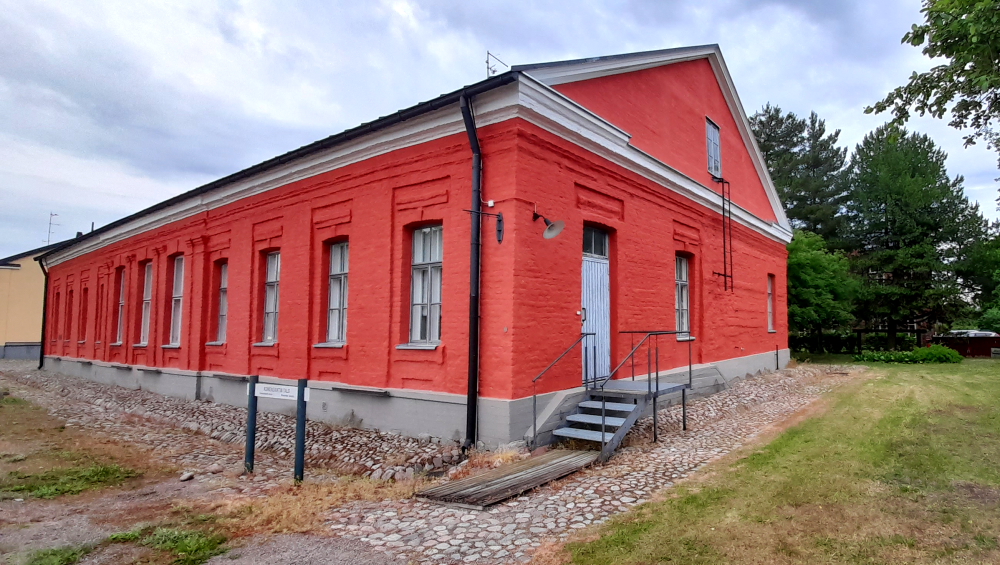
The oldest buildings of the Fortress including the guardhouse at the Main Gate that nowadays hosts the Cavalry Museum, the Orthodox Church and the Commandant’s House date from the latter part of the 18th century.
The Church of the Virgin Mary is the oldest orthodox church in Finland and is situated in Linnoitus, the Fortress of Lappeenranta. There was a wooden church on the site in 1742, the present church was completed in 1785. The most valuable icon here is the 200-year-old Communion of the Holy found in the middle of the north wall.
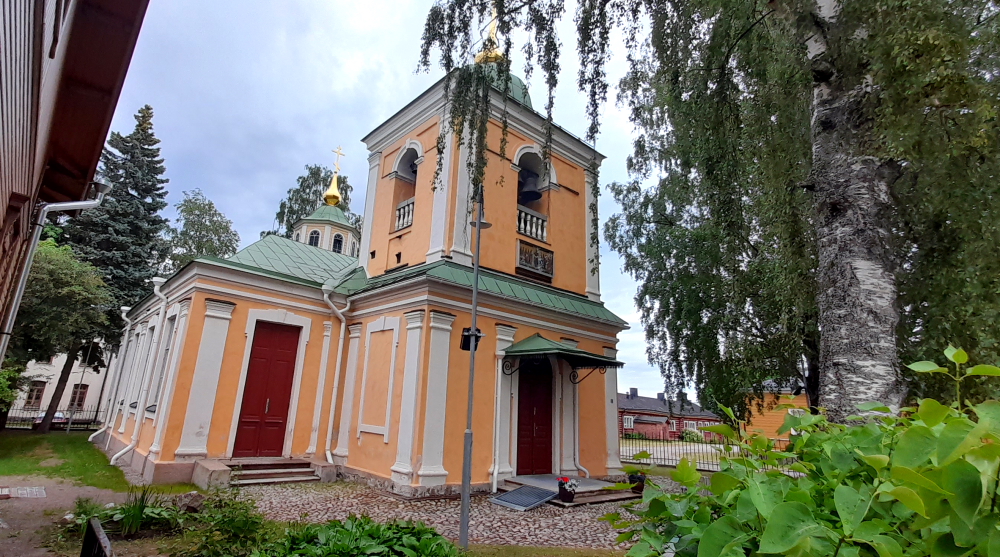
Most of the wooden buildings are from the late 1800s, whereas the red-brick military barracks date from the early 20th century.
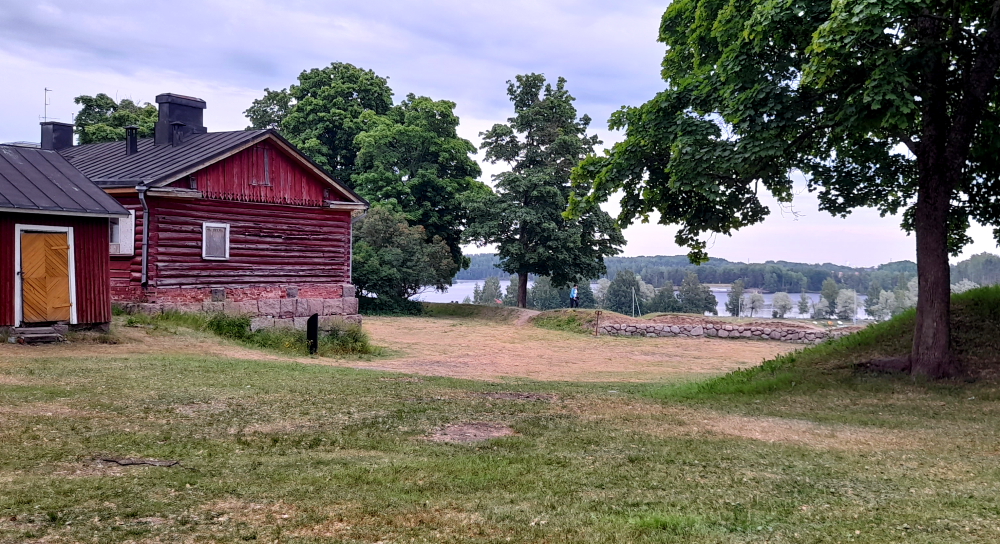
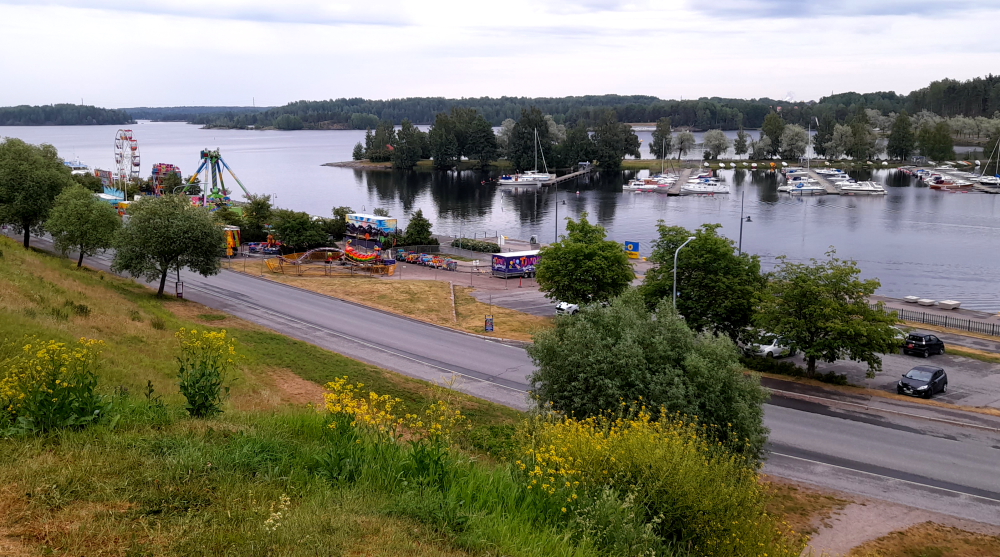
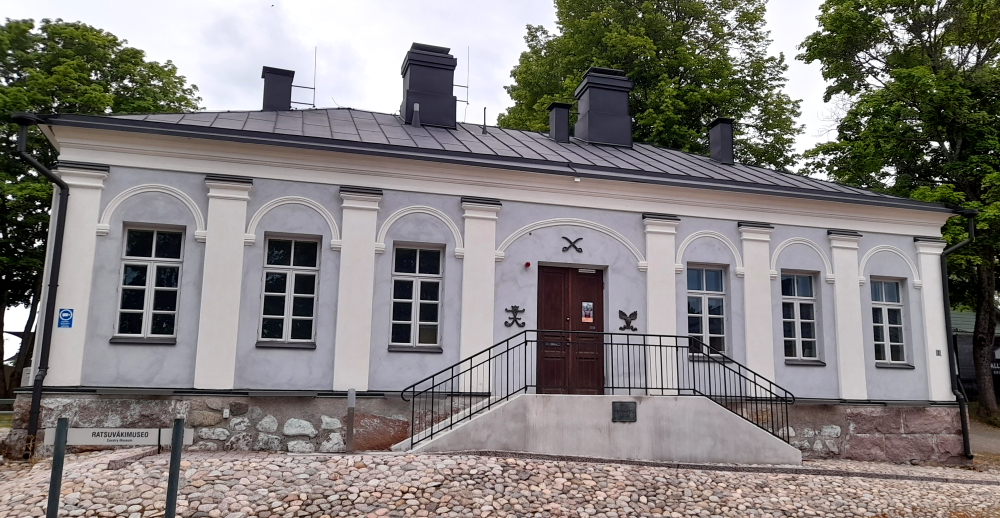
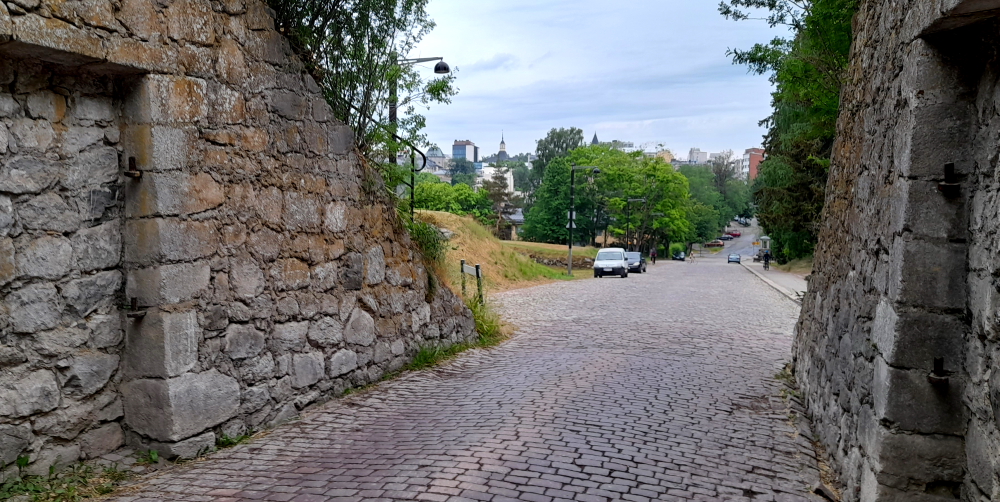
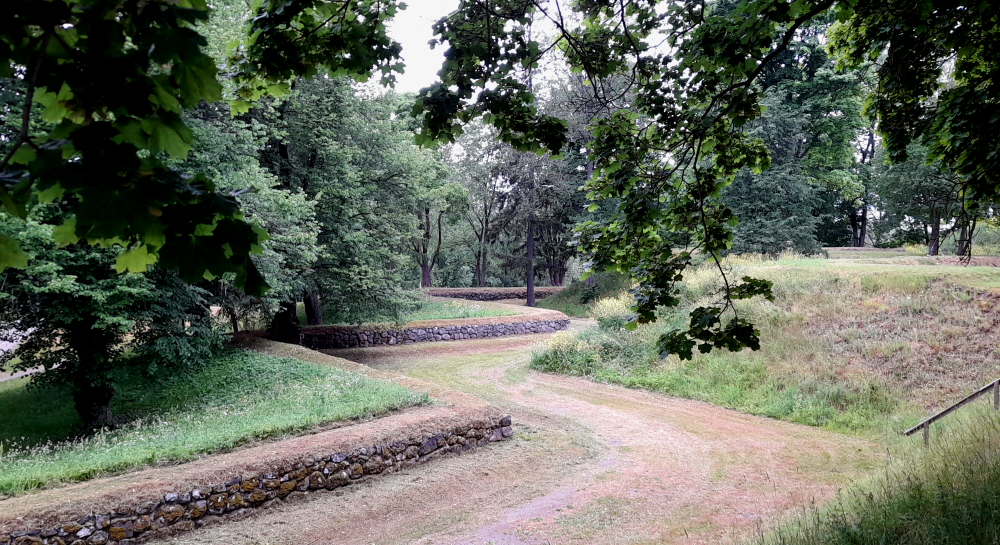
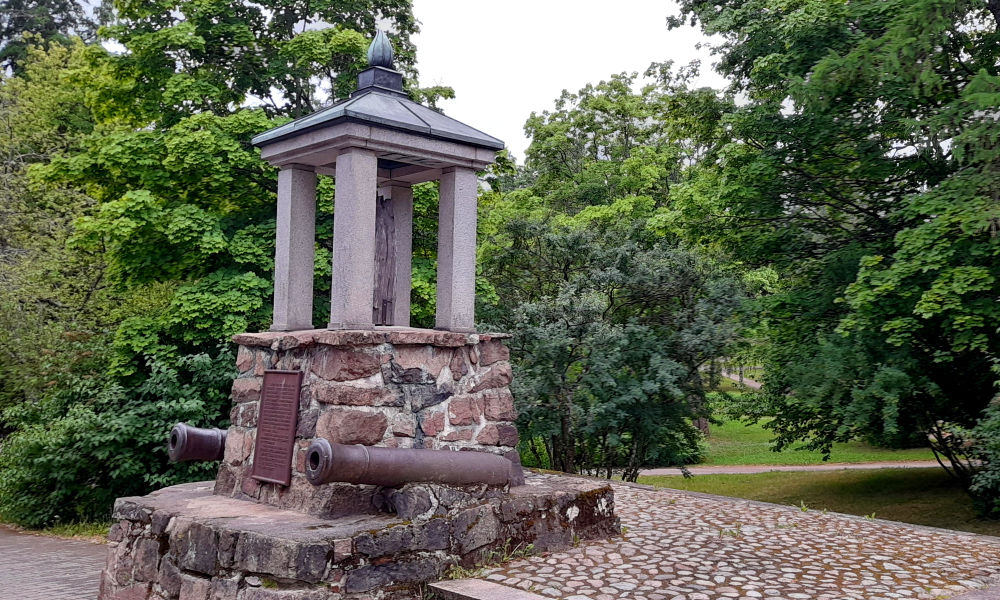
In the park below the Fort, homage to the town’s dragoon heritage.
23 June, 2023
Today we are driving to the other side of Finland, to Turku, Finland’s oldest town on the west coast. It’s 389 kms away and will take about 4 hours.
We leave around 11:00 am in cloudy but sunny weather, 21 Deg. C, several degrees cooler than yesterday thanks to the rain showers yesterday evening.
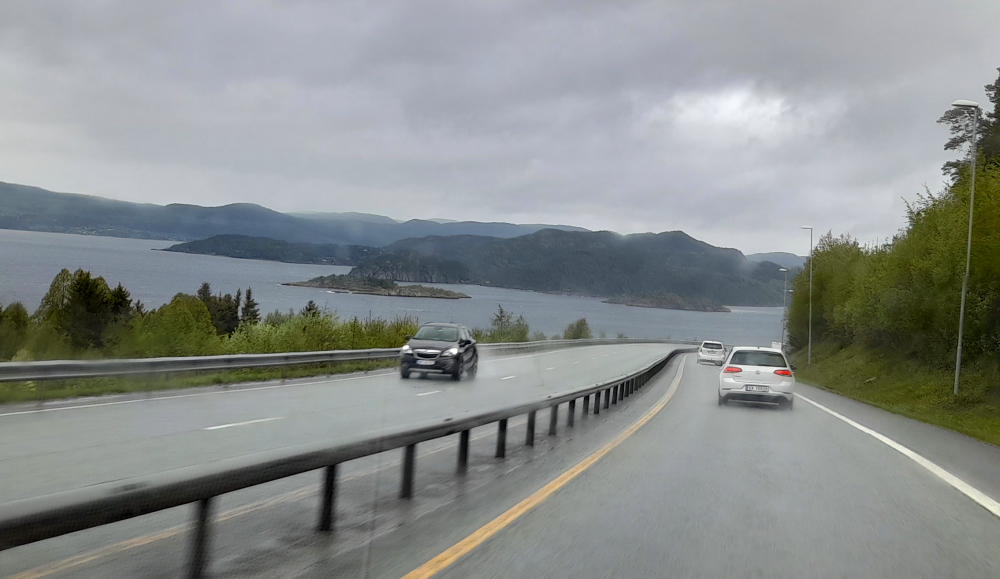
The trip takes us along the 6, a major highway, onto the 26 which is like a country road.
About an hour later we’re driving along the E18/7 at 120 kph onto the Ring 1/101 road around Helsinki – a drag at 60/70/80 kph with speed cameras all along the way.
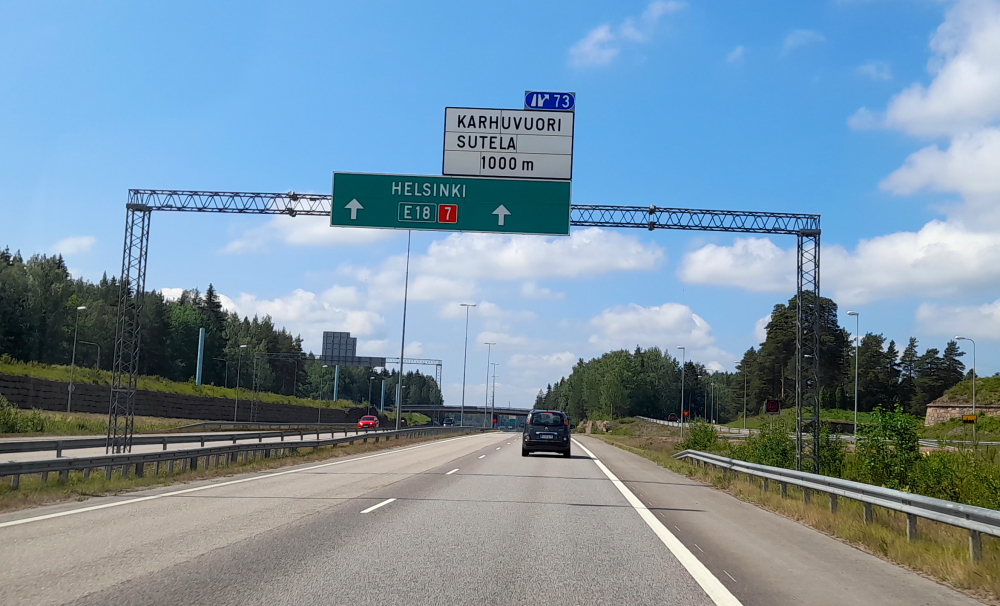
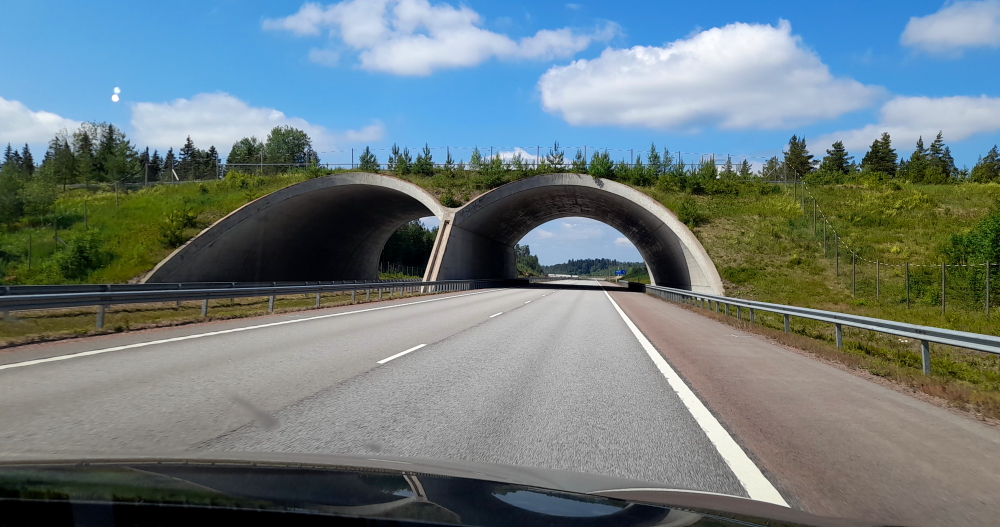
Onto the E18/1 which is a major highway that takes us to Turku – otherwise known as the Turku-Helsinki Mootioritie! Overall, this has been one of the smoothest and fastest drives in Finland to date.
Initially Turku looks very modern but once we cross the bridge we are into the old town where our Scandic Hotel is located. Ahh, a real hotel once again with a bar and restaurant, where we have dinner.
Tomorrow we are collecting Alan, our Irish friend of Alan and Lyndal fame from Melbourne (whom I first met in the surf at Burleigh Heads c. 2015), from the Turku train station around 2:00 pm. Alan will be with us for the next 4 days here in Turku then driving to Vaasa with us where he will catch a train back to Helsinki while we continue driving north to Oulu.
It’s later today we hear that, after months of diatribe, the leader of the Russian mercenary group Wagner, Yevgeny Prigozhin, has decided to rebel and march to Moscow, disputing the reasons Putin gave for invading the Ukraine. Watch this space!
 THE CONTINUING TRAVELS OF YOGI & BOO BOO