By the time morning dawns I’m totally wiped out. I take an Imodium but it doesn’t work. In the meantime, Lynn walks to HCF office to resume her health insurance, does some basic grocery shopping for the week, fetches me glasses of OJ and water, repeatedly cleans the bathroom after I make a mess of it, puts on 4 loads of washing, drying, does the ironing and organises a soup supper, for both of us. What an angel…
Sunset over Chatswood, Sydney.
It’s now evening. As I haven’t improved much and can barely walk, Lynn suggests I might want to take the antibiotics she has in her suitcase – azithromycin tablets under the Pfizer brand name of Zithromax – the ones we were issued with by the Travel Doctor prior to our trip to Asia in 2016/17, specifically for incidences of horrendous diarrhea.
11 August, 2024
As a result I have a better night and by morning I’m feeling slightly better. Enough to shower, have some fruit and yoghurt, get dressed and doze on the couch.
View from our room this sunny morning.
As I still need to be within a short sprinting distance to a loo, I contact my youngest daughter to let her know we won’t be visiting her, her husband and the 2 grandkids today, as planned, and will need to re-schedule. Lynn gets a phone call from her sister welcoming her/us home.
Later, I spend a frustrating time trying to cancel Lynn’s ASDA UK mobile account online but get nowhere so I send them a note and Lynn will Skype their customer support number provided on their website tonight. It’s annoying it’s proving difficult to cancel. I upgraded her ‘Pay as you Go’ account to a ‘Bundle’ once when she kept using up her allowance every few days due to the number of calls we had to make with all the issues we had when we first arrived in the UK. The Bundle also allowed us unlimited phone calls and texts in Europe too, just as if we were phoning/texting in the UK. This was invaluable given the number of times we had to contact accommodation hosts and order cars. All for a GBP5 monthly fee.
I take another antibiotic at 3:30 pm so by 6:30 I’m sitting on the sofa watching TV. Hopefully, the 3rd and final tablet tomorrow will have me back on my feet and mobile once again.
It’s 7 pm. Time to Skype ASDA’s customer support line which Lynn does and gets an error message. She resorts to Googling ‘how to contact ASDA mobile customer support from abroad’ and lo and behold, a different number is offered which can be phoned from her ASDA mobile free of charge. No queue, an authentication code and a brief conversation with a pleasant young lady later, Lynn is assured that her UK mobile number and account will expire on 16 August – end of story. Touch wood!
12 August, 2024
This morning Lynn heads off to attend the funeral of Janine’s husband, Jack, taking the train from Chatswood to Town Hall, the 442 bus from the Queen Victoria Building to Balmain then a 10-minute walk to the church. I don’t dare accompany her as that’s a lot of distance without a loo in sight!
St John the Evangelist Church, Birchgrove, Sydney.
A chilly and damp morning with about 40 attendees. Readings are given by each of Jack’s 2 sons – extracts from Jack’s body of work reflecting their relationship with him. Janine delivers the Eulogy which completely encapsulates the life, work and essence of Jack.
Mim & Janine, Wake at the Royal Oak Hotel, Balmain.
The heavens open as the group walks the 200m to the Royal Oak Hotel for the Wake. Here Lynn catches up with Janine, Mim (wife of Jack’s Best Man at their wedding in 1987 which Lynn also attended), Caroline (1987 wedding guest) Ron (Janine’s brother), his wife, Jill and their son, Josh. Hopefully, we’ll see more of Janine in the future and as early as May next year on our road trip south.
Soup supper again tonight.
13 August, 2024
First thing this morning we go gift shopping for the grandkids in the nearby Westfield shopping centre. A digger for Xavier which he needs to construct himself with a screwdriver and a set of walkie-talkies for Louis and Hamish. We had already posted a pair of shoes to Zara from the UK. Followed by a viewing of “Deadpool and Wolverine” at the Hoyts cinema to cheer me up after being ill.
A dramatic departure from soup suppers, we take the train to North Sydney and call into the Treehouse Hotel, which has a bit of an Irish ambience going on, where we catch up with Pat, Morna and their daughter Julie for a scrumptious steak dinner and chat about travel plans, stories and adventures.
Dinner with the McCarthys, Treehouse Hotel, North Sydney.
Originally we were planning on dining with them at the Kirribilli Club on Lavendar Bay which has a magnificient view of the Harbour Bridge from its balcony. Unfortunately, and inexplicably, the Club is in administration so the Treehouse became (an excellent) Plan B.
Night view of the Sydney CBD from North Sydney.
So, we had to make do with a glimpse of “The Coathanger” from North Sydney instead.
14 August, 2024
This morning we are catching the 160X bus from Chatswood to Dee Why to meet up with my eldest daughter, Vanessa, husband Rod and their 2 kids Xavier and, to meet for our 1st time, the ‘newly’ minted Zara who was born 10 months ago.
View of Dee Why beach from Rod & Vanessa’s apartment, Sydney.
As Xavier is at day care we spend the afternoon with Vanessa and Zara once she has had her nap.
An afternoon with Vanessa & Zara, Dee Why, Sydney.
Then we all bundle into the SUV and collect Xavier from day care where he very proudly shows us around his class room, various pictures, and to say hi to his friends and their parents.
An evening with Rod & Xavier (Zara helping), Dee Why, Sydney.
When Rod gets home from work he gives Xavier a hand with constructing the digger. Then it’s bath and bed time for the kids while we enjoy a delish Italian deli takeaway with a 2017 Hunter Valley tempranillo.
Time to catch the bus back to the apartment after a lovely day and with a promise that they will visit us in Brisbane soon.
15 August, 2024
A lie-in this morning to be greeted by fog when we finally part the curtains.
Fog this morning, Chatswood, Sydney.
Finally, we arrange to literally drop in to see my youngest daughter, Eliza, her husband Matt and their 2 boys, Louis and Hamish.
Hamish & Eliza, Pymble, Sydney.
We were supposed to spend Sunday with them but had to cancel because of my illness.
Matt & Louis, Pymble, Sydney.
Unfortunately, for the past couple of days all of them except for Hamish have also been struck down with the dreaded vomiting bug.
Poppa & Louis, Pymble, Sydney.
Hence the brief window this evening to see them. We catch the train to Pymble, walk 20 minutes to their house and around 5 pm we knock on their door.
Poppa & Hamish, Pymble, Sydney.
Fortunately, we are able to spend about an hour catching up with them. The boys are quite taken with the set of walkie-talkies we’ve given them and keep themselves entertained while we catch up with Matt and Eliza. And we may get to see them in Brisbane soon, too.
Eliza gives us a lift to Gordon station where we get the train back to Chatswood where we pack up ready for our flight tomorrow.
16 August, 2024
Check out at the Meriton, Chatswood is at 10 this morning but our flight from Sydney to Brisbane doesn’t depart until 2:05 this afternoon. Since we are in no hurry to get to the airport we take the train.
Waiting at Gate 3, Domestic Airport, Sydney.
Around 45 minutes later we drop off the bags, waltz through security and have a leisurely coffee in one of the terminal’s cafes before we walk opposite to Gate 3.
As our original flight had been cancelled and we were moved to this flight, the plane is full. We push back 10 minutes late but arrive in Brisbane on time at around 3:30 pm.
It seems that nothing has changed at Brisbane Airport’s Domestic Terminal since I flew in and out of here to Sydney every week in 2013. One bag arrives on the carousel, then nothing for about 15 minutes. This action is to ensure that the baggage handlers achieve their KPI (Key Performance Indicator) of getting baggage to the carousel within 10 minutes of a plane landing.
Departing the Brisbane Domestic terminal in a taxi.
Bags collected we quickly get a cab and 20 minutes later and $66 lighter we are being dropped off at Aurora Tower.
Sunset from our apartment, Brisbane.
Warmly welcomed by the Oaks Hotel receptionists, they issue us with keys and fobs, instruct us on how to use the new lifts (same as those we just left at the Meriton Suites in Chatswood) and a short time later we are walking back into our apartment, 5 weeks short of 2 years away.
Here we quickly unpack, throw on a load of laundry and walk down to Woolies at MacArthur Central for a basic grocery shop, checking out the changes to this part of the city that have occurred while we’ve been away.
A relaxing dinner of BBQ’d chook, potato salad and coleslaw before we hit the very comfortable king bed in a very dark room. Home at last!
17-18 August, 2024
Over this weekend we begin the task of emptying over 80 storage boxes from the cage in the garage and processing their contents. Some of these boxes haven’t moved since we put them there in November 2013, just before our 1st trip.
19 August, 2024
As with all our previous extended trips, the first thing we do when we return is set up a raft of medical appointments. My first one this morning is the dentist to repair that broken back molar.
New Kangaroo Point foot bridge over the Brisbane River.
Lynn’s appointments today include the chiropractor, the doctor to set up a blood test but also gets a COVID jab while she’s there, CitiScan for a bone density test and lastly SpecSavers for an eye test and new prescription.
20 August, 2024
La Mama Theatre is a not-for-profit theatre in Carlton, a suburb of Melbourne. It has been putting on contemporary theatre since 1967. La Mama produces work by theatre makers of all backgrounds.
The theatre, an initiative of founder Betty Burstall, was inspired by the “off-off-Broadway” theatre scene in New York City. Betty and her husband, film maker Tim Burstall, had returned from a trip to New York in the 60s and wanted to re-create the vibrancy and immediacy of the small theatres there. La Mama was modelled after the similarly-named New York venue La MaMa Experimental Theatre Club [wikipedia].
The Artist.
This year’s La Mama Explorations 2024 programme extends from 16 July – 22 September. Tonight, and for the next 2 nights the play, ‘The Artist’ is showing. It was written by Portia-Ann Forrest (Porsche), a hometown friend of Lynn’s for some 40 years. As we’d just arrived home in Brisbane it wasn’t feasible for Lynn to then fly down to Melbourne to see the show but, as both a congratulatory and birthday gift, Lynn instead supported Porsche by paying for her accommodation while she is in Melbourne for the play.
We’re looking forward to hearing all about it when Porsche returns to Albury in a few days’ time.
21 August, 2024
Lynn’s up bright and early this morning for her blood test at 7 am. En route she notices the mist blowing from the river through the gap in front of the newly-completed residential tower opposite Aurora. This building was still being completed when we left in September 2022.
Early morning mist, 443 Queen Street, Brisbane.
On her return she photographs the extent of this morning’s fog which stretches along the valley with Mount Coot-tha in the background.
Winter fog over Brisbane.
This is the last entry of our Blog for some time. Now that we are back home in Brisbane we will focus on setting up home and start planning the renovations that will take all our focus for the next year or so. We have now completed our 8 years of extended world travel which took us nearly 11 years to complete due to the interruptions from the Chinese Covid pandemic.
Travel will still take place going forward but our time away from Brisbane will be limited to maximum periods of up to 6 months. We still have some places we want to visit and some places we want to revisit. In fact, we are already planning to head to Victoria, possibly Tasmania, Adelaide and Broken Hill next May.
As for this Blog, it will be suspended for the near future but will probably be restarted for our shorter travels next year. I am sure that nobody wants to read about our mundane activities here at home, so Yogi and Boo Boo signing off – “HEY, HEY, HEY!”
We have traveled this past 11 years, not to escape life but so that life doesn’t escape us. Some of the things that we have learned is that Australia has better food, mostly nice folk, logical approaches to accommodation and efficiency of process than anywhere we have experienced in the world. Maybe it is true. There is no place like home.
“Travel is the great leveler, the great teacher, bitter as medicine, crueler than mirror-glass. A long stretch of road will teach you more about yourself than a 100 years of quiet.” – Patrick Rothfuss.
We are so looking forward to a proper 5-star hotel with working air conditioning, lifts and edible food in Bangkok. Our hotel in Tallinn had no working A/C in early June when we arrived from Helsinki but we were promised that all would be operational by the time we returned in July. We even had a message from the hotel 2 weeks ago advising that indeed the A/C is operational. No it isn’t! At least we are only in the hotel in Tallinn for 2 nights after returning the hire car before we take the ferry back to Helsinki.
We book a taxi to the Tallinn Ferry D-Terminal which is only a short 10-minute drive. We arrive 2 hours before we are due to sail but we didn’t see any reason to hang about at the hotel. Surely the terminal is more comfortable.
D-Terminal for the Tallink Ferry from Tallinn to Helsinki.
As we arrive very early for the ferry the terminal is almost deserted but that means we have a choice of seats at the Cafe.
Cafe Lounge in the Departures area of D-Terminal.
An ordinary coffee each and we catch up with emails etc while the crowds build in the terminal. It’s still mid-summer so there are lots of car and foot passengers booked on today’s sailing.
Two hours before departure.
Before the expected crowds arrive Lynn has a wander around the terminal to determine our expected path to the ship.
Nobody here yet but this area is heaving a half hour before departure.
Once the boarding gates open the massive hordes race to find their favourite seats by the windows of the various ship decks. We are not that fussed. After all, this is no 10-day sea cruise so we just find a table with seats near the ship entrance/exit and a cafe to wait out the 2-hour cruise. We have free internet on the ship so we plug in and entertain ourselves.
I didn’t even realise that we had slipped out of Tallinn Harbour until Lynn returns from a walk around the ship to check out the shops and deck areas.
Tallinn on the horizon.
Since breakfast was so bad at the hotel we decide to have a baguette each for lunch. I regret it immediately. This is no French baguette.
The ship is very well fitted out with some lovely lounge areas, a garden terrace at the stern and a number of restaurants, cafes and shops. Probably more than you need for a 2-hour trip. However, a number of the local Finns have trolleys full of beer, wine and spirits. Maybe they just take the ferry to rebuild their stocks of booze.
The garden terrace at the stern of the ship.
The crossing is as smooth as silk and just as we dock the exits are stacked full with everyone trying to get of the ferry as quickly as possible. Welcome to Finland. My usual Amaysim message announces that any calls will be made at eye-watering rates. This is a message we have received every time we cross a country border in the last two years. I promptly delete it.
Arriving in Helsinki.
The tram stop is only about 100 meters from the ferry terminal. We had planned our travel from the ferry back to downtown Helsinki when we departed 2 months ago so the process is known to us and we purchase 2 tram tickets at the platform. We take the number 7 tram to the Senate and change for a number 4 tram to the stop just behind the Noli Apartments. We will be here for only 3 nights while we do our laundry, repack our luggage and check in for our business-class flight to Bangkok which is on the 29 July.
When we were last in Helsinki we stayed at the Grand Marina Hotel in the next street just before embarking on our 2-month exploration of the 3 Baltic countries. We decided to stay here in the Noli Apartments as they have a washing machine in each apartment and the Grand Marina’s A/C was not working when we were last there. What is it with Baltic and Scandie countries and their lack of A/C understanding? With Global Warming coming they need to get up to speed quickly.
On arrival at the Noli Apartments we are forced into a self-check in for our apartment. What would normally take minutes takes at least 20 minutes to check in and get our room key cards. We are on the 5th floor of a converted warehouse and as we open the door to the apartment we are hit with a face full of hot air. Apparently there is no A/C in this hotel despite instructions to the contrary on the wall. Rather it’s a ventilation system and it is useless. Our room faces the westerly sunset so we can’t even open the windows yet.
I am reminded why we will be avoiding 3rd-world countries on any future travels. Even Thailand can manage A/C. It is now proven that the Scandies and the Baltics are definitely 3rd world!
View SW from our 5th floor Noli Apartment window at 10pm.
Even before we unpack Lynn attempts to acquire a fan but she is told that none is available. How about a room of the eastern side? None available as there is a Cold Play concert on this weekend and all the apartments are fully booked. Sooo looking forward to Bangkok!
We need alcohol! Around the corner is a supermarket and a separate grog shop so we stock up with our breakfast needs, some red wine and the local Original Long Drink of Gin & Grapefruit and Gin & Lemonade. We also decide to just buy dinner from the supermarket for tonight to avoid the poor quality, expensive hotel restaurant.
View west from our window.
Lynn is also keen to watch the Opening Ceremony of the Paris Olympics but is stymied as there isn’t a TV in our apartment. There are only 2 TVs in the apartment complex, both in the common area on the ground floor, 1 dedicated to video games and the other in the already occupied guest cooking/dining area. It’s not tuned into the Game coverage.
Sleep in the heat is difficult but once the party noise from the ground-floor restaurant terrace dies down I open our room window (as far as it will go) and we manage a few hours’ sleep.
27 July, 2024
At least our home-made breakfast is edible this morning. Lynn has a hair appointment at 10:00 am and I will put on another load of washing, reorganise my suitcase and carry-on to check weights and prepare for our flight and stay in Bangkok.
When Lynn returns 2 hours later she looks like a tom boy in a skirt, her head having been shorn of all her fluff. Handy for these warm days in Helsinki and 30+ degrees and thundery days in Bangkok to come but she might find it a bit parky in early August in Sydney for the week.
We try to sleep with the window open tonight as it is like an oven in our room. This apartment block really is unsuitable for human habitation in the summer. I have to get out of bed about 2am to close the window as the street traffic noise is unbearable. Perhaps a ferry has just arrived in the port as the volume of truck traffic is like peak hour down there. We should have stayed at the Radisson in the town centre but we chose this place as it has a washing machine and we thought that the ferry from Tallinn returned near here. We didn’t book here because it was cheap. In fact it is more expensive than our 5-star hotel in Bangkok and our 4-star hotel in Riga (Radisson Blu).
28 July, 2024
It is Sunday morning and we had planned to head out for a coffee after breakfast but it seems that the entire town is closed. After a walk around the area looking for a cafe we give up and head back to the apartment. The Noli Apartments advertise their restaurant for breakfasts but luckily we have our own supplies as their restaurant is also closed today. Even most restaurants are closed for dinner tonight so we head around the corner to the supermarket for a salad and a frozen dinner.
Tomorrow we fly to Bangkok where we hope to find better food and customer service levels. Perhaps I am just over the European culture of no service, bad food, expensive booze and tiny uncomfortable living spaces.
I spend the remainder of the day doing backups of our blog, photos and spreadsheets. Lets hope Finnair business class is better than this Finnish level of accommodation.
29 July, 2024
A final weigh of our luggage shows that we are just under 23 kg of checked luggage each. Whoever heard of business class luggage limits of 23 kg per person? Still, much heavier can be a nuisance for us to drag around.
Our car and driver (Marko) arrives 15 minutes early at 10:15 am whisks us away to the airport. Our flight isn’t departing until 14:05 but we have access to the Finnair Lounge which is far more comfortable than our couch-less hell hole apartment.
The Finnair bag drop kiosk fails on two attempts of scanning my passport so we go to the service desk for a normal and more reliable bag check-in. Next is security where the flash, new, supposedly faster Finnish scanners don’t require laptops or fluids to be separated from your carry on luggage. It worked a treat last time we flew out of Helsinki but today it seems an over-zealous operator is sending most hand luggage down the manual check slot. Perhaps just as well as a petite woman with a large carry-on bag has it opened only to reveal not 1 but 3 very large kitchen knives. Has she never flown before? Didn’t she read the list of prohibited items when she checked in? Is she a moron? She and her luggage are escorted away and hopefully forbidden to ever fly again.
Both our bags are sent for inspection. Lynn’s bag is opened and her wrist blood pressure monitor is revealed as the cause for the check but she is quickly cleared for flying. Mine is sitting in the queue for another 20 minutes mainly due to the knife idiot but when selected by an operator it’s not even opened after the operator closely views the X-ray image. That is 20 minutes of lounge time we won’t get back.
Our next stop is at Immigration. Let’s hope the Finnish border guards know their Handbook rules better than the Danish. We head for the ‘All Passports’ section and I hand over both our passports to the guard. He goes through every page of my European (Irish) passport much to my amusement and Lynn’s concern. He then asks when I entered the EU. Almost immediately he realises his mistake and turns a little flushed with embarrassment when he sees that my passport is an EU one. He smiles and we have a little laugh. He quickly stamps Lynn’s passport and we pass through without further delay. Hopefully the little bit of fun has made his day.
It’s a long walk to the Finnair Lounge but at least it is adjacent to our departure gate. The lounge is large, comfortable and sparse – in both furnishings (how Scandie) and inhabitants.
The high-end bar in the Finnair Lounge, Helsinki Airport.
Champagne? Bloody oath!
The food and beverages in the Lounge are excellent. Time to relax before our 11-hour overnight flight to Bangkok.
Cheers…
Even as our departure time approaches the Lounge doesn’t get very busy. Once the gate opens we cruise to the departure gate and take our seats in Business Class on our Finnair A350 aircraft.
Hiding in my sleeping capsule seat.
Flight items out of the hand luggage? Check. Hand luggage stored? Check. Business Class accoutrements? Check. Hot refresher towel? Check. Glass of pre-flight Champagne? Check. Relaxed and ready to fly out of Europe? CHECK!!
Just as we are about to push back right on schedule the Captain announces that there will be a slight delay as there is an issue with the air bridge. 5 minutes later we are underway. I don’t care what sort of delay we have. Even an 11-hour flight will seem too fast in this very comfortable seat.
Once airborne I check out the entertainment on the large, personal screen. I have chosen to watch “Elvis” the movie since I didn’t get to see it when it was released. It’s a long movie but I have wanted to watch it as our Brisbane friends’ daughter has a small role in the movie.
Leaving Helsinki. View from Lynn’s window seat.
Dinner is served during the movie. Both the dinner and the movie are very good. Post-movie I convert my seat to a bed and settle in for about 5 hours of sleep before we are woken for breakfast.
30 July, 2024
We are about a half hour ahead of our scheduled arrival time into Bangkok. Landing is at a jet-lagged hour of 5:00 am. It’s still dark outside as we touch down.
0 dark 500 landing time in Bangkok.
We quickly depart the aircraft ahead of the poor devils in economy class and head for Passport Control. Most Asian destinations traditionally have enormous queues at Passport Control so it’s important to stay ahead of the mob behind us. To our surprise the process is very fast with almost no queues at all. Perhaps it’s the time of day that helps.
After a short wait for our luggage to be deplaned we go in search of our car and driver. A 10-minute wait at the pick up point then we are allocated our spacious and air conditioned people carrier. We have a very nice lady driver and a large van for the two of us and 45 minutes later we are deposited at the Pullman King Power Hotel in the heart of Bangkok. All for a total of A$25.
It’s not yet 6:30 am when we check in so we don’t expect to have access to a room yet for our 9-day stay. However, to our surprise our room is ready. It will be so nice to change and unpack and head to the pool as we try to readjust our body clocks to Bangkok time.
View from our room at the Pullman Bangkok at 7:00 am.
Coffee!! After we unpack we go downstairs for a coffee in the hotel lobby. It feels really strange to see other guests just starting to emerge for breakfast when it feels like we have been awake for half a day. The coffee is very good, albeit an eye watering A$7 each. Coffee is mandatory if we are going to stay awake until after dinner local time.
A refreshing dip in the hotel pool is wonderful. The pool water temperature is a pleasant 25 Deg C but if we are going to stay awake we need to check out the local area. The hotel is attached to its own Duty Free Shopping Mall so we check it out and also go in search of restaurants in the area. There are not many suitable restaurants in close vicinity to the hotel so we also check out the food hall of a shopping mall 1 block away. There seem to be a couple of Japanese restaurants that may be suitable for dinner tonight and one even has a sushi train.
Back to the hotel to sort out some plans for the week, work out which Spa pamper packages in which Lynn will indulge and check out our transport options for our arrival into Sydney next week.
We need to do a little bit of shopping while we are in Bangkok as we no longer have the checked baggage limits that we had with Finnair so we have a quick look around the shopping mall and pick up a few pharmacy items.
We return to the sushi train restaurant but find out that it is not a sushi train ‘as we know it’. The process is far too complicated and the food seems to be lower quality than we would care to sample so we decide to just have a quick dinner at the hotel. We are somewhat jet-lagged so thinking too hard is simply too hard.
By 8:00 pm I am ready to sleep so within 10 seconds of turning the lights out I am fast asleep. I could have slept for a full 12 hours but I am awoken by the click, click of Lynn sitting up in bed deleting photos from her phone. No idea what time it is but it’s dark outside. After complaining about my sleep disruption I suggest Lynn turns off her phone and goes back to sleep. She says that she can’t sleep but I remind her that I can so she decides to go downstairs to the lobby to finish her untimely tasks.
31 July, 2024
I go back to sleep immediately and only awake at around 7:30 am as the room starts to lighten. It’s nice to have sunset at around 6:45 pm and sunrise at around 6:00 am. And not the European summer sunsets at 11:00 pm and sunrise at 4:00 am. I will never understand why the Europeans haven’t yet invented black-out curtains. We even have them in the back blocks of Brisbane City.
Breakfast at the Pullman is wonderful with every International taste catered. Why can’t the Europeans do this? Or haven’t they learned that there are other civilisations outside of Europe? Even the English worked that out. Not everyone in the world desires luncheon meats, cheese, hard boiled eggs, pickled fish and stale bread for breakfast.
Laying by the Pullman pool, Bangkok.
By mid-morning it’s time for a dip in the pool. We relax here for a couple of hours until the early afternoon light rain starts. This afternoon Lynn is booked in for the 1st of her 3, 90-minute massages and I will check out some more of the local area. There’s not much planned for the next 9 days so I expect that the daily routine will be: long breakfast, dip in the pool, shopping, search for a restaurant for drinks and dinner, sleep and repeat.
While Lynn is being pampered I check out the local area and the transport options so that we can head to the shopping district, a 30-minute walk from the hotel. A 30-minute walk in Bangkok heat and humidity can be a problem but it seems that all local transport including the elevated rail system, taxis and tuk tuks require cash payment. I try to find an ATM but the ones that I try all charge a THB220 fee (A$10) per transaction. I never want to hear anyone complain about Australian bank fees or charges after this experience.
Unwilling to pay a $10 fee to get $40 cash out I manage to find a FX change ATM. Although the rates are a bit steep it’s still better than the ATMs. We have some GBP and Euro notes left over and since we don’t plan to be back in Europe anytime soon it may be a better option to change these. I will discuss it with the boss when she emerges from her massage.
Japanese for dinner tonight, Bangkok.
We decide to try our luck again back at the local shopping Mall for some Japanese for dinner. Now that we are a little less jet lagged we find a restaurant that we overlooked last night. The food is reasonable but no alcohol and they don’t accept credit cards for less than THB500. We are just under the targeted amount but we order Lynn 2 mochi to go that takes us to THB501 (A$21.78).
1 August, 2024
The weather in Bangkok for the next week is the usual cloudy skies (we won’t be seeing any blue skies until Sydney at best), 31 Deg C and extreme humidity and, surprisingly, extreme UV.
There is no way that we want to walk the 30 minutes to the shopping district and back again in this heat. We have our usual late and long breakfast, a couple of hours in the pool and plan our tour of the markets. But first we head next door to change some currency. With the exchange rate at about THB23 to A$1 we have a fist full of THB after exchanging GBP20 and EU20. That won’t go far but if we limit dinners to restaurants that take plastic we may have enough for a few small purchases. The train to the shopping district is about THB28 (A$1.22) each way per person but the plan today is to check out the Pratunam Markets then the Platinum Fashion Mall and end up at centralwOrld for dinner.
Crossing the Canal (Khlong Saen Saep) towards centralwOrld on the R Walk, Bangkok.
These markets are all close to each other but the first stop can’t be reached by train so we walk the 20 minutes to the Pratunum Markets through grubby side streets and main roads choked with traffic. Not a pleasant experience. The markets are full of cheap and ugly clothing and merchandise much like a bottom-end $2 shop without air conditioning or EFTPOS. Lynn is struggling to keep up with her injured knee and it becomes obvious that the trek is a waste of time so I push on to get to the Platinum Fashion Mall where it is, at least, air conditioned.
The Fashion Mall is still loaded with cheap junk and the stalls are jumbled around so trying to find specific items is a game of frustrating roulette. I give up trying to buy a new pair of lined-swimming trunks but I find a couple of cotton short-sleeved shirts. It turns out that the shirts are quite good quality and they cost less (A$17 each) than having my current shirts laundered in the hotel. The hotel laundry cost is exorbitant, as expected. The shirts may fall apart after one wash but still worth it. Unfortunately, the stall holders only accept cash which really limits what we can buy. Perhaps the merchant costs imposed by the local banks is just as bad as their ATM costs.
View of Pathum Wananurak Park & shrine to the King from the R Walk, Bangkok.
The Fashion Mall is just across the khlong from centralwOrld so we give up on any further shopping and head for somewhere air conditioned and who takes credit cards for dinner.
People praying in front of the Ganesha shrine, viewed from the R Walk, Bangkok.
At least the walkway (R Walk) that crosses the canal is raised and takes us above the stink and congestion of the roadway.
Departing the R Walk down to centralwOrld (R) on Ratchadamri Road, Bangkok.
After the long walk in the heat and the frustration of the markets and the Fashion Mall we are done with shopping for today and just want to find a suitable place to have dinner. Right at the entrance to centralwOrld is a Cheescake Factory restaurant. That will do. Although we don’t have Penny as our waitress the food is excellent quality and the portion size is true American so we can’t finish our meals let alone back it up with a slice of cheesecake. For Bangkok, the meal cost is expensive but we really enjoy it. Next time, if we return, we should share a main course and a single slice of cheesecake.
We don’t bother checking out centralwOrld tonight as we are now both tired after all our walking in the heat. Outside the centralwOrld Mall is a Street Food setup but not as we know it. Although there are some street food stalls in the Pratunam Markets which are the usual dubious health standards food stalls, the street food stalls here look more like modern BBQ stalls at a food and wine exhibition back home. Although we would never be seen eating street food in Asia we would probably survive these stalls if we were tempted.
Street Food Markets but not as they were, Bangkok.
Even at centralwOrld the nearest train station is a choice of either Siam (500 meters away) or Chit Lom (300 meters away). Lynn chooses Chit Lom.
Taking the train back to Phaya Thai, Bangkok.
At least there is an elevated walkway to either station. On arrival at Chit Lom we have to queue for about 10 minutes to pay cash for a single trip ticket. They still haven’t discovered credit/debit card tap on/tap off yet in Bangkok. Still, the trains are frequent, clean and cheap and we are disembarking at Phaya Thai station in a few minutes. We still have to walk a further 10 minutes to the hotel but at least the sun has set and it is significantly cooler. A train both ways in future.
2 August, 2024
While we are lying by the pool this morning Lynn receives an email from Janine, one of her Sydney friends from high school, informing her that Jack, her husband of 36 years, died a week ago. Although Jack’s health had been declining over the past decade, his sudden death still “came out of the blue” for his family as Jack was still writing and editing up to 2 days beforehand.
In 1998 Jack, a doctor, was awarded an AM (Member of the Order of Australia) for the “development of quality assurance in health care in Australia”. Just 9 years later in 2007 he was awarded the next tier, an AO (Office of the Order) for “service to medicine and to public health … and as a contributor to the development of rural and remote health services and medical education programs, particularly in Aboriginal and Torres Strait Island communities and regional Victoria” [Department of the Prime Minister and Cabinet].
We last saw Jack when we all met up for dinner in Sydney in 2018 on our road trip south to Tasmania. His presence, towering intellect, wit and outrageous humour will be sorely missed.
Late this afternoon we are returning to the shopping area so that Lynn can purchase a long shirt that see noticed yesterday in the Platinum Fashion Mall. We will also return to centralwOrld to find a suitable and air conditioned restaurant for dinner.
As we exit the hotel we notice a new addition in the entrance – a portrait of a Royal, but not of the King whose portrait is everywhere, even on the side of a multi-story building nearby.
New addition to the hotel entrance, Pullman King Power Hotel, Bangkok.
We catch the train to Chit Lom then access the R Walk back across the Khlong to the Platinum Fashion Mall where Lynn purchases a shirt for A$13 and I purchase 2 more shirts and 2 pair of shorts. We manage to find a couple of stall holders who reluctantly accept credit cards (for a fee). Obviously these shop owners haven’t yet worked out that they would sell more if they accepted plastic even with a fee. Cashless economy is coming people. Tax evasion and money laundering will eventually become a thing of the past.
Even with a fee I buy the shirts and shorts at an easy A$19 per item. You can’t buy much in the way of cotton tropical-style clothing back home at that price. Just the shot for our Brisbane summer weather.
From here we retrace our steps over the Khlong to centralwOrld where we find a Japanese restaurant on the 6th floor. It seems we have a hankering for Asian food after our 2 years in Europe!
Daisen offers a set of 8 pieces of sashimi and 8 of sushi which goes perfectly with my Asahi beer and Lynn’s cold sake. Compared with the A$11 330ml Singha beer at the Cheesecake Factory last night my 600ml Asahi beer is a reasonable A$6.50.
Daisen Restaurant, centralwOrld Mall, Bangkok.
After dinner we have a quick walk around the mall. There doesn’t seem to be a logical layout to the shops but they are all modern and the mall has just about anything for sale except a supermarket. We even find a watch store that has Citizen watches on sale. Lynn’s current watch is starting to fall apart after about 10 years of constant use, 4 new watch bands and 5 new batteries. I research a replacement waterproof watch and the best option is a Citizen eco-drive ladies’ dive watch. The watch is charged with ambient light and when fully charged can run for 6 months in total darkness. So, no more looking for replacement watch batteries at the most inconvenient times when traveling. I have been checking out prices here in Bangkok and the best price (with Duty Refunded) is A$416.00 here in the Citizen watch store. Recommended retail is about A$550.00. I will go online when we get back to see what the online prices are like before we commit.
Once again we are back on the air conditioned train, alight at Phaya Thai and walk to the hotel. Lights out at 10:30 pm.
3 August, 2024
Lynn has another of her pamperings at midday today. As it is Saturday we are in no hurry to head to the pool this morning as it seems that the Chinese have descended upon the hotel to spend the weekend duty-free shopping next door at the King Power Duty Free store.
Citizen eco-drive ladies’ dive watch.
This morning I further research watches and find an online watch specialist who priced the watch at A$290 but they have no stock which is probably why it is so cheap. It is just a bait and switch scam. I then find a jeweler and watch retailer in Tasmania who is selling the same model Citizen watch with a 5-year warranty for A$315.00 with free shipping to Brisbane and they have the watch in stock. Bargain! So I order the new watch for Lynn with a delivery date for after we return to Brisbane. Sometimes Duty Free is not always cheaper nor better. So, that’s Christmas sorted!
We only want to go nearby for dinner so we walk back to the Century Movie Plaza and call into a restaurant whose menu promises food we might consider eating – BBQ ribs and a baked potato. Unfortunately, we forget to check beforehand whether they take plastic. Nope – cash or pay by phone. I have to high-tail it to an ATM while Lynn is held hostage. As I already know, at the ATM I’m forced to pay a A$10 fee for a cash withdrawal. So, what were cheap prices for cheap quality food ends up being expensive, cheap low quality food.
4 August, 2024
A quote from today’s world news: “I can’t get any sleep because it’s too hot as there is no air conditioning and the food is awful”. And guess where that guy is located? Paris, France – one of the Olympic athletes. Just sayin’! We can attest to the statement which reflects all our European experiences.
Today is a dedicated day by the pool as for the first time since we arrived the sky has changed from a brilliant white to blue with the occasional cloud. This is followed by a Subway for dinner. Best quality dinner so far. Even took credit cards.
5 August, 2024
Several hours by the pool but by 2:00 pm it’s getting a tad hot so we retire to our air conditioned room. As we leave to get the train to the centralwOrld mall for dinner the sky is heavy with black clouds.
Initially our plan is to have Italian tonight as the mall’s website indicated that there is an Italian restaurant here but after checking endless store directories (none of which were particularly helpful) the only place we can find is a small ‘Spagetti Factory’. In for a penny, in for a pound and, yes, plastic is accepted.
Only in Thailand – Italian, but definitely NOT as we know it.
The menu offers a few traditional Italian dishes as well as a wide range of other nationalities including a complete mish-mash of some.
View of part of centralwOrld mall from elevated walkway, Bangkok.
I choose the spag bol and Lynn the spinach and chicken frajitas. Good call on her part but my spag bol’s sauce is very thin, watery and sugar-sweet. Ugggh! I don’t think that the chef has ever been to Italy.
Evening view of Rama I Road, Bangkok.
When we exit the building it appears the storm has come and gone with puddles everywhere and even though it’s a Monday night, the town is heaving with its ubiquitous traffic jams and pedestrian throngs.
The Big C outside the Big C shopping complex.
Earlier in the year we embarked on viewing the TV series “The Marvelous Mrs Maisel”. Joy of joys, she is now on SBS so the rest of the evening is spent watching the last 4 episodes of Season 4. Come on Season 5!
6 August, 2024
It’s 7:00 am! We set the alarm an hour earlier today to get ourselves ready for the imminent 3-hour time difference between Bangkok and Sydney.
While Lynn has her final massage this afternoon I hit the pool. As we liked the food so much last time, this evening we return to centralwOrld and the Daisen restaurant. Lights out 9:30 pm as part of our new regime. We fell asleep to the sound of heavy rain against the windows.
7 August, 2024
Another 7:00 am start and a leisurely breakfast. We hit the pool around 10:00 am, bewildered by the silence. Several families with multiple kids in tow who have monopolised the pool and surrounds are absent today – perhaps they’ve checked out? Silence is golden.
We leave around 1:00 pm due to the heat and an impending storm. Inside we both partially pack our bags in preparation for our own checkout tomorrow.
As we didn’t want to deal with the hordes on another trip into town this evening we decide we’d take advantage of the 20% discount on a meal in the 2nd floor Japanese restaurant, the Tenshino, “Pullman Bangkok King Power’s unique, stylish and ground-breaking signature dining experience.
The empty (for a reason) Tenshino Japanese Restaurant.
Certainly, the best Japanese restaurant in Bangkok. Guests can embark on a new Japanese culinary journey in a restaurant set in the most elegant yet casual surroundings with a touch of bohemian chic.”
We were unable to access the menu online beforehand to check out the dishes on offer and the prices but we assumed that it would be expensive. Certainly is. For example the THB120 (A$5.21) flask of sake that Lynn had last night, similar tonight THB700 (A$30.44)! The waiter advised that Asahi draught beer is on special tonight as a buy two pay for one offer. At THB700 (A$30.44) for a small beer that is no special. Thanks but I can get a large bottle of Asahi in town for THB160 (A$7) at a proper Japanese restaurant.
Needless to say we pretty much order the cheapest main courses – small pan-fried fish fillet about 50mm square with a squirt of pureed carrot for Lynn and a small serve of spaghetti with a couple of Hokkaido scallops and a side of sauteed mushrooms for me. No drinks. Still, the bill came to 1660THB (A$72.17) after the 20% discount. Explains why the restaurant is only open Wednesday-Saturday and why we were the only patrons there tonight. And, no, not the best Japanese restaurant in Bangkok. Bloody awful really.
As the portions were so small we immediately go across the street to a 711 and buy 2 mini Magnums for dessert.
I barely make it back to our room in time – Bangkok Belly – which has afflicted me particularly badly these past 2 days. So much so that I’ve lost 3.5 kg in 2 days! Time to scarf 2 Imodiums.
Tomorrow we’ll check out around 12:30 pm. We have a car booked for 1:00 pm to drive us to the Novotel at the airport where we are overnighting as we have an 8:30 am flight to Sydney on Friday and Bangkok traffic cannot be trusted. As it is we will have to be out of bed on Friday by about 5:00 am. We’ll bypass breakfast at the Novotel as we have lounge access with our Business Class flights with Thai Airways. And we’ll also be served breakfast on the plane??
8 August, 2024
It’s just after midnight this morning when I am woken by an unfamiliar barfing sound coming from Lynn in the bathroom. It sounds like she has a worse case of Bangkok Belly than me – vomiting and diarrhea – so I count my lucky stars. Perhaps she overdid the sushi in town or was it last night’s poor excuse for top-shelf food?
Lynn has an extreme aversion to vomiting and apparently this attack is the worst in her life – only 7 previous occasions including childhood, the last session being 30 years ago. Over a 2-hour period she barfs 15 times, not the usual 2 or 3. When it comes to weighing herself this morning, after all that, she has only lost a 1 kg. Amateur!
As planned we check out at about 12:30 pm and our driver arrives at 12:50 pm. Lynn is starting to feel a little better by the time I have a light breakfast and she has a cup of weak black tea and an Imodium.
We are checked in at the Novotel BKK Airport by 2 pm and unpacked by 3 after we spend a short while in the Business Centre printing out our boarding passes and consuming a very pleasant welcome drink.
View of the pool from our room at the Novotel, BKK Airport.
We have stayed in this hotel a few times in the past so it’s quite familiar to us. The pool is very refreshing but we won’t be using it on this occasion as we are only here for a few hours. Besides, there seems to be way too many people by the pool including noisy children.
After getting organised for our last leg to Sydney we spend a relaxing afternoon before we head down stairs for dinner by 5 pm. At last, some decent food – sweet and sour pork for me and clear broth for Lynn. Lights out – 9pm.
9 August, 2024
Lynn’s up at 4.30 am and we’re on the hotel shuttle by 5:45. Bags dropped, priority through security, no queue at immigration and a short walk to the Thai Orchid Lounge.
A light brekkie then in no time at all it’s boarding time at 7:50. As it’s only a 5-minute walk to the gate C2 we leave at 7:50 only to find a huge queue. We’d forgotten the curious Asian requirement of having your carry on searched and liquids submitted once again. Why?? The small bottle of water we took from the Lounge is now in the bin.
Waiting to push back at the BKK Terminal.
And what’s happened to Priority Boarding? There’s just another long queue! As a young guy checks our boarding passes and passports Lynn asks him just that and he indicates the queue to which she says: “But, that’s everyone.” He then vaguely waves to a guy to the right of the queue so we head towards him and after he checks our boarding pass he lets us through ahead of the queue.
Business Class but not as expected. Where’s my drink?
The plane is a much smaller one that I was expecting. And by the look of the seat configuration in the Business Class section and the scratched surfaces it looks like the plane is about 15 years old. Goodness, what’s happened to Thai Airlines? It used to be deluxe. Just hope the maintenance on the plane itself has been better than on the interior.
Leaving Asia, clear sailing to Sydney.
We push back 15 minutes late and off we go. Thankfully Thai Airlines’ level of cabin service and catering is still good but its entertainment offering is out of date. What hasn’t changed is the requirement to fill in a paper Landing Card for Australia. 8 hours 40 minutes later we touch down in Sydney and 10 minutes later we are deplaning.
8:30 pm arrival in to Sydney.
Immigration has changed since we last arrived in Australia in March 2020 – namely individual booths to the side of the main walkway where you scan your passport, have your photo taken, collect a paper slip with your photo and details then proceed directly to the luggage carousel. As we have priority bags they arrive shortly after and we head to the exit. Here we need to present our Landing Cards and paper slips which are checked then we take the lane direct to the exit.
Originally, we were planning on taking the train – an hour’s trip – from the airport to Central, changing platforms to Chatswood then a 10-minute walk from the station to the Meriton Suites. Before we deplaned I suggested to Lynn we take a cab instead which she was fine with, as long as I was OK with the $120 fare vs the $25 it would have cost on the train.
Just as well we did. We have a clear run to the north side and 25 minutes later we arrive at the Meriton. 5 minutes after entering our suite I’m sprinting to the loo and hurling my guts, repeatedly. 20 minutes later, a repeat performance. Thanks a lot Thai Airways. Food poisoning from second rate food in Business Class. This should make a good review. I crawl into bed shivering violently. Throughout the night, attacks of diarrhea, but no more vomiting.
Our 350km drive today from Zarasai in Lithuania to Taagepera in Estonia – driving straight through Latvia – should take about 5 hours. It’s 21 degrees as we depart at 9:50 am and threatening rain.
Initially we were going to take the major ‘A’ roads that would take us right across Latvia into Riga before heading back out but, at 11:30 am and half way to Riga, we decide to give the smaller but unknown ‘P’ and ‘V’ roads ‘a crack’ which take us northwards and saves us half an hour. Thank goodness we’ve left behind the bone-shaking, patched and pot-holed roads of Lithuania.
The P37, 30, 33, 27 and 24 take us through a picturesque landscape of Latvia, in particular the gentle slalom course that is the P33 between Vecpiebalga and Smiltene where we join the P27. Even the single section of roadworks we come across on the P27 only delays us by 5 minutes.
En route we see more storks, this time at least a dozen, rather than 1 or 2, grazing together or a flock flying low over fields. More tractors and workers are out and about as grass is being cut.
We enter Estonia after a convoluted crossing over the Pedele River at Valga then, for the next 8km, the road continues right next to the Latvin border with not a barrier in sight.
Latvia (L), Estonia (R) – the Latvian border markers from Estonia.
The ‘6’ then takes us through the pretty towns of Torva, Helme and Ala where we turn left onto a road through beautifully-kept wooden dwellings and manicured lawns and gardens to arrive at the archway of what was once, in the 1900s, Taagepera Castle now known as Castle Spa Wagenkull, our destination.
In 1907, Baltic German Hugo von Stryk (1827–1912) began building a castle on top of Taagepera (then Wagenkull) hill. Under his guidance and based on the design by Riga-based German architect Otto Wildau, an Art Nouveau fairy-tale castle was completed in 1912, with the 42m tower offering a view of the surroundings.
Driveway to Castle Spa Wagenkull, Taagepera, Estonia.
Back in January when we booked this hotel we chose it as, although more expensive, it would be something different and it offered full spa facilities with unlimited access to hotel guests so we were looking forward to 3 days of relaxation. The Castle is very remote so even finding a local restaurant would mean a drive of at least 15 minutes each way.
Little did we realise that during our stay the hotel would be hosting an 11-week ‘Alice in Wonderland’ floral festival, 7 days a week from 11 am – 8 pm.
Flame tree, but not as we know it (paper leaves & plastic trunk), Floral Festival, Castle Spa Wagenkull, Taagepera, Estonia.
When we pull up to the barrier at the archway to the property we are surrounded by queues at the gate ticket office, then throngs of people on the front lawns, in the cafe, in the car parks, in front of the hotel and in the hotel. People, people everywhere! Considering that it is mid-week and this place is at least an hour’s drive from the nearest big town the place is heaving with families.
Luckily we snag a parking spot to the left of the hotel and we are the only ones at the tiny check-in desk in the small lobby at 2:40 pm. 15 minutes later as we are bringing our luggage through the lobby to our ground-floor room the check-in queue is out the door!
Look what you can do with a couple of hanging baskets! Floral Festival, Castle Spa Wagenkull, Taagepera, Estonia.
So, to the rallying cry of “if you can’t beat ’em, join ’em” we venture outside. The rear garden centres around a fountain which has 2 pergolas bedecked with a multitude of hanging baskets of petunias either side plus some beds of flowers around colourful trees and a purple ‘Wendy House’.
The theme is ‘Alice in Wonderland’ so around the grounds are large posters of scenes from the story in floral frames. The reason being that the story depicts a mystery taking place in a castle belonging to the Queen of Hearts so what better setting than a former castle.
Torrent of blooms, Floral Festival, Castle Spa Wagenkull, Taagepera, Estonia.
Likewise in the grounds at the front of the hotel. This time with a large, artificial, wisteria tree.
And a large white, floral heart in front of the Cafe and Park House, a residential wing of the hotel.
Although a nice enhancement to the otherwise unadorned grounds the festival is largely made up of a huge number of baskets of multi-coloured petunias hanging from lamp posts, pergolas and trees. At least as hotel guests we forego the entrance fee of Eu15/adult.
Back inside, we check out the Spa which is in the basement. Again, the small, enclosed area is heaving, especially in the pool which has been taken over by a bunch of unruly and noisy kids.
Lynn’s brief enquiry about the facilities and services is met by a terse response from the 2 reception staff, even when she reveals that we are hotel guests. Upshot, we won’t darken their door again. Obviously the service standards are a left over from their Soviet era.
Park House & Cafe, Floral Festival, Castle Spa Wagenkull, Taagepera, Estonia.
Fortuitously, we had booked a table in the restaurant for dinner this evening. There aren’t that many tables so the place is booked out. My duck breast with risotto is nice as is Lynn’s roast salmon with teriyaki sauce, salad and glass of Cava, but not so my glass of Spanish red. Normally we would expect to pay about Eu55 for this meal, not the Eu71 we are charged.
But, we’ll be back tomorrow night as the restaurant options outside the hotel aren’t that numerous. The hotel prices reflect the captive market.
18 July, 2024
Up at 8 am as breakfast closes at 10. Thanks to a bed made up of 2 doubles, a comfortable night’s sleep although I had to wear my eye mask again with outside light framing the curtains all night.
Our bathroom takes up one wall of the room, dominated by an old fashioned roll-top bath with clawed feet in the centre, a poky, wet-room shower to the left, a narrow cupboard and sink with very little light to the right and a small cubicle with loo and basin next to that. 2 large curtains can be drawn shut for privacy and as a shower curtain. Takes me forever to get wet under the shower.
Gathering storm clouds this morning. Castle Spa Wagenkull, Taagepera, Estonia.
The buffet breakfast is busy at 9 am with not that much in the way of quantity or quality to entice me. One would have thought that for such an expensive hotel that breakfast would be a la carte with table service. I am so looking forward to the Pullman Hotel in Bangkok.
It’s now 1:30 pm, the sun is out and the crowds are growing.
Dinner is back in the hotel restaurant. Chicken caesar salad for both of us and served by Taavi who seems to be more Finnish than ex-Soviet, with a smile and lovely demeanour to go with it. The salads are surprisingly tasty and a Goldilocks’ portion size – just right.
19 July, 2024
World news today is that there has been a massive, global IT outage due to a flawed software upgrade by Crowdstrike (how aptly named!) with Microsoft which has affected, amongst other things, some airports resulting in cancelled flights. Hopefully things will be back to normal in 10 days’ time when we are due to fly from Helsinki to Bangkok.
A slightly cooler day today at 20 degrees max. and a chance of rain. Sadly, this morning Lynn watches a funeral service recording that took place in Canberra a couple of days ago – a small blessing from Covid with live streaming and recordings made available to those who can’t be present physically. Tony, (Captain, retired) who died last month aged 89, together with his wife Elaine (who died in 2019) became close friends of the Coleman family from 1975 after Elaine became one of Lynn’s university lecturers. In 1982 Lynn visited them in Jakarta when Tony was the Australian Naval Attache there and later Elaine was instrumental in Lynn’s employment with BP Oil in the UK in 1990. We last saw Tony in Canberra in 2022 when we had lunch with himself, his nephew Duncan and Duncan’s wife, Ilse.
Early afternoon we venture out for a 45-minute walk down the road to the local museum and back for the exercise – occasionally attacked by more stinging horseflies – and just make it back before the heavens open which puts a bit of a dampener on the crowds. Lynn indulges herself with a bubble bath in the roll-top tub before we go to dinner.
Tomorrow we drive 86km NE to Tartu which will take us about an hour 15 minutes where we’re staying in an apartment for 4 nights. Tartu is our penultimate destination in Estonia before we drive to Tallinn on 24 July.
20 July, 2024
It’s overcast and 19 degrees when we depart at 10:40 am. We retrace our route along the 6 to Torva then take the 73 and 52 to Rongu where the 3 takes us into Tartu. En route it’s encouraging to see that Europe’s stork population is thriving in the Baltic states.
We drive to a supermarket near the apartment for supplies around noon and phone to arrange to meet our host, a jovial Martin, at 12:30.
View NE from our balcony in a similar building (L), Tartu, Estonia.
After being shown where to park in the underground garage Martin accompanies us in the lift to the apartment on L7. Here he shows us where everything is and how everything works.
View NNW to the “Snail Tower”, Tartu, Estonia.
Finally! It’s only taken us 2 years on the road to find an apartment that is modern, clean, functional, in working order, nicely decorated with quality fittings and furnishings, stocked with essentials, has welcome gifts of cold drinks, chocolate and fruit, well located, has secure undercover parking and is managed by a friendly host who is also the owner. The Brits and French in particular should take a leaf out of his book!
5 minutes’ walk away is a former industrial complex that has been converted into shops and several restaurants and bars so I book us a table online at the “Kolm Tilli” restaurant.
Kolm Tilli, Tartu, Estonia.
Must be something to do with the name as the young staff members are great as are the food and booze.
21 July, 2024
Unbelievably, this morning we wake to a blanket of fog which starts to recede so that by the time we are due to meet up with our final GuruWalks tour at 11 am, the day has become sunny and a cool 18 degrees – perfect walking weather.
And today is my youngest grandson’s birthday. Happy 3rd Birthday, Hamish!
A blanket of fog this morning.
It’s a 20 minute walk to the river and while we wait for our guide, Stas, to arrive we wander about.
Which is where we encounter some of Tartu’s sense of humour expressed in its street art …
Warhol gone awry, Tartu, Estonia.
… such as “The Many Faces of President Pats”, depicting the 1st president of the Republic of Estonia by Edward von von Longus.
Perennial Lennon, Tartu, Estonia.
We meet up with about 14 other walkers on the other side of the Emajogi River on the edge of Ülejõe Park at a statue in the Lydia Koidula & Johann Voldemar Jannsen Memorial Square which was opened in 2018.
Statue of JV Jannsen, Ülejõe Park, Tartu, Estonia.
In 1863, their family moved to Tartu, where the father and daughter issued the Estonian newspaper Eesti Postimees, founded the theatre company Vanemuine, and in 1869, organised the first song festival in Estonia. Both were promoters of the Estonian national movement and cultivators of Estonian-language culture [visitestonia.com].
From here we walk back across the river over the single-arched pedestrian bridge, Kaarslid, which connects the city centre with the Ulejoe district. The bridge was built in 1957-1959 on the site of the former Stone Bridge (Kivisild).
Kaarsild, Tartu, Estonia.
Which is a far cry from what the bridge looked like in the 18th century, built with the funds requested from Catherine II the Great.
Model of Kivisild, the former stone bridge over the Emajogi River, Tartu, Estonia.
Tartu is Estonia’s 2nd city and as the home to its oldest university, it is often considered the country’s intellectual capital. This year it holds the title of European Capital of Culture.
Tartu – 2024 European Capital of Culture.
Tartu was first mentioned in 1030 as a fortress built by the Grand Duke Yaroslav of Kiev which would make it the oldest city in the Baltics. Since then the city has been destroyed several times – by Estonians in 1061, by Germans in 1224, by the Great Northern War in 1708 and by fires in 1708, 1763 and 1775. Most of the classical buildings in the old town date back to the 18th century. [Brief history https://tartu.ee/en/history-of-tartu ].
For centuries, the centre of the City of Tartu has been the Town Hall Square, the history of which dates back to ancient times. Even then, the Square was the main trading place which connected the stronghold, located on Toome Hill, and the ports along the Emajogi River.
On Town Hall Square there are 3 notable structures. The Art Museum (Tartmus), founded in 1940 to collect, preserve, and promote contemporary art. Tartmus is located in a crooked house built in 1793. Slanted by 5.8 degrees due to the marshy banks of the Emajõgi River, means that the house has more of a tilt than the Pisa Tower [visitestonia.com].
Cobbled streets & a wonky Art Museum (C), Town Hall Square, Tartu, Estonia.
The current town hall is the 3rd building that has been erected on this spot. In the 18th century, the square was the location of the most important market in the city – der Grosse Markt, or the Great Market.
Every day, bells ring out from the Town Hall’s tower. Its 18 bells were forged in the bell foundry in Karlsruhe, Germany, and 16 bells were cast for the 15th anniversary of bell-ringing at the Royal Eijsbouts Belfry in the Netherlands.
Town Hall behind the Kissing Statue, Town Hall Square, Tartu, Estonia.
The fountain has stood in the same place since 1951 and the sculpture, Kissing Students was added to the fountain in 1998 [visitestonia.com].
Next we walk along 4 blocks of the paved street, Ruutli, until we arrive at St John’s Church (Jaani kirik) of the Estonian Evangelical Lutheran Church.
Ruutli, Tartu, Estonia.
The Church, which was built in the 14th century in the Gothic style, is 1 of the oldest in Estonia.
St John’s Church & spire, Tartu, Estonia.
Moreover, it is unique in Europe due to its many original terracotta sculptures. Today, almost 1,000 terracotta sculptures survive, their age reaching nearly 700 years [visitestonia.com].
Terracotta figures in niches along the spire wall, St John’s Church, Tartu, Estonia.
Around the corner is the University of Tartu (Tartu Ülikool); founded under the name of Academia Gustaviana in the Swedish province of Livonia in 1632 and ratified by King Gustavus Adolphus, shortly before the his death in the November in the Battle of Lützen. It taught philosophy, law, theology, and medical faculties enjoying the privileges of the University of Uppsala.
Main Building, Tartu University, Estonia.
Due to wars and occupations over the years University of Tartu moved to Tallinn and Parnu in the 1650s and 1690s. Reopened in 1802 the university educated the local Baltic German leadership and professional classes, as well as staff, especially for the administration and health system of the entire Russian Empire.
The Main building of the University is 1 of the most notable examples of classical style in Estonia. Built between 1804 and 1809, it was designed by the architect Johann Wilhelm Krause. In scholarship, it was an international university; the time between 1860 and 1880 was its “golden age”.
In 1898 both the town and the university were renamed Yuryev, and this university existed until 1918. Named Ostland-Universität in Dorpat during the German occupation of Estonia in 1941–1944 and Tartu State University in 1940–1941 and 1944–1989, during the Soviet occupation. Finally, the University of Tartu since 1992 [wikipedia].
Path from Jacobi through the Park to Toome Hill, Tartu, Estonia.
Next we walk around the corner along Jacobi then take the long, climbing footpath that crosses Toome Hill Park until we reach Toome Hill where today are located several University of Tartu buildings including its Museum and the ruins of a cathedral.
Cathedral ruins, tower base (L), Toome Hill, Tartu, Estonia.
Toome Hill (Toomemagi) was home to the ancient Estonian stronghold/hillfort, Tarbatu. In the Middle Ages, Tartu began on Toome Hill. The medieval castle stood on 2 hilltops and the rest of Toome on an escarpment cut off by a moat and fortified with the town wall. The cathedral was surrounded by the Episcopal town (upper town) that was destroyed during the Livonian War.
Interior, Cathedral ruins, Toome Hill, Tartu, Estonia.
The construction of the largest medieval church in Estonia began after the establishment of the Tartu diocese in 1224. Over the centuries the look of the cathedral changed many times and was only finished at the turn of the 15th/16th century – a 3-nave basilica with a choir and 2, monumental towers of unknown height. As an indicator, today only the original 22m high tower base survives.
En route to the nearby Estonian Supreme Court we pass by more street art, this time in the form of a decorated electricity box which this particular artist targets in Tartu.
More significantly than the modern Supremem Court building is the street art opposite it. The figure in the large hat is an Estonian folklore character symbolising the forest but in this image the moss that usually entwines his beard has been replaced by cannabis leaves.
A Banksy-style policeman is handcuffing this character and the message, to the lawmakers over the road, is something along the lines of cease stopping and searching individuals for small amounts of pot, focus on gangs who are responsible for hard-core drugs.
Street art opposite the Estonian Supreme Court, Tartu, Estonia.
Traversing the hill we walk past a domed building in the classicist style, part of the University, that is the Old Anatomical Theatre that was built in 1805 as a teaching building for the university’s Faculty of Medicine. Nearby is the former maternity hospital. In accordance with Estonian practice, the most clinical environment in which to give birth is in a sauna and, back in the day, this hospital followed that practice.
The Old Anatomical Theatre, Tartu University Museum, Toome Hill Park, Tartu, Estonia.
Next is the Tartu Old Observatory, Tartu Tahehorn (Horn of Will), Estonia’s first observatory. It was constructed between 1808-1810 to the designs of university architect Johann Wilhelm Krause on the site of a former medieval castle on Toome Hill. Restoration works were finished in April 2011, when it was reopened as a museum to mark its 200th anniversary. Exhibitions focus on the history of astronomy and present-day science. In 2005, Struve’s Geodetic Arc, 1 measurement point of which is located in the Tartu Observatory, was included in the UNESCO World Heritage List.
Allegedly, the flag pole atop the tower was where the Soviet flag was replaced defiantly by the Estonian national flag for several hours during the Soviet occupation.
Tahehorn, Toome Hill Park, Tartu, Estonia.
Notably, the tricolour is connected to Tartu’s University. The flag’s exact colour combination of blue, black and white was used for the 1st time at the“Vironia” Society’s foundation (now the Estonian Students’ Society) at the University of Tartu on 29 September 1881. The 1st flag was handmade in 1884 by Paula Hermann, wife of Dr Karl August Hermann, an honorary member of the society. The flag was made in Tartu, in the kitchen of the Hermanns’ house on Veski Street. Flag Day is celebrated on 4 June since 1884 [estonianworld.com].
View of the Old Town from top of stairs to Vallikraavi St, Tartu, Estonia.
Down the stairs from the Park to Vallikraavi Street we come to the statue “Vile ja Vine” (1999) in front of Wine and Art restaurant. It’s a fun speculation about literary history.
It features the Irish writer Oscar Wilde (1854-1900), who was born in Ireland, and the Estonian writer Eduard Vilde (1856-1933), both of whom belonged to the same generation, sitting on a bench together. Sculptor Tiiu Kirsipuu, who modelled the writers according to photos, has noted that the year she had in mind when she created the sculpture was 1890, when the 2 Wildes could have met for a witty chat.
Wilde & Vilde statue (1990), Tartu, Estonia.
Here our 2-hour walk ends at which point I ask Stas, a Ukrainian who has lived in Tartu for the past 5 years, about the war in Ukraine.
According to Stas, the battle lines are holding but they are awaiting the F16 fighter jets from the USA which are expected to make a difference. He advises that the best thing to come out of the war so far is that the Ukraine has been cleaning up corruption and gradually replacing politicians who are self power focused vs the country focus. I didn’t make any comments about Australian Labor leftists or King Trump at this point.
Following the maxim, “If it ain’t broke, don’t fix it”, we dine at the “Tilli” restaurant again tonight, looked after by our lovely waitress, Elisabeth. Then we watch “Find Me Falling” starring Harry Connick Jr and “Love is in the Air” featuring Delta Goodrem on the tube.
Tonight we learn that Joe Biden has withdrawn from his presidential campaign. That may be a better solution than a missed bullet.
22 July, 2024
A lazy day today with a lie-in, Lynn doing my ironing and while she catches up 2 days of blog I take the car for a wash to get rid of the bugs and the gravel from the wheels still lingering after the 30km of road works. The gravel’s gone but not so the bugs … I try to buy more wash time but suddenly my HSBC Debit Card won’t authorise further payments. The wash will have to do so I abandon the wash and head back to the apartment.
Dinner tonight will be at … Tilli’s. I tried to pay the bill but it looks like HSBC have blocked my card. Luckily Lynn’s is still working. Not happy!
23 July, 2024
Another 27 degree day is promised today so after I get off the laptop to HSBC in order to get my multi-currency debit card reinstated (HSBC locked it yesterday for a suspicious transaction after I paid Eu5 yesterday at the car wash and despite having used this card extensively throughout Estonia, Latvia and Lithuania these past 8 weeks for far greater amounts without a peep!) we walk into town.
The idea is to check out a couple of places that are listed on the map that we didn’t see on the walking tour.
First stop is the Tartu Market Hall down near the river that was built in 1937.
Bronze Pig, Market Hall, Tartu, Estonia.
For the market’s 70th birthday, the sculpture ‘Bronze Pig’ by Mati Karmin was installed in front of the building to symbolise wealth and trading
Inside the hall is cool, very clean and orderly with mainly meat products, a stall of biscuits/pastries and 1 of fruit and veg. Down a couple of steps is located the fish stalls.
Interior, Market Hall, Tartu, Estonia.
From here we walk along the Emajoe Riviera promenade, under the Arch Bridge to Freedom Park.
Emajoe Riviera promenade, Tartu, Estonia.
Here there is an imposing statue entitled Tartu’s “Statue of Liberty”. It commemorates the heroes who fell in the War of Independence (1918-1920). It was unveiled on 17 September 1933. Sculptor Amandus Adamson chose Kalevipoeg, hero of the Estonian national epic, as the symbol of liberty.
It was destroyed by the Soviet authorities in 1950 and was replaced in 1952 with the monument of F R Kreuzwald (now 20m away in the same park), author of the national epic “Kalevipoeg”. The restored statue by sculptor Ekke Vali was unveiled on 22 June 2003.
Kalevipoeg, Statue of Liberty, Freedom Park, Tartu, Estonia.
Next we revisit St John’s Church but this time we enter to view the other terracotta figurines that make up the 1,000-odd that grace this church.
Terracotta figurines decorating the church’s interior, St John’s Church, Tartu, Estonia.
Also inside the church we find the lavishly-decorated coffin of Anna Elisabeth von Münnich, built in Lübeck in 1747 and buried in the Lübeck chapel in St John’s Church, Tartu. In addition to draping the coffin with textile it was also adorned with rich metal ornaments, had 6 clawed feet and a crucifix. The coffin was found during excavations of the tower’s floor in 2022 [researchgate.net; news.postimees.ee].
Coffin of Anna Elisabeth von Münnich (1747), St John’s Church, Tartu, Estonia.
The Munnich family line begins with Hermann Mönnich of Oldenburg (died before 1617), a settler at Neuen Weg near Blankenburg Abbey. His great-grandsons Johann Dietrich (1638−1718) and Anton Günther (1650−1721) rose to Danish nobility in 1697 and 1688, respectively. Burchard Christoph von Münnich received the title of count of Russia in 1741 and also the title of state count in Dresden. In the register of chivalry, the lineage was matriculated in the Knights of Estonia (No. 253) and Livimaa (No. 127) [wikipedia].
Around the corner from the Church is the 1755 dwelling house of Pastor T. Plasching. Now the most outstanding wooden structure of baroque period in town, it was built on the plot unused since the Great Northern War. The baroque portal located in the end wall is unique in Tartu. In the great town fire of 1775 the building was the only one to survive among the structures of the type. The building was restored in 2009-10.
1755 dwelling house of Pastor T. Plasching, cnr Jakobi & Lutsu Streets, Tartu, Estonia.
Along the street from here is a small park at the back of the University of Tartu’s Main Building. Here stands the statue of Gustav II Adolf, the former King of Sweden and founder of the University whose original monument stood here from 1928-1950. The restored monument was unveiled in April 1992 by the Swedish King Carl XVI Gustaf and Queen Silvia.
Restored monument of King Gustav II Adolf, former King of Sweden & University founder, Tartu, Estonia.
That just about does it for sightseeing in Tartu. It’s quite hot walking back to the apartment under the sun as there are storm clouds building.
Tomorrow we plan to depart around 9:30 am for the 2-hour, 178km journey to the car rental place near Tallinn airport, via the nearby petrol station and car wash. Then we’ll call a cab to take us into the Old Town back to the Rixwell Collection Savoy Boutique Hotel. Hope they’ve fixed their bloody AC like they said they had!
At least my HSBC Debit card worked at dinner tonight.
24 July, 2024
We depart this very lovely apartment in Tartu around 9:30 this morning for the 2-hour drive back to the car rental office at Tallinn Airport via the car wash.
It’s an easy drive back to Tallinn with some good highway and some stretches of freeway. All of the roads are littered with speed cameras but luckily our GPS has them marked and Lynn is a secondary spotter with her MapsMe App. Half way back to Tallinn we pass through some heavy rain and it may persist all the way to Tallinn so we decide to take a risk of not having the car washed again as the rental agreement states that the car has to be returned “reasonably” clean. The term “reasonably” is not definable so since I removed most of the bugs and mud yesterday the car is still reasonably clean despite the rain so we will take a punt and avoid the additional car wash.
Returning the rental car is easy (as long as we don’t get hit with additional fees in a few months’ time) and Julia orders us a taxi to take us to the hotel in Tallinn.
Despite receiving a message a few weeks ago advising that the Rixwell Hotel’s air conditioning is now working, when we check in we are told that we have been lied to and it is still not operational. If we had known while we were at the airport we would have insisted that we were refunded in full and would have walked from the car rental desk across the road to the Mercure Hotel. REALLY NOT HAPPY. They offer to move us to another hotel but we just can’t be bothered since we already paid for a taxi to the hotel. My annoyance will be reflected in their Booking.com review.
At least we are only here for 2 nights.
We head out to dinner relatively early at about 4:30 pm as Lynn wants to go back to the Lido canteen and she is hungry since we had an early breakfast this morning. We also need a few supplies so we stop in at the supermarket on the way to the Lido.
Much to my annoyance my HSBC card is again blocked by the pathetic HSBC fraud security system or the idiot Chat line person screwed up the unblocking process so Lynn had to again use her card to pay for our groceries and dinner. The world is full of incompetent people. That is what happens when idiots are over protected and the human race doesn’t let Darwinism occur so that the gene pool is cleaned out regularly. Centuries ago the Trumps, Putins and wokes would have been sacrificed by the smarter majority so that the human race evolved. Now the stupid breed and the human race will descend into a world of dependents.
25 July, 2024
I am on to the HSBC Chat line again early this morning and manage to get the same idiot that supposedly unblocked my card 2 days ago. I vented my disappointment that it has taken 2 attempts to get this simple HSBC-induced issue resolved and that I expected it to be permanently resolved this time or I would would be escalating my frustrations if it happens again. If we could get this product from another bank we would have closed our HSBC accounts years ago.
This day doesn’t get any better. Breakfast at this bad hotel is the worst that I have experienced in Europe so far. The bacon is cold, the powdered, scrambled egg is cold and there is nothing but luncheon meats and boiled vegetables available. Only another 24 hours to go before we escape back to Helsinki.
Last night we had thunderstorms so today it’s overcast with a top forecast of 19 degrees, a drop of 12 degrees! Brrrr!
Klaipėda (formerly Memel) is an historic and relatively tranquil port city on Lithuania’s Baltic coast. Since it was first mentioned in historic records in 1252, it has variously been governed by the Teutonic Knights, the Kingdom of Prussia, the German Empire, and the Soviet Red Army.
Thanks to its historic role as one of the foremost ice-free ports in the Eastern Baltic, Klaipėda has long been an important maritime location, with large shipyards and fishing ports. In more recent years, visitors have come here to enjoy the nearby white sand beaches and the city’s numerous theatres, museums, historic sites, and traditional breweries [atlasobscura.com].
Speaking of beaches, there is also a nudist beach (Smiltyne nudistu papludimys) located on the spit of land that stretches from Klaipeda to Kaliningrad (Russia) to the south. The spit can only be accessed by ferry. A review described the beach as: “…nude, angry, baboushka beach!” Don’t think we’ll be going there any time soon.
The house in which our apartment is located (side, middle row, 3 windows at left) was built in 1783 by the carpenter Goblieb Dietz – a fachwerk type and trapezoidal form building. Over the years it suffered from fire.
Our apartment building, Sukileliu Street 18, Klaipeda, Lithuania.
In 1983 it was decided to rebuild it using as much of the original material as possible such as old bricks (authentic bricks of nearby Klaipeda Castle) and wooden beams. Special attention was paid to the building’s windows, reconstructed with their original dimensions, binding types and locks as these windows were characteristic of the Klaipeda region in the 18th century.
A traditional exterior but our apartment is spacious, modern and tastefully decorated with parquetry floors and with the original hewn timber beams exposed.
Cremia Cafe & Gelateria, Klaipeda, Lithuania.
After a late breakfast we go for a bit of a stroll through parts of the Old Town. We call into ‘Cremia’ cafe and gelateria on Theatre Square for a morning coffee. It’s also a bakery where we can see tall trolleys laden with trays of freshly-baked bread plus delicious pastries on display. Damn fine coffee as well.
Modern-day ‘carpe diem’!
Strolling up Turgaus Street we pass by a somewhat alarming sign. From what we saw last night, several of the young waitresses in town have already heeded the message.
Street banners for the Tall Ships Races 2024, Klaipeda, Lithuania.
While we were staying in Liepaja, our hotel room overlooked the canal where, for several days 2 tall-masted sailing ships were moored, then they disappeared. Looks like they were headed here to Klaipeda for the weekend.
Further up the street is a vacant block of land with a large bell and poster of a church. Apparently an appeal to the locals to donate to the restoration of St John’s Evangelical Lutheran Church which stood on this spot from 1696 until 1854 when it was burnt down. And again during its 1856-58 reconstruction when a 75m tower was completed in 1864. At the end of WWII the damaged church was demolished.
Ghost of St John’s Evangelical Lutheran Church, Klaipeda, Lithuania.
At the end of Turgaus Street we come to the grassy city bastions on the banks of the Dane River.
City bastions & Dane River, Klaipeda, Lithuania.
Cutting across the tip of one of the bastions we arrive at the path where the ‘Meridianas’ tall ship with its transparent sails is docked, today housing a restaurant.
‘Meridianas’ docked on the Dane River, Klaipeda, Lithuania.
Crossing the nearby Birzos Tiltas brings us to the opposite shore and the parkland of Danish Square (Danes skveras). At its entrance is the arka paminklas vieningai Lietuvai – the monument to a united Lithuania.
Monument to a united Lithuania, Danish Square, Klaipeda, Lithuania.
From here we walk back across the bridge and down Tiltu gatve (Bridge Street) where we see an assortment of building styles.
Assortment of building styles, Klaipeda, Lithuania.
We’re puzzled, as while we’ve been walking through the Old Town we haven’t seen examples of the German-style, 18th-century wood-framed buildings that the Old Town is known for.
Puppet Theatre Educational Centre, Vezeju g. 4, Klaipeda, Lithuania.
We see the Puppet Theatre on Vezeju Street, and nothing on Aukstoji Street, north of Darzu Street, which runs parallel to our street.
Aukstoji Street, south of Darzu Street – a block from our apartment.
It’s not until we walk towards the northern end of Aukstoji Street, towards the quaint single-story building with painted wooden window shutters at No. 5 …
Aukstoji g. 5, Klaipeda, Lithuania.
… that we come across what appears to be a former warehouse. Still, only a handful of wood-framed buildings.
Aukstoji g. 3, Klaipeda, Lithuania.
Around 7:00 pm we head into the Old Town to find a restaurant. En route we walk past a rather intriguing tall, metal box with reliefs. In this town of multiple sculptures it’s surprising that there is no mention as to what it represents other than its date of 1990.
Metal tower sculpture, Klaipeda, Lithuania.
As we haven’t had Mexican for a while we choose the restaurant ‘Casa de Locos’ which is over several floors. The building appears to be a repurposed industrial space.
Casa de Locos, Klaipeda, Lithuania.
Turns out to be ‘Mexican, but not as we know it’, rather a somewhat Lithuanian spin on Mexican cuisine. We finally settle on tacos as the waiter’s description of these seems to be as close to what we understand what a taco is and its traditional fillings.
Lots of seats but few patrons.
At least nothing has been lost in translation with their Margaritas!
2 July, 2024
99% chance of rain is the forecast today so after breakfast we walk to the river then turn left under the Pilies Bridge and walk towards the spit.
Repurposed warehouses now modern hotels, river side, Klaipeda, Lithuania.
At the beginning of the 18th century castle ditches were used as ports for ships and timber, so there was a need to dig a narrow canal to connect to the river Danė. Over this narrow canal a small, revolving bridge was built by a wealthy merchant that leased the castle ditches. In 1839 the bridge was reconstructed and replaced in 1885 by a new metal portal drawbridge – the Chain Bridge [krastogidas.lt].
On the other side of the Chain Bridge is a sculpture, ‘The Black Ghost of Klaipeda’ which is crawling out of the water of the narrow canal and up the side of the dock. There seems to be something in the Baltic States’ psyche that relates to these spectral, faceless and hooded forms.
Juodasis Vaiduoklis (The Black Ghost), Klaipeda, Lithuania.
The sculpture represents a character from the legend of Klaipėda. According to the book “Rytprūsių padavimai“ in the evening of 19 February 1595, when Hans von Heidi, one of the guards at Klaipėda Castle, was doing his nightly rounds near the harbor.
From out of nowhere, a hooded figure appeared near the water’s edge. Rather than attack the startled guard, it asked him how the city’s supplies of grain and timber were holding out. Von Heidi informed the ghost that the city had sufficient supplies, but the ghost warned him it would not be enough. At that point, the apparition vanished.
Back in the good old days, of course, people were inclined to believe the words of ghosts, witches, goblins, and giants. And so Hans von Heidi dutifully informed his superiors of his ghostly encounter, and the city set about increasing its supplies of timber and grain. Then followed a bleak few years of hunger and shortage, which the people of Klaipėda only survived because of the ghost’s warning [atlasobscura.com].
As we turn to walk back to Theatre Square and the Cremia Cafe it starts to rain – bang on 10.15 am as predicted by the weather forecast. It rains for the rest of the day so we spend it indoors catching up with stuff.
Interior, Restorans Katpedele, Karlskronos a., Klaipeda, Lithuania.
Earlier we had walked past Restorans Katpedele on the riverbank so we return there tonight for dinner. Lynn chooses homemade sausages with mash, sauerkraut and mustard while I choose crumbed pork chop with salad and fries accompanied by a half carafe of red. Quite satisfying, athtough it took a whlle for our order to arrive and there weren’t that many in the restaurant.
Perhaps that should have been a clue when we then ordered dessert as it took 55 minutes for it to arrive! On the menu it said “Austriskas Strudelis su Varske” and without even using Google Translate you could see it said “Austrian Strudel”, although the menu’s translation said “Australian Studel with Curd”. It was nothing like an Austrian, or even an Australian, strudel!
3 July, 2024
Another 19 degree day but with 85% less chance of rain so we jump in the car and drive the half hour back up the coast to Palanga – the resort town we drove through on our way to Klaipeda but couldn’t find anywhere to park.
This time we actually find a paid parking bay and purchase, coins only, an hour’s worth of time from the meter on A. Mickeviciaus g., a block away from J. Basanaviciaus g., the main drag. Believably, there are more than 100 cafes on this street. Here we walk up the street which leads to the beach and directly onto the pier.
Located on the shores of the Baltic Sea, Palanga is a seaside resort town and is the biggest and busiest summer resort in the country, located only 29km from Klaipėda.
J. Basanaviciaus g. leading towards the beach & pier, Palanga, Lithuania.
Originally a fishing village, Palanga was first mentioned in written sources in the 12th century. The inhabitants were not only engaged in fishing, but they also collected amber, which reached the distant countries of Europe and Asia via trade routes. Which explains the presence of an Amber Museum in the town’s Botanical Garden.
This museum was built by Feliksas Tiskevicius in 189. The museum displays what is said to be the 6th-largest collection of Baltic gold in the world – some 20,000 pieces in all. The exhibits span from the origins of amber and its early use in Neolithic times to the eye-catching contemporary jewelry of today.
Brrr! Chilly Baltic breeze & view of the L-shaped pier, Palanga, Lithuania.
In the 19th century, Palanga began to develop into a spa town, which was a great merit of the dynasty of Count Tiškevičius (Tyszkiewicz), who moved to the town at that time. A park was created, a new palace was built, a harbor was established, a center for natural medicine was launched, a new church was built, and then the pier was erected. The first national play in Lithuania, America pirtyje (America in the Bath) by A. Keturakis, was performed here in 1899.
Where Palanga is located on the Lithuanian seacoast it’s famous for its white sand and dune beaches, something that cannot be found anywhere else on the coast Baltic Sea.
Palanga Beach looking south from the pier.
The sandy coast stretches for 10 km and is surrounded by a pine forest and dunes.
Palanga Beach looking north from the pier.
The Palangos Tiltas is a 470 m long, L-shaped pier that is one of the main attractions of Palanga. It has a view over the dunes, the beach and the sea and in the evening the path is illuminated by lanterns.
The pier was built in the 19th century as a wharf to allow Palanga to handle watercraft. Frequent sandstorms and hurricanes eventually destroyed the building, but at the end of the 20th century, the pier was restored by means of more durable materials.
Palangos Tiltas, Palanga, Lithuania.
Interesting facts: in the Palanga pharmacy, Griūningas invented and patented the famous mixture of 27-year-old Lithuanian herbs: “Three Nine” (Žalios Devynerios). The pharmacy also used to sell hanger blood, mummy powder, and wolf claws.
View from the beach end of J. Basanaviciaus g. looking towards town, Palanga, Lithuania.
In 1919, after the breakup of the Russian Empire, Palanga became a part of Latvia, like the rest of the Courland Governorate. Until 1921, Lithuanians fought with Latvians over Palanga, but eventually Palanga was passed to Lithuania.
Driving back out of town we pass by the extensive Botanic Gardens on our right, which border the beach. The Tiškevičiai Palace’s park was converted into a botanical garden in 1960. Today it contains 200 different types of trees and shrubs, including an oak tree planted by President Antanas Smetona [adventures.com/baltic-countries/attractions/cities-towns/palanga].
Botanic Gardens (R), Palanga, Lithuania.
Driving towards the river on our return to Klaipeda we’re confronted with the 2-odd shaped, modern buildings that comprise the 4* Amberton Hotel. The main building has 122 rooms, and the K-centre (K-shaped) building has 96 with a view of the sea and the Curonian Lagoon.
The 72m-high K-centre has already become a symbol of Klaipėda, which can be seen both when entering the city by car and when entering the port by boat. The building is decorated with red clinker bricks and glass and metal structures reminiscent of the half-timbered style, suggesting a link between the Old Town and the Town Hall micro-district, which are separated by the Dane River.
The 2, jarring Amberton Hotel buildings, Klaipeda, Lithuania.
We return to the Lithuanian-food restaurant on Theatre Square (Teatro Aikste) for dinner. As early as the 17th century various plays were performed in the theatre square by passing actors [klaipedatravel.lt].
Anikė of Tarava statue in front of the Atrium Theatre, Theatre Square, Klaipeda, Lithuania.
Tomorrow we are moving away from the western coast and venturing SE into the interior of the country to Kaunus.
4 July, 2024
Not only is it American Independence Day today, it’s also the UK elections where it is predicted that Labour will win with a landslide after 14 years of Tory rule. (Spoiler alert: they did.)
We depart at 11:00 am and drive the 2215/A1/1922 to the village of Raudondvaris, 15 minutes’ drive NW of Kaunas.
En route we drive through undulating countryside with meadows, wheat, hay, cabbages and corn and lots of storks, either in nests or grazing in fields or, more likely, on the grass verge of the motorway. Surprising there isn’t more roadkill, but does explain the cabbage patches.
About an hour into the journey we see a sign for the slip road onto the A12 which will take you the 74km to the Russian border of Kaliningrad.
En route to Raudondvaris on the A1, near Butkiske
The main item of interest in Raudondvaris is its manor – the beginning of 17th century Renaissance architecture in Lithuania. The manor overlooks on the right bank of the upper terrace of the river Nevėžis near the confluence of the Nemunas and Nevėžis, 12 km from Kaunas. The main building is the castle-palace with a tower. The estate, together with 3.8 hectares of park and 2 office buildings, an orangery, stables and an ice-house, make up the complex.
The Orangery, the Manor, Raudondvaris, Lithuania.
Historians claim that the castle started being built by Kaunas chamberlain, Wojciech Dzewaltowski in the 2nd half of the 16th century. Later the castle estate was owned by a number of prominent Lithuanian nobility.
Office buildings, the Manor, Raudondvaris, Lithuania.
After the fire in 1831 where the wooden castle buildings were burned, Count Emmanuel Benedykt Tyszkiewicz built a new brick mansion. During this period there were working well-known architects: Lithuanian Margevičius John, Jacob Wöhler from Prussia and Italian Laurus Caesar Anikini. When the castle has been managed by Tyszkiewicz it became a luxurious residence with huge paintings, art works, rare books and exotic plant and animal collections.
The Castle, the Manor, Raudondvaris, Lithuania.
Now the main manor house (castle), stables, an ice-house and orangery are restored and adapted for cultural tourism. The ice-house opened in 2011 where the Kaunas region tourism information centre is located. The Orangery opened in 2012 and became a restaurant with banquet halls. The castle is open for guests since June 2012 and works as the Palace of Culture and Arts. Here takes place civil marriages, conferences, concerts, presentations, commemorations of statehood day. In 2015 the reconstructed and extensive brick stables were adapted for the Arts with a theatre and concert hall of 500 seats and residential premises for young artists from all regions of Lithuania [raudondvariodvaras.lt].
Castle tower, the Manor, Raudondvaris, Lithuania.
The other item of interest is the Church of St Theresa of the Child Jesus which is located a couple of blocks away.
The old brick Raudondvaris church that used to be in the place of the current one was among the most decorative ones in the country. Construction according to the design of the Italian architect Lorenzo Cesare Anichini took place during 1846-57. The church funder was Count Benediktas Emanuelis Tiskevicius. A chapel-mausoleum with crypt was added to the end of the church where the deceased members of the Tiskevicius family were buried.
Church of St Theresa of the Child Jesus, Raudondvaris, Lithuania.
During WWI both the towers and the entire church were bombed completely. The current parish brick church was built in the interwar period from parishioners’ donations. The church with Baroque and Renaissance styles was finished in 1938. During WWII the church suffered some damage and was later restored.
The church is rich in sacred art. Paintings of Stations of the Cross by A. Slodzinskis, paintings “Virgin Mary with the Child” and “The Death of St Joseph” by G Berti. Tiskevicius family members rest in the church yard [information board].
Interior inc. sacred art, St Theresa Church, Raudondvaris, Lithuania.
Shortly after we arrive at the apartment around 2:00 pm. It’s spacious, modern, on the 4th floor with loads of skylights and a view of the Nemunas River on 1 side and the tiled roofs of Old Town residences on the other. The view comes with a price in terms of me lugging 2x suitcases up those stairs and Lynn limping behind.
Casa della Pasta (L), Vilnius g, Kaunas, Lithuania.
Not to worry, we quickly turn on the AC full blast, unpack and put on a load of washing before we venture up the street to the local supermarket. Later we walk up the block to Vilnius gatve, the main drag of the Old Town and also its restaurant street.
Loads of restaurants, bars & cafes nearby.
We are spoilt for choice but the menu and the al fresco dining area of Casa della Pasta tempt us on this balmy evening. Great choice – food and wine as good as you’d get in Italy.
5 July, 2024
It’s been 4 weeks to the day since Lynn injured her knee and it’s almost better but, unbelievably, she manages to tweak it again last night so it’s back to being painful and swollen this morning.
Undaunted, she straps on her heavy-duty knee brace, pops a couple of pain killers and we slowly make our way to the meeting point of our next GuruWalk, “Hidden Gems of Kaunas”, for 11:00 am.
It seems that Kaunas has quite the sense of humour, as illustrated by its numerous whimsical sculptures that inhabit the town.
Our meeting point is at the monument of Grand Duke Vytautas at the junction of L. Sapiegos g. and Laisves al.
“Zen Triusis” (“The Zen Rabbit”) by Lithuanian sculptor Lukas Siupsinskas, Gimnazijos g. Underpass, Kaunas.
Kaunas was once a castle then a fortress city and later it became the cultural and political centre of Lithuania. First mentioned in 1361 when the Teutonic Order was preparing to attack Kaunas Castle. The city’s history, however, started in 1408, when Grand Duke Vytautas granted its citizens the privilege of self-government based on Magdeburg Law. Thus the community of free and economically-independent merchants and craftsmen was legalised, responsible directly to the ruler.
In June 1812 Napoleon with his army of about 220,000 started crossing the Nemunas by pontoon bridges. 6 months later he returned, retreating to France, having lost the war in Russia.
Monument to Grand Duke Vytautas (1350-1430), Kaunas, Lithuania.
During WWI Kaunas was occupied by Germans in 1915–1918. After the war, Vilnius was taken by Bolsheviks, and later by Poles, so Kaunas was a provisional capital of Lithuania from early January, 1919 to October, 1939 during which time it was modernized.
On 15 June 1940 the Soviet Union occupied Lithuania. In a year’s time, on 22 June the war between the Soviet Union and Germany broke out, and the following day an uprising was organised by the Lithuanian Activist Front (LAF), which soon spread across Lithuania. The activists, from Kaunas radio station, declared restoration of independence and formation of a provisional government. After the Germans entered Kaunas on 25 June the Provisional Government was dissolved on 5 August – only 6 weeks of independence.
On August 1, 1944, Kaunas was re-taken by the Soviet Army, beginning the second Soviet occupation. Kaunas became the major centre of resistance. From the very start of the Lithuanian guerrilla war, the most important guerrilla districts – Tauro, Prisikėlimo, Didžiosios Kovos – were based around Kaunas. In July 1945, the Declaration of the Lithuanian Nation was proclaimed in Kauna.
Interwar modernist architecture, Central Post Office, Kaunas, Lithuania.
On All Souls’ Day in 1955, the 1st public anti-Soviet rally took place in Kaunas. On 14 May 1972, 19-year-old Romas Kalanta, having exclaimed “Freedom for Lithuania!“, immolated himself in front of the then city Executive Committee building. The event led to total passive resistance all around Lithuania.
Lithuania declared the sovereignty of its territory on 18 May 1989 and declared independence from the Soviet Union on 11 March 1990 as the Republic of Lithuania.
Monument to Romas Kalanta’s self immolation in 1972, Kaunas, Lithuania.
Around the corner on Maironio g. is Lietuvos bankas, the Bank of Lithuania. It’s the Lithuanian member of the Eurosystem and has been the monetary authority for Lithuania from 1922 to 2014, issuing the Lithuanian litas, albeit with a long suspension between 1940 and 1993. Since 2015, it has also been Lithuania’s national competent authority within the European Banking Supervision.
Entrance to the Bank of Lithuania, Kauras, Lithuania.
The Bank of Lithuania was 1st established in Kaunas on 27 September 1922. Its 1st task was to replace German ostmark and ostrubel, which circulated after WWI with a Lithuanian currency litas. In 1931, the bank became a member of the Bank for International Settlements (BIS) organization. Fortunately, during the German and Soviet occupations, both used the building as a bank so the building, and its interior, remain unchanged since 1922.
Today its primary functions are: maintaining price stability, formulating and implementing the monetary policy of the eurozone, and acting as an agent of the State Treasury.
Sumptuous & original entrance to the Bank of Lithuania, Kaunas, Lithuania.
Nearby we come to a residential block and our guide points out 3 narrow recesses which have been bricked in with different coloured bricks to the rest of the building. Back in the day, before refrigeration, there were windows here which kept the contents of the cupboard inside, cold.
Pre-refrigeration remnants, apartment building, Kaunas, Lithuania.
On E. Ozeskienes g. there is the “In the Yard Gallery”.
Entrance to the quirky “In the Yard Gallery”, Kaunas, Lithuania.
This is a very particular museum in the centre of Kaunas, located in the courtyard of a residential building.
Courtyard, In the Yard Gallery, Kaunas, Lithuania.
The gallery’s creator, artist Vytenis Yakas, started to highlight the problem of alienation of people and neighbors over a decade ago.
On the walls, you can see the stories of the inhabitants of this courtyard, which was once a part of the Jewish ghetto.
Stories of courtyard inhabitants, In the Yard Gallery, Kaunas, Lithuania.
These stories are mostly not so jolly, even tragic, some narrate about the WWII and the Holocaust.
Remembering a resident Jewish couple & their Holocaust experiences, In the Yard Gallery, Kaunas, Lithuania.
But despite this, the gallery has become a favorite meeting place for neighbors, artists, citizens and tourists [visitbaltics.net].
A year after the stork appeared, so did babies to some of the courtyard residents, In the Yard Gallery, Kaunas, Lithuania.
And celebrations – weddings, babies …
Our guide, Vytenis, & some members of the walking group, Kaunas, Lithuania.
At the end of the street we arrive at St Gertrude’s Church (Kauno Sv. Gertrudos baznycia). This church, which is one of the oldest churches in Lithuania, was built during the 2nd half of the 15th century. This small sacral building is a nationally significant monument of Gothic architecture.
The crucifix, which has been preserved there for several hundreds of years, is the Church’s most valuable object. There is a small candle shrine in a rear basement, alongside a newly-built one, to accommodate all the donors who wish to light a candle that burns for 7 days in support of a specific prayer [visit.kaunas.lt].
St Gertrude’s Church, Kaunas, Lithuania.
From here we cross under Gimnazijos g. and enter the Old Town. We are on Vilniaus g. where there is a sculpture of a boy on a bike with a dog. Not by chance this sculpture was chosen by Kęstutis Balčiūnas – the sculptor aimed to humorously represent Kaunas Old Town urban development by unfolding one historical period of the street where the sculpture is located.
The brick-paved road that the boy is riding on sweeps under an adjoining building, the paving indicating the original direction of the oldest street in Kaunas, part of the Middle Ages road from Kaunas Castle to Vilnius [en.kaunas.lt].
“Nežiopsok!“ (“Don’t cry”), Vilniaus g., Kaunas, Lithuania.
Our last stop is 500m away at the Cathedral Basilica of Apostles St Peter and St Paul (Kauno sv. Petro ir Povilo arkikatedra bazilika), the only church in the Gothic style of basilica design and the biggest building of Gothic sacral type in Lithuania. But before we get there we all have to take shelter in one of the many courtyard archways for 5 minutes while a torrential rain shower passes.
Cathedral Basilica of Apostles St Peter and St Paul, Kaunas, Lithuania.
Although the Cathedral was built in the 15th century, it was reconstructed several times and acquired Renaissance, Baroque, Classicism, Neo-Gothic and Neo-Baroque architectural features. In fact, the monumental and rather severe style of the current basilica is transitional between gothic and renaissance.
Interior, Cathedral Basilica of Apostles St Peter and St Paul, Kaunas, Lithuania.
The Cathedral has 9 altars, the newest of which is that of Pope John Paul II with the saint’s relics (blood) and a painting.
Pope John Paul II’s altar, Cathedral Basilica of Apostles St Peter and St Paul, Kaunas, Lithuania.
Pope John Paul II visited Kaunas during his apostolic trip to the Baltic States in 1993, just 3 years after Lithuania became a republic and so this church is included in John Paul II’s Pilgrimage Road.
Detail of Pope John Paul II’s blood reliquary – the blood slide would do Dexter proud!
The Chapel of the Blessed Sacrament is extremely original; it’s like a small church, in the church, decorating the Cathedral with its wooden interior [visit.kaunas.lt].
During the walk 1 of the group, Katherine, has struck up a conversation with us, noticing from my vest that we come from Brisbane. So at the end of the walk we, Katherine, her husband Kevin and daughter Caroline head off for lunch together in the nearby Town Hall Square.
The family that travels together …
As Ken and Katherine live in Tucson AZ and Caroline lives and works in Bangkok, Thailand, they use opportunities to meet up somewhere in the world and travel together.
After several hours of sharing travel experiences we part company with the promise that when we finally get to Tucson we’ll call in to see them, and vice versa for their potential visit to Brisbane. So nice when we meet kindred travelers along the way!
6 July, 2024
After 2 busy days it’s time for a lie-in and a day to catch up which is just as well as it’s 27 degrees out and we have AC!
Mad Brothers’ burritos, Kaunas, Lithuania.
After several attempts in these 3 Baltic States, finally we get to have burritos, at Mad Brothers.
And apparently today, 6 July, the whole of Lithuania commemorates and celebrates Statehood Day (the coronation of the only Lithuanian King Mindaugas on 6 July 1253) and the National Anthem. As we are about to hit the sack at 10:40 pm we hear then see some fireworks but sadly they aren’t all that effective as the evening sky is still light as sunset wasn’t until 10:00 pm.
7 July, 2024
It’s predicted to be 27 degrees and to rain after 1:00 pm so we head out the door to view a couple more sights.
Firstly, Kaunas Castle which is a 10-minute walk away.
Colourful restaurant on M. Valanciaus g., Kaunas, Lithuania.
On approach to the Castle is the usual city sign …
Getting a handle on Kaunas.
… and an interesting-looking sculpture. It’s entitled ‘Kanklininkas’ – a man playing the kanklės, a traditional Lithuanian plucked string musical instrument, of the zither family. It was sculpted by Robertas Antinis in 1968.
‘Kanklininkas’ sculpture, Kaunas, Lithuania.
Kaunas Castle, at the confluence of the Nemunas and Neris Rivers, was built in the 14th century to repel Crusader attacks. It is not only the oldest brick castle in Lithuania, but also the only one with two rows of defensive walls. A settlement was built around this Gothic defensive structure, which grew into the current city.
Kaunas Castle, Lithuania.
The castle was first mentioned in written sources in 1361. Rebuilt several times, the castle lost its significance in 1408, when Kaunas was granted the rights of Magdeburg, and the entire life of the city moved to the then Market Square (Town Hall). In the 16th century a prison operated in the castle.
More Statehood celebrations today?
Currently, the Kaunas City Museum department operates in the castle and the city’s cultural events take place every year in the entrances – like last night for the Statehood celebrations as this morning a temporary stage is being dismantled.
Vytis sculpture, “Warrior of Freedom”, Kaunas Castle, Lithuania.
In 2018 next to the castle, the Vytis sculpture – “Warrior of Freedom” – was unveiled, by sculptor Arūnas Sakalauskas, and artists Borisas Krylovas and Olesius Sidorukas from Ukraine.
Vytis sculpture backdropped by the Neris RIver, Kaunas Castle, Lithuania.
Santaka Park, the heart of Kaunas, is located next to Kaunas Castle. Here the Nemunas and Neris rivers merge and there are a number of places to visit: an altar where pagan rites were performed; the Pope’s hill, where in 1993 Mass was celebrated by Pope John Paul II, and in 2018 by Pope Francis; a statue of Pope John Paul II, and St. George’s Church together with the Bernardine Monastery.
Neris River & start of Santaka Park, Kaunas, Lithuania.
Next stop is Town Hall Square. Until the 16th century the Town Hall Square was famous as a market square. On July 28, 1542 the construction work of the Town Hall started and was controlled by architect Benediktas Chojnauskas. In 1638, during 1771 -1775 and 1836 reconstructions occurred, the last provided the residence for Russian czars.
Today it is used for the wedding ceremonies, official welcome of city guests, signing of agreements and official events and houses the Museum of Ceramics.
Town Hall, Kaunas, Lithuania.
Besides it, the square is made up of: Siručiai Palace, now the Literary Museum; the Zabielai Family house; the Church of St. Francis Xavier and the Jesuit Monastery; the Communication History Museum and Kaunas Post Station buildings, and the Kaunas Holy Trinity Bernardine Church and Convent.
Now, the same as in the past, the Town Hall Square holds different events and fairs. There is a monument for the prominent romantic poet, Maironis, and bishop, Motiejus Valančius [keturiossostines.lt].
Town Hall Square with a view of the St Peter & St Paul Cathedral.
Beneath the Square near the entrance to the Town Hall, covered by a perspex frame, is an ancient wax melting furnace. When Grand Duke Vytautas granted Magdeburg Law he ceded Kaunas the right to own the scales, wax processing, and woolen cloth trimming facilities [datos.kvb.lt].
At the SE corner of the Square, is Aleksoto g. which leads to the Nemunas River bank. On this street is the House of Perkunas (House of Thunder).
Built by Hanseatic merchants at the end of the 15th century, this is one of the most original examples of Late Gothic secular architecture in Lithuania. The magnificent house is named for the thunder god Perkūnas, whose likeness was discovered during renovations in 1818.
During its time it served as a Jesuit chapel, a warehouse, a school and a Soviet repository and is now back in the hands of the Jesuits who use it for school art classes. Inside is a small exhibition dedicated to the life of the romantic poet Adam Mickiewicz (Adomas Mickevičius) as well as a gallery and concert space [inyourpocket.com].
House of Perkunas (Thunder), Kaunas, Lithuania.
Diagonally opposite is the Vytautas Magnus Church (Vytautas the Great Church) aka the Church of the Assumption of the Blessed Virgin Mary. This is oldest church in Kaunas, built in 1400. It is the only Gothic-style church with a cross-shaped plan in Lithuania.
According to historians, the Lithuanian Grand Duke Vytautas was beaten up in battle with the Tatars at Vorskla and almost drowned in the river. Upon his rescue, to show his gratitude, Vytautas promised the Virgin Mary to build a church on the bank of the river. The church first referred to in documents in 1439 belonged to the Franciscans.
Church of the Assumption of the Blessed Virgin Mary, Kaunas, LIthuania.
The waterfront at the Vytautas church was equipped with a marina so that sailboats could moor, and later steamers. In 1877 a Nemunas water level gauging station was established next to the church. Zero altitude is 20.8 meters above sea level [visit.kaunas.lt].
Also next to the gauge is a plaque indicating the height of the 1946 flood at 2.90m.
Northern bank of the Nemunas River, Kaunas, Lithuania.
From here we return to Vilniaus g. where we stop for a coffee at Motiejaus Kepyklele, a bakery, because it’s in an old, red brick building. This pedestrianized street is part of the old medieval road to Vilnius. Many of the buildings along this road were wooden, later red brick houses of wealthy townspeople, some of which have survived to this day.
Motiejaus Kepyklele, Vilniaus g. 7, Kaunas, Lithuania.
Here at No. 7 there was a wooden house which burned down, and on its ruins in the 16th century a brick Gothic-style building with ornate pediments on the east and west ends was built. After wars and fires, it was rebuilt in 1808, given to the Augustinian monks and then restored in 1984. In the middle of the building was the entrance to the courtyard.
Colourful glass gift shop on Vilniaus g., Kaunas, Lithuania.
At 1:45 pm it rains heavily and continues to rain until around 4:00 pm.
As we had such a good meal at Casa Della Pasta we return this evening and are greeted by our previous waitress, the lovely Eimanti. My saltimbocca is top-notch.
While I head back to the apartment, Lynn decides to shuffle the 2km along Vilniaus Street and Laisves Avenue (Freedom Avenue) to its end where the St. Michael the Archangel Church is located.
The lovely Eimanti at Casa Della Pasta, Kaunas, Lithuania.
Along Laisves Aleja, opposite where we met up for the GuruWalk, is Kaunas State Musical Theatre. This is the building where not only professional Lithuanian drama, opera and ballet was born, but also where the Lithuanian state was created as during the interwar period the 1st meetings of the City Council and later of the Constituent Seimas were held here.
A small square theatre building was erected next to the City Square in 1892 for touring troupes and was designed by Kaunas province architect Justinas Golinevičius. As early as 1919 the first performances of the “National Theater” occurred here and from 1920 the drama and opera halls were established here too. In 1922, these were nationalized and the State Theatre was established. Various rebuildings from the interwar period to today have resulted in today’s building and its facilities [[teatraspastatas.lithuaniantheatre.com].
State Musical Theatre, Kaunas, Lithuania.
Today, the Kaunas State Musical Theatre is a repertoire theatre with as many as 30 different performances including operas, operettas, musicals, musical revues, concerts, dance performances, and shows for children [dance.lt].
Walking east along Laisves al. the imposing building of the St. Michael the Archangel Church looms larger.
Sculpture outside the National Drama Theatre, Laisves al. 78, Kaunas, Lithuania.
In 1895 Russian Czar Alexander III ordered construction of the Orthodox Cathedral for the Kaunas fortress garrison expressing luxury and official status. A neo-byzantine-style building was specially designed for the centre of the square. The Sobor was designed by Russian architects and decorated by Petersburg artists.
In 1919 it was transformed into a Catholic St. Michael the Archangel church garrison. In 1965 the church became a stained glass and sculpture gallery. After the restoration of independence, the Catholic Church was operating again and its crosses reinstated. Church music concerts, performances by actors and exhibitions are regularly held here [tourist brochure].
St. Michael the Archangel Church, Kaunas, Lithuania.
Walking back up Laisves al. a prominent tower to the right becomes visible – Christ’s Resurrection Church (Kristaus prisikėlimo bazilika) – a striking modern church with soaring interiors and a roof terrace offering panoramic city vistas.
Christ’s Resurrection Church, Kaunas, Lithuania.
Laisvės Alėja is an important street in Naujamiestis (New Town), Kaunas, and is 1 of the longest pedestrian streets in Europe – nearly 1.7 km long with an east-west orientation.
View west along Laisvės Alėja, Kaunas, Lithuania.
Walking down Laisvės Alėja reveals the unique and plentiful Kaunas interwar modernist architectural heritage. Kaunas remains probably the only city in the world where so many modernist, German Bauhaus-style buildings were built and still stand: the former Lithuanian Post, Kaunas State Musical Theatre, Bank of Lithuania, and many others. In September 2023 this area attained UNESCO World Heritage Listing [tourist brochure].
Bespoke painted canvas covering building awaiting renovation, Kaunas, Lithuania.
An interesting practice in the town is to drape buildings that are due for renovation with bespoke, fitted, painted canvases which gives an instant solution to eye-sore buildings.
A final view of Vilniaus g. before Lynn returns home.
Picturesque Vilniaus g. with Town Hall tower in the distance, Kaunas, Lithuania.
Tomorrow we are only driving 100km to the capital, Vilnius, where we are staying on the edge of the Old Town at the Grotthuss Boutique Hotel – time will tell if that is the case.
8 July, 2024
‘Convoluted’ and ‘complicated’ pretty much sums up our ‘short’ journey from Kaunas to Vilnius. Just outside of Kaunas we have to negotiate a complicated roundabout system to get from the 140 to the A1, including crossing the river twice!
Then on the A1 extensive roadworks and finally, getting to the hotel, lots of ducking and diving down narrow streets only to find that where the GPS says “turn right” it’s a 1-way street going left!
It’s the usual transition driving into the city with modern buildings and shopping centres on the outskirts followed by rundown neighbourhoods then classical buildings as we come towards the centre.
Dominant on J. Basanavicaus g. is the Orthodox Church of St. Michael and St. Constantine, a Russian Orthodox church. It was built in 1913 to commemorate the 300th anniversary of the Romanov dynasty.
Orthodox Church of St. Michael and St. Constantine, Vilnius, Lithuania.
And we are quite surprised by the number of Soviet-era styled trolley buses that we come across.
We manage to arrive unscathed and have to park in a nearby car park as the hotel entrance is on a narrow, 1-way, cobbled street. And that is just the beginning of a series of ‘things that don’t work or don’t exist’. Perhaps the peeling paint on the outside of the hotel might have been a clue?
Grotthuss Boutique Hotel, Vilnius, Lithuania.
Firstly, we need a code to open the door to reception. At no time in the numerous friendly and helpful communications we’d had from the hotel was this mentioned.
The receptionist has only been here for a week and it is quite obvious that he hasn’t been trained properly and his youth precludes him from having a clue about hotel guest needs, experiences and expectations.
Still using Soviet-era styled trolley buses??
Despite the hotel approving our arrival time, our room is not going to be ready for another hour so we park the car in the shady courtyard and go in search of a damn fine coffee – just around the corner at the Moss cafe.
Next we walk to the Town Hall Square to the Tourist Information Centre in the Town Hall but we can’t see one. Instead there is a black and white photographic exhibition on display so we go upstairs to check it out.
Main staircase, Town Hall, Vilnius, Lithuania.
The silver bromide prints of people going about their everyday lives seem to be taken during the 1960s. Curiously, one of the photos is of Simone de Beauvoir and Jean-Paul Sartre walking the dunes of Nida, Lithuania’s Curonian Spit resort in 1965.
Simone de Beauvoir & Jean-Paul Sartre, Nida Dunes, Lithuania, 1965.
Off the Square is Stikliu g., an intriguing, narrow, curved street with an angel at one end and large, single-stemmed blooms above.
Angel at the start of Stikliu g., Vilnius, Lithuania.
‘Stikliu’ means glass and is part of the Glass Quarter. For more than 600 years, the quarter, which once occupied most of the current Old Town, was a Jewish residence, a town of goldsmiths, glassblowers, artisans and financiers.
Large, single-stemmed floral decorations, Stikliu g., Vilnius, Lithuania.
The quarter still houses jewelers, shops and workshops of local artists, artisans, cozy restaurants, a chamber orchestra, art galleries and one of the oldest operating Stiklių hotels [www-govilnius-lt].
Dom Bow Ties, Stikliu g., Vilnius, Lithuania.
In an alleyway off Stiklių g. is ‘Dom Bow Ties’ with a interesting display of wares, including a fun black moustache bow tie!
Jewish Centre of Culture & Information, Mesiniu g., Vilnius, Lithuania.
From here we return to the hotel which takes us past a strip of parkland, the Square on German Street, and down Mesiniu g., one of the streets in what was the Jewish Quarter and ghetto. This quarter started at the end of the 16th century and occupied 3 streets of the city: Sinagogos, Mesiniu and Sv. Mikalojaus. Later Jews settled between Vokieciu and Stikliu, Didzioji and Dominikonu streets.
After the Russian Revolution (1917-18) thousands of Jews seeking refuge from pogroms flocked to Vilnius. After WWII the quarter had lost its inhabitants and most of its buildings.
Jewish street art, Mesiniu g., Vilnius, Lithuania.
We pass by the Jewish Centre of Culture and Information and some Jewish street art depicting a 20th century character.
When we return our room is ready in the new wing. The receptionist takes us there (avoiding the new lift as it isn’t operational at present), opens the door and leaves. Although it’s a beautifully-appointed room, it’s only when we try to turn on lights and the air con we realise that the new-fangled switches that require pressing rather than flicking have difficulty working or don’t seem to work at all.
View of the hotel courtyard from our 2nd-floor room.
It’s the height of summer (26 degrees today and will be hotter later in the week) but the underfloor heating in the bathroom is on. Where to turn it off? Who knows? The air con controller doesn’t respond then we’re told that if we want it cooler reception will have to do it via their computer. Ggggrrrr!!
The bar that is supposed to open at 5pm is locked. The advertised restaurant is only open for breakfast. The Wellness Centre is yet to be found. But we did come across some stylised, 2D traditional Lithuanian masks. This is the first time we’ve seen or heard of these.
Stylised, 2D traditional Lithuanian masks.
At 6:00 pm we walk back to the Town Hall Square where we saw earlier a restaurant that served delicious-looking pizzas. Into ‘Maurizio’s’ we go where we tuck into a scrumptious Neapolitan pizza followed by stracciatella ice cream, a cannoli and finish with some delish limoncello.
Maurizio, ‘Maurizio’s’, Vilnius, Lithuania.
Even the man himself, a Venetian, is in residence, firstly smoking by a red Fiat 500 then sitting at a front-row table for dinner.
9 July, 2024
We’re booked on another GuruWalk, this time of Vilnius Old Town, at 3:30 pm today and at 29 degrees it’s going to be a tad warm. At the appointed time a group of 14 of us meet in the shade of the statute of the Grand Duke Gediminas in Cathedral Square. Our guide, although very knowledgable and very fluent in English, chooses to talk at us for the next 2.5 hours, hardly drawing breath for any questions about the history of Lithuania, Vilnius, its various buildings, the city’s uniqueness and its culture.
Cathedral Square with belfry and Grecian-looking cathedral, Vilnius, Lithuania.
So, below is a summary. Lithuania, since the 13th century, has had 4 capitals: Kernave, Trakai, Kaunas then Vilnius. The town’s unique features include its hills and forests that reach the town centre which is unusual for a medieval town. Compared to other towns of Eastern Europe it has 1 of the biggest Old Towns. Its 16th century 1-sq. km town was framed by a defensive wall – a large area for a medieval town. Today Vilnius Old Town occupies 3.5 ha. whereas the city as a whole covers 401 sq. km and is expanding.
While there are examples of almost all architectural styles, Vilnius is called “the town of baroque”. It’s the most northern town from the Alps where baroque is the dominant architecture – “Little Rome”.
Statue of Grand Duke Gediminas (1275-1341), founder of Vilnius, & the Palace of the Grand Dukes of Lithuania, Cathedral Square, Vilnius.
Vilnius Old Town has been formed by its multicultural environment. From old times people of different nationalities, cultures or religions could find a safe haven in Vilnius. Today its 542,000 population comprises 57.8% Lithuanians, 18.7% Poles, 14% Russians, 4.0% Belarusians, 1.3% Ukrainians and 0.5% Jews. In 1994, for its uniqueness, the Old Town was listed as a UNESCO World Heritage Site.
The Neris River divides the town into 2 parts – old and new. The town’s development started in the 14th century from the three castles – Upper castle, Royal palace and Crooked castle – and accelerated after being granted the Privileges of Magdeburg (self-government) by Grand Duke Jogaila in 1387 who later became of King of Poland (1386-1401) [vividvilnius.lt].
Detail of the Grand Duke Gediminas’s statue, Cathedral Square, Vilnius, Lithuania.
From here we walk to the nearby square of Simonas Daukantas (a graduate of Vilnius University and author of the 1st history of Lithuania published in the Lithuanian language in the 19th century) to view the Presidential Palace of the Republic of Lithuania.
Front of the Presidential Palace of the Republic of Lithuania, Vilnius.
From the 16th century, it served as a residence for Vilnius bishops. In the 18th century, when Lithuania was occupied and annexed to the Russian Empire, the palace served as a residence for the Governor-General of Vilnius. Russian Tsar Alexander I, French King Louis XVIII, Emperor Napoleon Bonaparte, and Polish Marshall and statesman Józef Piłsudski visited the palace. In 1997, the building was renovated. Presently, the President of Lithuania and his Chancellery occupy the building, and leaders of other countries are received here [govilnius.lt].
Vilnius University buildings on the other side of Simonas Daukantas Square.
We exit the square onto Universiteto g. then walk along an alleyway to a vantage point which overlooks the grounds at the rear of the Presidential Palace.
View over the grounds of the Presidential Palace, Vilnius, Lithuania.
Further along we have a view of the Dominican Church of the Holy Spirit where our attention is drawn to the various Lithuanian representations of a cross – incorporating leaves, sun rays etc – i.e. not just a simple, basic cross but ones with flourishes.
Various crosses adorning the Dominican Church of the Holy Spirit, Vilnius, Lithuania.
Stikiliu g. is nearby which we walk down part way then branch off into Zydu gatve, the central artery of the historical Jewish quarter in Vilnius. Although it was severely damaged during WWII it retains elements that hint at the colorful past of its inhabitants before the war – the Great Synagogue stood here, 1 of the first public toilets in Vilnius that operated here and about the Vilna Gaon that worked here [www-jewish–heritage–lithuania-org].
The Gaon was Elijah ben Solomon Zalman (1720-97) who, through his annotations of Talmudic and other texts, became one of the most familiar and influential figures in rabbinic study since the Middle Ages [wikipedia].
Zydu g., Jewish Quarter, Vilnius, Lithuania.
Crossing Town Hall Square we exit via Saviciaus g. and descend a series of stairs to Maironio g. which runs along the Vilnia River. Here at Uzupio g. and its bridge we learn about the Republik of Uzupis.
Užupis is the smallest district in Vilnius and is separated from the Old Town by the Vilnelė River. Formerly a troublesome place in the early 1990s due to the home of the Lithuanian Russian Marfia who gradually returned to Russia by 1995, Užupis has grown into a neighbourhood of artists, intellectuals and entrepreneurs.
Sign at Užupis Bridge declaring the border of the Republik of Uzupio, Vilnius, Lithuania.
On 1 April 1997, residents of Užupis decided to somewhat sarcastically declare independence. An independent republic has to have money, power, an anthem and constitution, and above all, a free spirit. Apparently, all of this can be found in Užupis [govilnius.lt].
On the other side of the bridge there is a shop acting as the ‘Border Control’ where, alarmingly, you can have your passport stamped with the Republik’s stamp. How to invalidate your passport in 1, swift movement!
Vilnia River, Užupis Bridge to the Republik & the Swing of Destiny, Vilnius, Lithuania.
On the opposite side of the road is the Cathedral of the Theotokos. One of the oldest buildings in Vilnius it was built in 1346 during the reign of Grand Duke Algirdas for his Orthodox 2nd wife, Uliana of Tver. It was also the site of the marriage between Grand Duke Aleksandras of Lithuania and Helena of Moscow, daughter of Ivan III, which took place in 1495. Helena was later buried there in 1513.
Despite being damaged during WWII the cathedral was restored in 1948, although renovations were not completed until 1957 thanks in part to Soviet inefficiency. Today, the Cathedral belongs to the Russian Orthodox Church serving the ethnic Russian and Belarusian residents of Vilnius.
Cathedral of the Theotokos built 1346 on the banks of the Vilnia River, Vilnius, Lithuania.
Weary, hot and with a growing thirst, the tour ends in Literatu g. just past 6:00 pm when I declare that it must be beer o’clock. We head to Stikliu g. and take an outside table at one of the restaurants in the very narrow M. Antokolskio g. that branches off Stikliu g.
Returning to the hotel we are surprised to find that the Terrace’s chairs now have cushions on them, the tables are occupied, the fairy lights are on and there is a bar service!
10 July, 2024
Another 29 degree day is predicted so we walk back to Cathedral Square to check out the Belfry, Cathedral, Ducal Palace and the Upper Castle that were mostly ignored on out Guru Walk yesterday.
As it turns out that there are stairs on the path up the Bastion to the Upper Castle, Lynn delegates to me the task of checking out the view from the top while she checks out the Belfry and Cathedral.
I am so over European Churches that I would gladly hike up a steep hill in the hot sun than visit yet another bloody church.
Grecian-looking Cathedral Basilica of St Stanislaus & St Ladislaus decorated with incongruous saints on the roof, Vilnius, Lithuania.
The Cathedral Basilica of St. Stanislaus and St. Ladislaus is built in the very centre of the city on the site of a former pagan temple and next to Vilnius’ defensive castle. Rebuilt several times as a result of frequent fires, wars and unstable foundations, the building currently reflects the Classicist style (architect Laurynas Stuoka-Gucevičius), but its walls have traces of Gothic, Renaissance and Baroque styles. On 4 September 1993, Pope John Paul II began his historic apostolic journey through Lithuania from this Cathedral [govilnius.lt].
A 57-m tall bell tower stands right by the cathedral and is one of the symbols of Vilnius. The history of the tower dates back to the middle of the 13th century. In the 16th century the defensive tower that stood here became a bell tower and got its current appearance at the beginning of the 19th century. The city’s oldest clock at the top of the tower chimes its bells to invite people to mass [govilnius.lt].
Interior, Cathedral Basilica of St Stanislaus & St Ladislaus, Vilnius, Lithuania.
Meanwhile, I tackle the climb up the Bastian to Gediminas’ Castle Tower, the remaining fortification tower of the Upper Castle.
Gediminas’ Tower on Gediminas’ Hill (L) & The Three Crosses Hill (R), Vilnius, Lithuania.
Lynn’s knee would not have managed the steep climb over uneven large cobbels and the washed out path. The easier path is currently closed while they resurface the cobbled track with a smoother concrete surface.
By the time I reached the summit I was hot and swetty but it was till much better than being dragged in to yet another church.
Gediminas’ Castle Tower from the top of the Hill, Vilnius, Lithuania.
Legend has it that the Grand Duke Gediminas dreamt of an Iron Wolf howling at the top of this hill, which he took as a prophecy of the great city that would one day stand in this place. The hill is where he eventually built a wooden castle.
View SW from the Hill over Cathedral Square & the Ducal Palace, Vilnius, Lithuania.
Grand Duke Vytautas completed the city’s first brick castle in 1409. Gediminas’ Tower has changed purposes since then, including being used as the city’s first telegraph building in 1838. The Lithuanian flag was first flown at the top of the tower a century ago. The Vilnius Castle Museum was opened in 1960. Since 1968 it has become a subdivision of the Lithuanian National Museum [govilnius.lt]
The 2nd floor of the Tower contains the interactive exhibition “Visual timeline: a look through the Windows of Gediminas Tower”, which invites visitors to experience an attack by Crusaders; they can also see what Renaissance Vilnius looked like and compare this image with a panorama of the Upper and Lower castles from 1785, a time when these buildings had already lost their political importance. This journey is an opportunity to experience the changes the city has gone through from the 14th to the 21st centuries – by both looking through the tower windows, then at the tower itself.
On the 3rd floor visitors can experience what it meant to stand in the Baltic Way – one of the most memorable of the big anti-Soviet demonstrations, when, in August 1989, close to 2 million people linked hands from Vilnius to Tallinn.
View NW across the Neris River towards the New Town, Vilnius, Lithuania.
The Hill is one of the best places to see the panoramas of Vilnius. The red roofs of Vilnius, the church towers, and the narrow streets of the Medieval Old Town are a stunning sight.
Of course, the other stunning sight is of the bloody funicular that is on the other side of the Hill, out of sight from the Cathedral Square where most people would access the Hill! It would have been nearly 1km to circle around the hill to the funicular so maybe the steep climb was still the fastest way to the top. (Still better than going inside another church!).
A funicular?? No way!! Not mentioned anywhere in the tourist literature!
Back at ground level we walk to the Ducal Palace and into its courtyard. A fortified wooden settlement existed on this site from the 4th-8th centuries. During the 13th and 14th centuries, it was converted into a well-fortified castle with brick walls. At the end of the 15th and the beginning of the 16th centuries, the Gothic-style castle of the Middle Ages was transformed into a luxurious Renaissance-style residence. During the 17th century, the palace was reconstructed in the early Baroque style, and the rulers of Lithuania and Poland who lived there amassed extensive collections of famous artworks and disseminated new cultural ideas throughout the country.
The political fates of not only Lithuania but also of all Central, Eastern, and Northern European countries were decided there. During the mid-17th century war with Moscow, the palace was devastated, never rebuilt, and never again a residence for rulers. At the end of the 18th and the beginning of the 19th centuries, all except the palace’s eastern wing was torn down on the orders of the Tsarist administration.
Courtyard, Palace of the Grand Dukes of Lithuania, Cathedral Square, Vilnius, Lithuania.
The idea of restoring the Renaissance palace in which the national art gallery would be housed emerged as early as 1983. 6 July 2018, the Coronation Day of Lithuanian King Mindaugas, marked the end of the reconstruction of the Palace. Since that day, all the museum’s spaces have been open to visitors.
En route to the Uzyoio neighbourhood we pass by St Anne’s, a Roman Catholic church in the Old Town, on the right bank of the Vilnia River established circa 1495–1500. It is a prominent example of both Flamboyant Gothic and Brick Gothic styles and has remained almost unchanged over the last five centuries. I managed to drag Lynn onward to avoid the entrance.
Next to the church stands a bell tower built in the 19th century, imitating the Gothic style [govilnius.lt].
St Anne’s Church, Vilnius, Lithuania.
We cross over the Vilnia River at the Malunu g. bridge into the Upuzis neighbourhood to find that filming that we saw in the Old Town yesterday is located here today.
Filming Works, no parking today 5am-10pm, Uzupis, Vilnius, Lithuania.
In fact, its all happening in an apartment building in the square where the Angel of Uzupis is located. Potentially, it’s filming for the American TV series “Truth and Conviction” based on true, shocking events. Parts of Vilnius are being transformed into 1940s Hamburg.
Filming next to the Angel of Uzupis, Vilnius, Lithuania.
En route to the square the path runs by the Vilnia River and the extensive Bernadinai Garden and Park.
Bernadinai Park (L) & Vilnia River, Upuzis, Vilnius, Lithuania.
Stairs take us up to a passageway called “Jono Meko skersvėjis” (John Meko’s draft) which features some very realistic street art and suspended handcrafted jellyfish decorations.
Street art & decorations, Jono Meko skersvėjis, Upuzis, Vilnius, Lithuania.
Walking down Uzupio g., past the Angel, we approach the bridge and the shop that also acts as the Border Control for the Republik of Uzupis.
Border Control, Republik of Uzupis, Vilnius, Lithuania.
Passing along Saviciaus g. the Bromas pub catches our eye as (1) it has a surfboard bolted to its wall and (2) it has a sign advertising ‘Prosecco on draught’.
Long way to the surf from here!
As I return to the hotel, Lynn carries on up Didzioji g. to the Church of St Casimir which has an intriguing crown on 1 of its spires. Yeah, I managed to avoid more churches!
The Baroque Church of St. Casimir is the only church in Lithuania that was built according to the example of the Church of Jesus of Rome (Il Gesu). The church towers are decorated with a royal crown and three late Baroque artificial marble altars inside. Construction began in 1604 by Jesuits.
Church of St. Casimir, Vilnius, Lithuania.
The church is dedicated to St. Casimir, canonised in 1602, and proclaimed heavenly Patron/guardian of Lithuania in 1636. St. Casimir was the son of the Grand Duke of Lithuania and King of Poland, Casimir. He was born on 3 October 1458 in Krakow and distinguished himself in spirituality and piety. He died of TB and was buried in the Vilnius Cathedral, in the chapel named after him.
Altar, Church of St. Casimir, Vilnius, Lithuania.
In 1949, Soviet authorities closed the Church using it as a wine warehouse and none of its contents was preserved. The Church was returned to its congregation in October 1988 and is still open to Lithuanian Jesuits.
Just after 6:00 pm we walk around the corner to the ‘Georgian House’ and dine al fresco, once again. At least this Georgian food is on par with the excellent fare we had in Helsinki.
11 July, 2024
It is forecast to reach 31 Deg C today so I am more than happy to spend the day catching up on financial matters and other admin tasks while Lynn heads off early to visit the Bernadinai Park and Vilnius University before the city heats up.
Bernadinai Park, Vilnius, Lithuania.
Formerly called Sereikiškės Park by residents of Vilnius, Bernardine Garden is situated in the heart of Vilnius between Gediminas Hill, the Vilnelė River and the Bernardine Monastery. One special section of the park is the botanical exhibition, which commemorates the Vilnius University Botanical Gardens that once grew here in the 18th century and were the largest in Eastern Europe. Bernadine Garden is also home to the oldest oak tree in Vilnius, which is approximately 400 years old.
Dancing Fountain, Bernadinai Park, Vilnius, Lithuania.
In 2013, the park was restored to its authentic 19th century environment and now features sunny meadows, a central square, a rosary and a rock garden with a pond designed by artist Alexander Strauss. The original name of the park, Bernardine Garden, was also reinstated [govilnius.lt].
Lynn says that sitting waiting for the ‘Dancing Fountain’ to reach its height, it was more like ‘Teasing Fountain’ as the jets would start and climb slowly and just when she thought it was there, the fountain would turn off! Then start again…
A 10-minute walk west from the Park is the University which Lynn accessed via a gated archway off Pilies g. then through 3 smaller, separate courtyards to arrive at this major one with a fountain.
Courtyard, Vilnius University, Lithuania.
Vilnius University was founded at a time when the Reformation movement was spreading in Lithuania and Jesuit monks were invited to fight the Reformation. The monks of the Jesuit Order quickly took education into their own hands. And founded a college in 1569 before establishing Vilnius University in 1579 [google.com].
Lynn has suggested, as an option, a restaurant for dinner tonight that she saw during her walk around this morning. It’s down by the river in the Bernadinai Park. It is still 31 Deg C outside as we head off. It must be a very nice restaurant to go hiking in this heat for over 20 minutes so I tag along, even though I know that it would take us this long to get there.
Well, it’s hot and sticky as we sit outside to order dinner from a QR code which I hate doing. There’s the odd bug about, a screaming child and a function adjacent to the restaurant that is about to pump out loud piano music. So far, not so good. The menu is very thin and it seems more like an ice cream parlour than a restaurant. We place our order for the only things that look edible and a couple of drinks. At least the beer is cold.
40 minutes later and we are still waiting for our food to arrive so Lynn heads off to find out when it will arrive. She is told that it will be another 15 minutes as they have a party of children that they are feeding. No thanks, it isn’t that nice of an eating establishment to wait an hour for food. We cancel the order and just pay for the drinks. I am far from happy after hiking in the heat for 20 minutes, waiting 40 minutes for ordinary food then having to hike up the hill back towards the hotel in the still very hot 31 Deg C.
We settle for a Beer House and Kitchen just around the corner from the hotel to see if the food and service is any better. Well, they have a better selection of cold beers, the place is air conditioned, the menu is extensive and the prices significantly better than the garden party cafe down by the river. The food is good and we are back at the hotel 5 minutes after we finish dinner. Much better idea. And that’s my rant for today.
Ahem … seems I failed to mention that as we walked past this restaurant at the beginning Lynn did say to me, “Or, we can just go here.”
12 July, 2024
While I’m mucking about on the computer this morning Lynn has located a nearby Maxima supermarket, a 5-minute walk away along Ligonines g. which becomes Visu Sventuju g. past a couple of parks.
Just before the supermarket is the market hall – Halės Turgus – the oldest marketplace still operating in Vilnius. In the 15th century, the site of the current marketplace was initially named the Horse Market then the Grain Market in the 16th century, when, after the city wall was built, it found itself in the suburbs.
In 1906, at the intersection of Pylimo and Bazilijonų Streets, a new market was erected, designed by Vilnius architect and engineer Vaclovas Michnevičius with help from local entrepreneur Petras Vileišis. Only in 1914 did the name Halės Market take over from the Grain Market.
Halės Market, Vilnius, Lithuania.
The market’s roof and modern form, completed in 1906, coincided with the metal structures – bridges, towers, and railway stations – sprouting up across in Europe at the time. Halės is a relative and a peer of the famous Krakow and Budapest Markets, and rests on a metal frame similar to the Eiffel Tower. The building has stood for more than 100 years as Halės Market [govilnius.lt].
Today’s Friday market is busy – not so much inside the Hall with its long counters and small shops, but rather around its edges with crowded flower, fruit, vegetable and clothing stalls and even on the footpath where a couple of individual ladies are standing with a few vegetables at their feet, waiting for a cash sale.
Interior, Hales Market, Vilnius, Lithuania.
After last night’s fiasco we agree to walk down Mesiniu g., past the Beer House and Kitchen to the strip of park next to the Town Hall. Here we have found another Casa della Pasta. Does not disappoint.
13 July, 2024
According to Google maps, this morning we have a 2-hour, 148 km north-easterly drive ahead of us mainly on the A14 then near Utena the A6 to Zarasai. The A6 section looks like we are driving through a previous glaciated area with the road threading past lots of small lakes, similar to driving in parts of Canada. Zarasai is itself located on Zarasas Lake.
Just before we cross the main bridge over the Neris River in Vilnius we notice a high-rise building ahead of us with a very large sign displayed at its rooftop: “PUTIN, THE HAGUE IS WAITING FOR YOU.”
As with Kaunas, it’s convoluted and chaotic to exit Vilnius and, as soon as we get on the A14, it’s quite noticeable again how pot-holed and patched this Lithuanian highway is, at which point I comment: “This road needs a decent layer of bitumen on it before the concrete layer is breached and becomes damaged.” Me and my big mouth … !
High-rise message to Putin, Vilnius, Lithuania.
26 km north, near Radziuliai, we pass a road sign that says: “Geografinis Europos centras” – Geographical Centre of Europe. 12 minutes later it starts to rain with the skies around us laden with storm clouds.
Surrounded by storms, nr Pivoriunai, Lithuania.
20 minutes after that, just as we cross over a roundabout near Kemetiskiai, there is a “No entry” sign across the highway (so like France!) so we have to leave the roundabout at the next exit onto the 114 then we follow the cars in front of us up a dirt road, parallel to the A14 – there are no diversion signs anywhere – as it joins the A14 about 700m away.
Slight diversion from the A14, bypassing Kemetiskiai, Lithuania.
Wrong! That roadway onto the A14 is also blocked so we drive to the next entrance a further 600m away.
1 of at least 10 sets of traffic lights!, A14, Lithuania.
And from here to where we eventually leave the A14 at the 208 which bypasses Utena, some 30 km, we are repeatedly driving on muddy, rutted and pot-holed surfaces in torrential rain for 2km stretches before we have to pull over at a traffic light that takes forever to change before we bounce for yet another 2 km stretch.
So long in fact, that given the conditions, the convoy doesn’t get through before the lights at the other end change then there’s incidences of lorries having to reverse as another lorry is coming through, etc. Total chaos! But we had to laugh when, just as we come to the end of the roadworks, a Maserati drives past us going in the opposite direction!
It appears that the road builders have taken on too much road length in a single task. The road build is falling apart before it can be finished. Absolute chaos!
When is this sodding nightmare going to end!
And we come to the conclusion that the small lakes aren’t due to a glaciated past, it’s due to torrential rain! So, that little escapade delayed us 1 hour 45 minutes. Instead of arriving at the apartment at 1:30 pm, we arrive at 3:15 pm.
We dump our bags then drive to a nearby supermarket for supplies.
Cheap vodka at the local supermarket.
We must be close to Russia (well, Belarus actually, 35 km away), as the price of vodka is cheap compared to Brisbane BWS prices – at least half the price for a litre. And there is a far greater choice of vodkas, real Russian vodkas, in fact.
Catherine II the Great vodka with her image on the other side of the bottle, viewed through the ‘mirror’.
Speaking of alcohol, we make a bee-line for a nearby restaurant, Restoranas Monopolis on Seliu Square, and are pleasantly surprised that the austere entrance conceals the large verandah out back that has a view of the lake and a cool breeze. Nothing like a cold beer, Martini Rosso cocktail, good food and service and a view thrown in to revive the spirit.
View of Zarasas Lake from Monopolis Restaurant verandah, Zarasai, Lithuania.
Back at the apartment we put on 3 loads of washing in the miniscule washing machine – miniscule so that it can fit inside the miniscule bathroom. In fact, the bathroom is so compact that the basin sits on top of the washing machine! There is no drying rack so we resort to using the multitude of wire coathangers to hang our clothes to dry.
Since we booked this apartment back in early January we’ve had misgivings about it but it seemed to be the best of a bad lot that offered free, onsite parking and a washing machine in this lake district town.
Sure enough, it’s like showering in a cigar tube as the shower cubicle is so narrow; you have to step out of the bathroom into the hallway to dry off as the bathroom is so small and compact; there are no black out curtains and no airconditioning or fan. We leave the windows ajar overnight to get some cool air only to be subjected to a constant barrage of a nearby ‘doof doof’ beat way beyond 2:30 am.
14 July, 2024
After a late breakfast we decide that we will resort to Plan B – book into a nearby hotel and only use the apartment for breakfast and laundry. A short stroll to the cafe attached to the Brut Winery Hotel (has to be good!) for a coffee, we make enquiries and, as the hotel is fully booked tonight, we book its last remaining room for the following 2 nights.
About this time we learn of the assassination attempt on Trump’s life during a rally in Pennsylvania. The suspect’s surname is Crooks. Crikey! I wonder if he’s a distant relative???
Zarasai – 7 lakes and an island, hills, rivers, and a forest, plus the town is surrounded by more than 300 lakes, with some of them being the biggest in the whole of Lithuania – Drūkšiai, Sartai and Luodis. Some people also call this town Lithuania’s “Little Switzerland” because of its lakes and Lithuanian hills.
Zarasai town was known from the end of the 14th century. Originally, it was the place where an ancient Baltic tribe Sėliai used to live. Nowadays, Zarasai is a resort town located in NE Lithuania and is very well-known for its aquatic tourism [livetheworld.com].
So, after coffee we stroll down the hill to the lake’s edge for a view of the water jet and the lake’s Great Island beyond.
Zarasas Lake, water jet & Great Island, Zarasai, Lithuania.
While there we come across a rather lovely sculpture of a local photographer. Moisiejus Botvinikas (1901-1984) was the 1st photographer in Zarasai who captured thousands of images of the Zarasai region and its people.
He also introduced modern technology to Zarasai as in 1928 he also opened the 1st electrical goods store where local people could buy radios, luxury items at that time. Botvinikas served as a volunteer in the Lithuanian army and fought in the Lithuanian independence war (1919-1920). In early 1941 he was deported by the Soviets to Siberia, and in 1955, after 14 years, his family returned to Zarasai and Moisiejus continued to work as a photographer. In 1972 he emigrated to Israel [jewish-heritage-lithuania.org].
Moisiejus Botvinikas (1901-1984) – from Box Brownie to Smartphone selfie, Zarasai, Lithuania.
After collecting the car back at the apartment we drive across the bridge to Great Island. There are lots of people about enjoying the weekend sunshine and the island’s facilities – glamping, water park, cable skiing, beach volleyball, swimming, canoeing, restaurants and cafes, to mention a few. However our planned route to the centre of the island is hindered by scaffolding – looks like a rally is due to happen soon.
View of town & the twin spires of the Church of the Assumption of the Blessed Virgin Mary, Zarasai, Lithuania.
Instead, we decide to do a quick circumnavigation of the lake by car which takes about 15 minutes. Stopping at the view point on the A6 …
Viewpoint over Lake Zarasas from A6, Zarasai, Lithuania.
… which overlooks the lake and nearby Putinu Sala (Snow Island) and in the distance, Great Island and the twin spires of the church.
Viewpoint vista of the lake and Snow Island, Zarasai, Lithuania.
3 km up the road near the entrance to town is the Observation Wheel/Bridge/Circle, opened in 2011, similar to the couple we saw in the Scandies. This observation bridge, designed by architect Šarūnas Kiaunė, is a feature of the town and its architecture is unique in Lithuania. From the 17m-high bridge are panoramic views of the lake, islands and parts of town.
Observation Wheel/Bridge, Zarasai, Lithuania.
The bridge curves around and down to a stairway which leads to a pier and also to the lake path, about a kilometre long. It’s a perfect place for swimming and picnicing in summer, and in winter, “it perfectly suits to the long and slow walks, with a tea and hot chocolate in the hands.” [livetheworld.com].
Back in town I drop Lynn off at the Church of the Assumption of the Blessed Virgin Mary, a Neo-Baroque style church built on the highest place of the town. As previously stated I an so over these European Churches.
The history of the present church’s construction is long and complicated, from 1830s to 1874, with stoppages due to technical problems and construction faults. Such a complicated history perhaps explains its architecture, slightly eclectic and unusual, where one can see Neo-Renaissance, Neo-Baroque and Neo-Classical forms. The rectangular volume of the church, ended with a smooth wall and covered by a pitched roof, is close to Lithuanian churches of Classicism style [architekturalietuvoje.lt].
Church of the Assumption of the Blessed Virgin Mary, Zarasai, Lithuania.
Above the main altar a semicircular window is cut, where the historic St. Virgin Mary painting “Madonna with Child” with inscribed Latin text is placed. An inscription tells that the picture was brought here from Vilnius and hung here to remind of its miraculous rescue from a huge fire [visitzarasai.lt]
Interior, Church of the Assumption of the Blessed Virgin Mary, with semicircular window above the main altar, Zarasai, Lithuania.
After doing my ironing Lynn updates the blog. Tonight we return to the verandah of the Monopolis Restaurant. Lynn informs me that, being half Brit, at 10:00 pm this evening she will be watching the UEFA Euro Final – England vs Spain. Have fun as I’ll be asleep – now with ear plugs in addition to my powder-blue eye mask.
15 July, 2024
Besides the lakes there aren’t much more to see in Zarasai. Other tourist suggestions include 2 locations out of town – Daugavpils and Stelmuze. Today we are going to 2 sites in the nearby town of Daugavpils which is 27km NE away and is actually located in Latvia.
Crossing the border into Latvia near Smelyne, Lithuania.
Daugavpils, the 2nd largest city in Latvia, is located on the banks of the Daugava River in the SE, 232 km away from Riga. The city has changed its name several times: Dinaburg (1275 – 1656; 1667 – 1893), Borisoglebsk (1656 – 1667), Dvinsk (1893-1920), Daugavpils (from 1920).
Dubrovin Park, Daugavpils, Latvia.
The 1st site to visit is Dubrovin Park, named after its creator Pavel Dubrovin (1839–1890) and city mayor from 1876 to 1890. The next site is the impressive Daugavpils Fortress.
Aerial view showing design & vastness of Daugavpils Fortress, Latvia.
The origins of the city’s history dates back to the Middle Ages, when Dinaburg Castle was founded in 1275 by Ernst von Ratzeburg, the Master of the Livonian Order, on a trade route on the borders of Russian and Polish lands.
Mihaila iela casement access to the Fortress, Daugavpils, Latvia.
In 1577, the Russian army of Ivan the Great conquered the castle but it was destroyed during the Livonian War. However, the border post, where the interests of Russia and Poland crossed and which was reached by the Swedes at times, could not be left unfortified.
Former Commandant’s House, now regional HQ for Latvian State Police, Daugavpils, Latvia.
Therefore Ivan the Terrible started to build a new fortress 19 km down the Daugava River from the old castle.
Extensive barracks near former Commandant’s House, both derelict & renovated buildings, Daugavpils Fortress, Latvia.
In 1810, following the intensification of Russia’s relations with France, it was decided, with Russian Emperor Alexander I’s approval, to rebuild the small Dinaburg Fortress into a first-class fortress in preparation for Napoleon’s invasion.
Outbuilding ruins, Daugavpils Fortress, Latvia.
By the beginning of the war in 1812, the construction works had not yet been completed but Napoleon’s attacks were still repelled. Hence the subject of Pyotr Ilyich Tchaikovsky’s 1812 Overture. After the war, the construction of the fortress continued, with consecration in 1833 and construction works completed in 1878 [daugavpils.lv].
Path to the main Nicholas Gate (L), Daugavpils Fortress, Latvia.
The Fortress’s miliary use continues until 1993. During WWI the 5th headquarter of the Imperial Russian Army is located here at the end of 1917. During 1918-20 the Fortress is temporarily occupied by Bolshevik, German and Polish military forces.
Grassed moat, Daugavpils Fortress, Latvia.
1941-44 the Nazis arranged a Jewish ghetto and a camp for Soviet prisoners of war in the fortress territory “STALAG 340”. Finally, during 1948- 1993 the Daugavpils Military School of aviation engineers was established in the fortress precinct.
Reconstructed Nicholas Gate, Daugavpils Fortress, Latvia.
Its civilian life commenced in 2011 when the Fortress Culture and Information Centre was established in the reconstructed water tower building.
2013 was a busy year with the Daugavpils Mark Rothko Art Centre/Museum opened in the reconstructed artillary arsenal building (painter Mark Rothko was born in Daugavpils at the time of the Russian Empire); the regional department of the Latvian State Police moved into the repaired premises of the former Commandant’s House, and the Nicholas Gate reconstruction was finished [Walking around Daugavpils Fortress – brochure].
Mark Rothko Centre (R), Nicholas Gate entrance into Fortress (L), Daugavpils, Latvia.
Initially, we access the Fortress precinct through the extensive casement and drive to the former Commandant’s House, now the Latvian State Police regional HQ. We are taken by the vastness of the complex with row upon row of barracks, both derelict and now renovated buildings, which surround a rectangular park in front of the Commandant’s House.
Thinking that we had seen the extent of the Fortress we take the exit route through another casement and turn onto the P67. It’s only then that we realise that the ‘official’ access to the Fortress is on this road, facing the river so we park and enter via the imposing Nicholas Gate. This gate is 1 of 4, namely: Alexander (N), Constantine (W), Nicholas (S) and Michael (SE).
Nikolaja iela inside the Fortress featuring the White Horse Art Gallery & a Medical exhibition about contraception, no less.
Exiting the town over the Daugava River we are confronted with a stark reminder of this town’s Soviet occupation. Situated near the confluence of the Daugava and Laucesa rivers, the monument was unveiled on 5 July 1975 as part of the celebrations to mark the 700th anniversary of the city of Daugavpils. The site for the 7m-high monument was chosen because it was here that one of the bloodiest battles of the Latvian War of Independence (1918-1920) took place on 27-28 September 1919 [kathmanduandbeyond.com].
There is no plaque or information board to be found. A clue might be the article that appeared in Le Monde on 6 July 2022, “In Latvia, Soviet monuments are in danger of being taken down.” Apparently the Latvian parliament planned to submit a list of 69 buildings and memorial plaques to be dismantled or relocated. But the move offended the country’s Russian-speaking minority.
in the Baltic States, all of whom unconditionally support Ukraine, the public’s attention has focused since the beginning of the conflict on the imposing Soviet memorials erected to the glory of the soldiers fallen during the “Great Patriotic War.” In some cases, monuments were vandalized, tagged with the colors of the Ukrainian flag, or even disappeared [lemonde.fr].
1975 war memorial statue, “Monument to the Latvian Red Riflemen 1919”, Daugavpils, Latvia.
Both on entry to, and exit from, Daugavpils we are also confronted with its stark prison complex which was built in 1810.
Daugavpils Prison, Latvia.
Time to leave!
Back into Lithuania.
Similar to the other side of town, yet another sign for Zarasai in the form of a sail boat.
Yet another Zarasai sign.
It’s now around 2:30 pm so we call into the apartment to collect our gear to take around the corner to the Brut Wine Hotel for check-in at 3:00 pm.
On the fact of it, the apartment building looks reasonably new and modern.
Apartment bulding, Zarasai, Lithuania.
It isn’t until you step through the outer door that you realise that the exterior of the building is a shell or facade, hiding its Soviet origins. There are several apartment buldings in this area, all the same.
Narrow concrete stairs into the apartment building, Zarasai, Lithuania.
In contrast, the renovated Brut Wine Hotel, cafe and restaurant.
After checking into our room which is modern, clean, with a reasonably-sized bathroom and ice cold air conditioning, we go downstairs to the cafe for dinner.
Signs for the cafe, restaurant & hotel, Brut Wine Hotel, Zarasai, Lithuania.
The cafe/delicatessen is very impressive and stylish with high-quality local food and alcohol offerings, gift packs, pates, olives, olive oils, chocolates, gelato, coffee, breads, cakes and pastries.
Speaking to the owner’s lovely daughter she mentions that not only do they have the cafe, restaurant and hotel (with plans for an extension) they also have a winery and distillery with products made from fruits and berries. Their brand has a stylised horse’s head and called Gintaro Sino.
Ginarto Sino bottled wines, Brut Wine Cafe, Zarasai, Lithuania.
When we visited here yesterday we were taken by the lovely smell of hot pizzas, which is what we both order, only to find that they are frozen supermarket pizzas, reheated! Plus, we are asked what sauce we want. We look at each other quizzically and reply, “Tomato”. Sure enough, we get a pot of ketchup to add to our pizzas at which point we both say, “How Lithuanian”. And, adding insult to injury – or should I say injury to insult – while eating said pizza I lose part of 1 of my back teeth.
Think we’ll visit the only other restaurant in town for dinner tomorrow evening.
16 July, 2024
30 degrees yesterday, 31 degrees predicted today so after breakfast back at the apartment we jump in the car and drive to the post office to see if they have Zarasai postcards. No, so around the corner to the Tourist Information Centre which does. We are also given some places to visit today such as the Slyninka Water Mill.
After commenting to the young guy manning the Centre that practically everyone young person that we meet in the Baltic States all speak very good English. “Do you learn it in school?” Lynn asks. “No, since a kid I picked it up reading comics, watching the Cartoon Network on TV and playing video games.” No need for an expensive subscription to Babel, then.
Back at the PO we write our 2x cards, buy stamps and post them off to my daughters and their families.
Our next port of call is 15 minutes’ drive north to the village of Stelmuze to see its oak tree (Stelmužės ąžuolas). The Stelmužė oak is a Lithuania natural monument, 1 of the oldest oak trees in Europe and the oldest tree in Lithuania. It is believed that the age of the oak is 1000 – 1500 or even 2000 years. The oak is 23m in height, 3.5m in diameter and 13m in girth at ground level (8-9 men are needed to fully embrace the trunk).
On a nearby information board there is a copy of a drawing of the tree in 1553. Even then the oak looked ancient.
“Stelmužė oak – is a tree which has seen a lot during his life. Lithuanian dukes, crusaders, Knights of the Sword, Swedish armies have been here. Kaiser and Hitler armies passed by this place. A human skeleton and a French rifle found in the hollow suggests that it probably was a hiding place of one of the Napoleonic soldiers, when he was on his way from Russia” [visitzarasai.lt].
Stelmuze Oak, Stelmuze, Lithuania.
Our last stop is the Slyninka Water Mill (Slyninkos vandens malunas), on the other side of the lake from Zarasai. En route we pass by Stelmuze Lake (Stelmuzes ezeras) which is a fishing paradise with the usual suspects like pike, perch, catfish and eel. In fact, a total of 20 types of fish are listed on the zvejogidas-lt website along with the length and no. of units you are allowed to catch. Some of the other fish listed are: Rope, Heat, Whip It, Radish, Goofy and, worryingly, Schoolgirl!?
Stelmuze Lake, Stelmuze, Lithuania.
In this area of Lithuania we’ve seen the most number of nesting storks and, since we first arrived in the Baltic States 7 weeks ago, those fluffy stork chicks are now the same size as their parents, all standing around the rim of their huge nests.
Chicks ready to fly the nest, Lithuania.
Other signs of summer are hay bales in the fields, pale yellow fields that have been stripped of their grain, impassable tractors on the road…
Tractor factor! Lithuania.
15 minutes later we arrive at the Mill, only to find that it’s closed today. So much for Tourist Centre information! But the owners kindly let us wander around.
Water Mill, Slyninka, Lithuania.
It’s an historic working mill, a 300-year-old technical heritage building with authentic equipment producing national heritage flour, semolina, and bran.
Bags of grain ready for milling, Slyninka, Lithuania.
Next to the mill, when it is open, the house of crafts will offer national heritage rye, wheat bread, various baked goods, and ancient dishes made from flour milled here accompanied by herbal tea, bread gira (soda drink made from fermented brea) and Lithuanian beer [visitzarasai.lt].
Down by the stream with view of the wheel, Water Mill, Slyninka, Lithuania
We’re back at the hotel around 2:30 pm and glad to get out of the 31 degree heat. After Lynn catches up the blog for the past 2 days we head out to dine at the remaining gig in town, the “Restobazar”, over the road from the Church.
Restobazar Restaurant
After a 30-minute wait our orders arrive: my succulent steak sandwich between 2 slices of fried bread and Lynn’s pulled pork nachos starter. These are followed by a slice of apple pie and ice cream which I’ve been looking forward to as you don’t often see apple pie on Baltic dessert menus. But, surely not drizzed with chocolate sauce! What is it about sauces that the Lithuanians just don’t understand??
Tomorrow we will have to set an alarm so that we don’t sleep in again as we have a 5 hour drive completely across Latvia to a small valliage just on the Estonian side of the border.
About 11:00am we checked out of the very comfortable Radisson Blu Hotel in Riga. It’s a cool 17 degrees and a cloudy morning as we cross over the Vansu Bridge on our way to Ventspils on the Latvian Baltic Coast. The A10 will take us all the way there.
The Vanšu Bridge in Riga.
Originally we were going to call into the nearby resort town of Jurmala on the Gulf of Riga known for wooden, art nouveau seaside villas, Soviet-era sanatoriums and the long, sandy Jūrmala Beach. But, unlike anywhere else in Latvia, one has to pay a toll, called an entrance fee, to access this town.
Heading to our next stop at Ventspils, Latvia.
In fact the A10 is diverted into a huge roundabout affair for those of us who want to bypass Jurmala. Just before the Rigas iela road crosses the Lielupe River to Jurmala there is a layby set up with a series of parking metre-type machines in a row where you pay the fee before you rejoin the road to Jurmala. Around 12:30 it starts to spit rain.
Same, same…
We continue to drive past undulating green meadows, extensive silver birch and pine forests, farm houses and more elevated stork nests. Today and tomorrow are public holidays to celebrate Midsummer so a new feature of the landscape today is pop-up stalls (i.e. out of a car boot, on wooden tables or racks or just someone standing on the side of the road with a headdress and wreaths hanging off both arms) selling swatches of greenery, headdresses made out of greenery and/or flowers as well as selling punnets strawberries.
On one stretch of road there are multiple cars pulled over selling their verdant and floral wares – talk about stiff competition!
… but different.
As we are about 30 minutes early to check in we stop at a local shopping centre which has a Rimi supermarket for supplies. Earlier, Lynn had discovered that the stand on the back of her phone case has ‘ceased to be’ so we also call into a phone shop to buy a new case. A bargain at Eu9.
Like several women shoppers in the supermarket, the phone shop sales assistant is also sporting a simple but gorgeous Midsummer wreath – hers made from maidenhead fern studded with blue flowers.
Midsummer chic.
Around 2:15 pm we arrive at our apartment to be met by Viktor, our host, who is sitting outside in the car park under a large sun umbrella. He, and his Thai wife, show us around the apartment but it takes him a while to find the English language option on the TV for us. Better him than me as his English is better than my Russian!
Unpacked and several loads of washing later we venture around the corner and find that the Grill Pub is open and doing a roaring trade so we pop in for dinner. Lamb kebab, salad and a beer for me and potato pancakes with salmon, sour cream, salad and a campari and orange for the Missus.
Grill Pub – perfect name.
After watching a bit of telly back home we hit the sack around 11 pm, but the locals will probably go to a park after midnight to celebrate Midsummer. Priecīgus Jāņus! Happy Midsummer!
24 June, 2024
Unlike yesterday’s gloom, today promises to be bright, sunny and 21 degrees.
After breakfast we go for a stroll to check out part of the town. Driving into town yesterday we could see that it is a Latvian port city on the Baltic Sea, thanks to its large rail terminal and the number of huge cranes on the Venta River that dominate the skyline.
We walk up Leila iela, past the Grill Pub, straight to the junction with Ostras iela (Ports Street) that runs parallel to the river.
Cranes on the Venta River that bisects Ventspils, Latvia.
At that junction is a fountain named the “Shipwatcher” – probably one of the ugliest fountains we’ve ever seen.
What’s the point of this?
This part of the Old Town is odd – historic buildings either renovated, or not; the odd derelict wooden building surrounded by an unkempt yard; old military buildings cheek-by-jowl with modern art installations …
Restored Freeport administration building, Ostras iela, Ventspils, Latvia.
Half way along our route we come to the sculpture, “The Monument to Krisjanis Valdemars” (1825-1891) – the founder of the Young Latvian movement, publicist and politician, as well as the founder of the first Latvian maritime school.
The bronze sculpture “observes” the operation of Ventspils port, as well as every ship that enters Ventspils port through the sea gate. It is life-size and concrete, placed on a cast-iron bench in the old town of Ventspils on the river bank next to the Freeport administration building overlooking the sea [visitventspils-com].
“The Monument to Krisjanis Valdemars”, Ventspils, Latvia.
Ventspils is also known as “Cow Town”. Here we see come our 1st cow – Sea Cow – complete with fins on its hooves. It’s like visiting Rockhampton with its statues of bulls!
Cow Parade is an international public art exhibition that has been shown in major cities around the world. It began in Zurich in 1998 and the idea has been adopted by other cities that have chosen animals for public art projects with painted fibreglass sculptures.
The fibreglass cow sculptures were created by local national artists, expressing their vision, message and story to society through the image of the cow. The painted cows were placed in public places in city centres and after the exhibition, which can last several months, the cow statues are auctioned with the proceeds donated to charity. Ventpils hosted the Cow Parade 2002, which is considered as the largest and most successful public art event in the world.
Sea Cow
There have been 2 Cow Parades in Ventspils. Today, cow sculptures of various sizes and colours, created by famous Latvian and foreign artists, can be seen here. There are 25 life-size and 3 large cows in the city – the Sailor Cow, the Flower Cow and the Travelling Cow – 4m high and 7m wide.
“Travelling Cow” – both of them!
The Travelling Cow created by Pauls Spridzāns symbolises the journey of the Cow Parade project around the world to the cities where these art parades have taken place; the cow is created as an old suitcase covered with stickers (just like ours!). 3 of the stickers are Sydney 2002, Auckland 2003 and Margaret River 2010.
Retracing our steps we walk past the 13th-century Castle of the Livonian Order which now houses Ventspils Museum and into the Old Town.
13th Century Castle of the Livonian Order, Ventspils, Latvia.
With cobblestone streets and 17th-century storehouses, the Old Town is centred on Town Hall Square and Market Square.
Pulksteņa tornis (Clock Tower), Skarnu iela, Ventspils, Latvia.
Only a block away from the Market Square are quiet cobbled streets with wooden houses.
Baznīcas iela, Ventspils, Latvia.
On Tirgus iela is the Evangelical Lutheran Church of St. Nicholas. Named after Nicholas I following a donation from the Emperor to build the church between 1834 and 1835. The church remained intact during the two World Wars, and was restored at the beginning of the 21st century.
Today, on Town Hall Square, there is a structure that seems to be a combination of a May Pole and a brazier. Will it be burned tonight at the last celebration of Midsummer?
Rātslaukums (Town Hall Square), Ventspils, Latvia.
As we wander around town this morning it becomes obvious that just about everywhere is closed today for the public holiday. But, we find that the Grill Pub has its doors open for lunch so we book a table for dinner tonight. Just as well, otherwise we’d be eating Cornflakes for dinner!
25 June, 2024
Another sunny day with a top of 22 degrees. We’re going to venture farther afield by car to check out the other ‘must see’ sights that Ventspils has to offer.
First up is its beach on the Baltic Sea side of the harbour, a popular spot for both tourists and locals. The beach spans over a kilometer and boasts clean, white sand, earning it the Blue Flag award for its pristine condition. The peak season for Latvian beaches is in late July and August, so it’s still a month before the crowds appear [beachatlas.com].
It’s hard to believe that behind the concrete wall that supports the sand dunes and across the river is the Baltic Coal Terminal in all its rusty, industrial glory.
Ventspils Beach, Latvia.
Further along the breakwater is another of Ventspils cows – Sailor Cow, located on South Pier – the idea being that it can greet visitors who come to Ventspils from the sea.
“Hello Sailor” – Sailor Cow, South Pier, Ventspils, Latvia.
Just where the river joins the harbour is the Ostas Street Promenade with a wide view of the Venta River, the sea gate, the old workshops of the Port and an impressive artistic collection of buoys.
Buoys, Ostas Street Promenade, Ventspils.
Nearby is the Beach Waterpark where one of the town’s many floral sculptures is located – “Underwater World”.
Driving to our next location we pass by an estate of ugly, patched concrete high-rise flats, in stark contrast to the single-story, wooden houses nearby.
Closer to the centre of town, at the junction of Lielais Prospekts and Kuldigas iela, at the edge of Jaunpilset Square garden is another floral sculpture – “Bobsleigh Team” – with the sled of Latvian athlete S. Prusis.
Across the road in Lielais laukums (Big Square), in front of the Latvia Concert Hall is one of the numerous town fountains, “Whalefish” established in 2016. The construction of the 3-masted frigate Wallfisch (Whalefish) in January 1644 is the source of inspiration for this fountain. Owned by Duke Jacob (1610-1682) of the Duch of Kurland and Semigallia, records show that in 1651 the ship sailed to The Gambia in West Africa, a colony of the Duchy at the time which is interesting as Lynn worked in The Gambia a number of times in the early 1990s.
“Whalefish” fountain in front of the Latvian Concert Hall, Ventspils, Latvia.
The concert hall has a unique stave organ and the world’s tallest upright piano “47i”, created by Dāvids Kļaviņas [latvia-travel.
Further up Kuldigas Iela is another park with the fountain “Umbrella” which has ‘rain’ falling from the inside the brolly – totally contrary to the purpose of an umbrella.
“Umbrella” fountain, Ventspils, Latvia.
From here we drive up to the riverside again to the Stena Line building on Darzu iela where both the “At the Mirror Cow” and the “Storm Cow” are located.
“Storm Cow”, Ventspils, Latvia.
Flying seagulls carrying a Storm Cow across the Baltic Sea towards the windy shores of Ventspils, a 2012 entrant [visitventspils.com].
Driving along the river we arrive at the VIZIUM (Vision) Science Centre where more than 80 interactive exhibits, science shows, laboratories, conference rooms, classrooms and technical creative workshops are available to visitors, introducing physics, chemistry and other natural sciences [latvia-travel].
Vizium Science Centre, Ventspils, Latvia.
And across the road in another park, Sarkanmuizas Meadow, is the massive “Flower Cow”, opened in 2012 in preparation for the 10-year celebrations of the Ventspils Cow Parade. It’s also the 1st thing you see when you cross over the river and drive into town – just like Rocky (Rockhampton)!
“Flower Cow”, Ventspils, Latvia.
All this driving is thirsty work so when we get home Lynn opens a can of Rose Lemonade (exactly what it says on the tin) and a packet of Riekstini – biscuits that look like walnuts with a caramelised milk filling – which we 1st discovered in Cesis.
Rose lemonade & Riekstini biscuits.
Tomorrow we drive to the 5* Promenade Hotel in Liepaja, about 120km due south. Liepaja is another port town located on the west coast of Latvia between the Baltic Sea and Lake Liepāja which is connected to the sea by the Trade Channel.
The city has grown from the fishing village of Liva, an ancient settlement by the outlet of Lake Liepāja to the sea [wikipedia]. And it seems like everywhere else we’ve been in the Baltic states, in 1263, the fortress of the Knights of the Teutonic Order was built here.
Al fresco dining at the Ratsgalds Cafe, Town Hall Square, Ventspils, Latvia.
In the meantime we dine at the cafe in Town Hall Square that our hostess had recommended to us when we arrived – the Ratsgalds Cafe.
26 June, 2024
It’s sunny and 21 degrees when we exit the apartment’s car park at 11:25am. First up we’ll visit Pavilosta along the way. En route we see more storks’ nests with fledglings, extensive meadows with white, blue, yellow and orange wildflowers and red poppies.
70km and an hour’s drive south later we arrive in Pavilosta (population 901). In 1879, the German baron Otto Friedrich von Lilienfeld founded a harbour and town here which was called in the name of his brother – Governor of Kurzeme Paul von Lilienfeld – Pāvilosta (Paulshafen). Pāvilosta was used to call Āķagals.
Boat sculpture, Pāvilosta, Latvia.
At the end of the 19th century 15 sailing ships were built voyaging as far as France and Spain. Pāvilosta’s fleet of sailing vessels and motor boats was badly destroyed during WWI. Around 1935, a fisherman’s cooperative was formed and in 1947 they established a fisherman collective farm “Dzintarjūra”. The town prospered and developed as a significant fishing harbour with a fleet of 17 vessels.
Pāvilosta Beach, Latvia.
In 1974 “Dzintarjūra” became a division of the Liepāja fishermen’s collective farm “Boļševiks” according to state policy but ended in bankruptcy as a result of mismanagement. However, the local fishermen started coastal fishing, forbidden during Soviet times, and renewed the motorboat fleet by purchasing them from Gotland [pavilosta.lv].
Today, the town seems to be a summer slow-tourist destination with some hotels, camping facilities, a couple of cafes, restaurants and bars. Visitors are attracted by its white-sand beach, the Saka River, and hiking, cycling, swimming, sunbathing and sailing activities.
Saka River joining the Baltic Sea with the beach separated from the river by a long, stone breakwater.
Musical vibes from Das Crocodill Bar lures us in to imbibe in a chilled Original for me and a proper iced coffee for Lynn.
Das Crocodill Bar, Pāvilosta, Latvia.
The young barman, who normally lives in Riga, tells us that the town only operates during the summer months from June to end of August then it totally closes down.
He also tries to entice us to sample their oysters but Lynn’s not a fan thanks to a dodgy oyster years ago and at Eu5 a piece, nor am I.
Eu5 a piece, so a bargain at Eu25 for 6!
50 minutes later at 1:55 pm we pull into the car park at the rear of the Promenade Hotel in Liepaja (pronounced Leeaparya) which overlooks the Tirdzniecibas kanals (Trade Channel) – our home for the next 4 days.
Front entrance of the Promenade Hotel, Liepaja, Latvia.
The “Promenade Hotel” is a part of the history of this city of maritime fishermen, sailors and travellers. The history of the port’s vicinity starts at the beginning of the 18th century when 2 wealthy German traders – Lorenz Joachim Huecke and Anton Witte – organised extensive ship traffic.
Reception area in the restored warehouse/hotel.
In 2007, the old spīķeris neighbourhood experienced its rebirth and the port warehouse was turned into the Promenade Hotel with a modern design, an elegant restaurant and an art gallery. In fact, the entire hotel is an art gallery with oil paintings and old photographs gracing all the walls.
Lounge area between the restaurant & outdoor terrace, Promenade Hotel, Liepaja, Latvia.
The goods received – fabric, cereal and salt – were stored by the German traders in the large port spīķeris warehouse built from the dark red brick which has now become “Promenade Hotel”. These gentlemen were also benefactors and philanthropists who supported the development of the seaside city.
Main lounge area with art gallery back right, Promenade Hotel, Liepaja, Latvia.
Looking through the hotel windows, the ships at the waterfront of the port continue the old story about world travel which will always end with a journey home [promenadehotel.lv].
Unpacked, we take a stroll along the canal’s edge in the direction of the sea.
View of the Trade Channel & sailing ships from our 4th-floor room, Promenade Hotel, Liepaja, Latvia.
Here we come across a well-patched, grey naval boat and a row of 7 fishing boats, all the same, all bar one with their sterns abutting the dock. 4 no longer have a net wound onto their large drums, rather sporting a growth of weeds from wooden decks.
Impressive fleet of fishing boats until you see over half aren’t operational.
Unfortunately we can’t go much further as we’re prevented by a high wire fence which protects a fleet of grey naval vessels, so we walk over to Graudu iela where the Art Nouveau heritage of the town spans almost the length of Graudu Street and also Lielā Street.
The 1st Art Nouveau buildings were built in Liepāja at the beginning of the 20th century, a time when the city began to build many great buildings as a result of the economic upswing. Art Nouveau was the chosen style for rental properties and buildings of public interest, such as the theatre, schools, cinemas, and office buildings. Today there remain around 70 Art Nouveau buildings, most of them being built in a modest and simple manner, making them fit in harmoniously with the rest of the city’s buildings [liepaja.travel].
Dika iela, Liepaja, Latvia.
Dika iela, one of the streets off Graudu iela has a couple of 3- and 4-storied brick and rendered buildings interspersed between a neighbourhood of original, old wooden buildings.
Art Nouveau residential building with shops, Graudu iela 44, Liepaja, Latvia.
In contrast, Graudu iela has principally 4-storied buildings of which 7 are Art Nouveau.
Multifunctional building, Graudu iela 45, Liepaja, Latvia.
Crossing over the tram lines that run down Liela iela, we walk past Rose Square and under the arch of the Art Hotel Roma into the 19th century Romas Darzs (Roman Garden) courtyard and shopping arcade.
Tramline, Liela iela, Liepaja, Latvia.
Romas Darzs was built in the 19th century as a shopping arcade with a wide and romantic courtyard which were popular in all European capitals at that time, but later it turned into an hotel.
Romas Darzs 19th century courtyard & shopping arcade, Liepaja, Latvia.
Currently, the building houses the Art Hotel Roma, a bakery, offices and shops, while an art gallery with a shop, a doll art and design museum and a conference room are located in the underground tunnels of the building [liepaja-travel].
Bakery, Romas Darzs, Liepaja, Latvia.
Across the road is Rozu Laukums (Rose Square), the heart of the city and a meeting place. True to its name, its constant value is the roses that have been planted here for more than a hundred years.
Historically, this place housed the New Market. This is still evidenced by the buildings with two towers next to the square, which used to be the market’s meat stall. In 1910, after the market moved to Kuršu Street, where it is still located today, the city authorities decided to create an open garden with roses. It is designed strictly following the geometric composition of the square with a rose bed in the center and symmetrically arranged paths. Rose Square got its current name in 1911 [liepaja-travel].
Rose Square, Liepaja, Latvia.
Walking up Liela iela towards the canal, is located the Holy Trinity Cathedral where, from the top of the church’s 55m high tower, the panorama of Liepaja can be seen.
Holy Trinity Cathedral, Liepaja, Latvia.
The cathedral was constructed between 1742 and 1758 in Baroque-style decorative brilliance with Classicism features.
A unique treasure of the church is the oldest unreconstructed mechanical organ in the world. It was built by Heinrich Andreas Contius who was one of Europe’s greatest craftsmen. The organ has 131 stops, 4 manuals and over 7,000 pipes. It is played during church services, but every September International Organ music festival takes place. Lynn even gets to enjoy a small impromptu concert while visiting.
The cathedral’s interior is characterized by its Roccoco features and luxurious furnishings with wood carvings and gold plating. The Trinity Cathedral once housed the congregation of the local German Lutheran community. The Duke or Courland’s (the dukes of Kurzeme) private box stands to this day on the second floor of the church [latvia.travel].
Roccoco interior & the Duke or Courland’s private box, Holy Trinity Cathedral, Liepaja, Latvia.
The cathedral was witness to an important event in Finland’s fight for independence. This fact is evidenced by a plaque commemorating Finnish Jägers who swore allegiance to their newly-formed country in 1918, while serving in the military of the German Empire [liepaja.travel].
While Coffs Harbour has its ‘Big Banana’, Liepaja has its ‘Big Amber’ – its concert hall – which is opposite our hotel and took more than a century to come into being.
Lielais Dzintars (the Big Amber) Concert Hall, Liepaja, Latvia.
In 2015 the concert hall was opened. The excellent acoustics, contemporary building architecture and multi-functionality have earned the building various awards. The modern premises are suitable not only for high artistic cultural events and exhibitions, but also for conferences and corporate events.
The concert hall’s architectural concept was created by Austrian architect Professor Folkers Gīnke and is based on the symbol of Latvia and the Baltic Sea coast – amber. Its home to the Liepāja Symphony Orchestra and the Liepaja Music, Art and Design High School.
From an architectural and engineering viewpoint, the building is unique – there are no right angles in it. The eggshell principle was used in its design, meaning that the shape of the building itself guarantees the strength of the structures. 8 stories high, its total area is more than 14,600 square metres made from reinforced concrete, metal and glass.
The Concert Hall’s amber facade & interior ramp, Liepaja, Latvia.
The sunny tone of the hall’s facade creates visual associations with amber which is often washed up by the Baltic Sea on Liepāja’s beach after a storm.
“Dragon Sushi” is around the corner from the hotel so we walk there for an excellent share plate of fresh sushi for dinner.
27 June, 2024
It’s 28 degrees out today so after breakfast we opt to sit out on the shady terrace overlooking the canal. As we saw all the sights in the Old Town yesterday, today’s a catch-up day so we can enjoy the 5* facilities.
Bel Cibo Italian restaurant, Liepaja, Latvia.
It must be time to take advantage of this warm weather so we head to Bel Cibo’s al fresco courtyard where we share a pizza.
28 June, 2024
Today we’re going to check out the other attractions that Liepaja has to offer – the ones out of the Old Town.
First off, we drive 11km north to see the remains of the Ziemelu forti (Northern Forts). To protect the Liepaja Navy Base in the event of a possible enemy attack in the 19th and 20th centuries, Tsarist Russia constructed fortifications that encircled the whole city.
Blasted ruins of the northern fortification, Liepaja, Latvia.
The northern fortifications, now known as the Northern Forts, included coastal battery No 1, landline ramparts and stationary artillery battery positions.
In November 1908 as a result of a change to the Russian Empire’s national defence plan, the Liepaja fortress’s status was downgraded. During WWI the fortifications were blasted to avoid them falling into the German Army’s possession [information board].
Northern fortification ramparts blasted during WWI, Liepaja, Latvia.
From here we drive a short distance inland to the historic fort of Redans, almost encircled by a moat. Today it houses the Karostas and War of Independence Museum.
Bridge across the moat to the entrance to the Redans Historic Fort, Liepaja, Latvia.
The Redan is a part of the late 19th century Liepāja Sea Fortress, where battles important to Latvia have taken place. Despite the fortifications around Karosta being acknowledged as strategic mistakes and being mostly blown up, the Redan has remained almost completely intact. It is also the only part of the fortifications where actual battles have been fought.
On 14 November 1919 several battles in the War of Latvian Independence were fought here when defending Liepāja against Bermondt’s forces. In the morning of 14 November, Bermondt’s troops crossed the frozen Lake Tosmare and took the Redan. However, in only a few hours the local forces mounted a fierce counterattack and the Germans were forced to retreat.
The remains of the fort houses a museum outlining a timeline from the mid 19th Century to present day with various artifacts on display. The museum highlights how Latvia has been occupied by the Tsarist Russians, the Germans in WW1, the Bermondt’s German forces in 1919 then the Germans again in 1939 and finally the Soviets from 1941 to 1991. Latvian Independence seems a fragile and fleeting dream.
First sign we’ve come across declaring a tick-infested area, Latvia.
A 7-minute drive SW from here we arrive at the local beach near Karosta.
Local beach, near Karosta, Latvia.
At the southern end of the beach is the Northern Breakwater. The longest breakwater in Latvia it was built at the end of the 19th century as a crucial part of Liepāja’s fortress and military port.
Northern Breakwater, near Karosta, Latvia.
The breakwater is 1800m long and 7.35m wide. It is a favourite spot for locals to watch sunsets, stormy seas and to go fishing in the sea [liepaja.travel].
Good use of an old tram – a beach bar!
Across the main road from here, 2 minutes’ drive away inland, is Karosta, the largest historical military territory in the Baltics. The massive construction of a Russian imperial military base with fortifications and a military camp was begun in 1890. It was named after its founder – Port of Emperor Alexander III and designed as a fully-autonomous, populated area with its own infrastructure, electricity power plant, water supply, schools and church.
Only at the time of the 1st Latvian independence it was more often referred to as Kara osta (War Port), later – Karosta.
Splendor of St Nicholas Russian Orthodox Naval Cathedral in stark contrast with Soviet-era housing, Karosta, Latvia.
The St. Nicholas Russian Orthodox Naval Cathedral is the dominant visual and spiritual feature of Karosta sharply contrasting with the surrounding panel apartment blocks.
Russian Tsar Nikolai II and family participated in the ground-breaking ceremony when construction began in 1901. The church was built according to the principle of the 17th century Russian Orthodox churches – one central dome and four domes on the sides.
At the beginning of WWI many of the cathedral’s objects, such as bells and icons, were taken to Russia. The rest was looted by soldiers of the occupying German army.
Interior, St Nicholas Russian Orthodox Naval Cathedral
After WWII the USSR occupying army opened a gym, cinema and entertainment centre for sailors and soldiers. The central dome was sealed with concrete in order to stop the fantastic acoustics from interfering with the sounds of the films being watched. The military left the cathedral in September of 1991 and the first church service was held there in December [liepaja.travel].
Golden domes of the Cathedral dazzling in the bright sunlight.
During the Soviet era, Karosta was a closed and covert zone inaccessible even for the civilian citizens of Liepaja. Today, the central part of Karosta is occupied by public and residential housing. The minor port is occupied by the National Armed Forces of the Republic of Latvia.
Water Tower, Karosta, Latvia.
Nearby is the water tower on Ģenerāļa Baloža Street – an architectural monument of national importance built in 1905. At that time, water was pumped into the attics of surrounding houses 3 times a day for certain hours, using steam-powered water pumps. Then people could fill their baths, buckets and other containers with water. In Soviet times steam pumps were replaced by electric ones.
The water tower had a significant role in the Latvian War of Independence in November 1919. While the Latvian Army repelled the attacks of the Bermont-Avalov battle group, Allied-British warship artillery fire was adjusted over the telephone from the water tower. It played a crucial role in the defense battles [karosta.lv].
Around the corner is the garrison prison of Liepāja’s Karosta, built at the beginning of the 20th century and since then it has been used as a short-term disciplinary penalty place for navy sailors and non–commissioned officers by both the Soviet and Latvian Navy. Garrison sailors, who participated in the events of the revolution in 1905, served their sentence here. The last of the convicts scratched calendars, drawings, slogans, catchwords and messages on the walls of the cells just a short time ago, in 1997.
Prison, Karosta, Latvia.
It’s the only military prison open to tourists. No-one has ever escaped from here. It’s been named as the most surprising and most unusual hotel in the world [karosta.lv]. You can even book a room here on Booking.com – currently a budget double room with queen bed, free cancellation only Eu60/night. “Couples in particular like the location – they rated it 8.3 for a two-person trip.” [Booking.com].
We cross back over the Karostas kanals on the Oskars Kalpaks bridge, a swing bridge built in 1906, and is one of the oldest metal bridges in Latvia. It has 2 identical sides that both pivot, each in its own direction over the Karosta Canal. Even though the bridge is built from metal, the surface is covered with wooden planks.
During the lifespan of the bridge, it has been seriously damaged several times including being hit by ships. After its reconstruction in 2006, the Oskars Kalpaks Bridge connects Karosta to the rest of the city. As the Canal is an active shipping route, 4 times a day it’s open for shipping traffic [liepaja.travel].
Oskars Kalpaks Bridge with pipes to guide ships (?), Liepaja, Latvia.
Our drive to the southern end of town, skirting the ferry port, brings us to Jurmalas Parks also known as the Seaside Park. The 3km-long park occupies a territory of 50 ha – currently one of the largest planted parks in Latvia. It was 1st created at the end of the 19th century in order to beautify the area planned as a spa resort, as well as from a purely practical perspective to stop sand from being blown into the city.
Just as then, it’s a favourite spot to rest and relax with a children’s playground, cafés, football pitches, a basketball court and tennis courts and a boardwalk right onto the sands of Liepaja Beach. Luxurious 19th and 20th century villas can be seen along Dzintaru and Liepu Streets at the east side of the park [liepaja.travel].
Walking through the park we pass by a beautifully-restored pavilion. At the beginning of the 20th century, during the reign of Russian Tsar Nicholas II, the wooden pavilion was built in the Jurmala Park to the design of the German-Baltic architect Paul Demme (1857-1919) to welcome the Russian Tsar on his visit to Liepãja.
After the pavilion had served its original purpose, it was opened as a café for all Liepãja residents and guests, a favourite place during the summer season. 3 years later it burnt down in 1906.
Park Pavilion, Jurmalas Parks, Liepaja, Latvia.
It was given a 2nd life and reconstructed 2 years later. In the 1950s, the building housed the “Dzintars” café, and finally from 1960, the “Banga” restaurant. Tragically, the building caught fire in 1977 and burnt down again.
The building was abandoned to its fate until the Kirhners family gave it a 3rd chance: In 2020, the Kirhners began rebuilding the Emperor’s Pavilion and it was finally completed in August 2022 [rheinzink.com].
Garden view from inside the Park Pavilion, Jurmalas Parks, Liepaja, Latvia.
5-minutes later we are walking to the edge of the boardwalk and onto the sands of Liepaja Beach. By now it’s 29 degrees.
Liepaja Beach, Latvia.
Our last stop today is another 4.5km drive south to the ruins of the Dienvidu Forts (South Fort) of Liepaja Fortress.
A fort was planned to protect the port of Emperor Alexander III from the south, 2km from the southern border of the city. It was to be located between Liepāja Lake and the sea, supplementing the reinforced concrete fortifications with a moat. Although the fortifications were almost completely finished, the armaments had not been deployed.
Graffitied ruins, Dienvidu Fort (South Fort), Liepaja, Latvia.
The constructed cellars were used as storage facilities during both world wars. However, this fort never took part in war because in all the wars the invaders besieged the eastern shore of Lake Liepāja and tried to invade Liepāja between Lakes Tosmare and Liepāja [militaryheritagetourism.info].
Moat, Dienvidu Fort, Liepaja, Latvia.
After a WhatsApp video call with our Philly friends and Champagne region travel companions, Becky and Jerry, we opt for the hotel’s Piano Restaurant for dinner. True to its name, we are entertained by the resident pianist who seems to be an Abba fan!
Piano Man, Pavilion Hotel, Liepaja, Latvia.
And true to the weather forecast, around 9pm we have thunder, lightning and torrential rain.
Which is why the forecast for tomorrow suggests a 9 degree temperature drop to a max. of 20.
29 June, 2024
Several days ago the Tourist Office told us that a cultural festival is to be celebrated today in town with a parade ending at the Rose Square followed by a concert.
Latvian Minorities Festival 2024, Liepaja, Latvia.
What they didn’t tell us is that there is also a summer half marathon being run today, the start/finish line next door to the hotel and across the road from the Concert Hall. There’s also a stage so no doubt we can expect a noisy concert tonight!
Liepajas vasaras pusmaratons (summer half marathon), today.
But, it looks like the race is not just confined to the half marathon for adults as a gaggle of kids, accompanied by their parents, are toe-ing the starting line at 11:15 am. Later we see a 2-year old in nappies sporting a huge medal hung from his neck!
We leave them to it and walk to the Rose Square where the first few groups of the Minorities Festival parade are arriving.
Elegant & colourful costumes & headdresses.
Today and tomorrow the Latvian Minorities Festival is taking place gathering almost 1,500 participants – singers, dancers, and craftspeople – who share the traditional cultural heritage of their people from all over Latvia.
A well-drilled group!
The varied program will showcase 16 different minorities in Latvia – Azerbaijani, Belarusian, Bulgarian, Chinese, Georgian, German, Jewish, Italian, Lithuanian, Moldovan, Polish, Romani, Spanish, Pakistani, and Ukrainian.
Club Old Riga troupe.
This is the 3rd time this festival has taken place and aims to promote and develop the traditional cultural heritage of minorities living in Latvia, to encourage them to understand the importance of their culture in Latvia, and to promote intercultural interaction.
Straw headbands for the women, but a sensible straw hat for his nibs.
More than 150 nationalities live in Latvia.
An eclectic costume collection for this group.
The festival is organized by the Ministry of Culture of the Republic of Latvia, and the Latvian National Center for Culture in cooperation with the Liepāja City Municipality and the Liepāja Folk Art and Culture Centre.
Brass band & dignitaries at the Main Stage, Rose Square, Liepaja, Latvia.
The festival is included in the program of celebrations to mark the 20th anniversary of Latvia’s membership in the European Union.
Just like the Olympics, national groups standing together for the Opening.
The 2-day event will feature concerts, an art exhibition, a costume show, a festive procession, national food tastings, lectures, masterclasses, and other activities on the main stage in Rožu Square and elsewhere in the city [lsm.lv].
Samovar tea time.
Adjacent to the Square are numerous small marquees offering drinks, food and handicrafts.
Loom-woven fabrics.
Either side of the Square are rows of benches to view the concert of musicians, singers and dancers.
Blue & white costumed members of the Belorussian Society “Lanok”.
Once the formalities have ended the concert begins with a couple of songs from this choir, backed by their musicians …
Mature ladies’ choir.
… followed by a spirited folk dance by its troupe.
Prancing girls.
Inevitably, there are group photos being taken everywhere to mark the occasion.
When it doesn’t matter when you are wearing the same outfit as someone else!
Walking back to the hotel we call into the Concert Hall where there are several exhibitions on display – fashion …
2 moods of Latvia in winter, oils, Concert Hall, Liepaja, Latvia.
With all the tourists in town today we find that most of the good restaurants are booked solid. We tried the pub next door but they advised that their kitchen was so backed up that it would be at least an hour before they could fill our order. Looks like we are back to the Piano Bar at our hotel again tonight. The food is very average and expensive for what it is. That probably explains why we can get a seat without a booking.
Tomorrow we are checking out and heading south along the coast to Lithuania. Neither of us have been to Lithuania before so we have no idea what to expect. Will Lithuania be still influenced by its Soviet past or will it be more like our experiences in Poland?
30 June, 2024
It’s 22 degrees when we leave Liepaja at 12:15 pm on our way along the A11 to another west coast port town, this time Klaipeda in Lithuania.
What?? Everyone seems to be leaving Lithuania!
As it’s only 1.5 hour’s drive away so we decide to call into Kunigiskiai in Lithuania to check out the beach.
Lithuanian border guards? Why, when a restaurant will do?
At the Lithuanian border the A11 becomes the A13, noticeable by the number of patched potholes we have to drive over. We soon turn off it and drive along a road bordered by pine forests until we come to a new subdivision with swank-looking beach chalets. This is Kunigiskiai, what appears to be a revamped holiday camp.
Unlike the elegant Latvian deer signs, these Lithuanian ones look like stick figures.
Closer to the beach there are more traditional houses and caravan parks and anywhere where you can park is covered in cars. The place is heaving and as we aren’t renting a chalet, apartment or caravan park slot we have nowhere to park. So we drive on to Palanga,
New ‘beach chalets’ in Kunigiskiai, Lithuania.
Palanga is a resort town on Lithuania’s Baltic coast. Palangos Pliažas is a long beach, backed by dunes.
New residential housing in Palanga, Lithuania.
Palangos Tiltas, an L-shaped pier, was constructed in the late 1800s. It joins the lively, pedestrianized Basanavičiaus Street, lined with bars and restaurants. Again, parking is at a premium and there are lots of people walking along Basanavičiaus Street on their way to the beach.
This resort town looks very prosperous. There is a mix of traditional wooden villas, renovated villas and architecturally designed villas and hotels. Very nice!
Blind people crossing or you must wear sunglasses here??
It seems that everyone from the Lithuanian Capital City of Vilinus has gone to the beach for a summer holiday. We have no option but to drive through the town and rejoin the A13 that takes us into Klaipeda. Perhaps we’ll revisit this town over the next couple of days when it is not the weekend and not great beach weather.
Mobile chicane, otherwise known as a tractor.
From Kunigiskiai onwards we witness a prosperous area. Most people are driving new cars and top of the range ones like Audis and BMWs.
Akropolis Mall, Klaipeda, Lithuania.
This is further enforced when we call into the Akropolis Mall to the south of Klaipeda to visit the Maxima Supermarket there. The Mall is large, spacious, very modern and not one of the shops is vacant. Apparently it’s the largest multi-functional shopping centre in western Lithuania in terms of area, number of shops, and selection of services and entertainment.
Ice rink central feature of the Akropolis Mall, Klaipeda, Lithuania.
It even has an ice rink in the middle of the Mall which is patronised by 5 kids while were were there. Figure skating performances and ice hockey matches can be observed from cafes installed around the ice arena.
Around 3:30 pm and in 30 degree heat we pull up in front of the apartment building on Sukileliu Street, over the road from the moated Klaipeda Castle. Klaipėda is a port city in Lithuania, where the Baltic Sea meets the Danė River. The old town features German-style, 18th-century wood-framed buildings.
Plaque on outside of our apartment building, Klaipeda, Lithuania.
And we are staying in one of them. On the front of the building is a plaque that says: “Lithuanian architectural monument residential house 18th century. Protected by the state.”
After getting settled we walk down the street which ends in Theatre Square.
Sukileliu Street – our apartment is located at the top end of this street.
Here we dine at a traditional, family-style Lithuanian food restaurant – Etno Dvaros. Lynn orders a kastinys su karšta bulve (trans. box with hot potato).
Etno Dvaras Restaurant, Theatre Square, Klaipeda, Lithuania.
The menu’s photo looks like a plate with chunks of fetta cheese with seeds, a small salad, some roast potatotes and a small bowl which looks like sour cream.
Turgaus Street – view of thermal power plant smoke stack from Theatre Square.
Turns out that the “cheese” is sour cream butter that is served as a cold, hard disk. No wonder she abandons it and tucks into my beef goulash!
My beef goulash is delicious and I indulge in a very nice Lithuania lager to wash it down. It seems that Lithuania is going to be another unexplored and underrated country.
Although rain is forecast for today, it’s bright and sunny with a top of 17 Degree C. After a delicious breakfast, including a plate of small pancakes each which we weren’t expecting (!), we drive, rather than walk, out of the hotel grounds on account of Lynn’s sore knee.
Turns out our hotel is located in a lovely beach-side area with extensive parkland between us and the beach. First stop in Rannapark is the Kuursaal, the largest tavern in Estonia since 1893, some 600m away. Naturally, it’s closed as it’s undergoing maintenance.
For more than a hundred years, wealthy Germans and ordinary citizens of the city have partied here, the legendary Raimond Valgre has made music here, and the collective farm people, stiff from work, have danced here [www-puhkaeestis-ee].
Kuursaal, Parnu, Estonia.
And speaking of Raimond Valgre (1913-1949), next to the Kuursaal is a memorial statue of the composer and accordionist. He worked as a restaurant performaer and orchestra manager in Tallinn, Tartu and Parnu.
Memorial statue of Raimond Valgre (1913-1949), Parnu, Estonia.
A self-taught composer he wrote his first songs in 1933 and has composed more than 100 songs. While staying in Parnu he composed well-known pieces as “Muinaslugu muusikas, “Parnu ballaad” and “Nakineid”.
Parnu Bay, Estonia.
Across the road is an actual beach – Parnu’s Central Beach (Parnu keskrand) – with acres of actual sand. Pity about the lack of surfing waves in Parnu Bay.
Parnu, Estonia – from ramparts to resorts, Central Beach, 1920s.
Apparently the European beach culture reached Estonia in the 1920s – with “summering” activities such as sunbathing and active beach holidays. A common bathing beach for men and women was opened on Central Beach in 1925. Parnu became the most esteemed and internationally-recognised holiday and medical resort in the Republic of Estonia – ‘a paradise for summer revellers’, ‘a most fashionable bathing city’, ‘Estonia’s summertime capital’.
1940-1990 was the Soviet era in Parnu. In 1988 the 150th anniversary of Parnu’s resort establishment was celebrated. However, the biggest threat to the good reputation of the resort city was the ever-increasing pollution of Parnu Bay.
The beach is anything but crowded today and the sea in the bay is a murky brown…
No beach huts or beach baskets here today but you can rent a white, plastic sun lounger.
However, it seems that the citizens of Parnu still take their beach seriously as, surprisingly, there are 3 competition beach volleyball courts with a stand of spectator seating backed by a restaurant, bar and cafe. Perfect!
Beach volleyball courts with catering.
Next door is the Hedon Spa and Hotel, comprised of a classical-looking building at the front (the historical Mudaravila mud farm building) and a contemporary hotel building facing the beach.
Historical Mudaravila building now part of the Hedon Spa & Hotel, Parnu, Estonia.
Further along, past the austere-looking Art Deco Rannahotel, we call into the eastern end of Parnu’s Central Beach which has rental shops for pedolos, surf boards (!) and kites for surfing (more like it!).
Windy day for kite surfing, Parnu, Estonia.
Not to mention a rather stylish contemporary restaurant – POKO resto Parnus – of glass and timber construction, gracing the shoreline.
From here we drive 2km into town to the 1st of 3 churches – the Church of the Transformation of Our Lord (Paru Issandamuutmise kirik).
POKO resto Parnus, Estonia.
Due to the massive religious conversion at the end of the 19th century, the 18th-century Ekateriina’s Church became too small for the Pärnu orthodox congregation. So, in 1904, the historic Old Russian-style Pärnu Transformation of Our Lord Apostolic Orthodox Church was built and its congregation (Estonian) was separated from the former congregation of Ekateriina’s congregation (Russian).
The church had a typical brick facade. The campanile is 38 m high and the cupola 34 m high. The altar wall holds 11 icons and 11 major wall paintings with figurative composition – all of which locked away today as the church is closed thanks to maintenance work [visitestonia.com].
Transformation of Our Lord Church, Parnu, Estonia.
The next church is Catherine the Great Church (Parnu Suurmarter Katariina Kirik), 600m away (mentioned above).
Completed in 1768, the St. Catherine’s Church is the most baroque church in Estonia with slender needle-shaped tips that add lightness and festiveness to the building. Since church is built a century before the majority of orthodox churches, it differs from them from an architectural viewpoint but at the same time it has influenced the development of orthodox church architecture in the Baltics.
Spires, Catherine the Great Church, Parnu, Estonia.
Like the church in Kuressaare, this one was also built by order and with financing of the Russian queen Catherine II. To this day the Pärnu Russian congregation operates in the church [visitestonia.com].
Ornate interior, Catherine the Great Church, Parnu, Estonia.
Around the corner is the Endla Teater, the 3rd oldest professional theater in Estonia. In 1911, the doors of a new grand Art Nouveau theater were opened at Rüütli Square. On February 23, 1918, the “Manifesto for all the peoples of Estonia” was read from the balcony of the theater for the first time. The theater building was destroyed in 1944.
The new theater building was completed in the current location in 1967. It offers theater lovers a versatile repertoire, from drama to musical productions and classics. The theater has a cafe and an art gallery, cinema screenings and Jazz Club concerts [visitparnu-com]. Currently “RIchard III” is playing.
Endla Theatre, Parnu, Estonia.
From here we drive around Munamae and Jakobsoni Parks to arrive at the Tallinn Gate, now the entrance to Valli Rampart Park. The gate may have been constructed to designs by Erik Dahlbergh during the time of Swedish rule of Estonia. Before 1710 and the capitulation of Estonia and Livonia to Russian forces during the Great Northern War, it was named after the Swedish king Charles Gustav.
Baroque-style Tallinn Gate, Parnu, Estonia.
Since it led to the road to Tallinn it then became known as the Tallinn Gate. When the fortifications of Pärnu were demolished in the 19th century, only Tallinn Gate was preserved and it remains the only surviving city gate from the 17th century in the Baltic states. The gate is adjacent to the moat (Vallikrääv) [wikipedia].
Pedestrian bridge & part of the former moat, Valli Park, Parnu, Estonia.
Next we walk to the final church, St Elizabeth’s. En route we pass by 2 rather interesting signs: the Hongkonger Club (who’da thought!) …
#1 Club in Parnu according to Restaurantguru.
… and the Restoran Edelweiss. So we had to travel to Estonia (where there’s not an Alp in sight) to find something we were expecting to find in Switzerland!
Estonian Edelweiss.
Eliisabet’s Church, inaugurated in 1750, is the most outstanding sacral building of the Baroque period in Estonia – a pulpit in the Neo-Gothic style from the middle of the 19th century, the altar and the altarpiece “Resurrection”. The church got its name from the Russian Empress Jelizaveta thanks to whom the congregation got a Lutheran church.
Eliisabet’s Church, Parnu, Estonia.
One of the best organs in Estonia is in Eliisabet’s Church and the place is popular as a concert hall among music lovers, including a recital here on Thursday evening as part of the organ festival [visitestonia.com].
Interior with pulpit & organ, Eliisabet’s Church, Parnu, Estonia.
Across the road is a curious bust of Georg Wilhelm Richmann who was born on 22 July 1711 in Parnu in Kuninga Street (King Street) where we are now standing.
After studying at the Universities of Halle and Jena he soon became a member of the Academy of Sciences in St Petersburg where he invented the 1st electrometer in 1745. He constructed the 1st lightning rod in Eastern Europe at the very same time as American scientist Benjamin Franklin and commenced researching electricity in the atmosphere.
But, on 6 August 1753, at his lab in St Petersburg, he not only succeeded in capturing a lightning strike, he also succeeded in electrocuting himself at the very same time.
Parnu son, Georg Wilhelm Richmann (1711-1753).
3-minutes walk away is the Mary Magdale Guild (Maarja-Magdaleena Gild), nowadays the building houses a craft gift shop with onsite craft workshops.
Enroute we cross Ruutli Street, the heart of the Old Town. It’s a pedestrian street that takes about five minutes to walk through.
Ruuti Street, Parnu, Estonia.
On Uus Street, the Mary Magdalene Guild brings together a number of acknowledged artisans and craftsmen of Pärnu. The Guild has been named after reputedly the oldest medieval artisans’ guild in Pärnu.
Mary Magdalene Guild, Uus 5, Parnu, Estonia.
Here are the studios of craftspeople, a shop to buy goods and people can take part in various workshops. In the summer time, Guild Days are celebrated across the city.
Potter’s studio, Mary Magdalene Guild, Parnu, Estonia.
Parking has been a bit difficult in town and since Lynn is struggling to walk any distance with her dicky knee we park next to the Tallinn Gate which has no mention of any parking restrictions. However, on our return to the car some 45 minutes later, we find a council parking officer who seems to be recording car number plates on a small tablet. Only time will tell if we have been given a parking ticket and for what reason??? Maybe there’s an overall parking time limit in any location and one needs a manual arrival display clock?
We will have to check before we go out to dinner tonight.
After a chat with the hotel manager (Karl), we determine that since 1 May this year the local council now charges for parking in Parnu. The 1st hour is free but then the cost is EU3 / hour until 7 pm. Karl complains that he can’t even park in front of his own house without having to pay. He also tells us that the only way to pay for parking is by SMS but international phones won’t work. Obviously the local council hasn’t thought this through very well.
We decide to avoid going anywhere near the town centre for dinner tonight. Down by the beach is an Italian Restaurant and since we don’t arrive until 6:40 pm we should be OK to park out front (maybe).
The restaurant menu is very limited and it seems that they really only do pizza. Lynn finds a chicken starter but I order a deep-dish pizza.
Pizza, but not as we know it.
The pizza is a bit ordinary and I only manage to eat half of it. It is so covered with cheese only the French or Swiss could eat it (Fondue Pizza?) or is it a pizza-shaped lasagne? At least the wine is drinkable and it turns out to be an Australian Malbec Shiraz from the Griffith area, labelled, would you believe, “Maori Bay”. Don’t tell the Kiwis! Not something that we would drink at home but better than most wines here in Estonia.
12 June, 2024
It’s dull and a cool 14 degrees when we walk out of the hotel grounds this morning. Our destination is Ruutli Street, 800m away.
View of Tallinn Gate from pedestrian bridge, Valli Park, Parnu, Estonia.
En route we call into the Valli Park once again.
Seems every town has one!
Historic downtown Pärnu is defined by its main pedestrian thoroughfare, Rüütli tänav (Knight Street). At the end of the street closest to the Tallinn Gate is a life-sized statue of Johann Voldemar Jannsen (1819-1890), the father of Estonian journalism. The monument was created by professor Mati Karmin and ordered by Pärnu Postimees for the 150th birthday of newspaper Perno Postimees that first came out in 1857 [visitestonia.com/].
Statue of Johann Voldemar Jannsen, Ruutli Street, Parnu, Estonia.
The 400-metre stretch of Ruutli street between Ringi and Vee, and a few streets that branch off from here, are home to a hodge-podge of intriguing buildings dating from the 17th to the 20th centuries [www.inyourpocket.com/parnu].
Puhavaimu, off Ruutli, Parnu, Estonia.
A new square called Rüütli plats is at the Pärnu Hotell end of the street. The current Parnu Hotell was built where the original Endla Teater was located.
Archway commemorating Estonia’s Declaration of Independence in Parnu, 23/02/1918.
Here in the plats is an archway in front of the Parnu Hotel commemorating the declaration of Estonia’s Independece in Parnu on 23 February 1918.
Drawing of the original Endla Teater, Aia Street, Parnu, Estonia.
Walking back to the hotel we pass the Cafe Grand, a café and restaurant in the style of the 1920s, which was known as a top-rate restaurant as far back as 1927. At the time, it was a café for the ‘finer’ people, and also offered performances by musicians from Tallinn. It was renovated in 2001 [visitparnu.com].
Cafe Grand, Hotel Victoria, Kuninga 25, Parnu, Estonia.
Further along Louna, opposite the Brackmanni Park, is an intriguing building at Puhavaimu 19 (Holy Spirit 19). The building was completed in 1812 and was built as a gunpowder barn. In 1906-1907, the barn was converted into a city archive. Today, the building is used as a gymnasium and library of the Pärnu Old Town Primary School. It’s recognised as a national cultural monument [wikipedia].
Gymnasium, Old Town Primary School, Puhavaimu 19, Parnu, Estonia.
Returning to the hotel we are struck again by the park-like nature of this villa area of town, thanks to the city having commissioned a plan for the construction and expansion of parks and avenues during the 1890s after a new, modern bathing establishment opened and Parnu was included in the list of Russian Imperial resort cities.
Mere pst, Rannapark & Villa Ammende, Parnu, Estonia.
By the end of the 19th century a resort-suburb with an abundance of wooden lace decor, wooden summer houses, guesthouses with open and airy verandas, as well as avenues and parks had emerged from the meadows and pastures that had once separated the fortress from the sea.
Tonight we walk the 800m to the Restoran Edelweiss in the Old Town for some good old-fashioned fare. Turns out the food is tasty and the prices are reasonable. Lynn has a traditional soup – solyanka (or selyanka, translated as “settler’s soup”) – a sour soup of Russian origin and a common dish in the Baltic states. Hers has meat and sausage, pickled cucumbers, black olives, cabbage, smetana (sour cream) and dill.
Solyanka soup.
After dinner, as we are close to the Red Tower (Punane Torn), we check it out. The Red Tower is Pärnu’s oldest surviving structure. Built in the early 15th century, the corner tower of the city wall was both a fortification and a prison. The outer and inner walls of the stone tower were covered with red bricks, thereby inspiring the tower’s name. Since November 2020, the tower houses a museum.
15th century Red Tower (Punane Torn), Parnu, Estonia.
Walking back home along Ruutli Street at No. 21 we pass by Merchant Mohr’s House. In 1681 the house of Christoph Heinrich Mohr, a former alderman and merchant, was among the 1st to be built along the street, the former market square. During the 18th century reconstruction, the stone granary in the yard was supplemented by a gallery expanding near the upper section, as well as with a lift pulley and hatches. Then the granary as owned by Jacob Jacke’s merchandise office.
The staircase in the photo’s photo is the staircase to the left in this photo – capiche?
In October 1700 the building hosted for 10 days King Karl XII who had landed with his troops in Parnu and was heading towards Narva. In 1764 the building hosted Empress Catherine II. Later the building passed from the merchant to the town post and telegraph office.
Evening folk dancing, Parnu, Estonia.
Tonight, across the road in Lastepark, is a troupe of young women putting on a delightful folk dancing display for the locals.
13 June, 2024
Another lovely sunny day so we spend some time in the hotel’s garden soaking up some rays. Looks like the staff are preparing for another concert in the grounds.
Perfect summer’s day – gentle sunshine & the sound of tinkling water from the fountain.
Yesterday we spotted a Georgian restaurant in town so we will go there tonight. Unfortunately, it’s not a patch on the one we found in Helsinki in 2022. I specifically asked whether the roast “trout” was in fact trout, and not salmon, and I was assured it was. Wrong! But we did imbibe in some interesting Georgian limonade – grape for me and pear for Lynn.
Approaching the hotel just before 8 pm we notice that it’s surrounded by parked cars so apparently that concert is on tonight, even though we have seen no advertising for it whatsoever. We even have to queue with the rug-hugging patrons to get in the gate and prove that we are hotel guests, not concert crashers – at Eu35 per head. The area in front of the stage is full and even the verandah is full of diners.
One of the windows in our room is open so we get to hear some of the concert – pop music. Turns out the artist is Maarja-Liis Ilus, sometimes better known by her performing name Maarja (born 24/12/1980), an Estonian pop musician and presenter. She has represented Estonia in the Eurovision Song Contest twice, being only 15 when she participated in the 1996 contest. So, well known and loved. The concert ends around 9:55 pm and, without a sound, the crowd melts away. 10 pm and all is quiet.
14 June, 2024
In contrast to yesterday, today is overcast and feels 4 degrees cooler. After breakfast, while waiting for the housemaids to finish our room, Lynn hobbles up the steep, wooden staircase at the end of our floor. It’s the staircase in the villa’s tower.
View over the hotel grounds from the tower, Villa Ammende, Parnu, Estonia.
The space has been tastefully decked out as a reading room with several sets of tables and chairs. Back in 1905 the tower was built for Ellen to see when her sea captain husband’s ship had returned to port. Back then the sea was much closer. The current parkland between the hotel and the beach being reclaimed land.
Seating area at the top of the tower, Villa Ammende, Parnu, Estonia.
This morning we take a short drive down to the beach. The Beach House was completed for the summer season of 1927 – the first of its kind in Estonia.
Art Deco Rannahotell, Central Beach, Parnu, Estonia.
Unfortunately, it seems that it is no more. Fortunately, its contemporary, the Rannahotell, completed in 1937, still remains. Designed by Olev Siinmaa, it’s characterized by a Scandinavian style.
Red flag – water temperature is below 16 degrees – bracing!
Thanks to today’s 14 degrees and overcast skies, the beach is even more deserted than a couple of days ago.
Lynn decides that dinner tonight is at the Bum-Bum Pubi, a pub a block beyond the Tallinn Gate that we walk past every evening. Why? It’s the closest to walk to.
Bum-Bum Pubi.
Predictably the interior looks like a brothel, there’s 1980s music blasting through speakers and there’s even a glitter ball twirling from the ceiling. After we place our orders – roast pork and sauerkraut for Lynn and a Bum-Bum Special for me – the waitress brings us 4 slices of rye bread. Lynn asks for some butter and we end up with a whole dish full.
A little butter for a couple of slices of bread?
Unpredictably, the meals are large, tasty and good value.
15 June, 2024
After a fantastic few days at Villa Ammende we say our farewells to Karl and the staff and drive out the gate just before 11 am. It’s sunny and 14 degrees.
Our trip today is to Cesis in Latvia. It’s a 156km journey and should take us about 2.5 hours.
Crossing the border from Estonia into Latvia.
We take the 4 that runs parallel to the coast and cross the border into Latvia near Ikla where the road becomes the A1. At Zaki we turn left onto the P11 and drive through Limbazi which is quite a sizeable town.
Fields of flowering rape seed, Latvia.
So far, Latvia is similar to Estonia – green pastures, wheat, baled hay, forests (with a grazing deer), timber, occasional cows, cow parsley and pink and purple lupins lining the road verges – but the rural housing seems to be more basic and less well maintained.
Muru iela, entrance street to Limbazi, Latvia.
Parts of Limbazi have Soviet-style, stark residential blocks, derelict buildings, then some rather impressive civic buildings.
Main square, Limbazi, Latvia.
From here we take the P14 past a stork’s nest near Rozula.
Typical stork’s nest on top of a telephone pole, Rozula, Latvia.
We briefly join the A3 then turn onto the P14 near Stalbe and skirt the northern shore of Lake Ungurs.
Turning off the A3 onto the P14 near Stalbe. Latvia.
Shortly after we come to a stretch of road that runs past Auciems that is under repair.
Countryside near Auciems, Latvia – waiting for traffic lights.
Here we are stopped at 3 sets of traffic lights before we finally drive into Cesis, a picturesque town of cobbled streets and wooden buildings and where the main historical objects are the castle ruins of the Livonian Order (1206) and St. John’s Church (1284).
Extensive road works before Cesis, Latvia.
We arrive around 1:30 pm only to find that there are no parking spaces available in front of the hotel where we’d been told we could park for free. Lynn limps into reception to be told that we’d have to park elsewhere until a spot became available in front of the hotel.
As we bring our bags into reception to check in, the receptionist relents and lets us park next to the hotel in the staff car park.
Hotel Cesis.
The hotel looks like the best in town. It’s only a 3 star but well renovated and we have a large room. The hotel seems better than some so called 5-star hotels that we had in Scandinavia.
Formerly known as Hotel “Tērvete”, it was built in 1939. It was intended as a motel for Western European car tourists – visitors to the Helsinki Olympic Games in 1940, however, due to war conditions, the big plans remained unrealized.
The hotel was built according to the project of architect A. Vilmanis and is a typical example of hotel architecture and planning style of the 20s and 30s with its interior in the style of national romanticism. The name “Tērvete” was given to the hotel – in honor of the then president of the country – the great Zemgalian Kārli Ulmani. It opened on 1 January 1941 [www-historia-lv].
No elevator but a very nice staircase.
Only a short flight of stairs to our room on the 1st floor where we have a view over the hotel’s cafe terrace and the Maija Parks beyond.
View from our Cesis Hotel window.
As it’s Saturday there’s quite a crowd out enjoying the 20 degree sunshine. We sit under the awning at the cafe only to find that there isn’t table service, we have to go and order at the counter. Only thing is Lynn finds that there is a queue of about 20 people in front of her so we go for a walk around the park instead.
It seems that there are some bands playing in one section of the park.
The park behind Hotel Cesis.
And in another part there are rows of marquees set up with tables and chairs and chess sets and timers – a tournament either ready to go or it’s all over.
Chess tournament in the park.
We’re still thirsty so we walk to the pedestrian street of Rigas iela and find a cafe. Once again Lynn goes inside to order only to find yet another queue in front of her. She notices that the bar over the road, Rusa, only has a couple of people in it so we go there – talk about musical chairs.
Rigas iela, Cesis, Latvia.
Somehow, Soviet-era queuing for food remains! My draft beer arrives quickly but Lynn has a bit of a wait for her USA Spritz cocktail made with elderflower liqueur – both refreshingly cold.
Cesis Coat of Arms.
Passing a nearby building it has a significant coat of arms on its facade. Cesis was the only large castle of the small Baltic tribe of the Vendi. In 1209 Germans built a castle Wenden on the Vendian castle. It became a residence of the Master of the Teutonic Order.
In 1323 the city and its arms are mentioned. The arms showed Saint Catherine, a patron of the city. But already in the 14th century the city seal showed a city gate with a knight on it. The gate symbolized city rights, and the knight symbolized dependence on the Teutonic Order [www.heraldry-wiki.com].
Rigas iela leads to the Freedom Monument in Unity Square. The Battle of Cēsis in June 1919, when Estonian and Latvian forces defeated the Germans, was one of the decisive battles in the Latvian War of Independence.
Freedom Monument, Unity Square, Cesis, Latvia.
The monument was first opened in 1924 but was destroyed in 1951 during 1 night, then restored and consecrated in 1998. The obelisk foundation is highlighted with the inscription: “From the sword the sun rose.”
Vienības (Unity) Square was renamed the Square of Convention at the beginning of the 20th century. In 1925, when the monument in honour of memory of Latvian and Estonian soldiers who defeated the Germans, the victims of the Battles for the freedom of Latvia was built, the square was renamed the Square of Unity.
The current layout of the square was formed in 1939, when Cēsis was supposed to be included in the Olympic Road to the Olympic Games in Helsinki. In 1952, the central object of the square, the Monument of Victory, was destroyed and replaced by a statue of V.I. Lenin. In 1990 the statue of Lenin was dismantled and in 1998 the Monument of Victory returned to its former place [www.redzet.lv].
We return to Rigas iela and the Go to Sushi Bar at 5:30 pm. It took about 45 minutes for our plate of 6 gyozas and a share plate of sushi to arrive. Not the best sushi we’ve had but a bit of a change to yet another plate of schnitzel!
Go to Sushi, but you’ve got to wait for it.
By the time dinner arrived, Lynn had finished off her small flask of hot sake. When she tried to order another she was informed that they had run out! Catastrophe!
16 June, 2024
A lovely sunny day with an expected top of 24 degrees. After a leisurely breakfast we walk the old town.
Breakfast coffee on the terrace.
First stop is Castle Square (Pils Laukum) and its manor house which was built around the year 1761 when the manor belonged to the Von Wolf family. In 1777 the property was bought from Baron Karl Adam von Wolf by Major and later Count Karl Eberhard von Sievers (Sievers, 1745 to 1821). Count Sievers family lived in the manor for five generations until the agrarian reform of Latvian Republic in 1920.
In 1919, after the battles of Cēsis, during Latvian Freedom fights, the building was occupied by Northern Latvia Civil administration. In 1922 the building was taken over by the Latvian army and until 1940 it served as the headquarters of the Daugavpils 8th Infantry Regiment of the Latvian army and officers’ club. After WWII the building was turned into an apartment building.
Castle Square & Manor, Cesis, Latvia.
The Cēsis History and Art Museum was established in the New Castle in 1949. After the restoration of the Cēsis manor house between 2007 – 2012 the former residence of Count Sievers family regained its historical appearance.
One of the most mysterious monuments of pre-crusader times is Riekstu Hill, a ancient hillfort once inhabited by Vendi tribe – the cradle of present day Cēsis. Right next to Riekstu Hill the castle built by the Livonian Brothers of the Sword and the Teutonic order is located.
Castle ruins & west tower, Cesis, Latvia.
In the middle Ages it was one of the most important footholds for the Teutonic Order in the Baltics, but nowadays – most impressive and well-preserved castle ruins in Latvia [cesupils.lv].
Castle walls, ruins & north tower, Cesis, Latvia.
From here we walk to the commencement of Rigas iela where a stone-wall outline shows where the Rauna Gate used to be.
Halfway along Rigas iela is the Square of Roses (Rožu laukums) which is overlooked by the St. John’s Evangelical Lutheran Church and the Cesis Branch of the University of Riga. Right now, at 11:55 am, there is church service in progress so Lynn will return later this afternoon.
St John’s Evangelical Lutheran Church, Cesis, Latvia.
Also in this square is a fountain and sculpture of ancient Cesis.
Cesis Branch, University of Riga, Cesis, Latvia.
As we continue down Rigas iela we come across an intriguing sculpture – a row of modern shoes made of concrete with the date 1941 beside them.
Road One Nine Four One, Rigas iela, Cesis, Latvia.
On 4 July 2022 at 6 p.m., on the Day of Commemoration of the Victims of the Jewish Genocide in Latvia, an art object was unveiled in Cesis. This monument is dedicated to the memory of Jews and is placed in the public space of Cesis, Road One Nine Four One.
Until the summer of 1941, about 200 Jews were living in Cesis and its surroundings. At the beginning of August, they were arrested and murdered on the night of 10 August in the woods near Lake Ninieris.
Krista and Reinis Dzudzilo, the authors of the art object, aim to bring Jews back to the present, to history, and everyday life in Cesis, allowing their memories to return to their former homes.
The sculptures are placed on different streets of the city where Jews lived before the Holocaust. Prototypes of the sculptures were pairs of shoes donated by Cesis residents currently living there. A special map of the city, which can be obtained at the Cesis Tourist Information Center, helps to locate the sculptures and the former places of residence of Cesis Jews.
Road One Nine Four One, Cesis, Latvia.
We turn onto Palasta iela which loops back to the lake in Castle Park (Pils Parks). Off it is a short pathway that leads to the quaint Transfiguration of Christ Orthodox Church.
Transfiguration of Christ Orthodox Church, Cesis, Latvia.
Built in Byzantine style, the Transfiguration of Christ Orthodox Church of Cēsis is decorated with icons of saints and vivid blue turrets.
Already in the 14th century, when Saint John’s Church could no longer accommodate the many worshipers from the vicinity of Cēsis, Saint Catherine’s Church was built here. Unfortunately, it was left in ruins after the Great Northern War.
In 1845 count Karl Eberhard von Sievers, the owner of Cēsis New Castle and Manor, ordered a new church to be built on the ruins of Saint Catherine’s Church in Byzantine style. The walls of the Transfiguration of Christ Orthodox Church of Cēsis were constructed of dolomite stone, and the congregation premises were decorated in gothic style, just like in the old church.
Johann Köehler, pioneer of Estonian national art, assisted in creating the church’s interior, such as the altar piece, The Resurrection of Christ (Kristus augšāmcelšanās) [www.entergauja.com].
Interior, Transfiguration of Christ Orthodox Church, Cesis, Latvia.
Outside, in the church garden is the Sievers family vault which overlooks the lake below.
View of the lake from the Church’s garden, Cesis, Latvia.
Castle Park dates back to 1812, when the Sievers family began to build the park in accordance with the fashionable landscape parks as a family recreation area with promenades.
The park is dominated by the pond. In the centre of the pond, where there was already a fountain, now there is a sculpture – a fountain set up in 1961 by the sculptor Andrejs Jansons – “A fisherman with a cat fish”.
Fountain, Castle Park, Cesis, Latvia.
The park is located 22 m below the New Castle area, so park visitors can enter the park using the grand travertine staircase at the end of which is a large open-air stage used for a variety of cultural events. Today there is a rehearsal for a dance troupe.
They’re at it again – more open-air dancing!
To one side of the stage area is a hillock with a bust of Count Sievers and a gazebo.
Count Sievers bust inscribed with his gallantry during the Napoleonic War (1812-1814).
The description of Cēsis in the book “The Baltic provinces” (1841) J. Kols pointed to it as a favourite destination, “Students of Tartu, whose promised Land is Cēsis, frequently make trips on foot during summertime. Like Goethe followers to Harz, Heidelberg people to Odenwald and Breslaw people to Carpathians.” [www.redzet.lv].
Once a Sievers Family private park, now open to the public.
As we climb the travertine staircase we see yet another photo relating to the period 1939-1957.
“Burning Conscience” exhibition, Latvian Resistance, 1939-1957.
‘Burning Conscience’ history exhibition tells the story of the Latvian resistance to first the Soviet, then the Nazi and again the Soviet occupations of Latvia. It focuses on the region of Cesis. Its museum is located at the Castle entrance.
Returning to the hotel we pass by another sculpture, this time a stainless steel one to local, Haralds Simanis (1951-2022), a Latvian roofer, church restorer and singer. Self-taught in guitar and organ, in the 1970s Sīmanis started a collaboration with Arvīdas Ulmi , whose poetry he used in his songs. In 1976, he composed a poem for the organ “Love never ends”, two years later the song cycle “Likteņa lietavas”, and in 1979 – the cycle “About grass, salt and you”.
H. Sīmanis gained wider recognition in 1980, when he performed his ballad “Ezers” at the final concert of the ” Microphone Song Survey “, which, with its sound, was drastically different from everything that had been broadcast on Latvian television until then.
Memorial to Haralds Simanis, Cesis, Latvia.
In 1984, Sīmanis became involved in the predecessor of the “Environmental Protection Club ” organized by Arvīdas Ulma, the “Monuments Protection Center” which organized the replacement of roofs for several Latvian churches and the musician helped with his roofing skills.
Later in the afternoon Lynn returns to St John’s Church, one of the oldest medieval architectural monuments in Latvia. It was built in the beginning of 13th century during the Christianization of the Baltics for the purposes of the Livonian Holy Order as the residence for its Master, in the Castle, was located in Cēsis. Therefore, Cēsis became one of the most important German power centers in the Baltics from 1237 up to 1561.
St. John’s Church is also the largest medieval basilica outside Riga – 65m long and 32m wide with 3 spherical basilicas, a 65m-high bell tower with a 15m high Gothic spire. There are 1000 seats in the church – each pew provided with several blankets! [latvia.travel].
Altar, St John’s Church, Cesis, Latvia.
Around the corner from the church, on Tornu iela is a large sculpture by Matthias Janson,“Through the centuries” – popularly known as Old Time man – which was opened in July 2005. It depicts a man with a lamp, a symbol of the town of Cēsis.
“Through the Centuries” sculpture, Tornu iela, Cesis, Latvia.
According to the legend, long ago, in ancient times in Cēsis lived a man. When the townspeople went to bed, he walked all around the streets with his reliable guides – a cudgel and an illuminated lantern – and people knew as long as this man walked through the city streets, the town is safe and peaceful. But one night the man disappeared. If you somehow, someday, in any cross street meet a man with a cudgel and a lantern in his hand, don’t forget to polish the glass of the lantern as its light will always show the right way [caminolatvia.com].
Nearby is the Cesis Tourist Office and outside is a box with a stamp for the Latvian Camino pilgrims.
View of the Castle from Tornu Street, Cesis, Latvia.
Around the corner, in Pils iela, is the “Burning Conscience” exhibition/museum. Established in a Soviet-era temporary detention facility, it tells about the occupation of Latvia and reveals surprising and heroic stories of resistance from individuals.
The yard features a memorial wall with the names of 643 residents of the former Cēsis district who died in Soviet repressions, including national partisans deported in 1941 and 1949 and those shot and sentenced to death.
Memorial wall, “Burning Conscience” exhibit, Pils iela, Cesis, Latvia.
The 6 cells for temporary detention have survived to the present day in their original form from 1940 to 1941 and the post-war years. Here, the residents of Cēsis district, detained for various anti-Soviet activities, including national partisans, their supporters, young people who distributed anti-Soviet leaflets and other ‘traitors of the motherland’, were held for several days during the initial investigation and interrogation before being sent to the main KGB Building in Riga [militaryheritagetourism.info].
Around 5:30 pm we call into the hotel’s cafe which is in the basement. Even though the queue is short, after checking out the now meager offerings in the bain marie, we decide to go elsewhere.
Fortunately, over the road is a restaurant where we plonk ourselves. Although there are only a few tables with patrons the waitress tells us that our food will take at least 50 minutes from ordering. As we are in no hurry we stay and are rewarded with cold beverages while we end up waiting only 20 minutes for our tasty orders to arrive.
We settle into our room for the evening, expecting it to be nice and quiet like it was last night. Wrong! We hadn’t figured on the rest of the 38 rooms being occupied by primary school kids running amok in the hotel – running up and down the staircase and corridors, banging doors, yelling and jostling. While I go downstairs to complain to Valerie, the receptionist, Lynn manages to find the ‘supervising adult’ – probably a teacher – and reminds him that this is an hotel, not a kids’ playground. Although he ticks off a group of boys the mayhem continues for several more hours.
17 June, 2024
After threatening thunderstorms since our arrival 2 days ago and after rumbling all morning, it finally starts to rain heavily this afternoon. As we’d seen pretty much everything in town I backed up the blog and Lynn rested her knee. For dinner we went over the road to the bistro “Pasednica” which had a far better selection of food and far better service than the hotel’s cafe.
18 June, 2024
This morning it’s sunny and 20 degrees as we leave the hotel at 11 am. Riga is only 89km away, about a 1.5 hours’ drive so we plan on 2 stops en route.
The 1st of these is the windmill near Araisi just off the P20 which was built to service the needs of the Drabeši manor, around the mid-19th century. It’s a Dutch-type mill with a rotating cap and was used to grind groats (hulled grain), as well as flour for black bread and animal feed [latvia.travel].
The Araisu Vejdzirnavas (Town Windmill).
What is particularly special about this stop is the elevated stork’s nest we discover behind the mill which has 3 chicks inside.
Our next stop is the castle at Sigulda, 30km SW, which we reach after a 10-minute delay thanks to roadworks on the A2. Besides the largest national park in Latvia (Gauja National Park) and parkland for summer activities (hiking, swimming, adventure park, zipline, festivals) and winter activities (skiing, bobsledding and luge) Sigulda also boasts 2 castles – medieval and new.
Stork with three chicks.
The Sigulda Medieval Castle was built by the Livonian Brothers of the Sword who were later incorporated into the Teutonic Order of the castle. Officially known as The Militia of Christ of Livonia, this military order, founded in 1202, was composed of German “warrior monks”, the 1st “warrior monk” order formed outside the Mediterranean region. Historical documents indicate bishop Albert of Riga and Cistercian abbot Theoderich were its co-founders. The castle was initially built to monitor and control the water ways of the Gauja River and to fend off any invasion attempts from the nearby bishop’s castle in Turaida.
Since 1432 Sigulda Castle was the residence of the Land Marshal of the Livonian Order, the second highest officer of the order after the Livonian Master, who lived in the Cēsis Medieval Castle.
Sigulda Castle Gate.
In the 19th century the medieval castle and its layout were remodeled and a gate, inscribed 1867, was added to the front part of the castle and decorated with the Borch family coat of arms. Additionally, the ruins of the castle were fortified and two arches were constructed. Finally, between 1878 and 1881, a new castle was built by Prince Kropotkin’s family.
The New Castle, Sigulda, Latvia.
The exterior of the New Castle of Sigulda has retained its neo-Gothic style, meanwhile its interior became a pearl of national romanticism in 1937 when it hosted the Latvian Union of Writers and Journalists [wikipedia].
Medieval Castle, Sigulda.
From here we are due to arrive in Riga 50 minutes later, around 1:30 pm. Interestingly, it appears the Latvians have adopted Swedish highway design – i.e. 110 kph with sudden 70 kph zones for intersections. The A2 even has a pedestrian crossing – i.e. 110 kph to 0 kph! Not thought to build a pedestrian overpass??
Outskirts of Riga.
Driving through the outskirts of Riga is not all that promising. Rundown concrete buildings and, in one section, the road is still made from bone-shaking cobble stones.
Dailes Teatris.
But as we drive closer to the Old Town, the urban scape starts to improve with more classic-style buildings.
Near our hotel, Riga.
Turns out there are 6 Radisson hotels in Riga alone – 4 of which are Blus!
Radisson Blu Elizabete.
We stop outside its Radisson Blu Elizabete, a modern, glass structure overlooking the Vermanes Garden.
Centre courtyard of the Radisson.
As we’ve arrived 1.5 hours before our room is due to be ready, I drop the bags and park the car in the hotel’s underground car park while Lynn checks us in then we sit in the al fresco courtyard with our free, non-alcoholic, welcome drink.
Open to the Riga sky.
40 minutes later we unpack in our upgraded Member’s room on level 7 which overlooks the courtyard.
View from our room.
Lynn’s 1st priority is to find an adjustable brace for her knee so she hobbles around the corner on a walking stick – me – to the nearest chemist. Here, the young assistant tells here that further up the street is a store that sells rehab aids – physical rather than alcoholic, although Lynn probably needs both! 10 minutes later she shuffles out of the store with a new, black brace on her knee and I’m Eu47 poorer.
In the Vermanes Garden across the street.
We just make it back to the hotel in time before it buckets down. Later, I venture out into the gardens across the road from the hotel.
Flower stalls in the gardens.
Tonight we opt to dine in the hotel’s restaurant. Not only the best creamy tomato soup I’ve tasted in a long while but the Latvians GET IT – their “pint” of beer truly IS a pint of beer – 0.568L to be precise and not the half litre that a lot of pubs around the world call a “pint” of beer.
A true pint of beer or 568 ml.
19 June, 2024
It’s 7 degrees cooler today at 18 degrees and a prediction of 100% chance of rain. We were booked on a 2-hour GuruWalk at 4 pm this afternoon, “The Grand Riga Art Nouveau Tour”, which Lynn cancelled a couple of days ago but with a view that we may be able to do it on Saturday instead.
Radisson’s Member Loyalty program gives me some benefits, one of which is a Members’ dining area for breakfast. Just as well as there seems to be quite a scrum in the usual breakfast room. We order from the a la carte menu specifying that our poached eggs are to arrive after we’ve eaten our yoghurt and cereal but, something got lost in translation as they all arrive at once. Plus I have to go into the other breakfast room to rustle up 2 cups of coffee. There are cups and saucers in the Members’ area but no coffee pot or machine.
True to prediction it has been raining but lets up for about an hour while I venture out once again to check out the Old Town while Lynn updates the blog.
Since Lynn may struggle if we have a long walk when we do the walking tour tomorrow I plan to walk around the Old Town to get a feel for the distances involved. Firstly, I head across the Vermanes Garden then to The Freedom Monument which is on the bridge that crosses the city’s canal – the former moat.
The Freedom Monument in the background.
So far the rain is holding off so I continue on to the Old Town where we will start the walking tour. There are lots of restaurants and shops about which are so typical in the tourist parts of a town.
The City Canal – former moat.
Thick cloud cover doesn’t really allow Riga to show off in photos so I will wait until we have better weather to take more. The parklands around the canal are lovely and I can imagine lots of people around on a sunny day.
The Dangava River.
The walking tour probably won’t extend as far as the Dangava River so I head to the Akmens Tilts bridge to check out the other side and get a feel for just how big the river is in Riga.
The Old Town is relatively small so I think that Lynn will be able to manage the walk tomorrow. The sky is looking a little dark so I head back to the hotel and just manage to arrive as it starts to rain heavily.
I spend the remainder of the afternoon swearing at the WordPress editor. It seems that they have yet again updated their software and now it is full of bugs. Adding our photos to this blog will now take twice as long. Hey guys… ever heard of user acceptance testing before releasing a new version?? Thankfully we only have about 6 weeks of our trek to go (and therefore blog to write). Once we are home in Brisbane I will look for a better blog host and editor.
Lido Restaurant.
When we were in Tallinn we discovered “Lido” restaurants – cafeteria-style with local food. There’s one down the corner of the street where we dine tonight, more traditional in style and even the waitress is wearing traditional dress and a floral wreath in her hair in a nod to the approaching midsummer.
20 June, 2024
Rather than “gird your loins” Lynn has girded her knee with her heavy-duty knee brace in preparation for our 2-hour GuruWalk through Old Town Riga. After a rainy day yesterday, today’s sunshine and 23 degrees are perfect for a stroll through history.
En route to the meeting point we pass by the Freedom Monument which has been Riga’s central landmark for almost a century. This 42.7 m tall granite and copper work of art is a symbol of the Latvian nation’s striving for freedom and independence with the large-scale sculptures, arranged on several levels, depicting significant events and personalities in Latvian history.
The woman on top of the monument is holding up three golden stars, which represent the unity of Latvia’s historical regions of Kurzeme, Vidzeme, and Latgale. The motto “For the Fatherland and Freedom” is inscribed upon the base. It was unveiled on 18 November 1935 and financed entirely from public donations.
During the Soviet occupation, any gathering at the Freedom Monument was strictly forbidden. But with the Reawakening, people gathered here to honour the establishment of the Republic of Latvia, War of Independence, occupation and repression. After Latvia’s independence was restored in 1991, the honour guard was again deployed at the foot of the monument [liveriga.com].
Freedom Monument & honour guard, Riga, Latvia.
Interestingly, during the Soviet occupation, Latvians were told that the 3 stars actually represented the united Baltic states of Estonia, Latvia and Lithuania held up by Mother Russia …
At 11 am we gather at the foot of the Cat House at Meistaru eila 10. The House, designed by the architect Friedrich Schefel, was built in 1909. Friedrich Schefel and Heinrich Scheel are regarded as pioneers of Riga Art Nouveau architecture. Built in the style of a medieval castle, it was completed with Art Nouveau colours [liveriga.com].
Legend has it that a wealthy trader applied for membership with the Great Guild whose building is opposite. He was refused so, in bitter resentment, he built this house and placed 2 cats on each tower with their tails to the Guild house. After a law suit he had to realign the cats.
Cat House, Meistaru eila 10, Riga, Latvia.
Around the corner is Livu Square where both the Small and Grand Guild buildings are located – Small for craftsmen and Grand for merchants. Today there is a band playing in front of the Small Guild, presumably rehearsing for the Midsummer Festival which will take place in Riga, and Latvia, on 23 June.
Small Guild (L) & Grand Guild (R) buildings, Livu Square, RIga, Latvia.
From here we retrace our steps down Meistaru eila and arrive at the Powder Tower where in 1919 the War Museum was established in it.
The Powder Tower.
One of medieval Riga’s fortification wall towers, it was built in 1330 and originally was called the Sand Tower. Reconstructed several times, and in the 17th century it was named the Powder Tower due to gunpowder stored here. Its present appearance was set in 1650. In 1937–1939, an annex building was added which now hosts exhibitions. The tower’s height is 25.6m, diameter 14.3m, and the wall’s thickness, 3m [liveriga.com].
Opposite on Torna Street is a very long, yellow building, the length of the town block. Army barracks in its day it was the longest building in Latvia. Jacob’s Barracks were built in the 18th century at the base of the city fortifications. From the very beginning until the 1990s the premises were used by various armies until the last restoration in 1997 [liveriga.com].
Jacob’s Barracks, Torna Street, Riga, Latvia.
Further along Torna Street is the Swedish Gate (Zviedru vārti) is part of the Old Town walls that encircled Riga during medieval times, serving as both fortification wall and as an important border for trade purposes, opening at sunrise and closing at sunset.
The Swedish Gate was also as one of the few entrances to the town, providing access to barracks outside the city wall and was built in 1698 after the Polish-Swedish War was over and Swedish Kingdom took over the city, starting a 92-year reign (1629-1721) which was called the Swedish Times (Zviedru Laiki). It’s the only gate that remains standing today of the original 8 that were part of Riga’s fortification wall [riga-guide.com].
Our guide, Daniel, in front of the Swedish Gate, 11 Torna Street, Riga, Latvia.
Next is the Latvian Parliament known as the Saeima. The main building now occupied by the Saeima was constructed between 1863 and 1867 for the needs of the Livonian Knighthood. During the reconstruction of the building in 1922, the figure of the Master of the Livonian Order was replaced by Rihards Maurs’ statue of Lāčplēsis (Bearslayer).
The Constitutional Assembly was the owner of the building during 1920-1922 with the 1st sitting of the Saeima in November 1922. The subsequent Saeima convocations worked in the building until parliamentary work was interrupted on 15 May 1934. After the coup staged by Kārlis Ulmanis, the former Saeima building housed the president’s administration. After the Soviet occupational regime came to power in 1940, the building passed to the Supreme Council of the Latvian SSR.
Latvia’s Saeima Building with the Bearslayer statue in the niche to right of the balcony.
During World War II, the building housed the SS (Schutzstaffel) and police headquarters of the Eastern territories. At that time, the interior decoration of the function rooms was destroyed while most of the books, applied art objects and paintings which had been preserved since the time of the Livonian Knighthood and the independence period of the Republic of Latvia were taken away to Germany. More items of the artistic heritage were lost in the post-war period, when the Supreme Council of the Latvian SSR resumed possession of the building. After the renewal of Latvia’s independence was proclaimed in 1990, the Supreme Council of the Republic of Latvia worked in the building until it was replaced by the 5th Saeima. Since then, all subsequent Saeima convocations have been working in it [saeima.lv].
Opposite is St Jacob’s (St James’) Cathedral, 1st recorded in 1226. Over the years, the building has undergone various transformations. In the 15th century, a clock bell appeared in the tower under a small canopy. It served as a town alarm bell, the sound of which invited the townspeople to watch executions in Town Hall Square!
Over the centuries the building has hosted various denominations. From its beginnings to the Reformation period, the Catholics. After the Reformation, it became the 1st Latvian Lutheran church in Riga. In 1582, when Riga was conquered by Polish King Stephen Bathory, the Catholics. In 1621, Riga was taken over by the Kingdom of Sweden, the Lutherans. Since 1923, Catholics [liveriga.com]. So, in the spirit of UEFA Euro 2024 that is in progress right now, the score is: Catholics 3, Lutherans 2.
Walking around the back of the church we arrive at Maza Pils iela where we find, at numbers 17, 19 and 21, the Three Brothers, the oldest medieval dwelling houses in Riga. In medieval times, Maza Pils Street was located in the outskirts of Riga and craftsmen lived there. Today, the buildings that are several centuries old house the Latvian Museum of Architecture and the State Inspectorate for Heritage Protection.
No. 17 – the Oldest brother, where manufacturing and trade were carried out. Built around 1490 during the time when Riga established close links with Dutch merchants and the city’s architecture showed influences of Dutch Renaissance architecture. Decorated with Gothic niches and a stepped pediment, the portal made in 1746 has been moved to the middle brother during restoration. The house had one big room where the work, trade, and everyday life took place, and it has retained its original appearance.
No. 19 – the Middle brother, is the richest one of the three, built in 1646. It is one of the most typical, but also most modern dwelling houses of the 17th century. There is an inscription “Soli deo gloria!” (“Glory to God alone!”) above the entrance, and the facade features the style of Dutch Mannerism. In contrast to the oldest building, this one had a spacious room with large windows above the ground-floor hall, and there were special residential premises on the yard side of the building.
No. 21 – the Youngest brother, built in the second half of the 17th century and had small apartments on each floor. It’s the narrowest and the smallest one of the three brothers. It has an interesting facade element – a mask, which, according to the owners of the building, protected its inhabitants from evil spirits [latvia.travel].
Three Brothers buildings, Riga, Latvia.
From here we walk the short distance to Dome Square, named after the Dome Cathedral that borders one side. It’s the largest square in the Old Town and is deemed to be the heart of the city as all activities meet here, flowing in from 7 streets. The square has seen many events significant to Latvia in the past 20 years such as the battles in the 1990s where bullet holes are evident on the current Latvia Radio building.
The Square’s development started in the late 19th century when several buildings were razed. In 1885 the Square acquired its present name and its construction was finished in 1936.
The Dome Cathedral is the largest and one of the oldest sacred buildings of the medieval period in the Baltic region (foundation stone laid in 1211), combining Romanesque, early Gothic, Baroque and Art Nouveau features. Today, alongside church services the cathedral hosts concerts by local and internationally renowned musicians.
Dome Cathedral, RIga, Latvia.
In addition to the Cathedral, Dome Square is surrounded by several architectural monuments: Riga’s first Eclecticism-style building, the Riga Bourse House, on the corner of Jēkaba iela.
Bourse House, Dome Square, Riga, Latvia.
And the only Neo-classicism-style building, featuring a balcony, is the former Riga Commercial Bank, now housing Latvian Radio [liveriga.com].
Former Riga Commercial Bank (now Latvian Radio), Dome Square, RIga, Latvia.
350m away is Town Hall Square which houses not only the reconstructed Town Hall but a rather ugly Soviet building – appropriately now used as the Museum of the Occupation of Latvia – in stark contrast to the magnificent House of the Blackheads.
Called ‘Blackheads’ as the patron saint of the Brotherhood is the black Egyptian Christian Saint Maurice whose head is also depicted on the Brotherhood’s coat of arms.
The original Blackheads building was erected in 1334 as a warehouse, meeting and celebration place for merchants. It was the biggest public building of Riga. From mid-15th century it was also used by the Brotherhood of Blackheads, a guild for unmarried merchants, shipowners and foreigners in Riga. Additionally, it is the site of the first decorated Christmas tree, which was erected in 1510.
The building and most of the old town was bombed to ruins on 29 June 1941 in a fight between Nazi Germans and the Soviet army. Ignoring the protests of locals the remains were demolished by the Soviet Government in 1948, declaring that the House was a monument to a foreign knightly culture which was fundamentally hostile to the Latvian people! Rebuilt between 1996-2000 with funding mainly provided by the city of Riga and other funds from individuals. By donating 5 lats (approx. 7-11 EUR) they could place ‘a brick in the wall’. The House of the Black Heads was officially opened on 9 December 1999 [wikipedia].
House of the Blackheads, Town Hall Square, Riga, Latvia.
The first city council gathered for its meeting in 1226 a block away from the current Town Square. At the beginning of 14th century, the City Hall was built on the new market square.
At the end of 16th century, the City Hall was expanded and acquired the shape of a 2-storey building with a bell tower in the middle of the roof. In the direction to the market square, the Town Hall had a balcony. Legend has it that in the Middle Ages, a trumpeter played from the balcony every morning and notices were read to citizens.
In 1749 the old City Hall was demolished and a new building erected. During 1848-1850 a 3rd floor of the town hall was built. In 1941 the building was destroyed and in 1954, despite the foundations and walls being preserved, they were demolished and the laboratory building of the Riga Technical University was built on this site.
In 1983, thanks to the Old Riga regeneration project, renovation of the City Hall begin in 1998 and its opening occurred in 2003. Its facade is designed as the façade of the old City hall building and is decorated with the coat of arms of Riga [riga.lv].
City Hall, Town Hall Square, Riga, Latvia.
Our last stop is St Peter’s Church built in 1209 and one of the oldest and most notable sacred buildings of medieval monumental architecture in the Baltic States.
The church tower at a height of 57m makes it the highest church in Riga with breathtaking views of medieval and modern Riga, the Daugava River with its harbour and the Gulf of Riga [liveriga.com].
St. Peters Church Spire.
Alongside the church is a familiar statue – that of a donkey, pig, lamb and rooster – the original of which is in Bremmen but rather than them looking in a window the Latvians like to think that they are looking out through the Iron Curtain.
Sculpture “Bremen Town Musicians”, Riga, Latvia.
Apparently it was a gift from the city of Bremen due to Albert of Riga or Albert of Livonia (c. 1165-1229) who allegedly founded the city of Riga in 1201 being a canon in Bremen when he was named Bishop of Livonia, provided that he could conquer and hold it, and convince the pagan inhabitants to become Christians.
On our way back to the hotel we stop for a cold beverage at the Pavilion in the park.
Berry Frappe.
21 June, 2024
Another lovely 24 degree day so we take 20 minutes to walk to the Central Market located on the other side of the City Canal before it enters the Daugava River.
Central Market & the City Canal, Riga, Latvia.
It’s Europe’s largest market and bazaar.
Delicatessen stalls within one of the former hangers, Central Market, Riga, Latvia.
The market’s main structures are 5 pavilions constructed by reusing old German Zeppelin hangars and incorporating Neoclassicism and Art Deco styles.
Smoked fish, Central Market, Riga, Latvia.
The market is 72,300 square metres with more than 3,000 trade stands.
Despite there being fruit and vegetable stands inside, there’s a huge area of them adjacdent to the buildings. Cherries are in plentiful supply at many stalls.
“Who will buy my cherries?”
As are flower stalls.
Flower stalls outside the Central Market buildings, Riga, Latvia.
Returning to the hotel we go via the underpass below the canal which features some street art and the mandatory busker.
Street art, underpass, Riga, Latvia.
Surprisingly, we come across an Aussie Pub which also serves Guinness.
The sign says it all.
Inside, the best use of a VW Kombi van that I’ve ever seen.
When is a Kombi not a Kombi? When it’s a bar!
Our route also takes us past the National Opera building on the banks of the City Canal.
National Opera building, Riga, Latvia.
As we walk into the Vermanes Gardens, opposite our hotel, there are also market stalls set out under the shade of the trees.
Traditional drinks, Vermanes Gardens, Riga, Latvia.
Also market stalls selling traditional clothing and wreaths to be worn as headdresses for the coming Midsummer Festival.
And traditional food – pick a sausage, any sausage!
Traditional meats, Vermanes Gardens, Riga, Latvia.
22 June, 2024
A top of 25 degrees is promised today so we walk back to St Peter’s Church to take the lift up its tower.
En route we pass by the building that currently houses the Italian Embassy at Teātra Street 9. Created in 1904 by architects Heinrich Scheel and Friedrich Scheffel, this is a beautiful and eclectical building, combining Renaissance and Baroque styles with some distinctive Art Nouveau features (top floor keyhole corner window with decorative mosaic). This building has not a tower, but a globe held by 3 atlases, created by the famous sculptor of Riga August Folz [neiburgs.com].
Italian Embassy, Riga, Latvia.
We return to St Peter’s, pay Eu9 each for the privilege of taking its lift. What they don’t tell you is that you need to walk (or hobble) up 3 levels of stairs to access the lift!
Skarnu iela view of St Peter’s Church & Spire, Riga, Latvia.
But the view is worth it, in particular just how large the Daugava River is. In the SE sector we see the Stalinist era Latvian Academy of Sciences, the 4 archies of the Central Markets, the Daugava River and on the opposite bank, the Riga Radio & TV tower.
SE view of Stalinist Latvian Academy of Sciences, the Central Markets & Riga Radio & TV Tower.
The NE view shows the golden domes of the Nativity of Christ Orthodox Cathedral (Kristus Piedzimsanas pareizticigo katedrale), behind which is the Radisson Blu Latvija Conference & Spa Hotel tower. The parkland to the right of it is where our Radisson Blu Elizabete is located.
NE view of the Orthodox Church & Radisson Blu Latvija Conference & Spa Hotel tower.
The WNW view is of the Vansu Bridge (Tilts) and the Dome Cathedral tower.
WNW view of Vansu Tilts & Dome Cathedral tower.
And, to the left of that, the WSW view, showing the arched Railway Bridge (Dzelzceļa tilts), the Akmens Bridge with the pyramid-shaped National Library in between.
WSW view of the arched Railway Bridge, Akmens Bridge with pyramid-shaped National Library in between.
Back on the ground floor we walk through the church where information screens outline the history of the building plus there are several original interior elements – tombs, restored stone and wooden memorial plaques, and the impressive giant bronze seven-branched candlestick made in 1596 [liveriga.com].
Wooden altar, plaque & the 1596 branched candlestick, St Peter’s Church, Riga, Latvia.
From here we walk the 460m to the Dome Cathedral where Lynn checks out the interior after paying Eu5 to do so. At one end is its stunning organ, considered to be one of the world’s most valuable historic organs. It was built in 1883-1884 by a famous German organ building company E. F. Walcker & Co. Its facade is much older than the organ itself. It was made in 1601 by master Jacob Raab.
The organ is 25m high, 11m wide and 10m deep.It has 124 stops, 4 manuals and pedals, 6,718 pipes of different size and material that are placed on 26 wind chests. The pipes are made of different woods: pine, fir, maple, oak, beech, and pear, as well as of different metal alloys, like tin and lead alloys of varying proportions. The pipes also vary in length -10m versus 13mm [doms.lv].
Although he has never been here, Franz Liszt knew this instrument pretty well; he wrote a chorale “Nun danket alle Gott” in 1883 to the event of dedication of the organ.
Historic organ, Dome Cathedral, Riga, Latvia.
Unfortunately, there are only 11 stained glass windows in this vast space. The left one below is “The Delegation of Riga Greeting the Swedish King Gustav II Adolph on 24 September 1621”. The right one is “Walter von Plettenberg, Master of the Livonian Order, on 21 September 1525 declares Freedom of Faith in Riga”. Both were made at the Royal Workshop of Glass Painting in Munich, 1885 [Church information sheet].
2 examples of stained glass windows, St Peter’s Church, Riga, Latvia.
A door exits from the church to its Romanesque cloister. From 1881 to 1914, the Riga Cathedral Building section of Riga Society of Researchers of History and Ancient Times carried out major reconstruction and renovation works in the church and the Cloister. As a result of these works, the Cathedral and the Cloister acquired their present-day appearance [doms.lv].
View of Dome Cathedral’s spire from cloister, Riga, Latvia.
Along the corridors of the cloister are various original pieces on display including canon and statuary.
Canon & statuary on display in the cloister.
From here we make our way to the Orthodox Church via the Freedom Monument. As it’s about 3 minutes to 1 pm we witness the changing of the 2 honour guards at the base of the monument.
Changing of the honour guard, Freedom Monument, Riga, Latvia.
When we first drove along Elizabetes iela on our way to our hotel, this church caught our attention due to its golden domes shining in the sun.
The Riga Nativity of Christ Cathedral is the largest Orthodox church in Riga which has withstood the Soviet-era as a planetarium and restaurant, but once again has become a sacral building, where Orthodox church services take place on a regular basis.
Nativity of Christ Orthodox Cathedral, Esplanade, Riga, Latvia.
The cathedral’s founding stone was laid on 3 July 1876 by Riga Bishop Serafim (Protopov). The initial design did not feature a separate belfry but as the Russian Czar Alexander II presented a surprise gift (12 bells) the design was improved with one more dome for bells. The official opening took place on 28 October 1884.
The pre-WWI period saw about 1,500 worshipers visiting the cathedral. The neo-Byzantine style building was the most expensive edifice of that time in Riga, its interior was uniquely rich and of high artistic value. The cathedral was renowned for its outstanding collection of Byzantine-style frescoes with Orthodox Christian ornamentation and ancient and valuable icons with three iconostasis painted by the brightest of St Petersburg Academy of Art and the famous Russian painter Vasily Vereshchagin. The clergymen outfits were made by the best St Petersburg seamstresses.
Although the cathedral had survived both world wars, in the early 1960s, Soviet authorities closed the cathedral, sawed down the crucifixes, and re-melted the bells, and converted it into a planetarium, called the Republic House of Knowledge.
Interior, Orthodox Cathedral, Riga, Latvia.
The restoration of the cathedral began in the late 1990s, and the iconostasis was consecrated by Archbishop Alexander on May 6, 2000. The renovation is still ongoing, financed by public donations through the project ‘Svet’.
Riga is also known for its rich Art Nouveau heritage. In all, Riga has around 800 buildings of Art Nouveau, some of which can be found in the Old Town. An essential feature of Art Nouveau, a source of inspiration and unifying throughout Europe was nature. The motifs were sought not only in the local flora and fauna, but also in distant lands and in the world of fantastic beings, as well as in mythology. It’s also believed that this glorification of nature is the opposite of the 19th century industrial revolution [neiburgs.com].
Rather than walk Riga, later in the afternoon Lynn walks the kilometre to Alberta Street for a taster as this street is regarded as Riga’s Art Nouveau gem, since it’s full of historical Art Nouveau-style buildings from one end to the other.
Alberta Iela, Riga.
The area was erected in a short period of time, from 1901 to 1908, each of the buildings standing alone as a 20th century architectural achievement. Eight buildings are now recognised as architectural monuments of national significance. The architectural monuments are buildings at 2, 2a, 4, 6, 8, 11, 12 and 13 Alberta Street, created by M.Eisenstein (No. 2;2A;4;6;8), N.Mandelstam (No. 10) and K.Pēkšēns (No. 12) [liveriga.com].
Alberta Iela 2a, Riga.
1906 – Architect: Mihails Eisenstein
Tenement house of Vladimir Bogoslavsky. The last convincingly bright example of eclectic decorative Art Nouveau designed by M. Eisenstein in Riga. It is the only house he designed whose facades are accented with glazed tiles in dark red and blue [jugendstils-riga-lv].
Alberta Iela 8, Riga.
1903 – Architect: Mihails Eisenstein
Leo Pole’s rental house. One of the most expressive decorative Art Nouveau buildings in Riga. The most luxurious part of the building is the central panel which is associated with a tree, the top of which has a lion’s head, which is a symbol of strength and majesty. The facade of the building is decorated with women’s heads, symbolizing elegance and beauty. Decorative ridges are used for the decorative decoration of the windows, which are decorated with masks of repulsive beasts, which protect the peace of the residents of the house. The facade of the building is decorated with blue brick and light plaster.
Elizabete iela 10b, Riga.
1903 – Architect: Mihails Eisenstein.
One of the most impressive early examples of Art Nouveau is the building at 10b Elizabetes Street, designed by Mikhail Eisenstein, the father of the film director Sergei Eisenstein. The building has a particularly rich facade decoration. The composition of masks, peacocks, sculptural heads and geometric figures in the crown of the facade, as well as the facade areas covered with blue ceramic tiles on the upper floors, stand out in particular. This facade was designed by copying and supplementing the facade drawing by Leipzig architects Georg Vinšmans and Hans Kotzel, which was published in a collection of facade drawings published in St. Petersburg. The building and its magnificently decorated staircase were restored in 2000 [liveriga-com].
Tomorrow we head further down the Latvian Coast to Ventspils. We have enjoyed our 5 day stay in Riga and the very compfortable Radisson Blu hotel. For the next 3 days we have to cater ourselves and catch up on our laundry.
It’s a miserable rainy day here at London Heathrow Terminal 2 as we leave the hotel at 8:00 am for the walk to Terminal 3. As we had already checked in online we go through the easy process at a kiosk to check our bags in and drop them off.
The plane is due to take off at 1:30 pm and we are finally in the air around 1:45 pm. We had booked our Finnair economy flight through Qantas so not sure what we are entitled to in the cabin but we still have a spare seat between us, I have leg room and unbelievably we get free entertainment for the almost 3 hour flight to Helsinki. It’s a new A350 – hope we get something like this for our flight to Bangkok.
Arriving at Helsinki Airport from LHR3.
We arrive on time to a sunny and warm Helsinki. As Lynn’s bag weighed in at 23.5kg and deemed ‘heavy’ we have a bit of a wait for it to appear on the baggage carousel after mine.
Henri, our driver who I’d booked through Booking.com, meets us and whisks us into town and down to the port, about a 30-minute drive away from the airport, and drops us in front of the Scandic Grand Marina hotel.
Our overnight accommodation in Helsinki.
The hotel is a former warehouse building completed at the beginning of the 20th century, featuring high spaces and large windows and is close to the city’s market square and harbour.
We ask about trams to the West Port and discover a No. 4 in the next street will take us 3 stops where we need to change to a No. 7 which will take us to the port and opposite the local tram stop is a convenience store where we can purchase tickets. Done! A total of Eu6.90 for 2 single tickets rather than about Eu20 for a taxi. And we purchase an old friend, a chilled can of Hartwall ‘Original’ Long Drink – Finland’s refreshing Gin and Grapefruit beverage.
29 May, 2024
Besides having to push our suitcases up a slight hill from the hotel to the tram stop the entire process is easy and seamless.
Changing trams to the harbour.
It takes about 40 minutes having walked out of the hotel at 11:05 am and arriving at the Tallink Silja ferry terminal at 11:45 am.
At the Tallink Ferry Terminal, Helsinki.
We use the QR code on our boarding passes to pass through the gate, take the lift to the huge, panoramic waiting area and have a coffee while we wait for the ferry to arrive.
The Tallinn ferry hoving into view at the Helsinki port.
As we are ferry passengers we join the queue and shuffle along the glass and steel corridor onto the vessel at Level 8 then find a seat near a window. The vessel is modern with a superstore full of duty free shopping from Boss clothing and Gucci handbags to perfumes and Toblerones. Level 9 has a buffet and bar and a rear deck while Level 10 has a sports bar and a rear deck for smokers.
Surprisingly, we depart 15 minutes early at 1:15 pm.
Crossing a calm Baltic Sea to Tallinn, Estonia.
Bang on 3:30 pm, our scheduled arrival time, we dock at Terminal D and are met by Andrei, our Booking.com driver, who drives us to our Art Deco hotel at the edge of the Old Town, about a 10-minute drive away.
View from our room overlooking Suur-Karja Street.
Thunderstorms are forecast for this afternoon and it looks like they are imminent.
View from our room overlooking the Soprus Cinema, St Nicholas Church spire & Russian Orthodox Church in the distance.
We need to get some supermarket supplies (including more cans of ‘Original’) so the receptionist kindly tells us that there is a large shopping centre a couple of blocks away that has one so off we pop.
Good call as we also find a Lido Restaurant where you pick up a tray and wander by various counters of freshly-prepared or cooked food, Estonian traditionals amongst them, then pay, collect cutlery then find a seat in an airy greenery.
I order a chicken cutlet with vegetables and a cucumber salad plus a large waffle with fresh strawberries and cream. Lynn has a chicken caesar salad plus a honeyed, cottage cheese-filled pancake. Good to see that Hardys has made an inroad into Estonia, but at Eu5 for a 125ml bottle of wine, we pass.
A different way to buy dinner.
While we are eating a flash of lighting appears and a rumble of thunder. As soon as we walk out the door large splotches of rain fall.
Although our hotel says it has air conditioning we find that any cool air is confined to the narrow entry way to the room with none actually passing into the bedroom at all so Lynn collects a fan from reception which does the trick overnight.
30 May, 2024
Lynn has booked a GuruWalk for 2:30 pm so we do a bit of a recce of the ‘hood ourselves this morning.
Just outside the hotel is a jaunty chap complete with top hat and a large bottle brush slung over his shoulder – Onnelik Korstnapuhkija – translated as ‘Happy Chimney Breaker’.
Onnelik Korstnapuhkija – chimney sweep.
Behind him is the impressive Soprus Cinema with its columned portico.
Kino Soprus (Soprus Cinema).
We decide to check out the meeting point for this afternoon’s walk which is about 3 minutes away so we walk up Vana-Posti, the road to the right of the Cinema then up Noelasim, a staired walkway, to the forecourt of the St Nicholas Church and Museum.
St Nicholas (Niguliste) Church spire & Museum building.
Walking down Niguliste Street, parallel to the church, we come to the monument of the writer Eduard Vilde. This memorial was opened in 1965 on Harju Street, in a green area across the street from the House of Writers. It also comprises a rising dolomite staircase which ends near the church with an open book carved from the dolomite of the Mustjala mine in Saaremaa featuring a bronze bas-relief and autograph of the writer and scenes from his novels “Mahtra’s War”, “When Anija’s Men Went to Tallinn” and “The Prophet Maltsvet”.
Eduard Vilde monument.
Around the corner is another sculpture, of Jaan Kross, at the intersection of Kullassepa, Niguliste, and Harju streets, which faces the author’s house. Kross had been nominated for the Nobel Prize twice for his literary achievements, many of which were set in Estonian history but presented in an insightful and captivating manner.
Statue of Jaan Kross.
From here we walk down Raejoja Street behind the Gothic Town Hall to its intersection with Vana Turg and into Viru Street.
View from Vanna Turg of Old Hansa restaurant and Town Hall & its tower.
At the end of Viru Street are 2 towers that form the Viru Gate (Viru Väravad). Built in the 1300s, these 2 watchtowers mark the entrance to Tallinn’s Old Town and the road to the lower town market place and where the roads leading to Tartu and Narva began.
Viru Gate (Viru Väravad), Tallinn.
Nearby is Muurivahe, a narrow street that runs along the inside of the city wall.
View of Helleman’s Tower (Hellemani Torn) from Muurivahe.
Built at the beginning of the 15th century it was named (initially Holleman) after a citizen who owned a plot nearby. This tower improved the protection of the Viru Gate. It has 3 floors with the vaulted room on the ground floor previously an ammunition storeroom. The tower has been restored in 1935, 1962-66 and 2005-06.
Entrance to Katariina Kaik, Tallinn.
Retracing our steps we return to Katariina Kaik, an alleyway beginning with an archway. Catherine’s Alley, formerly known as Monk’s Alley, winds its way from Vene Street past the southern end of the Dominican monastery to Müürivahe Street.
Katariina Kaik, Tallinn.
St Catherine’s church, which lent the alley its name, is thought to have been built more than 700 years ago. The southern side of the alley is lined with predominantly 15th-17th century buildings. The alley as a whole retains its medieval charm and was last restored in 1995. A number of handicraft workshops can be found here where artists create ceramics, hats, glass, and more [visittallinn.ee].
Masters’ Courtyard (Meistrite Hoov), Tallinn.
Left into Vene Street when we come across another medieval alleyway which leads to the Masters’ Courtyard (Meistrite Hoov) today an inviting space with inns, craft workshops, clothing stores and a chocolate cafe…
Photo of a photo of Masters’ Courtyard with Lada, Tallinn.
… compared to what it looked like in earlier (Soviet?) times.
After a break back at the hotel we return to the entrance to the Niguliste Church and Museum to meet up with Gleb, our GuruWalk guide, and 3 Mexicans who make up our group, for his Upper Town Tour.
Restored examples of typical Estonian houses, Ruutli Street, Tallinn.
After giving us an outline of Estonia’s history we walk to Ruutli Street where we see some restored examples of typical Estonian houses which had warehouse storage on the upper floors.
From here up stairs towards Toompea with a stop at the ‘Danish King’s Garden’ on the slope facing St Nicholas Church – where there is no garden whatsoever. Rather cobblestones and stonework and a marker of where the Danish flag is said to have been born.
Climbing towards the Danish King’s Garden & Toompea, the limestone hill in central Tallinn.
According to legend, this is the spot where, on 15 June 1219, the Danish flag, Dannebrog fell from the sky. During his crusade to Estonia, Danish King Valdemar II was close to losing the Lyndanise battle near present-day Tallinn, but suddenly a a red banner with a white cross fell from the heavens, the luck of Valdemar II immediately changed and he won the battle.
This alleged event was captured by Danish artist CA Lorentzen in his painting “Dannebrog falling from heaven during the Battle of Lindanise” (1809).
CA Lorentzen’s painting.
If the legend of how Dannebrog became the Danish national flag were true, it would make it the World’s oldest national flag still in use. The first factual proof that Dannebrog was used to represent the King of the Danes can be traced back to 14th century, as it was incorporated in the coat of arms of King Valdemar III [estland.um.dk].
Taani Lipp – alleged birthplace of the Danish flag.
The word “Dannebrog” means “the cloth of the Danes”. The name of Tallinn is believed to derive from “Taani linn” (in Estonian “Danish Town”).
A couple more stairs and we arrive at the Maiden Tower (Neitsitorn), previously built as a defence tower in the 14th century and since an artist’s home and now part of the Kiek in de Kok Fortification Museum.
The museum complex is over 500 metres long that includes four towers: Kiek in de Kök (Peep in Kitchen Windows), Maiden’s Tower, Tallitorn Tower, and the Gate Tower of the Short Leg (Lühikese jala väravatorn).
Defence wall & Tallitorn (Stable Tower), in the actual Danish King’s Garden, Tallinn.
Here there are 3 more statues – each a faceless monk. They reference the stories and legends of the historically important courtyard. The work “Three” by Simson von Seakyll and Paul Mänd were executed in 2015. The bronze sculptures stand 2.5 metres tall and represent Ambrosius, the “Waiting Monk”, Bartholomeus, the “Praying Monk” and Claudius, the “Observing Monk”.
Kiek in de Kok Tower (L), Maiden Tower (C) and one of the Monks in the Danish King’s Garden, Tallinn.
Through the base of the Gate Tower we climb the Short Leg to Lossi Plats and the Parliament Building (Riigikogu) which is situated in the courtyard of the Toompea Castle. The Riigikogu building stands on the foundations of the old convent building, built by the knights of the Order of the Brethren of the Sword who started to fortify Toompea in the beginning of the 13th century.
After World War I, the Empires of Russia and Austria-Hungary collapsed and several new states were founded in Europe with the Republic of Estonia being the first to build a new parliamentary building. The medieval convent building that had been burned down during the February Revolution in 1917 was chosen to be its site. Thus, in 1920–1922 the Riigikogu building, designed by architects Eugen Habermann and Herbert Johanson, was erected right in the heart of the ancient Toompea stronghold.
Parliament Building, Lossi Plats, Tallinn.
Originally the building was designed in Art Nouveau style, but in the course of construction it became Expressionist. As far as it is known, the only expressionist parliamentary building in the world. It was also the first public building in Estonia designed to have electric power [www.riigikogu.ee].
Opposite is the St Alexander Nevsky Cathedral. The large and richly decorated Russian Orthodox church was completed on Toompea Hill in 1900, when Estonia was part of the Czarist Empire. In its towers are 11 bells, including Tallinn’s largest bell weighing 15 tonnes. The church’s interior is decorated with mosaics and icons plus a cracked marble plaque which commemorated the visit by Czar Alexander II in July 1902.
St Alexander Nevsky Cathedral, Tallinn.
We proceed along Toom-Kooli towards St Mary’s Cathedral, a medieval church with a Baroque bell tower.
St Mary’s Cathedral, Tallinn.
And arrive at our first viewing platform, Piiskopiaia vaateplats, the Bishop’s Garden, and an encounter with Steven Seagull.
View to the Baltic Sea from the Bishop’s Garden Viewing Platform, Tallinn.
From here, along Rahukohtu we arrive at Stenbock House (Stenbocki Maja). Although the building complex here has changed owners and functions over the years, it has always been called Stenbock House in works of art as well as historical sources and scholarly studies.
The house was designed by architect Johann Caspahr Mohr for the courts of the province of Estonia but, when the house was finished in 1792, it became the town residence of Count Jakob Pontus Stenbock. After Stenbock’s death, the house was used for various purposes until it first became a courthouse in 1891 and was the seat of courts until 1987.
After that, the house stood empty until 1996, when works began to restore it into the seat of the Government of the Republic and the Government Office and where the Prime Minister works daily. The first Government session in Stenbock House was held on 8 August 2000 [riigikantselei.ee].
Stenbock House, Rahukohtu, Tallinn.
Patkuli viewing platform is the 2nd one we come to with view of St Olav’s Church spire and medieval city wall towers.
View of St Olav’s Church from Patkuli Viewing Platform, Tallinn.
Our last viewing platform is Kohtuotsa where we see the St Nicholas Church tower once again.
St Nicholas Church Tower from Kohtuotsa Viewing Platform, Tallinn.
And another view of St Olav’s Church spire, Ferry Terminal D where we arrived yesterday, and the Baltic Sea beyond.
St Olav’s Church spire & Ferry Terminal D (R).
Plus a view of the Tallinn Town Hall and modern Tallinn.
Gleb & a view of Tallinn’s skyscrapers – ancient (Town Hall Tower) & modern.
On the homeward stretch we walk down Pikk Jalg (Long Leg) and its Gate Tower.
Pikk jalg & its Gate Tower, Tallinn.
Towards the end of Pikk is the Holy Spirit Church. Built in the 14th century with timber interior and a hexagonal tower, the white Church of the Holy Spirit is one of the oldest and finest structures in Tallinn. On its facade is a clock that has been measuring time since the 17th century.
Holy Spirit Church, Tallinn.
The treasures inside include a unique altar created by Berndt Notke in the 15th century and the pulpit built in 1597. In medieval times, it was the main sanctuary for commoners. After the Reformation, the first Estonian sermons instead of German ones were held here, and Johann Koell’s Catechism, written by the pastor of the church and published in 1535, is considered the first book in Estonian [visittallinn.ee].
Little Red House, Saiakang 4, with original 1656 date of build plaque, Tallinn.
Which brings us to our final destination, some 2.5 hours later, Town Hall Square (Raekoja plats) and the Gothic Town Hall itself, the oldest surviving town hall in Northern Europe. First mentioned in 1322, the building history of the Town Hall goes back to the 13th century. The management of the city worked in this building until 1970. Today it functions as the ceremonial building of the city government.
Town Hall & Square, Tallinn.
The Square itself has been a marketplace and the centre of this old Hanseatic town since the Middle Ages. It became the centre of the Lower Town at the turn of the 13th and 14th centuries.
In summer it’s filled with outdoor cafes, it plays host to the Old Town Days and other medieval festivals, and is also a venue for open-air concerts, fairs, and more. In winter it becomes a Christmas market, the centrepiece of which is a towering spruce tree. The tradition of celebrating Christmas festivities here dates back to 1441 when the Brotherhood of the Blackheads are thought to have erected the world’s very first Christmas tree.
(Historically, the Brotherhood was a professional association of ship owners, merchants and foreigners dating from the 14th century. They were active in Livonia (present-day Estonia and Latvia) but fled to Germany during the Soviet occupation of the Baltic States in 1940.)
Town Hall Pharmacy (Revali Raeapteek), Tallinn.
Also on the Square is the Town Hall Pharmacy (Revali Raeapteek), dating from 1422 and still in use, with a small museum of medicinal remedies.
Town Hall Square restaurant owner advertising his feelings about the guy next door.
One of Gleb’s restaurant recommendations is Kompressor – a pancake pub (Pannkoogirestoran). As it’s been quite warm walking around under the sun (27 Deg. c) we want to opt for something light so we head to Rataskaevu 3.
Kompressor (L), Rataskaevu 3, Tallinn.,
It’s quite basic, except for the large screen TV on the wall and at 6:00 pm there are only a couple of tables that are occupied.
Interior, Kompressor, Tallinn.
We order a ham and cheese pancake followed by a caramelised apple pancake with apple sorbet, both to share and both delicious. Good call as we are both stuffed by the time we finish. I also order a local beer – A.LeCoq – which turns out to be rather nice.
A Cock – oops! A.LeCoq.
6 minutes later we are home again where we finish off a can of nicely-chilled ‘Original’.
The room is quite warm when we hit the sack so we leave the fan running. Trouble is, the fan is on the windowsill on my side of the bed and its hum keeps me awake, so I turn it off. Not long after Lynn wakes all hot and bothered and demands that the fan is turned back on and moves it to the far end of the room. Consequently, I get very little sleep. So much for a 5-star hotel.
31 May, 2024
Although the alarm doesn’t go off until 8:30 am I’m like a bear with a sore head – very grumpy. I ask the receptionist again if anything can be done about the lack of air conditioning in our room. She’s going to call a guy.
In the meantime we walk 7 minutes to the nearest Rimi supermarket for some supplies then after dropping them off at the hotel we head out to the Balti Jaam market which is adjacent to the Tallinn Railway Station, a 15-minute walk away. Between ‘balti’ (Baltic) and ‘hindu’ (prices) anyone would think we were in India!
Balti Jaam Turg (Baltic Station Market), Tallinn.
It’s a unique market in Estonia, which includes nearly 300 traders on 3 floors. On the underground floor there is a supermarket, a sports club, and various services. On the ground floor, a large hall for fish and meat, a street for vegetables, and a versatile street food area with nearly 20 dining options. The 1st floor is mainly devoted to Estonian design and crafts, clothing, household goods, and antiques.
And it is the 1st floor that I’m interested in, to see what Soviet-era trinkets might be for sale. There are lots – posters, books, busts of Lenin and Stalin, Soviet uniforms, equipment, medals, coins – not to mention a not-so-healthy dose of Nazi paraphenalia.
“Who will buy my trinkets?”
On our way back we call into a gelateria for a scoop each for lunch. When we enter our room we find the fan has been moved and it’s running (we’d turned it off before we left) which seems to indicate that the air con guy may have already called by.
A visit to the receptionist confirms this and that there is nothing that the guy can do. I ask her whether there is another room we can move to where the A/C is working. I inspect one located on the other side of the building (away from the afternoon sun) but it is a smaller room and marginally cooler. I’ll just have to bite the bullet for another 2 nights, I guess. It is not going to be a very good hotel review when we go.
The afternoon is spent with Lynn catching up the blog for the past couple of days, a brief storm, and us ducking out around 6:30 pm to our local Italian, a very busy “Pulcinella”, for an excellent meal.
“Pulcinella” (the Punch, as in Judy), Tallinn.
We’ll see who wins the ‘Battle of the Fan’ tonight! Actually, I take Lynn’s advice and use ear plugs.
1 June, 2024
A slightly cooler day today (22 vs yesterday’s 24) with afternoon storms predicted. Today we’ll visit/revisit sites around town.
Interior, Town Hall Pharmacy, Tallinn.
Our first port of call is the Tallinn Town Hall Pharmacy, the oldest pharmacy in Europe that has continually operated on the same premises.
“Hedgehog – check, dried frog – check, but where is the eye of newt?”
It was first mentioned in town records in 1422. During the long history of the town hall pharmacy, many men have been pharmacists here. A special honour belongs to the Burchart family, who worked in the pharmacy for as many as 10 generations.
Town Hall Pharmacy Museum – colourful contents reflecting/refracting the outside view, Tallinn.
Today, there is a small museum next to the pharmacy.
Town Hall Pharmacy, early 1900s, Tallinn.
We walk through the archway next to the Pharmacy along Borsi Kaik to Pikk 17 which is the Great Guild Hall. The Great Guild was an organisation for major merchants and dealt with international trade and had an official building built in 1407-17. The hatch doors next to the archway opened to the popular wine cellar “Sweet Pit”. in the 19th century the Great Guild carried out the tasks of the stock market [visitestonia.com].
Great Guild Hall, Pikk 17, Tallinn.
The Estonian History Museum has been situated here since 1952 – which is interesting as right next door is the Russian Embassy which today is effectively fenced off with a barricade decorated with protest material.
Russian Embassy barricaded with anti-Russian posters & slogans, Tallinn.
From here we walk through the archway and continue along Borsi Kaik to Lai where we walk northwards to the St Olaf’s Church. En route Lynn espies some tiny Faberge Egg pendants so she purchases one.
Interior, St Olaf’s Church, Tallinn.
St Olaf’s Church is the largest medieval building in Tallinn, offering stunning views of the historic Old Town from its 60-metre-high viewing platform. First mentioned in 1267, the church was named after the sainted Norwegian king Olav II Haraldsson. The church’s prominent spire now stands at 123 metres, but in the 15th century, it reached an astonishing height of 159 metres, making St Olaf’s Church one of the tallest structures in medieval Europe.
Lightning is known to have struck the church tower at least a dozen times, 3 of which led to extensive fires – in 1625, 1820, and 1931 [visitestonia.com].
Horse Mill Museum with the Rija Old Town Hotel behind, Tallinn.
To the right of the church is the circular Horse Mill Museum (Hobuveski). This limestone building with a round floor plan and a basement has a diameter of 16 metres. Hobuveski, dating from 1379, was originally used for milling flour when the city was under siege or when watermills could not be used due to lack of water. The mill mechanism was operated by 8 horses that turned it inside the building. Today, the mill is also a venue for theatrical performances, events, presentations, and mediaeval evenings for up to 140 people [visittallinn.ee].
Walking through the gap to the right of the Rija Old Town Hotel we find ourselves outside of the city wall. Skirting along to the right we arrive at the Great Coastal Gate (Suui Rannavarav).
Great Coastal Gate, (Suur Rannavärav), Pikk, Tallinn.
The Great Coastal Gate is first mentioned in 1359 with sources initially referring to it as “Strandporte” and since 1384 as “major Strandporte”. During the construction works, 1510-1531, the coastal gate received an addition of a new barbican and a western tower, called “Fat Margaret (Paks Margareeta). The building complex was established mainly to protect the harbour, and its exterior appearance was meant to give an imposing effect.
The harbour was just outside the gate when it was constructed but these days the water is some 500 meters away. Perhaps they had global warming when the Fat Margaret was built and the water will be back in a few years?
In the 19th century, Fat Margaret was repurposed as a prison. During the February Revolution of 1917, the prison was torched and the whole complex was left in ruins.
Fat Margaret Tower, (Paks Margareeta), Tallinn.
In 1938–1940, the prison outbuilding and the barbican building were reconstructed as the City Museum premises. In 1978–1981, the whole remaining complex was reconstructed for the use of Maritime Museum [meremuuseum.ee].
Walking through the Gate and back up Pikk we come to “The Three Sisters” – 3 medieval merchant houses which during a 2001-2003 reconstruction were combined into 1 boutique hotel.
Three Sisters (Big, Middle & Small) medieval merchant houses, Pikk, Tallinn.
Situated at the crossing of the Pikk and Tolli streets, in the northern part of the old city of Tallinn, the 3 tightly-knit buildings known as the Three Sisters are of great historical and architectural value.The origins of these merchants’ houses date back to the Middle Ages and the earliest written documentation to the 14th century, when in 1372, Richard and Johannes Ryke (from the Dutch Ryk = rich) were recorded as the owners of the buildings on the site. Thereafter, the buildings drifted into the possession of different owners until in 1649 the entire complex again had a single owner. Although belonging to one “family”, the Three Sisters are quite different from one another architecturally [schuurmanarchitects.com].
Horsedrawn carriage in front of the House of the Blackheads, Pikk 26, Tallinn.
House of the Blackheads is one of the oldest and most renowned building complexes in Tallinn’s Old Town. The most unique rooms are the White Hall (1532), which is the first venue in Renaissance style in Tallinn, and the St. Olaf’s Guild Hall (1422), built in the late Gothic style.
Detail above the door, the House of the Blackheads, Tallinn.
Today, the former merchant guildhall, located in the historic gathering place of Tallinn’s former merchants and craftsmen’s associations, is now a venue for classical & jazz concerts in its grand ballrooms [visittallinn.ee].
We return to the square in front of the Holy Spirit Church. There we hear a young busker playing, of all tunes, “Waltzing Matilda”, (perhaps in response to seeing my hat??) on an extraordinary-looking instrument which sounds very much like a violin. Turns out it is a nyckelharpa of Swedish origin.
Busker in front of the Holy Spirit Church, Tallinn, playing a nyckelharpa.
Meaning “keyed fiddle” or “key harp” it’s a bowed chordophone, similar in appearance to a fiddle or violin but larger (in its earlier forms essentially a modified vielle), which employs key-actuated tangents along the neck to change the pitch during play, much like a hurdy-gurdy.
The origin of the instrument is unknown, but many of the early historical depictions of the instrument are found in Sweden, the earliest found on a relief located on a 14th century church portal [Wikipedia].
Interior, Cafe Maiasmokk, Tallinn.
The reason we are here is to visit Cafe Maiasmokk, one of the oldest cafés in Tallinn, which has been continuously operating since 1864. The cafe is unique due to its interior which has remained practically unchanged for more than 100 years.
Caffeine time, outdoor seating area, Cafe Maiasmokk, Tallinn.
There is also the Kalev Marzipan Room on the premises of the café with an exhibition of marzipan figures, marzipan painting and marzipan goodies to buy [visitestonia.com].
Marzipan goodies to buy, Kalev Marzipan Room, Cafe Maiasmokk, Tallinn.
Our coffee drinking is curtailed thanks to the continued rumbling of thunder so we beat a retreat to the hotel. Just as we get there the sun comes out again so we walk up Muurivahe which is the street to the left of the Soprus Cinema building.
Here we get a different view of the building’s decoration, lots of stars and coats of arms-type adornments.
Decorations on Soprus Cinema building, Tallinn.
Another different view is that of the Kiek in de Kok tower. Muurivahe intersects with Harju where we turn left into Freedom Square.
A different view of Kiek in de Kok from Muurivahe, Tallinn.
The representative square of Tallinn – Freedom Square – is a popular meeting place designed for pedestrians. Over the years, the square has gone by many names: Heinaturg (Hay Market), Peetri Plats (Peter’s Square), and Võiduväljak (Victory Square) among them. It was first named Freedom Square in 1939, remaining so way until 1948. The name was readopted in 1989.
War of Independence Victory Column & Mayer’s Staircase, Freedom Square, Tallinn.
The Cross of Liberty, a monument to the War of Independence is also located here. The glass pillar & cross was erected in 2009 to memorialize Estonia’s 1918–1920 War of Independence from the Soviets. The campaign was the struggle of the newly-established democratic nation of Estonia for independence in the aftermath of WWI. It resulted in a victory for Estonia and was concluded in the 1920 Treaty of Tartu.
View of the Victory Column, St John’s Church & Freedom Square, Tallinn.
Mayer’s Staircase (also known as Harju or Harju Hill staircase) was built in 1864-1865 at the initiative and with the funds of Carl August Mayer (1789-1871) a grand merchant and mayor to facilitate access to the park that was established in Toompea and on Harju Hill.
As we walk up the stair case we are surrounded by the delightful scent of lilacs. That’s one thing that we will forever associate with Tallinn, the scent of flowers, pansies and lilacs in particular, counterpointed by the smell of sewage in the Old Town!
Fountain, Harju Hill, Tallinn.
Further thunder rumblings have us scurrying back to the hotel to emerge at 6:00 pm to dine at a nearby cafe on Muurivahe which we walked past this afternoon.
Dinner was a couple of soft shelled tacos with chicken and vegetable fillings. Tacos, but not as we know it. Still, they were quite edible.
On the way back to the hotel I couldn’t resist one last photo with our bronzed chimney sweep. Much to Lynn’s bored indifference and comment, “Really??!”
Belly bump?
2 June, 2024
We check out of the Rixwell Boutique Hotel by 11:00 am and order a taxi to take us to the Green Motion car rental yard out by the airport. Two minutes later the taxi arrives and It only take us about 15 minutes to get there. So, we are over 1.5 hours too early to collect our hire car. As expected the car is not ready but Julia at the hire car desk suggests that we leave our luggage in the shed and head to the shopping mall which is just 5 minutes’ walk away in the 24 degree sunshine.
Ulemiste Shopping Mall near Tallinn Airport.
We are back at the rental shed by 1:00 pm, complete the paperwork and start loading up the luggage in to the car. We have been given an almost new Nissan Quashqui SUV. After a bit of fiddling by removing the unnecessary false boot floor all our luggage fits in the boot. It’s not as big as the Insignia boot but everything fits well.
Our Nissan Quashqui hire car.
I spend a good 20 minutes setting the car up the way I want it with cables, GPS and music USB. We’ve found by experience that it’s better to take our time finding out how the car works (switches, knobs, driver information, mirror positions, seats and A/C etc) before heading off. This car also has a built-in GPS which we won’t bother with for today’s trip until we get used to everything else.
The car has only done 36,000 km so it feels new. We would never buy an SUV due to their clumsy handling but this one will do for the next 60 days. It’s comfortable but feels like a truck to drive with almost no road feeling in the very light steering. It does however have every gadget know to man but once we work out the bits we need and set up the other ones that we don’t it will be time to take the car back.
Nice drive in the Estonian countryside…
50 minutes into our trip the black, threatening clouds that we have been driving towards open up and hit us with torrential rain – as in can barely see out of the windscreen even with the wipers at full tilt.
…until the storm hits.
10 minutes later, more torrential rain and it stays raining and grey for the remainder of our journey to Haapsalu where it is now 16 degrees.
Wet roads until we arrive in Haapsalu.
When we booked the property on 8 January we let them know that we’d be arriving between 2 and 3 pm. 15 minutes ago at 2.30 pm Lynn phoned the property to let them know that our arrival was imminent. No answer.
We arrive at the property and Lynn phones twice more. On the next attempt a guy answers and tells us to phone another number, of the person who is supposed to meet us here to let us in.
The woman answers and says, “Didn’t you get my message that I won’t be able to be there to let you in?” Obviously not. After half an hour of faffing to get in we drop off our bags and head for the nearby supermarket.
View from our balcony as the weather clears.
By now the rain has gone and the area is bathed in sunshine. The apartment faces west which means we get a nice sunset but it also means we need to crank up the A/C (which actually works here, thank goodness) and we’ll need to wear eye masks to get to sleep.
Sunset at around 10:00 pm.
After a cold roast chicken, potato salad and coleslaw dinner, washed down with a chilled glass of “Original” we settle in to recommence our viewing of “Dexter”, once I’d worked out how to change the TV’s settings from Russian to English, that is.
3 June, 2024
According to Lynn, it started out as a beautiful clear and cool morning, before mist arrived up to the water’s edge. By mid-morning it clears with a predicted top of just 21 Deg C. Lynn’s suffering from what seems to be vertigo so while she’s gone back to bed I take a stroll down to the water’s edge to check out the bay up close.
It’s not a suitable swimming beach as the water is quite shallow and the bottom is both muddy and rocky. The water is cold but clear. I am not sure why you would have a holiday house her, especially without a pool. Apparently the water freezes over in winter.
The view, however, is very nice and there is a cool breeze blowing off the Baltic. A Twitcher’s paradise with lots of bird-life, mainly seagulls and terns, but also the odd cuckoo.
Down by the bay out front.
Our view is across the Haapsalu Eeslaht Bay but the westerly sun comes straight in our windows and lights up the poorly-curtained apartment until 10:30 at night. The poor air conditioner can’t quite cope.
Looking across the Haapsalu Eeslaht Bay.
Lynn is finally out of bed by about 1:30 pm and decides to do my ironing so I head out for a walk in to the village to get a closer look at places for dinner tonight. It will also give me a chance to get a feel for how big Haapsalu is since we will be here for another 3 nights.
It only takes me about 10 minutes to walk to the town centre which is dominated by the ruins of the Haapsalu castle. I just take a couple of photos and head back to the main street as we will come back here when Lynn is feeling up to a visit.
Haapsalu Castle.
The town shows all the signs of being dominated by Soviet Russia yet there are Ukrainian flags flying all over town.
The outer castle wall.
It only takes about 5 minutes to walk the main street of the old town. There seems to be a few restaurants close by so we should be able to find something suitable for tonight at least.
Main street Haapsalu.
I also find a nice bakery and decide to try a local pastry and a coffee for a 10-minute break while I soak up the sunshine. Both are surprisingly good. Too bad Lynn has missed out. You snooze, you loose!
Coffee and cake at the bakery.
I take the long way back to the apartment via the lake. Vaike vilk is the local lake and swimming hole. I just can’t imagine swimming here but the local kids are already hitting the water despite the water temperature still being in the single digits.
Walk back to the apartment via the lake.
When I return Lynn informs me that the reason she’s feeling woozy is that she’s not supposed to drink grapefruit juice (one of the main ingredients in the “Original” drink, nothing to do with the other being gin, of course) while she is taking Amlodipine, 1 of the 2 meds she takes for her high blood pressure. Mystery solved, and all the more “Original” for me!
View of our apartment’s balcony from near the lake shore.
Why are we here in Happsalu? An Estonian resort town that looks like a piece of another era with its refined style. Described as, “Wooden lace architecture in the old town, a beautiful beach promenade, cozy cafes, warm sea water, famous healing mud and the most famous ghost of Estonia, Valge Daam, who lives in the bishop’s castle”.
The first Haapsalu mud farm opened its doors already in 1825, and since then the town has attracted vacationers from all over the world, especially the Russian nobility in the 19th century. In Haapsalu, with the warmest sea water (that’s debatable!) in Estonia, there is a beach called the African or chocolate beach. It was named after the locals who smeared themselves with medicinal mud to relieve joint pain [www-puhkaeestis-ee].
So, we’ll be checking out these sites over the next couple of days, starting this evening for dinner at the Arhitekt Steakhouse which I walked by earlier.
The Arhitekt Steakhouse, Haapsalu.
Our dining experience is excellent from start to finish – from the friendly welcome to the restaurant, the waiter translating the Estonian menu for us, recommending the ribs to the taste and presentation of my proper rack of ribs and Lynn’s chicken skewers – and the banter.
The only time you’ll see a man with a rack!
Walking back to the car park we pass by a large photograph that decorates the side of a large building. It was taken on 13 March 1918 in this house, the HQ of the officers of the 1st Estonian Infantry Regiment 1917/18.
Officers of the 1st Estonian Infantry 1917/18, Haapsalu.
When we return to the apartment we settle in for another binge viewing of “Dexter”.
4 June, 2024
Lynn’s feeling a bit better today so we walk – slowly – into town
One of the many simple but pretty weatherboard houses in Haapsalu.
We make a beeline for Muuriaare Pagar, the bakery I visited yesterday, for a coffee.
Baked delights on display at Muuriaare Pagar bakery, Haapsalu.
Next we walk around the grounds of the castle ruins.
Entrance to the Castle, Haapsalu.
Then along Mangu to the lake foreshore and promenade where the Kuursaal, now a restaurant, is located. Haapsalu Kuursaal is a summer restaurant that is located in the only spa hall preserved in its original form in Estonia.
Kuursaal Restaurant, Haapsalu.
The spa hall was designed by the architect Rudolf Otto von Knüpffe . Originally, the hall was planned to be smaller, but during the construction works it was decided to add a gallery surrounding the building.
View of the lake, & polar bear, in front of the Kuursaal Restaurant, Haapsalu.
According to various sources, the building was finally completed either in 1898 or 1905. in 2010 it was recognised as a cultural monument.
View eastwards from Kuursall Restaurant towards a pavilion, Haapsalu.
Just past the pavilion we cut through the Jaan Poska Park to the Happsalu Maria-Magdaleena Kirik. The Orthodox Church of St Mary Magdalene was consecrated on 21 July 1852. It’s built combining classical elements with those characteristic of old Byzantine architecture. In 1964 the church was closed under the Soviet administration and planned to be used as a sports hall but ended up as a storehouse instead.
It wasn’t until 1994 that the church was returned to the congregation of the Estonian Apostolic Orthodox Church, recognised by the Patriarchate of Constantinople.
Maria-Magdaleena Kirik, Haapsalu.
Walking along Kooli we come across Ilon’s Wonderland, a small theme park for children and families that showcases the work of Ilon Wikland, the illustrator of Astrid Lindgren’s children’s books.
The 3-storey building, open from September to April, has a gallery, a cinema, an exhibition hall, Karlsson’s Room, Ilon’s Kitchen, and a playroom. Today, the Wonderland courtyard is also open featuring Mattias’s cottage and a handicrafts workshop.
Ilon’s Wonderland, Haapsalu.
Returning to the Haapsalu Lossipark where the Haapsalu Episocal Castle is located, we stop by a memorial. Earlier, when we entered the Castle at noon, there was a ceremony being conducted next to this in front of 3 hoisted flags by a small gathering of about a dozen people with a national anthem recording being played, speeches and the tolling of church bells.
Memorial & National Flag Day, 4 June, Haapsalu.
Turns out today is National Flag Day in Estonia. The1st Estonian flag was produced in the spring 1884 by the Estonian Students’ Society, and was blessed and consecrated in Otepää on June 4 of the same year and is marked on this day each year.
Talumehe Korts, pub, Haapsalu.
We end up at the local pub, Talumehe Korts on Karja for dinner. It’s opposite a small park with a central fountain. Here we have another delicious meal, both ordering the crumbed pork with cheese and onion topping served with warm sauerkraut and baked potato wedges and cold salads of red beet and pumpkin, washed down with an A.LeCoq beer for me.
Another binge watch of “Dexter” until 11:00 pm as by then the sun has set and a form of darkness descends so we can more easily fall asleep.
5 June, 2024
Binge watching has its pros and cons. The con being that we don’t surface until 10:00 am.
Typical guesthouse, Haapsalu.
After a WhatsApp video call with my grandson, Louis, who is 5 today, we have a quick breakfast and wander into town for coffee. Some of the housing in Haapsalu reminds us of our time in Iceland.
Muuriaare Kohvik cafe, Haapsalu.
This time we try the other cafe in town, the Muuriaare Kohvik. In addition to pavement seating, it also has an outdoor courtyard and a quaint interior. Sadly, its coffee isn’t as good as the ones we’ve had at the bakery.
Interior of Muuriaare Kohvik cafe, Haapsalu.
As it’s another lovely sunny day with a cool breeze we explore other parts of town. Firstly, we walk along Posti, the main street heading out of town.
Typical housing on Posti, Haapsalu.
Then we return to Kuursaal on the seashore where we walk NW along the footpath,.
Polar Bear statue, Promenade, Haapsalu.
The footpath becomes Pjotr Tsaikovski pst where a bench in his memory is located. The world-famous Russian composer Pyotr Tchaikovsky rested in Haapsalu in 1867. In his honor, a memorial bench was erected on the Chocolate Promenade, where the maestro loved to watch the sunrise from the shore and admire the swans.
In Haapsalu, Tchaikovsky continued his work on the opera “Vojevood” and wrote the piano cycle “Souvenir de Hapsal”. Having heard the Estonian folk song “Kallis Mari”, he later used the melody in his famous VI symphony, the opening notes of the tune were also carved on a memorial bench made of dolomite stone [www-puhkaeestis-ee].
Memorial bench for Tchaikovsky, Haapsalu.
From here we cut across the peninsula above the lake to arrive at another of Haapsalu’s “beaches”, Vasikaholm Beach which is the 2nd official bathing spot in Haapsalu in addition to Paralepa beach.
Officially the beach season is from June 1 to August 31. Today there is a green flag flying – bathing is safe and the water temperature above 18ºC. Whereas a yellow one would indicate dangerous for children and the elderly, and a red one dangerous for everyone, with the water temperature below 16ºC – that’s only 2 degrees difference between OK & dangerous! [www-visithaapsalu-com].
The channel marker is the one we can see from our apartment’s balcony.
Vasikaholm Beach with channel marker in the distance, Haapsalu.
Another couple of loads of laundry done as we sit down to another episode of “Dexter” before we head out to dinner at “Dietrich”. We’re now half way through the 8 seasons.
Dinner at Dietrich, Haapsalu.
Sunset at 10:33 pm – turning the water and sky a delicate shade of mauve.
Sunset, 10.33 pm.
Plan to leave tomorrow around 10:00 am as we have a ferry to catch to Saaremaa Island.
6 June, 2024
Rain and 14 Deg. C when we leave the apartment at 9:55 am. It’s a 65- minute drive to the ferry terminal at Virtsu, some 77km SSW away.
By the time we arrive there at 11:05 am the sun is shining and although we are booked on the noon ferry, we are directed onto the 11:25 am one instead.
11:25 am ferry from Virtsu to Kuivastu on Muhu Island, Estonia.
We drive onto the “Tween” deck – mezzanine – and go upstairs for the 25-minute, smooth crossing.
Ahead, flat Muhu Island, Estonia.
So, we drive from one area of flat land with pastures and trees with minimal people and cars to another area of flat land with pastures and trees with minimal people and cars. Wherever, the scenery is very green.
Road sign to our destination, Kuressaare, Saaremaa Island, Estonia.
Now, this is a road sign you don’t expect to see in the middle of Estonia, “Kangaroo, Next 700m”. Turns out there’s a Zoo on Muhu.
Apparently there ARE Kangaroos in Estonia.
Driving across the small island of Muhu takes all of 15 minutes on the 10 when we come to the bridge that connects Muhu to Saaremaa Island.
Crossing the bridge between Muhu & Saaremaa Islands, Estonia.
Another shower of rain, now 13 Deg. C …
Flat. Trees. Pastures. Green. Repeat.
… and 20 minutes later we emerge into sunshine and see an old friend, a Moose road sign. Anyone would think we were back in Canada once again.
Moose as well as Kangaroos?
It takes a total of 40 minutes to drive across the island to its main town of Kuressaare where we stop at a Selver supermarket for supplies then drive the 8 minutes to our apartment, a bit like a granny flat extension to the house, where we meet our lovely hostess, Merle.
Bless her, she has a chilled bottle of Reserva Cava on the kitchen table for us and after giving us a quick tour and instructions on how things work in her beautifully-appointed apartment, we unpack then settle in on the outside deck to relax and enjoy the sunshine.
Ahh, another bottle of bubbles that needs drinking!
A simple dinner interrupted by the news that Dr Michael Mosley has been reported missing in 40 deg. C heat while holidaying on the Greek island of Symi. Something about “Mad dogs and Englishmen, out in the midday sun”! Do hope he’s OK.
7 June, 2024
As rain is forecast for the next 4 days we decide we need to get oot and aboot the island while there’s sunshine. So today we’re driving to the lighthouse on the Sorve Peninsula which is located at the southern tip of the island, a distance of 50km.
Sorve lighthouse, Saaremaa Island, Estonia.
When we arrive we find a cafe and museum in addition to the lighthouse and the usual ruins of a WWII concrete bunker littering the place.
Yet another derelict concrete bunker.
In 1646, the Livonian governor-general Gabriel Oxenstierna had a primitive lighthouse – a simple beacon built on a little island located at the tip of Sõrve Peninsula.
View of the lighthouse across the inlet.
Autumn storms made it clear that the small island chosen for the beacon was unsuitable and the beacon was relocated to the tip of Sõrve Peninsula.
Southerly tip of Saaremaa Island, Estonia.
A stone tower was established there in 1770, but it was destroyed during the Second World War. The current cone-shaped lighthouse of monolithic concrete was built in 1960.
And an old foe, Estonian-version of Patterson’s Curse (pattersoni needus).
Today, as its summer, people can climb to the top of the highest lighthouse on the Baltic Sea. The lighthouse is 52m tall and stands 53m above sea level [visitestonia.com].
From here we decide we’ll take a look at the NW side of the island and drive a short distance to the Ohessaare Windmill (Tuulik), one of many different windmills that dot the island.
Ohessaare Windmill (Tuulik), Saaremaa Island, Estonia.
It’s a simple, bleached wooden affair atop a concreted mound of boulders so that the entire structure can be rotated into the wind.
Have we moved from Canada to Scotland now? Scots pines, Estonia.
Surprisingly, here at the south end of the island besides forests of silver birch there are vast forests of Scots pines. The last time we saw these were in – Scotland! Other peculiarities are Danish farmhouses with thatch roofs and wooden battens, wooden bus shelters with net curtains and seawater swans – who’da thought?
Kohelkonna Kirik, Kohelkonna, Saaremaa Island, Estonia.
Our meanderings north along the 102 bring us to the town of Kihelkonna and its rather substantial church, St Michael’s, which was built in the third quarter of the 13th century. This isn’t obvious as the outside looks relatively recent but it isn’t until you walk through the outer door that you realise that it’s a shell, protecting a more ancient structure within.
The vault paintings of the church from the 13th century have been preserved. The hanging headstone of the choir room is unique in Estonian architecture. The Renaissance-style altarpiece was painted in 1591 and the pulpit was made in 1604 and completed completed in 1794.
Interior showing pulpit, gallery and organ, Kirik, Kohelkonna, Saaremaa Island, Estonia.
The oldest organ in Estonia, with 14 registers, was built for the church in 1805 by master Johann Andreas Stein. Friedrich Weissenborn rebuilt it in 1890 and it was further restored in 2018.
The bell tower was built in 1638 and is unique in the entire Baltic region, as it is the oldest preserved bell tower separate from the church.
Restaurants on the main street, Tallinna, Kuressaare, Estonia.
We continue as far NE as Vohma then turn south on the 86 and drive back to Kuressaare to find a restaurant for dinner. We like the menu on offer at the Pritsumaja Grill & Bar and pull up a chair around 5:30 pm.
An eye-catching former fire station standing by the Kuressaare town hall. It was built in 1911, except for the stone tower that was built for drying the fire hoses in 1958. Apparently, one of the very first voluntary fire societies in Estonia was established in Kuressaare in 1867. Today, the building is home to the Pritsumaja Grill & Bar Restaurant.
Pritsumaja Grill & Bar, Tallinna, Kuressaare, Estonia.
Another 6 episodes of Dexter before bed at 11:30 pm.
8 June, 2024
Somehow Lynn managed to twist her left knee last night while stacking the dishwasher so today it’s swollen and she is hobbling around in agony. She’s definitely falling apart – vertigo last week, crook knee this week. I’ll have to trade her in on a younger model. Just kidding! I’ve known the old girl for 50 years – can’t abandon her now.
Anyway, another sunny day dawns with an expected max. of 18 degrees. We’re going to drive eastwards to check out the harbour at Suure-Rootsi, 20km away.
En route we stop by another windmill, this time a fixed one but, sadly, one that has lost its sails. However, it’s the home of Sutu OU, a manufacturer of biodegradable drinking straws made from reeds.
Still a landmark – home of Sutu reed straws, Saaremaa Island, Estonia.
According to its website: “This 8,000-year-old island grows hectares of a never-ending natural resource. By using reed from this UNESCO protected sea-side area we provide an alternative for plastic straws as well as help clean and protect the Sutu Bay area” [sutustraws.com].
We don’t actually get to visit the harbour as it seems to be a restricted access so we retrace our steps and park near the Castle in Kuressaare.
Episcopal Castle & bastions, Kuressaare, Estonia.
Kuressaare Episcopal Castle, also known as Kuressaare Castle, is one of the most interesting and best-preserved fortresses in Estonia.
Episcopal Castle with portcullis, Kuressaare, Estonia.
While built during the 14th–19th century, the castle became one of the most remarkable buildings in Northern Europe.
Western view of Castle, Kuressaare, Estonia.
The Castle stands facing the sea at the southern end of the town, on an artificial island defended by stone-faced earth bastions and ringed by a moat.
View of western bastion, Castle, Kuressaare, Estonia.
It’s the best-preserved castle in the Baltic and the region’s only medieval stone castle that has remained intact.
View of southern bastion, Castle, Kuressaare, Estonia.
A castle was founded in the 1260s, but the dolomite fortress that stands today was not built until the 14th century, with some protective walls added between the 15th and 18th centuries.
One of the bastion towers, Castle, Kuressaare, Estonia.
It was designed as an administrative centre as well as a stronghold. The more slender of its two tall corner towers, Pikk Hermann to the east, is separated from the rest of the castle by a shaft crossed only by a drawbridge, so it could function as a last refuge in times of attack.
Rehearsals for folk dancing festival, Castle yard, Kuressaare, Estonia.
Outdoor concerts are held in the castle yard throughout the summer. Today is the bi-annual folk dancing festival which attracts children and adults from around this island to compete.
Older women contestants having finished their set.
When we arrive around lunchtime various groups were having a rehearsal. Circles of older women were dancing with a wooden ladle and a mixing bowl each in their hands, followed by school kids using more modern moves. Apparently one of the contests starts at 4:00 pm and the other at 7:00 pm.
Post windmill, Fortress, Kuressaare, Estonia.
Up on the bastions is a post windmill, a reconstruction built by Hiiumaa windmill builders in collaboration with Masters of Saaremaa Windmills following the oldest documented tradition.
Wooden interior of the post windmill, Fortress, Kuressaare, Estonia.
In the 2nd half of the 17th century the windmill of the Kuressaare Fortress was located on the western bastion (Mill Bastion) but destroyed in April 1711 during the Great Northern War when Russian troops blew up the bastions of the fortress. In 1787 a local merchant built a new one, only for it to be destroyed by fire in 1795.
There’s a memorial on the eastern wall to 90 people killed within the castle grounds by the Red Army in 1941. Its grim companion piece lies beyond the castle wall on one of the island ramparts – a large memorial to 300 people executed during the Nazi occupation.
Spa Hall (Kuursaal) & Castle moat, Lossi Park, Kuressaare, Estonia
The shady park around the castle moat was laid out in 1861 and there are some fine wooden resort buildings in and around it, notably the Spa Hall (Kuursaal) dating from 1899, which is now a restaurant, and the neighbouring bandstand from 1920. There is also the Ekesparre Residents Boutique Hotell [visitestonia.com].
Art Nouveau house opposite Ekesparre Hotell, Lossi Park, Kuressaare, Estonia.
This evening we return to the neighbourhood of the fortress, stopping at the Castello Restaurant for dinner.
Street view from Castello Restaurant, Kuressaare, Estonia.
Opposite is the St Nicholas Church, built by order of Emprss Catherine II.
St Nicholas Church, Kuressaare, Estonia.
The church together with the gates from dolomite and surrounding wall is under protection as architectural memory. The church was built in 1790 and, at the same time, a 3-part entrance gate was built at the footpath [www-puhkaeestis-ee].
Time for some more Dexter.
9 June, 2024
Lynn’s knee is no better this morning so we plan to have a quiet day to rest up. It’s cold and very windy outside but better than the forecast of rain all day. I think that Lynn just wants an excuse to sit down and watch Dexter all day. I am a bit over it but you know what they say…”Happy wife, happy life.”
And the tragic news that they’ve found the body of Michael Mosley who, it appears, has been dead for several days. We always enjoyed watching his programmes.
Tomorrow we move on to Parnu, Estonia for 5 days in an Art Nouveau Hotel – Villa Ammende (1904). Parnu is only a relatively small city so I can’t see us being all that busy this week.
Like Haapsalu and Kuressaare, Pärnu attracts holiday makers with its large sandy beach, numerous restaurants, cocktail bars, spas and a relaxed, laid back vibe. This medieval city is now the largest resort in Estonia. Pärnu is also a home to a variety of spas from large water parks to the smaller, historical bath houses. Long, white sandy beaches, shallow waters and “the best Sun in Estonia” attract Estonians and visiting guests alike. Activities include walking, cycling, roller skating, water skiing, yachting, canoeing/kayaking down the Pärnu river to the open sea and nearby islets.
10 June, 2024
We are out of bed at an unusually early hour of 7:30 this morning. It’s a chilly 14 Deg C with a cold wind blowing across the Baltic. Time to pack up the car again for the drive back across Saaremaa and Muhu Islands then to the ferry to cross over to the mainland at Virtsu. The total trip to Parnu is only 157km but considering the whole of Estonia can be crossed in less than 3 hours, locally this would be seen as a long drive.
Hitching a ride on the ferry once again.
Just as we arrive at the Ferry Terminal at 10:45 the ferry finishes unloading and we drive straight on the 10:50 ferry instead of the one we’d booked for 11:25. These ferrys are very efficient. By the time we exit the car to go to the lounge area we are already underway.
Despite a strong cross wind this morning the crossing is still very smooth except as we pass the ferry going in the opposite direction. We bounce around a little as we cross the wake and half the car alarms burst into urgent warnings.
Like ships passing in … broad daylight.
The drive is uneventful with yet more forests and some agriculture. But we did see a couple of cranes in a field and a stork in an elevated nest. The speed limit on the intercity roads is just 90 kph but there is no traffic and very few towns on the way so we make good time.
Same old, same old.
We arrive in Parnu just around midday. Parnu seems to be yet another small town, and compact, so it shouldn’t take long to see it all.
Crossing the bridge over the River Parnu, into Parnu town, Estonia.
Lynn has a number of sites to visit but we head straight to the hotel in the hope that we can check in nearly 3 hours early.
Just off the bridge, a park with the Endla Theatre in the distance, Parnu, Estonia.
We pull into the hotel parking area at 12:20 pm and surprisingly our room is ready. We are on the top floor of this grand old house and as you would expect there are no elevators.
Luckily however, the hotel has a strong male concierge who takes all our bags to the room while I repark the car.
Art Nouveau Villa Ammende, Parnu, Estonia.
The Baltic-German merchant who built the beautiful Villa Ammende, who at the beginning of the 20th century inherited the first department store in Pärnu from his grandfather, and with it the status of Pärnu’s wealthiest businessman.
Villa Ammende with its odd tower.
Hermann Leopold Ammende, one of the wealthiest large merchants in Pärnu, whose ancestors had settled in Estonia from Germany in the 18th century, was looking for a suitable house for the wedding of his only and passionately loved daughter, Ellen, who was in love with a ship captain. Unable to find a suitable place, he decided to build a luxurious villa for his daughter’s wedding party and for the family’s future summer home, and to commission the design of the luxurious building from the St. Petersburg architecture office Mieritz & Gerassimov in 1904.
South view of the Villa, its grounds & fountain, Parnu, Estonia.
Construction was completed in 1905. All new methods and materials were used on the facades of the building which were emphasized with different colors characteristic of the era: multi-colored ceramic tiles, black wrought iron and bluish-gray rolled iron, olive green wood, light blue plaster and carved stone details. Legend has it about the special tower of the building that it was built so that Ellen could see her husband arriving from a sea voyage.
Entrance hall, Villa Ammende, Parnu, Estonia.
WWI and the Russian Revolution dealt a blow to the family’s economic situation, which from then on gradually deteriorated until they finally went bankrupt and sold the villa to the City of Parnu in 1927 for 8 million marks with the original intent to use the house as a Kurhaus(spa hall) and beach hotel.
Glazed-tile fireplace, Villa Ammende, Parnu, Estonia.
In 1935 Villa Ammende was rented to a family who ran a summer casino on the first floor and set up their living quarters on the second floor. The house became a meeting place for Estonian high society, which was often visited by Konstantin Päts, the first president of the first Republic of Estonia. In 1940, the house passed into the hands of the Russian military authorities. During the German occupation, the villa operated as an officers’ casino.
In Soviet times, the villa belonged to the resort government. At the end of the 70s, instead of a sanatorium, there was a plan to furnish the Palace of Happiness for those getting married. When the large flow of vacationers stopped at the end of the 1980s with the collapse of the Soviet Union, the house remained empty.
Our ‘Sky Parlour’ room with Art Nouveau features.
In 1995, Two Estonian businessmen, Rein Kilk and Hans H. Luik, decided that the beautiful villa must be renovated. In September 1999, an exclusive hotel and restaurant with a newly renovated historical interior and furnishings, located in a beautiful park in the Pärnu beach district, was officially opened.
View of the grounds.
By 2020, Villa Ammende had been operating as a hotel for over 20 years [ammende-ee].
Art Nouveau detail, wooden wardrobe door.
Today’s Villa Ammende looks like it did in its very early days at the beginning of the 20th century.
Luckily, the hotel has a restaurant which offers, naturally, nouvelle cuisine. A trio of Estonian breads starter, roast duck breast for me, venison for Lynn followed by chocolate fondant with cherries and passionfruit sorbet. Delish.
During dessert we notice a gaggle of people begin to form outside which slowly morphs into a band and right on the dot of 7:00 pm their practice session begins. One way to use a beautiful garden!
A red-letter day today – will we sell the car this morning??
After a hearty breakfast we drive back to Stuart and Alexander’s Waves car wash situated in the nearby Tesco car park. I’d booked it in for 10:30 am but we arrive around 9:45 hoping to get it done earlier. No luck. So we head to Costas till we’re contacted that the car is ready around 11:15.
Farewell old friend.
The Insignia cleans up well. It was nice to drive, had plenty of boot space for all our luggage but has not been a particularly reliable car – it probably had a hard life in Scotland before we bought it. Still, I find it hard to part with the car and I believe that we have improved the car since we bought it.
Over 20 months of ownership we drove the Insignia 13,500 miles (approx 21,600 km).
When we were staying with Barbaran and Stuart in Wokingham last February, Stuart suggested we contact their friend, Ian, to buy our car which, if successful, will be a god-send.
It should have been a 3-minute journey to Ian at Nirvana Car Sales in the Mulberry Business Park but it appears that works to the railway overpass is still ongoing (as it was 3 months ago in February) causing a long tailback extending as far as the Tesco roundabout, so we have to find an alternative route to cross the railway line to get to our destination.
While waiting for Ian to arrive, another car pulls into the car park and Lynn recognises the driver as being Alexander, Barbaran and Stuart’s eldest son. (The last time she saw Alexander and his younger brother, Niall, was in Wokingham when they would have been in primary school.) We introduce ourselves and have a bit of a chat.
Meeting up with Alexander.
Ian arrives at about 12:15 pm and we have all the sales paperwork completed, ownership transferred and the money in our account within the hour. Ian is indeed a pleasure to deal with and he saves us having to muck about with using one of the online commercial wholesale car buyers.
What a relief!
It’s only a 20-minute walk back to the hotel where we cancel the car insurance. Nice to know that we’ll get refunds of car tax and the balance of the insurance premium within the next couple of weeks.
Lynn settles into an afternoon of starting to catch up on 10 days of blog. We crack our final bottle of chilled champers to celebrate the car sale and in readiness for our hour’s Zoom call at 4:30 pm with Vicki who is back in Nerja at the moment. Her daughter, Sasha, arrived yesterday from uni in Glasgow so we get to catch up with her, too.
22 May, 2024
Waking early, we have an early breakfast then head out into the drizzle to walk to the train station to suss it out for our journey on Monday. It’s only an 8-minute walk, it will be the nearside platform and we buy 2x one-way tickets to Richmond at GBP15.30 each.
The town centre looked interesting when we drove through it on Monday so we walk towards Market Place checking out restaurants and pubs for tonight and where Lynn finds a Specsavers to repair the lens that keeps popping out of her specs and books a haircut for 2:00 pm.
Wokingham Town Hall.
While she’s there I catch up on a couple of reviews, sort out the photos for the past 10 days and buy some more travel insurance for the last leg of our 2-year European Grand Tour.
23-26 May, 2024
Lynn has taken 2 full days to add her bits to the blog. It’s been at least 10 days since we updated the blog so it’s understandable. This week was put aside to sell the car, do some catching up on things, get our luggage downsized for our 1st flight since Poland and rest up before our final 2-month drive around Estonia, Latvia and Lithuania starting with our flight to Helsinki next Tuesday. Are we down to 23kg for our checked baggage?
A Tudor House in Wokingham town centre.
On the 24th Lynn walks around Wokingham old town and the next day she resorts to buying 2 items of summer clothing after she checks out the weather forecast for Estonia and realises that summer temperatures will be in the high 20s at least during our next 2 months’ tour.
Former County Police Station, 1904, Wokingham.
Dinners this week have been almost exclusively at our hotel since the food is excellent and all at reasonable prices. We did, however, venture out to Rossini’s for Italian which was reasonable but no better than what Claudio has been cooking for us at the hotel.
27 May, 2024
Spring Bank Holiday today. We say goodbye to the Premier Inn staff who have been fabulous during our week stay here. We walk to Wokingham station, catch the 10:53 train to Richmond station.
The plan was to then catch the District Line to Turnham Green then swap to the Piccadilly Line to Heathrow Terminals 2&3.
A good plan but London Underground decided to close the District Line today without advising passengers on other lines. We therefore only find out that no underground trains are running from Richmond when we arrive. In any 1st world country buses would be substituted to go between the normal stops but this is the UK. We now have to take an overground train to Gunnersbury, then lug our suitcases up a long, high flight of stairs (too bad if you are in a wheel chair as there are no lifts) then find the rail replacement bus to Acton Town Station to rejoin the Piccadilly Line. So, instead of taking about 30 minutes from Richmond to London Heathrow it took us well over an hour. These guys couldn’t organise a piss up in a brewery. Why the hell would they close the District Line on a long weekend at the start of school holidays? Mental midgets.
At least the Hilton Garden Inn is right at the Terminal 2 exit. It also has a coin-operated laundry (but not a swipe credit/debit card payment). If there is a more difficult way to do things the Poms will find and choose that way.
Paul and Susie are coming to the hotel this evening to meet us for drinks and dinner as it may be a few years before we see them again. I can’t see us heading to the UK again as I am all but over the traffic jams, the high costs, frustrating methodologies of the public service and general inefficiencies. The English make the French look civilised.
However, we have a lovely dinner and drinks with Paul and Susie and hopefully we have convinced them both to head over to Oz to stay with us for some time in the next couple of years.
Drinks then dinner at the Hilton, Terminal 2, Heathrow.
Our flight to Helsinki is scheduled for 10:20 am tomorrow. It will be interesting to see how the Poms can make a simple flight into a palava. It all may seem simple compared to what we find in Estonia, Latvia and Lithuania unless they have shaken off their old Soviet era ways.
For the next two weeks we are gradually heading back to the UK before we sell the car and fly on to our last leg of this 2-year tour of Europe. During this penultimate section we will stay in Nancy, France for 5 days then back to the Champagne region to meet up with our American friends, Becky and Jerry, for a week.
Crossing back into France from Switzerland at Saint-Louis.
We drive through some verdant countryside and lovely villages that make up part of the Moselle valley and arrived in Nancy about 4 hours after leaving Bern.
On the way to Nancy, France.
We’re staying at a Mercure in the city centre and although it has seen better days its staff have been amazingly friendly and very welcoming.
While we are having our welcome drinks at the bench that is the Bar-cum-Reception, 2 guys and their wives check in from the UK. They are taking their respective Lotuses for a spin having driven from Rotterdam this morning, overnighting Nancy, then heading onto Sorrento.
Overnighting Lotuses.
We decide to go out for a quick recce of the ‘hood’. Stanislav Square is a 2-minute walk away – and we are stunned by the opulence before us.
Rue Gambetta entrance to Place Stanislas, Nancy.
Everything is trimmed in sparkling gold – entrance ways, lamps, street lamps, building features … No wonder this 18th century royal square has been UNESCO listed since 1983.
Statue of Stanislas Leszczynski backdropped by the Town Hall.
The fountains flowed with wine in 1755 when Stanislaw Leszczynski inaugurated one of the finest squares in the world. Ever since, Nancy has been known as ‘the city with the golden gates’.
Place Stanislas entrance/exit leading to Musee des Beaux-Arts, Nancy.
The aim of the major urban development programme carried out by Stanislaw, the last duke of Lorraine, was to link Nancy’s old (Ville Vieille) and new (Ville Neuve) towns [nancy-tourisme.fr].
Porte Here, Place Stanislas, Nancy.
That’s enough sightseeing for today. As we are close to the Square there are lots of cafes, bars and restaurants nearby. But, as we are in France, most won’t open until 7:00 pm. Fortunately, we come across “Nagoya”, a Japanese restaurant, that is open and have a great meal there.
Tomorrow we’ll follow one of the 3 trails marked on the city map – the Historic Centre Trail.
8 May, 2024
Today is a national holiday in France – VE Day, Victory in Europe Day – its 79th anniversary. It celebrates the formal acceptance by the Allies of WWII of Germany’s unconditional surrender of its armed forces on Tuesday, 8 May 1945 and it marked the official end of WWII in Europe in the Eastern Front.
Apparently there are no formal celebrations today, just a day off. All that we see are 4 flags flying over the entrance to the Town Hall – one each for France, USA, Poland and Britain.
8 May flags at the Town Hall, Nancy.
Our Historic Centre Trail starts at Place Stanislas. Stanislaw had this square built in honour of Louis XV, his son-in-law, and it’s still the jewel in Nancy’s crown. The square measures 106 by 124 metres.
Crafted by Jean Lamour, the skilled locksmith in Stanisław Leszczyński’s court, the six gilded wrought-iron gates adorning the square’s entrances have bestowed upon Nancy the endearing epithet of the Golden Doors City or La Ville aux Portes d’Or [travelfranceonline.com].
Detail of one of the entrance gates to Place Stanislas.
The City Hall occupies the whole of the south side of the square. The Lorraine Opera and the Grand Hôtel de la Reine are on the east side, opposite the Fine Arts Museum. To the north are two single-story buildings known as the Basses Faces. The classical architecture of the square is set off by the gilded wrought-iron gates created by Jean Lamour, and the ornate fountains [nancy-tourisme. fr].
From the statue in the square’s centre we walk down Rue Here to the rather impressive Porte Here. Inspired by that of Septimius Severus of Rome, the triumphal arch glorifies the King of France Louis XV represented in portrait on a medallion at the top of the building. Called today “Arc Héré”, its name recalls the architect Stanislas to whom we owe this monument which was to form the link between the Place Royale (current Place Stanislas) and the Place de la Carrière.
Arc Here, Nancy.
An extension of Place Stanislas, the Place de la Carrière is, in fact, a medieval square, located in the old town and was used for horse training and tournaments. In the 18th century the Palais du Gouvernement was built for the intendant, or representative of the French Government.
Place de la Carriere, Nancy, with the Palais du Gouvernement in the distance.
Forming a semi-circle, it closes off the far end of the square, completing the view from the City Hall. Stanislaw’s architect, Emmanuel Héré, remodeled all the façades of the square and built town houses in the corners. Four rows of trees run the whole length of the square, which is also decorated with small fountains featuring cherubs.
Palais du Gouvernement, Nancy.
Place de la Carrière marks the passage to the old town, and leads to the Palace of the Dukes of Lorraine [nancy-tourisme.fr].
Place Joseph Malval leading to the Basilica Saint-Epvre, Nancy.
But first we walk past the Basilica Saint-Epvre, but unfortunately it’s closed today. The Saint Epvre basilica was built in the 19th century by Prosper Morey, Prix de Rome architect, in the neo-Gothic style. The work was carried out between 1864 and 1871 by numerous European workshops: glass roofs in Austria and Metz, woodwork in Bavaria, and bells cast in Budapest in particular [nancy-tourisme.fr].
Basilique Saint-Epvre, Nancy.
Also closed is the Palace of the Dukes of Lorraine (Palais Ducal), aka the Museum of Lorraine on Grande Rue, due to renovations.
Statue of Duke Antony of Lorraine, (16th c.) – Porterie, main gate, Palais Ducal, Nancy.
But, the nearby Church and Convent of the Cordeliers and its Funerary Chapel of the Dukes of Lorraine, is open. Today it is more a museum than a church.
Inside the Chapel of the Cordeliers, Nancy.
Eglise de Cordeliers is named after the Franciscan Order whose members wore a cord around their waist. It was built in the 15th century by order of Duke René II, following the Battle of Nancy of 1477. Lorraine’s Saint-Denis (burial place of some of France’s famous kings), in spite of incurring damage through the ages, it still has some remarkable tombs. The chapel, inspired by that of the Medici’s in Florence, is outstanding and belongs to the Lorraine museum [nancy-tourisme.fr].
Interior Funerary Chapel.
Unlike the Danish Royal Family who had individually-designed sarcophagi, each of these 5 is exactly the same.
Detail of the dome’s interior, the Funerary Chapel of the Dukes of Lorraine, Nancy.
From here we continue down Grande Rue until we come to the superb Porte de la Craffe.
Porte de la Craffe, Nancy.
It is the oldest monument in the historic center of Nancy and the only vestige of the medieval fortifications. A symbol today of the Old Town district, it was built in the 14th and 15th centuries and its towers served as a prison until the 19th century. Its extensive brick and stone vault was restored in 2013 [nancy-tourisme. fr].
Hotel D’Haussonville, Nancy.
We partly retrace our steps until we come to the Hotel D’Haussonville. It was built between 1528 and 1543 by Jean d’Haussonville, Seneschal of Lorraine. A courtyard opens onto rue Monseigneur-Trouillet and has several ornate galleries, one of Gothic inspiration, the second Renaissance. This private mansion is one of the finest Renaissance examples in Nancy, along with the Palace of the Dukes of Lorraine and the Hôtel de Lillebonne. It was transformed into a 4-star hotel by Laurence and Jean-Claude Capelli in 2003 offering 3 rooms and 4 suites.
Place Saint-Epvre & its Basilica, Nancy.
Continuing along Rue Monseigneur-Trouillet brings us to Place Saint-Epvre. A former market square, it is the main square of the Old Town district, known for its terraces and which owes its name to the basilica which borders it. At its centre is the statue of Duke René II, victorious during the Battle of Nancy.
Statue of Duke Rene II, Place Saint-Epvre, Nancy.
Walking SW we come to the Esplanade du Souvenir Francais (Esplanade of French Remembrance) and the gold-tipped Obelisque de Nancy at its southern end at Place Carnot. Also known as the Carnot monument, it was inaugurated in 1896, paying tribute to Sadi Carnot, President of the French Republic who was assassinated 2 years earlier by the anarchist Caserio.
Its construction was financed by public subscription – 28,000 people, as well as 865 municipalities of Lorraine, no less. Its ornaments were removed and melted down during WWII, as part of the mobilization of non-ferrous metals. In 2016, new enameled lava plaques were inaugurated. Like the originals, they are dedicated to President Carnot, Grand Duke Constantine of Russia, the city of Nancy and the three Lorraine departments of the time.
Obelisque de Nancy.
Next stop is another gate, Porte Stanislas. This gate, as well as the Sainte-Catherine gate, is part of Stanislas’s urban plan. It was built in Doric style by the architect Richard Mique in 1761 to replace an arch initially created by Emmanuel Héré [nancy-focus.com].
Porte Stanislas, 1752-1762.
Just down the road on Rue Mazagran is the Brasserie L’Excelsior, one of the most famous examples of Art Nouveau in Nancy. The Art Deco extension and Jean Prouvé bannister combine very well with the décor of the main room which was inaugurated in 1911. The Excelsior was founded by Louis Moreau in order to create a luxury showcase for the beer of his brewery, the Brasserie de Vézelise [nancy-tourisme.fr].
Brasserie L’Excelsior, Nancy.
Across the road is the Nancy Train Station and behind it, the Église Saint-Léon de Nancy towers.
Gare de Nancy.
From here we return to the hotel. Not long after, Lynn decides to go out to see a number of other locations, the 1st of which is another gate, the Memorial Desilles, that is at the other end of Place Carot, where the obelisk is located.
Built between 1782 and 1785 at the request of Marshal de Stainville, commander of the province, in order to create an opening in the city’s granting wall in the direction of Metz, the Porte Désilles, then called Porte Saint-Louis, or Stainville , originally celebrated the engagement of King Louis XVI in the American War of Independence (1775-1783), as well as the economic and maritime prosperity that resulted from this alliance. It was the birth, on 22 October, 1781, of the Dauphin Louis Joseph of France, son of Louis XVI and descendant of the last Duke of Lorraine, who presided over the decision to build this monument.
A few years after its construction, in 1790, the Porte Saint-Louis was the scene of an event known as the Nancy Affair. The regiments then garrisoned in Nancy mutinied, because they no longer received their pay, and their revolt was severely repressed by the troops of the Marquis de Bouillé. During this fight, André Désilles, a 23-year-old lieutenant of Saint-Malo, intervened between the units and was seriously injured. He died the following October 17, his wounds having become infected. It was only in 1867 that the Saint-Louis gate took the name of Désilles, whose sacrifice became a symbol of union and devotion.
Memorial Desilles, Place de Luxembourg, Nancy.
In 1976 the building became the Monument of Remembrance. The gate then became the city’s main place of commemoration and was consecrated as such by a ceremony which took place on the following November 25, in the presence of President Valéry Giscard d’Estaing.
Next on her list is the nearby Parc de la Pepiniere (Nursery Park). Located in the heart of the historic centre, the Park offers a haven of greenery with its 21 hectares of wooded areas and its rose garden.
Place de Nelson Mandela entrance to Parc de la Pepiniere, Nancy.
A former royal nursery founded by Stanislas on the site of the former ducal gardens and bastions of the Old Town, it was transformed into a public park in 1835 while retaining its initial layout. The park offers numerous leisure activities: an animal area, a mini golf course, a playground, a puppet theater, several restaurants, children’s rides, as well as numerous sports fields (football, basketball, pétanque, etc.)
People who have been living in Nancy for decades remember the time when the animal enclosure used to be home to bears, lions, monkeys and kangaroos. Children loved giving dry bread to the deers and throwing peanuts to the bears. Exotic animals are no longer kept in the Pépinière, however many peacocks, ducks, white storks, swans, as well as donkeys and goats still wander around the park [frenchmoments.eu].
White peacock in the animal area of Parc de la Pepiniere, Nancy.
On the home stretch she calls by the statue of Jean d’Arc, located in the old town, Place La Fayette, an extension of Rue des Maréchaux. The most famous statue of Joan of Arc in Paris at Place des Pyramides is, in fact, a copy of that of Nancy installed in 1889.
Jean of Arc, Place La Fayette, Nancy.
Another statue from the same mold flew the same year to Philadelphia and other replicas reached Lille, Compiègne, Saint-Etienne, Melbourne, Portland, New Orleans…In 1898, the sculptor Fremiet substituted his new statue, a replica of that of Nancy, for the old, discredited one at the Place des Pyramides in Paris.
Grand Cafe Foy, Nancy.
This evening Yoanna, one of the hotel receptionists, has booked us a table at the Grand Cafe Foy on the Place Stanislas. I have lamb shank and Lynn orders Quiche Lorraine (when in Rome…).
Interior centrepiece, Grand Cafe Foy, Nancy.
Plus we are very ably looked after by our waiter Eddy, well known by the staff at the Mercure. Delicious food and excellent, personalised service. It’s who you know!
9 May, 2024
Yesterday we walked the ‘orange’ Historic Centre trail. With today being another sunny day we plan to walk the ‘green’ Art Nouveau trail which is the longest of the 3.
Credit Lyonnais, Rue Saint-Jean, Nancy.
We start out in front of the Credit Lyonnais on Rue Saint-Jean. The feature of this building is its monumental glass roof covering 250 square metres. One of the masterpieces of the Nancy School painter and glassmaker, Jacques Gruber, it lets light into the foyer of the bank. Clematis wind around the imitation metal structure reproduced on the glass. The ‘CL’ monogram appears at its centre, in reference to the bank’s name. Sadly, the bank is closed today as it is another holiday, Ascension Day, so we only get to see the building’s exterior.
At the far end of the street, opposite Place Andre Maginot, is BNP Paribas. Actually it’s the building of the Banque Charles Renauld that is remarkable, built between 1908 and 1910. Since 1985, it has been a BNP Paribas agency.
Banque Charles Renauld, Rue Saint-Jean, Nancy.
Charles Renauld, a financier originally from Rambervillers, and brother-in-law of Antonin Daum, became in 1881 co-owner of a bank founded in 1871. In July 1907, he decided to abandon his premises at 21 rue Saint-Dizier for an entirely new building, built in the Art Nouveau style.
Its architects are Émile André and Paul Charbonnier. The ironwork and furniture were made by Louis Majorelle, and the glass roofs by Jacques Grüber.
Chambre de Commerce et d’Industrie, from Rue Chanzy, Nancy.
250m away up Rue Chanzy is the Chambre de Commerce et d’Industrie Grand Nancy Metropole Meurthe-et-Moselle (!) building.
Chambre de Commerce et d’Industrie building from Rue Stanislas, Nancy.
One end of the building is visible from Rue Chanzy but once in Rue Stanislas, the full extent of the building is revealed, including the stained glass in the enormous ground-floor windows.
The next 2 sites, Brasserie L’Excelsior and the Cours Leopold/Place Carnot (obelisk) we’ve already seen so we give these a miss. But, by this time I’m getting bored so we abandon the other 5 Art Nouveau buildings and instead strike out across town towards the canal and walk part of the ‘blue’ trail, the Banks of the Meurthe River.
Walking in a westerly direction we arrive at Notre-Dame de l’Annonciation (Our Lady of the Annunciation) on Rue Saint-Georges, part of Nancy’s 18th century heritage.
Cathedral of Notre-Dame de l’Annonciation, Rue Saint-Georges, Nancy.
The work of architects Giovanni Betto, Jules Hardouin-Mansart and Germain Boffrand, it was built at the beginning of the 18th century, during the reigns of Dukes Léopold and Stanislas. It has a dome painted by Claude Jacquard, paintings from the Lorraine School of the 17th and 18th centuries, and a listed organ. First primatial, then cathedral, since the creation of a bishopric in Nancy in 1777.
Keeping myself entertained while Lynn is inside the Notre-Dame.
From here we continue down Rue Saint-Georges, onto Place Colonel Driant and at the beginning of Avenue de XX Corps is the understated facade of the Porte Saint-Georges. Its name pays homage to the protector of the city.
La Porte Saint-Georges, Av. de XX Corps, Nancy.
At the entrance a plaque reads: The Saint-Georges Gate was saved from demolition in 1878 thanks to the intervention of Victor Hugo. “All the cities of France would be proud of such a monument, I ask for its conservation.” Victor Hugo.
Unlike its facade, the inside vault is another matter with striking black diamond patterns in the red brickwork.
Interior vault of Porte Saint-Georges, Nancy.
And unlike its city facade, the ‘country’ facade has Saint-Georges represented on this side. Jean Richier and Simon Drouin are the two sculptors who worked on the remarkable decor of the building. Linked to the construction of the New Town, it was built between 1606 and 1619 in the Renaissance style. Its remarkable restoration dates from 2013 [nancy–tourisme-fr].
More ornate ‘country’ side of the door with St George on top.
In complete contrast, at the Avenue de XX Corps cross road with Quai Sainte-Catherine, just before the Canal, is a very modern building – an aparthotel constructed from scratch in September 2012 and operating in 2015.
Adajio Aparthotel, Av. de XX Corps, Nancy.
At the junction of Quai Saint-Catherine and Rue Saint-Catherine is the Porte Saint-Catherine. This gate, as well as the Stanislas Gate, is part of the urban plan envisaged by Stanislas Leszczyński. Initially the gate was much closer to Place Stanislas. In 1768, it was moved 300 metres beyond the Sainte-Catherine barracks when it was completed in order to include it in the city wall.
It was built in 1761, Doric style, by the architect Richard Mique who also built the Sainte-Catherine barracks nearby. The door is dedicated to Stanislas’ wife: Catherine Opalinska, mother of the Queen of France Marie Leszczyńska.
Port Saint-Catherine, Nancy.
We spend part of the afternoon downsizing, reducing the 5, large open bags that have been floating around in the car boot to 1, repacking most into our suitcases from whence the contents came.
At 7:00 pm precisely we front up at the Brasserie L’Excelsior. Lucy, one of the hotel receptionists, kindly offered to book restaurants for us for the next 3 nights. We are enchanted by its beautiful Art Nouveau interior of elegant plaster work moldings inspired by ferns …
Brasserie L’Excelsior – Art Nouveau interior of fern-inspired moldings.
… and impressed by the excellent service provided by the army of waiters decked out in white shirts, black ties, vests and trousers, covered by long, white pinnies.
Brasserie L’Excelsior before the 8:00 pm scrum.
I order an entree of pate de foie gras and beef with bearnaise sauce and potatoes for mains – all delicious. Lynn orders salmon tagliatelle. We had been told by one of the Mercure staff about the Crepes Suzette here so Lynn orders some and we are treated to the waiter warming the crepes over a flame and dramatically setting them alight.
Flambe! Just don’t burn the artificial flowers on the ceiling.
Over the years various famous people have dined at the Brasserie, such as David Bowie. Lynn is sitting at a seat with the name “Arlette Gruss” who it turns out was a French circus artist and founder of the Arlette Gruss circus.
Arlette Gruss seat and memorial.
Having dabbled in all circus disciplines (trapeze and rope in particular), Arlette Gruss was best known for her panther tamer act. After the death of her father in 1985, she decided to create her own establishment, the Cirque Arlette Gruss. In 1995, she received the National Circus Grand Prix. She was also a knight of the Legion of Honor and a knight of Arts and Letters .
Featuring chandeliers designed by Majorelle and Daum, furniture by Majorelle and stained glass by Gruber, (i.e the usual Art Nouveau suspects) this is a brasserie like no other![nancy-tourisme.fr].
10 May, 2024
A brilliant sunny day with a top of 23 Deg. C. so around 11:00 am we head out and cross Place Stanislas to Parc de la Pepiniere via Place Nelson Mandela.
Fontaine Amphitrite, Place Stanislas, Nancy.
Our first stop is at the 1875 Mozart bandstand (Kiosque Mozart) in the Park. This circular structure, set in the English garden part of the Pépinière, was designed to accommodate musical bands performing outdoor concerts. It is still – but occasionally – in use today.
Kiosque Mozart, Parc de la Pepiniere, Nancy.
The bandstand singularly recalls some of the features of Place Stanislas’ railings, with its gold leaves and served as a model for other French towns’ bandstands [frenchmoments.eu].
White wisteria cascades, Rose Garden, Parc de la Pepiniere.
Nearby is the Park’s Rose Garden (Roseraie) which covers 2,000 m2 and was created in 1927 on the former site of the municipal greenhouses. Here there are 197 different varieties and 2,000 rose bushes [frenchmoments.eu].
Rose Garden, Parc de la Pepiniere.
Next to the Parc is the Jardin du Palais du Gouvernement. Just like the park we’ve just been walking through, this one needs some serious maintenance – unmown lawns, weeds, a large, circular fountain totally devoid of water. Such a contrast to the pristine Place Stanislas.
Musee Lorrain’s gilt-tipped spire viewed from Palais du Gouvernement Garden, Nancy.
What is also pristine are the spire and roof of the Musee Lorrain – tipped with gilt.
Musee Lorrain gates casting ornate, noon-day shadows onto Rue des Etats, Nancy,
Time for a cool beverage so we end up in Le Gavroche cafe on Rue Saint-Epvre where we both order cafes glaces (iced coffees).
“Iced coffees, Jim, but not as we know them!”
Hmm – espresso on ice heavily sugared and topped by a foam of indeterminate origin. Pass!
View from Le Gavroche cafe on Rue Saint-Epvre, Nancy.
Next door is a restaurant called “Made in France”. Seems that at least some Frenchmen have a sense of humour!
Made in France Restaurant, Rue Saint-Epvre, Nancy.
Tonight, Lucy has booked us into Le Bouche a Oreille (Word of Mouth), 2 minutes’ walk away from the hotel.
Le Bouche a Oreille, Rue des Carmes, Nancy.
It’s a quirky place and known for its famous egg casserole to tartiflette and fondues.
Quirky interior full of memorabilia, Le Bouche a Oreille, Nancy.
We didn’t see one, single fondue on offer in Switzerland so we’ll have to revisit this popular dish from 1970s and 80s Australian cuisine.
Cauldron of searing hot cheese, my dear?
And we do! Interestingly, on the menu it says that the fondue is for 2 people but the price is Eu23/person. Why not just say, Eu46??
So, a large pot of searing hot cheese arrives and is placed on a gas warmer. Accompanying this pot is a small bucket of brown bread cubes together with a large platter of charcuterie, some weeds, and a small bowl of boiled potatoes. We really struggle to get even half way through all this. And probably not a good choice as the cheese is very salty and no doubt cholesterol laden – not a good combo for the Missus. No wonder we haven’t been tempted to eat one of these for over 40 years and we won’t be for at least another 40!
11 May, 2024
Today is our last day in Nancy so we decide to walk to “Ville Vieux” to make sure that we have seen all that there is to see, double back to the Central Market, repack, and finally dine at “Suzette et Gino” tonight.
Porte de la Citadelle, Nancy.
Beyond the magnificent Porte de la Craffe is the Porte de la Citadelle. Unlike all the other ‘portes’ in town, although this one is imposing from the outside, it hasn’t been refurbished so it’s looking a little sad and neglected.
As we walk past the Basilica of Saint Epvre, we notice it’s open today so Lynn pops in, as she does.
Interior of Basilica of Saint Epvre, Nancy.
What she finds is a stunning vista of tall, colourful, stained-glass windows both at floor level and the galleries above which surround the entire internal space.
Stunning stained glass windows, Basilica of Saint Epvre, Nancy.
Arriving at the Central Market on Rue Saint-Dizier we find a typical metal building with glass windows along a raised roof and just about all the stands inside are operating and are busy with customers.
Boucherie & charcuterie stand, Central Market, Nancy.
Nancy Central Market has some 65 stalls offering quality produce: fruit, vegetables, meat, fish, fine foods, local specialities, exotic goods, flowers, bookshops and more. It is an attractive U-shaped building dating from the 19th century. The central area (which locals call the central hall) has been covered with a glass roof [nancy-tourisme.fr].
Tantalising treats, Central Market, Nancy.
Following a break back at the hotel, we walk across Place Stanislas to Rue Here where we find “Suzette et Gino” billed as a traditional Italian restaurant, another of Lucy’s bookings for us.
More artificial flowers decking the deck, Suzette et Gino, Nancy.
When we arrive at the restaurant just before 7:00 pm when it opens the Rue Here is already heaving with al fresco diners at all the restaurants that line the street.
Outdoor seating at Suzette et Gino & Rue Here leading to Place Stanislas, Nancy.
While Lynn’s out taking photos she hears a bit of a racket and ventures a few metres to Arc Here where a “one-man-band” is playing a tune.
One-man-band, Arc Here, Nancy.
After a delicious meal we cross back Place Stanislas to find a crowd of people milling about in front of a grand building – the Opera House. They’re attending a performance of “Where are you going like that?”
Opera National de Lorraine, Nancy.
According to the Opera’s website the performance “combines the form of documentary theatre, the force of a symphony orchestra and free choreography. But in principle, it’s a rendezvous with all the question marks that dance within us. Because there are certain answers that await a question all their lives.” [opera-national-lorraine.fr]
12 May, 2024
At 11:15 am when we depart it’s already 23 Deg. C. The 205km trip to Reims will take us about 2 hours 15 minutes. Thank goodness for the air conditioner!
Initially, my trusty GPS takes us via the A31 towards Metz (we are heading north instead of west!), but just before Metz we turn west along the A4 to Reims.
On the road to Reims.
We arrive at our AirBnB apartment on Rue Libergier, which is a block from the Cathedrale Notre-Dame de Reims, around 1:45 pm. We park across the road and are met by Paolo who manages the apartment and he shows us the ropes after we drop our luggage inside.
Quickly we drive to the train station as Becky and Jerry, our Philly friends, have arrived from Paris and are waiting for us to collect them from in front of the station.
View of Cathedrale Notre-Dame de Reims from Rue Libergier.
Returning, we park around the corner in an underground car park and walk the short distance to the apartment where we all get settled in.
One of the “ropes” that Paolo showed us is a chilled bottle of champers, a Brut Blanc de Blancs, that his boss, the owner of the apartment, has kindly given to us from his vineyard – the Olivier Coutant champagne house. It seems that everyone in the Champagne region is a vintner!
Catching up 5 years later.
It’s great to see Becky and Jerry once again. We first met them in Lecce, Italy in an Irish Pub on St Patrick’s Day – as you do – in 2015. We stayed with them in Newtown Square, Pennsylvania in 2019 and they were our saviours in March 2020 when they let us leave our Malibu car on their condo driveway in San Diego when we had to abandon our USA travels thanks to COVID.
10 months ago after a Skype call together we made this AirBnB booking, and here we are!
13 May, 2024
At 7:30 am Lynn is out the door to visit the convenience store and boulangerie to buy a few breakfast items as the supermarket was closed yesterday, being a Sunday.
Some months ago she had re-connected with our GuruWalk guide, Rehman, and asked if he could lead another walk for us today for the 4 of us. So we catch the 9:40 tram from Opera-Cathedrale and ride the 5 minutes to Scheiter where we alight.
As we are some minutes early to meet him we walk over to La Porte de Mars which was under scaffolding and plastic when we were here 3 months ago.
La Porte de Mars, Reims.
The Porte Mars is an ancient Roman arch dating from the early 3rd century AD, is the largest arch of the Roman world and one of the most impressive Roman monuments north of the Alps. Its name derives from a nearby temple dedicated to the god of war, Mars. At the time of its construction, the Porte Mars would have been one of four monumental arches erected as entrances to the Gallo-Roman settlement of Durocortorum (“round fortress”).
The Arch, relatively well preserved, stands 32 metres long and 13 metres high, but its height must have been equally impressive with its attic and the statue group on top which are no longer there.
The Porte Mars was included in the fortification wall of the late Roman Empire and, in 1228, in the wall of the castle of the Archbishops and served as a city gate until 1544. In 1854 the buildings around the arch were removed, bringing the arch into full view [followinghadrianphotography.com].
Demeure des Comtes de Champagne, Reims.
After meeting up with Rehman we walk down Rue de Tambour where we come to No. 25, the Demeure des Comtes de Champagne (Comtes de Champagne residence), the oldest civilian building in Reims (13th century) and although it has been remodelled several times, it retains all the features of a wealthy medieval building, with its ground floor arches and gallery on the first floor.
Today it’s the historic jewel of the Taittinger heritage, offering tastings and a shop!
Legend has it that it was the urban residence of the Comtes de Champagne, who used it in particular as a dwelling during royal coronations, at which time the cream of French nobility would gather across the city. During the Coronations, it was convenient for the great lords of the Court to lodge in the city. Only a very small few could stay at the Palace of Tau (Bishop’s Palace). So, these guests could spend a few weeks in private homes like this, the homes of the rich bourgeoisie.
With our tour guide in front of the Notre-Dame Cathedral, Reims.
This is supported by research in the city archives which revealed a document dated 1328 from during the Coronation of Philippe VI. It’s a register of the size of the ‘Sacres’ – a tax levied on the wealthiest inhabitants of Reims to finance the reception of the Court – and features this house, which at the time was owned by Pierre Le Châtelain who belonged to one of the great families of the Reims bourgeoisie, and whose fortune had been made through contact with the Archbishops of Reims [theinstantwhen.taittinger.fr].
After visiting all the sites we saw on our tour on 4 February we arrive at the 13th century Cathedrale de Notre-Dame de Reims which today has scaffolding concealing its main entrance. Here we are reminded of the baptism of Clovis by Bishop Remi in 498 in front of a previous church which had been subsumed by this Cathedral.
Nothing like a private walking tour!
Before we return home we scurry about trying to find a shop that hasn’t closed for the usual 2-hour lunch break that sells champers (and a bottle of Bouzy red wine) and the famous Reims Rose Biscuits solely made for dunking in champagne. Success!
After lunch and a nanna nap we head out again at 3:30 pm to walk 20 minutes SE to the Basilica of Saint-Remi, named after the Bishop who baptised Clovis.
Basilica of Saint-Remi, Reims.
In Romanesque-Gothic style, it is one of the most remarkable achievements of Romanesque art in the North of France. 126 m long, it impresses with its depth and its feeling of intimacy.
Nave of Basilica of Saint-Remi, Reims.
The sober Romanesque nave and the 4-story Gothic choir (end of the 12th century) make for an impressive ensemble of lightness and harmony. The facade was built at the same time as the choir.
Choir, altar & apse of Basilica of Saint-Remi, Reims.
Built in the 11th century, the Basilica houses the relics of Saint-Remi. His tomb (1847) occupies the center of the choir [www-reims-fr].
Saint-Remi tomb, Choir, Basilica of Saint-Remi, Reims.
Earlier, Becky mentioned that last night their bed didn’t have a bottom sheet on it, only a mattress protector, so after letting Paolo know this he drops by at 7:00 pm to rectify the situation. Not only does he insist he makes the bed but he also offers us a superior bottle of champers from the Coutant vineyard in recompense for this “mistake”. We jokingly said that we’d try to find more “mistakes”!
Feeling knackered after all our walking today (11.3 km) we call into the bistro that is next door to our apartment, “Bistro des Anges”. What a find! Excellent food, wine and cocktails and a very genial owner/host – an angel indeed.
14 May, 2024
Some months ago I had booked a tour and tasting at Maison Mumm for the 4 of us. Once again we catch the tram to Schneiter then walk up the Rue du Champs de Mars to arrive for our 11:00 am tour.
GH Mumm & Cie, Rue du Champs de Mars, Reims.
The Mumm estate is quite large, occupying both sides of the road with several classical buildings and extensive caves and galleries of bottled champagne below ground.
In the courtyard before the tour.
Spread across almost 25 km in the heart of the city the galleries of the Mumm cellars, built 14m underground and excavated over 70 years, are home to almost 200 years of history and expertise and house 25 million bottles.
Various sizes of champagne bottles.
Eva, our guide, takes us down and through the various galleries explaining how champagne is made. Once they are filled, the champagne bottles are stored on their sides in Mumm’s cellars ready for aging.
Mumm caves, this one with champagne made from Bouzy village grapes.
Champagne must be aged for a minimum of 15 months but Mumm prefers to age champagne for much longer.
Yeast, riddling tables & disgorgement.
According to champagne specifications, a vintage champagne must be aged for a minimum of 3 years. At Mumm, aging lasts at least 5 years and can go up to 10-12 years for certain prestigious cuvees.
One of the galleries several kilometres long to transport the bottles.
Once aging has finished each champagne bottle is signed with the emblematic Mumm Red Sash on its paper label.
Except, created by English designer, Ross Lovegrove to mark 140 years of Mumm Cordon Rouge, the bottle is a technical feat that redesigns the champagne codes – a slimmer neck and understated lines emphasised by the indentation of the famous red sash directly in the glass – i.e. no paper label [mumm.com].
Mumm Grand Cordon – 140 year celebration bottle.
After an hour of walking the caves we emerge topside for a tasting of Mumm’s regular champers. Recommended to be served between 8°-10°C (46°-50°F) to help bring out the champagne’s full range of aromas and in a tulip-shaped white wine glass, with its wide girth tapering towards a narrow opening, that is best suited to champagne. This type of wine glass encourages the formation of bubbles and the release of aromas, concentrating them on the nose before tasting.
Opening a bottle involves holding the bottle at a 45 deg. angle, untwisting the wire, holding the cork and slowly rotating the base until the cork is released with, as Jerry noted, a “sigh” – never a pop!
Sante!
We catch the tram back to the Opera-Cathedrale stop then walk to the City Library which is located in front of the Cathedral.
“Where’s the button for English?”
Here our guide had told us that we could view the Cathedral from an elevated perspective.
View of the Cathedral from the 2nd floor of the City Library.
Later in the afternoon we revisit one of the tour’s sites, the Carnegie Library, a public library, which is open today.
Andrew Carnegie, a generous American benefactor, gave Rheims an Art Deco library via USD200,000 of funding. It was built in the period 1921-1927, under the direction of Rheims architect Max Sainsaulieu (1870-1953), and formally opened on 10 June 1928 in the presence of French president Gaston Doumergue and US ambassador Myron T Herrick.
This library was remarkable for the quality of its materials, the richness of its ornamentation, and a very practical approach to the layout of its spaces, something rare in France at that time – a strict distinction between public space, storage space and staff working space.
The architect called on the period’s great names in decorative arts such as Schwartz-Haumont (gold medallist at the 1925 Arts Déco Exhibition) for the wrought iron gates; Jacques Gruber to design the glazing and the bays in the reading room, and stained glass artist Jacques Simon (1890-1974) for the entrance hall’s exquisite chandelier.
Catalogue room.
Spread across 5 levels, the collections’ storerooms have space for up to 9 linear kilometres of documents. Today, the Library is home to 400,000 documents, with 45 workspaces and reading rooms plus an exhibition hall, a 42-seat conference hall and a 30-seat lecture theatre [maisons-champagne.com…the-carnegie-library].
Reims’ street art.
Our final night in Reims is celebrated once again in the excellent Bistro des Anges.
15 May, 2024
In his professional life Jerry was a high school history teacher. This interest has driven us – figuratively and literally – to the French city of Verdun, 128 km east of Reims on the A4.
Specifically, we visit the museum known as the Memorial de Verdun Champ de Bataille, with immersive and interactive exhibits depicting the Battle of Verdun (302 days from February-December 1916).
Memorial de Verdun Champ de Bataille.
The Battle began on 21 February 1916 at 7.15 am when the German army began bombarding the forts and trenches with artillery fire for 10 hours. 1,200 guns smashed the French positions. Erich Von Falkenhayn, Commander-in-Chief of the German army, wanted to put an end to the trench warfare that had begun in the autumn of 1914 and get his troops moving again.
During the first few days, the Germans breached the French front lines and captured Fort Douaumont without a fight on 25 February 1916. The French High Command was anxious to retake the fort because of its dominant position high above the battlefield. Despite heavy shelling, the French infantrymen (known as “Poilus”) clung on to their positions and the Germans were unable to advance any further. General Pétain then took command of the troops. He was ordered to defend Verdun.
He increased the volume of traffic along the Bar-le-Duc to Verdun road, later known as the “Sacred Way”, the only route taking men and munitions up to the battlefield. In all, some 4,000 trucks, 2,000 cars, 800 ambulances, 200 buses and numerous vans passed along it.
Example of exhibits in the Verdun museum.
From 6 March 1916, the Germans also attacked on the left bank of the River Meuse yet despite furious fighting on Le Mort-Homme in March and April they were unable to breach the French front line. At the end of June, having taken Fort Vaux, they launched a massive attack which failed – but only just.
On 1 July, the British and French launched a major offensive on the Somme, relieving some of the pressure being put on the French troops by the Germans in Verdun. The Germans tried to capture the town one last time, on 11 and 12 July, but they failed again.
In the autumn of 1916, the French counter-attacked. On 24 October 1916, they recaptured Fort Douaumont and, a few days later, they entered Fort Vaux. It was empty – the Germans had already left. From 15 to 18 December, the French attacked again, retaking almost all the land they had lost since 21 February.
German artillery.
The 1916 battle ended after ten months of bitter fighting on 18 December. There were more than 700,000 victims – 305,000 killed and missing and approx. 400,000 wounded, at an average of 70,000 per month, with almost identical losses on both sides. Yet fighting continued around Verdun until 1918.
Almost three-quarters of the French army fought at Verdun in 1916. It was a Franco-German battle but it also involved colonial forces. The sheer scope and violence of the fighting here made it one of the major battles of WWI.
The United States did not declare its participation in the Great War until 1917, however some unofficial assistance from it was already being provided for the Allies by the start of Verdun. American volunteers played a significant role in the front line of the battle, performing as ambulance drivers, fighter pilots, soldiers and other duties [news.va.gov].
German field kitchen.
In fact, the Battle came to symbolise the Great War, a culmination of battlefield brutality. It summed up every aspect of the Great War and turned Verdun into the most iconic of all places of remembrance [memorial-verdun.fr].
Exiting the Museum we walk to the nearby village – its remains, that is – of Fleury-Devant-Douaumont – village détruit. In the forests around the town of Verdun there are 8 other villages with this “village destroyed” categorisation.
There are remnants of some structures – a few stones in the ground & markers – but otherwise there is nothing, except a rebuilt chapel, with the statue of Our Lady of Europe draped in a blue flag with gold stars.
Our Lady of Europe.
Before WWI Fleury-devant-Douaumont was home to just over 400 inhabitants, who worked the land and forests or in the village itself.
Undulating land from bomb craters & markers for former village buildings.
As the Germans advanced, Fleury-devant-Douaumont was evacuated. Altogether, what remained of the village exchanged hands 16 times over the course of the battle. When it finally ended, the village was no more. It was in the Zone Rouge, declared a village that had ‘died for France.’ Nothing was left, but in honour of its sacrifice, it kept its legal status. The red-framed white signs still stand at the entrance and exit of Fleury-devant-Douaumont. It still has a mayor [www.elsewhere-journal.com].
Douaumont Ossuary.
Nearby is the Douaumont Ossuary, a memorial containing the skeletal remains of at least 130,000 unidentified combatants of France and Germany. In front of the monument lies the largest single French military cemetery of WWI with 16,142 graves. It was inaugurated in 1923 by Verdun veteran André Maginot, who would later approve work on the Maginot Line. The ossuary was officially inaugurated on 7 August 1932 by French President Albert Lebrun.
16,142 graves.
Close by is Fort Douaumont, a relic of WWI. It’s one of the most powerful works and symbols of the Battle of Verdun.
Entrance to Fort Douaumont.
Built between 1884 and 1886, Fort Douaumont was a strategic location of the Battle of Verdun in 1916. Moreover, it is to this battle that it owes its fame.
Passageways within the Fort.
Overlooking the valley SW of Douaumont at an altitude of 400 metres, the fort has been classified as a historical monument since 1970.
The Galopin Gun Turret – 155 mm gun.
Its masonry construction was almost immediately obsolete because at that time new shells had the capacity to destroy masonry structures.
Yet another damp tunnel with calcite deposits.
That is why Fort Douaumont was covered with a thick layer of concrete in the most exposed and sensitive areas. Its efficiency and the resistance of its armament made it one of the most sturdy buildings in the entrenched camp of Verdun.
Top of the Fort showing gun emplacements.
On 21 February 1916, the Germans attacked Verdun. Fort Douaumont was a prime target: it received about 800 shells in 2 days. In a few days, the front line came dangerously close to the fort. 4 days after the beginning of the battle, it was in the hands of the German army. However, the French army fought to recapture the fort for 8 months by showering it with shells.
View of the Fort wall.
Finally, in October 1916, after 6 days of preparation and a particularly dense artillery deployment, an umpteenth attack succeeded in retaking the fort [landofmemory.eu].
Bomb craters surrounding the Fort.
Also nearby is the “Trench of Bayonets”. “To the memory of the French soldiers who sleep standing with rifle in hand in this trench – from their brothers in America.” This is the inscription in front of the Memorial.
The monument was financed by a wealthy American banker, George T. Rand, who was moved by the famous legend that the place inhabits. French soldiers were said to have died and were then buried, standing with weapons in hand, killed by enemy shells. The Bayonet Trench is one of the myths of WWI. It was classified as a historical monument in 1922 and considered a national memorial site in 2014 [landofmemory.eu].
Entrance to the Bayonet Trench Memorial with inscription.
In June 1916, this entrenched position was a part of Fort Douaumont, which the Germans desperately wanted to take. On June 12, Germans unleashed a hailstorm of iron and lead upon French positions. The attack caught the French by surprise.
The 137th Regiment of French infantry was annihilated almost to the last man. Years after the war, French teams exploring the battlefield uncovered the first clues of the horrific fate of this regiment. One of the trenches was discovered completely filled in, with only a neat line of bayonets sticking out of the ground. The bayonets were still fixed to their rifles. A body was found next to each one. Under relentless bombardment, the soldiers had been effectively buried standing up, perhaps even while they were still alive. Or so the story goes … [atlasobscura.com].
The actual trench protected by a concrete colonnade.
After the war, excavations led to the discovery of 21 bodies of French soldiers. 14 were identified and buried in the Fleury Cemetery before being moved to the Douaumont Ossuary. The other 7 bodies, which remain unknown, were reburied in the “Bayonet Trench.” [landofmemory.eu].
The Bayonet Trench with crosses replacing the bayonets.
Around 4:00 pm we leave this part of France and head 1.5 hours SW to the Leclerc supermarket in Pierry, a suburb of Epernay, then drive the 30 minutes south to our next AirBnB accommodation in Baye (back into the Champagne region) which Becky and Jerry had booked, where we arrive around 7:00 pm.
Louis, the owner, meets us at the gite and while he shows Becky and Jerry around and explains the history of the family home (2 houses merged), we unload the car.
Our AirBnB gite in Baye, France.
After a lasagne and salad supper, in front of a lovely fire lit by Louis, we hit the sack.
16 May, 2024
Another glorious day. This morning we are meeting up with Tony and Florence, friends of Becky and Jerry’s, who live in Provence. 10 weeks ago Becky introduced us to them via a Skype video call so we are looking forward to meeting them today. Flo has kindly organised a tour and wine tasting this morning, a restaurant lunch, an inspection of their vines and a river cruise this afternoon.
Countryside outside of Baye on the D951.
Tony is English and Florence is French, having been born and raised in Cumieres (Marne) which is where we are meeting them at 10:30 am at the Vadin-Plateau (VP) champagne house that buys the grapes from their 12 rows of vines that grow a couple of blocks away.
Vadin-Plateau (VP), Cumieres.
According to the Paris Wine Company website, Vadin-Plateau was founded in 1785 amongst the terroirs of 5 neighboring villages: Ay, Damery, Champillon, Hautvillers, and the home of the winery, Cumières. Since 2012, the 7-hectare estate, with vineyards spread over 100 different parcels in the fine Premier Cru of Cumières to the north of Epernay, has been committed to organic viticulture and has abstained from using herbicides for over two decades.
The wines produced at this domaine are not only typical of the region, but also highly personal, as each cuvée possesses a unique identity of its own. The Renaissance, its flagship 100% Pinot Meunier, is an embodiment of the Cumières’ grape. Along with the non-vintage cuvées,Renaissanceand Intuition, Vadin-Plateau also produces an impressive selection of single-vintage, single-vineyard wines that reflect the distinct terroirs of the Cumières and Hautvillers parts of the estate, first released in 2018 [pariswinecompany.com/producer/vadin-plateau/].
This estate’s terroir (environmental factors, farming practices, habitat) is described as a Continental climate with Oceanic influence. Silty-sand, clay-limestone and limestone soils over a chalk bedrock. Mostly southern facing gentle slopes. 100-170m altitude. Its winegrowing/viticulture (cultivation and harvesting of grapes) is certified organic (Ecocert) and certified biodynamic – respecting the ecology, culture and tradition of a place.
The vigneron is the Vadin family with Muriel, and her daughter, Aurélie, running the estate since 2022. Bartholomew, who has been with them for about a year as their wine master, takes us on a tour with Flo taking on the role of occasional interpreter.
No feet involved in pressing 4000L of grapes these days!
Considering it’s such a small estate, there has been a massive investment in technology and equipment.
Stainless steel vats where fermentation process begins.
Working organically has helped to produce wines with purity, depth and resonance – champagnes that represent exceptional value for money which we can endorse, having purchased 2 bottles of their excellent Grande Reserve at Eu19.40 each.
Sampling the Carte Blanche & Aurelie champagnes with Muriel (L), Bartholomew (C) & Flo & Tony.
At 12:25 pm we sprint out the door as we have a 12:30 pm booking at Chez Max – a Restaurant traditionnel Français depuis 1946 passed down from father to son – in nearby Magenta, 10 minutes’ drive away.
Ordinary outside, extraordinary inside.
On arrival we are greeted warmly by the current “Max”, Monsieur Besnard. We all opt for the 3-course set menu at Eu26 which has at least 2 options each for entree, main and dessert, accompanied by a bottle of the restaurant’s own wine, an exquisite Geoffroy Cumieres Rouge – délicieux all round.
All boys together with “Max”.
Turns out Monsieur Besnard has a daughter who lives in Newcastle, NSW, so I have a bit of a lively chat with him, in English thank goodness, about his travels through Oz over the years.
Proud owners, Flo & Tony, in front of their vines.
Several hours later we leave and drive by Florence and Tony’s 12 rows of vines on Avenue du General Leclerc in Ay on our way to the boat cruise.
Sprigs of tiny, tiny grapes.
That’s the thing about owning vines in the Champagne region, they are usually inherited and rarely, if ever, for sale.
Vineyards under a threatening sky on Le Pre Gariot, next to the Marne River.
With 15 minutes to spare we arrive at the quai where the Champagne Vallee Bateau berths to find a small convoy of retro Citroen vans already parked.
Not a Syrena amongst them.
Once on board we discover that a large group of tipsy Poles has taken over the main, inside deck and are happily serenading each other. As there is no room for us, we go topside which is drenched in rather hot sunshine.
Walk those planks!
We grab some chairs, strip off unnecessary jackets and sunbathe while we wait for the cruise to commence.
Verdant countryside dotted with tiny white vans.
Soon we have a guide who gives us a commentary in English, that is until the Poles decide they, too, want some sunshine, pour onto the top deck and begin singing once again, drowning out the commentator.
Tour de Castellane, Epernay peeking above the Pont d’Epernay.
She soon tells them to “shush” and we get to enjoy a quiet cruise taking in the surrounding undulating green countryside which is dotted with what look like toy white vans while vineyard workers tie, weed, rake and spray.
Heading downstream back to the berth at Cumieres.
Apparently there are 18 locks on the 518 km Marne River, one of which, No. 15, we pass by as we cruise upstream until we reach the Epernay Bridge where we turn around.
River view of Cumieres village with Champagne Marizy tower.
The sun is blazing hot, then it clouds over and a cool breeze springs up. Constantly there is the threat that we’ll be drenched by a thunder storm but the only drenching we get is an internal one when Flo and Tony produce yet another bottle of chilled champagne and 6 flutes. Cheers!
Metal sculpture of man tending vines, Quai de la Marne, Cumieres.
1.5 hours later we dock at the quai then drive back to Vardin-Plateau where we sample yet another bottle of bubbles before we collect our wine orders from Muriel – 6 boxes of champers for Tony and Flo and 1 small box of 2 bottles for us – and say our farewells to Muriel. Their boxes we place in our cavernous car boot as their small one is full of suitcases.
Tony & Flo’s champagne order.
En route to Baye we all stop at the Leclerc supermarket at Dizy for tonight’s dinner supplies then, with Tony following us, we drive back to the gite at Baye where they will stay overnight.
“Champagne, anyone?”
Simple fare is soon laid out on the dining table: cold cuts, cheese, salad and baguette followed by abricot tartin in front of a comforting fire laid by our resident pyromaniac, Jerry. Did I mention yet another bottle of champagne?
After such a hectic but fabulous day full of bubbles, food and laughter it’s an early night for all.
17 May, 2024
Sadly, Flo and Tony need to leave us around 10:00 am on their way to visit family. After reorganising their car boot we transfer all their boxed champagne to theirs and off they go with a cheery wave.
“Au revoir!”
At this point we had a vague plan for the rest of the day. I want to buy another bottle of Grande Reserve champagne from Jean Milan in Oger, with its traditional string and wax seal, to share with Becky and Jerry. When we check the cellar door’s opening times it’s 11:30 am. It closes at noon for the mandatory 2-hour lunch break so we grab our kit and jump in the car for the 25-minute drive to Oger.
En route to Oger passing 2 spraying machines.
With 5 minutes to spare I make my purchase. From here we drive the rest of the Orange Champagne Trail via Cuis to Morangis then to the Saint Martin Church perched on the hill at the northern end of Chavot Courcourt.
To vary our return to Baye we see that Abbatiale Saint-Pierre d’Orbais has been highlighted as an attraction on the map so after calling in at Leclerc at nearby Pierry for sandwiches we take the D11 to the picturesque village of Orbais-l’Abbaye.
Arboured entry to the village of Orbais-l’Abbaye.
We park in the square in front of the Abbey and find some discarded stone slabs at one side beneath a tree and tuck into our al fresco lunch.
View of the abbey church from Place Jean d’Orbais.
The Benedictine abbey at Orbais was founded at the end of the 7th century by Saint Réol. The St. Pierre-St. Paul church was built at the end of the 12th century and early 13th century by Jean d’Orbais, one of the architects of the Cathedral of Reims.
Al fresco dining at Orbais-l’Abbaye.
The abbey church had a length of 78 m with 8 bays of nave, 2 of which remain today.
Can’t beat a French baguette for lunch!
The façade has 2 towers similar to those of the Basilica Saint-Rémi de Reims and the choir an ambulatory with 5 radiating chapels.
Altar within the St Pierre-St Paul Church, Orbais-l’Abbaye.
There is also stained glass windows of the 12 century, funerary slabs from the 14th and 15th centuries, a baptismal font from the 16th century, glazed tiles from the 15th century and impressive choir stalls with decorated misericords.
15th century glazed tiles, St Pierre-St Paul Church, Obais-l’Abbaye.
Whenever we drive north from Baye we always drive through the cross roads at the hamlet of Champaubert. This time we stop to discover the purpose of the commemorative column here, the Battle of Champaubert, one of Napoleon’s counter-offensive victories over the allied armies (the Army of Silesia led by Blucher) on 10 February 1814 during the Campaign of France.
Colonne de Champaubert, Champaubert.
Although a fund was started in 1839, the column was not actually built until 1865-67 according to the design of architects Louis Visconti (responsible for the Emperor’s tomb at the Invalides in Paris) and de Bigault de Granrut. 9 January 1867 it was topped with the imperial eagle and in June Emperor Napoleon III made a gift of the 8 cannon that now surround it.
We arrive back at Baye mid-afternoon where Becky purchases another bottle of champers, a Cuvee Traditional Reserve for Eu18.30, from the local vintner, Champagne Yves Jacques.
Opposite the 1 and only boulangerie in town (open 7:30 am-1:00 pm and 4:00-7:30 pm) is an interesting vending machine – for baguettes. Obviously a stop-gap for when the boulangerie is closed. We had seen something similar in Reims for 3-minute pizzas but it looks like the baguettes are already baked and ready to go. Don’t stand between a Frenchman and his daily, fresh baguettes!
“Who will buy my fresh baguettes – plain or traditional?”
While we 3 rest, Lynn heads out to walk into Baye. She goes via La Gare which features a disused railway station building with no sign of a railway track anywhere near it.
Disused Baye train station building.
Walking up La Cote de Saint-Roch which is bordered both sides by woods she is taken by the amount of loud and varied birdsong, something she sorely misses in the concrete “wood” that is the Brisbane CBD.
This road brings her to the eastern view of Le Foyer de Charité de Baye (Baye Charity Home), a religious retreat for followers of the Catholic faith.
Part of Le Foyer de Charité de Baye featuring its 12th century chapel.
Previously, it was the Chateau de Baye. Tradition has it that Saint Alpin was born here in the 5th century. Lords of Baye are known from the 11th century but there are no documents to trace the establishment of this castle. However, there must have been a castle on this location because, at that time, Baye was one of the large baronies of the County of Champagne.
Rather, its history commences at the beginning of the 13th century as shown by the chapel, probably built between 1205 and 1220, by Simon I of Châteauvillain. The chapel is mentioned in the will of Alix de Luzy, his wife, written in 1270. This chapel is known for its stained glass windows dating from the 13th century.
Over the centuries the castle’s ownership was inherited via marriages and family transfers and the sale of the barony of Baye.
View of Le Foyer de Charité de Baye from Grande Rue.
In the 19th century, the Berthelot de Baye family became particularly interested in the administration of the estate. Around 1859, the castle farm was rebuilt by the Parisian architect Claude Parent. In 1950, the dilapidated castle became practically uninhabitable. It was donated by Miss Yolande Berthelot de Baye to the Foyers de charité and has since been repaired and transformed. The Saint-Alpin chapel of the castle is the only element that has remained intact for 800 years and was classified as an historic monument since 1923.
In September 1914 the chateau was the general HQ of General Otto von Emmich, commanding the 10th German Corps.
Courtyard of Le Foyer de Charité de Baye.
Walking north along Grande Rue there is an intriguing street sign: “Rue de la Font Poisson” and sure enough, half way up that road is a large water trough that probably had fish in it, back in the day.
La Font Poisson, Baye.
Each time we drive through Baye we are struck by the lack of people about – the place seems to be totally deserted.
A major building is the Catholic Church of Saint-Pierre-et-Saint-Paul de Baye, with an imposing porch gallery. The church has been closed since 1999 after storms damaged the roof. Renovation commenced in 2018.
Church of Saint-Pierre-et-Saint-Paul de Baye, Grande Rue, Baye.
Walking around to the opposite side of the church is a small door. Above it, inscribed in stone, is a plaque in Latin: The Holy Alpinus Baye, Bishop of Catalonia, was buried in this crypt in the year 455.” So, born in the chapel in the Chateau de Baye and buried in the crypt of another church just up the road.
Sign indicating the burial place of Saint-Alpin.
At the corner of the church is Rue des Ecoles where Lynn walks towards its intersection with La Cote de Saint-Roch. She passes by a derelict-looking buiding whose door is open.
Non-descript building with a secret.
Inside looks like a disused wash house with a copper in the corner and slime green, still water in the trough.
Disused wash house?
After a supper of cold roast chicken, tricolore salad and fruit flan Lynn suggests we have a couple of games of dominoes.
“What a lot of tiles you have, Robert.”
The 1st game is won by Becky with yours truly last, but I get my revenge by winning the 2nd game.
18 May, 2024
For our last full day in the Champagne region we’ve elected to drive to Hautvillers, north of Epernay, then to drive part of the Maroon Champagne Trail through Venteuil, Cuchery and Reuil to Vandieres, then cross the Marne to visit the Memorial des Batailles de la Marne in Dormans.
Aloft is Epernay’s giant Avenue de Champagne tethered balloon.
As we approach Epernay we see that its tethered giant helium-filled balloon, located at the town end of the Avenue de Champagne, is in operation today. It flies up to 150 metres from the ground where views over the town and the surrounding UNESCO World Heritage vineyards can be seen.
One of Hautvillers’ many ironwork signs.
The reason for our trip to Hautvillers is to show Jerry and Becky the tomb of Dom Perignon which is in the Abbey Church of Saint-Sindulphe, next door to the former Benedictine Saint-Pierre Abbey of Hautvillers (now the private property of Moet & Chandon) and to walk through the village on this gorgeous, sunny day to see the different ironwork signs that are on display outside numerous buildings.
Old-style sign for Jean-Pierre Gauvain champagne house, Hautvillers.
Around the corner from Gauvain’s is Place de la Fontaine where we find just that, a public wash house for communal laundry with a copper in each back corner and a rectangle of wooden drying rails above the large trough.
Communal laundry building, Hautvillers.
Displayed on a nearby wall is a morning prayer, seemingly endorsed by the monks of yore: “Give me health for a long time. Work not too often. Love from time to time. But Champagne all the time.” We’ll drink to that!
Unique Morning Prayer, Hautvillers.
The display of ironwork signs is a tradition that dates back to the Middle Ages when more than 80% of the popuation could not read.
Vine pruner, Hautvillers.
The shopkeepers of the time had devised this simple means of communication to inform their customers of their trade.
An unusual “hoarding”, Hautvillers.
In 1962 the mayor of Hautvillers wanted to revive this tradition. Today, the village has more than 140 signs representing not only the trade, but also the passion or the origin of its inhabitants.
The village has also retained its now vintage street signs: some to honour a person (such as Henri Martin); others are old directional and distance signs such as Dizy a 2 k 5 (2.5 km).
Is this the way to Amerillo, err Epernay?
Hautvillers is also a very pretty hillside village with beautiful and impressive buildngs that accommodate champagne houses, restaurants, cafes, bars, boutiques and its public buildings.
Town Hall, Hautvillers.
Being a hillside town also affords perfect panoramic views.
View at the end of Rue de la Font Gillet, Hautvillers.
Such as an informal one at the end of Rue de la Font Gillet, or more formal ones from the Belvedere Dom Perignon that include the historic hillsides of Champagne, the Marne Valley and Epernay.
View of the Marne Valley from Belvedere Dom Perignon, Hautvillers..
As we wend our way along the Champagne Trail we catch a tiny boulangerie/patisserie just before it shuts at 1:00 pm where the Leggieris buy filled baguettes, savoury pastries, espressos and a small bottle of local beer called “Pain de Minuit” that has been brewed from stale, leftover bread. It’s catch phrase printed on the cap is: “No Pain (de Minuit), No Beer”.
A few steps away is a square on Rue du Chateau with a large picnic bench where we tuck in while admiring the ingenuity of the various winery-related sculptures that dot the square, all made out of the metal caps that sit between a champagne cork and its metal cage.
Lunch at Venteuil square with a metal-cap barrel in the background.
By 2:00 pm we arrive at the Battles of the Marne Memorial in Dormans, a fitting conclusion to our visit to the Verdun Memorial/Museum a couple of days ago. Built between 1921 and 1931 to a design by architects Marcel and Closson, the Dormans Memorial commemorates the victories won in the Marne between 1914 and 1918 and is located on a hill behind the Chateau de Dormans.
Chateau de Dormans.
When the plan to erect a large monument to remember all of the battles in Marne was confirmed, this site was chosen by Marshal Foch as a place that represented both battles. The building was made possible thanks to an association founded by Madame de la Rochefoucauld in 1919, overseen by the Cardinal of Reims and the Bishop of Châlons.
A vast park with a chateau was purchased, and the first brick laid on 18 July 1920. The construction was funded by numerous donations, in particular those collected by ‘national subscription’ in 1929 dubbed “four monuments day”.
Battles of the Marne Memorial, Parc du Chateau de Dormans.
A monumental staircase leads to a large square with a sundial and a viewpoint indicator that shows the names of the Marne Valley villages where the Battle of 1918 was fought.
Crypt, Battles of the Marne Memorial, Dormans.
The square leads to a crypt that is overlooked by the church that has a bell tower and 2 towers.
Church, Battles of the Marne Memorial, Dormans.
The inside of the chapel is entirely dedicated to the glory of the “soldiers, the army and the fatherland”.
Chapel, Battles of the Marne Memorial, Dormans.
The stained-glass window in the choir represents Christ welcoming a soldier to symbolise all those who died during the Great War, presented to him by Joan of Arc and St Michael. On each side, angels intercede in his favour.
The four columns standing on the crypt’s vaulted bases are decorated with sculptures depicting the 4 great invasions of France by the Huns, the Arabs, the English and the Germans, which were all contained (the Catalunian Plains in 451, Poitiers in 732, Orleans in 1429 and Dormans 1914-1918).
Stained-glass window with Christ, Joan of Arc & St Michael.
The 52-metre tower houses several bells, the largest weighing 304 kg. Beside the chapel is a cloister attached to the ossuary. A medallion features the effigies of marshals Foch and Joffree, the 2 victors of the battles of the Marne, while the names of all the soldiers who fought in the battles are engraved in the wall plaques.
Inside the ossuary, the remains of 1,332 French soldiers who fell between 1914 and 1918 are held in 130 coffins; only 11 of these men were identified. Every year since 1993, during the Armistice commemorations, an official ceremony is held in the ossuary where a wreath given by the French President is laid by a delegate from the Elysée Palace [www-cheminsdememoire-gouv-fr].
View of the Dormans Chateau & its park from the church’s balcony.
Right! Time to drive home. We’re all looking forward to a chilled drink and a rest before we head out to dinner. Just as I do a hill start and turn onto a road to exit the town, we hear a brief grating sound. Lynn and I say in unison, “That didn’t sound good!” A short distance later I pull over and open the bonnet. Revving the engine produces a horrid, grating metallic sound.
That bloody car air conditioner compressor clutch has failed – AGAIN! It lasted a total of 3 weeks and 4 days since it was replaced. Well, we’ll just have to resort to car air conditioning that our parents used – turn the fan on high and open all the windows!
Chateau de Montmort, Montmort-Lucy.
On the drive home we pass through Montmort-Lucy once again. This time we remember to take a photo of its impressive chateau that dominates the village.
At 5:45 pm we drive to the village of Etoges which is 10 km away. Thunderstorms are threatening at the end of the day.
D933 between Champaubert & Etoges.
Etoges also has its own chateau, now a boutique hotel, which is next door to L’Atelier d’Etoges Brasserie, one of our host’s restaurant recommendations.
Chateau d’Etoges.
When we arrive at 6:00 pm only us and another car are parked. 30 minutes later the place is packed.
Celebratory dinner at L’Atelier d’Etoges.
When we get home we open our final bottle of champers, the Jean Milan Grand Cru, to toast the great week of Champagne experiences that we’ve shared and especially to toast our enduring friendship with the Leggieris.
About to open the beautiful bottle of Jean Milan Grand Cru.
It has been a wonderful week catching up with friends and meeting new ones. We have definitely drunk more champagne this week than ever before in a single week. Next week we are on the wagon before we head to Estonia, Latvia & Lithuania which will be our last leg of this two year Grande Tour of Europe.
A true story.
19 May, 2024
We’re all packed and out the door of the gite by 9:40 am. It’s 16 Deg. C and raining. I refuel at Pierry then take the A4 from the outskirts of Reims towards Paris, turning off to follow signs to Paris Charles de Gaulle Airport which is NE of Paris.
This airport is a nightmare with roads going in every direction to service a multitude of terminals. We’re a bit startled when we see a plane taxiing along an elevated roadway right in front of us. Anyway, we need Terminal 2C where the Sheraton Hotel is located, hoving into view like a ship in the middle of the roadway.
Fond farewells to Becky & Jerry.
More by good luck than design we choose the correct entrance to the Sheraton parking from a number of other parking entrances side by side and drop off our Philly friends at the hotel’s entrance.
Long hugs and au revoirs with hopes of catching up again when we hit California to finish off our COVID-ravaged USA trip of southern national parks, we skidaddle as we only get 10 minutes’ free parking.
It’s now 11:50 am and by taking the A1/A26 we should arrive in Calais around 2:30 pm. At 12:30 pm we cross over the Somme, it’s finally sunny and 20 degrees.
Bang on 2:30 pm we pull into the car park of an Ibis Hotel. It’s very basic but more than adequate for our overnight stay and offers surprisingly good snacks via its bistro service. Just as well as there ain’t any restaurants nearby!
20 May, 2024
Hoping to get an earlier LeShuttle train than our booked one at 12:18, we leave at 9:55 am (13 Deg. C) and drive to Coquelles, refuel, then proceed to check in. Compared to the past couple of times that we’ve used LeShuttle we’re in a queue of cars. Summer must be fast approaching.
Although our rearview mirror hangar says the 11:18 train we’re loaded onto the 10:48. Unlike previoulsy, we’re directed to park on the ground-floor level of the train carriage and end up being the only car in that carriage. Which is all very well until we’re into the journey when we feel the car rocking violently side to side.
This is worse than a ferry crossing! Getting out of the car we find that the train carriage itself is not rocking as much as the car which is going crazy. Inside the car it was just like riding the bucking bronco machine in a Rockhampton pub. Must be those new springs I had fitted to the car before its MOT last October!
35 minutes later we detrain, driving into sunshine and 16 degrees. On both the M25 and M3 we’re delayed by non-existant road works. We’d forgotten about these. Welcome back to England! But the splash of purple rhododendrons on both sides of the A322 is stunning.
Just before 3:00 pm we pull up in front of the Premier Inn, take most items out of the car, check in and after a very confusing conversation with the receptionist as to how to pay for parking we drop off all our luggage in the room and hurry back to the car as we are parked on a double yellow. Around the corner is the multistorey where we park and pay at the ground-floor kiosk.
There is a hotel restaurant so at 6:00 pm we present ourselves to find that there is a different receptionist on duty. We finally have a lucid and informed conversation with her, organise a free ticket for overnight parking and extend tomorrow’s until 10:00 am – all via an identical kiosk in reception.
Surprisingly for a Premier Inn, the food is excellent, then we crash out for a good night’s sleep.
62% chance of rain and a top of 19 Deg. C. has been forecast today so we’re out the door by 11:00 am and walk across the road and through the Balexert Shopping Centre opposite to the tram station.
A No. 14 tram arrives almost immediately and deposits us at the Bel-Air station on an islet in the middle of the Rhone River that bisects Geneva. For many years this islet was the only checkpoint on the route linking northern and southern Europe, thanks to its bridge (Pont de I’lle) that spanned the two river banks. A commemorative plaque tells us that Julius Caesar had this bridge destroyed in 58 BC, which is when Geneva enters into the history books. Following its reconstruction, the city became a major European trade centre. [myswitzerland.com].
View from the hotel’s 6th floor.
A short walk from Bel-Air we find Quai F for the No. 2 bus to take us to Vollandes which is a block or so away from the lake’s foreshore and the Jet d’Eau.
Jet d’Eau on Lake Geneva (Lac Leman in French).
Located at the very heart of the harbour area, the Jet d’Eau is the emblem of the City of Geneva and its main tourist attraction.
1 of the fleet of 8 Belle Epoque paddle streamers cruising Lac Leman.
In 1891, the City of Geneva decided to promote the Jet d’Eau to the position of tourist attraction by installing it at the end of the Eaux-vives pier at the heart of the bay. The Jet d’Eau has been illuminated on a regular basis since 1930.
View of the jet from its jetty.
Projecting half a cubic metre of water per second 140 metres into the air requires two powerful water pumps weighing more than 16 tonnes in total and supplied with some 2,400 volts, generating almost 1,000 kilowatts of power. The water, drawn from a circular basin, is pushed towards the outlet nozzle where it reaches a speed of 200 km/h. [www.geneve.ch].
Definitely need ‘wets’ to ward off the jet’s spray.
Back on the foreshore it’s only a short walk to the Parc Jardin Anglais and its botanical timekeeper – the floral clock (Horloge fleurie). Lynn remembers taking a photo of this in June 1985 on her coach tour through Western Europe.
The clock was created for the first time in 1955 and contains about 12,000 flowers (currently pansies) and plants. The floral arrangements change according to the season. The flower clock is not only decorative, it also tells the time with Swiss precision – the time being transmitted by satellite. The seconds-hand is 2.5 metres long, the world’s longest. [www.geneve.com].
Geneva’s Floral Clock.
Our next destination is up a small hill in the Old Town – the Cathedral of St Peter – which we access via a steep stairway, Passage des Degres-de Poules (Passage of the Degrees of Chickens?!).
Chicken No.1 in the Passage des Degres-de Poules to the Cathedral.
The first phase of the cathedral’s construction started in 1160 and lasted for almost a century. Restored and rebuilt on numerous occasions, in particular following fires, it now blends Romanesque, Gothic and Neoclassical styles.
With the Reformation, the cathedral was emptied of any ornament in the mid-16th century. The painted decorations were erased and only the stained glass was spared. Its medieval facade was replaced by the current Neoclassical facade in the mid-18th century.
Interior of the St Peter’s Cathedral, Geneva.
Some 157 steps lead to the top of the north tower, offering stunning views over the city and the lake. In very fine weather, you can even see Mont Blanc. [www.geneve.ch].
The archaeological site of the cathedral is exceptionally rich. It is one of the most significant sites north of the Alps. The visit begins in the 3rd century B.C. and finishes with the construction of the current cathedral in the 12th century. Hidden under Saint-Pierre cathedral are the ruins of previous churches. The earliest date back to the end of the 4th century.
The largest of the nine bells was hoisted into the north tower in 1407. It is called “La Clémence” and weighs six tonnes, plus 20 bells comprise its carillon.
Chapel of the Maccabees.
Upon entering the Cathedral, to the right is a door to the Chapel of the Maccabees. The Maccabees were a priestly family of Jewish rebel warriors (not a hamburger franchisee) who organized a successful rebellion against the Seleucid ruler Antiochus IV and reconsecrated the defiled Temple of Jerusalem (2nd century BC).
This chapel (or the Notre-Dame collegial chapel) was built between 1400 and 1405 in a flamboyant Gothic style for Jean de Brogny, a cardinal under Pope Clement VII (Robert of Geneva) to house his tomb and that of family members. During the Reformation, the chapel was subdivided into floors, converted into a salt store and was then used by the Academy from 1670. It was restored in the 19th century in a neo-Gothic style. The chancel vault was redecorated with the celestial chorus theme according to the exact layout of the original frescoes.
“Jeremie” by Rodo.
Outside the Cathedral is a sculpture entitled “Jeremie” by one of the finest-ever Swiss sculptors, Auguste de Niederhäusern, better known as Rodo. Born in Vevey of a Bernese family, Rodo studied in Geneva. But he produced most of his best work in Paris, where he collaborated with and enjoyed the backing of Rodin. Jérémie (the Old Testament prophet, Jeremiah) is considered Rodo’s greatest work, shortly after completing the plaster version he died. The statue was placed in 1939 at the present location. [www.swissinfo.ch].
St Peter’s Cathedral spire, Geneva.
A block away is the Hotel de Ville and its flag-decked street.
Hotel de Ville on Rue de L’Hotel-de-Ville.
Rue de L’Hotel-de-Ville leads to Place du Bourg-de-Four at the very heart of Geneva’s Old Town. Even in the past, roads leading to Geneva led inevitably to the Place du Bourg-de-Four whose market has been of major importance since the 9th century. Over time, house heights were raised to accommodate Protestant refugees from all over Europe.
Place du Bourg-de-Four.
Retracing our steps back up Town Hall Street we walk past an interesting government building and courtyard which houses the offices of the Grand Counsel, State Counsel and Chancelry of the Republic and Canton of Geneva.
Courtyard of Republic & Canton of Geneva government building.
Across the road is a building housing a number of canon. The plaque states that “Two of these canon were among the artillery material of Geneva requisitioned by the Austrians in February 1814 and moved to Vienna. Following a personal initiative of the Lieutenant of Geneva, Joseph Pinon (1775-1839), these canon and other guns were restored to the Republic at the beginning of 1815.”
Canon all cast in 1725.
And across the road from this building is the Maison Tavel museum. A remarkable example of medieval civil architecture in Switzerland, it has also been the Museum of Urban History and Daily Life since 1986 through its permanent exhibition detailing Geneva’s past. It houses the Relief Magnin, the largest historical relief in Switzerland, which gives the visitor a general view of Geneva before the destruction of its fortifications in 1850.
An exceptional heritage building, it is the oldest private residence in Geneva. Destroyed by a fire in 1334, which spared only the cellars, the rebuilt house acquired the character of a fortified house with its turrets, and of an urban palace with a façade decorated with sculpted heads. In 1979, excavations brought to light the remains of an 11th century tower and a huge 17th century cistern for collecting rainwater.[institutions.ville-geneve.ch].
Maison Toval.
Rotating 90 degrees left, the road ends at Promenade de la Traille, an elevated park with panoramic city views. Immediately below it is Parc des Bastions which features the Reformation Wall.
Light-coloured Reformation Wall.
The International Monument to the Reformation, usually known as the Reformation Wall, was inaugurated in 1909 in Geneva. Key individuals, events, and documents of the Protestant Reformation are depicted there in statues and bas-reliefs.
Centrepiece – 4x 5m tall statues of Calvinism’s main proponents – William Farel, John Calvin, Theodore Beza & John Knox.
The Wall is in the grounds of the University of Geneva, which was founded by John Calvin, and was built to commemorate the 400th anniversary of Calvin’s birth and the 350th anniversary of the university’s establishment. It is built into the old city walls, and the monument’s location there is designed to represent the integral importance of the fortifications, and therefore of the city of Geneva, to the Reformation.
A jacarandah tree in Switzerland?!
Descending the Rampe de la Treille to Place de Neuve we recognise an unexpected old friend – a jacarandah tree!
Place de Neuve is home to the General Dufour statue, inaugurated in 1884, and the Grand Theatre de Geneve. General Dufour, Swiss soldier, engineer, cartographer and statesman served under Napoleon I and held the Swiss office of General four times in his career, firstly in 1847 when he led the Swiss Confederation forces to victory against the Sonderbund. In 1864 Dufour presided over the First Geneva Convention which established the International Red Cross.
Grand Theatre (L), General Dufour (C) & Rath Museum (R).
The Grand Théâtre is the city’s main opera house. It presents around a hundred ballet , operas and classical music concerts per year.
In 1862 the idea of building a large theater was born, but only became possible in 1873 thanks to the inheritance of Duke Charles II of Brunswick and the donation of 3,000 m2 of land by the ‘State of Geneva’. The prestigious building, inspired by the Opéra Garnier in Paris, has a capacity of 1,300 seats and opens its doors on 2 October 1879 with the representation of Guillaume Tell by Rossini. The Grand Théâtre quickly became the largest structure of its type in French-speaking Switzerland.
Geneva’s version of Vietnam Telecom.
We walk back to the Bel-Air station and notice a clock tower. In the 13th century a fortified castle was built here of which only the tower, Tour de I’lle, now remains.
Tour de I’lle & Berthelier statue, Bel-Air station.
Near the tower’s doorway is a statue of Philibert Herthelier erected in 1909. Philibert Berthelier (c. 1465-1519), often known just as Berthelier, was a Genevan patriot, and an uncompromising enemy of the Duke of Savoy in his ambition to control Geneva. The accompanying memorial plaque states that he was beheaded for defending the freedoms of his homeland.
View of the Lake & Jet d’Eau from Bel-Air station.
From here we cross the bridge linking the islet to the bank at Quai Bezanson-Hugues and walk to the pedestrian bridge, Pont des Bergues, that crosses back over the river to Quai des Bergues on the opposite bank.
View of Pont de la Machine (exhibition & trade centre) from Pont des Bergues.
Near Ile Rousseau we come across 3 geese and 5 golden, fluffy goslings swimming in the crystal-clear waters of the Rhone.
Which one of you goslings is named Ryan?
Once on the opposite bank we walk along Quai des Bergues, under the Pont du Mont Blanc, to the Mont-Blanc paddle steamer terminal.
View of Ile Rousseau from the cnr of Quai des Bergues & Pont du Mont Blanc.
Where, would you believe, there is a completely different view of the water jet (not really).
Yet another view of the water jet.
We jump on a No. 14 tram once again that returns us to our starting point.
Bendy tram – like travelling inside a snake.
And not a drop of rain all day – except for the water jet spray. Hope it’s the same tomorrow for our return trip to town.
30 April, 2024
Although the forecast was for a better day today, 21 Deg. C and 43% chance of rain, it turns out to be quite disappointing with overcast skies and a bit of a haze.
Today we are visiting the temple to watchmaking – the Patek Phillipe Museum in town. It doesn’t open until 2:00 pm so around noon, en route, we take the No. 14 tram to Servette and change to a No. 11 bus to Nations where the United Nations complex is located in Ariana Park. The Palais des Nations, an outstanding example of 20th century architecture, is formerly the headquarters of the League of Nations.
But it appears that we need a ticket to enter the grounds (we also wanted to see if we could catch a glimpse of a snowy Mont Blanc across the lake) so instead we catch a No. 15 tram direct to Plainpalais station where we walk across the extensive, crushed red-granite area of Plaine de Plainpalais to the Museum.
UN Complex, Ariana Park, Geneva.
I wasn’t aware that there was such a museum but when Lynn was researching things to see and do in Geneva she came across it. Knowing my love of Patek Phillipe watches she insisted this was one museum that we needed to visit.
Patek Phillipe Museum, Geneva.
Inaugurated in November 2001, the Patek Philippe Museum was created by Philippe Stern, honorary president of the Geneva manufacture, whose passion built up one of today’s most extraordinary and prestigious horological collections.
Antiques Collection – portable mechanical clocks, 16th century, Germany.
Some 2,500 watches, automata, precious objects and portrait miniatures on enamel showcase 5 centuries of Genevan, Swiss and European horological art, as well as Patek Philippe’s production since 1839. The museum also has a library with over 8,000 publications on time and time measurement [www.patek.com].
Antiques Collection – enameling using religious, landscape or here, mythological scenes (Germany, c. 1670).
Rather than a museum devoted to a single brand, the Museum displays 5 centuries of horological heritage of designing and building movements, as well as the significance for all the decorative arts traditionally associated with watchmaking – engraving, enameling, gemsetting, guilloché work etc.
Antiques Collection – pocket watches with chatelaines.
Just like Swiss clockwork the Museum opens its doors bang on 2:00 pm where we purchase our 2x CHF10 tickets, collect our audio guides and scale the stairs to the 3rd floor which is houses the archives and library. Here, unexpectedly, amongst large, weighty and beautiful gold-leaf and leather-bound tomes, we discover a copy of the children’s book, ‘Pooh’s First Clock’!
Antiques Collection – decorative telescopes with clocks, London c. 1775.
Then to the 2nd floor which has the Antiques Collection, a presentation of Genevese, Swiss and European watches and enamels dating from the 16th to the early 19th century, including a great number of masterpieces that have left their mark on the history of horology.
Antiques Collection – tactile pocket watch sold to Lucien Bonaparte on 21/06/1801,
Clocks took various decorative forms, attached to a finger ring by a chain, chained to belts (chatelaines), as pendants and brooches long before they became pocket and wrist watches, and were even housed in unusual objects. Early watches were depicted in portrait art, worn by wealthy patrons, from as early as the 1500s.
Antiques Collection – Astrolabe, London, 1778.
“Watches were baubles, toys and curiosities of the elite, which they could use to entertain friends and guests, flaunt their wealth and show off their education by understanding these new and complicated portable mechanical pieces.” [revolutionwatch.com]
Antiques Collection – Ostrich feather fan with hidden clock, Geneva, 1845.
Lastly, we arrive at the 1st floor to view the Patek Phillipe Collection.
Antiques Collection – pocket watch with transparent, rock crystal casing, Paris, c 1830.
This Collection is a showcase of watches designed and created by Patek Philippe since its foundation in 1839 up to the present day, testifying to more than 175 years of creativity in the production of pocket watches and wristwatches – from bespoke creations for Royalty to innovative technology.
Patek Phillipe Collection – pocket watch of Johann Strauss Jnr, Patek, Phillippe & Cie, 1892.
Both collections are ingenious and spell-binding (I wonder what the collections are worth?), although the location of some of the numbered display cases could have been a bit more logical!
Patek Phillipe Collection – 175th Anniversary Grand Master Chime, 2014 – 1 of only 7 watches created for the anniversary.
Unbelievably, we leave the Museum at its 6:00 pm closing time – 4 hours later! Never done that before.
Enjoying our free drinks on the Novotel’s terrace.
Back at the Novotel we ‘take the weight off’ and enjoy our free, welcome drinks on the outdoor terrace.
1 May, 2024
Our destination is Hilterfingen, near Thun (pronounced ‘Toon’) around 190 km and 2 hours 15 minutes drive via the northern route around Lake Geneva and through Lausanne.
Swiss/French border, Anieres.
But today we’ll take the picturesque southern route stopping at the medieval village of Yvoire (France), Montreux (Switzerland) at the far end of the lake then via the Jaun Pass to Thun which will be closer to a 4-hour drive.
One of the fortified gates, Yvoire.
Yvoire is a medieval town built in the early 14th century so boasts 700 years of history. Located on the French shore of Lake Geneva and between Geneva and Evian, the village of Yvoire is nicknamed the “gem of the lake” and is classified among the “Most Beautiful Villages in France” [[yvoire-france.com].
Stone house displaying harvesting implements – rake, basket & scythe.
Yvoire’s written history goes back to 1306and a time when Lake Geneva castles played an important role in protecting the strategic trade routes through the Alps and along the lake. However, changing trade routes pushed Yvoire into decline and relative obscurity since the 16th century.
Saint-Pancrace Church, Yvoire.
The village and its walls are built of stone, has narrow streets and is perched on a hill that hugs the shoreline. The first thing we notice is the silver metallic bell tower of the local church.
Interior of Saint-Pancrace Church.
The Saint-Pancrace Church of Yvoire is a Catholic church dedicated to Saint Pancrace, who suffered martyrdom in Rome in the 3rd century. The church probably dates back to the 11th century and was transformed several times.
View of the church & castle from the harbour wall.
The current bell tower built between 1856-1858 belongs to the line of bell towers that characterize the Savoyard religious architecture of the late 19th century. In 1989 the bell tower was restored by covering it with stainless steel to avoid rusting [www.france-voyage.com].
Chateau d’Yvoire.
Yvoire Castle (Chateau d’Yvoire) was built in the early 14th century by Amadeus V, Count of Savoy. From 1306 he fortified the entire village as it was situated on a strategic location on a point between the “small lake” and the “large lake” that form Lake Geneva. For half a century, the village of Yvoire had an important military role, which earned certain freedoms for its inhabitants in 1324.
View of the mountains at the end of the Lake from Yvoire’s harbour wall.
During the 16th century, from 1536 to 1591, the region was occupied by forces of the independent city of Bern, who were allies of the French and the independent city of Geneva. During this occupation the village lost its ramparts and military role. Yvoire Castle was burnt and remained roofless for 350 years.
View of the Chateau from the Yvoire Pontoon.
In 1655 the castle was acquired by the d’Yvoire family. Between 1919 and 1939 they had the castle restored and gave it a new roof and 4 corner turrets. At present Yvoire Castle is private property and cannot be visited.
Another fortified gate, Yvoire.
What the photos DON’T show you are the clouds of midgees that fill the air by the lake. Not the tiny Scottish ones, but big suckers.
Village square, Yvoire.
We continue along the D1005 and pass through the very attractive spa town of Evian-les-Bains which boasts a large casino, luxury hotels and marinas.
20 minutes later we arrive at Saint-Gingolph where the French/Swiss border is.
French/Swiss border at Saint-Gingolph.
Along this route we are spoilt for choice of snow-clad alps to view.
Mountain range behind Montreux.
Approaching Montreux it looks to us like a more picturesque version of Monte-Carlo with a lake view and surrounded by mountains. We pass by the Chillon Castle. It’s located on a rock on the banks of Lake Geneva. For nearly 4 centuries Chillon was the residence and profitable toll station of the Counts of Savoy.
For hundreds of years the passage of ships on Lake Geneva and the important land route to the St. Bernhard Pass was controlled from this island. Chillon belonged to the Counts of Savoy from the 12th to the 16th century, when the inhabitants of Bern conquered the castle.
View of Chillon Castle from the A9.
Now, the reason we’re stopping in at Montreux is to see the statue of Freddy Mercury on the shores of Lake Geneva.
Freddie Mercury statue from the car park exit on Quai de la Rouvenaz, Montreux.
We first became aware of the statue when we watched a ‘Queen’ documentary a couple of years ago. When we were putting together our Swiss itinerary Lynn reminded me that we needed to stop here as she knows my penchant for Queen tracks and, in particular, my appreciation of Freddie’s extraordinary voice range.
Freddie Mercury, Lover of Life – Singer of Songs 1946-1991.
“If you want peace of mind, come to Montreux”, said Freddie Mercury (1946-1991). As well as living in Montreux, he also recorded 6 albums here with Queen, including the final album “Made in Heaven”. Both stages of recording, before and after Mercury’s death, were completed at the band’s Montreux studio, Mountain Recording Studio, which Queen acquired in 1978. In memory of his presence, Freddie Mercury’s bronze statue has stood on the lakeside promenade since 1996 [www.montreuxriviera.com].
Gorgeous lake & mountain views from the promenade, Montreux.
20 minutes later we leave the car park and take the A12 towards Bern then branch off onto the H189 and through the Gruyere Pays-d’Enhaut Regional Nature Park to the Jaun Pass.
Alpine pastures & buttercups, Im Fang, Dorf.
As we drive along this road we see folk out building fences and the traditional summer past time in rural Switzerland of hand-cutting grass, usually on a precipitous slope.
Bucolic Swiss rural scene on the road to the Jaun Pass.
The Jaun Pass (elev. 1509m) is a high mountain pass located in the canton of Bern in the Swiss Alps. It links Charmey and Jaun in the canton of Fribourg with Reidenbach (part of the municipality of Boltigen) also in the canton of Bern. Given the pass road was completed in 1878, today it’s in fantastic condition, not a pothole in sight, although it does narrow from a dual to single lane road towards the top.
Around this corner is the pass.
Interestingly, Jaun is the only German-speaking municipality in the district of Gruyère. It was first mentioned in 1228 as Balavarda, then in 1397 as Youn.
Snow still about at 1509m.
As of December 2020 its population was 633. In 2000 most of the population spoke German (621 or 89.5%) as their 1st language, French as the 2nd most common (68 or 9.8%) and, surprisingly, Serbo-Croatian the third (2 or 0.3%).
View from the other side of the Pass.
Driving down the other side, at the hamlet of Eschihalten, we see a field of cows – with bells on – and I mean, big bells.
“The hills are alive with the sound of (cow bells).”
To live here it must be comforting, or not, to have the background ‘melody’ of cow bells that rattle every time a cow moves.
View from Eschihalten to the valley town of Boltigen.
One thing that’s for sure, I couldn’t put up with this putrid smell of fresh cow dung 24/7!
Further down the hill we come across a herd of Scottish Highland cattle – with a couple of minime’s in the mix.
How cute am I!
Before Boltigen we join the A11 then just before Spiez on Thunersee (Lake Thun) we turn left onto the A6 and drive through Thun.
Traditional carved wooden houses in Boltigen.
As usual, we are delayed by road works while we are driving through Thun. It’s further complicated by the fact that we need to cross over 2 bridges as part of the town is is located on a small island in the middle of the River Aare.
Balliz, Thun.
Around 3:30 pm we arrive at the Hotel Bellevue au Lac where we need to check in.
Hotel Bellevue au Lac – sister hotel next door.
We are staying in its sister hotel next door, the Stella del Lago.
Stella del Lago.
But the view from our room is stunning …
SE view of Thunersee from our terrace.
… both of the lake and the range of mountains in front of us.
NW view of Thunersee from our terrace.
Unfortunately, the Stella del Lago has seen better days. Its interior would have been considered opulent in the 1980s but a tad run down now. Looks like the hotel management is investing all its dosh in the sister hotel next door.
Wooden fretwork on hotel balcony.
Not to worry, after we unpack we sit out on the terrace with a glass of red and soak up the sun and the view as the next 2 days there’s a strong chance of rain.
Evo Italian Restaurant.
There is an excellent Italian restaurant across the road where we go for dinner as the hotel restaurant is closed tonight. Of course it is. Scaloppine for me, lemon-infused tagliatelle with scallops for Lynn and a bottle of water served in Murano glass tumblers. Not bad for CHF63 or AUD105 – NOT!!
Before bed we watch the documentary about Lucille Ball and Desi Arnaz, mainly narrated by their daughter, Lucy. What a remarkable woman for her time and the enduring legacy of their film studio, Desilu Studios initially run by Desi, which produced such great shows as “Hogan’s Heros” and “Mission Impossible”, both favourites of mine.
2 May, 2024
When we last saw the 1969 Bond movie “On Her Majesty’s Secret Service” we had wondered where on earth that spectacular station in the sky existed. Turned out to be Jungfraujoch (at 3,454m/11,333′) in the Bernese Alps.
When we arrived yesterday Lynn posed the question: “Are we or aren’t we?” in her usual shorthand lingo. She had already researched the logistics. It was now up to the weather (no point going if it’s a white out) and the cost.
Although we both want to experience it, we decide against it as the cost is crazy money. For the 3 trains from Interlaken to Grindelwald to Eigergletscher to Jungfraujoch return for the 2 of us would total CHF600 or AUD1,000 and that doesn’t include parking at Interlaken. Besides, the weather forecast for Thursday and Friday is snow at Jungfraujoch with tomorrow’s temperature at -3 and Friday’s at -6.
Tranquil lake view from the Hotel Bellevue.
Today’s temperature is about 7 Deg. C lower than yesterday’s.
Low clouds over the distant Alps where Jungfraujoch is located.
Although it starts out as an overcast morning, by afternoon it’s bucketing down. Just as well we decided on a day in to catch up on 2 busy blog days.
View of Kirche Hilterfingen & Hotel Bellevue from Staatsstrasse.
By 7:00 pm it’s time to walk the 12 minutes to the next village of Oberhof to the Restaurant Rebleuten, a bit like a Swiss pub.
Just a small local beer. Not bad..
I order a 30cl glass of lager (CHF 4.20); Lynn a 10cl glass of pinot noir (CHF5.00), and we both order the breaded pork schnitzel with veggies (surprisingly, a nicely-cooked turnip) and fries (2x CHF26=CHF52). Total – CHF61.20 (AUD102). Slightly better value than last night with bigger portions and booze.
Restaurant Rebleuten, Oberhof.
As for the trip to Jungfraujoch – tonight Lynn Googles the BBC’s “Great Continental Railway Journeys Switzerland” hosted by Michael Portillo in 2012. Here we get to view the journey he made in summer and the stunning views from the Sphinx Observatory. So, we get our trip to Jungfraujoch – just virtually and vicariously – and without a nip of frostbite and a dose of bankruptcy!
3 April, 2024
I truly hate it when hotels accept pets. There are 2 small dogs at breakfast this morning. 1 off its leash, that shake themselves with hair, fleas and dander flying into the air. Both are hand-fed tidbits by their owners at the table.
Then owners, without washing or sanitising their hands after handling and feeding these pets, proceed to the buffet and handle the implements, even putting their hands on the towels that protect the bread for slicing. Just imagine dog saliva on the implements and those towels and the bacteria, worms and whatever else that then get distributed around the place and into the mouths of unsuspecting non-pet people! Urrrrggghh!
Worse than little kids let run riot around the buffet handling all the food then coughing and sneezing all over the buffet because their noses and mouths are right at table height!
Another day of 12 Deg. C and less rain forecast for today so we walk over the road and catch the 10:11 am No. 21 bus into Thun. Again, we qualify for a Swiss tourist card, in this case the Panorama Card, which gives us free bus transport.
No. 21 Bus to Thun.
About 10 minutes later we alight at the penultimate stop called Balliz on the islet then cross the bridge (Bahnhofbrucke) and walk up Scherzligweg to the Obere Schleuse wooden bridge/upper lock.
Rhomberg Schmuck AG on the islet in the Aare River.
In front of us is another delightful wooden, covered bridge that we associate with Switzerland.
Scherzligschleuse wooden bridge/upper lock.
The Scherzligschleuse is the upper lock in Thun. It was built in 1726 in place of the cross dam from 1720 at the junction of the Inner Aare with the city moat and rebuilt in 1818. The lock serves to regulate the Outer Aare.
Scherzligschleuse, Thun.
It was not until 1714 that an island emerged from the Bällizquartier through the discharge of the Kander into Lake Thun.
Wooden interior of bridge with lock mechanisms.
As a result, the city moat became the second arm of the Aare, called the “Outer Aare”. After a complete renovation in 1978, only the superstructure remains.
Inner Aare with view down the lake from the Göttibachsteg bridge.
The upper and lower locks serve as a control mechanism, power generation and flood protection.
Stadtkirche, Thun.
From here we cross the 2nd bridge this time over the Inner Aare to the Aare Quay where we pick up the ‘red route’ on the tourist map and make our way to the City Church (Stadkirche) via the Risgassli staircase and through the Castle Gate.
Interior of City Church.
The Church’s exterior is quite plain with a clock face on its tower. Inside, it is even plainer. But the Church’s square provides a panoramic view over the town and lake.
View of Thun & Thunersee from the Stadtkirche.
Continuing onto Schlossberg we arrive at Schloss Tun, a picturesque, hilltop donjon built around 1200 by the Dukes of Zährigen.
The present day castle with its adjoining buildings was originally a fortress. There was a stately home with a residential building and a curtain wall already in the 12th century. The Dukes of Zähringen did not intend to live here as they had a residence built in Burgdorf. Yet, it is with this imposing tower that they could leave a sign of their power over the region and the local trading paths.
Old wooden guard towers.
The donjon is unsuitable as a permanent residence as it is actually a single 14-metre high room, which is now called the Grand Hall. In its time an imposing place of representation, today one of the best-preserved representation halls of the Middle Ages.
Since the 12th century, Thun Castle with its adjoining buildings was the domicile of Thun nobility and was always reconstructed to suit their use. No building changes were taken during the time of the Dukes of Kyburg, yet there were many changes under the long reign of Berne up to 2006. Since the 17th century, there had also been a prison under the roof of the donjon. In 1886 the Canton of Berne erected the new regional prison on the castle wall.
In 2010, after 800 years of public possession, the city of Thun sold the property of the former castle area with the exception of the donjon leasehold. Midyear 2014 a conference and training centre were opened including a boutique hotel and a restaurant [schlossthun.ch].
View of the Schloss from outside its wall.
We walk downthill along Untere Hauptgasse until we come to Rathausplatz.
View of Rathausplatz from Untere Haptgasse.
This square stands at the heart of the old town. Enclosed by many historic buildings, the square provides the setting for festivities and events and Saturday morning produce markets.
Rathausplatz where Saturday morning food markets are held.
From here, the square also commands views of Thun Castle.
View of Thun Castle from Rathausplatz.
The town hall (Rathaus) was built around 1500.
Town Hall (Rathaus) on left.
Walking along Rathausquai we cross the Kuhbrücke and walk down Balliz. The River Aare flows past on both sides of central Thun, forming a genuine “shopping island”. Known as “Balliz”, this shopping street has practically everything from well-known fashion outlets to more traditional stores and popular weekly markets on Wednesdays and Saturdays.
View of the Castle from Mühlebrüggli bridge.
Turning left onto Muhlegassli we come to the river bank of the Inner Aare and a viewpoint.
Souvenir of Thun.
From the Mühlebrüggli bridge is also a view of the 2nd covered, wooden bridge across the Aare – the Lower Lock Bridge and Mill Lock (Untere Schleuse Brücke und Mühleschleuse).
View of Lower Lock Bridge and Mill Lock from Mühlebrüggli bridge.
Crossing over the Mühlebrüggli bridge we walk through Muhleplatz, known locally as “Muli”, a lively square of local restaurants, cafes and bars.
Obere Hauptgasse is in the next block. This street is known for its distinctive shops and boutiques and characterised by unique raised pavements lined with shops above shops at street level. This architectural feature that makes this part of the old town an interesting experience.
Raised pavements of Obere Hauptgasse.
At the end of Obere Hauptgasse we turn right then right again onto Aarequai and stop for a coffee seated on the pavement. Here we strike up a conversation with a fellow patron – a Swiss woman who had lived for 30 years in the USA, now lives in Bern and has a daughter and son-in-law who live in Port Hedland, Western Australia. She’s even been to Brisbane!
View of coffee shop with red & white striped awning (C) on Aarequai.
Crossing back over the Inner Aare through the wooden Untere Schleuse Brücke we visit a Co-op supermarket to purchase supplies for dinner tonight then catch the 12:50 pm No. 21 bus from the Freienhof bus stop back to our Hilterfingen Kirche stop where we arrive at 1:00 pm.
Sitting on our terrace in the sun we have a bite to eat then update the blog. Around 3:00 pm the lake is hit by waves of passing showers.
Tomorrow we are moving on to Bern, but it is only a 30-minute drive from here. Check-out from here is at 11:00 am and check-in not until 3:00 pm in Bern. To fill in time, we’ll probably drive to Interlaken along the northern shore of Lake Thun then up to Grindelwald and back. Taking the southern shore of Lake Thun we should arrive in Bern around 3 hours later.
4 May, 2024
A brilliant sunny day with not a cloud obscuring any of the mountain peaks across the lake. We end up leaving at 10:40 am in 11 Deg. C ‘heat’ and drive towards Interlaken which is only a 30-minute drive away.
Not a cloud obscuring the peaks.
Upon arrival near the Schloss we are inundated with colourful, swirling forms above us – about 10 paragliders are zooming off the hill above and are circling above the town, to land a short distance way.
Schloss Chapel.
Castle Park and the former Augustinian double monastery are located here. The former monastery was first mentioned in a document in 1133. After the Reformation around 1525, the entire monastery property passed to the state of Bern and was converted into a hospital. The church tower dates back to the early 14th century and its chapel from 1452. It also has a Gothic cloister and courtyard. In 1748, today’s castle was built on the site of the former monastery as the seat of the Bernese bailiff. Today it is the seat of the Interlaken-Oberhasli governor’s office and has been completely renovated since 2009 [interlaken.ch].
Interlaken Schloss
At 11:30 am we drive towards Grindelwald, 25 minutes away.
Road to Grindelwald with view of Jungfrau.
The Jungfrau at 4,158 meters (13,642 ft) is one of the main summits of the Bernese Alps, located between the northern canton of Bern and the southern canton of Valais, halfway between Interlaken and Fiesch. Together with the Eiger and Mönch, the Jungfrau forms a massive wall of mountains overlooking the Bernese Oberland and the Swiss Plateau, one of the most distinctive sights of the Swiss Alps.
Vertical rock lift alongside the 221.
The summit was first reached on August 3, 1811, by the Meyer brothers of Aarau and two chamois hunters from Valais. The ascent followed a long expedition over the glaciers and high passes of the Bernese Alps. It was not until 1865 that a more direct route on the northern side was opened.
Driving into Grindelwald.
The construction of the Jungfrau Railway in the early 20th century, which connects Kleine Scheidegg to the Jungfraujoch, the saddle between the Mönch and the Jungfrau, made the area one of the most-visited places in the Alps. Along with the Aletsch Glacier to the south, the Jungfrau is part of the Jungfrau-Aletsch area, which was declared a World Heritage Site in 2001.
Glacier Canyon (Gletscherschlucht)
We drive through the small town of Grindelwald, passing the train and the cable car that goes to Jungfraujoch, to where the road ends at Glacier Canyon at the base of the mountains guarded by a hotel, cafe and paid entrance to the canyon.
Soaking up the sun on the cafe’s terrace.
After basking in the 17 degrees sunshine with a coffee, we drive back to the Y junction at Gundlischwand and turn left onto the 222 which goes through Lauterbrunnen to Stechelberg at the end of the valley.
Peaks behind Grindelwald.
Lauterbrunnen turns out to be a very busy town with lots of hotels, restaurants, cafes and teeming with tourists.
Staubbachfall at Lauterbrunnen.
The main attraction is Staubbachfall which cascades dramatically from an escarpment above the town and can be viewed from most places around town.
Murrenbachfall near Stchelberg.
Stechelberg is a small village in Switzerland located at the base of the Schwarzmönch mountain in the Bernese Alps.
Schwarzmonch mountain behind Stechelberg village.
A pretty, tranquil village, Stechelberg is the starting point for 9 themed trails in the adjoining UNESCO World Heritage nature reserve. Tranquil until we suddenly hear a series of loud bangs reverberating around the valley, compliments of the nearby quarry.
UNESCO World Heritage area at Stechelberg.
It’s 1:30 pm so time to head off to Bern where we arrive at the aparthotel near the Wankdorf (true!) train station around 2:45 pm.
Next stop, Bern.
Fortunately there is an intercom at the front door and an onsite concierge which negates the dreaded self-checkin process. We meet him at the apartment on the 5th floor and he takes us through the apartment’s features, most of which is tech-based.
A remote control for both sets of curtains and lights, including mood lighting. Another for the TV which is a picture on the door of the cupboard that opens to reveal the kitchen sink, stove top and microwave above a small fridge, crockery cupboard and cutlery drawer. Another to raise and lower the height of the kitchen table cum desk. Yet another for the Japanese-style toilet which doubles as a bidet, but the toilet lid is activated by a motion sensor which means the toilet lid comically and annoyingly keeps opening and shutting itself any time you venture anywhere near the bathroom door!
Unfortunately, when the tech fails to work you’re a bit stuck. Turns out the sheer curtains sensor is broken so we can’t shut those; the integrated boiling water to the kitchen tap in lieu of a kettle is also broken (need to microwave cups of water for tea); the remote terminal to pay our city tax by card also fails; the digital thermostat on the central heating also doesn’t work so I have to turn it off manually before we roast and finally, the WiFi hot spot at the underground garage has disappeared so after 2 sprints up the ramp to the front door intercom by Lynn, the concierge opens the door remotely for us. He promises us that people will be here tomorrow to fix these things.
As it’s Saturday the supermarket will close at 5:00 pm so we deliver our luggage to the apartment (thank goodness the lift works!) and quickly walk out the door for a 12-minute walk over the railway tracks and through a residential area to the local Migros supermarket, purchasing meals for tonight and tomorrow night as everything will be closed on Sunday.
Unpacked, Lynn says: “So where’s the washing machine and dryer that are listed in the room description?” Apparently at the end of Floors 3 & 4 in a cupboard and as they are right outside the doors of the 2 end apartments can only be used between 8:00 am and 10:00 pm.
One load washed and in the dryer and another loaded in the washing machine, both machines indicate that they won’t be finished until 10:15 pm. Oops! I return to the machines at 9:55 pm to find that the drying has finished and the washing hasn’t but the machine has turned off and I can’t unlock the door. That load of washing ends up being held hostage overnight.
Bed, finally, but not before a farcical performance, witnessed by an amused wife, as I try repeatedly to close the drapes and turn off the lights using the remote which is embarrassing as I consider myself tech savvy. You can imagine – drapes closed, lights still on. Mood lighting on as drapes open. Drapes close then reopen, ad nauseam. The Wife takes control of the control and within a couple of attempts the drapes are closed and it’s lights out.
5 April, 2024
Today we’ll do our own walking tour through the UNESCO site of the Old Town of Bern. Bern has been the capital city, or officially known as the “federal city” of Switzerland since 28 November 1848 when the National Council and the Council of States elected Bern as the federal seat of Switzerland.
Although it’s overcast it’s warm as we walk 5 minutes to the Markuskirche bus stop to catch the No. 20 bus which terminates at the Bern train station. Again, we have fee bus tickets thanks to the bernwelcome app which the concierge activated for us when we checked in.
Bang on 11:26 am the bus arrives and whisks us into town arriving at the station 8 minutes later. Today Lynn has a list of places to see in the Old Town of Bern, the first of which is the Prison Tower at the end of Spitalgasse where it joins Marktgasse.
Built in 1256 it was initially a defence tower and Bern’s city gate, but when the city expanded in the 14th century, its use changed. After the devastating fire in 1405, Käfigturm took over the functions of the destroyed Zytglogge (Clock Tower) and, from then on, served as a prison. In the rooms of the tower, suspects were interrogated and locked up [bern.com].
Prison Tower (Kafigturm) on Spitalgasse, Bern.
Turning right at the tower we walk into the Bundesplatz and see its impressive Parliament Building, also referred to as the Federal Palace. Built between 1894 and 1902 according to plans by architect Hans Wilhelm Auer and officially inaugurated by the United Federal Assembly on 1 April 1902. The Parliament Building stands between the Federal Palace’s West Wing (built 1852–1857) and East Wing (built 1888–1892).
Federal Palace in Bundesplatz.
95% of the materials used were sourced from within Switzerland, symbolically to illustrate the cultural and material diversity of the country and of its people. Inside the building is beautifully decorated with stained glass, murals and statues [parliament.ch].
View of the Aare River from the terrace behind the Parliament Building.
Walking along the terrace we rejoin Marktgasse at the Zytglogge – the Clock Tower. First, a fortified guard tower, then a prison, a lookout and fire observation tower, and finally a clock tower. As Bern continued to grow and expand its city limits, the former guard tower gradually found itself closer and closer to the city center. After the devastating fire of 1405, the structure was rebuilt and given a new identity now known as the Zytglogge (Clock Tower).
The tower was also an authoritative building for other matters in the capital city – official travel times were measured from the Clock Tower and marked on stones along the cantonal roads; ancient length measurements of cubit and fathom (still marked today in the tower entrance as meter and double meter) served as the reference length and for official checks.
The Clock Tower (Zytglogge), Bern.
The tower’s outstanding features are the astrolabium – an astronomical calendar clock – and the musical mechanism installed in 1530. Right before the clock strikes the hour a crowing rooster announces the start of an entertaining spectacle. Bears dance their hourly routine, a jester jokingly signals the hour too early, the quarter-hour chimes are heard, and Chronos, the god of time, turns his hourglass over. The golden figure of Hans von Thann finally strikes the hour in time with Chronos’ swinging scepter [www.bern.com].
All of this we witness at 12 noon.
Early street art adorning a building opposite the Clock Tower.
The street from here is Kramgasse which is beflagged, cobble-stoned, bordered by 3-storied buildings on either side with porticoes on the ground floor and has several of the ubiquitous, highly-decorated fountains along it. A notable one, the “Child Eating Fountain” is around the corner.
Kramgasse.
One of these fountains on Kramgasse, the Warrior Bear fountain, is a tribute to the founding family of Bern (the House of Zähringen). The bear is dressed in a knight’s chain mail, helmet and is holding a flag.
One of many highly decorated fountains in Bern Old Town.
Also on this street is the house where Albert Einstein lived and wrote his fundamental treatise on the theory of relativity during 1903-1905.
Einstein Haus, 2nd Floor, Kramgasse 49.
The Samson Fountain recounts a scene from the Book of Judges in which Samson kills a lion [daydreamtourist.com].
The Samson about to slit the throat of a lion Fountain.
Cutting through Munstergasschen, a narrow passageway accessed from the portico, we arrive at Munsterplatz and the Bern Cathedral. The Bern Münster Cathedral of St. Vincent is the most impressive late-Gothic building in the city and the largest and most important late medieval church in Switzerland. From this highest church tower in Switzerland can be admired the magnificent view over the city and of the snow-covered mountains of the Bernese Oberland.
Bern Minister & Steeple.
Construction started in 1421 with builders working on this masterpiece over successive generations. The steeple was only completed in 1893. An outstanding feature is the main portal, a depiction of the Last Judgment – the only image that was spared destruction during the Reformation [myswitzerland.com].
At the far side of the cathedral is the Munsterplattform, a formal garden, which overlooks the Aare and the gardens of the town mansions that also face the Aare.
Junkerngasse 47, City Council & Mayor’s Offices.
One such house is Junkerngasse 47. Commissioned by Avoyer Hieronymus von Erlach at the age of 78, it wasn’t until after his death in 1748 that the house was completed by his son. Exceptional permission was needed for its construction. The garden/residential wing’s main salons overlook an imposing garden terrace and the Aare. In 1821 the house passed to the City of Bern and today houses the city council and mayor’s offices. During 1721-46 von Erlach was mayor of Bern.
View downstream of the Nydeggkirche & Aare River from the Nydeggbrucke.
Junkerngasse becomes Nydeggstalden which crosses the Aare at the Nydeggbrucke (bridge).
View back to the Old Town & Minster spire from the Nydeggbrucke.
Which brings us to, on the other side, the Barengraben – the Bear Pit. The “Mutzen” – Bjork, Finn, Ursina and Berna – live exclusively in the park on the slopes of the Aare, with a view of Bern’s UNESCO-listed old town. The approximately 5,000 square metre area extends from the former bear pit down to the banks of the Aare accessed via stairs.
View of the Old Town from the Bear Pit.
The relationship between the city of Bern and its heraldic animal has a very long tradition. It is said to have been a bear that the founder of the city, Duke Berchtold V of Zähringen, was the first animal to kill here and to which, according to legend, the new city owes its name.
The Bernese chronicler Valerius Anshelm reported in 1513 how the Bernese returned victorious from the Battle of Novara with the conquered flags and a live bear as spoils of war in their triumphal procession. The bear was kept in the city moat in front of the cage tower. The first bear pit remained on what is still called Bärenplatz today until it was moved due to traffic to the city gates in 1764. From there the bears were moved again in 1857 to the lower end of the old town, to the location where the Bear Park is still located today [tierpark–bern-ch.].
2 sleepying inmates of the Barengraben.
At first we see 2 brown bears asleep by some logs then after we walk down the stairs, another bear that was down there has scarpered back up the slope so we only get to see it fleetingly amongst the foliage, except for when it turns its back and we get a full view as the bear moons the crowds below.
“There’s a bear in there”.
The path from the lower level of the Bear Pit takes us under the high Nydeggbrucke around to the older, lower, Untertorbrucke, where we cross back to the other side to walk along the river path to the bridge.
RIver path with view of the high Kornhausbrucke.
Fortunately, besides Kornhaubrucke, there is also a low-level pedestrian bridge beneath it. Looking up river we see a bevy of bikini-clad women immersing themselves in this glacial river. Not swimming, mind, just squatting in the water at the river’s edge.
Even strolling on this bridge makes it undulate.
The reason we are here is to walk the short distance to the Botanical Gardens. After a leisurely choc shake at the cafe, sitting in the 24 degrees sunshine, Lynn makes a beeline for No. 1 on the map, the Alpine garden towards the top of the hill.
The Alpine Garden, Bern Botanic Gardens.
Specifically, No. 1d, the Swiss Alps, only to find that, disappointingly, there is not one, single, eidelweisse in sight!
Turning right at the exit from the Gardens places us on Nordring and up the road to the Gewerbeschule bus stop where 2 minutes later we catch the No. 20 back home.
A relaxing afternoon and dinner in followed by our continued viewing of the TV series “The Marvelous Mrs Maisel”, about a Jewish female stand-up comic in late 1950’s USA, which is interrupted from time to time by flashes of lightning and lightning bolts out the window.
Again, at bedtime, I do my repeat performance with the remote. Again, 2 seconds later, the wife has it sorted!
6 May, 2024
Rain and 13 Deg. C today, perfect for catching up the past 2 days of blog, when we are interrupted by the doorbell and the arrival of 2x hot water plumbers to fix the boiling water mechanism on the kitchen tap. Tick. Still waiting for the guy to fix the remote for the sheer curtains, though.
5:00 pm finds us waiting outside the front door of Il Profeta Italian restaurant that is 2 blocks away. The restaurant is open early and the food is pretty good however it is still at Swiss prices.
Tomorrow we depart Switzerland and head back in to France. We are staying in Nancy, France for 5 days to relax at the Mecure near the old town centre. Neither of us has been to Nancy so we have no idea what to expect.

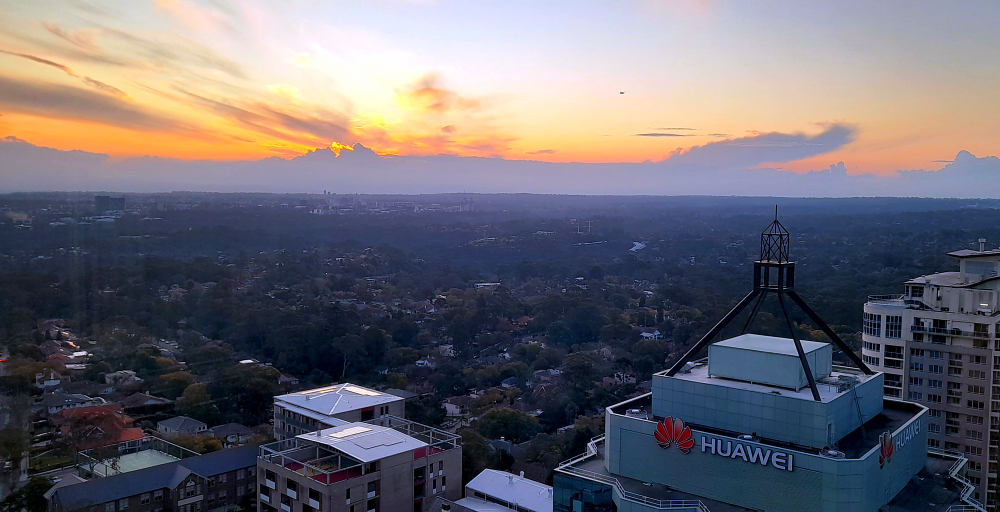
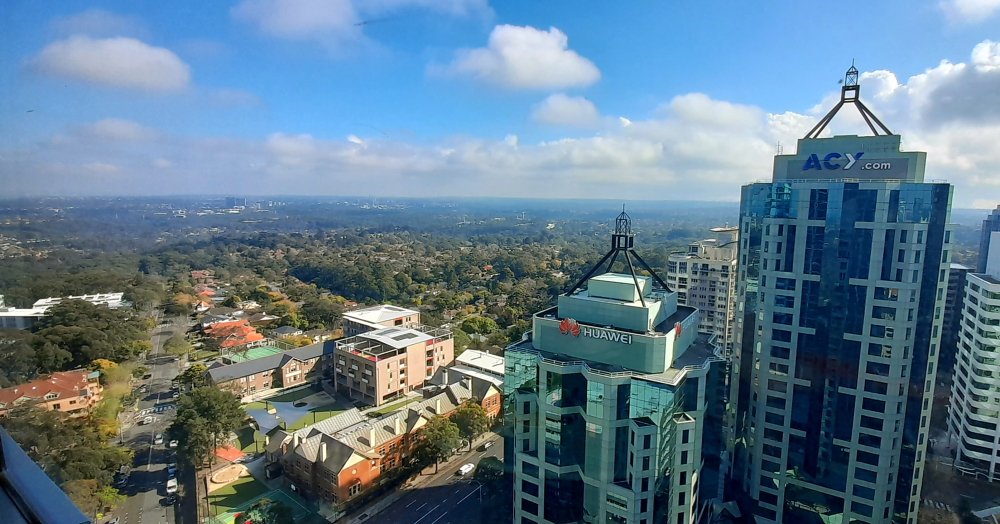
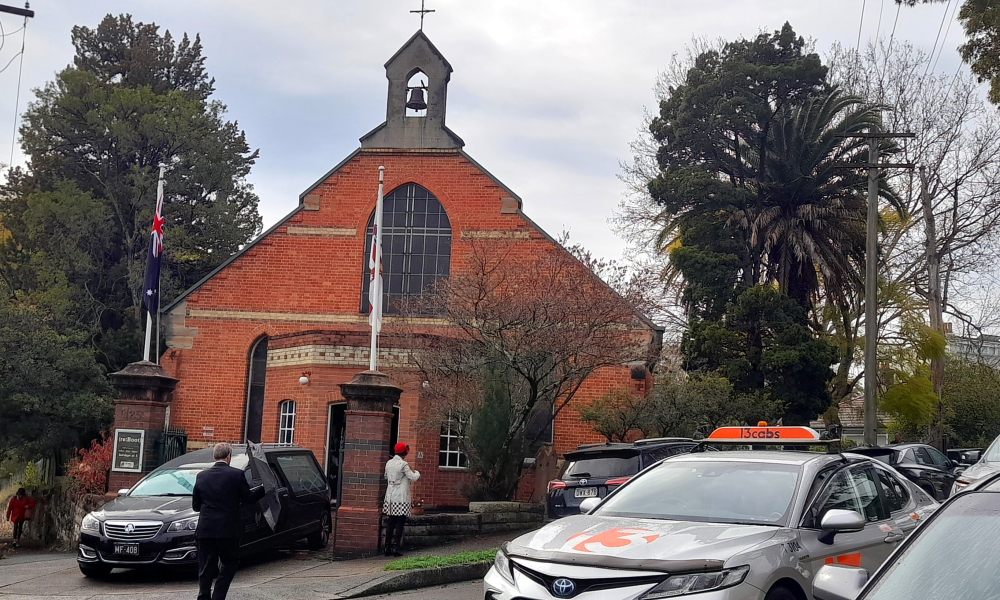
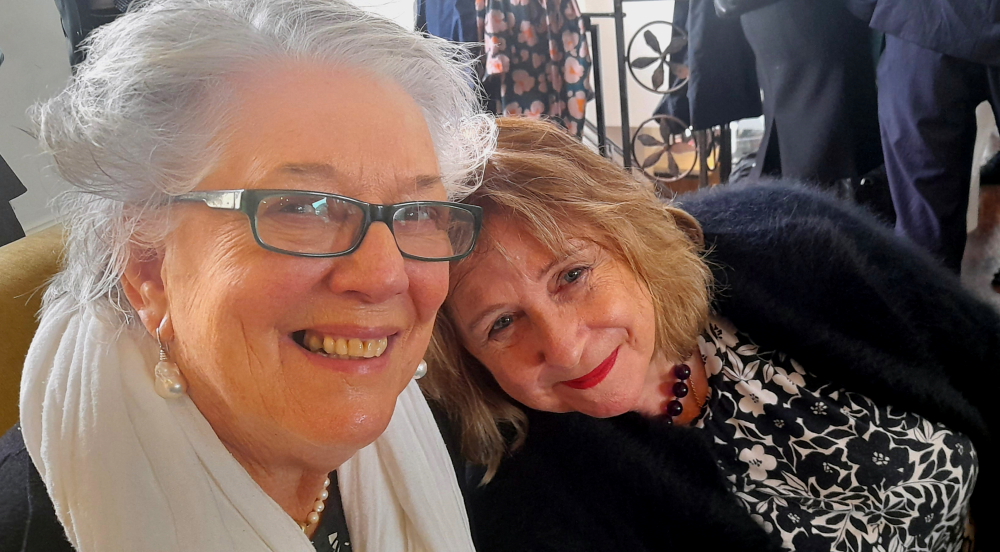
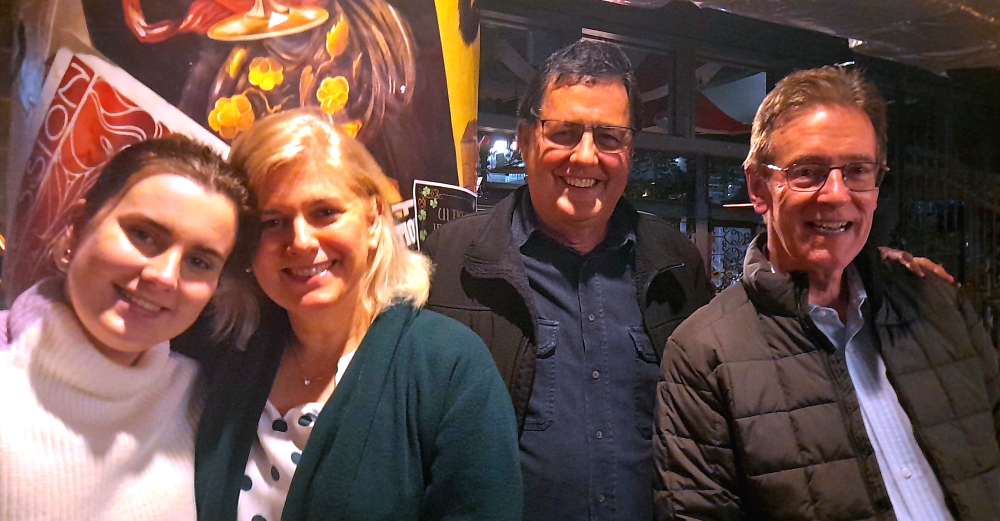
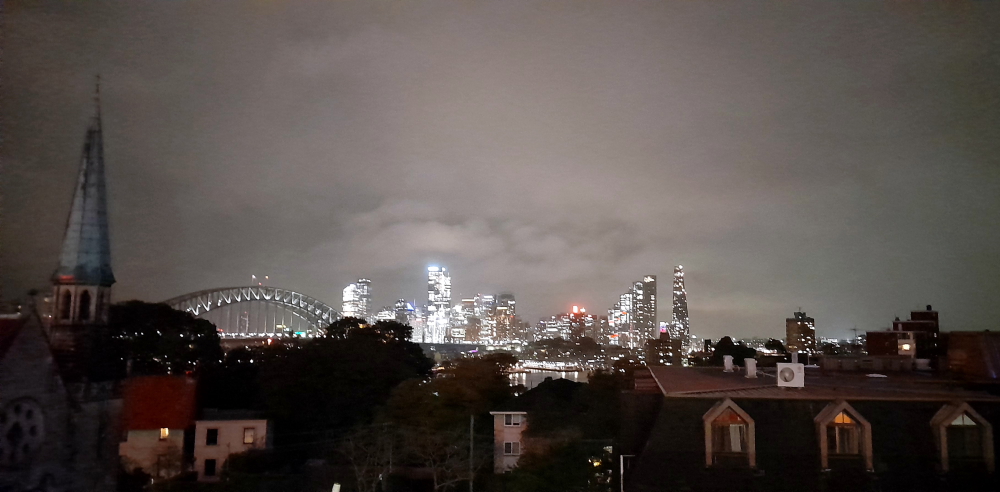
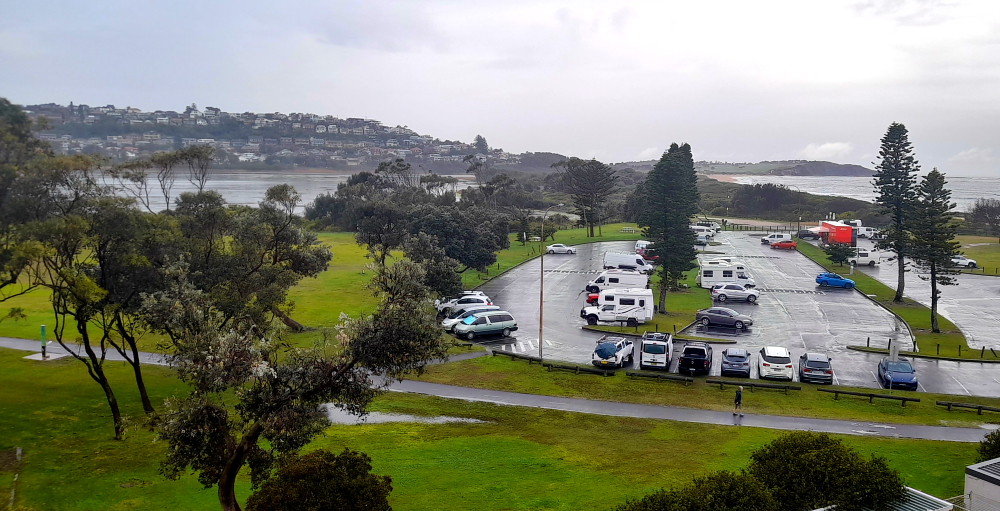
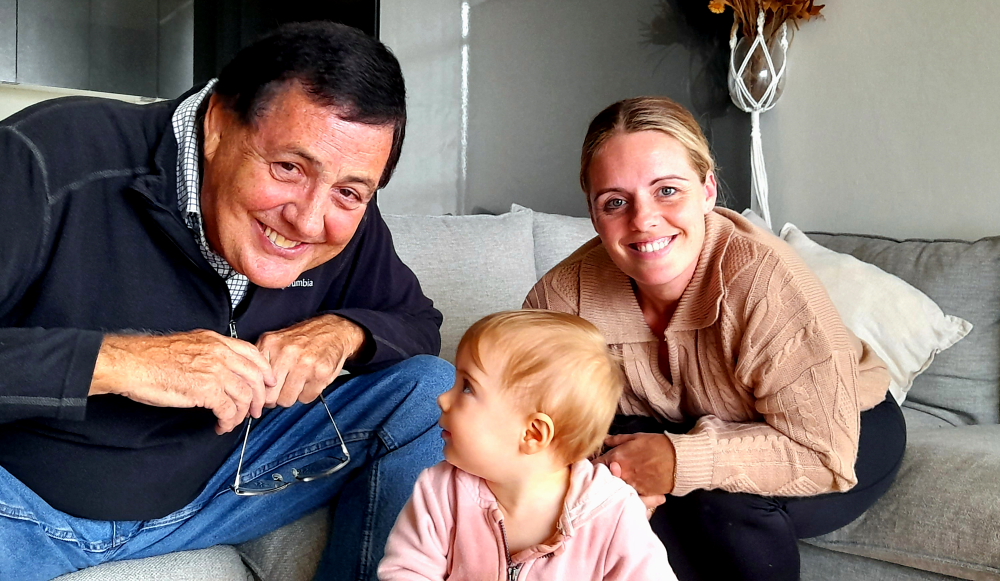
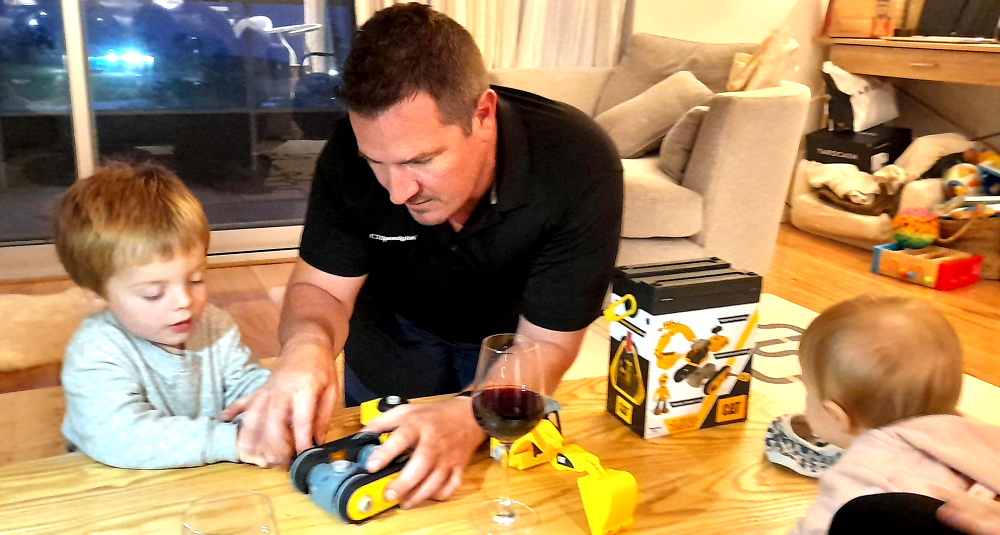
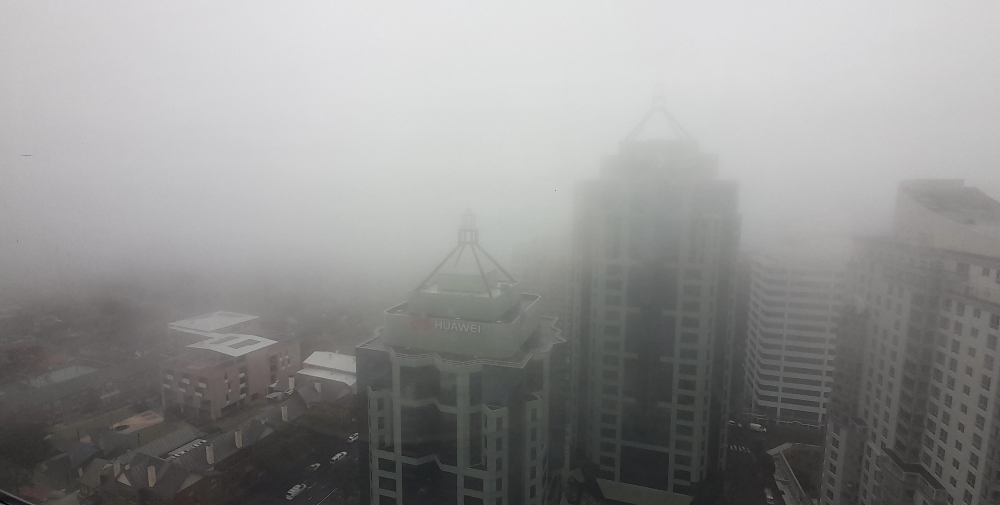
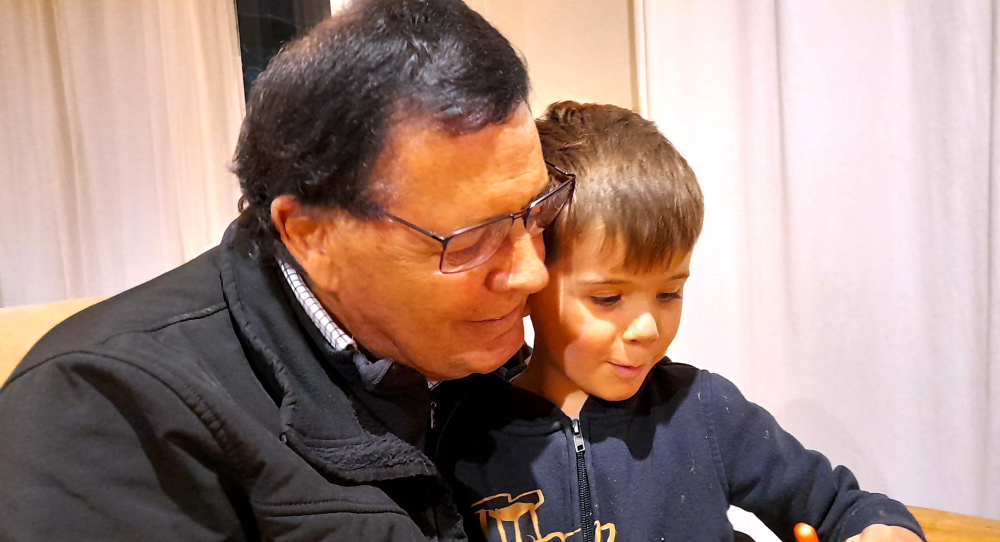
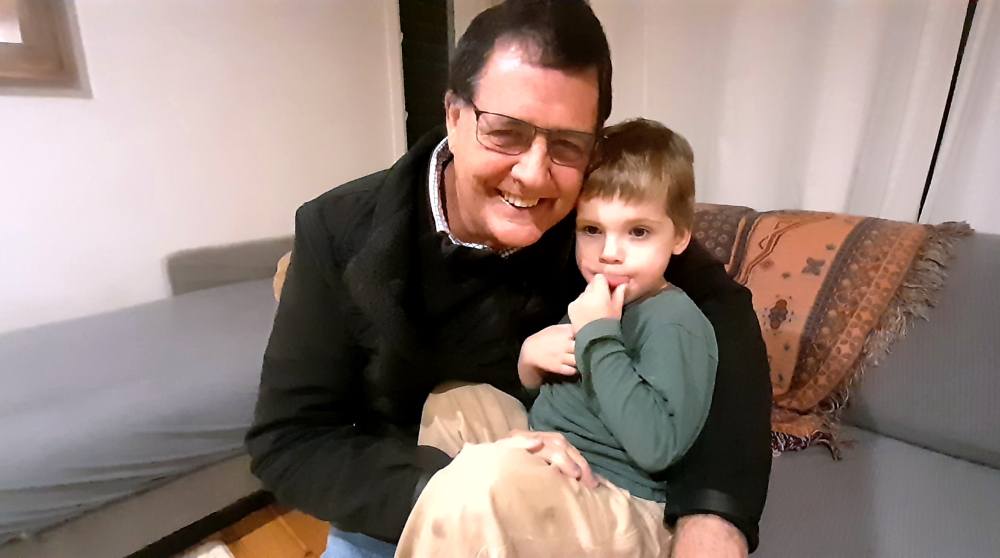
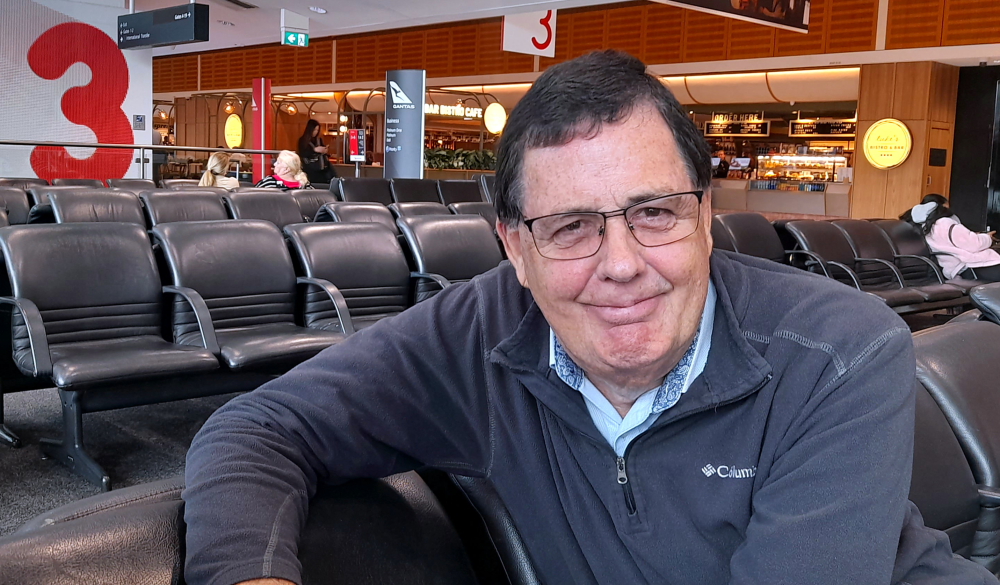
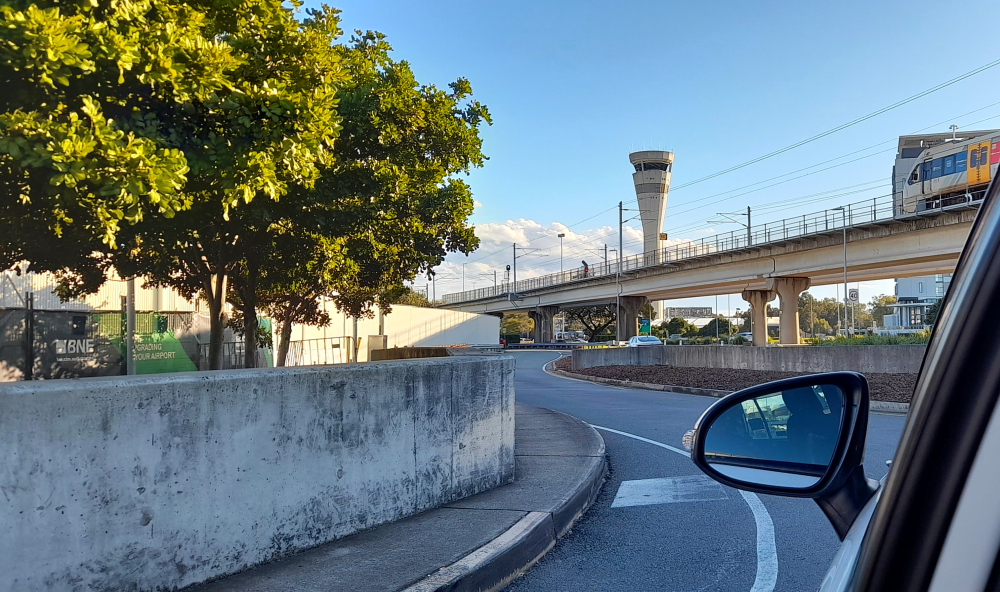
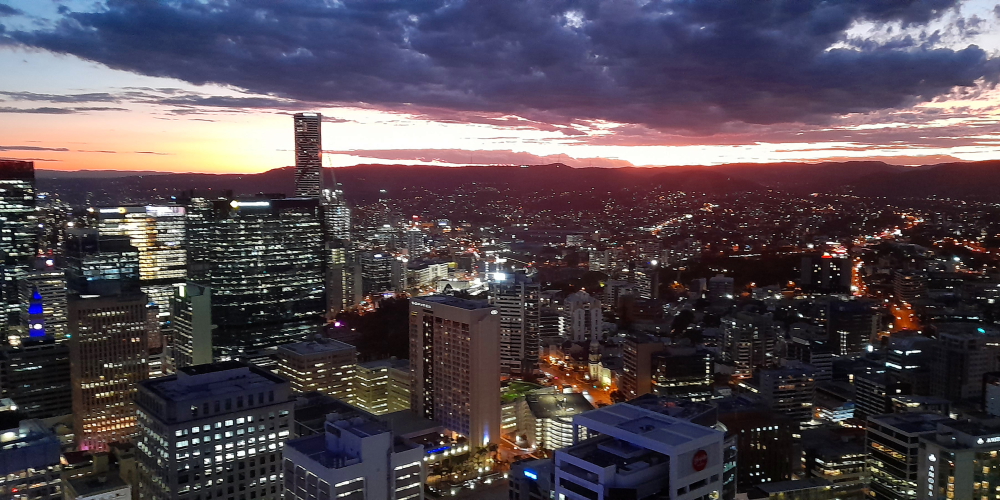
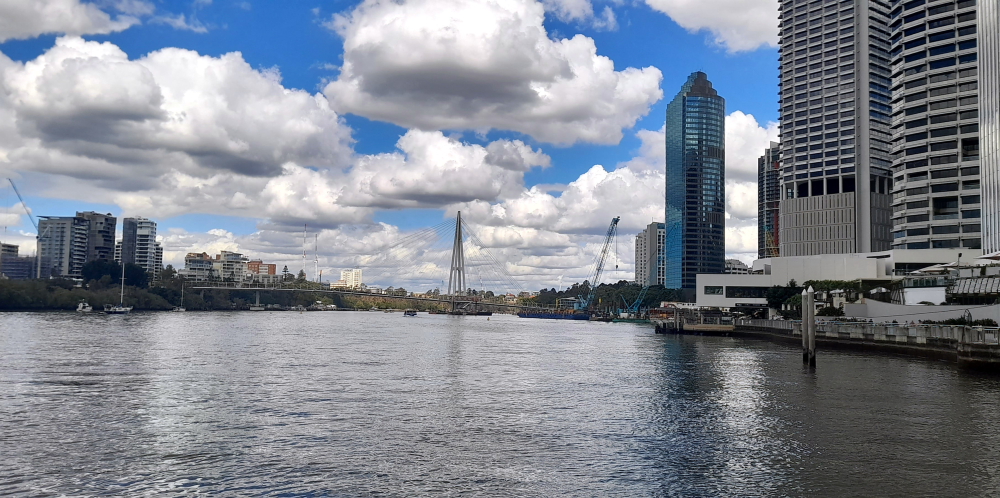
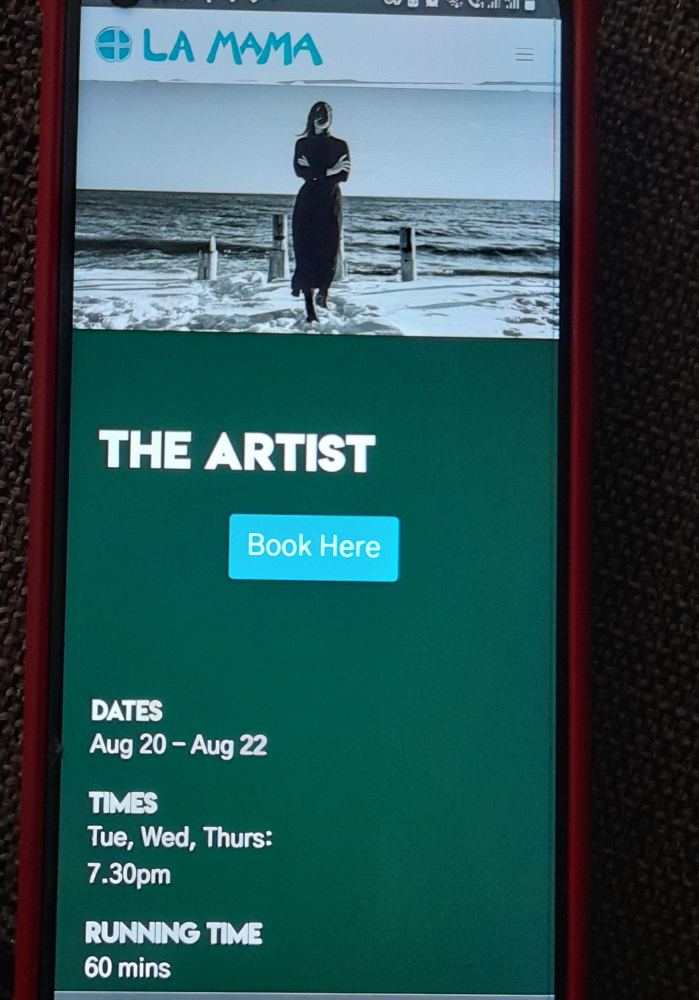
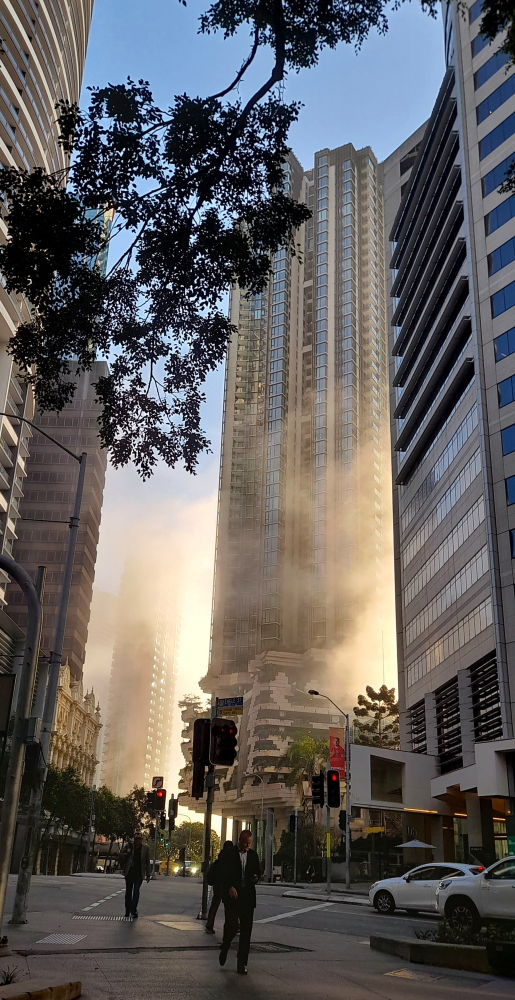
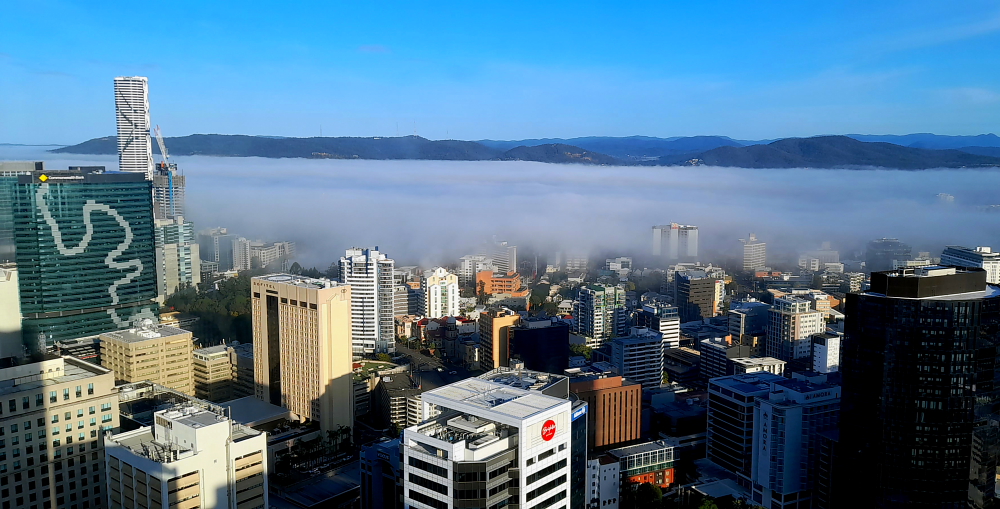
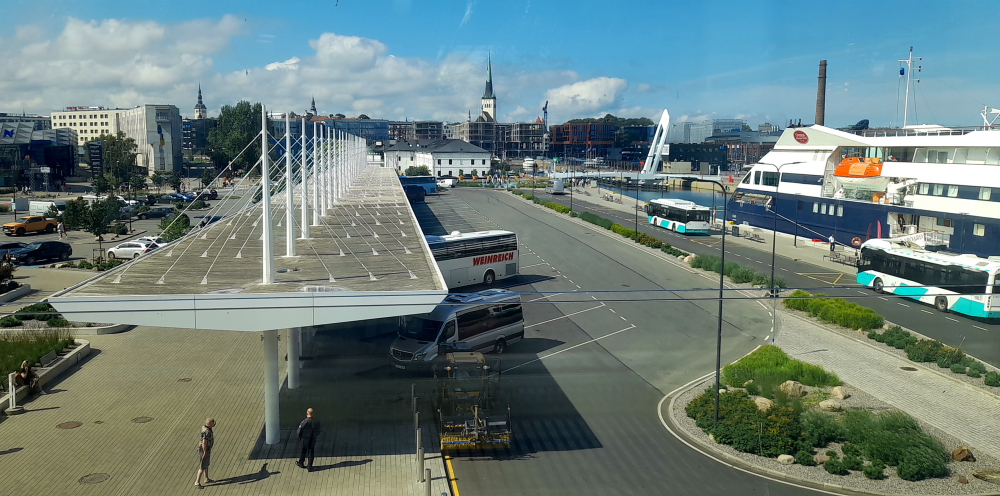
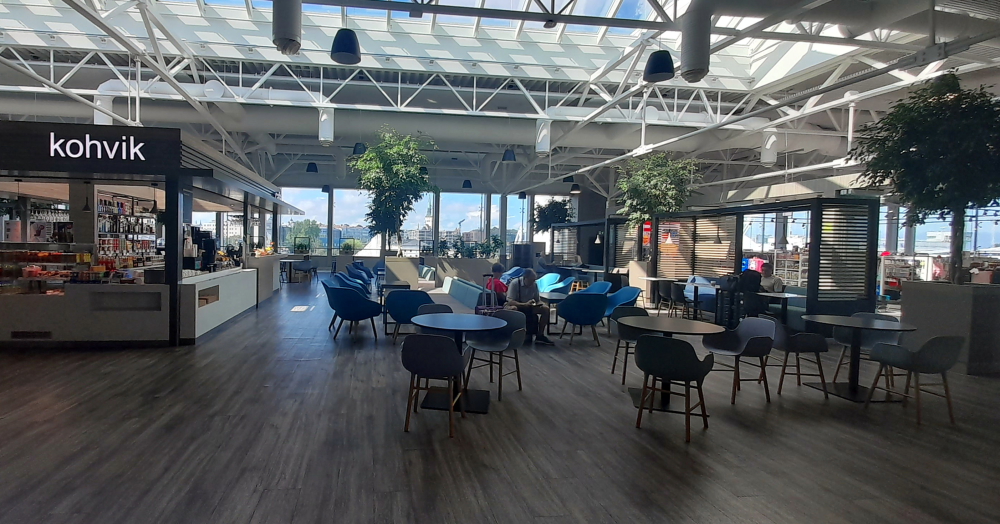
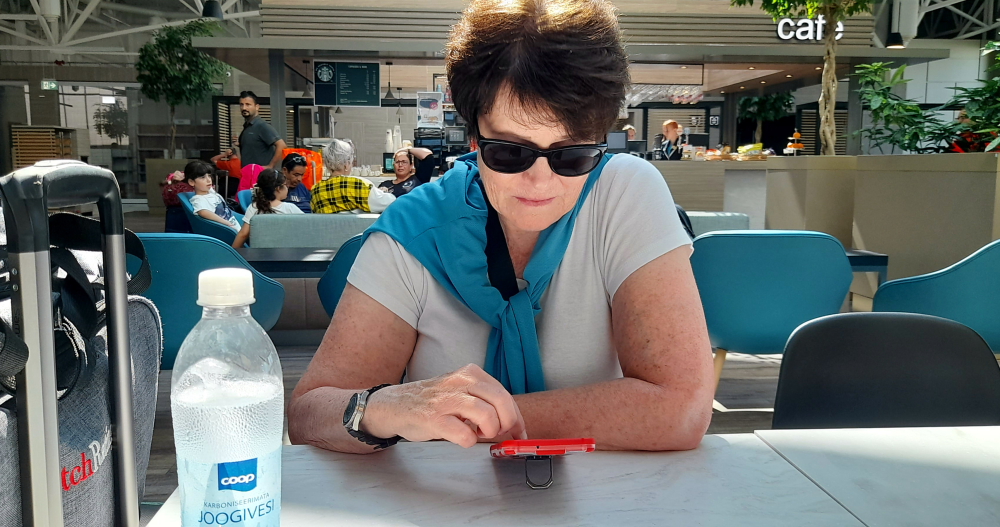
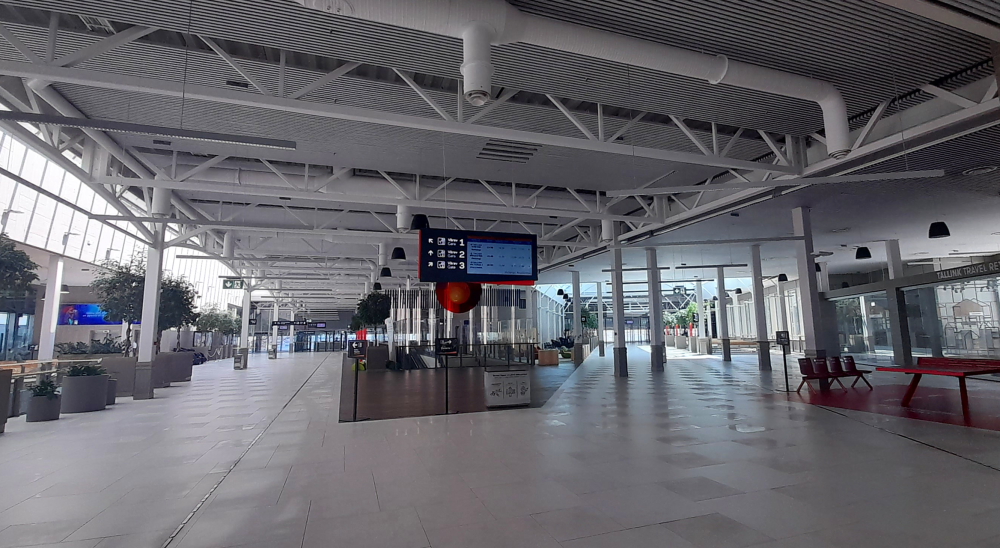
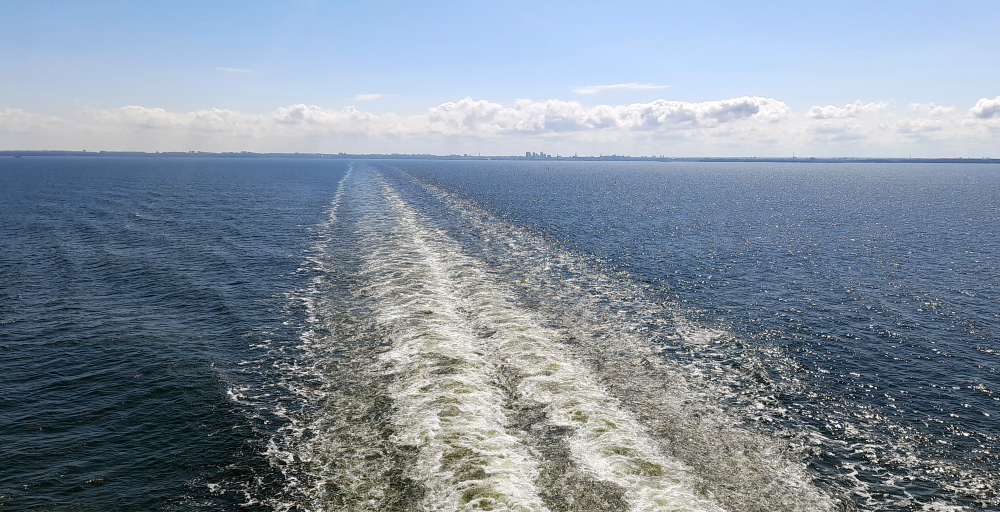
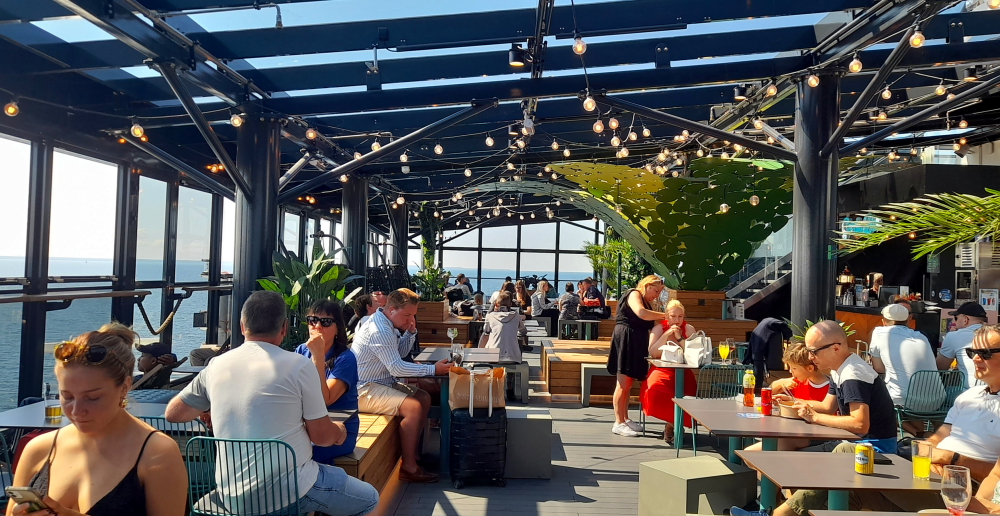
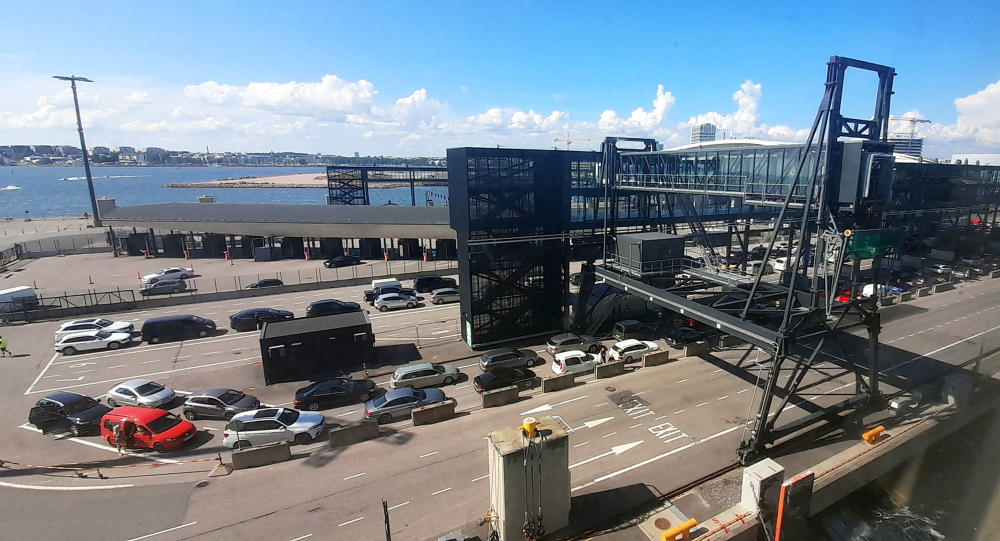
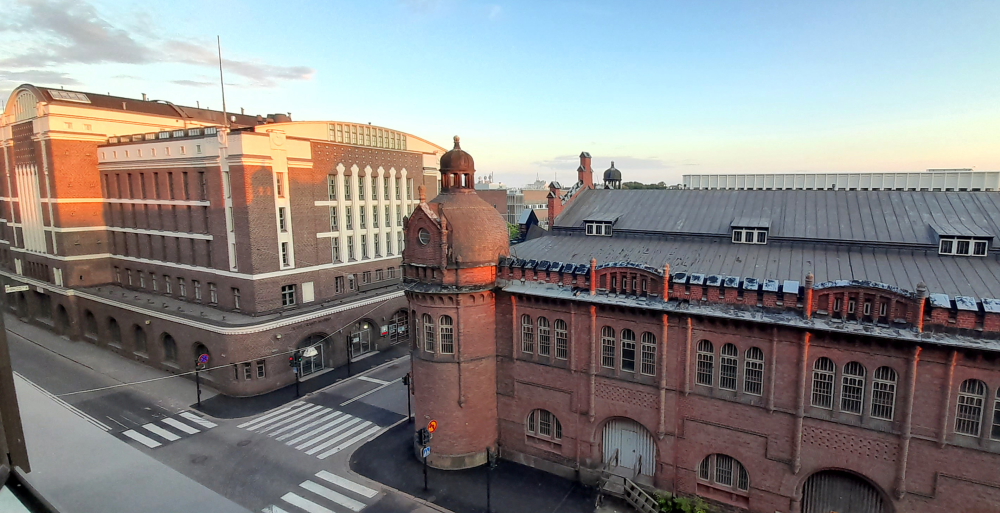
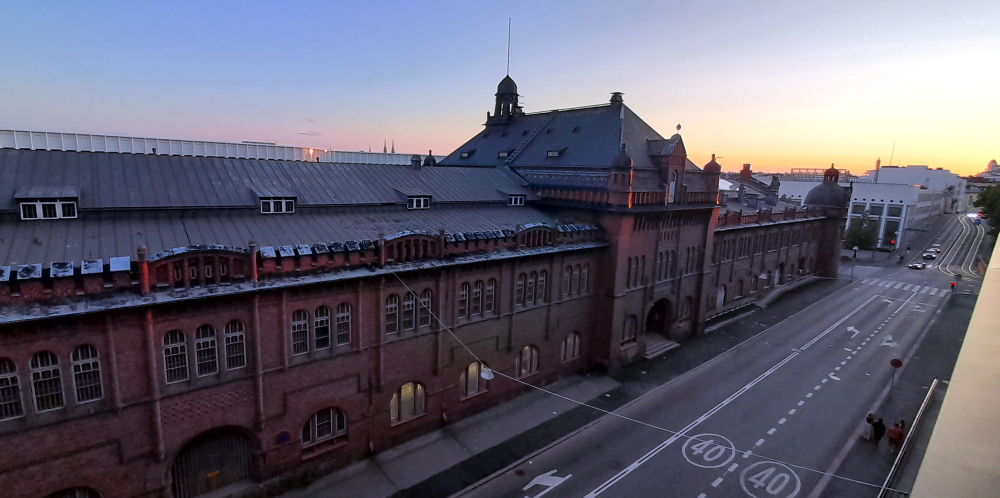
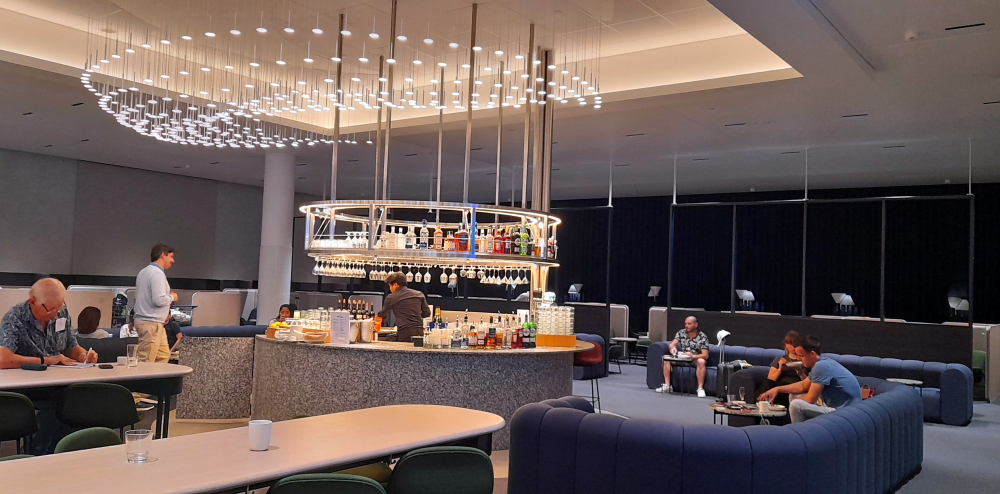
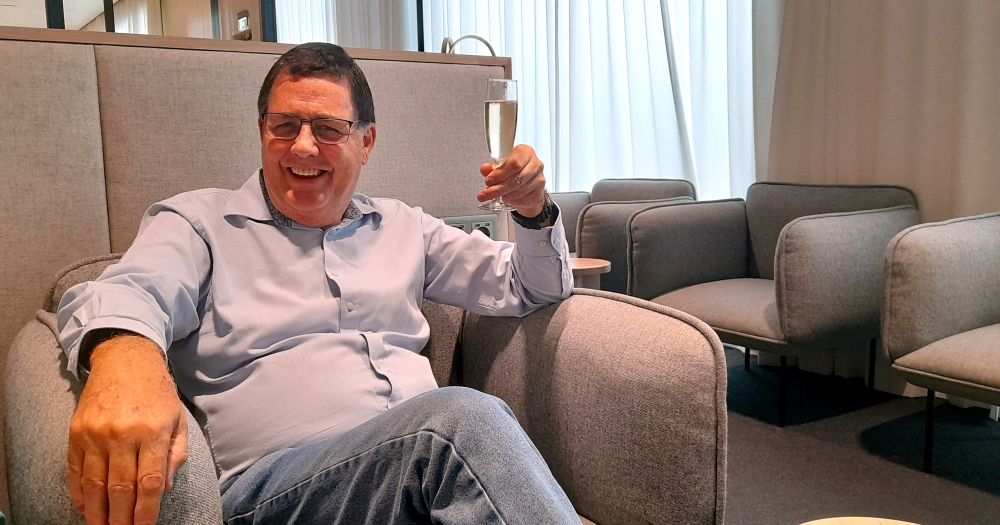
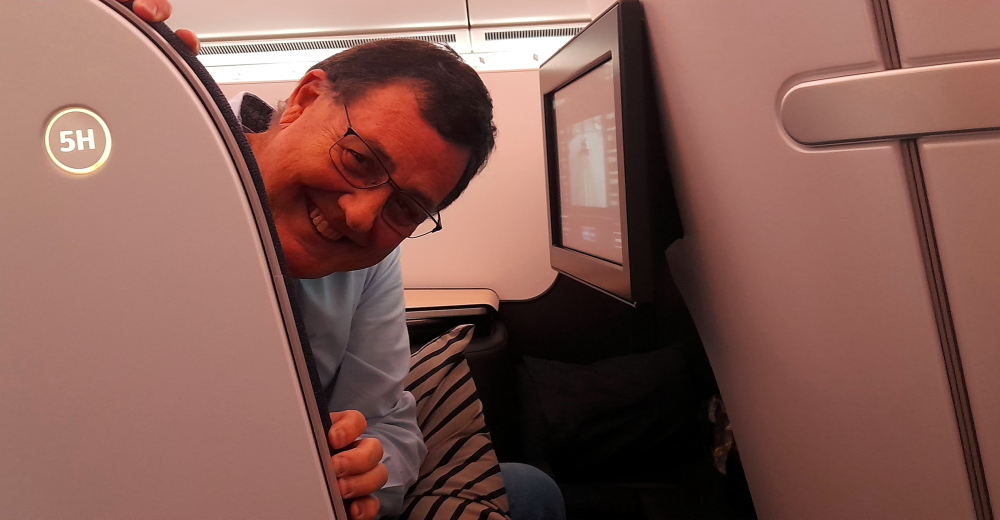
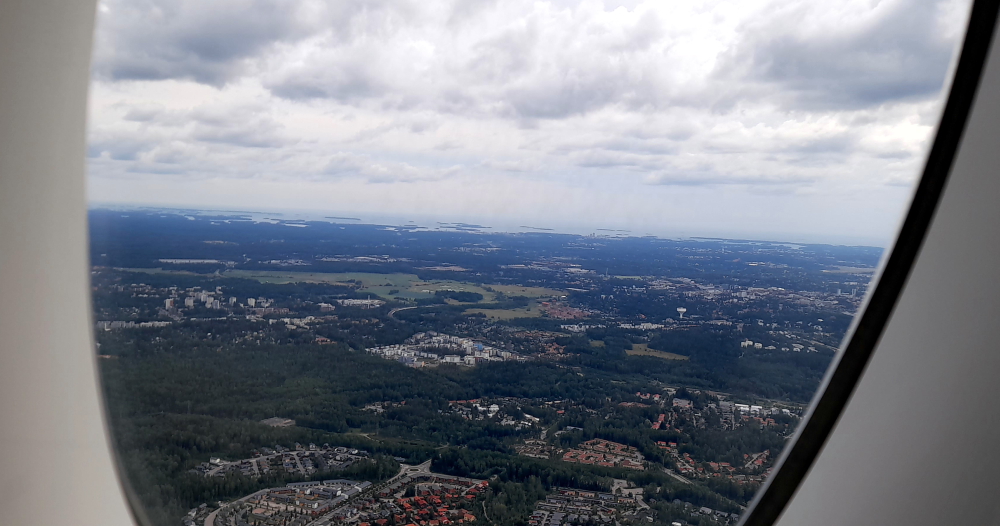
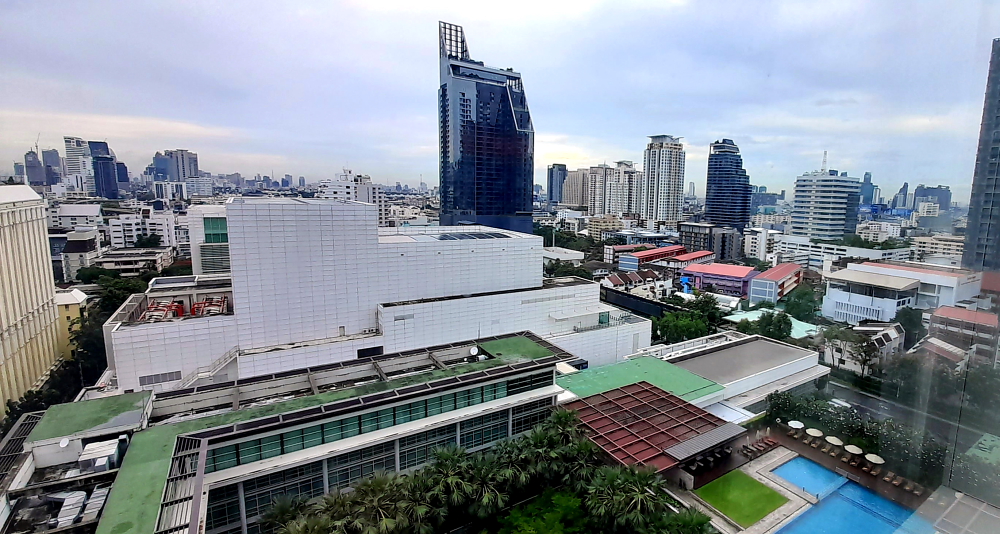
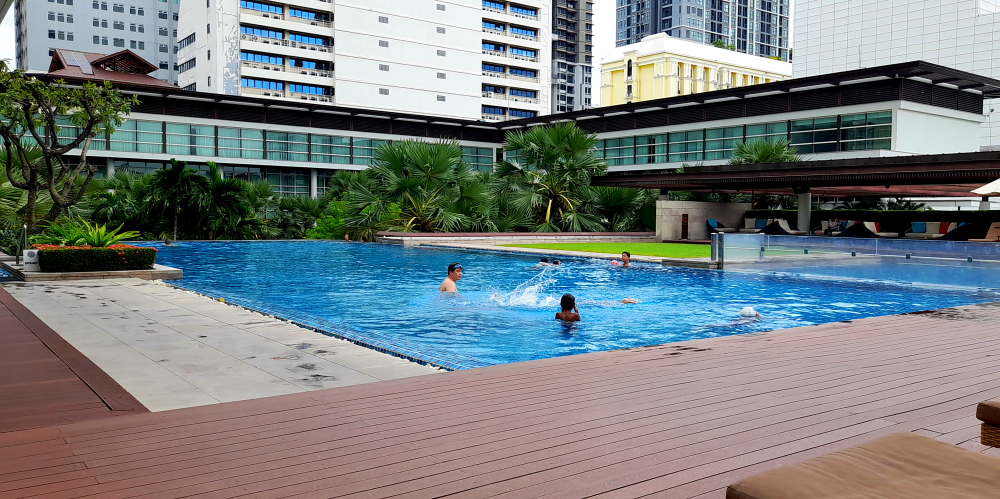
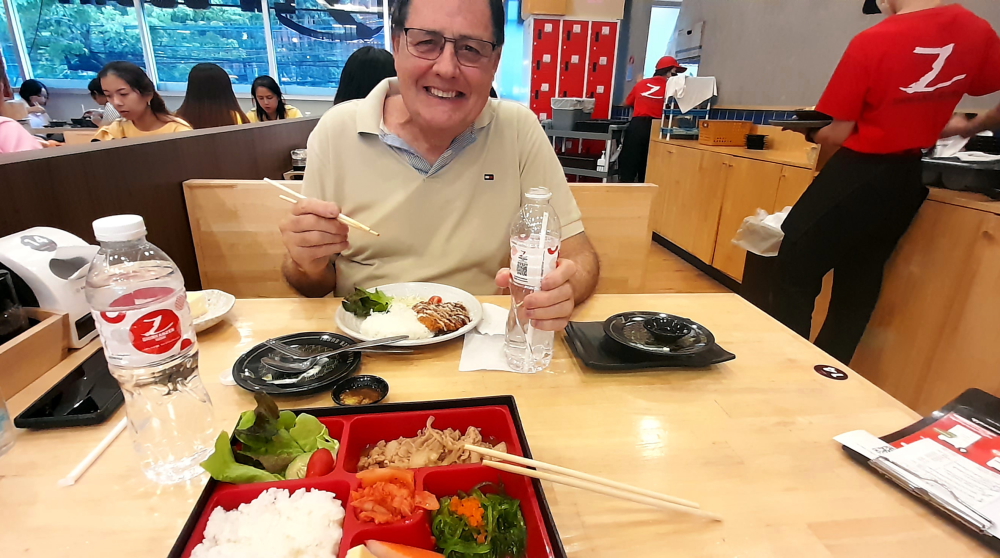
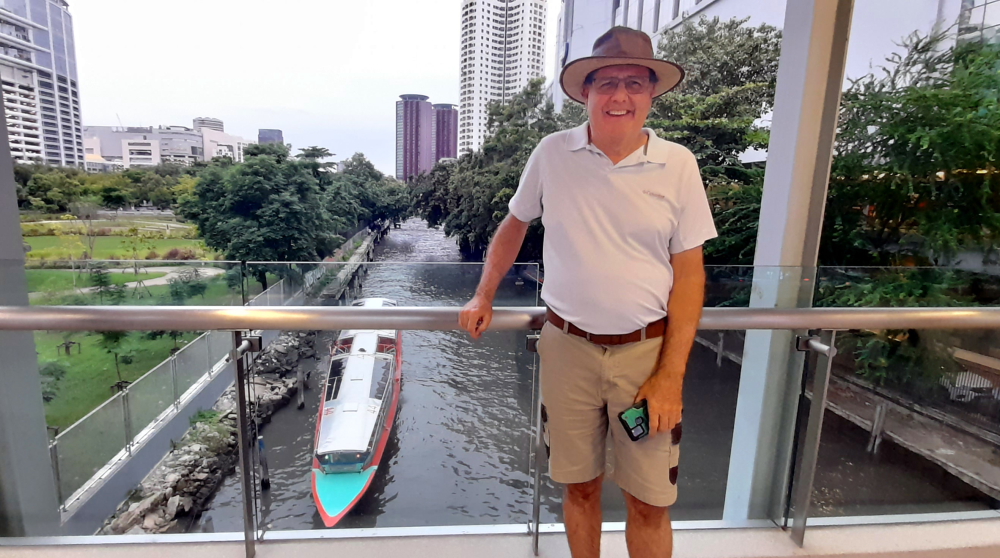
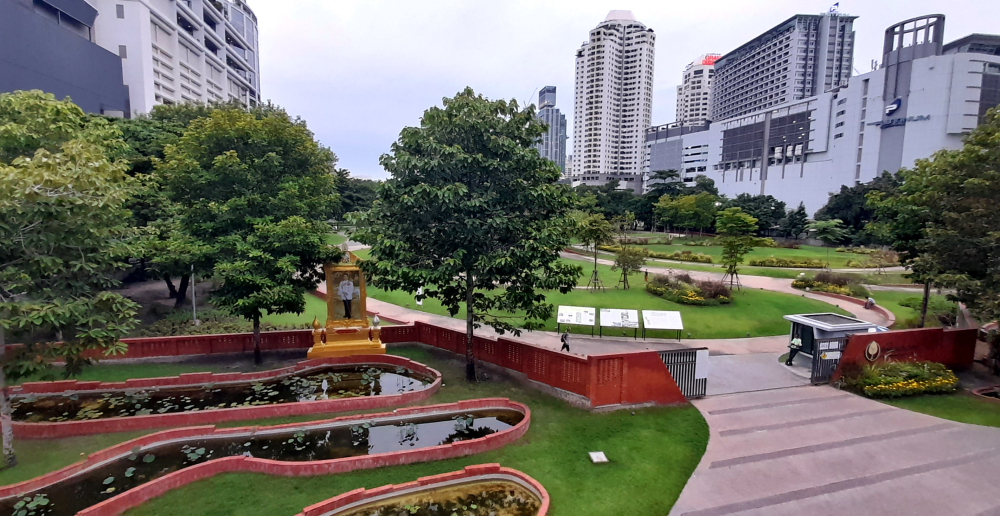
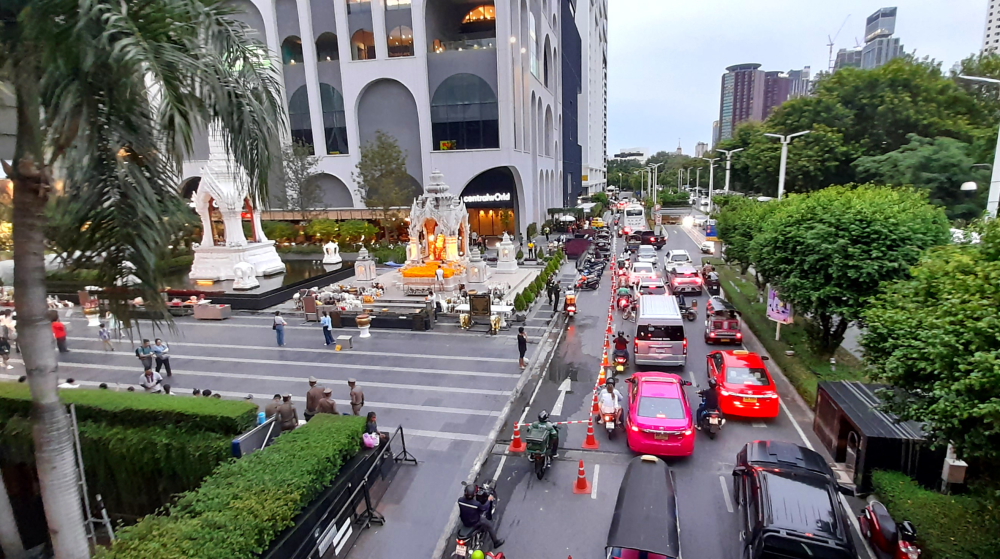
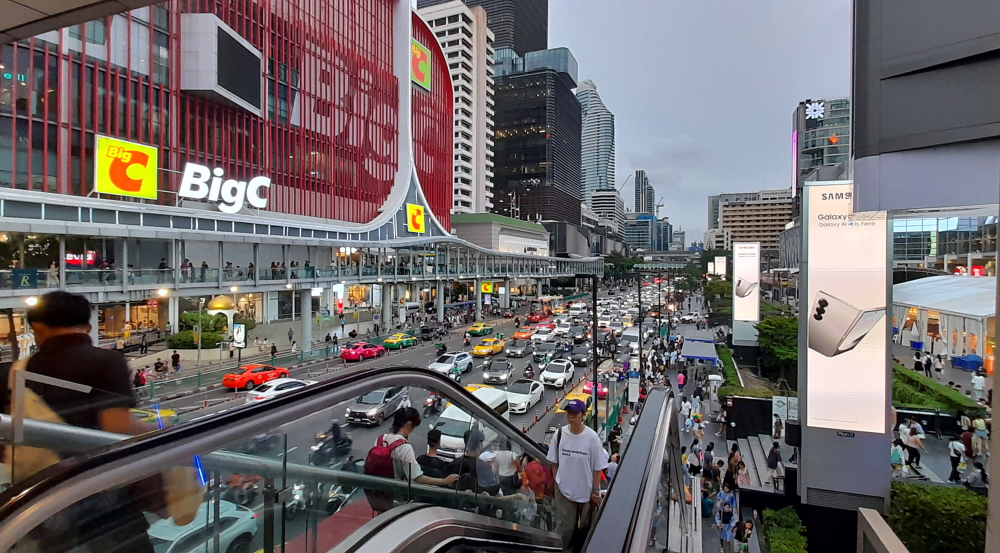
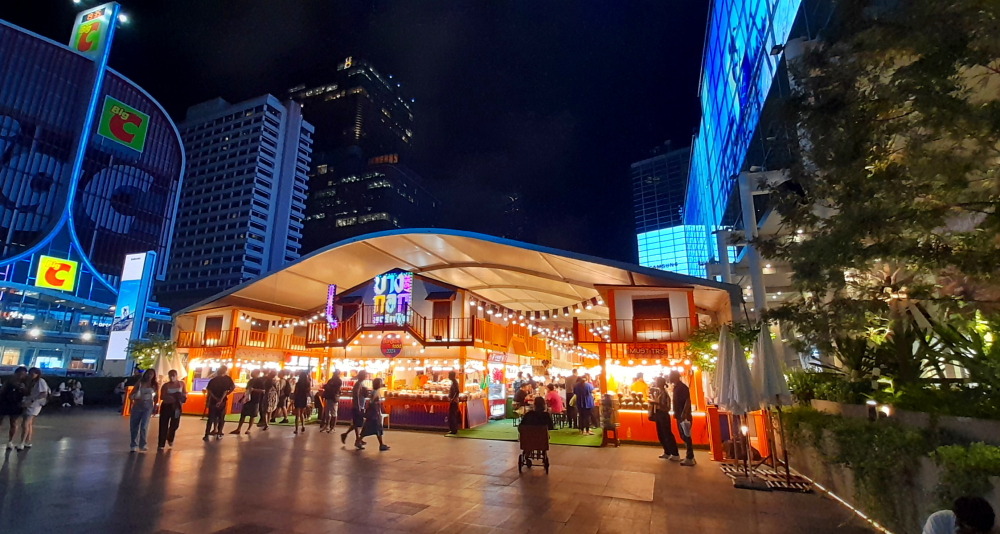
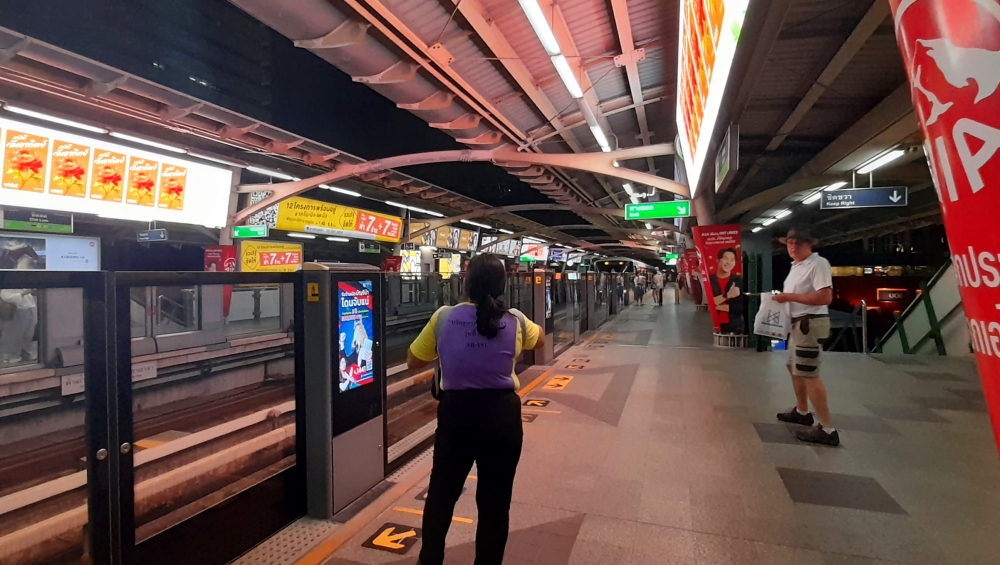
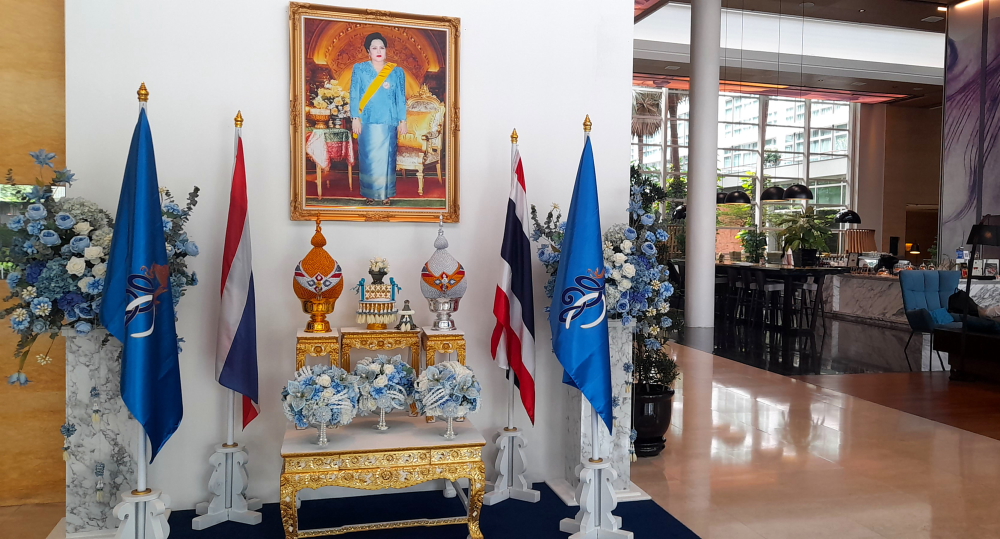
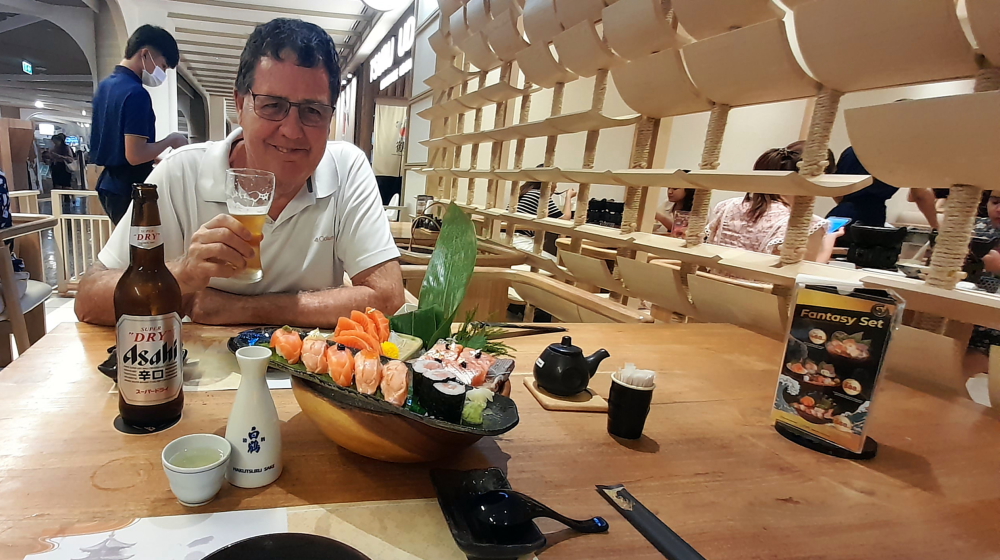
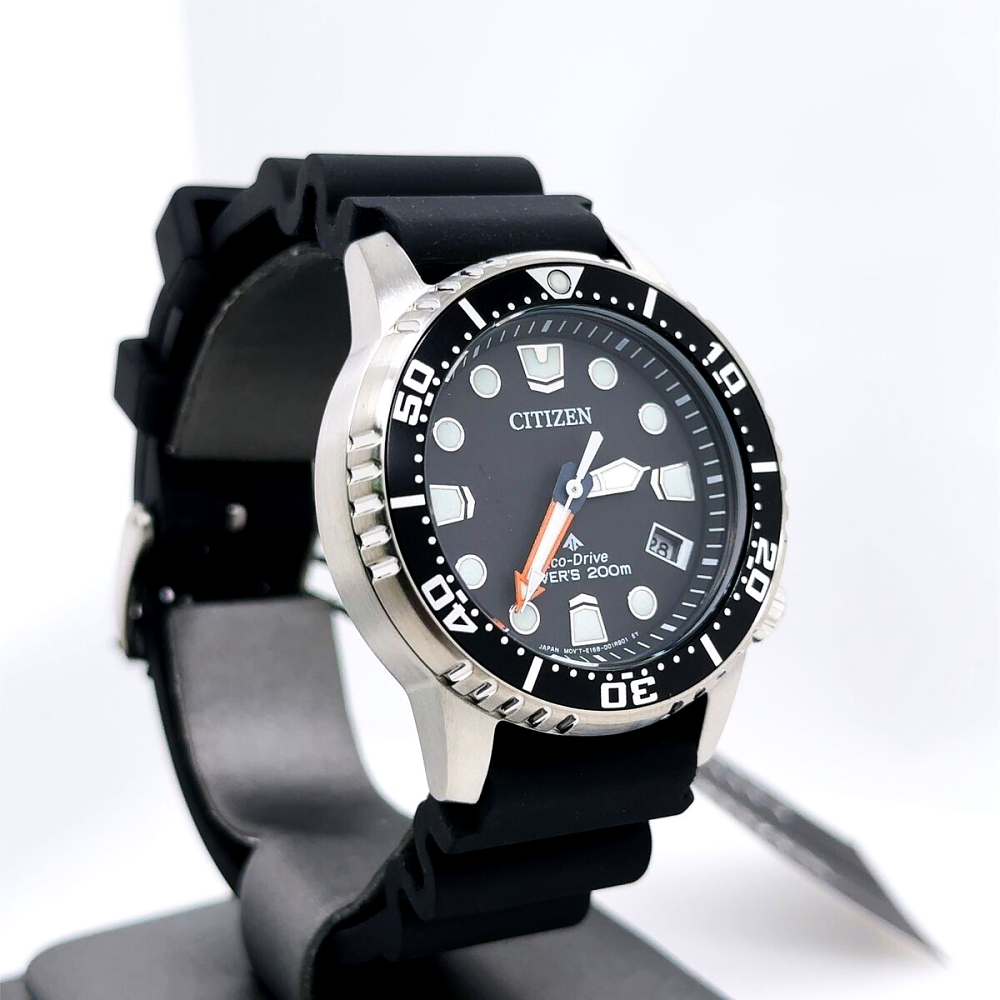
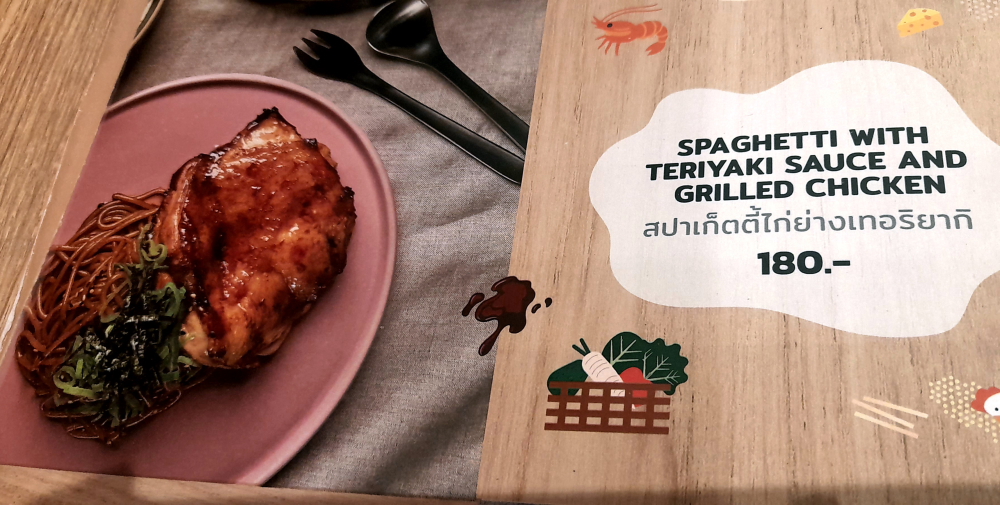
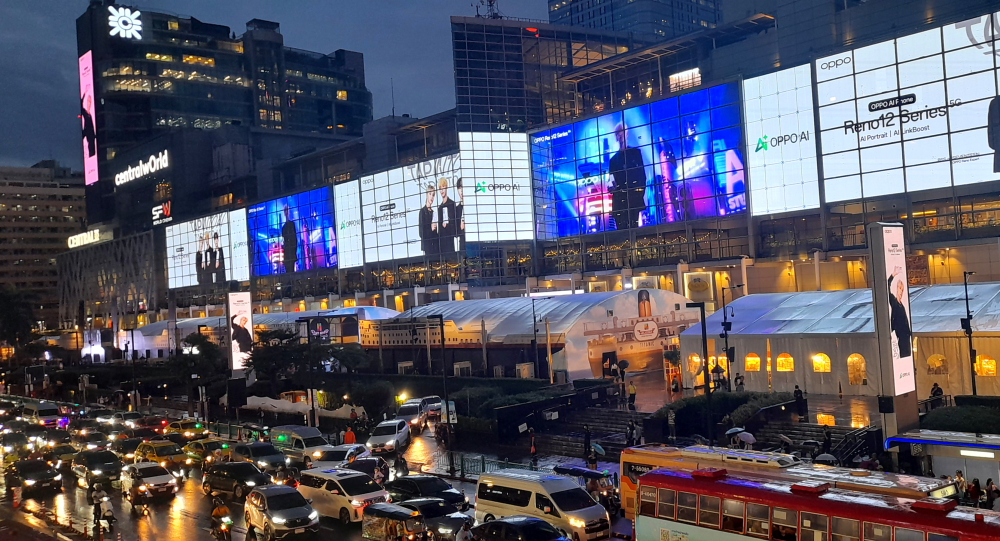
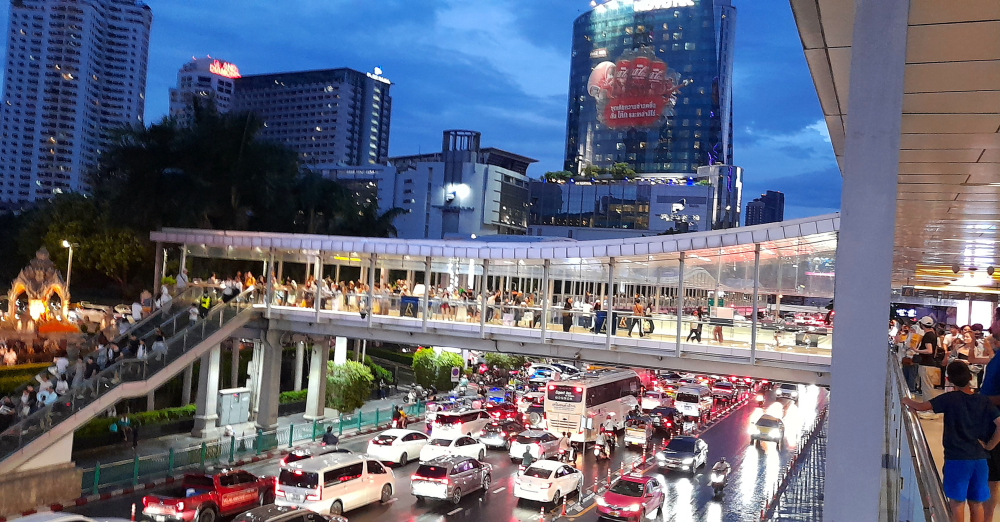
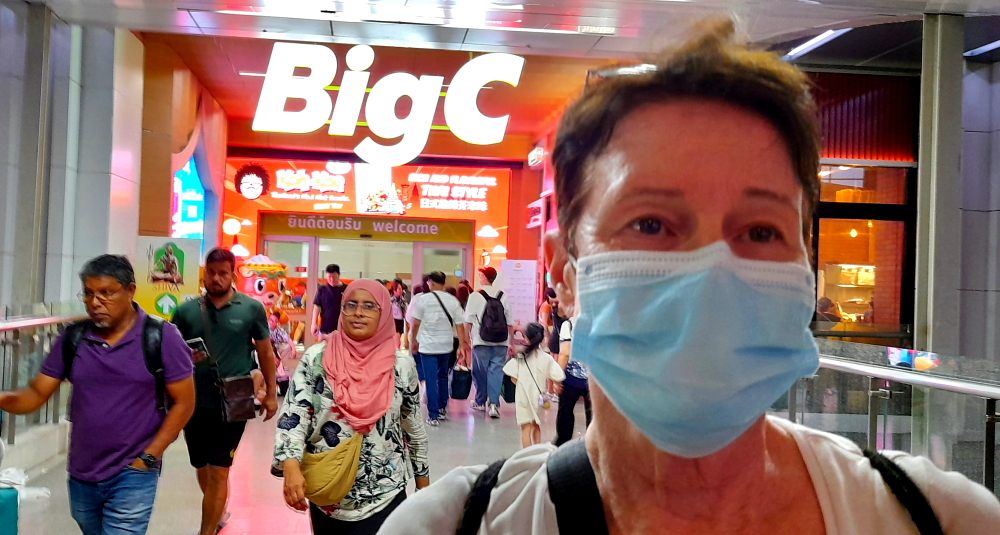
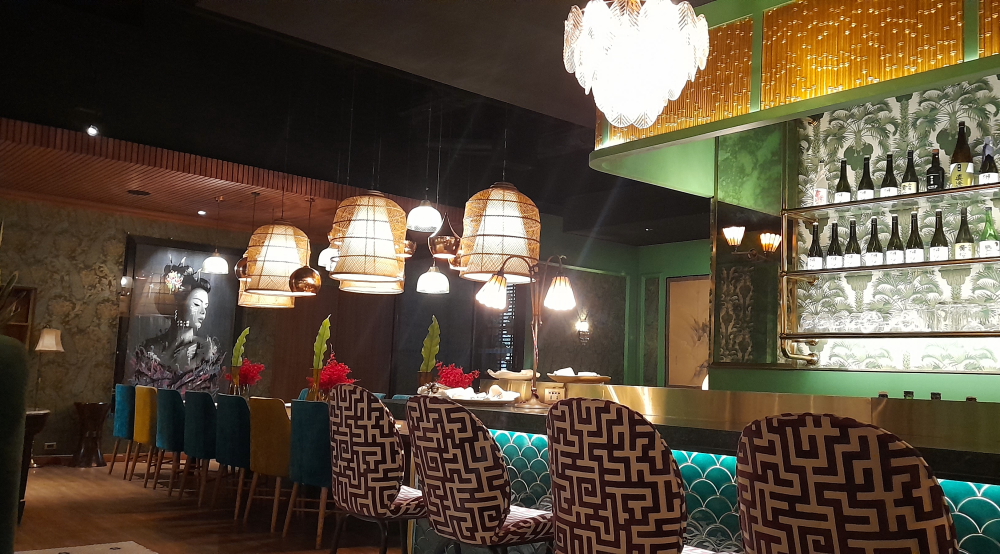
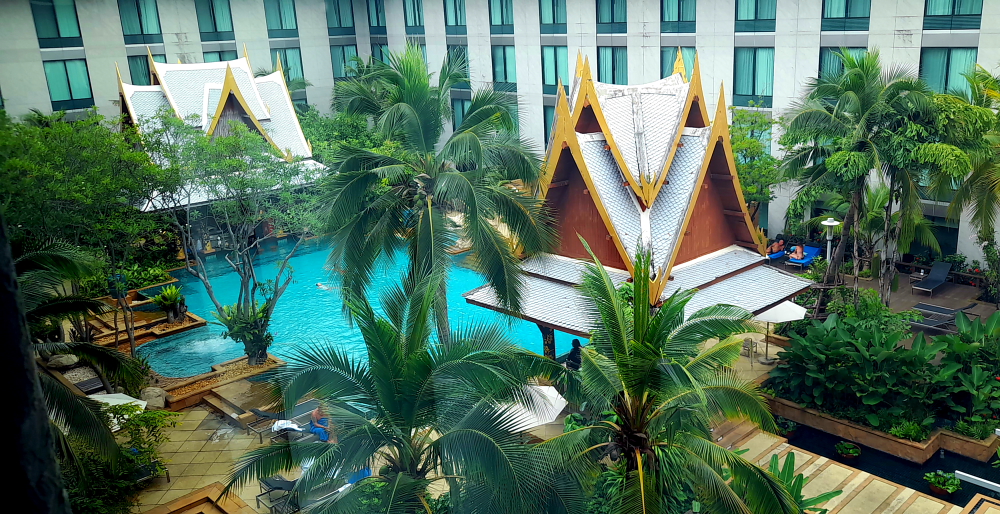
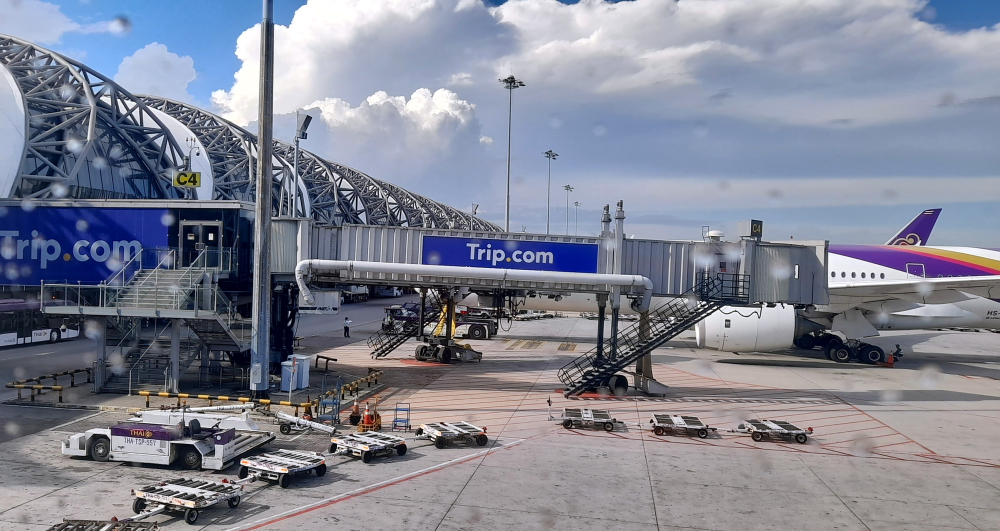
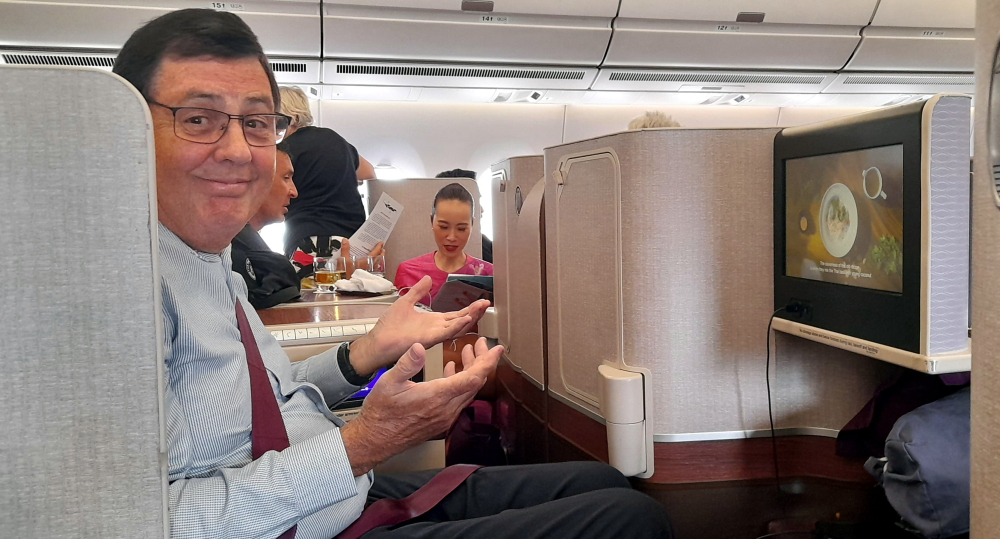
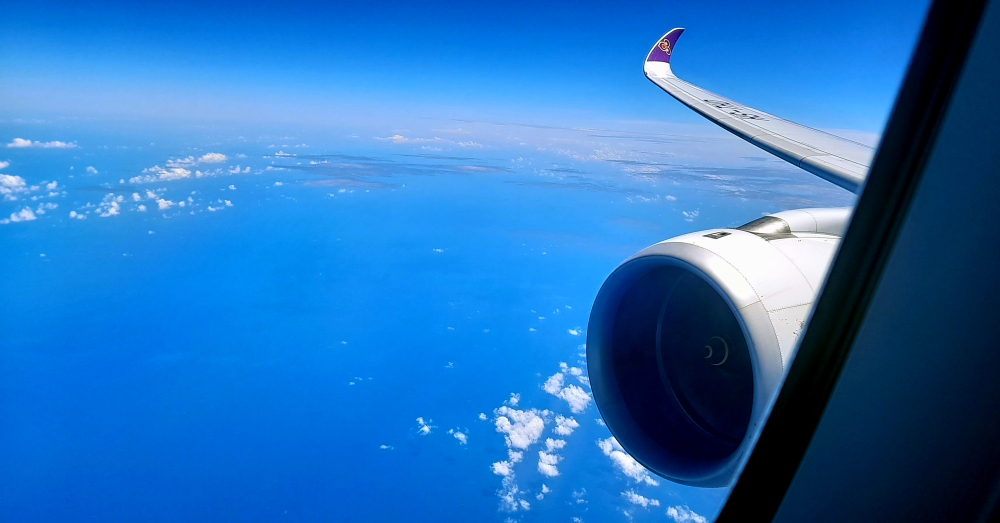
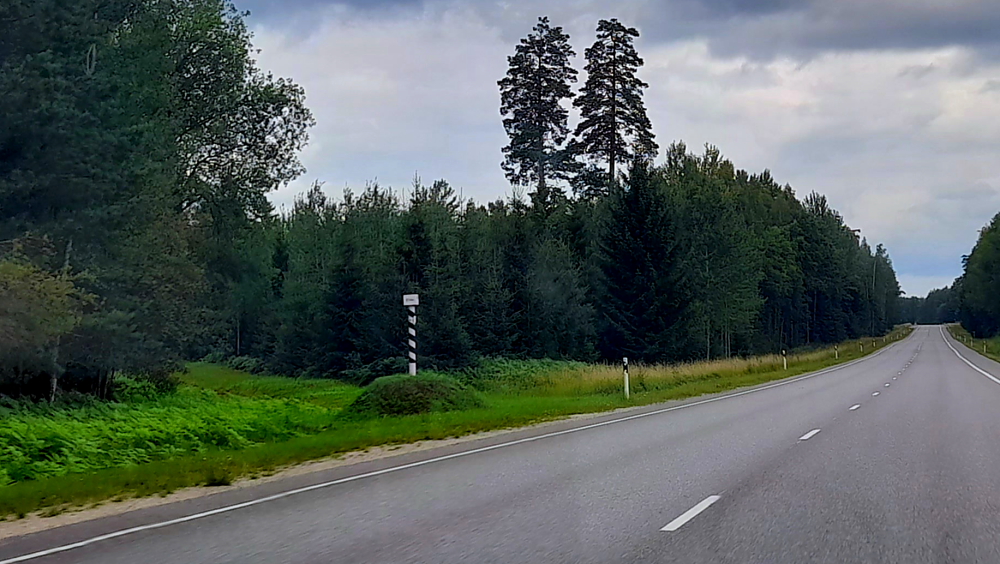
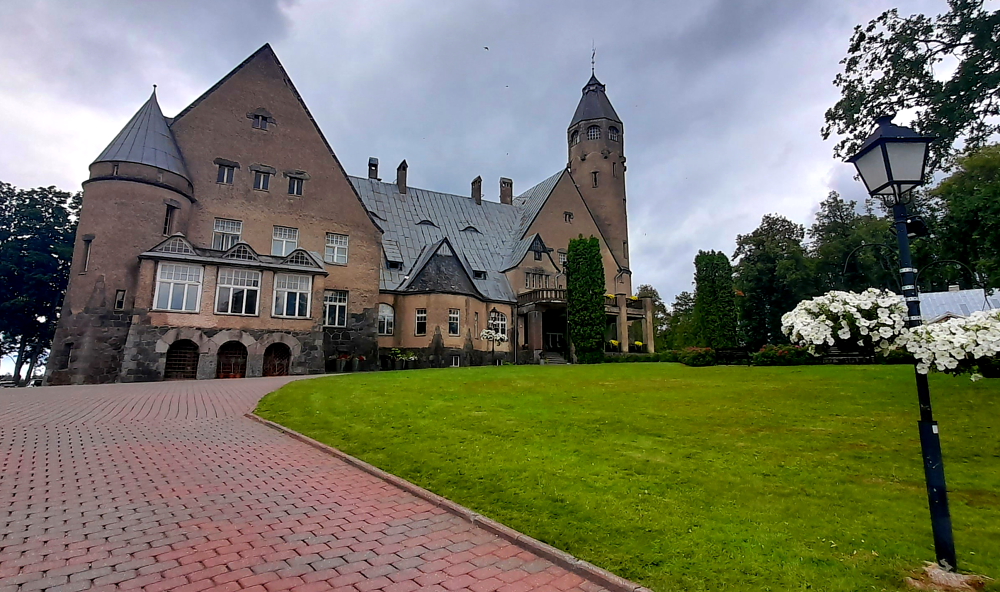
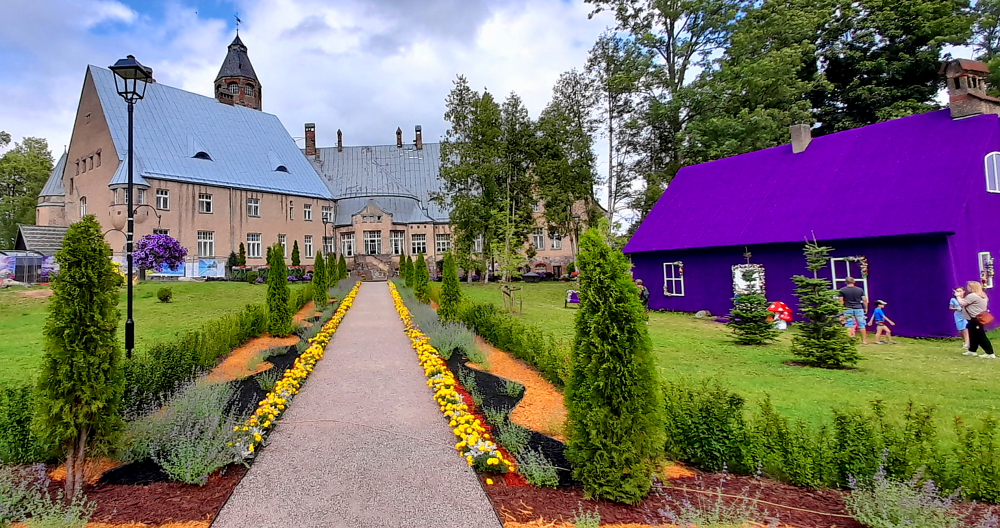
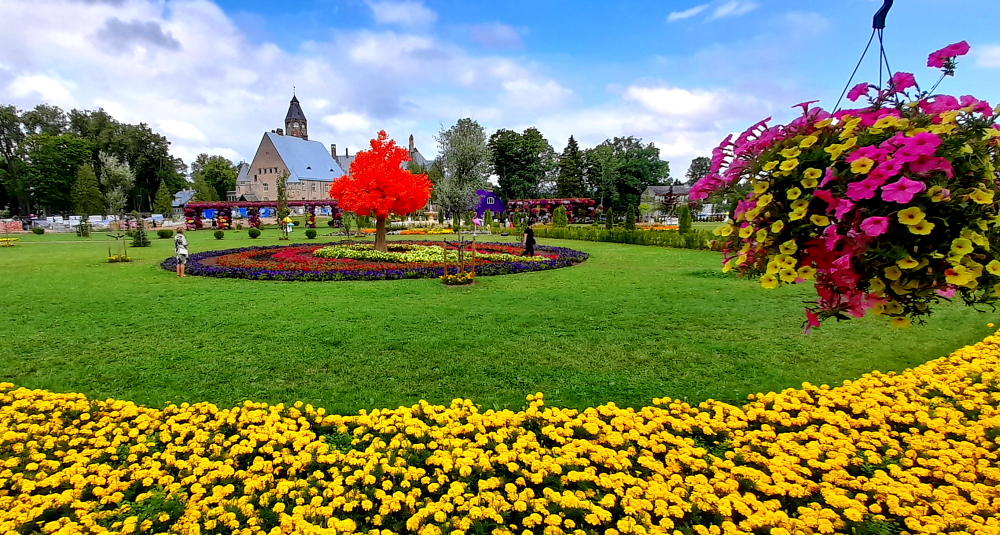
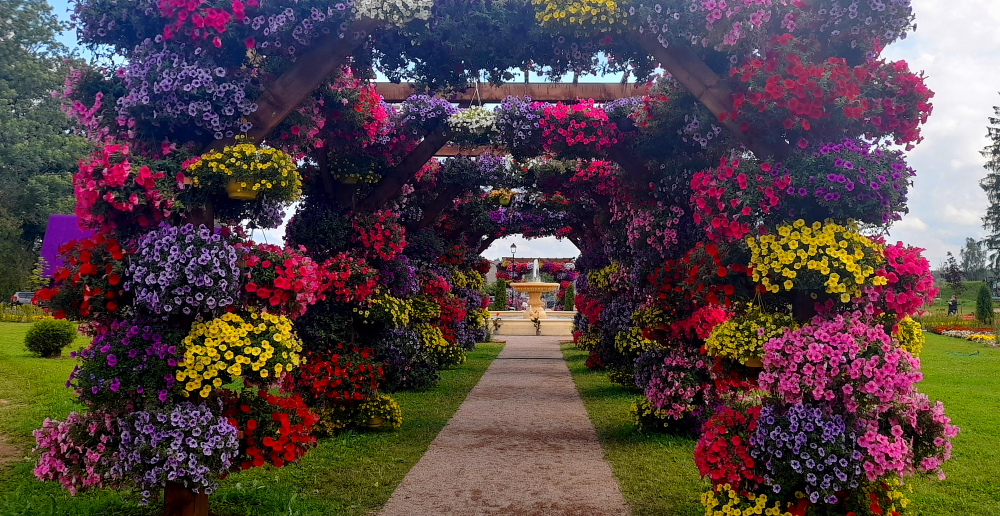
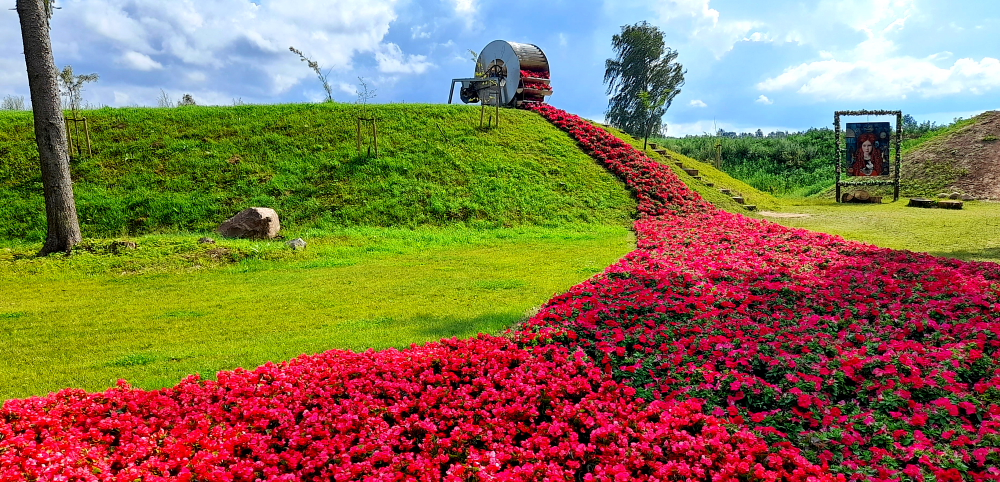
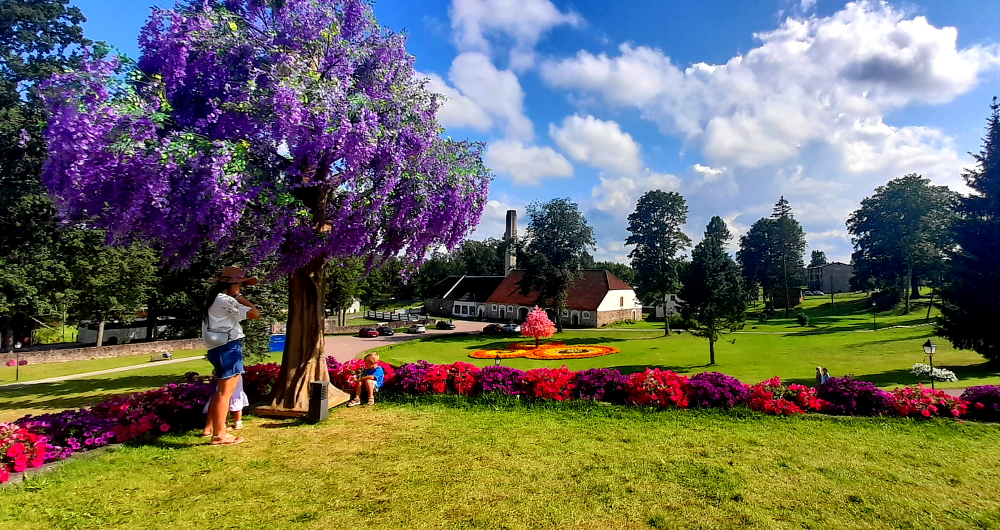
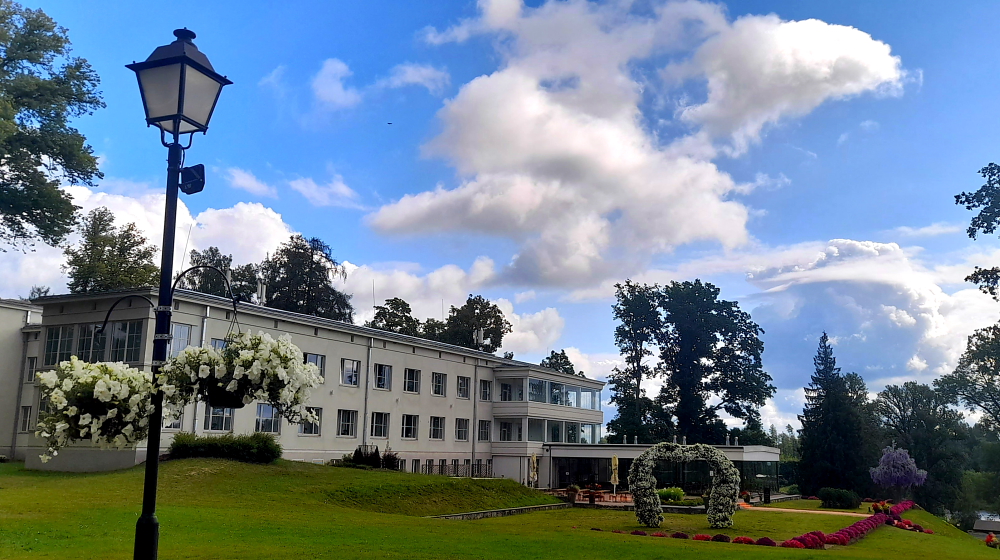
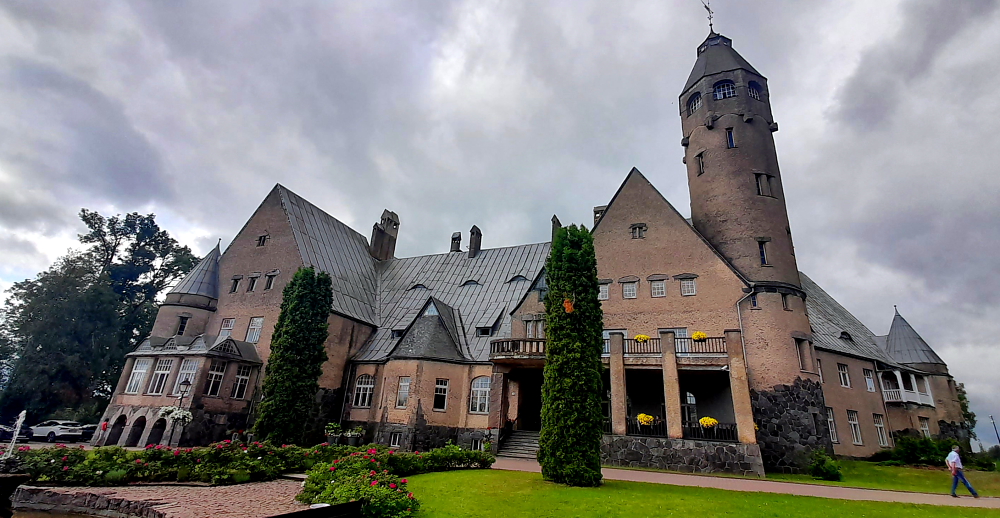
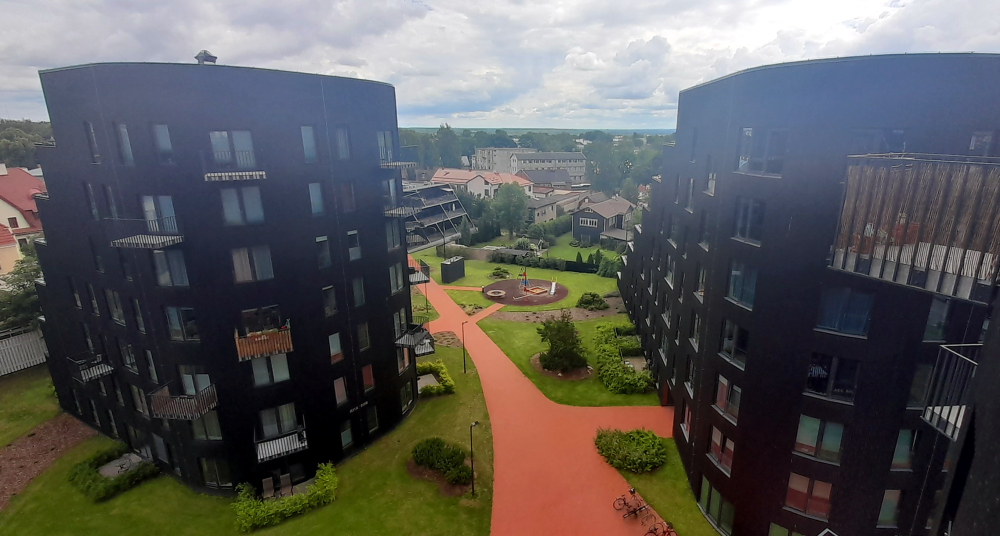
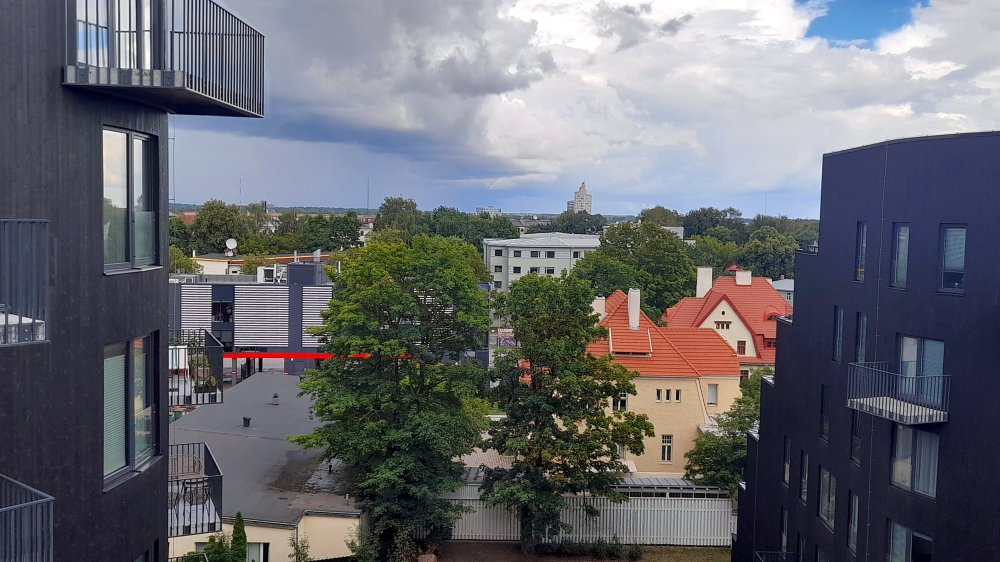
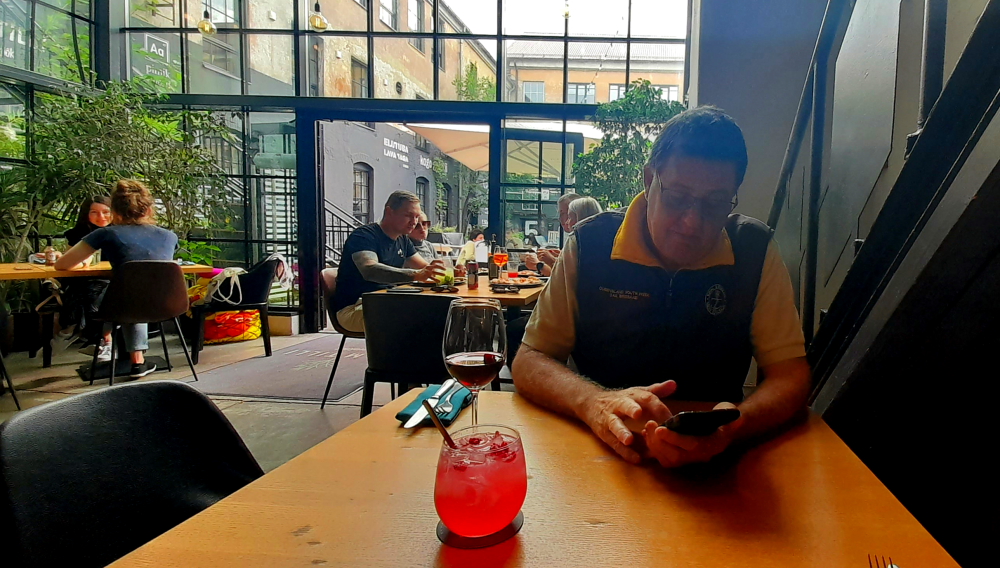
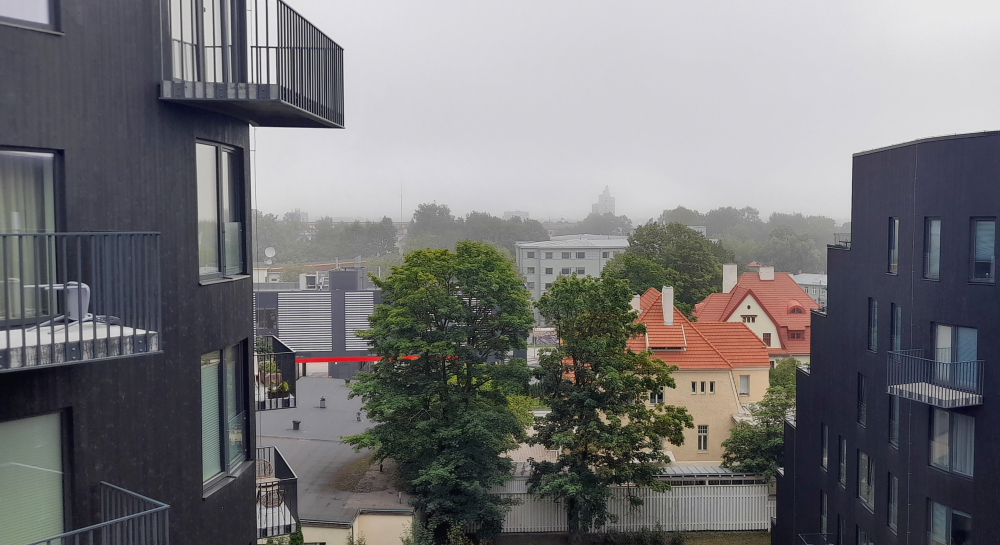
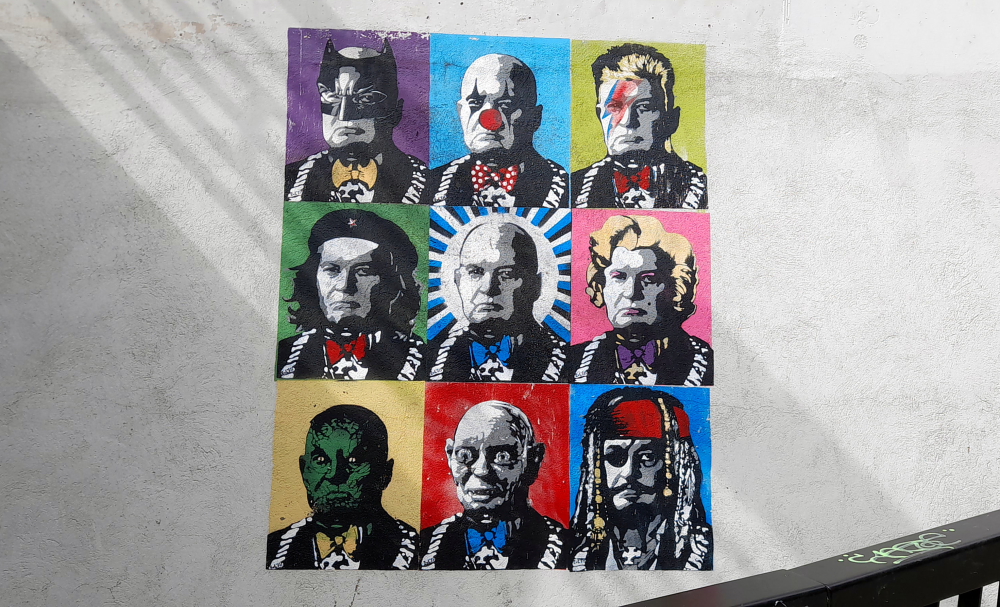
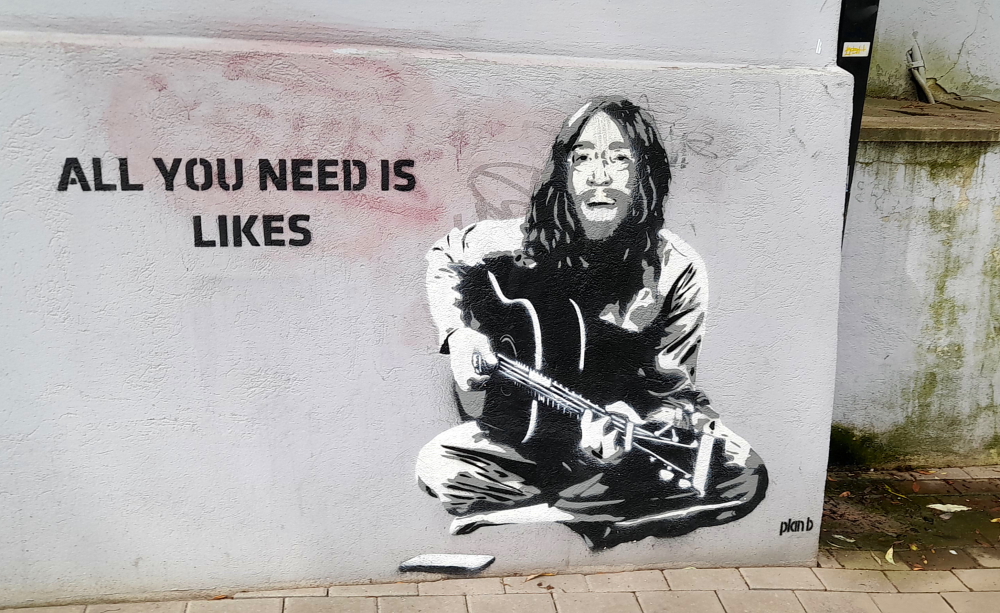
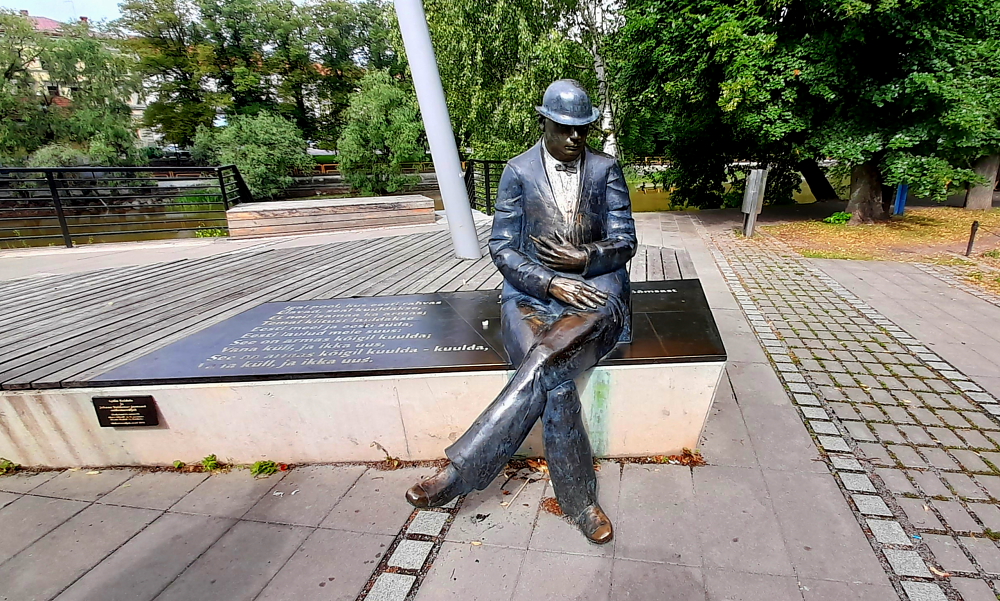
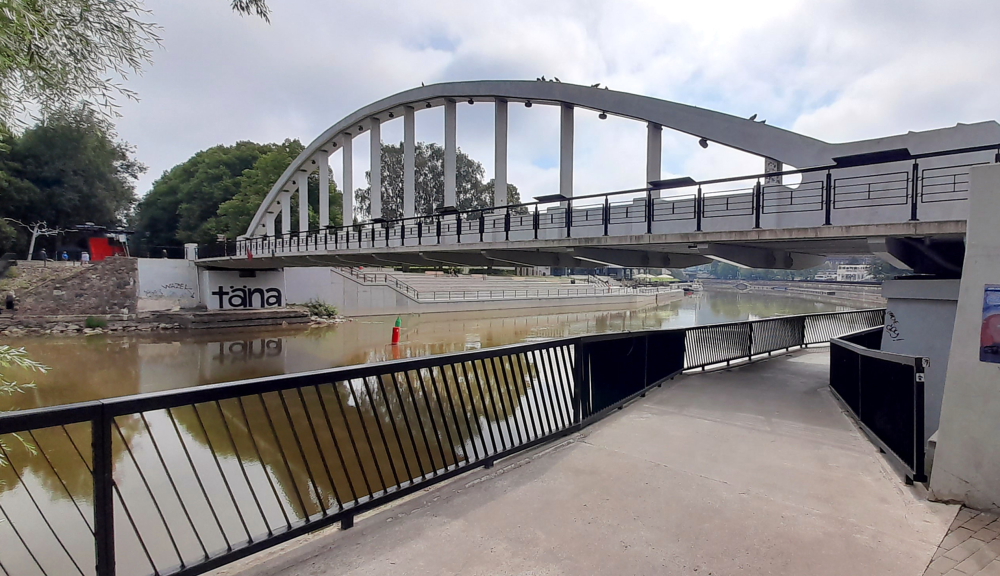
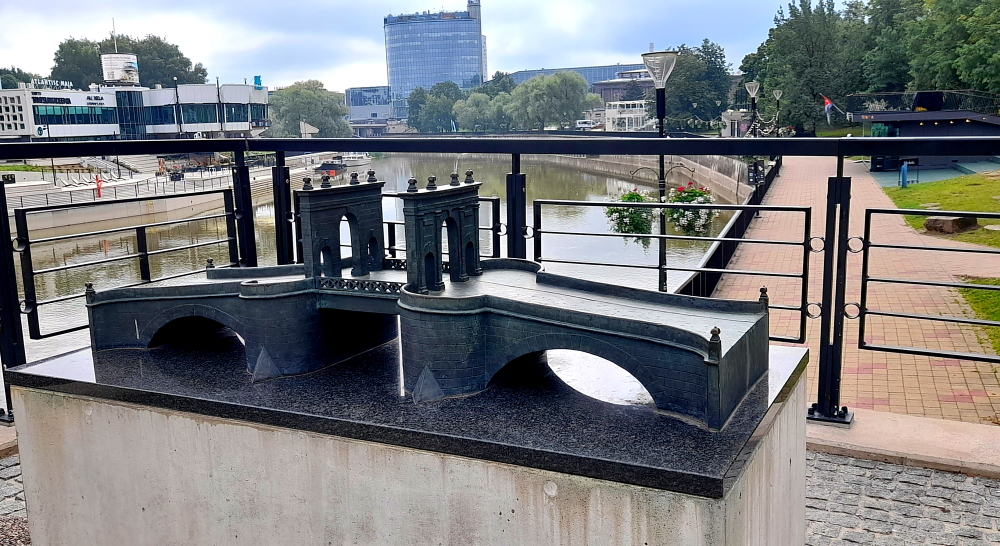
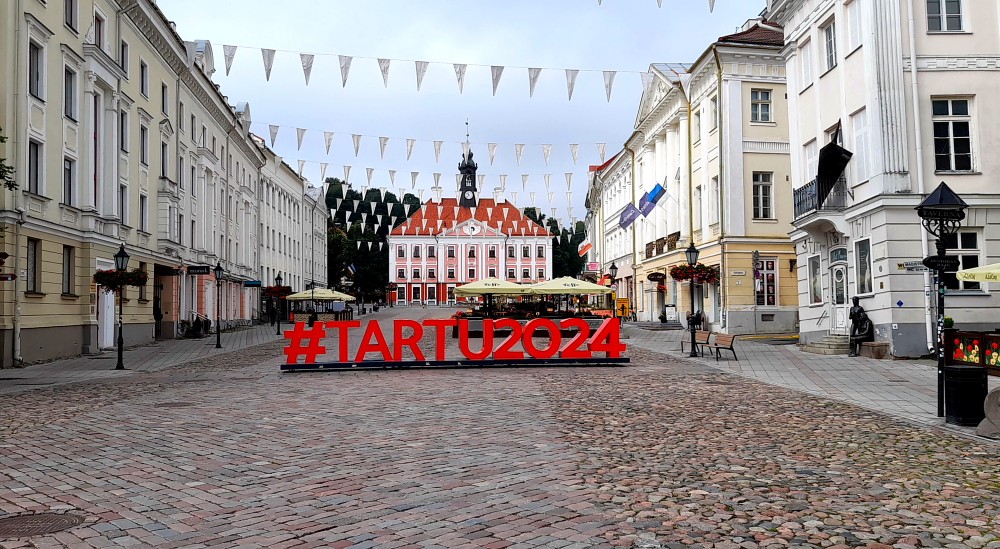
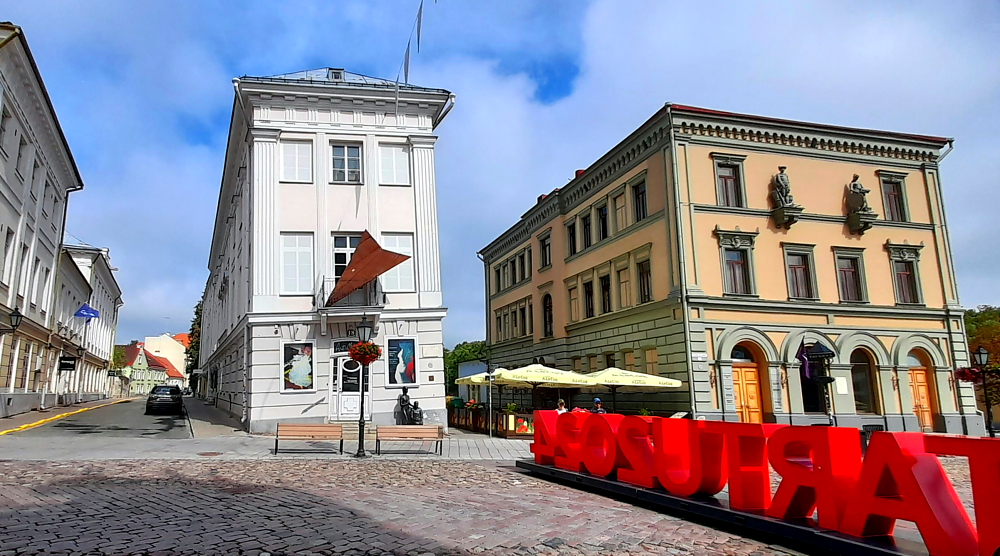
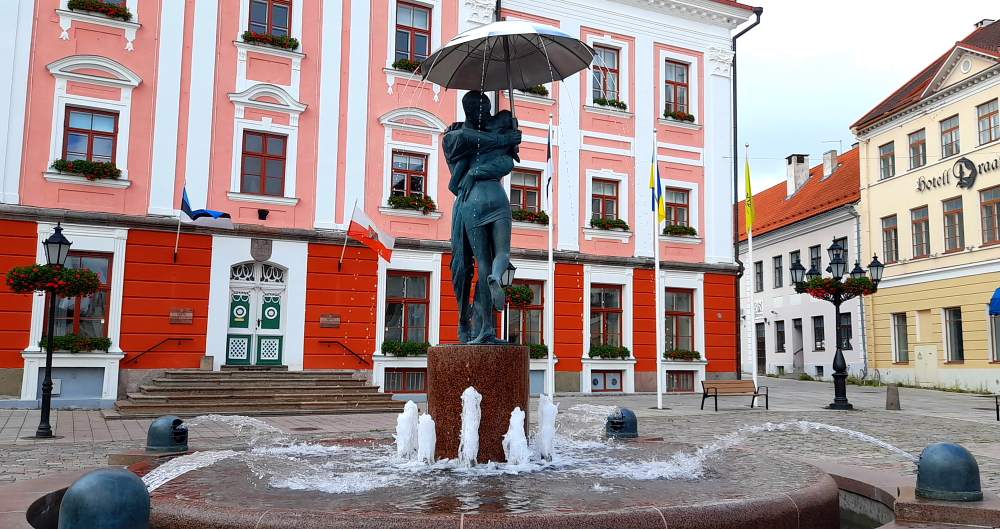
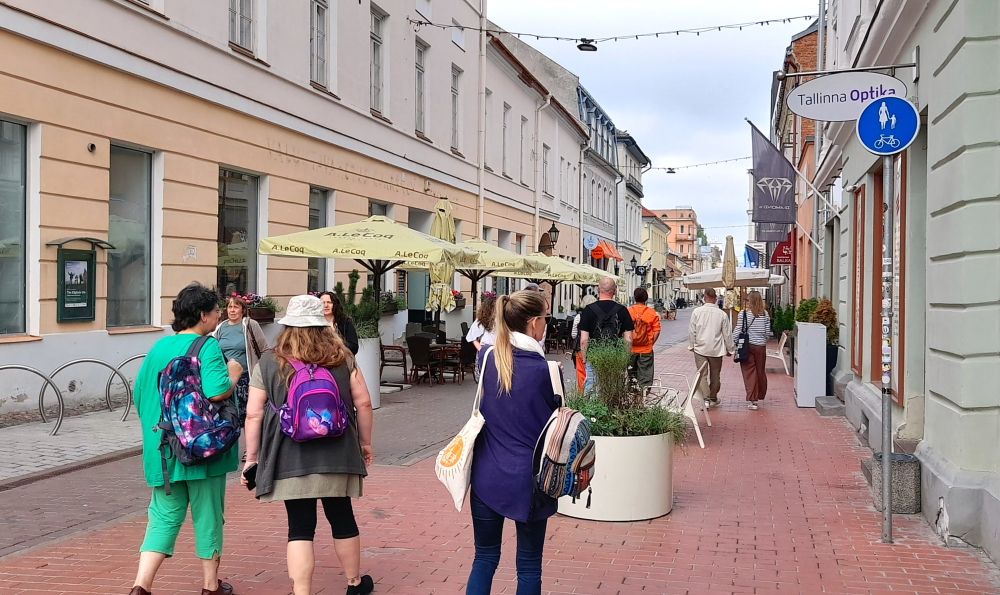
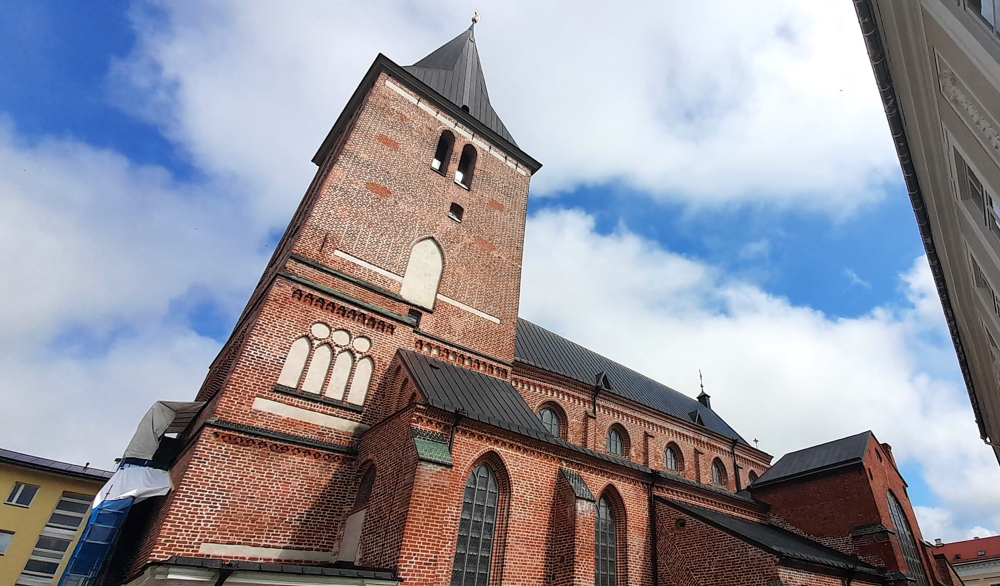
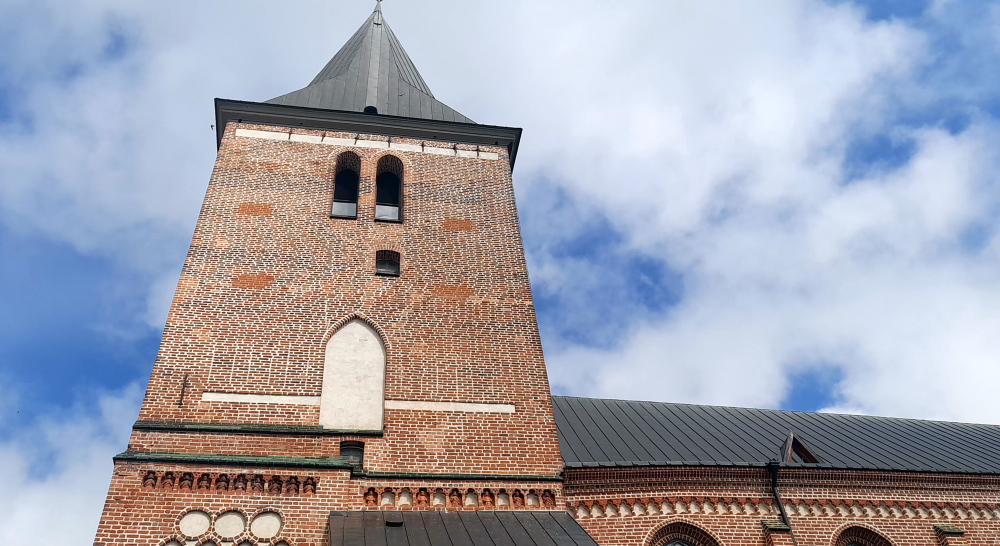
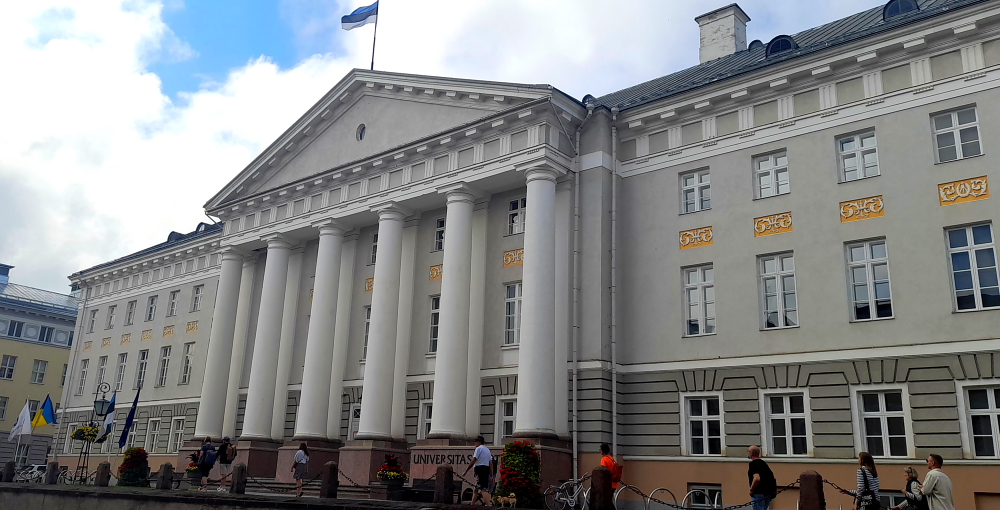
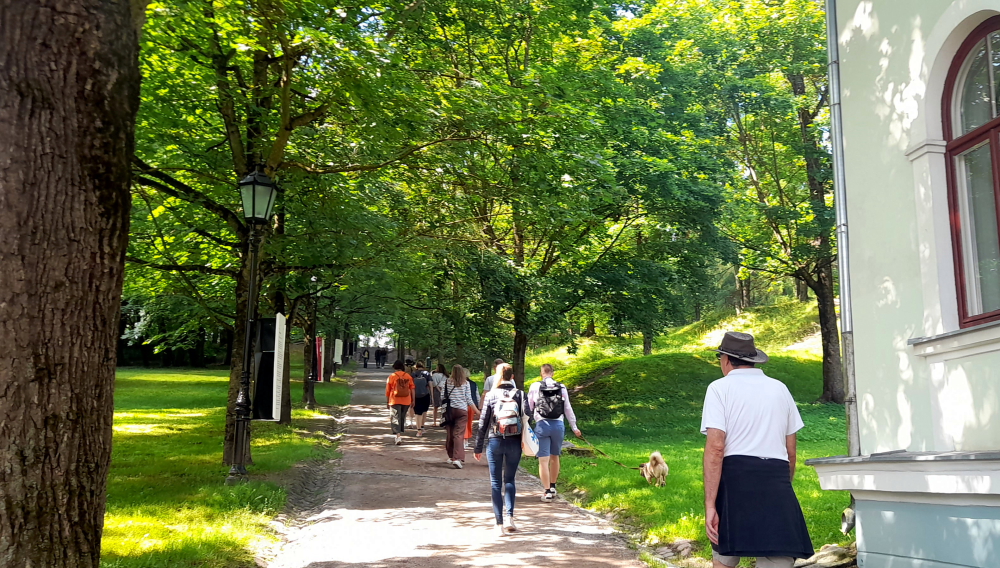
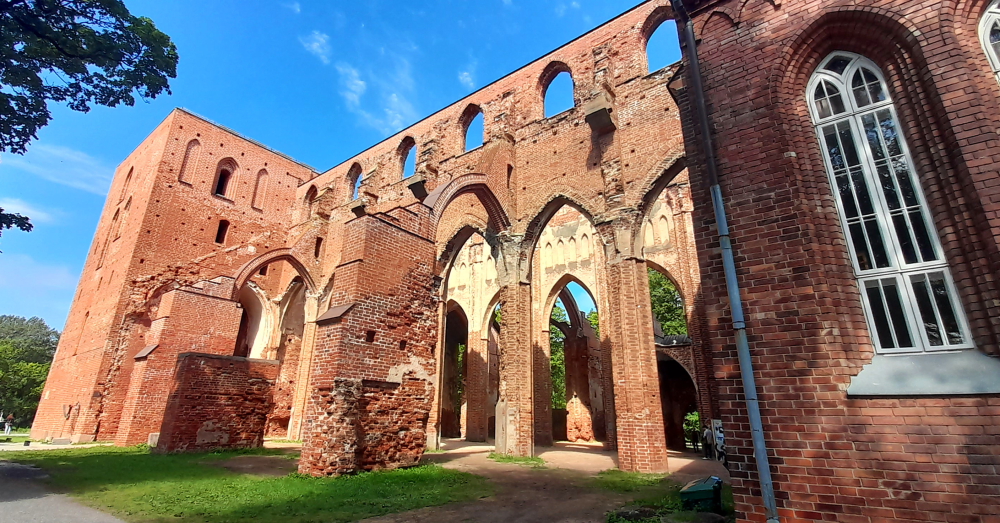
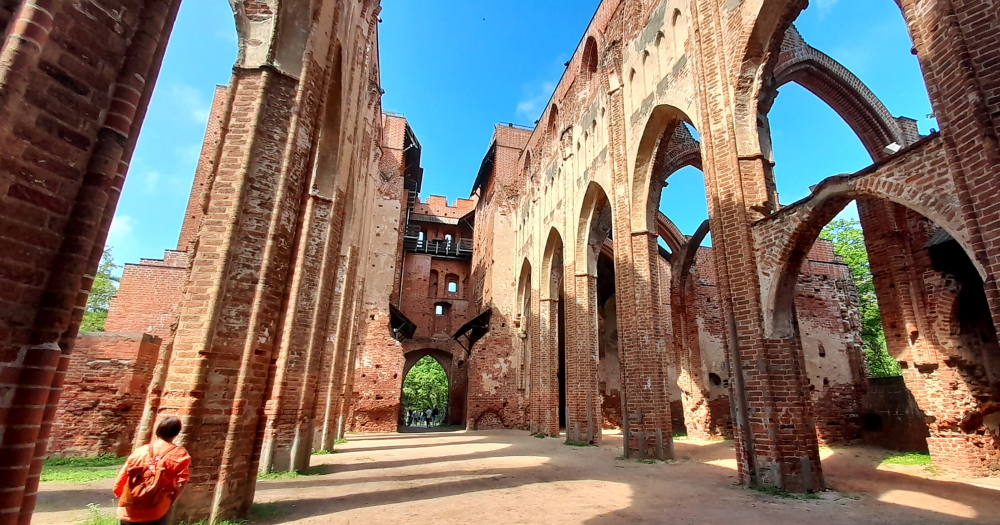
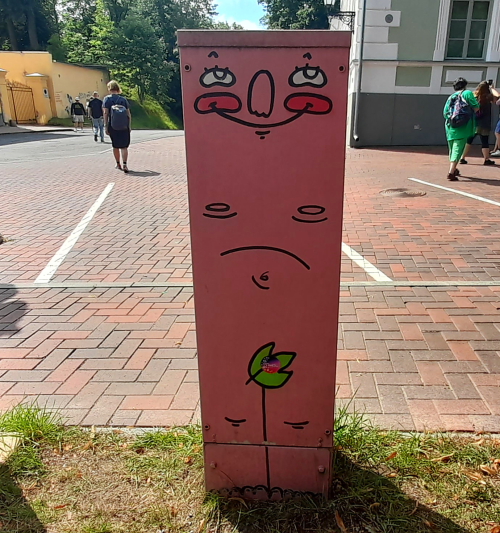
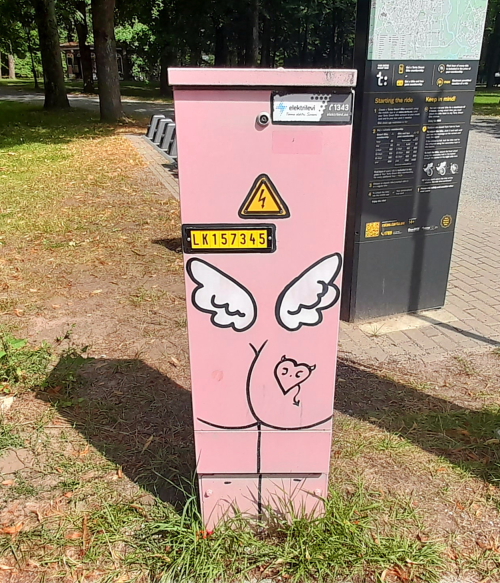
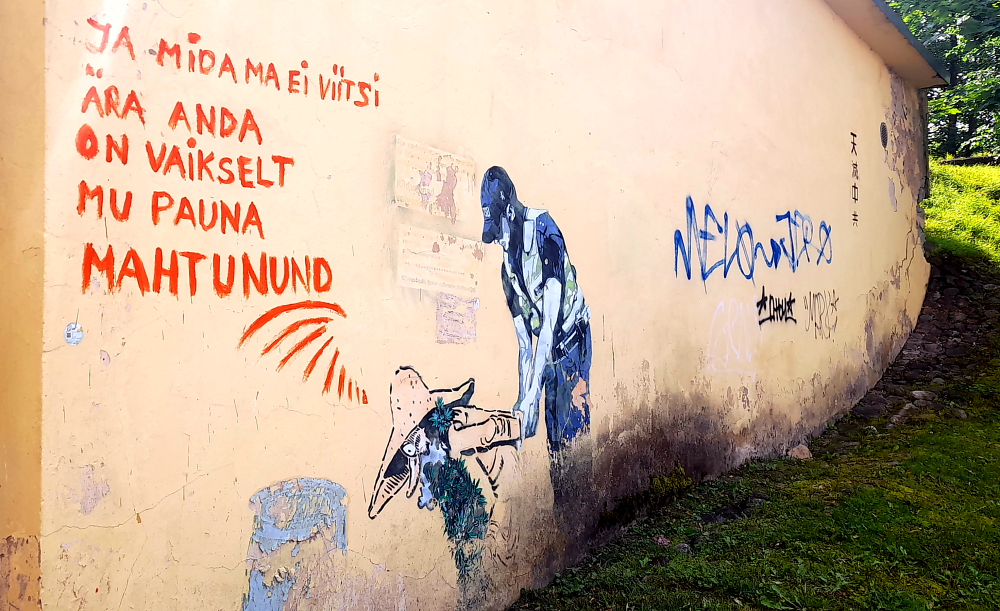
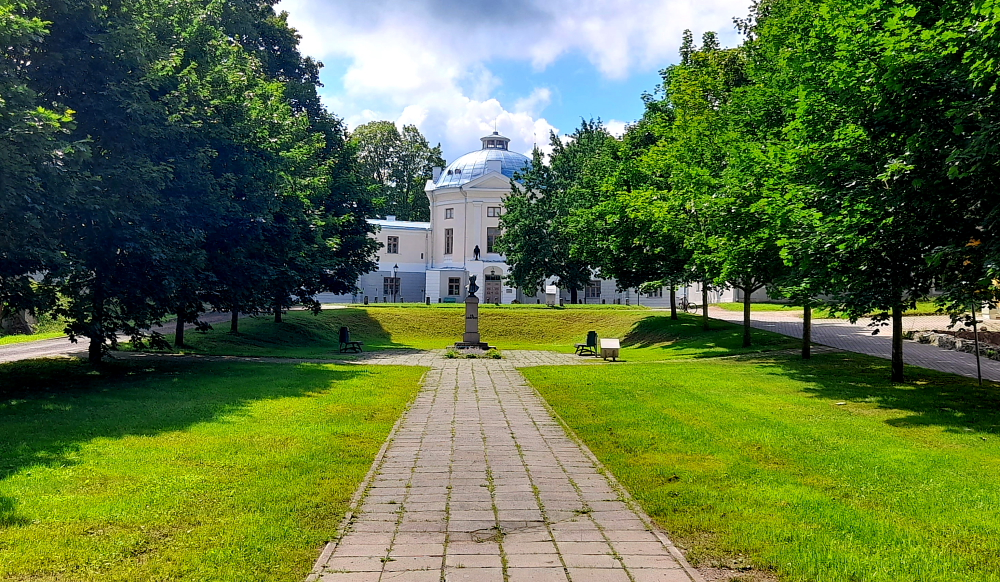
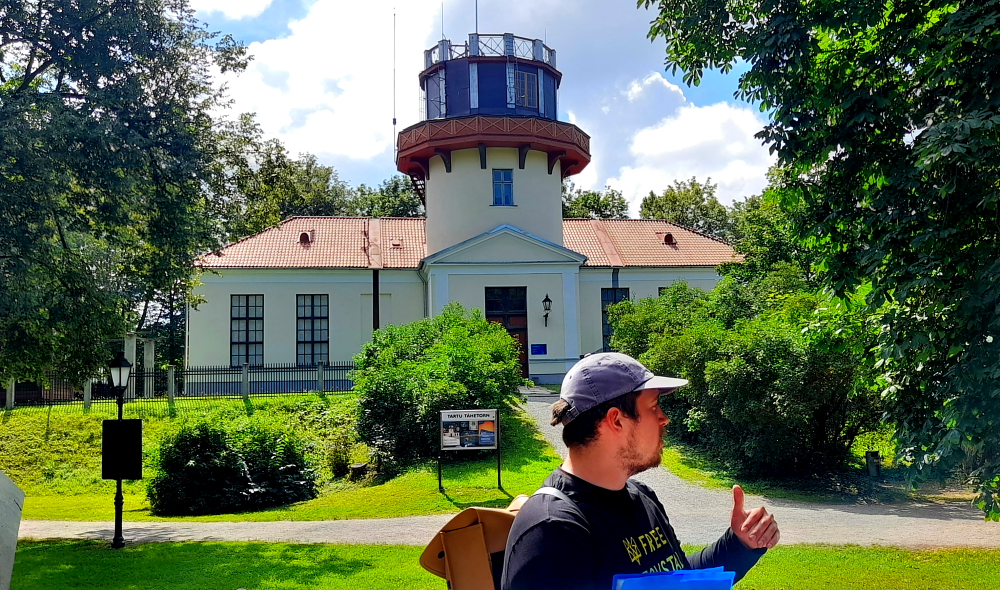
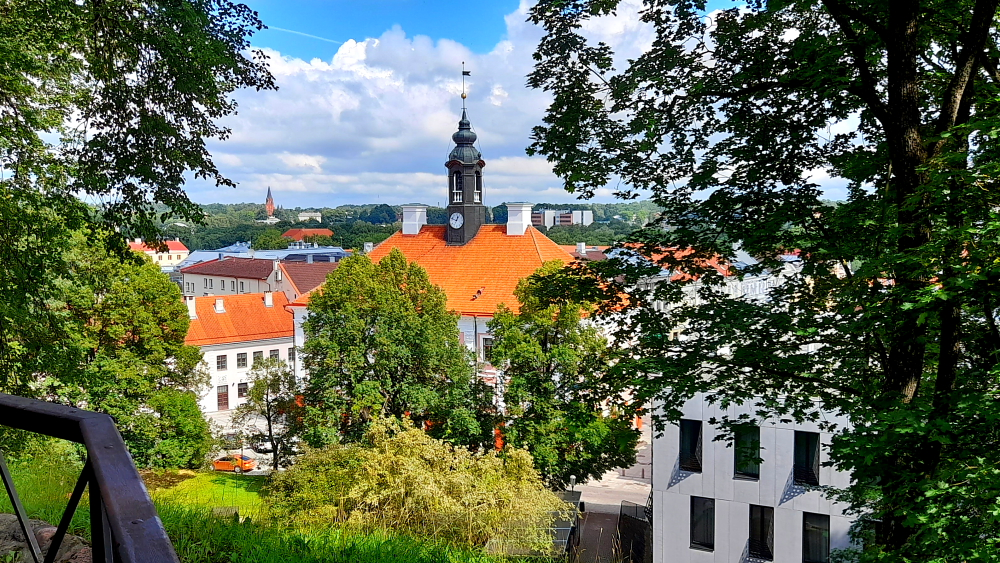
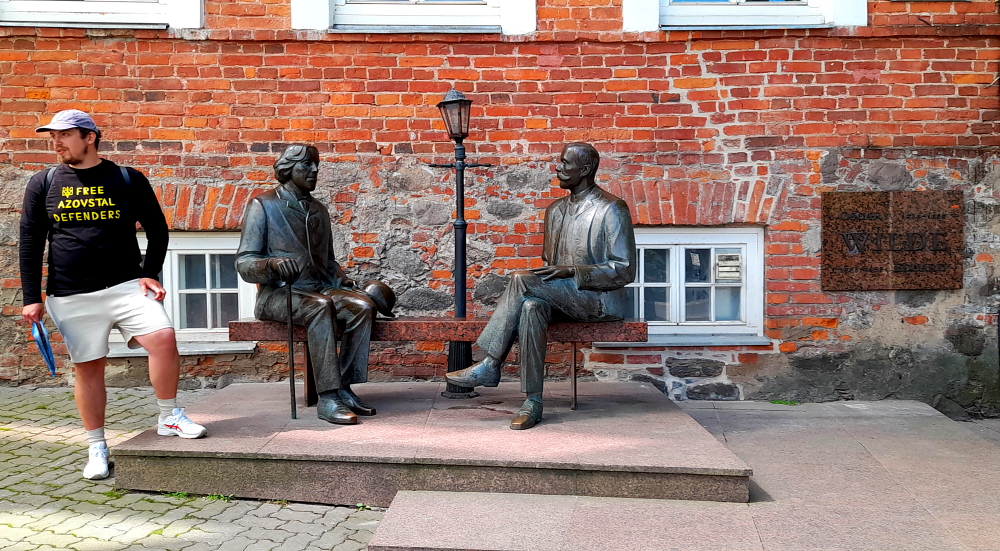
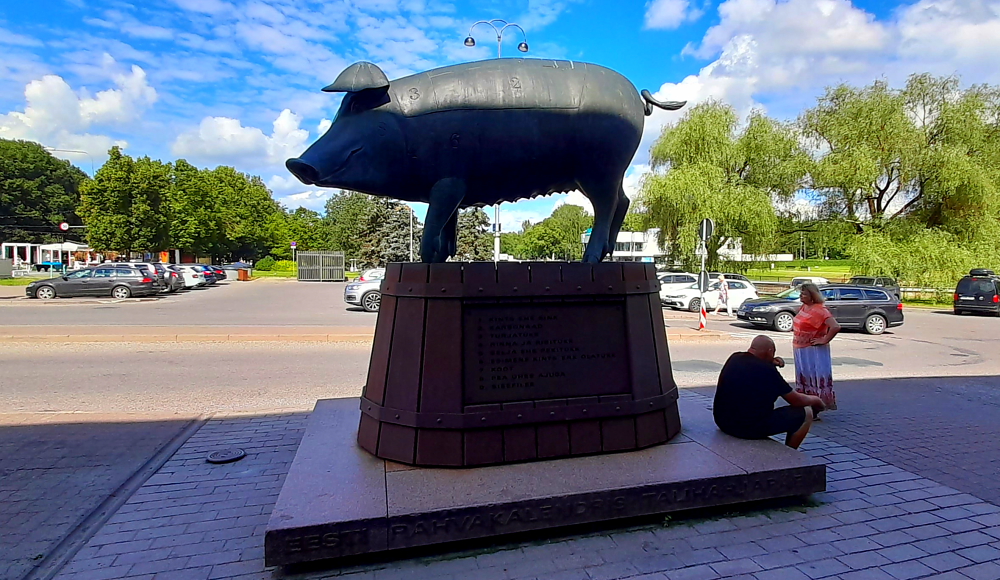
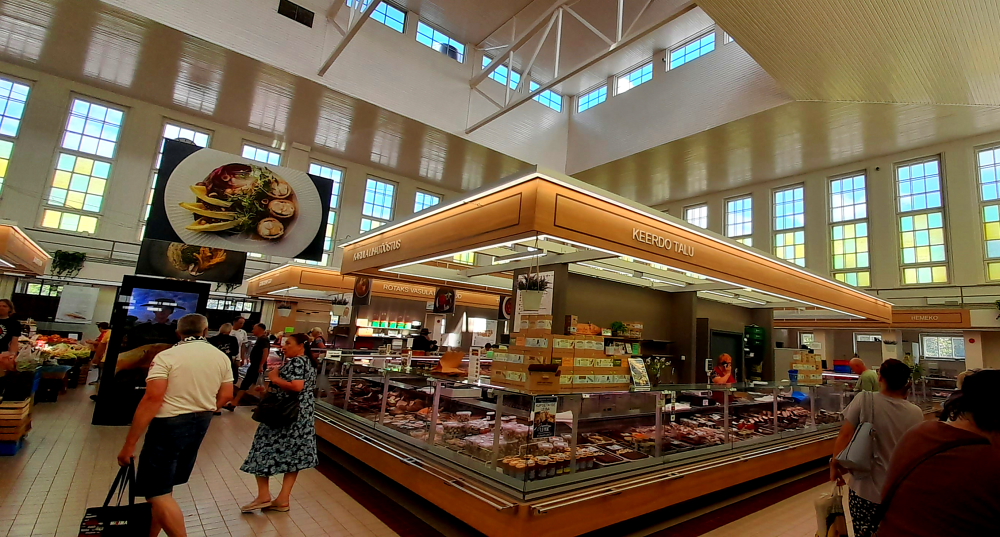
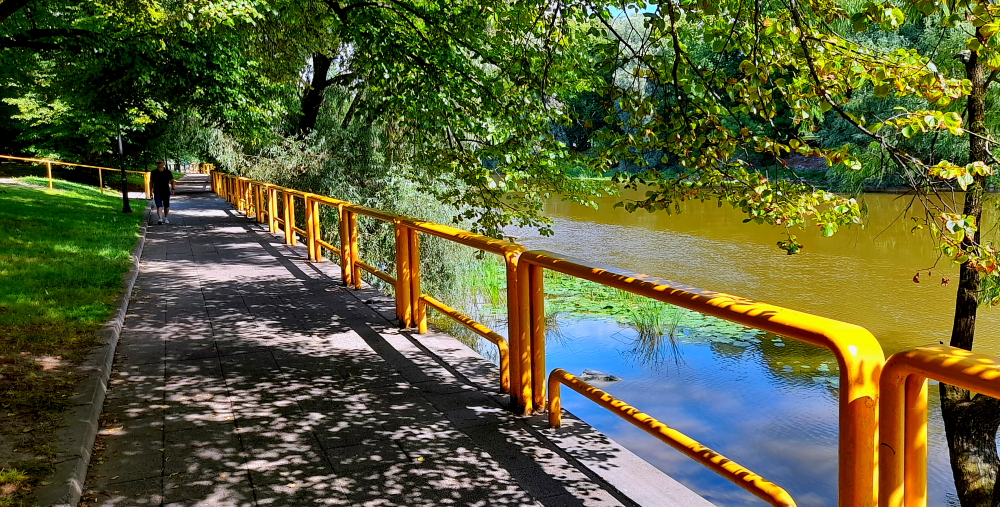
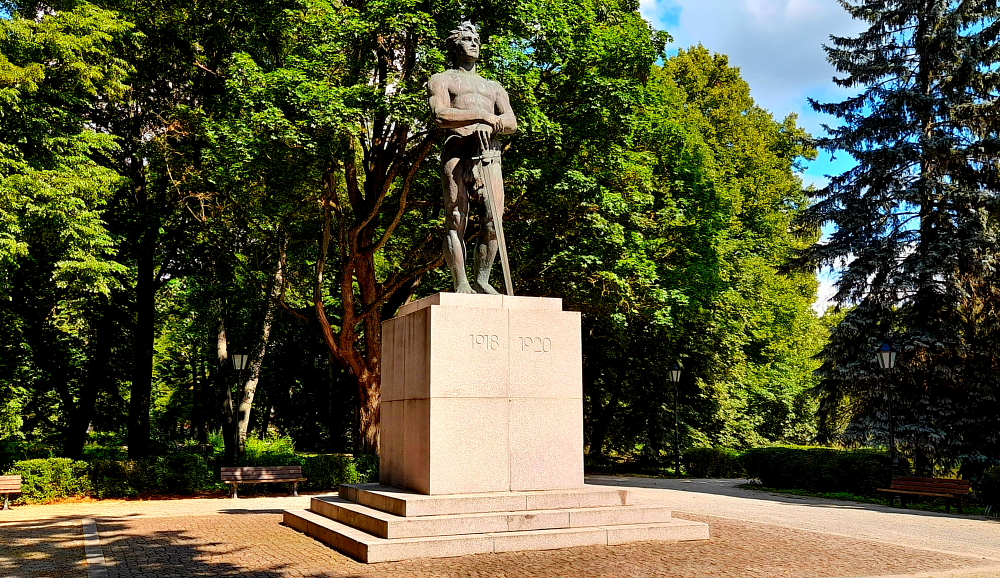
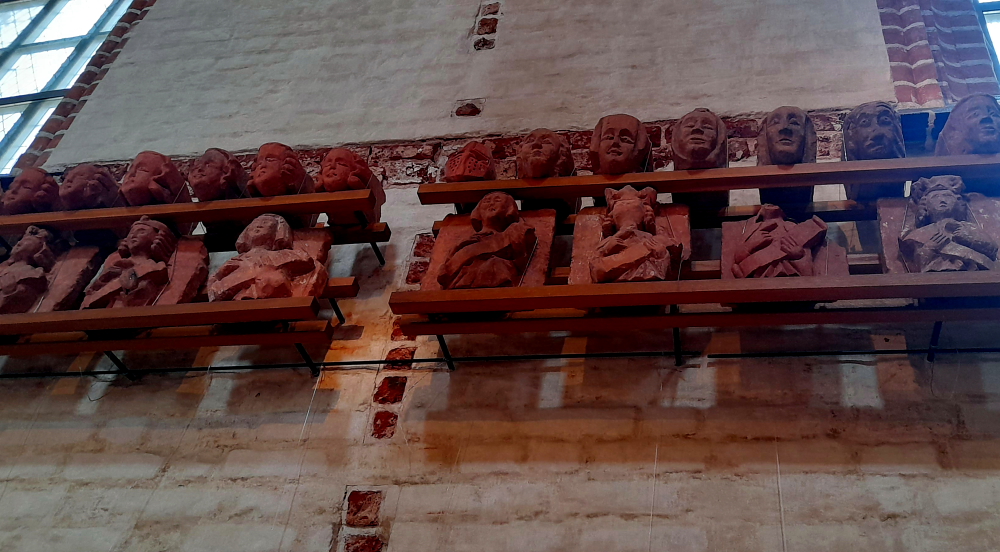
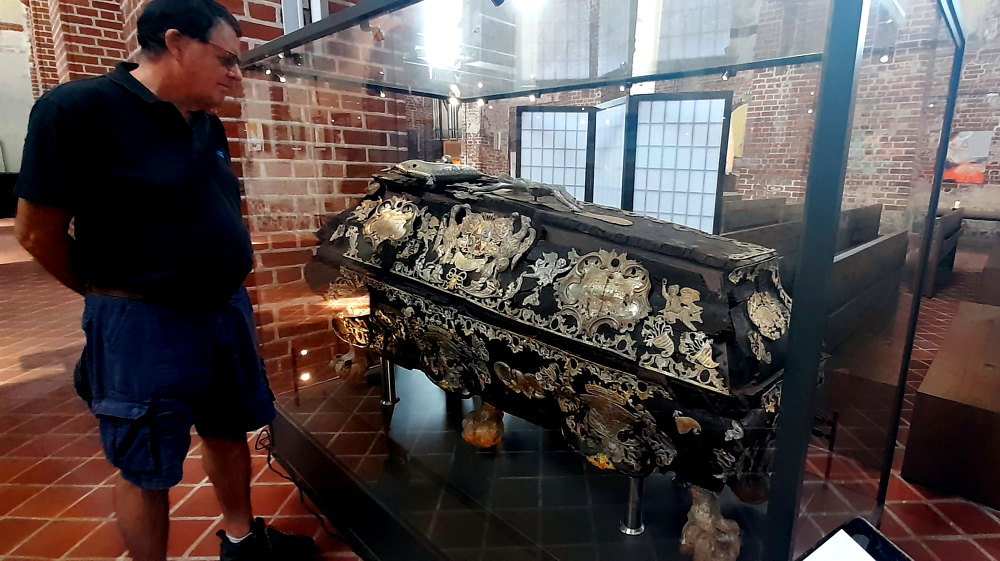
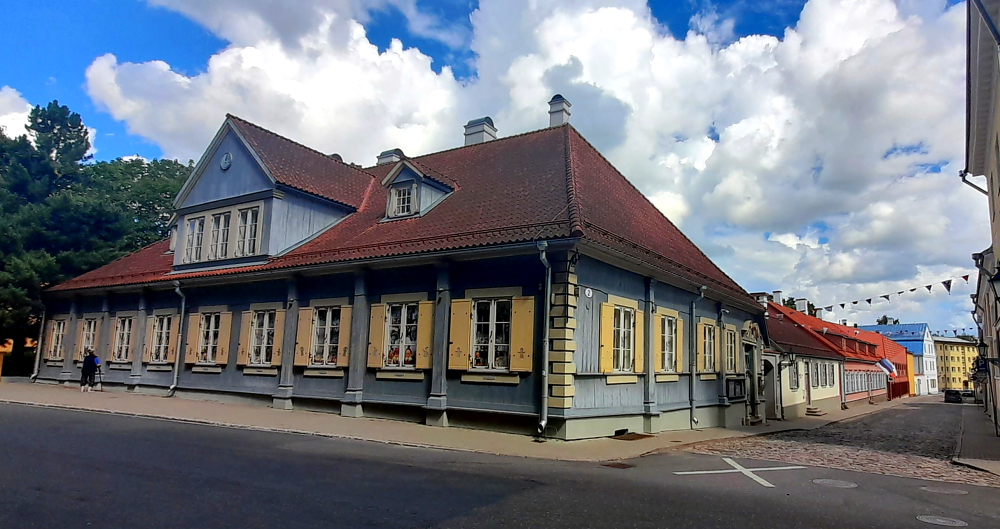
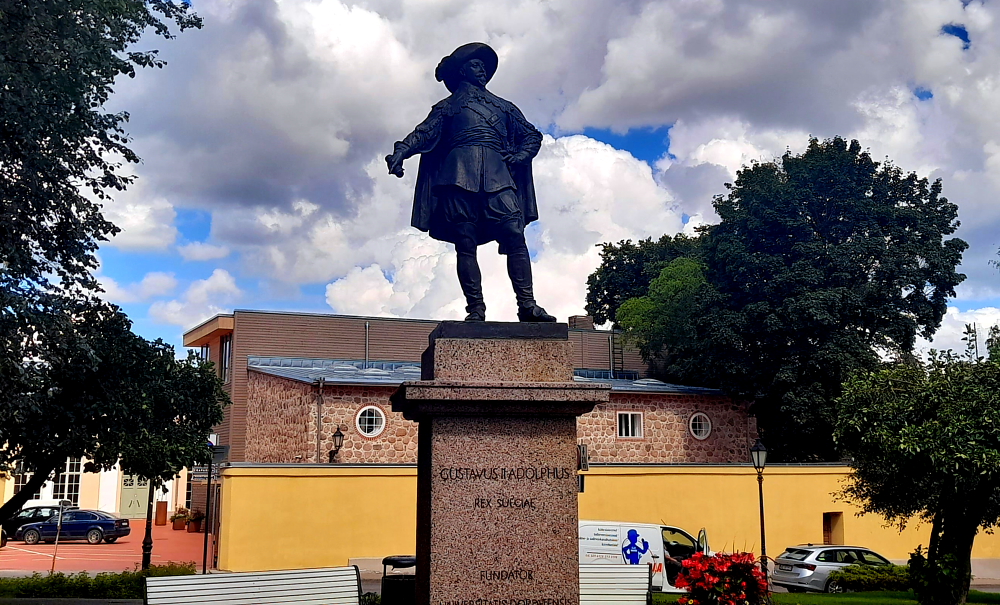
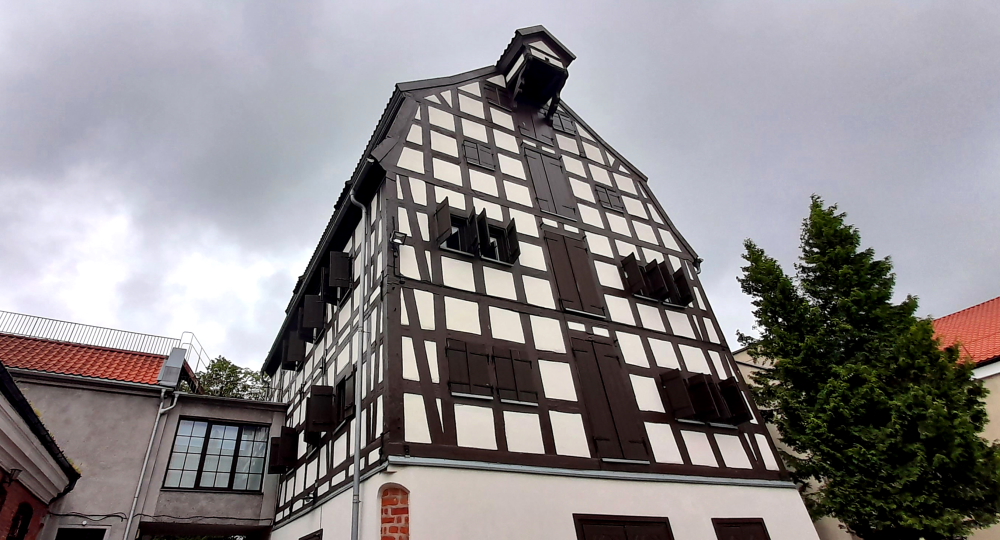
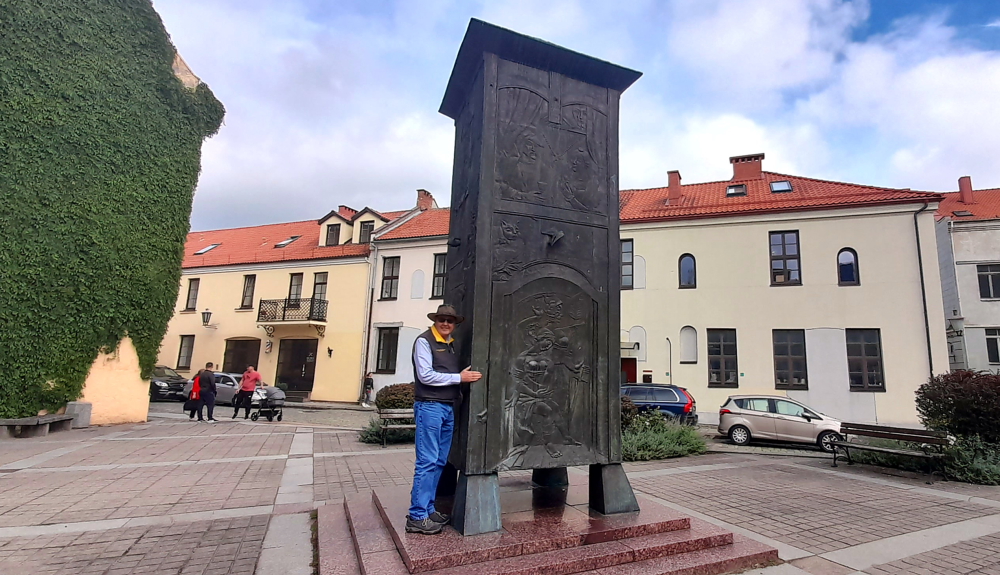
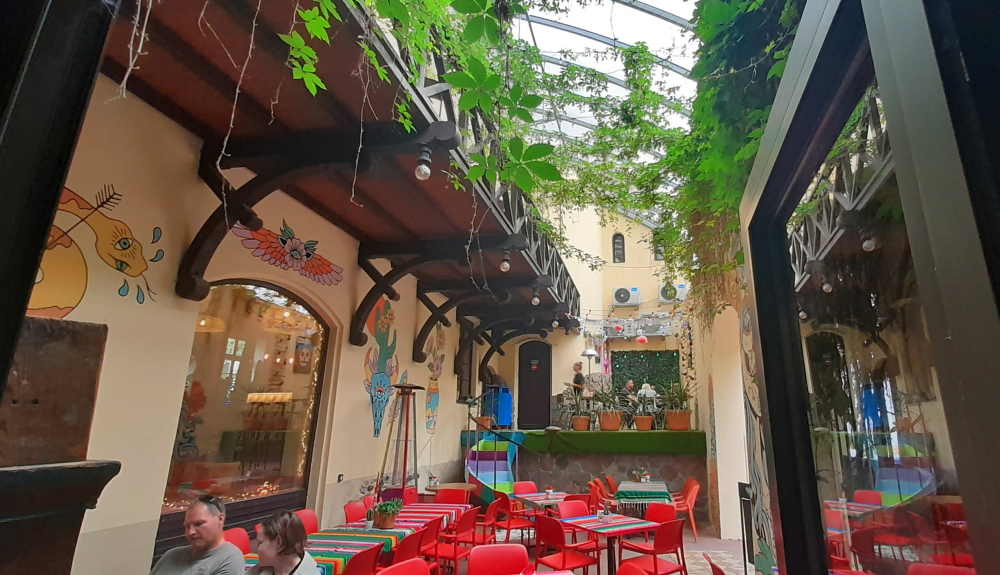
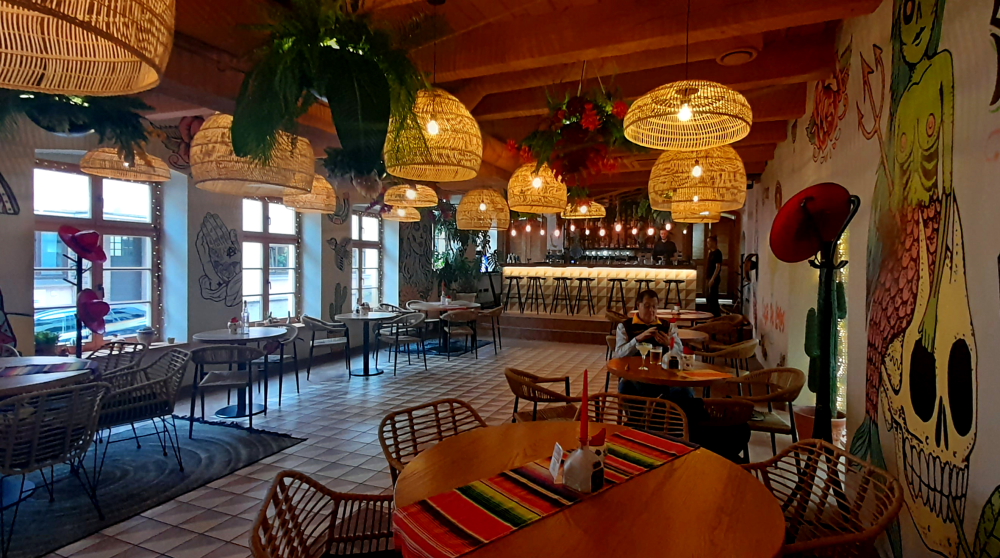
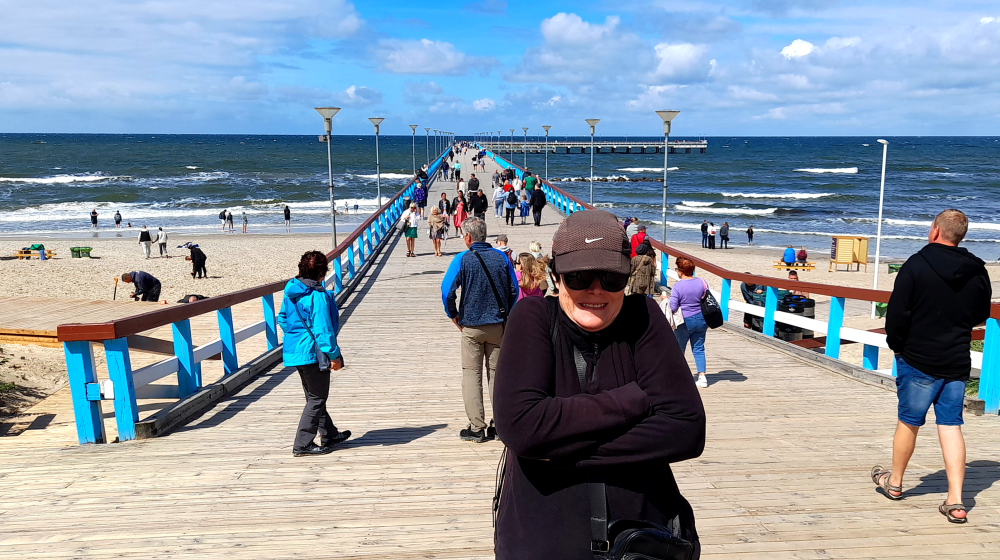
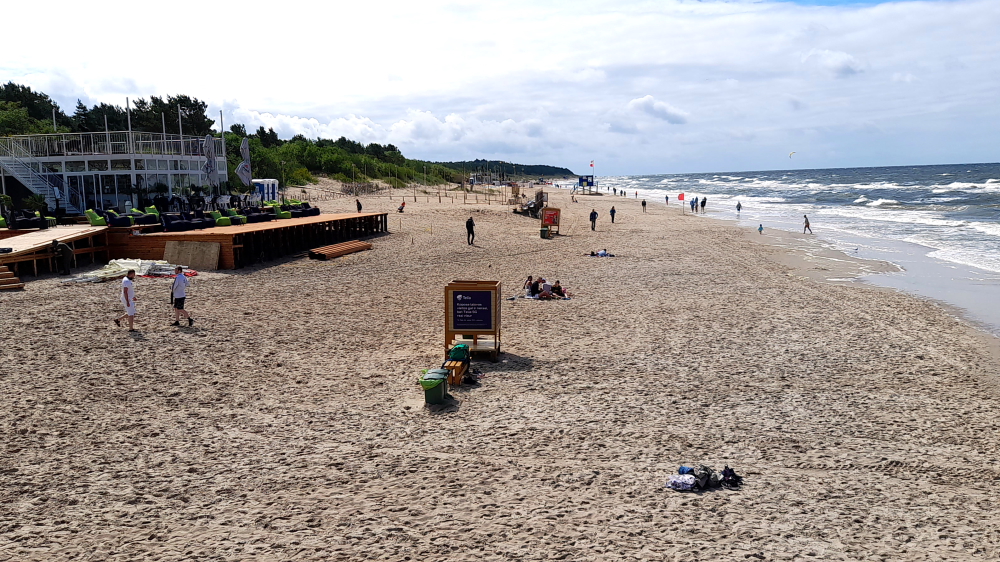
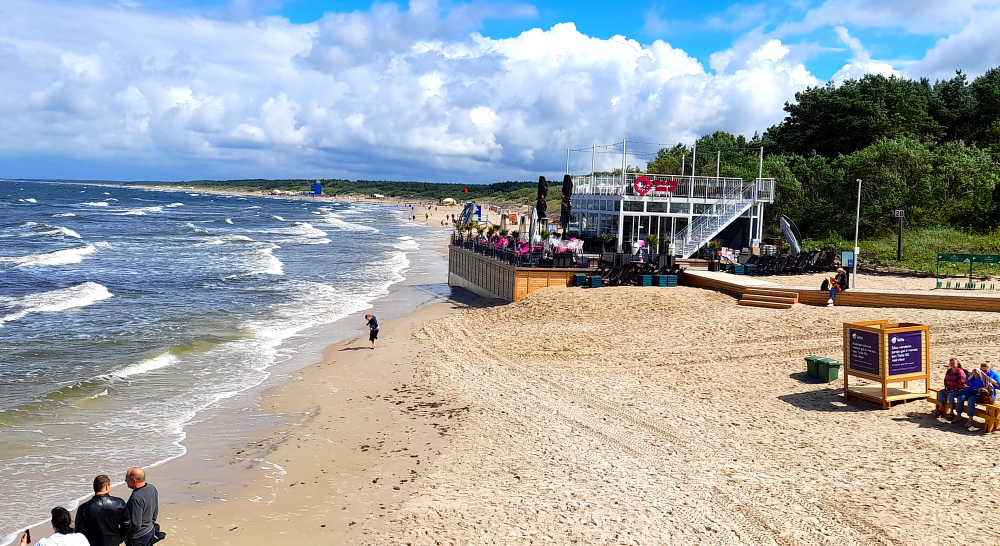
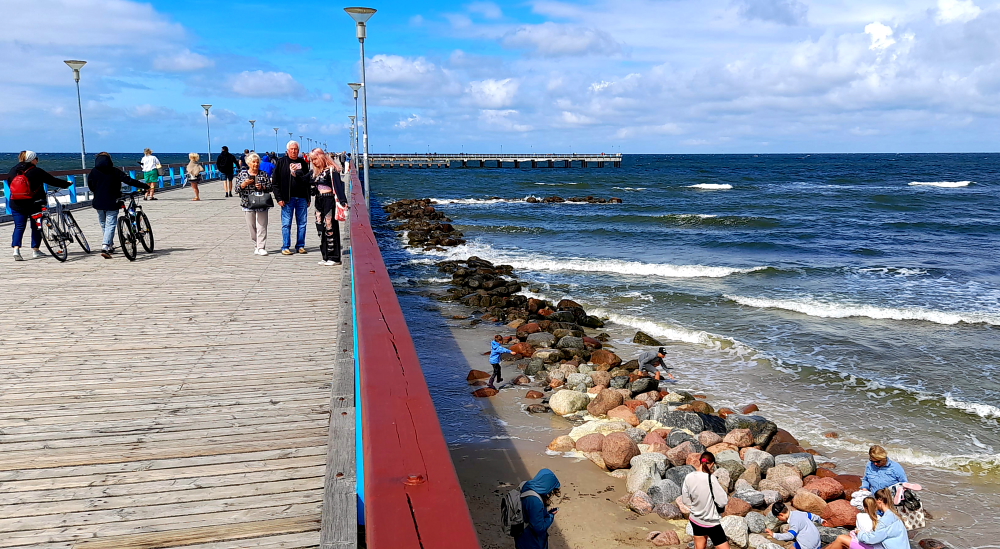
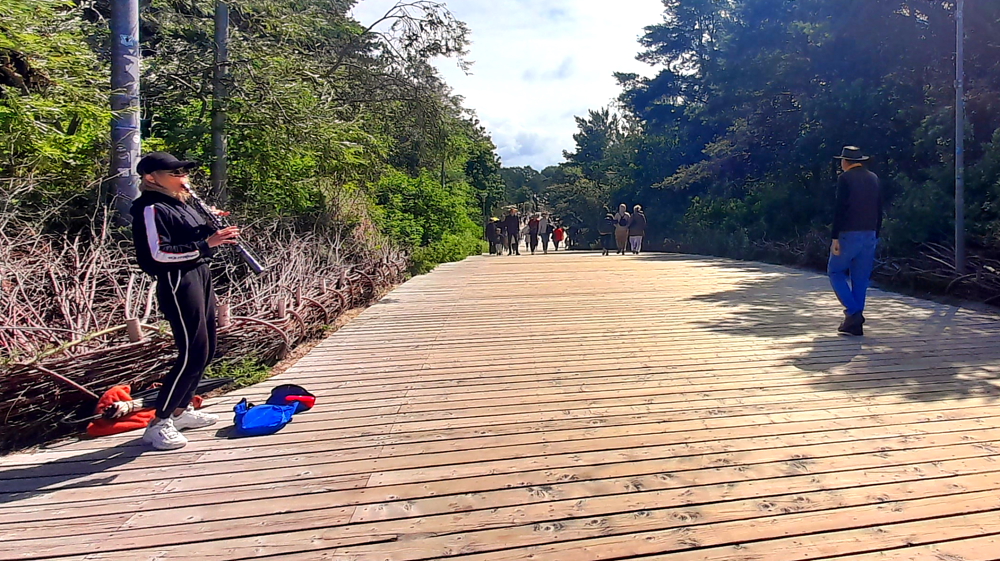
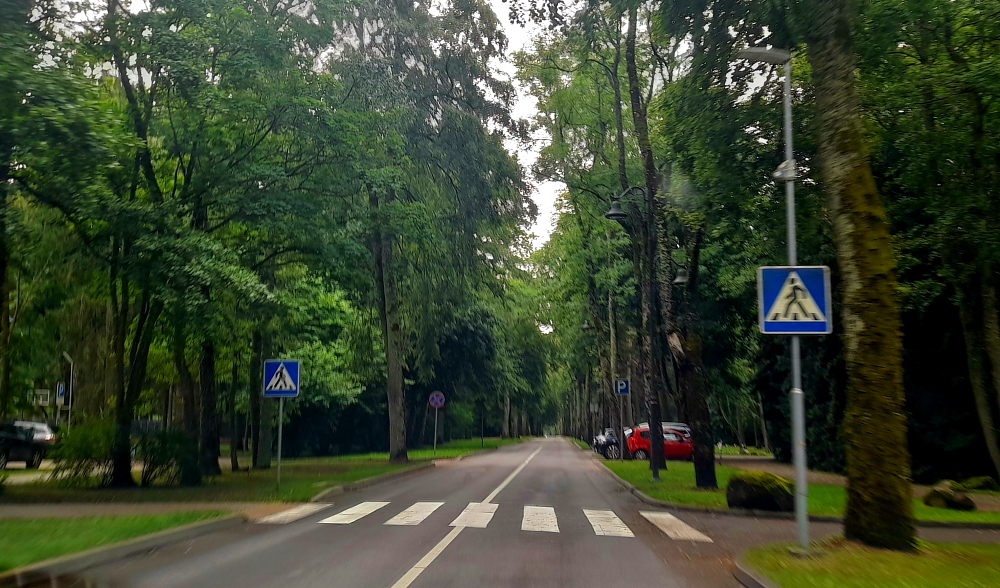
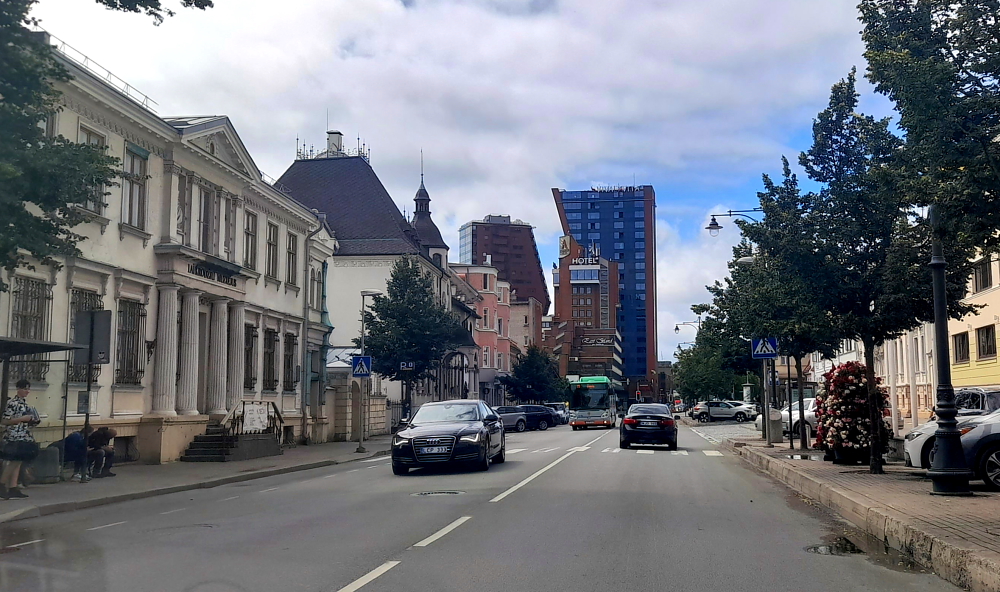
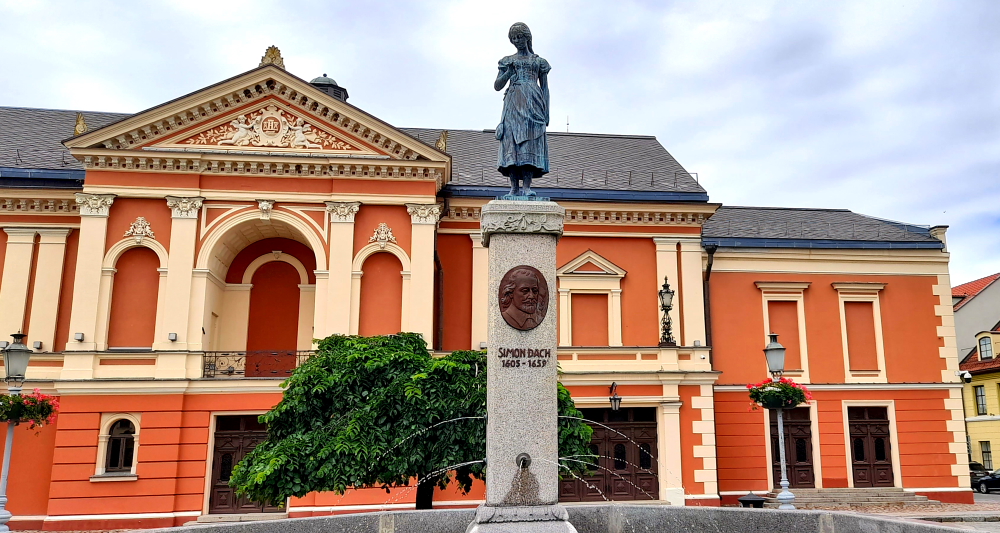
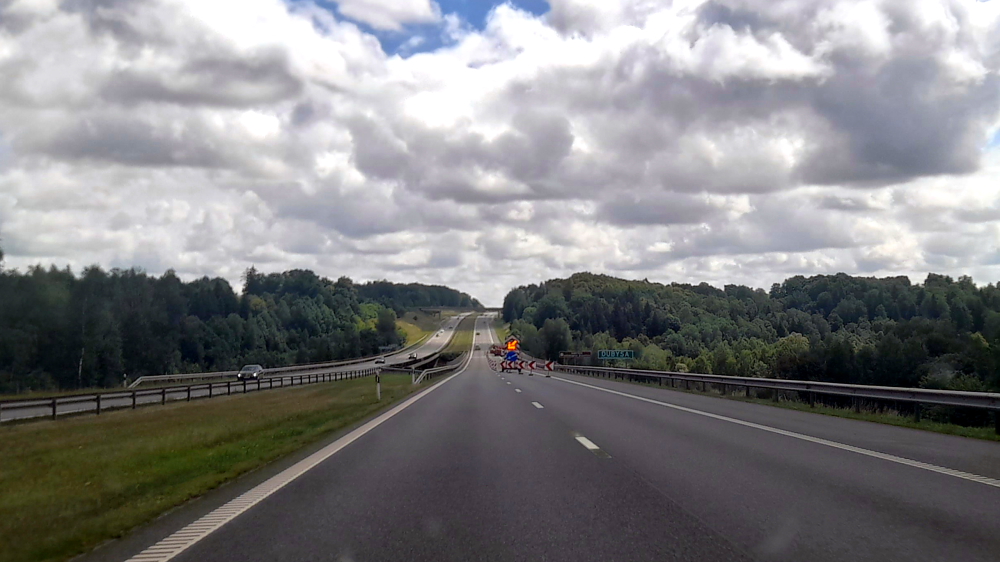
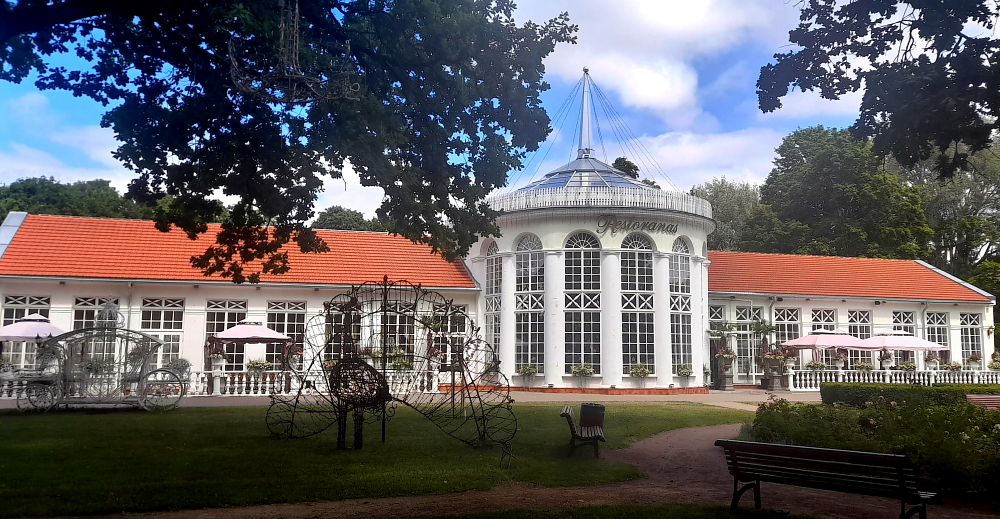
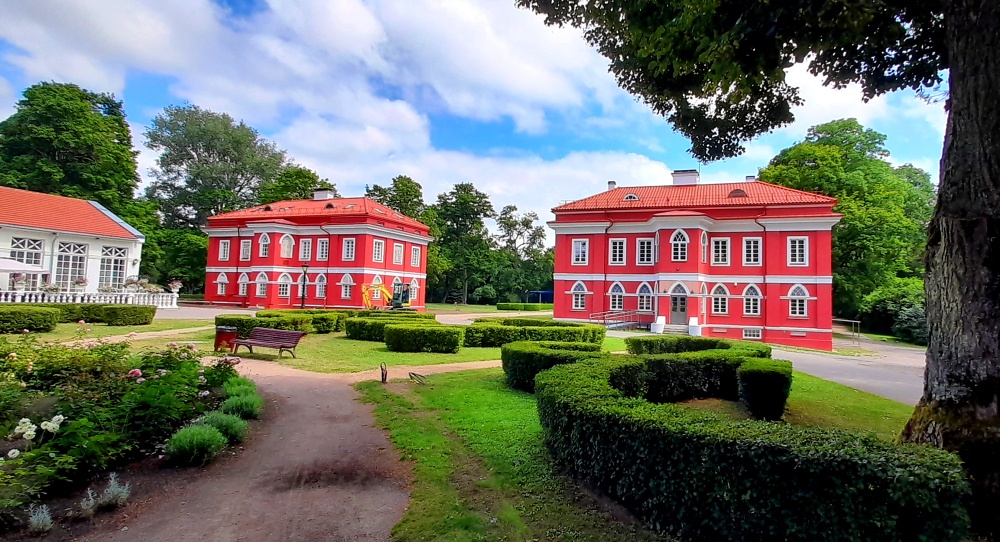
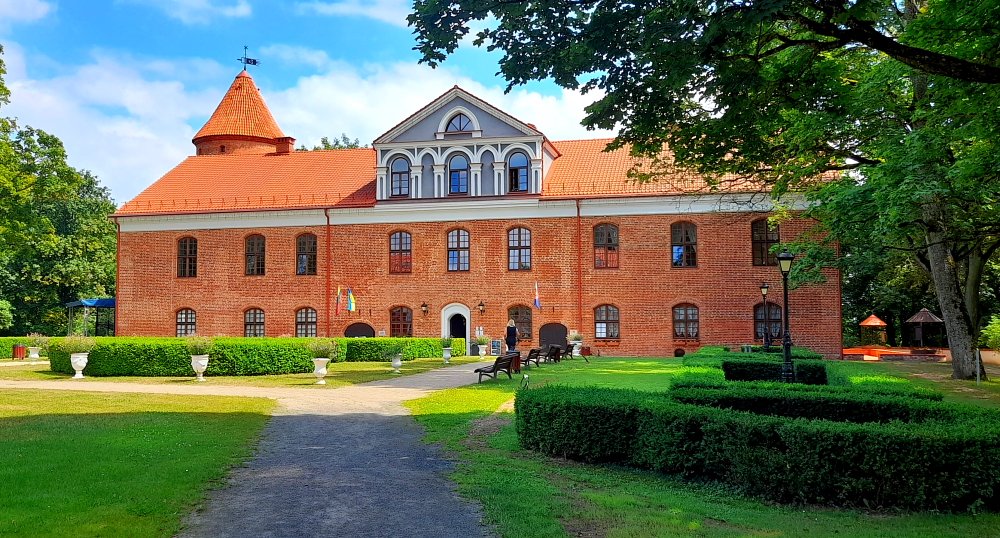
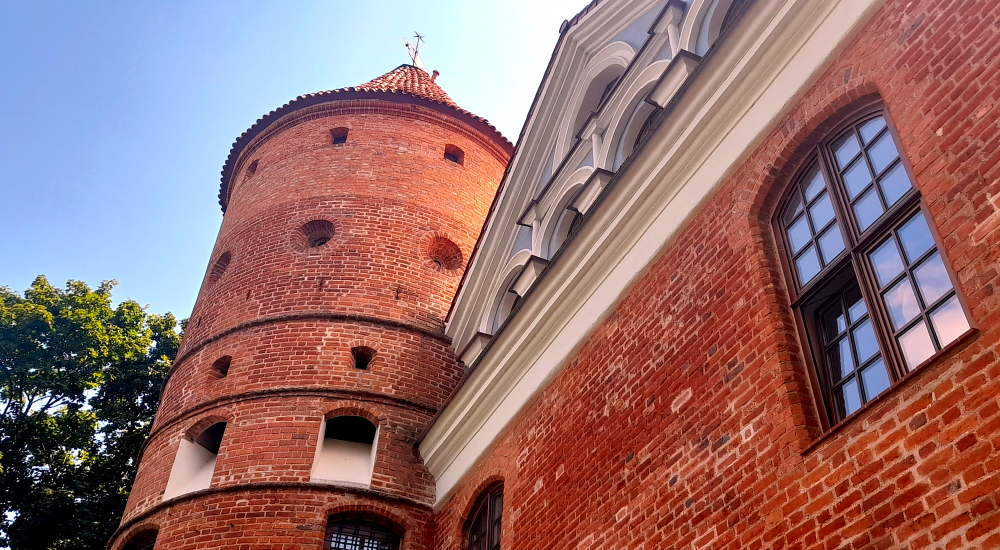
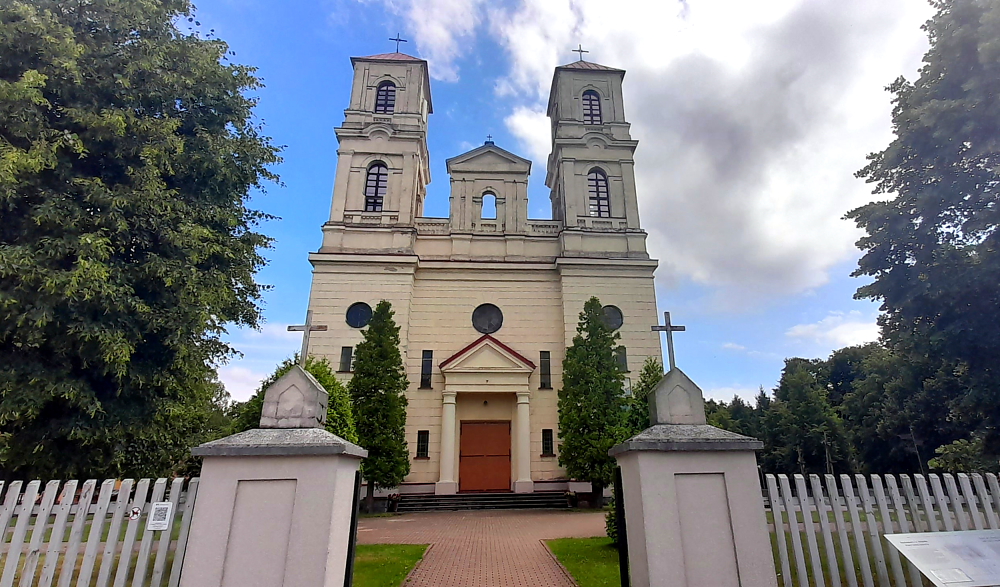
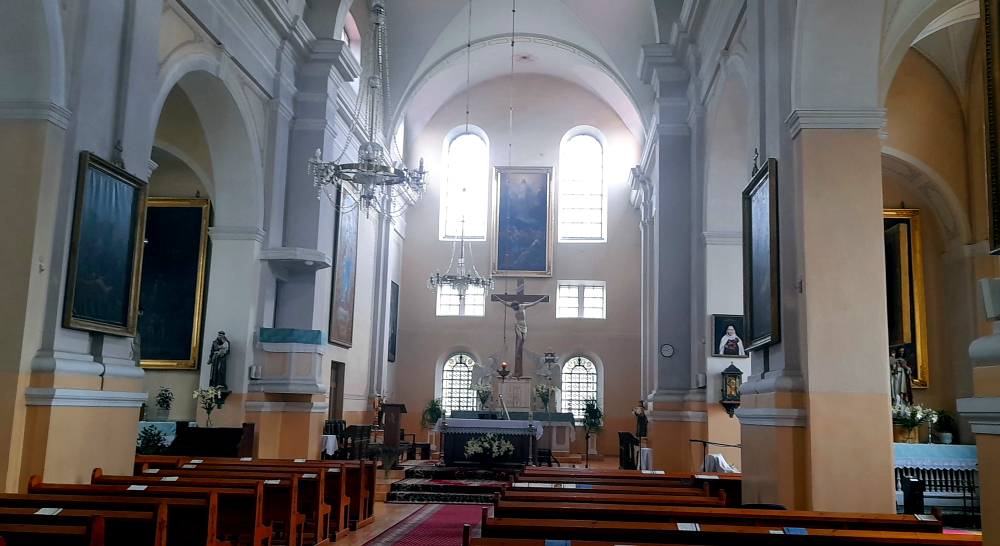
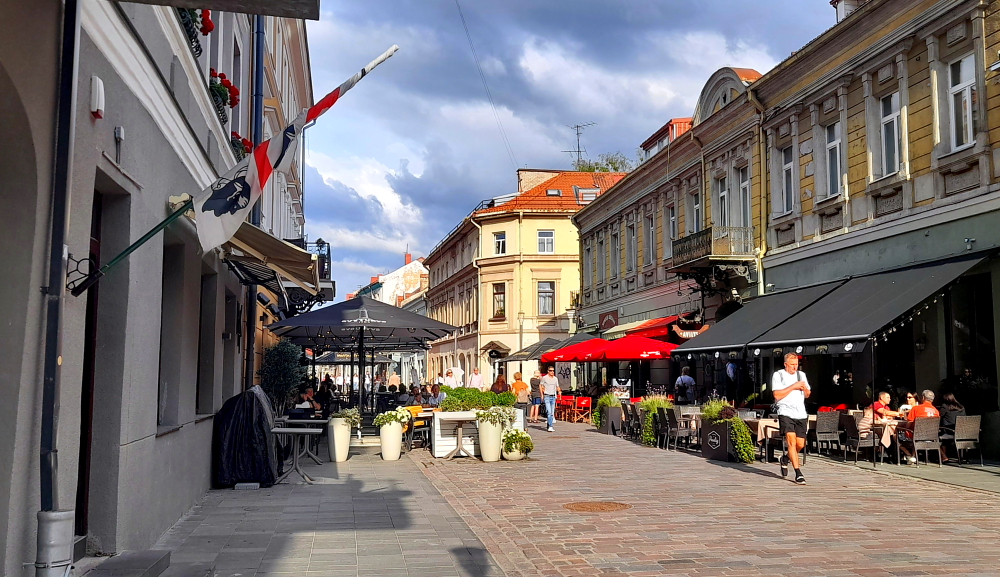
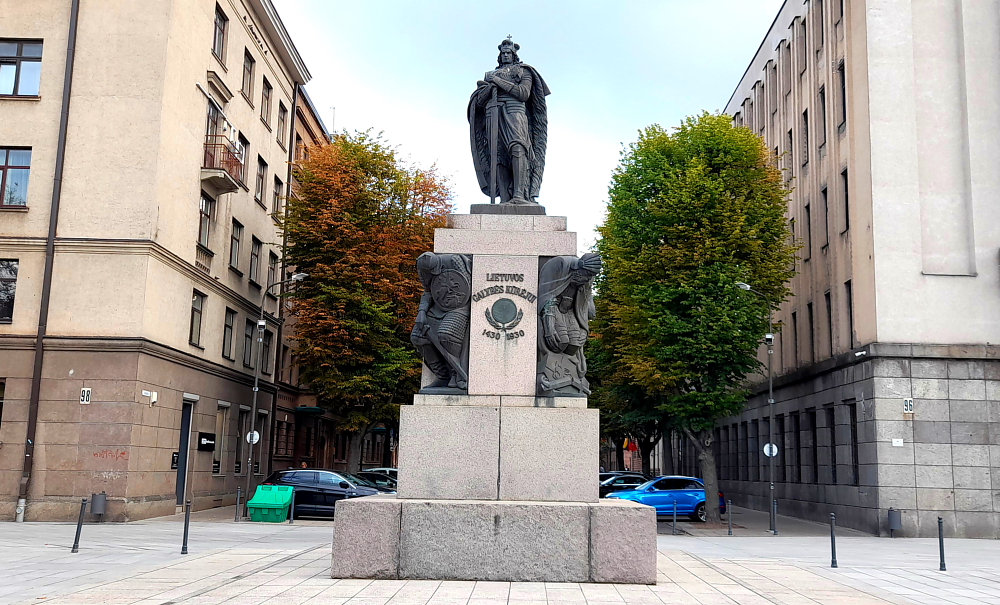
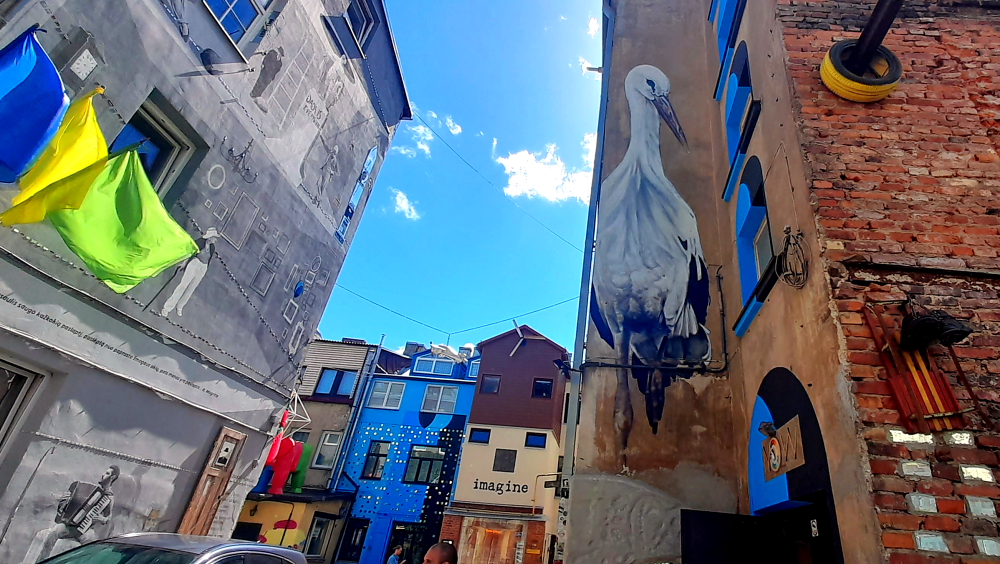
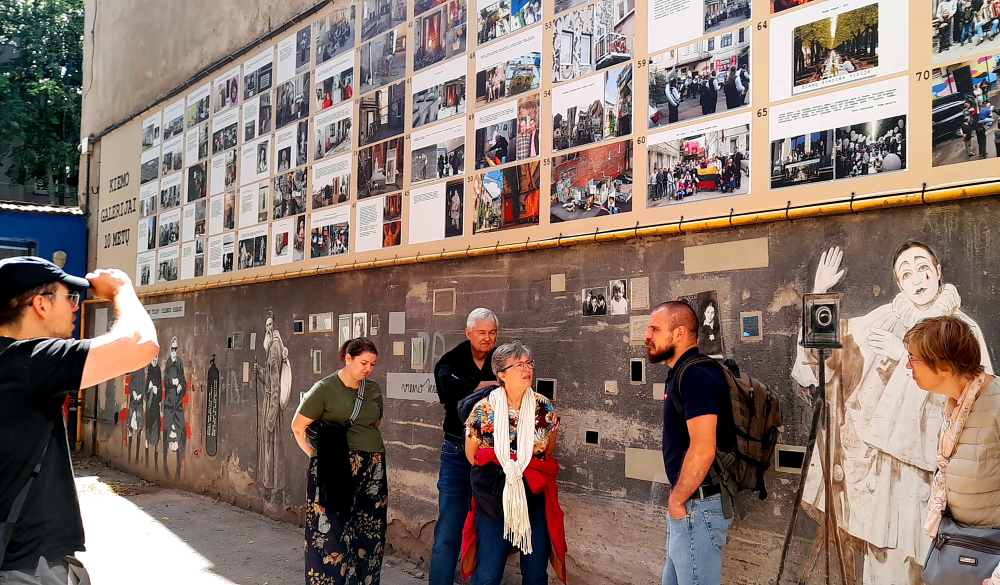
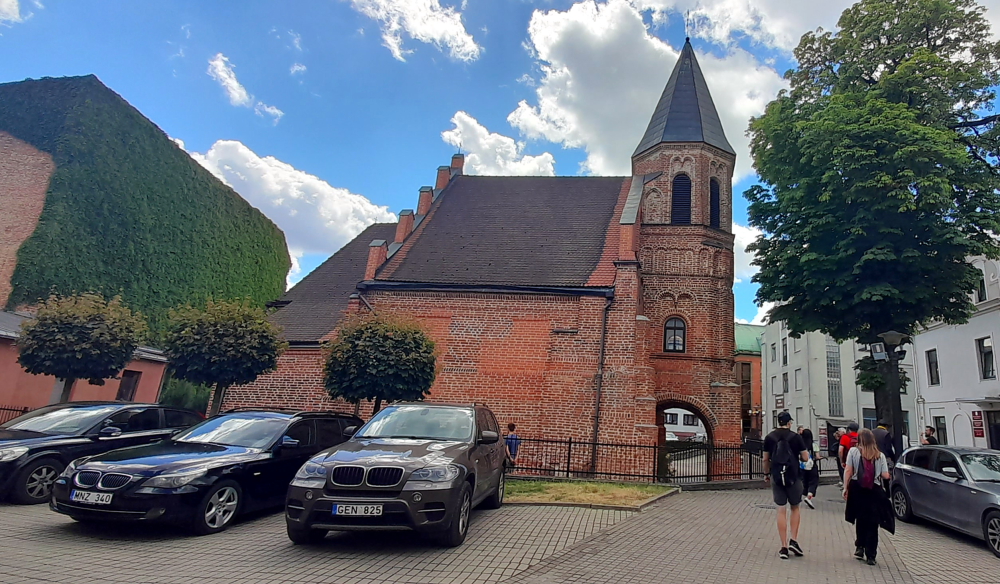
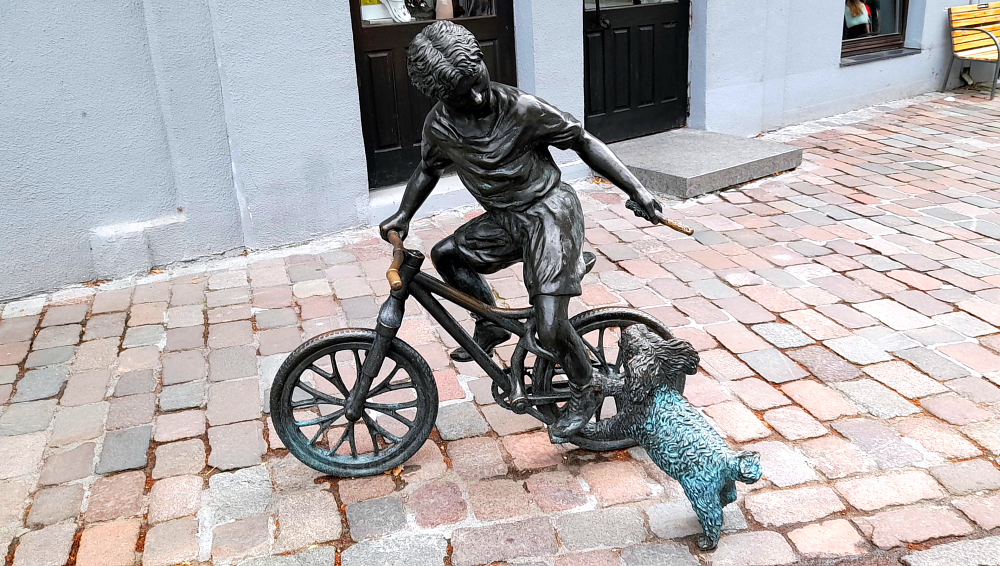
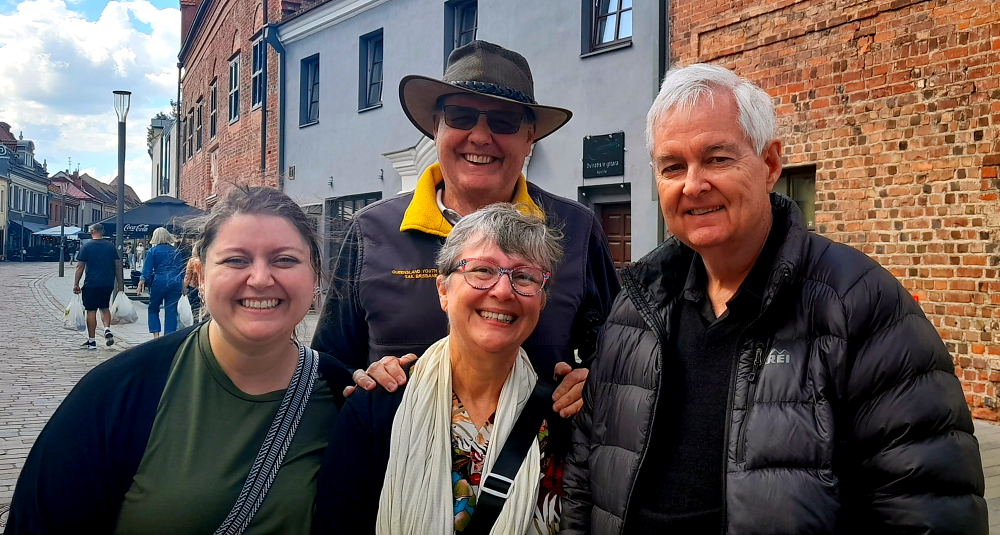
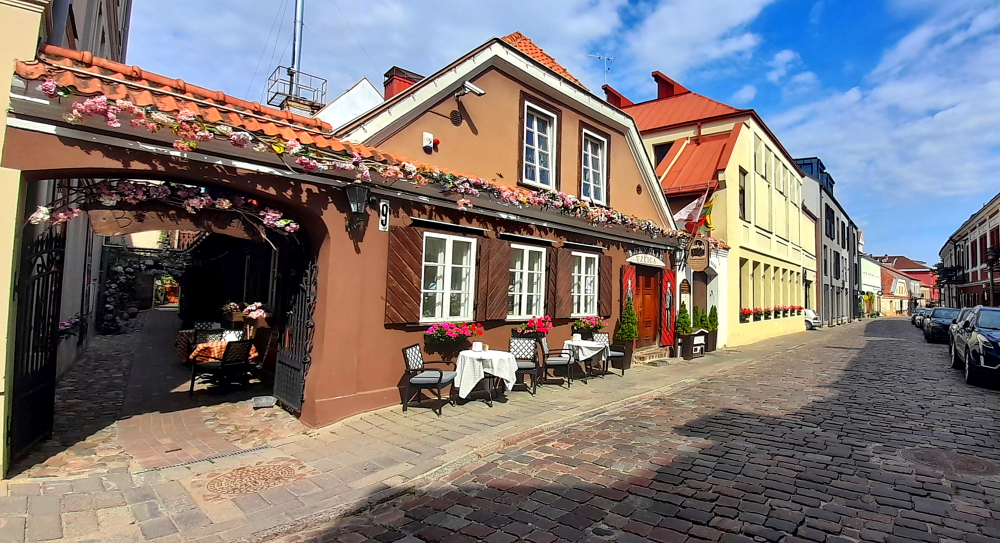
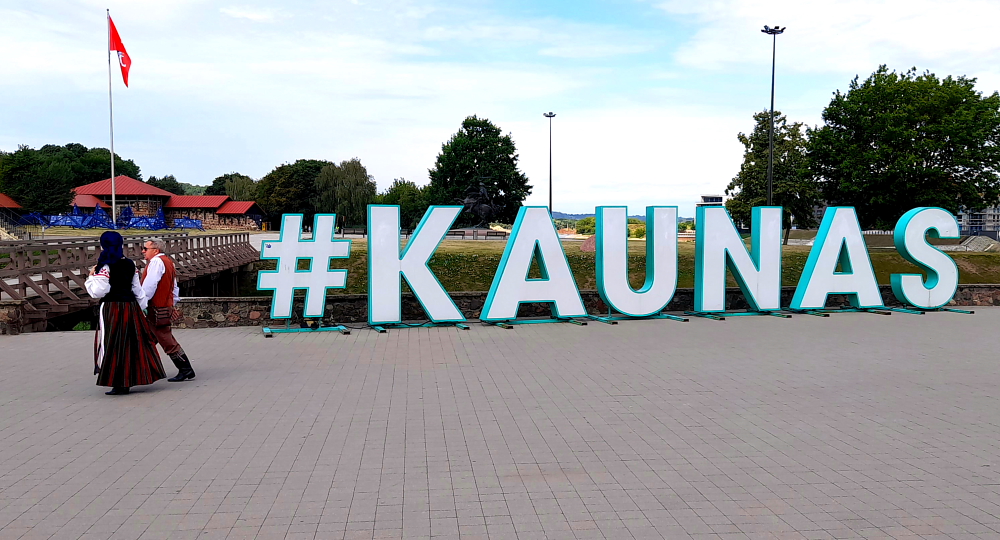
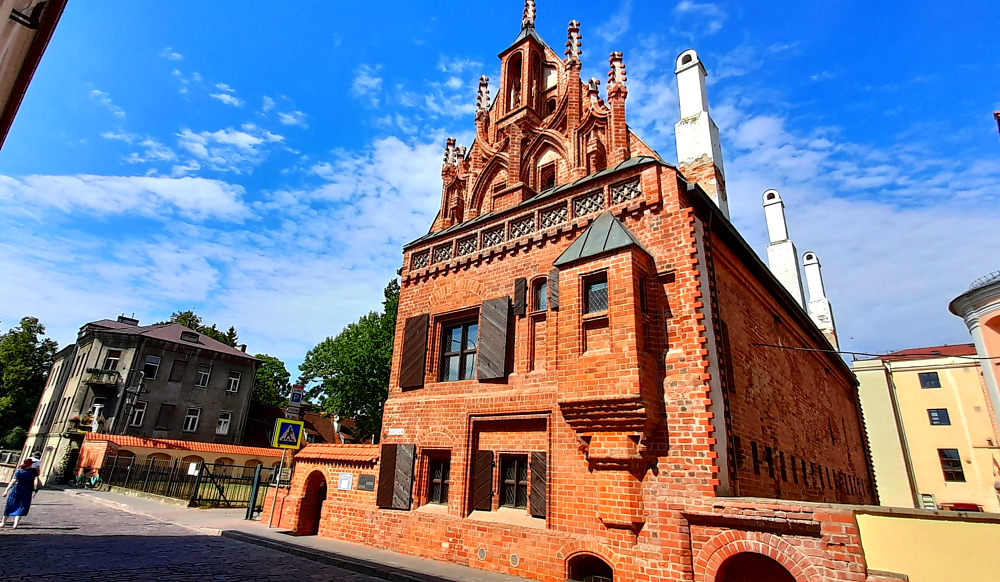
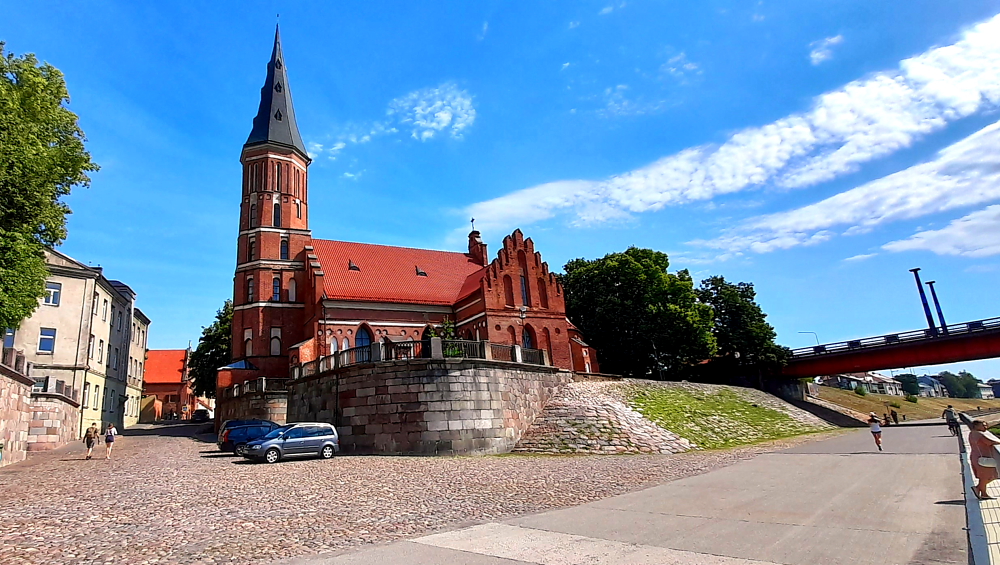
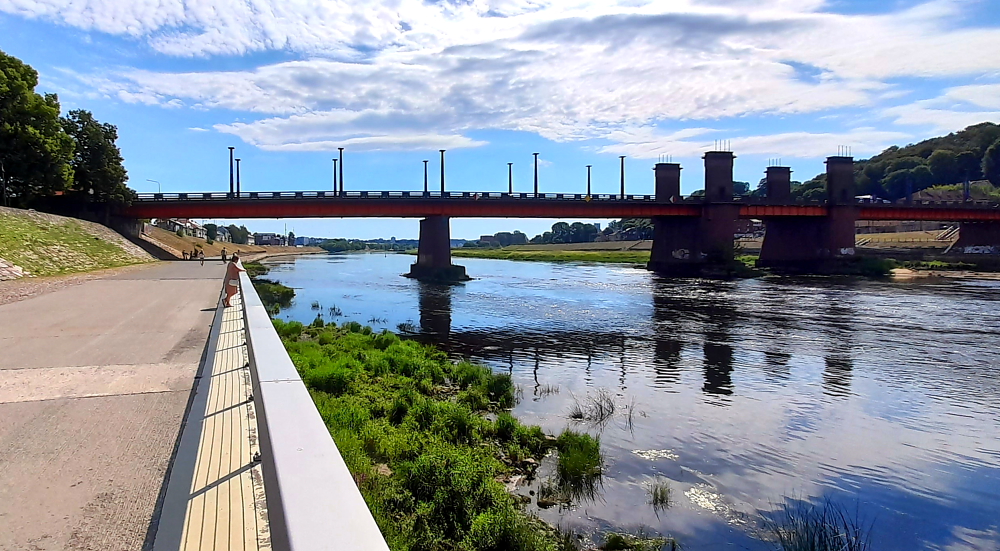
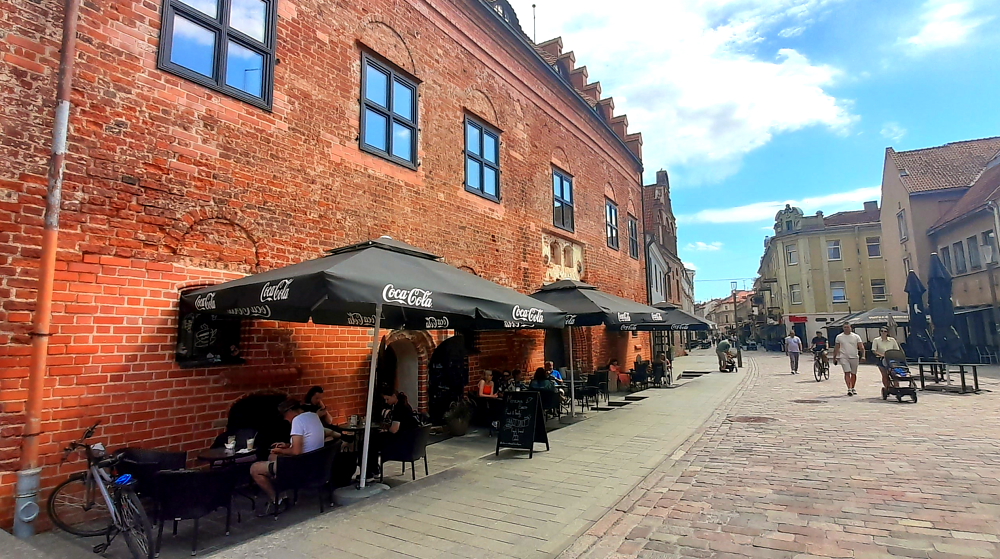
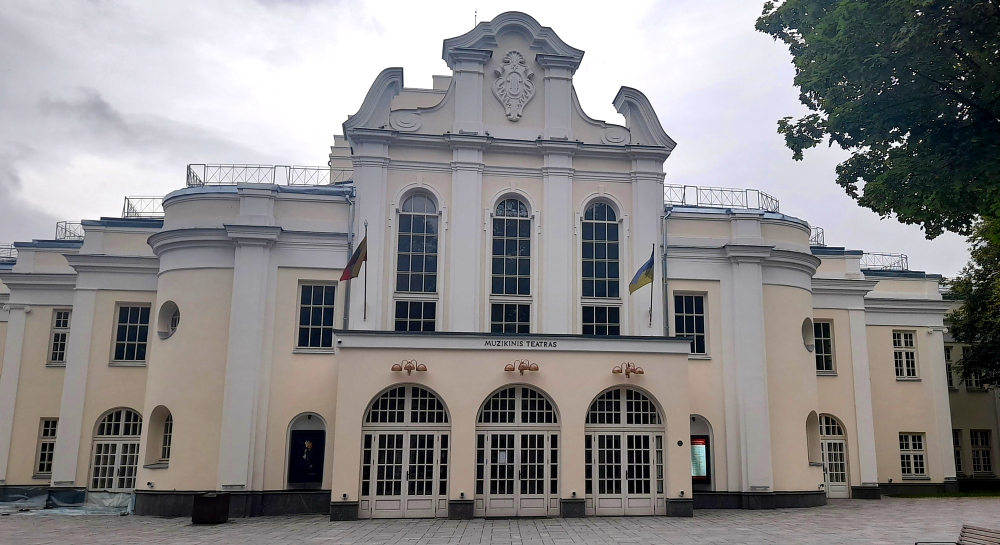
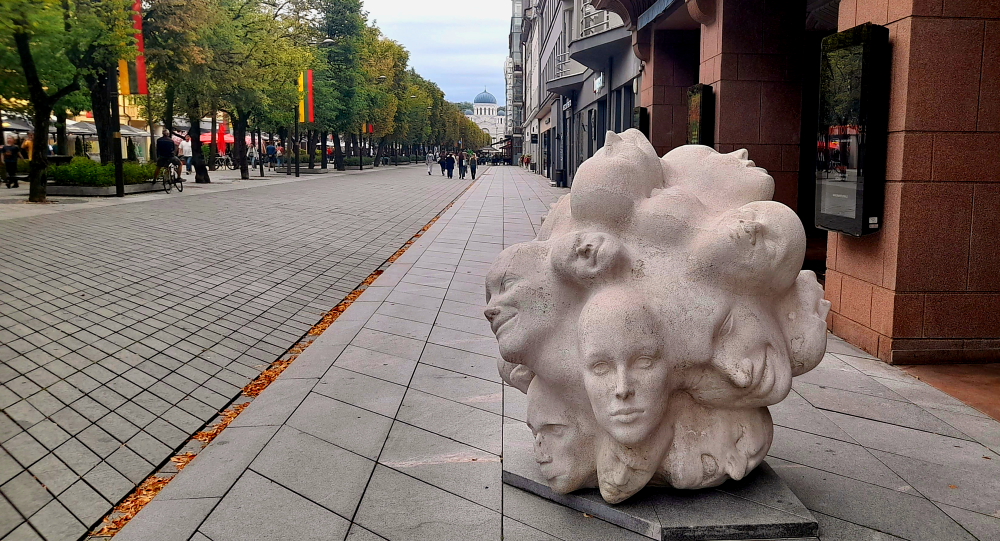
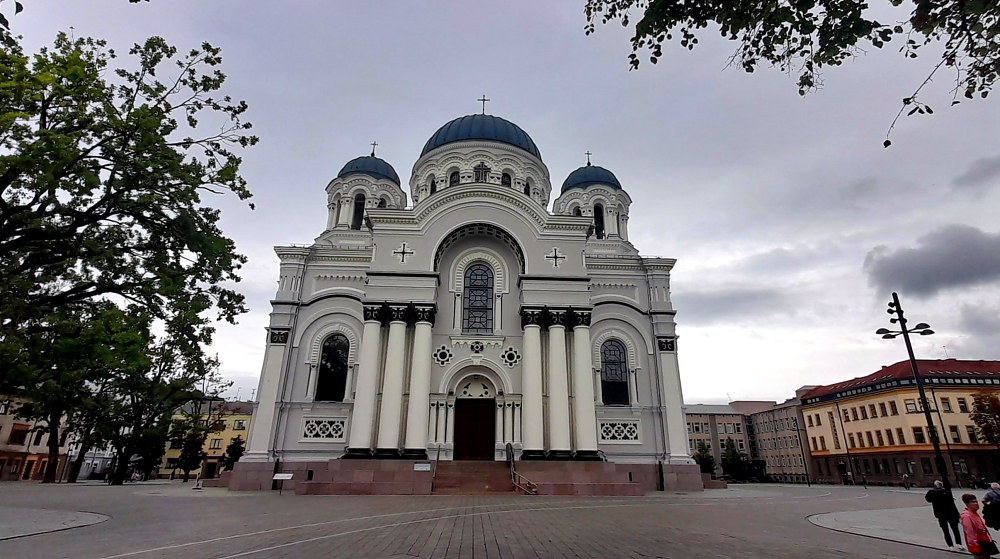
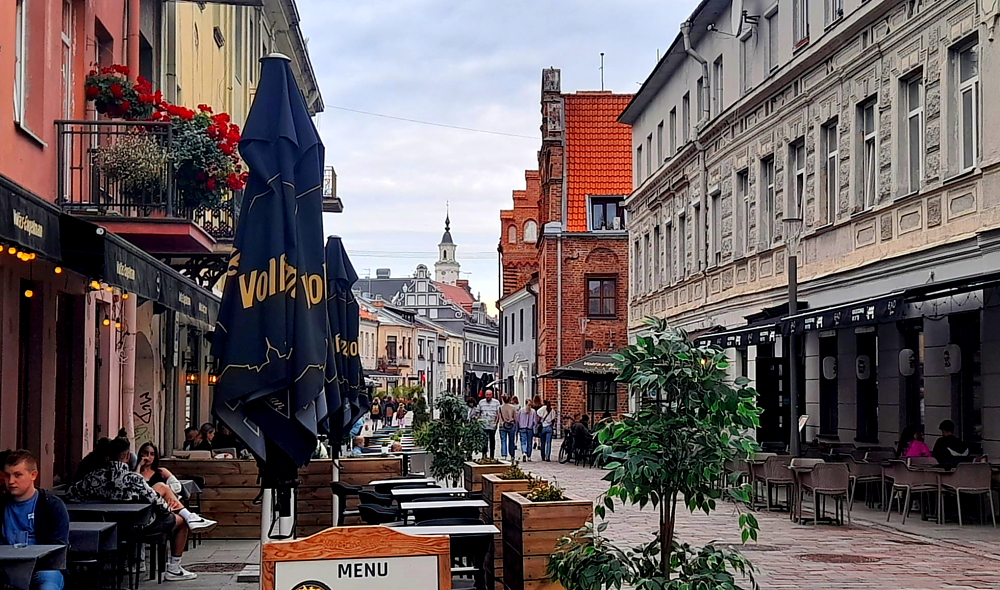
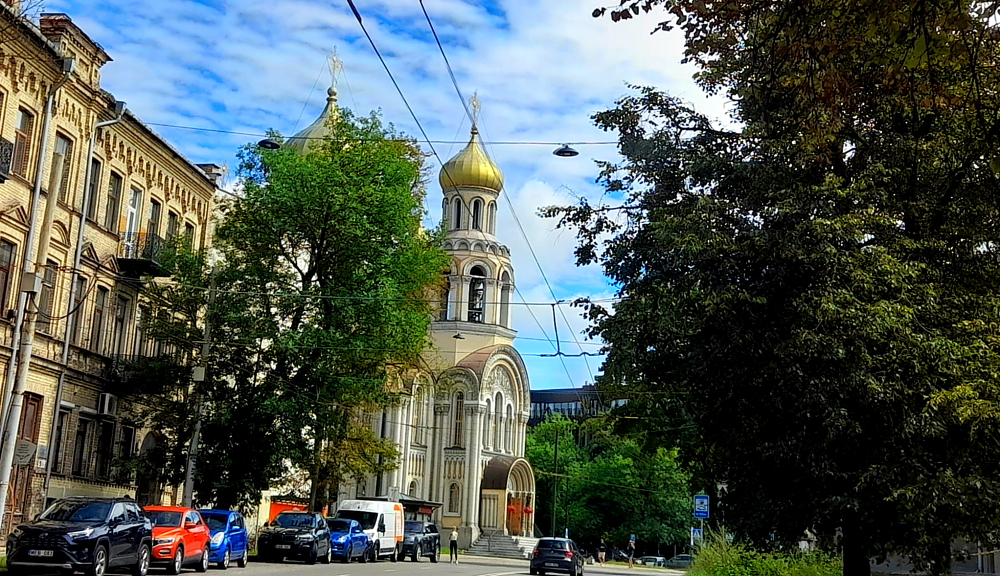
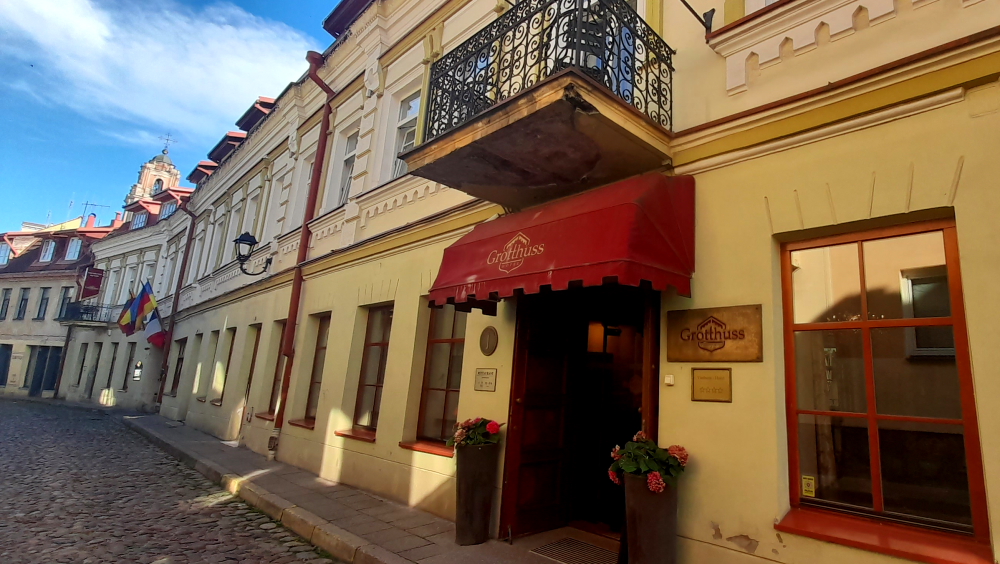
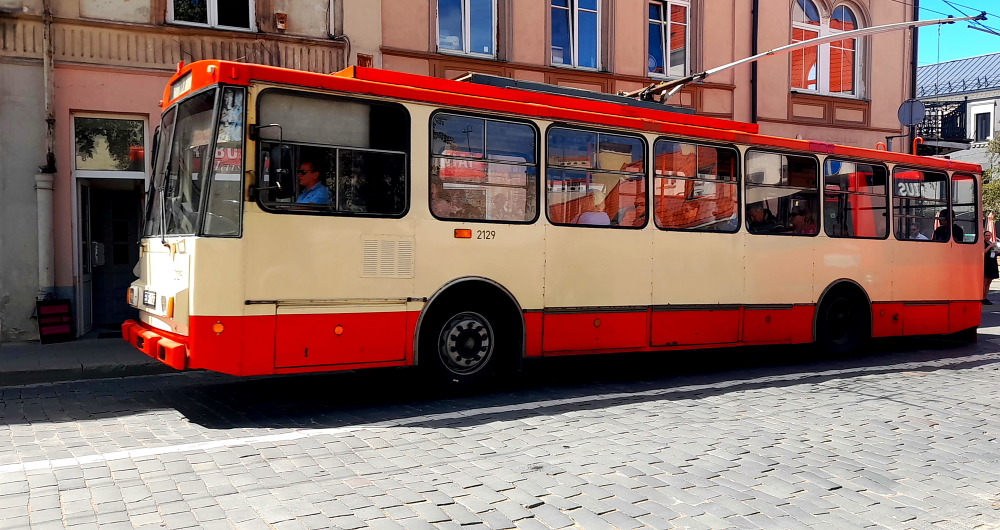
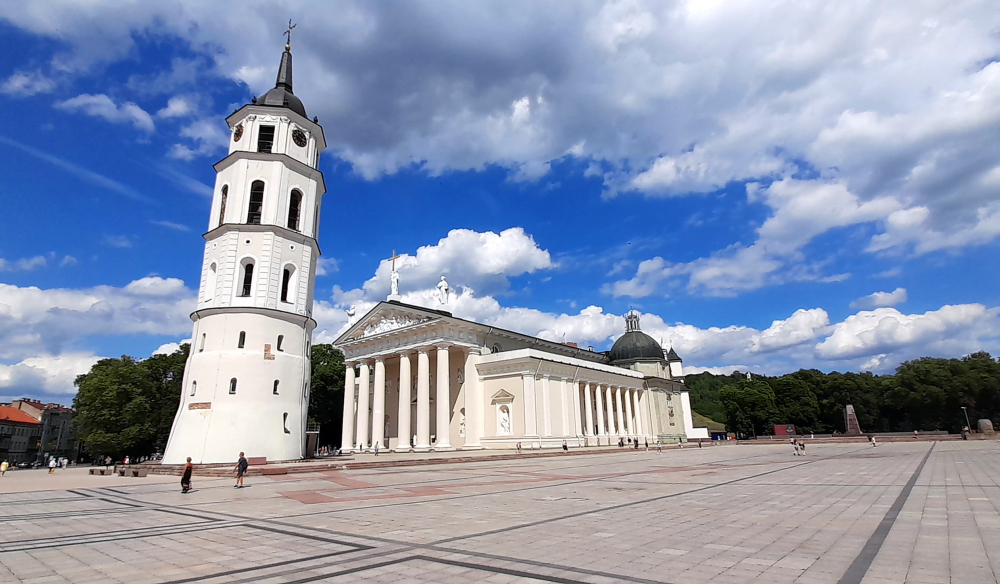
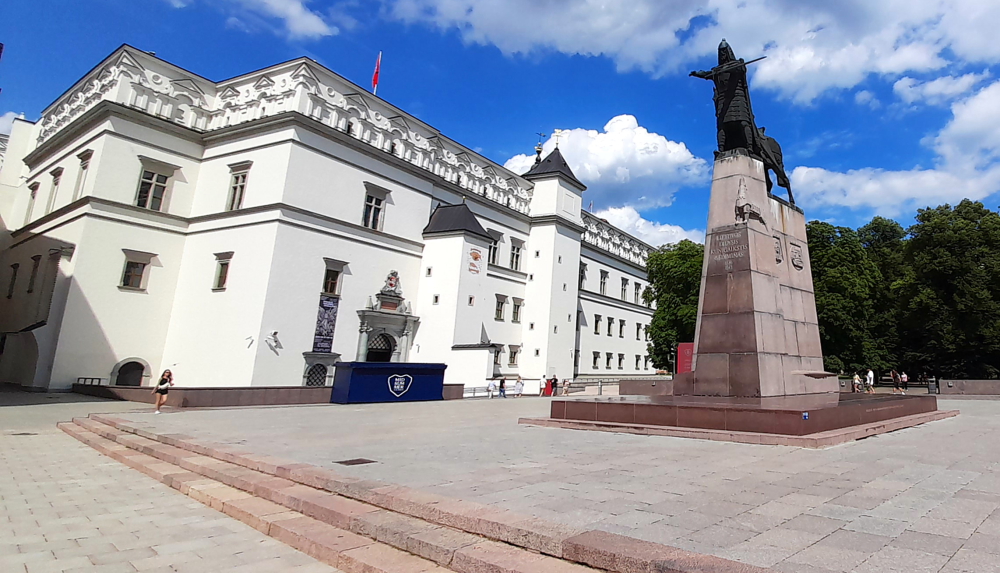
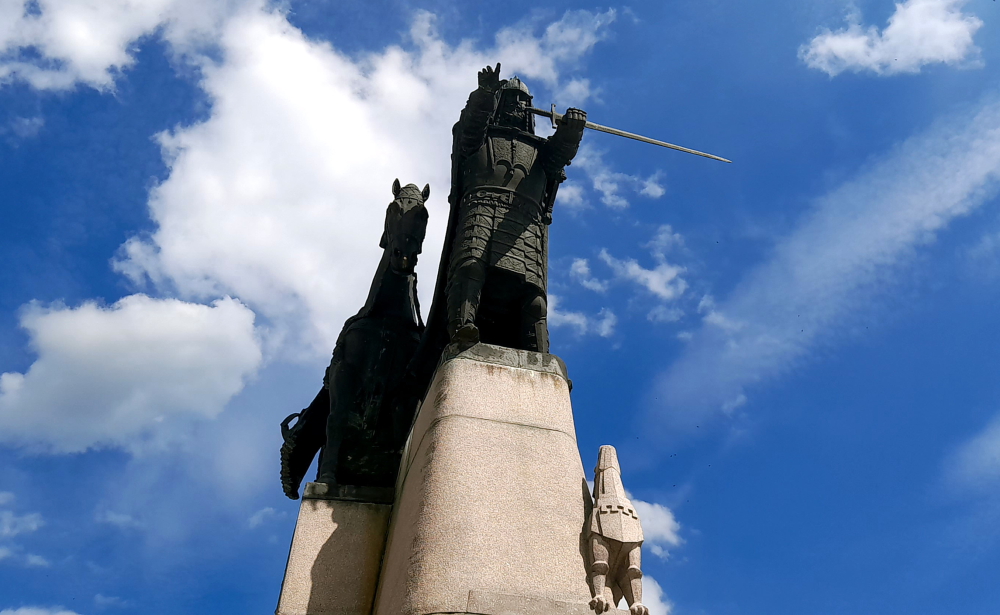
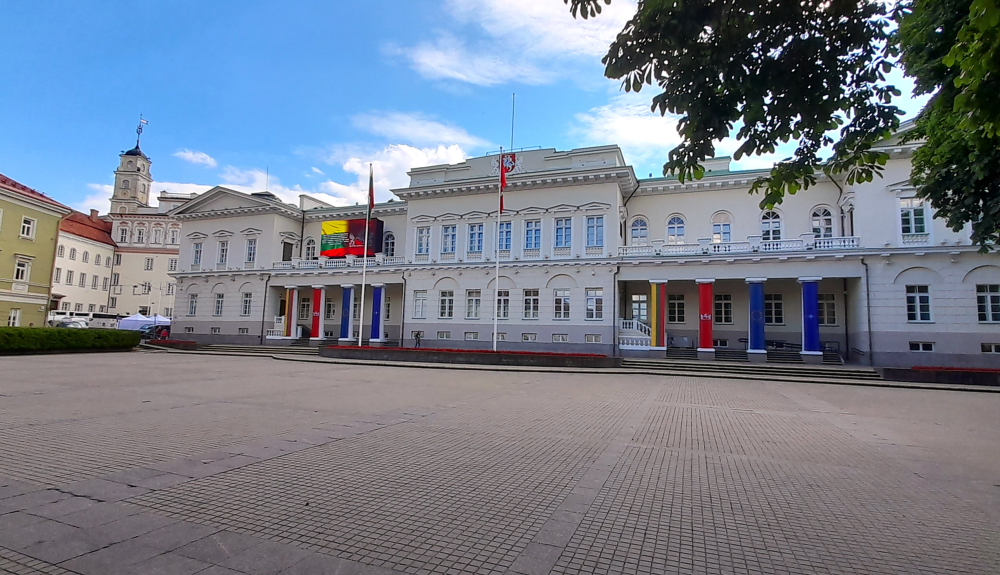
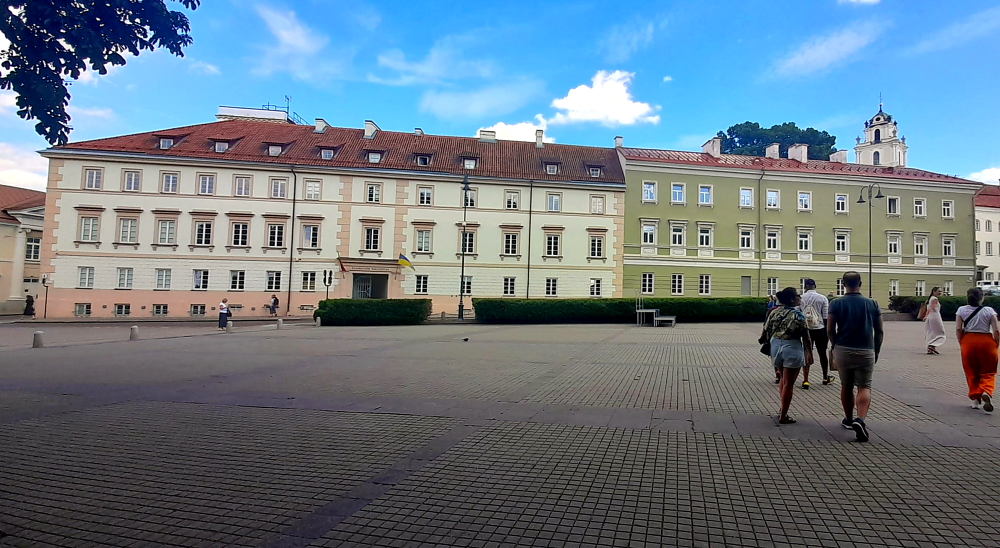
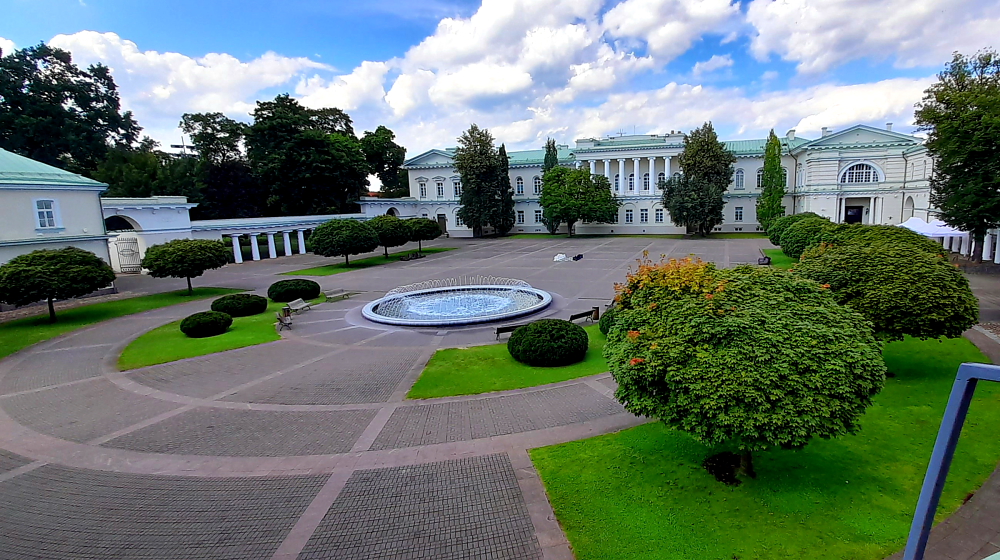
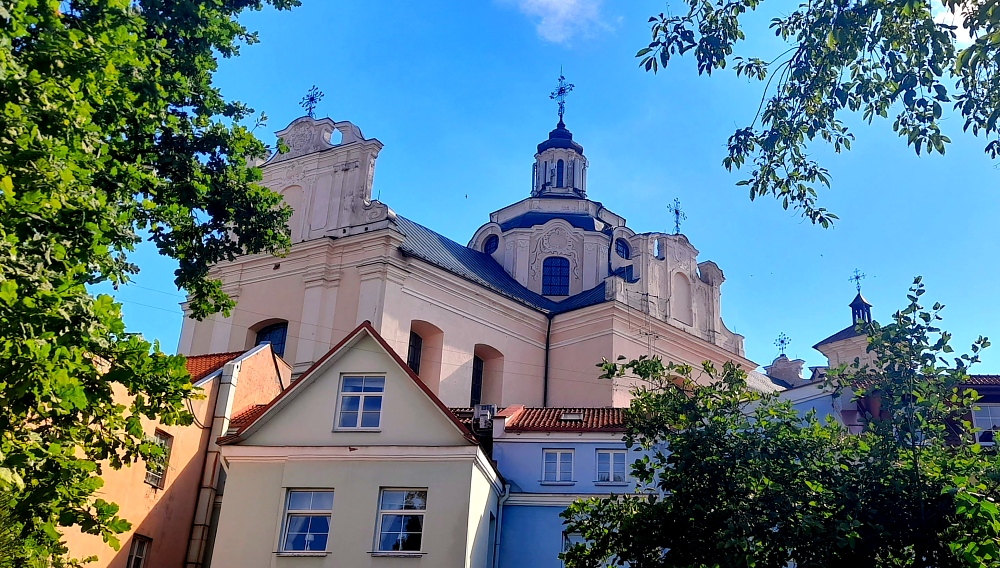
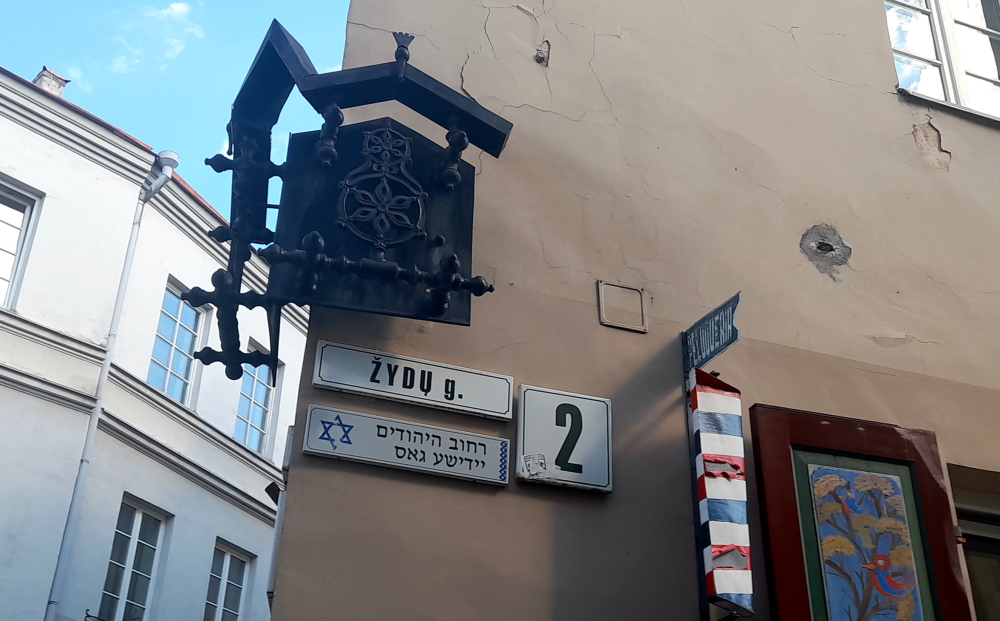
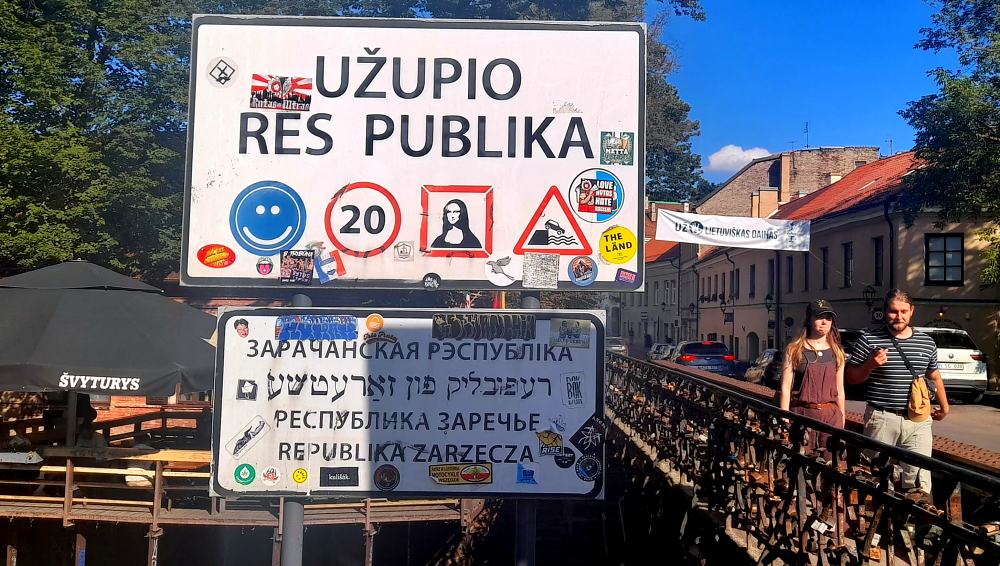
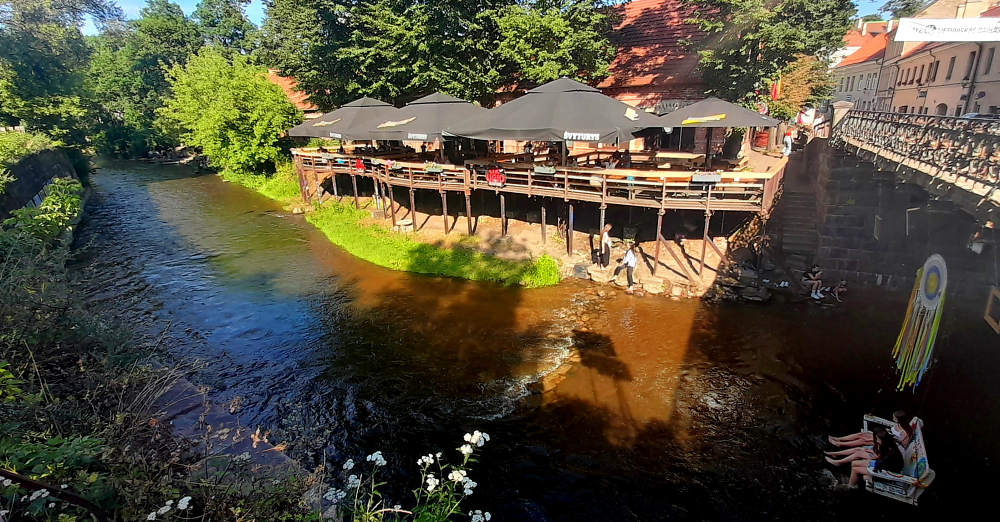
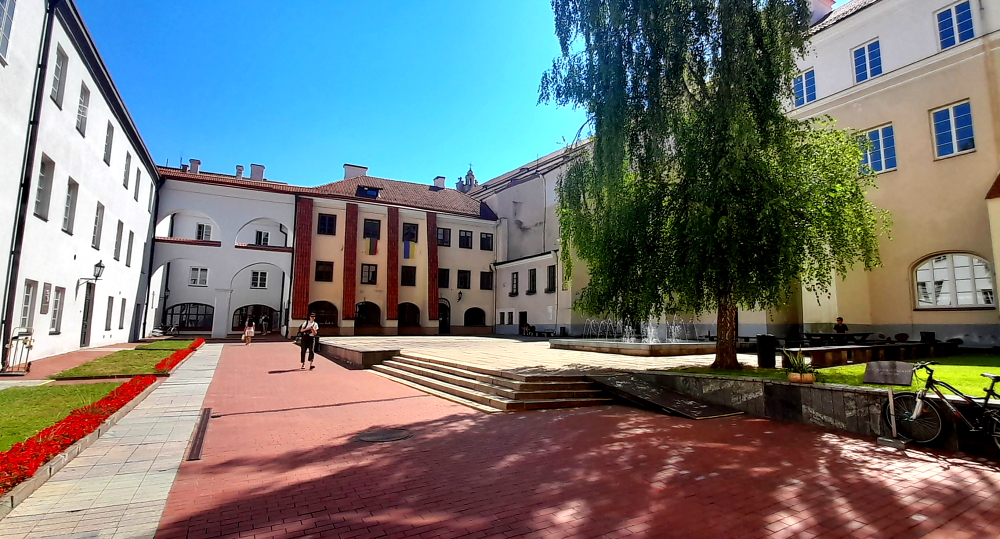
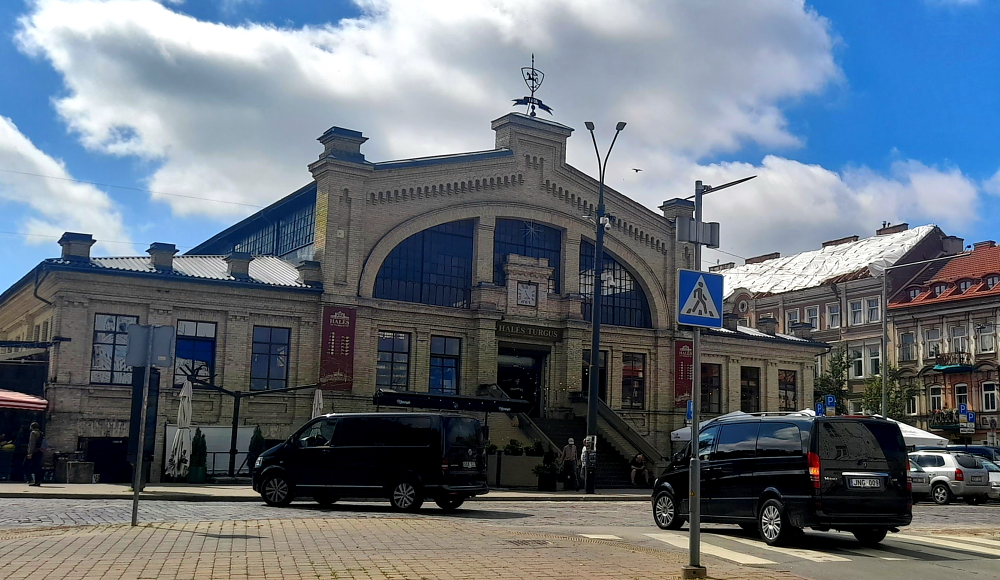
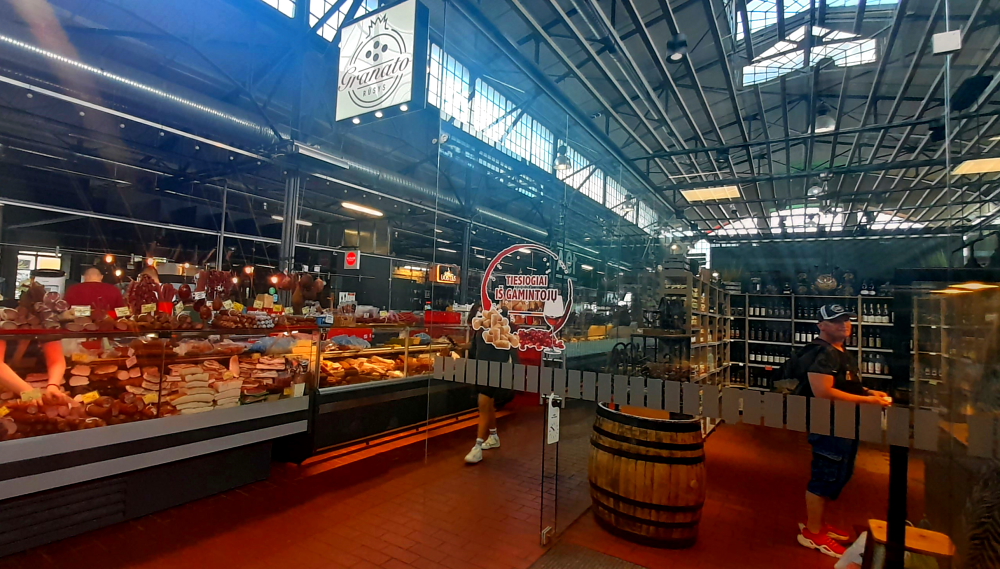
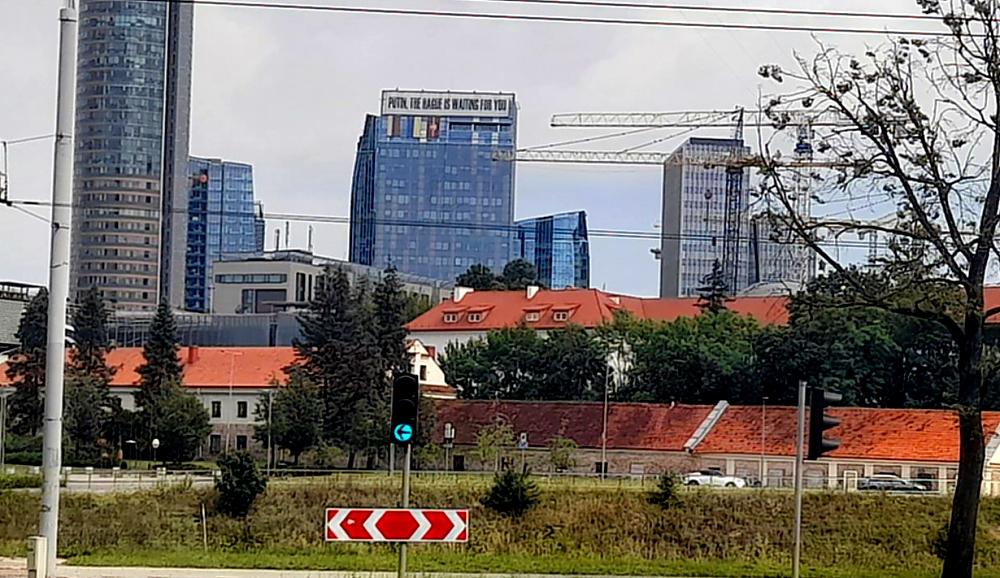
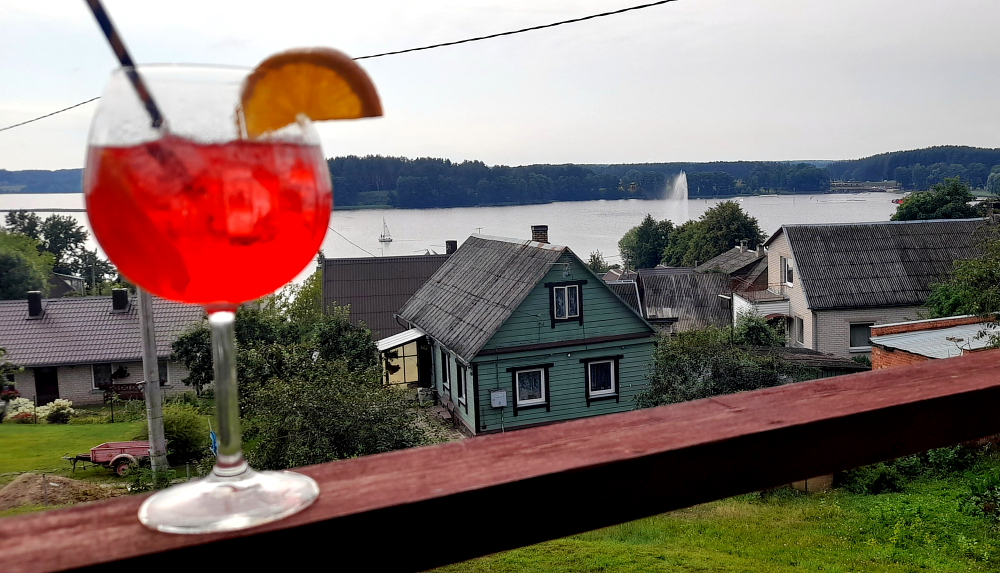
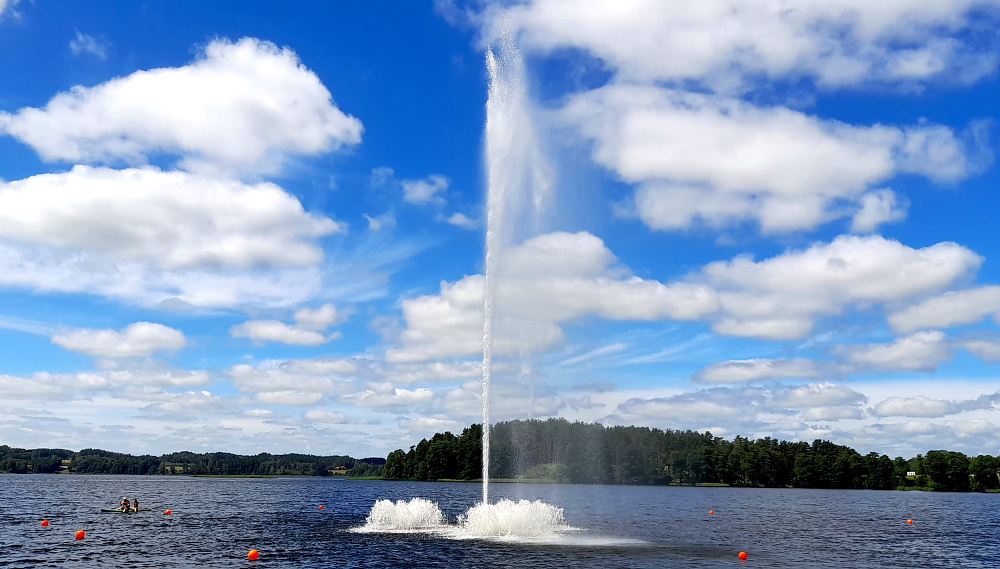
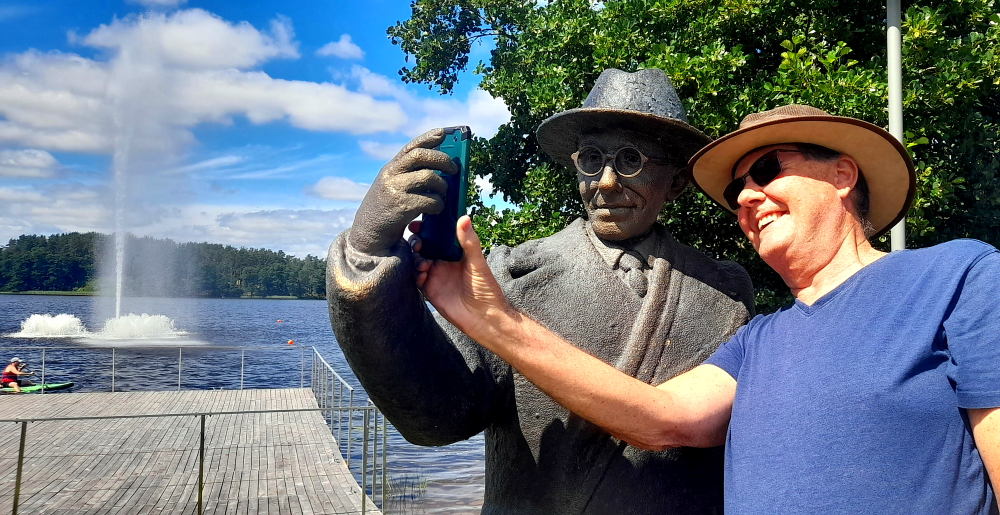
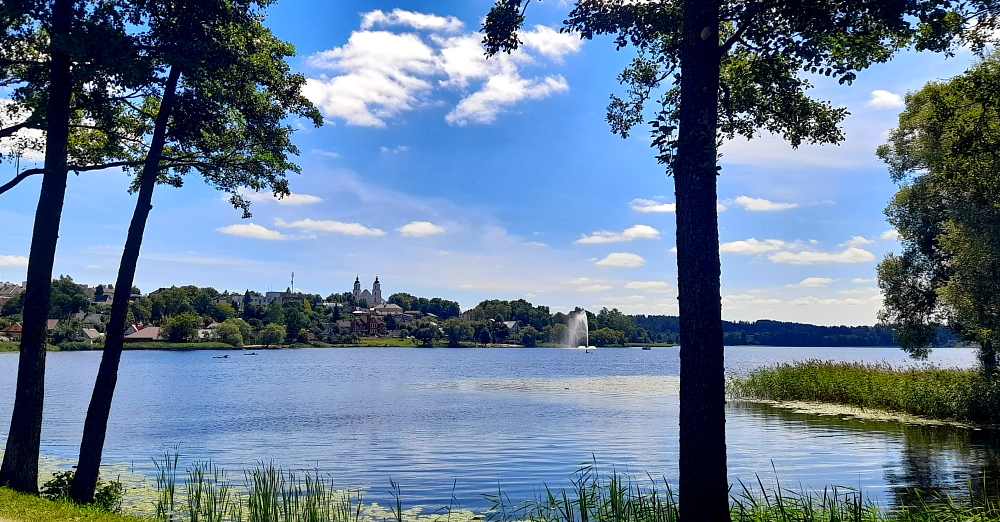
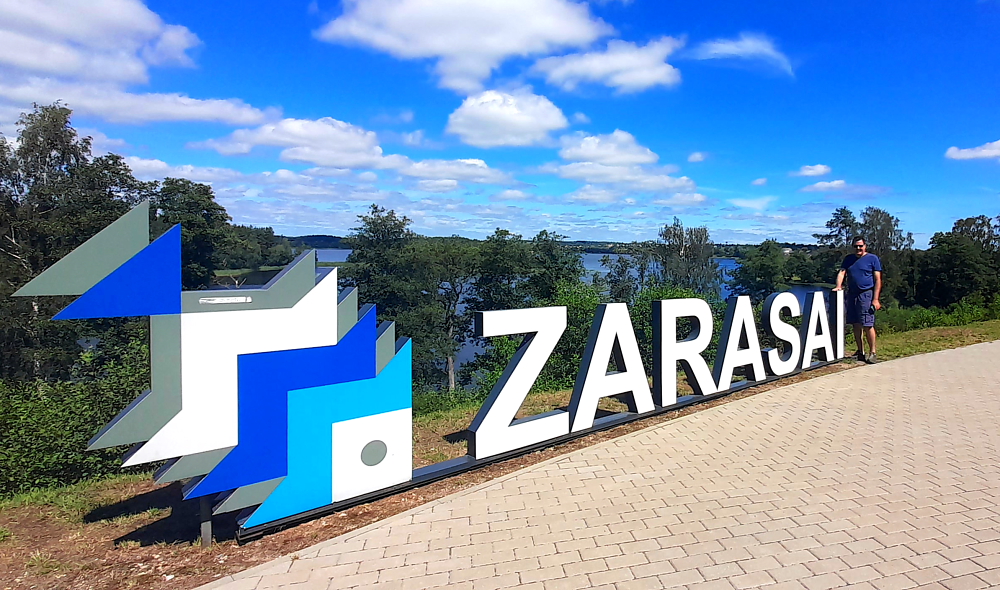
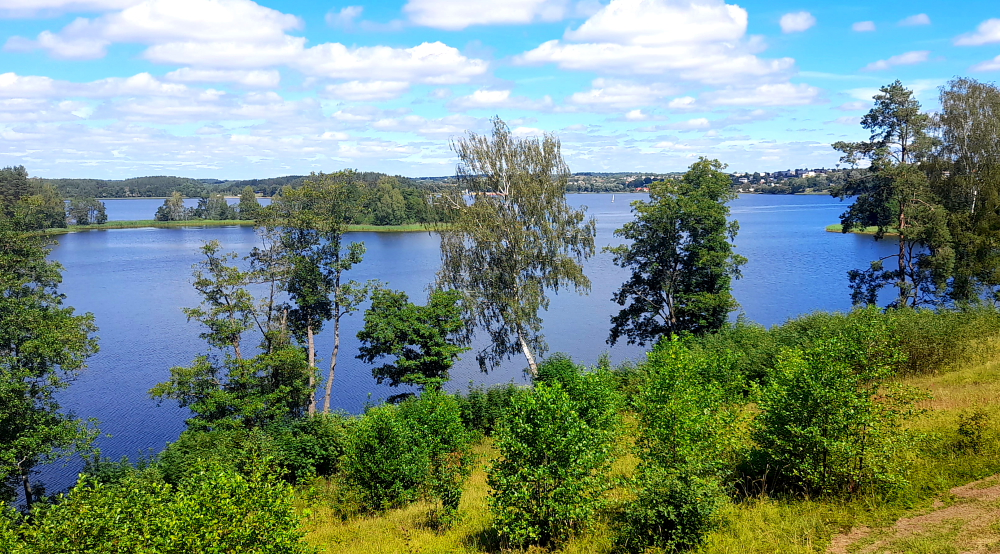
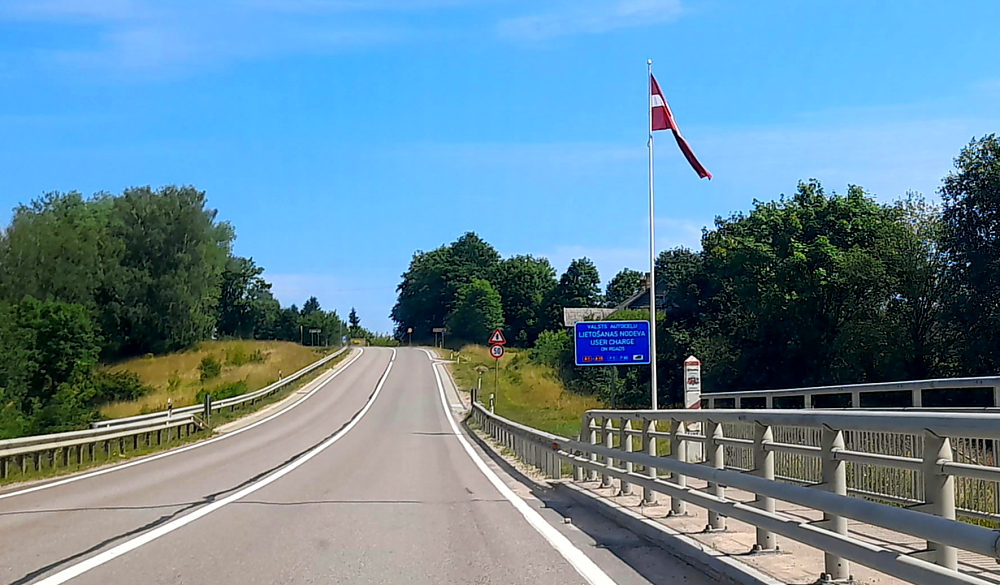
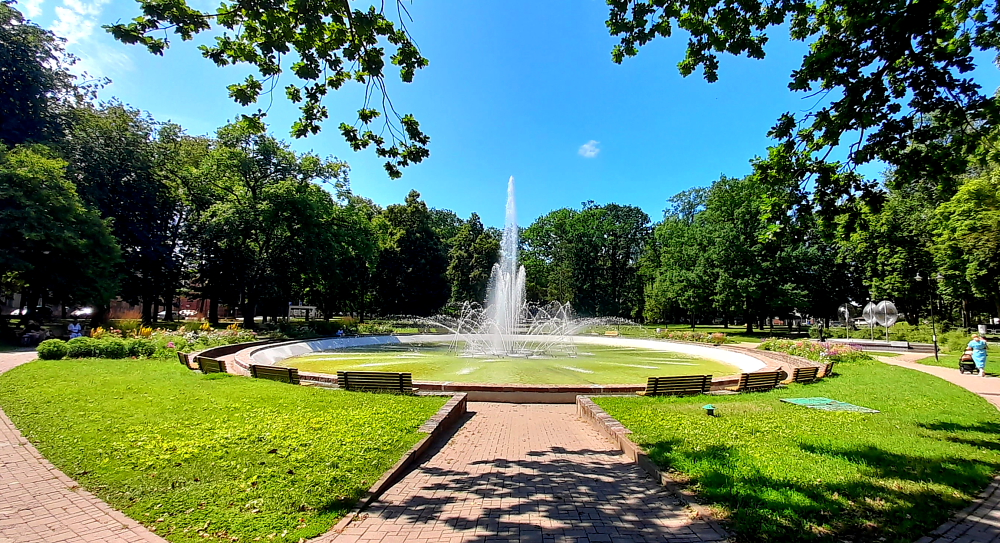
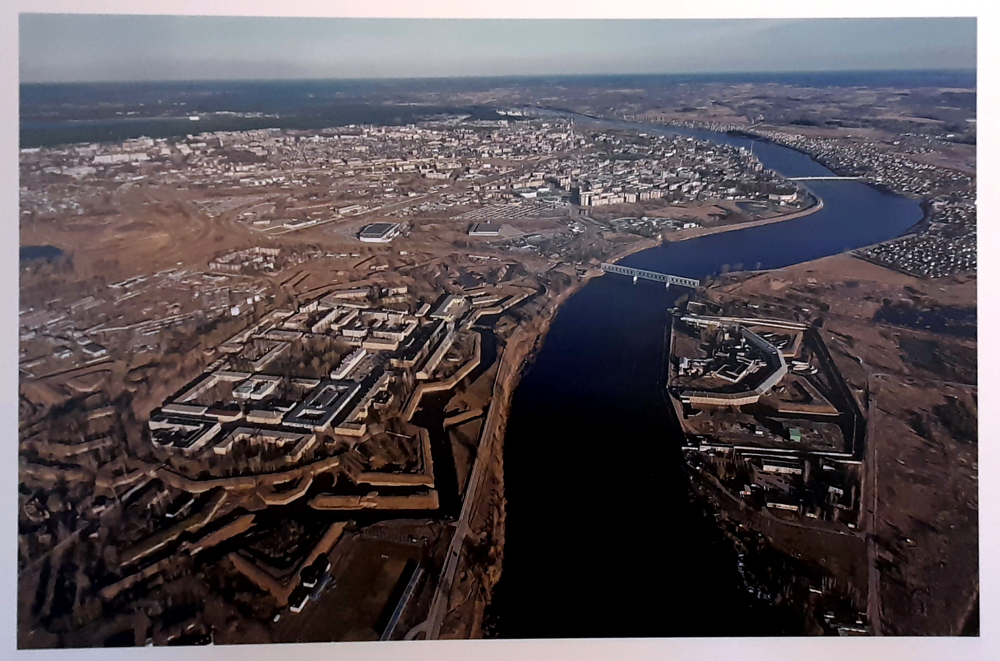
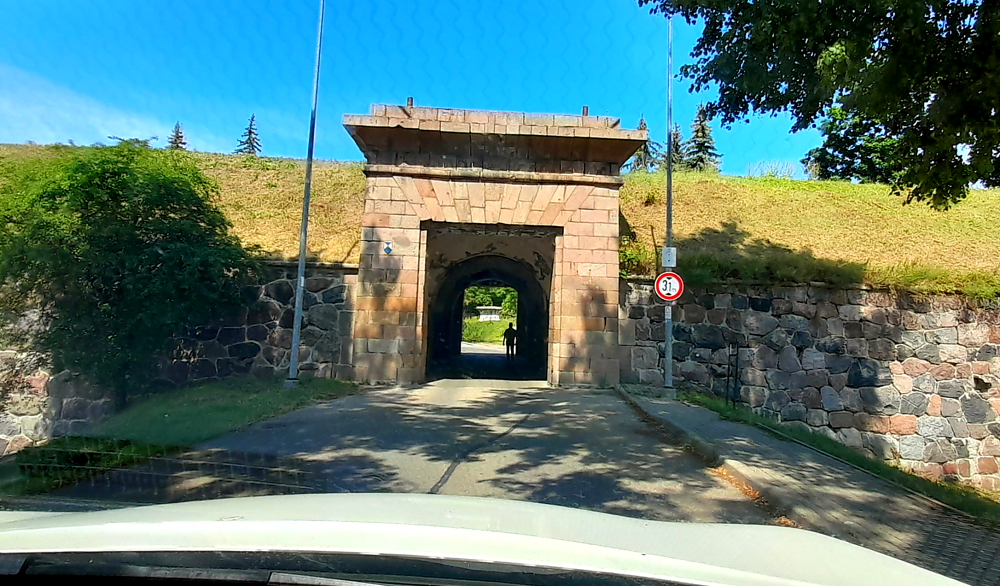
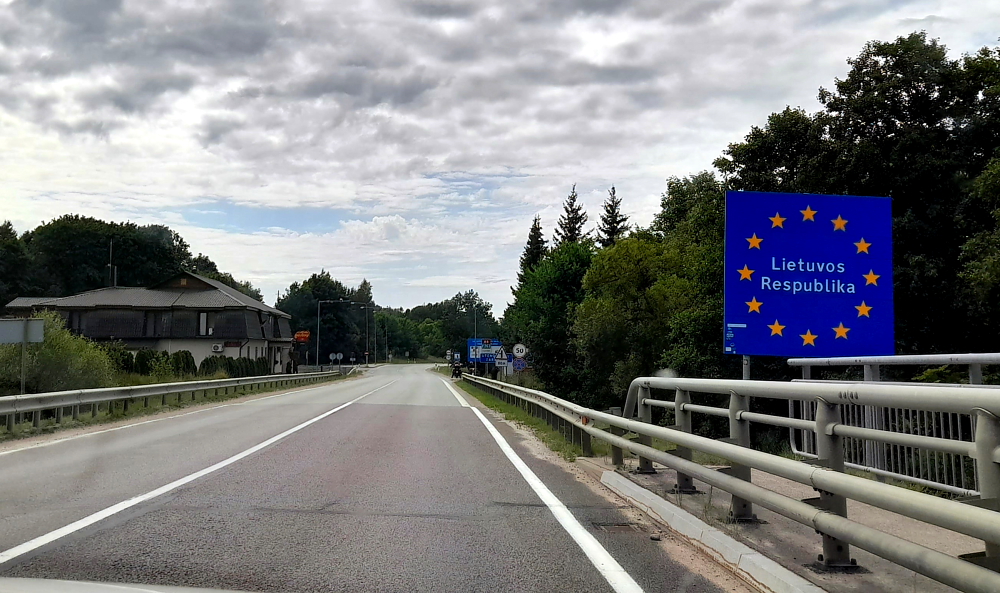
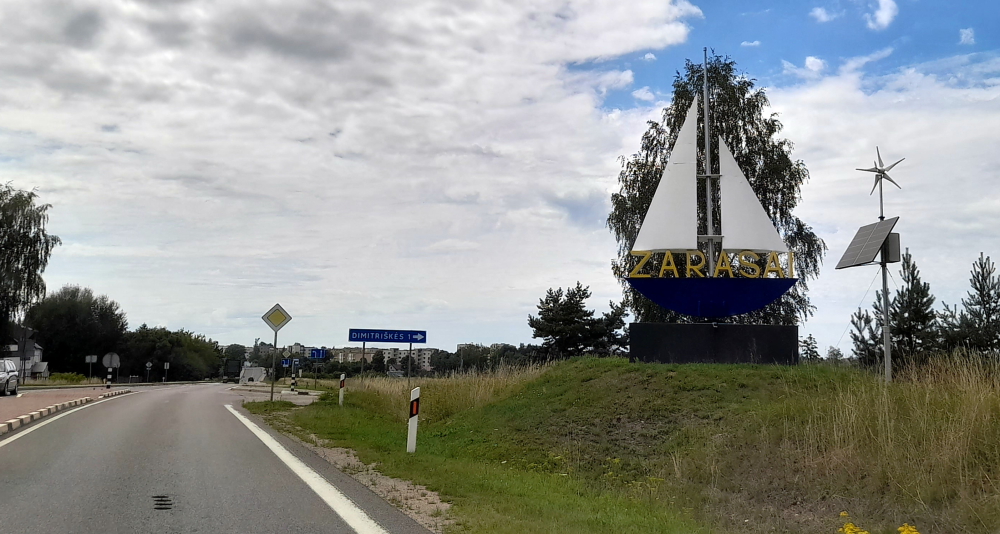
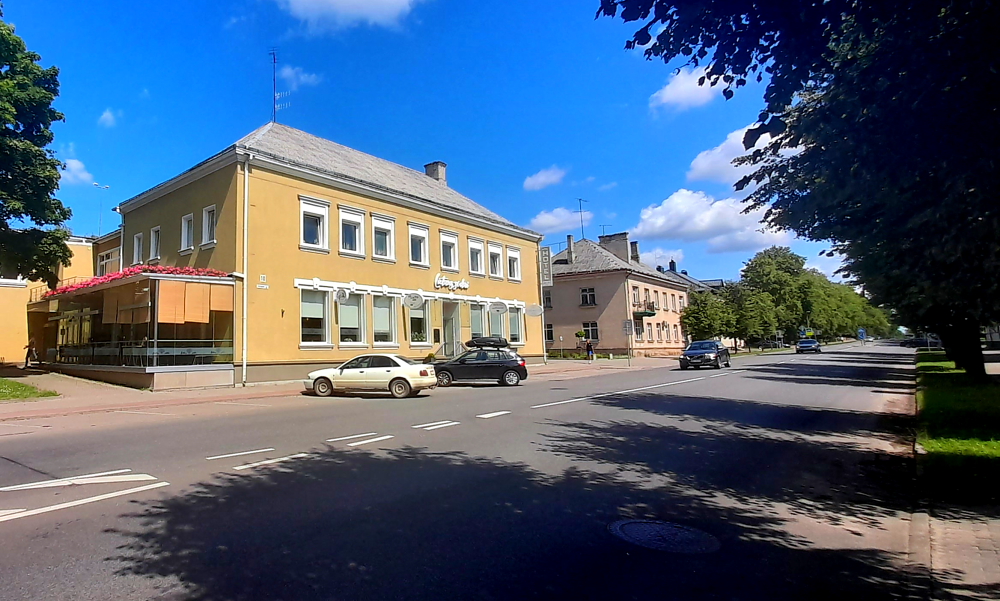
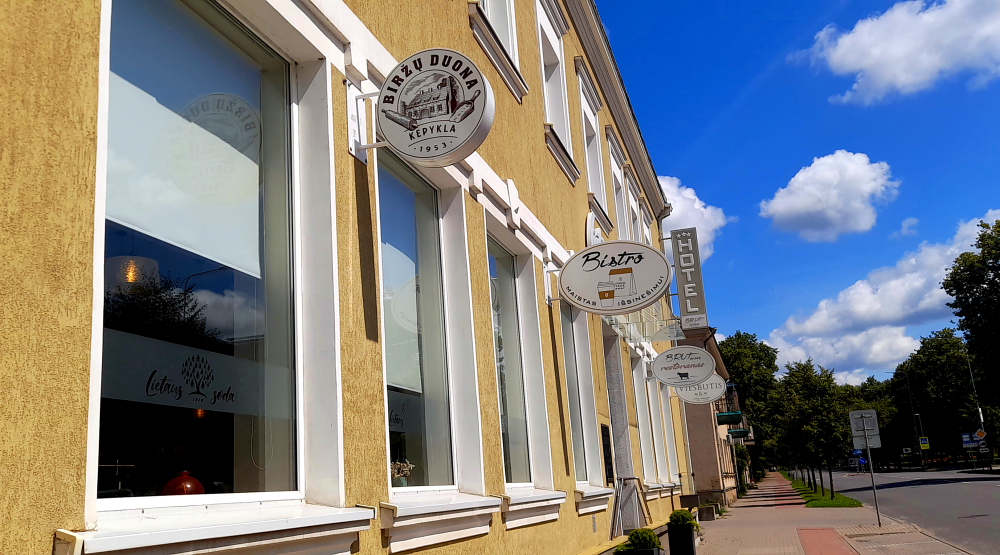
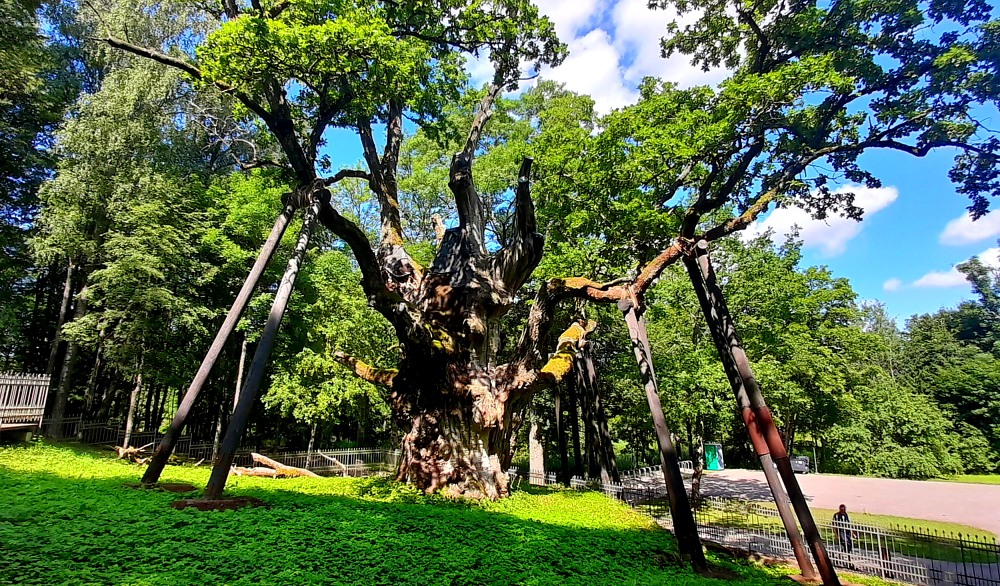
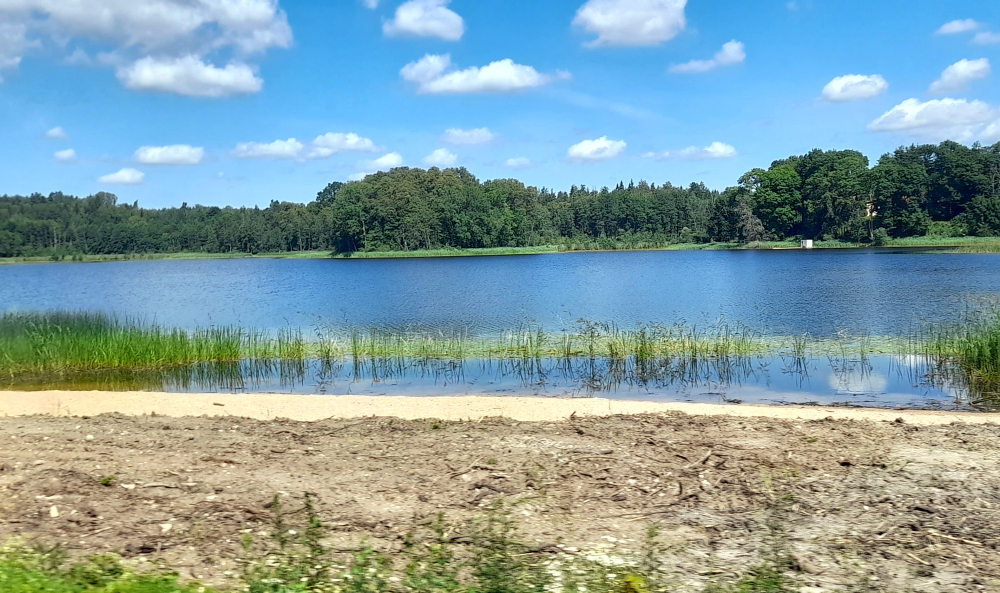
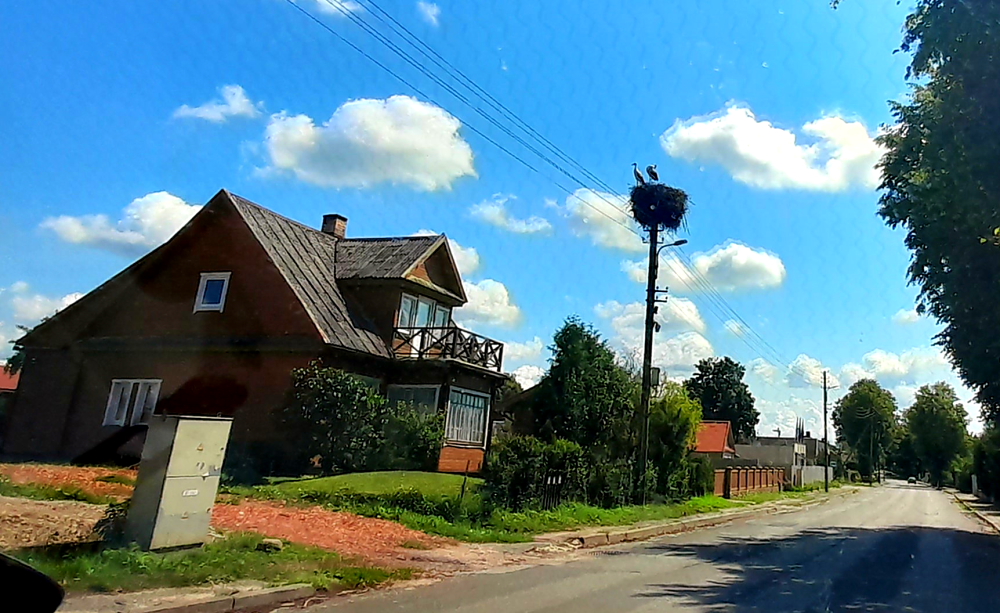
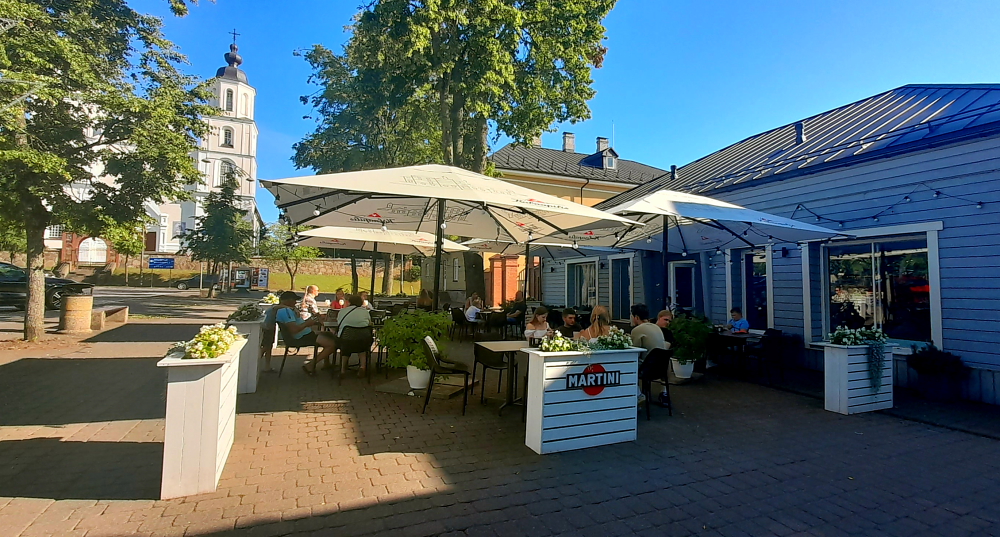
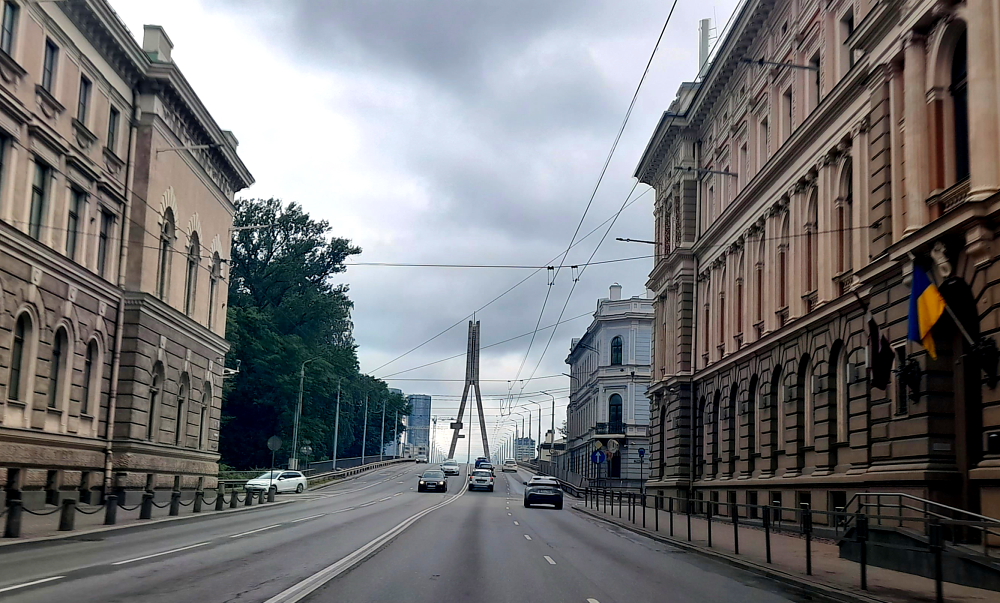
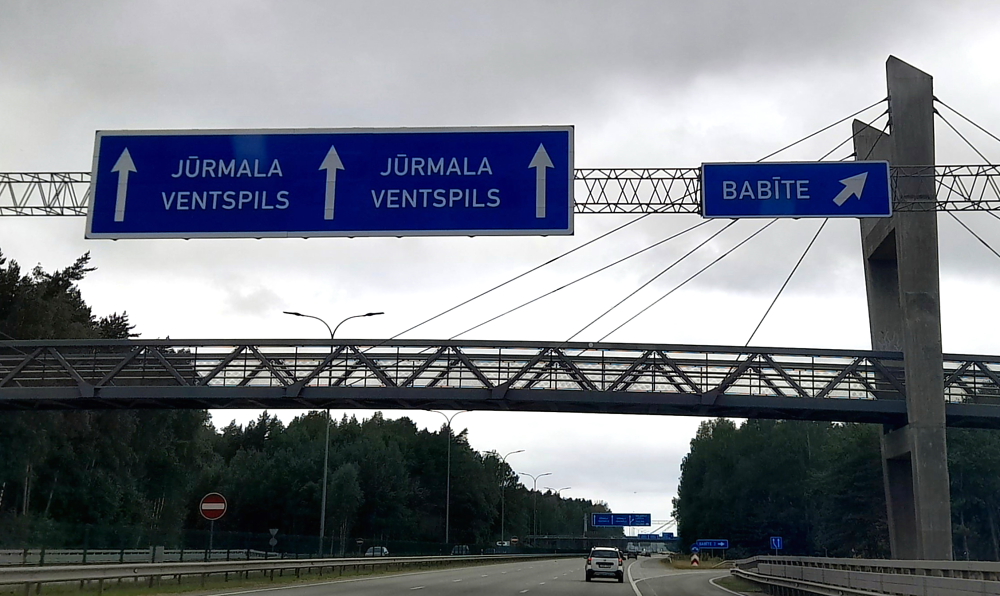
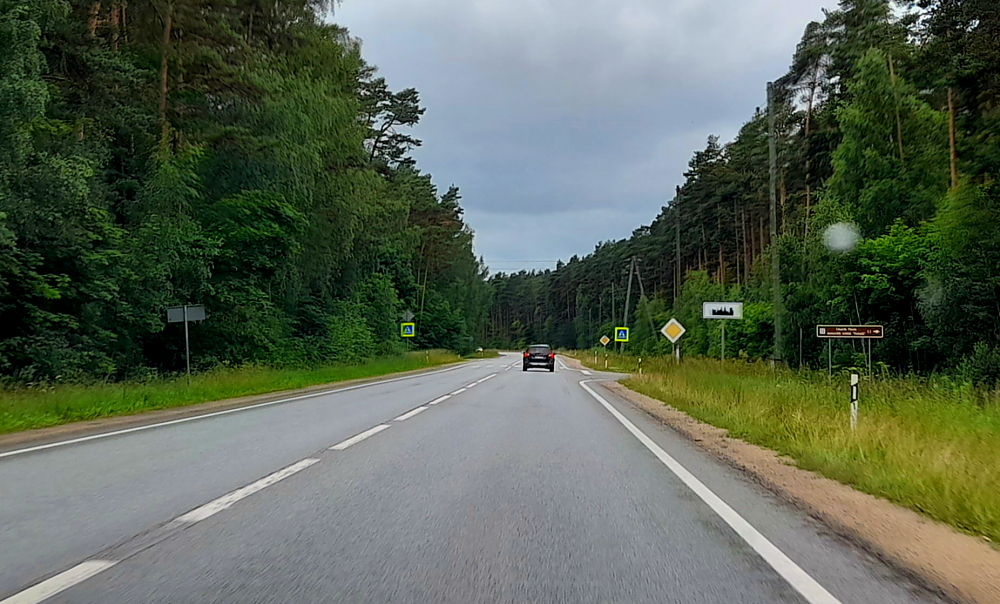
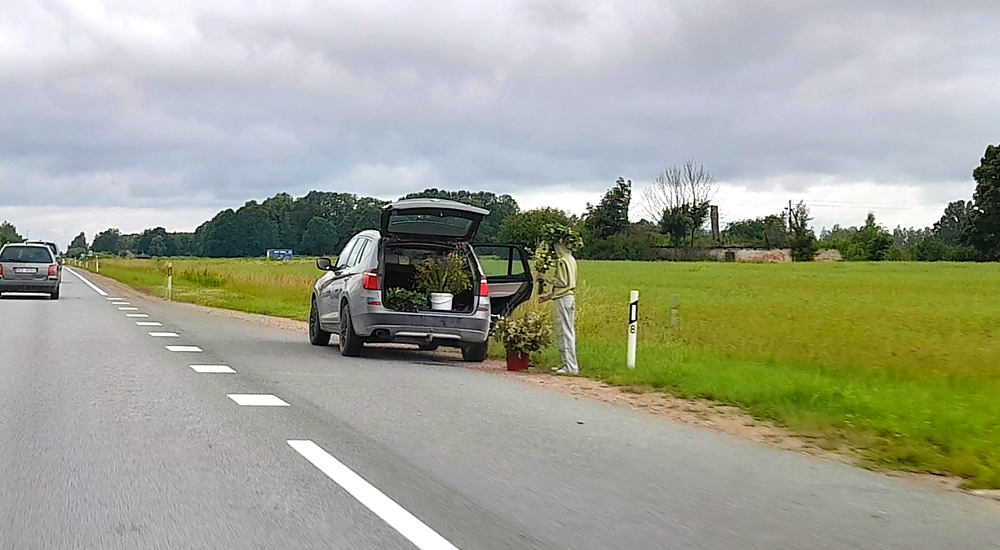
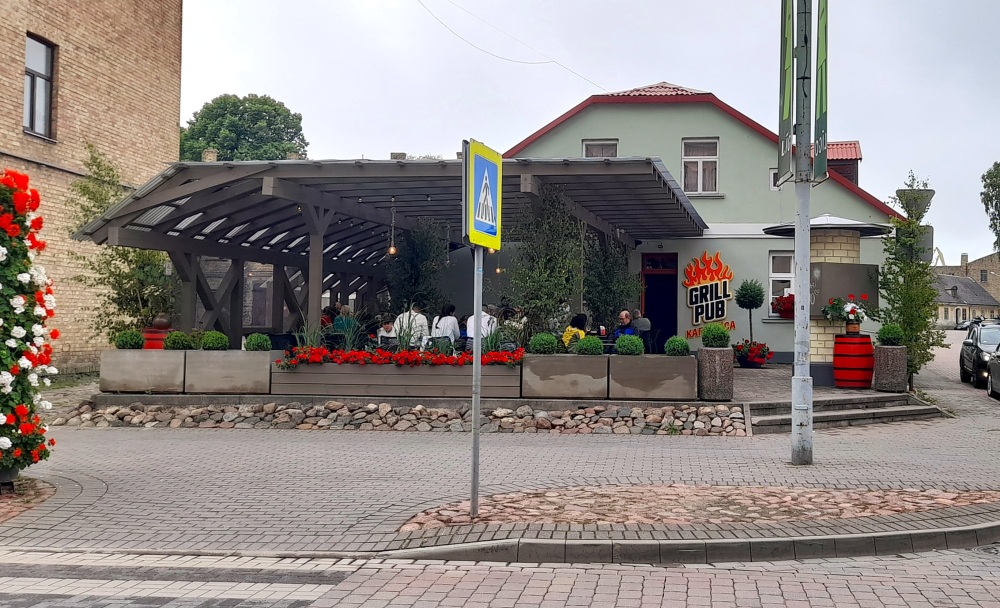
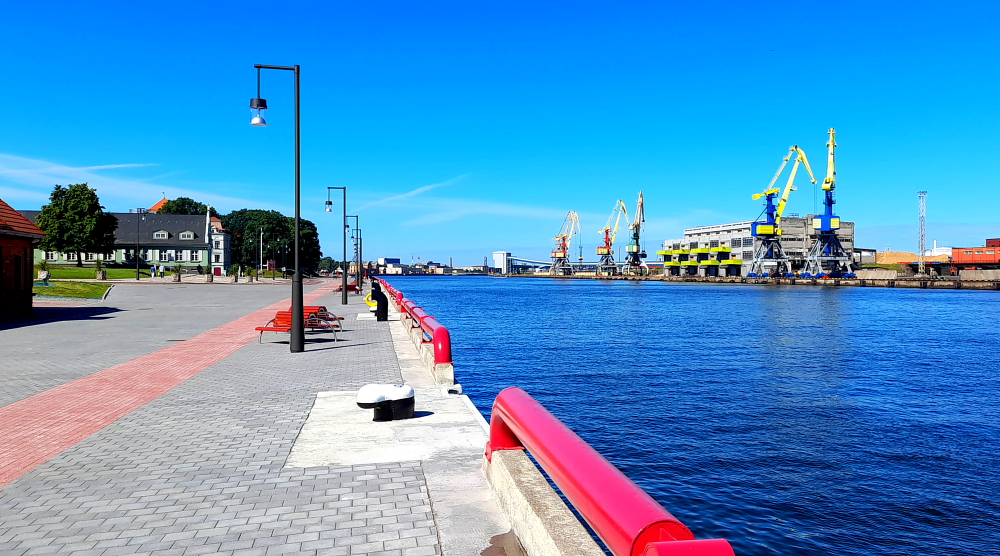
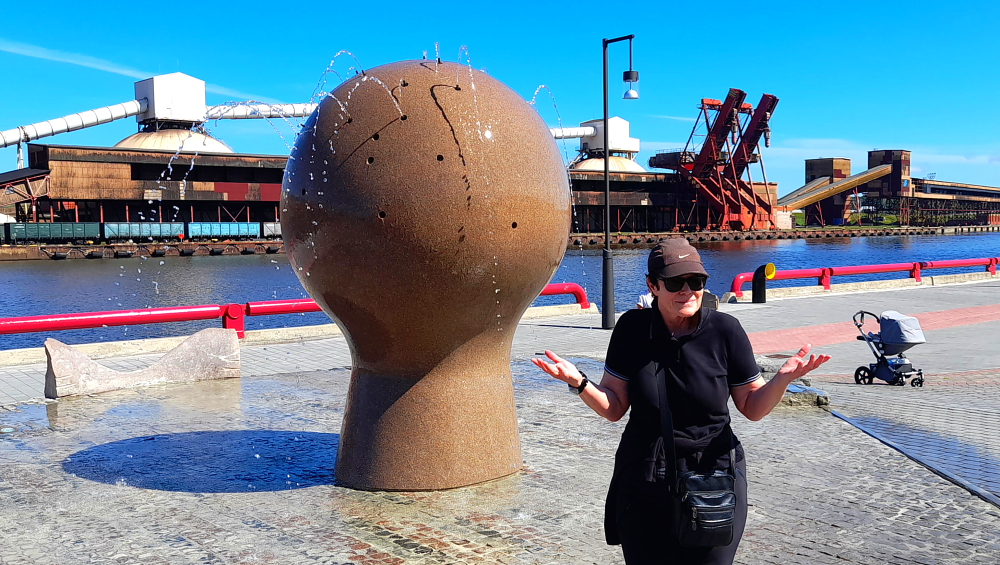
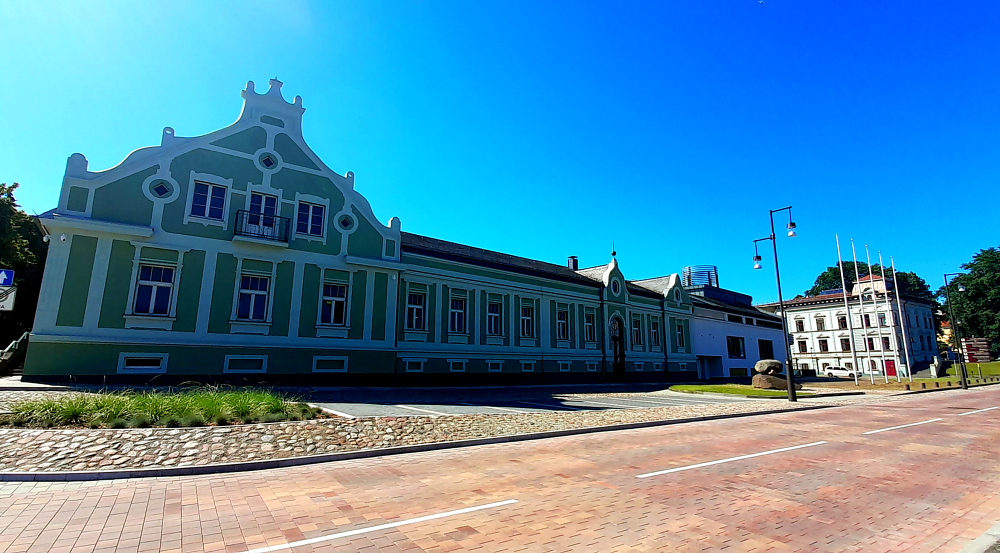
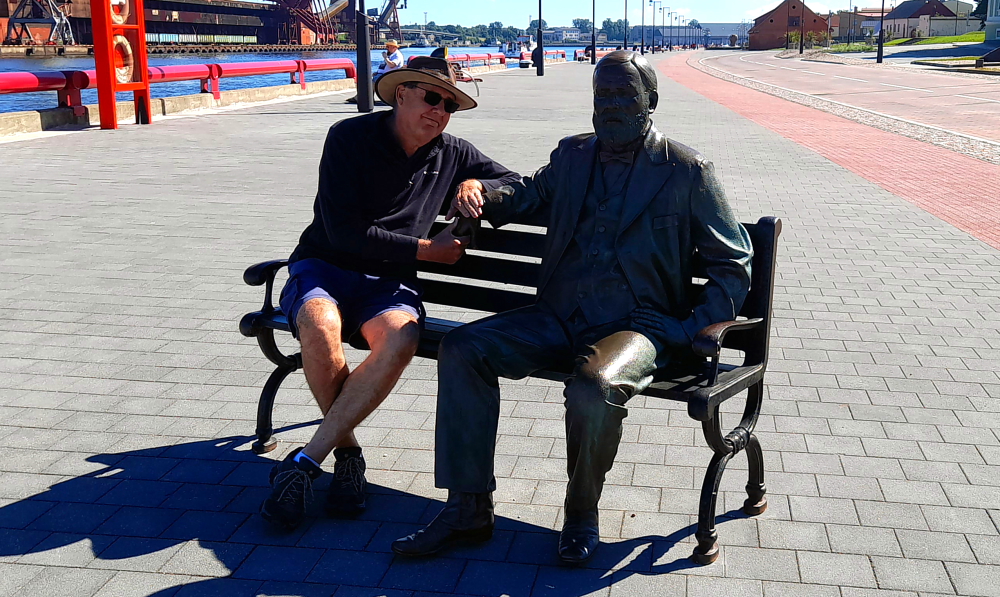
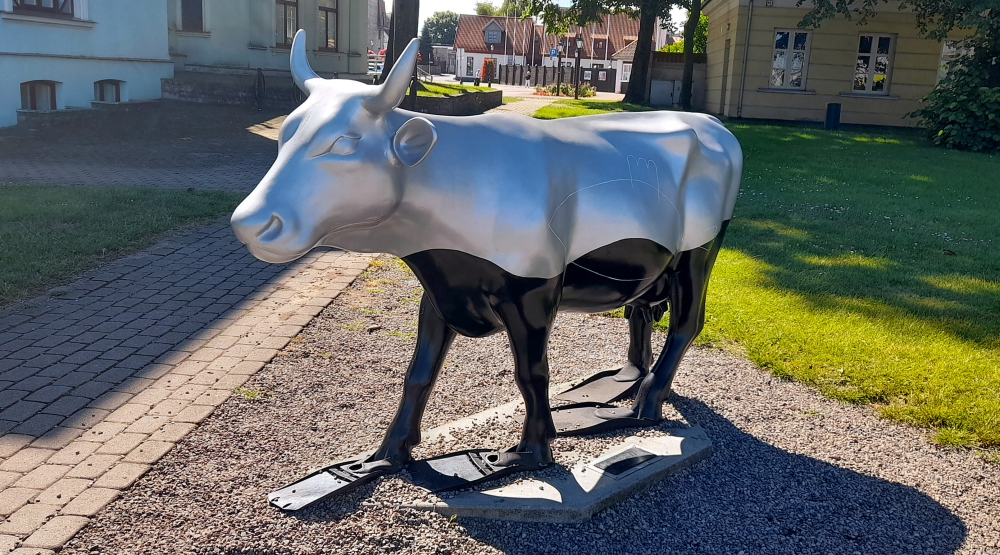
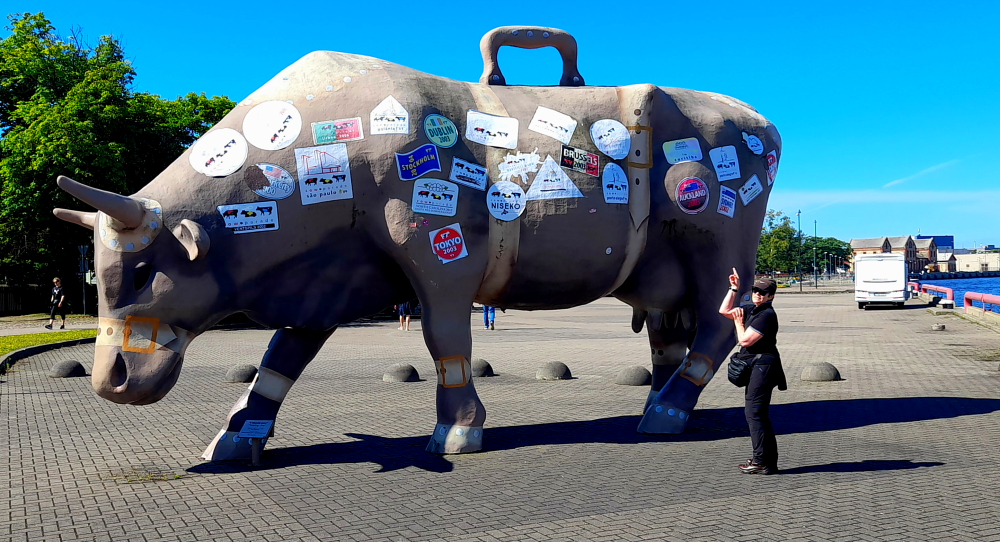
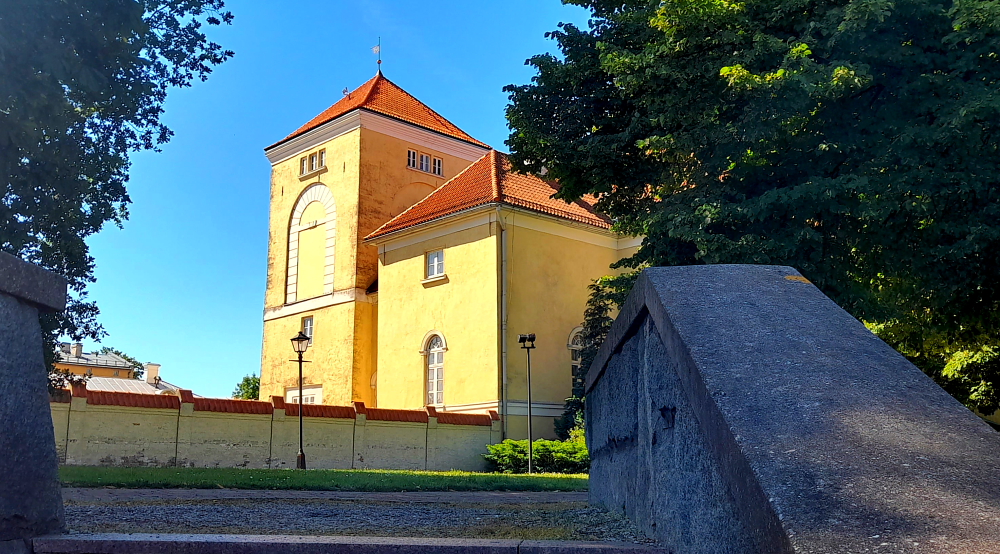
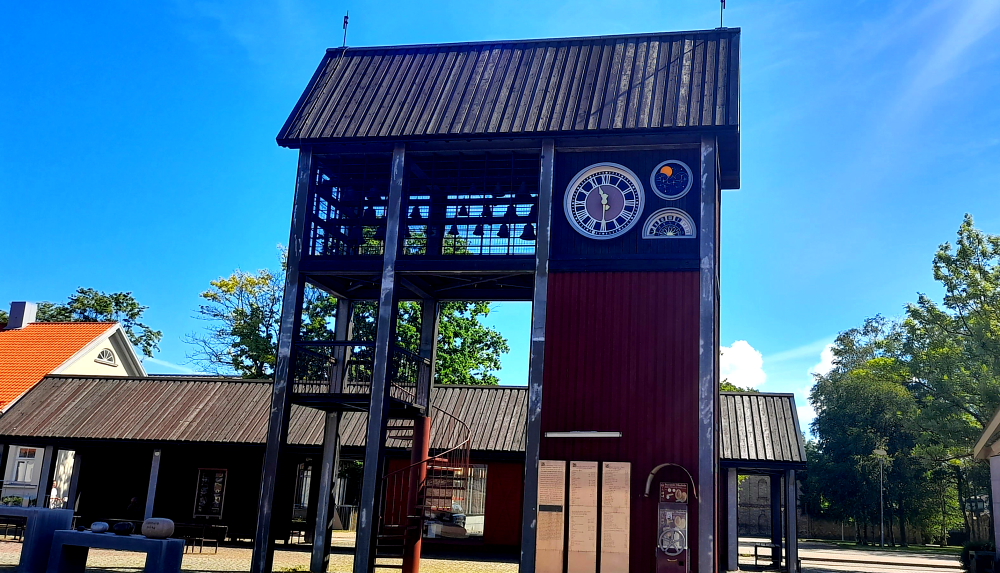
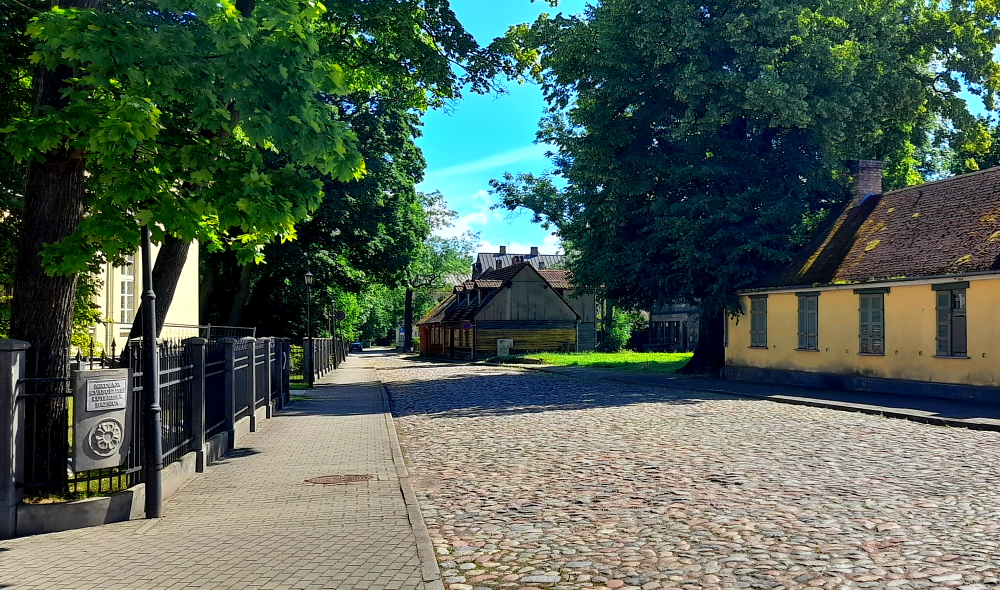
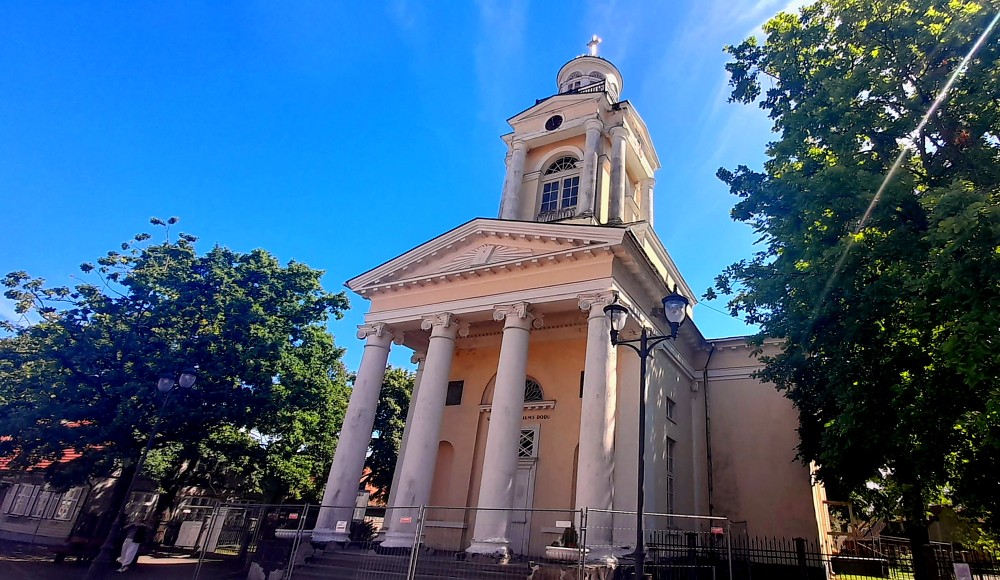
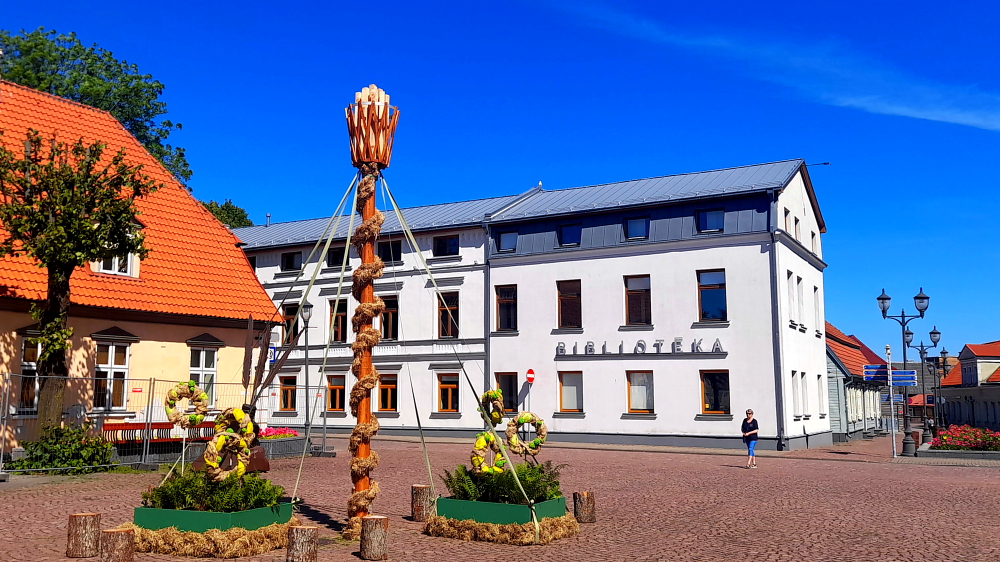
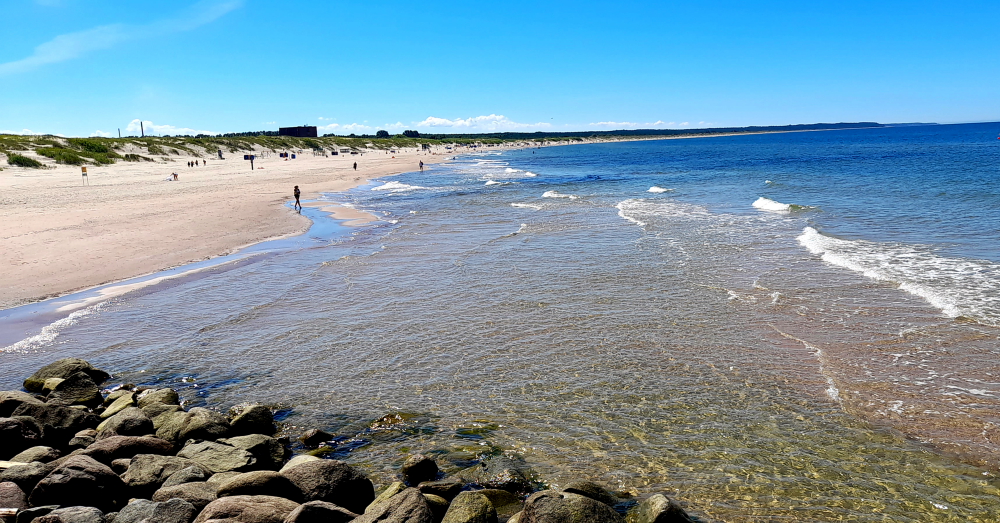
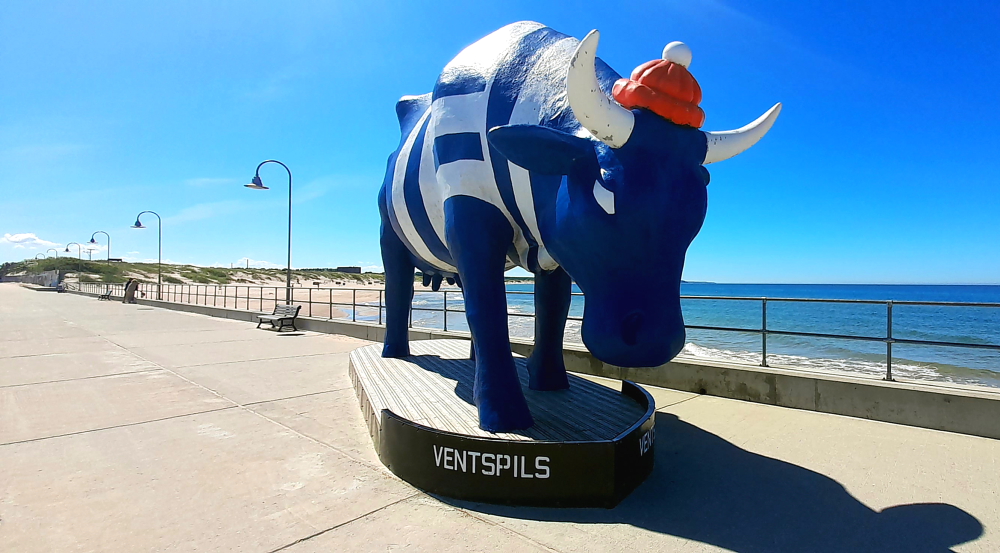
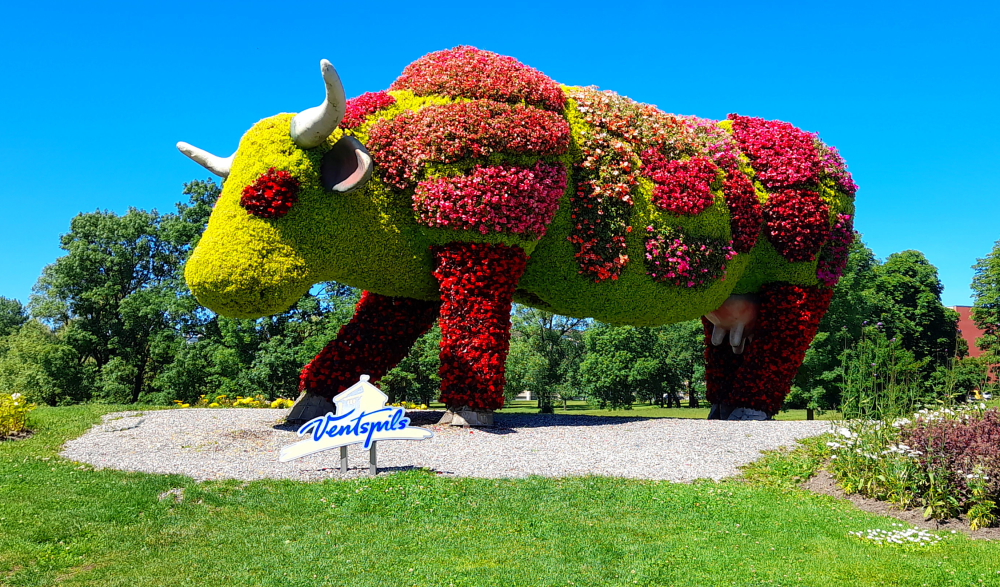
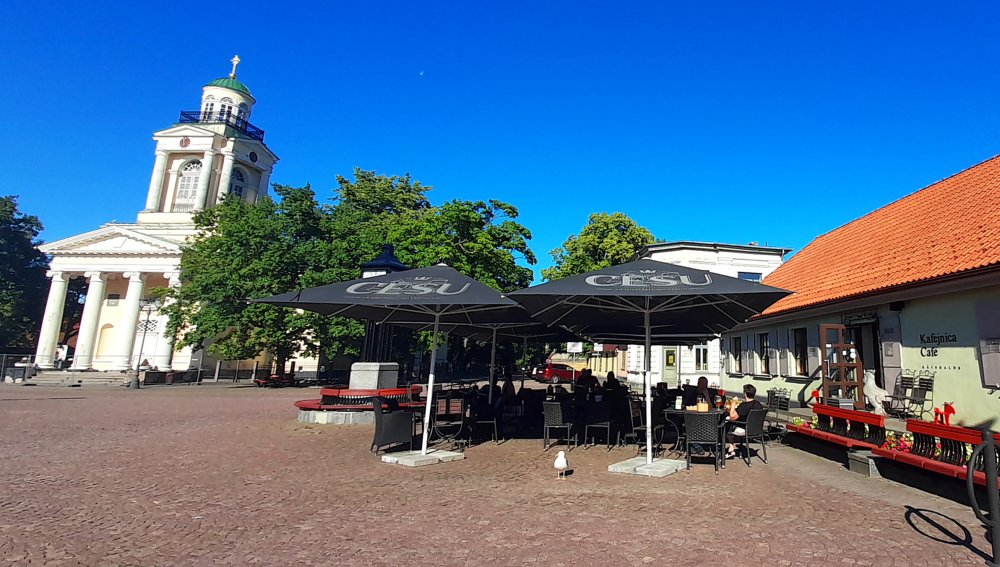
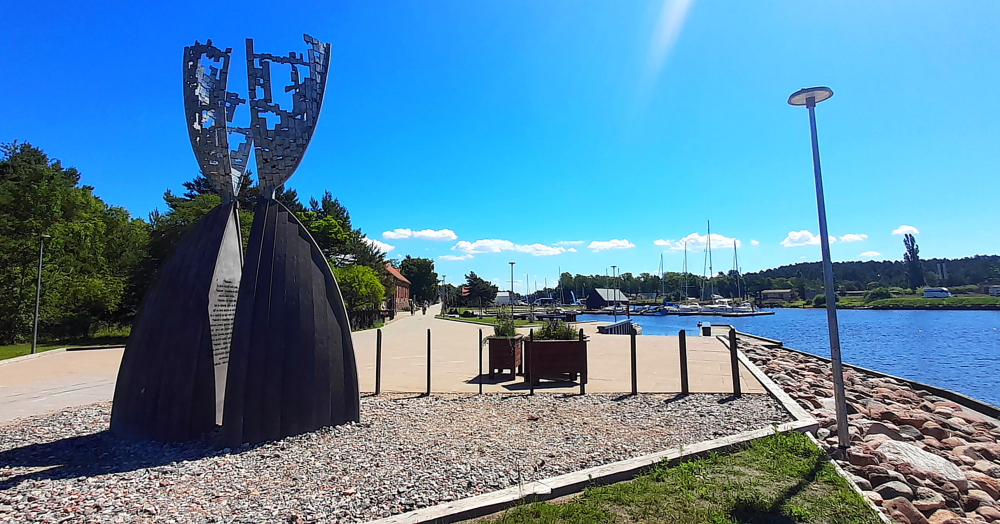
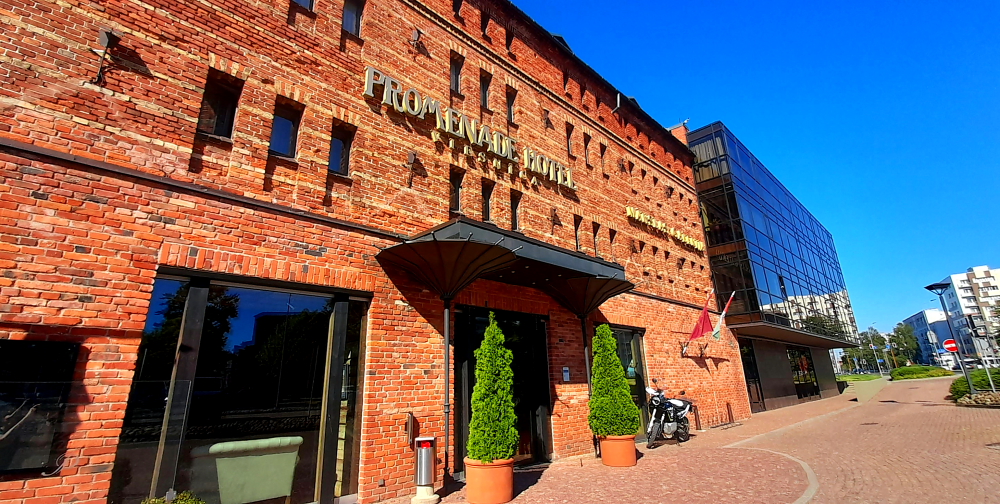
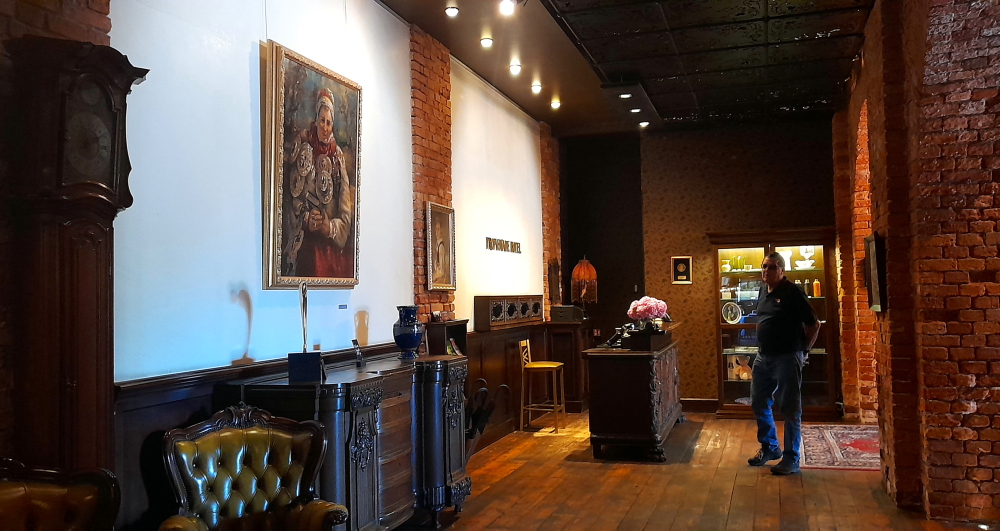
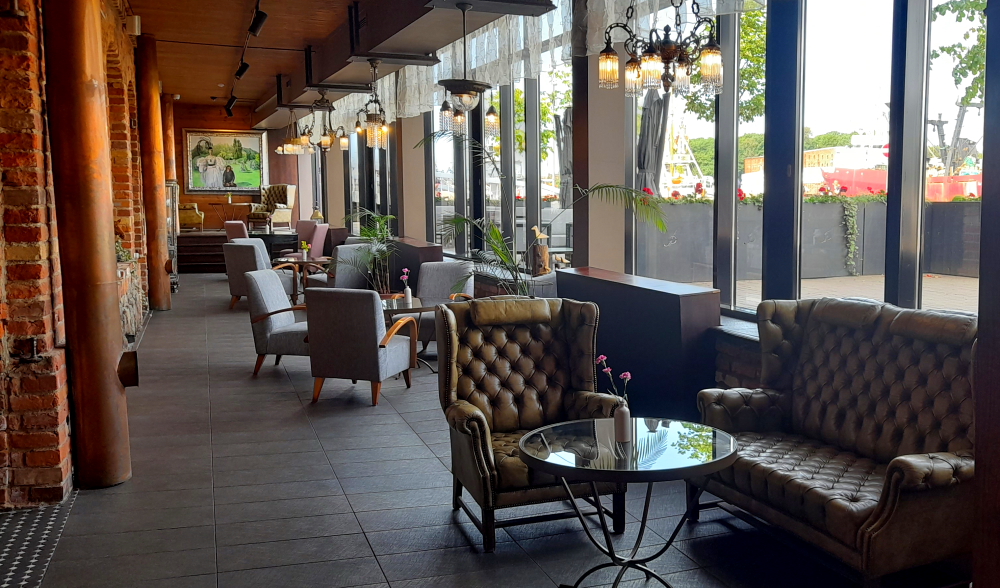
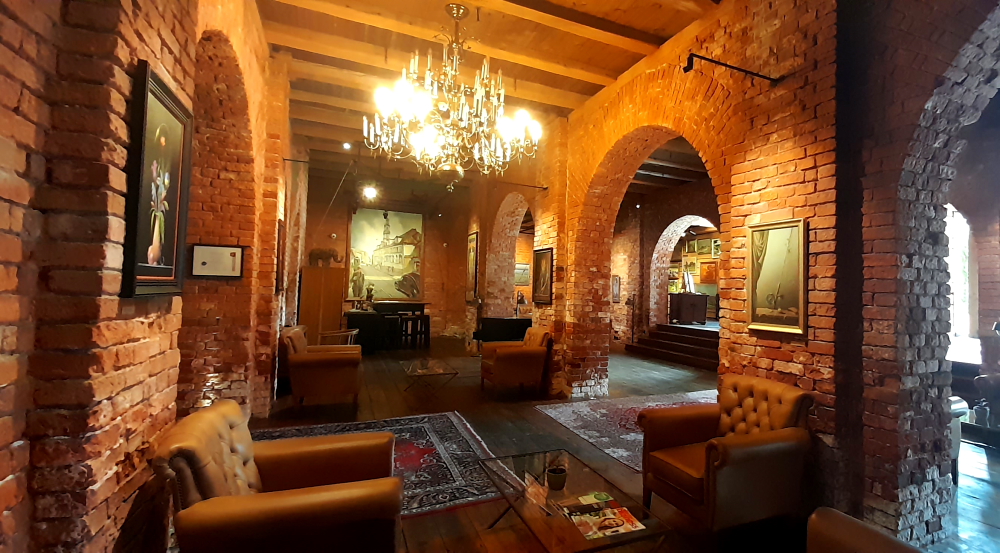
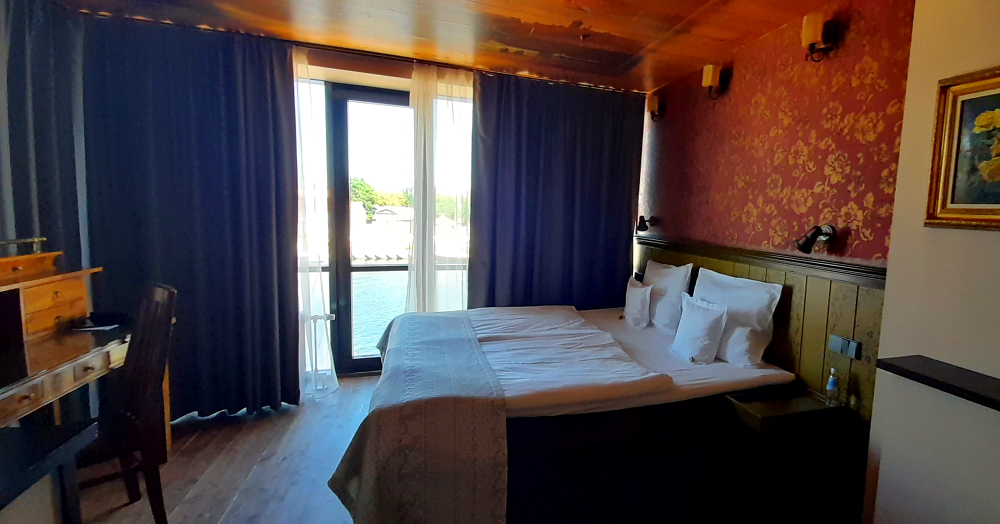
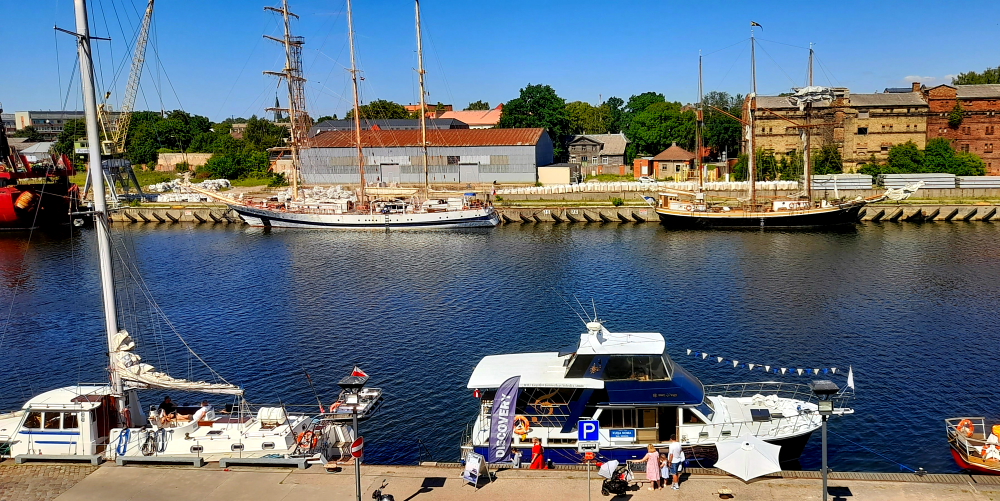
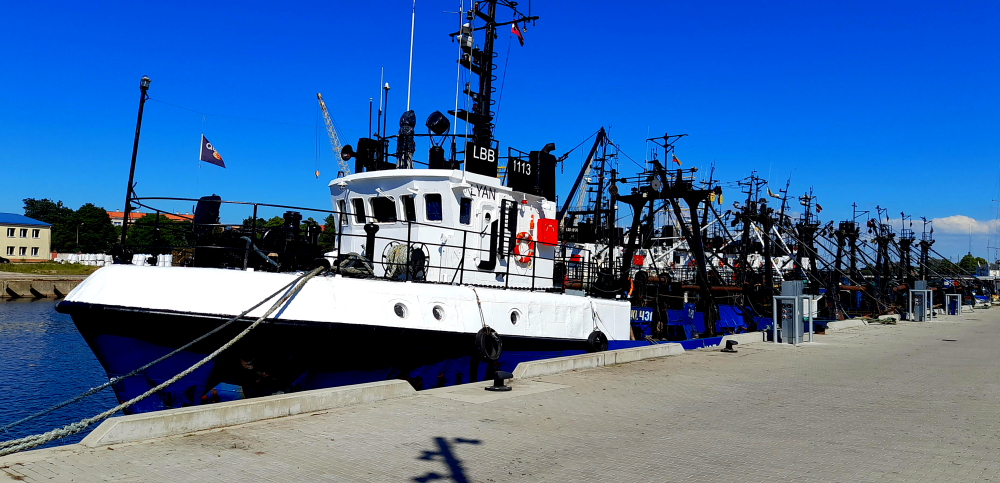
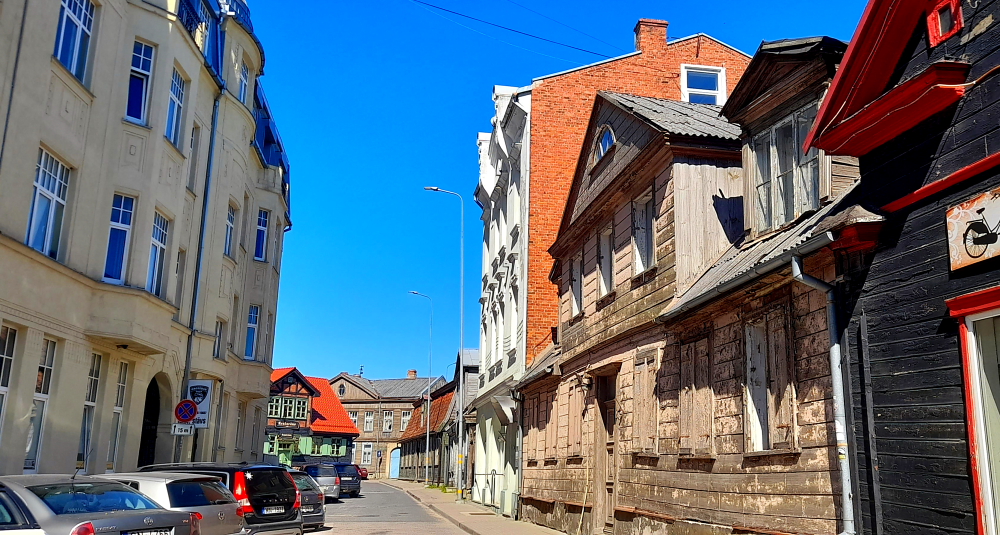
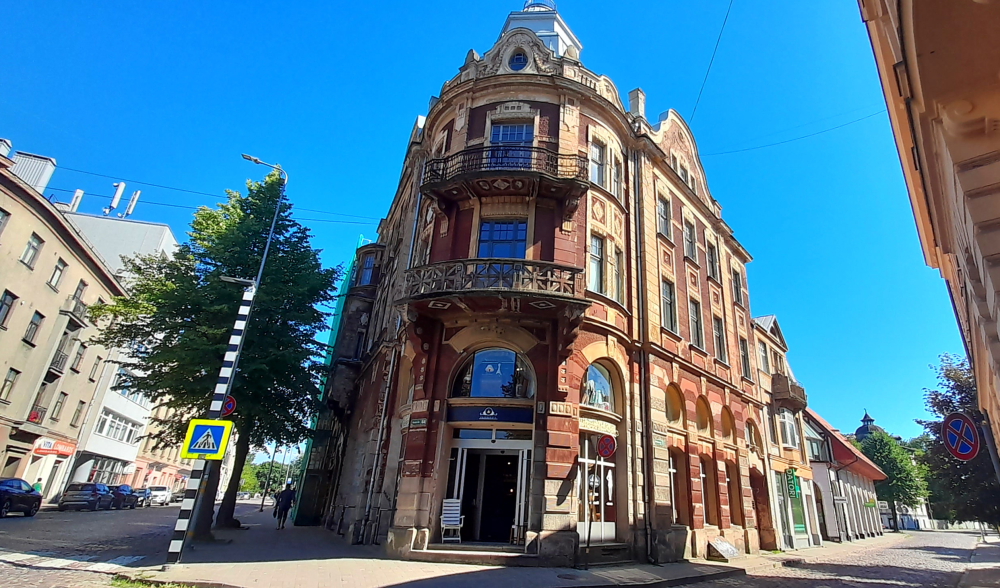
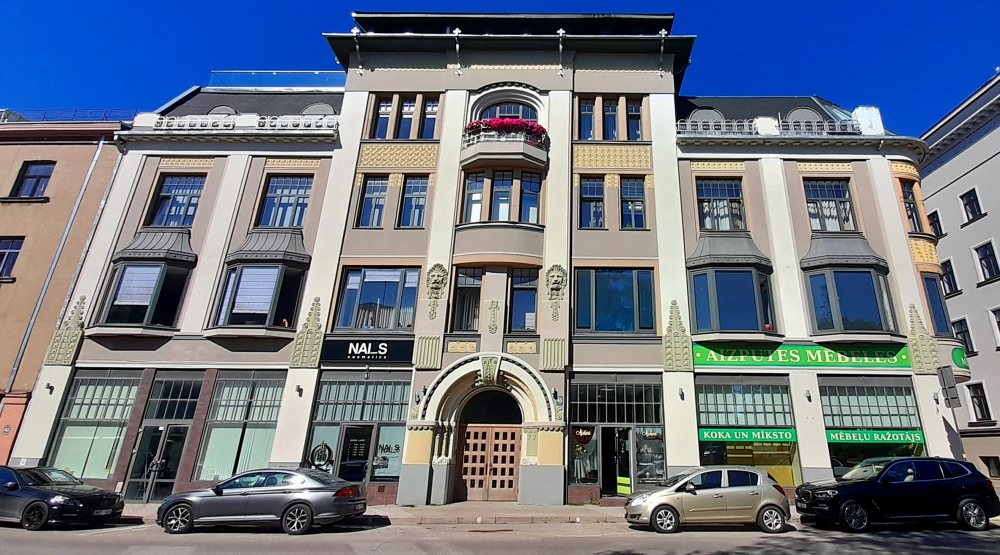
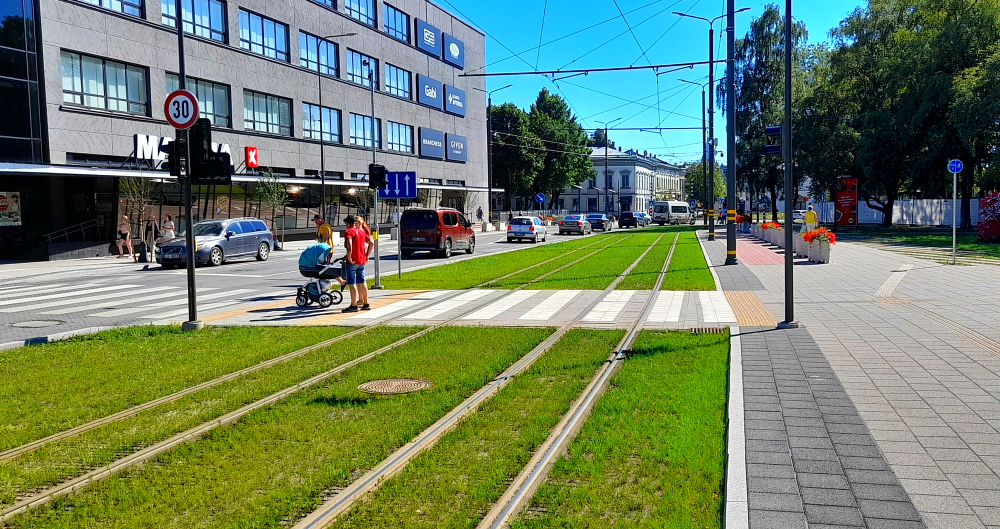
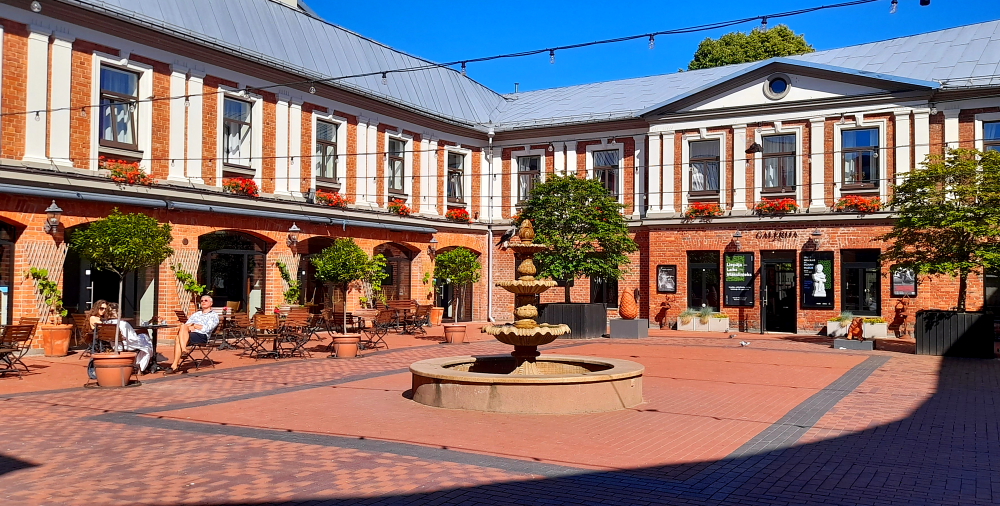
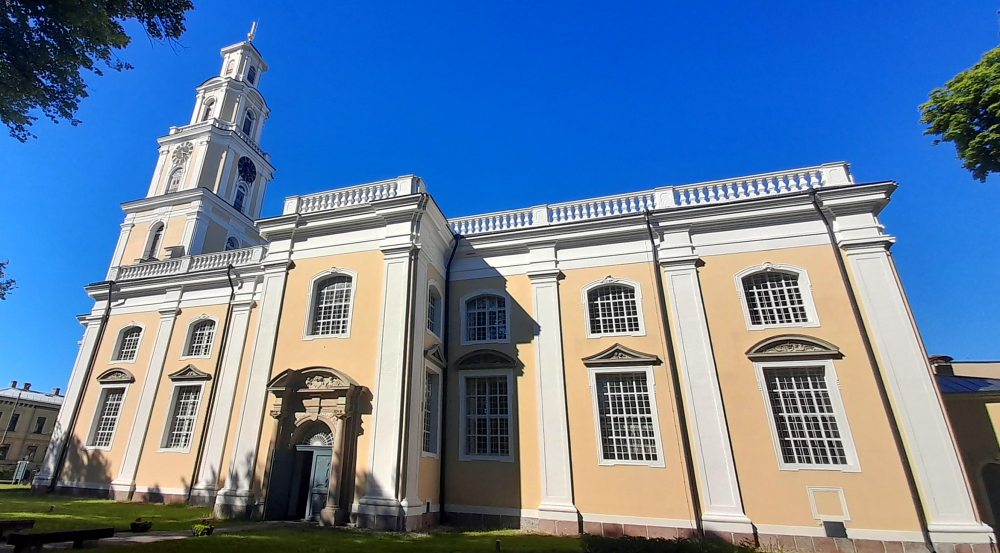
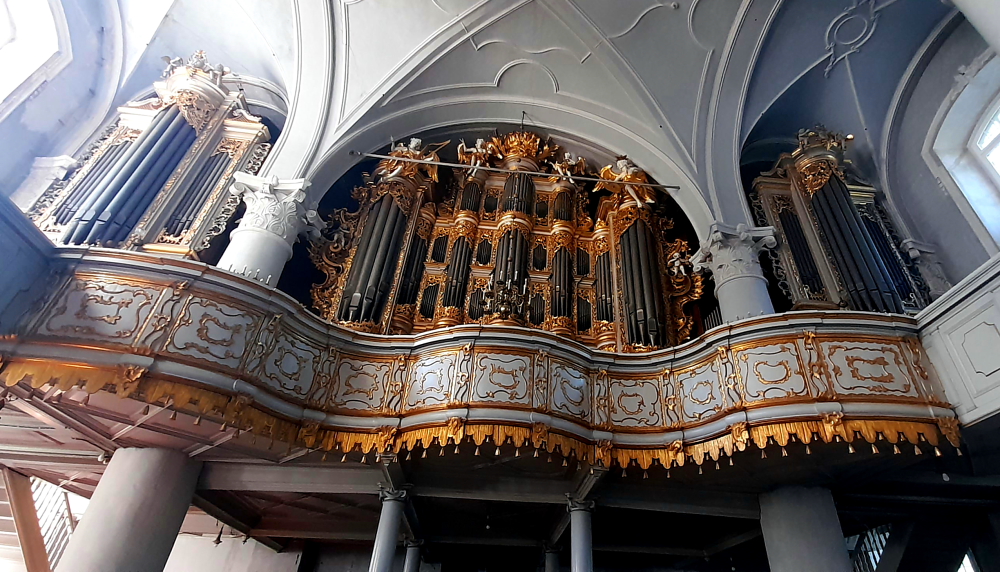
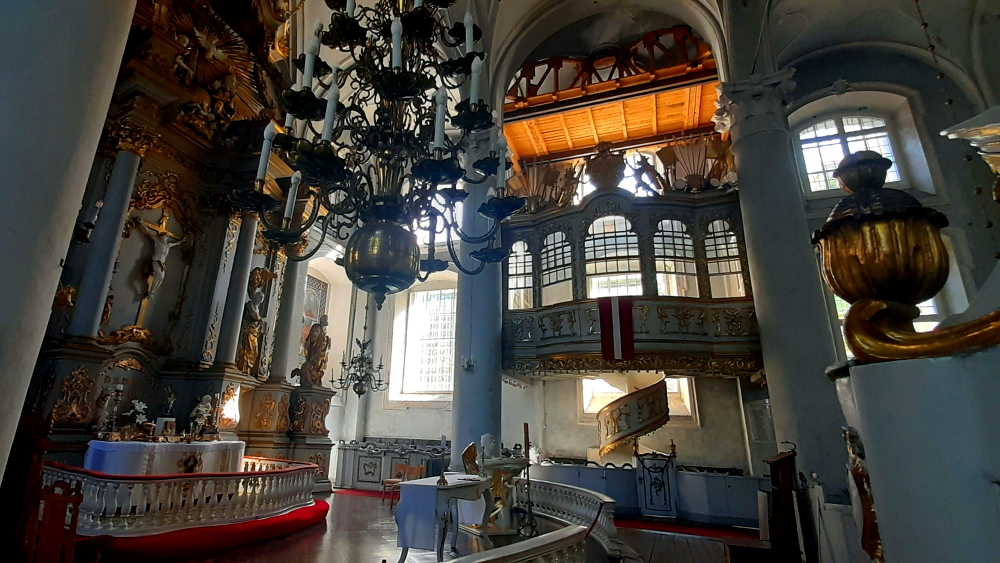
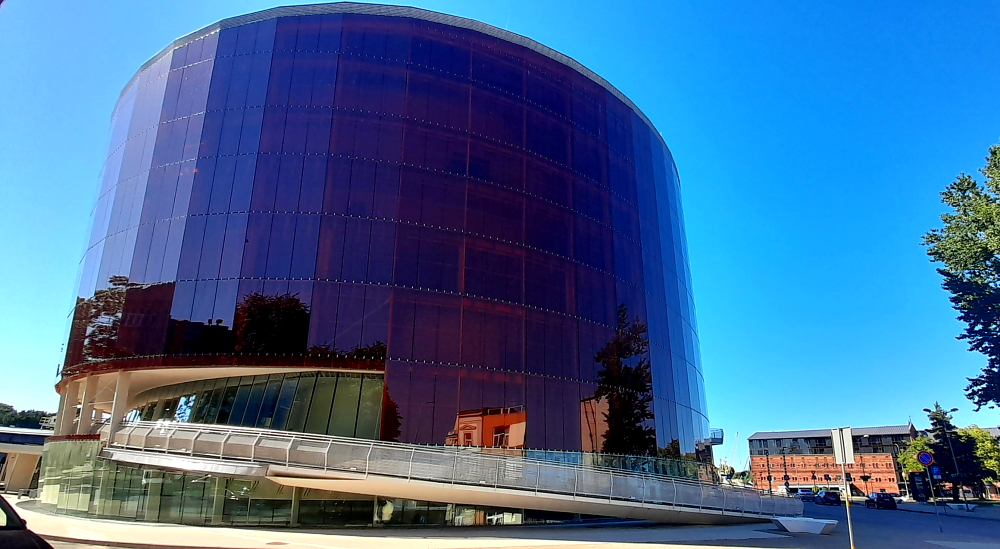
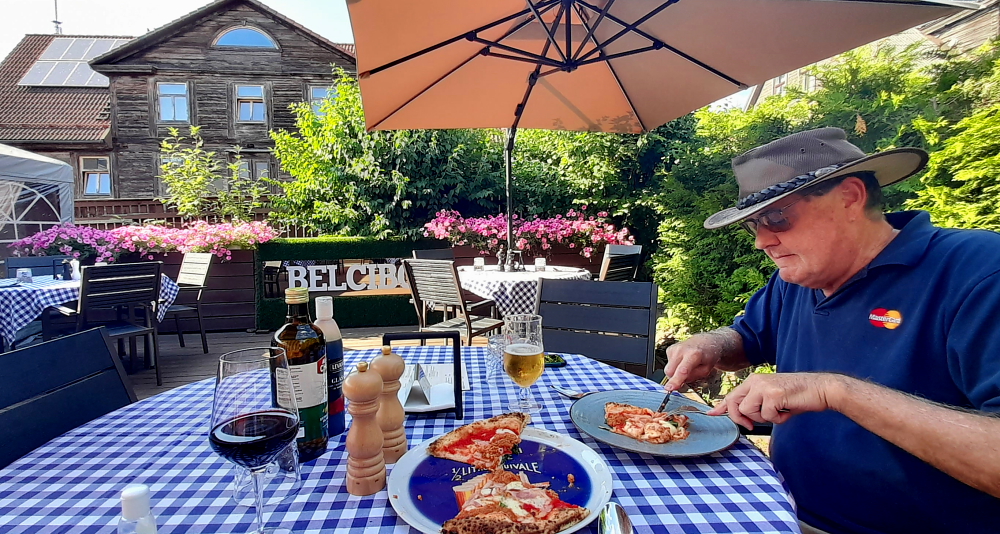
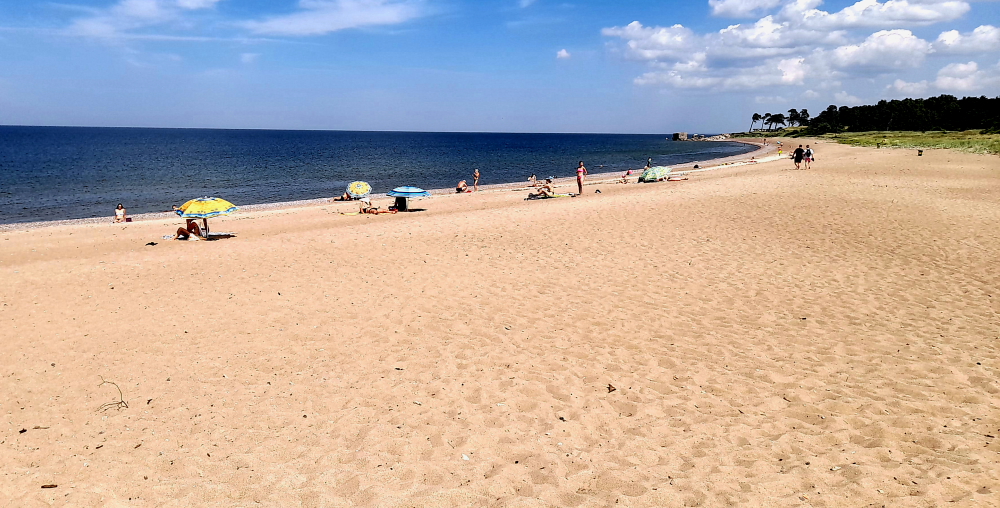
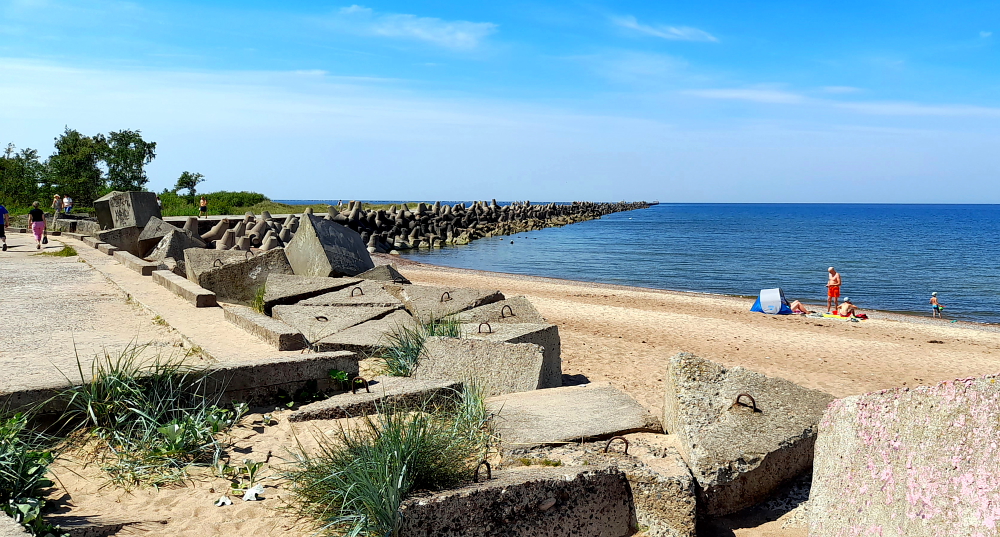
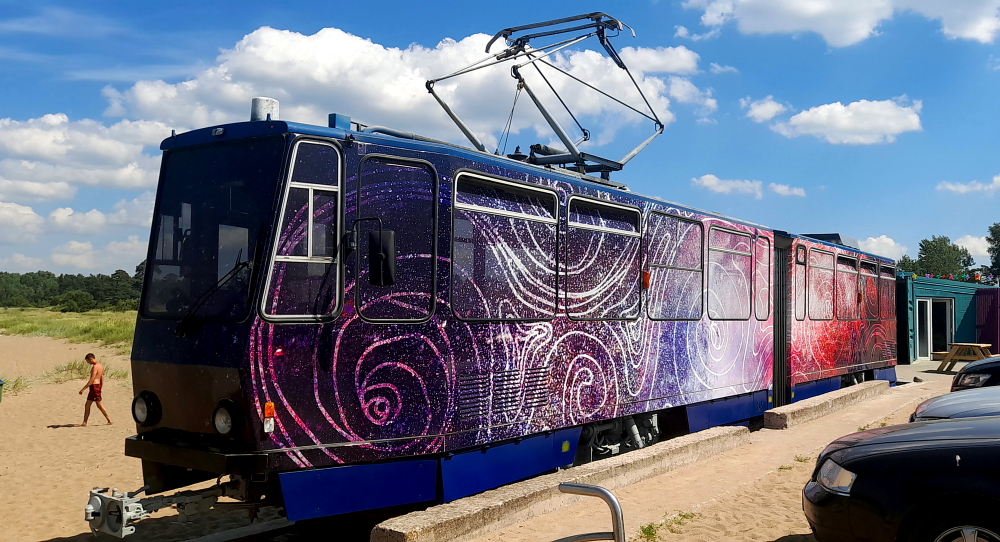
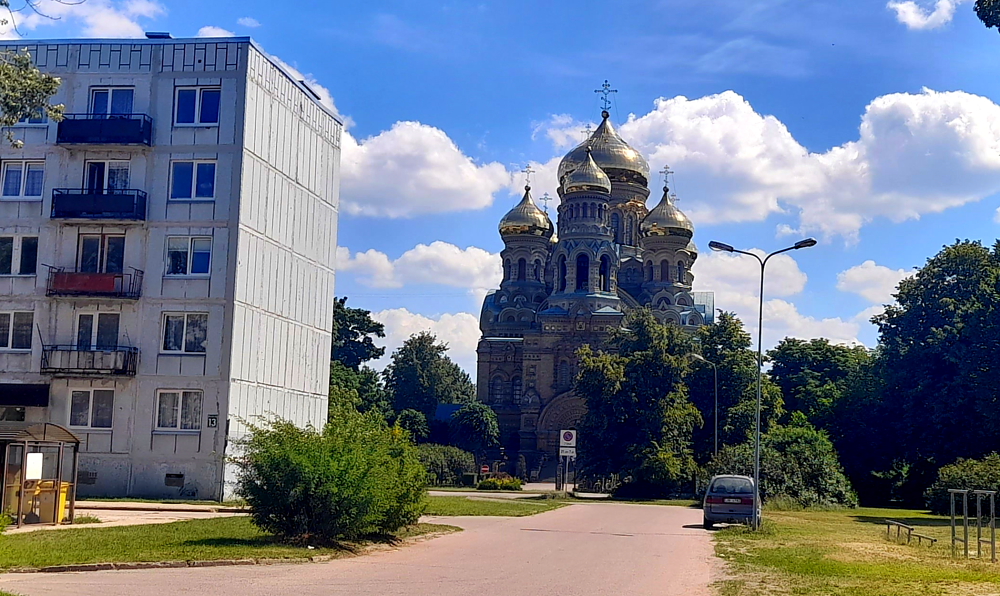
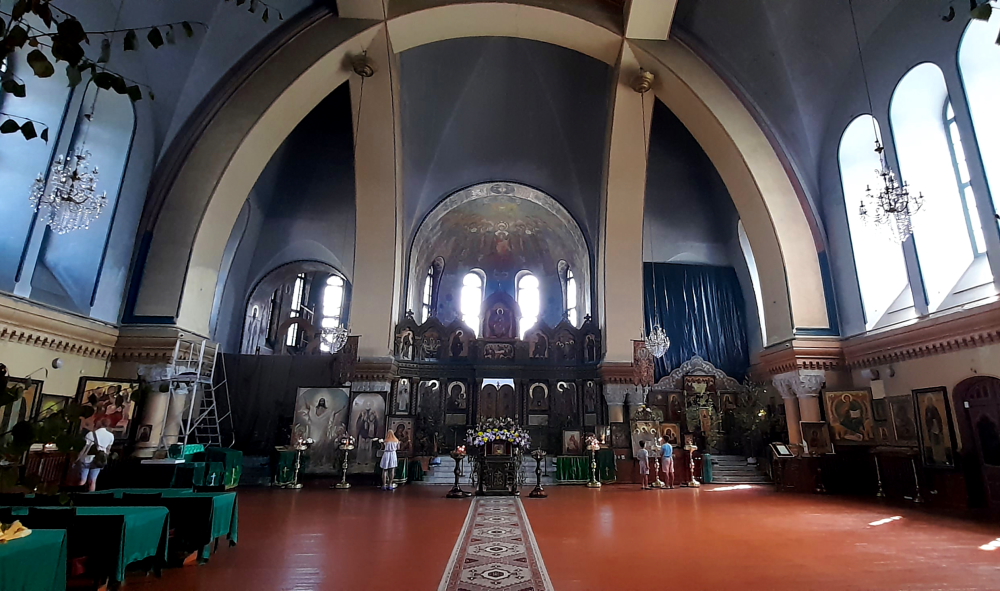
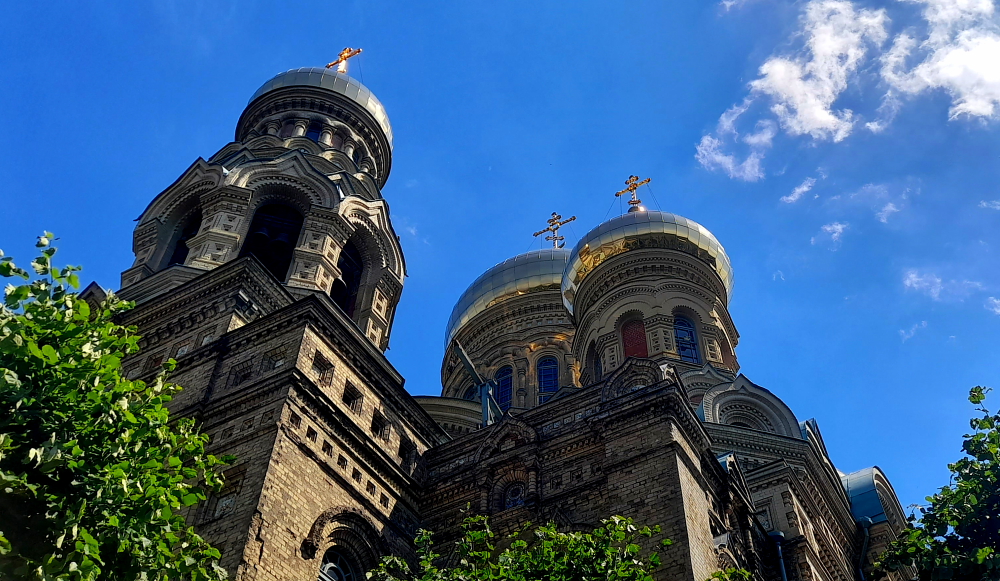
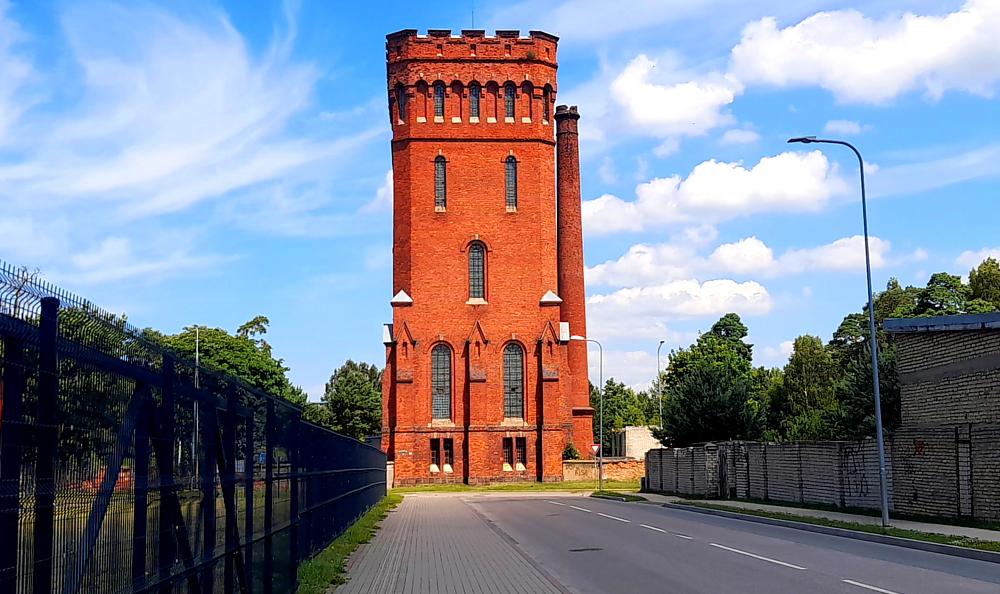
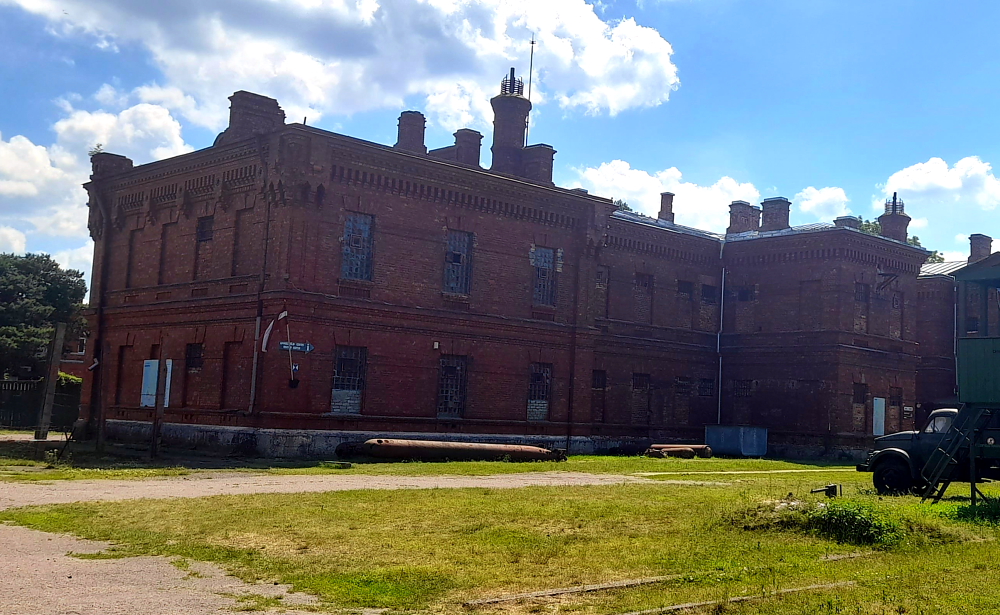
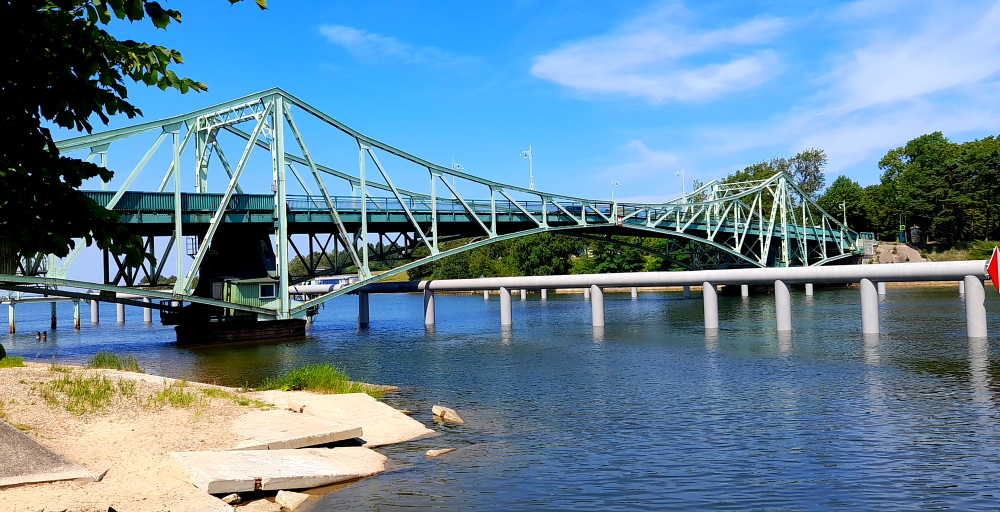
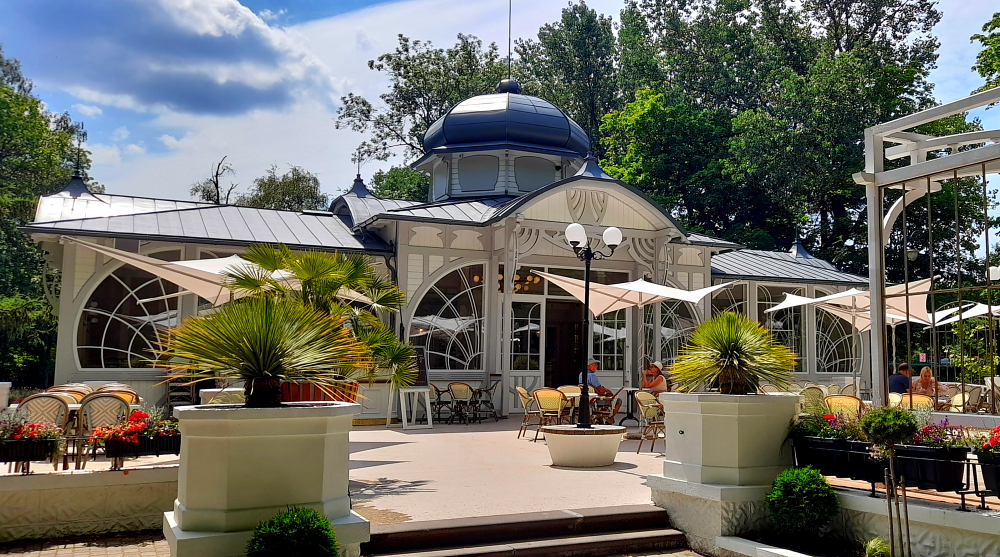
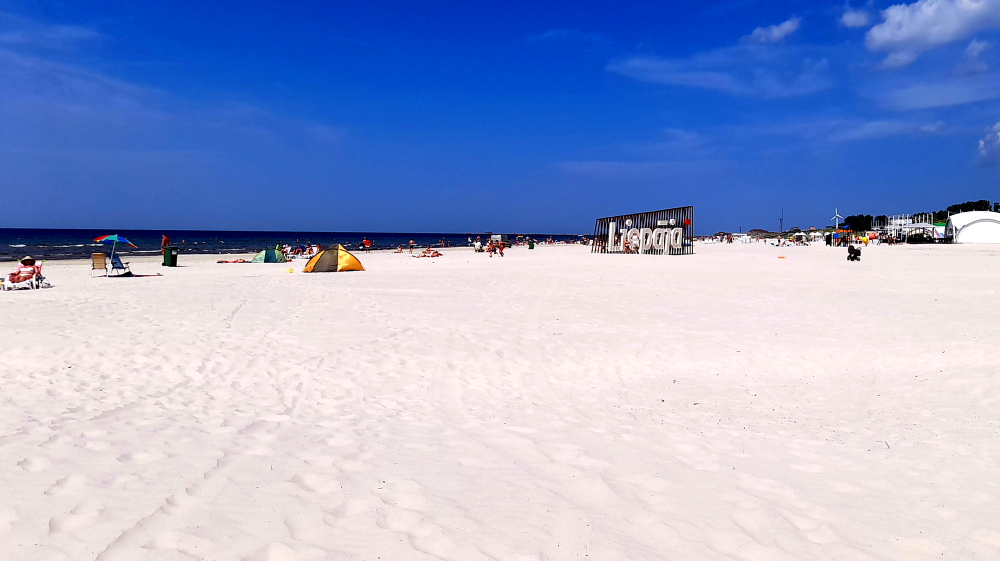
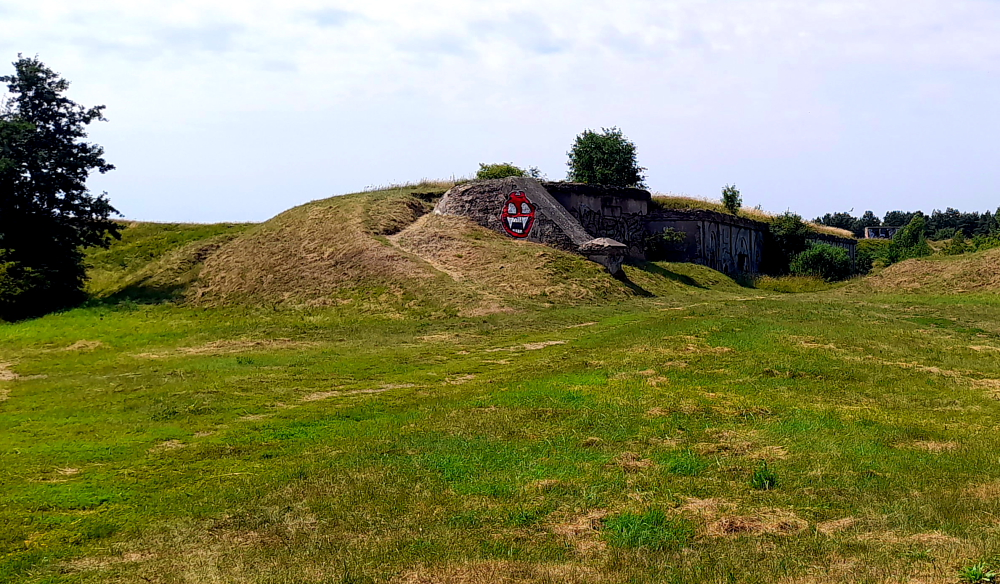
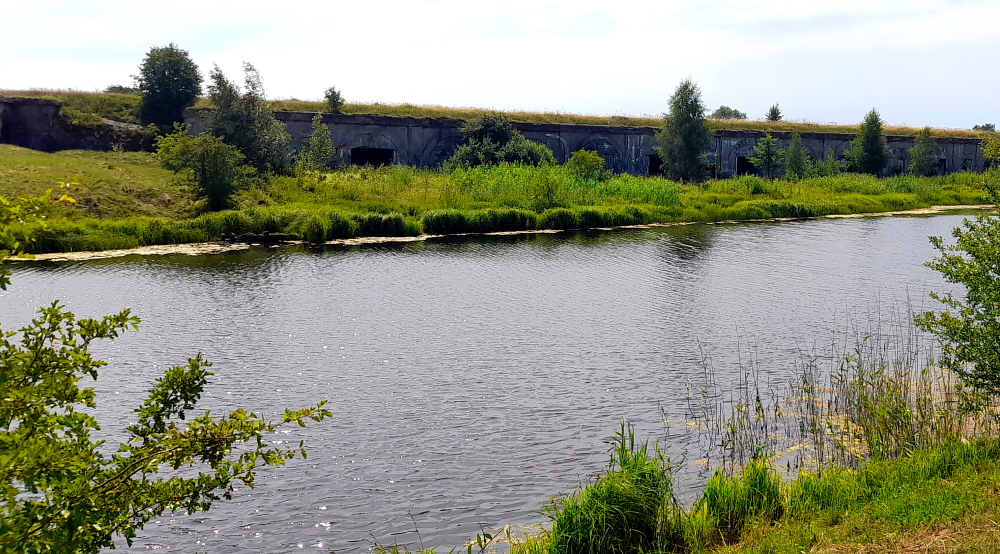
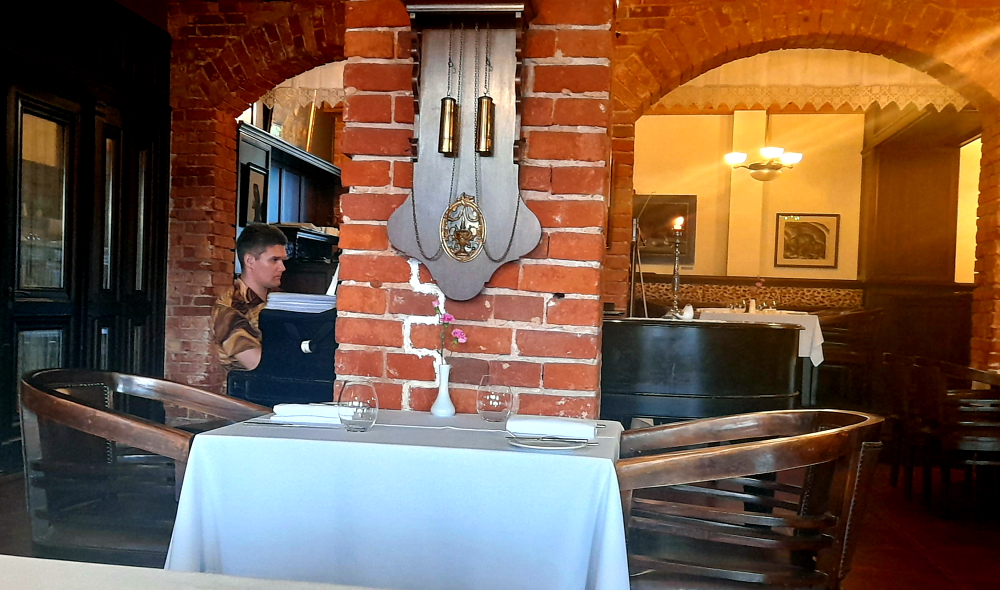
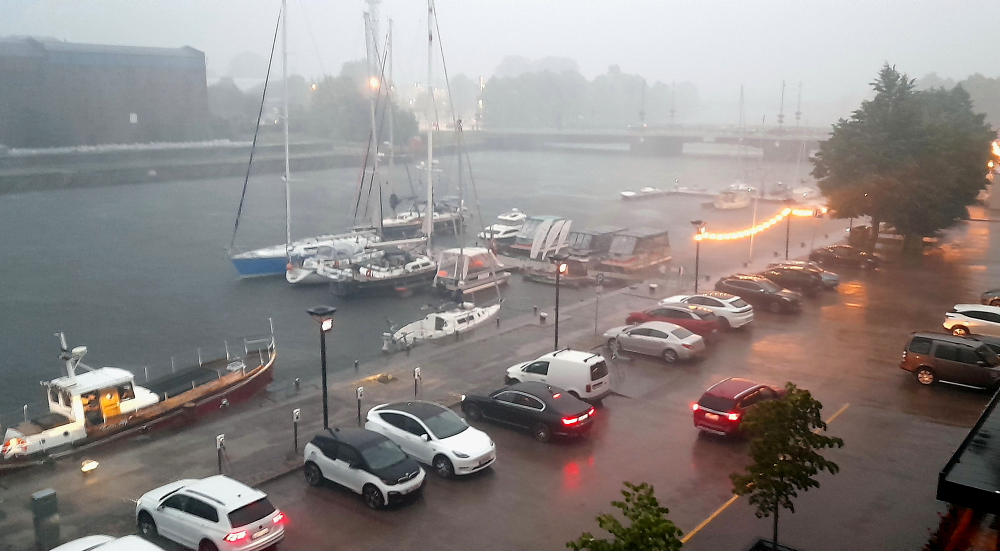
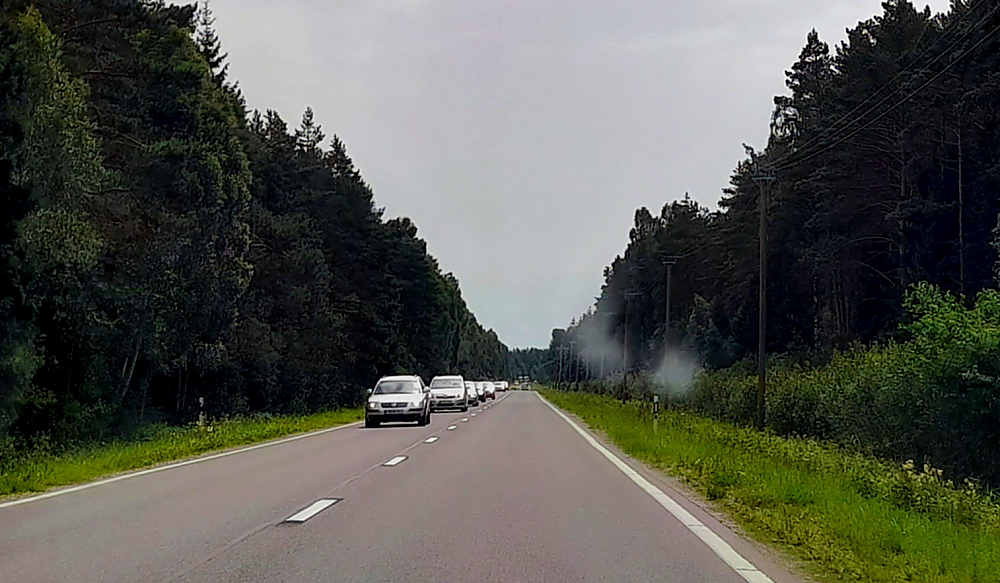
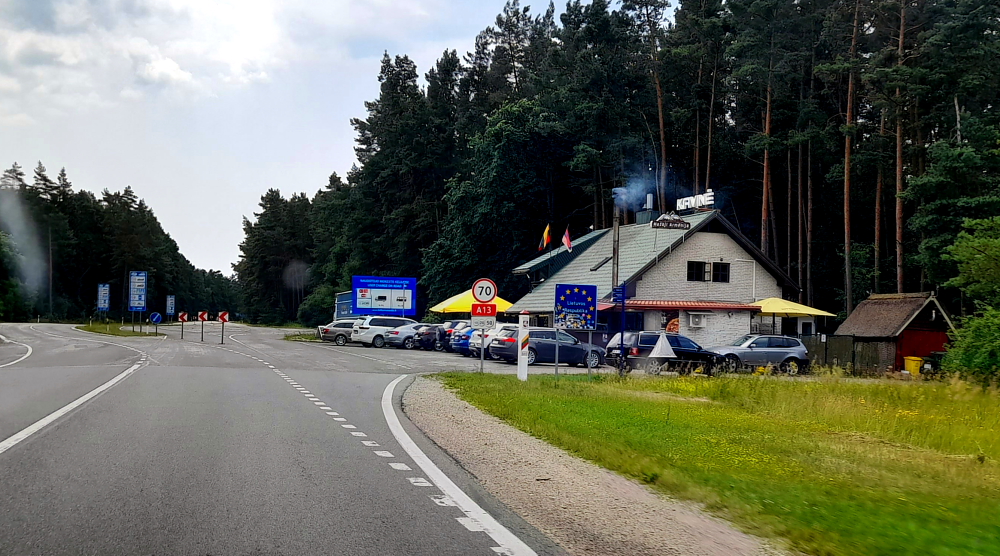
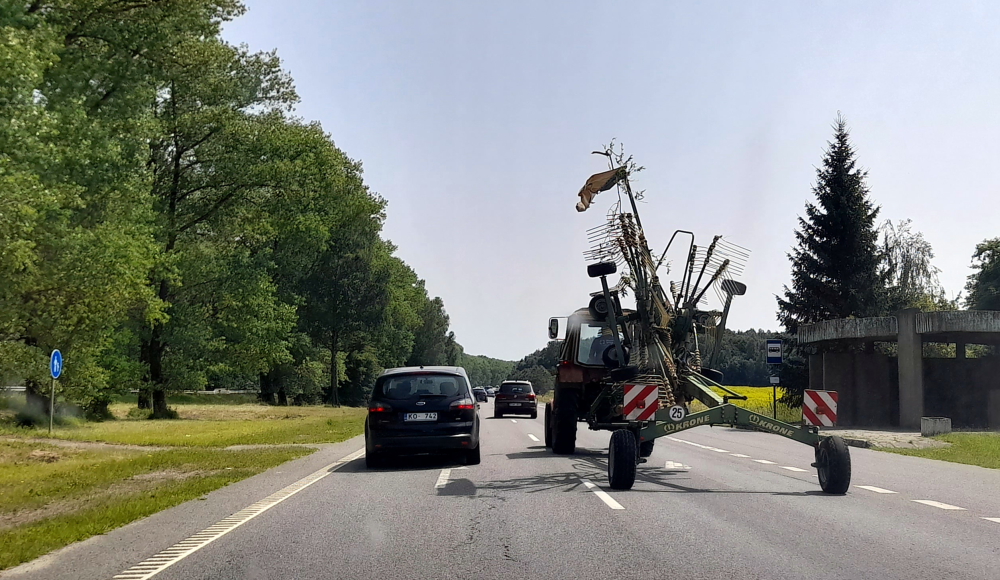
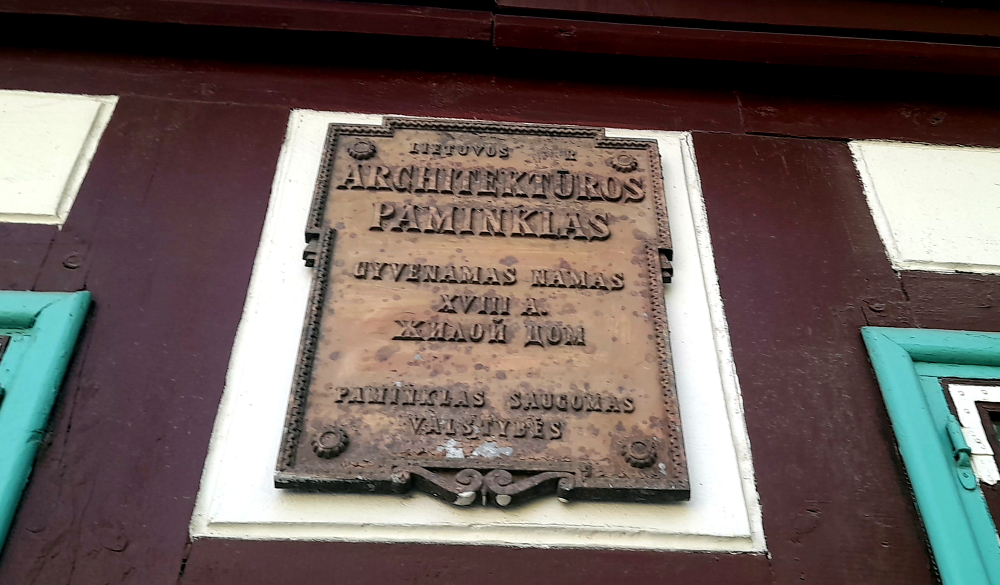
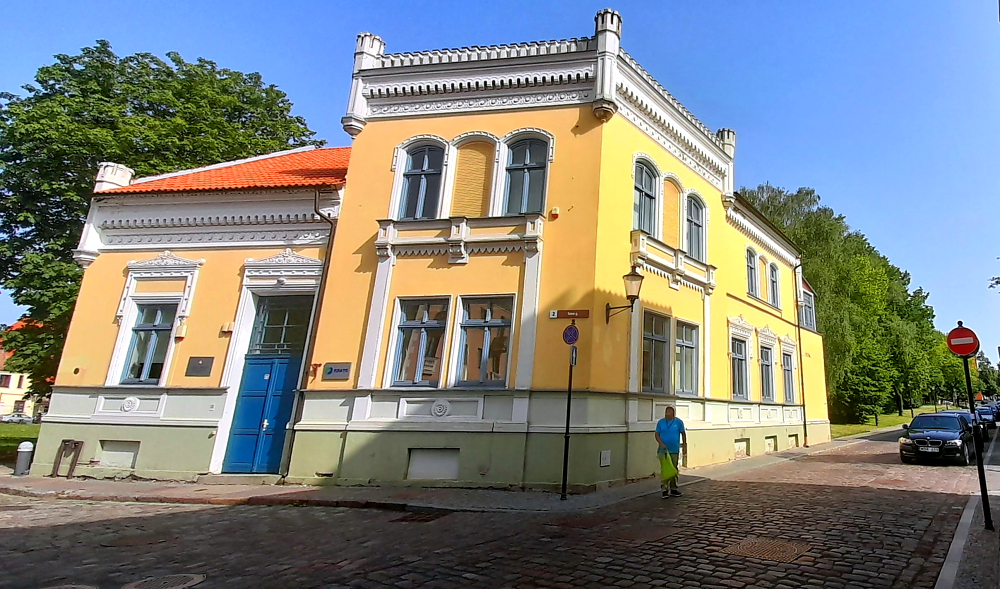
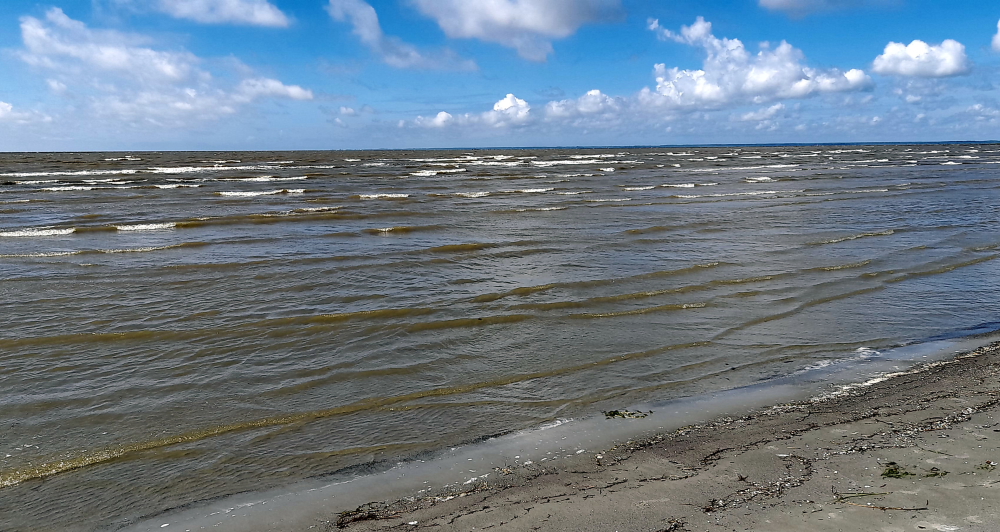
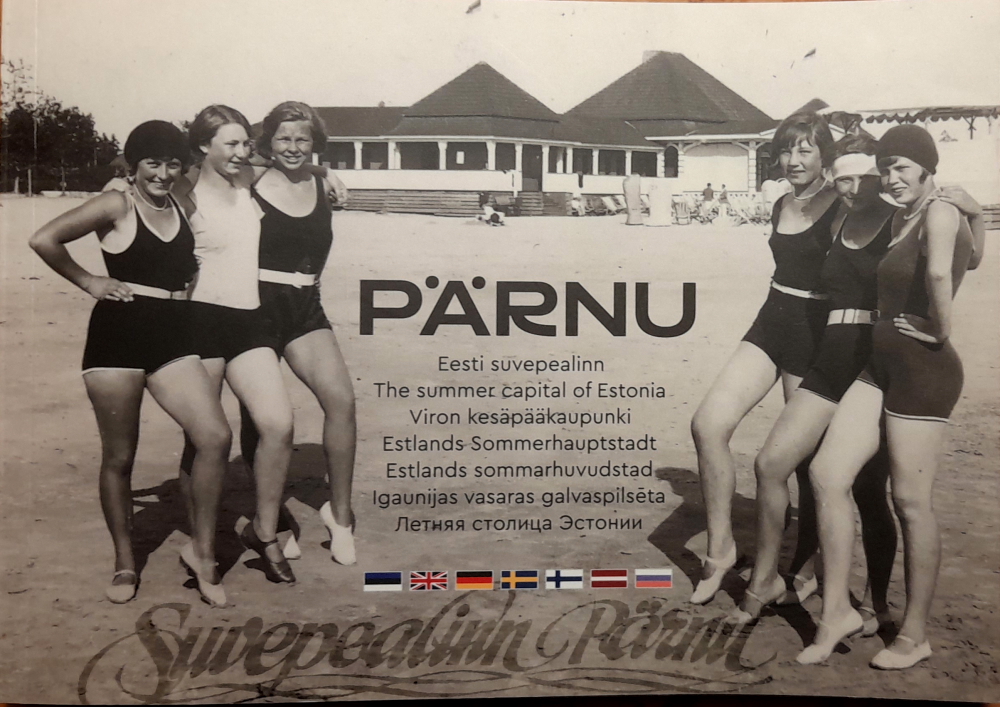
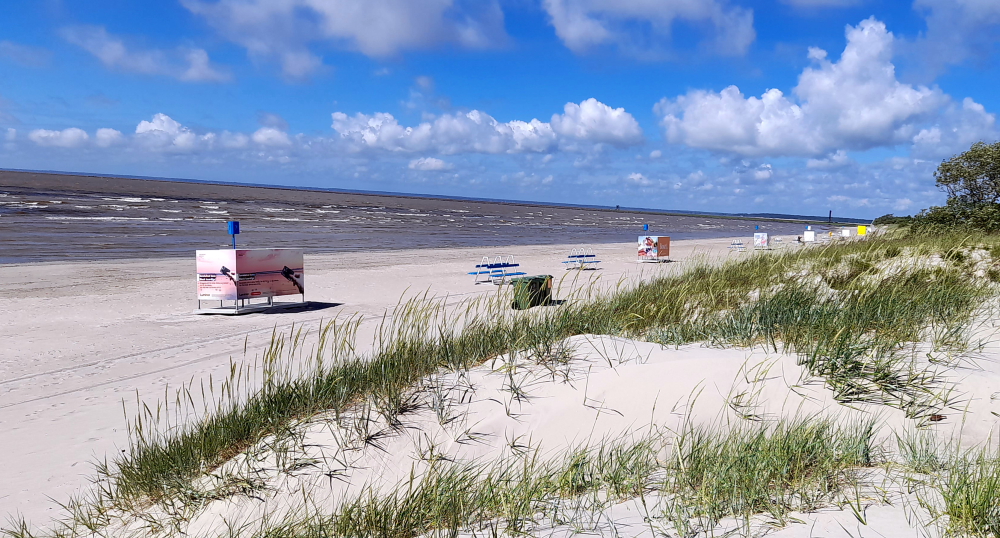
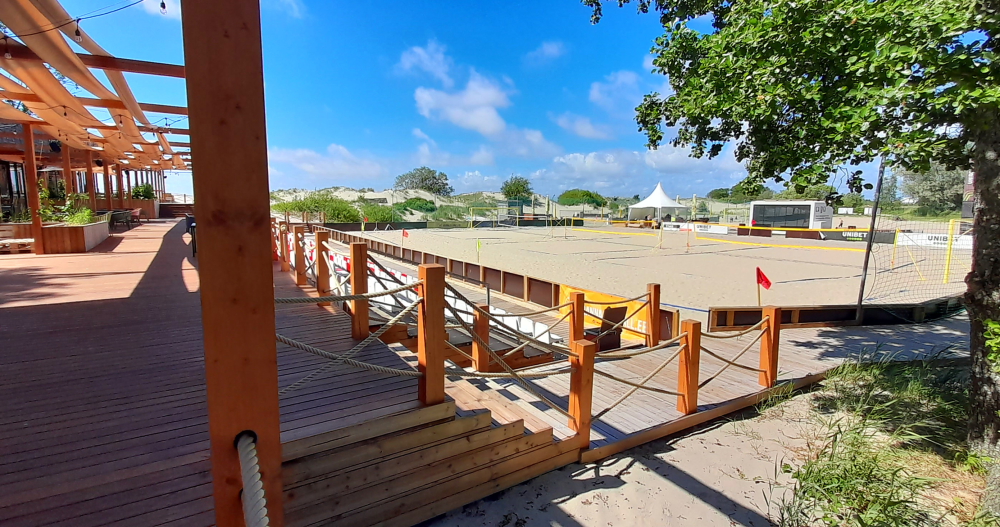
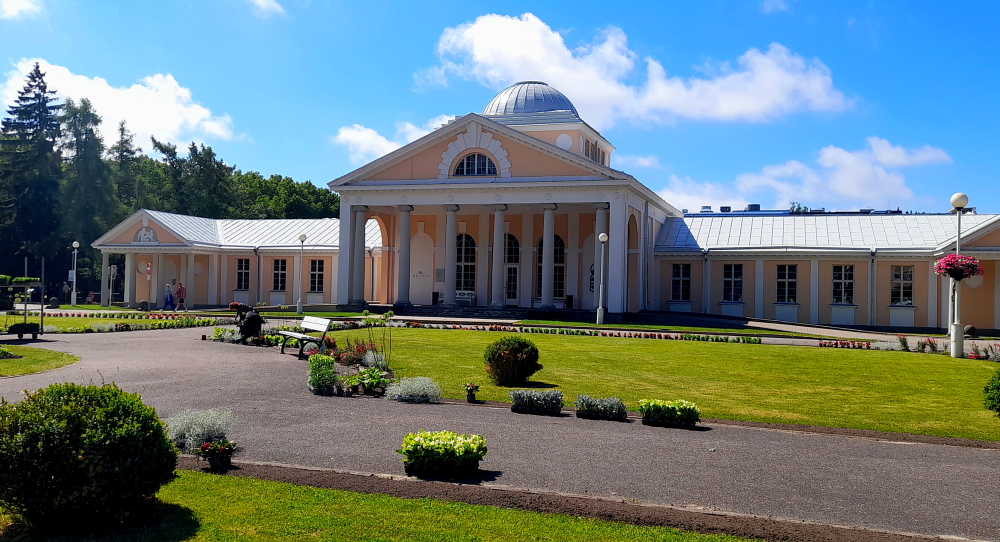
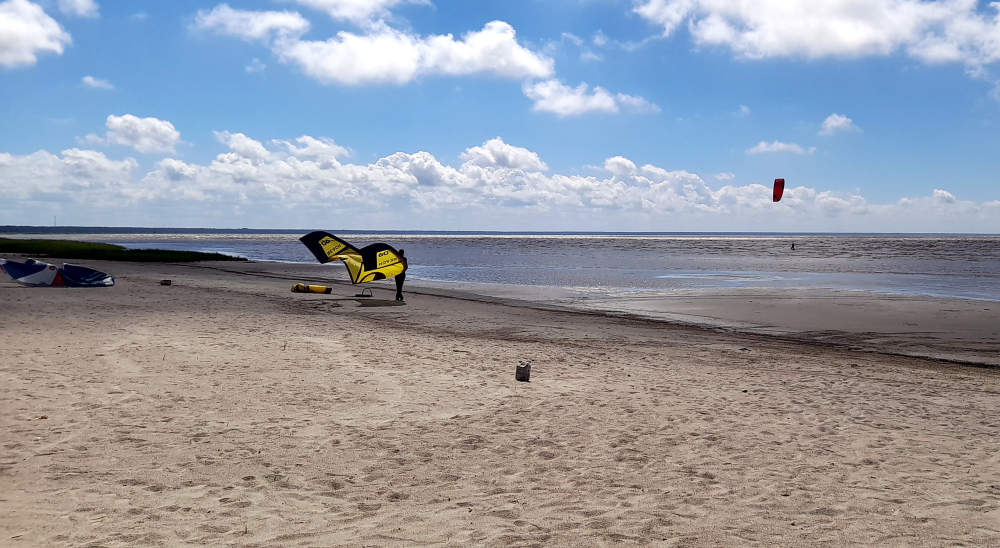
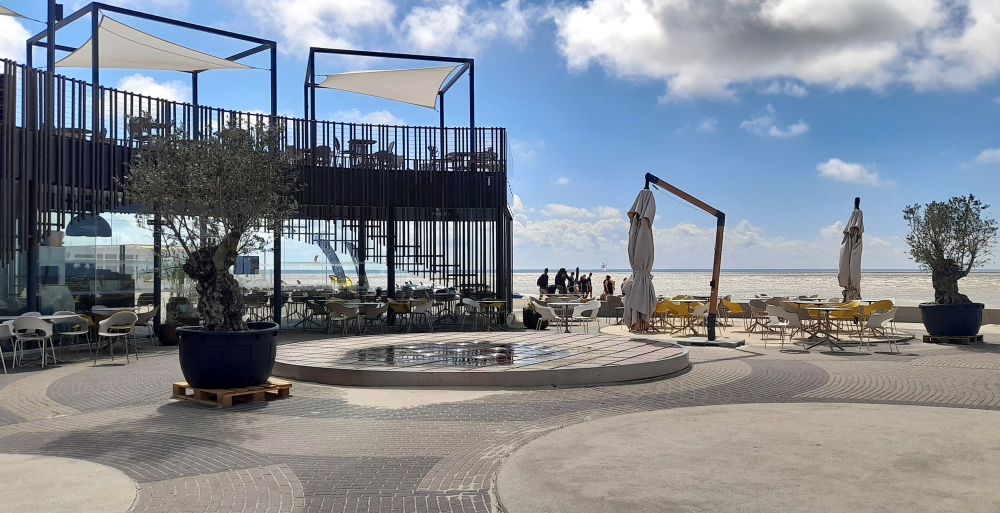
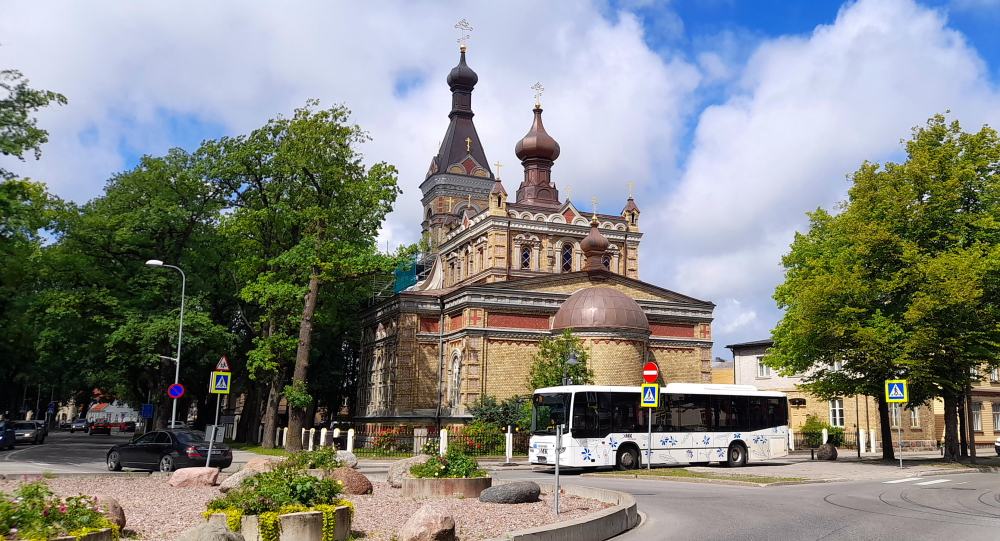
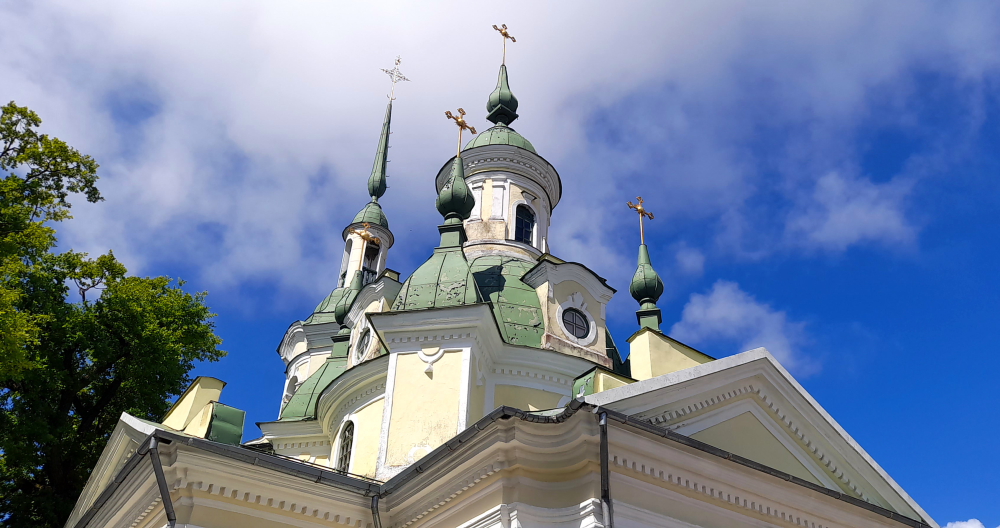
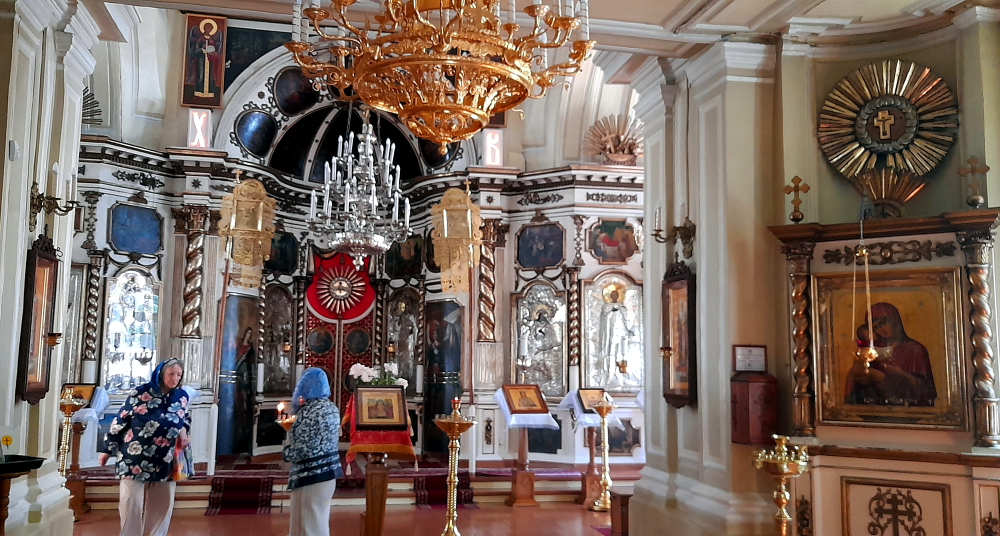
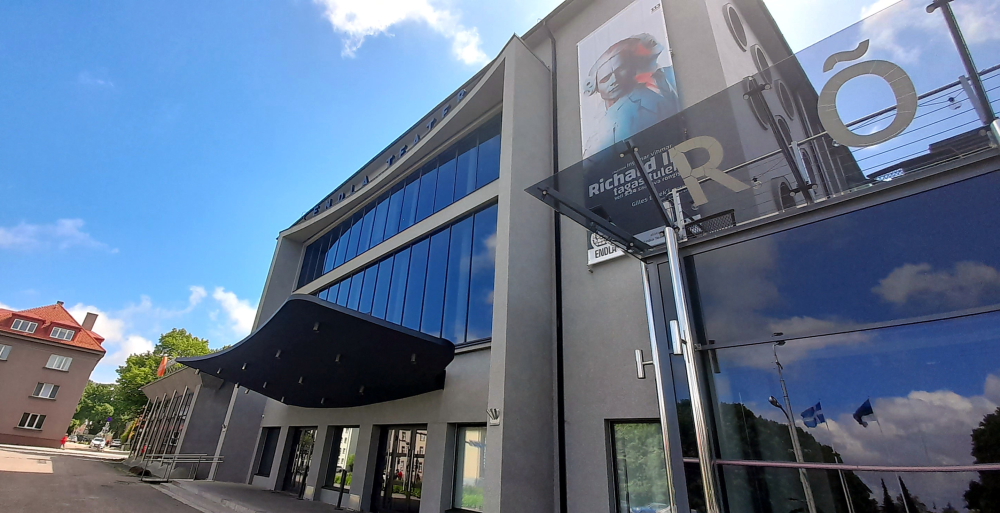
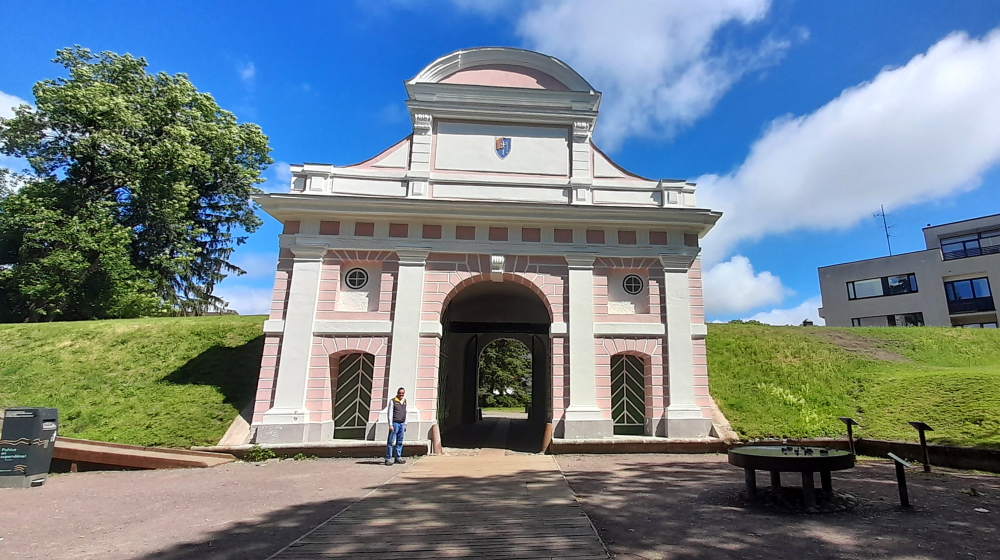
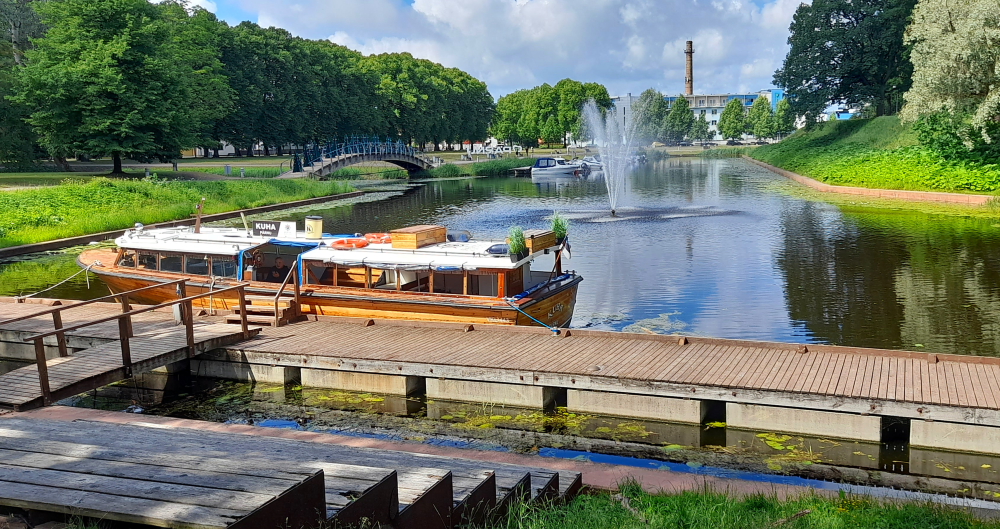
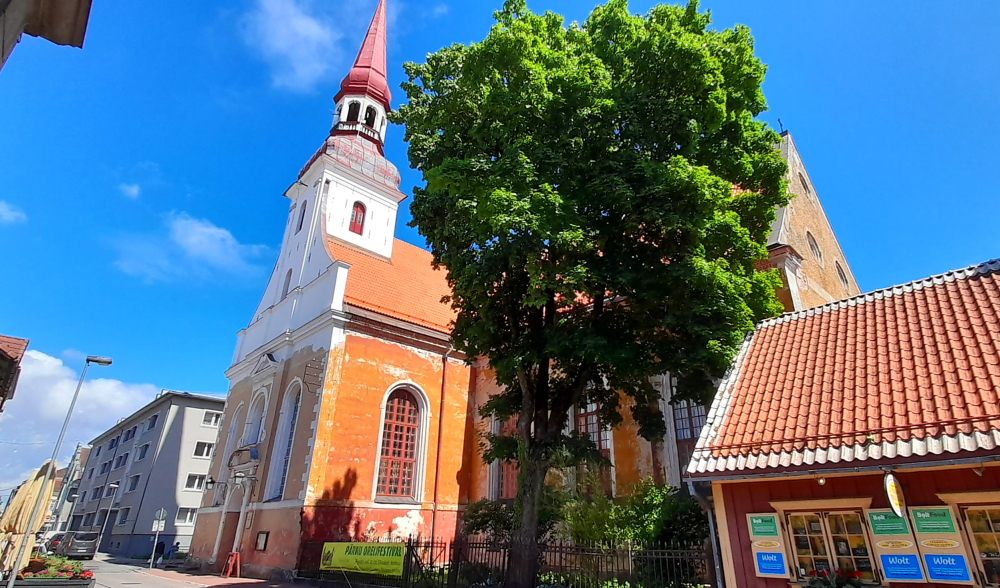
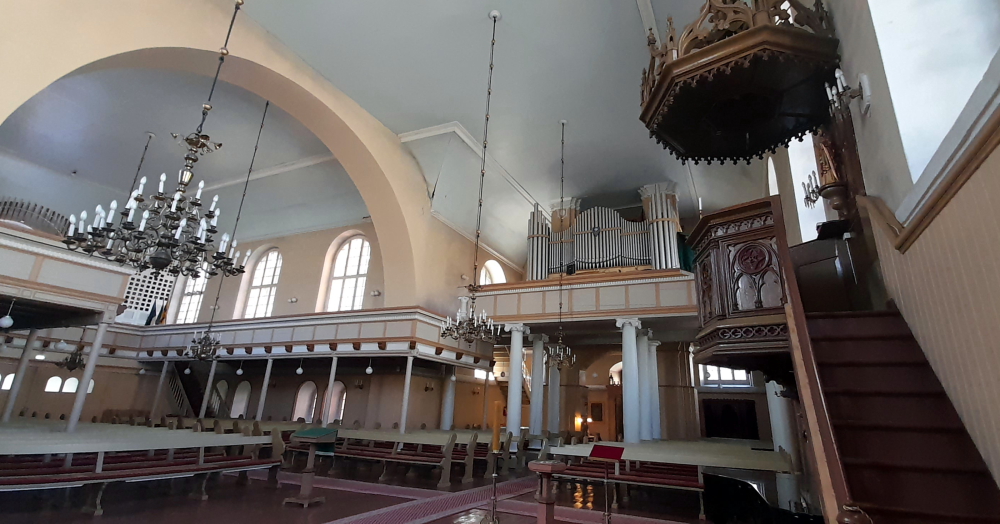
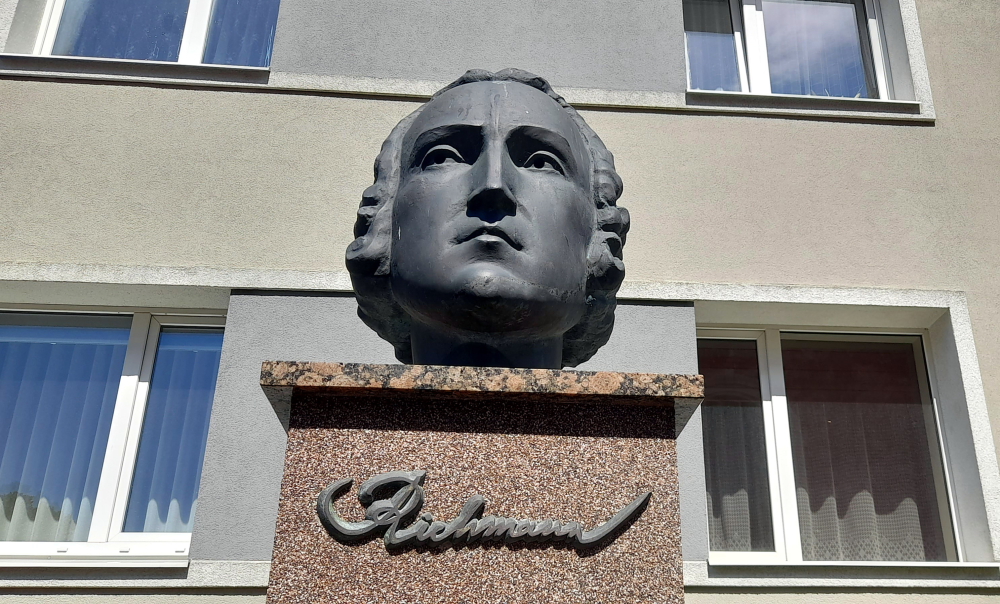
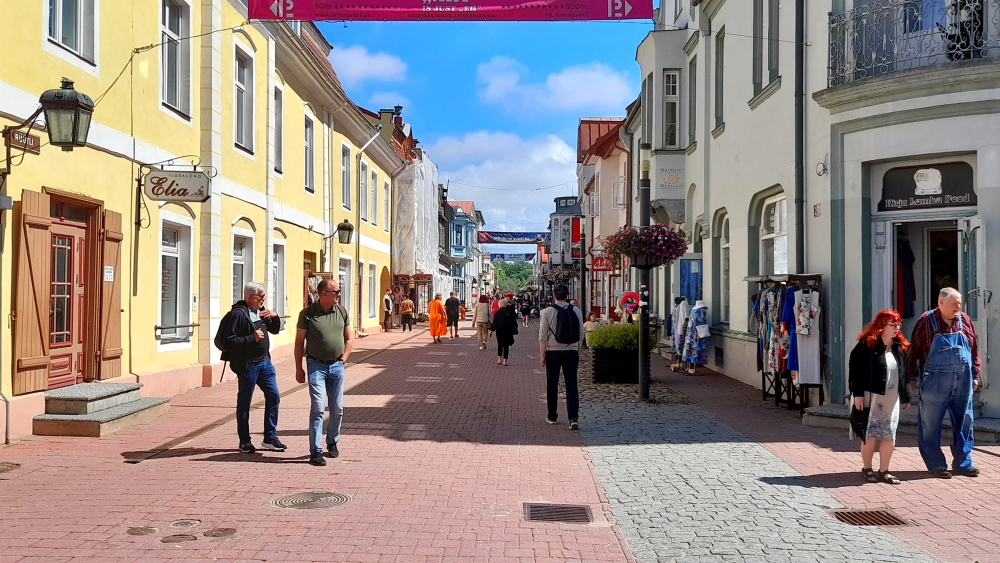
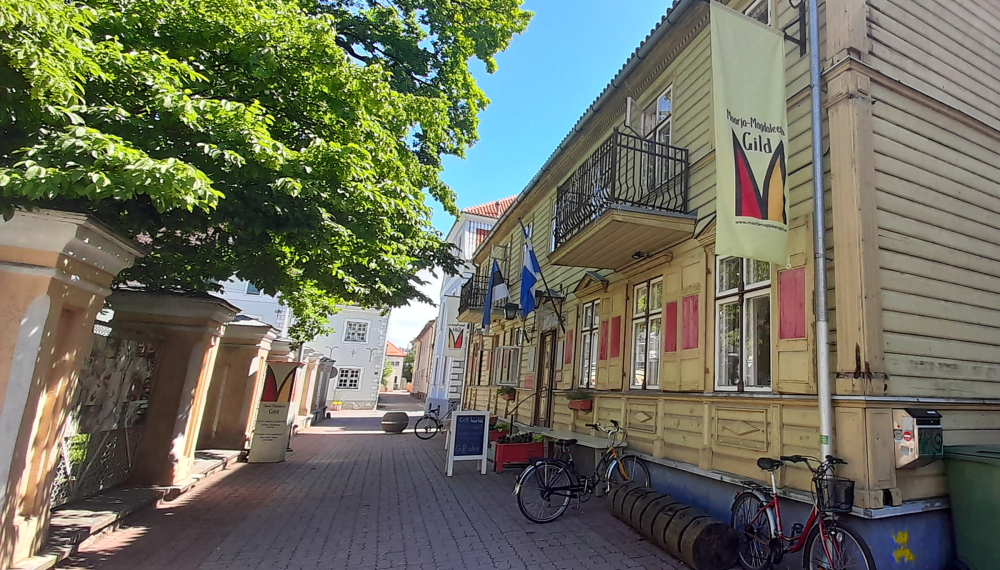
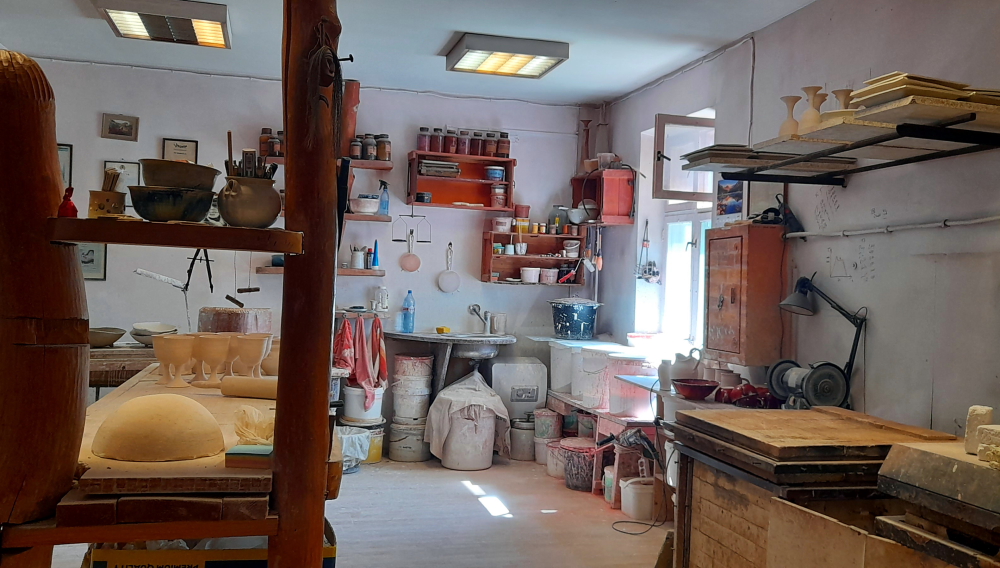
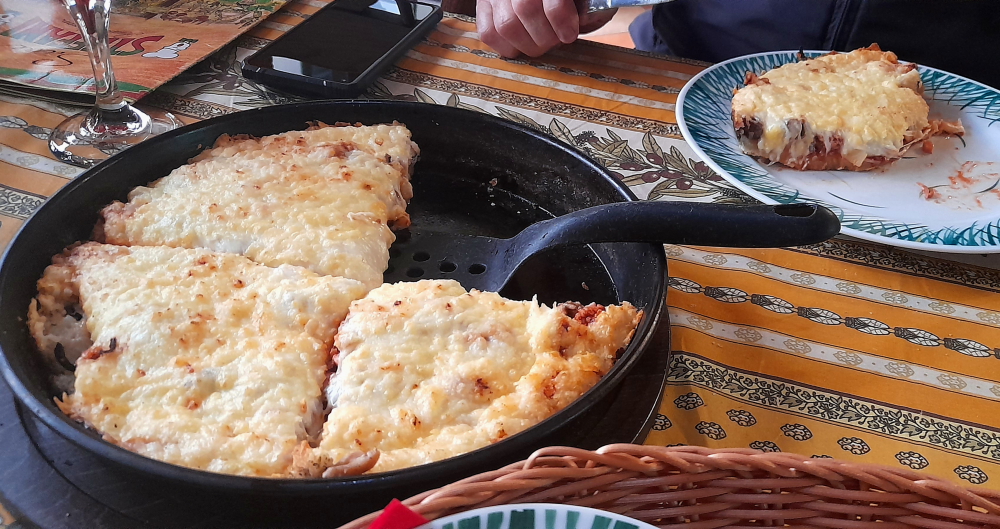
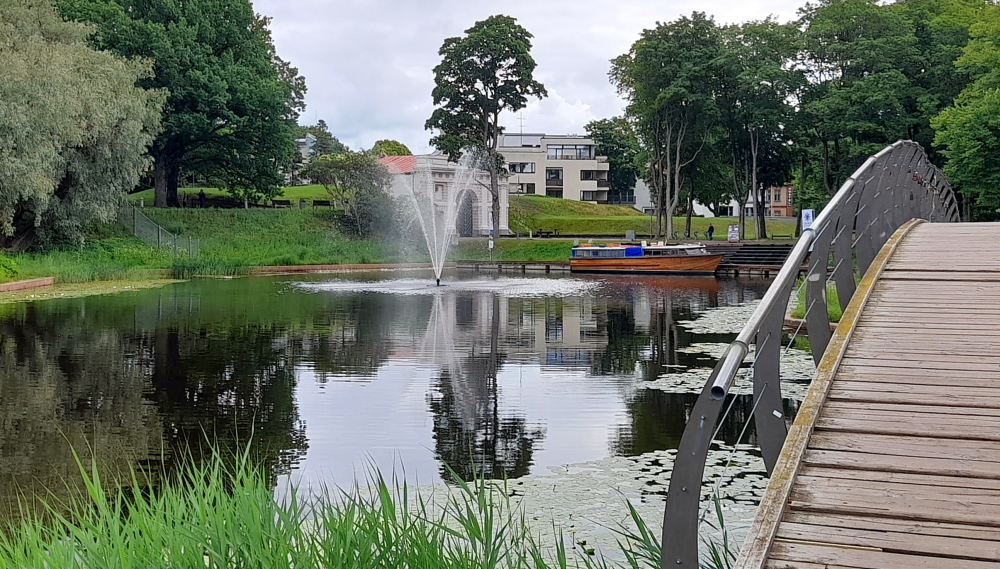
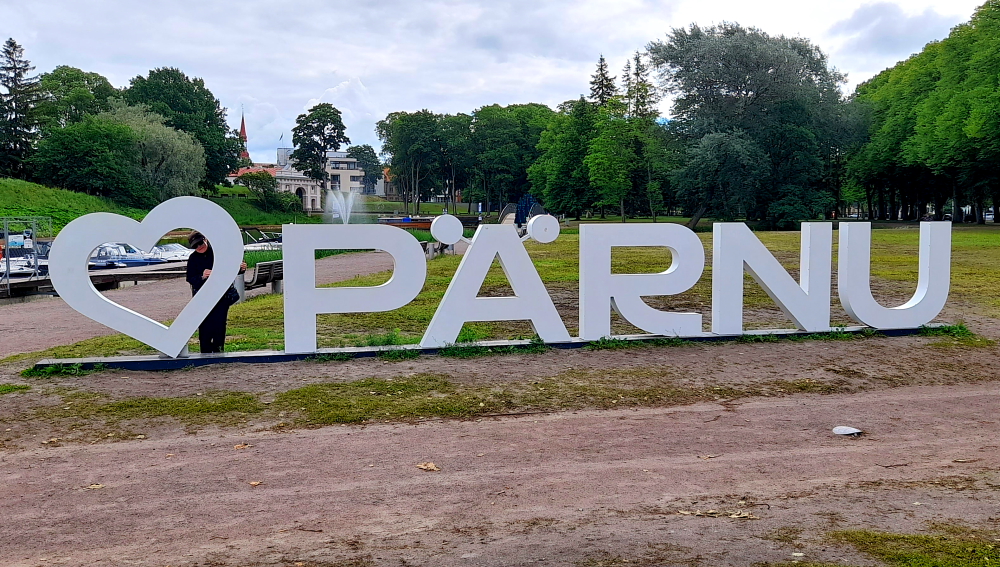
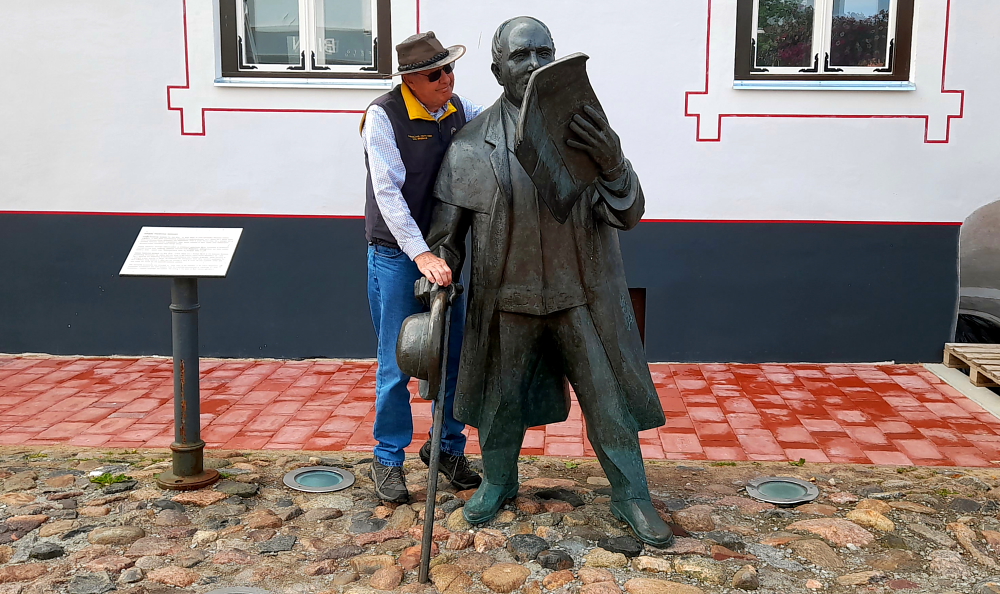
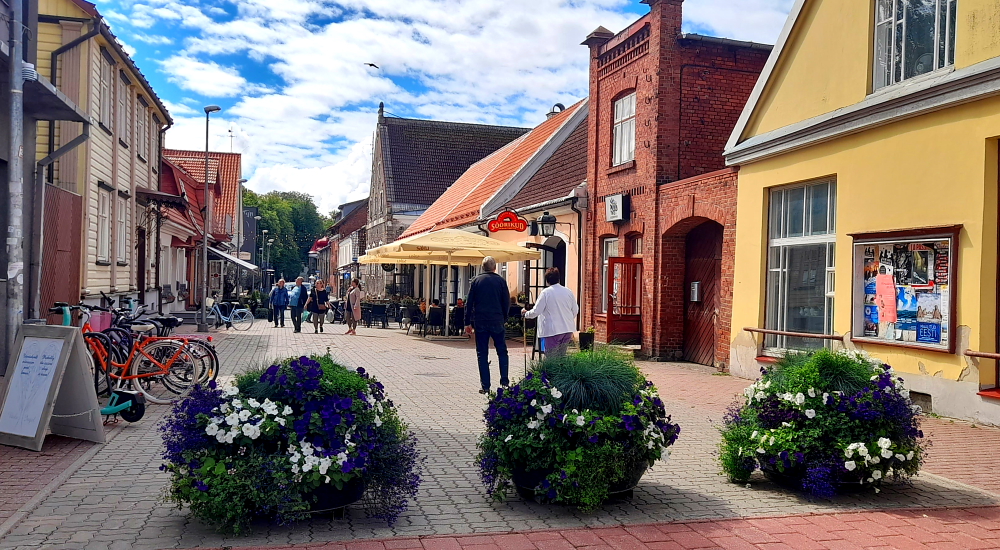
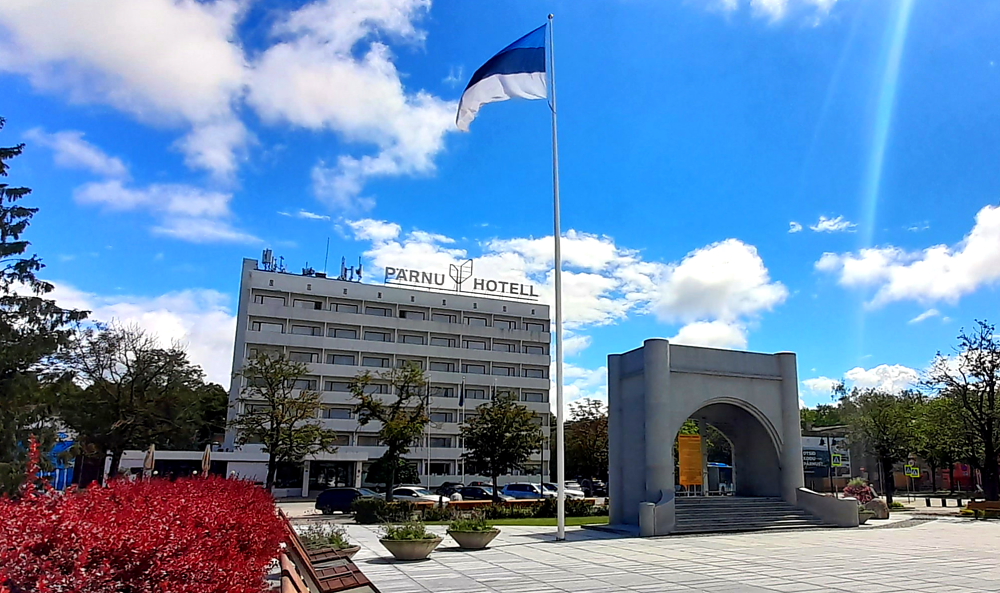
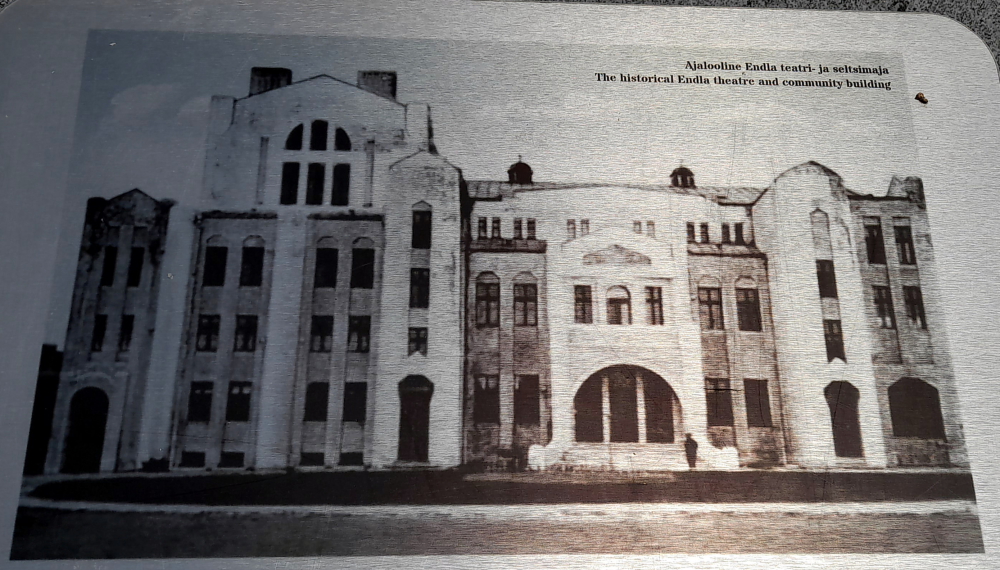
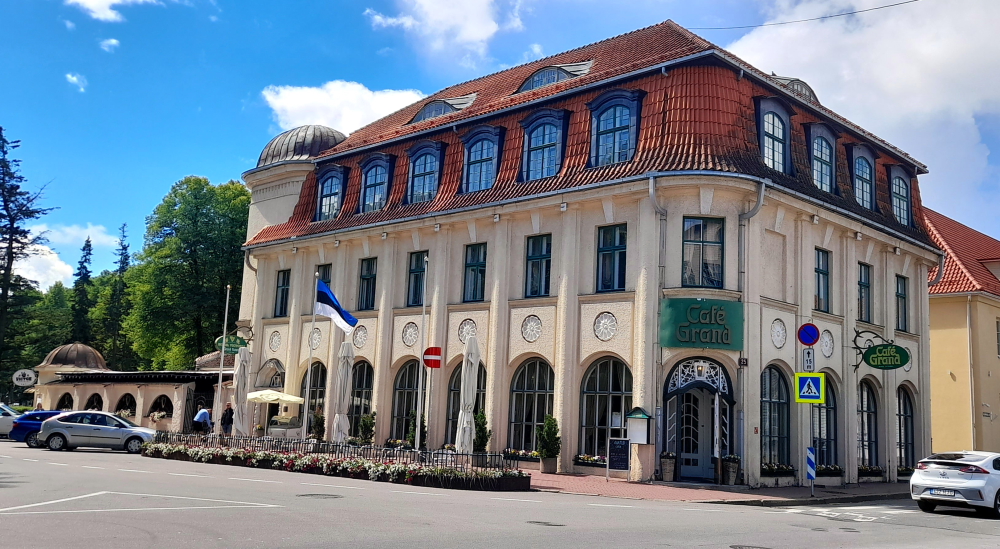
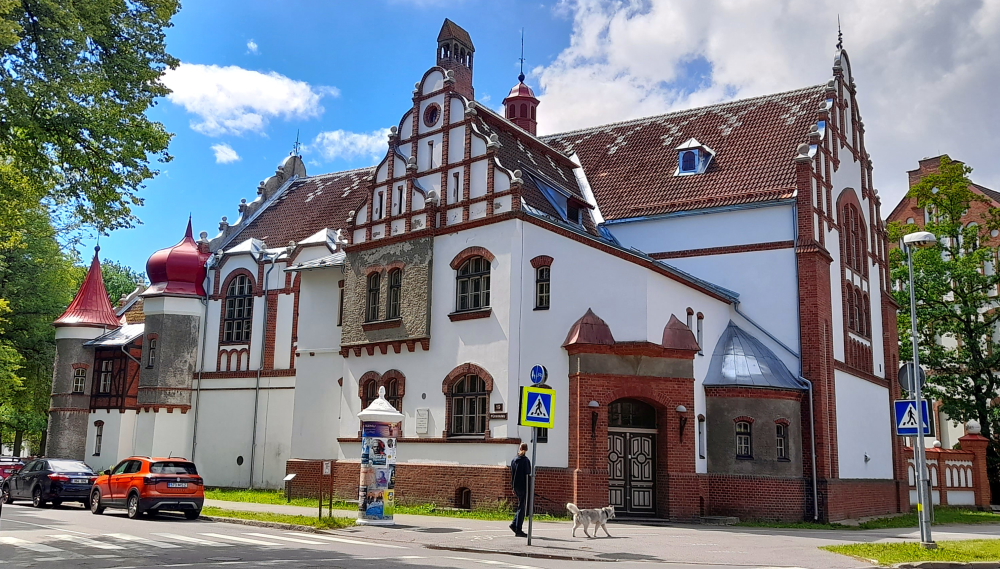

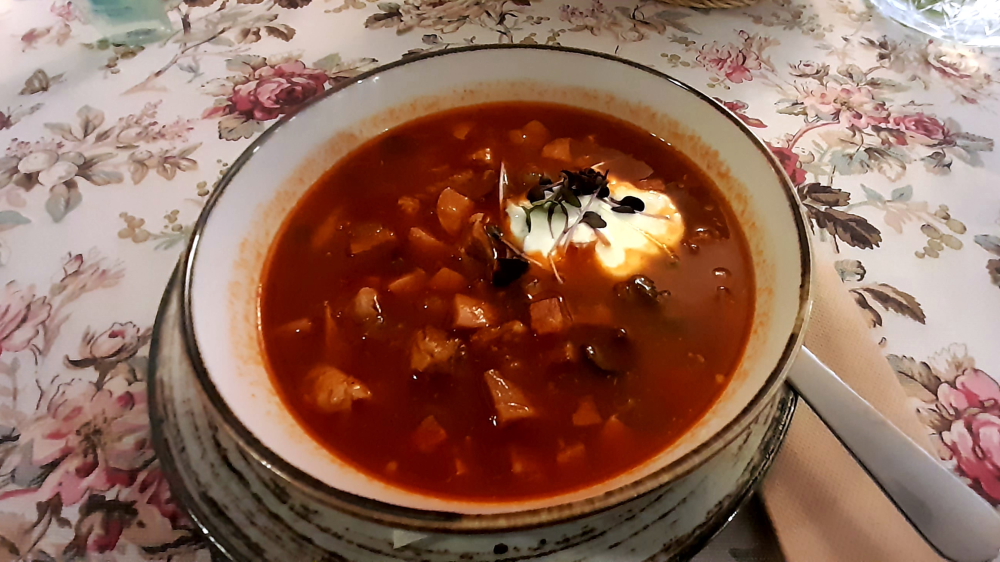
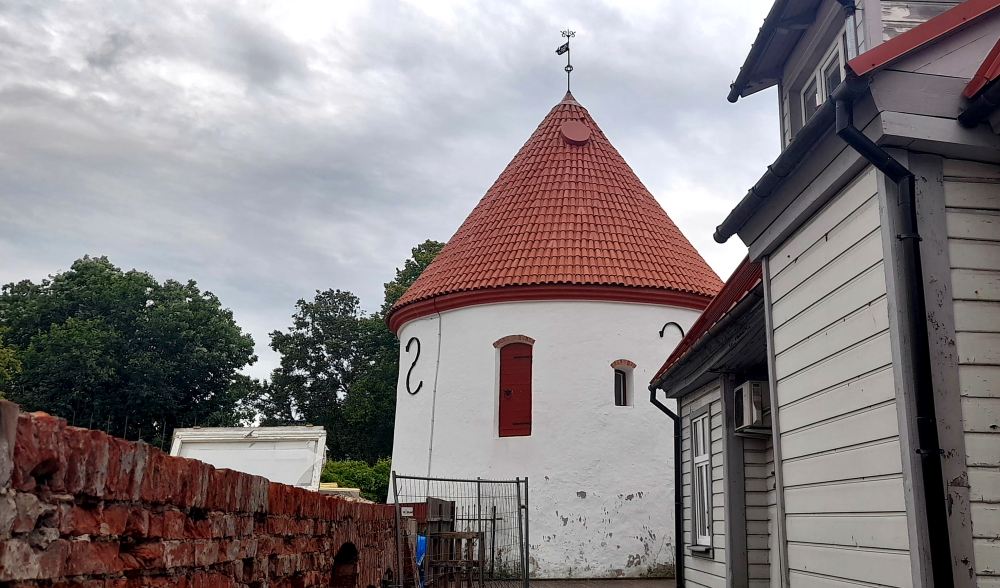
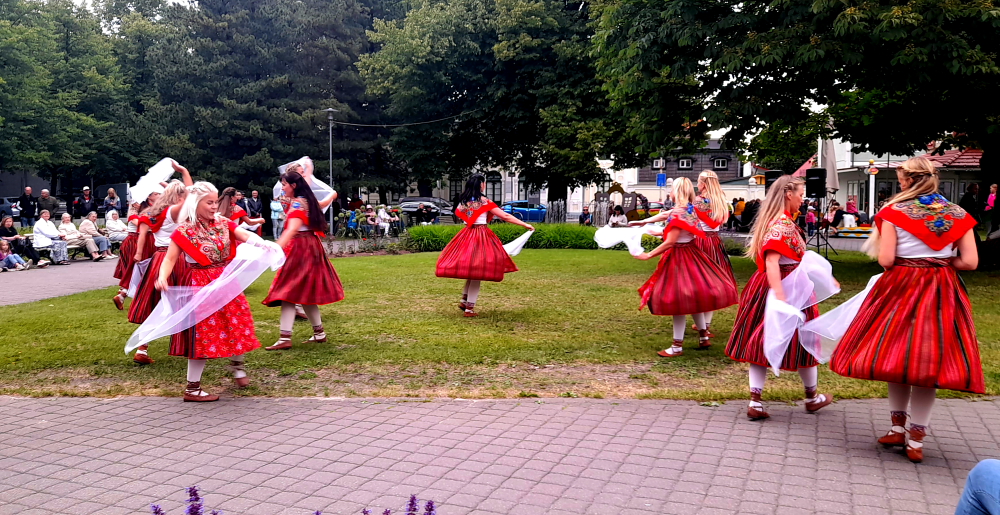
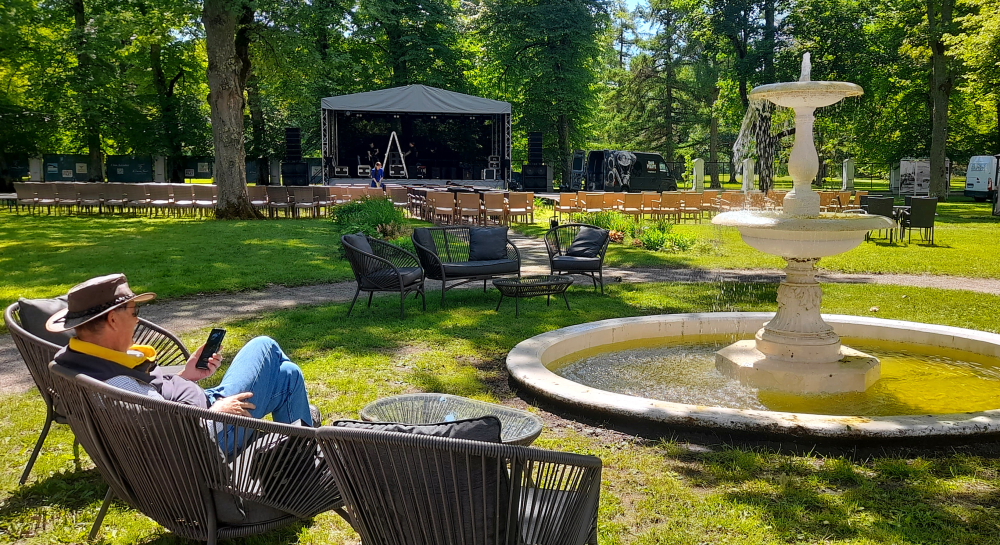
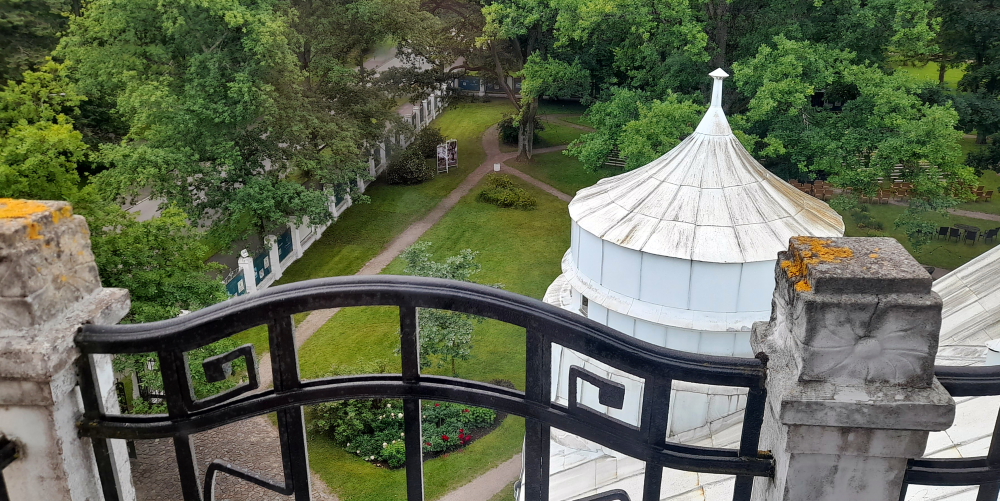
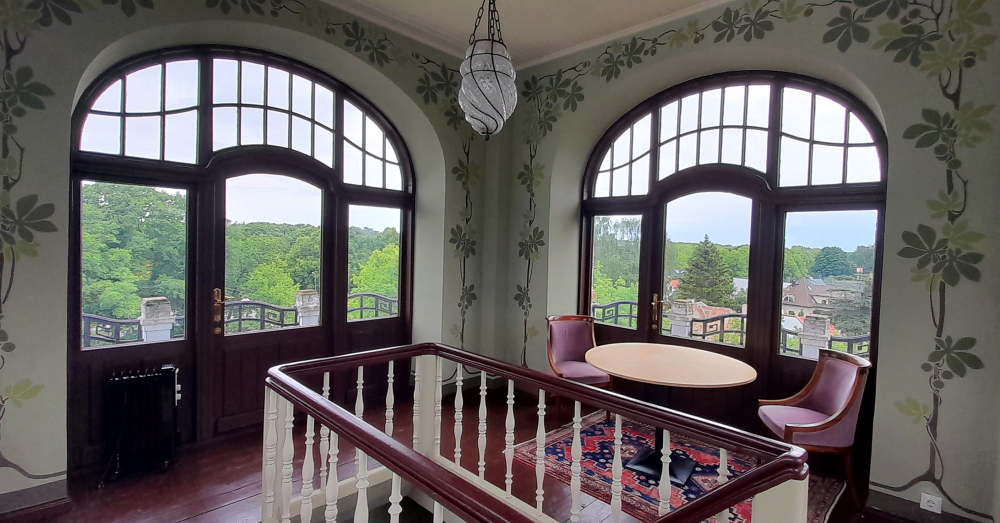
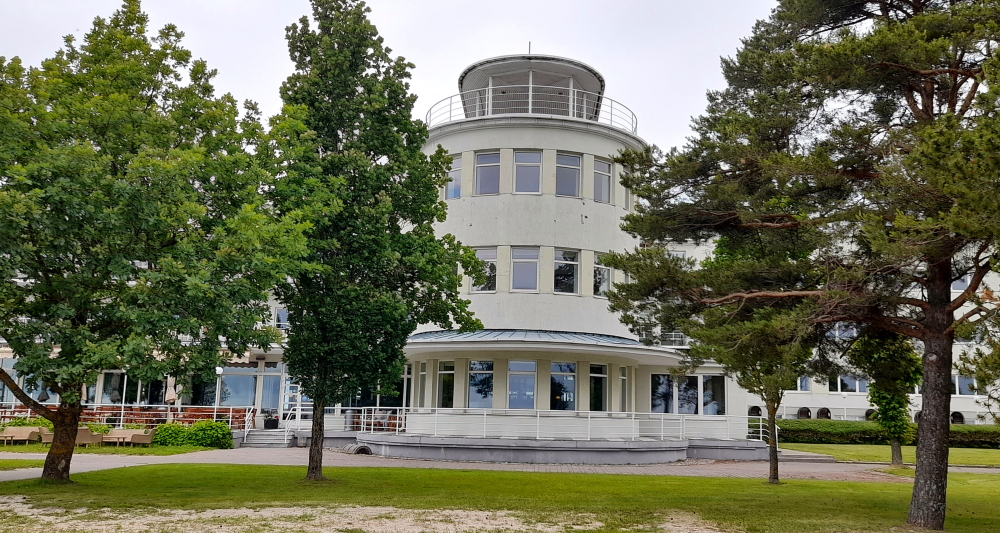
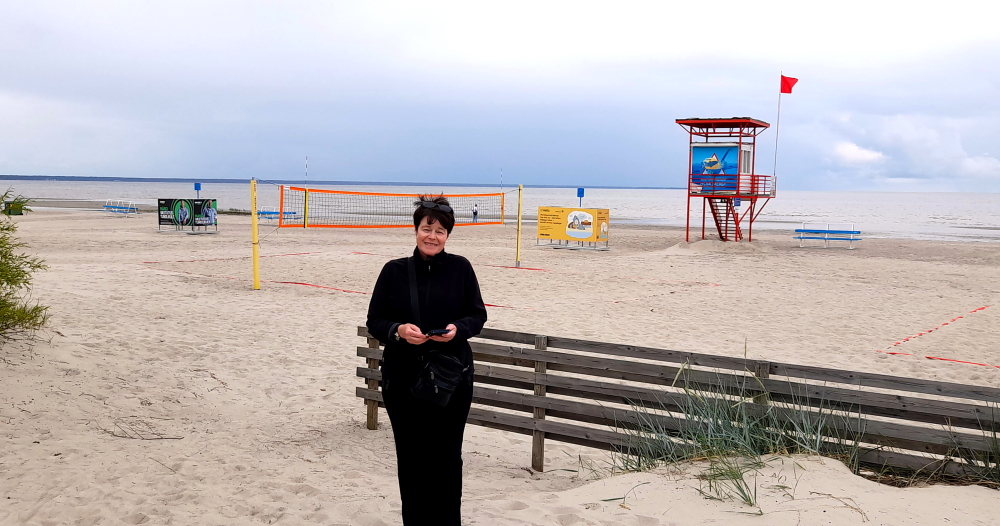
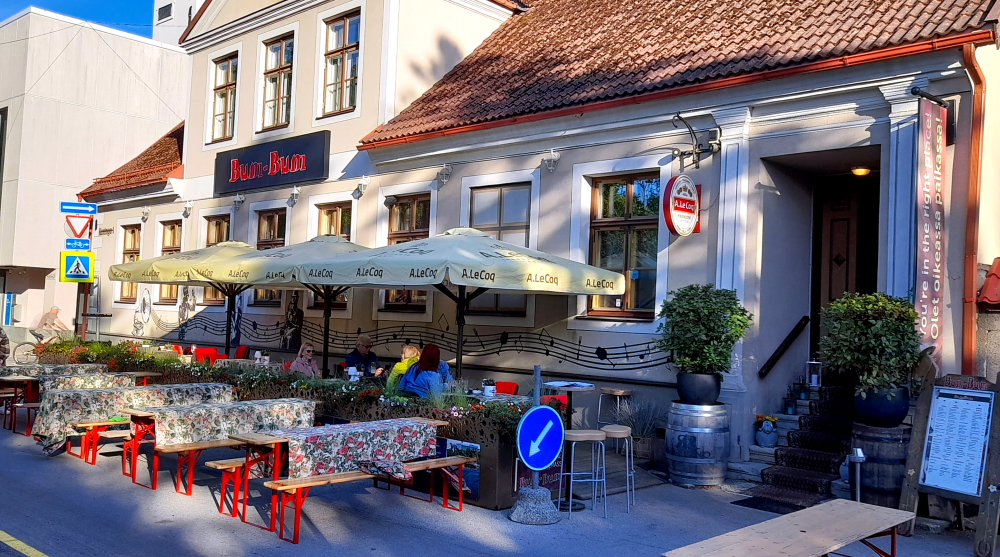
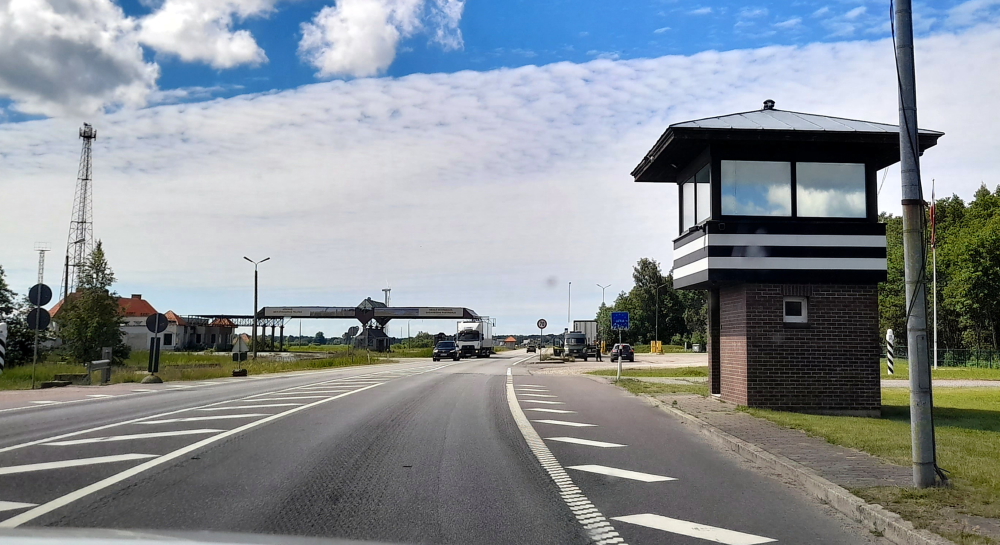
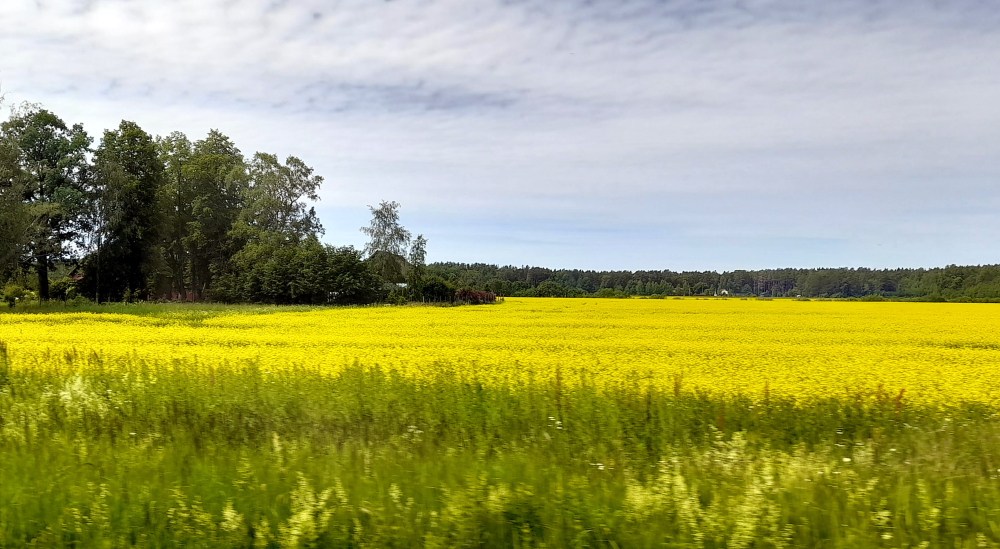
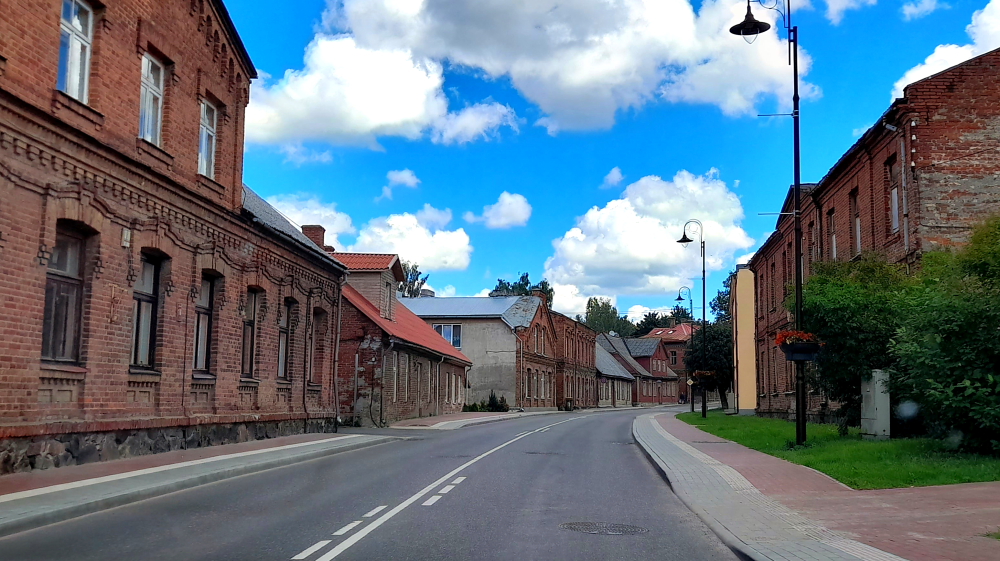
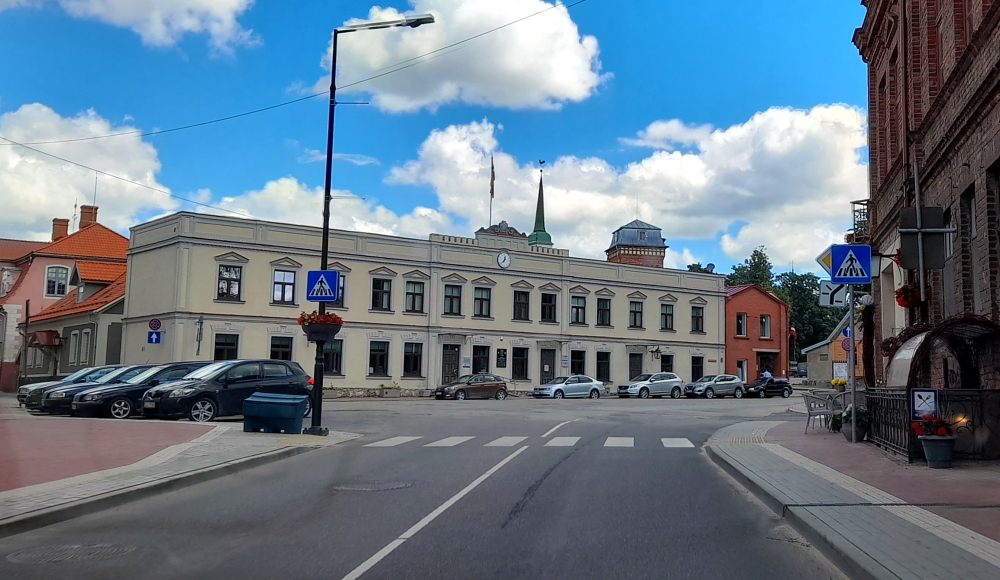
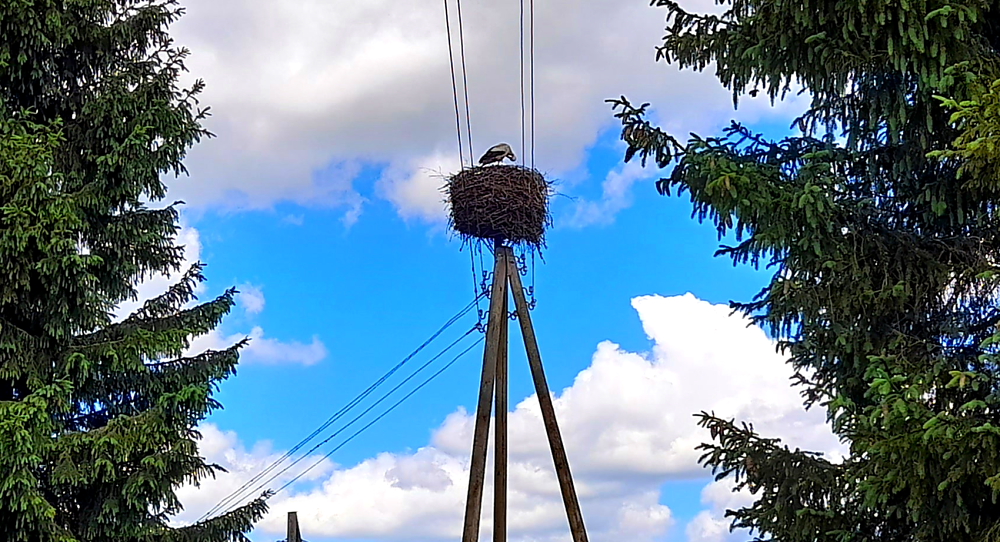
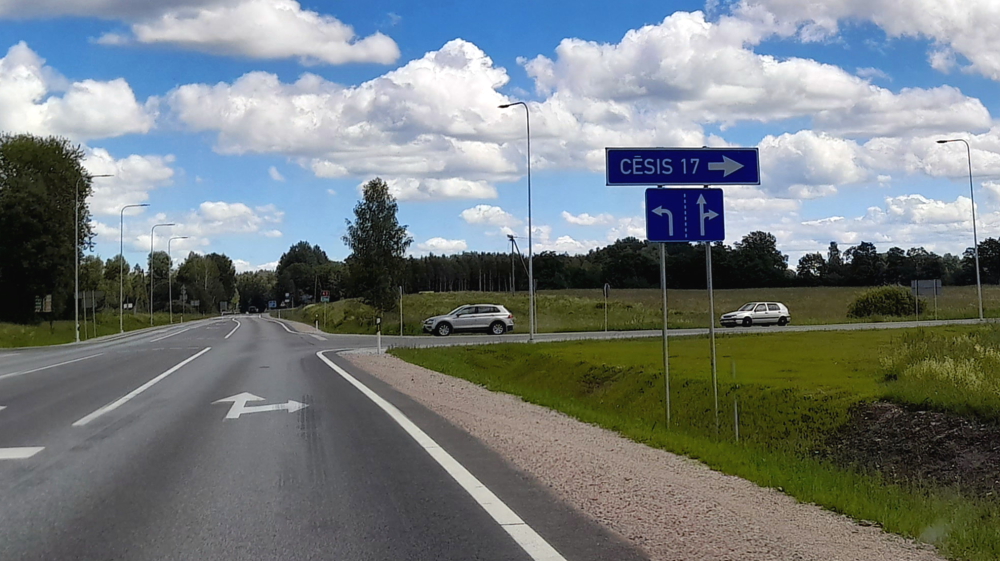
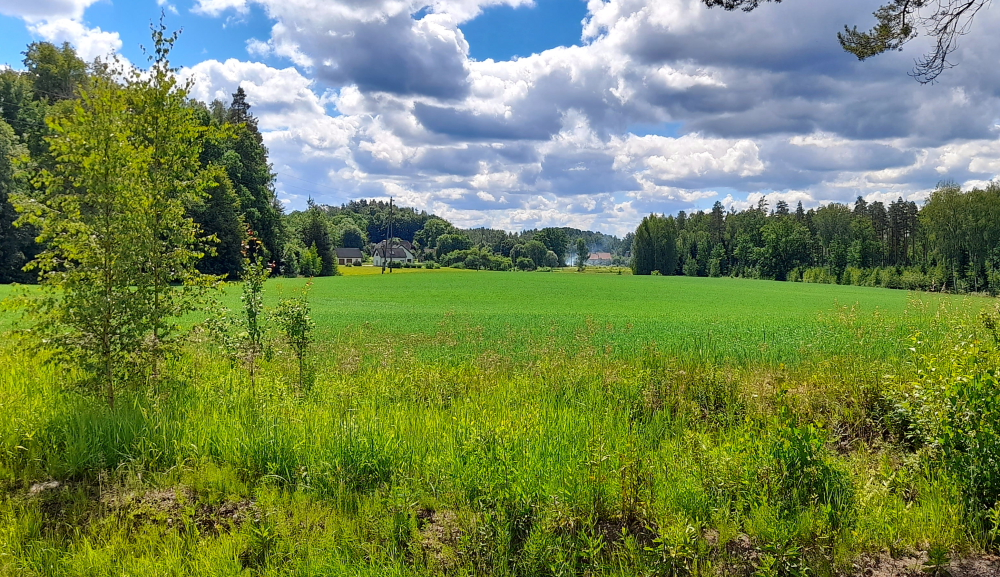
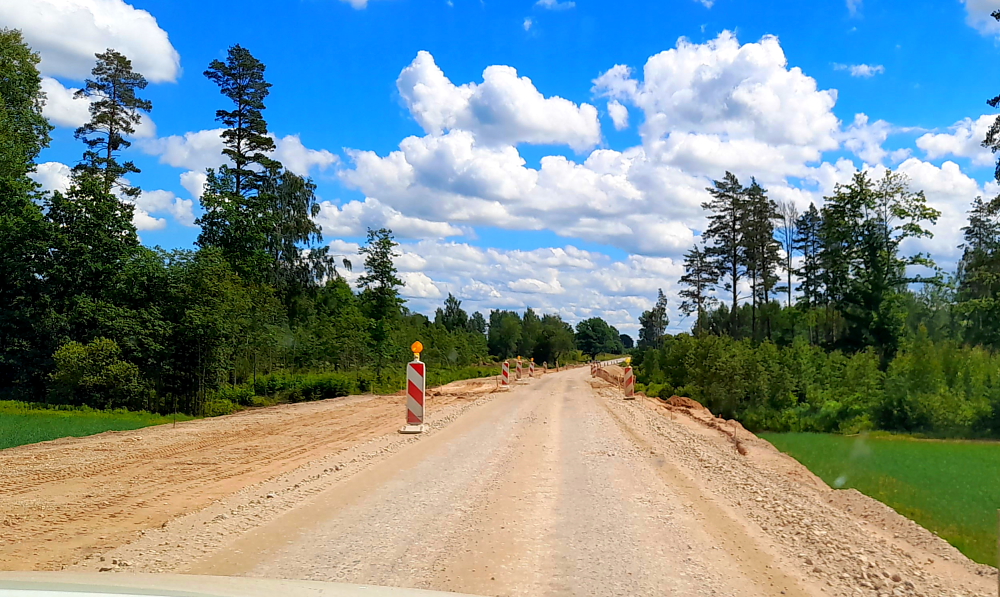
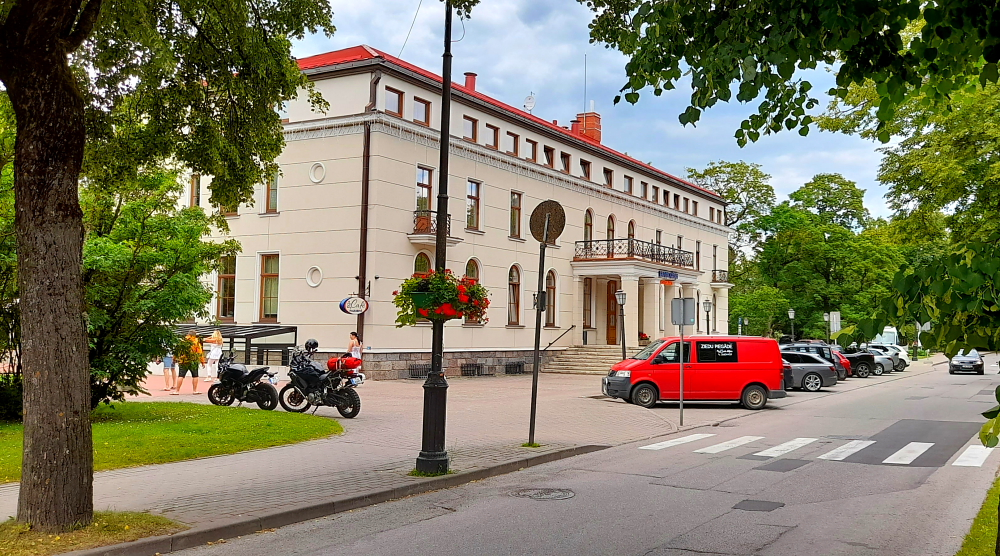
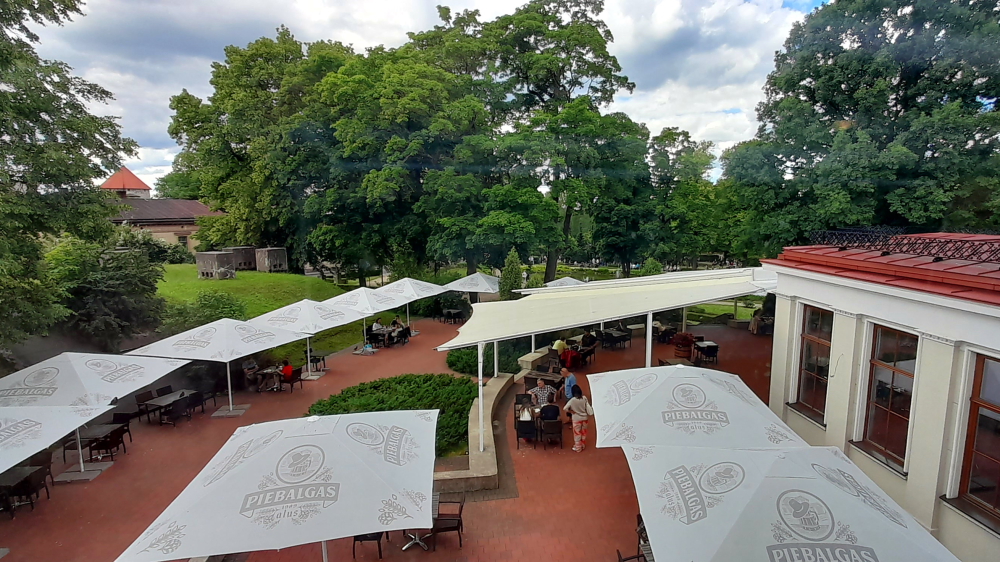
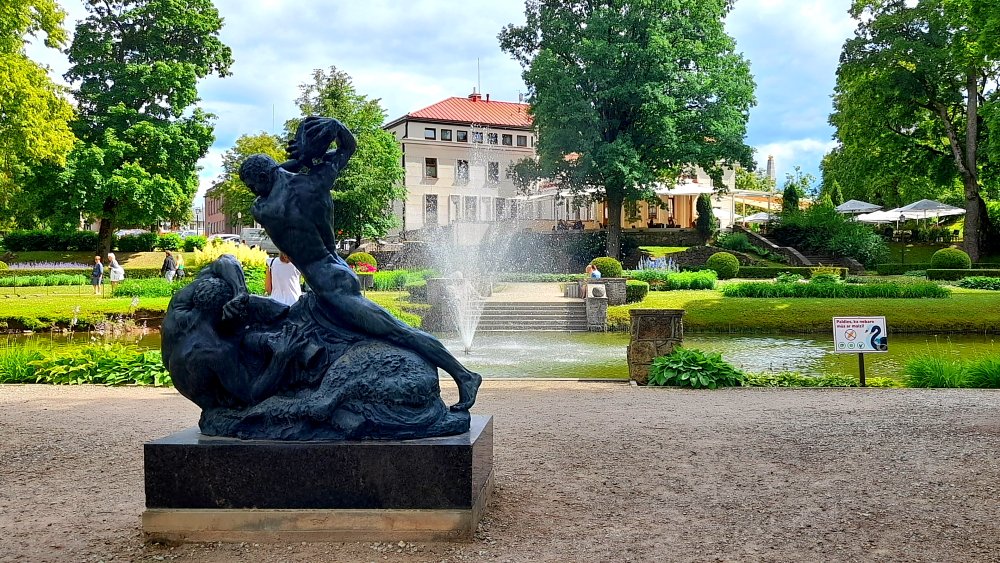
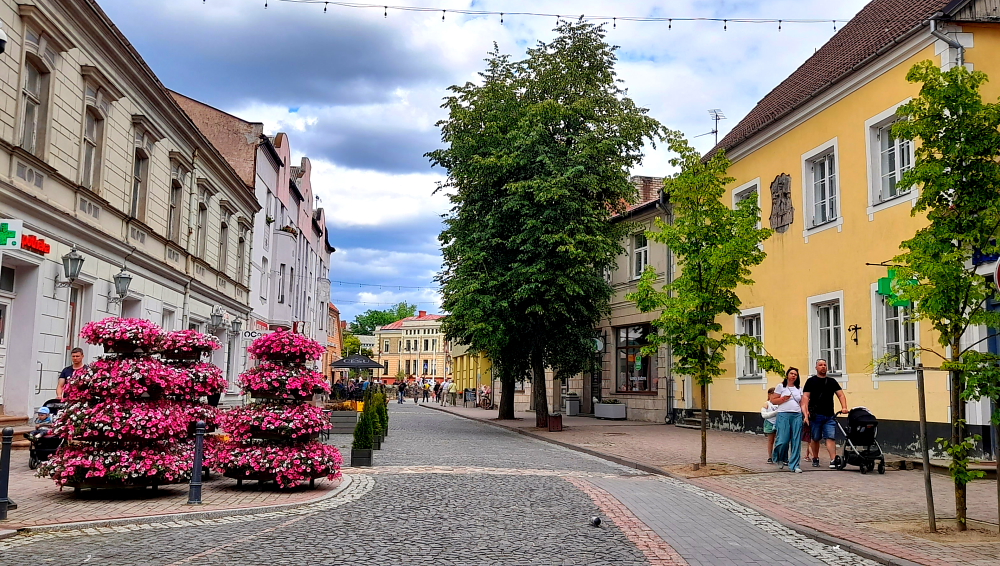
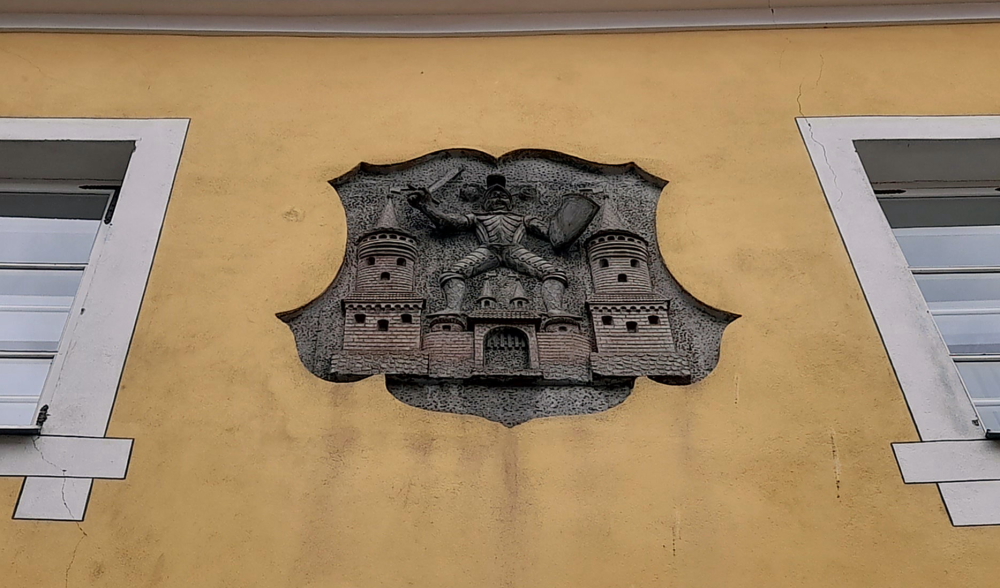
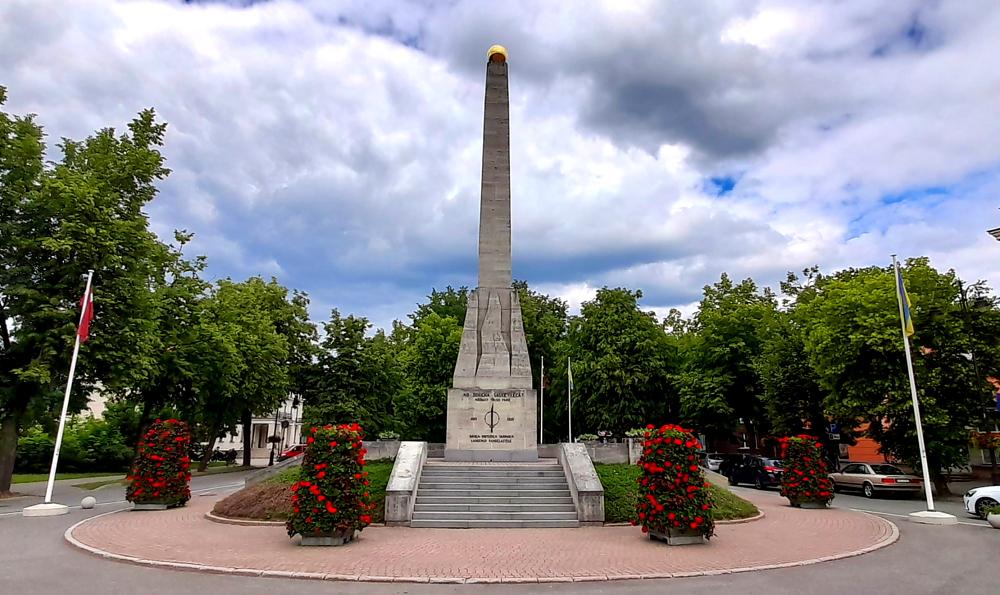
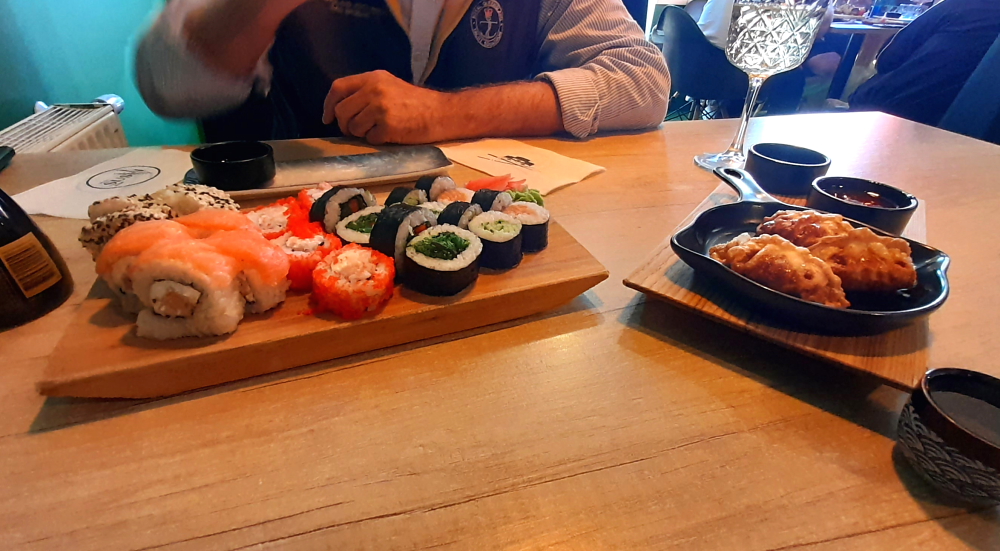
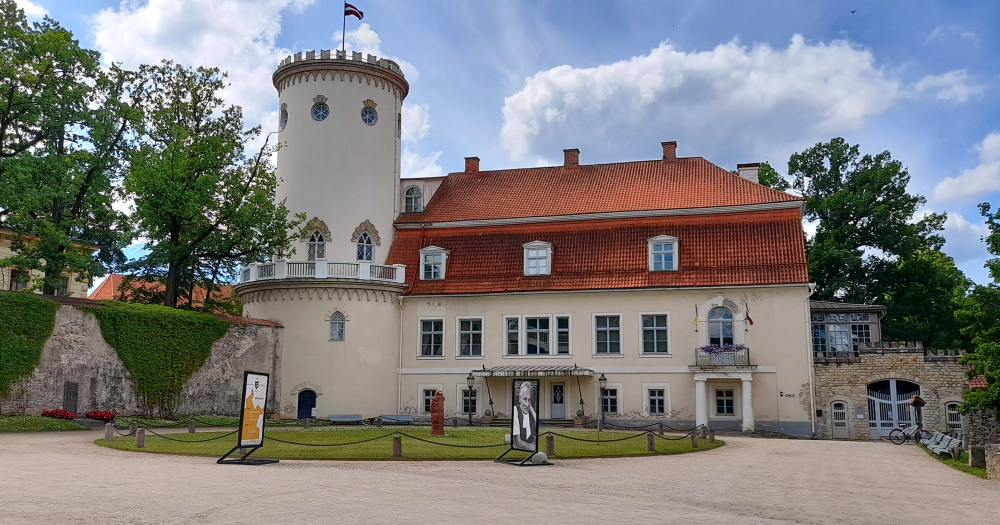
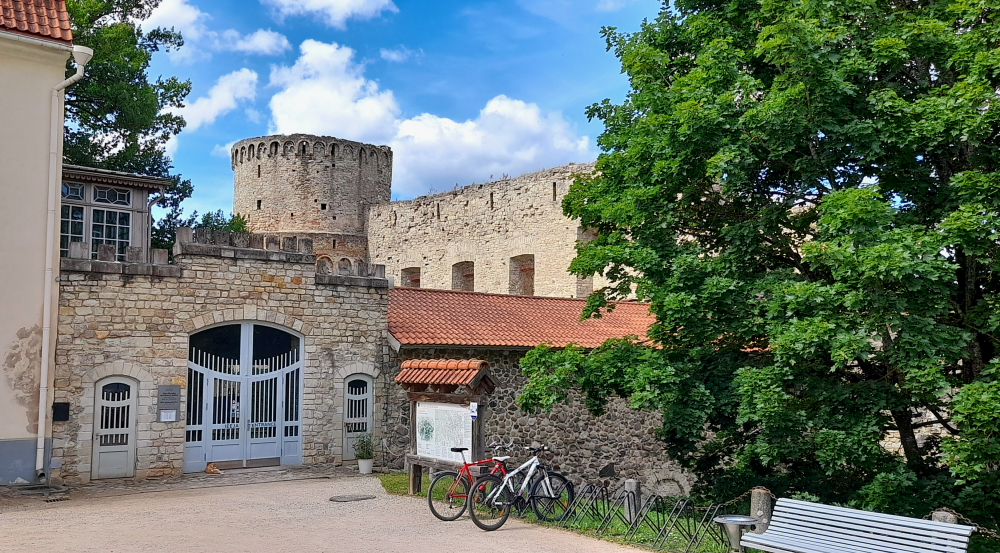
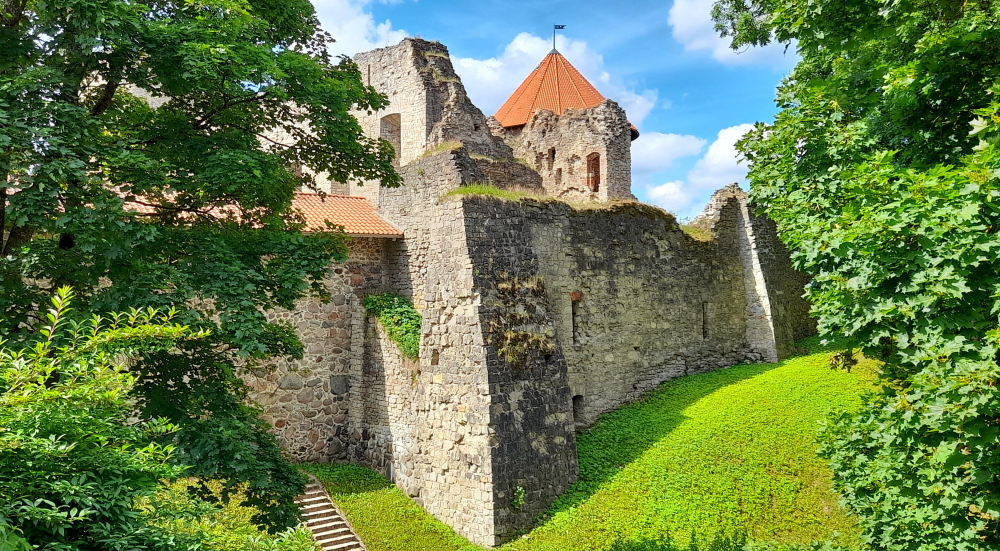
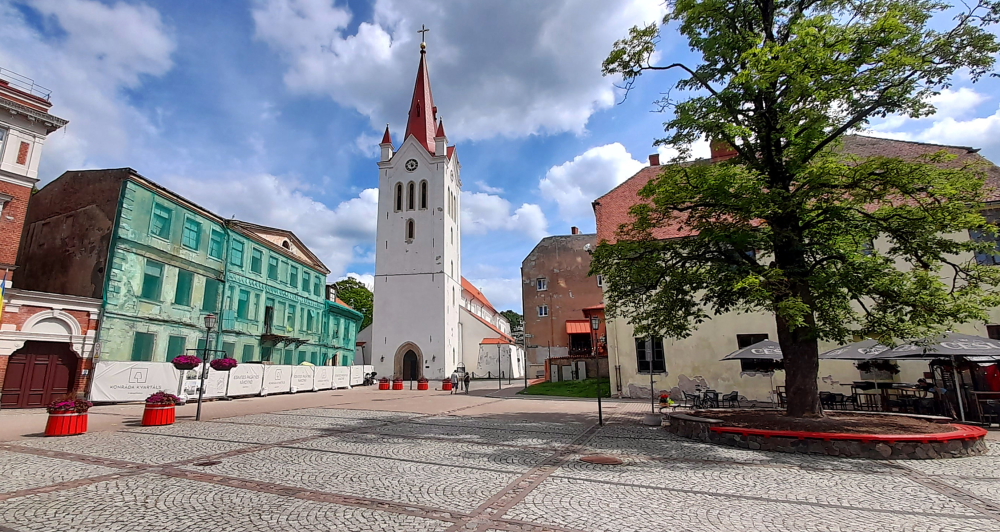
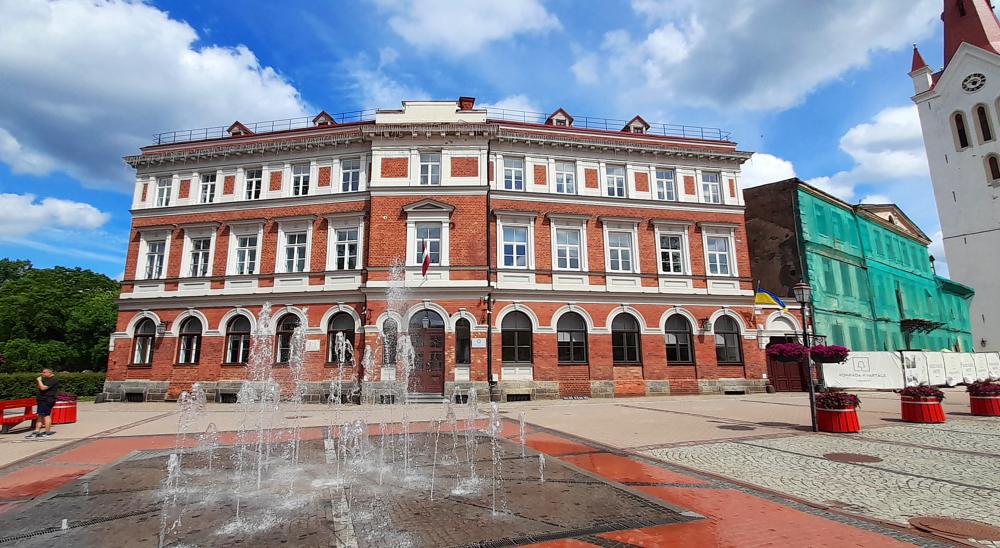
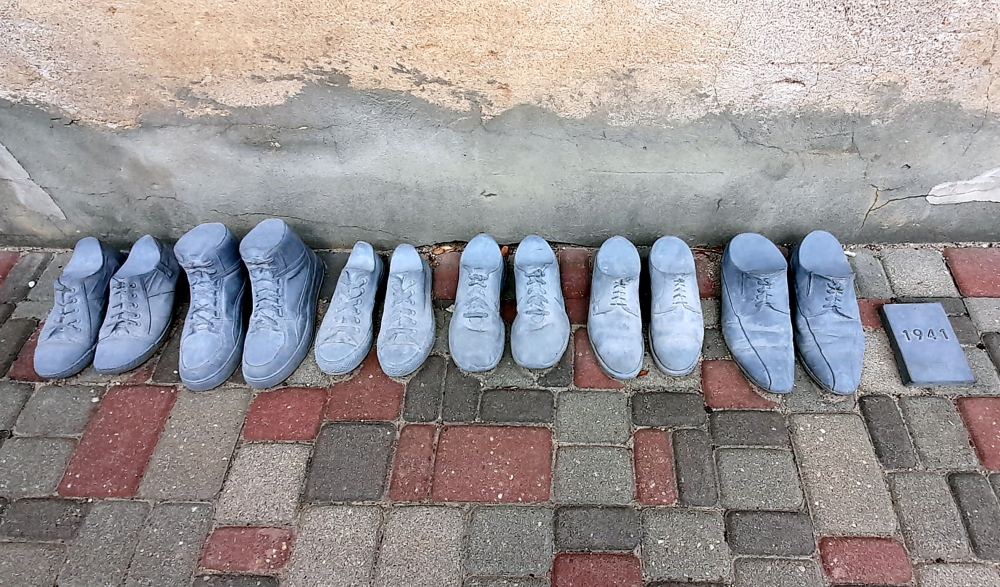
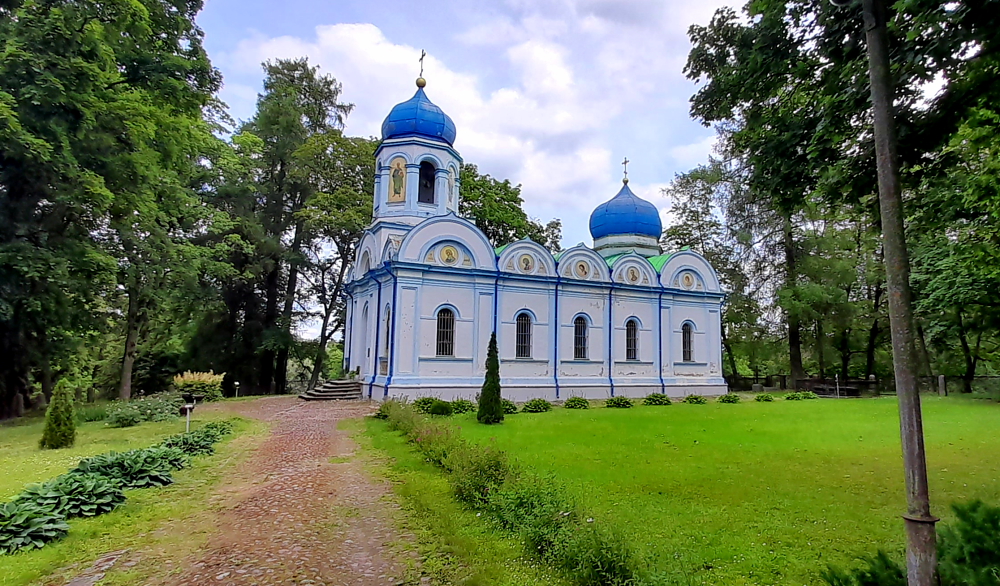
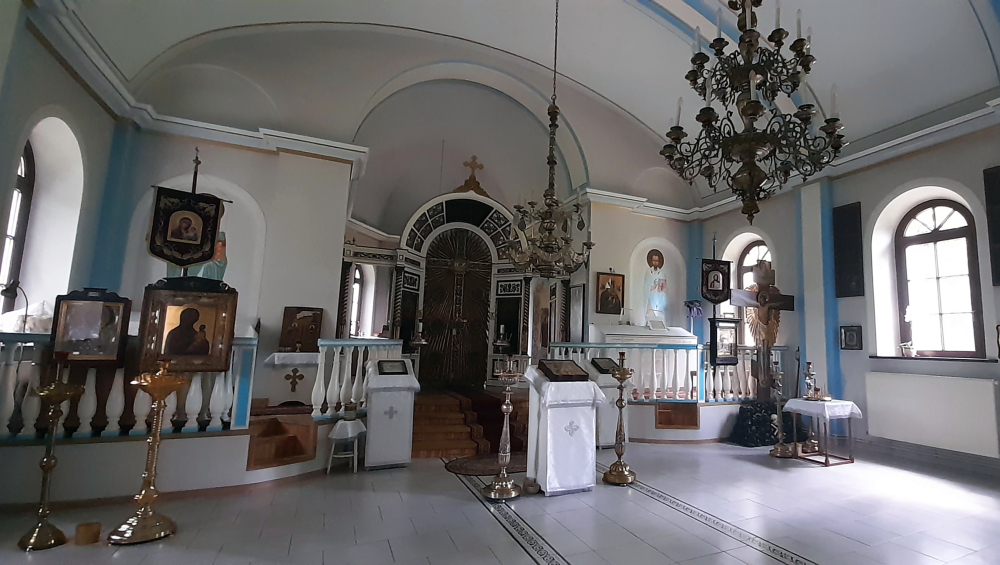
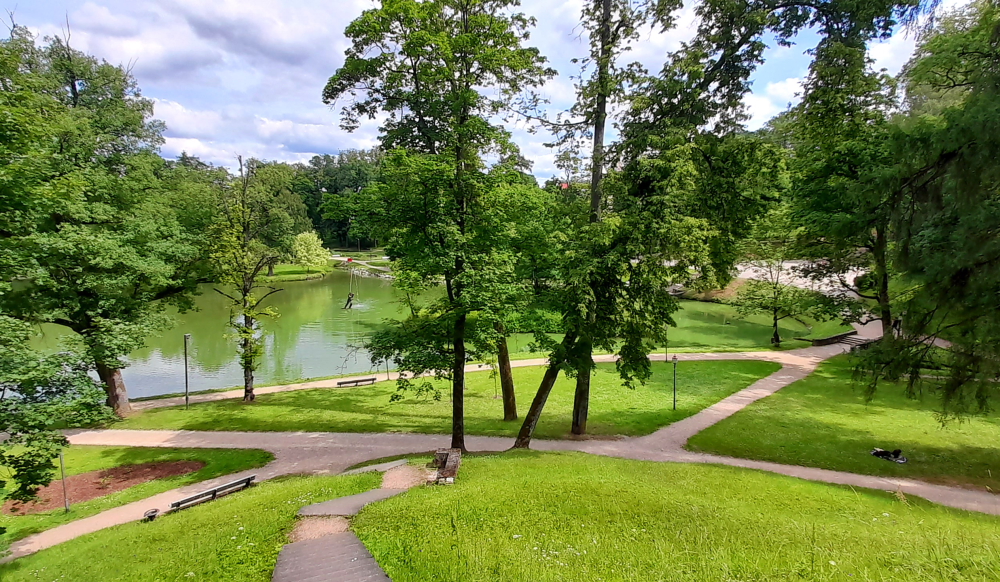
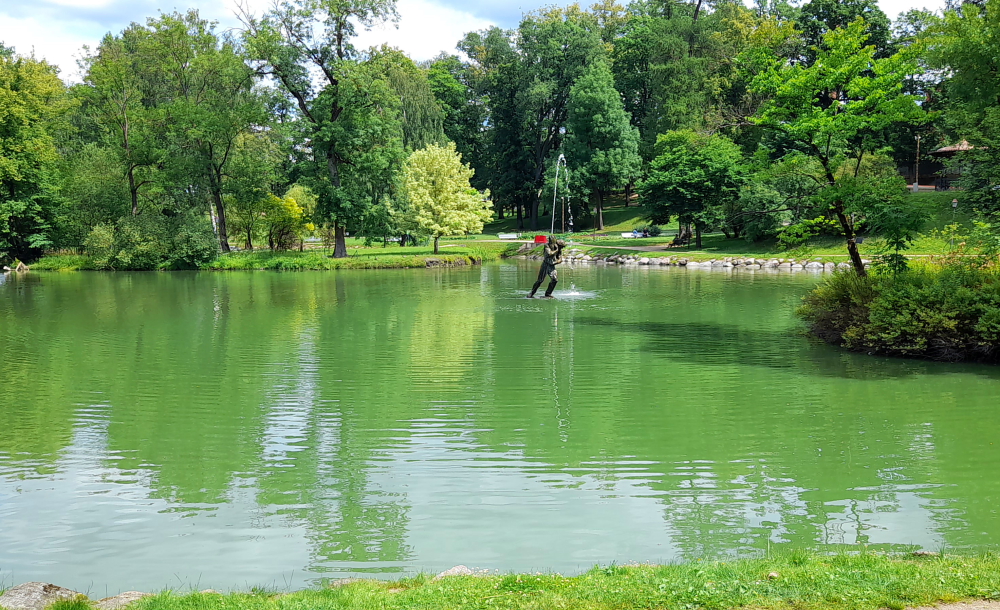
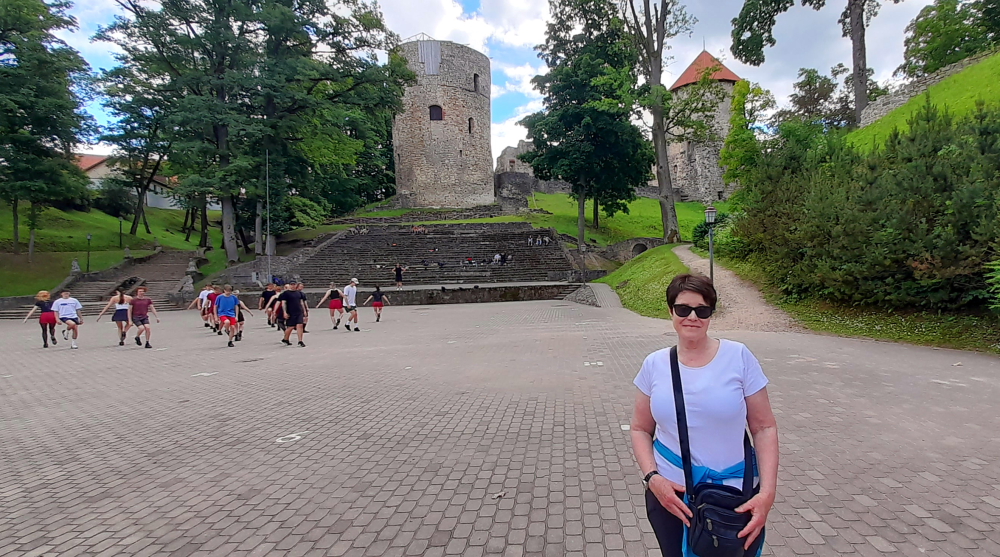
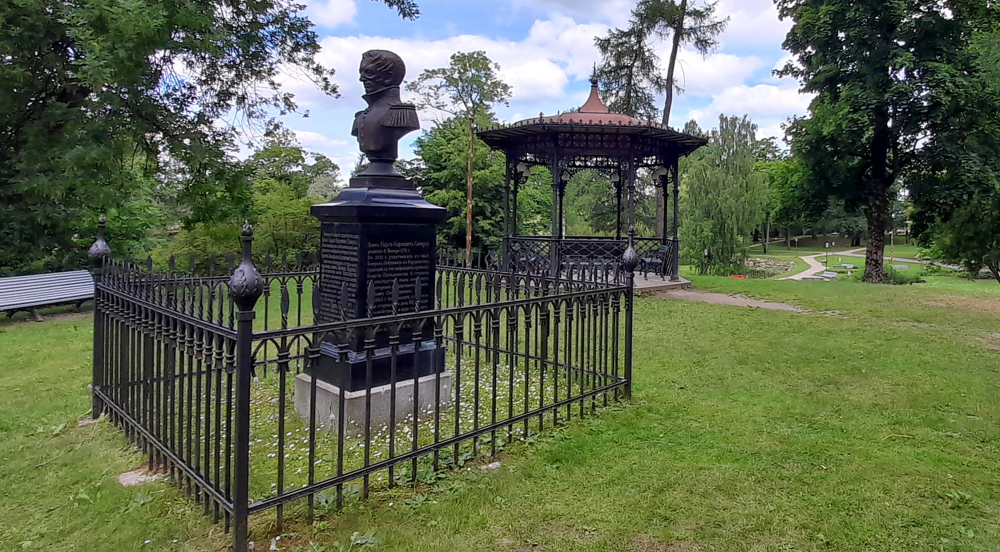
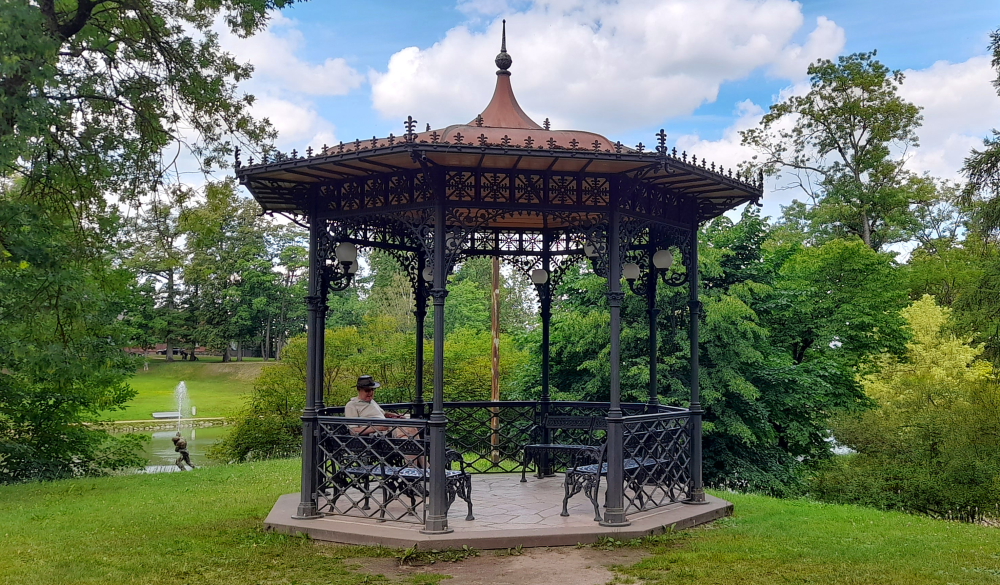
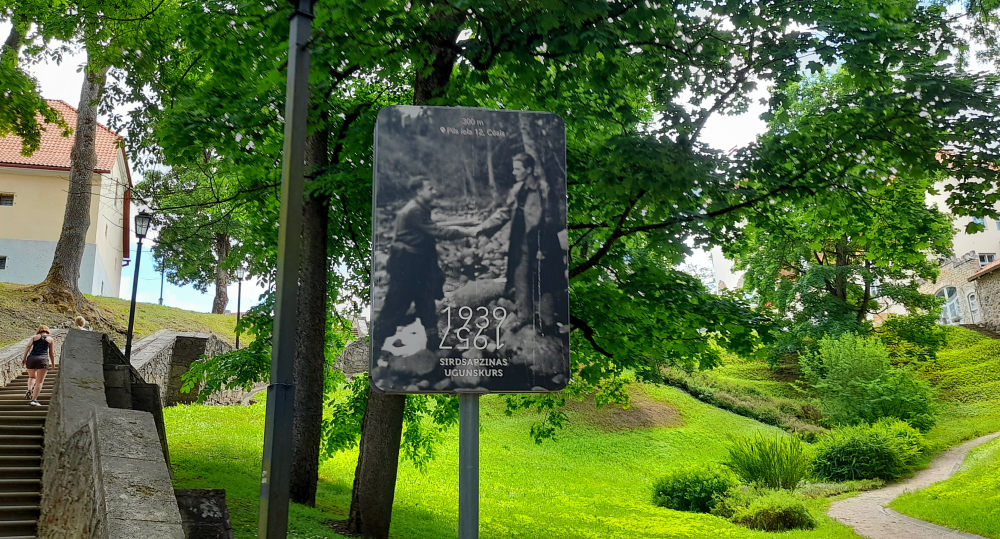
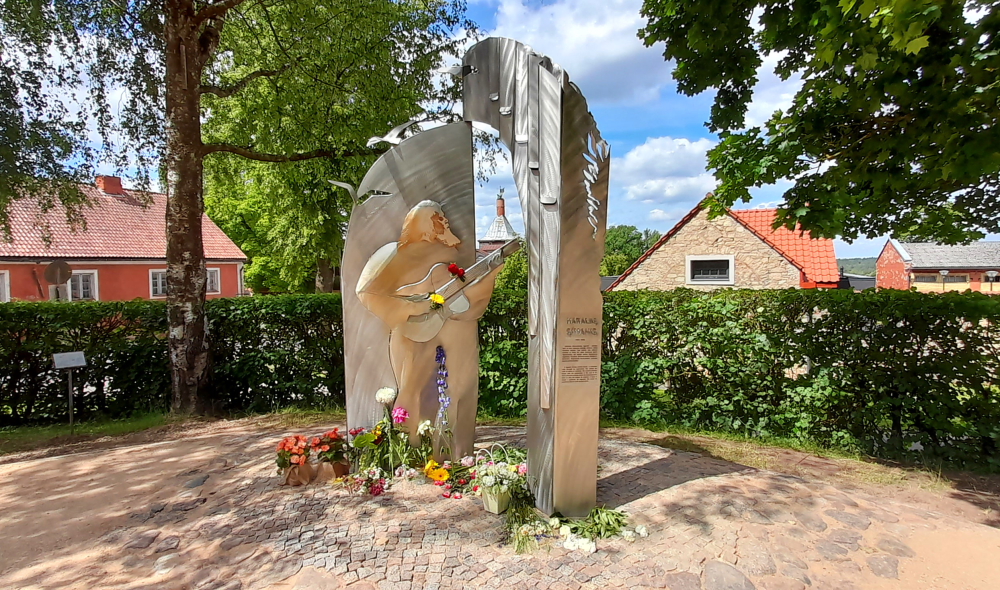
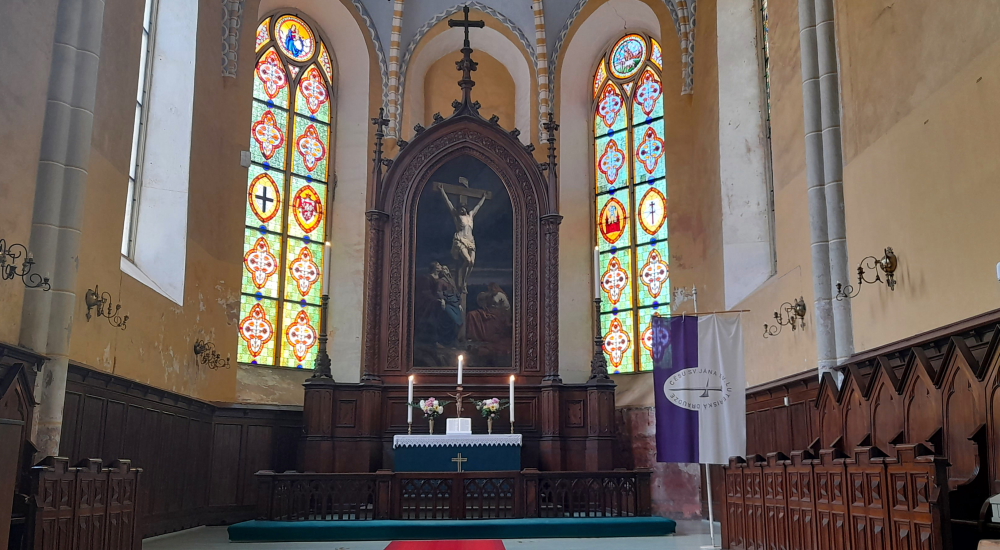
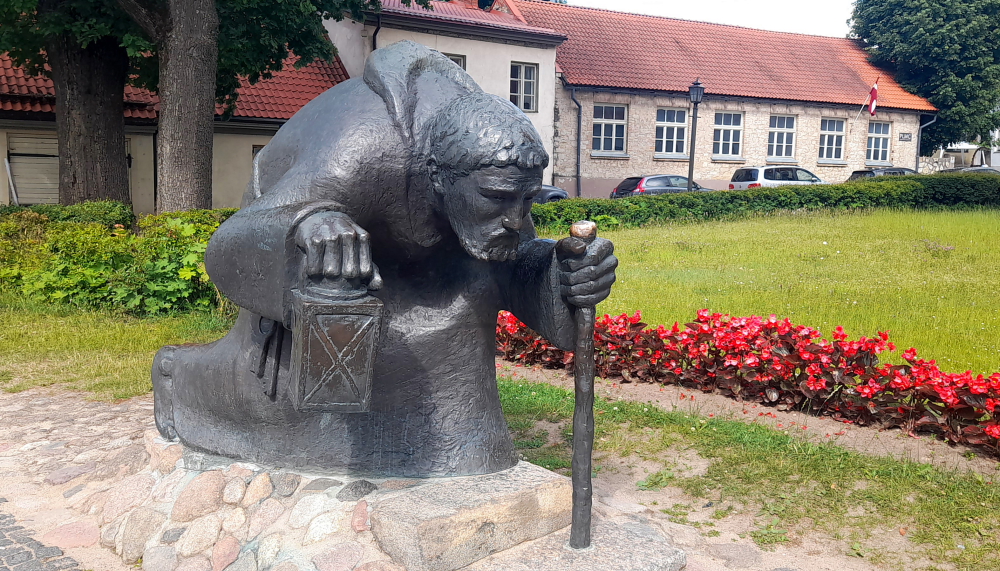
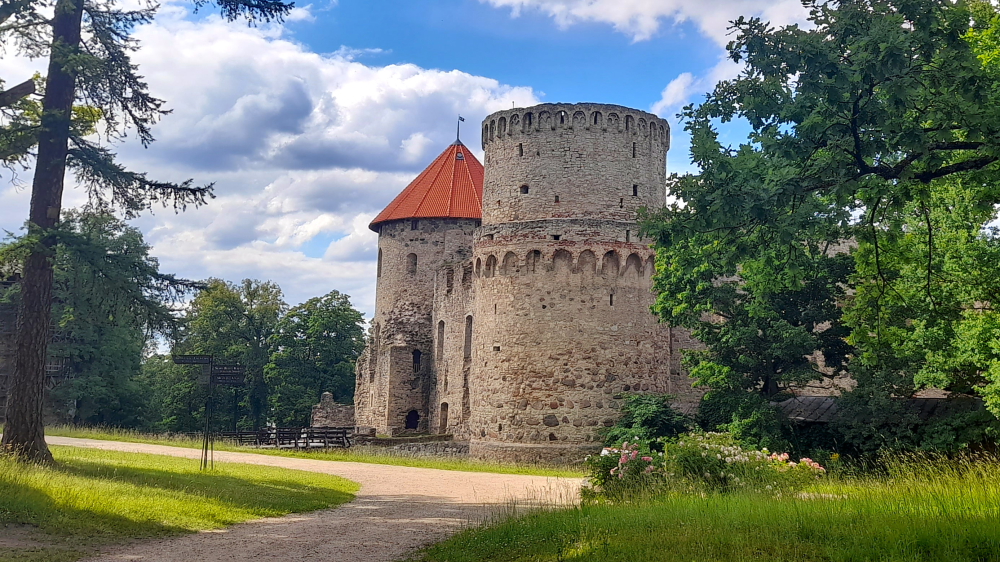
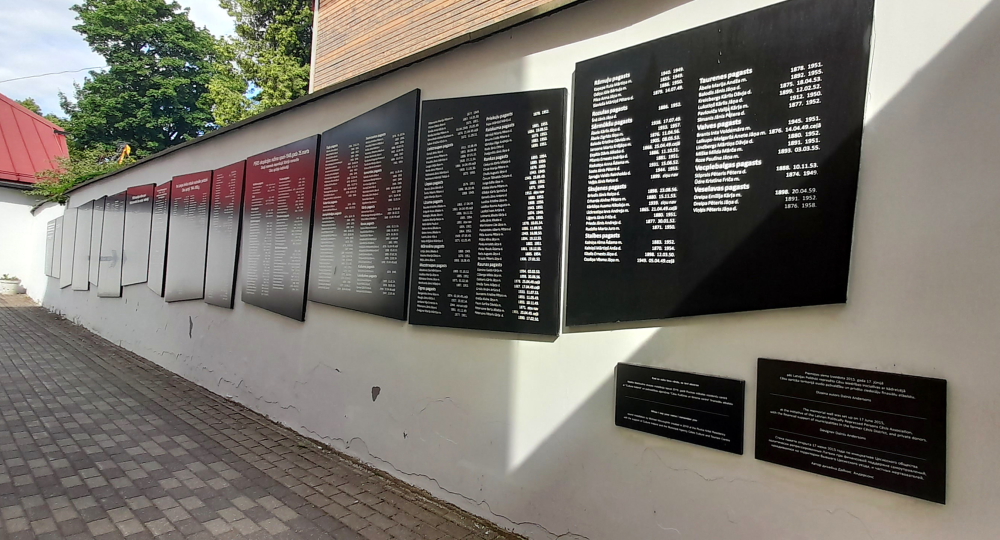
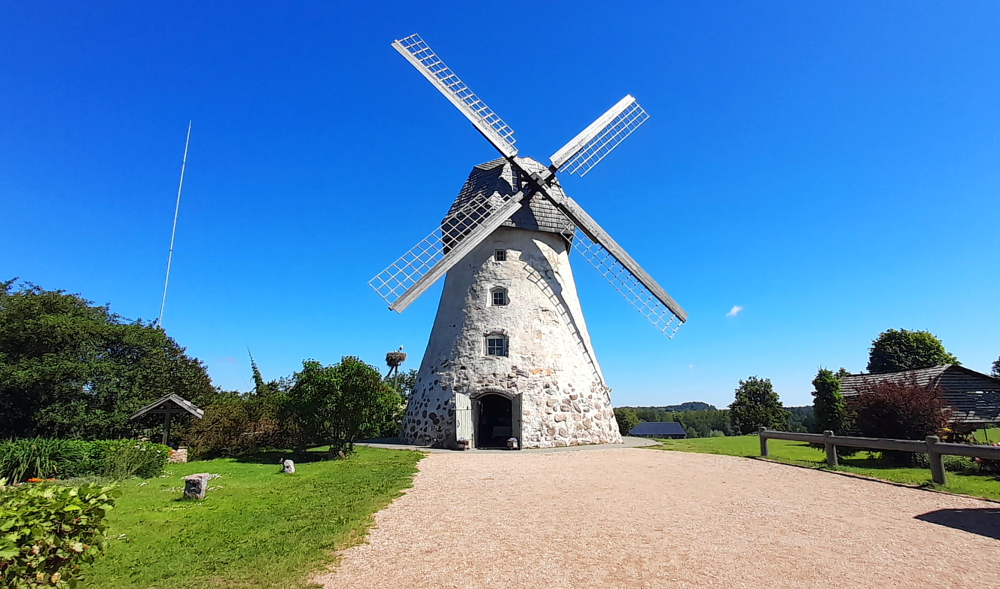
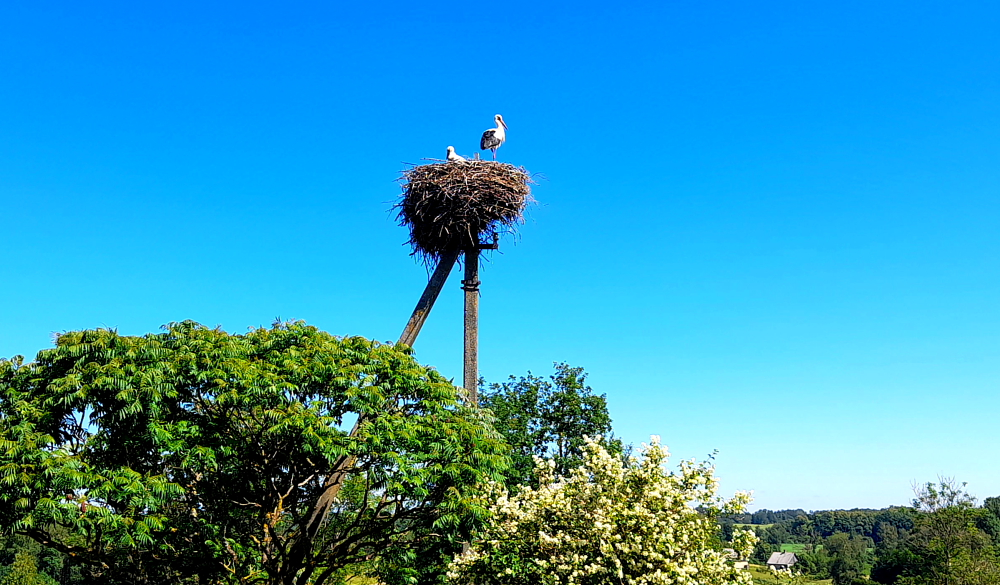
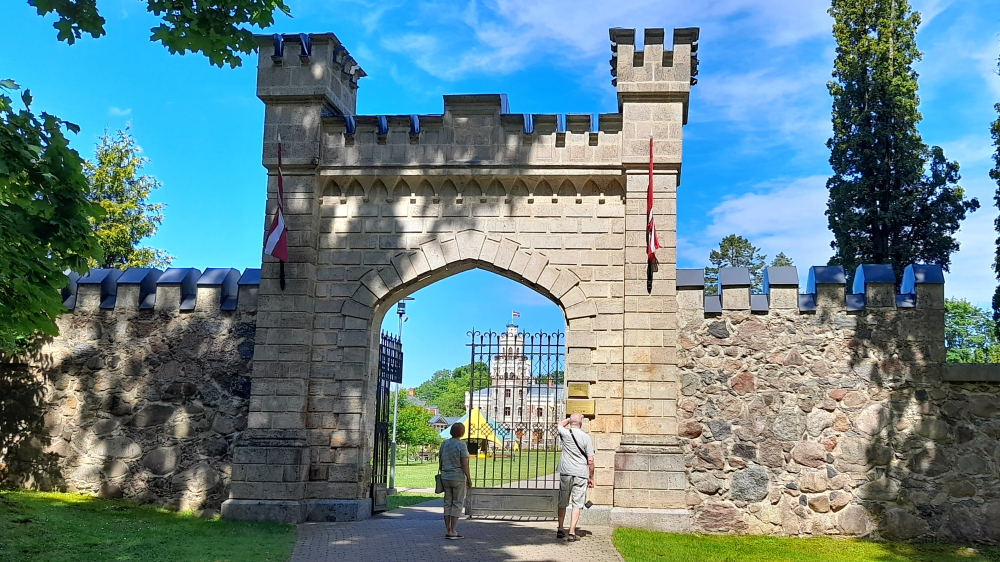
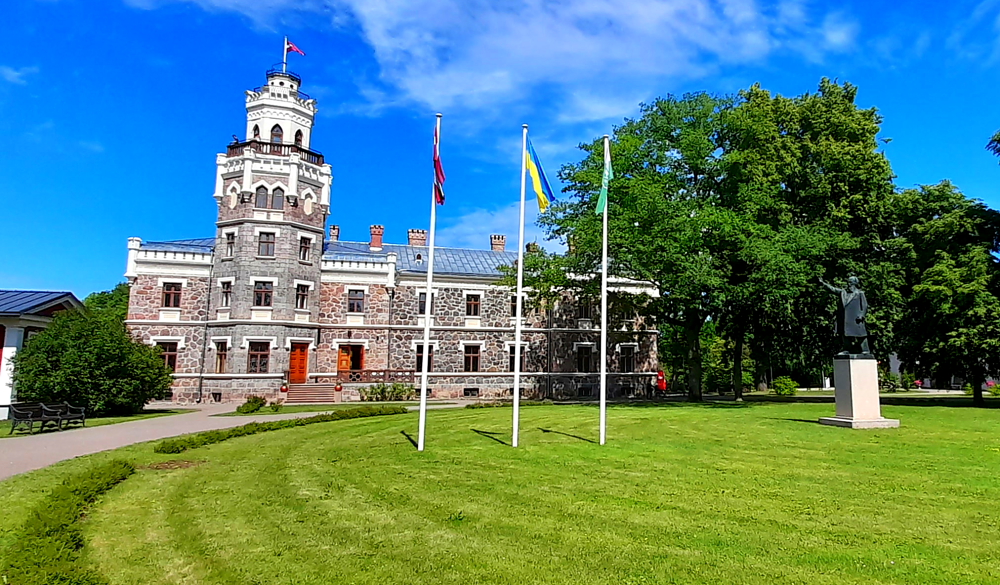
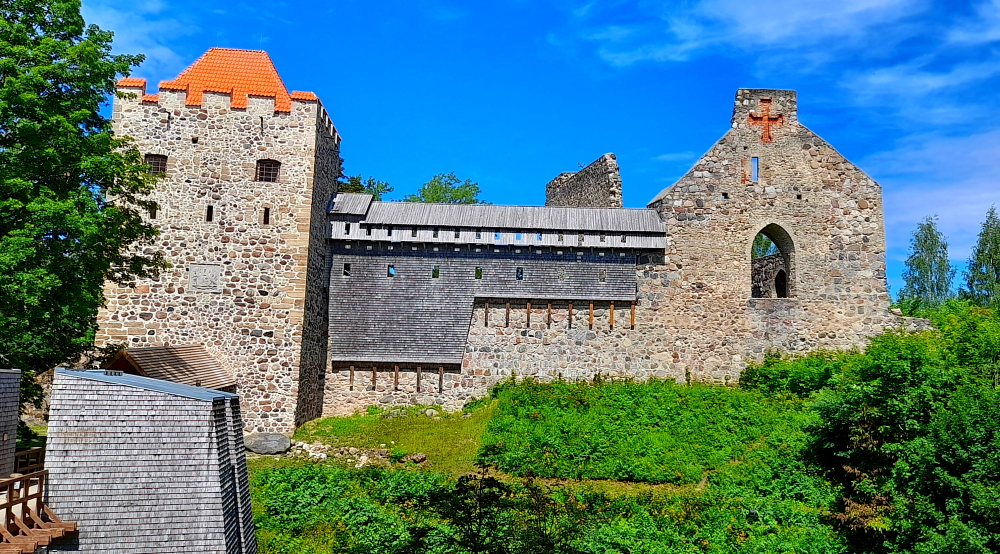
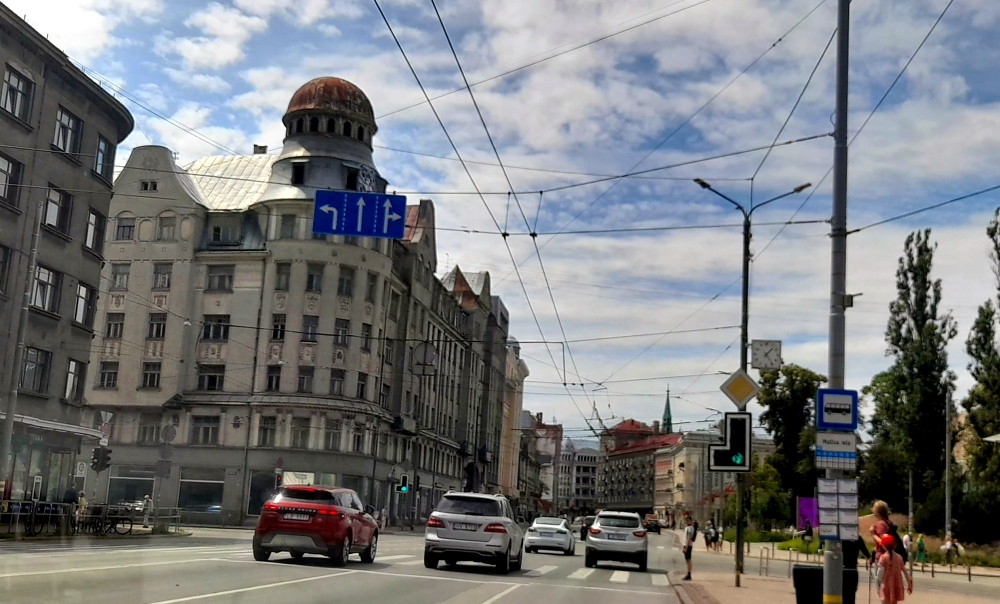
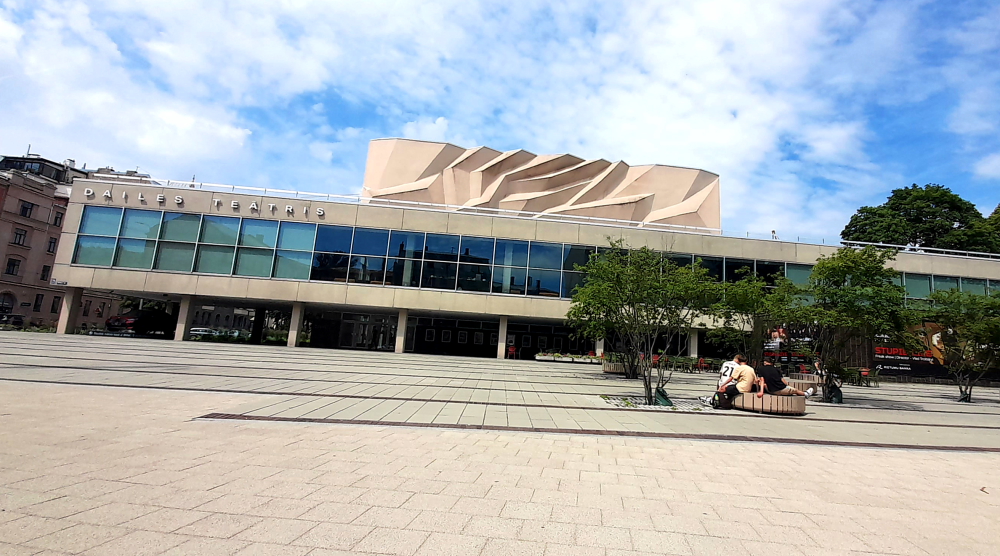
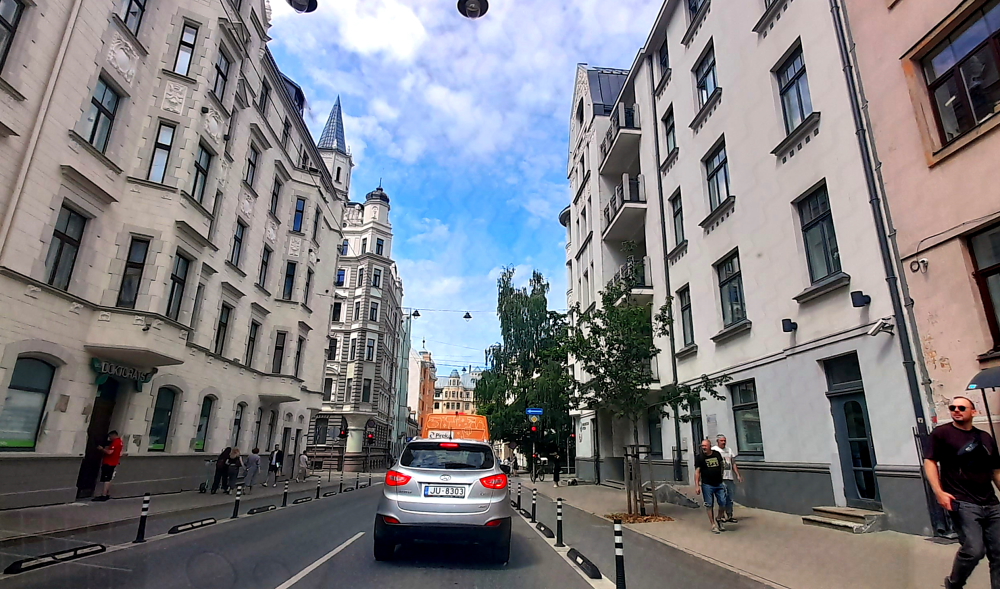
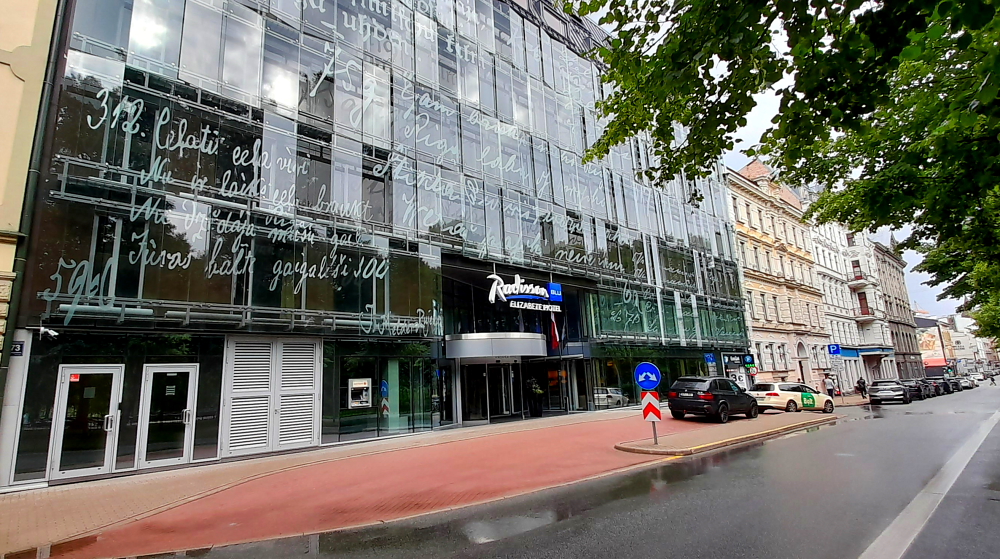
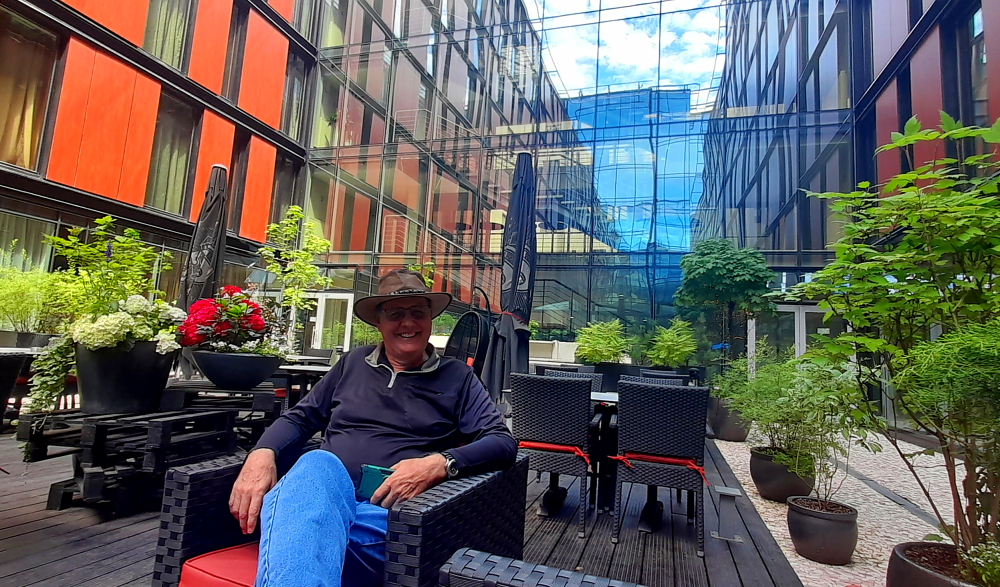
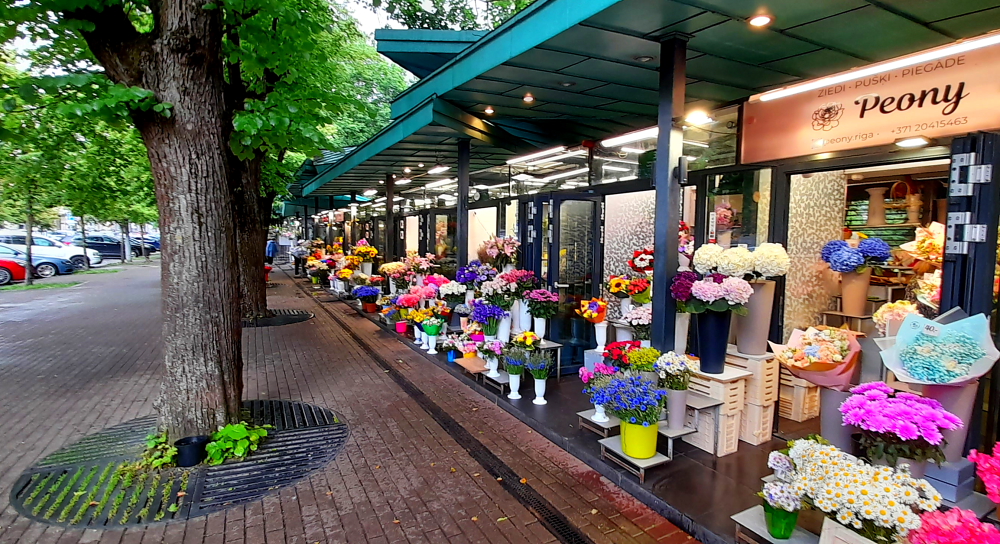
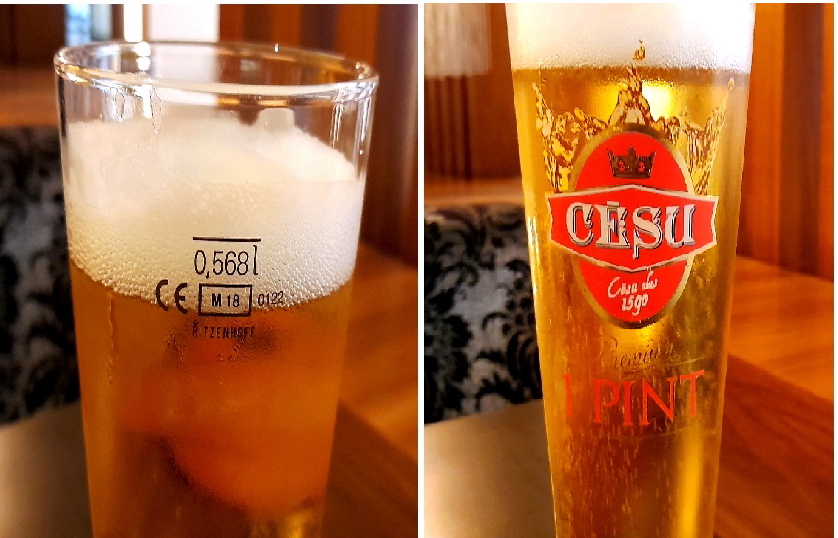
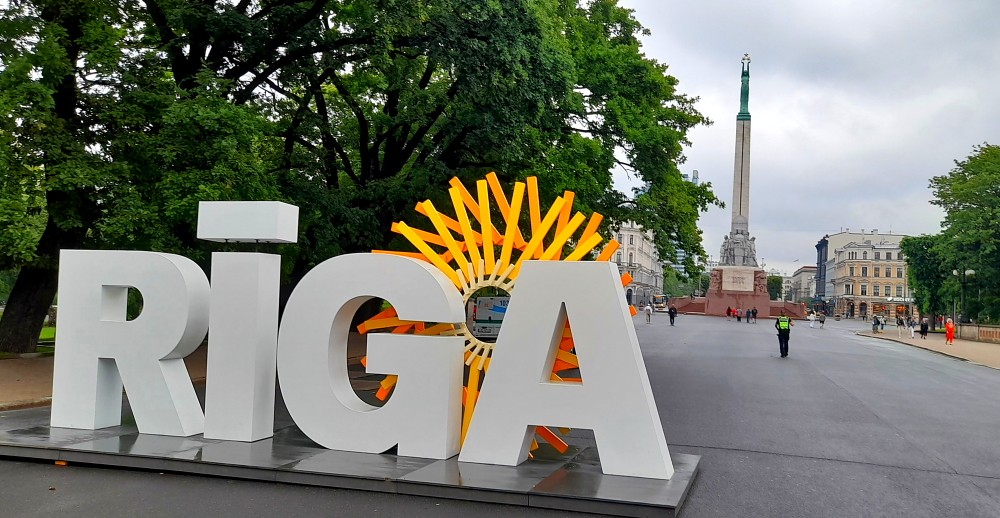
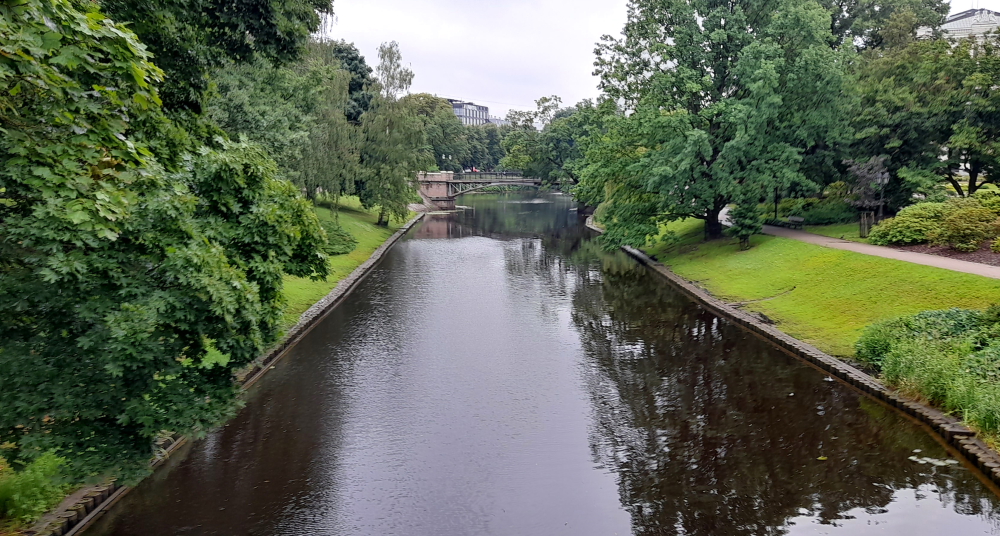
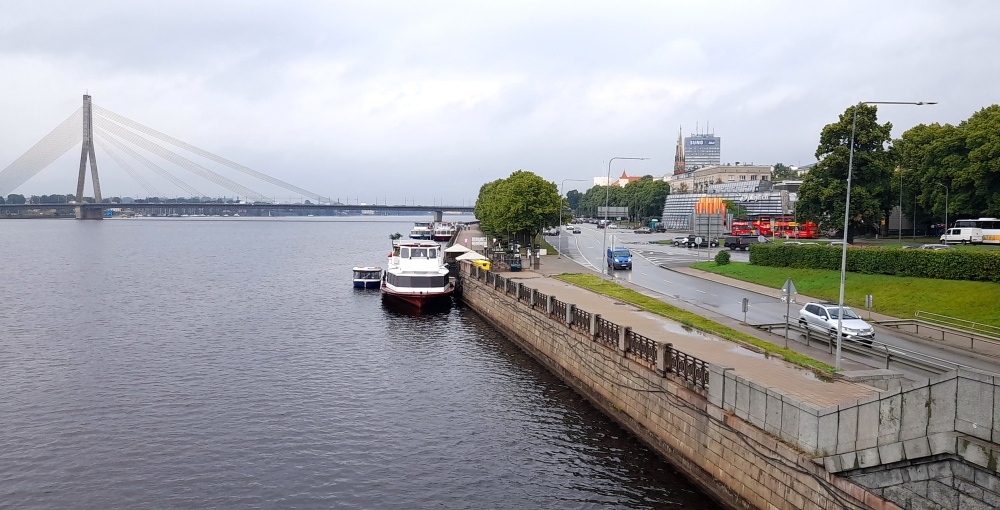
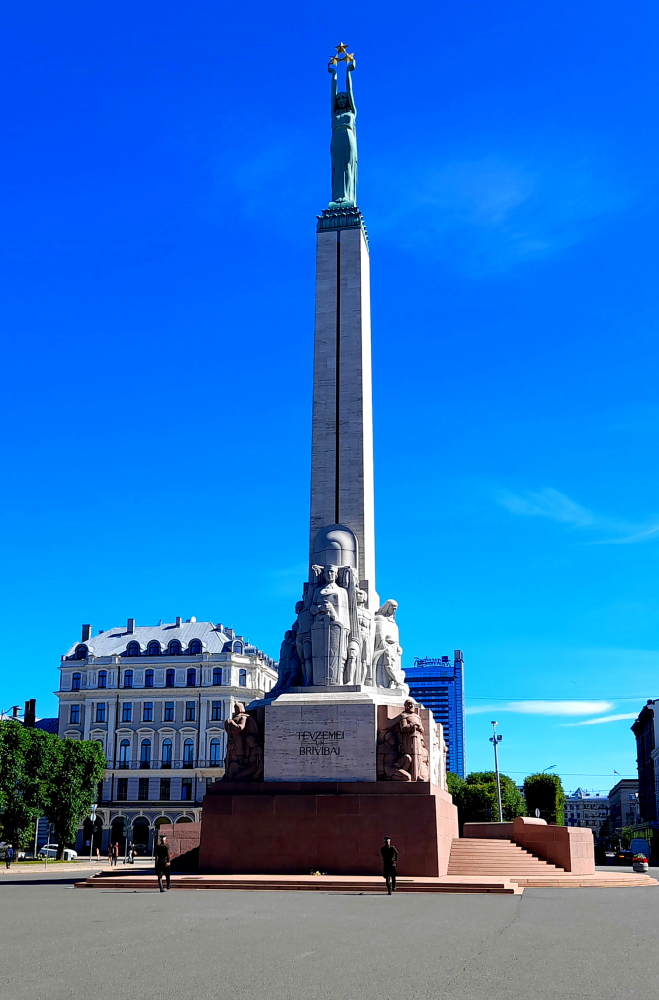
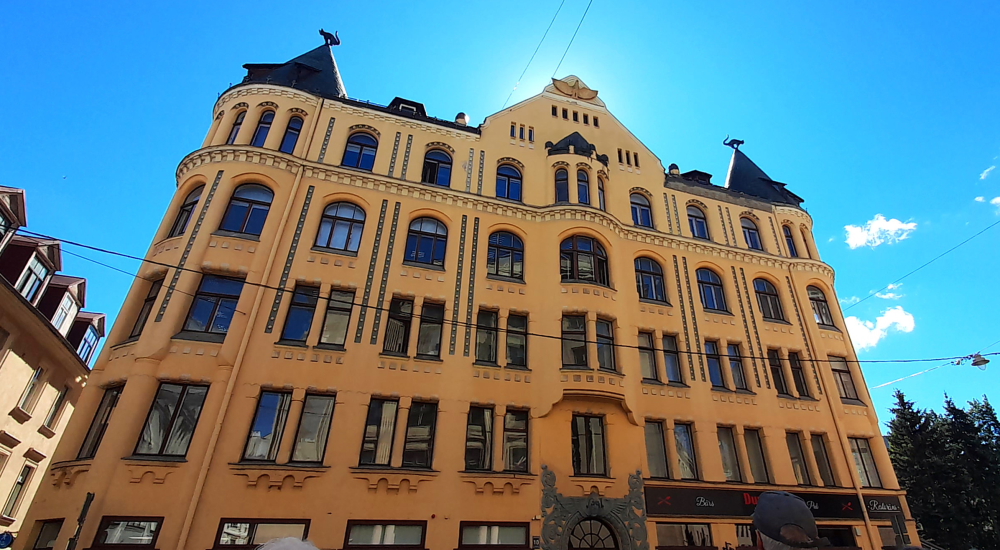
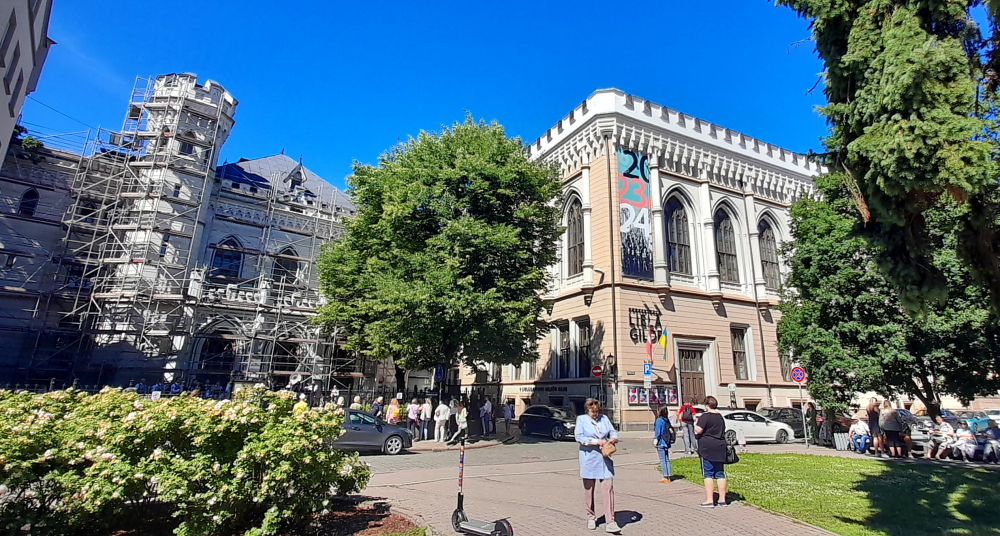
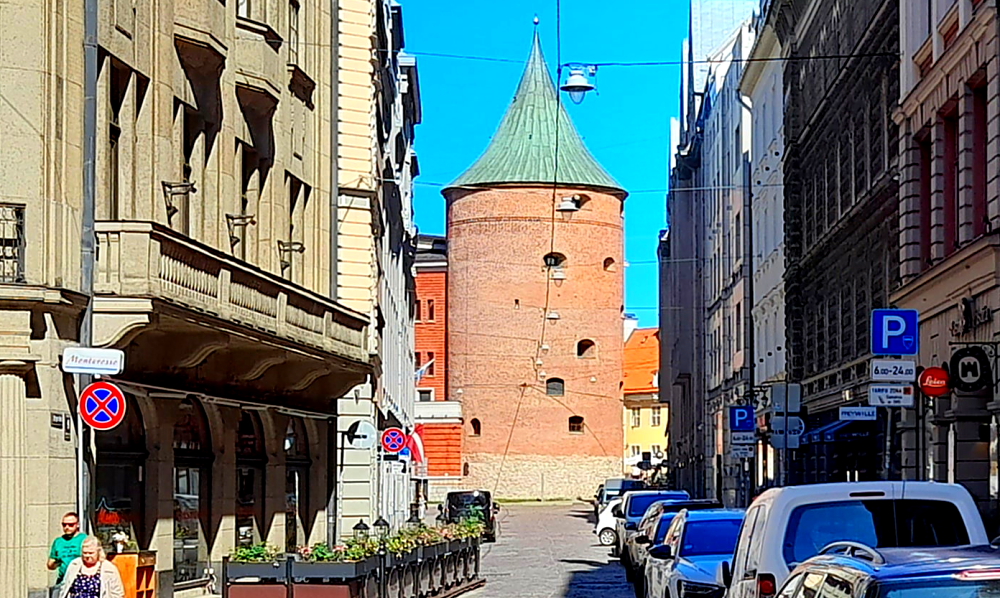
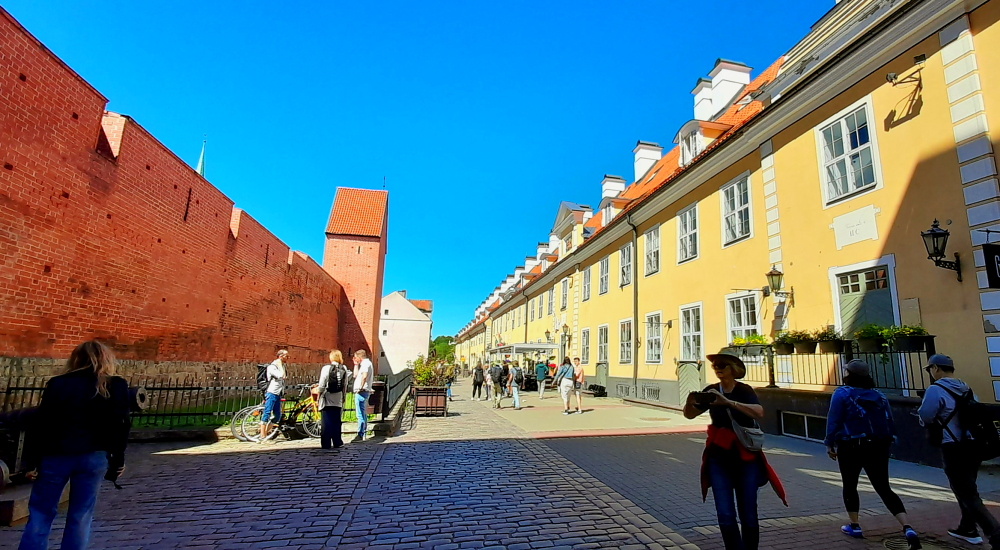
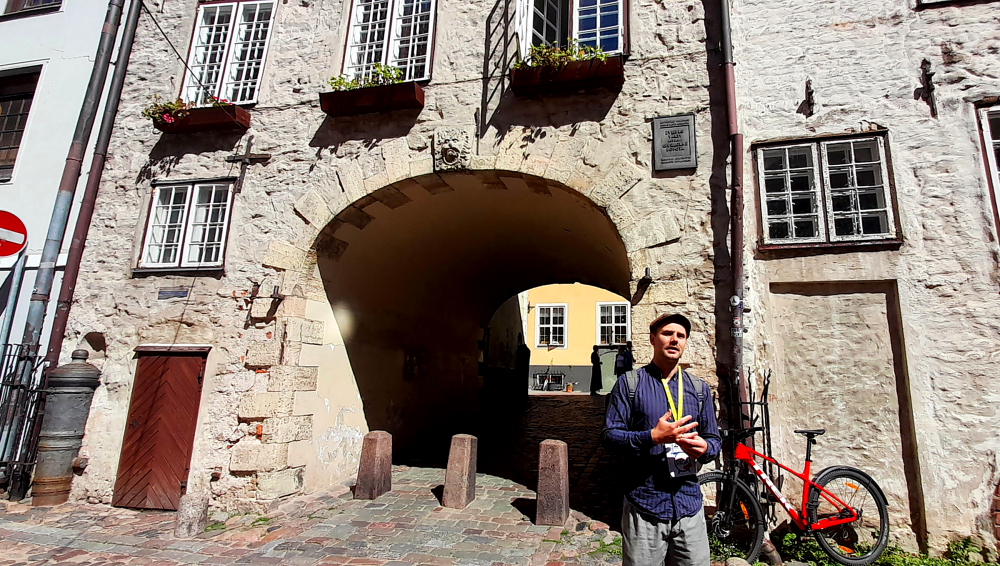
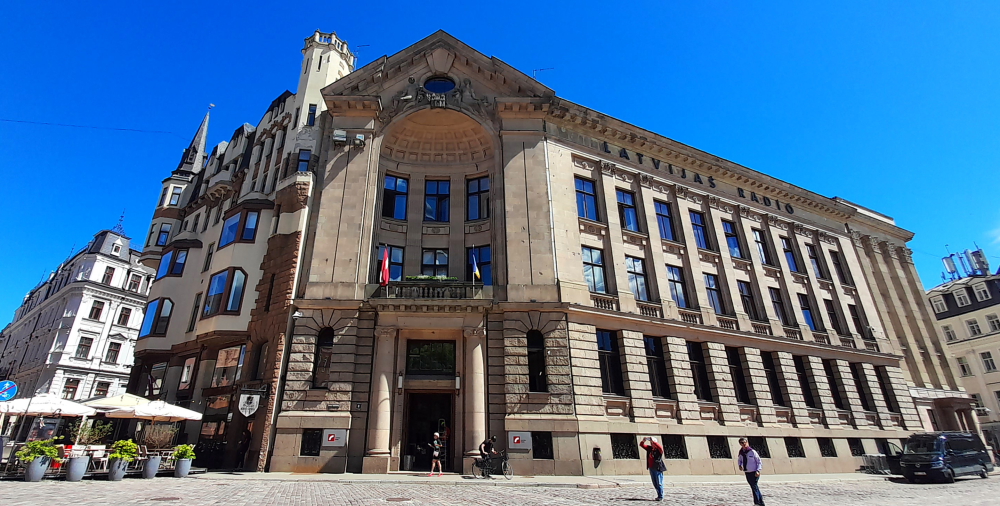
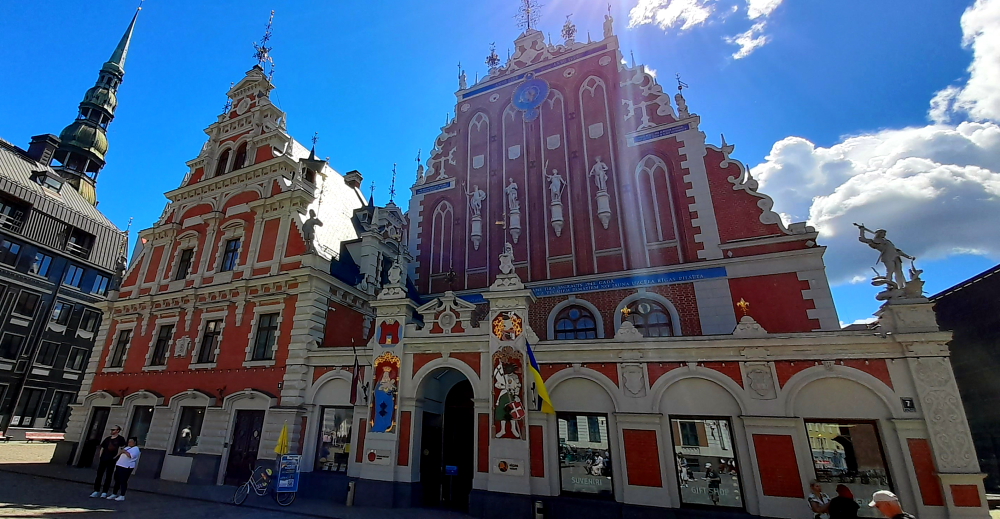
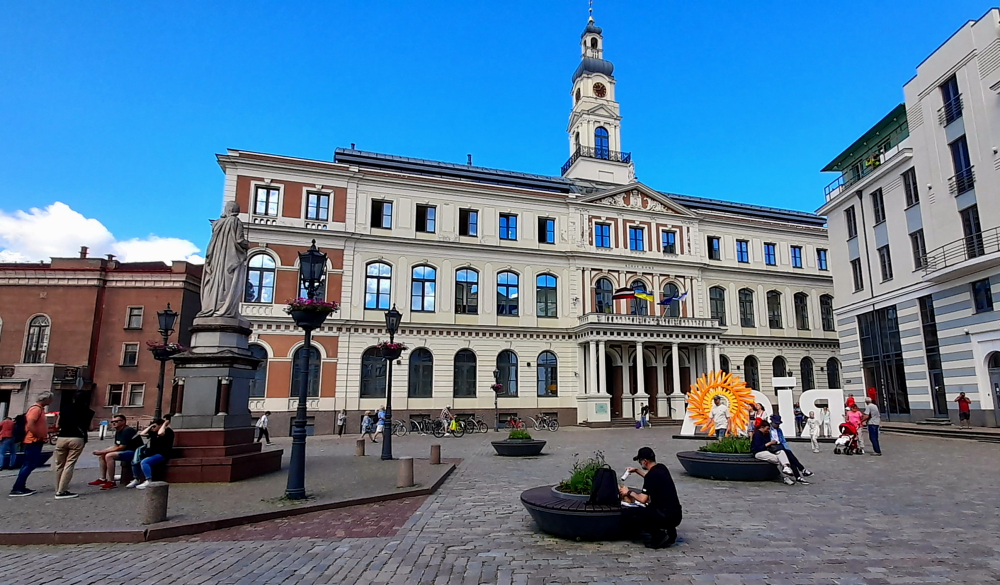
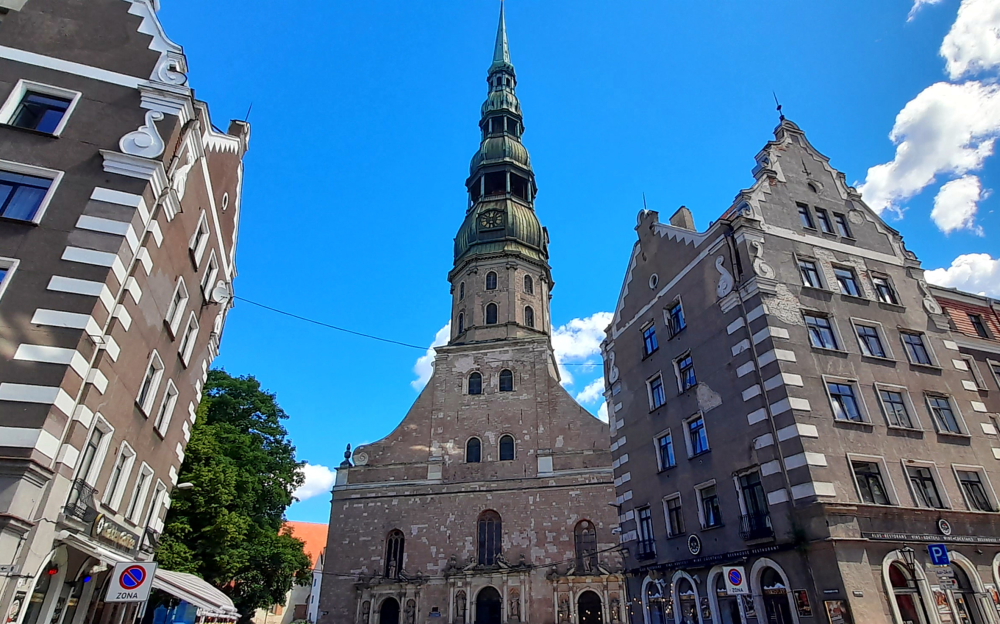
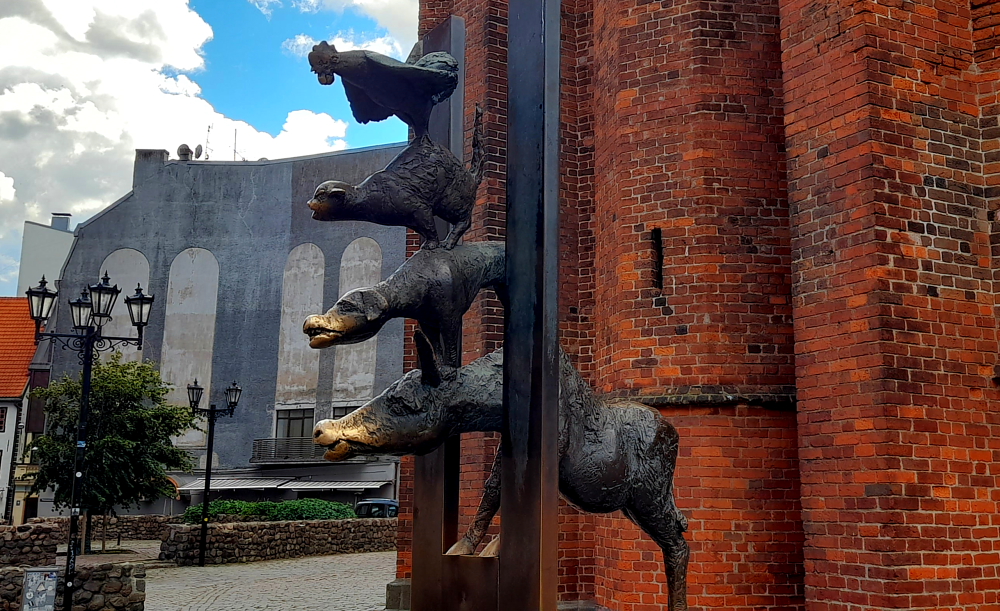
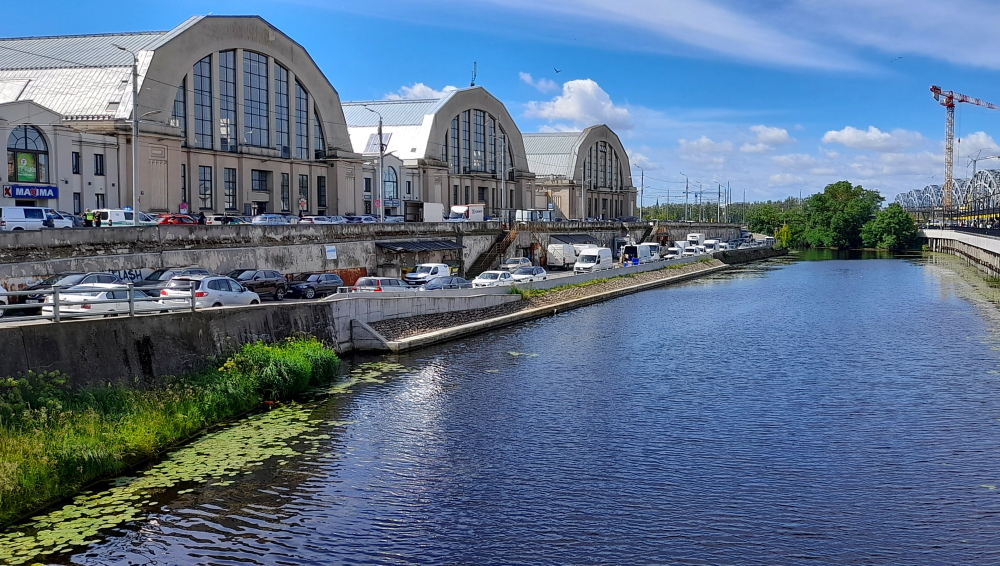
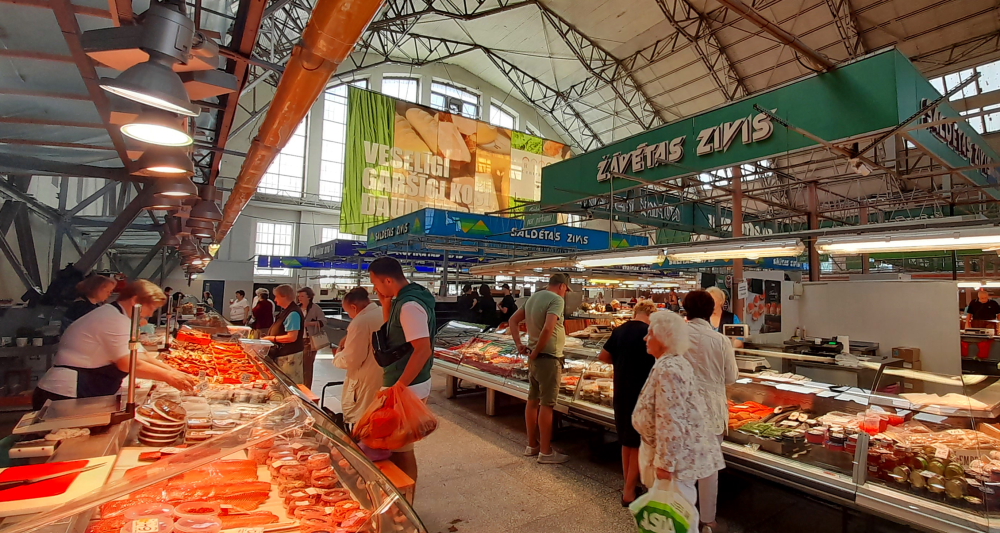
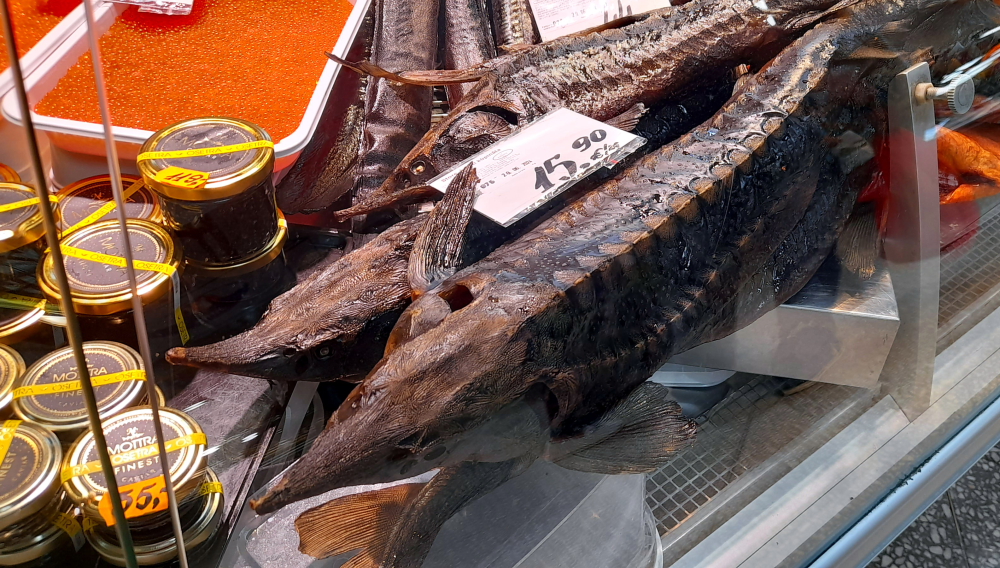
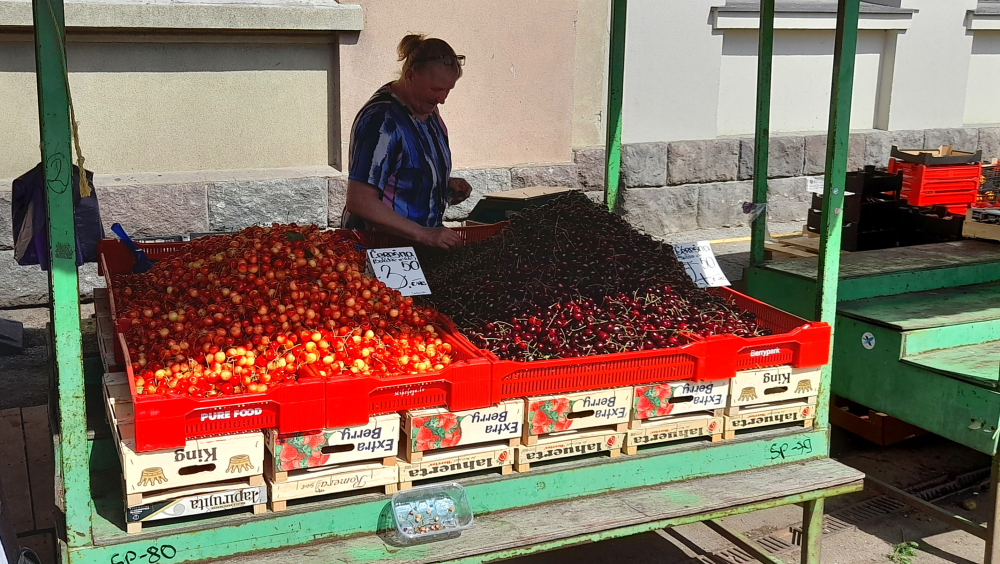
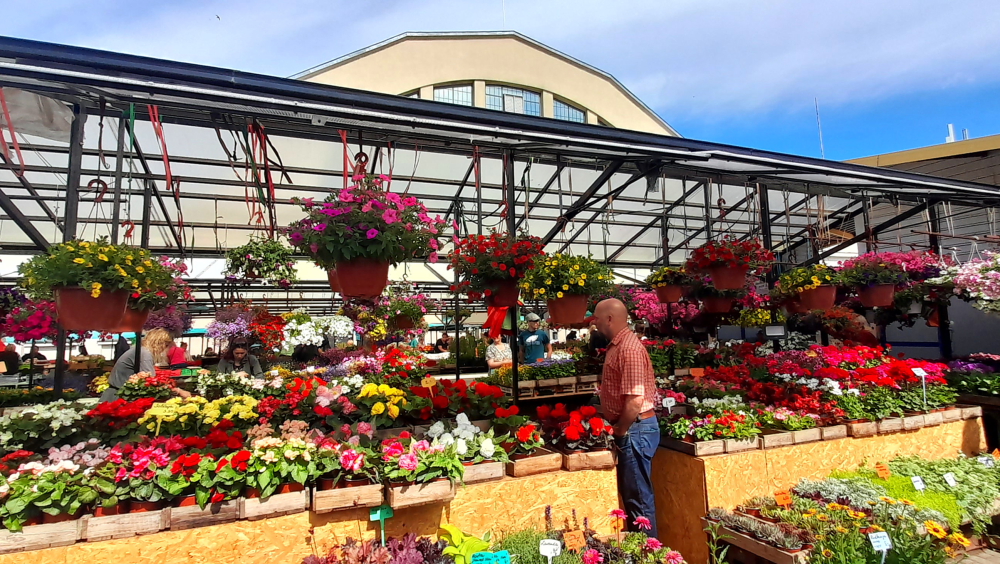
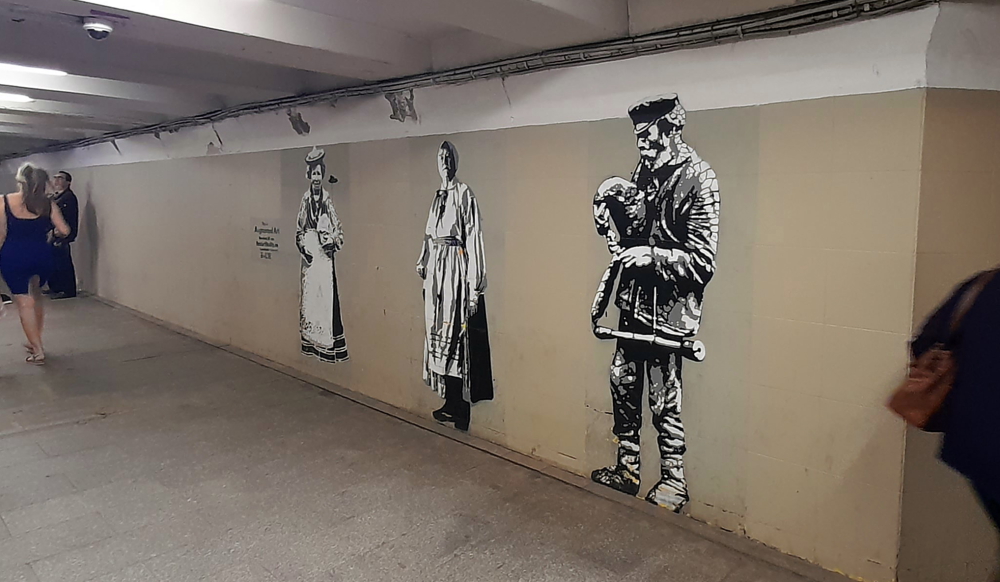
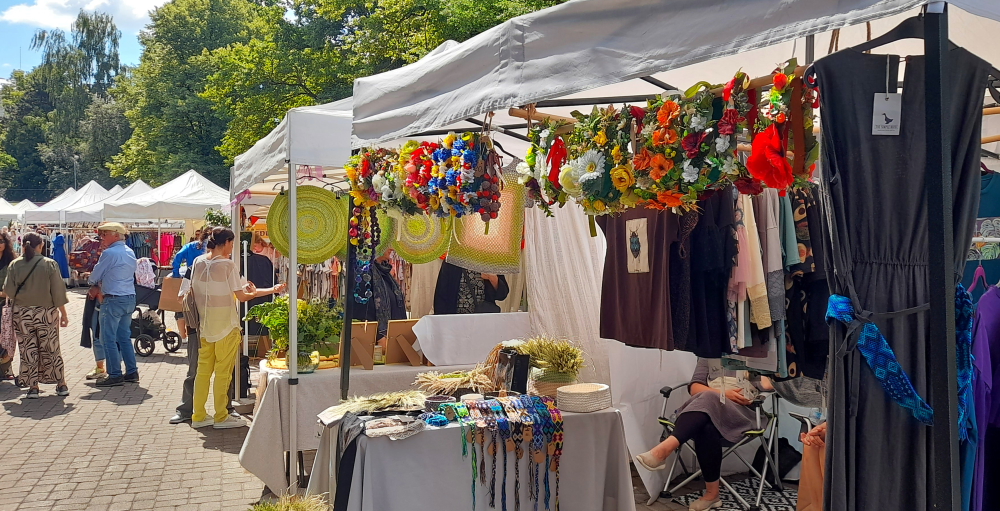
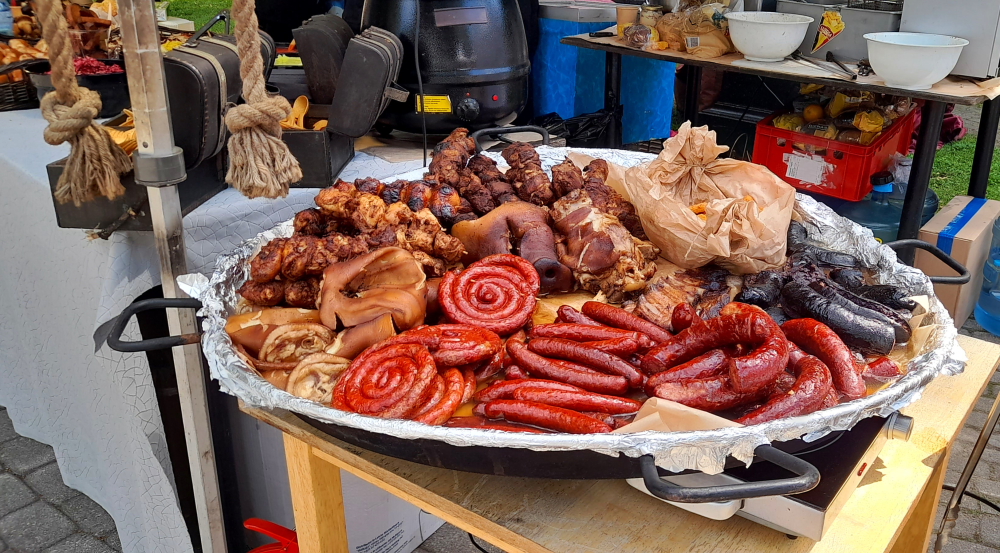
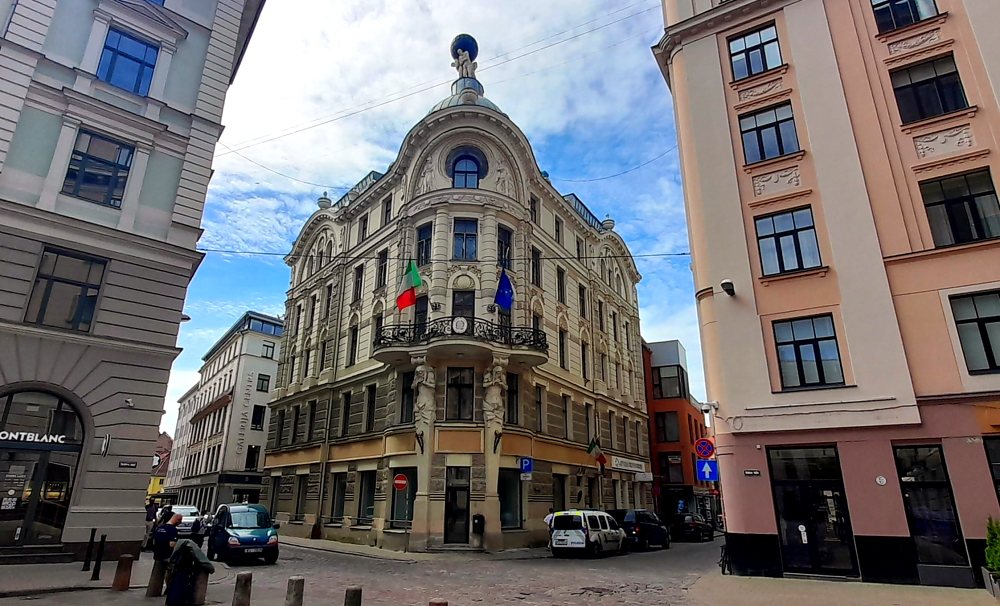
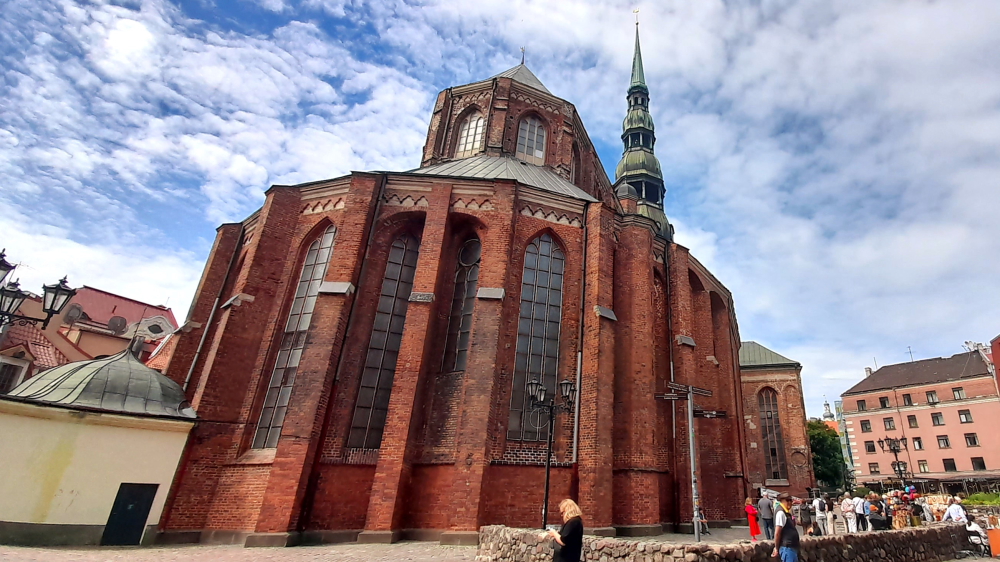
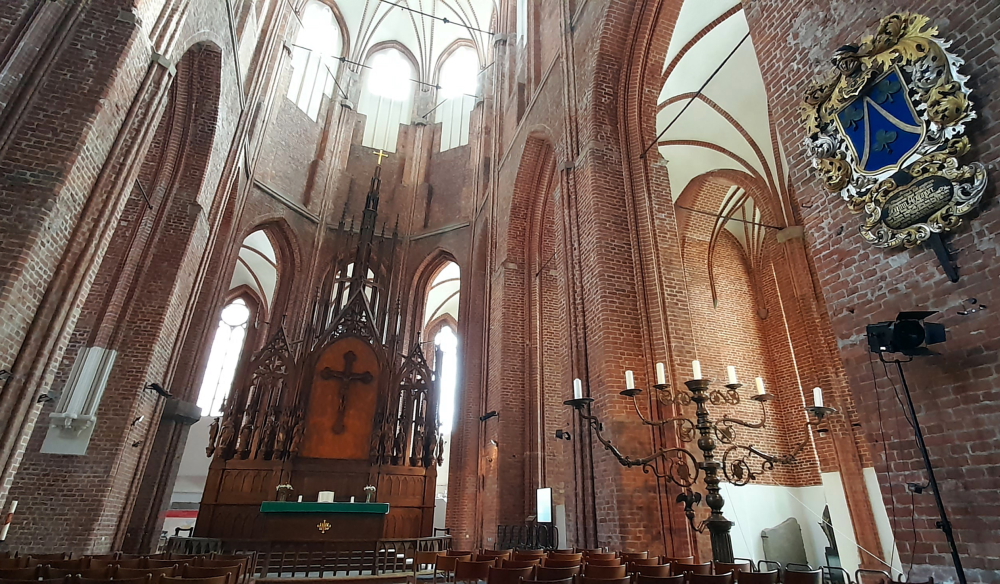
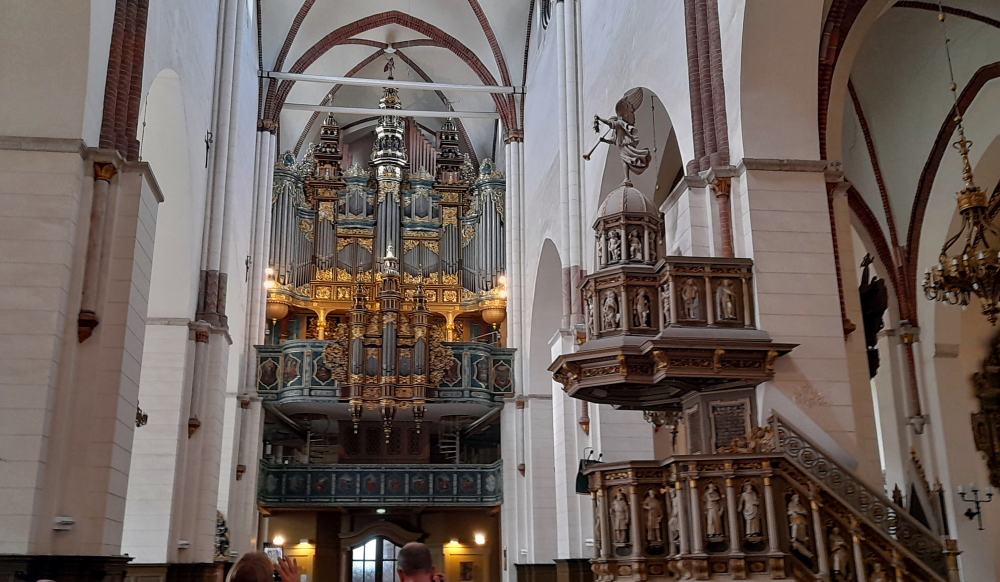
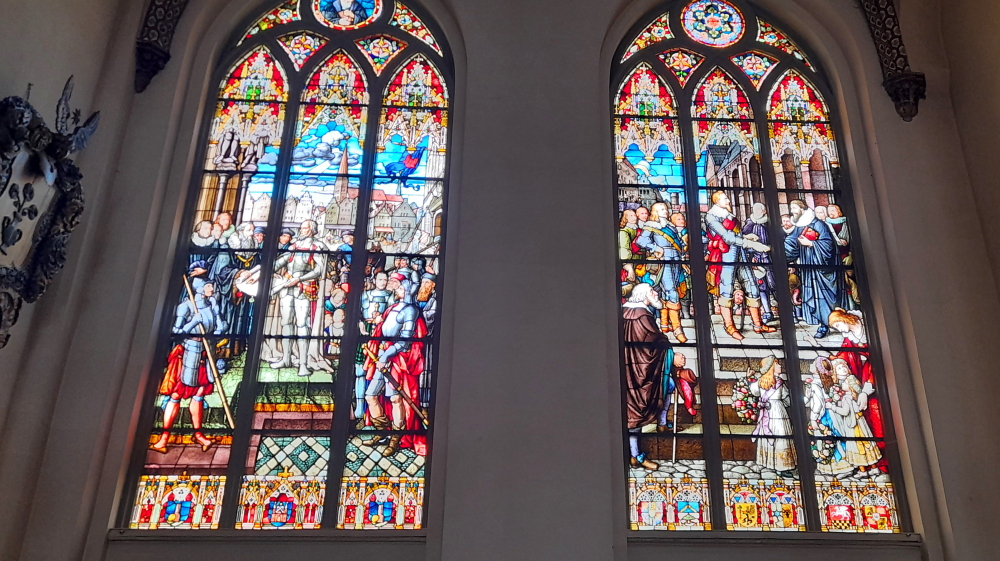
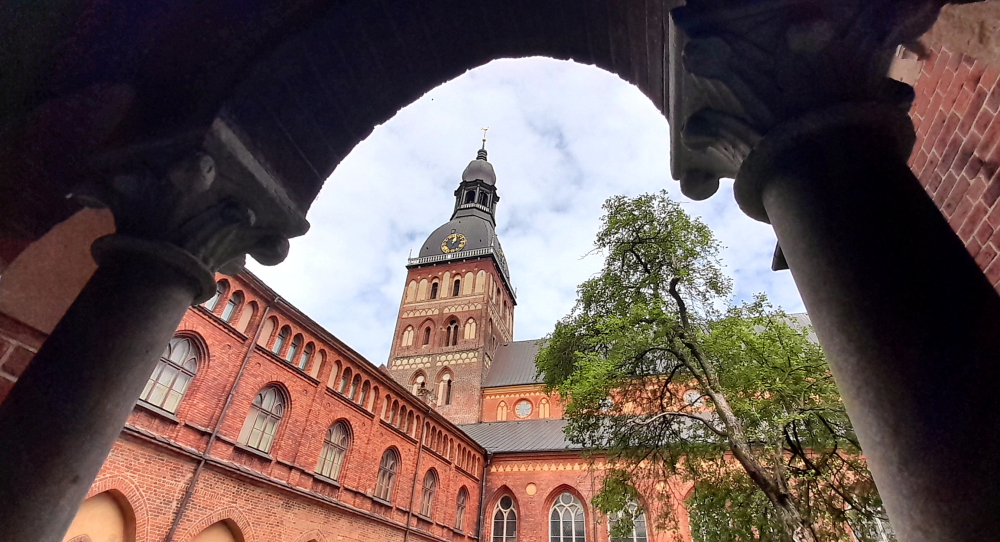
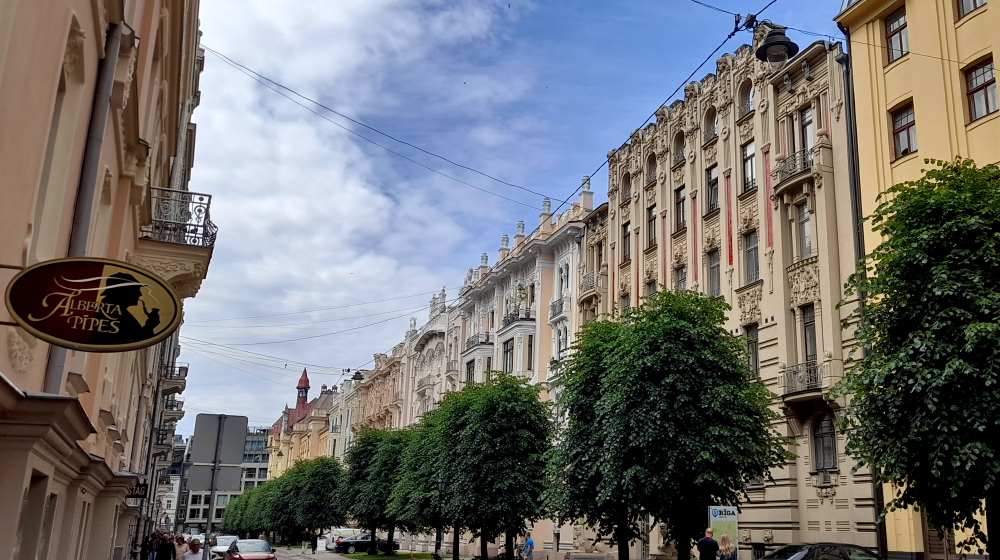
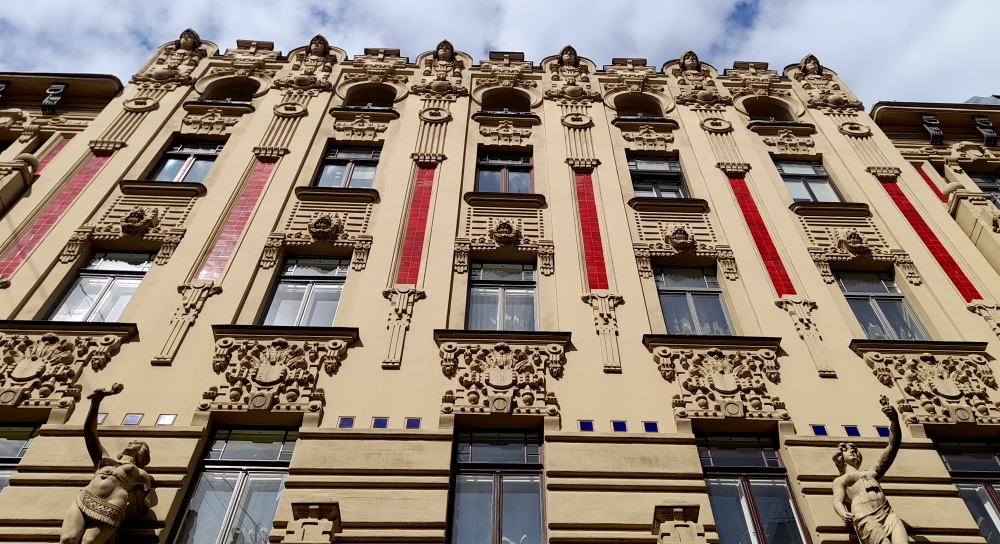
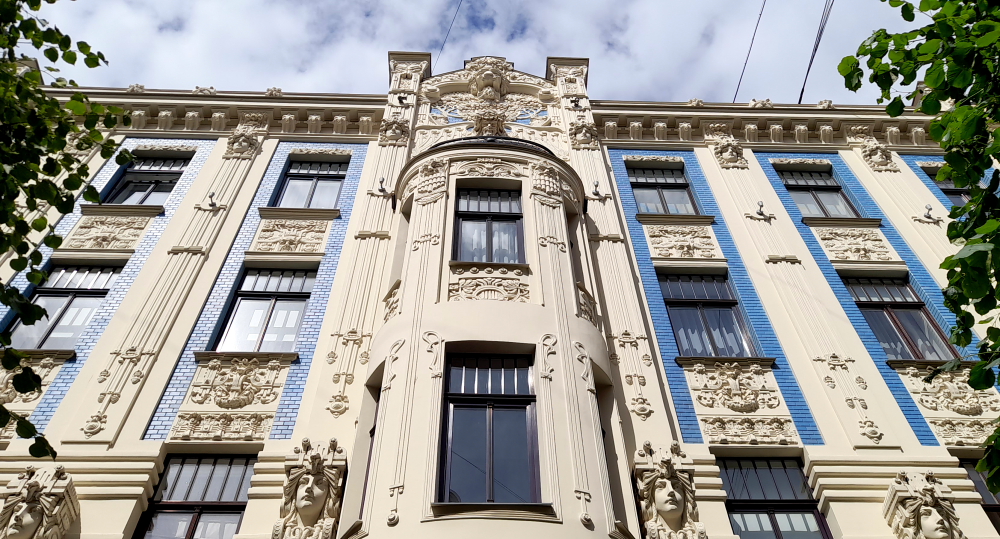
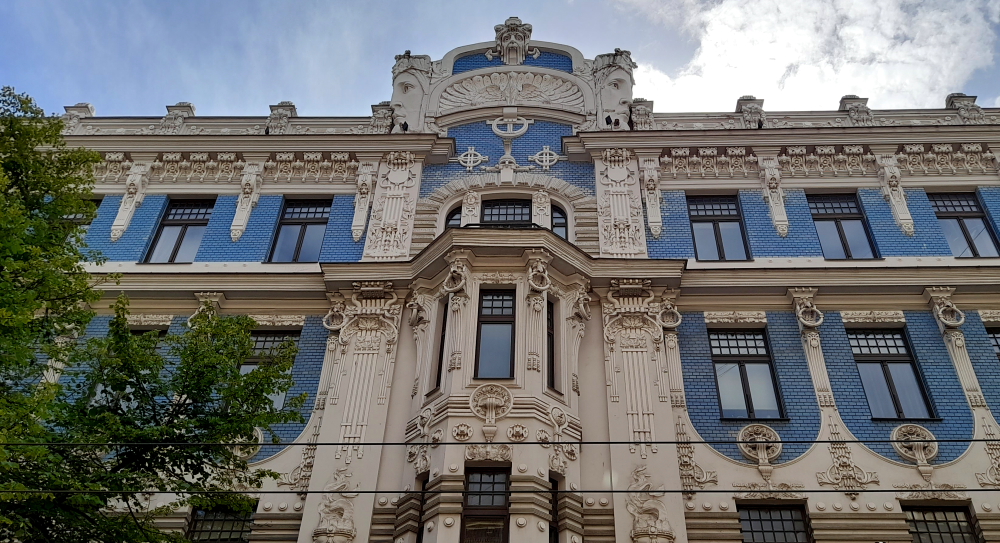
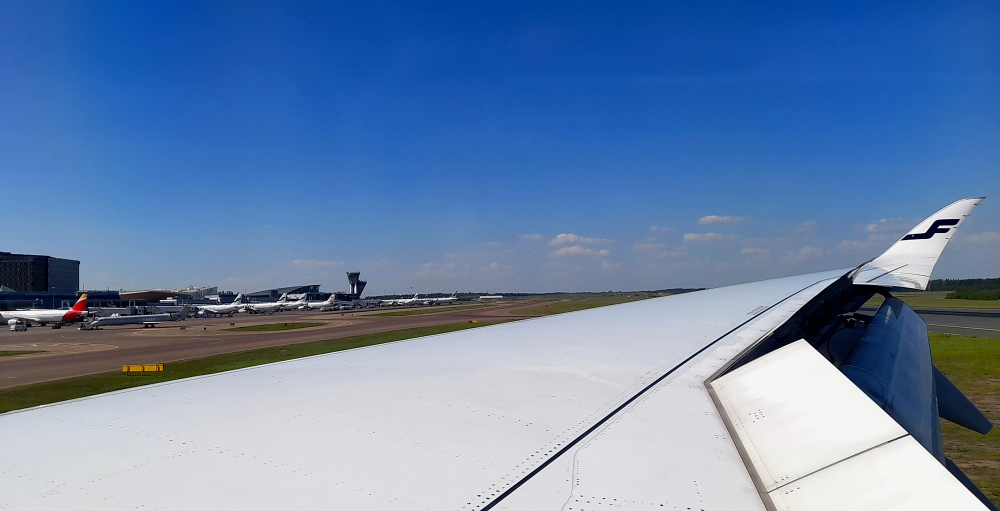
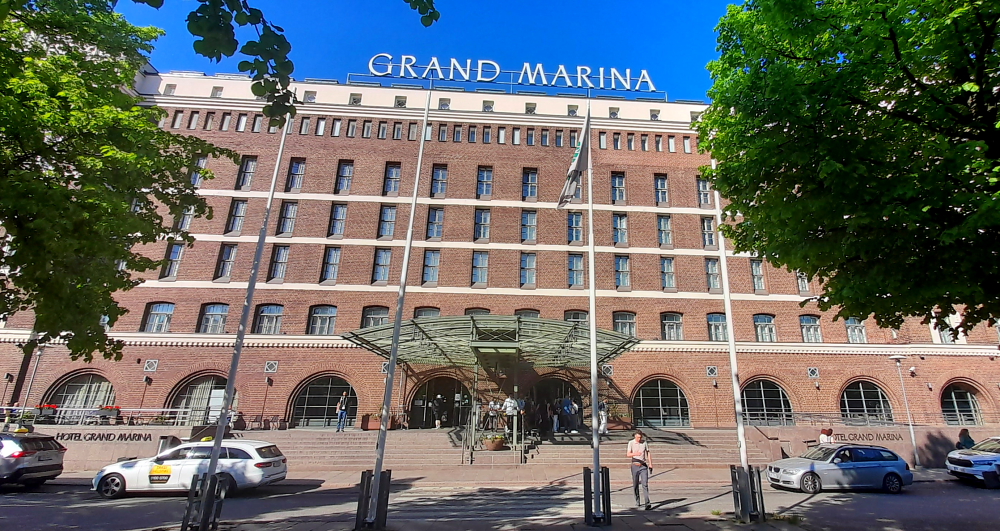
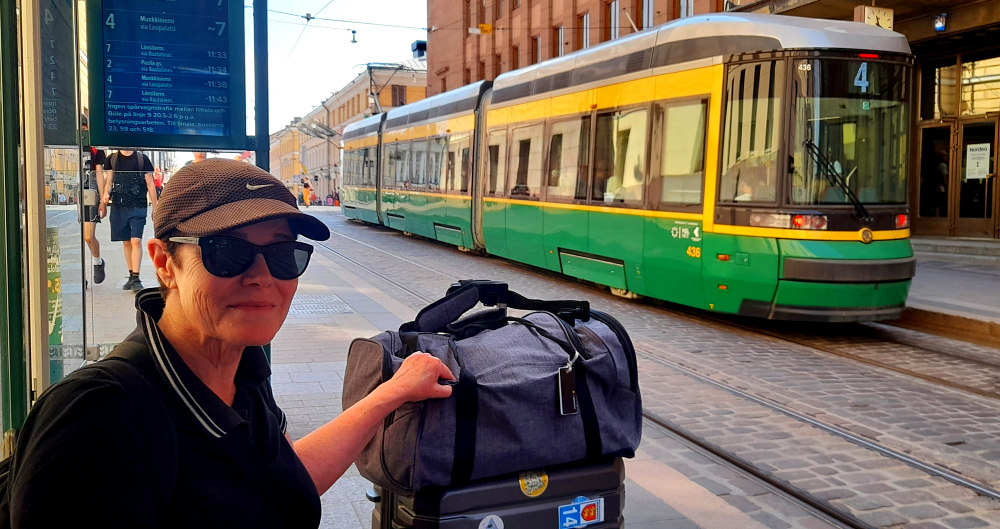
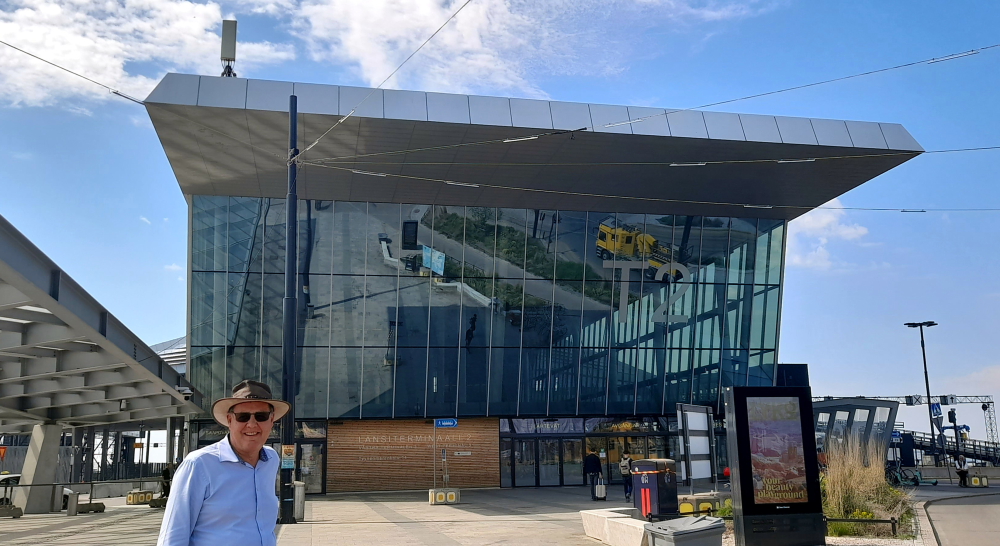
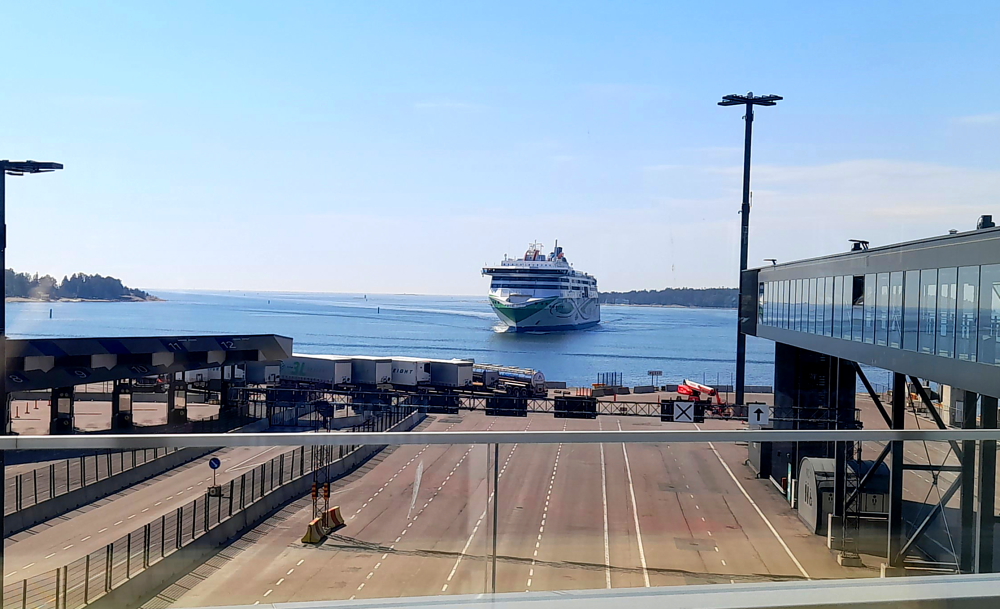
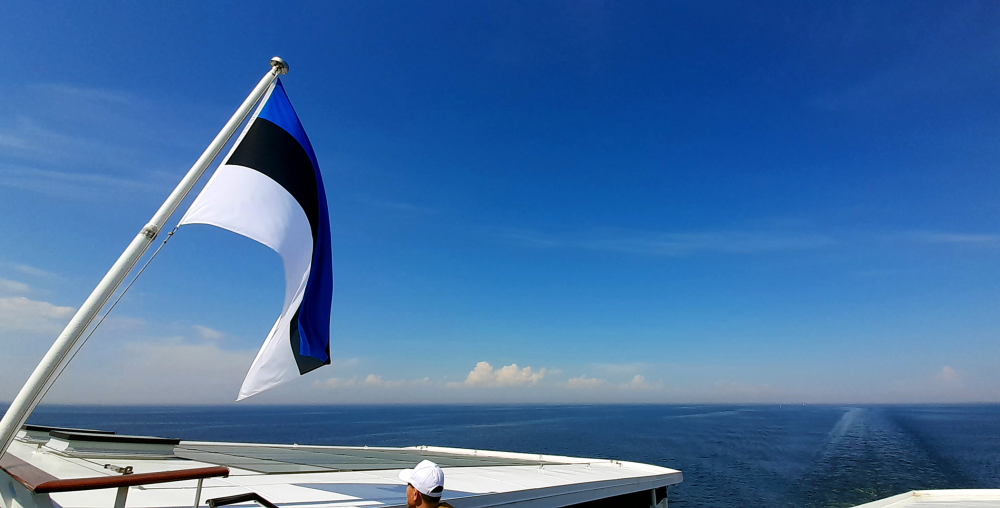
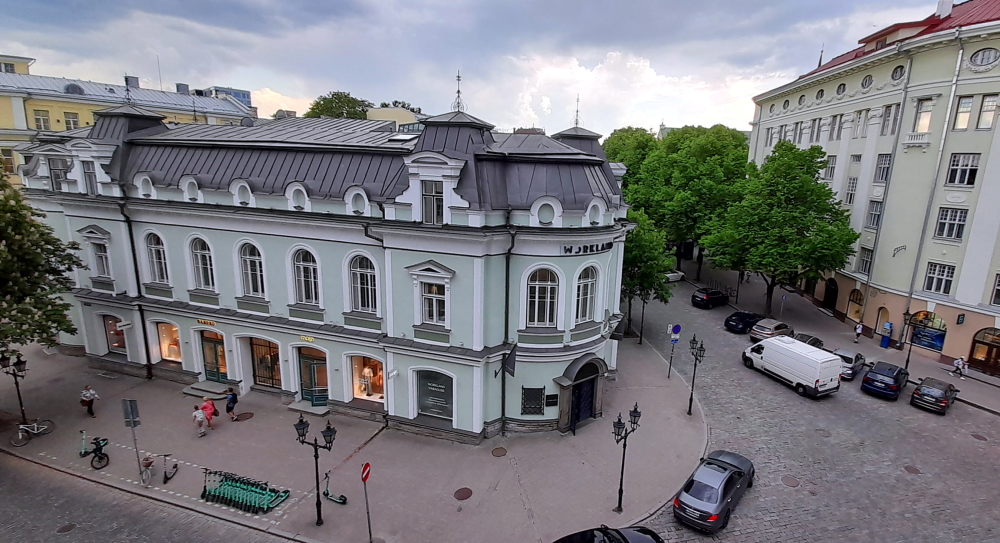
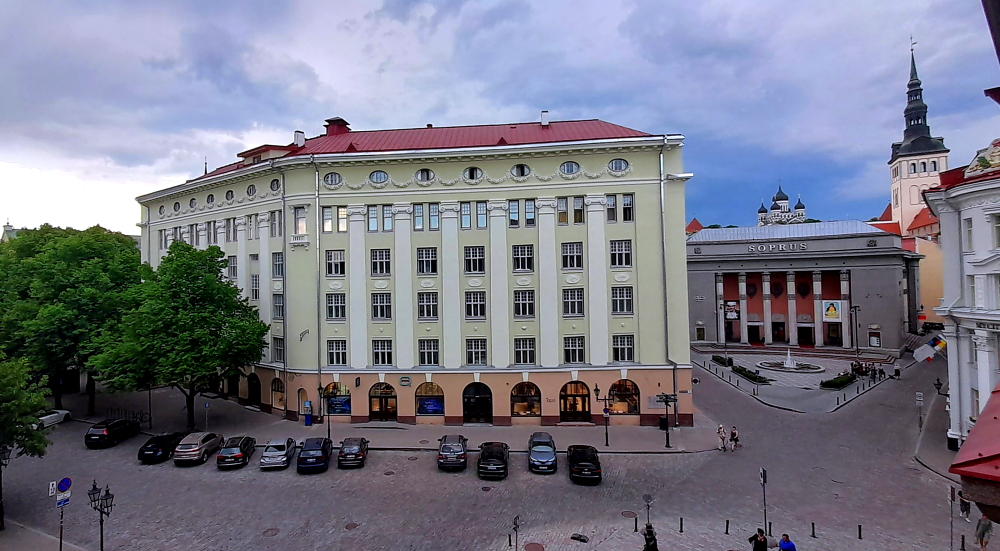
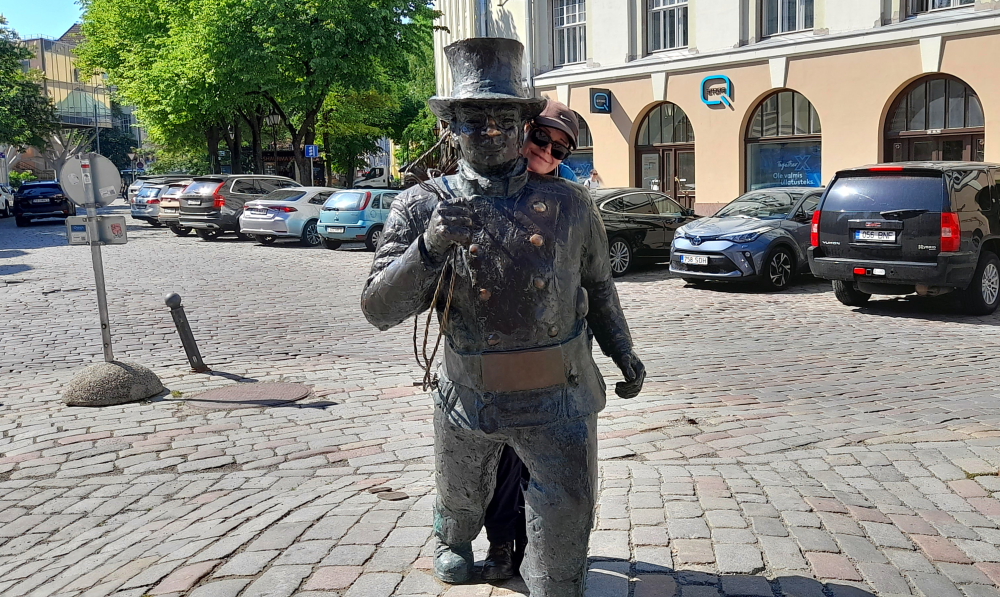
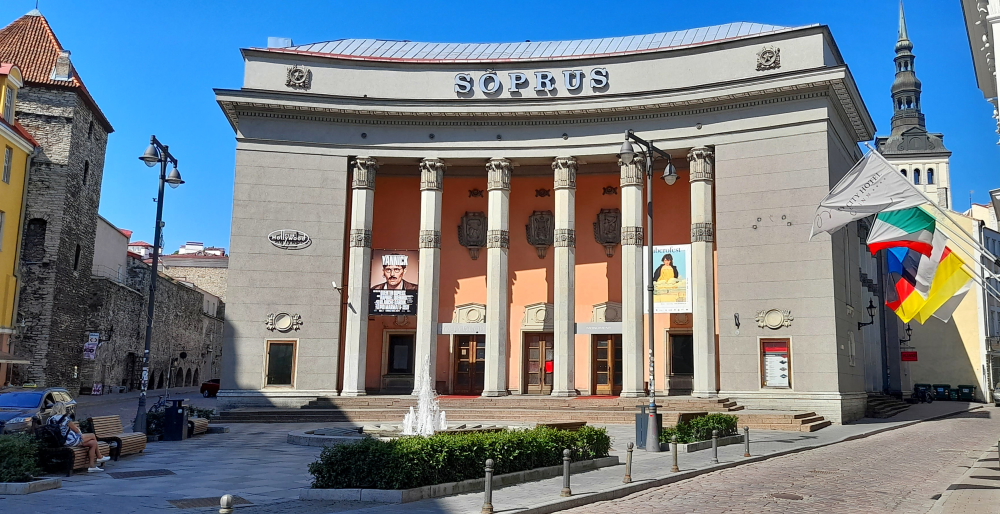
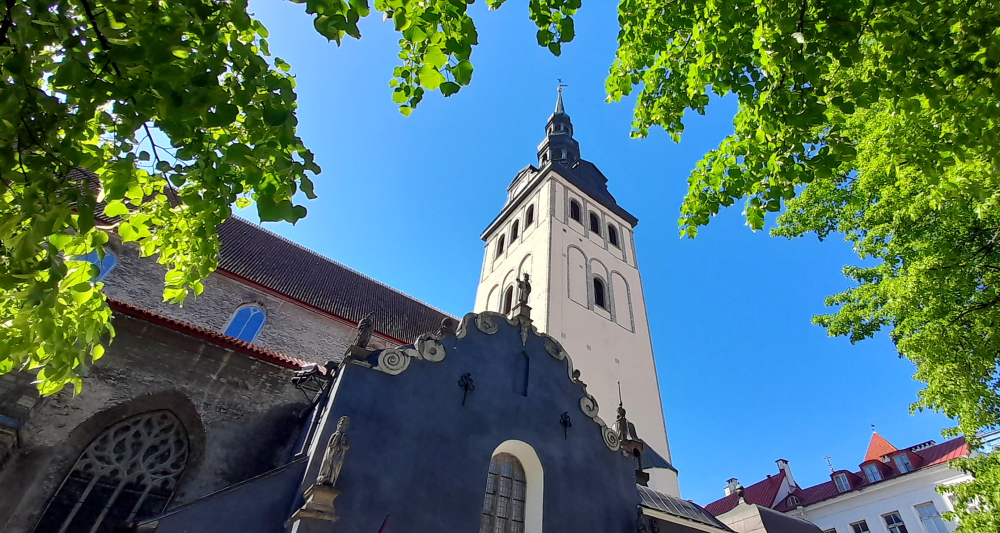
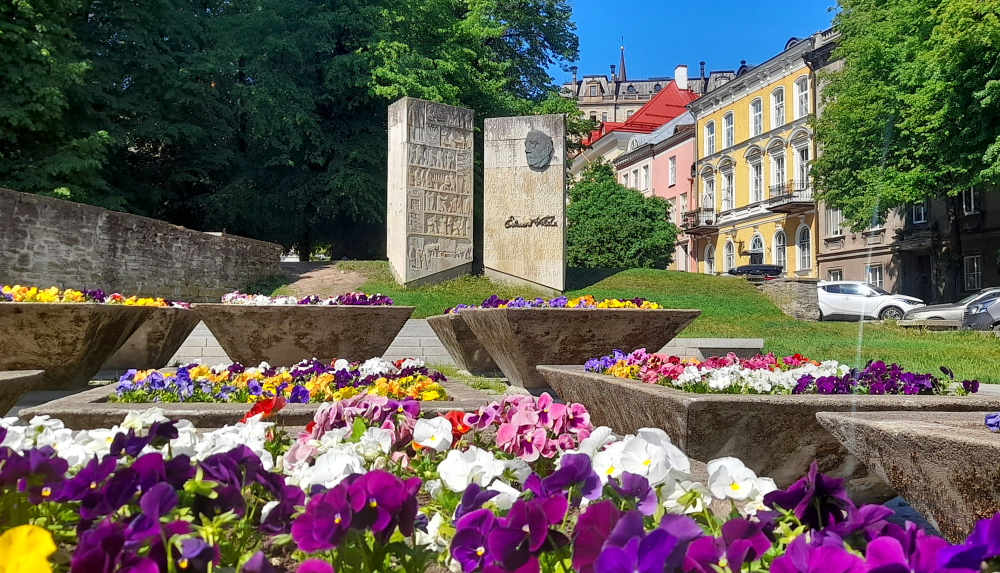
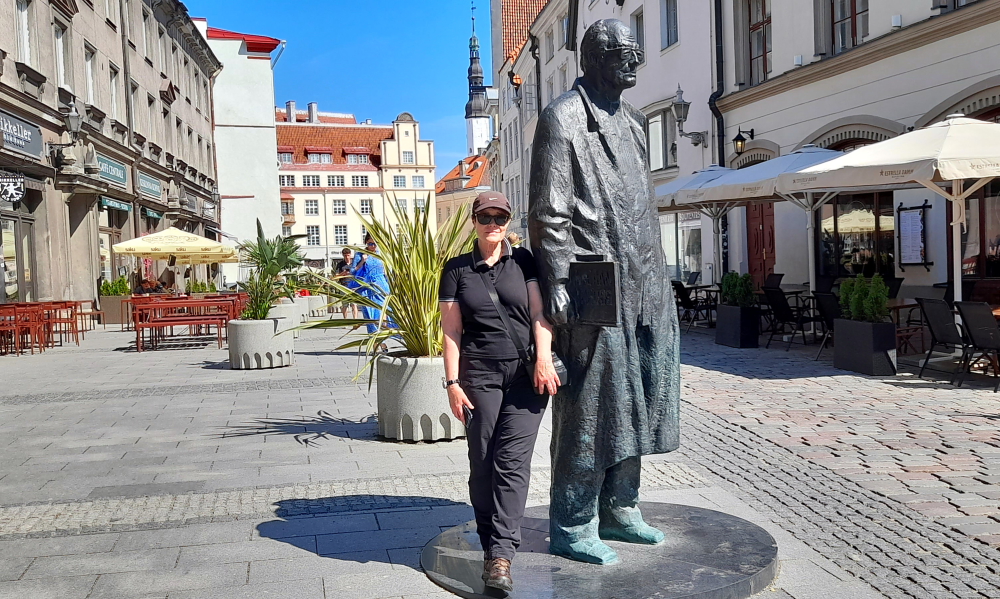
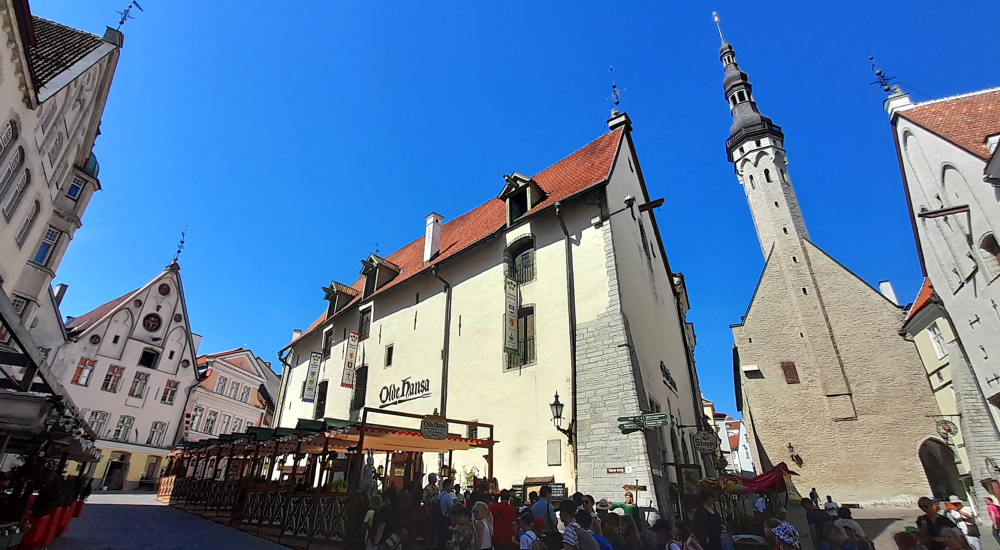
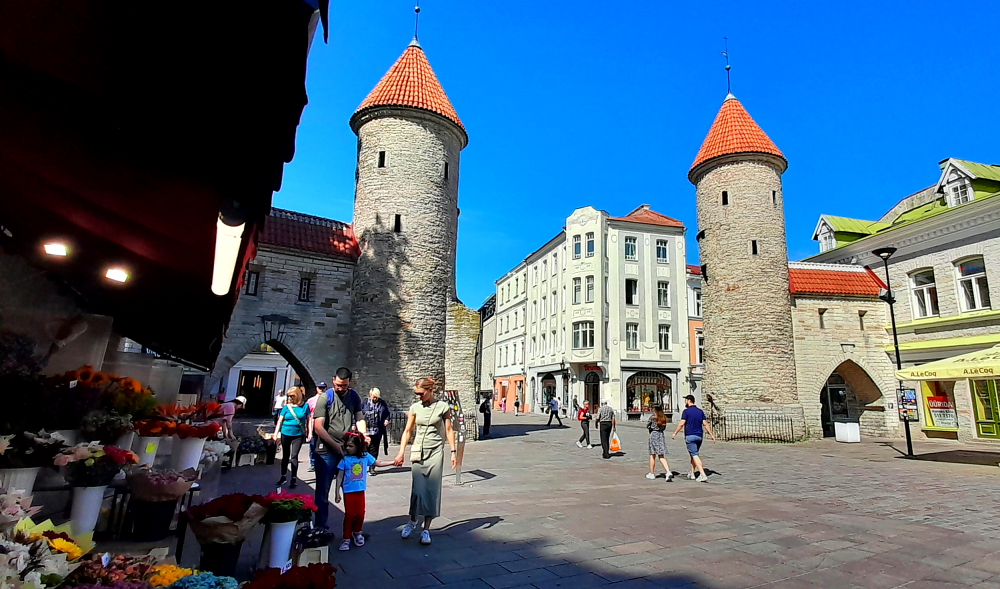
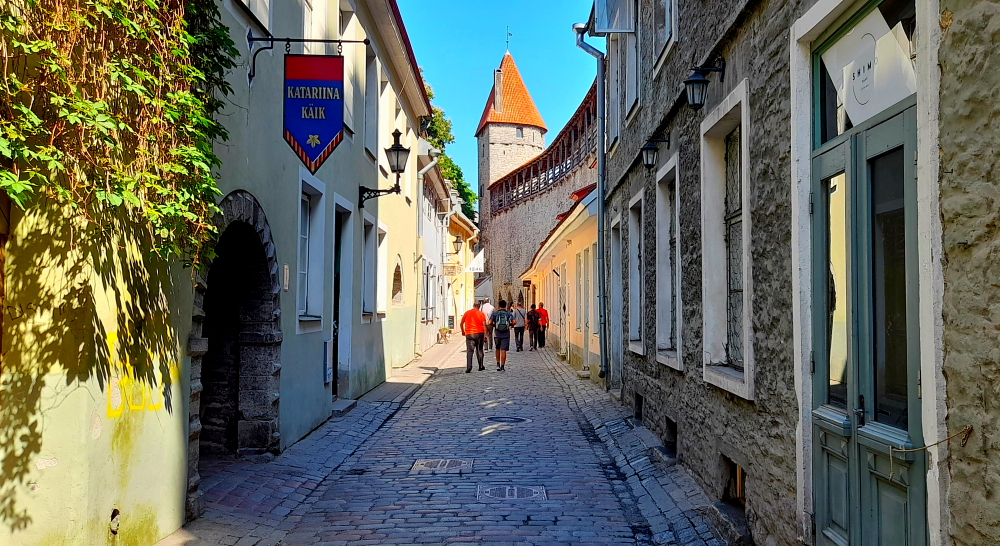
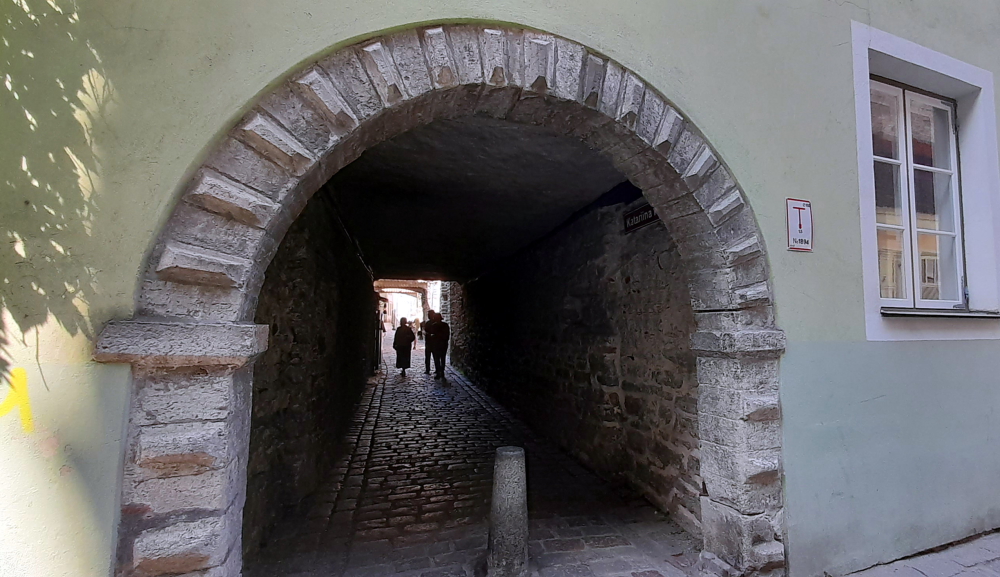
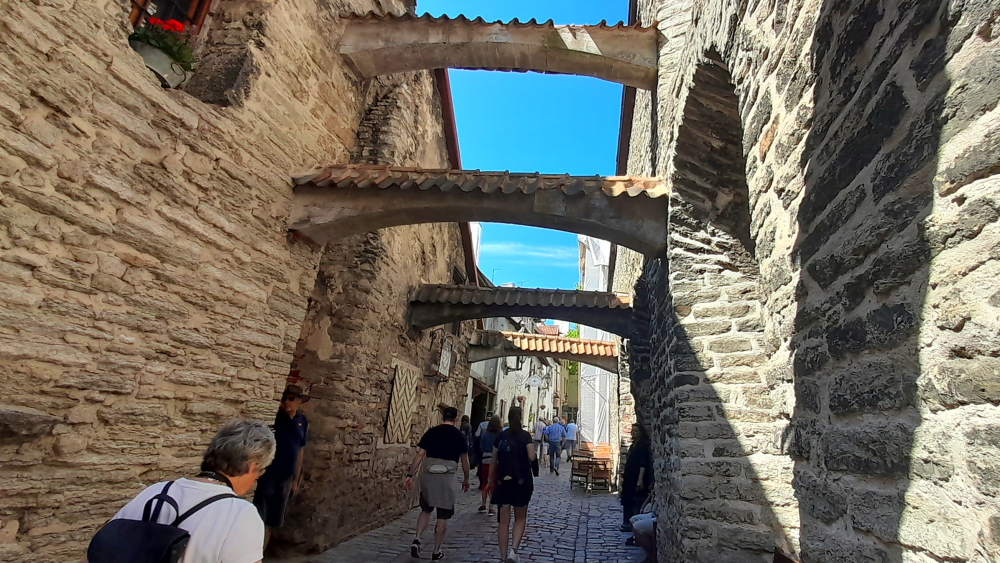
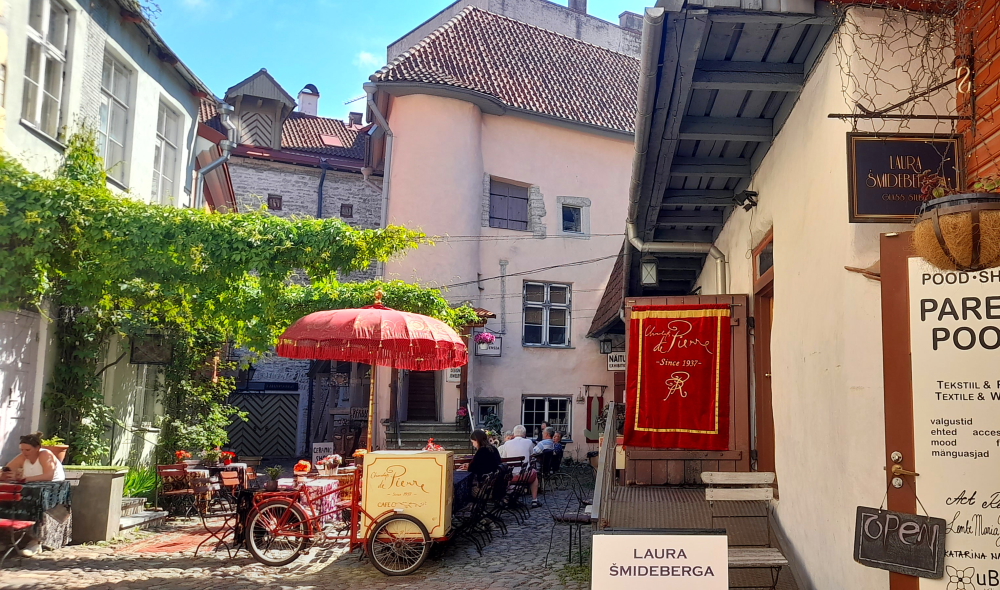
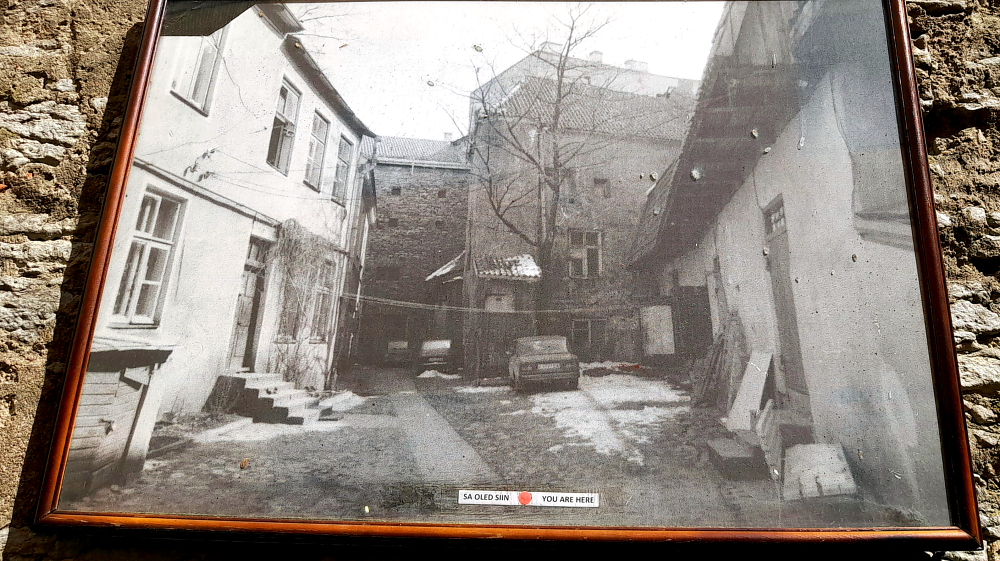
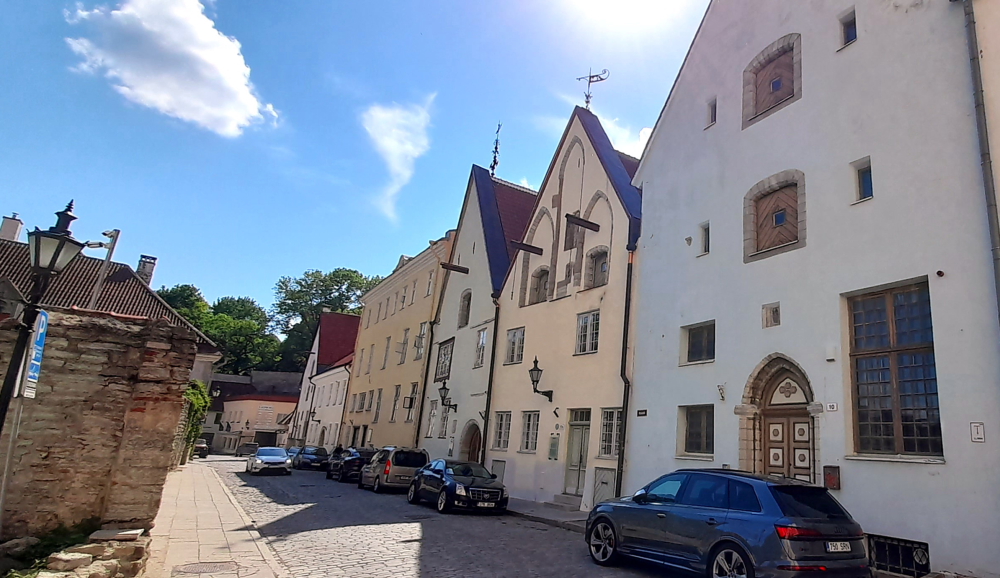
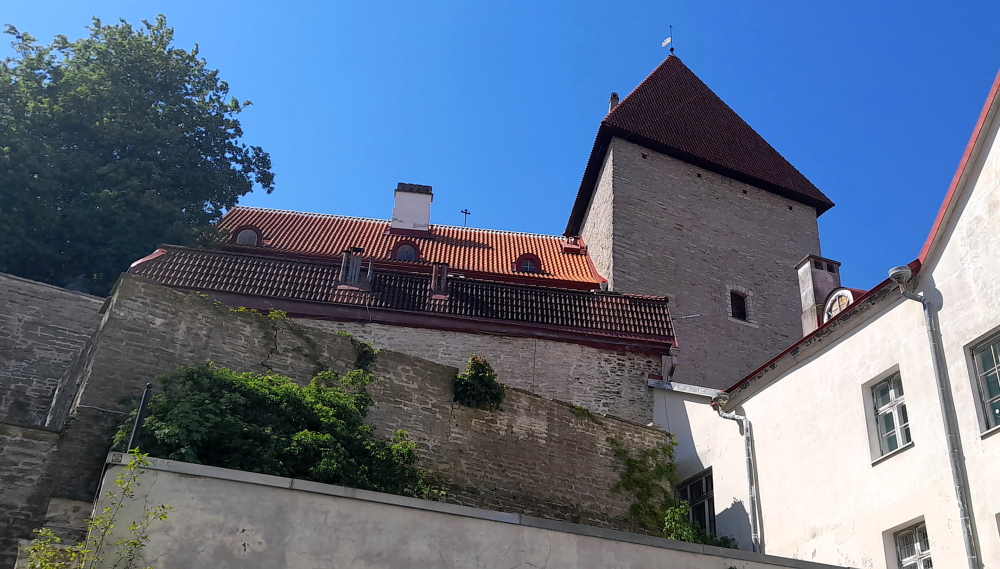
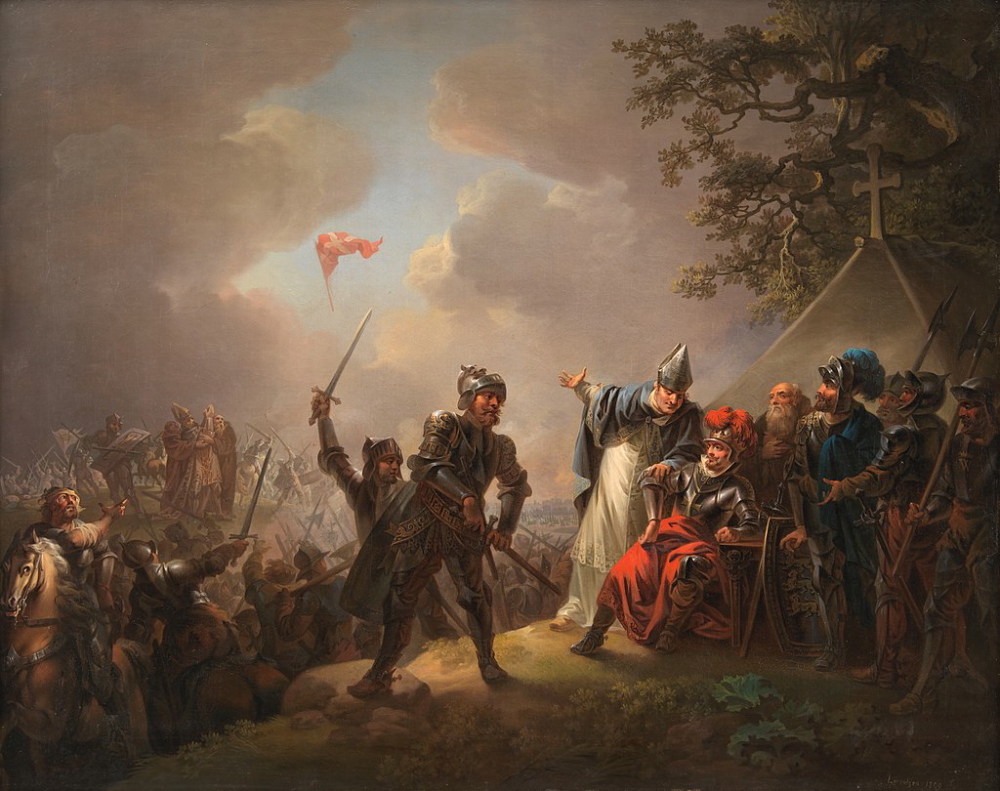
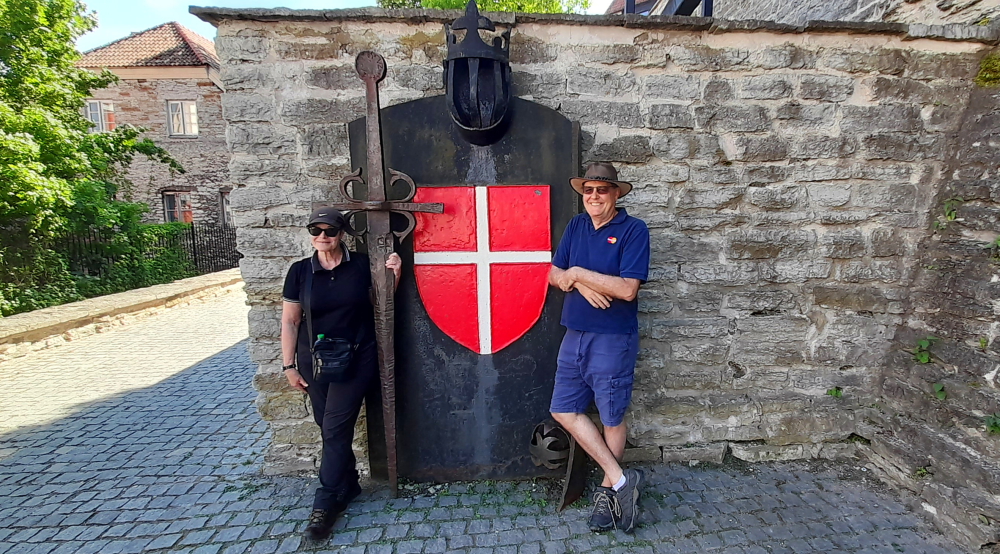
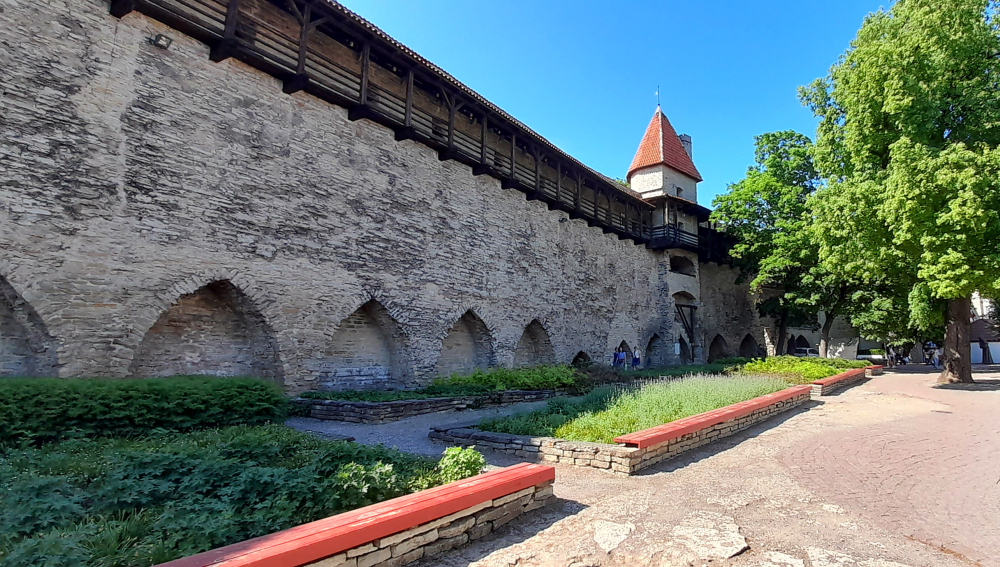
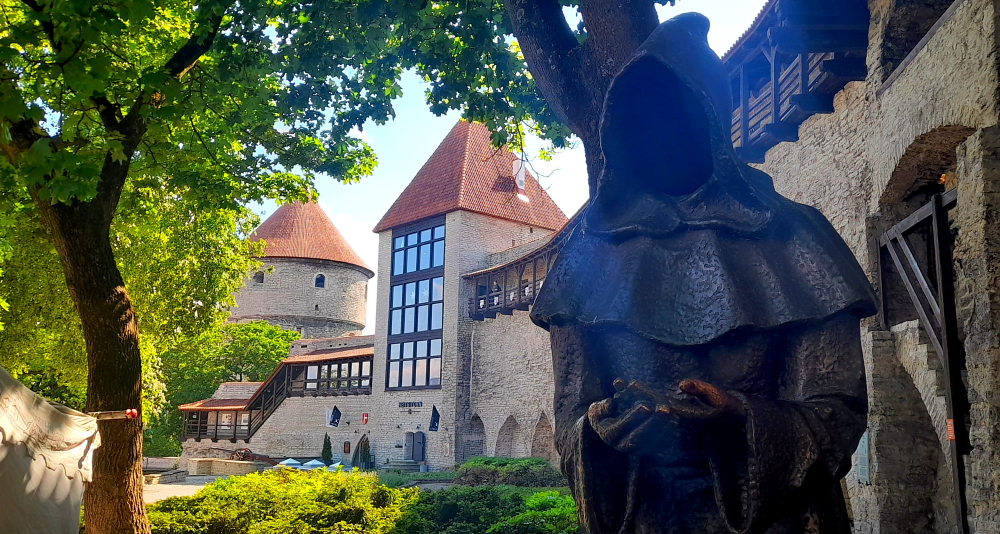
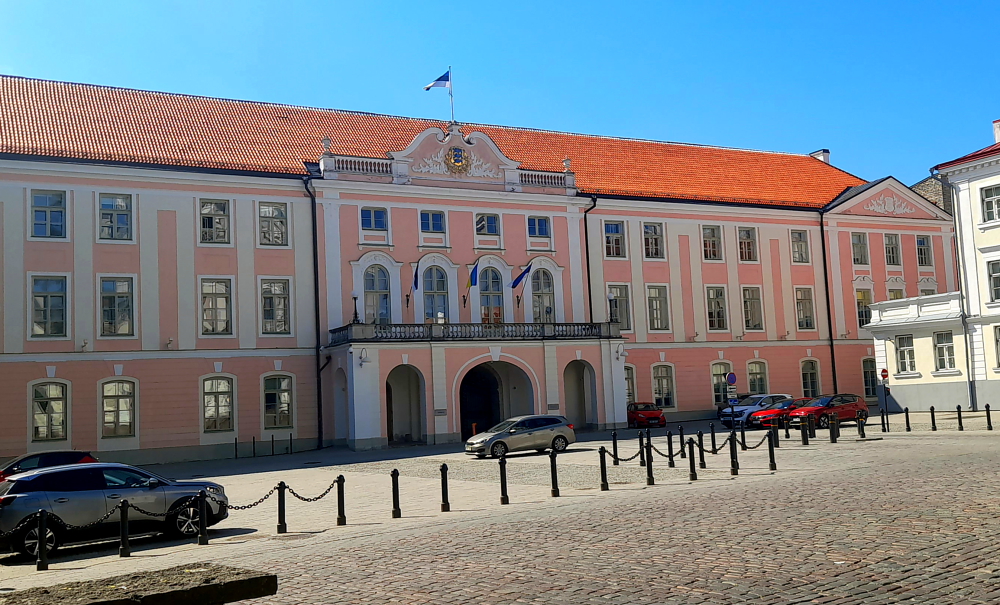
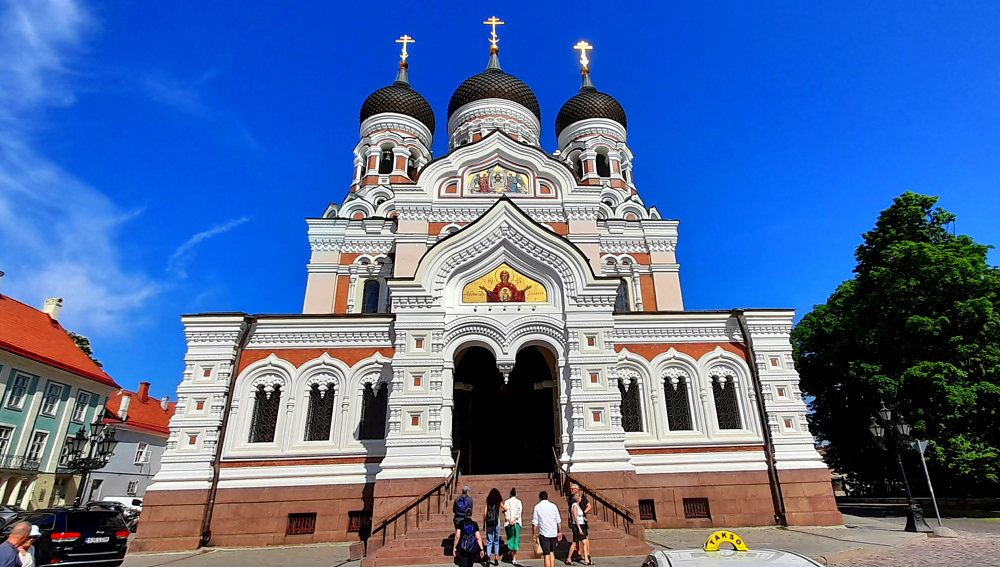
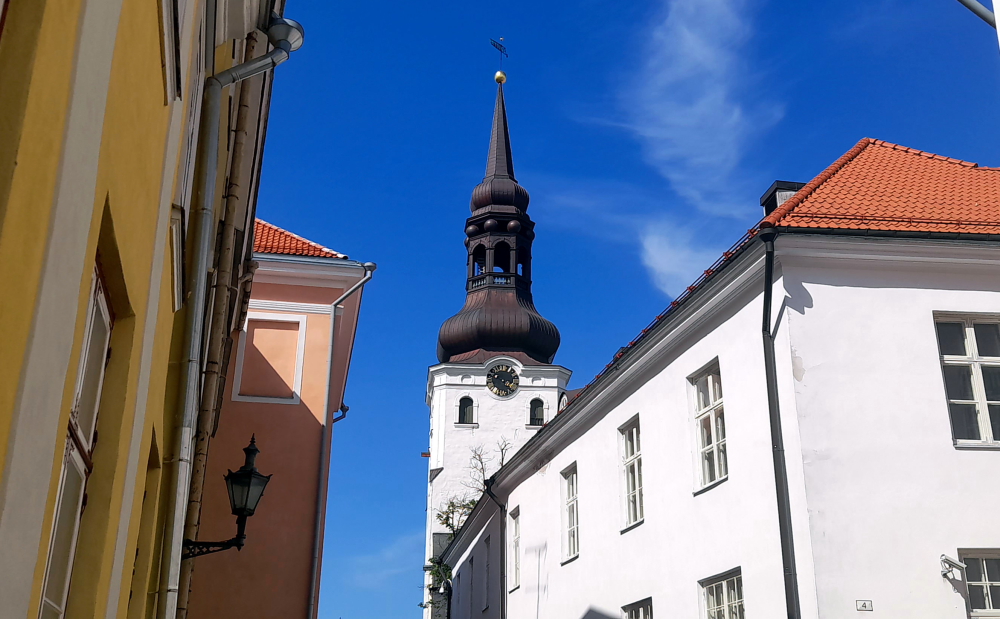
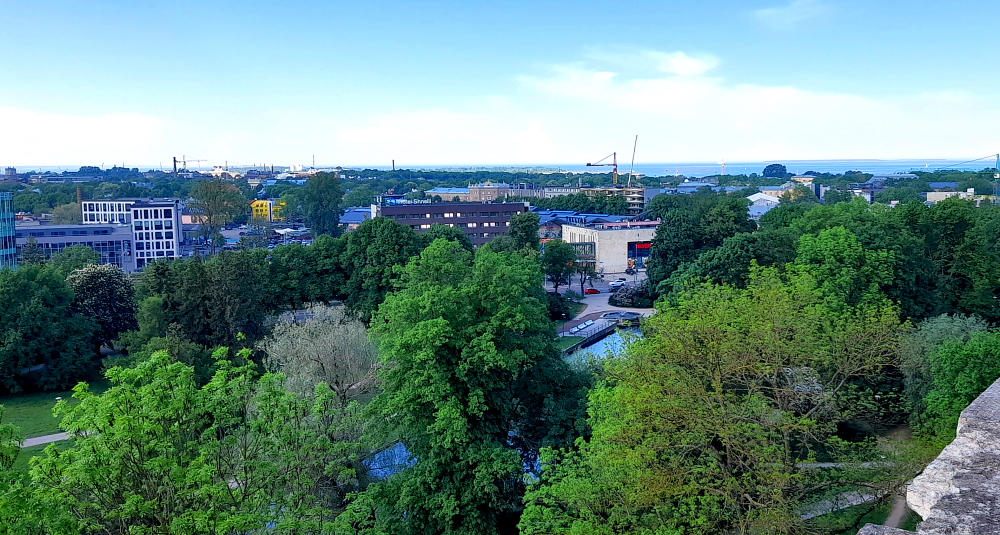
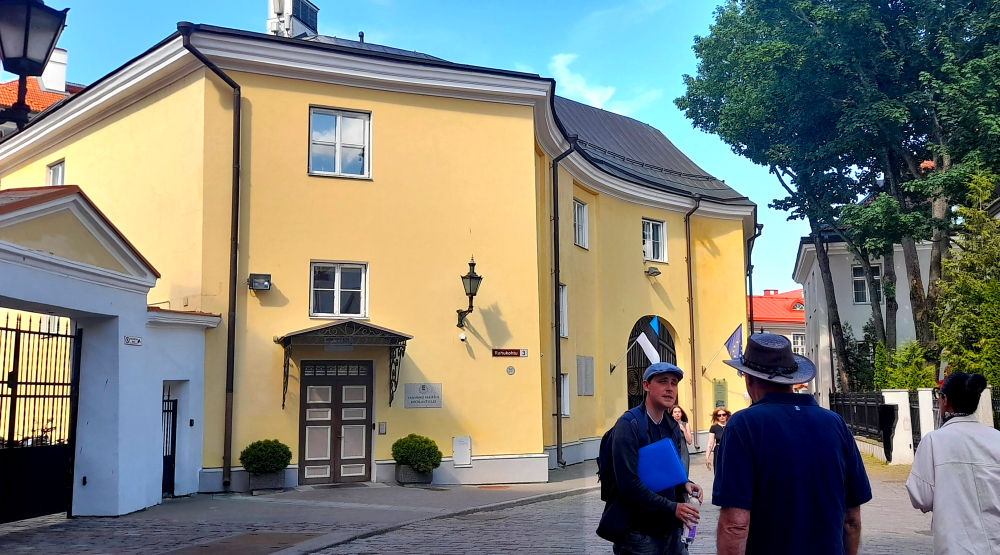
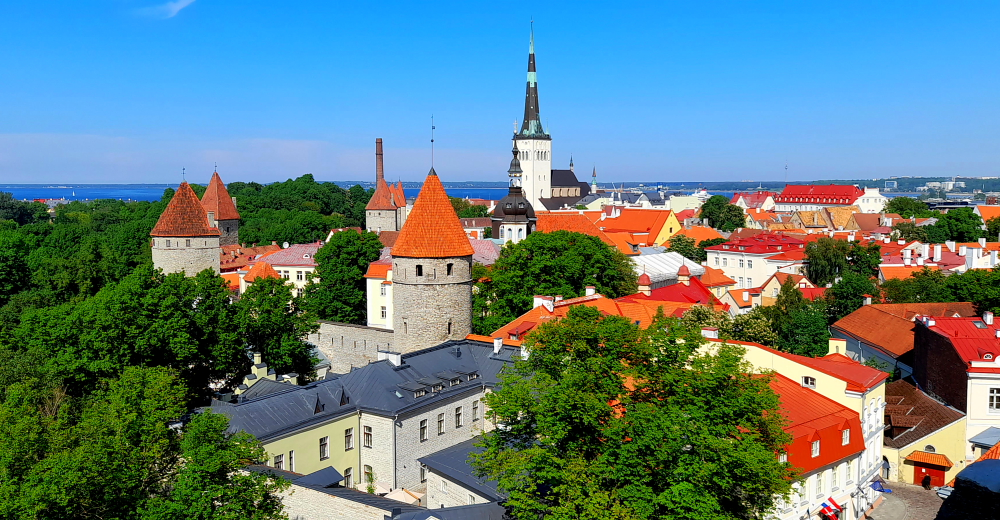
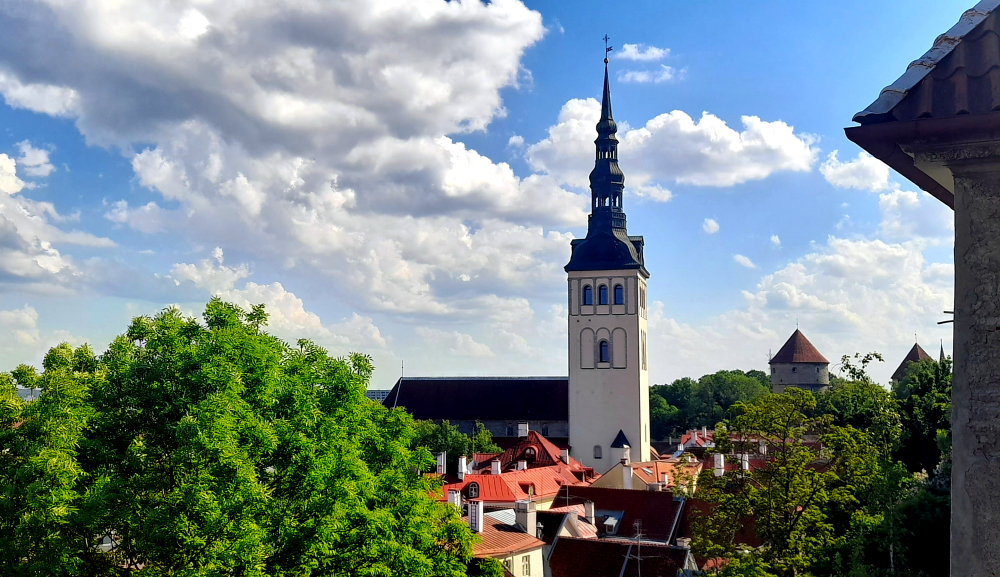
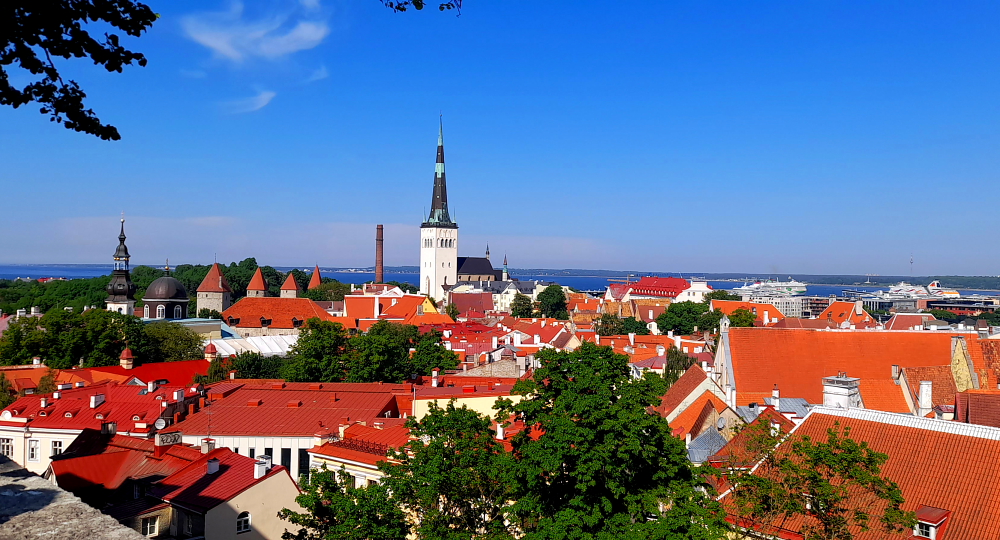
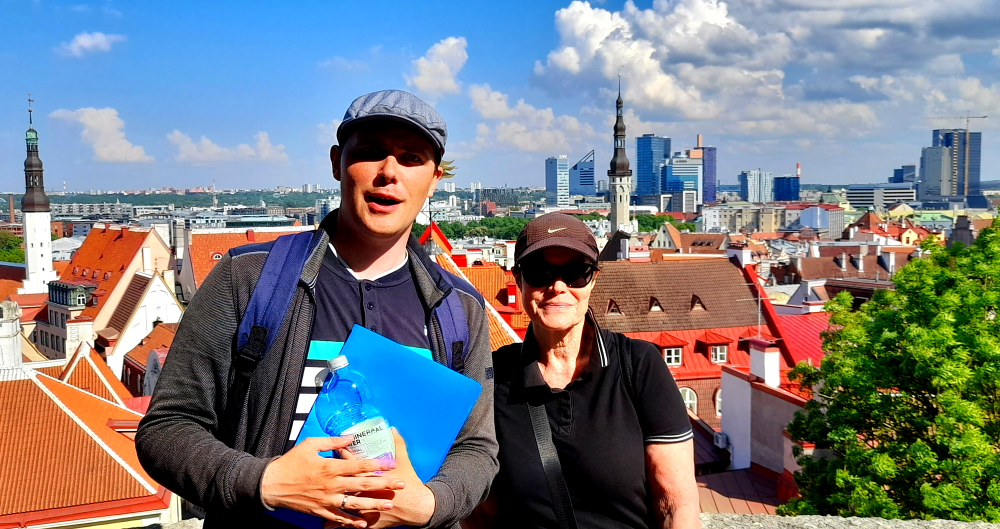
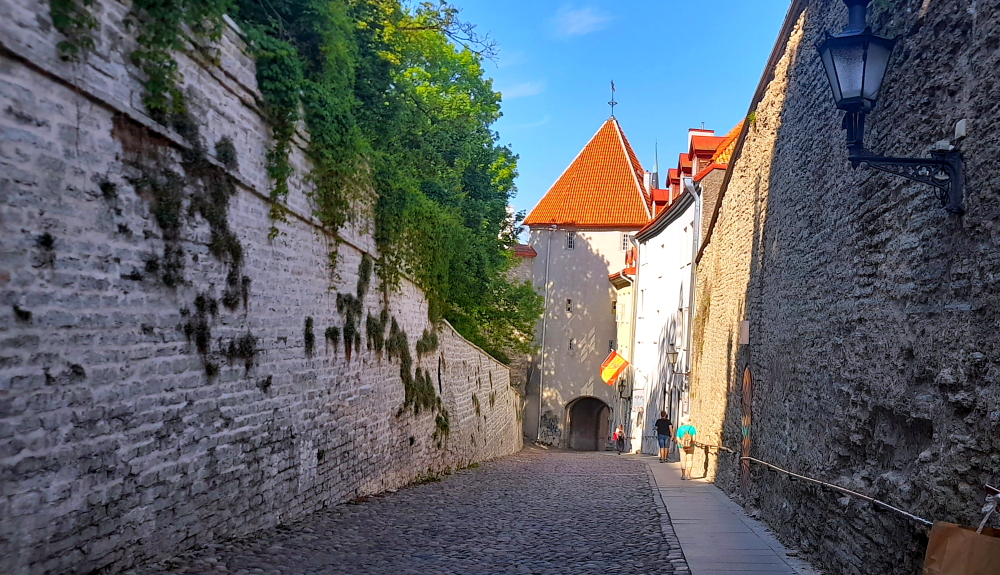
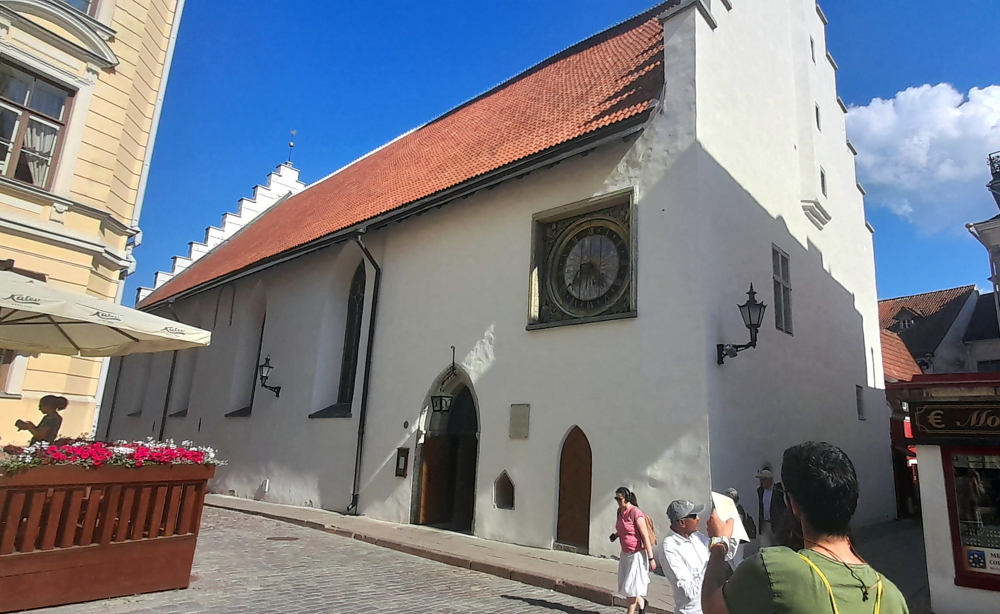
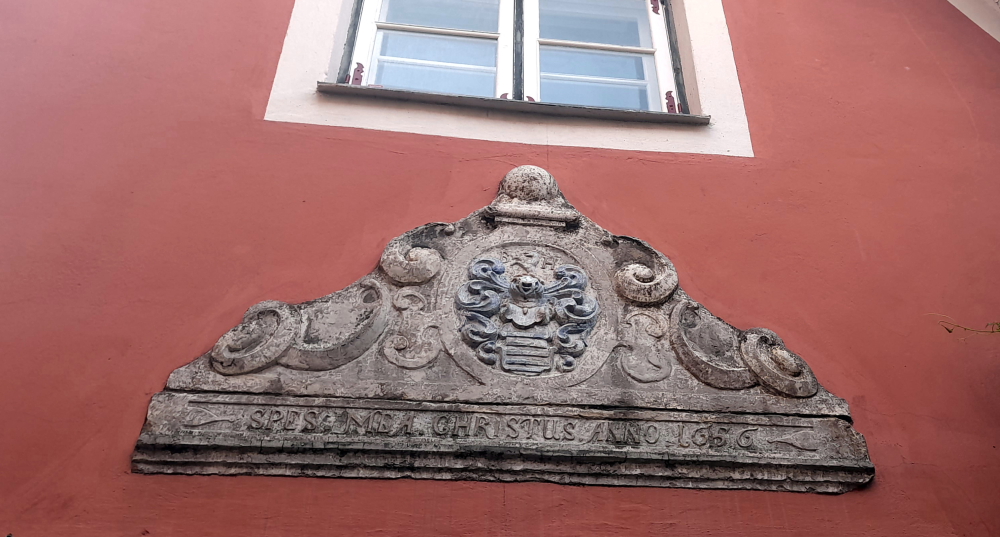
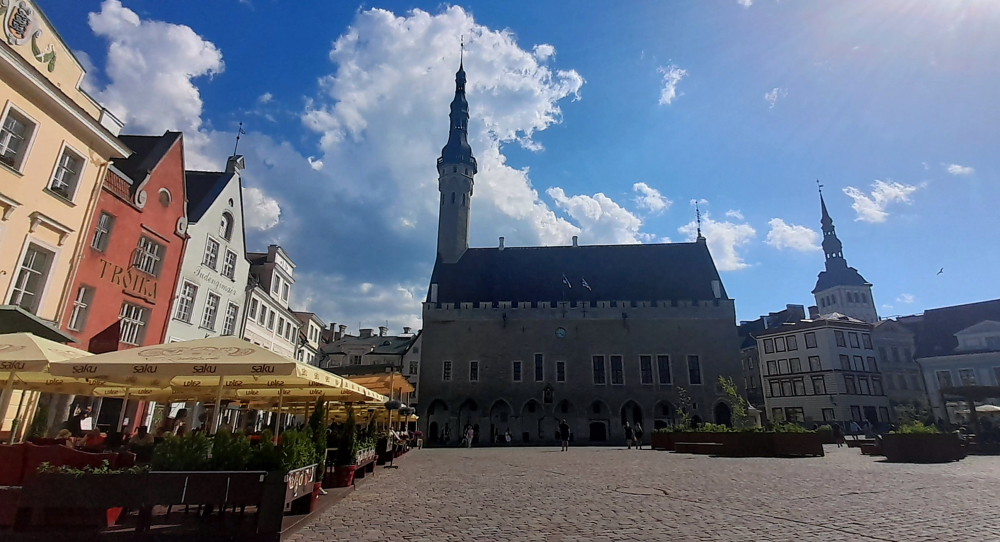
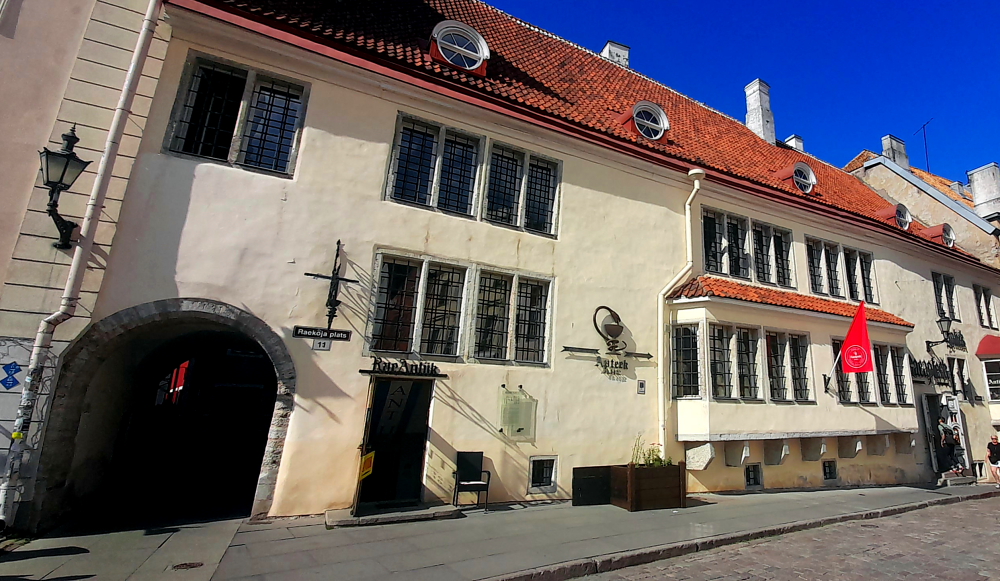
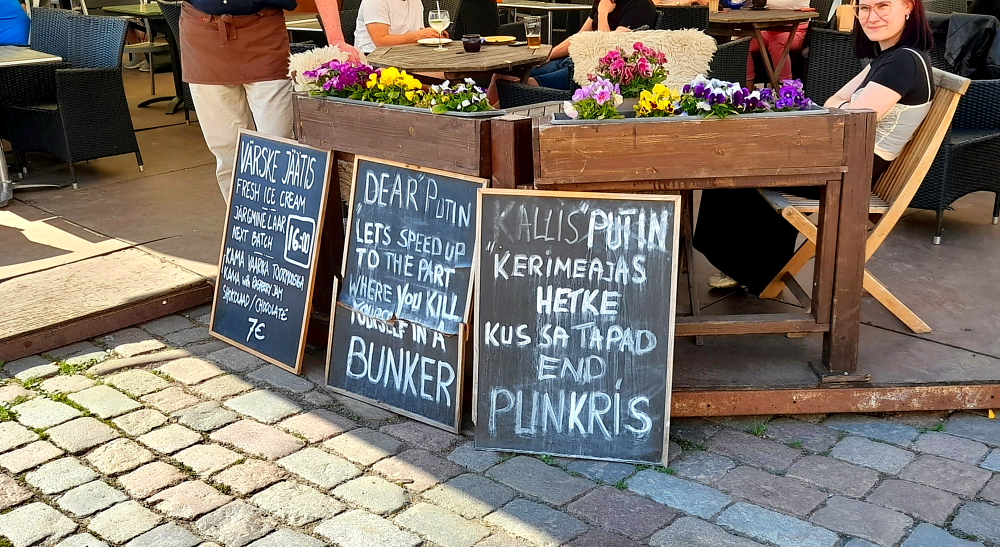
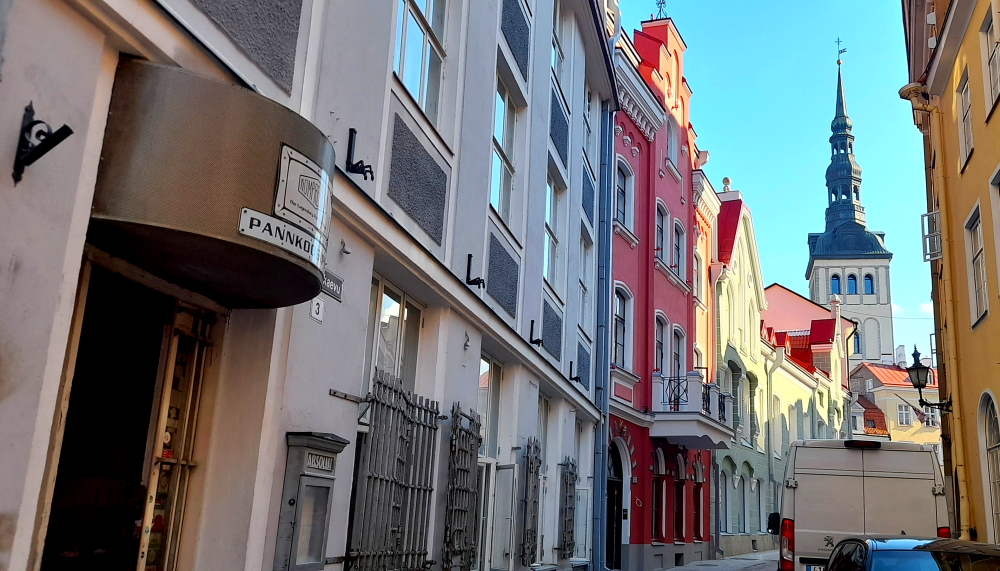
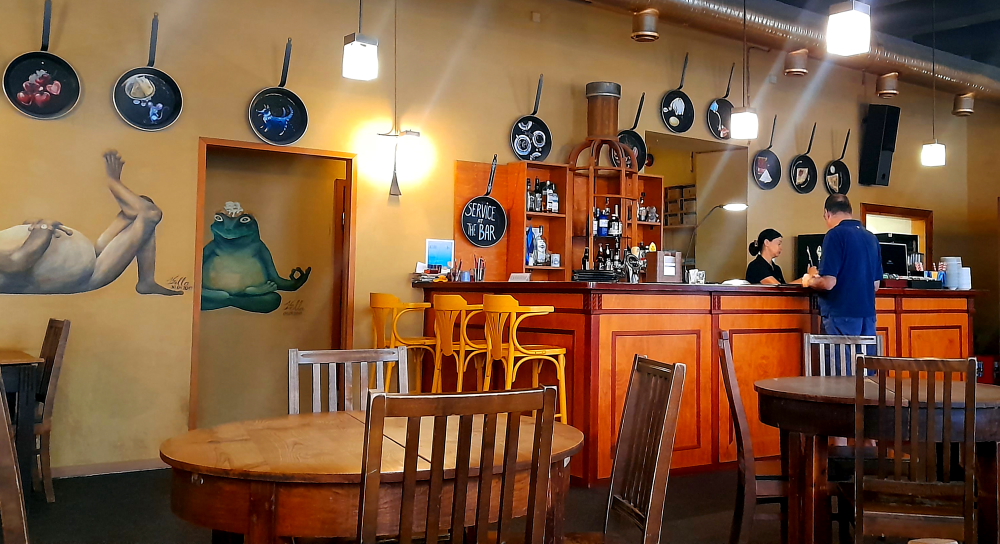
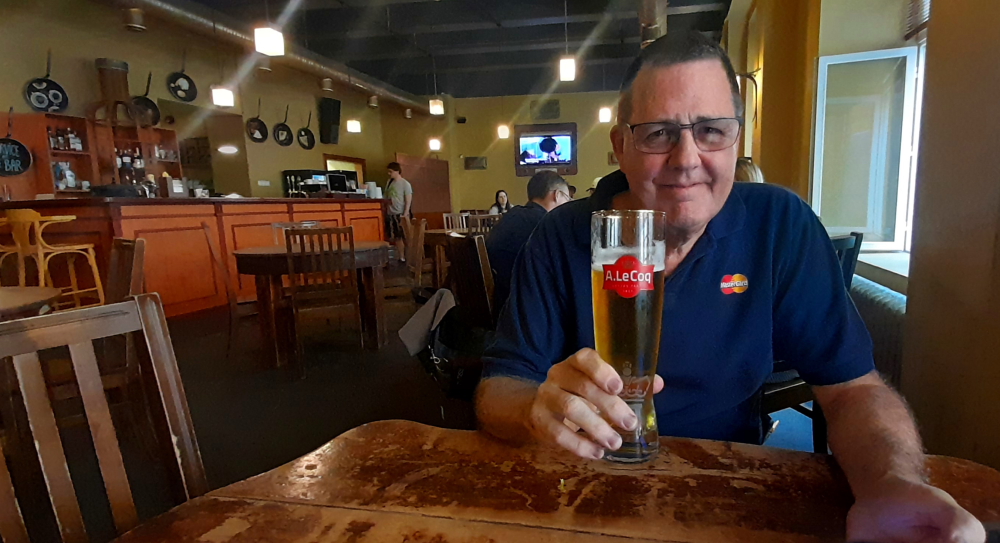
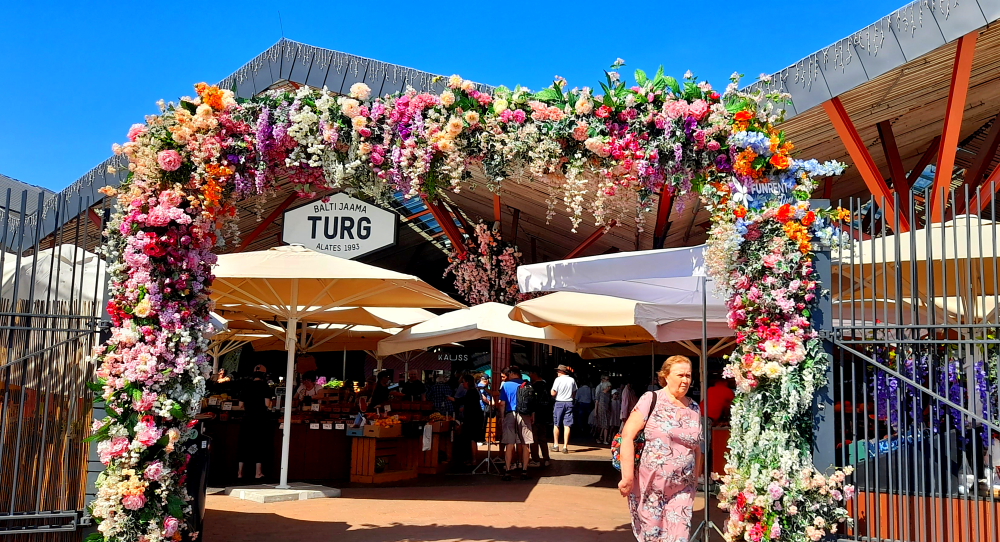
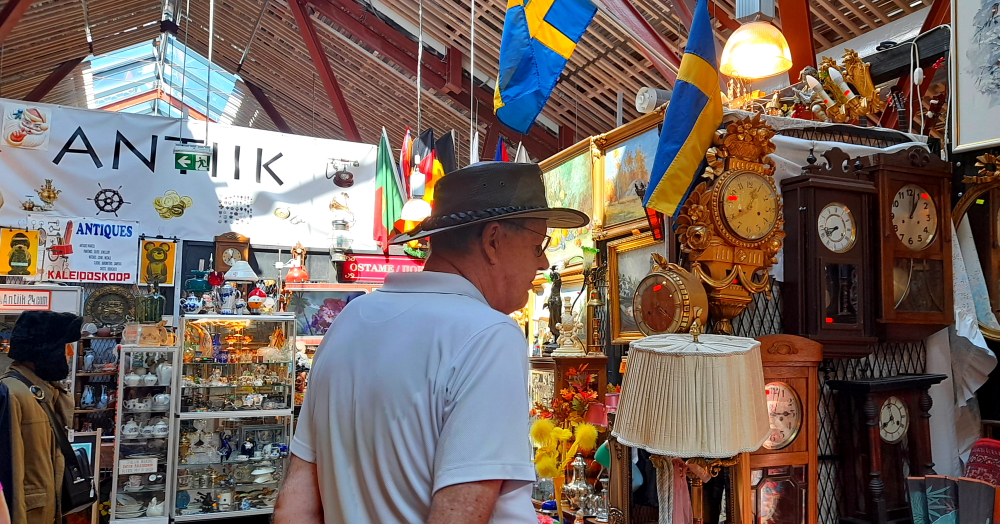
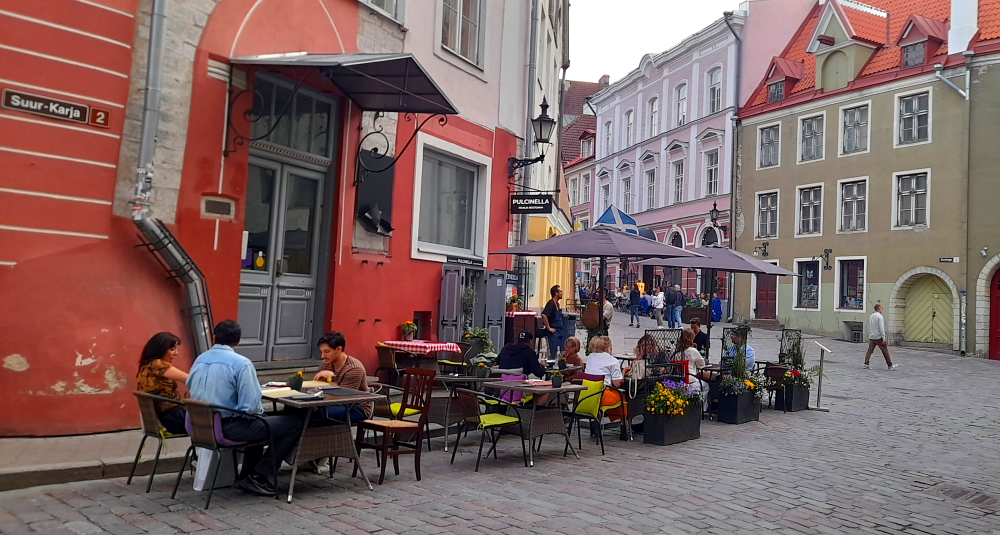
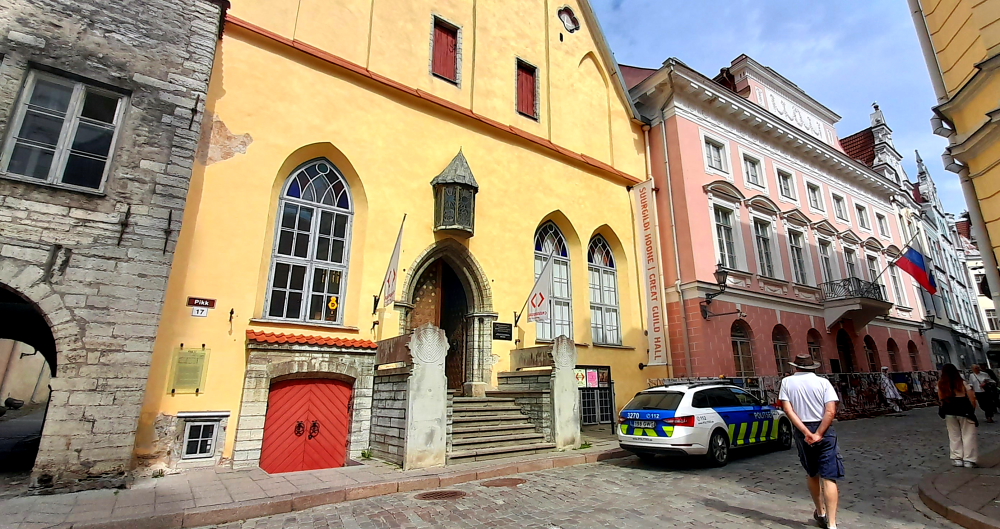
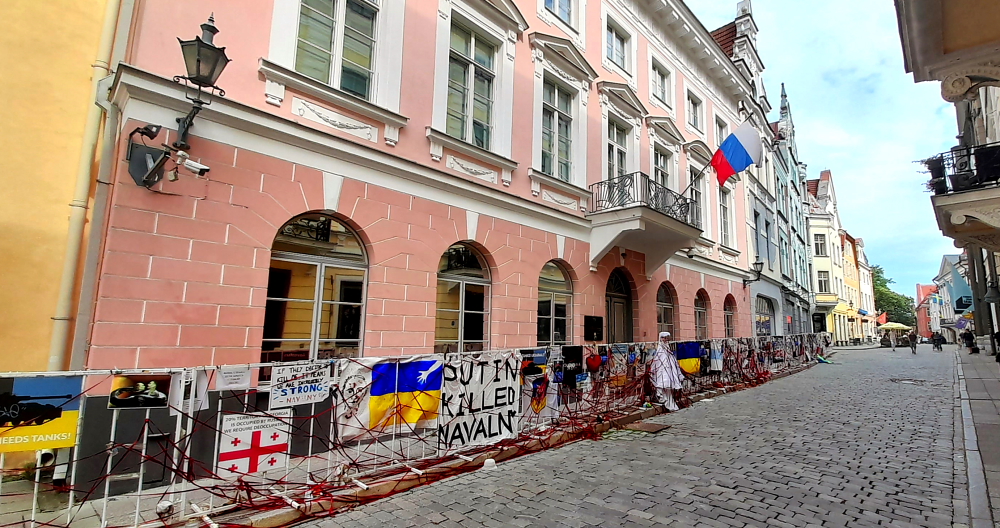
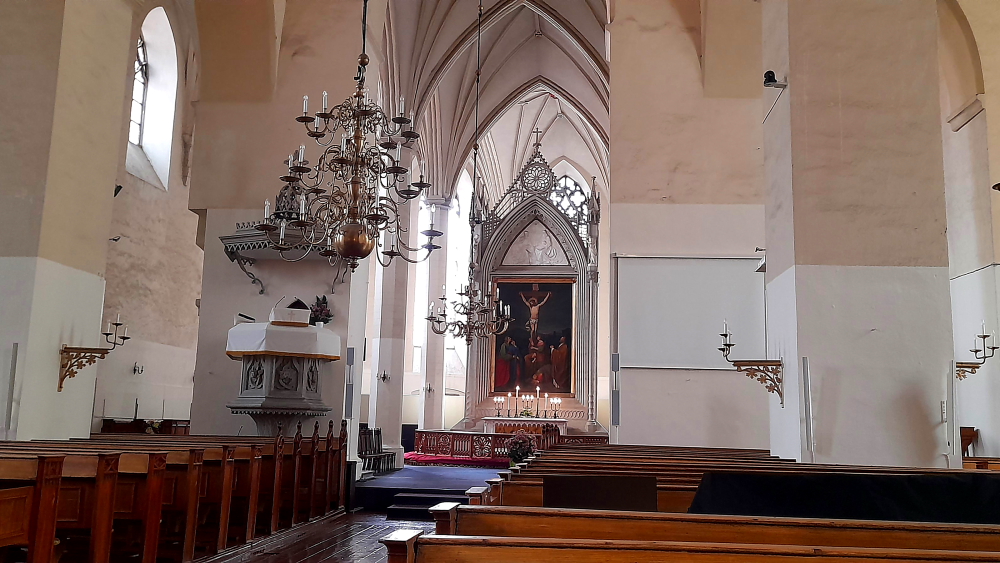
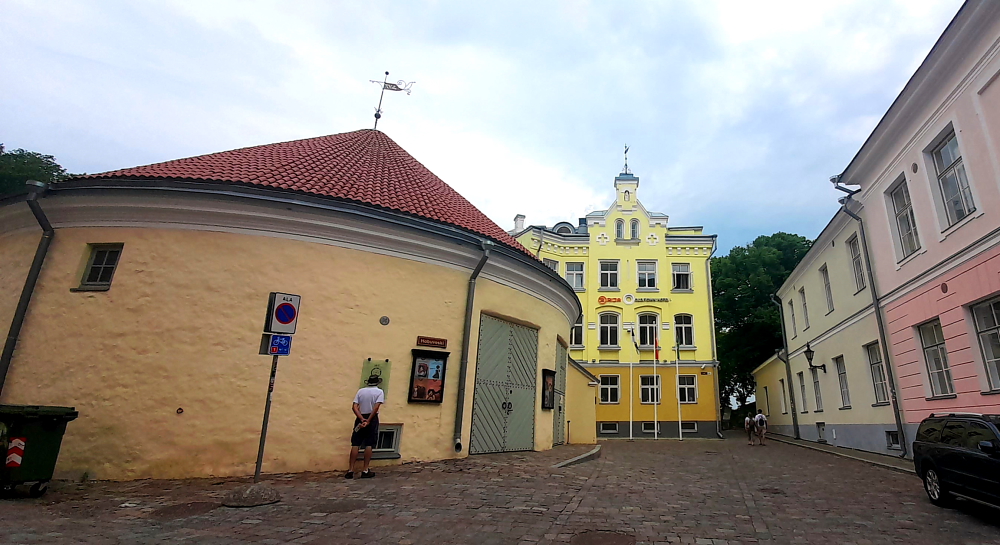
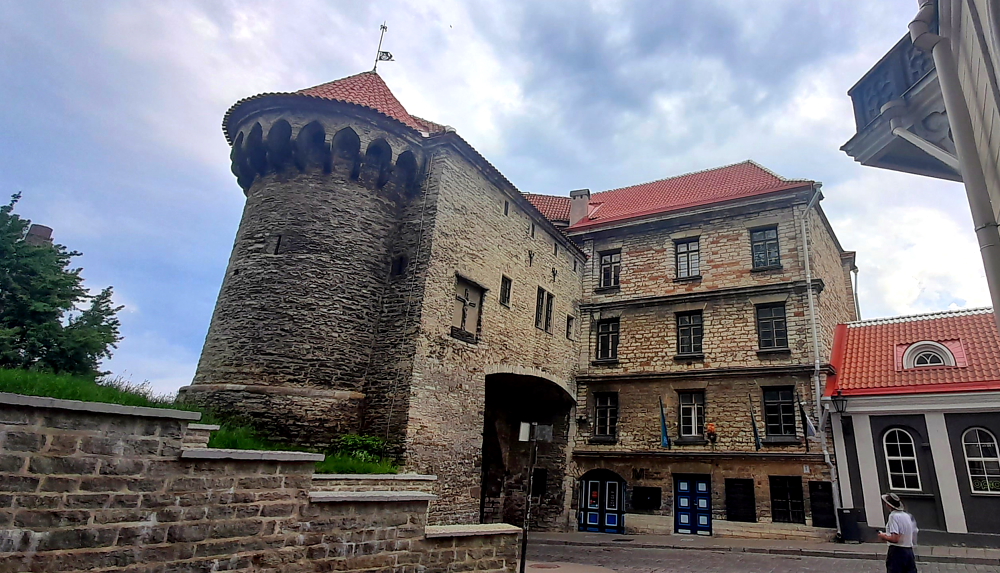
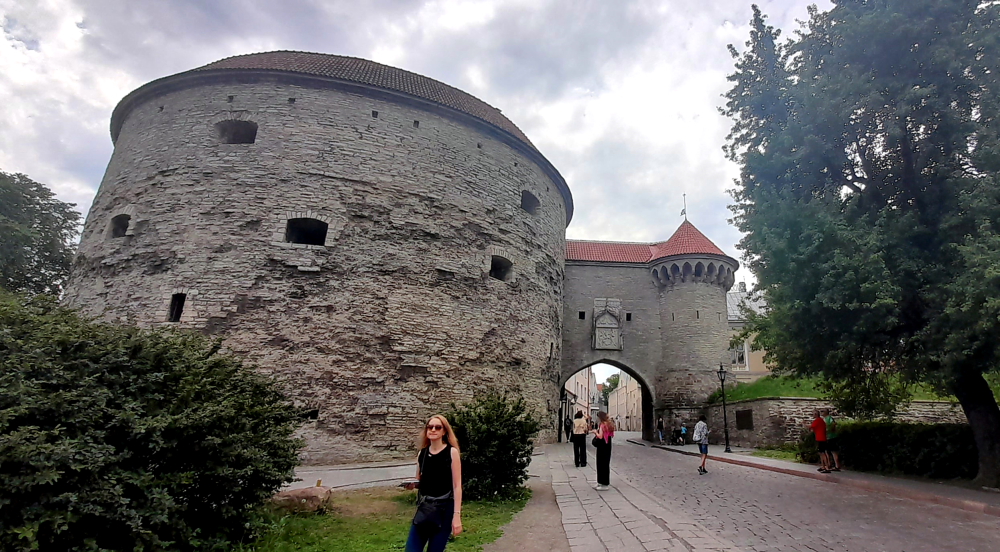
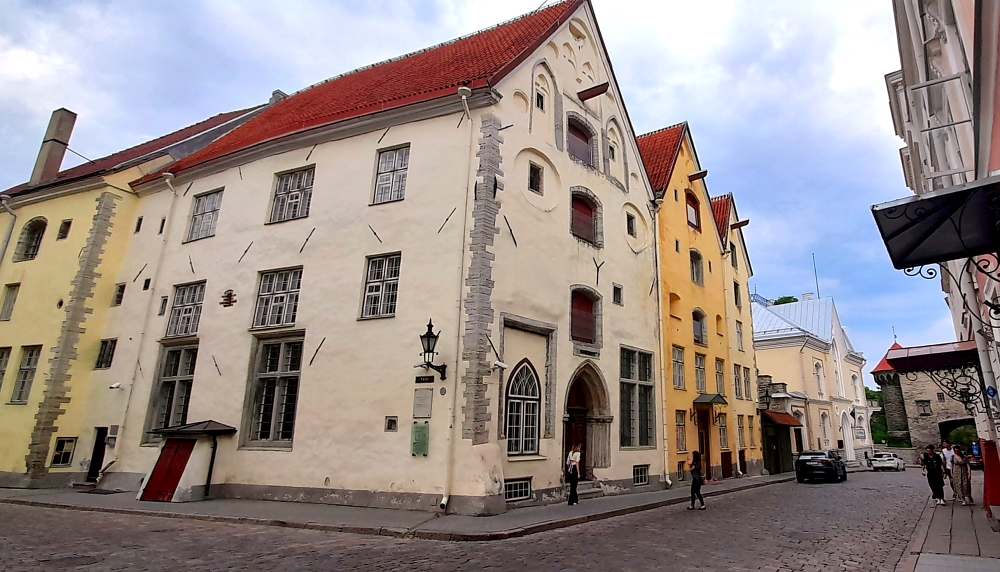
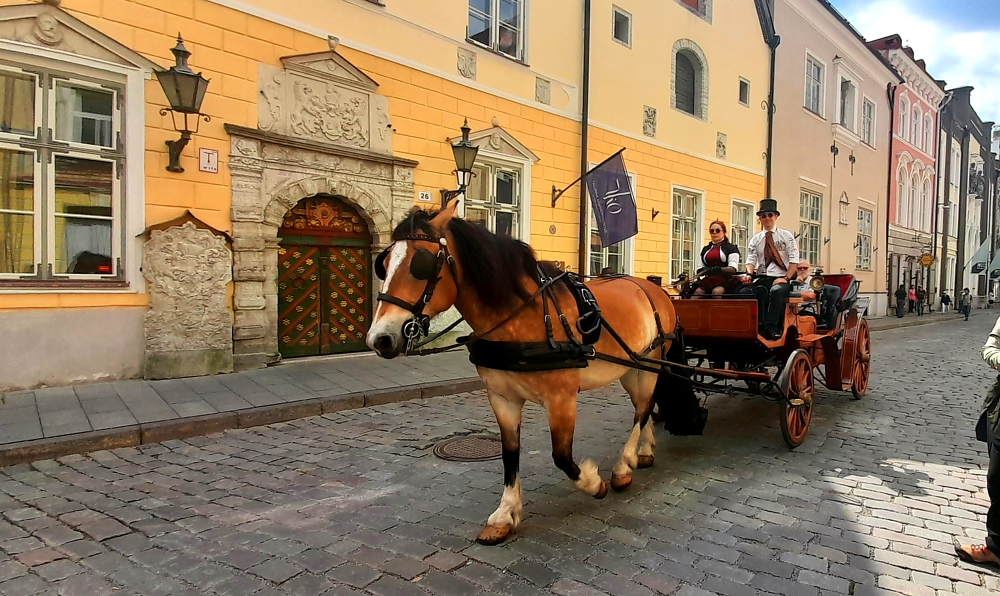
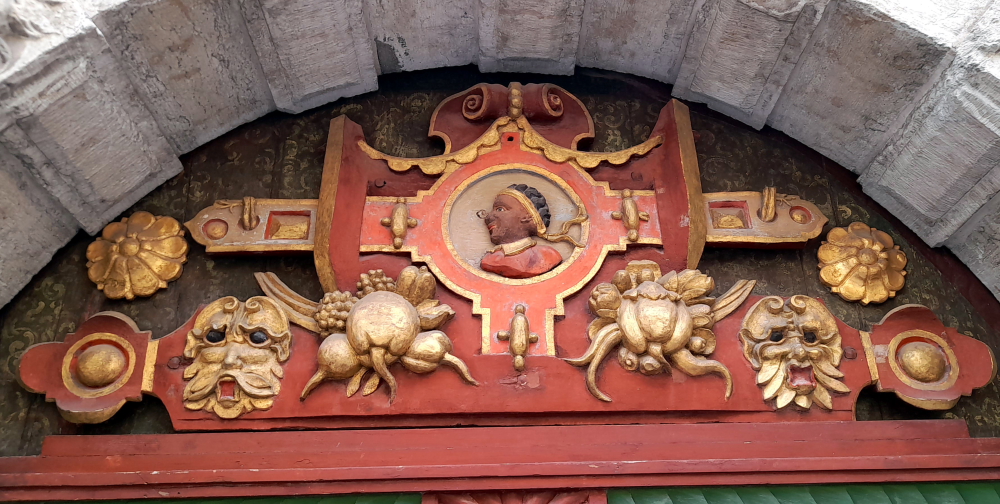
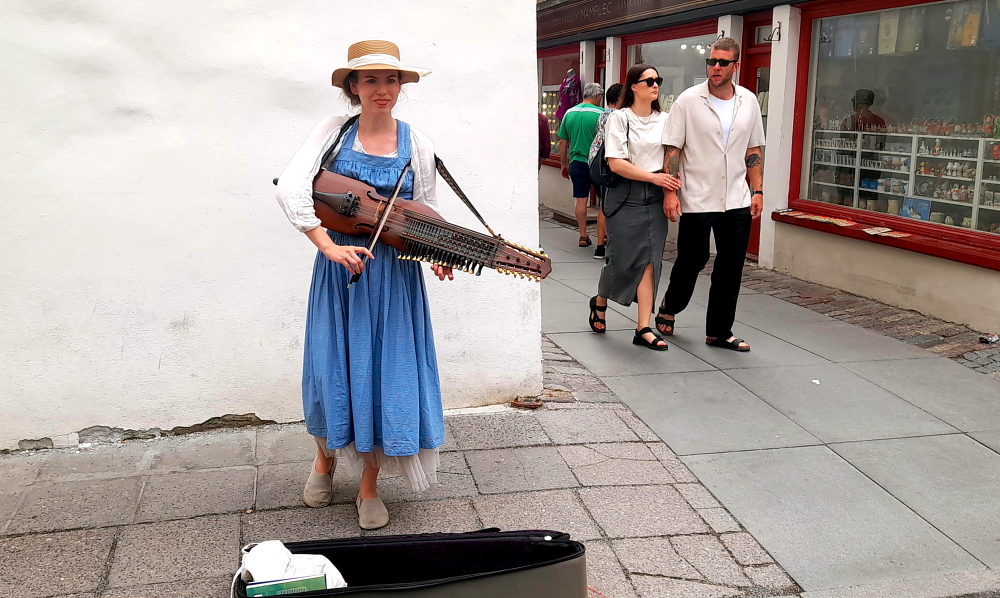
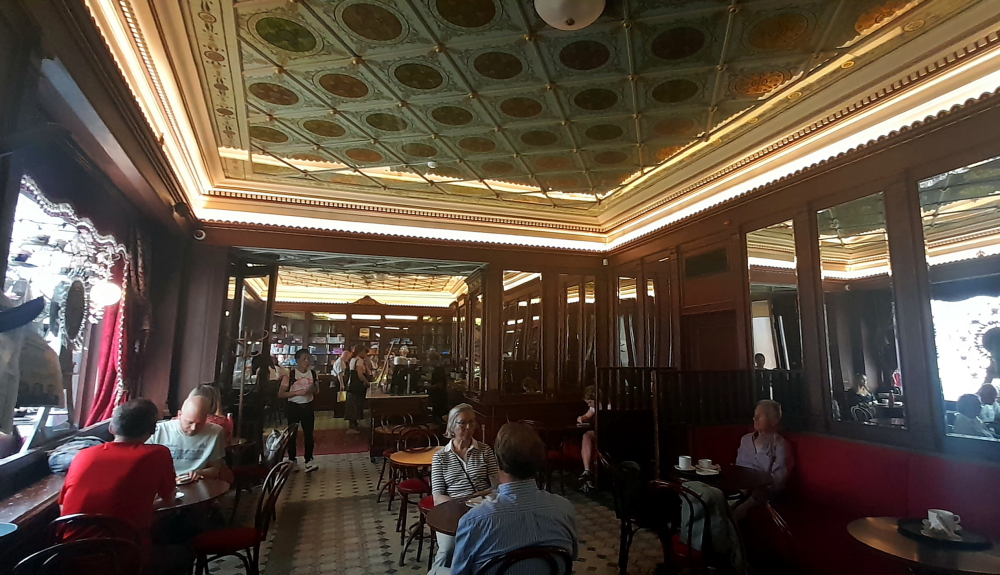
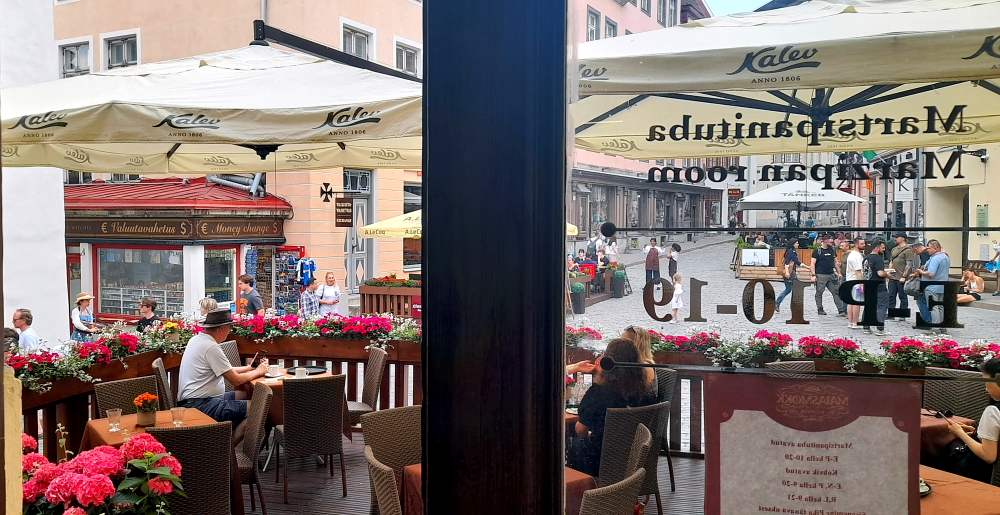
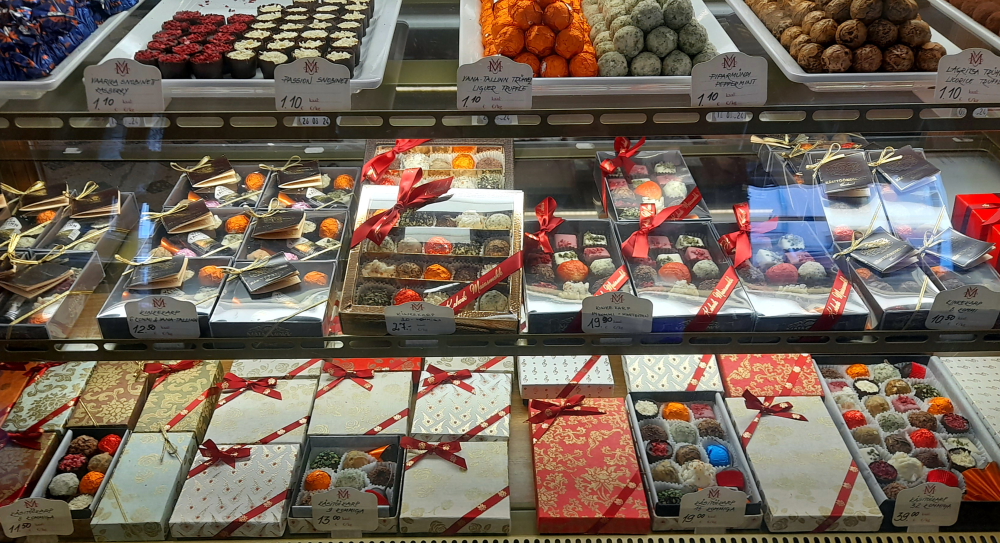
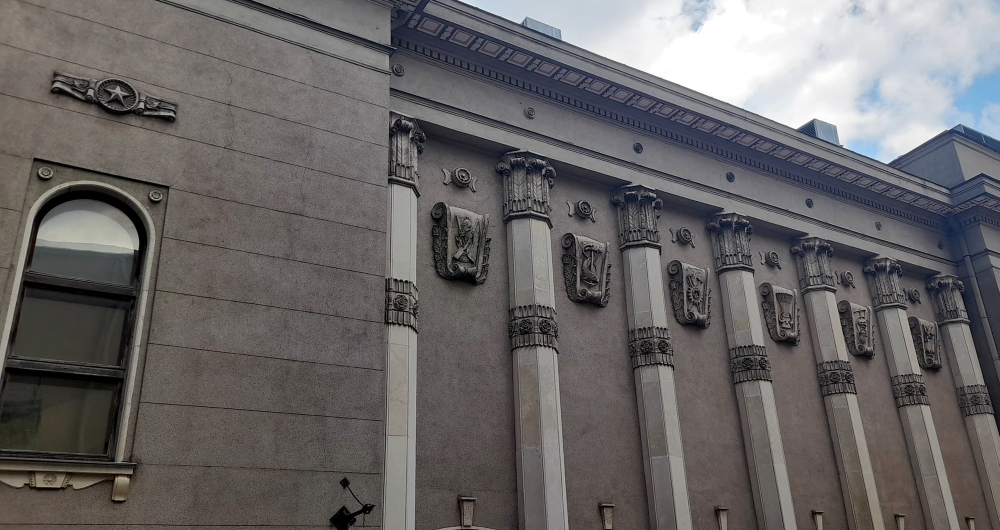
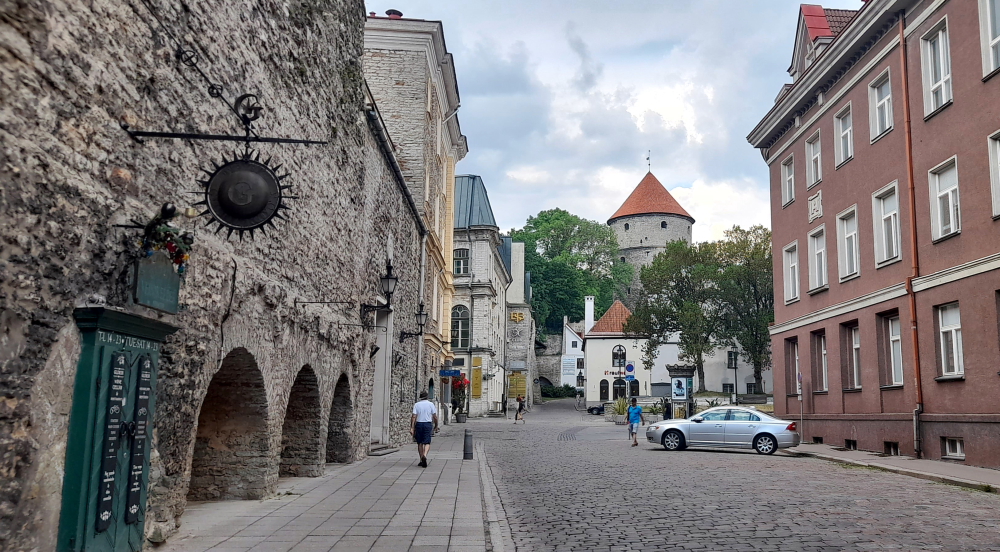
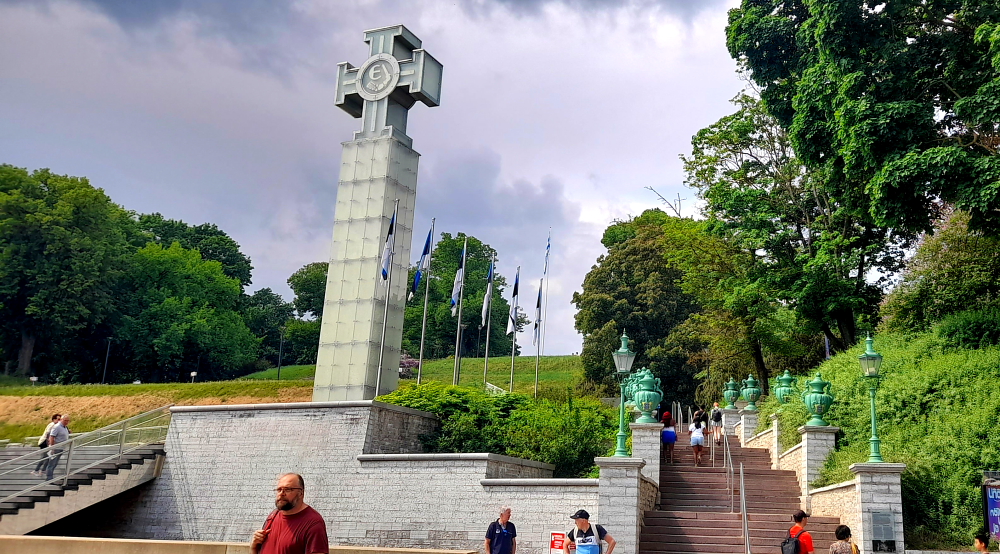
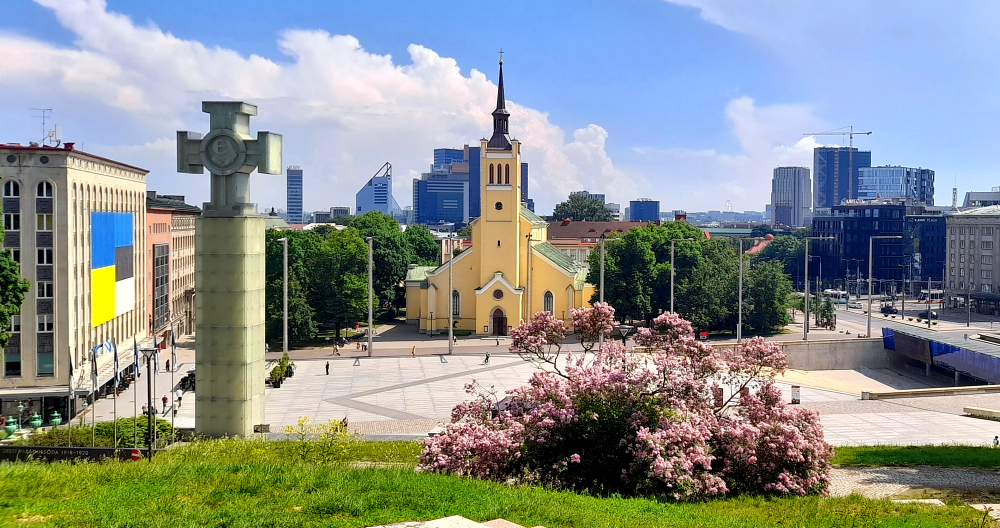
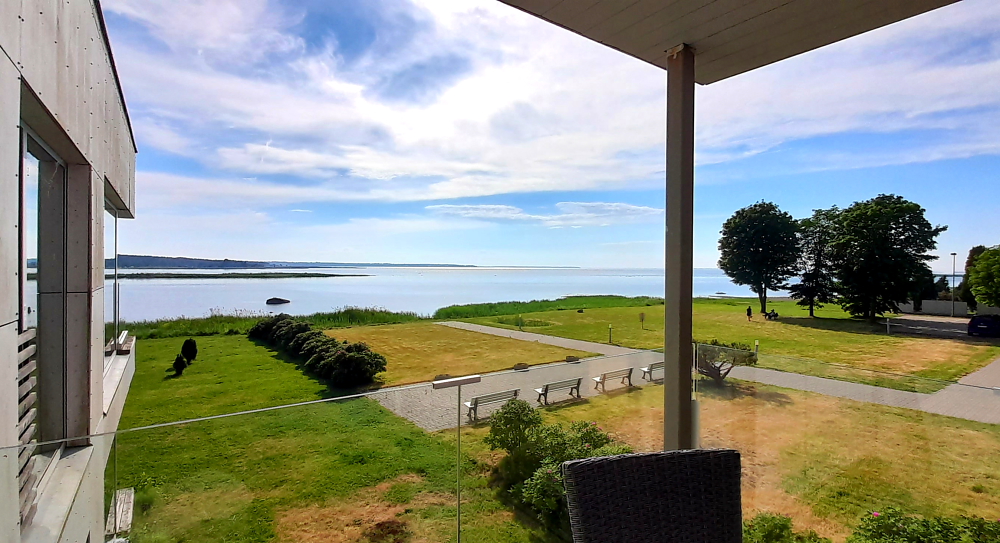
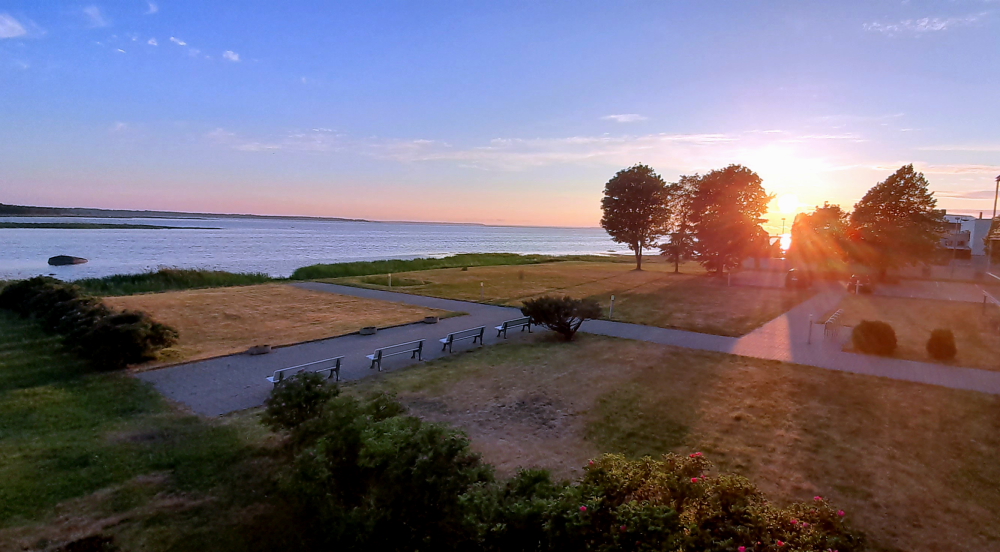
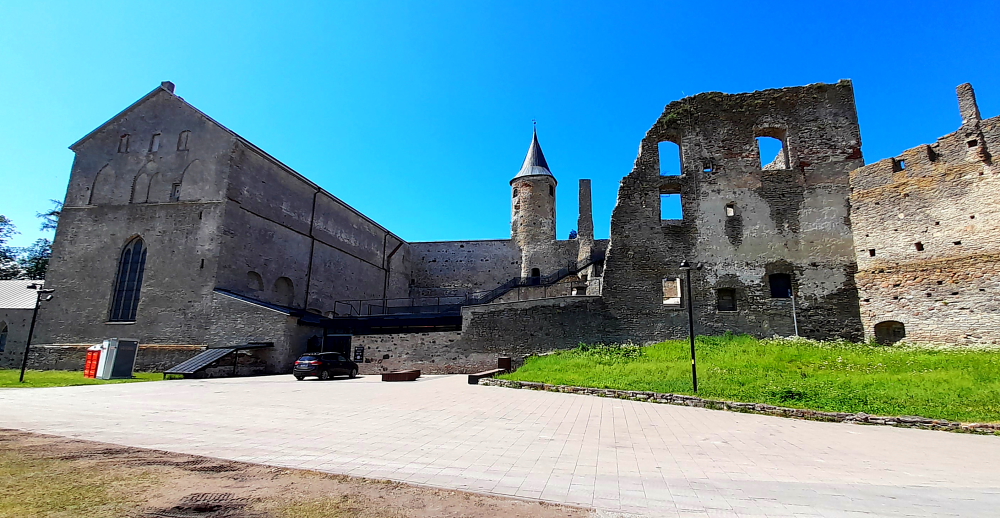
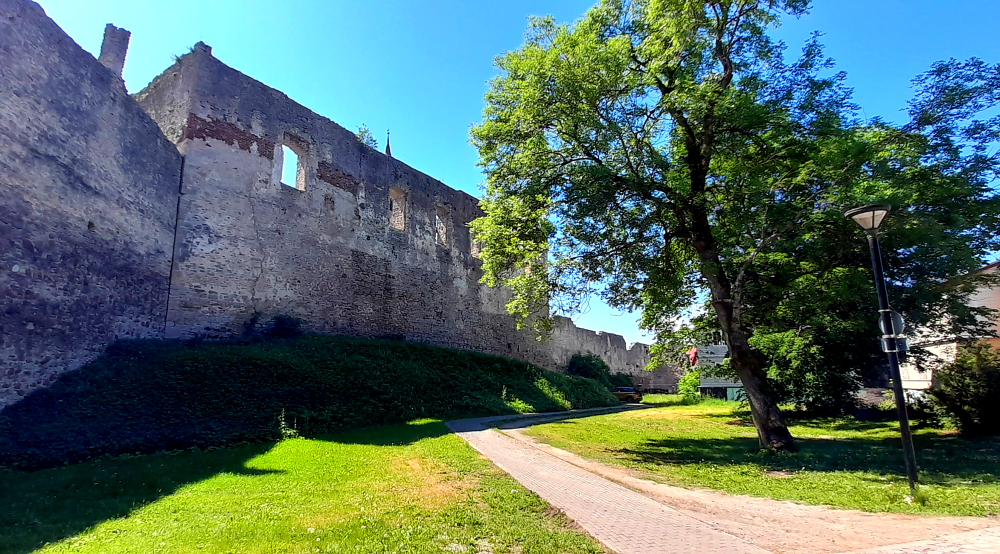
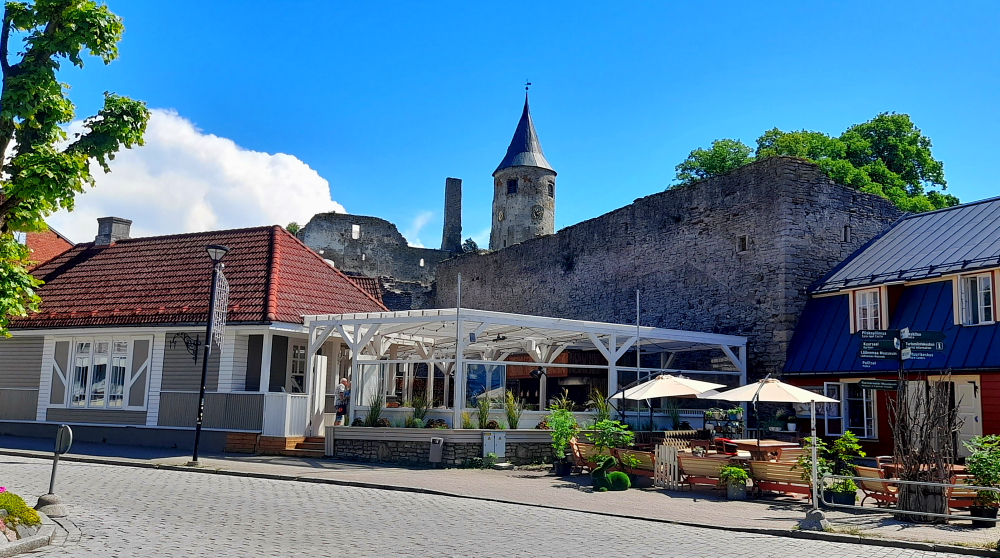
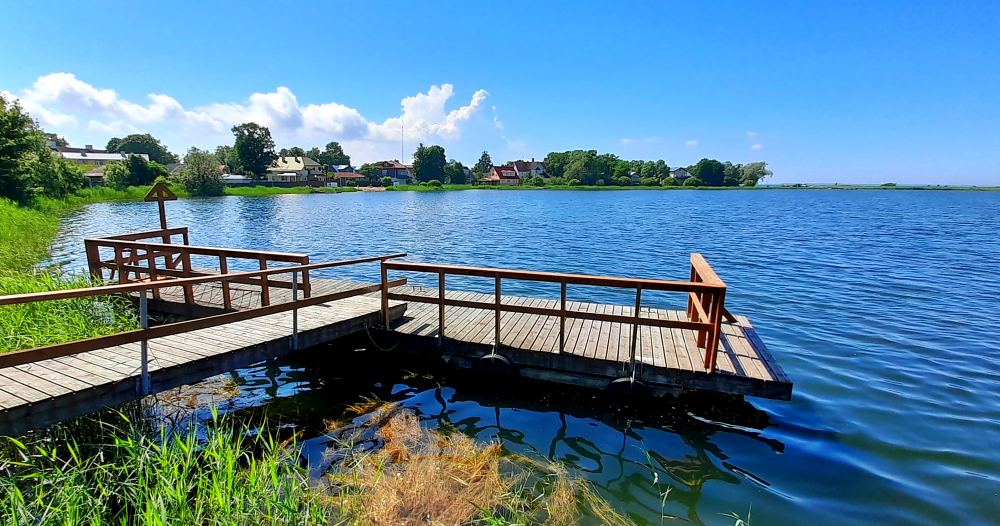
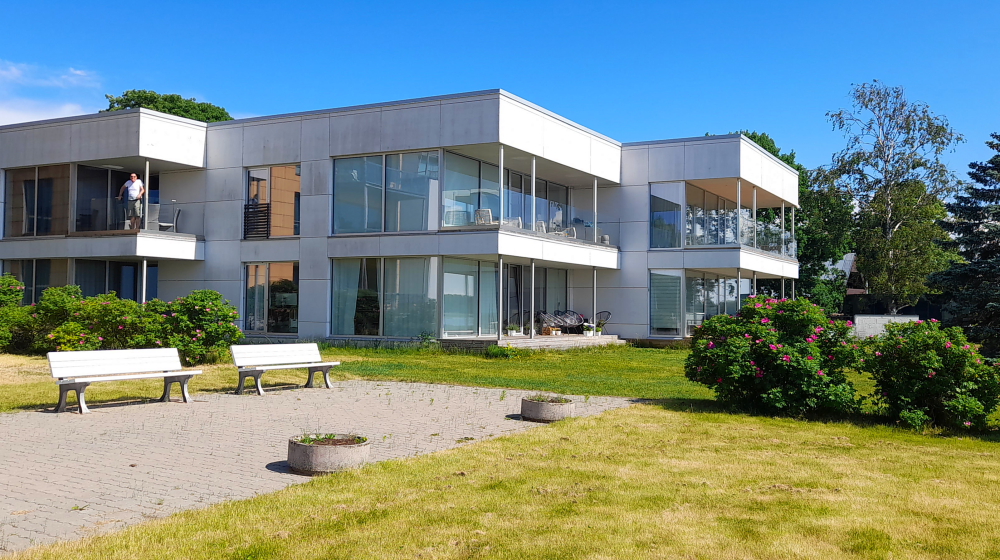
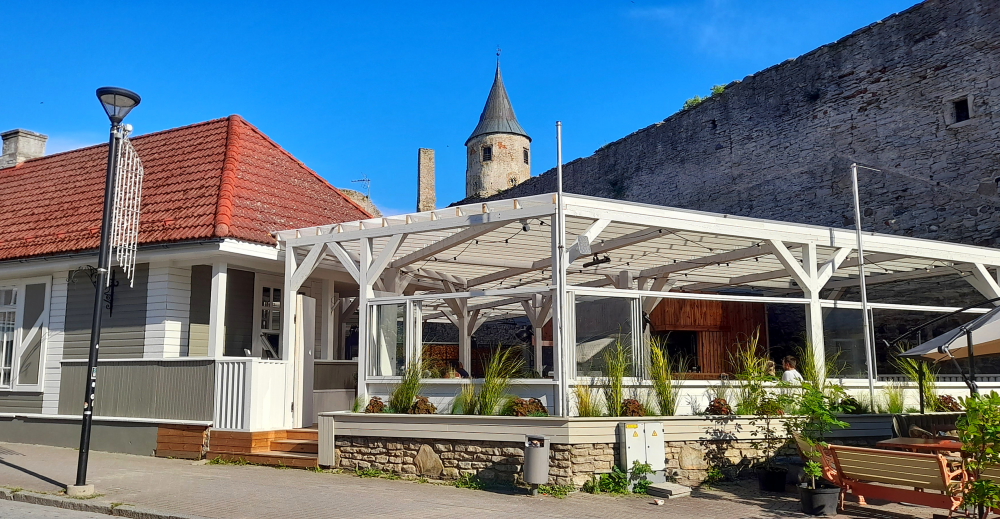
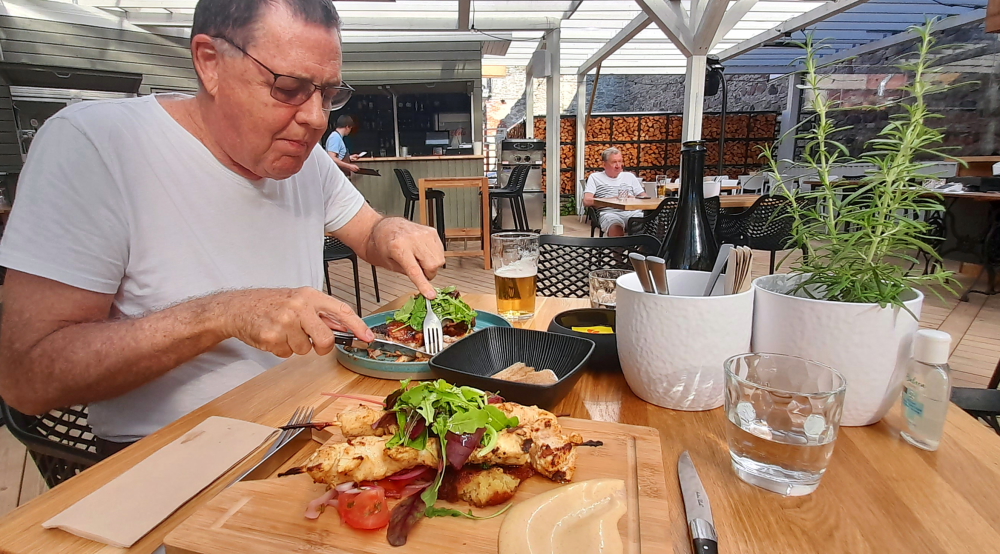
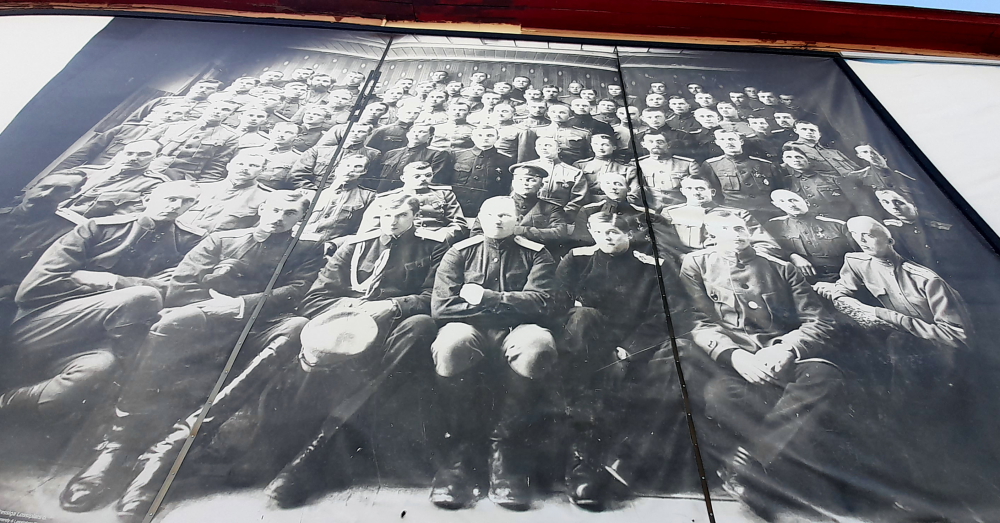
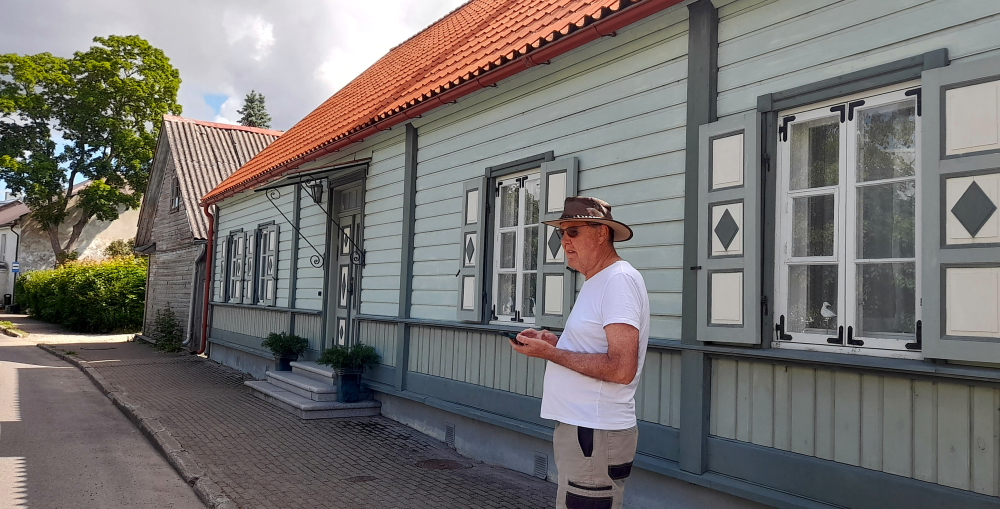
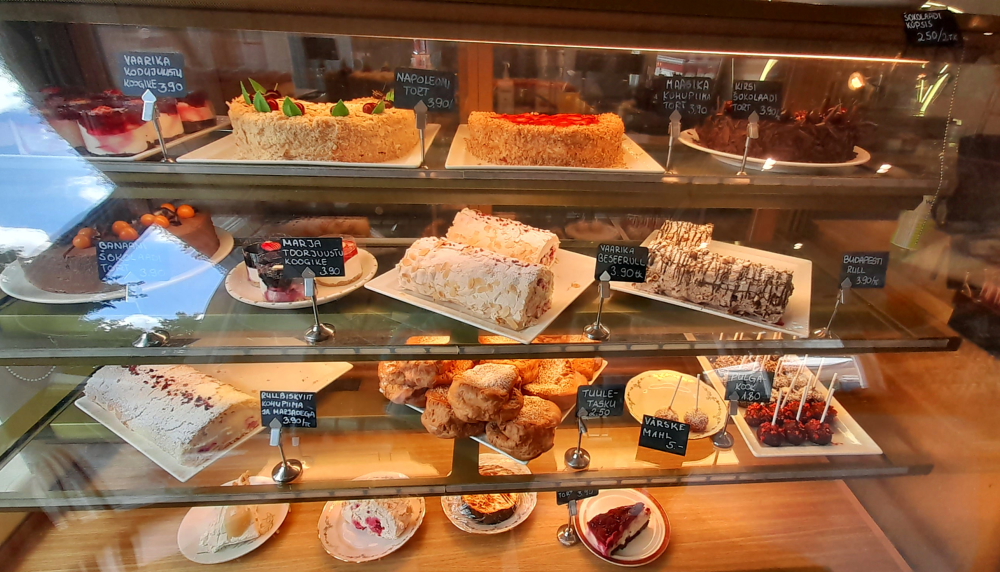
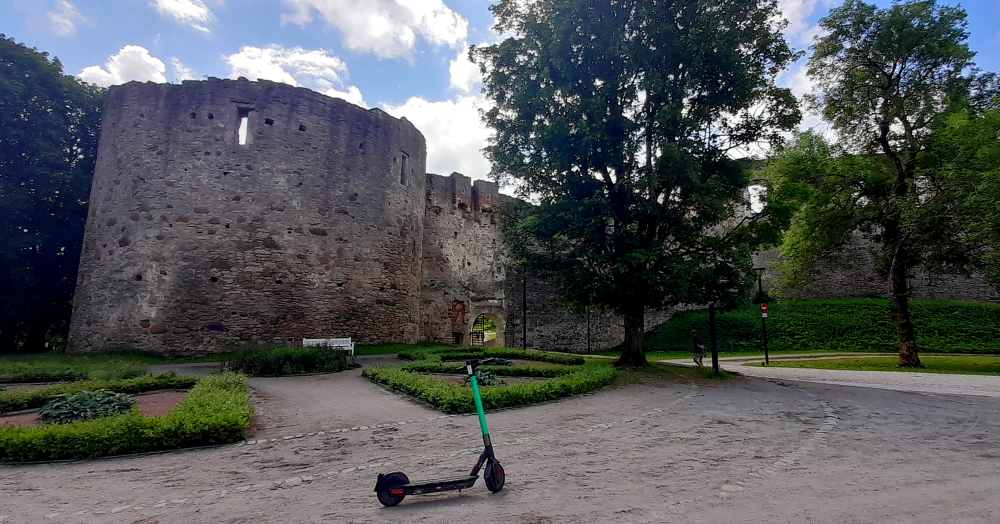
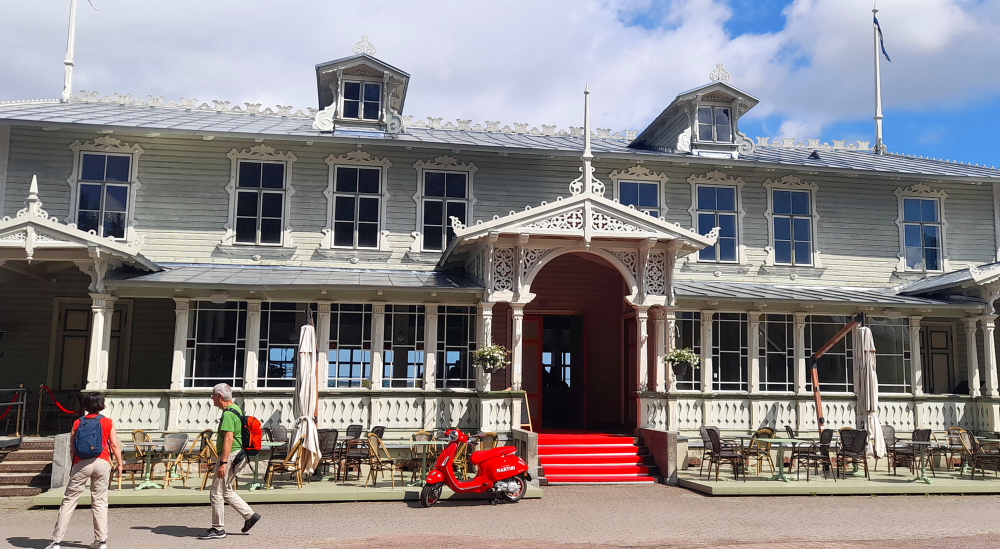
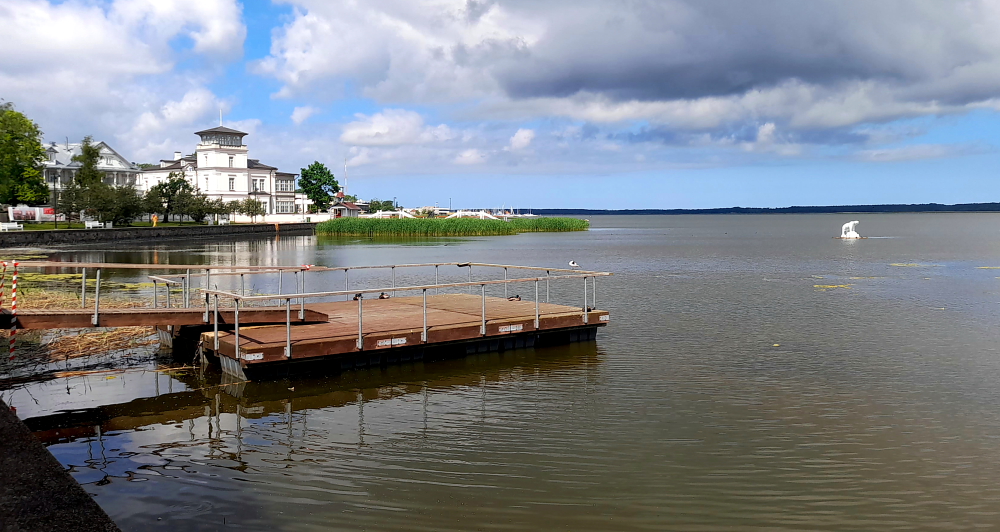
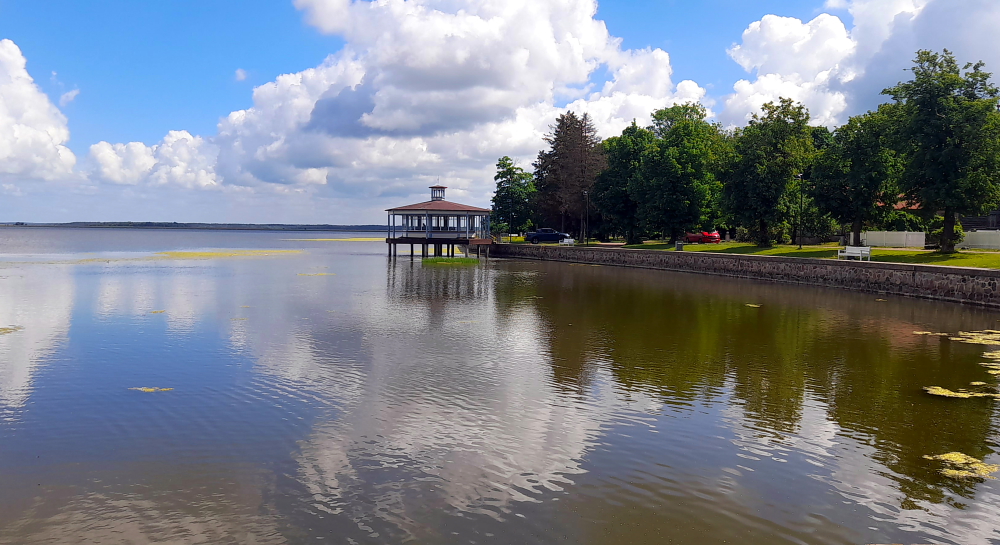
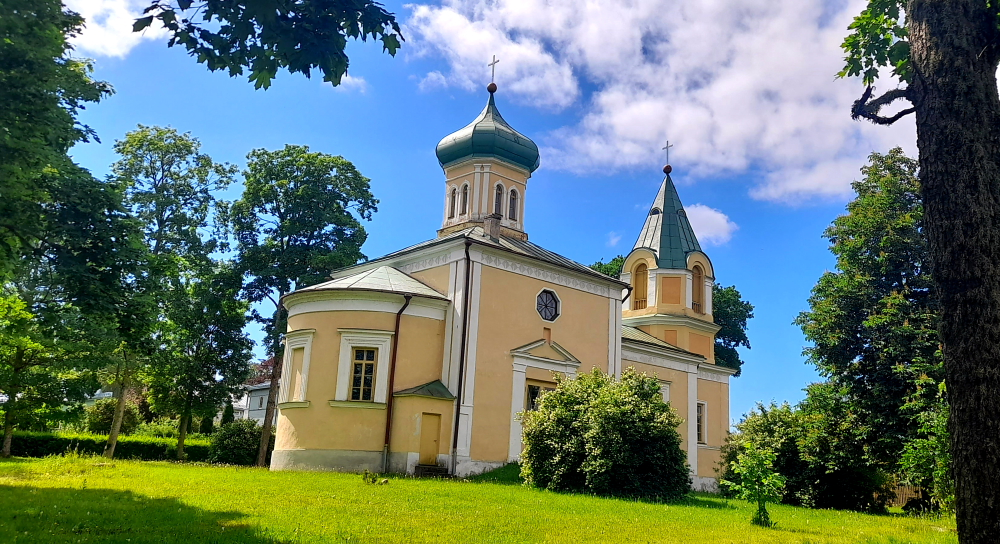
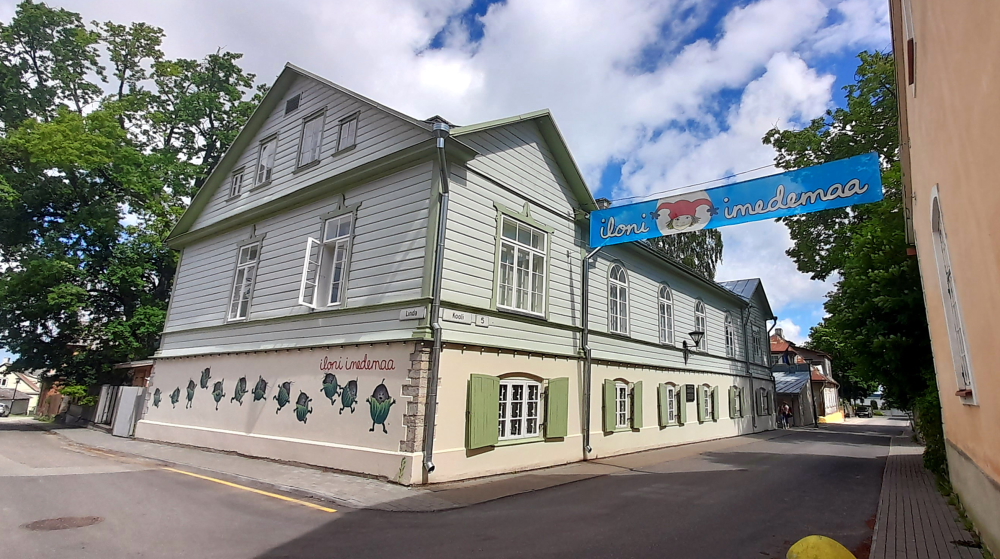
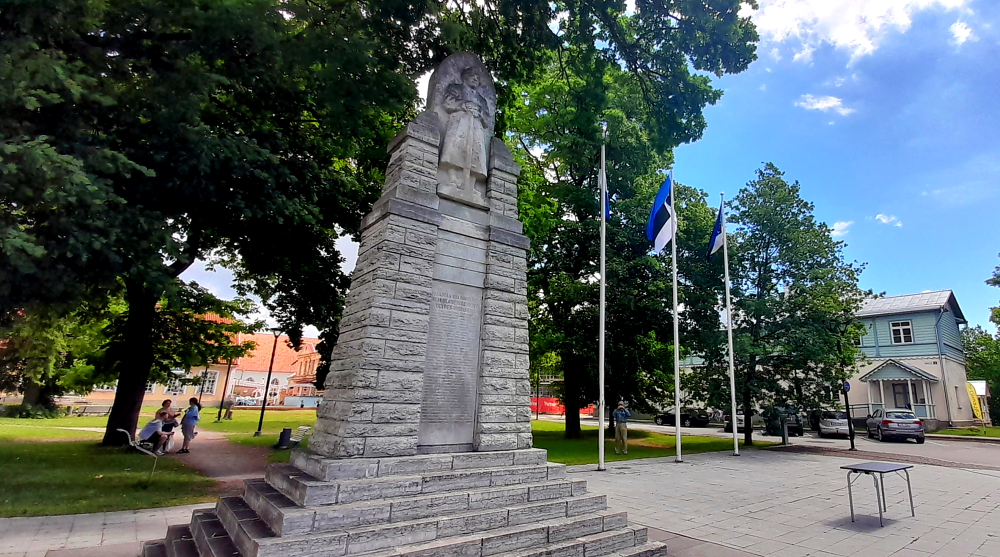
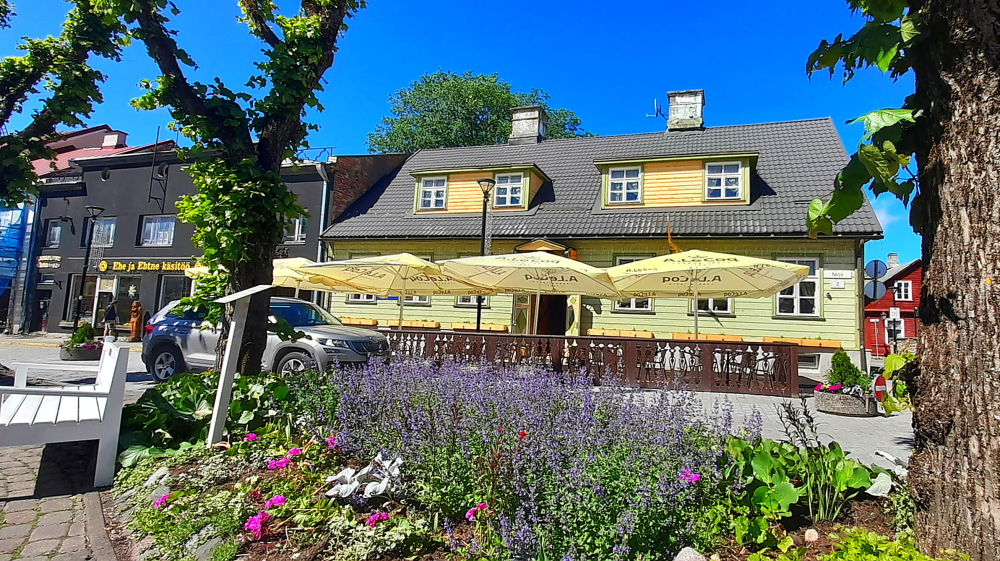
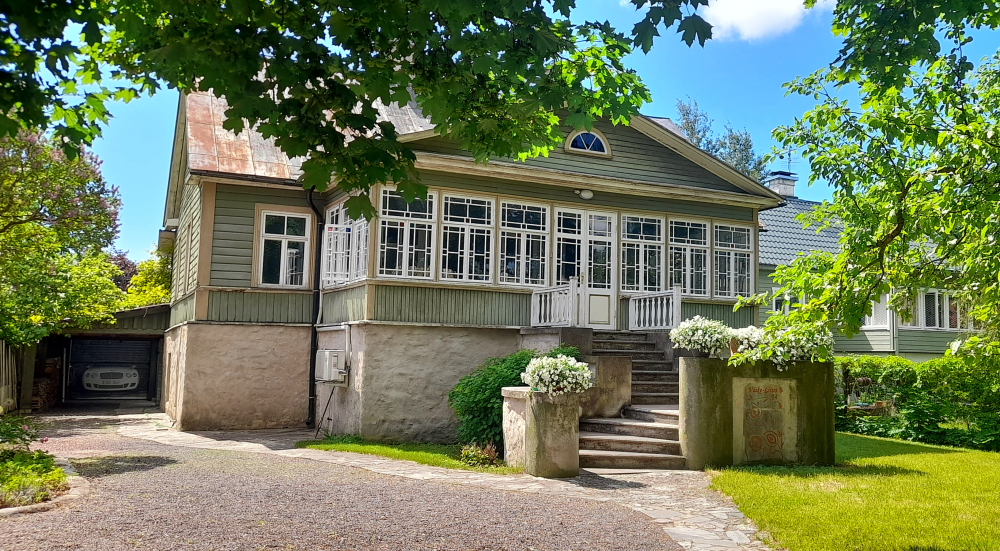
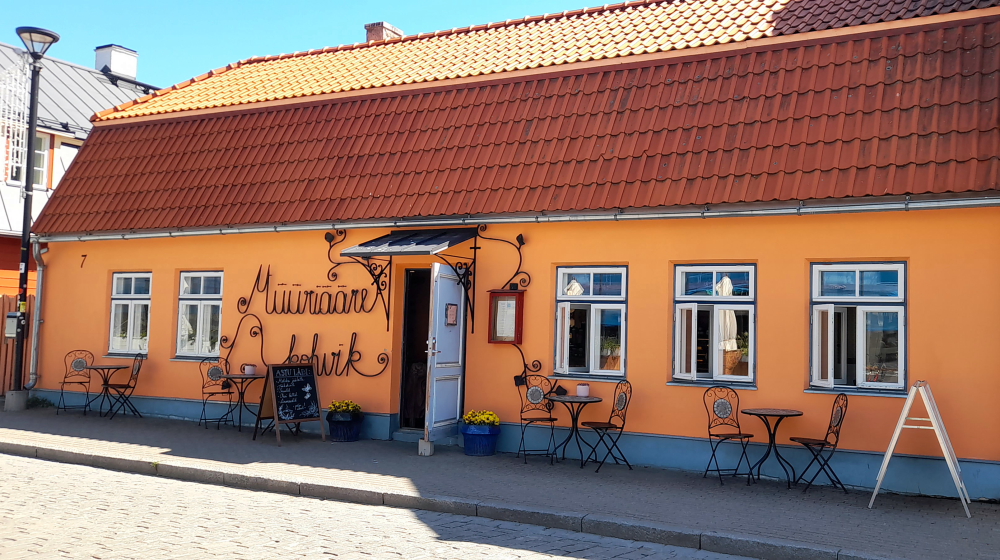
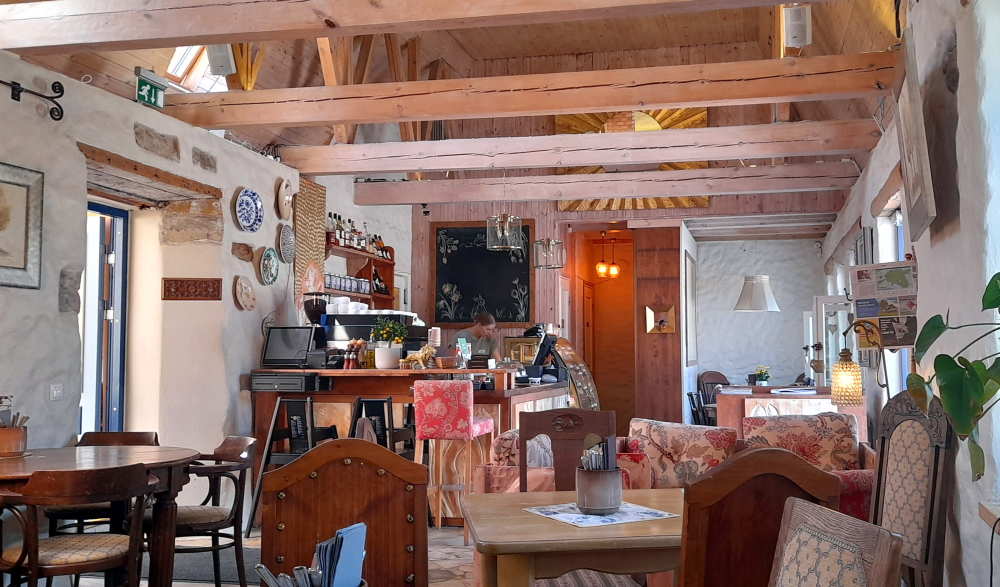
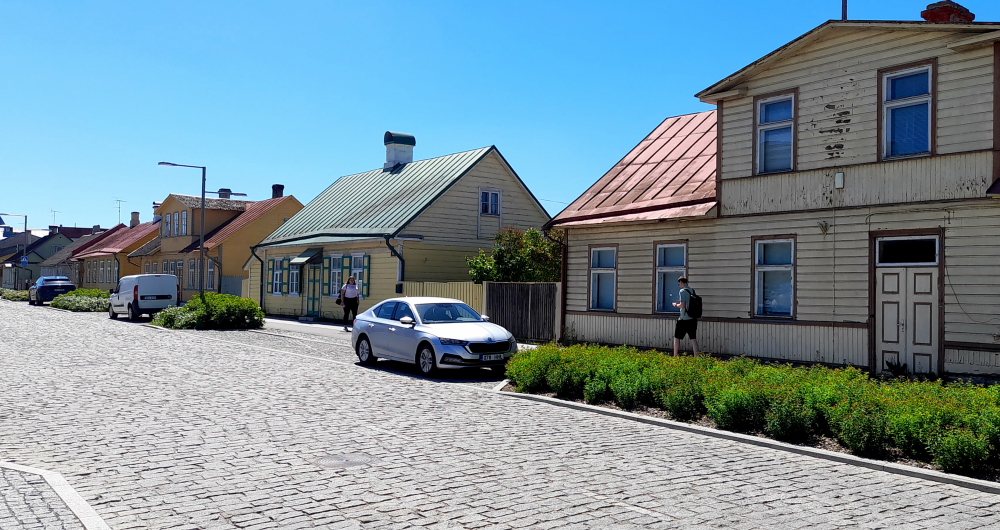
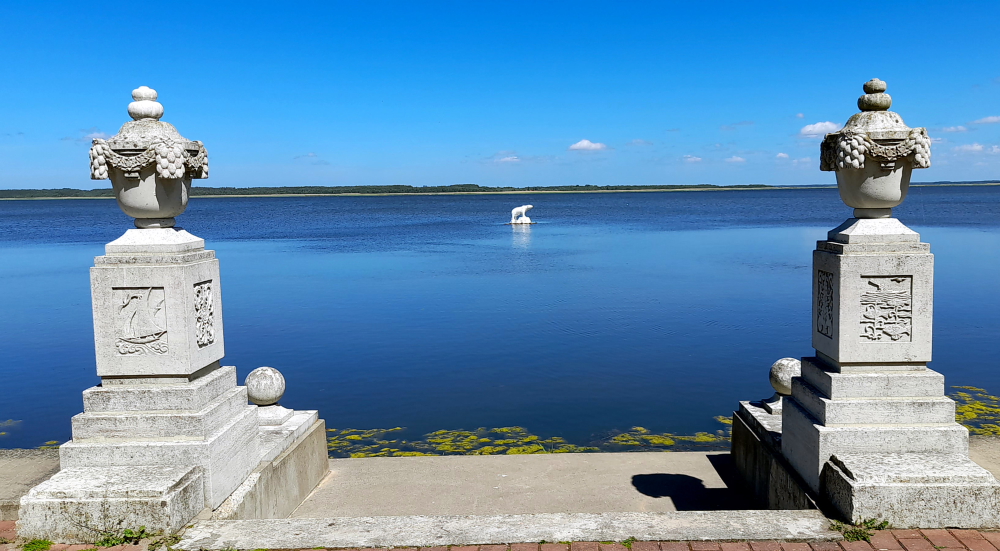
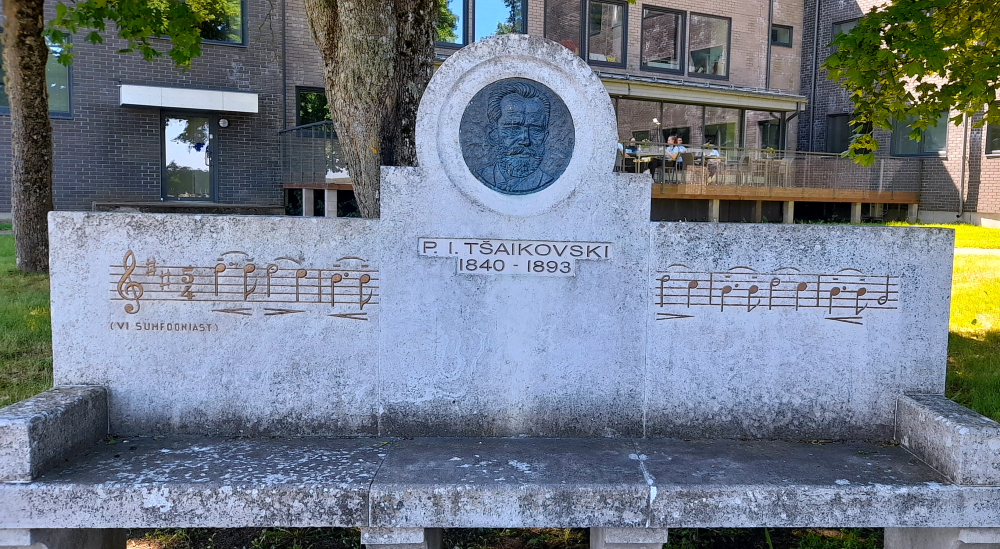
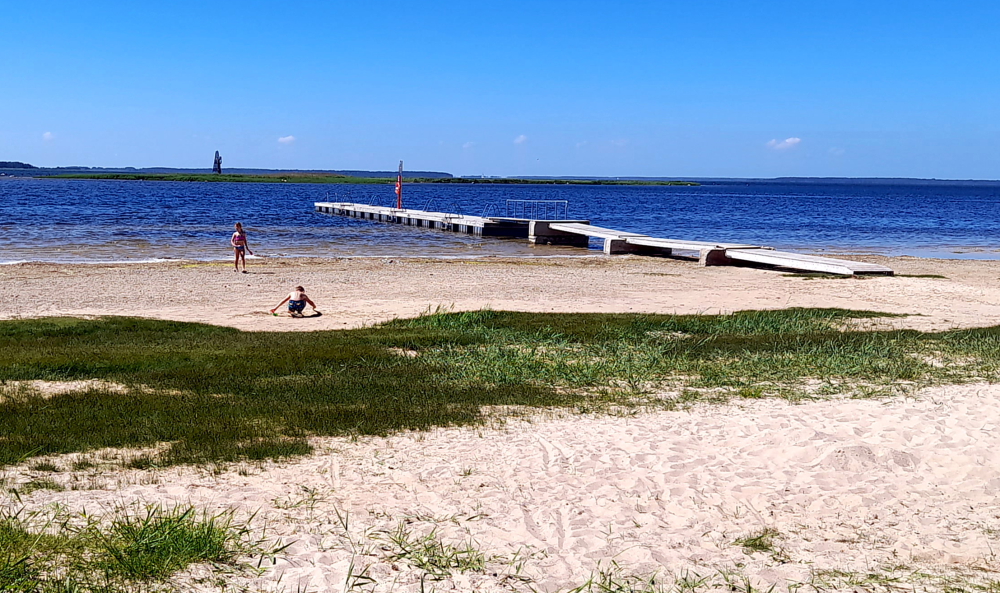
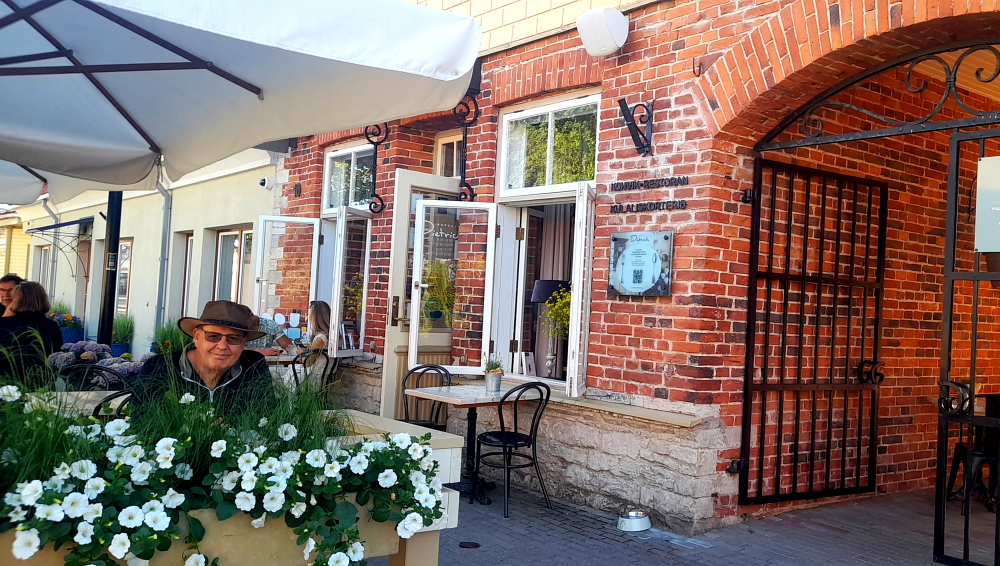
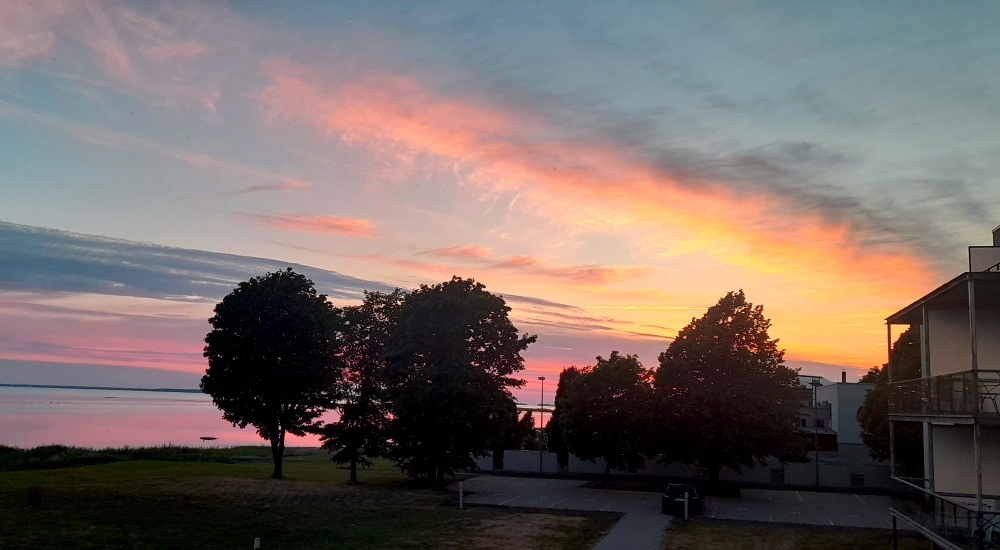
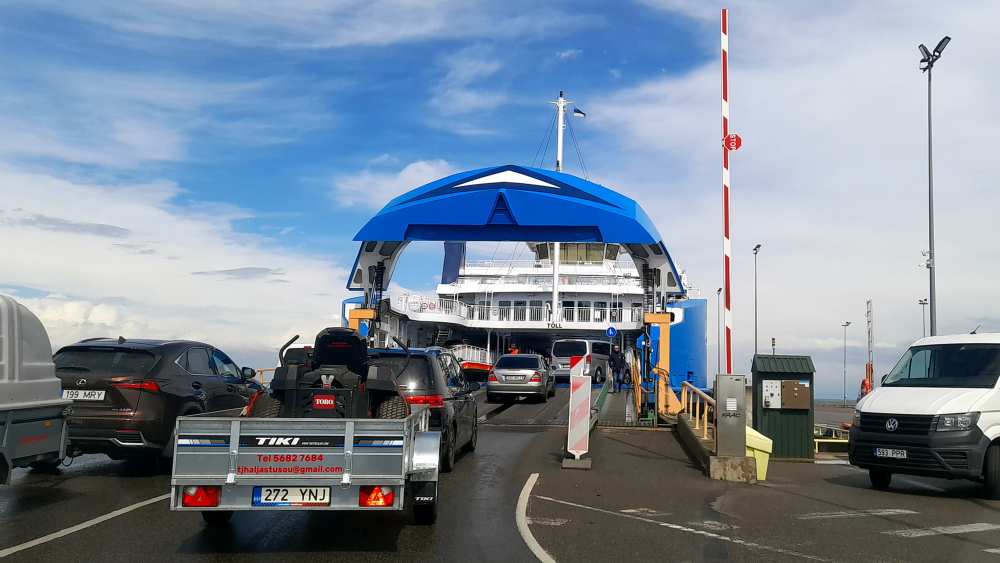
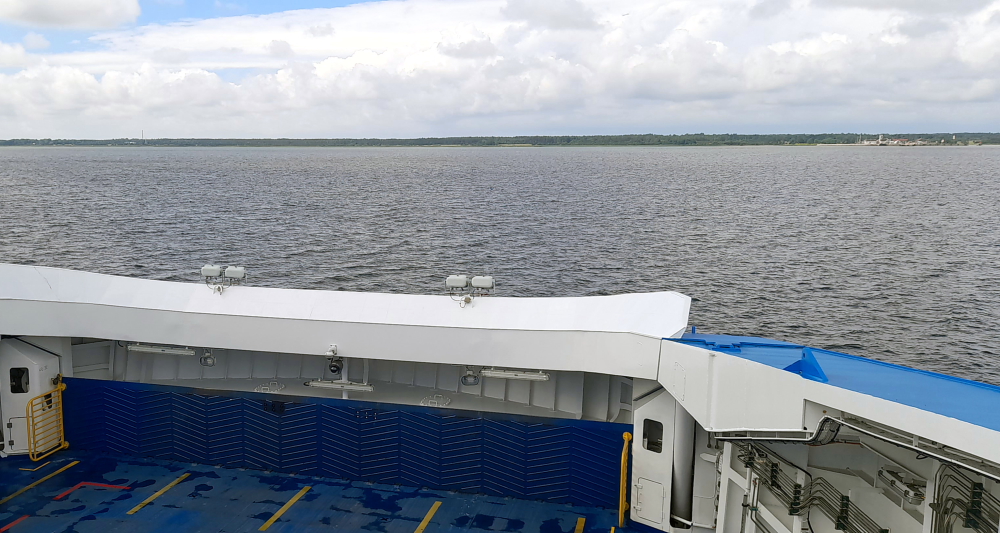
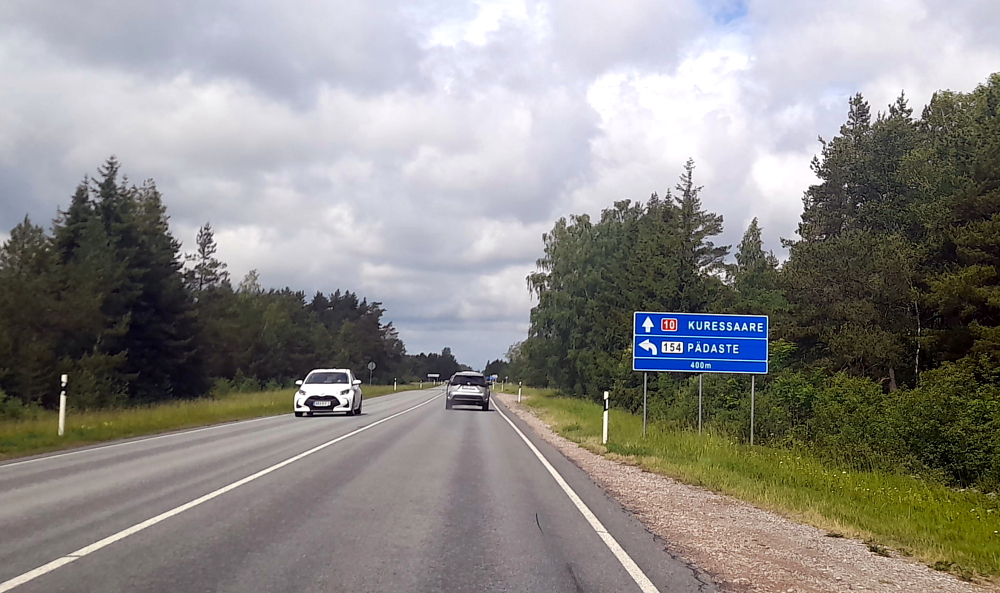
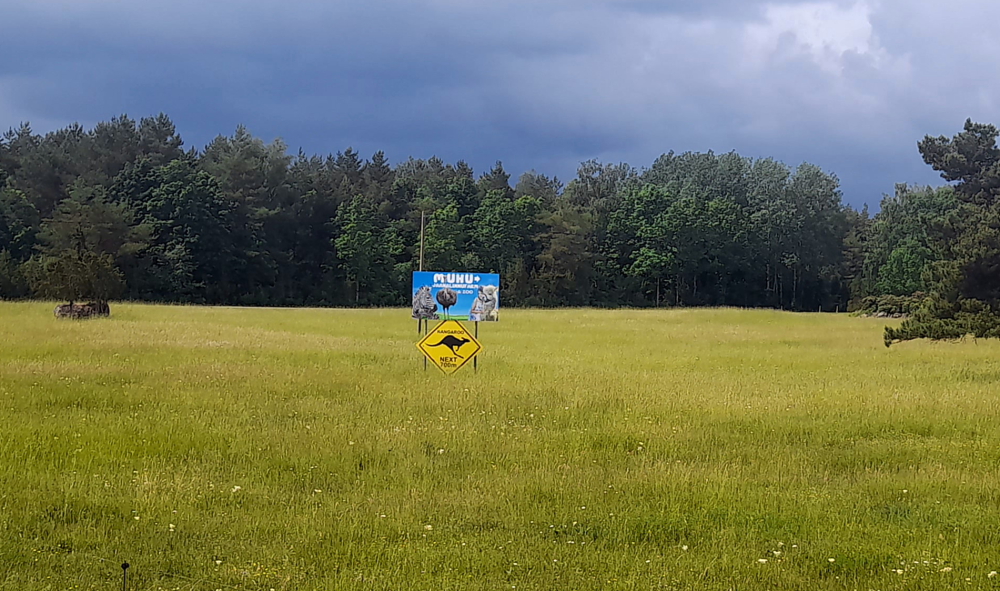
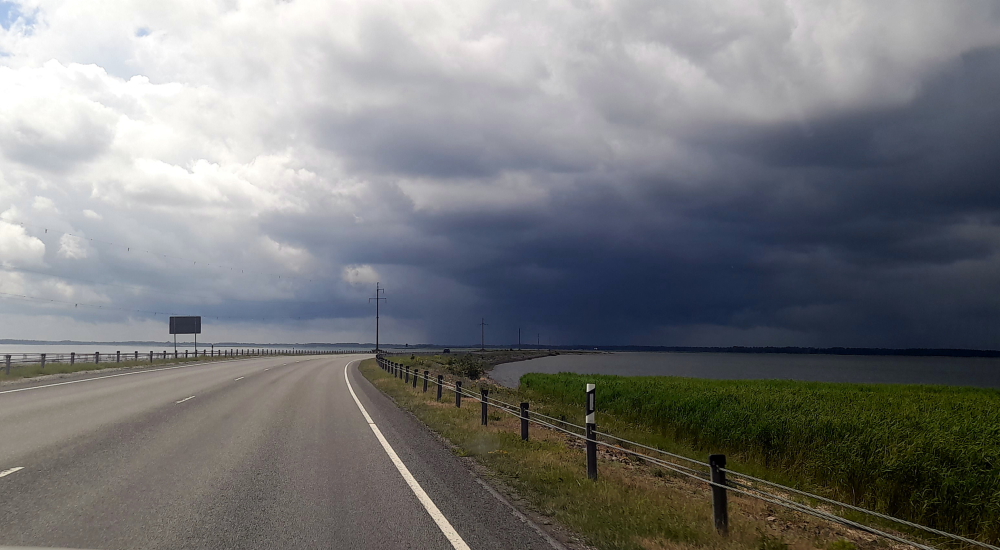
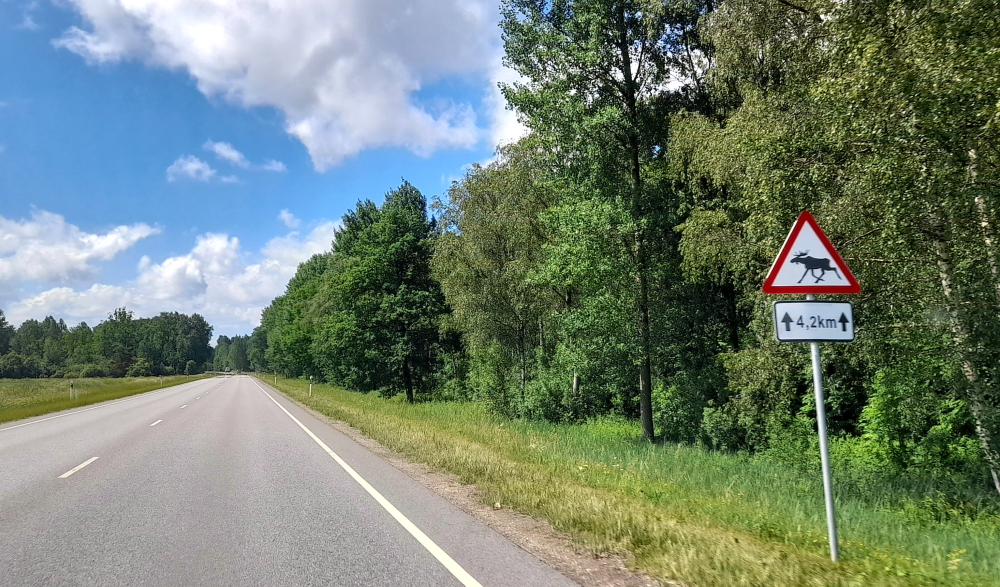
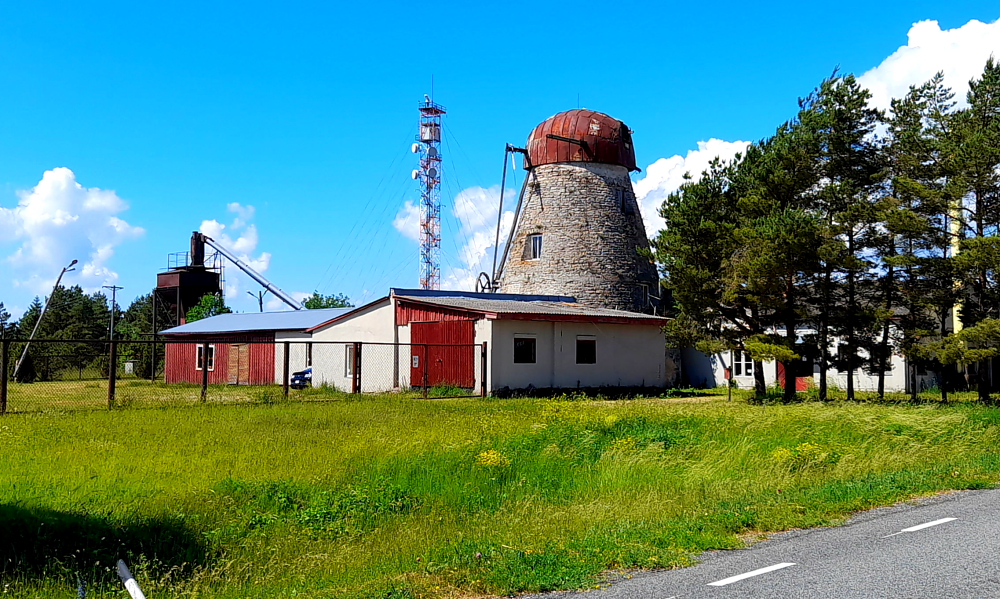
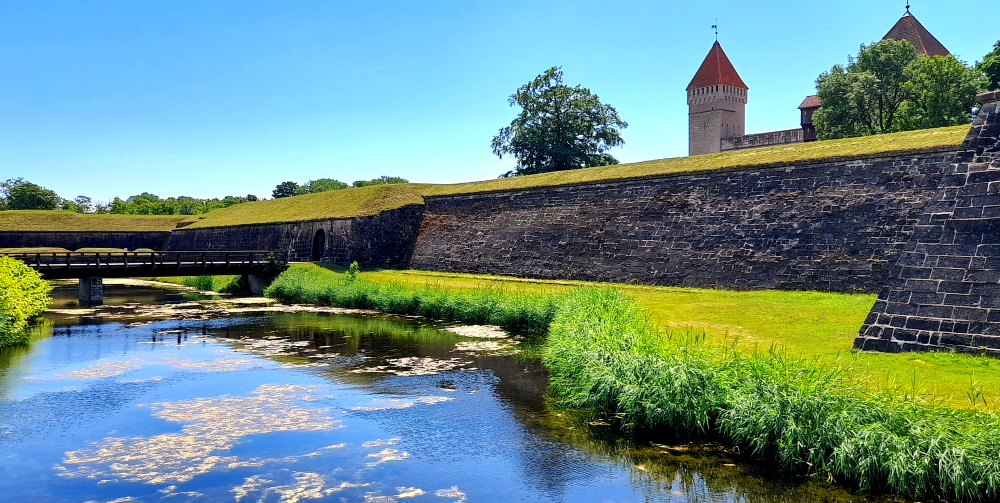
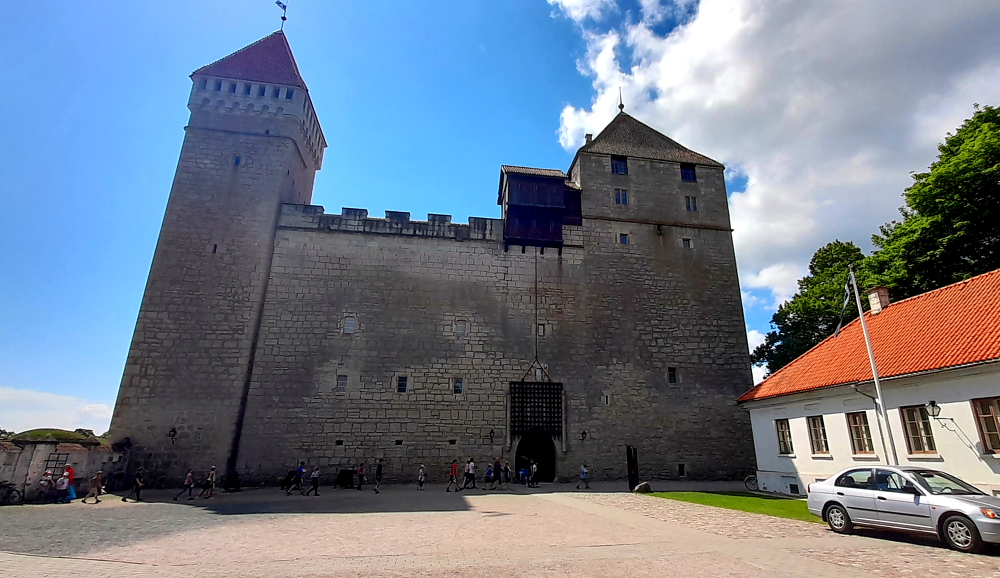
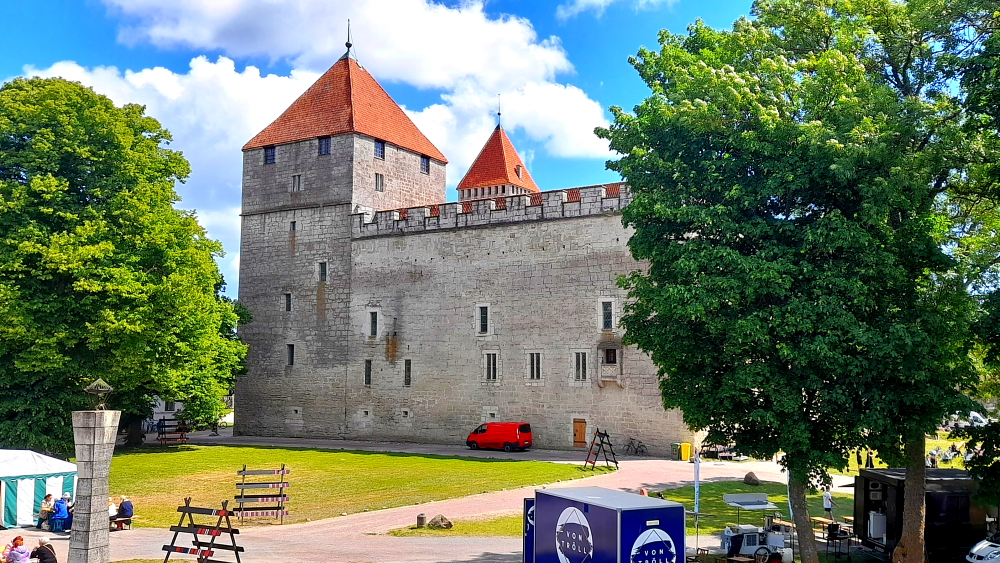
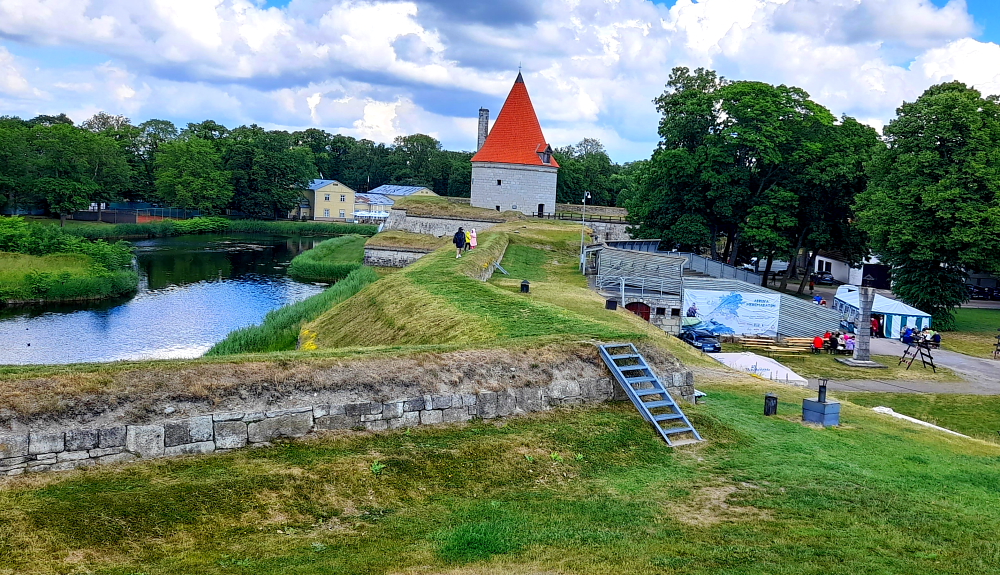
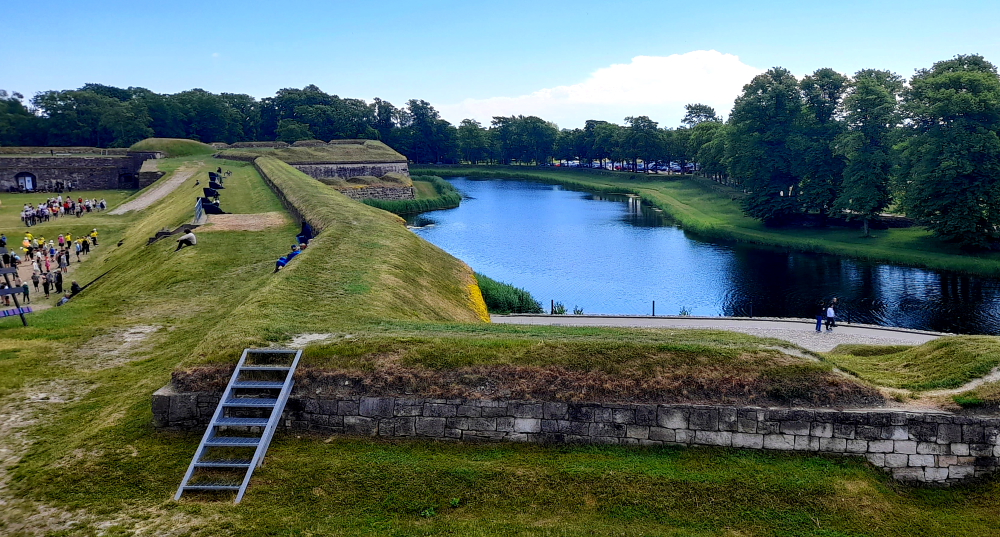
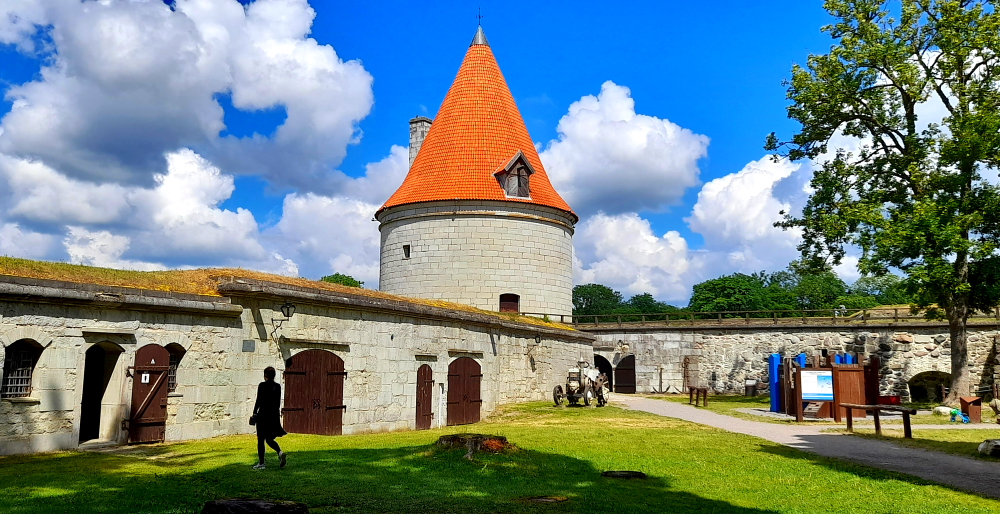
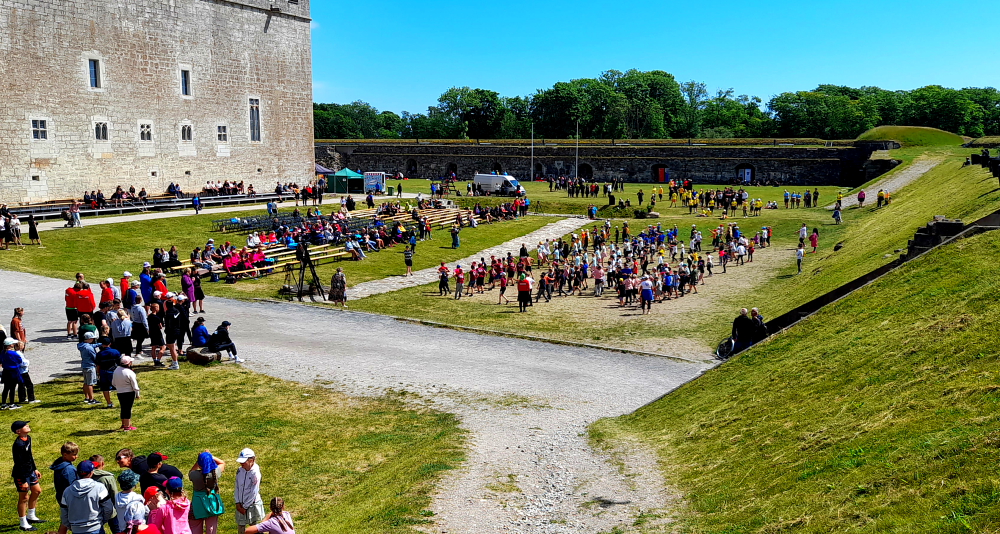
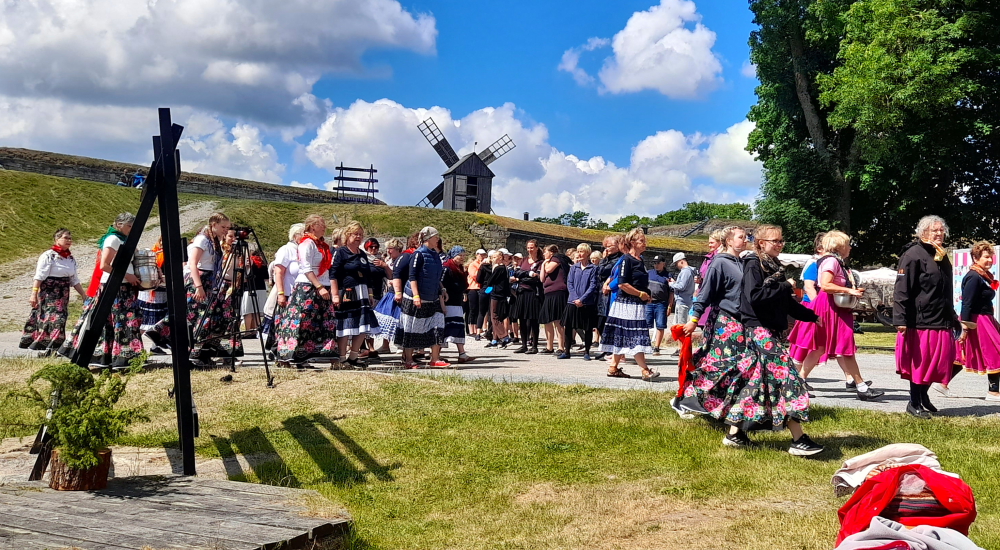
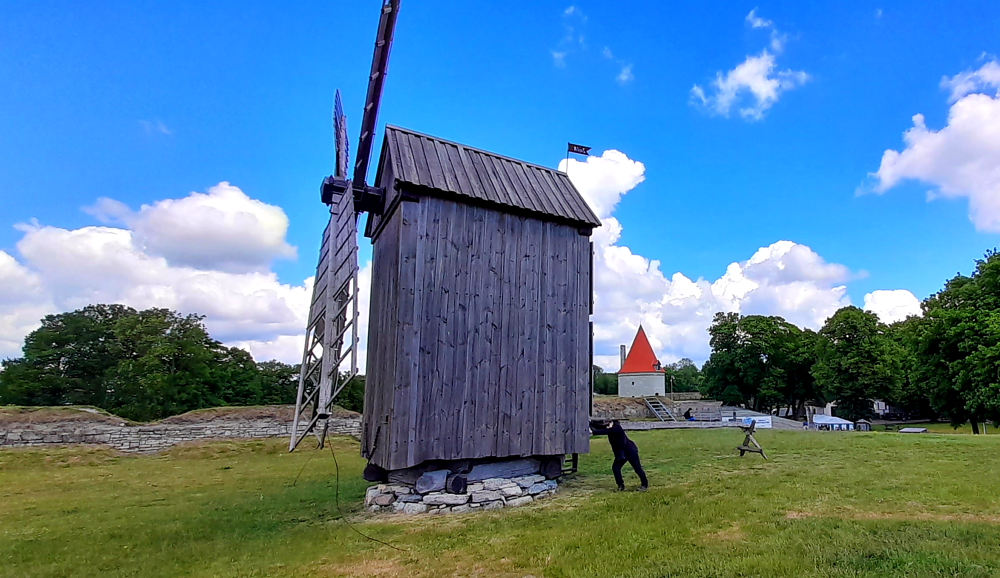
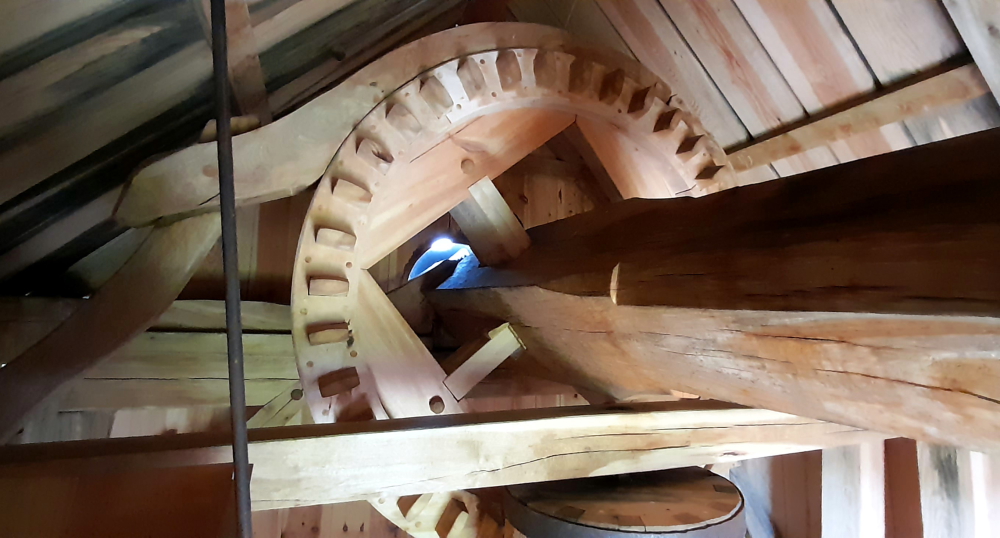
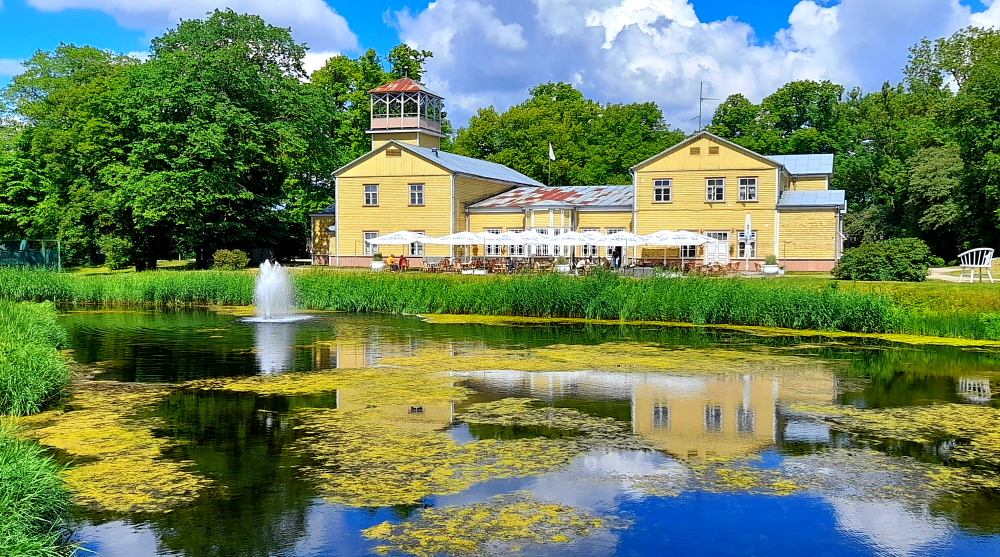
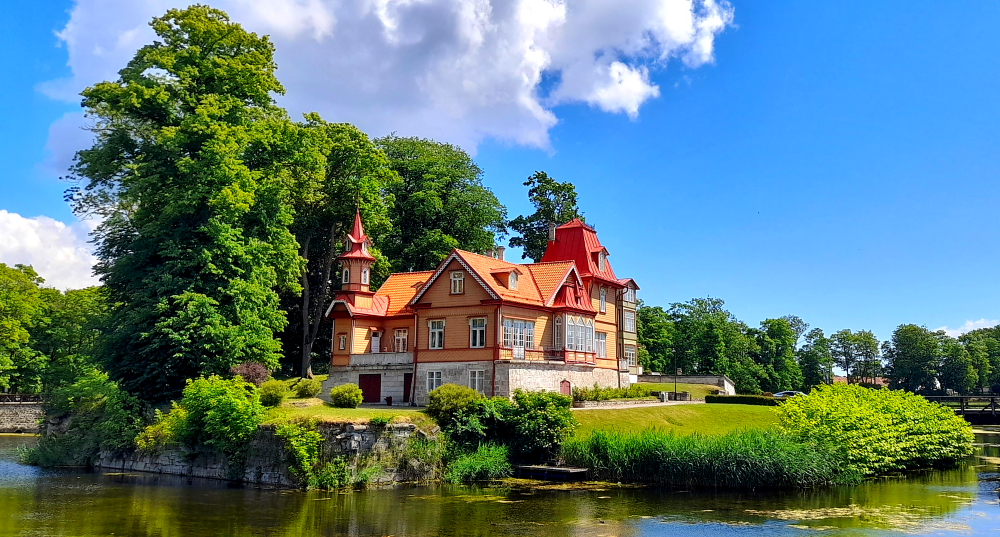
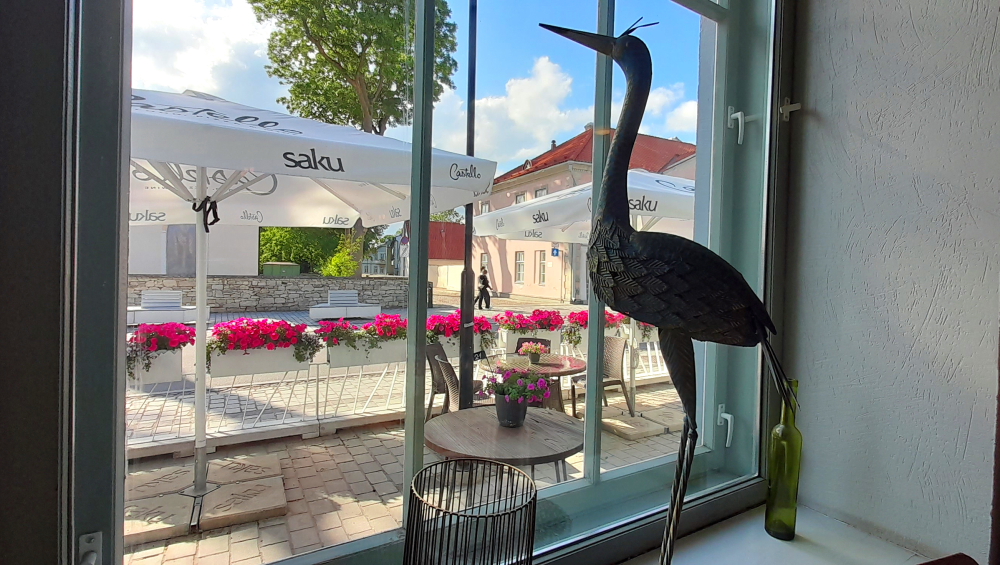
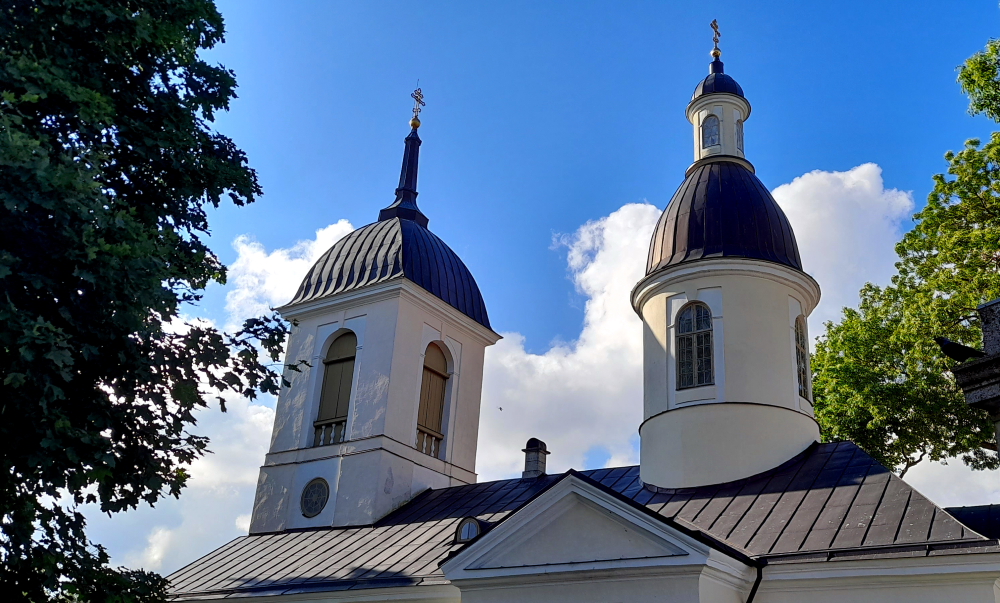
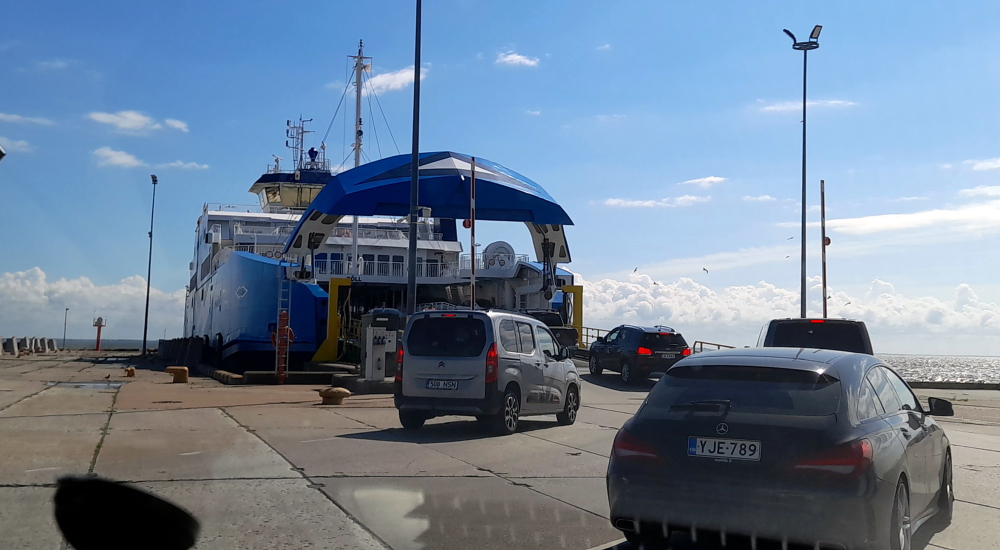
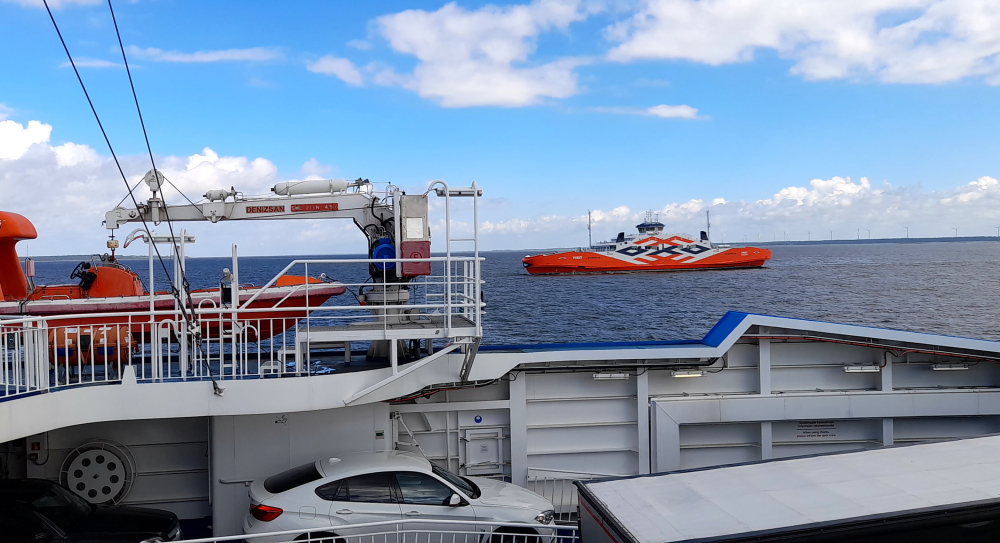
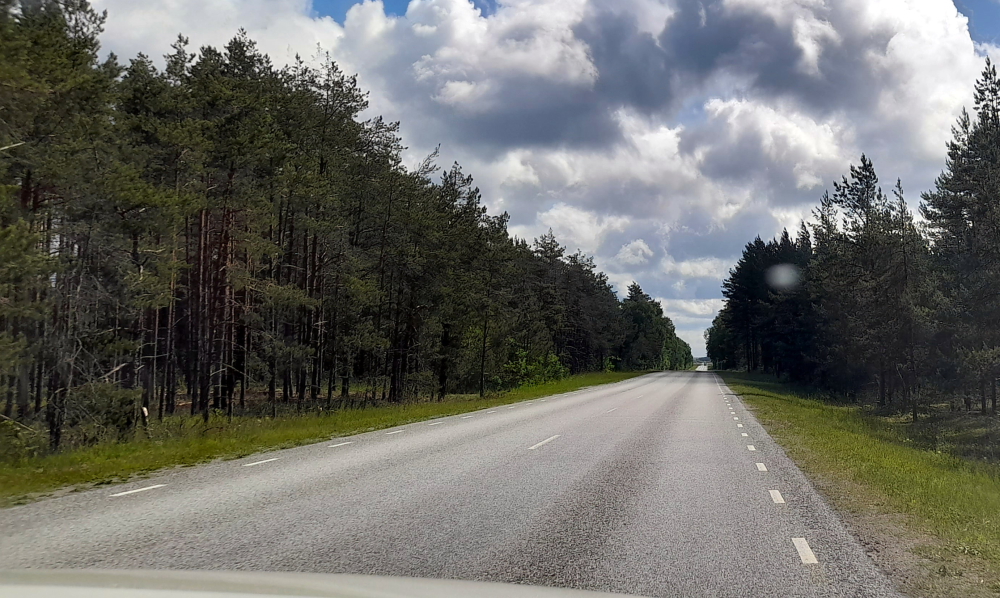
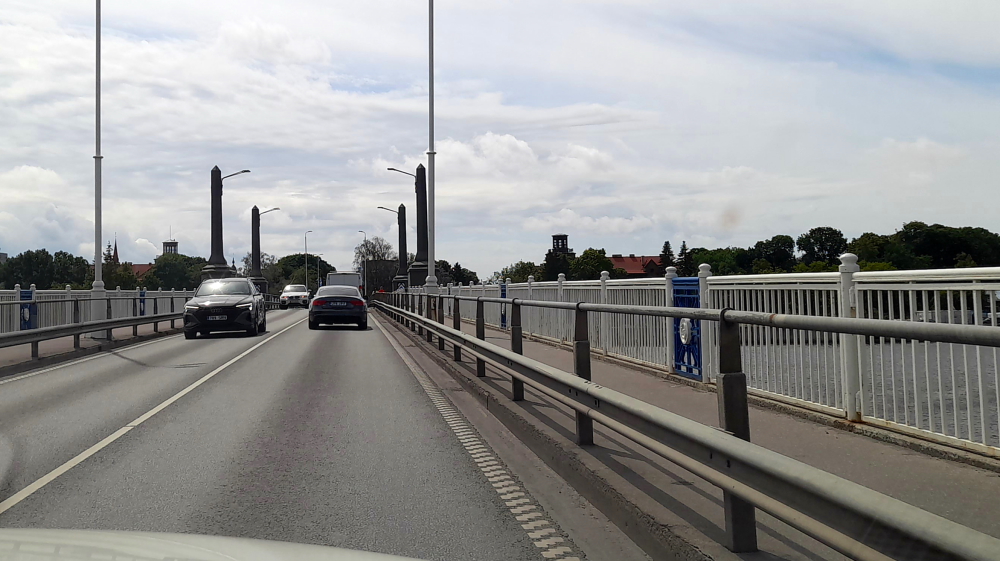
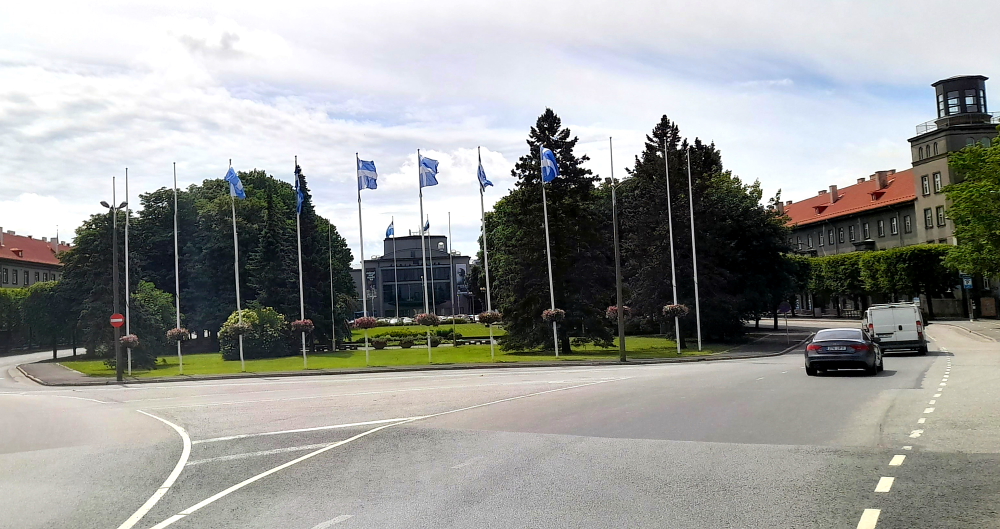
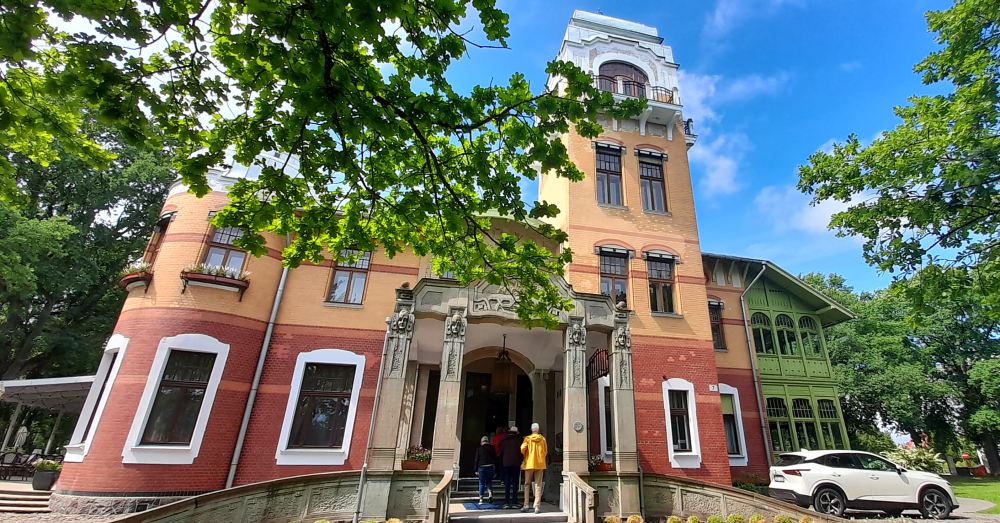
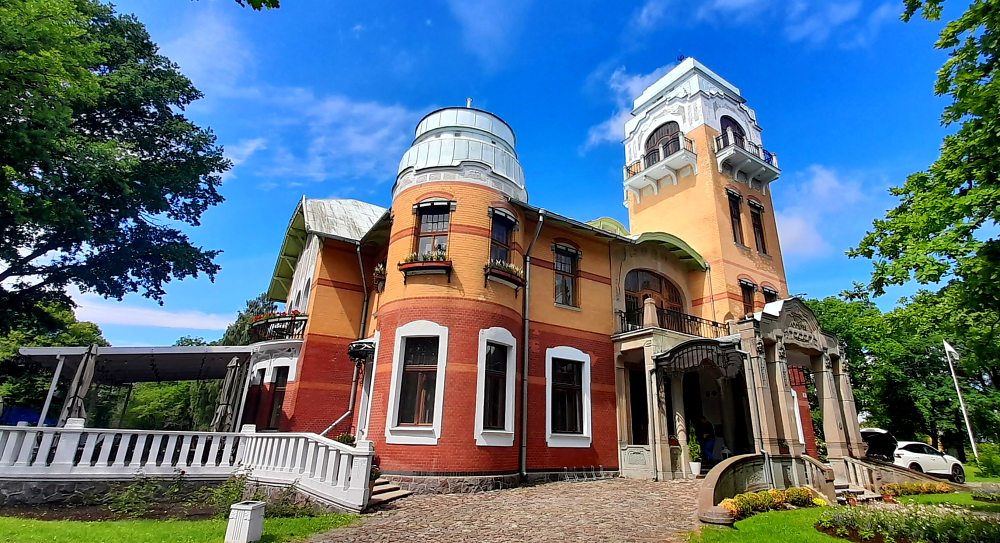
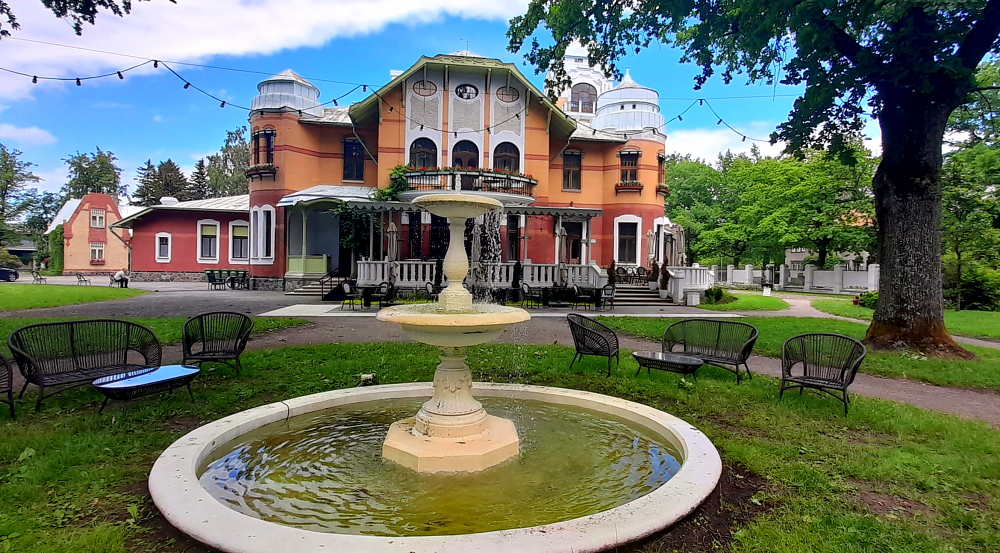
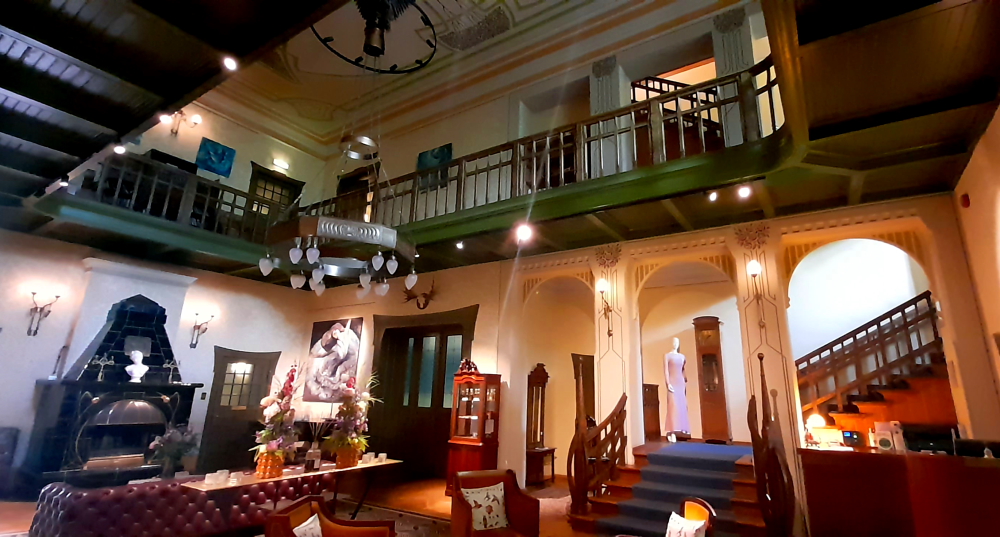
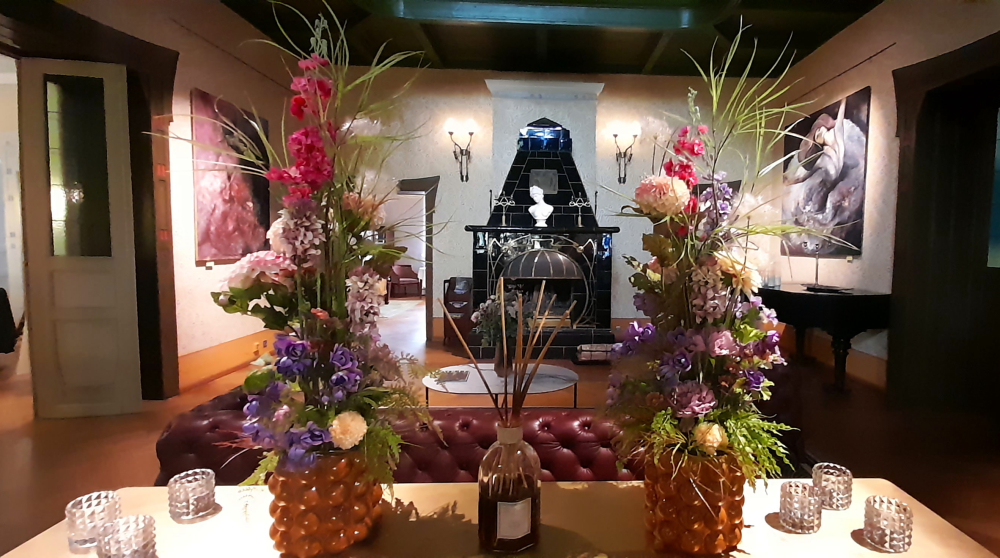
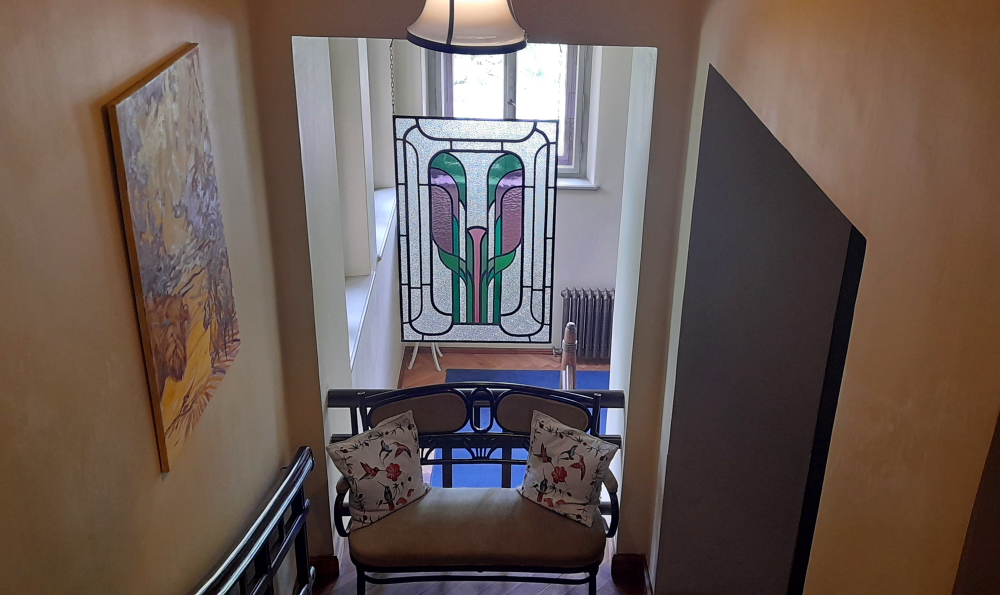
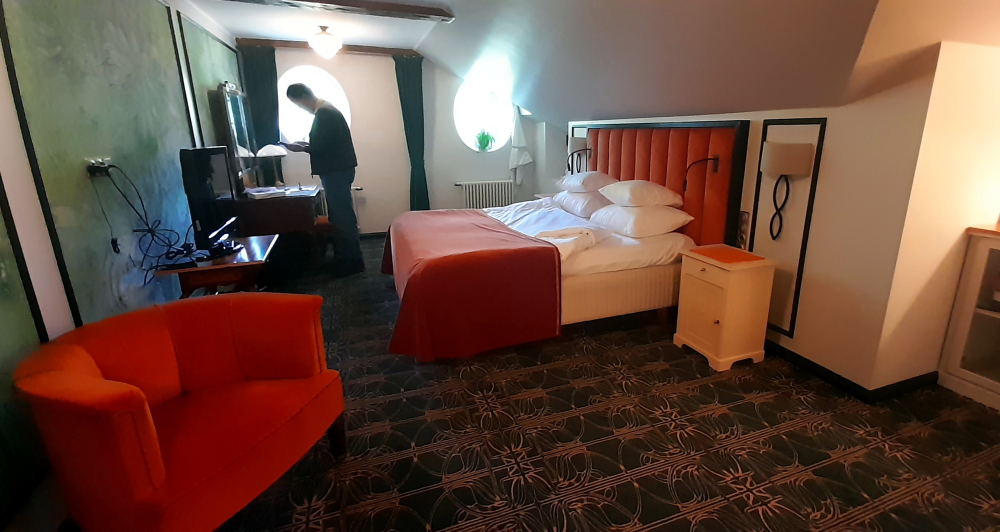
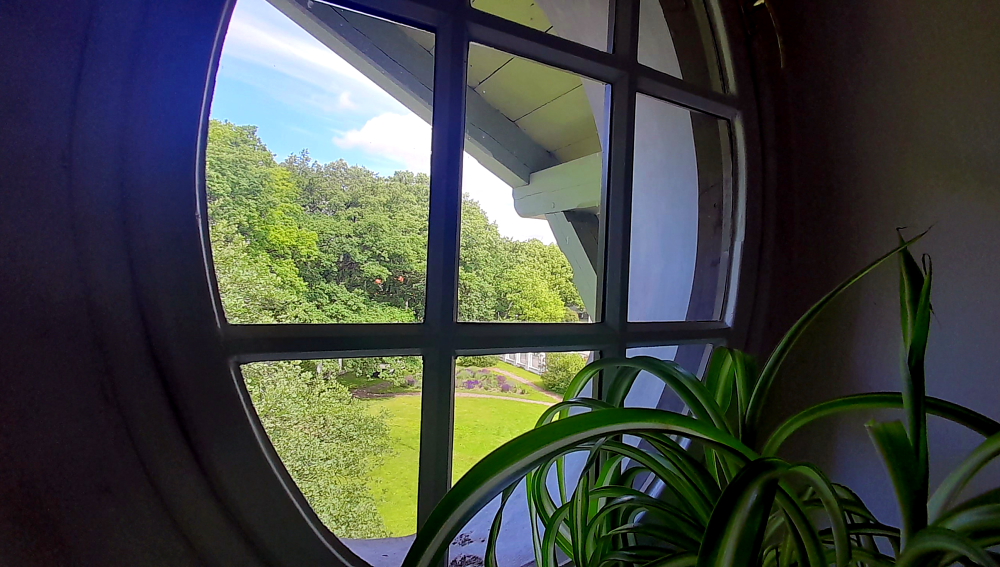
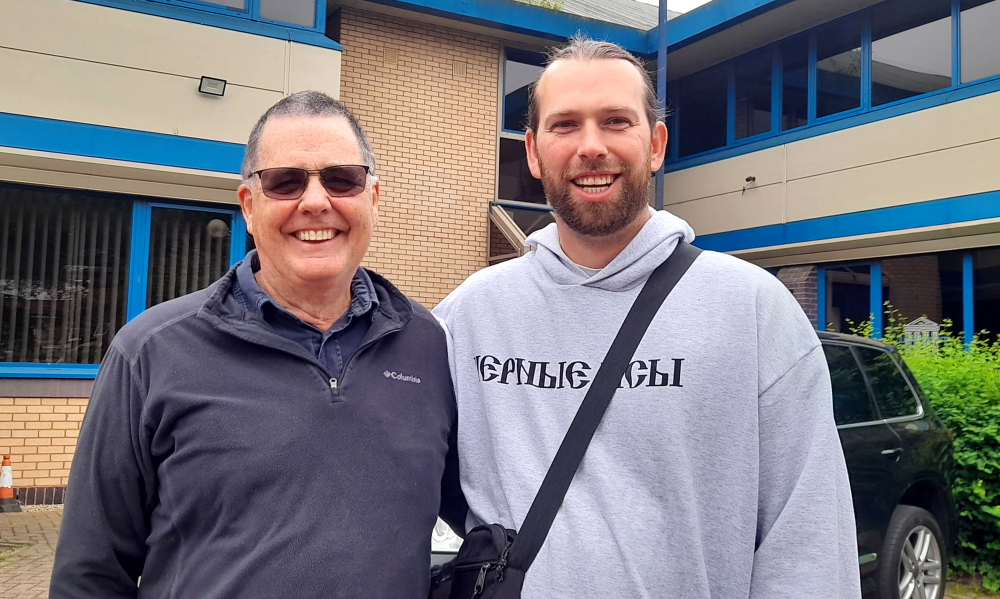
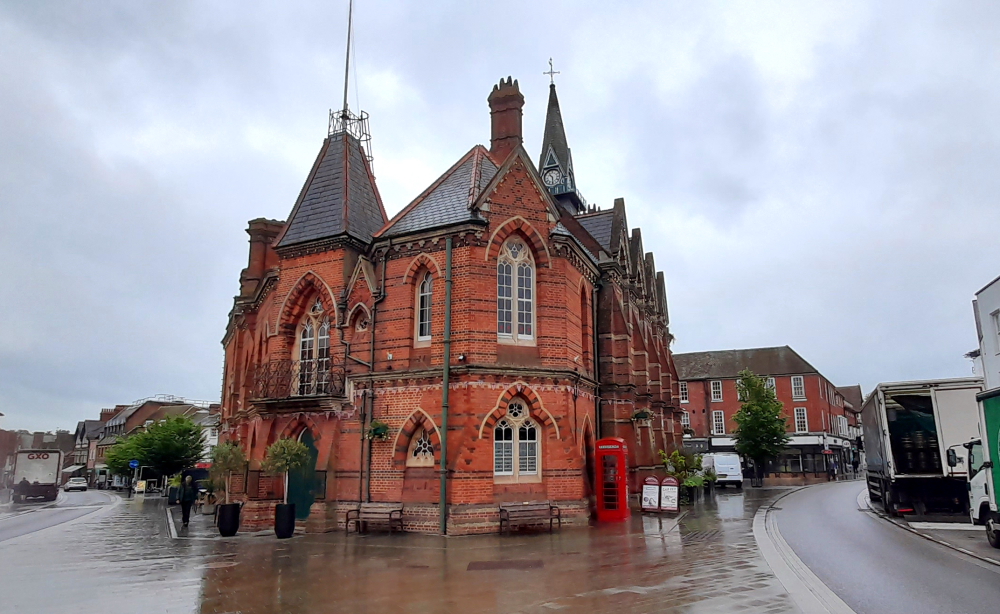
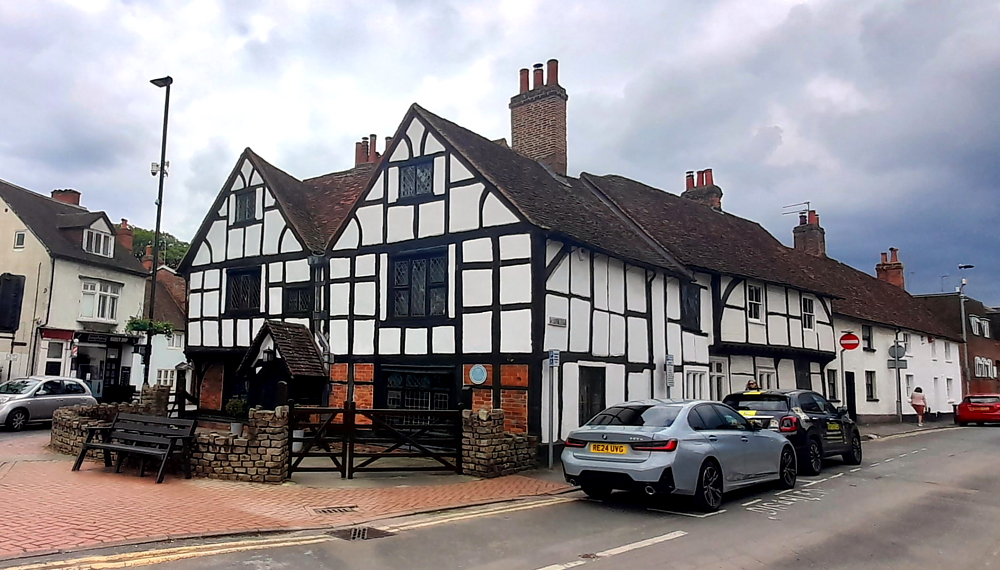
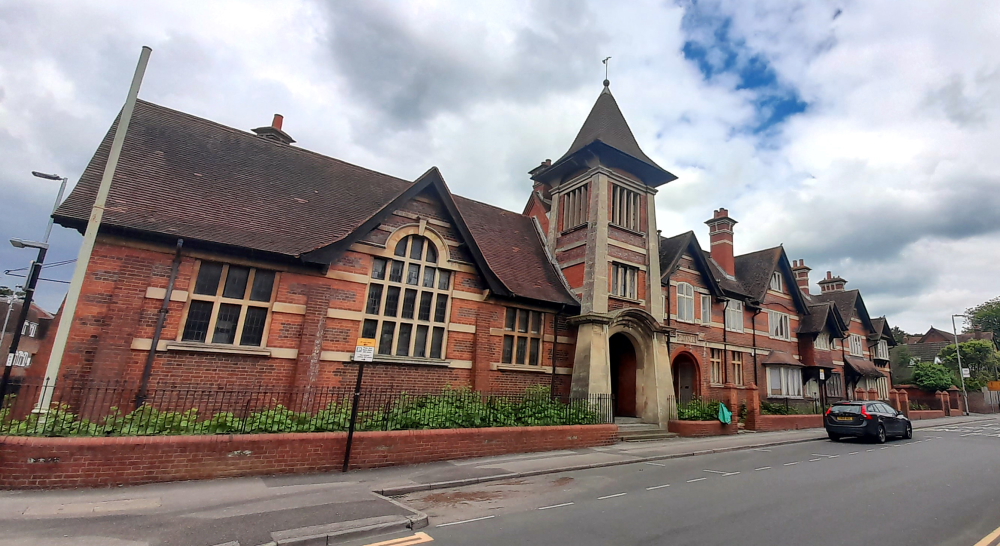
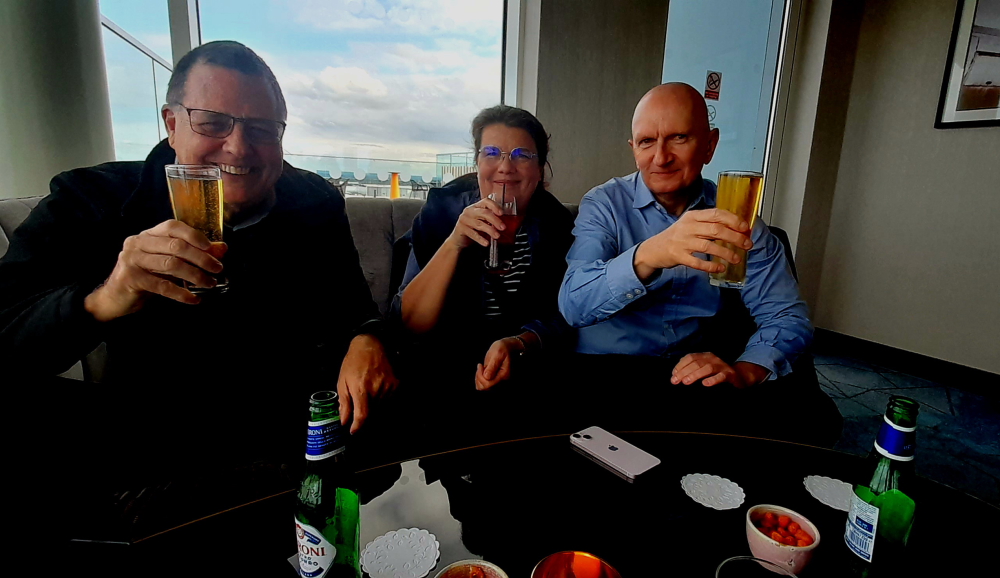
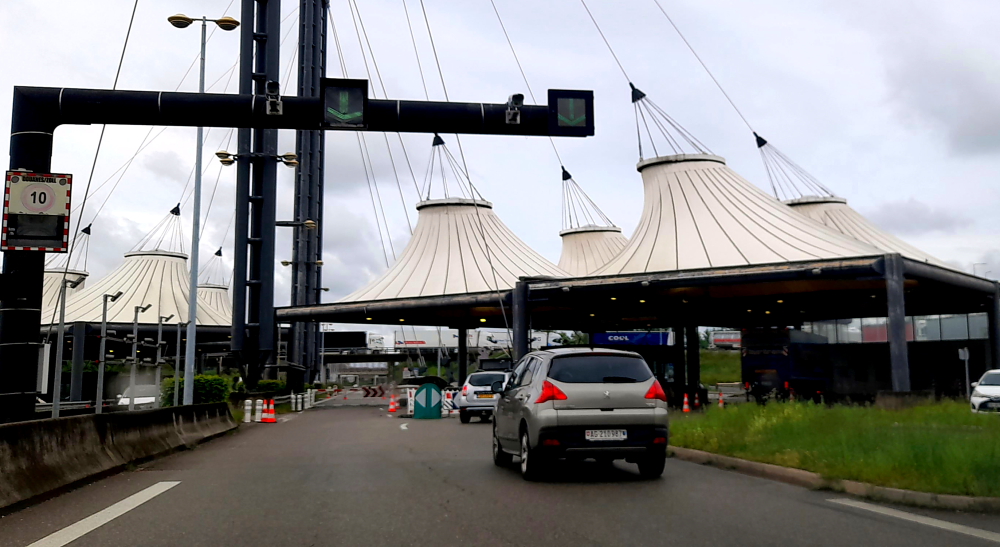
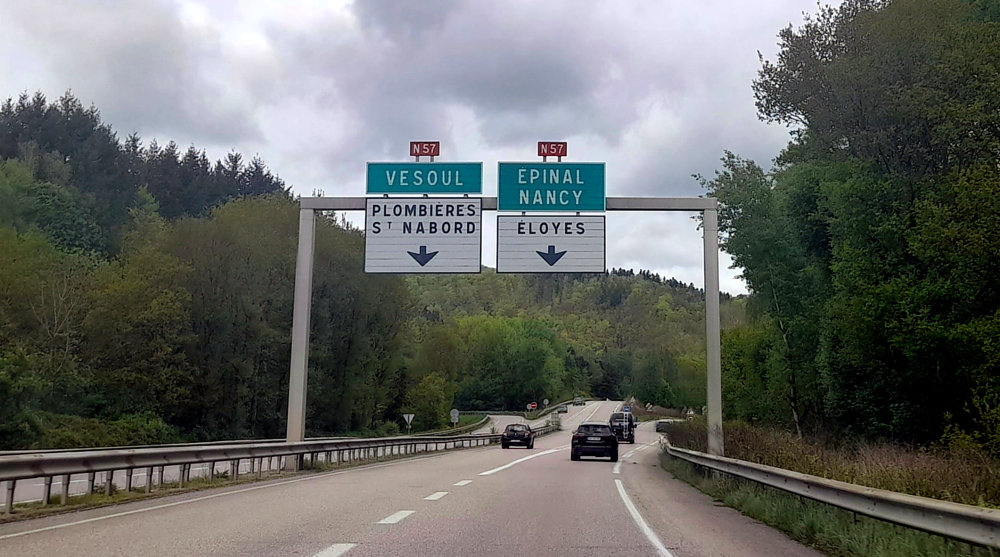
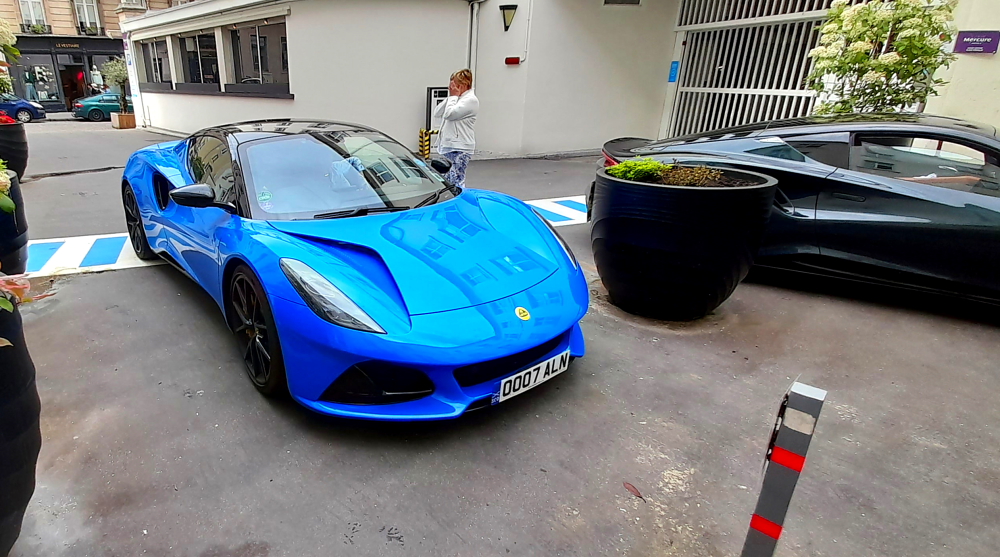
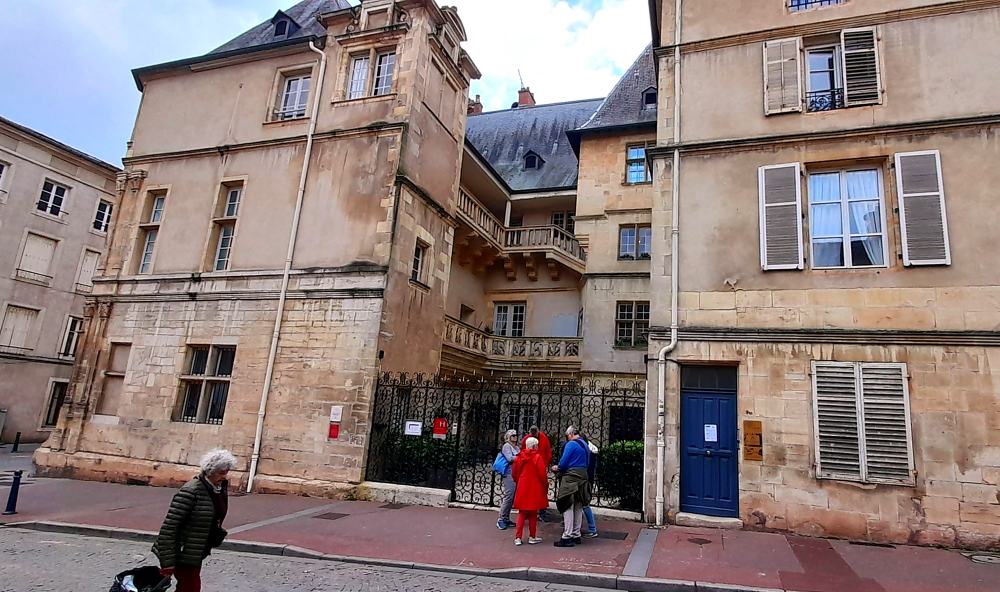
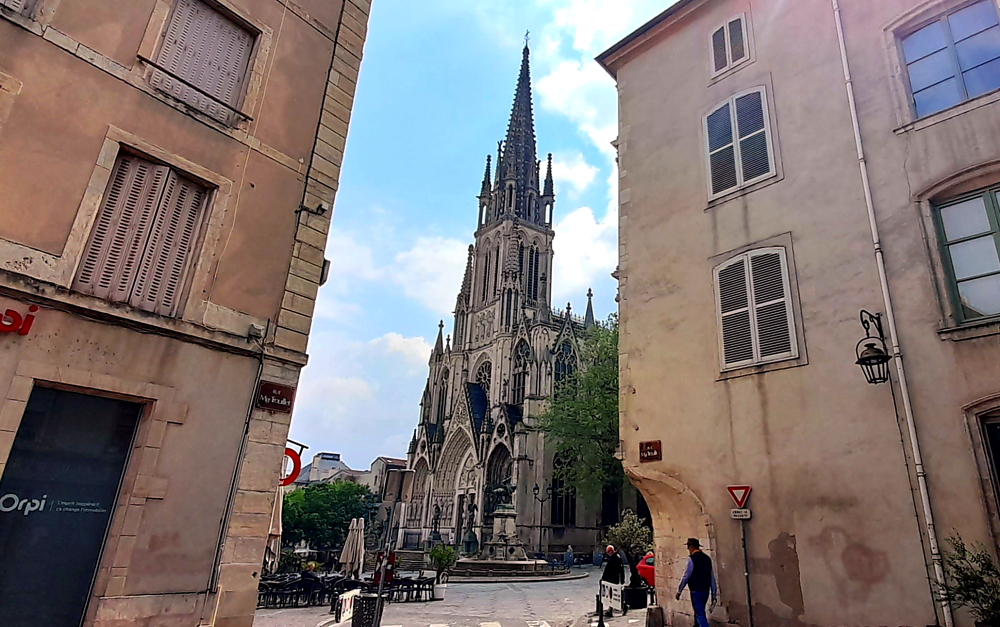
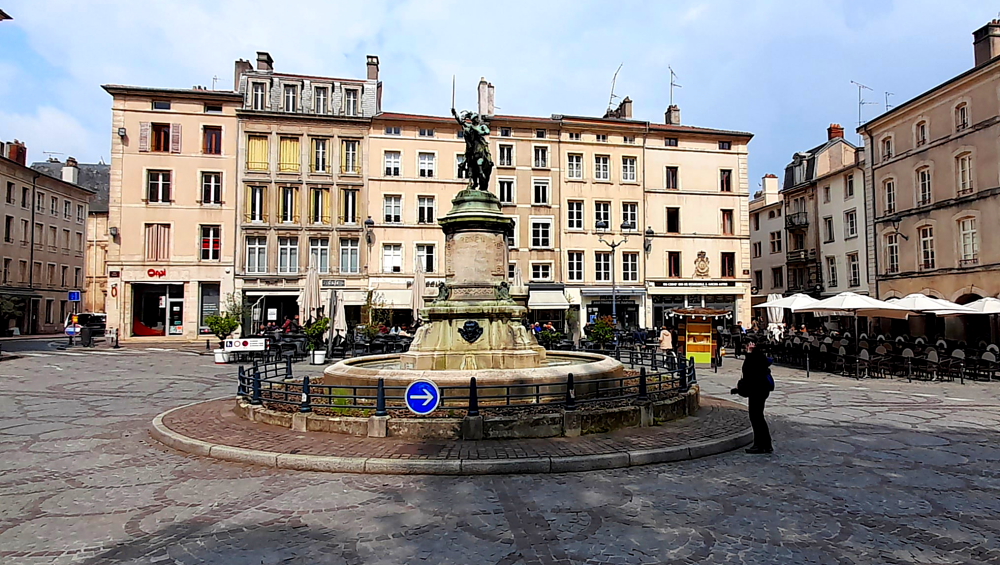
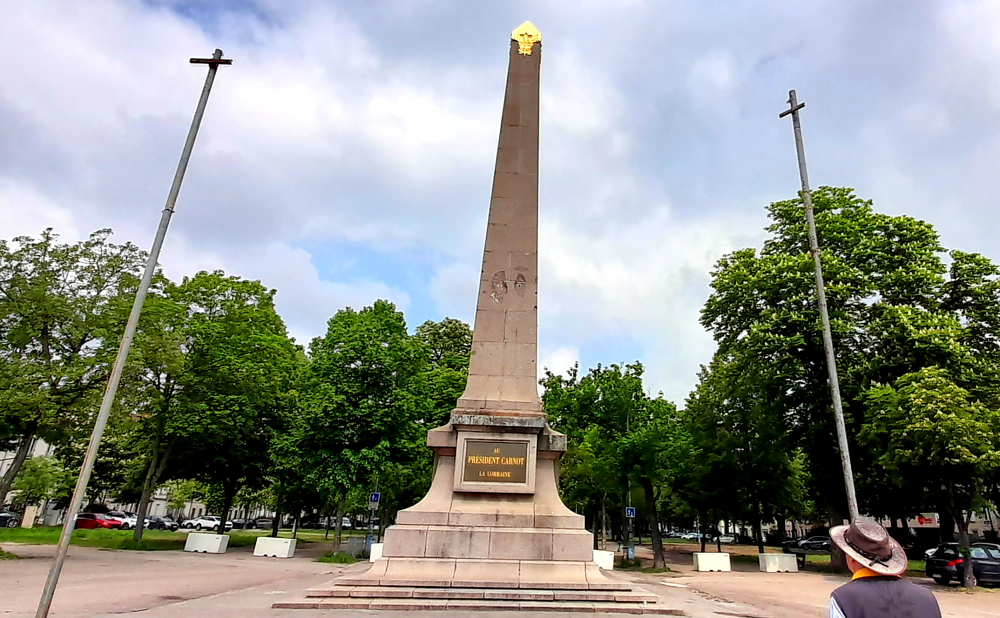
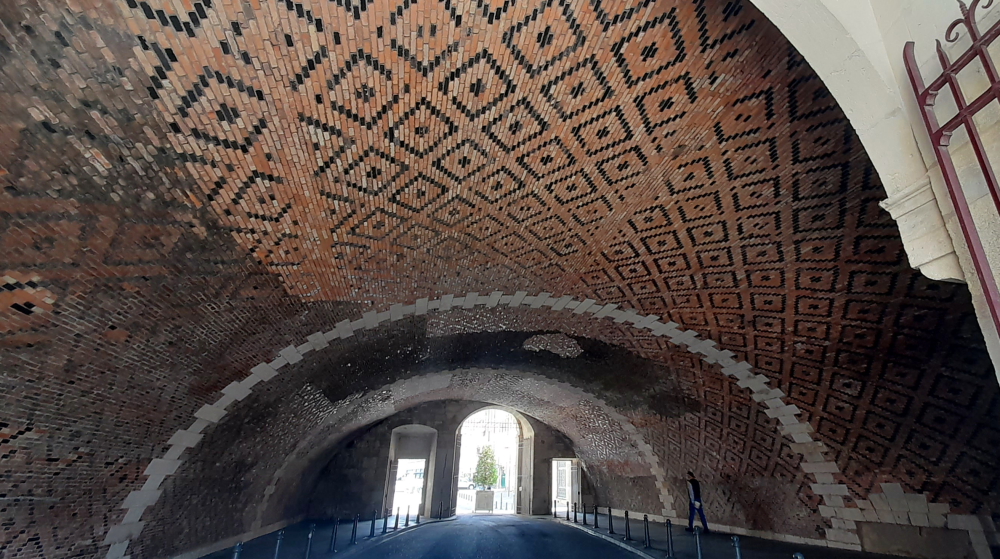
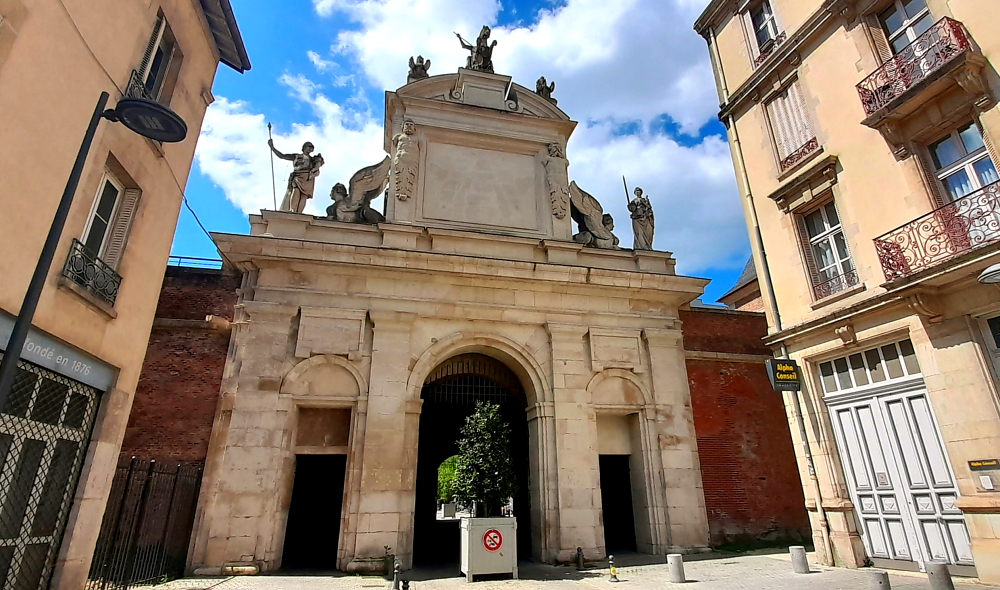
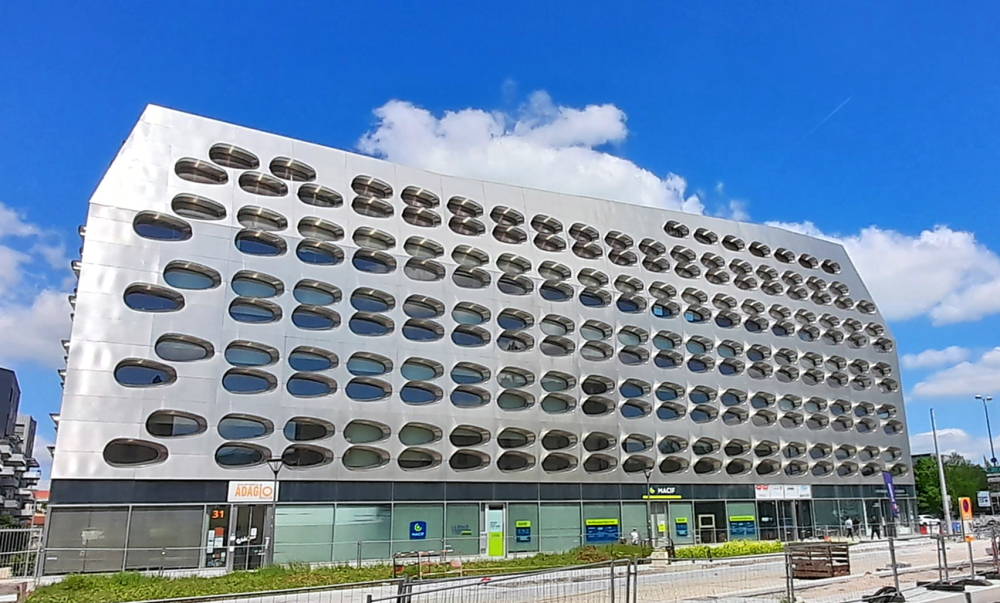
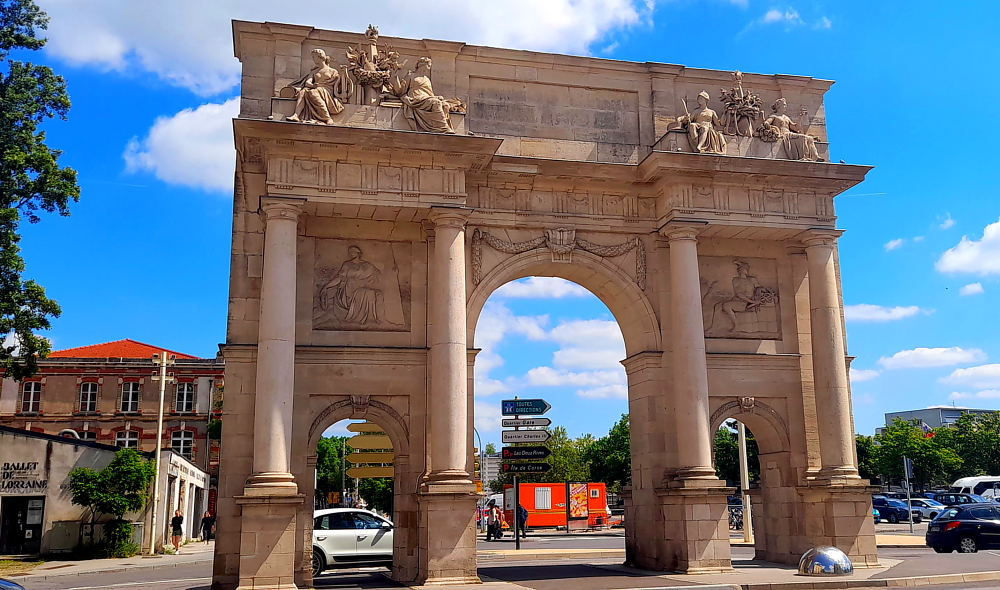
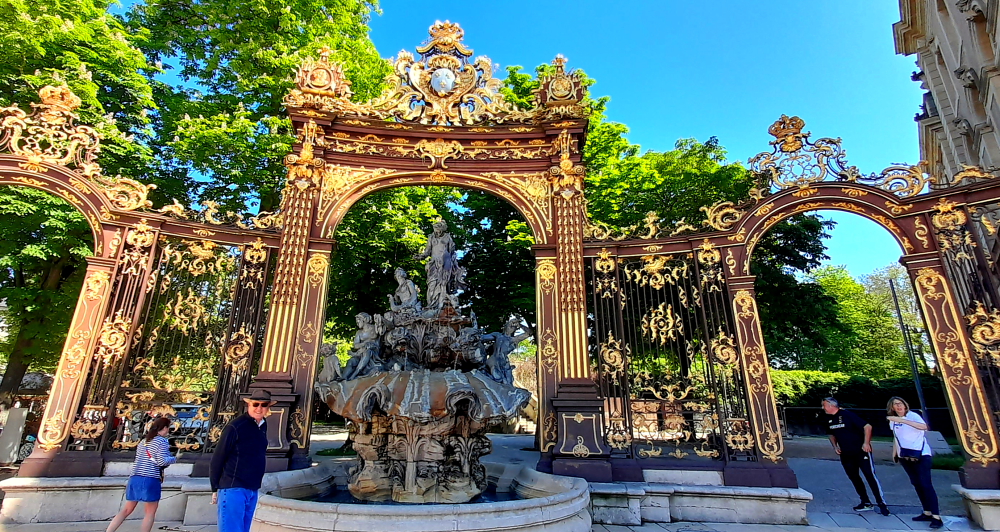
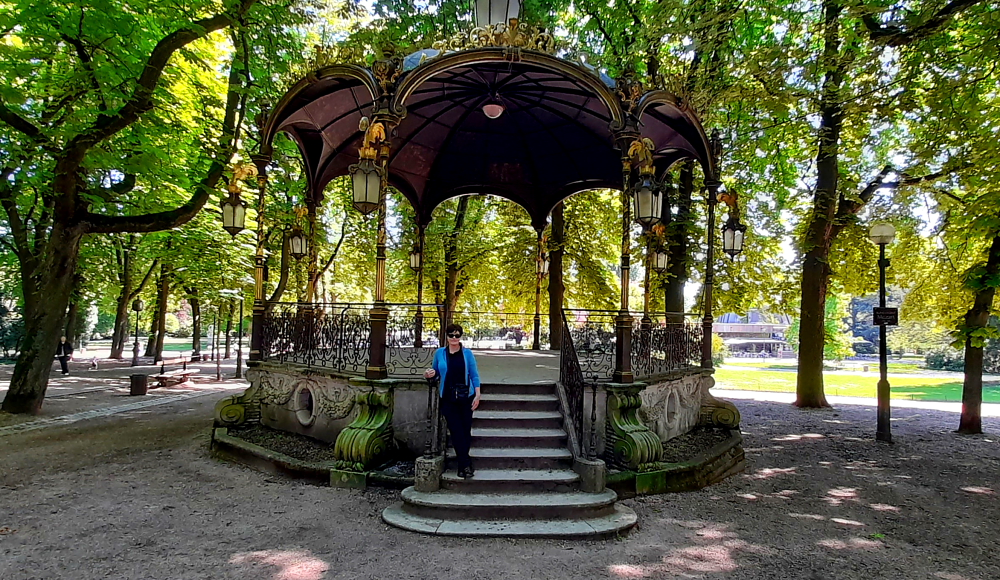
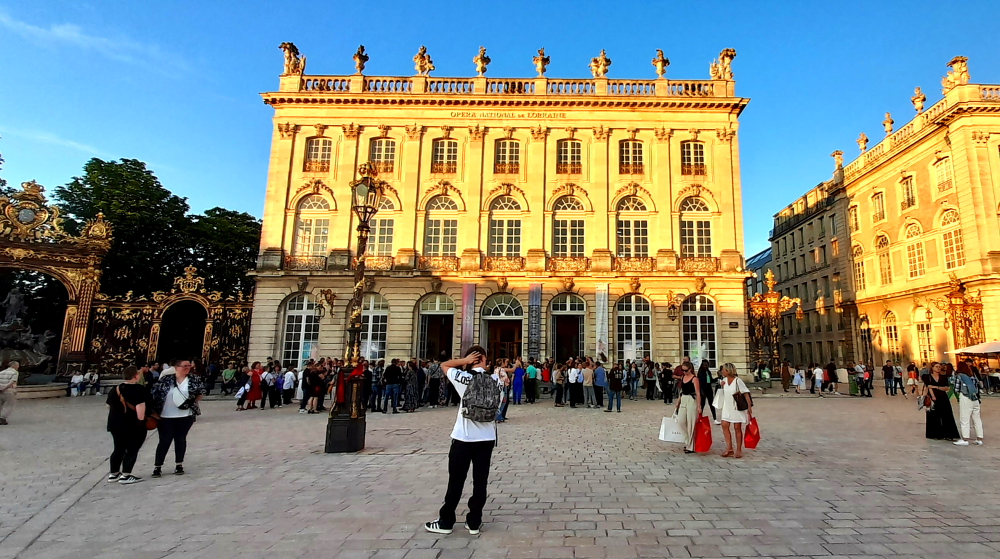
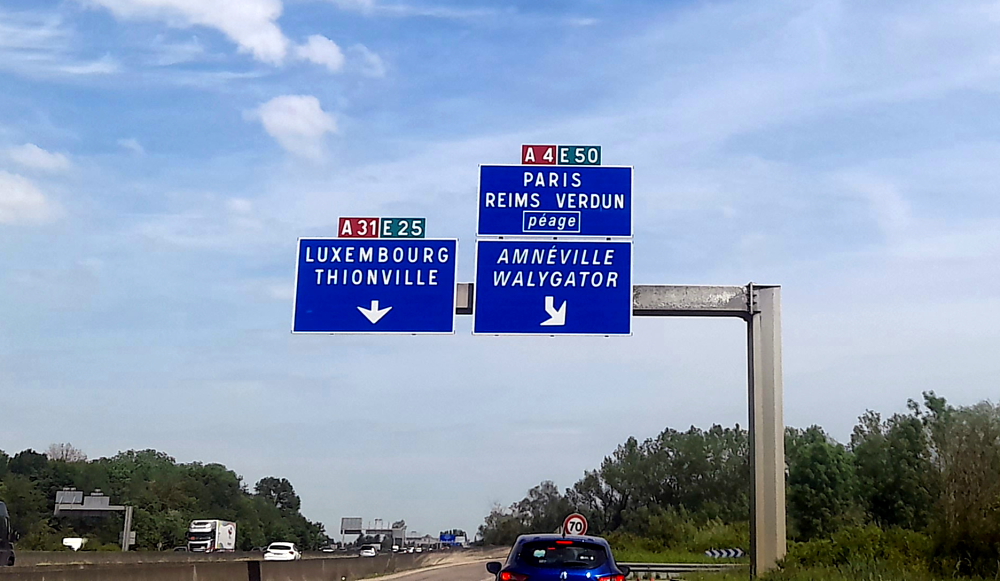
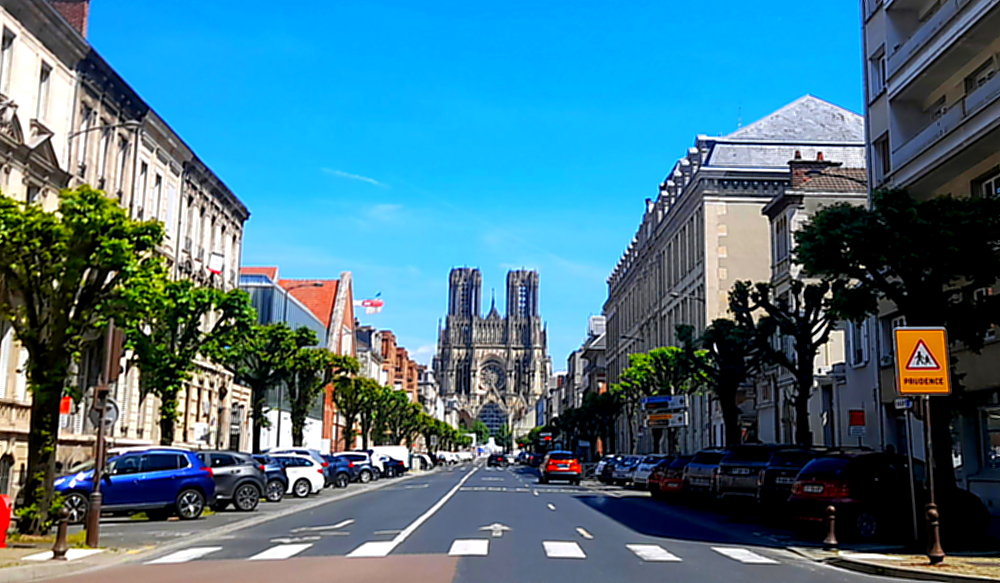
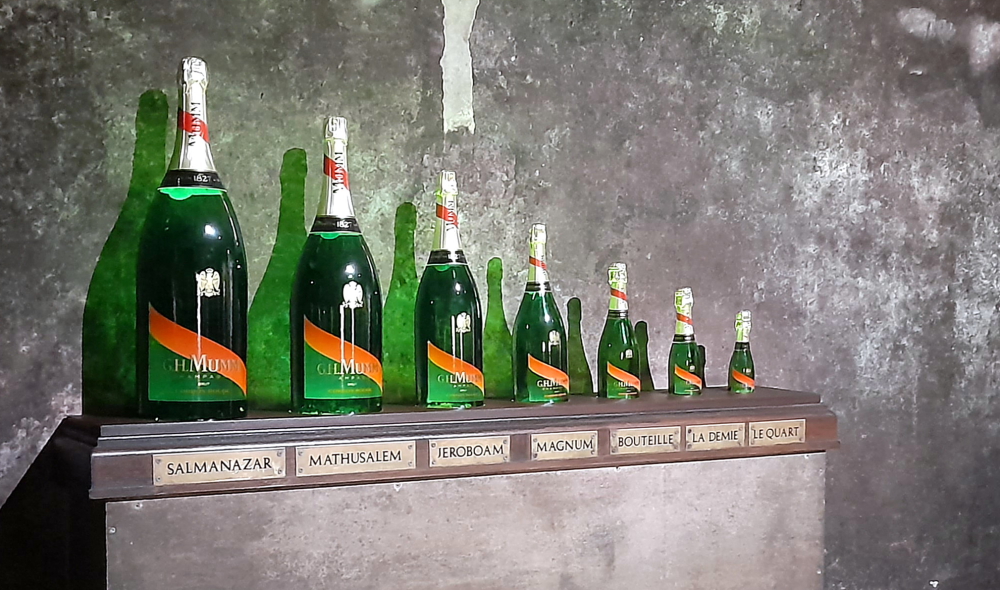
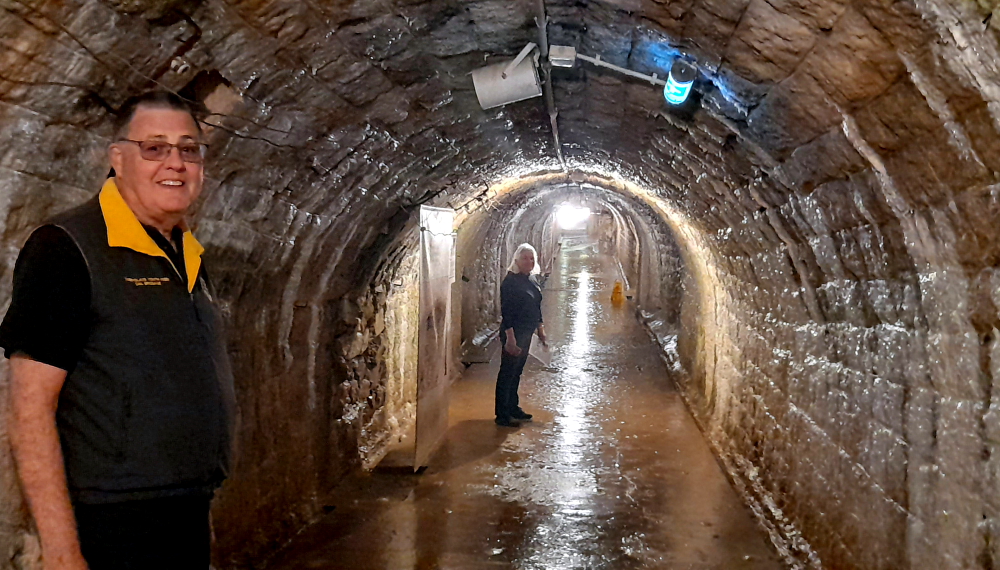
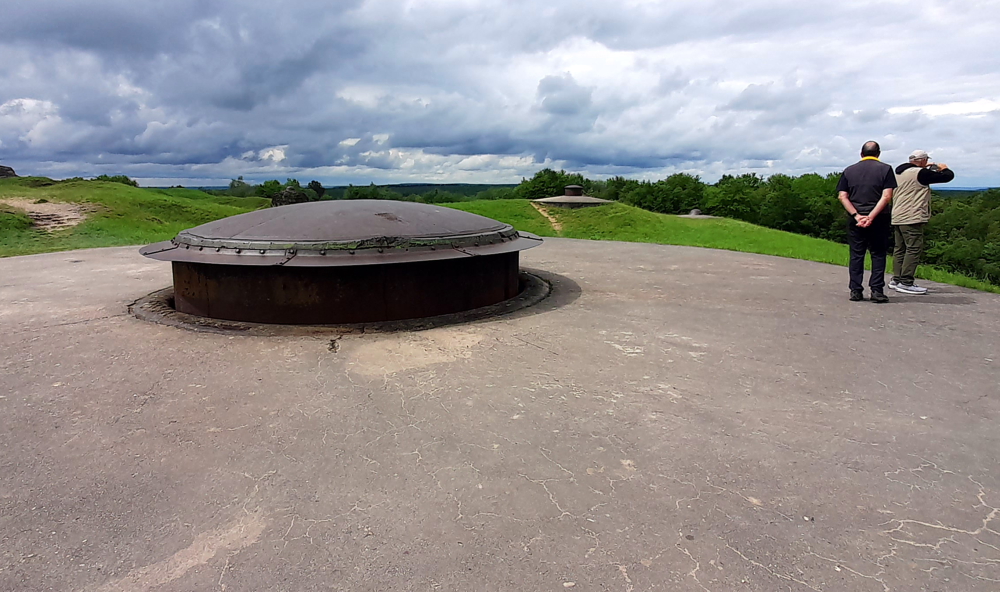
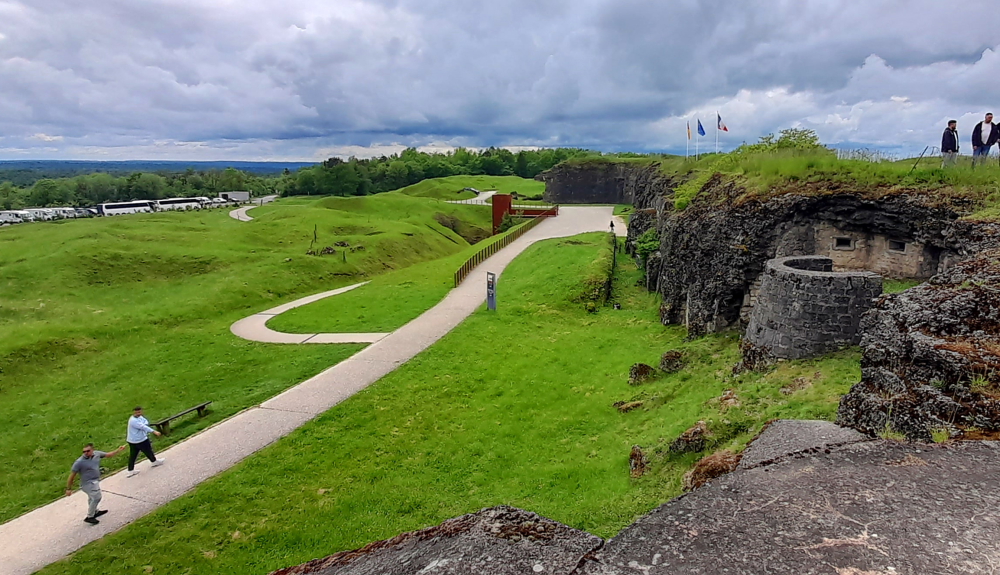
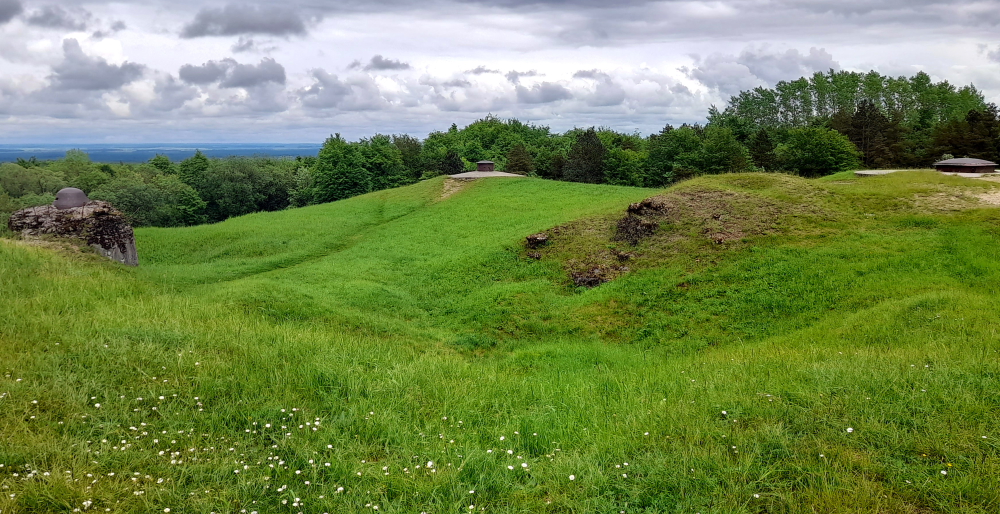
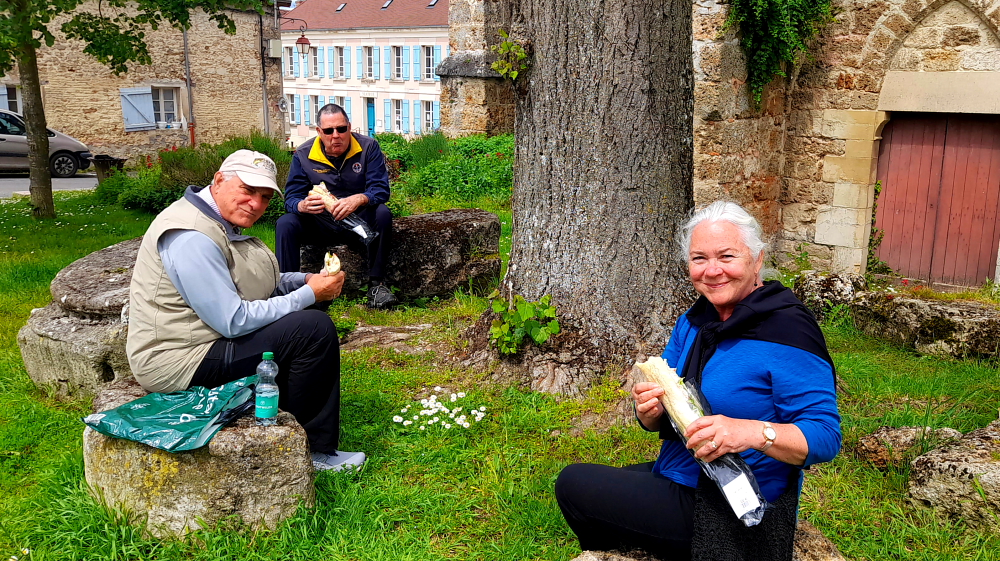
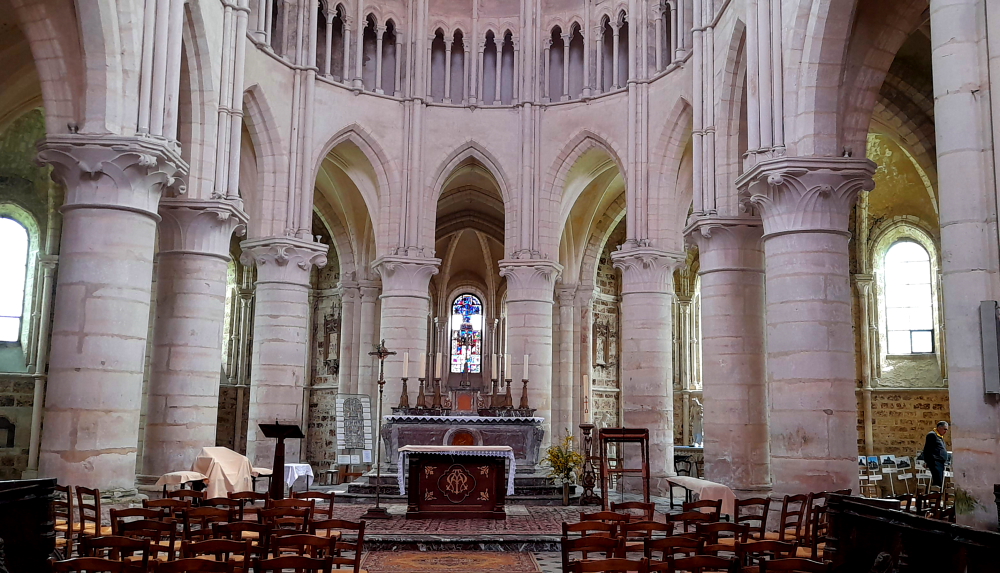
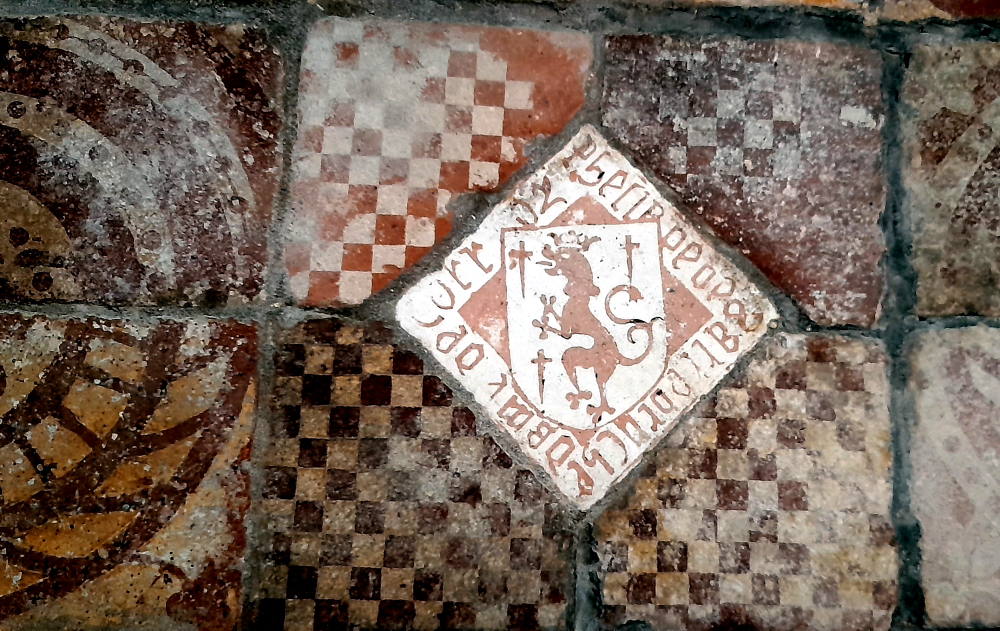
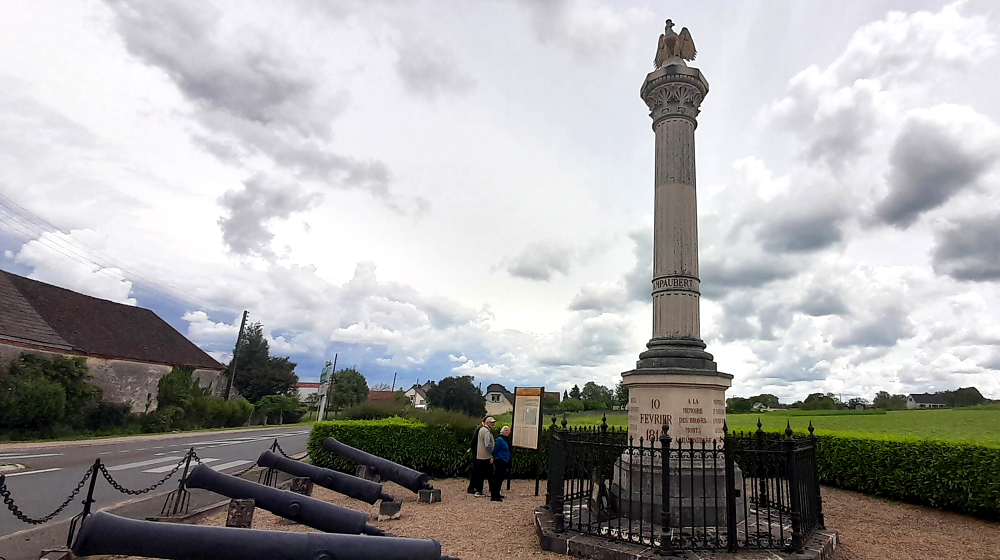
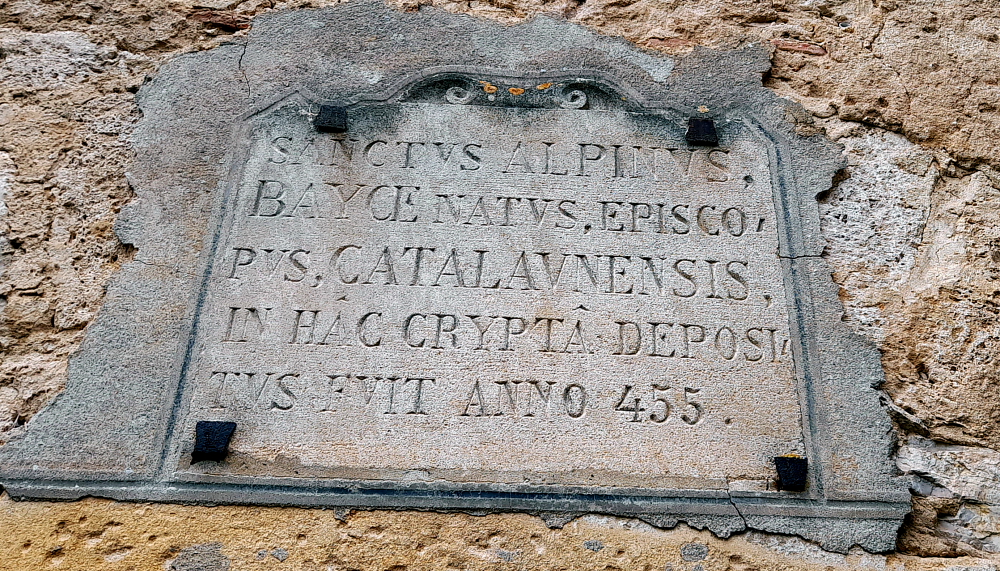
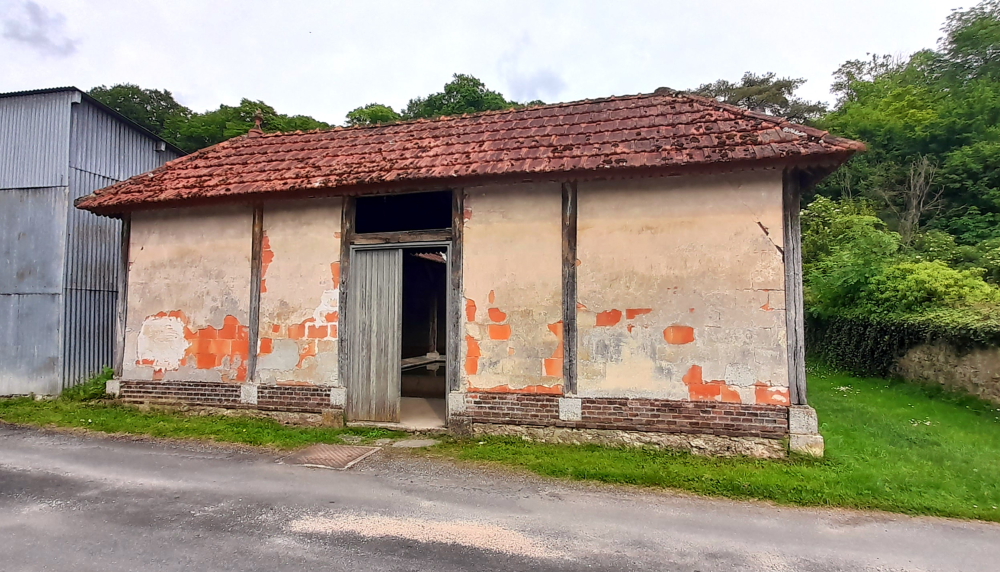
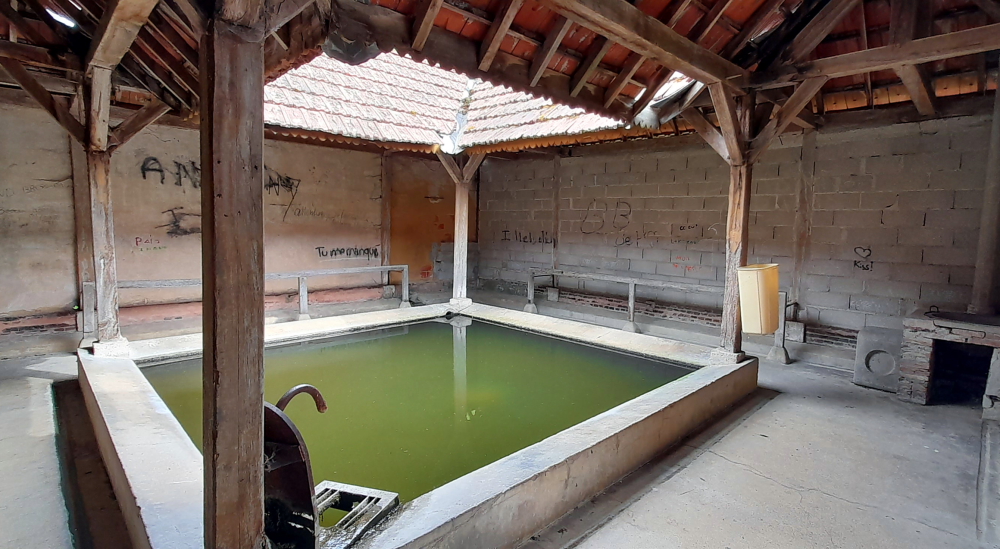
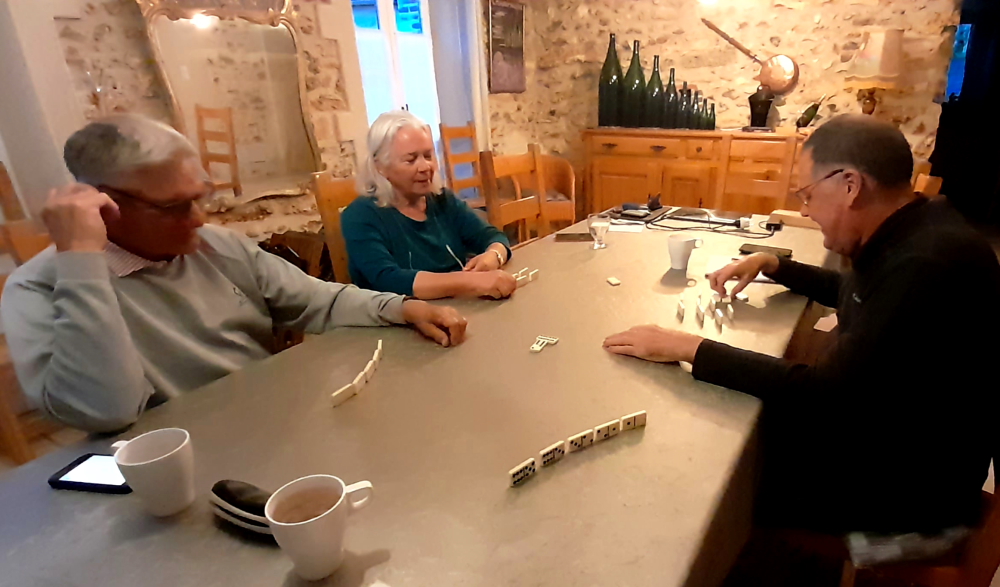
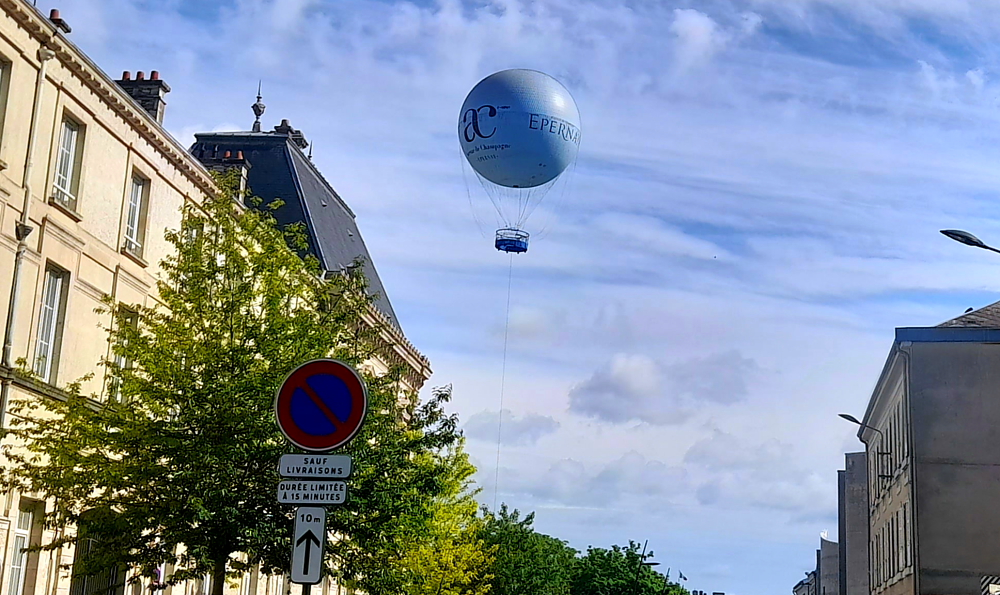
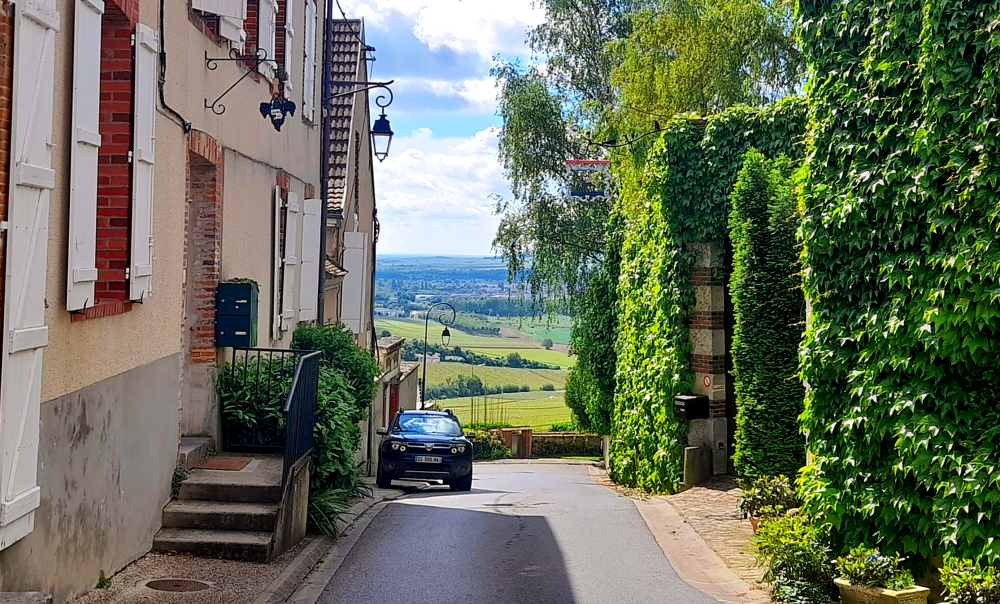
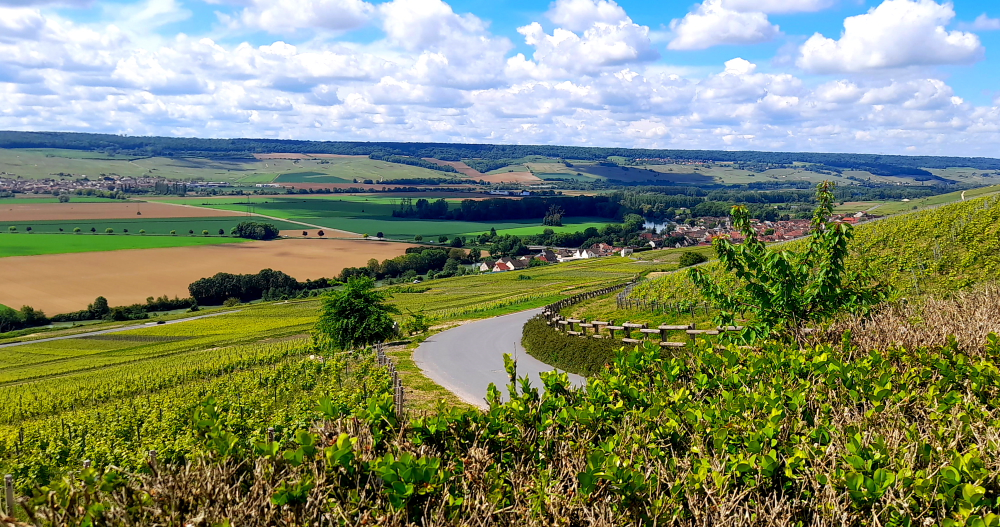
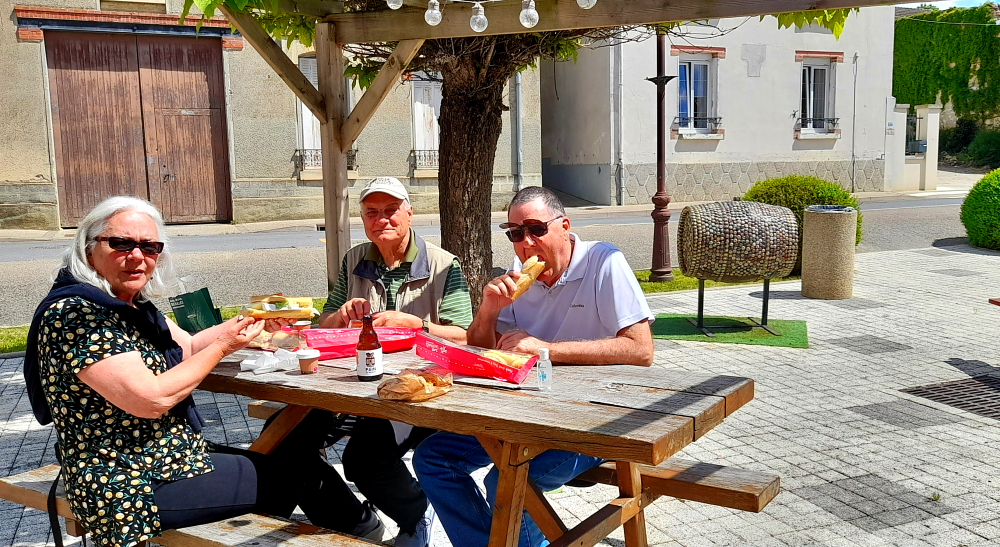
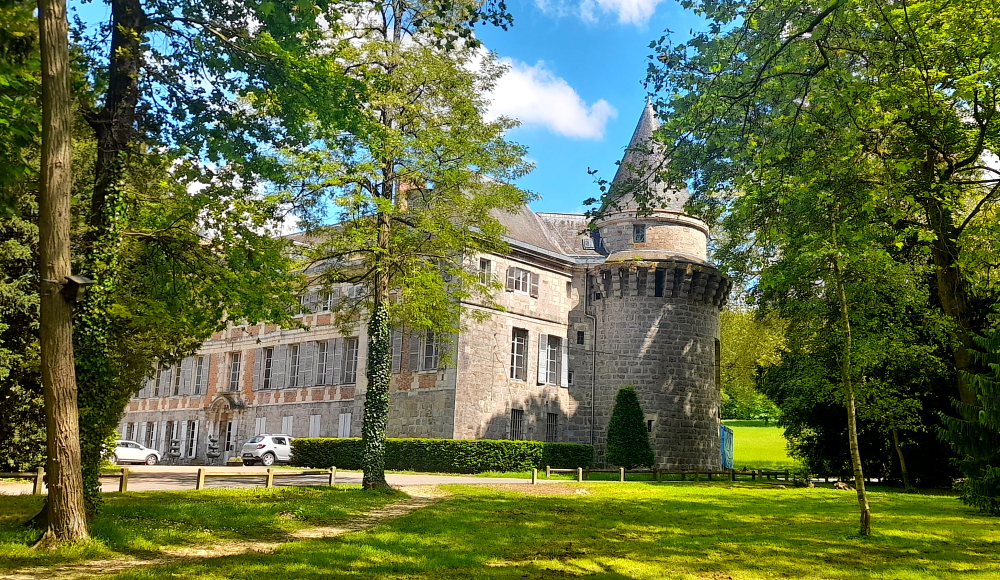
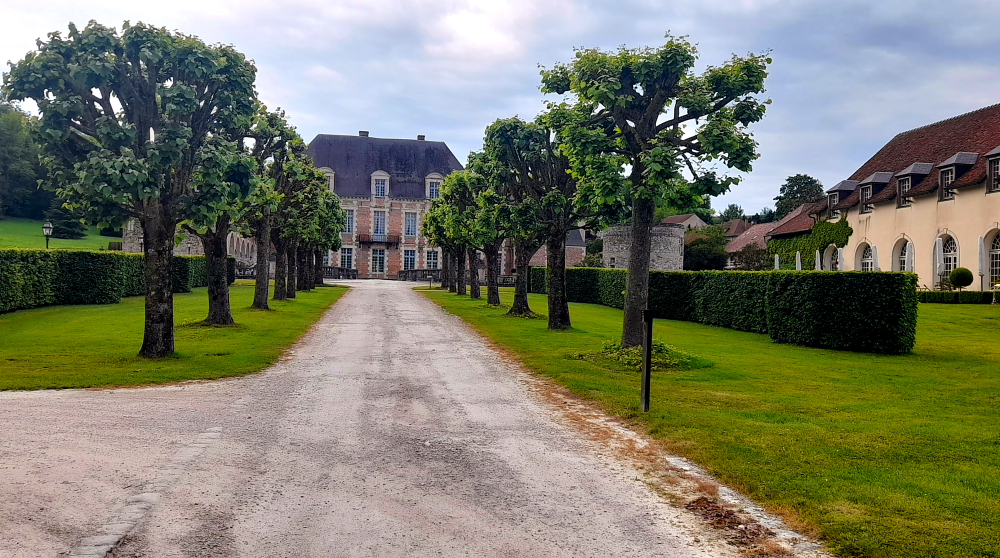
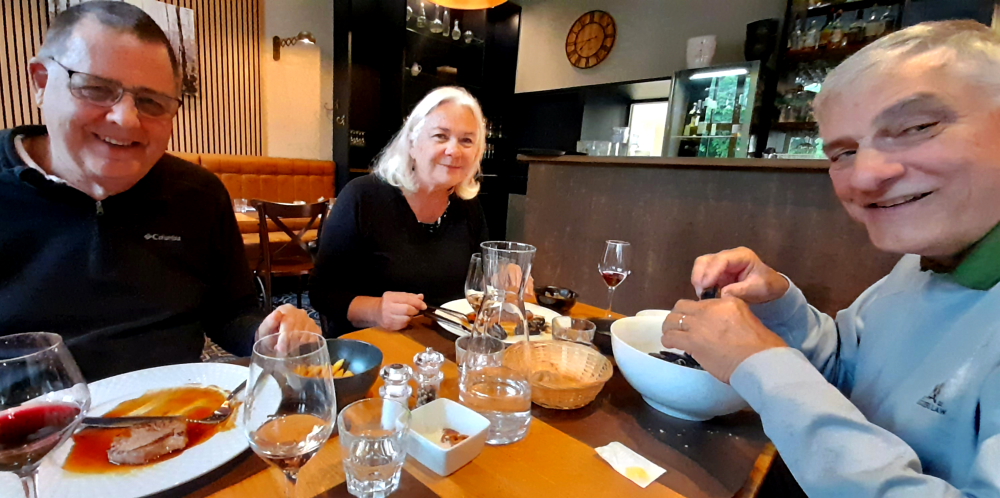
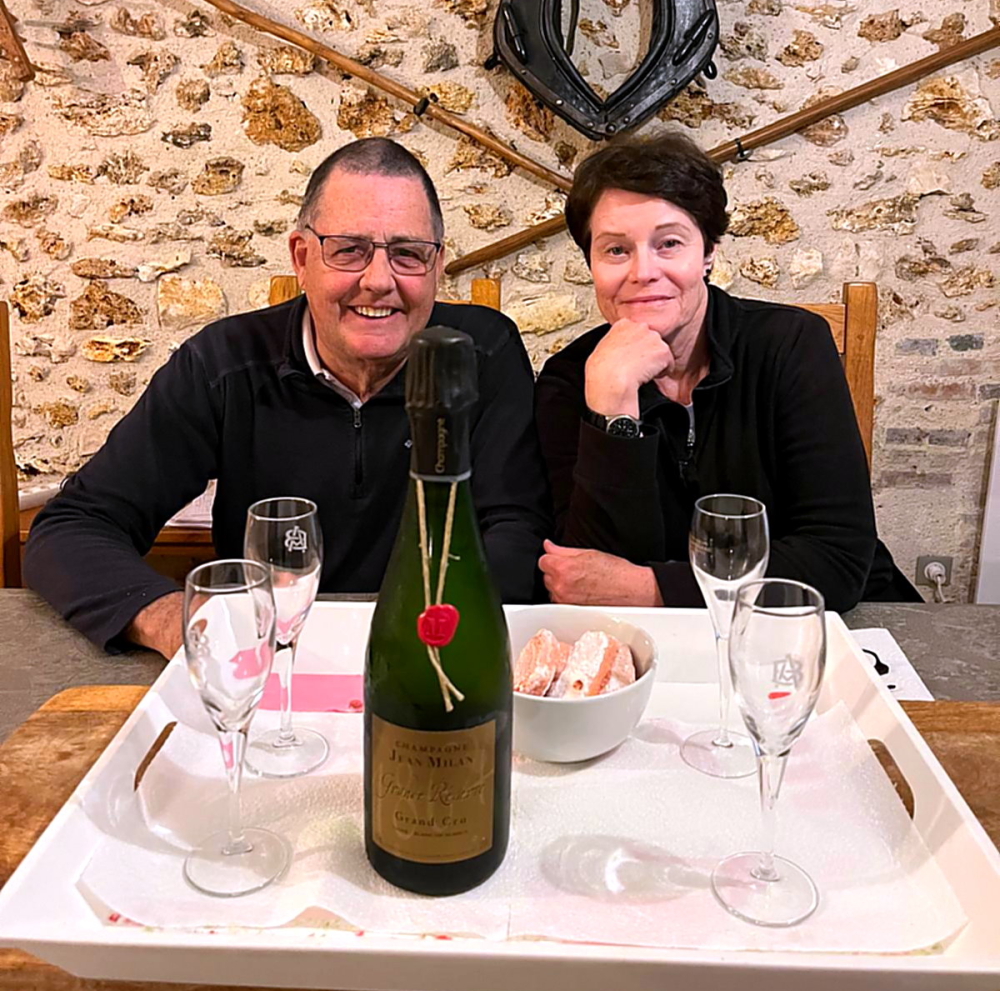
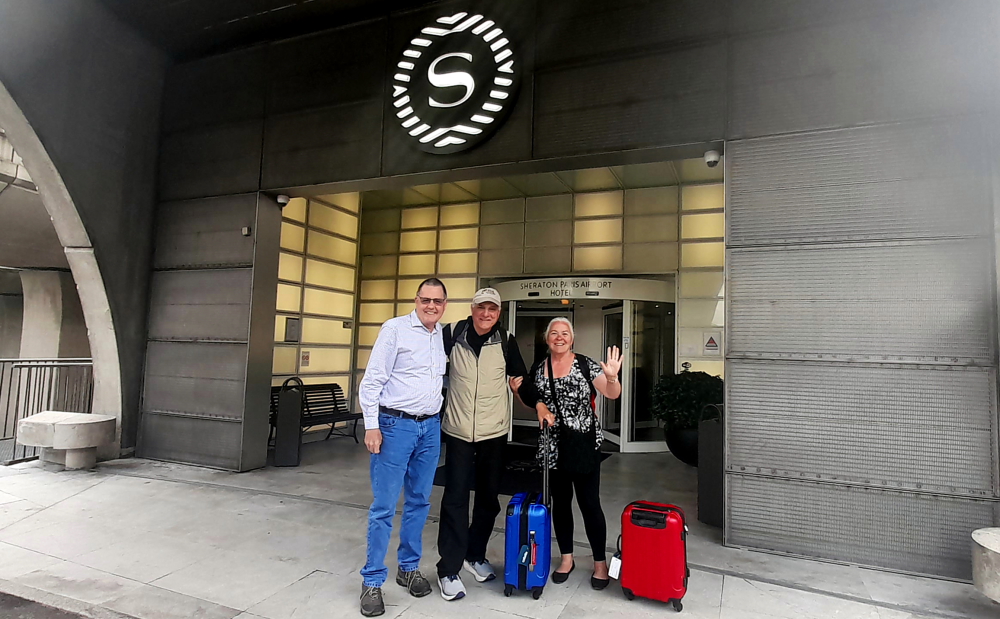
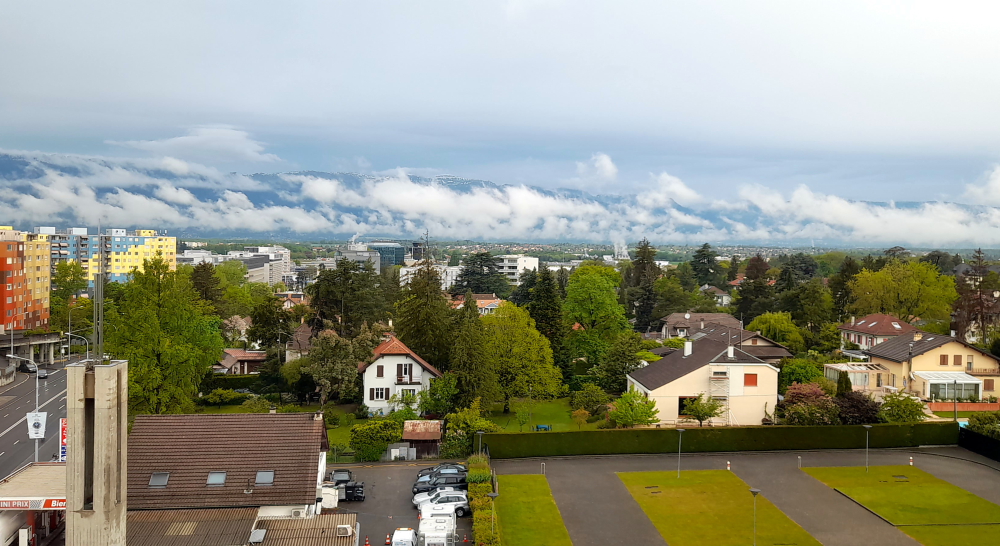
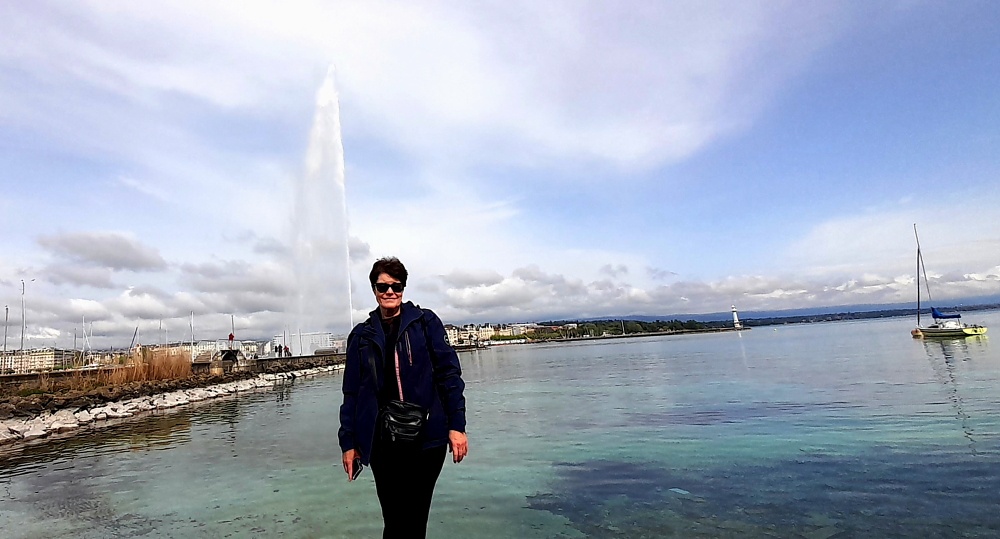
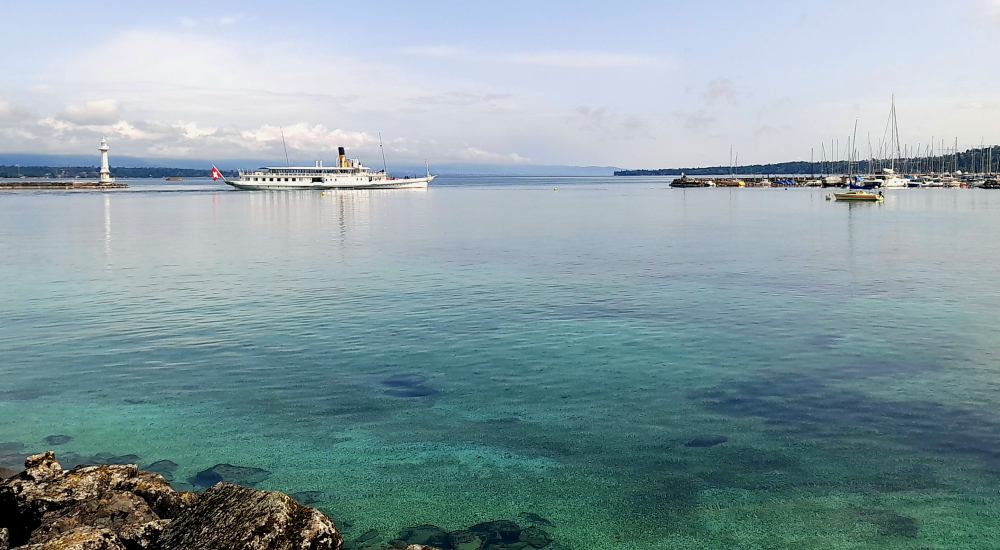
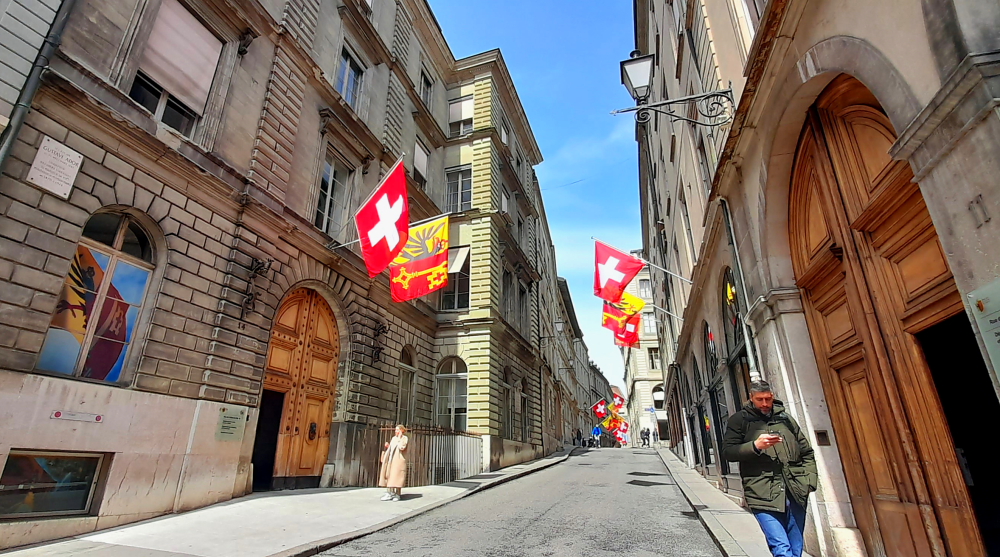
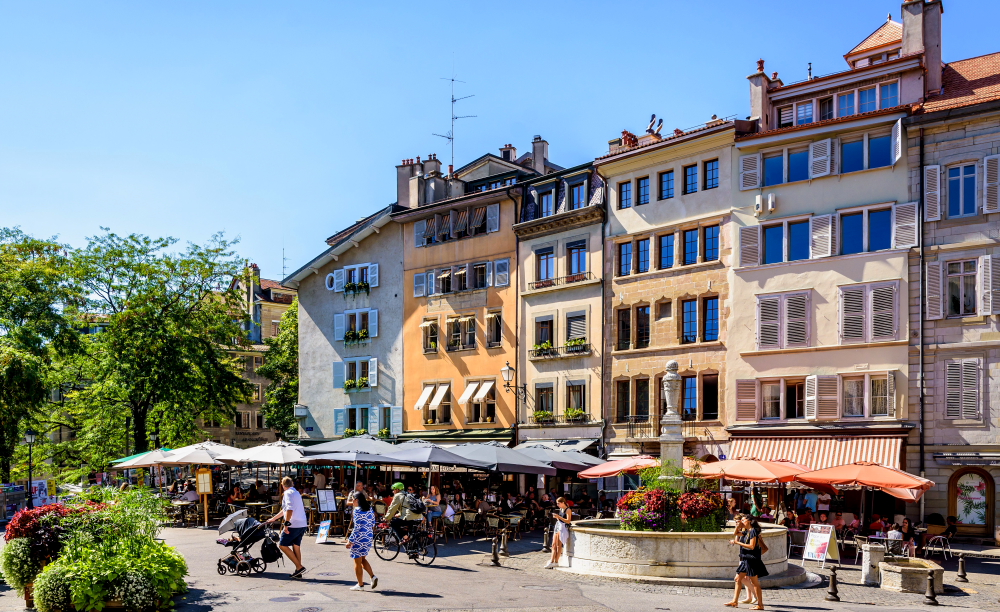
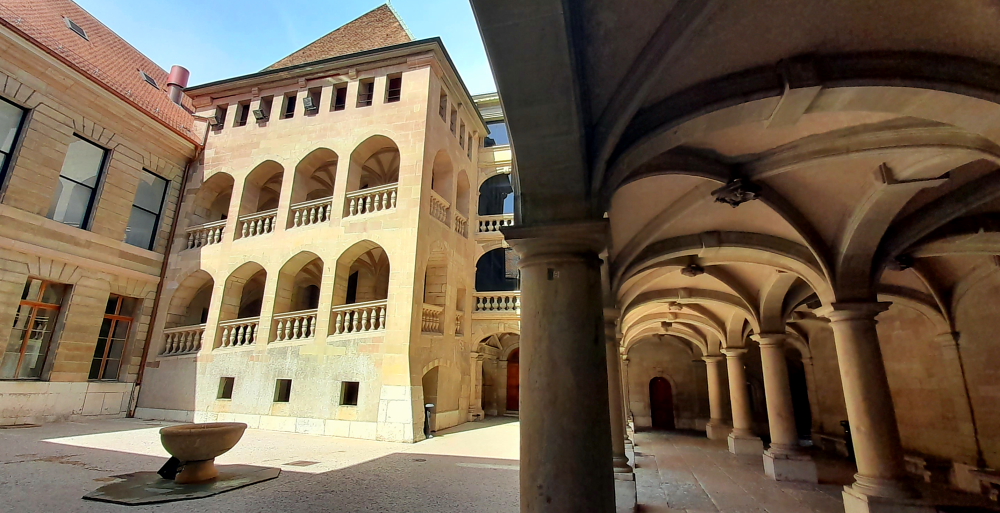
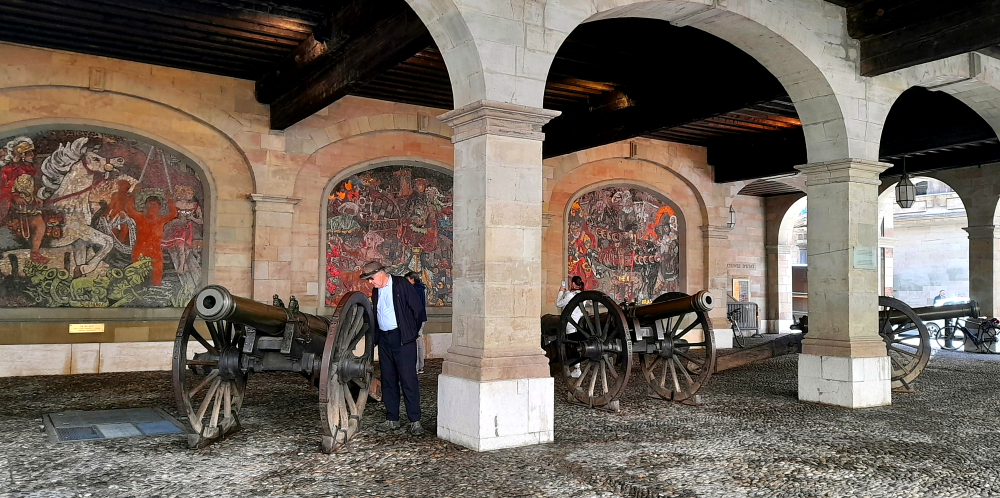
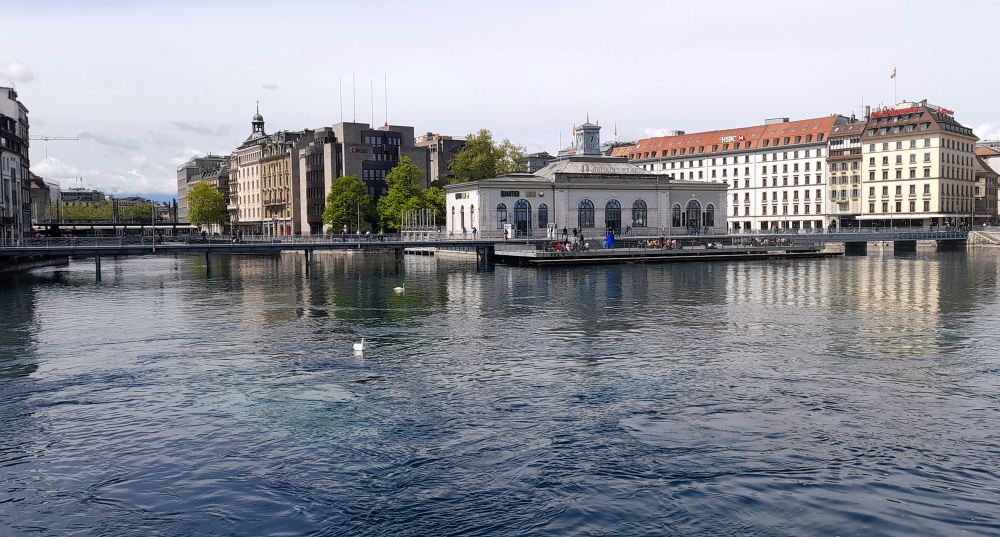
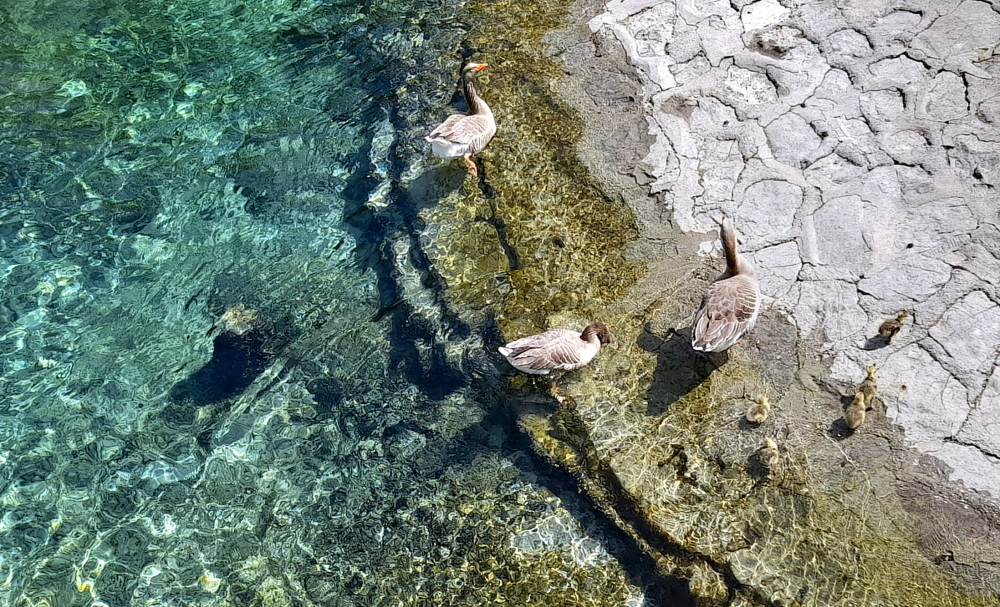
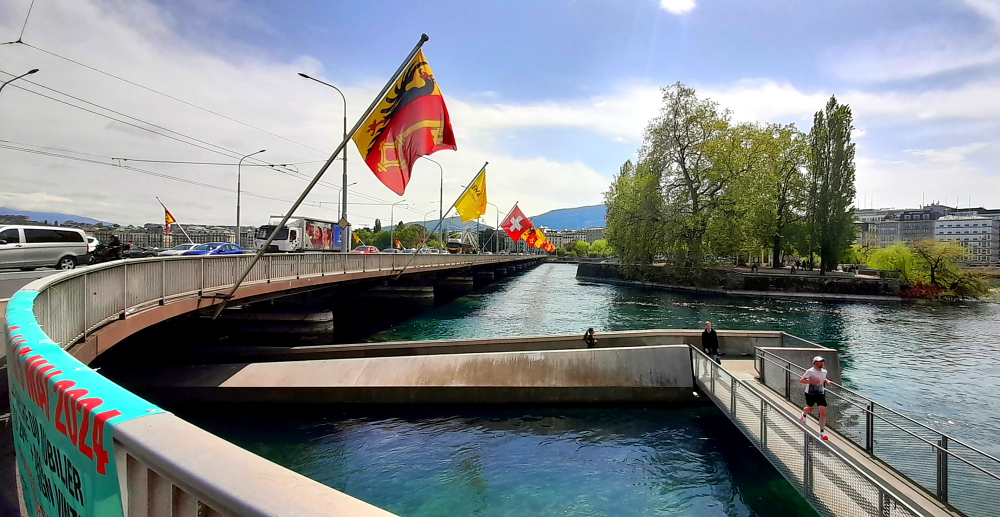
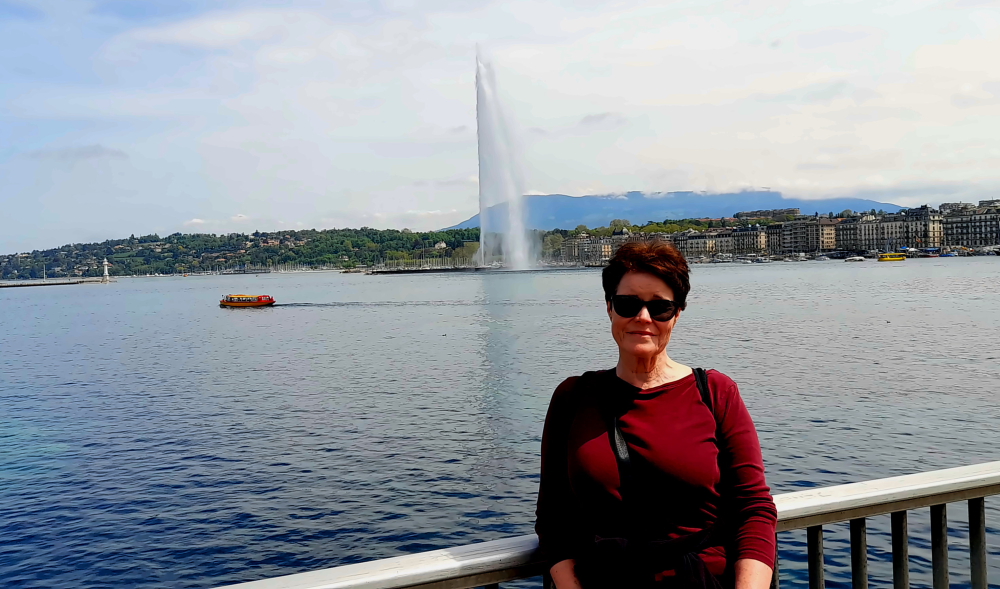
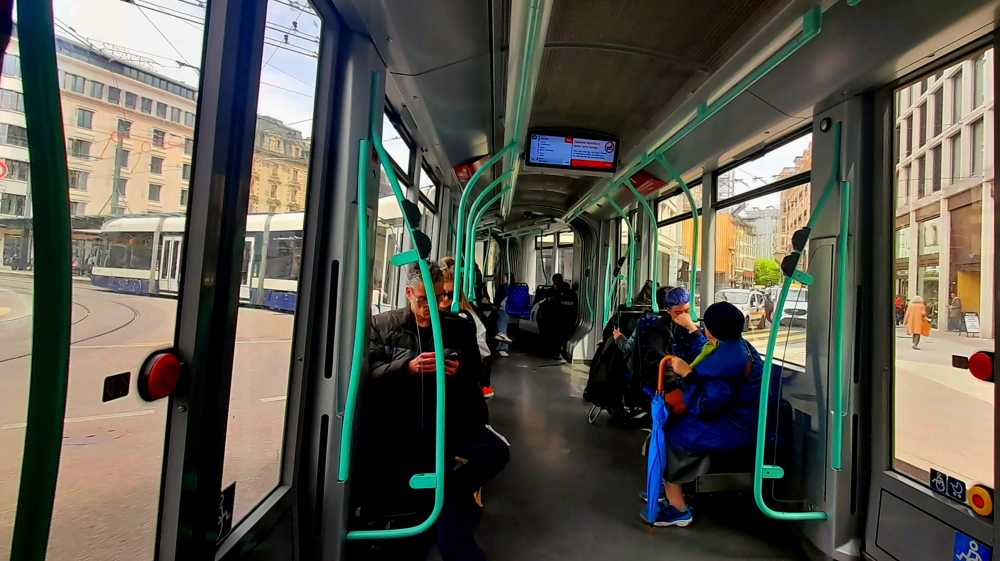
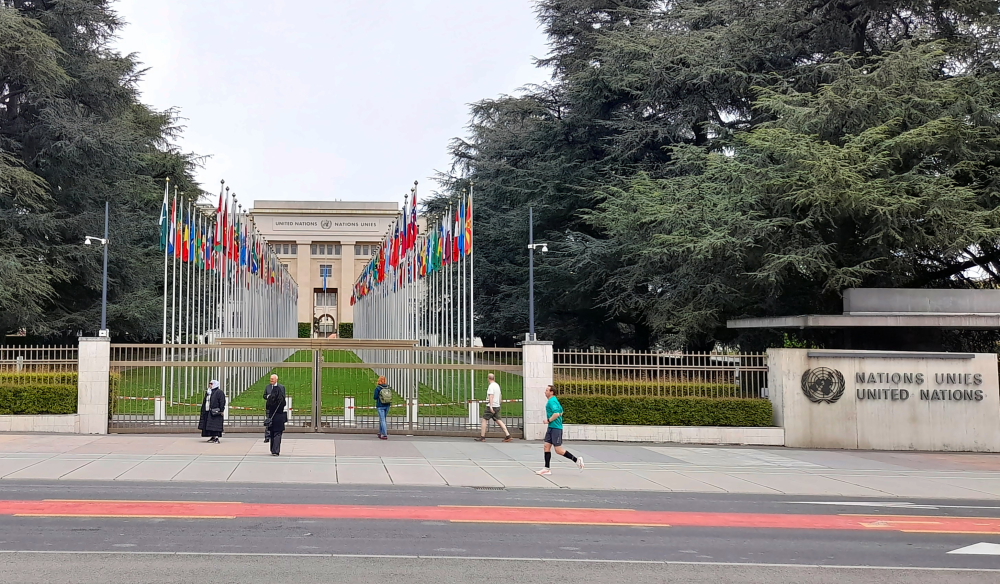
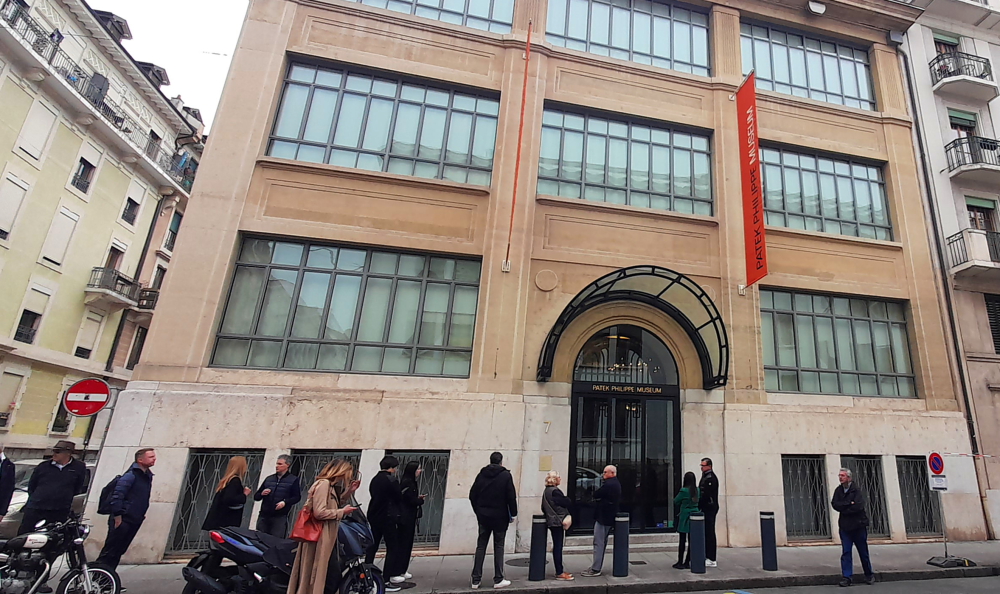
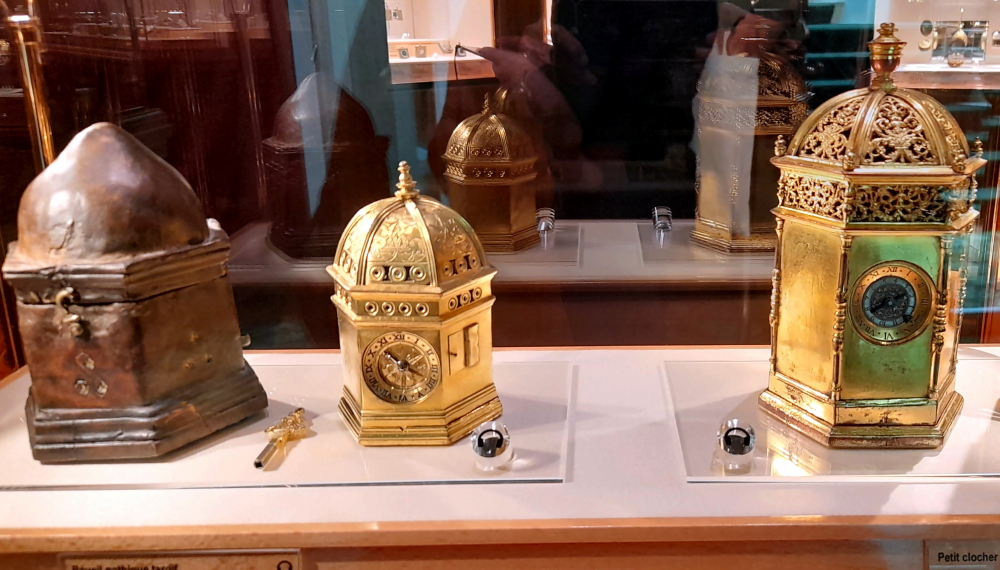
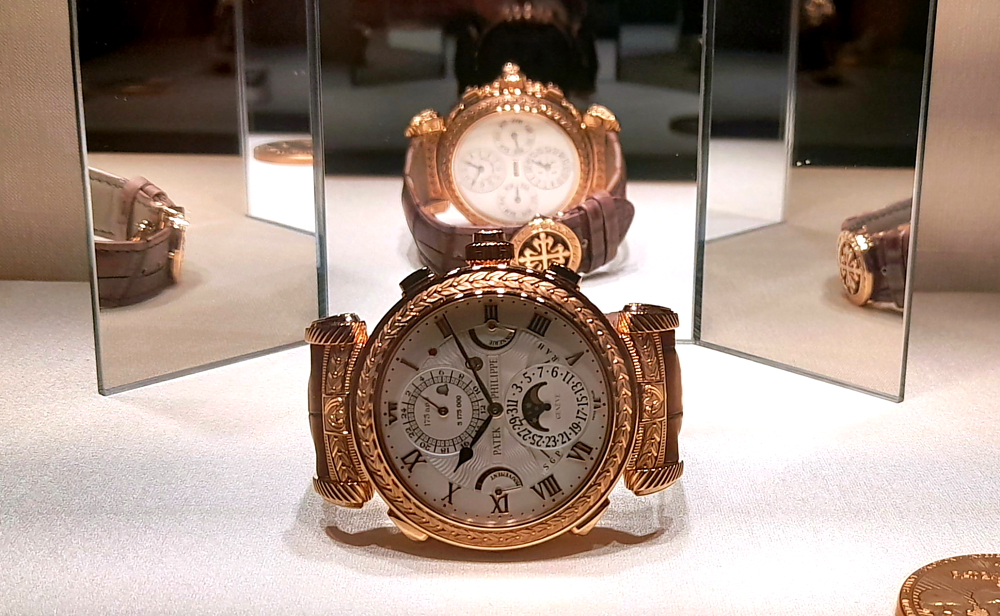
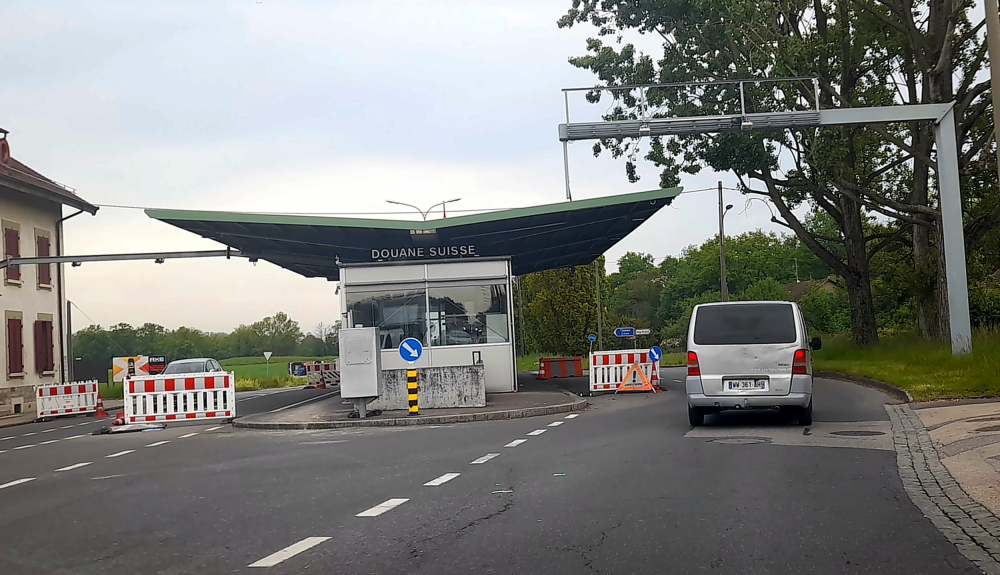
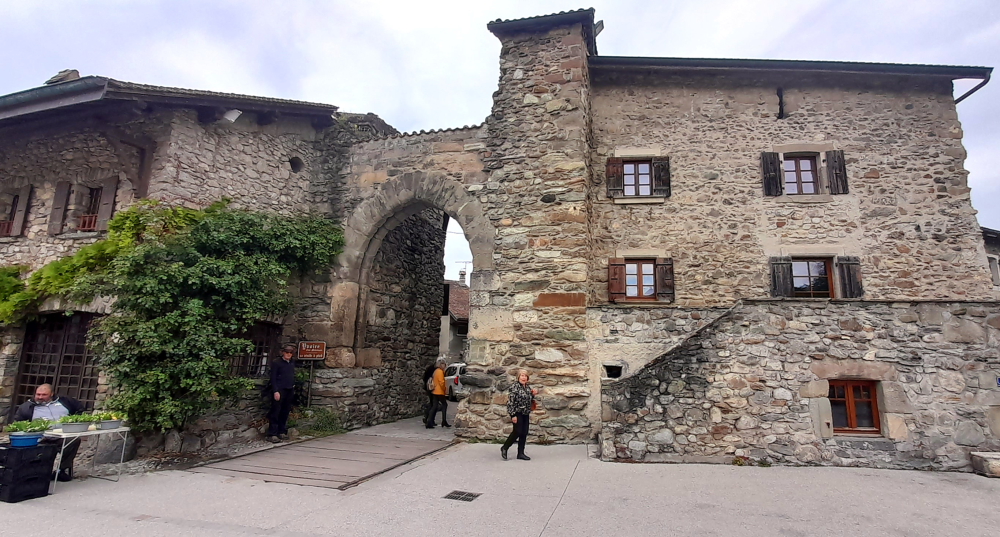
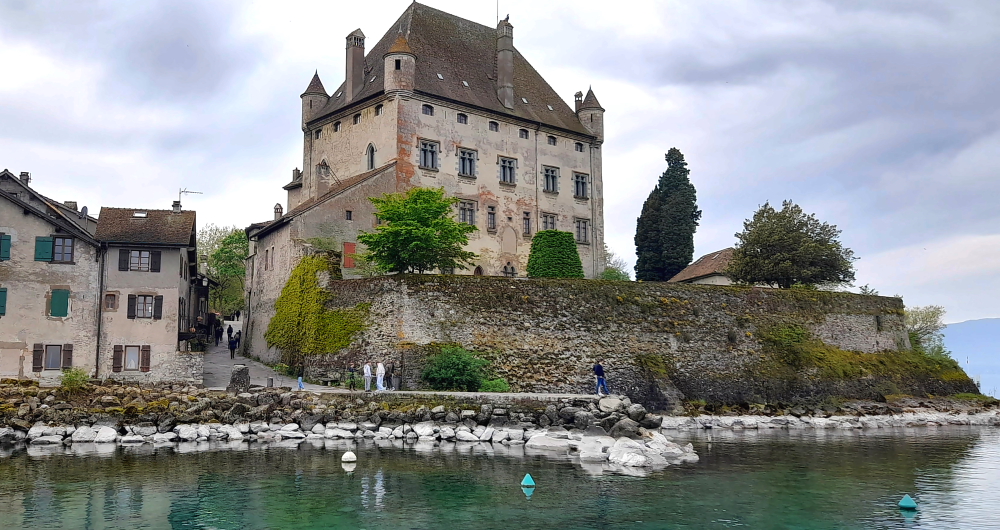
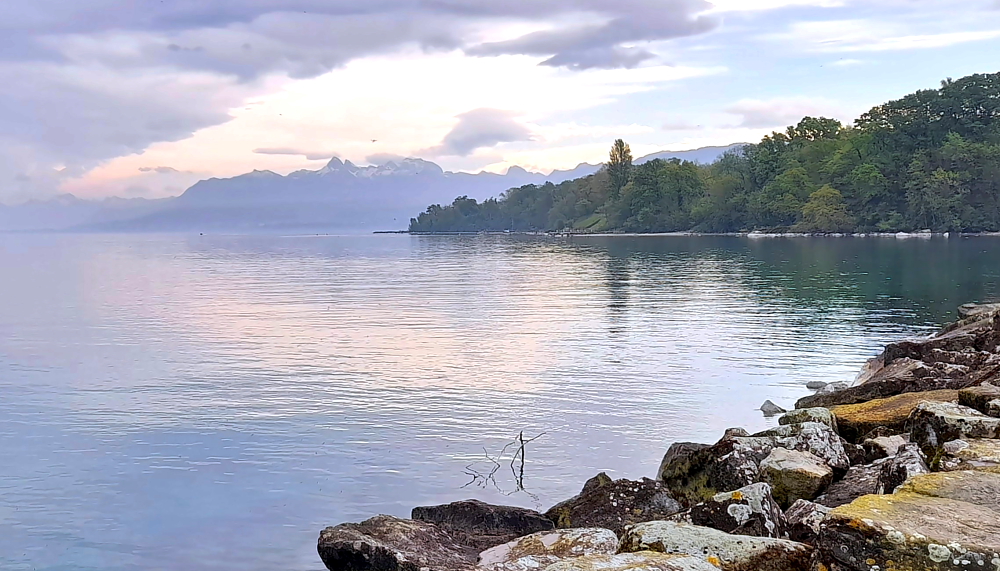
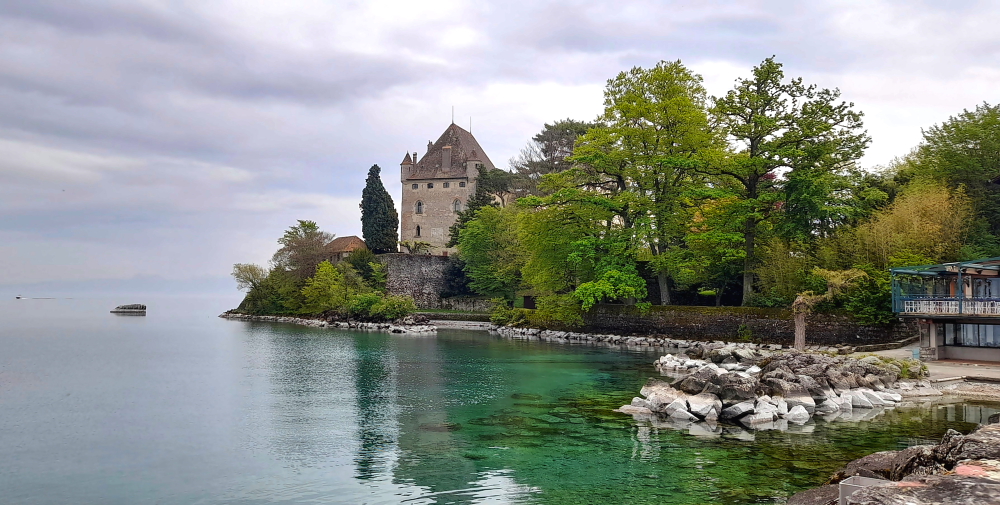
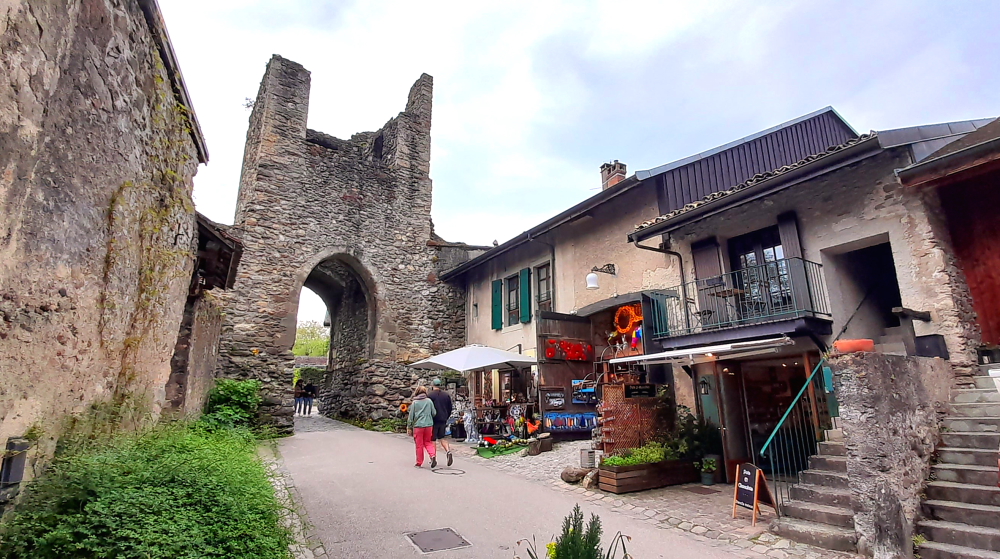
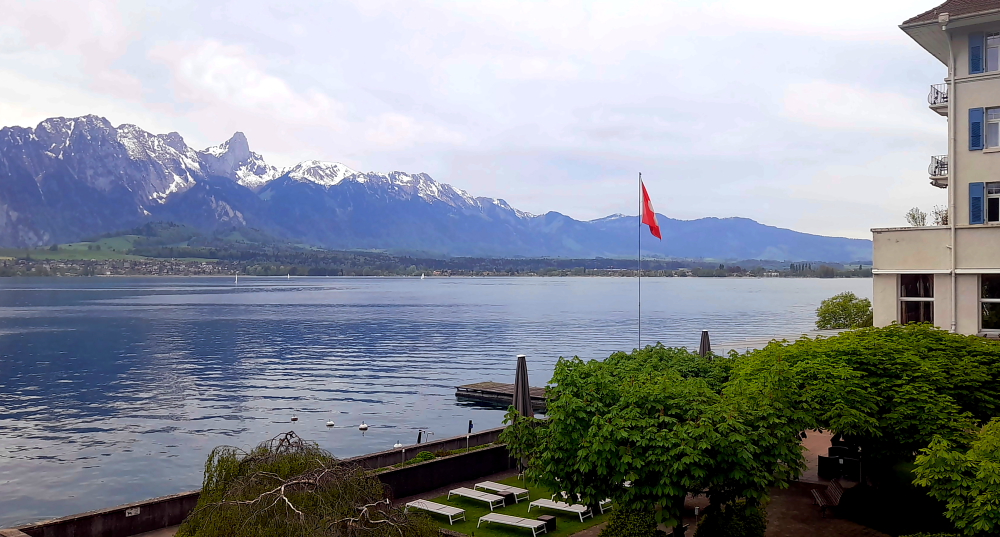
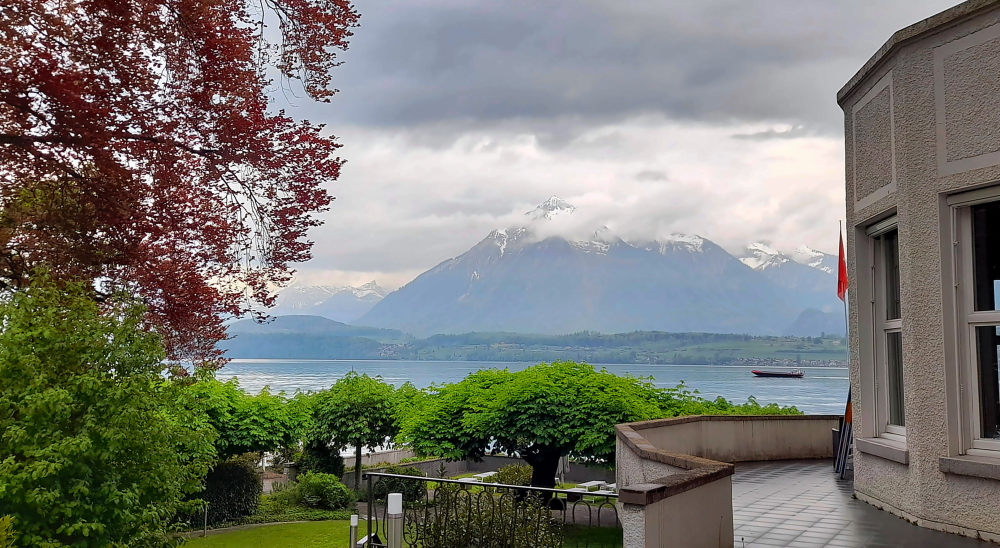
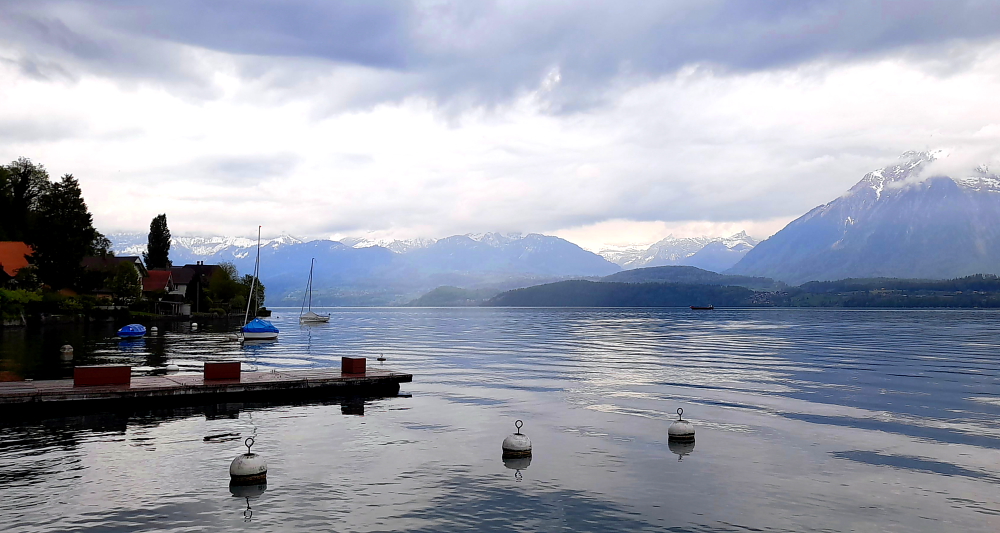
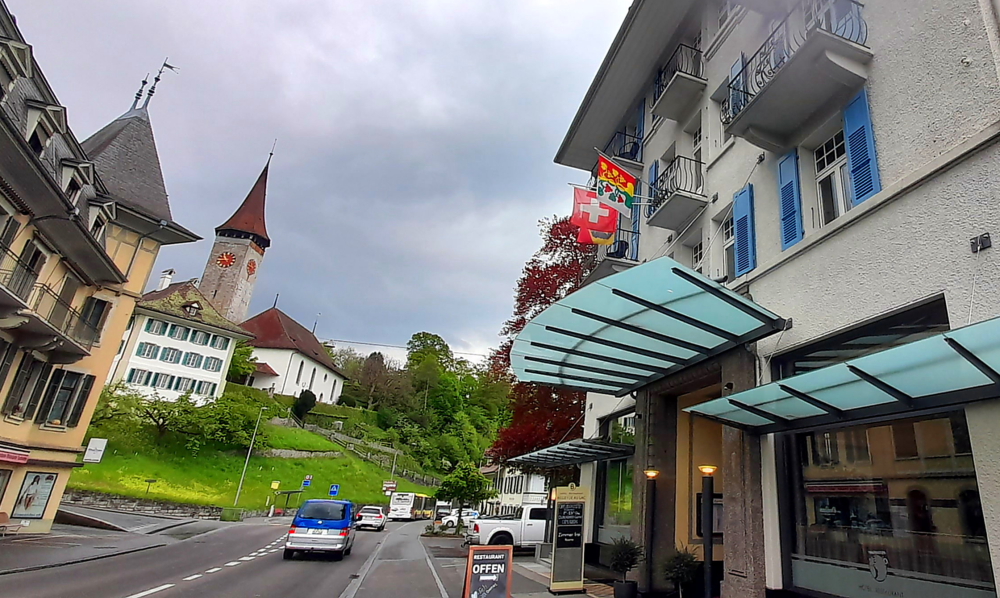
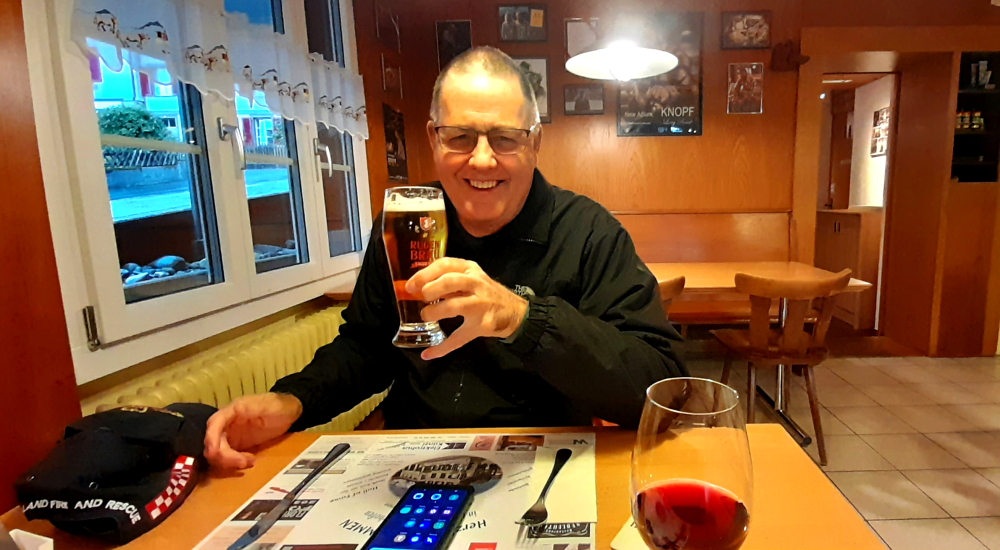
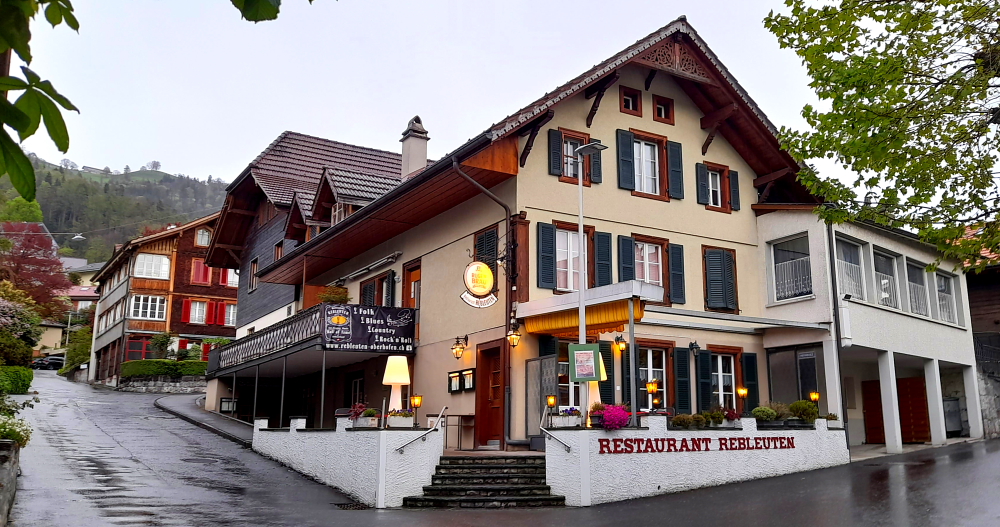
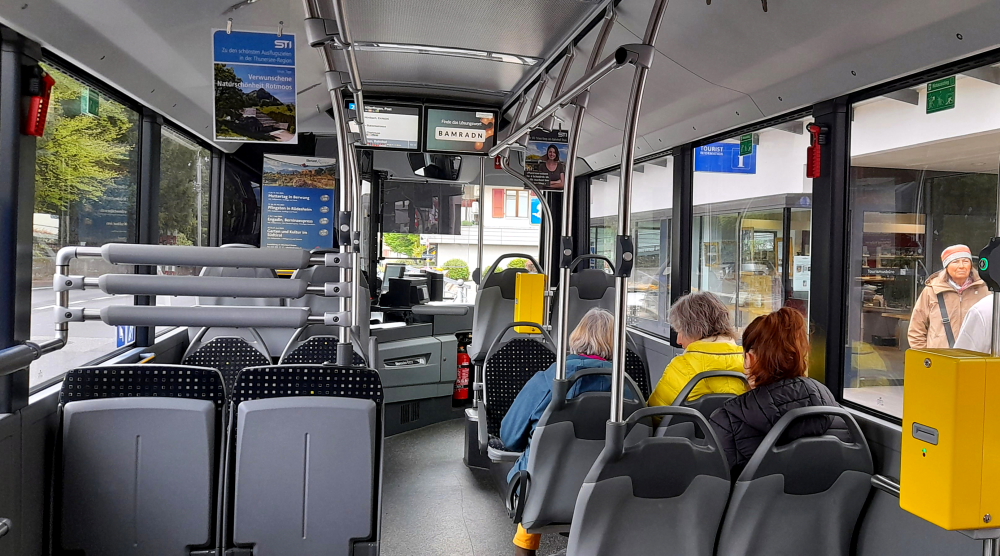
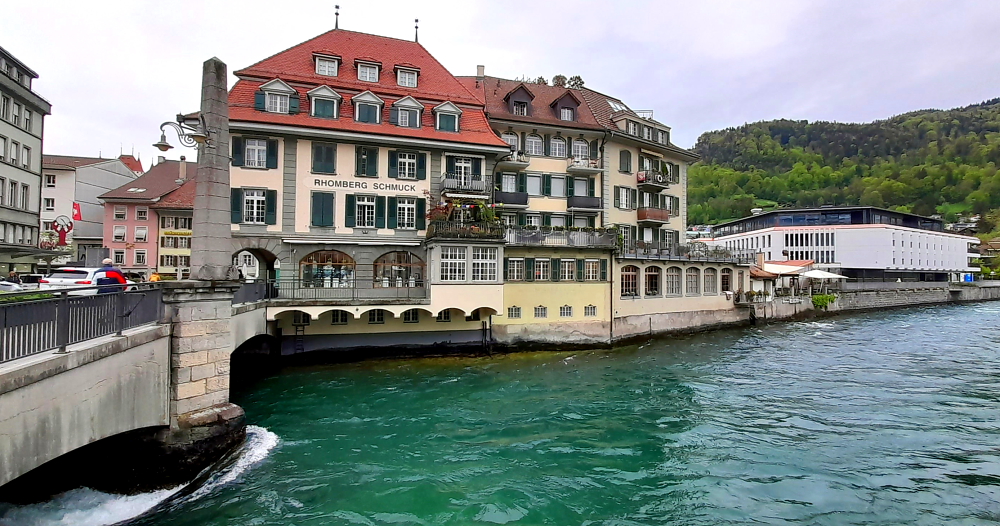
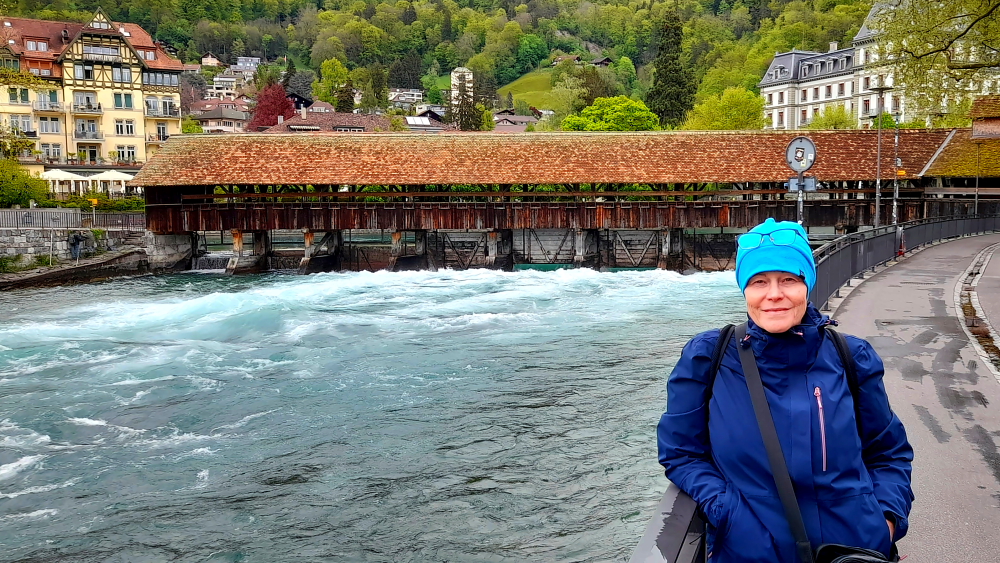
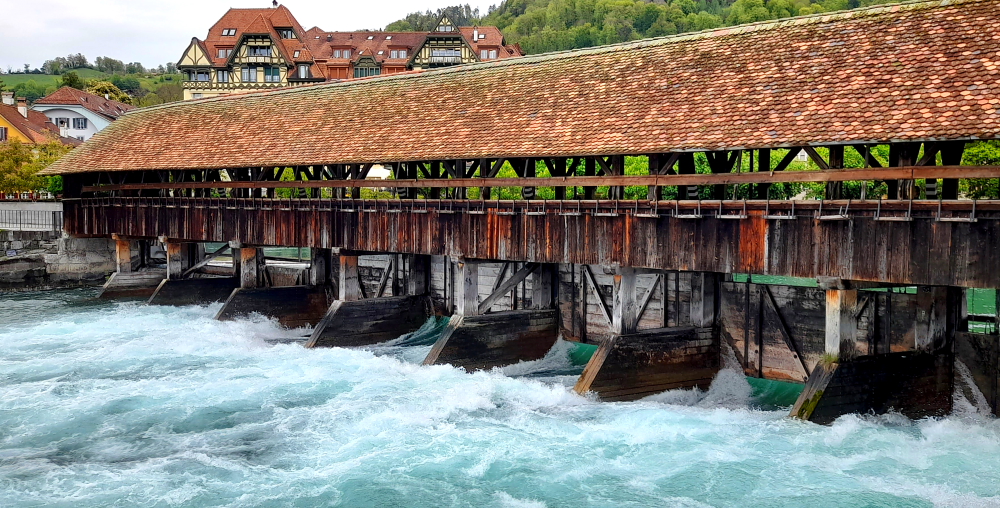
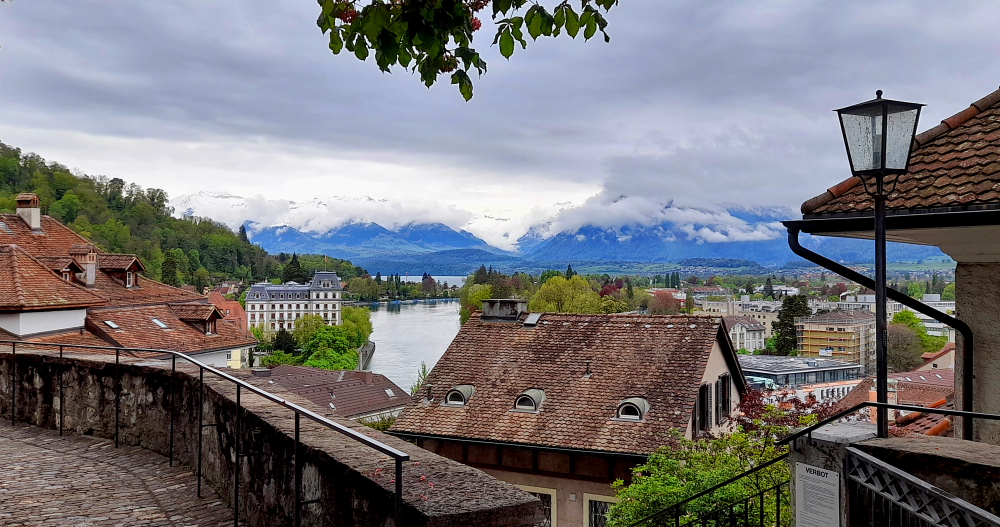
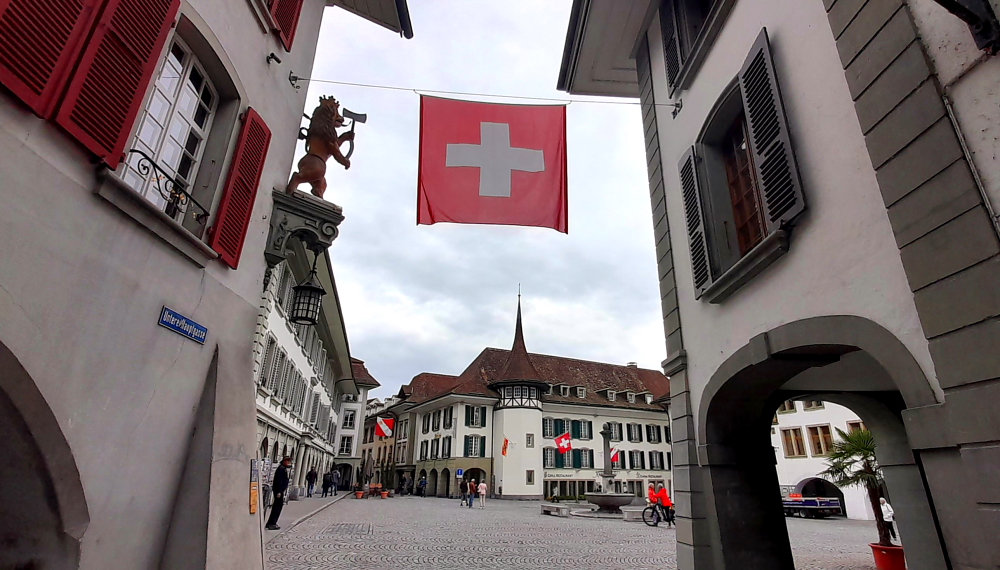
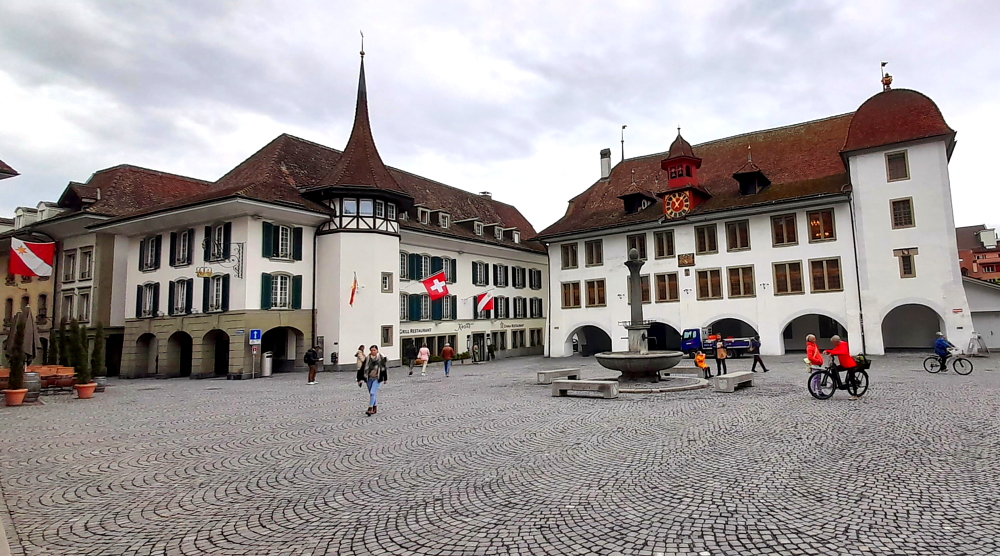
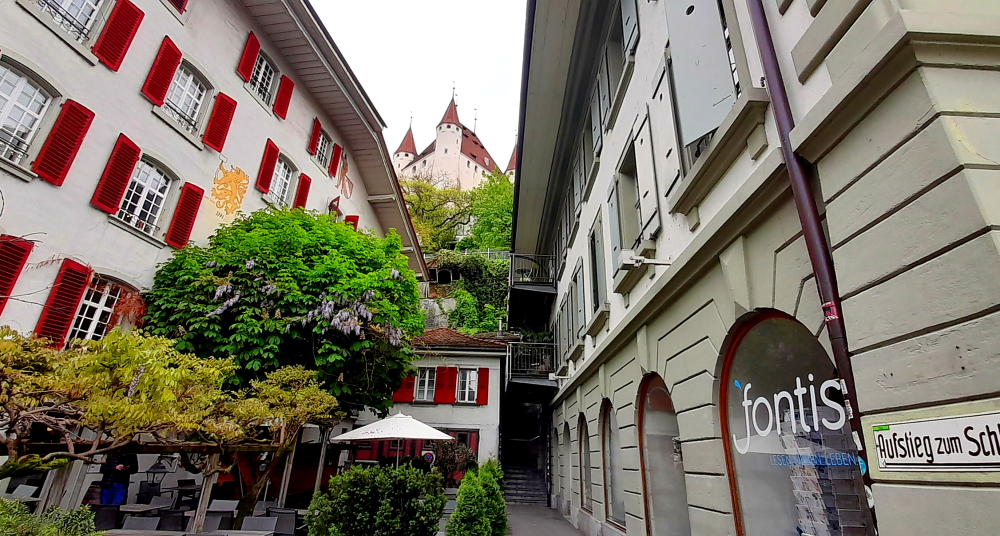
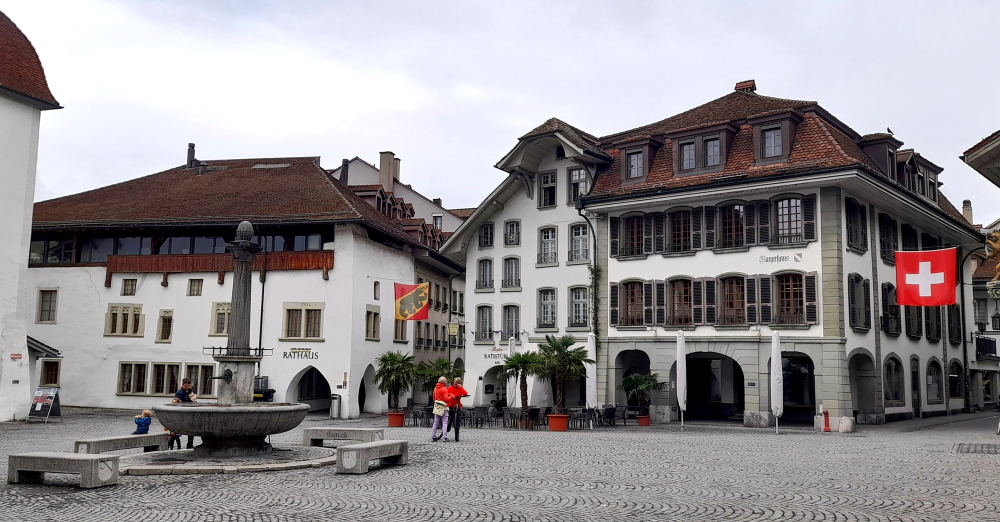
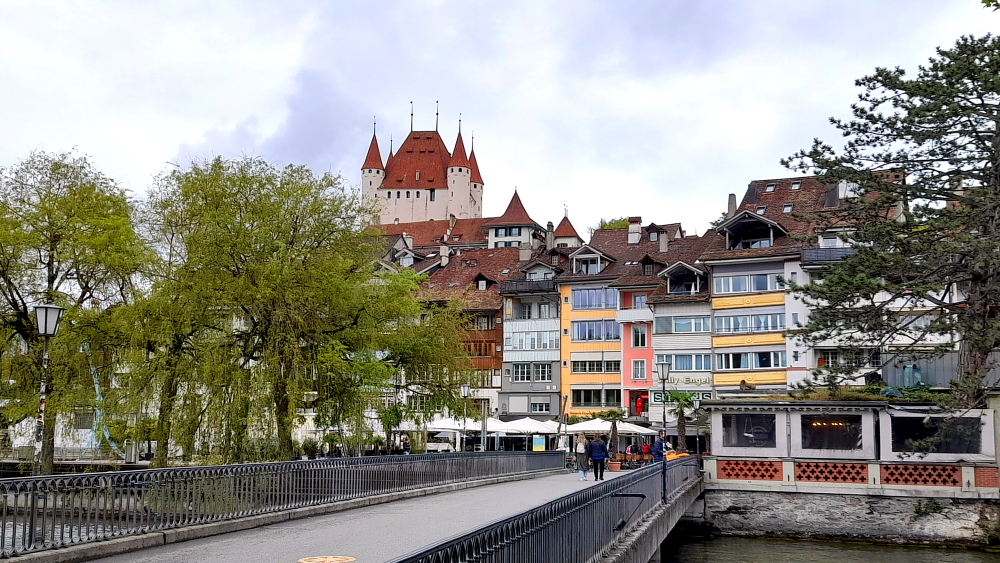
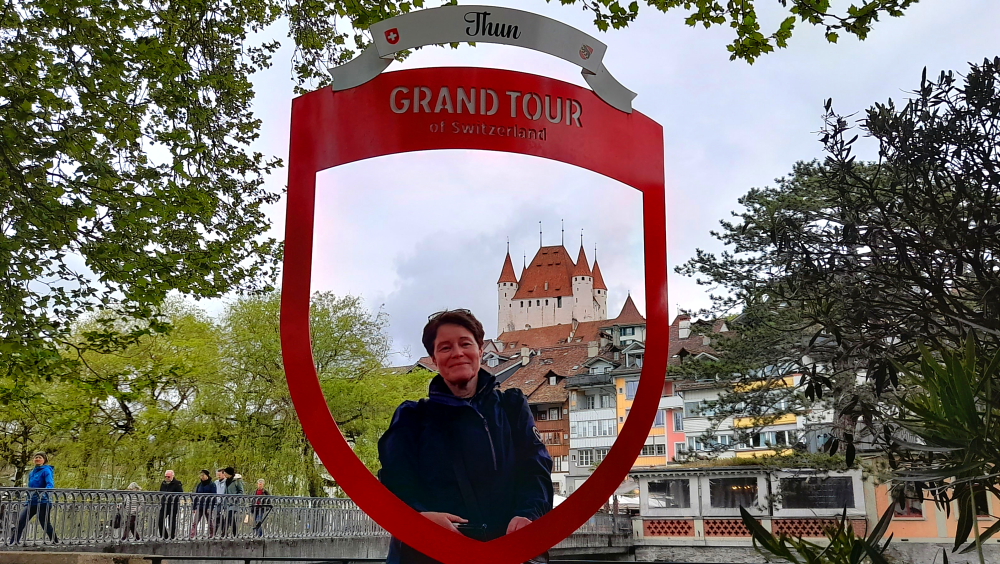
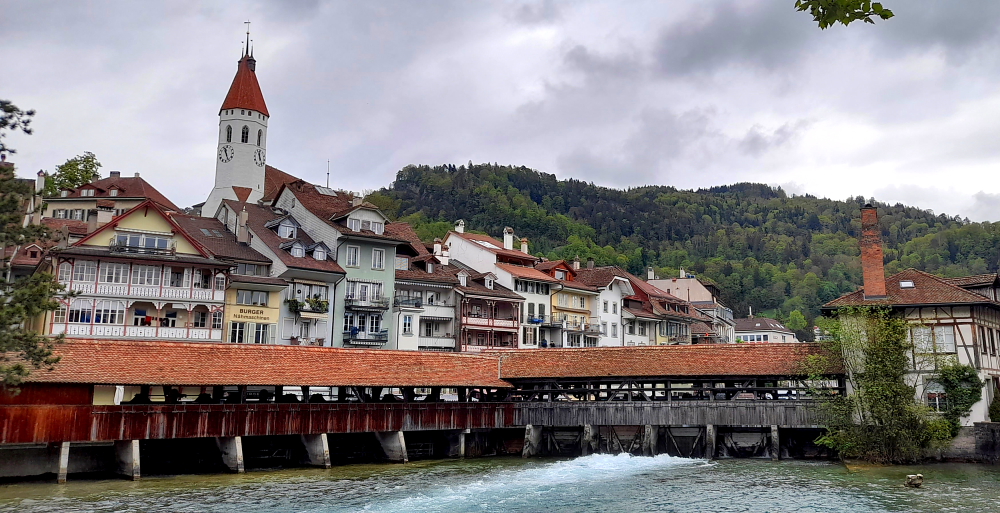
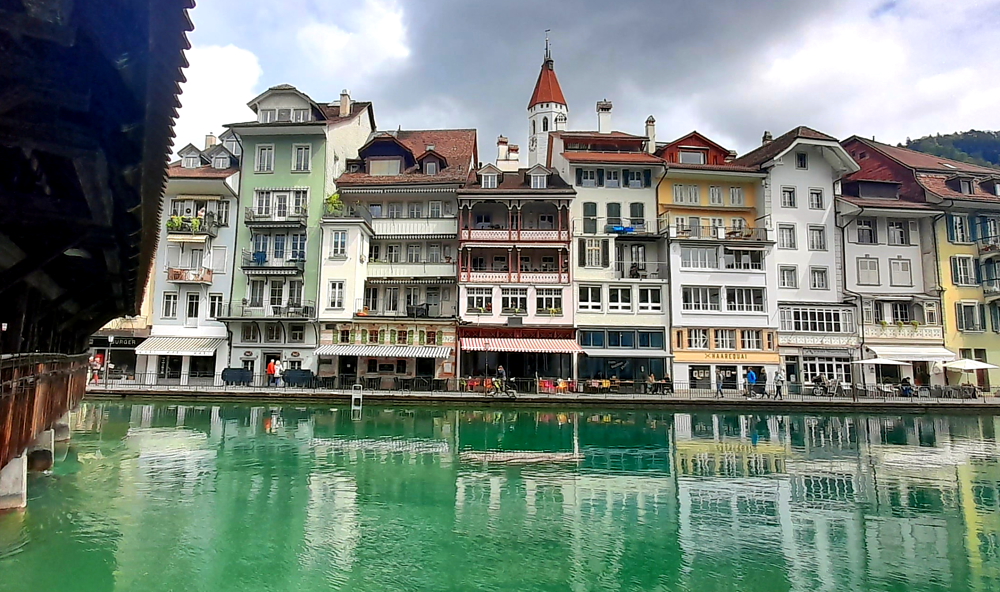
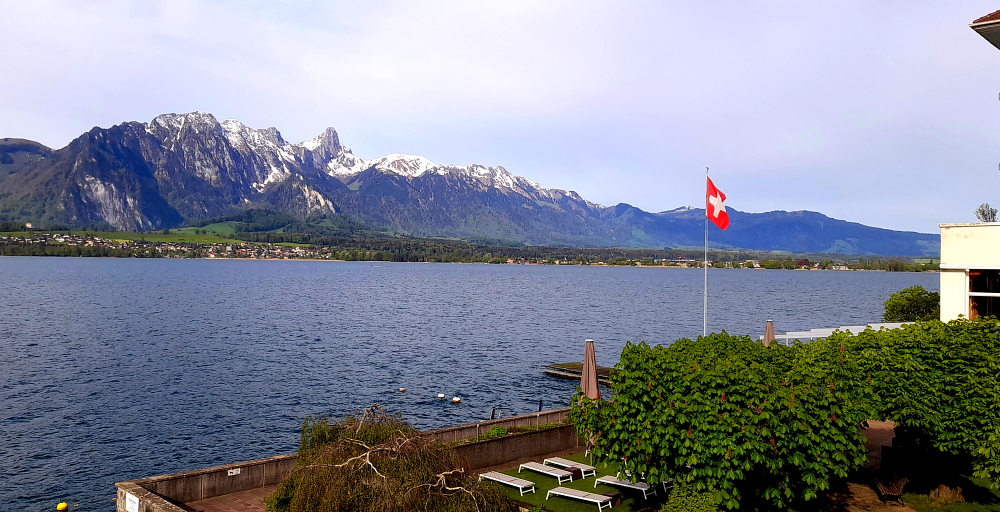
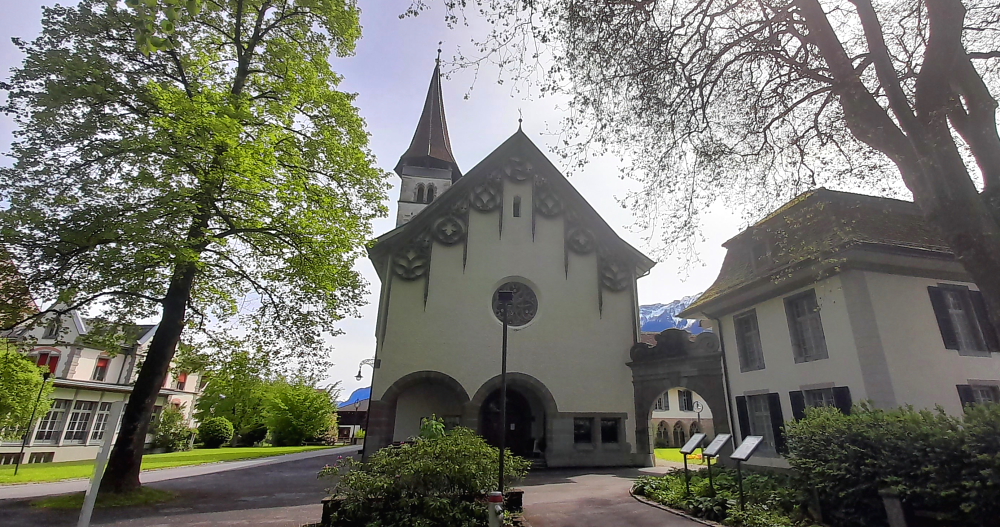
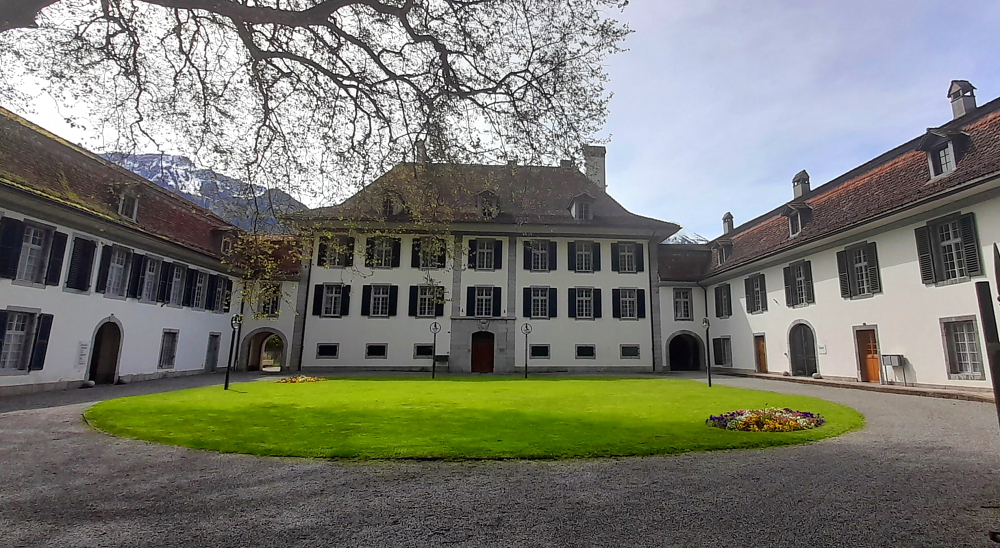
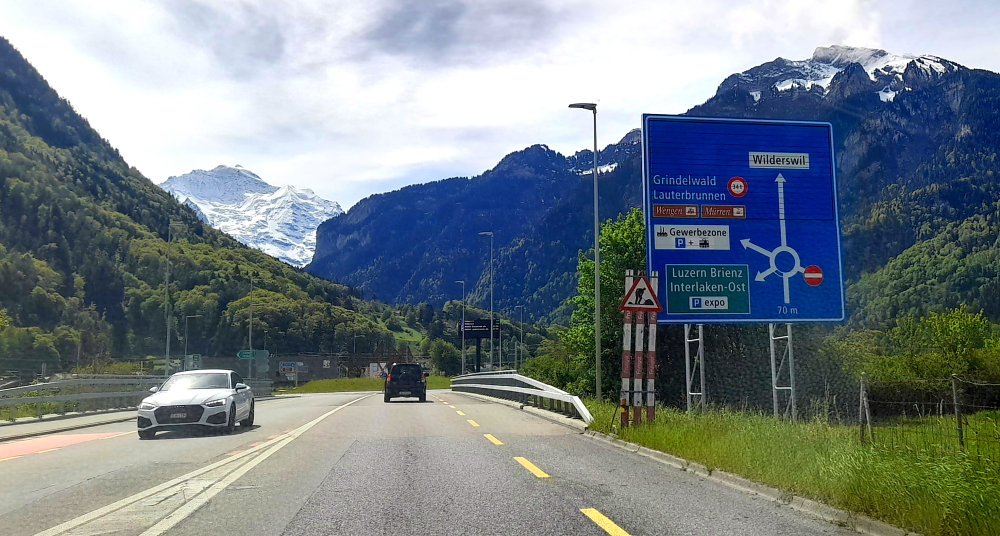
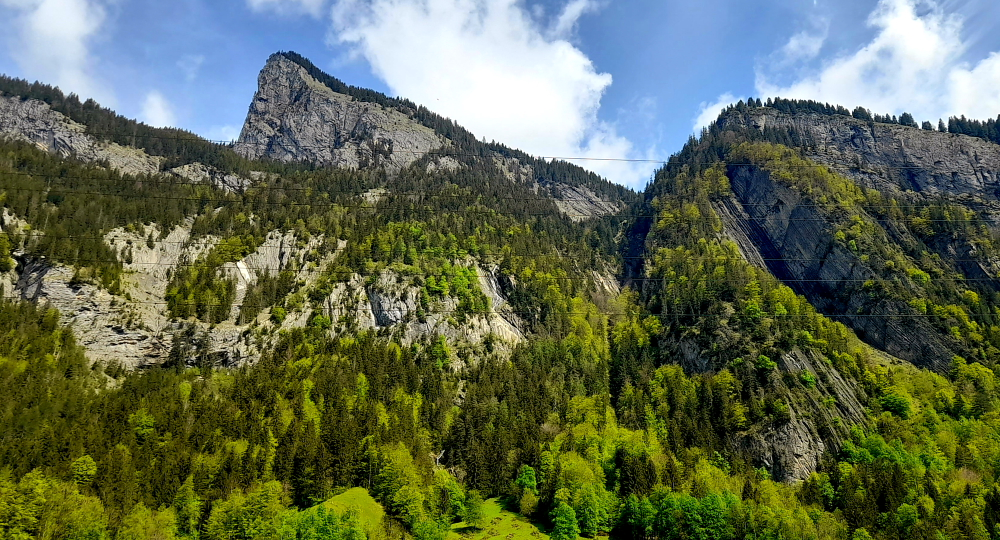
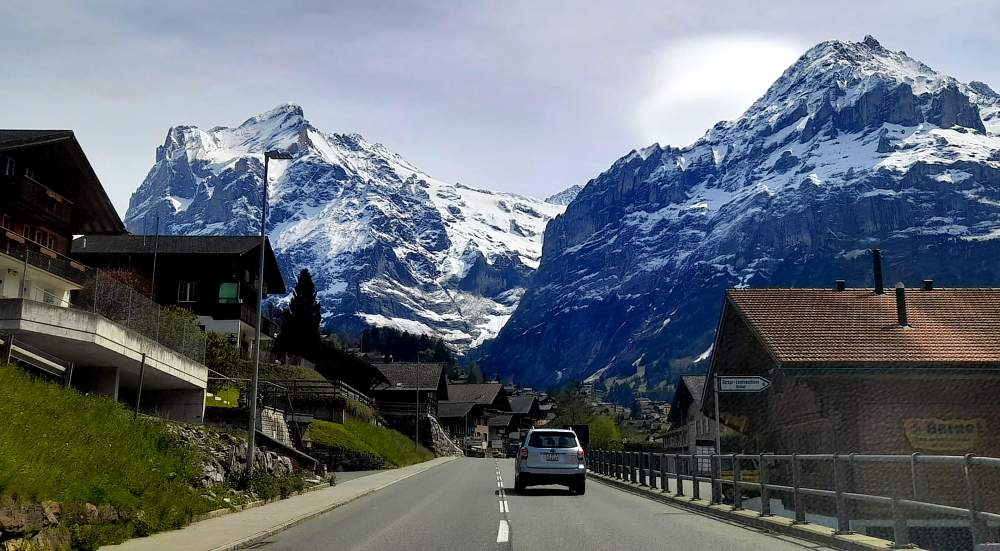
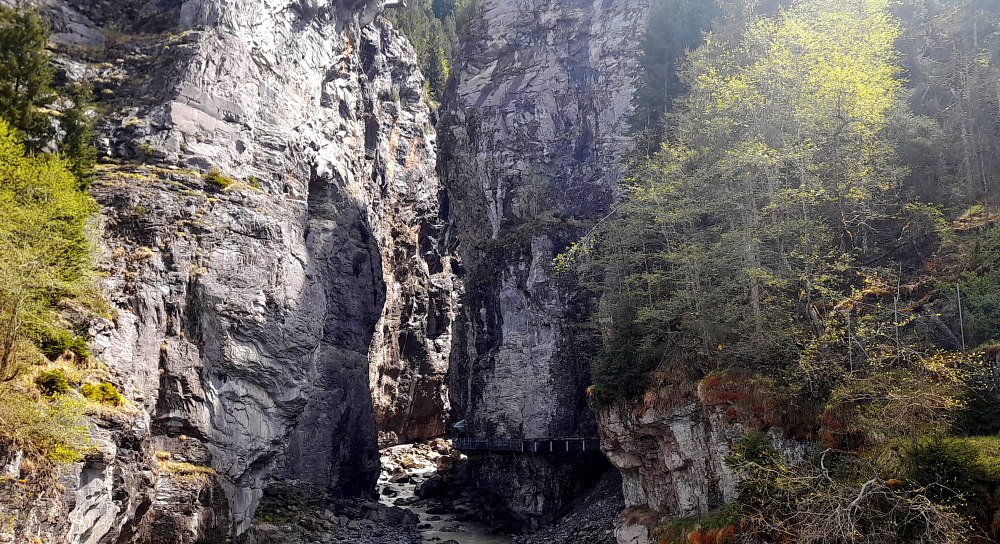
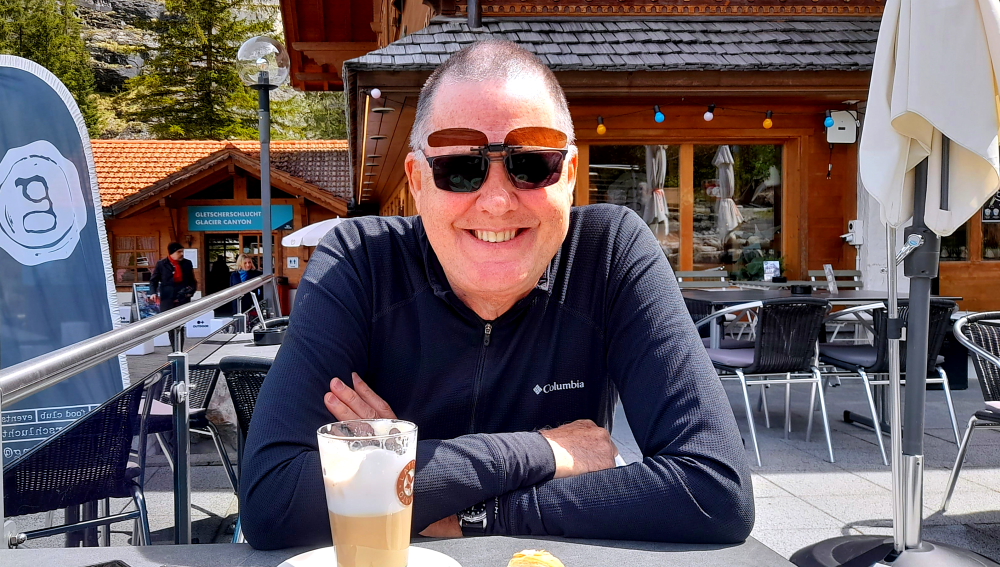
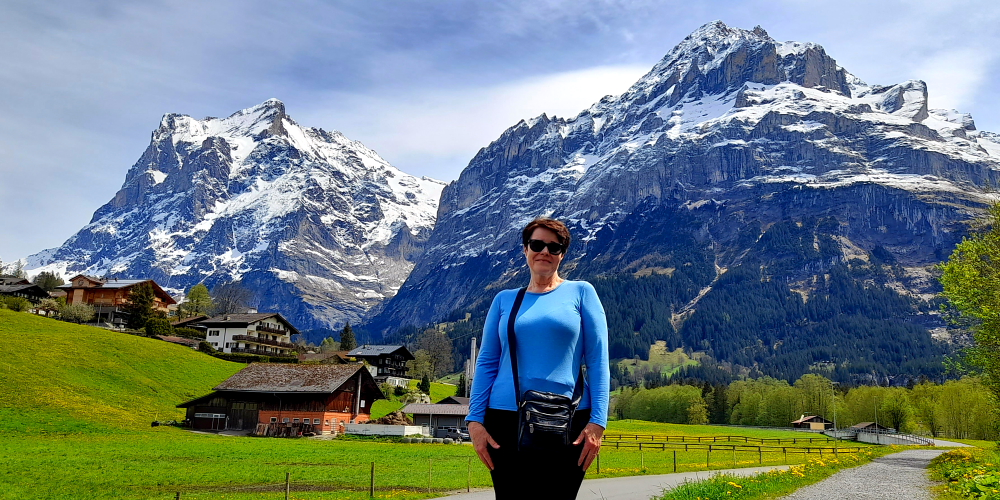
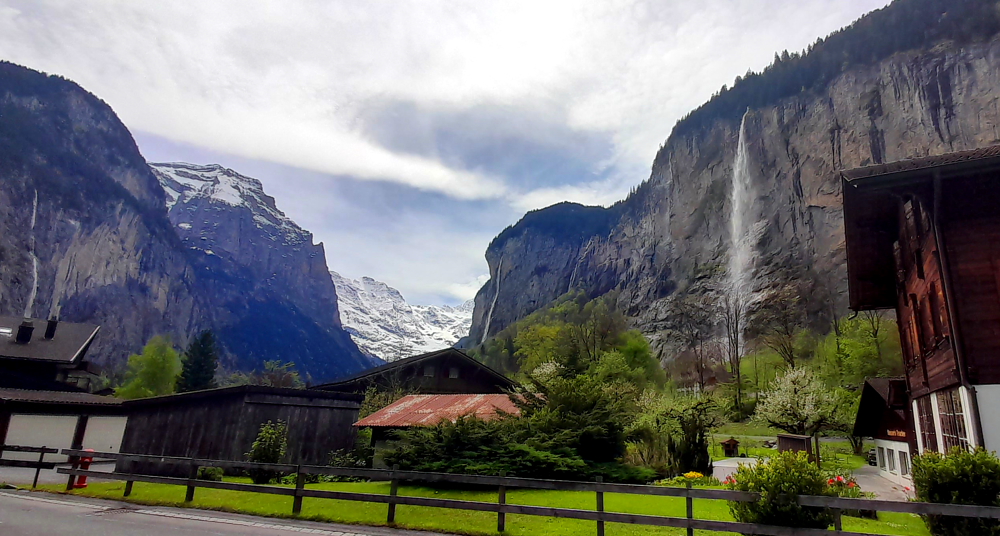
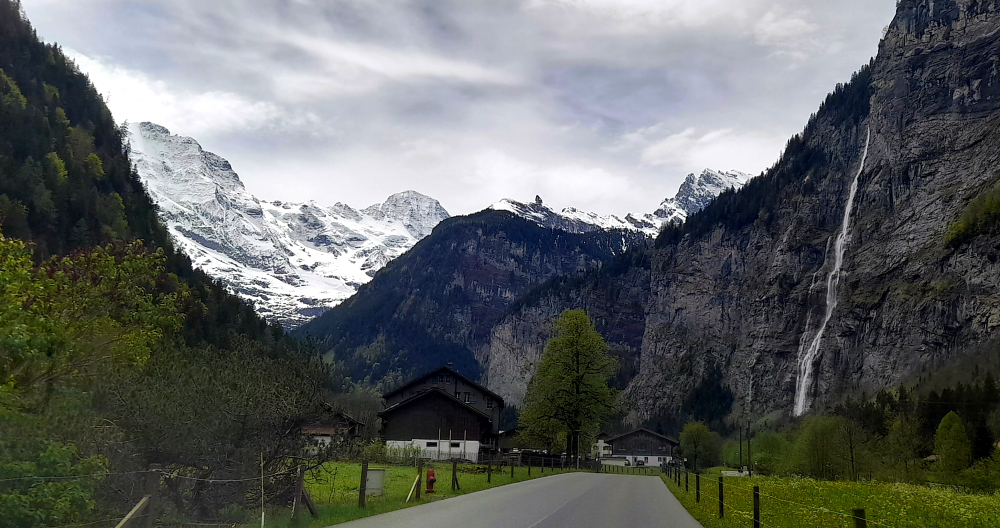
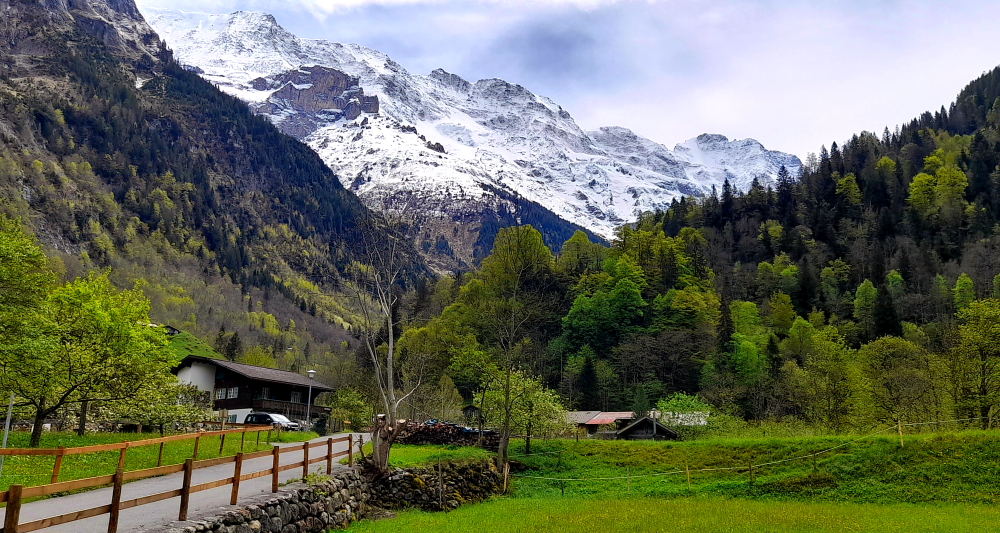
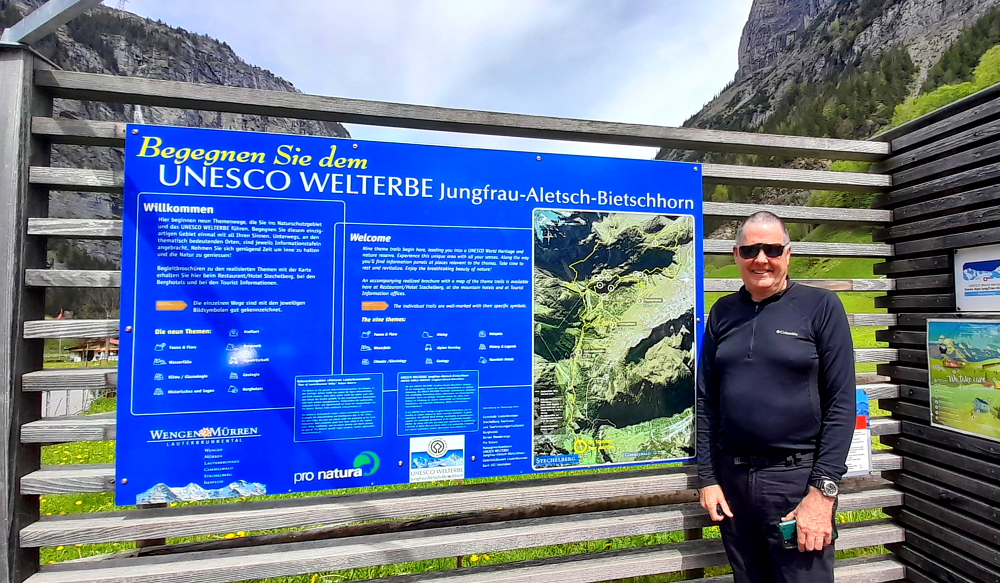
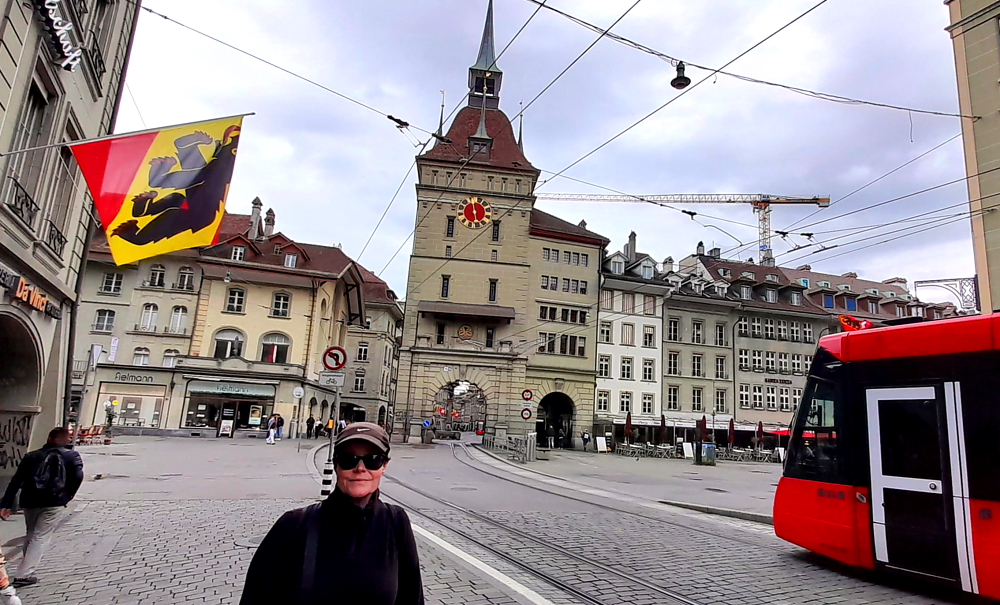
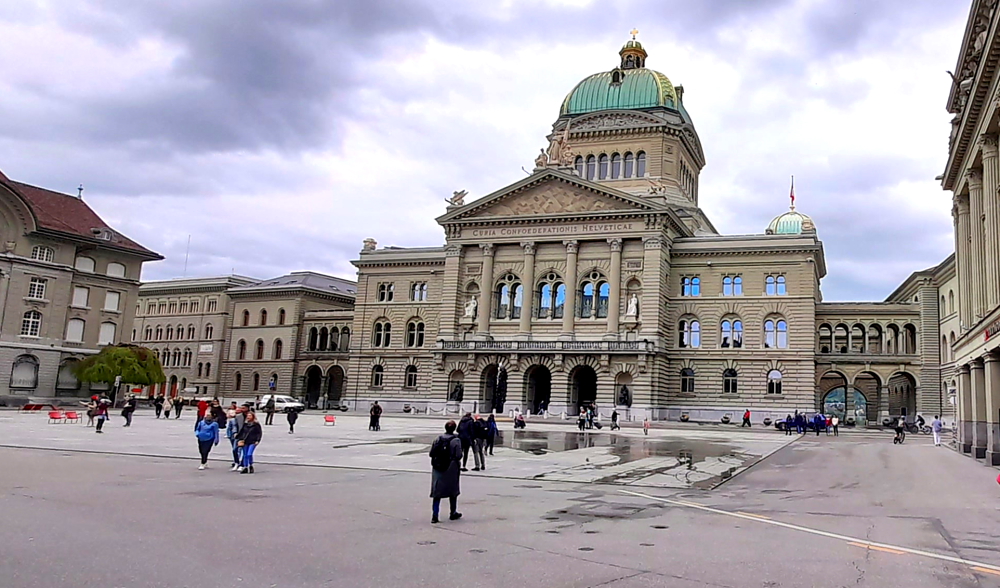
 THE CONTINUING TRAVELS OF YOGI & BOO BOO