Today Lynn has booked us on a 2.5 hour GuruWalk of the Nice Old Town and Castle Hill. We are due to meet at 11:00am at the Fontaine du Soleil in Place Massena.
Fountaine de Soleil in Place Massena.
On the dot of 11:00 our guide, Sergio, turns up and our small group of 5 introduce ourselves. One of the 3 women is an Australian lawyer, originally from Townsville, who worked in Sydney with FIFA but is now on a belated gap year working in Paris. In order to get the most out of her 2 days off, she travelled on the overnight train from Paris.
We enter the Vieille Ville and walk along Rue Saint Francois de Paule to the Nice Opera Theatre. In the distance we can see Castle Hill.
The Opéra de Nice is the principal opera venue in Nice offering operas, ballets and classical music concerts and also houses the Ballet Nice Méditerrannée and the Nice Philharmonic Orchestra.
Rue Saint Francois de Paule in the Old Town.
A wooden theatre in 1776 it reopened in 1790 under the name “Théâtre Royal”. In 1826, the city of Nice had it demolished, rebuilt and inaugurated in 1828. In 1856, a great ball was organized in the honour of King Victor Emmanuel II.
In 1860, Napoleon III was invited to attend an evening at the Théâtre Royal. For this special occasion, Johann Strauss led the orchestra. The same year, the theatre became the “Théâtre Impérial”. In 1864, Napoleon III returned, accompanied by Tsar Alexander II of Russia. In 1868, Louis II, Duke of Bavaria attended a performance of Cendrillon. The Théâtre Royal was renamed “Théâtre Municipal” in 1870.
1881 saw the theatre reduced to ashes. The city of Nice immediately decided to rebuild another theatre on the same site. It was designed by architect François Aune with the apparent approval of Charles Garnier, the architect of the Paris Opera. In 1885, the Théâtre Municipal re-opened with Verdi’s Aida. Over the following years it hosted the French stage premieres of operas such as A Life for the Tsar and Eugene Onegin. In 1902, it was named Opéra de Nice and is today referred to as Opéra Nice Côte d’Azur.
Opera Nice Cote d’Azure.
Further along the street in Cours Saleya we come across this morning’s Sunday flower market.
The Flower Market.
The market stalls stretch the length of Cours Saleya and into the adjoining Place Pierre Gautier. We have 10 minutes to look around the market on our own and need to return to the guide in Place Pierre Gautier, which we do a couple of minutes early.
Flower market looking west.
While we are chatting to Sergio an almighty ‘BANG’ is heard which sets off all the dogs in the area and flocks of pigeons take to the sky, not to mention making Lynn jump a foot in the air, as she does whenever she hears an unexpected loud noise. A daily, noon gun (cannon). How quaint.
Flower market looking east.
Also in Place Pierre Gautier is the former palace of the King of Savoy, who used to own this part of France back in the day. Today it is the Palais de la Prefecture.
Palais de la Prefecture.
From here we walk around the corner until we arrive at the Cathedrale Sainte-Reparate de Nice. Reparata was, according to tradition, a 3rd-century virgin, who was martyred for her Christian faith in her hometown of Caesarea, Roman Province of Palestine, and later canonised by the Catholic Church.
At age 15 she was arrested for her faith and tortured during the persecution of Roman emperor Decius (r. 249–251). Her persecutors tried to burn her alive, but she was saved by a shower of rain. She was then compelled to drink boiling pitch. When she again refused to apostatize, she was decapitated. Her legend states that immediately upon dying a dove appeared to symbolize the departure of her spirit to Heaven.
View of the Cascades on Castle Hill.
Later elaborations of her legend state that her body was laid in a boat and blown by the breath of angels to the bay presently named the “Baie des Anges” in Nice.
Cathedrale Sainte-Reparate de Nice.
The original cathedral on the site, called St Mary of the Castle, was consecrated in 1049. In 1060, relics belonging to Saint Reparata (for whom the current cathedral is named) arrived in Nice. By 1075, a chapel dedicated to St Reparata was constructed at the foot of the castle.6.
What is the Saint holding in her hand?
During the first half of the 16th century, the seat of the bishops of Nice from Cimiez Cathedral, which sits on the hill of the castle overlooking the city, was gradually transferred to the church of St Reparata in 1590. After an official ceremony presided over by the bishop Luigi Pallavicini, and in the presence of Charles Emmanuel I, Duke of Savoy, the church was recognized as a chiesa-cattedrale.
Sainte-Reparate holding a feather.
In 1649, judging the building to be too small, Bishop Didier Palletis commissioned the architect Jean-André Guibert to produce a structure more in keeping with the importance of the city. The construction of a new cathedral (the current main building) took place between 1650 and 1865. In 1699, the new cathedral was officially consecrated. The prominent bell tower was built next to it between 1731 and 1757.
Inside the Cathedral.
A block NE away we arrive on a cross street with Rue de la Loge where we see a plaque that translates as: “Cannonball fired by the Turkish fleet in 1543 siege of Nice where Catherine Segurana, the heroine of Nice, distinguished herself.” Apparently she was washing clothes when we saw the Turks coming so she picked up her laundry beating stick (like a club), killed the flag bearer with it, destroyed the flag then all the soldiers dispersed.
Turkish cannon ball or an errant midday cannon ball?
Around the corner is the Palais Lascaris museum, a 17th-century aristocratic building. Currently, it is a musical instrument museum housing a collection of over 500 instruments, which makes it France’s second most important collection after the Musée de la Musique de la Philharmonie in Paris.
Entrance foyer to Palais Lascaris.
A No. 28 Rue Droite we come across Chez Theresa that is renown for its traditional street food, Socca, chick peas sprinkled with pepper, baked in a large pan and looks a bit like a tortilla espagnola. There’s a very long queue in the street waiting to be served take-away from a small window.
Socca – Nice street food.
Walking towards the Med we pass by a shop which features small objects – butterflies, fish, balloons – encased in transparent blocks which captures Lynn’s attention.
Pretty, colourful things.
Soon we are standing at the steps to the Castel Beach for a group photo, then we 3 Australians accompany Sergio to Castle Hill via the lift.
Steps to Castel Beach.
A short walk up a broad path brings us to the Belvedere.
Belvedere du Chateau.
This platform gives a commanding view of the sea, the bay …
View from the Belvedere of the town.
… the town, the hills and, to the rear …
Distant view of snow-capped Alpes-Maritimes.
… the snow-covered alps.
Top of the Cascades.
Directly below the Belvedere is the top of the Cascades with the semi-circular balustrade path around the base of the falls below.
After Sergio heads off we order a couple of drinks and sit in the sun at one of the tables for a couple of hours to enjoy the view of the Alps.
Walking back along the Promenade the foot traffic has increased substantially. Along the way are a couple of buskers. This guy is a very good saxophonist.
Live music on a sunny Sunday arvo.
We head back into the Old Town for dinner tonight at yet another Italian.
Our hotel at night.
At least the French seem to do a reasonable Italian, unlike their French cuisine!
15 January, 2024
Sunshine, again! And a promised 17 Deg. C. today. After a quick breakfast we head for the Promenade once again to walk most of its length to the Monday morning markets, this time an extensive flea market has replaced the flower stalls.
The flea market in Nice.
The usual suspects are on sale – antiques, retro and junk. Clothing, carpets, drapery, nappery, embroidery, jewellery, fur coats, silverware, crockery (Limoges), cutlery, glassware, paintings, vases, posters, bric-a-brac, cameras, fur coats, trinkets, baubles, gewgaws, Royal mugs, curios, sunglasses, handbags (Louis Vuitton), scarves (Hermes), shoes, vinyl, mirrors, picture frames, medals, wooden boxes, religious icons. Did I mention fur coats?
Harry & Megan on the liquidation table.
Exiting the market we walk past the Castel Beach steps from yesterday to a flat area at the tip of the headland and find the “I Love Nice” sign. Would you believe there are some people actually swimming in the bay? And even sunbathing, but it’s only 13 Deg. C.!
Like perhaps… Love is a bit OTT.
Close by is the lift to Castle Hill which we take but this time we turn right to see the view of the Quartier du Port where there is a tall ship docked.
Nice Port.
Next we take a lower path to the one we took yesterday and arrive at the curved balustraded path at the base of the Cascades.
The Cascades.
With a little breeze it would be very easy to get very wet at the base of the cascades.
Trying to stay dry.
Time to head home, again along the Promenade, where we stop at the beachside cafe/restaurant, ‘Bocca Mar’, for a beer and a spritz while sitting in the sun and watching small waves crash onto the pebble beach only a couple of metres away.
Soaking up the alcohol and sunshine.
The sun is very warming as the temperature rises to a balmy 13 Deg C. We need all the vitamin D that we can get this winter.
The beer is not good but at least it is cold.
Back at the hotel, after I’ve loaded the photos Lynn catches up 3 days of blog and I sort out some credit card issues with CommBank that turn out to be issues with our Firefox browser.
At 7:00 pm we walk the 2 minutes to a nearby Corsican Pizzeria – why not – and call it a night around 10:30pm.
16 January, 2024
Sunshine, again, and a promised 15 Deg. C. today with rain overnight and tomorrow.
Soaking up the warm sunlight.
Yesterday we promised ourselves we would return to Bocca Mar for a coffee by the sea this morning before we walk into the Old Town.
Lucy in the Sky with Diamonds.
Looks like everyone is a Lounge Lizard, sitting in the sun, soaking up the rays. There are a number of seating areas along the Promenade, facing the sea, that are filled with like-minded people. What’s the collective noun for sunbathers? A bask of sunbathers; a glow; a lounge; a ray, or a fritter of sunbathers??
Basking Brigade – at ease.
On the opposite side of the Promenade is the back of the Nice Opera House and in front of that a small Statue of Liberty – at 1.30m tall on a 2m high plinth – a replica of the original by Auguste Bartholdi and the last one to be held by the Coubertin foundry, it was bought by the city of Nice in 2011. It was inaugurated in 2014 to commemorate the centenary of the First World War in keeping with the history of the Quai des Etats Unis (USA Quay), which itself was renamed in 1917 to mark America’s entry into the war.
In the words of Chrisitan Estrosi, the Mayor of Nice at the time, “we wanted it to be modest in order not to rival New York!”
Nice’s Lady of Liberty.
In front of the Nice Opera House is Henri Auer’s – a confiserie since 1820. Then, a young Swiss confectioner, Henri Auer, attracted by the abundance of Mediterranean fruit production, came to the Côte d’Azur and settled in Nice where his business prospered.
In 1890, his son Henri-Chrétien took over the establishment and made his candied fruits famous throughout the world. In 1931, Henri-Joseph and his son Jean-Jacques took over the business adding a patisserie and chocolatier. Today, Thierry Auer represents the fifth generation of confectioners.
Opulent Florentine interior of Maison Auer, Confectioners.
Apparently, back in the day, Opera patrons would visit this boutique during performance intervals.
We stroll back to the hotel where we need to pack and work out our trip tomorrow. It’s only about an hour’s drive to Cannes from Nice so we might take a detour up the coast to Monte-Carlo in Monaco then back down the coast to Cannes.
At 6.30pm we stroll around the corner to a restaurant we found last night. Then the owner was most welcoming when we made enquiries about the menu and opening times and he is just as welcoming tonight. After we are seated Fata, the Algerian owner of Restaurant La Vague in Rue Dalpozzo, serves us with kir royales and a delicious black olive tapenade and crostinis, compliments of the house.
Great food for a change in France.
The menu is uncomplicated and is what is ‘says on the tin’. I order lamb chops and Lynn grilled salmon both served with fresh vegetables. My dish is accompanied by a glass of very pleasant house red. The crusty bread is fresh, the meals are perfectly cooked, particularly the vegetables. Why can’t all restaurants do this? We even like his taste in music – a soothing Blues sound track.
17 January, 2024
As it’s only an hour’s drive to our next accommodation in Cannes, we decide to take a quick drive to Monaco so I can add it to my list of countries visited. Lynn had already visited Monaco in 1985 and again in 2009 for work.
It’s a miserable, raining, grey day and 13 Deg. C.
The Big Giant Head – leaving Nice & heading towards that cloud bank.
Apparently you get gorgeous views of the coastline and the Med from the village of Eze (supposedly one of the most beautiful villages in France if we could see it) which is about 12 minutes’ drive up the hill from Nice. Not today. Thanks to the rain we are soon immersed in thick mist.
Thick mist in the hills near Eze.
As soon as we descend the mist clears but it is still a grey day. Shortly after we see a road sign to Monaco.
Entering Monaco.
I have to say that Monte Carlo is a real disappointment. Nothing but ugly 70s high-rise apartment buildings and a multitude of high-rise cranes constructing more high-rise buildings, with only the odd classical French apartment building in sight.
Welcome to Monte Carlo – home of the super rich.
The plan is to drive to the Casino for a photo but as we drive around the back of it, the road leading to nearby parking is- closed – so we drive on by and head back out of town past the Port Hercule marina.
Opposite direction to the F1 track direction.
We retrace our route back to Nice then onto Antibes. Originally we had booked the beautiful Art Deco 1932 Hotel and Spa Cap d’Antibes – MGallery for this next stay to celebrate our anniversary but they decided to close the hotel for the week we had booked which is why we are now driving along Golfe Juan to Cannes then to the Pullman Mandelieu-La Napoule Royal Casino which is the other side of Cannes.
Antibes, itself, looks quite pretty with a large square and views of the sea, marinas, fortifications and the Chateau Grimaldi.
On the road to Antibes.
Like Monte Carlo, Cannes seems to be another old, seedy, overcrowded town. It’s a bit difficult to see the old town as just beyond the Hotel Carlton the Boulevard de la Croisette is – closed! We are trying to drive to see the venue where the Cannes Film Festival is hosted each year but give up and drive to our destination.
Hotel Carlton, Boulevard de la Croisette, Cannes.
Taking the diversion we rejoin the Croisette at the Old Port and drive past, would you believe, Plage Waikiki!
Sign to Mandelieu-La Napoule near Cannes Old Port.
The D6098, the Boulevard du Midi, skirts the Golfe de la Napoule which delivers us to the Pullman after we cross the bridge over the Siagne River.
Pullman Mandelieu-La Napoule Royal Casino.
After such a grey, and frustrating, day our welcome at the hotel is a ray of sunshine.
View from our room balcony.
The staff had noted our 50th anniversary and give us a room upgrade, welcome drinks and a gift of local produce.
Hotel welcome gifts.
Too tired to check out the local area for restaurants tonight we opt for the hotel’s and have an early night, falling asleep to the sound of small waves breaking on the small, sandy beach below.
18 January, 2024
Today’s top promises to be 18 Deg. C. (turns out it gets to 20!).
Sunrise at 8:01 am.
While having a late breakfast we are greeted by the hotel’s Customer Relations Manager, Marie, who also welcomes us to the hotel. She mentions that a local flower is currently in bloom should we wish to view it in the countryside.
Colourful sculptures dot the hotel’s reception area.
Turns out that the flower, local to this area only, is mimosa or, as we know it, wattle. Must admit that the name of the cocktail is more suited to Mimosa than Wattle!
Sun, surf and snow.
Such a contrast to yesterday and previous weeks where we have been swaddled in at least 4 layers under a waterproof jacket as we wander about outdoors. Just a long-sleeved t-shirt today, even with the brisk wind we encounter when we walk past the point.
Pullman from the sea wall.
Rather than walk along the road to La Napoule we take the path along the sea wall and by its port.
Port la Napoule.
Lots of expensive boats in the marina and, surprisingly, quite a few restaurants are open so we pop into one and book a table for dinner this evening.
Walkway around the castle.
A dominating feature of the town is Chateau de la Napoule. Built in the 14th century by the counts of Villeneuve on the seaside road, the castle and its gardens were listed as historic monuments in 1947. Who would have thought that a rich American’s fantasy hid such an amazing history.
Originally a castrum (old Roman fort), in 1284, the abbey of Lérins exchanged its share of the land and church on this site to a local lord, Raymond de Fayence, who belonged to the Villeneuve-Tourettes family. This family will own the lordship of La Napoule until the 17th century.
The village of La Napoule served as a retreat for land and sea pirates which is why Antoine de Villeneuve-Tourettes brought inhabitants from the Oneille valley, in 1459, to form a town.
Seaside fortifications to repel pirate attacks in the 1500s.
In 1501, Louis XII confirmed to Honoré de Villeneuve-Tourettes, married to Blanche Grimaldi of Monaco, the possession of the lordship of La Napoule. It was in 1521 that the existence of a port in La Napoule was first mentioned. In 1530 , the corsair Kheir-ed-Din, known as Barberousse, attacked and sacked La Napoule. Repeatedly throughout history the castle and the village of La Napoule succumb to attack, the plague and demolition, only to rise again.
Dodging a dousing by errant waves.
In 1918, two Americans, Henry Clews (1876-1937) and Elsie Whelen, known as Marie Clews (1880-1959), settled in the remains of the medieval residence that they acquired to rebuild it. Henry Clews was the son of a New York banker and had inherited a large fortune enabling the couple to restore the buildings and create others adding their personal touch as Henry was a sculptor and his wife an architect.
They resided in their castle between 1919 and 1930 and were both the owners and designers of their castle and garden where they designed a neo-medieval work without any archaeological research. In 1930 the lower courtyard was transformed into an Anglo-Provençal garden with a monumental entrance gate. The northwest wing remained as it was in 1880. In 1943, the castle was incorporated into the Südwall marine battery network built by the German army.
Ancient castle to fairy tale creation.
Founded in 1951 by Marie Clews, the La Napoule Henry Clews Memorial Art Association has made the castle a place of international cultural exchange including the organization of conferences, exhibitions, concerts and shows to which is added an artist residency program.
Street entrance to the Chateau Clews.
Nearby are some elegant residences. Unfortunately, their original ocean views now obscured by more modern constructions.
Elegant residences.
Tonight we are booked in at La Brocherie Restaurant overlooking the harbour. The restaurant logo is a shark so that should have been a bit of a hint to us.
Tonight’s restaurant – note the shark logo?
Before trying to make out what is on the menu we are shown a basket of today’s catch of the day. Little did we know that we were actually the catch of the day.
The fish are very fresh but we go for the smallest option of a shared John Dory at 1.5kg whole and uncooked which will be oven baked.
The catch of the day.
The fish arrives cooked and filleted in a very watery sauce. It tastes more like steamed fish and a bit flavourless but the meal is not bad and comes with some freshly steamed vegetables, some whitebait and mashed potatoes.
It is not as good as our meal in Nice at La Vague but certainly fresh and edible. The bill however for one piece of fish and vegies comes to an eye watering A$263.00. That’s what happens when you dine with the sharks. Lynn only had a glass of tap water and I had a small glass of white wine.
It will be back to the Pullman Hotel for dinner tonight.
19 January, 2024
Today is the 50th anniversary of our meeting way back in 1974 at the Coffs Harbour Ex-Serviceman’s Club.
Champagne for our 50th.
The plan is to laze around the hotel, have dinner in the hotel’s restaurant tonight and to crack a bottle of celebratory bubbles – which is exactly what we do.
20 January, 2024
Although it’s only 10 Deg. C. it’s warm in the sun.
Soaking up the morning sun.
After such a lazy day yesterday we take a walk back into the village of La Napoule via the sea wall.
Snow on the Alps but warm enough for some.
Wandering along the other side of the road we come to a railway underpass.
The Orient Express artwork.
Alongside the underpass is some detailed street art that shows the Orient Express stopping at this train station in a bygone era.
Detail – showing poster for the Mandelieu-La Napoule Le Mimosa Fete.
As well, the underpass has been cleverly painted also to look like the inside of the Nautilus, Captain Nemo’s underwater ship, as portrayed in the 1954 movie “20,000 Leagues under the Sea” (based on the 1870’s novel by Frenchman, Jules Verne) and starring Kirk Douglas, James Mason and Peter Lorre.
Railway subway art work.
We get back to the hotel in time for Lynn’s massage then, after catching up on some chores, we head back out into the night to find a restaurant for dinner.
Tomorrow we start our journey back to the UK via Valance (South of Lyon), Dijon, the Champagne region then Calais before we take Le Shuttle back across the channel.
We are packed up and ready to head off to Carcassonne via Andorra by 10:00 am but the car is covered in a thick layer of Spanish desert dust and visibility is almost impossible so we decide to put the car through the local car wash before we fuel up to go.
Meanwhile Lynn goes to the supermarket to pick up a bottle of Cava for New Year’s eve and some other essentials.
Sunrise at the apartment in Montblanc, Spain.
It’s 10:15 am and 6 Deg. C. as we depart Montblanc for the 160km, 2 hour 20 minute drive to Andorra la Vella, the capital of Andorra.
Dusty plains with the Pyrenees in the distance.
Our route takes us north on the C-14 to Ponts, again through dry, desolate countryside.
El Segre River dam.
The road starts to climb, passing through some dramatic, rocky landscape alongside the dammed El Segre River.
By 12:30 pm we arrive at the border and sit in a traffic jam for 15 minutes. Why? When we get to the booth we, and everyone in front of us, are waved through – seemingly as an afterthought – by an officer who is standing alongside the booth having a chat with his fellow officer.
We are astonished by Andorra la Vella. It’s located in a narrow valley so all the buildings are several stories high, narrow and stand cheek by jowl. And it goes on for miles up the valley with even more apartment blocks on ridges above the valley and even more in the process of being built.
Andorra Border Control traffic jam.
Apparently in 2015 the population of this town was 22, 886 with a density of 1,900/sq km. And that was 8 years ago. I’d hate to book an apartment here to ski, I’d never find it in this rabbit warren, let alone the chaos of finding a car parking spot and getting to and from the ski fields.
At 1:10 pm after we pass several parking lots that are full we find one with a couple of spare spaces and head into the busy maze of streets between buildings to find a souvenir shop. Luckily we quickly come across a duty free shop that sells stickers so we buy 2 and vamoose. Back in the car 10 minutes later, parking cost us Eu0. Amazing!
Road through Soldeu.
The CG-2 takes us further up the valley through Canillo and Soldeu which are much nicer villages to ski. It’s an unbelievable 9 Deg. C. and we really can’t believe our eyes at the scenery in front of us in late December in a European ski-destination country. No winter wonderland here, instead there is patchy snow on the hills. The further through the valley it’s obvious that only one of a number of ski slopes per resort is being maintained, the rest are patchy and unused. If this is the future, Andorra la Vella will become a ghost town. Population density 0.
At least the Petrol is reasonably priced. We have been seeing French and Spanish petrol between Eu1.62 to Eu2.00 per litre but every block in Andorra seems to have a petrol station and at about Eu1.34 per litre. Perhaps that’s why there is so much traffic in town. Perhaps the French and Spanish come here, not to ski, but to but petrol.
Toll road to France.
40 minutes later we take the toll road to France. So, 60 minutes to drive through Andorra. After a short drive through a tunnel, we are at French border control where we are bienvenue’d by two rows of empty booths. They’re obviously not concerned about illegal immigrants here.
N20 across the Pyrenees.
We join the N20/E09 that takes us downhill through diminishing (!) snow cover until we are on flat, green plains heading towards Toulouse.
At the junction of the A66 we join the A61/E80 and drive SE to Carcassonne.
Toulouse left, Carcassonne right.
At 4:15 pm we pull up outside our B&B accommodation which turns out to be perfectly located between the Carcassone Old Town (known as the City of Carcassonne), which we’d come to see, and the Carcassonne new Old Town (known as the city of Carcassonne – note the distinction?) and also known as the lower town – 10 minutes’ walk to either.
La Demeure Saint Louis B&B.
The stately mansion was built in 1811 by the brewer Fritz Lauer and has been renovated by the current owners.
Lounge room.
2 years of work and development were needed to create the guest house in order to highlight the luxury and charm of the place, combined with modern hotel comfort.
Dining room.
It has 6 rooms and 4 apartments, all individually decorated with period and antique furniture.
Rear of the B&B from its garden.
In addition to a bedroom and en-suite we also have a kitchenette which is handy as we need a fridge to chill the Cava for New Year’s Eve.
Our room with garden view.
The B&B is located at the foot of the Medieval City of Carcassonne, in the picturesque, lively and pedestrianized “La Trivalle” district. It is also the name of the street, 2 minutes walk from the B&B, which we are delighted to find offers us a wide choice of restaurants.
La Trivalle Street with the medieval city illuminated in the background.
One of our host’s recommendations is Restaurant Le37 which we book for its opening time of 7:00 pm. After a pleasant meal with a convivial host we are back home in a couple of minutes and hit the pillow by 8:45 pm.
30 December, 2023
A gorgeous sunny day with an expected top of 15 Deg. C. After being served a late breakfast in the dining room we head out the door to discover the medieval city.
First of all we walk across Pont-Vieux (Old Bridge) which straddles L’Aude River then we walk up the hill to the Narbonnaise Gate, the main entrance to the medieval city and join the crowds of people inside.
Old Bridge over the Aude River with modern Carcassonne on the opposite bank.
This fortified medieval city, whose origins date back to the Gallo-Roman period, owes its fame to its double enclosure, reaching nearly 3 km in length and comprising 52 towers, which dominates the valley of the L’Aude. The City also includes a castle (the count’s castle) and a basilica (Saint-Nazaire).
Narbonnaise Gate.
The City is built at the end of a small plateau formed by erosion caused by the Aude at approximately 150 meters above sea level above the lower town.
Entrance across the moat.
The City was successively a Gallo-Roman city, a Visigothic stronghold, a county and viscounty, then finally a royal seneschal (jurisdiction). Each of these stages, between the Roman period and the end of the Middle Ages, has left evidence in the buildings that compose it.
2 stages of fortifications.
The beginning of feudalism was accompanied by the expansion of the city and its fortifications. It is also marked by the construction of the cathedral from 1096 then by that of the count’s castle in the 12th century. This castle was originally made up of two main buildings to which a chapel was added in 1150 which gives a U-shaped plan around the central courtyard. Around 1240 the castle was enhanced with a second floor.
The moat/ditch.
It was the period of the Counts of Carcassonne and of a new religion, Catharism, successfully established in Languedoc. In 1130, Bernard Aton ordered the start of construction of the count’s castle and the repair of the Gallo-Roman ramparts. From then on, the City of Carcassonne was surrounded by its first complete fortification.
Through the Narbonnaise Gate onto Rue Cros Mayrevielle.
August 1, 1209, the City is besieged by the crusaders. Raimond-Roger Trencavel surrendered very quickly, on August 15, in exchange for saving the lives of its inhabitants. The viscount died of dysentery in the prison of his castle on November 10, 1209. From then on, the City served as headquarters for the troops of the crusade.
Entrance to the Castle.
The lands are given to Simon de Montfort, leader of the crusader army. He died in 1218 during the siege of Toulouse so the City passed to his son, Amaury VI de Montfort who ceded his rights to Louis VIII of France. In 1224, Raimond II Trencavel regained possession of the City. A second crusade was launched by Louis VIII in 1226 and Raimond Trencavel had to flee. The City of Carcassonne is now part of the domain of the King of France and becomes the seat of a seneschalism. A period of terror sets in inside the City. The hunt for the Cathars led to wild denunciations, with the installation of the Inquisition, whose house can still be seen within the City walls.
Rue Saint Louis.
Louis IX ordered the construction of the second enclosure so that the square could support long sieges as, at that time, there were numerous threats in the region. The City was part of the border defense system between France and Aragon. The first construction concerned protecting the count’s castle by walls and towers within the City itself. A second line of fortifications, about 1.5 km with fourteen towers, was flanked by a barbican which controlled the approaches to the Aude.
Unusual concave roofed building on Place Auguste Pierre Pont.
In 1240, Raimond Trencavel tried to recover the City, was soon forced to lift the siege and flee in the face of the arrival of reinforcements from King Louis IX and in 1247 he renounced his rights to the City before the King. The City became attached to the Kingdom of France and governed by seneschals. From this date, the stronghold was no longer attacked, including during the Hundred Years’ War.
Altar of the Basilica of Saint-Nazaire & Saint-Celse.
In 1258, the Treaty of Corbeil fixed the border between France and Aragon near Carcassonne, in the Corbières. In 1418 on the other side of the Aude, a new town called lower town was built. Pope Clement V passed through Carcassonne in 1305 and 1309. The city became a state prison in the 15th century, the plague decimated the inhabitants of Carcassonne and the City in 1557. In 1585, the City was attacked by the Huguenots but they were repelled.
Exterior of the Basilica of Saint-Nazaire.
The 17th century marks the beginning of the abandonment of the City. In 1657, the presidial, the jurisdiction in place in Carcassonne, was transferred from the City to the lower town. In 1659, the City lost its strategic position following the signing of the Treaty of the Pyrenees which fixed the border between France and Spain at its current location.
NW view from the ramparts towards the city of Carcassonne. The Church of Saint Vincent tower top right.
The lower town prospered thanks to the cloth industry. Under the Ancien Régime then under the Revolution, the City was reduced militarily to the role of an arsenal and by 1820 was abandoned and the army was ready to hand over the City to demolition workers and stone salvagers. Between 1846 and 1911, the City lost 45% of its population, going from 1,351 to 761 inhabitants.
SW view from the ramparts.
However, the City was saved from total destruction by Jean-Pierre Cros-Mayrevieille, notable archaeologist and historian. In 1853, Napoleon III approved the restoration project. From 1850, the restorations of Eugène Viollet-le-Duc were strongly criticized, in particular the restoration of the roofs. He chose to top the towers with a conical roof covered with slates, contrasting with the flat roofs covered with Romanesque tiles of the region’s castles and this is why today there are different types of roofs in the City. Despite his errors, today the work that Eugène Viollet-le-Duc carried out is considered remarkable architectural work which made it possible to restore to visitors a coherent, if not faithful, image of the City of Carcassonne.
Castle walls with 1 tower complete with wooden surround.
In 1944, the city of Carcassonne was occupied by German troops who used the castle as a reserve of ammunition and explosives and the inhabitants were expelled from the City. In 1961, a museum was installed in the count’s castle. Then in 1997, the City was listed as a world heritage site by UNESCO .
Lunchtime crowds in Place Marcou.
Several cinema films have been shot around the City because it offers an almost perfect Middle Ages cinema setting, such as: The Return of the Crusader by Louis Feuillade in 1908, A Lion in Winter by Anthony Harvey in 1968, Robin Hood, Prince of Thieves by Kevin Reynolds in 1991.
‘Eccentric Concentric Circles’ – 2018 art installation at Porte d’Aude.
In 2018, a transitory work of art was installed on the walls and towers of the City of Carcassonne, presenting a new view of the architecture of this medieval fortress. Based on the principle of anamorphosis – a distorted projection or drawing which appears normal when viewed from a particular point or with a suitable mirror or lens – was chosen by the Centre des Monuments Nationaux to celebrate the 20th anniversary of Carcassonne’s inscription on the UNESCO World Heritage List.
Conceived by Felice Varini, a renowned French-Swiss artist whose work uses frames to play with architectural space. Thin, painted aluminium sheets were laid by a team on the western walls and towers of the medieval city, to form a succession of yellow ‘eccentric concentric circles’. Today the colour has faded to just give a hint of its former presence.
From the Porte Aude we walk down steep steps, through a park and cross over the river on a low cement ford and walk up the other bank for a view of the Pont-Vieux.
Pont-Vieux over L’Aude River.
The oldest document relating to the bridge dates back to 1184 when Roger Trencavel authorizes the city’s inhabitants to build a new bridge on the condition that they cover the cost. This bridge, built in around ten years, had to be made of wood and was probably called the King’s Mill Bridge which was on the old arm of the Aude.
Pont-Vieux access to the medieval city.
The king had the town which surrounded the ramparts destroyed, the Aude diverted, and the marshes drained. Louis IX authorized the inhabitants to build the lower town and at the beginning of the 14th century, the king authorized the inhabitants to build a stone bridge – the only passage to access the City from the Lower Town.
Full extent of the City.
The Carcassonne Bridge was under construction in 1315 and perhaps completed around 1320. Originally divided into two parts by a stone arch which marked the border between the lower and upper towns. In 1820, the bridge was restored, reworked and somewhat disfigured and classified as an historic monument in 1926.
Wine O’Clock and dominoes time.
It must be wine o’clock, so we take a tray of goodies down to the garden. In the meantime Lynn finds a box of dominoes in the lounge and brings them too.
At 6:00 pm we front up to ‘Le Vintage’ restaurant in the street around the corner for a surprisingly tasty meal and by the time we leave at 7:00 pm were the only customers during that time.
31 December 2023
After another late breakfast the plan is to discover the Lower Town so we are out the door at around 11:00 am. It’s 5 Deg. C. cooler today at 10 Deg. C with the threat of rain.
After crossing the Old Bridge we walk to Place Carnot where the colourful Christmas Markets are located.
Christmas Markets in Place Carnot.
Walking north we come to the 14th Century church of Saint-Vincent with its prominent bell tower. Part of the church’s exterior is under renovation.
Church of Saint-Vincent & bell tower.
Further north brings us to Square Andre-Chenier which today has a Christmas fairground, large ferris wheel and Christmas Market stalls (all closed).
Miniature London Eye.
The Square is opposite the train station and next to a lock on the Canal du Midi.
A lock on the Canal du Midi.
The Canal du Midi links Toulouse and Sète, the Mediterranean and the Atlantic: 240 km long, between 10 and 20 metres wide and 2 metres deep with 63 locks, 126 bridges, 55 aqueducts and 7 canal bridges and was listed as a UNESCO World Heritage site in 1996.
Canal du Midi the other side of the bridge flowing SW.
It was constructed according to the plans of a genius, Pierre-Paul Riquet, and thanks to a meeting with Colbert, the Financial Controller for the Sun King, Louis XIV. Between 1666 and 1681, Riquet overcame all the obstacles to make his dream a reality. In Carcassonne, works began in 1787 and were completed in 1810 with the Canal flowing through the centre of Carcassonne.
Art Deco cop shop with festive bow.
From the bridge we walk due south along the street that connects the bridge with a city gate at the other end of town.
The Portail des Jacobins is the last vestige of the four gates opened in the walls of the fortifications which surrounded the lower town, built from 1355 to 1359. The gate was rebuilt in its current state on its original location in 1779. The transfer to the community of the Lower Town of the walls, towers, ditches, ramparts and parapet walk were made by a decree of the Council dated March 31, 1778.
Portail des Jacobins & partial city wall.
A block west from the Portail is the Gothic Saint Michel Cathedral dating from the 13th Century. It became a cathedral in 1803 and was restored by Viollet le Duc after the fire of 1849. The cathedral plan is characterised by its relative simplicity and, amazingly, the choir screen has retained its 14th century stained glass.
Cathedrale Saint-Michel.
Returning home we walk past Le Dôme de l’Ancien Hôpital. In 1728, Castanier, the heir of William IV, allowed the construction of a Hotel-Dieu (hospital), completed twenty years later. The common rooms on the first floor were arranged in the shape of a Greek cross and in its centre was situated the chapel, allowing bedridden patients to attend mass.
Le Dome with the Centre de Congres behind.
In 1977, when the hospital was destroyed, all that remained untouched were the dome covered with glazed tiles and the door situated on Georges Brassens Street. Today it stands next to the Centre de Congres – a conference centre.
Opposite is part of the old city walls.
Old city walls.
At one end of Rue du Pont Vieux is the Square Gambetta which today is the venue for festive activities (all closed) .
Coy sweetheart posing in Square Gambetta.
Opposite is the Fine Arts Museum dating from the 17th Century which houses, quoting from the Tourist Office brochure, “…a rich collection of paintings and ceramics from the XVIIth-XXIth Centuries…”
Fine Arts Museum.
Promptly at 7:00 pm we front up to a small restaurant on Rue Trivalle where we’ve booked a table. I choose a rib steak (to see if the French can get it right – not quite) and Lynn chooses the local dish, cassoulet. Tonight the restaurant is totally booked out as, unbelievably, most restaurants in both towns of Carcassonne are closed tonight!
We return home around 8:30 pm, crack a bottle of bubbles and finish off our game of dominoes. Also, unbelievably, Lynn beats me 89-110!
Keep picking up!
And for the first time in years, we are in bed by 11:30 pm. This is because Carcassonne does not put on a fireworks extravaganza over the medieval city (as you would expect). Rather that only occurs once a year on Bastille Day. Instead the sporadic sound of fireworks alerts us when 2023 becomes 2024. Bonne annee!
1 January, 2024
Let’s hope that today is not an indicator of what to expect from 2024. We spend the entire day at the laptop trying to book a flight from Europe back to Australia for the end of this two-year European tour. If it isn’t the airline websites not providing all the information to make an informed selection it is HSBC either rejecting our payments or not bothering to send SMS messages with pass codes to complete the bookings.
In the end we give up and go out to find somewhere to eat for dinner. Even that is a chore. It seems that the French don’t like to make any money when there are a lot of customers about. Almost no restaurants are open and what are open only offer limited menu options. We manage to find a small restaurant but the food is very ordinary and the French wine only just drinkable. Service and quality food in France are just memories of the 1950s.
Tomorrow we are driving to Toulouse for 4 days. We are not sure why we decided to go there but neither of us has been so it may yet be worth seeing. We have a walking tour booked for Friday, 5th so we will try to complete a few bookings, if we can get HSBC to let go of our money.
2 January, 2024
We are up before sunrise this morning, i.e. just before 8:23 am. After breakfast and packing we are ready to leave at 11:20 am for the 95 km trip to Toulouse. We are taking the toll-free roads so it should take us about 1.5 hours. It’s a chilly 8 Deg. C.
Sunrise with silhouettes of Old Town turrets behind next door’s building..
The toll-free D roads run parallel to the motorway and take us at a leisurely pace along country roads and through country towns including Castelnaudary, the home town of cassoulet.
On the D6113 to Toulouse.
In the distance we can just see the snow-clad peaks of the Pyrenees.
Pyrenees.
From time to time the country roads are lined with denuded plane trees.
Plane-tree avenue outside of Villefranche-de-Lauragais.
As we approach Toulouse we are greeted by modern office blocks on a wide roadway which morph into apartment buildings along the Canal du Midi which has a variety of houseboats and barges on it.
Driving into Toulouse with view of Canal du Midi.
It’s about 1:00 pm when we arrive outside the apartment building. Although private check-in isn’t until 3:00 pm we’re hoping that if the apartment isn’t ready for us, that we can collect the key to park the car in the garage.
There are no parking spaces available outside the building so I illegally park nearby while Lynn follows the set of instructions in French on how to access the apartment. She manages to get inside the building but when she enters the 9-digit code on the huge key lock box hanging from the apartment door, it refuses to open.
After texting to-and-fro in French with the apartment’s agent, we are told firstly that the apartment isn’t available until 3:00 pm, then shortly after that, “bonne nouvelle” (good news), the apartment is, in fact, available and for Eur15 for an early check-in we will be able to access the key box with a temporary code.
We remind them that we don’t have internet while on the road so we can’t click the link, not that we want to, given the fee we’ve already paid for the rental and not to mention the Eur250 damage deposit we had to stump up yesterday. Can we at least get the key to park the car until 3:00 pm?
View south of Boulevard Lazare Carnot from our balcony.
By this time it’s now 2:00 pm. The phone rings and a young guy speaks to us, in accented English, explaining that as it is now an hour before check-in, he can give us a temporary code to retrieve the key, park the car and move into the apartment. Mon Dieu!
The garage is actually under the apartment building accessible by a lift but due to the one-way systems we have to drive around the block to get to it. We proceed, only to find that the road we need to drive down is closed. Of course it bloody is!
Fortunately the Garmin redirects us and comparing the driveways with the photo we have we finally spot the parking entrance. However, it is on a narrow, one-way street immediately before a set of traffic lights and the entrance way is narrow. A queue of cars builds up behind us as I try to negotiate the tight turn into the entrance that is 90 degrees to the road.
View west from our balcony.a
The next obstacle is the fact that the entrance under the building is very low with about 18″ clearance. Lucky we don’t have an SUV! In the gloom we find the garage door which requires unlocking manually with a key then folding the doors back.
We take our gear out of the boot before parking the car in the actual garage. Although we don’t have an SUV we do have a large Insignia and with held breath I very, very, very, gingerly creep the car into the space, nudging the left wing mirror with the wall as I go. Then, guess what? I can’t open my door to get out. I have to scoot over the centre console and only just manage to carefully squeeze myself out the other side.
Into the apartment only to find that it is all bling and not much substance. It’s one of those apartments that the owner lives in and rents out so personal stuff is everywhere; cupboards and drawers are chaotic; the kitchen smells like a Moroccan spice market; cleaning could be better and there’s no room to put our groceries.
Lynn being Lynn she promptly starts reorganising the cupboards and putting away extraneous stuff that we won’t use and which is taking up valuable real estate. After unpacking and putting on a load of washing we head around the block to the local Carrefours City supermarket for supplies.
After a simple meal we watch a couple of movies sitting on the sofa under a blanket as the sitting room heaters have regulators on them that we can’t change.
3 January, 2024
Joy o joy. Nothing like having a shower in water up to your ankles. Straight onto the phone to text who turns out to be the owner’s son to arrange for someone to come to fix the partially blocked drain.
Today will be devoted to bookings, specifically flights, ferries, LeShuttle and associated hotel bookings. But first, will Thai Airways reject my payment, for the 7th time? Yay! Finally!! We are booked on a business class flight from Bangkok to Sydney arriving on 9 August 2024.
Around 5:00 pm he arrives. He had to wait to call his mother as she is holidaying in Hawaii, 11 hours behind. He disappears into the bathroom with a bottle of Draino, a spoon, paper towel and some elbow grease and with his mother on the other end of the phone giving him instructions! Apparently it is a recurring problem which the cleaner is supposed to keep on top of with the Draino on a regular basis. Obviously her diligence is as good as her cleaning.
Between helping me with the bookings Lynn does my ironing then prepares another simple dinner, compliments of Carrefours, before we sit down to watch a couple more movies – without the blanket this time as the flat has warmed up a bit.
4 January, 2024
Good ol’ Draino. Looks like it’s done the trick.
Another ground hog day, this time accommodation bookings for our 2nd trip in Europe through Italy and Switzerland. By dinnertime we have 2 left that we’ll do tomorrow.
5 January, 2024
Today at 10:00 am we are joining a 3-hour walking tour of the old section of Toulouse town. Unlike the past 3 days which has been brilliant sunshine, the forecast today is for a top of 9 Deg. C. and 100% chance of rain. Unfortunately no tours were on offer those 3 days so we don 5 layers plus our ‘wets’ and take a brolly each off to our meeting point, 15 minutes’ walk away at the rear of the Basilique Saint-Sernin.
Our guide is quite the character. A Glaswegian with a Yank accent who has lived in Toulouse these past 20 years. He’s also into Medieval history having researched this part of Toulouse’s history in order to write a novel about a troubadour. Surprisingly, about 18 of us turn up to do the tour in the rain.
Basilique Saint-Sernin.
The Saint-Sernin basilica is the most important Catholic religious building in Toulouse, capital of the Occitane region. It is one of the largest preserved Romanesque churches in Europe, along with the Cathedral of Santiago de Compostela, in Spain .
The basilica was built at the end of the 11th century to house the relics of the first bishop of Toulouse, Saint Saturnin (becoming Sarnin or Sernin in Occitan), one of the first and most venerated Gallo-Roman Christian martyrs. In the middle of the 3rd century, Saturninus was at the head of the first Christian community in ancient Tolosa. In 250 he was attacked by pagans and killed.
After the French Revolution, and despite the destruction of the cloister and most of the abbey buildings between 1804 and 1808, it was classified as a historic monument in 1840 and also listed as a UNESCO world heritage site as part of the routes to Saint-Jacques-de-Compostelle in France since 1998. It is also renowned for its 128 relics (including those of 6 apostles), which make it the church in France with the largest number of relics and the 2nd church in the world with the most, after the Vatican.
From here we walk to the Place du Capitole. In 1152, Count Raymond IV joined the Crusade, where he died. A council of eight men, selected for one year, was established at this time to rule the state – law, justice, police and trade affairs. The council was called ‘the Capitouls’ and was then called to rule Toulouse for 600 years.
The Capitoleum in the Place du Capitole.
The ‘Capitoleum’, a neoclassical building, displays a facade of bricks and stones. Enlarged, transformed, embellished with each era, the decorations inscribed on its walls recount the great moments of Toulouse history: from the Cathar episode to the creation of the Floral Games, from the Counts of Toulouse to the siege of the city. It’s famous for its State Rooms and In the Henri IV courtyard is the commemorative plaque of the place where the Duke of Montmorency was executed.
Western side of the Place du Capitole opposite the Capitoleum.
5 minutes later we arrive at the Couvent des Jacobins. Normally you would think that a convent houses nuns and a monastery, monks. But not always, as is the case here.
The Jacobins Convent of Toulouse is made up of a church called the “Church of the Jacobins”, a cloister, chapter house, refectory and a chapel, the Saint-Antonin chapel. Built by the order of Preachers, a mendicant order whose male branch was founded in 1215 in Toulouse by Dominique de Guzmán, future Saint Dominic, in order to promote the preaching of the Gospel and fight against the Cathar “heresy” – essentially the initial training school to instruct Inquisitors.
Since 1369, the church has housed the relics of Saint Thomas Aquinas (his skull) to whom it is dedicated. It is also in these buildings that the ancient University of Toulouse was established for several centuries from its foundation in 1229 until its suppression during the French Revolution.
Convent des Jacobins.
These buildings made entirely of brick are considered gems of Languedoc Gothic art in terms of monastic construction from the 13th and 14th centuries.
Across the street is the rather formidable entrance to the College Pierre de Fermat. Formerly a private mansion, in 1566 three capitouls purchased the Hotel de Bernuy for an educational institution entrusted to the Jesuits. In 1605 , the capitouls built the large portal of the college, decorated with their coats of arms, the royal coat of arms and the monogram of Jesus, which opens onto the rue des Jacobins, also called rue des Jésuites. The expulsion of the Jesuits in 1762 transformed the establishment into a Royal College. Today’s Toulouse high school was founded in 1806 during the creation of the imperial high schools by Napoleon Bonaparte.
College Pierre de Fermat.
A short walk later we arrive at the Port de la Daurade, a river port on the right bank of the Garonne. Since the Middle Ages the port has been used for local trade. A link between the river and the Canal du Midi, it was the place where all watercraft and boats came together.
Garonne (Occitan “who carries the stone”) and the Canal du Midi were used at the time to transport this material from the Pyrenees and played an important role in the wode industry.
Port de la Daurade.
Nearby is the Basilique Notre-Dame de la Daurade, also known as Sainte-Marie la Daurade, a minor basilica. Viewed from the side, there is a small, undersized bell tower but from the front it has an impressive classical facade.
Nondescript entrance to the Basilique Notre-Dame de la Daurade.
Its history begins in the 5th century, built on the remains of a dodecagonal Roman temple.
The cult of the Virgin received new dogmatic definitions in the town of Ephesus in 431. This is perhaps one of the reasons for the construction of the Daurade church, dedicated to the Virgin Mary represented in the form of a black virgin. It was integrated into a Benedictine monastery in the 9th century. In the 11th century, the church, which remained dodecagonal, was extended by a Romanesque nave. The church was attached to Moissac Abbey in 1077.
The Black Madonna.
Poorly maintained, the entire Romanesque church had to be demolished in 1761. Completely rebuilt on the site of one of the oldest churches in Toulouse, probably the chapel of the Visigoth kings, its apse was covered with paleo-Christian golden mosaics, hence the name daurada – golden. Consecrated in 1836 and erected as a basilica by Pope Pius IX in 1876 (2 years before the Saint-Sernin basilica) it wasn’t finished until 1883.
Classical facade to the Basilique Notre-Dame de la Daurade.
The quai in front of the church was lined with mills until the end of the 14th century and overlooked the main bridge of Toulouse from the 12th to the 17th century – the Daurade bridge.
Quai de la Daurade & the Point Neuf.
Contrary to its name, the Pont Neuf (New Bridge) is the oldest bridge in Toulouse constructed during 1544-1632. It was built to allow merchants to circulate as the old bridge (destroyed by a flood) was often impassable due to the multitude of businesses that had set up on the bridge. Being a new bridge it was simply called “new bridge”.
View towards Point Saint-Pierre.
5 minutes later we are standing outside Hotel d’Assezat, the most elaborate of a number of similar mansions along the street. The location of this particular mansion was occupied since antiquity. This magnificent private mansion was built by a rich merchant, Pierre d’Assézat, who made his fortune due to the pastel trade (woad dyeing) in the 16th century. He entrusted construction during 1555-1562 to one of the most famous Toulouse architects, Nicolas Bachelier and is one of the earliest examples of French classicism.
Hotel d’Assezat street entrance to inner courtyard.
The courtyard is made of brick but the decor is in stone. The imposing staircase tower at the corner rises high enough to be visible in the distance. The property remained in the Assezat family until 1761. After changing hands several times, Théodore Ozenne, owner since 1894, bequeathed it to the city to accommodate learned societies.
Courtyard of the Hotel d’Assezat.
Today, besides being the home of the Bemberg Foundation (private collection of art works from 15th to 20th century), it is also hosts academies and learned societies: The Academy of Floral Games – founded in 1323 under the name Consistori del Gay Saber by 7 troubadours with the aim of perpetuating courtly lyricism in Occitan in Toulouse (precursor to the Eurovision Song Contest!). Since 1323 the floral games have been celebrated every year on May 3. This academy is considered the oldest literary society in the Western world; The Archaeology Society of Southern France; The Academy of Sciences, Inscriptions and Belles-Lettres of Toulouse founded in 1640; The Society of Medicine, Surgery and Pharmacy; The Geographical Society and the Academy of Legislation.
Victor Hugo Markets.
At the end of our 3-hour tour we head to the Victor Hugo Markets which turn out to be quite a modern affair. The market stalls are inside on the ground floor and on the first floor are a string of restaurants.
We choose one and perch on a bench seat overlooking the street below dining on pate and terrine and a glass of red. 10 minutes’ walk later we are back at the apartment. What do you know, the rain has stopped.
Manger ici, s’il vous plait
6 January, 2024
Time to head to our next port of call – Aigues-Mortes – near the Mediterranean coast in Camargue Country. But first, checking out of the Toulouse apartment. It’s a convoluted process of packing up; several trips carting the bags down to the basement garage through locked doors where the keys don’t work properly; squeezing into the car via the passenger side door in the dark; reversing without scrapping the walls; packing the car; locking the garage doors; reversing out of the space; zapping 2 gates with the remote; finally exiting onto the street then park illegally.
After getting me out of the final gate, Lynn goes back through the garage; has to double lock the basement door with the key that doesn’t work properly; takes photos of the apartment (as we have a Eur250 damage deposit riding on this); locks the apartment then wrangles the massive keybox hanging from the door with the code. It’s 11:58, the code expires at 12:00, but it seems that the clock linked to the box is fast. The code no longer works! A text and phone call later she gets a temporary code and does the deed. What a hassle!
D5 before Argeliers.
We’re finally off at 12:10 pm for the 304 km trip which should take about 4 hours on toll-free roads which is just as well as we can’t check in until 4:00 pm.
9,000 miles (14,400 km) since we bought the car.
Initially we drive back down the D6113 past Carcassonne then take the D5 past Beziers, the A75 to Cyras where we take a right onto the A750, the M66 to Port de Plaisance then the D62 along the spit to La Grande-Mott and into Aigues-Mortes.
On the A75 just before turning onto the A750 near Ceyras.
The landscape changes from views of mountains and rocky hills to extensive vineyards, salt marshes and lakes and finally a distinct Mediterranean influence with pines, palm trees and Spanish-style houses.
Turning off to Aigues-Mortes.
Just outside of Aigues-Mortes we pass several lakes, one of which has a flock of flamingoes on it – Etang du Ponant. Hence the large metal flamingo that graces one of the roundabouts into town.
French wine and flamingos.
At 4:30 pm we arrive outside a gated community, which surprises us as the photos on Booking.com seemed to indicate the house was just on an ordinary street. The concierge, Nathalie, arrives and lets us in then takes us through the house 3-storied, 3 bedroom house which backs onto a waterway. Will do very nicely for the next week.
A quick trip to the nearby Lidl then unpack, a light dinner and a couple of episodes of ‘The Grand Tour’ on Amazon TV. Lights out – literally and figuratively.
7 January, 2024
So, yesterday was my very last day of being 69. Today dawns with me entering the 7th decade of my life.
Lynn has booked us into a restaurant in the old town for noon so after a cuppa for breakfast we walk the 15 minutes to the Sunday market which is held outside the northern town wall.
3-bedroom house on a waterway.
This gated community that we are in is quite interesting – a range of different styles of provincial French houses have been constructed side by side. Far preferable to being confronted with rows and rows of the exact same ugly house that you can find in Spain.
As we walk to the market along the Canal du Rhone a Sete the 43 kph winds that were forecast for today have arrived and 11 Deg. C. feels like 8!
View from 2nd storey at the back of the house.
We walk down Rue du Vistre where we get our first view of La Tour de Constance, a fortification located in the walled town of Aigues-Mortes. The summit terrace is topped by a watchtower which served from the 13th to the 16th century as a lighthouse.
La Tour de Constance.
While we cross the bridge on Route de Nimes over the other branch of the Canal we see the tower in relation to the rest of the walled town.
View of the tower and the walled town.
Today’s Sunday market is located in the parking lot outside of, and parallel to, the northern town wall on Avenue Frederic Mistral.
Toilettes – essentially a pissoir for blokes.
The market is quite extensive with stalls offering local Camargue produce, pastries, honey, fresh veg and clothing.
Camargue produce.
As we pass by a pastry stall the owner offers us tasters. I end up buying a couple of that well-known French pastry – baklava – but I bet they are made with the local honey. She packs them in a pretty little box.
Tempting local pastries.
It’s almost noon so we cut through some streets and enter the old town through the massive Porte Saint-Antoine on the northern wall.
Porte Saint-Antoine.
Which gives us a glimpse down Boulevard Gambetta of the gate at the other end of this small, walled town, the Porte de la Marine.
Portal to a parallel universe?
There’s still 5 minutes before the restaurant opens so we take a quick walk along its street (Rue Pasteur) to a small square with a statue of Saint-Louis as its centre piece. His head is securing the strings of Christmas lights.
Statue of Saint-Louis.
We are quickly seated at a table in the front window of the restaurant and are given menus in French but there is no Wifi for quick Google translations. Thank goodness our waitress speaks Anglais.
First in and best dressed.
After her description of the various dishes we quickly choose – a set menu of a bull casserole with rice, a glass of an interesting local red wine followed by apple pie for me and Lynn chooses white fish fillets in a cream sauce with rice and a glass of champers. Both the Spanish and French seem to disdain serving fresh vegetables with main courses. They’re not even offered on the menu as a side dish.
For the 1 hour 15 minutes we are there, there is a constant stream of customers walking through the front door, not to mention the number turned away as the restaurant is fully booked. A very popular place for Sunday lunch patronised by the locals.
Slightly better French food.
Across the street from the restaurant is a quaint little shop – essentially the front room of a house – selling ‘les bijoux’, period clothing, hats, Hermes scarves and antique knick knacks. Before lunch Lynn espied in the window a pair of unusual diamond-shaped, green stone drop earrings which I buy for her birthday, which is on Friday, as the shop is only open on weekends.
Bijoux Boutique.
Returning home we take the Grand Rue Jean Jaures through the other town gate on the northern wall, the Porte de la Gardette.
View of the Tower and ramparts from inside near the Porte de la Gardette.
A brisk walk home in the even brisker wind and an afternoon of catching up on the blog followed by a small repast for dinner accompanied by a celebratory bottle of bubbles.
8 January, 2024
The plan is to walk into the old town this morning and do some of the Estonia, Latvia and Lithuania bookings this afternoon. However it is cloudy and cold out so we decide to just do bookings today to try and break the back of the last of our bookings for the year.
It has taken us all day to complete most of the Estonia and some of the Latvia bookings but we have come to a standstill by 7:00 pm trying to find a place to stay in the countryside towns of Latvia. They seem to think that badly-planned hovels are acceptable to tourists. Not these tourists. We give up and I need a beer.
We will try again another day as we only have about a month of bookings to complete but since the weather is not looking good for the 10th we will spend the day in the old town tomorrow.
Need beer and food….
9 January, 2024
Sunshine and no wind! As we walk along Quai des Bateliers we see that the railway bridge has been deployed across the Canal. The guy who operates it confirms, in halting English, that a train is due and, after consulting his pocket watch on a chain, says that he needs to retract the bridge at 11:50 am for a boat’s passage down the Canal.
Constance Tower with railway bridge in place.
Aigues- Mortes: In 791, Charlemagne had the Matafère tower built, in the middle of the marshes, for the safety of fishermen and salt workers then he granted it to the Benedictine abbey, Psalmody.
In 1240, King Louis IX, who was looking for a port open to the Mediterranean to launch his crusades, settled on Aigues-Mortes. He obtained the town and surrounding lands from the monks of Psalmody Abbey by exchange of properties, built a road between the marshes and constructed the Carbonnière tower there to serve as a watchtower and so protect access to the city. Saint Louis then built the Tower of Constance to house its garrison.
In 1272, the son and successor of Louis IX, Philippe the Bold, ordered the continued construction of ramparts to completely surround the small town. The work was only completed thirty years later thanks to Philippe le Bel.
Inside the western wall looking north towards the Constance Tower.
From this city Louis IX left twice for the Crusades: the 7th crusade in 1248 and the 8th crusade in 1270 for Tunis, where he died of dysentery, typhus and even scurvy according to historians. What a way to die!
Engineering studies confirm that in 1270 water lapped the walls of the town. At that time, the port of Aigues-Mortes included the port proper, which was in the Etang de la Marette, the Canal-Viel and the Grau-Louis, with the Canal-Viel being the access channel to the sea. It is approximately on the Grau-Louis that La Grande-Motte is built today.
Southern wall with rounded gates of Porte des Moulins & Porte de la Marine.
At the beginning of the 14th century, Philippe le Bel used the fortified site to incarcerate the Templars. Between 8-11 November 1307, 45 of them were questioned, found guilty and held prisoner in the Tower of Constance.
Porte de la Reine.
After circumnavigating the town we walk home and drive the 4 minutes to the Maison Grand Site de France which is positioned between Etang de la Marette (Marette Pond) and Etange de la Ville.
Fantine & Solange who run the interpretation centre.
The building is an interpretation centre for the salt marshes of The Camargue, outlining its formation and geology, land use history (including fishing, salt production, the famous Camargue horsemen and their cattle), and flora and fauna, notably the population of flamingos that graze the salt lakes.
Aigues-Mortes from the shores of Etang de la Marette (Marette Pond).
It takes us about half an hour to walk the circular route through dried out salt marshes and past waterways with flocks of flamingoes in the distance.
Salt marshes and ponds.
Next we drive to Le Grau-du-Roi and along the Quai Colbert to where the Vidorie River, in the form of a channel, empties into the Med.
Former lighthouse of Grau-du-Roi on the Vidourie River.
Retracing our route we can see from the road the dunes that result from salt harvesting. These can also be seen from the gates of the southern town wall.
Salt dunes on Etang de la Ville.
Parking by the north wall we continue our walking tour of the town. On the Place Saint-Louis is Notre-Dame des Sablons (Our Lady of the Sands). This church is the last testimony to the embarkation of Saint Louis for the Crusades. The exact date of its construction is unknown but was probably built before the ramparts, around the middle of the 13th century, during the time of Saint Louis and is in Gothic style.
It was ransacked by Protestants in 1575 and the fall of its bell tower in 1634 caused extensive damage, rendering it unusable for almost a century. The parish was transferred, for a time, to the chapel of the White Penitents. During the French Revolution, the building served as a church, then as a barracks and salt depot. It only became a Catholic church again in 1804 and was restored in a rather busy “neoclassical-baroque” style. Listed as an historic monument since 1949 then classified in 1990 for its Gallo-Roman altar which unfortunately we can’t view as the church is closed for restoration.
Notre-Dame des Sablons.
Walking east, a block away is the Chapel of the White Penitents, one of the oldest chapels in The Camargue, which also has a museum and various relics. Its construction dates from 1668, at the request of, and financed by, the brotherhood of White Penitents of Aigues-Mortes. This brotherhood was founded in 1625 from the brotherhood of the Gray Penitents.
It contains a copy of the Jerusalem altarpiece, as well as a statue representing Saint Felix, saint of captives, and Saint James the Less, who was the first bishop of Jerusalem. During the Revolution, this chapel was the headquarters of the “sans culottes” club.
Chapel of the White Penitents – & the bloke in front isn’t one of them.
Several blocks away, almost to the eastern wall is a square bordered by palm trees, at the back of which is the Chapel of the Brotherhood of the Grey Penitents. The current chapel was built in 1605 in place of an old chapel from the beginning of the 15th century. Until 1657, the chapel was the burial place of members of the brotherhood. It is home to the brotherhood of the Pénitents-Gris which works to help the sick and the destitute.
Chapel of the Brotherhood of Grey Penitents.
Having now seen all the historical highlights within the town we jump in the car and drive 10 minutes to the Carbonniere Tower which stands in the middle of the marshes, between the Vistre River and the Rhône-Sète canal on the old road linking Saint-Laurent-d’Aigouze to Aigues-Mortes.
Carbonniere Tower.
Around 1240, the King of France Louis IX (Saint Louis) had a bridge built on piles at this location, on the lands of the Psalmody Abbey, which allowed people to reach the city by crossing the Vistre, The tower owes its name to this “Carbonnière bridge”, which is mentioned in an act of 1270.
Solitary crane in pond near the Carbonniere Tower.
The Carbonnière tower was built at the end of the 13th century at the same time as the ramparts of the town of Aigues-Mortes with stones from the same quarry and acted as the town’s advanced post.
Walkway to the Tower over a flooded Old Vistre River.
Located in the middle of the marshes, it is was then the obligatory passage to access Aigues-Mortes. The monks of Psalmody were its guardians, ensuring its maintenance and collecting a toll. The Carbonnière tower was then held by a garrison made up of a lord and several guards. The terrace could support up to four artillery pieces .
In the same pond as the crane, in the distance a flock of grazing flamingos.
In the 16th and 17th centuries, the Carbonnière tower was attacked with cannon fire on several occasions, particularly during the Wars of Religion, where Protestants and Catholics fought to conquer this control point towards Aigues-Mortes.
Tower & bridge over Le Vieux Vistre at sunset.
The tower was taken by the Huguenots (Protestants) in 1562. In 1576, Aigues-Mortes was given to the Huguenots as one of their places of safety in Languedoc and they were also granted the fort of Peccais and the Carbonnière tower.
View from the Tower north towards Saint-Laurent-d’Aigouze.
During the Huguenot rebellions under the reign of Louis XIII until the Peace of Alès in 1629 the town and tower were attacked. Interestingly, the Duke of Rohan laid siege to the Carbonnière Tower on March 18, 1622 with 4,000 men and 3 cannon but was not successful!
View from the Tower south towards Aigues-Mortes.
In 1870, the tower was about to be demolished because the path was too narrow to transport goods, but it was then decided to go around the building to the right and left in order to preserve it.
Since most of the town restaurants are not open mid week in winter and it is forecast to rain for the next two days we stop at a proper supermarket on the way back to the apartment to stock up on food supplies with the plan to eat in for the next three evenings. We also have to complete the very last of our accommodation bookings that will take us all the way back to Brisbane in late August.
10 January, 2024
Rain is forecast all day today so we remain indoors and crack on with the Estonia, Latvia and Lithuania accommodation bookings.
I will also do a few loads of washing while we are housebound.
We start around 11:00 am and finally finish the last booking around 6:30 pm – a total of 9 bookings researched and finalised today. All booked up until our return to Oz in August. Hooray! Now we can get on and enjoy the rest of our trip.
11 January, 2024
As it’s raining again today Lynn will do the ironing and catch up with the blog once I sort and clean up the photos from the last few days.
It’s Lynn’s birthday tomorrow so it is very nice to be all up to date on our admin tasks. I just have to crack on with cleaning up a backlog of emails. Hopefully we can find a restaurant that is open to celebrate her birthday. At least the Prosecco is cold.
12 January, 2024
We head into town around 10:30 am so we can ‘do’ the Constance Tower and ramparts before lunch.
Birthday pressie – no, not the boat, the earrings!
The exhibition is very well done with lots of short films and information boards dotted around the space in various languages. Perhaps we should have done this exercise after lunch at a more leisurely pace.
Stone bridge to the Constance Tower over a former moat.
Given the time of its construction in 1248, the Constance Tower is quite impressive. It is all that remains of the castle built in Louis IX’s reign.
Accessing the bridge to the Constance Tower.
It was a gatehouse tower designed to be impregnable with its 6-metre-thick walls and has a spiral staircase leading to the different levels of the tower.
View North from the Tower’s terrace of both branches of the Canal du Rhone a Sete.
The 1,640 metres of city walls were completed between 1289 and 1300. The enclosure was to be adapted for new weapons during the ensuing centuries especially the northern side most exposed to attack.
View SW along the wall & the canal that joins the Vidourie River to the sea at Le Grau-du-Roi.
The Tower’s terrace is an ideal outlook post as it surveys the entire region.
View South from the Tower’s terrace over the town, walls & Etang de la Ville.
The turret used to house a lighthouse to guide the boats and ensure they paid their customs duties.
Former lighthouse atop Constance Tower.
Entering the Tower from the bridge, we enter the circular, lower room which lies beneath a 12-ribbed vault.
View of the lower room from the circular passageway near the ceiling.
The upper room was used as a prison for Protestants (Huguenots) in the 18th century.
12-ribbed vaulted ceiling of the lower room.
Within the floor of the lower room is a hole only accessible by an iron ladder which was used as a dungeon.
Former dungeon floor glittering with modern-day coins.
Next we take a walk along the top of the ramparts, starting with the western wall.
Western rampart, Constance Tower, courtyard & former Governor’s Residence.
For a long time, the NW quadrant of the town was a military quarter with the Place d’Armes and the Governor’s residence built in the 17th century on the site of the old king’s palace which was destroyed by fire in 1421.
View along Western rampart. towards Porte des Remblais.
Protected naturally by a lake where boats have sailed since ancient times, this side had a landing stage from 1278 on.
Looking across the town towards the Constance Tower from the southern wall.
There are 3 gates along this wall: Porte de la Marine for its proximity to the port where goods were transported in flat-bottomed boats; Porte des Galions and Porte des Moulins from 2 windmills built on it in the 17th century.
View along the Southern wall where the lake used to lap the walls.
The salt works, which were connected to the town in 1290 are the source of the “white gold” which formed the basis of the city’s wealth.
Original ‘long drop’ design.
I’m quite impressed by the number of dunnies we pass along each wall – one every 20 metres! The kings obviously had the welfare of their defending soldiers in mind when the walls were constructed. Any attacking army wouldn’t want to be below the long drop.
Walking along the Northern wall back to the Tower.
The northern wall has 2 gates: the Porte Saint-Antoine and the Porte de la Gardette, the town’s military gate and the only one with the remains of a drawbridge. It was the only way into the town from the 16th to the 18th century. It had been protected since the 14th century by the Carbonniere gate tower, 3.5 km to the north on the road.
View from North wall towards Governor’s residence, moat bridge & base of Constance Tower.
By 12:30 pm we exit the ramparts and go in search of a restaurant that is open for lunch. As luck would have it, as we walk along the wall to go to the main street, the Victoria Hotel is open and we are beckoned inside by its owner to find an inviting space with a fire in the grate and a view of the ramparts.
Birthday Champagne.
Some tapas, a burger, 4 glasses of champers and a shared plate of profiteroles later we head home.
French-style birthday cake with sparkler.
Time to pack our cases and the apartment as we need to depart by 10:00 am tomorrow then settle in to watch the remainder of S1 of “Reacher” – a cracking show.
13 January, 2024
Brrrr! When I go outside onto the upstairs terrace to open the shutters I notice the waterway behind the house that is fed by the Canal du Rhone a Sete is covered in ice! Most unexpected.
Ice on the canal.
We’re back on the road at 10:05 am driving under a clear and sunny sky with 2 Deg. C. We have 301 km to cover which should take us around 3 hours via toll roads to Nice.
The toll roads have us bypassing Arles (N113) and Aix-en-Provence (E80). South of Aix we drive under a late 19th century railway viaduct for the line between Aix and Marseilles which turns out it is way larger than it looks as it was built to traverse the Arc Valley and is itself, when viewed from above, built in an arc.
Le viaduc ferroviaire de l’Arc de Meyran.
About halfway through our trip it becomes quite smokey and difficult to take any decent photos of the changing landscape.
When we see a sign for St Tropez we know we are getting close and arrive at the hotel in Nice around 1:30pm.
E80/A8 to Nice.
Although check-in isn’t until 3:00pm, our room is ready so we deposit the bags then retrieve the car from nearby street parking, so tight we only have about 2cm between the front and back bumpers and the other parked cars, drive around the block and park it in a ‘box’ within a secure parking garage dedicated to the hotel.
View from our ‘quiet’ hotel room in Nice.
When booking accommodation we always request ‘a quiet room’ and here we have one, at the side of the hotel which overlooks the courtyards of some traditional French apartment buildings.
Nice Beach.
Unpacked, we walk the 3 blocks south to the Promenade des Anglais which runs parallel to the Med shoreline.
Looking East to the Rauba Cape & Nice Port entrance.
Although the weather looks threatening, is seems to disappear.
On the Promenade de Anglais.
Time to promenade on the Promenade so we walk eastwards to the main street, Ave Jean Medecin. Lynn tells me she visited Nice in 1985 on a Contiki coach tour. She recalls trying to sunbathe on Nice Beach with only a beach towel between her and the small rocks. Ouch! Needless to say she only lasted 5 minutes then gave up and went shopping in Les Galeries Lafayette instead.
Where’s the sand?
The Promenade is quite busy with ‘young things’ showing off their designer handbags, shoes and fur coats! No wonder, the street with the luxury boutiques, Rue Paradis, is not far away.
Fur coats at the beach.
Rue Paradis takes us to the main street where there is a noisy demonstration going on. 2 small groups of people are slowly walking down the street towards Place Massena brandishing placards and yelling chants about the Palestinians and Gaza, topped and tailled by 2 sets of police cars apiece…
Palestinians protesting instead of staying home to fight.
… and tailed by a group of 5 armed and camo’d soldiers. Not a sight you see everyday, thank goodness!

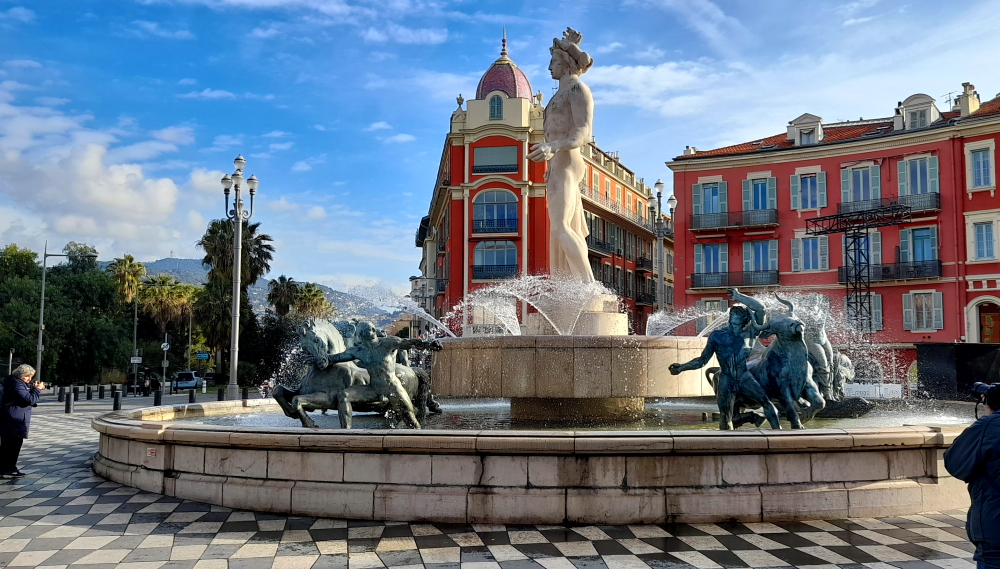
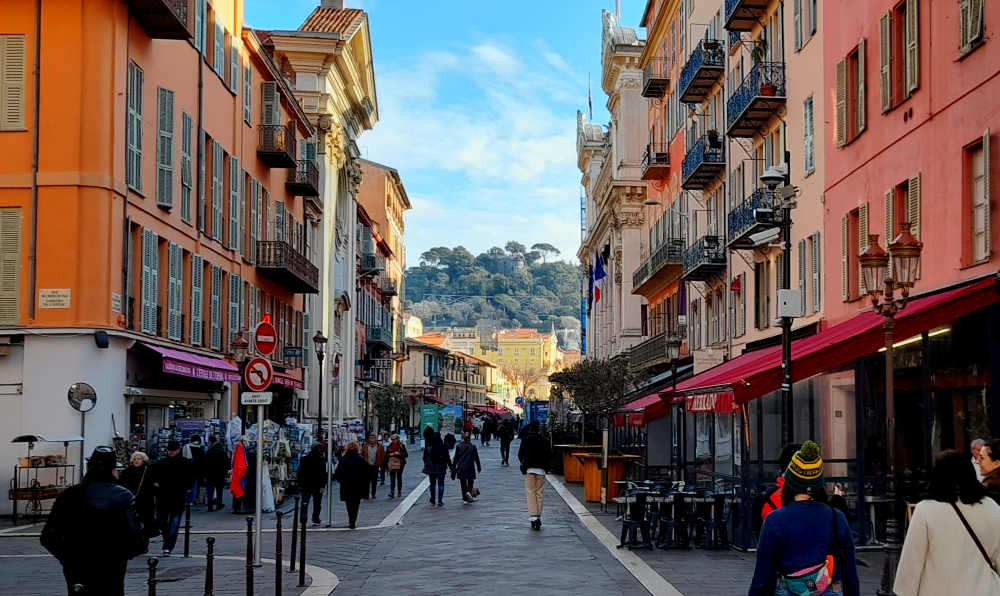
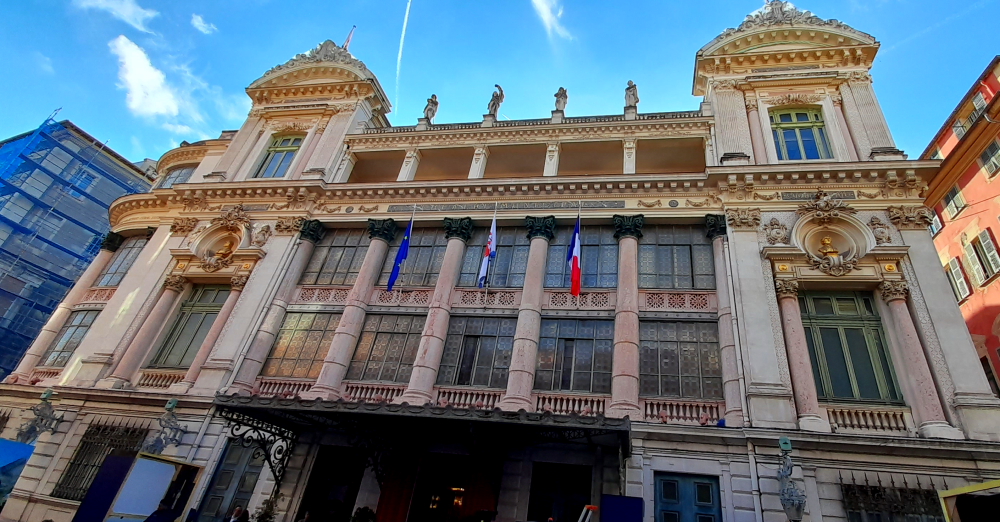
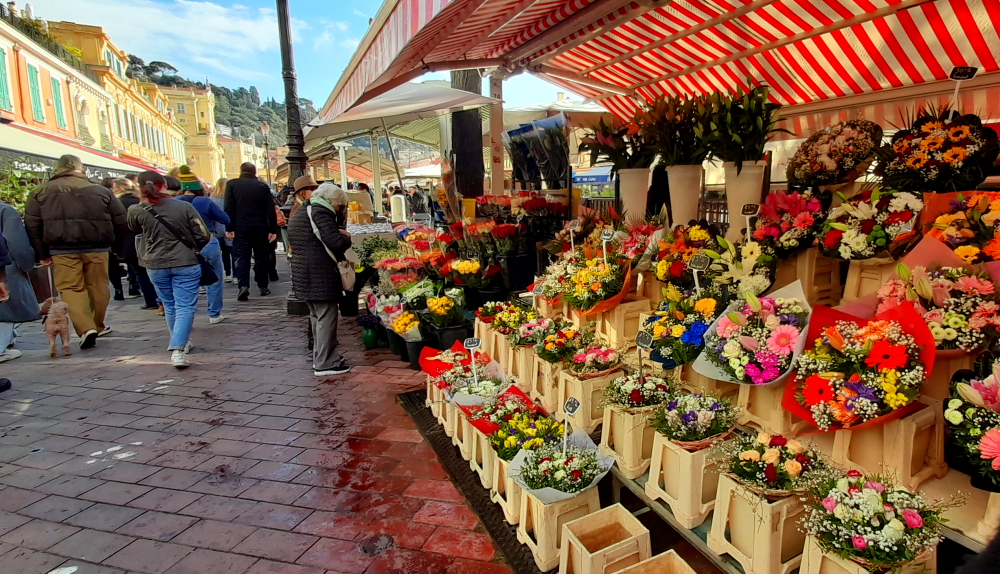
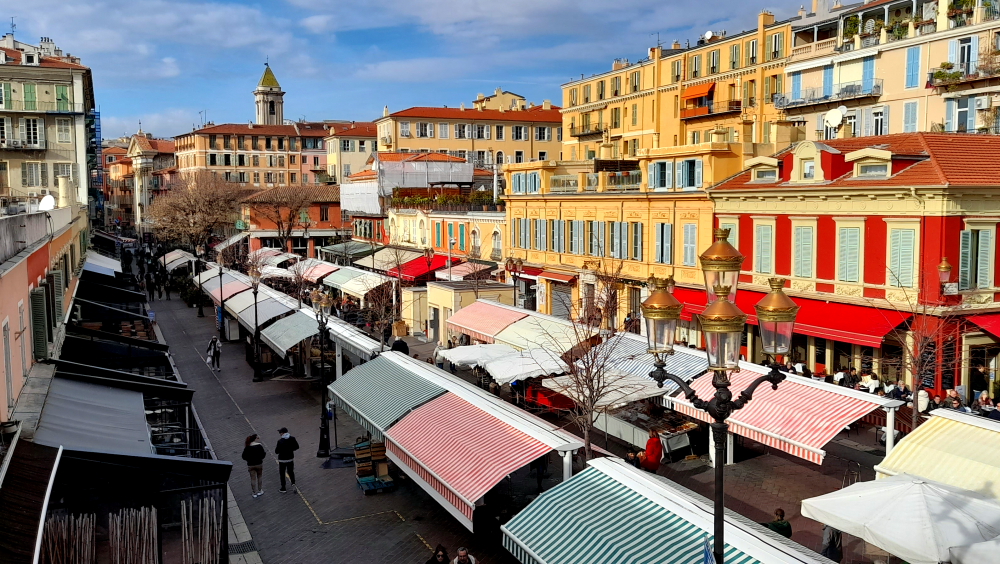
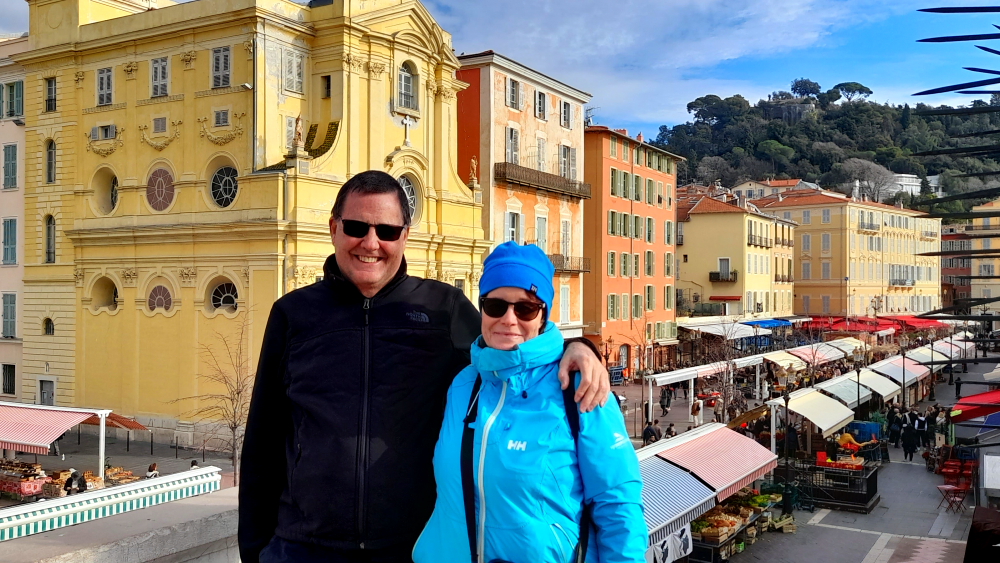
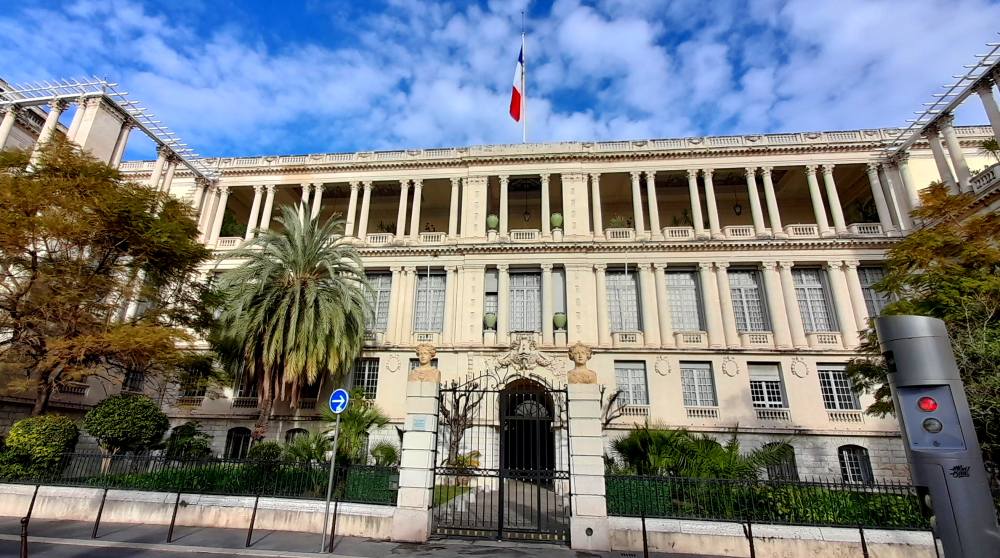
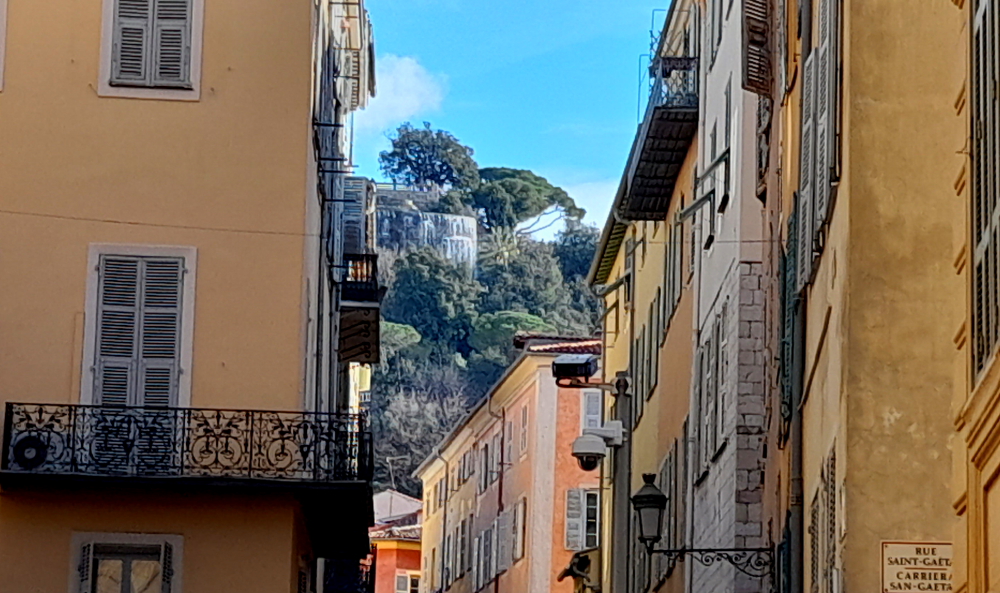
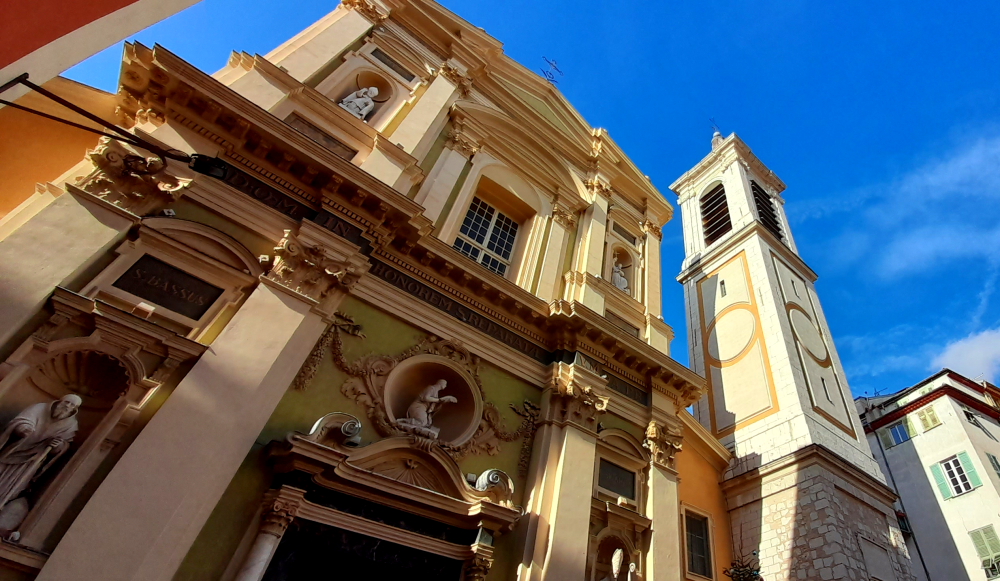
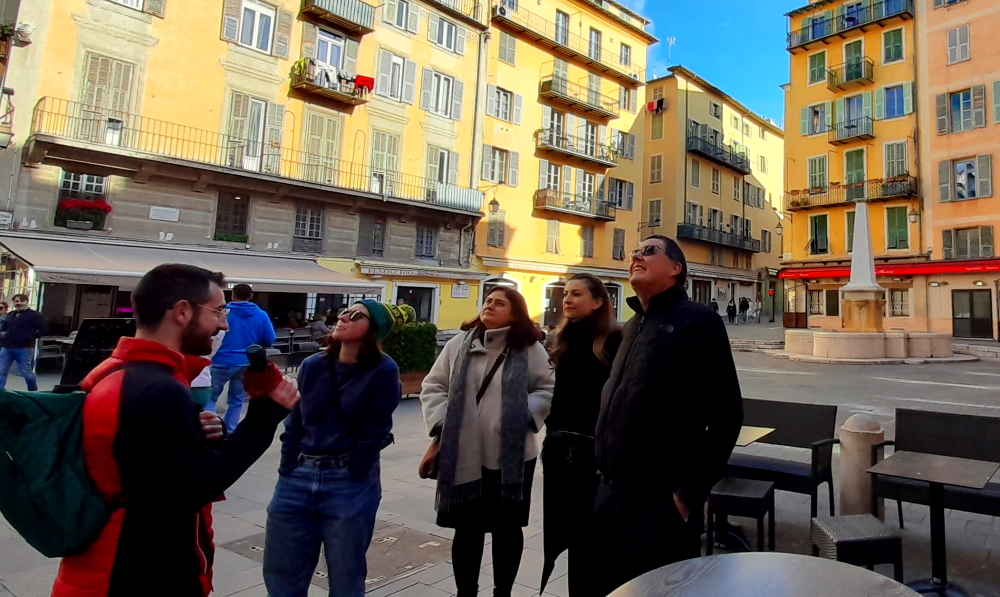
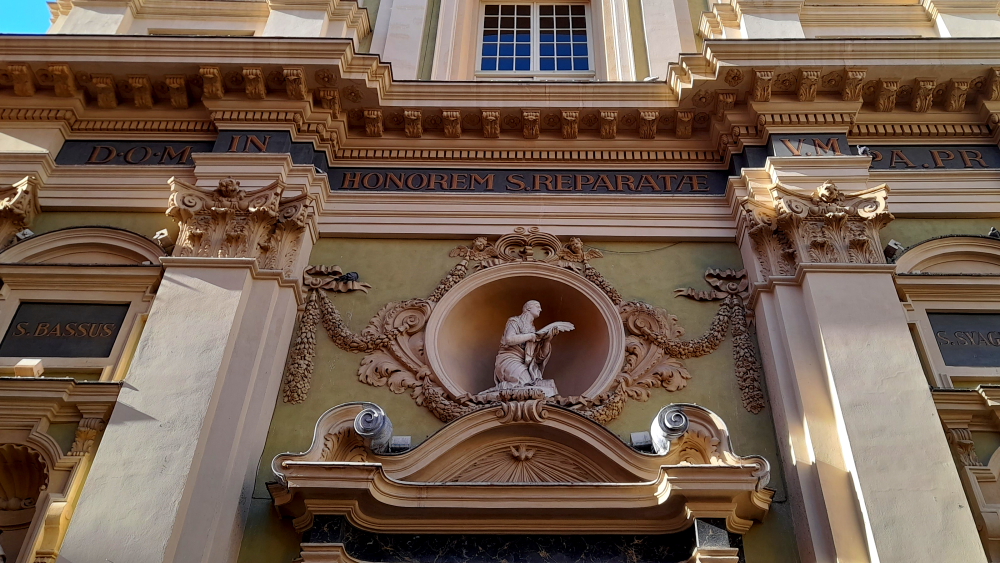
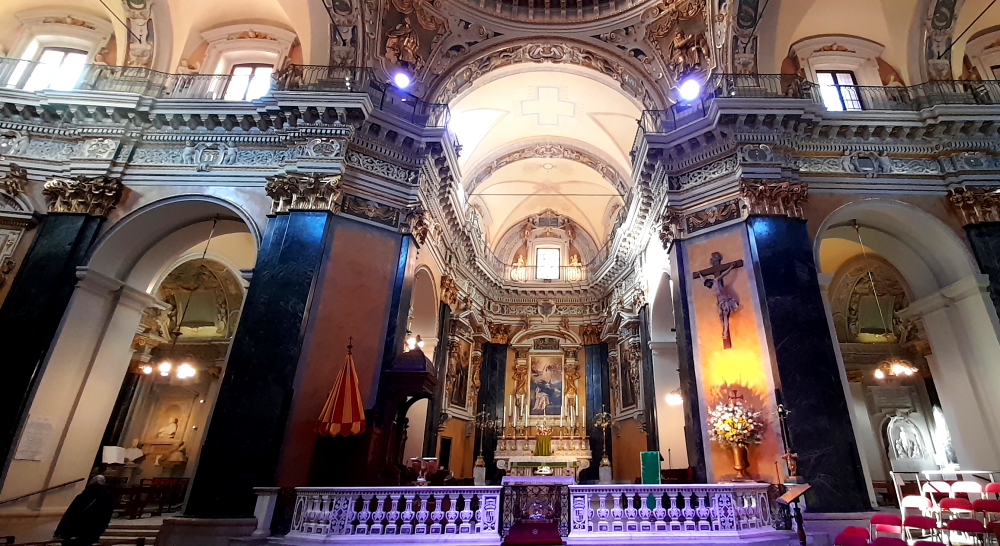
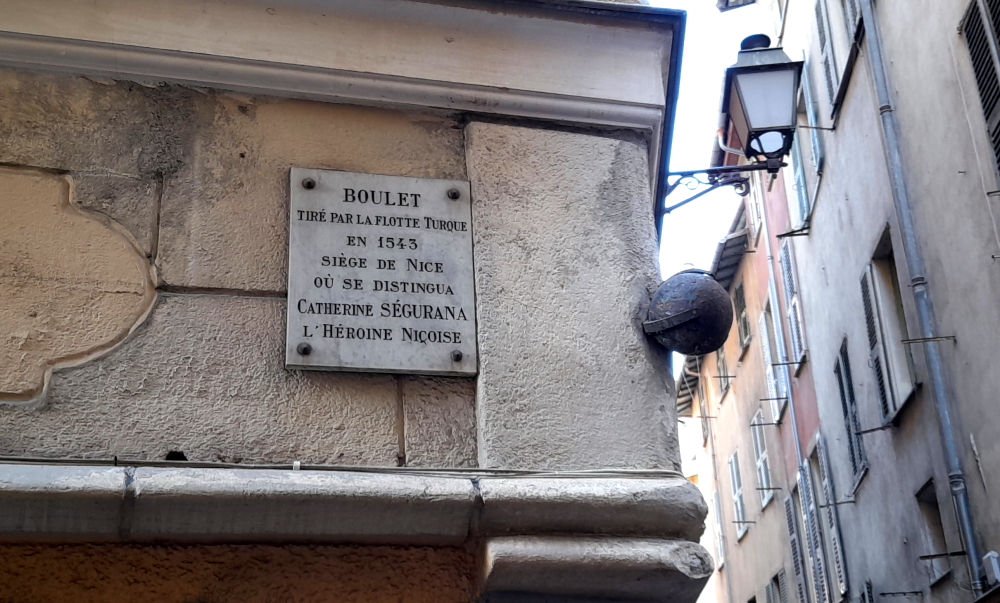
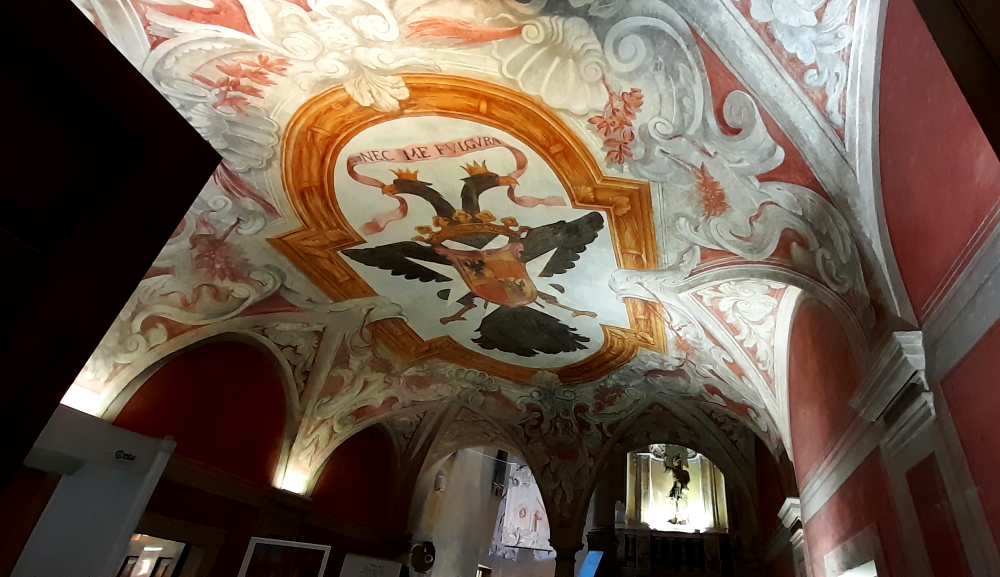
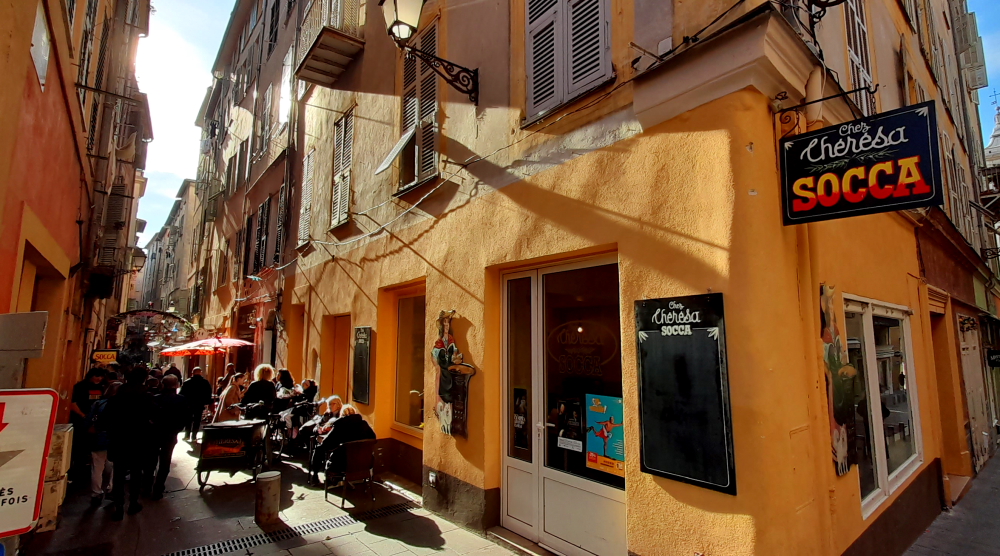
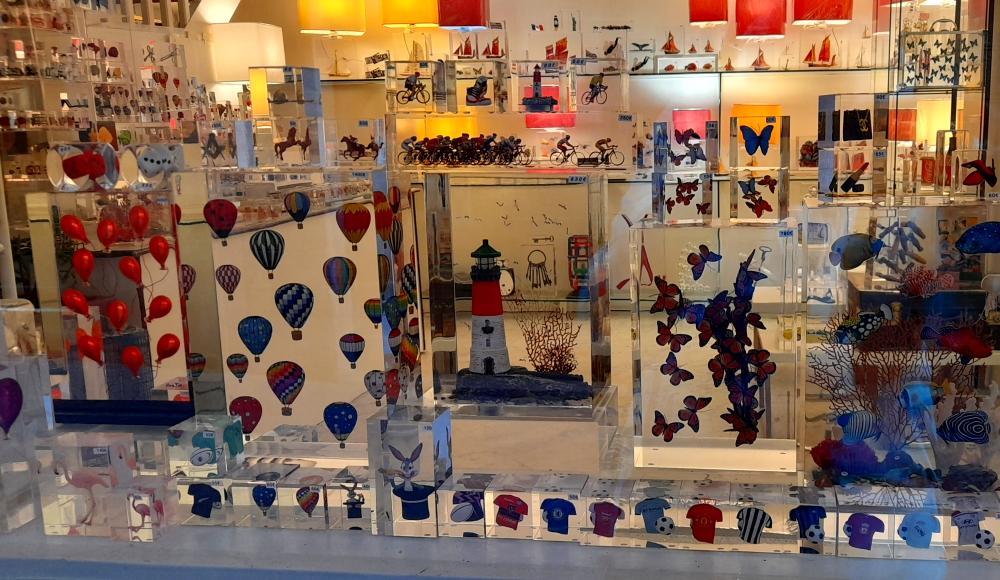
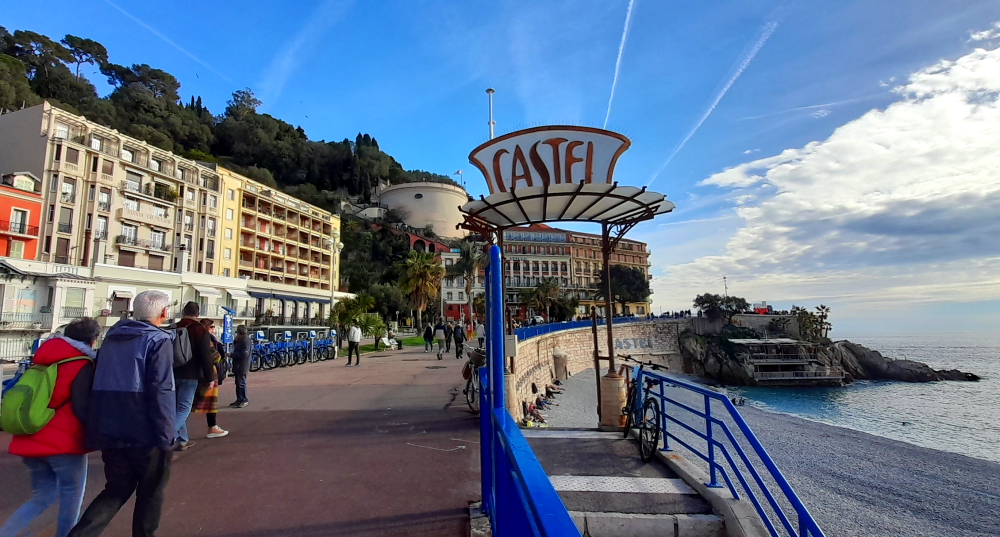
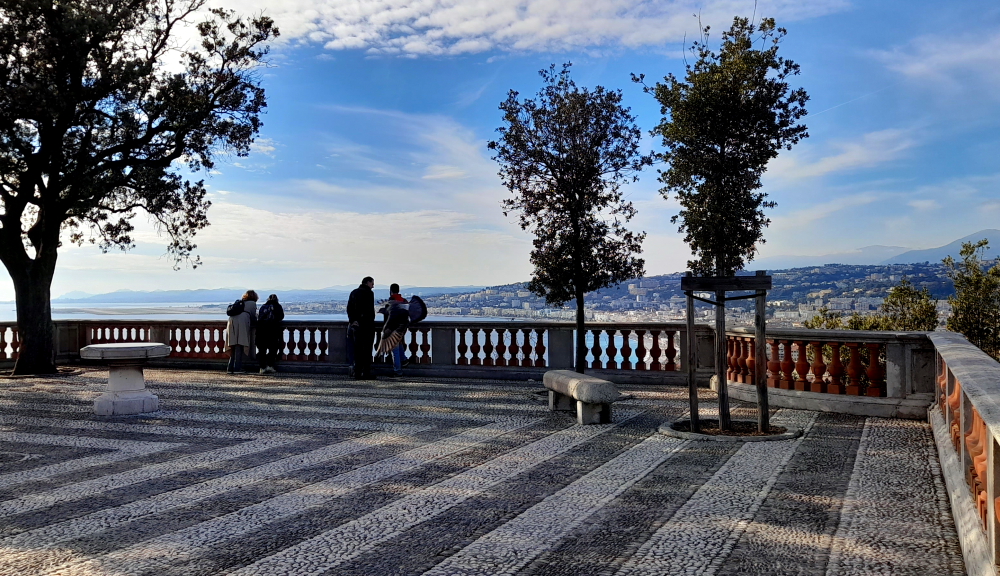
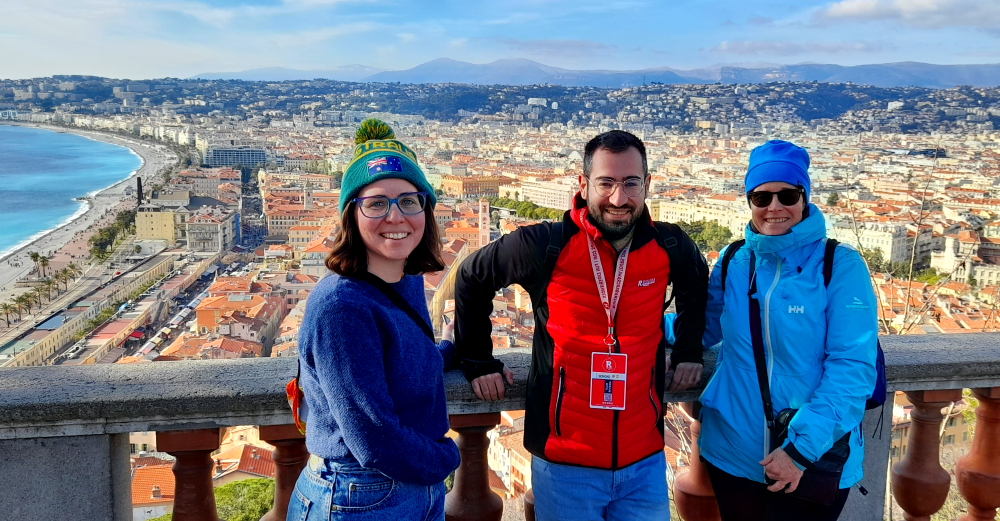
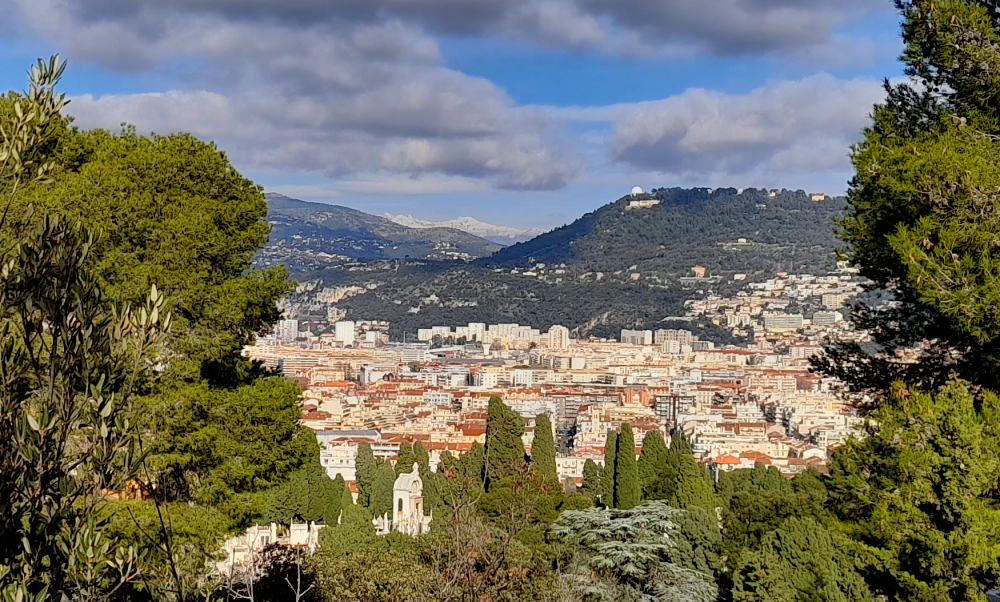
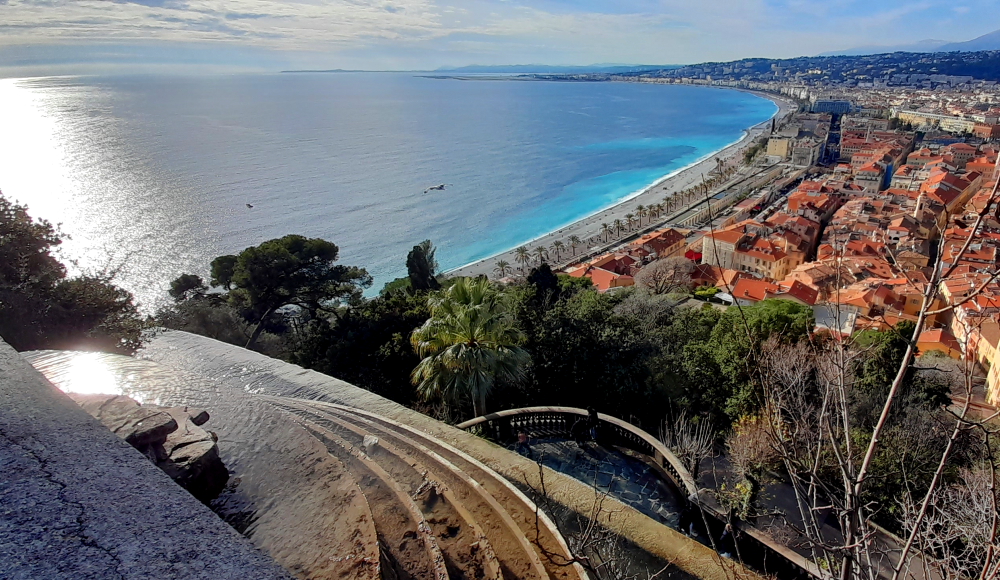
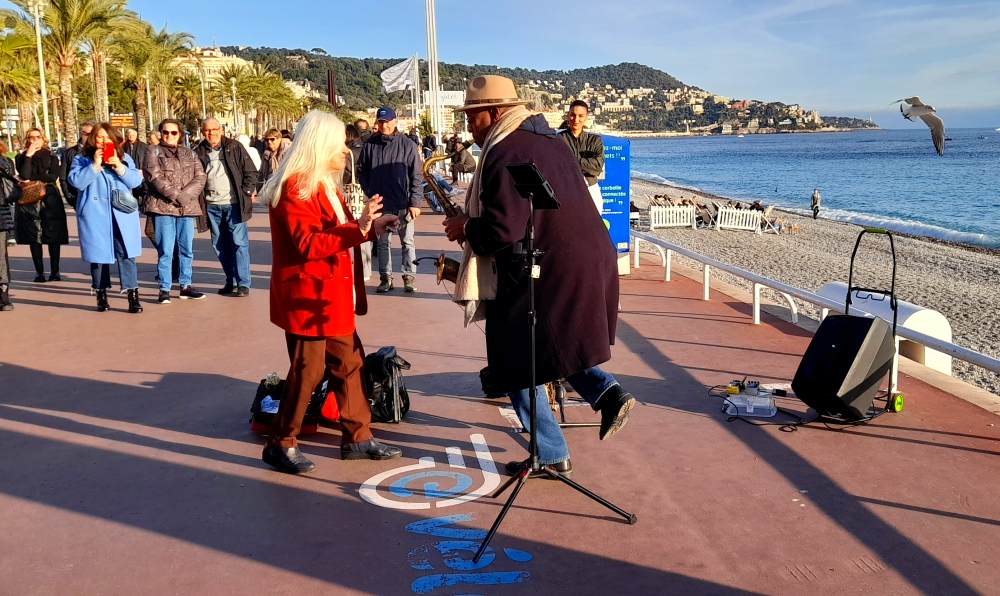
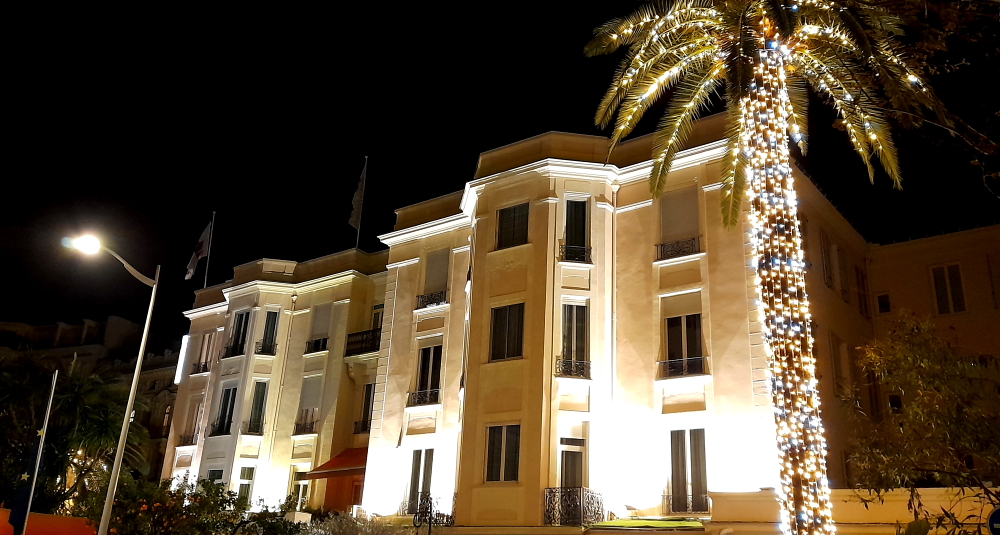
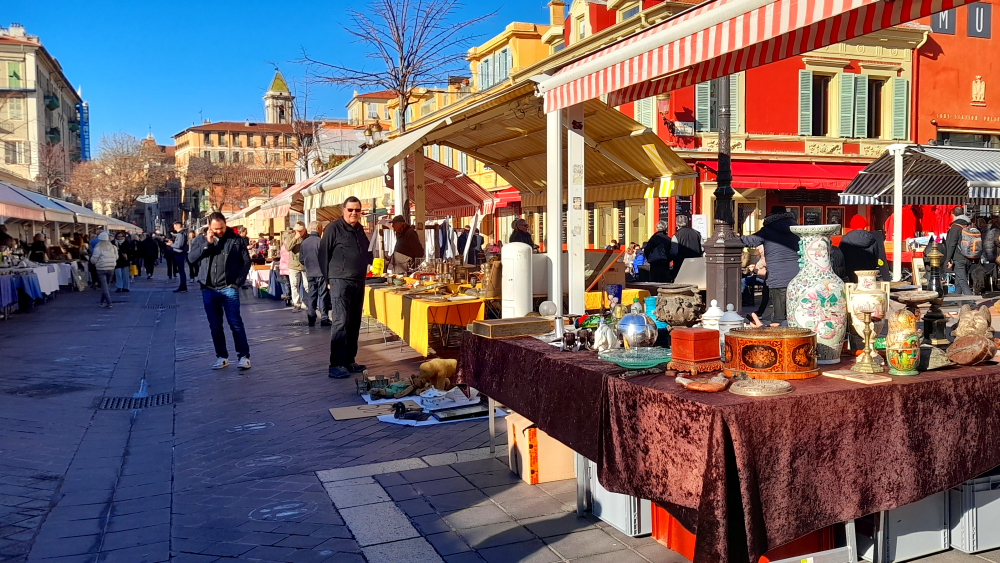
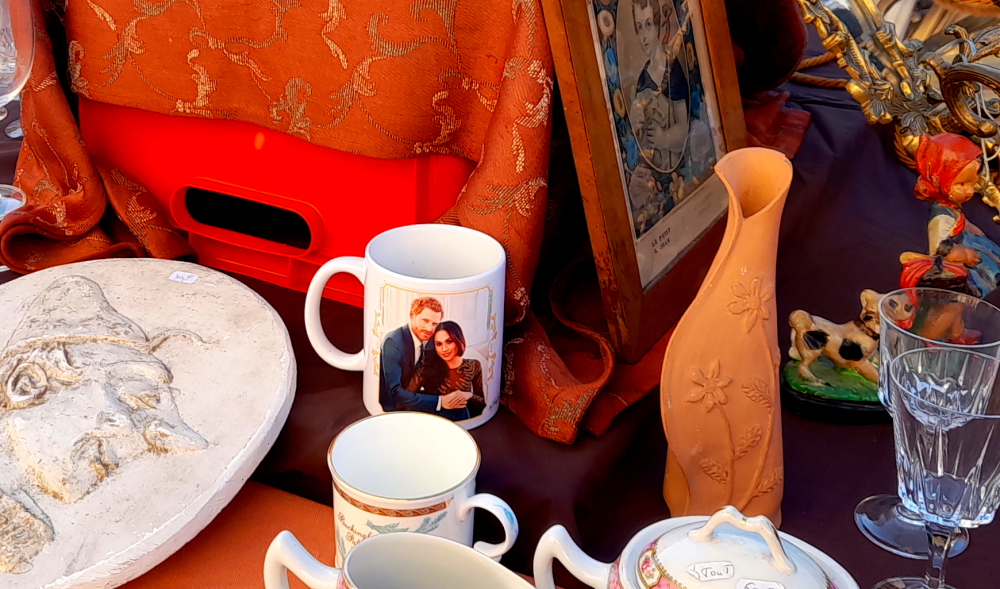
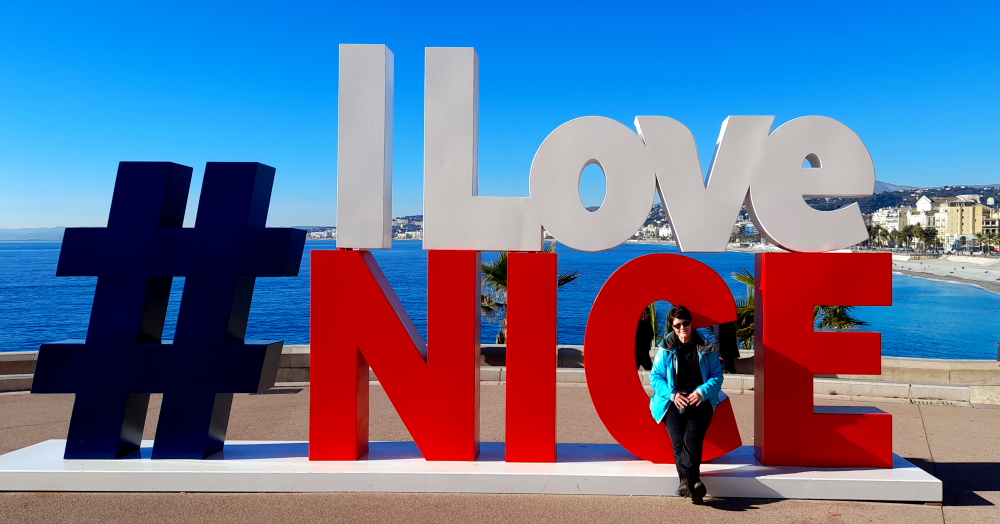
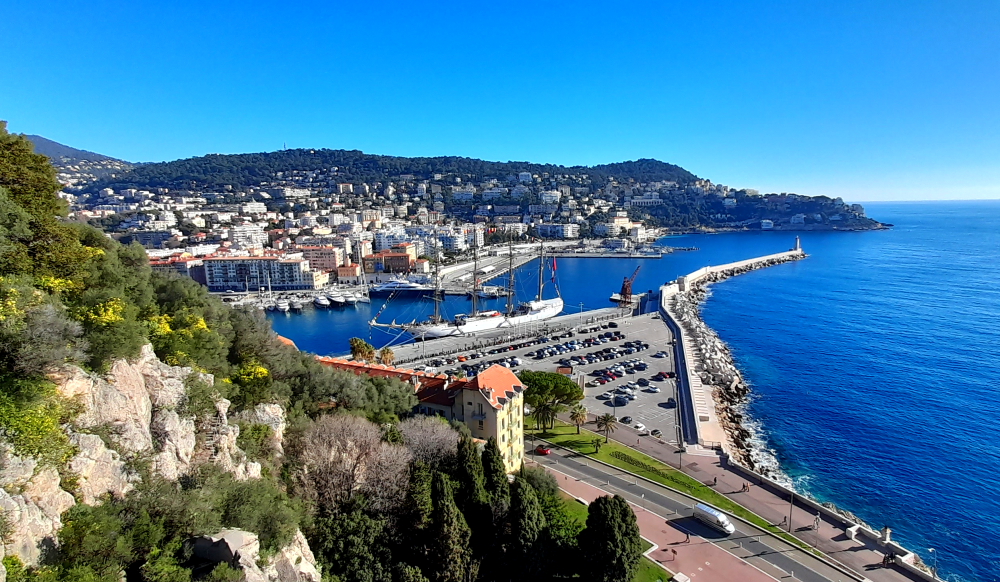
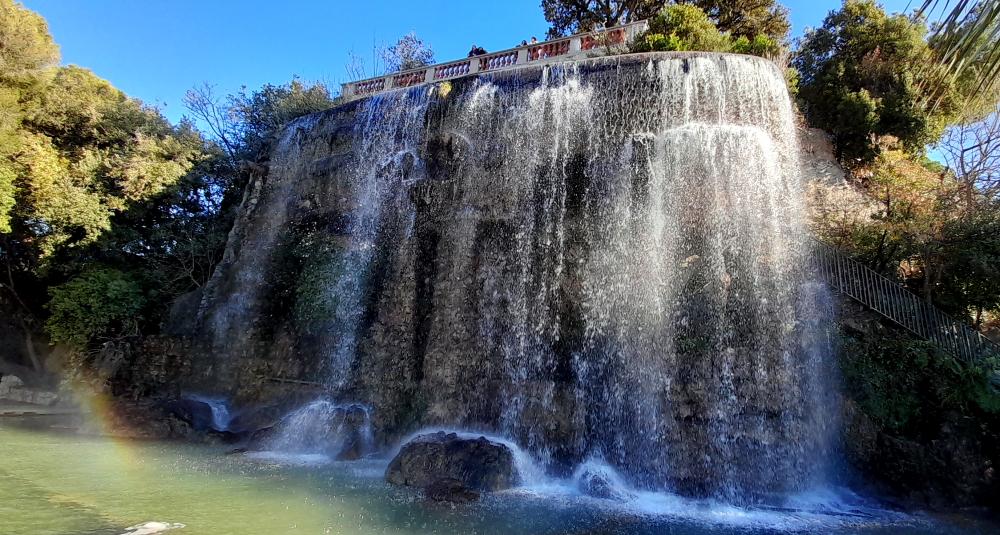
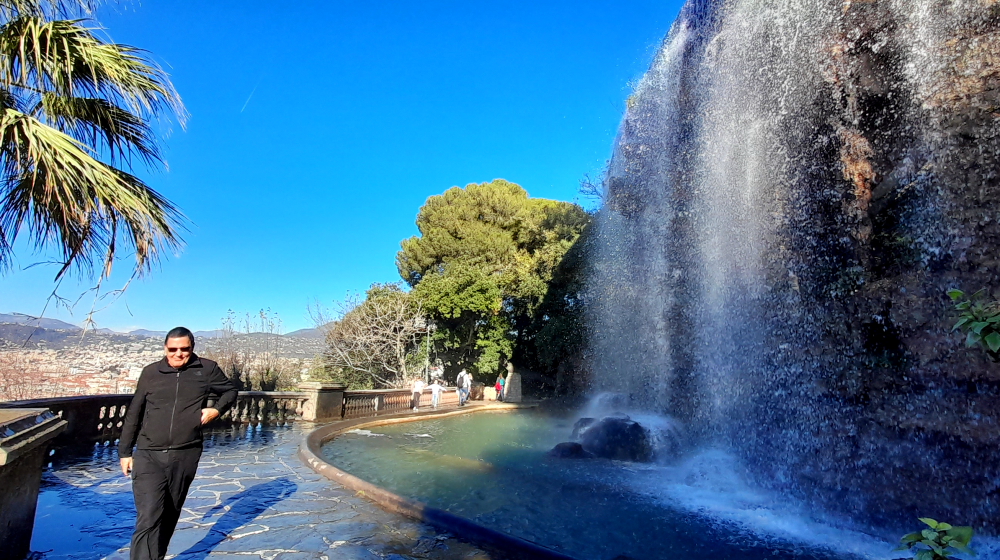
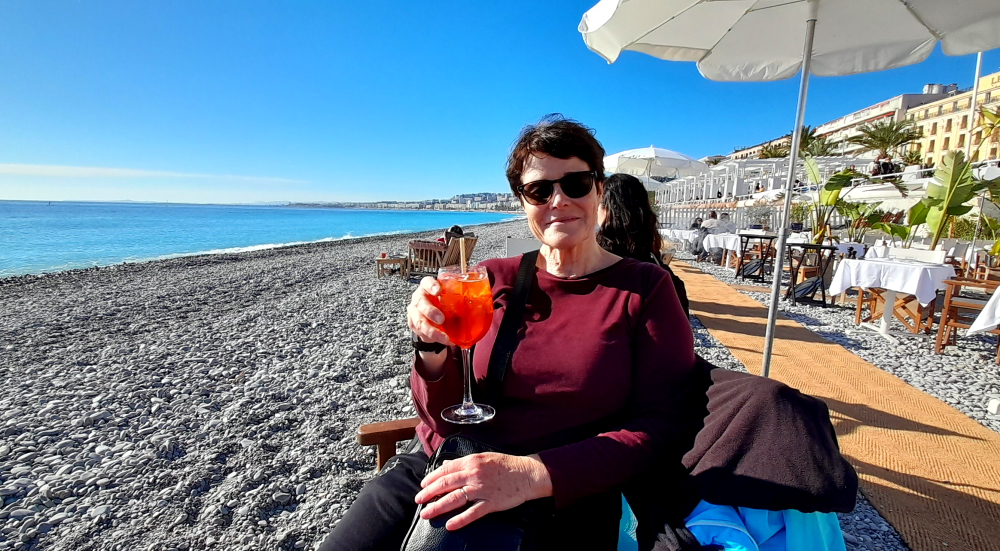
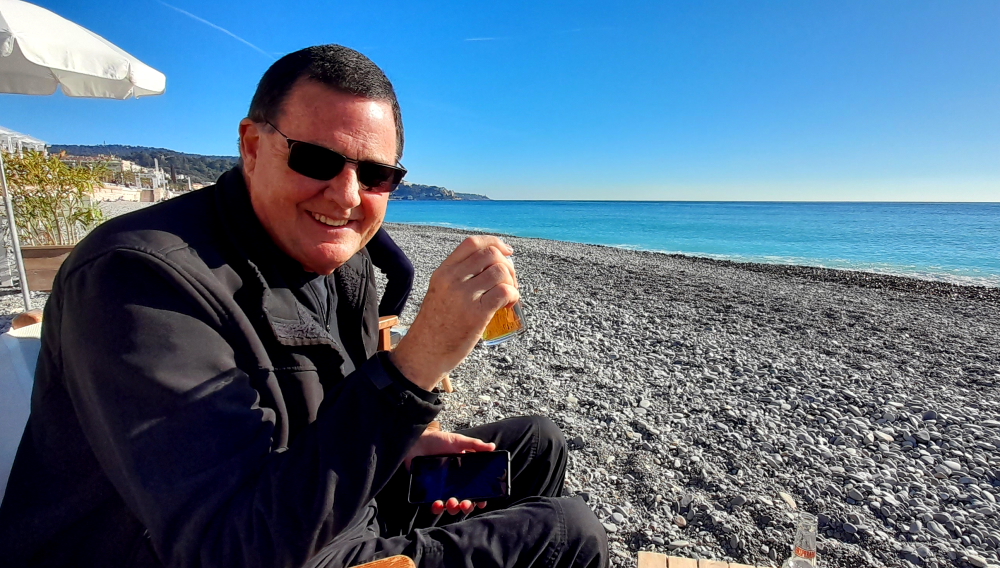
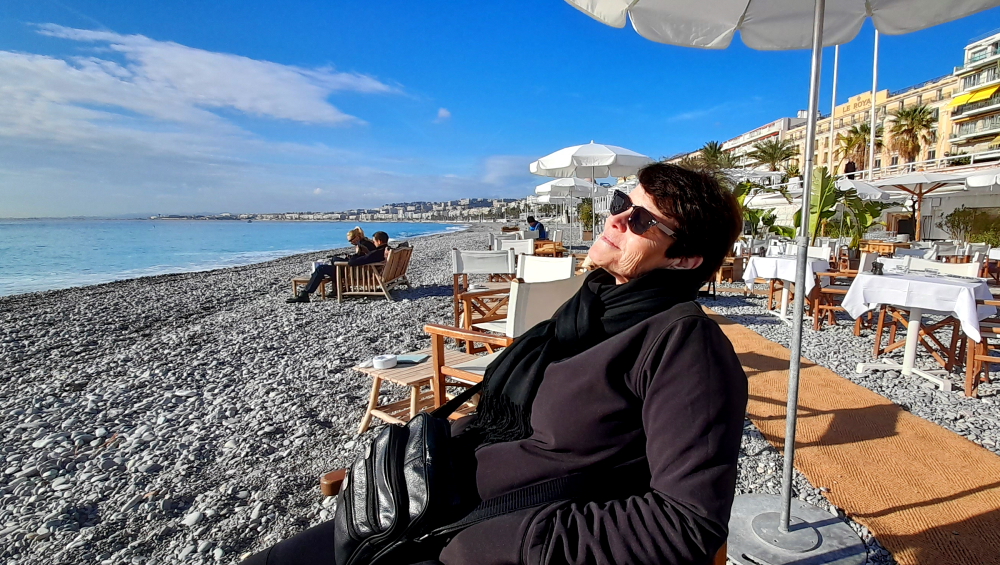
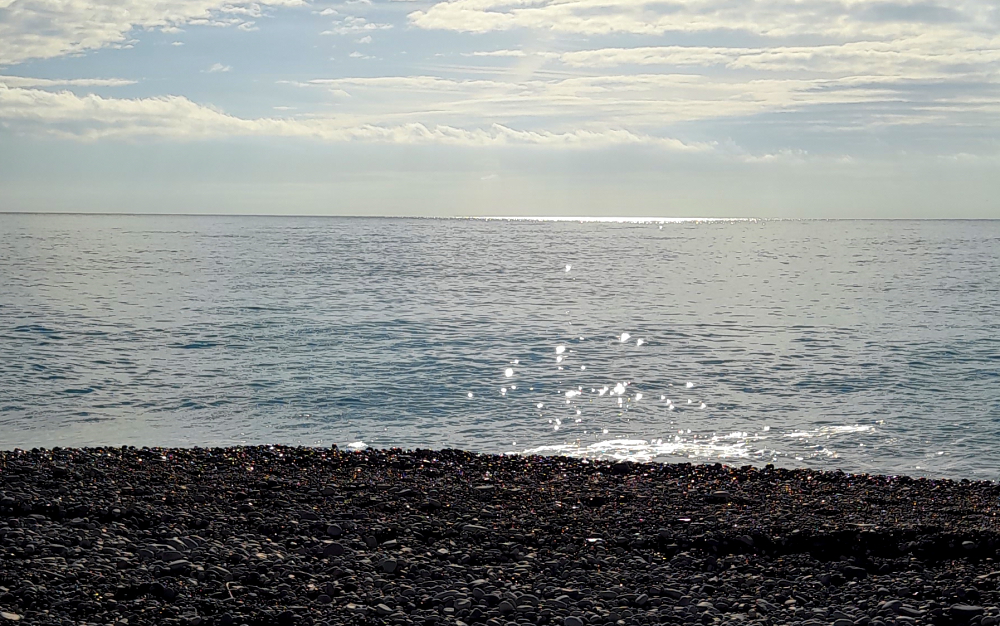
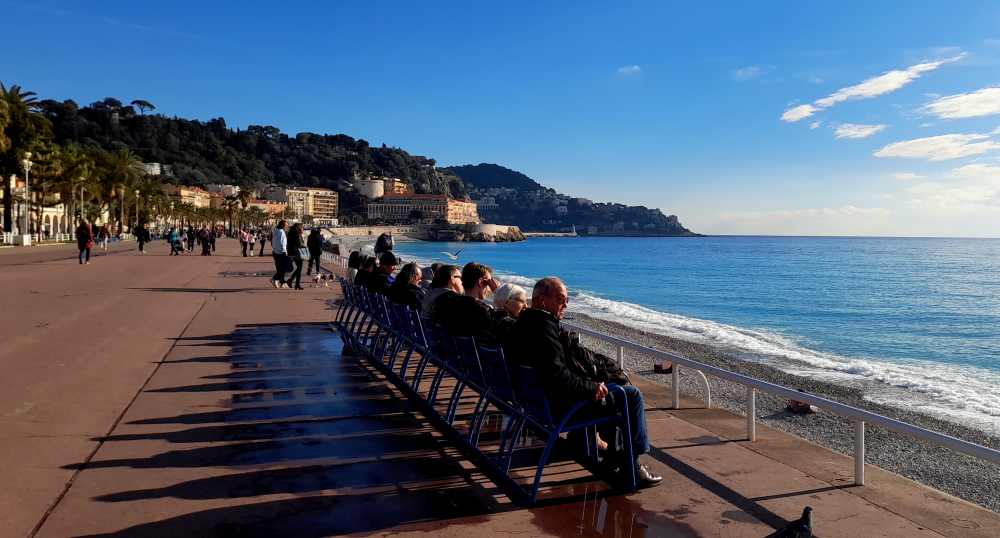
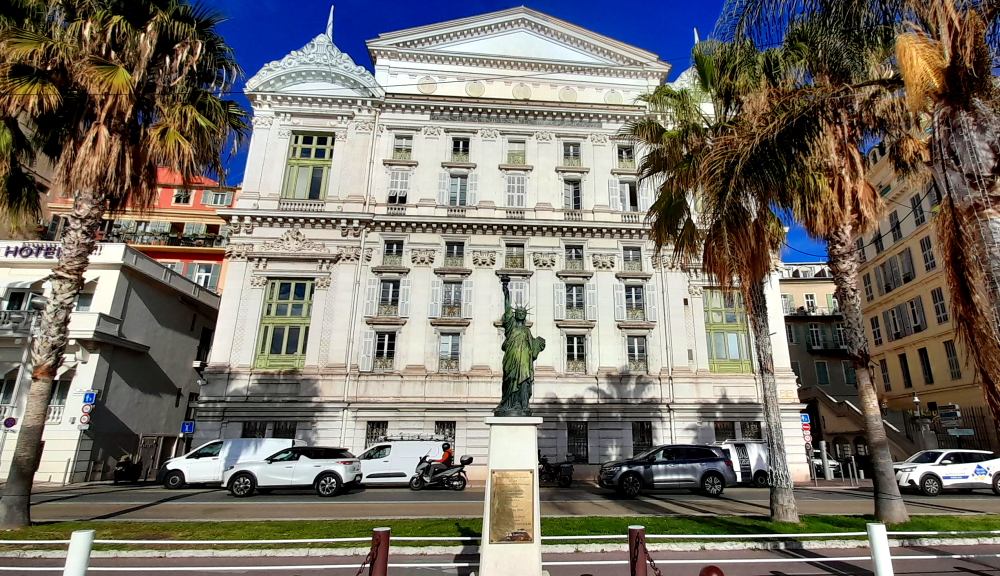
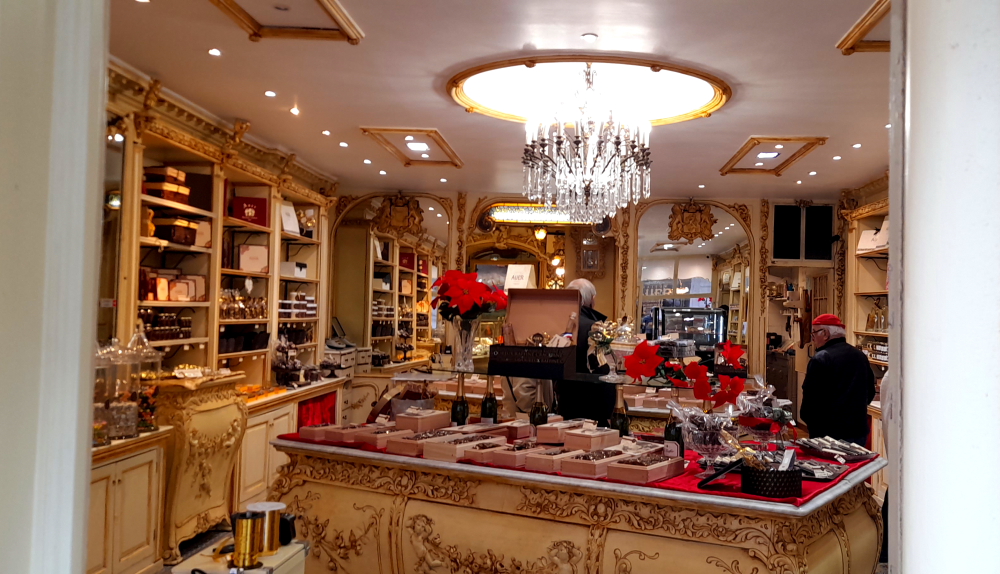
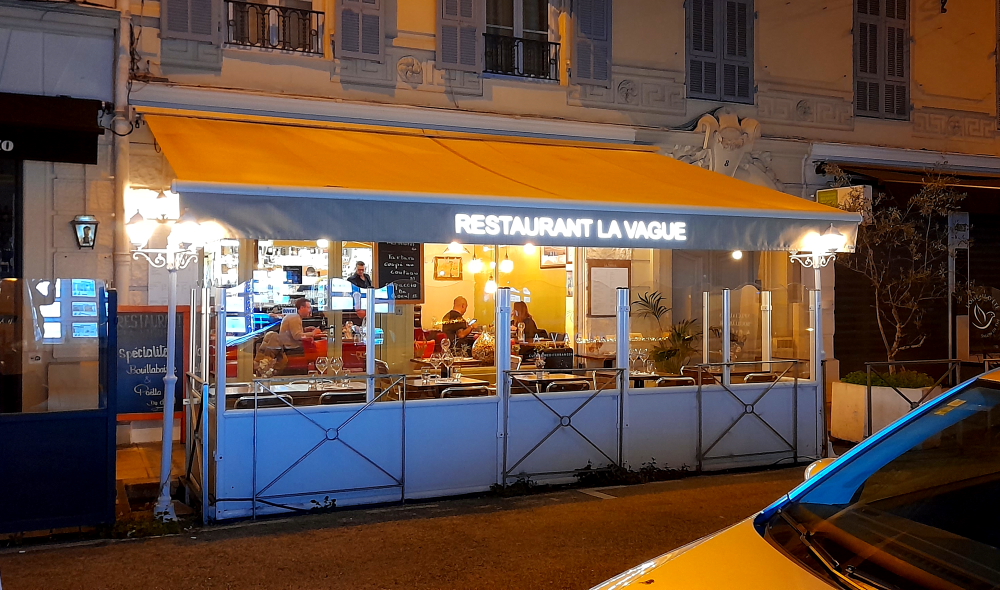
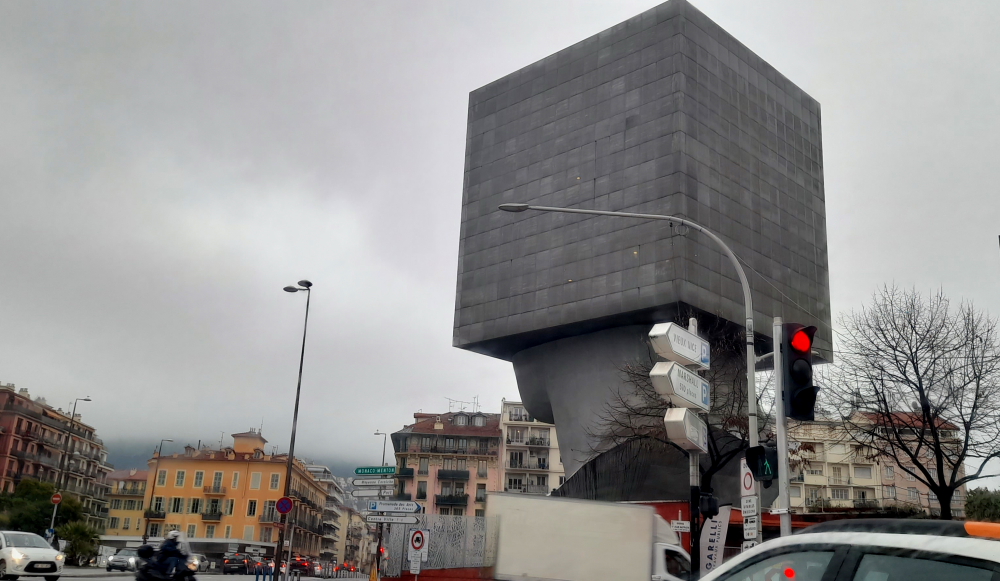
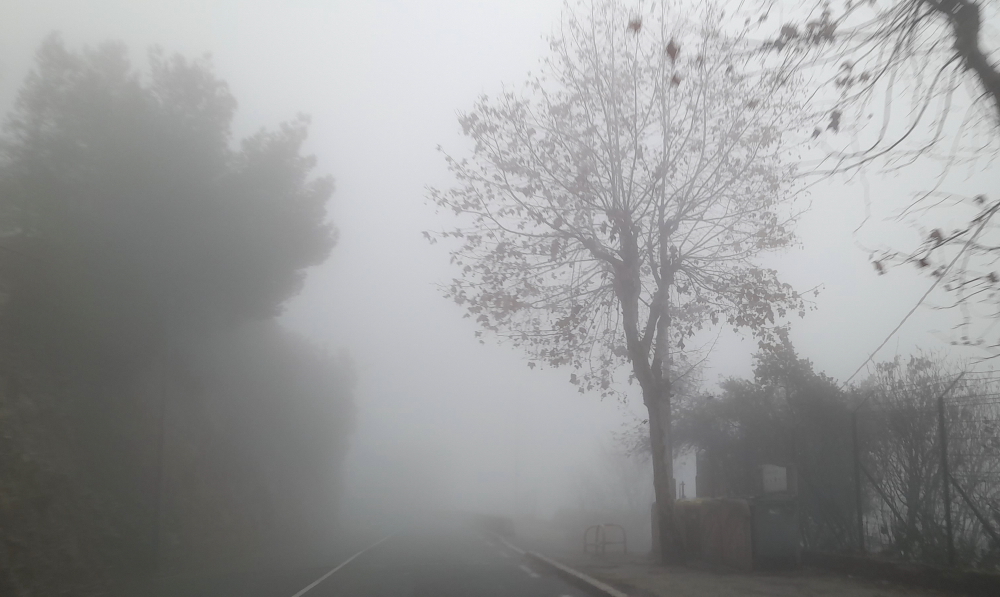
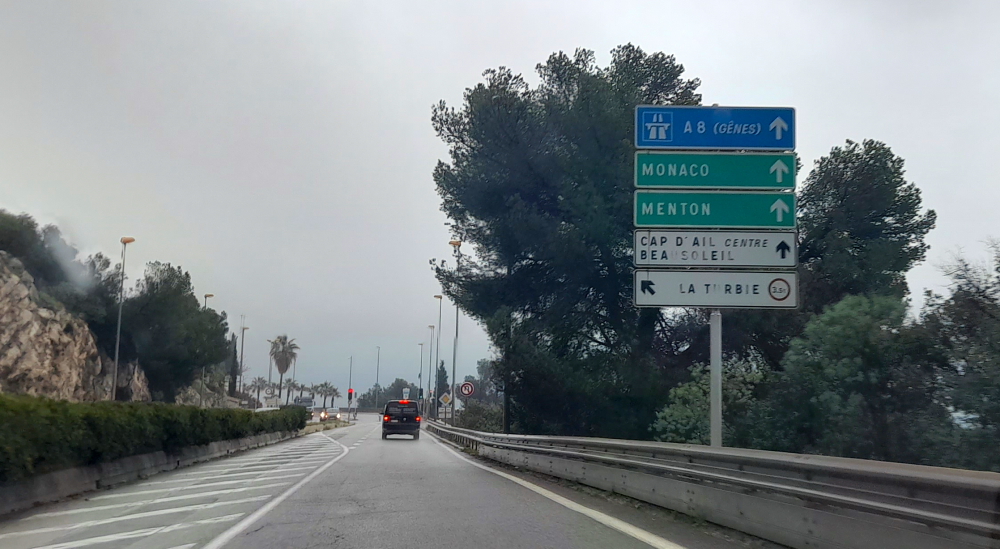
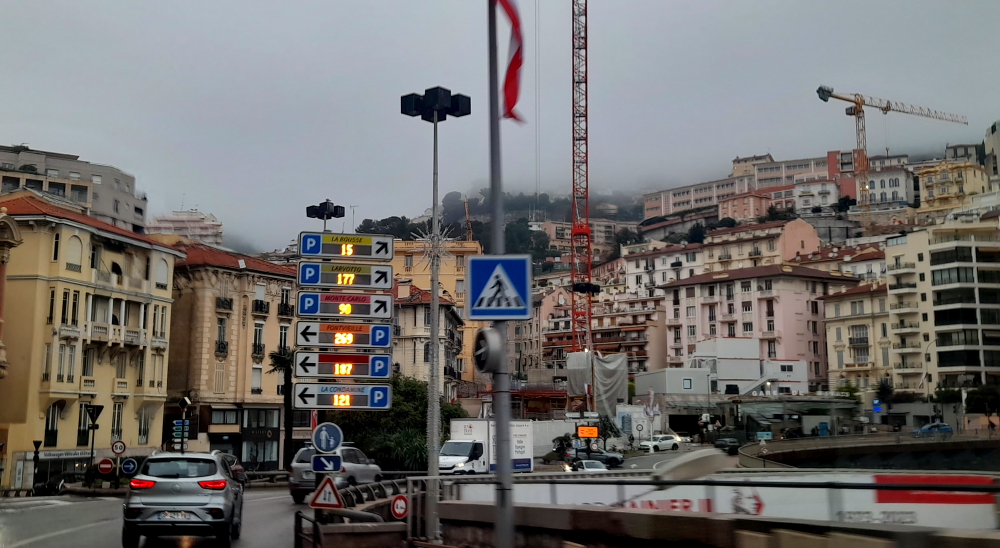
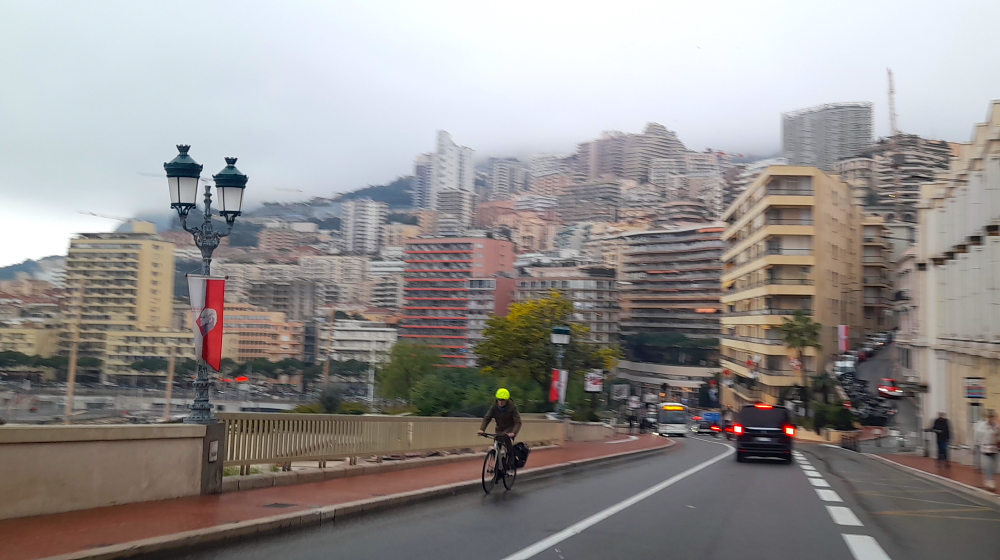
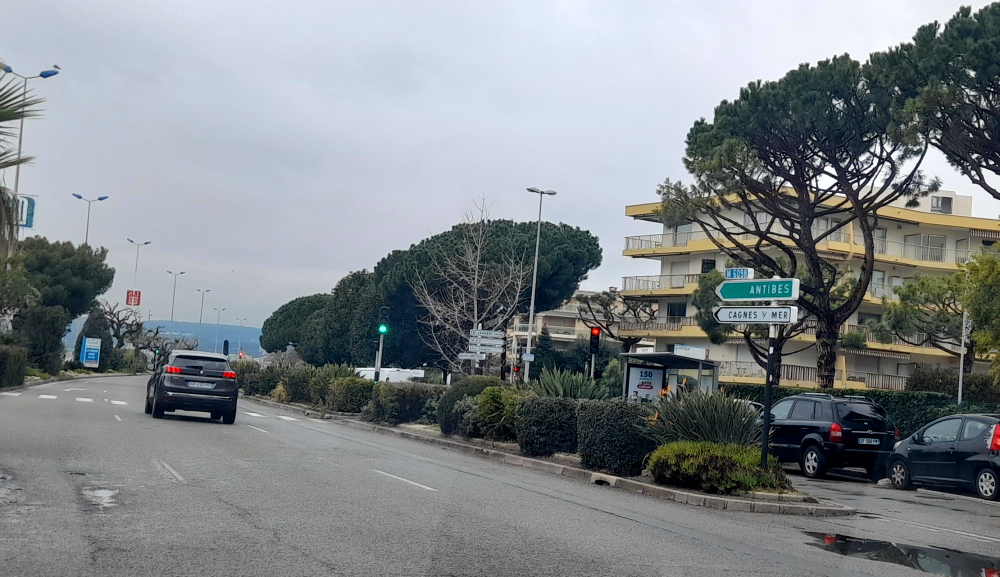
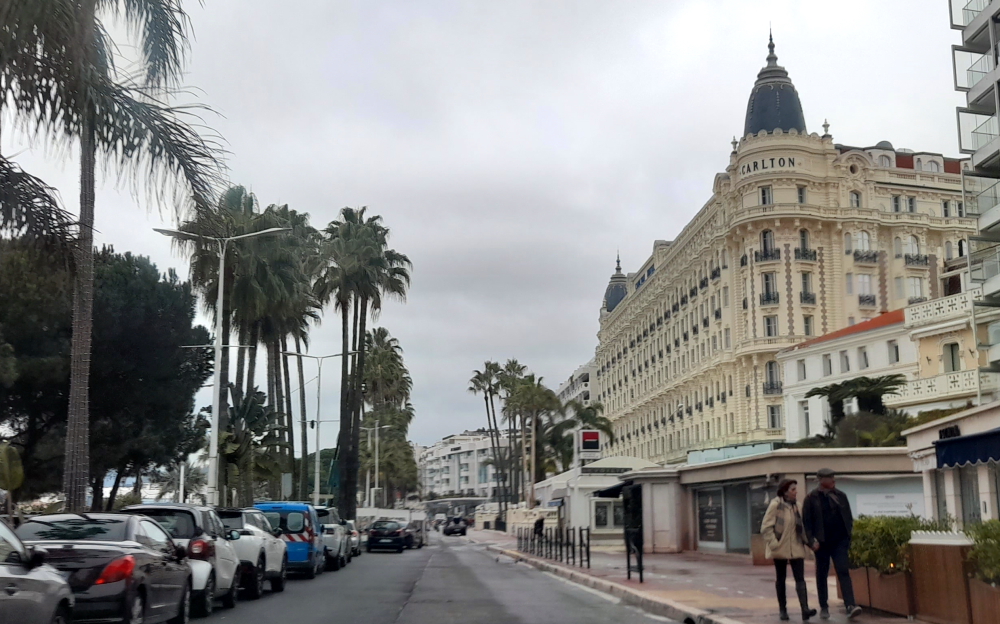
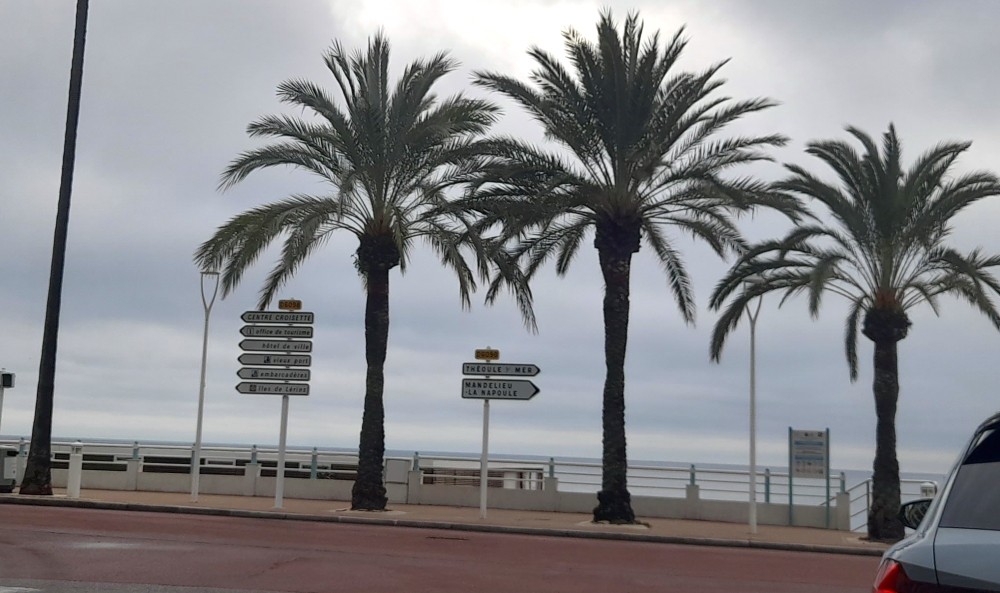
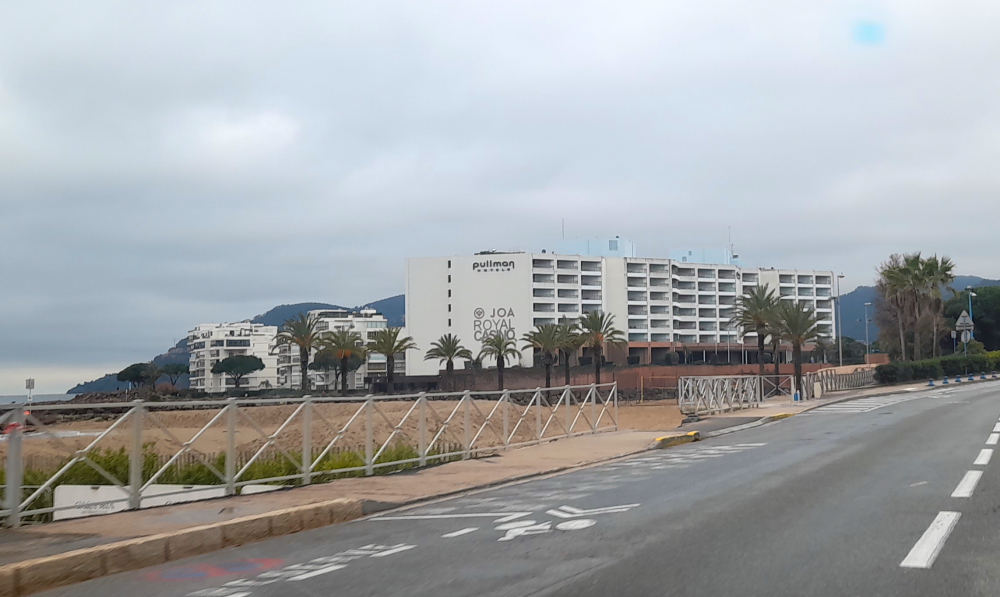
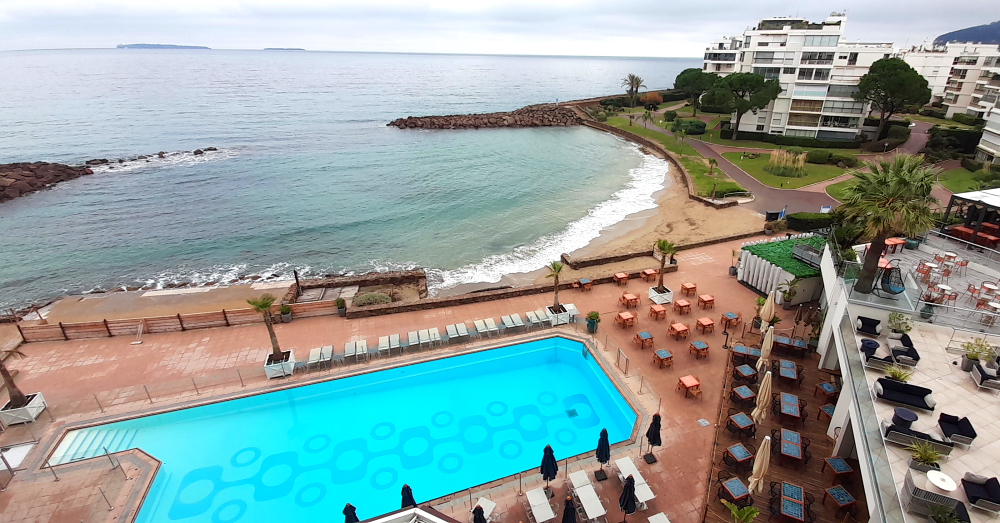
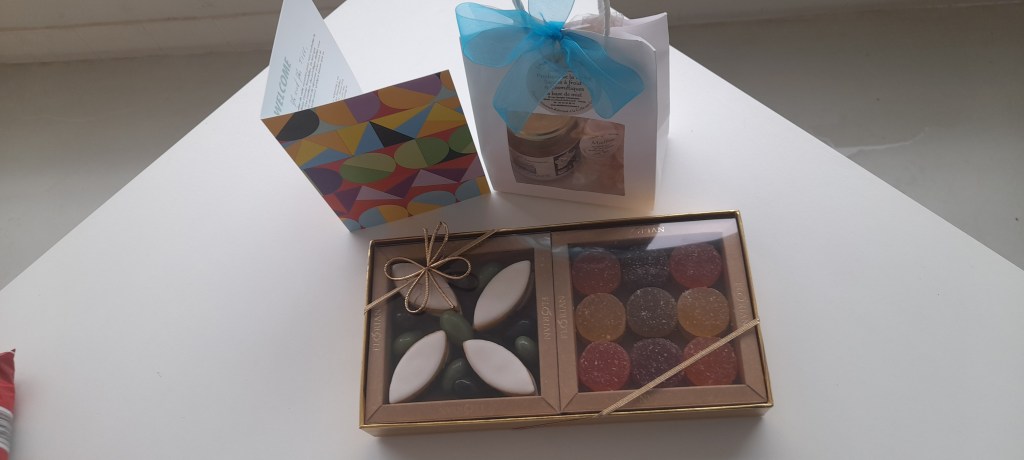
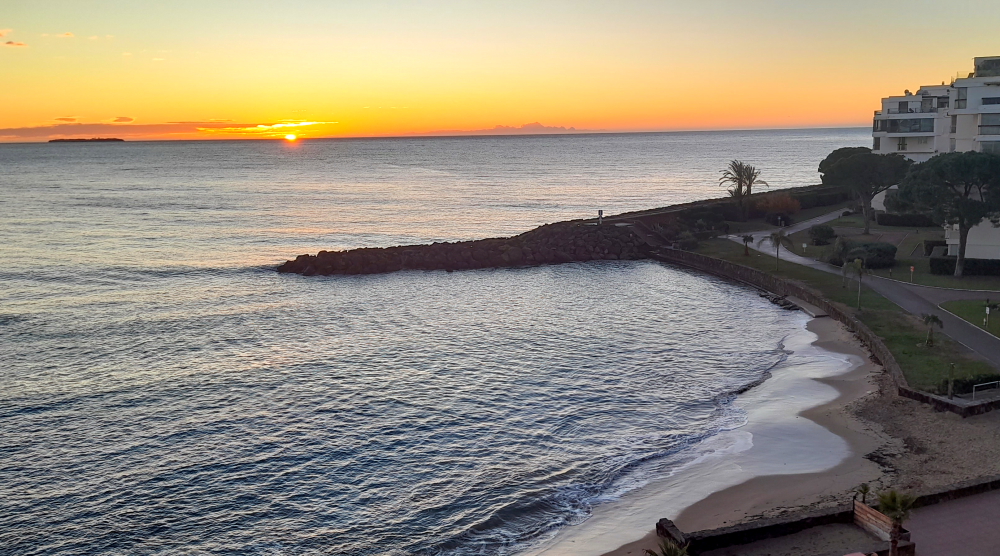
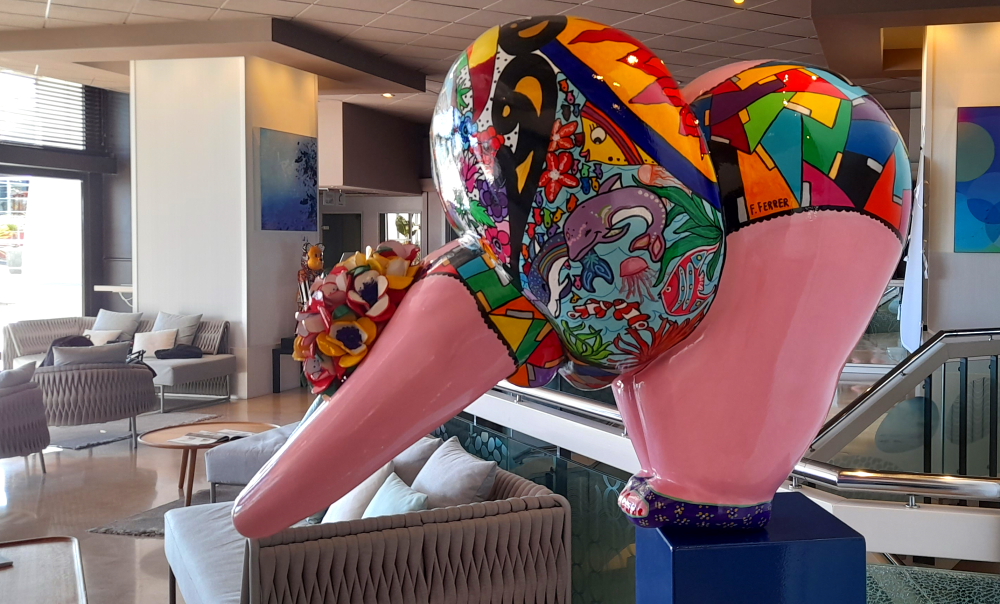
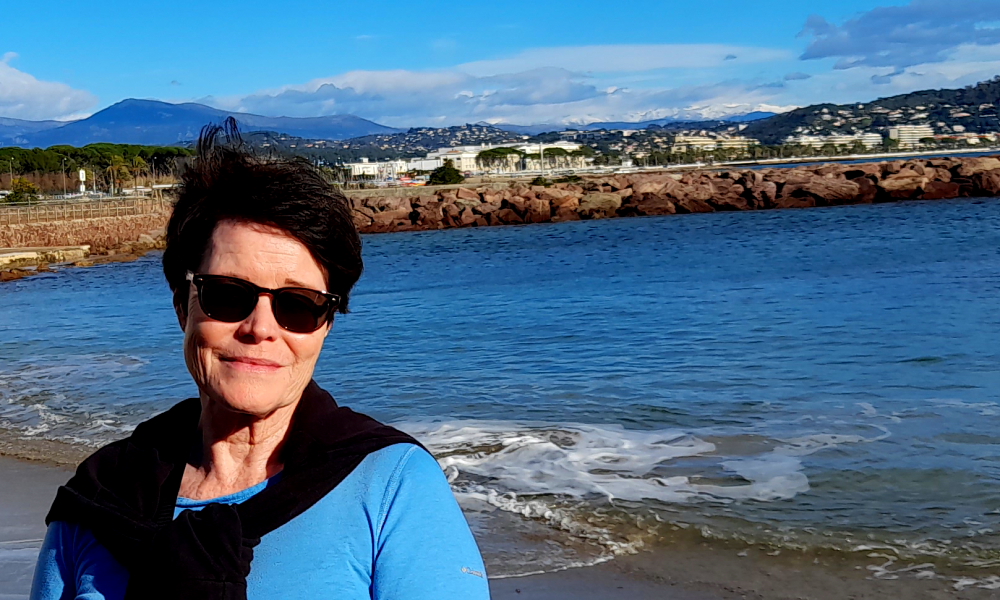
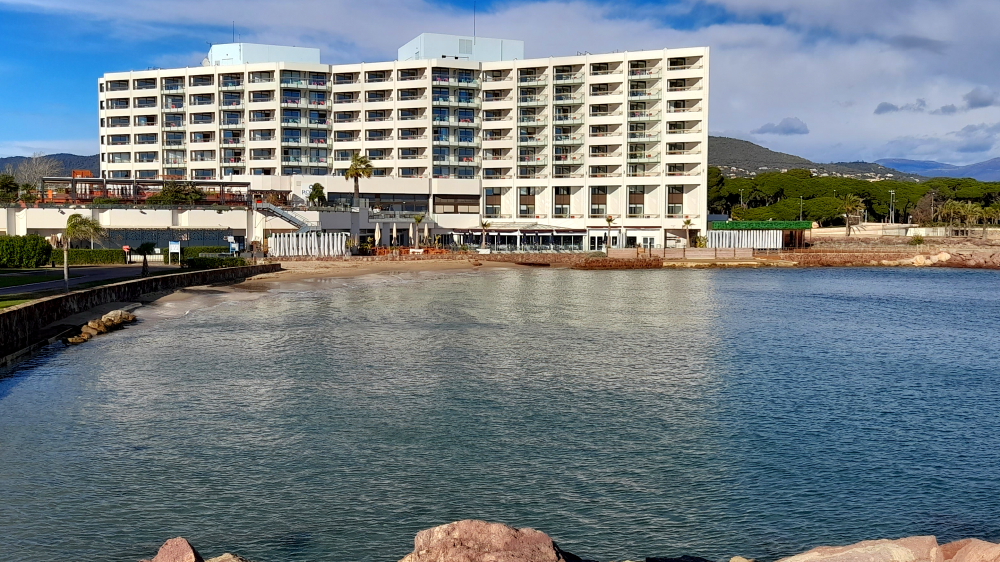
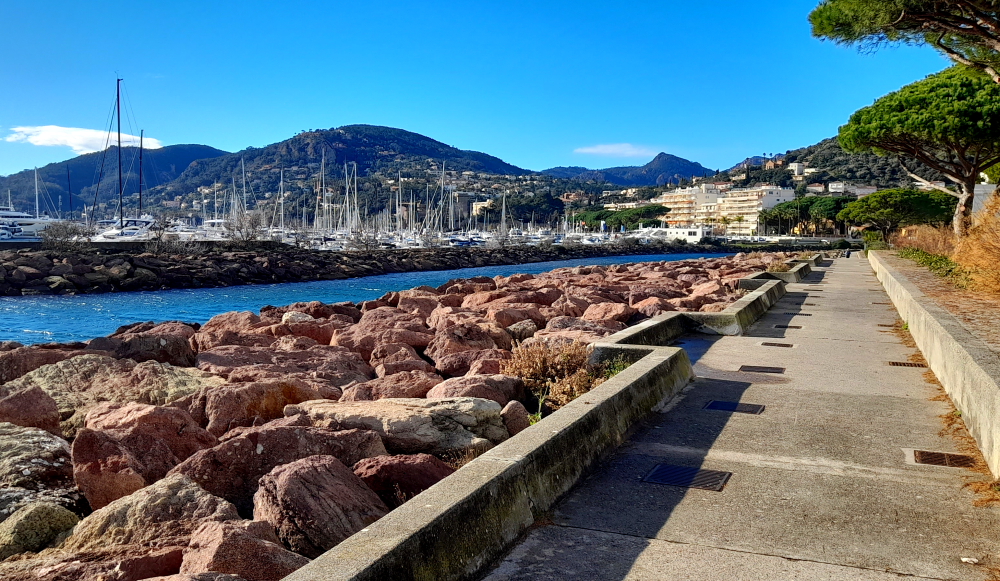
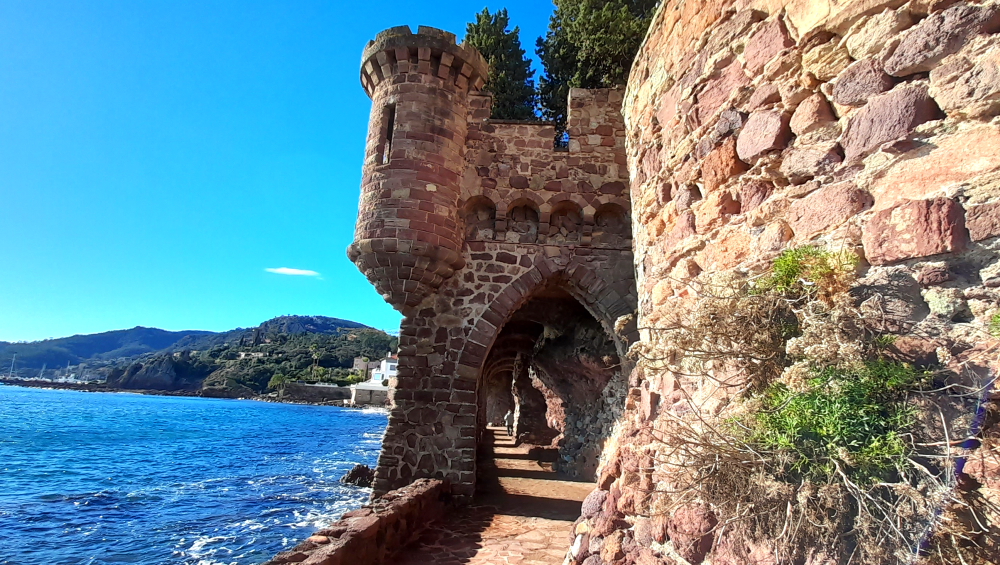
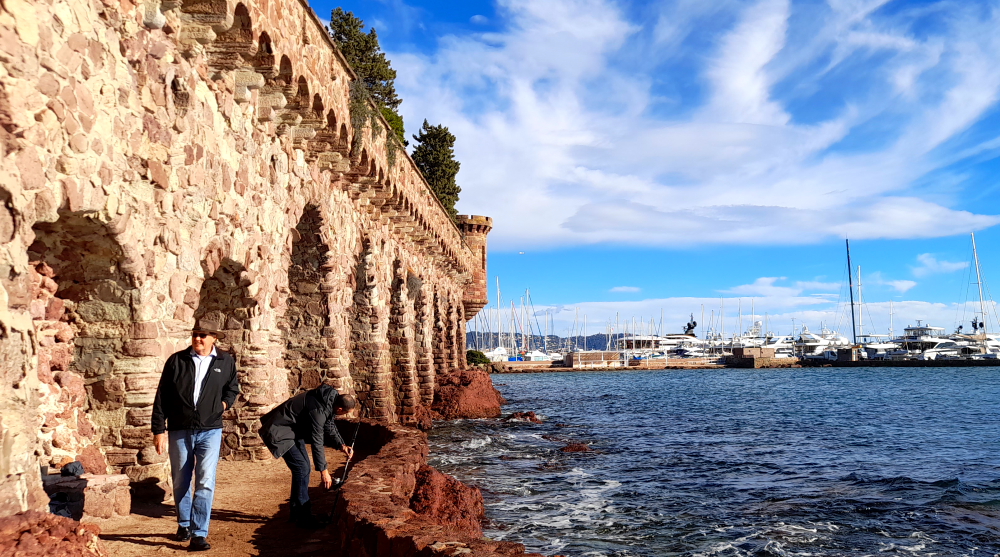
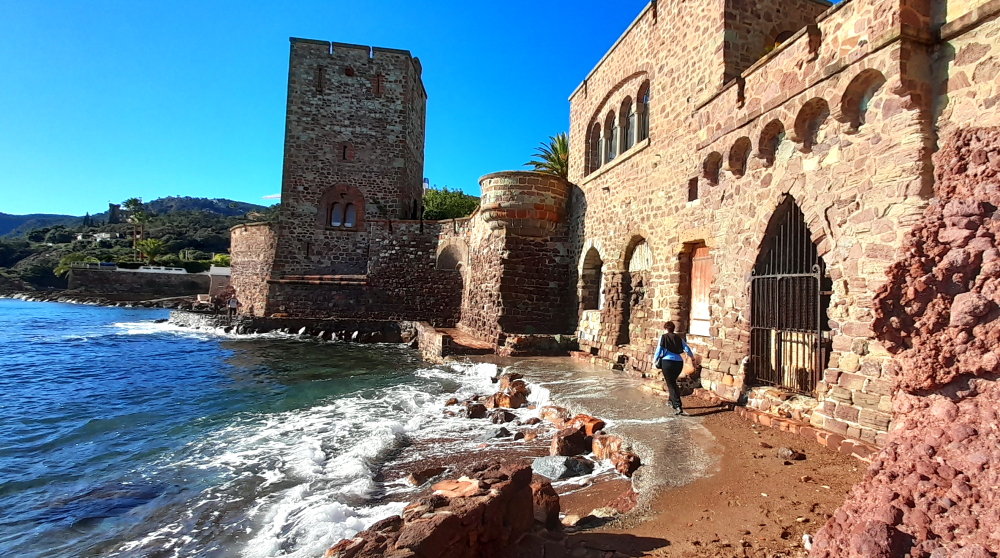
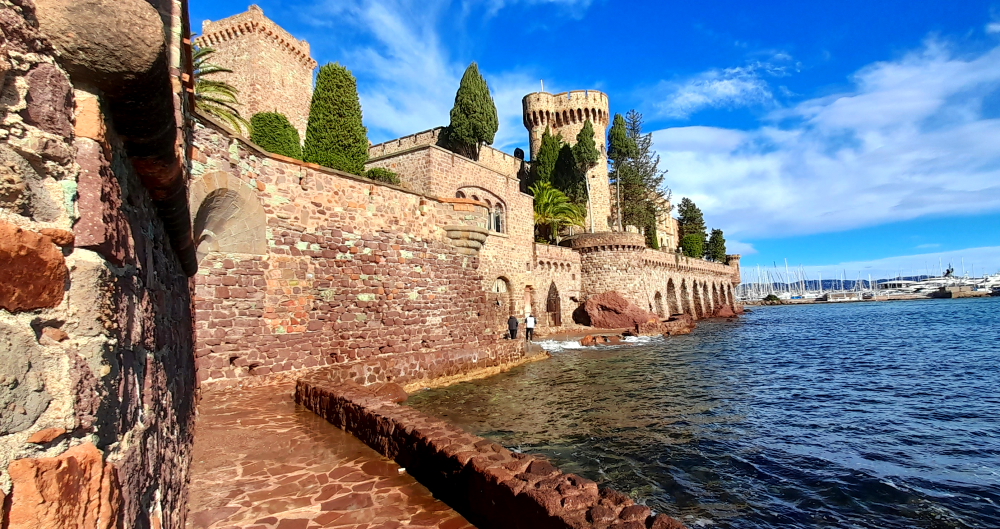
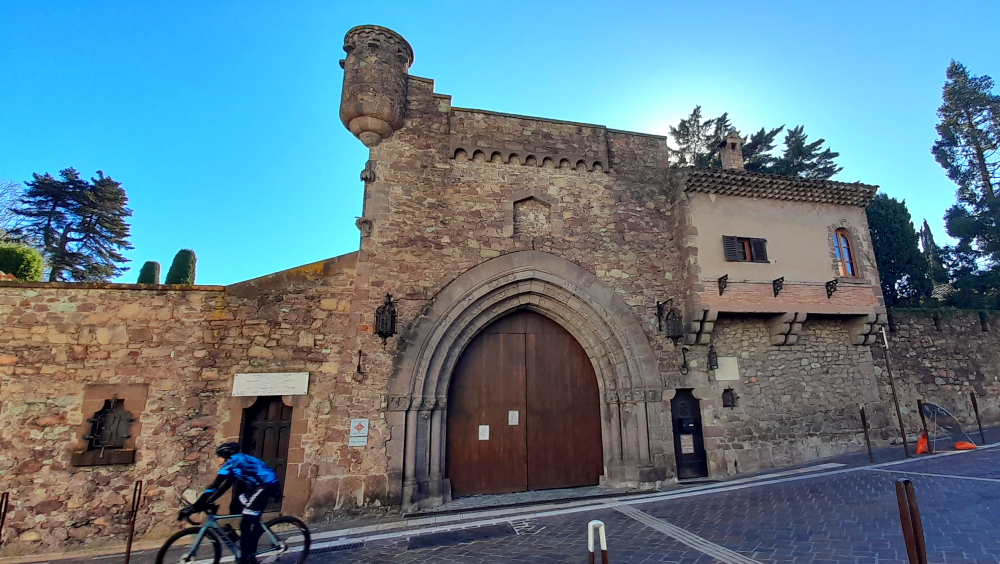
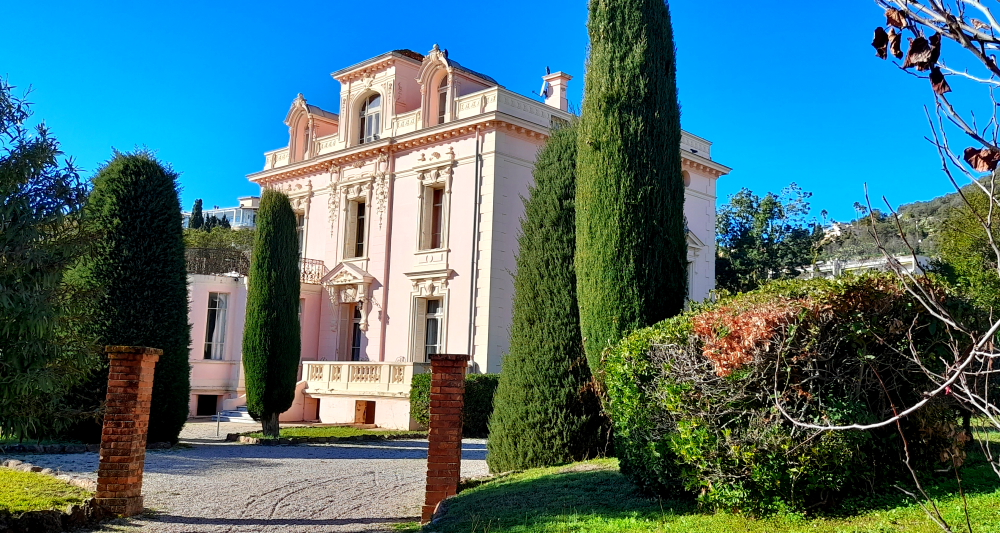
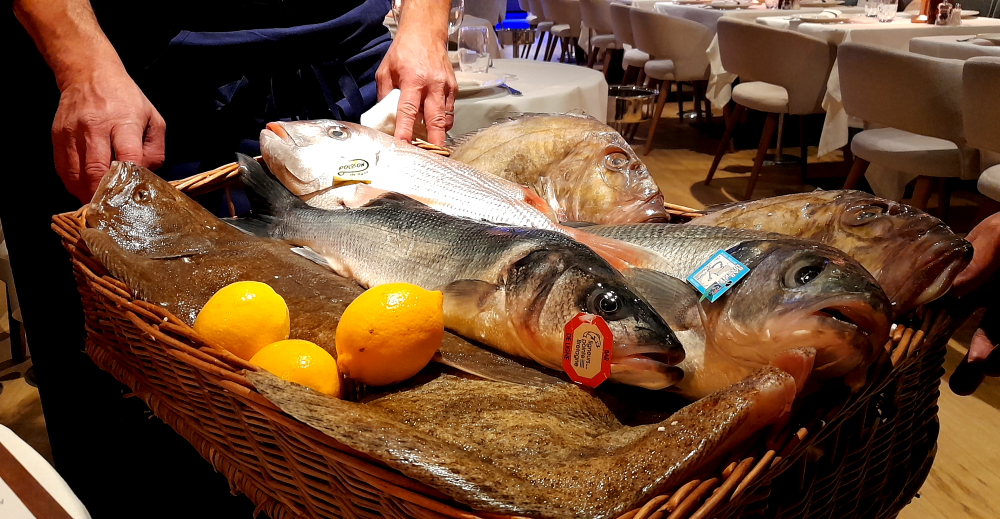
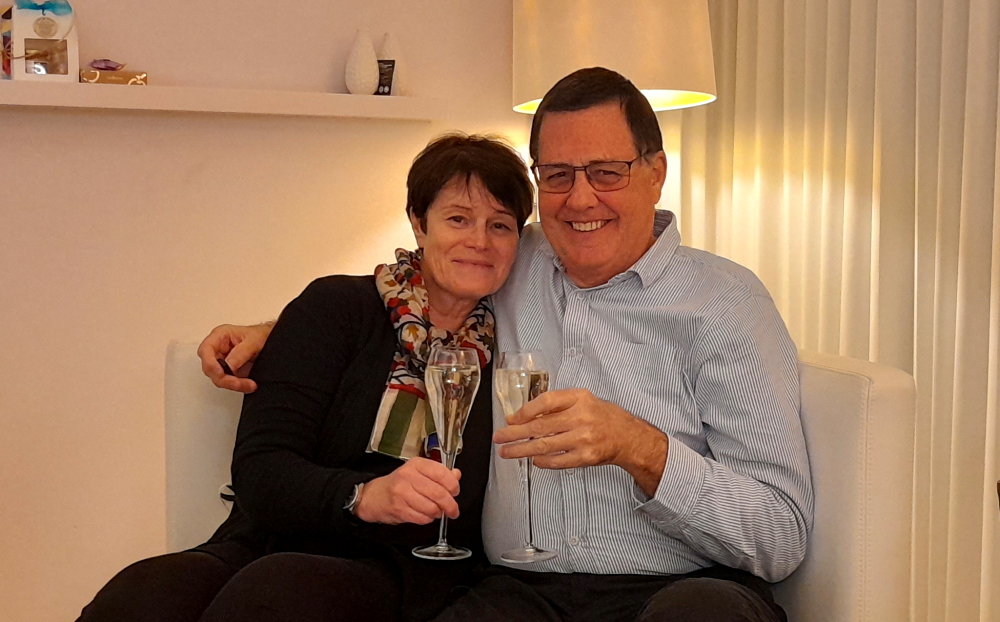
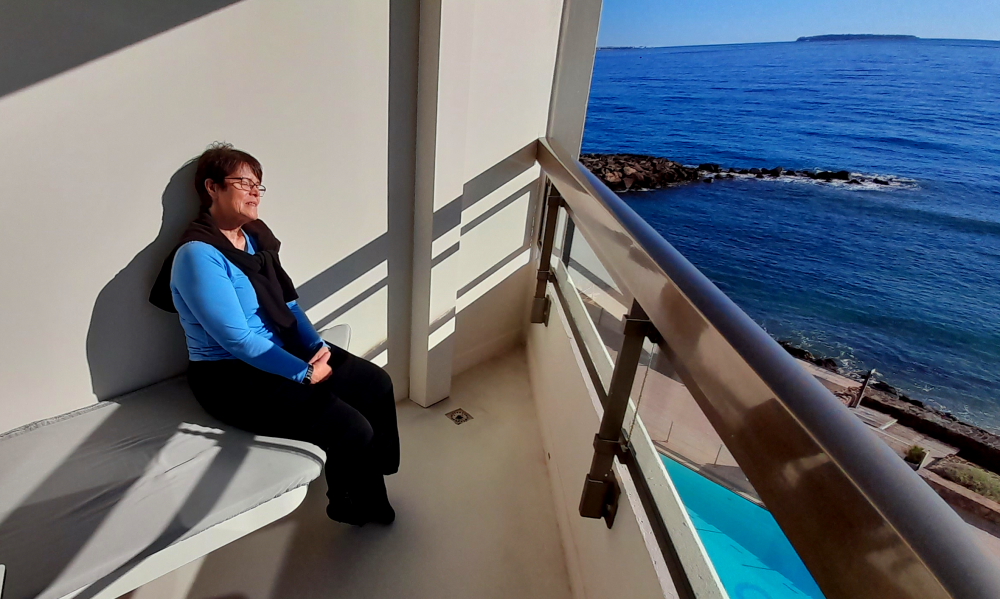
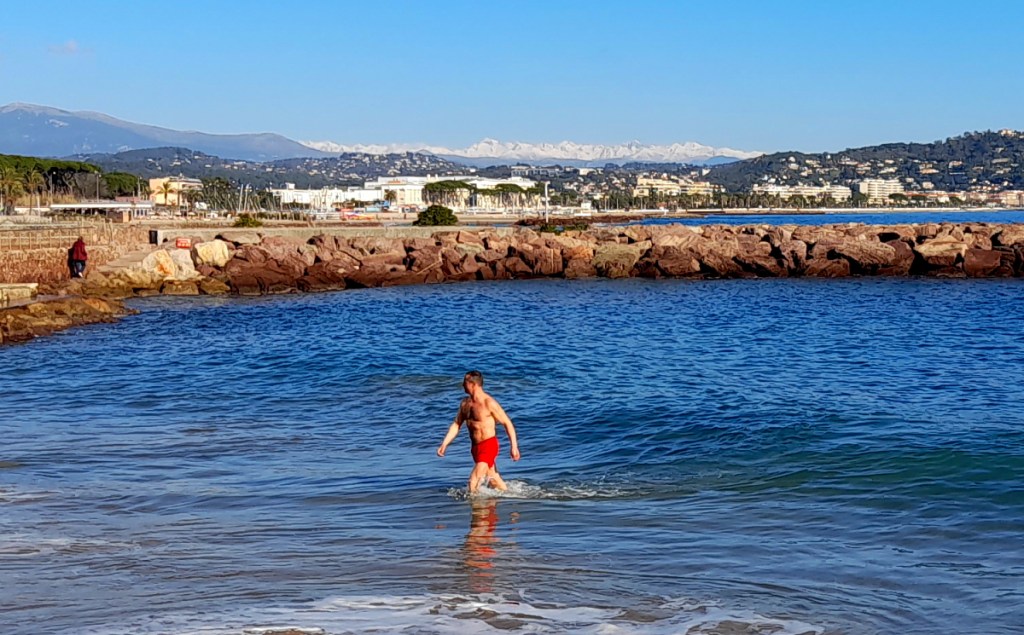
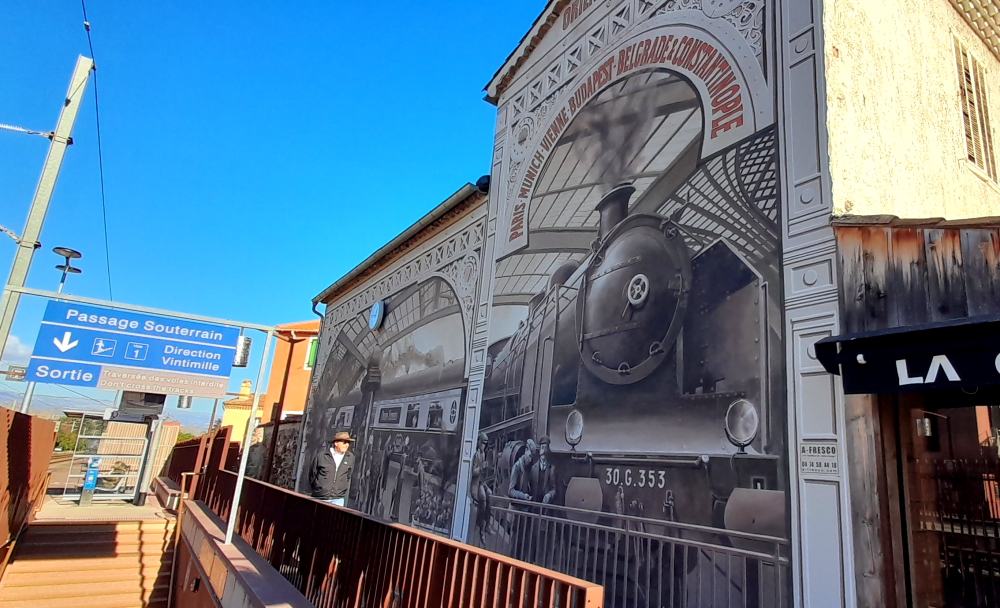
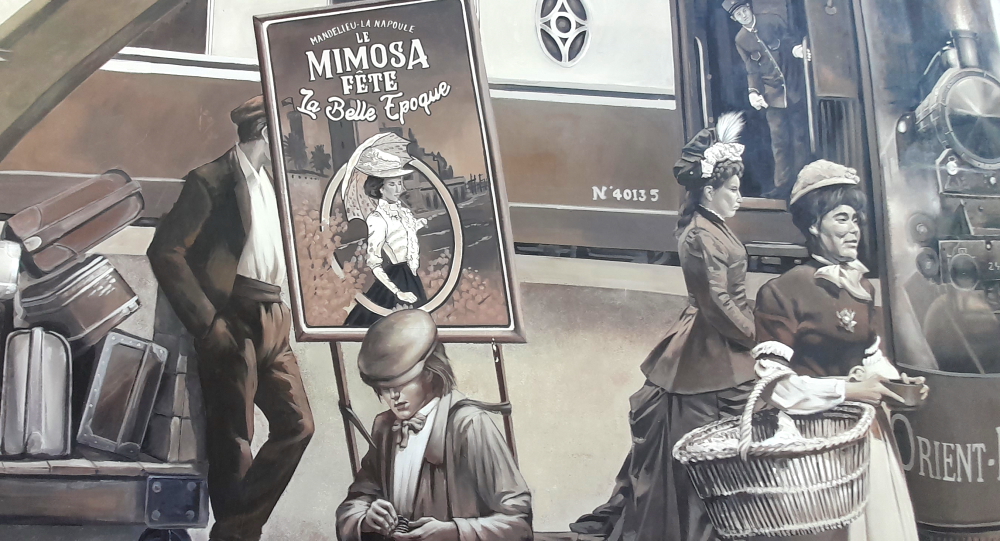
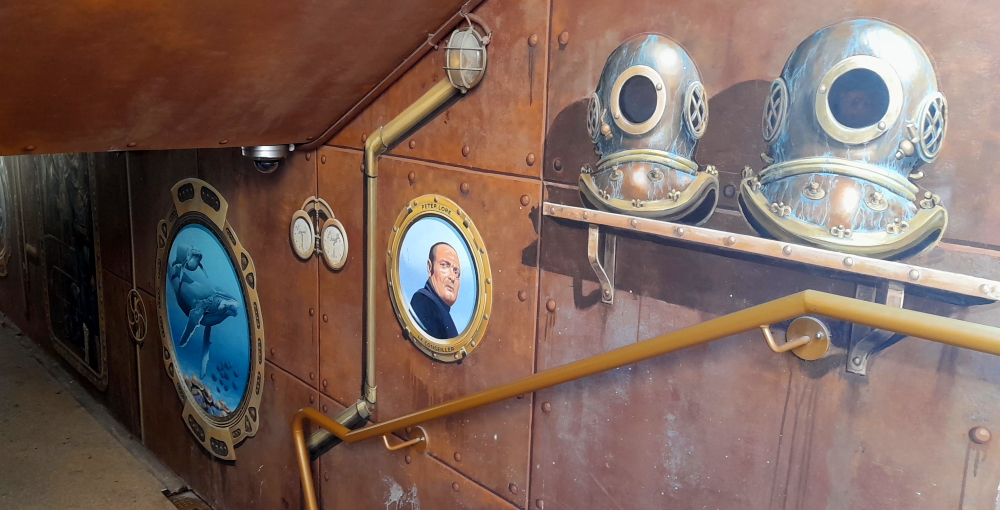
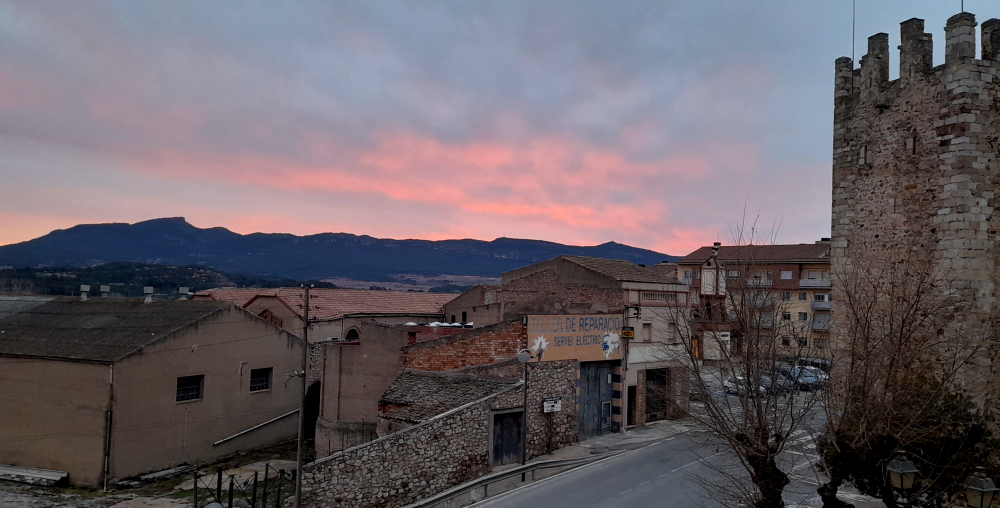
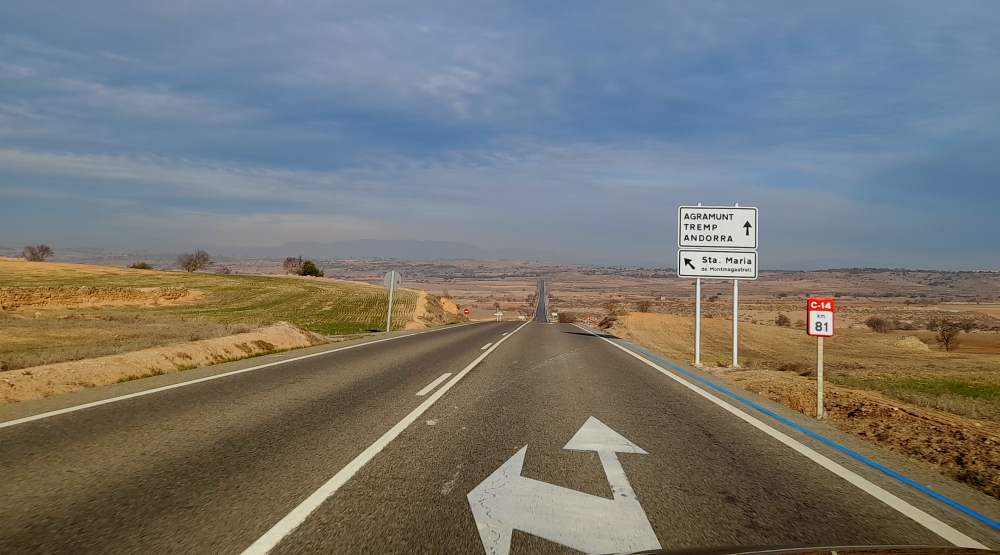
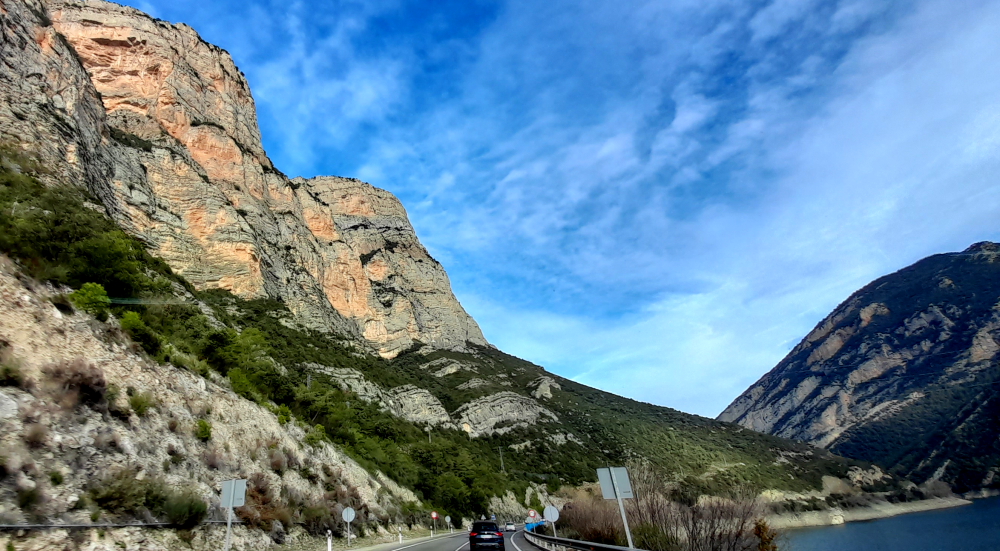
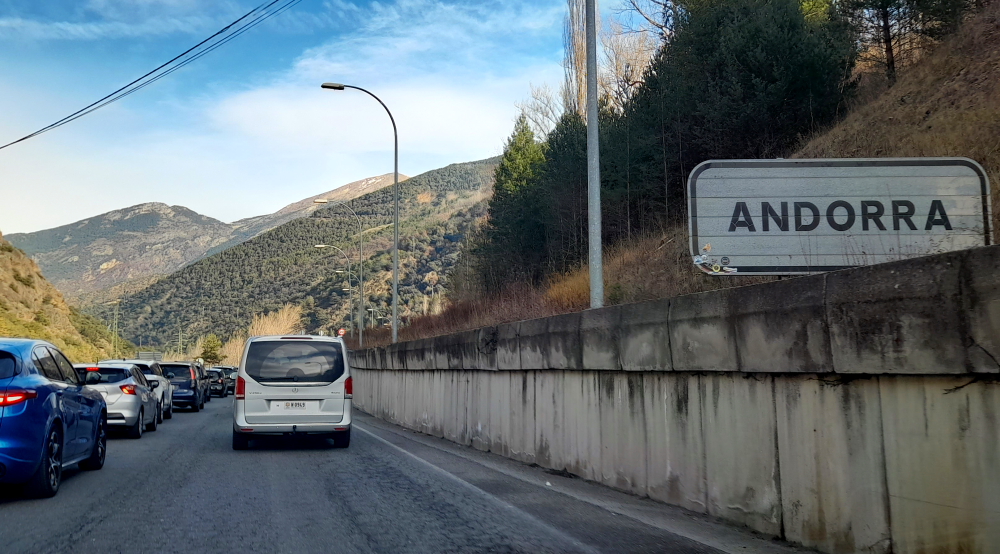
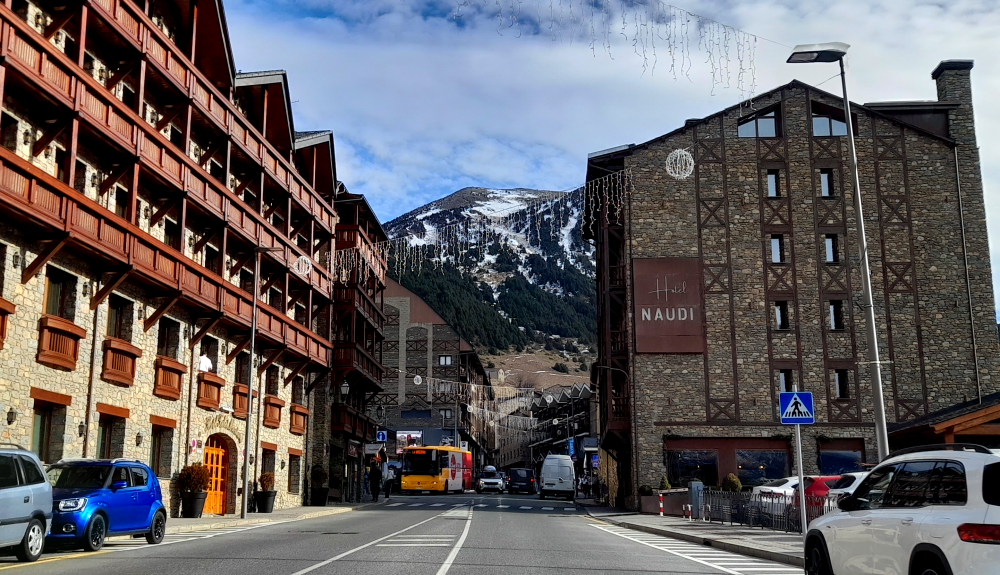
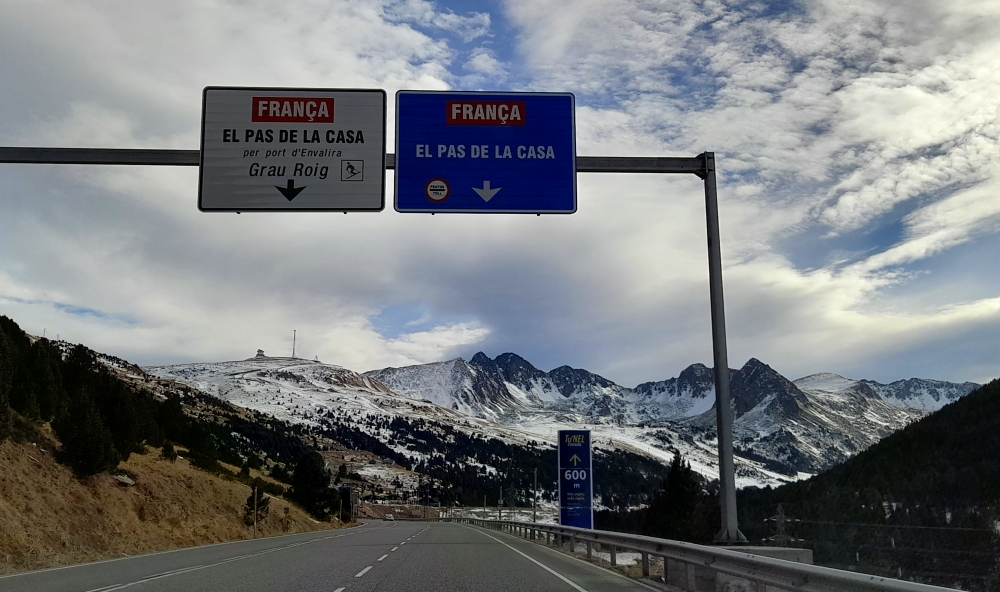
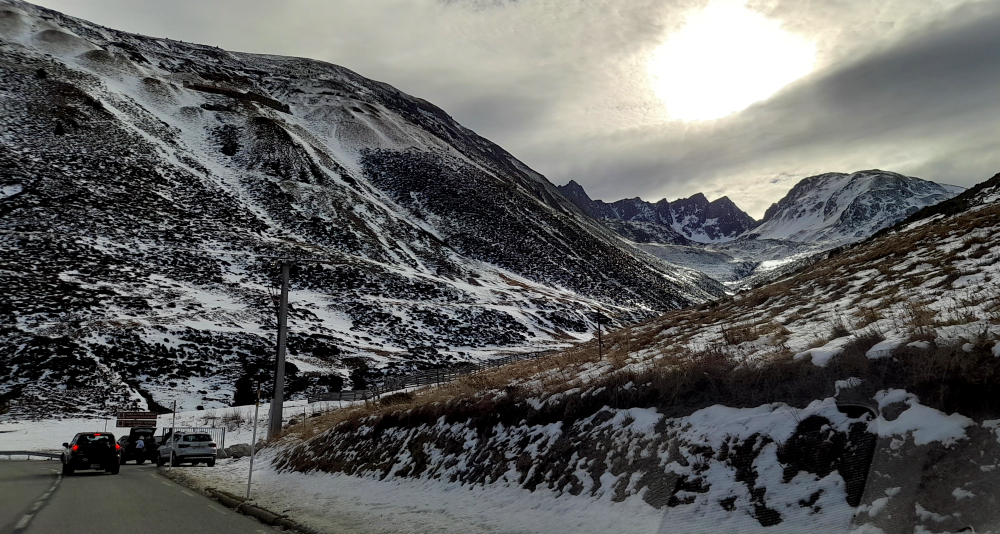
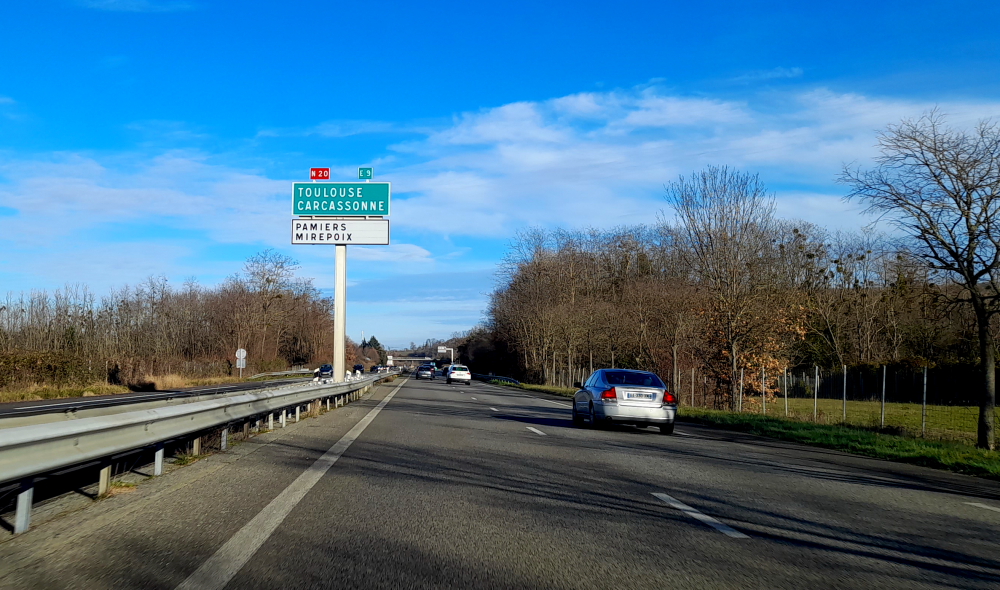
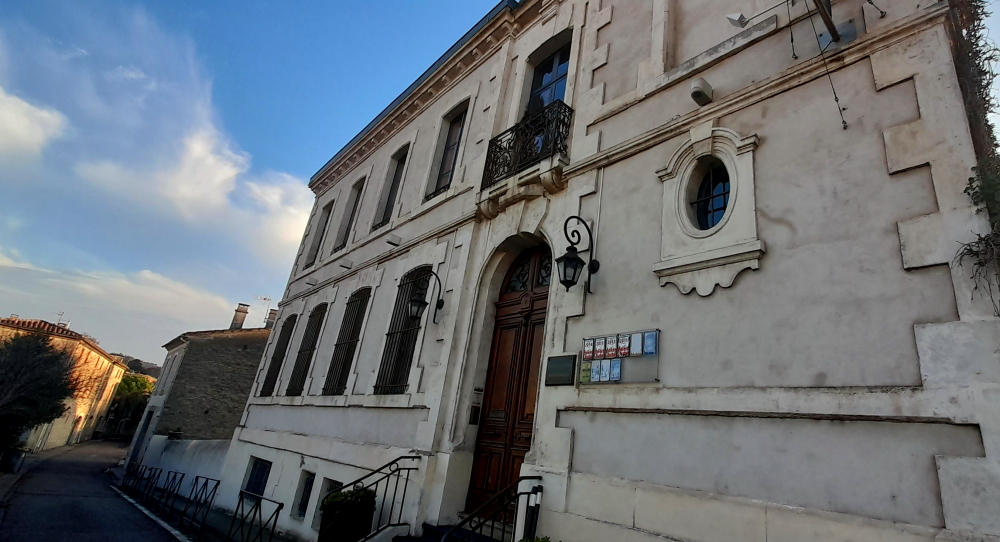
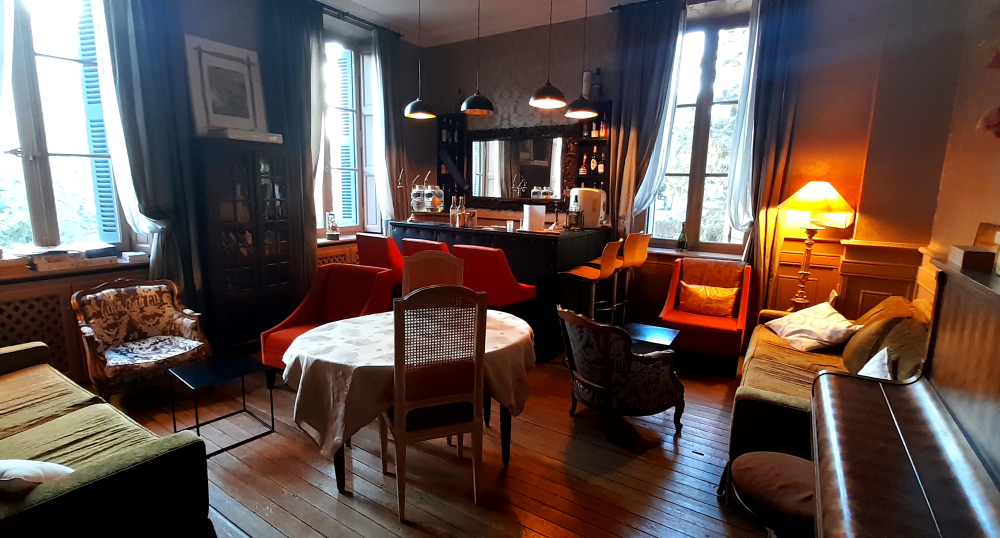
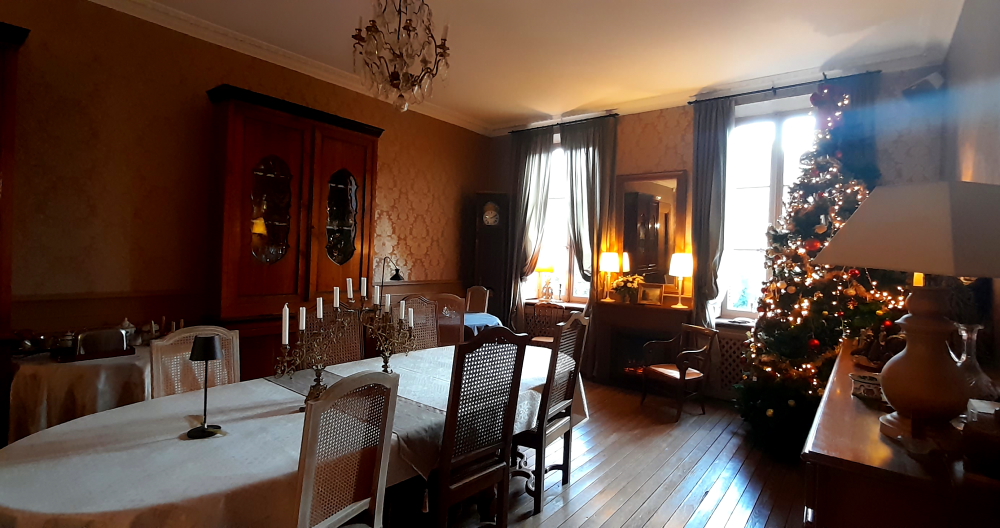
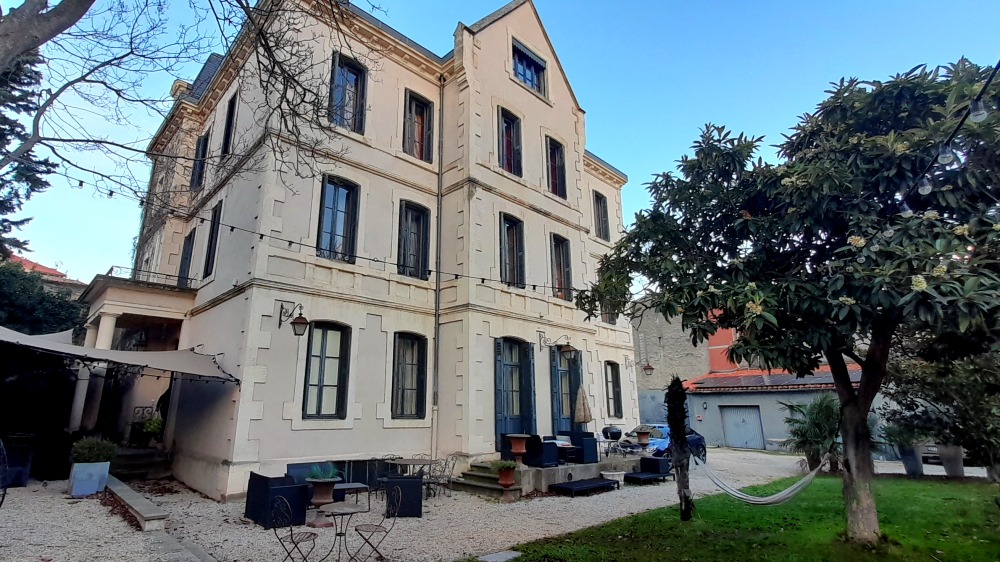
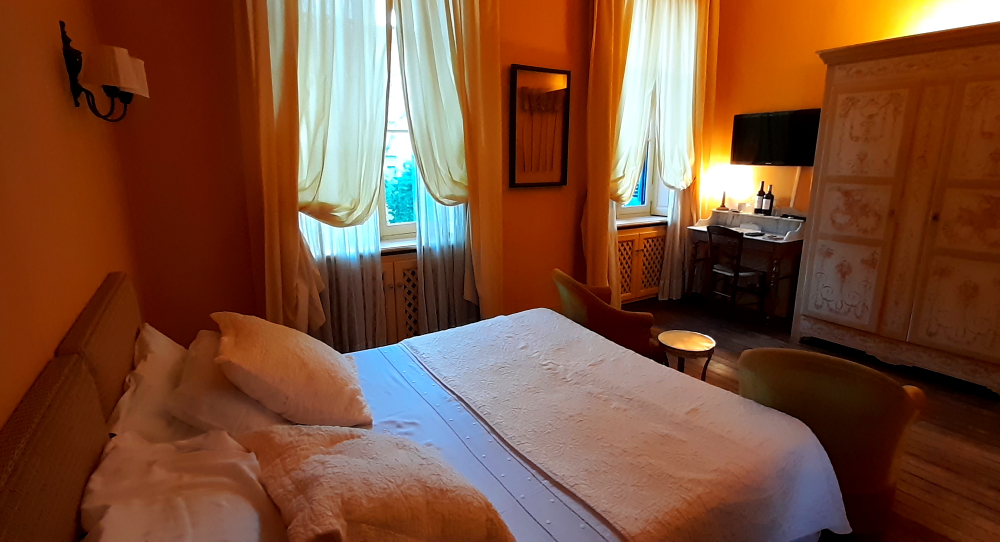
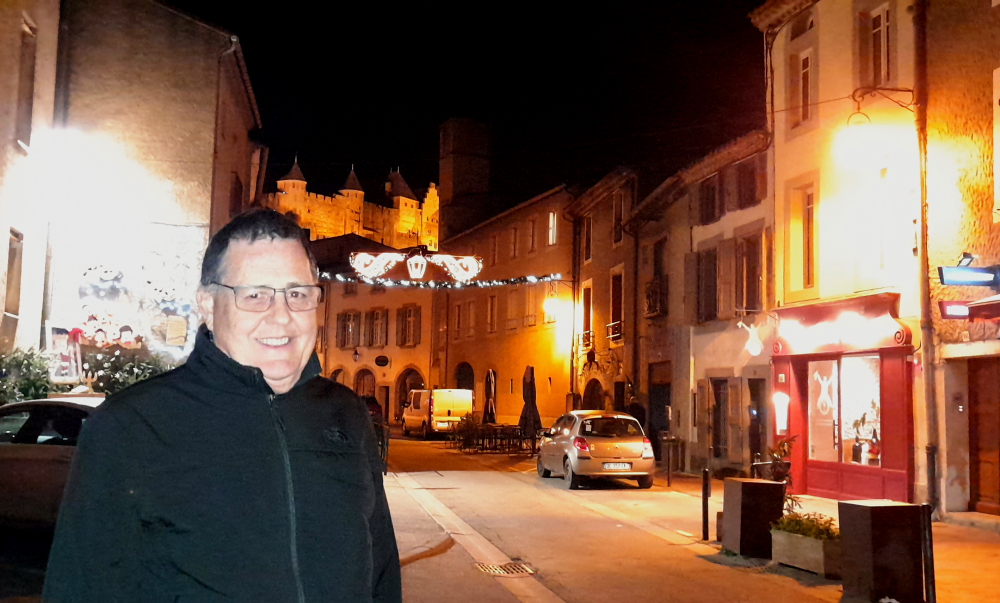
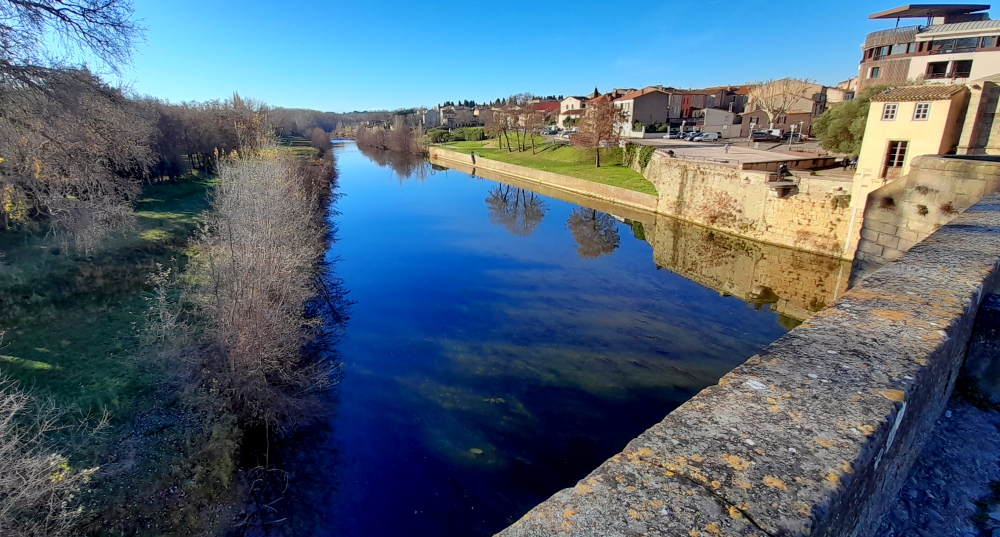
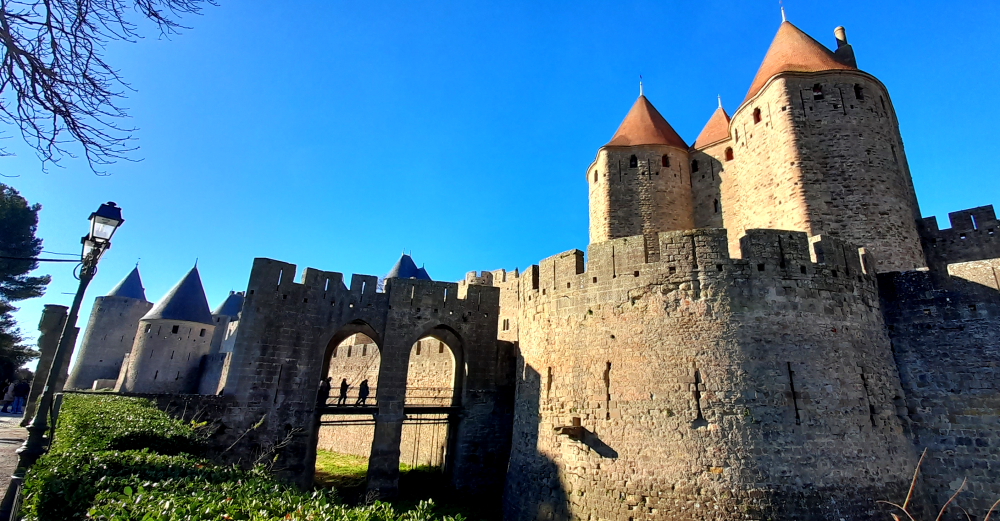
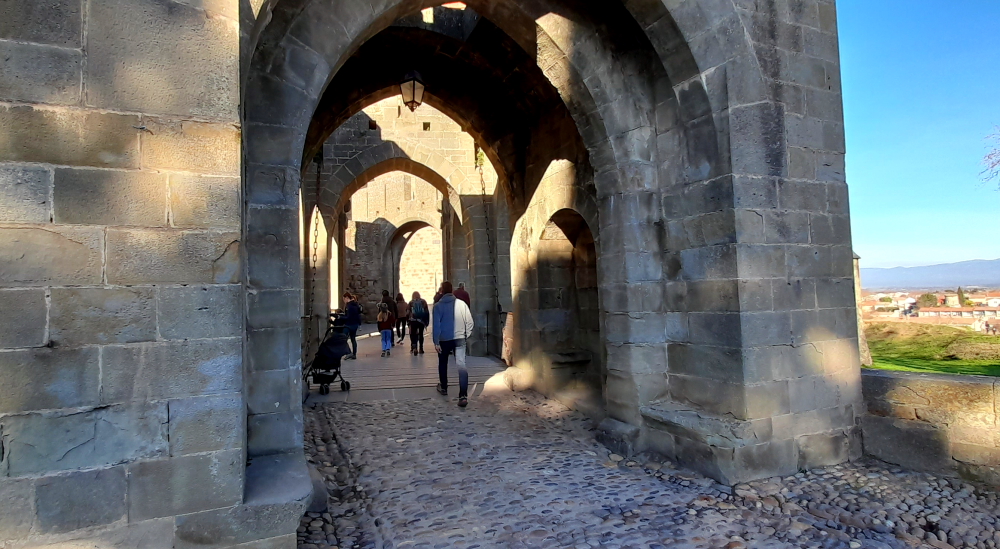
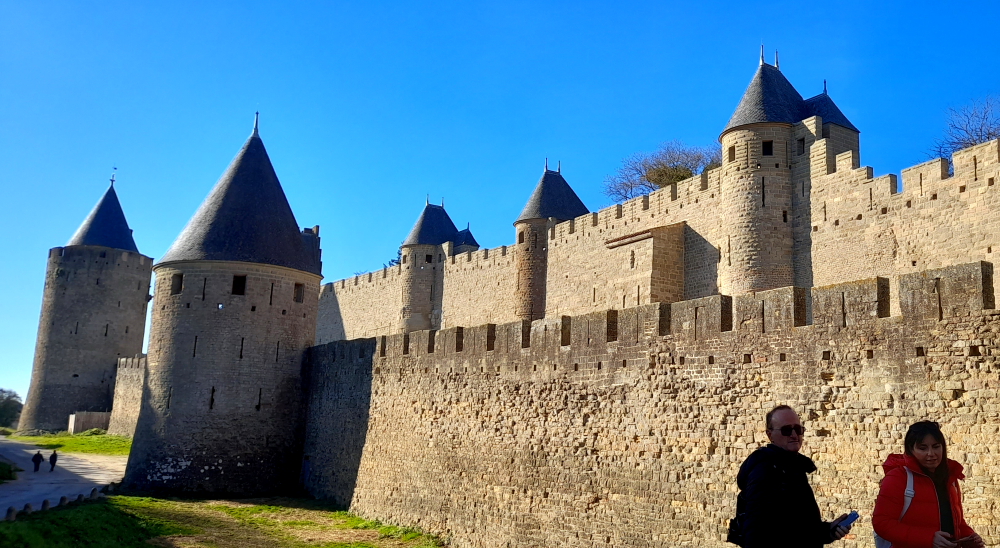
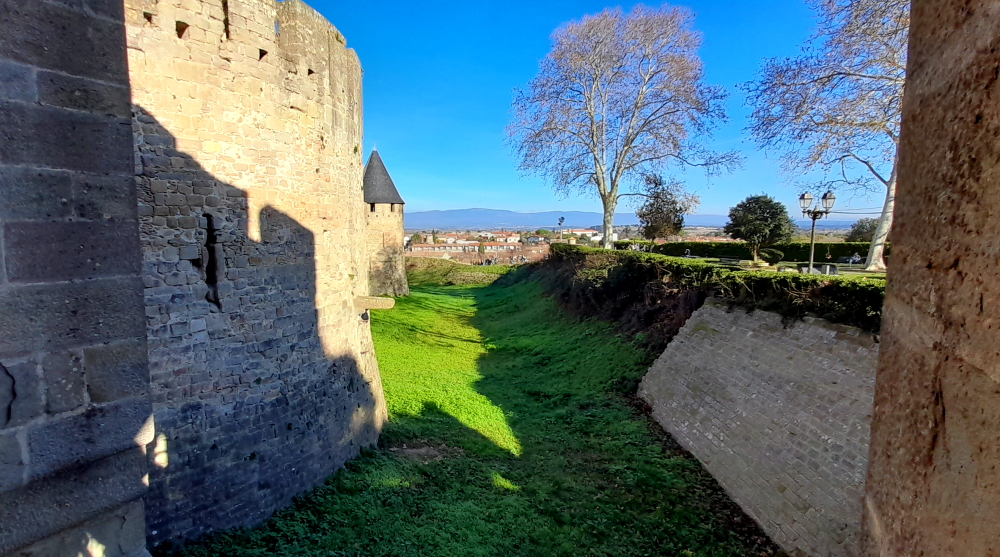
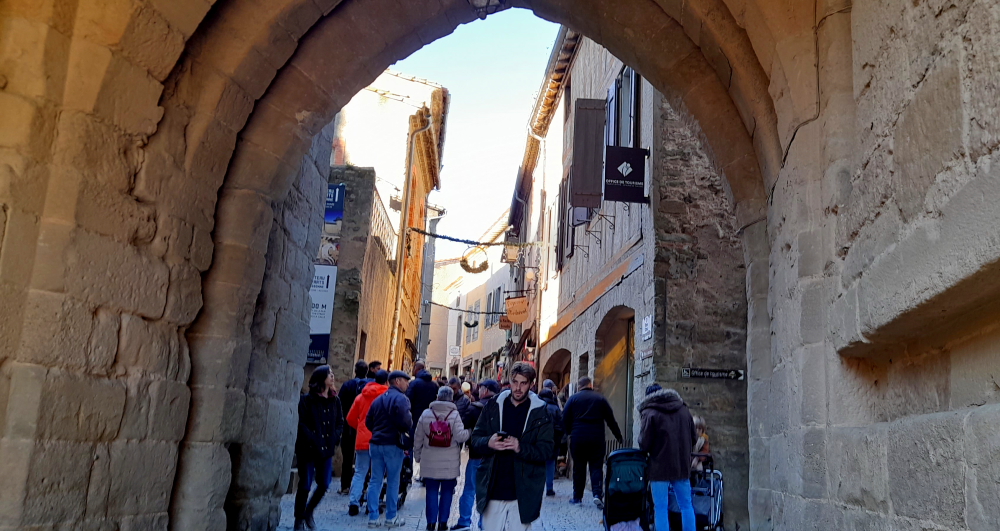
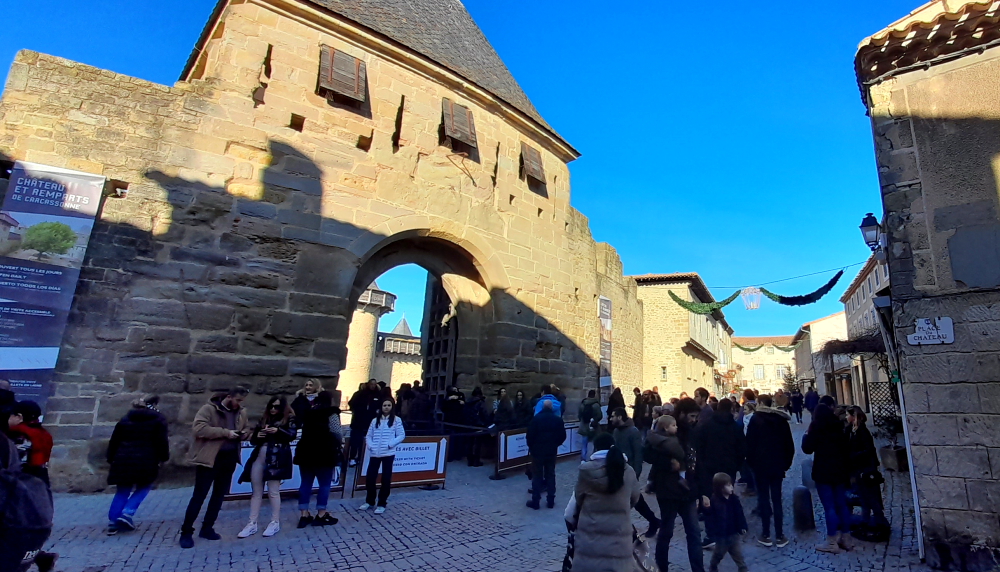
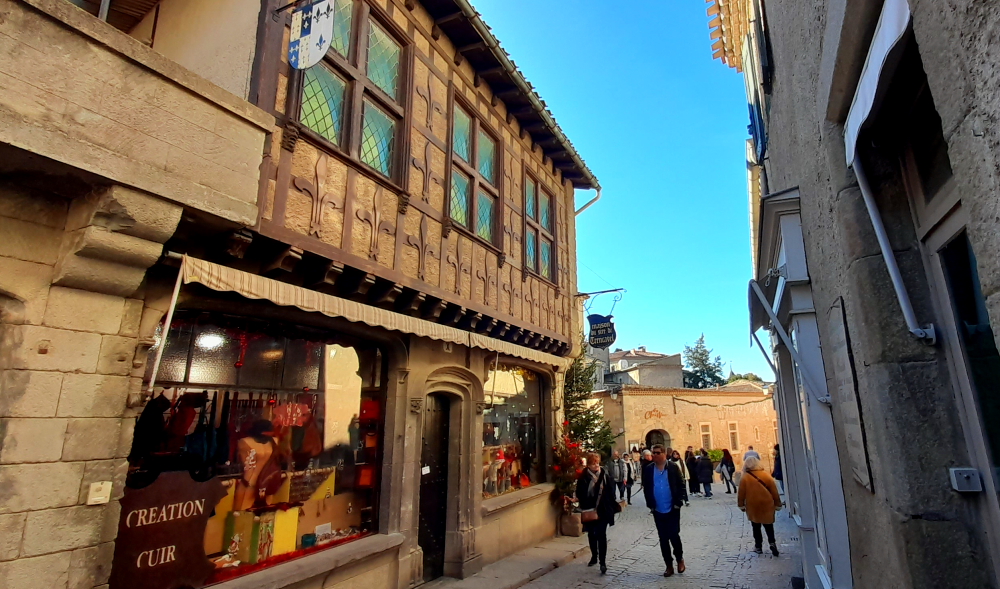
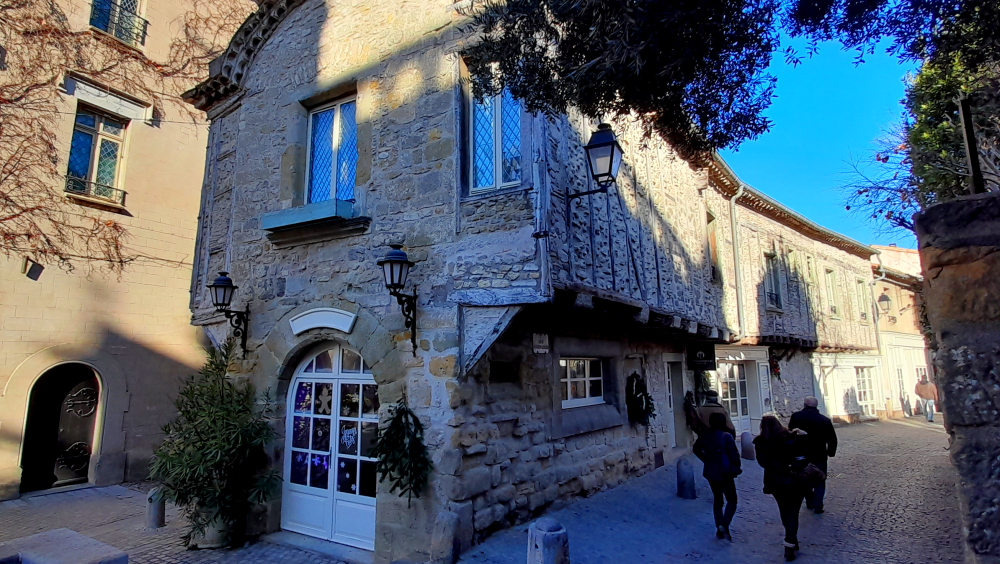
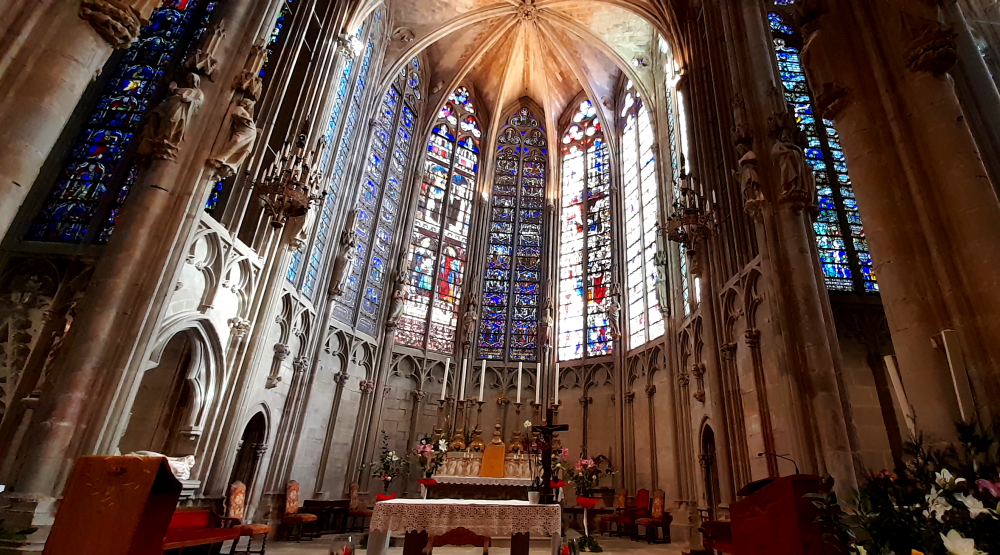
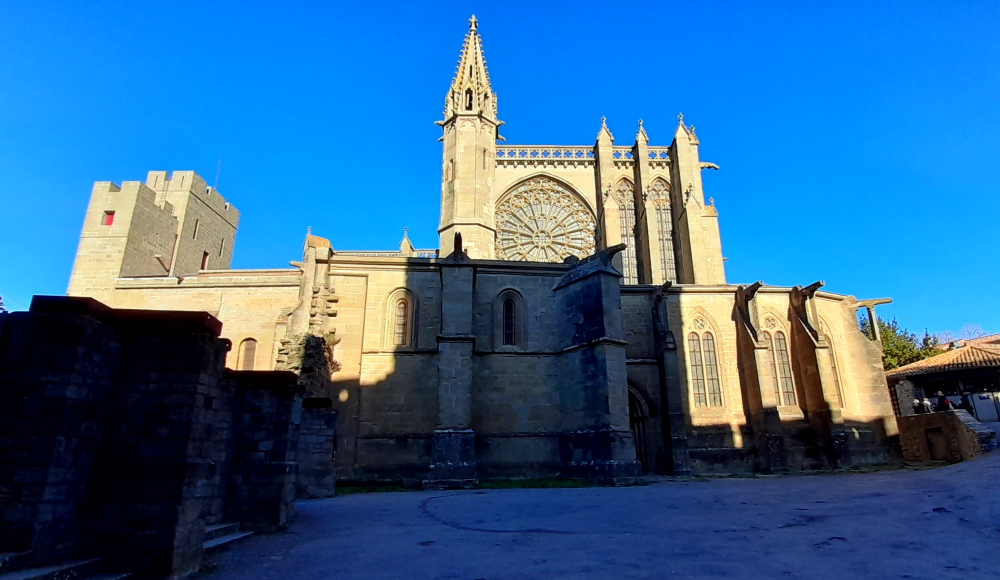
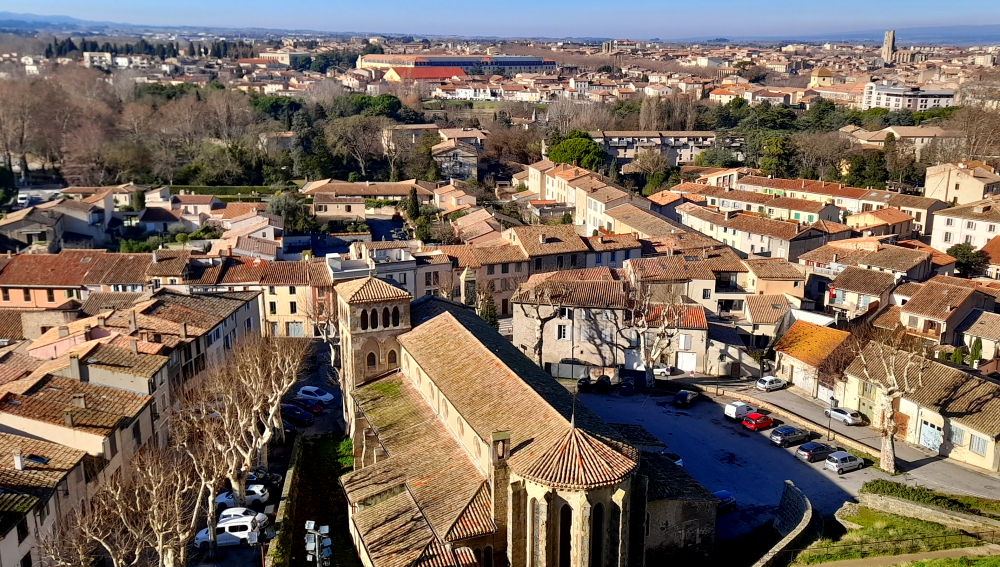
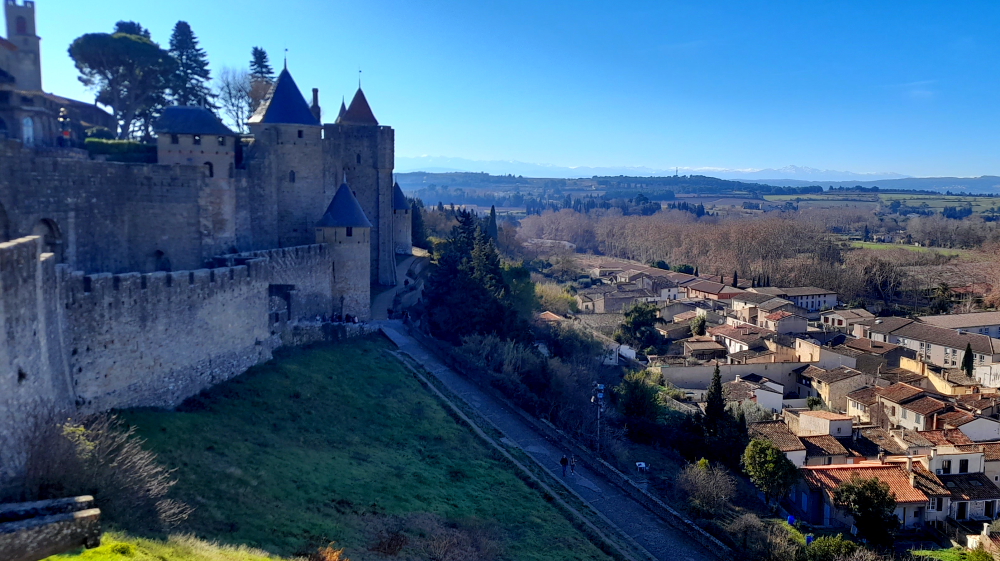
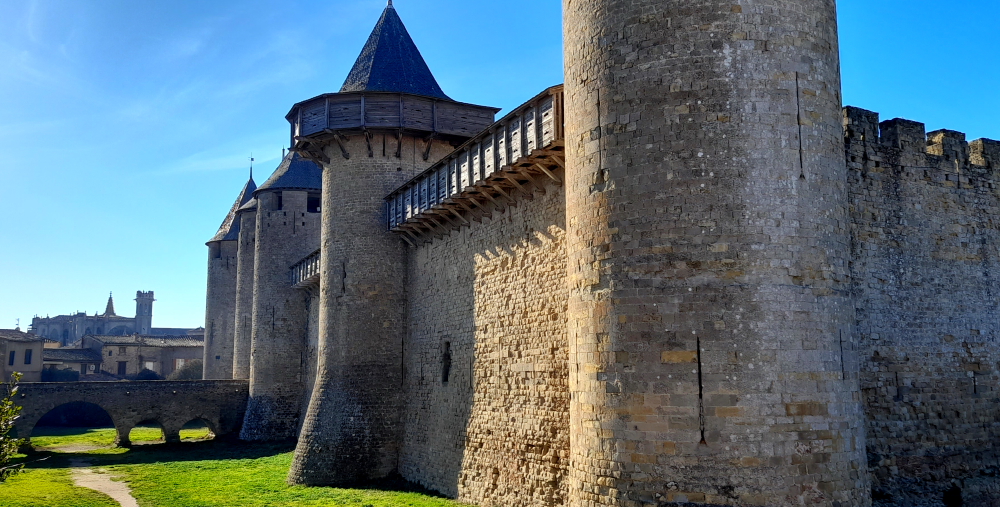
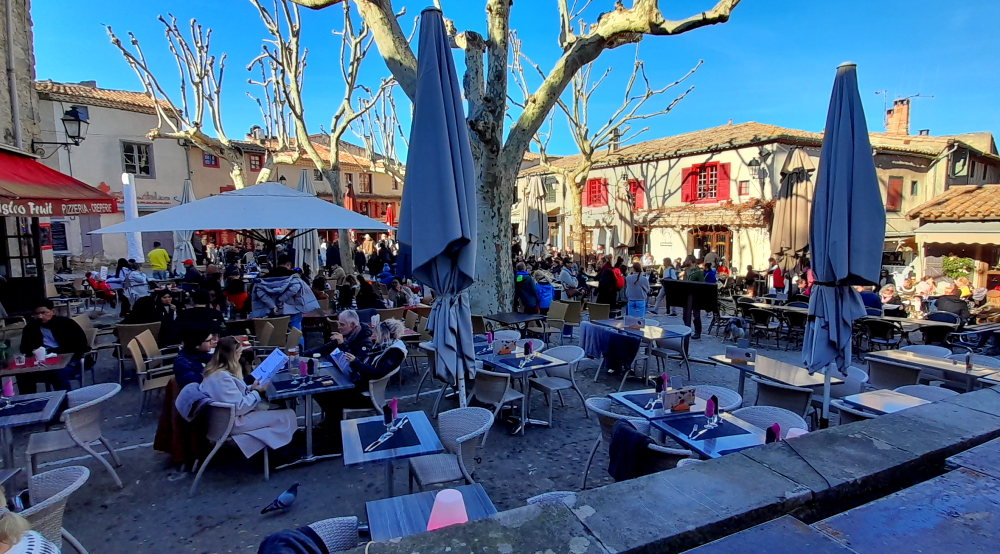
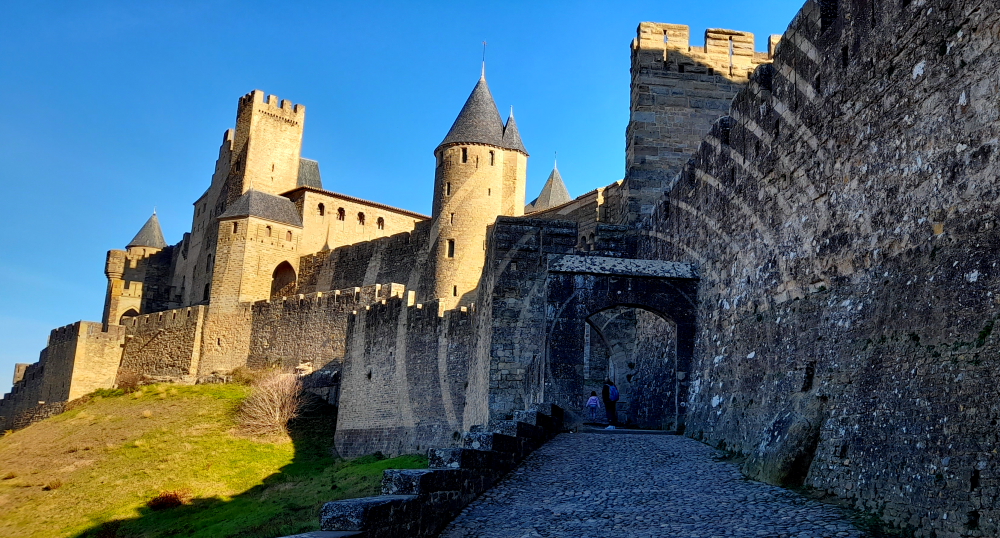
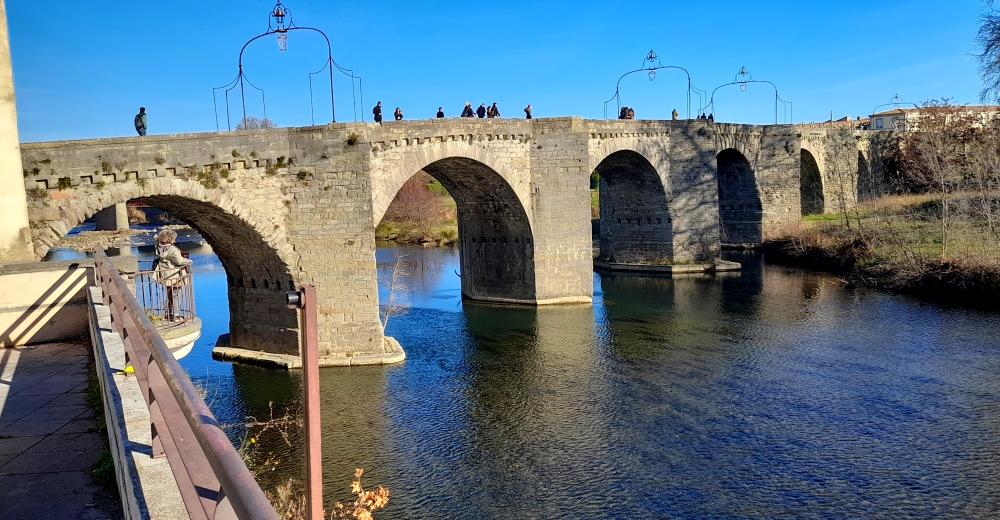
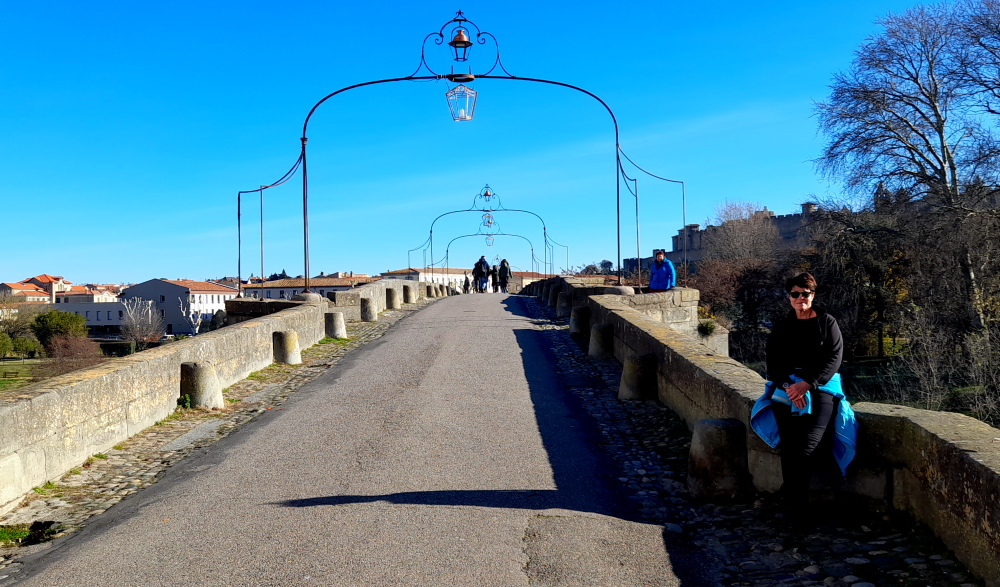
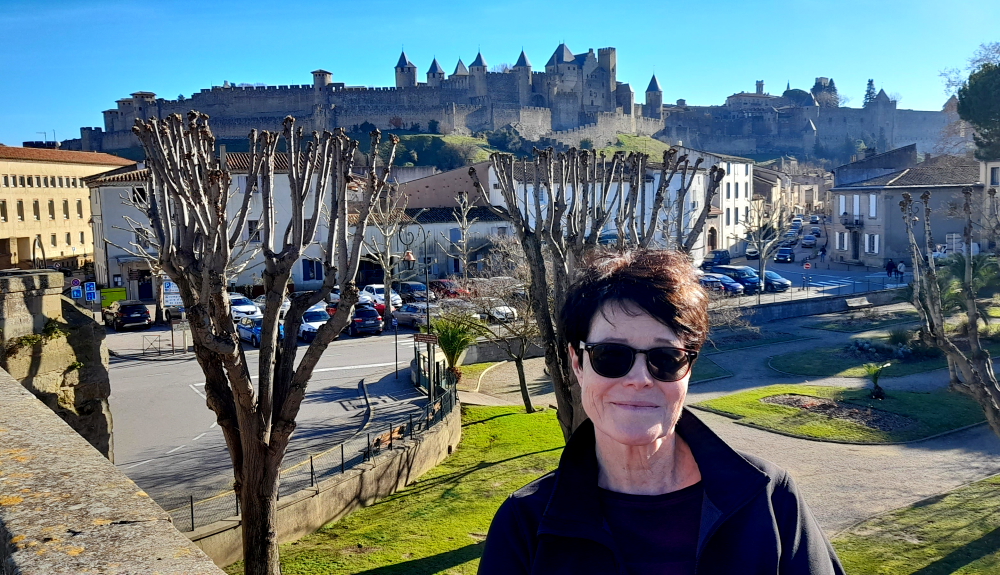
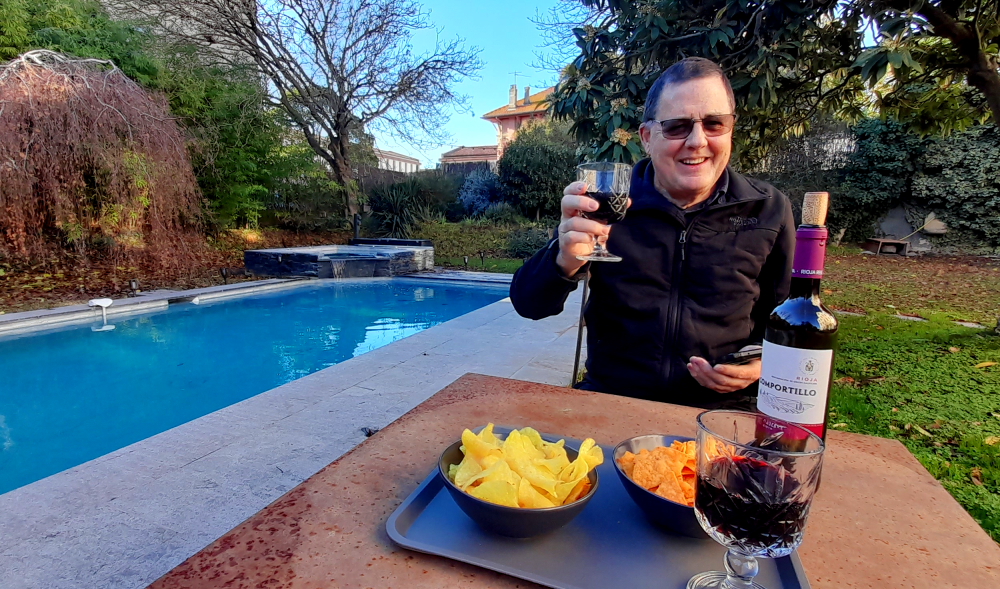
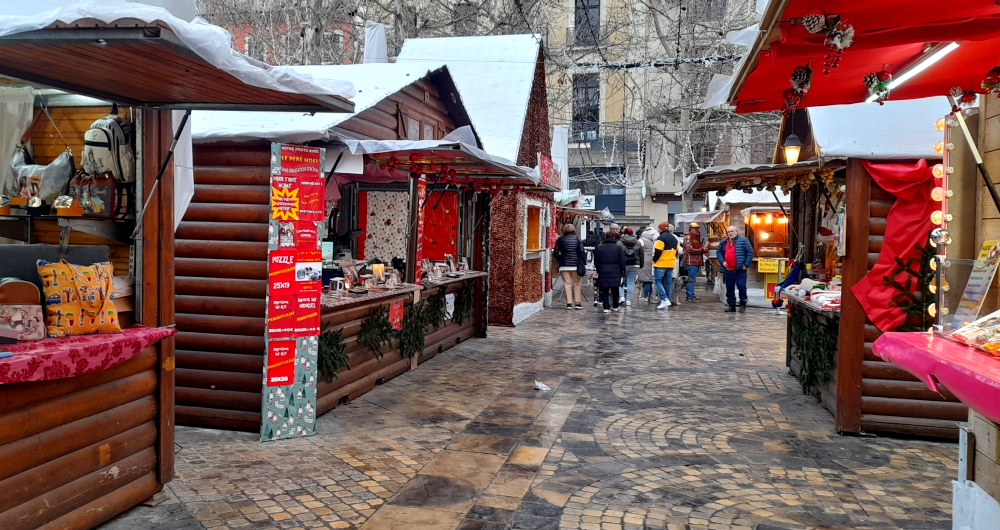
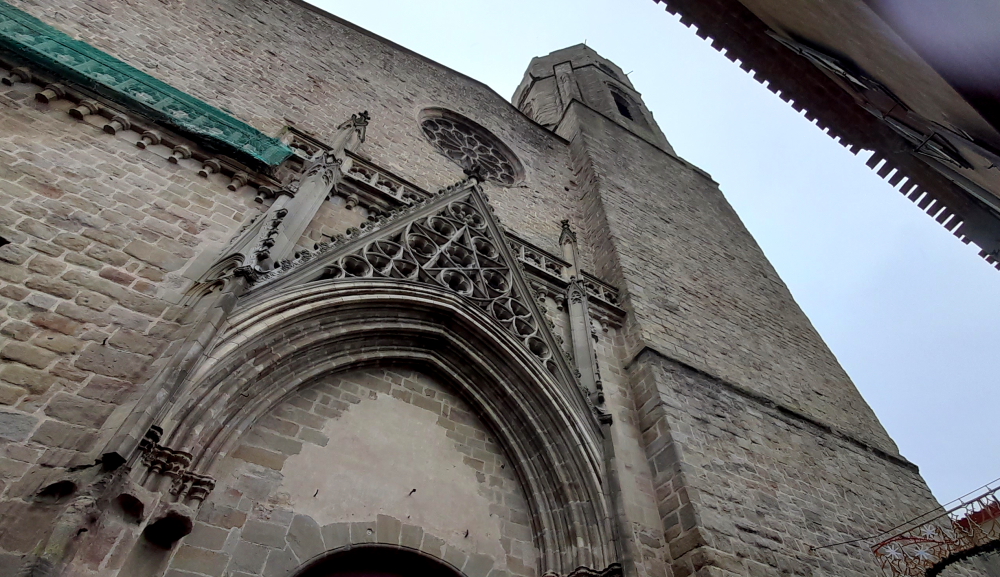
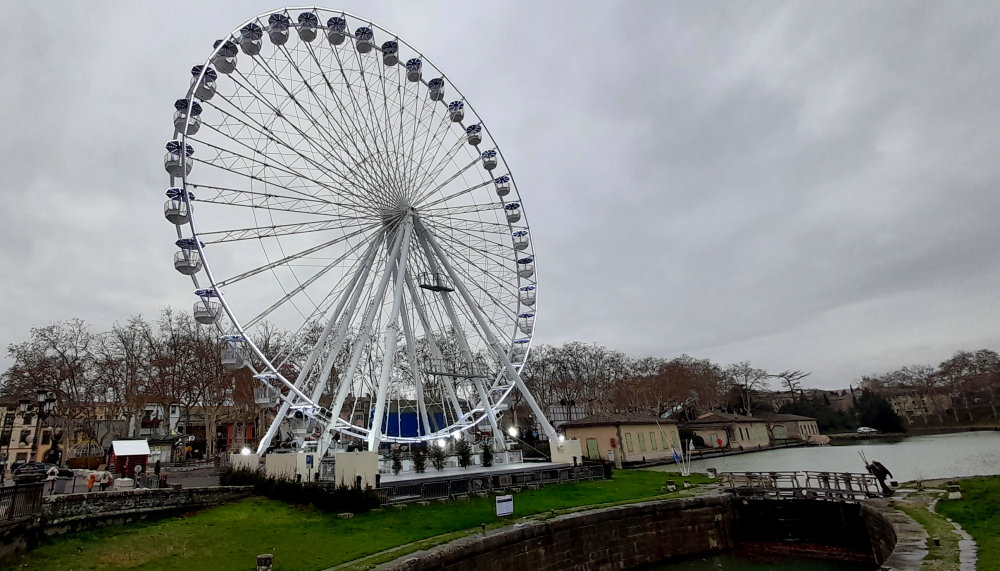
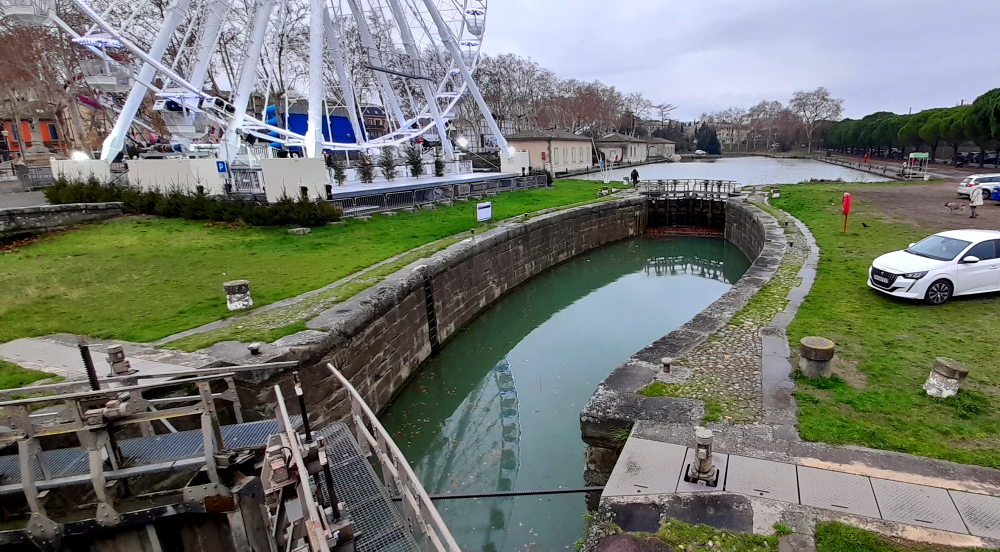
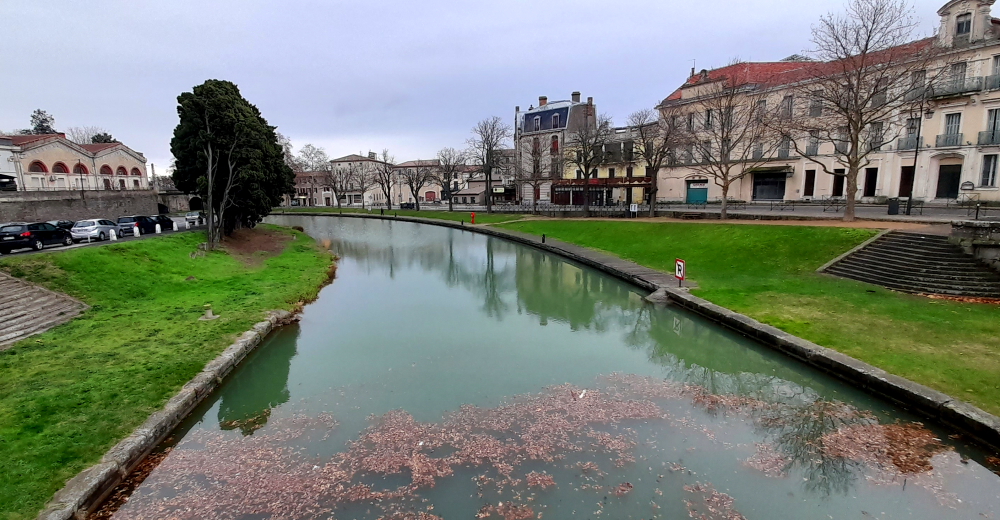
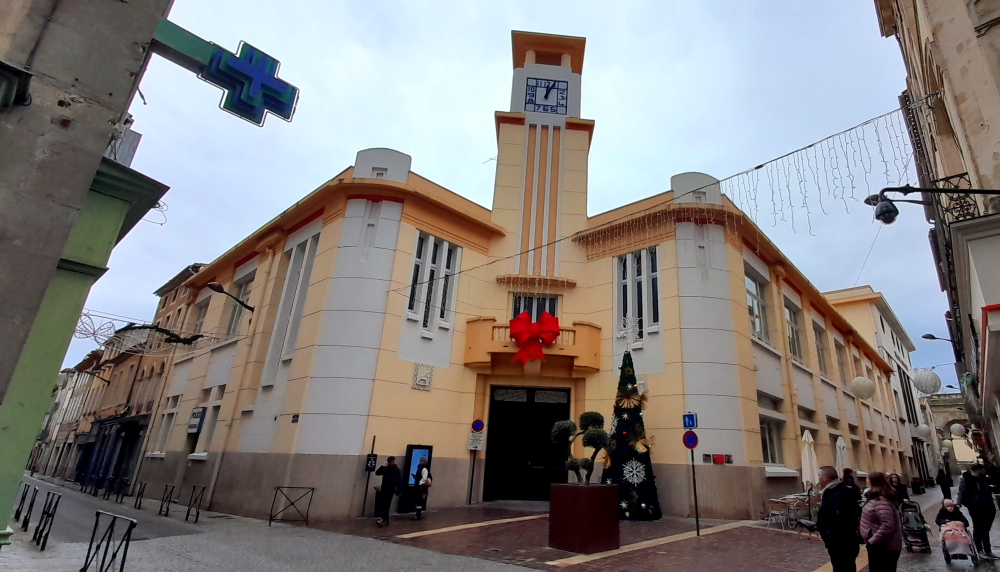
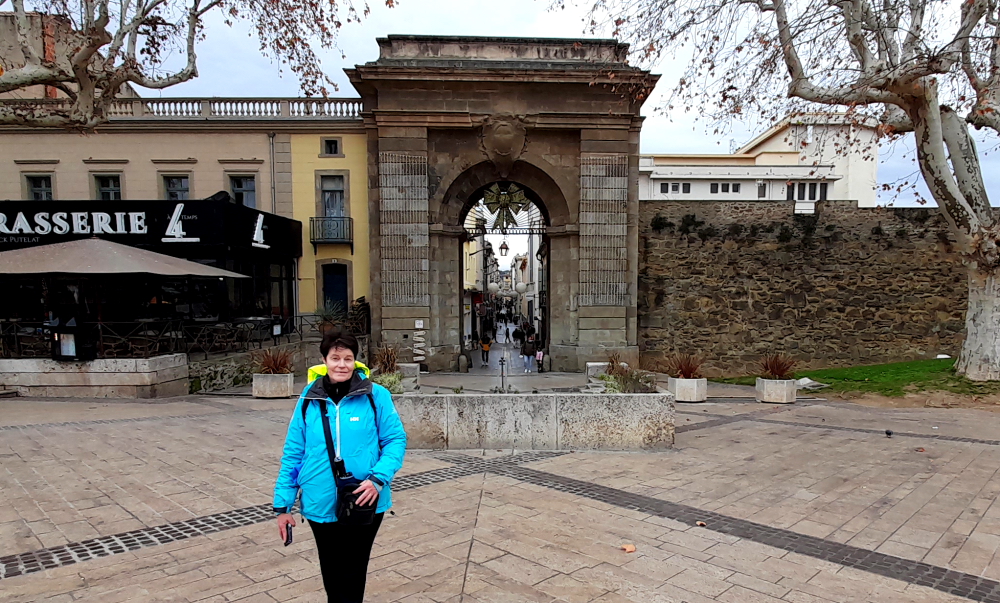
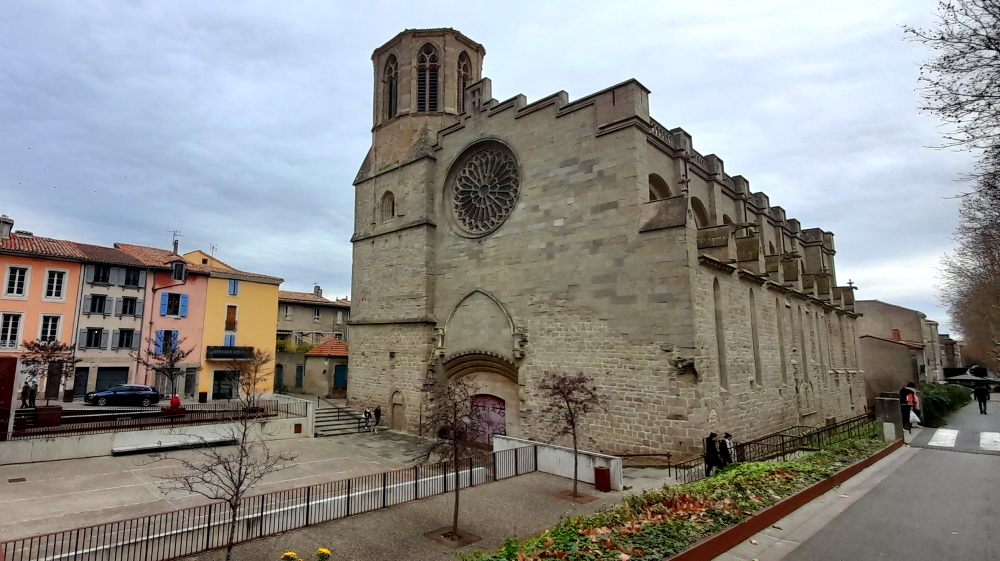
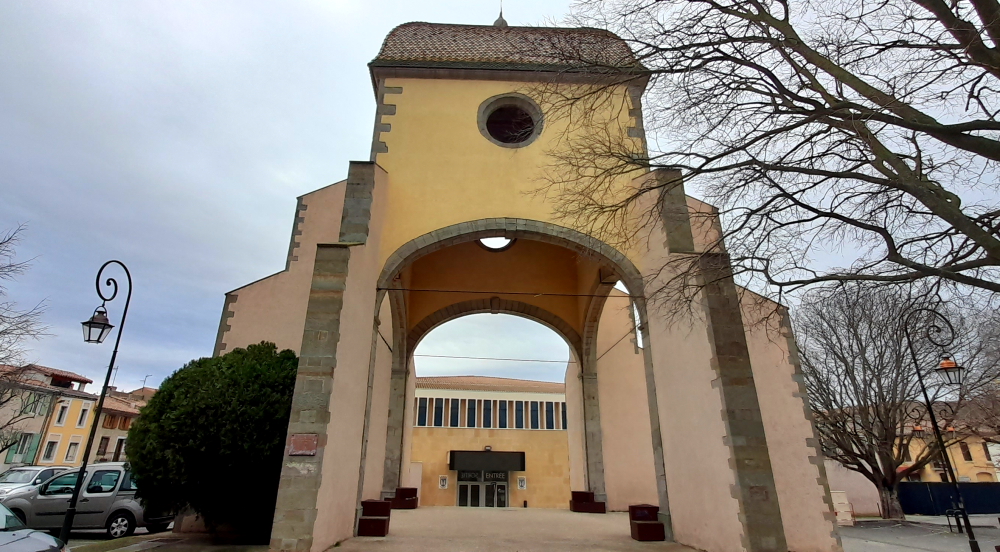
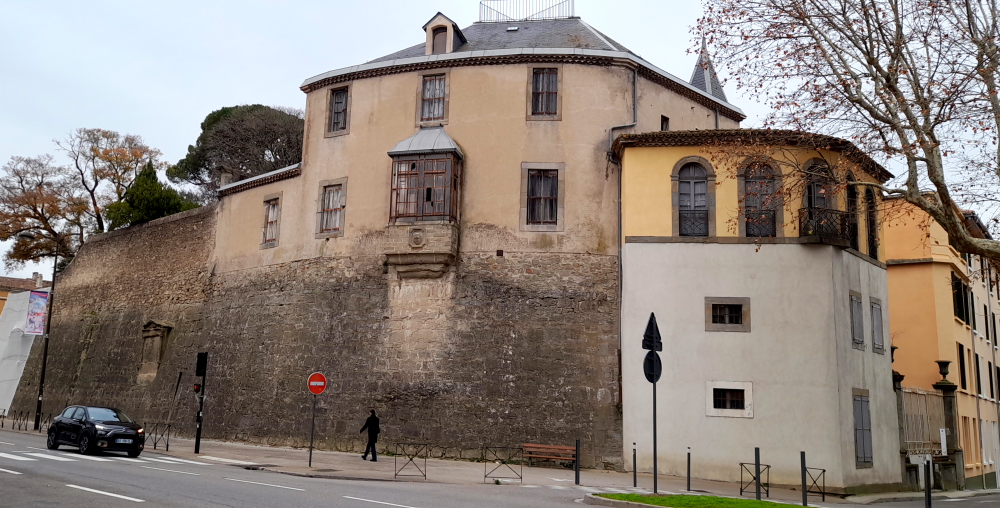
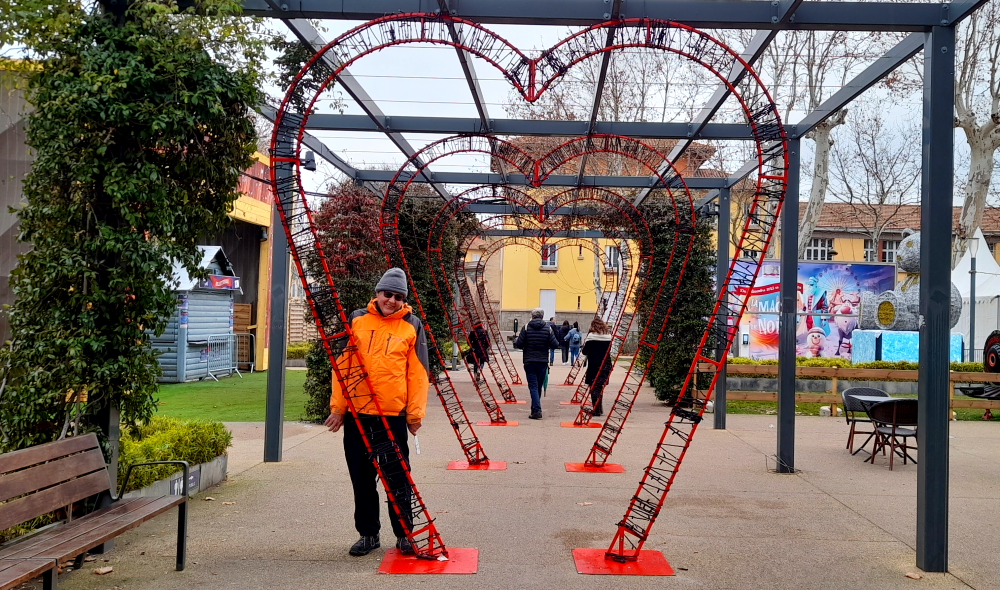
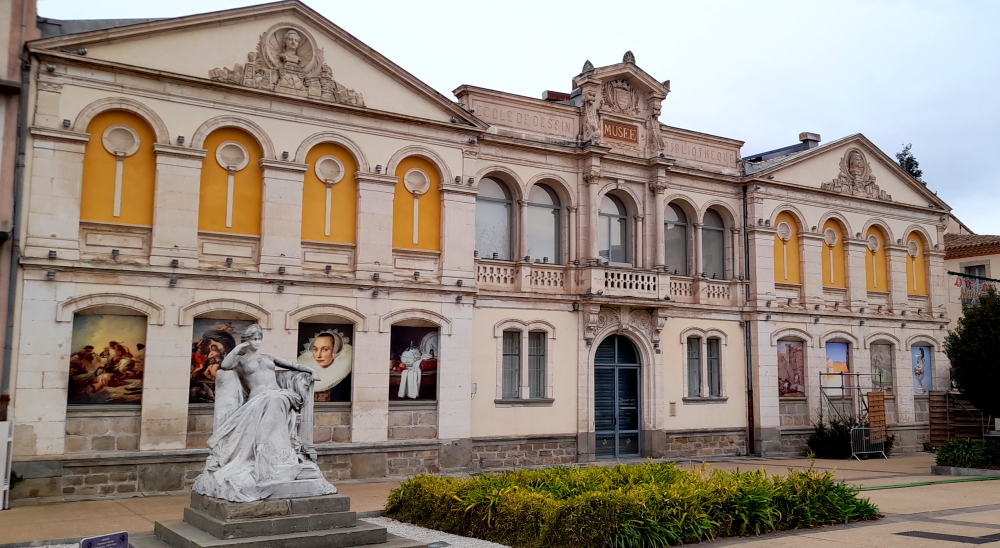
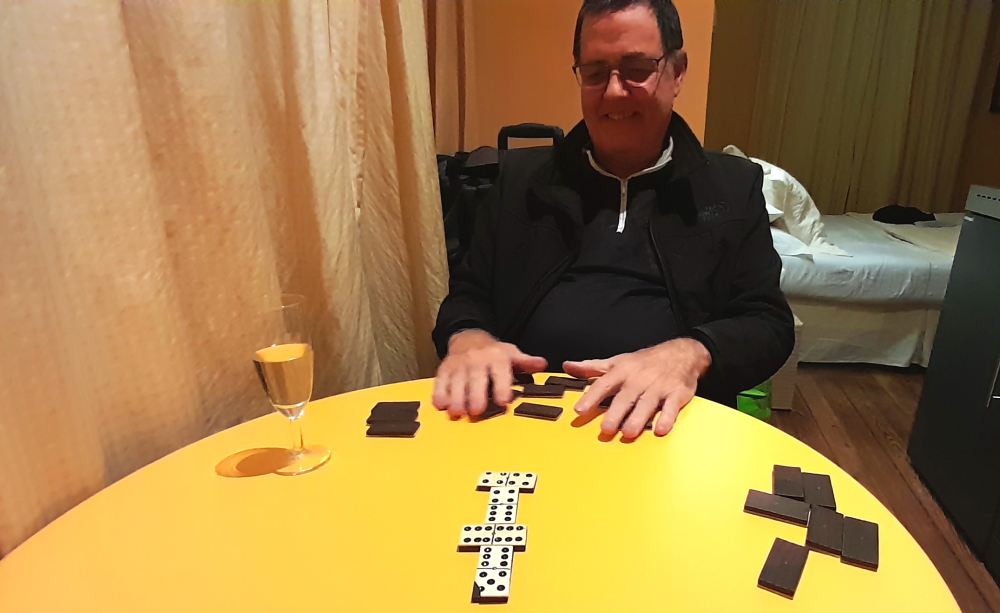
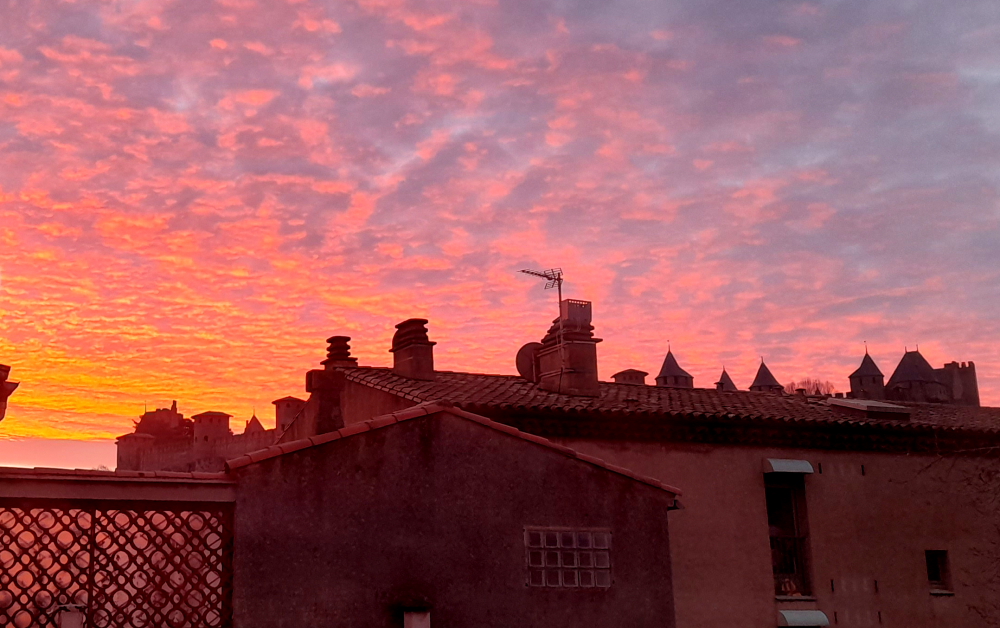
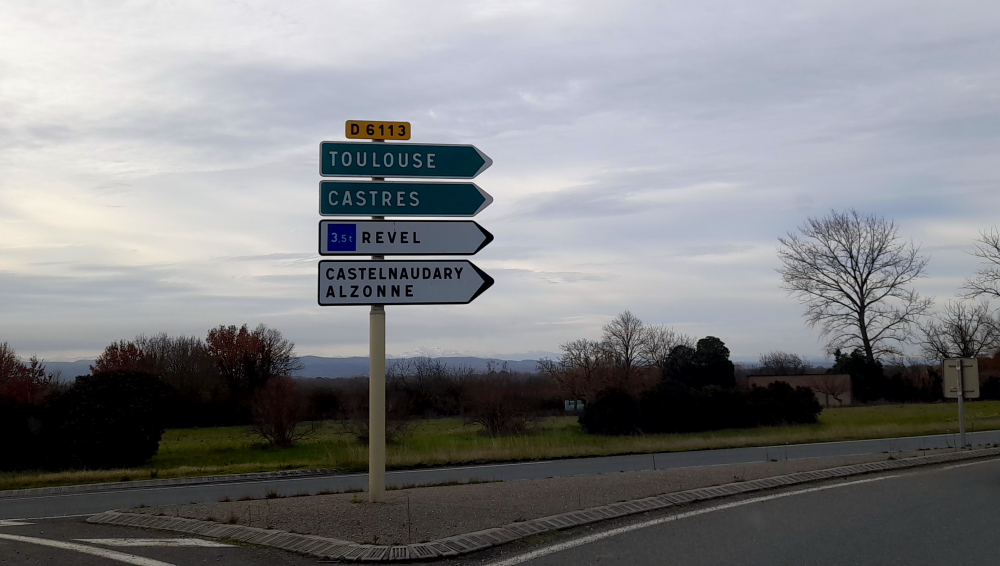
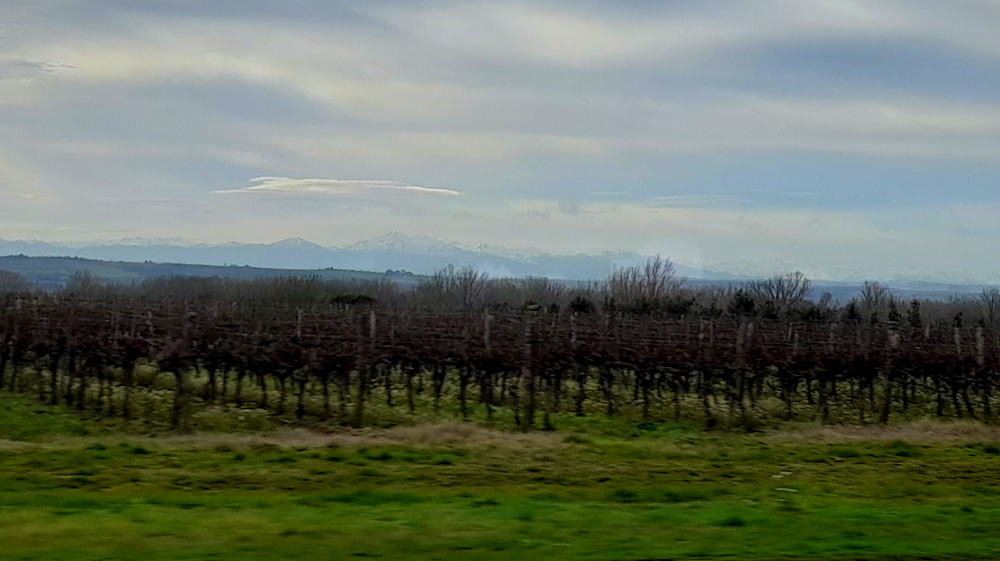
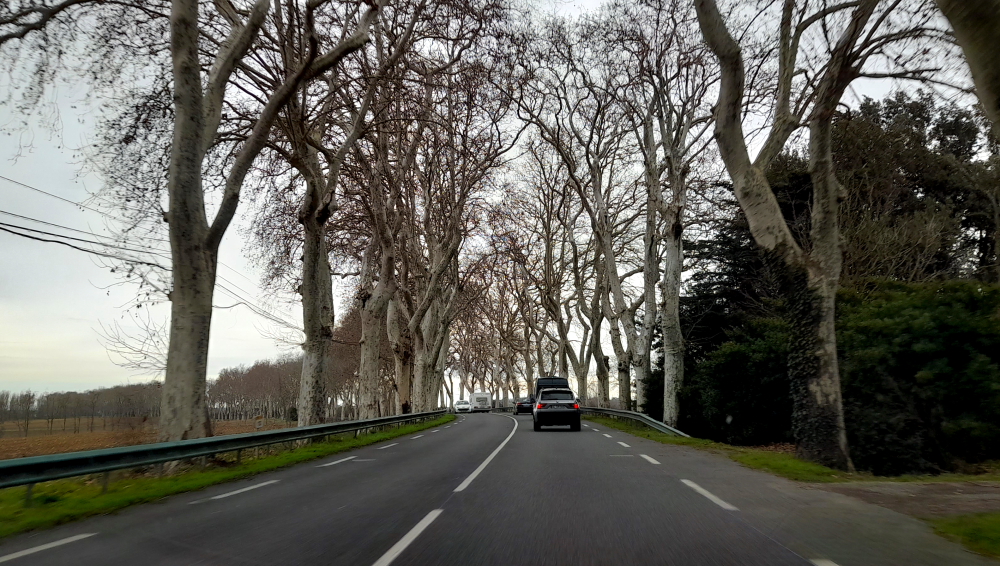
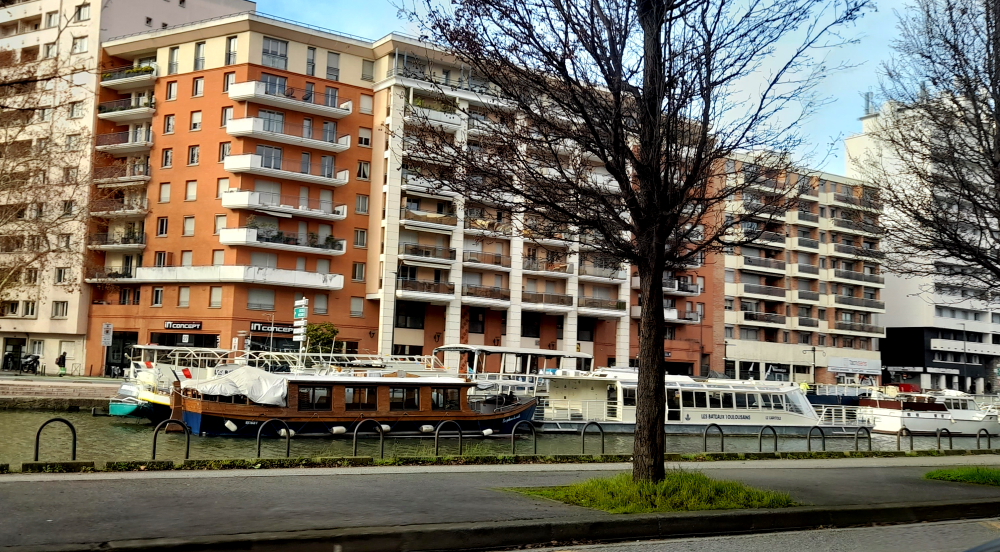
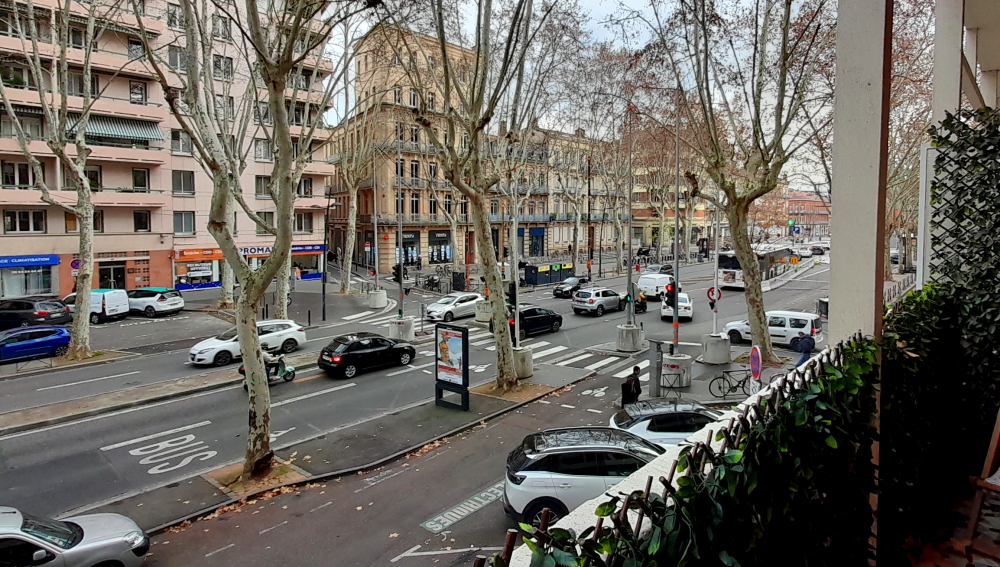
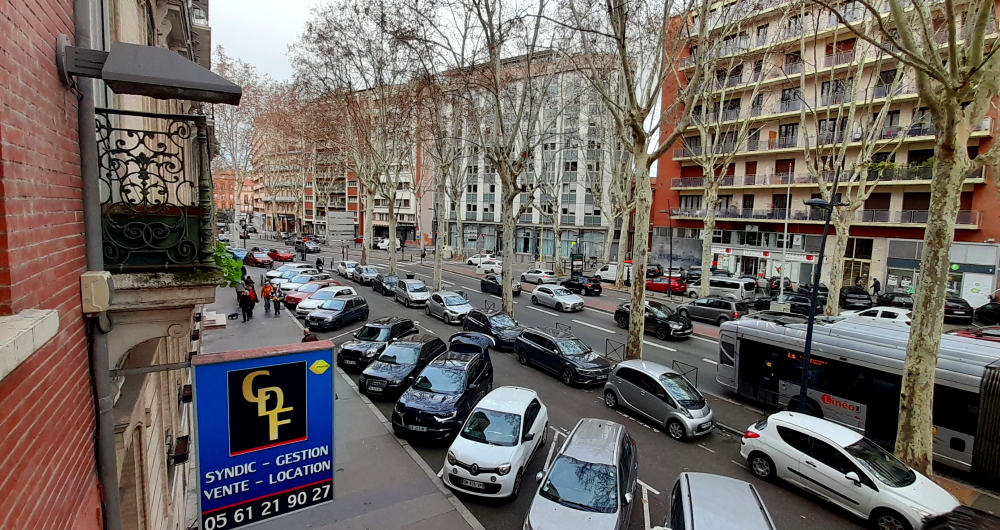
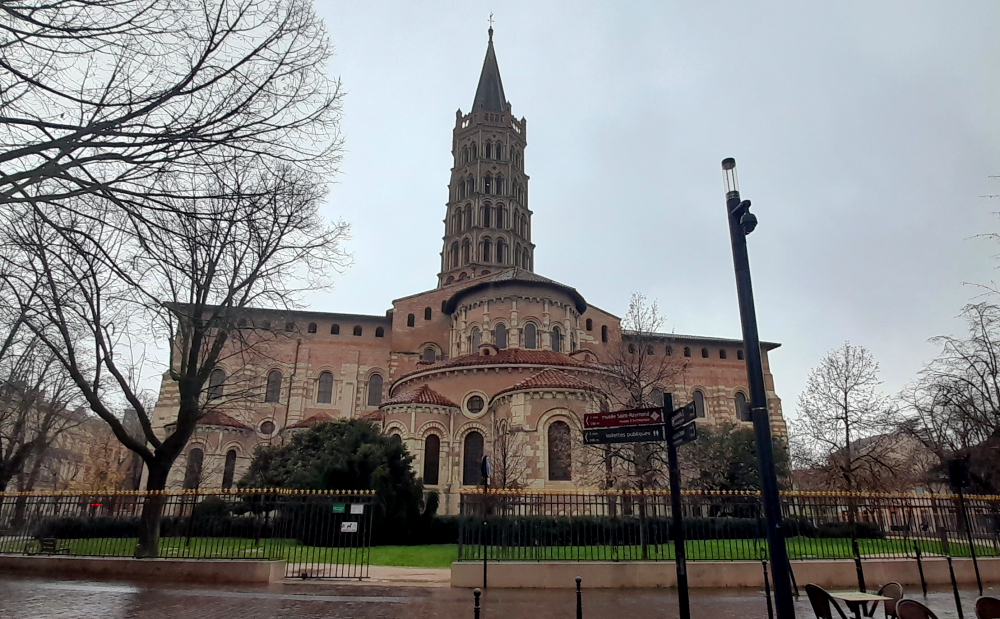
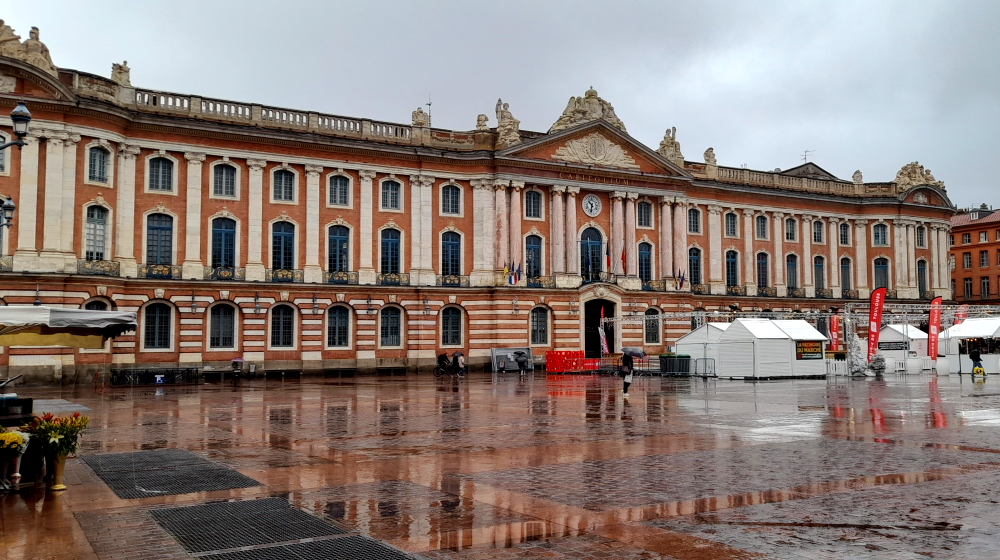
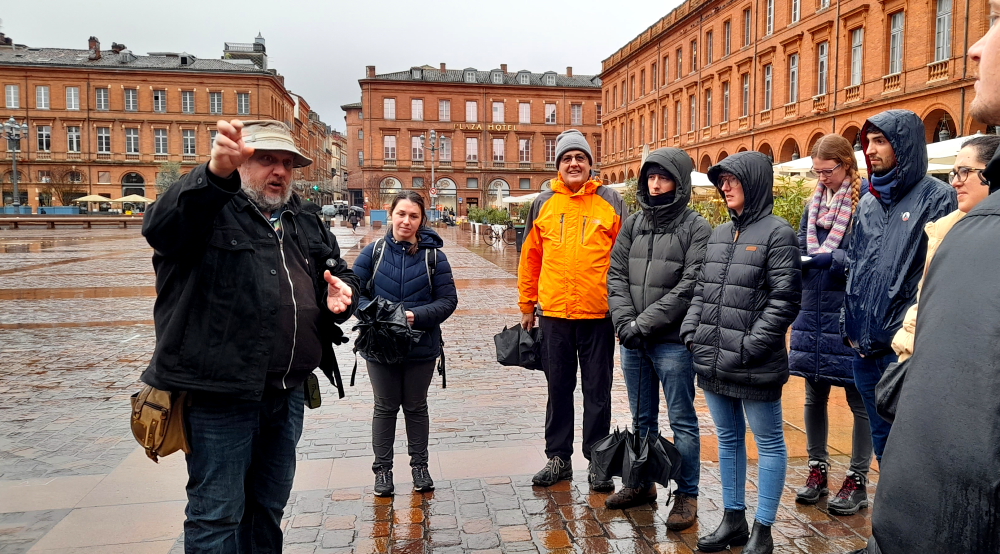
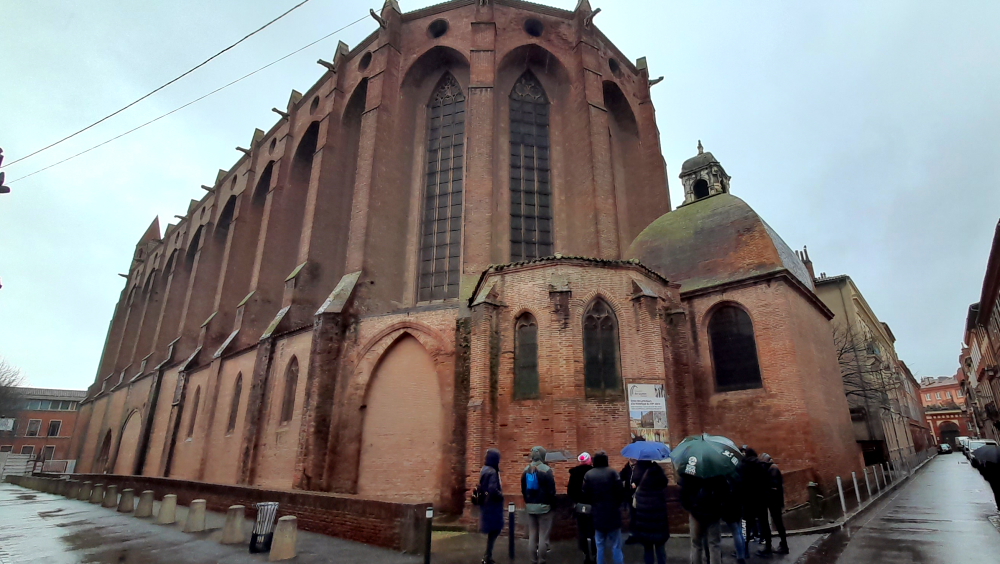
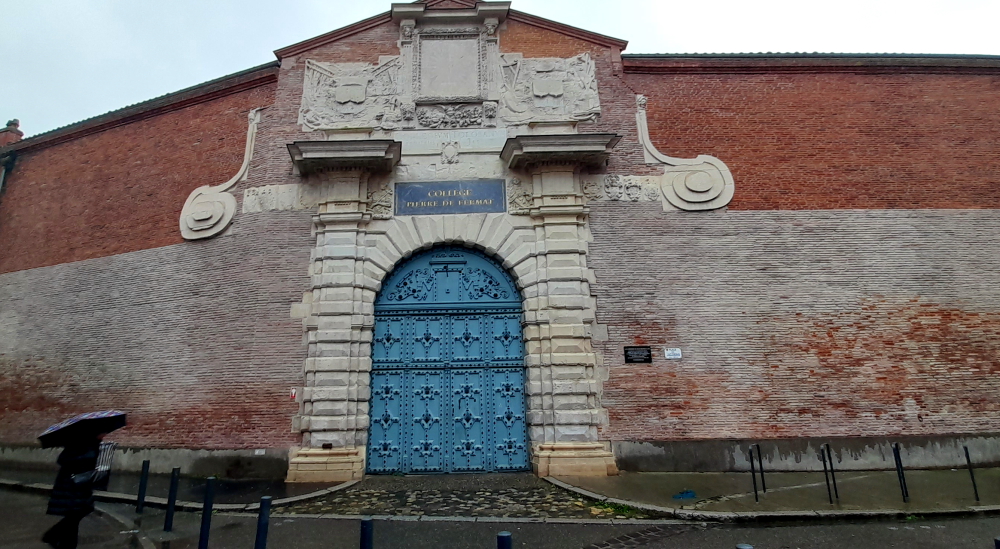
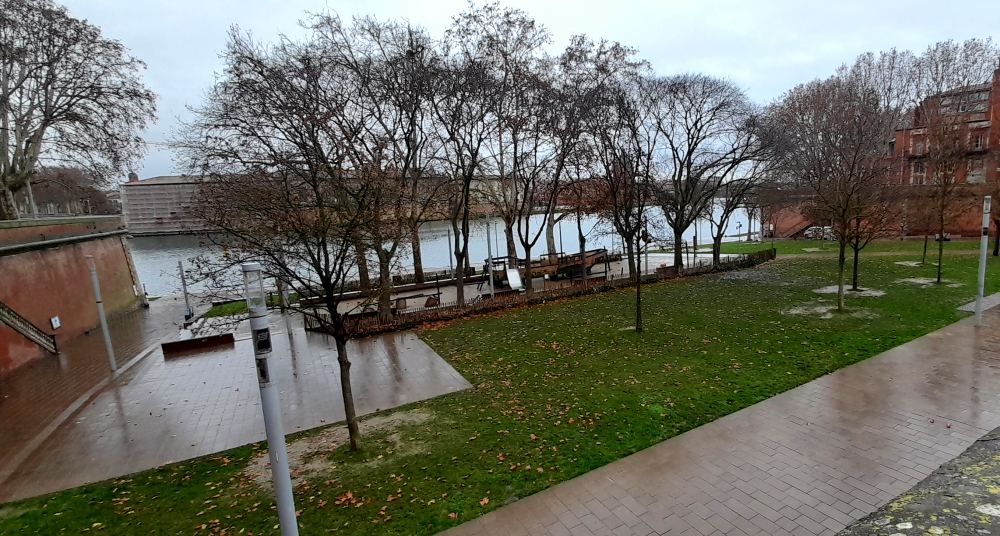
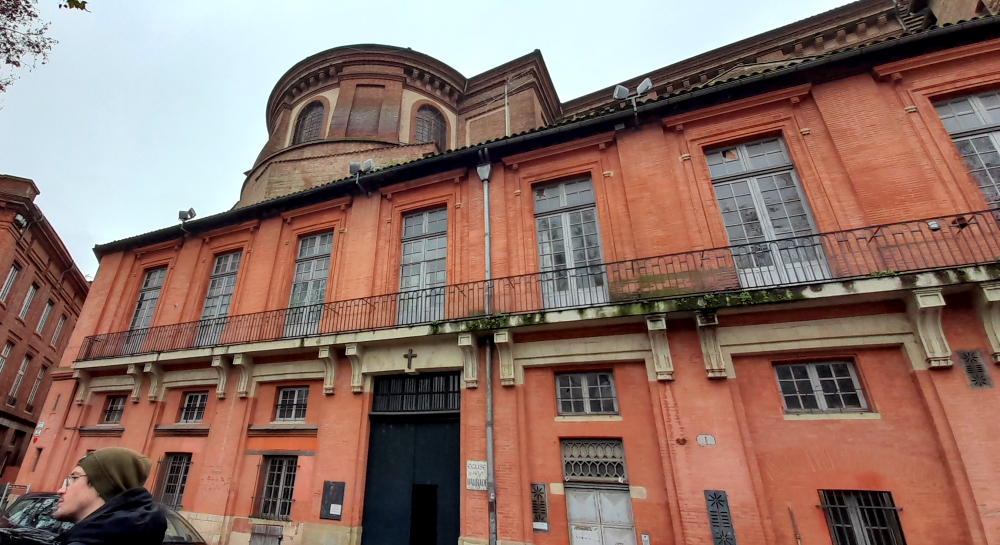
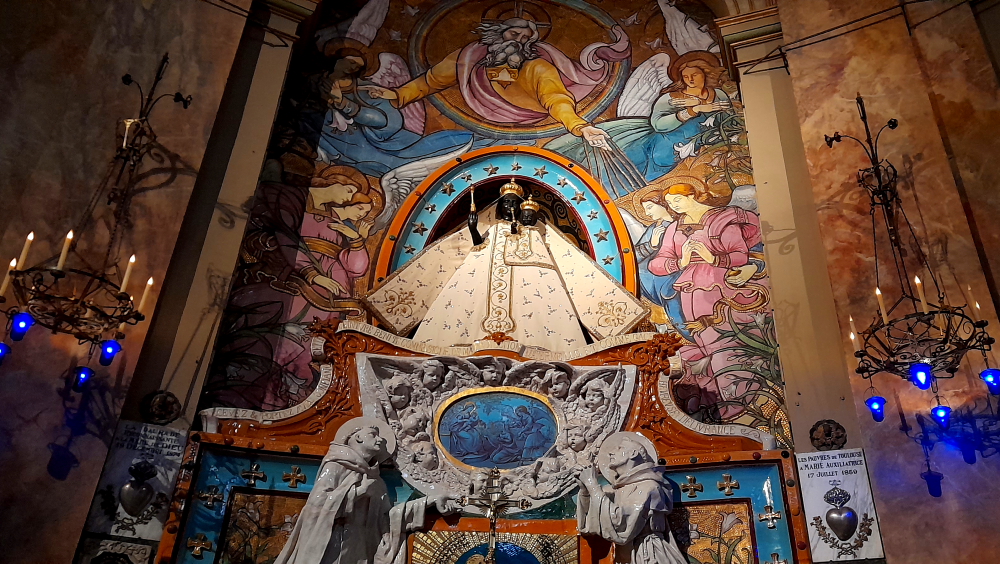
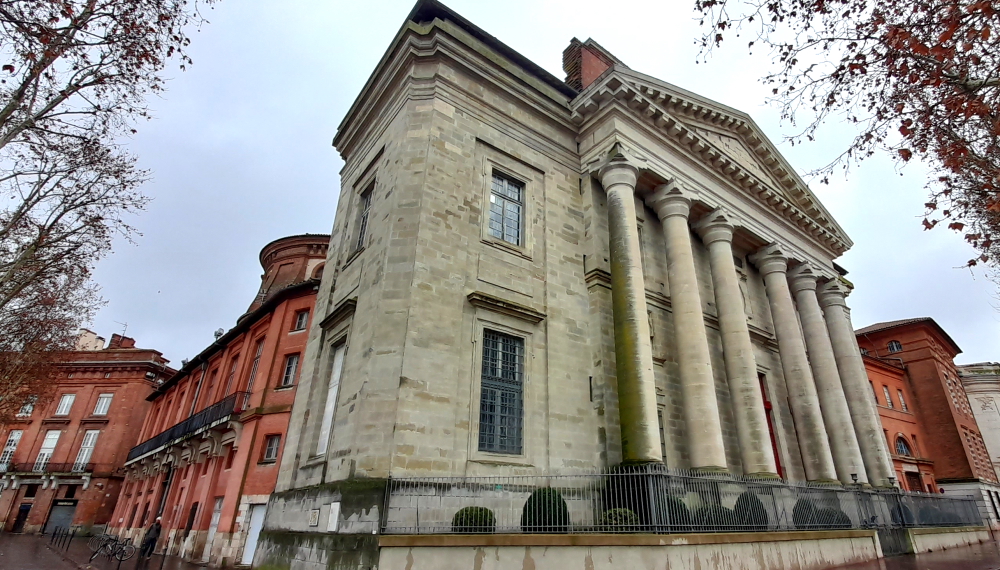
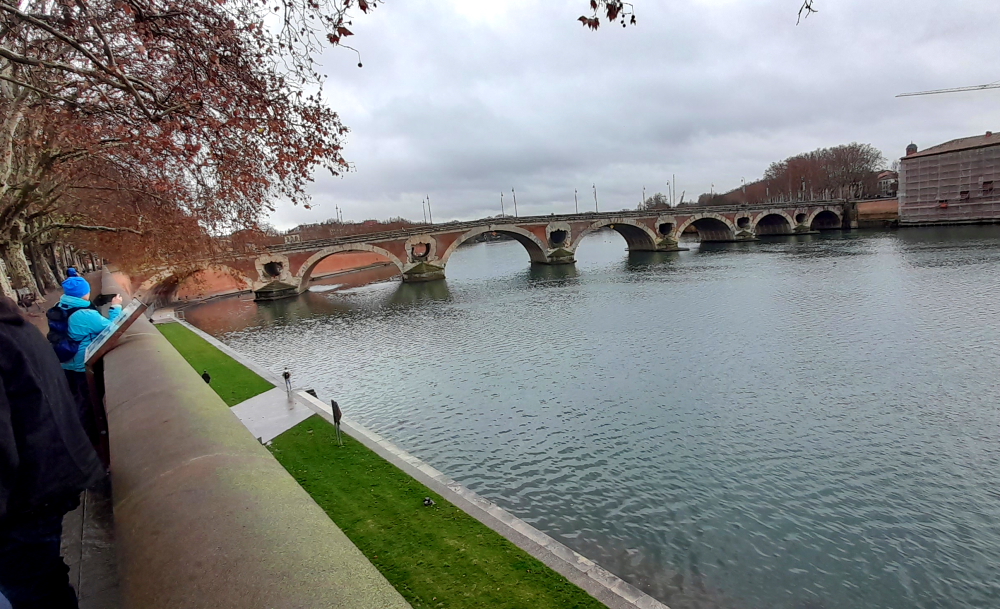
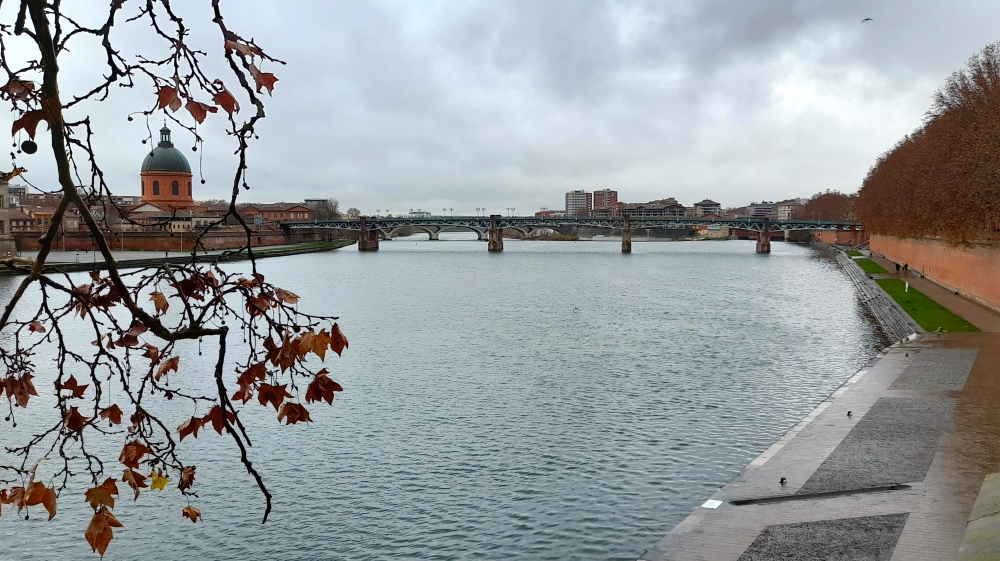
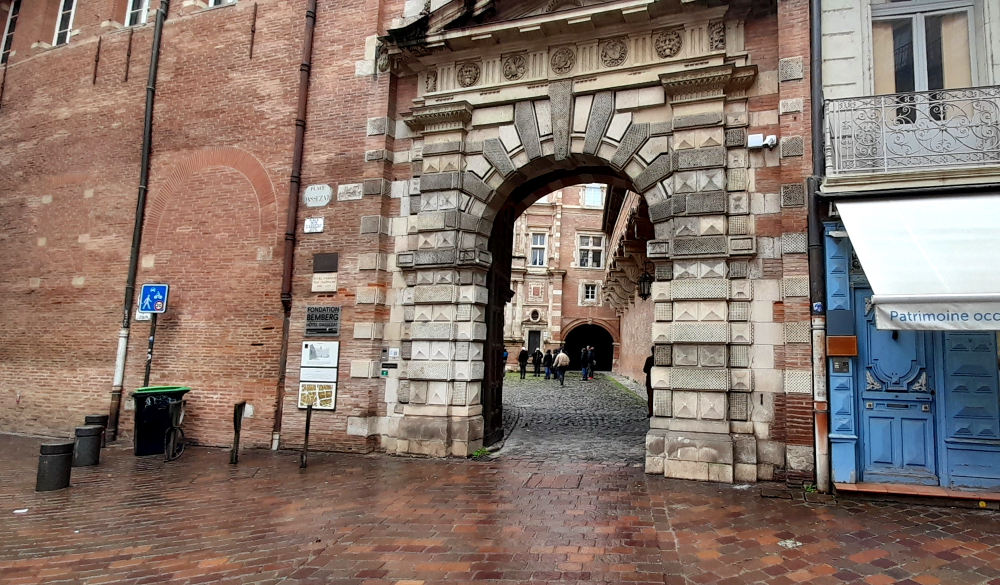
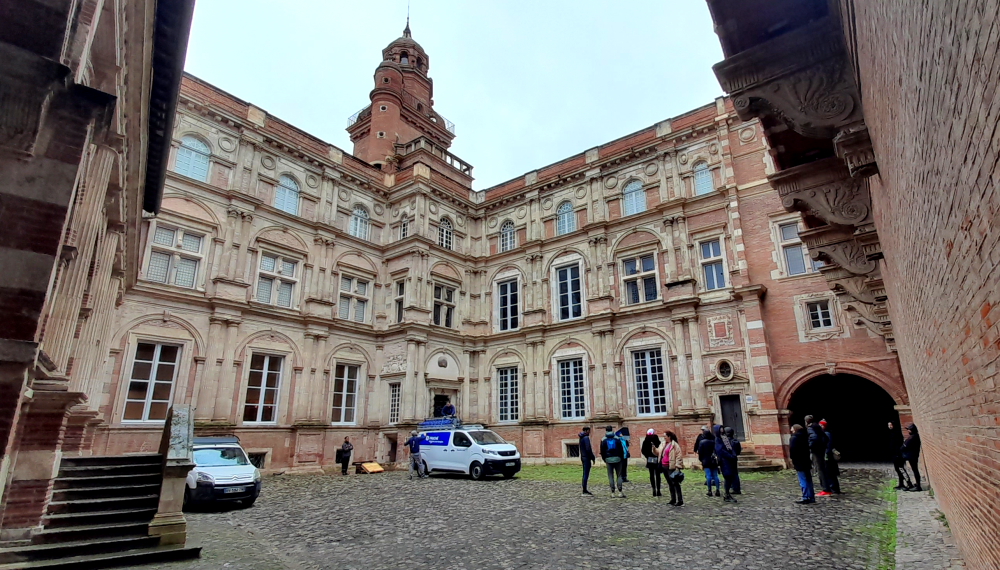
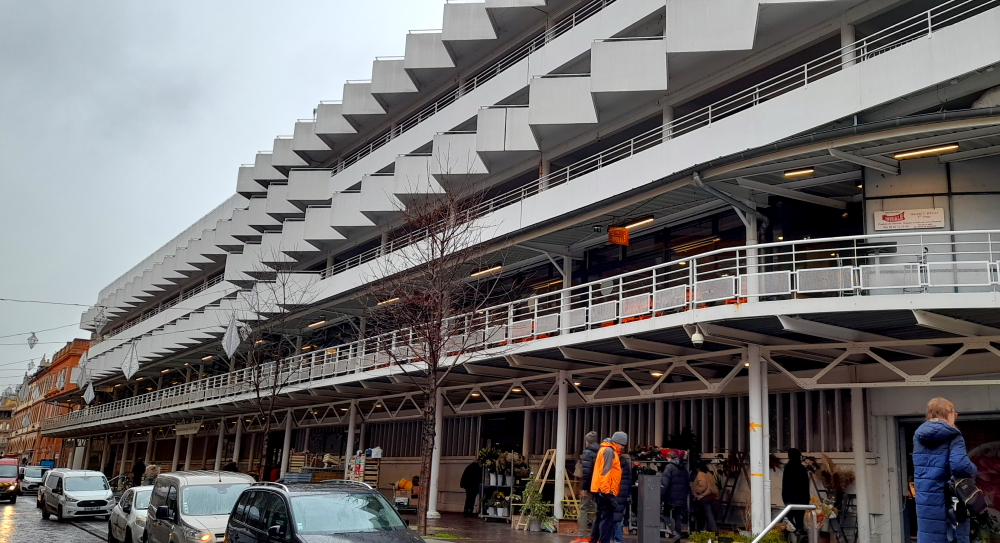
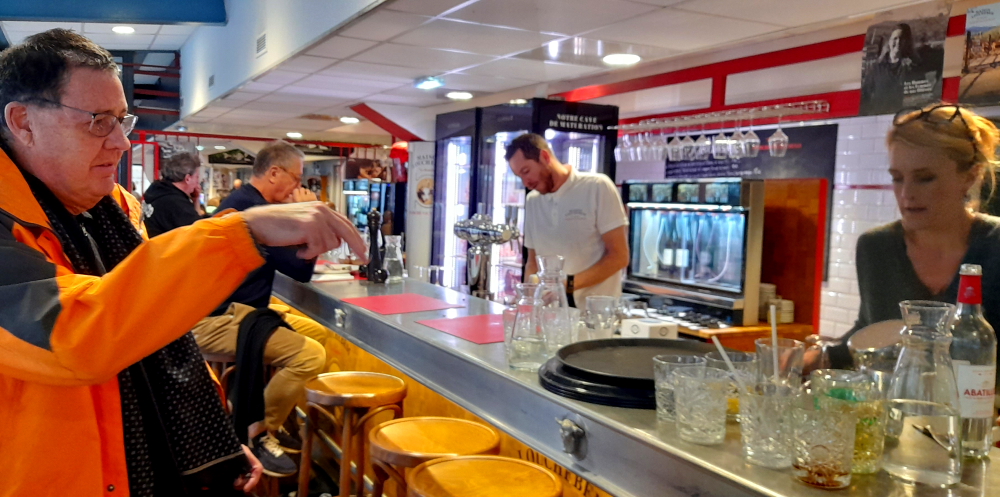
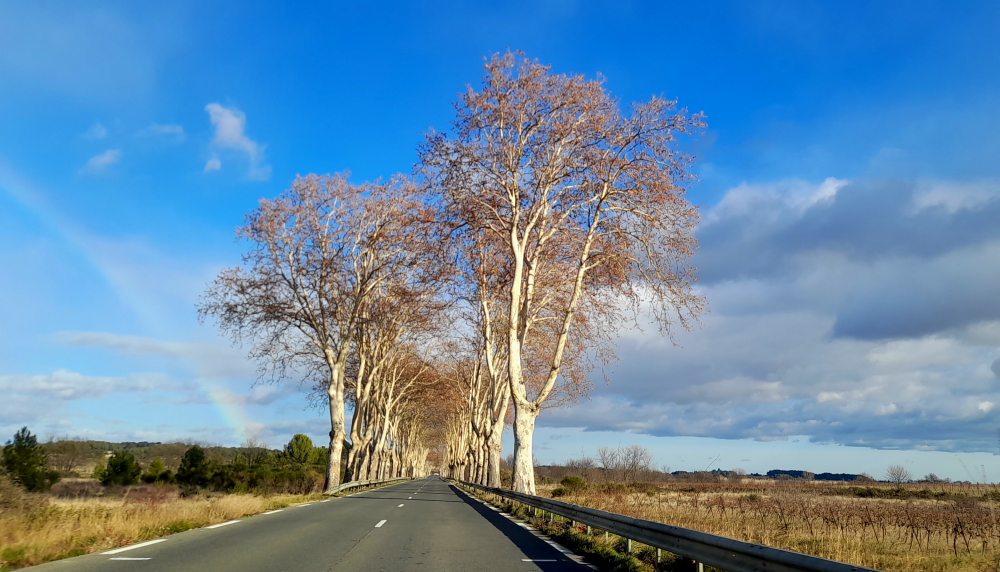
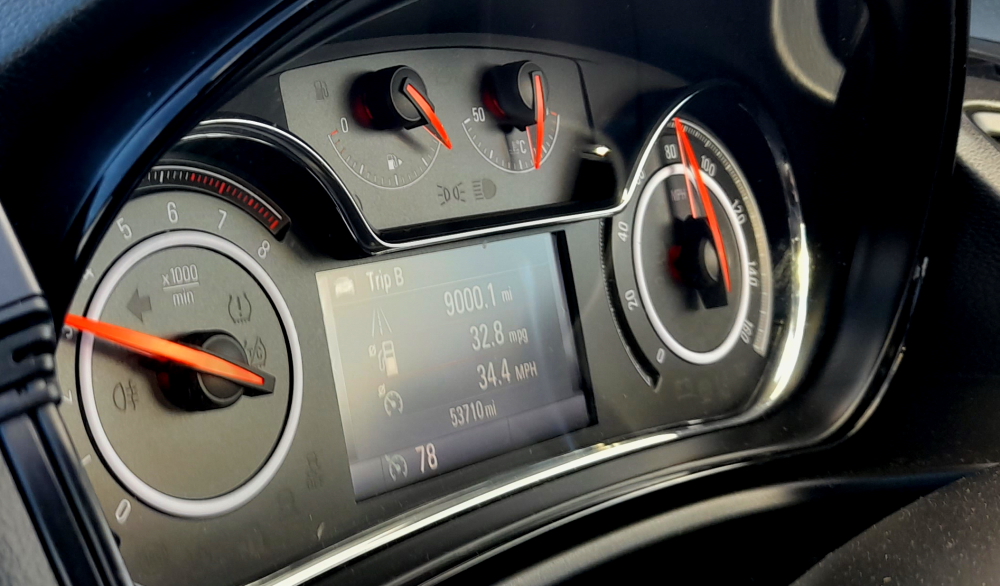
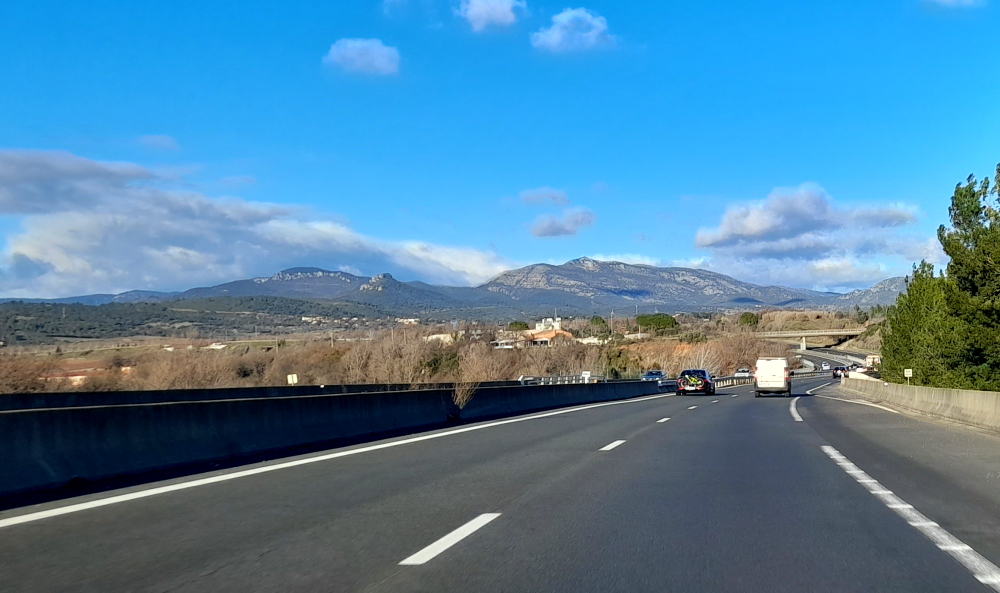
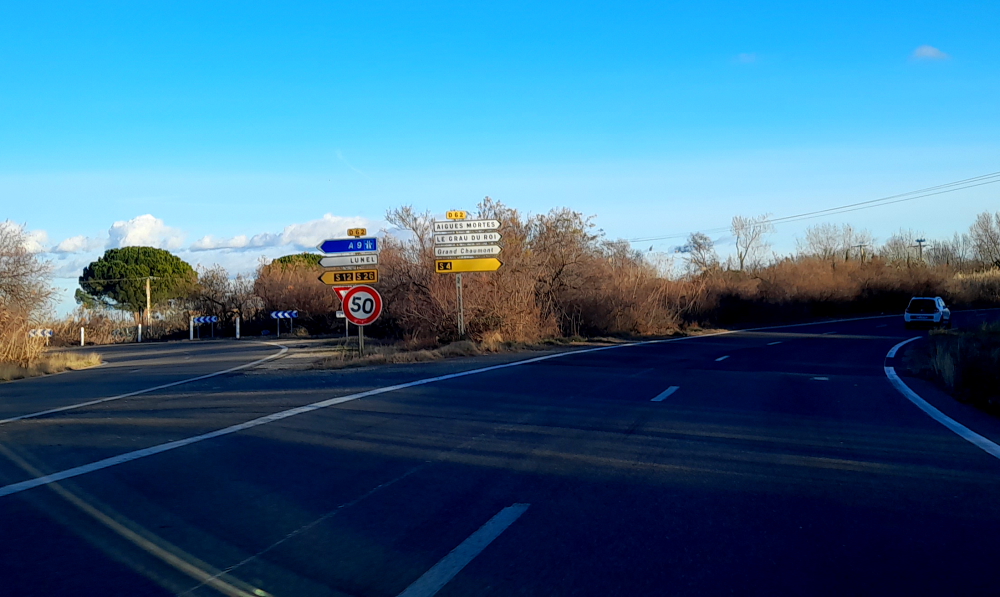
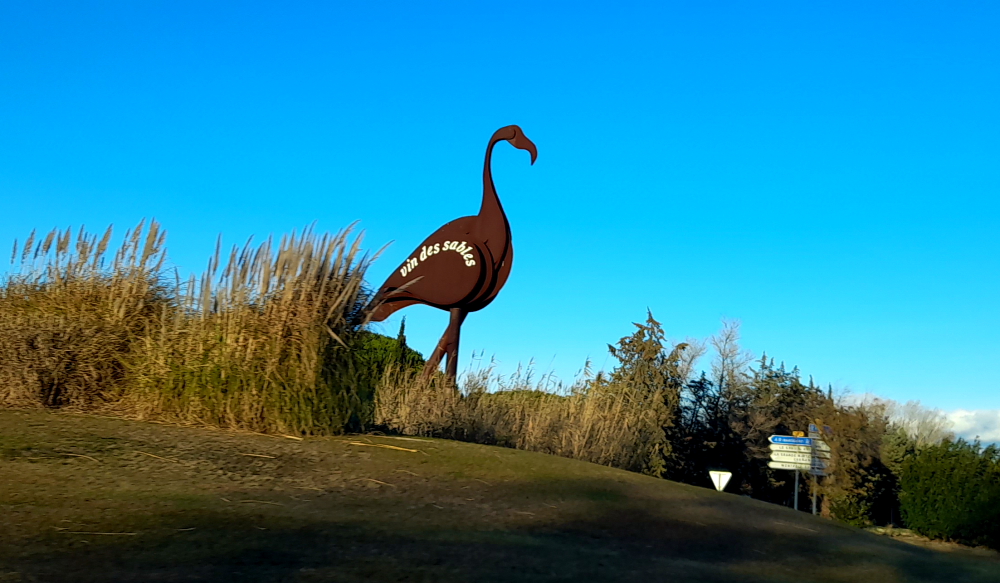
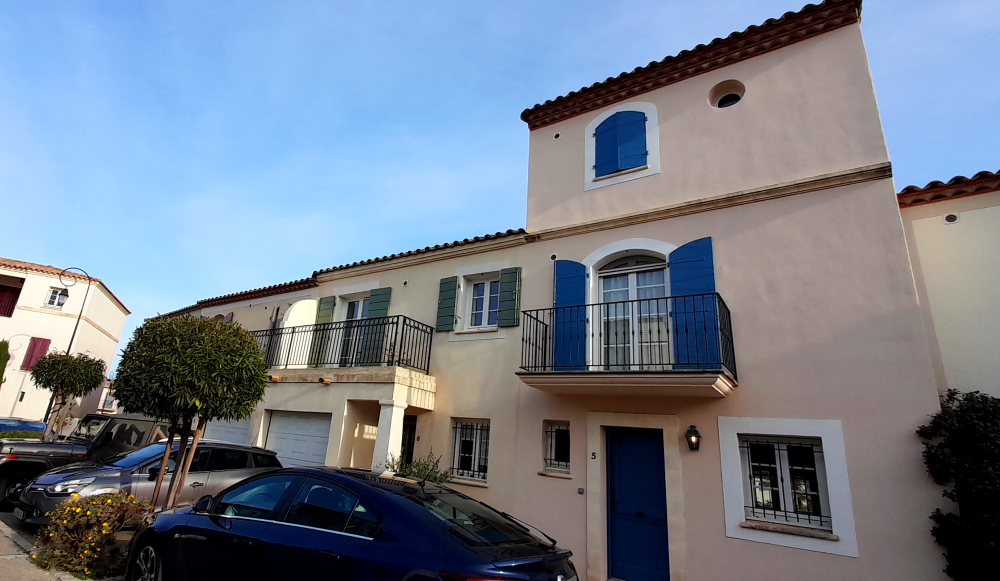
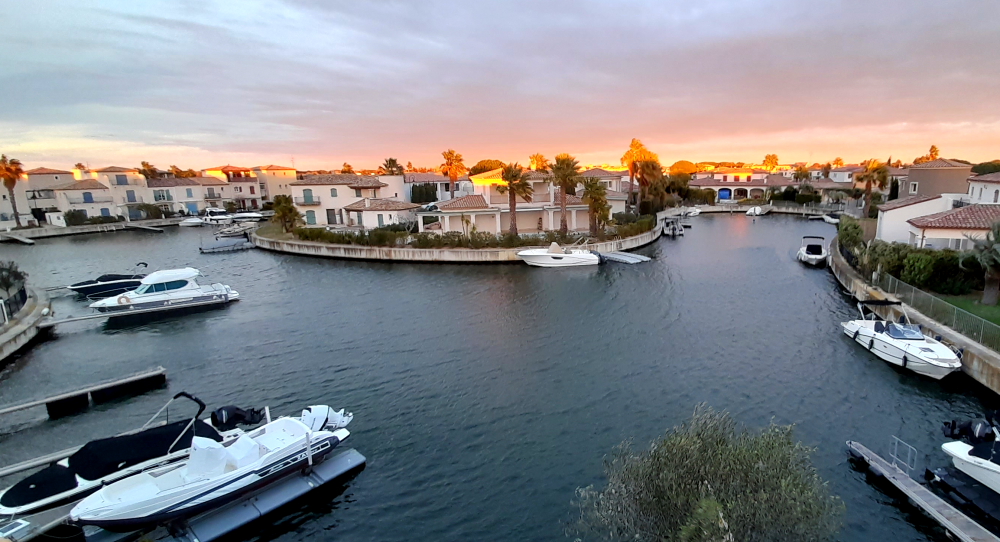
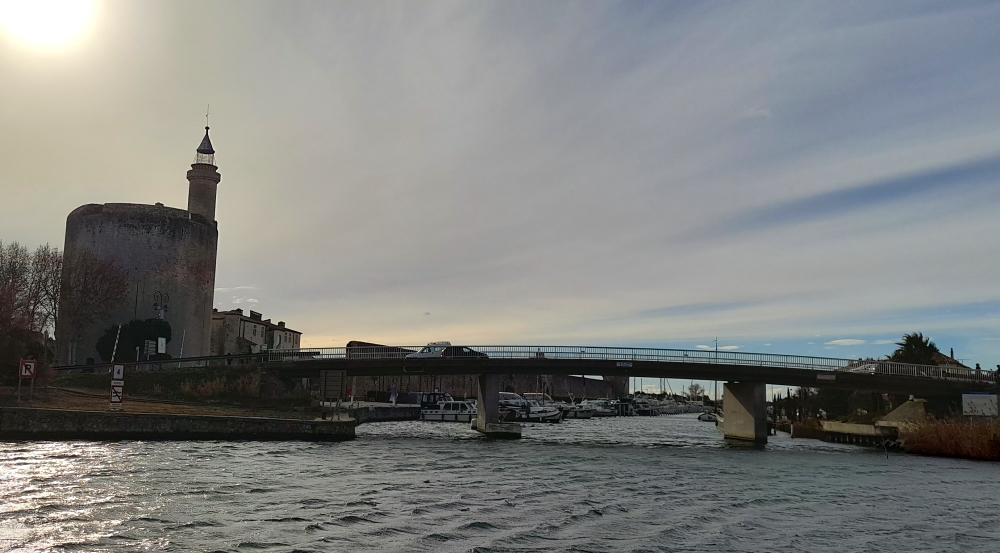
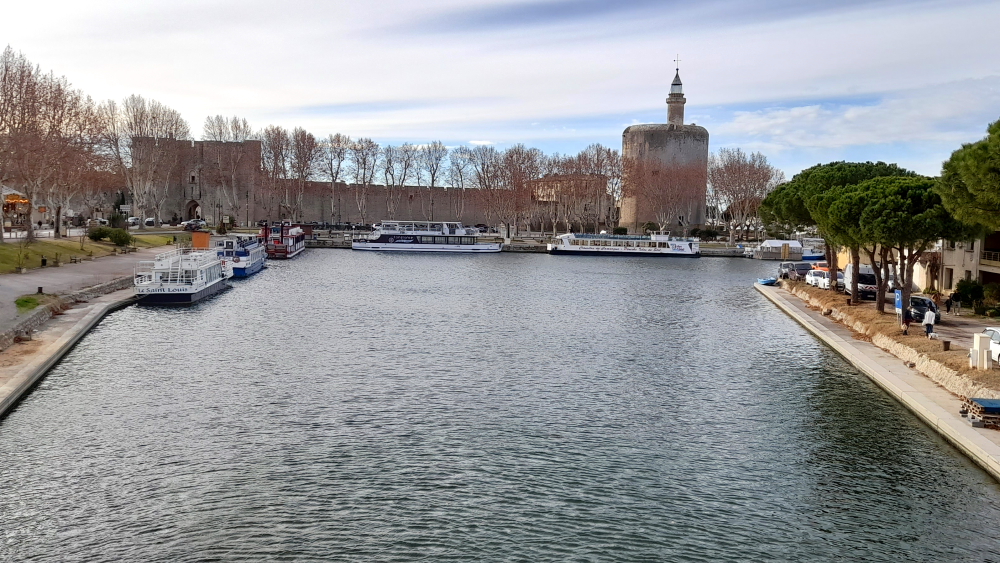
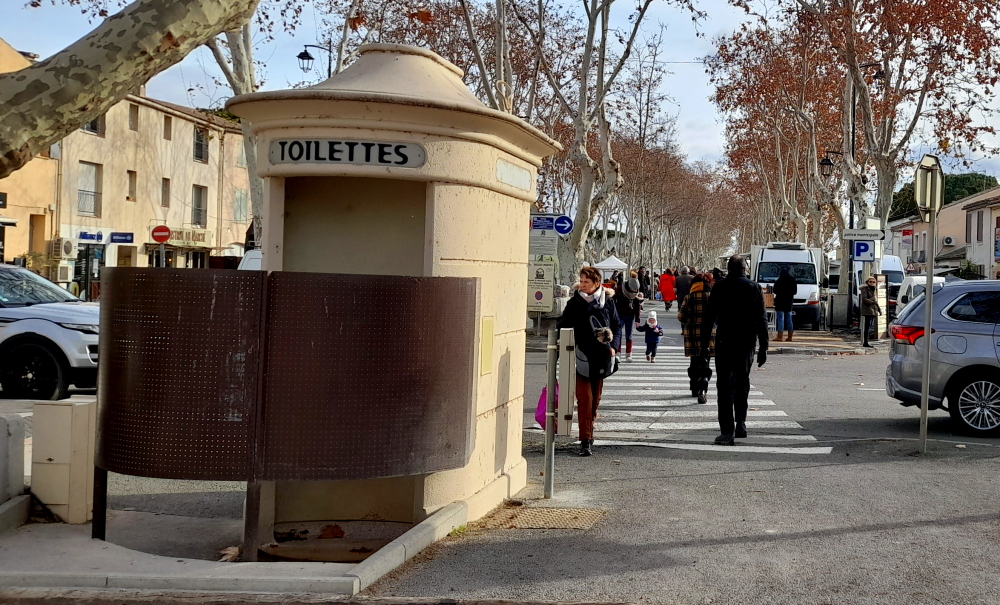
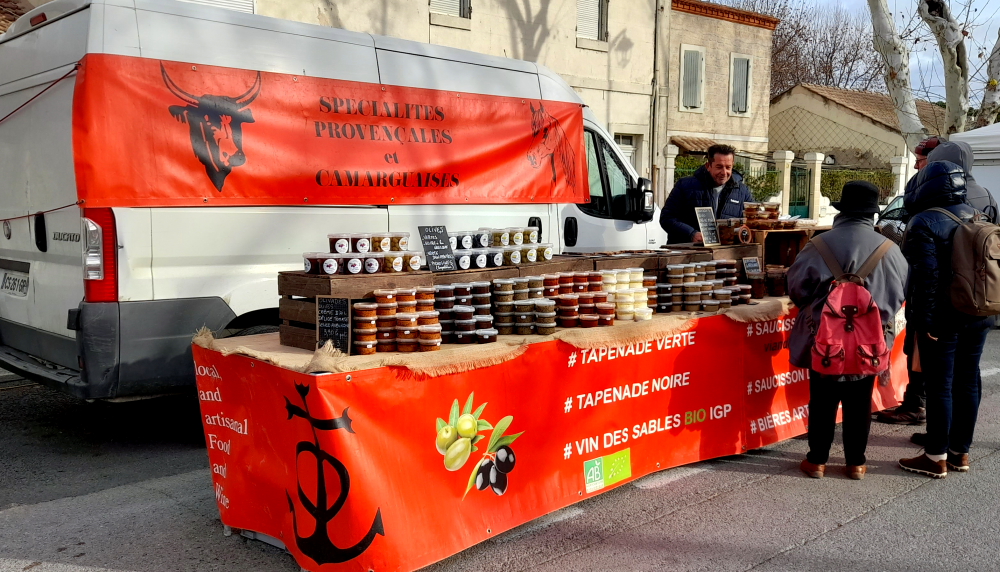
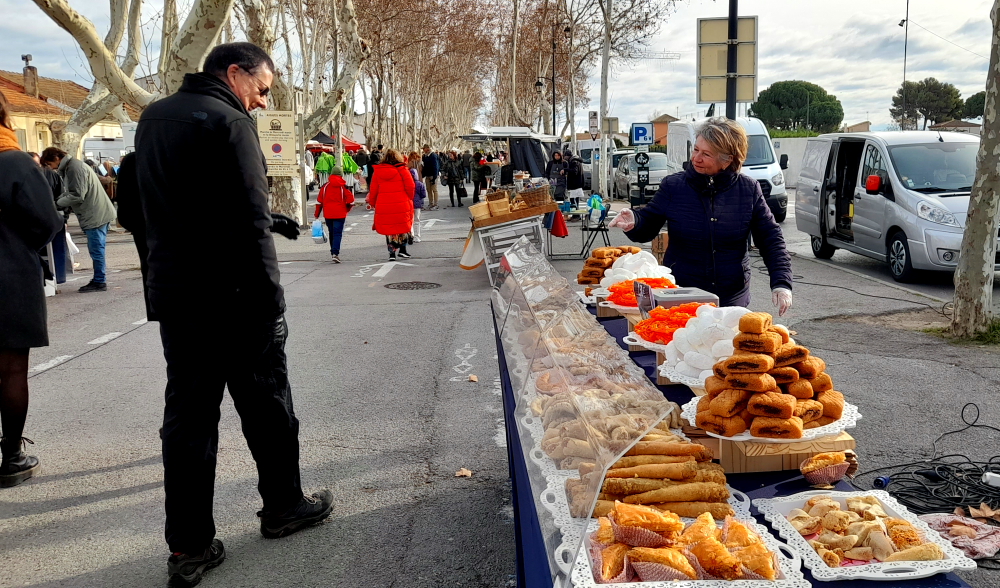
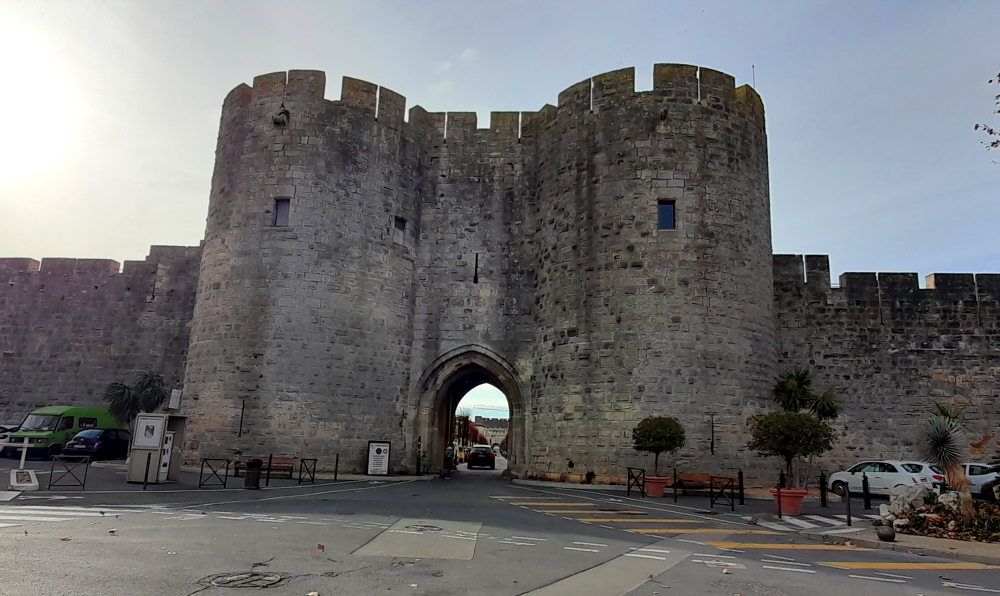
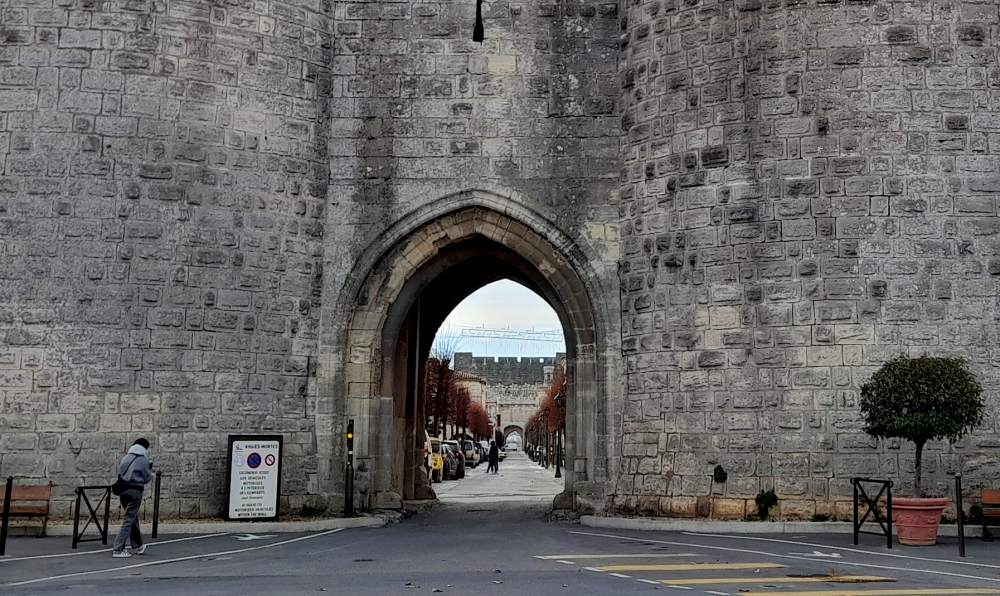
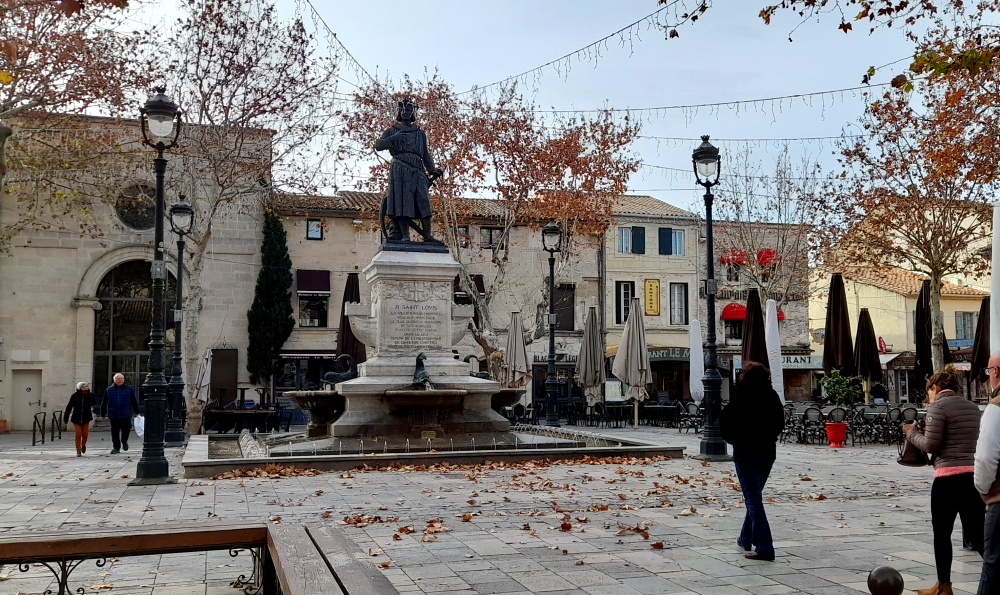
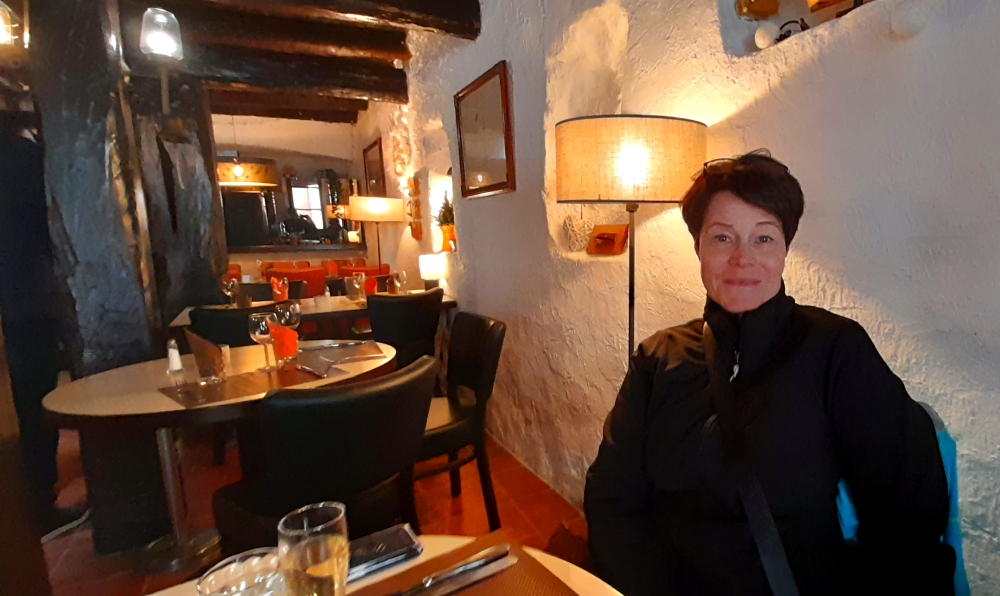
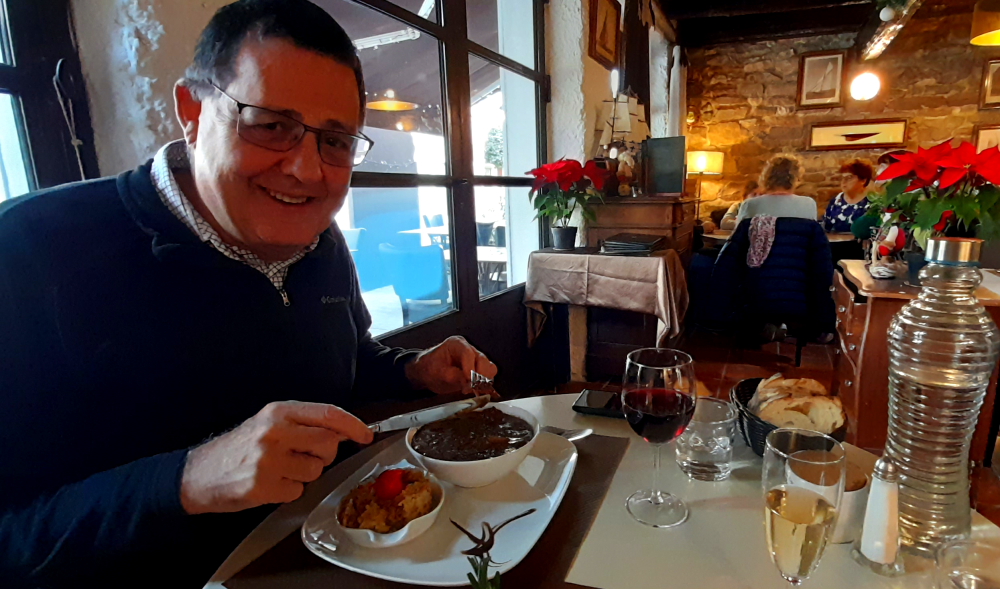
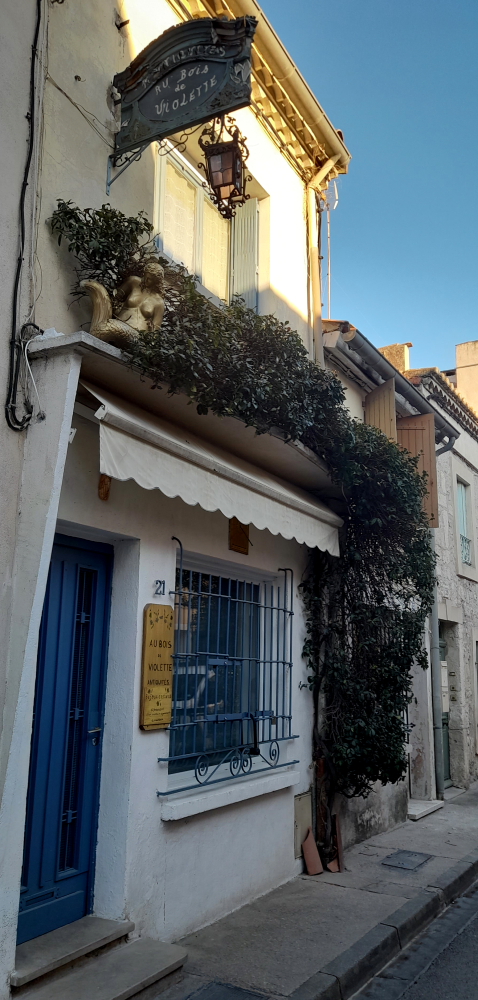
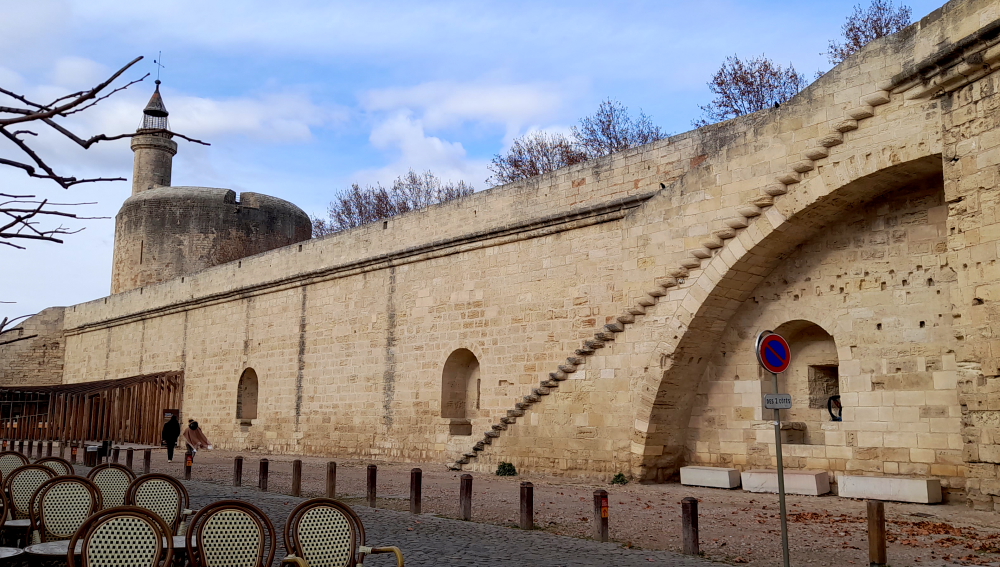
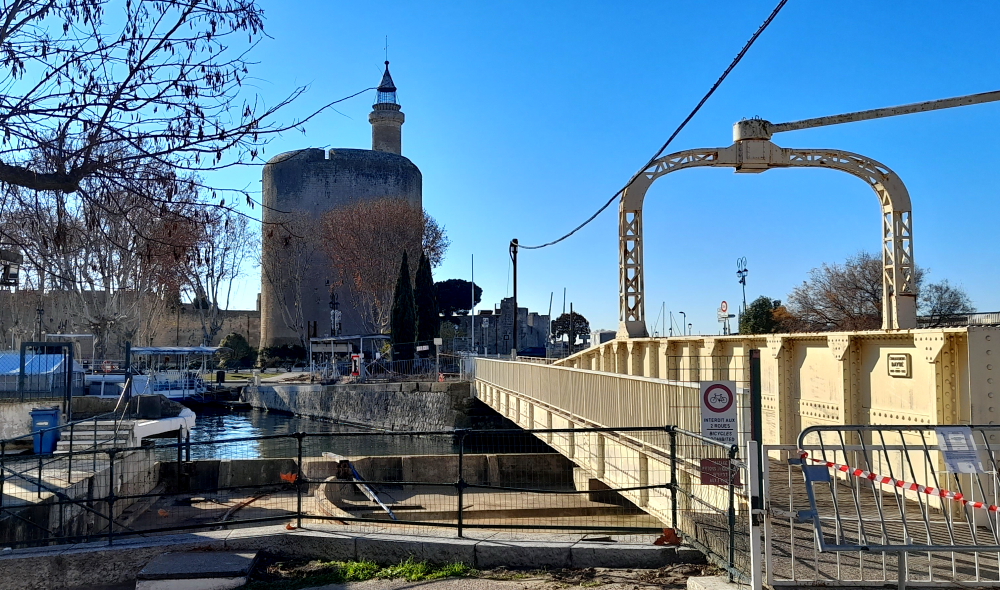
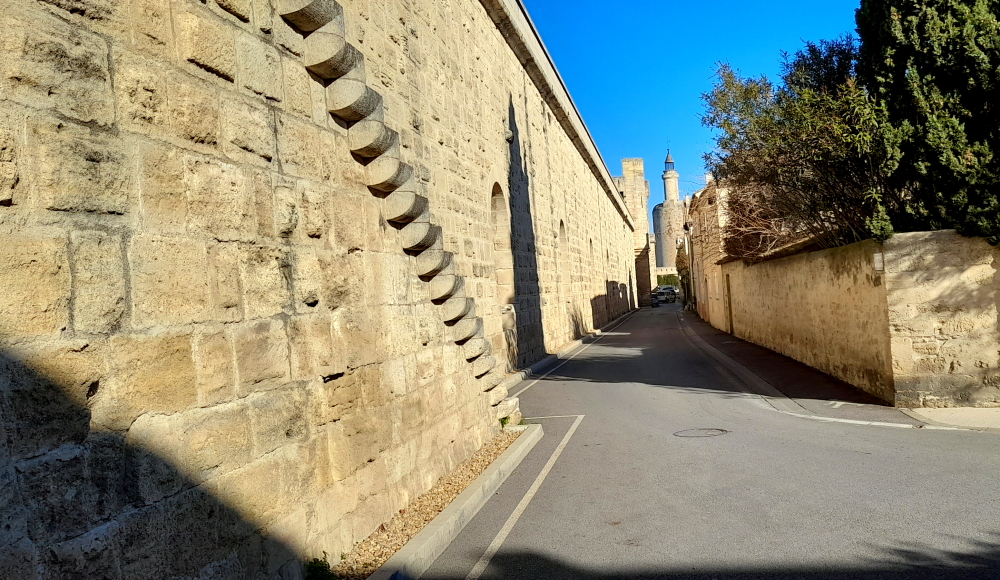
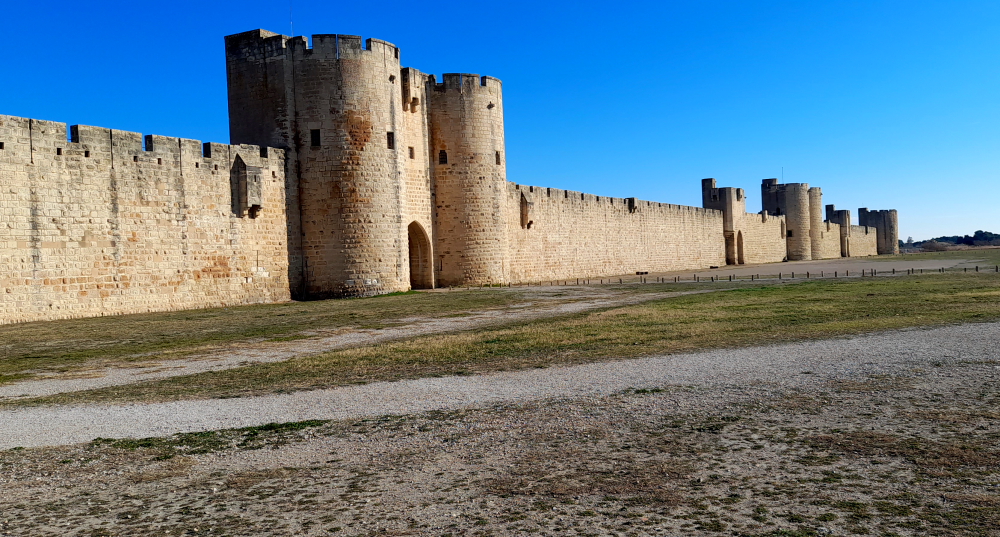
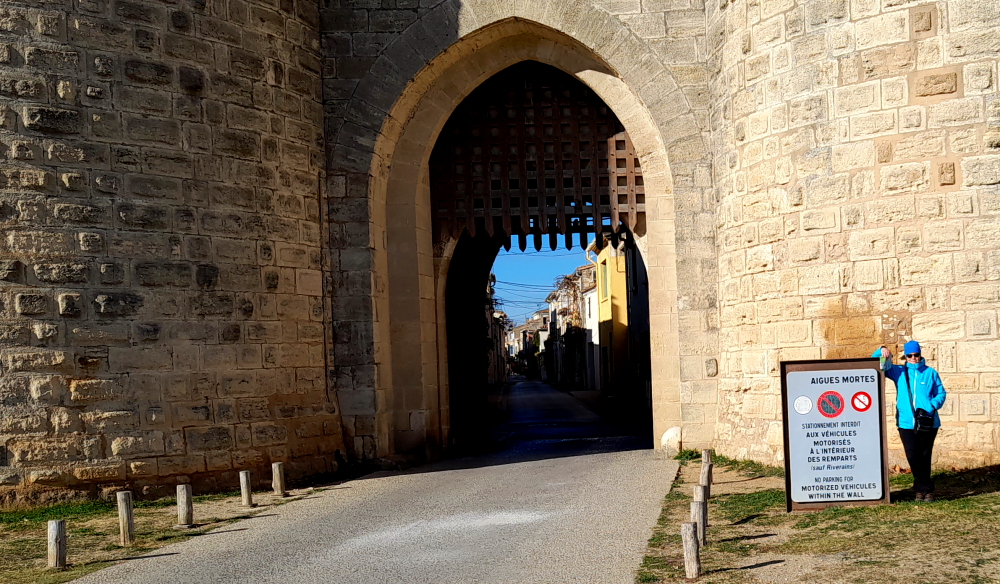
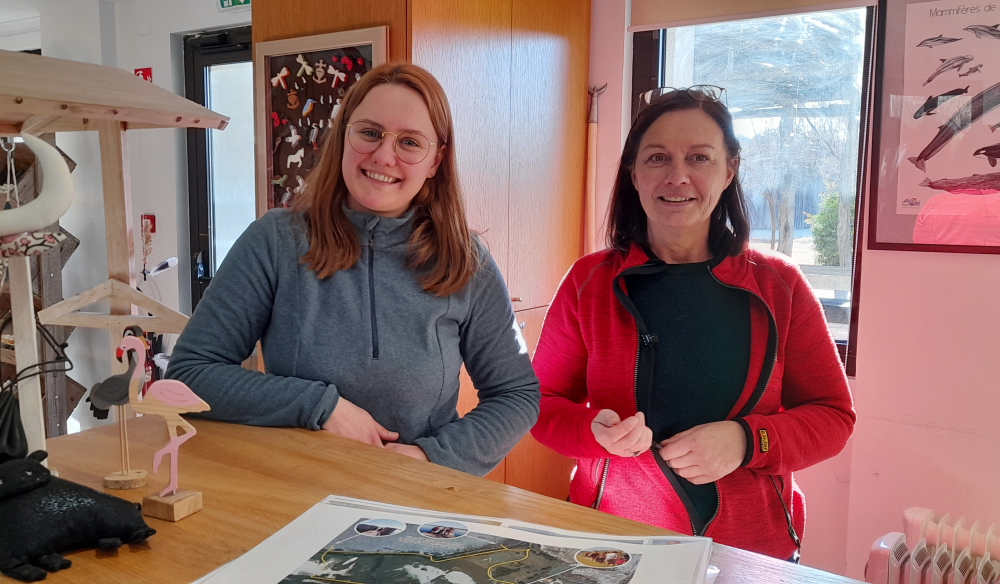
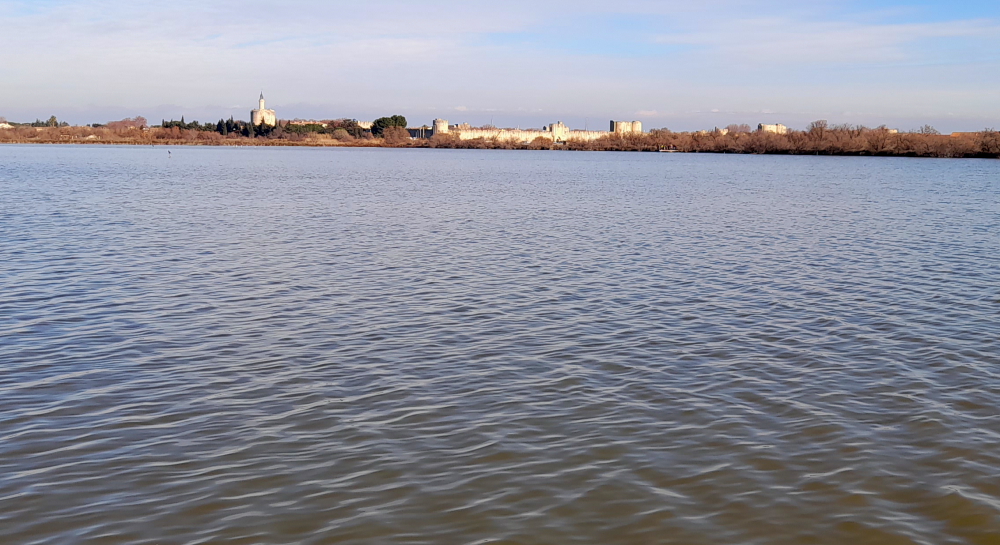
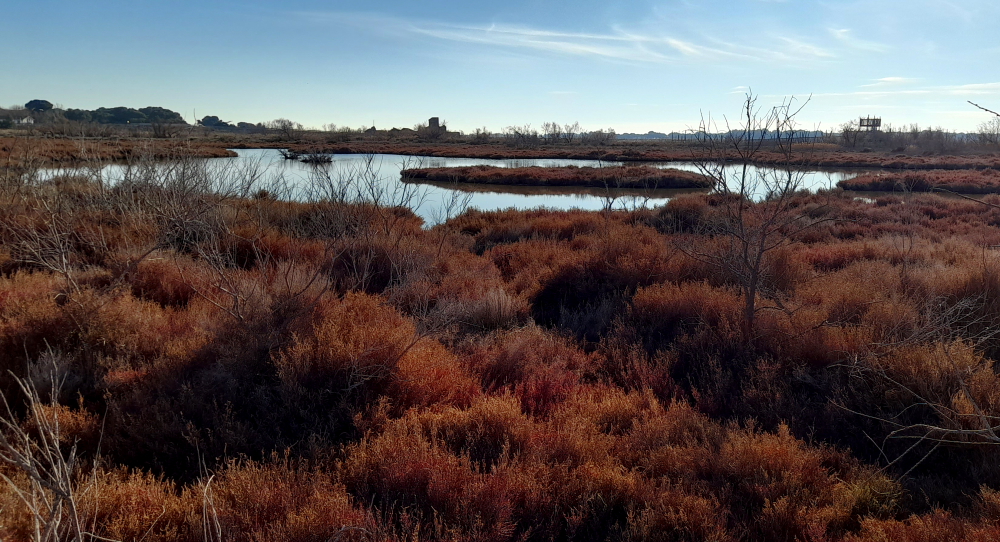
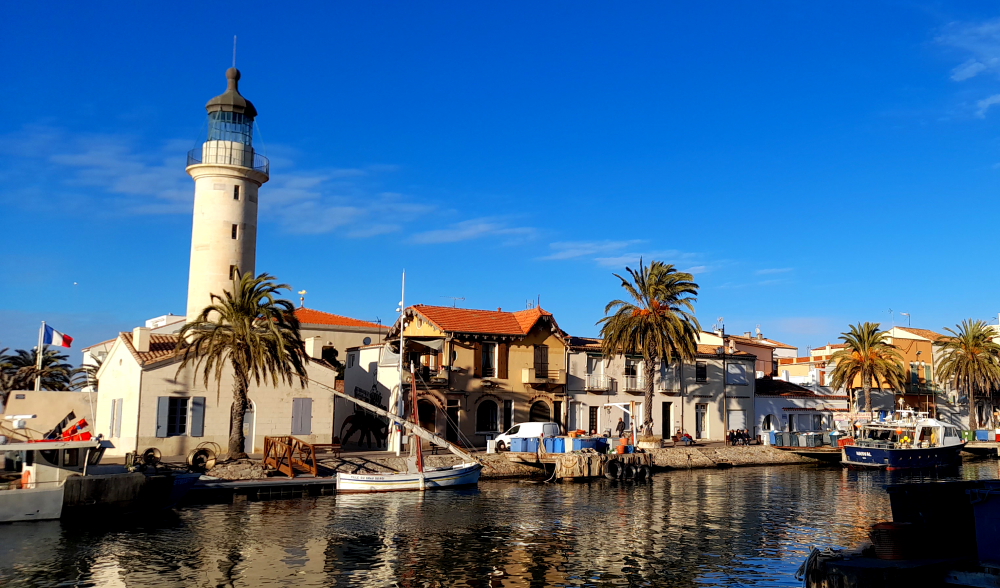
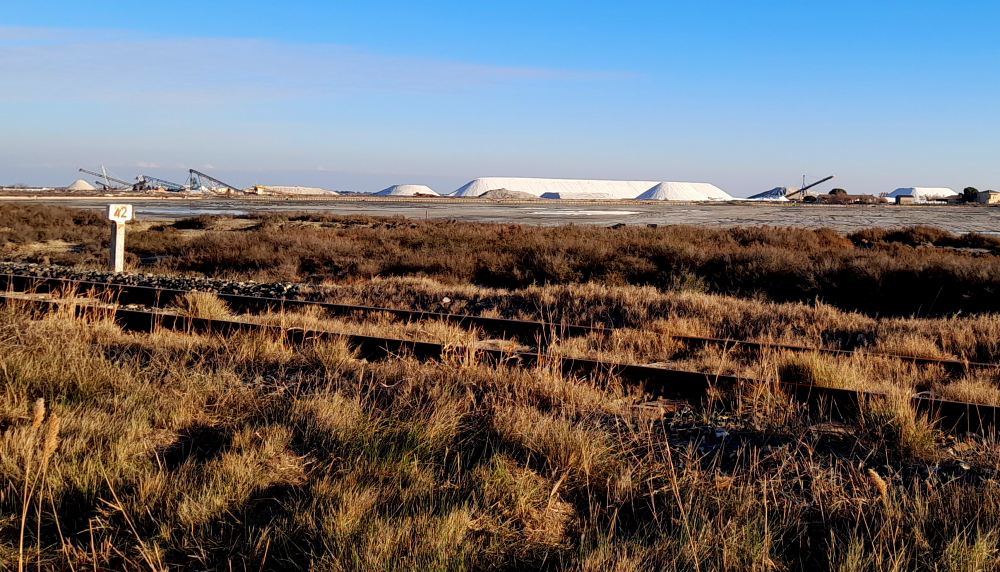
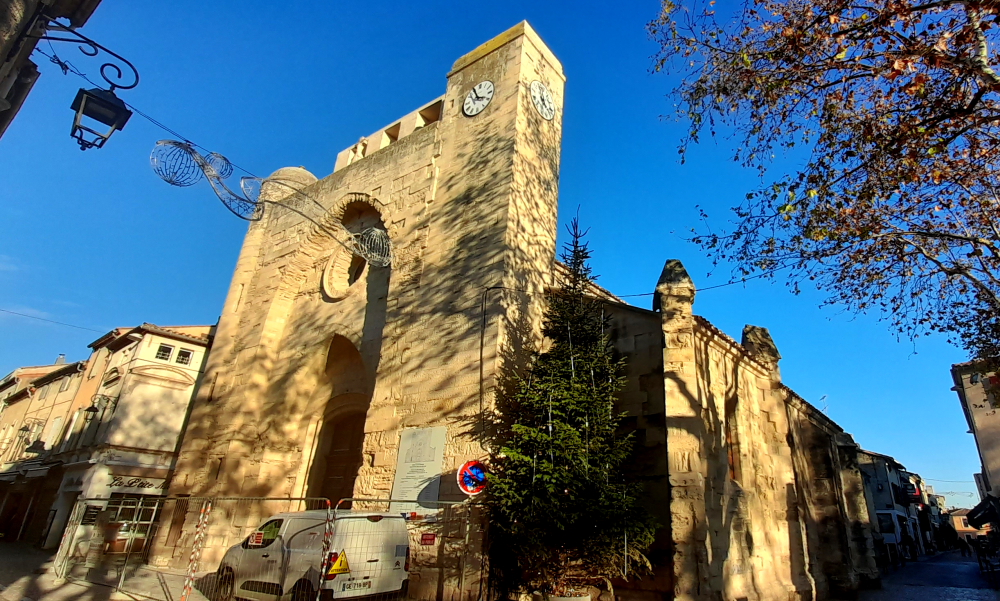
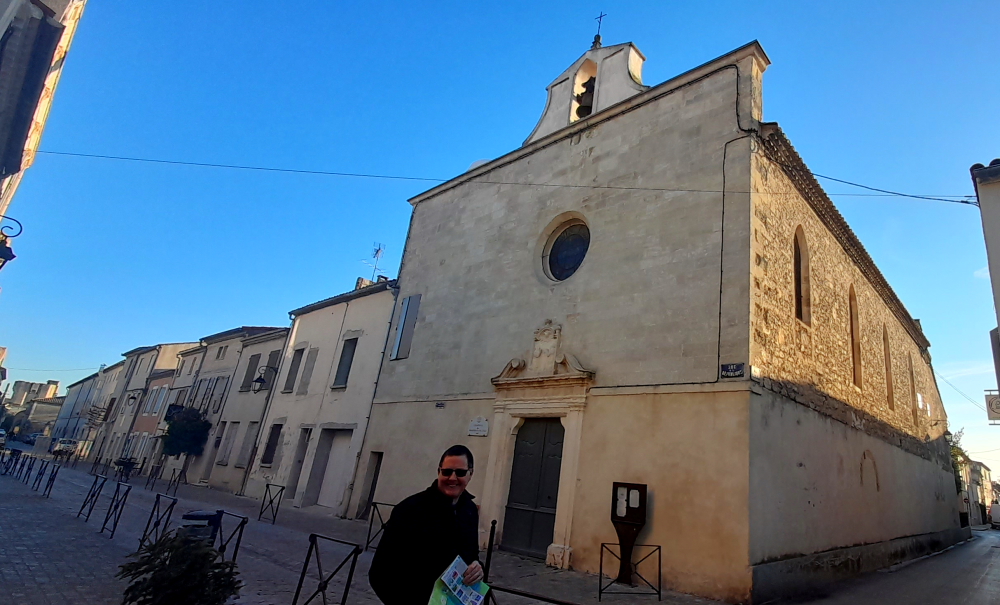
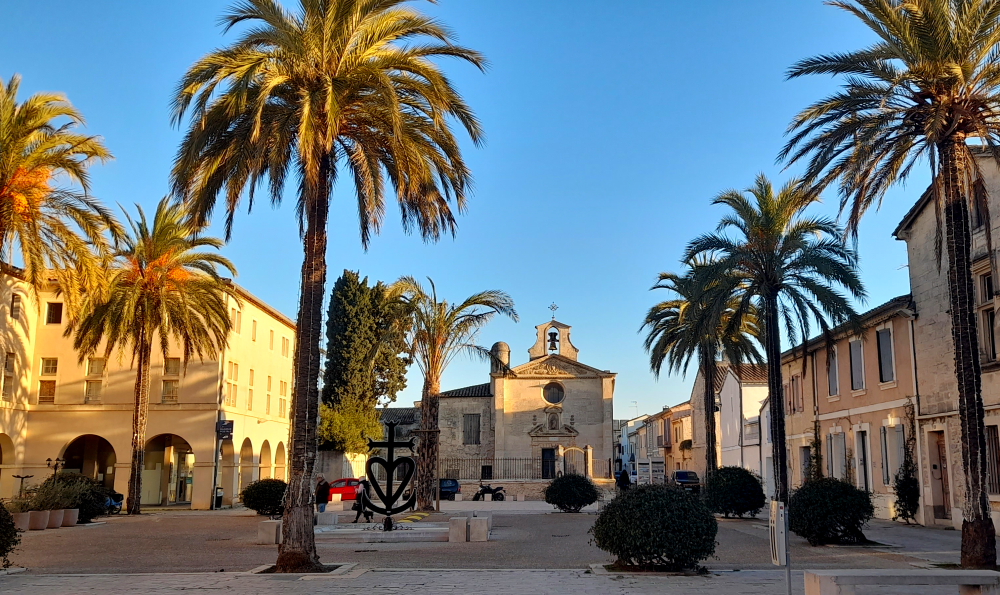
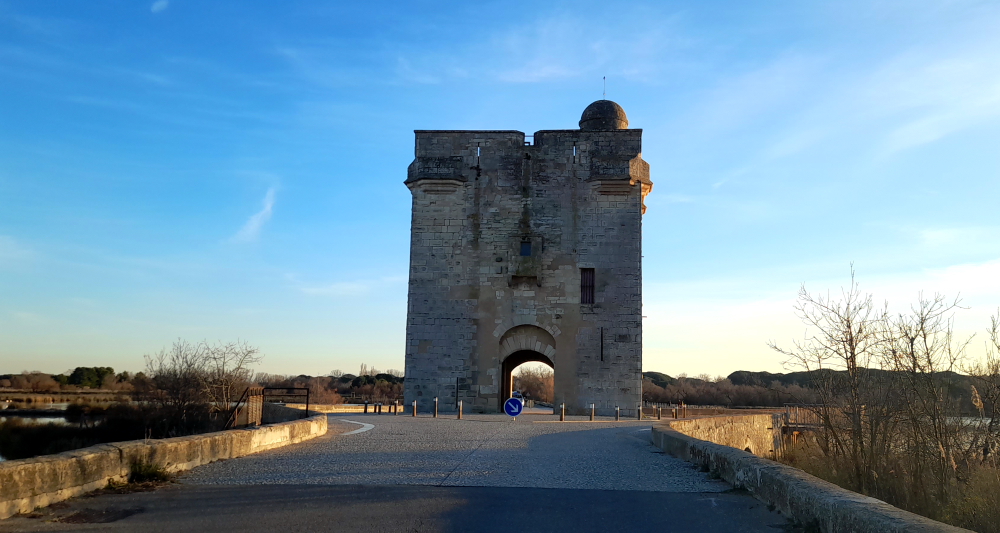
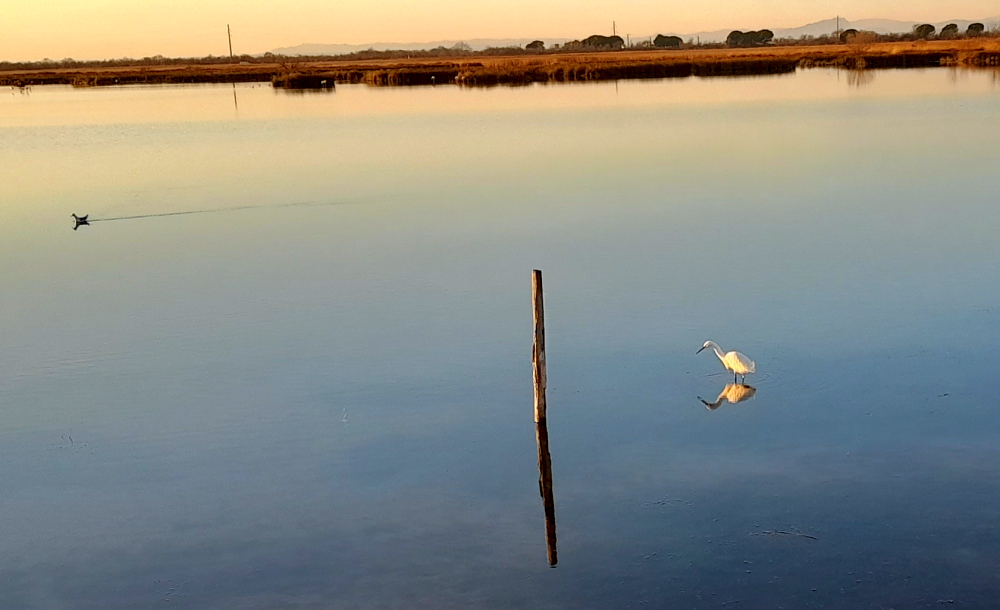
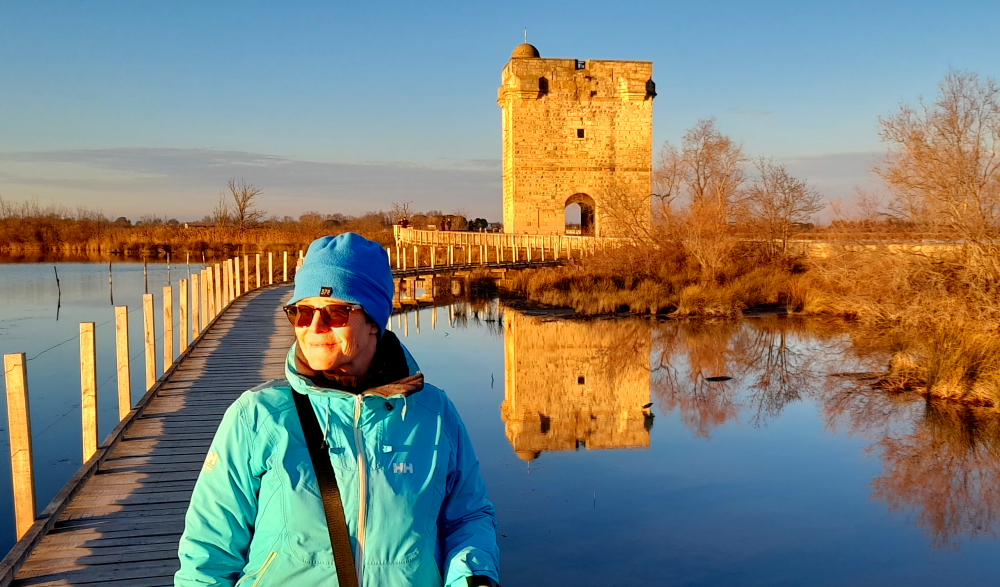
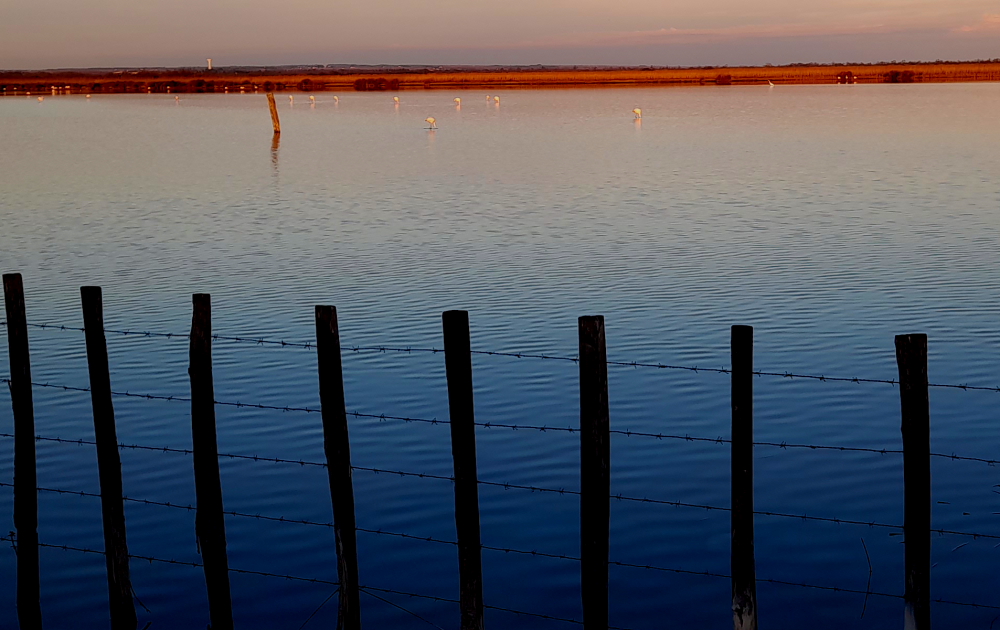
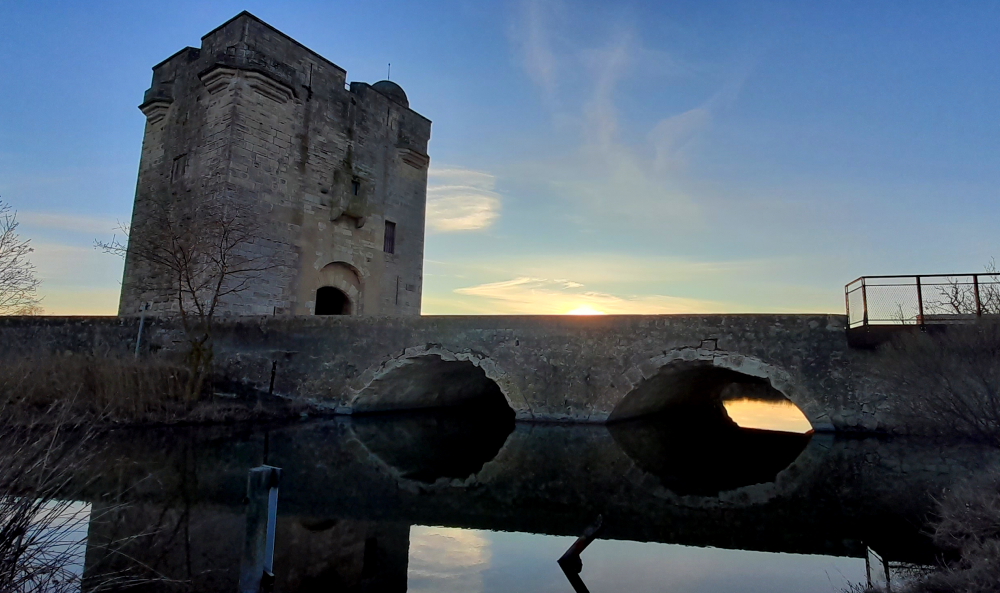
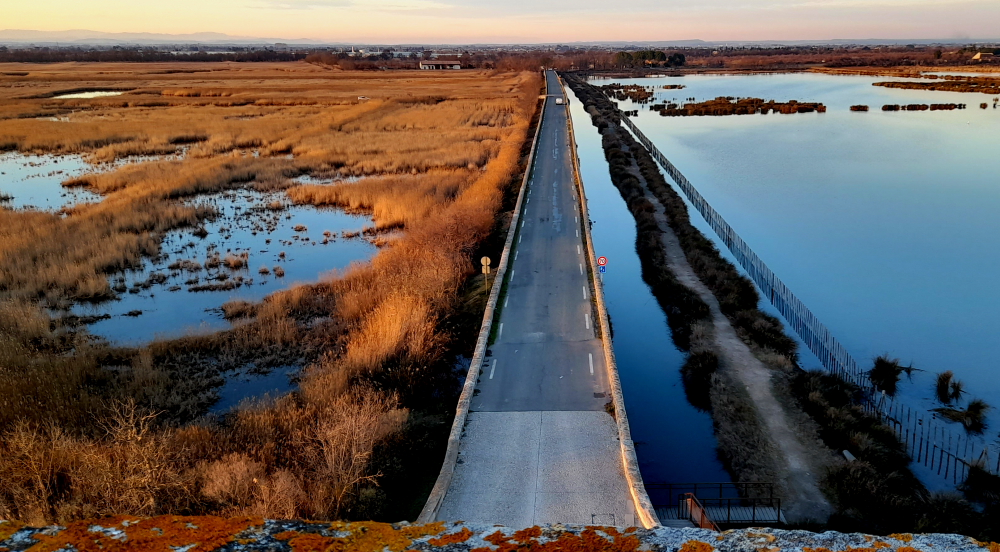
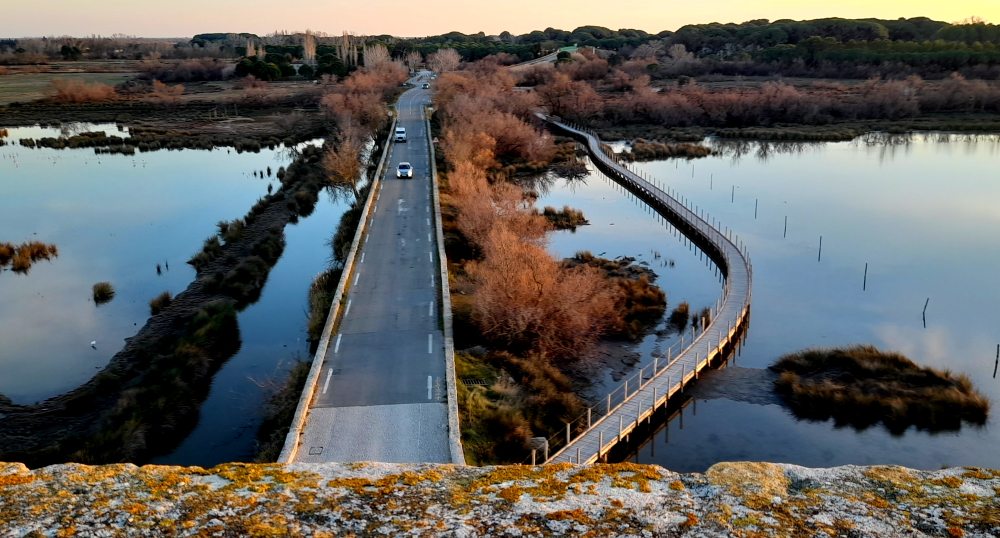
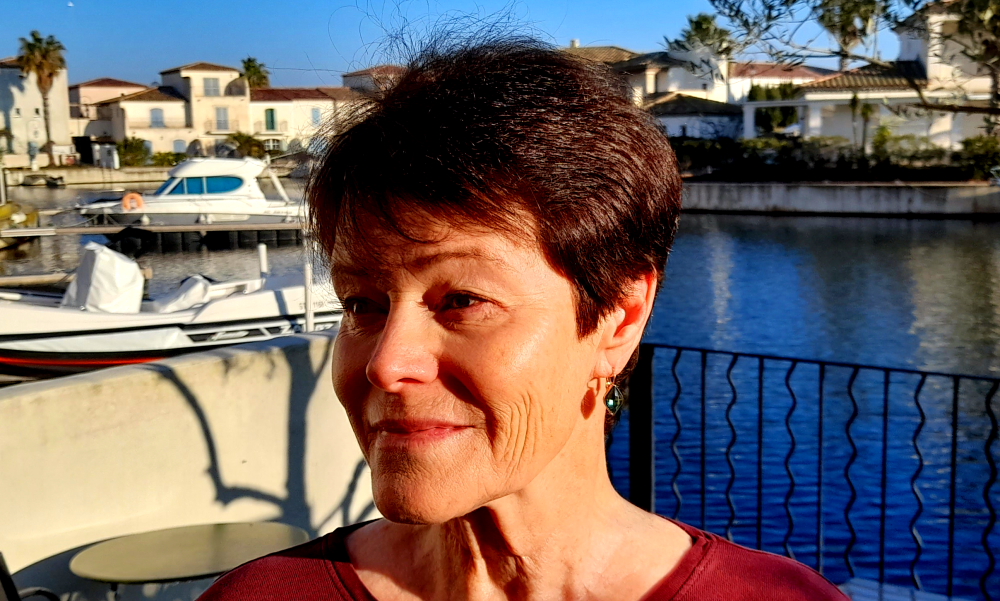
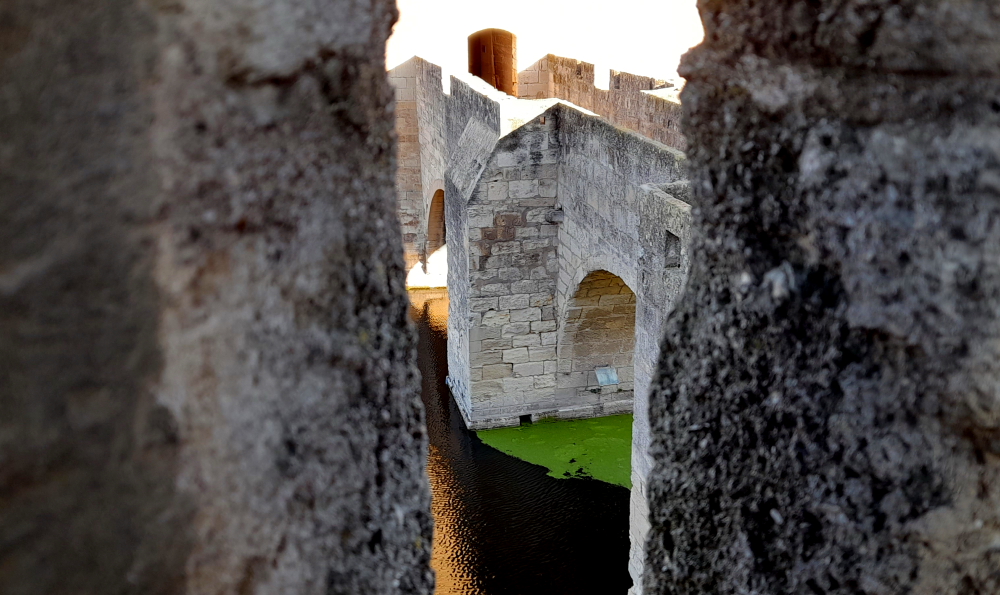
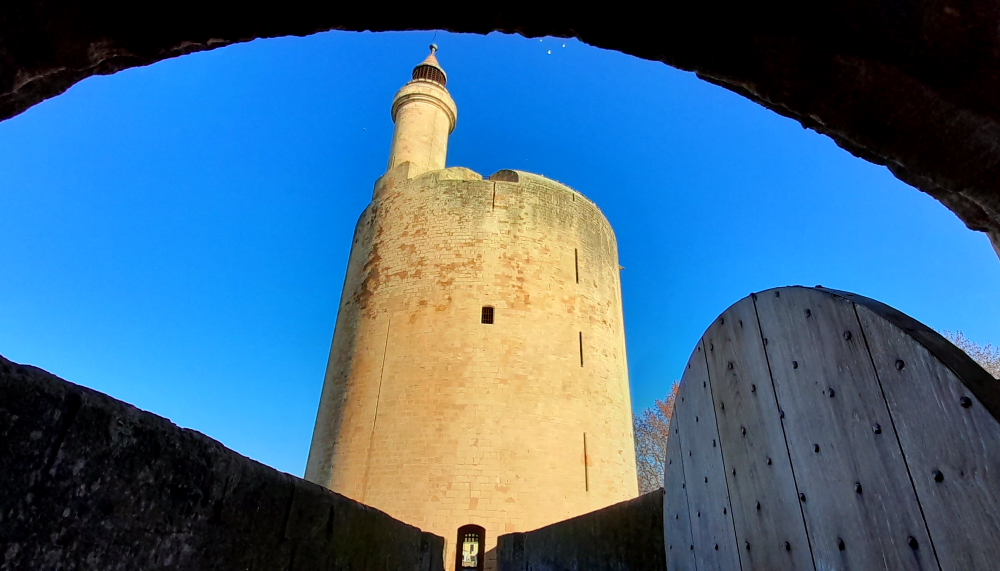
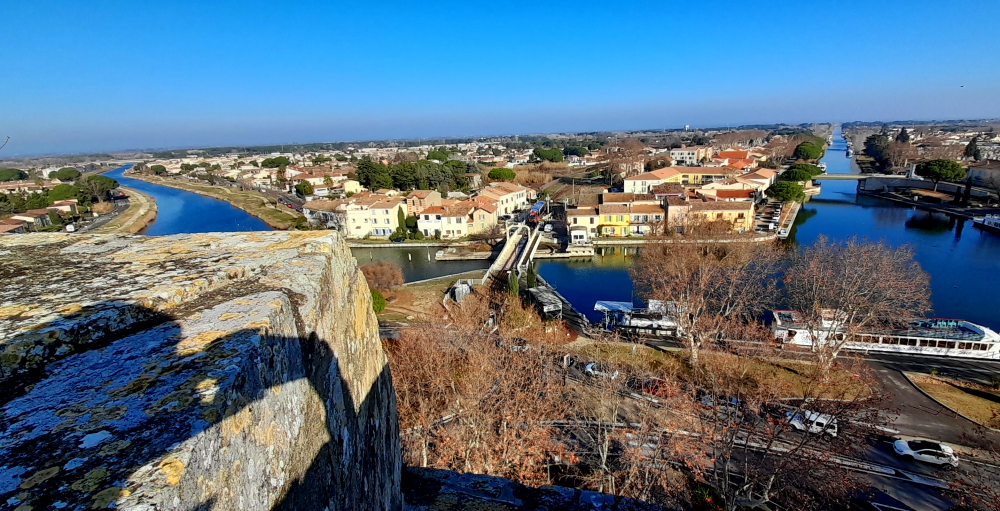
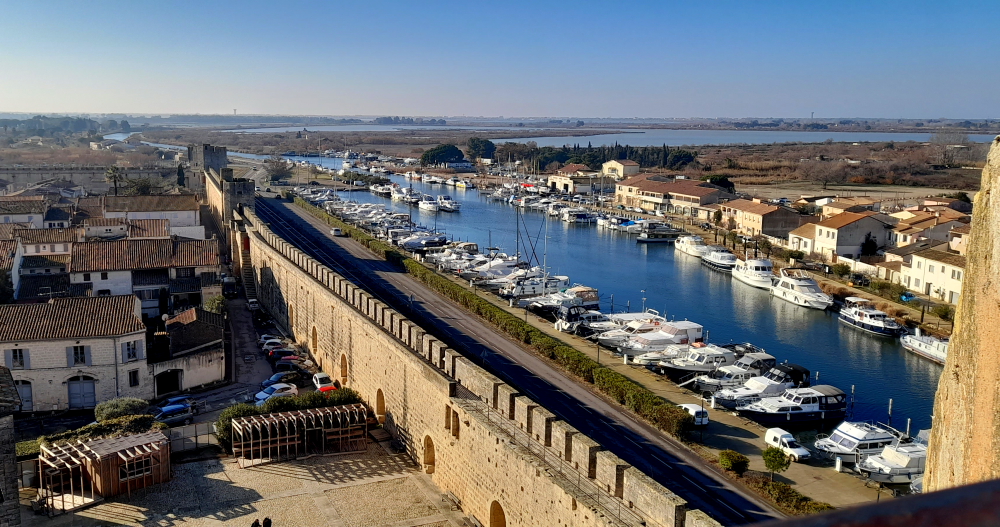
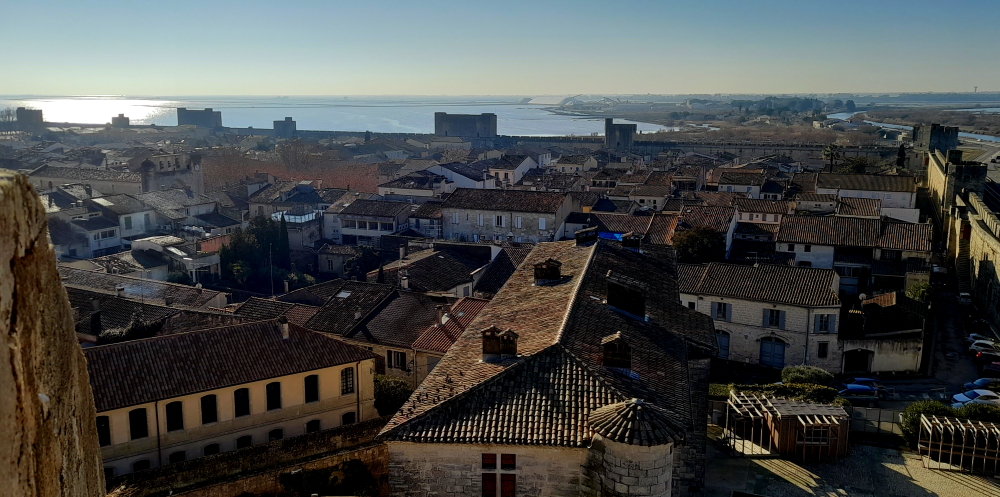
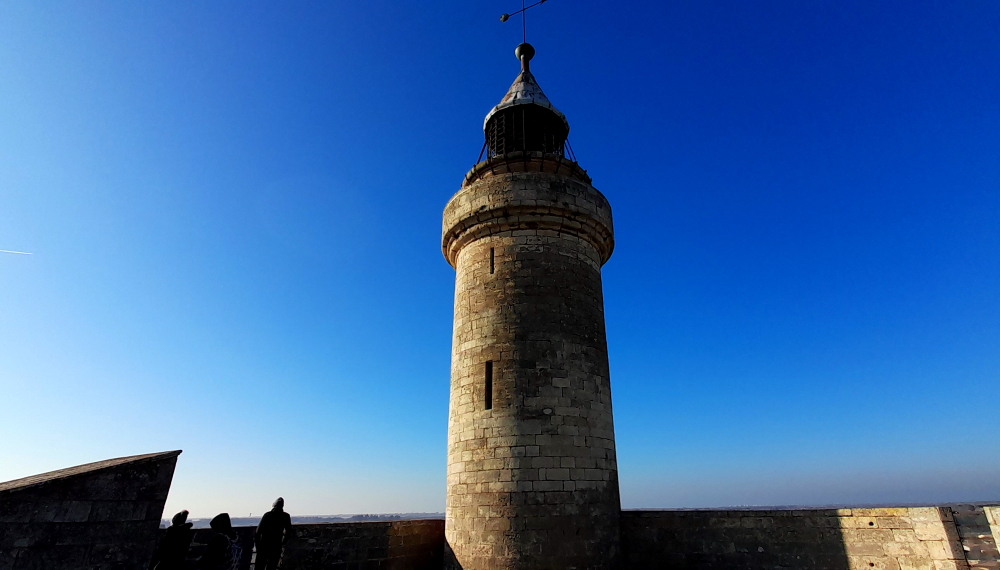
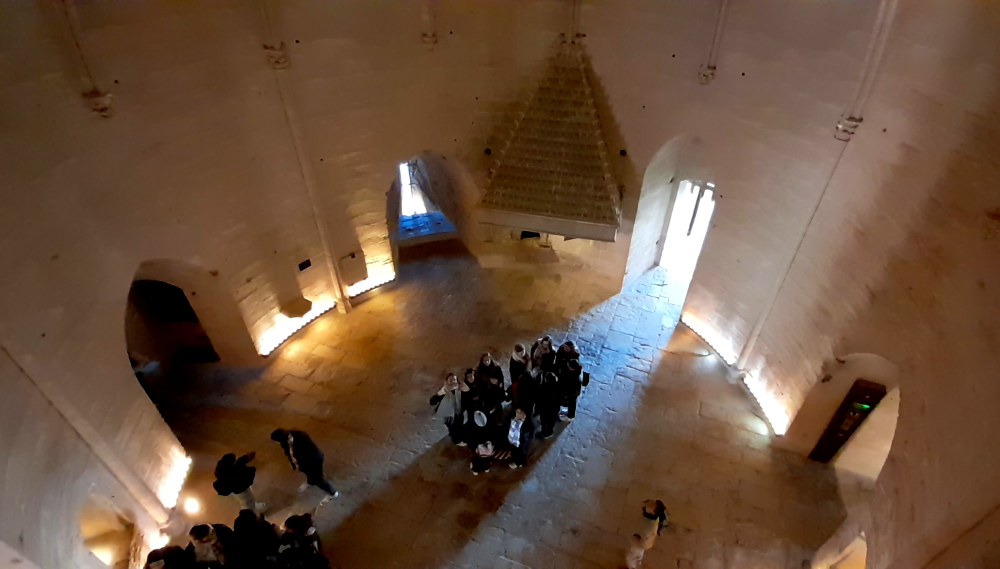
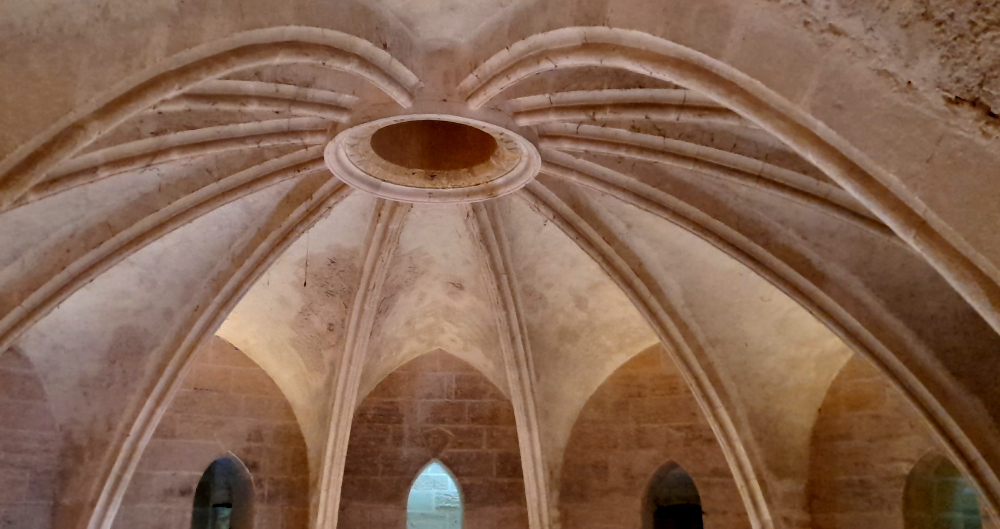
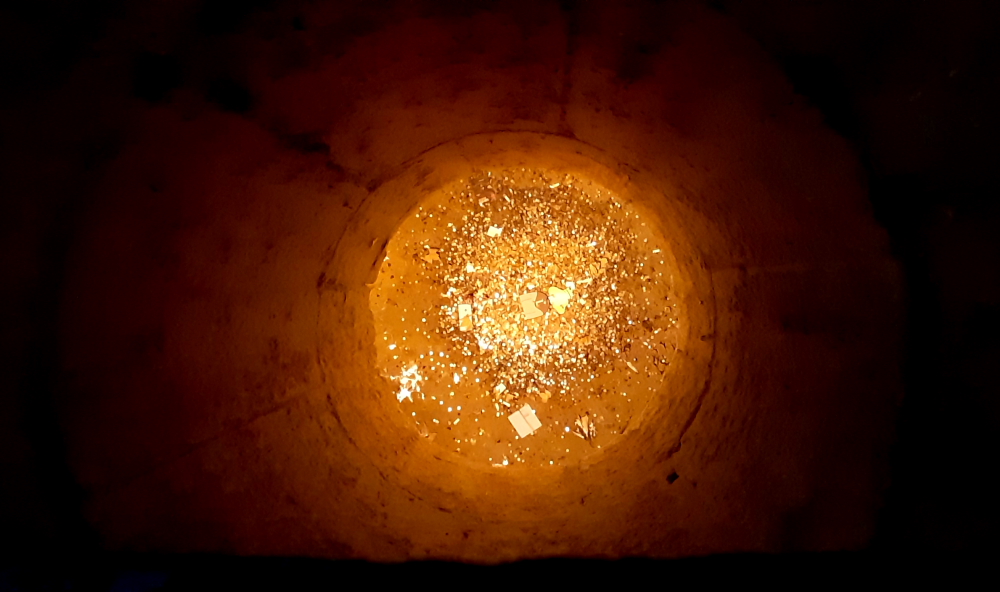
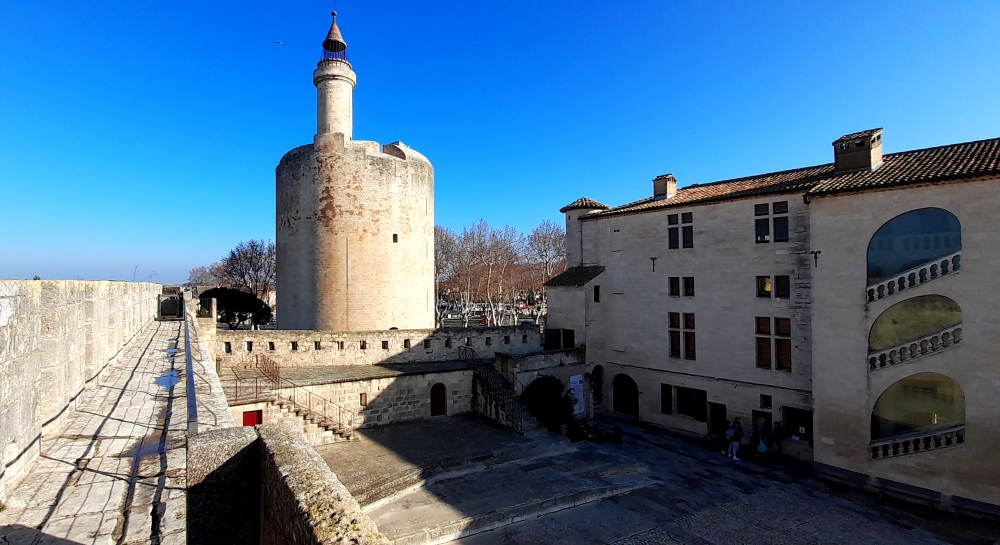
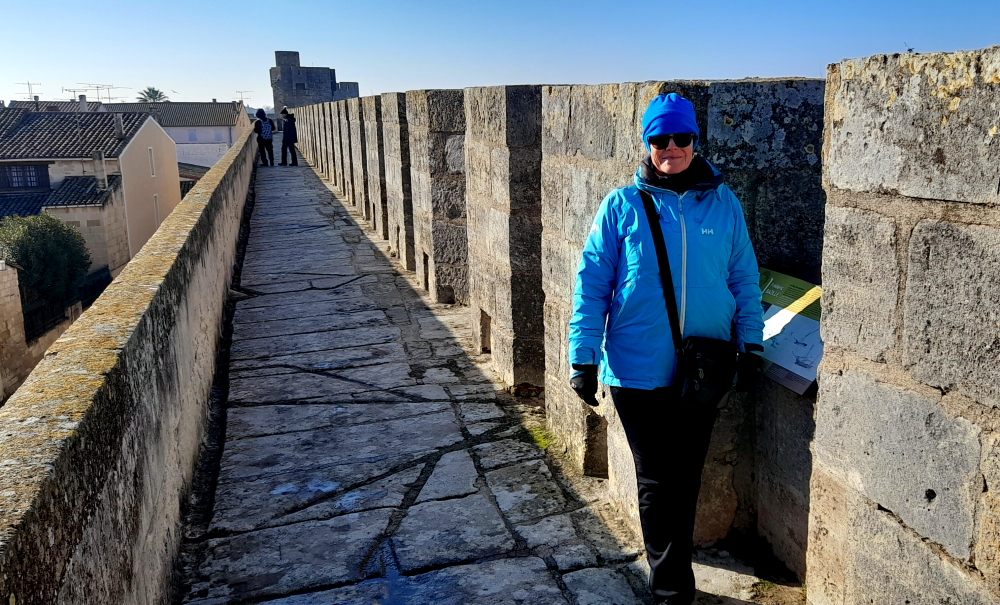
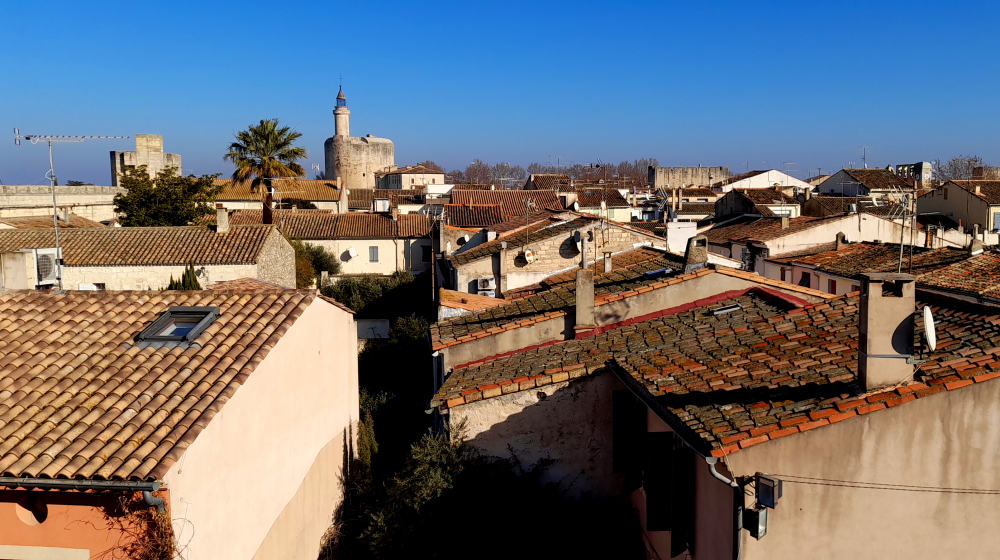
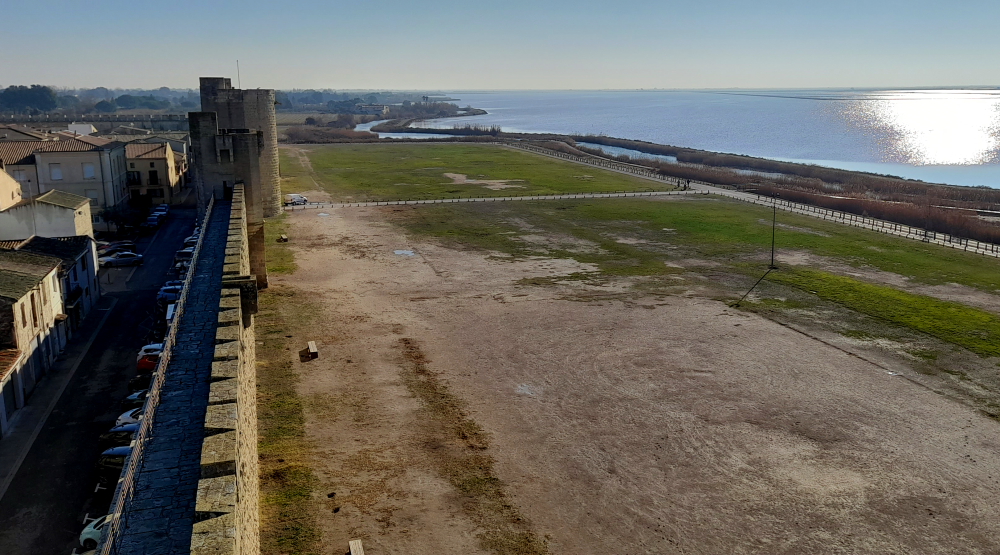
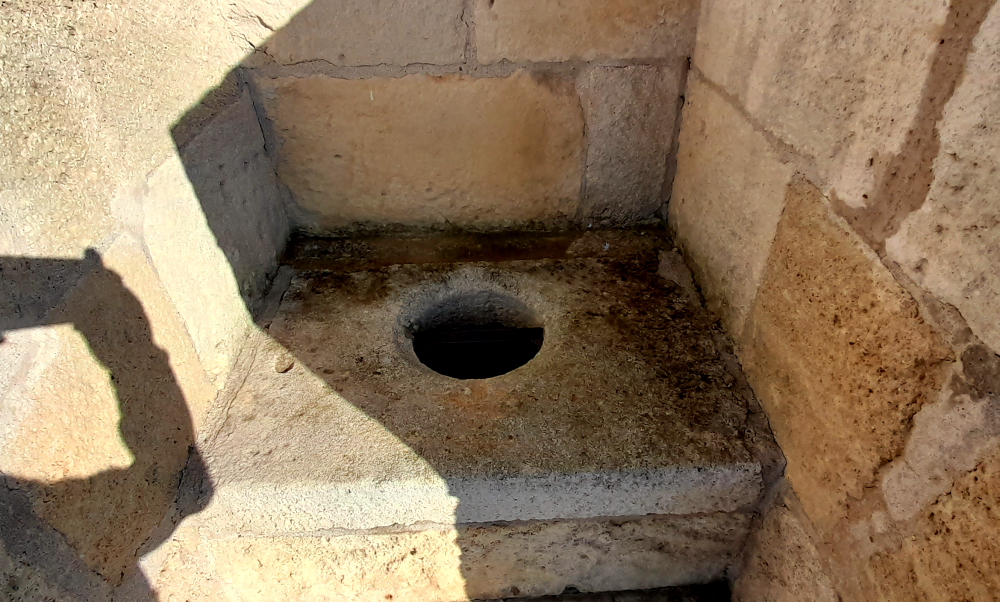
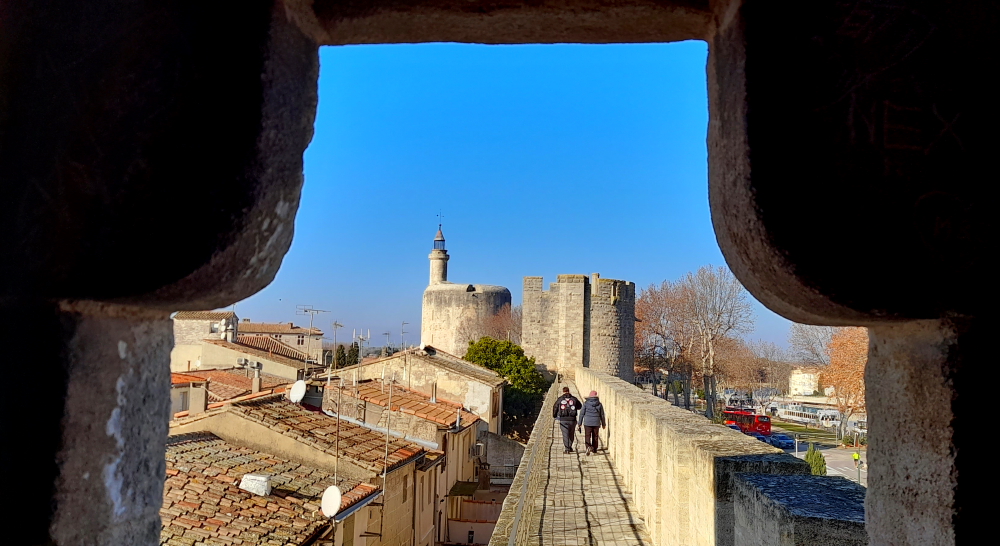
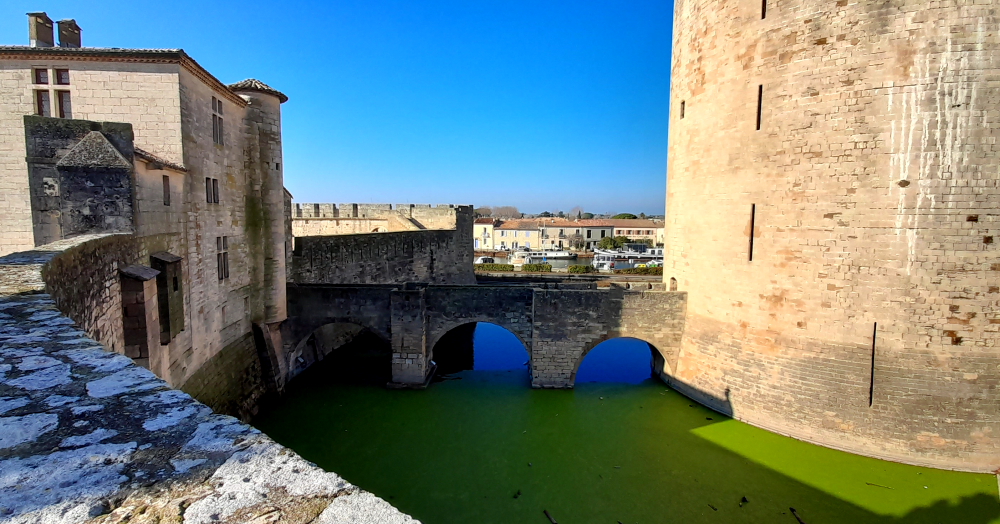
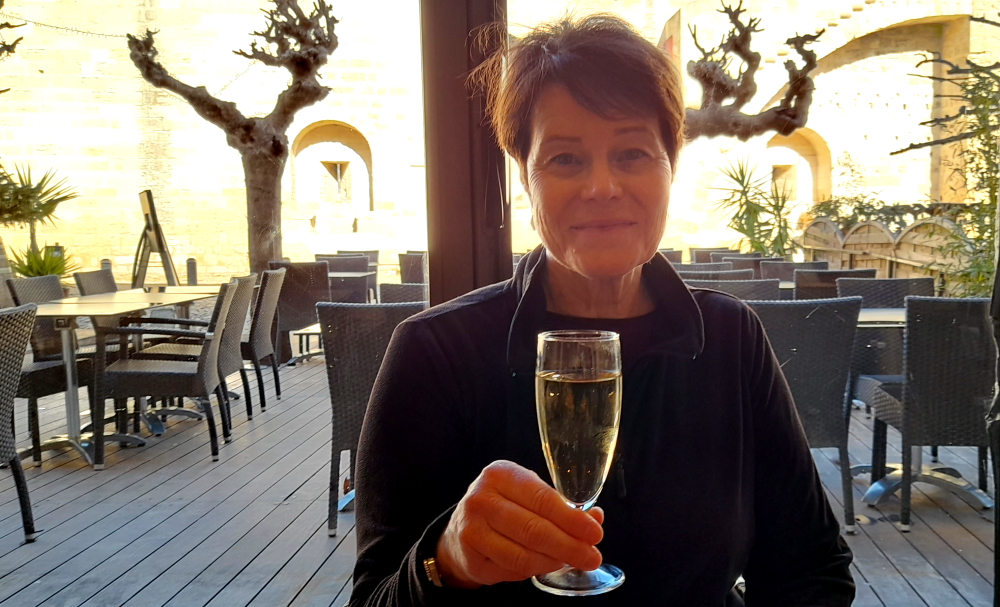
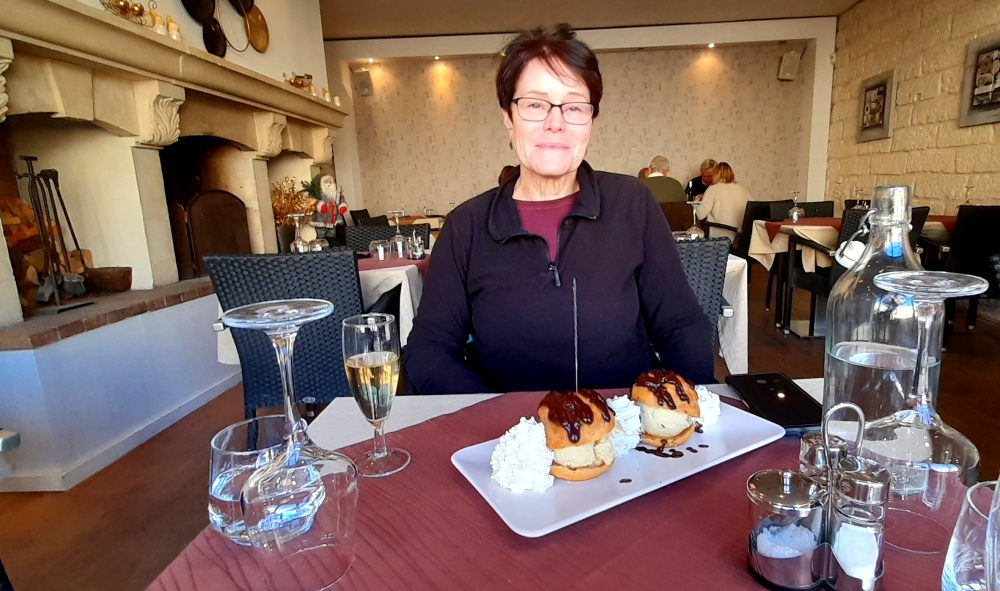
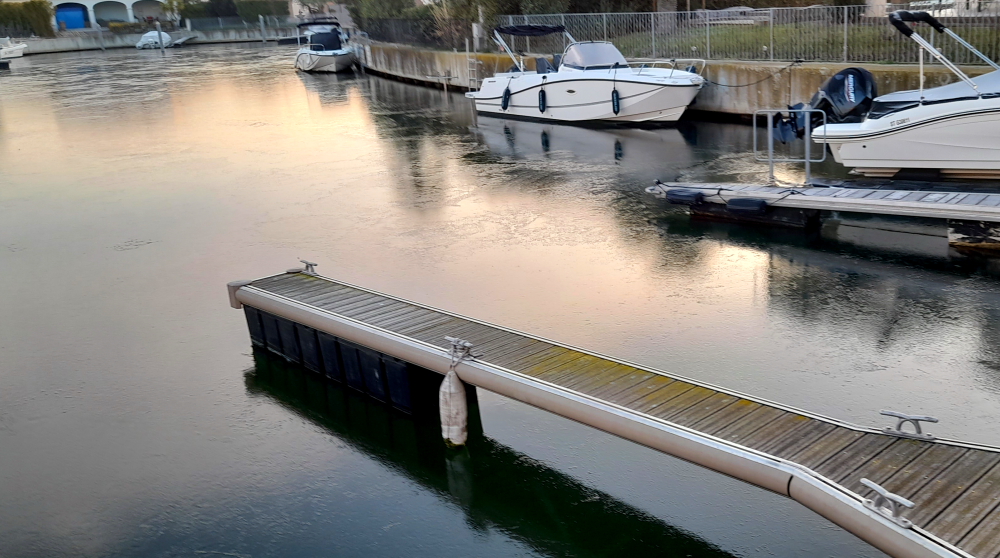
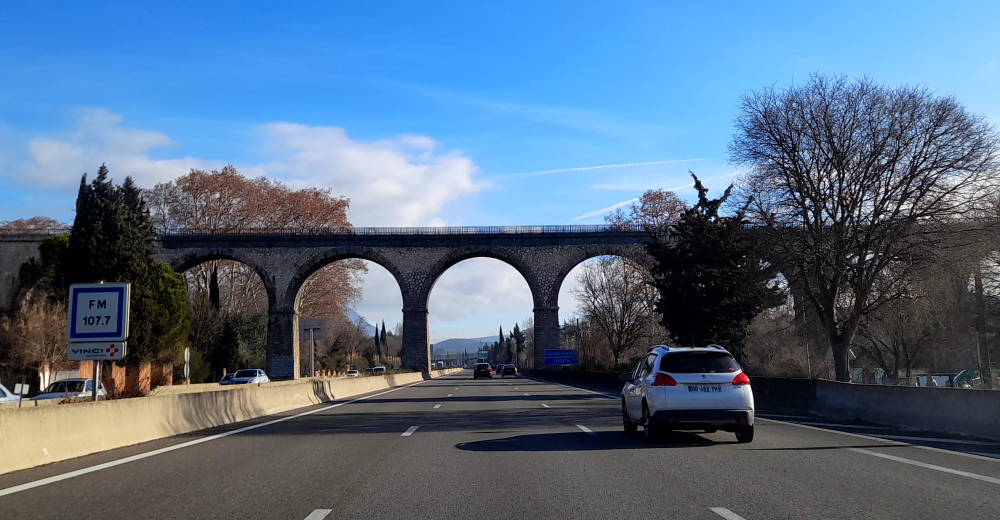
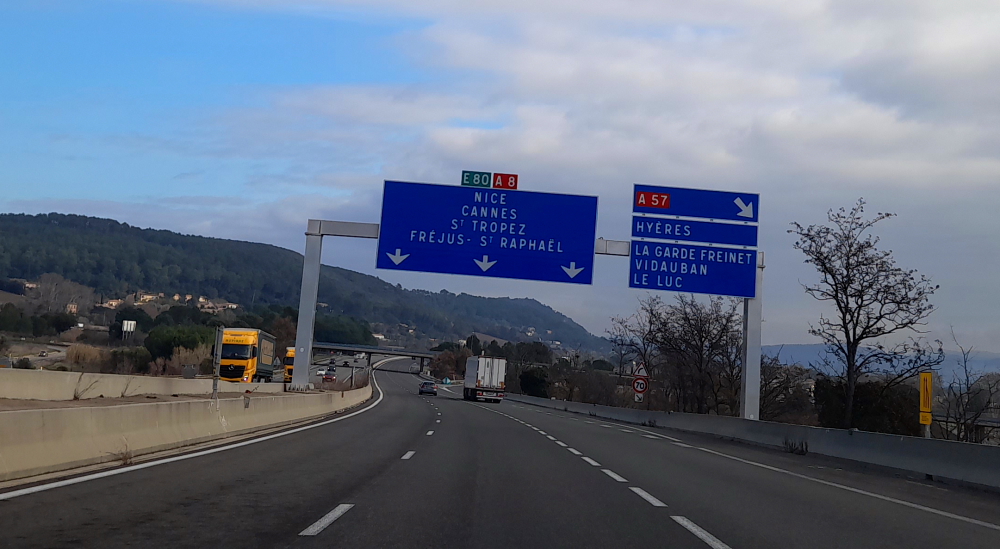
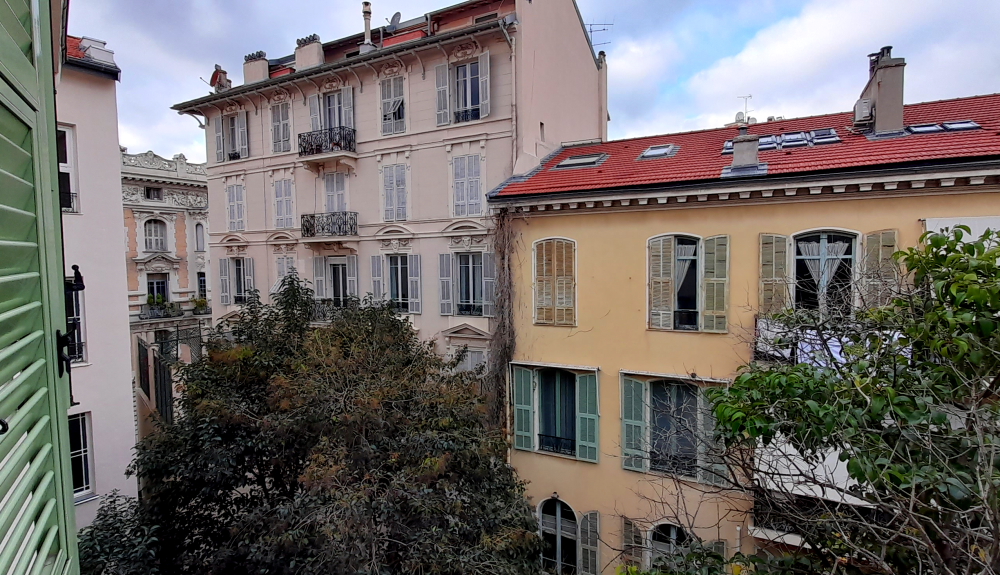
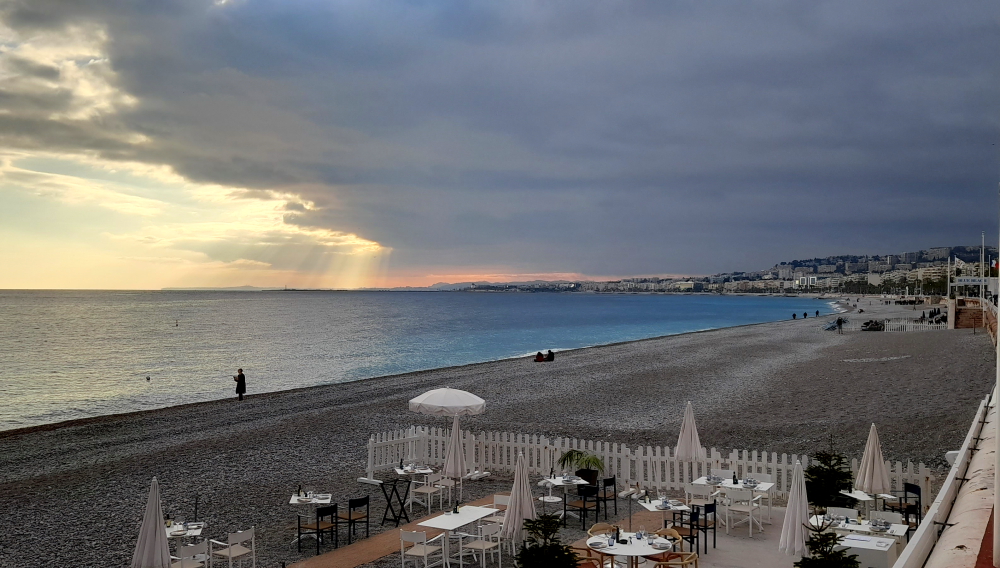
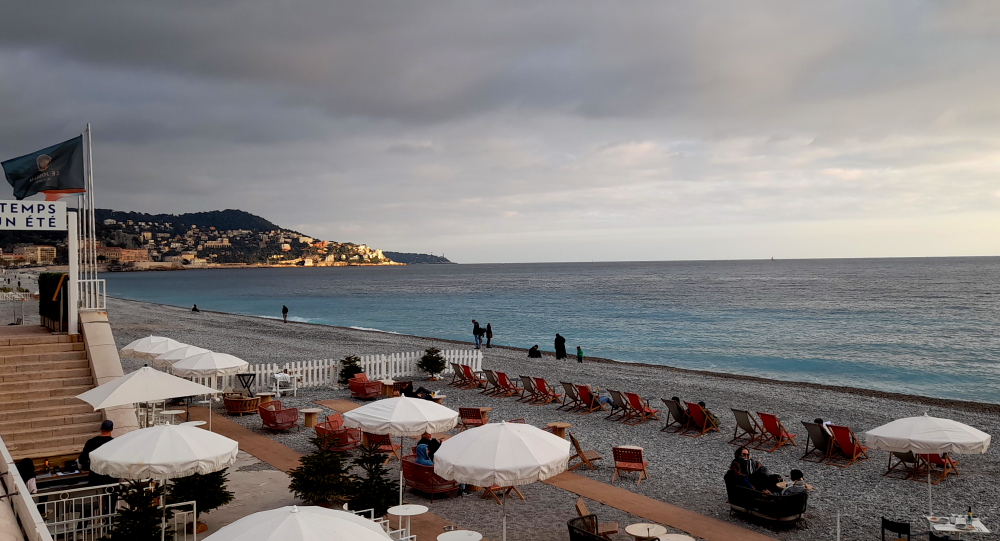
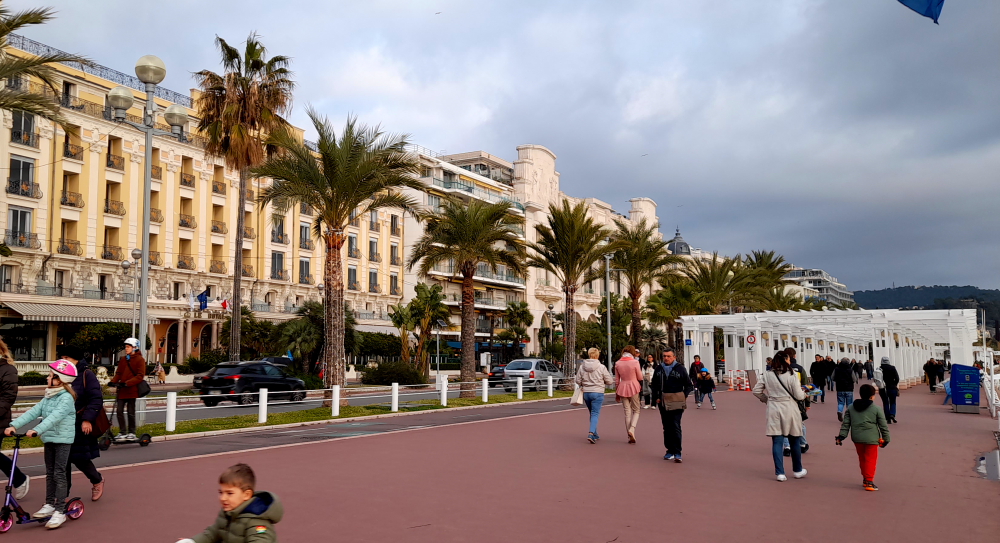
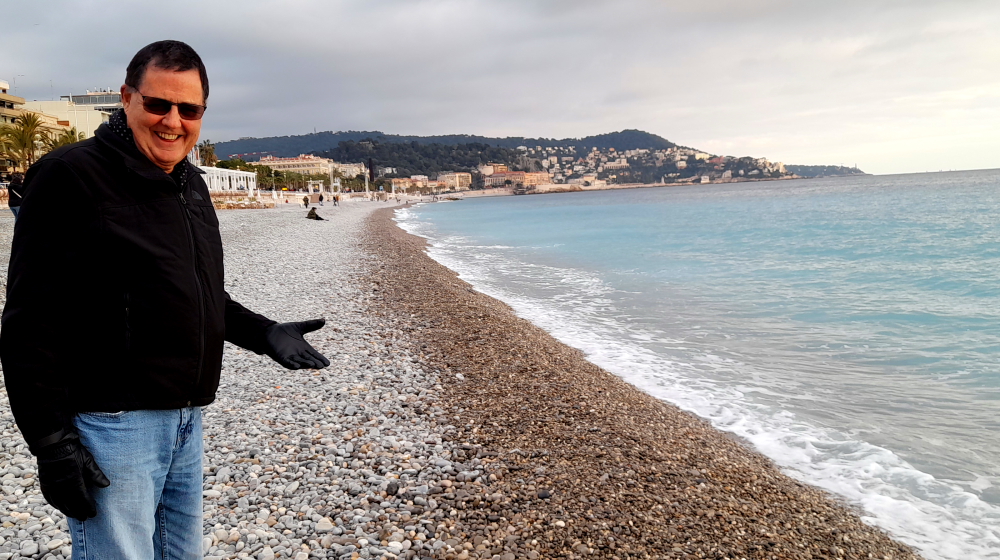
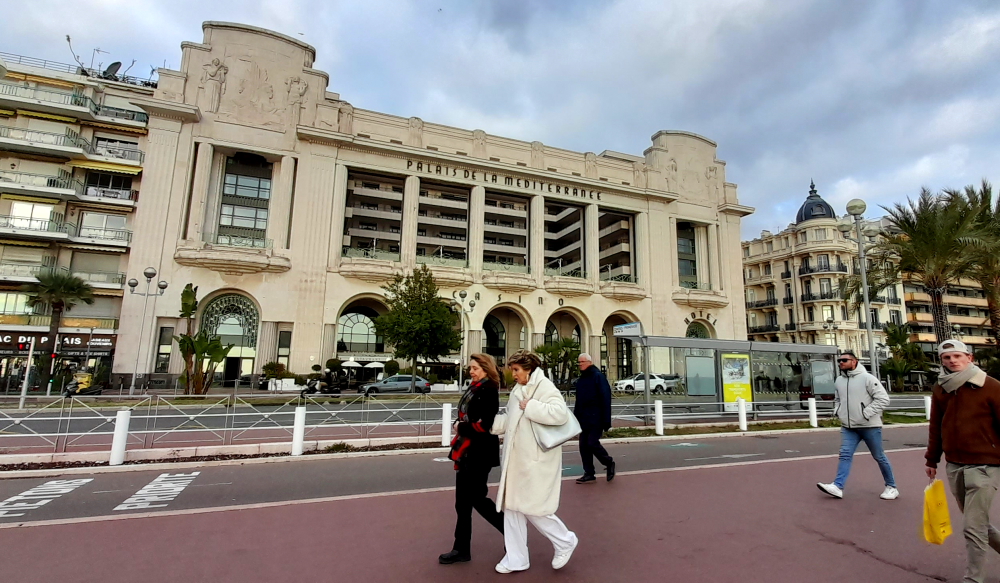
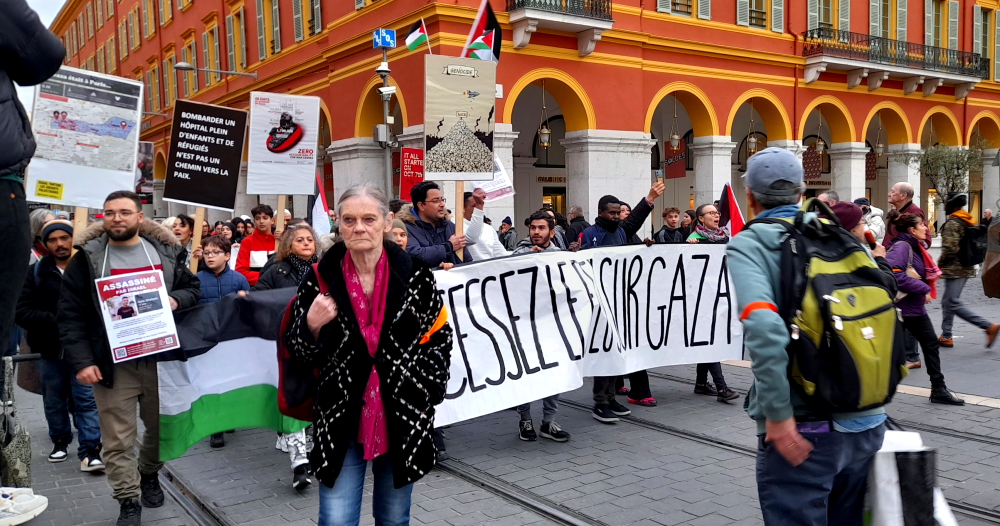
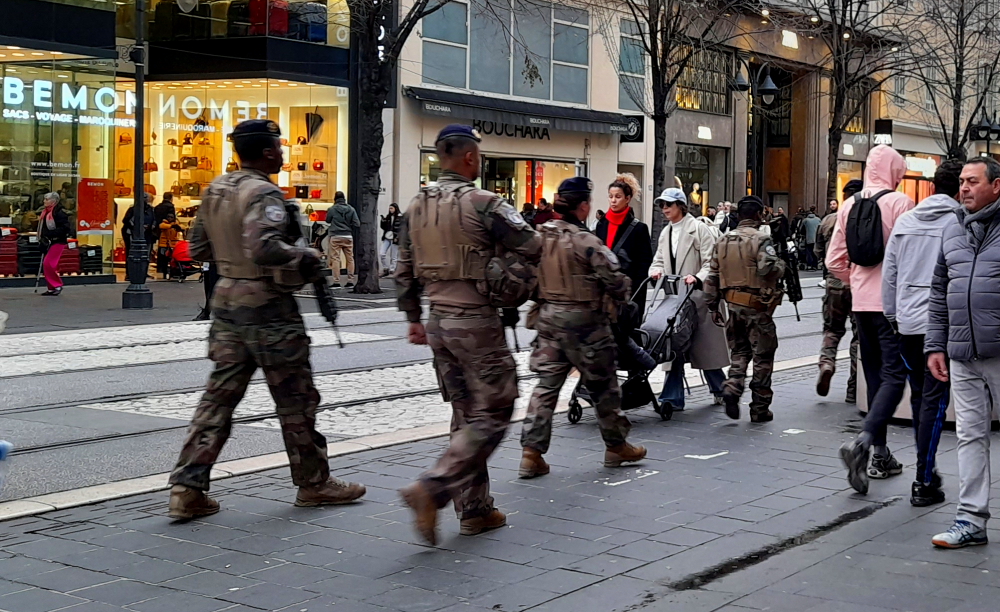
 THE CONTINUING TRAVELS OF YOGI & BOO BOO