Kristiansund is 9 Deg. C and under cloud and rain as we depart at 10:15 am for our 199 km, 3 hour 45 minute drive to Trondheim on the 70.
Our journey meanders via roads, bridges, tunnels and a ferry that make us island/mainland hop our way NE to Trondheim.
Turning left onto the E39 on Bergsoya to Trondheim.
45 minutes into our journey we arrive at the Kanestraum Ferry with just 2 minutes to go before she leaves. This is becoming a habit!
Just in time for the ferry…again!
The crossing takes about 25 minutes where we disembark at Halsa.
Another ferry going south.
Once again snow-capped peaks appear as we journey along the E39.
Getting higher.
The E39 takes us through landscape that ranges from rolling green farmland; narrow, fast-moving streams; waterfalls; fjords; lakes; road construction works; snow-capped mountains to an ice-covered lake and roadside snow.
Great roads but slow speed limits.
Around 12.30 pm the temperature has dropped to 3 Deg. C which explains the roadside snow drifts and Lake Sovatnet below us sporting sections of ice on its surface.
3 Deg C up here on the ridge.
20 minutes before we are due to arrive at the hotel we phone ahead to check that there is a free car parking space for when we arrive. Yay – there is! Some free, underground parking for the next couple of days. We check-in at 1:45 pm and quickly unpack as the rain has ceased and for the first time today, the sun is shining.
We’re staying in what was a commercial bakery back in the early 1900s. The hotel has some interesting artifacts, such as the original ovens in the courtyard, and original photos of the bakery in operation in 1901.
Time to get out the door and see as much of the town before the next shower arrives. Too late! As we walk out the front door the rain starts again. May as well keep going.
Trying to beat the rain and see the town centre.
We walk down Thomas Angells Gate which is festooned overhead with colourful bunches of fabric wisteria followed by colourful umbrellas.
Not enough umbrellas to stay dry.
At the intersection of Dronningens Gate and Munkegata is the Stiftsgarden. Originally built in 1774–1778 it has been the Residence of the Royal Family when they visit Trondheim since 1804.
Stiftsgarden.
In the next block is the Town Square (Torvet) which has an 18-metre high statue of King Olav Tryggvason, the city’s founder, mounted on top of an obelisk, which also acts as a sundial. In the square’s centre is a compass rose.
King Olav Tryggvason.
It is starting to rain even heavier and I am starting to get wet through. Not my kind of weather to go sightseeing.
Raining heavily in the town square.
The Torvet was set up as a place for commerce and events. The city was almost destroyed by fire in 1681. Johan Caspar de Cicignon, a renowned general and military engineer, drew up a new Baroque layout for the city. The boundaries of the Town Square were set and have remained so to this day.
Heading for the Cathedral.
Munkegata continues from the Square to the Nidaros Cathedral on the River Nidelva. It is the world’s northernmost gothic cathedral and an important historical pilgrim destination.
Northern aspect of Nidros Cathedral facing the Town Square.
It is built over the tomb of King Olav II (c. 995–1030, reigned 1015–1028), the Viking King who brought Christianity to Norway. He also became St Olav, Norway’s patron saint. The cathedral is the traditional location for the consecration of new kings in Norway.
Western aspect of Nidros Cathedral.
The cathedral was built over a 230-year period, from 1070 to 1300 when it was substantially completed. Additional work and renovations have continued intermittently since then, including a major reconstruction starting in 1869 and completed in 2001.
Carving detail on western side.
Nearby is a red bridge known as ‘The Old Town Bridge’.
The Old Town Bridge leading to the colourful Bakklandet neighbourhood.
The first bridge here was built in 1681 to provide access from the city to the Kristiansten Fortress on the hill. Today’s bridge was designed by Carl Adolf Dahl, erected in 1861.
The white Kristiansten Fortress on the hill behind the bridge.
From the bridge are several views. One up the river towards the Bakke Bridge lined by wharves and storehouses built during the 1700s-1900s.
Nidelva River with the Bakke Bridge in the distance.
Another back towards the Cathedral on the river bank.
Fast-running Nidelva River.
At the end of the bridge at the junction of Ovre Bakklandet and Brubakken in the Bakklandet neighbourhood, is an unusual sculpture entitled “Radio Otto” – a memorial to Otto Nielsen, former composer, author, singer and program director at NRK by artists Runi Langum and Hans Martin Øien.
Not Radio Gaga, but Radio Otto.
Bakklandet is known for its picturesque wooden houses and cafes, just across the river from the historic city centre. This neighbourhood was first inhabited in the 17th century and has since changed greatly with industry and later workers’ homes. It has quirky shops and a busy cafe life.
Narrow lanes in the old town.
At this point I notice the threatening clouds coming in from the sea. I opt to return to the hotel while Lynn soldiers on. Walking up the steep Brubakken Street she comes to the Kristiansten Fortress and parkland on the hill.
Trondheim burned to the ground in 1681. Major General Caspar von Cicignon from Luxembourg, who came to Norway in 1662, was given the task of building the city as a citadel. He laid out a detailed plan for a fortress upon a hill east of the city centre.
Up at the fort.
Kristiansten Fortress was built in 1682-1684 in accordance with the new European principles for defensive buildings and to withstand all types of artillery. Its purpose was to secure the city from attacks from the east.
Inside the tower – top floor.
The fortress is dominated by a square tower in the middle, with a nine star-shaped wall around it.
Star-shaped Fort.
Its hill-top location gives commanding views of the city, river and harbour.
View over the town.
And the river.
Crossing the Bakke Bridge back into town, one of the double bendy buses goes by. Apparently the Brisbane City Council is proposing to introduce these buses to our streets, too.
A caterpillar or a bus?
Buildings on steeks.
Our hotel is located on Brattorgata, Trondheim’s oldest shopping street. The building was constructed in the mid-1800s and was home to one of the most modern bakeries in Europe. Originally it was only a small business that sold groceries and ice cream but it soon developed into a machine bakery, pastry bakery, shipsbread- and biscuit factory, dairy and macaroni factory. It also turned into a wholesale and retail business of flour and wine. Baker Adolf Halseth also built his own railway that went to the storage under the building.
A photo of the original bakery building.
The 100 employees all lived on-site with Mrs Halseth serving them all meals throughout the day. She was also the Company’s Head Accountant.
The bakery produced 4,000 loaves daily and 15,000 cakes. The 12 stabled horses took fresh baked goods to customers. Every year the bakery delivered bread to the German Emperor when he visited Norway.
The old ovens still on display in the Hotel Dining Room.
The Norwegian army and Norwegian and foreign battle ships that visited Trondheim got their bread from this bakery, too. During WWI the bakery was sold to the local council to ensure that city bakers would not take advantage of rationing. The hotel opened in 1991.
Our hotel for 2 nights.
Looks like Lynn made the right decision to continue with the sightseeing tour. I got absolutely soaked walking back to the hotel while she managed to shelter in the fortress tower!
27 May, 2023
As we don’t have any pressing engagements today we have a much-appreciated lie-in. After breakfast Lynn does my ironing (I finished the washing last night at 11:00 pm) while I pay our first invoice from Flyt for our Norway road tolls from 15 May to date.
We then knuckle down and finalise 3 more Northern Europe hotel bookings before we head out for a short walk around town.
When we first arrived at our hotel we have been intrigued by a building that we can see out of our hotel window so we walk towards the train station and harbour to discover that it is called ‘Powerhouse Brattorkaia’ and that its sloping roof is composed totally of solar panels.
Solar panels cover the roof.
On the footpath adjacent to the buildings is an electronic display screen showing the performance of those solar panels.
Not bad output for a cold, wet day.
We then walk along the harbour past the Rockheim Museum to the end of the pier.
Trondheim Harbour with Rockheim Museum (L) & the black Powerhouse (R).
Walking back into town we visit the Church of our Lady off the Town Square. Built in 1207 this stone and brick church is one of Trondheim’s oldest buildings. It was devoted to the Virgin Mary in the Middle Ages. Inside, today, it appears to be hosting a cafe and soup kitchen.
The Church of Our Lady.
Further inside a free concert is underway.
A concert in progress inside the church.
As the rain continues to spit Lynn decides it’s time to find a cafe for a hot beverage and a local delicacy.
A cinnamon bun and hot chocolate.
Time to finalise our hotel booking for Dresden before we walk across the street to our dinner venue, the Krambua pub on Krambugata. We order a pork schnitzel each which comes with fries, a small salad and mushroom sauce – A$50 each! To drink – a chilled glass of tap water – $0 each.
Inside The Krambua pub, Trondheim, Norway.
Dinner done we research and finalise our bookings for Prague, Pilsen and Ceske Budjovice. Only one more to do tomorrow morning before we check out.
Tomorrow we are driving to Namsos, a 3-hour, 194 kms ferry-free trip with at least 4 tolls.
28 May, 2023
After breakfast we finalise our last Northern Europe hotel booking for Steyr, Austria. All done and dusted.
At 11:30 am we hit the E6 and drive North East once again. It’s 8 Deg. C and a dull, misty and drizzly day.
Neat farm houses and newly-planted fields.
The landscape is less dramatic here with rolling green pastures and brown ploughed fields, populated here and there by either white, maroon, mustard or grey wooden farm houses and the occasional road construction and fjord – all drenched in relentless rain.
Lots of tolls for single-lane roads.
As we leave the E6 and turn NW onto the 17 the scenery becomes more hilly. Just before Korsen we briefly see some hills with patches of snow.
At 2:30 pm we arrive at the modern Scandic Rock City Hotel. Rock as in the music, not the solid mineral material. It’s 5 Deg. C and still raining.
Namsos is located on the north side of the mouth of the river Namsen, where it flows into Namsenfjorden and is the capital of the forest-rich Namdalen region.
View left from our hotel window overlooking Namsenfjorden.
We have a rather nice hotel room on the 5th floor with wonderful views of the water. It would be so much nicer if it wasn’t raining.
View right from our hotel window overlooking Namsenfjorden.
Hence, the one and only thing listed to see in Namsos is to visit the Norwegian Sawmill Museum, the country’s only major listed steam sawmill from the 1800s.
Dryer inside with a wet drink.
The hotel has lots of rock memorabilia and artifacts scattered throughout the building.
Hotel with a different approach to decor.
Featured in our room is a graphic of ‘D.D.E.’, a chart-topping, award-winning Norwegian rock band best known for its lively concert performances.
D.D.E.
Founded in 1992 in Namsos they made their album debut in 1993 and broke through to mainstream success in 1995 with their third album, the live recording Det e D.D.E. Acknowledging their breakout success in 1995-1996 the band was awarded a Spellemannprisen in 1996.
The Rock Museum is next door and there are banners and posters advertising the Namsos Festival happening 2-3 June.
Namsos Festivalen banner for 2023.
2 days, 8 artists, and last year’s attendance was 6,500. Already the day pass for 2 June is sold out at NOK995 ($144).
Overnight it rained so at 7:00 am when Lynn looks out the window it’s a white out from the balcony and beyond. Fortunately by 9:45 am the cloud is starting to clear and the sun peeks through. Just as well as we plan on seeing the sights within Alesand and its surrounds.
Morning clouds on the fjords.
The town is a sea port and is noted for its concentration of Art Nouveau architecture. According to local legend, Ålesund was founded by Gangerolf (outside of Norway better known as Rollo), in the 9th century. Rollo, the founder of the dynasty of the dukes of Normandy, hailed from the community of Giske, North West of Ålesund.
First stop is the Aksla Lookout which shows how densely Alesund packs itself on the island of Aspoya. We also see that the Holland America Line cruise ship Rotterdam is also in port.
Aksla Lookout above Alesund.
The hill behind me in the photo below is where we will drive to shortly, the island of Hessa.
“Selfie” overlooking Alesund, Norway.
While we are at the lookout I overhear a young couple and discover they are not only Aussies but also from Brissie. Ben has a degree in marine biology and geology and Eliza is here in Norway for a semester also studying marine biology. They kindly take our ‘selfie’.
Ben & Eliza from Brisbane.
Wanting to see what the view is like on the other side of Hessa we take a quick 12 minute drive to a small beach which is overlooked by the Atlantic Ocean Sea Park building on the left. Like a lot of buildings in Norway it has a grass roof.
Ocean Park beach.
Driving back to town we get a different view of Alesund from across the bay where we can clearly see the spire of the school (yellow building), the Alesund Church spire and the white Aksla Lookout building.
View of Alesund from across the bay.
We park in a local Rema 1000 supermarket car park and walk 10 minutes into the town centre going via the Church. The large, stone church was built in a long church design and in the Art Nouveau style in 1909 using plans drawn up by the architect Sverre Knudsen.
Alesund Church.
In January 1904, practically the entire town of wooden buildings was destroyed by fire with more than 10,000 left without shelter.
Alesund architecture.
Kaiser Wilhelm of Germany had often been on vacation to Sunnmore. After the fire, he sent four warships with materials to build temporary shelters and barracks.
Alesundet with the Aksla lookout above.
After a period of planning, the town was rebuilt in stone, brick, and mortar in Jugendstil, the architectural style of the time between 1904 and 1907.
Alesund Centrum.
Jugendstilsenteret, the building below, is a national interpretation centre where visitors can learn more about the town fire, the rebuilding of the town and the Art Nouveau style.
Jugendstilsenteret.
Town Centre of Alesund.
Next is our 25-minute drive to the Alnes Lighthouse on Godoya Island. This involves 3, steep, 4 km-long under water tunnels and at least 1 toll to get there via the islands of Ellingsoy, Valderoya and Giske.
Giske Bridge.
One-way tunnel from Giske Island to Leitebakk on Godoya.
Alnes lighthouse was established in 1852 to guide fishing boats safely to the harbor of the small fishing community of Alnes on Godoy island. The current lighthouse was built in 1876 and was automated in 1982.
Alnes Fyr Lighthouse.
Returning home we stop by the Ales Harbour to check out its view of the village and its boat sheds.
Boat houses and the tunnel exit at Hestevika.
Parked on the wharf at Alnes.
Alnes Village from the wharf.
Beautiful wooden yacht in Alnes Harbour.
After having dinner in the hotel restaurant last night we are heading out to find a restaurant for tonight. Unfortunately there are no restaurants anywhere near our hotel so we have a 20 minute drive each way this evening. Tomorrow night we will probably eat at the hotel restaurant again as the BBQ Ribs were reasonable and at an unusually reasonable price (for Scandinavia).
24 May, 2023
It is wild and windy outside this morning. We don’t plan to go anywhere today as we have lots of hotel bookings to do for our northern Europe trip in August through to November.
We run across a number of issues when trying to book a hotel in Amsterdam where IHG give a best price guarantee but when we find the same room for a lower price on Booking.com it becomes obvious that IHG won’t honour their guarantee. We have now scrubbed that hotel group from our list of hotel chains but the process wasted precious hours.
Lynn takes a break to capture The Rotterdam heading up the Fjord.
By late afternoon it starts to rain heavily and despite it being nearly summer here Lynn turns on the room heaters. We still have another eight bookings to do but by 8:00 pm it is time for dinner and a brain rest.
Tomorrow we are heading further north along the Atlantic Ocean drive to Kristiansund. The coast in that area is rugged and with more rain predicted tomorrow it may take all day to get there. At least it will be a break from desk duties sorting bad hotels and over-priced hotel parking costs. There are so many nasty hidden traps when booking hotel rooms. A value price at first glance can turn very expensive very quickly when some seemingly good hotels try to rip you off with hidden costs and shonky rooms.
I am looking forward to the interesting drive tomorrow.
25 May, 2023
10:15 am and 10 Deg C. as we depart Sunde. A very wet and misty drive this morning.
Cold and wet drive to Kristiansund.
We retrace our steps along the E39 until the E136 bridge then drive straight on to Furneset to catch the ferry to Molde – with 2 minutes to spare!
Parked up with the trucks on the Ferry from Furneset to Molde.
The ferry is very modern and along the port side there is passenger access to a commodious cafe and lounge with large windows for viewing the transit.
Calm crossing on the ferry.
Molde port in sight from the top deck.
45 minutes later travelling on the 663 we arrive at this junction and turn right onto the 64 for Kristiansund and the ‘Atlanterhavsvegen’ – the Atlantic Road.
Starting on the Atlantic Ocean drive.
“The road across the sea” is the iconic experience with bridges that arch between the islets and reefs along the rough Hustadvika Bay.
Atlanterhavsvegen – the Atlantic Road – is a visual delight as it curves elegantly from islet to islet over its seven bridges. Nature and modern engineering meet and create this highly unique driving experience.
The trip takes us from the fertile cultural landscape of the coast across moorland to bare crags (just like Donegal) along the weather-beaten, open bay of Hustadvika. Atlanterhavsvegen has been described as the world’s most beautiful drive.
The Drunk Bridge.
One of the most popular spots on the route is its iconic Storseisundet Bridge, known locally as ‘the drunk bridge’ due to its unusual appearance. It has been featured in advertisements and lures thousands of tourists each year to a route that has been hailed as one of the world’s best for a holiday road trip.
With a curve that protrudes over the Norwegian Sea, the 850-ft bridge plays a visual trick on approaching motorists. It appears that the ‘bridge to nowhere’ drops off into the sea, but it’s just an optical illusion given the angle of the span. Offering a series of exhilarating twists and turns, the Atlantic Ocean Road is unsheltered from the North Atlantic Ocean, putting it at the mercy of the elements.
Need a car wash, anyone?
Now 25 years old, Atlantic Ocean Road passes through an archipelago as it links mainland Norway with the island of Averoy, and is one of the country’s official national tourist routes. Over the six years that it took to construct, workers struggled with the region’s wild weather and were interrupted by 12 hurricanes, according to the country’s tourist bureau.
There are several tourist stops along the way, including the Kvernes Stave Church, the Bremsnes Cave and popular fishing spots, although the road and its rocky shore have a dangerous reputation.
In 2013, an Israeli tourist was swept away after he fell into the sea while admiring the view from the roadside. Lynn can well relate to this as she made the brief walk back to the car from photographing the bridge. A brief squall occurred. She could barely breathe or make headway into the wind with icy pellets striking her face. Her clothes were wet and her hair looked like it had just been through a washing machine spin.
40 minutes later, after driving through the 6 km semi-circular Atlantic Road tunnel, we arrive at the port of Kristiansund.
Arriving in Kristiansund.
At the far end of the town we cross over the Sorsundbrua bridge to a small island called Innlandt and arrive at our hotel for the night. We are staying at the Thon Hotel and because this place is so isolated we didn’t expect much of a small town hotel but this place is amazing. With the wind howling around and since the Thon Hotel seems to have a nice restaurant we plan to stay in tonight.
The Sorsundbrua bridge from the Thorn Hotel Kristiansund.
Another brilliant day forecast to be 20 Deg C. with 6 overnight. We decide to see the sights today so that we can dedicate tomorrow to booking accommodation for our Northern European trip later this year.
Lillehammer’s Maihaugen, with close to 200 buildings, is one of Northern Europe’s largest open-air museums. Anders Sandvig, its founder, collected from old houses and farmyards within Gudbrandsdalen to provide a sample of Norwegian culture and history in a museum.
Garmo Stave Church at Maihaugen.
HIs backyard collection grew to the point where in 1904 the city set aside an area already known as Maihaugen, bought Sandvig’s collection and established the Sandvig Collections (Sandvigske Samlinger) there.
The Olympics Canteen at the top of the ski jump.
As we drove into Lillehammer yesterday we could see the twin ski jumps on the hill behind the town. We drive to the top of the jumps and discover a commanding view over the town, lake and the hillsides opposite.
Lillehammer from the top of the ski jump.
Lysgardsbakkene Ski Jumping Arena opened in 1993 for the 1994 Winter Olympics where it hosted the ski jumping and Nordic combined events, as well as the opening and closing ceremonies.
One steep hill.
The venue sees 80,000 annual jumps in the winter and 20,000 in the summer season.
Steeper than she looks.
The Lillehammer Winter Olympics Torch.
As we drive out of town we see numerous people training for cross country skiing using their summer equipment.
Gotta ski all year.
We drive 18 km north to the Hunderfossen Amusement Park on Gudbrandsdalslagen (lake) which featured in one of the episodes of “Lilyhammer” (Season 1, Episode 8: “Trolls”). The park is one of Norway’s biggest tourist attractions, with over 275,000 visitors each summer. Founded in 1984, the park currently has more than 60 attractions with many of the rides and attractions themed after or inspired by Norwegian folktales by Peter Christen Asbjornsen and Jorgen Moe – including trolls.
Eventyrslottet – The Fairy Tale Castle.
Next we drive 35 minutes south then east to another lake, Nord Mesna, The return route on the other side of the lake, essentially a logging road, provides a far better view of the lake below.
Taking the long way back.
As we are driving by Hakons Hall on the way back to the hotel, we stop to check it out.
Hakons Hall – W. view.
It is the largest handball and ice hockey venue in the country with a spectator capacity of 11,500 people.
Four little boys in a row.
The Hall is regularly used for handball and ice hockey tournaments, concerts, exhibitions, conferences and banquets.
Hakons Hall – SE view.
After we return to our hotel I finally have to fix the settings on Lynn’s phone camera to stop her complaining that the camera won’t work properly when she has to take quick photos. Since it is the identical phone as mine it has to be either a user issue or she has stuffed up the settings. It is quite easy to reset but while testing the camera she has to stick her finger in.
Lynn giving me the finger.
This afternoon we walk around the town checking out the different styles of architecture that sit cheek by jowl in the town.
There have likely been settlements at Lillehammer since the Iron Age and the village is mentioned in the Old Norse sagas as Litlikaupangr – “Little Trading Place”. It is also mentioned as a site for Thing assembly (local government) in 1390.
Hvelvet Restaurant.
The village was granted market town rights in 1827. The whole valley was a major transportation route from the capital to northern Norway for the passage of timber and agricultural products.
The Mesna River which flows through the town.
The town centre is a late nineteenth-century concentration of wooden houses and stately buildings interspersed with modern designs.
Kulturhuset Banken was built in 1895 as premises for Lillehammer Sparebank inspired by the Italian Renaissance. The building also contained a festivity venue for the city of Lillehammer and served, among other things, as a courtroom during the treason settlement after WWII. Today it has a concert hall and several smaller halls that are used for cultural purposes.
Kulturhuset Banken.
The museum was founded in 1921 as a gift from merchant Einar Lunde. The museum has two parts: the building designed by architect Erling Viksjo completed in 1963. The newer building (Flygelet) designed by the architecture firm Snohetta and opened in 1992. During the 1994 Winter Olympics this building served as the main venue for cultural activities.
Art Museum – Flygelet.
Our hotel, known as the Art Hotel Breiseth, was established in 1898 by Thora Breiseth and is one of the oldest hotels in the city. In the early 20th century the hotel was associated with the Lillehammer Painters. Many of the painters paid for their stay with their own artworks. Fredrik Collett, Thorvald Erichsen, Lars Jorde and Alf Lundeby are among the painters that stayed here.
Artwork in the hotel’s lounge.
21 May, 2023
Although it is a beautiful day outside today we have to get started on our Northern European hotel bookings. We did have a very leisurely breakfast but by 3:00 pm we did manage to finalise a number of bookings which took all day. We still have lots to do so hopefully we have a quiet day during our next stay at Sunde.
I am starting to dislike the low quality yet expensive food in Norway so we hunt out a Chinese Restaurant for dinner tonight. Hopefully it is better than our experience with Chinese food in Gothenburg.
22 May, 2023
It’s time to move on. Today we are heading for a small village named Sunde which is about 10 minutes’ drive south of Alesund.
Heading north from Lillehammer.
Our journey will take us on a 5 hour north-westerly route. We start out at 9:45 am after filling the tank. It’s 21 deg. C.
Snow-capped hills in the distance.
Taking the E6 on the valley floor we follow the Gudbrandsdalslagen past the towns of Sjoa, Otta to Dumfoss where we turn onto the E136 – surprisingly still following the Gudbrandsdalslagen until we reach Lora.
Climbing higher into the hills.
When we reach Bjorli we follow the Rauma River which is a torrent. So far we have been driving through farmland with the odd town, ski resort pine forest harvesting and road/bridge construction.
The rivers are raging torrents with snow melt.
The broad valley that we have been driving through for several hours becomes quite narrow. And the snow-capped mountains that we saw in the distance at the beginning of our journey gradually become closer.
Getting up to the tree line.
The steep, rocky mountain sides have multiple water falls cascading down their sides. Reminds us a bit of our trip to Milford Sound.
Spring waterfalls.
The mountain peaks become quite high and jagged.
Ski in – Ski out church.
Watch for avalanches in winter.
Our original plan was to drive the Trollstigen Pass on Highway 63 through to Sylte but it seems that the pass won’t be open for another couple of weeks as the snow hasn’t melted enough yet.
Tunnels needed in winter.
Still, we plan to go to the start of Highway 63 to check that it is indeed still closed. Apparently it is quite a fantastic drive with great vistas. Yep, it’s still closed.
Route 63 is still closed.
This is the view that we should have seen today.
Trollstigen Pass.
Instead, we get to see a troll.
A Troll in the Caravan Park.
At Andalsnes we follow the Romsdalsfjord until we turn left onto the E39 at Moa and drive south to Sunde.
Nice drive around the Fjord.
The Sunde Fjord Hotel is about 18 km from Alesund and is next door to the Solevagen E39 ferry.
Arriving at the Sunde Fjord Hotel.
Nice views if it stays sunny.
It is surrounded by fjords and has views of snow-capped mountains: Storfjorden, Hjorundfjorden and the Summnorsalps.
Glass of wine before we check in.
Room upgrade to a balcony suite.
Luckily the hotel has a small restaurant so once we unpack we won’t be moving again until tomorrow. Instead we’ll sit on our balcony – probably wrapped in the blankets provided as it’s now 12 Deg. C – and take in the view until after sunset which won’t be until 11:45 pm!
View west from our balcony.
View east from our balcony.
After a couple of weeks of clear blue skies we may be in for some cloudy days so it may be a catch up day tomorrow.
The weather forecast for today is for rain to start at around 10:00 am. After a very wet walking tour of Cordoba, Spain last December we are praying for much lighter rain for our walking tour of Oslo this morning.
Due to the possibility of rain and the 30-minute walk from our hotel to the starting point of our 1.5 hour walking tour we decide to take the No. 11 tram into Jernbanetorget, Central Train Station from the Rosenborg tram stop.
Oslo Cathedral.
We arrive 30 minutes early so we walk to the nearby Oslo Cathedral then return to the walk’s meeting place, the Tiger sculpture in front of Oslo’s Central Station.
When Oslo celebrated its 1000-year anniversary in 2000, Eiendomsspar, (the local property development company) wanted to give the city a gift. Oslo wanted a tiger, and that’s what they got: a 4.5-metre bronze tiger made by Elena Engelsen. The reason – the city’s nickname Tigerstaden (“The Tiger City”) which most Norwegians are familiar with. The name was probably first used by Norwegian poet Bjørnstjerne Bjørnson. His poem “Sidste Sang” from 1870 was about the lawless city of Oslo with its drunken sailors, prostitutes, crime and violence.
The Tiger City.
Nearby is another sculpture that is reminiscent of Thor’s Hammer. Rather it is entitled “Smash Nazism” by Bjorn Gulliksen and depicts a hammer smashing a swastika. It is dedicated to the Osvald Group, heroes of Norwegian Resistance during WWII.
Thor’s Hammer?
As we walk up Strandgata we pass by the Sun & Earth Fountain then onto Prinsens gate to view the Opera House at the head of Oslofjord.
Sun & Earth Fountain.
The angled exterior surfaces of the building are covered with Carrara marble and white granite and make it appear to rise from the water – like an iceberg. The Norwegian architectural firm Snohetta won the design competition in 1999. Construction started in 2003, ended in 2007 with the gala opening in 2008 attended by HM King Harald, Queen Margrethe II of Denmark and President Tarja Halonen of Finland and other leaders.
The Opera House won the culture award at the World Architecture Festival in Barcelona in October 2008 and the 2009 European Union Prize for Contemporary Architecture.
The Oslo Opera House.
Naturally, there are several saunas on the water’s edge.
Saunas in the city centre.
After walking up Radhusgata we arrive at Christiania torv. The Danish king, Christian IV was king of Norway when the fire of 1624 completely destroyed Oslo. He decided that the old city should not be rebuilt again. He decided that the new town be built in the area below Akershus Fortress, a castle which later was converted into a palace and royal residence. He decreed the town’s new location by dropping his glove, now immortalised by a bronze gauntlet and fountain.
“Thing”? or just a location pointer?
This new town was called Christiania (after himself) and was laid out with wide streets which met at right angles, designed to hinder the spread of fire.
Buildings in the new town were made of stone or brick, and not the traditional log construction. People who could not afford to build brick houses were allowed to build half-timbered structures, “in the Danish fashion.” Christiania became a little town typical of Northern Europe with 330 properties with buildings of brick, half-timbering and logs. Ramparts were built around the town for defense. These defined the town’s dimensions for many years to come.
The first city non-timber buildings.
In the next block we arrive at Akershus Fortress. The building of Akershus Castle and Fortress was commenced in 1299 under king Håkon V. The medieval castle, which was completed in the 1300s, had a strategic location at the very end of the headland, and withstood a number of sieges throughout the ages. King Christian IV (1588-1648) had the castle modernised and converted into a Renaissance castle and royal residence. Today the fortress is used by the military.
Akershus Fortress.
The stable block next door is used in the training of the mounted police force.
Police Riding School.
From the Fortress we walk down the stairs to the harbourside where several wooden sailing ships are moored.
Oslo City Harbour.
Tall Ship in the Harbour.
Crossing the Radhusplassen opposite the piers we come to the back of the Oslo City Hall. The building as it stands today was constructed between 1931 and 1950, with an interruption during WWII. It is built of red brick and has two towers. The eastern tower has a carillon set of 49 bells which are presently silent due to being re-tuned. Various events and ceremonies take place in the building, notably the Nobel Peace Prize ceremony, which takes place every December.
City Hall.
The front of the Hall has a stepped fountain and gorgeous clock. Entry into the building takes us straight into the space where the Nobel Peace Prize is presented.
The Nobel Peace Prize presentation hall.
Walking away from the City Hall along Roald Amundsens gate we stop at a park where at one end is the National Theatre. The theatre had its first performance on 1 September 1899 but can trace its origins to the Christiania Theatre, which was founded in 1829. The theatre is often considered the home for Ibsen’s plays, and most of his works have been performed here.
The Oslo National Theatre building.
At the other end of the park is the Storting building – the seat of the Storting, the parliament of Norway. Although the Parliament of Norway was established in 1814, it wasn’t until 1866 when this building was put into use. It was designed by the Swedish architect Emil Victor Langlet.
The Norwegian Parliament.
Adjacent to the Parliament is the Grand Hotel where dignitaries and celebrities stay. It is from the 2nd floor balcony that Nobel Peace Prize winners wave to the public.
It’s now 11:30 am and the end of our tour. We walk back to Central Station and get the No. 11 tram back to the hotel.
The Grand Hotel, Oslo.
Approaching the hotel we hear a marching band and see the local school kids in procession, all in clear plastic macs, practising for tomorrow’s children’s parade to the Royal Palace as part of the 17 May Constitution Day celebrations.
As most of the tour this morning was in drizzle and rain we decide to stay put until it’s time for dinner. At 6:00 pm we walk to Majorstuen to Larsen’s Restaurant. It opened in 1951 and had the function room, Blåsalen, on the second floor until 1982. At that time, the restaurant was a celebrity spot with the skiing elite and other celebrities as guests. Today there are only rooms on the first floor, but most of the interior and its old charm has been preserved together with its selection of home cooking.
Are you sure that this is edible?
17 May, 2023
Constitution Day is the national day of Norway and is an official public holiday observed on 17 May each year.
Constitutional Day cake for breakfast.
Among Norwegians, the day is referred to as Syttende Mai (“Seventeenth of May”), Nasjonaldagen (“National Day”), or Grunnlovsdagen (“Constitution Day”), although the last is less frequent.
Jockeying for the best positions while a Royal Guardsman looks on.
The Constitution of Norway was signed at Eidsvoll on 17 May 1814.
Crowd singing the National Anthem – quietly.
The constitution declared Norway to be an independent kingdom in an attempt to avoid being ceded to Sweden after Denmark-Norway’s devastating defeat in the Napoleonic Wars.
Lots of marching bands.
After 1864 the day became more established when the first children’s parade was launched in Christiania (Oslo), at first consisting only of boys. It was only in 1899 that girls were allowed to join in the parade for the first time.
Passing by the King.
A noteworthy aspect of the Norwegian Constitution Day is its very non-military nature. All over Norway, children’s parades with an abundance of flags form the central elements of the celebration. The massive Oslo parade includes some 100 schools, marching bands, and passes the royal palace where the royal family greet the people from the main balcony.
Big Band sounds.
Today in Oslo everyone is involved: a large group of folk dancers in traditional costume entertained the crowd before the head of the parade arrived; kids in parade; older folk playing in bands and as flag bearers alongside kids; dignitaries sitting in the stands; lots of families in traditional costume waving flags. Even hat-tasselled body guards of the King.
Bloody tassels get in the way.
Not to mention curious tourists….
Everything gets in the way when you are short.
One noteworthy detail of the King’s Guards’ uniform is the plumed bowler hat which was copied from the hat of the Italian Bersaglieri troops—a regiment that so impressed the Swedish princess Louise (the great grandmother of King Harad V) that she insisted the Norwegian guards be similarly hatted in 1860 – and since.
Nice bowler hat, lady.
The longest parade is in Oslo where some 100,000 people travel to the city centre to participate in the main festivities.
Is the whole country here today?
This is broadcast on TV every year, with comments on costumes, banners, etc., together with local reports from celebrations around the country.
Differing reactions to the day.
After 45 minutes of watching flags, kids and bands pass by the Royal Balcony we opt to continue walking into town. Today the Oslo Cathedral is open and is being used as a concert venue.
A concert in the Oslo Cathedral.
Our objective is the Opera House roof which we saw from afar yesterday in the rain.
On the Opera House Roof with the Munch Museum in the background.
The view is quite impressive taking in the surrounding hills, the Munch Museum, the fjord, the floating ‘iceberg’ sculpture, the city cape and the Holmenkollen ski jump 8.5 kms away on the skyline.
Little glass iceberg.
It’s true, people below look like penguins on an icy landscape.
Penguins on the Iceberg Opera house.
Normally Carrara marble would be polished but the surface has been left rough for walking on. The roof looks like a ski slope – probably rated ‘green’.
Slippery when wet up here.
Although it is a public holiday today the Opera building is open.
Checking out the inside.
The lofty foyer is a light, open space with a large, undulating oakwood wall. Behind this wall are the opera house’s three performance halls.
The Opera House foyer.
Angles, textures and illuminations.
Fortunately its coffee shop is open so a hot beverage on the terrace overlooking the fjord is mandatory…
Coffee at the Opera House.
… while watching the passing parade of traditionally-clothed citizens.
Lots of folk in traditional dress.
Time to walk back to the hotel. The city is still reverberating with the sounds of marching bands and processions, heaving with masses of people moving in all directions – mostly against us – and celebrations.
Parties everywhere – including on the Nobel recipients’ balcony.
Some 4 hours after we set out this morning we stagger back into the hotel lobby – to be greeted with a small spread of canapes and mimosas. That’s lunch and dinner sorted, then!
18 May, 2023
Today is another public holiday – Ascension Day. The plan is to do a load of laundry this morning a block away at the Saga Apartment’s laundry.
There is only one washing machine and one dryer so we have to wait 30 minutes while someone else’s washing is done. They didn’t return when their washing was finished so we had to take their stuff out to do ours. They eventually returned an hour after their washing was done. A bit rude when there is only one machine.
That wait time delayed our start so I had to nurse the washing and drying past the planned time to go and see the Changing of the Guard at the Palace. Lynn took what was finished of our drying back to the hotel and continued on to the Palace.
No crowds today.
What a transformation from yesterday. The only evidence of yesterday’s festivities are a couple of pallets of benches just behind the equine statue of Carl III Johan as he perpetually looks down Karl Johans Gate.
Guards on Duty.
The Norwegians, bless ’em, have provided unequivocal information that the changing of the guard “…occurs on every day of the year, no matter what the circumstances are…at 13:30..” Good to know.
Keep clear please.
Although the Standard is flying from the Palace roof I think that this will just be an armed escort as opposed to accompanying marching band that happens when Queen Margrethe II of Denmark is in residence.
The whole affair takes about 15 minutes and seems to be a lot of people involved just to change 1 guard. Don’t blink or you’ll miss the actual change of the guard!
Changing of the Guard at Oslo Palace.
Surrounding the Royal Palace, and encompassing 53 acres (22 hectares) of grassy areas and winding paths through thousands of planted trees, Slottsparken is a protected Norwegian cultural landmark and a wonderful space for the public to enjoy nature within the city.
Rear of the Palace.
Surrounding the Royal Palace, and encompassing 53 acres (22 hectares) of grassy areas and winding paths through thousands of planted trees, Slottsparken is a protected Norwegian cultural landmark and a wonderful space for the public to enjoy nature within the city.
Palace driveway.
The park features pristine ponds, long-lived majestic trees planted in the 19th century, and elegant statues of notable Norwegians.
Behind the Palace on Parkveien are numerous embassy houses as well as on the street behind it, appropriately named, Inkognitogata!
Nice neighbourhood – residence on Inkognitogata.
And a majestic building on Uranienborgveien which cuts through a rocky escarpment.
Nice view from the rock.
19 May, 2023
We are checking out at about midday today as we head north to Lillehammer for a few days. While I sort out some bookings for Warsaw and cancel (yet again) our planned trip to Egypt in November, Lynn heads back into down town Oslo for some last minute photos.
It is eerily quiet in town this morning so it seems that the entire population of Oslo are worn out after two days of celebrations.
The National Museum of Art, Architecture & Design (the National Museum).
Interestingly, Oslo has two museums that feature the work of Munch: The Munchmuseet and The National Museum which has a room dedicated to him and a copy of his ‘Scream’ painting.
Surrounded on three sides by the National Museum is the Nobel Peace Centre. It’s a showcase for the Nobel Peace Prize and the ideals it represents. The centre is also an arena where culture and politics merge to promote involvement, debate and reflection around topics such as war, peace and conflict resolution. The Centre is located in the former Oslo Vestbanestasion (Oslo West railway station) building. Designed in 1872 it ceased to be a railway station in 1989.
The Nobel Peace Centre.
Over the road is the harbour and at the Senior Wharf is the “Dykkaren” – a statue of a silver scuba diver. It was created by sculptor Ola Enstad and was purchased by the City of Oslo in 2013. Enstad (1943-2013) was a famous Norwegian artist and worked primarily with sculpture and collage. He has used divers design several times.
This diver will sink like a rock.
Located away from the city along the harbour is Aker Brygge. Part of the Sentrum area, Aker Brygge is known for its pier and eateries with outdoor tables. A popular summer boat bar is moored nearby, and ferries depart year-round for the scenic Oslo Fjord.
Here is located a statue of Aasta Hansteen (1824-1908), the first woman in Norway to train professionally as an artist, to give a public lecture and to write several books. She was criticised and ridiculed by many at the time for her beliefs and actions. Later she was a source of inspiration for the women’s movement. This statue of her was sculpted by Nina Sundbye and erected in 1986.
Statue of Aasta Hansteen at Aker Brygge.
Lastly, walking back to the National Theatre tram stop is the Oslo Concert Hall, the base for the Oslo Philharmonic Orchestra (OPO) and one of the premier music venues for the general musical and cultural life of Norway. It presents more than 300 events yearly and receives more than 200,000 visitors. An architectural competition was arranged in 1955 and final drafts for the concert hall were presented in 1965, based on Gosta Abergh’s s winning proposal. Oslo Konserthus AS was founded in 1966 and, in March 1977, the concert hall was finally opened. In 2000 Mariss Jansons, then conductor of the OPO resigned his position after disputes with the city over the poor acoustics of the hall.
The Concert Hall.
Noon and it’s time to check out and drive north to the Holmenkollen Ski Jump which you can see from the city.
The Hotel at the Oslo Ski Jump.
Holmenkollbakken is a large ski jumping hill located at Holmenkollen with a capacity for 70,000 spectators. Holmenkollen has hosted the Holmenkollen Ski Festival since 1892, which since 1980 has been part of the FIS Ski Jumping World Cup and 1983 the FIS Nordic Combined Nordic World Cup. It has also hosted the 1952 Winter Olympics and the FIS Nordic World Ski Championships in 1930, 1966, 1982 and 2011.
The Oslo Ski Jump.
The hill has been rebuilt 19 times. Between 2008 and 2010, the entire structure was demolished and rebuilt. The hill record is held by Norwegian skier Robert Johansson (the “Wing Commander”) at 144.0 metres in March 2019.
Still scary two thirds down at the landing area.
So, that’s Oslo done and dusted. Time to drive towards our next destination, Lillehammer. Why Lillehammer? Because we became such avid fans of the 2012-2014 black comedy/crime/drama TV series ‘Lilyhammer’ starring Steven van Zandt, Trond Fausa Aurvag and Marian Saastad Ottesen where a New York mobster goes into hiding in rural Lillehammer after testifying against his former associates. If you ever get the chance …
Before we leave Oslo we top up our half empty tank with 31 litres of fuel at 19.96 Kr/litre – i.e. about AUD2.90/litre for a total of c. AUD91.00. Disturbingly, as we drive towards Lillehammer the price of 95 octane (E10) is advertised at 24.60 Kr/litre!!! Hate to think what it will be at the top end of Norway!
Lovely camping area at Eldsand Badeplass.
Rather than drive 2 hours on the direct E5 route, involving at least 5 tolls, we opt to drive the 240/34 up along the eastern shoreline of the picturesque Randsfjorden to arrive in Lillehammer 3 hours later.
After Dokka at the top end of the fjord we take the 250 over the range and find ourselves driving through a snowy landscape.
Climbing the range at Svingstad above Dokka.
16 Deg C and still a frozen reservoir at Storlondammen, 23 km from Lillehammer.
I wonder how much snow there is further north??
Can’t imagine the snow level here in mid-winter.
At Vingrom we turn left onto the E6 and drive up the western shoreline of the lake named Mjosa, Norway’s largest lake. Lillehammer is located on the eastern shoreline almost at the head of the lake.
Lake Mjosa in the distance.
Following Lake Mjosa on the approach to Lillehammer.
Lillehammer – Winter Olympics host – 12-27 February 1994.
Arriving at about 4:00 pm.
After unpacking we walk up Nymosvingen in search of a restaurant and come across a bronze statue of a large, bearded man on skis, called a Birkebeiner (birch bark leggings/footwear). Underarm he carries 2-year-old Prince Haakon Haakonsson as he flees to safety during the civil war in the early 13th Century. The Sagas say that the Birkebeiners spent Christmas in Lillehammer on their way north over the mountains. Now, every year the locals here stage a great cross-country ski race with 6,000+ contenders following the fabled path, each carrying a 12 lb pack representing the infant prince.
The Birkebeiner.
After dining at ‘Hygge’ we walk a block east along Storgata, the main shopping street, then turn down Jernbanegata to our hotel.
Storgata – the main shopping street of Lillehammer.
It is about 10:30 pm and time to get to bed. However, the sun has still not set so it is rather light outside. We don’t have a very good view from our bedroom window but it is worth a photo just to show how light it is. As we move further north we will soon experience the midnight sun. I just hope that the hotels that we are staying in have blackout curtains.
After a good night’s sleep and a reasonable breakfast (for Scandinavian-style breakfasts), we scurry out of the hotel at 9:40 am to be at the city square for our guided walking tour of Gothenburg City at 10:00 am.
It is going to be a bright sunny day today with a maximum temperature of 22 Deg C. Perfect weather to explore the city and surrounding areas.
We are meeting our guide and fellow walkers at the City Square under the statue of Gustav Adolf.
Gustav Adolfs Torg.
Gustavus Adolphus (9 December 1594 – 6 November 1632), also known in English as Gustav II Adolf or Gustav II Adolph, was King of Sweden from 1611 to 1632, and is credited with the rise of Sweden as a great European power. During his reign, Sweden became one of the primary military forces in Europe during the Thirty Years’ War, helping to determine the political and religious balance of power in Europe. He was formally and posthumously given the name Gustavus Adolphus the Great.
He is often regarded as one of the greatest military commanders in modern history, with use of an early form of combined arms. His most notable military victory was the Battle of Breitenfeld in 1631. With his resources, logistics, and support, Gustavus Adolphus was positioned to become a major European leader, but he was killed a year later at the Battle of Lützen.
Gothenburg’s law courts.
Gothenburg celebrates its anniversary on 4 June. It was established in 1621 so this year it will be 402 years old. This heart-shaped, floral wreath is on the bridge that crosses the Stora Hamnhanalen but its badge says ‘400’.
Looking west along the canal from Fontanbron.
We’ve really enjoyed our ‘free’ walking tours since our first one in Helsinki, then Cordoba and Copenhagen. Unfortunately today’s tour guide isn’t as good as our previous ones. She’s Turkish and has only been in Sweden a year so she was either struggling with English not being her first language and/or not fully au fait with Gothenburg’s history, plus she had a very soft voice which had to compete with the noise of trams, church bells, buses, cars, crowds of people, etc.
Our Turkish Tour guide.
Nonetheless we had an enjoyable ramble around the old town.
Walking along one of the many narrow streets in town.
Our walk brings us to Kungstorget on which is located the oldest pub in Gothenburg and the Food Hall. Opposite the Food Hall is this apartment building with interesting lamp bases on the top floor balcony.
Weird penthouse ornaments.
Ölhallen7:an – the oldest beer pub in Gothenburg established in 1900. Former governor Kjell A Mattson gave Ölhallen 7:an special permission to serve beer without having to serve food, which makes it the one place in Gothenburg that only serves beer and nothing else.
The oldest beer pub in Gothenburg.
Stora Saluhall has been operating since 1888 selling meat, pork, flour, grits, butter, cheese and other “necessities of life and peasant goods” from its 92 stalls.
The Saluhall Food Hall.
We take a U-turn and walk up Korsgatan to the Gothenburg Cathedral. Before the first cathedral was inaugurated in 1633, a temporary church known as the Gothenburg stave church stood on the site for c. 12 years. On the night of 15 April 1721 the cathedral, high school and 211 residential buildings in the vicinity of the cathedral burned down. A second cathedral was erected and it, too burned down in 1802 along with 179 houses. The present cathedral was designed in classical style and was larger than the two earlier buildings
Gothenburg Cathedral.
In January 1750, Superintendent Carl Harleman proposed a sculpted altarpiece to portray Christ, a cross and two kneeling angels. The altar was inaugurated in 1754 and is still used as the altar of the cathedral today.
Inside the Gothenburg Cathedral.
At the rear of the Cathedral is a bronze statue that wouldn’t look out of place in a Pirates of the Caribbean movie. Almost the entire “Oracle” is made up of animals and plants from the sea. In 2013, the city council decided to enrich Gothenburg with three new works of art. All would start from the children’s perspective. The Tilda Lovell sculpture was installed at the Korsgatan /Kyrkogatan intersection in December 2015.
The Oraklet (The Oracle).
Next we walked down Magasinsgatan where shops and restaurants abound.
Colourful murals on Magasinsgatan.
Thanks to the Metro construction in this area we needed to take a circuitous route to the Feskekora or ‘Fish Church’ which took us past a remnant of the old city wall on Esperantoplatsen.
The remaining section of the old city wall.
Feskekörka or Fiskkyrkan, (‘fish church’) is an indoor fish market which got its name from the building’s resemblance to a Neo-gothic church. It opened on 1 November 1874 and was designed by the city architect, Victor von Gegerfelt. Feskekörka is an institution in Gothenburg as well as a tourist magnet, housing one of the city’s oldest trades, fishing.
The Fish Church under renovation.
Apart from a fish market, there is also a fish and seafood restaurant in the building but it is currently closed while restoration and renovation work is being carried out.
Walking towards Jarntorget we cross Nya Allen with its shady avenues.
Spring leaves are all out at last.
Jarntorgsbrunnen (Swedish for The Well of the Iron Square), or using the artists title, De fem varldsdelarna (The Five Continents), is a sculpture by Tore Strindberg inaugurated October 12, 1927 at Jarntorget. It consists of a granite fountain with five naked, female, bronze sculptures (by Tore Strindberg), representing five continents: Africa, America, Asia, Europe and Australia (Oceania). A ship at the top is seen sailing five streams, symbolizing the five oceans. Since the piece is to remind us of the old iron scale which used to be located on this spot (hence the square’s name, The Iron Square), 30 hallmarks from those ironworks who exported their goods via Goteborg can be seen throughout the sculpture.
Järntorgsbrunnen Fountain near Haga.
A couple of blocks later we turn onto Haga Hygata.
Haga Nygata.
Haga is one of Gothenburg’s oldest districts. Its name comes from the pastures that existed here in the 17th century.
Wooden buildings in Haga.
Nowadays, Haga’s car-free streets are lined with small cafes and shops interspersed with the Gothenburg-typical county governor’s houses. At this point the tour ends.
As we are nearby, we retrace our steps a short way and visit the building at Tredge Langgatan, 7-9 which used to be the old Auktionsverket (Auction House) building.
Cafes and shops in Haga.
Goteborgs Auktionsverk is an auction house founded in 1681, when the magistrate in Gothenburg sought permission from the government to conduct the auction business. It is the world’s second-oldest auction house in operation after the Stockholm Auction House founded in 1674. The auctions relate to antiques, art, modern design, and crafts. The House’s new location is at Banehagsgatan, 20.
The building now houses an upscale New York-style bistro called ‘Taverna Averna’ whose front room has kept in touch with the building’s association with art and culture.
Restaurant within the original Auction House building.
Time for coffee and some of that famous cinnamon bun at the equally famous Cafe Husaren back in Haga. Unique to this particular area of Gothenburg, hagabullen are this café’s world-renowned take on the classic Swedish cinnamon bun, infamous mainly due to their enormous size and crystals of sweet, crunchy sugar.
Stopping for coffee and half a ginormous cinnamon bun.
The elegant, old-fashioned feel of Café Husaren’s interior is reminiscent of Swedish coffee house culture, the idea of fika – a cosy coffee break with friends – intrinsic to the lives of its locals. The high ceilings, chandeliers, and dark wood furnishings transport you back to another time.
Yummy shop.
‘Husaren’ means mounted soldier. Cafe Husaren is named after the street that it is located on, Husargatan, which is named after the area’s historical meaning. When Sweden was at war with Denmark during the 17th century, the entire district of Haga was a military zone.
Not bad coffee either.
The Cafe has one of the very few preserved glass and stucco ceilings dated 1896 and is entirely preserved in its original condition.
Original ceiling of the shop.
The building is one of the oldest in the Haga district and dates back to the 1800’s.
A popular bun shop.
Time to head home so we cut through the nearby Hagaparken into Kungsparken taking the canal-side path.
Walking back alongside the old city canal.
Stora Teatern (the Big Theatre), popularly known as ‘Storan’ (The Big One) is a musical theater in the Lorensberg district of Gothenburg. Inaugurated in 1859, it is situated in Kungsparken. In today’s nice sunny weather the other side of the theatre has been turned into a huge beer garden.
Past the Stora Teatern (State Theatre).
Across the road is the entrance to another park, the Garden Society which is one of the best-preserved 19th century parks in Europe.
Through the Garden Society park.
Undulating lawns and flower beds filled with native and exotic plants alongside historic buildings take you back to the golden age of horticulture.
Sunlit Garden.
The park has a very distinct 19th century atmosphere with rose beds, a Palm House glasshouse and wooden cafes and a larger bar.
Tulips in full bloom.
Across the road is the Stora Hamnkanalen with its locks.
Out the other side at the old locks.
Time for a Bex and a good lie down!
Ahhh, getting the boots off back at the hotel.
After a rest we head out to find a place for dinner. The whole city is very busy including our hotel. We knew that there is a half marathon being run today but we managed to miss the actually runners. We saw street barricades being set up and saw the odd runner in town but we missed the actual event – considering that Gothenburg’s annual half marathon is the WORLD’S LARGEST half marathon, that was quite a feat. And, that would explain why the streets have been crowded all day.
14 May, 2023
Breakfast is a lot quieter this morning and the streets seem almost deserted. Perhaps yesterday’s runners aren’t out of bed yet.
We spend the day planning more details for Northern Europe, Egypt and Wales trips so it was heads down all day. By dinner time we head out looking for somewhere to eat. The city feels completely deserted and most restaurants are closed. After walking the streets for a bit we finally came across a Vietnamese Restaurant that had some very nice meals at a very reasonable prices.
Tomorrow morning we are heading on to Oslo. After advising the Oslo Hotel that we require parking (they advertised free parking) we receive a message saying that parking is limited at the hotel and we may need to find paid parking nearby. Not Happy! Bloody Scandinavians can’t just do things the straight forward way. There is always an issue when you deal with them…..
15 May, 2023
We check out 2.5 hours early so that we can hit the E5 and hopefully arrive in time to snaffle a vacant car parking spot at our Oslo hotel some 296 km away.
About an hour later we cross over the Sunninge Bridge, still in Sweden.
Sunningebron, Sweden.
50 minutes later we see a sign about ‘Customs’ ahead, a small sign that says ‘Norge’ then we realise we are now in Norway. The first thing we notice is the change in the landscape. From the flat lands of Denmark and Sweden we are now driving through hills and a lot more rock.
Norwegian Hills differ from the flat lands of Denmark.
The approach to Oslo is quite picturesque with a large harbour dotted with small wooded hills with houses. Then comes the industrial harbour with large cranes back dropped by a cityscape.
As usual, the GPS tells us to take a road several blocks from our hotel only to find that the road has been blocked by a mechanical barrier with no indication as to a diversion.
The Saga Hotel in Oslo.
Thanks to Lynn using MapsMe she is able to guide me around the blockage and we soon arrive at the hotel which is located in a lovely leafy suburb with classical buildings a couple of blocks from the Royal Palace.
And, yes! there are not one, but two, vacant car parking spots out of 8 outside the hotel which we gratefully glide into.
Eilert Sundts gate – the street on which our hotel is located.
As we are 2 hours early to check in we happily sit in the hotel’s lounge while our room is being readied and Marius, the receptionist, kindly organises coffees for us.
Waiting to check in.
It’s a glorious sunny day today so Jakob, the other receptionist, suggests we might like to take a walk in the sculpture garden/park nearby, which we do.
The gates to Frognerparken.
Frognerparken is not just one of Oslo’s, but one of Norway’s most visited attractions.
Nearly summer leaves on the trees.
The park’s 214 granite, iron and bronze nude sculptures by Gustav Vigeland, as well as Norway’s largest rose collection with over 14,000 roses distributed over 150 rose species, attracts over a million people every year.
Sculptures along the avenue.
In the heart of the park, along an axis in the middle, is another park – Vigelandsparken – which exhibits the 214 sculptures by Gustav Vigeland (1869–1943). The most famous of the sculptures being “Sinnataggen” (the screaming boy); the Monolith and the Wheel of Life.
No shame here.
Frognerparken is surrounded by Oslo’s (by far) most expensive neighbourhood, and with its 467 square meters, it is the largest park in Oslo’s inner city.
Entertainment for all the family.
The park is mostly flat, so in winter it is perfect for beginners and for kids who want to learn to ski and sled.
Pulling her hair out?
It was the first park facility in Norway, and so was protected by the National Heritage in 2009.
Good ‘ol girl.
The Monolith is a stone pillar whose name suggests that the sculpture is carved out of a single block of granite.
The Monolith – Ages of Life.
It is Frognerparken’s highest point, measures 17 meters and is surrounded by a spectacular circular staircase with 36 sculpture groups.
Great view of Oslo from”The Wheel of Life” sculpture.
Vigeland also designed the park itself, which contains most of his art.
Walking back through the parklands.
We walk out of the park and head back to the hotel via the suburb’s numerous streets. It looks like Vigelandparken isn’t the only place for bronze sculptures. Outside a stadium is one of Oscar Mathisen (1888-1954), Norwegian speed skater – clothed, I hasten to add!
At the ice rink / soccer stadium.
Along the way we come across a Mexican Restaurant which we discover makes proper, classic Margaritas, so we return there for a simple, yet delicious dinner.
Nice to have a Spare Bank.
But that’s not before we hit the Hotel Bar for a beer and a Nordic vodka on ice.
After breakfast we go in search of a laundromat. There is one about 8 minutes’ walk from the hotel but when we get there, today is one of the days that it is closed. And it’s coin operated rather than tap and pay. A job for tomorrow, then.
The Pedestrian Mall in Frederikshavn.
Thanks to our extensive travels yesterday we can have a ‘free’ day today which we spend planning our itinerary around Northern Europe during August-November as well as booking our flights from LHR5 to Warsaw return and a hire car for the period.
While Lynn double checks my proposed Northern European route I head down the street to check for some suitable restaurants for dinner tonight. There are not many good restaurants but I found a couple that may just do.
The town square.
It has been mostly an “admin” day but we did accomplish a lot despite not getting the laundry done. There is not much excitement in this port town but it is nice to rest up a bit.
11 May, 2023
First priority this morning (after breakfast of course) is to get the laundry done, otherwise we may be spending our Gothenburg trip in smelly clothing. Not ideal.
The laundromat is open this time. I can’t understand why it isn’t open 24/7. It’s not like the place is manned. Lynn has a fist full of Danish coins as the stupid laundry doesn’t take cards or have a coin dispenser. We follow the instructions to the letter but can’t get the machines to work so Lynn calls the owner. Apparently you have to slam the machine door shut really hard. Our next attempt and the system swallows our coins so Lynn is back on the phone and while the owner is on the phone she goes next door to the cafe and the laundry owner negotiates with the cafe owner to refund our coins. It seems that the laundry owner is 2 hours away. Perhaps if he had better machines and proper instructions there may be less issues. Obviously the owner is Danish and like many others in this country haven’t heard of the KISS principle.
It doesn’t need to be that hard!
We finally get things working with a lot of heavy handedness and much swearing. At over A$10 per load plus drying costs you would think that the place should be gold plated.
We take a break and head back to the hotel for a soothing cup of A$10 per cup coffee and to acquire more coins, before returning to start the drying process. This works a bit better but at A$0.20 per minute to dry it bloody well had better work.
We wait out the process at the laundromat by flicking through some Danish magazines. They look like the equivalent of the old Australian Women’s Weekly with stories about the Danish and English Royal families, TV celebrities, recipes and a TV guide thrown in.
All done so back to the hotel again while Lynn does my ironing on a bench-top ironing board that it not much bigger than a laptop computer. Again, more swearing but it gets done.
Lynn has planned a couple of last-minute visits to do around Frederikshavn so back to the car but the first stop at the Frederikshavn Church is about 100 meters from the hotel. Why did we drive I asked? “Because we have a couple more sites to visit”, is the answer. Interesting, because the next stop at the Krudttarnet Magazine is only across the road from the first stop. Confused, I am.
Frederikshavn Church.
I didn’t bother to get out of the car at the church. It will probably be locked (it was) and we were illegally parked. The reason for the photo is because this is the first time we have seen a church like this in Denmark, rather than the traditional white ones with the large tower at one end with stepped roofline. Across the street is our next stop. It takes longer to drive there than walking. Just the driver today….
The Krudttarnet Magazine .
Krudttårnet (Danish for “gunpowder tower”) is a former gunpowder magazine and fortification in Frederikshavn, Denmark.
The tower was built in 1687, as a central component of Frederikshavn’s fortress. The fortress, originally called the Fladstrand fortress before the town was renamed in the early 19th century, was built to secure the northernmost useful anchorage on the eastern coast of Jutland. This anchorage was a strategically important site for ships sailing to Norway, and played a role in conflicts including the Great Northern War and the Gunboat War. The tower is now the only part of the citadel still standing, but is no longer in the original location: in 1974 it was moved by 270 meters to make room for an expansion of Frederikshavn’s shipyard, a move that took 13 months to carry out.
The last stop of the day is at Palm Beach. I just can’t imagine palms on a beach in sub -rctic Denmark but I will play along. At least this stop is about 6 km away so it justifies starting the car.
Pot Plant Palms at Palm Beach.
Close to Nordstrand Camping and Rønnerhavnen is the palm-lined beach of Palmestranden, which is Frederikshavn’s local and child-friendly beach with an exotic atmosphere and many activities.
There are about 100 palm trees on the beach from May to September. There are volleyball courts, petanque lanes and a barbecue area on the beach, and there is free use of the sun loungers.
Free sun lounges for the 3 weeks a year when it is warm enough to swim.
The well-kept city beach is the only beach in Denmark where you can see real palm trees. During the winter they are moved to huge greenhouses, and in May they return to the beach.
I think that the Danes are betting on global warming.
While still wearing our warm boots and socks we test the water temperature. It can’t be more than about 5 Deg C. Stick with Curling, guys!
12 May, 2023
This afternoon we are taking the ferry from Frederikshavn to Gothenburg across the Kattegat Strait. The ferry doesn’t depart until 13:50 so we have a late checkout at midday. As we mentioned earlier two of our nights at the Best Western in Frederikshavn were on points and the third was paid. At check out Best Western seems to have screwed up their accounting and we were told by reception that we didn’t have enough points for the two nights. After going online it seems that Best Western have debited and credited the points process a number of times and made a real mess of things. I emailed the account transactions to the receptionist and left it with them to deal with Best Western. Off to a great start today….
We arrived at the ferry about 20 minutes before check in started but they opened the process 10 minutes ahead of schedule so we were soon onboard.
We managed to find a couple of comfortable seats adjacent to power outlets and settled in to the 3-and-a-half hour crossing to Sweden. As everyone is aware, Lynn can get seasick in a bathtub and after witnessing the rough seas at Grenen a couple of days ago she was concerned about an unpleasant voyage.
Comfy seat on the ferry to Gothenburg.
Lynn didn’t need to worry. The sea is so calm today you could water ski across the straits. It was like a mill pond.
Smooth sailing all the way.
We checked out the different areas of the ferry from time to time and couldn’t believe the quantities of alcohol being purchased from the ferry shops. It almost seemed that people were taking the ferry crossing just to buy cheap booze.
Still, it is a beautiful day to be on deck but there was way too much cigarette smoke for us to spend time on the sun decks.
The Stena Danica creating more waves than there is on the sea.
As we head up the Gota Alv River to downtown Gothenburg we pass by a lot of small islands and shoals. It may be risky in the dark in stormy weather but no issues today.
Lots of tiny islands at the entrance to Gothenburg Harbour.
Disembarkation from the ferry at Gothenburg was straight forward and we headed for our hotel which was entered into our car GPS. All was going fine until we reached our freeway exit and find that it has been closed. Naturally there are no detour signs or alternate routes suggested. We took the next exit and our GPS adjusted the route but all that did was take us into a construction zone with no escape. It seems a common problem as we had a line of traffic behind us also trying to find a way through. After many dead ends at construction sites it seemed like Auckland all over again where Auckland City was putting in a new underground rail system but didn’t think to have cross city access points for cars.
After stopping in a deserted industrial site Lynn found some GPS coordinates that directed us away from the city and, like she did in Auckland, crossed to the other side of the city and approached our destination from the other side of the railway and river. The logic of some (un)civil engineers astounds me. People aren’t mind readers, set up alternate routes!
It gets better… we finally arrived at our hotel and we have parking booked for the next three days (at a price nearly as high as the actual cost of the hotel). There is no signs to the parking station so obviously the Swedes are all clairvoyants. We finally found the unmarked underground car park entrance and tried to enter our provided access codes. Naturally they didn’t work. In the end I pressed the call button for help – nobody answered but the gate just opened. Why have a bloody code sent with instructions (incorrect instructions) when all you need to do is press the intercom button? Things don’t get any better… Once in the car park there are no signs to the elevator up to reception. Again we should have become clairvoyants before we arrived in Sweden.
Once at reception we had to queue up to check in (and this is at a ridiculous 7:30 pm since we wasted so much time with closed roads and a lack of signs). The last straw is when the check in chick wanted us to use a QR code to book a breakfast time each morning. FU….K OFF! Just book us in for breakfast while we are in front of you checking in to the hotel!
I think that she got the message that I have had enough of inefficient processes and stupidity for one day. She just booked our breakfast slots. It just doesn’t need to be that hard! It is just like the Scandinavian duvets on our hotel beds. Why have two undersized duvets for a double bed when one big one works better. The same for the pillows. I have seen bigger pillows in a child’s cot. No wonder they had to sell Volvo cars to the Indians. They couldn’t work out how to make them any more convoluted.
Why make it simple when you can make it uncomfortable?
Why do people live in Sweden? It is cold, expensive, inefficient, has bad food and much more difficult than is humanly possible.
Once we had unpacked I was starting to cool down. We have a walking tour of the city booked for tomorrow morning so Lynn wants to walk down to the meeting point tonight to make sure we don’t have to jump through hoops to get there or wear red underwear on our heads to walk the streets.
I have to laugh when we walk downtown. We experienced footpaths that just end. Major street crossings without marked pedestrian crossings, crossing lights that aren’t synchronised to cross a street in one go so you either risk life and limb or wait in the middle of the street for the second half of your expedition just to get to the other side. But the biggest laugh that I had was when I noticed the large number of trams (tracks everywhere) but buses driving around the streets. F….k why? Trams or buses people. Make a damn decision.
Why run tram tracks if you use buses? It’s a Scandi thing.
I just hope Norway is better than Sweden. At least we are only here for three days before we head to Oslo, Norway. It is bad enough that we have to come back to Sweden in July after we finish with Finland. We didn’t have these issues when we were in Finland last October. Maybe it was their affiliation with the Germans during WWII that shook the Scandinavianess out of them.
Today is ‘Great Prayer Day’, a national holiday. As some of the museums and sights might be closed we were going to spend the day driving the north coast of Jutland. However, the weather forecast is 10 Deg C and for 65 kph winds so we opt for the ‘shelter’ of city building windbreaks instead.
First port of call is the fountain in front of the old Customs House – the Toldbod Plads Springvandet – Denmark’s first musical fountain erected in 2007. In summer, 4 times a day, the fountain is accompanied by an overture from Georg Friedrich Handel’s Water Music.
Toldbod Plads Springvandet.
Further along the harbour front we come to Aalborghus Slot, its Castle. It is a half-timbered castle built by King Christian III from 1539 to around 1555 initially as a fortification.
A building had existed at the site before Christian III’s castle. It stood south of the castle and is mentioned in the first documentation of Aalborghus, dating back to 1340. It was owned by Margrethe I and was the death place of King Hans in 1513 who died in a horse riding accident.
Aalborghus Slot.
Over the road is the main focus of our sightseeing today, the Utzon Centre. We front up to the main entrance only to find that the Centre is shut today. The bloody Danes are at it again! The website makes no mention that it is closed today. In fact, it gives the opening times for holidays!!!! Perhaps tomorrow?
Striding into a freezing cold wind we walk a couple of blocks further on to visit Kulturhuset Nordkraft, Aalborg’s Cultural Centre. Opened in 2009, it is located in a former electricity generating station close to the waterfront in an area designated for cultural development. Nordkraft is home to several cultural institutions including Skråen, a venue for jazz and rock concerts, Teater Nordkraft, the Biffen Art Cinema, the Kunsthal Nord art gallery and Dreamhouse, an innovative creation facility. Lynn visits the art gallery to view a free exhibition of work by Marie Thams entitled ‘person’ which is essentially a video of some of her creations.
Nordkraft’s Lobby.
Another “brisk” 20-minute walk we arrive at The Singing Trees Park of Music which is the back garden of the Aalborg Kongresog Kulturcenter (AKKC).
The Singing Trees Park.
Since the mid-80s, many celebrities have stopped by Kildeparken and planted a tree. In 1987, Sir Cliff Richard was the first to do this and the area was called Kunstnerparken.
Inauguration of the Singing Trees.
In 2011 the managing director of AKKC, Ernst Trillingsgaard, wanted stars to leave more than just a signature in the visitor’s book: rather a living reminder of their visit to Aalborg and performance at the AKKC. In 2012, the trees also started singing the songs of the celebrities, or at least the boxes next to the trees can do this. The musical initiative was inaugurated by Sir Cliff Richard on 6 June 2012.
Poignantly, we play the recording for Dame Edna dated 22/11/1994. RIP Barry Humphries, 22 April, 2023.
A tribute to Dame Edna.
While I head back to the warmth of the hotel room, Lynn soldiers on. She calls at the Budolfi Kirke only to find that it is shut – on a National Prayer Day???? Another one for tomorrow!
Next is Jens Bang’s Stenhus. Built in 1624 as a counterpart to the then mayor and Jens Bang’s half-brother Jørgen Olufsen’s farm and, together with the city’s church towers, formed Aalborg’s skyline. The house was thus the first sight that met the visitors when they came to the city. Jens Bang himself lived in the house until his death in 1644.
The Swan Pharmacy was located on the impressive ground floor of Jens Bang’s Stenhus in 1666-2014. Over the years, the pharmacies have filled the old attic with all kinds of jars, furniture and expired medicines. By agreement with the Aalborg Historical Museum, it is possible to experience the Apothecary Collection under the eaves.
Jens Bang’s Stenhus, Osteragade 9.
Cutting back through the Cathedral Square, a ubiquitous food van which you don’t even need to understand Danish to know what it’s selling.
Guess what standard dietary food is served in Denmark?
Also hanging around the Cathedral Square is a large group of bikies together with a pop-up bar selling beers and a stand selling leather bike saddle bags and vests. Just what you expect on a National Prayer Day – a bikie rally!
Danish Hell’s Angels (Hell’s Strudels?)
6 May, 2023
Today is King Charles III’s coronation. Originally we had planned to take a drive along the west coast but there is still a strong and very cold wind blowing from the north so Lynn asks me to check to see if the coronation is being telecast. Since Charles’s paternal grandfather was Danish it seems that the entire coronation is being broadcast in Danish on the local TV channel.
Parade down the Mall.
Denmark is an hour ahead of the UK so we end up indoors for a big chunk of the day glued to the TV watching the telecast – in Danish.
Leaving Buck House.
Thank goodness the service itself is in English!
The Oath.
These photos are taken from the Internet to remind us of how we spent most of today.
Behind closed doors.
Fitting the hat.
Don’t get too comfy – this will all be mine, soon.
I’m too old for this s**t.
It seems that the English weather is the usual drizzle all day. Why would these onlookers hang out for days to get a view?
Time to head back to the Palace and stand on the balcony in the rain.
All very ceremonial.
Back to the Palace for Kate & Wills for a stiff drink.
After all the speculation as to who would appear on the balcony, who would have thought that the page boys would get precedence over the heir apparent and other real Royals!
Keep paying your taxes!
A dining recommendation when in Aalborg is Duus Vinkjaelder (Duss Wine Cellar) which is located in the Jens Bangs Stenhouse. A genuine, Danish medieval atmosphere in a brick, vaulted cellar with homemade food highlighting local, fresh ingredients.
Brrrr. Warmer inside.
The restaurant is also home to Christian IV’s Guild where some 70-year-old traditions are maintained and is still a meeting place for guild members who visit Aalborg every year on an official occasion.
Who eats this many peas at a sitting?
Lynn was planning to have some snaps to warm up but got the giggles.
Lynn – Dwarf or Women-sized?
I went to bed early but Lynn sat up reading her book. At 10:00 pm it is still rather light. It is not yet mid-summer so sunset will be very late by the time 22 June comes around and we will be even further north.
10 pm and still light outside.
7 May, 2023
Sun up is bloody early so we are out of bed by 7:30 am. Lynn has a full day of tourist stuff planned so it is an early breakfast then out to the Utzon Centre.
The Utzon Centre for Architecture & Design.
Jørn Utzon, born April 9, 1918, Copenhagen, Denmark. Utzon was a Danish architect best known for his dynamic, imaginative, but problematic design for the Sydney Opera House in Australia.
Jorn Lutzon in front of the incomplete Opera House in 1965.
In 1957 Utzon won the design competition for a new opera house at Sydney with a dramatic design that brought him international fame. Construction, however, posed a variety of problems, many resulting from the innovative nature of the design, a series of sail-like shells. He resigned from the project in 1966, but construction continued until September 1973. The completed Opera House is now Sydney’s best-known landmark. In 1999 Utzon agreed to return as the building’s architect, overseeing an improvement project. He redesigned the reception hall—the only interior space that had been true to his plans—and it opened in 2004 as the Utzon Room. Two years later a new colonnade was completed, marking the first alteration to the Opera House’s exterior since 1973. In 2007 the Opera House was designated a UNESCO World Heritage site.
The finished product.
The Utzon Centre in Aalborg was the last building to be designed by Utzon. In collaboration with his son Kim, who provided the final construction drawings, he planned the centre not as a museum but as a place where students of architecture could meet and discuss their ideas for the future. Located on the Limfjord waterfront in the city where Utzon spent his childhood, the building was completed in 2008, the year Utzon died.
The centre has some features similar to our Opera House. It has unusual ceilings and impressive water views of Limfjord.
Did this builder also hate Utzon?
We spent an hour walking around the Centre. Architects must come from another planet. They seem to test the limits of shed design until the shed becomes ugly. How about considering function while dreaming up strange forms?
We checked out a design for a moon habitat but even Lynn noticed that the first thing that you have to squeeze past it a poorly-located toilet at the entrance to the structure. I don’t think that I want to climb over that every time I go for a moon walk.
A design for a moon habitat.
Out front of the centre we spot a Danish Navy patrol boat leaving the dock with a bunch of civilians on board. Perhaps public servants going for a river cruise compliments of the Government purse?
The Danish Navy out for a Sunday picnic.
On the way back to the hotel to collect the car Lynn notices a break in the weekend confirmation services at the Church and slips in to check out the interior.
Inside the Budolfi Church.
We picked up the car and drove to the coast to the Bunkermuseum Hanstholm. Hanstholm fortress was a large coastal fortification, built by Nazi Germany at Hanstholm in north-western Denmark during World War II. The remains of the fortress is now a World War II museum.
The raising and lowering mechanism still works.
The large battery gun has now been put on display separate to the gun housing which was dismantled after the war.
This had a range of over 55km.
The fortress is a large underground complex which is accessible via the museum. Lynn has no interest but she knew that I would be up for a visit – hence the trip here. Prior to heading down under into the fortress we took a stroll around the external park and checked out a small sighting bunker and the remains of the gun emplacement.
The Nazis must have been little chaps as I can’t stand up in here.
The view from the sighting bunker is a lot greener than in 1941. Just a wind turbine can be spotted.
Bloody big base for a gun.
I then headed underground to check out the fortress while Lynn sat patiently reading her book. I was down there for about 75 minutes checking out all the German military equipment and the shell-loading processes.
Shell carriage and loader.
Shell train track.
Ammunition (dummies naturally).
Quarters.
I emerged and we headed the 45 minutes along the coast to Bulbjerg Cliffs and beach. We drove past large fields of yellow flowering rape seed which have been prevalent since our arrival in Denmark.
Fields of hay fever just waiting to get out.
Yes, there was yet another German bunker at Bulbjerg Cliffs but more of a sighting bunker. Still, the views are impressive.
View from the sighting bunker.
We stood on the bunker and had a great view over the Bulbjerg Cliffs. Luckily the wind is just a gentle breeze today and it is about 15 Deg C. Not warm enough for a swim but nice to be out in the sunshine.
On top of the bunker.
The beach looks excellent from up here so after a few photos we plan to head down to the beach below.
View of the beach from the top of the bunker.
Rather than walk all the way down and up again we notice a parking area down at beach level so back to the car and two minutes later we walk from the parking spot to the beach. Unfortunately the sand is very soft so I think that we will be emptying sand from our boots tonight.
Sandy Shore.
The beach looks better from a distance. Up close there are lots of pebbles. The water is way too cold to even consider a swim.
That’s not surf!
Bulbjerg is a limestone cliff and is the only rock formation in Jutland. It is also the only bird cliff on the Danish mainland, and as such the only breeding place of the black-legged kittiwake on the Danish mainland.
The kittiwake are nesting on the cliff face.
Lynn headed back along the beach and back over the sand dune to the car but I noticed a wooden, stepped pathway which led back up the cliff but it also crossed the dunes without deep sand so I take an alternate path back to the car with less chance of filling my boots with more sand.
Looking for a non-sandy way back.
Back at the car and the outside temperature has risen to an amazing 18 Deg C. Once out of the sun trap however the temperature quickly returns to a cool 14 Deg C. It is time to head back to town. Lynn reminds me to make a note on the blog about the very nice country roads here in Denmark but they all have a ridiculously low speed limit of 80 kph in the countryside for single carriageways and it is only on dual carriageway road that speeds can climb to 110 kph or even 130 kph on expressways.
However the majority of the roads are country roads that would be 100 kph in Australia but are all 80 kph unless near an intersection when they drop to 70 kph until the intersection is passed and all tiny villages get a snail’s pace of 50 kph. This reminds Lynn of Japan so it takes forever to go short distances.
The problem in Denmark is that there are radar traps everywhere. It feels like a slow Queensland except that the road are wider, smoother, straighter and flatter here in Denmark. This is either being super conservative in Denmark or they can’t drive. I suspect that the issue is in winter when much of the country roads would have very dangerous ice patches. Perhaps they could have a summer and winter speed limit system?
Still, it has been a pleasant drive in the country in beautiful sunshine. On the way back to town Lynn notices yet another mural – “Old Fisherman” by Romanian street artist, Bogdan Scutaru, now resident in Horsens, Denmark.
Mural in Fjerritslev, Jutland.
8 May, 2023
Today is our last full day in Aalborg. Tomorrow we check out of this hotel and head to Frederikshavn where we will spend 3 days before taking the ferry to Sweden.
It is a beautiful day outside with an expected maximum of 17 Deg C but we have a few indoor things to catch up on so our outdoor activities will be limited to going out for coffee and dinner tonight at an Irish Pub in the old town area.
After some big crowds in the hotel over this past long weekend breakfast is very quiet this morning as most folk checked out yesterday.
By mid-morning it has warmed up to pleasant 14 Deg C so we head out for coffee at the rooftop cafe of Sallings which is a department store in Aalborg. They also have a rooftop bar and restaurant but it is a bit early for a cocktail.
On the way to Sallings we have to pass by the Budolfi Church and as we approach the church bells are ringing. There is a funeral on here this morning which probably should have been over the weekend but the church was undoubtedly booked out all weekend for confirmations.
Funeral on today.
Lynn notices that the bell tower has the mesh windows open to allow the bell to toll outside the actual tower structure. Is this poor planning? Perhaps the largest bell was added at a later date after the church was built? Or perhaps the bell is designed to chime outside for a louder toll?
For whom the bell tolls?
We continue on to Sallings and head to the rooftop cafe for a coffee / hot chocolate and find a nice table in the sun that is sheltered from the still quite chilly breeze.
The Budolfi Church in the background.
Most of the view from up here is of a car park and the building is only about 6 stories high but still one of the best views in town.
The view west from the cafe.
The restaurant and bar is another two levels higher so we head upstairs to check it out.
This would be cold up here in winter.
The bar would be very popular on a sunny summer afternoon but it is a bit blustery up here today.
Tonight we are off to an Irish Pub for dinner. Lynn was planning to have an Irish Stew but they had run out. Unfortunately the food was very disappointing and the place reminded us of the “unIrish” pub in Osaka, Japan. Maybe we should leave our Irish pub visits to Ireland, the UK and Australia.
The Irish Pub in Aalborg.
Still, the selection of cocktails amused Lynn even though she only drank a half of The Guinness.
Not sure we want to try the Irish Car Bomb.
Tomorrow we are on the road again and are heading to our last stop in Denmark before we take the ferry on Friday to Gothenborg, Sweden. We do however plan a couple of visits on the way to Frederikshavn from where the car ferry departs.
9 May, 2023
Another sunny day with temperatures due to rise to 18 Deg C. If we take the direct route on the E45 to our next accommodation in Frederikshavn it’s only a 38 minute drive. However, Lynn has managed to put together an itinerary that will have us arrive in Frederikshavn in 6.5 hours’ time!
We depart around 10:30 am and drive north to Bronderslev. The town name is derived from a local Norsemen chief, Brunder. We stop next to Hedelund – a parkland.
Rhododendrons in the garden at Brondeslev.
The reason we are here is because of its Rhododendron Gardens which are supposed to be in bloom during May-June. Only some bushes are in bloom – not the full-blown colour spectacle that it will be.
Robot lawnmowers in the Brondeslev Gardens.
In 1994, the Hedelund Rhododendron Park was established within the city on the site of a beech tree park which had been there since 1890.
Complete with water features…
The park covers an area of 7 hectares, making it one of the largest of its kind within the nordic countries.
… and a cranky resident swan.
It contains more than 10,000 individual plants from over 130 different species of Rhododendron.
I’ll protect you from the swan.
Next we drive NW to Lokken Beach – apparently one of Denmark’s best beaches.
White sands & beach huts at Lokken Beach.
Stretching for 10 km Løkken Strand is home to some of the best waves and softest sand in the whole of North Jutland. Adding to the distinctive quality of Løkken Strand are hundreds of white-washed beach huts which line the dunes.
Fishing boats winched up the beach.
During the summer months boats will dock at the beach and sell their catch direct from the boat.
At the beach is the North Shore Surf shop that not only offers surfing lessons but also the use of two saunas.
Saunas on the beach for chilly surfers.
30 minutes’ drive north is Hirtshals where we park at the lighthouse. It was opened in 1863 and was constructed in King Frederik VII’s time. The king’s monogram adorns the tower just above the entrance door. In cloudless weather the light can be seen 25 nautical miles from land.
Hirstshals Lighthouse…
Also at this site, the Bunker Museum Hirtshals is the only excavated, complete German defence-installation from World War II in Denmark. The Museum consisits of 54 excavated bunkers along with many gun, mortar and machine gun emplacements. There are also radar and searchlight installations. In all, the area consists of 70 different locations connected by 3.5 kilometres of trenches.
…and more WWII concrete bunkers.
So far we haven’t visited any art museums in Denmark, mainly due to the cost of the entrance fees, but Lynn tells me that we will be visiting the Skagens Museum – home to the artwork of Denmark’s impressionist painters – several of which are favourites of Lynn’s.
Skagens Museum is an art museum in Skagen, Denmark, that exhibits an extensive collection of works by members of the colony of Skagen Painters who lived and worked in the area in the late 19th and early 20th centuries and who were inspired by the area’s light and landscape.
Skagens Museum.
Initially formed by Karl Madsen and Michael Ancher in the summer of 1874, this group of painters started meeting at Brøndums Gastgiveri, a guesthouse in the fishing village of Skagen, on the northern tip of Jutland (Jylland), Denmark. The group was initially reacting to the fixed styles of Historicism and Neoclassicism being enforced by the Royal Danish Academy of Fine Arts (where Ancher, Madsen and Johansen studied) and the Royal Swedish Academy of Arts.
In 1875 they were joined by Johansen, and over the following two summers others joined too. Ancher married Anna Brøndum from the guesthouse in 1880, and Krøyer joined the group and became its unofficial leader in 1882. The Anchers lived in Skagen from 1880, Krøyer from 1894, and Tuxen from 1901. With the death of Krøyer in 1909, their traditional gatherings came to an end, but younger Danish and other Nordic painters continued to visit.
‘Anna Anchen returning from the field’ (L) – M Anchen, 1902 & ‘Summer Evening at Skagen’ (R) – P.S. Kroyer, 1892
‘Summer evening on Skagen Sønderstrand‘ – P.S. Kroyer, 1893.
Holger Henrik Herholdt Drachmann (9 October 1846 – 14 January 1908) was a Danish poet, dramatist and painter. He was a member of the Skagen artistic colony and became a figure of the Scandinavian Modern Breakthrough Movement.
Holger Drachmann – P.S. Kroyer, 1895.
Drachmann first visited Skagen in 1872 with the Norwegian painter Frits Thaulow. He frequently returned, associating with the growing colony of artists known as the Skagen Painters (Skagensmalerne) although his painting took second place to his writing. In 1903, he and his third wife Soffi settled in Skagen’s Vesterby in their Villa Pax. Later in life, Drachmann returned to art, often painting pictures of ships and the sea. He’s buried at Grenen (see below).
Since the 1870s, Brøndum’s hotel had been the meeting place of the Skagen painters. The artists gathered here to debate, to eat, and to party.
Brondums Hotel.
At the foundation of Skagens Museum in 1908, the decision was made to transplant the dining room in its entirety in the future museum building. The museum building was completed in 1928, but the dining room was only moved there in 1946, since Degn Brøndum wished to keep it at Brøndum’s Hotel for the duration of his sibling’s lifetime.
Brøndum’s dining room was designed by the architects Ulrik Plesner and Thorvald Bindesbøll in 1892 in connection with the first major expansion of Brøndum’s Hotel. Following the suggestion of PS Krøyer, hotelier Degn Brøndum’s collection of 81 paintings was integrated into the decorative scheme of the room. The artists, who had been Brøndum’s guests, had through the years given Brøndum portraits of other members of the artists’ colony. These portraits were fitted into a frieze below the ceiling of the dining room.
Brondum’s Dining Room relocated to the Skagens Museum.
North of Skagen is Grenen, the northern tip of Denmark where 2 seas meet – the North Sea and the Kattegat Sea.
As far as we can drive north in Denmark.
After viewing an empty sea along the western coast of Jutland it comes as a bit of a shock to view the Kattegat Sea with at least 6 large ships all in a row.
The lighthouse at Grenen.
Again, this area is riddled with concrete bunkers.
The meeting place of two seas.
And surprisingly it is the North Sea that is flat and calm and the Kattegat Sea between Jutland and Sweden that has white caps – and is the body of water that we will be sailing across for 3.5 hours on Friday!
Wild sea meets calm sea in a strong wind.
Another surprise is the grave of Holgar Drachmann. He was buried on 26 January 1908. The burial chamber is located on Grenen and was designed by the artist’s friend, PS Kroyer.
The beach grave of Holger Drachmann.
After being blasted with cold wind and sand we head back down the eastern side of the Skagen Peninsula to Frederikshavn to check in to our hotel for the next 3 days.
To our relief, the toll transponder that I ordered online 2 weeks ago has arrived. That will save us a bit of money on the countless number of expensive tolls we will be charged to use Norway’s roads, bridges and ferries.
We are staying at the Best Western Hotel Herman Bang (a Danish journalist and author (1857-1912)). There is not much accommodation in town and everything is booked out tonight. Our room is tiny and not much bigger than the hotel room we had in Seoul, South Korea. I remark to Lynn that we had bigger cabins on our Celebrity Cruises. Still, it will do for three nights considering that we have two of the nights free which we booked using points from our USA trip and the hotel is right in the centre of town.
We are getting lots of sunny weather lately and even experience a maximum of 16 Deg C yesterday. Today is sunny again but because of the chilly north wind our expected maximum is only 12 Deg C. Lynn struggled to sleep with our over-heated room last night so we plan to open one of the windows slightly tonight. She is a bit cranky this morning due to lack of sleep.
Originally we’d booked this hotel out of town as it was on a tram line direct into the city centre. However, the price of a return ticket of A$9 each is prohibitive compared to driving the 5km (A$1.5 for petrol at Denmark fuel prices) into a free 2-hour parking lot at the Botanical Gardens and walking the 20 minutes to the Cathedral.
Butterfly House dome and wooden windmill at the Botanical Gardens, Aarhus.
Walking down the path through the gardens we can see the back of Den Gamle By (The Old Town), an open-air town museum located in the Botanical Gardens. In 1914, the museum opened as the world’s first open-air museum of its kind, concentrating on town culture rather than village culture. Today the museum consists of 75 historical buildings collected from 20 townships in all parts of the country.
The museum buildings are organized into a small town of chiefly half-timbered structures originally erected between 1550 and the late 19th century in various parts of the country and later moved to Aarhus during the 20th century.
Old Town Museum, Aarhus.
Several times while we were walking around the town we had to walk on the road as al fresco dining tables and chairs had encroached upon footpaths. This is what happens when the cyclist lobby goes too far. The cyclists in Denmark can ride on the footpaths even when there are dedicated cycle paths. Add restaurant and cafe outdoor tables and suddenly there is nowhere for pedestrians to walk. We regularly had to risk walking on the road and dodging cars as well as cyclists. Luckily the dreaded electric scooters haven’t yet invaded Denmark or it would be a dangerous free for all.
This is what happens when pedestrians lose all rights.
20 minutes later we arrive in front of the Aarhus Cathedral/Domkirke.
Its building was started in the last decades of the 12th century. Peter Vognsen of a famous aristocratic family, Hviderne, from Zeeland, was the one who really got the building going. He was ordained as a Bishop in 1191. The Cathedral – a magnificent Romanesque basilica – was a gigantic project, not finished until about 1350. Red bricks were used, a kind of material not otherwise used in Denmark before approx. 1160. The outer walls of this Cathedral and the chapels along the eastern wall of the transept are the only surviving Romanesque elements today.
Aarhus Cathedral.
The Cathedral, as it stands today, is the result of radical rebuilding in the Gothic style, undertaken from 1449 till about 1500, transforming the heavy and sombre building into a Gothic cathedral, inspired by the great contemporary churches in the Hanseatic towns around the Baltic Sea.
With a length of 93 metres, Aarhus Cathedral is the longest church in Denmark, and it seats approx. 1200 people. From the beginning it was dedicated to St Clement, the patron saint of sailors.
King Christian X.
Nearby is a statue of Christian X (1888-1955) King of Denmark and Iceland. Christian was a popular king who took a daily ride on horseback through Copenhagen during the German occupation.
The Danish sculptor was Helen Schou (1905 –2006) who began the work in 1944. It was installed in 1955.
The Aarhus Theatre.
Across the square is the Aarhus Teater, the largest provincial theatre in Denmark.
The present theatre house was constructed in the late 19th century, as a replacement for the old theatre, nicknamed “Svedekassen” (The Sweat-box). Since Aarhus had grown to become Jutland’s biggest city during the 19th Century the old theatre had become too small to serve the public demand. A new building was designed by the Danish architect Hack Kampmann (1856–1920). Construction began on 12 August 1898. Only two years later, Aarhus Theatre stood completed and was inaugurated on 15 September 1900.
Crossing a couple of streets we arrive at the harbour front.
Dokk1, harbourside Aarhus.
At the southern end of the harbour is Dokk1, a public library and cultural centre.
Navitas, harbourside Aarhus.
At the northern end is a building called Navitas described as “a unique collaboration between education and business” involving the Aarhus Universitet and the Aarhus School of Marine and Technical Engineering.
Behind us is the Toldkammeret – the Aarhus Custom House. Completed in 1898, it is said to be Hack Kampmann’s finest work. Kampmann also designed other buildings in the city including Marselisborg Palace and the Aarhus Teater. The building was used by the tax authorities until the mid-1990s. After full renovation and being used in recent years by the architecture school and as a student hostel, the building currently houses a restaurant
The old Customs House.
We walk back through Pustervig Square where the annual, 9-day Aarhus Festuge takes place. It’s part of the Latin Quarter which surrounds the Cathedral and has a Parisian air to it along with its cobbled streets.
Pustervig Square.
In the 17th Century the city’s blacksmiths lived here and the district was known for its forges. Blacksmiths were known as coal blowers hence the name Puster vig – breathe away.
Walking back to the car park we come across a bicycle shop and gasp at the prices for a basic model push bike. We can buy similar quality bicycles in Big W for about A$250 versus these starting at A$1,000 for a basic bike with no gears.
Basic bicycles at over A$1,000 each.
As we head back to the car we drop in at a supermarket and buy a bottle of red wine and three 33cl bottles of beer. I am surprised that the beer is only about A$0.80 each (including a bottle deposit). Either this is a great bargain or the beer is undrinkable.
Back at the hotel I put a bottle of the beer in the freezer and half an hour later we open the wine and the beer for an afternoon tipple. The pilsner beer isn’t the best beer I have ever had but it is certainly a good drop. I might have to get more as we travel around. So far it is the only thing less than twice the price in Denmark. It doesn’t help when their GST is 25%. I guess it is only a matter of time until the Australian Labor Party plans to increase our GST. Their policy has always been…”If it moves – Tax it!”
Tonight we are attempting to find a Japanese Sushi Train restaurant nearby. In short, Danish food sucks so I need a change. I would even consider Chinese food as an alternative.
We manage to find a Sushi restaurant not far from the hotel. We originally planned to do the Sushi Train – or ‘Running Sushi’ as the Danes call it – but it is booked out so we eat in the restaurant section. The restaurant has added all sorts of electronic gadgetry to try to make the experience a bit funky – including the option of having a robot deliver your food to your table – but most of it doesn’t work and the staff have no idea how to use it. They should just give up and use the KISS principle – Keep It Simple Stupid. The technology is way too sophisticated for the Asian staff let alone non- Danish speaking tourists.
Pigging out on sushi, beer & warm sake.
Still, the food is acceptable if not quite as good as we get at home.
3 May, 2023
When we were in Copenhagen we were planning on watching the Changing of the Guard in front of the Amalienborg Palace but, as the Queen had absconded and was now resident in the Summer Palace, Marselisborg Slot in Aarhus, we were told that we could watch it there. So, that is the plan for today, to arrive there in time for the 12:00 noon guard change.
Mindeparken across the road from Marselisborg Slot, the Summer Palace.
As we walk down towards the courtyard in front of the palace gates Lynn stops a guy walking in the opposite direction with a group of school kids. He informs us that the guard change won’t be happening for another couple of weeks. Typical Danish lack of/incomplete info! The website distinctly said that the guard change would be on every day at 12 noon at this palace. Oh well, perhaps we’ll get to see one when we are in either Oslo or Stockholm??
Entrance to the Summer Palace.
As we walk past the palace gates back to the car park a huge garbage truck exits which makes us laugh. Even Royals need council services.
Our next stop is the Infinite Bridge just 2 minutes away. Again, the website said that it was ‘temporarily closed’ – but here it is, OPEN!
Just as we arrive we both receive a text message advising that they are about to test the national emergency warning system. Before we finish reading the message a number of sirens started wailing mournfully across the city. Perhaps they know more about what the Russians are planning than we do.
The Infinite Bridge (Den Uendelige Bro).
Located on Varna Beach on the outskirts of Aarhus is a bridge that leads to nowhere. Consisting of a wood-paneled deck raised on steel legs, the simple form of the Infinite Bridge seamlessly connects the land with the sea as it stretches out into the Bay of Aarhus.
Clear waters of the Bay.
The bridge forms a perfect circle overlapping the sand and sea. The height of the bridge decking above the water varies with the tide. The bridge spans 60 meters in diameter and provides a panoramic view across the bay and along the forest-lined stretch of beach.
White sands of Varna Beach.
The Infinite Bridge was designed by Danish architects Niels Povlsgaard and Johan Gjødes. It was constructed in 2015 for the biennial Sculpture by the Sea event.
No safety rails so watch where you walk.
The bridge is located on the site of a former historic pier. The bridge was one of 56 sculptures in the Aarhus area and was originally designed as a temporary display. However, the bridge was so popular, particularly with locals, that the bridge became a permanent piece of functional interactive artwork.
The Danes seem to have a thing for circular bridges. There is also a much larger elliptical bridge (Filso Ellipsen) at Filso Lake near Henne, Jutland.
The Varna Palaeet Mansion from the Bridge.
Overlooking the Bridge is Varna Palaeet (Vana Palace) or Odd Fellow Palace Varna situated in the Marselisbog Forests. It was built in 1908 by designs of the Danish architect Eggert Achen in Neoclassical style for the Danish National Exhibition of 1909. Today the building is owned by the Odd Fellows Society which uses it for activities within the organization. The building houses a restaurant on a lease basis and it is a well-known landmark in Aarhus and its southern forests.
Driving back to the hotel we call into an Ingo service station as we see that the Unleaded 95 price is DKK13.68/litre. We have been paying DKK14.19/litre in Zealand. However, by the time I pay at the machine then pump the fuel the price has changed to DKK13.69 which we see on the display board outside the service station when we exit. Talk about real time petrol prices!
I decide that it would be best to do a couple of loads of washing while we have the washing/drying machines here on site rather than trying to find a laundromat in Aalborg so that’s what we do this arvo. As usual, the Danes make it far more difficult than it needs to be to pay for the washing – i.e. you need to download an AirWallet app then jump through hoops to actually verify and confirm that you want to pay for the bloody washing instead of just installing a ‘tap and pay’ pad on the machine.
Lynn was planning on us attending a free trumpet concert at the Aarhus Concert Hall in town this evening at 7:30 pm (I used to play trumpet in high school) but by the time we get the washing dried and she irons it, then we find somewhere for dinner, I don’t think we’ll make it in time …
4 May, 2023
We check out of the funky Hotel GUESTapart at about 10:00 am as we are planning to take the long way around to Aalborg today. The plan is to go via Hobro whereas we had originally planned to drive via Viborg, Skive and Thisted but we may do a day trip across the Western peninsula while we are in Aalborg. Much of the Danish countryside and small villages are all similar so the saying “seen one, seen them all” seems to hold true.
However, Lynn wants to visit at least one Viking site which doesn’t cost an arm and a leg while we are in Denmark so we stop in at the Hobro Vikingemuseet Fyrkat and Ring Fortress.
The Hobro Viking Village.
The VIking Village – a reconstructed settlement based on previous finds at Vorbasse – is located at the chieftain’s estate approx. 1km before arriving at the fortress via Fyrkatvej. The estate has nine residential and workshop buildings, including a smithy made of oak timbers, mud-built walls and thatched roofs and gives an insight into everyday Viking life.
A shotgun may be more effective.
Staff are dressed in Viking gear. Today a small furnace is being heated to melt tin to make amulets in clay moulds.
The village Tin Smith.
I find the Viking Village thing a bit lame and even the local school children visitors prefer the attached playground more interesting. Still, at least one Viking Village had to be visited while we are in Denmark, I suppose.
A Viking row boat.
About 900 meters away is the remains of a Viking Ring Fortress – the mound at least – and next to it is an 18th century farm house which is now a museum of Viking Life. The fortress and house visit are included in the Viking Village entrance fee so we take the walk along the lake side for the exercise.
Walking next to lakes, reed beds and swans.
The ring fortress was built around 980 near Onsild River in the reign of Harold Bluetooth. Ships could sail right up to the fort via Mariager Fjord, Vestre Fjord and then the river.
The 18th Century farm house complete with waterwheel.
The long halls the archaeologists found inside the ramparts are marked out. A long hall like one of those inside Fyrkat has been reconstructed just outside the fortress. The hall is built of oak, is 28.5m long and 7.4m wide.
A reconstructed Viking longhouse.
There’s a burial site in the area between Fyrkat and the reconstructed long hall. About 30 men, women and children were buried here during the time the fort was in use.
Inside the longhouse.
Excavations in the 1950s showed that the original turf embankments and palisades of oak had been levelled due to agricultural activity. The ramparts have now been rebuilt and can be clearly seen in the landscape. The earthen embankments have a circumference of nearly 450 metres.
The fortress mound.
Lynn notices that the farmhouse roof is being repaired so wanders over and has a bit of a chat with the thatcher. Turns out the thatcher – Jeffrey – is actually Canadian and has been in Denmark for 8 years where he has learnt his craft.
The 18th Century farmhouse being re-thatched by a Canadian.
From Hobro we head west towards Ulbjerg so that we can follow the coastline of the Limfjord to Nibe.
Nibe Marina.
Nibe is a pleasant summer coastal holiday area with lots of summer cottages and a large marina with all forms of sailing vessels that undoubtedly exit the marina at the height of summer.
The power boat marina.
The sail boat marina and summer cottages.
During her research Lynn learnt that Aalborg is also noted for its street art. On the outskirts of Aalborg we sight our first mural capturing the artist Curtis Hylton created on 16 September, 2022 by Case Maclaim entitled “Heart is Aching”.
Better than plain brickwork?
Just about 1 km from our hotel in the centre of Aalborg we hit thick traffic – perhaps the purpose of the murals is to entertain drivers while they are stuck in traffic – and it takes about half an hour to travel the last km due to a very badly-designed double intersection.
I have come to the conclusion that the Danes prefer form over function. It is a timely epiphany as Aalborg is the home town of Jorn Utzon (born Copenhagen – 1918). Utzon is the famous or infamous architect who designed the Sydney Opera House. He was sacked during construction due to the fact that the design was spectacular but wasn’t buildable as he didn’t engage a construction engineer or an acoustics engineer to ensure that his design was functional.
Traffic jam in Aalborg due to a poorly-designed intersection.
We are planning to go to the Utzon Centre while we are in town (if we ever get there).
As we finally approach the hotel, Lynn spots another mural, this time in the hotel car park.
Art entertainment for traffic jams?
We are staying at the Helnan Phoenix Hotel which is adjacent to the old town centre so we will be able to walk to everything that we need to visit while here in Aalborg. The hotel is an old building but has been tastefully restored including a very old-style elevator that goes as far as the 4th floor. We are on the top level which happens to be the 5th floor so we have to lug our suitcases up the last flight of twisted stairs. Our room is large and comfortable and will do for the next 5 days.
The Helnan Phoenix Hotel, Aalborg, Denmark.
Our view only looks out over the old buildings of Aalborg but we get great light and can open the windows for fresh (read, very fresh) air without too much city noise.
View of the hotel courtyard below our room on the 5th floor.
After we unpack we head out for a recce of the town and streets around the hotel. We firstly head down our front street to the harbour foreshore then along the foreshore before walking the cobbled streets of the old town centre.
Looking across the harbour to Norresundby Havenfront.
Yet another mural appears across the water. Soren Elgaard’s “Silo”. The work represents a section of the railway bridge crossing the Limfjord.
Looking east down the harbour.
We stroll east along the harbour front and come across the fjord pool. The harbor bath, which is a floating bridge, provides space for both young and old – a children’s pool, a play pool, a splash pool and an exercise pool. The ‘grandstand’ is quite strange as it looks away from the pool. Apparently it faces that way to provide as much sun as possible for the bathers in summer (i.e. faces south).
Aalborg Havenbad.
After turning south to walk the old town streets we come across the Budolfi Church which is a restored gothic cathedral with a spire.
The existing Budolfi Cathedral was built in the last decades of the 14th century over and around the original St Budolfi Church and was listed for the first time in the Atlas of Denmark in 1399. The church was named after St Botolph, an Anglo-Saxon abbot and saint. His reputation as a learned and holy man in Anglo-Saxon England and as the patron saint of farmers and sailors made him a popular saint in pre-Reformation Denmark.
Budolfi Church.
Behind the Cathedral is the southern end of the Aalborg Kloster building, dated 1504.
Aalborg Kloster, Adelgade entrance.
Further along Adelgade we come to the C W Obels Plads which is obviously the afternoon suntrap of Aalborg with lots of patrons drinking and dining al fresco in the square. Apparently, in winter, this square becomes an ice rink.
A sun-drenched square adjacent to the Aalborg Kloster.
Around the corner we come across a small gathering of people in front of 6 flag bearers behind whom is a dais with a speaker and choir. Although the speech is in Danish we conclude that it has something to do with WWII. We later learn that 4 May 1945 was the date when Denmark was liberated from German occupation.
Commemorating Denmark’s liberation from German occupation in 1945.
Facing the square is a narrow entrance to the Aalborg Kloster, also known as the Monastery of the Holy Ghost. This part of the Kloster buildings is dated 1431.
Monastery of The Holy Ghost.
After wandering around for some time we head back towards our hotel with the plan to have dinner at San Giovanni Italian restaurant which is across the street. After eating very lightly for the past few days it is time for a proper dinner.
The food is fairly good for an Italian Restaurant in Denmark. Lynn even lashed out and had a Prosecco. However, the meal turned out to be more expensive than we thought with a fee added before she presented the tap and pay machine with the ‘final’ amount!
Finally – a sleep in! As we are staying in self-catering accommodation these next 3 days we don’t have to be up at a set time for breakfast. Which means that we don’t drive into Ribe until just after noon.
Ribe is Denmark’s oldest and best preserved town which still has a beautifully-preserved medieval town centre with old half-timbered houses, cobblestone streets and a cathedral.
It began as an open trading market on the north bank of the Ribe River where it runs into the North Sea. Danes, Norwegians, Swedes, Germans, Frisians, English and other cultures occasionally brought exchange goods here from all parts of northwestern Europe. The landscape around Ribe is flat, wind-blown and sandy, without any particular natural harbour, but in former times, boats could enter the river from the sea and reach the town. By the late Medieval period, the natural sedimentation processes of the Wadden Sea had closed that option. Ribe Market was sanctioned by either King Angantyr (Ongendus) or King Harald Hildetand as early as 705. In the Viking era, Ribe was a bustling international trade center.
After finding the 48-hour P-Nord car park we walk along Saltgarde towards the town’s centre. Just as we cross the Ribe A river the street becomes pedestrianised and the name changes to Nederdammen (the Lower Dam), then Melledammen (the Middle Dam) and then Overdammen (the Overdam) as the street crosses 2 islands. At each point the Ribe A river has been channeled into 3 sluices. The first at Nederdammen has the last water wheel, the other 2 at Melledammen and Overdammen are no longer there, only the sluices.
The last working water wheel in Ribe.
Today there are street stalls lining the pedestrian mall with lots of shoppers milling about.
Selling bric a brac in the pedestrian mall.
8 houses along these 3 streets are highlighted as being representative of their era and are listed buildings.
House originally built in 1640.
The Parmo Pedersen store has ceramic decorations on its exterior. It used to be a confectionery store – now a cafe/delicatessen.
The Parmo Pedersen building.
It has a door that leads out to the back garden so we decide it is time for a coffee while sitting in the sun in the back garden enjoying the river view.
Waiting for coffee on the sundeck.
There is also a paved courtyard at the back of the cafe.
Cafe Garden.
Skibbroen Street flanks the Ribe A as it flows between Overdammen and Mellemdammen. Lynn has booked a table for dinner tonight at the Restaurant Saelhunden on Skibbroen which is the white building about half way down on the left hand side of the river.
Ribe A.
More colourful buildings line the street as we progress into the town’s centre. Queden’s farm is a large, former merchant’s farm with roots in the 16th Century and 17th Century but with significant renovations later. On the land where Quedens Gard is now located, three properties were re-established in the years after a major town fire in 1580. Today it is Quedens Gaard Cafe.
Quedens Gaard Cafe.
On the corner of Overdammen and Cathedral Square is Weis Stue, the restaurant we have booked for dinner on Sunday.
Weis Stue.
Ribe Cathedral was founded in the Viking era as the first Christian church in Denmark by Ansgar, a missionary monk from Hamburg, under permission of the pagan King Horik I. The cathedral has experienced several damaging events throughout its long history and has been restored, expanded and decorated repeatedly. As it stands today, Ribe Cathedral is the best preserved Romanesque building in Denmark, but reflects a plethora of different architectural styles and artistic traditions.
There is a wedding on in the cathedral today so it is closed to the public. Perhaps tomorrow?
The Ribe Domkirke.
Nearby is St Catherine Church and Priory. It is one of the oldest and best-preserved monastic buildings in Scandinavia. It was an important early Dominican friary from 1228 until 1536. During the Reformation in 1536, a total of 14 Catholic churches, monastic buildings and chapels were demolished in Ribe and their property appropriated by the king. Only St. Catherine’s church and the Cathedral escaped demolition.
St Catherine’s Church and Cloister.
Typical of most Danish churches the interior is quite stark and again there are several ships hanging from the ceiling.
The Danish fascination with ships in the church.
The priory became the town’s first public hospital. The buildings still stand, although there is no monastic community here today.
St Catherine’s Priory.
St Catherine Plads leads to the river and several wooden bridges of the river.
Bridge behind the cafe.
Leading to the garden behind the Ribe Kunst (art) museum.
The folly in the Kunstmuseet garden.
After a couple of quick purchases at the local Lidl, we drive back to the apartment for a couple of hours.
At 4:30pm we drive back into town to dine at the Restaurant Saelhunden (Seal Dog). Just as I sit down at the table Lynn gets up and walks through the door again. When she comes back she says: “Thought so. I’ve dined here before, in the other room. There is a picture of a seal on the wall and I remember being photographed sitting at that table with the seal above me while I tucked into a local dish – rhubarb soup!”
Lynn’s seat from some 25 years ago.
Although the restaurant had won a RIbe award for best seafood in 2022 we both plump for a beef casserole served with beetroot, onion, chives, rye bread and butter washed down with a pilsner and a glass of Italian red. Lynn finished off with a schnapps shot.
Big beer with dinner.
Leaving the restaurant it is still light outside. The late sunshine says summer but the 6 Deg C with a chilly wind says winter. Crazy place, Denmark.
This place would be nice in a real summer.
30 April, 2023
Another sunny morning and another lie-in. Nothing is planned today except for dinner at 5:00 pm so we decide to take a walk to check out the local countryside.
Walking along the Kongea River.
After checking out the fishing spot at the river we notice that there is also a marked hiking trail. Kongeåstien is a 67 km long hiking trail that runs from Kongeåslusen in the west to Fårkrog south of Vejen in the east.
Lynn’s friends following behind.
The path is a so-called tramp path that goes along the stream and through meadows and is marked with red-topped poles. Amenities are provided along the trail such as loos, wooden shelters and fire pits.
A Danish outdoor BBQ.
Another path shares part of the Kongeåstien and it is called the Graensestien – the Border Path.
A pontoon on the fast-flowing Kongea River.
Following its defeat by Prussia in 1864, Denmark lost a third of its land. Southern Jutand became German and the new border ran south of Kolding, along the Kongea River to continue south of Ribe.
Danish-style trail gates that always close.
The Graensestien follows this border from the Danish Wadden Sea to Kongeaen. Its main path stretches for 48 kms.
The path takes a left turn and heads towards a 7-metre high burial mound – Storehoj. However, the electric fence runs out leaving no barrier between us and a herd of cows. As usual, Lynn refuses to walk any further. Her fear of domesticated dairy cows astounds me as she is the one born in a country town with grand-parents who owned a farm.
A country girl afraid of cows.
Storehoj – Great Barrow – is from the middle of the Early Bronze age (3,500-3,300 years ago). It was constructed over a single tomb and site close to where the waters of the Tobol Baek run into the Kongea meadows.
3,500 year old burial mound.
The barrow is quite steep but I just have to climb to the top. The view is excellent from up here and I can see that Lynn is still hiding from the cows.
It was there so it needed to be climbed.
After the barrow was completed it was used for yet another burial – probably for a woman.
She was placed in the hollowed trunk of an oak tree. Her garments were richly ornamented, bearing artifacts from central Europe and the British Isles. The most unusual artifact was a four-spoked bronze wheel. used as a belt ornament.
It is starting to get cold with a chilling wind from the north so we head back to the apartment to warm up and take a rest before dinner.
At 4:30pm we drive into town and walk to the Weis Stue Restaurant, one of Denmark’s oldest and most beautiful inns. The house is half-timbered and dates back to 1600. The interior is still the original from 1704 with decorated ceilings, Dutch tin-glazed earthenware, panel walls decorated with biblical subjects, a 400-year-old clock and a 700 year-old baptismal dish.
The Weis Stue Restaurant in Ribe.
We both order the crumbed and fried fish fillet with shrimp (Thailand frozen prawns), caviar and rye bread washed down with an Ozzie Chardie, followed by a shared Danish Apple Crumble. Oddly, served in a parfait glass with the breadcrumbs and smashed amaretti biscuits in the bottom, followed by stewed apples and topped with whipped cream and chopped nuts. Breadcrumbs and amaretti biscuits?? Not my idea of a proper Apple Crumble!
Not bad tucker.
Now that we’ve eaten way too much it is time for a stroll so Lynn suggests we visit the moat a couple of blocks away.
After dinner walk to the Riberhus Soltsbanke.
Riberhus is an 8-metre high castle bank surrounded by moats immediately northwest of Ribe.
On the bank stood a castle that was probably built by King Erik Klipping in the 1260s. The castle suffered badly during the Swedish Wars in the 17th Century and then fell into disrepair, after which the stones were reused during the 18th Century for church repairs and road construction in Ribe.
On the eastern corner of the bailey today are the remains of a cellar from the 14th Century. On the southern corner stands a statue of Queen Dagmar, made by Anne Marie Carl-Nielsen and erected on 24 August 1913.
Statue of the 13th Century Queen Dagmah.
The beloved Queen Dagmar was born a princess in Bohemia and became the wife of thirteenth-century ruler King Valdemar the Victorious.
In 1205, Dagmar sailed to Ribe from Meissen to marry the Danish King. According to tradition, the day after the wedding, Dagmar received a morning present from Valdemar, but she had not wanted jewelry or other riches. Instead she wanted all prisoners in Valdemar’s prisons released and the high taxes for farmers to be lowered. Valdemar granted both her wishes and Dagmar quickly became a beloved Queen of the people. Dagmar died seven years later during childbirth. She was just 23 years old. According to folk songs, Queen Dagmar died in the castle on 24 May, 1212.
The view back to Ribe Town Centre.
We walk back down Skibbroen and come across an ornately-decorated wooden post – a flood column. There are different dates listed on each metal band clamped to the post. 1634 at the top followed by 1825, 1911, 1909 and 1904. Difficult to imagine the town flooded at any of these depths.
Flood column on Skibbroen.
1 May, 2023
We are checking out of our pretty ordinary holiday rental this morning and heading to a funky aparthotel just outside of Aarhus. Lynn has an interesting drive planned for us on the way that will take us to a large seaside art sculpture at Esbjerg then across the Sonder Klitvej sand spit west of the Ringkobing Fjord (just a large saltwater inlet) through Hvide Sande to an arts centre at Herning then to the Himmelbjerget tower near Silkeborg.
Men at Sea statue (Mennesket ved Havet) – Esbjerg.
The statue is a 9-metre tall white monument of four seated males located west of Esbjerg next to Saedding Beach.
No waves but good sand.
It was designed by Svend Wiig Hansen and installed in October 1995 to celebrate the 100th anniversary of the municipality in 1994.
Still enough wind to generate electricity and mess with the hair.
The drive along the spit from Esbjerg consists of reed-covered sand dunes, summer beach houses and swamps. The sea is just over the dunes and it seems that a lot of Danes holiday here and walk to the beach. I just can’t image the sea being warm enough to swim in at any time of the year.
We see a large house in the process of being re-thatched and at several locations along the road at reed beds are stacks of cut and bundled reeds, ready for transportation to the next roof thatching job.
Just over half way along the spit we arrive at Hvide Sande and sit in a traffic jam for over half an hour. As we arrive at the bridge we find that they are resurfacing the bridge so the traffic is banked up both ways. Our side is particularly long as some of the locals take back roads and have right of way at the roundabout just before the bridge. This process just manages to reduce the number of north-bound cars that can cross the bridge between light changes.
Sitting in traffic while they resurface the only bridge across the spit.
We are further delayed along the route by the number of German drivers who don’t seem to be capable of using roundabouts. They stop at the roundabouts and won’t go until there are no other cars within sight then when they finally move off they drive at about 20 kph under the speed limit where nobody can pass. Bloody tourists!
We finally get past the German tourists.
To break up the 150 kms drive from the west to the east of Jutland we stop at Herning to see the colourful Carl-Henning Pedersen and Else Alfelts museum located in an art park.
The artist donated several thousand of his own and his wife Else Alfelt’s works to Herning in exchange for a suitable frame being built around the collection. It became the unusual, round museum building that was inaugurated in 1976 and then expanded with the underground exhibition hall in 1993.
Carl-Henning Pedersen & Else Alfelt Museum.
40 minutes later we arrive at the Himmelbjerg Tower near Silkeborg. The tower is a memorial to the Constitution and King Frederik VII who by signing the law abolished autocracy and introduced democracy. The tower was inaugurated in 1875 and designed by Danish architect Ludvig P Fenger at the request of the Tower Committee. This committee was founded by paper manufacturer Michael Drewsen in 1867.
Himmelbjerg Tower.
In Norse mythology, Himmelbjerget is the highest mountain in the world of the gods, Asgård. Himmelbjerget was perceived as Denmark’s highest point until the middle of the 19th Century.
A good view of the lake and forests in Sohojlandet but not sure that a tower was needed.
50 kms later we arrive at our accommodation on the outskirts of Aarhus.
Our room at the funky Hotel GUESTapart.
En route we receive an SMS to tell us that our room had been upgraded then we received another one to tell us that we had been checked in and our door code. How convenient!
We noted that there was a restaurant at the hotel where we decided we would dine as we were tired from the long day. However, it turned out to be that you purchased the ready-prepared ingredients and reheated them in the kitchen in your apartment. So, beef and pasta with homemade sourdough bread and a vanilla pudding washed down with a pilsner and red wine.
Funky food at the hotel.
As with all the Danish beds so far, our king bed has two very narrow duvets. Not the best to stay warm or cuddle up at night. It is a wonder that the Danes every have children.

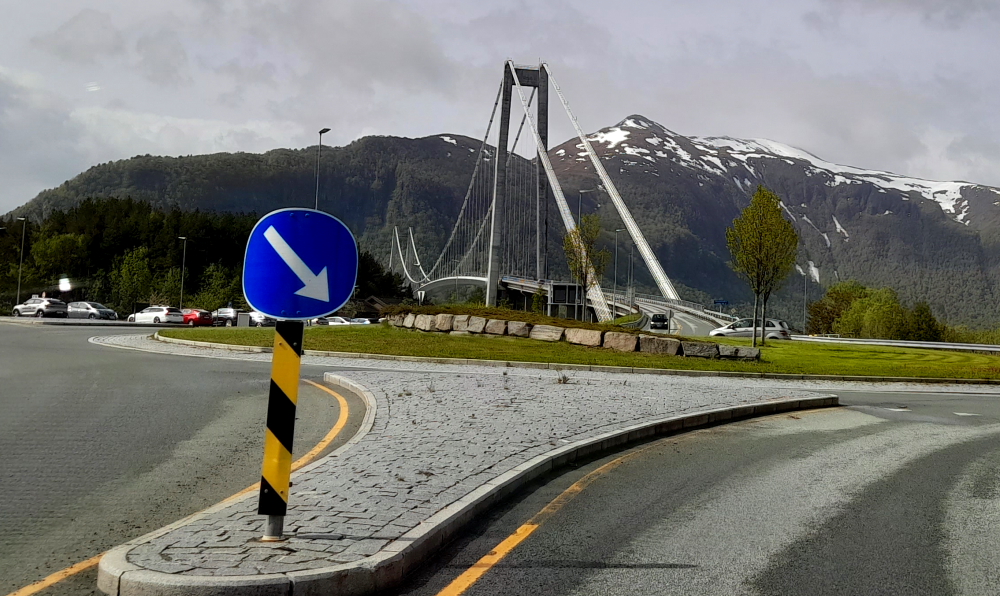
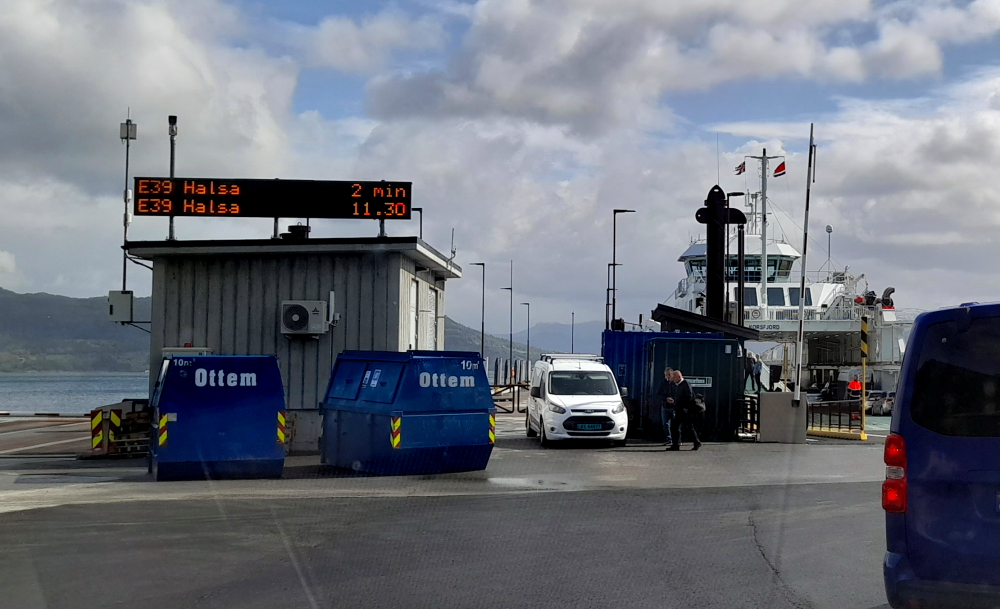
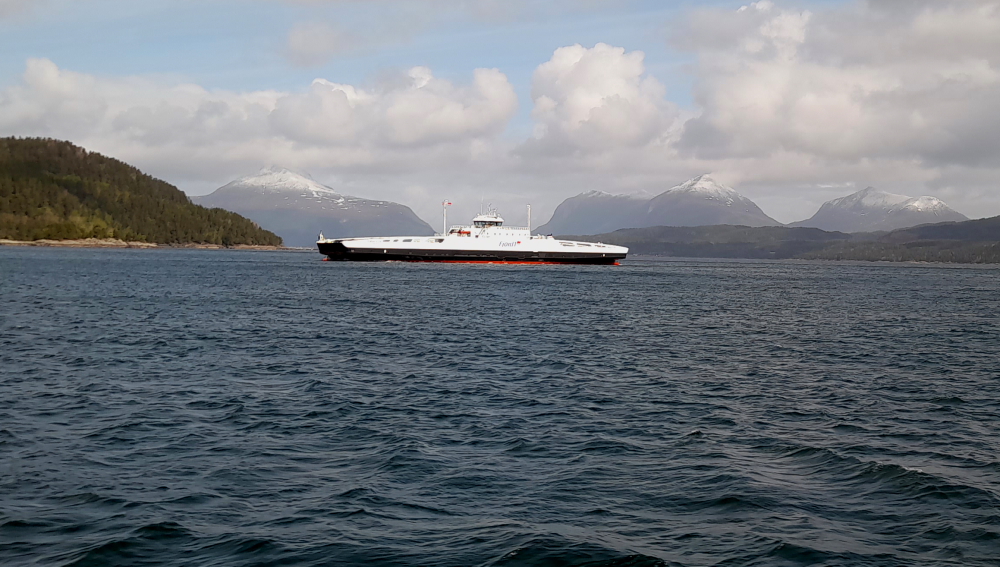
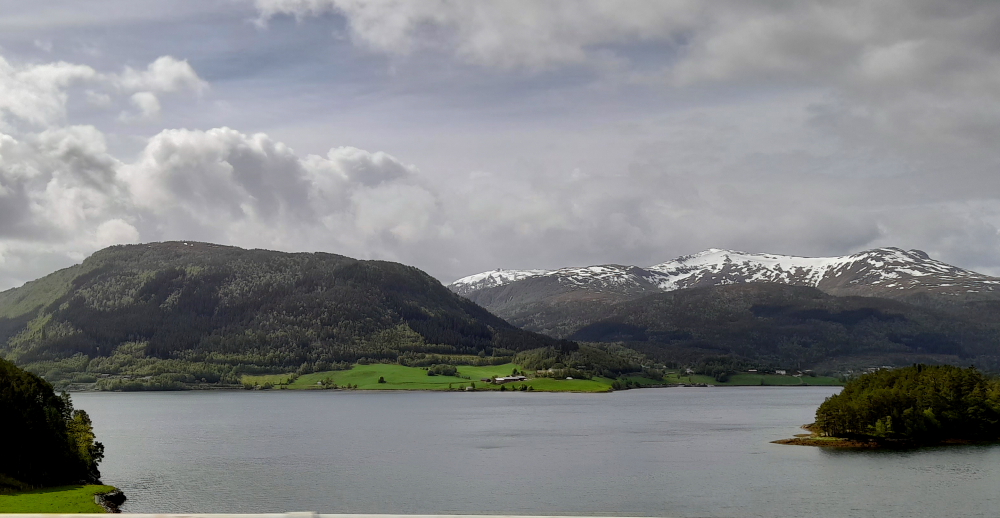
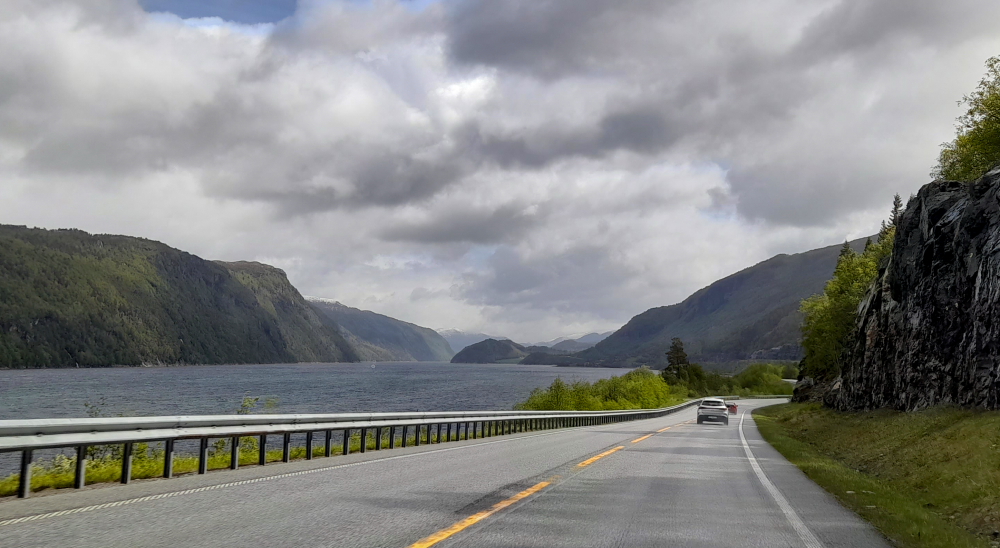
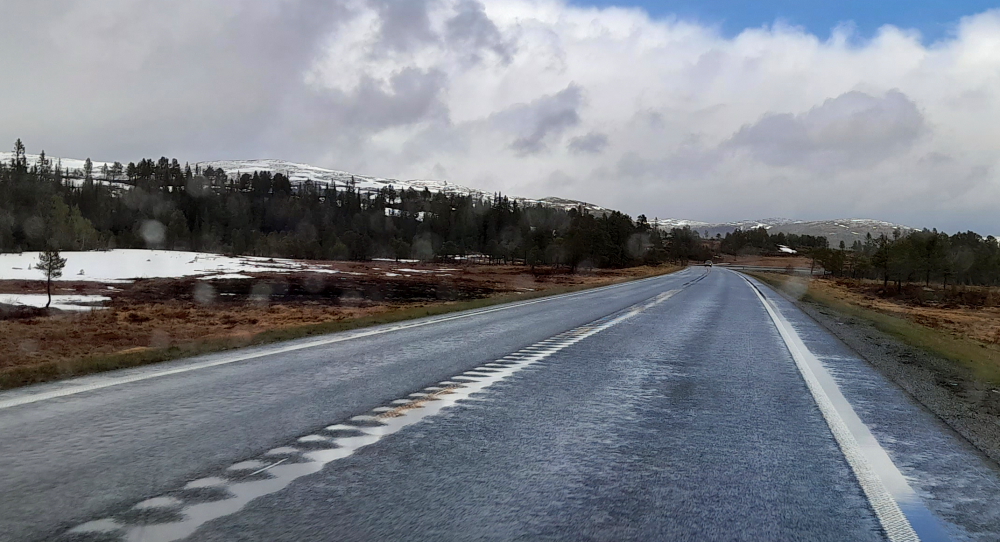
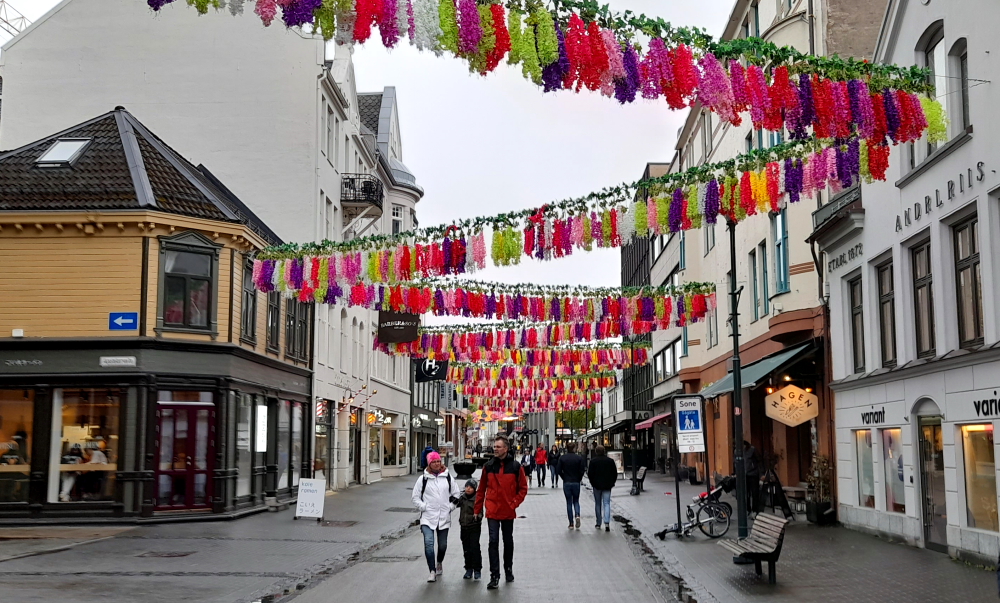
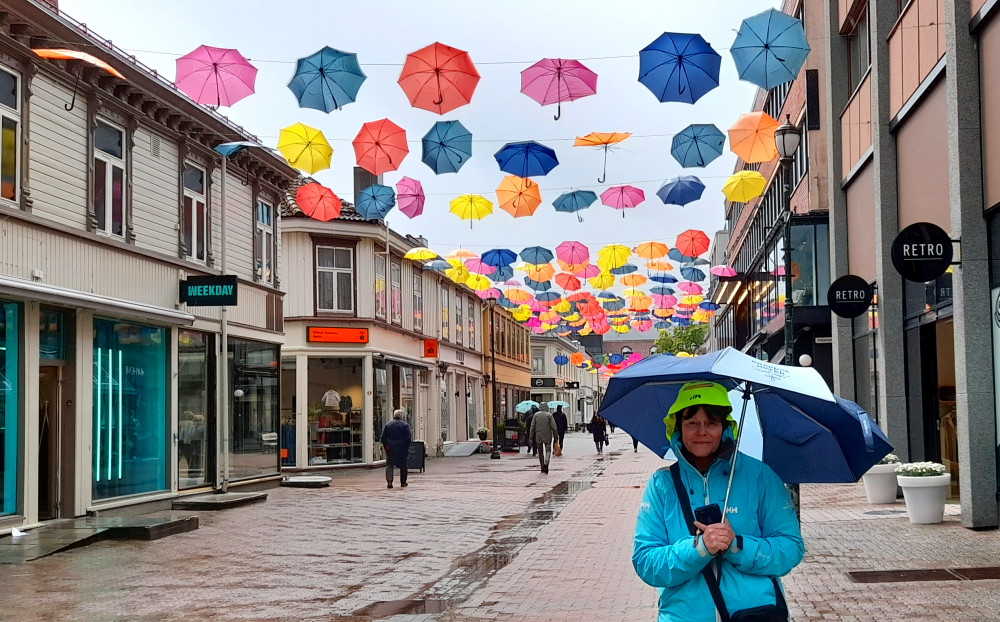
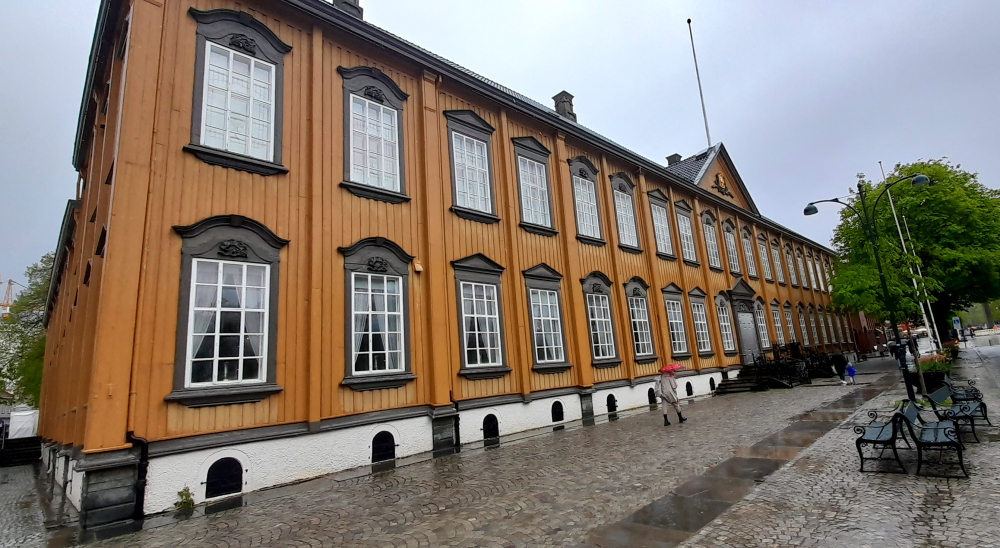
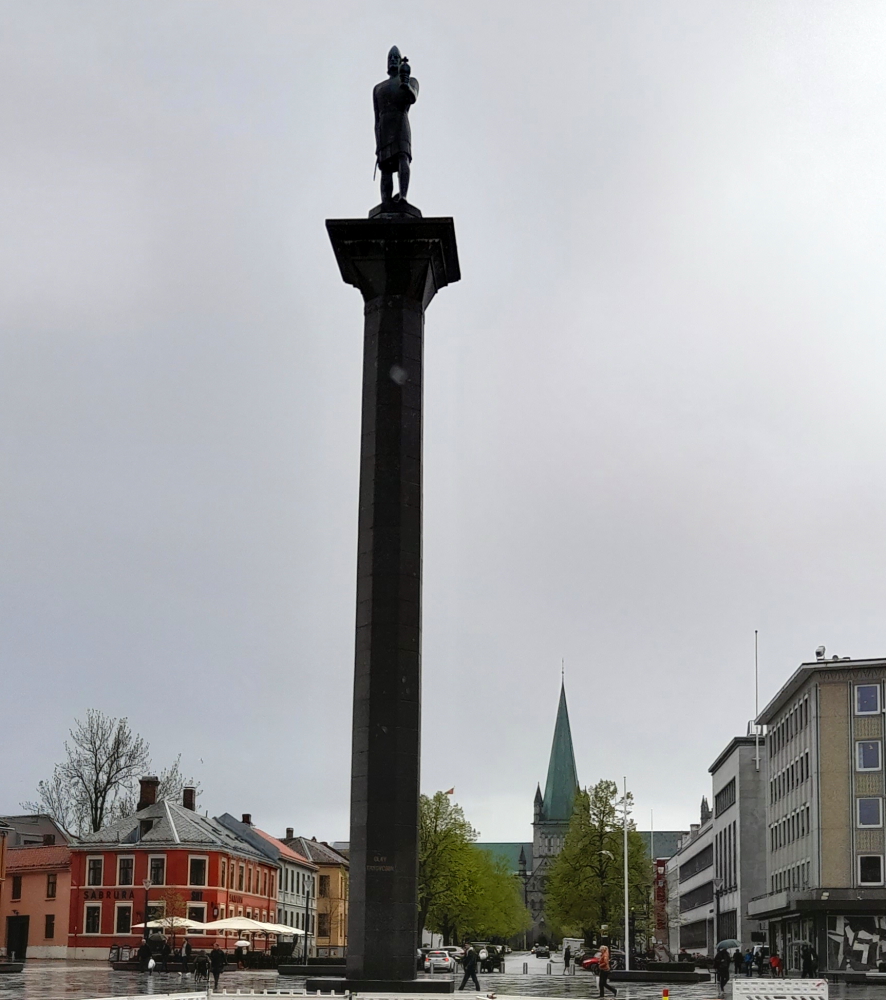
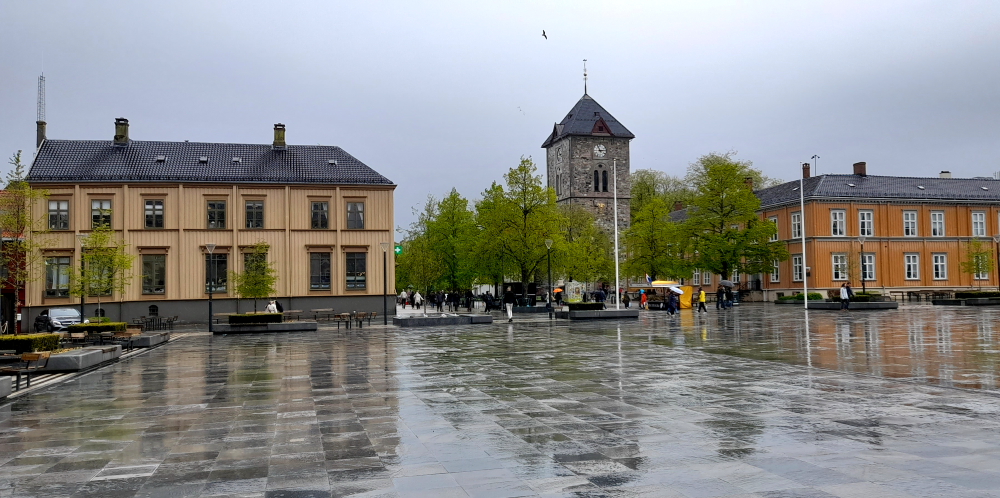
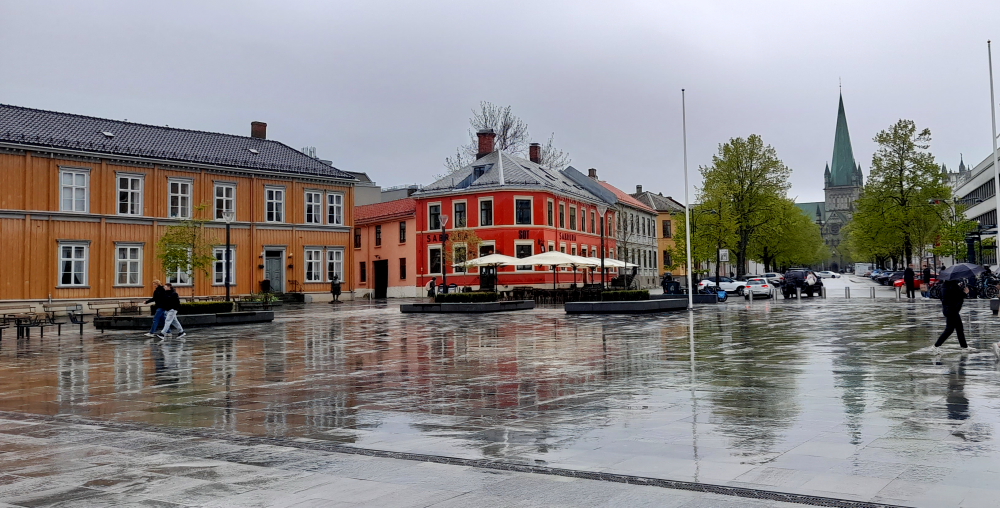
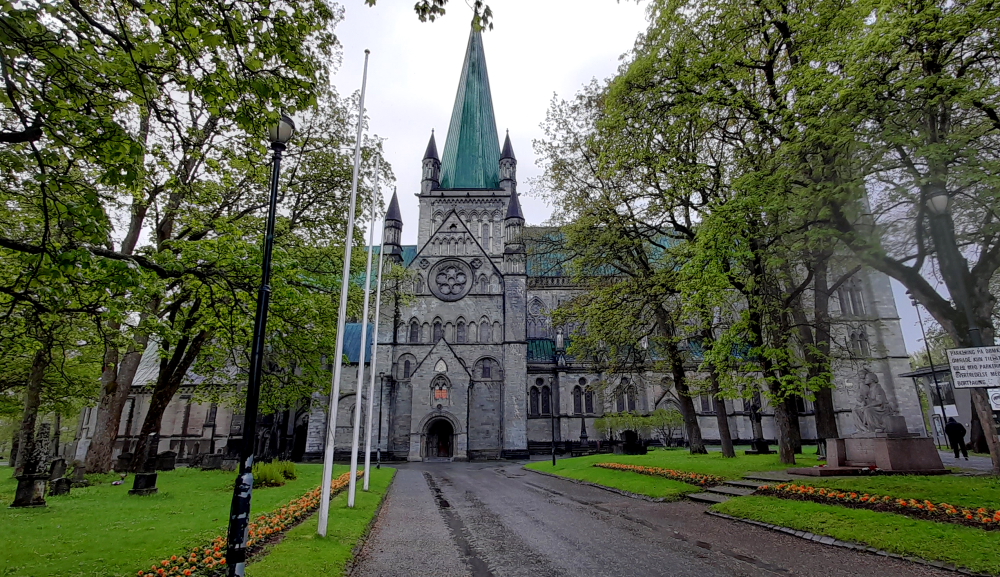
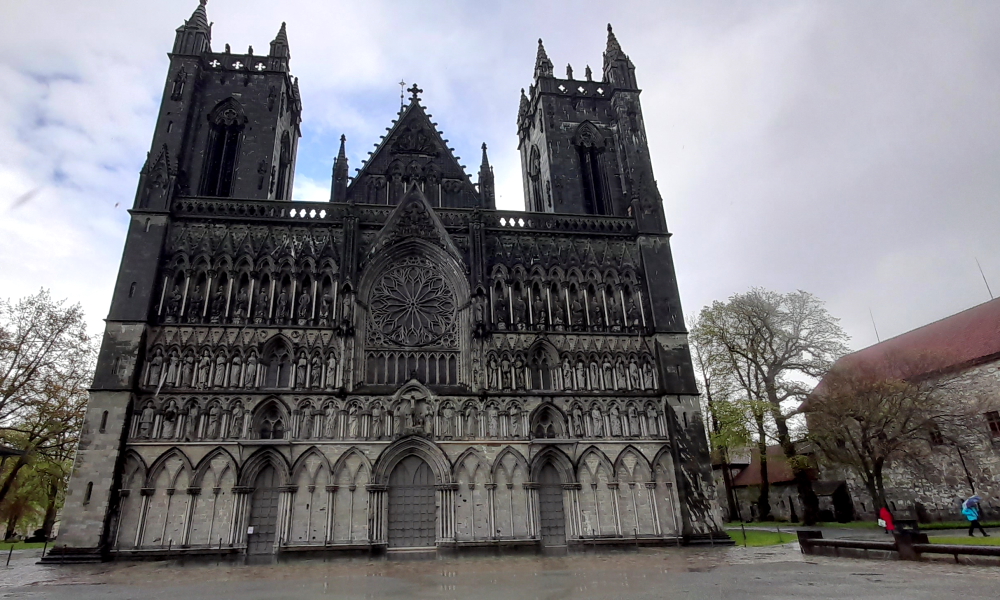
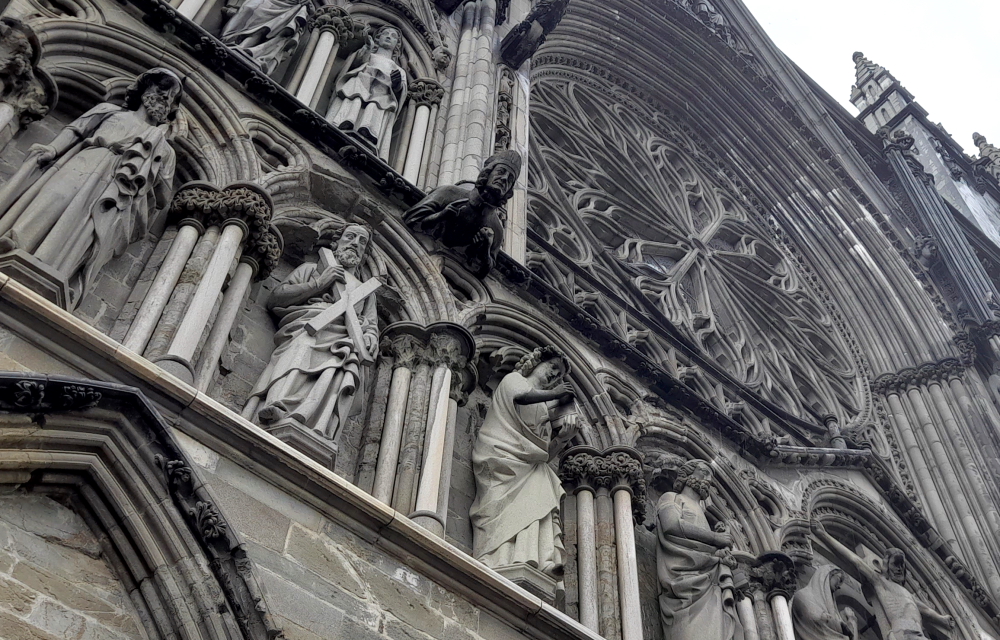
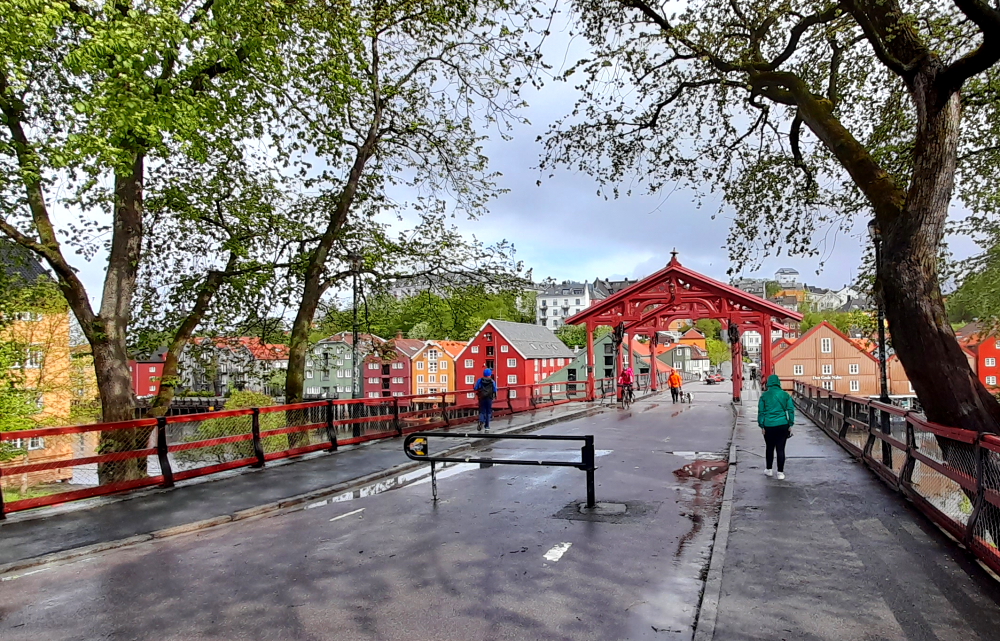
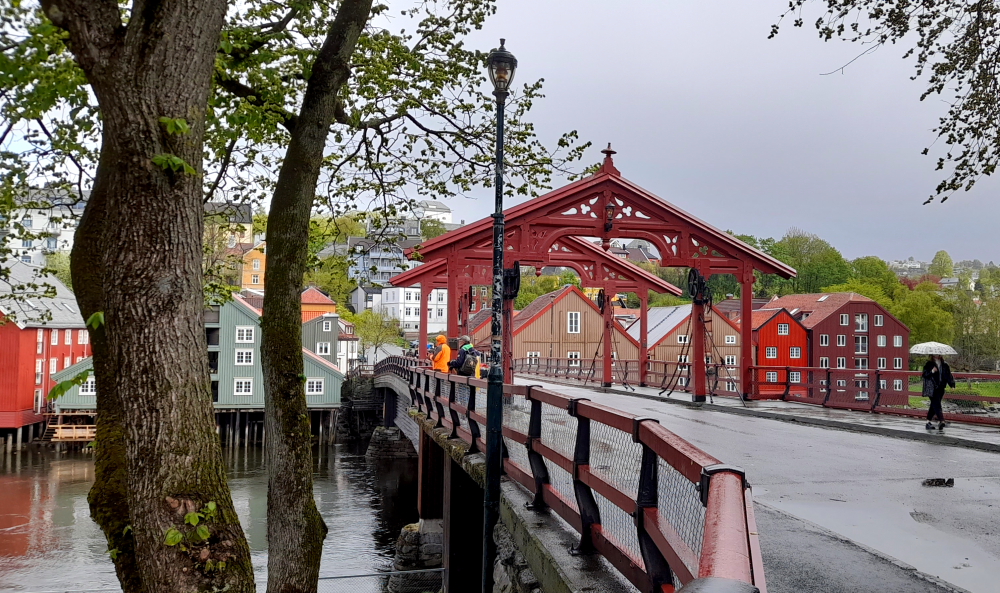
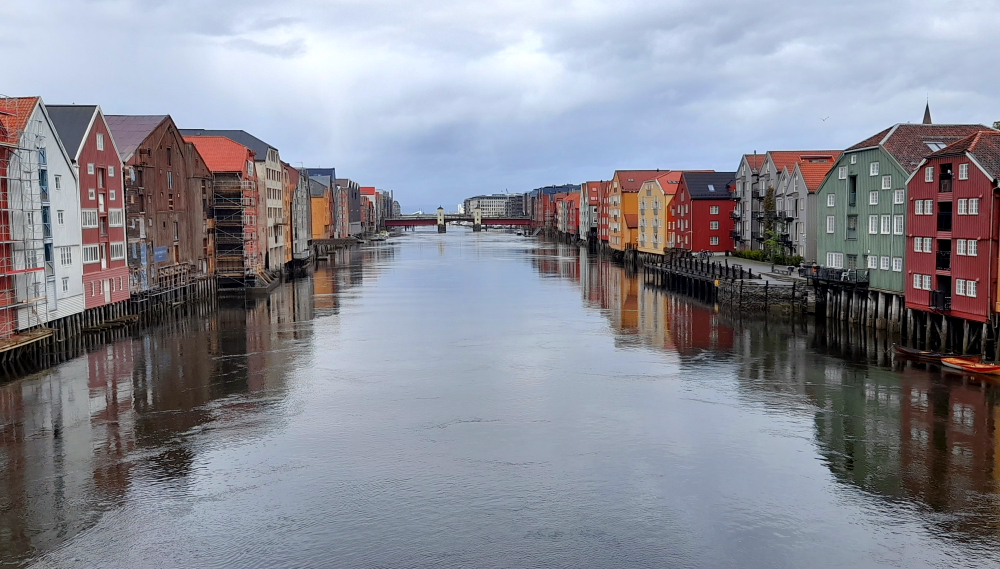
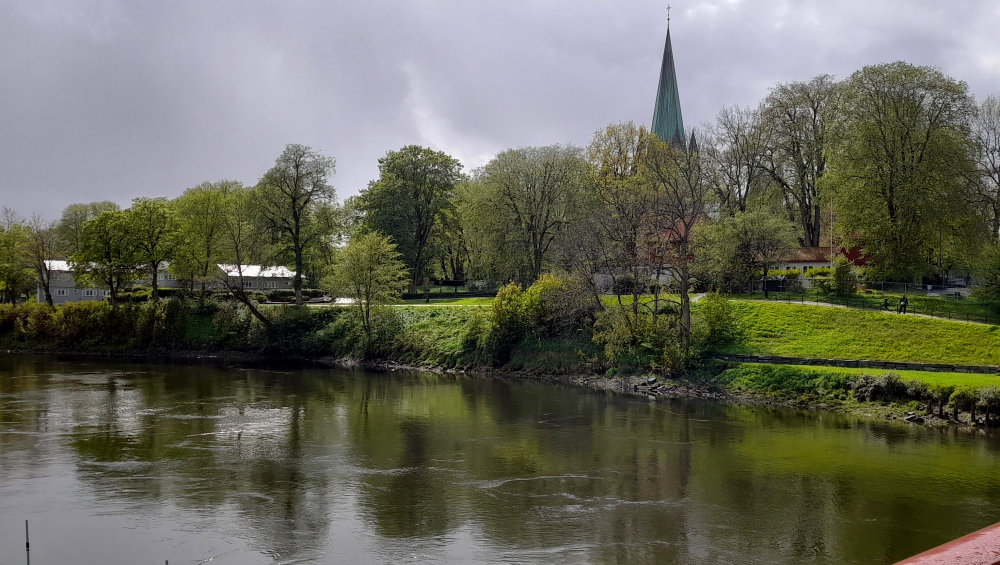
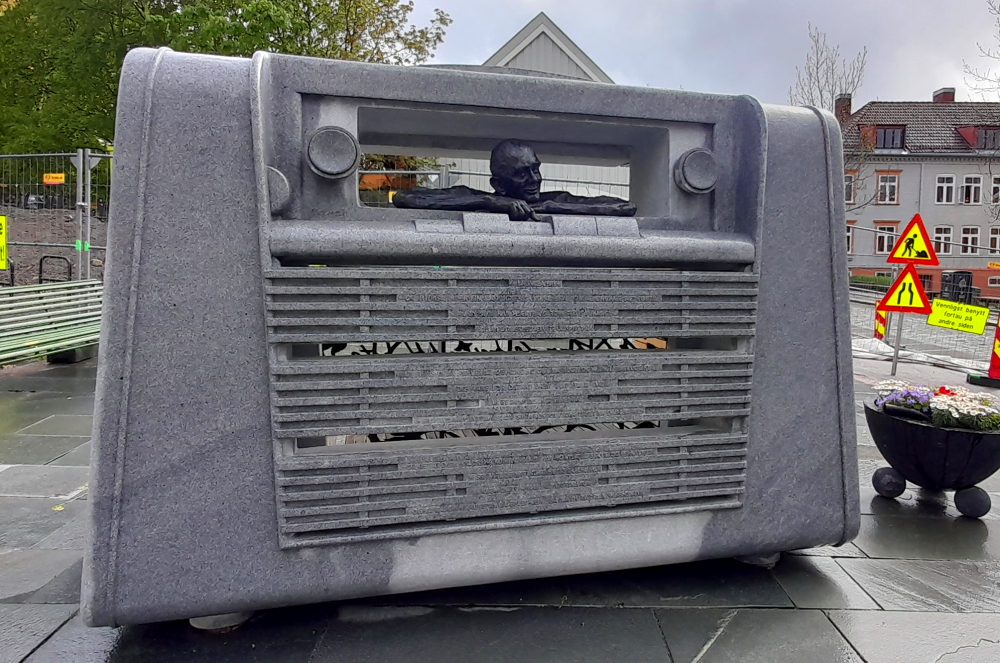
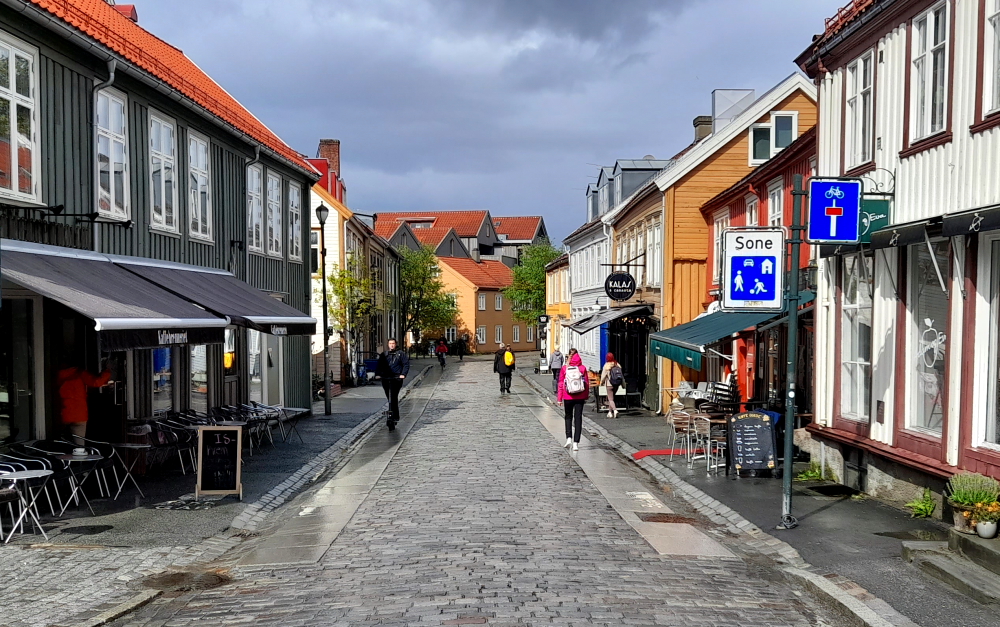
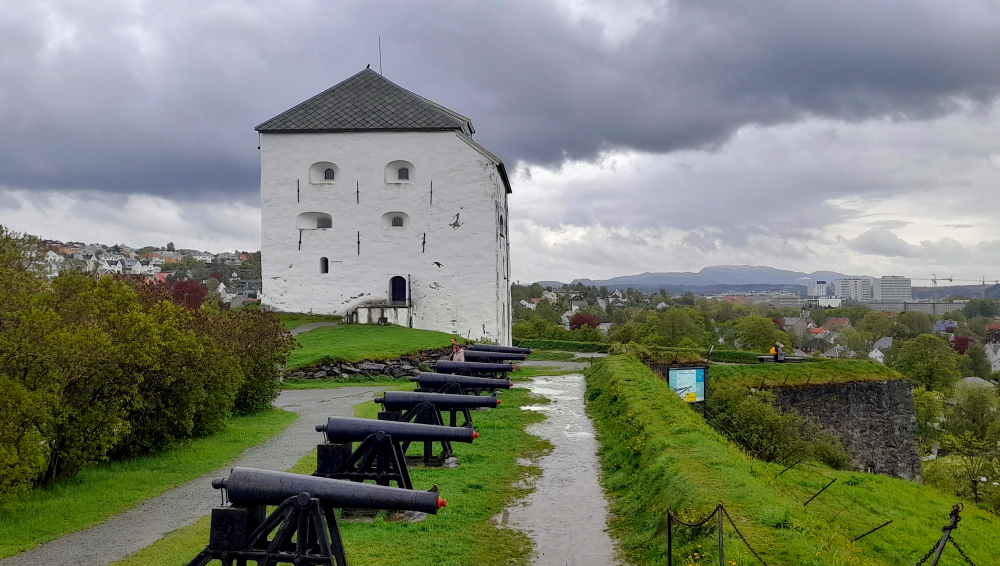
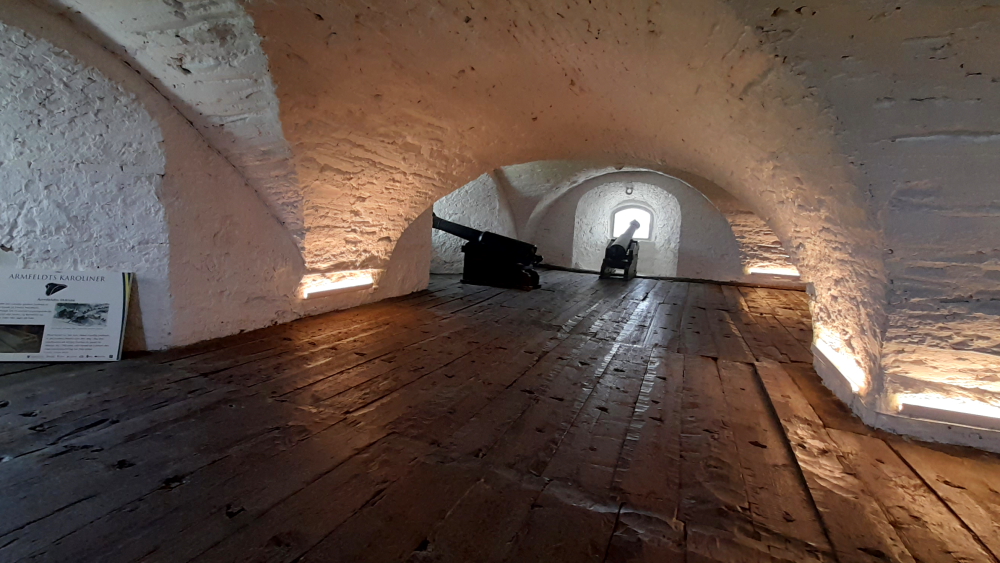
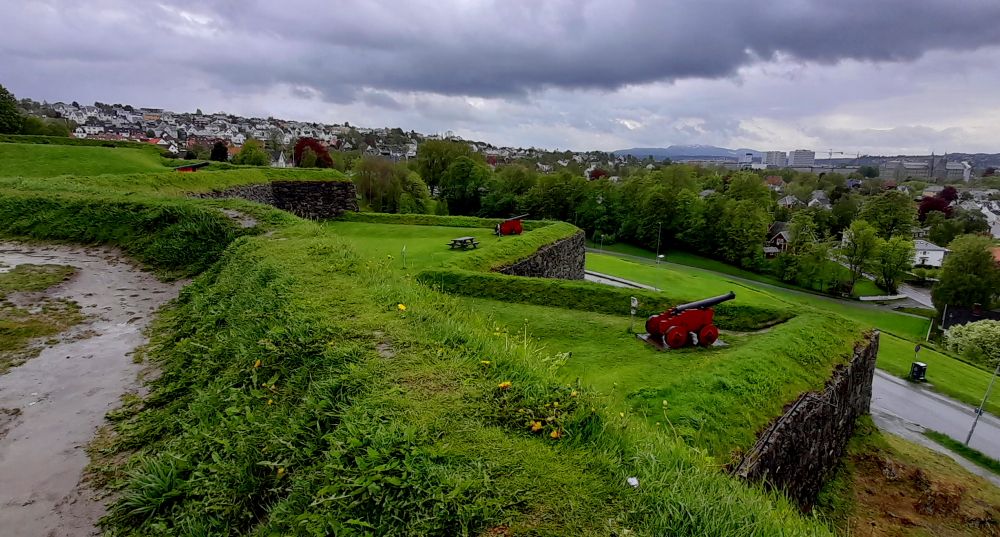
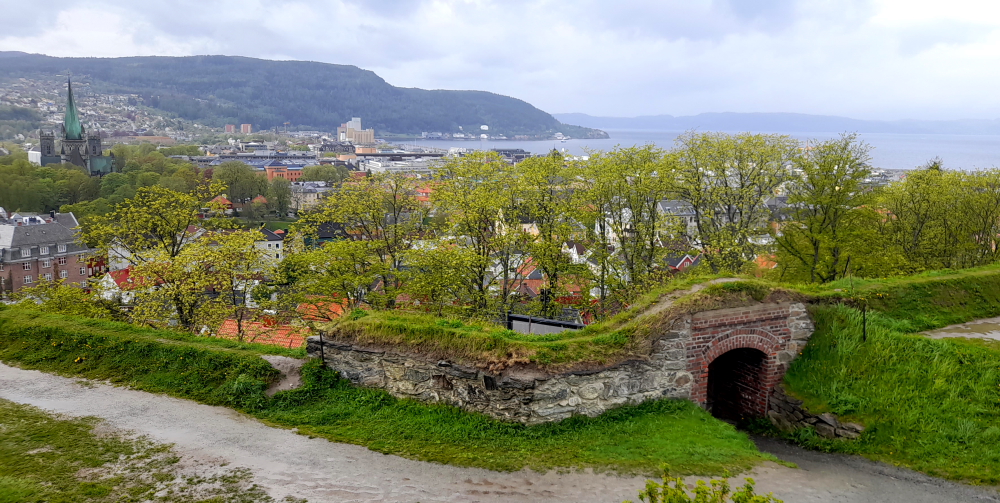
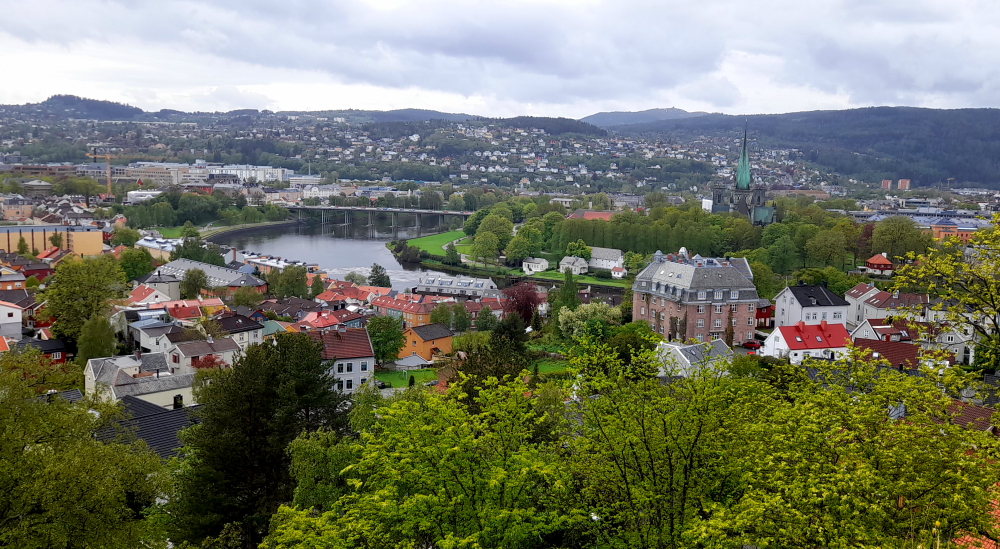
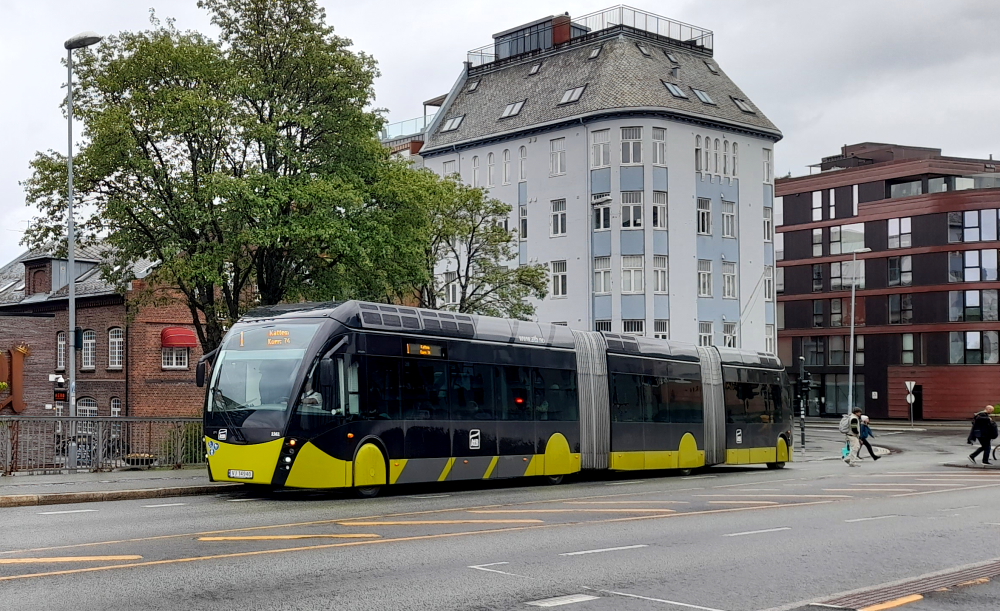
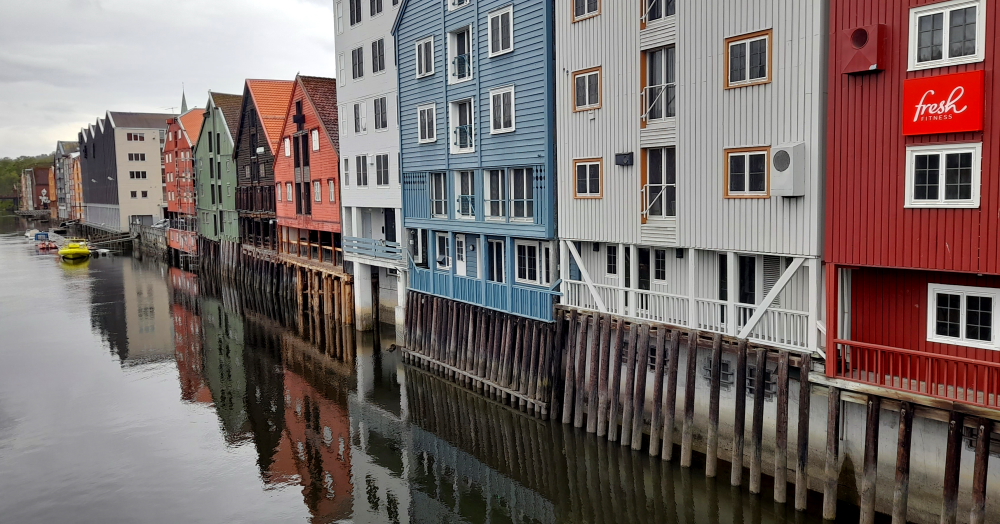
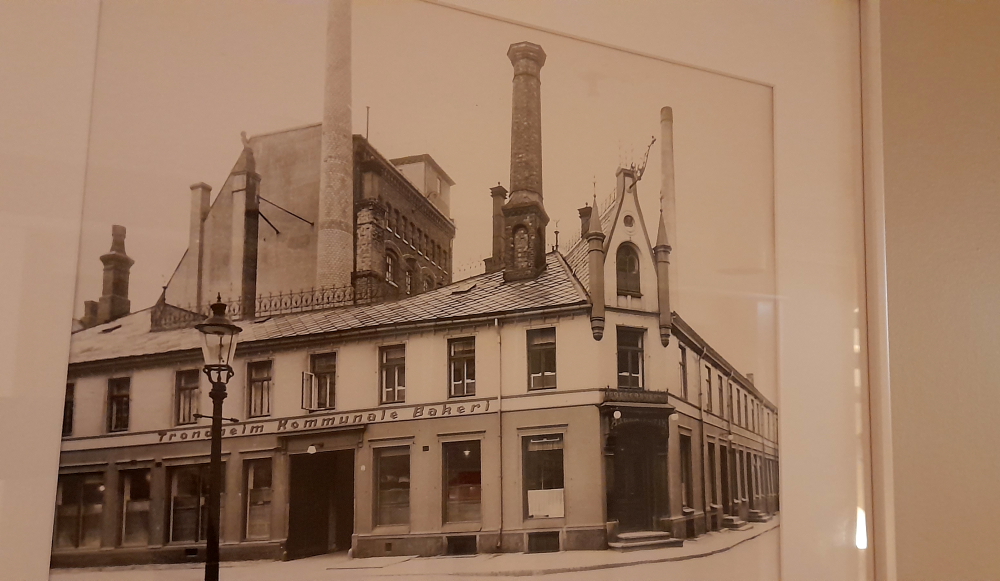
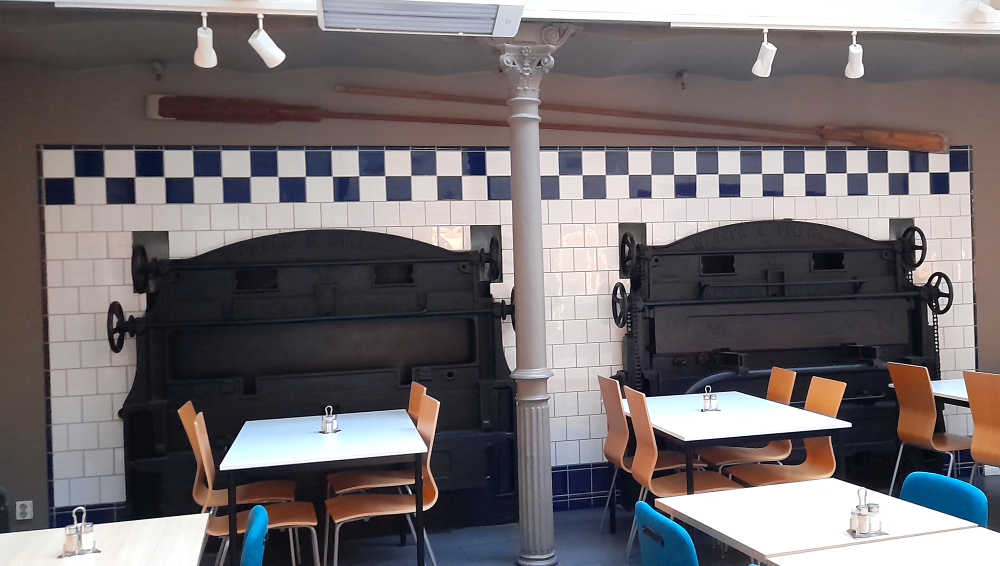
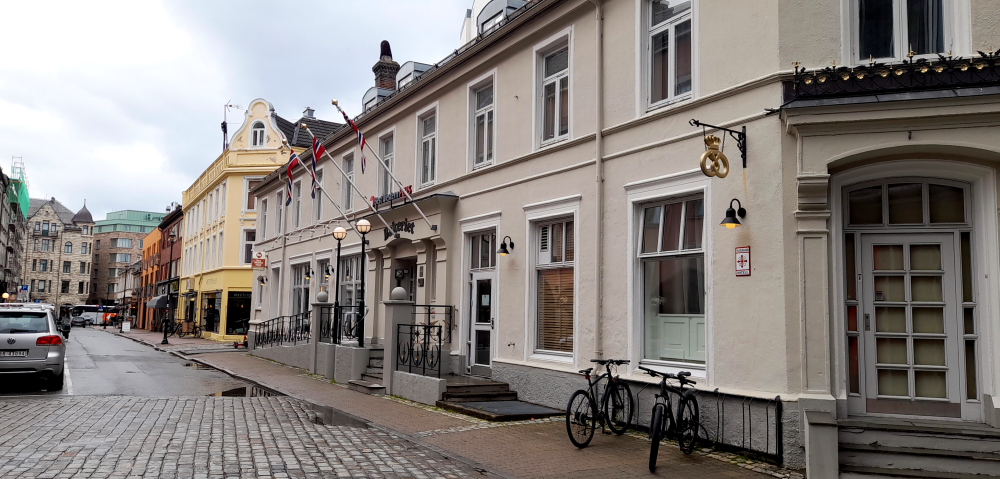
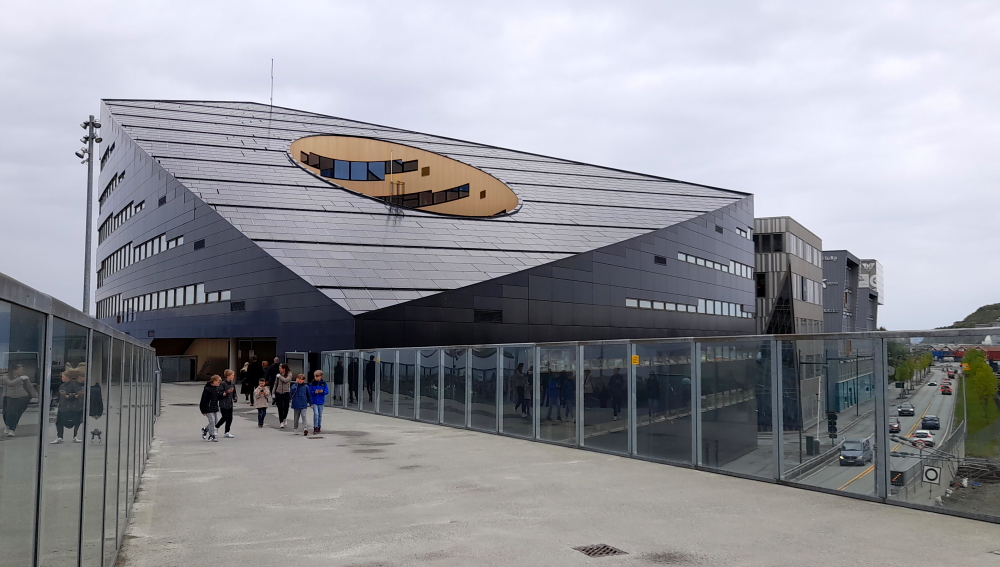
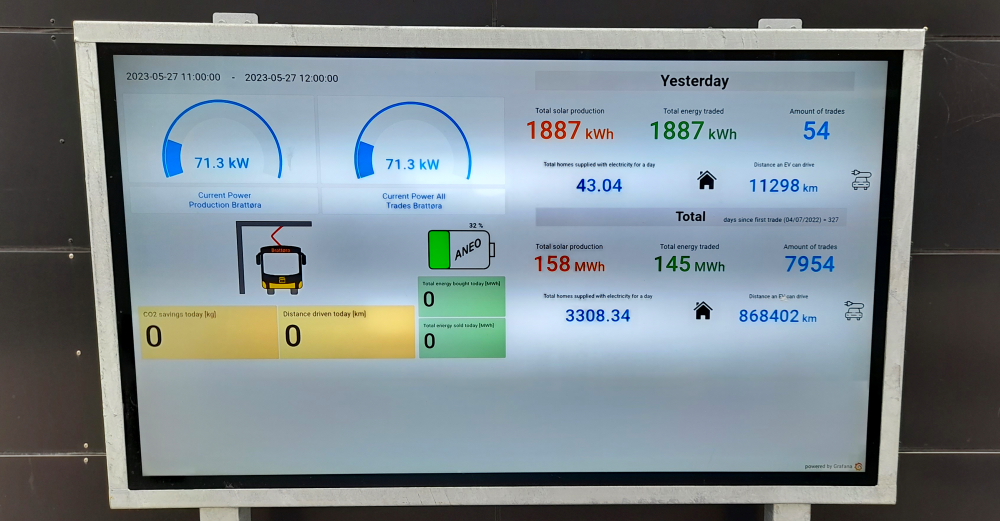
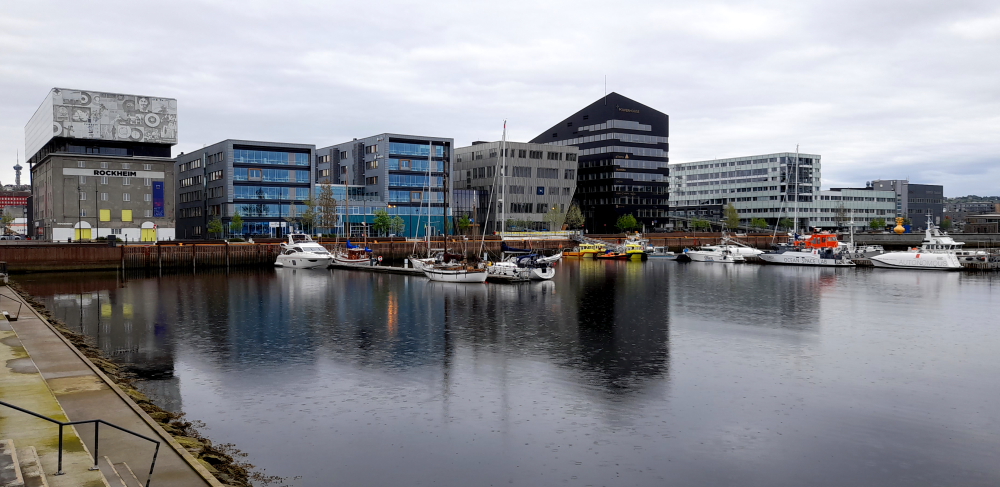
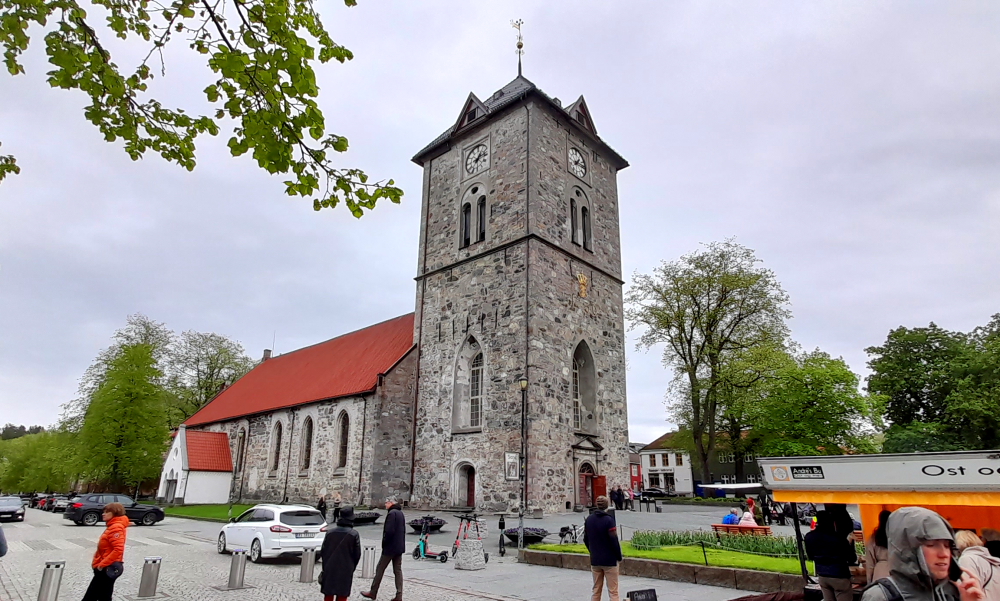
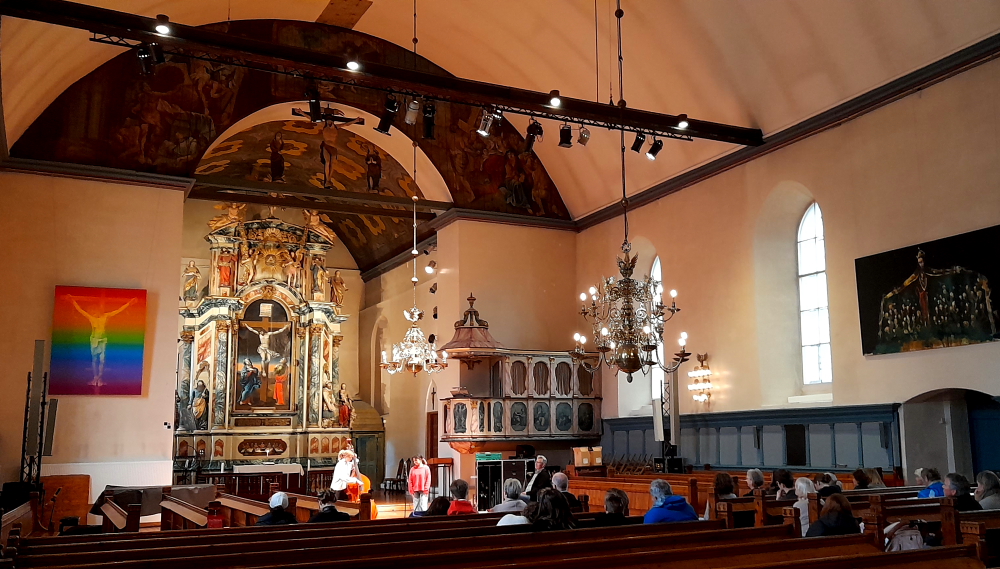
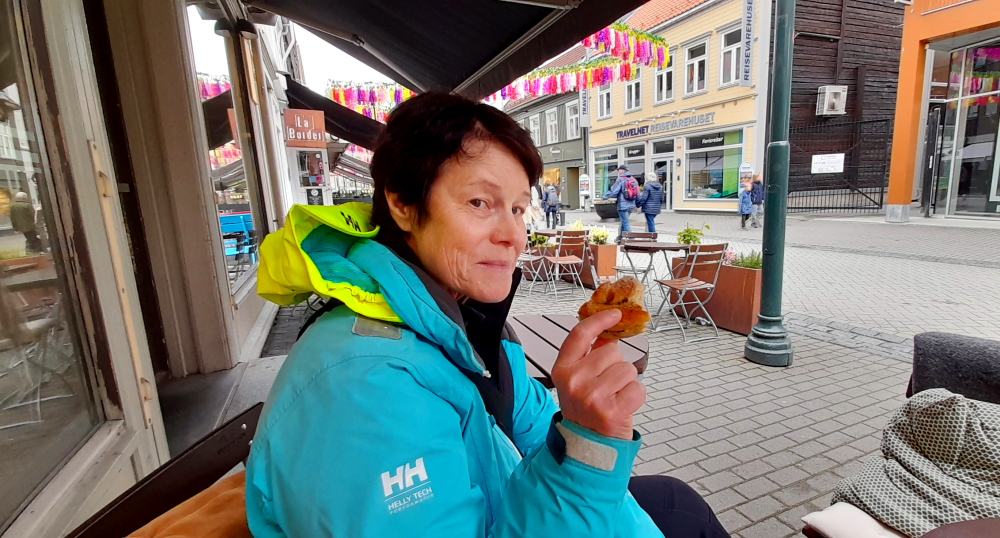
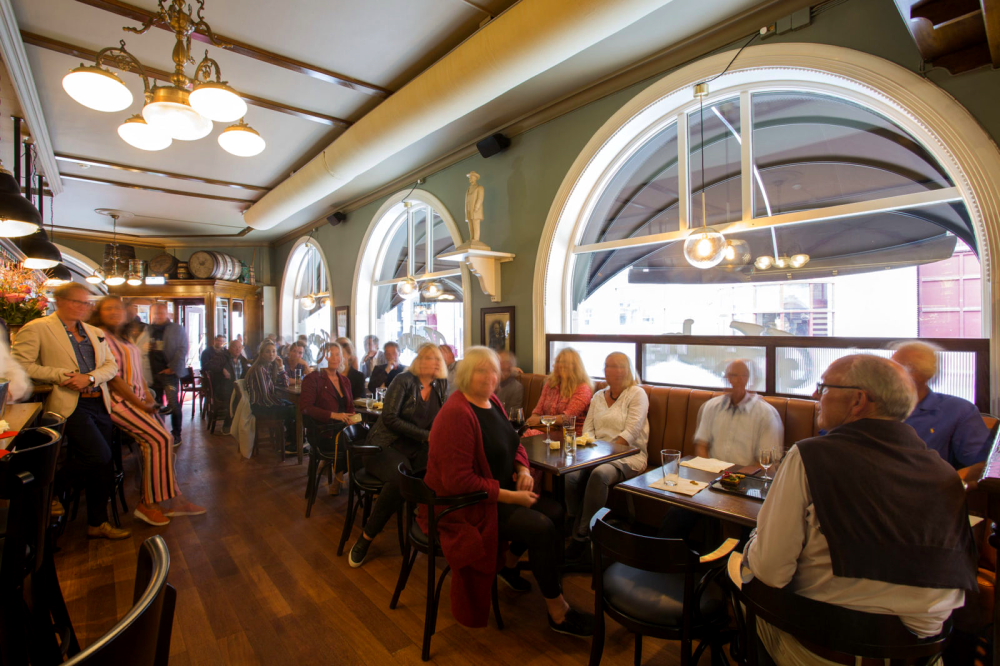
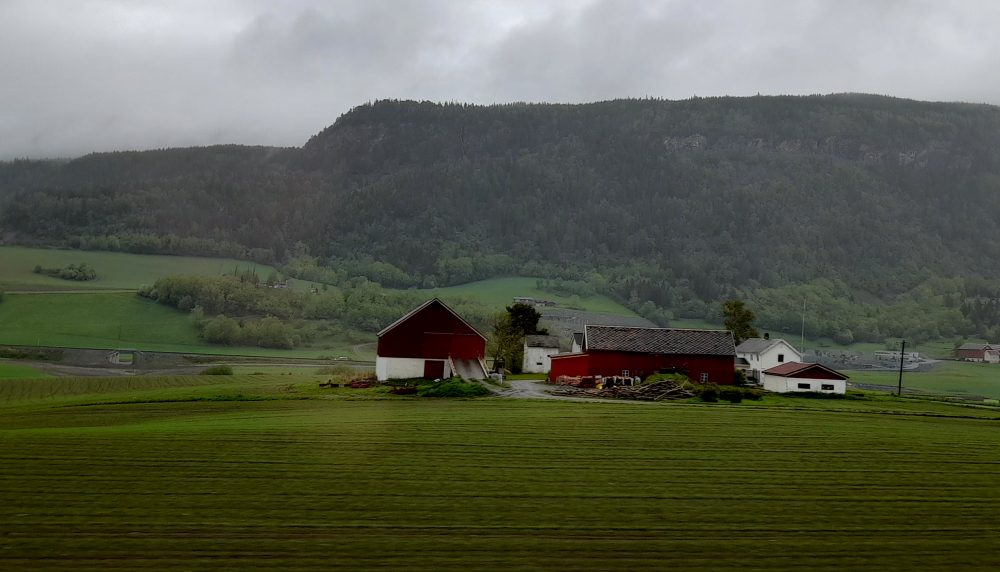
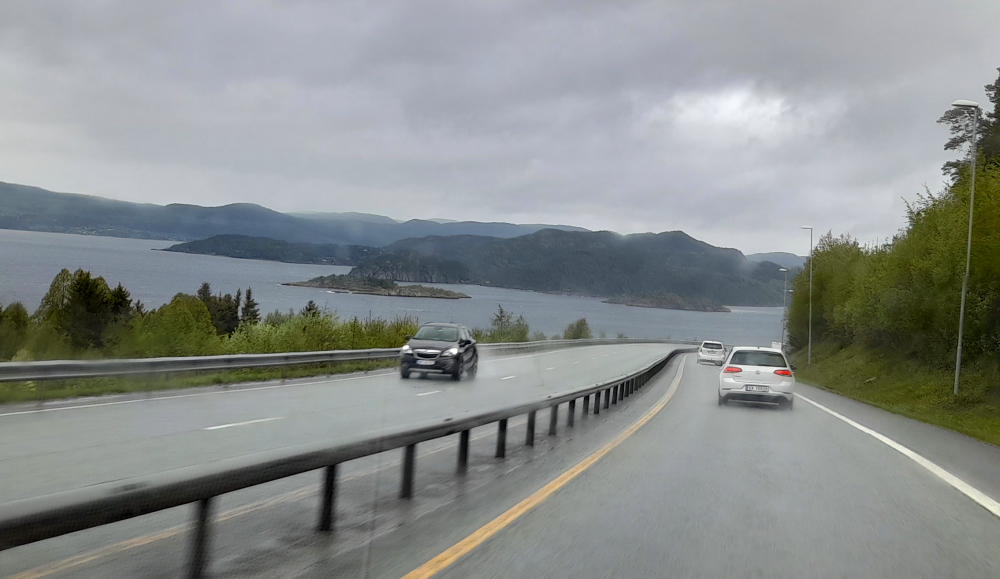
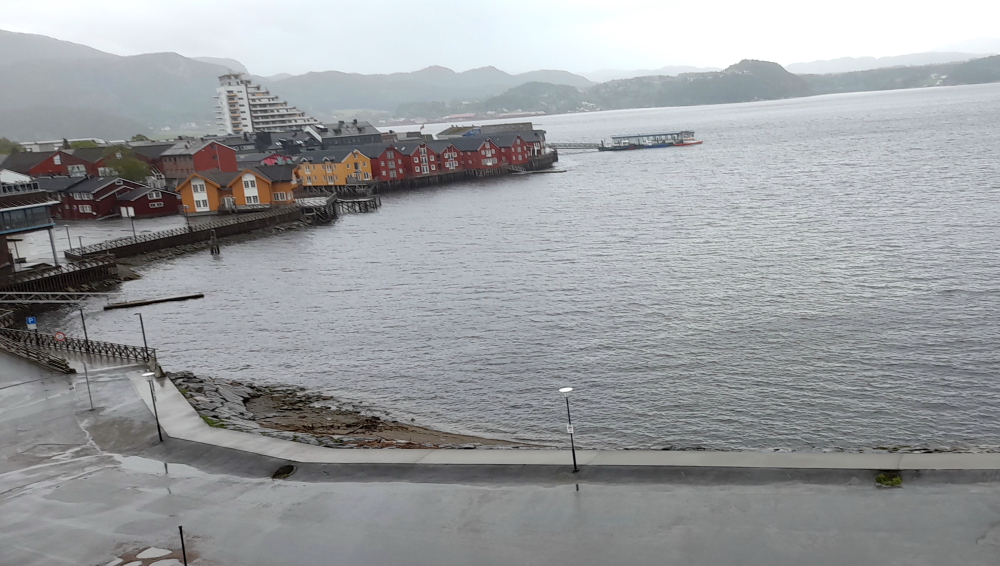
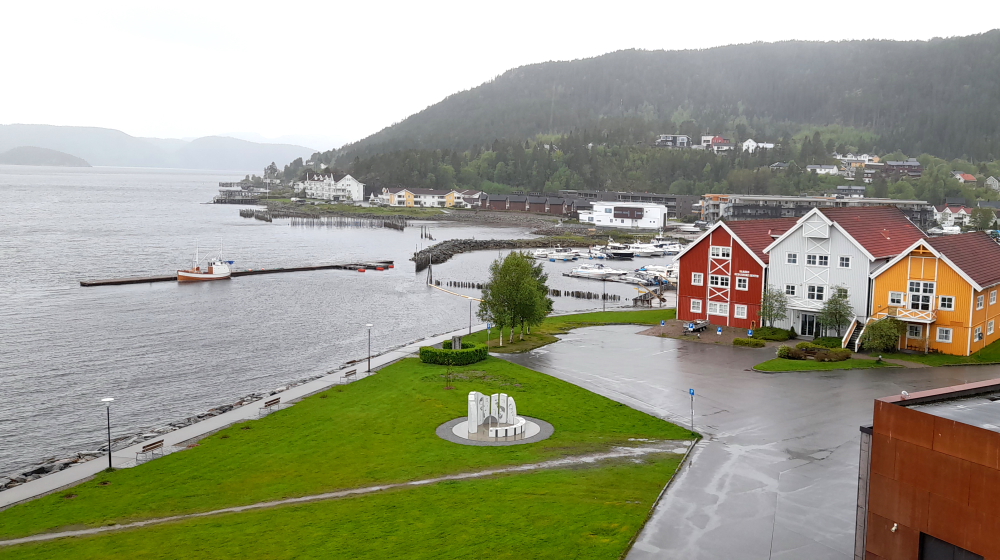
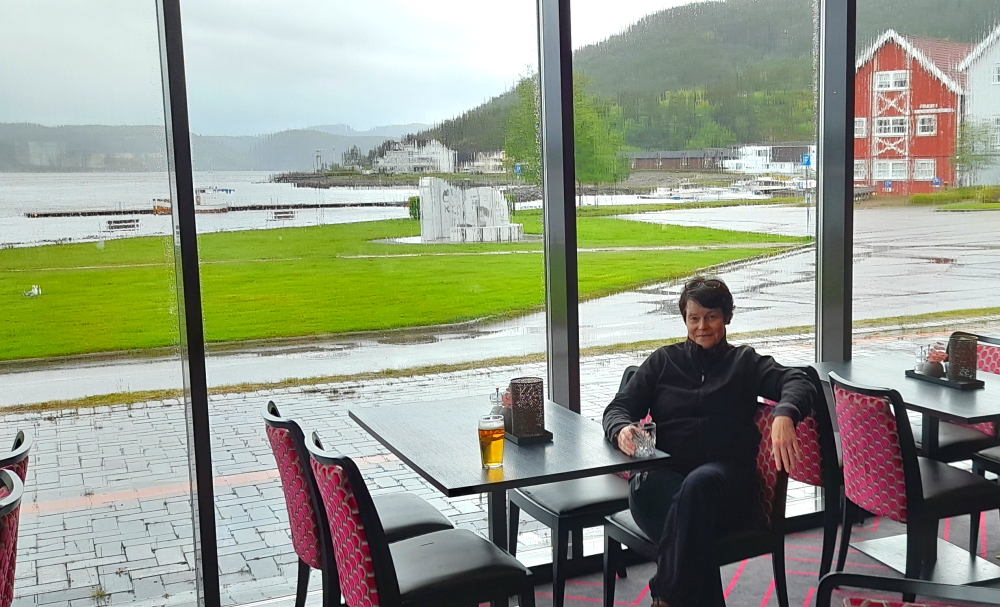
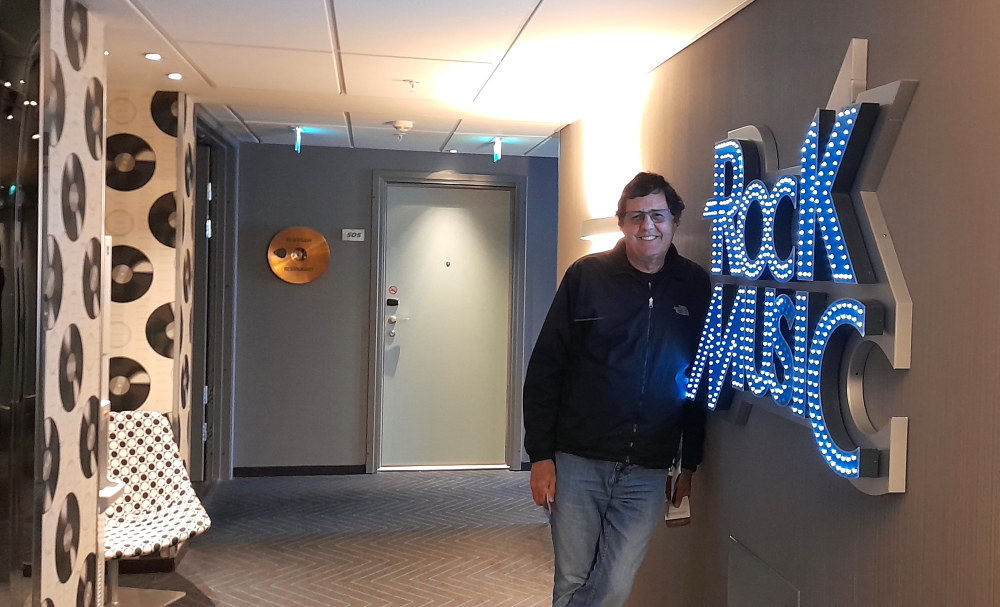
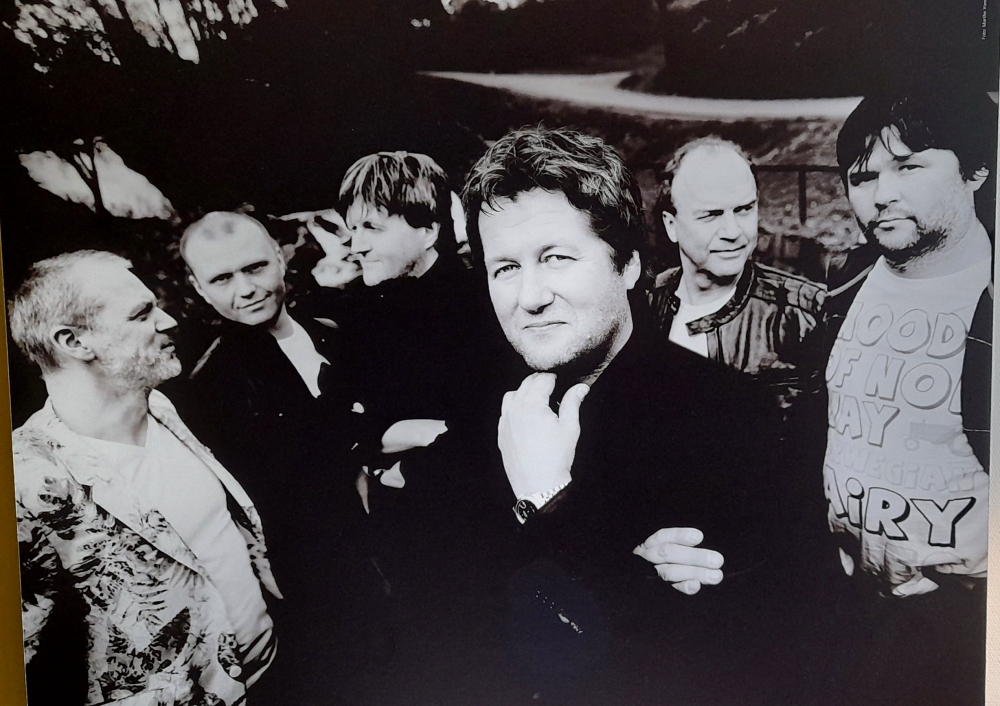
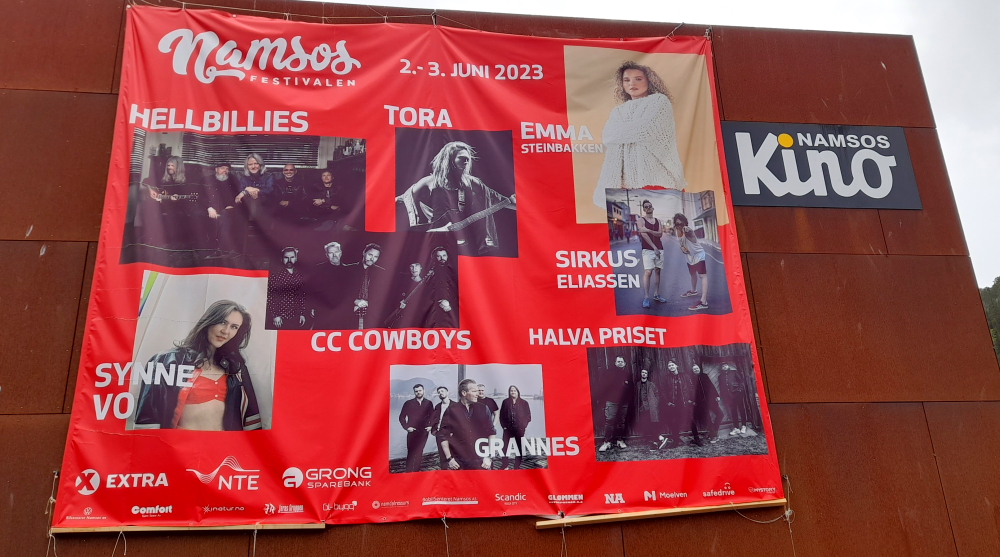
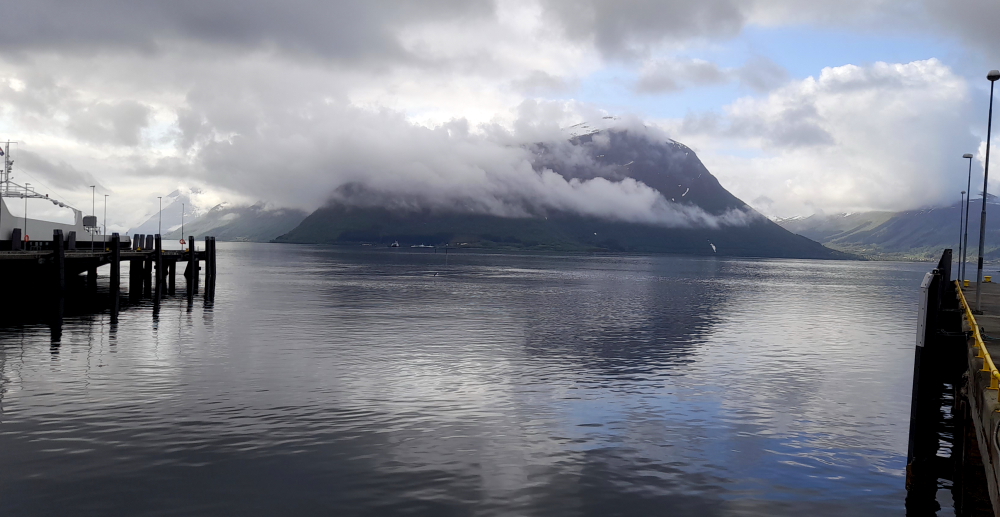
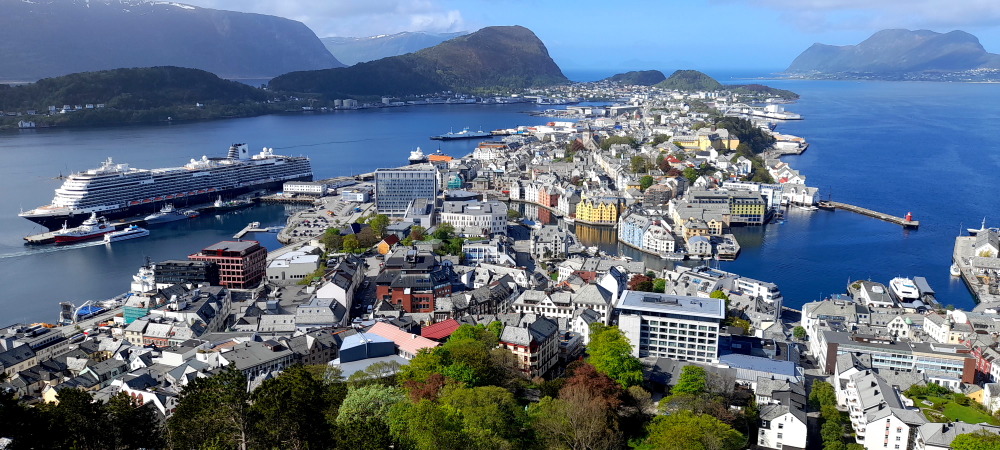
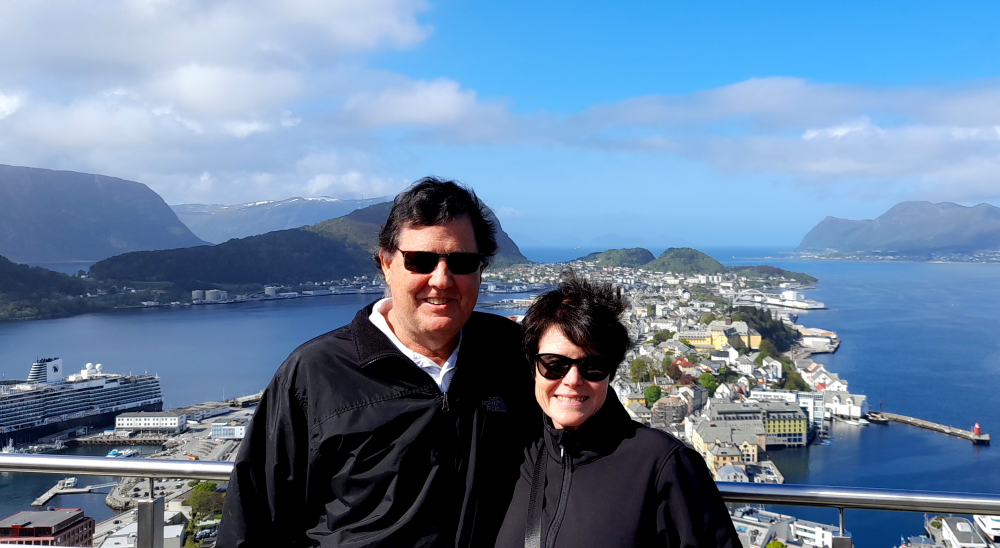
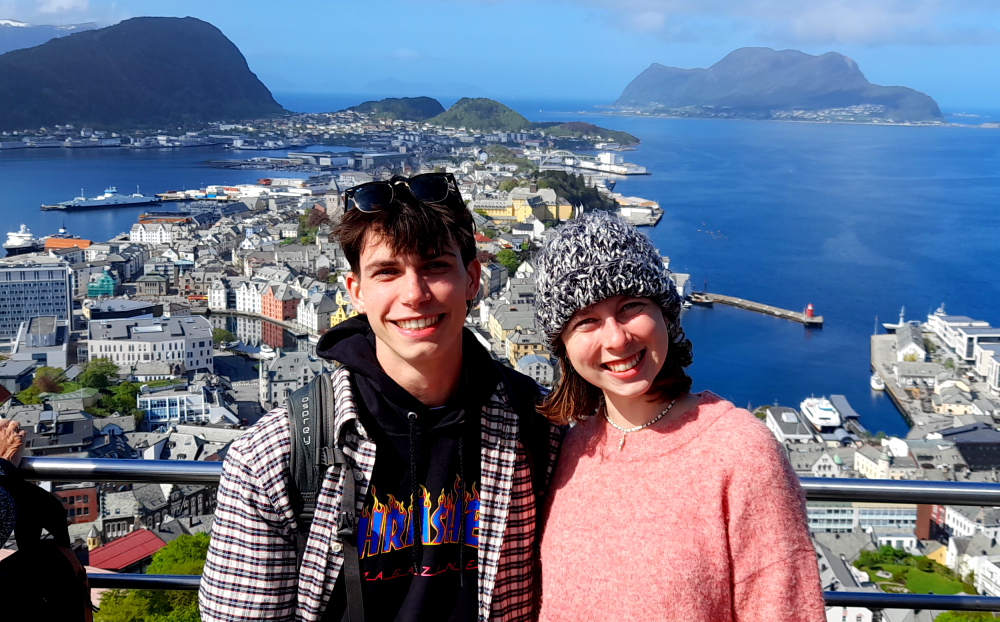
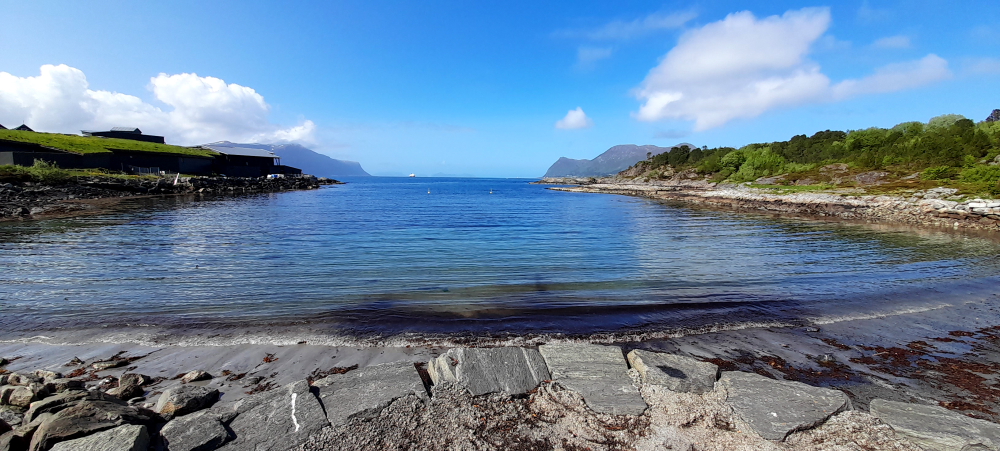
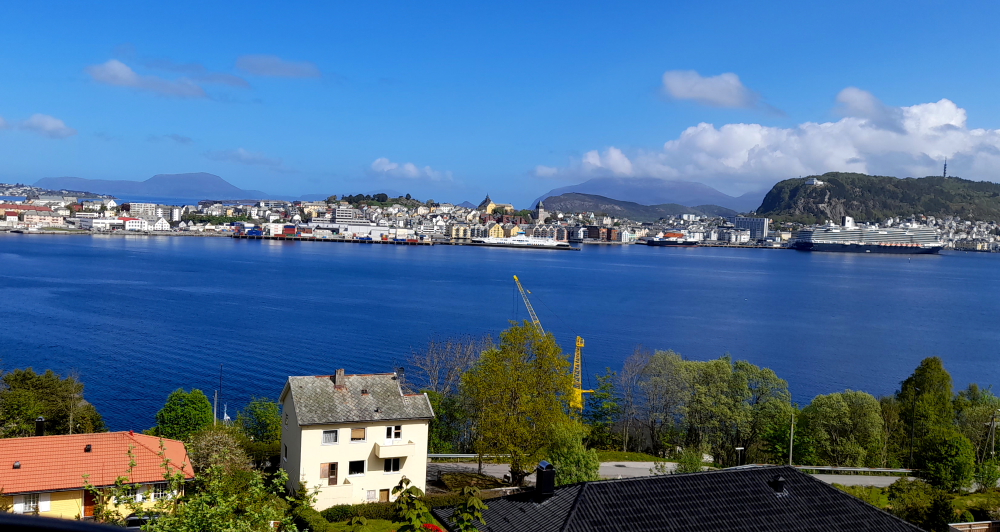
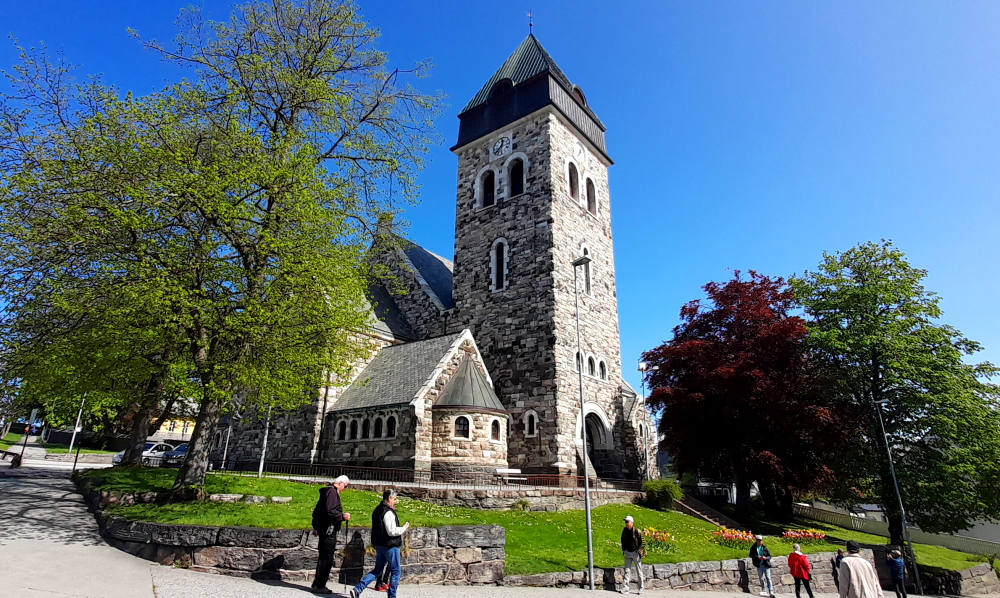
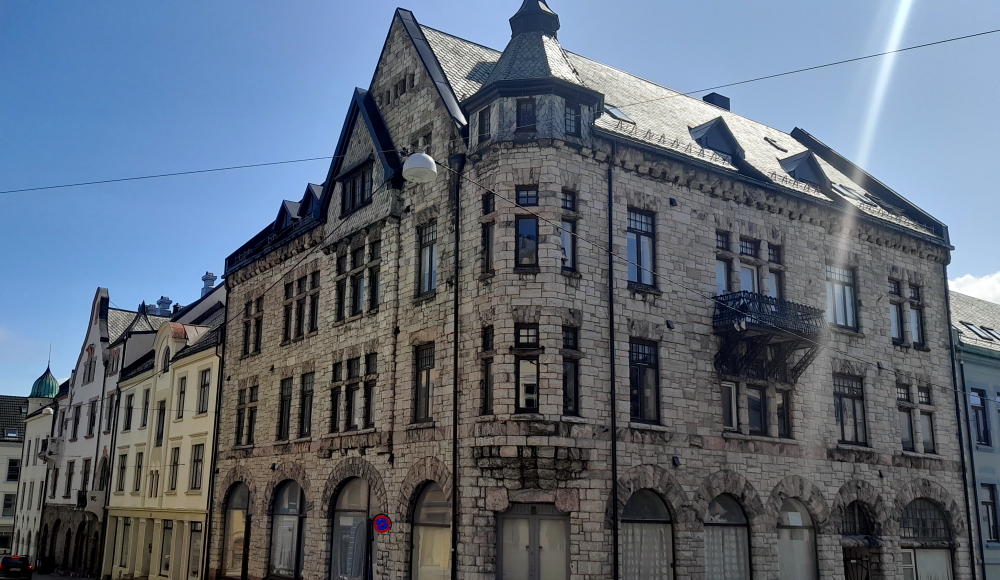
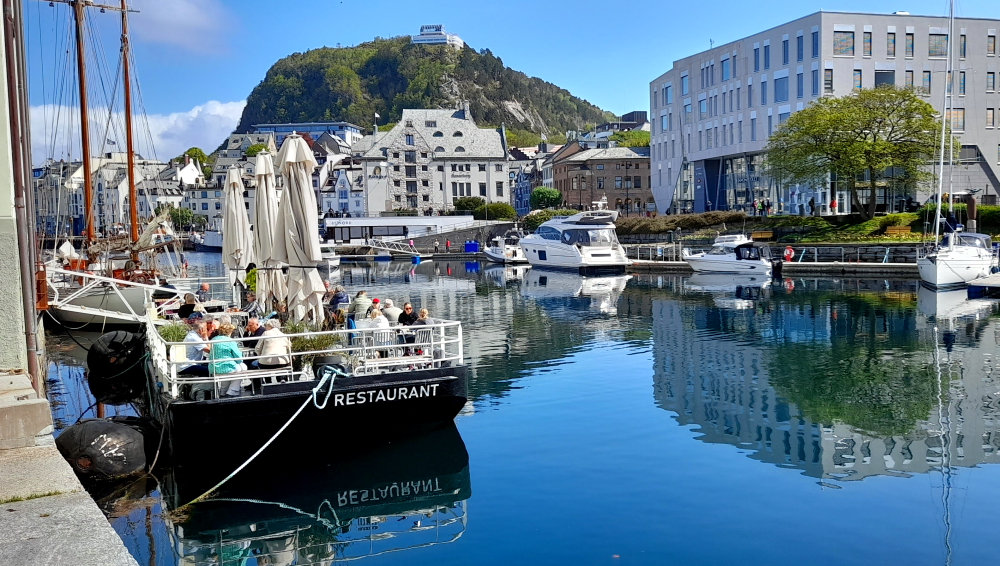
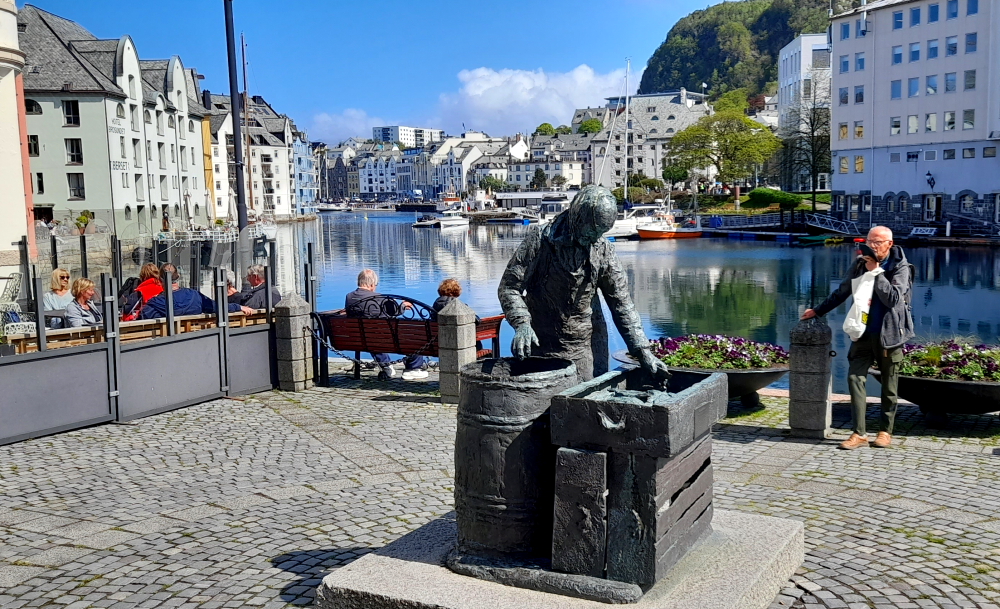
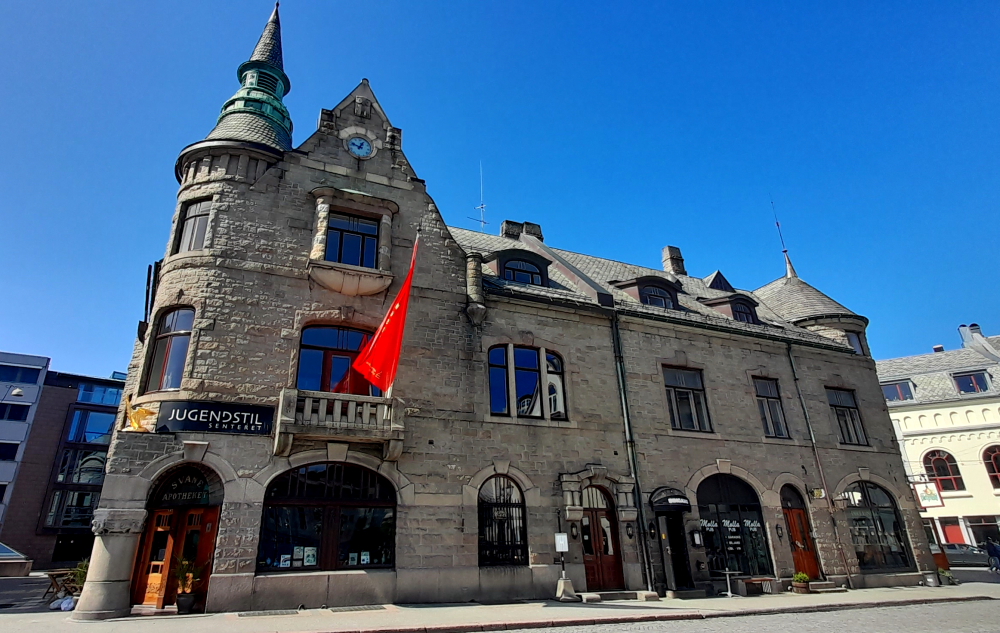
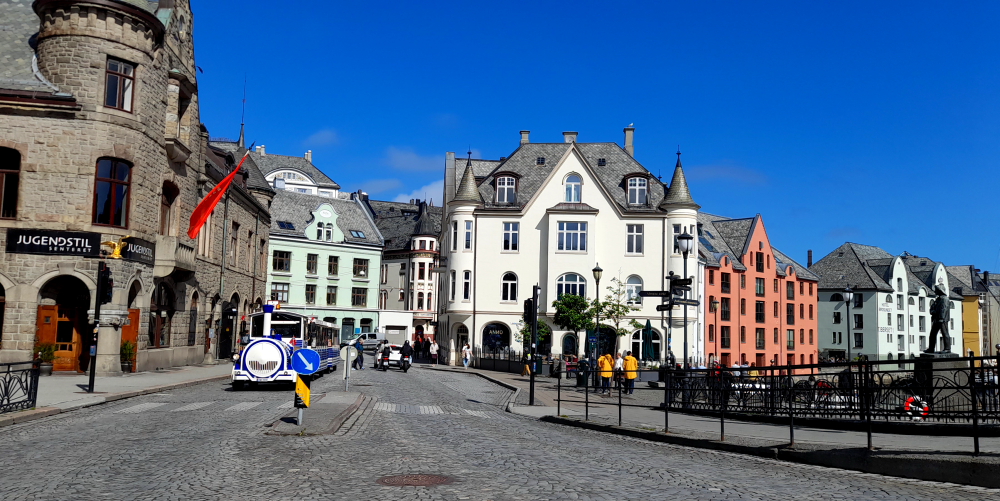
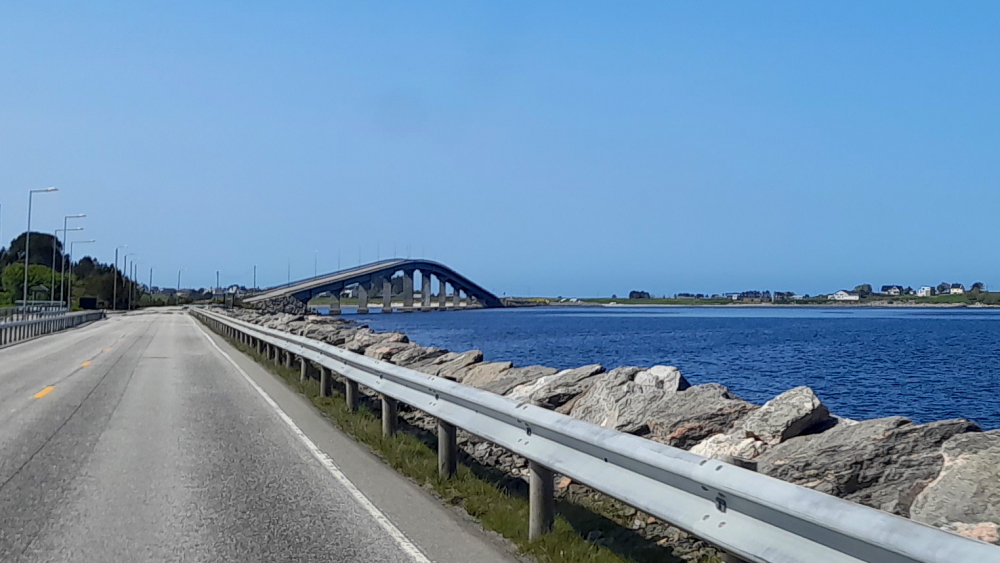
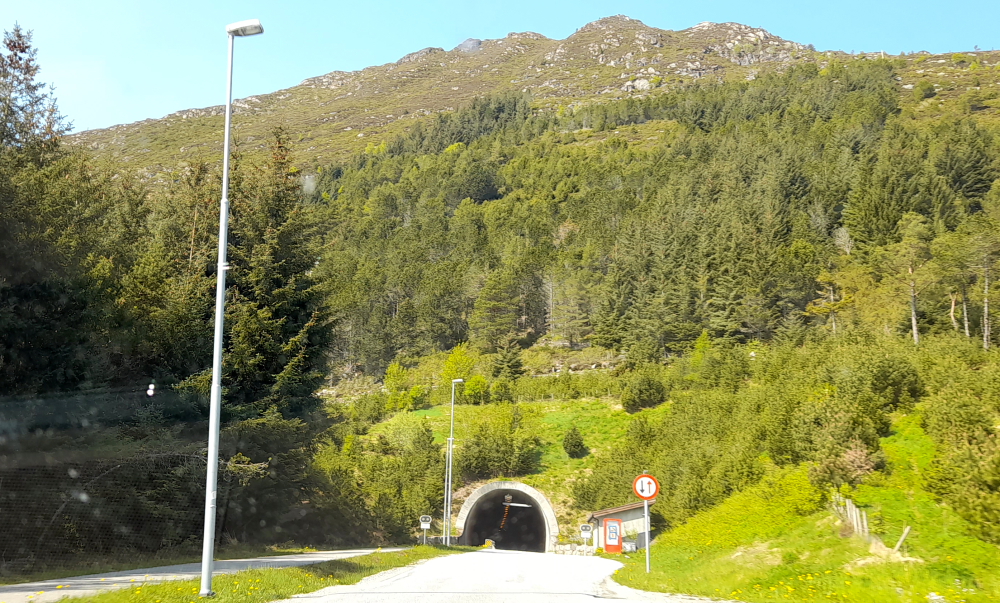
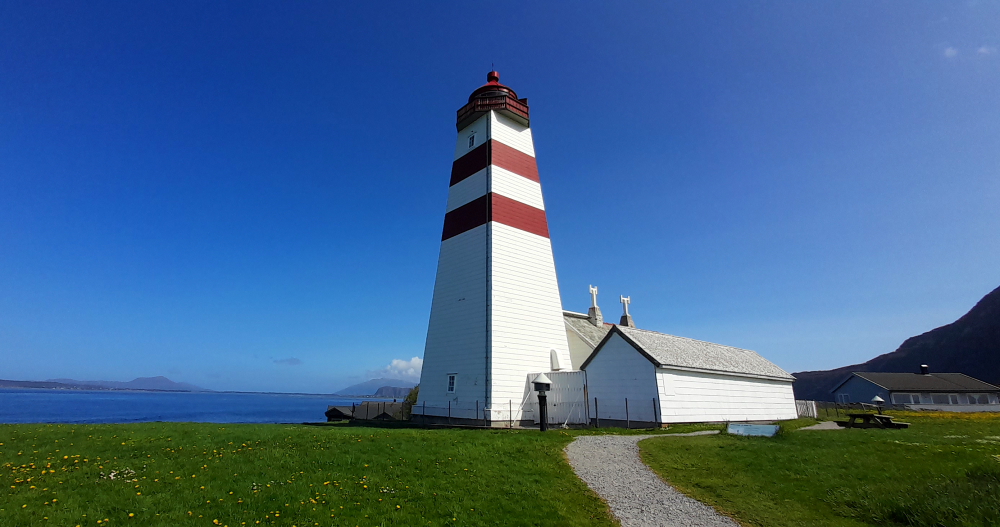
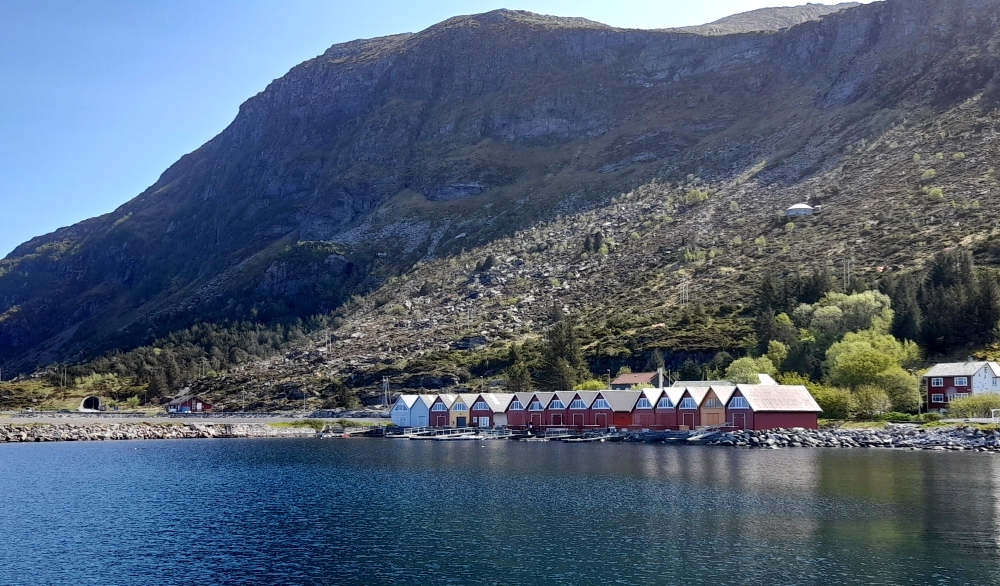
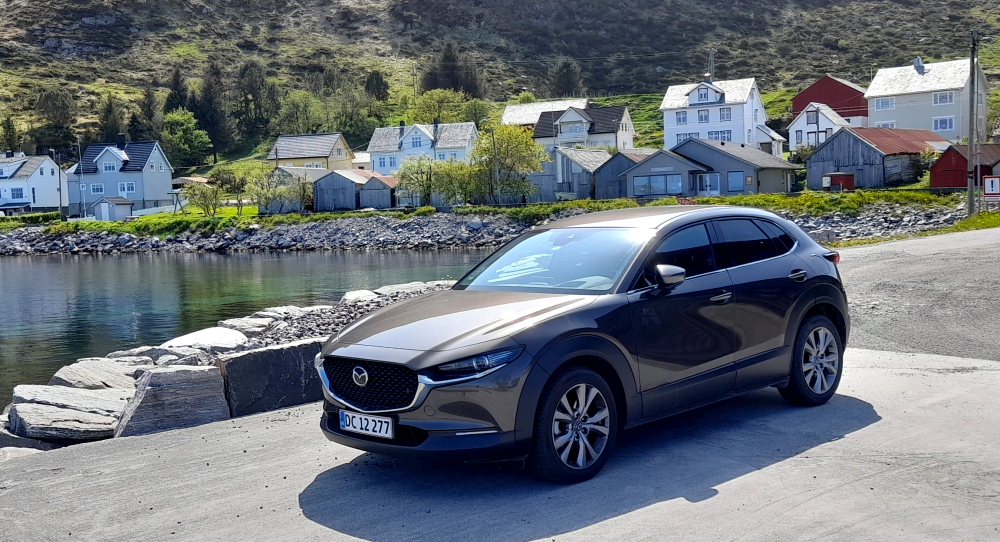
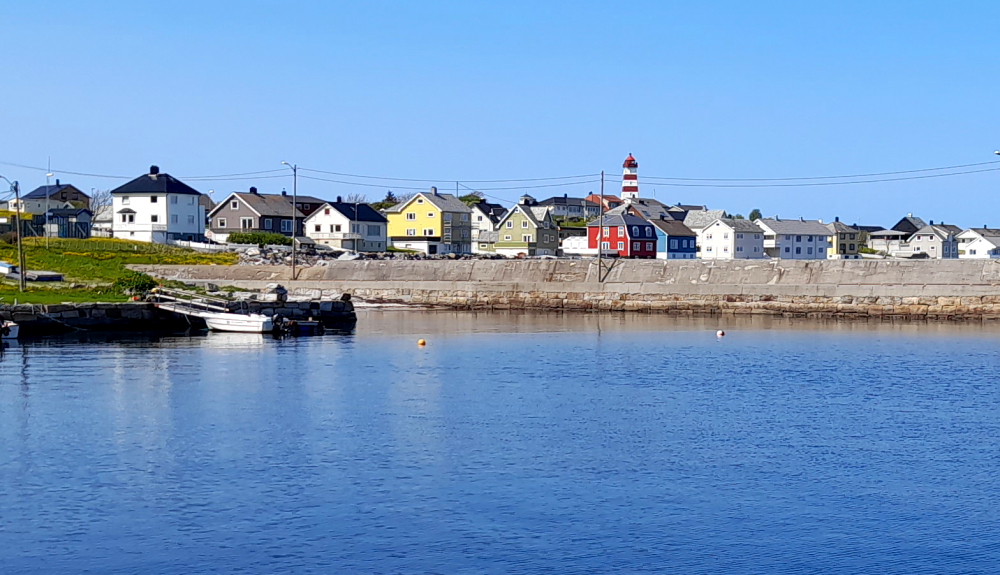
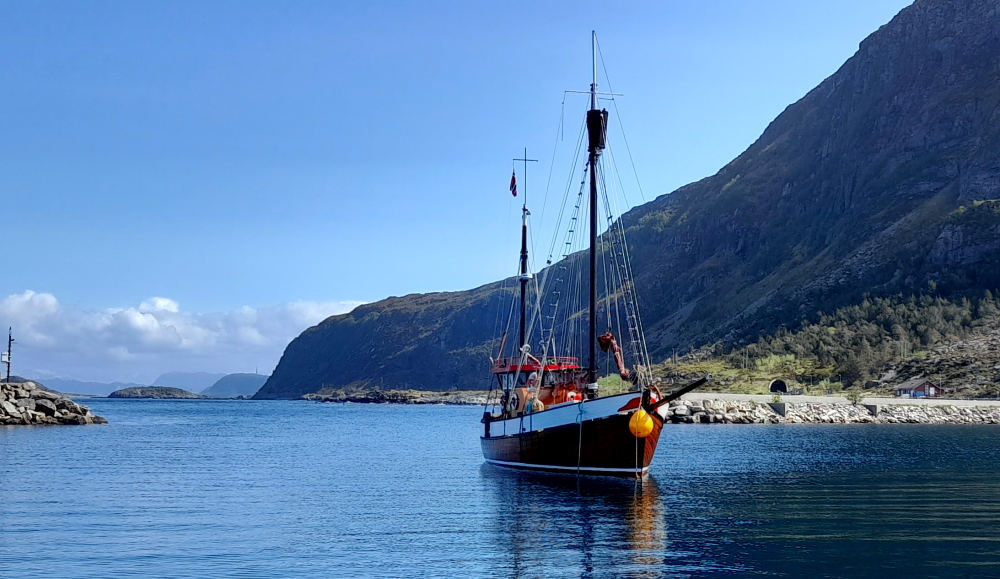
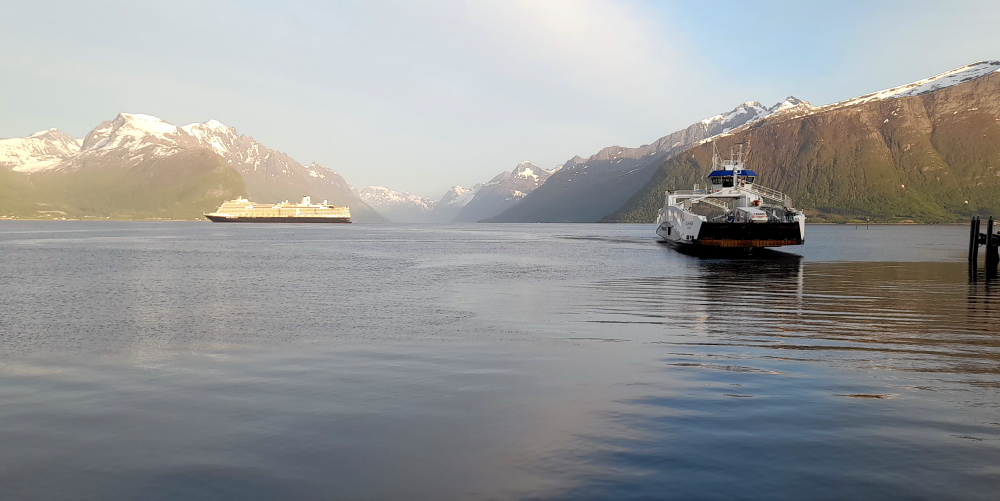
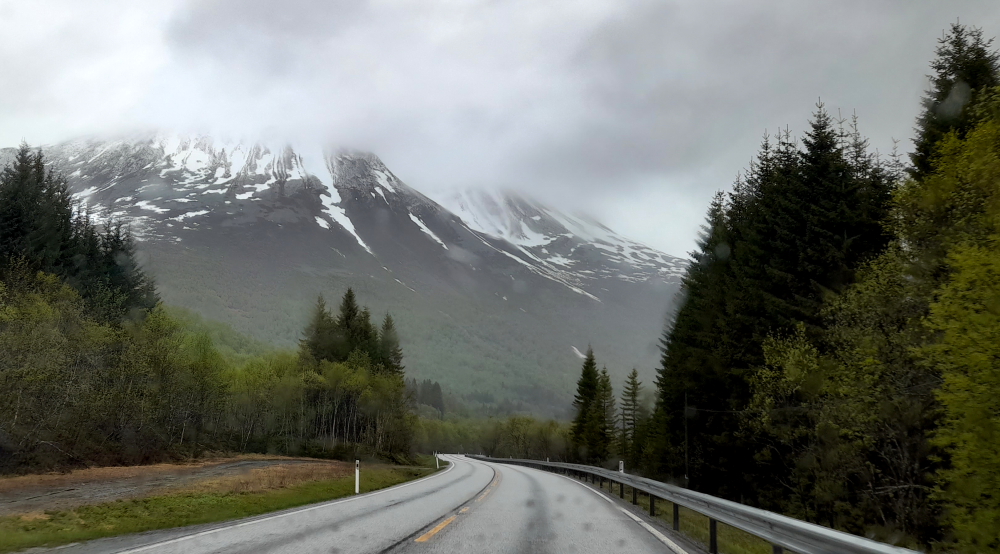
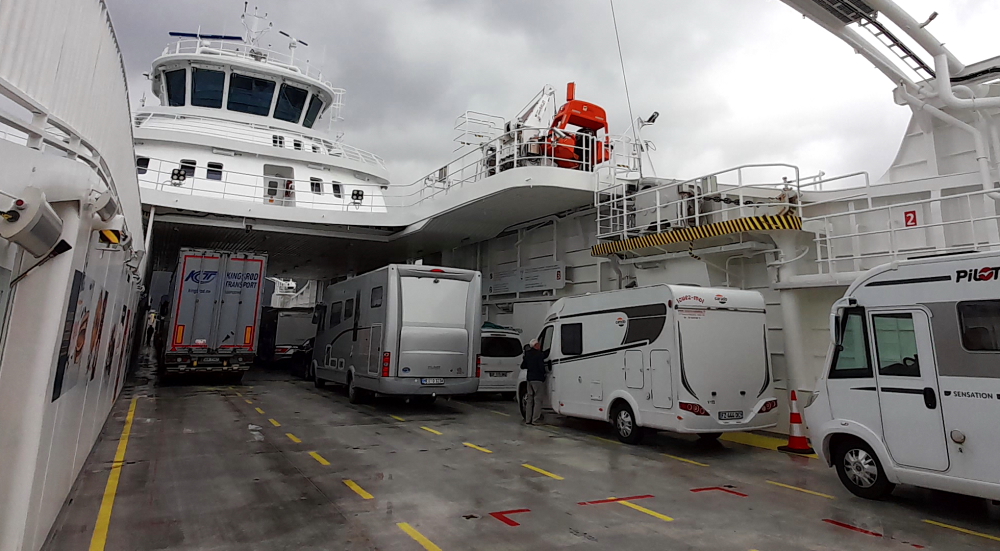
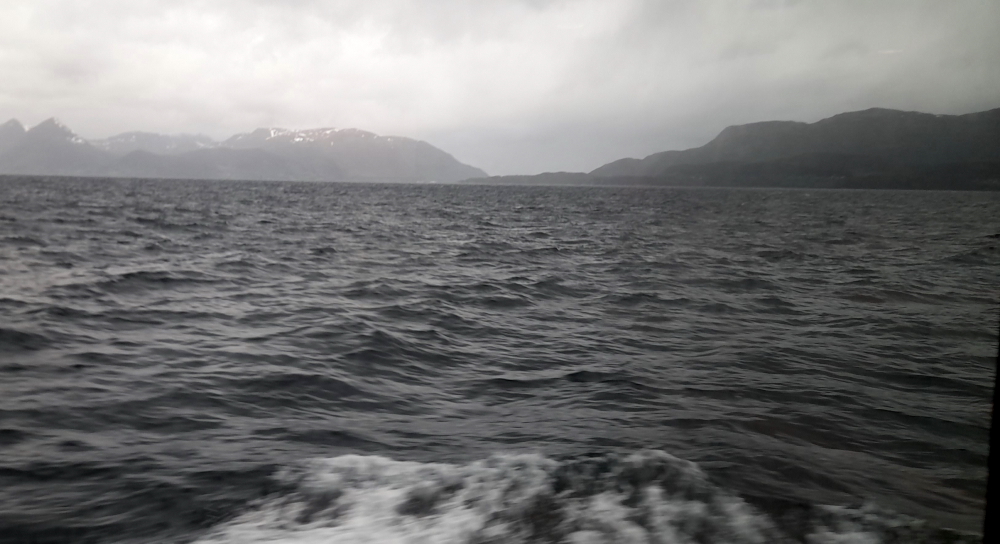
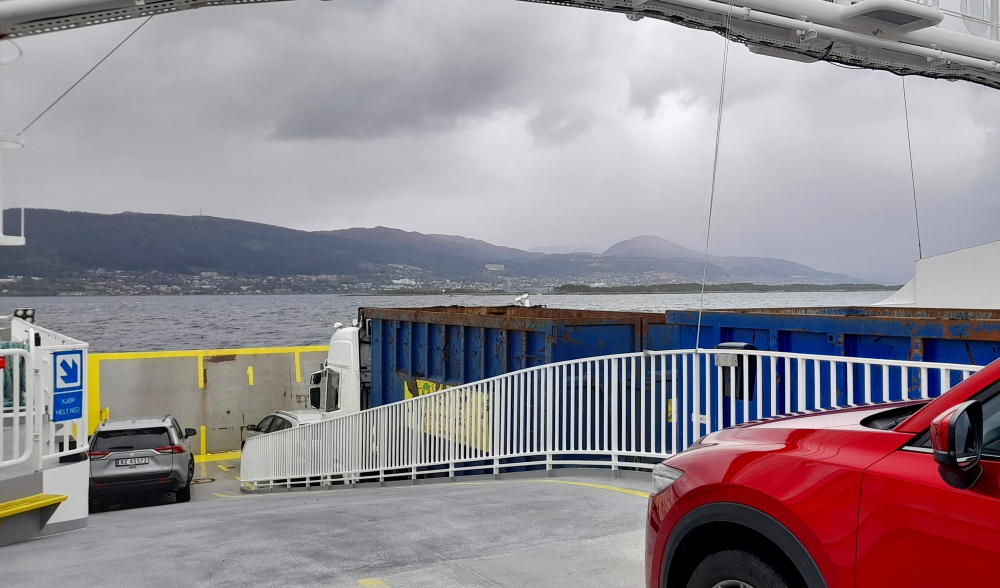
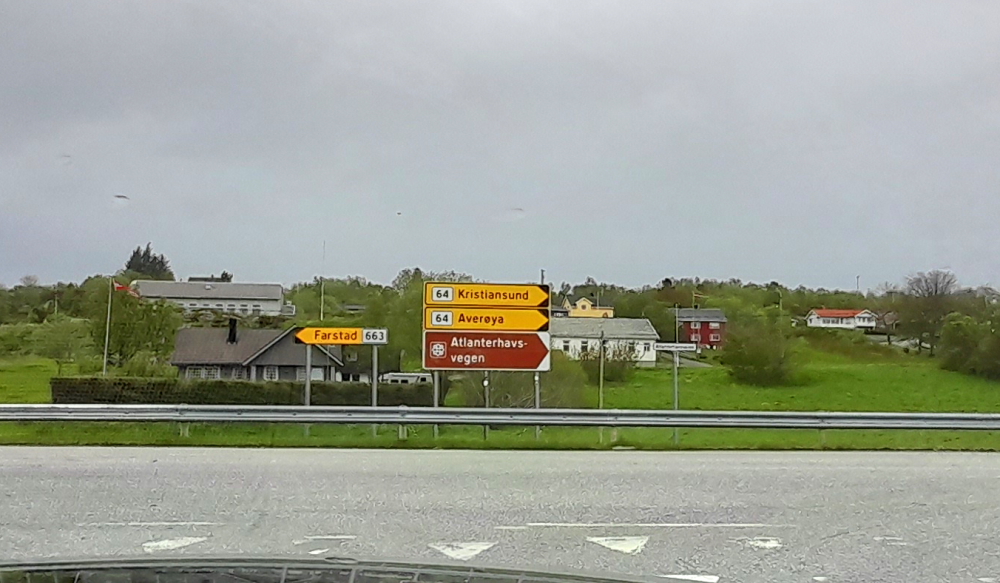
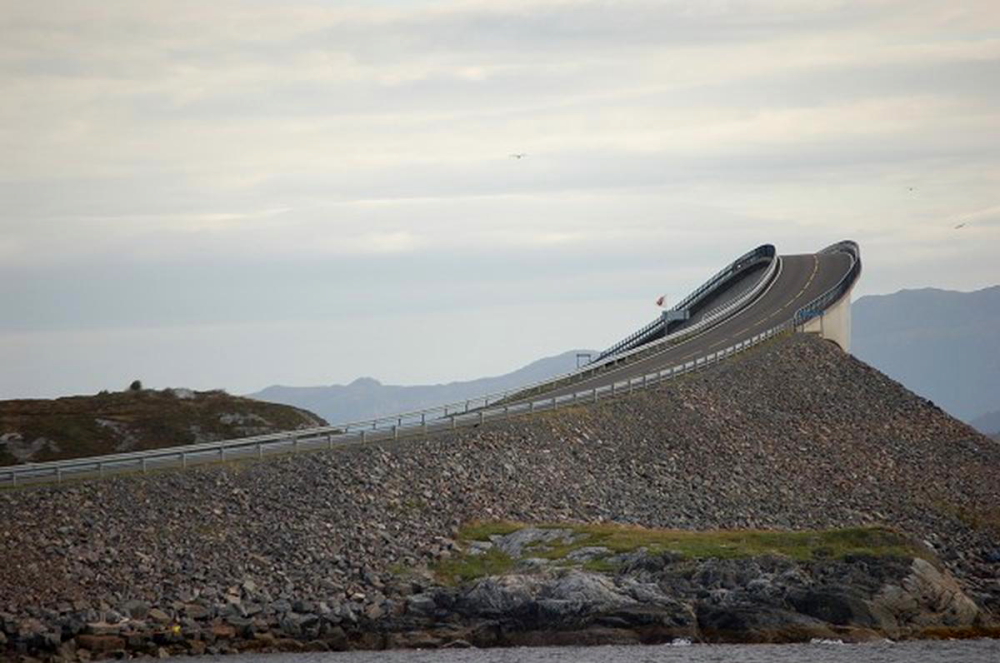
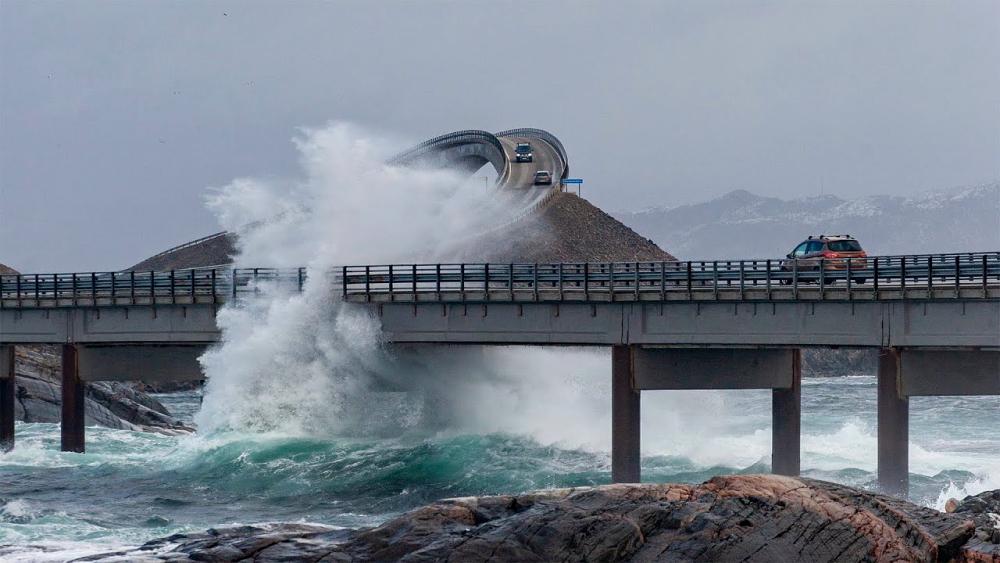
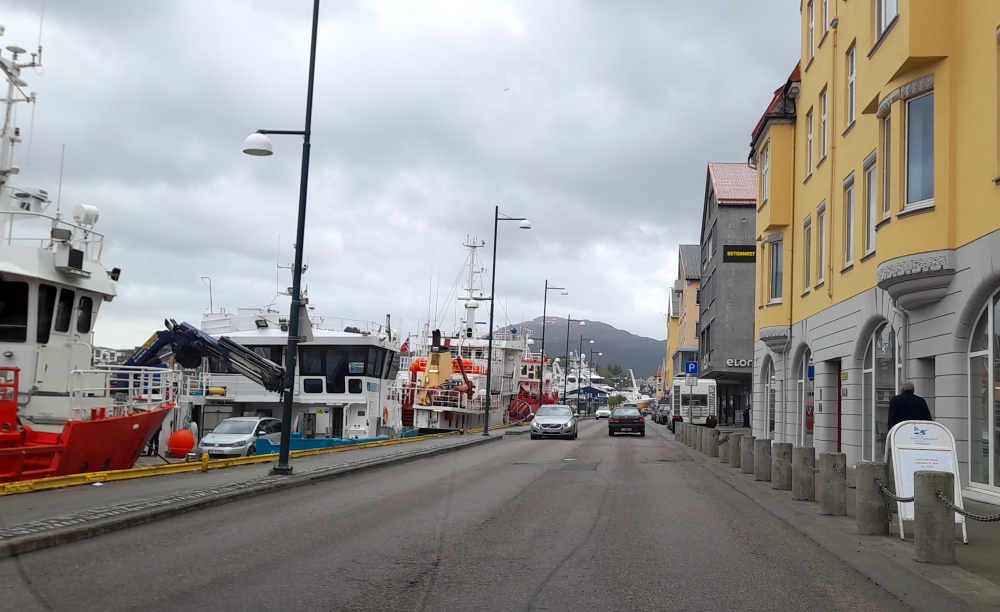
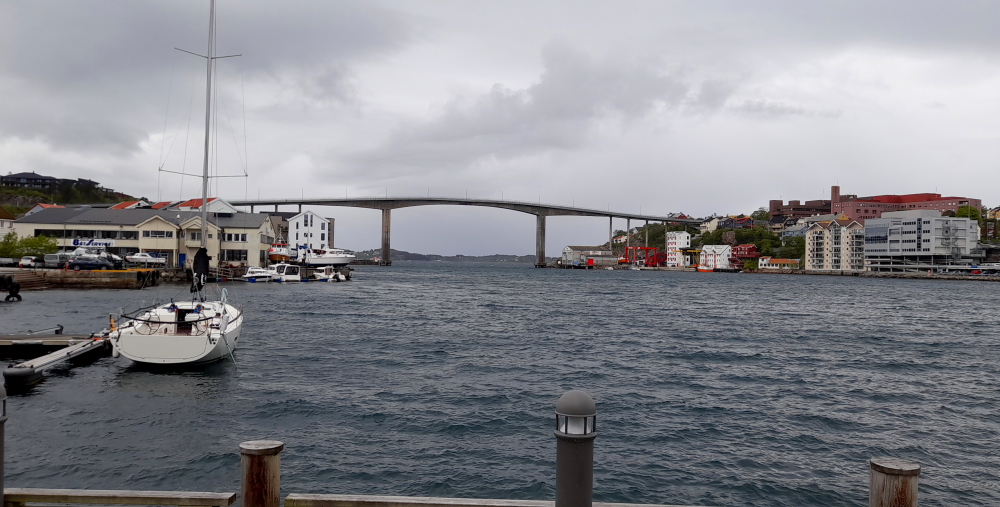
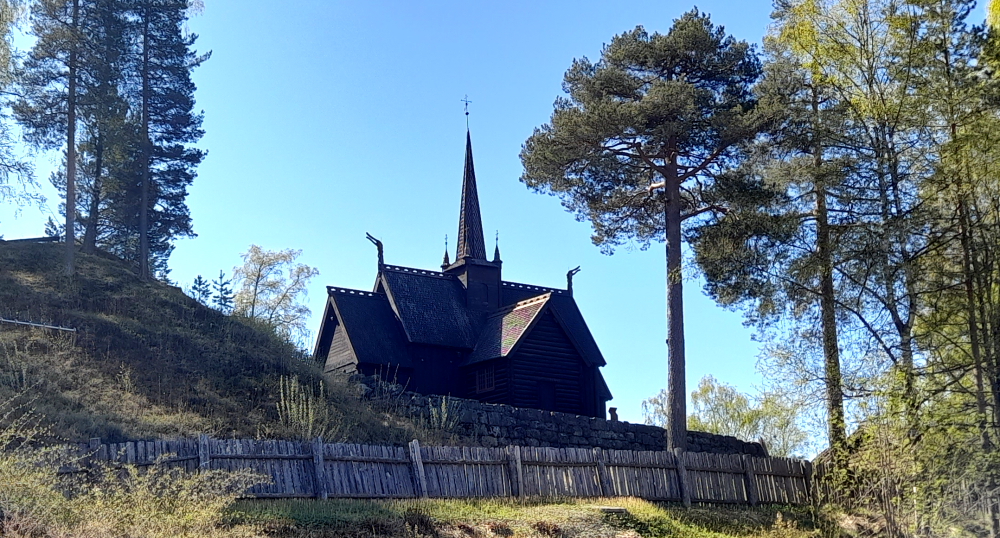
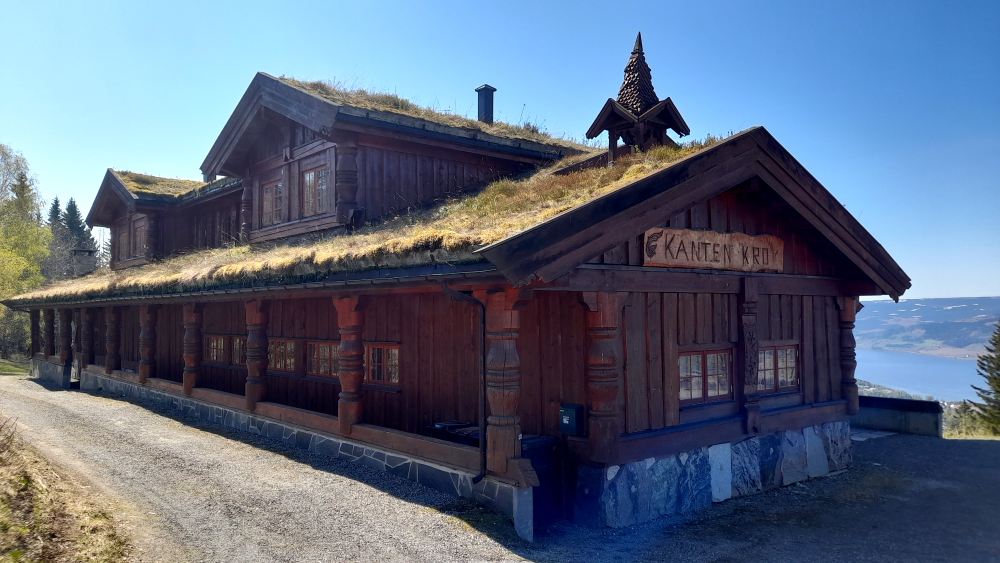
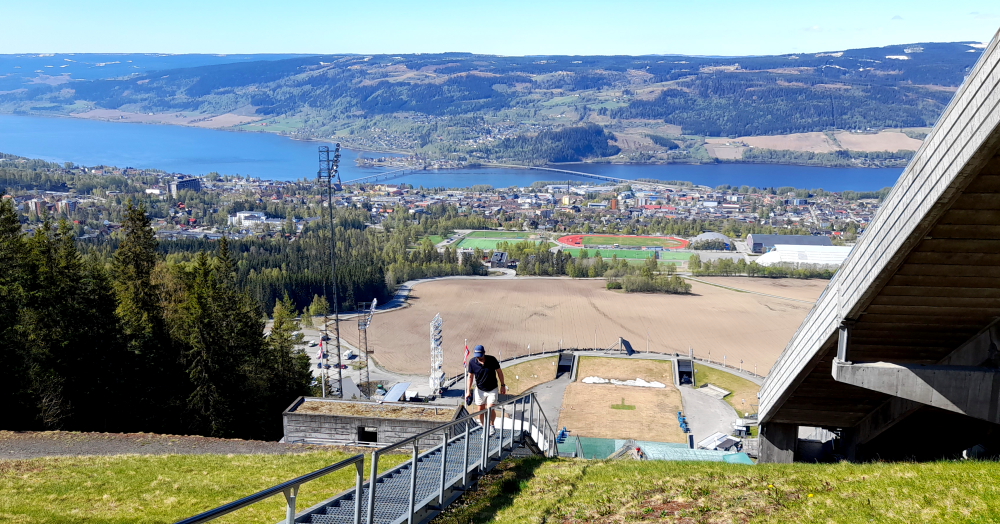
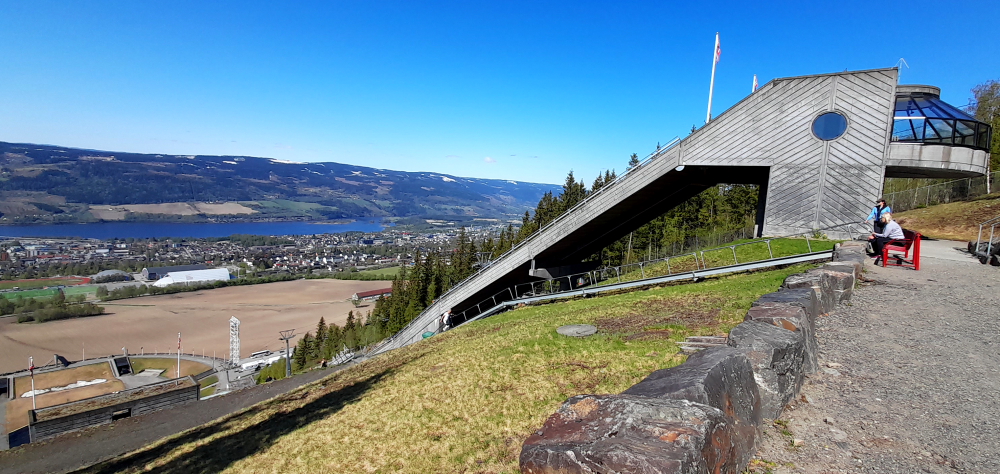
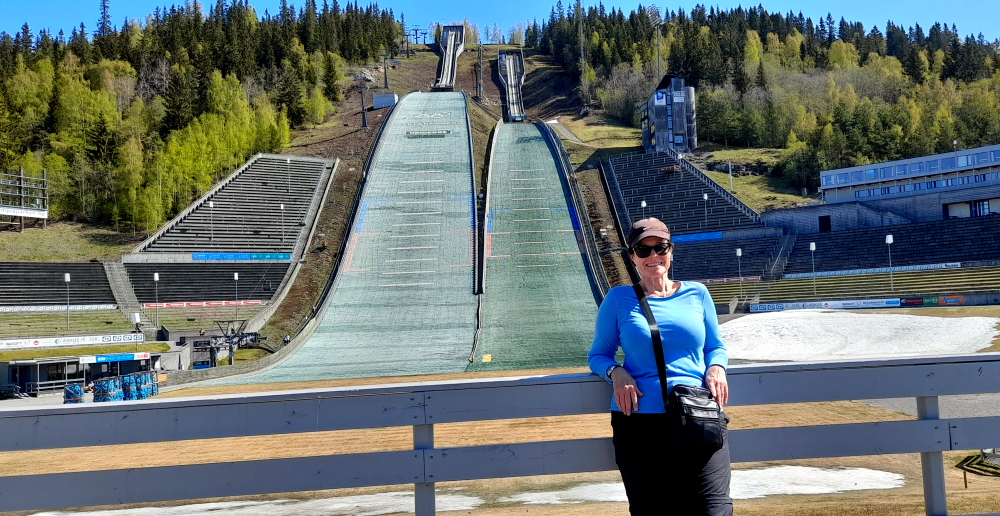
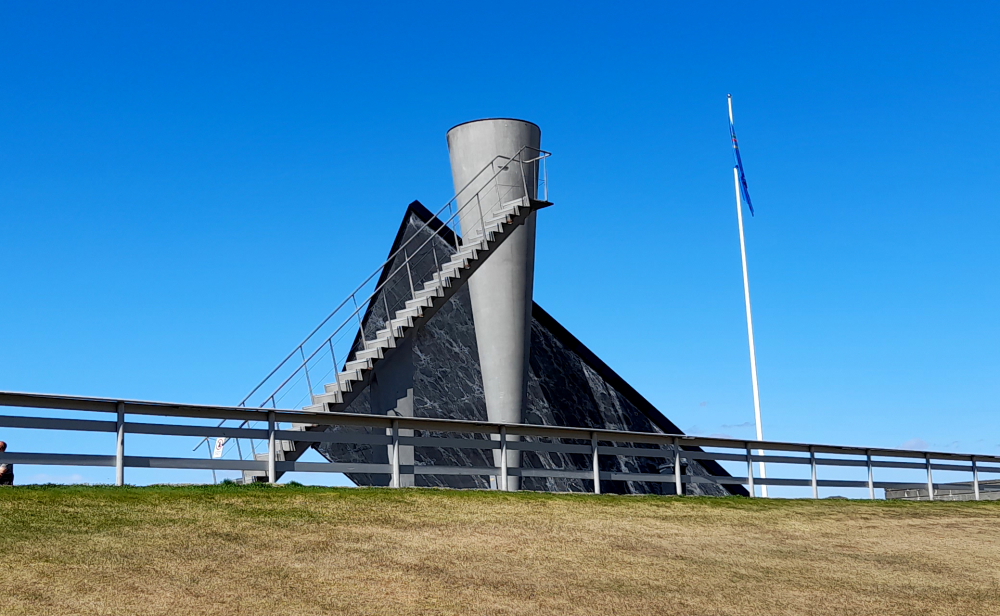
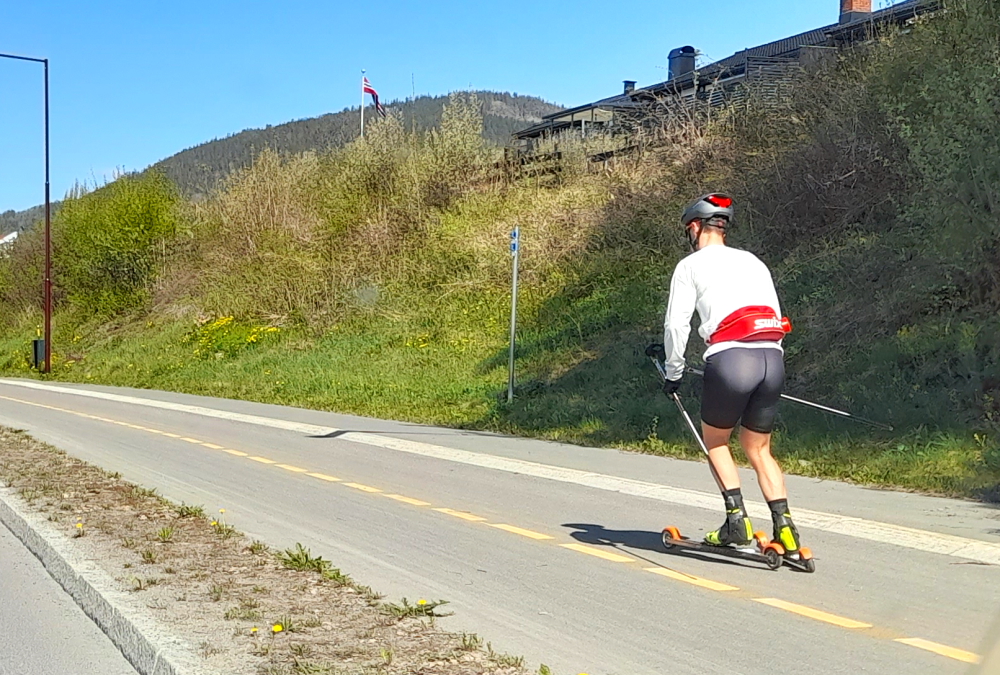
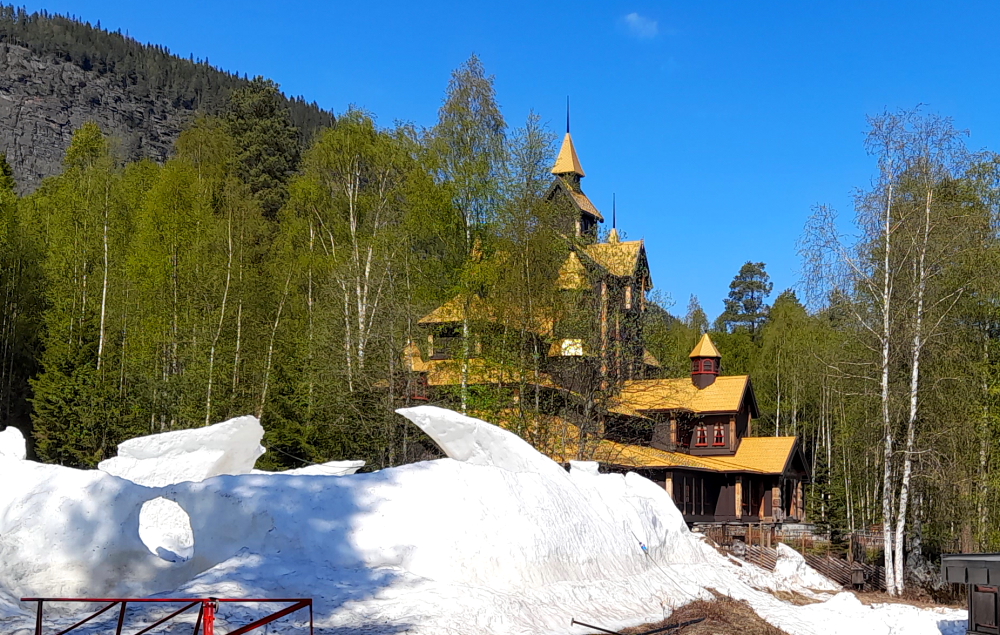
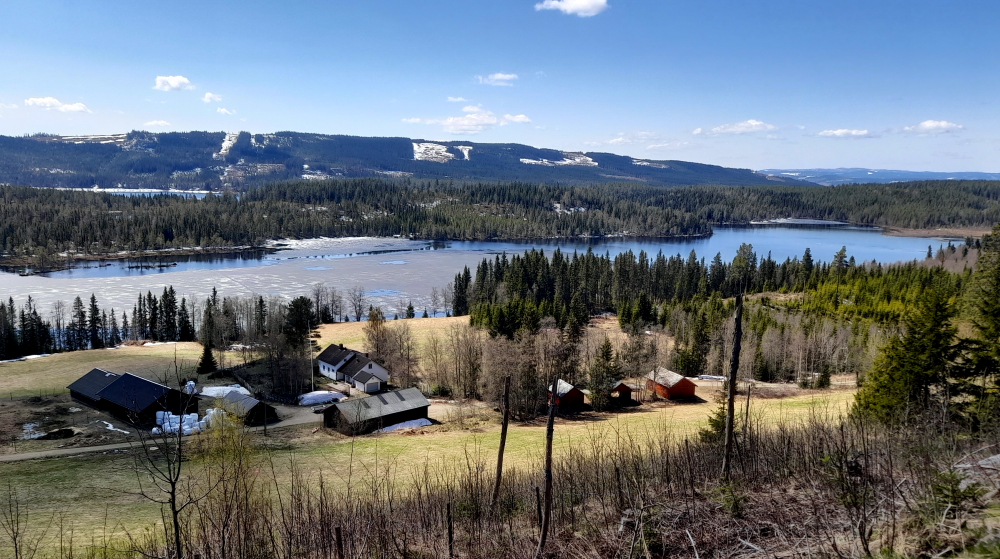
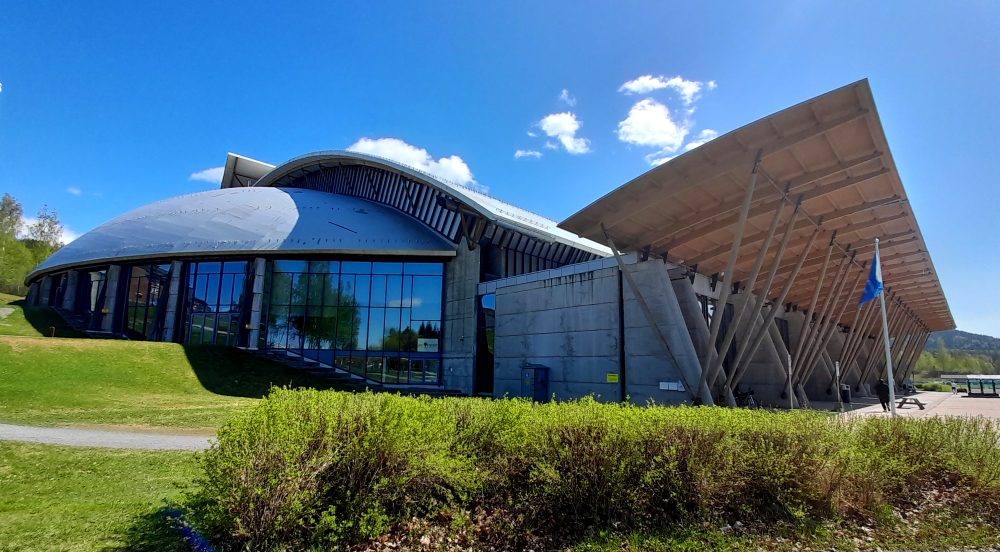
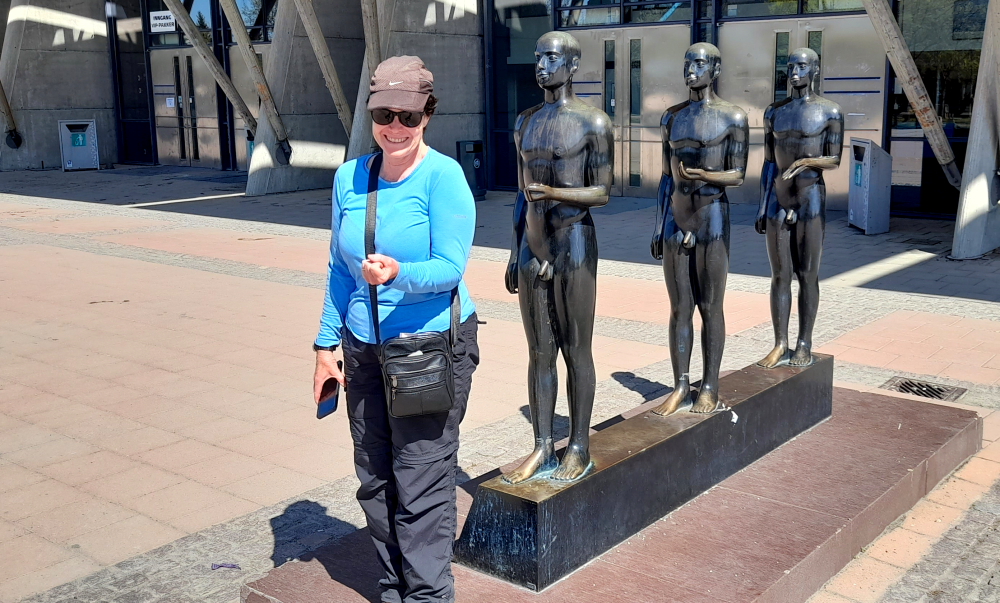
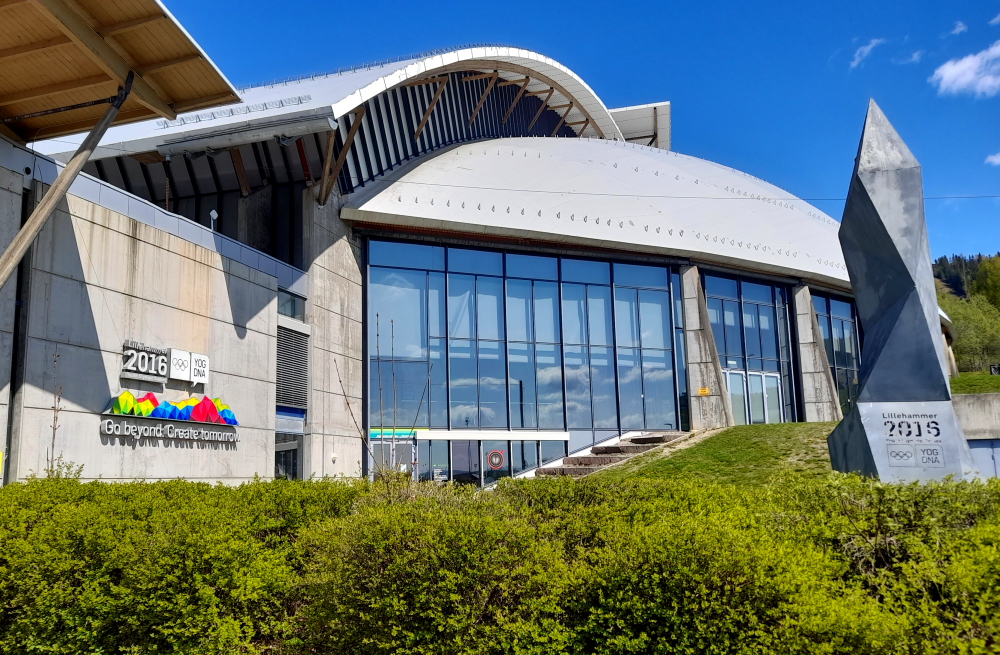

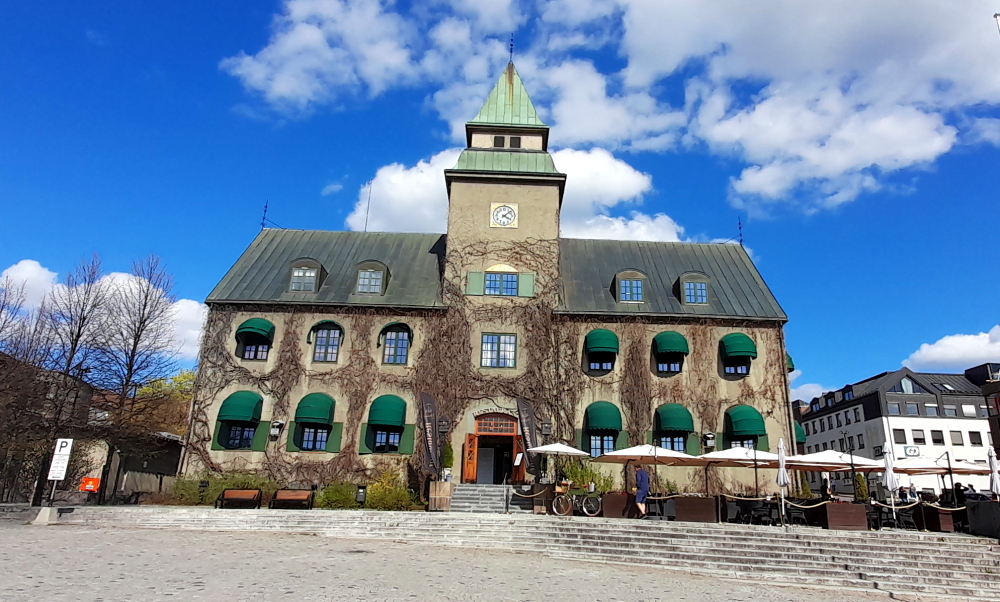
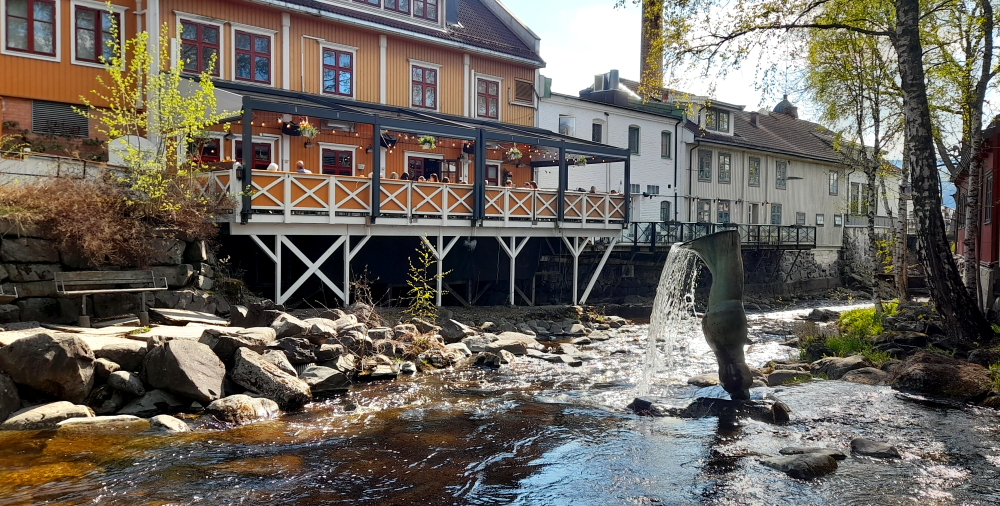
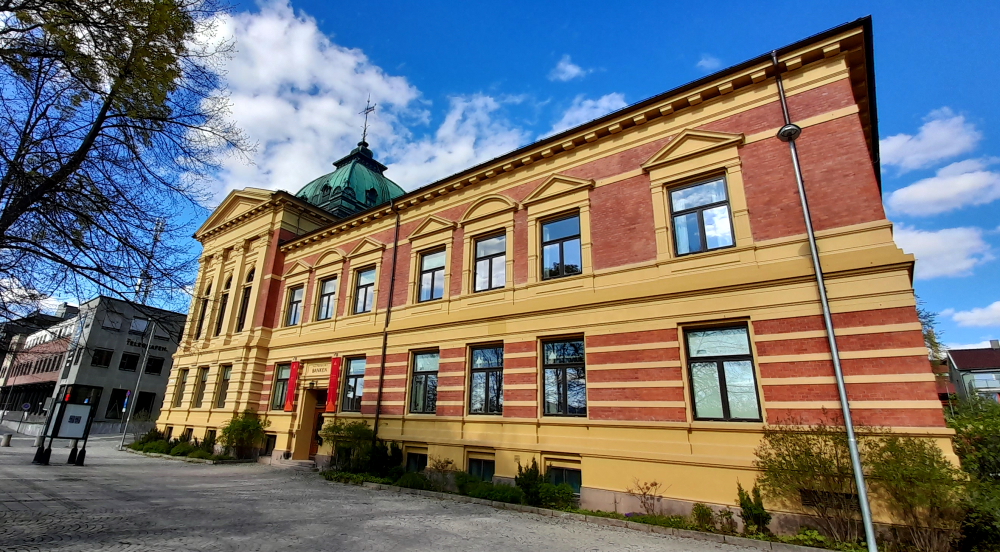
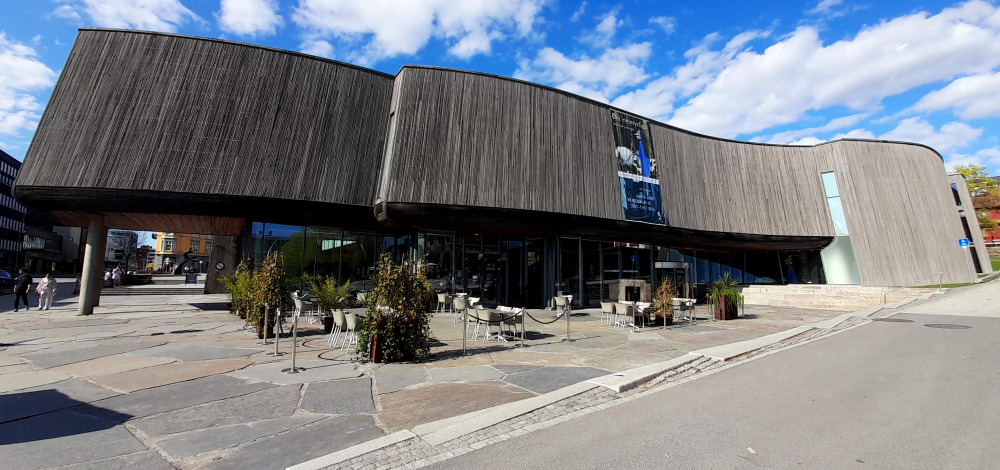
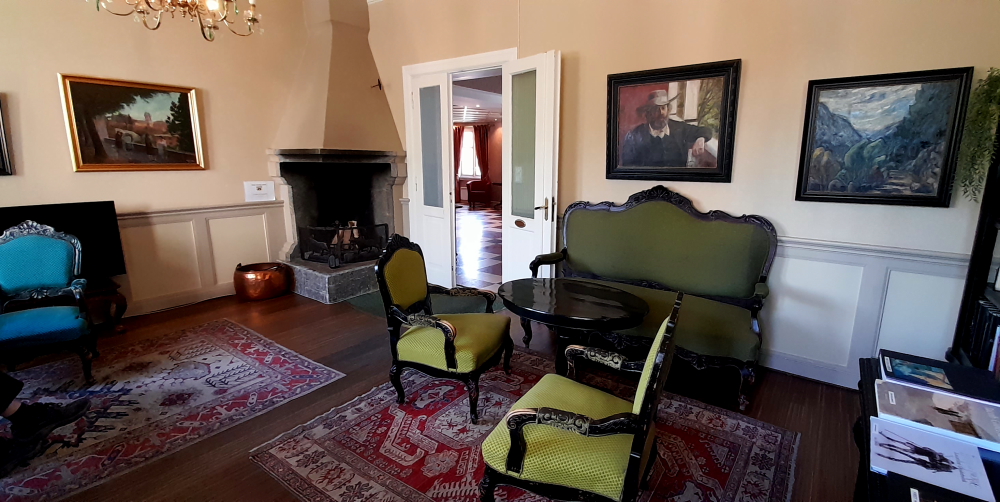
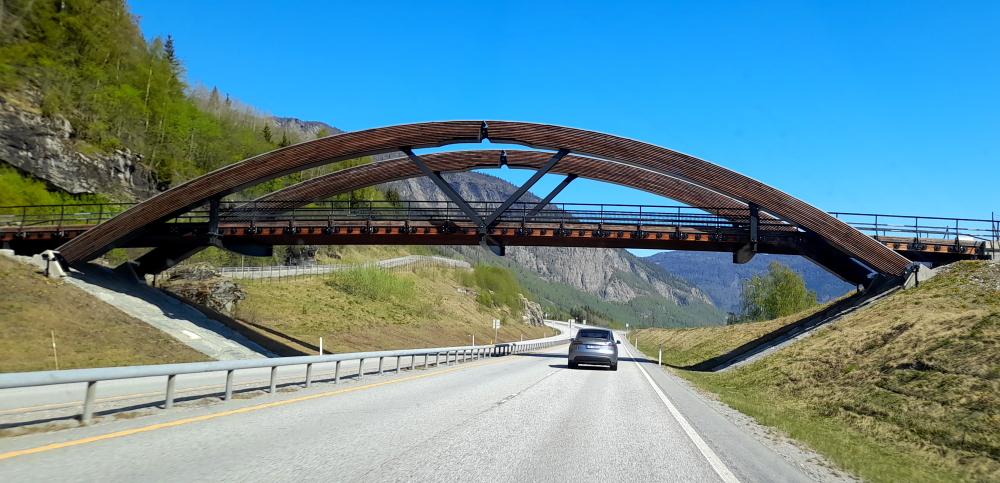
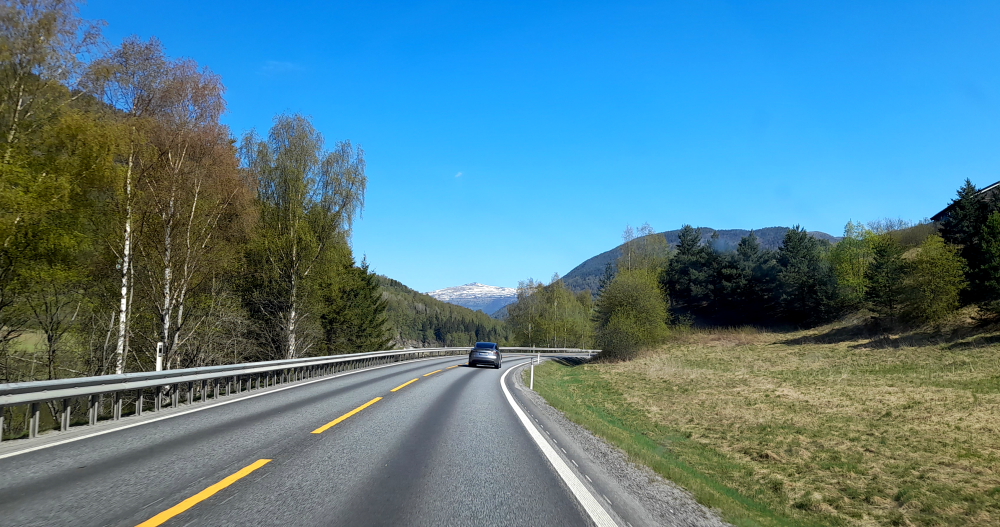
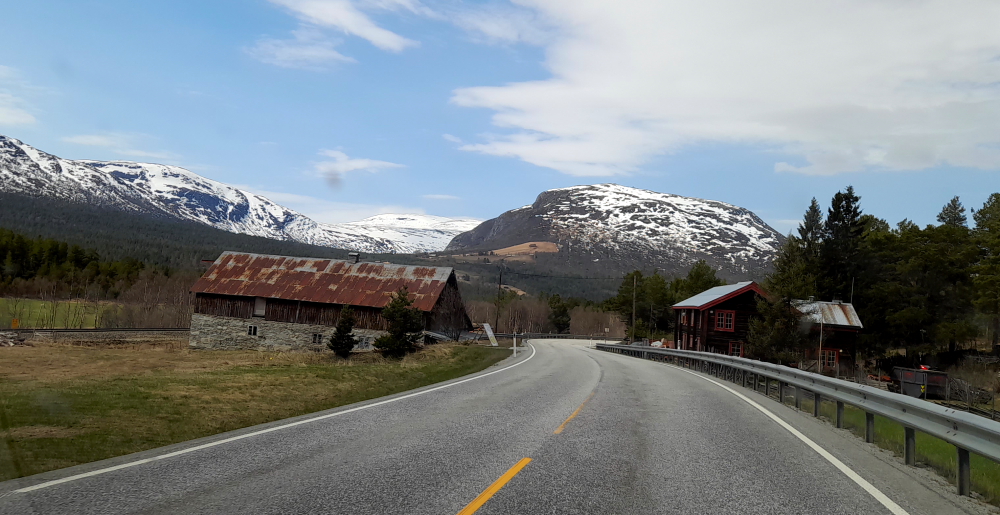
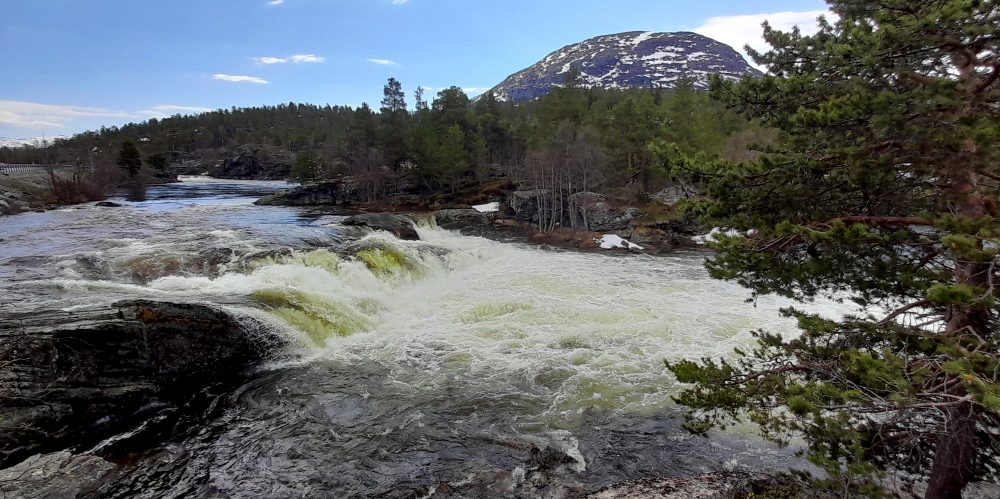
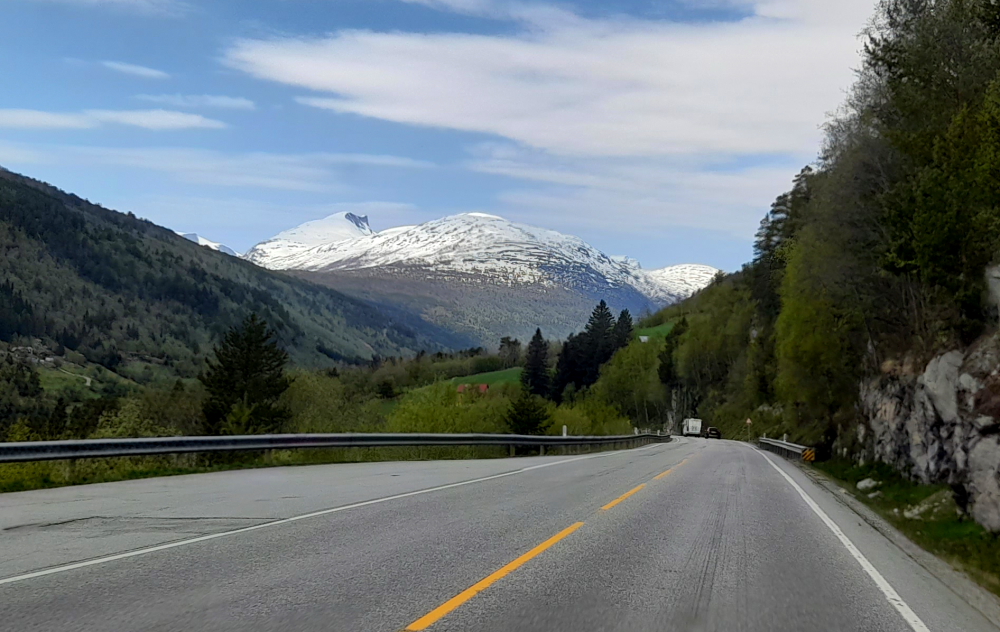
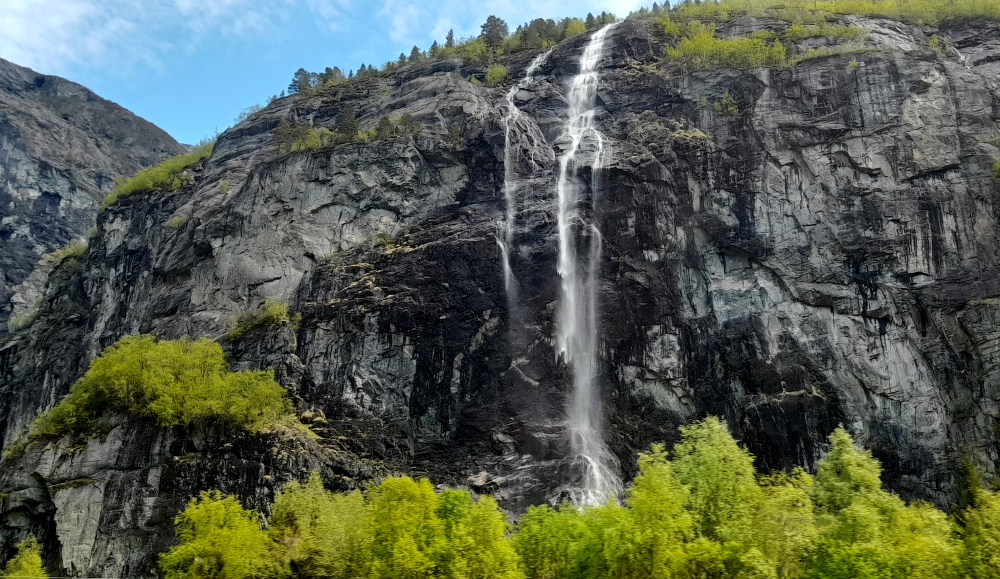
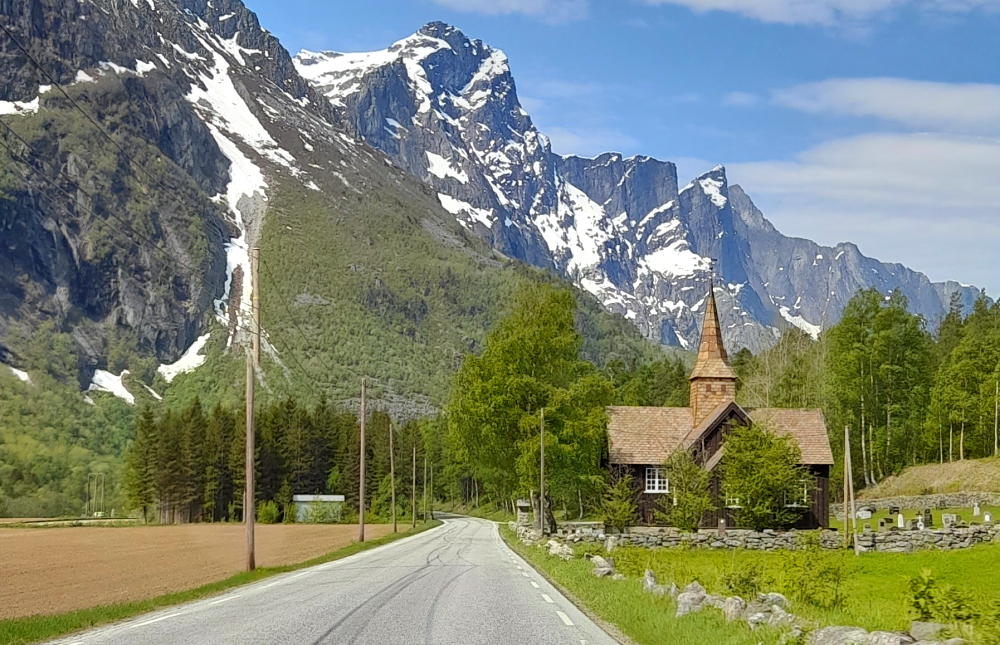
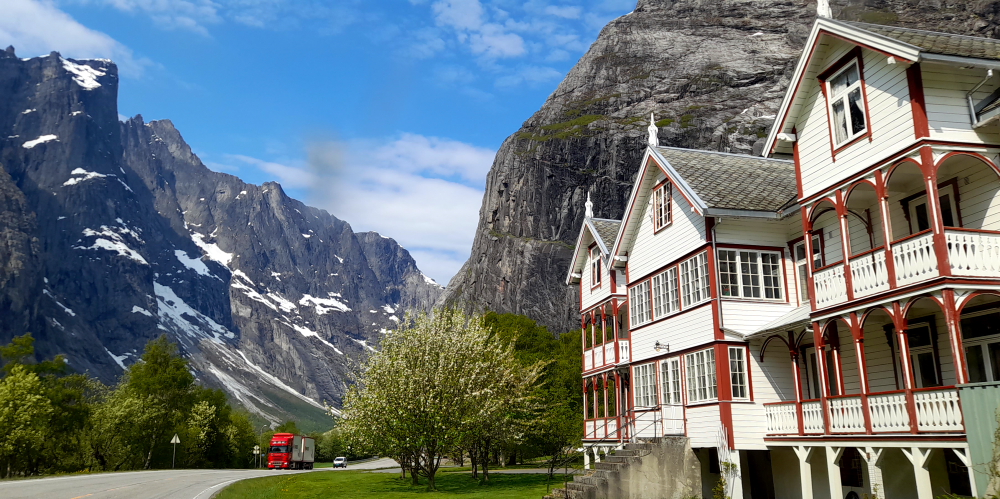
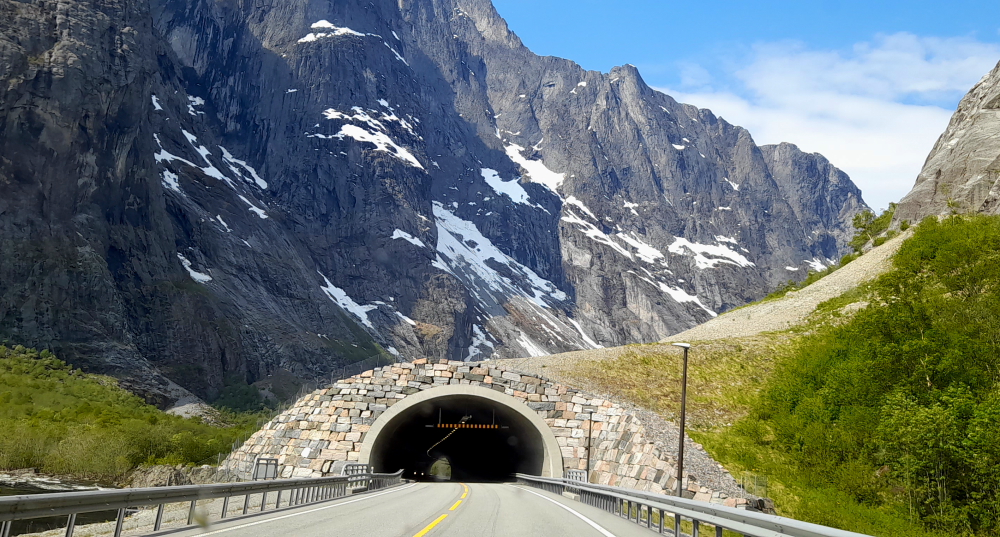
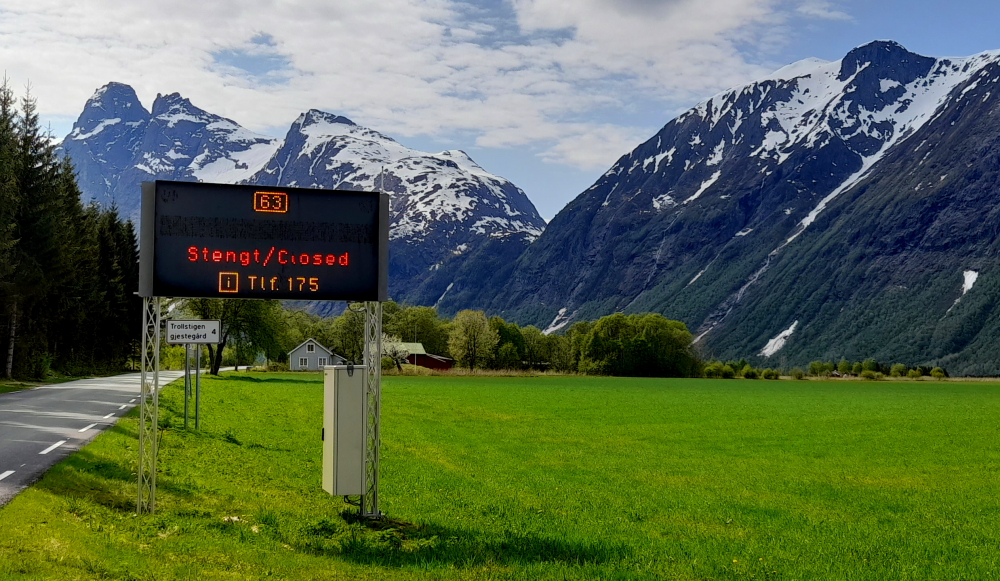
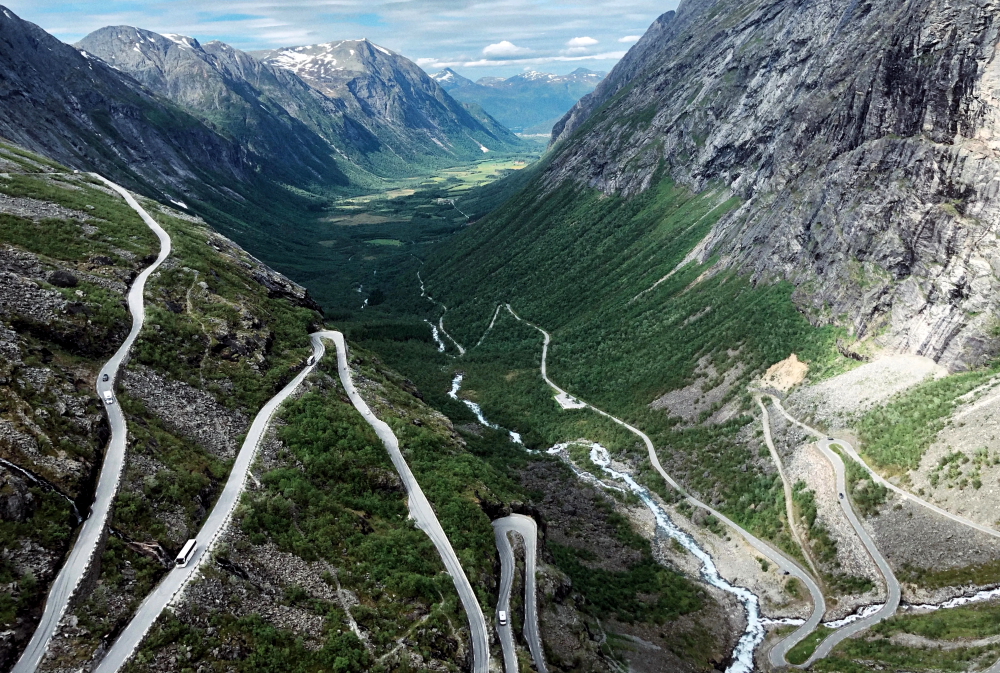
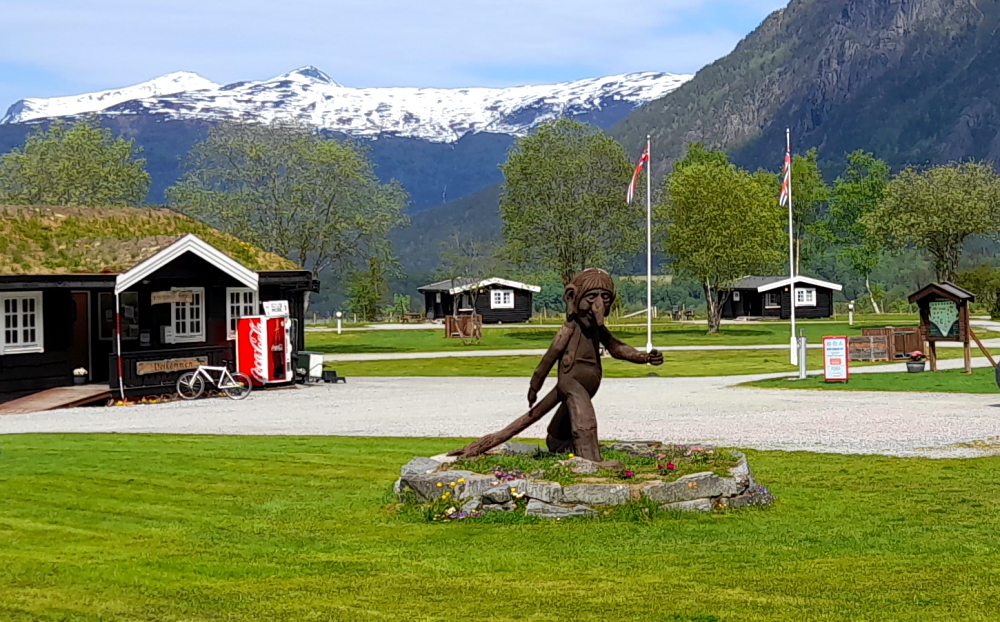
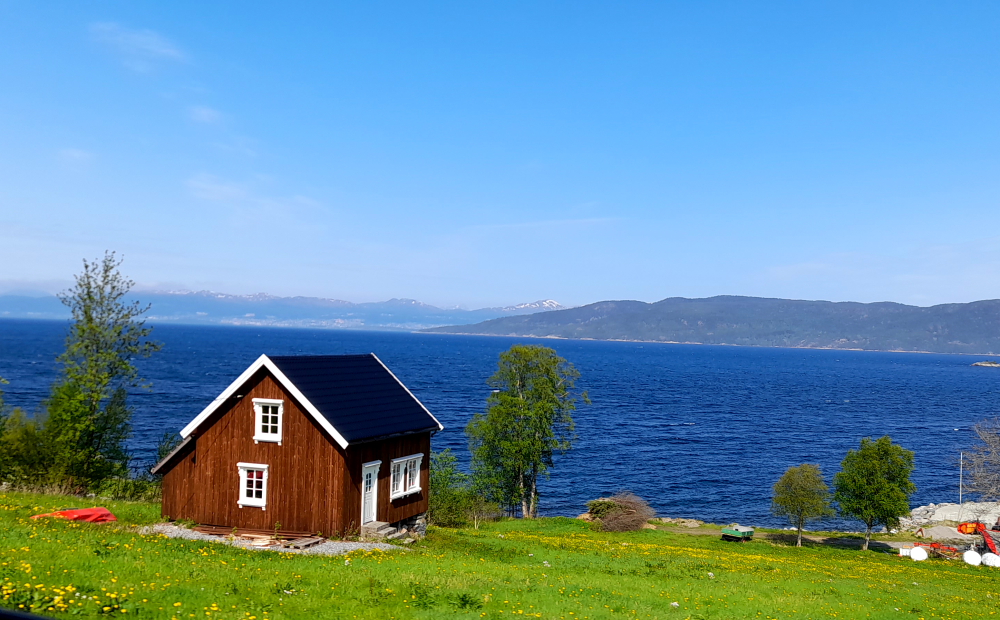
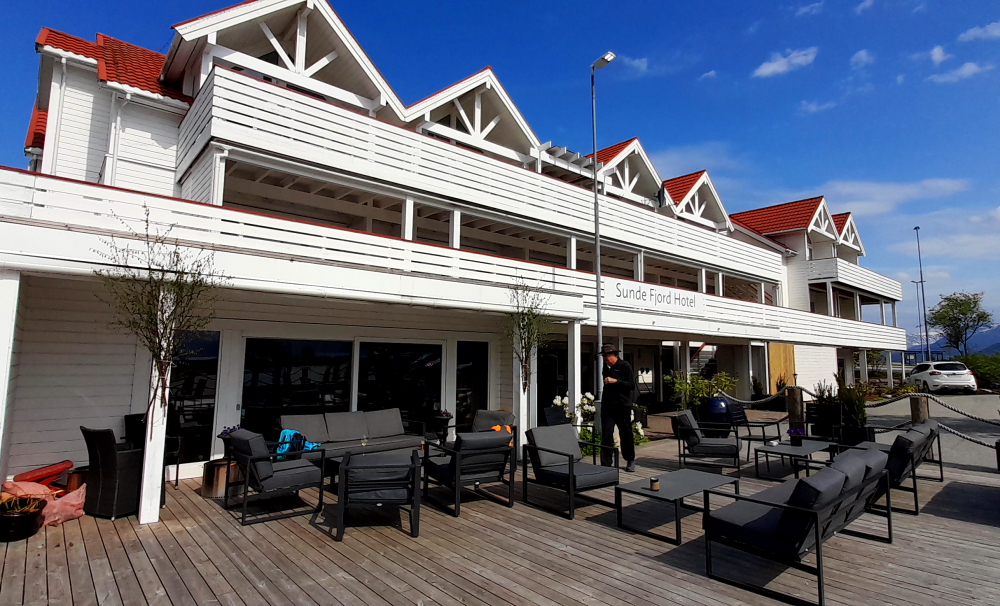
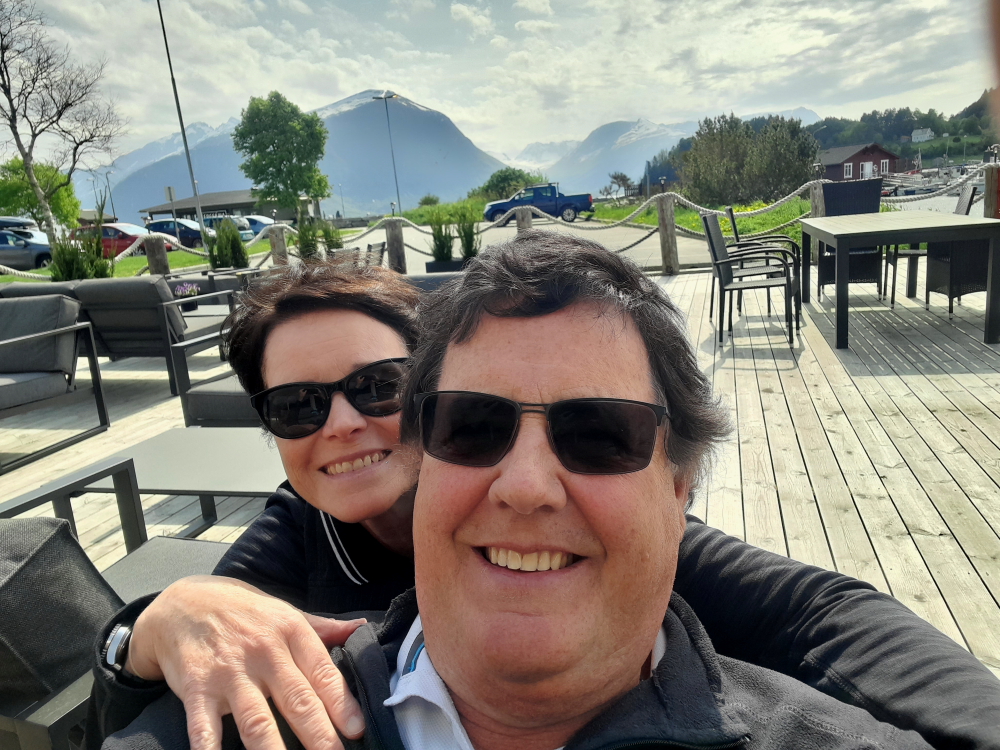
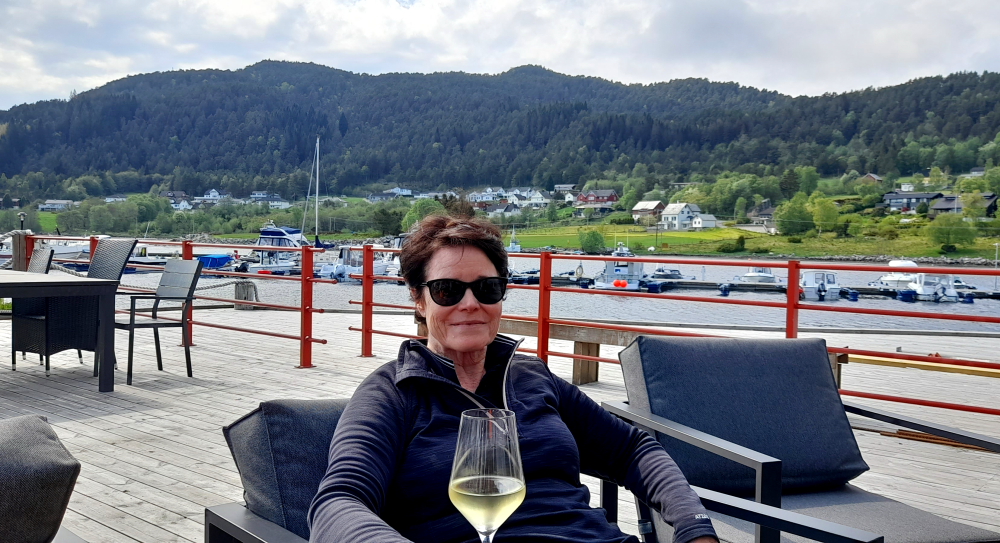
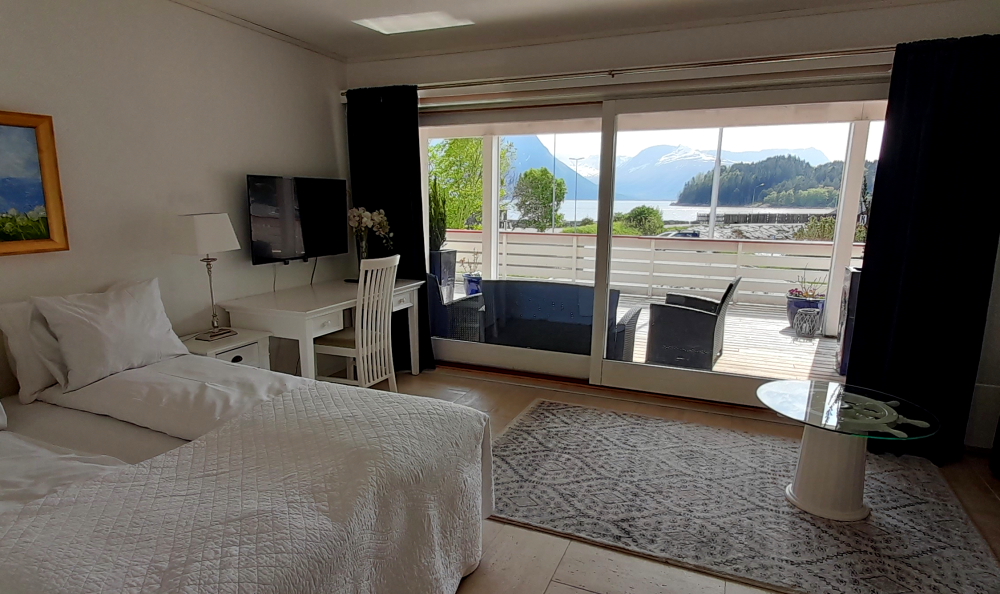
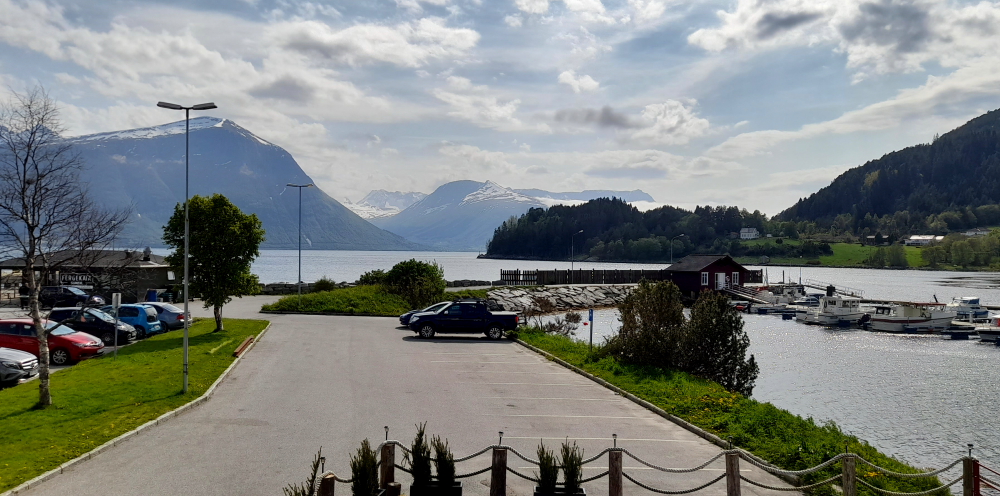
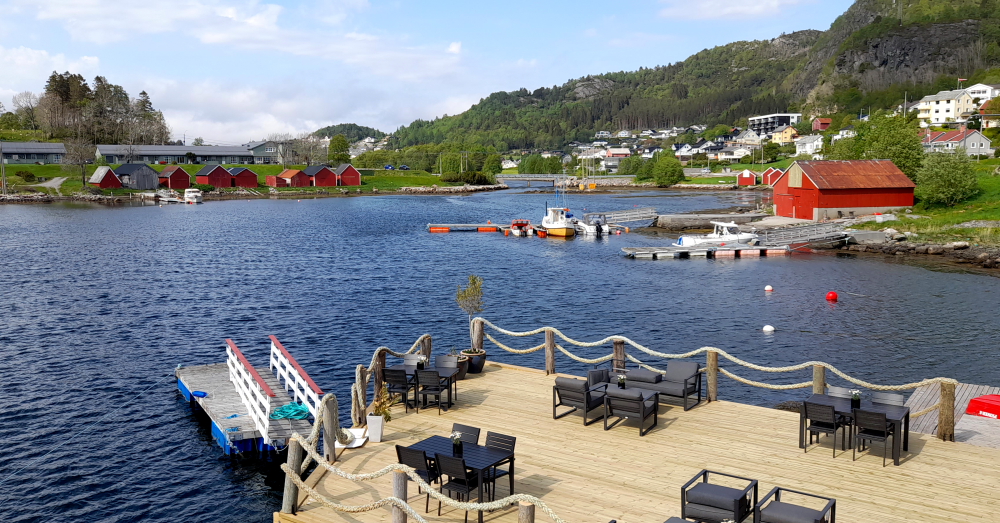
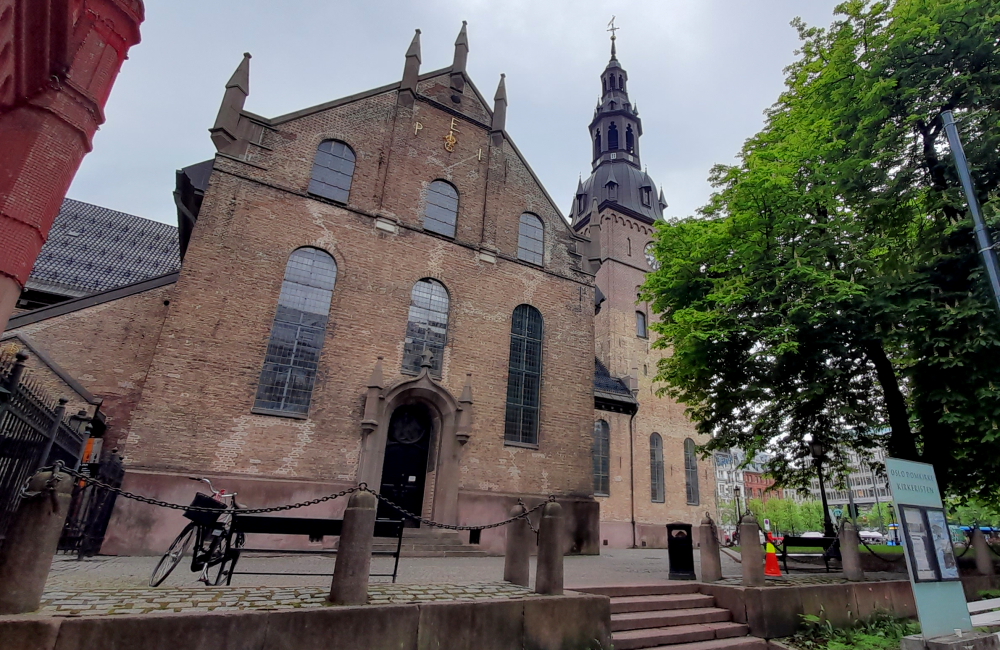
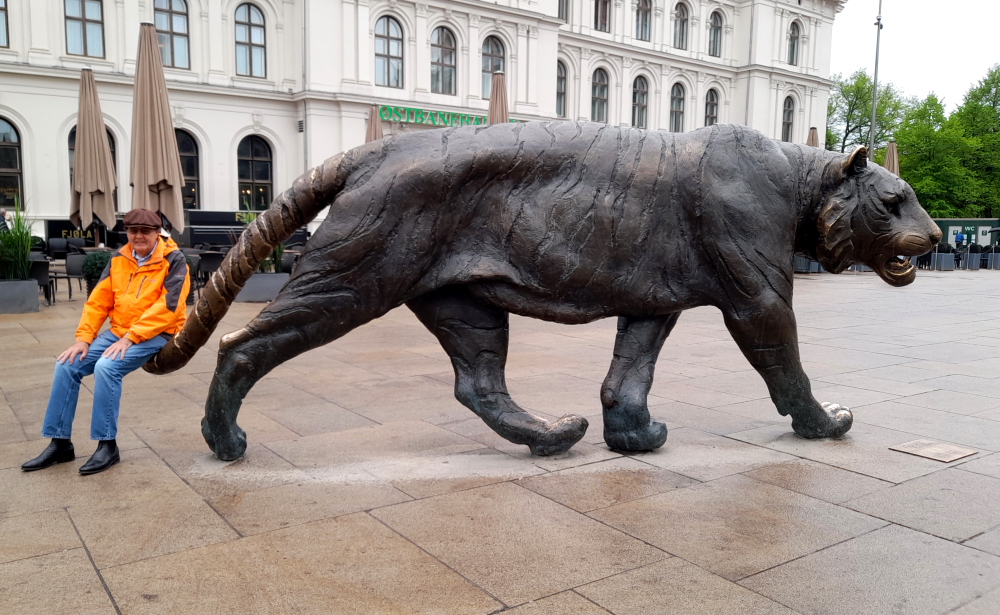
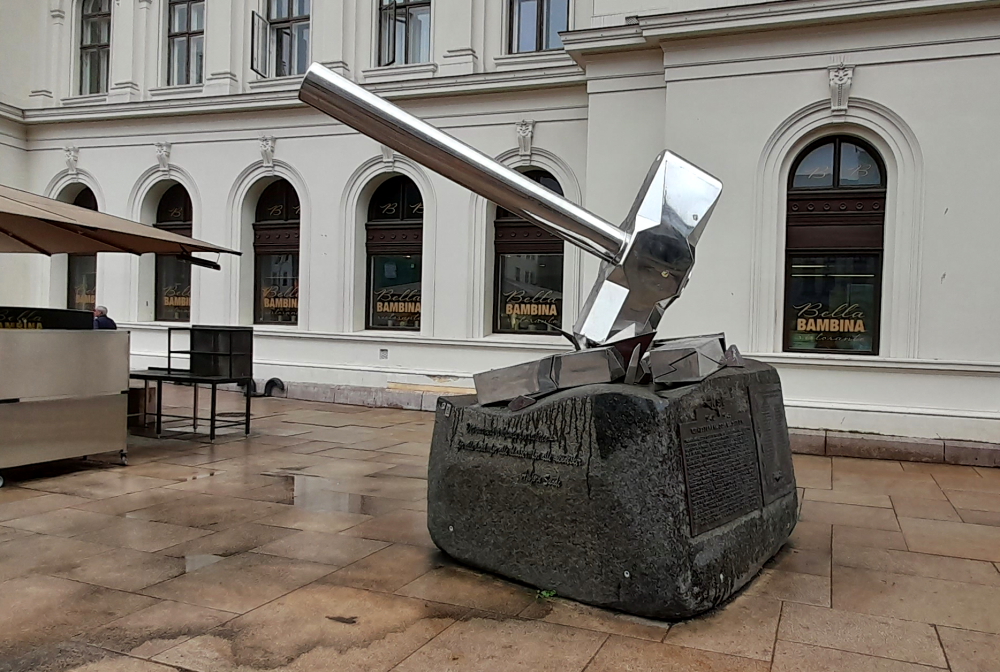
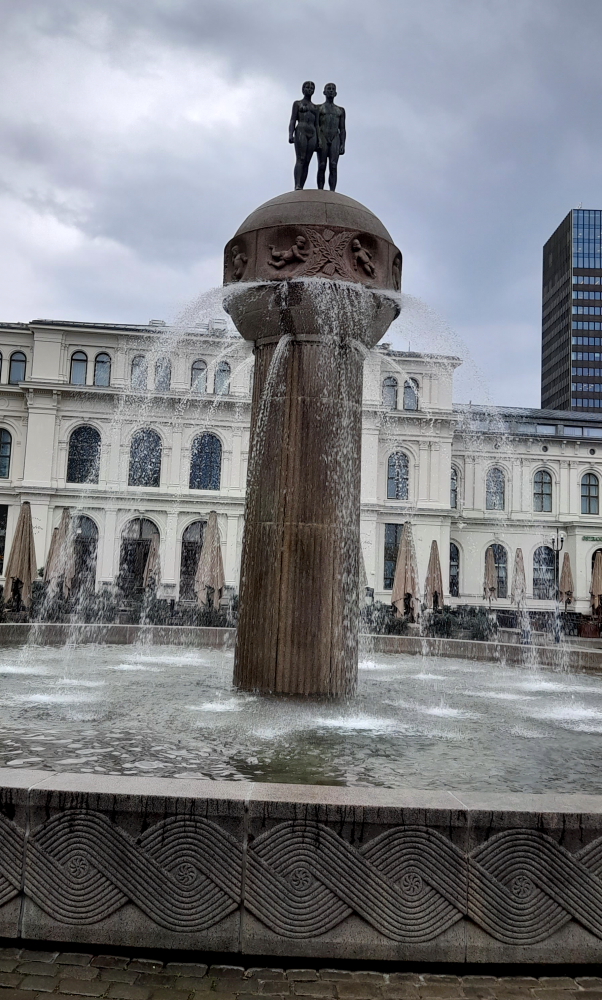
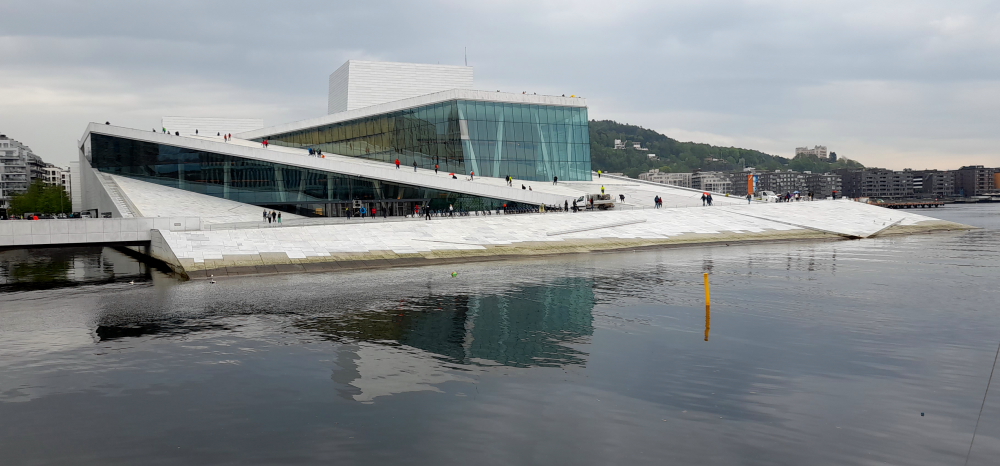
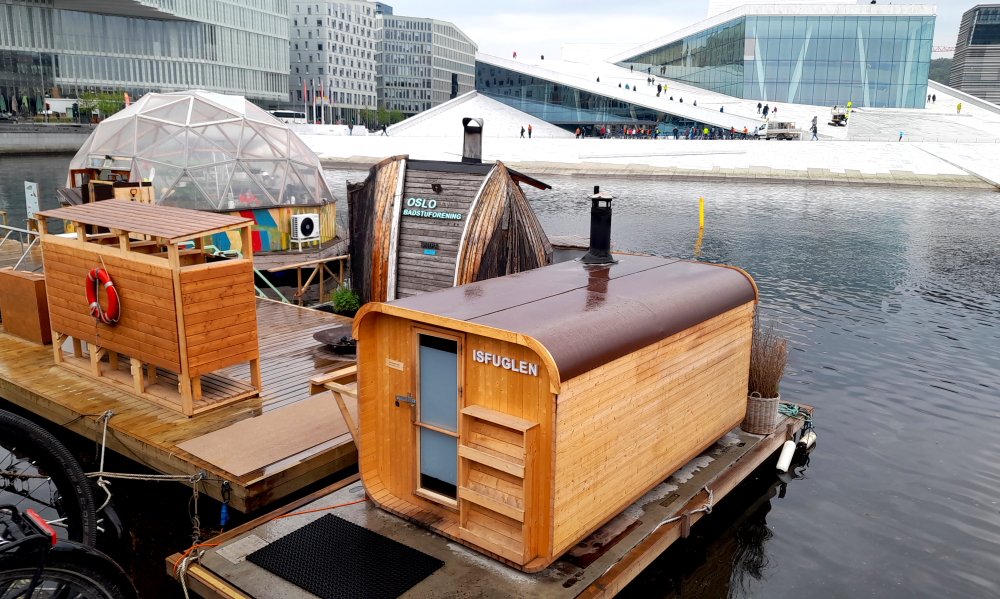
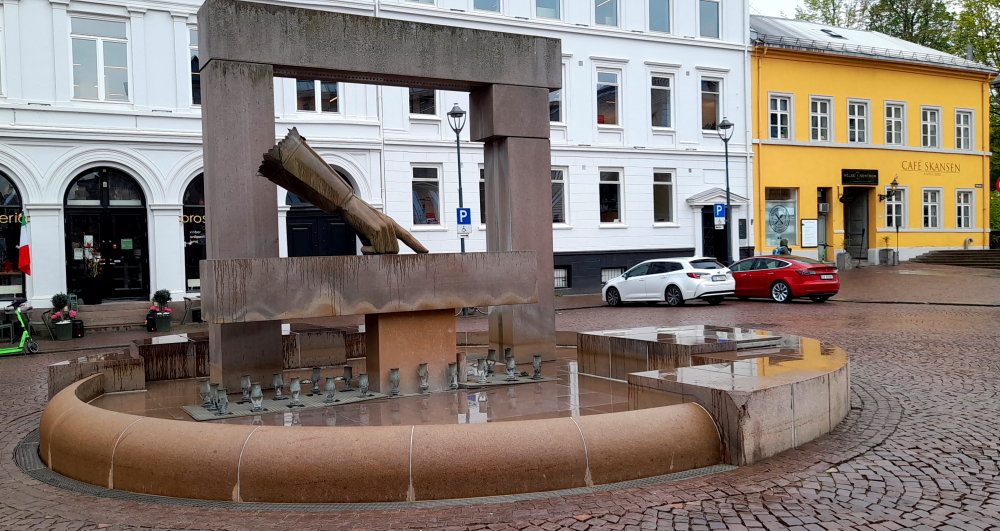
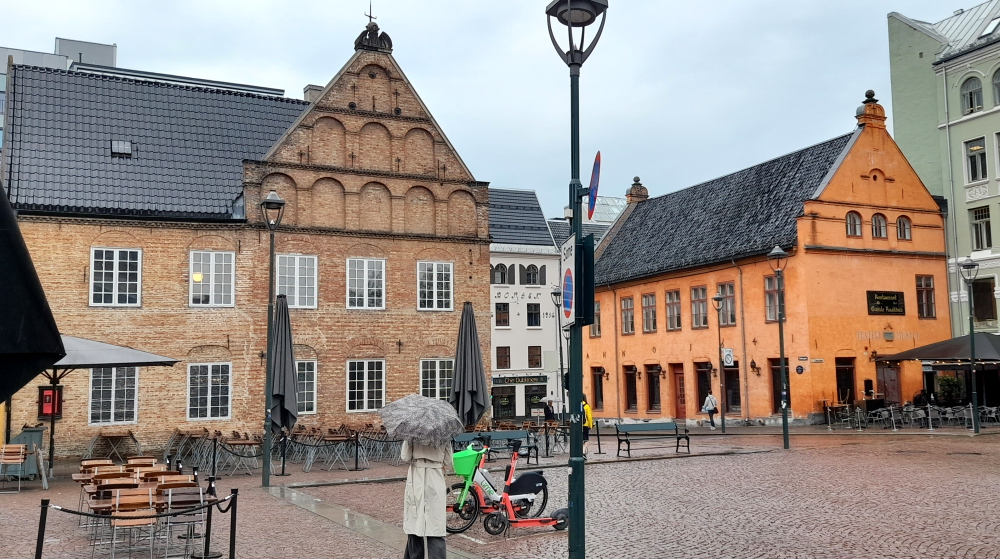
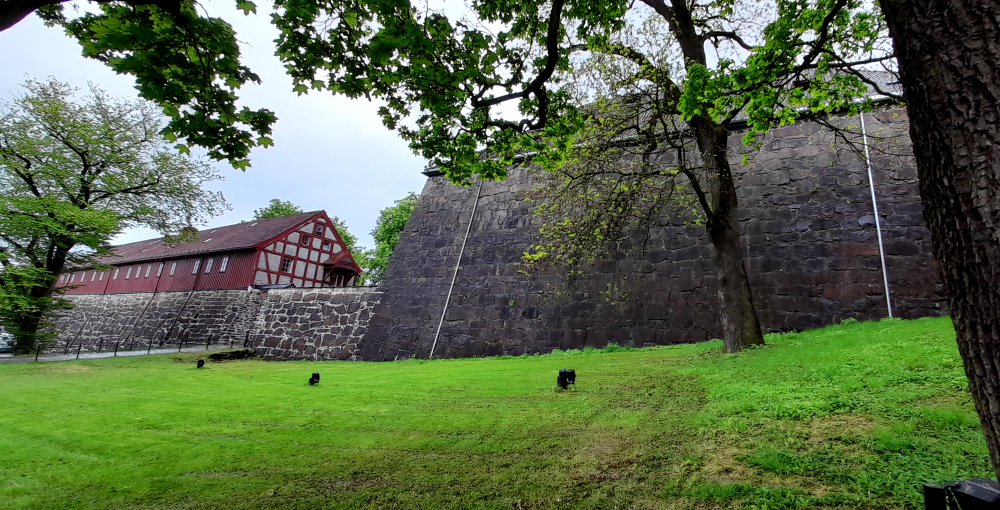
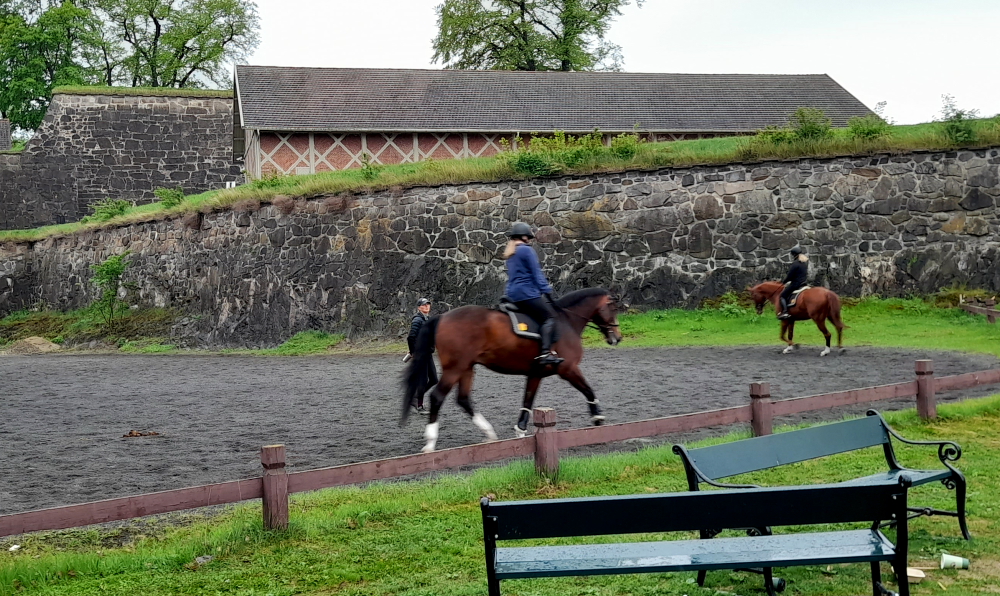
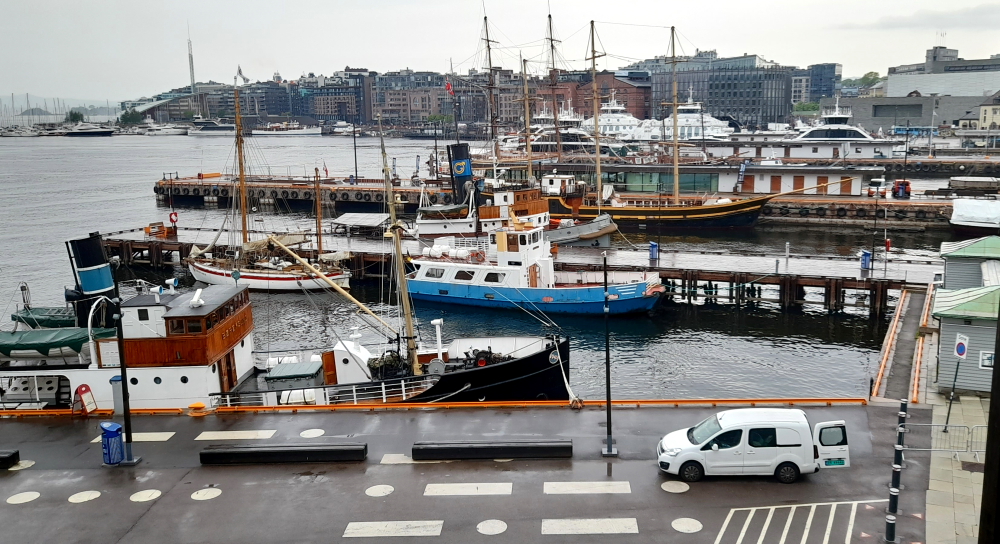
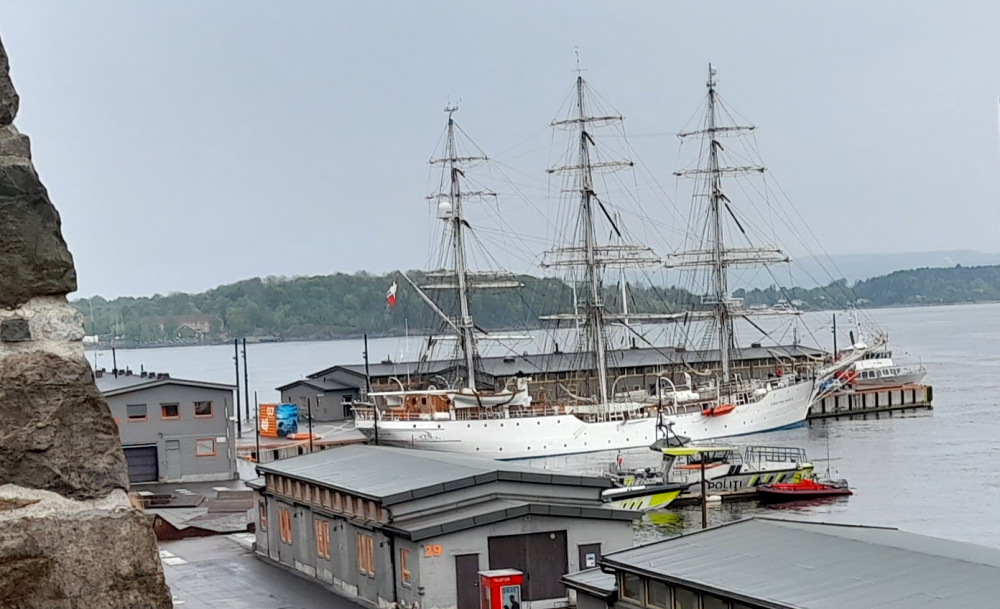
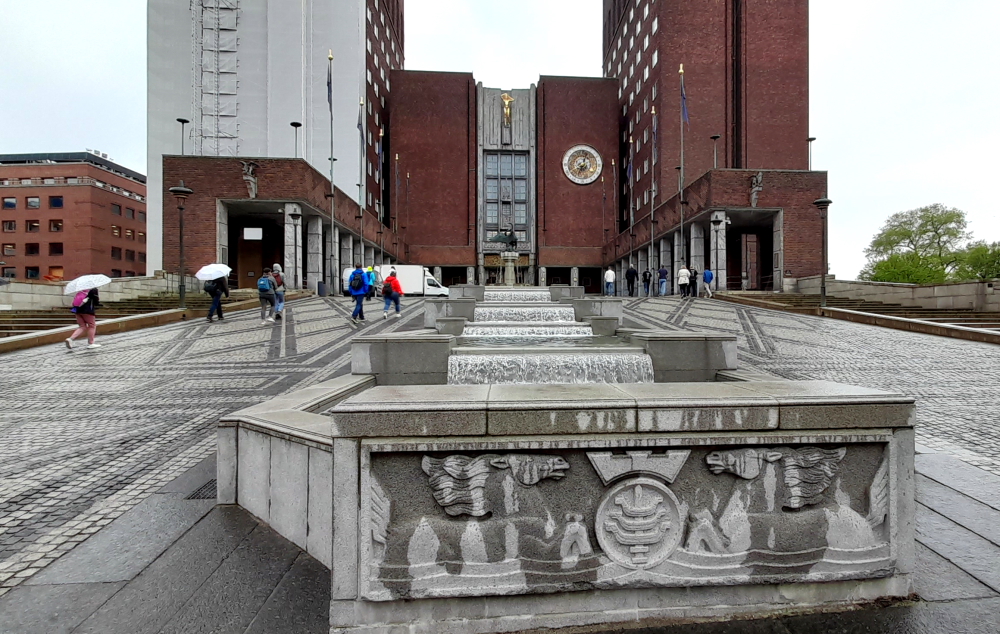
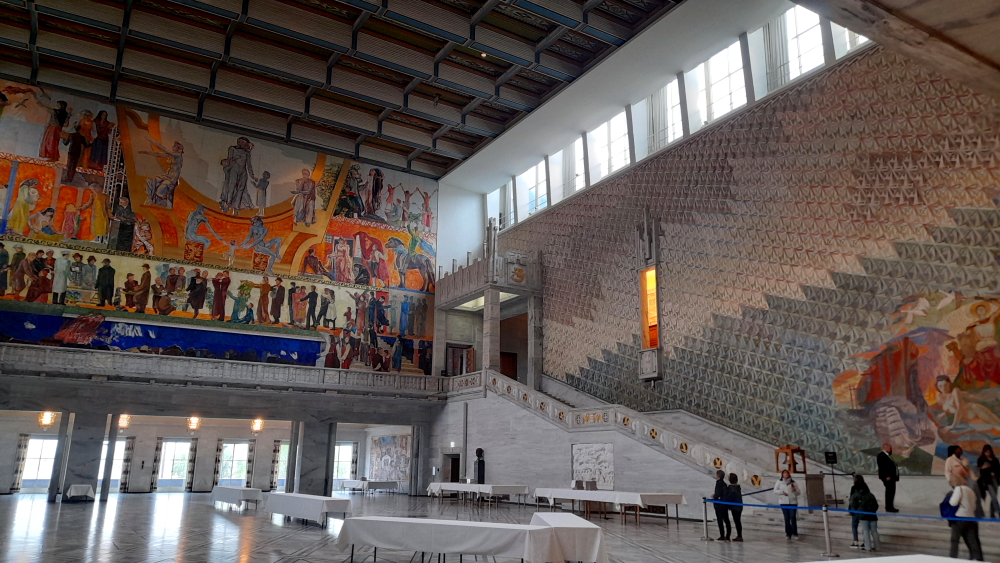
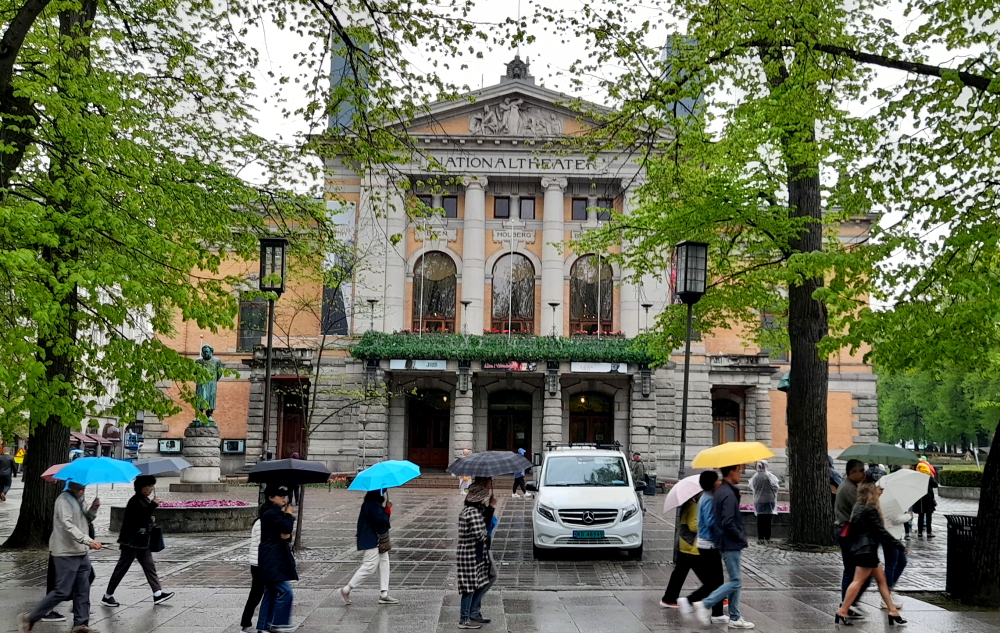
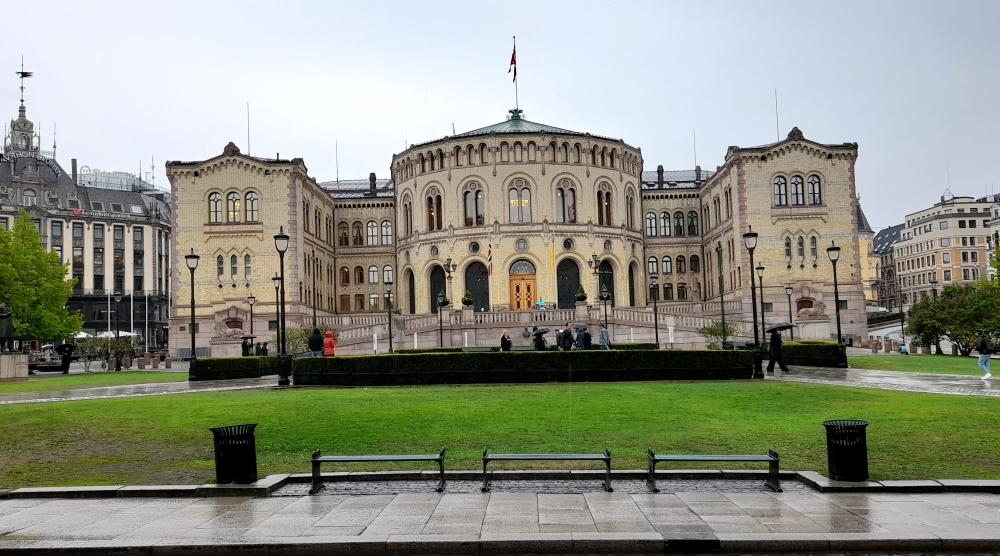
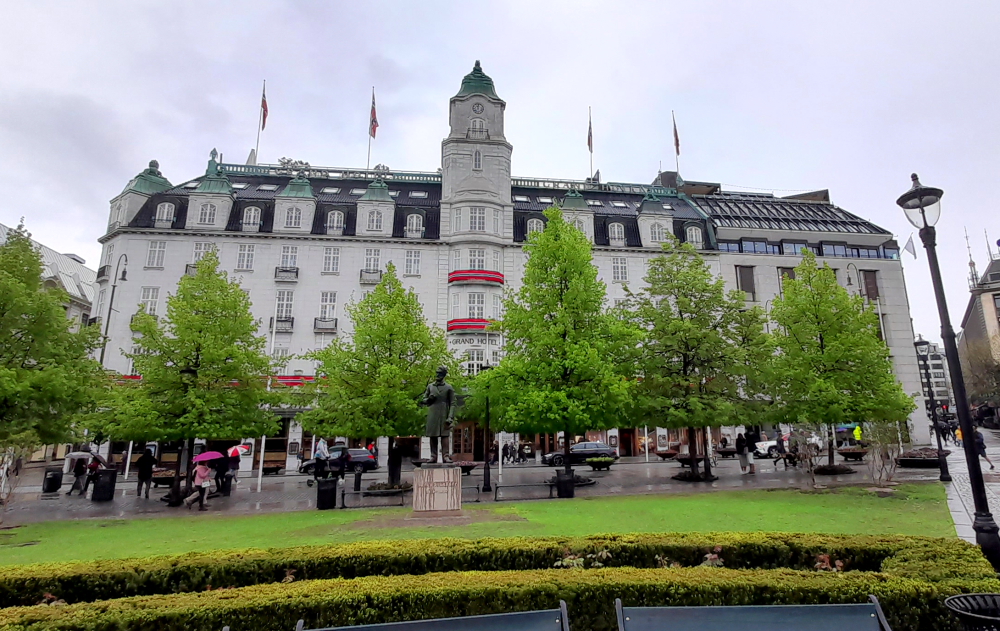
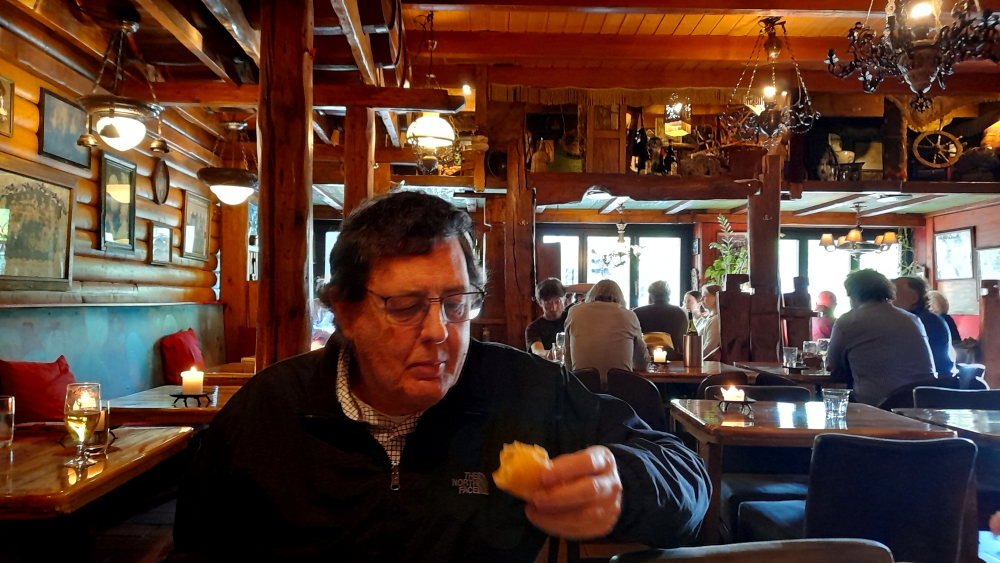
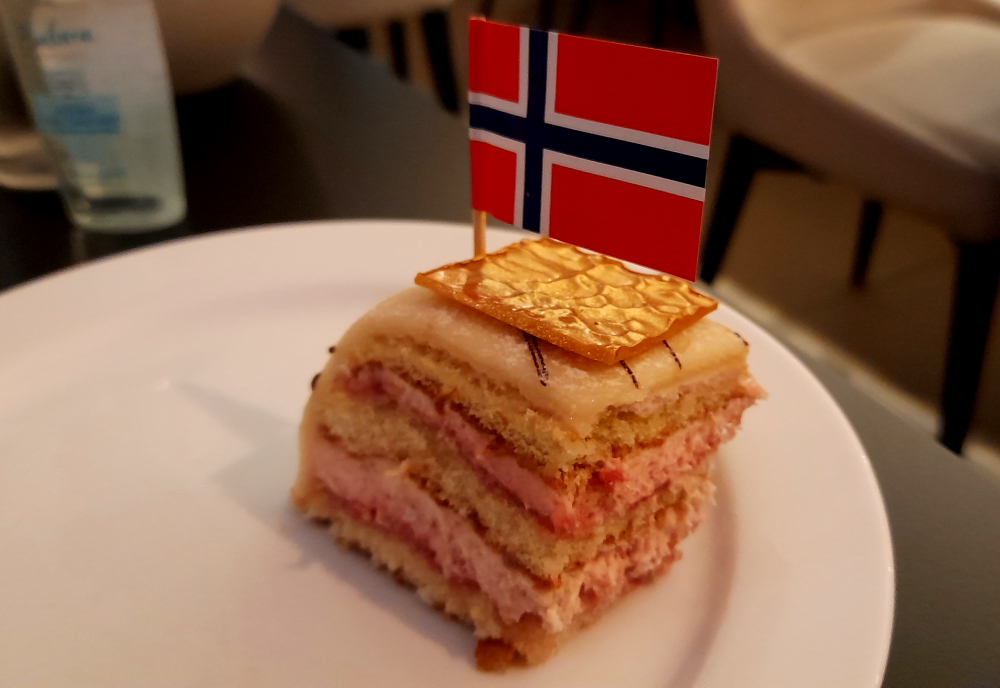
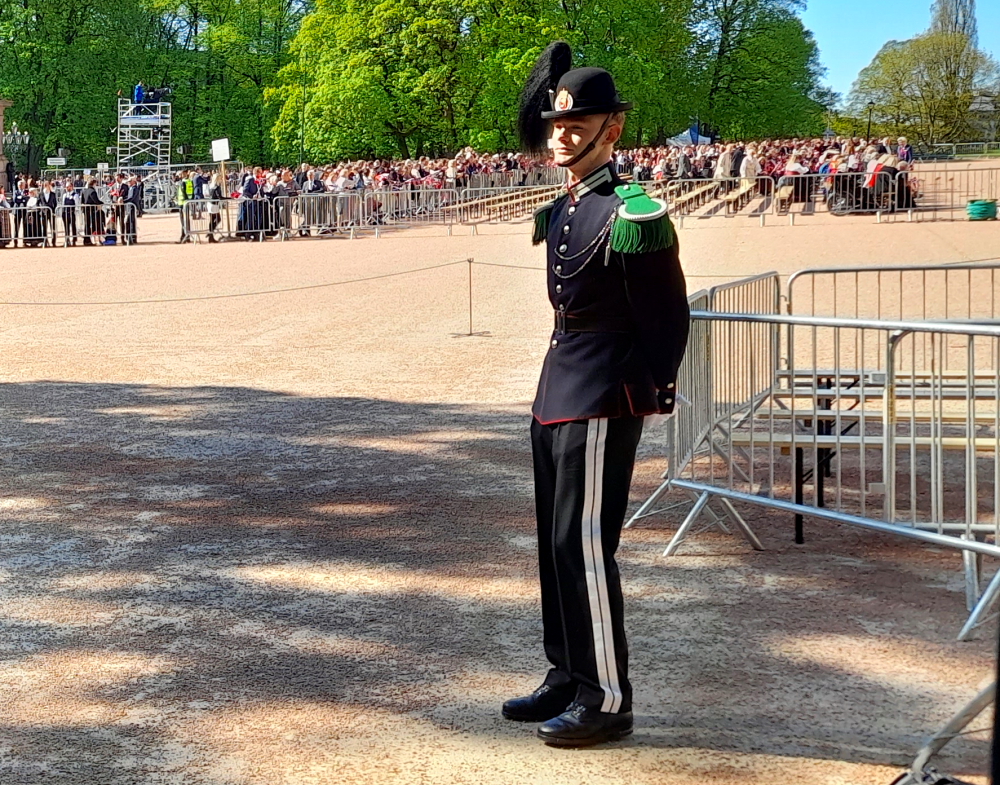
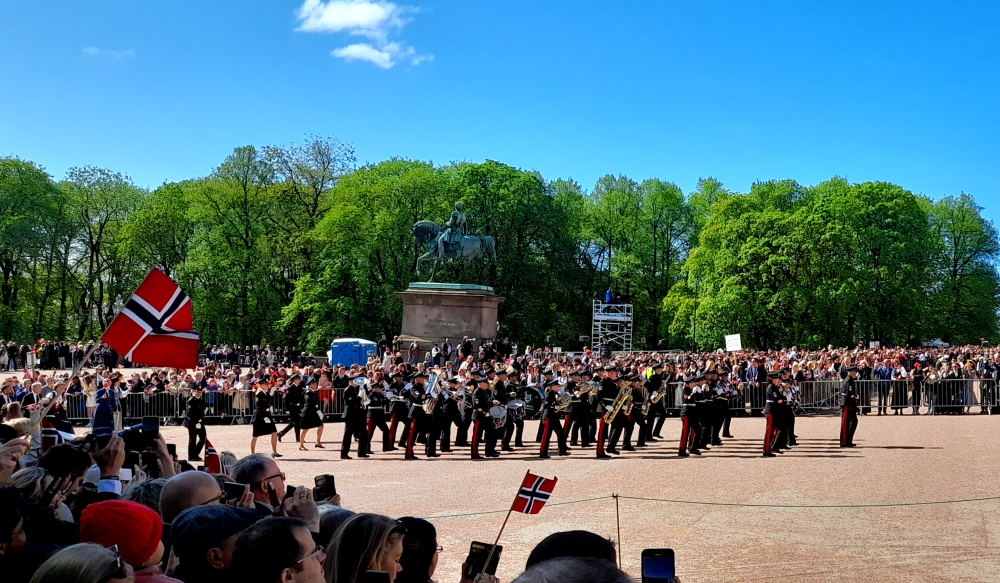
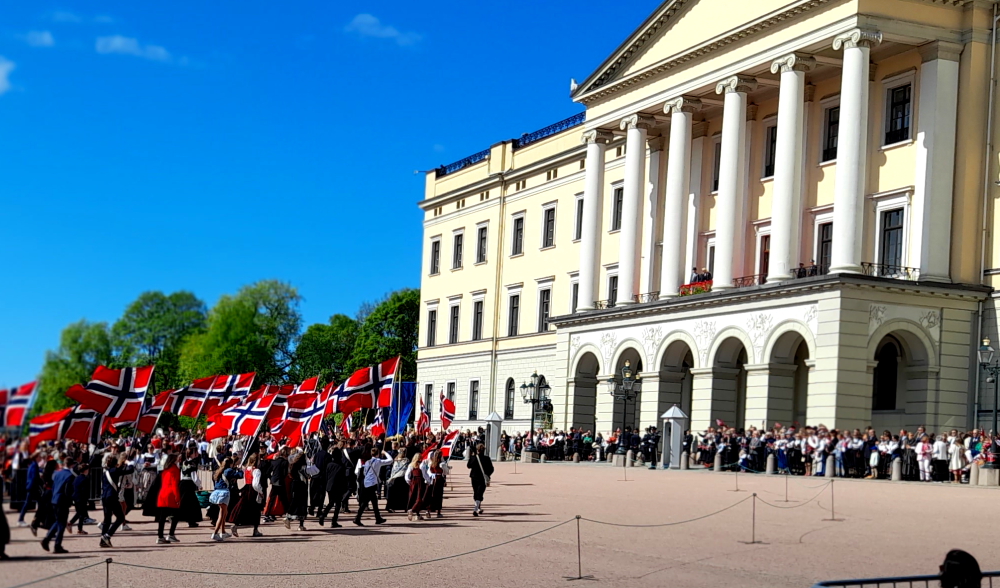
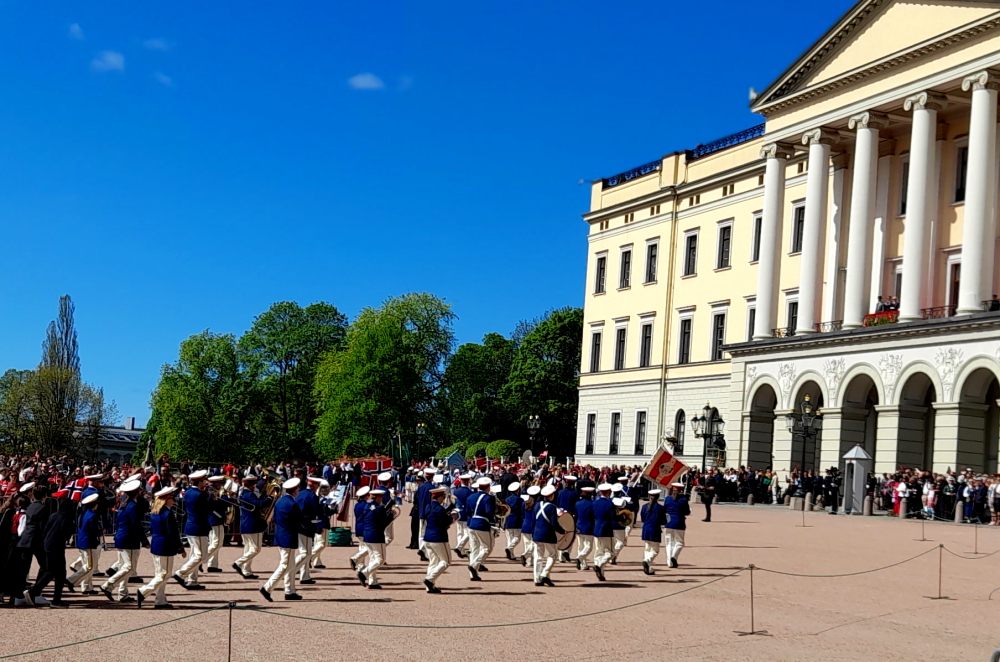
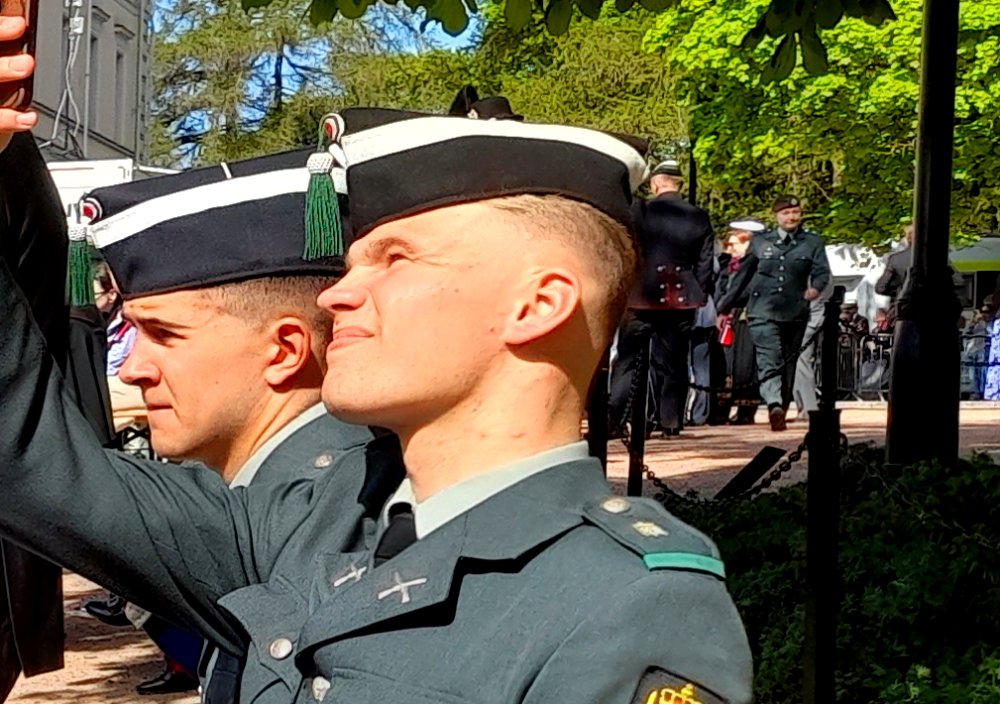
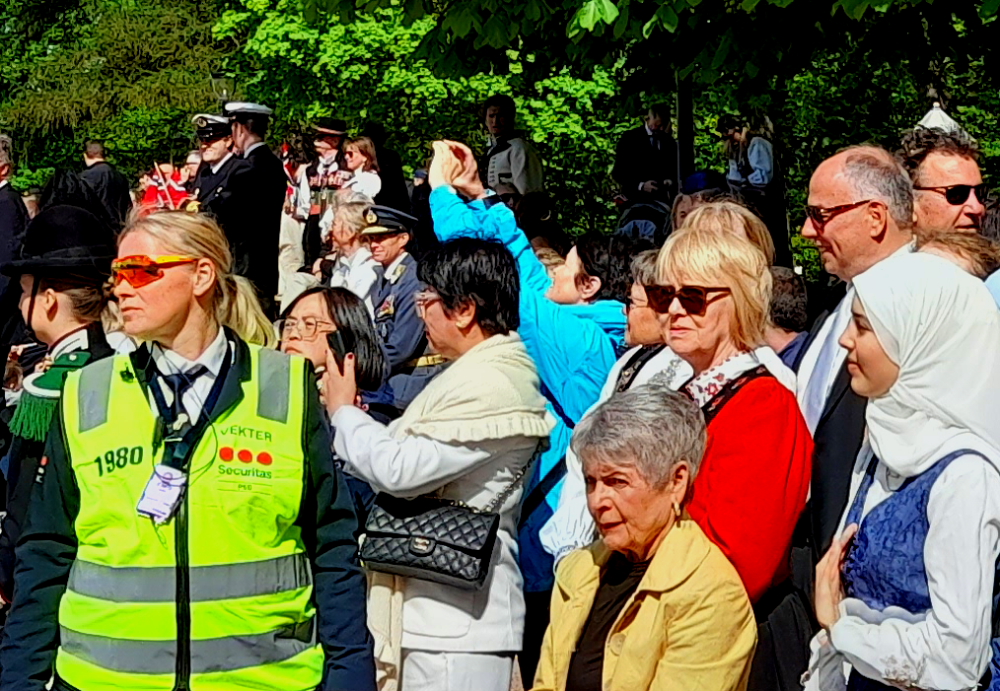
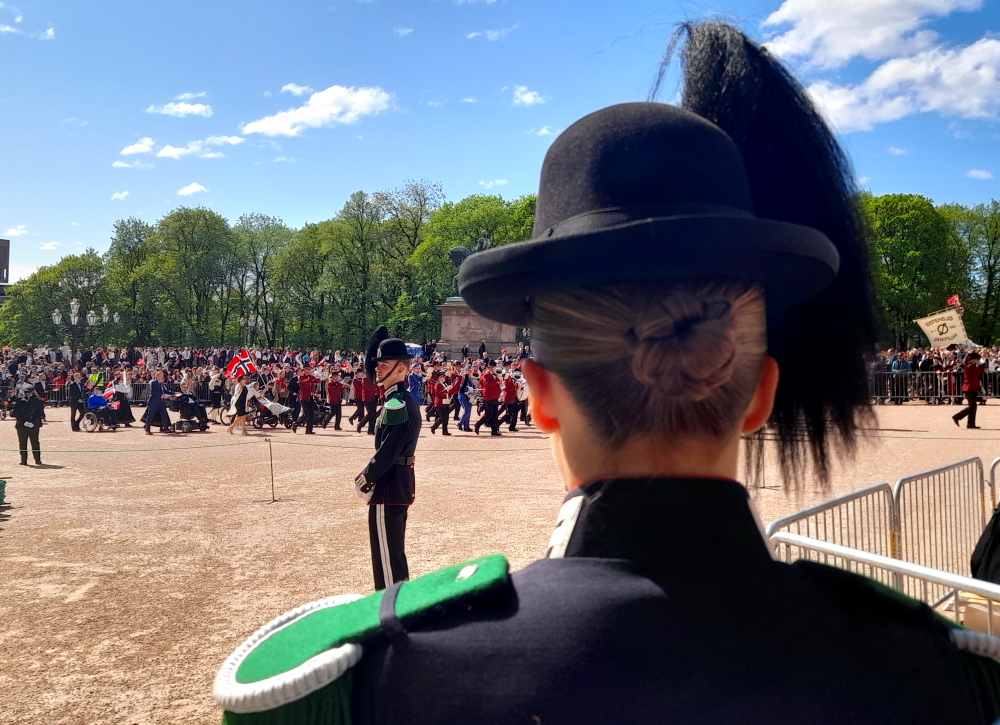
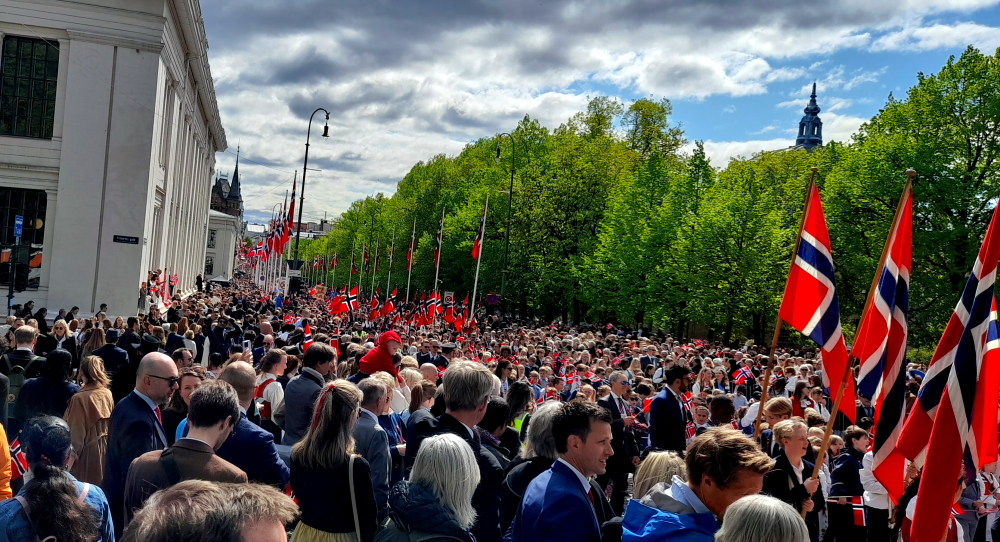
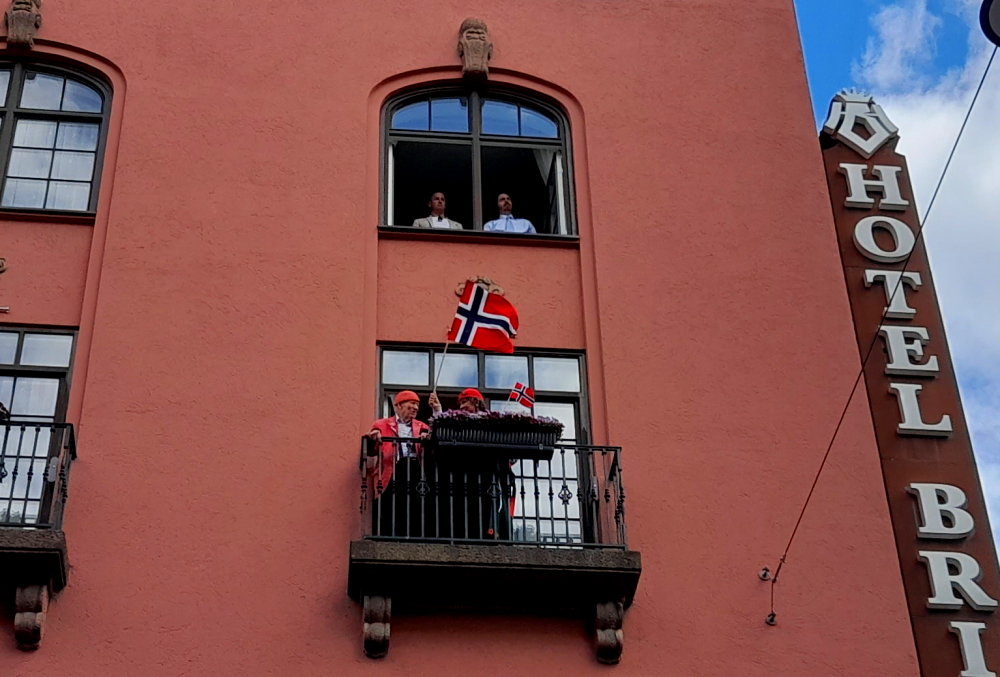
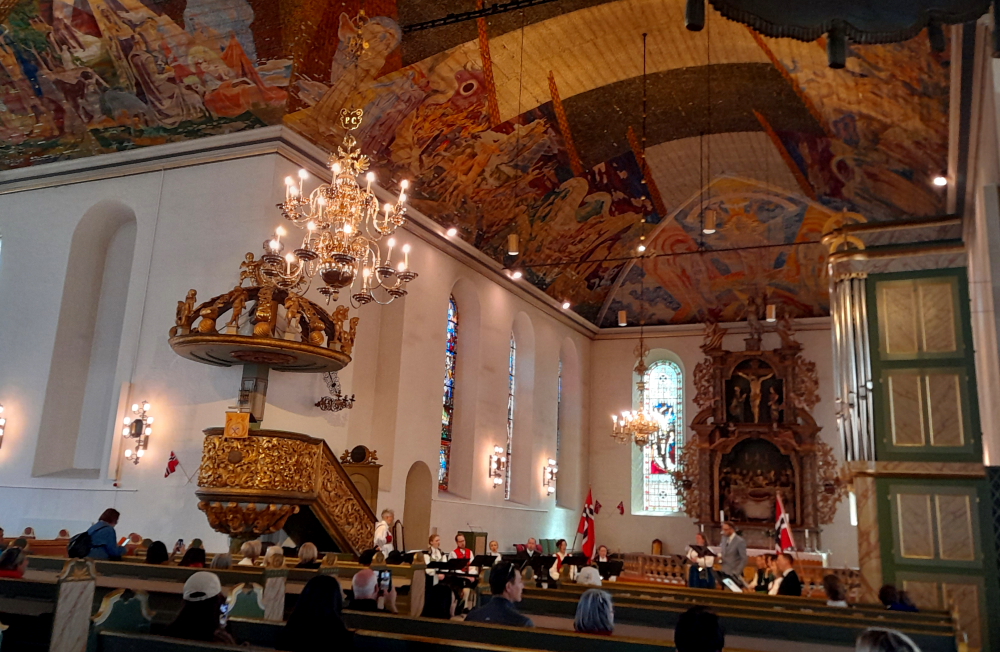
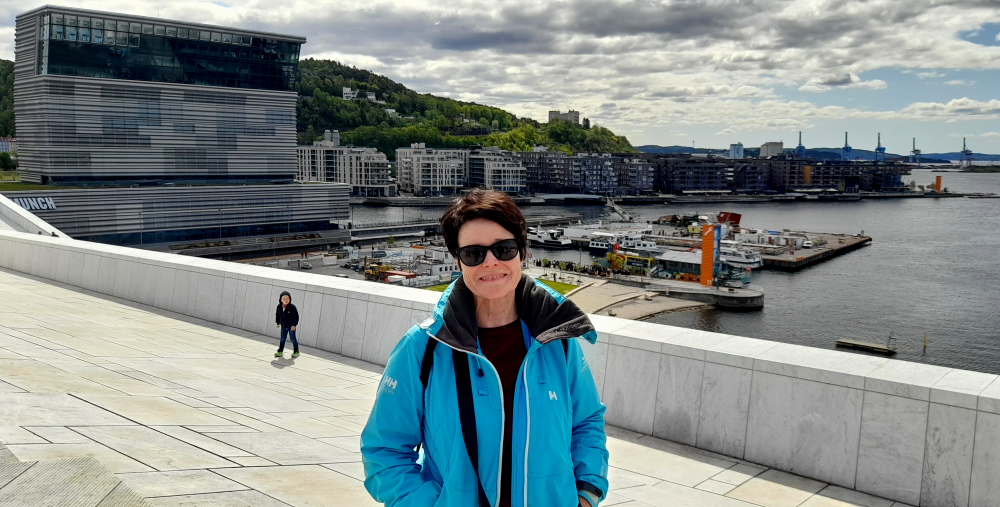
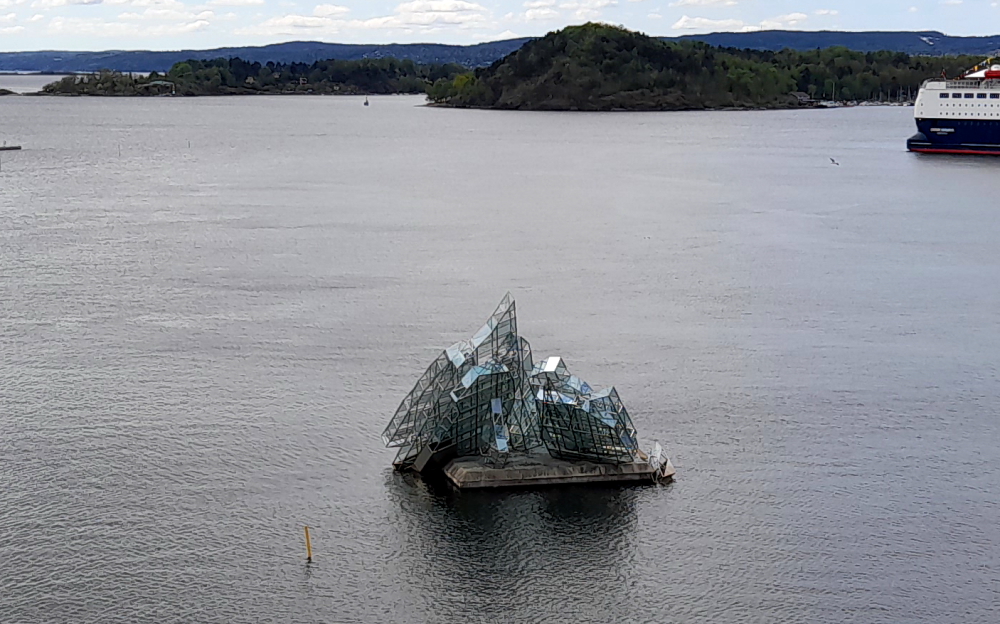
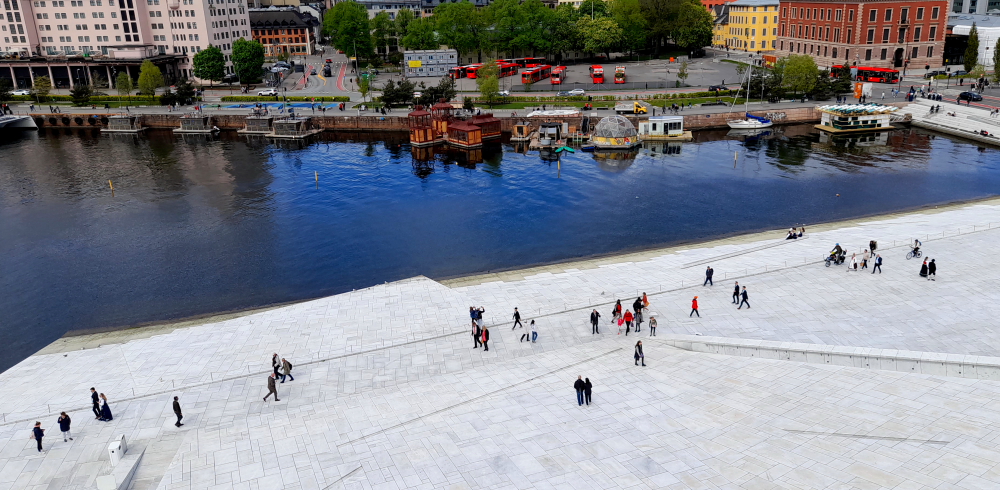
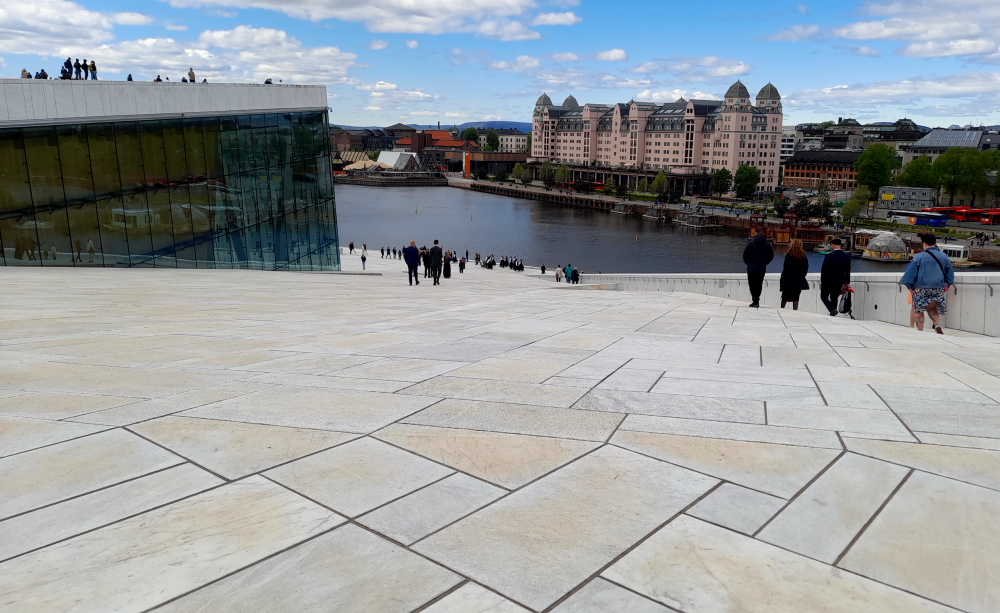
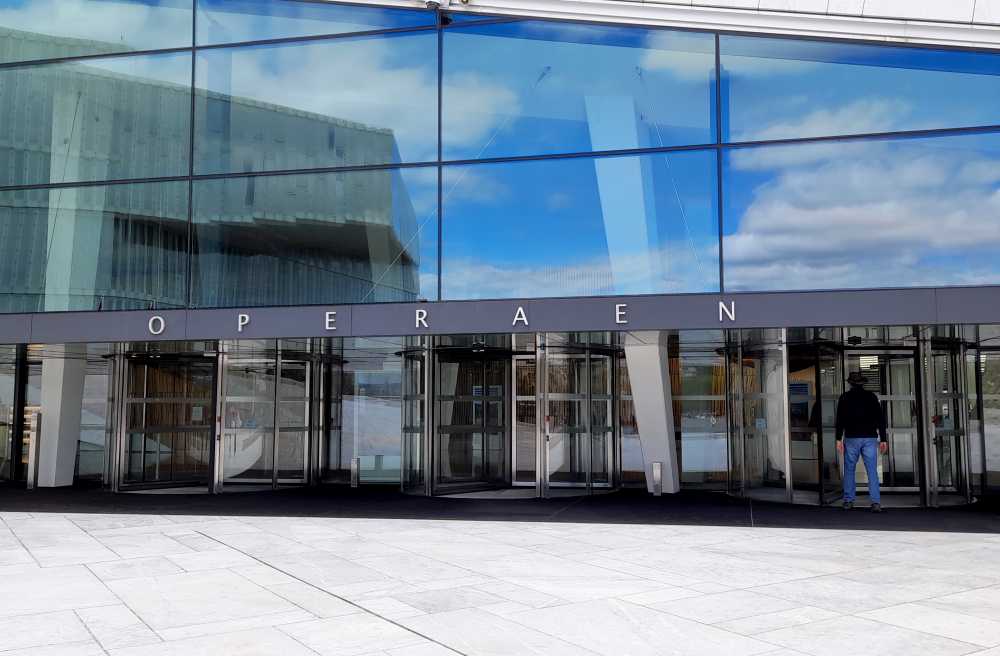
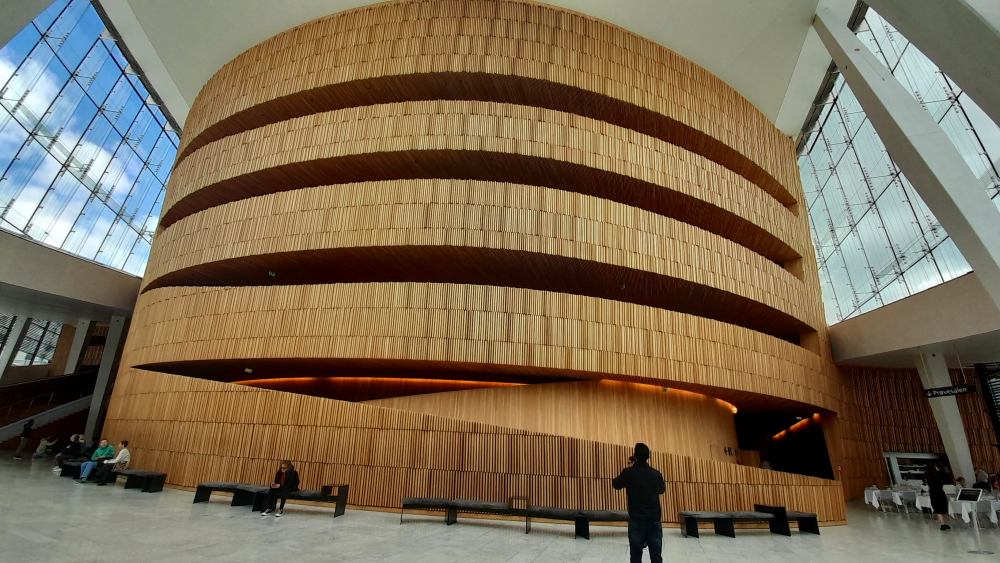
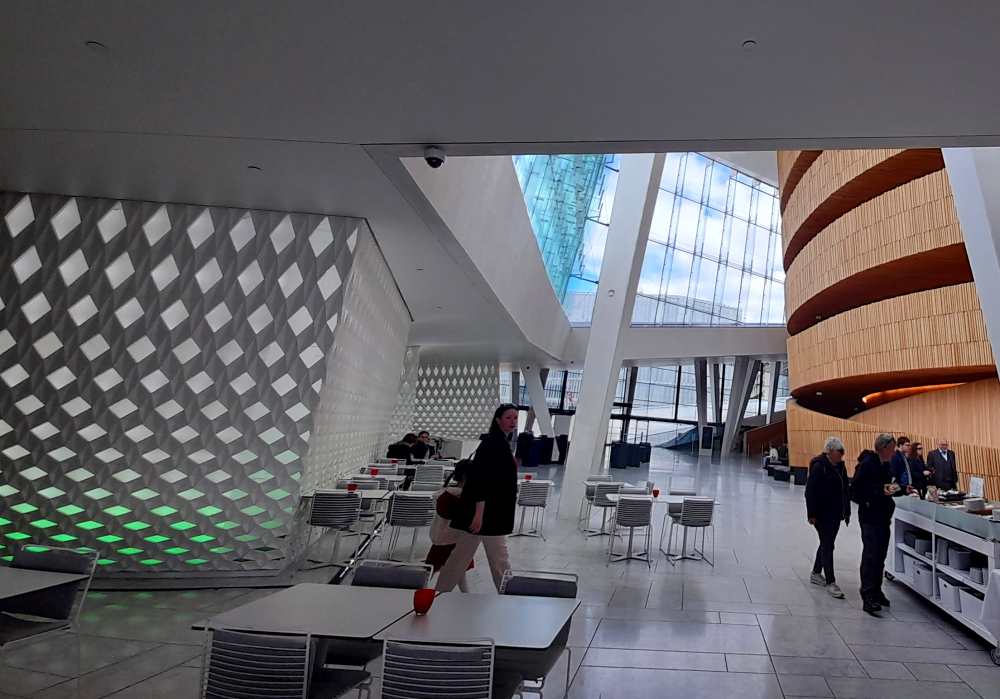
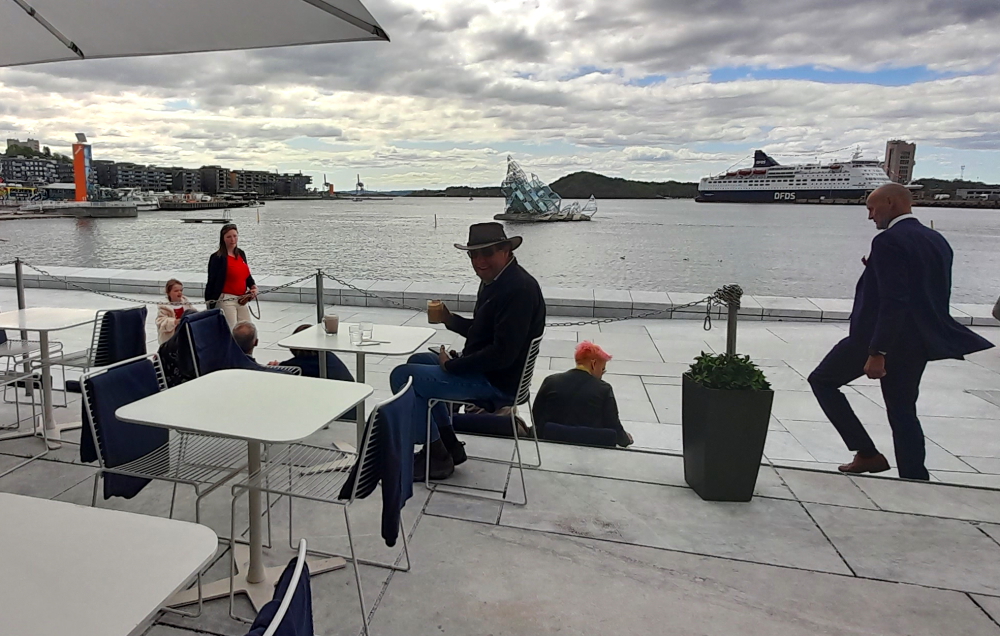
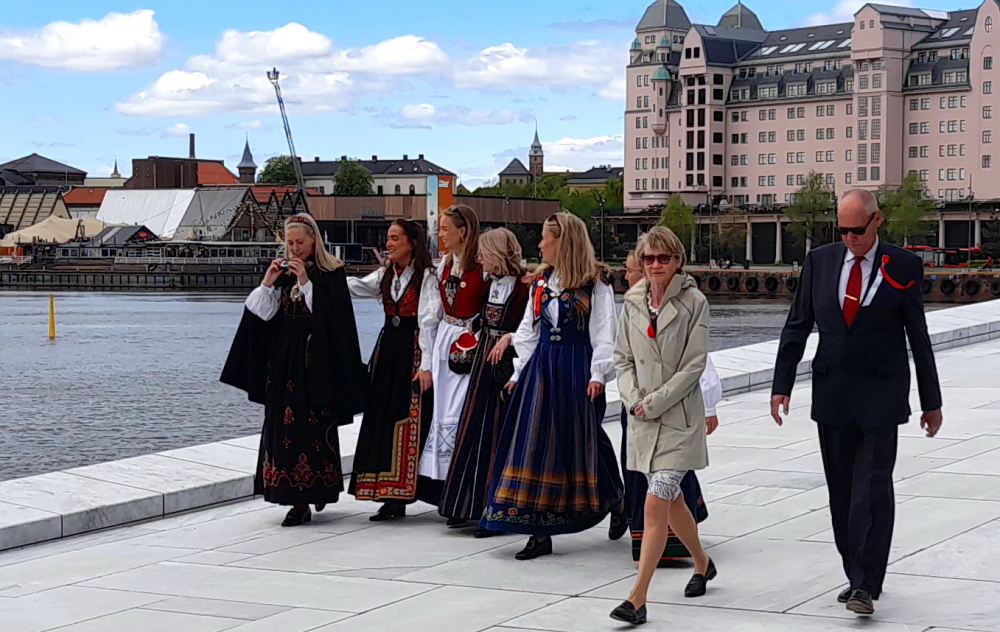
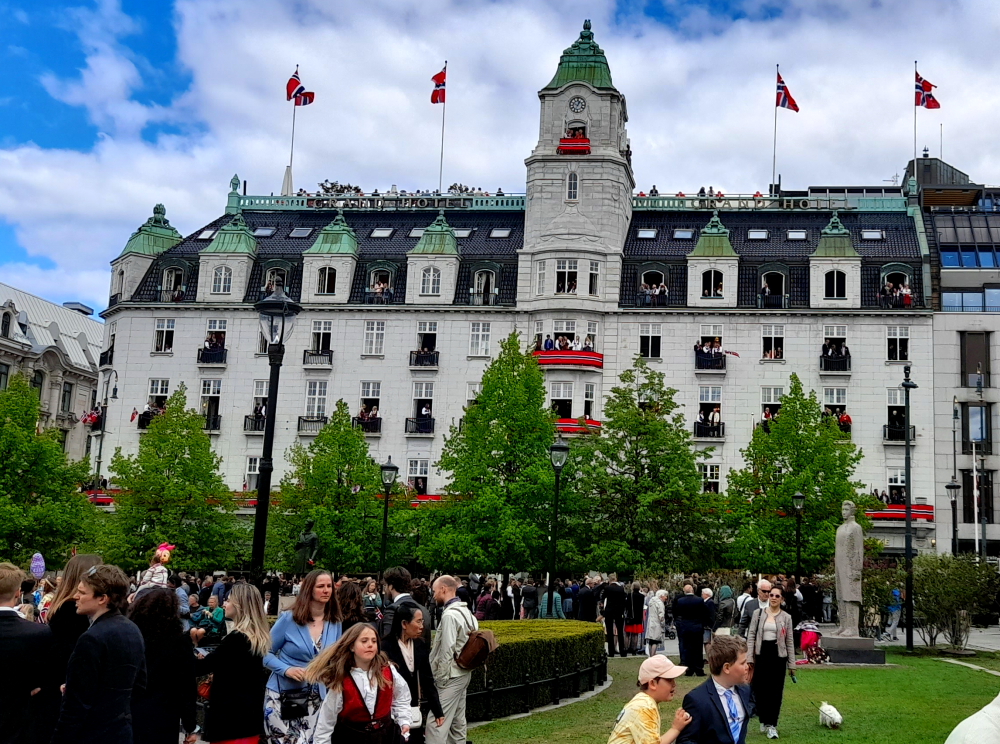
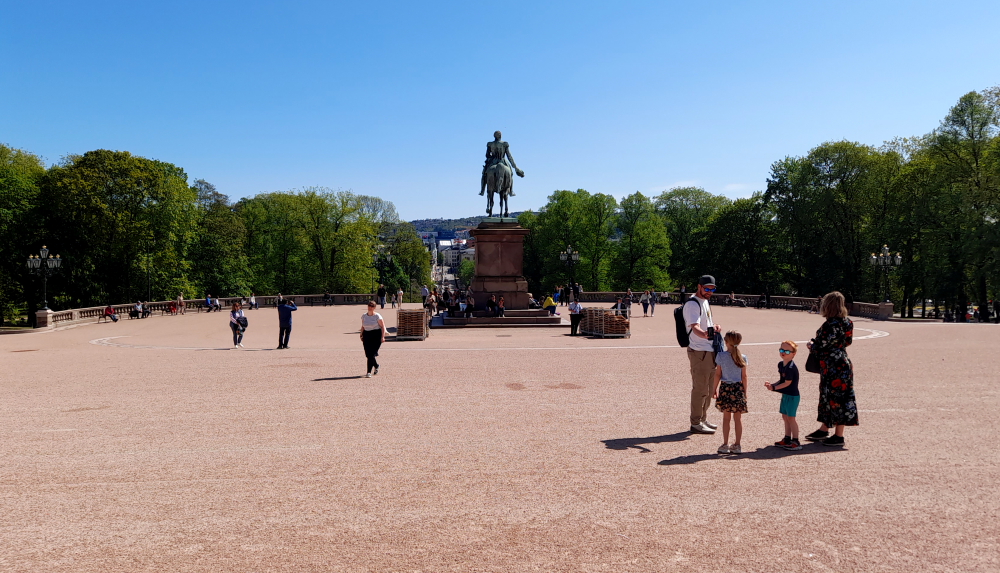
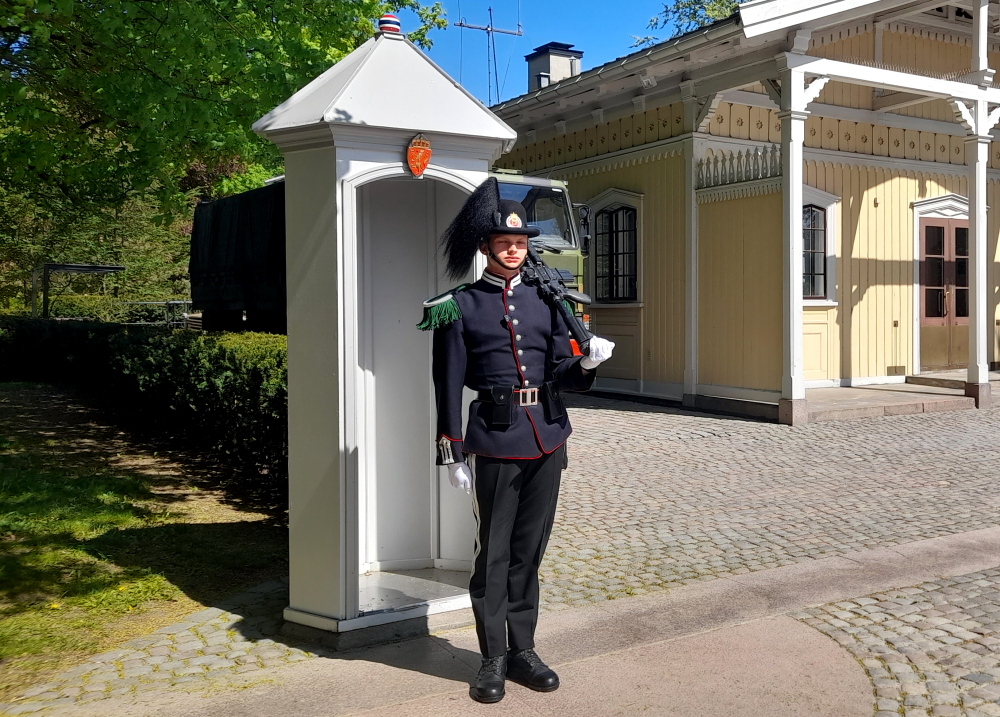
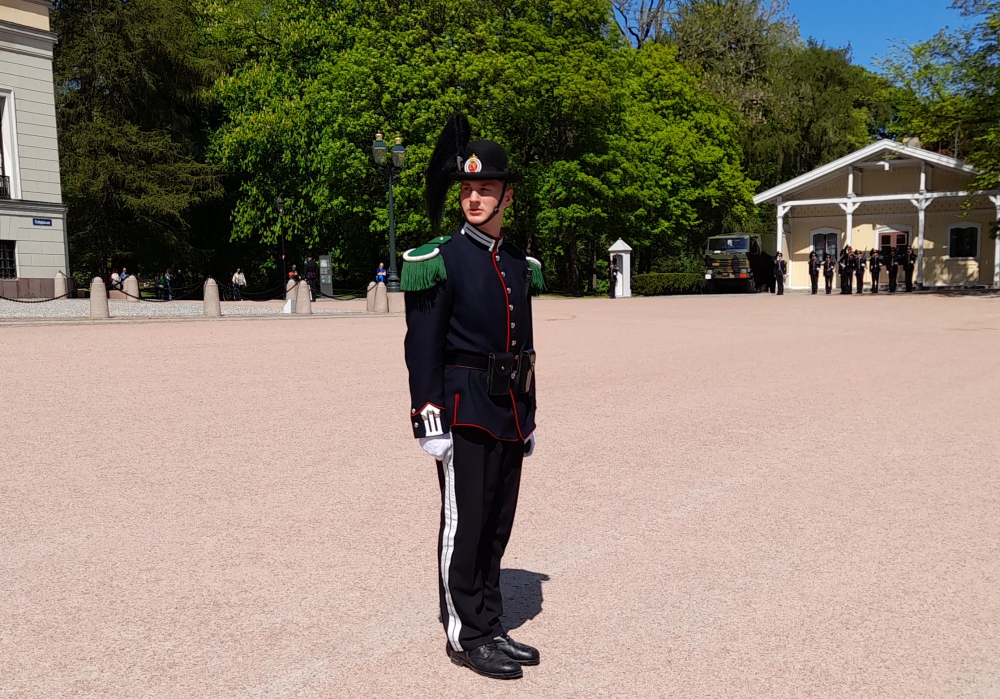
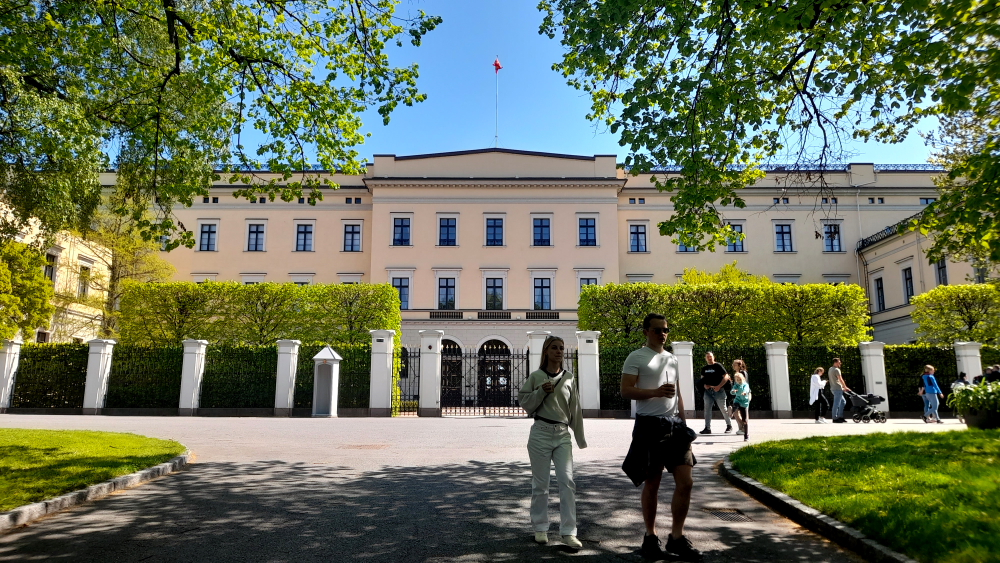
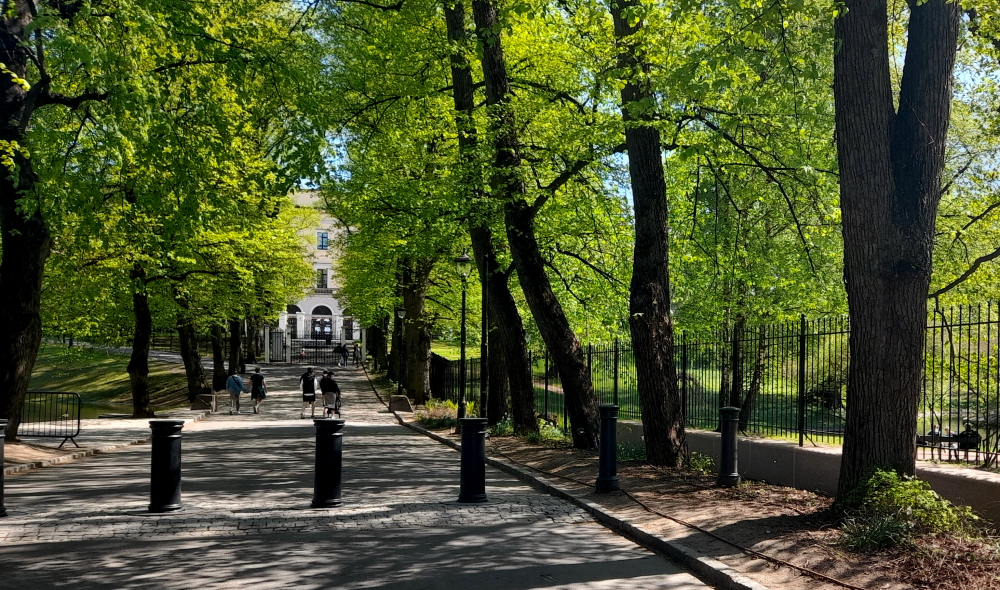
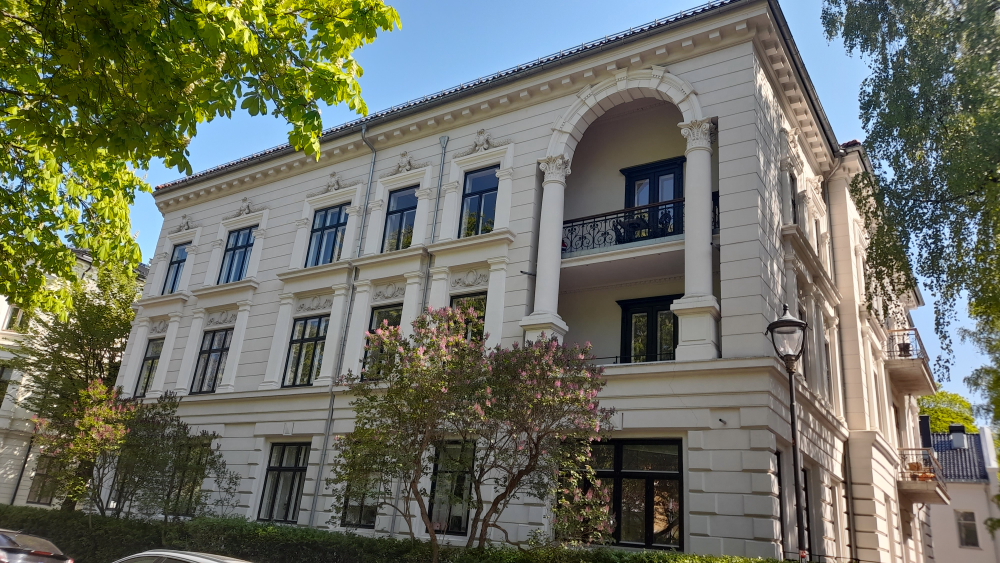
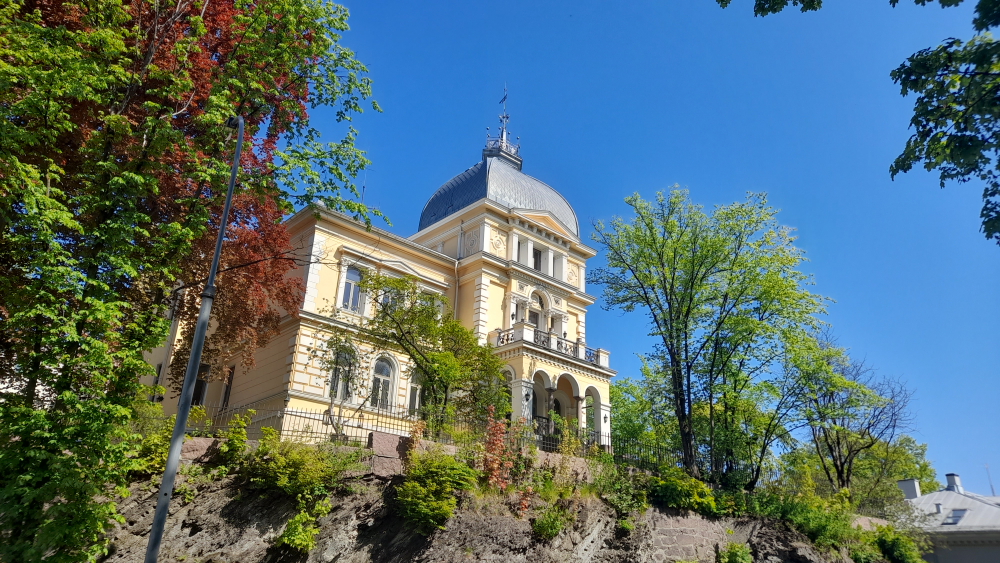
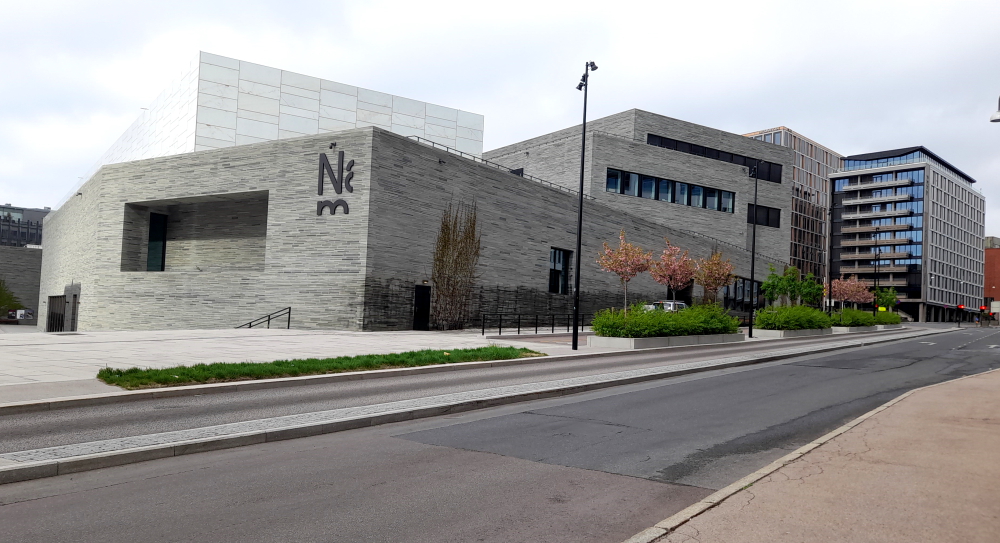
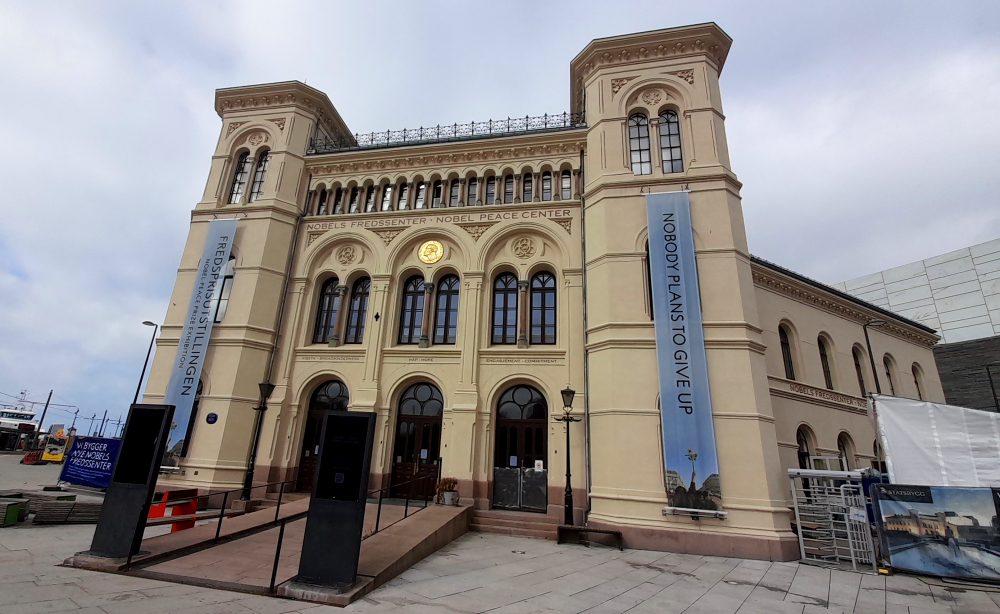
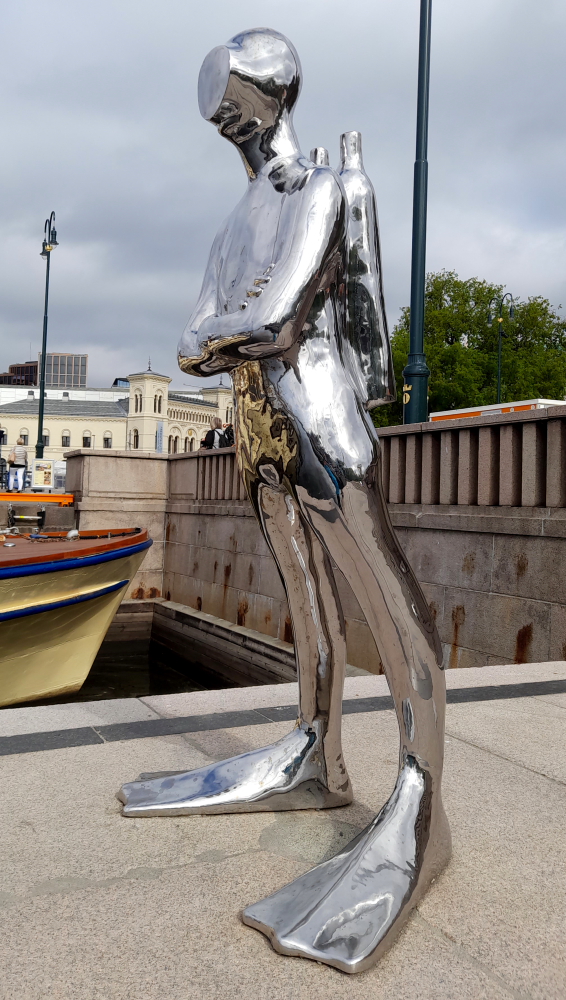
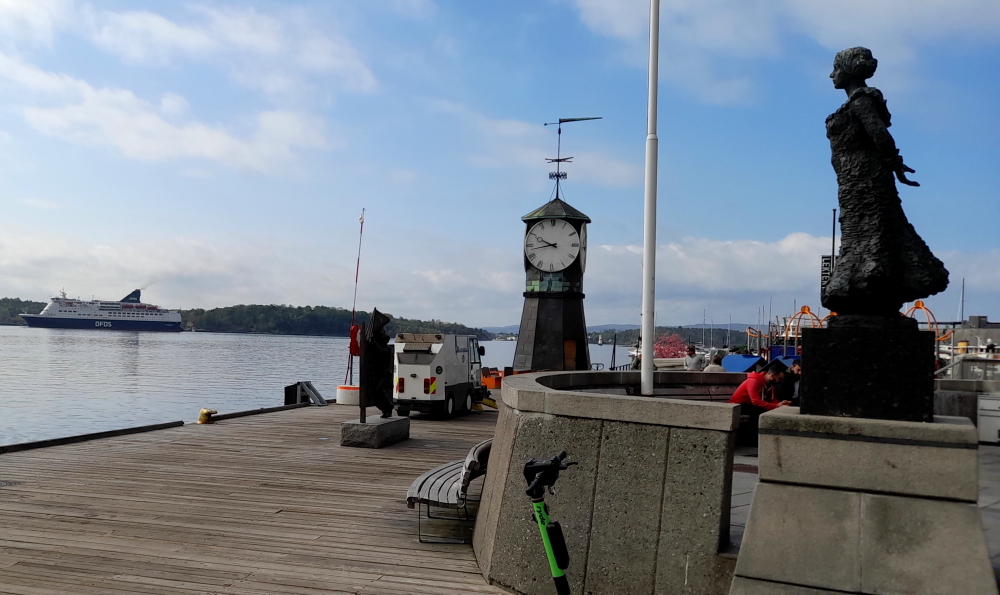
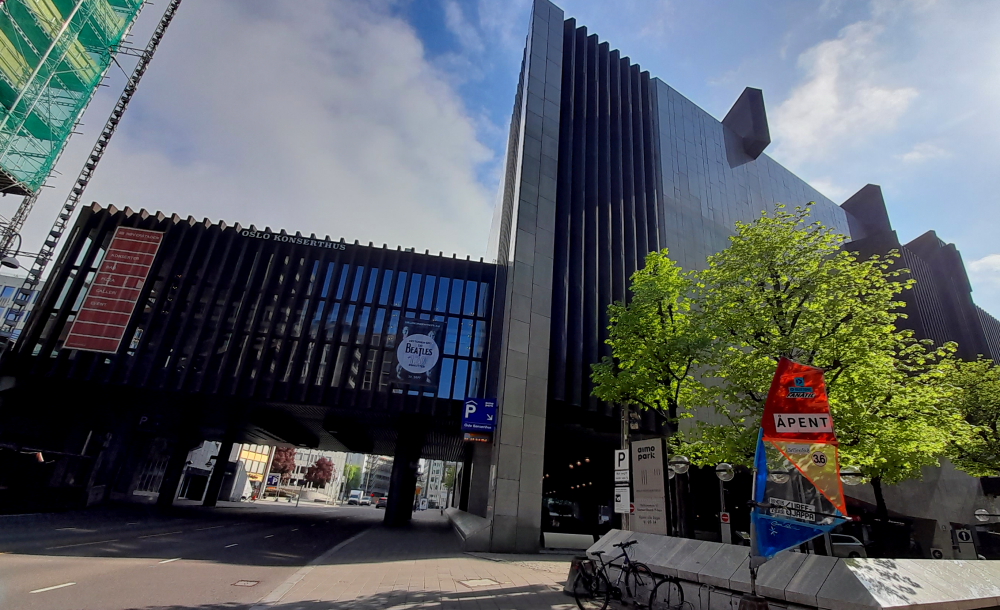
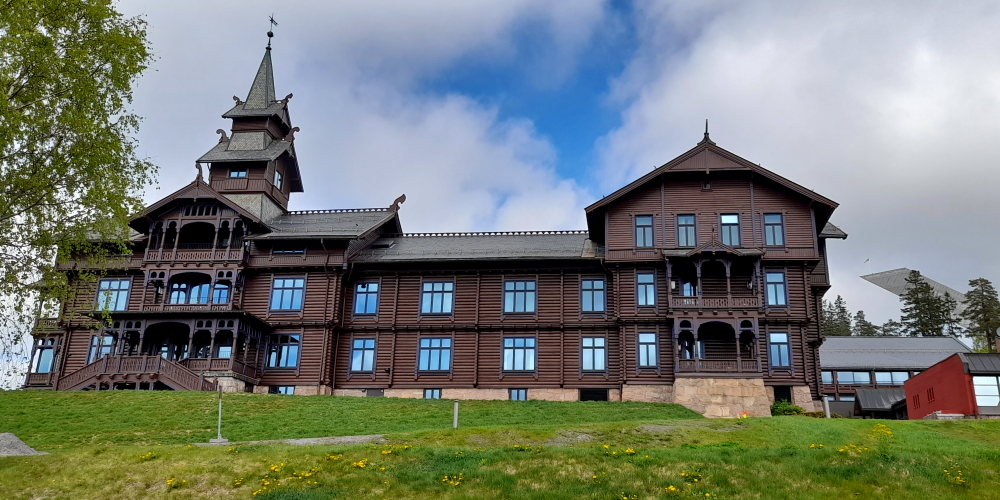
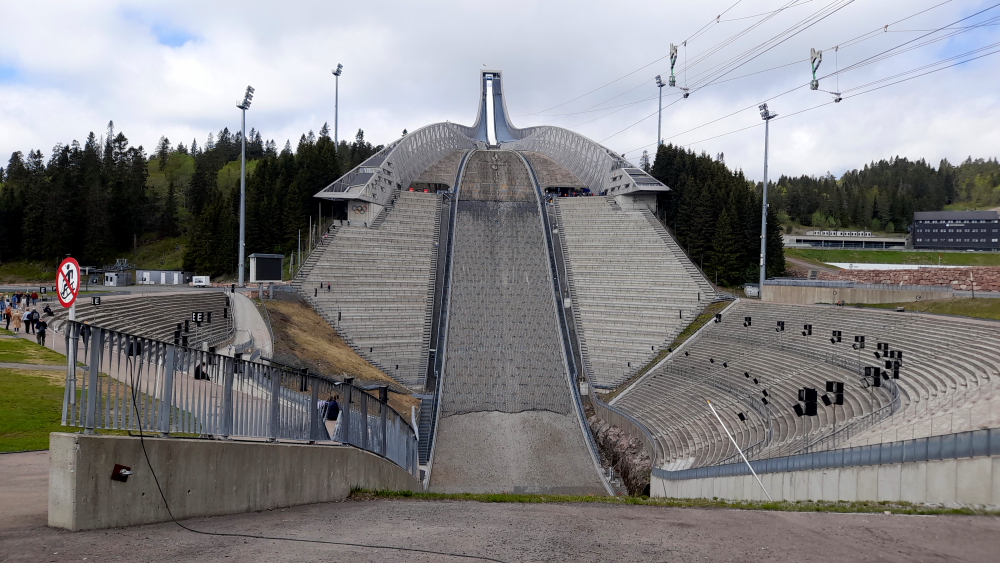
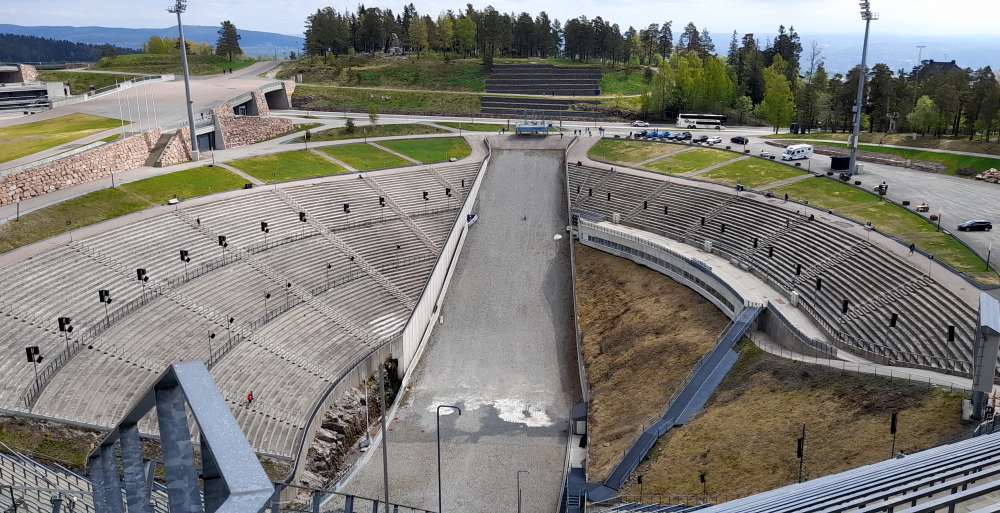
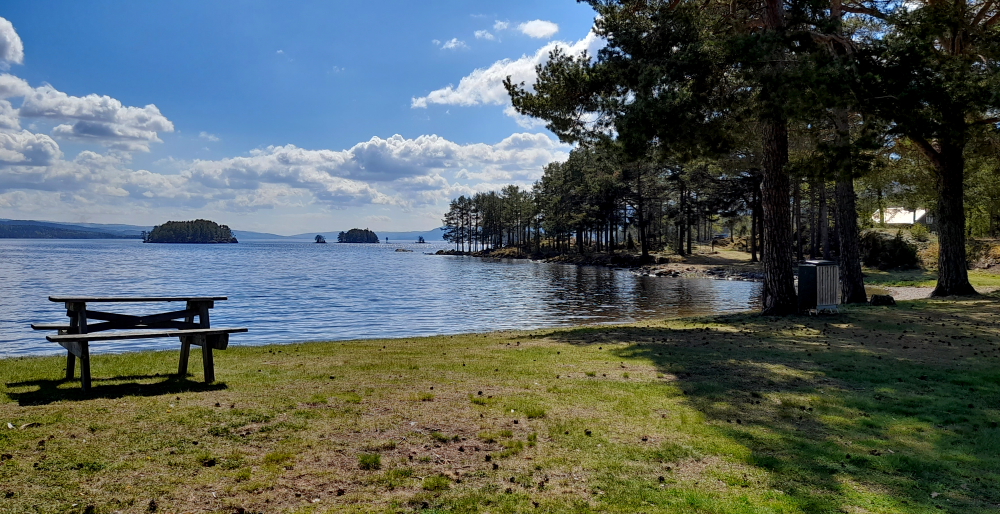
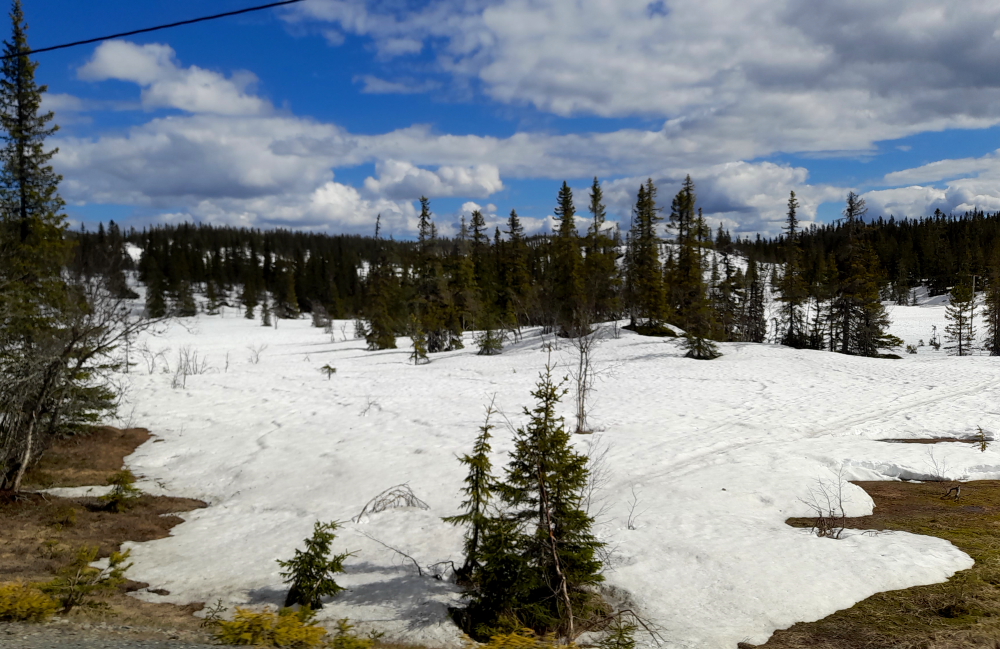
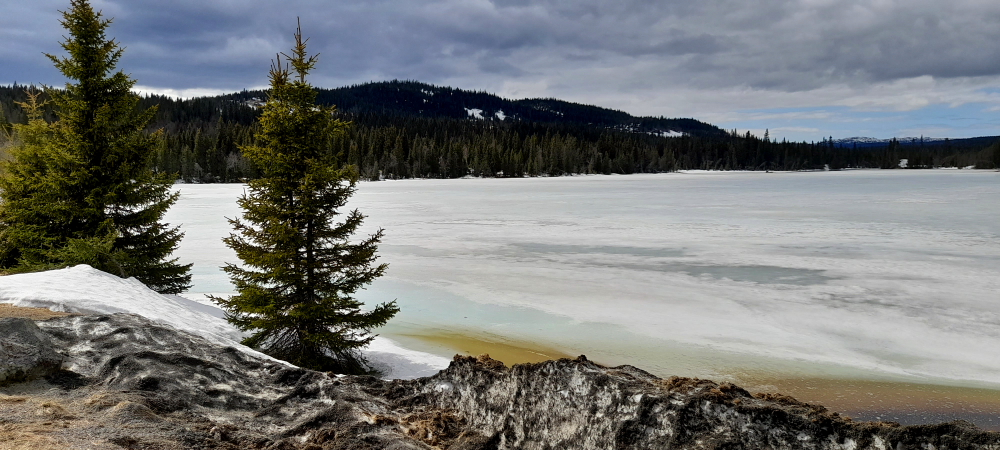
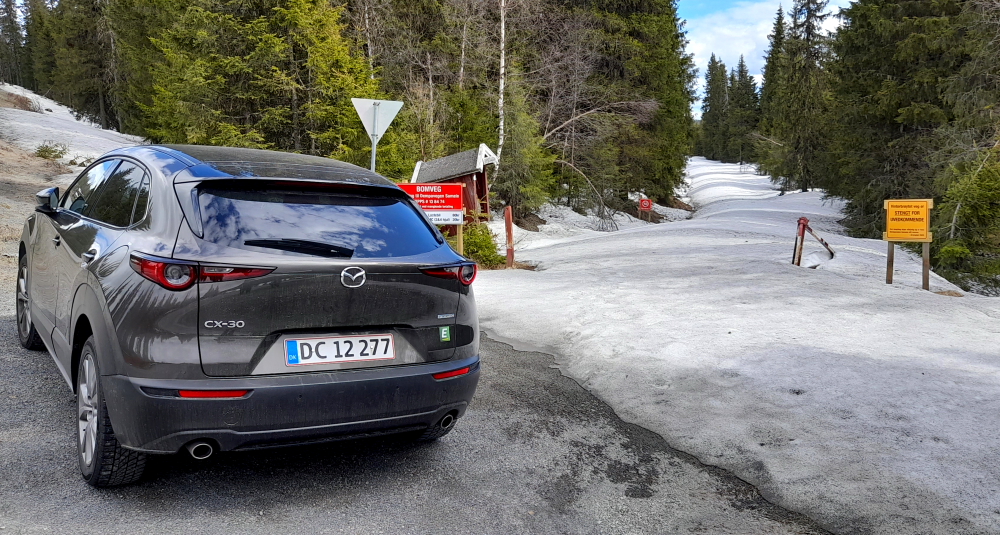
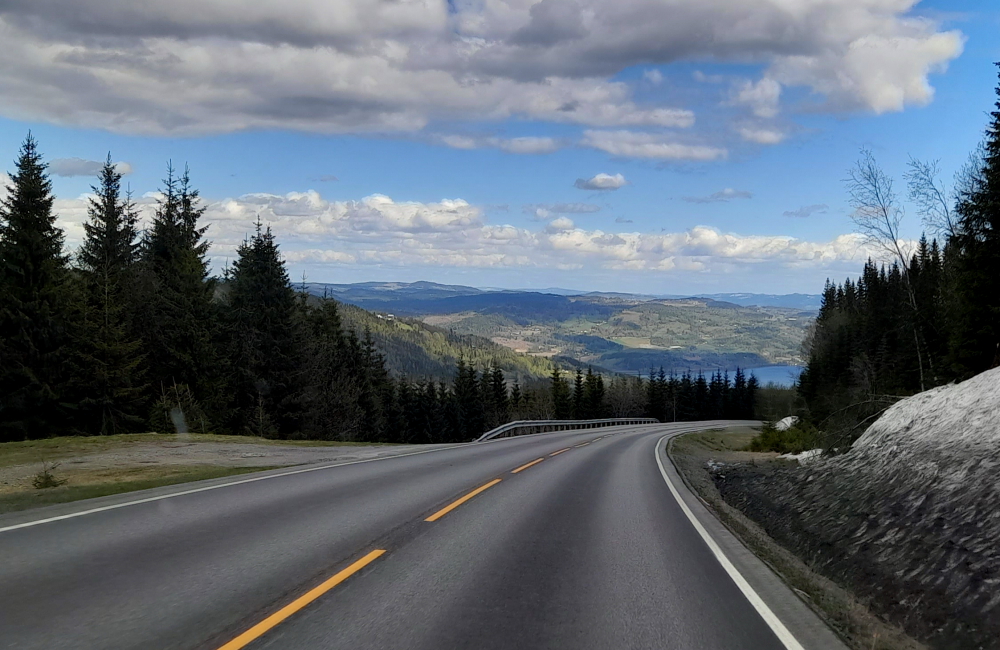
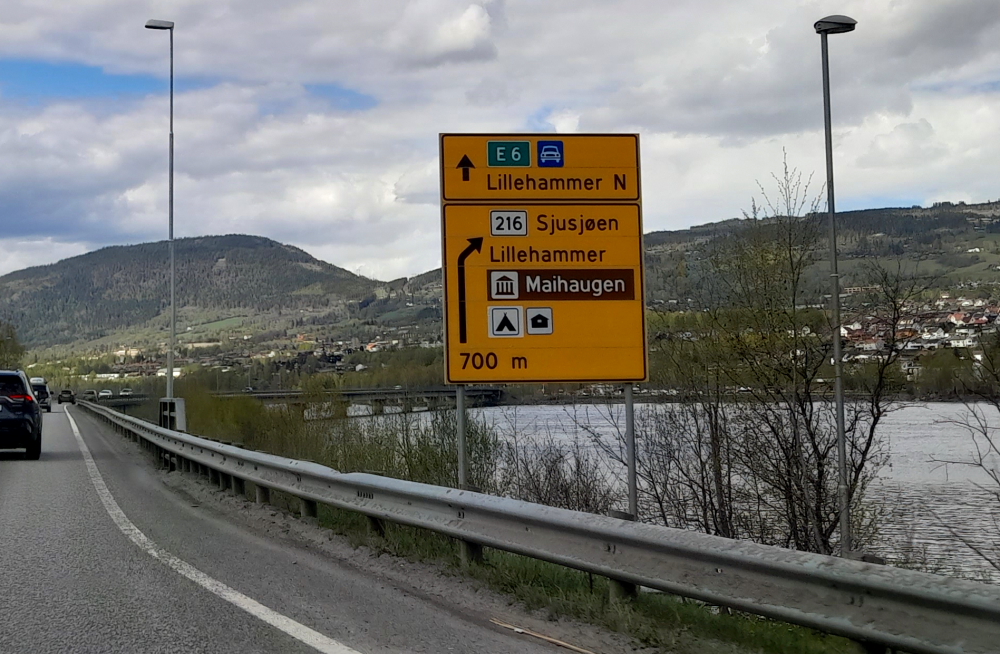
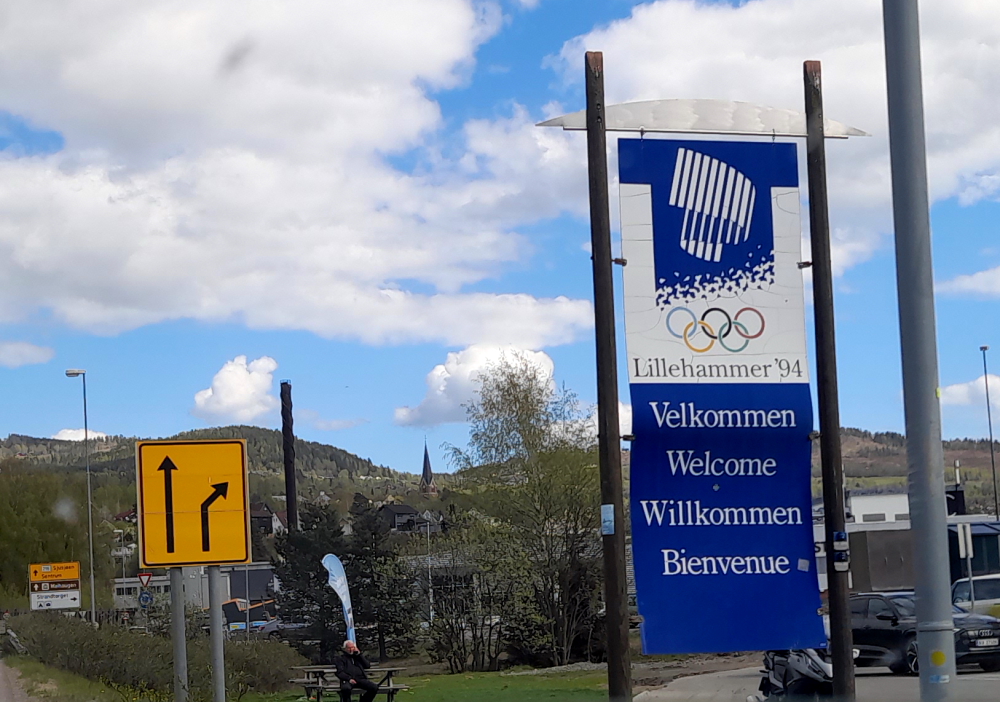
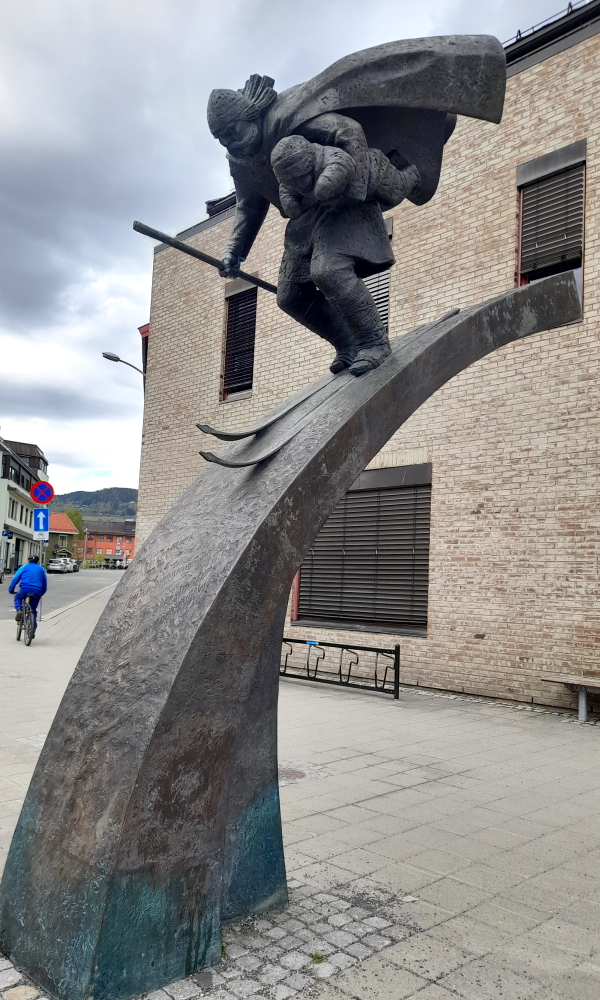
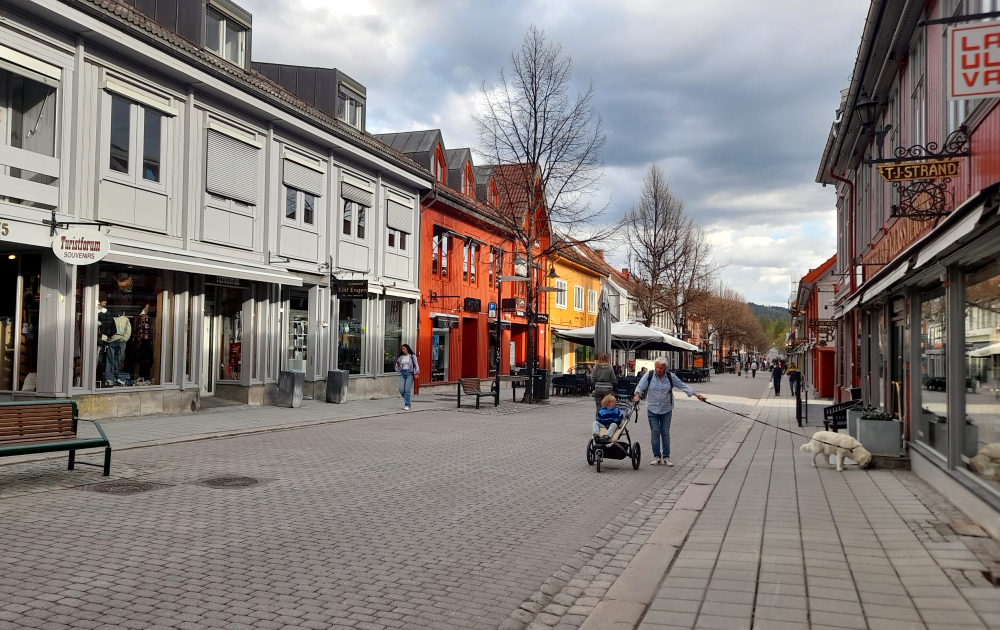
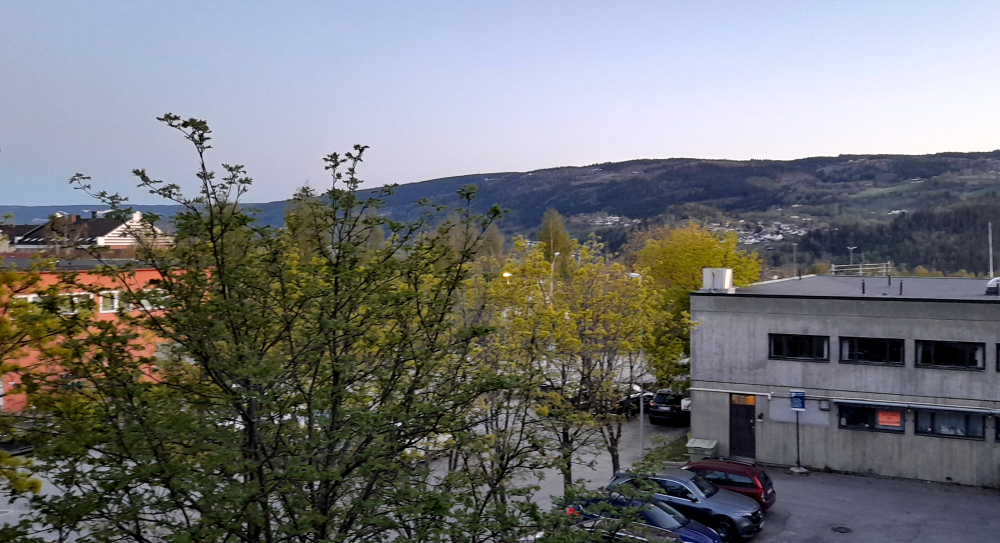
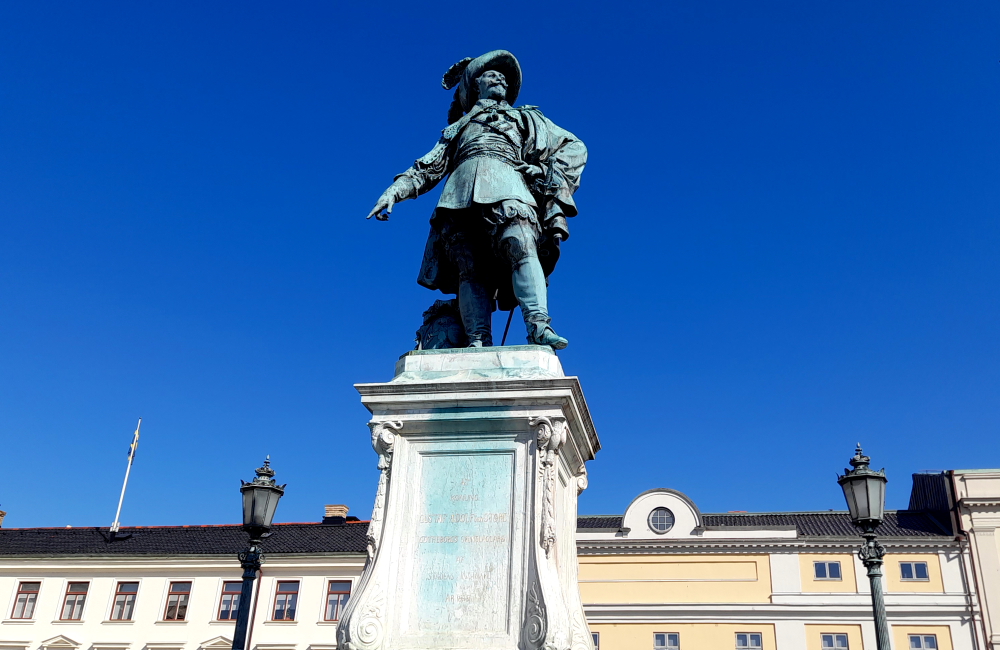
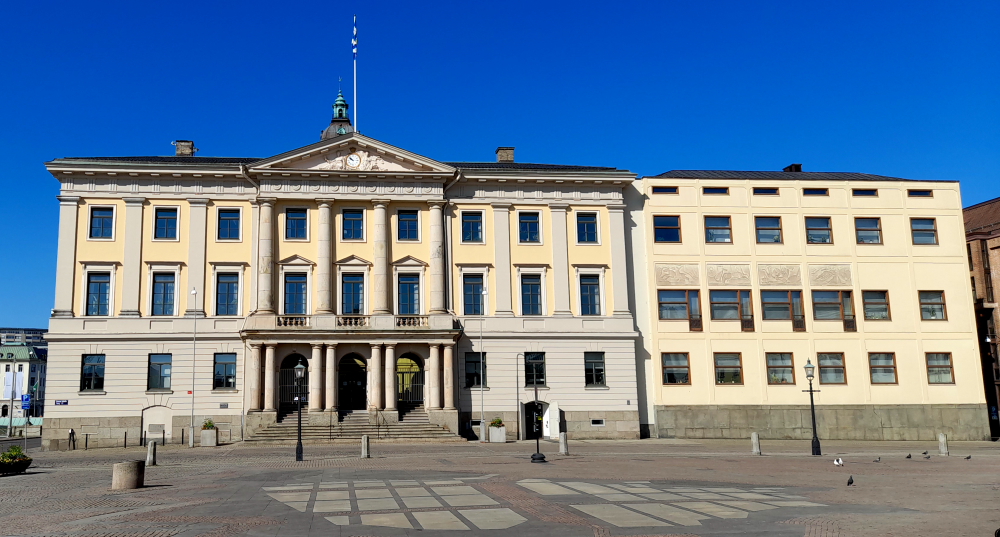
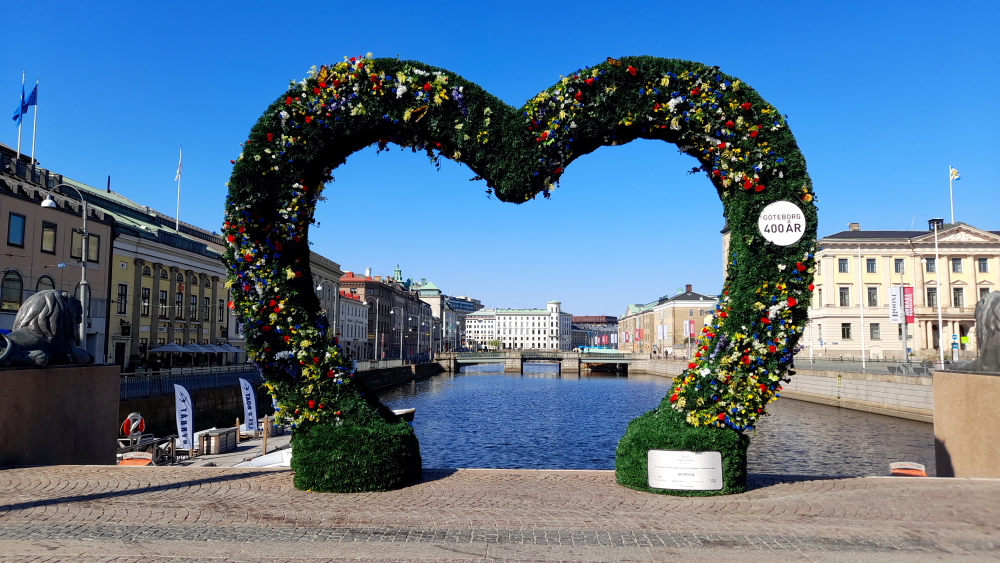
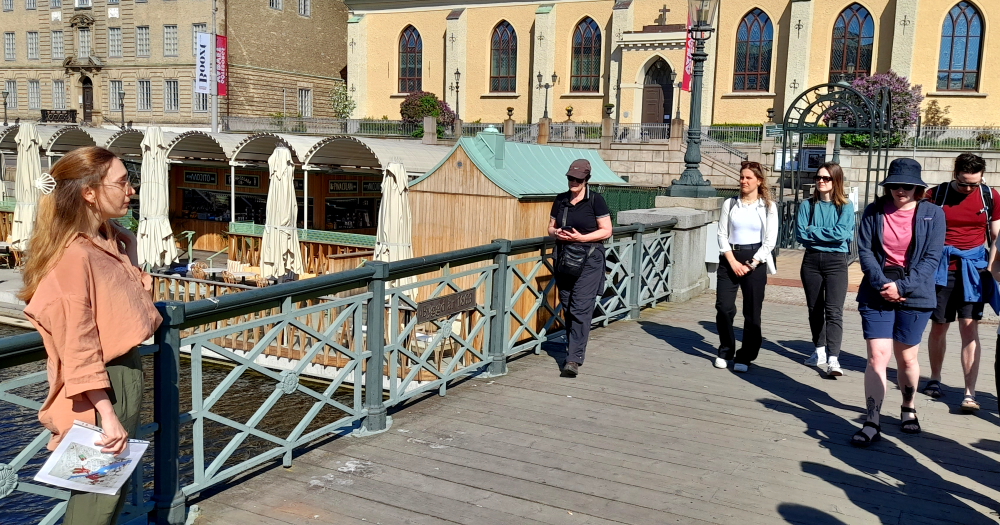
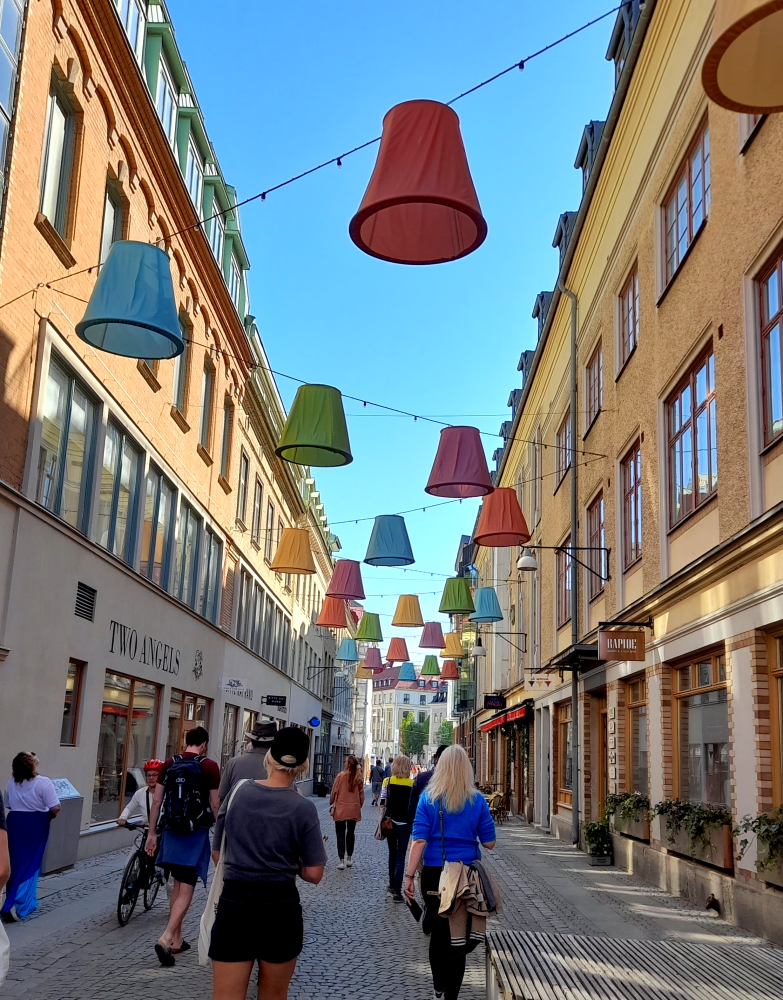
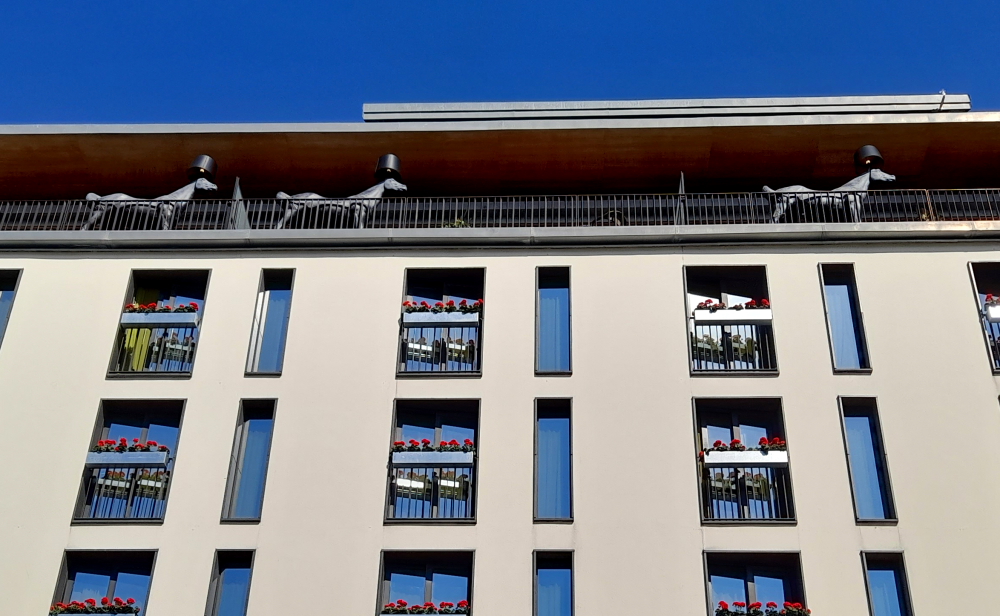
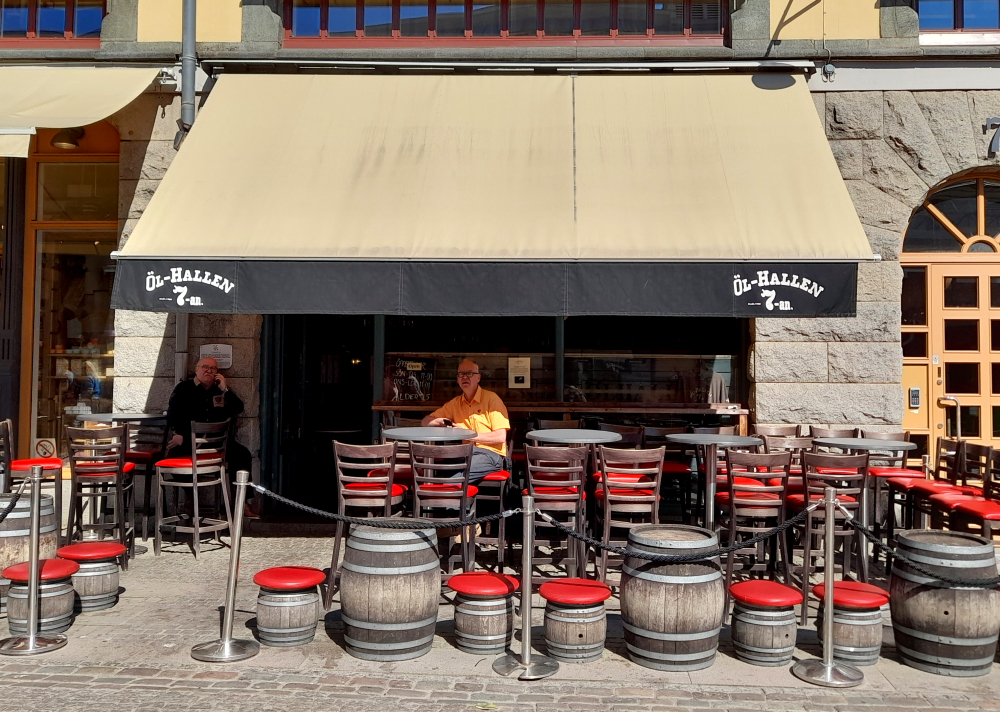
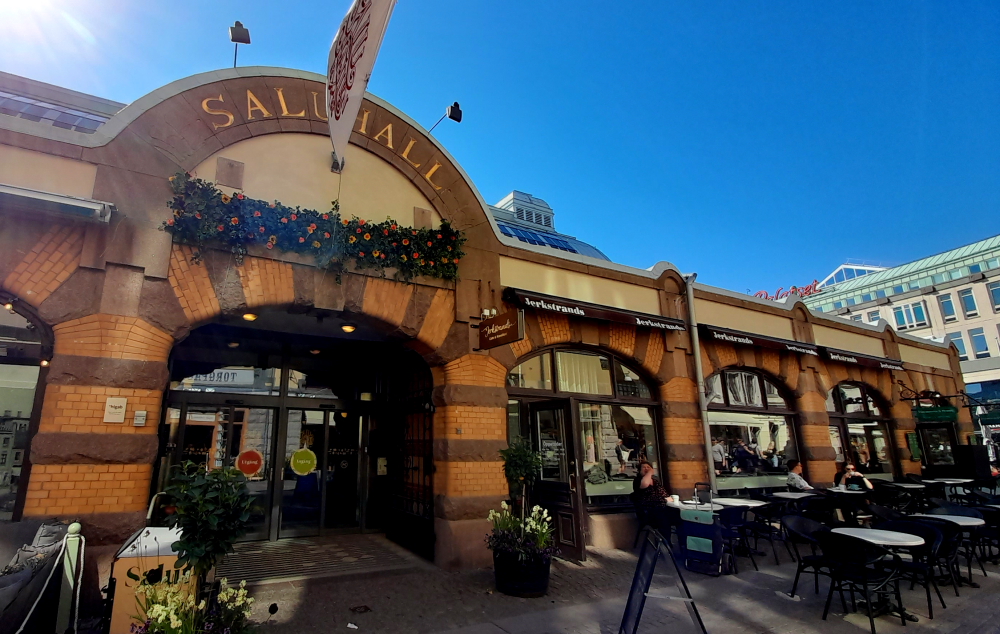
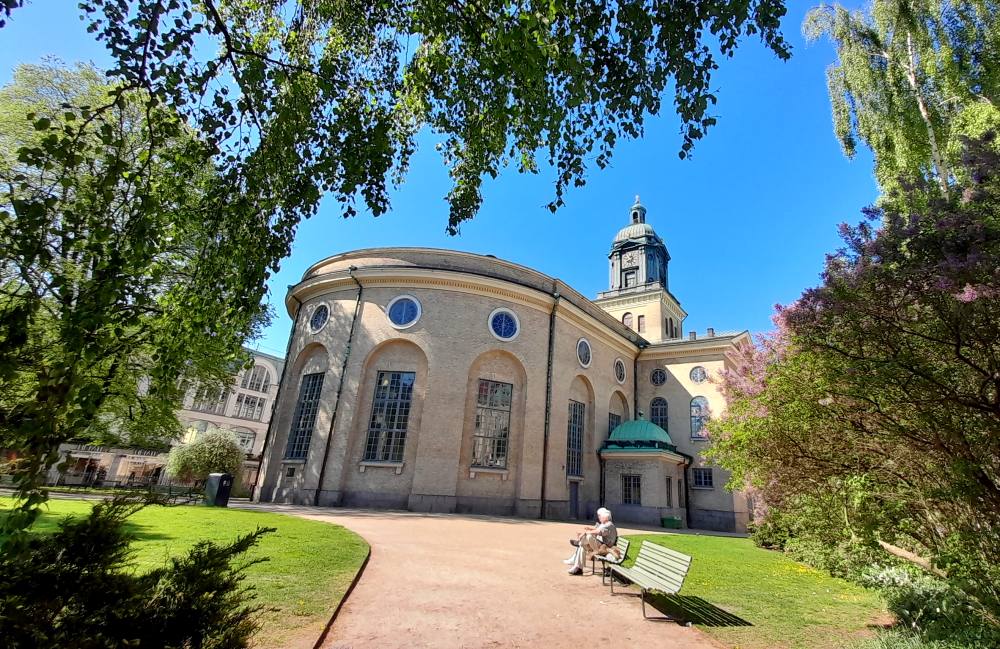
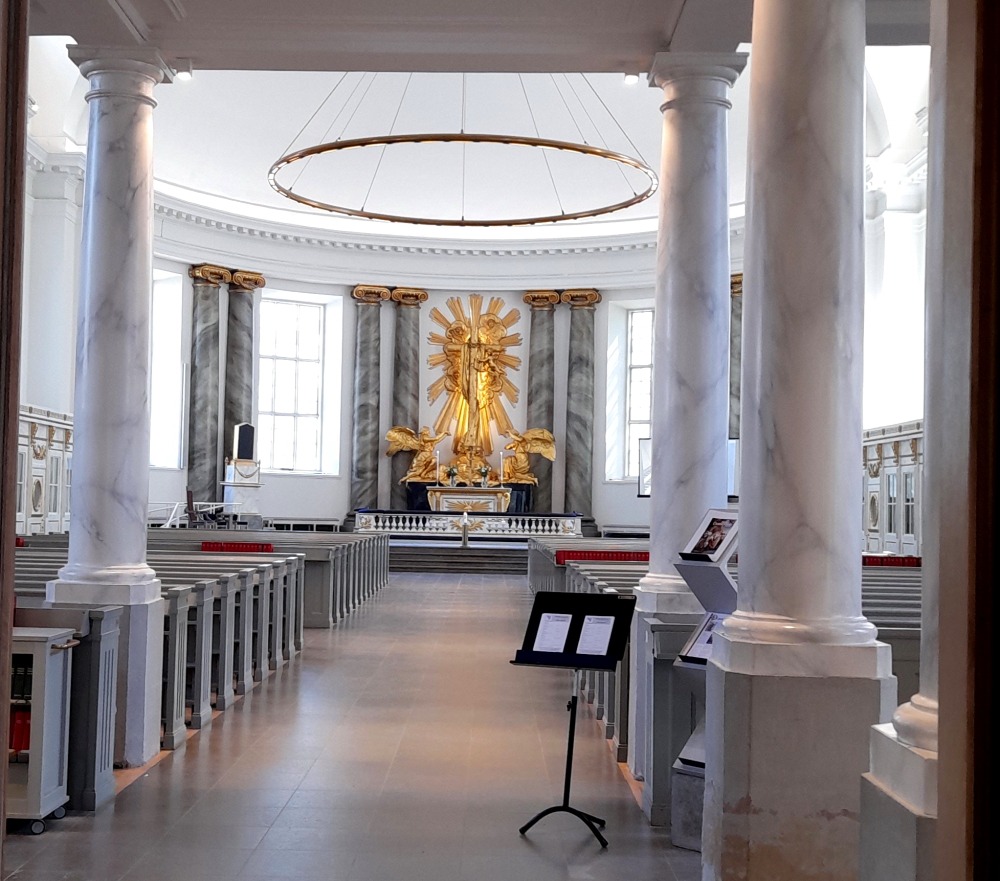
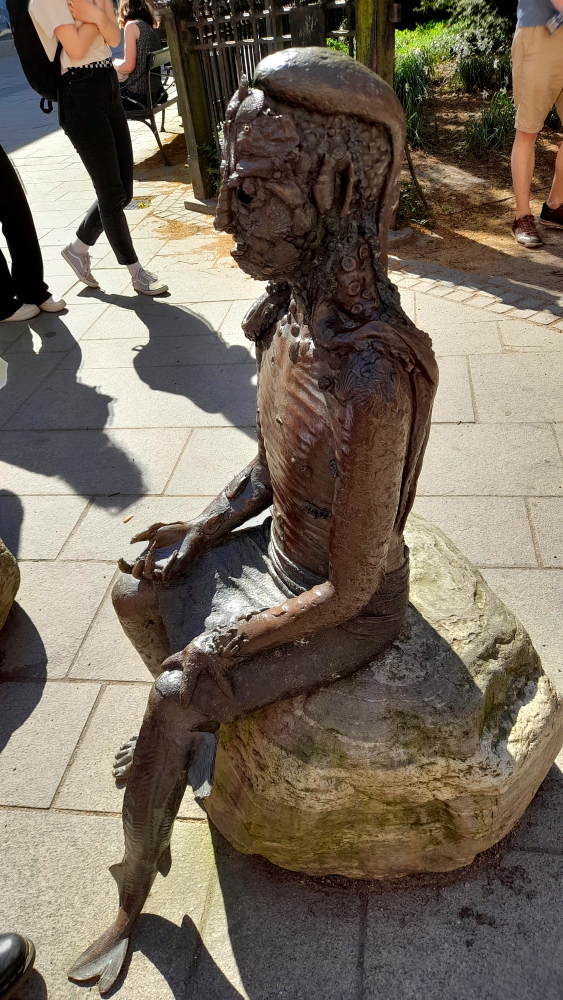
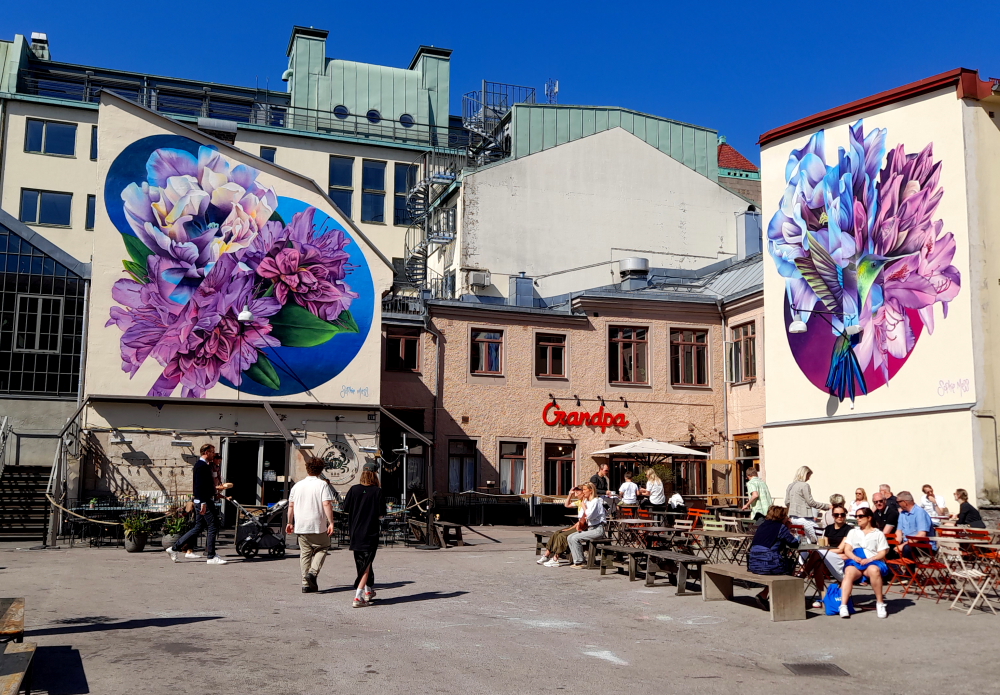
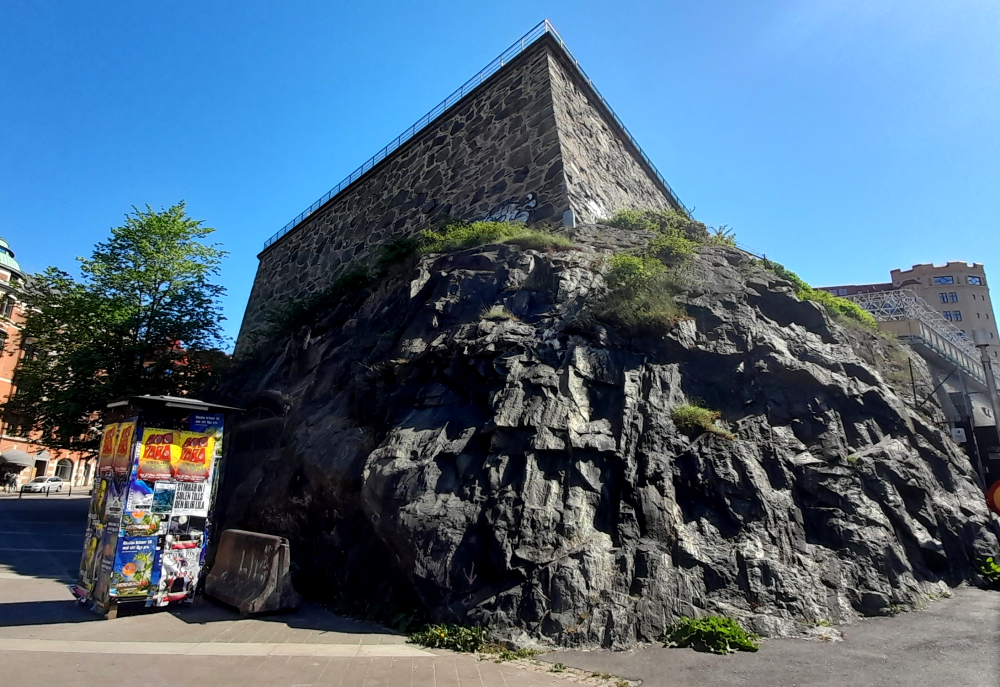
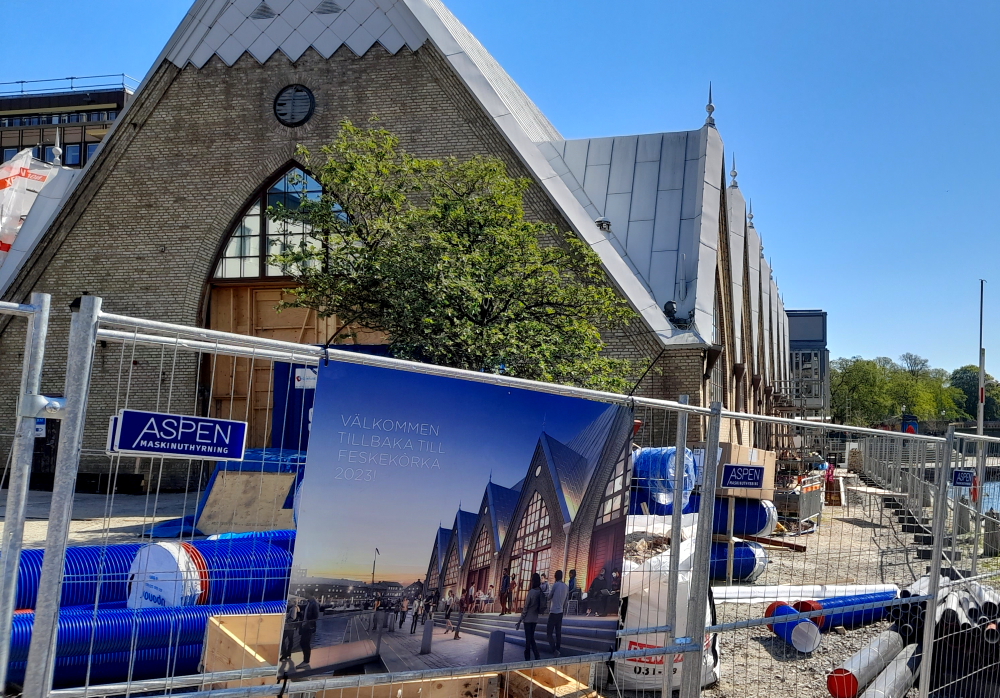
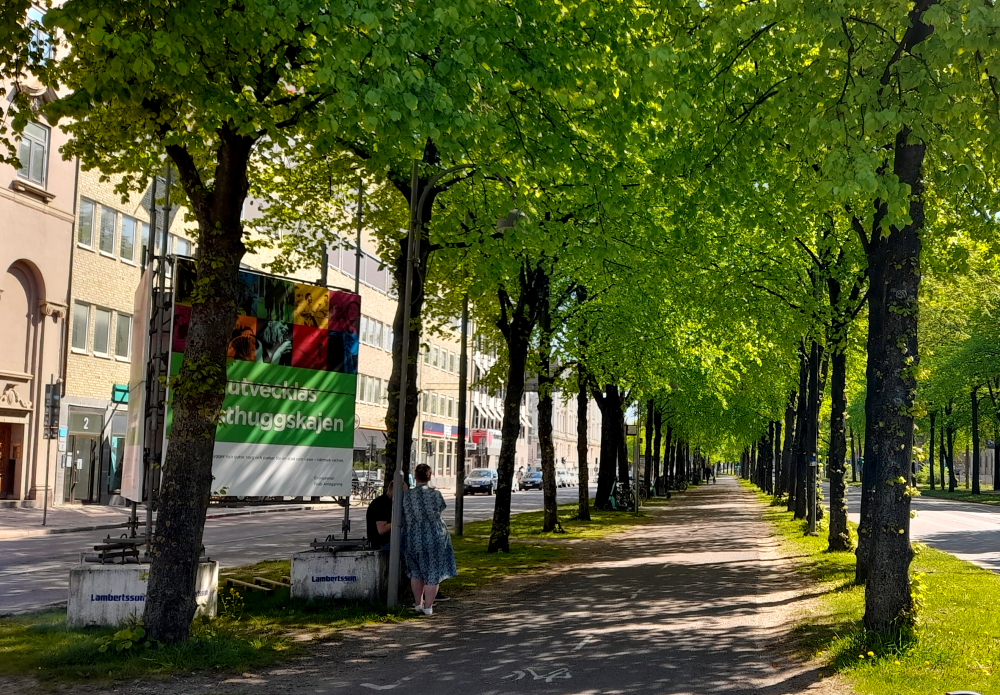
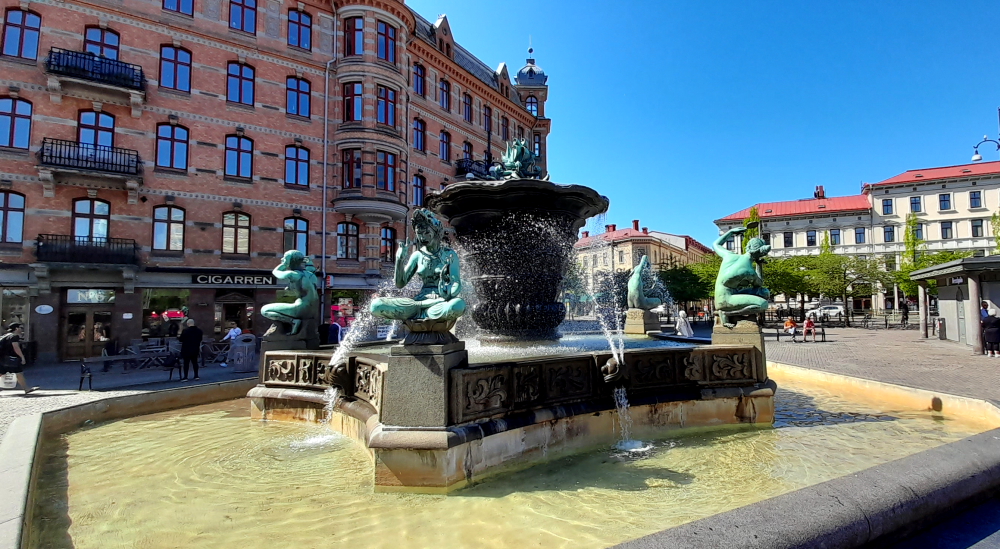
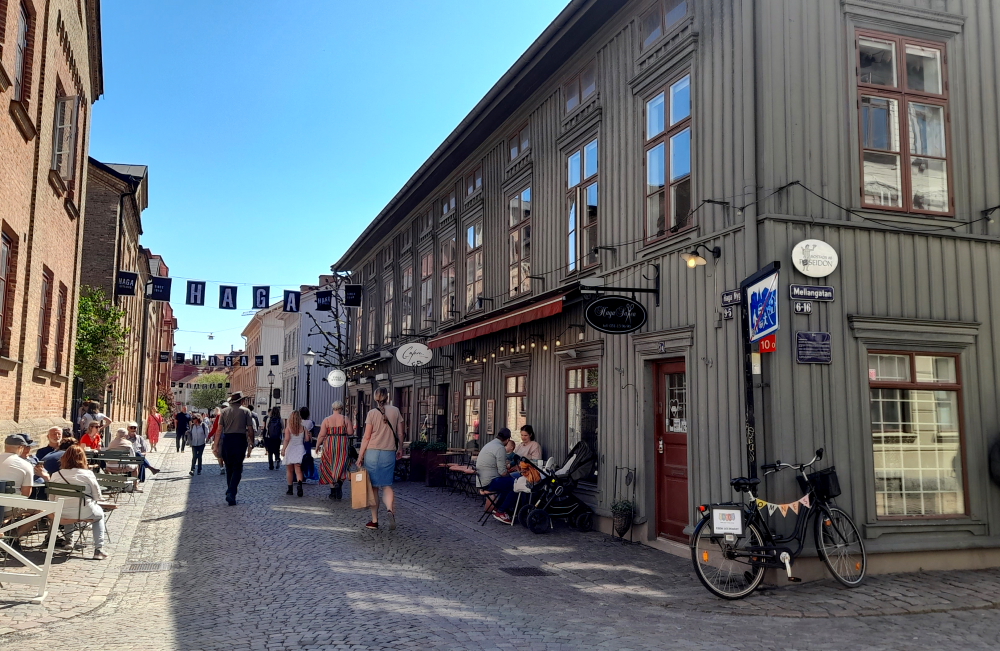
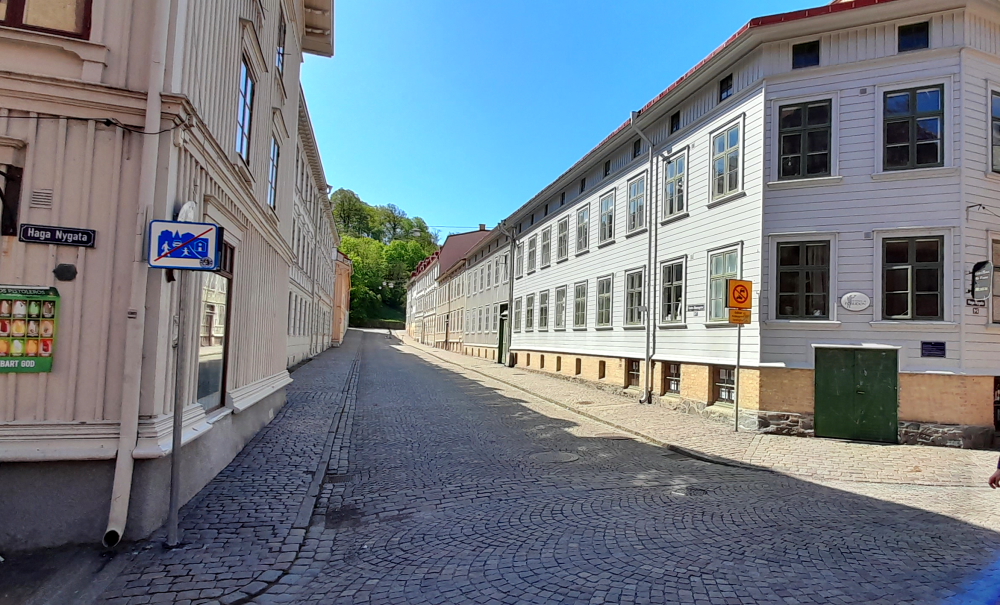
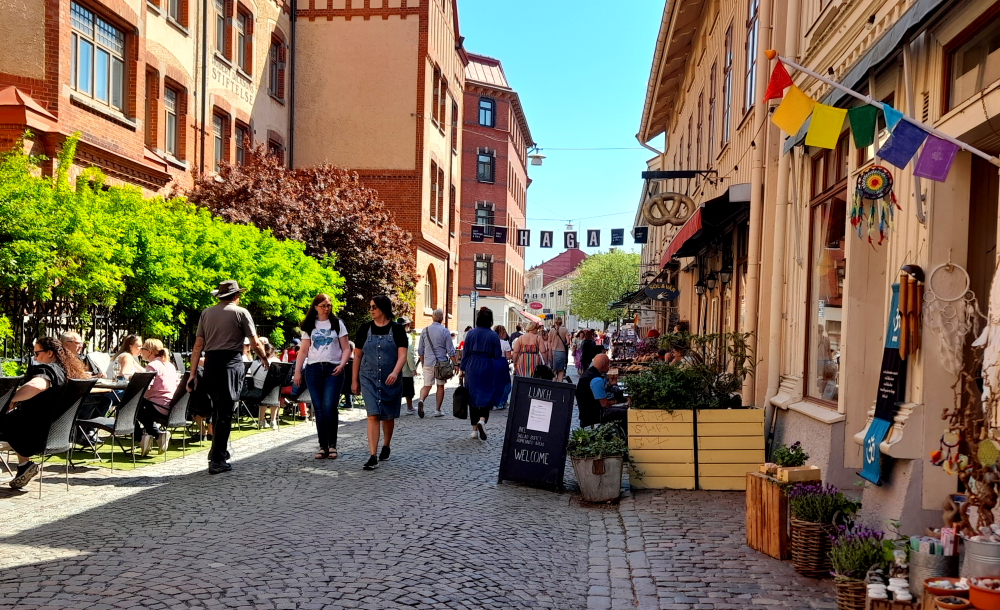
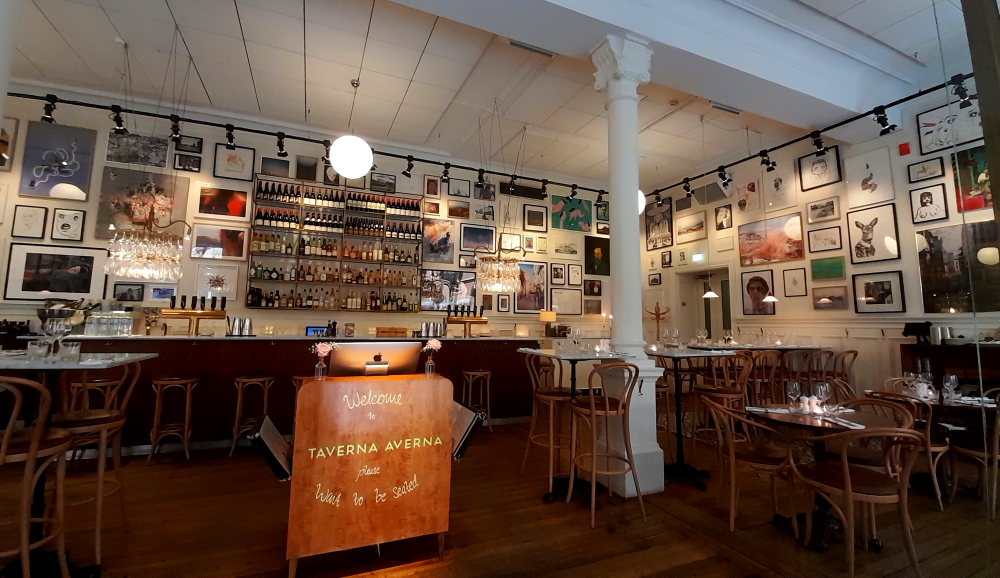
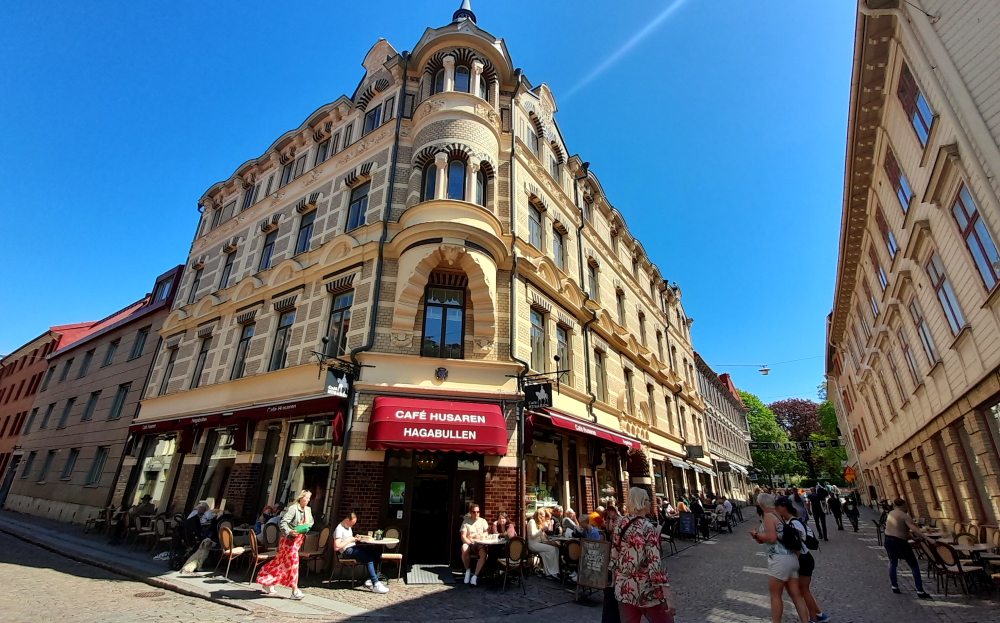
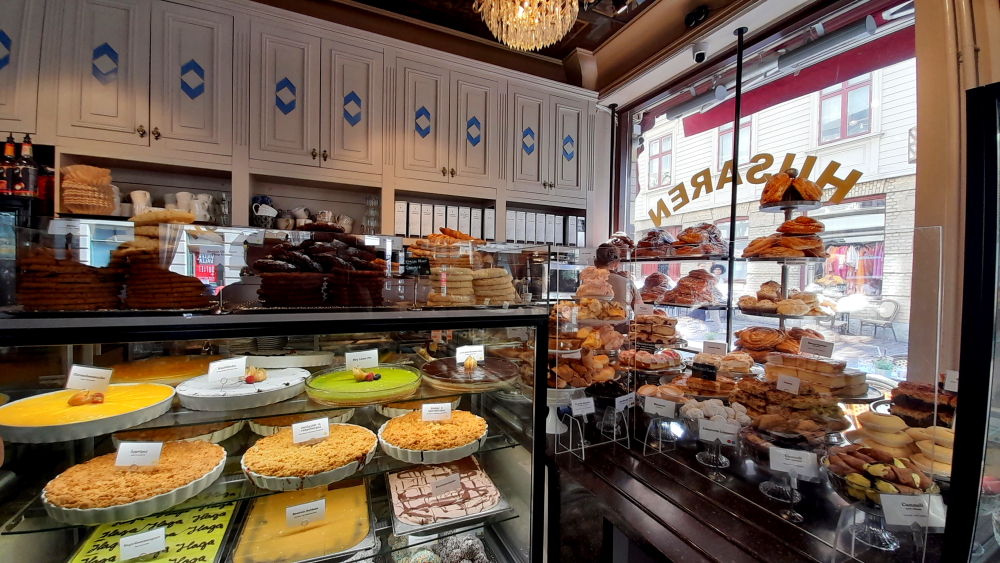
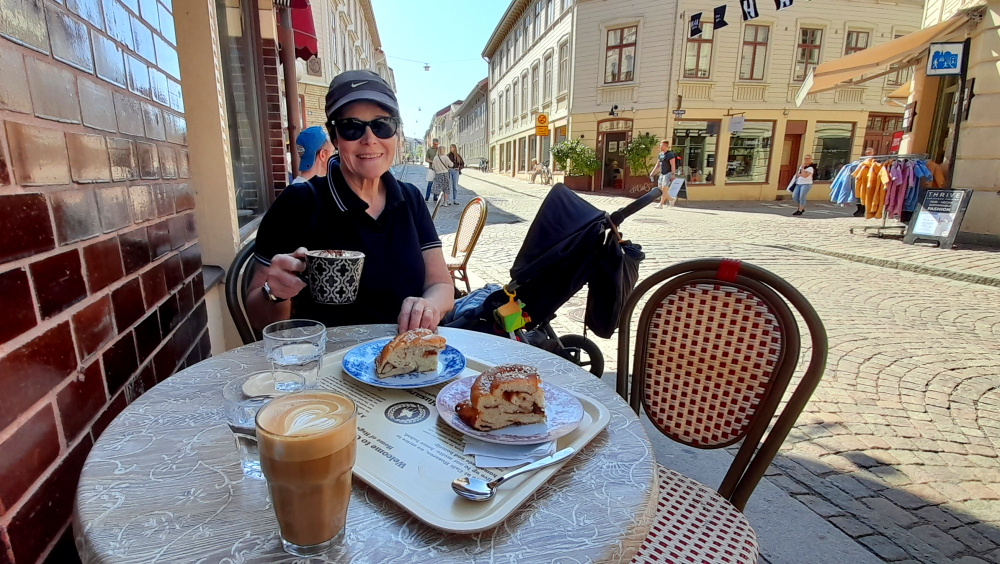
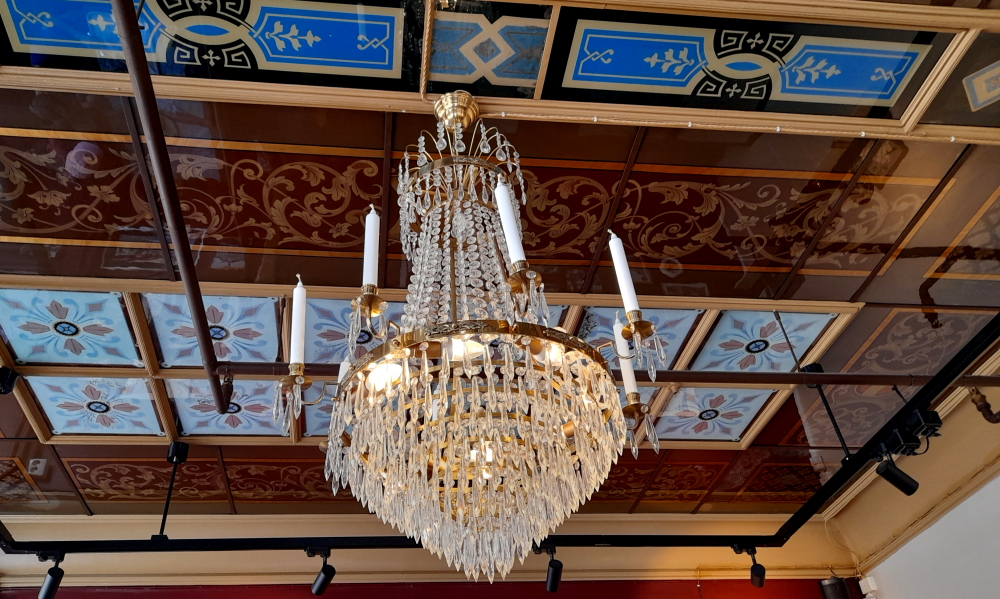
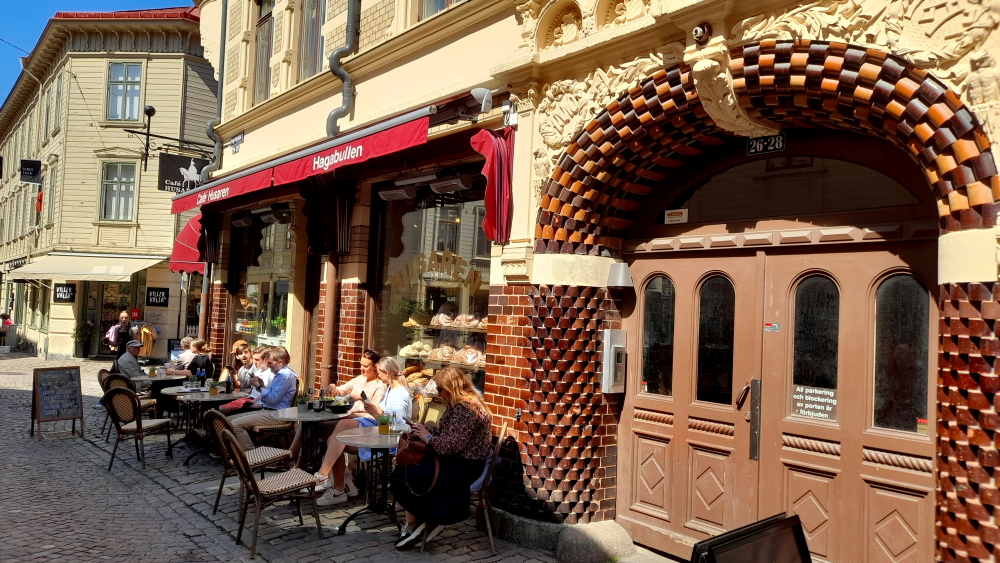
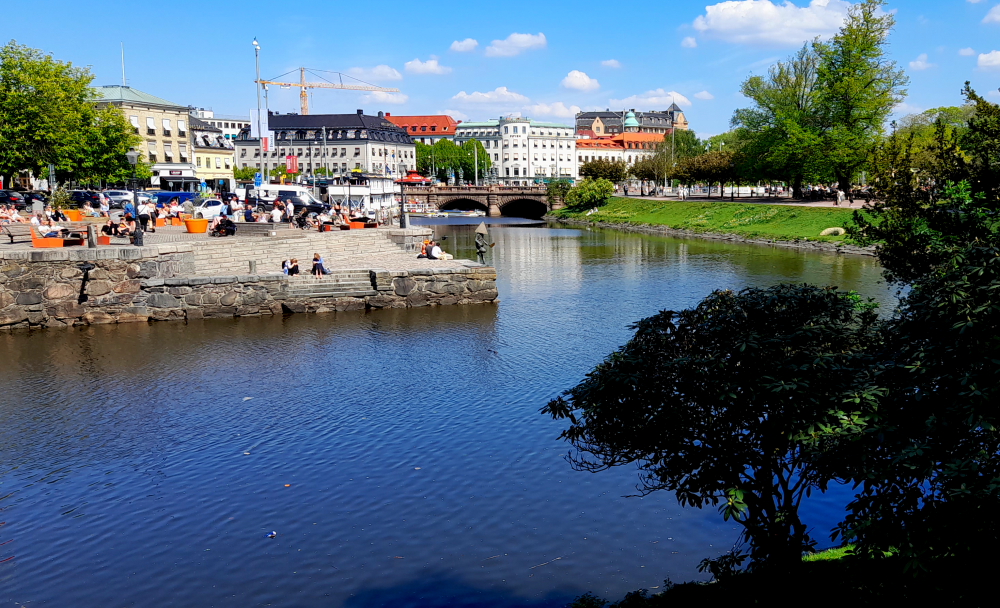
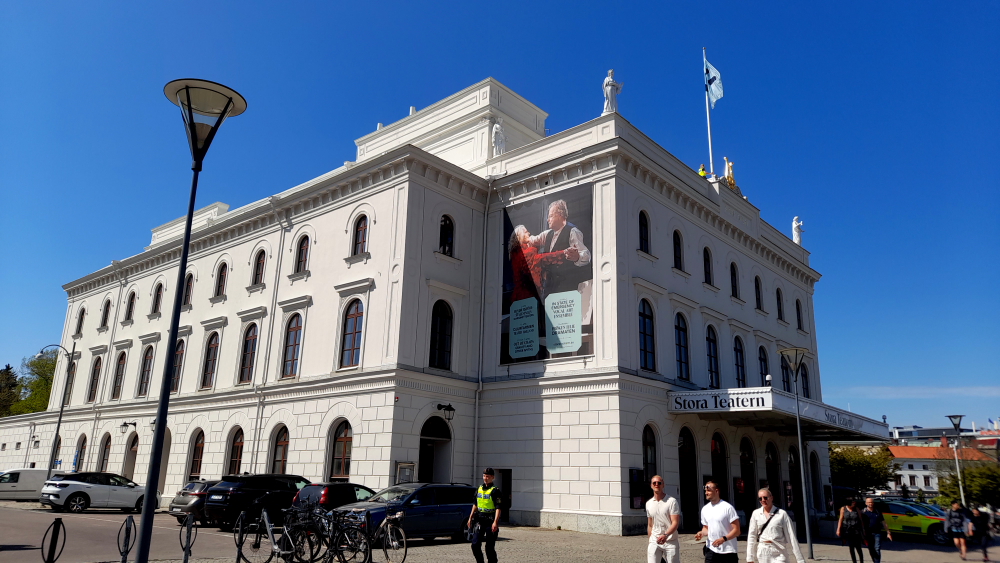
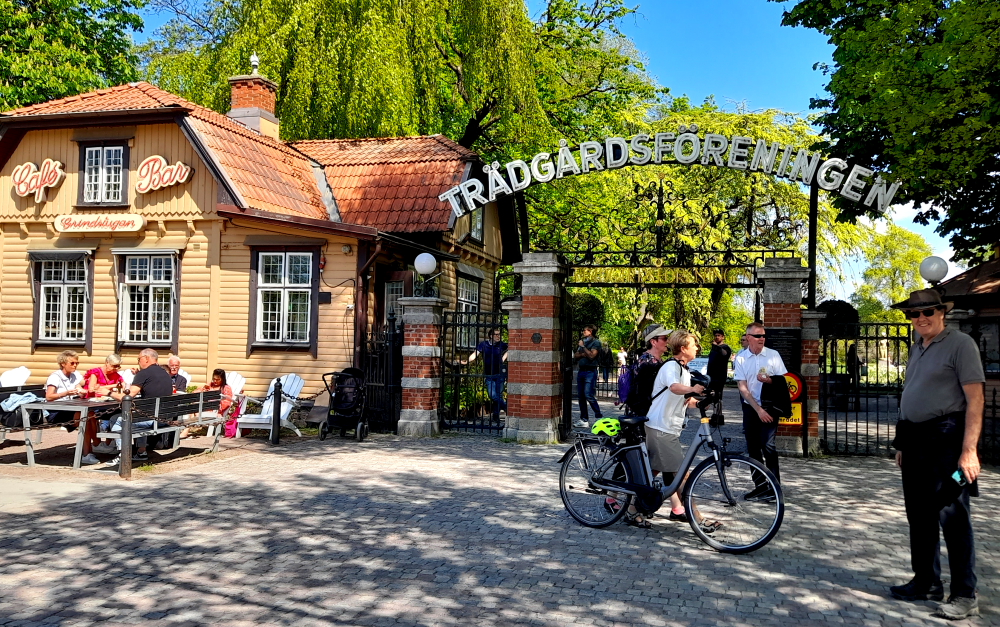
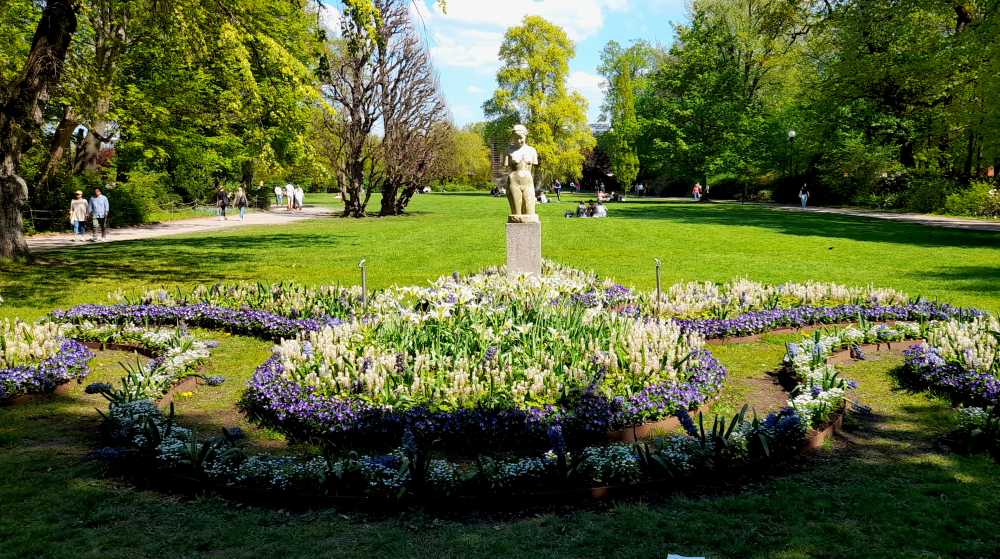
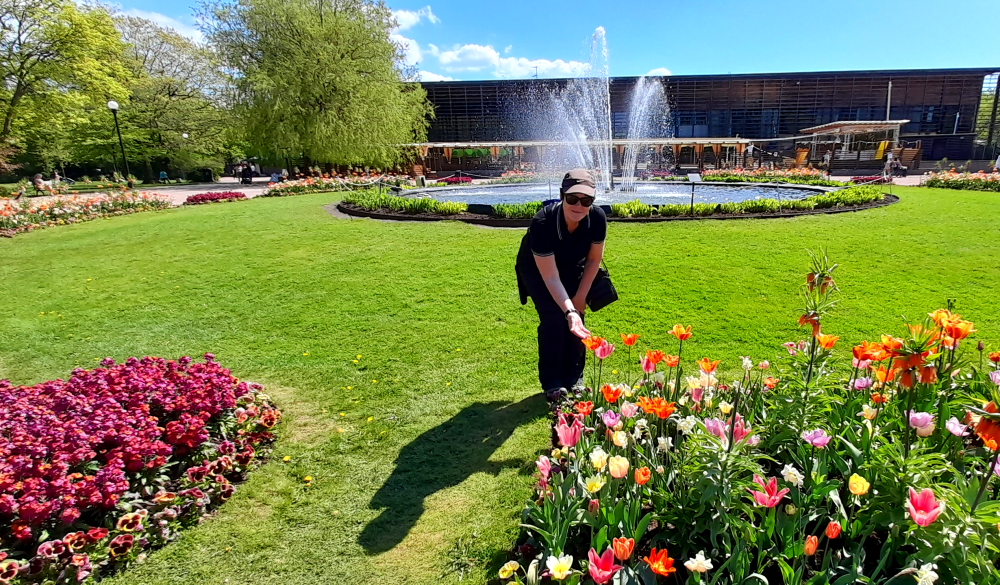
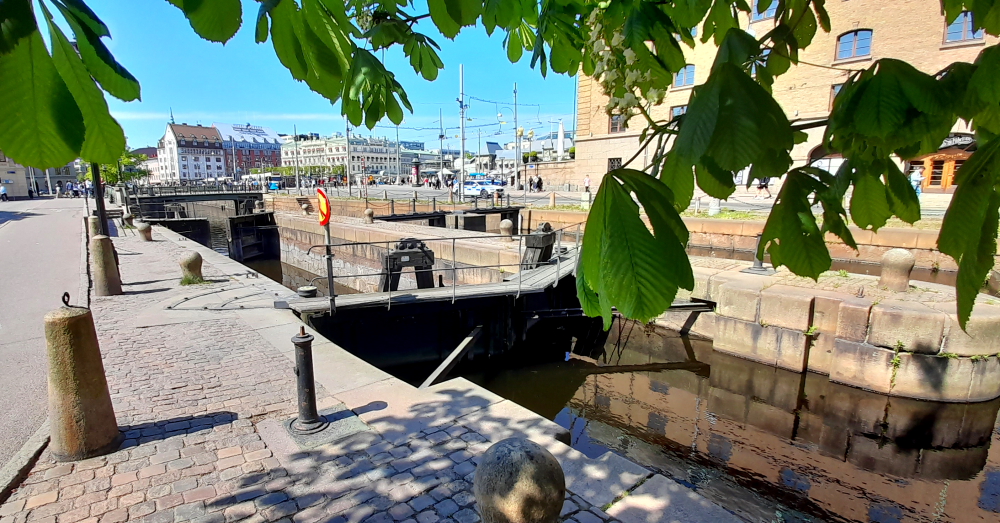
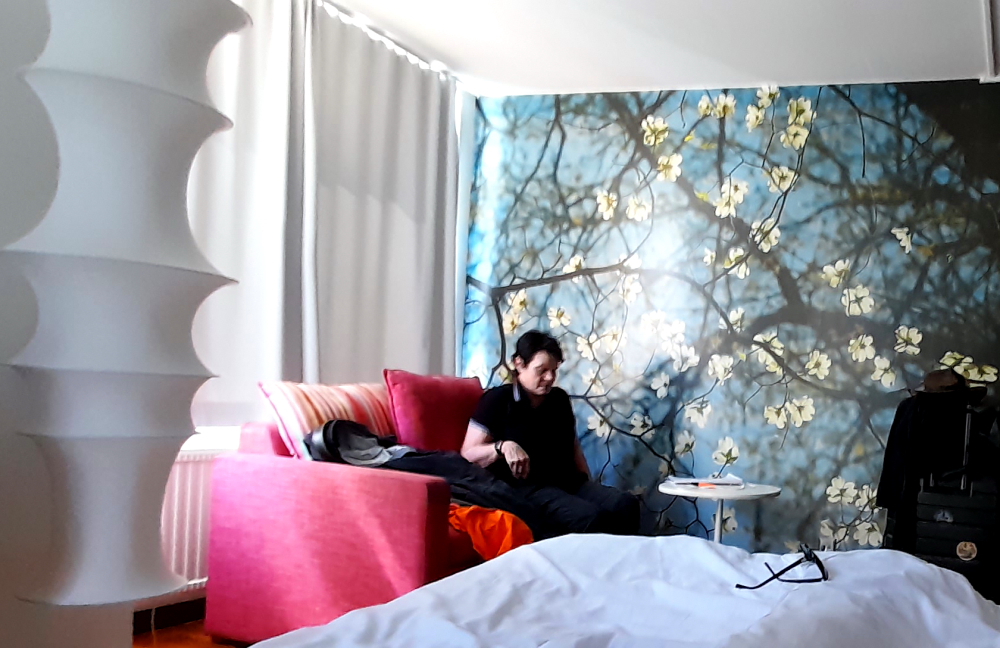
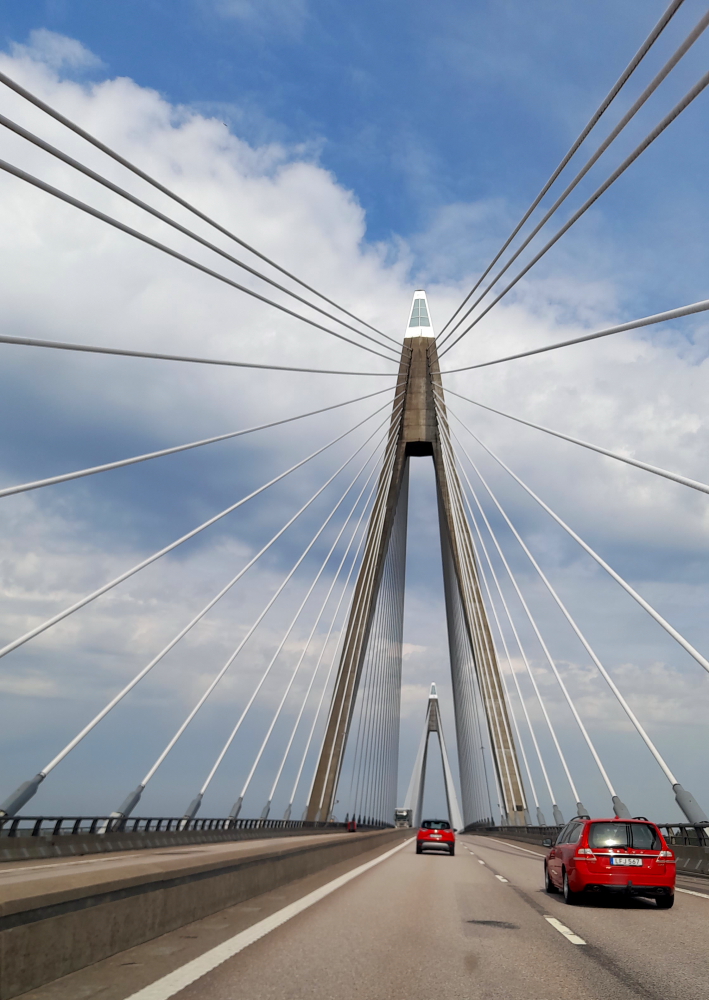
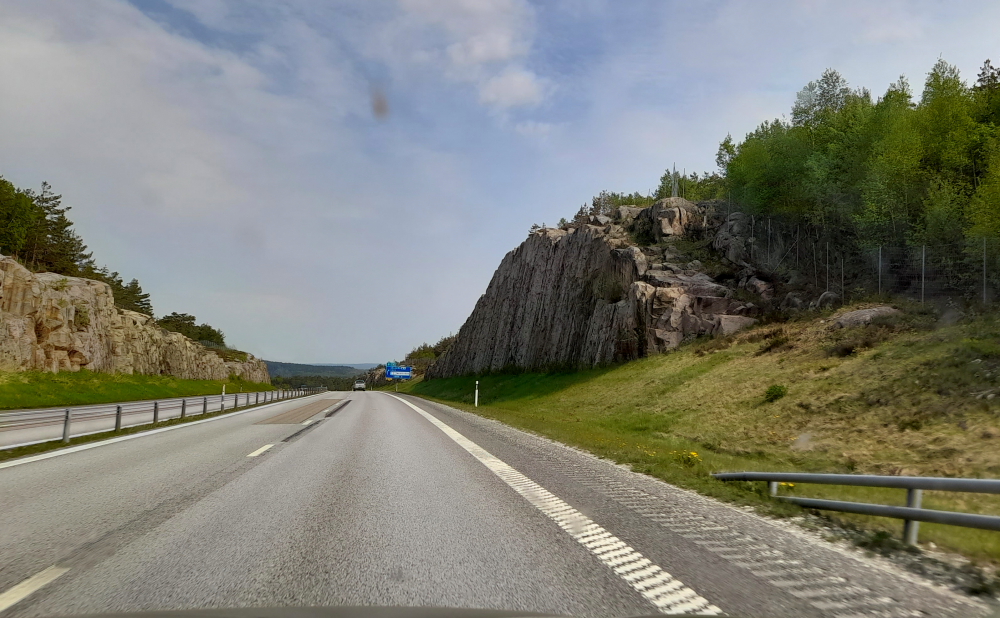
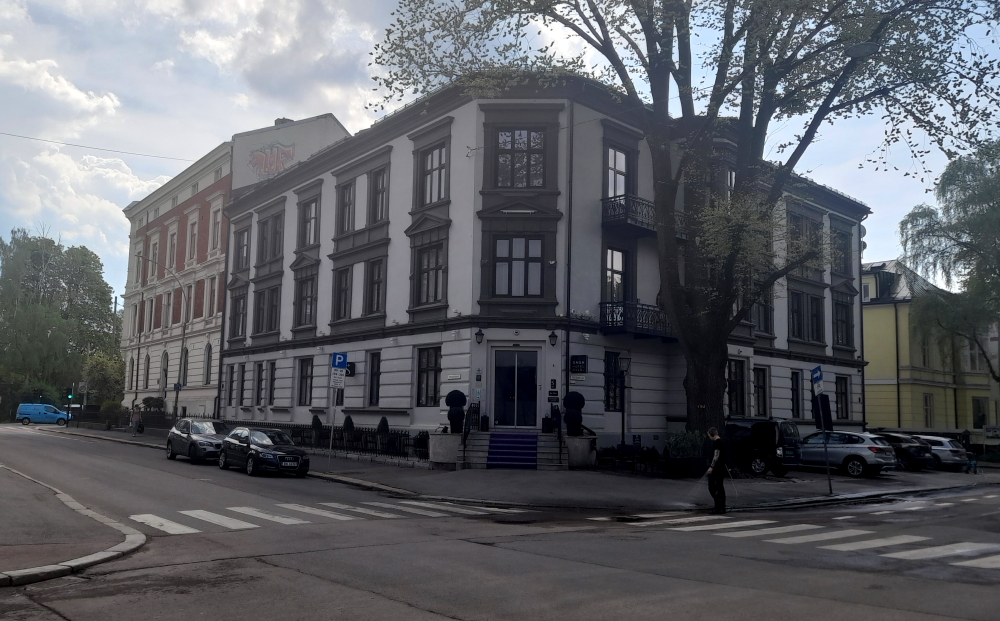
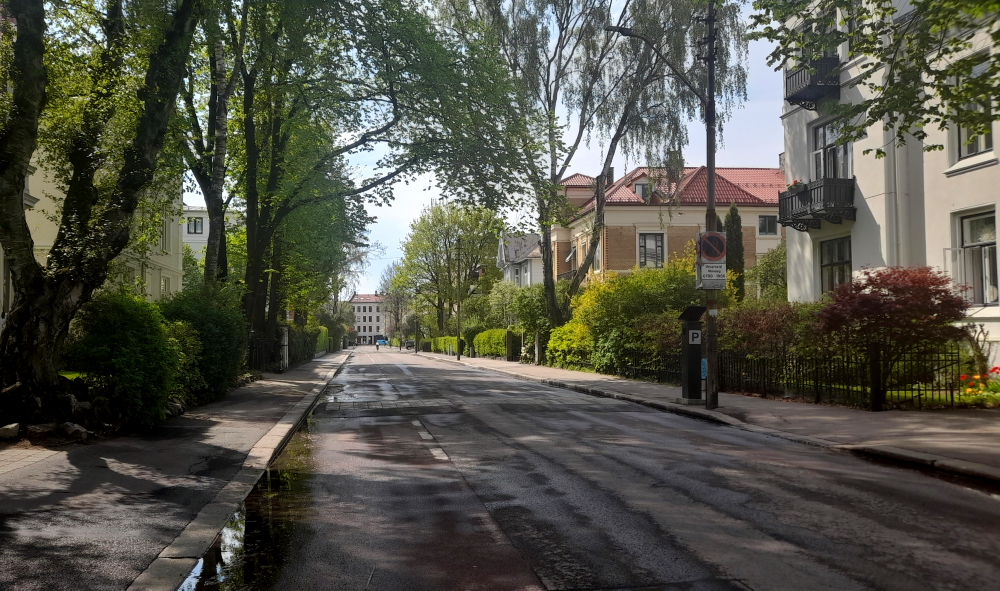
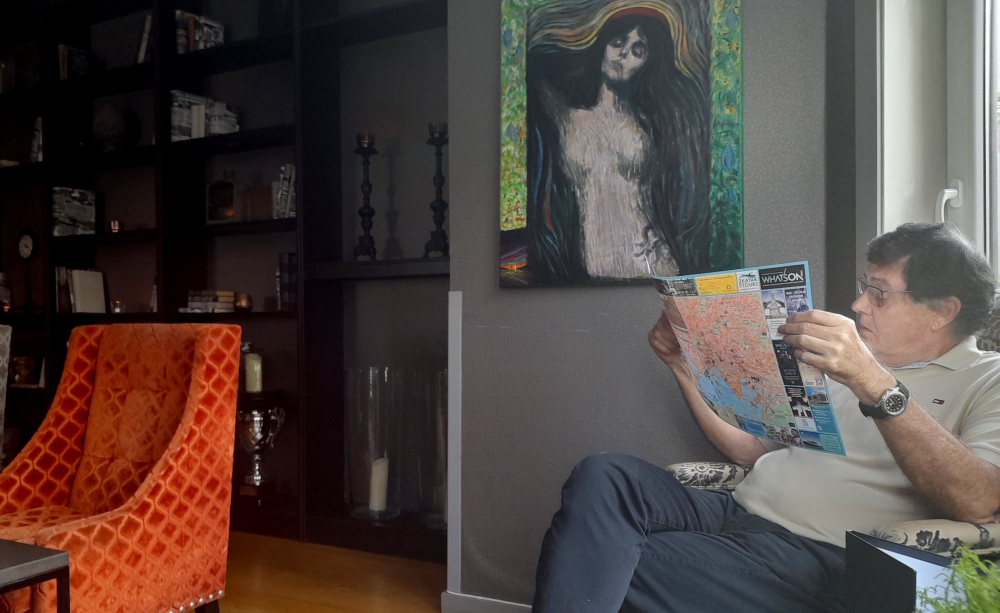
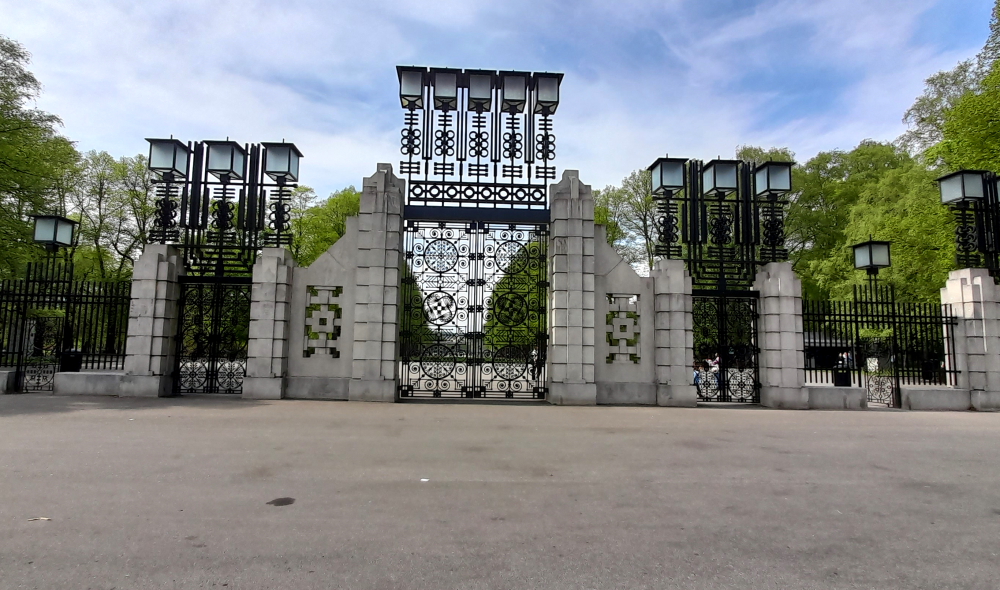
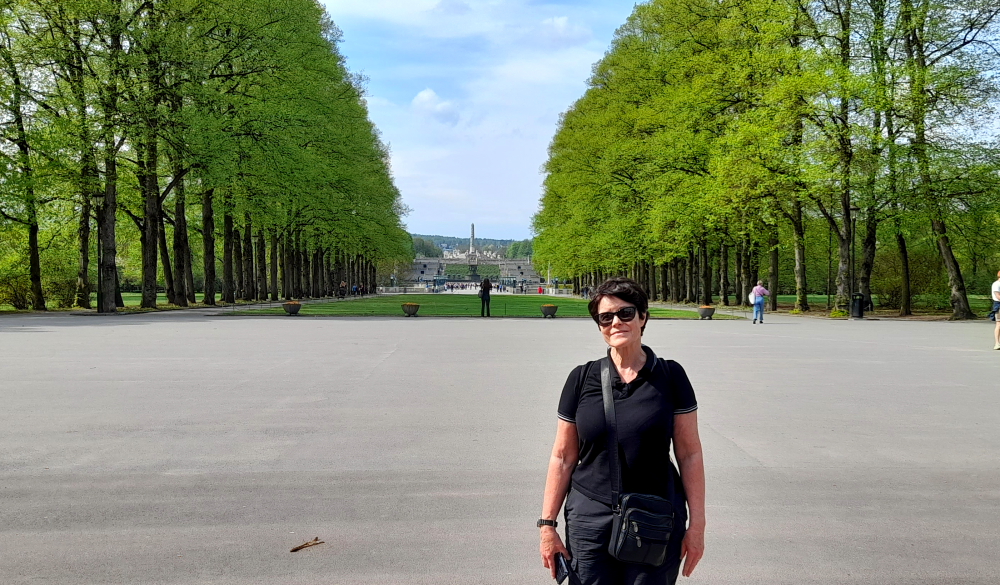
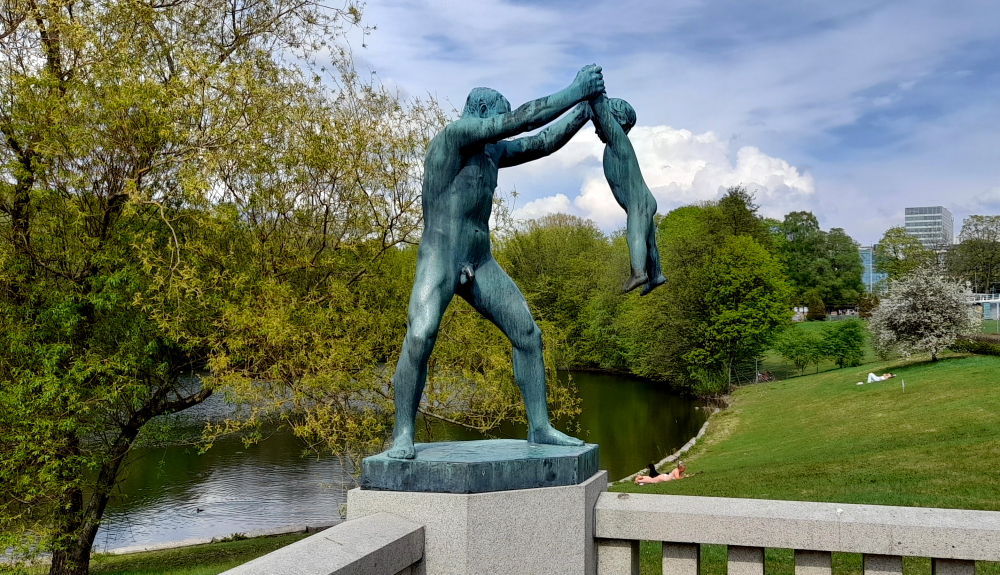
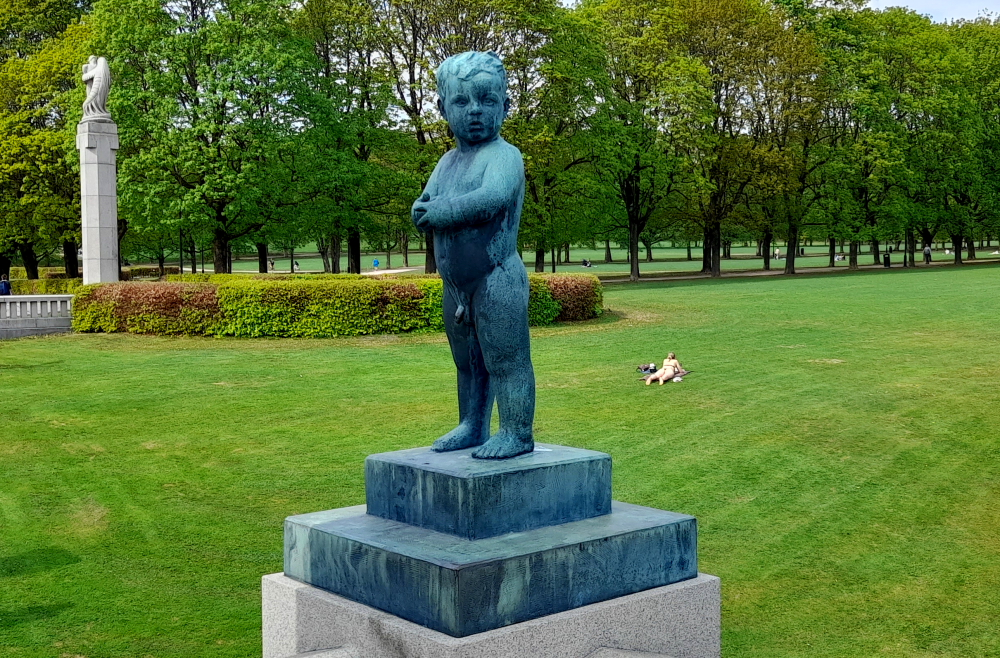
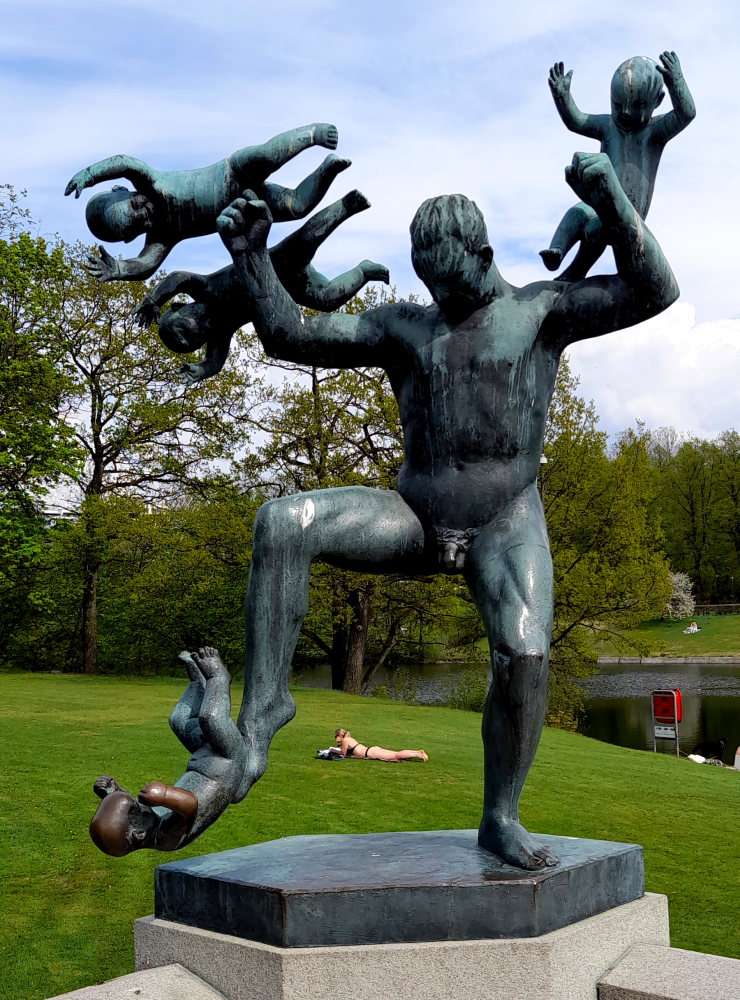
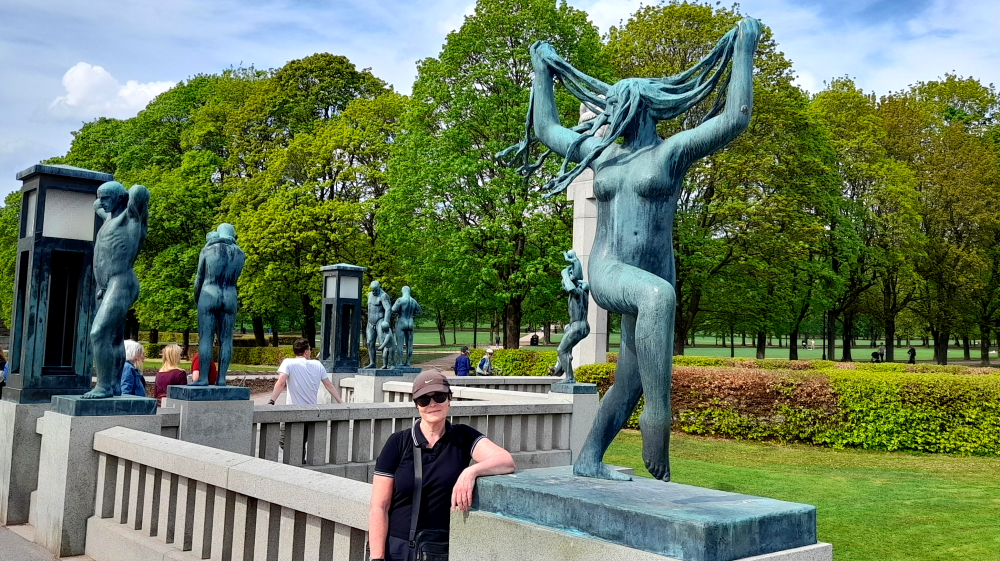
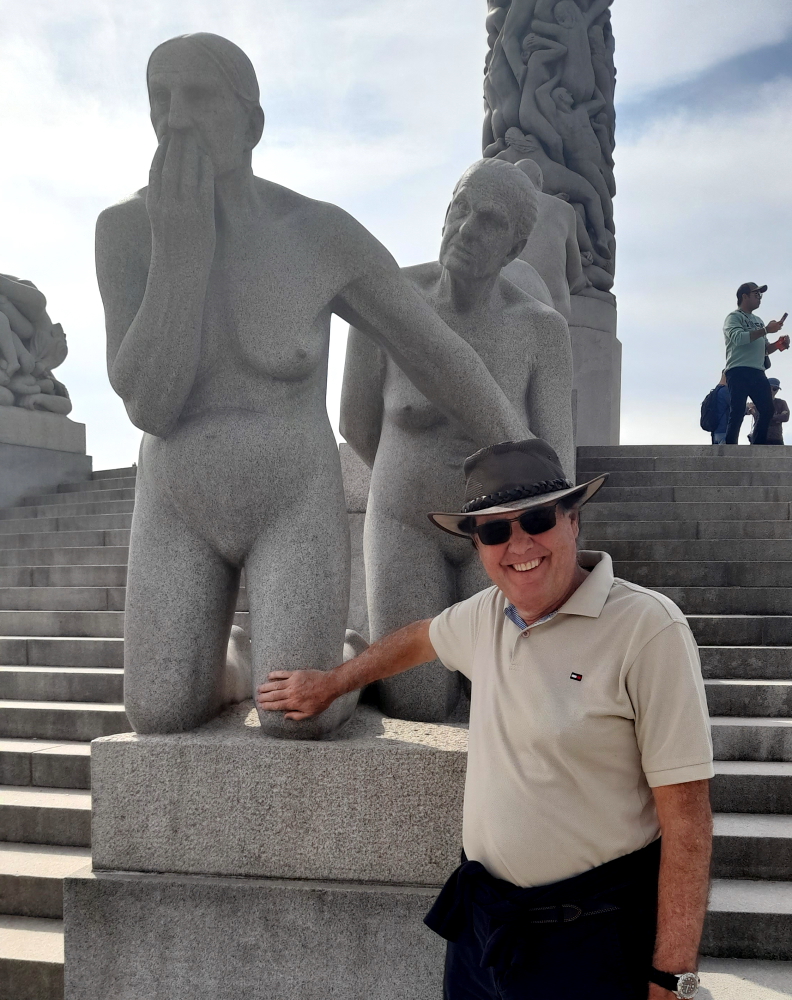
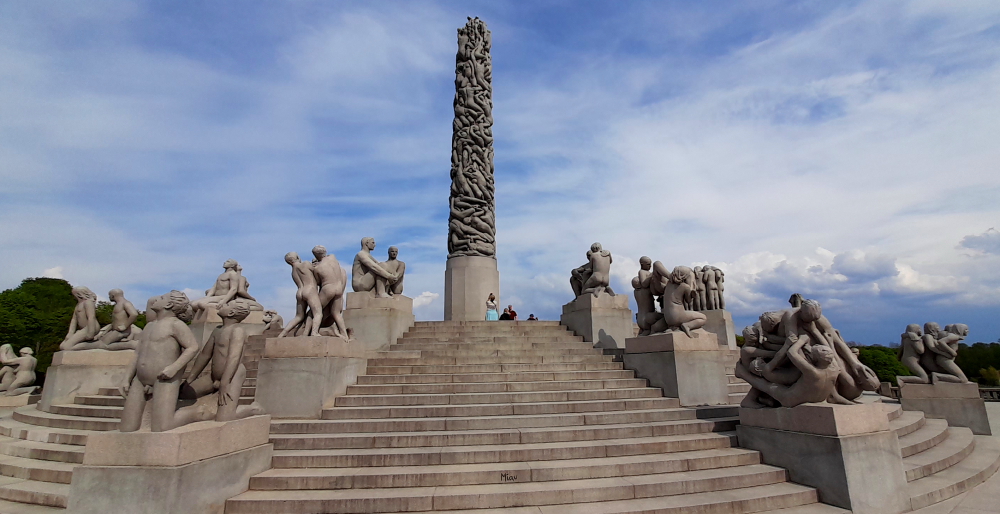
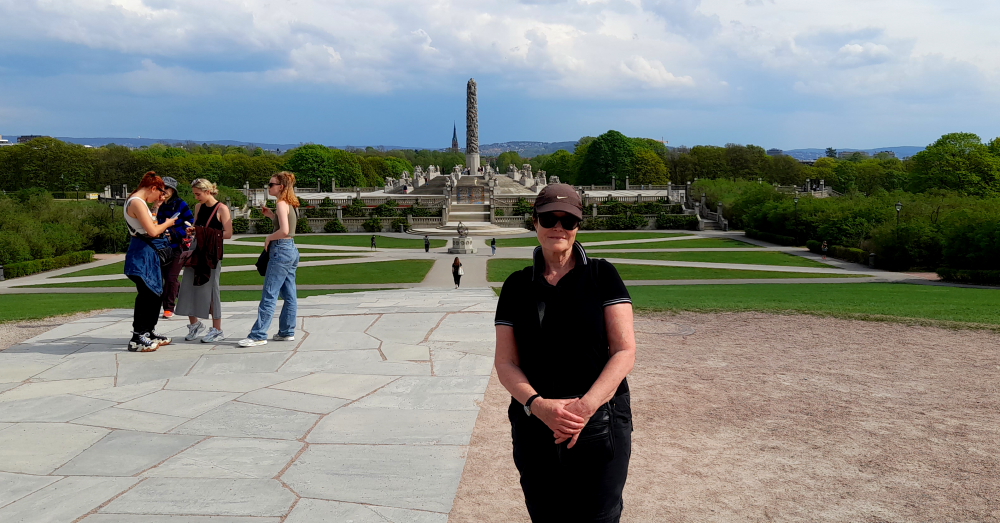
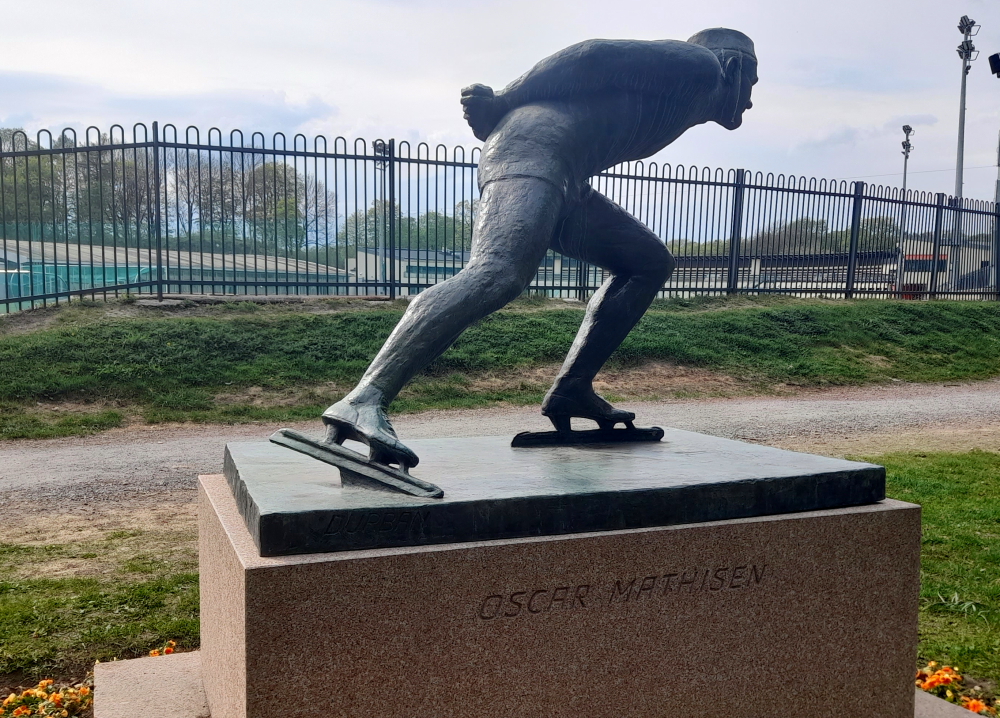
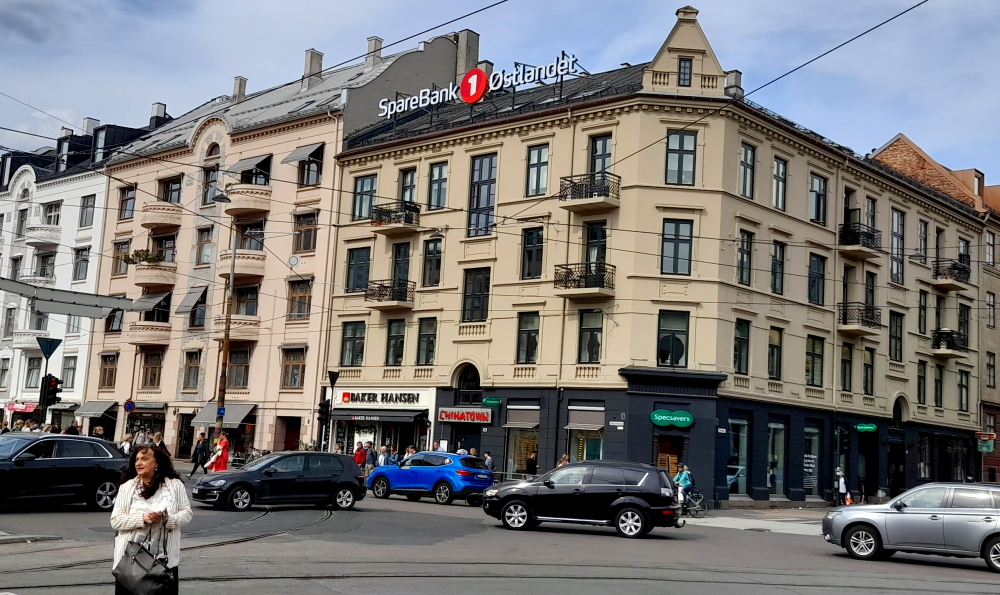
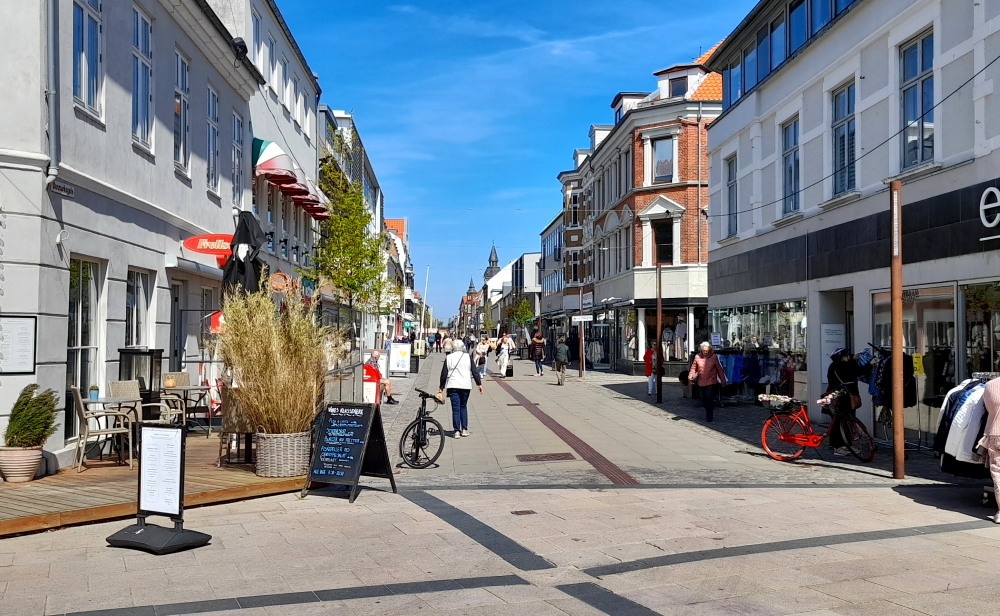
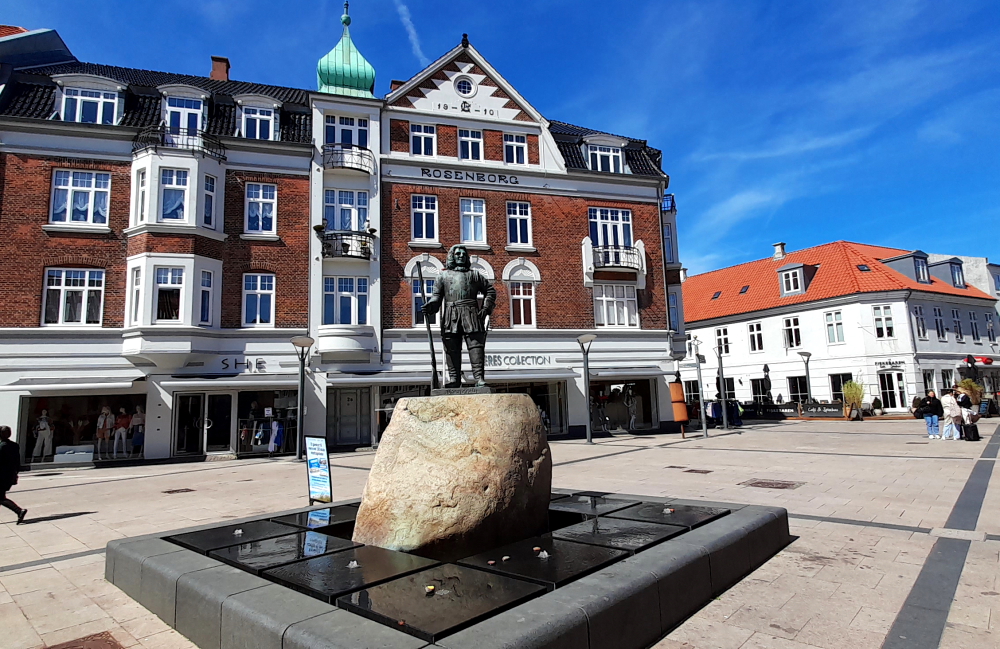
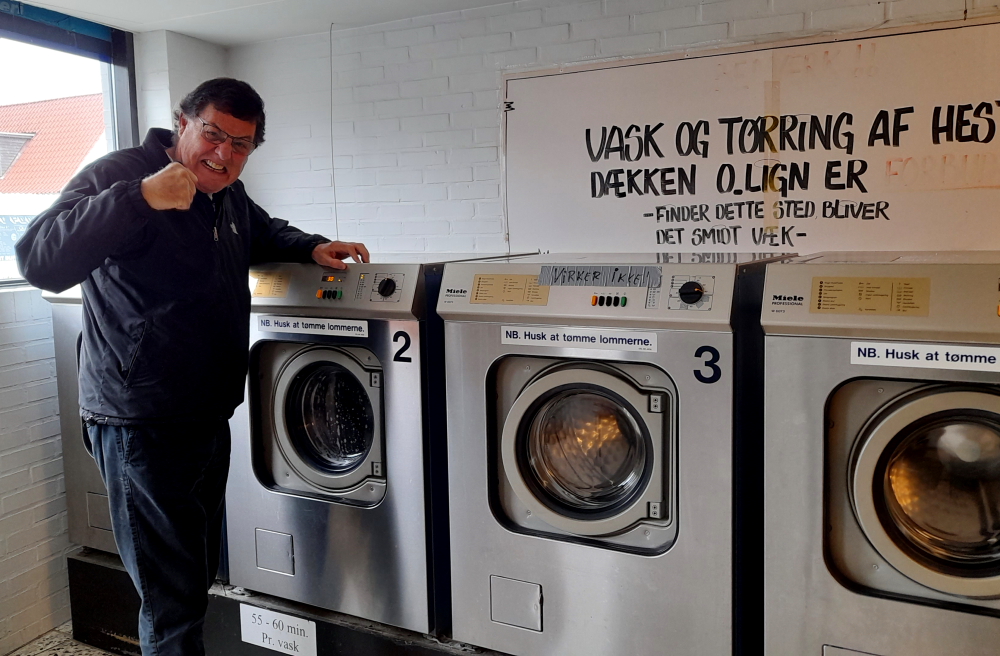
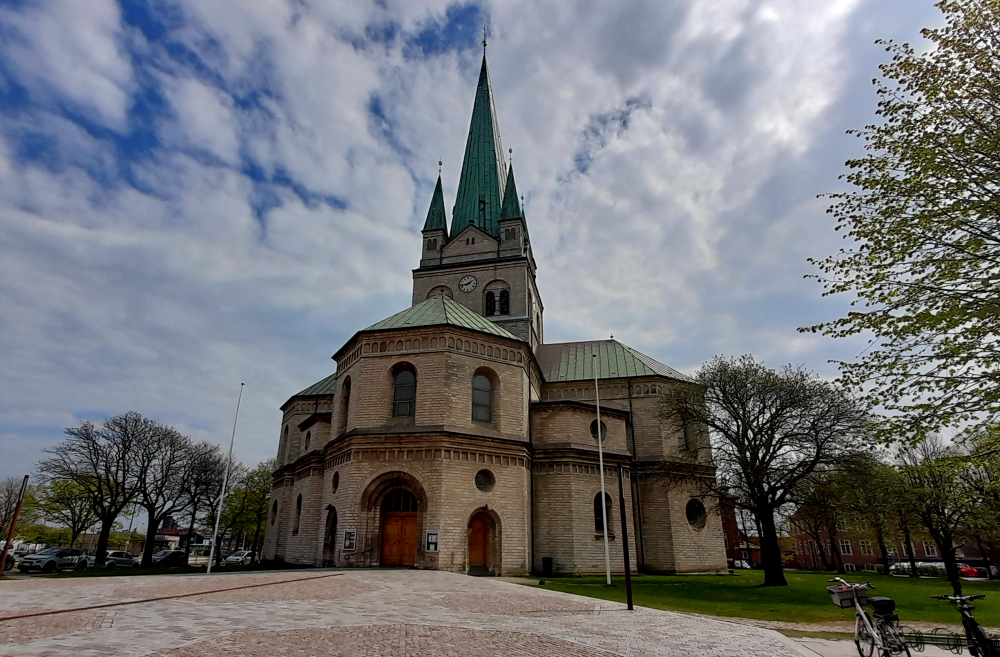
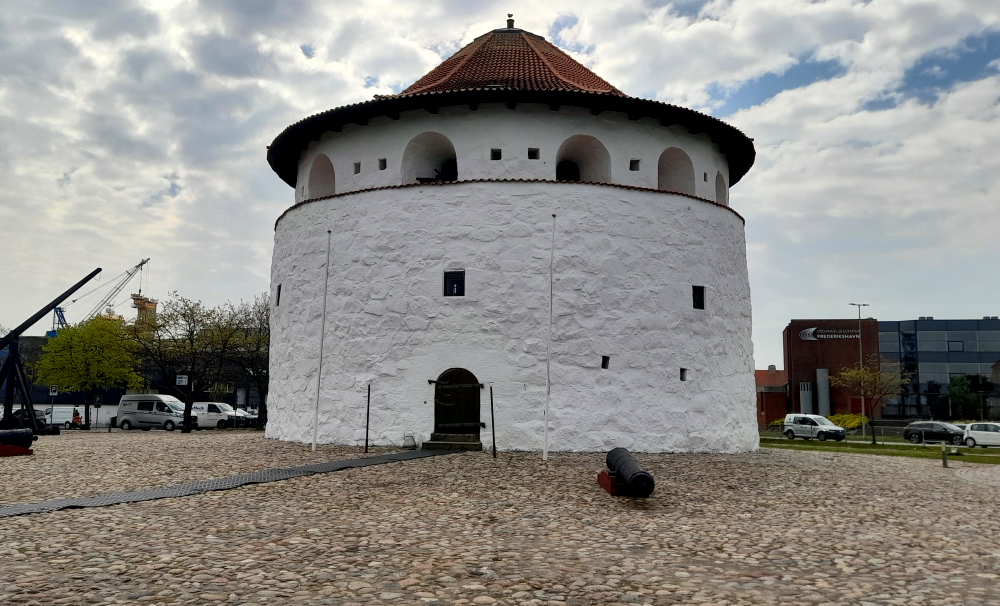
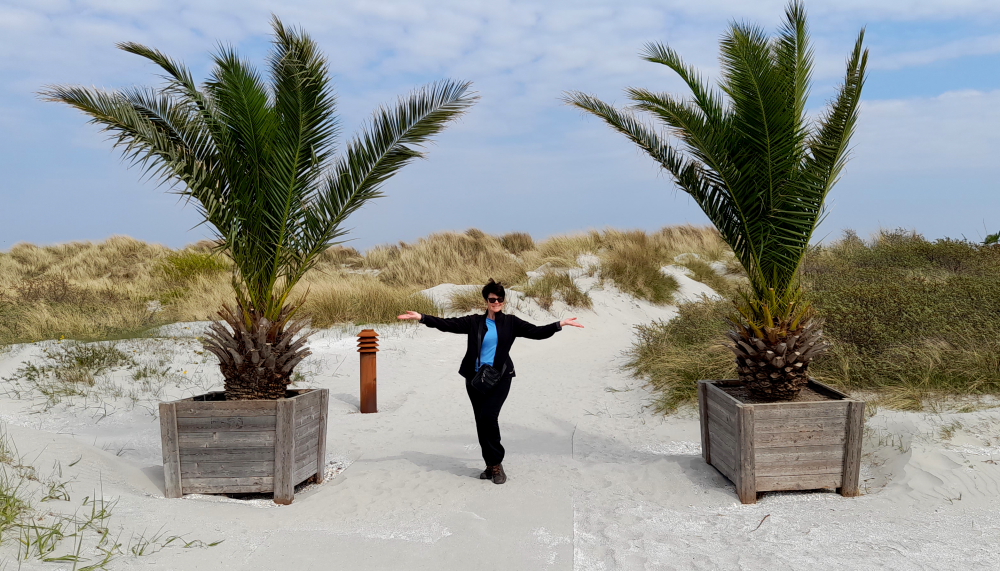
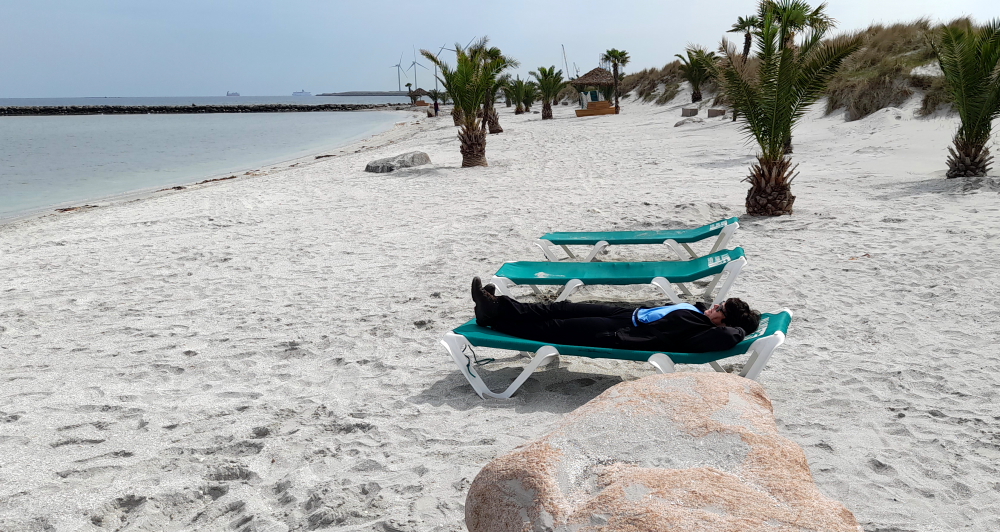
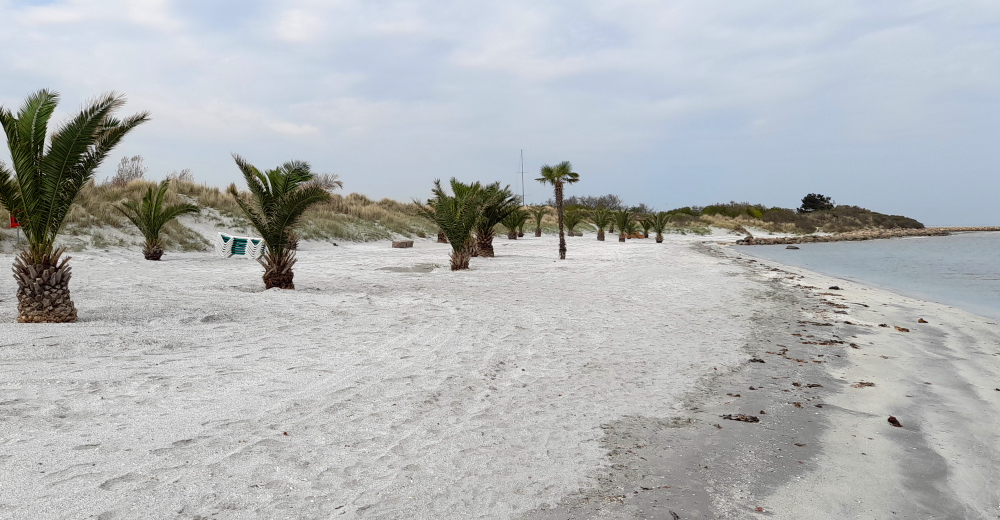
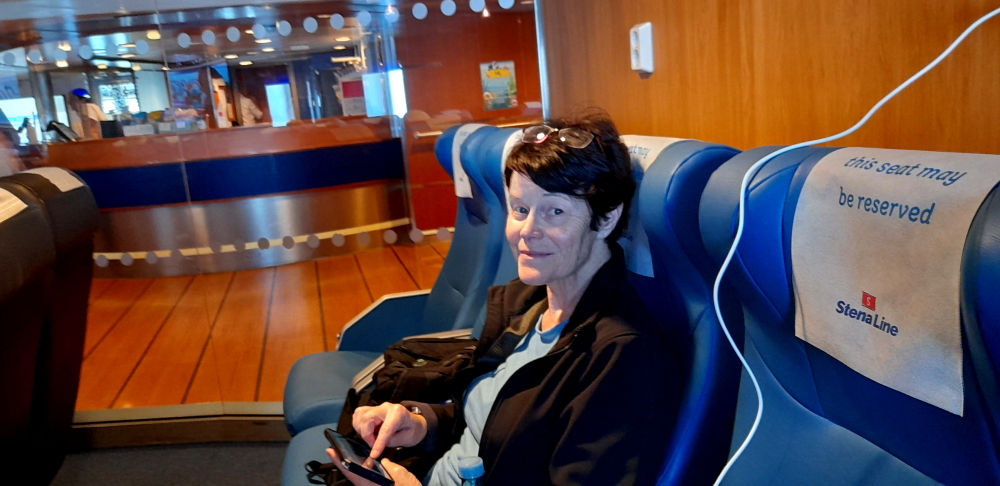
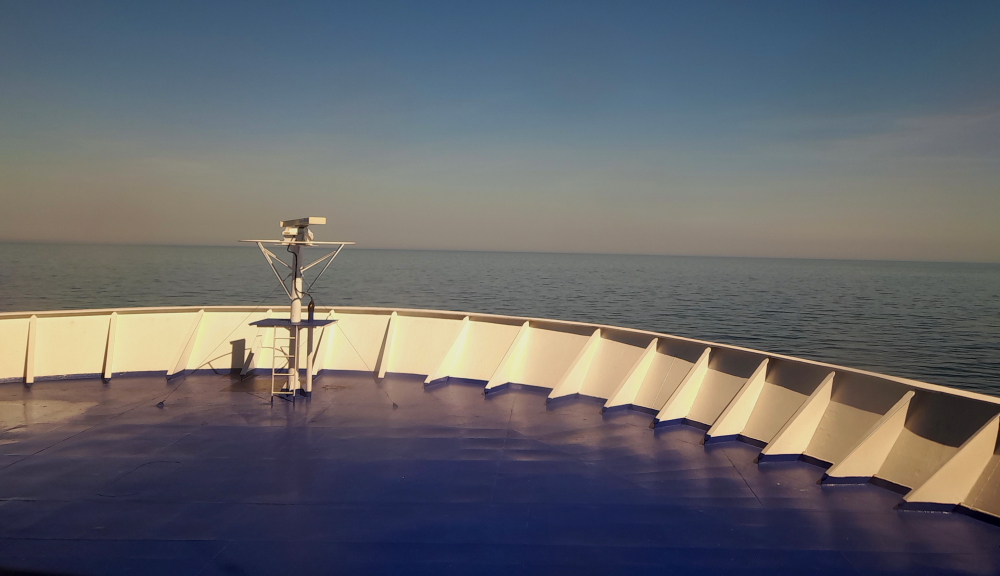
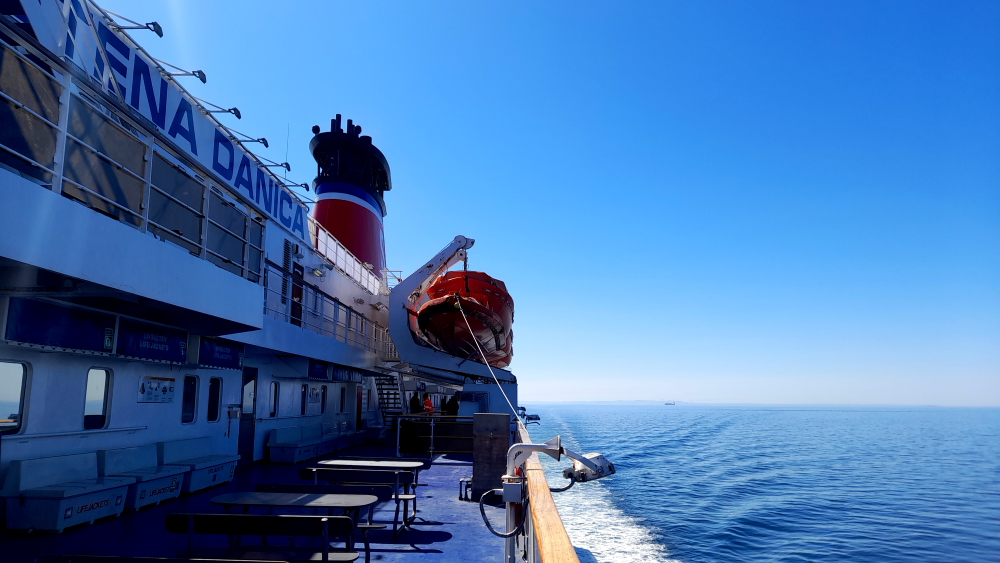
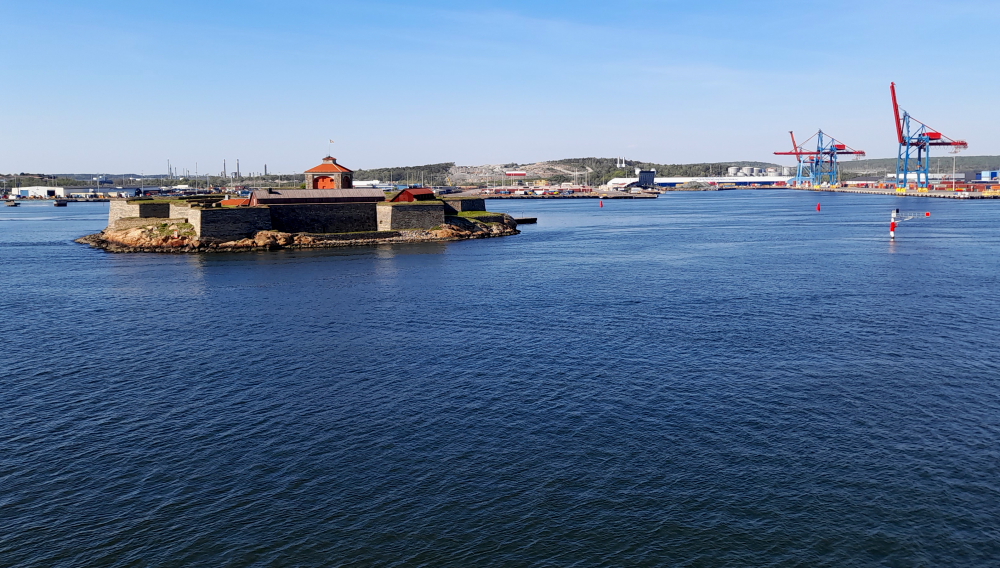
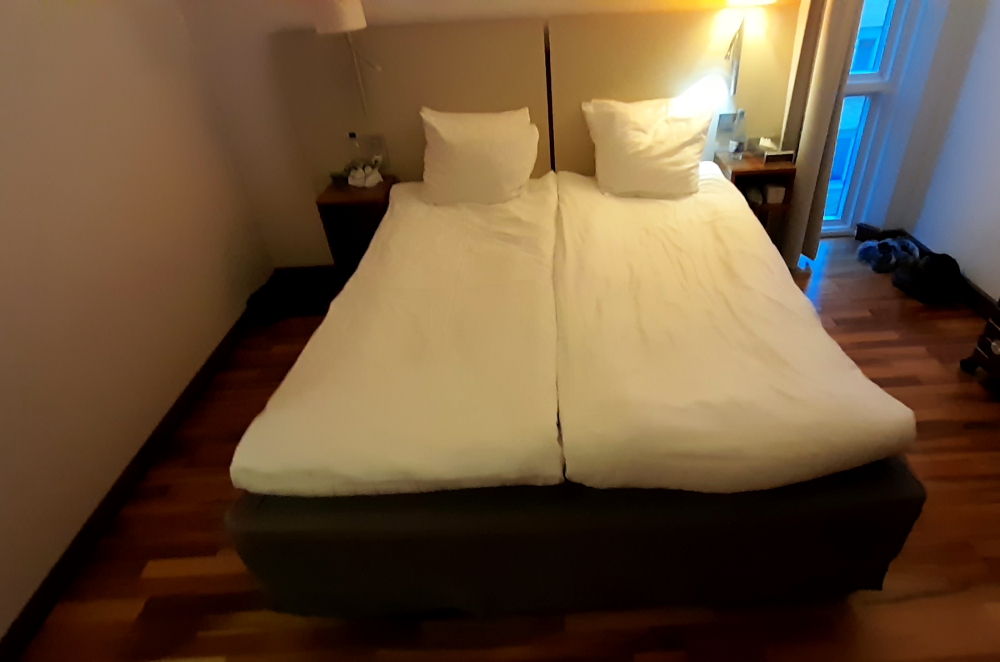
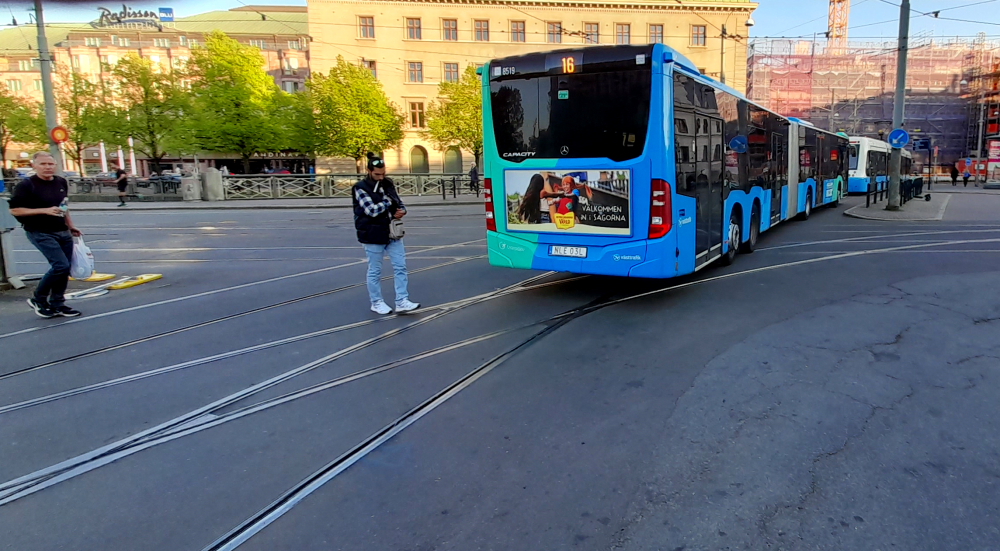
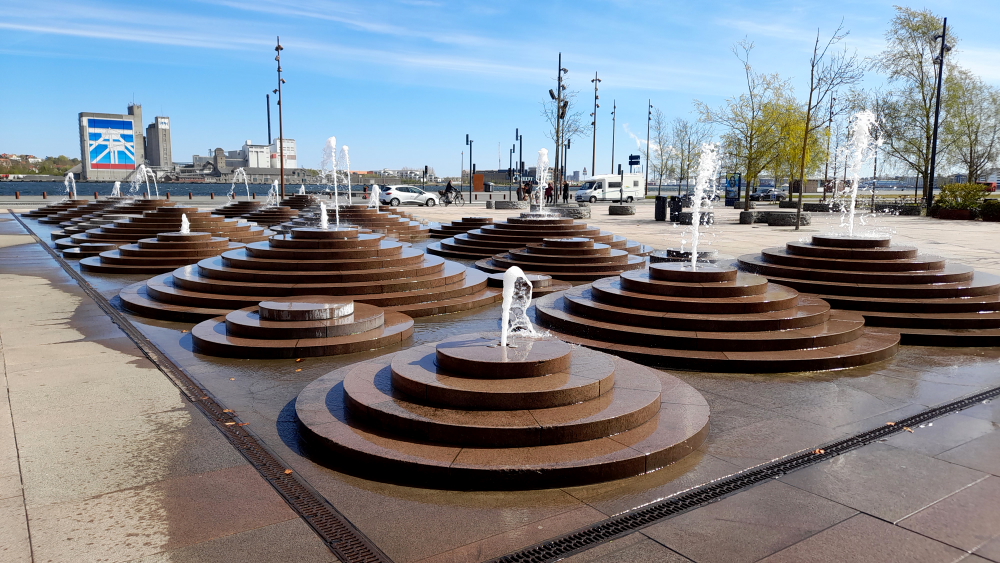
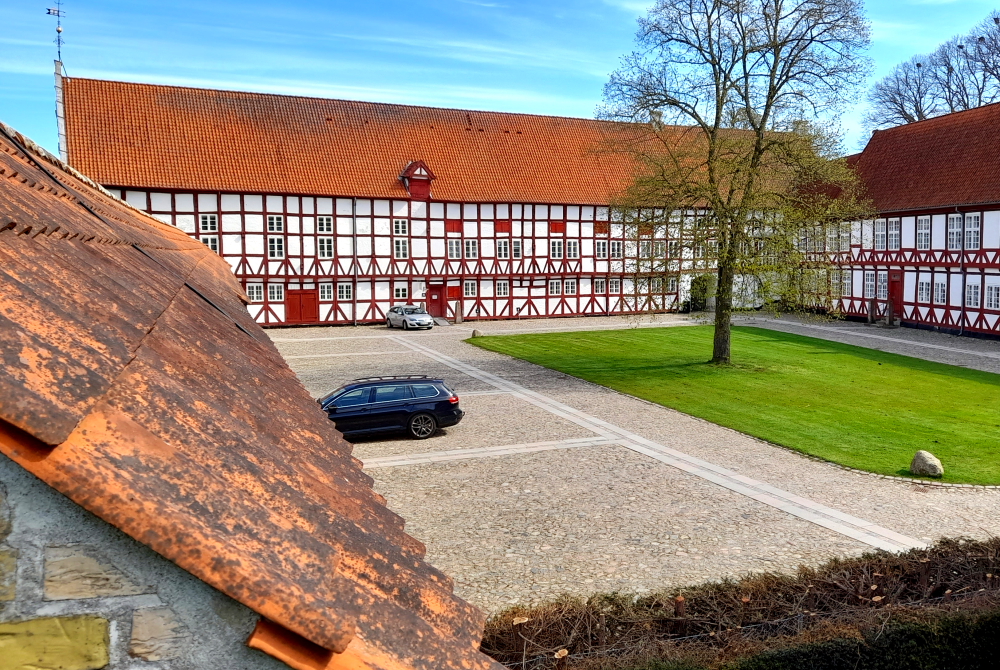
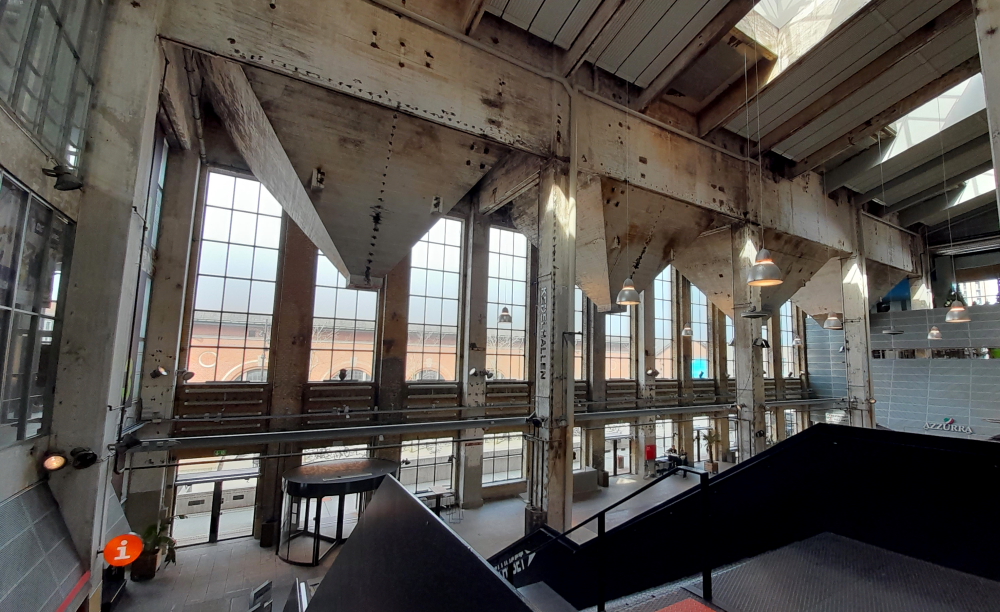
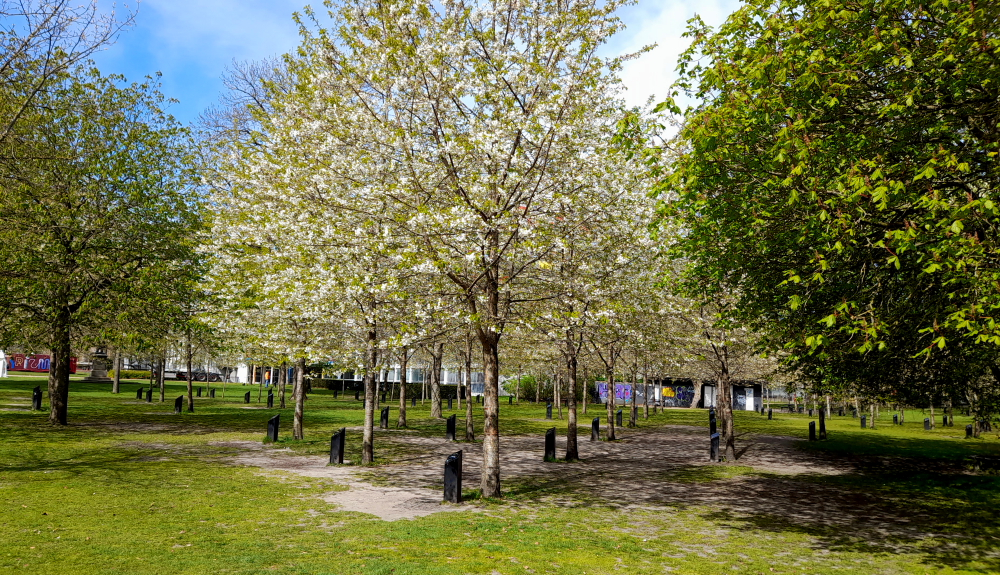
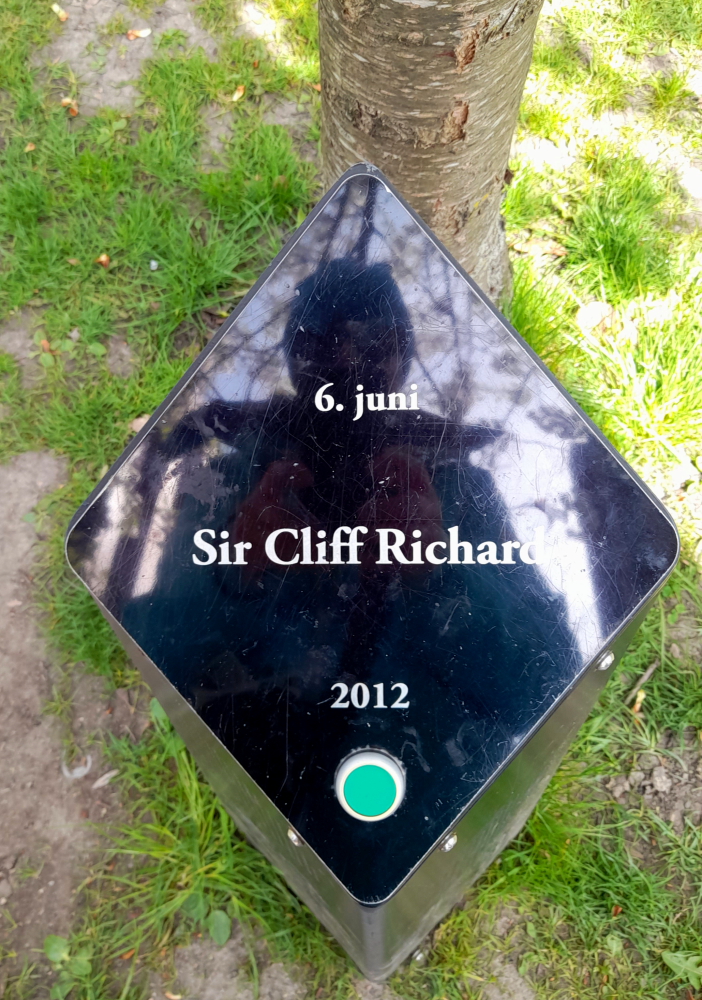
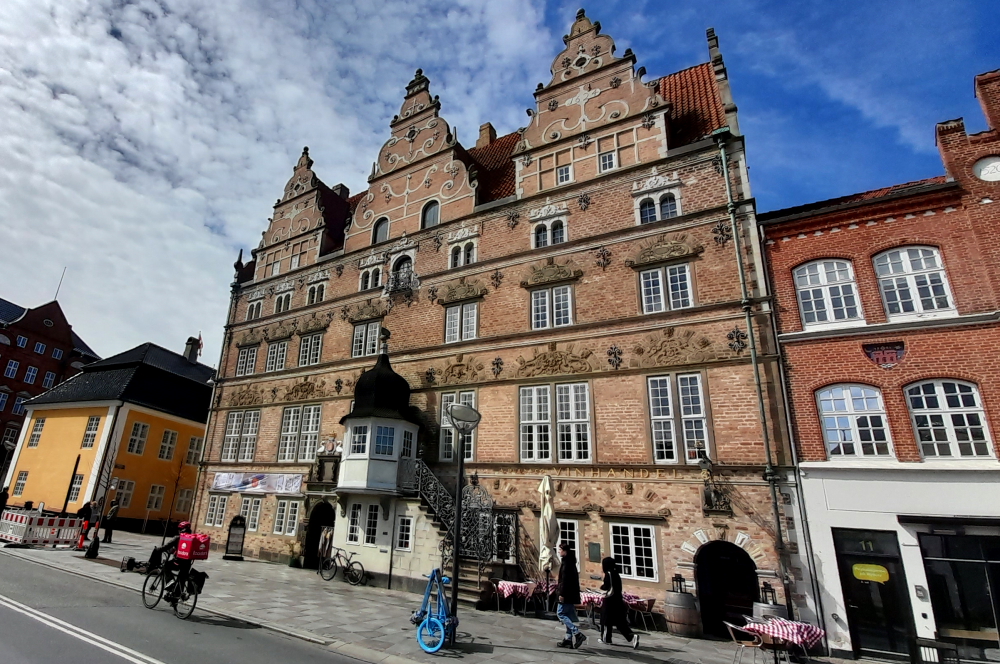
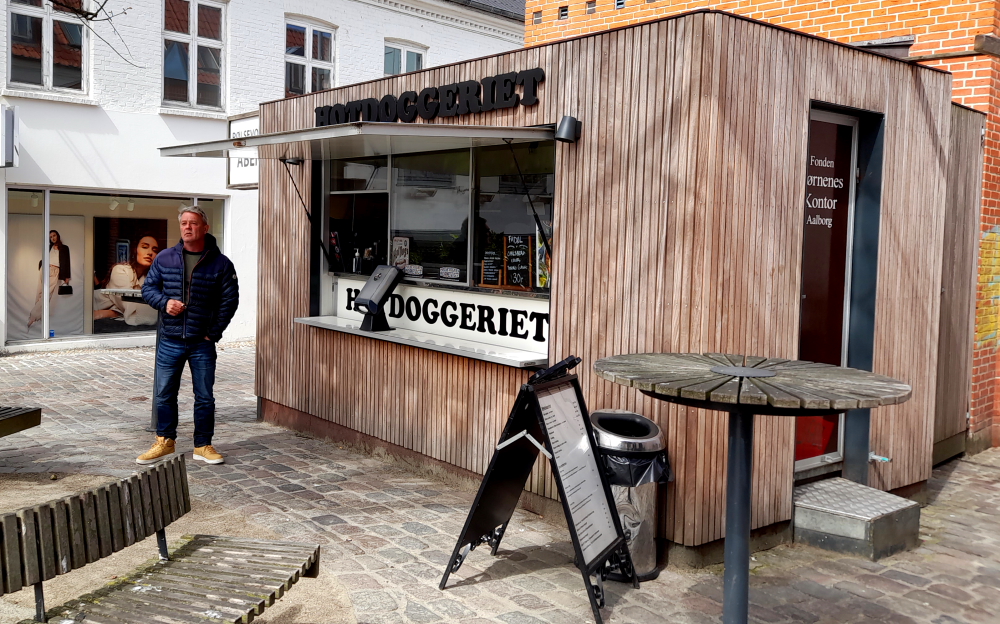
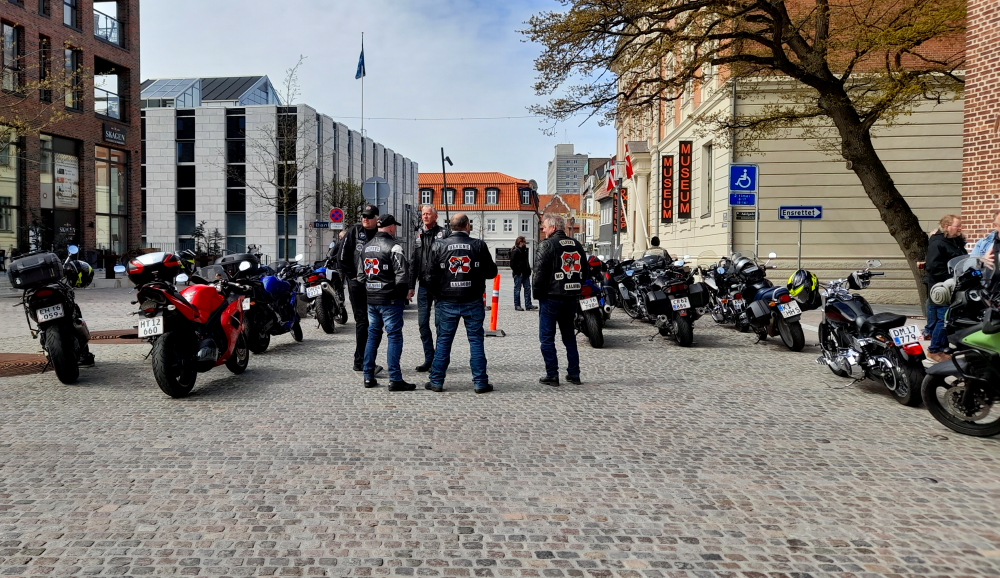
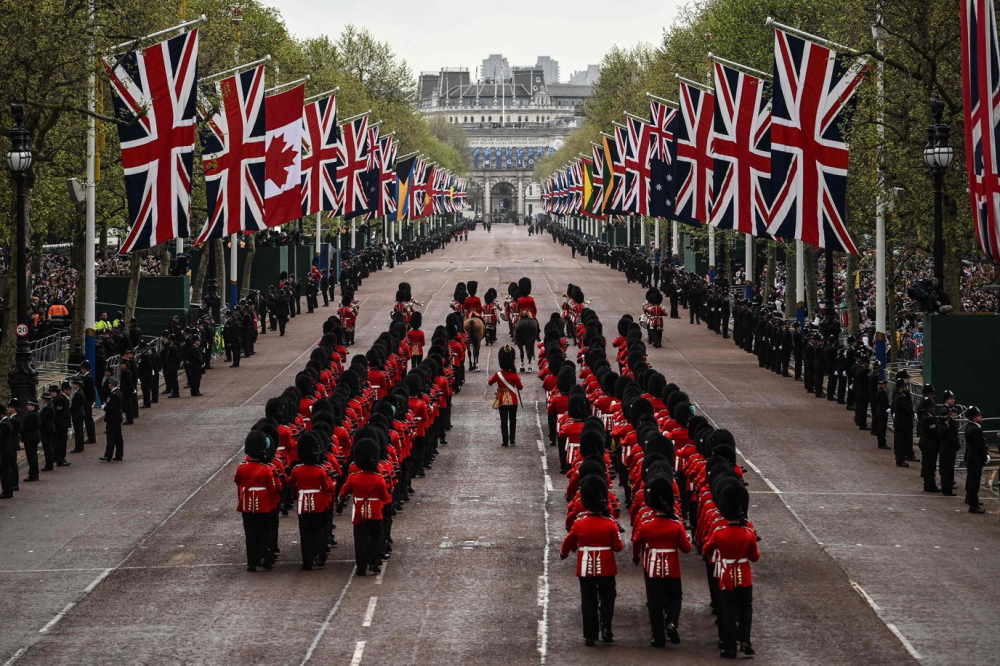
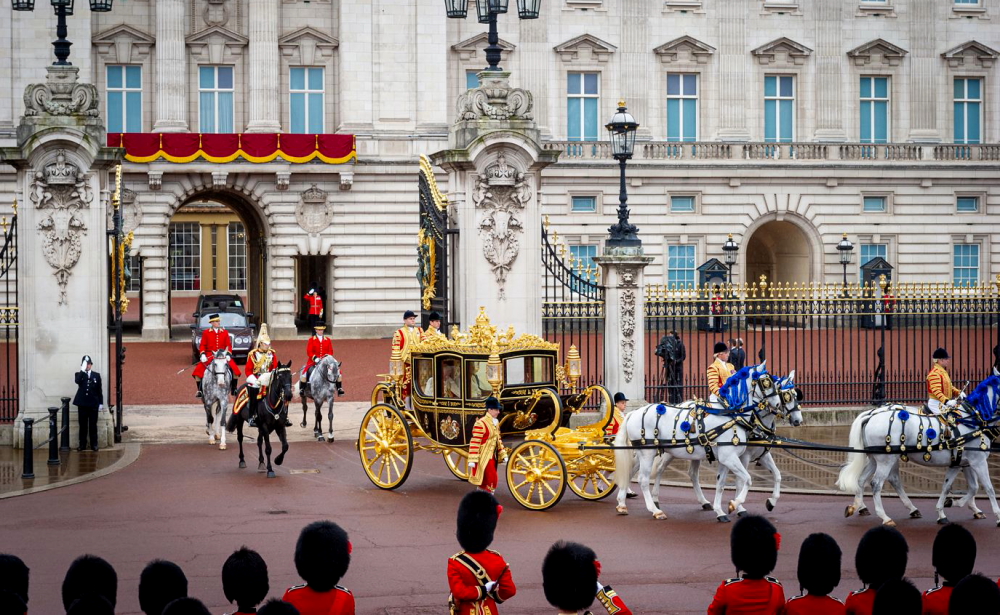
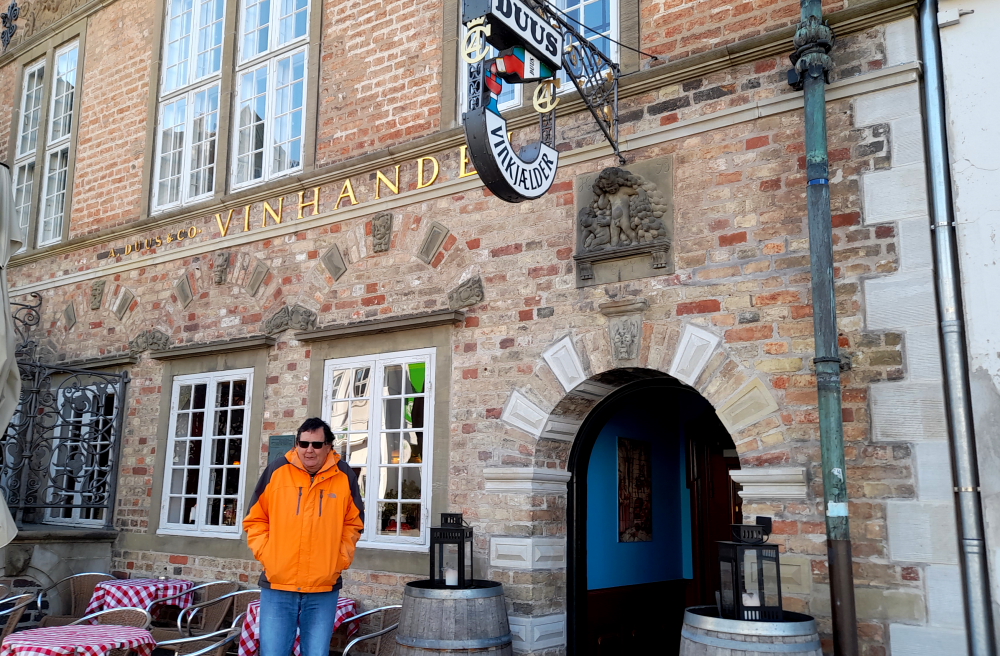
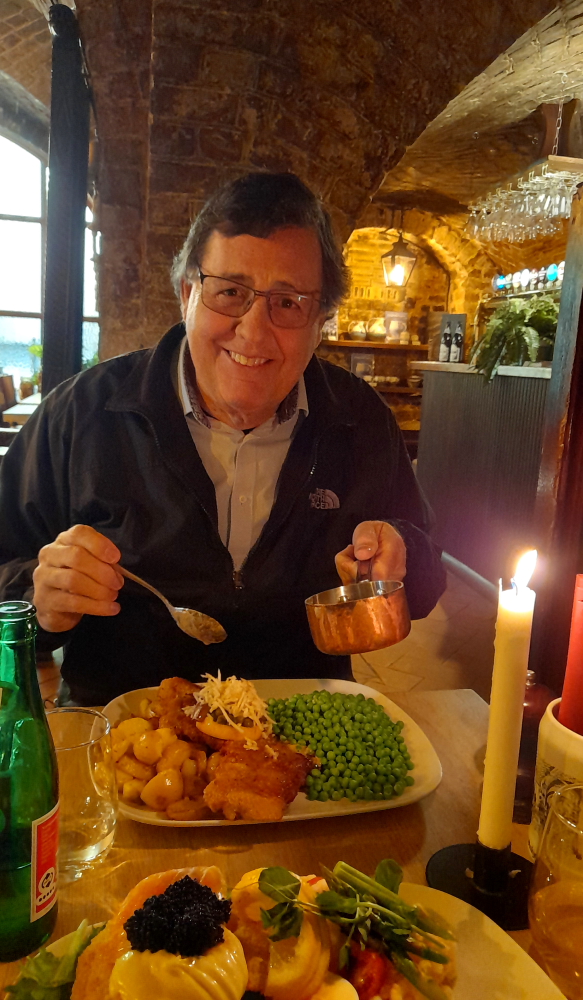
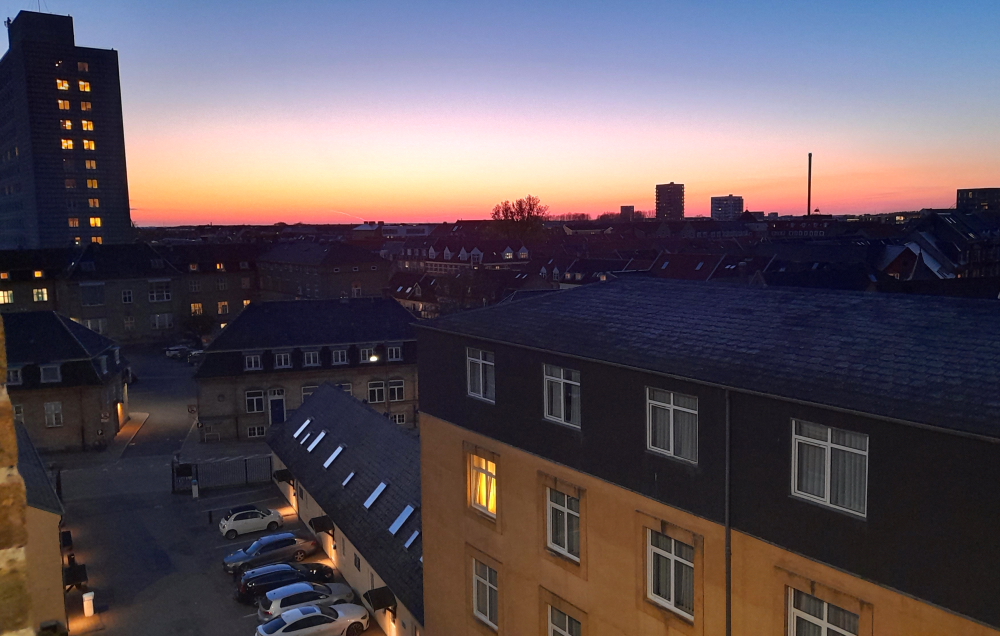
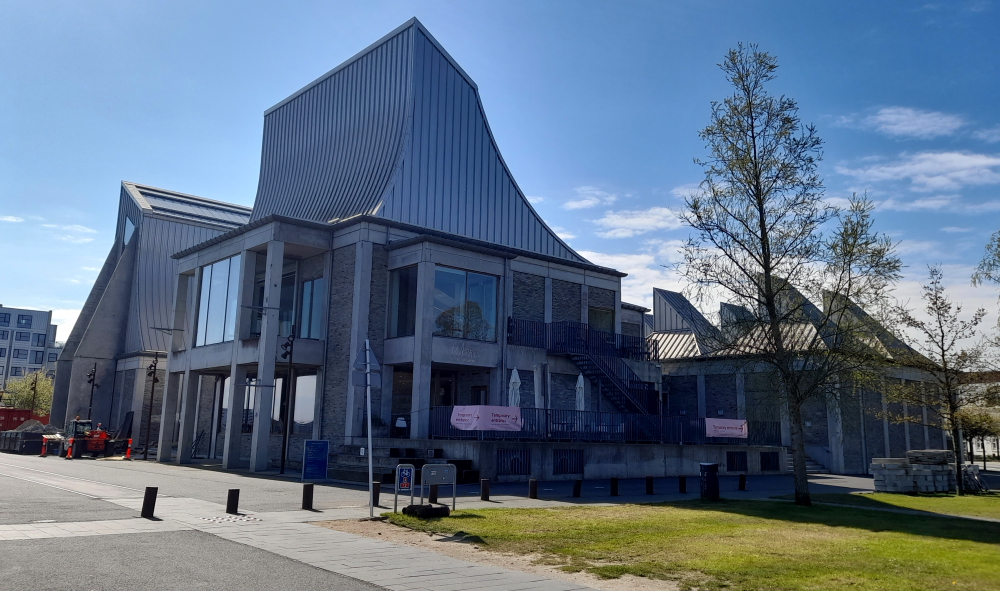
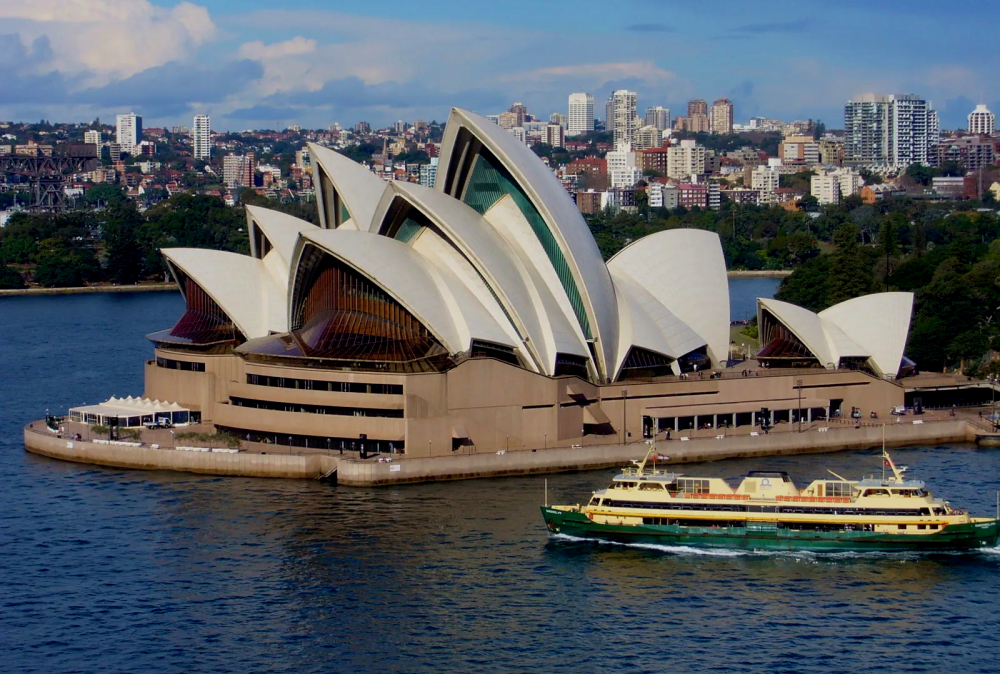
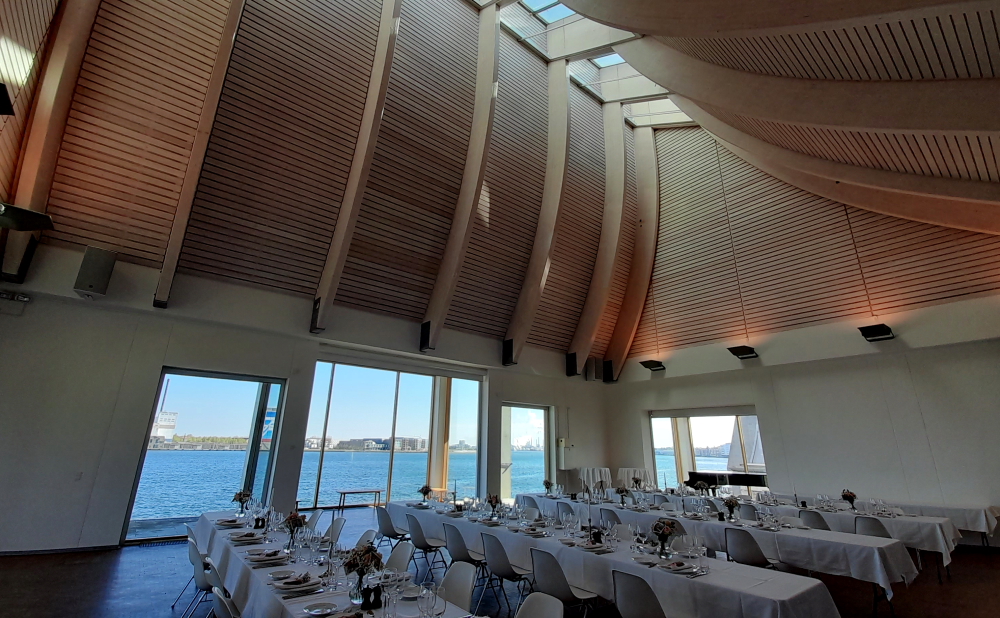
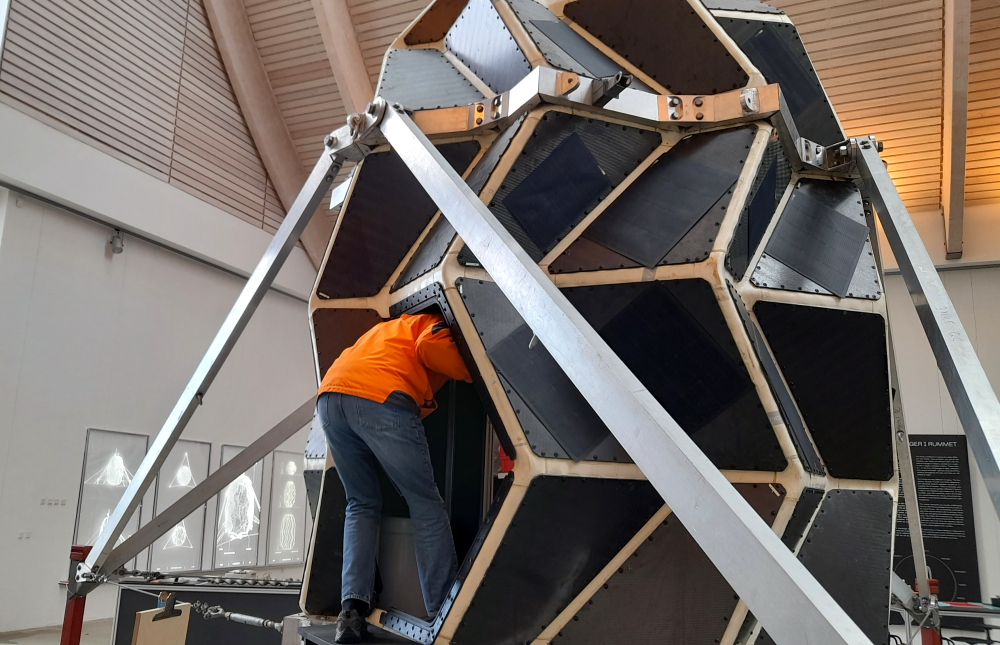
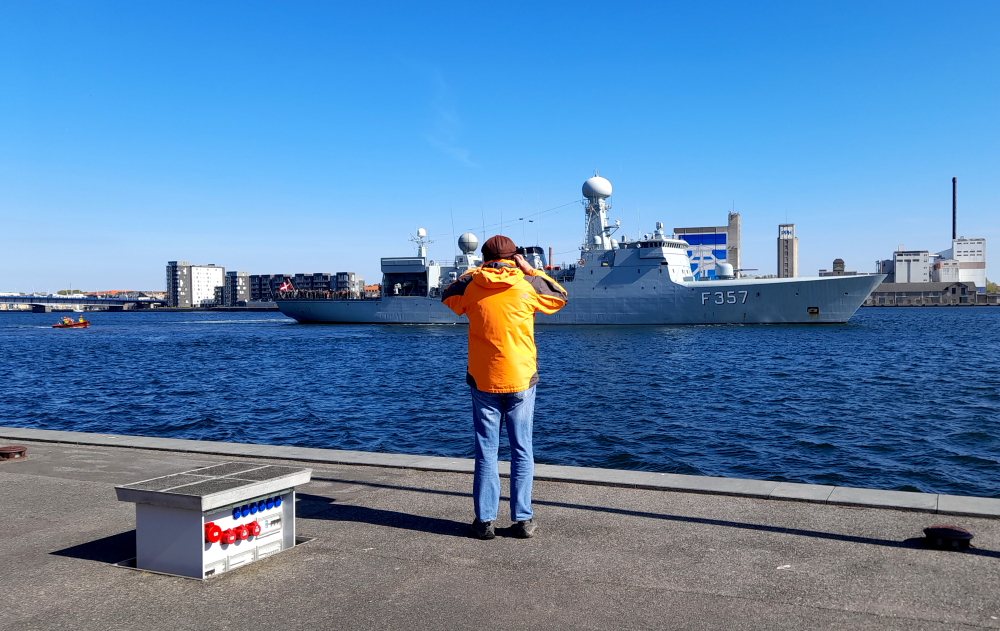
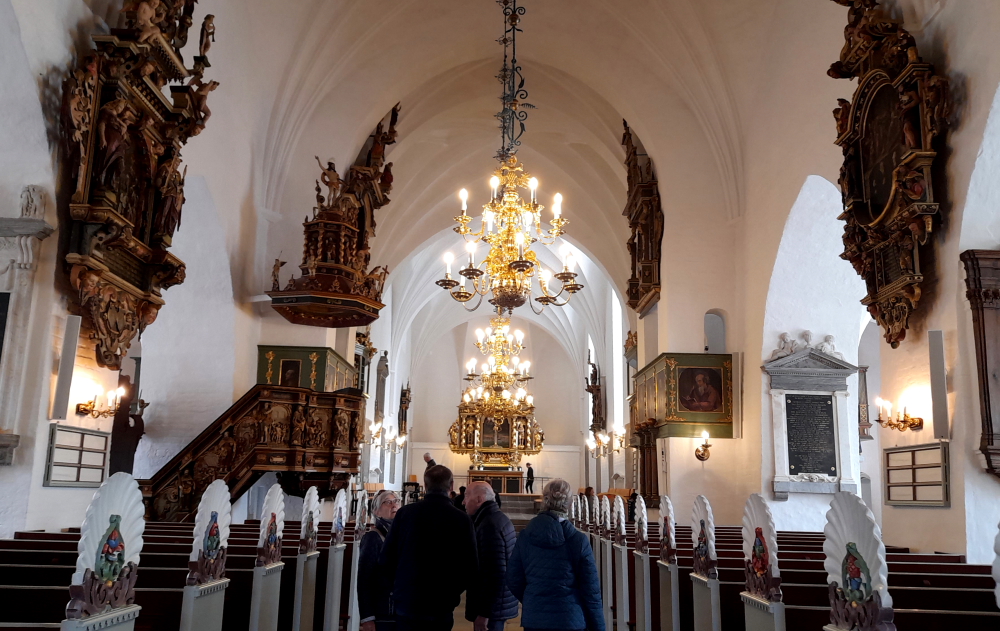
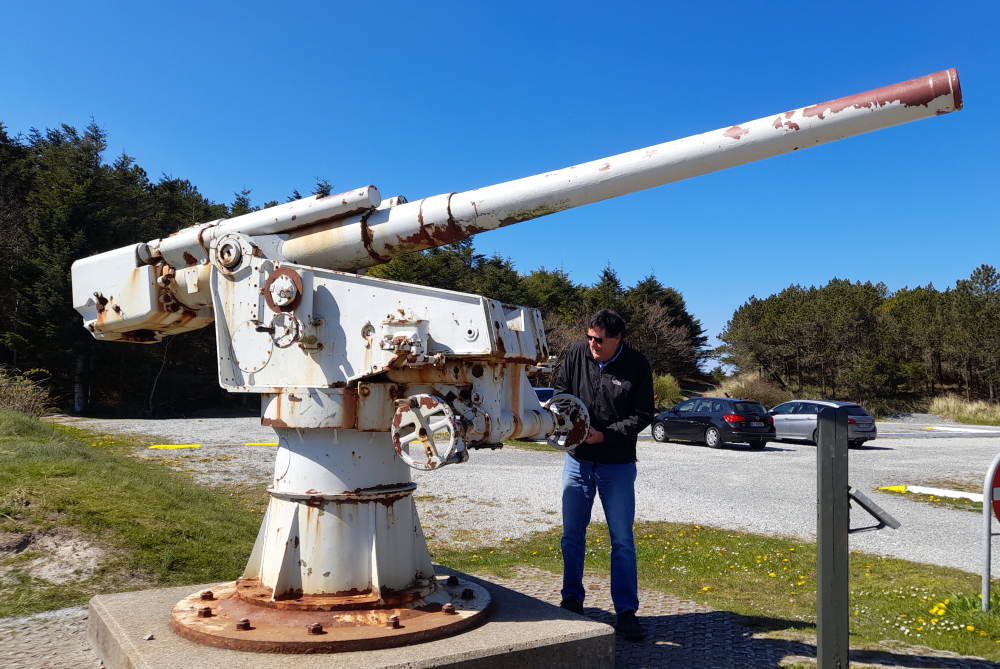
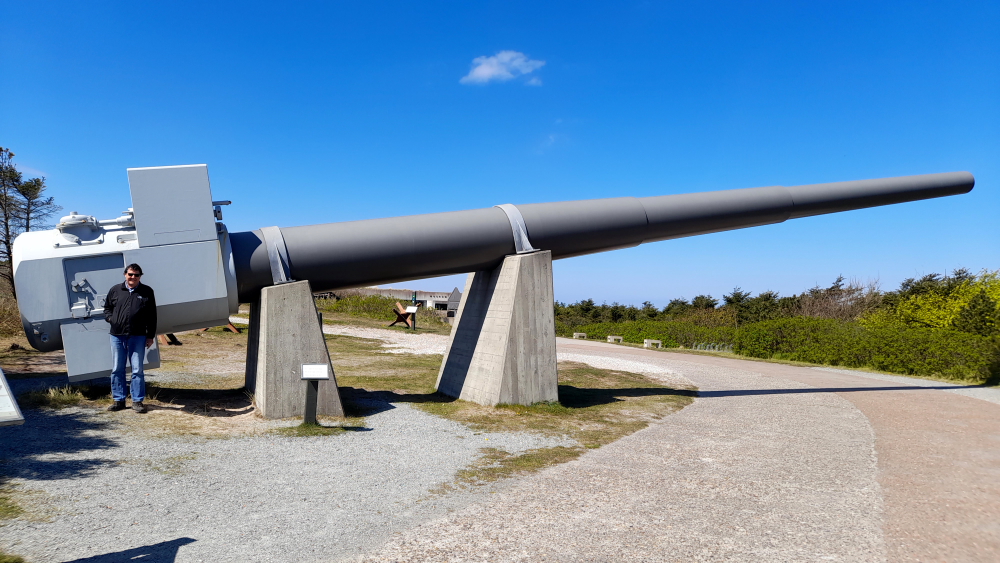
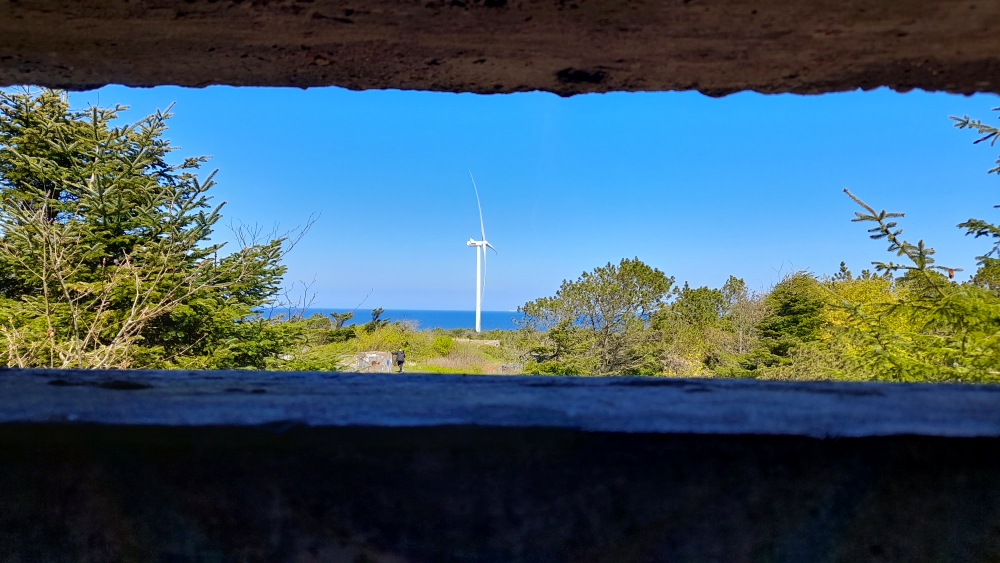
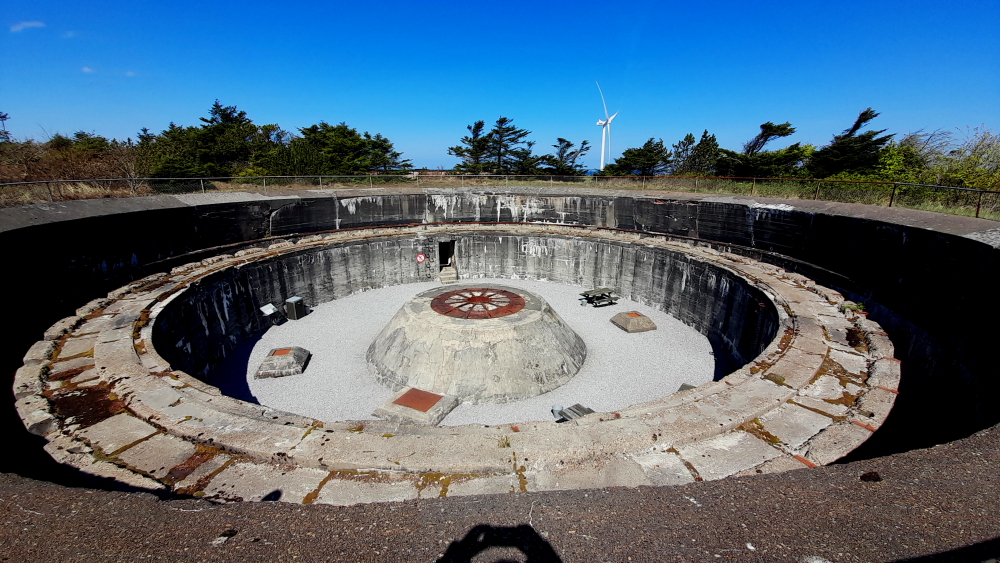
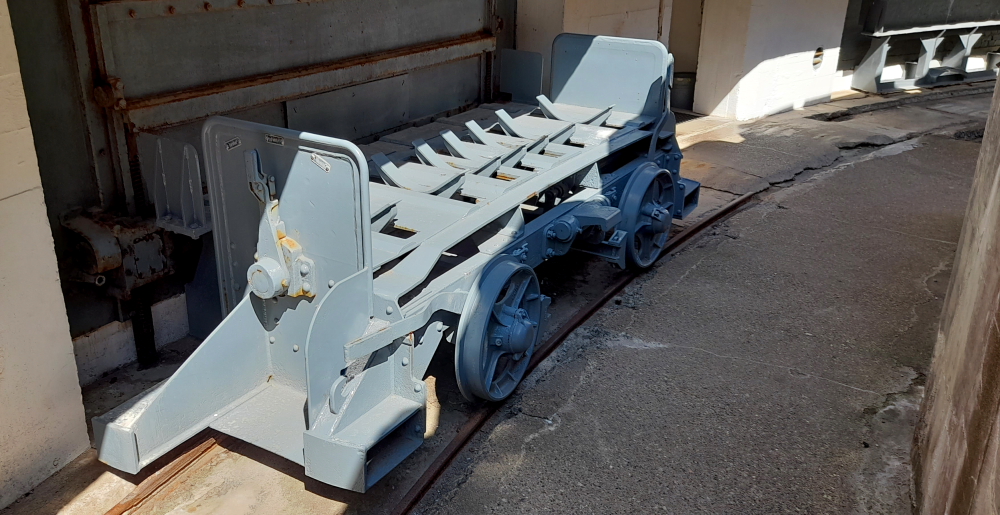
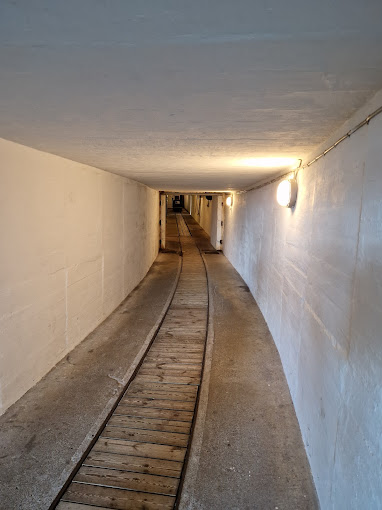
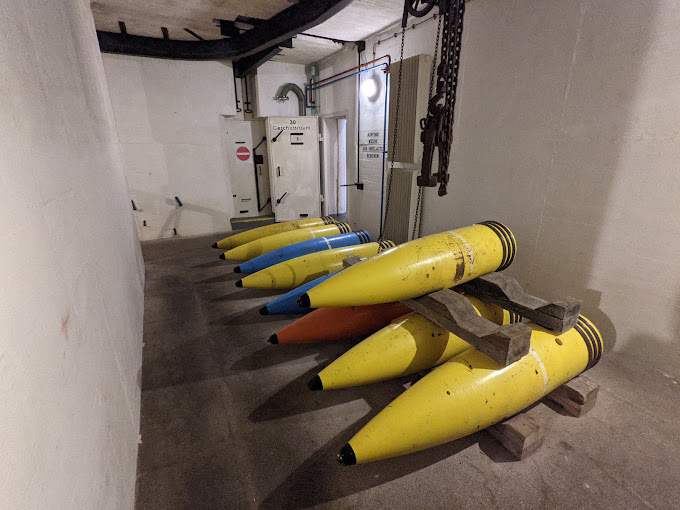
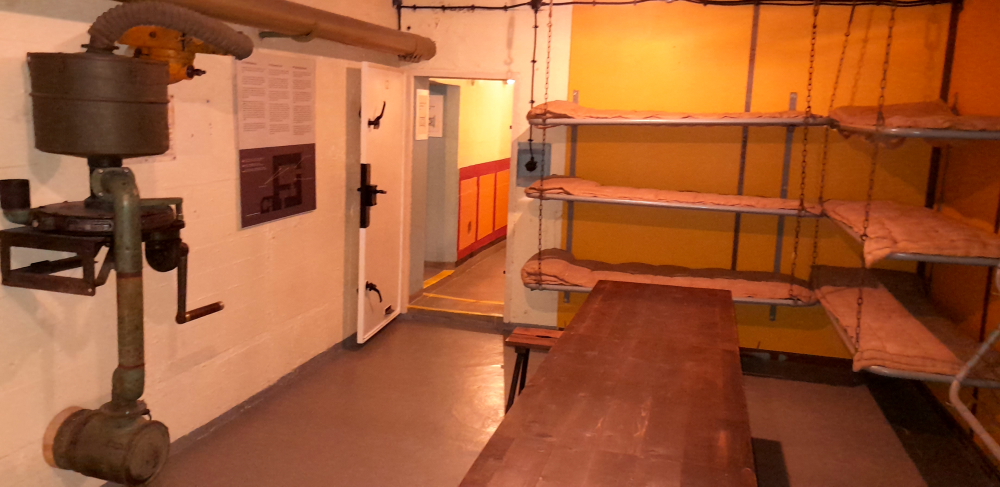
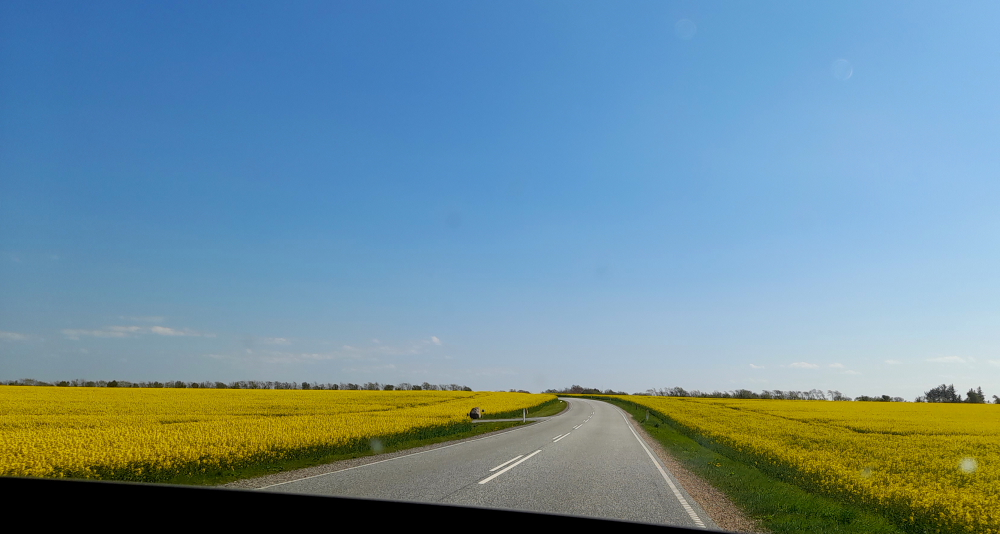
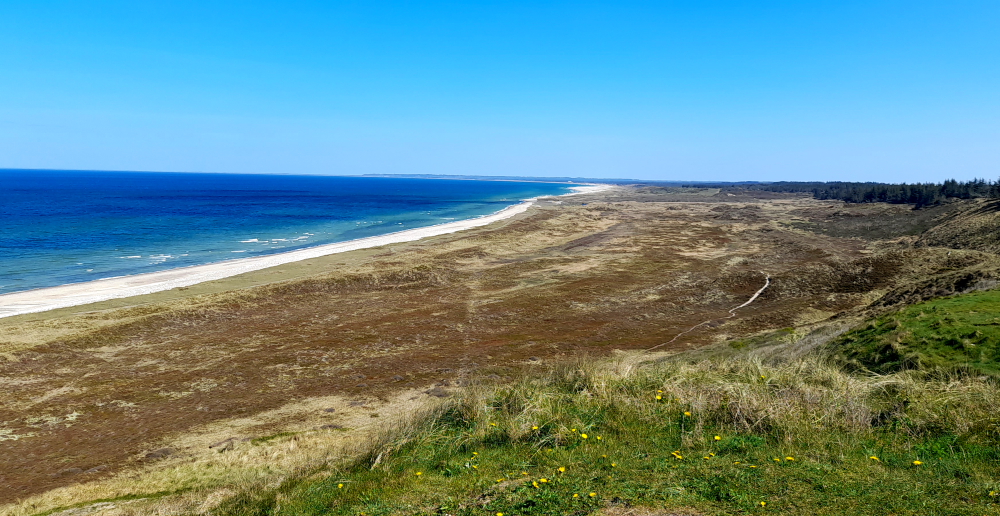
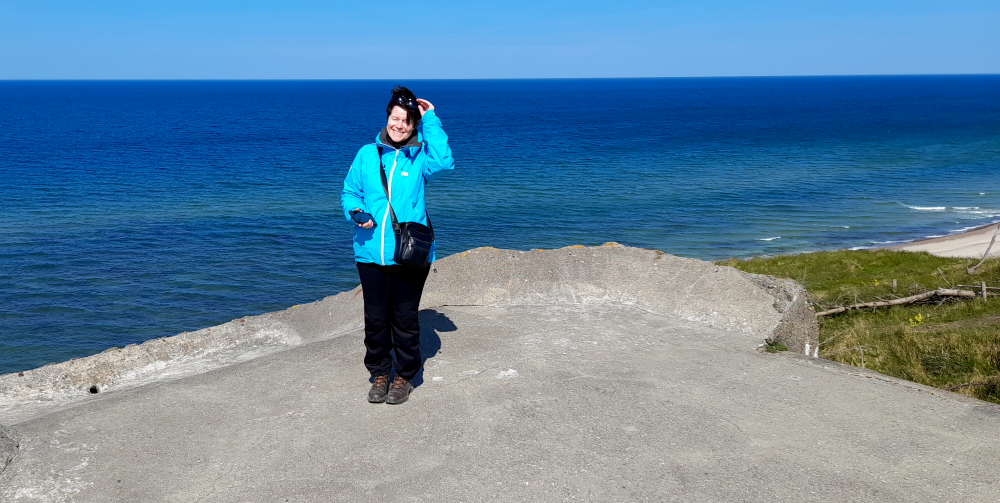
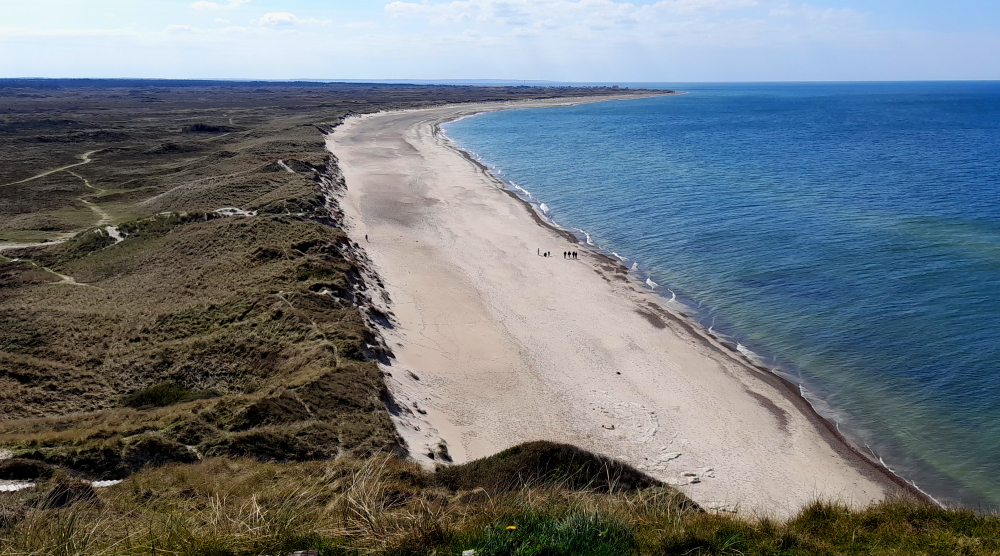
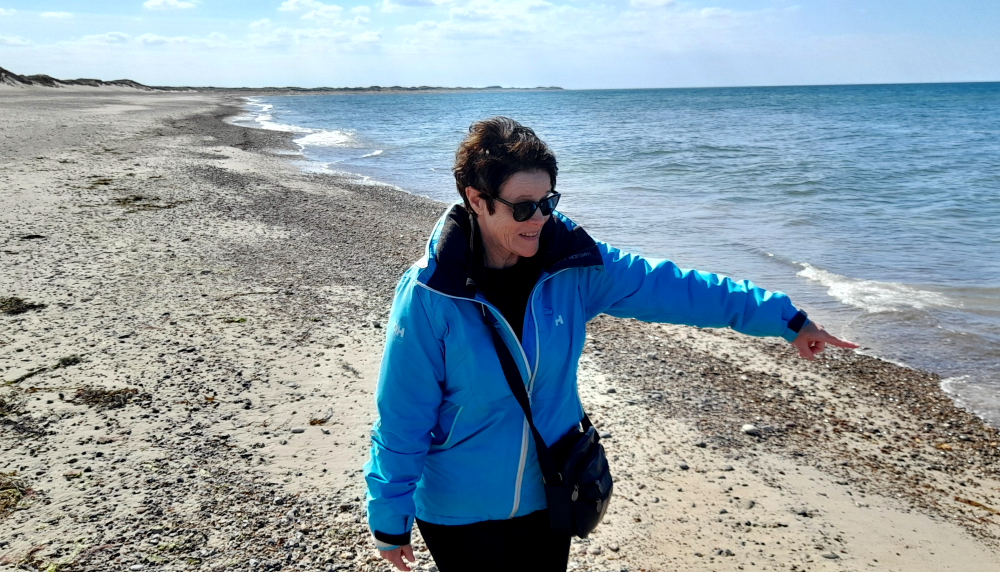
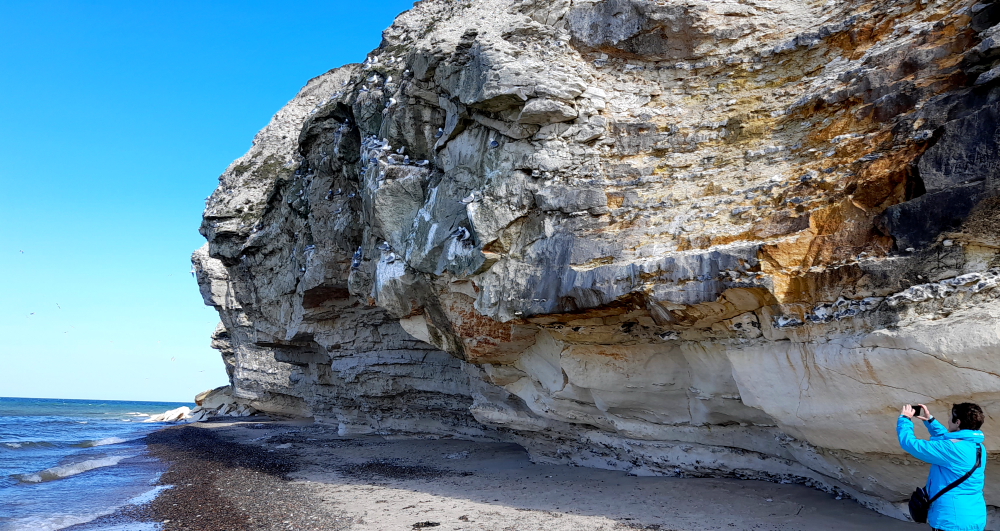
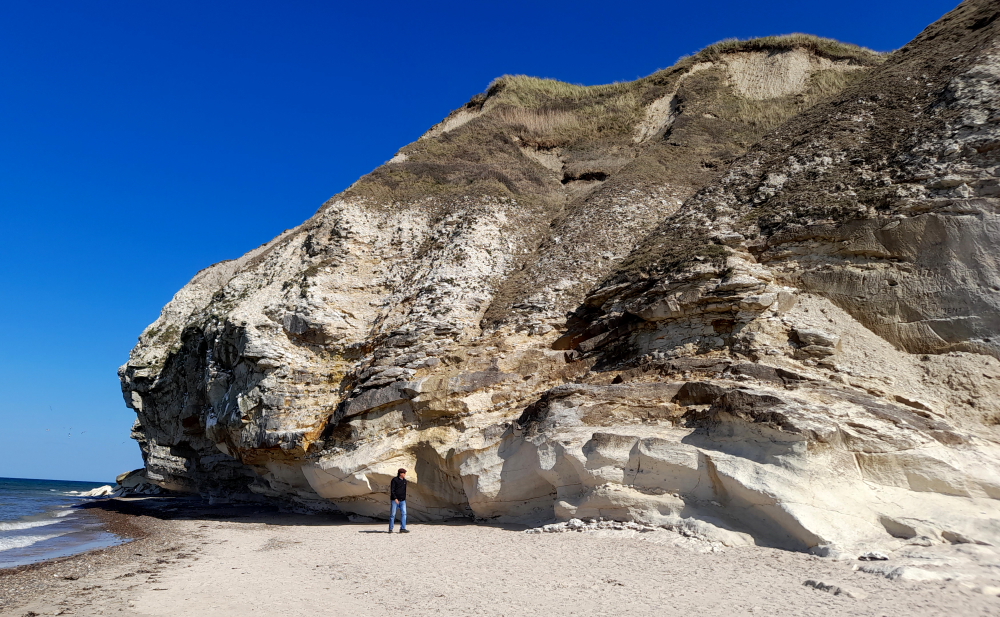
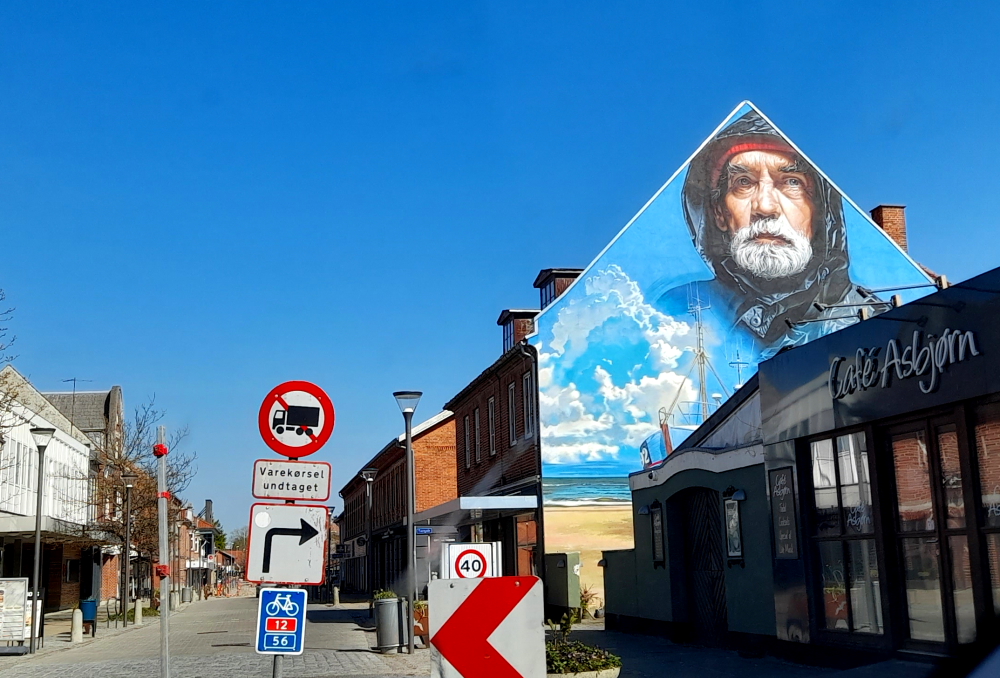
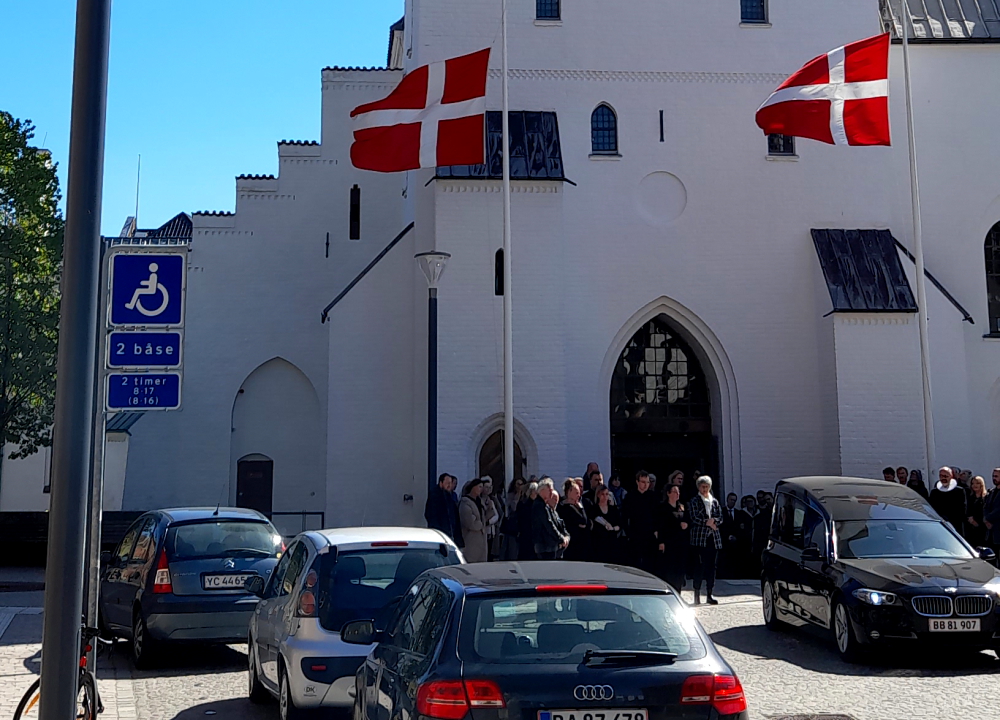
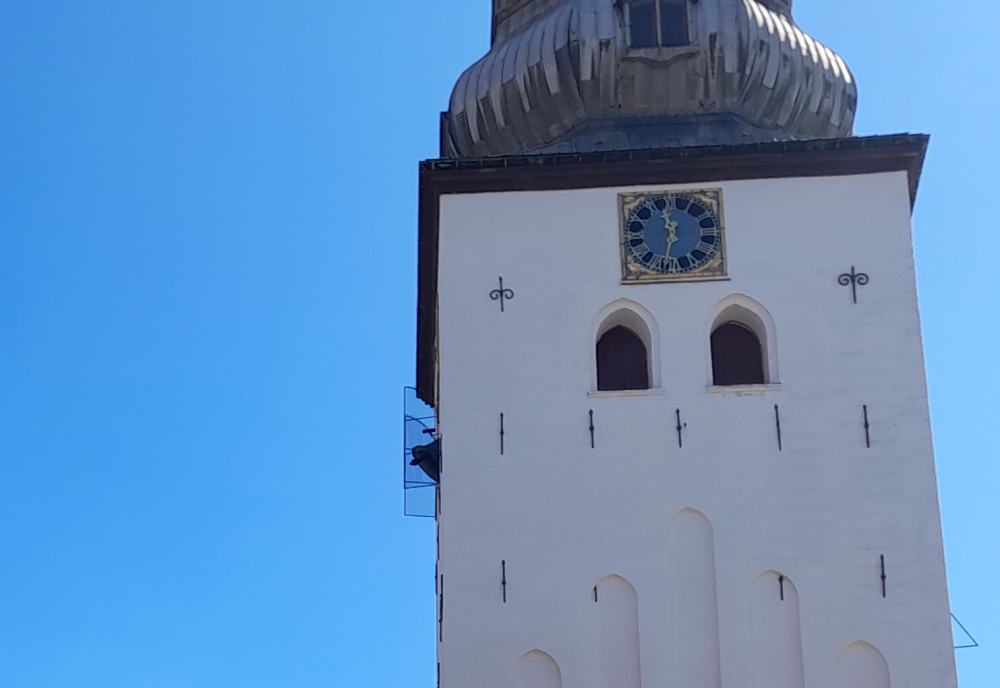
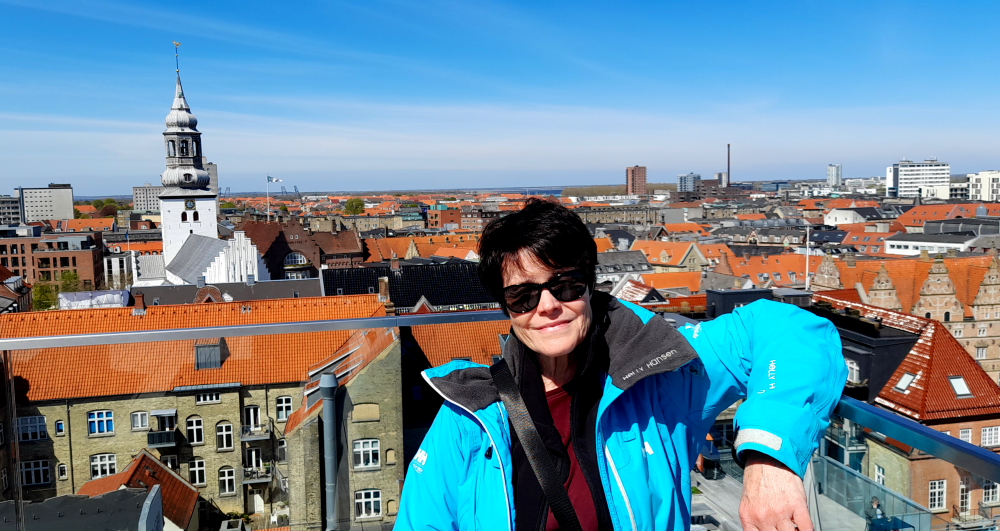
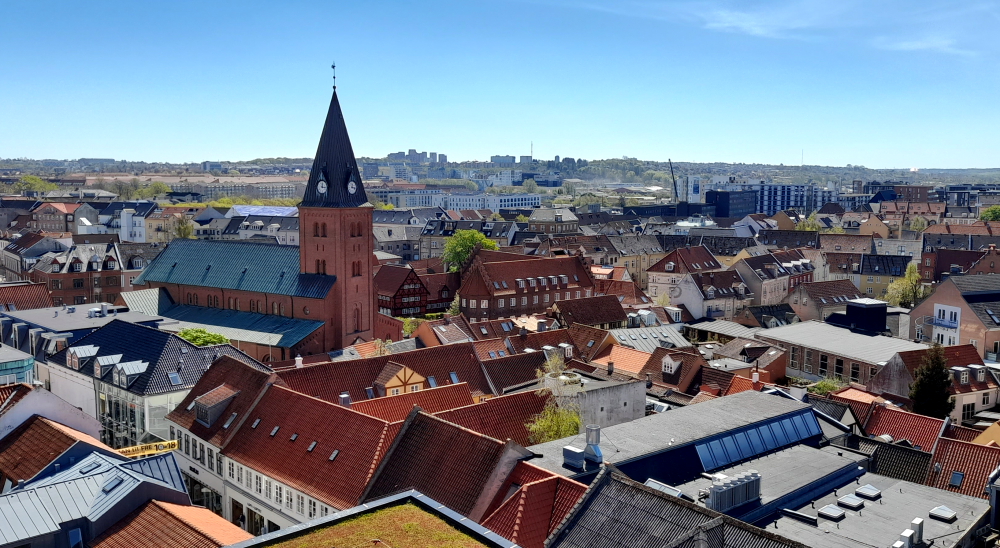
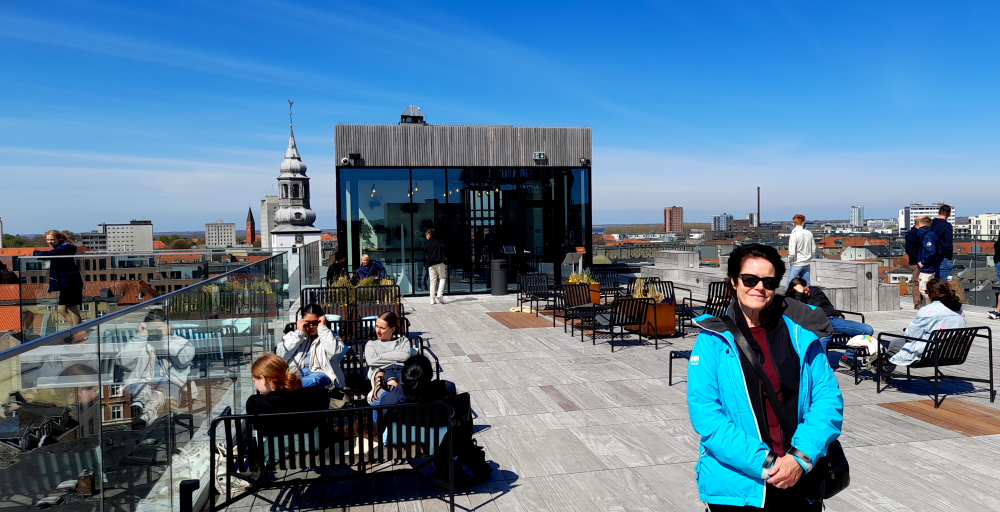
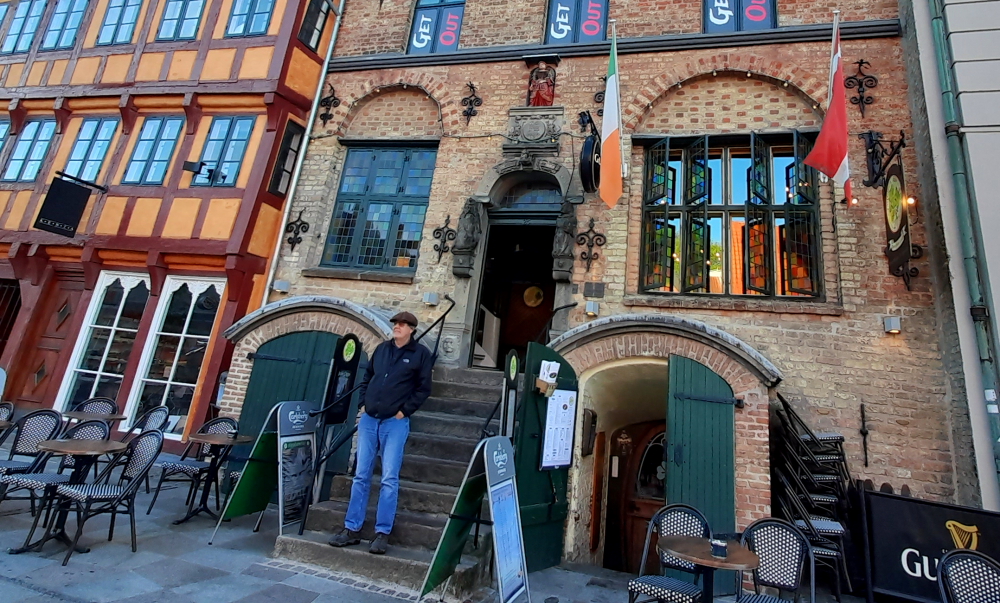
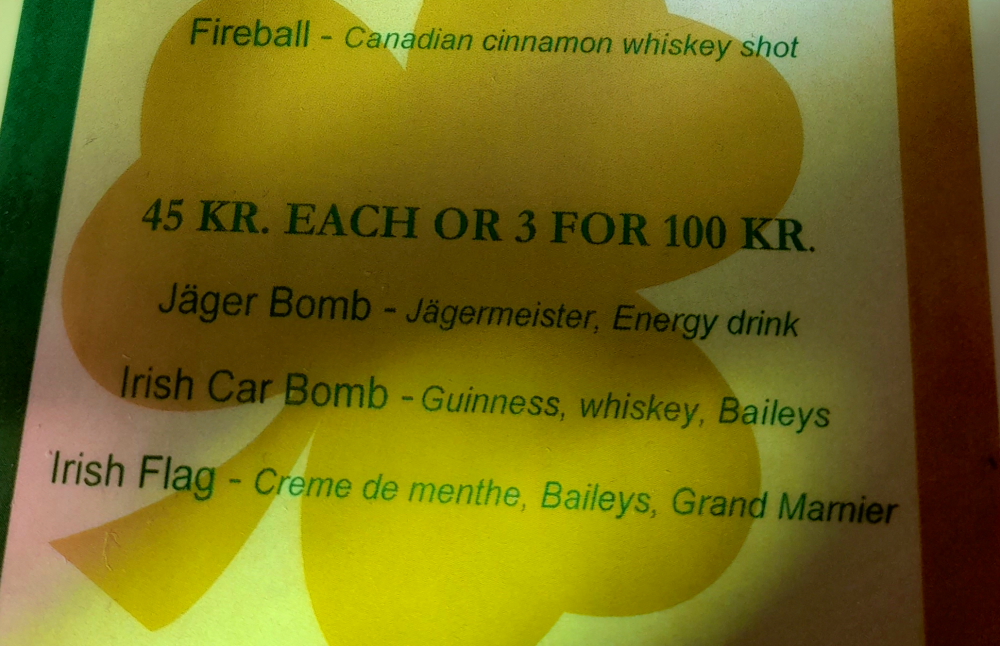
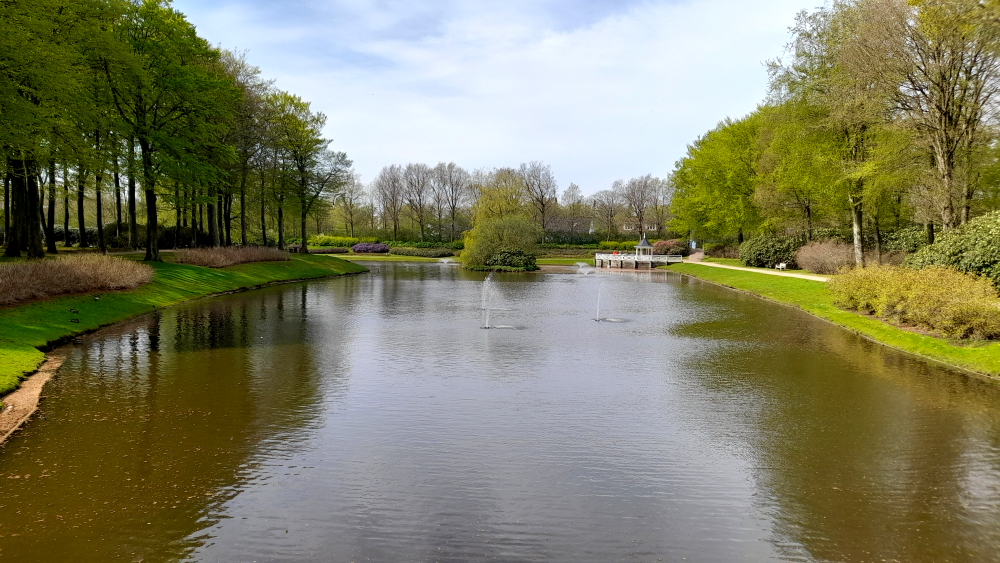
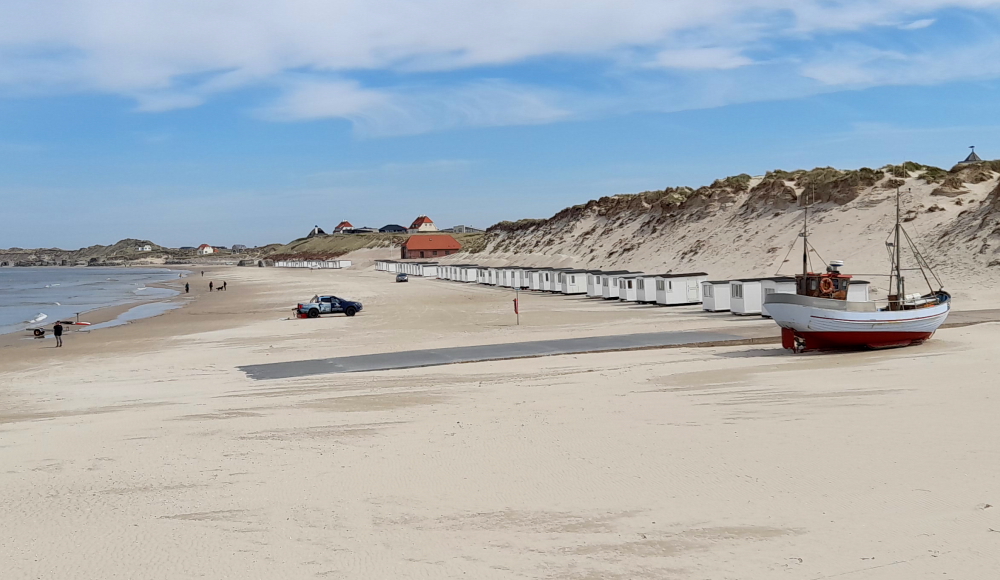
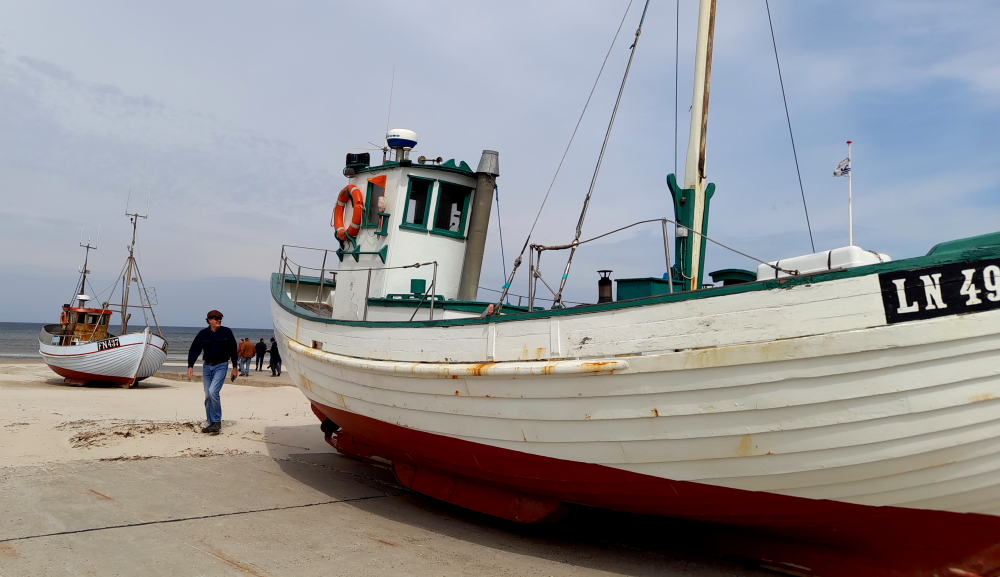
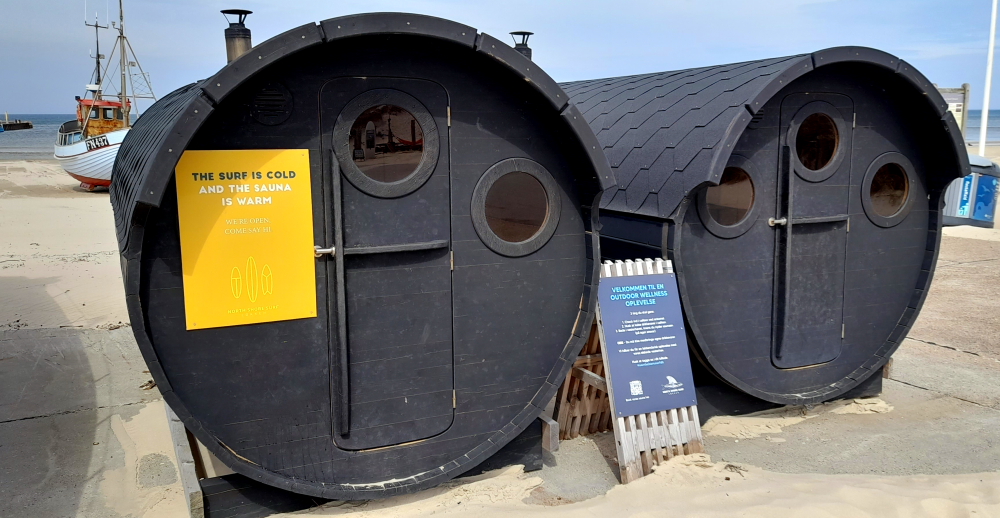
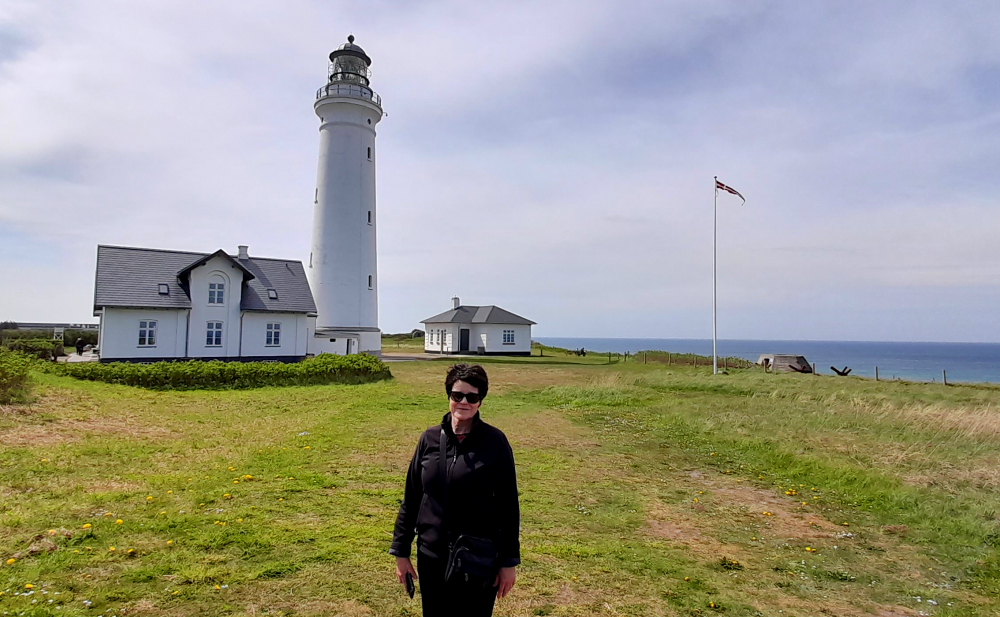
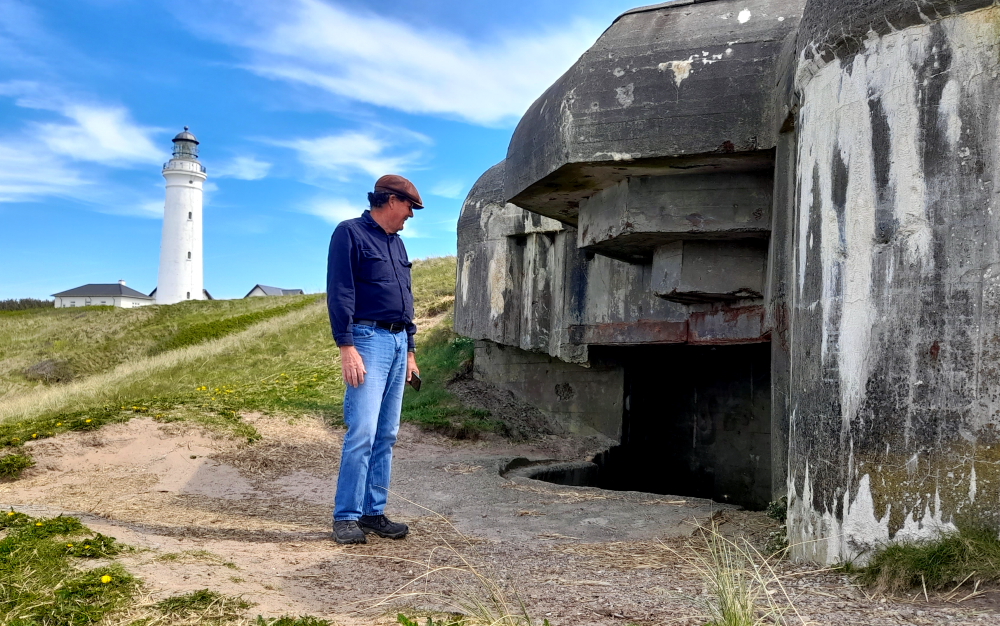
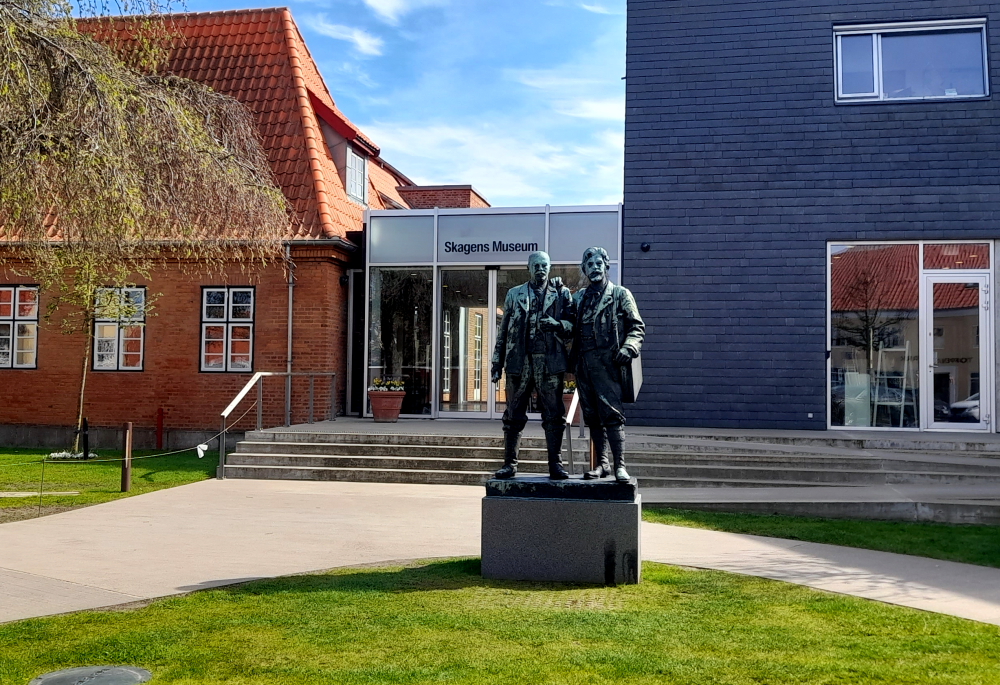
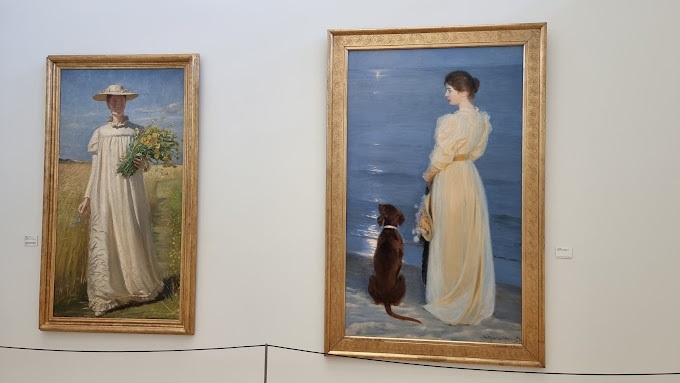
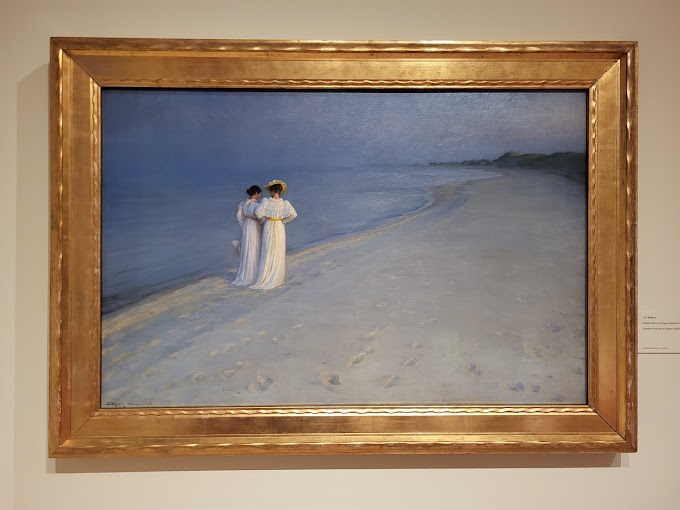
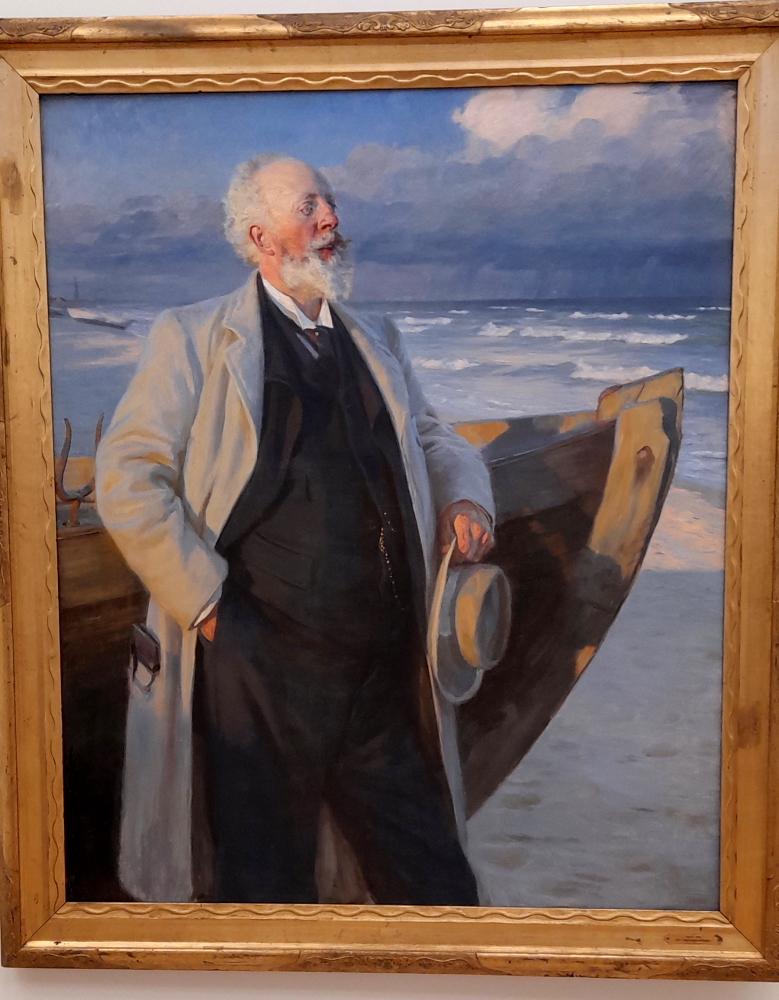
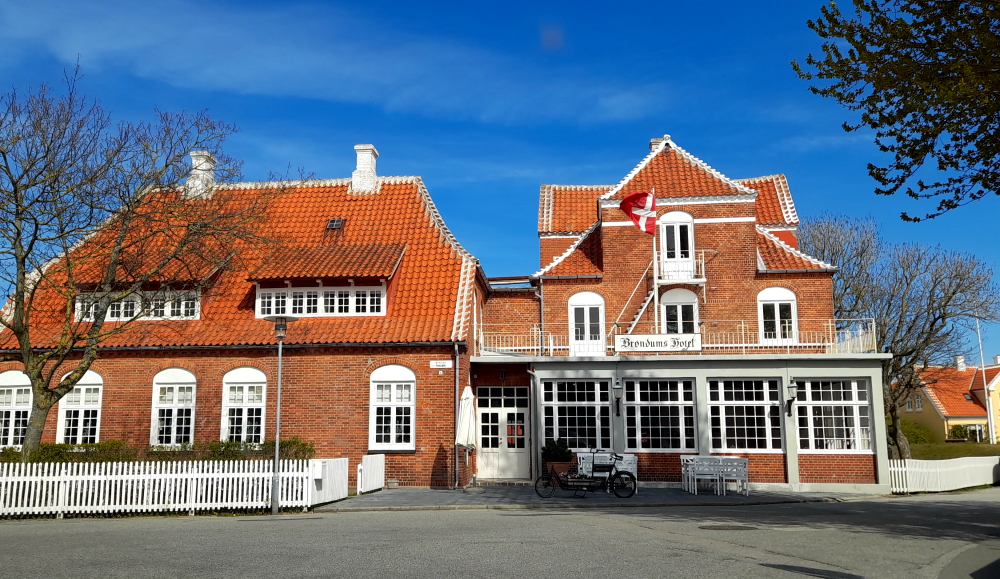
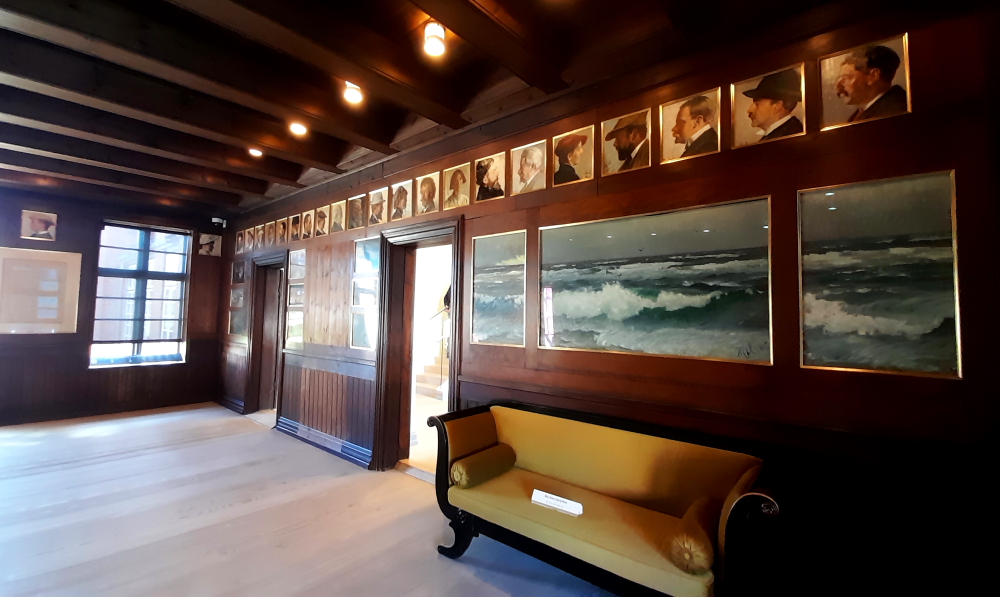
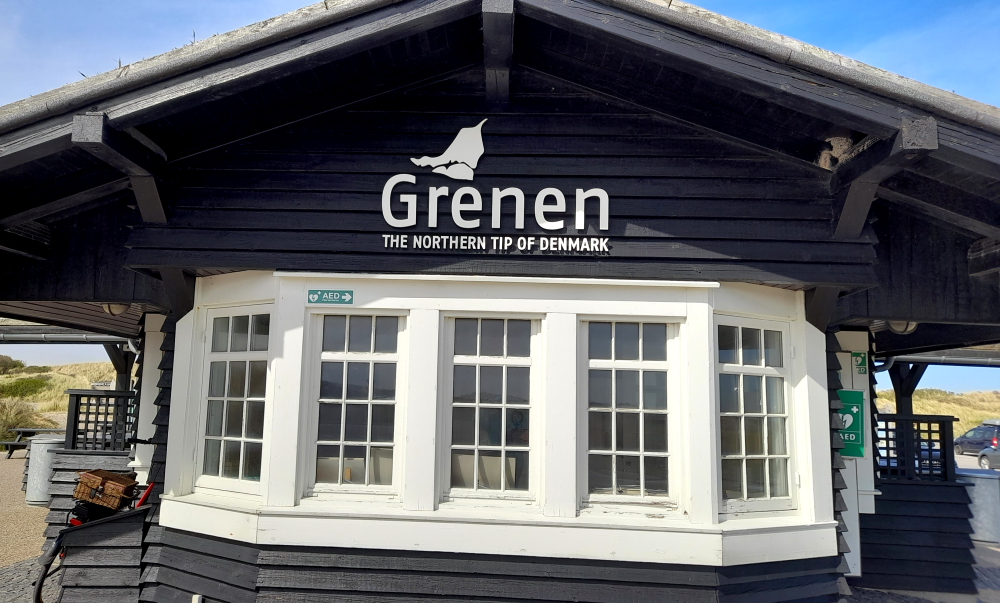
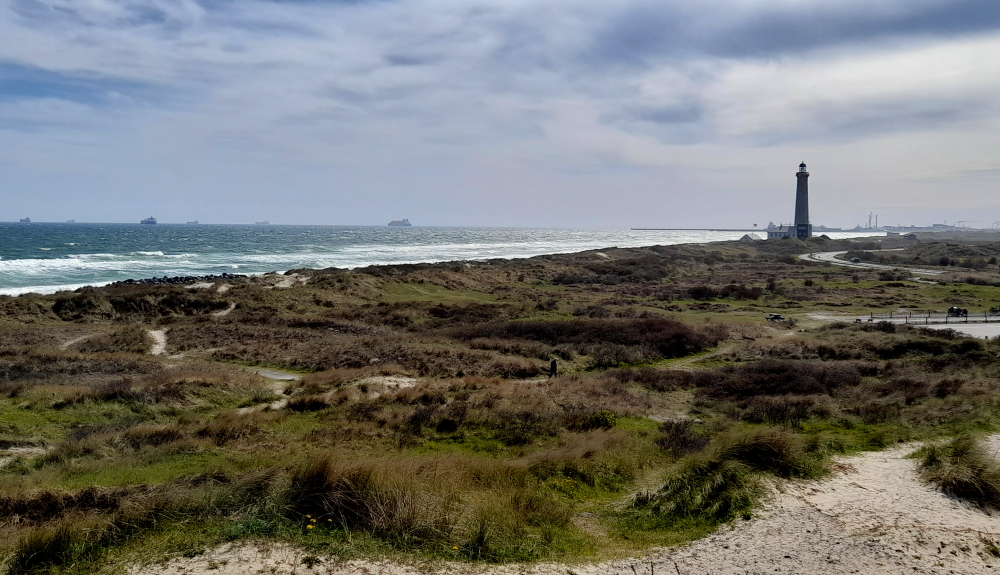
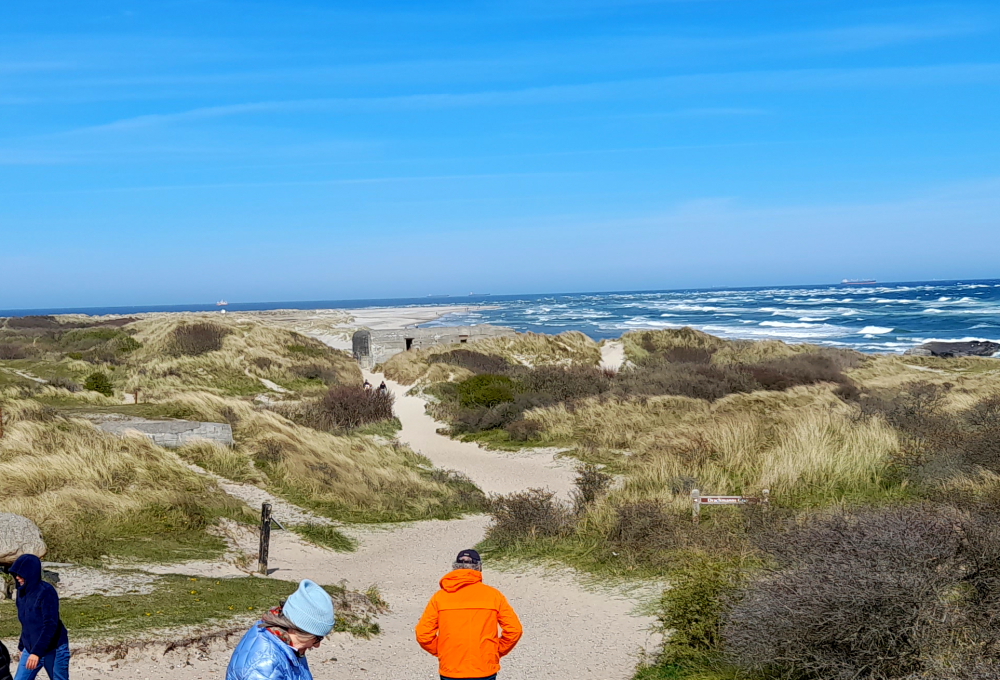
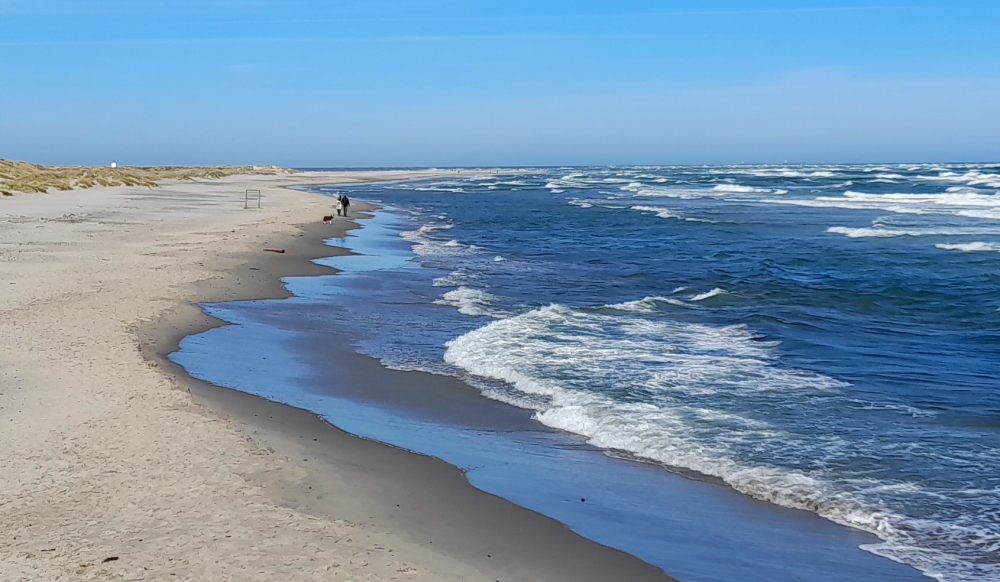
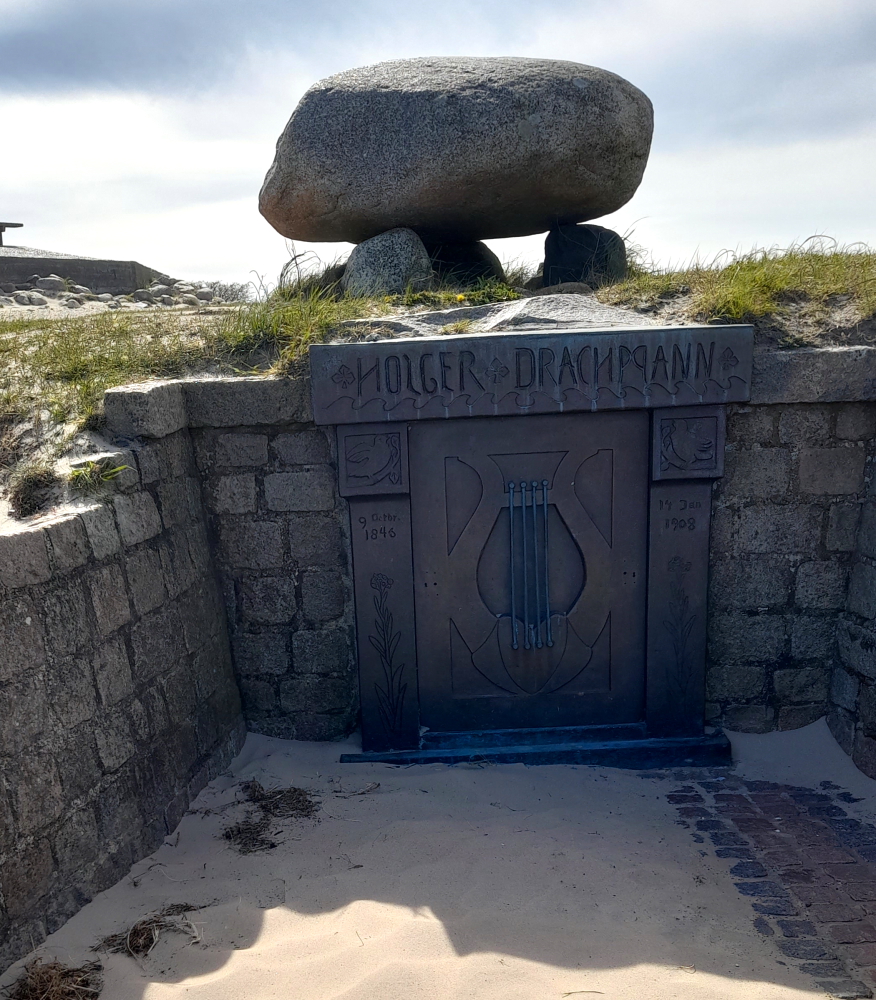
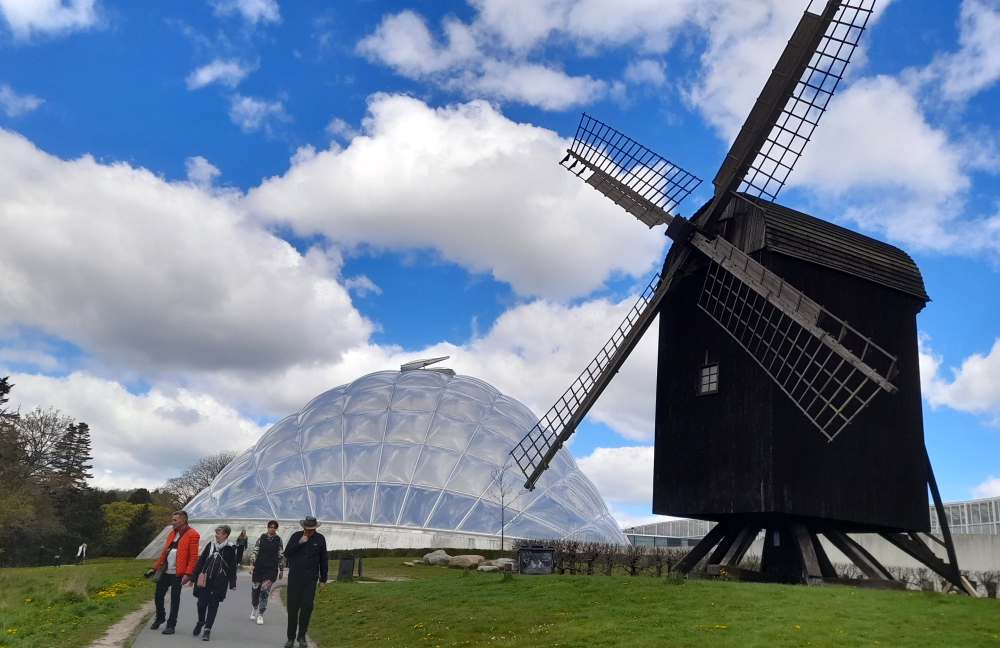
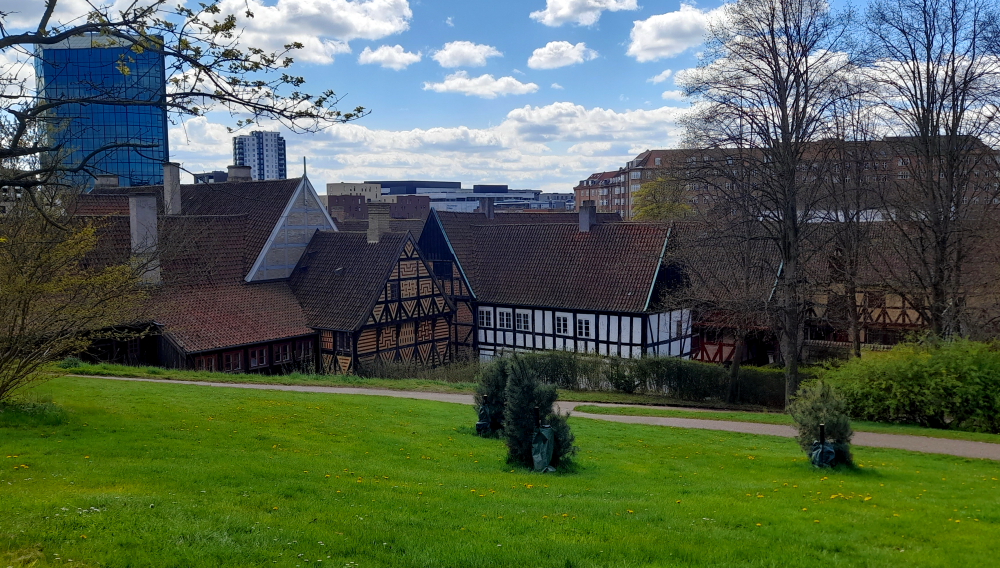
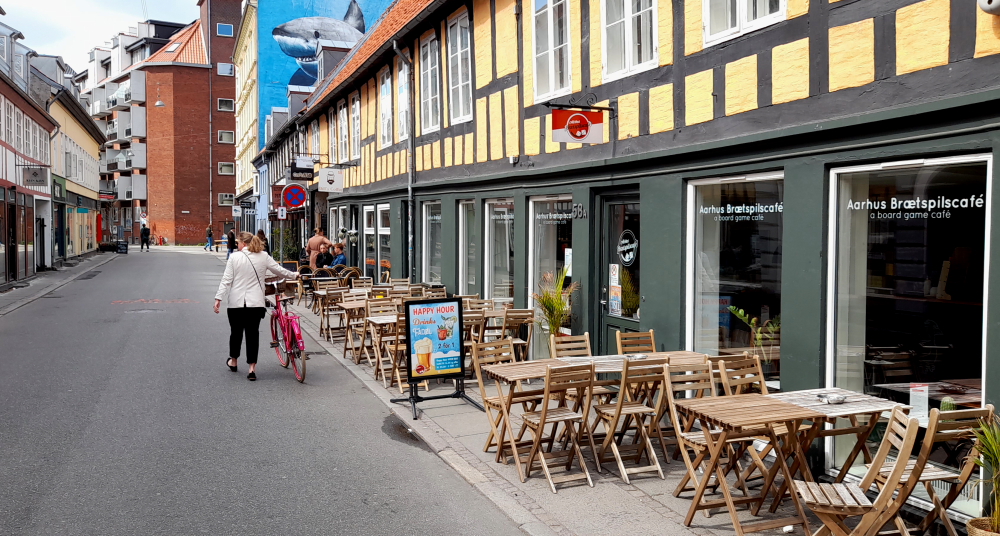
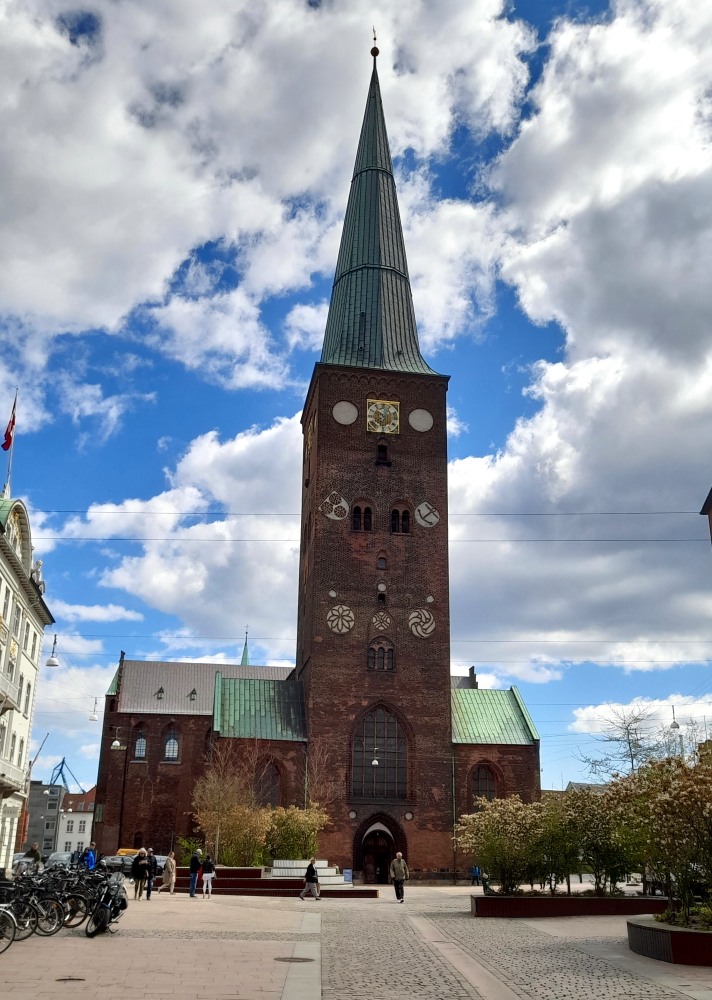
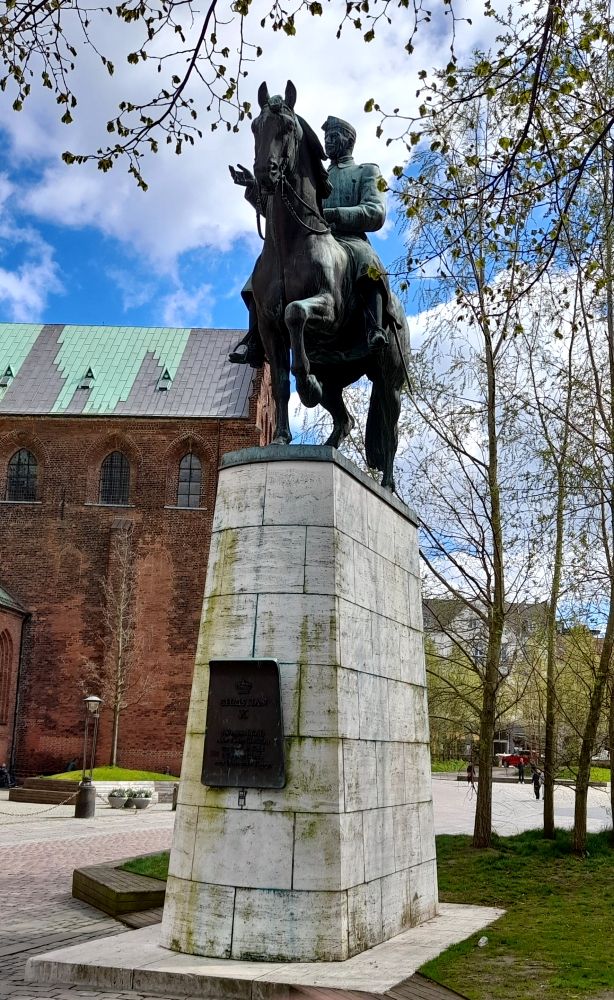
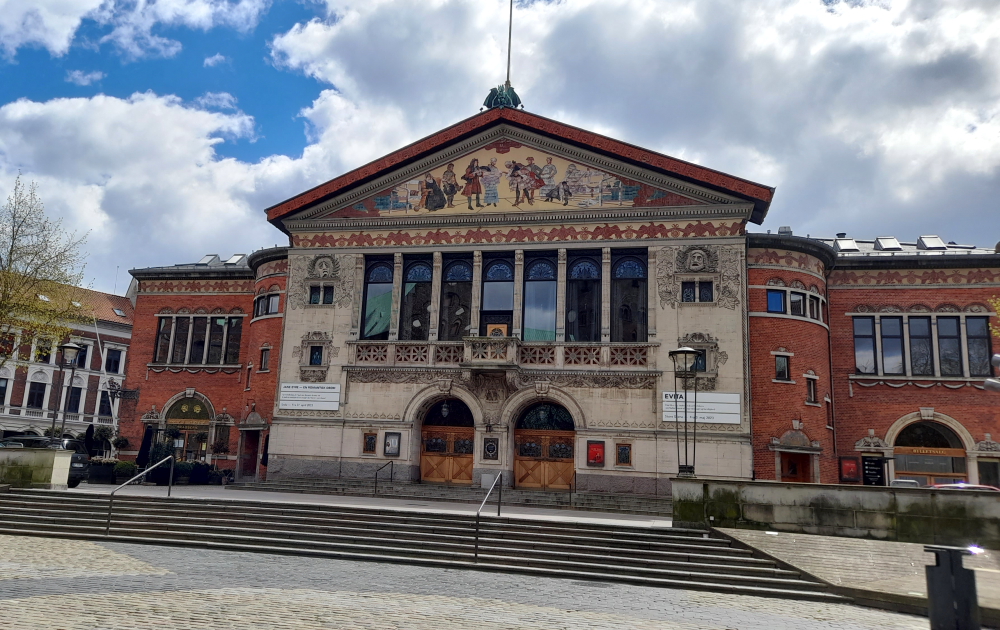
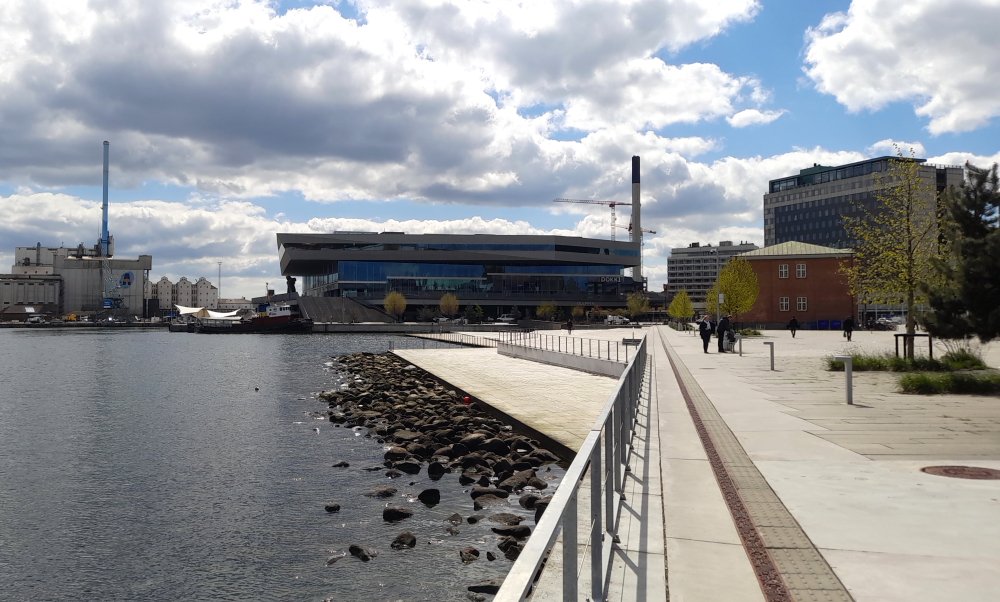
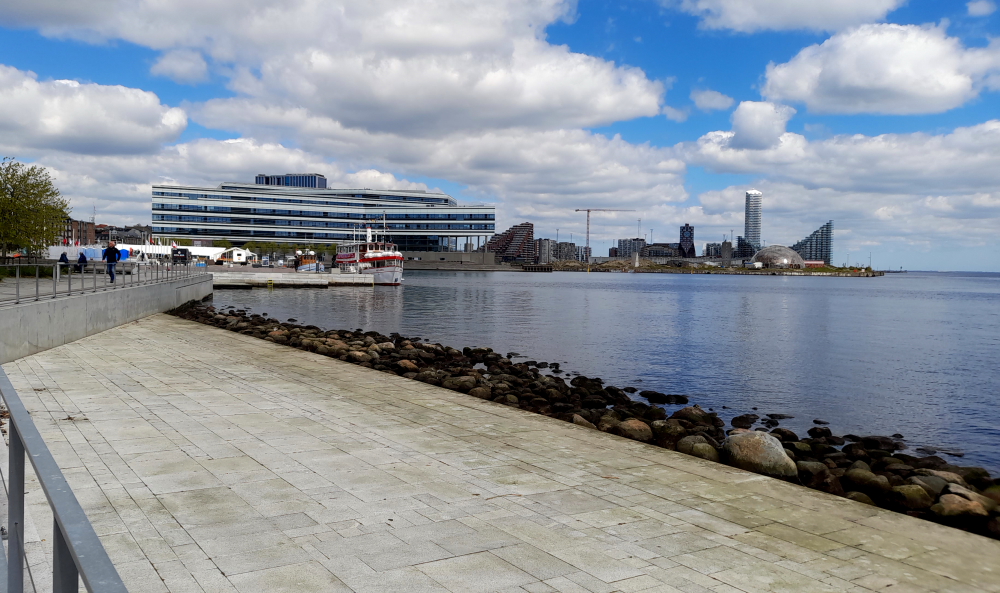
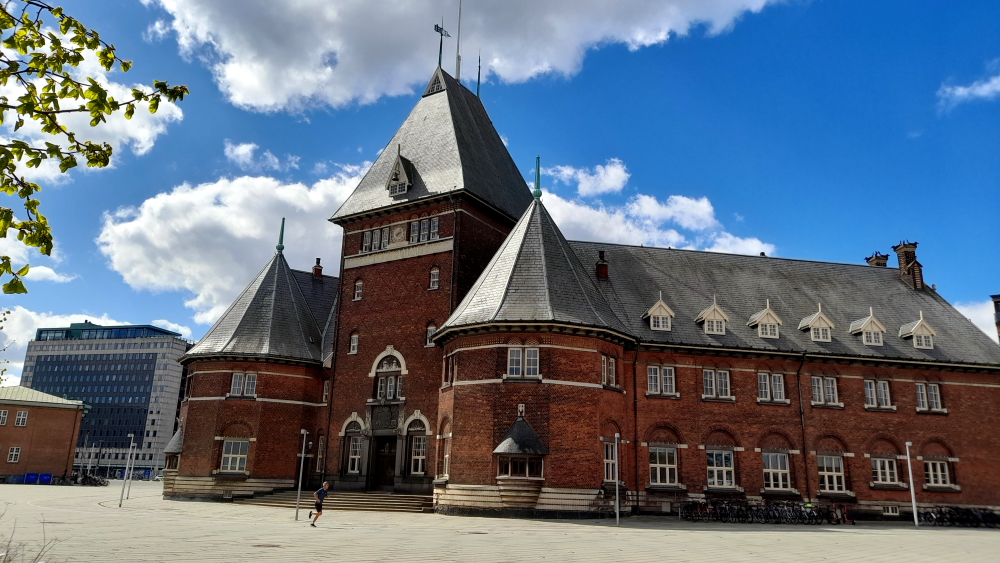
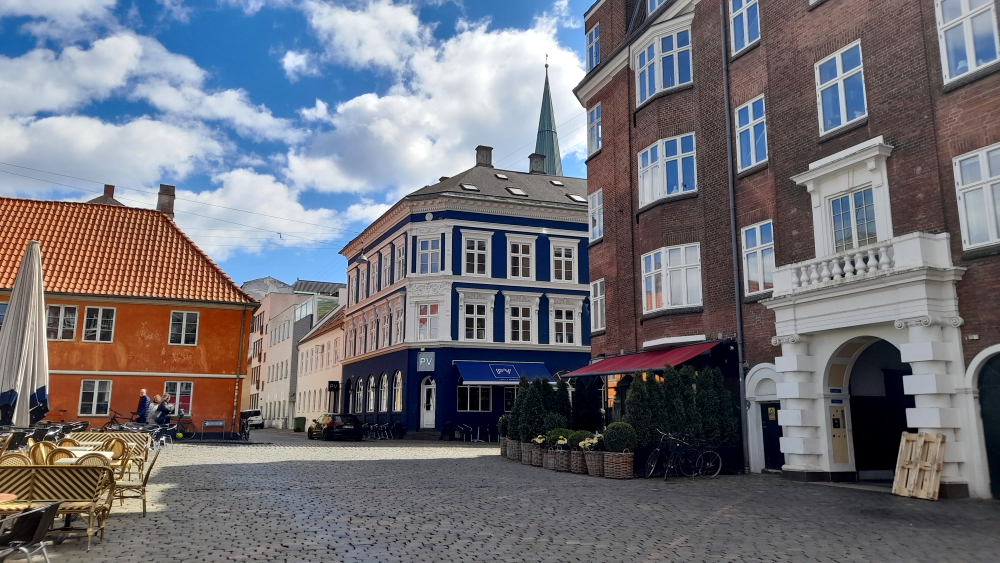
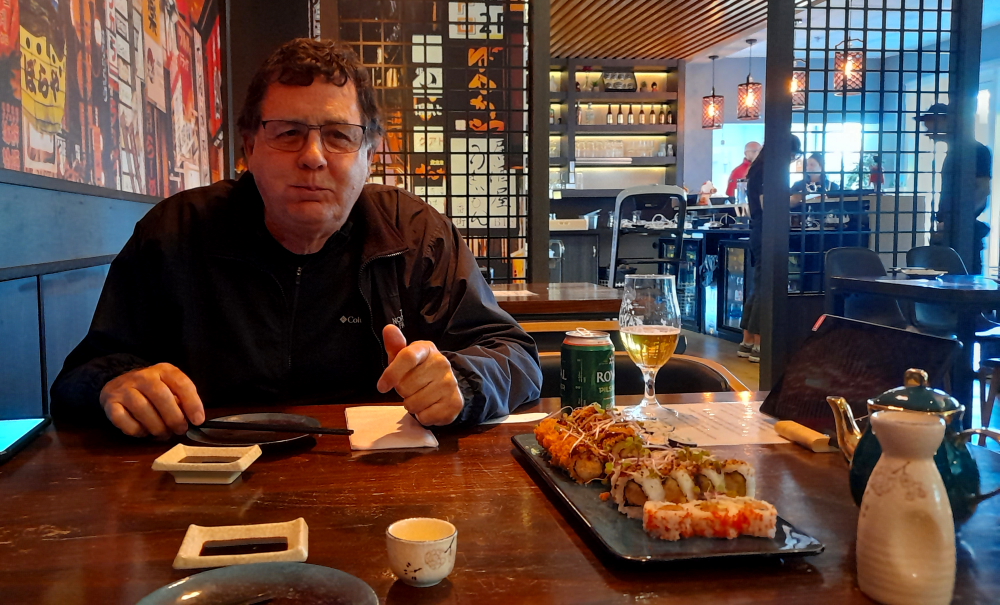
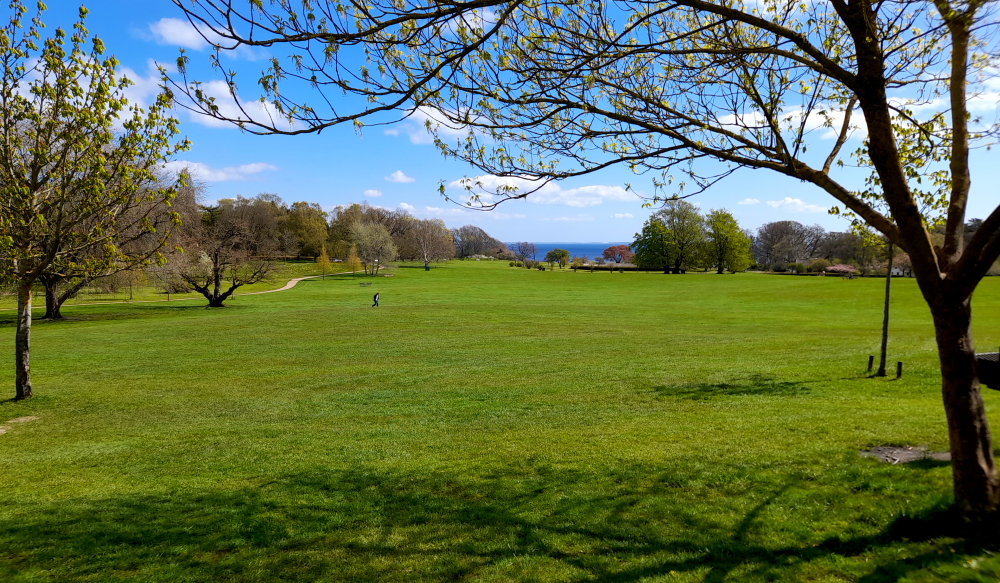
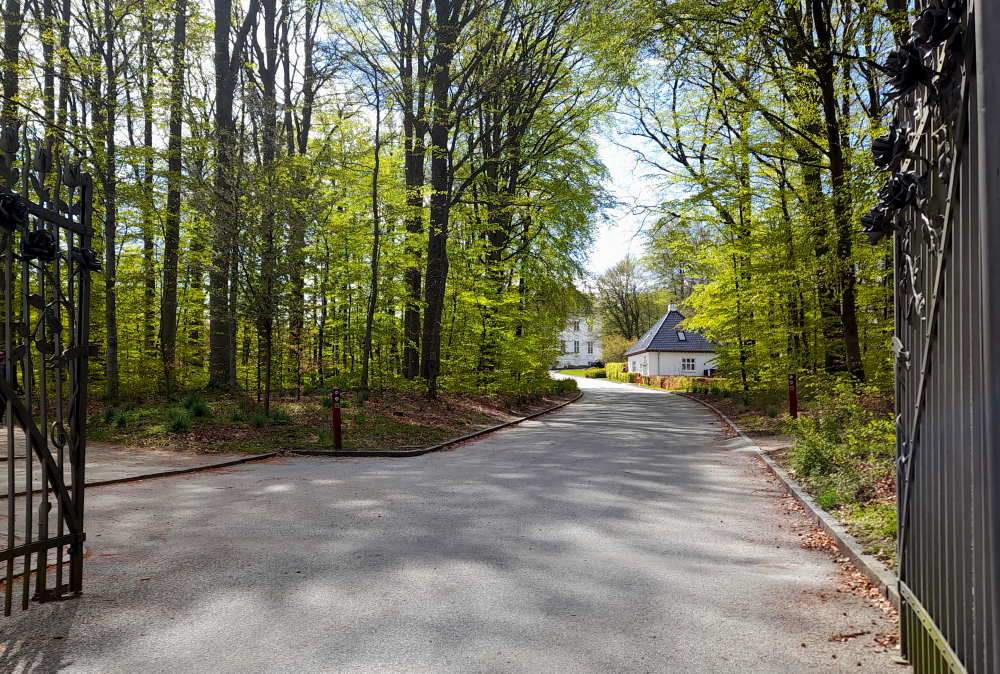
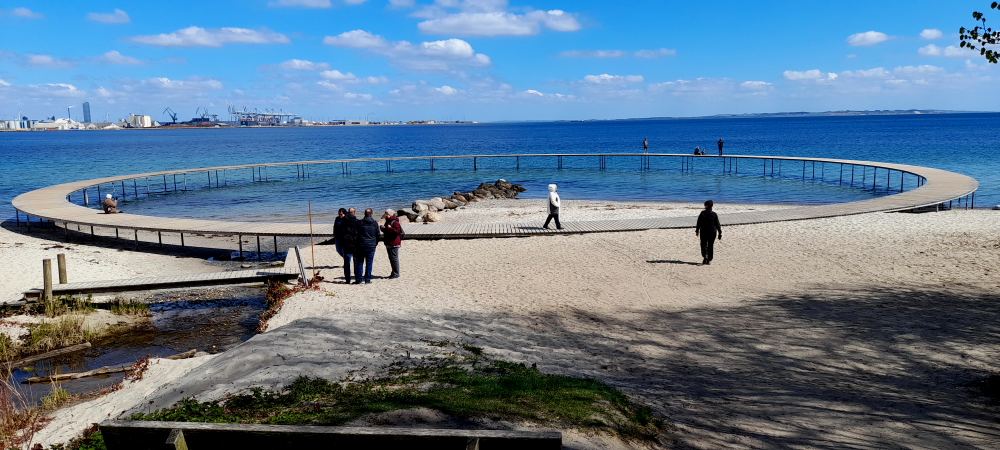
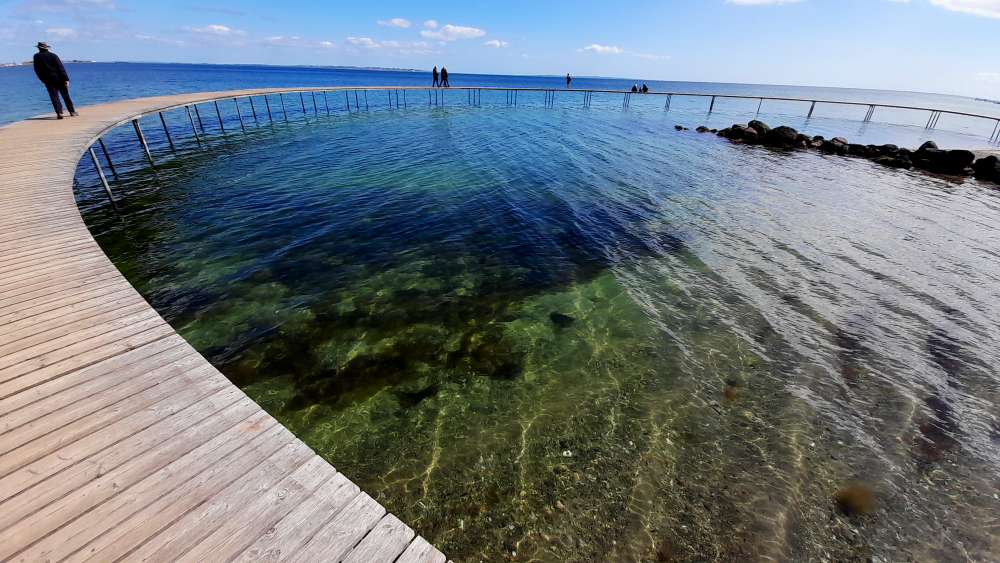
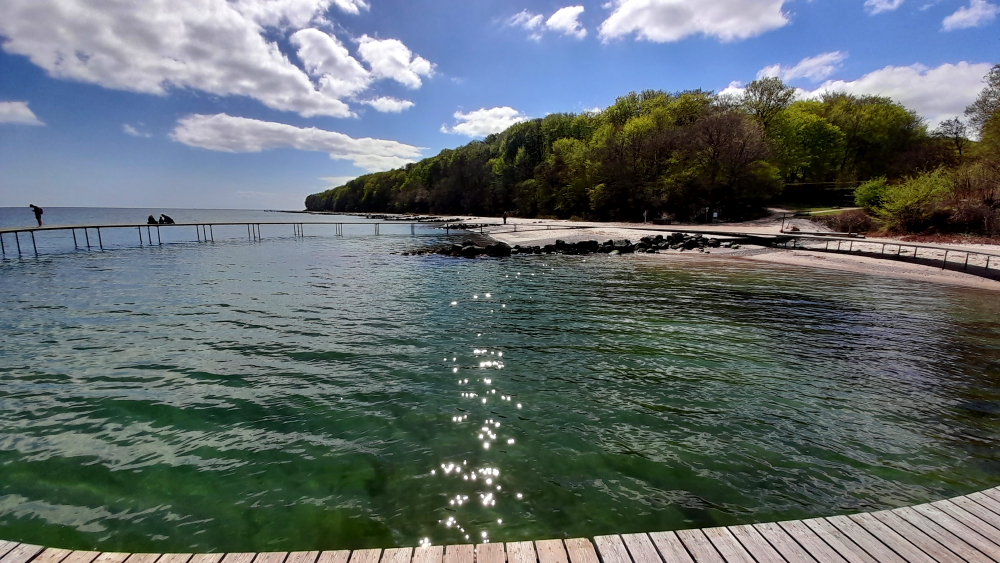
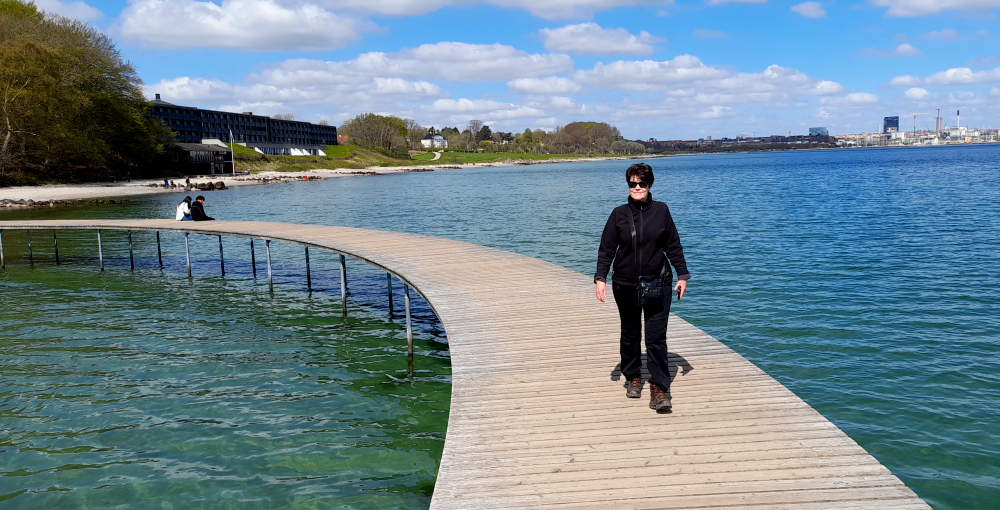
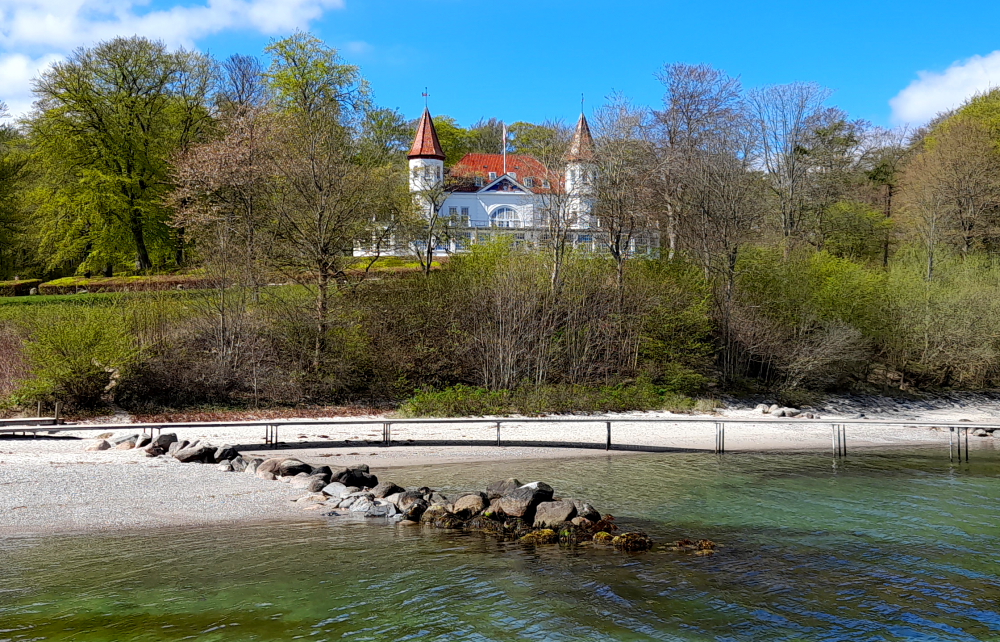
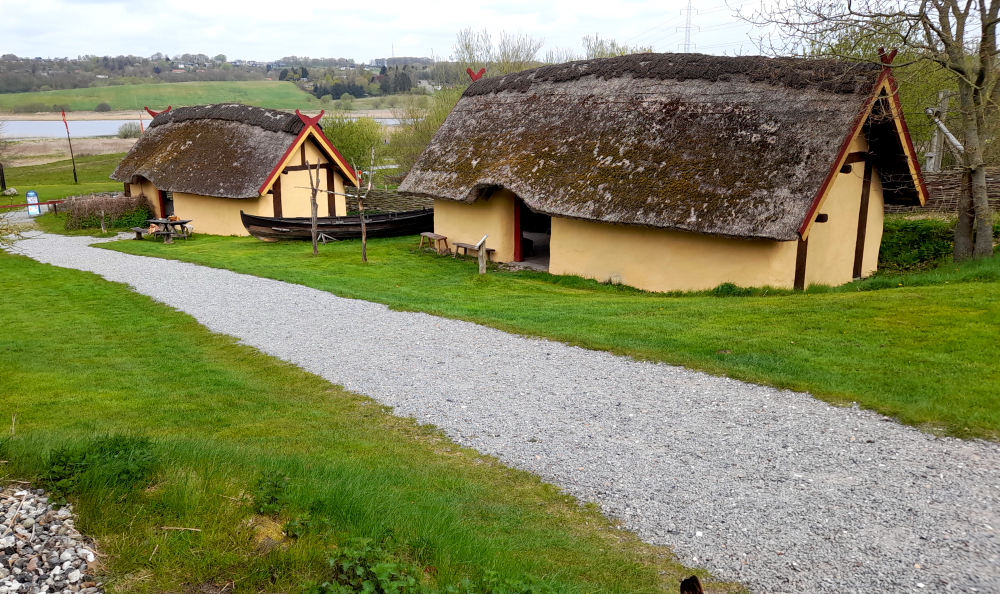
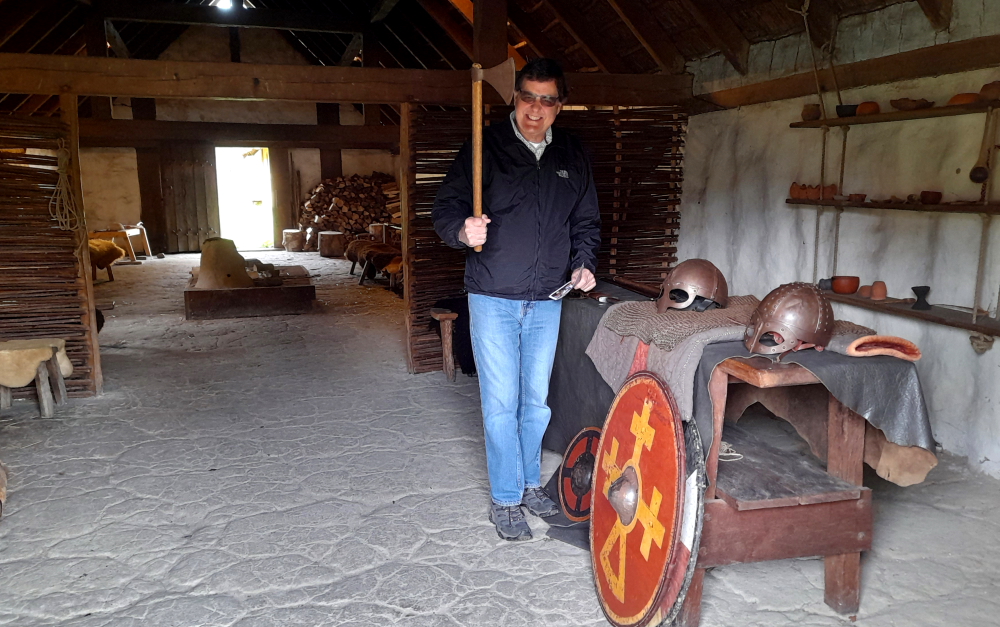
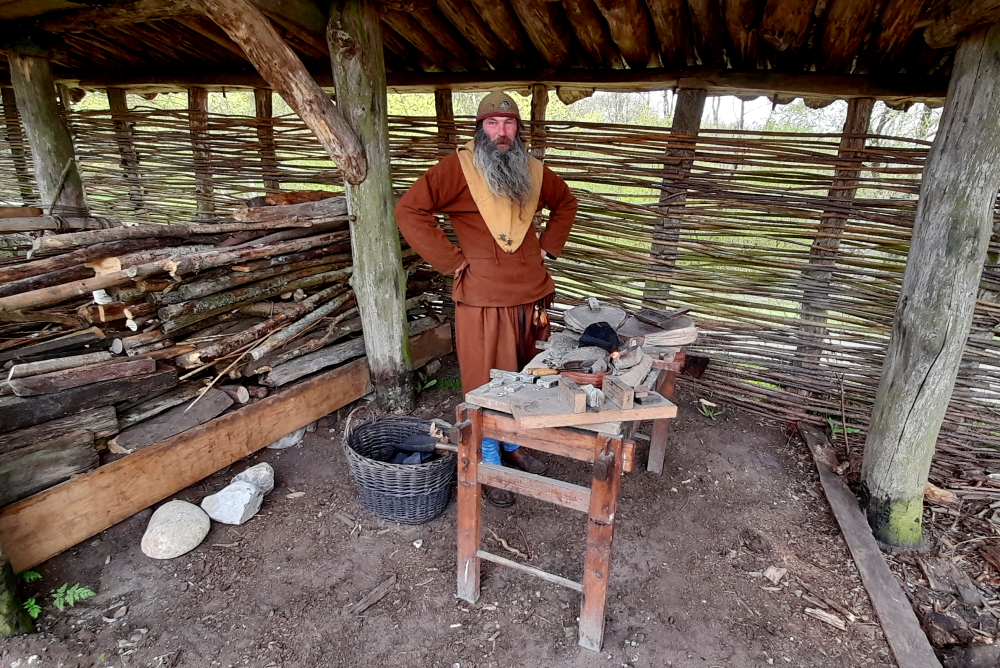
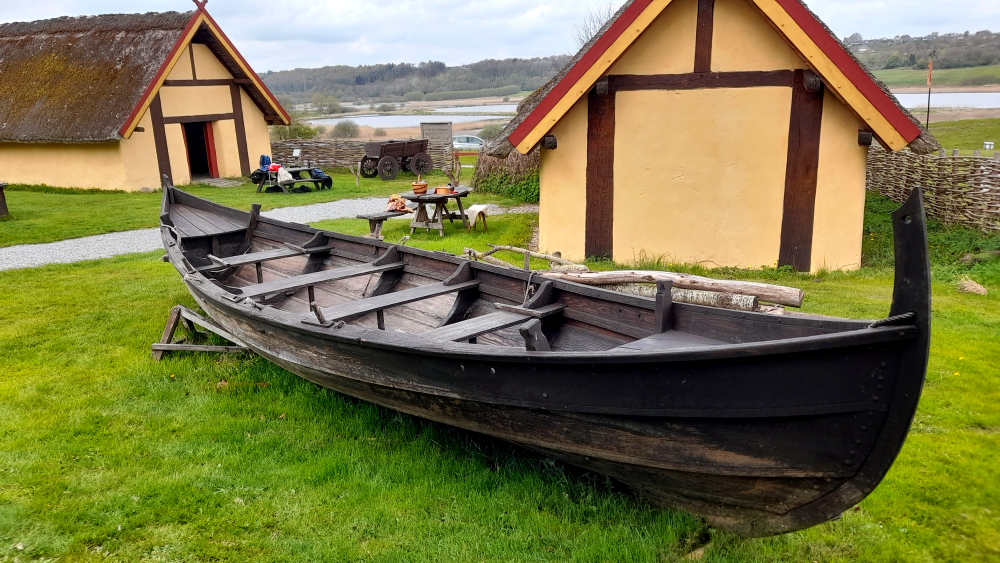
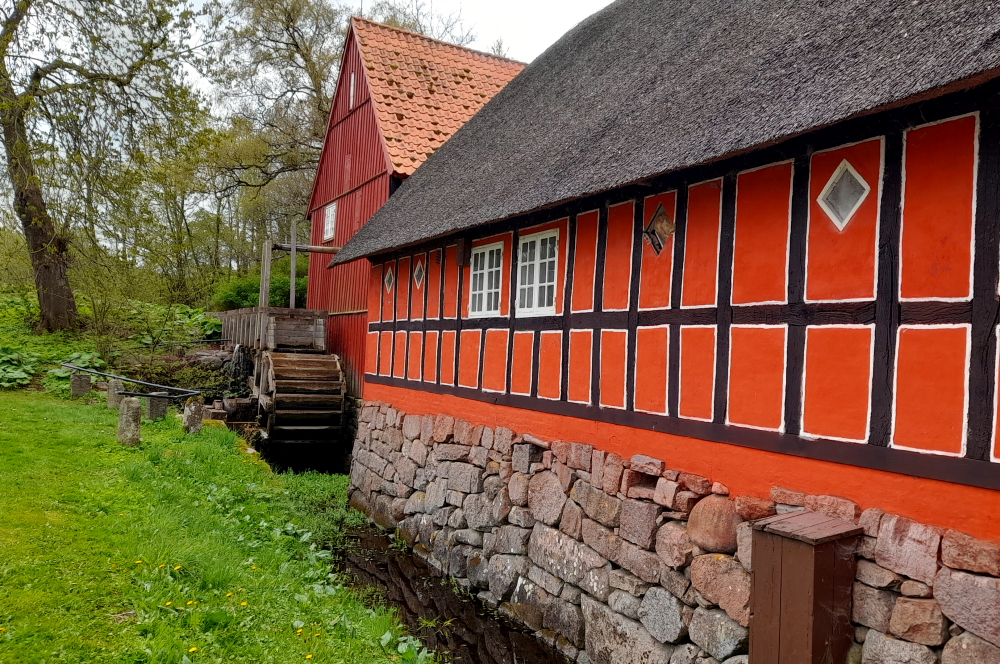
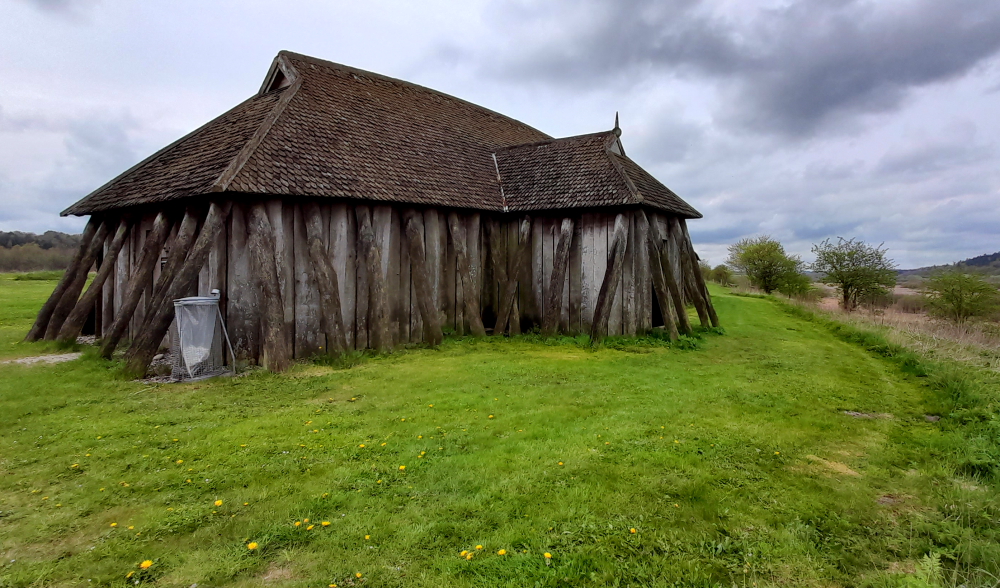
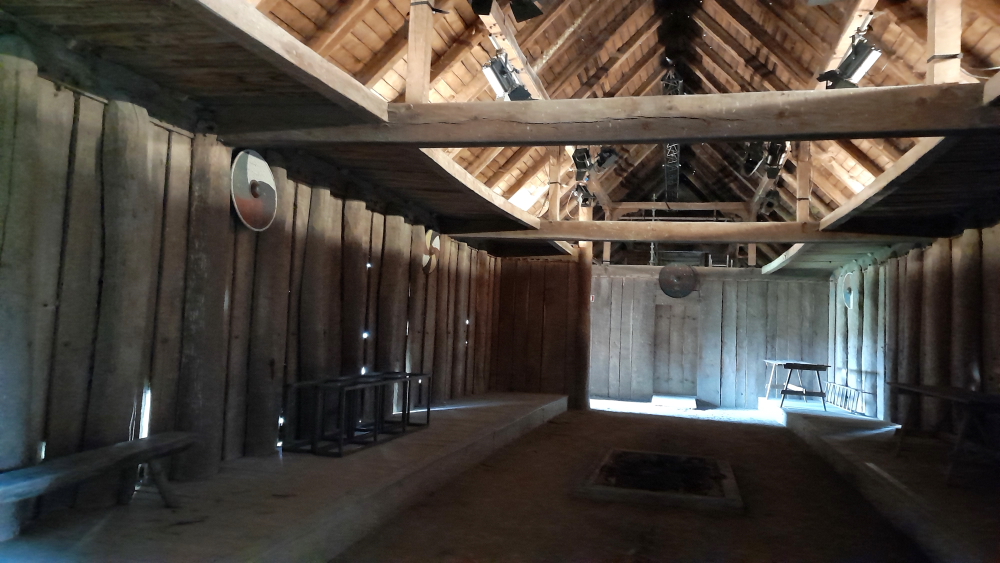
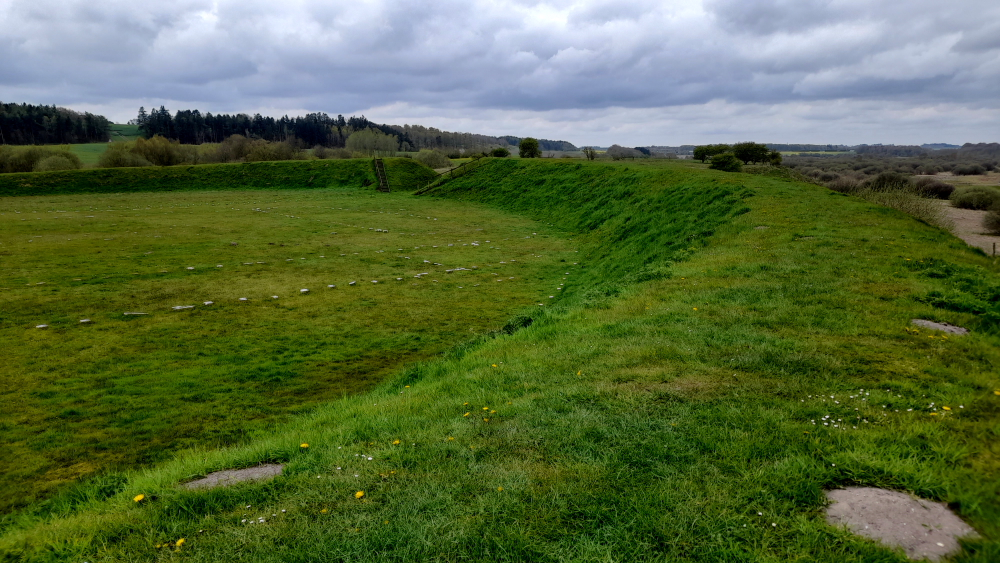
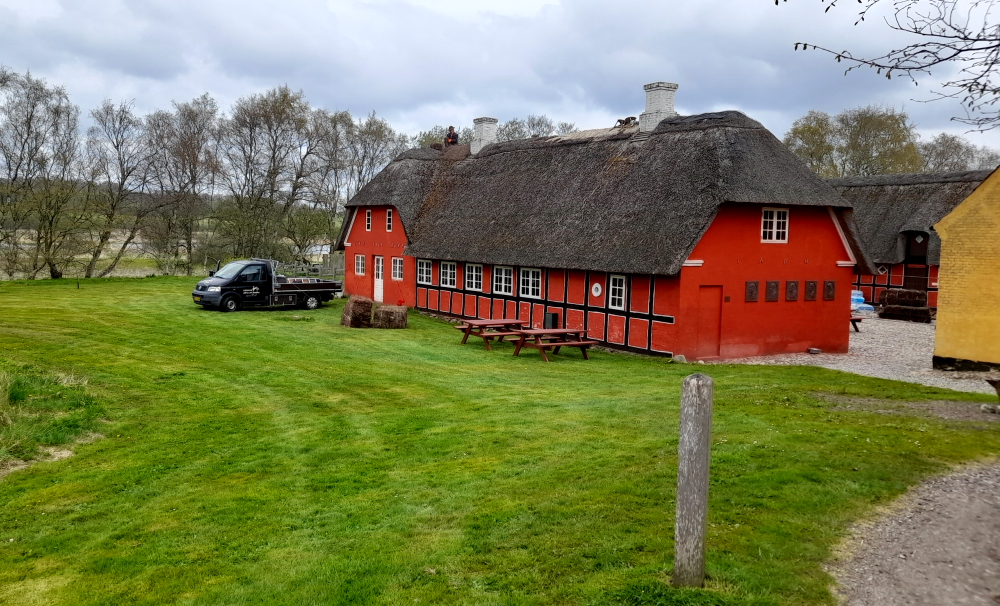
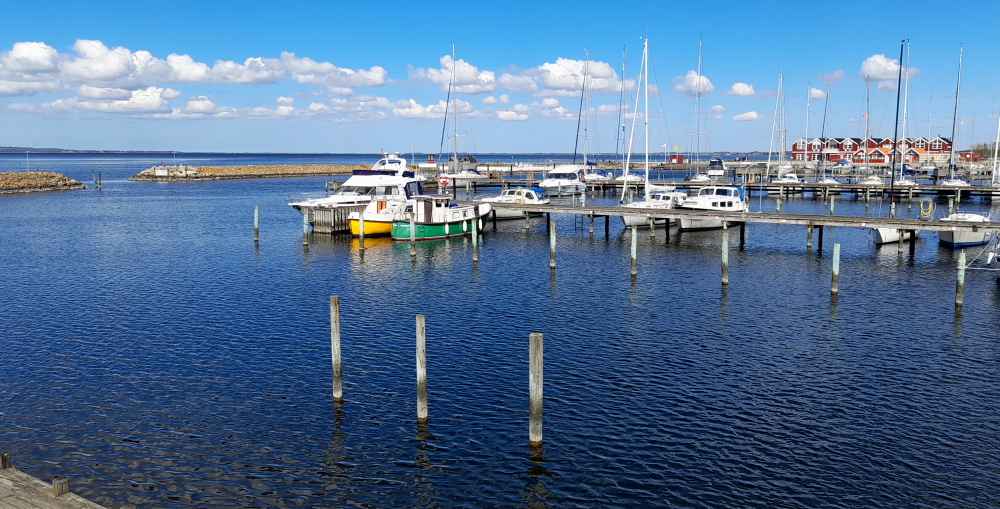
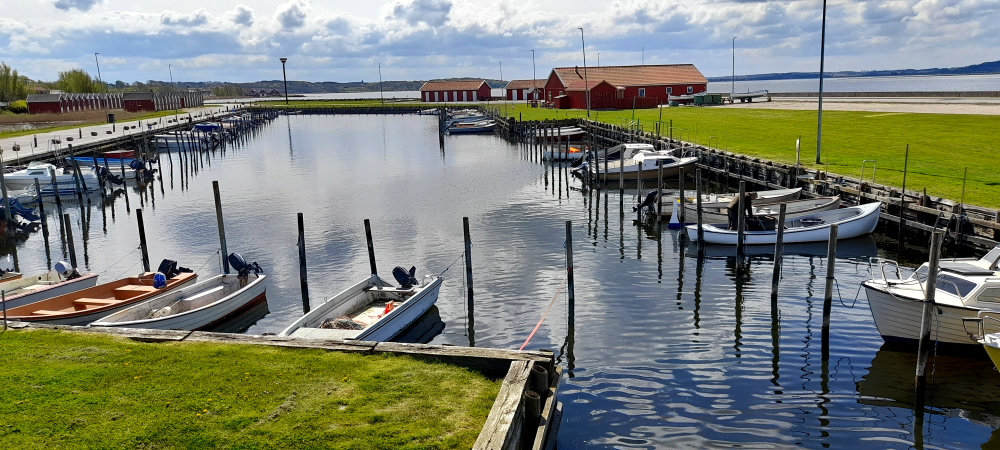
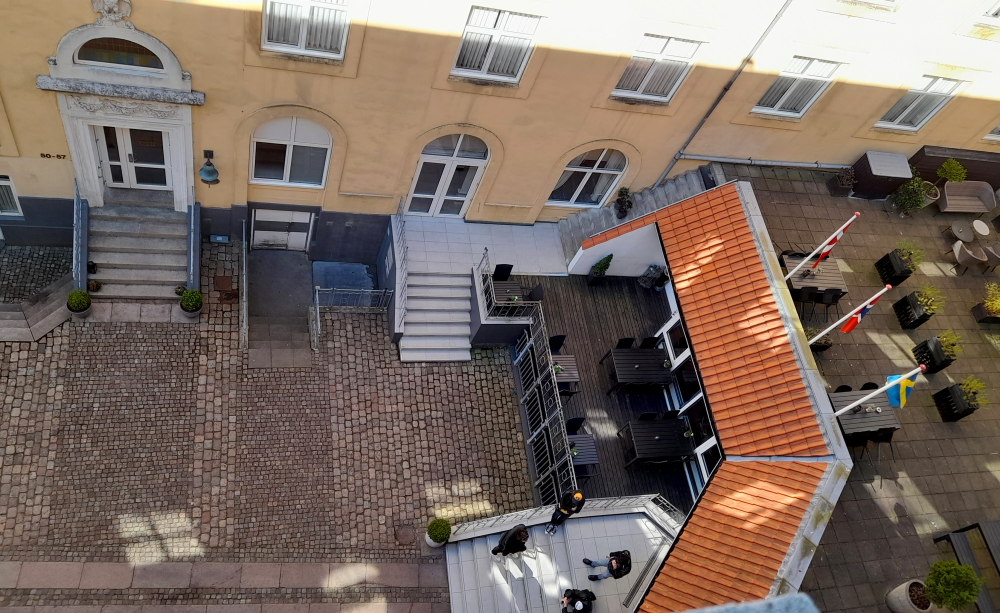
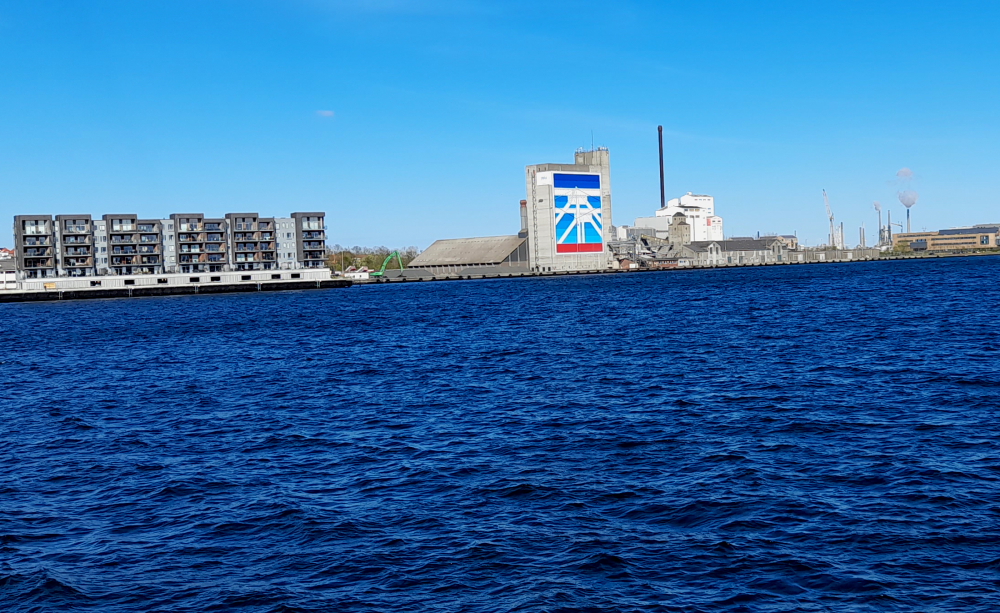
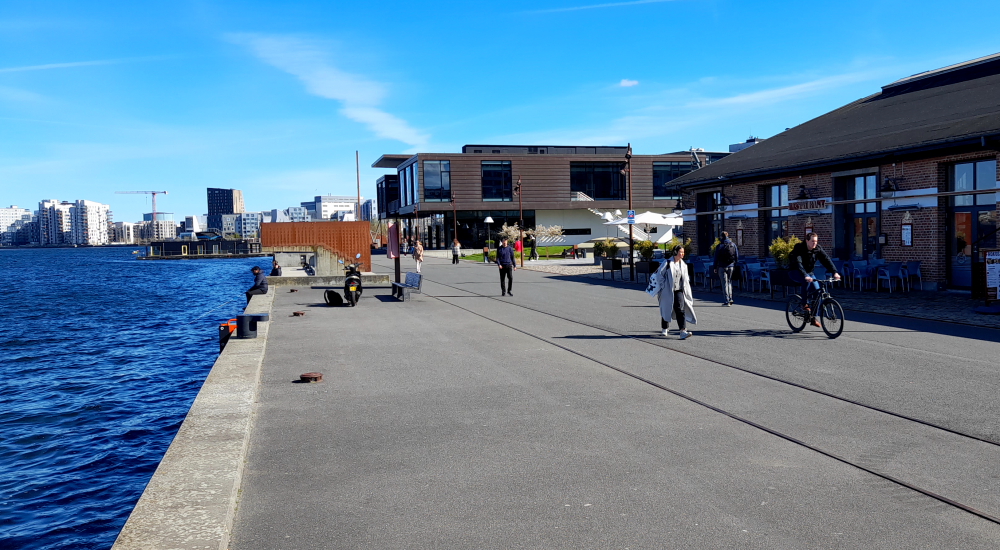
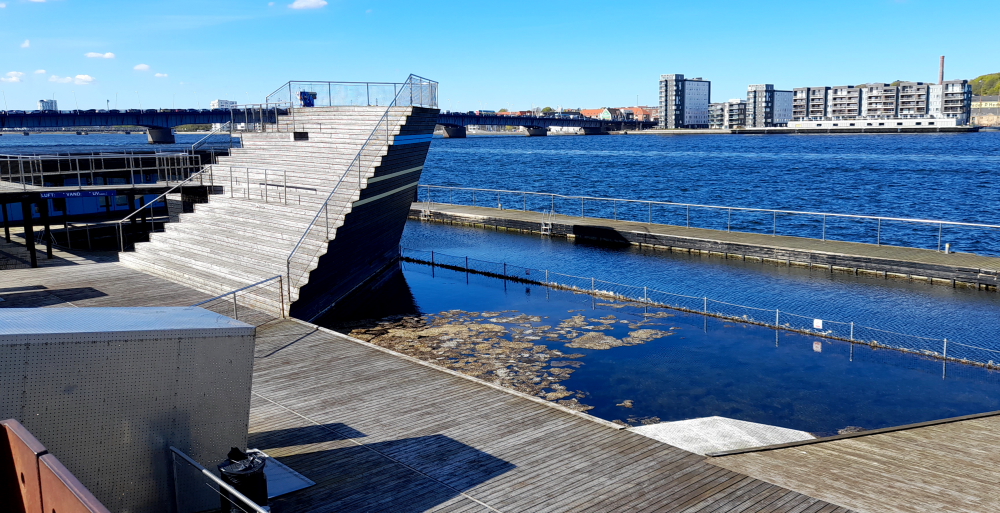
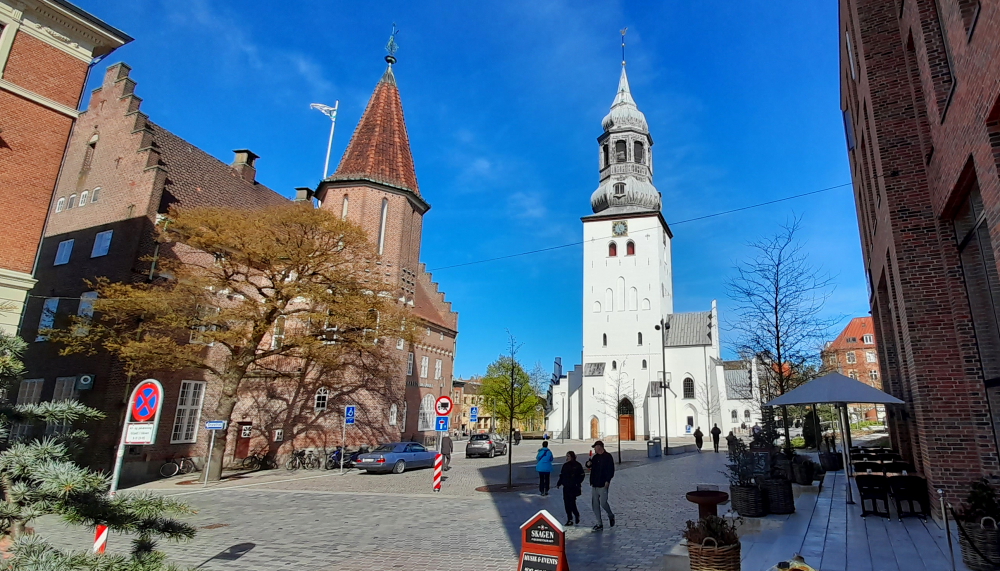
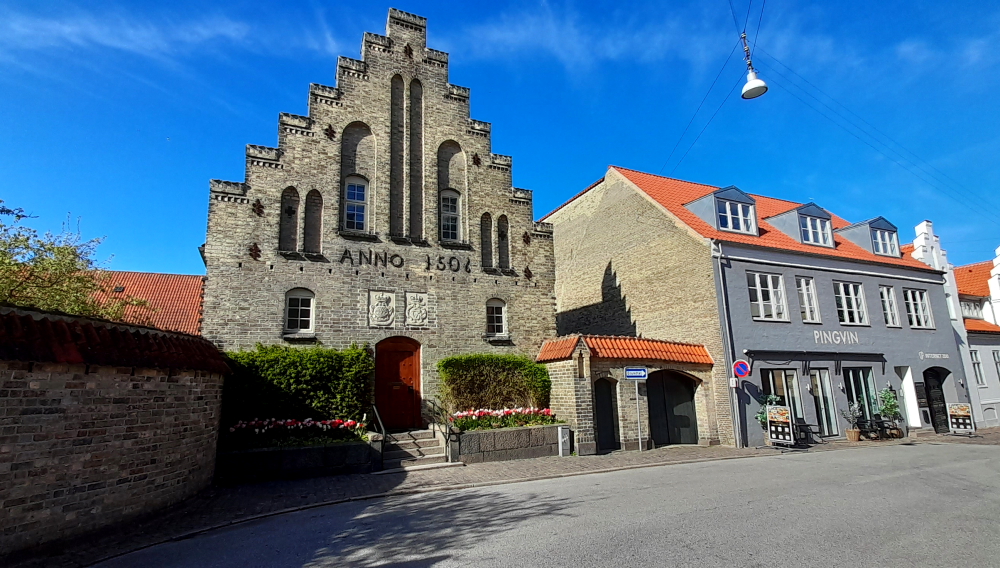
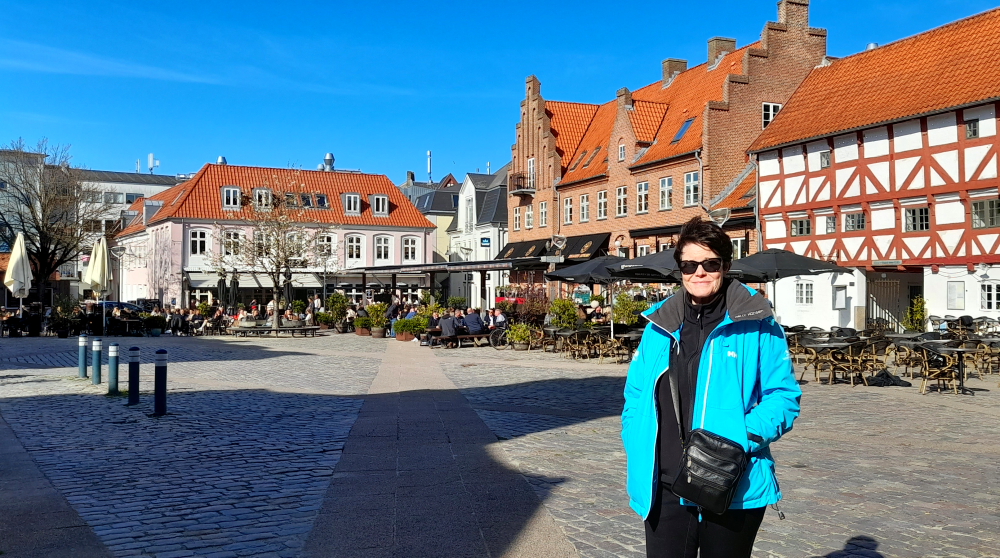
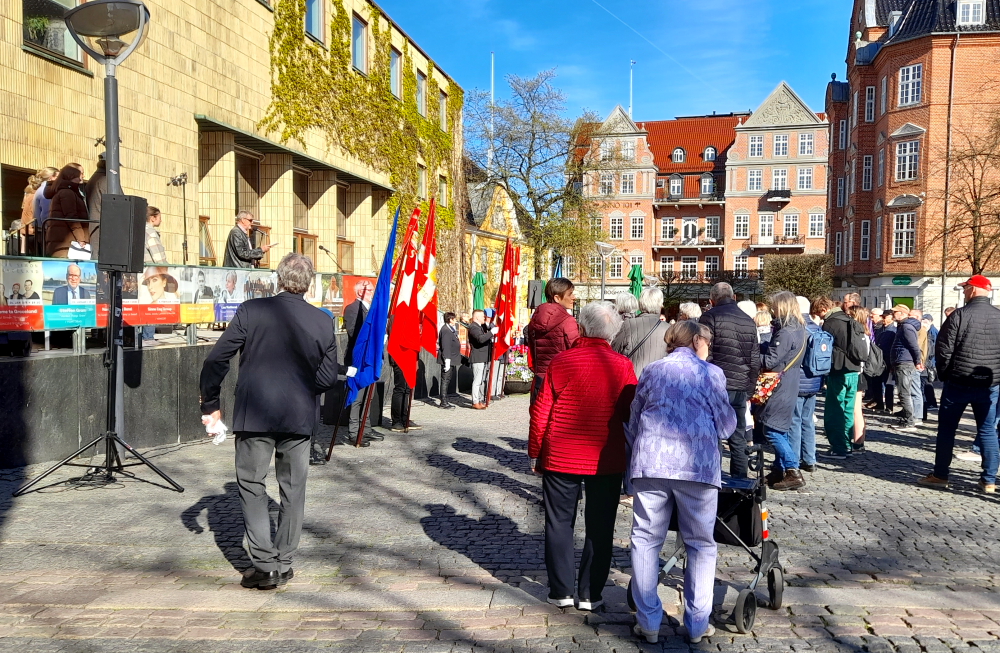
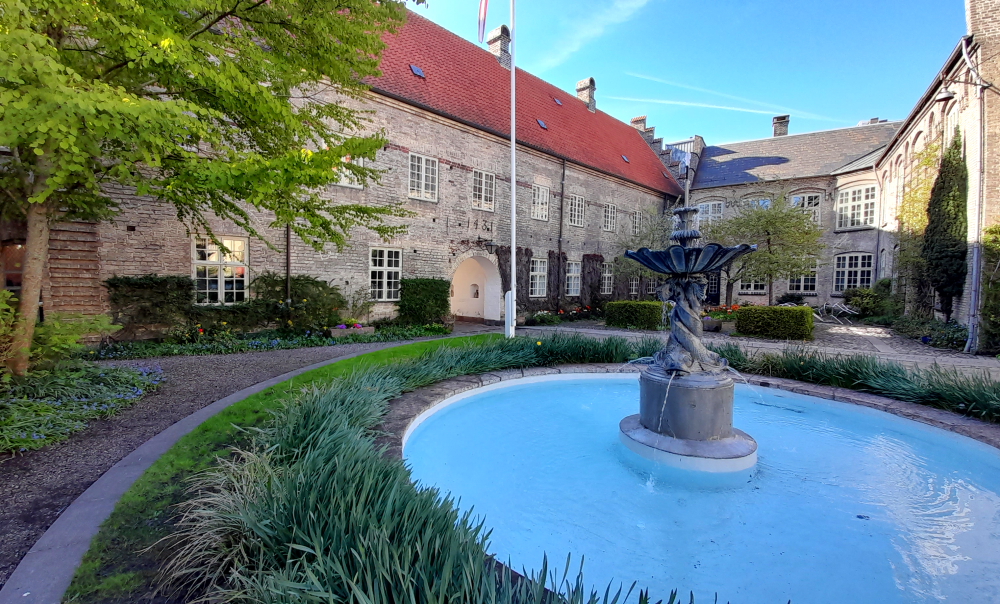
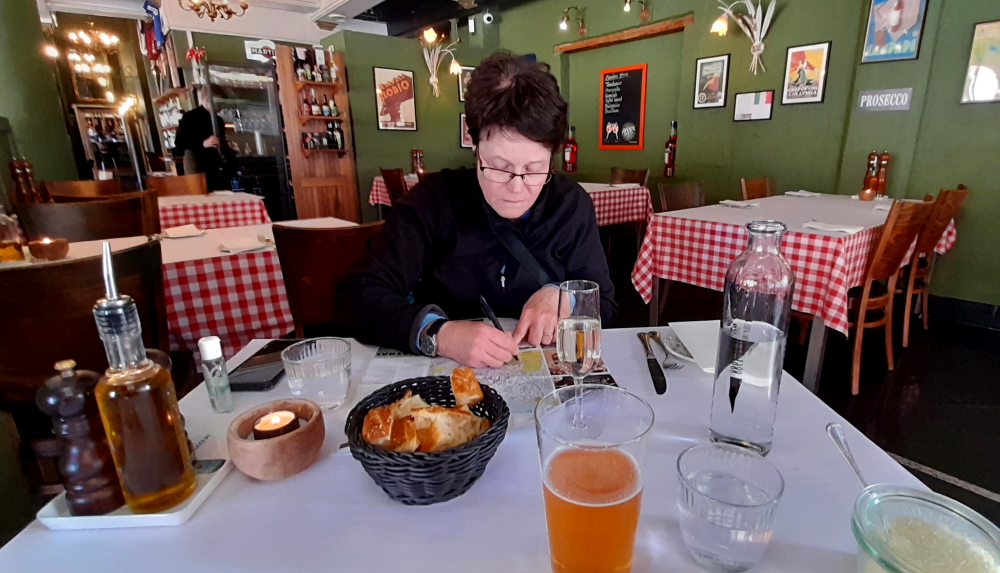
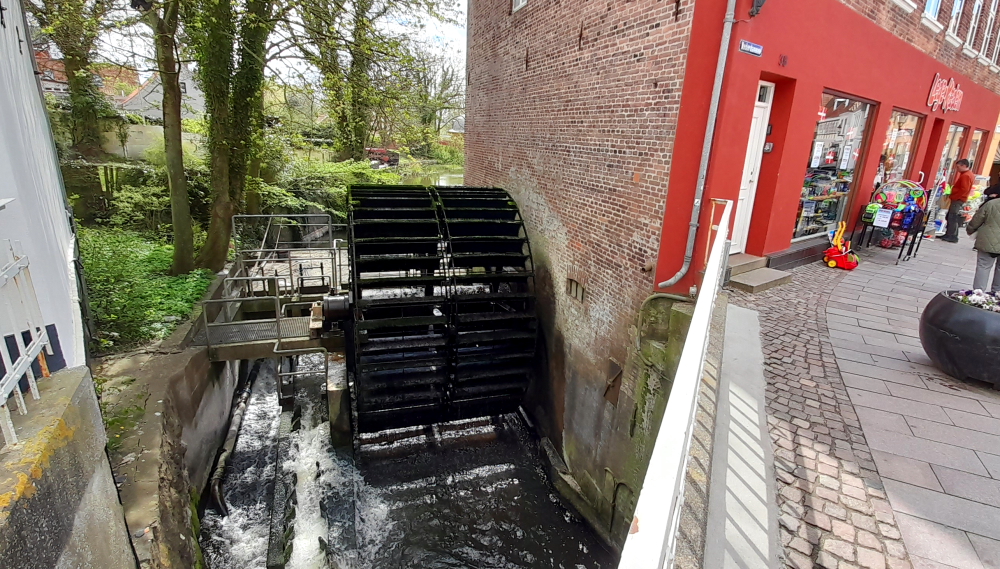
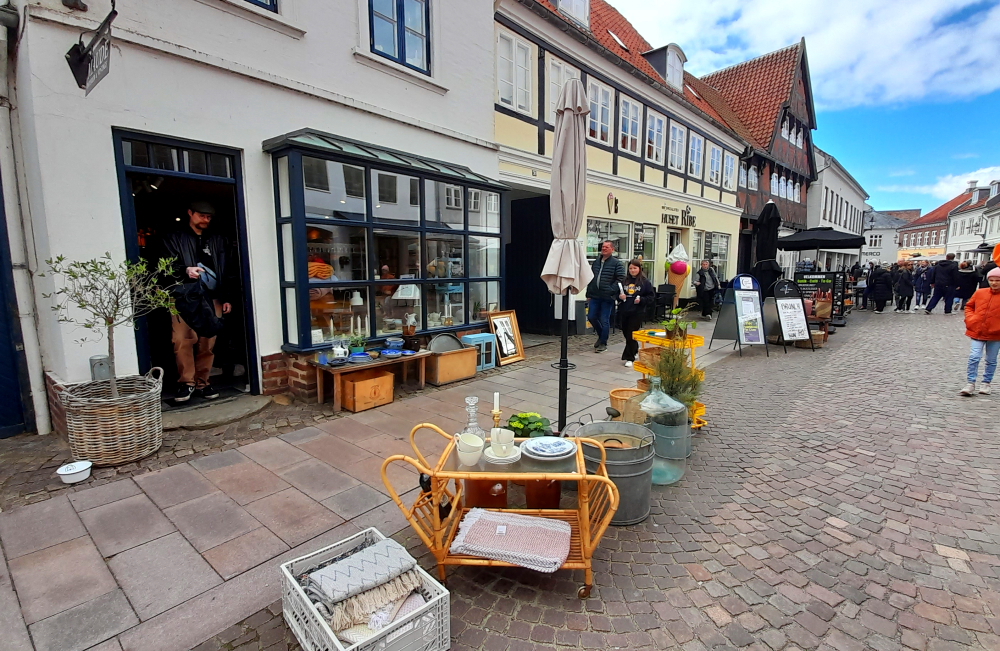
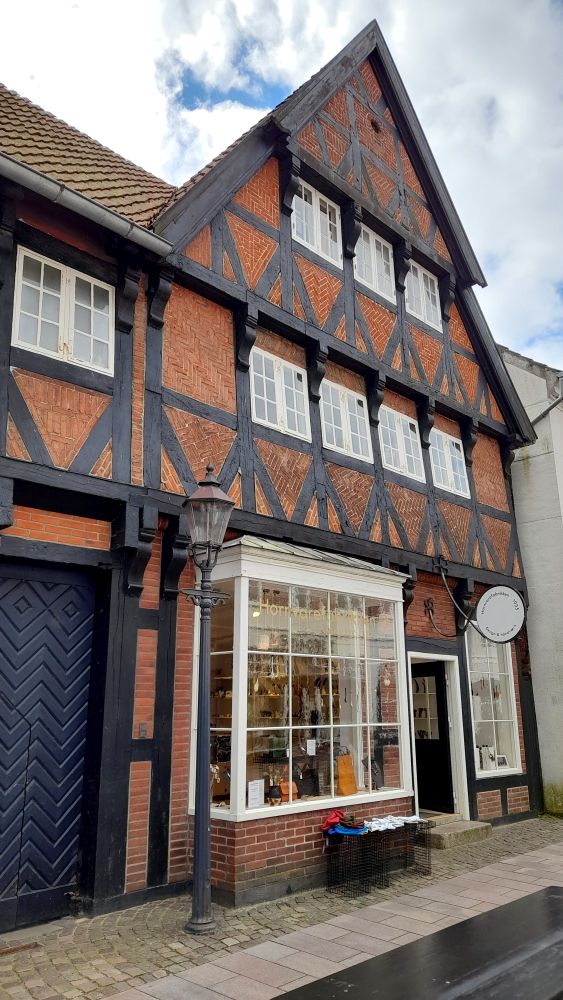
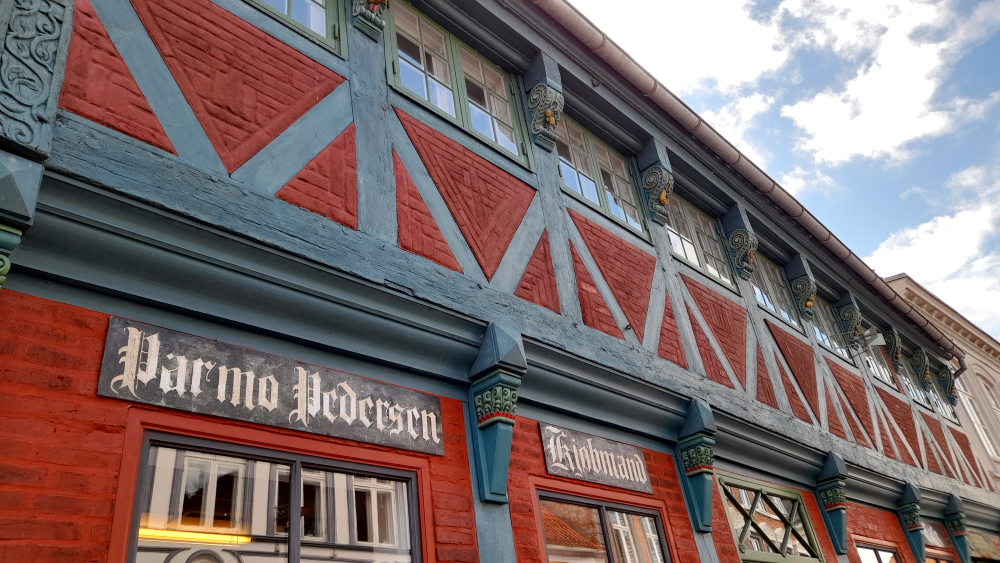
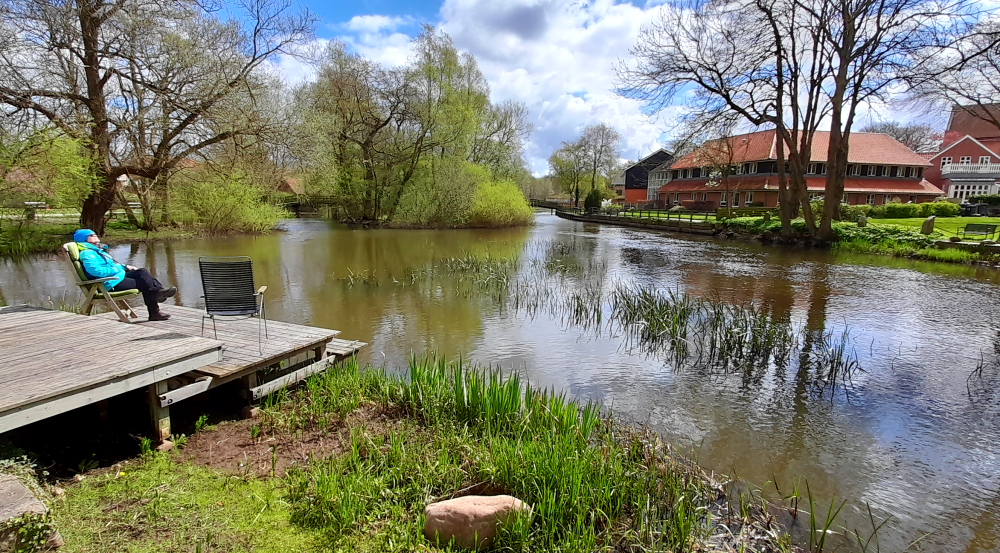
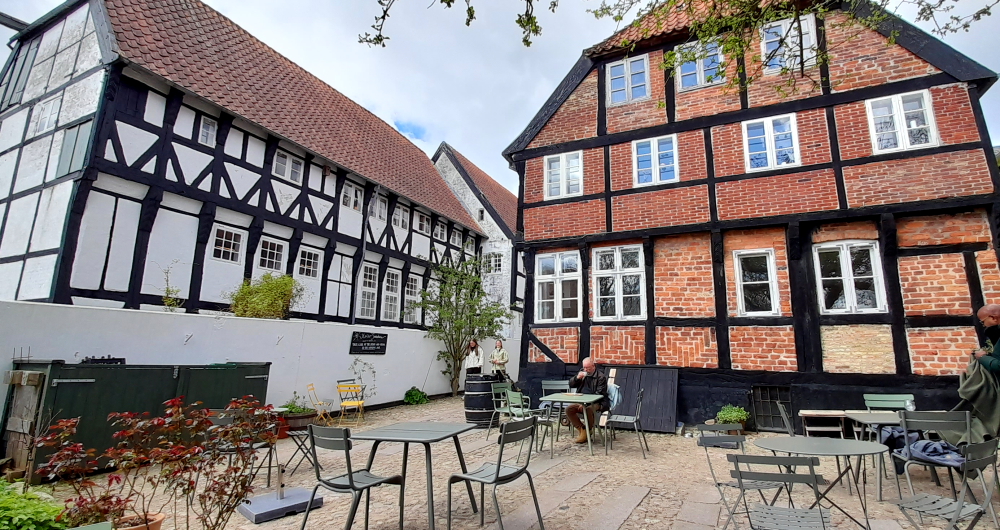
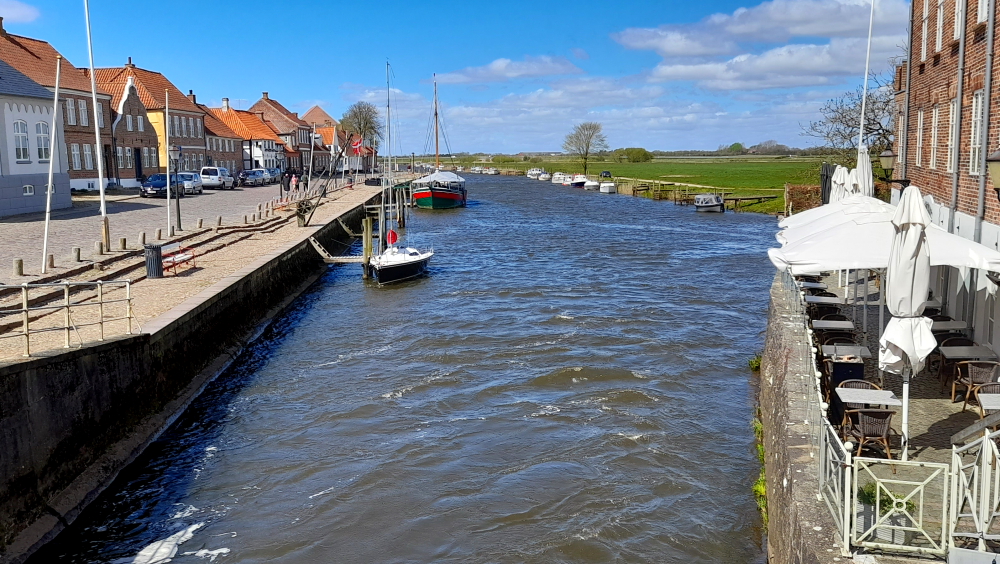
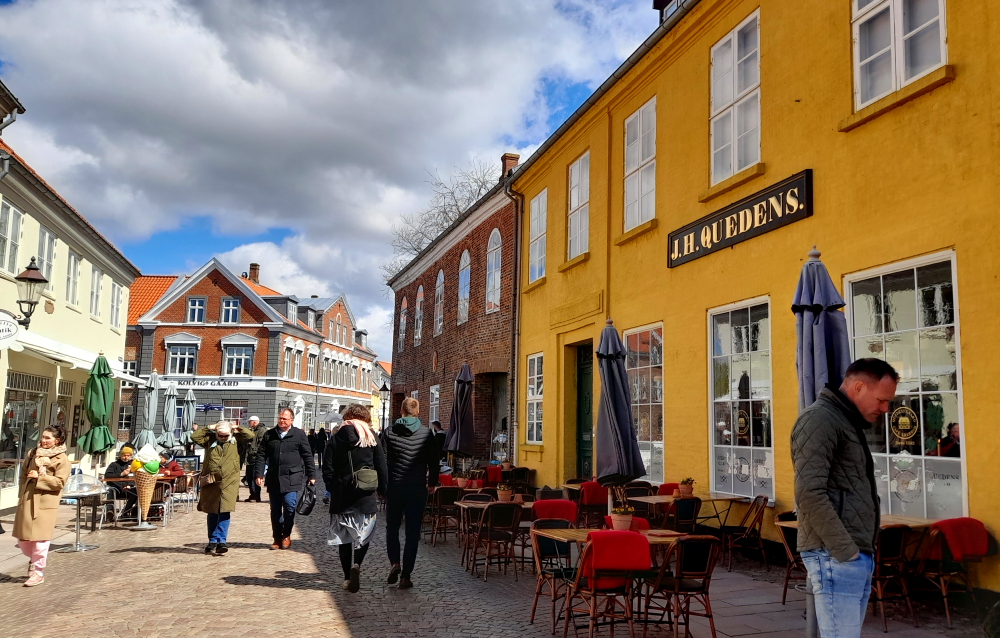
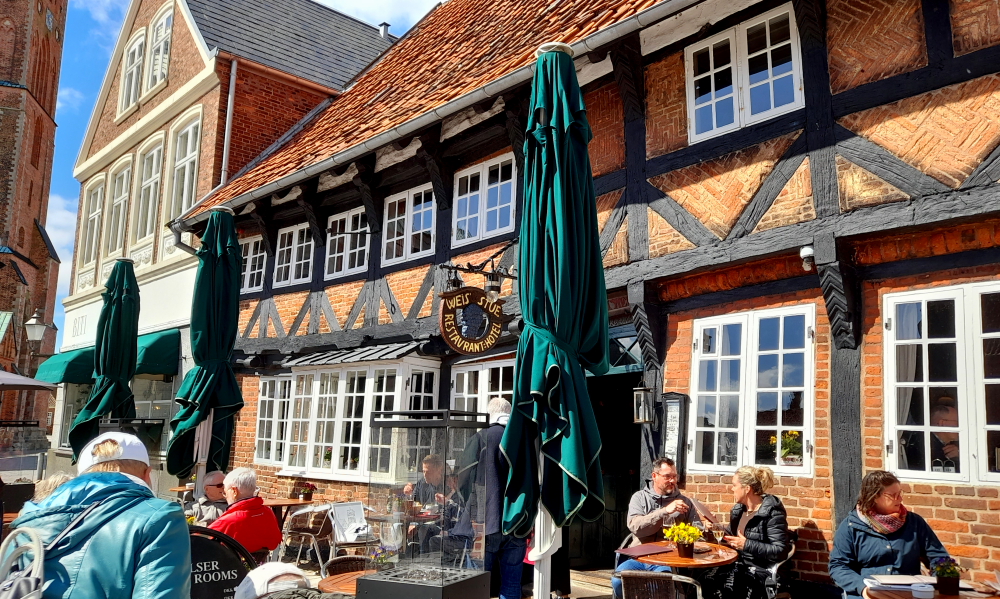
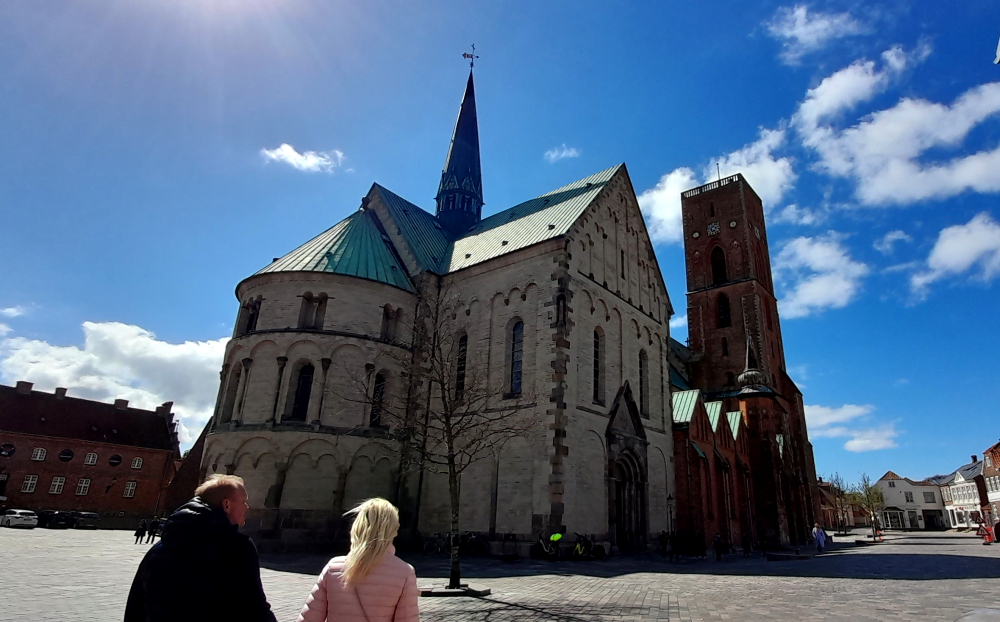
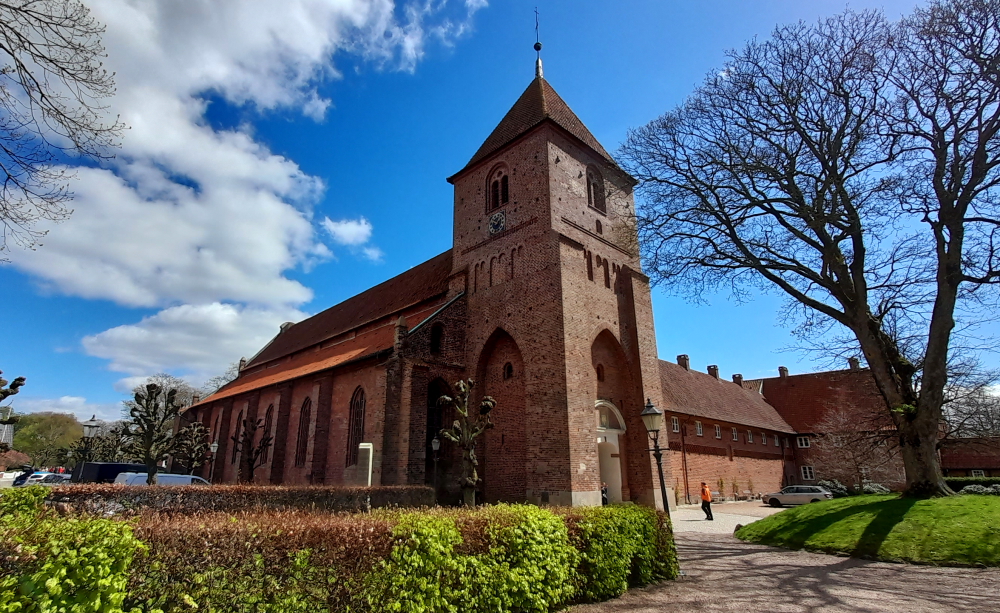
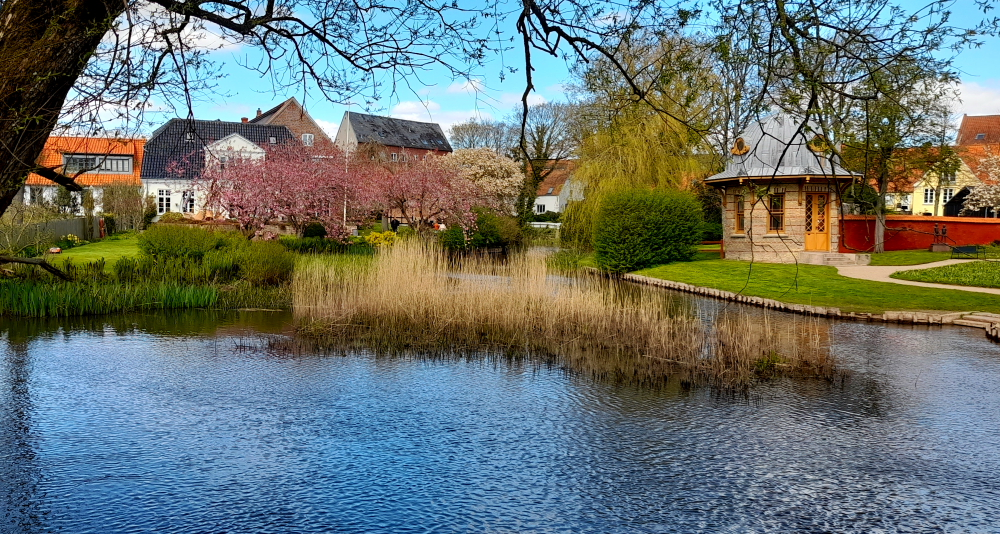
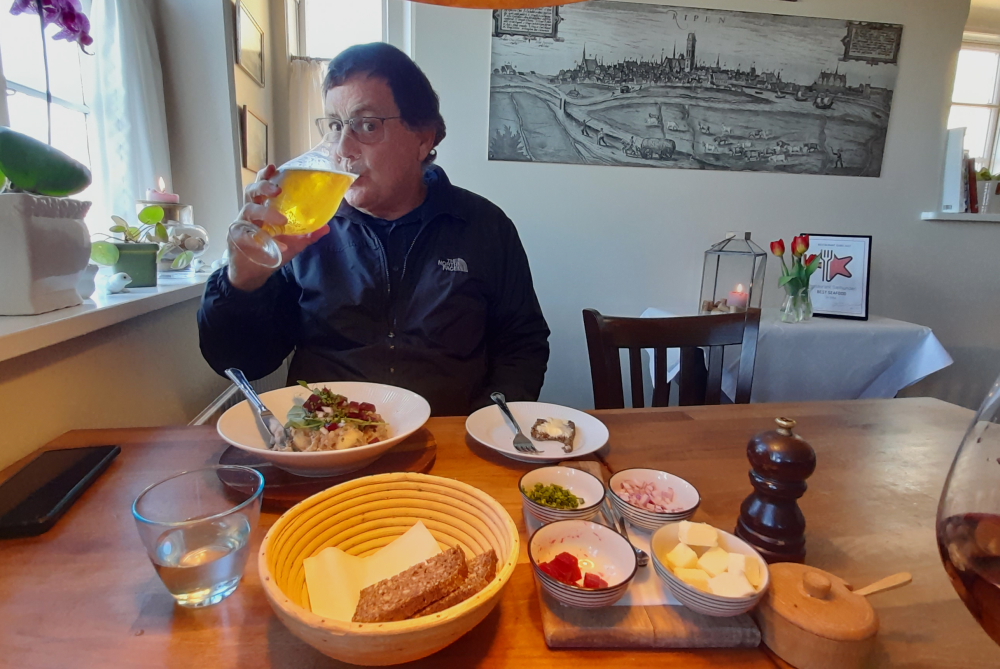
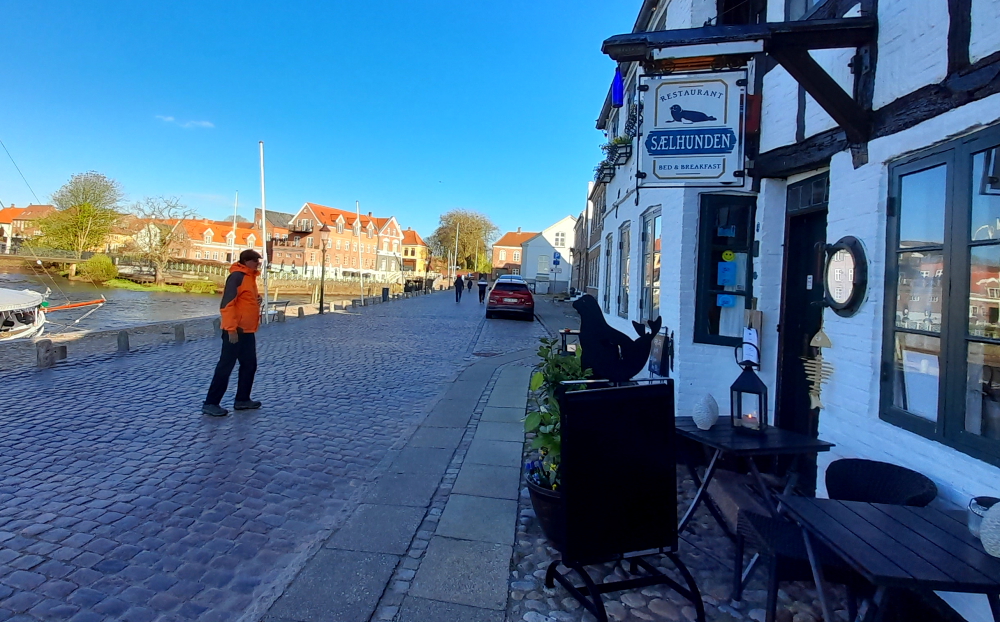
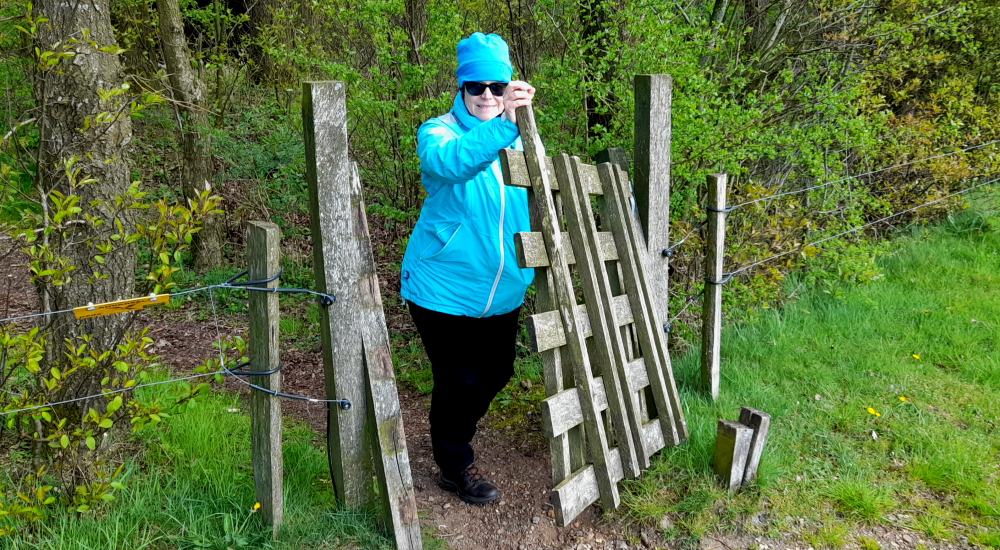
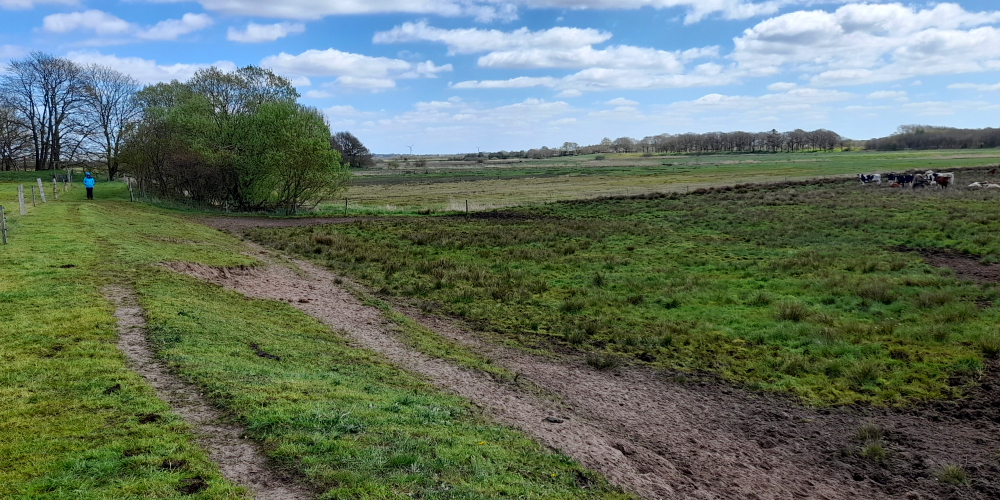
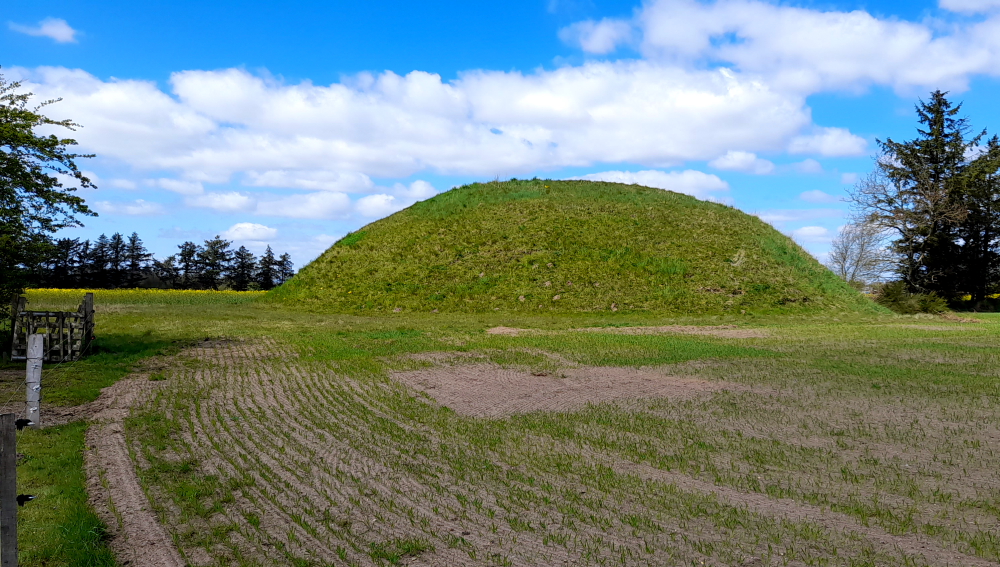
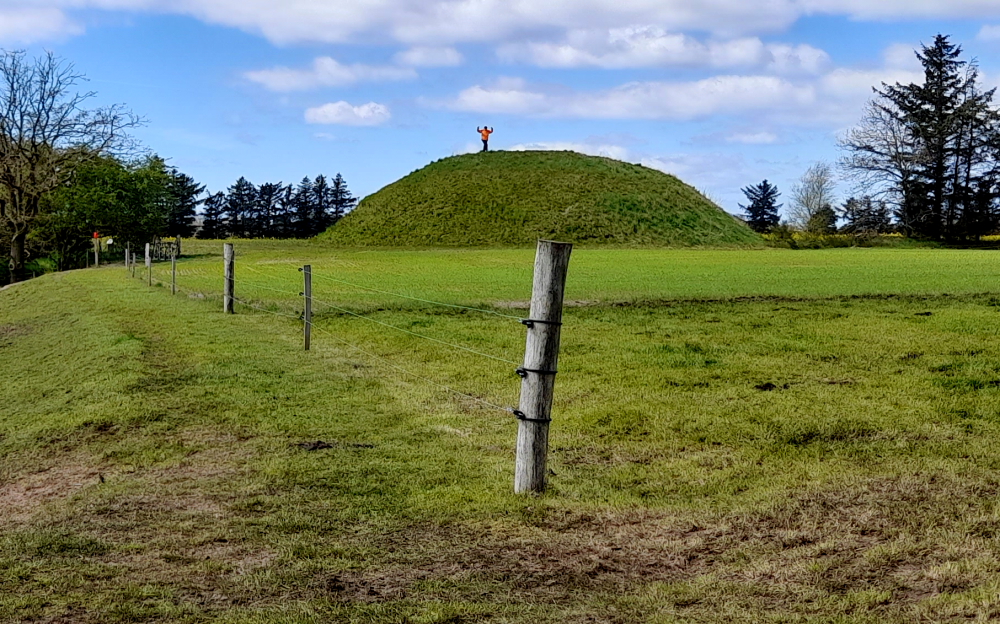
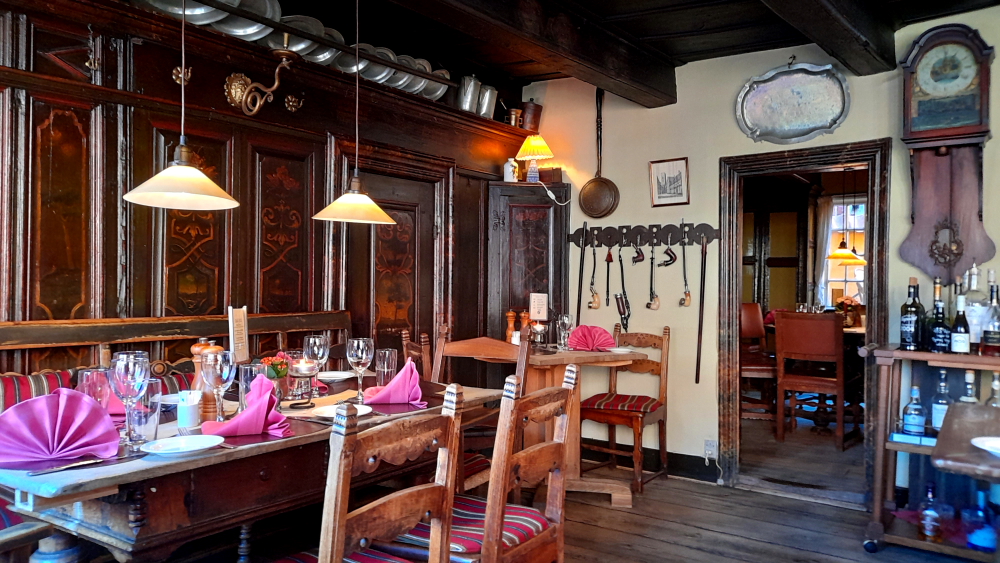
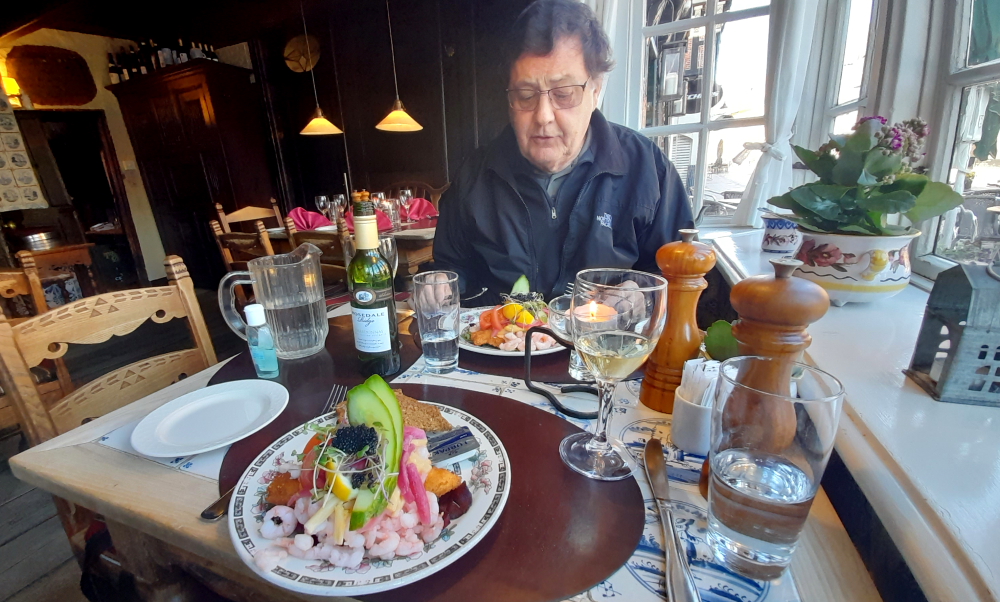
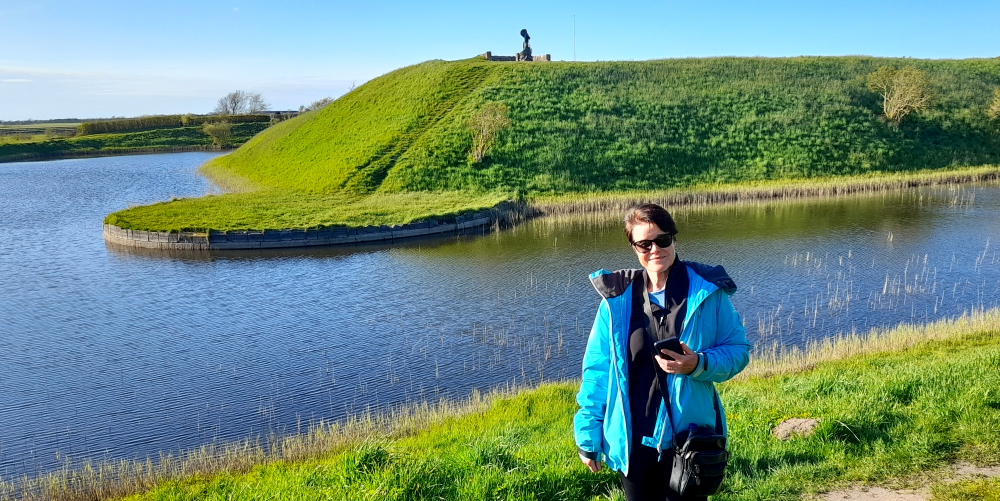
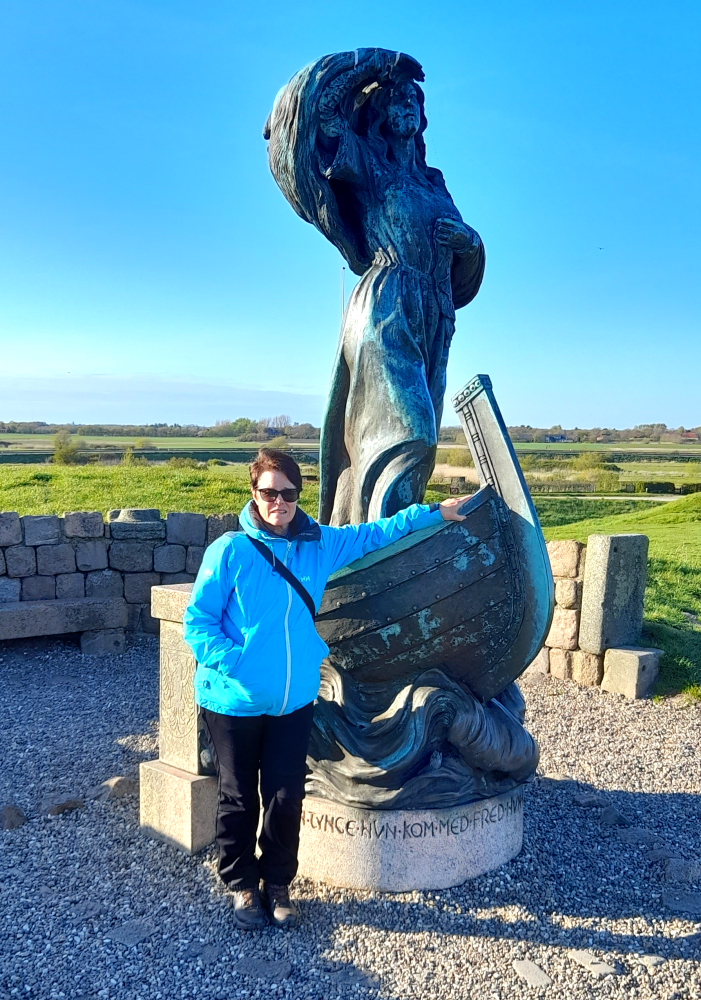
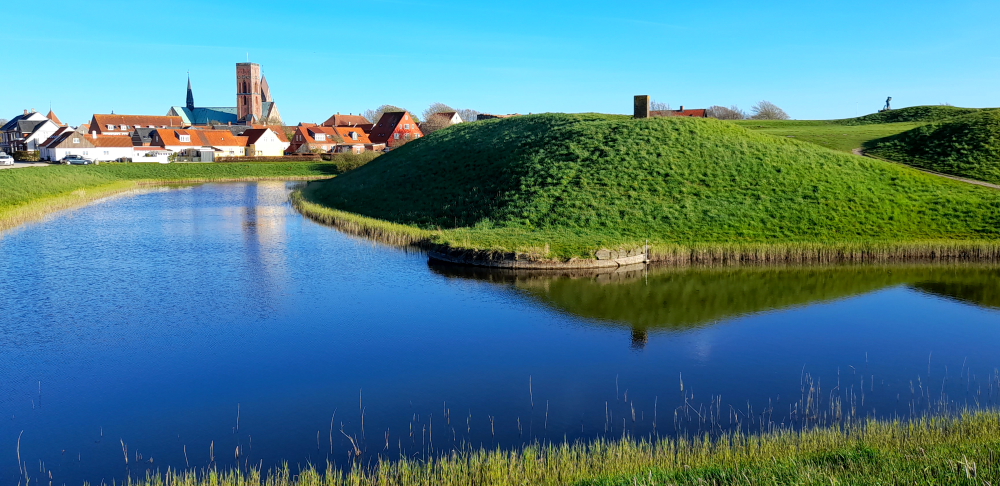
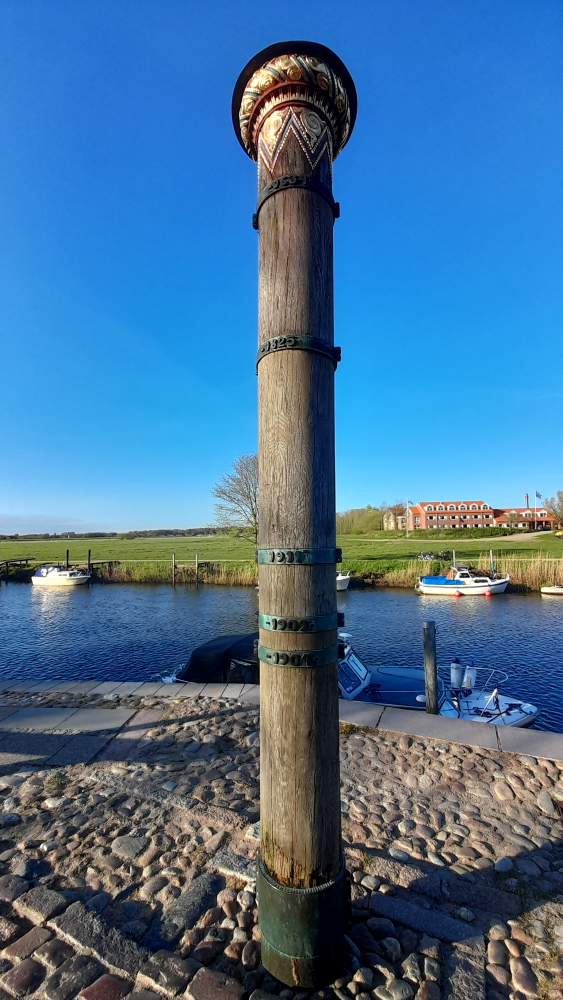
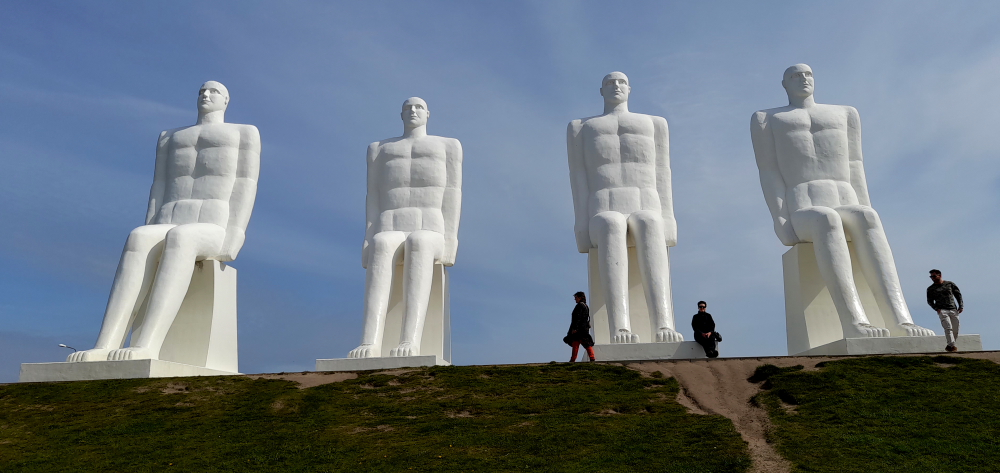
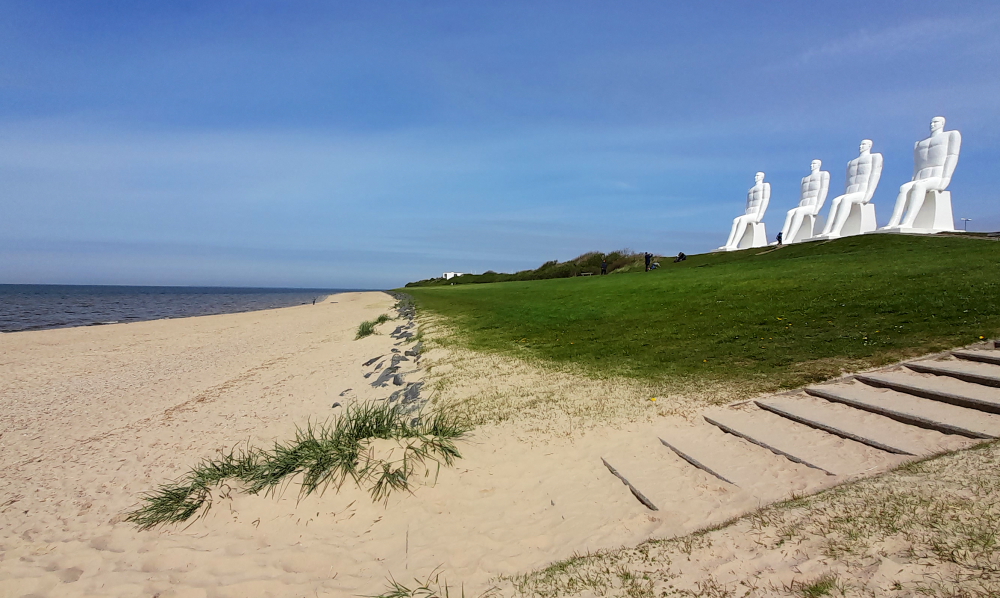
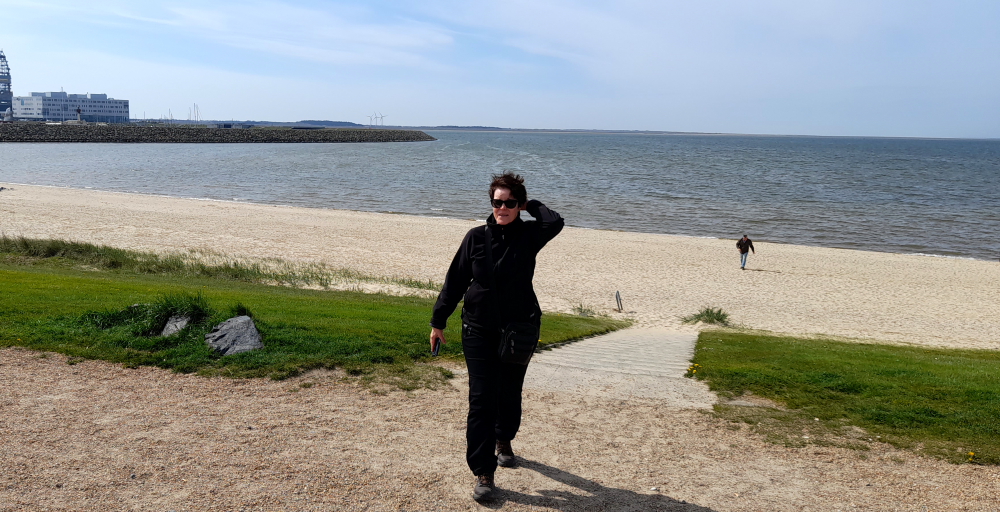
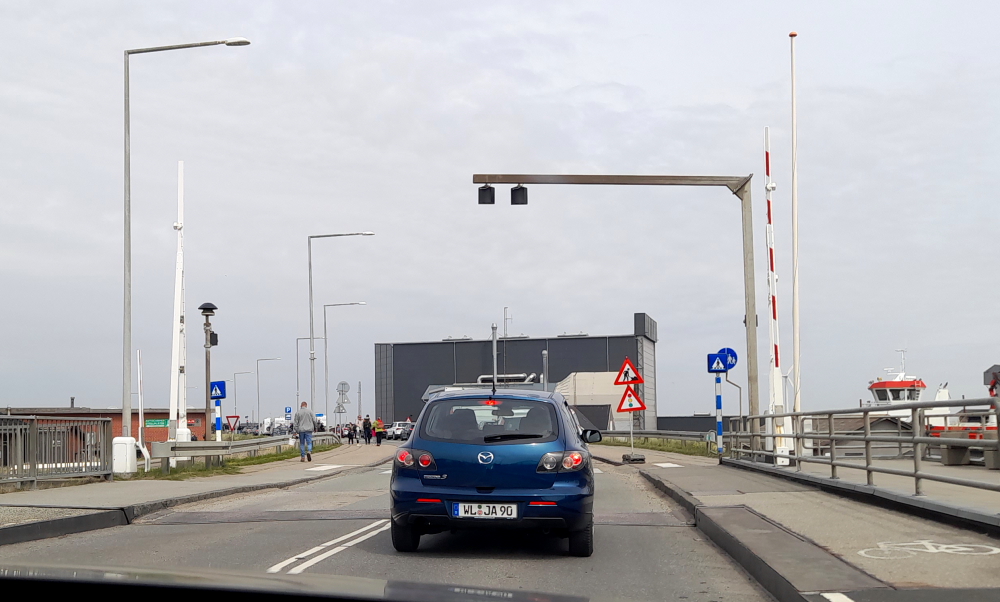
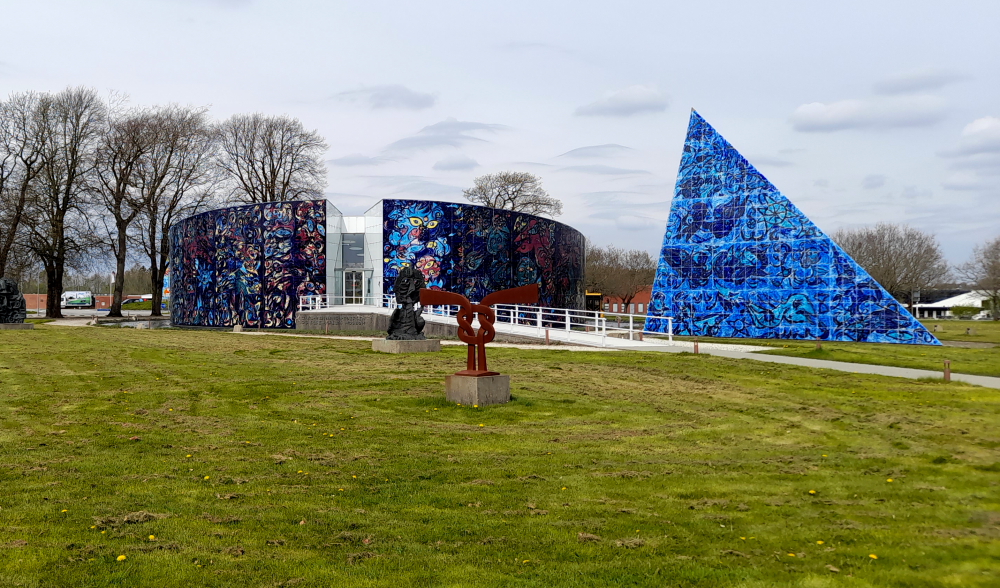
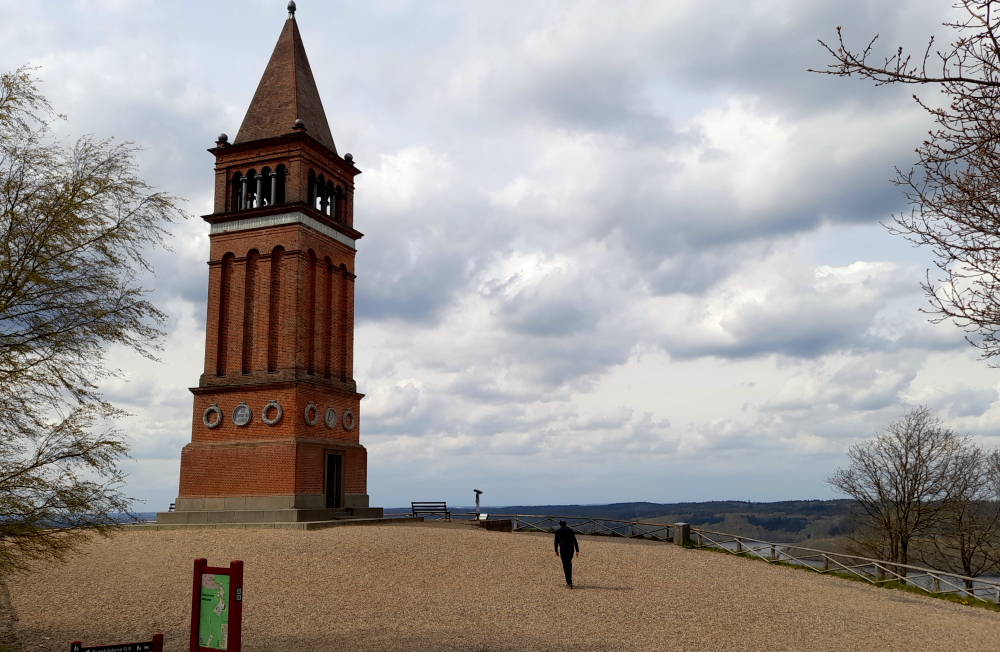
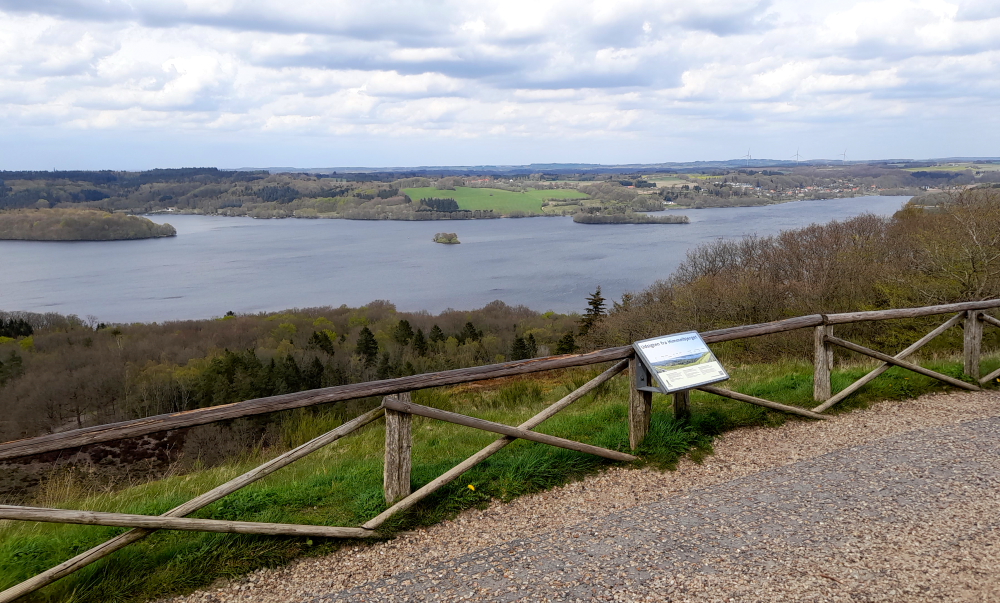
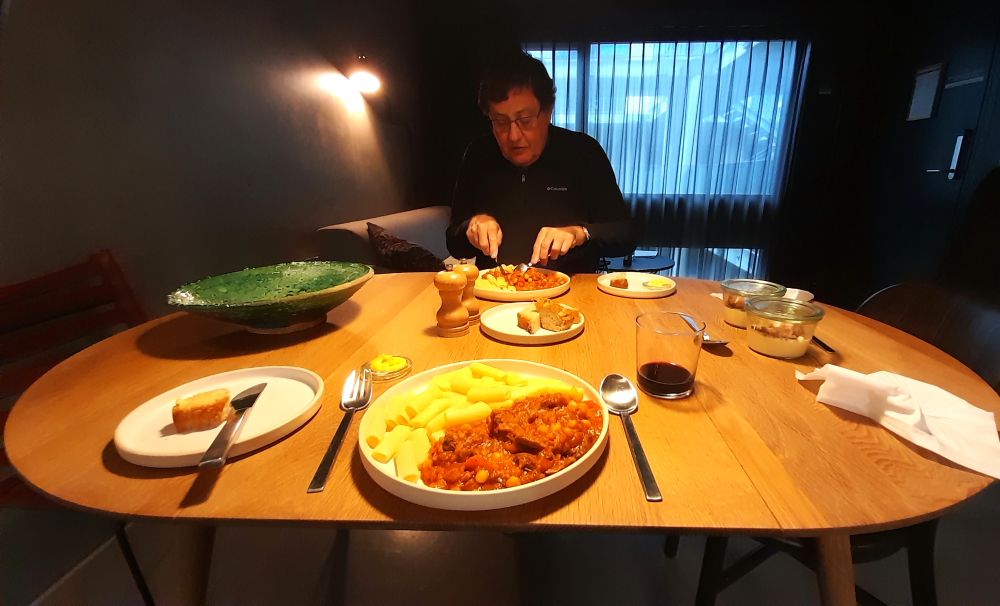
 THE CONTINUING TRAVELS OF YOGI & BOO BOO